He Was Always Second-Best
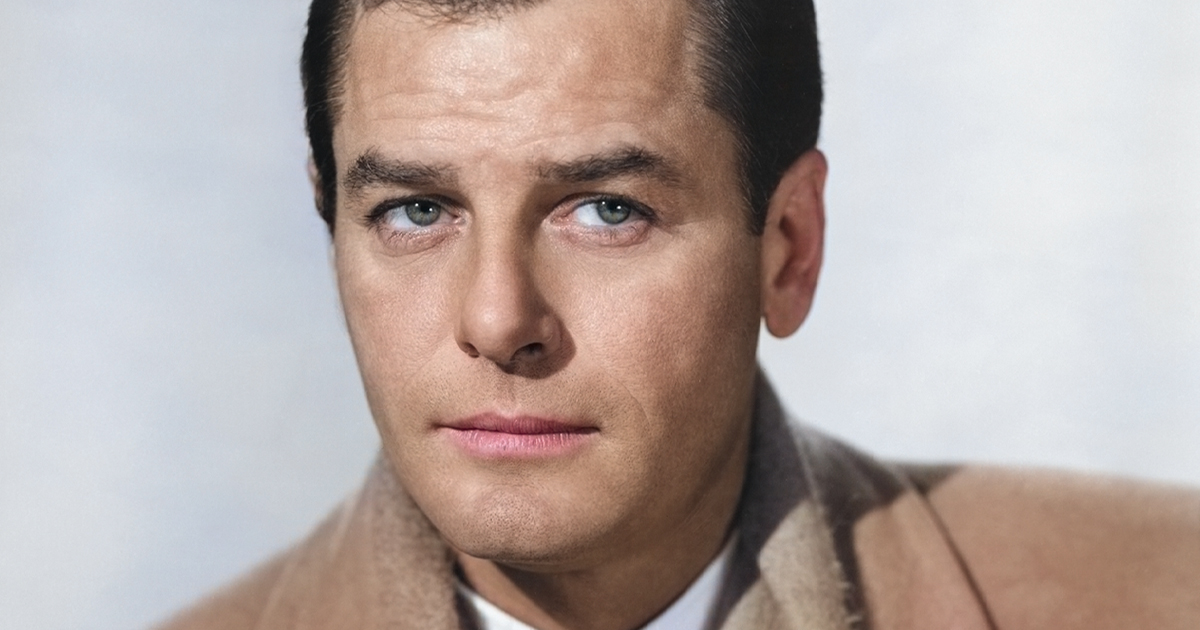
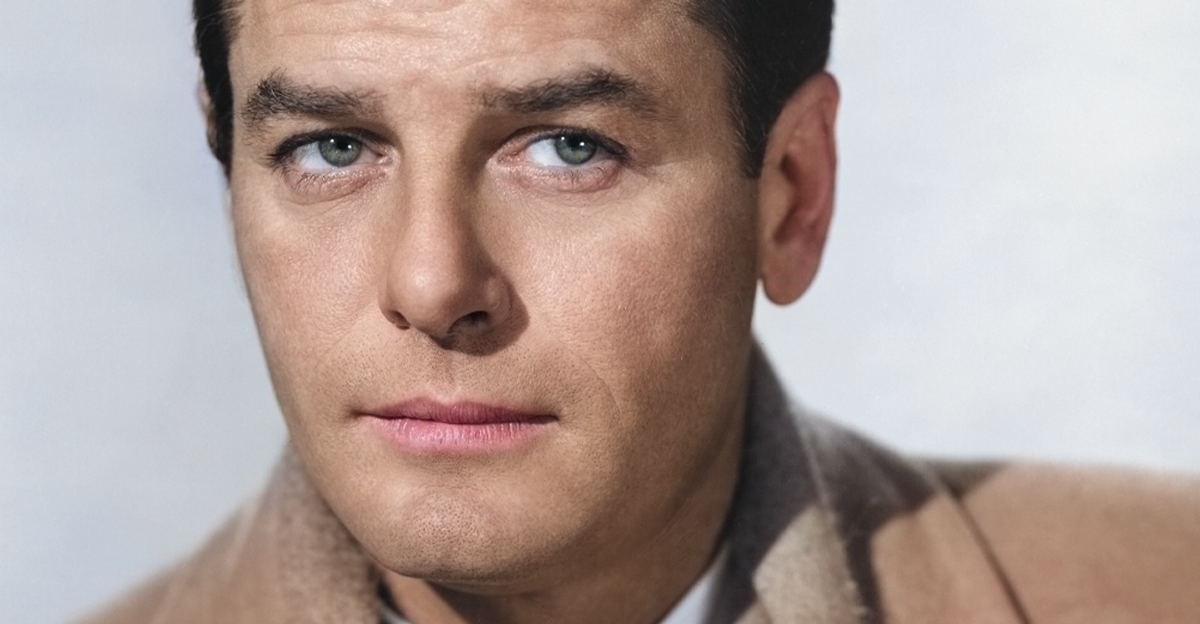
Byron Elsworth Barr (better known to audiences by his stage name Gig Young) carved out a special place for himself in Hollywood: second male lead. Forever losing the ladies to the leading man (on and off screen), Gig Young turned to the bottle. But no one saw the dark, twisted ending he scripted for himself.
 Universal History Archive, Getty Images
1. He Was Never The Lead
Byron Elsworth Barr wasn’t even the lead in his own family. Before he was born on November 4, 1913, his parents, John and Emma Barr, had already produced several “older siblings”. Shortly after his birth, the family relocated to Washington, DC, where his father worked as a reformatory chef. The only thing that needed reforming, however, would be Young himself.
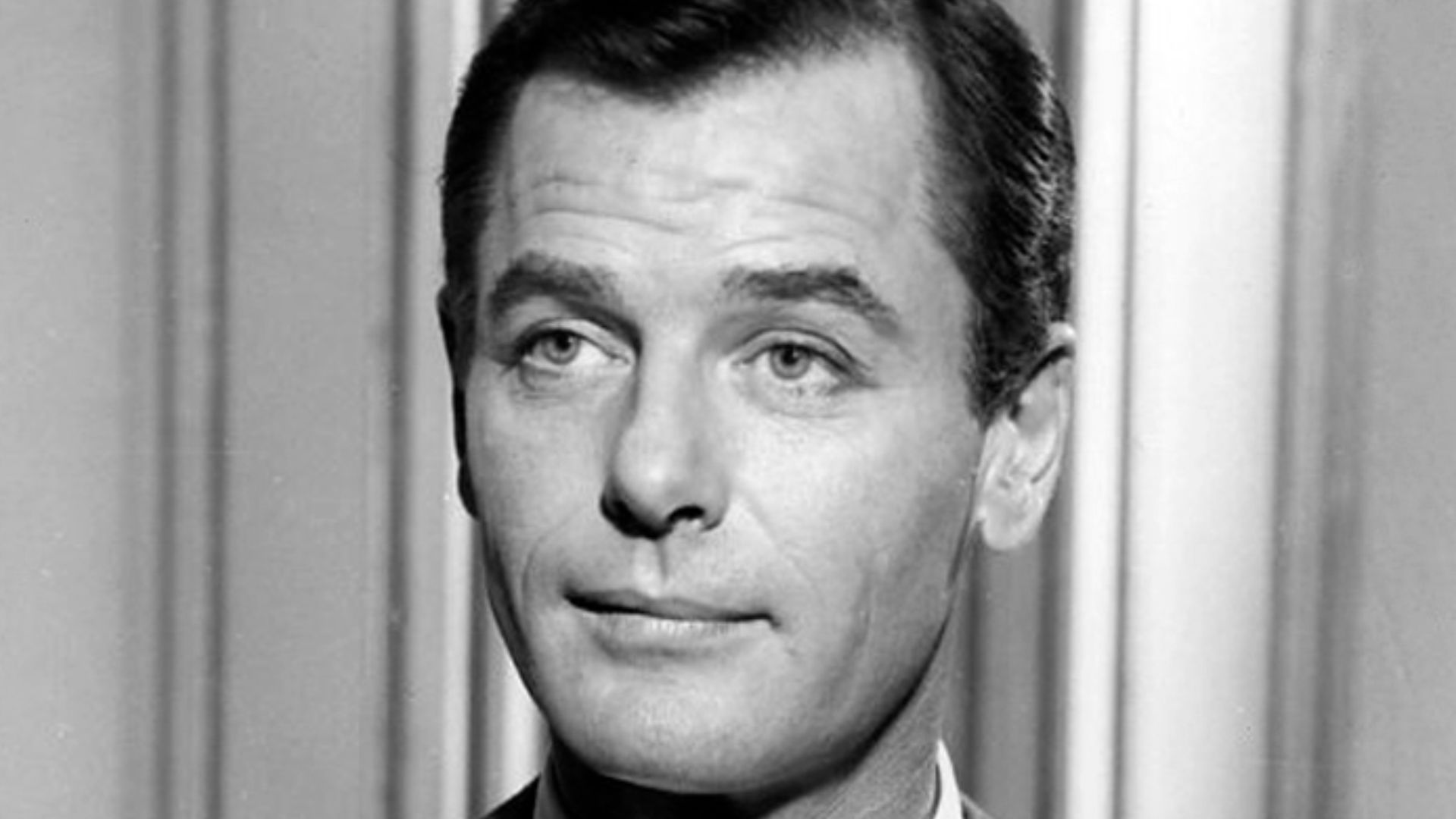 Talbot photography, Wikimedia Commons
2. He Found His Calling On Stage
There aren’t many accounts of Gig Young as a student, except that it was in school where he found his calling. Young began acting in school plays at McKinley High School and dreamed of becoming a star. After graduating, he took a job selling used cars by day and studied acting by night. It was a hustle—but it put him on the right track.
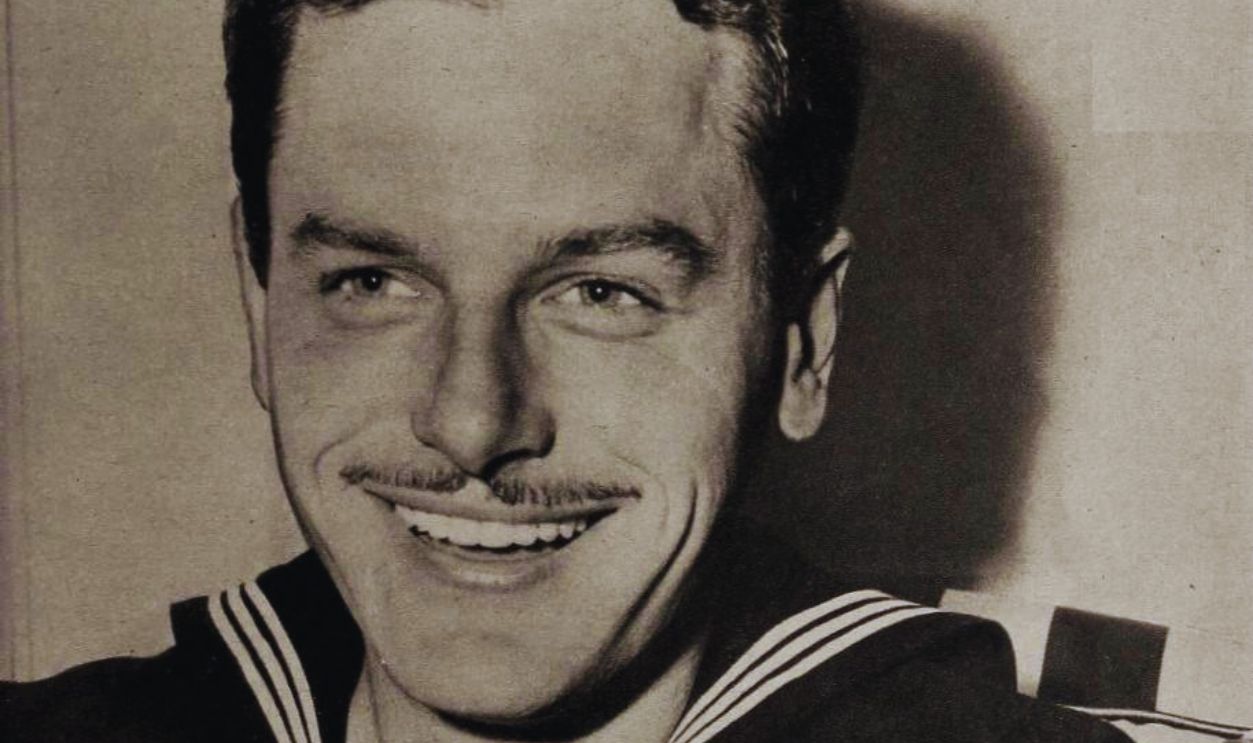 Photographer not credited, Wikimedia Commons
3. His Fate Rested On A Tank Of Gas
Young’s fate came down to a tank of gas. Filled with dreams of becoming an actor, he moved to Hollywood when a friend offered him a ride on the condition that they split the fuel cost. Young agreed and, once there, he earned a scholarship to the Pasadena Playhouse. “I had two jobs to support me, never rested, but it was great training,” he later recalled, “and when I landed the part at Warner Bros, I was ready for it”.
And so was Hollywood.
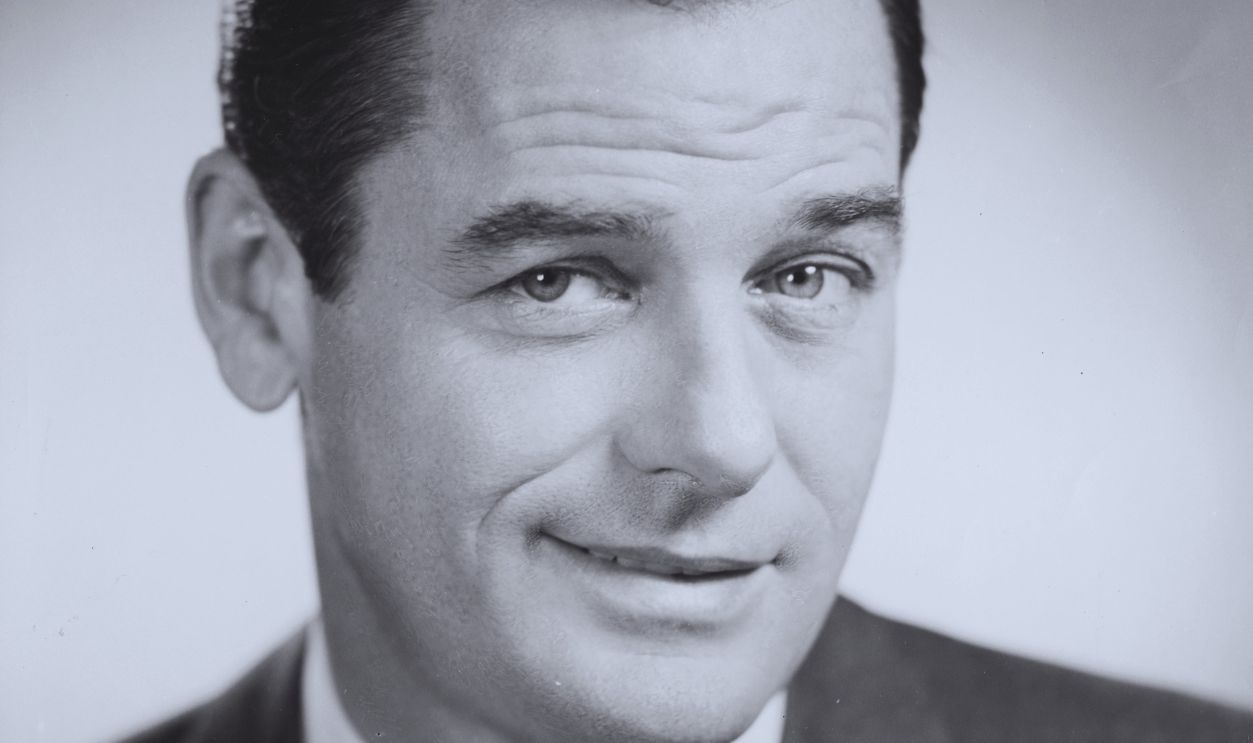 John Springer Collection, Getty Images

History's most fascinating stories and darkest secrets, delivered to your inbox daily.
4. He Was Second To Superman
While performing in Pancho at the Pasadena Playhouse, Young’s hard work paid off. A talent scout from Warner Bros happened to be in the audience and was so impressed with Young that he offered him a contract on the spot. But he was already only second-best. The play’s lead, George Reeves, also got a contract that night and would go on to play Superman.
![Omschrijving: George Reeve [Reeves], de eerste Superman in de film wiens carrière werd verpest door zijn fixatie op de rol. Jaartal Unknown. Hij pleegde zelfdoding in 1959.](https://www.factinate.com/storage/app/media/factinate/2026/7/14/1784006444e99416c44496d12bfa3d29b4183fb735cac9cf6f.jpg) Unknown authorUnknown author, Wikimedia Commons
Unknown authorUnknown author, Wikimedia Commons
5. He Was Not The First Of His Name
Young couldn’t even claim the lead with his own name. All of his early film work at Warner Bros went uncredited, or, worse, was credited under “Byron Barr”—the name of another actor with far more star power. To avoid further confusion, he switched to “Byron Fleming” and early appearances in Misbehaving Husbands, Sergeant York, and Navy Blues put him on the map.
Then a single line changed everything.
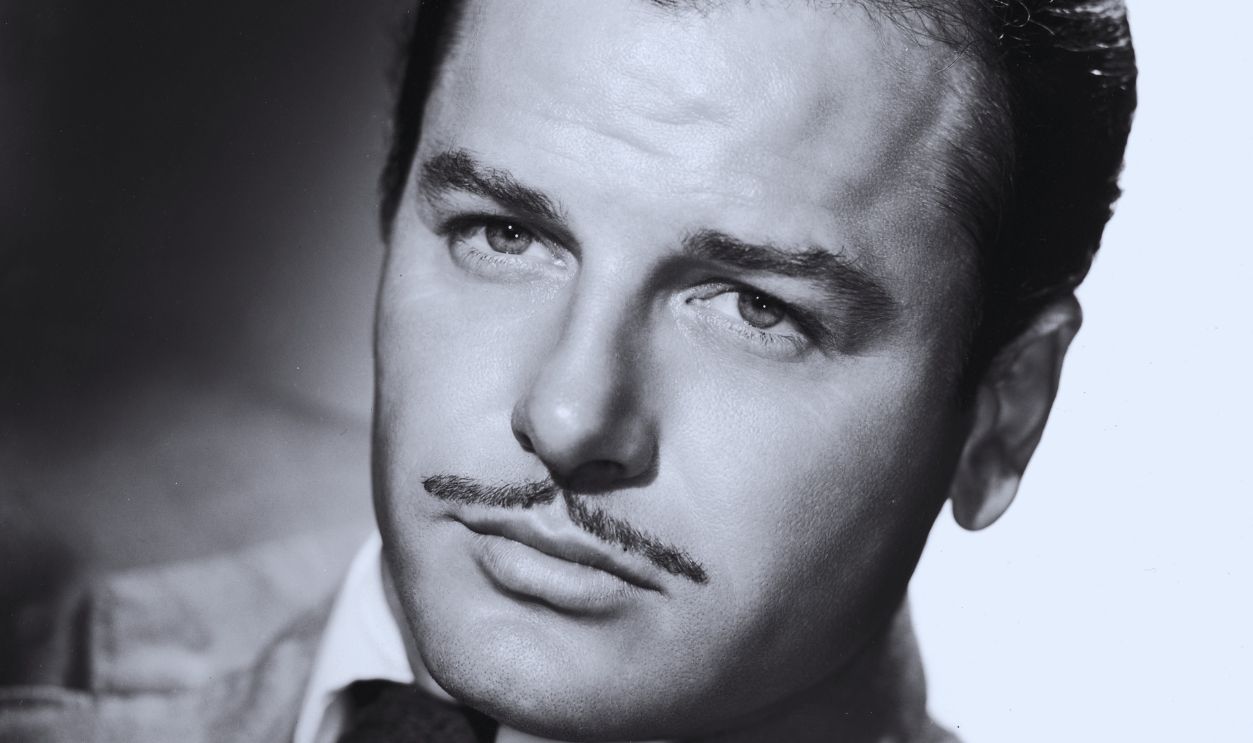
6. He Had One Line—And Nailed It
Whether credited under his own name, an alias, or any name at all, Gig Young had something nobody could ignore: talent. He landed an uncredited bit part in the 1942 Bette Davis film The Man Who Came to Dinner. The part had just one line consisting of just three words. Young made them count. In his distinctive voice, he delivered one of the film’s most memorable moments: “How’s the ice?”
That changed everything.
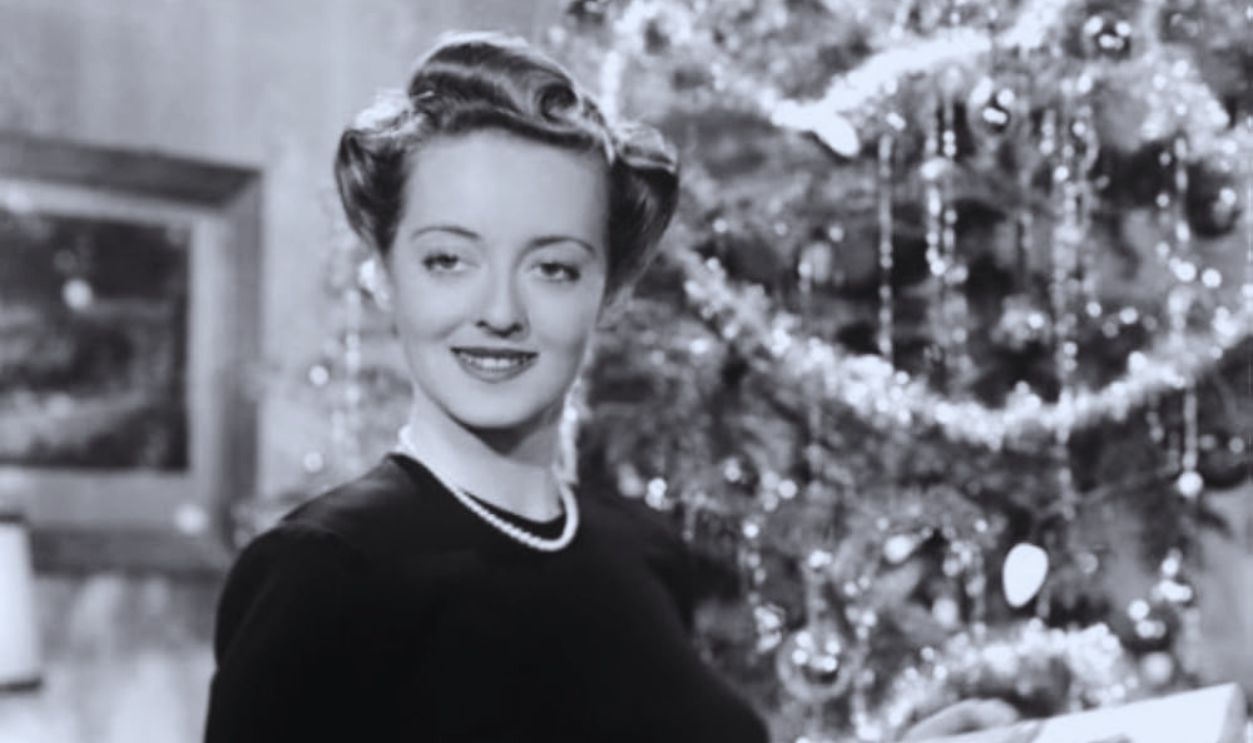 Screenshot from The Man Who Came to Dinner, Warner Bros. Pictures (1942)
7. He Became Gig Young
Young followed up The Man Who Came to Dinner with 1942’s The Gay Sisters. It was his first notable and substantial role, though it may have turned out to be too notable. Young’s character in the film was named “Gig Young” and preview cards from audiences raved about the actor…“Gig Young”. Where Young saw a problem, the studio saw an opportunity.
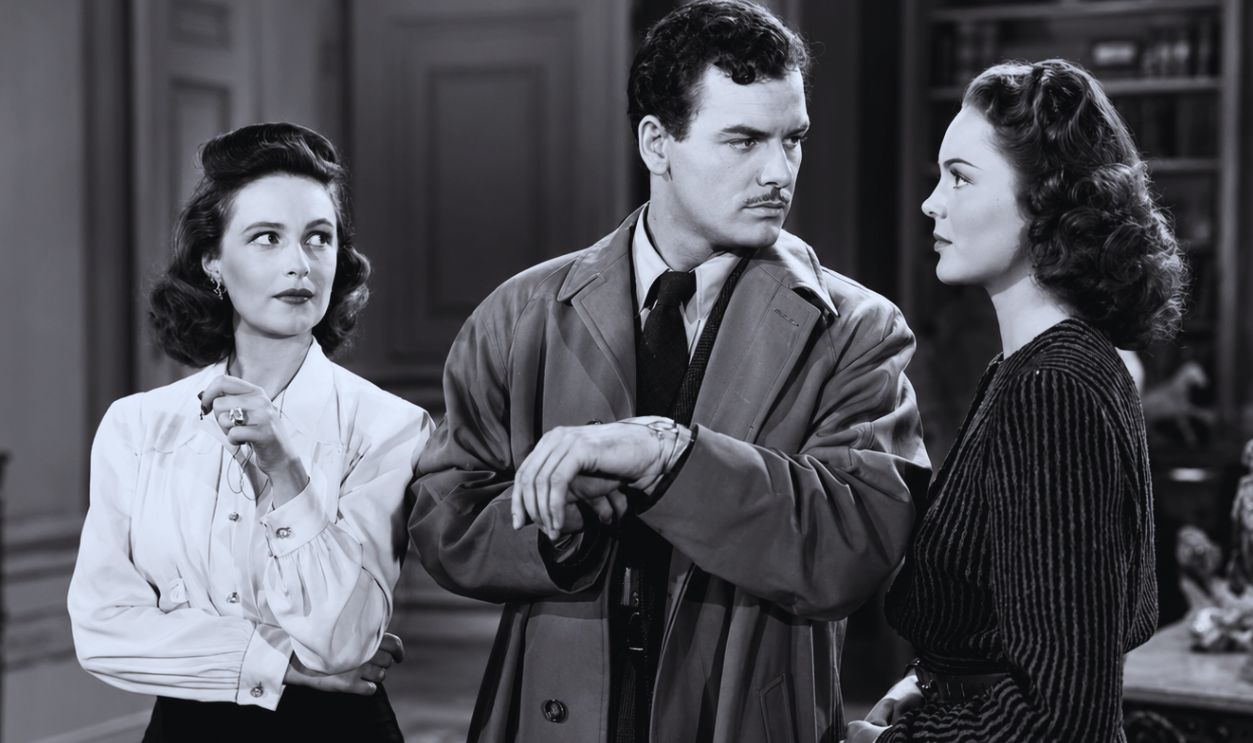 Screenshot from The Gay Sisters, Warner Bros. Pictures (1942)
8. He Traded His Name For Fame
The studio made it official: the actor would become the character, off camera. At Warner Bros’ urging, Gig Young changed his stage name to Gig Young and the rest became history. Though Young admitted to “some hesitancy” he “weighed the disadvantages against the advantages of having it stick indelibly in the mind of audiences”. Ultimately, he concluded, “There’d be no confusion with some other actor called Gig”.
Byron Barr was gone and a future of stardom awaited.
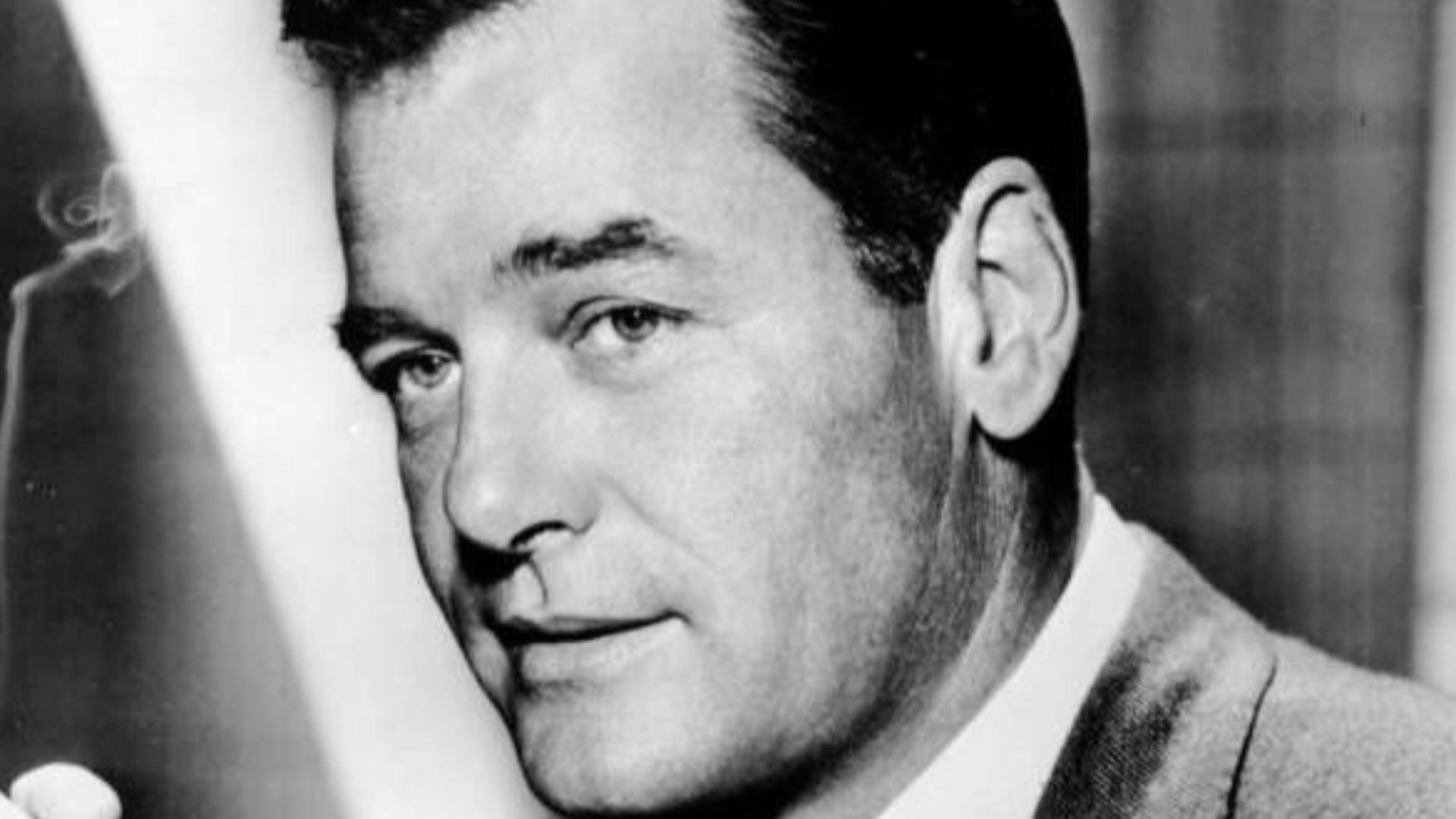 ABC Television, Wikimedia Commons
9. His New Name Opened Doors
A new name, it turned out, was all Gig Young actually needed. Following his rebrand, Young’s parts improved markedly: Howard Hawks cast him as a co-pilot in Air Force (1943), and he played Bette Davis’ love interest in Old Acquaintance that same year. He might have been on his way to becoming a leading man, except duty called and he answered.
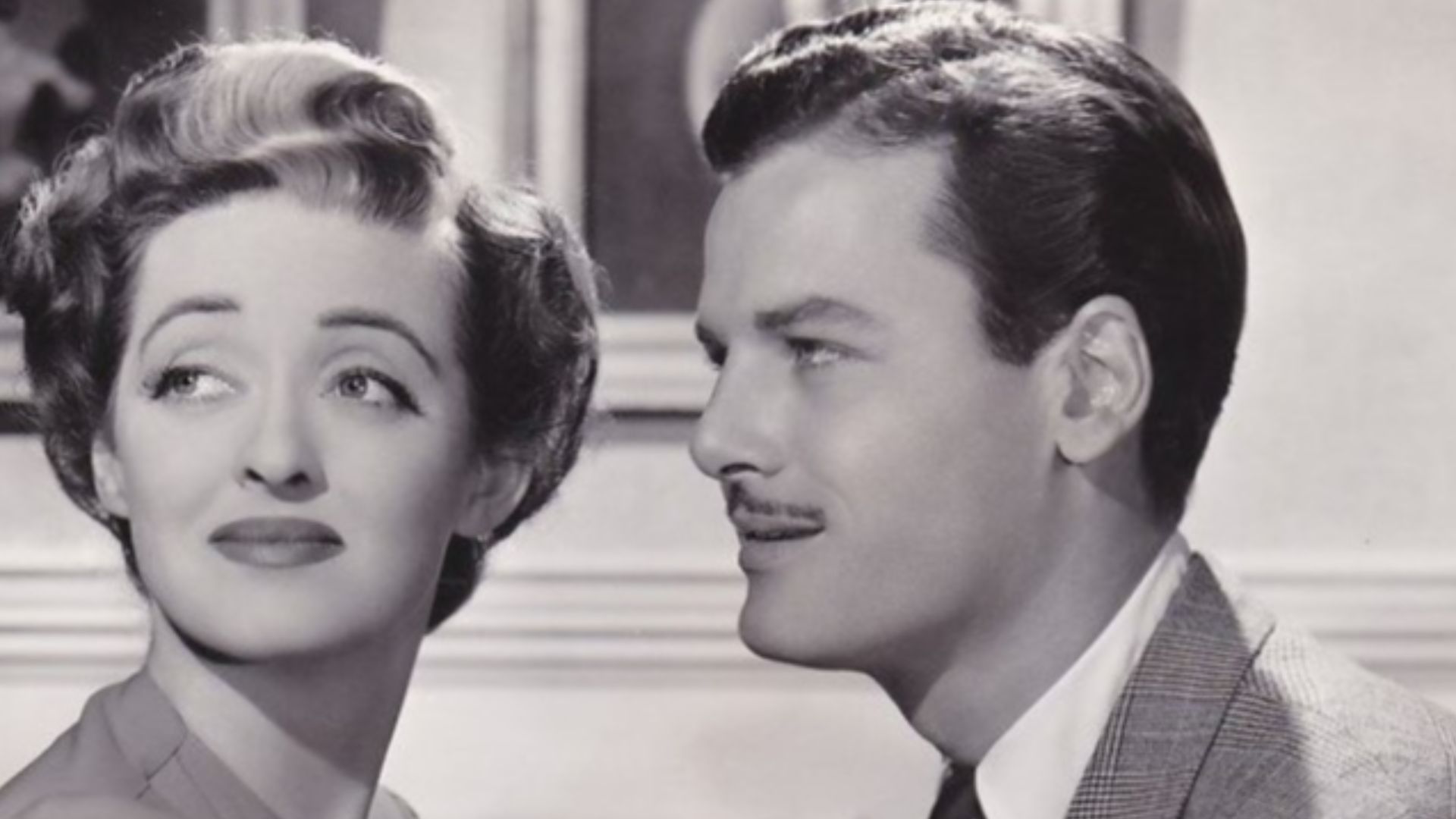 Bert Six (1902-1967), Wikimedia Commons
History's most fascinating stories and darkest secrets, delivered to your inbox daily.
10. He Served In A Combat Zone
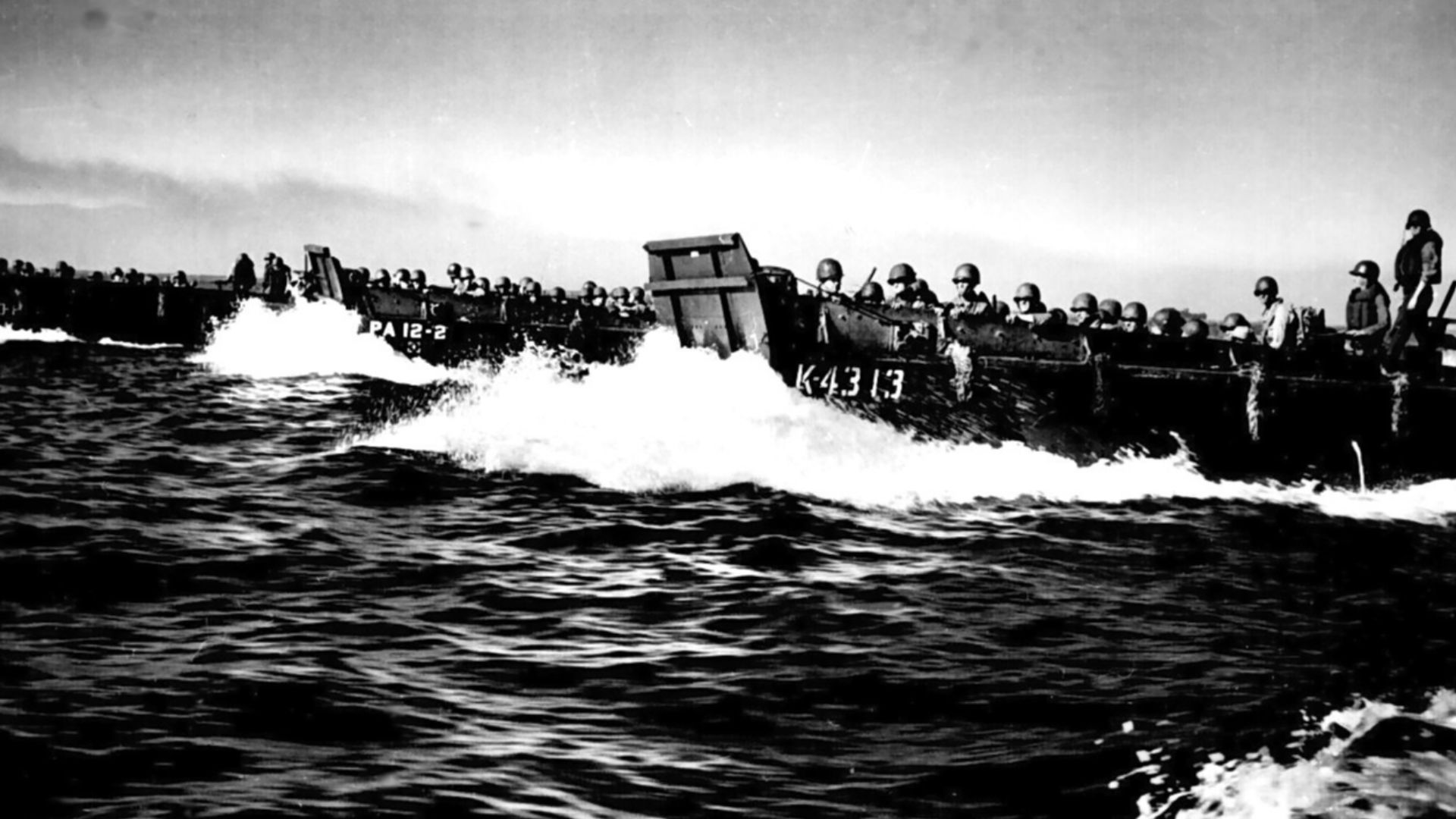
At the outbreak of WWII, Young felt a patriotic duty to trade sound stages for the South Pacific. He enlisted in the US Coast Guard in 1941, serving as a pharmacist’s mate through the end of the conflict. But it wasn’t all prescriptions and medications. Young saw active combat in the Pacific and the experience may have changed him in ways no one expected.
Least of all, those who knew him best.
11. His First Marriage Crumbled
Young’s service in the Coast Guard might have cost him his first attempt at love. He married Sheila Stapler, a Pasadena Playhouse classmate, in 1940 before his deployment. But the union lasted just seven years, ending in 1947 shortly after his return. Young later reflected: “We were too young, it couldn’t have lasted”.
12. He Rivalled Errol Flynn
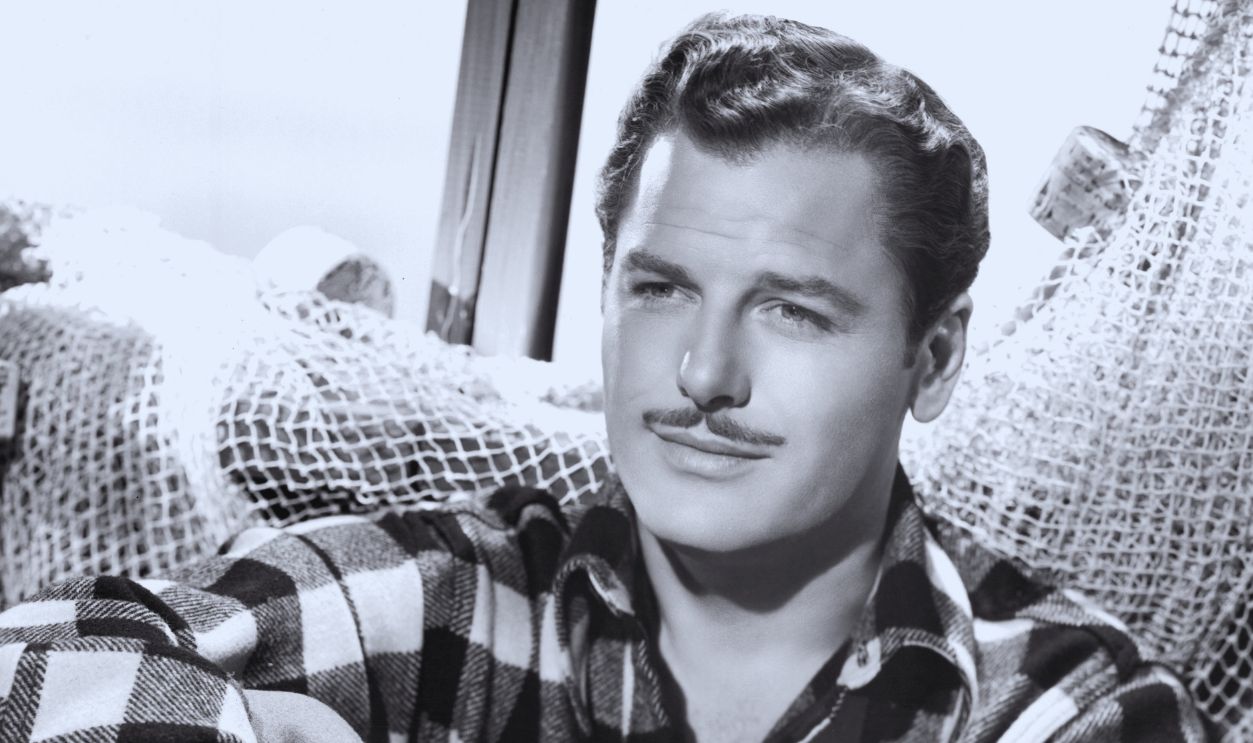
Coming home from the conflict meant starting over—and Gig Young did it at a sprint. He squared off against Errol Flynn for Eleanor Parker’s affections in Escape Me Never (1947), then reunited with Parker in The Woman in White (1948). The roles were good, but the money wasn’t and Young walked away from Warner Bros altogether.
That might have sealed his fate.
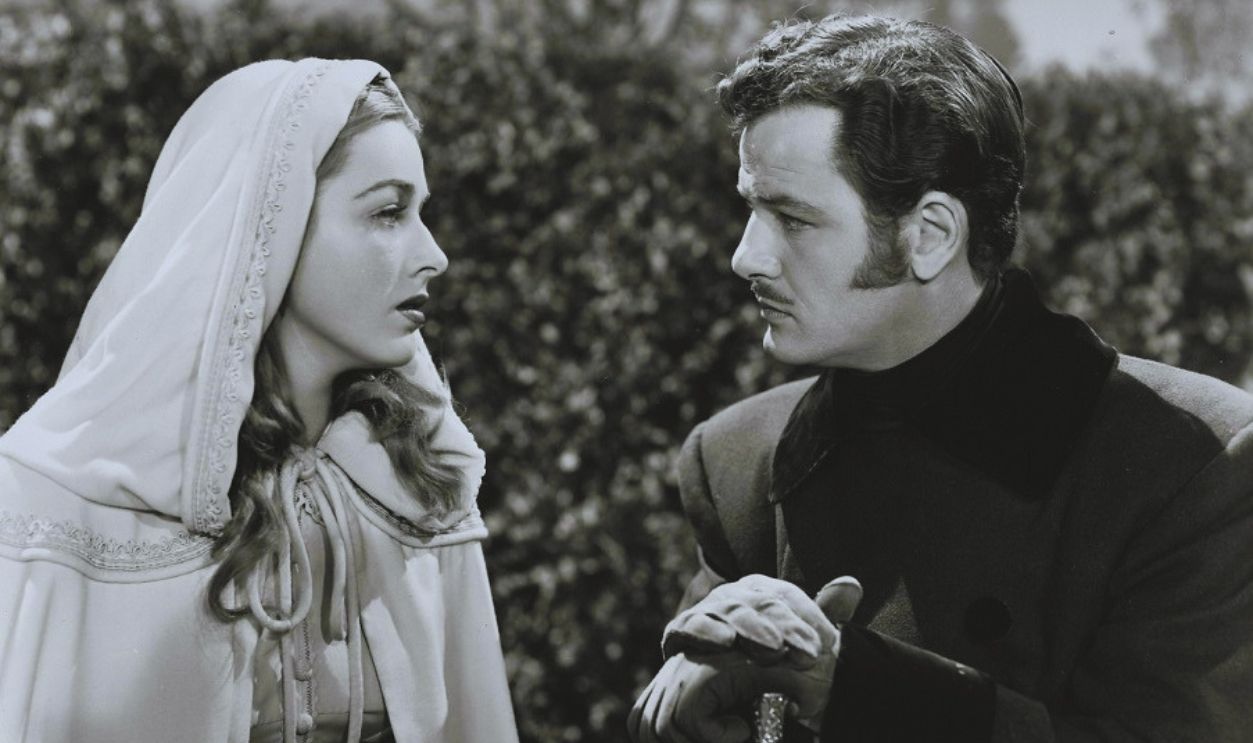 Screenshot from The Woman in White, Warner Bros. Pictures (1948)
13. He Became Hollywood’s Best Friend
Young had a gift—and a curse—for playing supporting roles. He played Porthos in MGM’s The Three Musketeers (1948), backed John Wayne in Wake of the Red Witch, and supported Glenn Ford in Lust for Gold (1949). The pattern was clear: he was the likable second lead, the brother, the best friend, the romantic rival.
Everyone’s favorite guy—and nobody’s star.
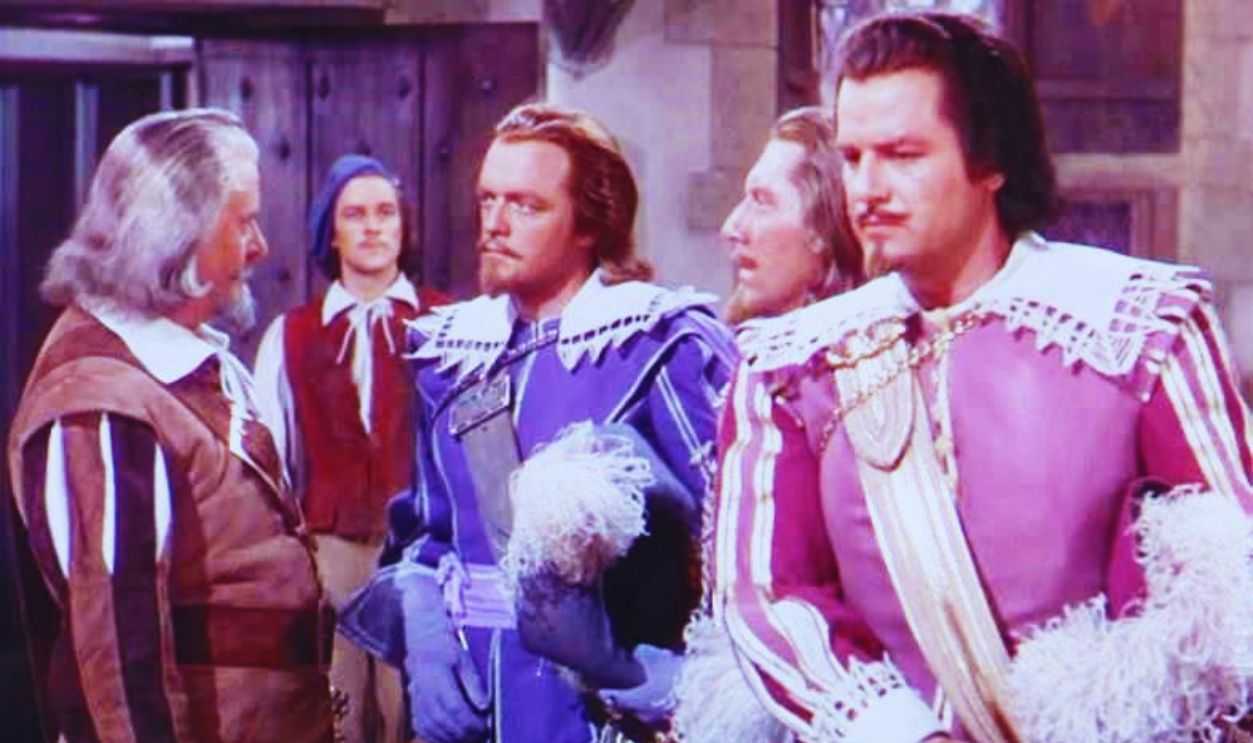 Screenshot from The Three Musketeers, Metro-Goldwyn-Mayer (1948)
14. He Mastered The Art Of Losing
Few actors understood their own box as well as Young did. “Whenever you play a second lead and lose the girl,” he said in 1966, “you have to make your part interesting yet not compete with the leading man. There are few great second leads in this business…If I’m good, it always means the leading man has been generous”.
There was, however, someone for whom he was second to none.
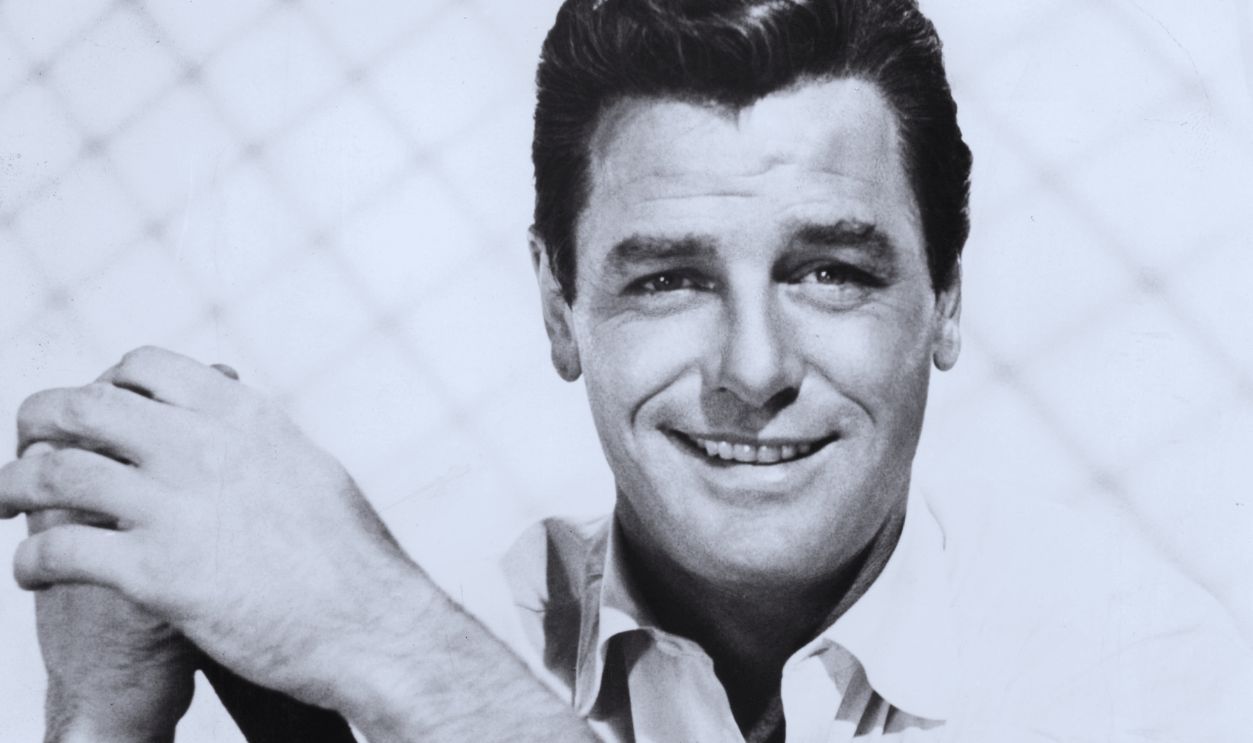
15. His Second Wife’s Fate Shattered Him
In 1950, Gig Young married Sophie Rosenstein, Paramount’s resident drama coach. Despite the fact that she was several years older than him, they shared a true love. Then Rosenstein was soon diagnosed with cancer and passed on just short of their second anniversary. Young reportedly could never speak of her passing—or of the months he spent watching it happen.
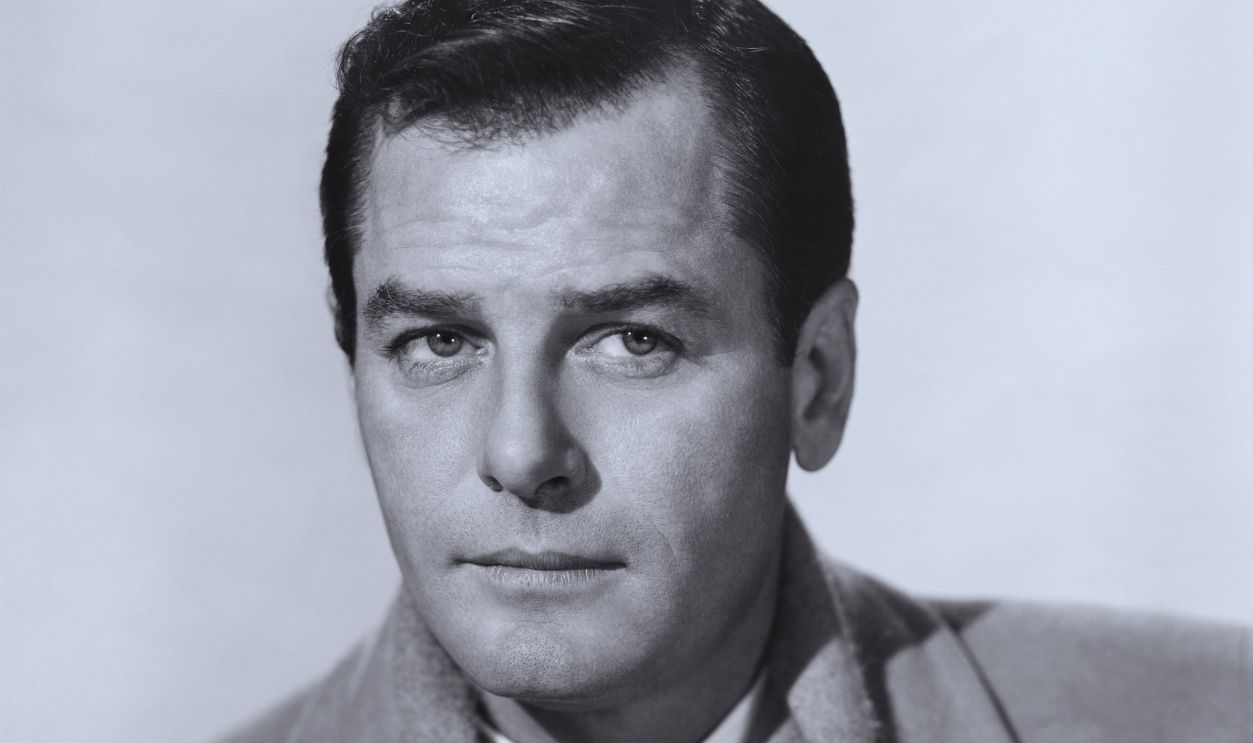 Universal History Archive, Getty Images
History's most fascinating stories and darkest secrets, delivered to your inbox daily.
16. He Impressed Martin Scorsese
If someone let him, Young could carry a film. He earned his first leading role in the noir Hunt the Man Down (1951), then starred as a disillusioned officer in City That Never Sleeps (1953). Decades later, Martin Scorsese selected that film to open a Republic Pictures retrospective he curated at MoMA, citing its “amazing energy and creativity”.
The directors of his own time didn’t share Scorsese’s confidence.
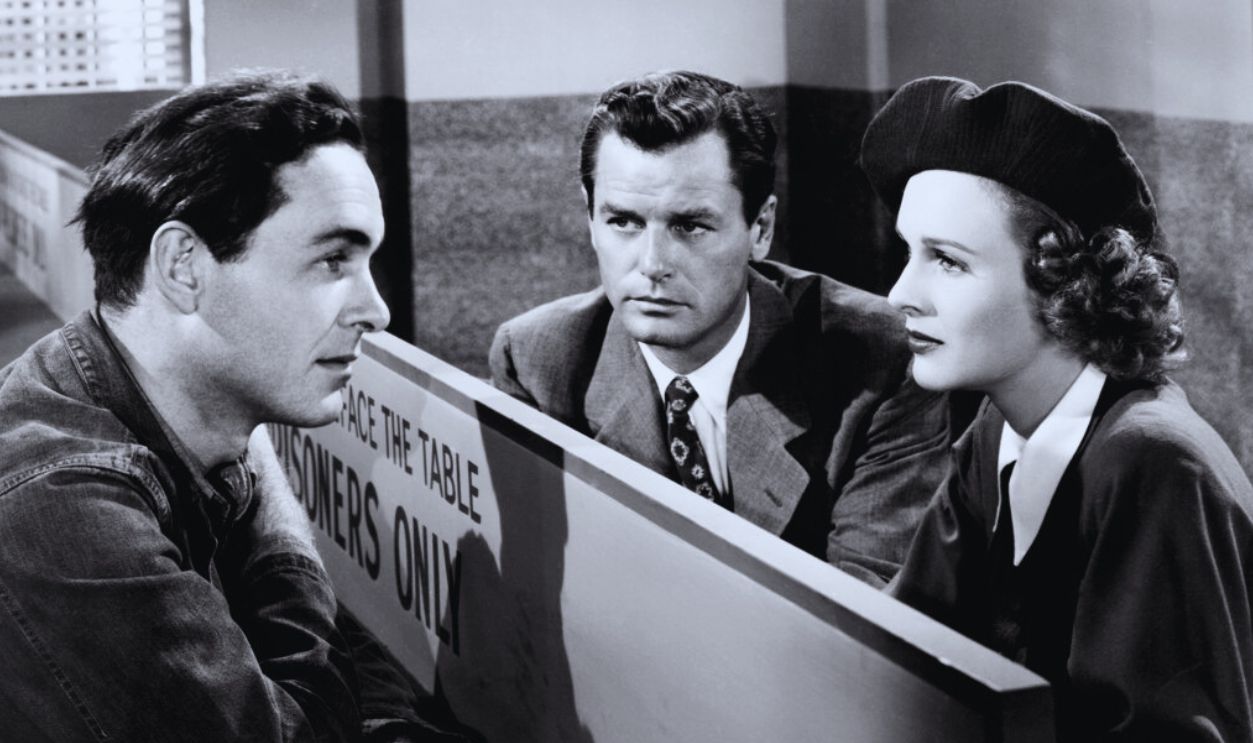 Screenshot from Hunt the Man Down, RKO Pictures (1951)
17. He Credited Someone Else For His Nominations
Playing against type changed everything. Young earned critical raves for his dramatic turn as a hooch hound in Come Fill the Cup (1951), starring alongside James Cagney. The role earned him nominations for both an Oscar and a Golden Globe. True to form, however, Young gave the lead “a great deal of the credit” for his performance.
Taking the lead himself proved harder than he thought.
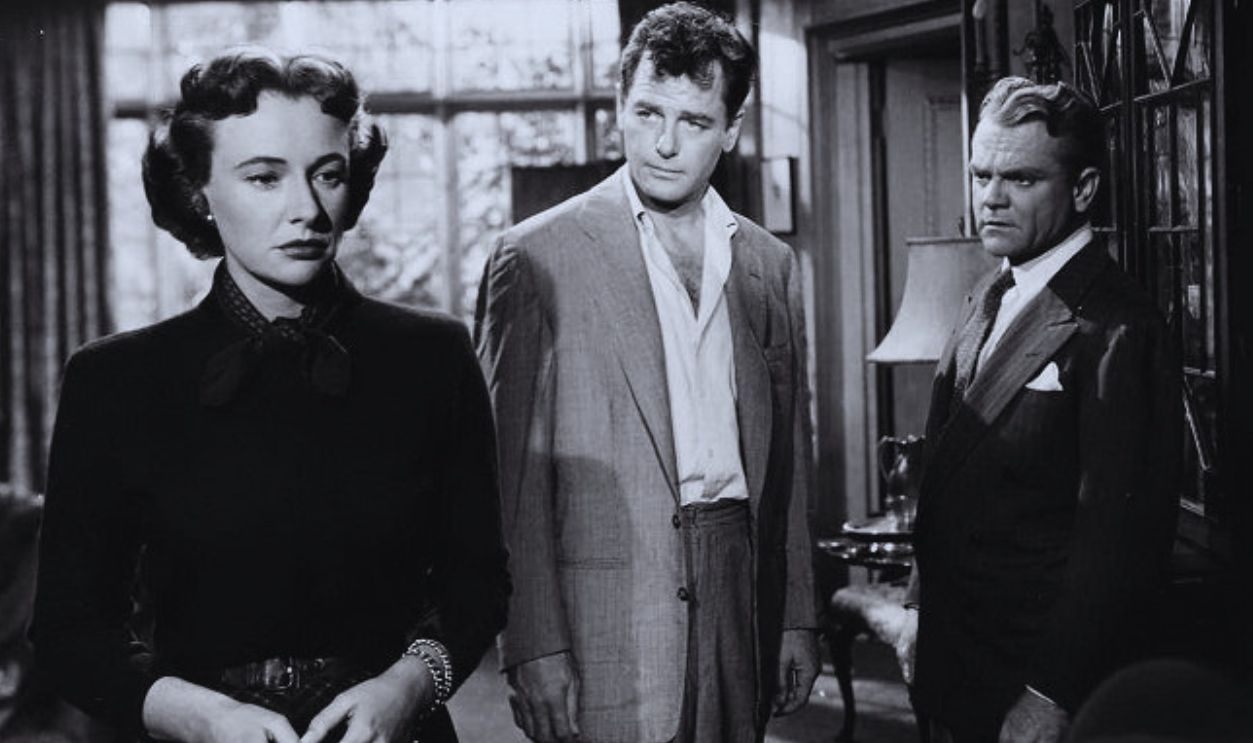 Screenshot from Come Fill the Cup, Warner Bros. Pictures (1951)
18. He Got Promoted—And Punished
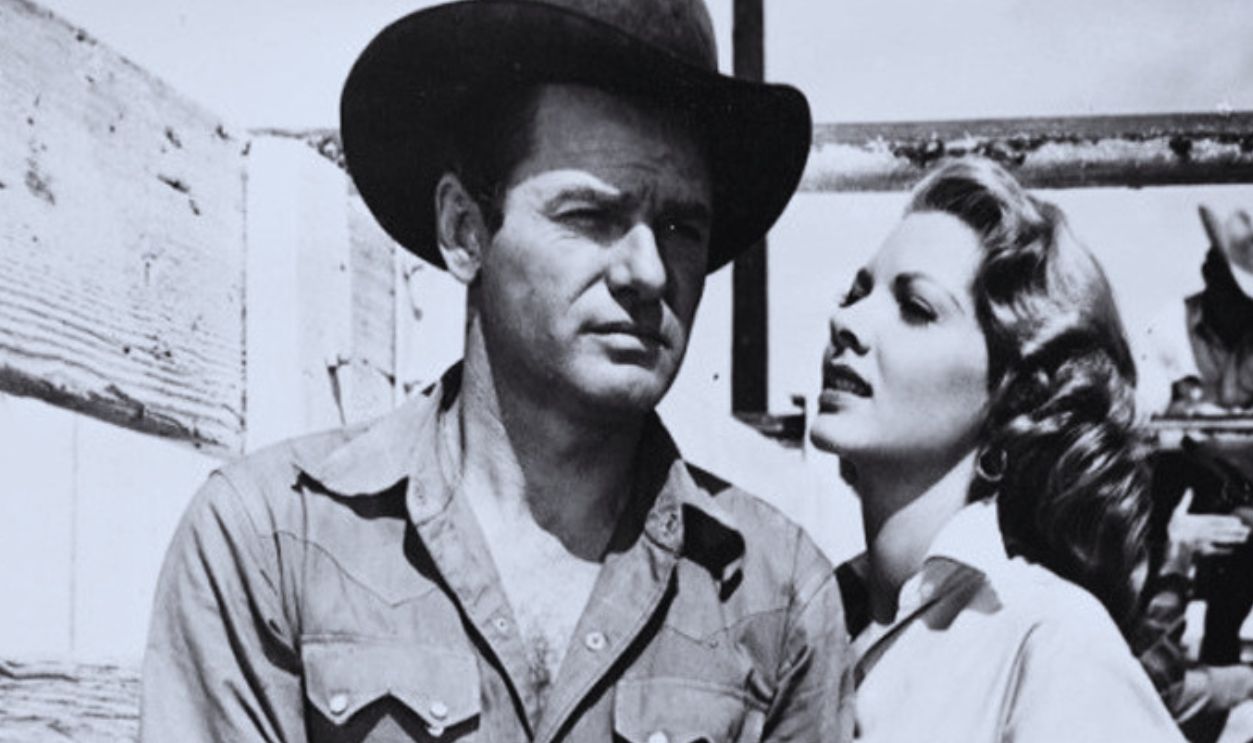
In 1952, MGM finally gave Gig Young another chance at the lead role. The studio cast him as the top star in Holiday for Sinners…and then it flopped. Thankfully, he rebounded quickly with the 3-D western Arena (1953) and shared the screen with Elizabeth Taylor and Joan Crawford. Hollywood only liked him when he was second best.
So he went somewhere else.
 Screenshot from Arena, Metro-Goldwyn-Mayer (1953)
19. He Bested Broadway
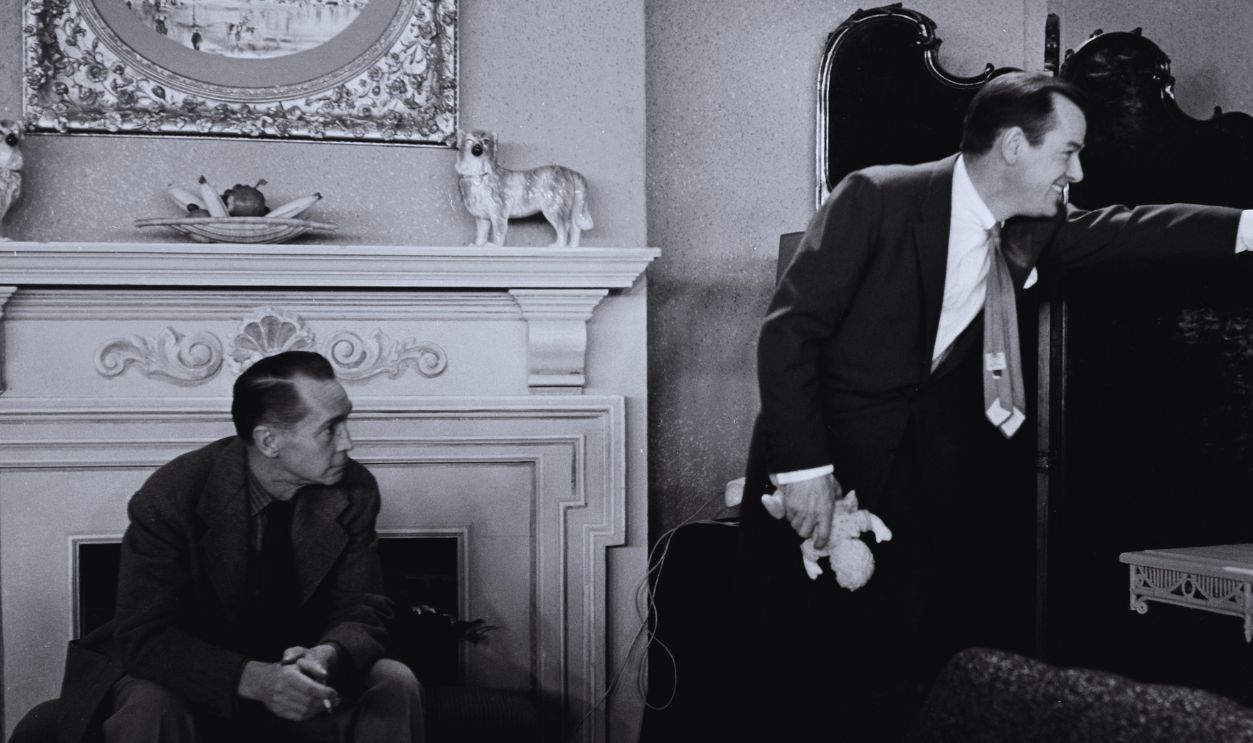
Young took his talents to Broadway—and finally claimed the lead. He starred in the Broadway comedy Oh Men! Oh Women! (1953–54), which ran for an astonishing 382 performances. Unfortunately that success didn’t translate to Tinseltown. “It was a big smash hit but never helped change my type in Hollywood for quite some time,” Young said. “I still played dull, serious parts like Errol Flynn’s brother. Yet on Broadway, they offered me nothing but comedies”.
Two coasts, two different actors—and neither one got what he wanted.
 Michael Ochs Archives, Getty Images
20. He Had A Brief Engagement
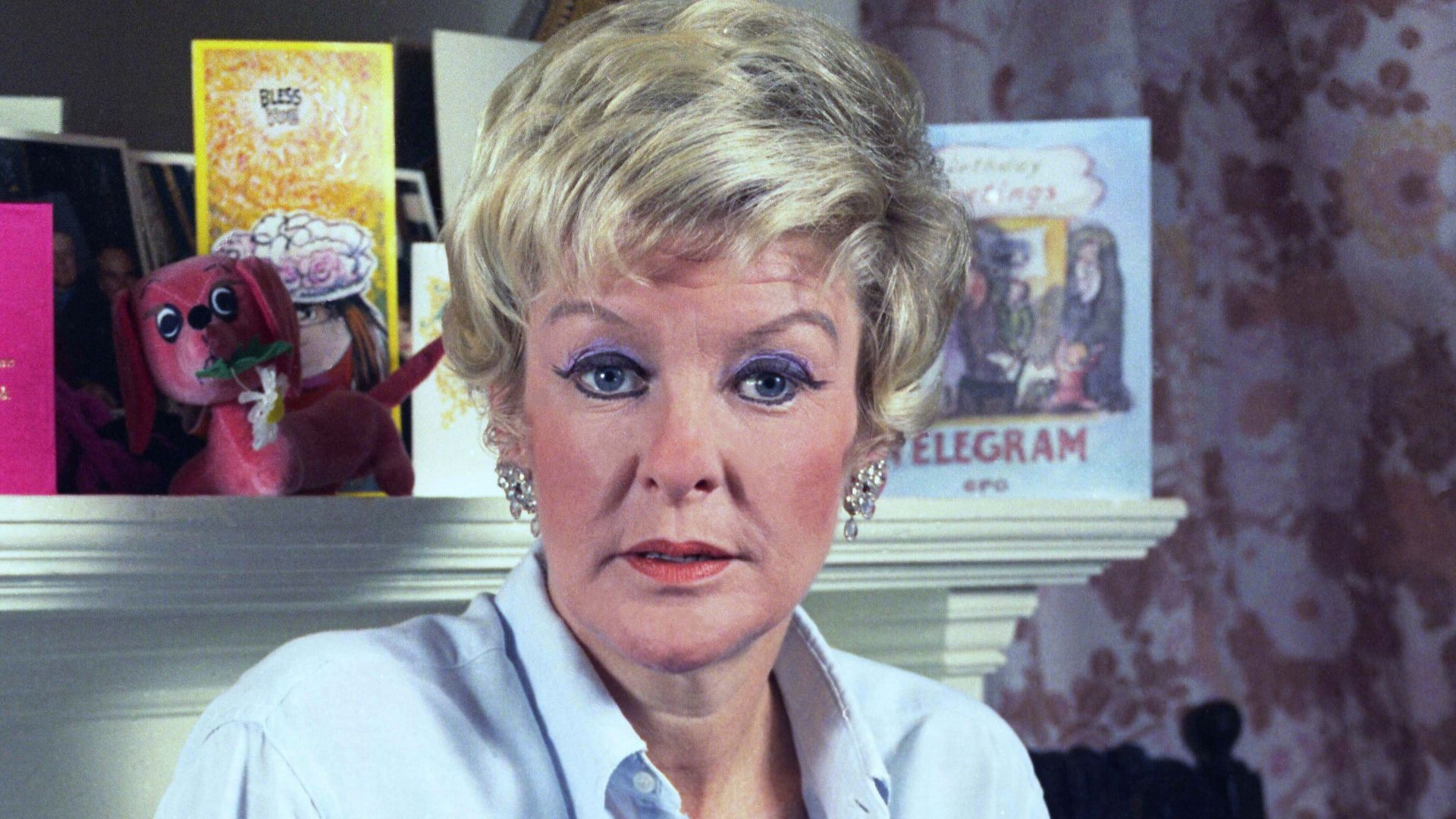
Young’s romantic life often mirrored his onscreen life: losing the ladies to the lead. For a time, he was engaged to the actress Elaine Stritch—though the seriousness of the arrangement was questionable. Stritch also had romantic ties to Marlon Brando, Ben Gazzara, and Rock Hudson. In a field of leading men, Young was, once again, second.
 Allan warren, Wikimedia Commons
21. He Married A Future Witch
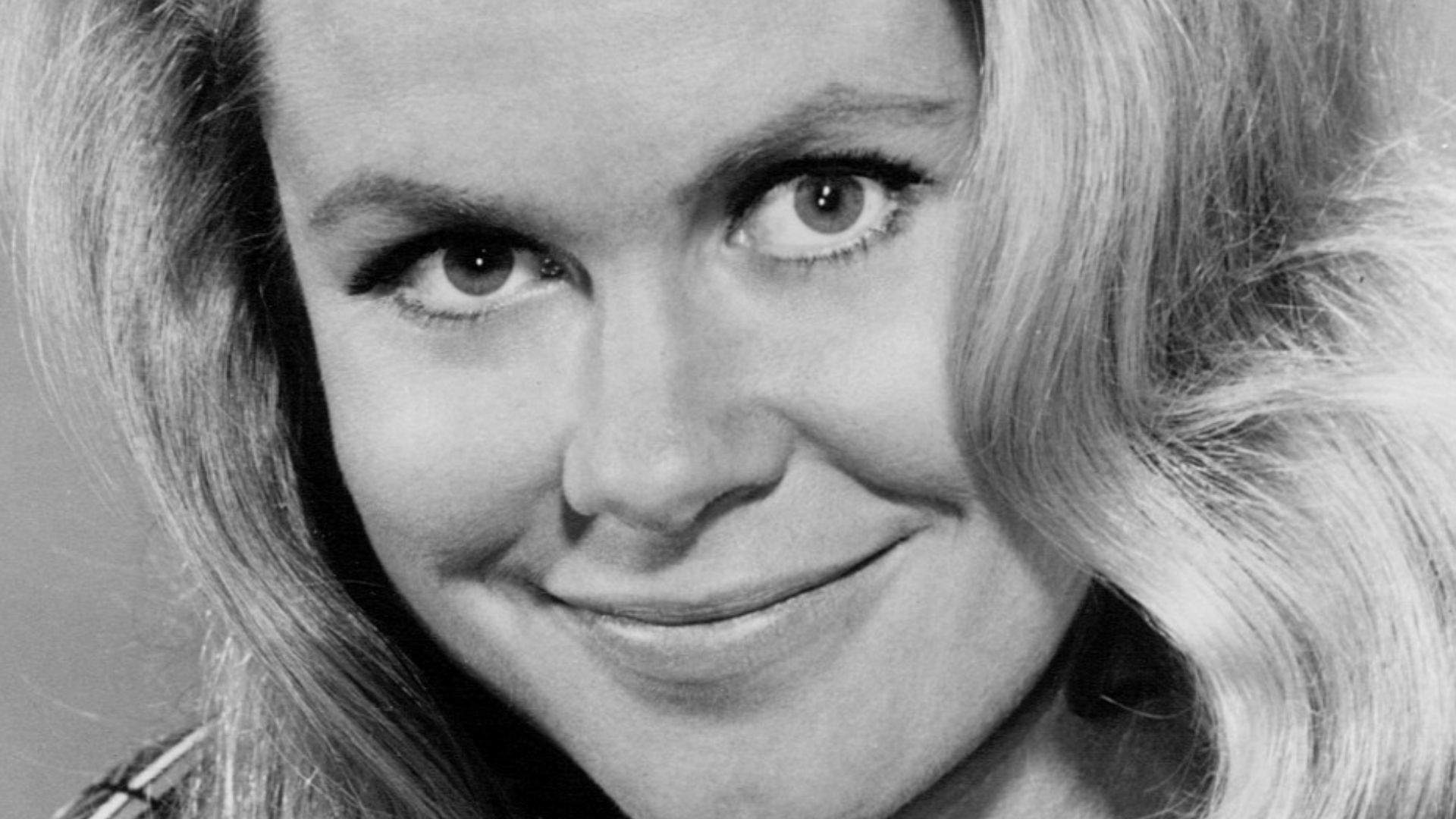
Gig Young did, eventually, manage to find his own leading lady once again. On an episode of Warner Bros Presents in 1956, Young met Elizabeth Montgomery. By late December of that year, they were married, marking Young’s third attempt at happily ever after. It seemed like a great match, but there was one person who saw the disaster ahead.
 ABC Television, Wikimedia Commons
History's most fascinating stories and darkest secrets, delivered to your inbox daily.
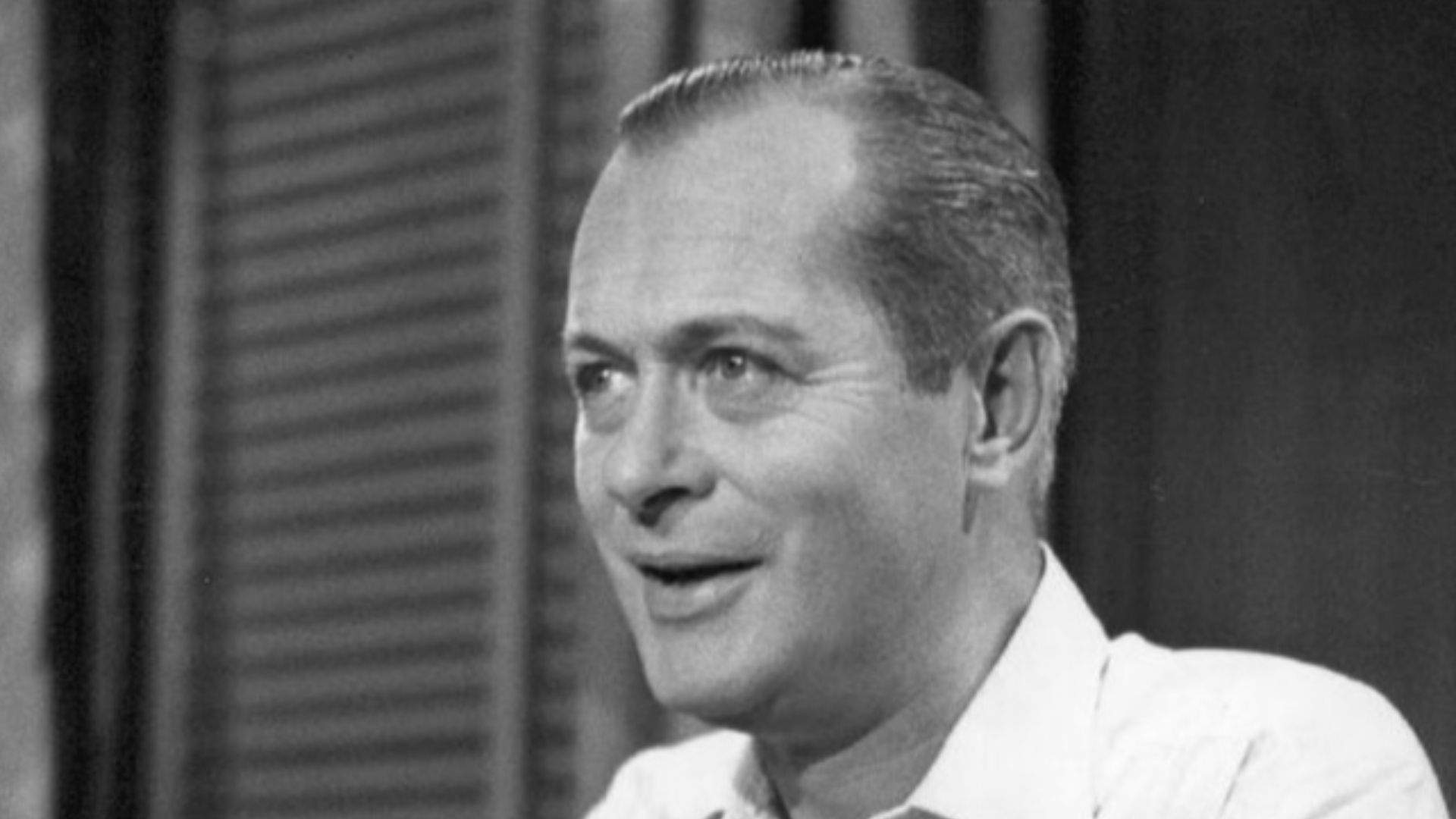
22. His Father-In-Law Didn’t Care For Him
Montgomery’s father, the legendary actor Robert Montgomery, was unsparing in his criticism of Young. For starters, he noted, his daughter was 20 years Young’s junior. He protested the match by declining to show up at the wedding. When asked about it, he replied coolly that he didn’t see the value in his daughter “marrying someone who was almost as old and not one quarter as successful as I am”.
The old man’s instincts, it turned out, were sharp.
 NBC Television, Wikimedia Commons
23. He Drank His Way To Oscar Glory—Again
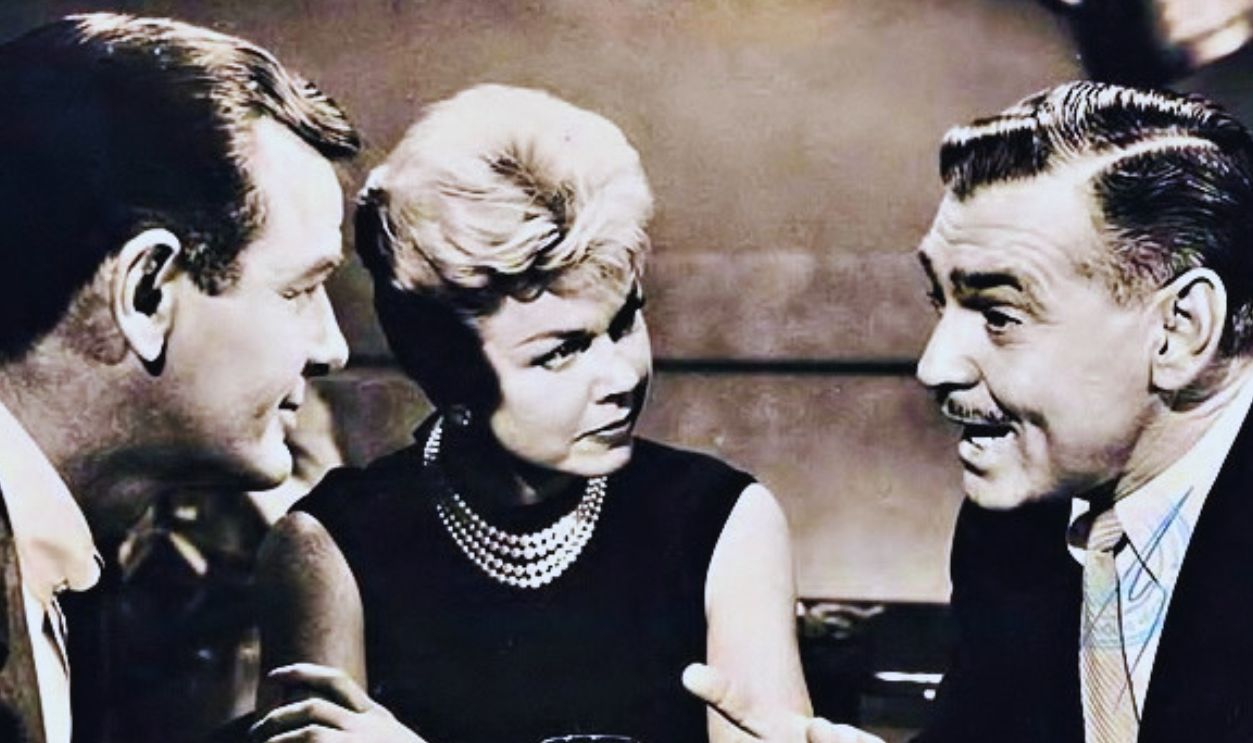
The pattern was becoming a theme. Director George Seaton saw Young on Broadway and cast him as “a tipsy but ultimately charming intellectual” in 1958’s Teacher’s Pet opposite Clark Gable and Doris Day. The role earned Young his second Best Supporting Actor Oscar nomination. On screen, the drinking was endearing. Off screen, it was becoming a problem.
 Screenshot from Teacher’s Pet, Perlberg-Seaton Productions / Paramount Pictures (1958)
24. He Stepped Into The Twilight Zone
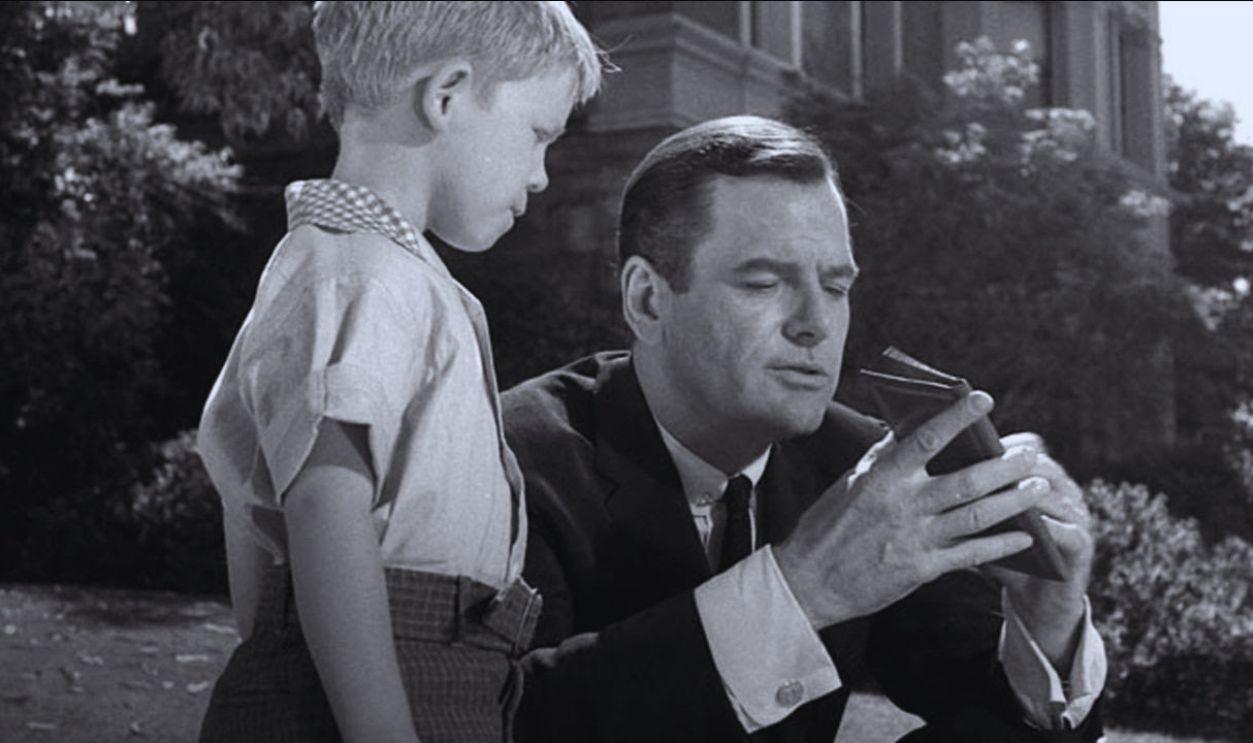
In 1959, Young made television when he starred in the Twilight Zone episode “Walking Distance”. In the show, he played Martin Sloan—a man desperate to return to his childhood. The episode became one of producer Rod Serling’s personal favorites. For Young, the longing to go back to a simpler time may not have required much acting.
 Screenshot from The Twilight Zone, Cayuga Productions / CBS Productions (1959–1964)
25. He Originated A Jack Lemmon Role
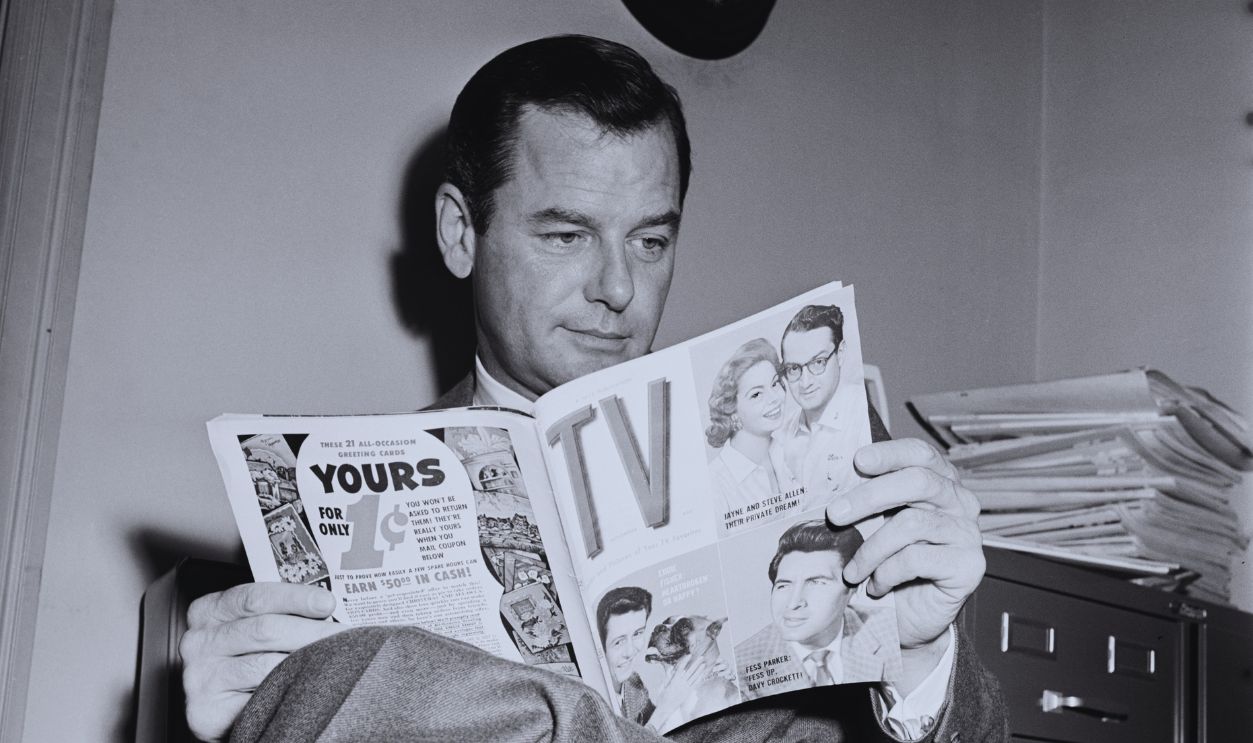
Broadway kept handing Young the roles Hollywood wouldn’t. He starred in Under the Yum-Yum Tree which ran from 1960 to 1961 for a total of 173 performances. When the show was adapted for film, however, the part went to Jack Lemmon. It was the story of Young’s career in miniature: he built the house, and someone else moved in.
26. His Demons Ended His Marriage
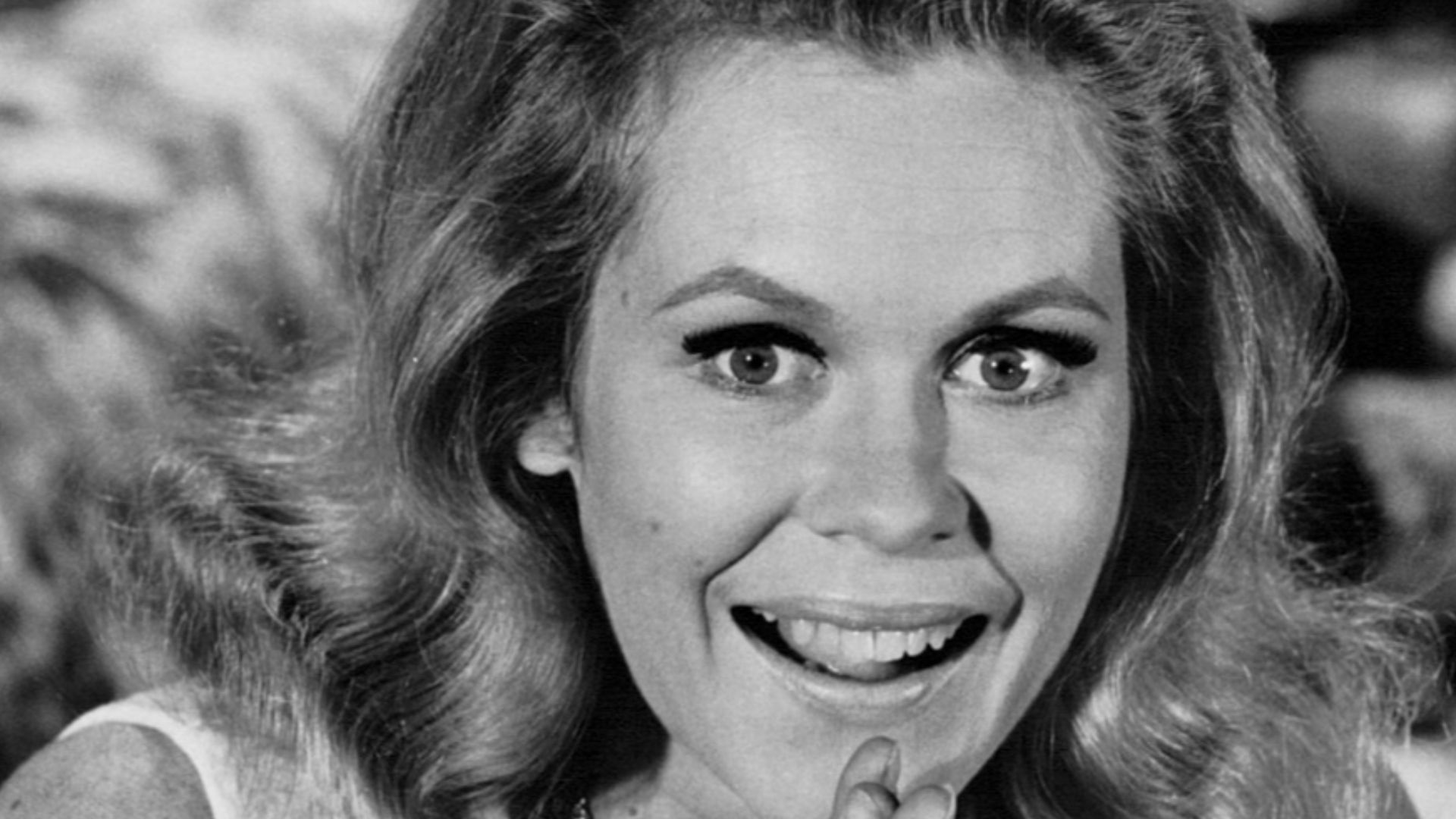
The drinking roles made Young lovable onscreen but made him insufferable off of it. In January 1963, Elizabeth Montgomery divorced Young, citing his worsening dependence on the bottle as the cause. There were even unconfirmed rumors of domestic turmoil. Ultimately, Montgomery went on to worldwide fame as Samantha Stephens in Bewitched.
Young went on to something far darker.
 ABC Television, Wikimedia Commons
27. He Walked Down The Aisle—Again
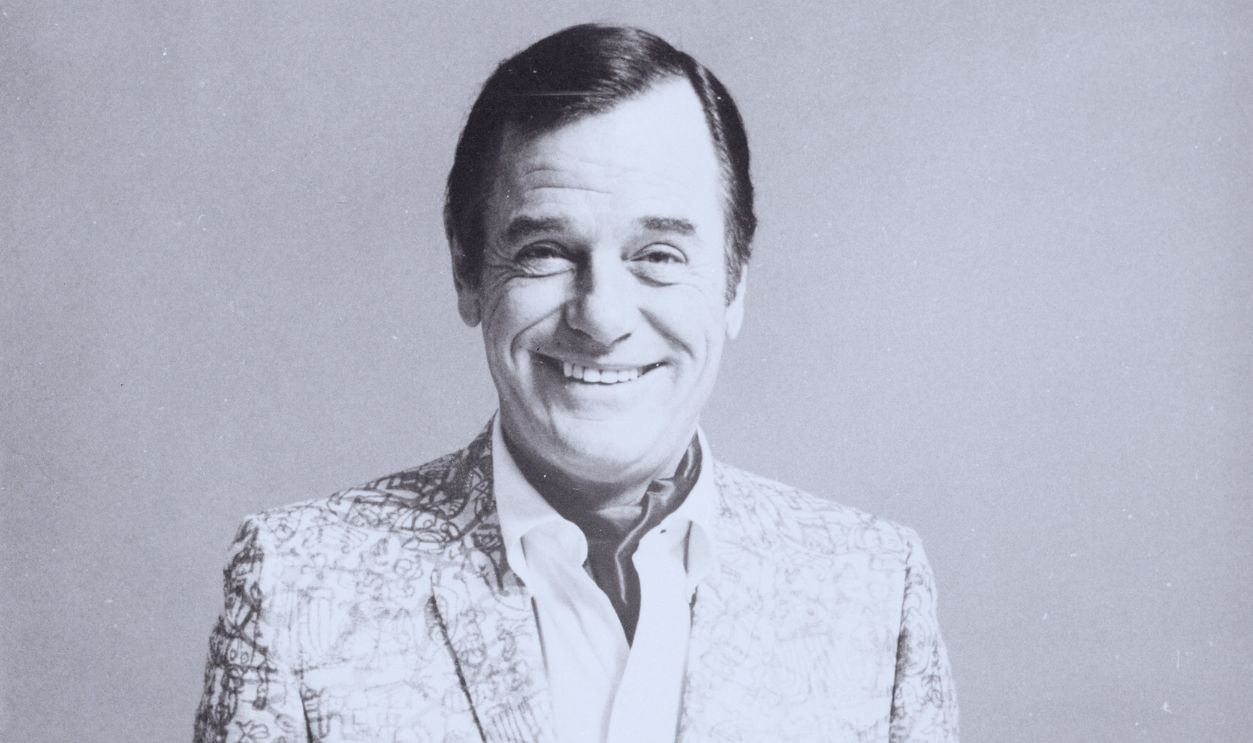
Nine months. That’s all the time between Young’s divorce from Montgomery and his fourth trip to the altar. He married real estate agent Elaine Williams in 1963—and she may have been carrying the reason for all of the haste. At the time of the wedding, Williams was pregnant with the couple’s daughter, Jennifer. For a fleeting moment, it looked like Young’s life was on an upward trajectory.
It wasn’t.
History's most fascinating stories and darkest secrets, delivered to your inbox daily.
28. He Loved A Show Nobody Saved
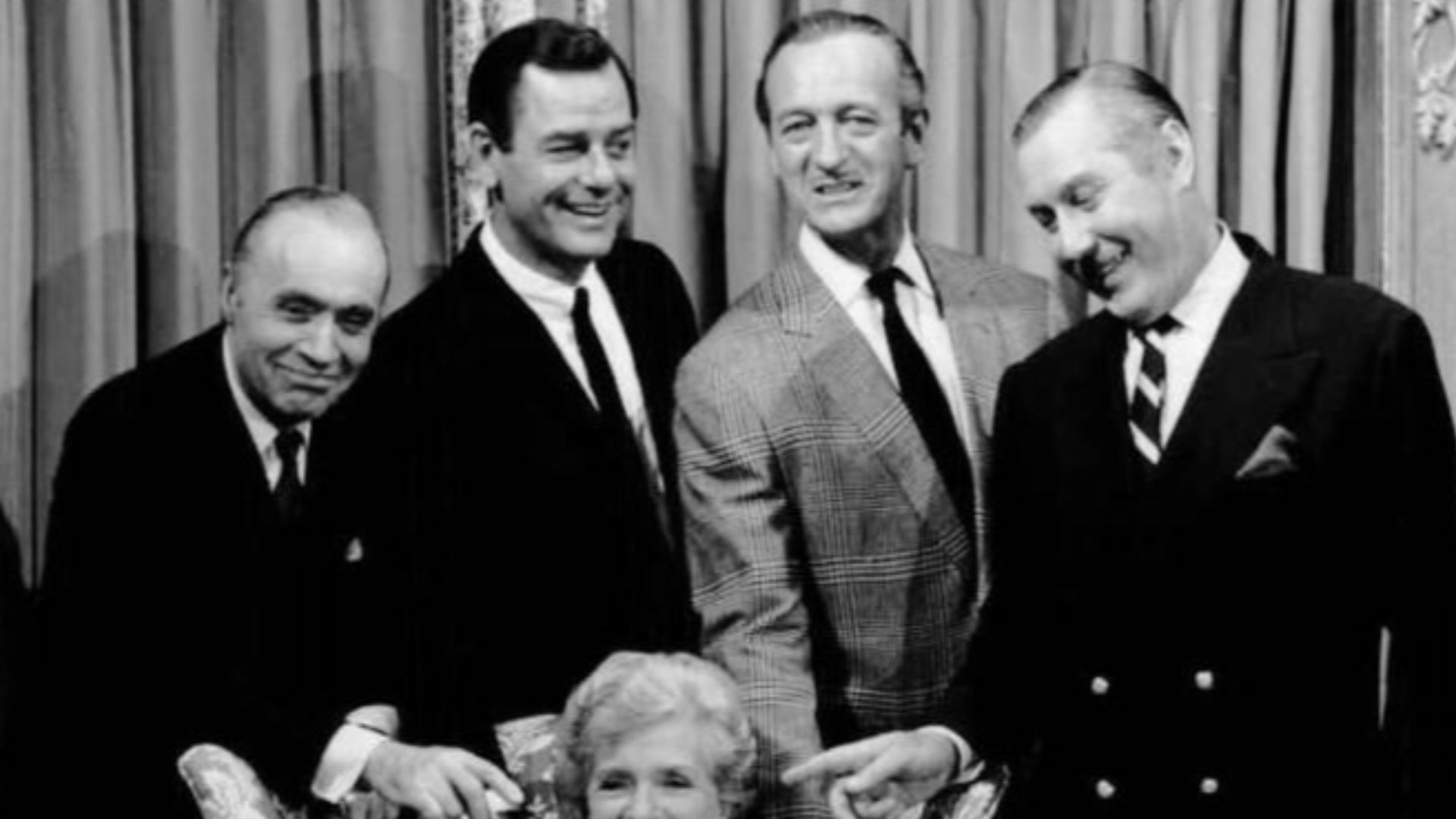
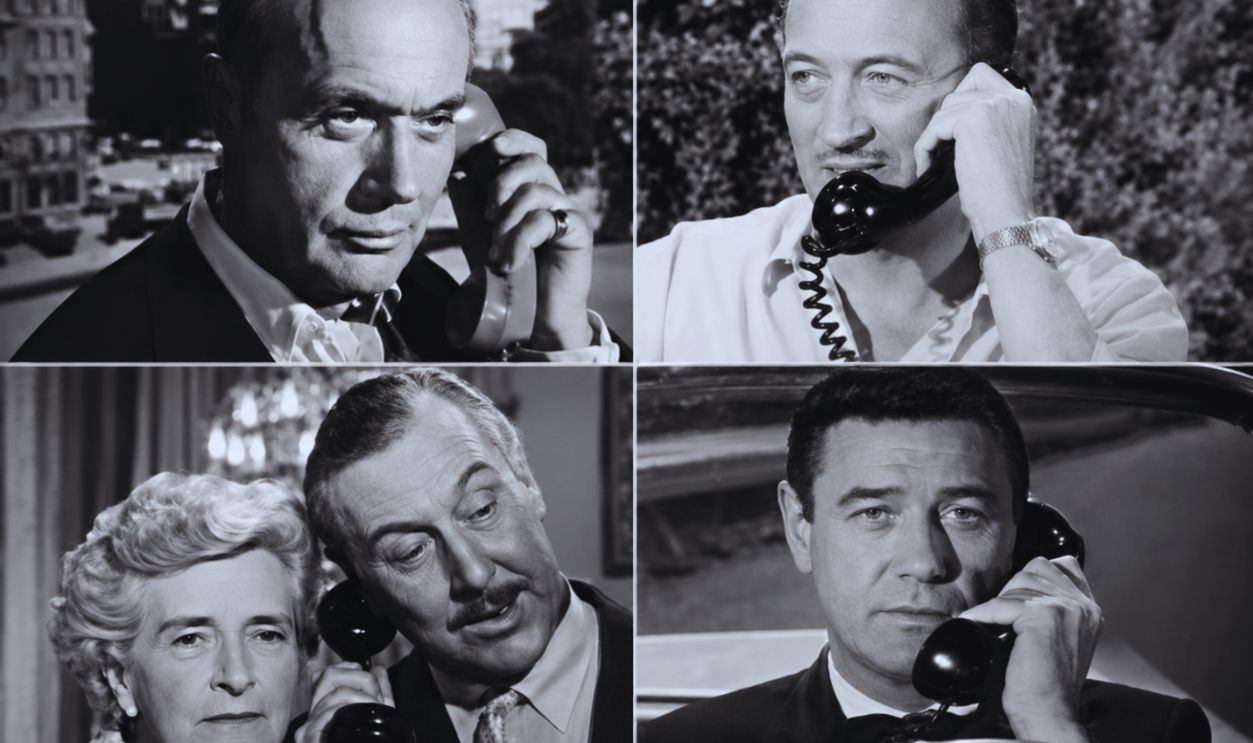
Young finally found a television home—and then lost it. On the 1964–65 NBC series The Rogues, he shared the screen on a rotating basis with David Niven and Charles Boyer, though the bulk of the episodes went to him. “I loved it, the public loved it,” Young later commented, “only NBC didn’t love it”. After just one 30-episode season, NBC pulled the plug.
It may not, however, have been such a mystery as to why.
 NBC Television, Wikimedia Commons
29. His Understudy Spilled The Beans
Behind the scenes of The Rogues, Young had actually gone rogue, taking method acting a little too far. During filming of the show Young’s drinking had gotten so severe that Larry Hagman had to step in for him as a substitute for the final two episodes. His charming façade was slipping, and the industry was starting to notice.
 Screenshot from The Rogues, Four Star Television / NBC (1964–1965)
30. He Rejected His Own Daughter
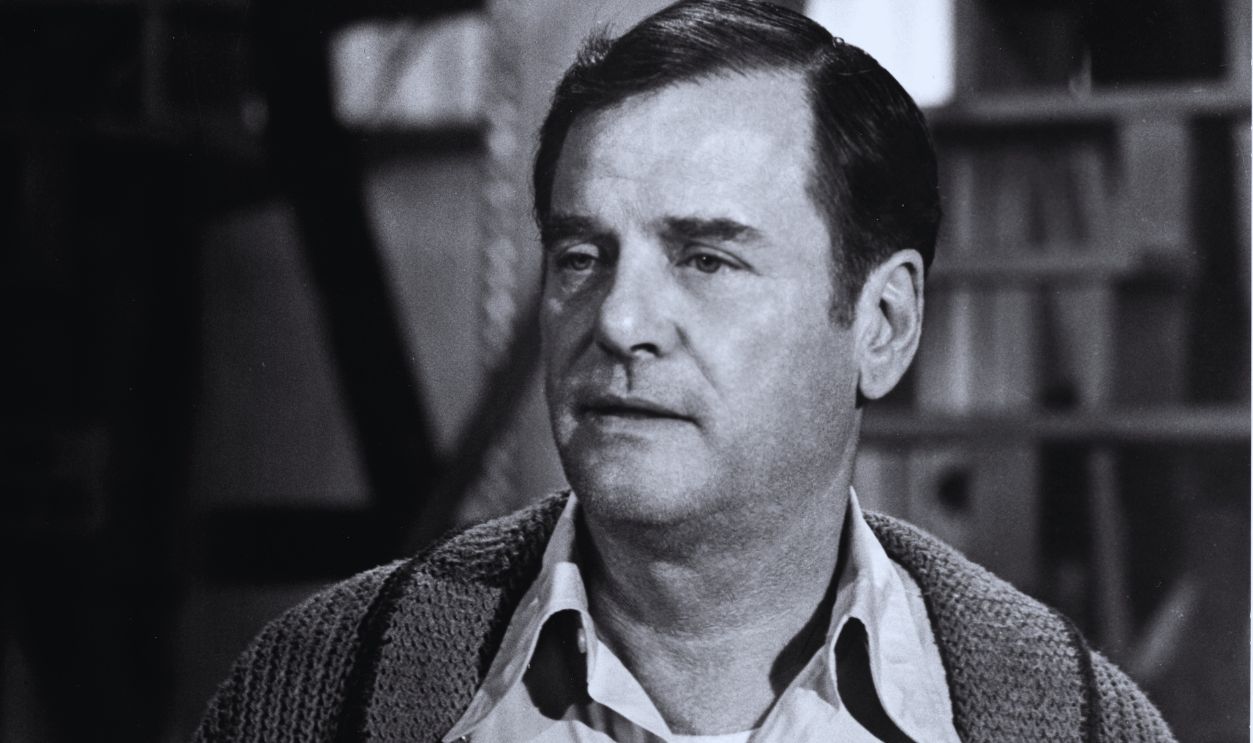
Young’s fourth wife, Williams, cancelled their marriage not long after NBC had cancelled his show. For many of the same reasons, no less. Then things got ugly. During a legal battle over child support, Young denied that Jennifer was his biological child. Five years of court battles later, he lost the case. His will would ultimately leave Jennifer just $10.
Years later, however, Jennifer would get the real prize.
 Michael Ochs Archives, Getty Images
31. He Bounced Back—One More Time
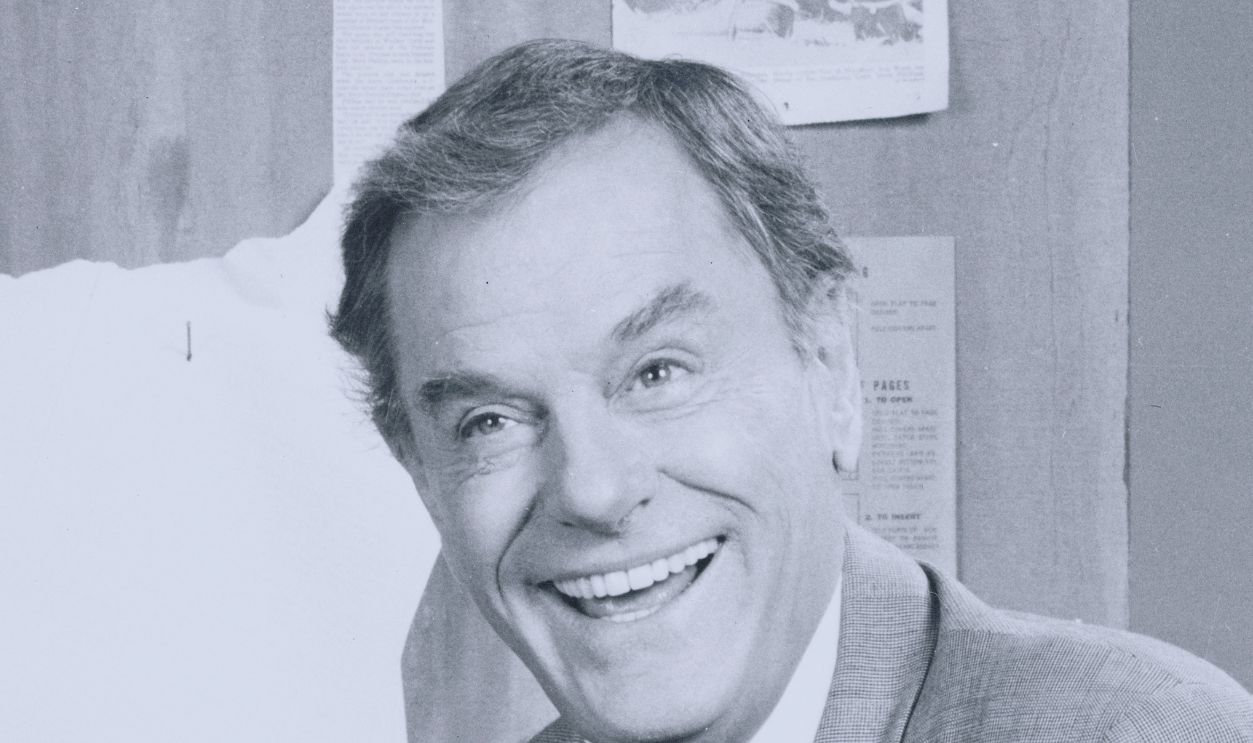
Whatever turmoil he was facing in his personal life and in Hollywood, Young always had Broadway. He returned to the famous theater district in the British comedy There’s a Girl in My Soup (1967–68). It was another resounding stage success for Young, running for 322 performances. For the first time, he managed to bring that success back to Hollywood.
32. His Greatest Role Was A Favor
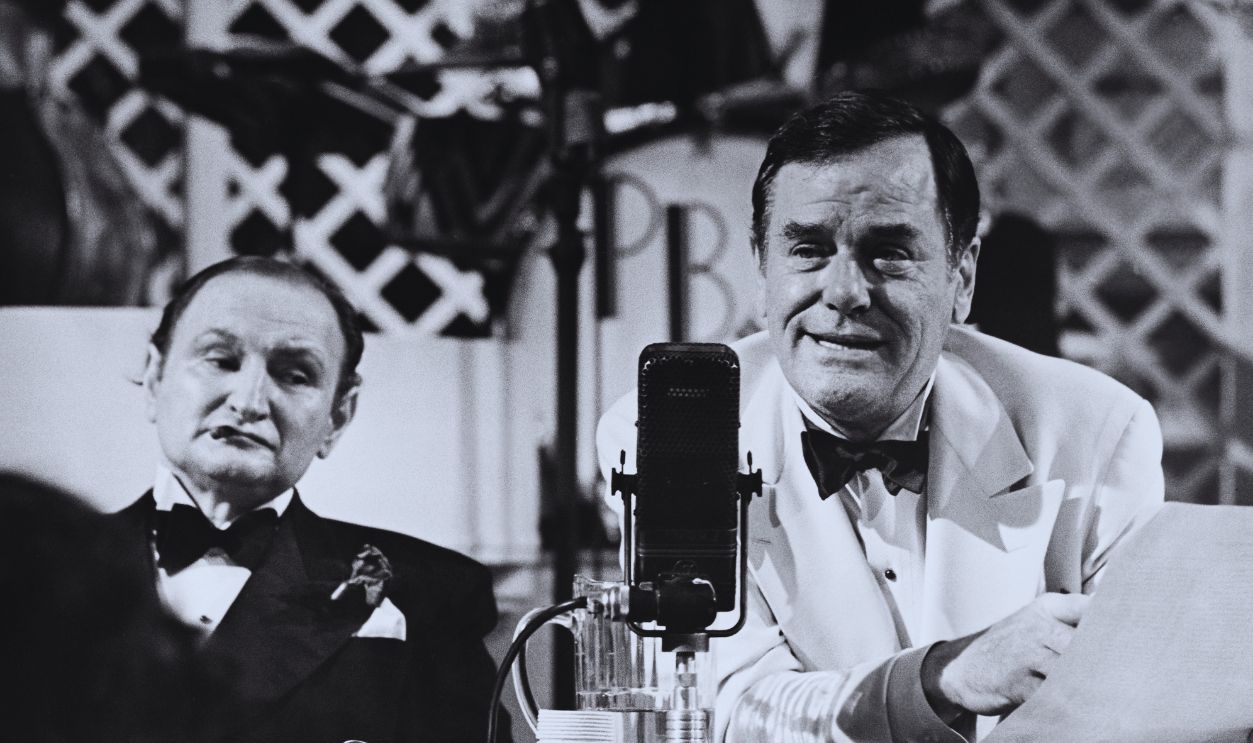
Young’s defining performance almost went to someone else. ABC Pictures cast him as Rocky, the dance marathon emcee in 1969’s They Shoot Horses, Don't They?. But the film’s director, Sydney Pollack, had wanted, apparently, just about anyone else. It was only when ABC Picture’s chief, Marty Baum (who also happened to be Young’s former agent), insisted on Young that he got the part.
And thank goodness he did.
 John Springer Collection, Getty Images
33. He Finally Won—And Jinxed Himself
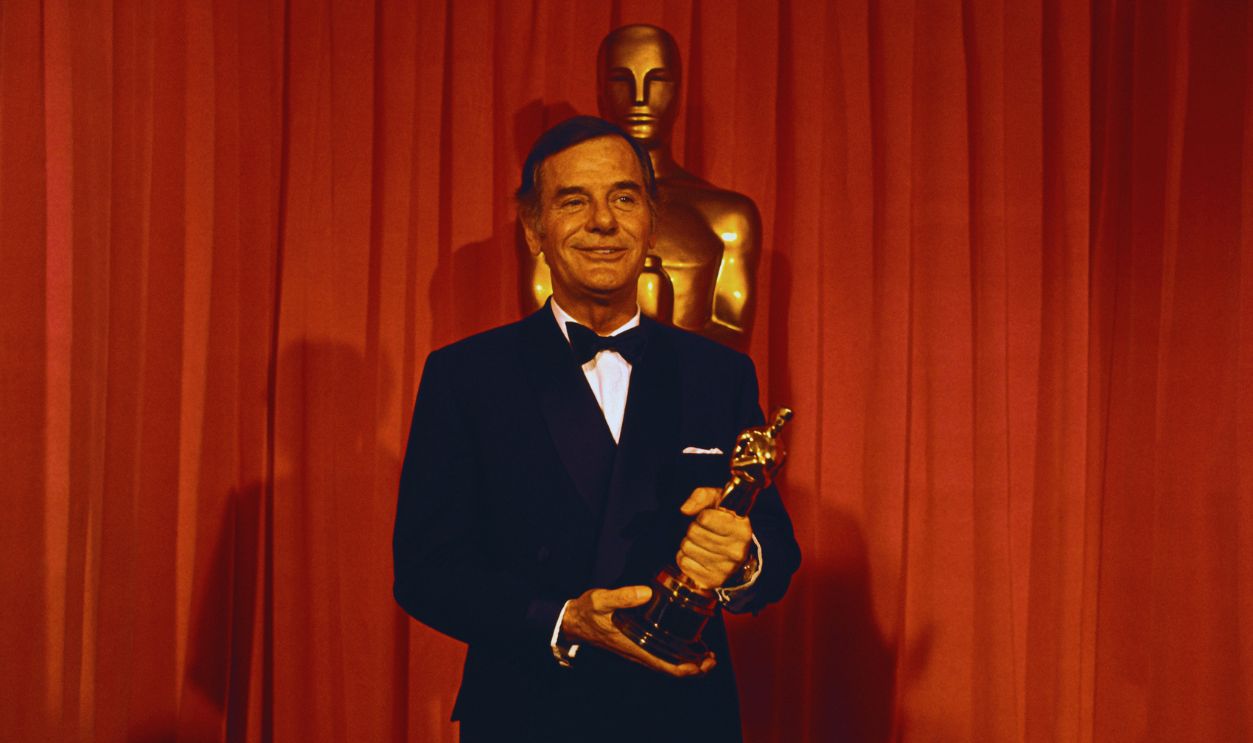
In 1970, Young finally got the spotlight all to himself when he snagged the Oscar for Best Supporting Actor for They Shoot Horses, Don't They?. For good measure, he got the Golden Globe, too. Years earlier, however, he’d told columnist Louella Parsons, “So many people who have been nominated for an Oscar have had bad luck afterwards”. Even so, when he finally held the statuette, he called it “the greatest moment of his life”.
He was right—it was all downhill from there.
History's most fascinating stories and darkest secrets, delivered to your inbox daily.
34. His Ex Saw The Tragedy Coming
Years later, Young’s fourth wife, Elaine Williams, shed light on what winning an Oscar had actually meant to Hollywood’s perennial sidekick. “What he was aching for, as he walked up to collect his Oscar, was a role in his own movie—one that they could finally call 'a Gig Young movie'. For Gig, the Oscar was literally the end of the line”.
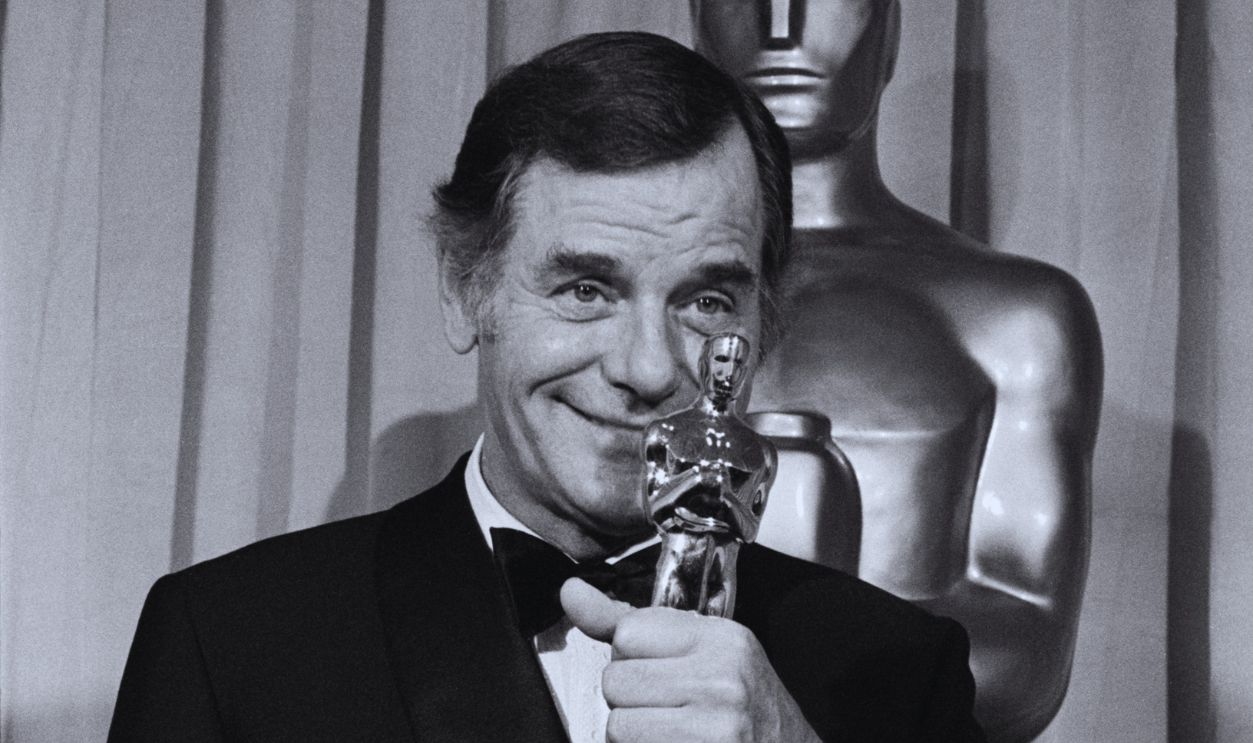
35. He Became His Characters
Young’s onscreen characters—often dipsomaniacs of varying degrees—and his personal life began to bleed uncomfortably into each other. After snagging an Emmy nomination for the TV film The Neon Ceiling (1971), his critics noticed. “The well-established image of the [barfly] charmer Gig plays on and off camera fools you,” one reporter wrote.
“That armour surrounds an intense dedicated artist, constantly involved with his profession”. Too involved.
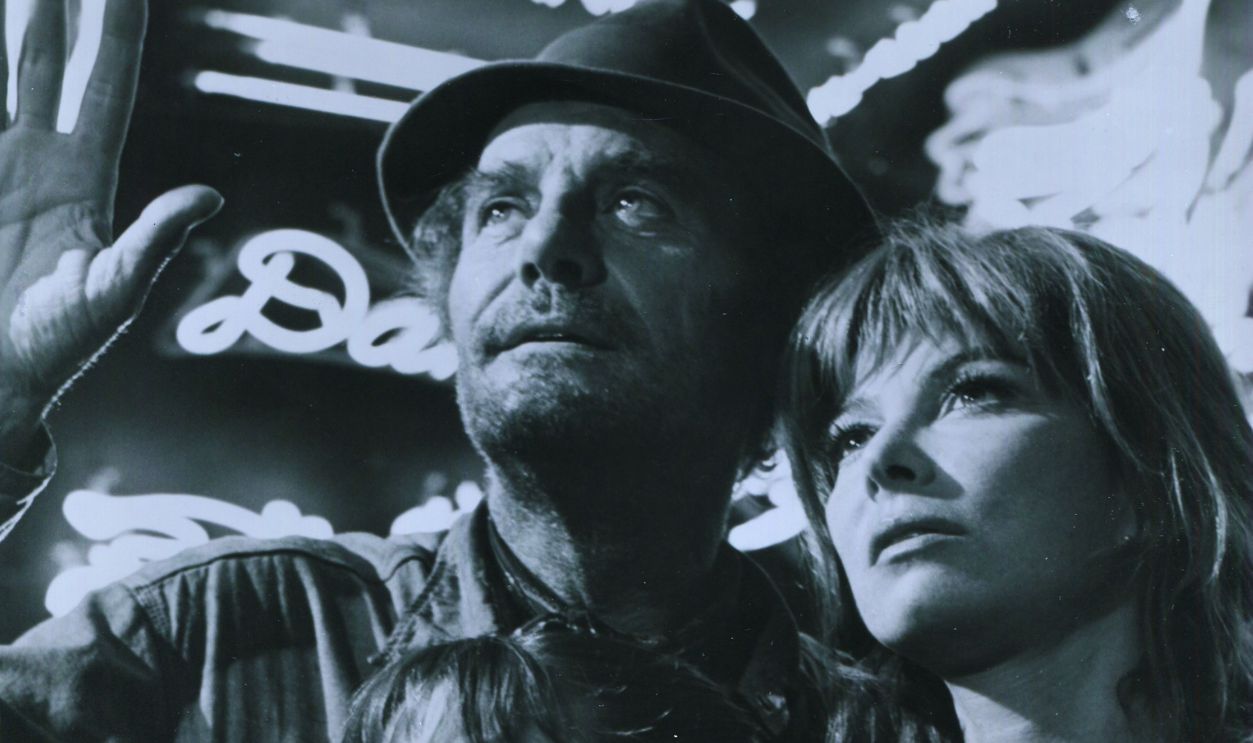 Screenshot from The Neon Ceiling, Universal Television / NBC (1971)
36. He Lost A Legendary Role To His Own Demons
The moment that could have revived Young’s career destroyed it instead. Young was originally cast as The Waco Kid in Mel Brooks’ Blazing Saddles (1974). But, when he collapsed on set during his first day of filming—the result of withdrawal—he sealed his fate. Brooks later recalled that Young “started throwing up green stuff all over the set”. Brooks had to let him go and replace him with Gene Wilder.
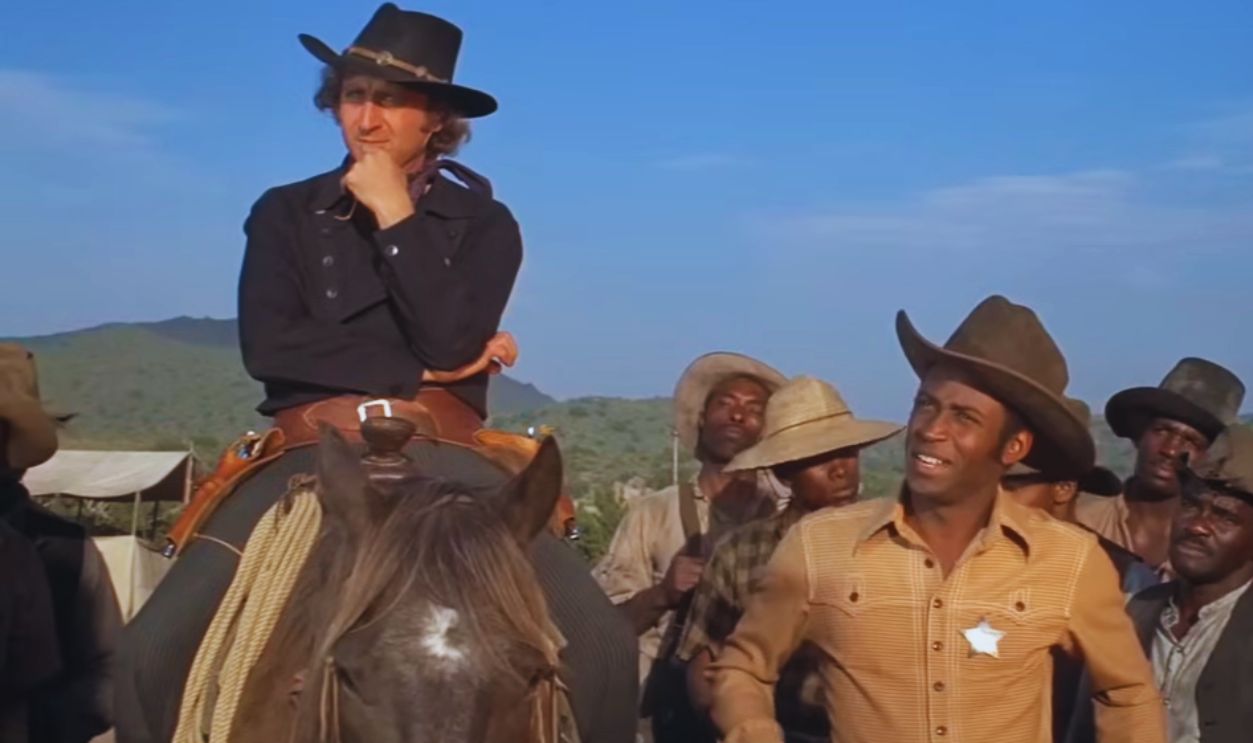 Screenshot from Blazing Saddles, Crossbow Productions / Warner Bros. Pictures (1974)
37. He Couldn’t Even Act Into A Mic
Young’s losses kept compounding. His drinking habits cost him another role, this time seeing him lose the lead in Disney’s Superdad. Next came an off-screen, voice-only role as “Charlie” in Aaron Spelling’s new show Charlie’s Angels in 1976. But even that proved too much and Spelling replaced him at the last minute with John Forsythe.
There was almost nothing left to take from him. Almost.
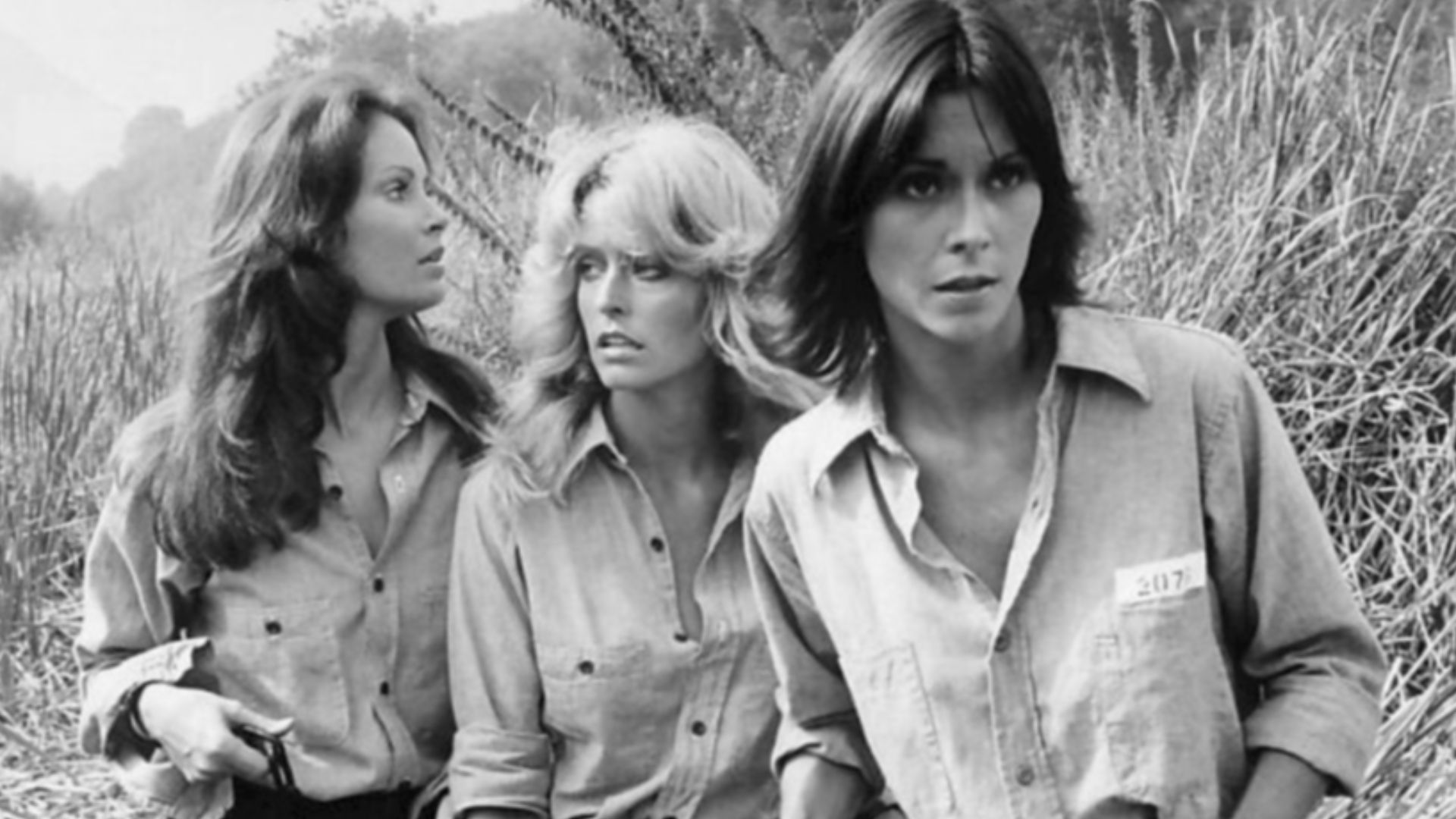 ABC Television, Wikimedia Commons
38. His Addiction Became The Script
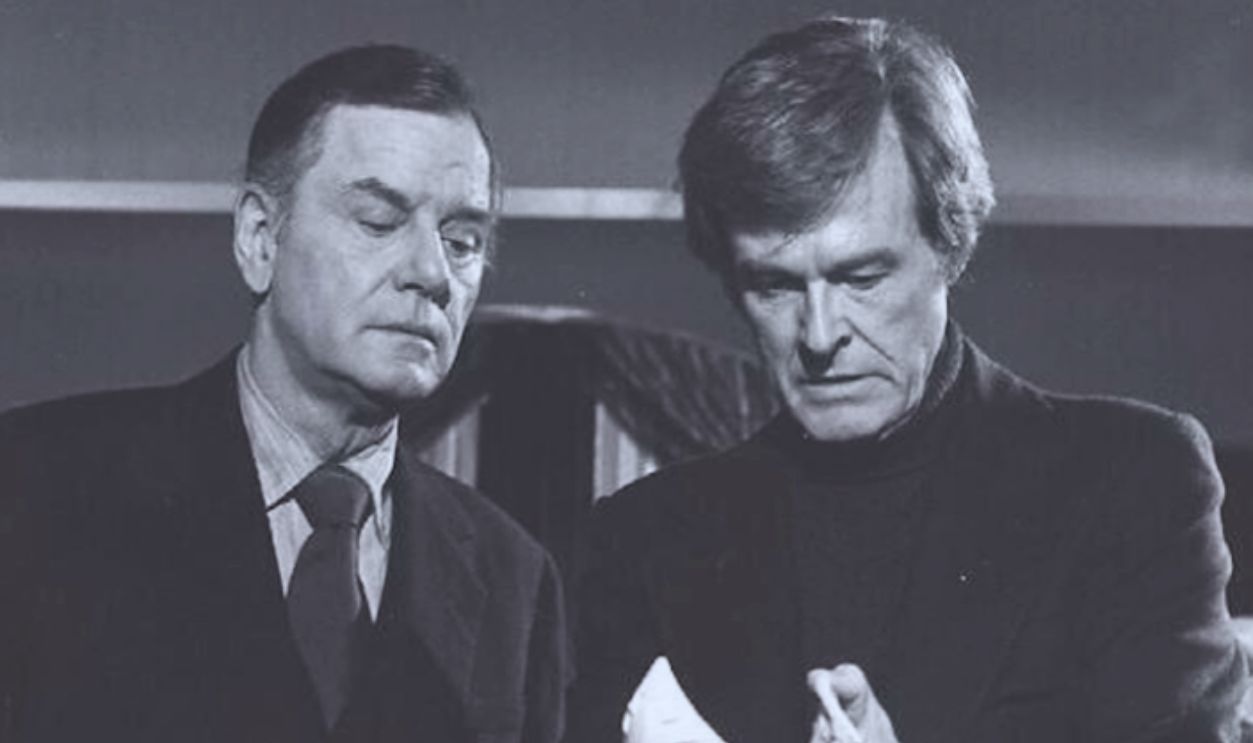
By the late 1970s, Young’s career was teetering on the edge of oblivion. But those around him did their best to help him out. During the production of the 1977 TV film Spectre, Young was visibly impaired and frequently lost his lines. Instead of replacing him, the production team made his drinking a part of the film, writing it directly into the script.
And there was another faint glimmer of hope.
 Screenshot from Spectre, Norway Productions / 20th Century Fox Television (1977)
39. He Met His Fifth Wife On His Last Set
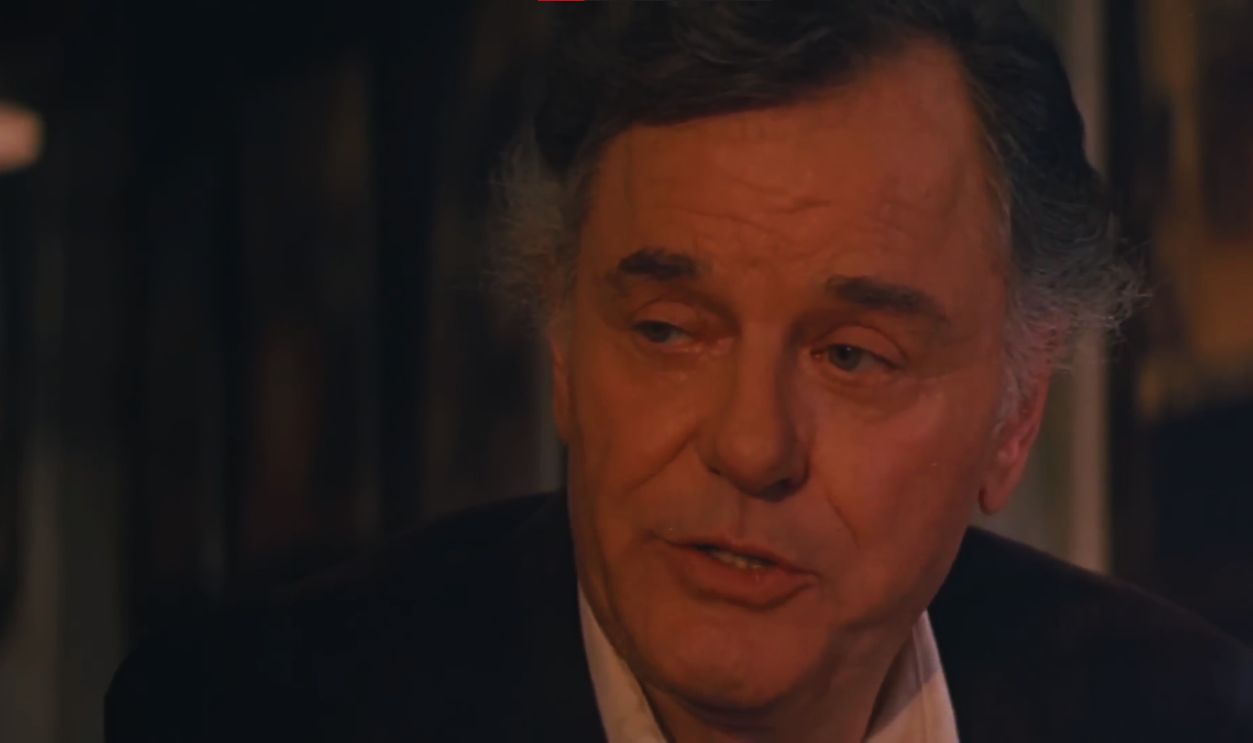
Young’s final chapter began on the far side of the world. He met Kim Schmidt, a German magazine editor, on the set of 1978’s Game of Death in Hong Kong—what would turn out to be his last film. On September 27, 1978, Young, 64, married Schmidt, a 31-year-old. The age gap raised eyebrows. What came next, however, made eyes bulge out of their heads.
 Screenshot from Game of Death, Golden Harvest / Fortune Star Media (1978)
History's most fascinating stories and darkest secrets, delivered to your inbox daily.
40. He Once Played The Part For Real
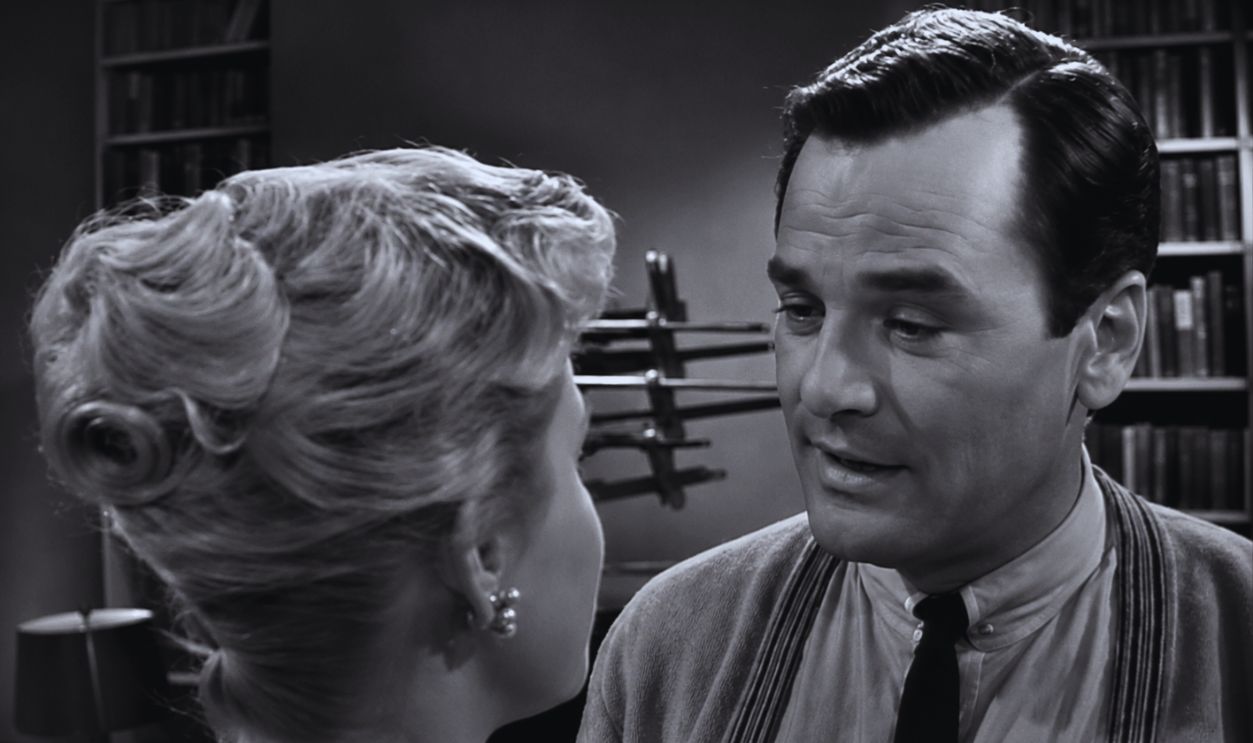
The line between Young’s art and his life had disappeared in an eerie and ominous episode of Studio One in Hollywood. In the 1958 episode, titled “A Dead Ringer”, Young’s character, upon being taken into custody for taking his spouse’s life, delivers the final line: “Do I look like a man that would do that to his own wife?” Some 20 years later, on October 19, 1978, the world would get its answer.
 Screenshot from Studio One in Hollywood, CBS Productions (1948–1958)
41. He Had A Bad Therapist
To his credit, Young had sought help—just, not from the right people. At one point, Young was a patient of Dr Eugene Landy. Landy, a notorious Hollywood psychologist, would later lose his professional license amid accusations of ethical violations and patient misconduct. Based on what happened next, the advice that Landy had given—or failed to give—to Young proved fatal.
42. His Final Marriage Lasted Three Weeks
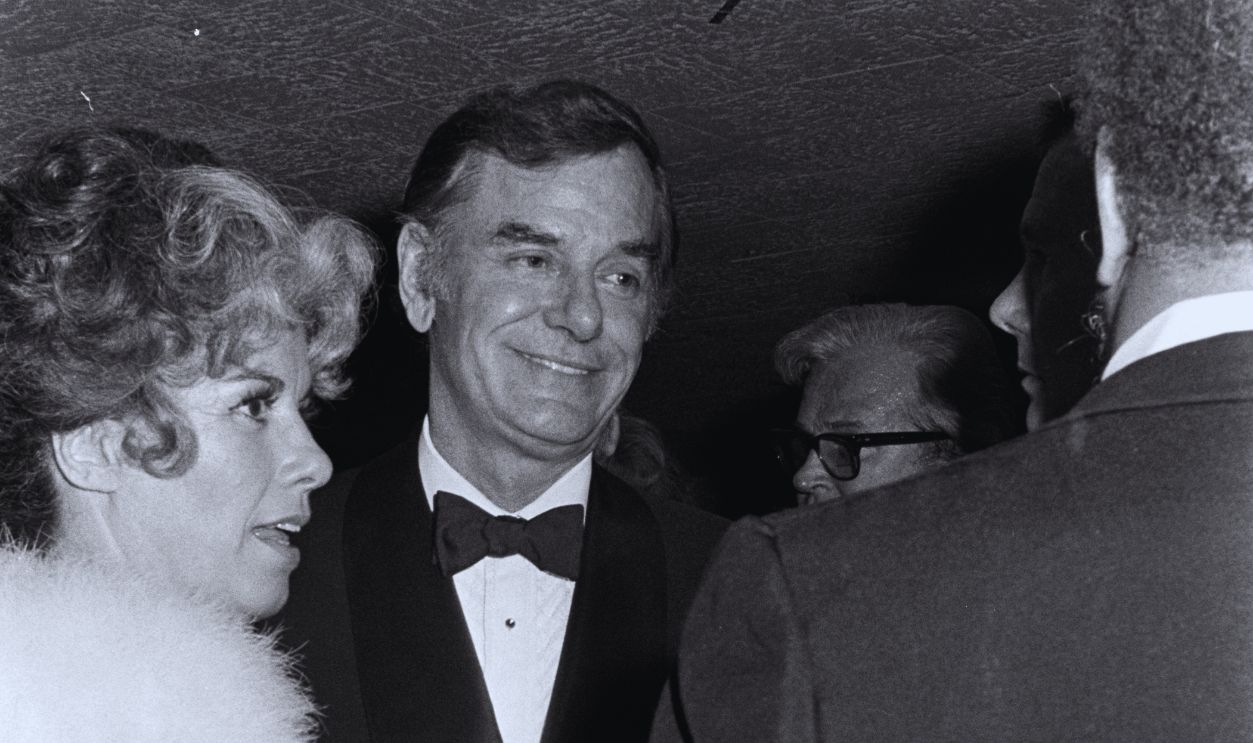
For Young—and his new wife—the end came with horrifying speed. On October 19, 1978—just three weeks after their wedding—authorities found Young and Schmidt in their apartment at The Osborne, a co-op building in Manhattan. The newlyweds were not canoodling—they were unresponsive. And the scene that the authorities had discovered told a grim story.
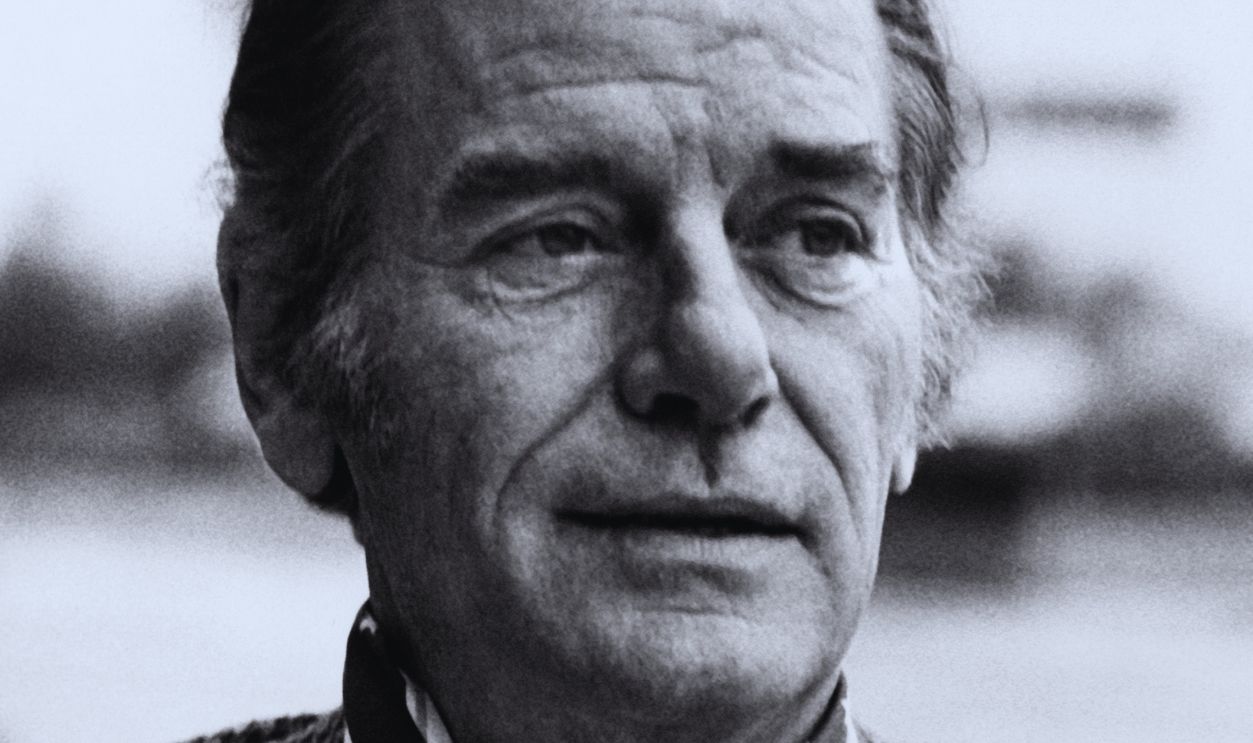
43. He Took Her Life—Then His Own
The details were as grim as the outcome. Investigators had found Young face down on the bedroom floor, Schmidt lying beside him, both in a pool of blood. And the instrument of their demise still in Young’s hand. Authorities drew the only conclusion they could: Young had taken Schmidt’s life before turning his hand on himself.
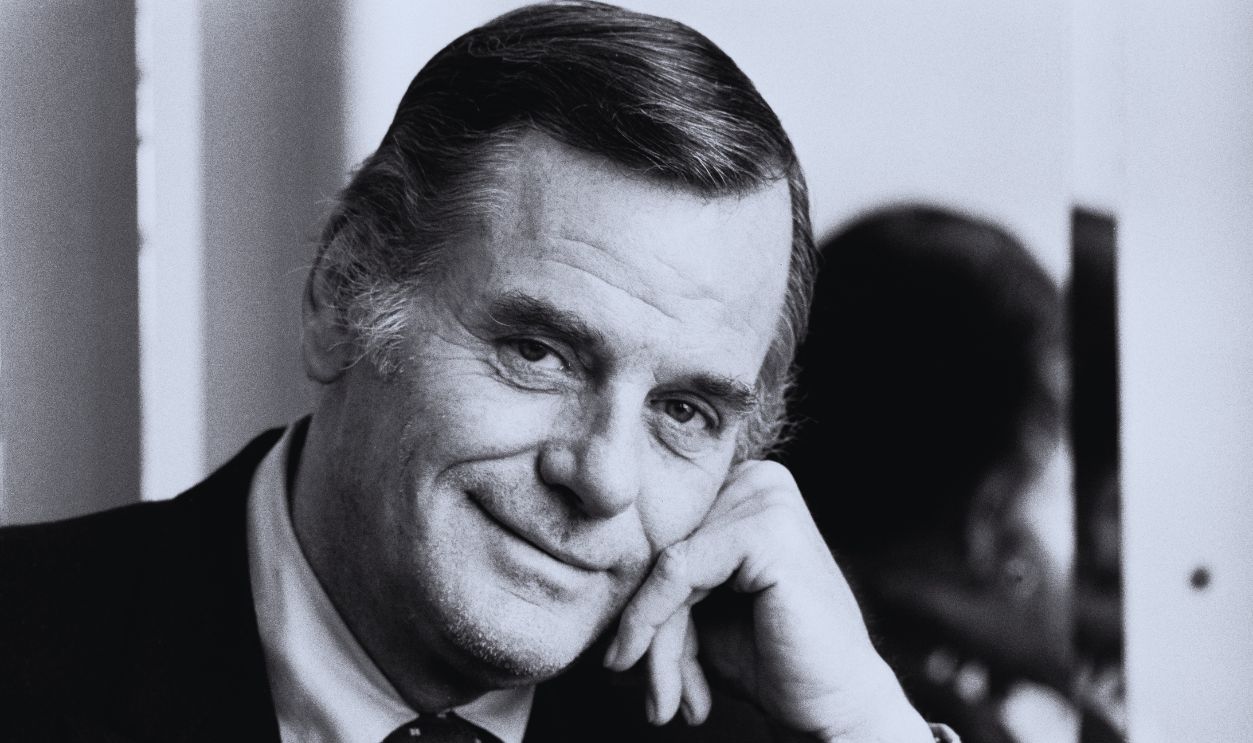 Evening Standard, Getty Images
44. His Groceries Gave It Away
The building manager told authorities that he had heard noises earlier in the day but thought nothing of it. He only grew suspicious when he noticed that the couple’s groceries were still sitting outside the apartment door hours after delivery. From this, investigators concluded that the couple had likely expired around 2:30 in the afternoon, their bodies having only been discovered roughly five hours later.
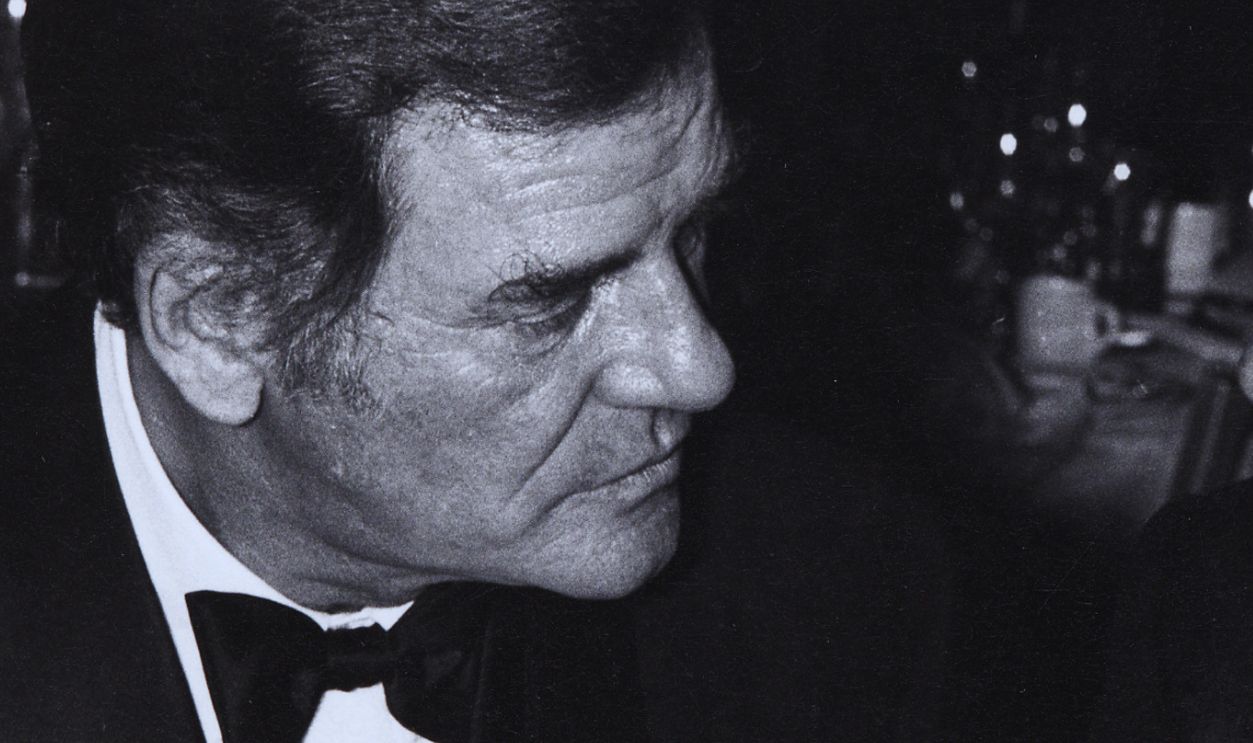
45. His Diary Said Everything—And Nothing
What was, perhaps, most chilling was that authorities could not find a motive. No letter had been left. At least, not a traditional one. What authorities did find, however, was a diary opened to September 27 with the only entry reading, “We got married today”. Young’s friends and fellow Hollywood actors couldn’t provide authorities with much more than that.
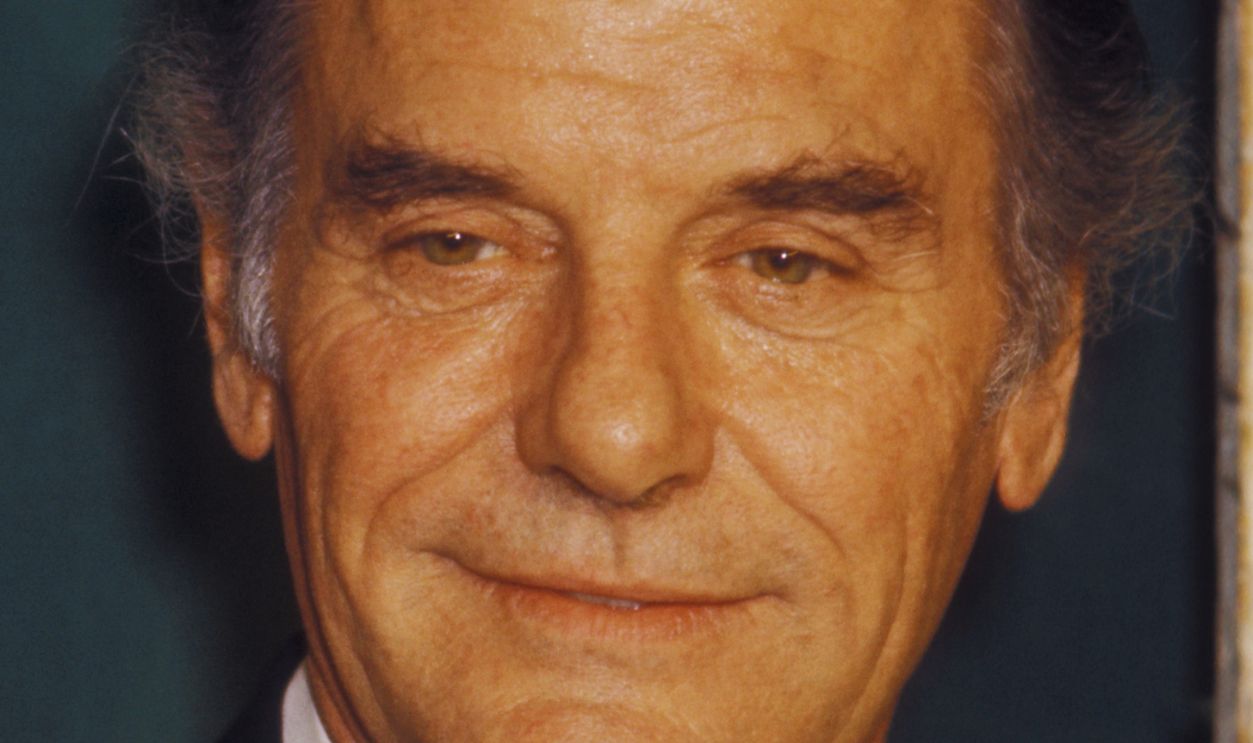
History's most fascinating stories and darkest secrets, delivered to your inbox daily.
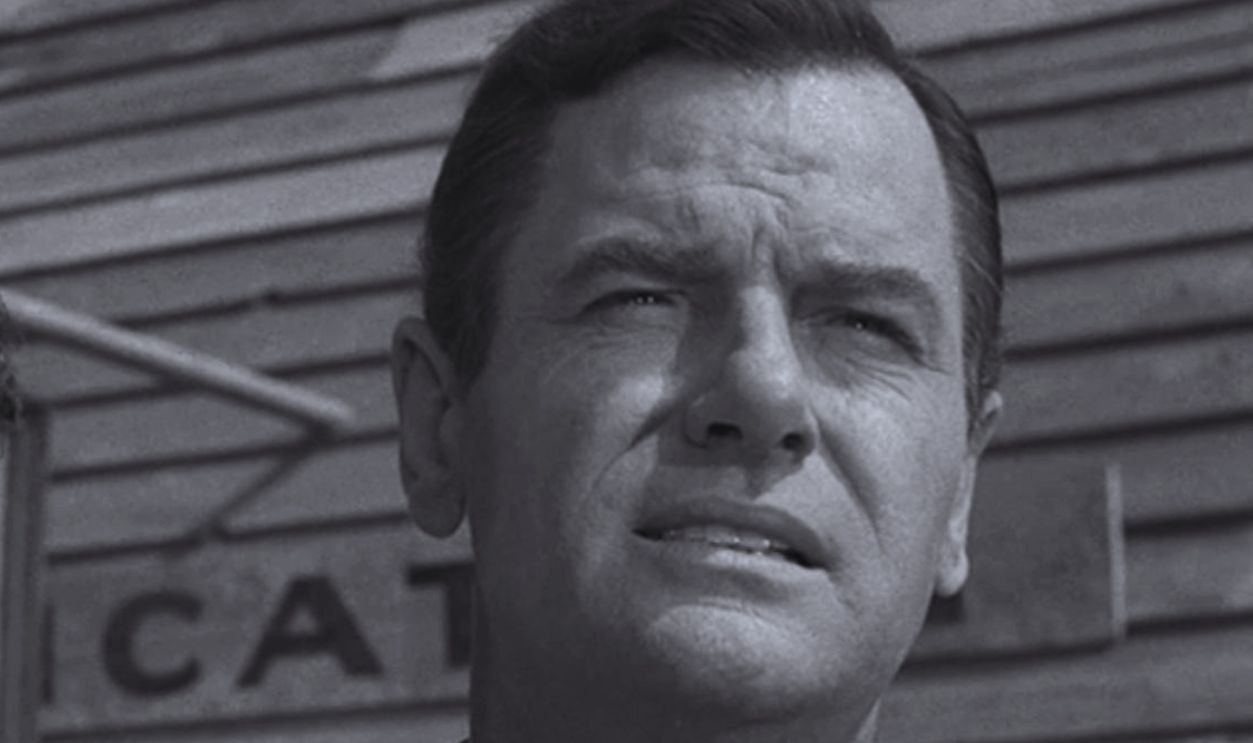
46. His Friends Had No Answers
Without a note, authorities couldn’t properly establish a motive and the tragedy left Young’s colleagues searching in the dark for answers. Gibbsville producer Liam O’Brian called Young “a tremendous, talented and genial human being. He was a delight to work with, a careful worker, a precisionist with great style and humor”. Not exactly the kind of man who would take out his wife and then himself.
 Screenshot from Gibbsville, David Gerber Productions / Columbia Pictures Television (1976)
47. His Headstone Erased His Fame—And Final Act
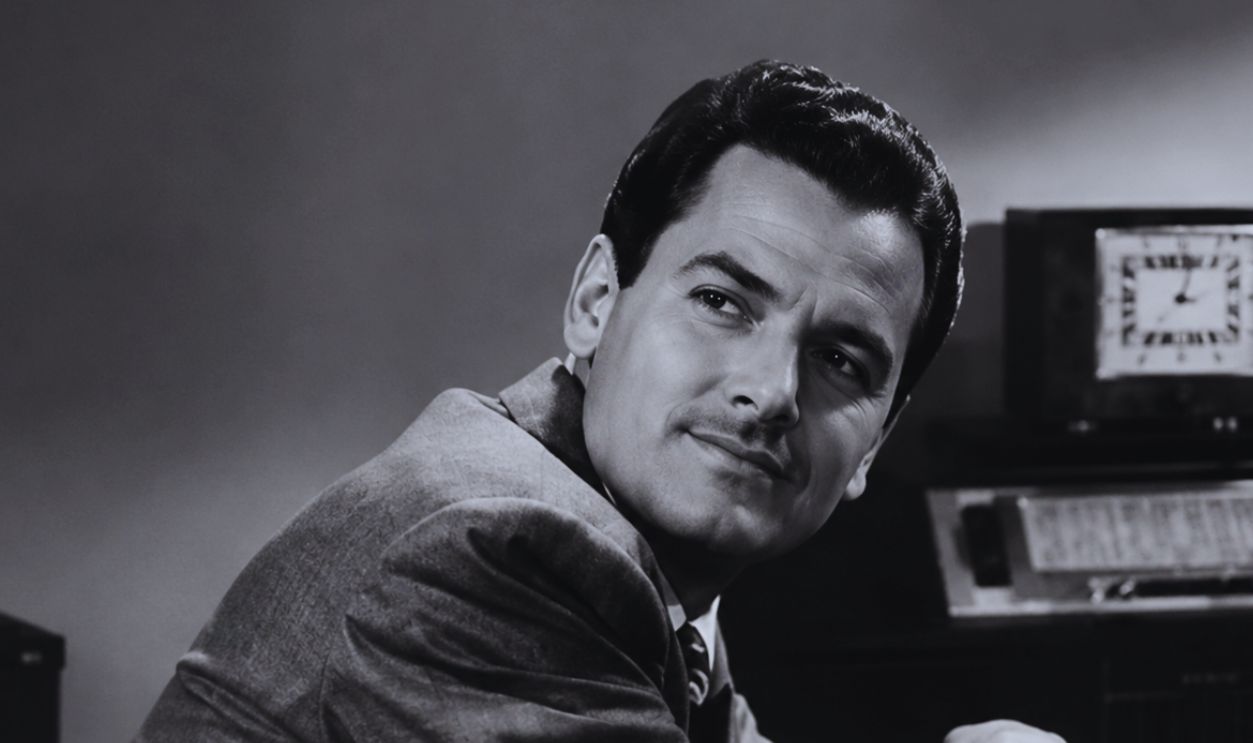
When the dust settled, Young was laid to rest in Green Hill Cemetery in Waynesville, North Carolina in the family plot beside his parents, siblings, and an uncle. Sadly, even in the hereafter, Young never quite got the top billing he yearned for. His tombstone only bears his birth name, “Byron E Barr”. No mention of Gig Young. No reference to an Oscar. And no reference to how it all ended.
But his legacy remained.
 Trailer screenshot, Wikimedia Commons
48. His Oscar Went To His Agent
Young’s will covered a $200,000 estate and read like a final act of spite and gratitude in equal measure. He left his Academy Award to his agent Martin Baum and his wife Bernice, with the inscription: “the Oscar that I won because of Martin’s help”. To his daughter Jennifer, however, he left a paltry $10. Jennifer, however, would get the gold in the end.
49. His Daughter Fought For His Legacy
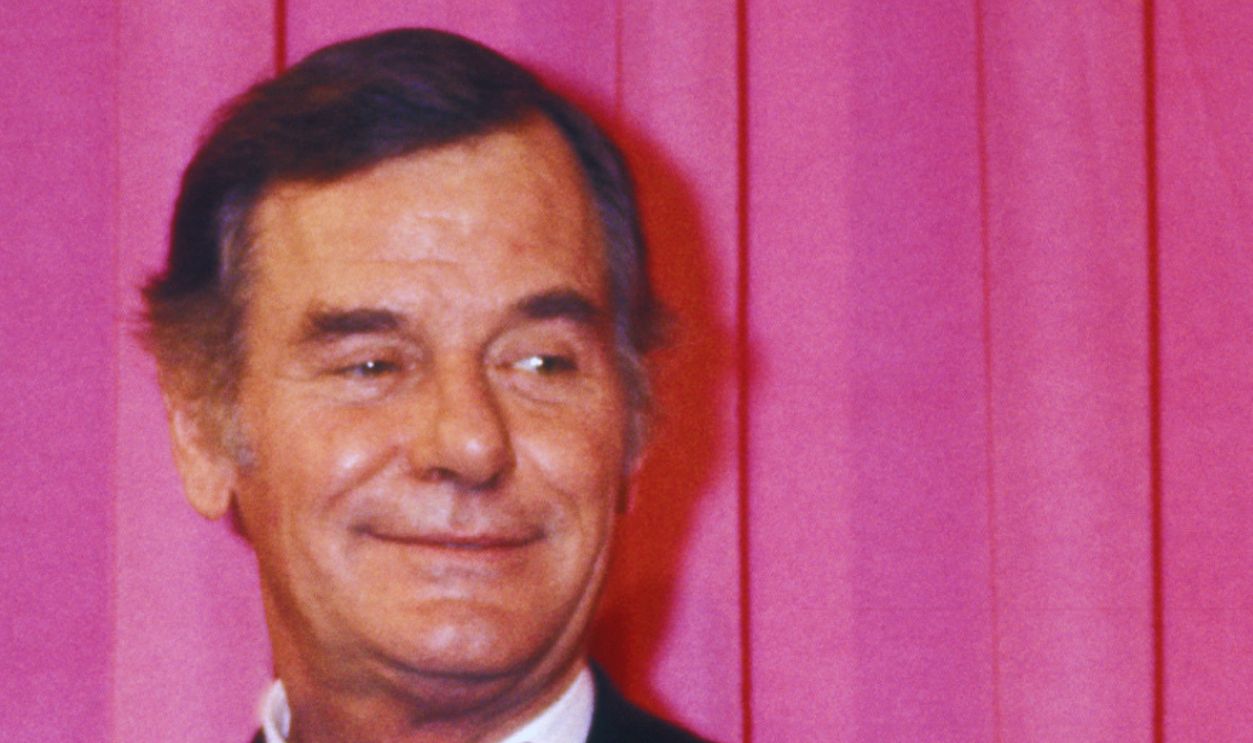
Jennifer Young refused to let her father’s story end in tragedy. In the early 1990s, she launched a campaign to reclaim the Oscar from Baum, who kept it displayed in his Creative Artists Agency office. She even hired an attorney who threatened legal action. Then finally, in January of 1997, Baum agreed to return the award to Jennifer—under one condition: she had to wait for him to pass first.
When Baum passed in November 2010, the statuette finally came home.
 Screenshot from The Twilight Zone, Cayuga Productions / CBS Productions (1959–1964)
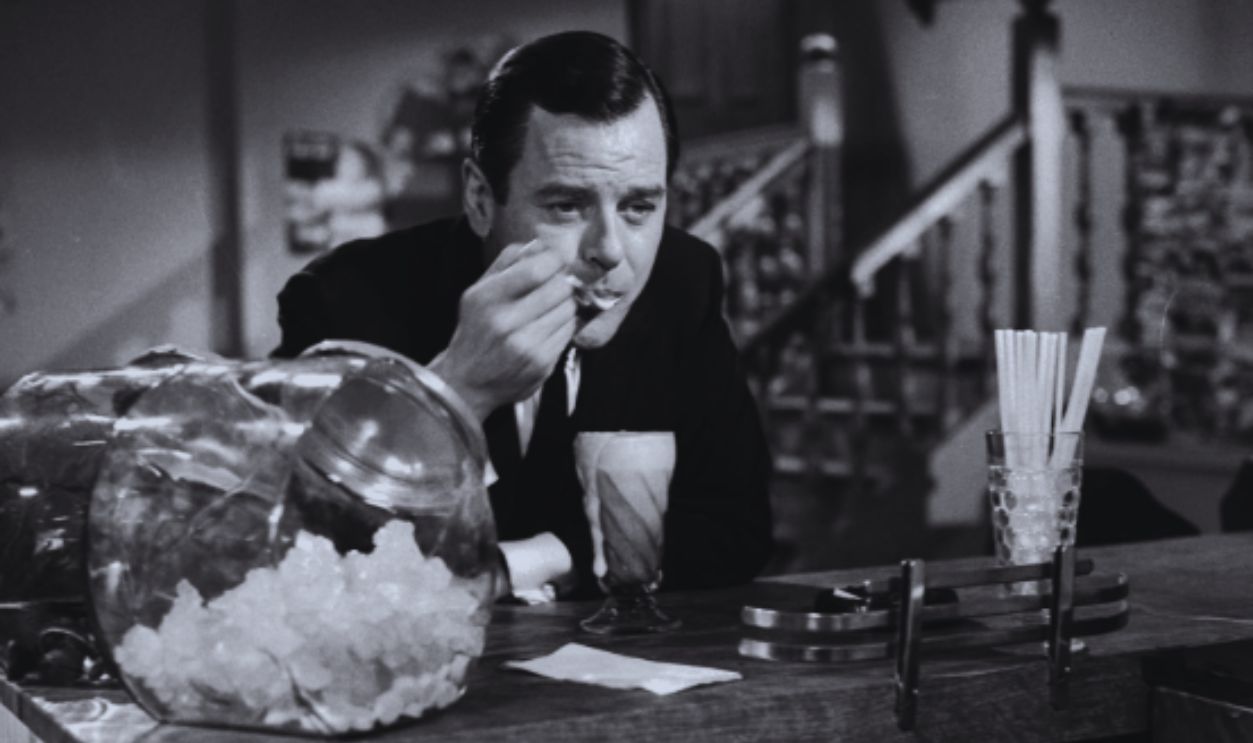
50. He Summed Himself Up Best
Gig Young might never have been a true leading man, but he still starred in over 55 films across three decades of television and cinema. Still, it wasn’t quite enough for Hollywood’s permanent second lead. “Out of 55 pictures in 30 years,” he said in 1966, “there are not more than five that were any good or any good for me”.
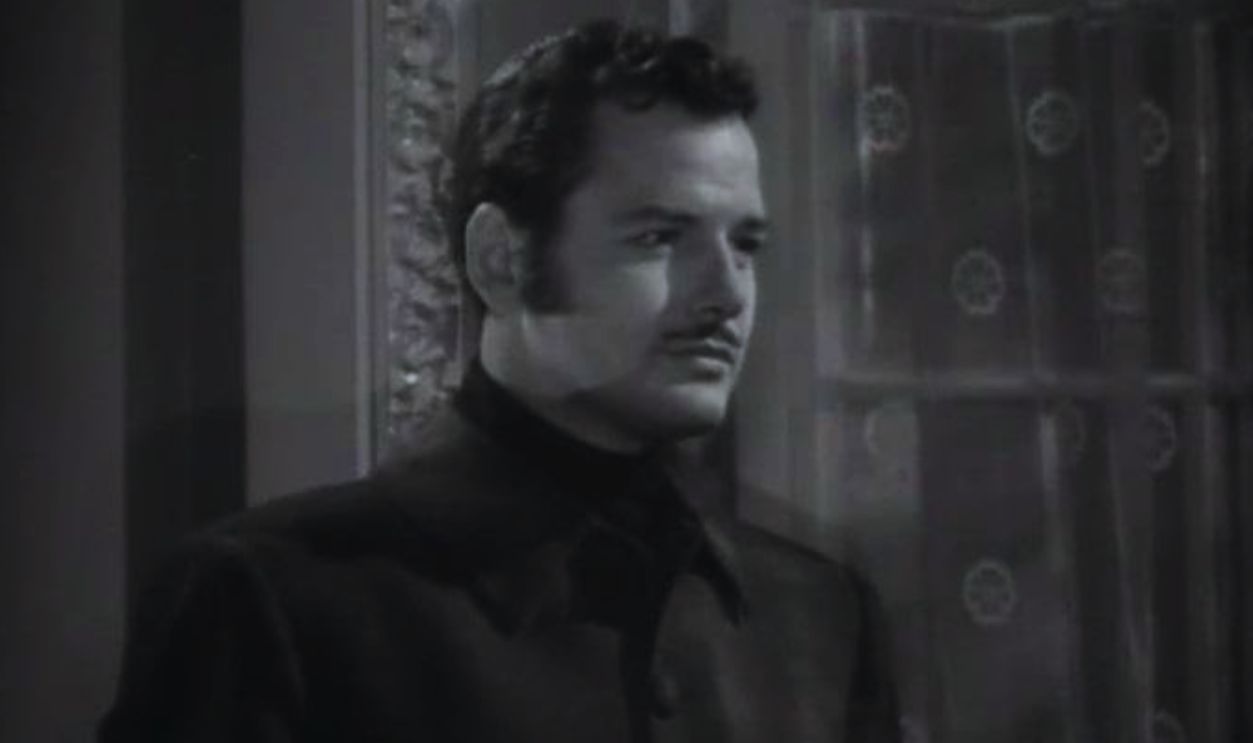 Screenshot from The Woman in White, Warner Bros. Pictures (1948)
You May Also Like:
Wonky Facts About Gene Wilder, The Zany Genius
Spellbound Facts About Elizabeth Montgomery, TV’s Angelic Enchantress
Dashing Facts About Clark Gable, The King Of Hollywood
Sources: 1, 2, 3, 4, 5, 6, 7, 8, 9, 10, 11, 12, 13, 14, 15, 16