She’s Hard To Work With
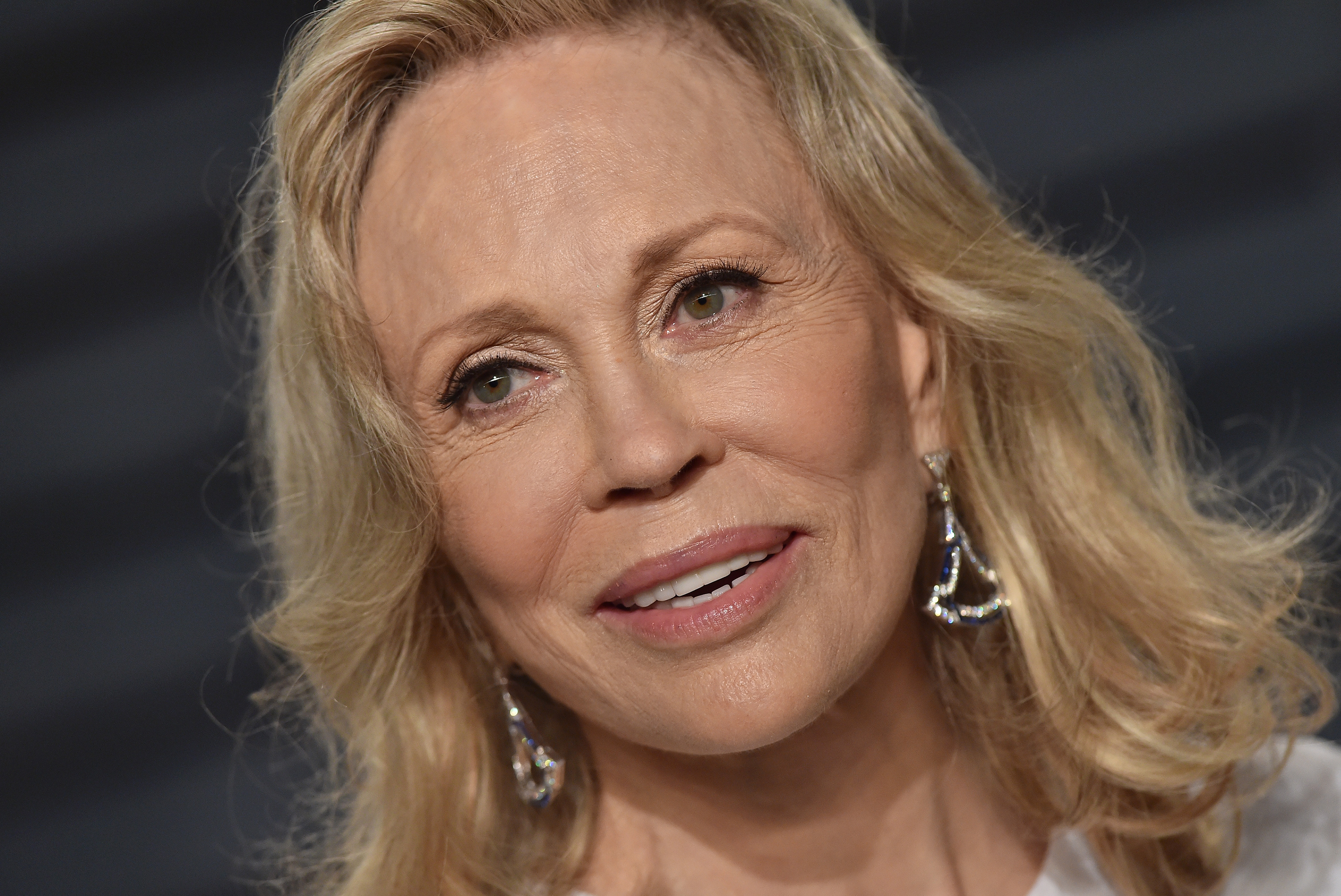
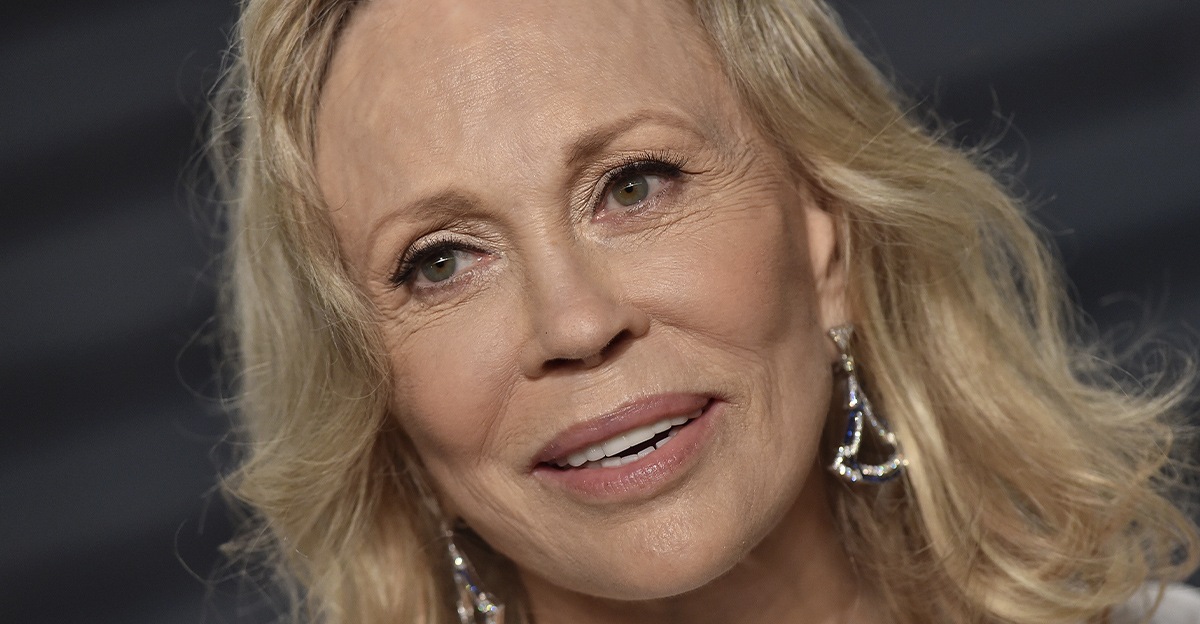
Faye Dunaway has spent a good chunk of her time in show business joining the ranks of actors who are hard to work with. She’s clashed with co-stars, directors, and seems to take a certain pleasure in going head-to-head with members of the crew. Sadly, the world seems to focus on this and not on her astonishing career—and it didn’t help when a certain movie had fans wondering where the line was between the real Dunaway and her portrayal of Hollywood's infamous Mommie Dearest.
 Axelle/Bauer-Griffin, Getty Images
1. She Was On The Road
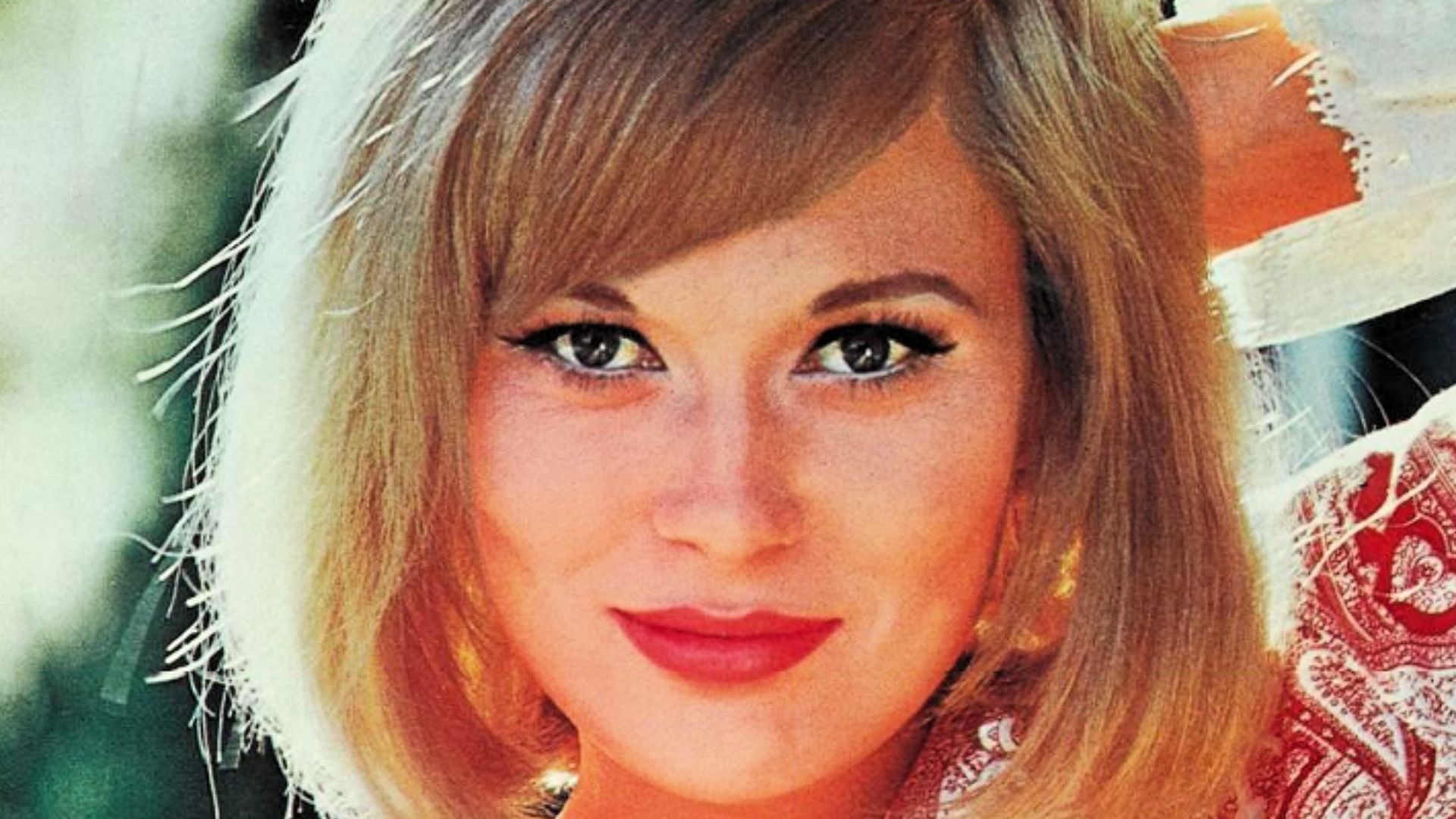
Dorothy Faye Dunaway was born on January 14, 1941, in Bascom, Florida. Because her father was a non-commissioned officer in the army, the family tended to travel a lot. They moved around the US and also in Europe. Even with all the travelling, Dunaway managed to learn to play the piano, sing, tap dance, and do ballet.
She was a talented young woman, but not without her secrets.
2. She Kept It Hidden
When Dunaway was just five years old, she had an idea about her future. She told the plan to her grandmother, but she kept it at a whisper. She said, “I’m going to be an actress, but don’t tell mother”. Later, she made a secret promise to herself: she said she would leave the South once she won a beauty pageant.
When she won Sweetheart of Sigma Chi, she was ready to go.
3. She Dated A Funny Guy
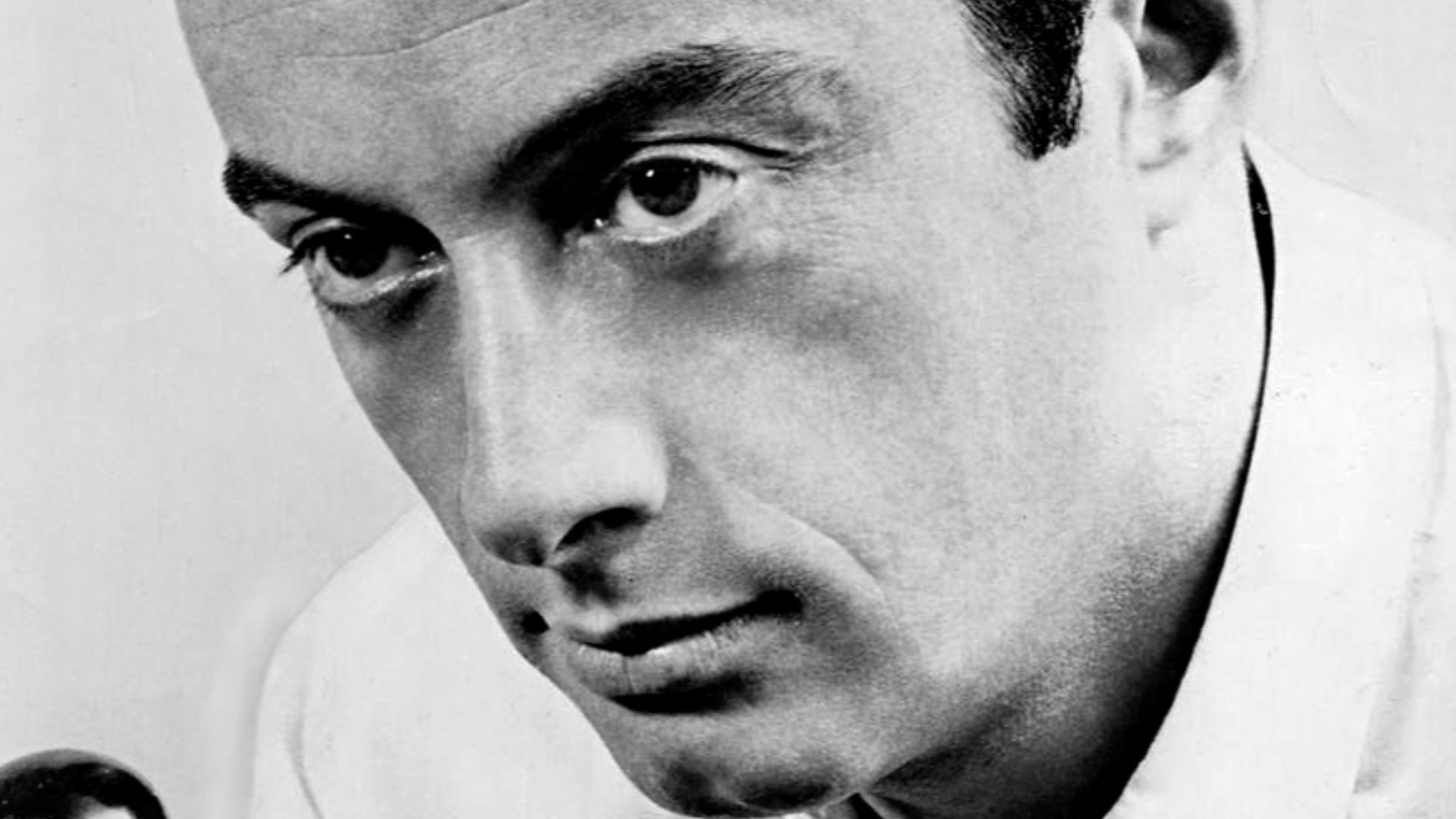
Faye Dunaway studied acting at Harvard, Boston University, and at HB Studio in New York. While spending time in New York’s club scene, Dunaway met and started dating outrageous comedian Lenny Bruce because she liked the way he challenged the status quo. Sadly, his drug use became more important to him than she was. They broke it off just years before he passed due to an overdose.
She worked on Broadway for a bit until she got her big break in a film.

History's most fascinating stories and darkest secrets, delivered to your inbox daily.
4. She Had A Trick
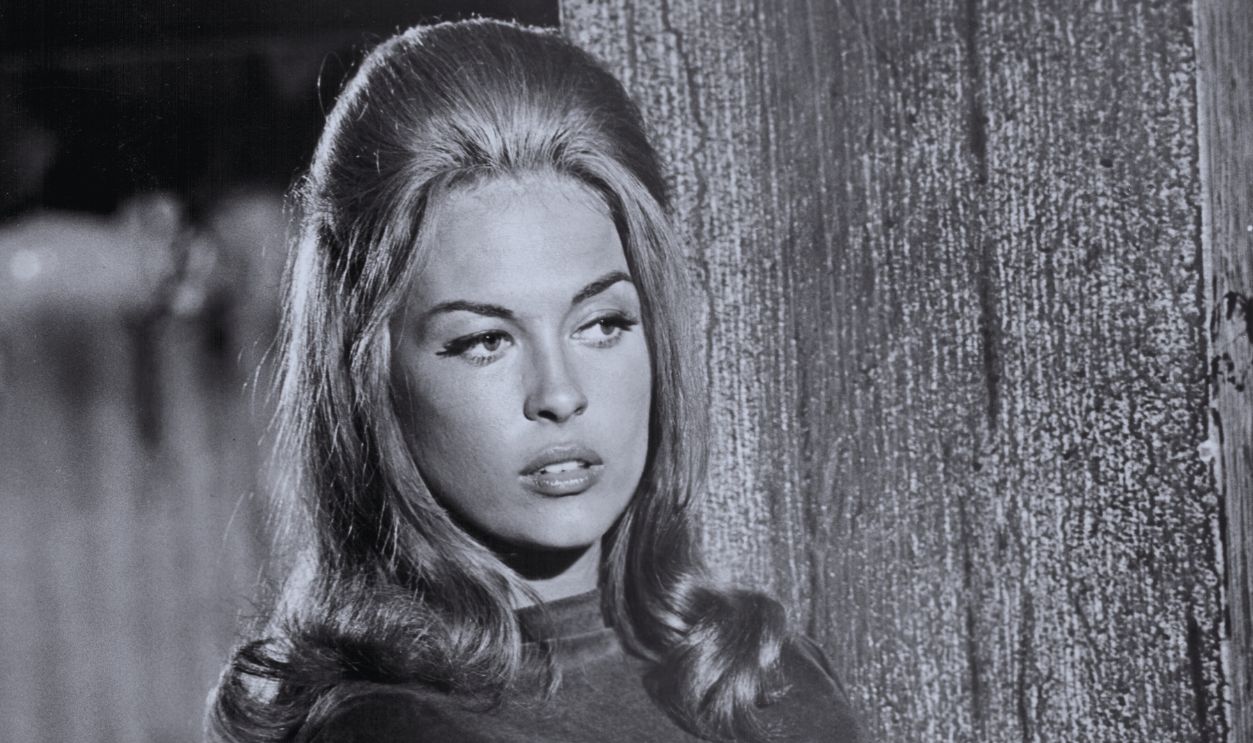
Dunaway’s first film was the hippie-themed The Happening, starring Anthony Quinn. The film didn’t do much for audiences, but critics praised Dunaway. Well, most did. Roger Ebert liked her but was quick to point out one of Dunaway’s quirky acting tricks: she rests her cheek on the back of her hand.
For her second film, Dunaway would work with a real auteur—and it would be a disaster.
5. She Clashed With An Icon
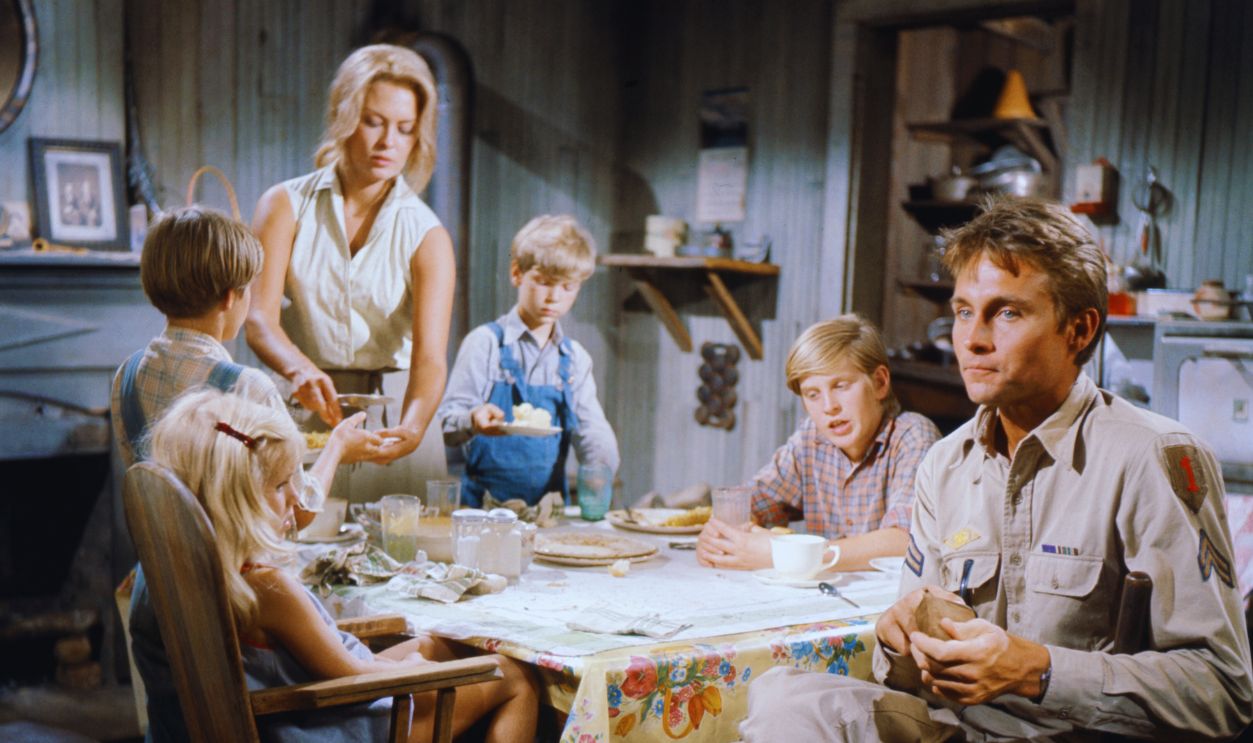
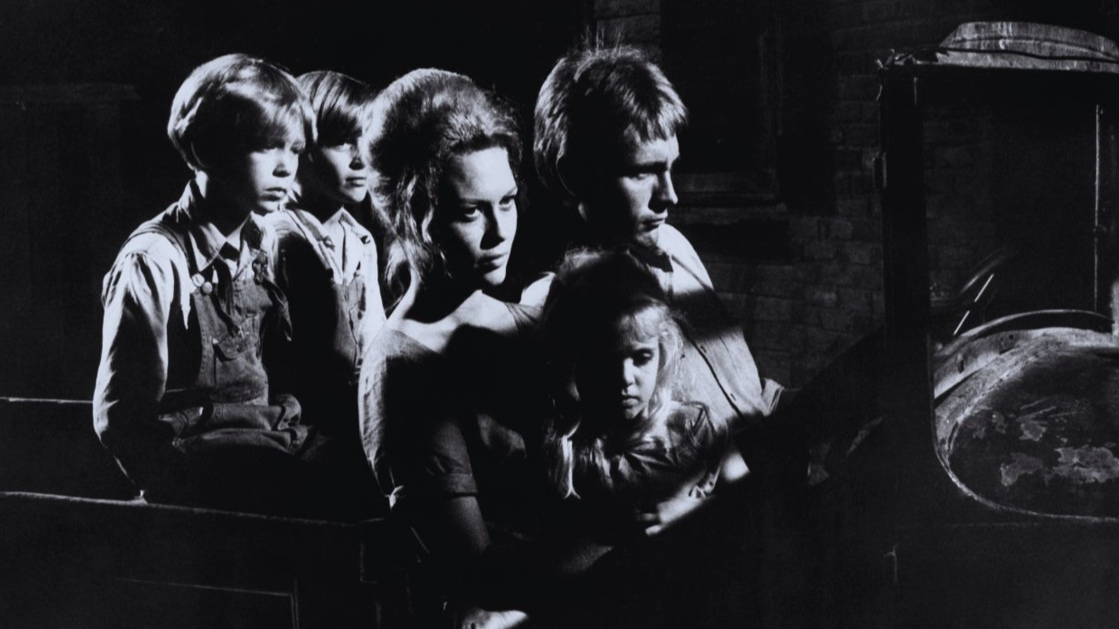
Next up for Faye Dunaway was Hurry Sundown with esteemed director Otto Preminger, who had a reputation as a dictator on the set. Some even called him “Otto the Monster”. Dunaway and Preminger did not get along. Preminger went as far as to say that Dunaway didn’t know "anything at all about the process of acting”.
That was certainly not what a new actor wanted to hear.
 Sunset Boulevard, Getty Images
6. She Was Miserable
Dunaway had certainly done her share of acting school, but it wasn’t enough for Preminger. Dunaway was having a miserable time on Hurry Sundown and likely wanted to hurry and get it done. Except for one thing: she’d already signed a deal for six films with Preminger.
This was going to be excruciating.
 Michael Ochs Archives, Getty Images
7. She Came Out The Winner
Faye Dunaway had to use her own money to buy her way out of her contract with Preminger, but she still came out on top. You see, she received a Golden Globe nomination for Hurry Sundown, and Preminger ended up with a film that the critics tore to shreds. Dunaway knew who she wanted to work with next, but she had to work hard to convince him.
8. He Insulted Her Face
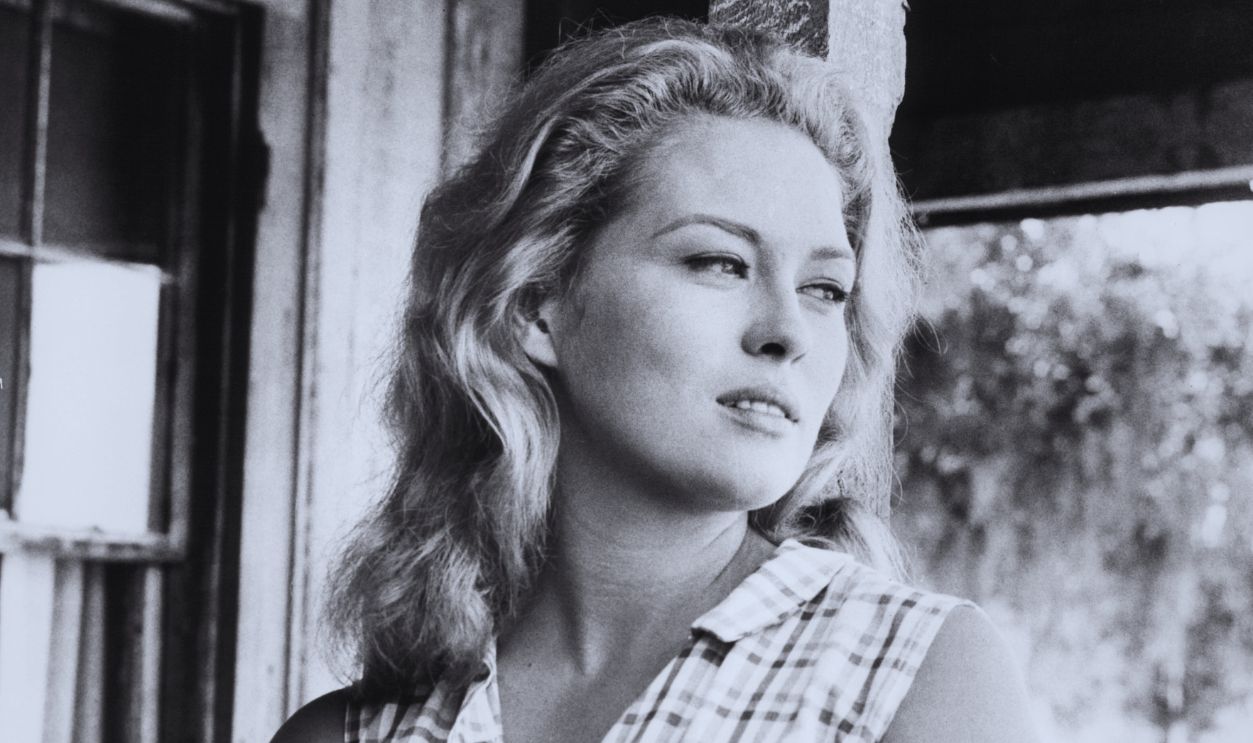
Dunaway knew about award-winning Arthur Penn’s new film, The Chase, and she wanted a part in it. When she met with the casting director, he told her flat out that she didn’t have the face for movies. Jane Fonda, who had appeared with Dunaway in Hurry Sundown, got the role instead. But Dunaway wasn’t about to let Penn forget her so easily.
9. She Got A Second Chance
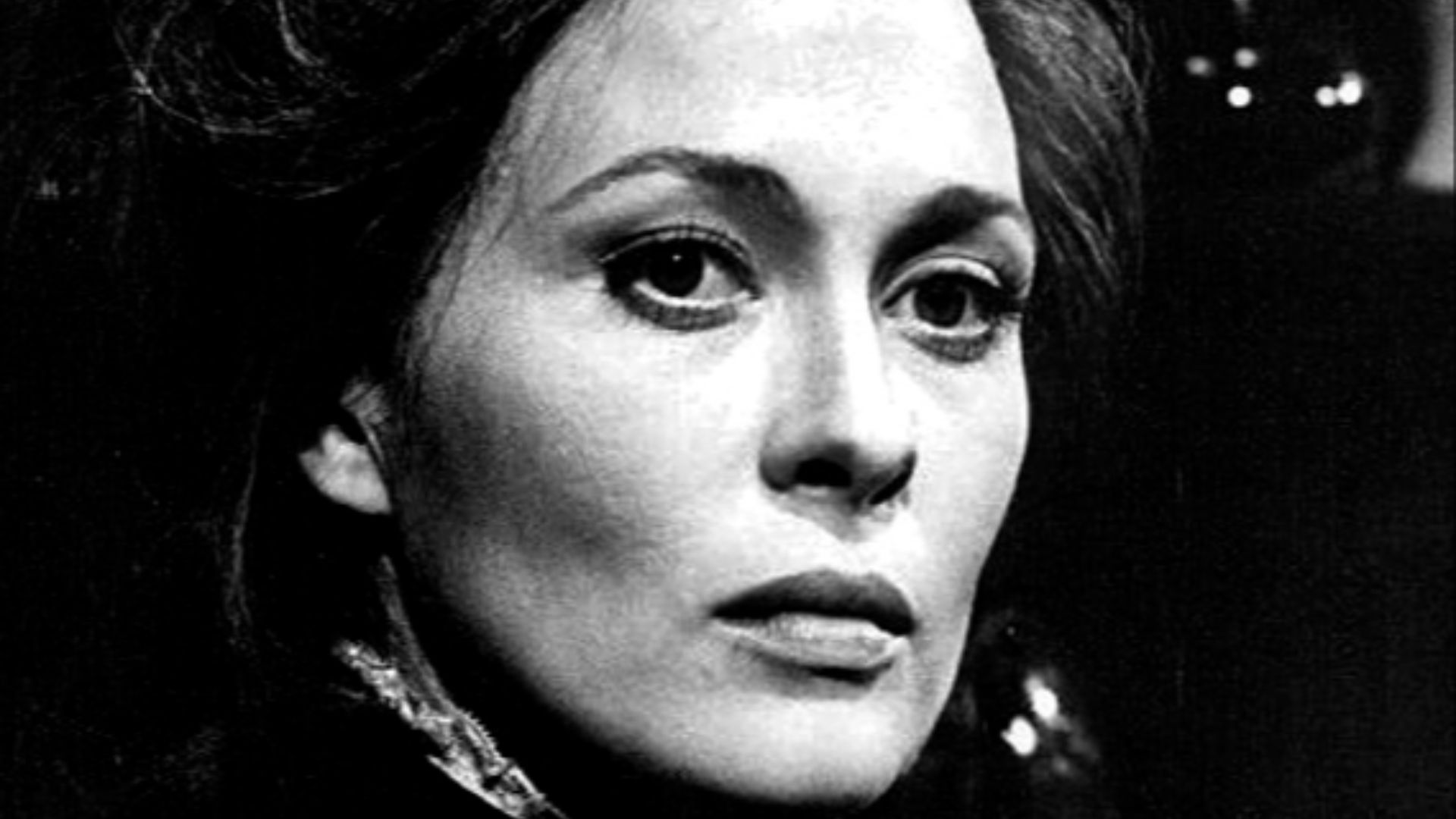
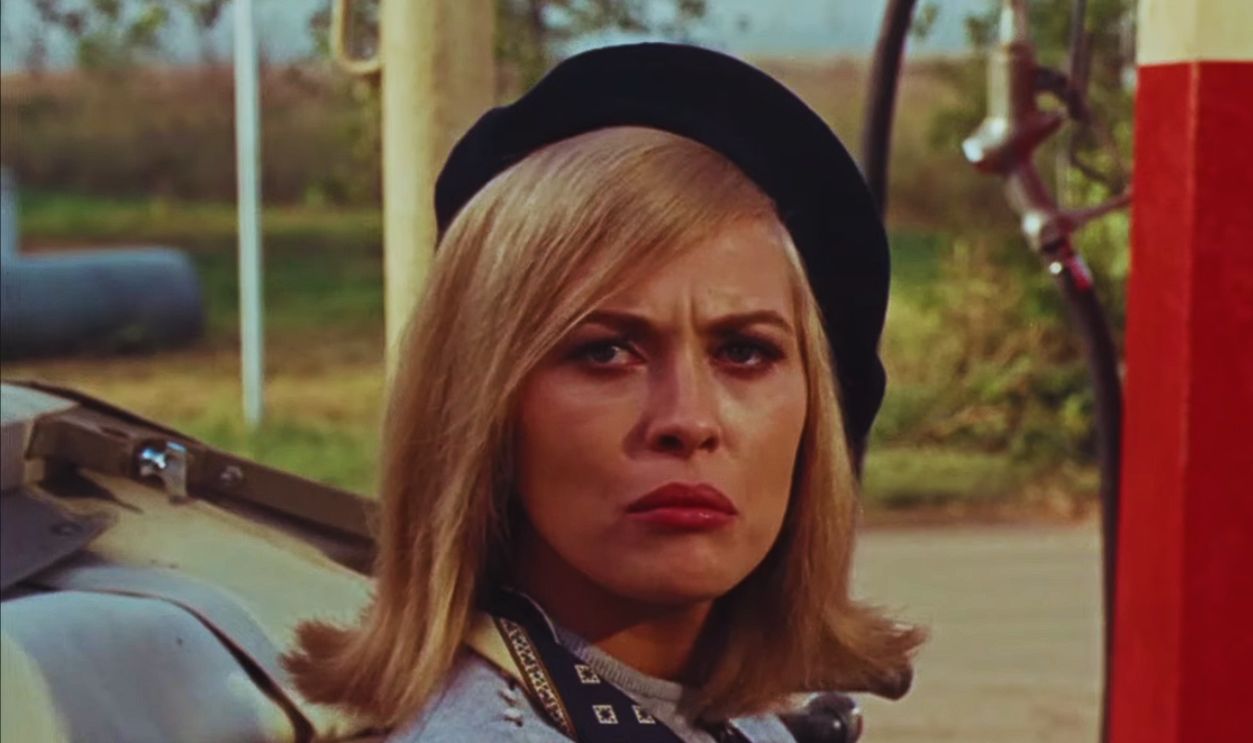
Penn heard about Dunaway’s attempt to get on The Chase, and he was curious about working with her. His next film was in need of a lead female actor to play opposite heartthrob Warren Beatty. The film was Bonnie and Clyde, and Beatty was also the producer.
Strangely, Beatty also had a problem with Dunaway’s face.
 Screenshot from Bonnie and Clyde, Warner Bros.-Seven Arts (1967)
10. She Looked Wrong
Beatty's issue with Dunaway was that her bone structure was too "extraordinary". The real Bonnie of Bonnie and Clyde was a local girl who feigned innocence. Penn somehow convinced Beatty that Dunaway was the best Bonnie, and she beat out Jane Fonda. But there was another problem with Dunaway.
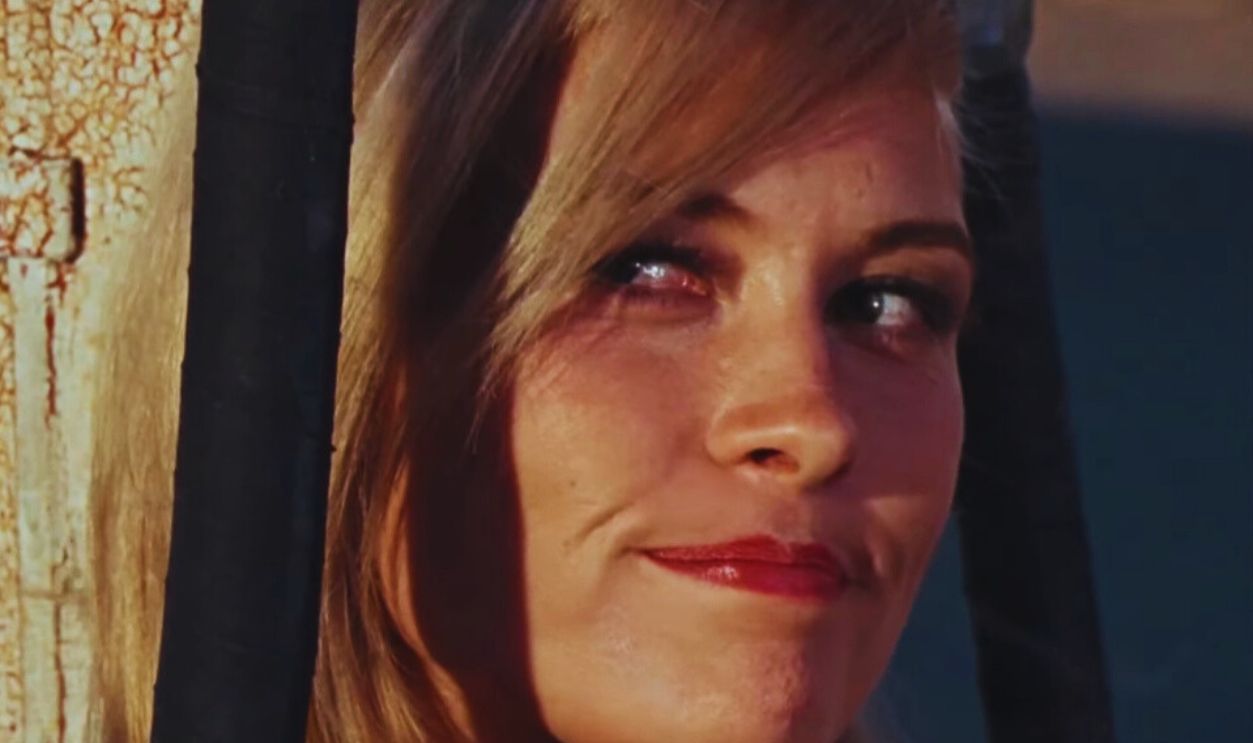 Screenshot from Bonnie and Clyde, Warner Bros.-Seven Arts (1967)
History's most fascinating stories and darkest secrets, delivered to your inbox daily.
11. She Lost It
The true story behind Bonnie and Clyde took place during the Depression, an era in which there was little to eat. The production team asked Faye Dunaway if she could lose weight. To keep her job, Dunaway basically stopped eating. She also wore weights around her waist and wrists. By the time they started filming, she’d lost an astonishing 30 pounds.
Now it was time to see if it was worth it.
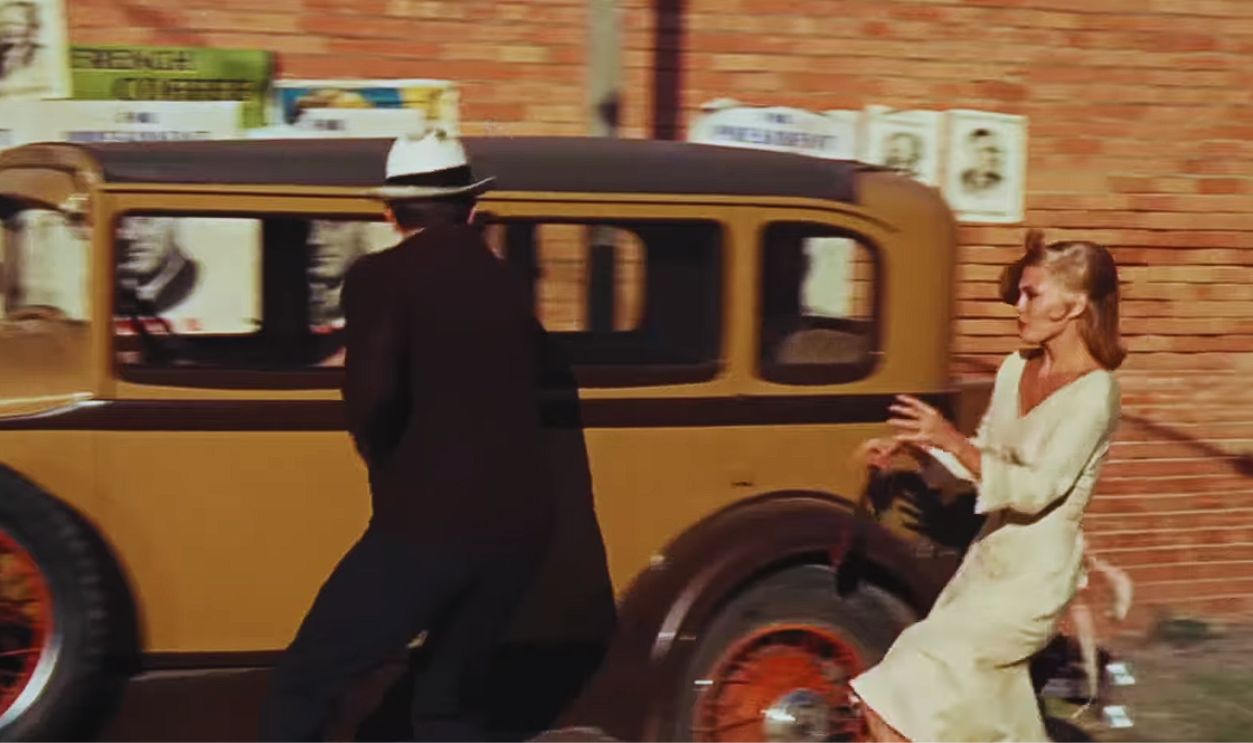 Screenshot from Bonnie and Clyde, Warner Bros.-Seven Arts (1967)
12. She Became A Star
It took a while, but Bonnie and Clyde became a critical and box office success. It garnered 10 Academy Award nominations, including one for Dunaway. She knew what this meant. She later said that Bonnie and Clyde raised her to the level of a star. Now she was going to have to prove she belonged there.
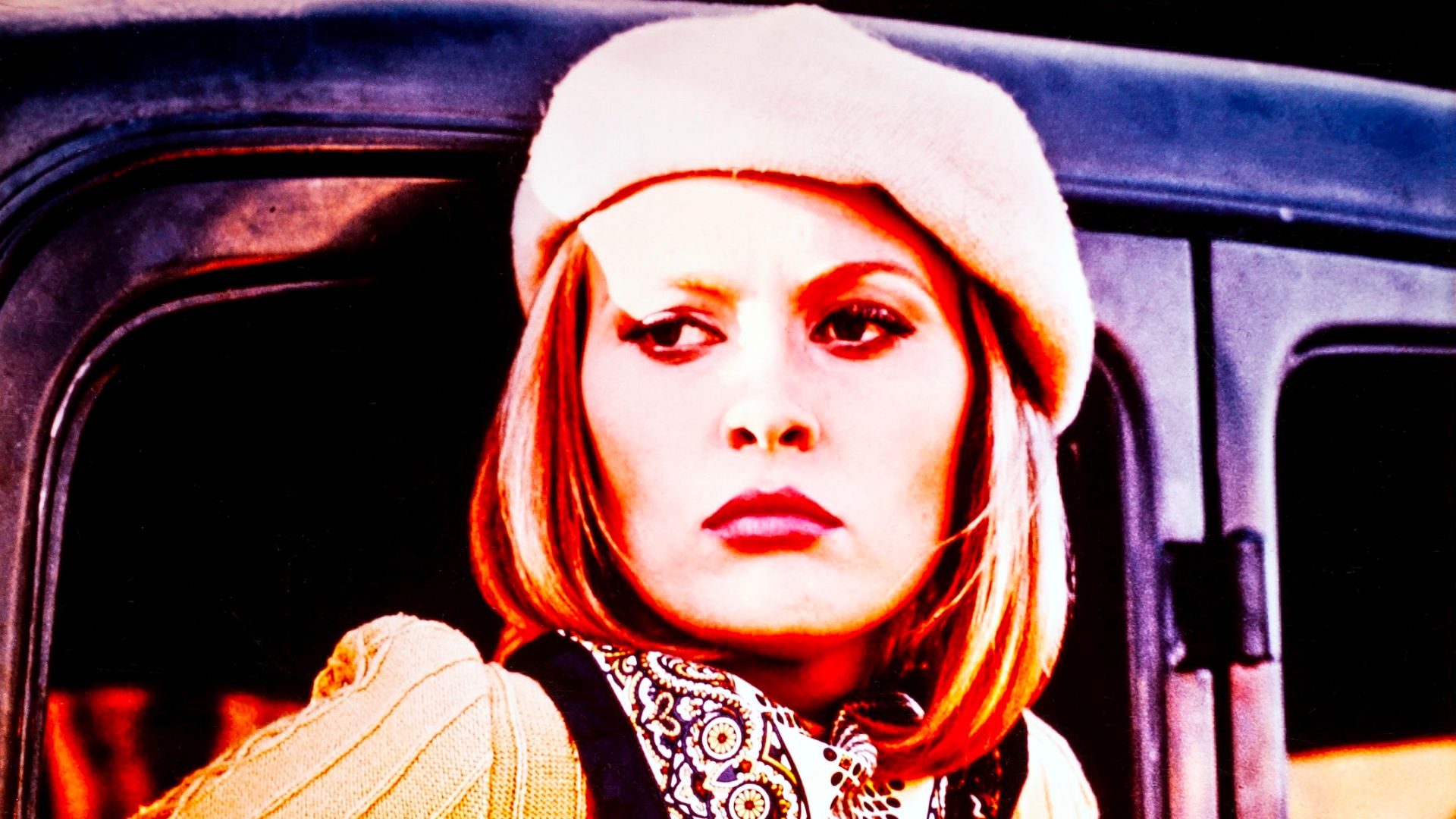 Distributed by Warner Bros.-Seven Arts., Wikimedia Commons
13. She Wasn’t Wanted
Director Norman Jewison had seen Faye Dunaway in Bonnie and Clyde and was ready to hire her for his next film. This was The Thomas Crown Affair with Steve McQueen. Once again, Dunaway was having trouble. For some reason, McQueen didn’t want her. Luckily, Jewison prevailed, and they got ready to make the movie.
Her trouble on this film happened off the set.
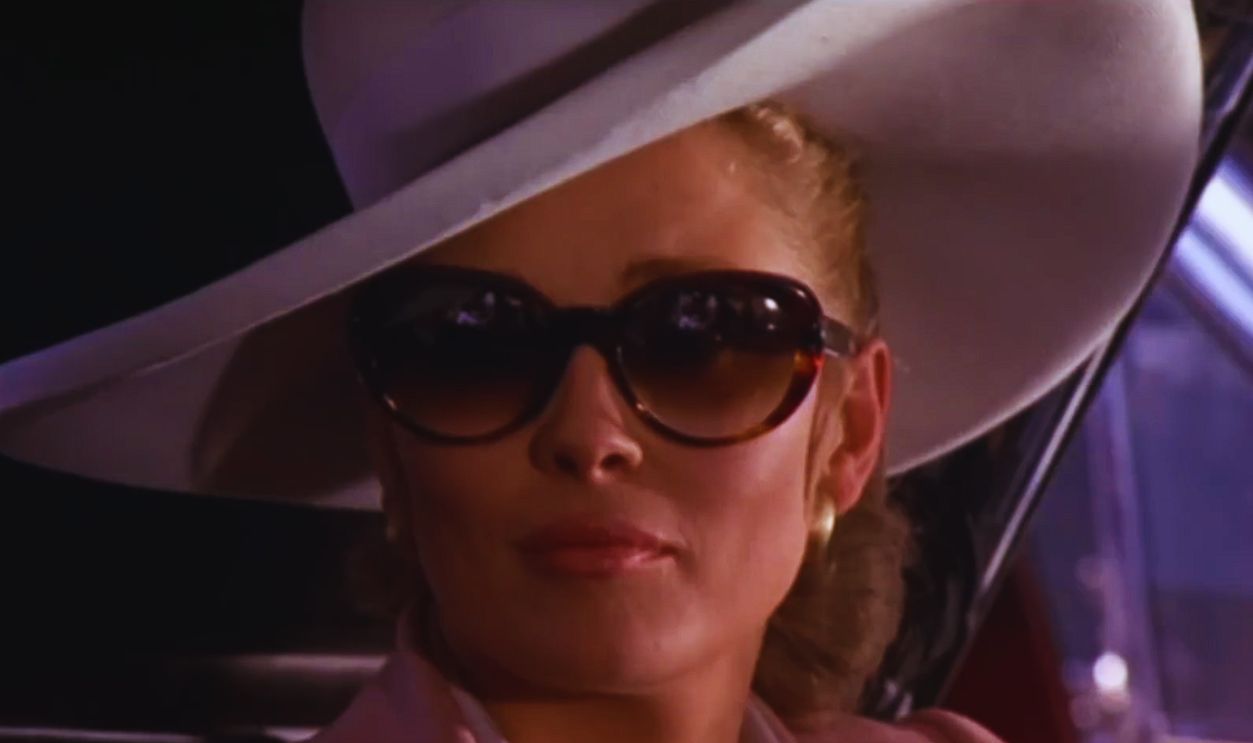 Screenshot from The Thomas Crown Affair, United Artists (1968)
14. She Got The Heave Ho
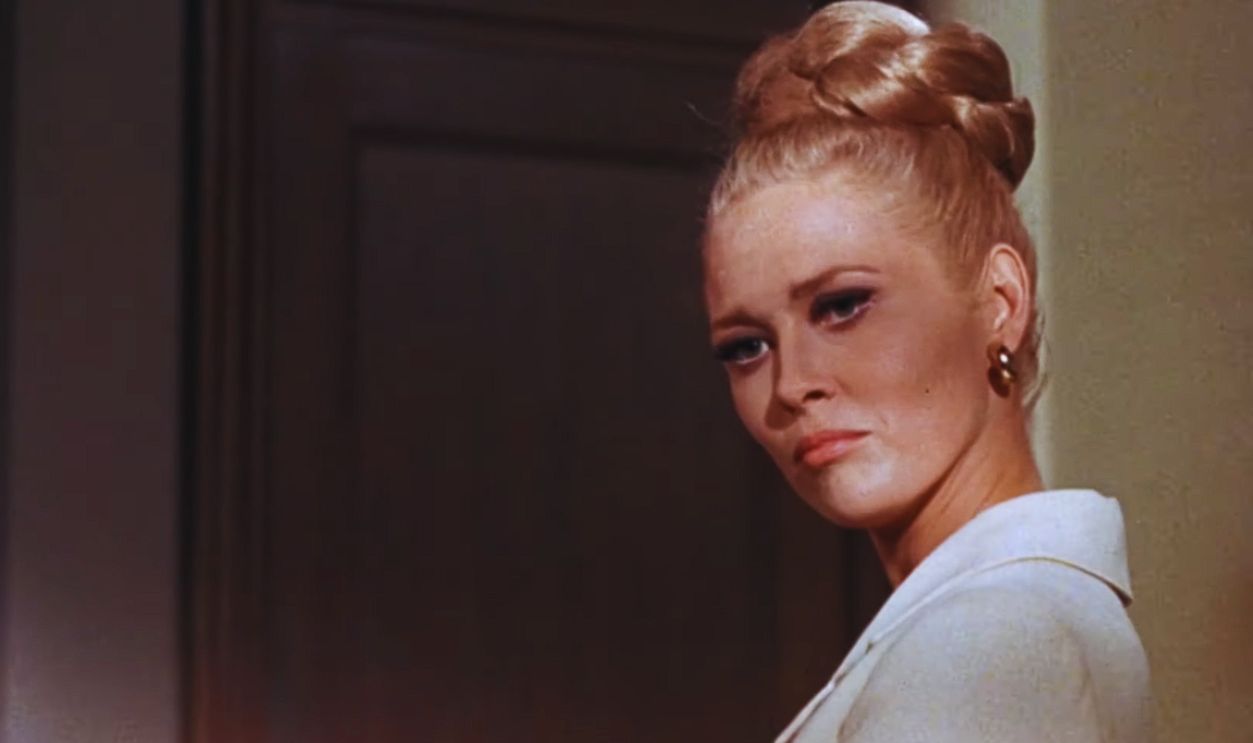
In The Thomas Crown Affair, Dunaway had an astonishing 29 costume changes, and her character later became a fashion icon. But it was when she chose her own clothes she got into trouble. While filming in Boston, the house detective of the hotel she was staying at asked her to leave the bar. He actually thought she was a lady of the evening. The Thomas Crown Affair was a financial success, but the critics weren't so kind.
Dunaway was ready for a big change.
 Screenshot from The Thomas Crown Affair, United Artists (1968)
15. She Did Europe
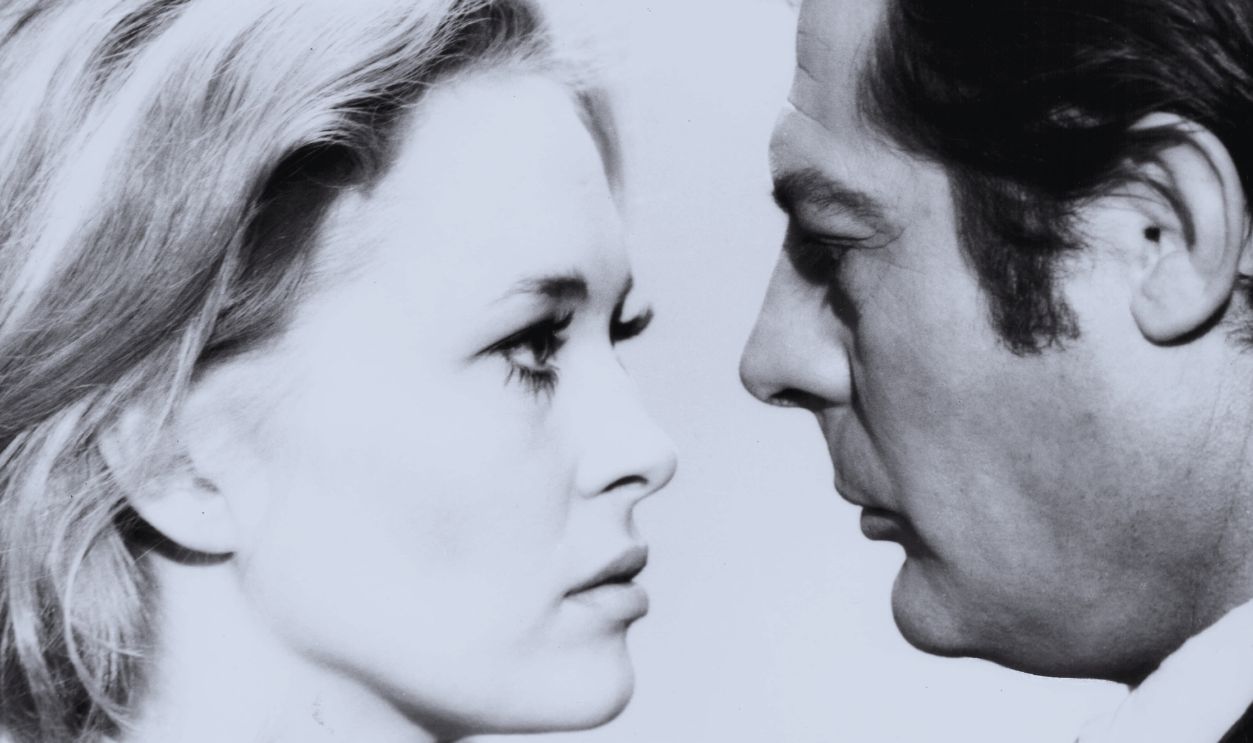
Faye Dunaway was making her way through the top directors in America, and then decided to go abroad. She went to Italy to appear in Vittorio De Sica’s A Place for Lovers opposite Italian icon Marcello Mastroianni. The film was a disaster and ended up on a few “worst films ever made” lists.
Perhaps this was because there was a problem with on-screen chemistry.
 Keystone Features, Getty Images
16. She Took It Off-Screen
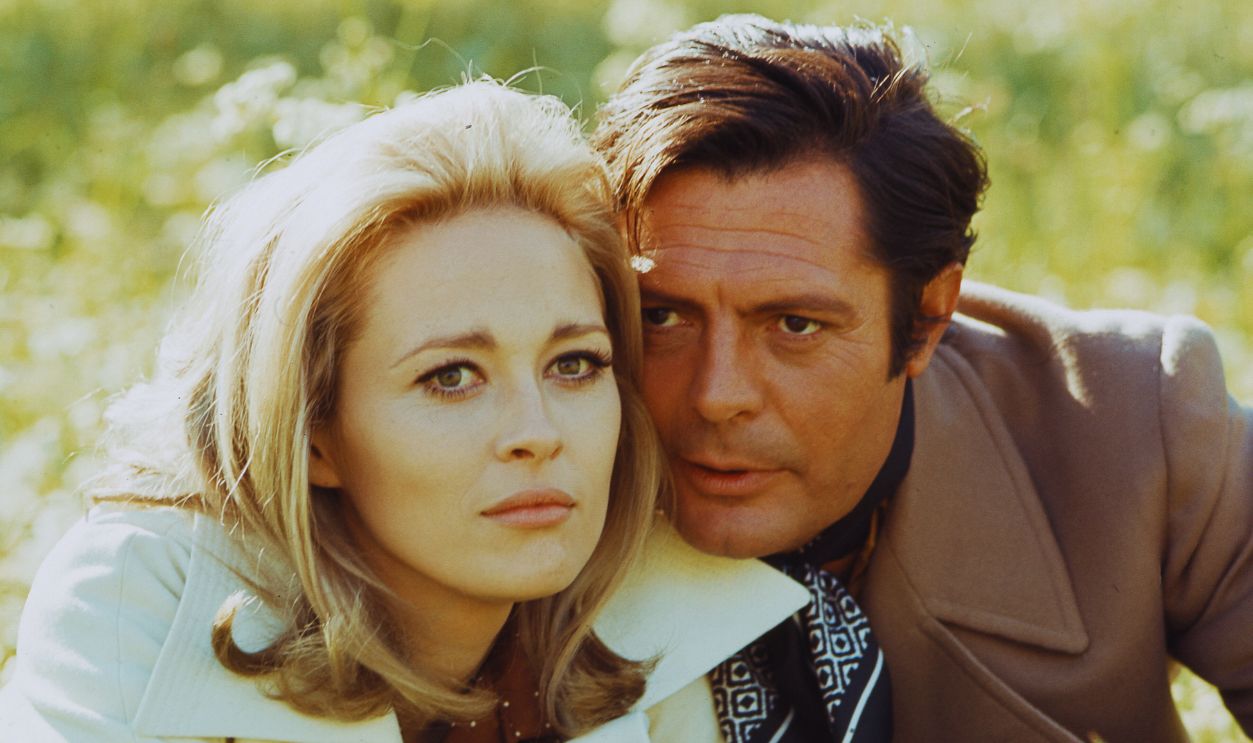
While making A Place for Lovers, Dunaway decided to take the love affair with Mastroianni off-screen as well. Could it be that the affair that was going on behind the scenes was having a negative effect on the love affair on screen? Whatever the reason, Dunaway had made another dud, and she had also broken her own moral code.
 Vittoriano Rastelli, Getty Images
History's most fascinating stories and darkest secrets, delivered to your inbox daily.
17. She Broke A Rule
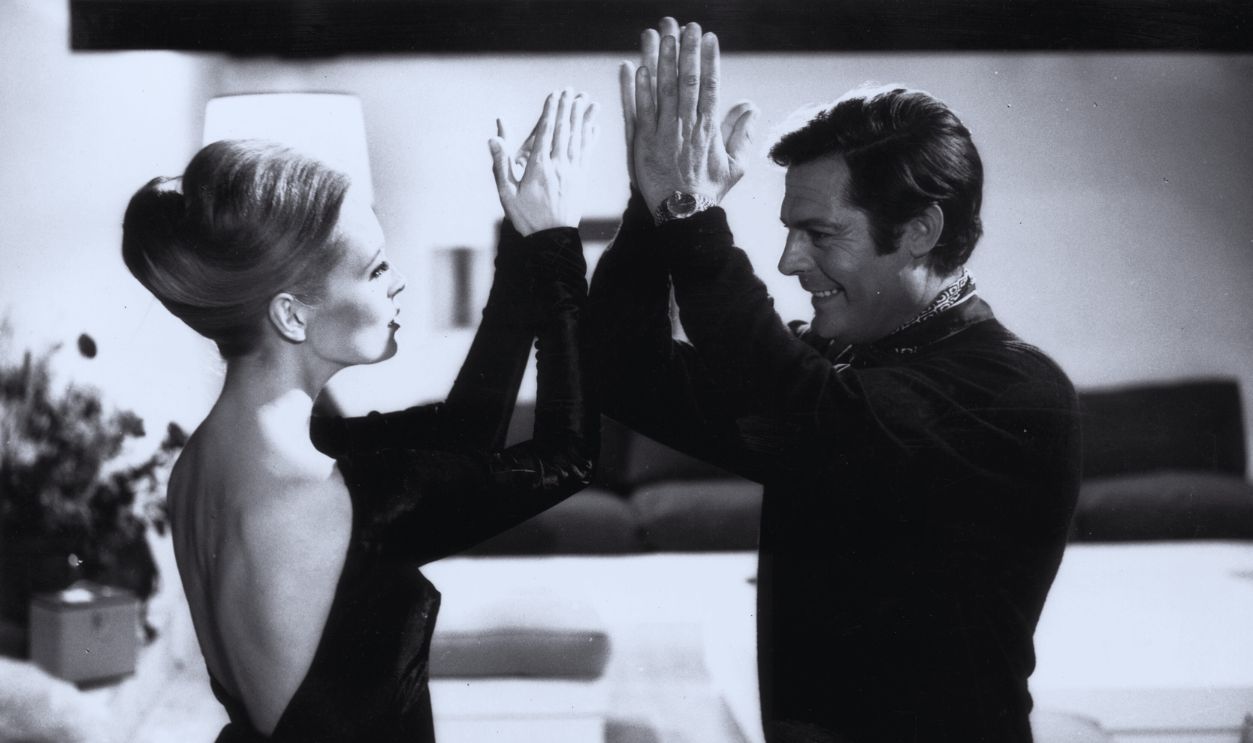
Faye Dunaway had always avoided dating her co-stars. She’d had ample opportunity with players like Warren Beatty and Steve McQueen. She said that it was easy to avoid romance with them because they were womanizers. But with Mastroianni, she’d broken her rule, and she seemed to be paying for it.
 Keystone Features, Getty Images
18. She Had Two More Strikes
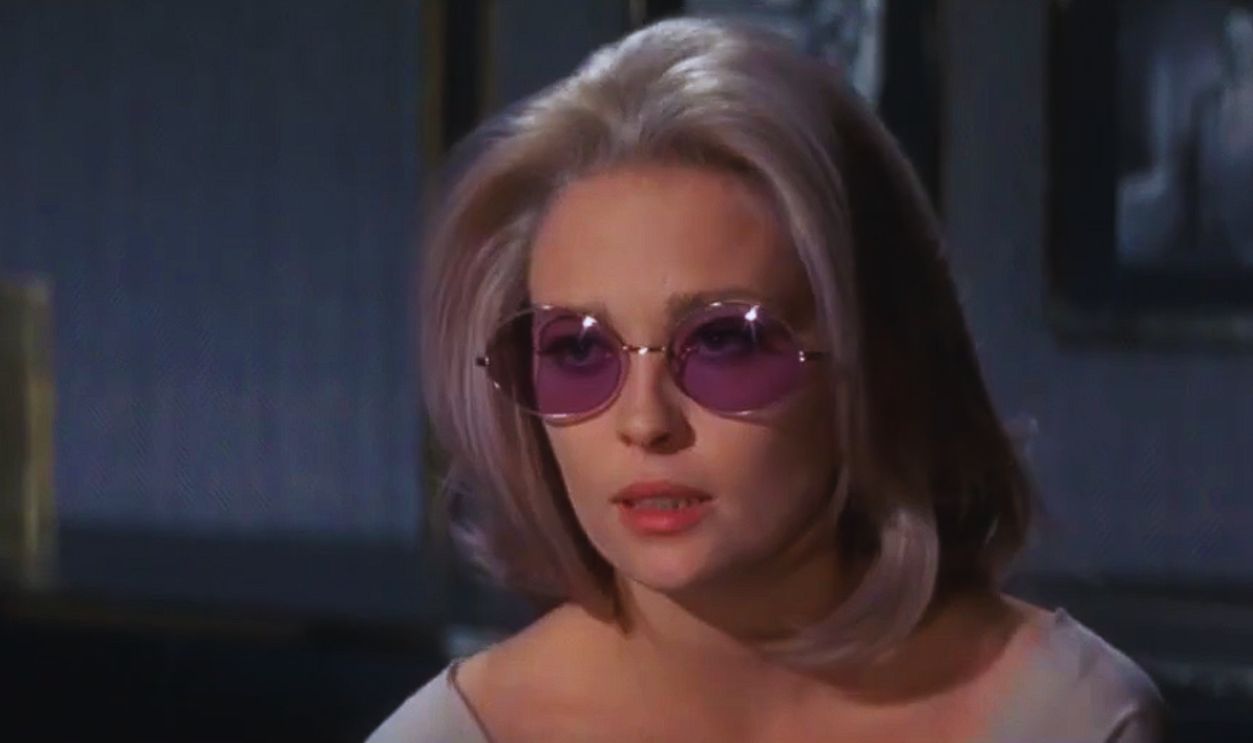
Dunaway followed the disastrous Italian movie with a disastrous American one. This was The Arrangement with Kirk Douglas. While critics enjoyed her performance, the movie got a lot of thumbs down. The following year’s The Extraordinary Seaman was also a disappointment. So what happened to this idea of Dunaway being a big star?
She had her own theory.
 Screenshot from The Arrangement, Warner Bros. (1969)
19. She Blamed Him
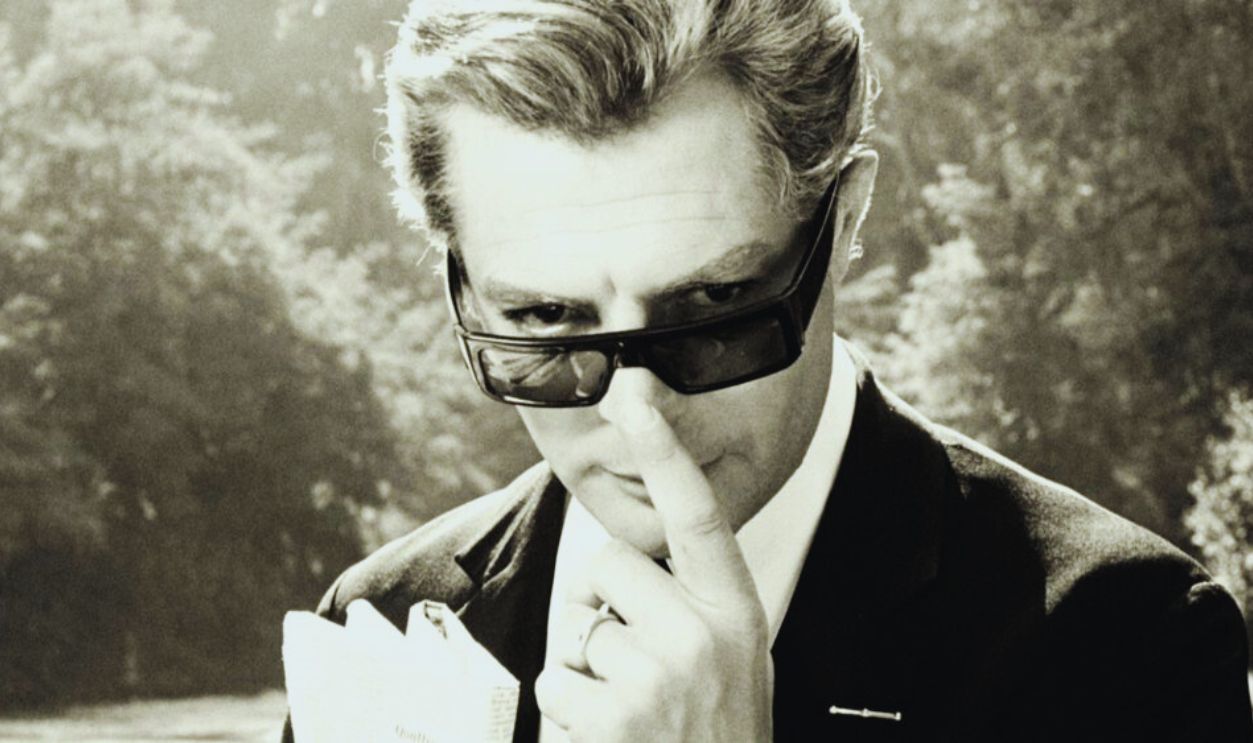
While making these less-than-successful films, Faye Dunaway was still in a relationship with Mastroianni, but it was complicated. Dunaway wanted to be his wife, but Mastroianni already had one. He and his wife had separated, but he didn’t want to hurt her feelings. Dunaway later said that being with him had a negative influence on her work.
She needed to find a replacement for this curse on her career.
 Federico Fellini, Wikimedia Commons
20. She Found A Cure
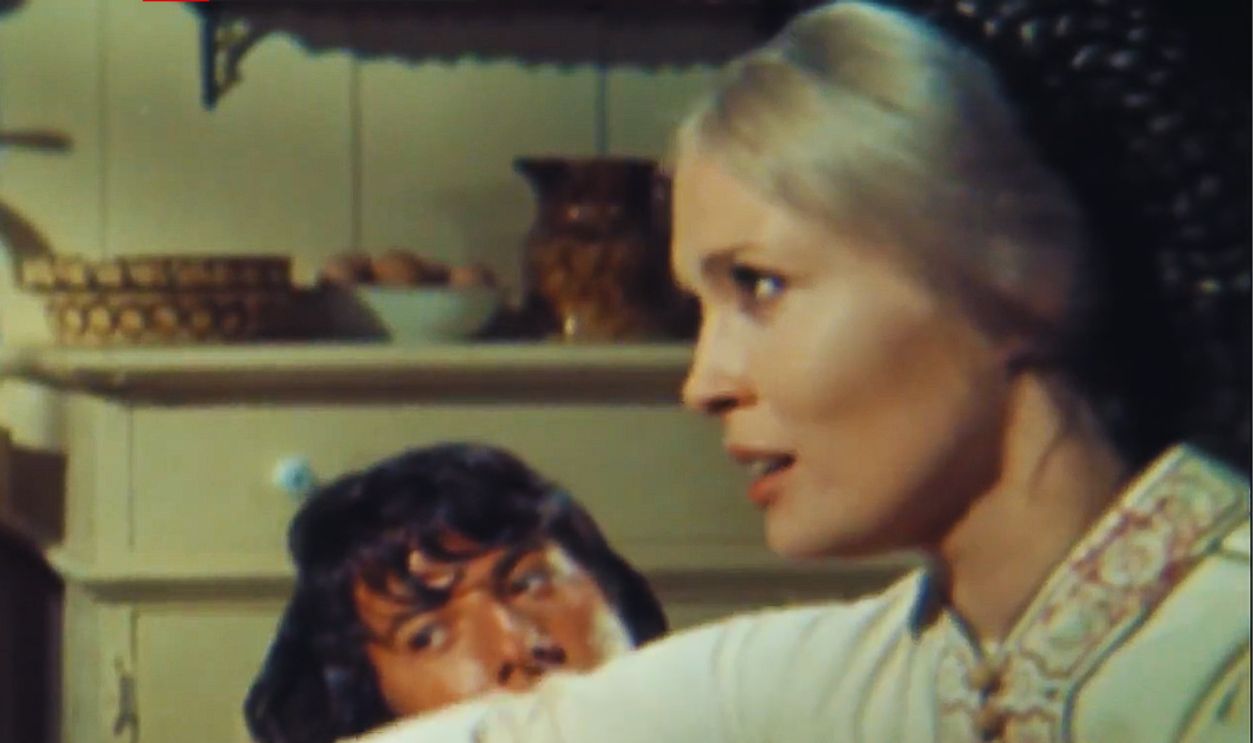
Dunaway finally had a hit film with Little Big Man. She had a supporting role, but it was for her friend and Bonnie and Clyde director Arthur Penn. She also made the obscure Puzzle of a Downfall Child and received a nod from the Golden Globes. Dunaway followed these films with a role in Doc, and it was here that she found her antidote to her problem with Mastroianni.
 Screenshot from Little Big Man, National General Pictures (1970)
21. She Replaced Him
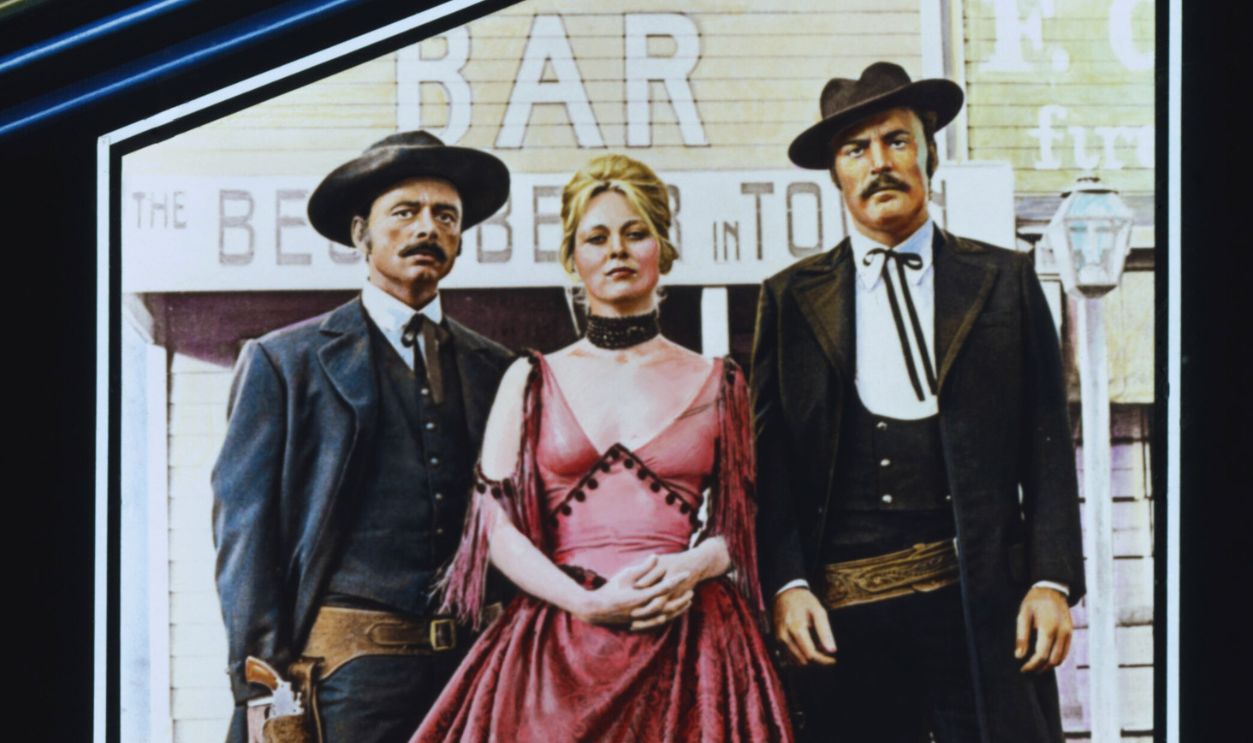
The “Doc” in this film was Doc Holiday, played by Stacy Keach, but Faye Dunaway found a lover in Harris Yulin, who played Wyatt Earp. With Mastroianni finally out of the picture, Dunaway was ready to get her career back in order. One of her first stops was a showdown with none other than Bette Davis.
22. She Outdid An Icon
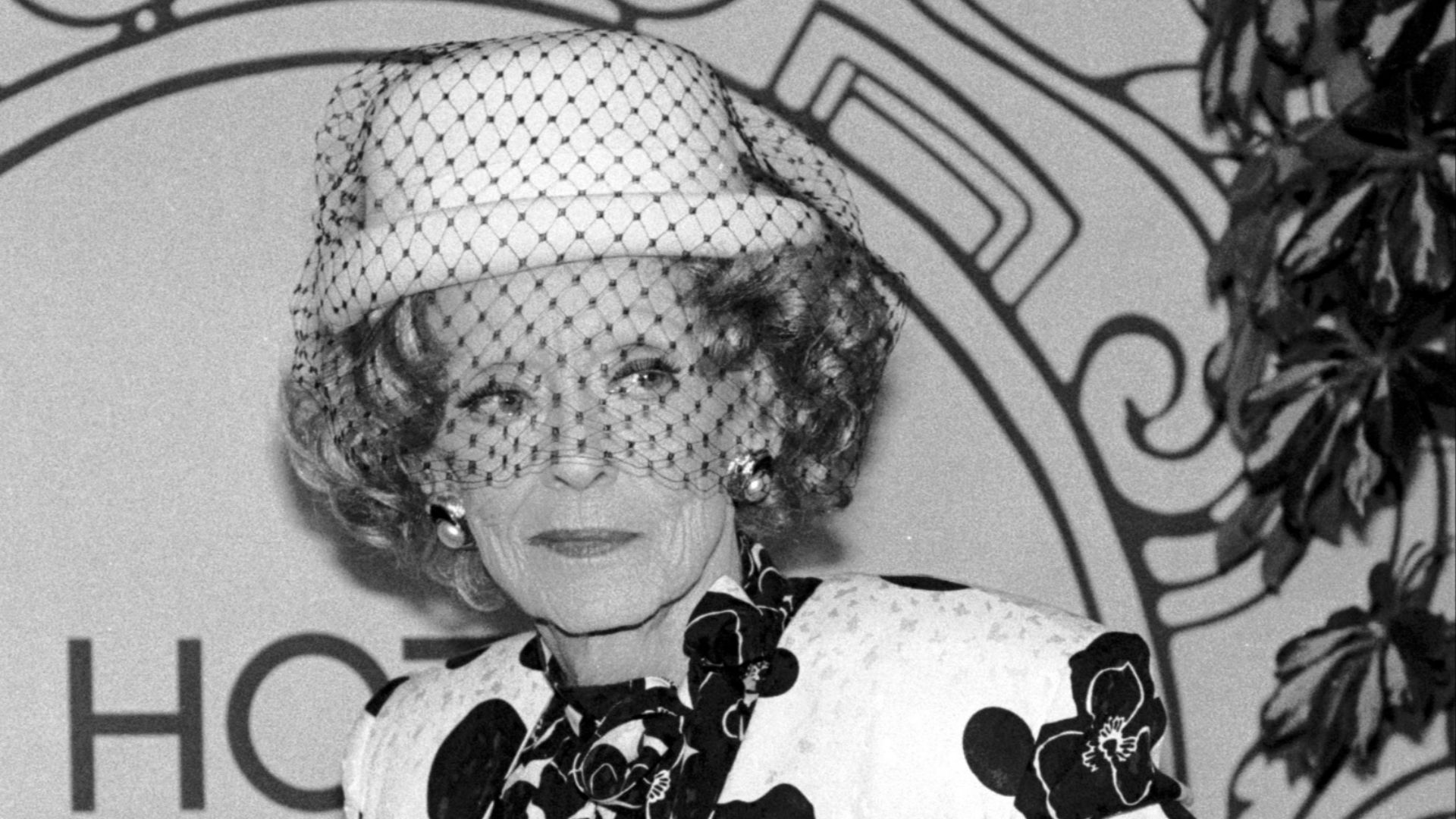
In 1976, Dunaway appeared in a TV movie opposite Bette Davis. Davis is certainly no stranger to behind-the-scenes drama, but Dunaway seemed to have outdone her. After making The Disappearance of Aimee, Davis wanted Dunaway to disappear from her life entirely. She said that because of her lateness and bad behavior, Dunaway was “the most impossible star I’ve ever worked with”. Davis refused to work with Dunaway again.
Dunaway’s next clash would be with a notorious director.
 Roland Godefroy, Wikimedia Commons
History's most fascinating stories and darkest secrets, delivered to your inbox daily.
23. She Butted Heads With Polanski
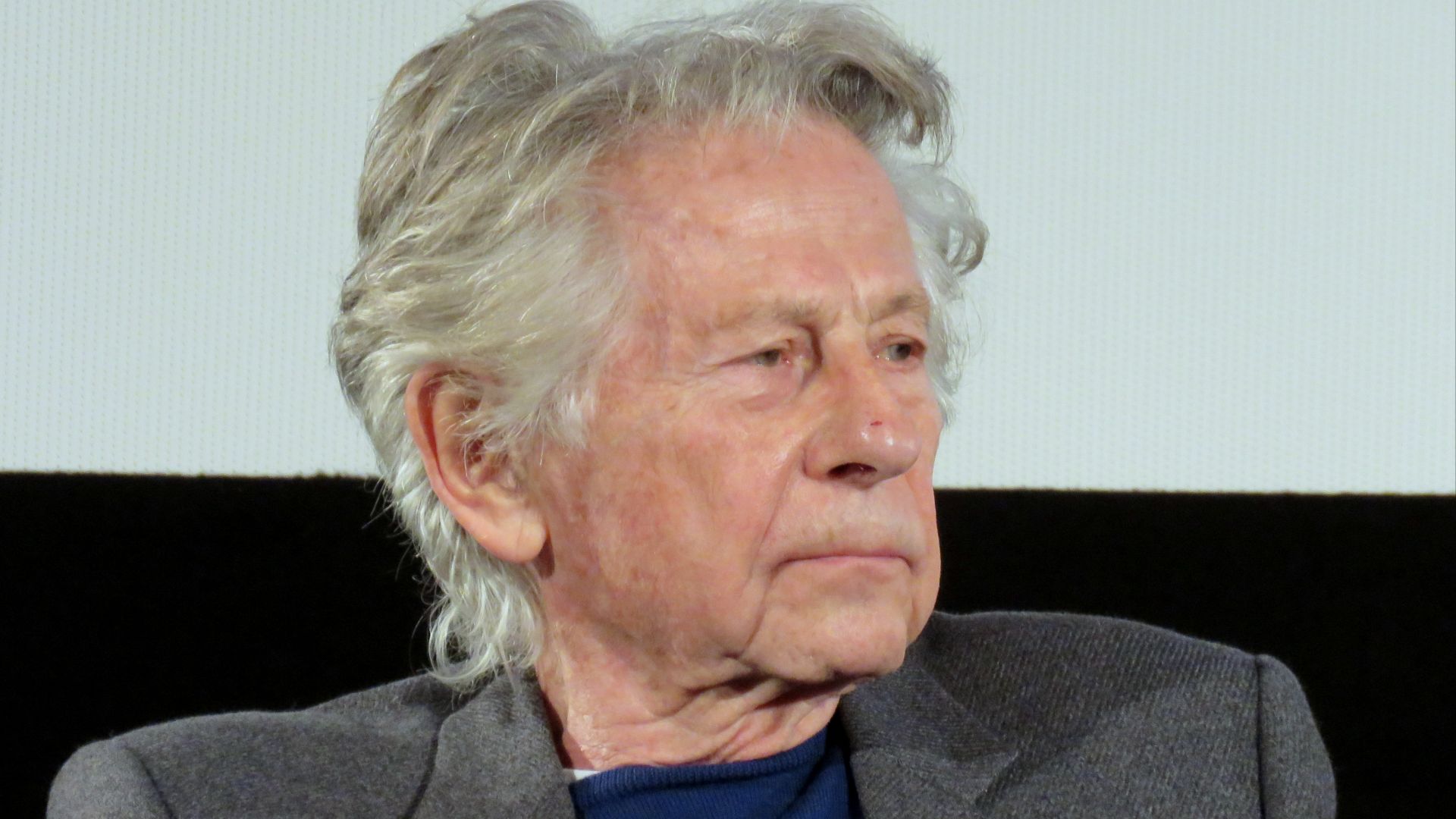
While working on the 1974 film Chinatown opposite Jack Nicholson, Faye Dunaway clashed with director Roman Polanski. In her opinion, part of the problem was that Polanski liked very young women because they didn't threaten him. Dunaway was a threat, so Polanski had to belittle her.
And then he went even farther than belittling.
 Mariusz Kubik, Wikimedia Commons
24. She Took A Strange Revenge
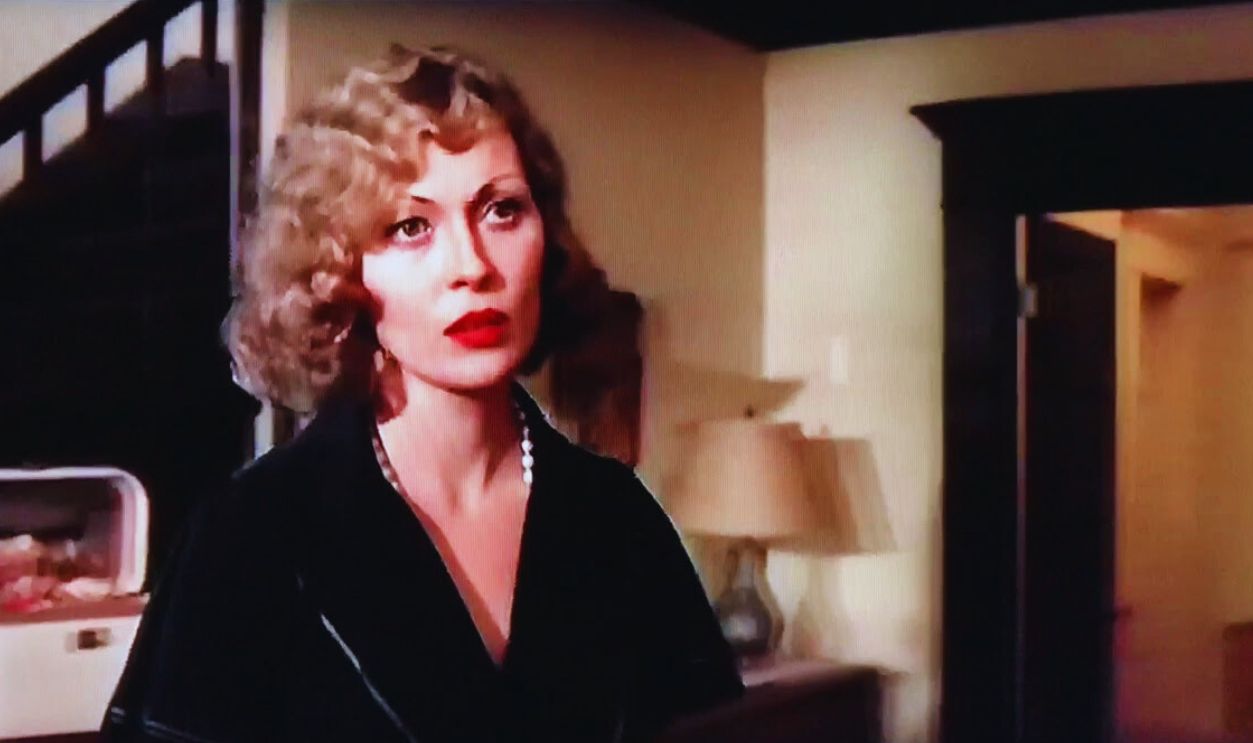
While filming Chinatown, Polanski leaned forward and yanked a stray hair out of Dunaway’s head. This aggressive act infuriated Dunaway. She got him back later in a bizarre way—she threw a cup of her own urine on the esteemed director. What do you expect? He wouldn’t give her a break to go to the washroom.
But Dunaway’s own behavior wasn’t always on the up and up.
 Screenshot from Chinatown, Paramount Pictures (1974)
25. She Took Him Upstairs
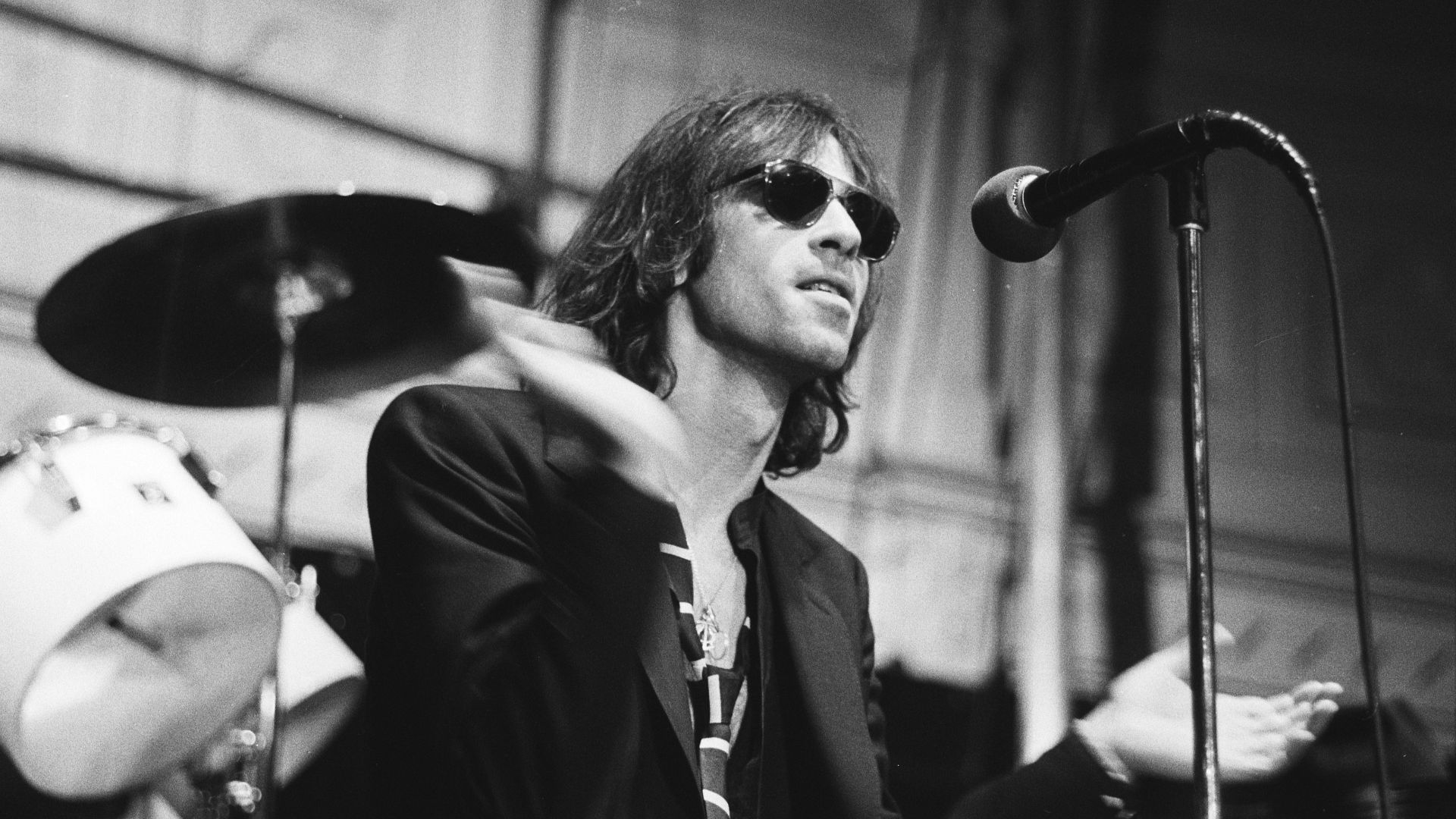
While making Chinatown, Faye Dunaway was dating J Geils Band frontman Peter Wolf. When Dunaway dragged Wolf along for a meeting with Jack Nicholson, she did something that should have sent Wolf packing. During the meeting, Dunaway took Nicholson upstairs for a quickie while her boyfriend waited downstairs. Dunaway felt bad, so she just had to propose.
But it was clear that Dunaway’s career came first, and all she could do was hope it paid off.
 Unknown photographer (ANEFO), Wikimedia Commons
26. She Was A Femme Fatal
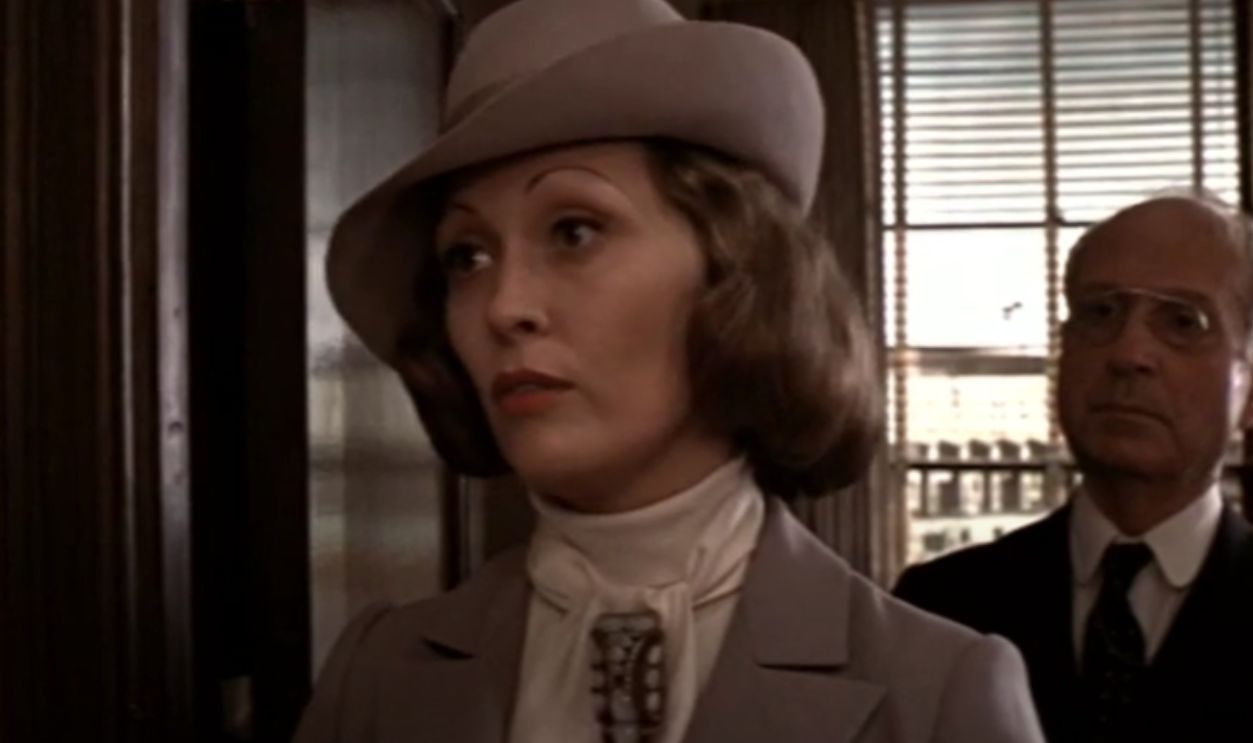
Even with all these behind-the-scenes theatrics, Chinatown was a colossal hit, and Dunaway received a best actress nomination. The film way oversold its budget, and producer Robert Evans had nothing but glorious praise for his femme fatale. Dunaway was a rare thing in Hollywood. She was a true artist.
But she wasn't above doing a little action.
 Screenshot from Chinatown, Paramount Pictures (1974)
27. She Did A Disaster
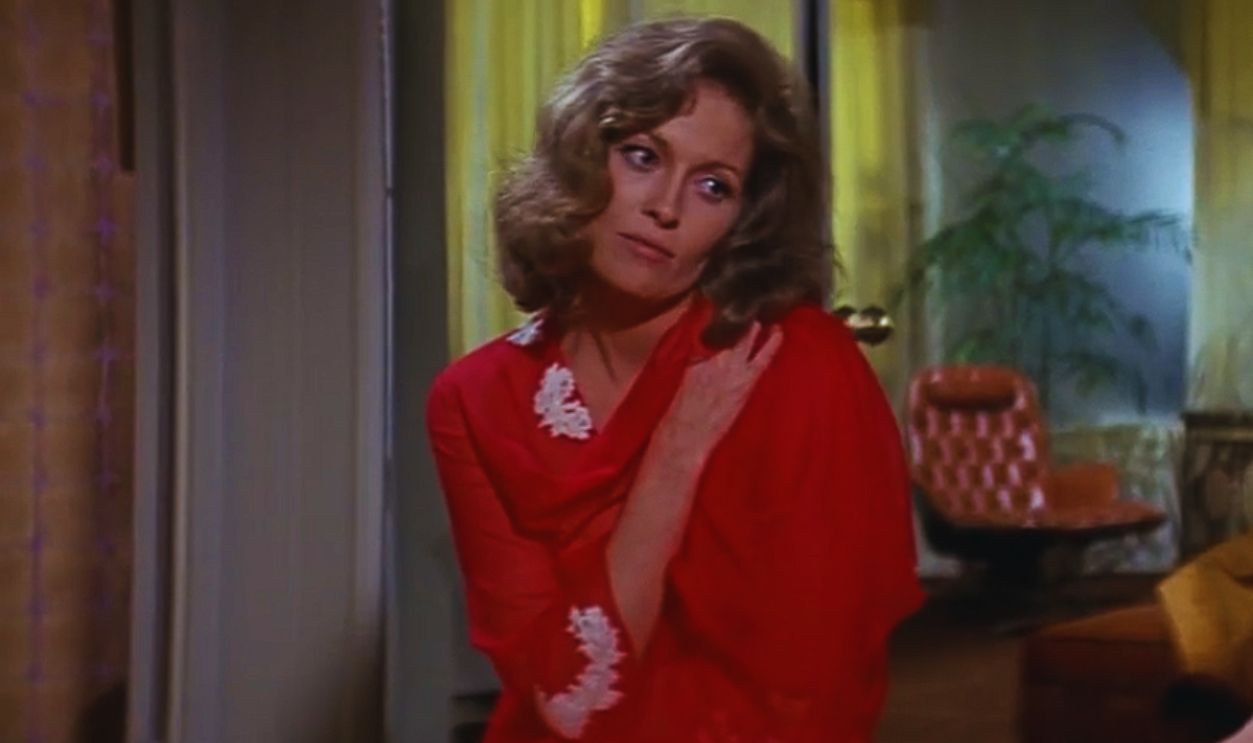
Back in the 1970s, disaster pics were huge, and they also attracted an all-star cast. Faye Dunaway decided to give her gift of acting to The Towering Inferno, which is about a skyscraper engulfed in a terrible fire. Maybe Dunaway thought she was slumming it in a disaster movie because she apparently showed up late—or not at all—for most of her scenes.
Well, her punishment was swift and effective.
 Screenshot from The Towering Inferno, 20th Century Fox (1974)
28. She Got Punished
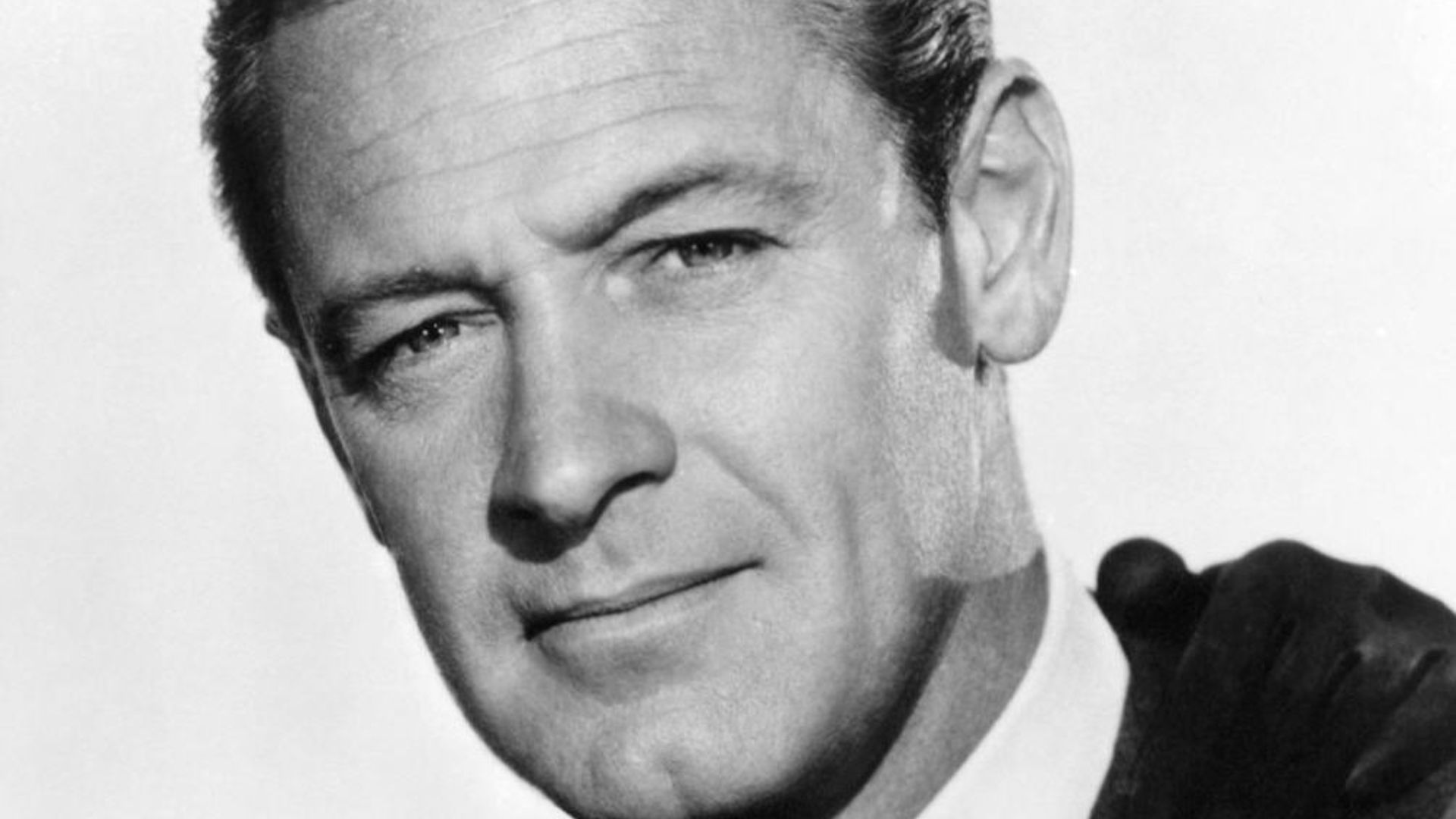
Co-star William Holden—who made a name for himself in films like Sunset Boulevard—was not about to sit around and wait for Dunaway to show up on set. To show his displeasure, he roughly pushed Dunaway up against a wall and issued a threat. This did the trick, and Dunaway’s attendance became perfect.
Holden was scary, but Dunaway’s next co-star would have the opposite problem.
 film studio, Wikimedia Commons
History's most fascinating stories and darkest secrets, delivered to your inbox daily.
29. She Had To Keep A Straight Face
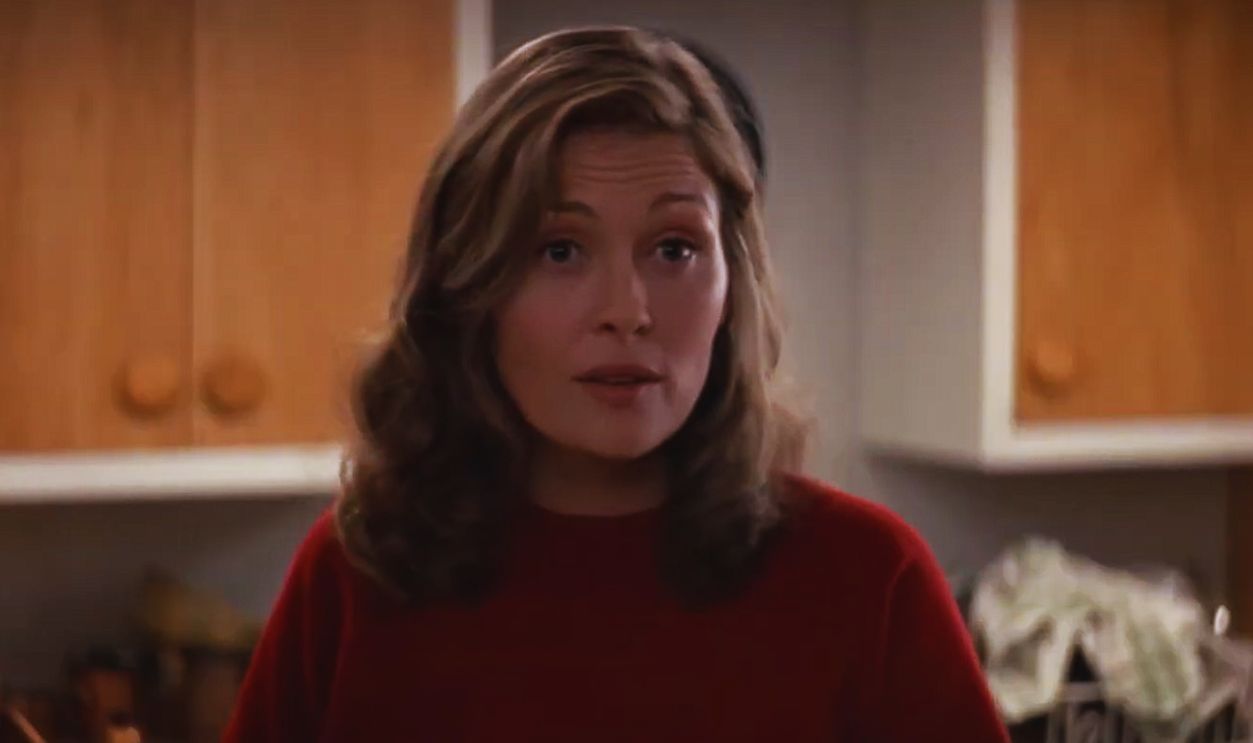
In 1975, Faye Dunaway was in Three Days of the Condor with Robert Redford. Dunaway had difficulty with one thing in this movie: the script called for her to act like she was afraid that Redford would force his way on her. With Redford’s extreme handsomeness, she had a problem playing the role without laughing.
Not laughing would also be the key to her next cinematic success.
 Screenshot from Three Days of the Condor, Paramount Pictures (1975)
30. She Had To Be Cut Throat
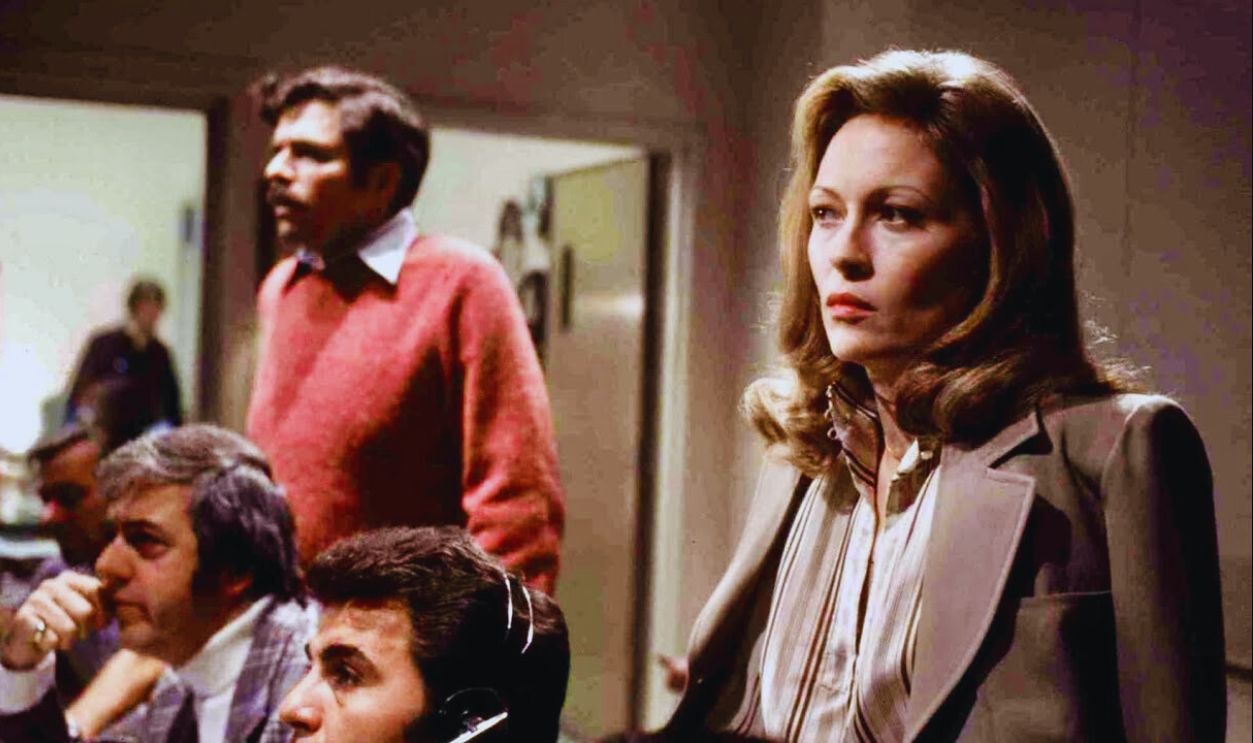
In 1976, she got a part in Sidney Lumet’s Network. Her character was a villain in this satire of the news industry. Lumet didn’t want Dunaway to create any kind of vulnerability for the character, going so far as to tell her that if she made the character appear at all sympathetic, he would delete the scenes.
Dunaway had to trust that Lumet knew what he was doing.
 Screenshot from Network, Metro-Goldwyn-Mayer (1976)
31. She Stayed Up All Night
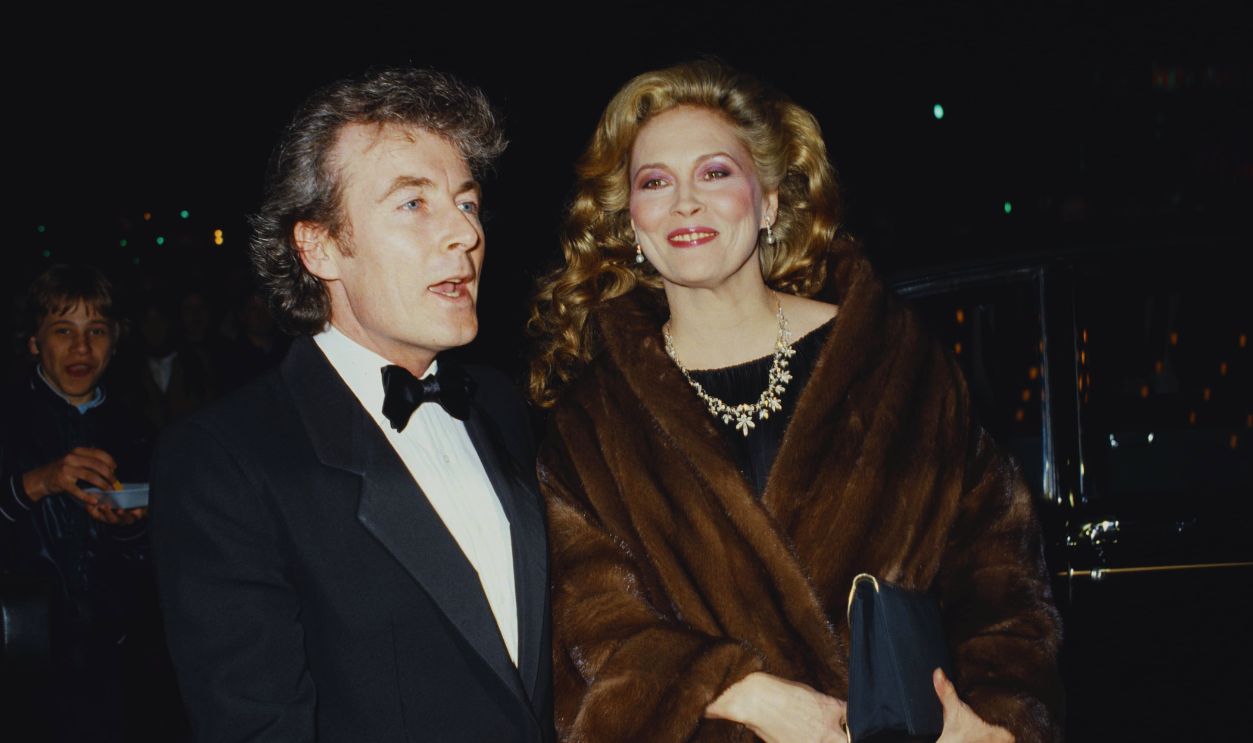
Network was a huge hit, and it pulled in 10 Oscar nominations and a win for Dunaway. The morning after the ceremony, her future husband and photographer Terry O’Neill met her by the pool at the Beverley Hills Hotel. He snapped photos of Dunaway, who had not slept that night, lounging by the pool, enjoying her Oscar win.
She was on top of the world, but her next stop would be closer to the bottom.
32. She Had A Hero
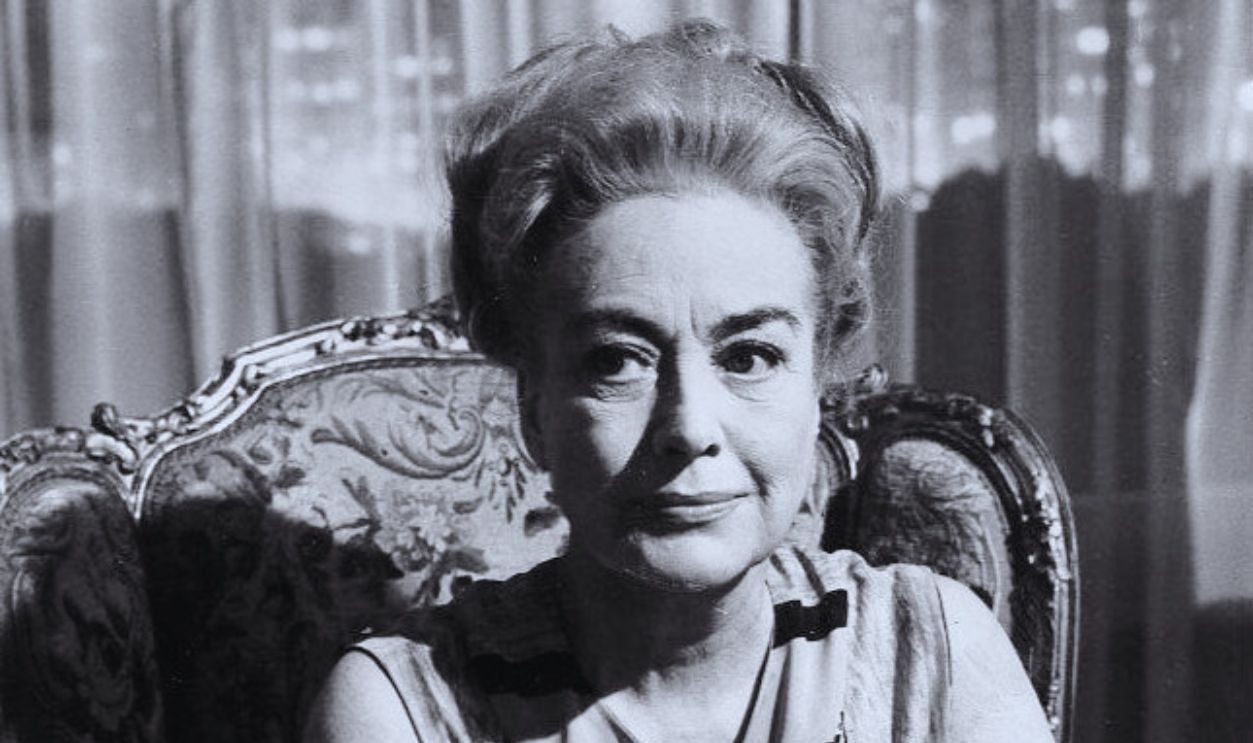
Dunaway was a big fan of Hollywood icon Joan Crawford. So, when she got the opportunity to play her in Mommie Dearest, Dunaway may have hesitated. You see, the source material for the movie put Crawford in a very negative light. If Dunaway was going to portray her idol, she was going to have to do it carefully.
 NBC Television, Wikimedia Commons
33. She Tried To Tone It Down
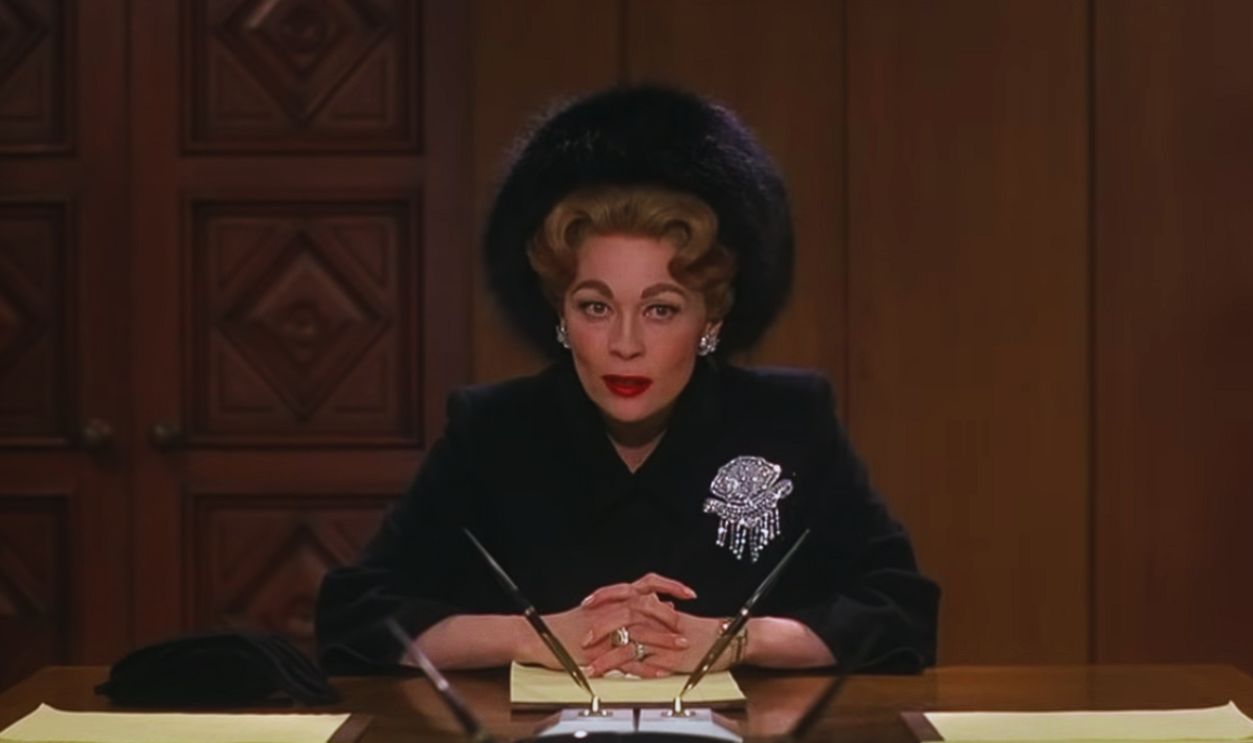
Mommie Dearest was a book by Crawford’s daughter, and it didn't hold back in its depiction of Crawford as a horrible mother. Dunaway was hoping she could play it a bit more nuanced than the book did. Dunaway demanded that her boyfriend, Peter Wolf, be one of the producers. She wanted him there to help her preserve Crawford’s reputation.
But they had an opponent.
 Screenshot from Mommie Dearest, Paramount Pictures (1981)
34. It Was A Battle
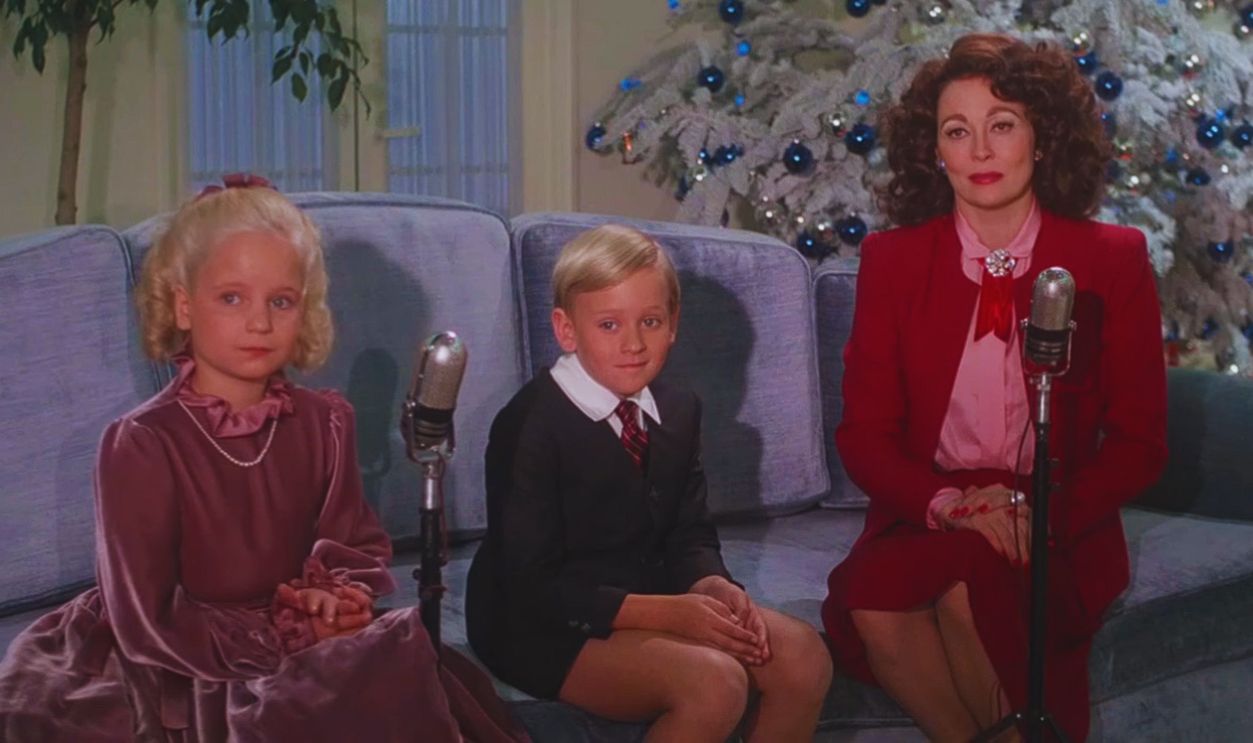
The other producer on Mommie Dearest was the writer’s husband. He was there to make sure that his wife, Crawford’s daughter, got her story told truthfully. And if that meant dragging Crawford’s name through the mud, so be it. Dunaway called it “war from the beginning”.
While the producers fought their battles, Dunaway suffered on set.
 Screenshot from Mommie Dearest, Paramount Pictures (1981)
History's most fascinating stories and darkest secrets, delivered to your inbox daily.
35. She Lost It
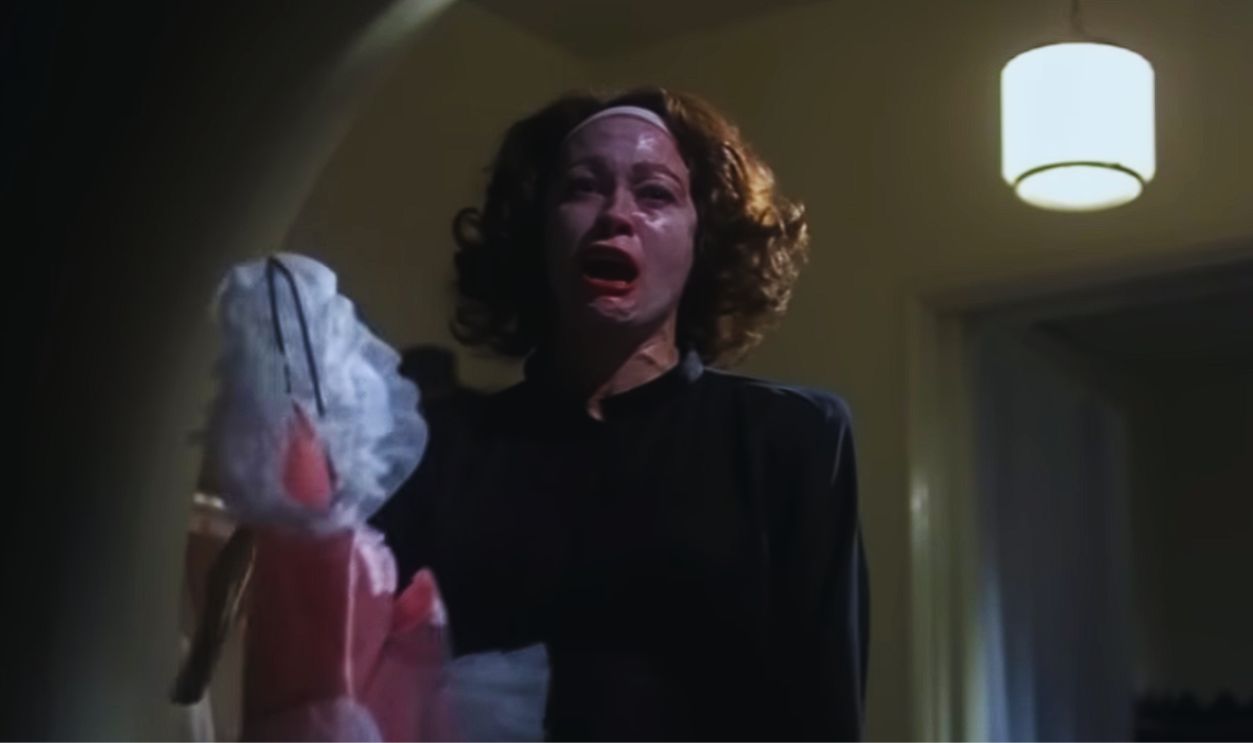
First off, Dunaway had to arrive every day at 4 am for makeup, which couldn't have been fun. Secondly, in one scene, she screamed so hard that she became hoarse. This happened in the famous “wire hangers” tantrum. It was so bad that she had to call on crooner Frank Sinatra for some tips to help her get her voice back.
Dunaway wasn't the only one getting injured on Mommie Dearest.
 Screenshot from Mommie Dearest, Paramount Pictures (1981)
36. She Was Out Of Control
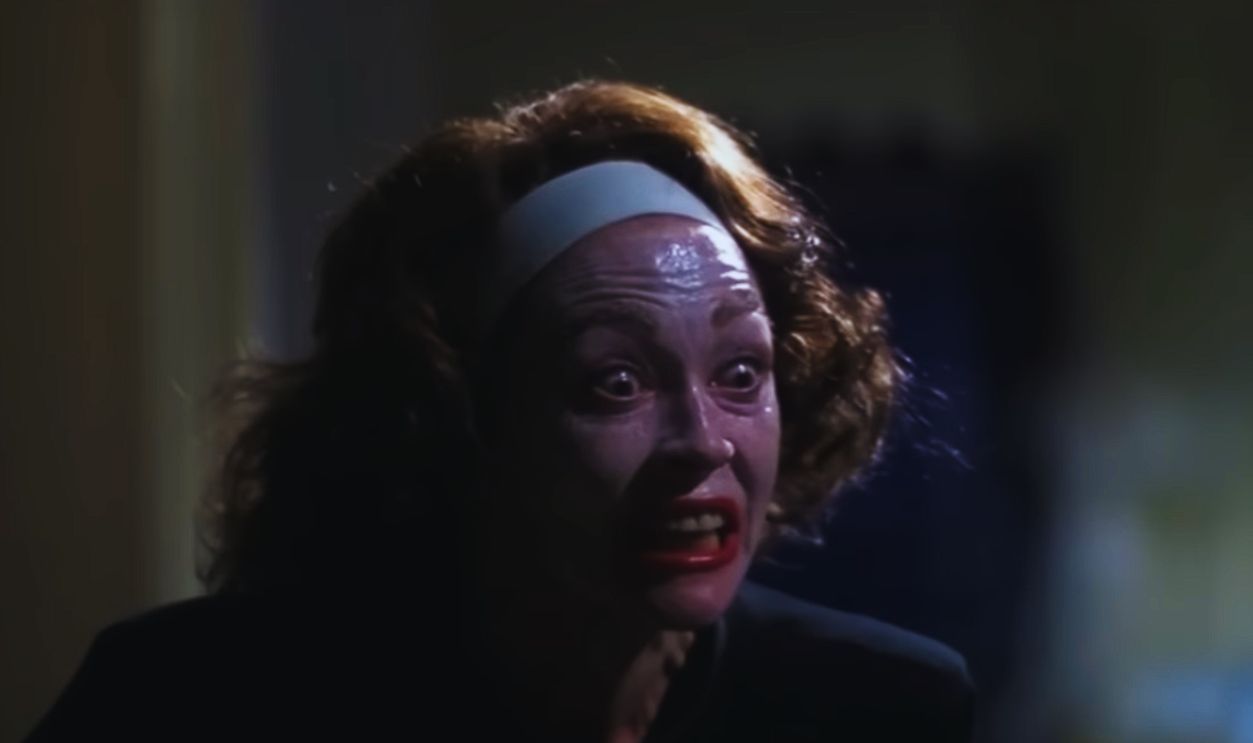
According to the cast and crew on Mommie Dearest, Dunaway was a nightmare to work with. They called her rude and said that her behavior put everyone on “pins and needles” whenever she was on set. In one fight scene, some say that Dunaway was out of control and actually injured other actors.
The word was soon getting around the set: avoid Dunaway for your own personal safety.
 Screenshot from Mommie Dearest, Paramount Pictures (1981)
37. She Was Hard To Handle
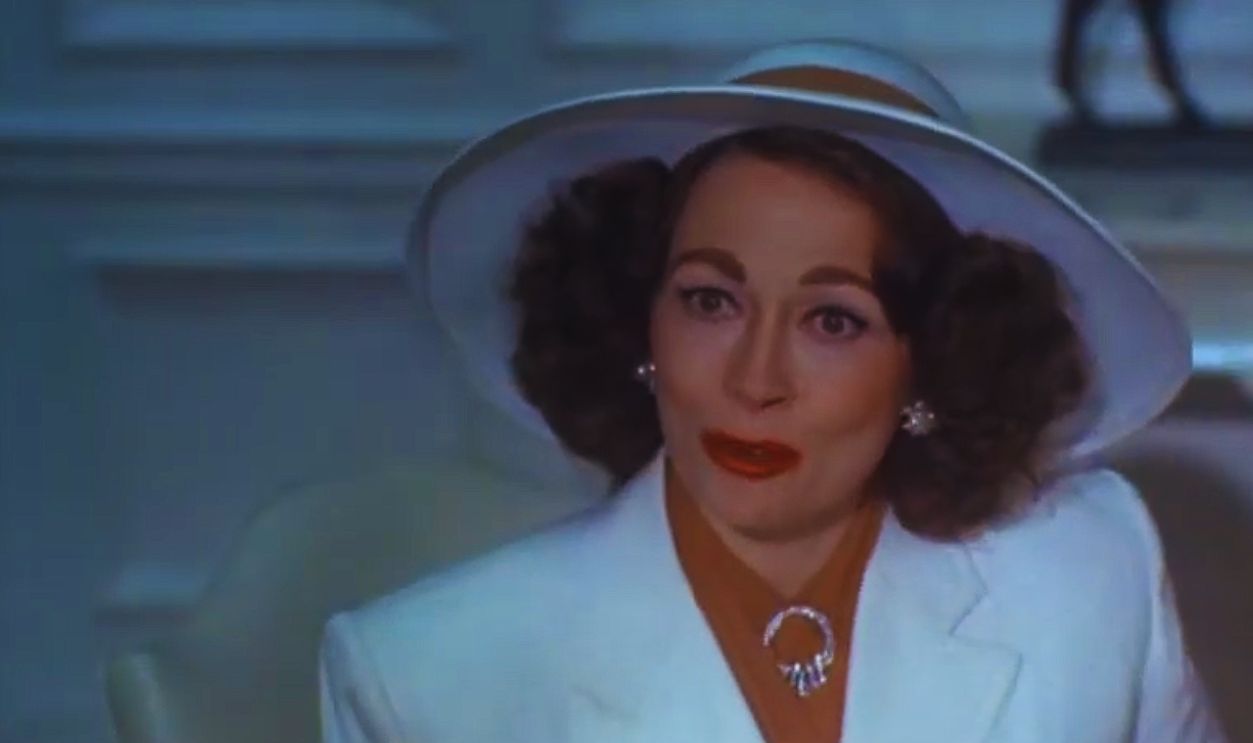
When a crew member wanted to enter Dunaway’s dressing room, costume designer Irene Sharaff had one warning. She said it was okay to enter, but she recommended throwing a raw piece of steak in first, “to divert her attention”.
But steak wasn't the only thing Dunaway was chewing.
 Screenshot from Mommie Dearest, Paramount Pictures (1981)
38. She Ate It All Up
In one of the early reviews of Mommie Dearest, Variety had this to say about Dunaway’s performance. In a reference to an actor chewing the scenery, the critic went one step further and said that Dunaway chews “each corner of the set in every scene and swallows it whole, costars and all”.
This was just going to get worse.
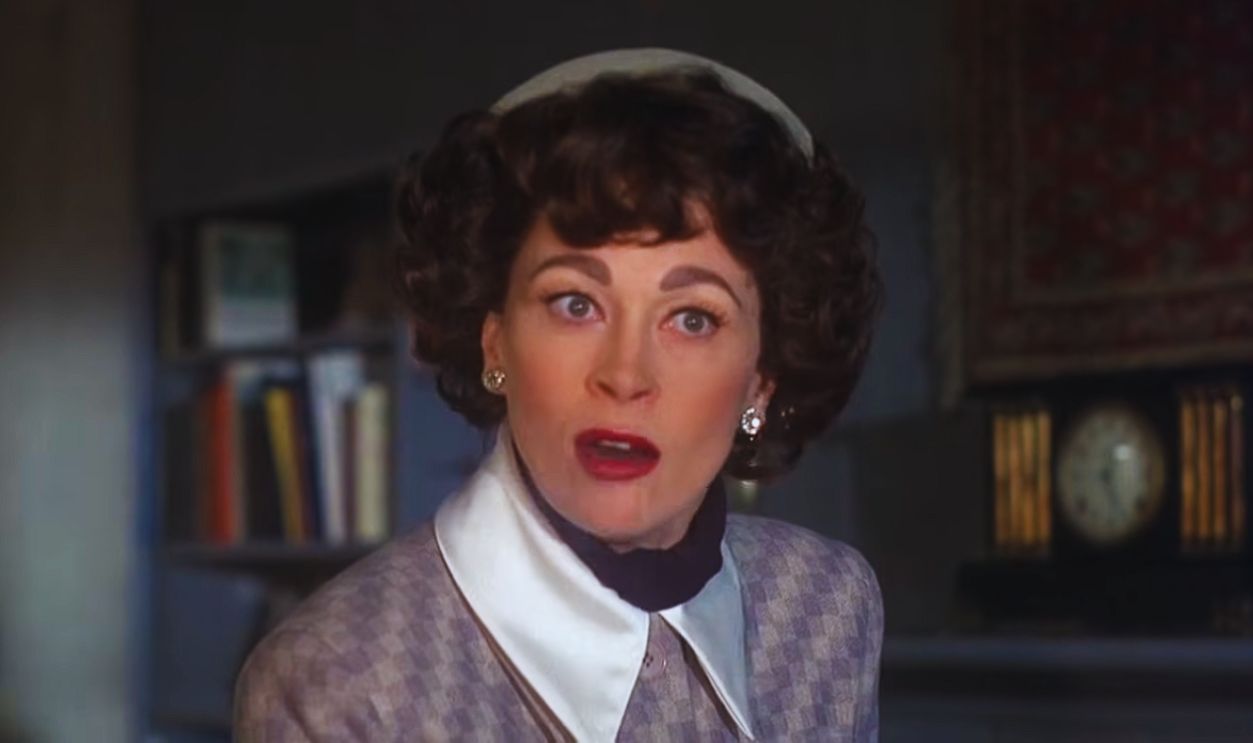 Screenshot from Mommie Dearest, Paramount Pictures (1981)
39. She Thought She Was A Contender
Dunaway actually thought she had a good chance of winning an Oscar for her portrayal of Crawford. When the film got terrible reviews, things went from bad to worse. Paramount, trying to save things, decided to change the advertising campaign. They started selling the film as an unintentional comedy.
You can imagine how Dunaway felt about that.
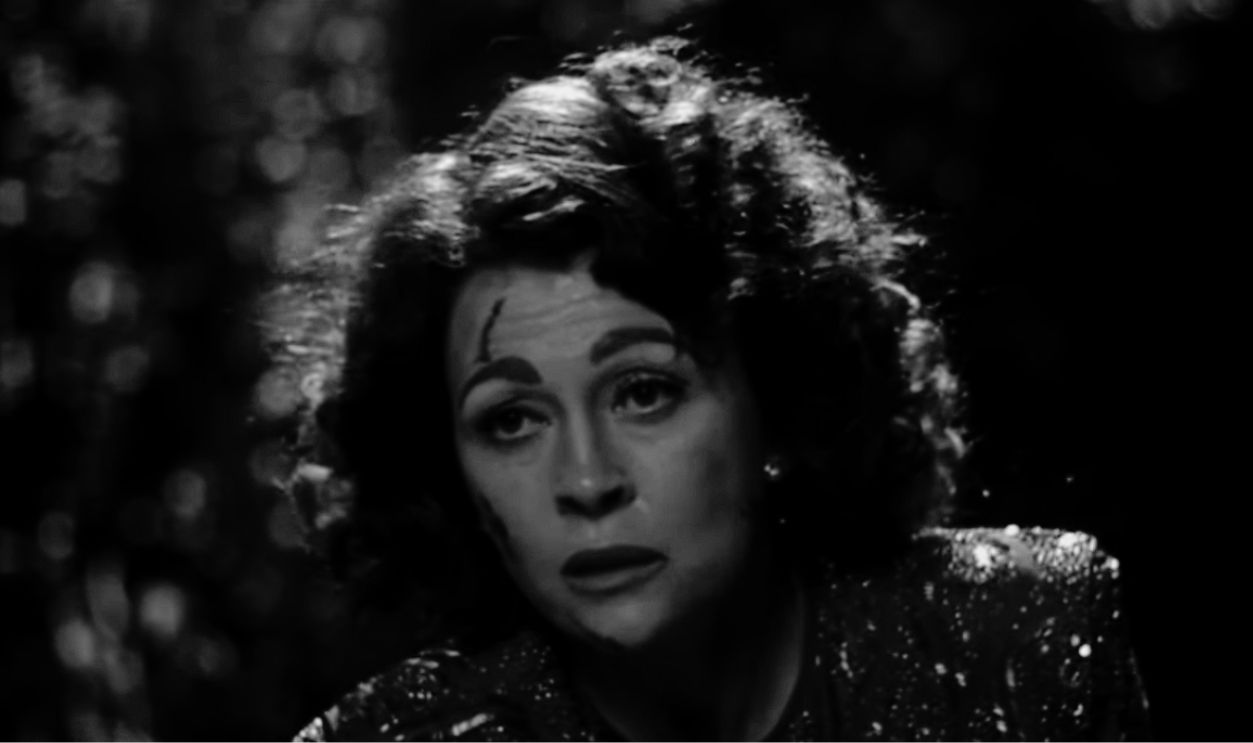 Screenshot from Mommie Dearest, Paramount Pictures (1981)
40. She’d Rather Not Talk About It
Instead of getting a nod from the Oscars, Dunaway got a Razzie for worst actress instead. Mommie Dearest was so hard on Dunaway that she still refuses to talk about it. Before an interview, she hands over a list of things not to talk about, and this film is definitely on it. Some even suggest that Crawford’s ghost is scaring Dunaway from talking about this film.
After this debacle, Dunaway needed a break.
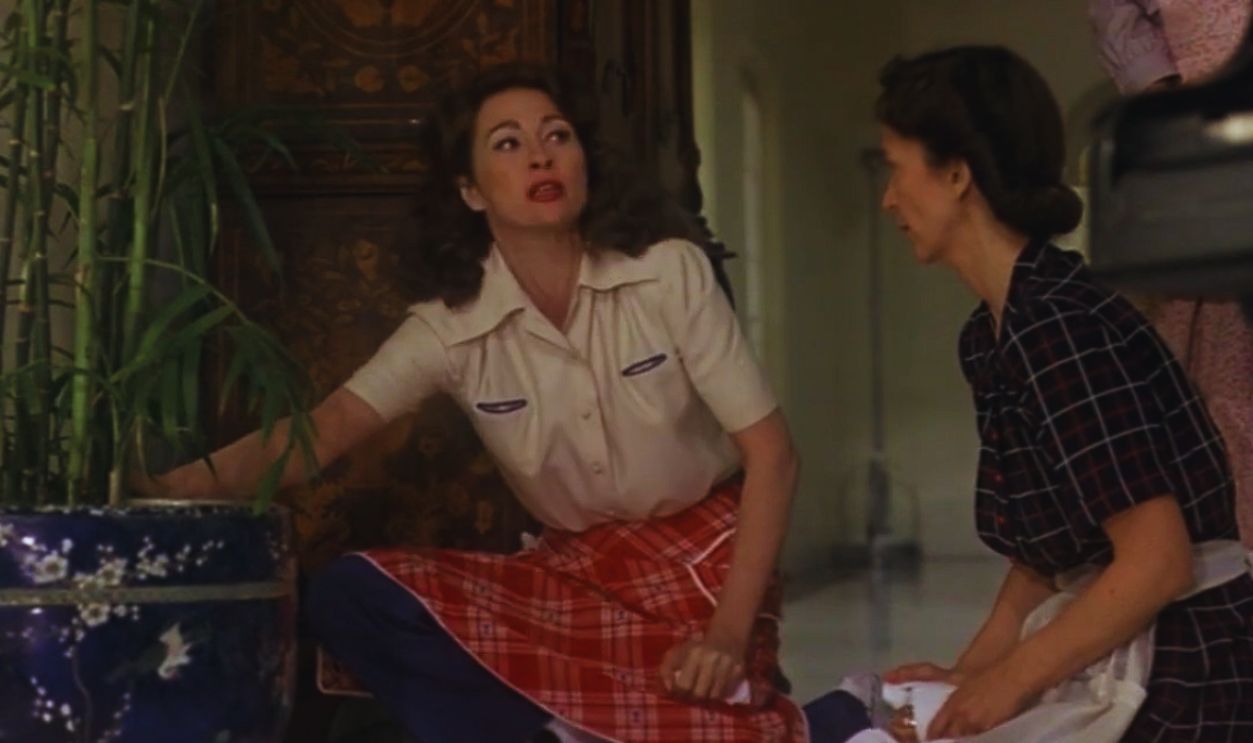 Screenshot from Mommie Dearest, Paramount Pictures (1981)
History's most fascinating stories and darkest secrets, delivered to your inbox daily.
41. She Disappeared
Following Mommie Dearest, Dunaway took a break from America. She moved to England and married her new boyfriend, Terry O’Neill. Here, she did mostly TV but didn't feel satisfied with it. When she and O’Neil broke up in 1987, she returned to the US, made some movies, and then set her sights on a return to Broadway.
But this wouldn't be the triumph she expected.
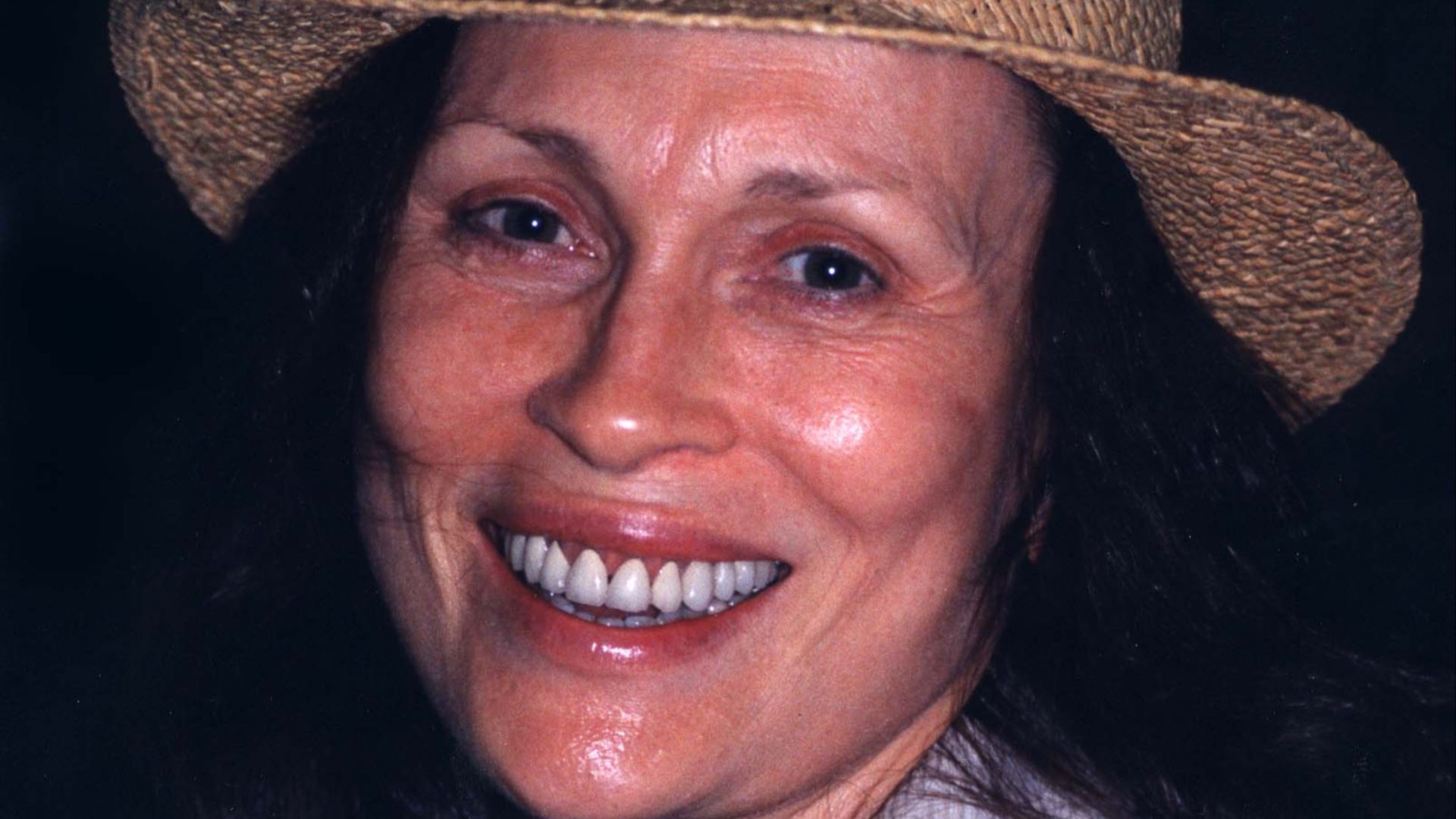 John Mathew Smith & www.celebrity-photos.com from Laurel Maryland, USA, Wikimedia Commons
42. She Couldn’t Sing
In 1994, she was all set to take over the lead in a Broadway version of Sunset Boulevard. The musical, by none other than Andrew Lloyd Webber, had cast Glenn Close as Norma Desmond, but she was leaving. But when Webber had a serious listen to Dunaway’s voice, he abruptly decided to go down another road. He fired Dunaway and eventually cancelled the whole thing.
This became yet another project that Dunaway didn’t like to talk about.
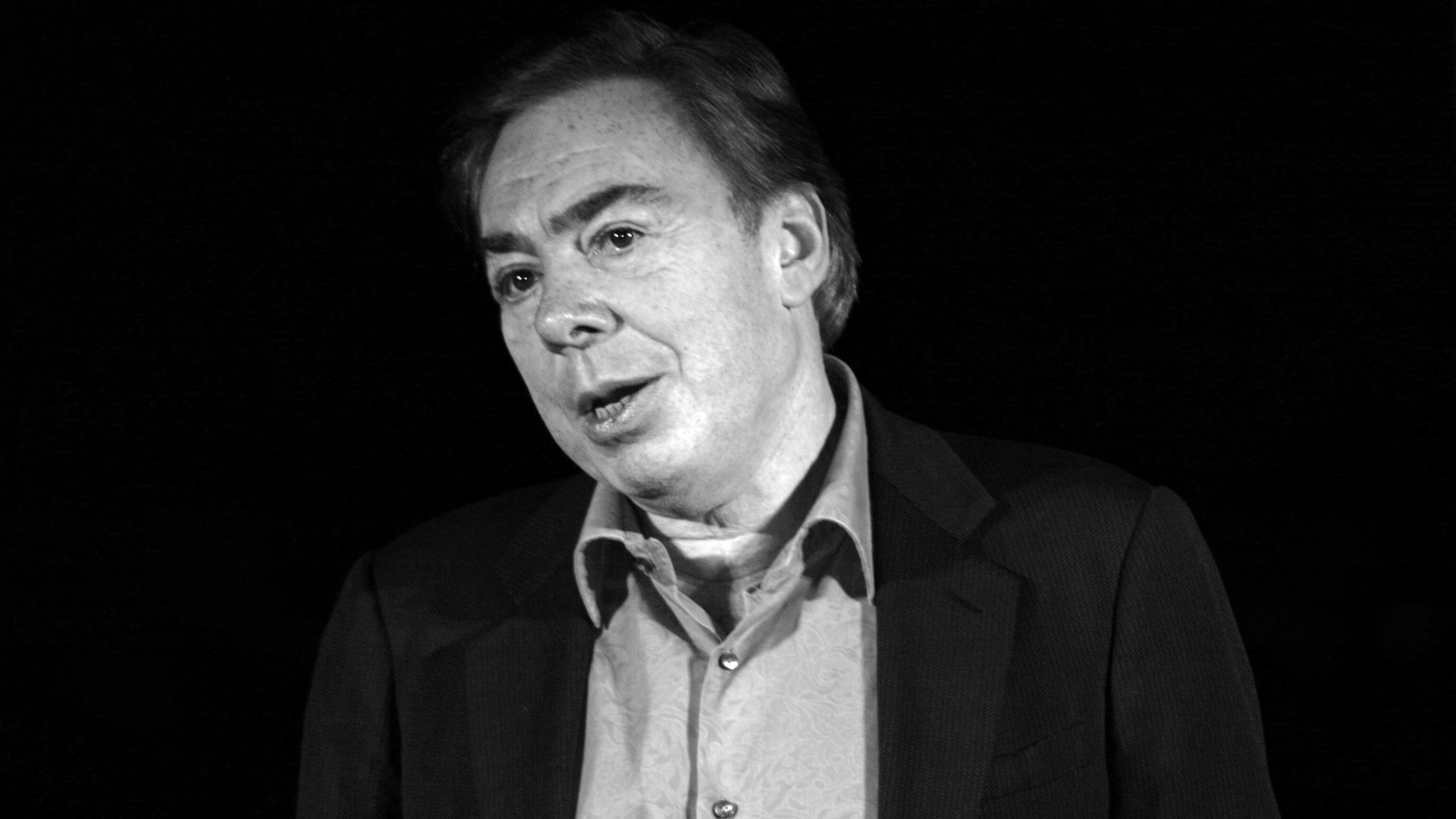 Tracey Nolan from Toronto, Canada, Wikimedia Commons
43. She Called To Complain
One morning, Dunaway woke up with a bad feeling. She’d had an interview recently, and she realized that the interviewer had been too negative. Without waiting for the sun to rise, Dunaway called him up and left a rant on his voicemail. She complained at length about the reporter’s obsession with her problems with Andrew Lloyd Webber.
This experience didn't turn Dunaway off Broadway, but it did lead to more trouble.
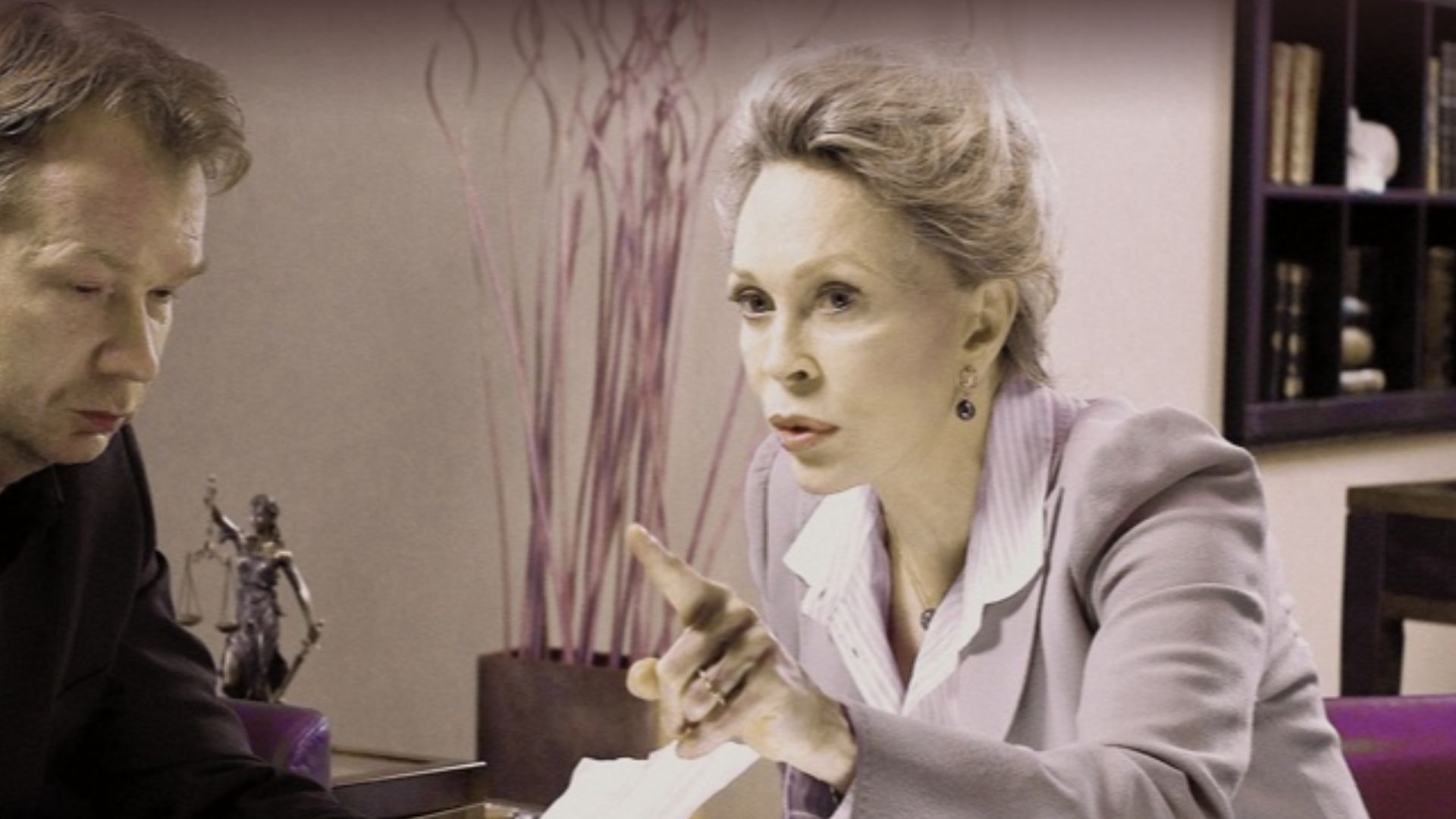 Marcin Morawiecki, Wikimedia Commons
44. She Made A Second Return
Back in 1968, Dunaway had lost an Oscar to Katharine Hepburn. Fast forward to 2019, and Dunaway got her chance to play the one stealing an award. Tea at Five was a one-woman show that Dunaway got the job of performing on Broadway. It sounded like a sweet deal, but then everything went wrong.
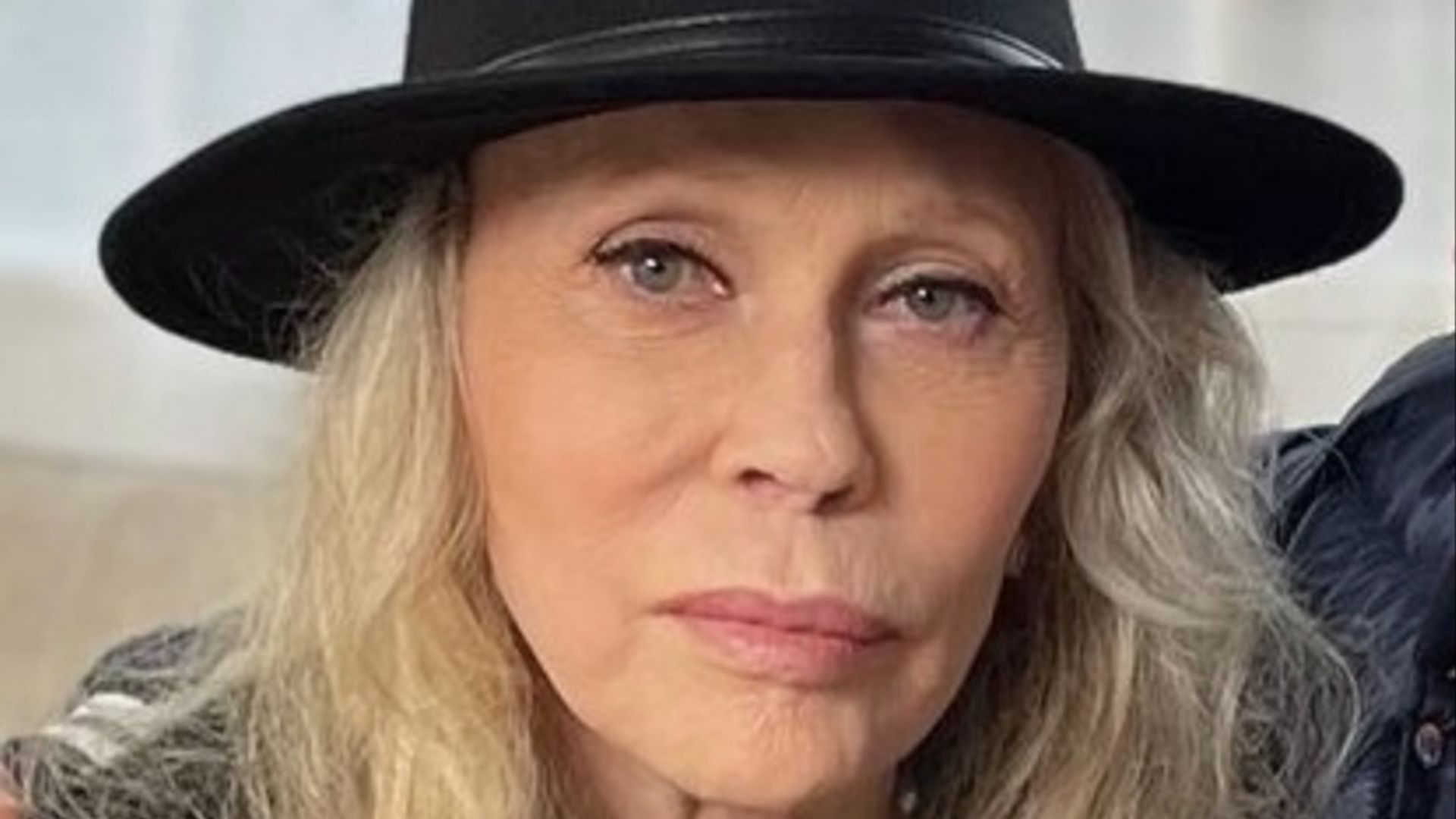
45. She Behaved Badly
Tea at Five was going to be Dunaway’s triumphant return to Broadway—until her bad behavior got in the way. There were complaints of her disparaging workers on the show, and then it went further. As they were trying to put on Dunaway’s wig, she slapped one crew member and threw things at others.
Dunaway was in trouble once again.
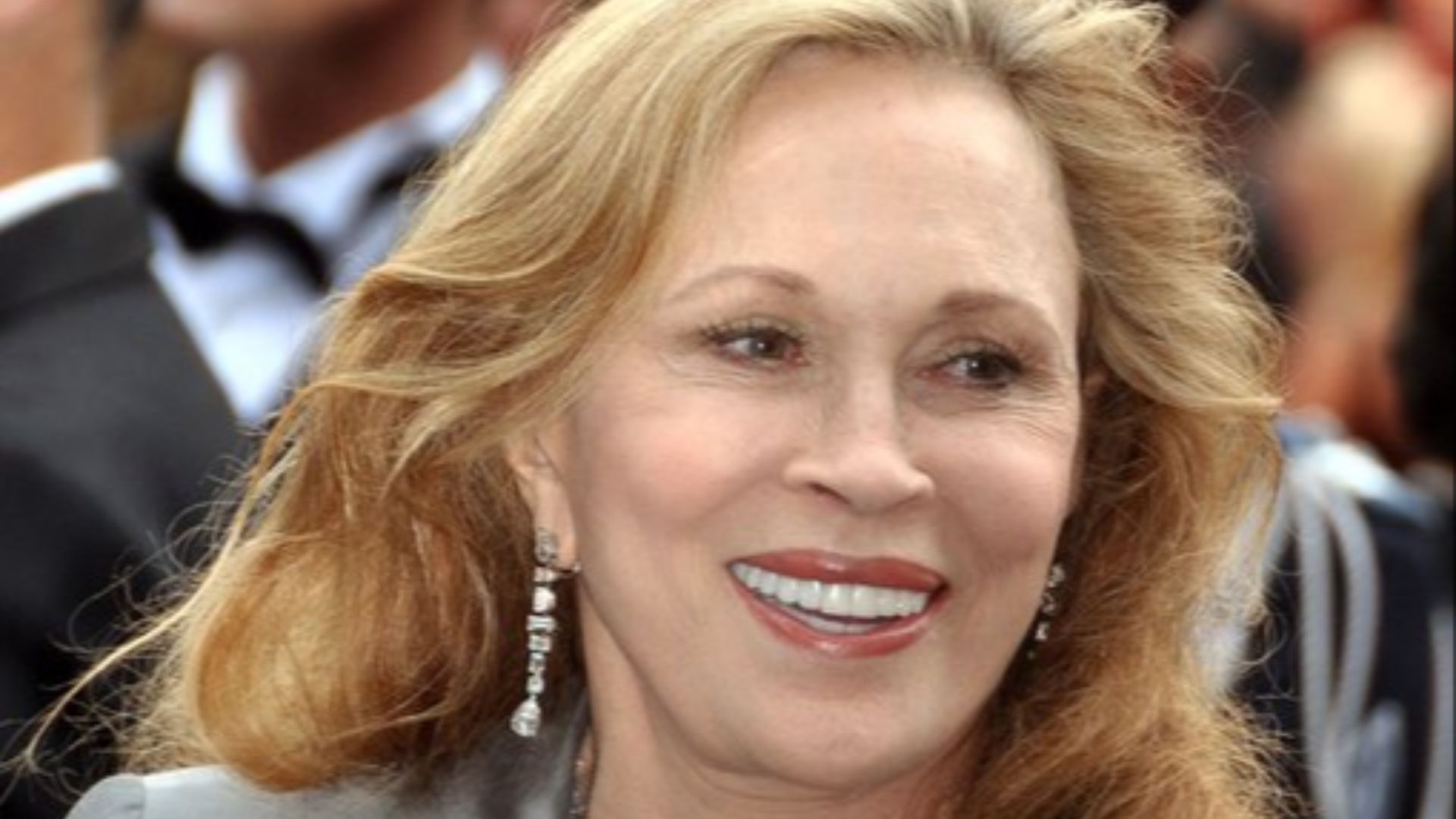 Georges Biard, Wikimedia Commons
46. The Show Didn’t Go On
Rumors of Dunaway’s behavior on Tea at Five made it to The New York Post. They reported the story but didn’t seem to have any sources or eyewitnesses. It didn’t matter. The story had already damaged her reputation. The producers ignored the axiom that “the show must go on” and fired Dunaway and canceled the Broadway run.
But she was not out of the woods yet.
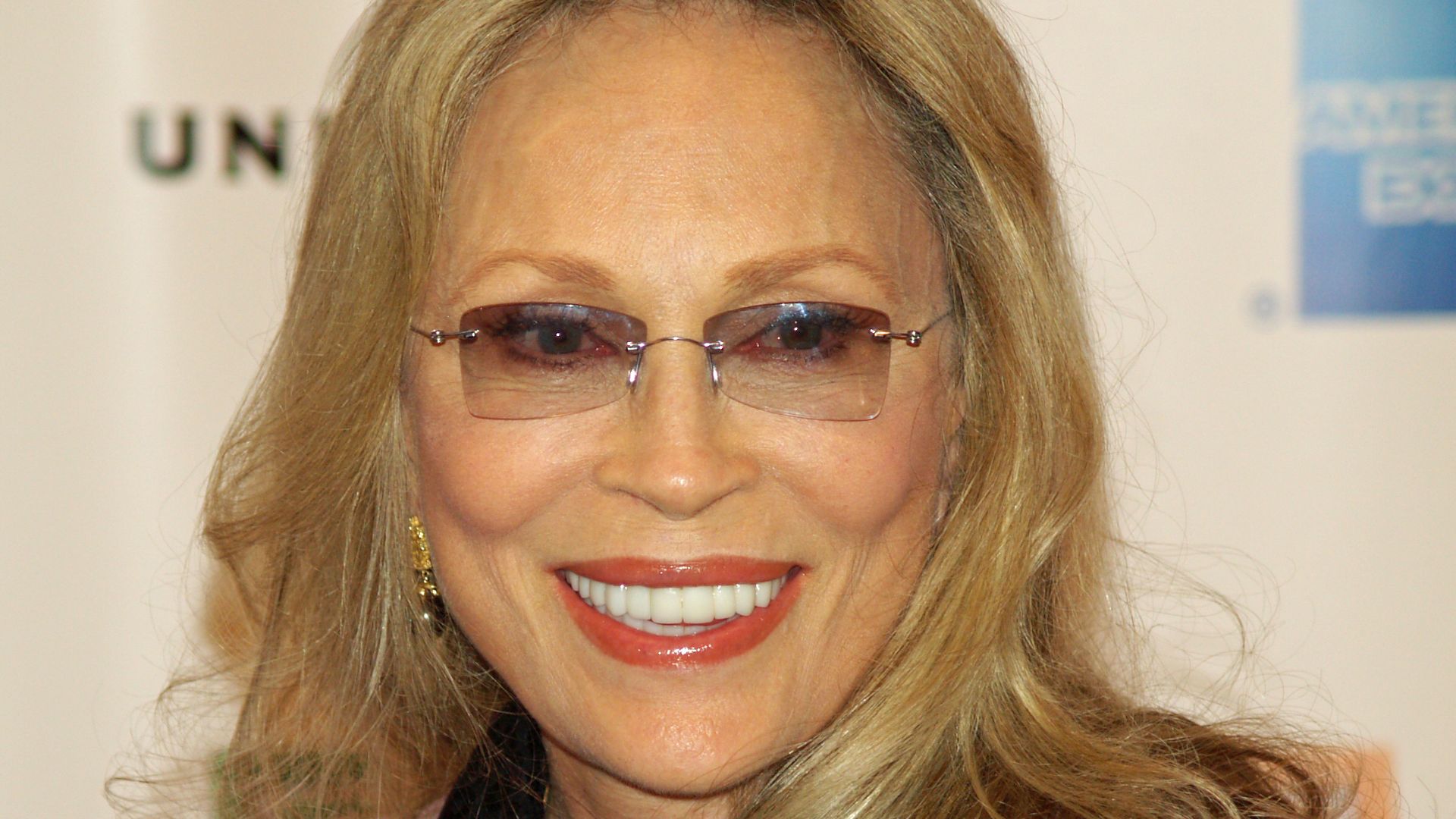 David Shankbone, Wikimedia Commons
History's most fascinating stories and darkest secrets, delivered to your inbox daily.
47. She Faced A Lawsuit
After losing her job on Tea at Five, Dunaway faced a lawsuit. Michael Rocha, who she hired to be her assistant, said that Dunaway harassed him and even used the fact that he was gay to humiliate him. When Rocha complained, Dunaway abruptly fired him. It seemed that Dunaway was having problems with the “little people” in show business.
And if you need proof, take a look at Exhibit A.
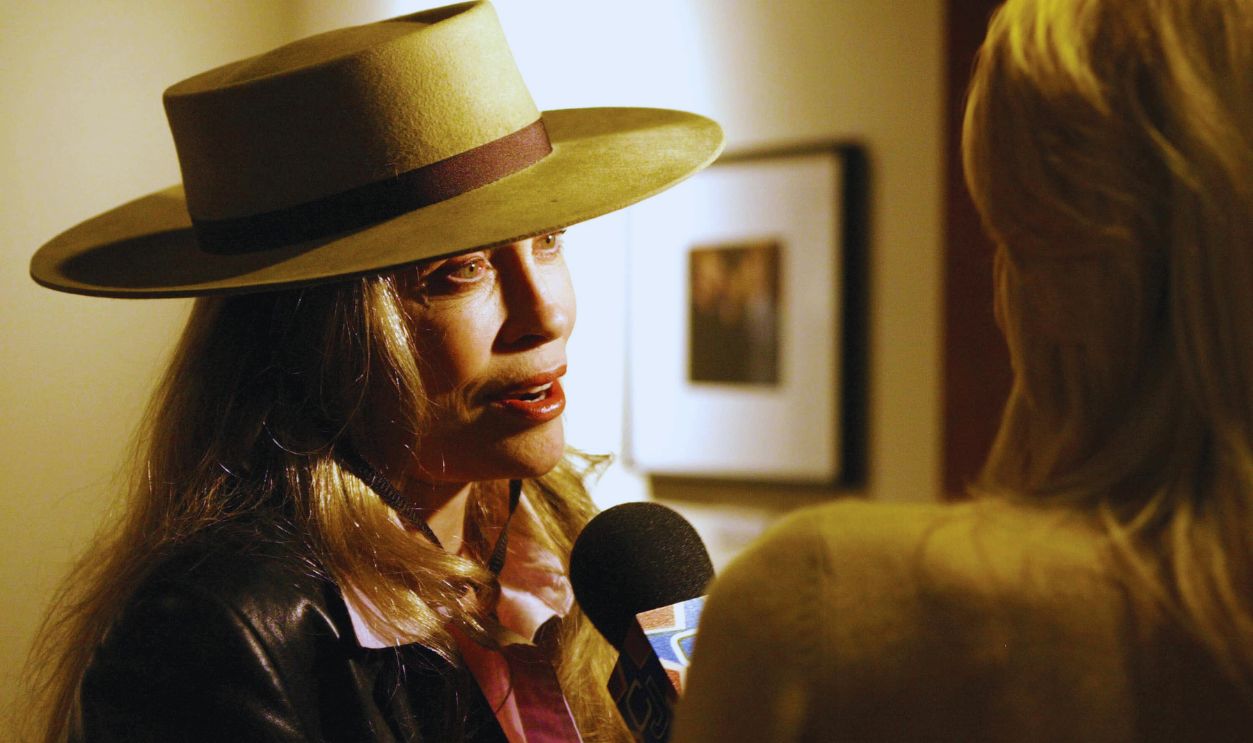 Victor Decolongon, Getty Images
48. She Told Him To Leave
In 2024, an old video surfaced of Dunaway filming a promotion for Faye Dunaway: Master Class. The video shows Dunaway looking just past the camera, presumably at a crew member. She then rudely tells the crew member to leave because the person is in her eyeline. The video also shows Dunaway getting angry with crew members over scene cues.
But was Dunaway really that bad?
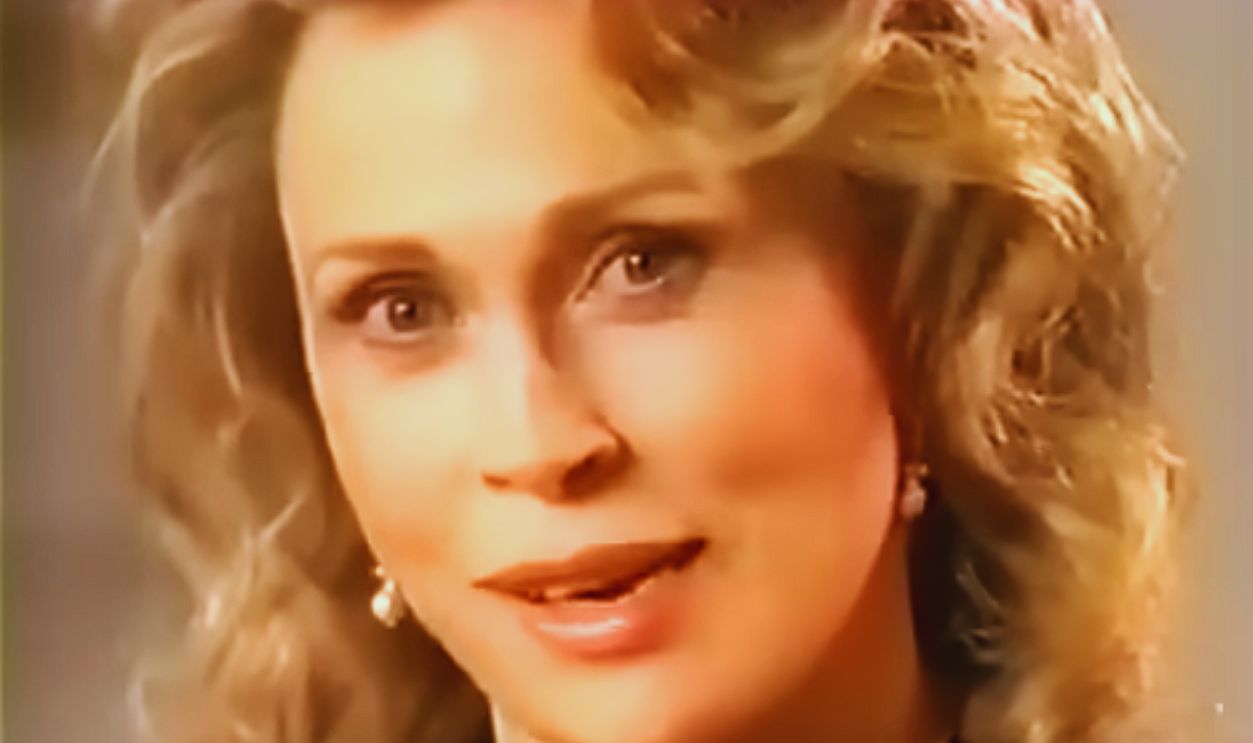 Screenshot from Biography: Faye Dunaway - Master Class, A&E Network (2003)
49. Maybe She Wasn’t That Difficult
Those on “team Dunaway” often mention that male stars get away with much worse with little to no impact on their careers. They also point out that two of her main accusers—Roman Polanski and Andrew Lloyd Webber—are maybe not the best sources for unbiased information. It has also come to light that Dunaway recently diagnosed with bipolar disorder.
After those revelations, it seemed like the world would remember Dunaway not for her behavior but for her amazing body of work–that is, until her infamous mistake at the 2017 Oscar ceremony.
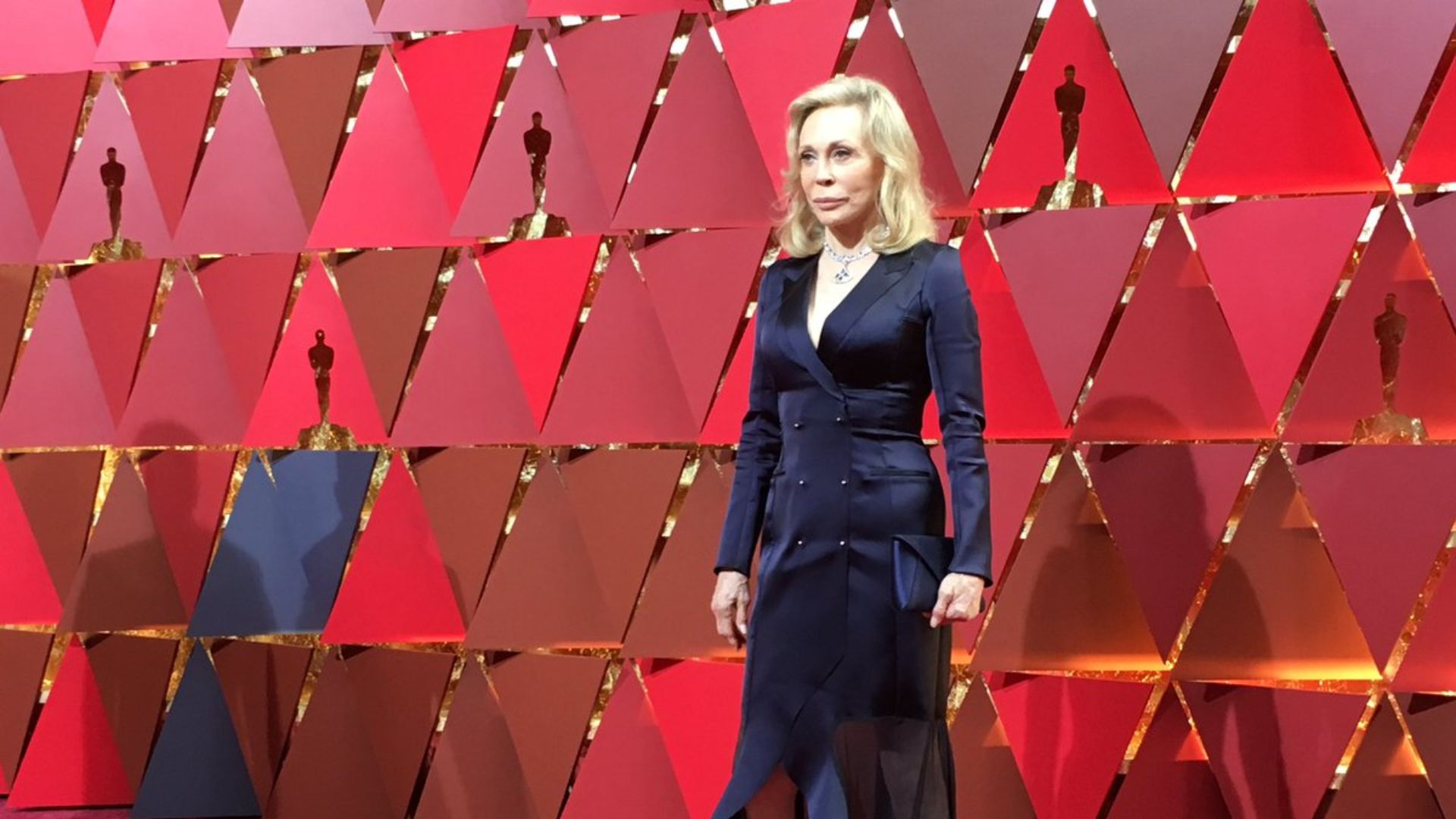
50. It Was A Monumental Disaster
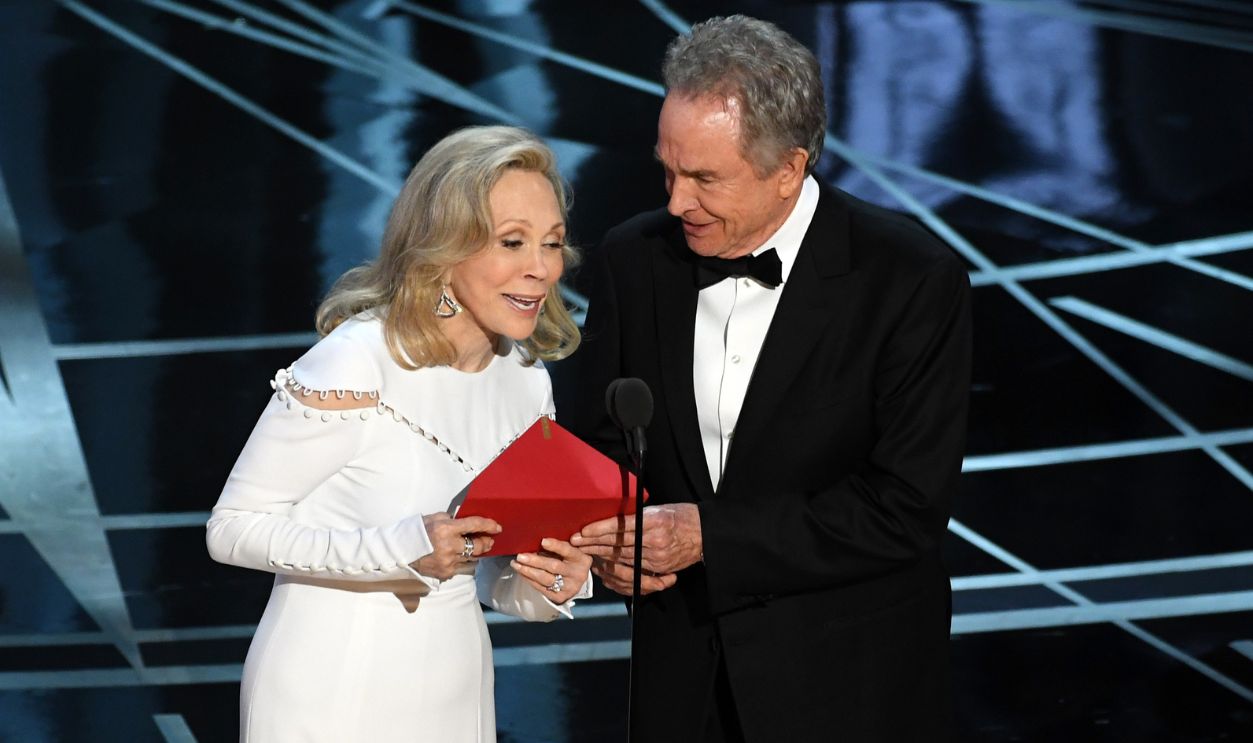
If Dunaway doesn’t want to talk about Mommie Dearest, you can imagine how she feels about the Academy Awards ceremony of 2017. Here, she partnered up with Bonnie and Clyde co-star Warren Beatty to give away the Best Picture statue. It wasn’t her fault that they got the wrong envelope, but it’ll go down in history that she read out that the winner was La La Land when it was Moonlight that had really won. The incident was so awkward that Dunaway later described it as “one of the worst moments I’ve ever had”.
You May Also Like:
Golden Facts About Robert Redford, Hollywood’s Secret Bad Boy
Scandalous Facts About Warren Beatty, The Original Playboy
Scandalous Facts About Marion Davies, The Queen Of The Screen
Sources: 1, 2, 3, 4, 5, 6, 7, 8, 9, 10, 11, 12, 13, 14, 15, 16, 17, 18, 19, 20, 21