
A Messy Succession
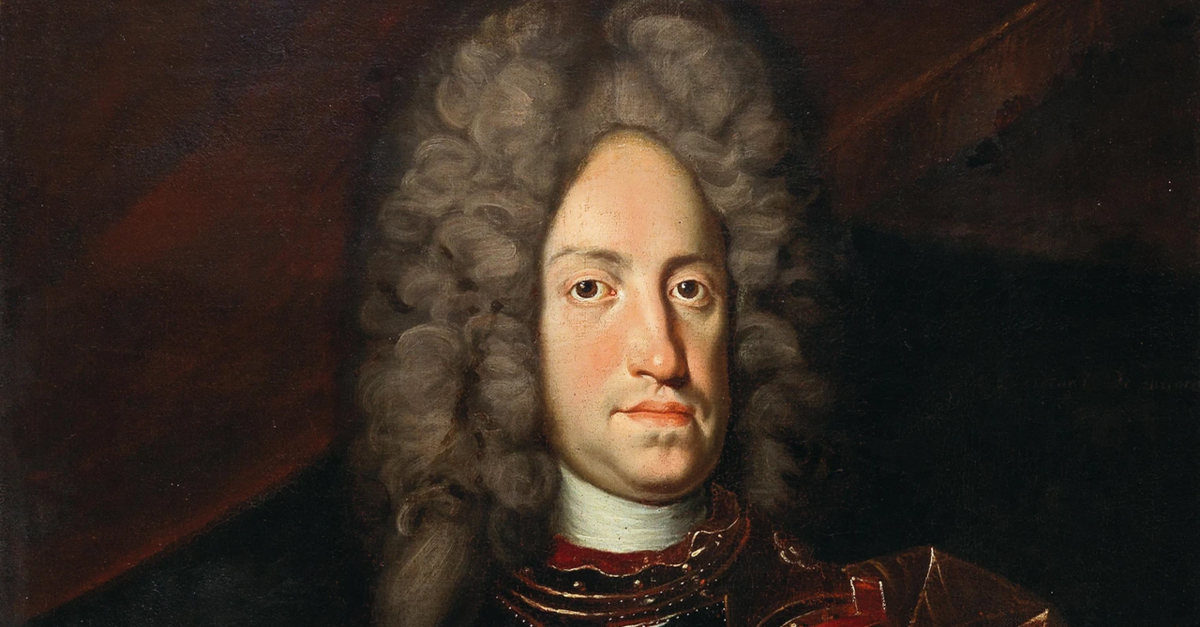
Charles VI was like many other Habsburg rulers, except for one key difference: succession crises seemed to follow him everywhere. From conflicts over his own ascension to the controversy surrounding his heirs, the messy monarch never made things easy for the royal powers of Europe.
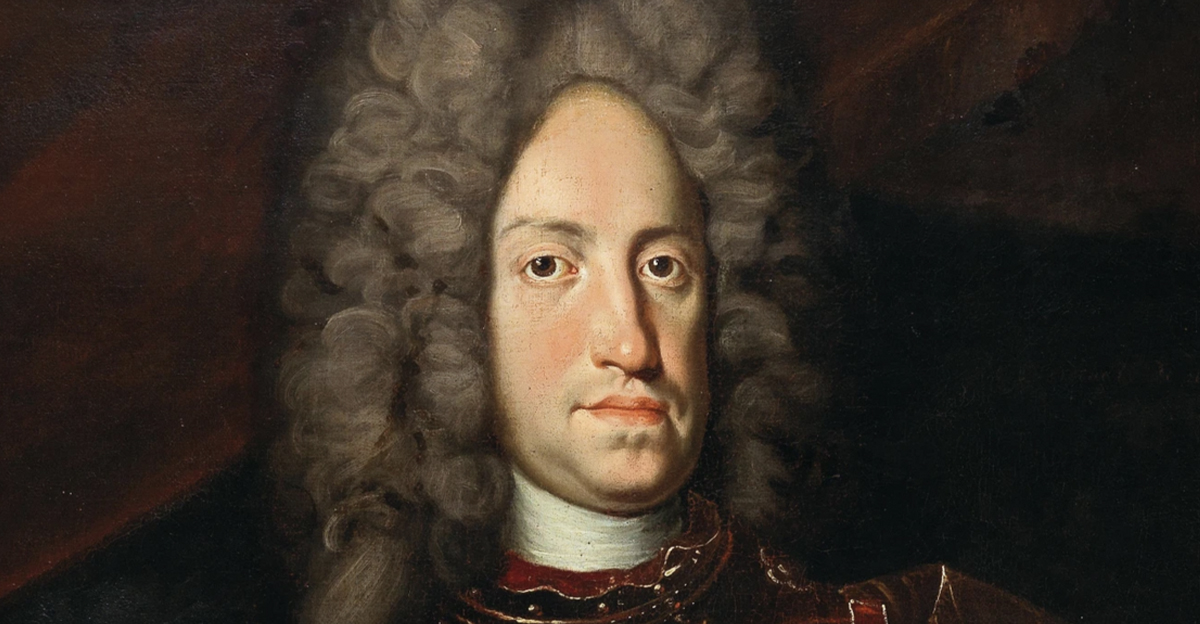 Workshop of Jacob van Schuppen, Wikimedia Commons
1. He Was Born Royal
Carolus Franciscus Josephus Wenceslaus Balthasar Johannes Antonius Ignatius, better and more easily known as Charles VI, was born in Vienna’s Hofburg Palace, on October 1, 1685. With a name as long as his, it was clear that his birth set Charles up for life: the infant Archduke was the second son of Emperor Leopold I and the ruler’s third wife, Princess Eleonore Magdalene of Neuburg. Coming from such a powerful family, Charles eyed rule from a young age.
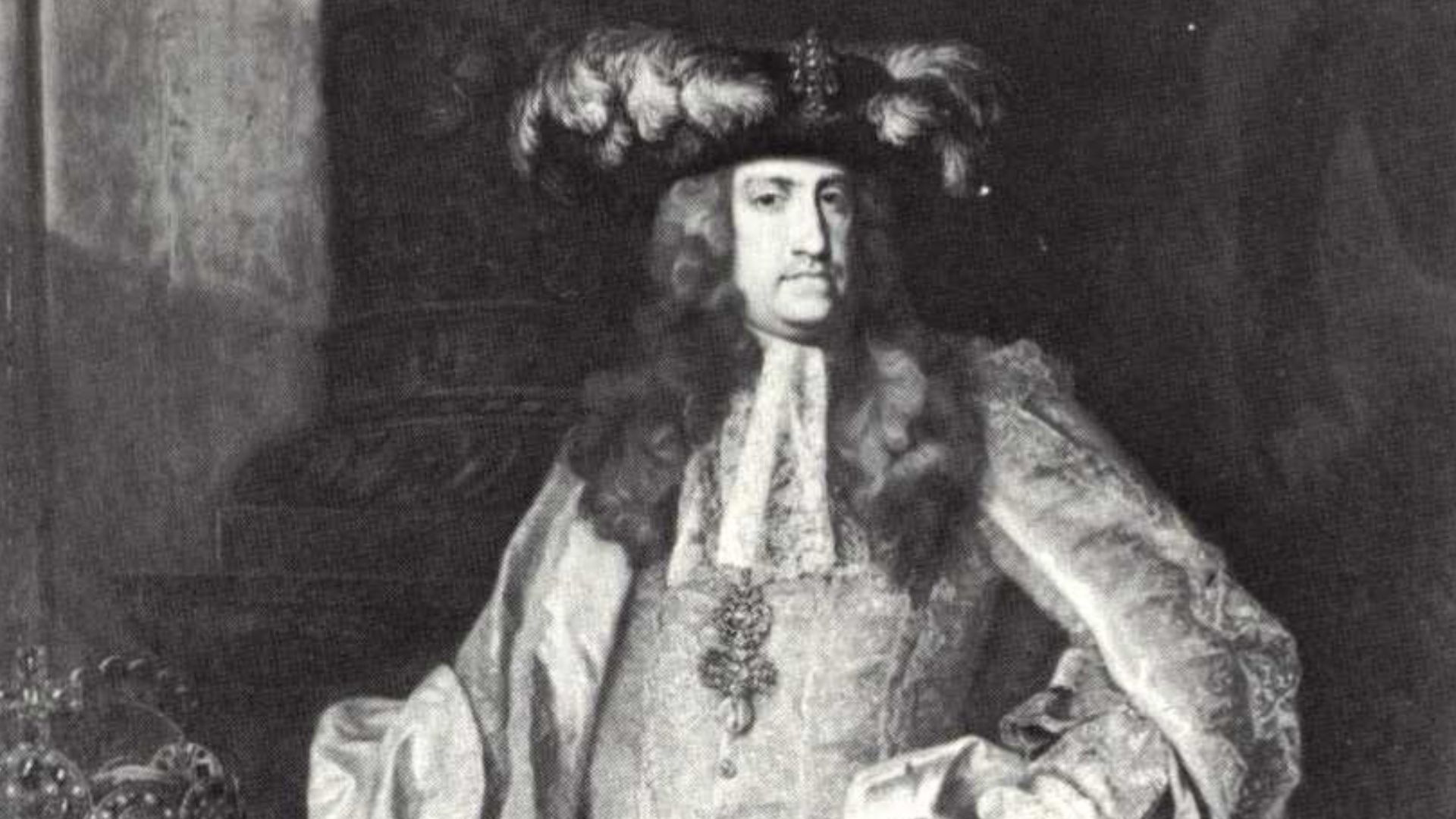 Johann Gottfried Auerbach, Wikimedia Commons
2. He Took A Shot
Being a second son, Charles was not the first in line to succeed his father. The young Archduke yearned to sit upon a throne, however, and in 1700, he saw an opportunity. Following the untimely demise of his cousin, King Charles II of Spain, who had no male heirs, Charles VI decided he was as good a person as any to succeed the monarch, both men being members of the House of Habsburg. He boldly declared himself King of Spain, which caused immediate and long-lasting chaos.
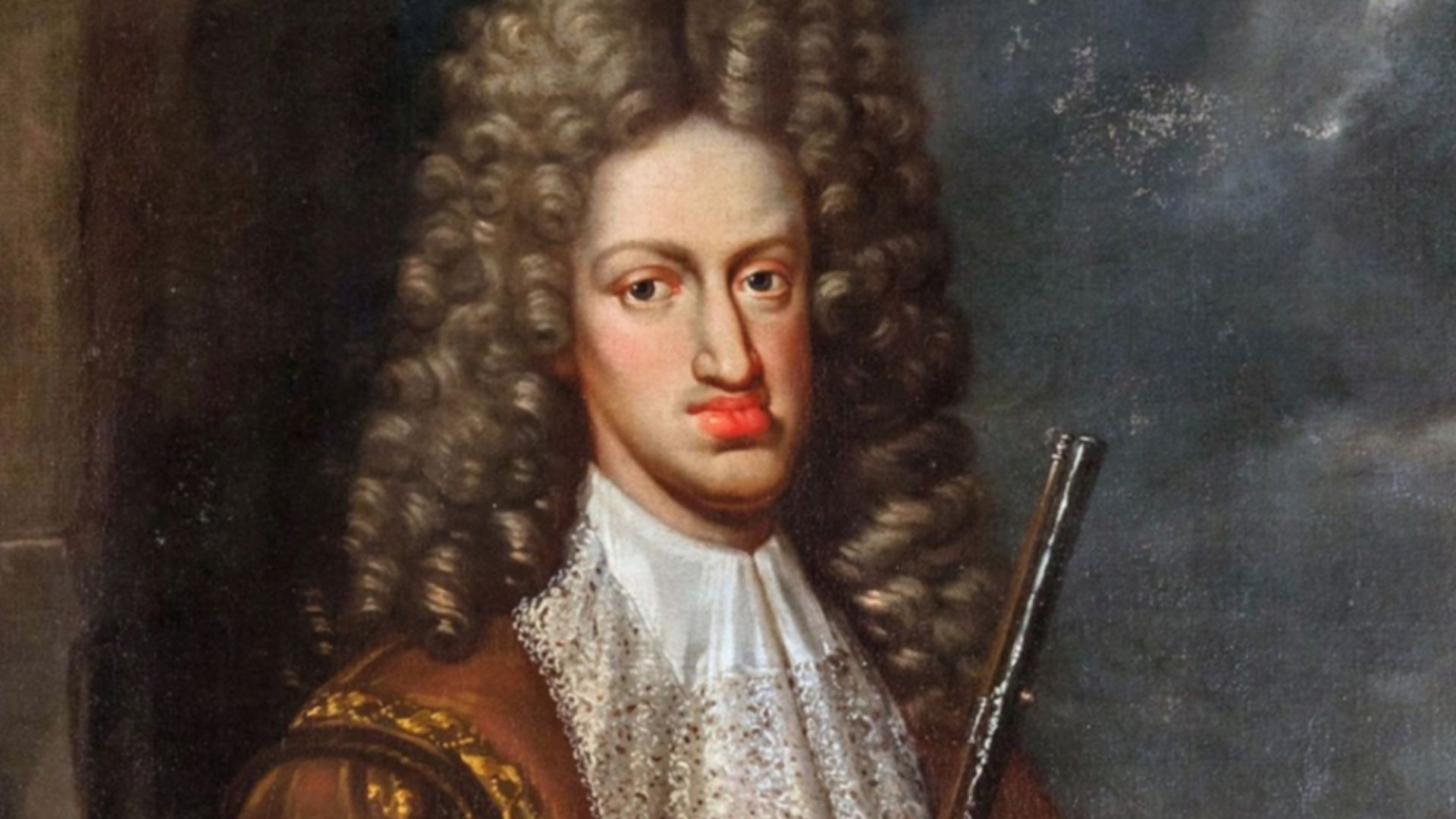 John Closterman, Wikimedia Commons
3. He Launched A Long One
Charles’ entitled actions immediately launched a conflict within Spain over the Spanish Succession, and it wasn’t a brief affair. The conflict lasted almost 14 years, during which French claimant Philip, Duke of Anjou (the grandson of the King of France), sought to take the late King Charles II’s throne from the newly declared Charles VI. The Austrian King had his backers, however.
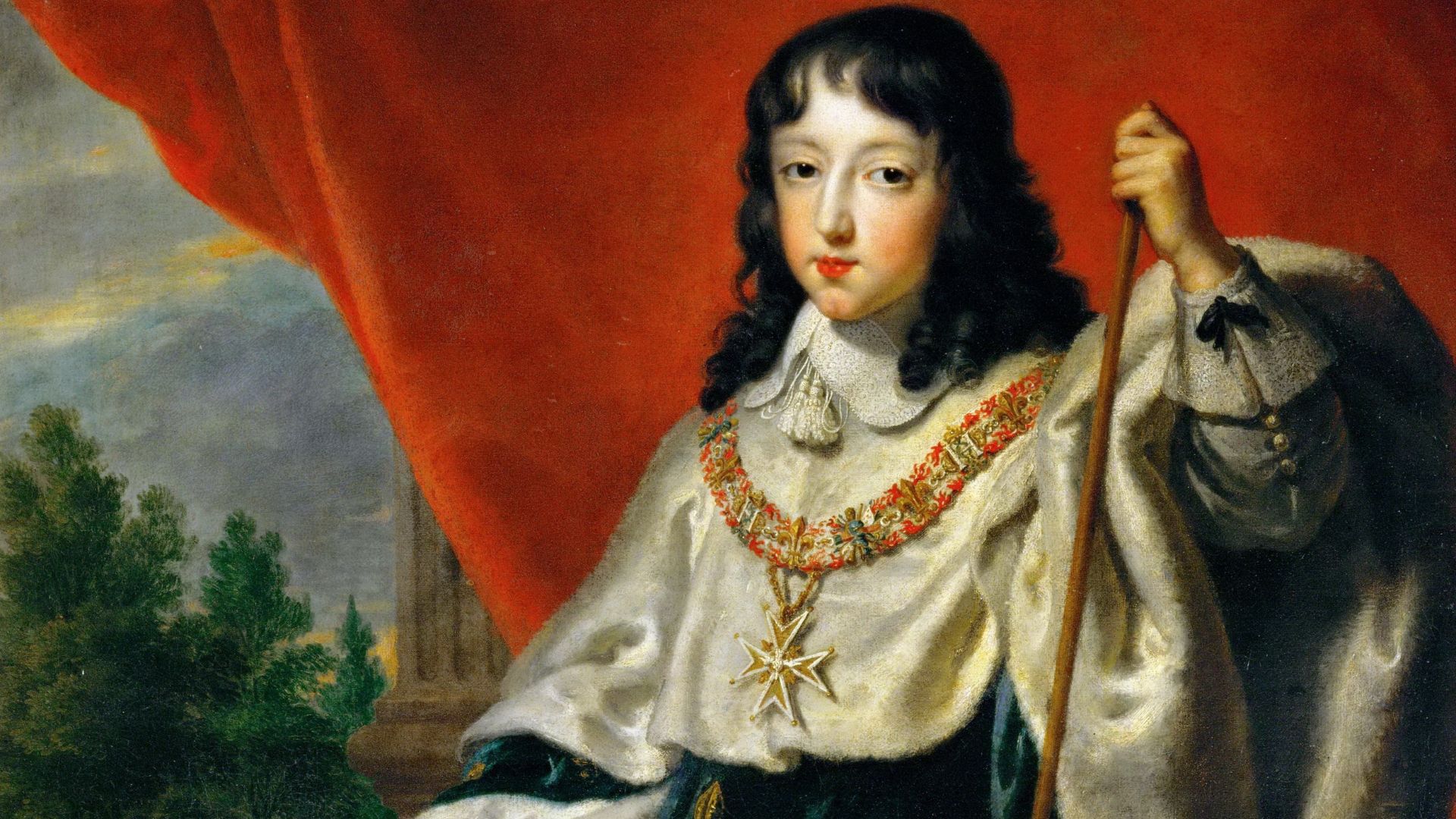 Justus van Egmont, Wikimedia Commons
4. He Had Support
Despite his out-of-the-blue claim, Charles VI’s declaration as King had its powerful supporters in Europe. The list of backers included the Kingdoms of England, Ireland, Scotland, Portugal, most of Germany, the Netherlands, and the majority of the Holy Roman Empire, all of whom endorsed Charles’ claim, making him a strong candidate. Such a strong shore of support inspired him to move his stuff in.
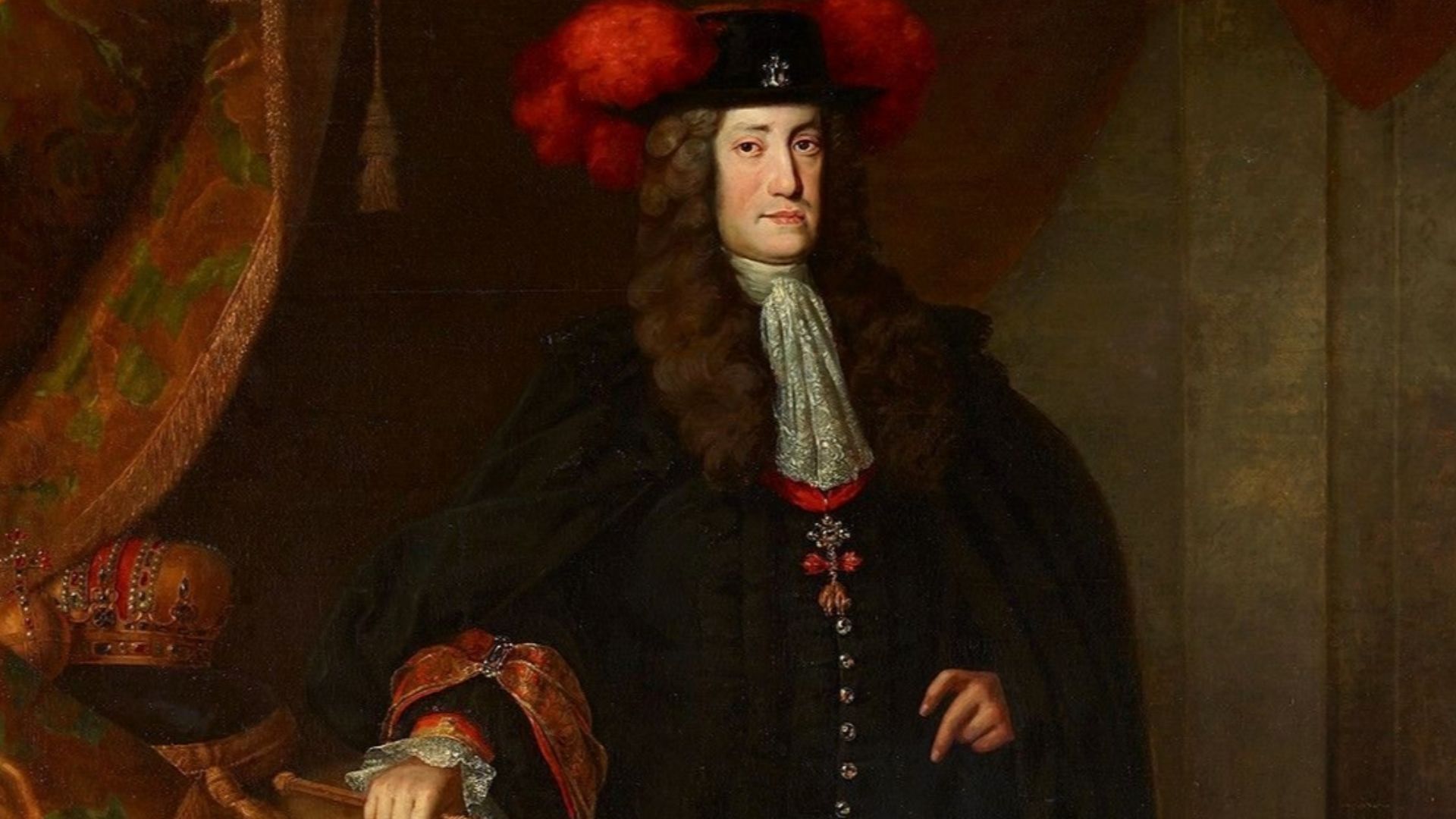 Johann Gottfried Auerbach, Wikimedia Commons
5. He Moved To Spain
Though it took him a while, Charles eventually moved to Spain in 1705 to sit his throne. He would stay there for the next six years where, confusingly, he became known as Charles III (for the sake of clarity, this article will continue to refer to him by his later title of Charles VI). Because of the ongoing conflict in Spain, however, Charles was only really able to exercise his rule over the Principality of Catalonia. He also needed to find someone to sit next to him.
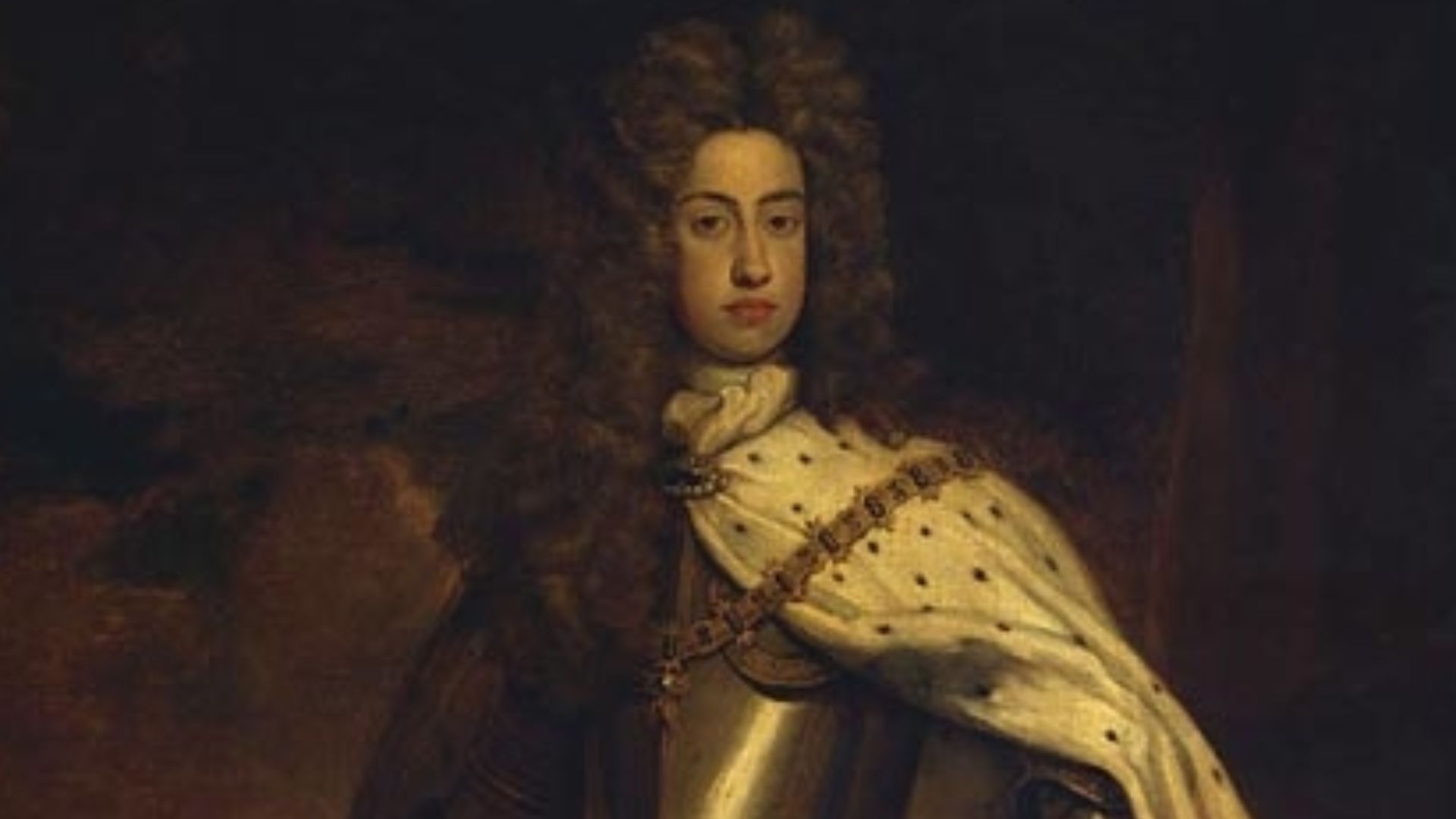 Godfrey Kneller, Wikimedia Commons
6. His Family Played Matchmaker
To secure the family’s hold on the region, Charles’ emperor father and his advisors undertook the task of arranging a marriage for the new Spanish King. Charles’ own interest in marrying a woman was likely limited solely to the political (more on that below), and from a short list of potentially useful alliances, his matchmakers’ attention fell on one clear frontrunner.
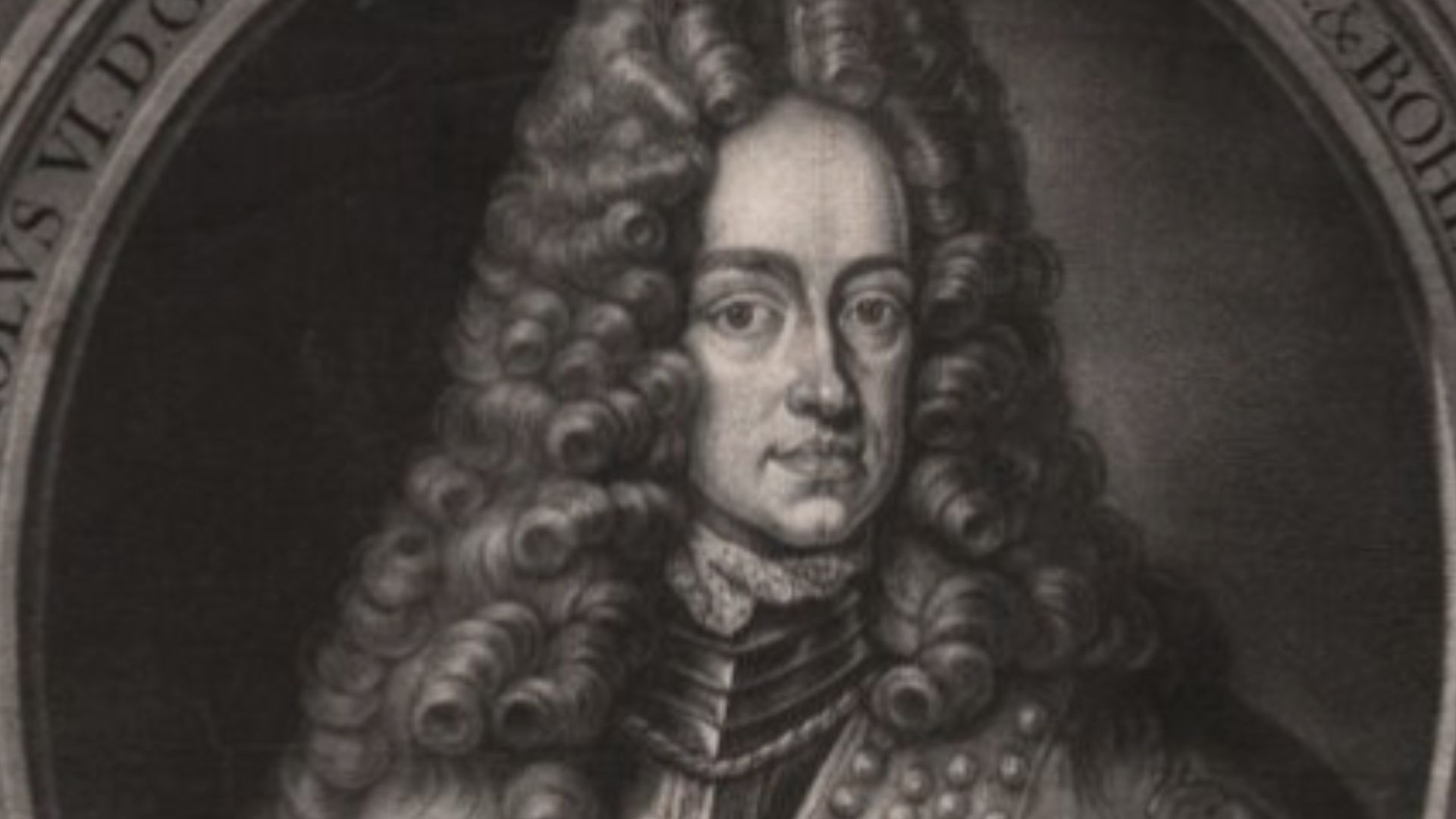 Christoph Weigel the Elder, Wikimedia Commons
7. He Got Hitched
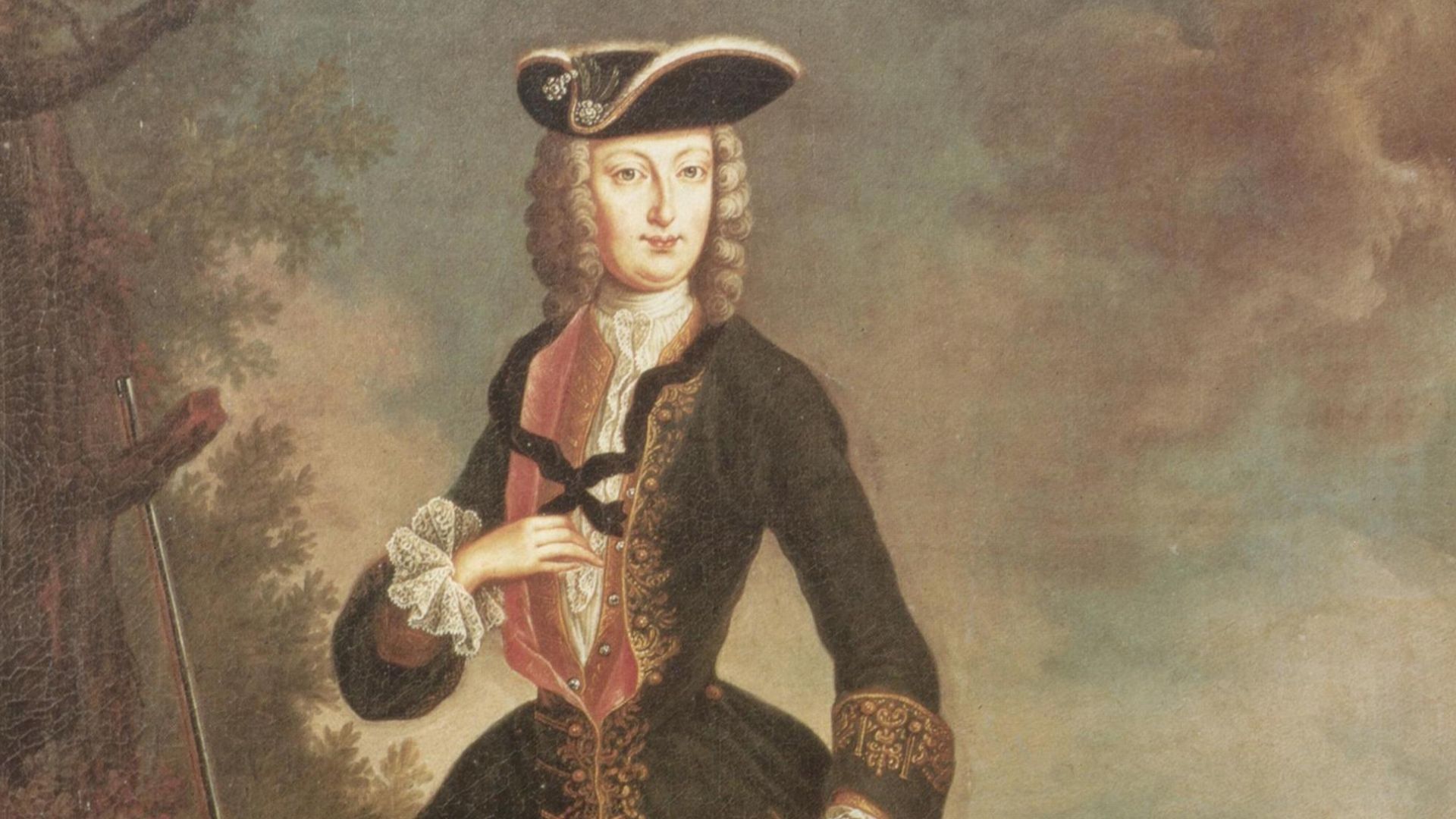
Charles’ family ultimately landed on Elisabeth Christine of Brunswick-Wolfenbüttel, the eldest child of a powerful German duke. With arrangements hastily made, the two were married in 1708, giving Spain a new Queen to go along with its fresh King. At just 23 years old, Charles had done well for himself.
 Austrian School / Unidentified painter, Wikimedia Commons
8. His Wife Was A Smoke Show
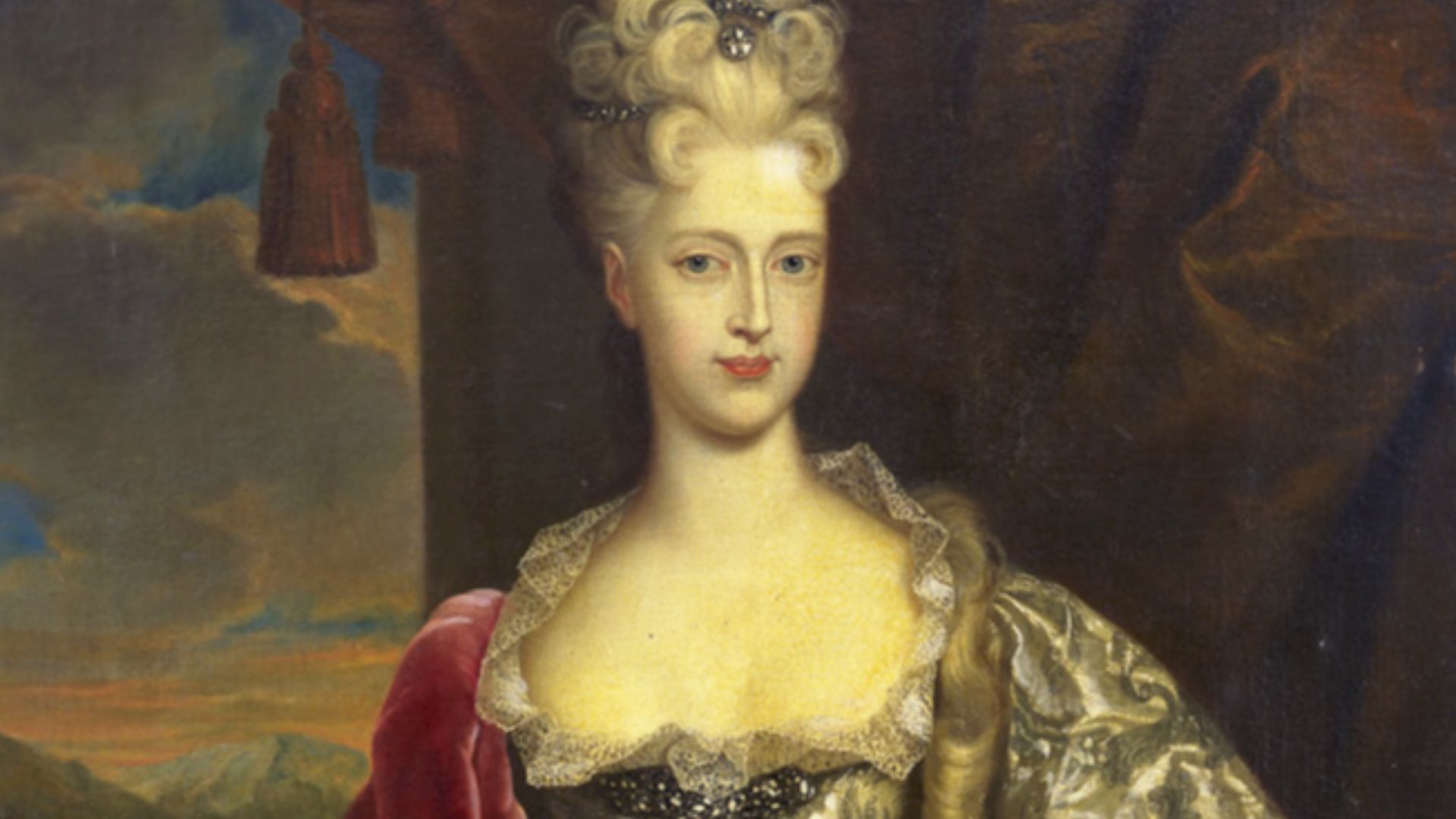
Charles was well ahead of the curve as a second son. Not only was he now a king, but he had secured a marriage that would shore up his power in the region. He punched above his weight in the looks department, too: her contemporaries said that the very-plain Charles’ new wife, Elisabeth, was strikingly beautiful. But just as Charles started getting comfortable in Catalonia, an unexpected loss in the family pulled him back home.
 Unidentified painter, Wikimedia Commons

History's most fascinating stories and darkest secrets, delivered to your inbox daily.
9. He Jumped The Queue
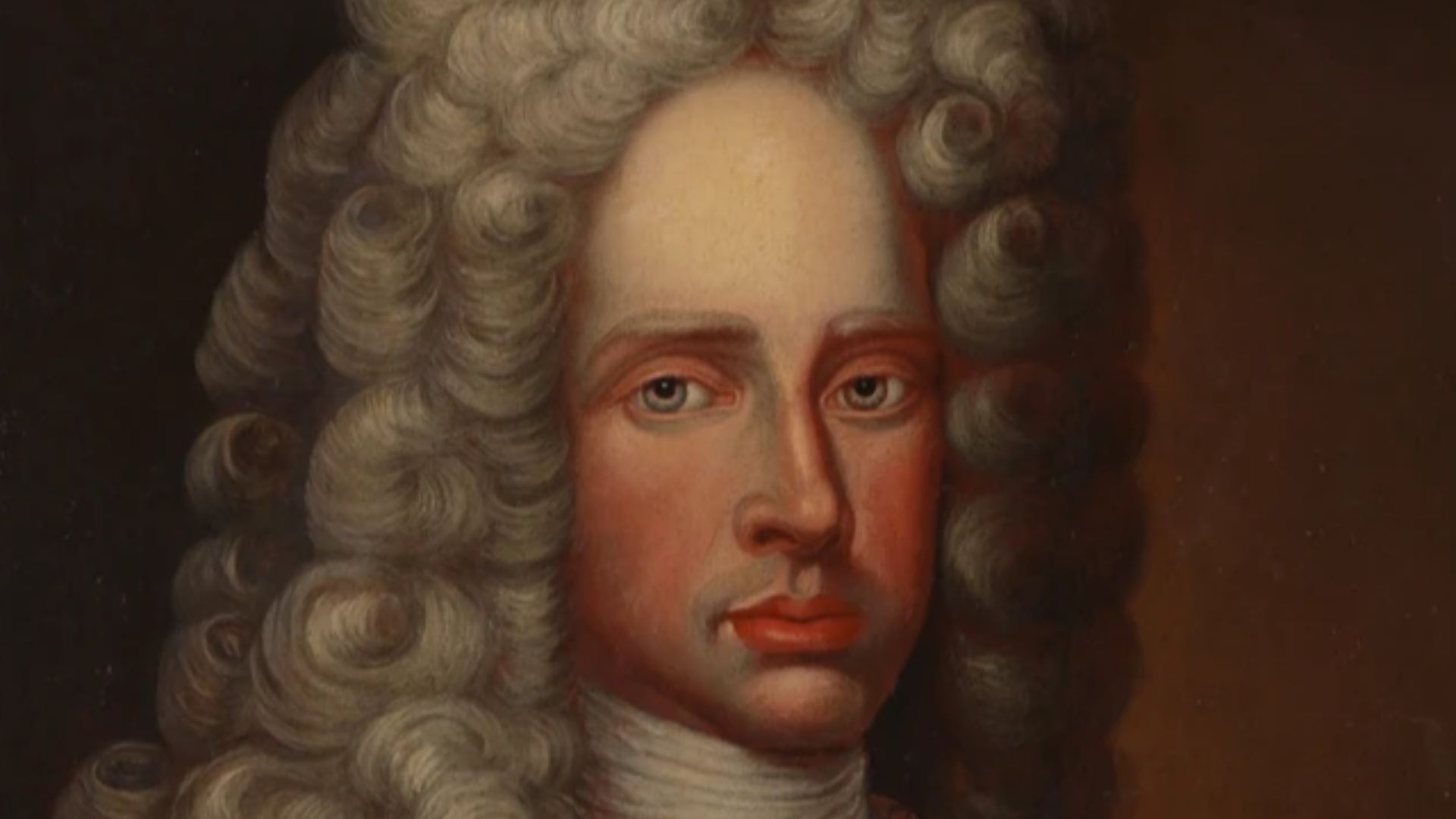
Despite his heavy hand in arranging the marriage, Charles’ father did not actually live to attend his son’s wedding. Emperor Leopold I passed in 1705, paving the way for the ascension of Charles’ brother, Joseph I. But while Leopold’s reign had been among the longest of any Habsburg’s, Joseph would not be so lucky; the new Emperor perished unexpectedly in 1711, changing Charles’ life forever. He quickly rushed back to Vienna to make an unexpected ascension.
 Unidentified painter, Wikimedia Commons
10. He Became The Top Dog
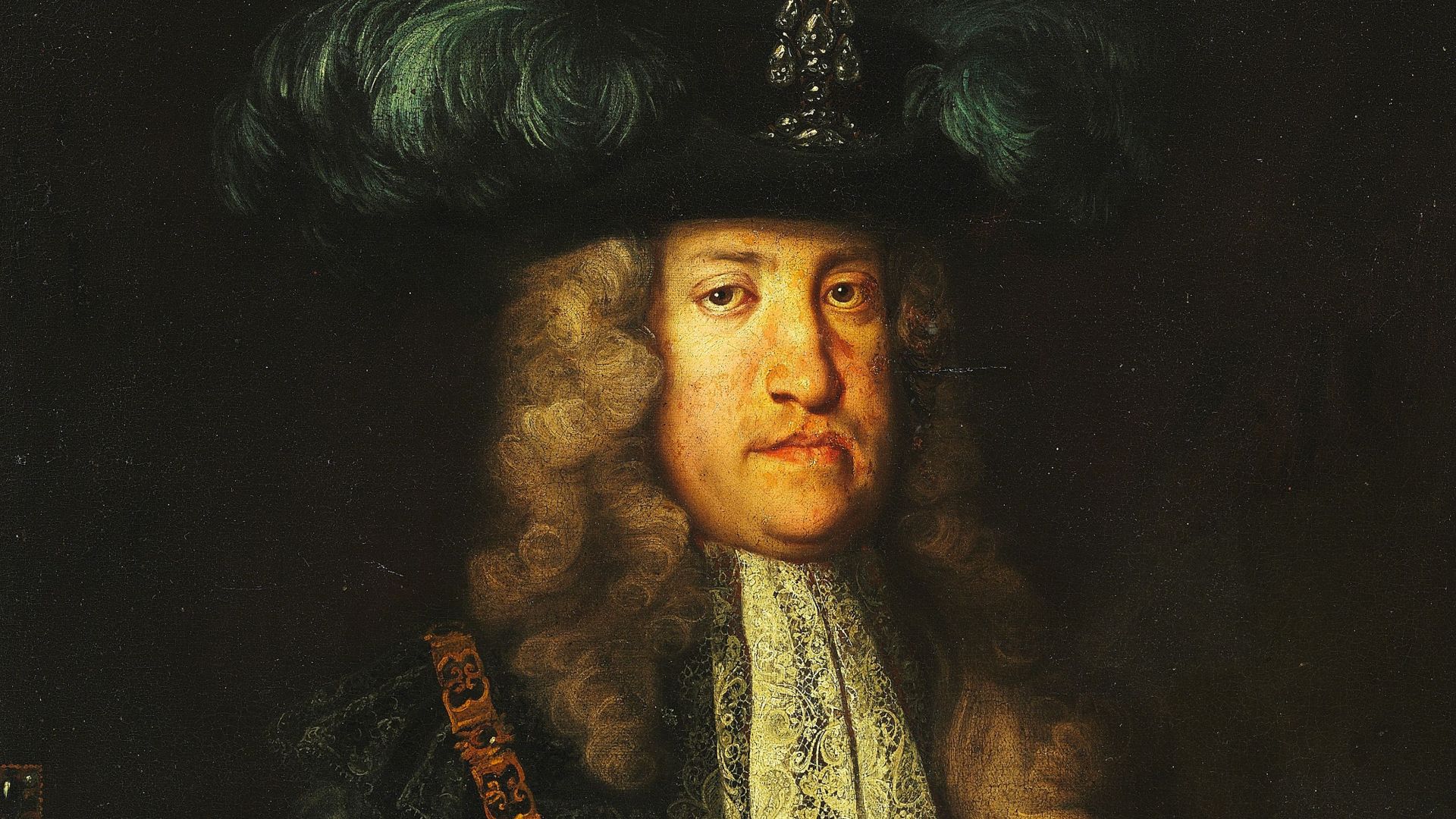
At the time of his brother’s passing, Charles was next in line to succeed the top spot. Upon his return to Vienna in 1711, the King of Spain now ascended to become Charles VI, Holy Roman Emperor, and ruler of the Habsburg monarchy. It was a dizzying few days for the new emperor, and things hardly calmed down after he took his seat.
 Attributed to Martin van Meytens, Wikimedia Commons
11. He Rocked The Boat
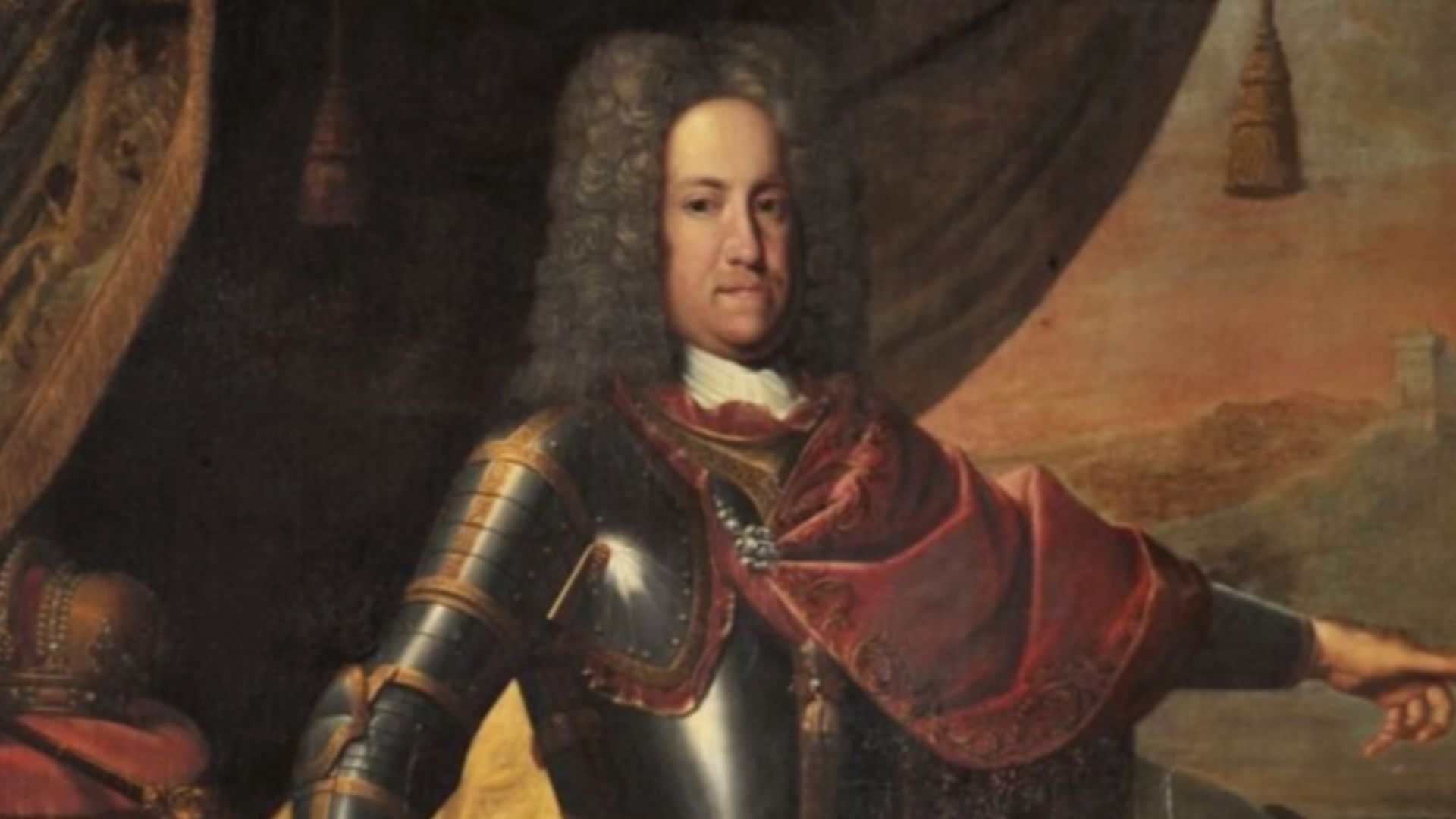
It did not thrill some to hear of Charles’ ascension to Holy Roman Emperor. The Kingdom of Great Britain, in particular, was nervous about the prospect of Austria and Spain in personal union (i.e. ruled by the same monarch) and withdrew their support for the Austrian coalition, leading to yet another conflict breaking out in Europe. Luckily, this one didn’t last as long.
 Unidentified painter, Wikimedia Commons
12. He Compromised
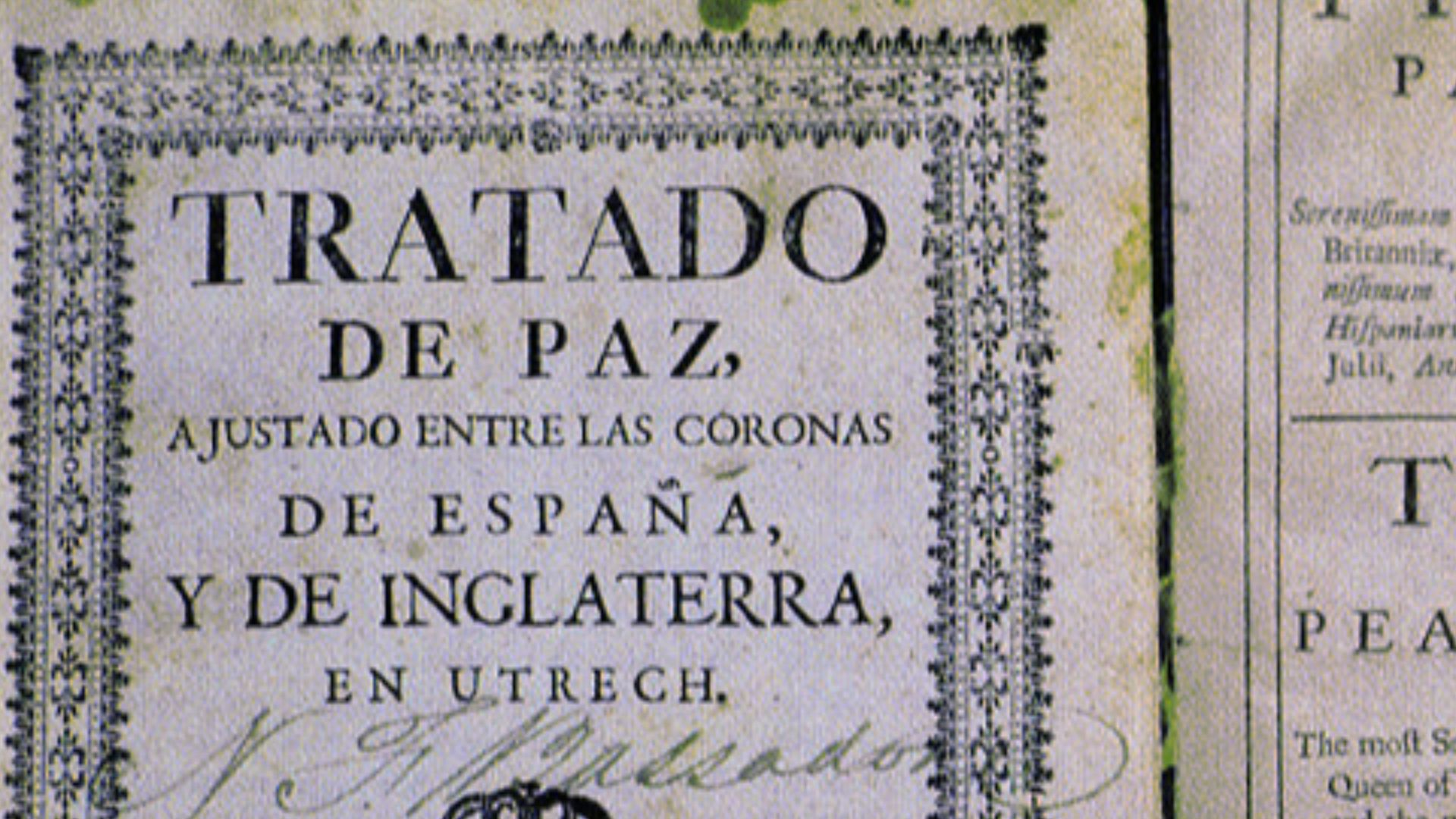
By 1713, the resulting conflict arising from Charles’ ascension resulted in three different treaties that shifted the balance of power in Europe. They were the Treaties of Utrecht, Rastatt, and Baden. This last one, in particular, came with both costs and gains for Charles.
13. He Lost A Throne
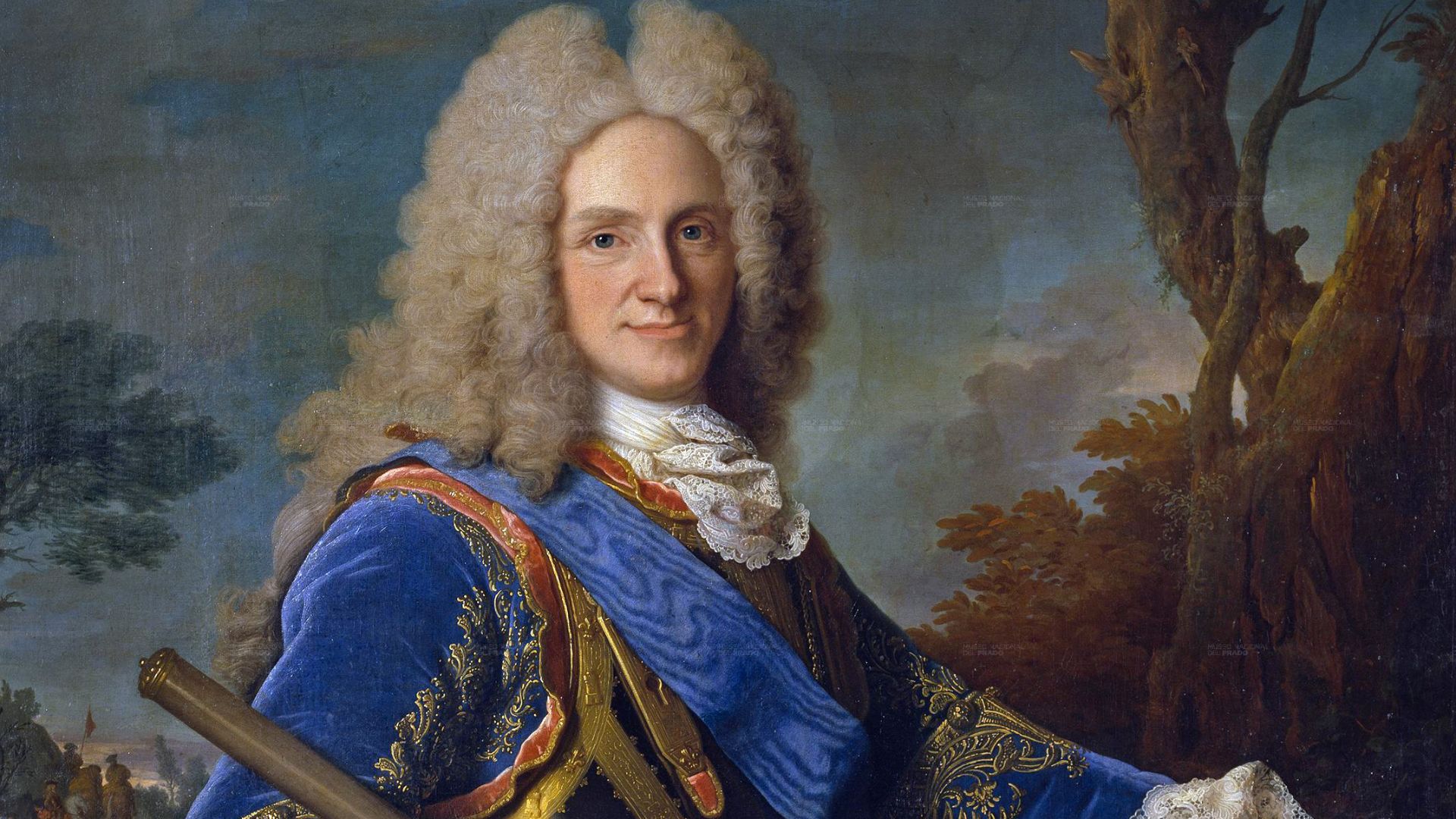
The Treaty of Baden, ratified in 1713, came with strict conditions for Emperor Charles VI. Most devastatingly of all for him was the secession of the Spanish throne to newly recognized King Philip of Spain.
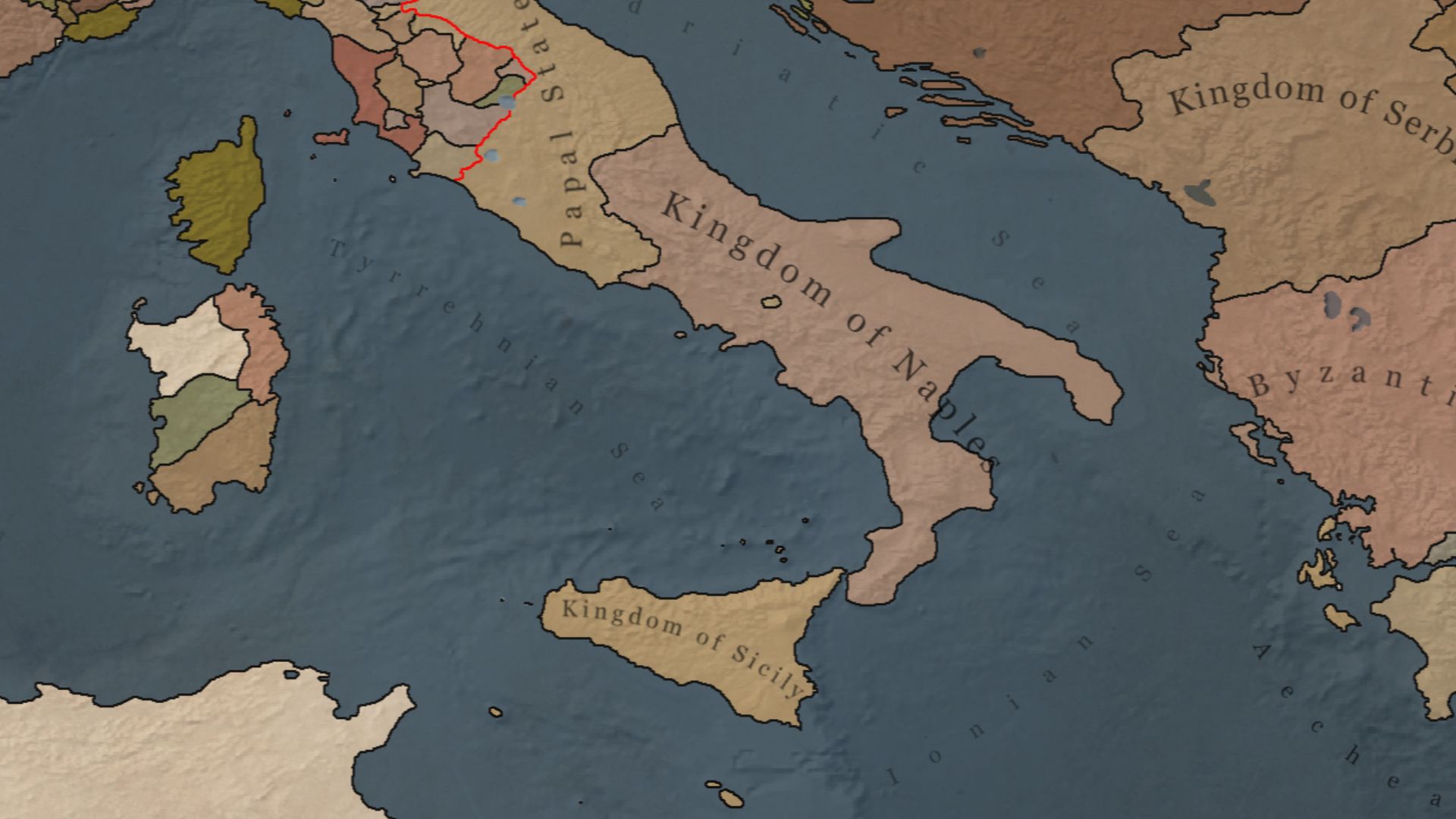
But while he had to give up his crown, Charles received vast swaths of former Spanish territory in return: the Kingdom of Naples, the Duchy of Milan, the Austrian Netherlands, and the Kingdom of Sardinia were all now ceded to the Austrian monarchy. Despite all these gains, however, Charles was sore at losing his first royal love.
14. He Missed His OG Kingdom
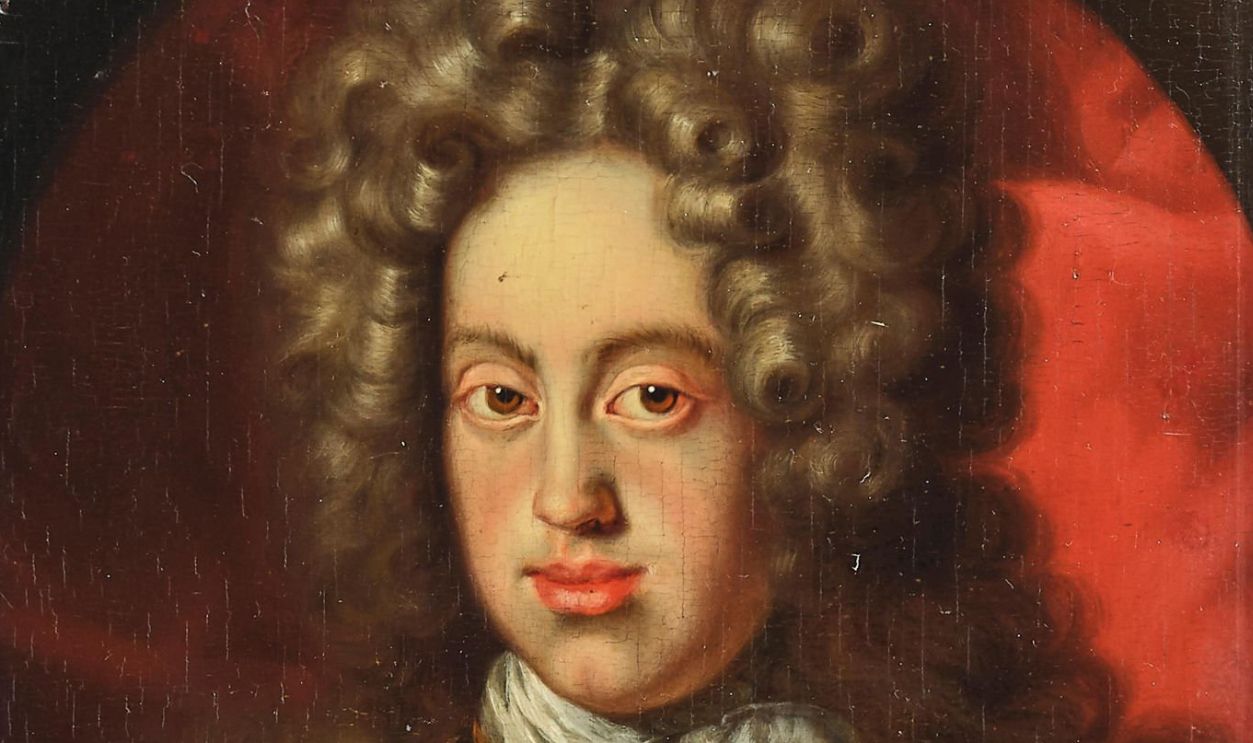
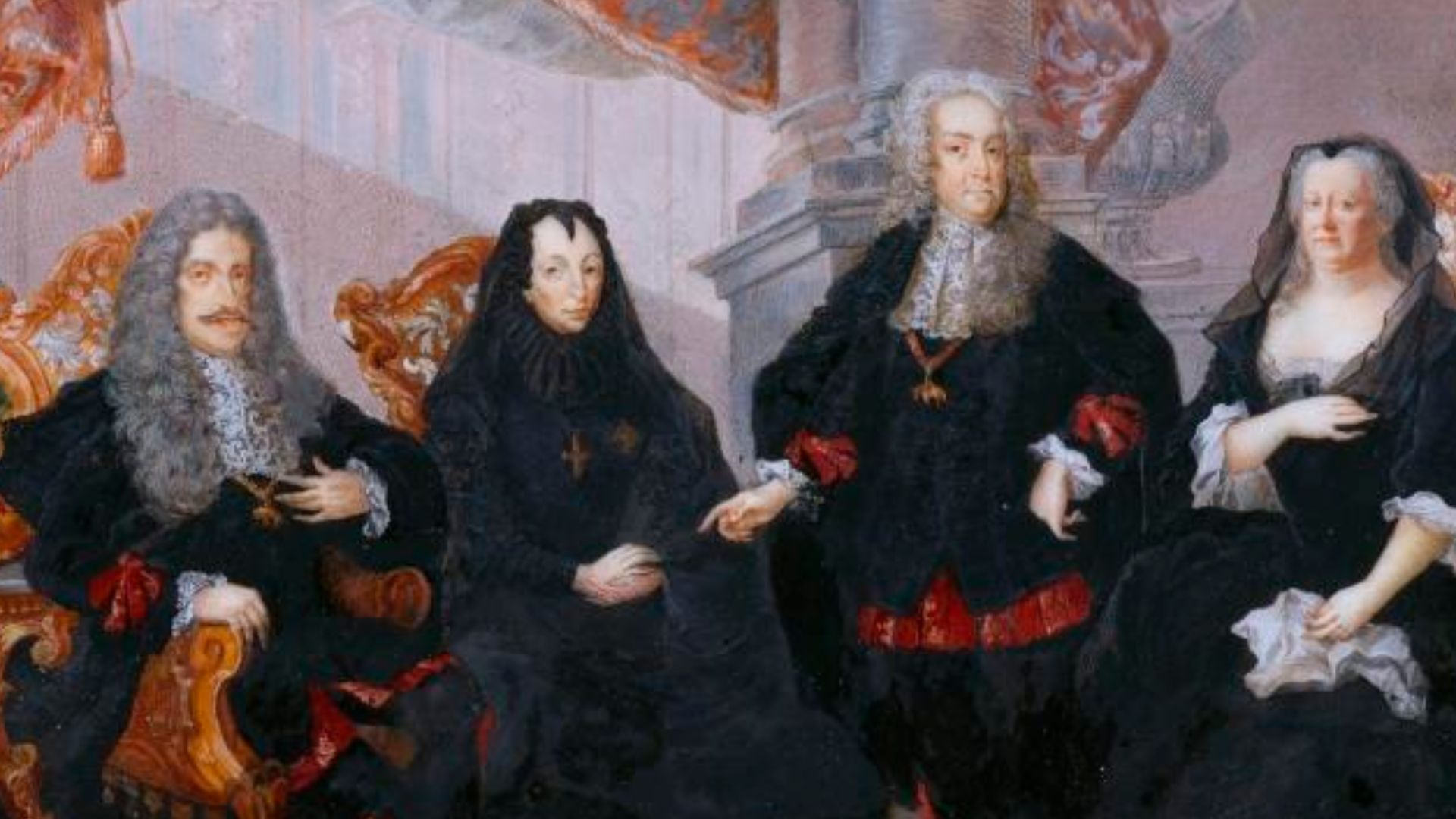
The new emperor was reportedly extremely upset at losing dominion over Spain, having grown attached to the region during his reign there. To honor his time in Spain, Charles adopted ceremonial aspects and rituals of the staid Spanish Habsburg court, keeping the memory alive in Austria. He even dressed the part.
15. He Adopted An Old Fit
As part of his ceremonial plagiarism, Charles also adopted, in his role as Holy Roman Emperor, the dress style of the Spanish monarch. This outfit included a black doublet and hose, black shoes, and scarlet stockings, leaving the emperor looking very dapper as he presided over his vastly expanded empire. With lands secured, Charles could turn his attention to future concerns.
 Unidentified painter, Wikimedia Commons
16. He Was The Last Man Standing
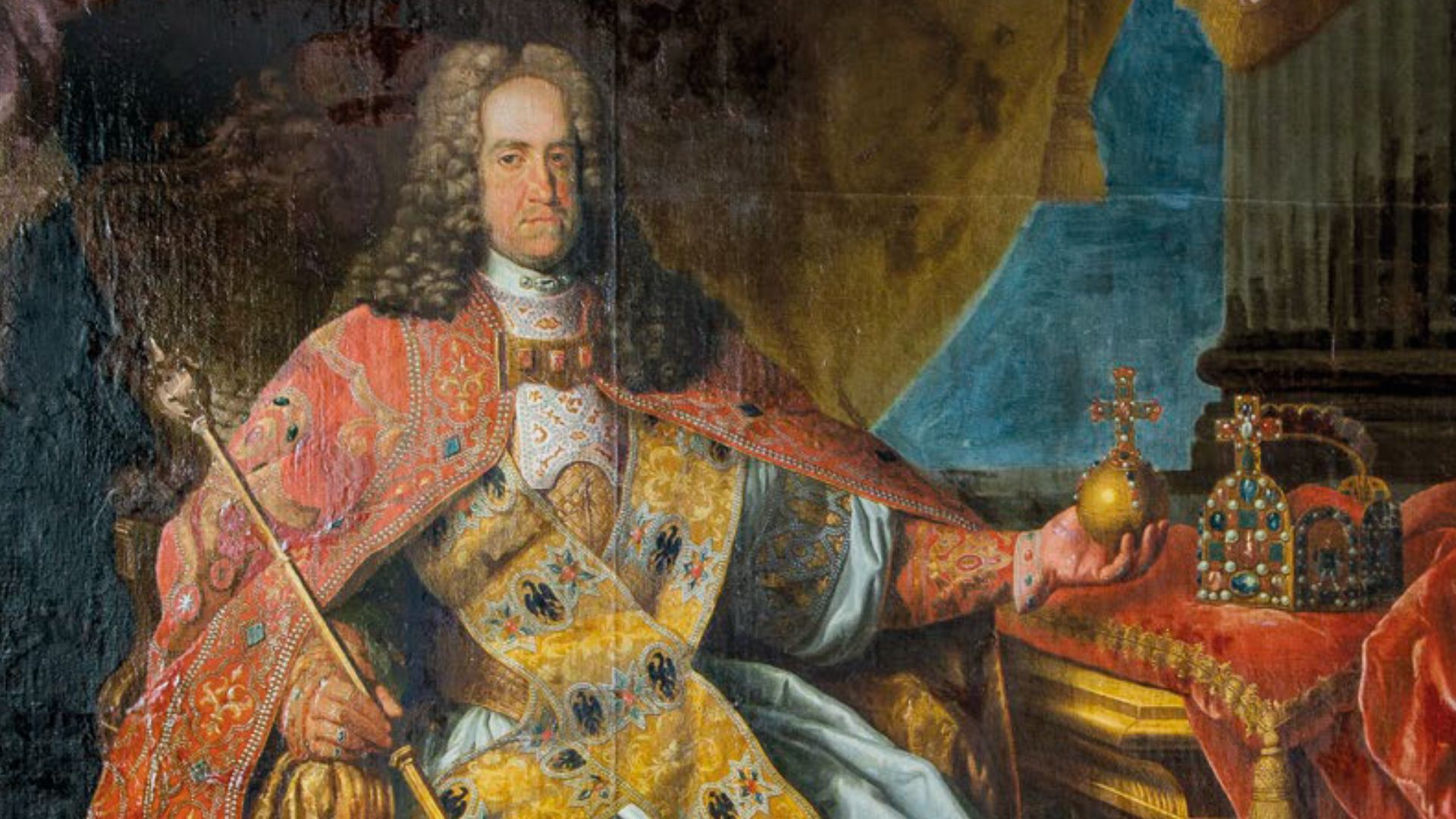
The loss of his brother in 1711 left the ascending Charles VI in a unique position: he was now the last male Habsburg heir in his direct line. This left the monarchy in an incredibly precarious position, ensuring a succession crisis was on the menu should something happen to the Emperor. With that in mind, Charles and his wife got to work.
 Zeger Jacob van Helmont, Wikimedia Commons
17. He Had Some Kids
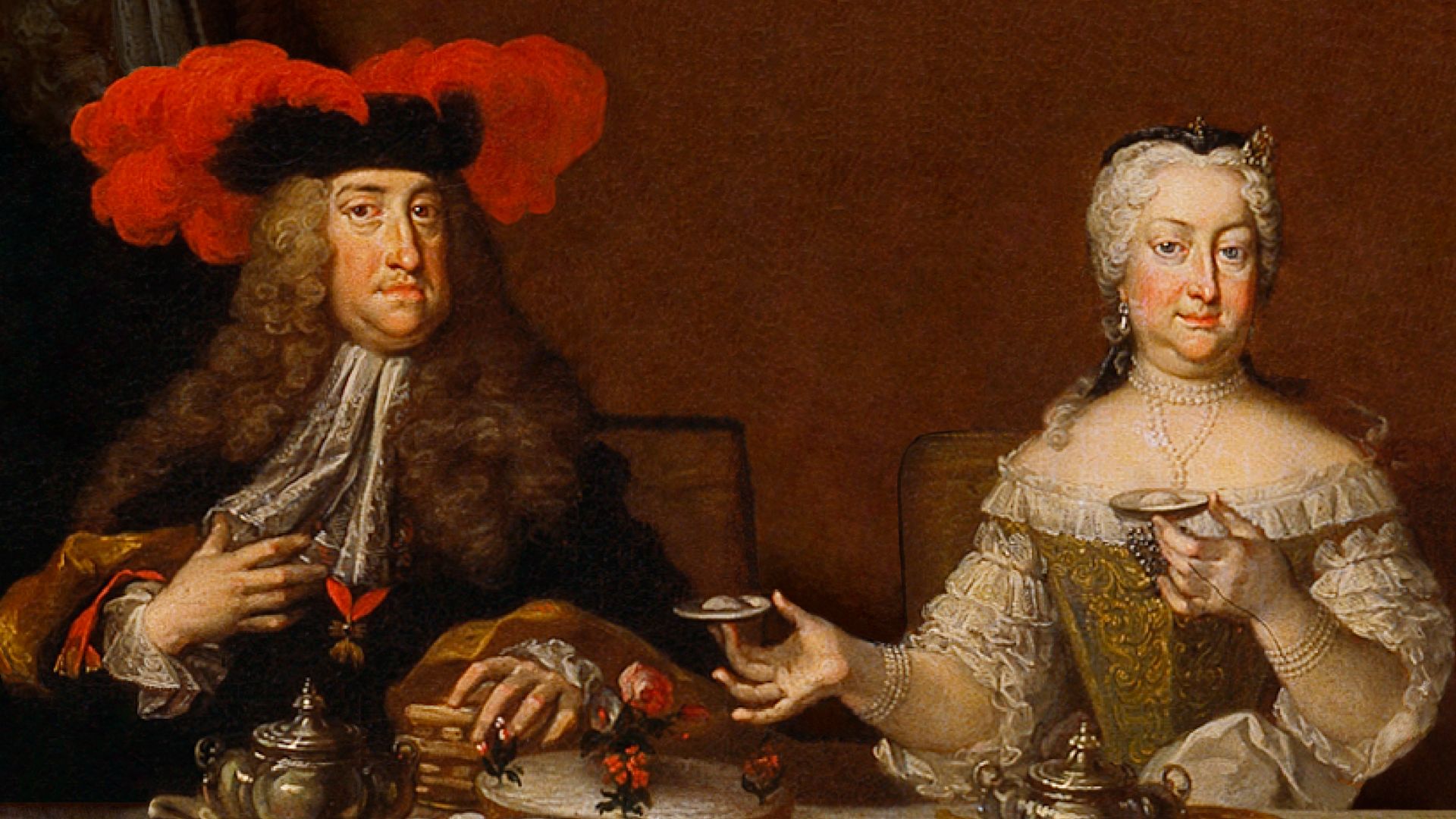
Charles and Elisabeth, as all good royal couples do, set to work producing some heirs for the Habsburg throne. In total, the couple sired four children: a son, their first child, Archduke Leopold Johann (born 1716), and three daughters: Maria Theresa (1717), Maria Anna (1718), and Maria Amalia (1724). Tragically, however, not all of their offspring would see adulthood.
 After Martin van Meytens, Wikimedia Commons
18. He Experienced Unimaginable Loss
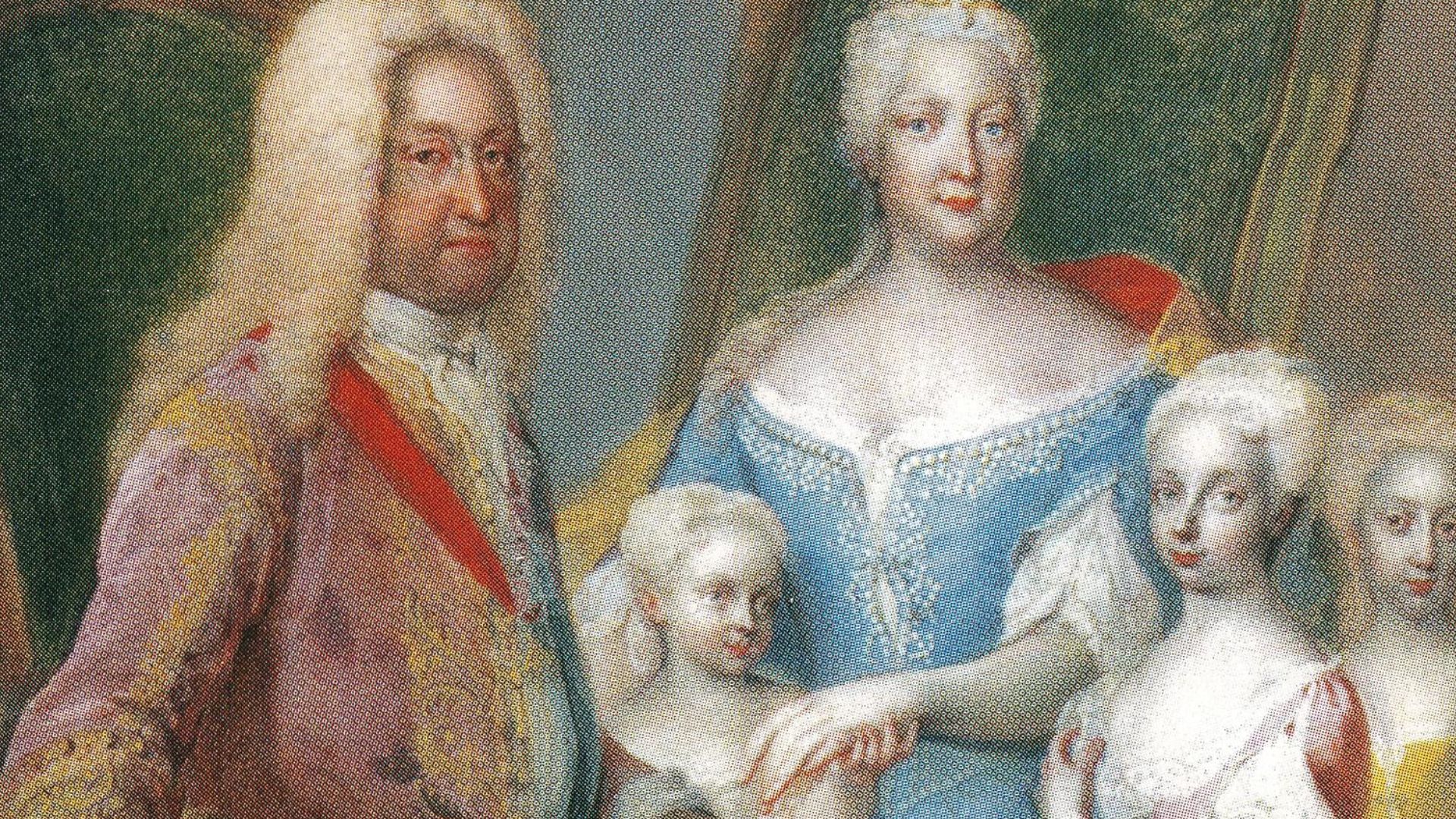
Devastatingly, only two of Charles’ children survived infancy. His youngest daughter, Maria Amalia, tragically perished at the age of six. And, most significantly for the Habsburg line, Charles’ eldest child, his son and heir Leopold Johann, only lived for about seven months. The only comfort in the face of this unthinkable tragedy came in the form of his two other kids.
 Martin van Meytens, Wikimedia Commons
19. His Daughters Made Names For Themselves
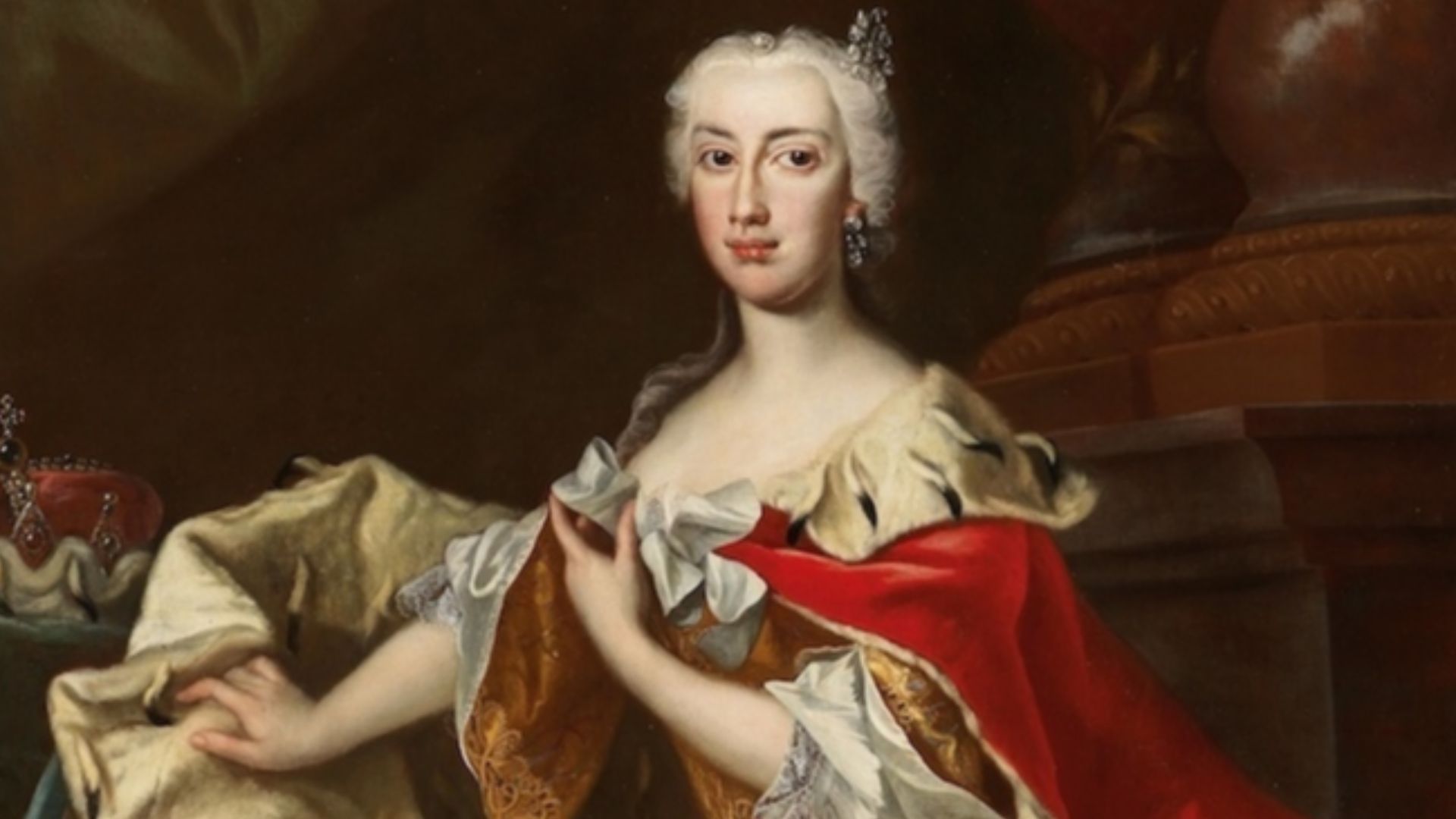
Charles’ two surviving daughters grew up to become interesting figures in their own right. The younger Maria Anna became Governess of the Austrian Netherlands. His elder daughter, Maria Theresa, had a fascinating life too, detailed here. Despite their successes, however, neither solved the no-male-heirs conundrum, leading the Emperor to take legislative action.
 Johann Gottfried Auerbach, Wikimedia Commons
20. He Secured His Daughters’ Position
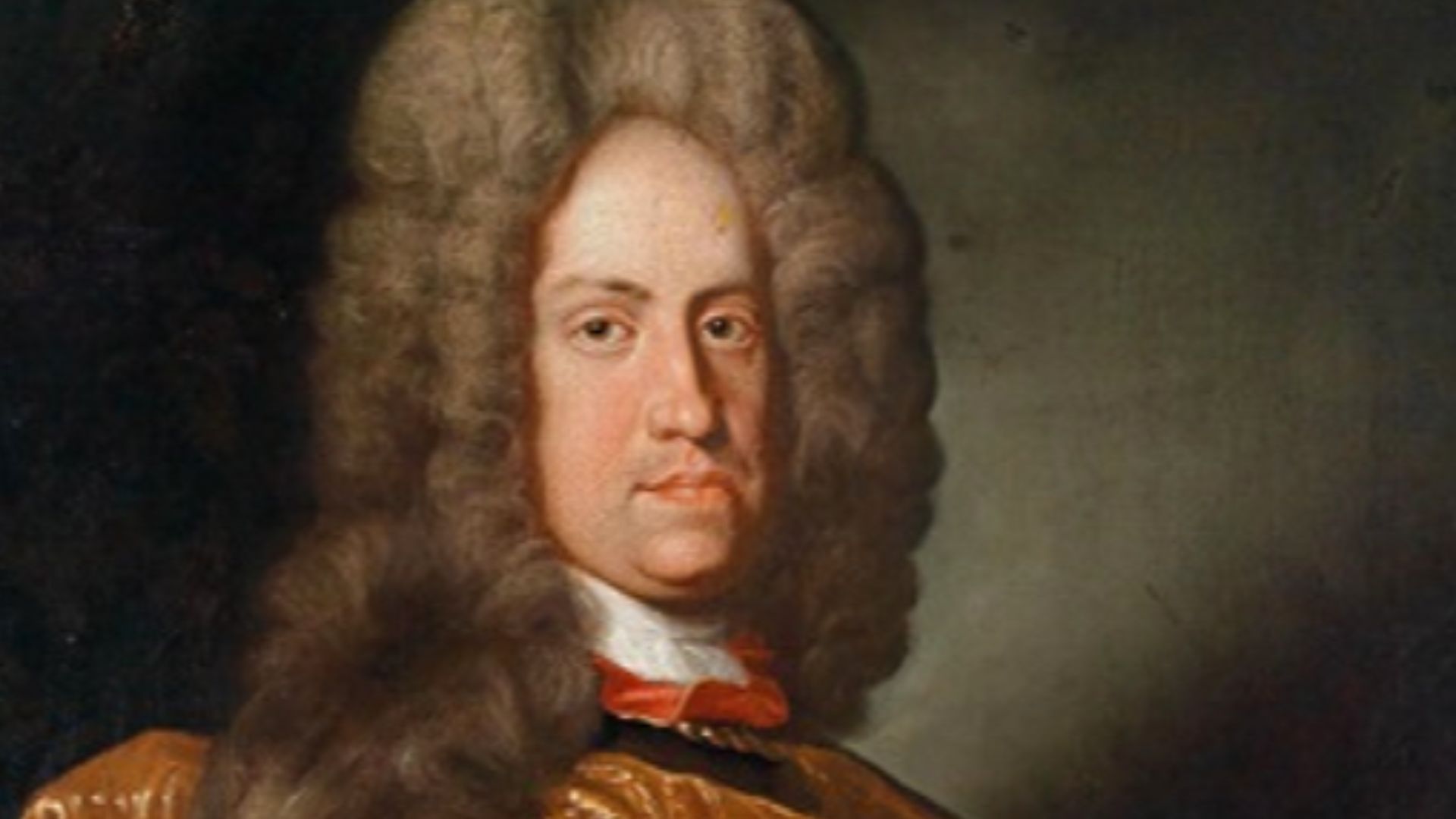
Habsburg possessions were subject to Salic law, meaning Habsburg women could not inherit in their own right. In anticipation of a male-line succession failure, Charles issued the Pragmatic Sanction of 1713, which abolished male-only succession within the monarchy’s realms. With the stroke of a pen, Charles had secured his daughters’ futures—and annoyed a lot of other royals in the process.
 Unidentified painter, Wikimedia Commons
21. He Championed His Own
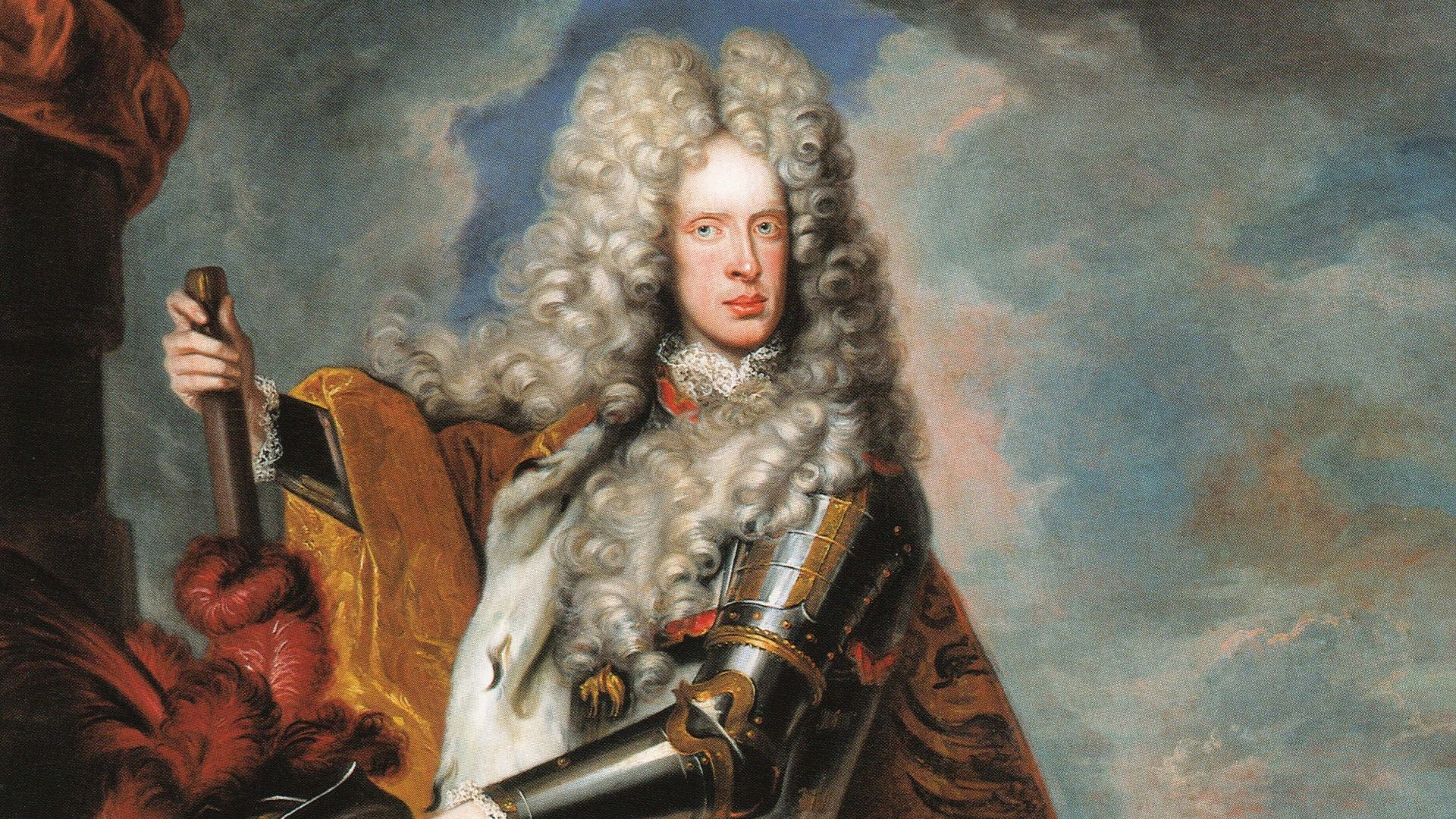
With Charles’ position as the final male heir in the line, it looked certain that a woman would be the next Habsburg monarch following the Emperor’s eventual demise. Charles, however, wanted to make sure it was his direct line that continued. His late brother and predecessor, Joseph I, had also had only daughters, who should have ascended before Charles’ girls. The Emperor did not agree, however, even going so far as to renege on a promise.
 Frans van Stampart, Wikimedia Commons
22. He Broke A Pact
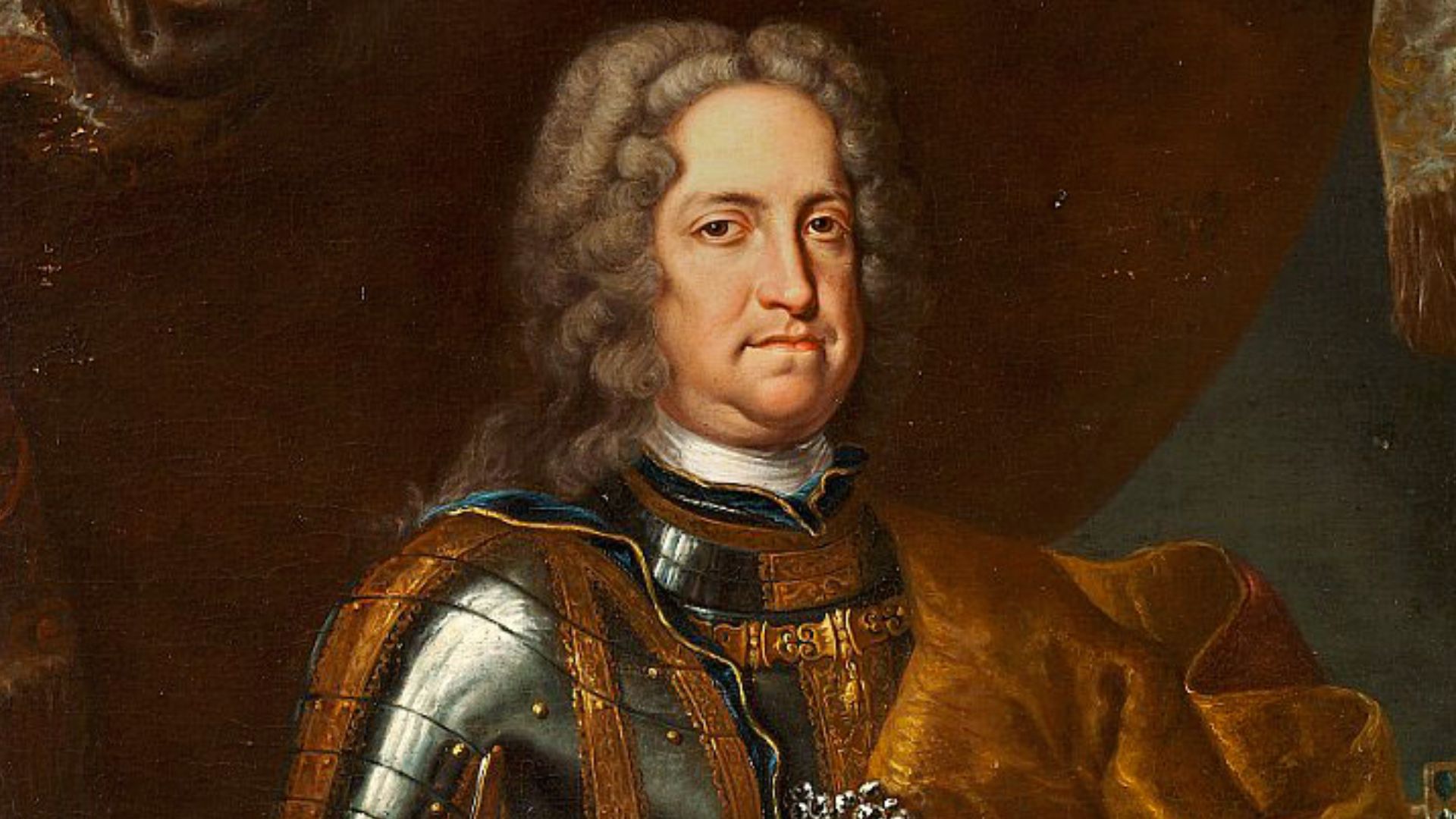
While Charles’ father, Emperor Leopold I, was still alive, even he could see the upcoming succession crisis, given the serious drought of male Habsburgs. Before his departure for Spain, Charles’ father made both of his sons sign the Mutual Pact of Succession, ensuring the succession rights of Joseph’s daughters over Charles’. With Leopold and Joseph out of the picture, however, Charles reneged on this agreement. To do so, he would need some backup.
 Unidentified painter, Wikimedia Commons
23. He Sought Support
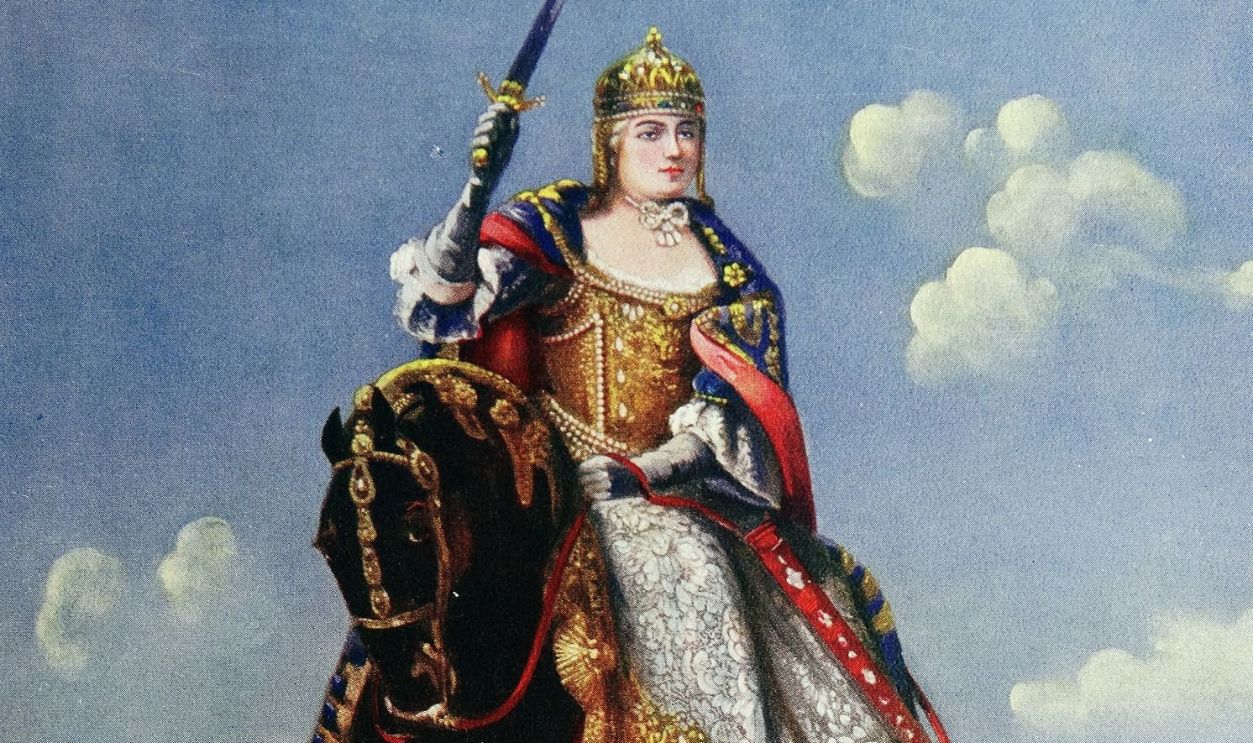
With the birth of his first daughter, Maria Theresa, Charles disinherited both of his nieces, ensuring that the succession following his demise would be anything but smooth. To shore up support for his daughter, Charles spent most of the rest of his reign appealing to other European powers for assistance in enforcing his Pragmatic Sanction. He was in a vulnerable position, and the other monarchies knew it.
 Universal History Archive, Getty Images
24. He Was Disadvantaged
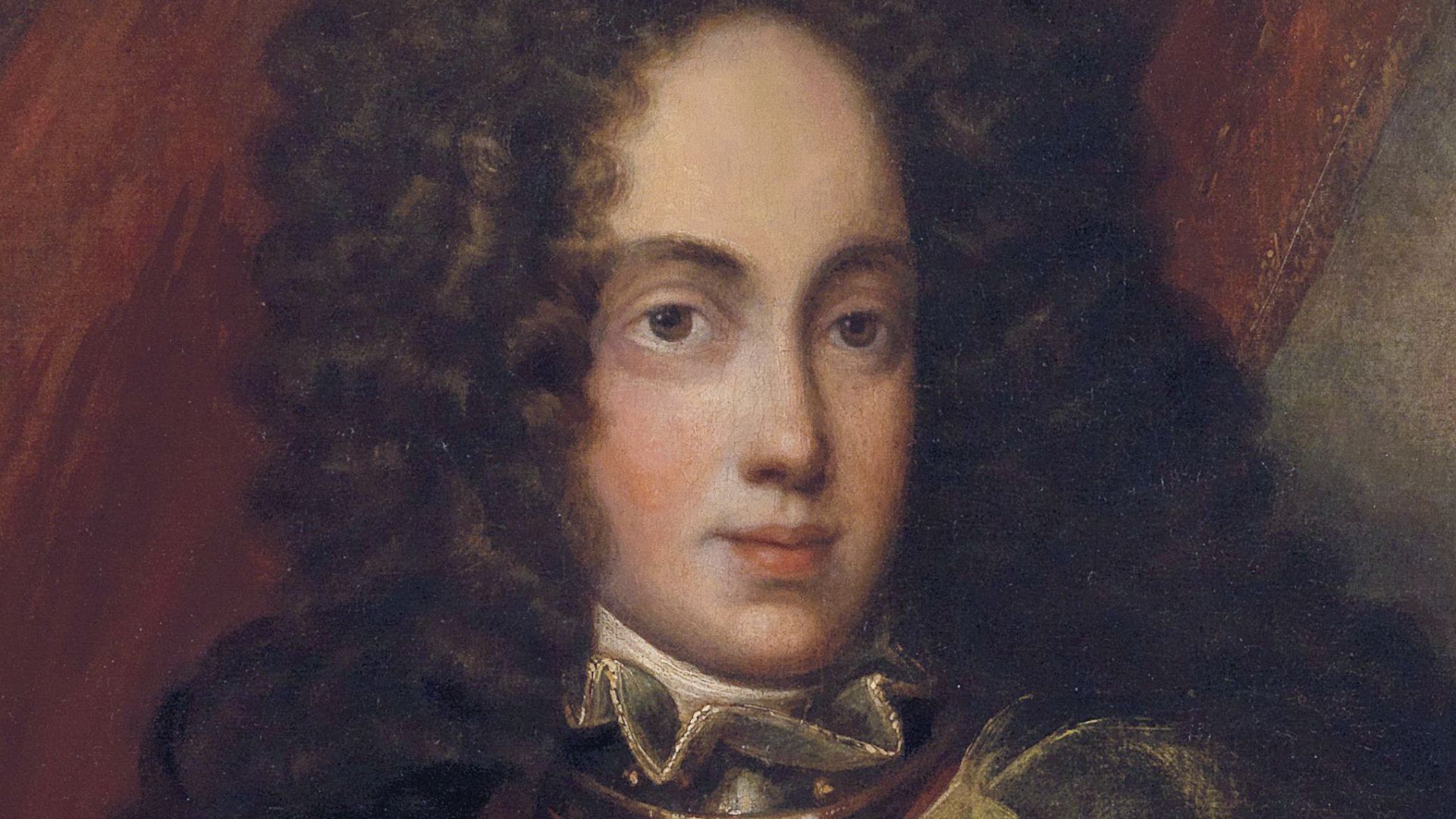
The other European powers identified that Charles VI was not in the best negotiating position: in the grand scheme of things, it made little difference to them which Habsburg woman would eventually take over, and so they demanded significant terms from the desperate Emperor. Among these included Britain’s request that Austria close the Ostend Company, a demand that personally stung the Emperor.
 anonymous / Unidentified painter, Wikimedia Commons
25. He Closed Shop
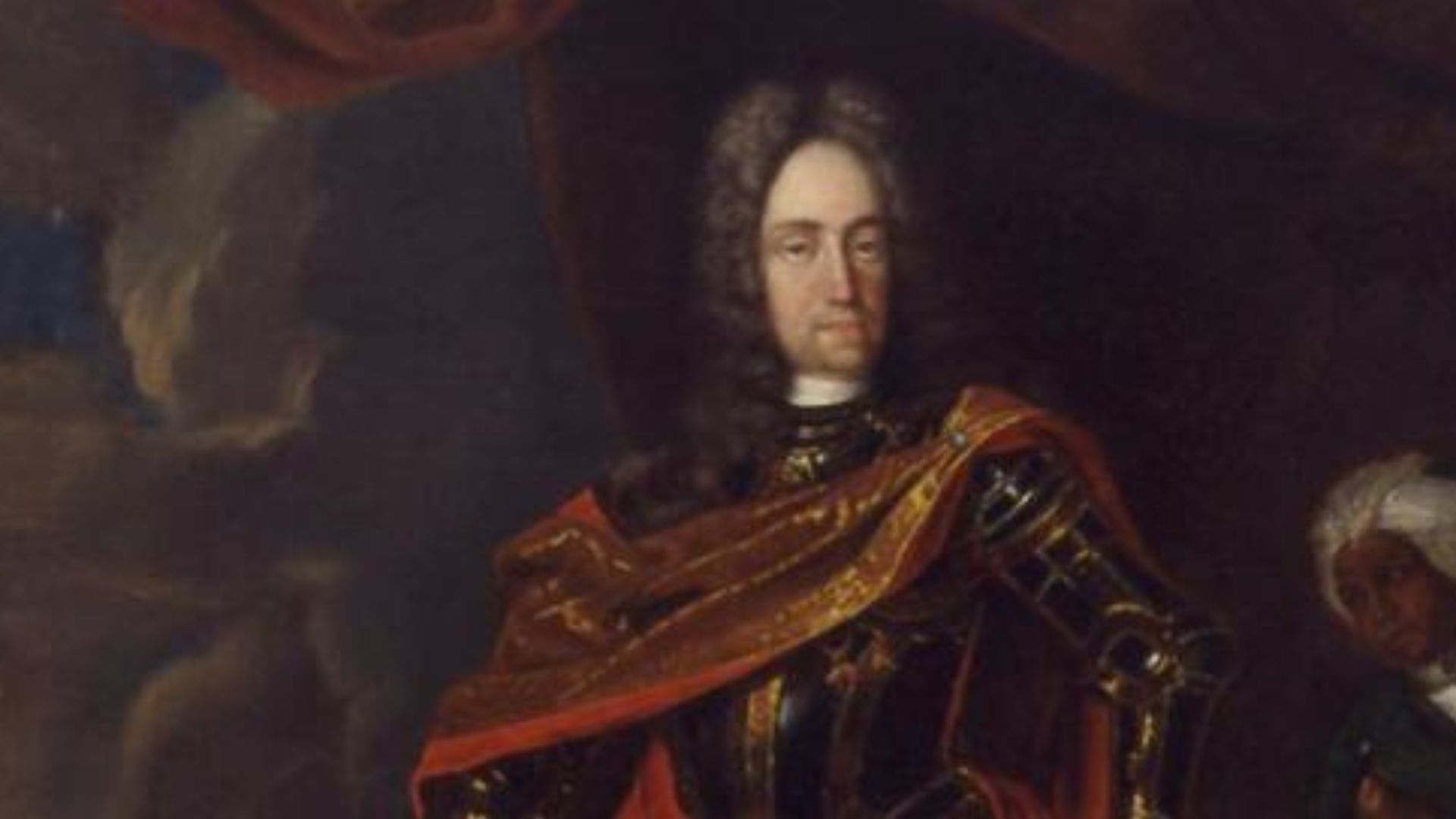
With the steady rise of capitalism in Europe in the 18th century, Charles hopped aboard the gravy train, founding the Ostend Company in 1722, a chartered trading organization that competed with British, Dutch, and French East India Companies. Desperate for his daughter’s succession, however, Charles reluctantly agreed to close the company in exchange for British support. The rest soon fell in line.
 After Johann Gottfried Auerbach, Wikimedia Commons
26. He Got His Backers
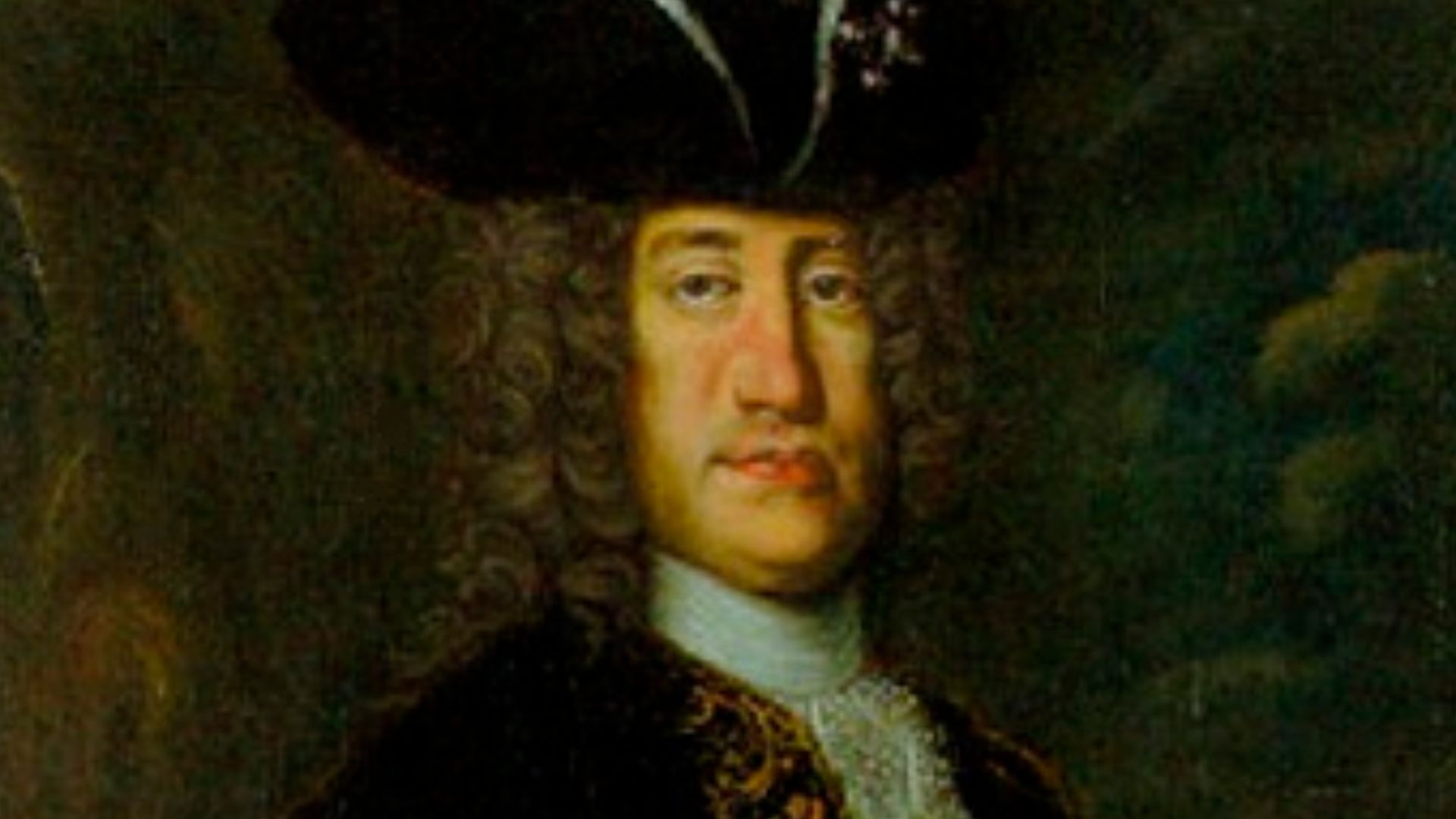
Charles’ appeals were pretty successful (at least for a time), and the list of backers he accrued for his daughter’s claim was impressive. The states that recognized the sanction were Bavaria, Denmark-Norway, the Diet of the Holy Roman Empire, the Dutch Republic, France, Great Britain, the Papal States, Prussia, Russia, Savoy-Sardinia, Saxony-Poland, Spain, and Venice. They decisively stacked the deck against Charles’ nieces, but that didn’t stop the young women from trying.
 Circle of Johann Gottfried Auerbach, Wikimedia Commons
27. His Nieces Made Moves
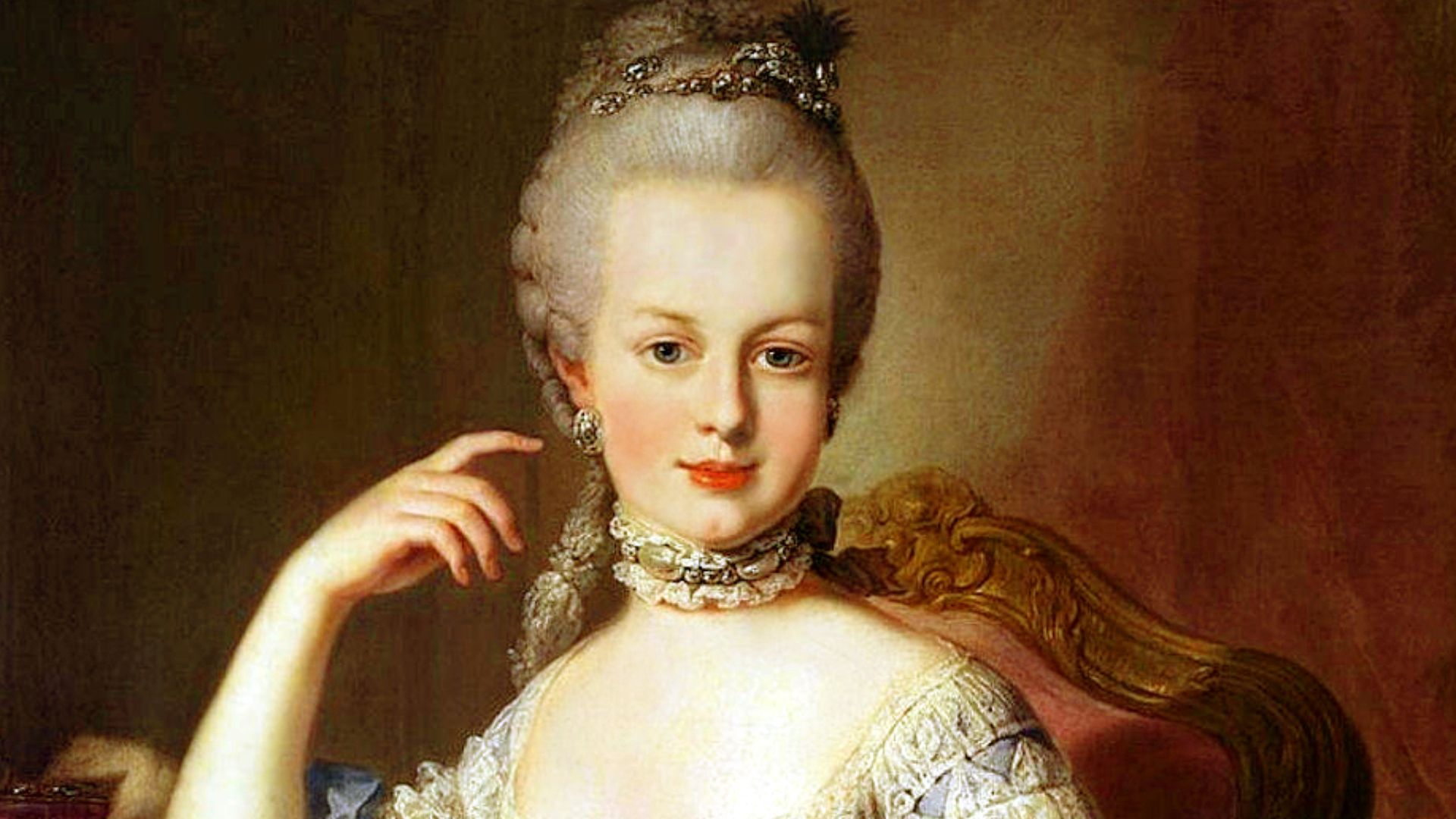
The foundations of Charles’ European support began trembling when his nieces both agreed to political marriages. One married a ruler in Saxony, the other a Bavarian noble, and this eventually led those rulers to refuse the bond of the Imperial Diet’s decision on succession. But while his nieces built their base of support, Charles expanded his foothold on the continent too.
 Attributed to Martin van Meytens, Wikimedia Commons
28. He Conquered More Territory
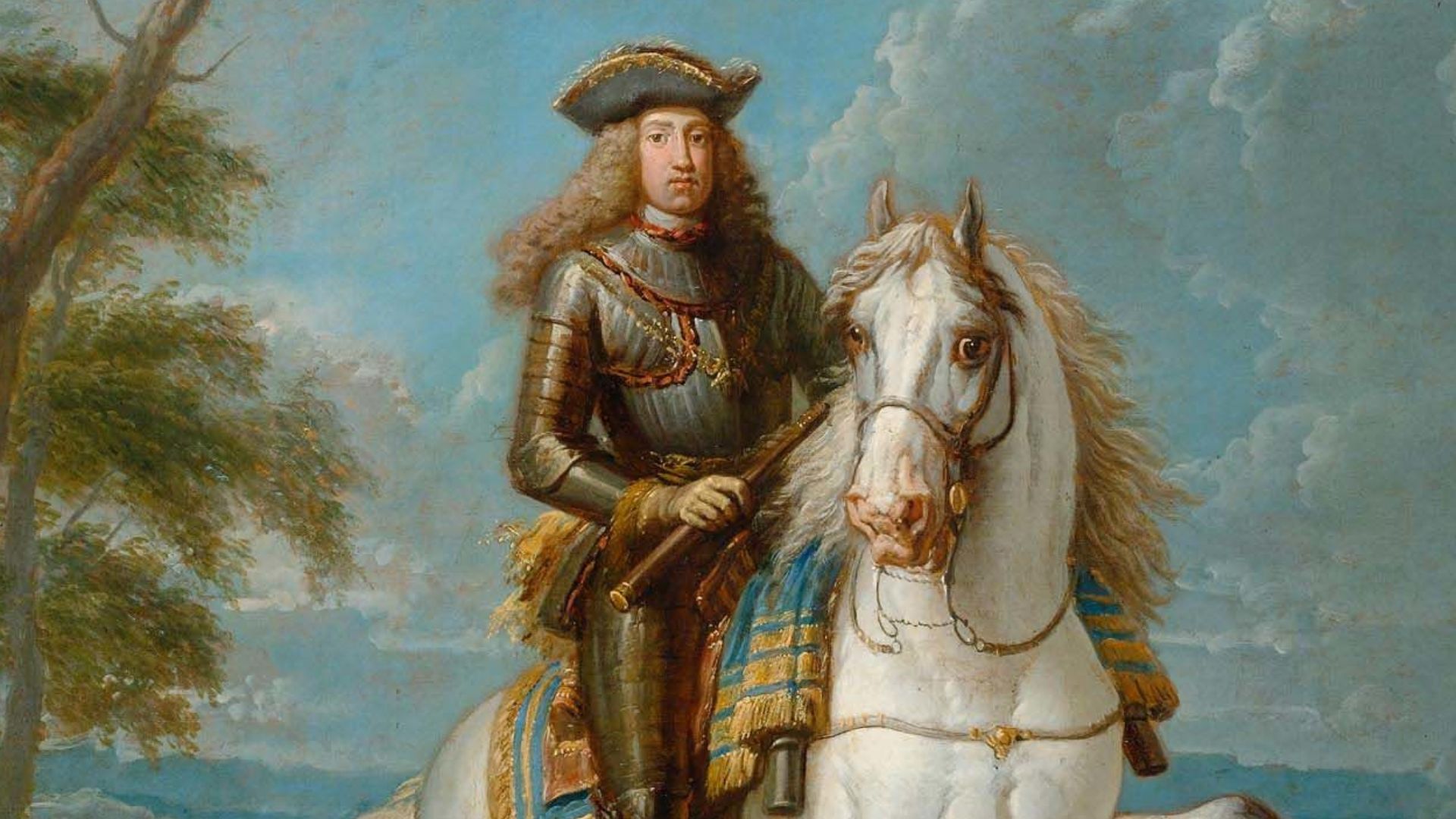
Charles VI significantly expanded the Habsburg monarchy during his reign, especially following the success of the Austro-Turkish conflict of 1716-1718. The Austrian victory saw the monarchy add the region of Banat to their territory in Hungary, as well as establishing direct Austrian rule over Serbia and Oltenia, all the way down the lower Danube. Even in compromises, Charles often came out on top.
 Pieter van Bloemen, Wikimedia Commons
29. He Made A Good Trade
After the dispute with Turkey came the conflict of the Quadruple Alliance from 1718 to 1720. The Austrian victory in this conflict saw the establishment of the Treaty of the Hague, which resulted in Charles swapping Sardinia to the Duke of Savoy in exchange for the large (though defensively challenging) island of Sicily. Indeed, Charles made a lot of gains, but they presaged a significant loss.
 Mario.scotti.ok, Wikimedia Commons
30. His Support Crumbled
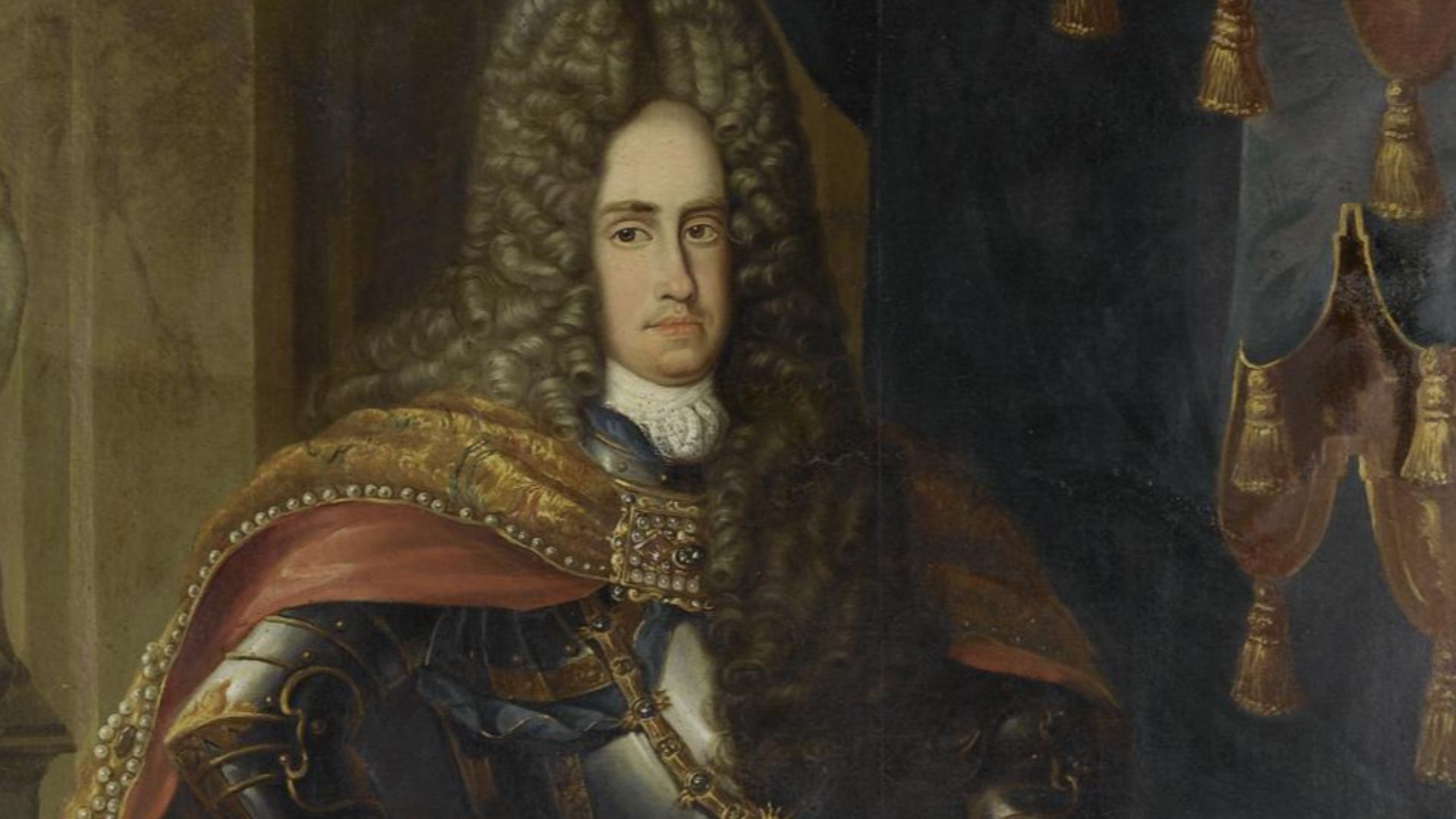
Despite his success in shoring up European support for his daughter’s inheritance, Charles’ sanction did not hold everywhere. In total, five European monarchies eventually reneged on the agreement: France, Spain, Prussia, and the two monarchies into which his nieces had married, Bavaria and Saxony-Poland. There were varying reasons for these breakdowns, and some of them shook Europe to its core.
 Jakob Michel, Wikimedia Commons
31. His Allies Turned
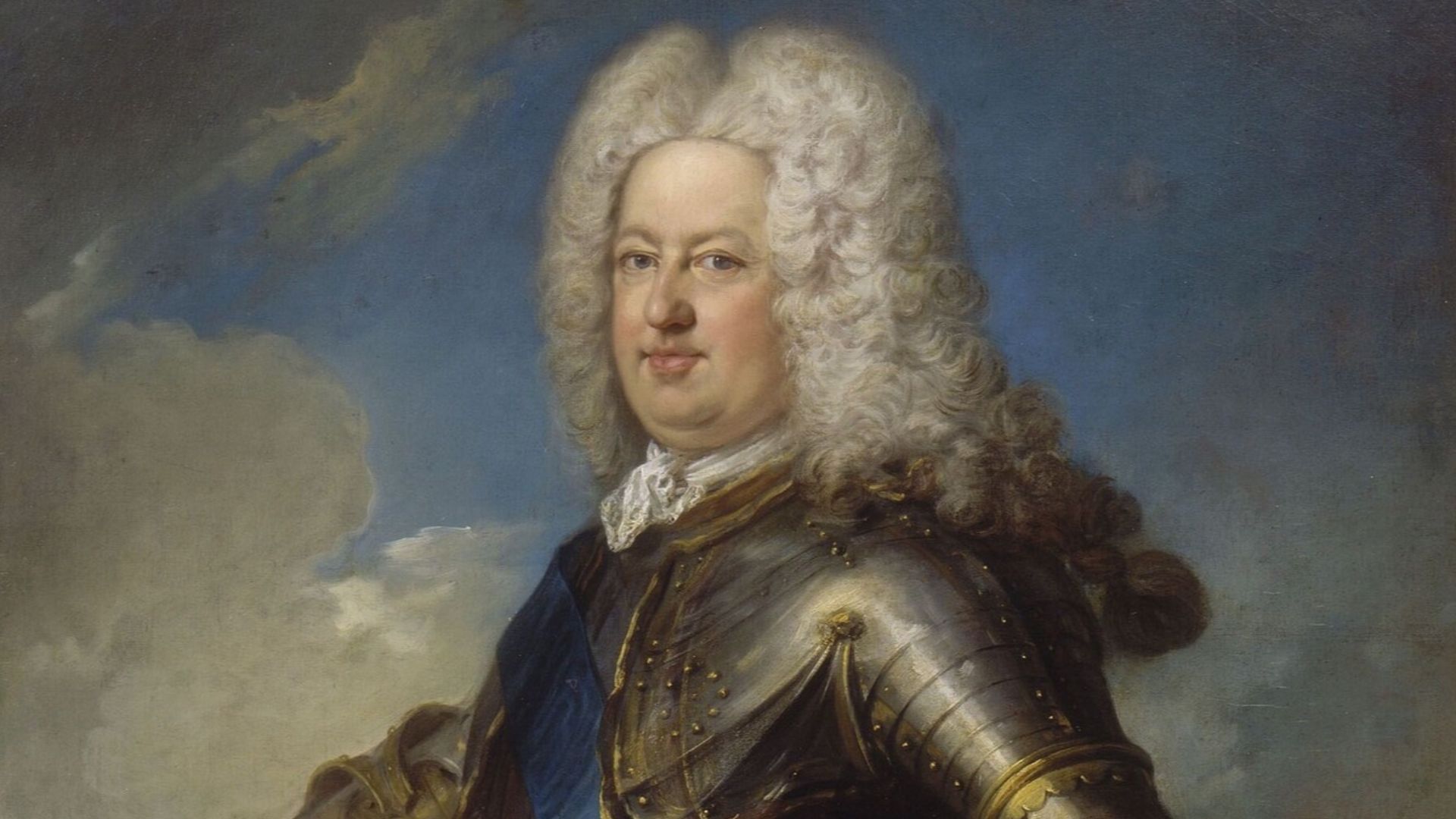
Following the Treaty of the Hague, Europe enjoyed a period of relative peace. This all shattered in 1733, however, with the outbreak of conflict over the Polish Succession. In the dispute over the throne, Charles threw Austria’s support behind Stanisław Leszczyński.
France took the opposite side, supporting Augustus of Saxony. This proxy conflict between the two monarchies caused France to renege on their previous adherence to Charles’ sanction. Fearing the increasing loss of allies, the Emperor had to bring his daughter into the game.
 Jean-Baptiste van Loo, Wikimedia Commons
32. He Offered His Offspring
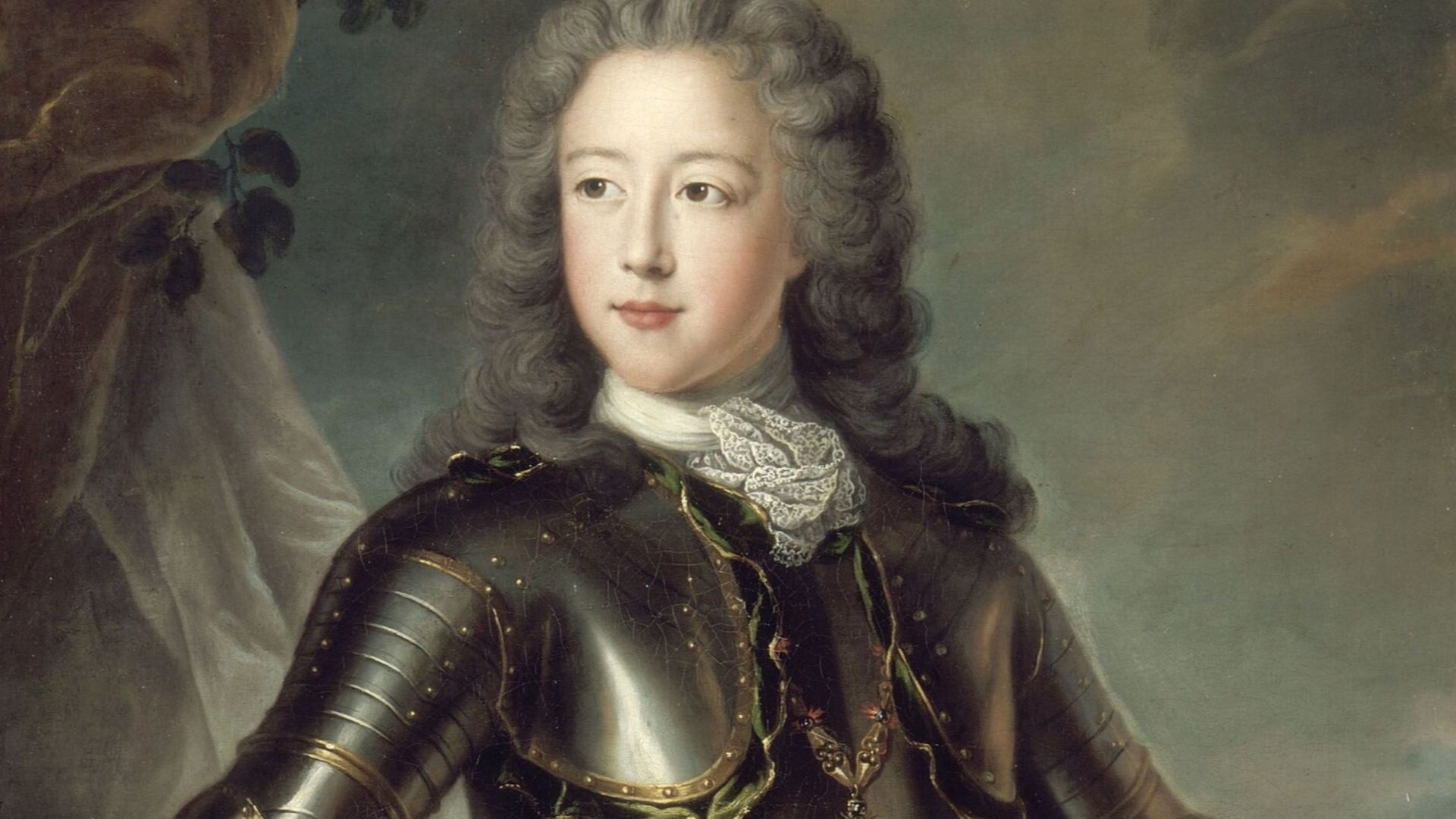
From her early childhood, Charles considered the potential marriage arrangement for his eldest daughter and heir, Maria Theresa. He first betrothed her to Léopold Clément of Lorraine, but the young man perished unexpectedly of smallpox. In the end, the Emperor settled on Léopold’s younger brother, Francis Stephen. Picking a suitable man was not something Charles limited to just his daughter.
 Pierre Gobert / Formerly attributed to Pierre Mignard I, Wikimedia Commons
33. He Slept Around
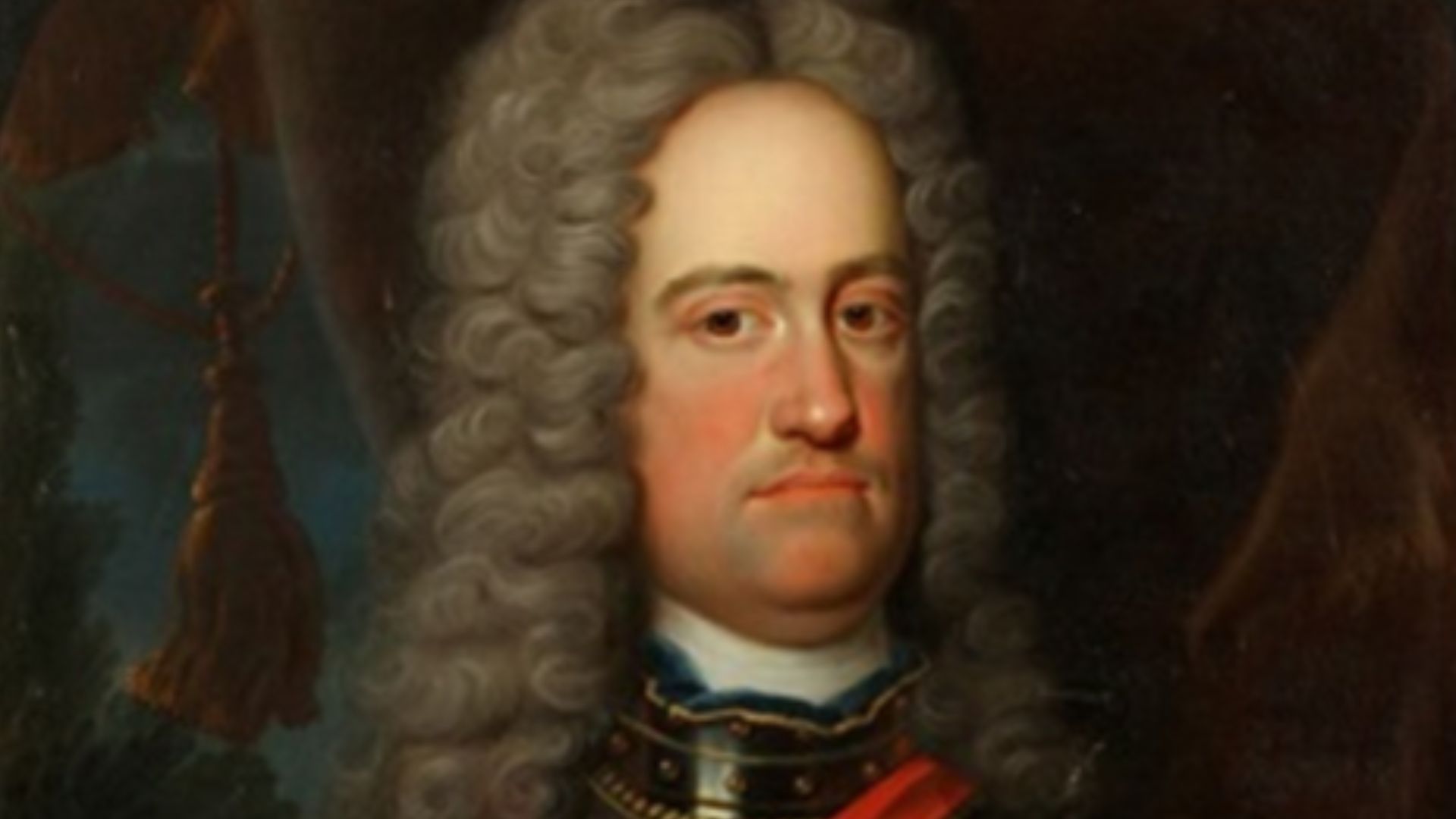
Over the course of his life, Emperor Charles VI had numerous sexual encounters with other men at court. Among these included his Master of Horse, a German/Czech Prince of the House of Schwarzenberg, and a hunter’s boy. He favored one man above all others, however.
 School of Hyacinthe Rigaud, Wikimedia Commons
34. He Was In Love
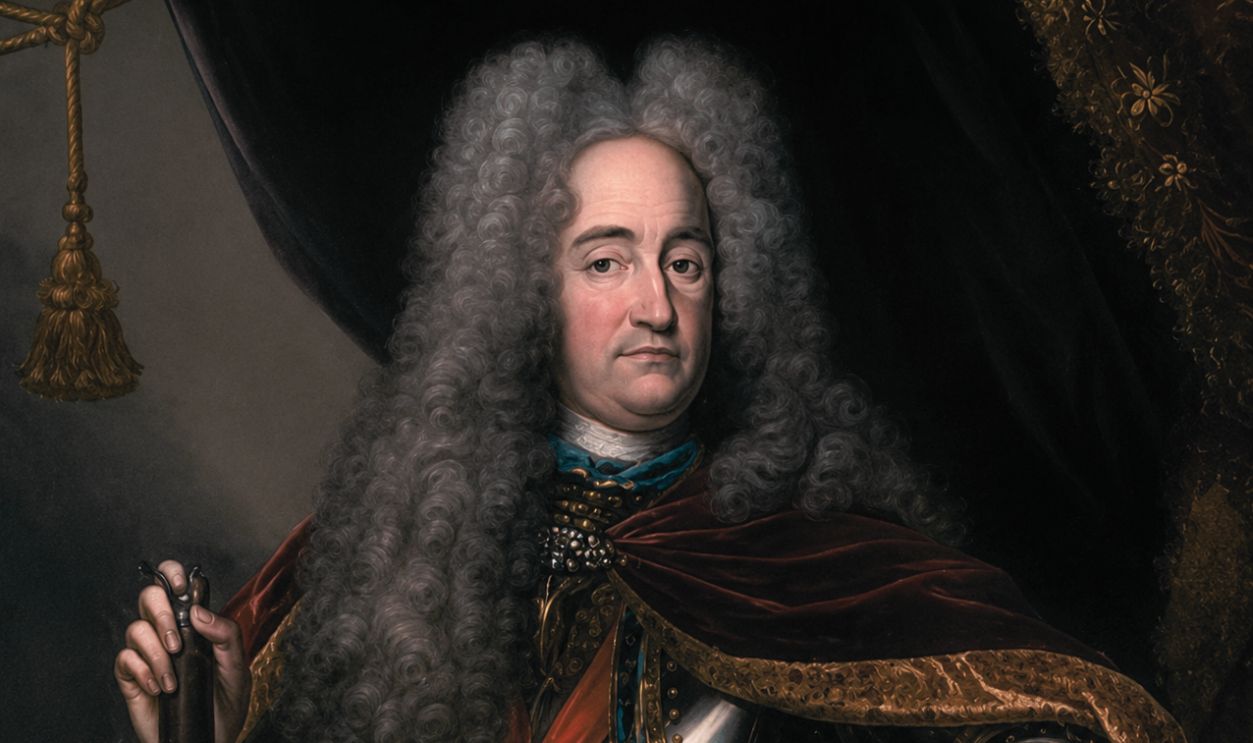
The love of Charles’ life was, reportedly, Michael Joseph, the Count of Althann. Althann was a groom of the bedchamber at court, and the Emperor gushed that the Count, whom he regularly slept with, was “my only heart, my comfort [...] my soul mate”. The two enjoyed one another’s company for 19 years until Althann’s untimely demise in 1722, which completely devastated the Emperor. He likely found comfort in his faith.
 Manner of Martin van Meytens, Wikimedia Commons, Enhanced
35. He Was Pious
Charles VI was a devout Catholic his entire life, and he sought to rebuild the religion in Europe following the Reformation. Following the 1718 Treaty of Passarowitz, which saw regions liberated from the Ottoman Empire and incorporated into Habsburg territory, Charles supported the reestablishment of Catholic ecclesiastical structures within these newly conquered lands. He was less tolerant of other faiths, however.
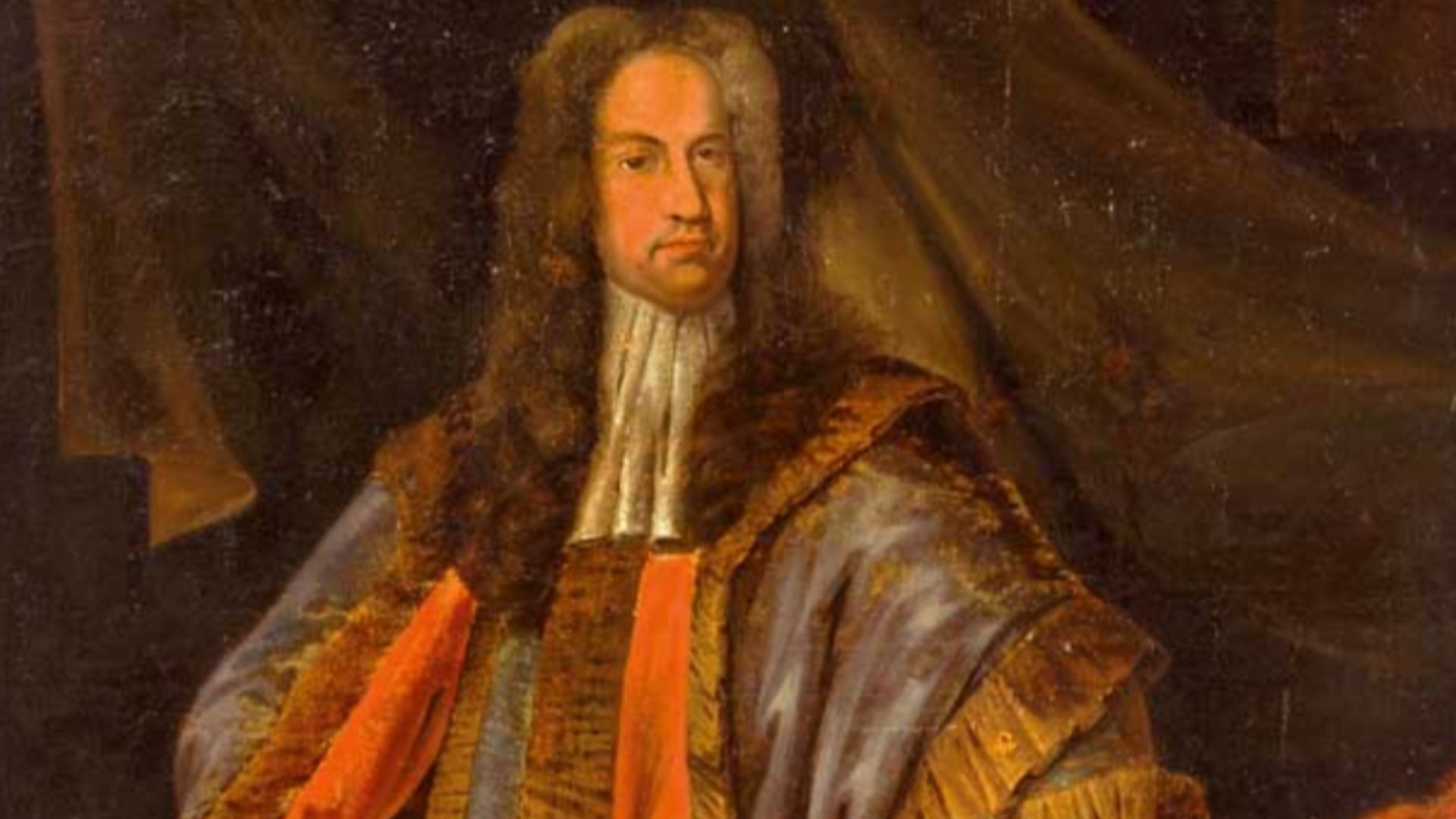 Unidentified painter, Wikimedia Commons
36. He Limited Others
Charles did not have nearly as much enthusiasm for other denominations of Christianity, and he heavily regulated the rights and liberties of other faiths within the empire. He softened somewhat later in life, however, granting old privileges to his Eastern Orthodox subjects. Perhaps he felt he was not long for this world and needed to make amends; he wasn’t far off.
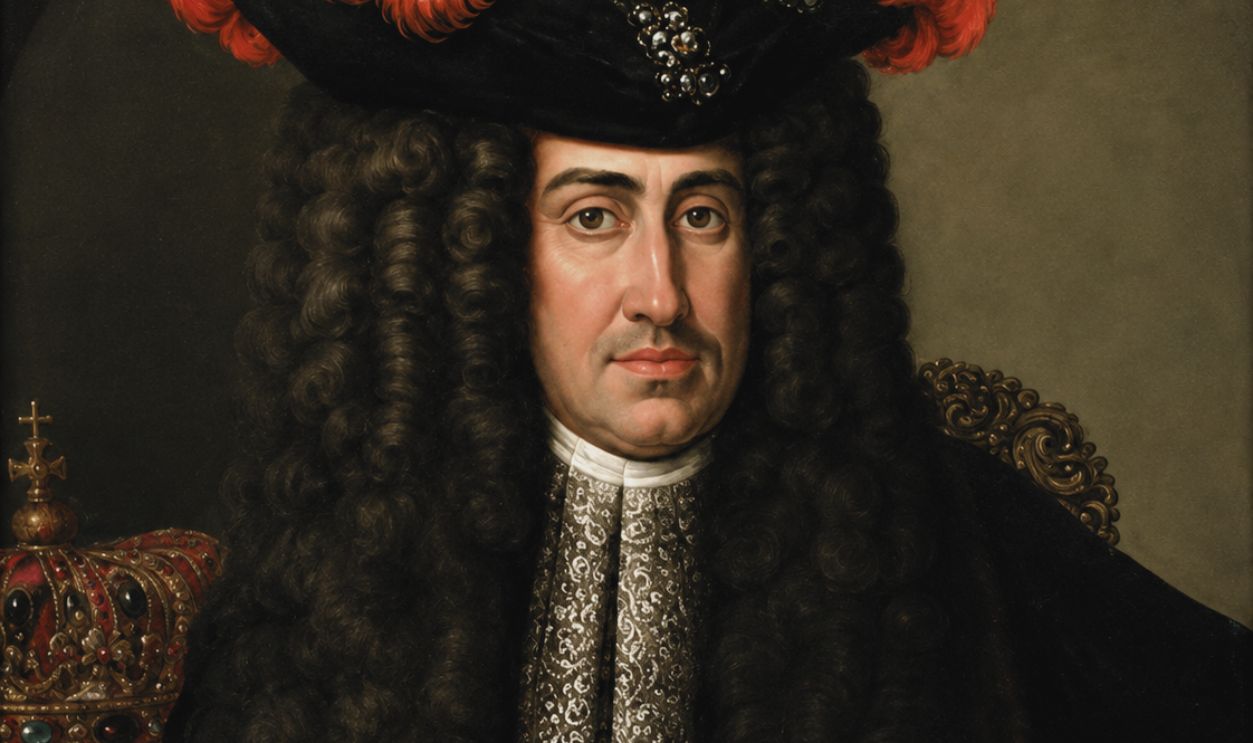 Auerbach, Wikimedia Commons, Enhanced
37. He Went Hunting
Throughout his life, Charles was an enthusiastic hunter and often took long excursions to engage in the pastime. In October 1740, he set out on a hunting trip across the Hungarian border. Conditions were treacherous: that month went on record as “the wettest and coldest October in memory”. Those around Charles tried to warn him.
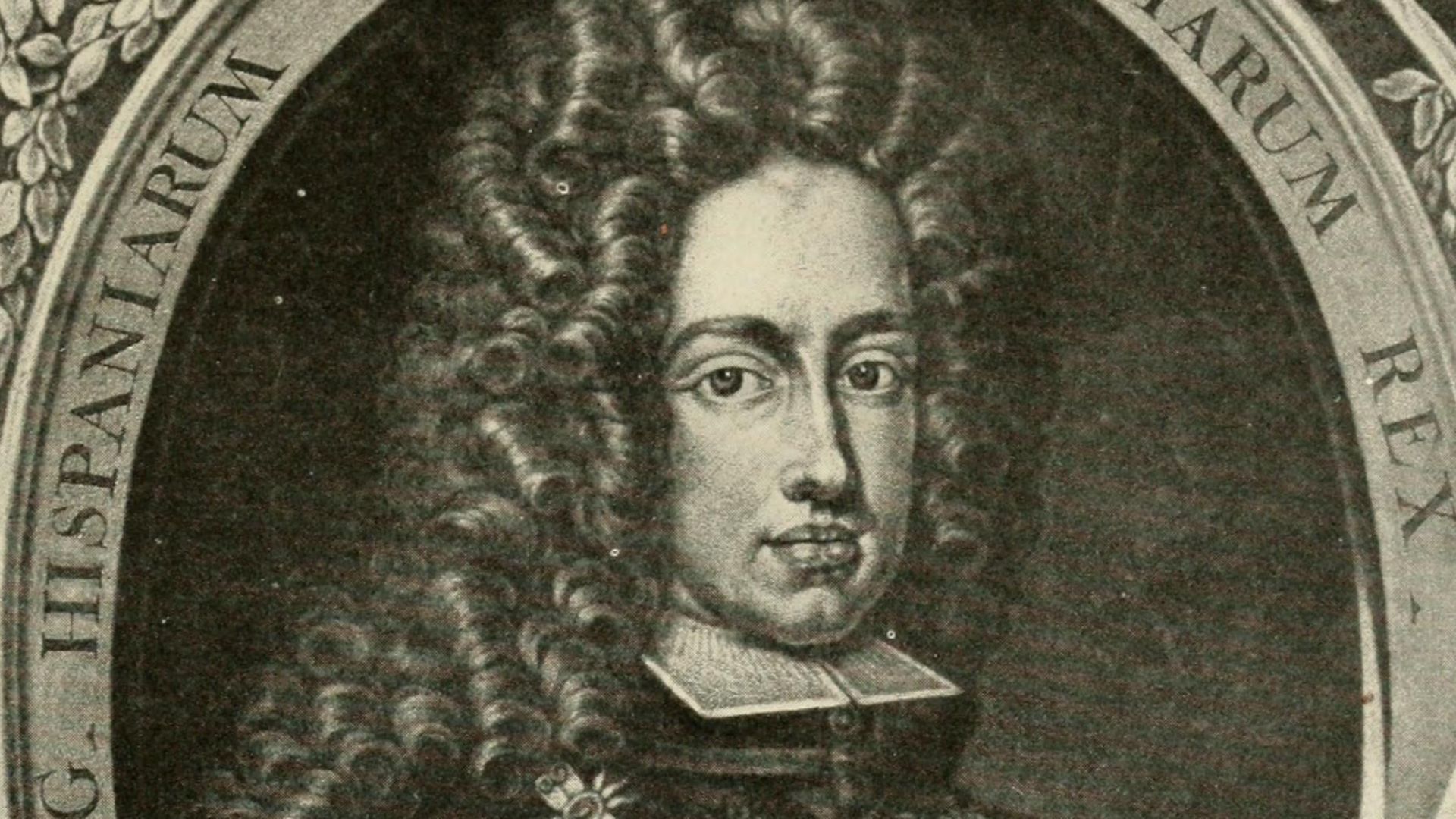 Henderson, Ernest F. (Ernest Flagg), 1861-1928, Wikimedia Commons
38. He Ignored Advice
The day Charles set out on his hunting trip was a cold one, with pouring rain. By now, the Emperor was frailer than he used to be, and his physicians warned him that he risked his health absconding in such conditions. Eager to hunt ducks on the shores of Lake Neusiedl, Charles threw caution to the wind. His decision would prove fatal for the emperor.
 Jakub Halun, Wikimedia Commons, Enhanced
39. He Got Sick
Charles returned from the hunting trip, chilled and soaked to the bone. Staying in his country palace at La Favorita, the Emperor quickly grew feverish and began experiencing colic pain. Charles remained stubborn in the face of illness, however, believing a good meal would fix him up.
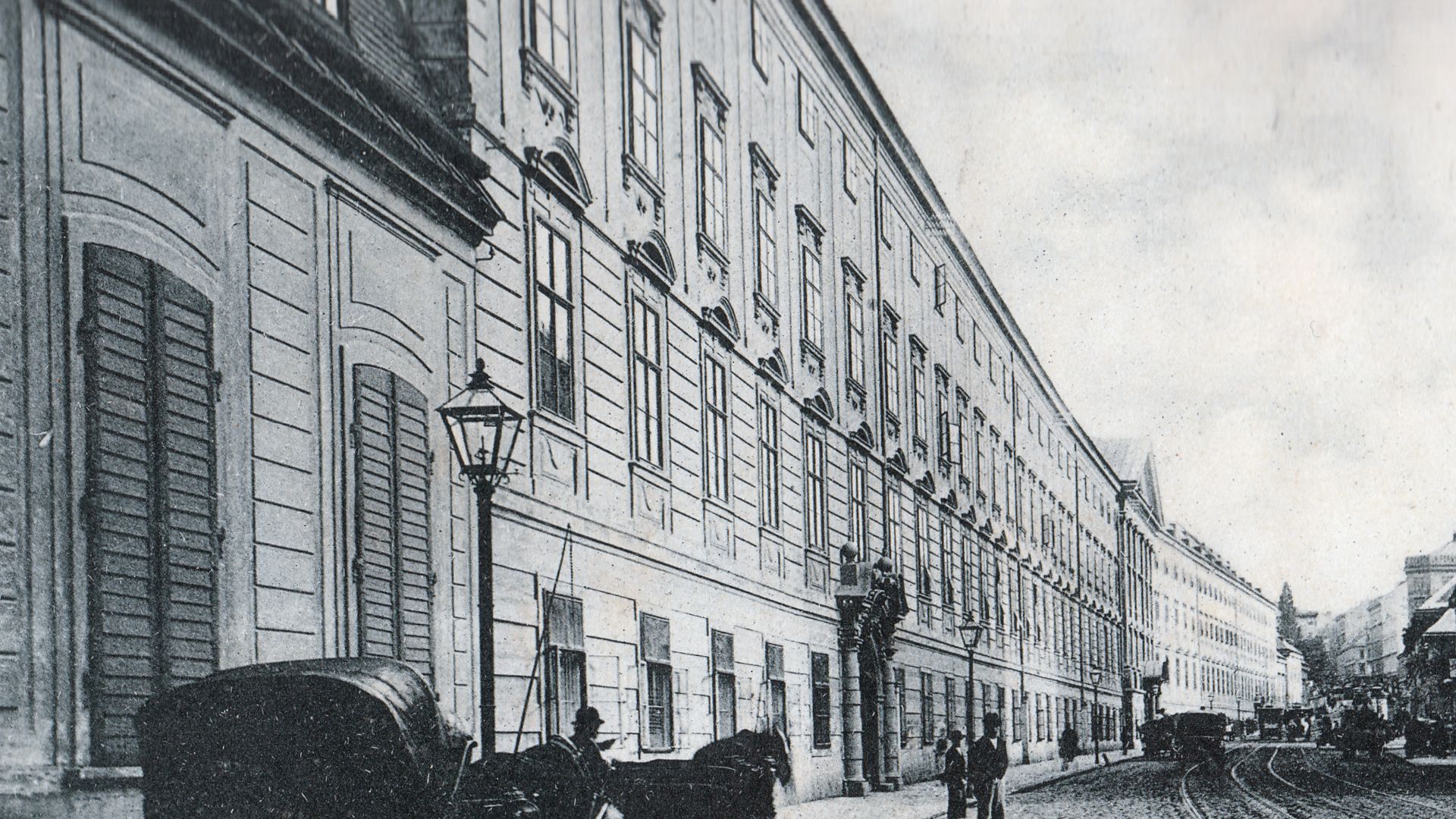 Wolfgang Sauber, Wikimedia Commons
40. He Had His Last Meal
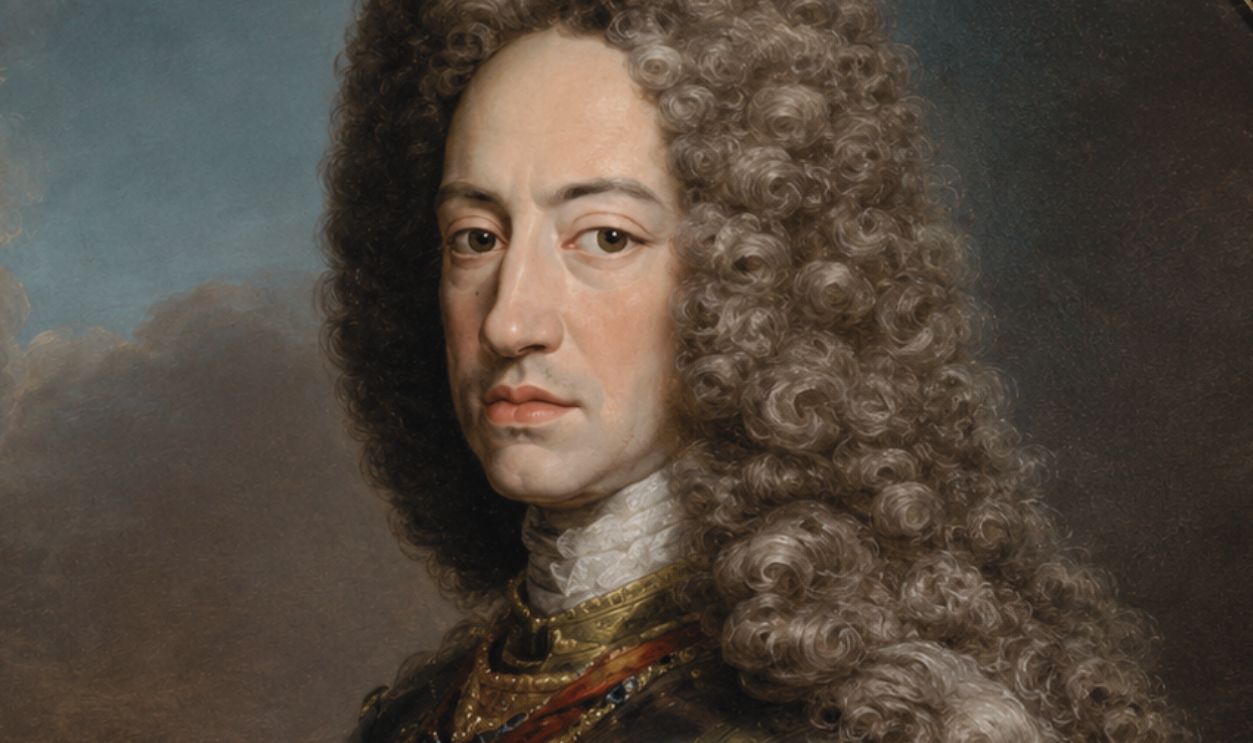
Despite his poor condition, Charles insisted that his cooks prepare him one of his favorite dishes: a Catalan mushroom stew. According to Voltaire’s Memoirs, the chefs unintentionally prepared the meal with poisonous mushrooms. Whether true or not, Charles soon found out how they tasted coming back up.
 Unidentified painter, Wikimedia Commons, Enhanced
41. He Purged
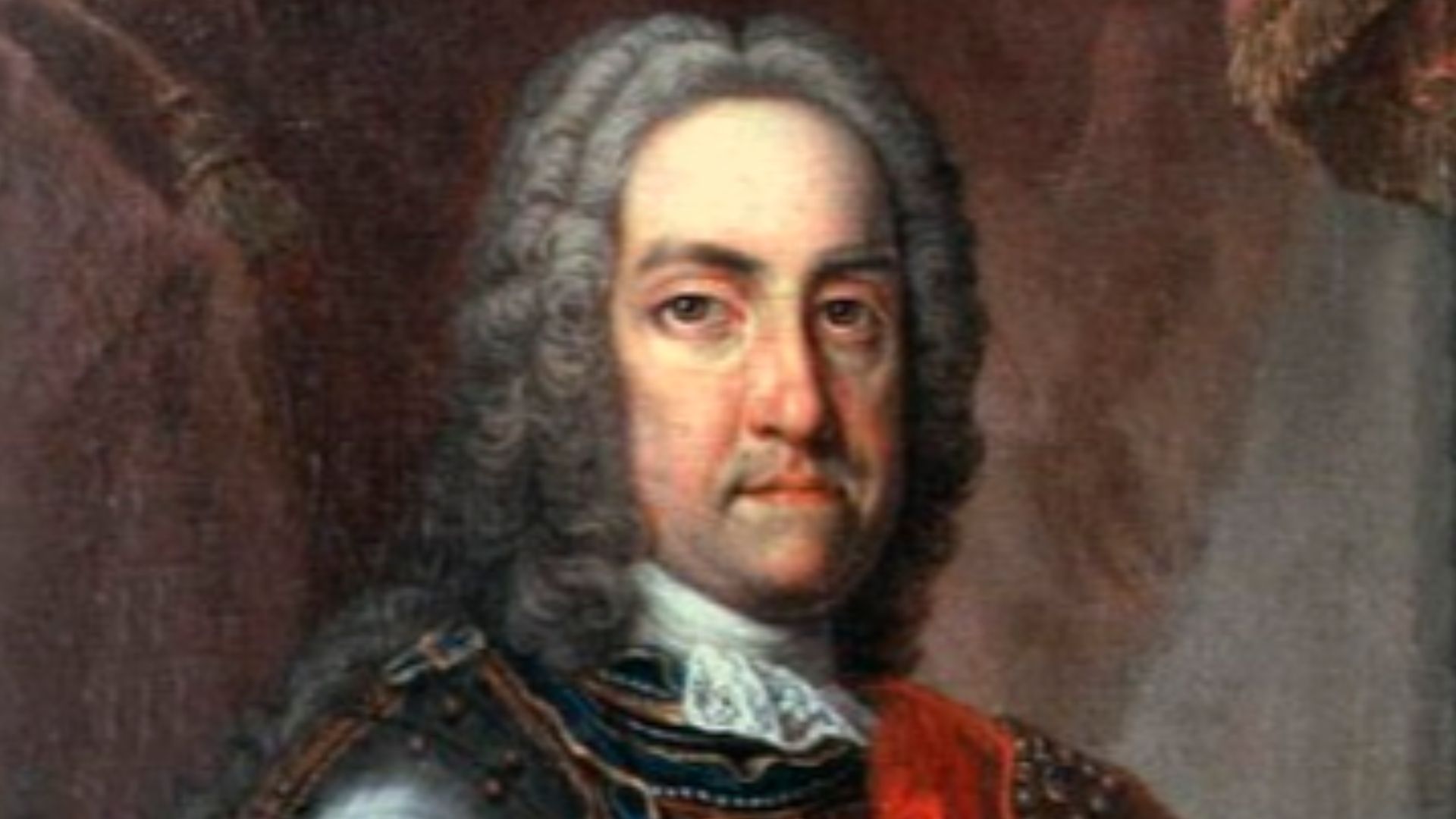
Whether from the meal, the fever, or a lethal combination of both, Charles was in for a rough evening. His illness worsened significantly, and he spent the entire night between October 10 and 11 vomiting, with little relief. To make matters worse, his attendants employed the best medical practice of the time—which was not a good thing.
 Jean-Étienne Liotard, Wikimedia Commons
42. His Doctors May Have Hurt Him
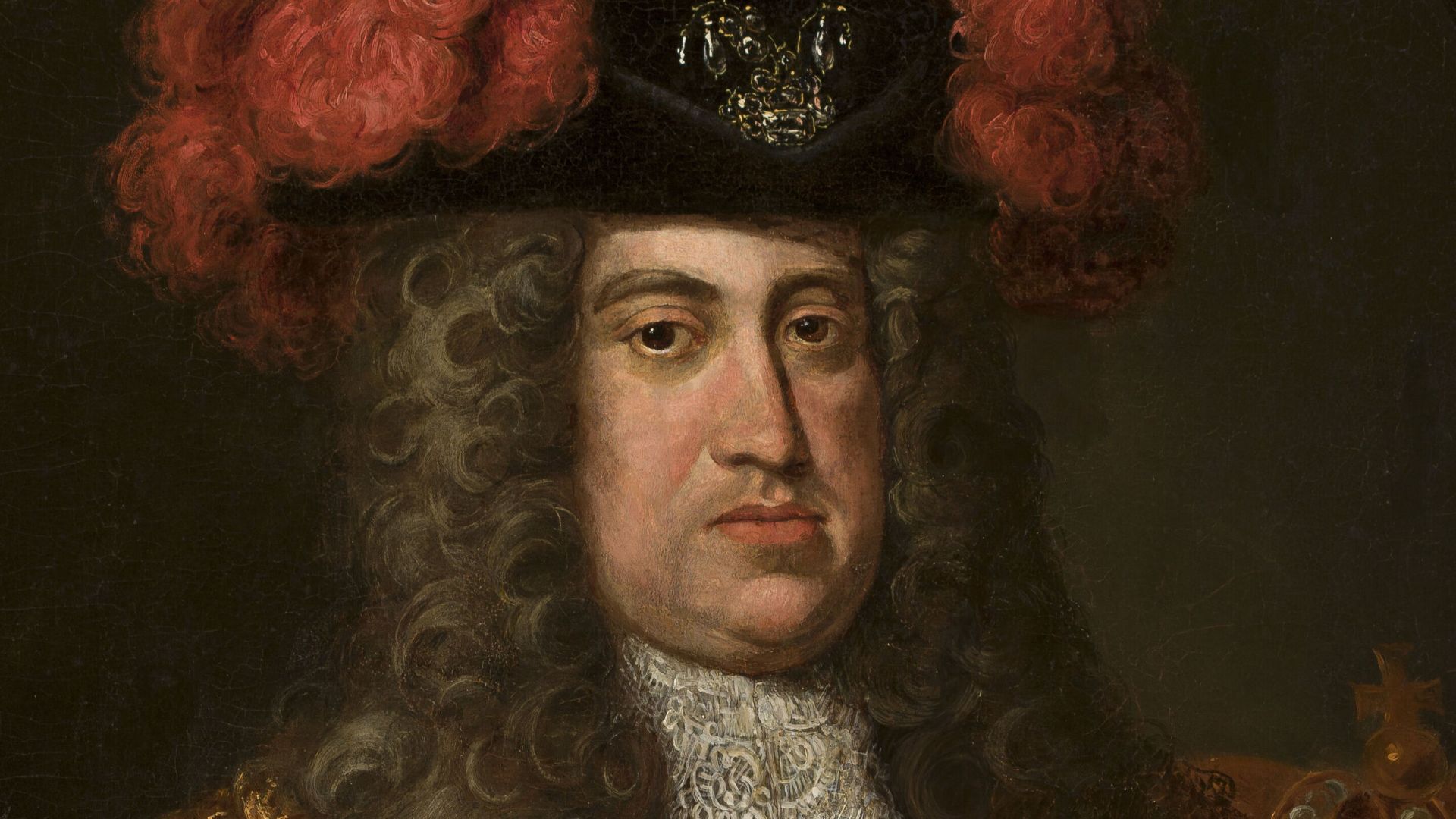
In a grimly amusing sign of just how little medical practitioners knew about medical practice at the time, some historians believe Charles’ physicians may have treated him with the deadliest go-to cure of the age: arsenic. The dangerous substance was used to cure everything from fevers to stomach aches and many of Charles’ symptoms fit the bill for arsenic poisoning—including the absence of signs of liver failure, which is common with mushroom poisoning.
 Jan Kupecký, Wikimedia Commons
43. He Got Moved
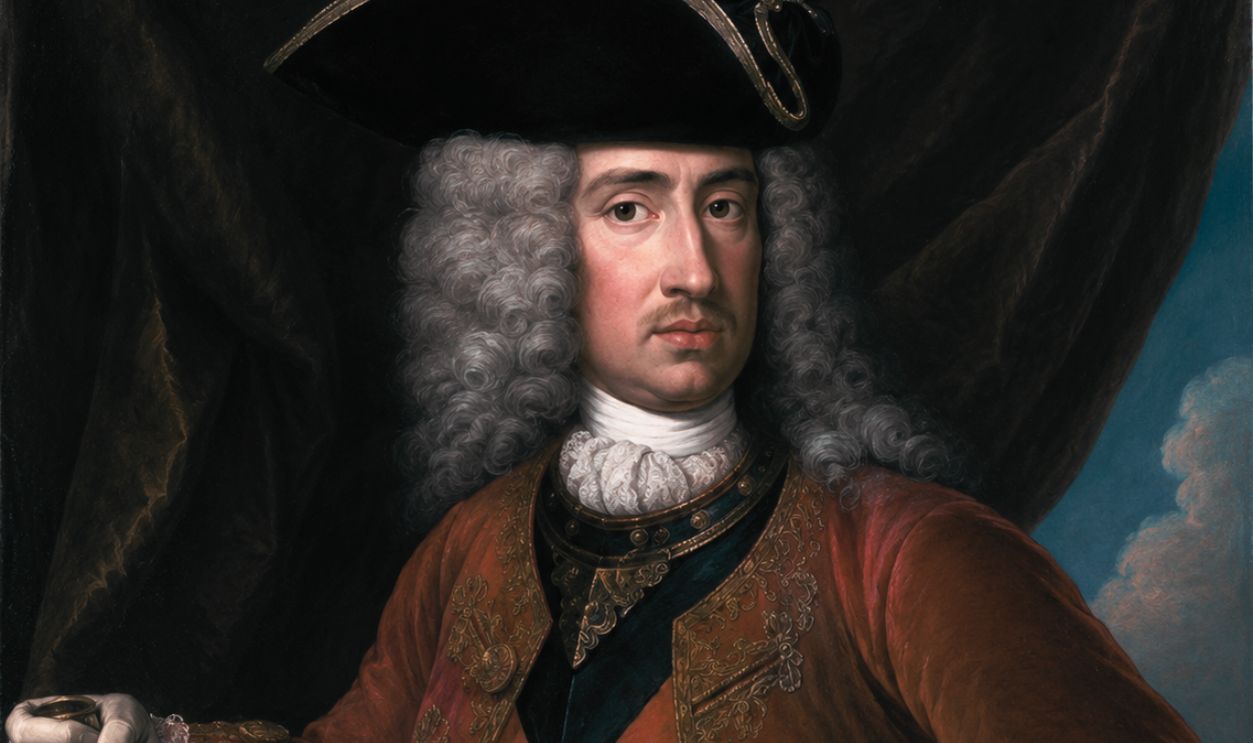
Whether they used arsenic or not, Charles attendants found their medicinal powers limited this deep into the Hungarian boonies. By the following morning, things did not look good for Charles. His attendants knew they needed better facilities with which to ensure the Emperor received the best treatment. They made arrangements to transport Charles to Vienna in a padded carriage. It was a long, slow journey, and it was all for nought in the end.
 Attributed to Christian Seybold, Wikimedia Commons, Enhanced
44. He Perished
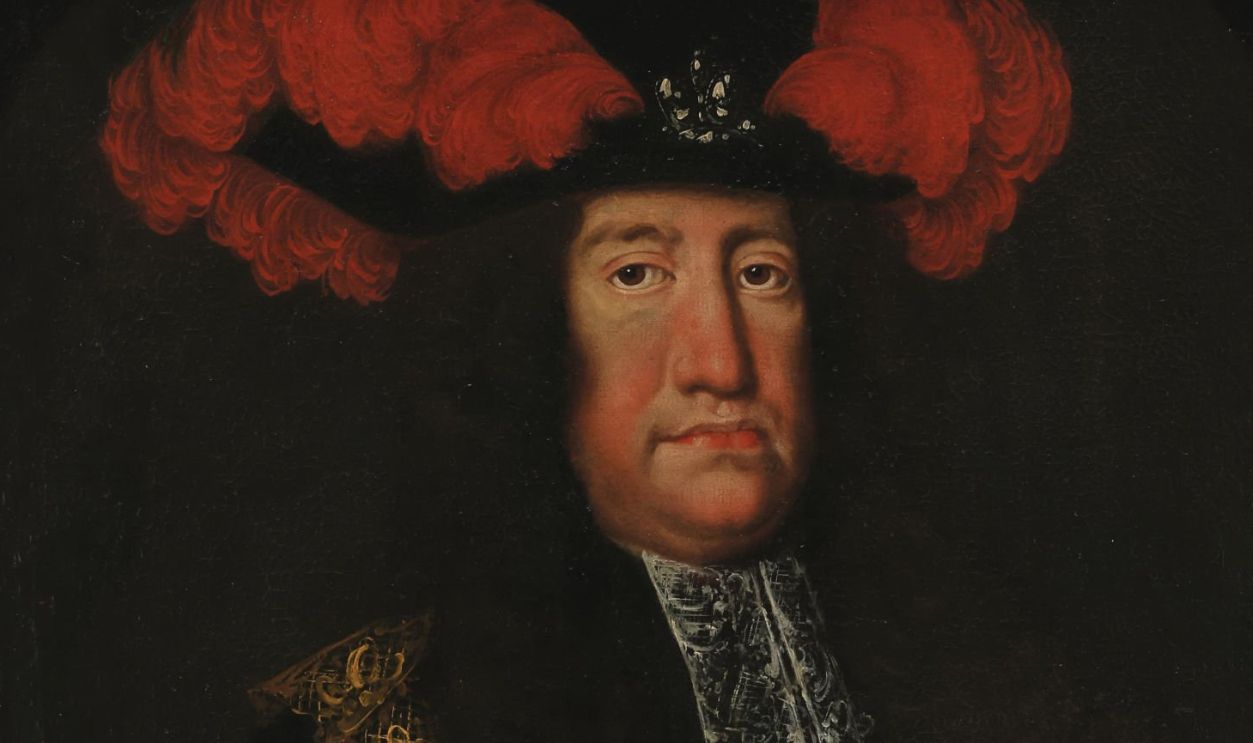
Though he made it back to Vienna in just about one piece, Charles VI succumbed to his illness nine days later, on October 20, 1740. Tragically, he was just 55 years old. Perhaps his untimely demise was avoidable, but contemporaries couldn’t even agree on the cause.
45. His Loss Is Up For Debate
Despite some historians’ belief that Charles’ demise may have been aided by accidental arsenic poisoning, for most others, the two main suspects in Charles’ passing were the cold and the mushrooms. Many simply believed that the sickly emperor spent too long in the harsh, rainy conditions of the Hungarian countryside, and that his immune system was not up to the task.
Still, others blame the potentially poisonous ‘shrooms, with Charles occasionally featured on lists of the fungi’s famous victims. Either way, with the Emperor now deceased, Europe exploded in the face of the shaky condition in which he left his succession.
 Bildagentur-online, Getty Images
46. He Sparked Conflict
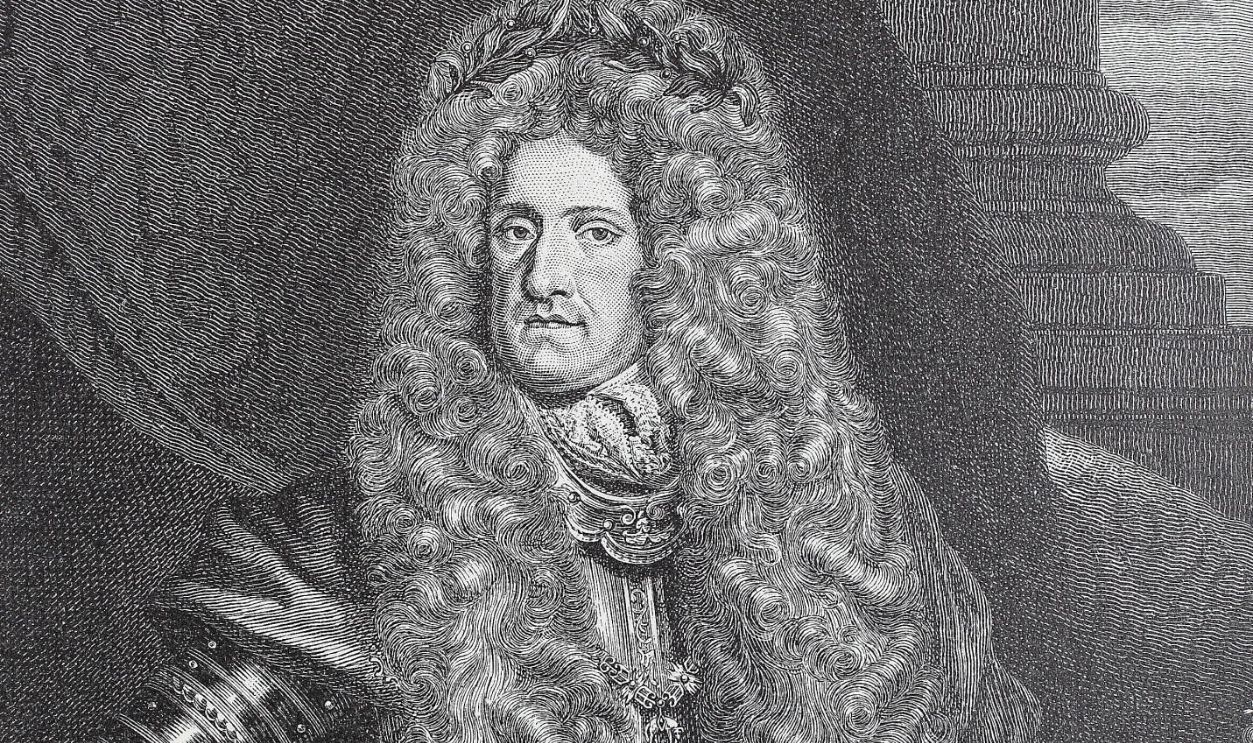
Upon his passing, Charles’ Pragmatic Sanction, the opus of his life, fell into serious contention. An anti-sanction coalition formed in the weeks following the Emperor’s demise, comprising Bavaria, France, Poland, Prussia, Saxony, and Spain, who all reneged on the agreement and began attacking the Austrian frontier, kicking off the costly conflict of the Austrian Succession. Charles had left his daughter a kingdom, and with it, a massive headache.
 Giovanni Maria delle Piane, Wikimedia Commons
47. His Daughter Came Under Siege
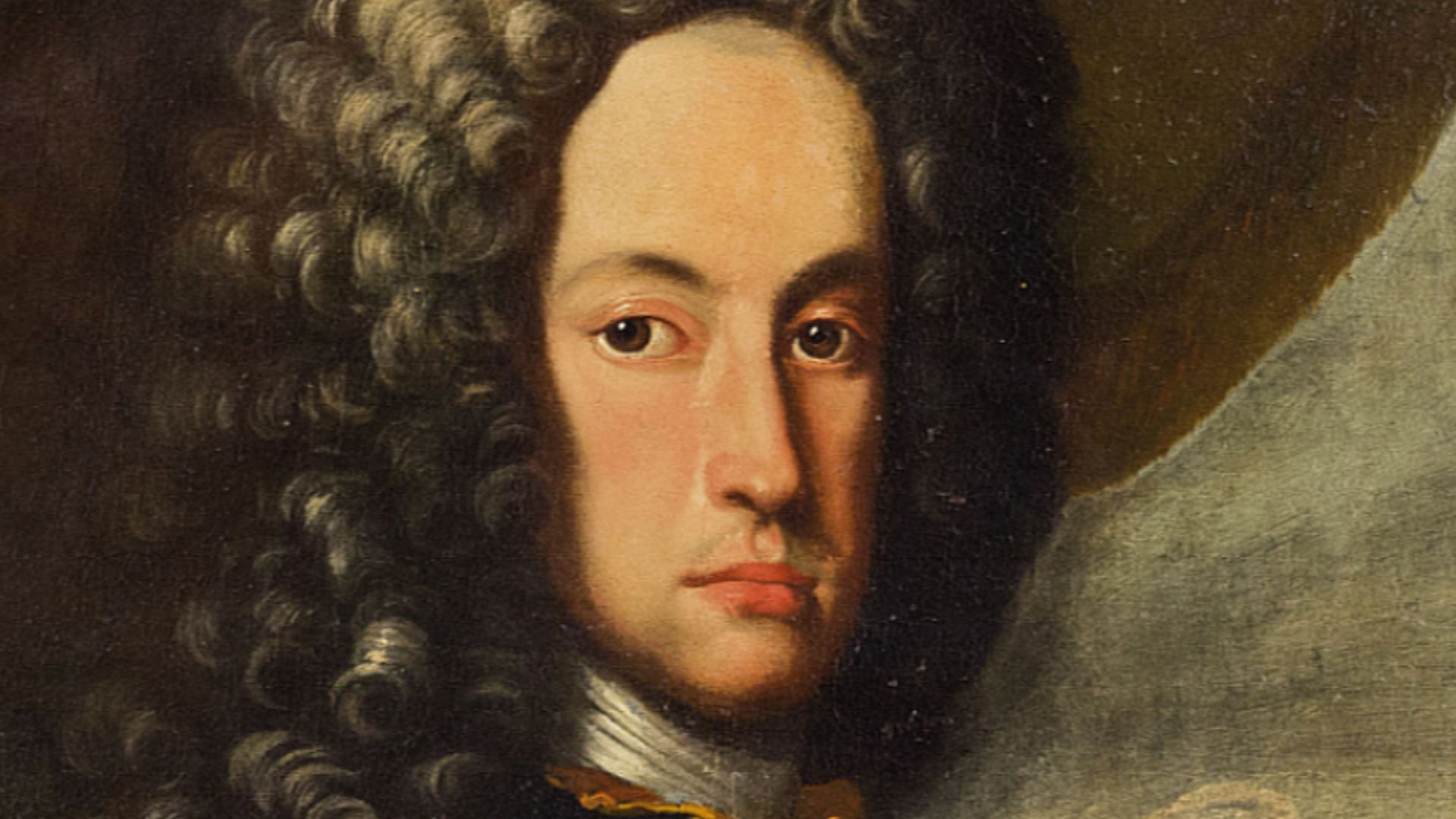
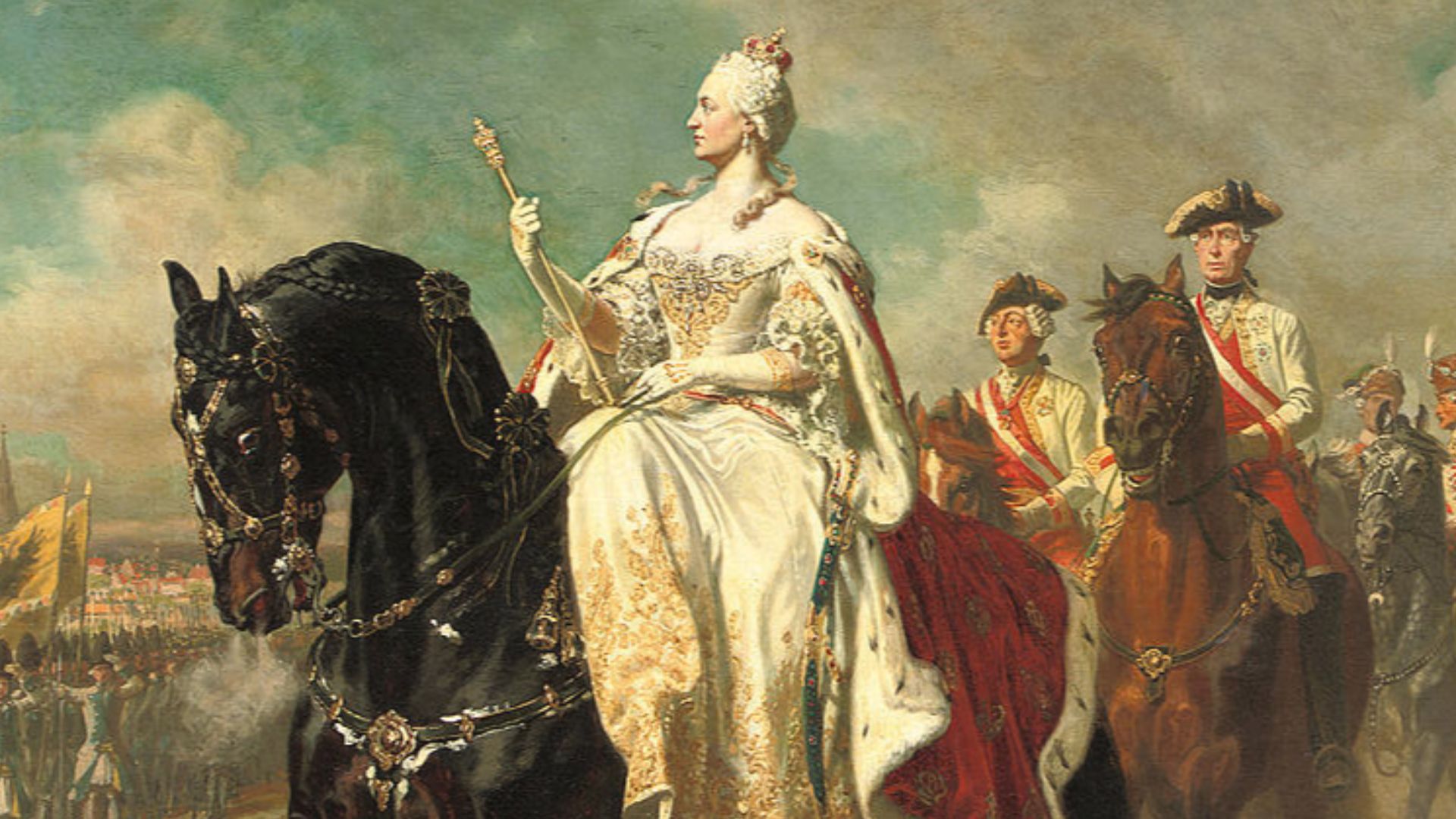
Following her father’s passing, the resulting conflict over her succession plagued Charles’ daughter and heir, Maria Theresa, for the next eight years. Speaking to her capability as a leader, she eventually saved her crown and most of her territory. But it came at great cost, and the Empress had her father to blame for some of it.
 Wilhelm Camphausen, Wikimedia Commons
48. He Left A Mess
The issue of his succession was not the only thing Charles had left unfortified. At the time of his passing, the Emperor left the Habsburg lands saturated in debt, placing Maria Theresa in a difficult position. Indeed, she inherited the Habsburg treasury with only a mere 100,000 florins. And finances were not the only thing she found lacking.
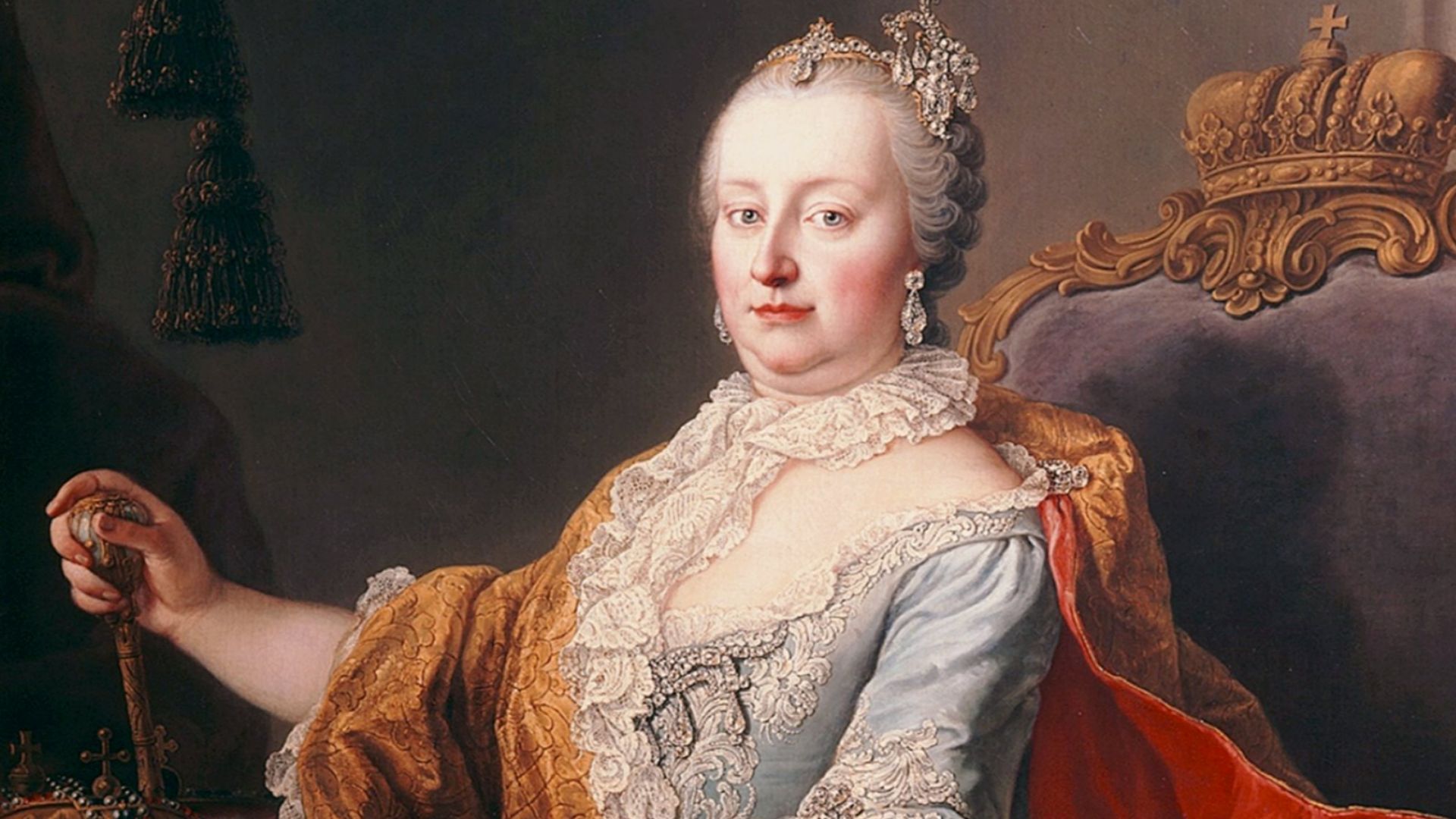 Martin van Meytens, Wikimedia Commons
49. His Army Was Shakey
Charles VI had also left for his daughter an Austrian force in bad shape: the sporadic army remained dotted across the empire, located in small, mostly ineffective barracks. As a result, morale was low among the enlisted men and desertion was rife. It was small wonder that Maria Theresa survived, especially after eight years. Her father’s legacy remained largely untainted, however.
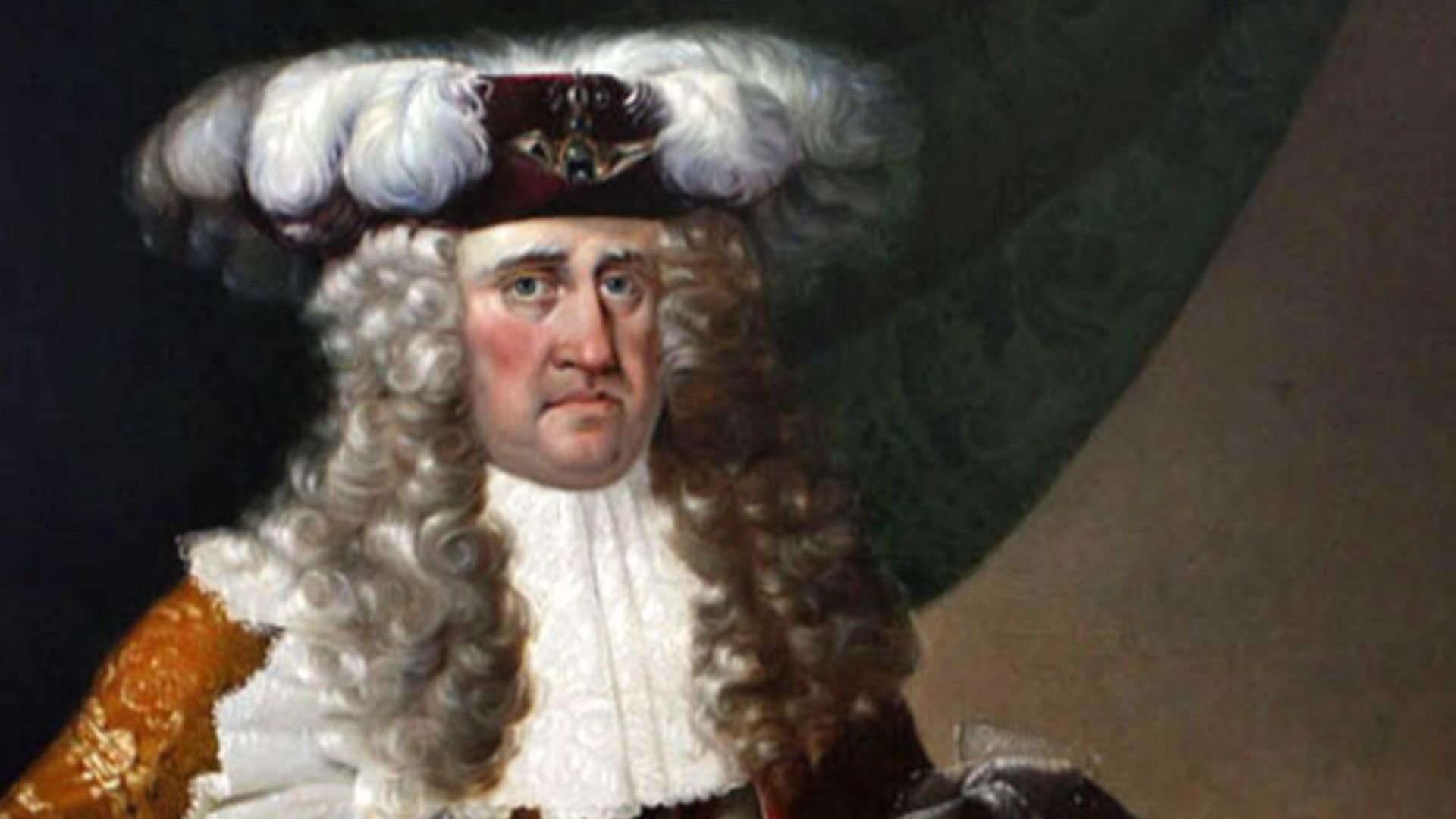 Tobias Grießer, Wikimedia Commons
50. He Made The Money
In the centuries since his demise, Emperor Charles VI has kept a place as a constant motif on many collectors’ coins and medals. As recently as 2006, Austria minted the Göttweig Abbey commemorative coin, which prominently featured Charles’ portrait in the foreground of the coin’s reverse. It shows that, despite the poor condition in which he left the monarchy, the Emperor still holds goodwill with his people’s descendants.
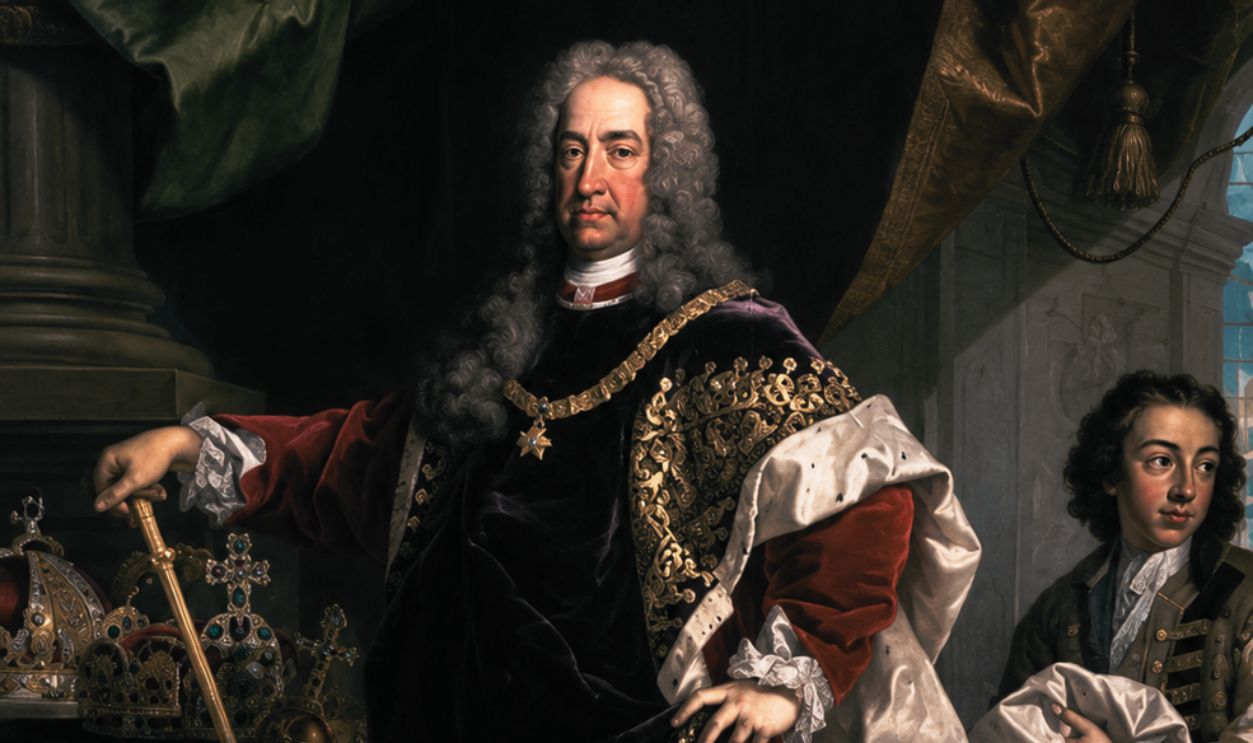 Johann Gottfried Auerbach, Wikimedia Commons
You May Also Like:
Vicious Facts About Maximilian I, Holy Roman Emperor
Secretive Facts About Maria Christina, The Habsburg's Golden Child
Upsetting Facts About Maria Anna Of Spain, The Holy Roman Empress











,_Holy_Roman_Emperor.jpg)