A Ruler Unburdened
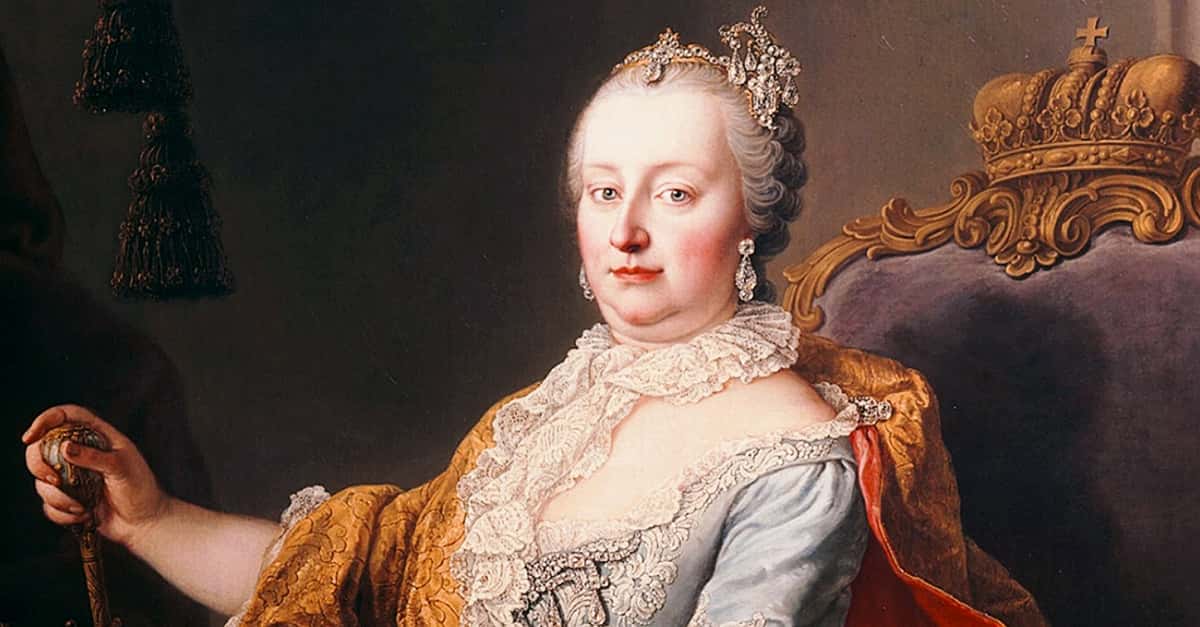
Mara Theresa ruled the Habsburg Empire for 40 years. Her reign began timidly, and she opted to defer to the supposed expertise of the men around her. But it was only when she began to reject the advice of these men, instead trusting her own intuition, that she came into her own as a powerful and capable leader.
Today, she’s hailed as the last great Habsburg monarch—but few remember the dark deeds she committed on her path to greatness.
1. She Was Born Following Tragedy
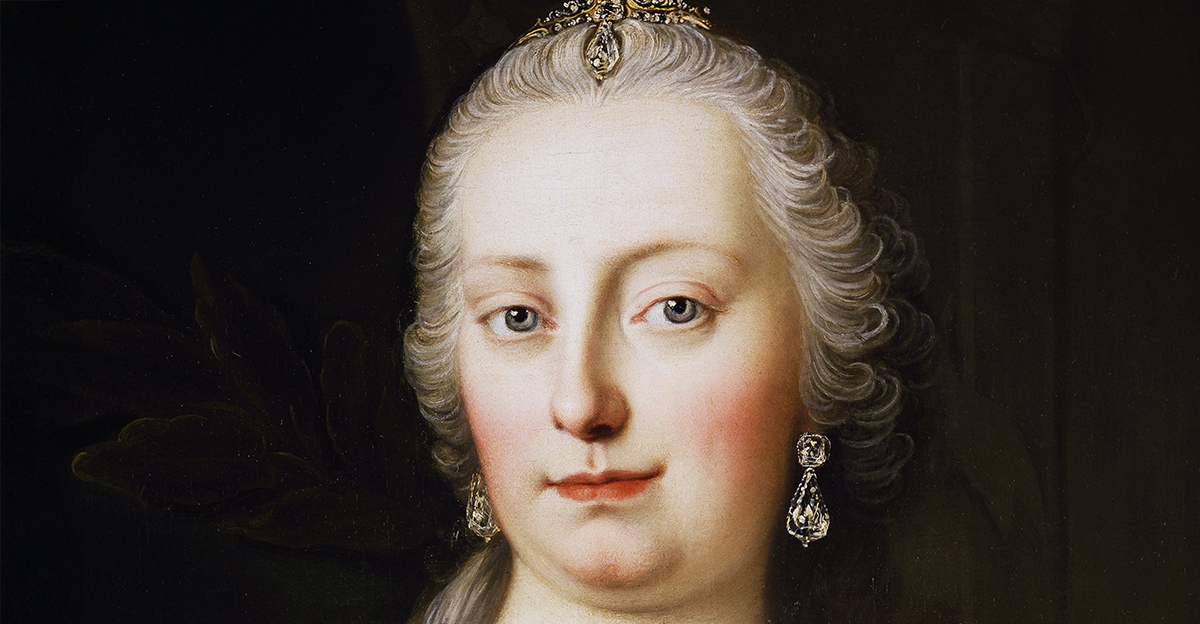
Born on May 13, 1717, Maria Theresa came into the world during a tumultuous time for her parents. Though she was the second child of Holy Roman Emperor Charles VI and Elisabeth Christine, she was their eldest surviving offspring. Her older brother, Archduke Leopold Johann, had passed in infancy only six months previously. Maria had no shortage of royal relatives, however.
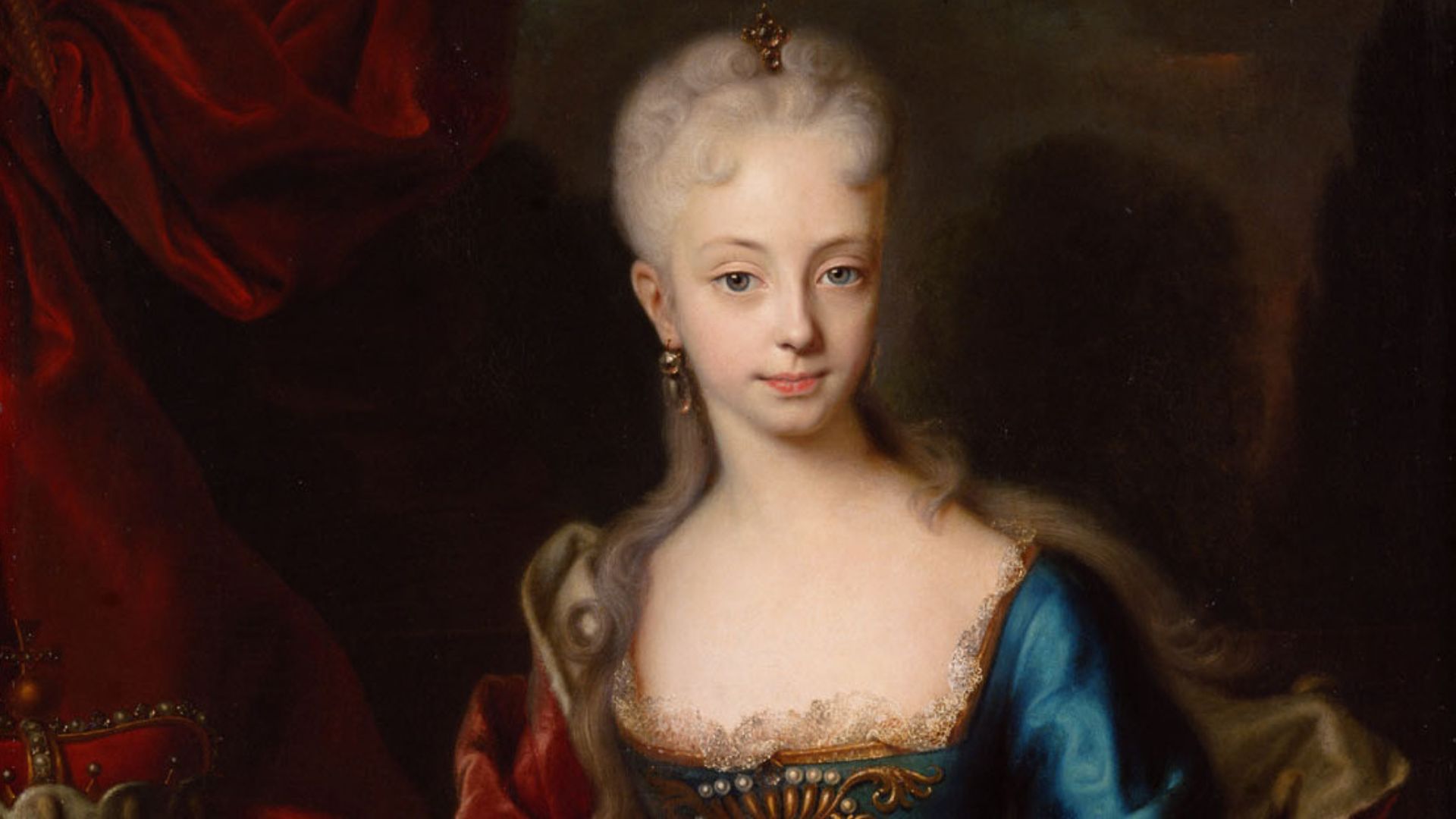 Andreas Møller, Wikimedia Commons
2. She Had Connections
Being a Habsburg, Maria had an endless list of noble European relatives. Among them, she counted a Russian Emperor, a Prussian Queen, and the Queen of Denmark and Norway as cousins, along with a plethora of Dukes and Duchesses from across the continent. A strong bloodline indeed, and the young girl’s physicality showed it.
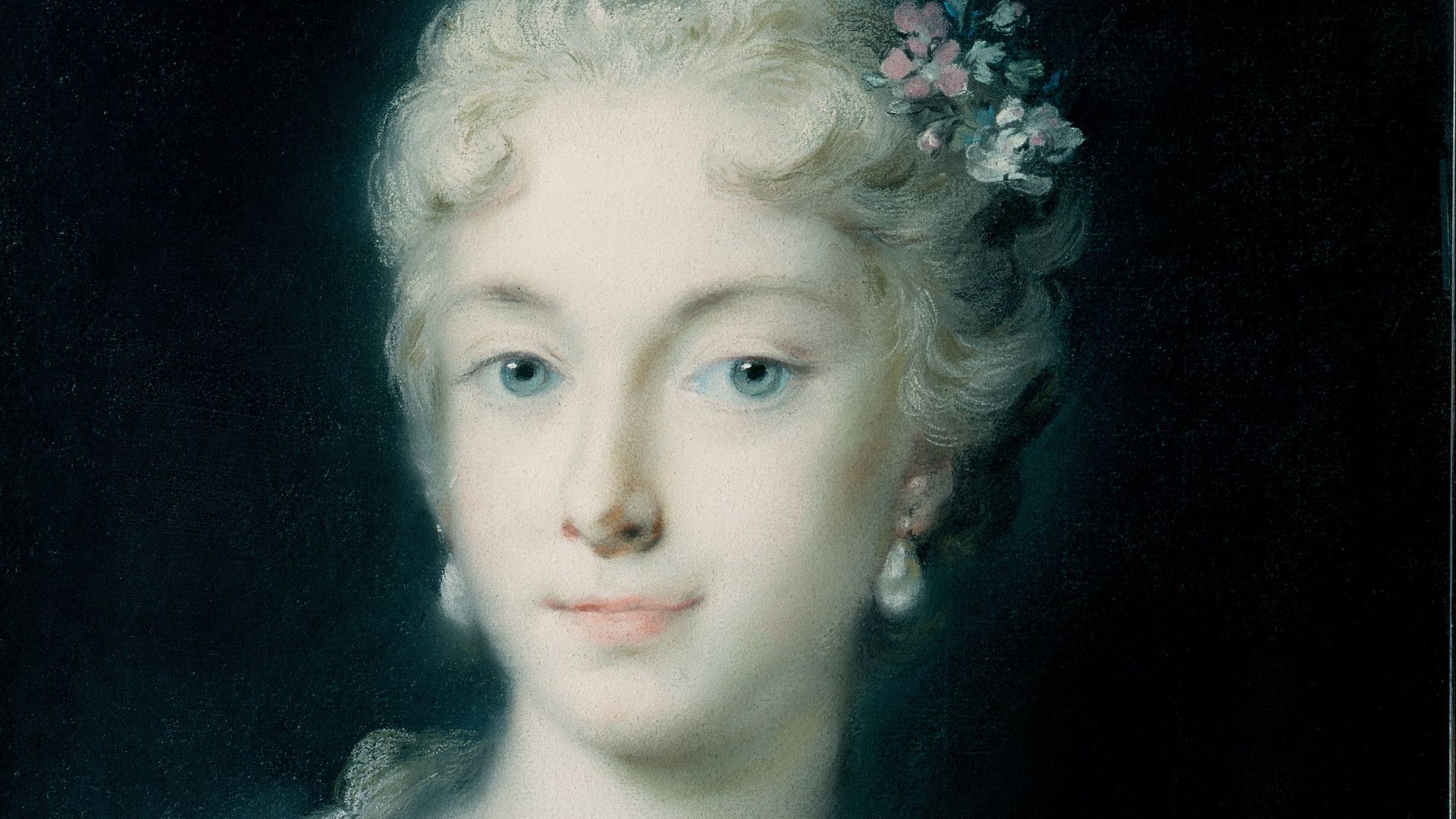 Rosalba Carriera, Wikimedia Commons
3. She Was A Sturdy Child
Maria Theresa bore a striking resemblance to her mother, as did her younger sister, Maria Anna. The elder daughter had large blue eyes, a wide mouth, slightly red-tinged fair hair, and a notably strong body. There was another notable characteristic that separated her from other Habsburgs—and a disturbing family tradition.
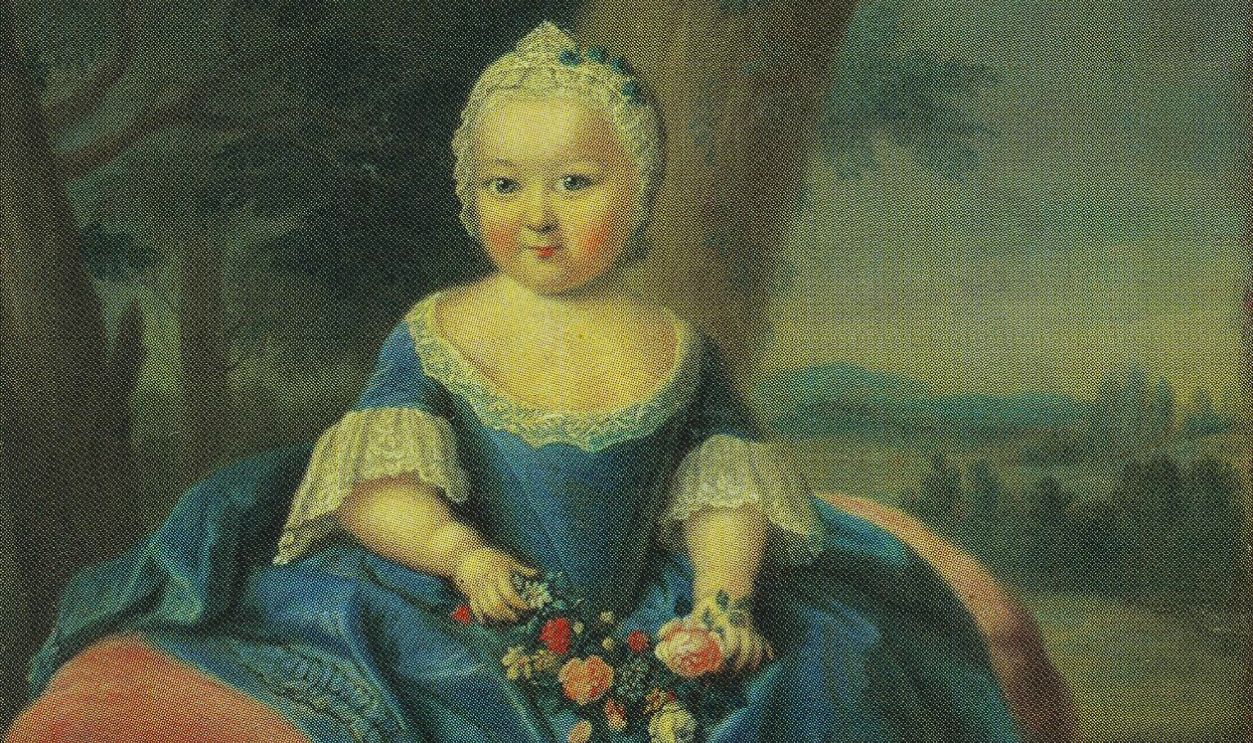 Unidentified painter, Wikimedia Commons
4. Her Parents Were Not Related
Unlike most of the Habsburgs, Maria Theresa was not the product of sibling intimacy. Inbreeding was disturbingly common among the dynasty, but Maria was notable for the fact that neither her parents nor her grandparents were closely related. Perhaps this explained her nature.
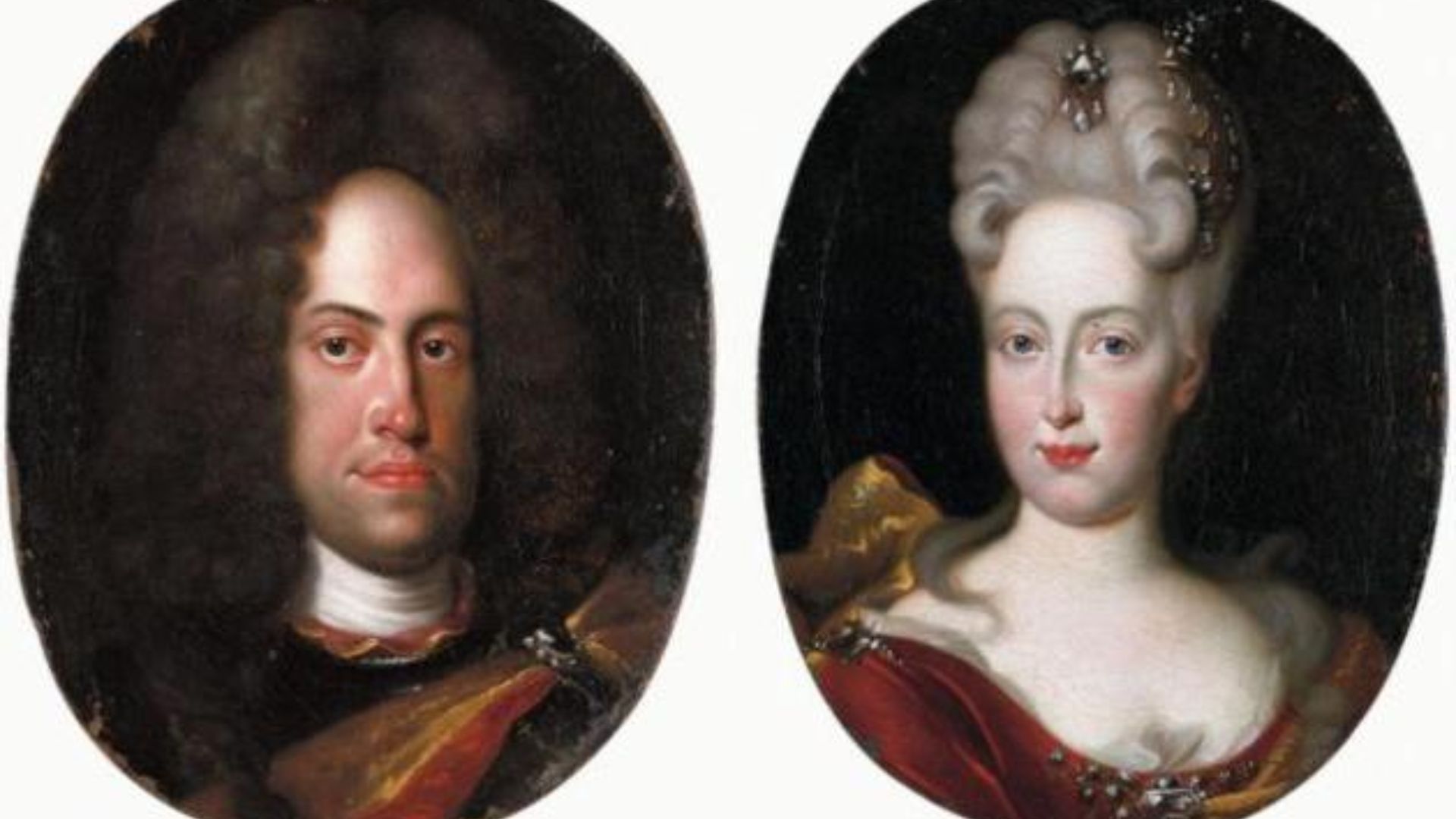 Circle of Jan Kupecký / Attributed to Jan Frans van Douven, Wikimedia Commons
5. She Was Introspective
Maria Theresa was a quiet child, though not lacking in confidence. She had a reserved demeanor and was very serious, but she also took great pleasure in archery and, more than anything else, singing. But circumstances prevented her from pursuing her broader interests.
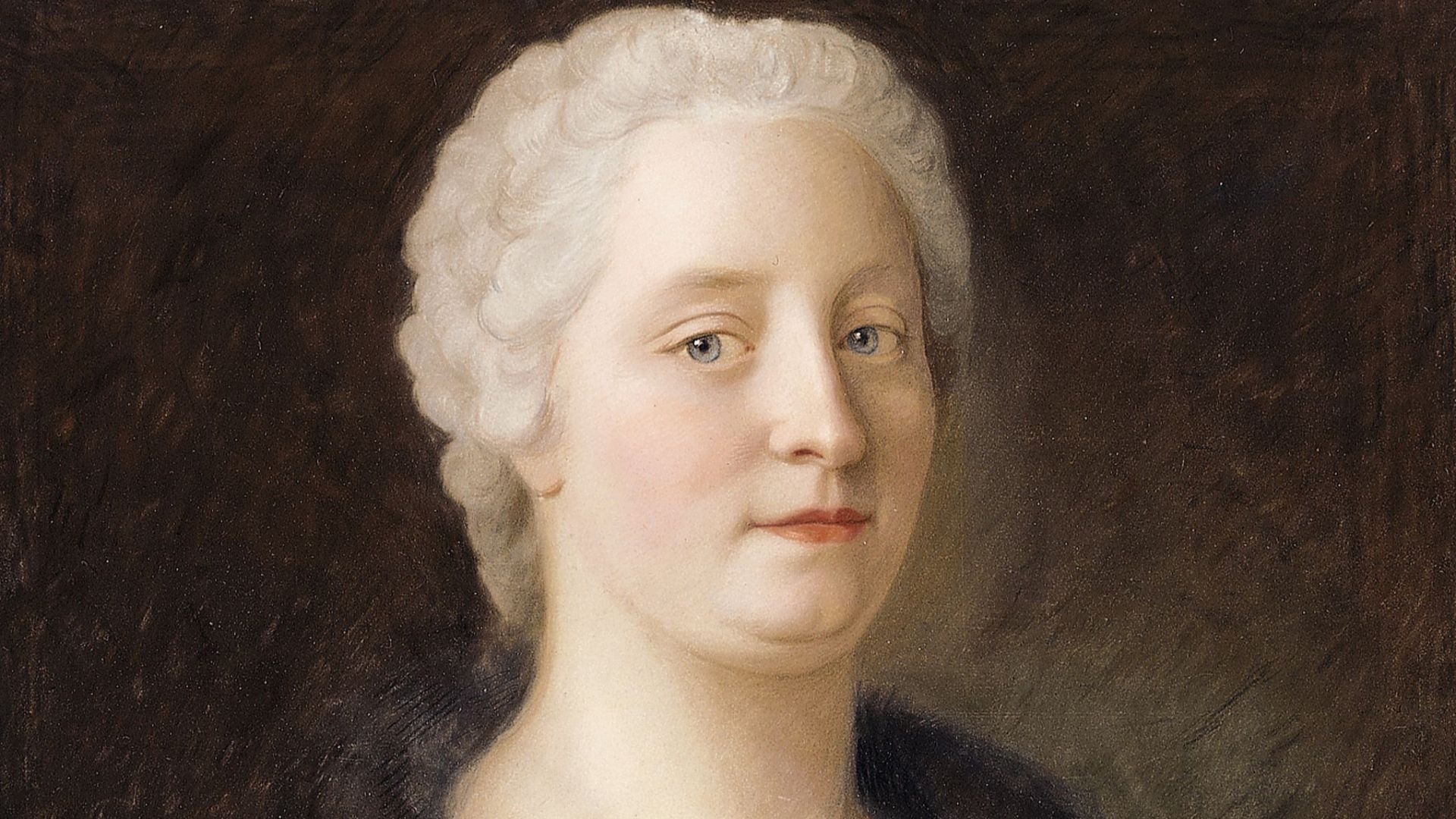 Jean-Étienne Liotard, Wikimedia Commons
6. Stifled And Encouraged
Maria took an early interest in horses, but her father barred her from learning to ride them; he viewed it as an activity unfit for women. She received encouragement in other areas, however. The imperial family often staged opera productions and Maria, known for her singing voice, delighted in participating in them. But she did not excel at everything.
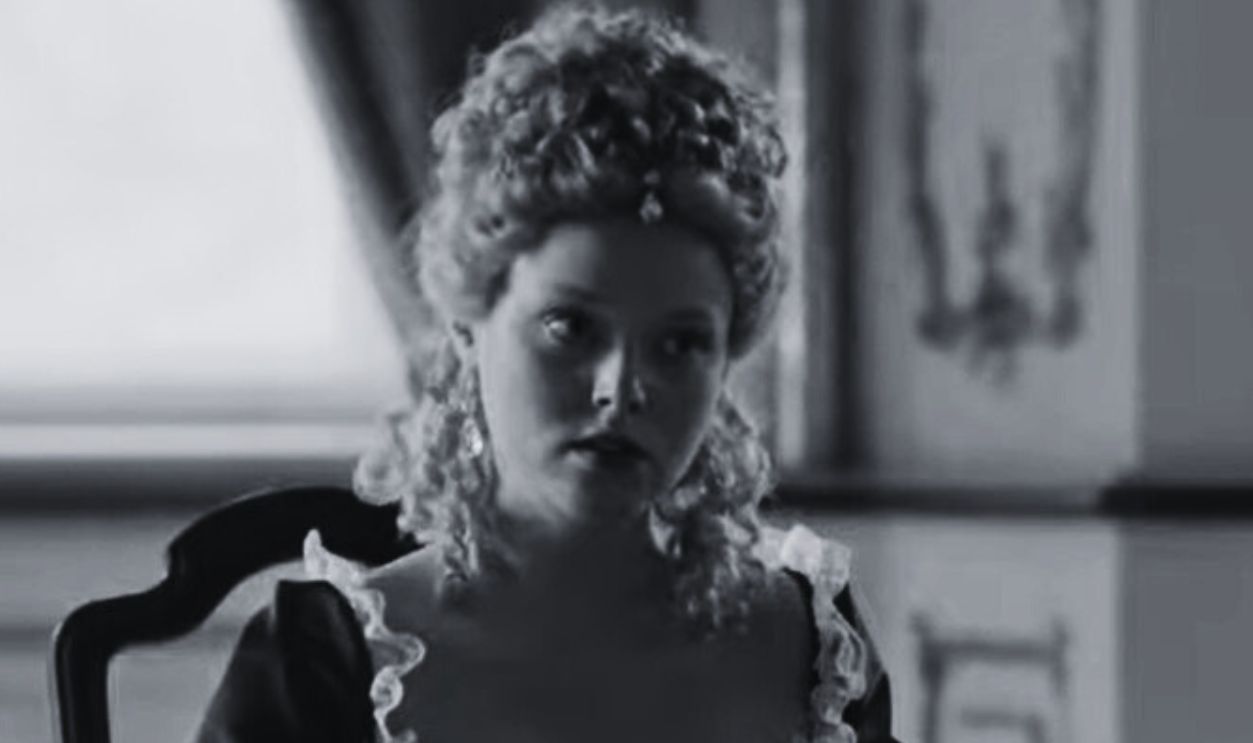 ORF, Maria Theresia (2017–2021)
7. She Was Not A Great Student
Maria received her education from members of the Jesuit Order, but she was not a model student. Though she was reportedly skilled at Latin, she fell short in many other areas, including spelling, formal manner, and speech, the latter two being important skills for Habsburgs to have. While her Jesuit teachers were probably poor educators, trouble at home may also have contributed to her struggles.
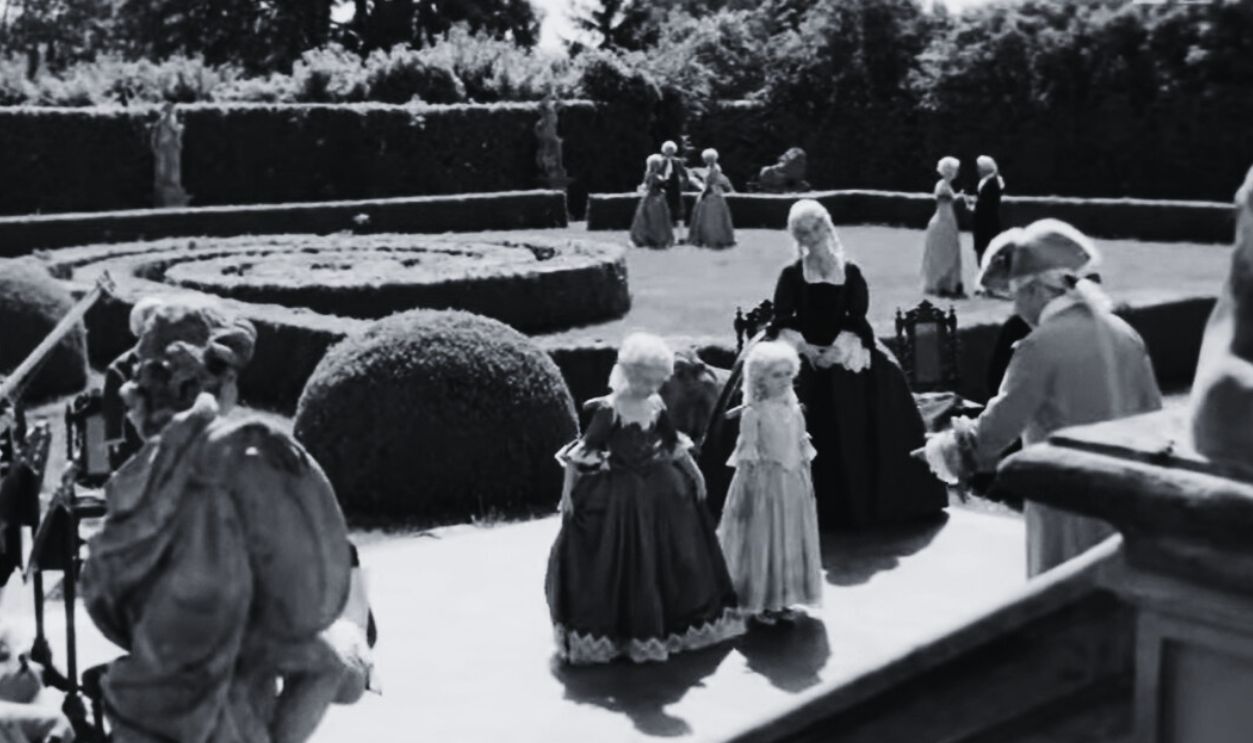 ORF, Maria Theresia (2017–2021)
8. She Was A Disappointment To Her Father
Because of the patriarchal nature of royal succession, and because he was the last surviving male of the House of Habsburg, Maria Theresa’s father, Charles, desperately hoped for a son. After the passing of his infant firstborn, his wife subsequently birthed only daughters and, therefore, Maria Thersa’s birth was a great disappointment to Charles, a feeling he never managed to overcome. Still, he worked hard to ensure his daughter’s future.
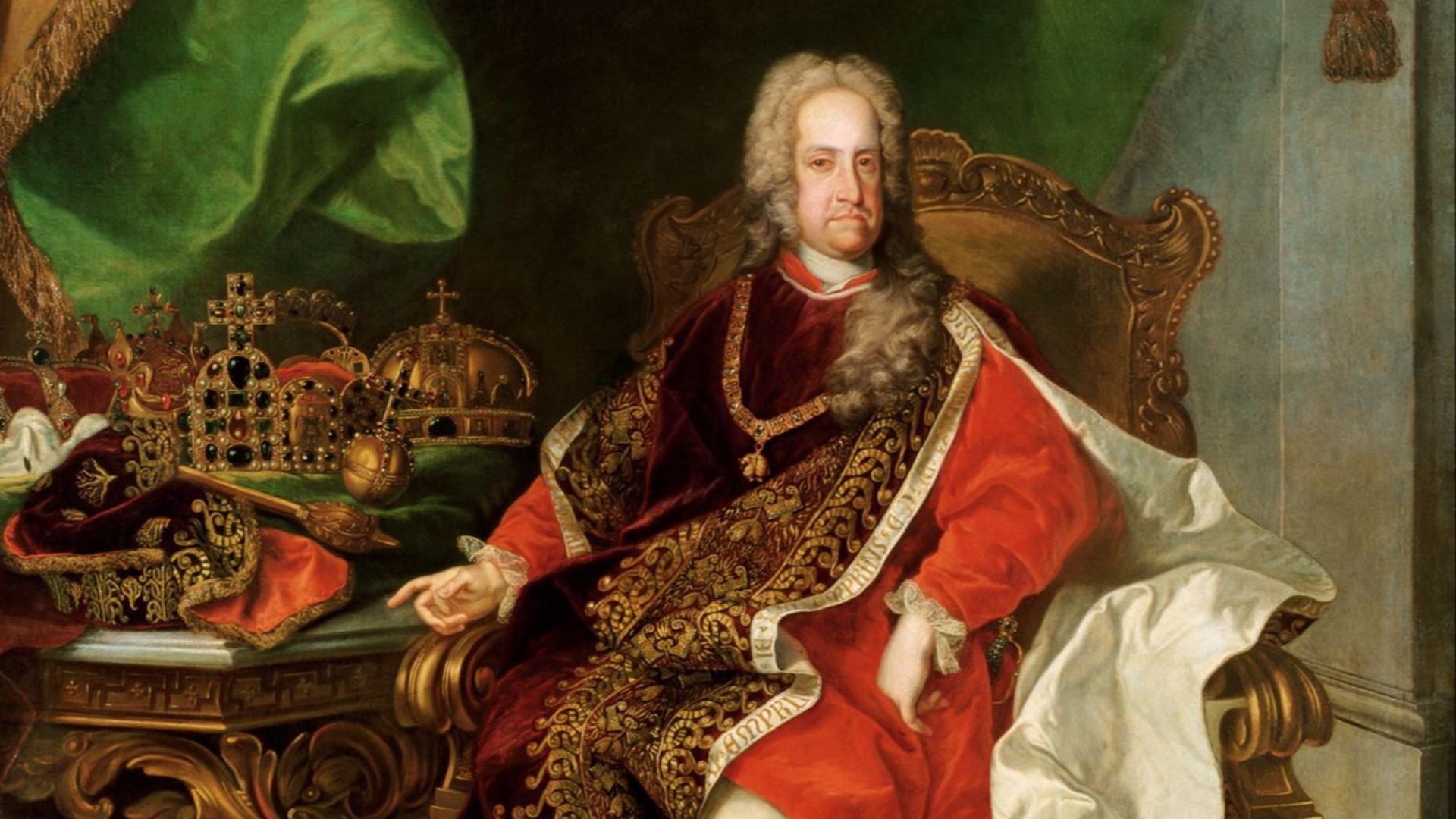 Johann Gottfried Auerbach, Wikimedia Commons

History's most fascinating stories and darkest secrets, delivered to your inbox daily.
9. Her Father Set Her Up For Success
Through the complex rules of Habsburg succession, Charles VI was initially set to be succeeded by his brother’s daughters. Preferring to keep the power in his own bloodline than to hand it over to his nieces, however, the Emperor spent his entire reign setting up Maria Theresa to succeed him.
He introduced sanctions that would alter the rules and sought the approval of other European powers to support this maneuver. But despite securing her position, Maria’s father never groomed her for power.
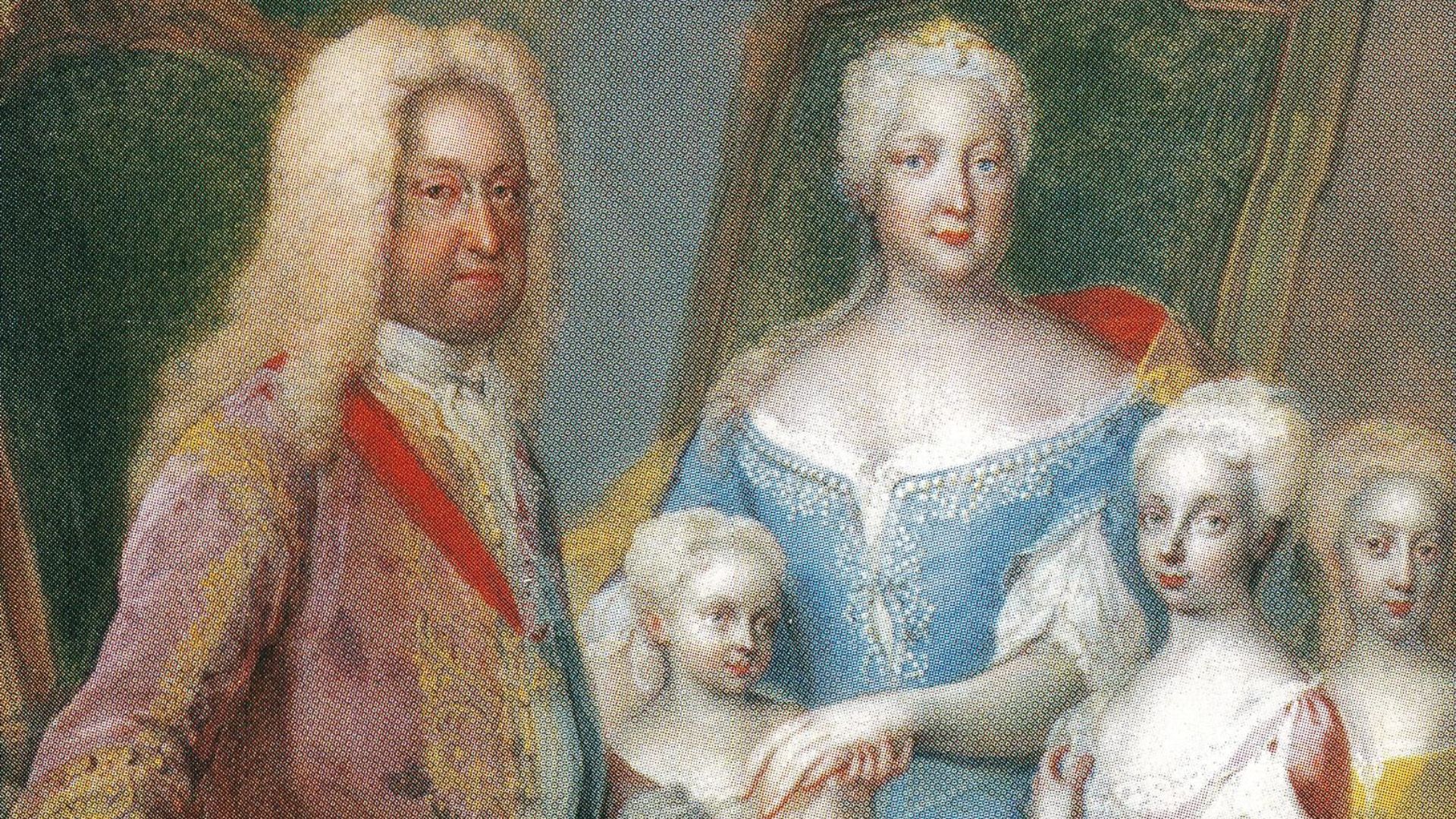 Martin van Meytens, Wikimedia Commons
10. She Had Little Experience
Maria Theresa’s father fought hard to ensure she would succeed him, but that was where his encouragement ended. Though he allowed her to attend council meetings from the age of 14, Charles never discussed state affairs with his heir, nor did he do anything else to prepare his daughter for rule. He did expect her to meet other duties, however.
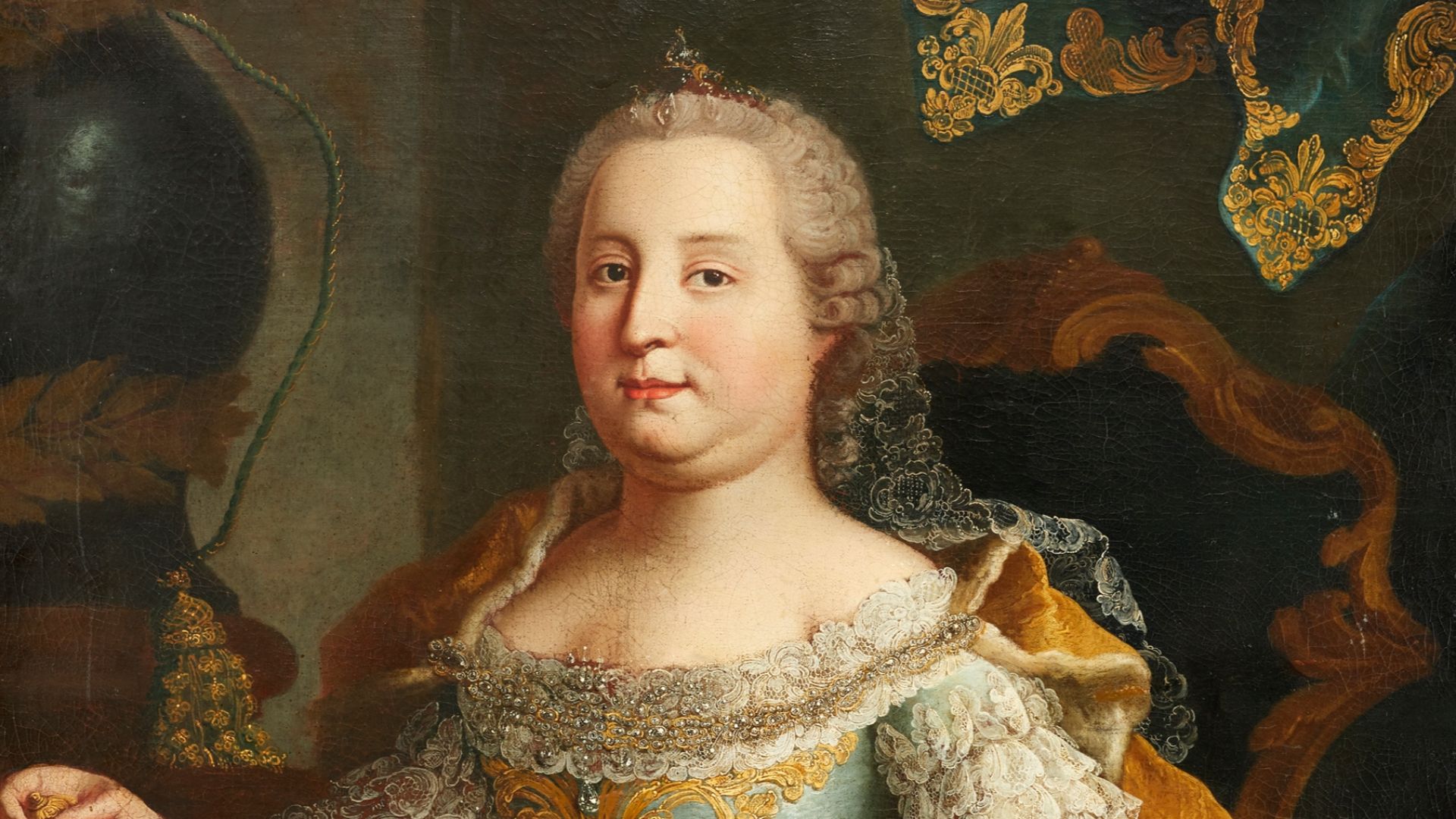 Attributed to Martin van Meytens, Wikimedia Commons
11. She Lost Her Betrothed
Being the daughter of Holy Roman Emperor, and poised to rule herself, the issue of who Maria would marry came under discussion from an early age. Her parents landed on Leopold Clement of Lorraine as an appropriate suitor, but it was not meant to be; the young heir tragically perished from smallpox in 1723 before he and Maria had had a chance to meet in person. It was back to the drawing board for the imperial family.
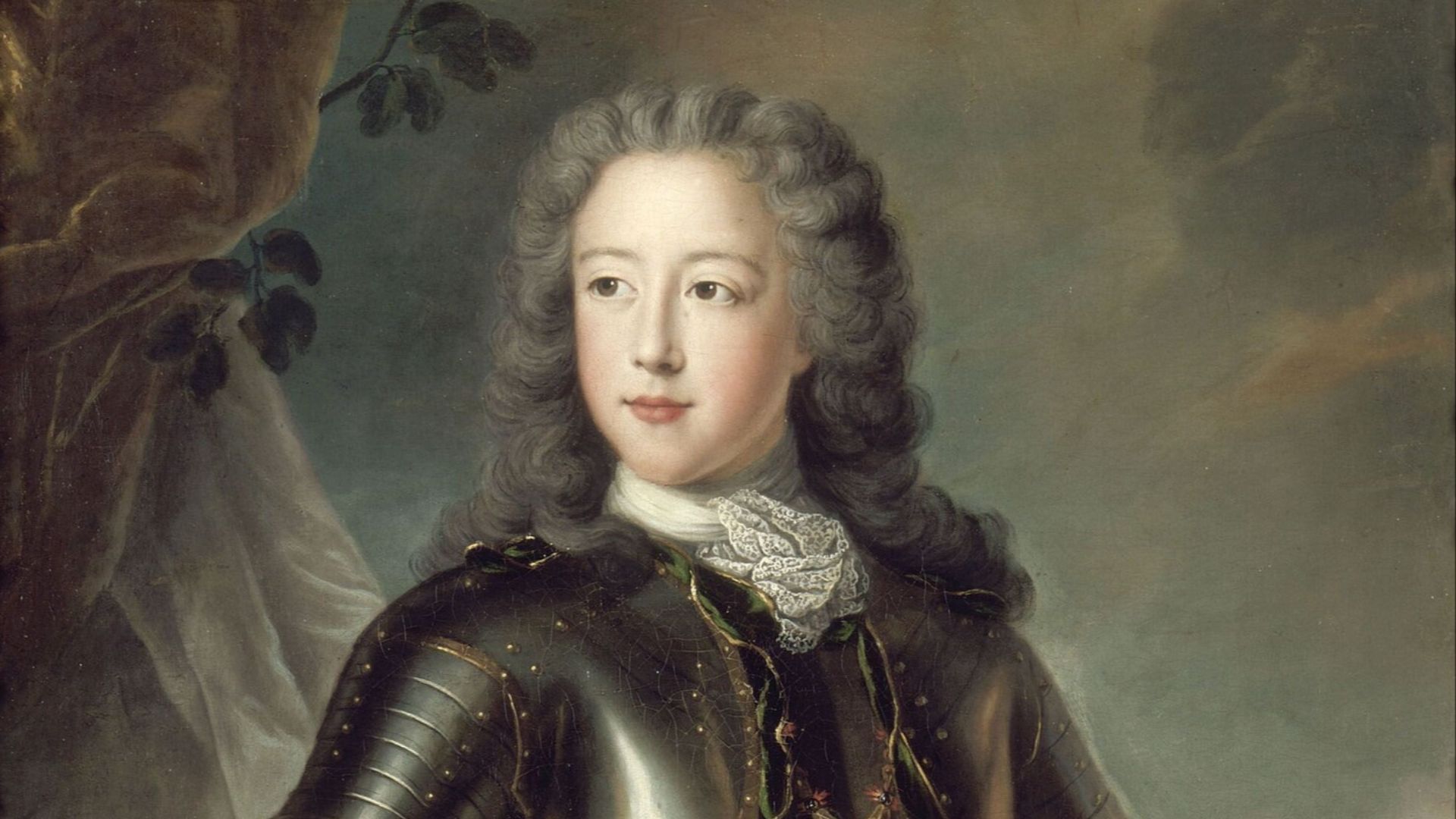 Pierre Gobert / Formerly attributed to Pierre Mignard I, Wikimedia Commons
12. She Got The Second In Line
Though the Emperor considered other possibilities, Leopold’s younger brother, Francis Stephen, was the favorite to win Maria’s hand. Maria developed a close relationship with him, which came under strain when she was briefly promised instead to Charles of Spain. Other European powers interfered in this arrangement, however, and much to the relief of Maria, it broke in favor of Francis Stephen, whom she married on February 12, 1736. The young bride fell head over heels—but her fairy tale romance was about to take a heartbreaking turn.
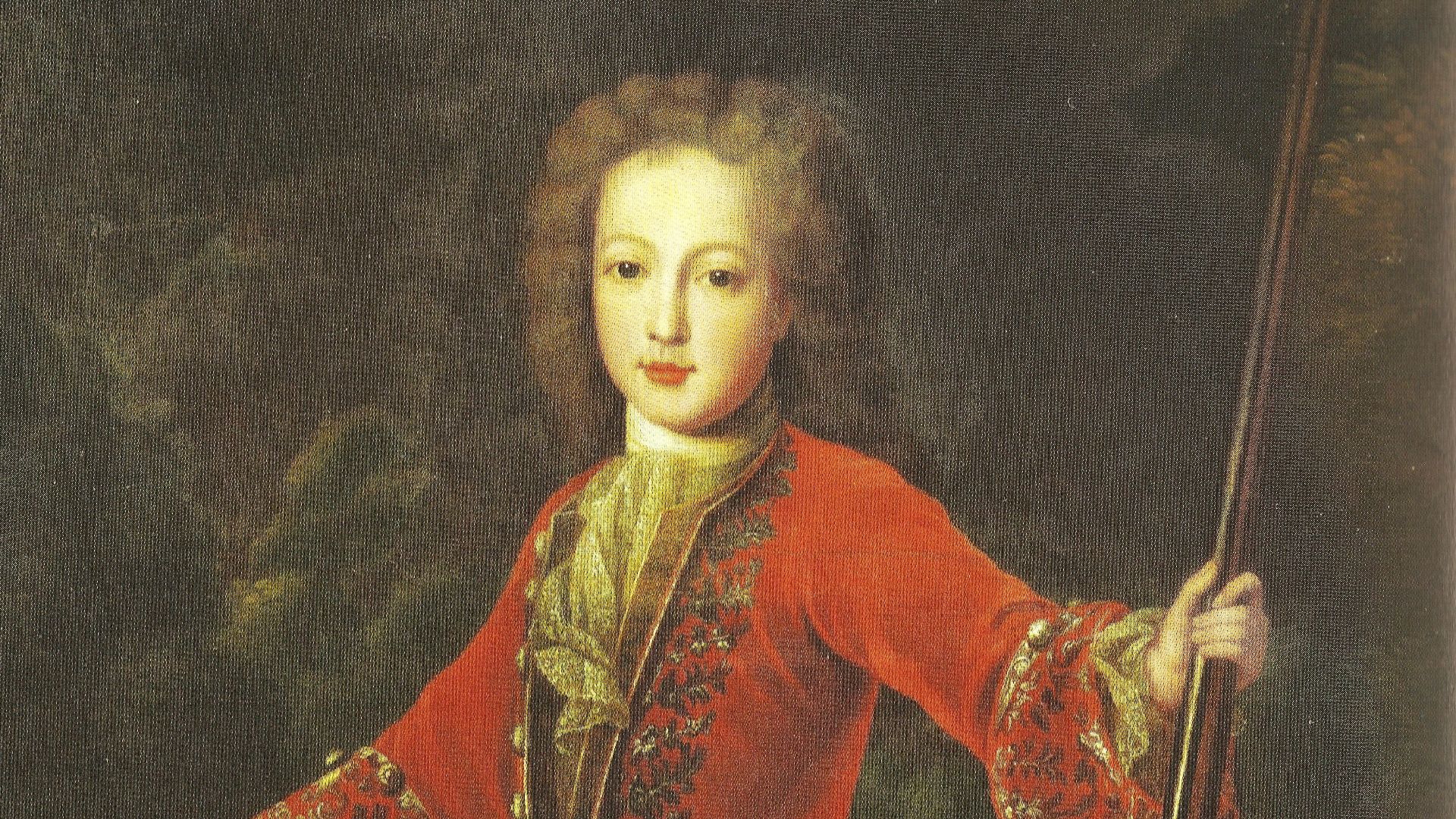 Unidentified painter, Wikimedia Commons
13. She Loved Her Husband
Maria Theresa immediately fell deeply in love with Francis Stephen. Even before they wed, her letters expressed a desperate eagerness to see him. She was reportedly very possessive of her husband. Unfortunately for the Archduchess, Francis did not feel the same.
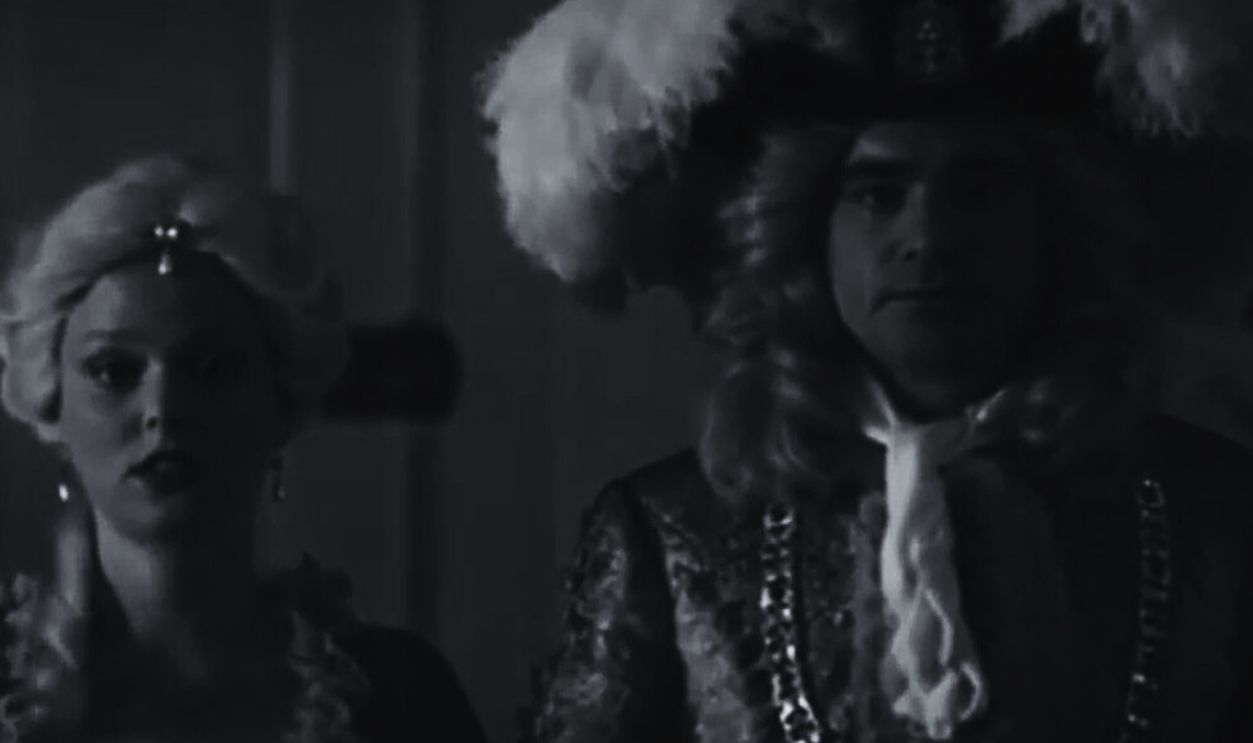 ORF, Maria Theresia (2017–2021)
14. Her Husband Was Unfaithful
In contrast to Maria’s gushing pre-marital correspondence, Francis Stephen’s responses were very formal, full of box-ticking cliches. Following their union, Francis did not stay faithful for long. Indeed, his many high-profile affairs were a source of much distress and jealousy for Maria and remained an issue for the duration of their marriage. Luckily, she had a new position to distract her.
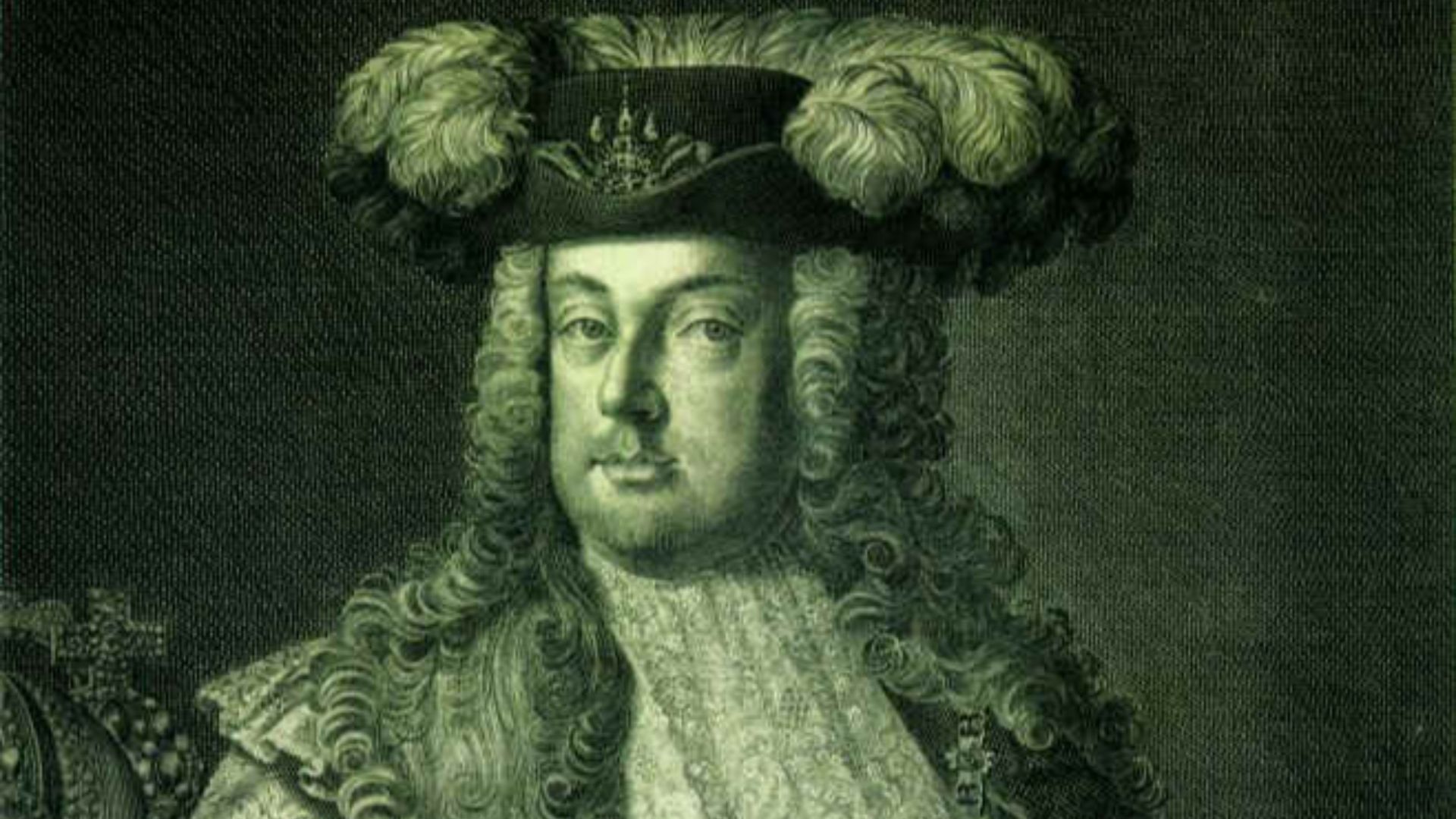 Leopold Schmittner / After Martin van Meytens, Wikimedia Commons
15. She Ascended To The Throne
On October 20, 1740, Maria’s father, Emperor Charles VI, perished (likely as a result of mushroom poisoning), aged just 55. Though devastated at the premature loss of her beloved father, Maria now found herself the reigning monarch of the Habsburg dynasty. Her ascension came at an interesting time.
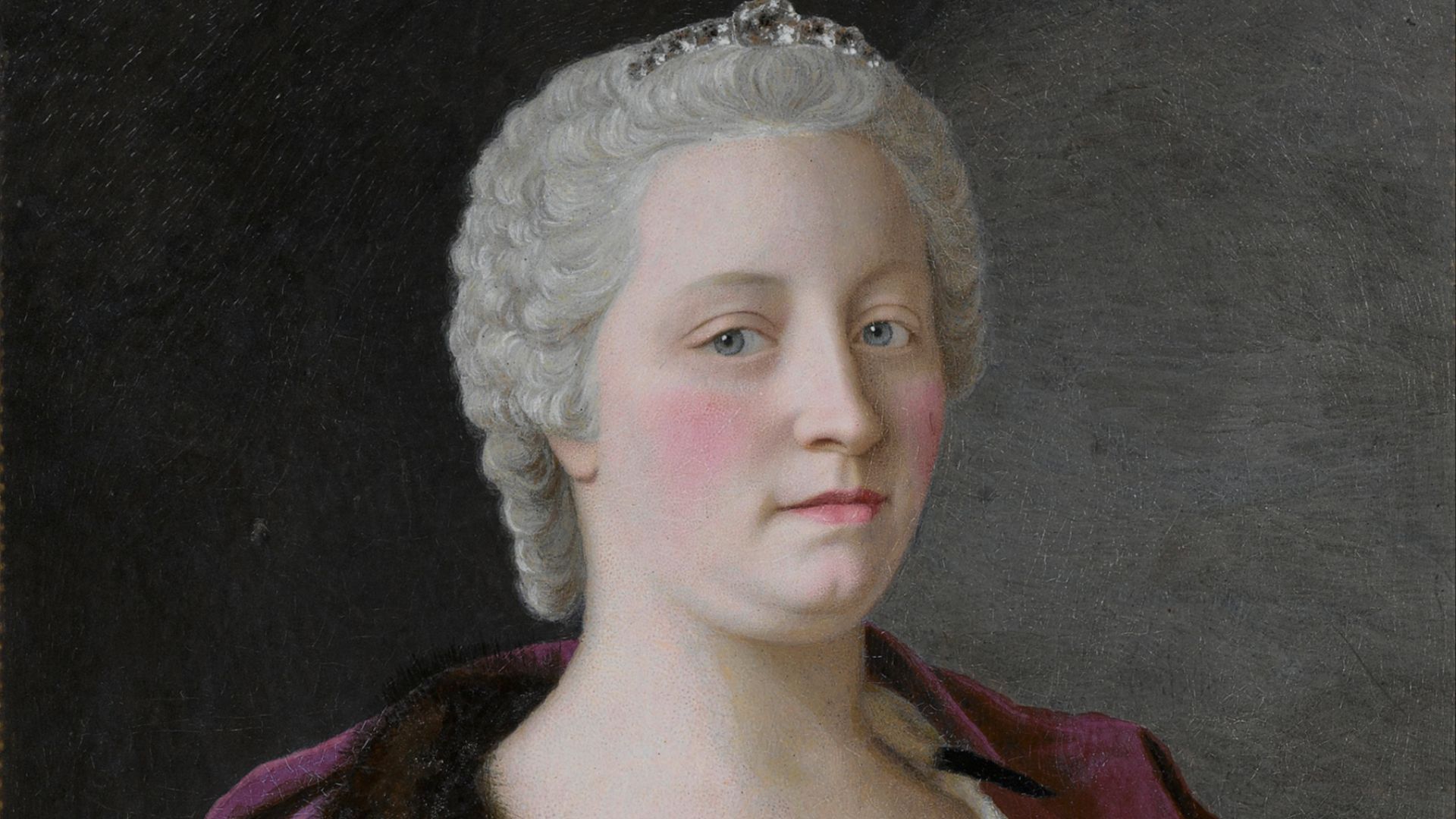 Jean-Étienne Liotard, Wikimedia Commons
16. She Was Coronating For Two
Unique among coronation ceremonies was the fact that Maria Theresa was pregnant when she ascended to the throne. This is evident in artists’ renditions of the ceremony, which took place in Vienna on November 22, 1740. It was a fitting beginning to a precedence-breaking reign.
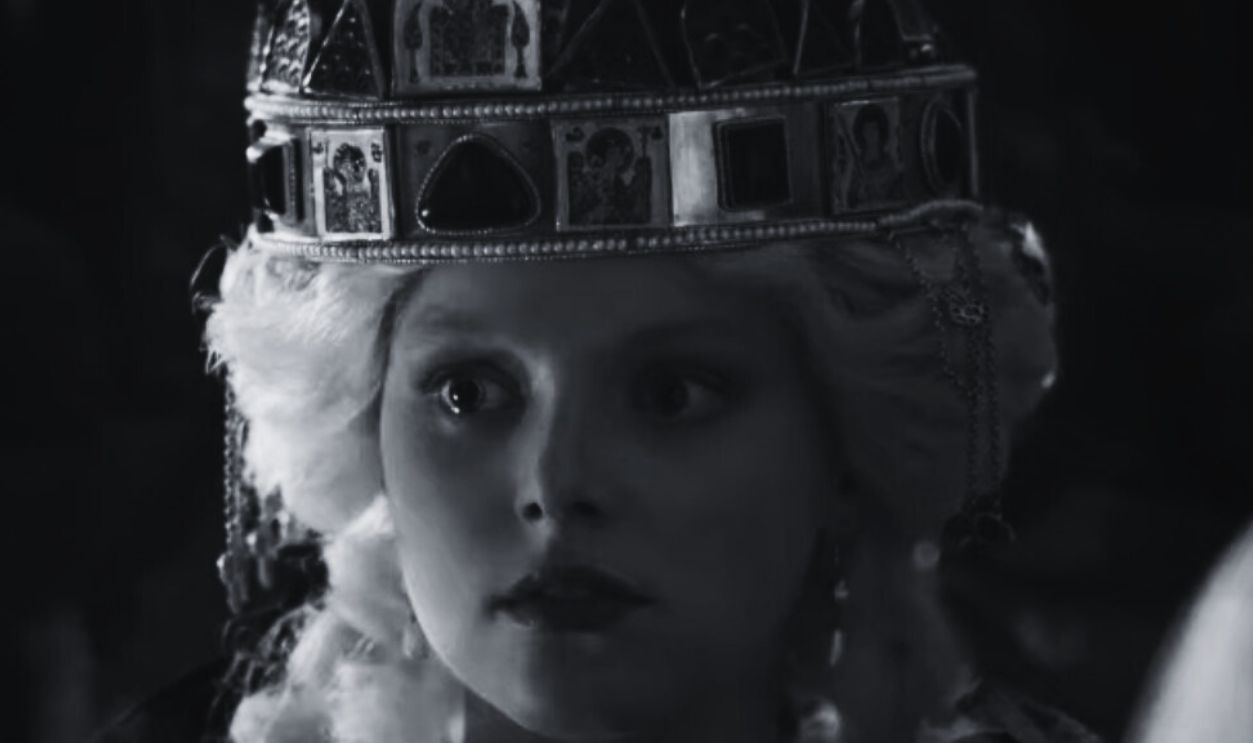 ORF, Maria Theresia (2017–2021)
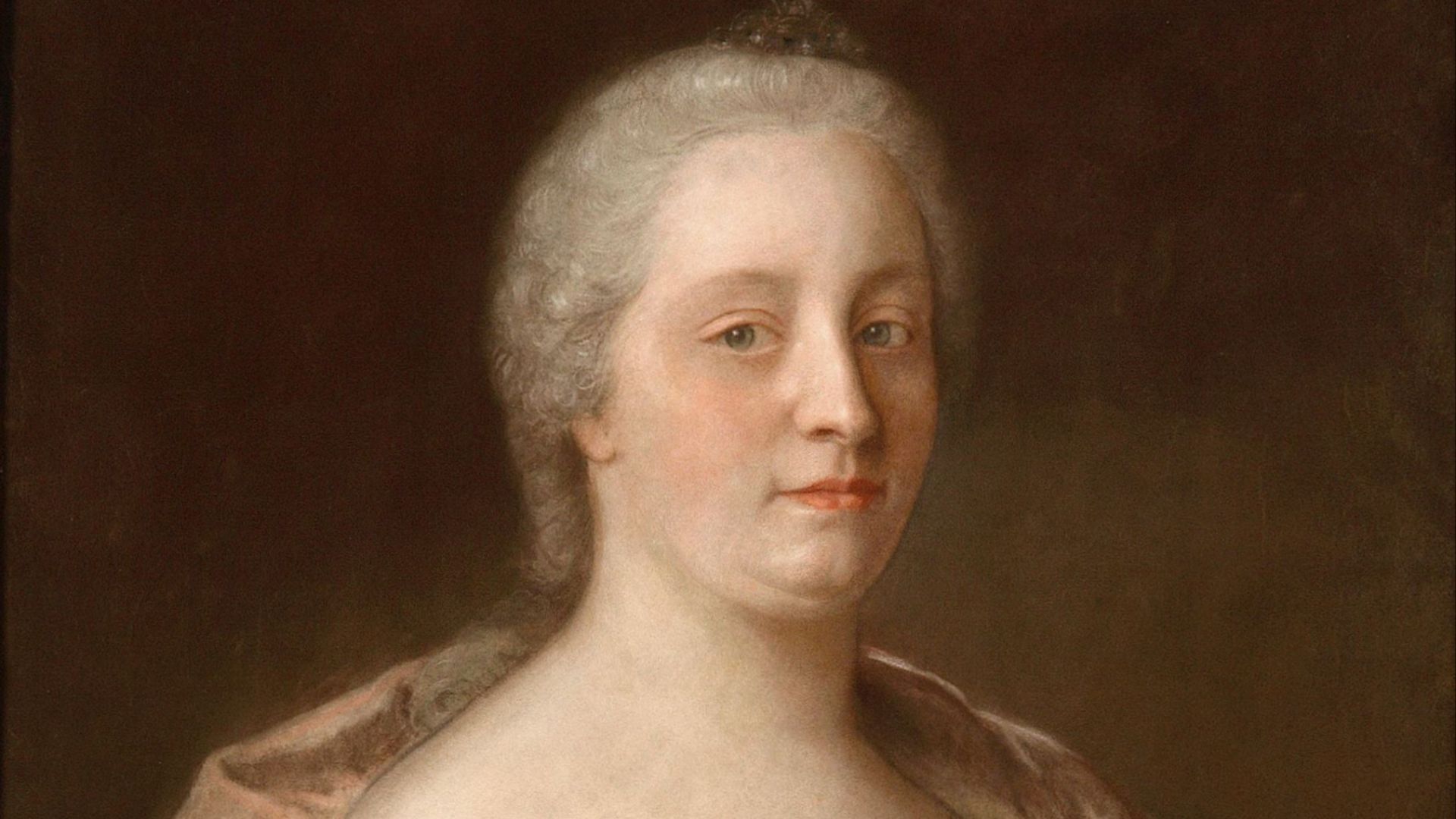
17. She Broke The Glass Ceiling
After centuries of Habsburg rule, Maria Theresa became the first woman ever to hold the top position of the monarchy in her own right. Not only did this position come with power and accolades, it also came with a lot of land.
 Jean-Étienne Liotard, Wikimedia Commons
18. She Ruled A Vast Territory
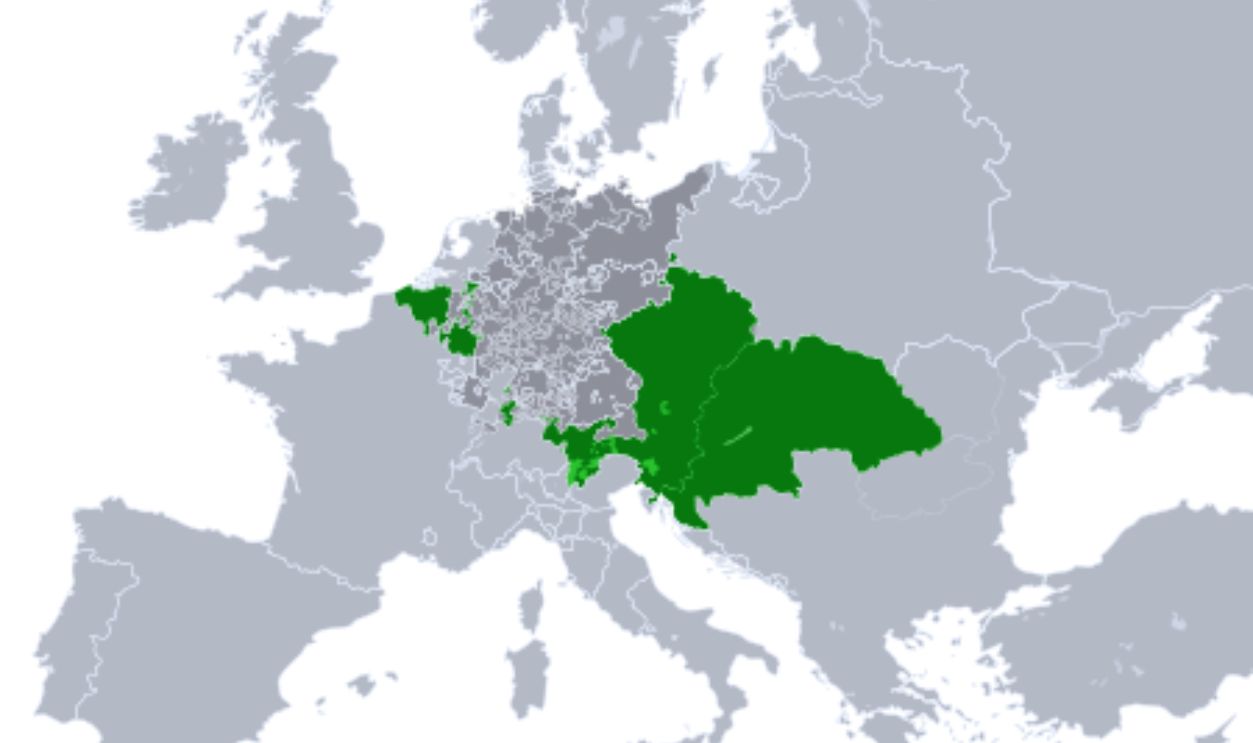
As the top dog of the Habsburg Empire, Maria Theresa was the sovereign of a dizzying number of countries. The list included (but was certainly not limited to) Austria, Hungary, Croatia, Bohemia, Transylvania, and the Austrian Netherlands. There was another notable feature of her reign too.
19. She Stuck Around For A While
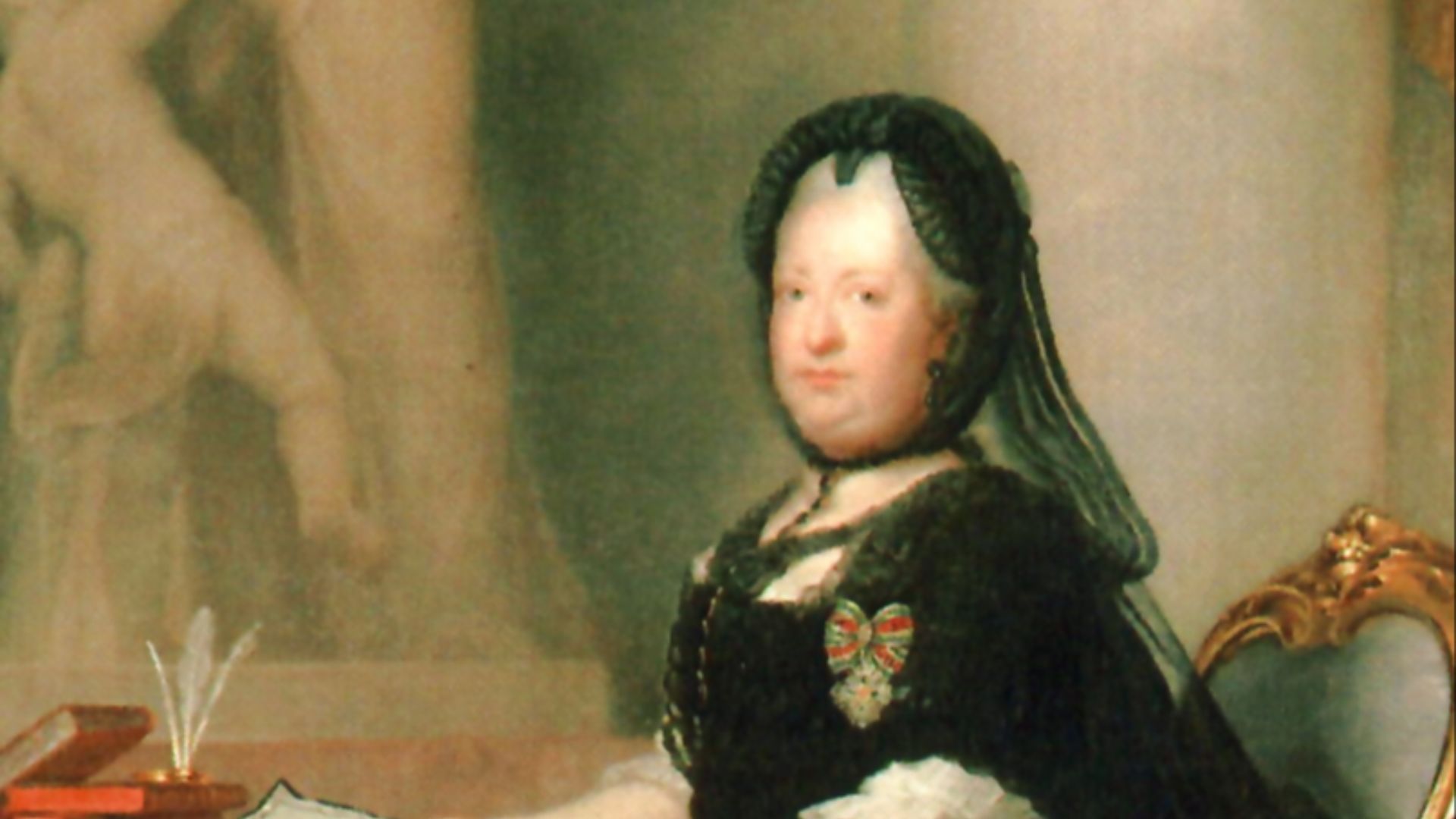
Maria Theresa ruled the Habsburg monarchy right up until her passing. This meant her tenure lasted a whopping 40 years, among the longest reigns of any European monarch. Her strategic marriage placed her well too.
 Anton von Maron, Wikimedia Commons
20. She Married Into More Titles
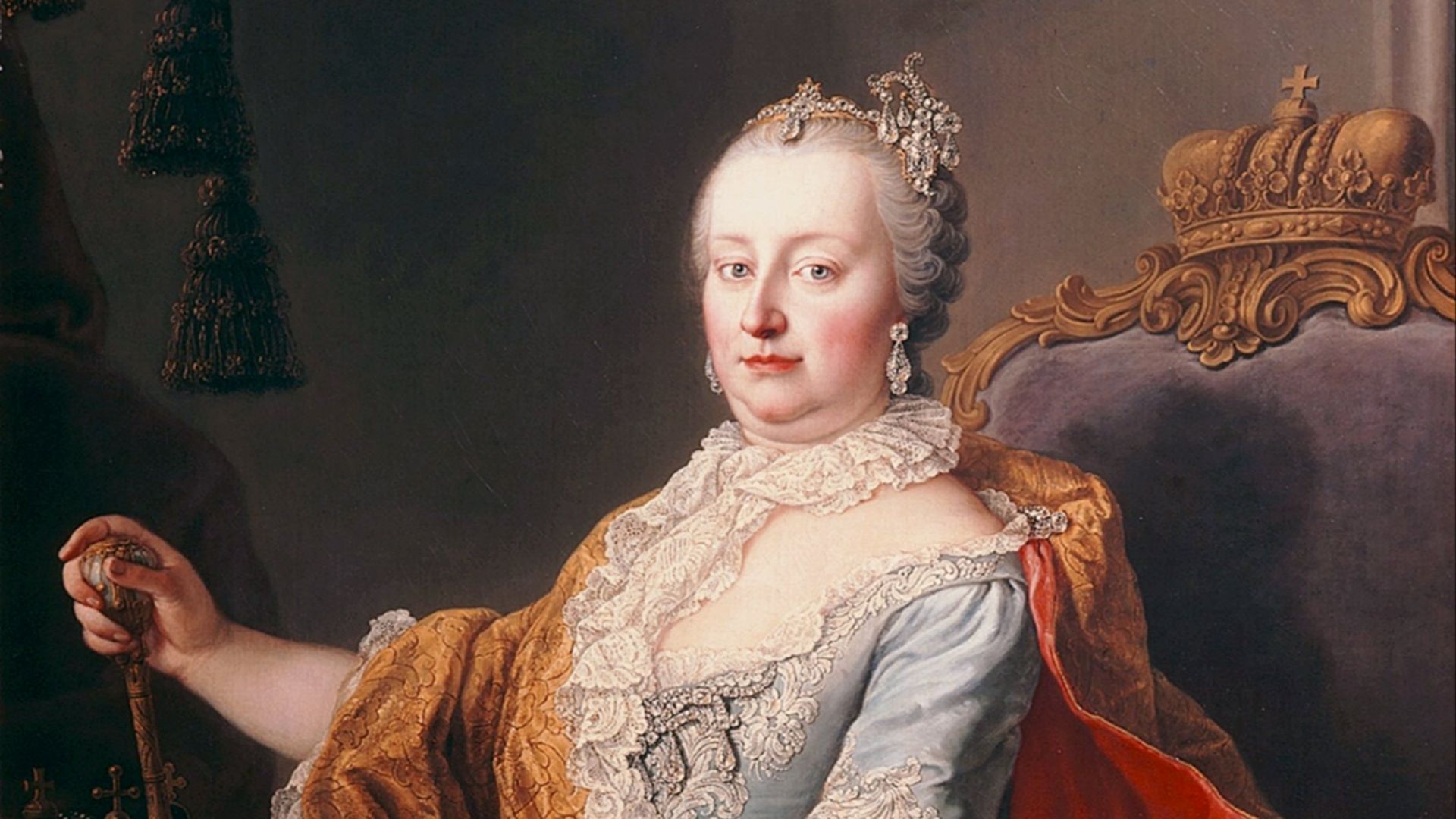
Maria Theresa had a long list of titles upon taking the throne, which only increased through her marriage to Francis Stephen of Lorraine. Her highest titles included Duchess of Lorraine, Grand Duchess of Tuscany, and, of course, Holy Roman Empress. But all the lofty titles in the world could not have prepared her for the mess her father left behind.
 Martin van Meytens, Wikimedia Commons
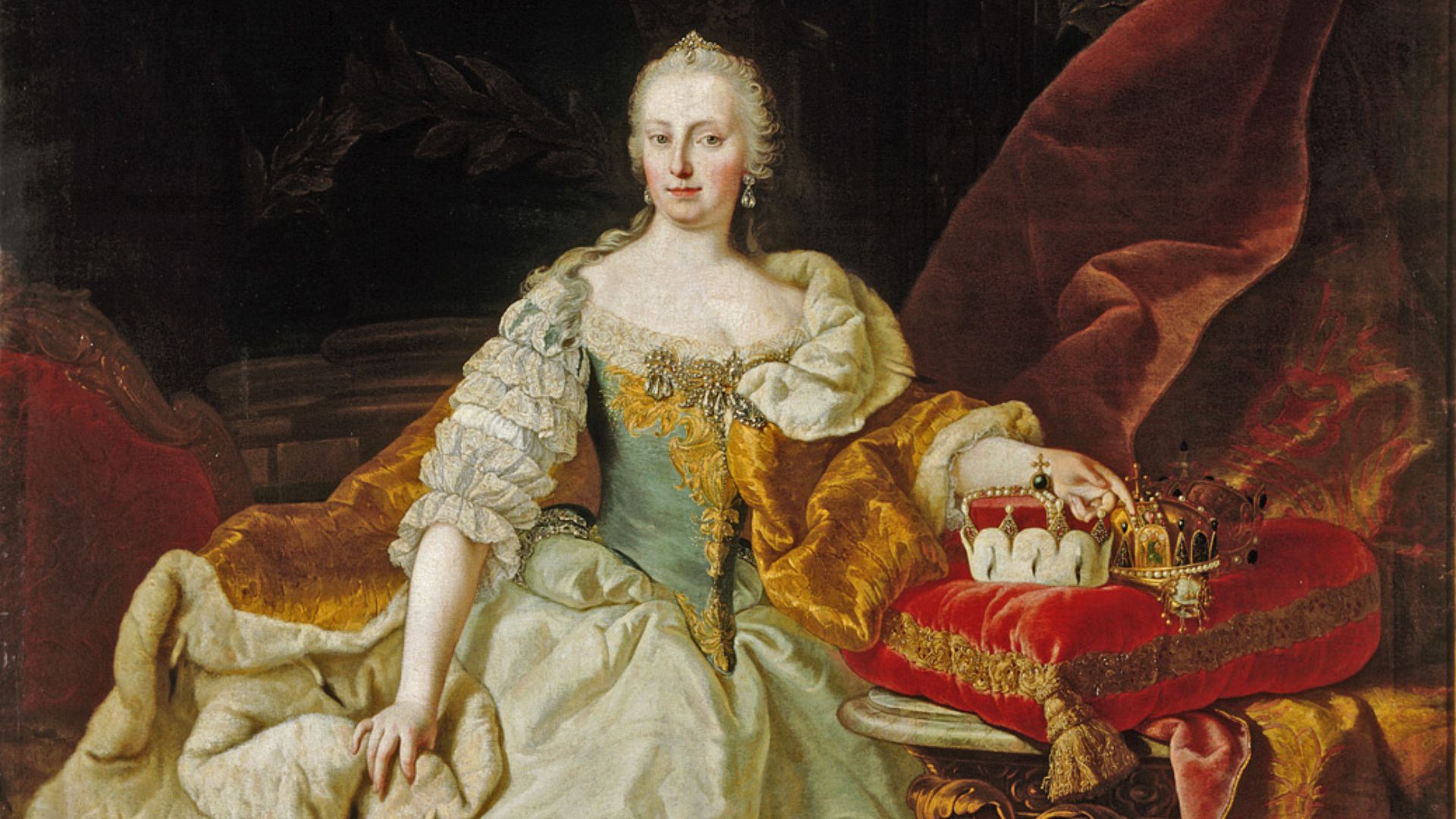
21. She Had A Mess To Clean
Maria’s Emperor father left her with a huge task: the recovery of the Habsburg state. Due to multiple conflicts as well as Charles’ laser focus on securing the sanctions that would ensure his daughter’s rule, the state found itself deeply impoverished. Upon his demise, the treasury held only 100,000 florins—an amount quickly claimed by Charles’ widow. The financial situation was not the only disaster awaiting the Empress.
 Martin van Meytens, Wikimedia Commons
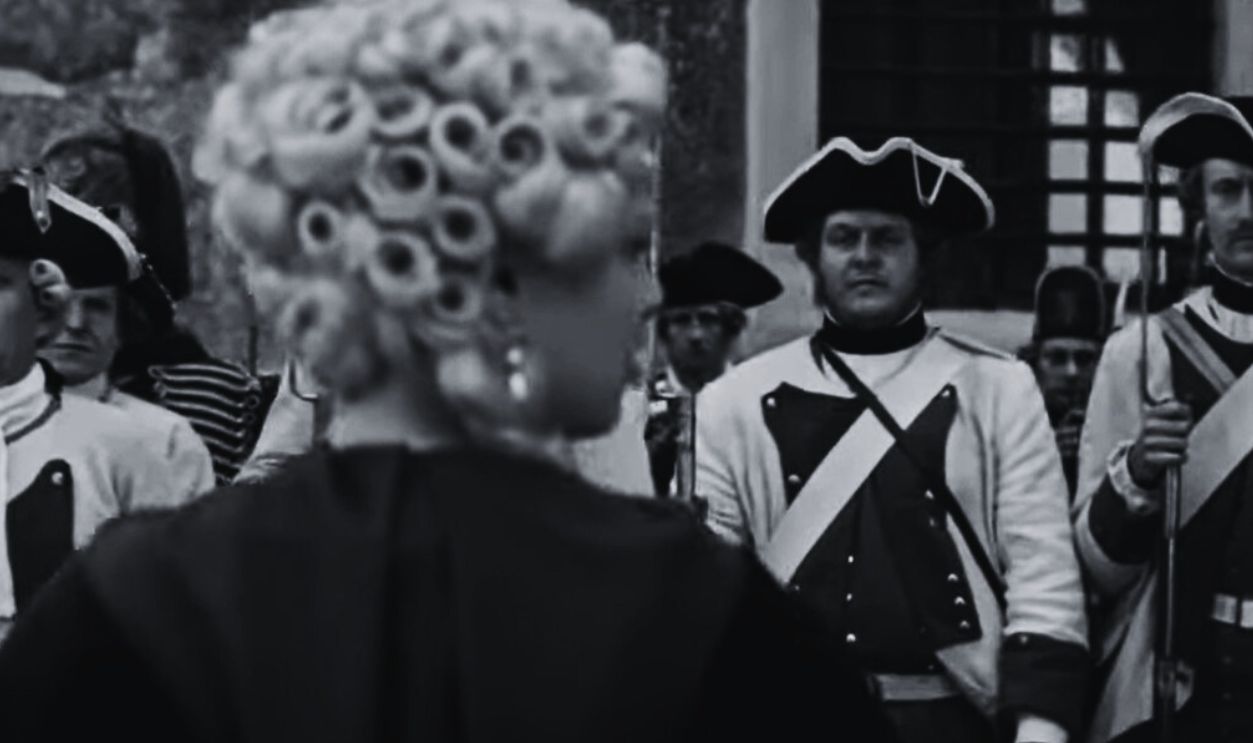
22. Her Forces Were Limited
Charles’ conflicts had not only depleted the state’s coffers. The army was also severely weakened, reduced by over 50,000 men and scattered throughout the empire. The soldiers that remained lacked discipline and had very poor training. Maria Theresa did not hide her disgust, remarking “as for the state in which I found the army, I cannot begin to describe it”. The young empress found herself overwhelmed.
 ORF, Maria Theresia (2017–2021)
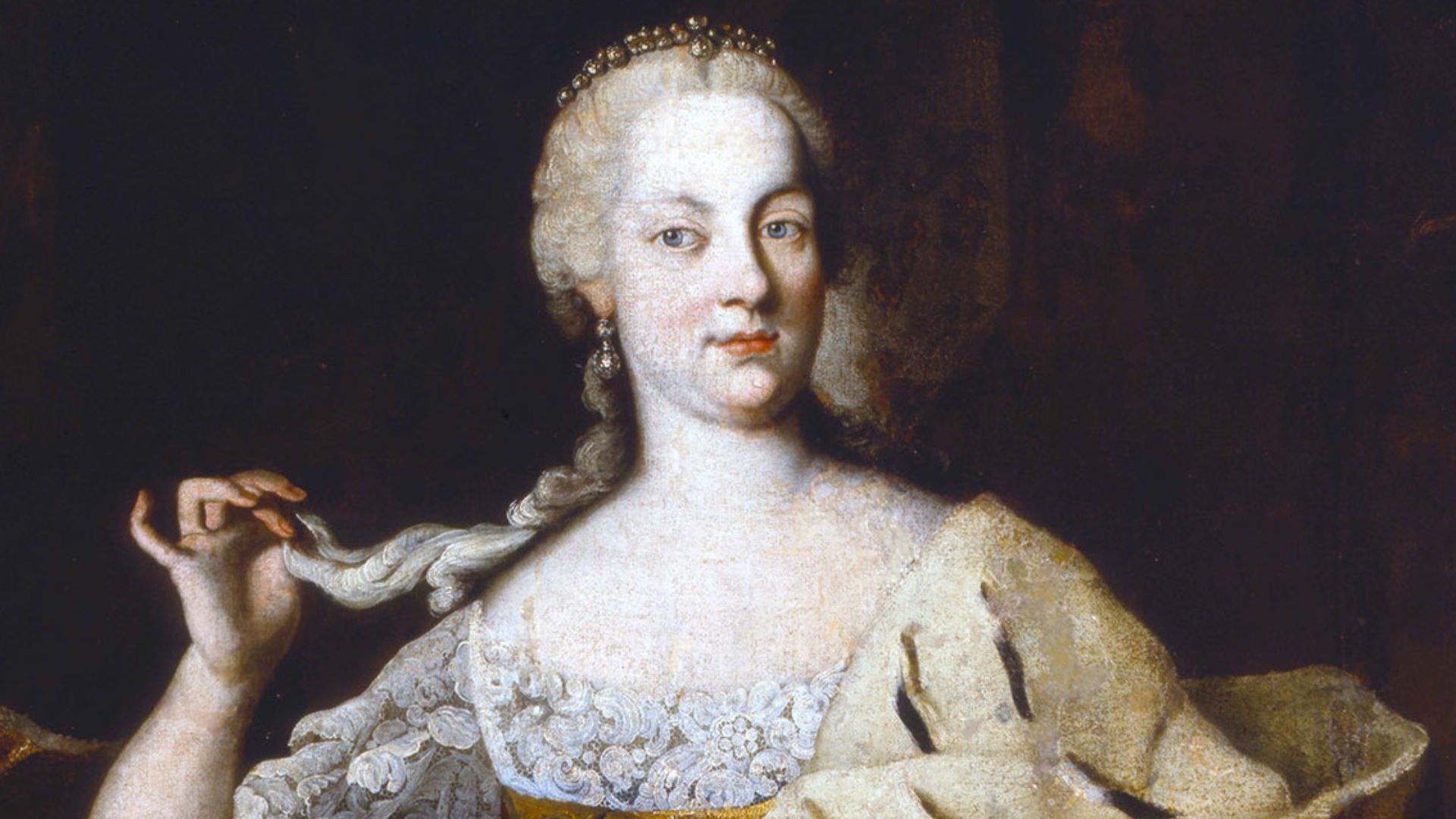
23. She Deferred To “Experts”
As mentioned, Maria Theresa’s father had failed to adequately prepare her for rule, and the Empress caved under the pressure of the situation. She opted to defer to her husband and her father’s ministers, whom she saw as more experienced.
Unbeknownst to her, however, her father’s ministers were quite incompetent, contributing in the first place to the situation the state now found itself in. Maria would later express her regret for her deference to them and her husband. In her defense, she had another big problem to worry about.
 Circle of Martin van Meytens, Wikimedia Commons
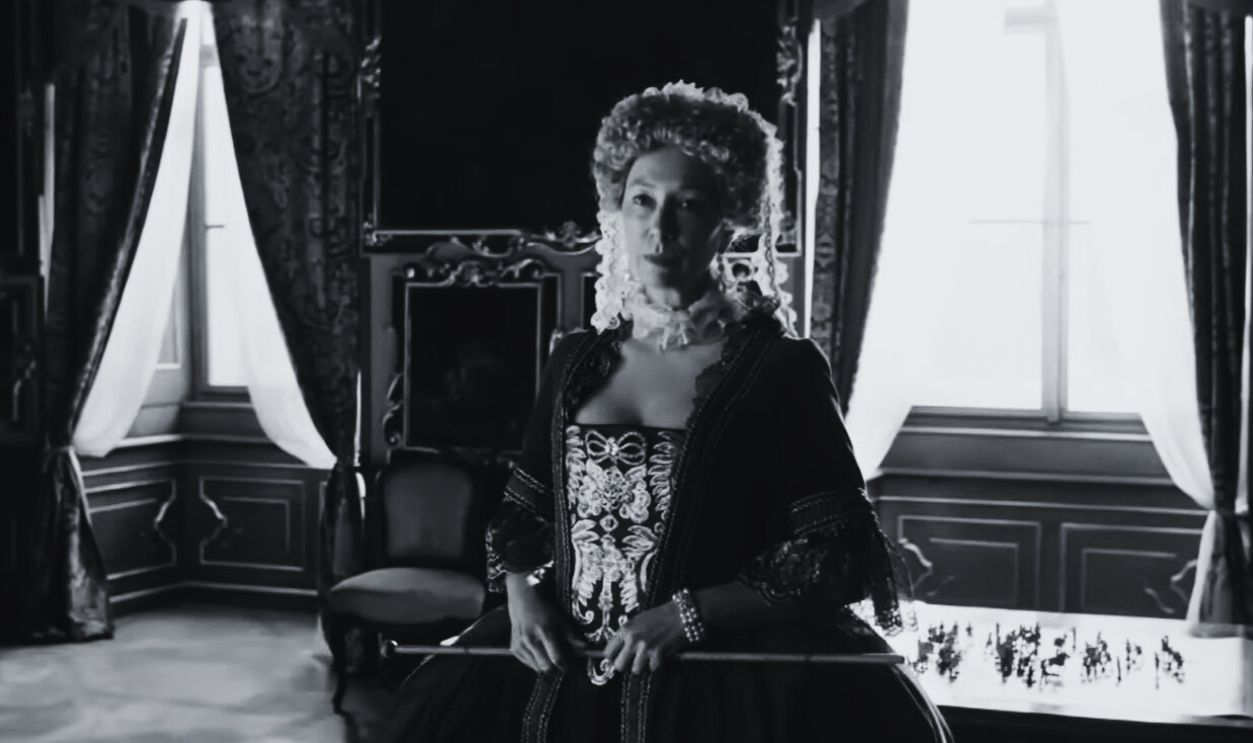
24. Her Position Was Tenuous
Promptly after Maria Theresa’s ascension, a group of European sovereigns reneged on promises made to her father that they would recognize his daughter’s rule. Many of them began to scheme in conjunction with her dispossessed cousin to obtain portions of Maria’s inheritance and even dethrone her. This led to an escalation that the Empress really didn’t need right now.
 ORF, Maria Theresia (2017–2021)
25. She Came Under Attack
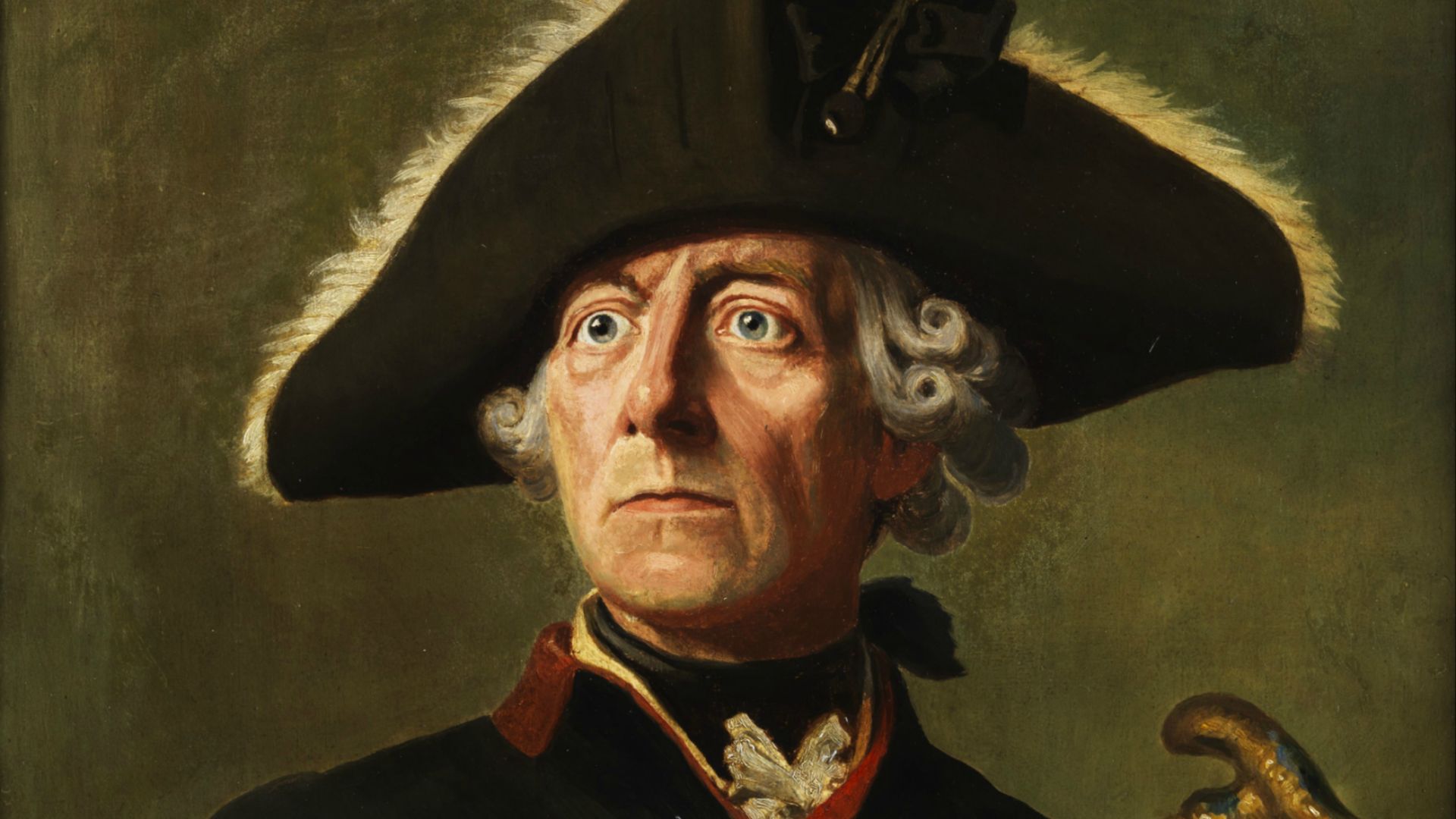
By December of 1740, tensions had reached a boiling point, and one man saw his opportunity. Frederick II, leading the forces of Prussia, invaded Maria’s territory of the Duchy of Silesia. He demanded Maria Theresa cede the territory or he would join her enemies.
But Silesia was a mineral-rich province, and the Empress could not afford to lose any economic advantage; she refused to cede, kicking off the War of the Austrian Succession, a conflict that would last eight long years. Maria also made an enemy for life.
 Wilhelm Camphausen, Wikimedia Commons
26. She Was A Hater
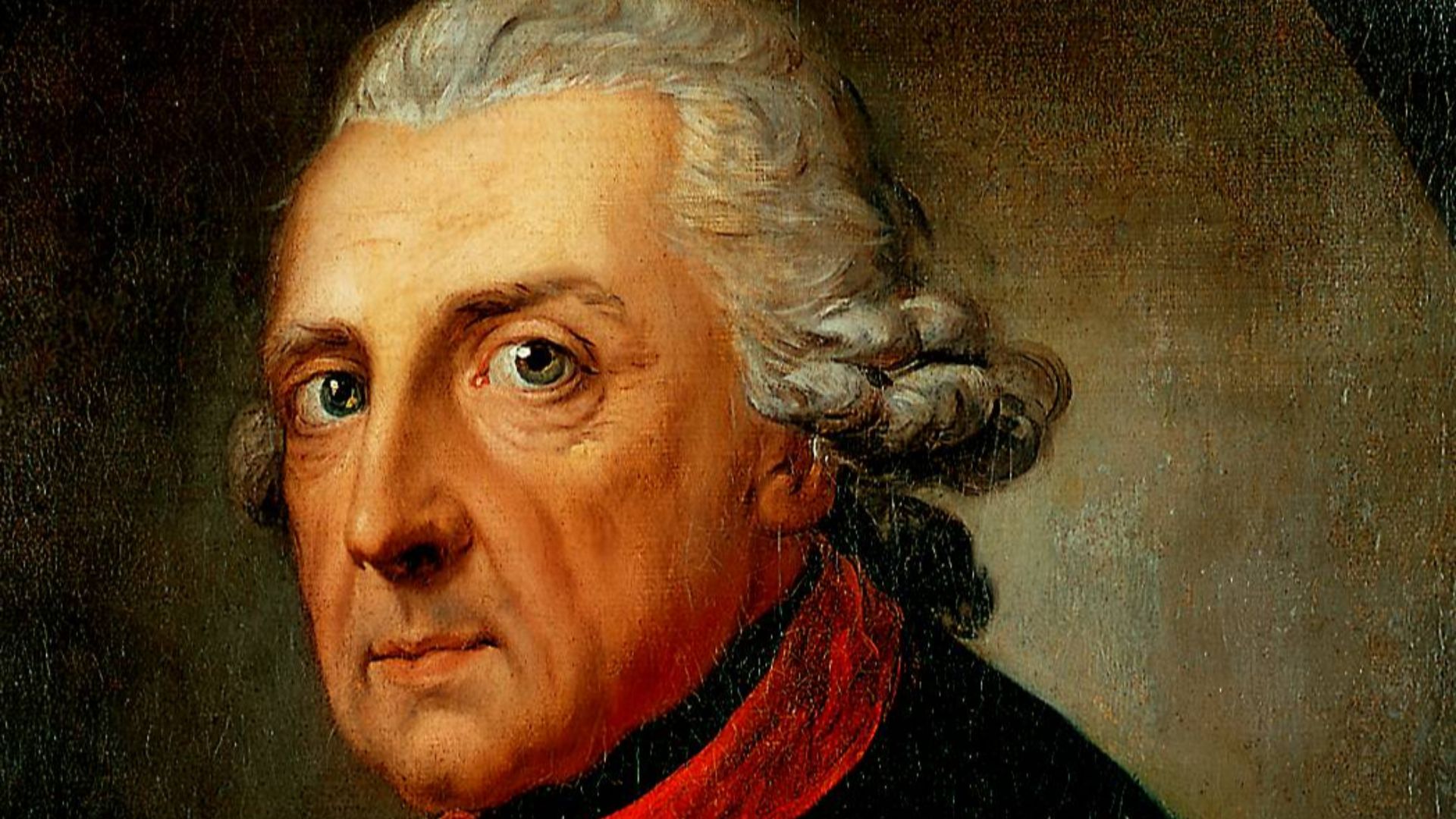
Frederick’s invasion of Silesia began a lifelong grudge for Maria Theresa. Despite his efforts to compromise—he offered to defend the Empress’ rights if she ceded part of the territory to him, an offer Maria’s husband was willing to consider. Maria Theresa refused to budge.
She grew resentful in the process, harboring a dislike for the Prussian ruler that would last well beyond the conclusion of this conflict, later referring to him as “that evil man”. But whereas she sewed conflict in some places, she formed alliances in others.
 Anton Graff, Wikimedia Commons
27. She Gained A Powerful Ally
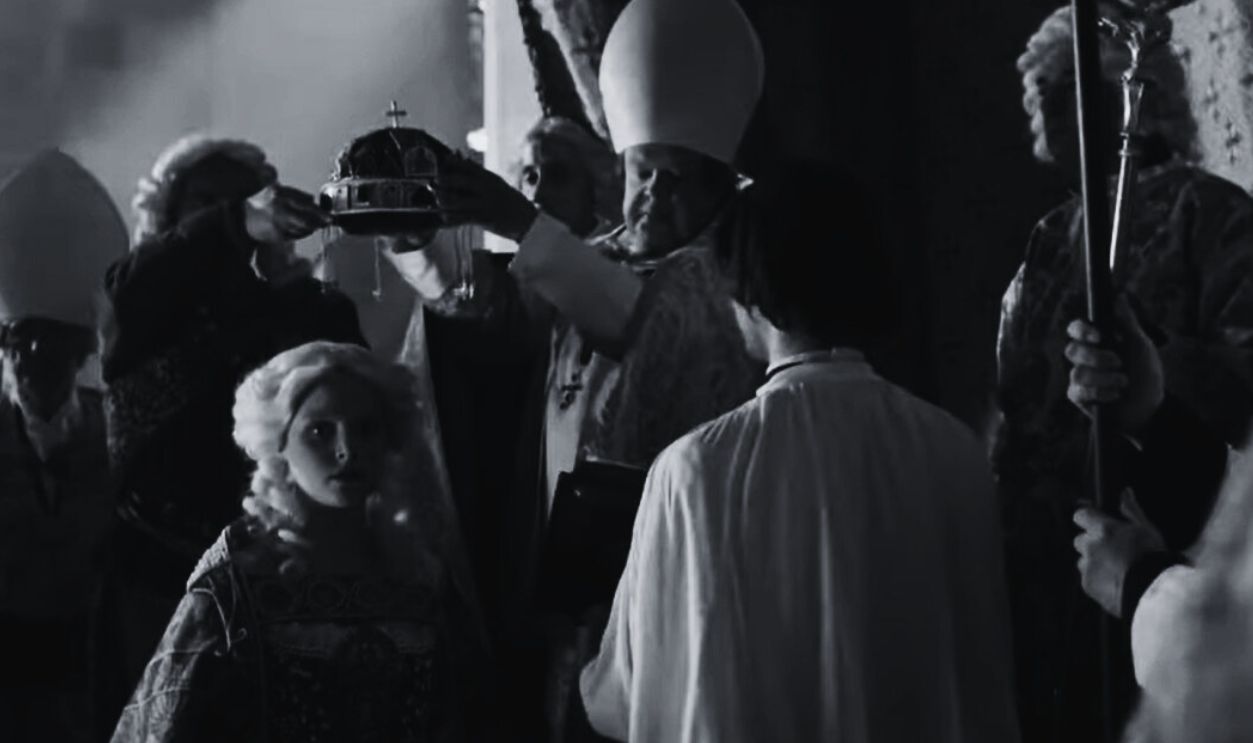
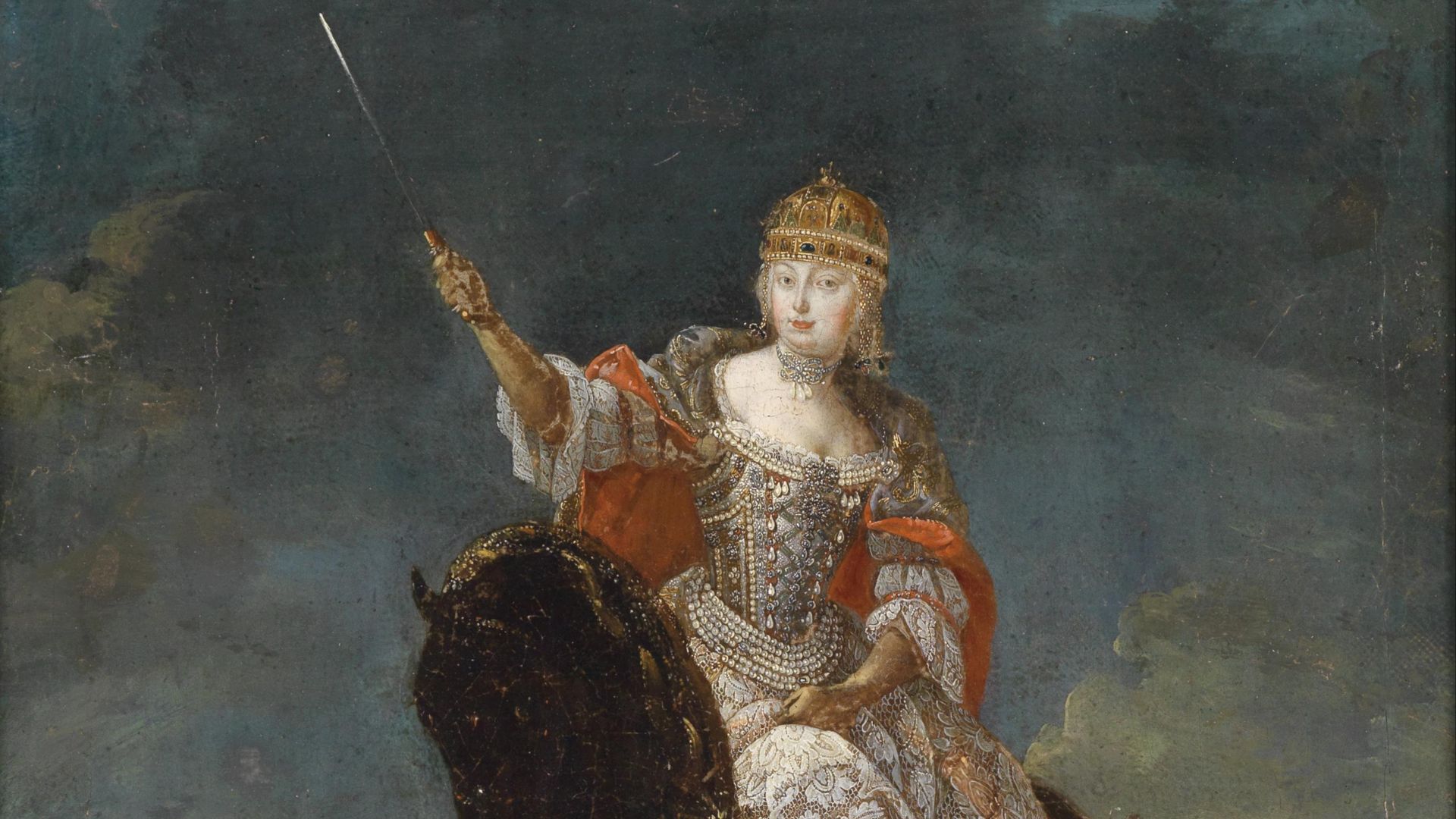
As the conflict wore on, Maria Theresa showed her first major sign of skill as a ruler when she managed, to the surprise of everyone, to secure the support of the Hungarians. The region held a coronation for her on June 25, 1741, where they crowned her Queen of Hungary suo jure (“in her own right”). Maria worked hard for this, honing the equestrian skills necessary for the Hungarian coronation ceremony and negotiating with regional leaders. She headed off any prejudices too.
 ORF, Maria Theresia (2017–2021)
28. She Found A Loophole
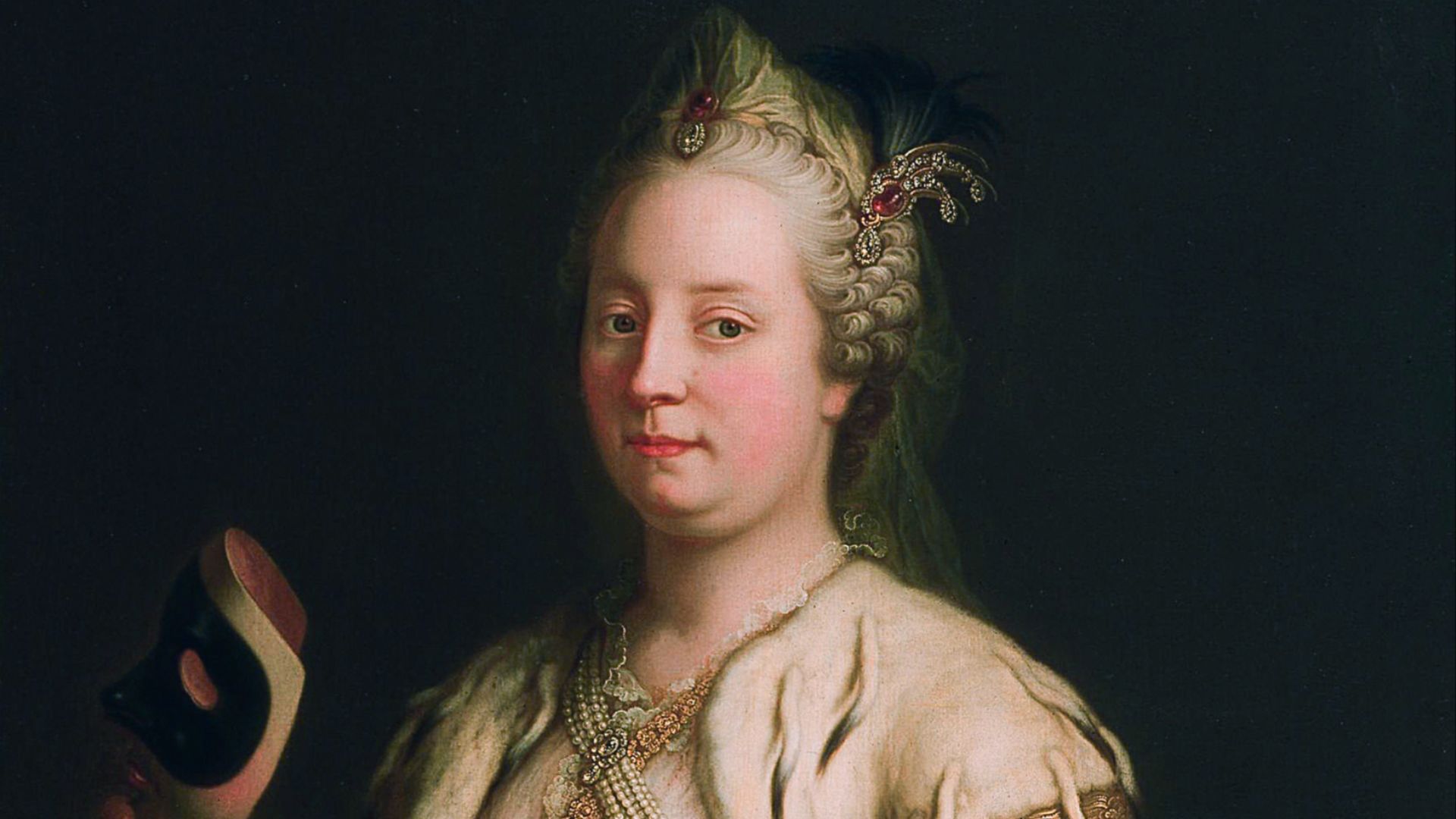
Showing further diplomatic skill, Maria Theresa hatched a clever plan to subvert some of the gender-based obstacles on her path to Hungarian support. Many Hungarian leaders considered her womanhood to be a hinderance to her powers. In a cheeky move, she appeased them by assuming masculine titles. Thus, in Hungary, Maria was officially Archduke and King (though still generally addressed as Queen). She made use of other skills she had acquired too.
 Martin van Meytens, Wikimedia Commons
29. She Used Her Skills As A Theater Kid
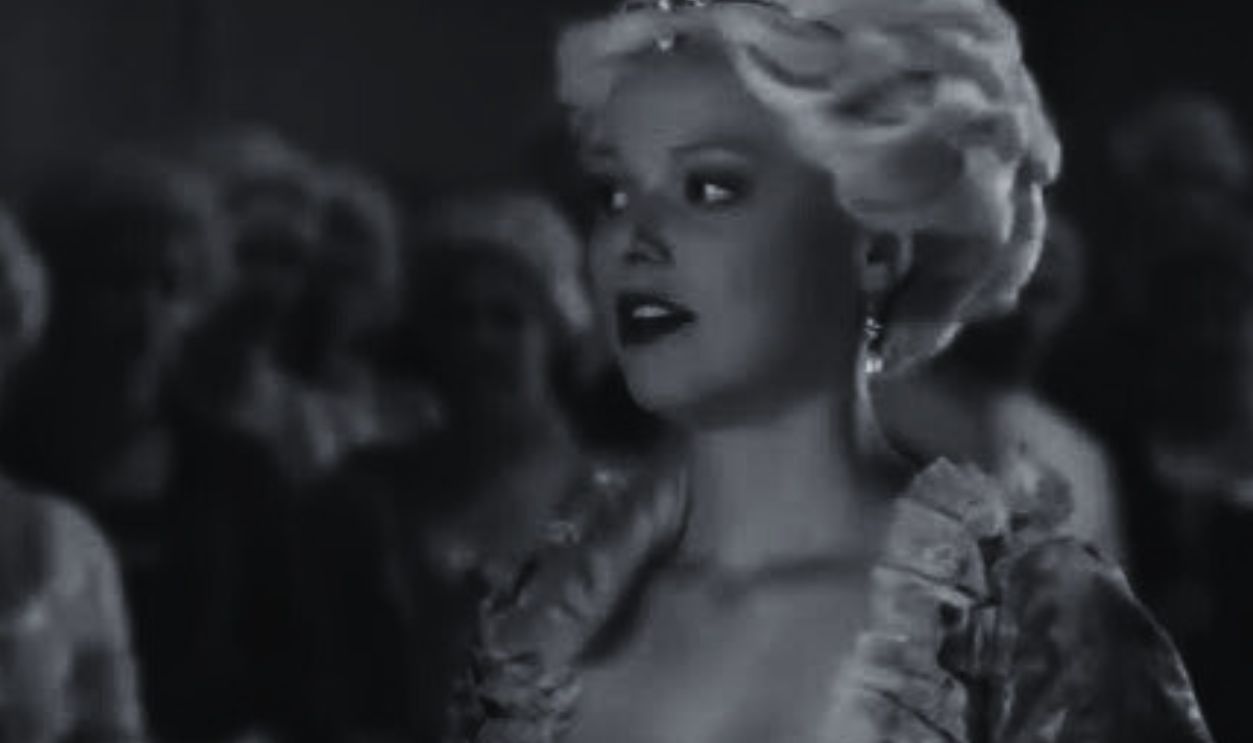
Maria ascended with no experience in ruling, but she certainly had other experiences that she could use—namely the skills she acquired performing in operas as a child. Requiring more men from Hungary than they were at first willing to provide, Maria appealed directly to the Hungarian Diet (the local ruling body), employing her gift for theatrics.
In a dramatic scene, she brought her young son and heir, Joseph, holding him during her plea for support, weeping dramatically, and consigning the fate of the future king to the defense of the “brave Hungarians”. It worked like a charm. The members of the Diet, swayed by the display, immediately pledged that they would sacrifice their lives for Maria Theresa. It proved to be a decisive move.
 ORF, Maria Theresia (2017–2021)
30. She Came Out On Top
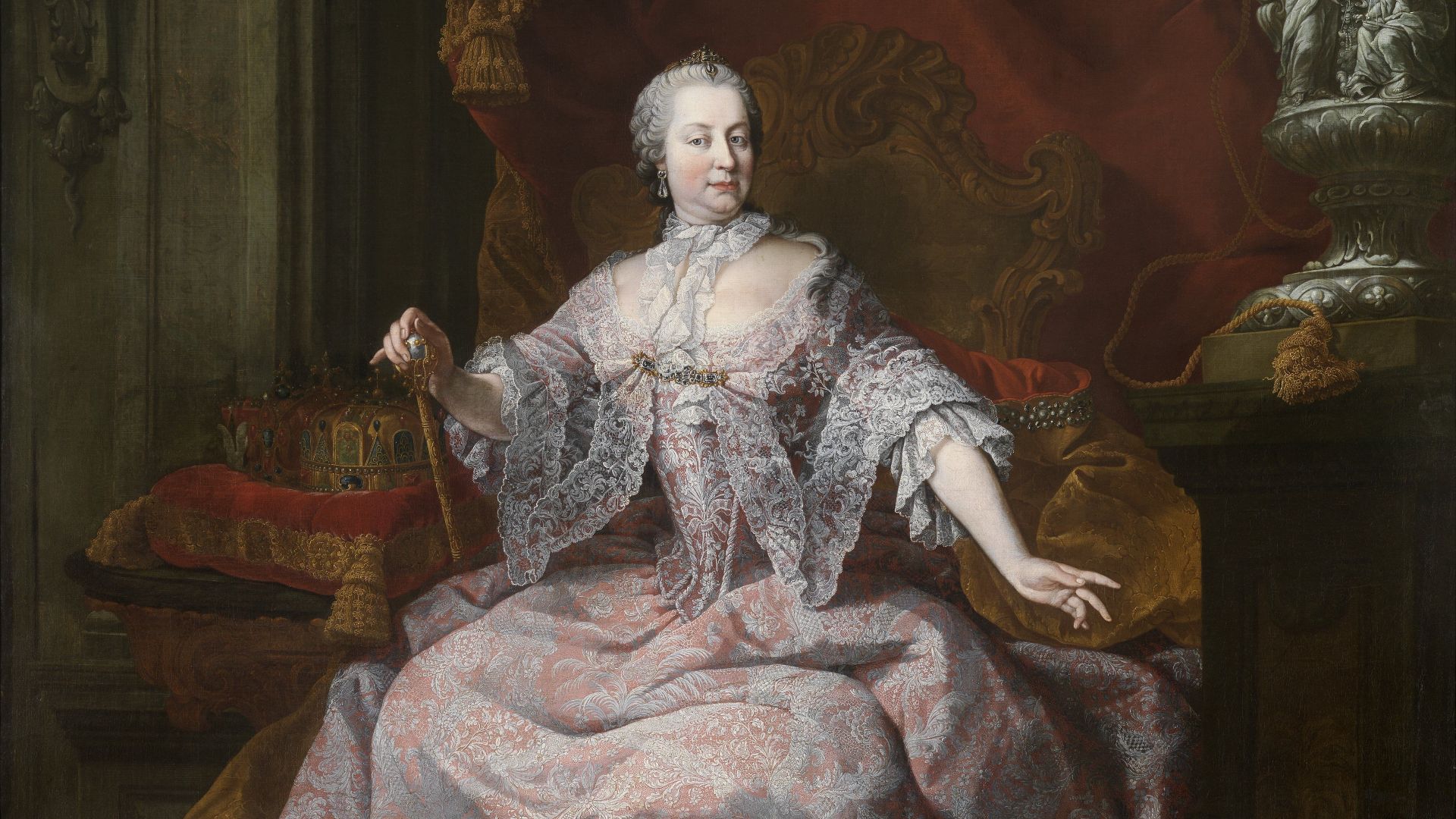
By the time the War of the Austrian Succession ended, Maria Theresa was in a good position. Though she had lost the territory of Silesia, the initial staging ground of the conflict, as well as some minor territories in Italy, the young monarch actually managed to hold on to most of the Habsburg territory. She wanted to give one final push, however.
 Matthias de Visch / After Martin van Meytens, Wikimedia Commons
31. She Picked Her Battles…Eventually
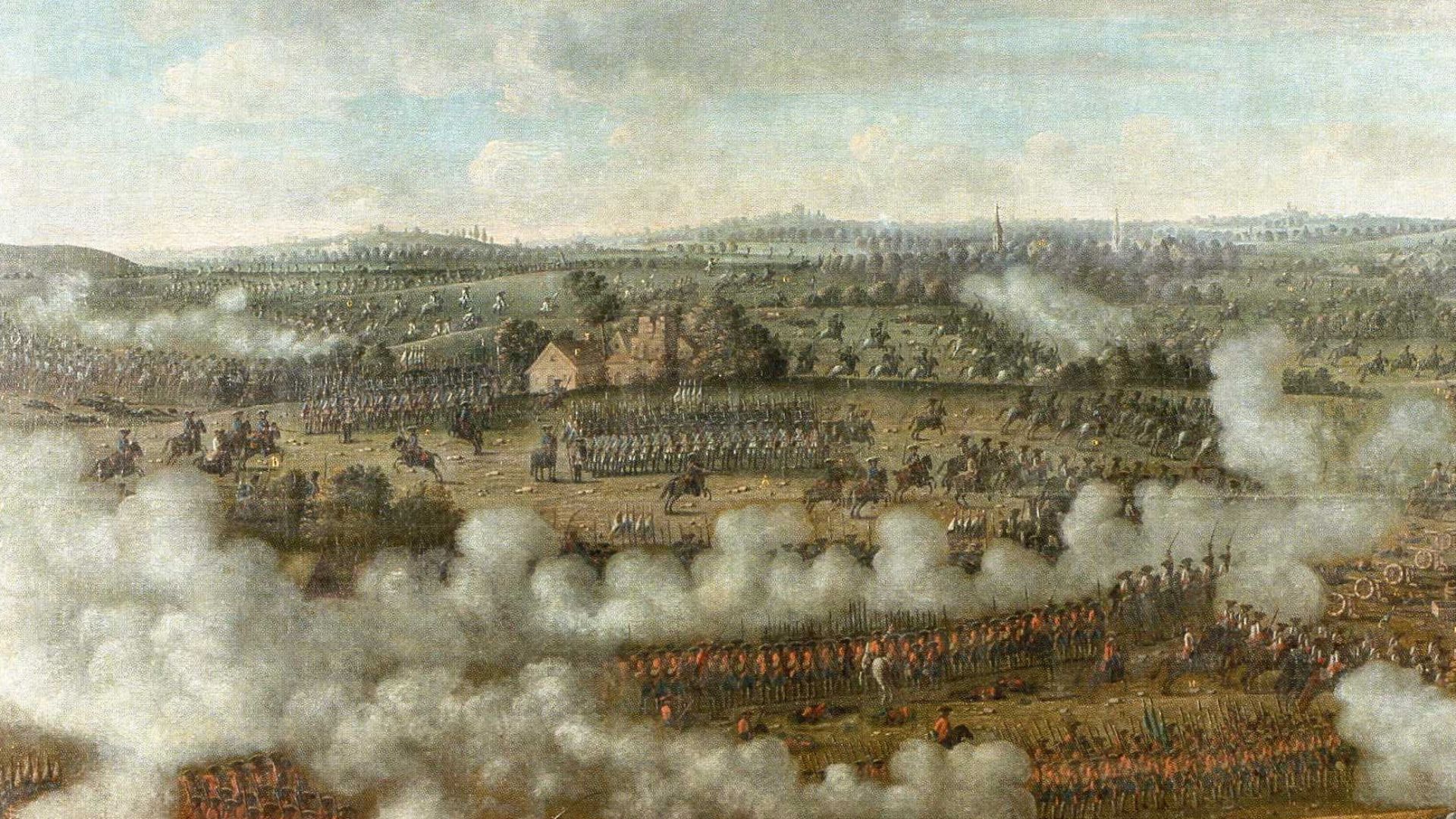
Still bruised by the loss of Silesia, Maria Theresa decided she would try again to regain the territory. Her attempt launched yet another long conflict, the Seven Years’ War, and once again her efforts were unsuccessful (though her position was somewhat strengthened from new alliances formed during the dispute).
This time, Maria got the message. For the rest of her tenure, she refrained from offensive operations and decided instead to focus on domestic reforms. She also realized she needed to sideline her administrative deadweight.
 Unknown artistUnknown artist, Wikimedia Commons
32. She Took Control
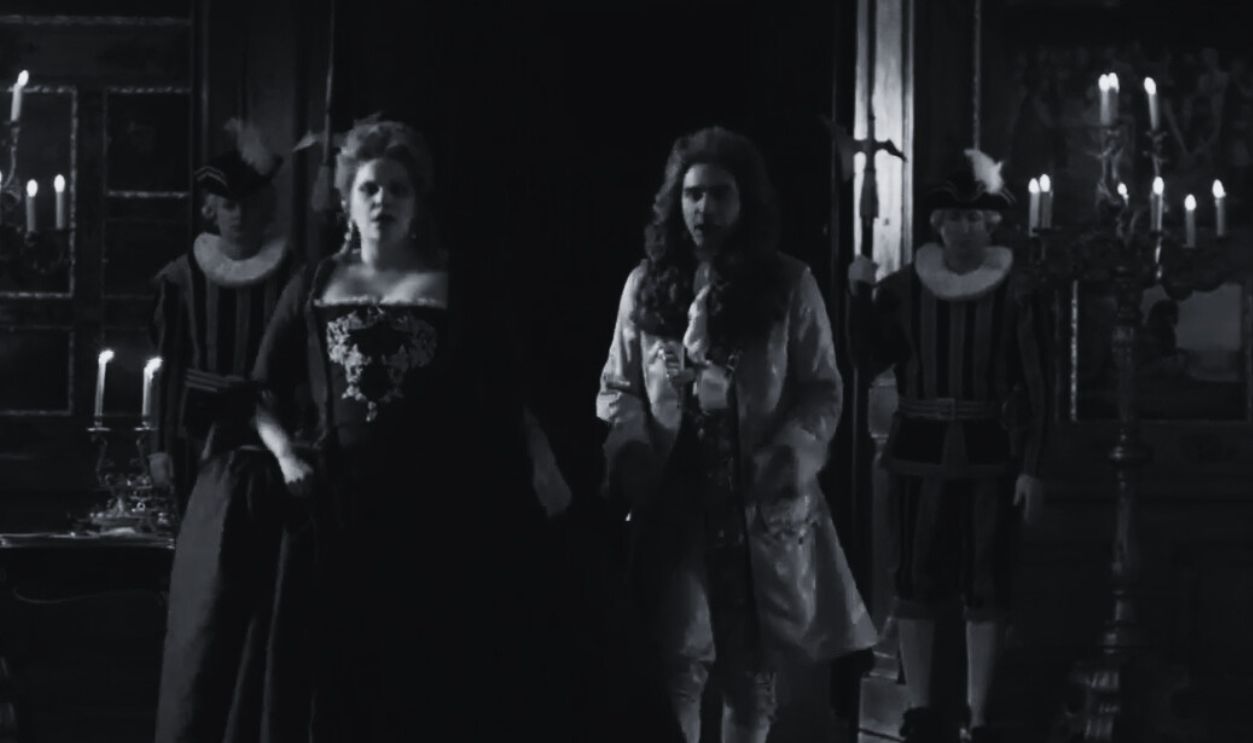
Because of her gender, there was an expectation that Maria Theresa would cede power to her husband and eldest son, who were, on paper, her co-rulers. However, after years of bumbling advisement from incompetent men, the Empress decided to do things her way. She sidelined her co-rulers, assembled her own counsel of trusted advisers, and ruled as an autocratic sovereign. And she wasn’t afraid to establish her dominance.
 ORF, Maria Theresia (2017–2021)
33. She Was A Girlboss
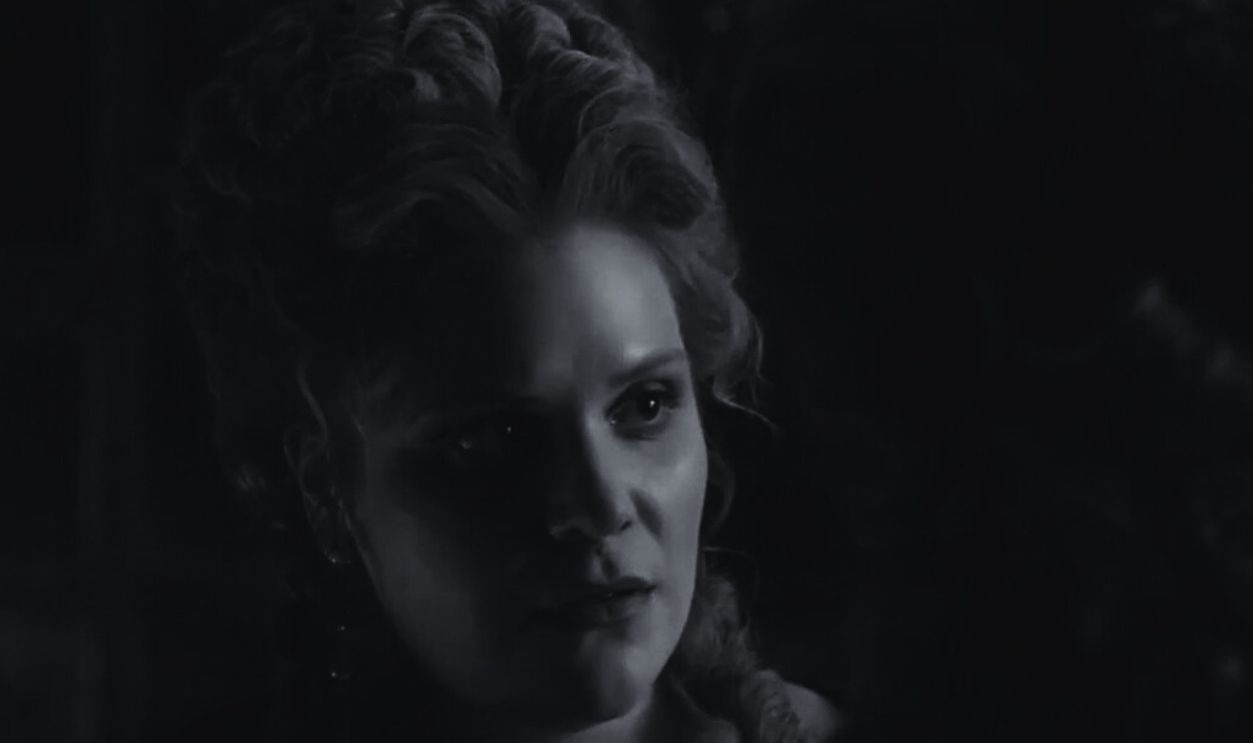
From then on, Maria Theresa really started to come into her own as a ruler. Though she still loved her husband dearly, she quickly banned him from deciding matters of state. While the Empress permitted Francis Stephen to attend counsel meetings, she would dismiss him any time they had a disagreement. Her whole family feared invoking her wrath.
 ORF, Maria Theresia (2017–2021)
34. She Was A Strict Mother
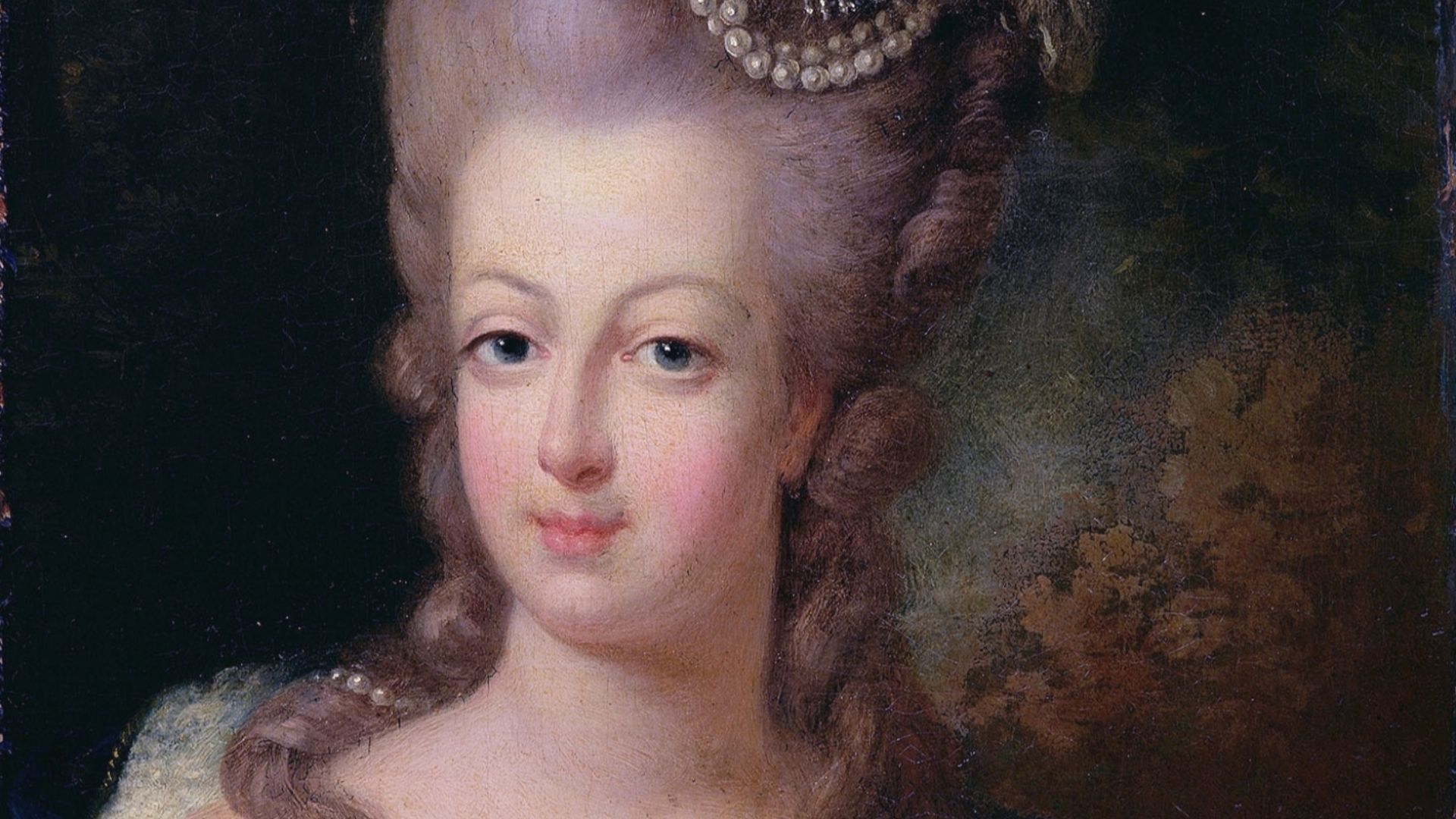
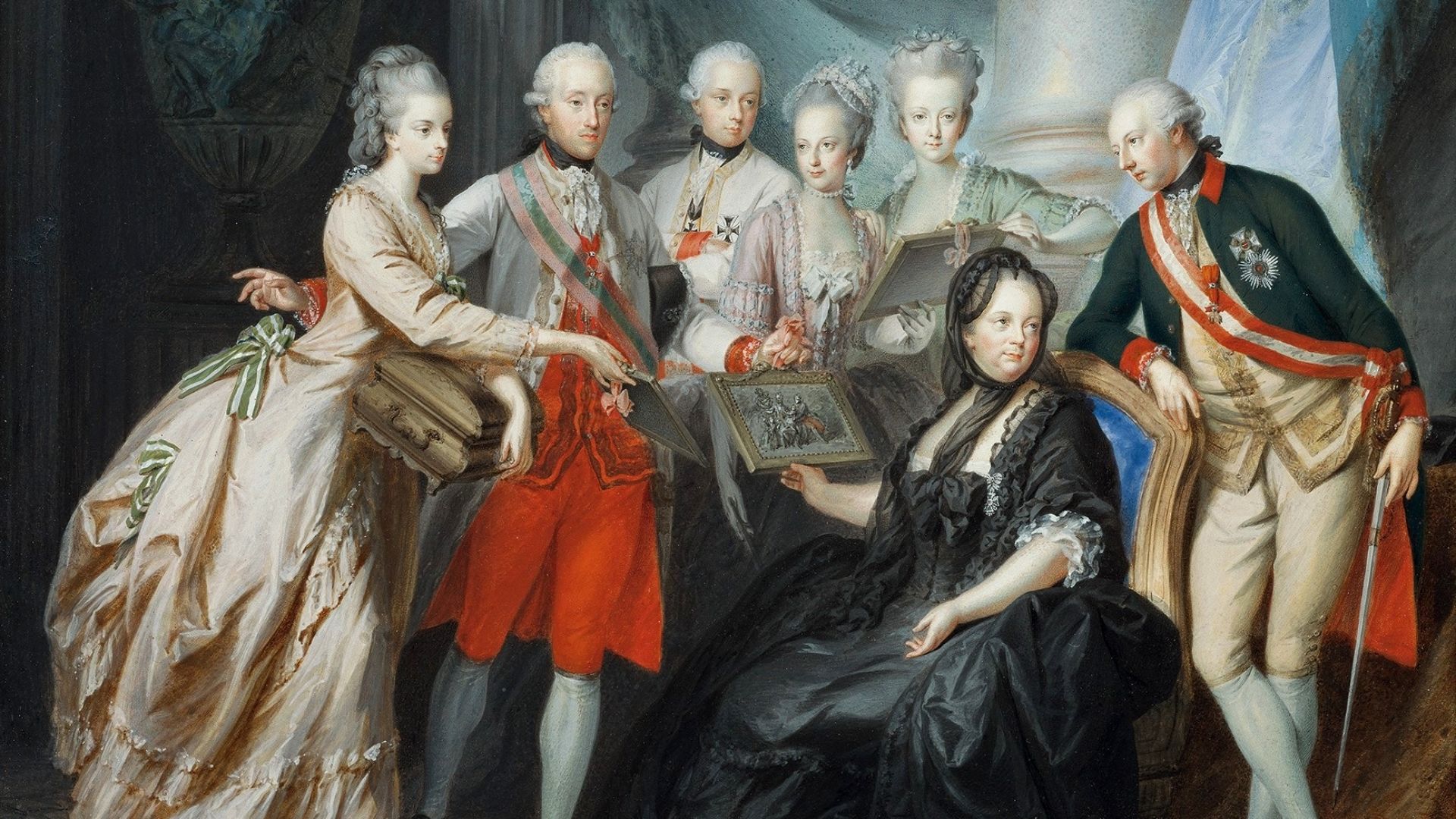
Maria Theresa had a reputation for her strict attitude and short temper with her children, often scolding them for all manner of transgression. She scolded her youngest daughter, Maria Antonia, for failing to conceive a child; she scolded her son Leopold for being too quiet.
She criticized other children for their political activities, lack of organization, and even poor French skills. In fact, her list of complaints about her children was the only thing longer than her list of children.
 After Jean-Baptiste André Gautier-Dagoty, Wikimedia Commons
35. She Had A Lot Of Kids
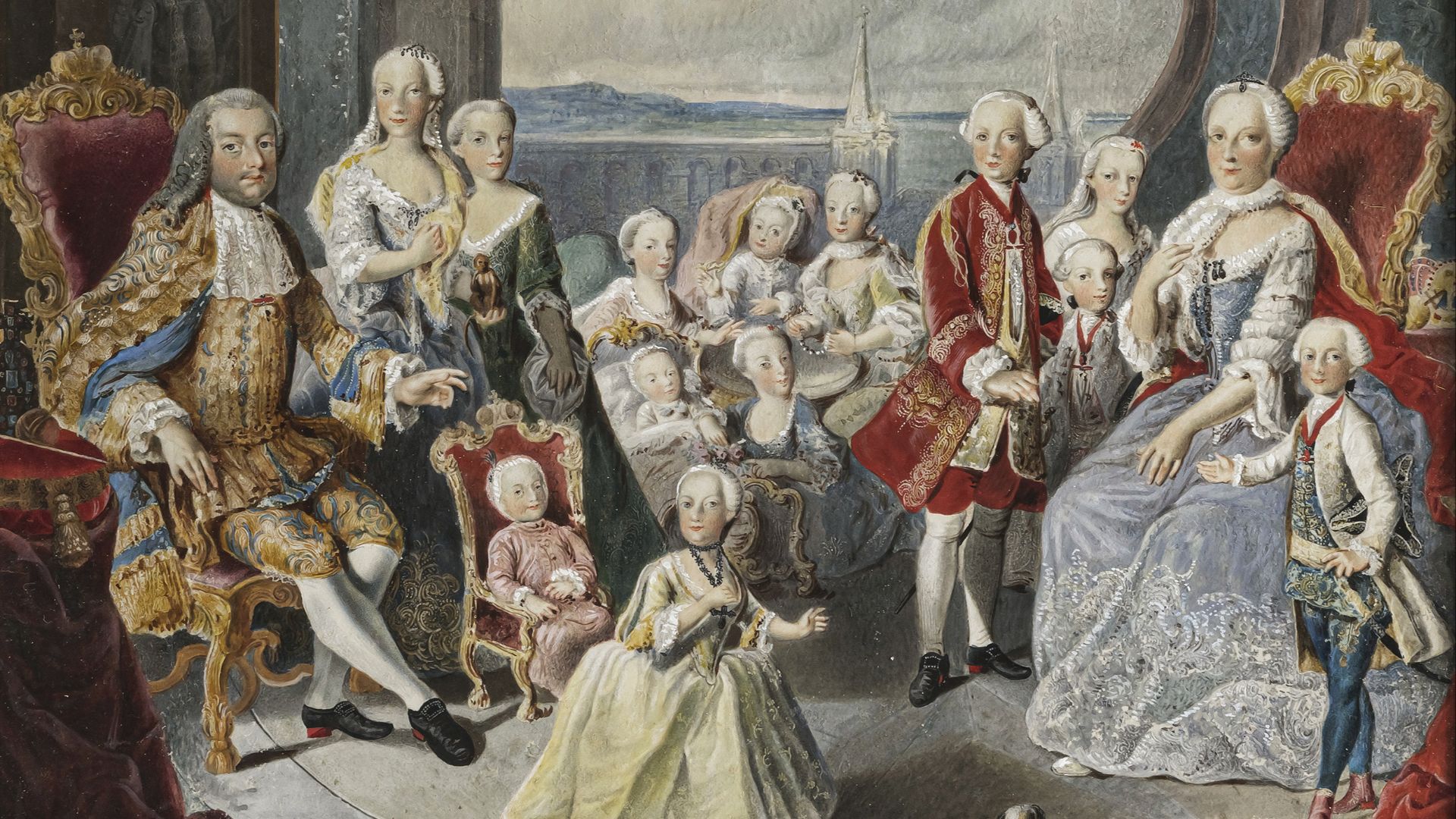
Maria Theresa was a regular Fertile Myrtle, with pregnancy being a near-constant aspect of her life. In the span of 19 years, from 1737 to 1756, she gave birth to a whopping 16 children. Tragically, however, only 13 survived infancy, and only 10 beyond that survived into adulthood. Still, the Empress kept a sense of humor about her perpetual childbearing.
 Jakob Matthias Schmutzer / After Martin van Meytens, Wikimedia Commons
36. She Was On Constant Maternity Leave
The two constants in the first 15 years of Maria Theresa’s reign were pregnancy and battle. This was not lost on the Empress, who humorously asserted that she would have gone into battle herself were it not for her almost perpetual pregnancy. There was another physical condition that played a prominent role in her life too.
 Heinrich Füger, Wikimedia Commons
37. She Battled Disease
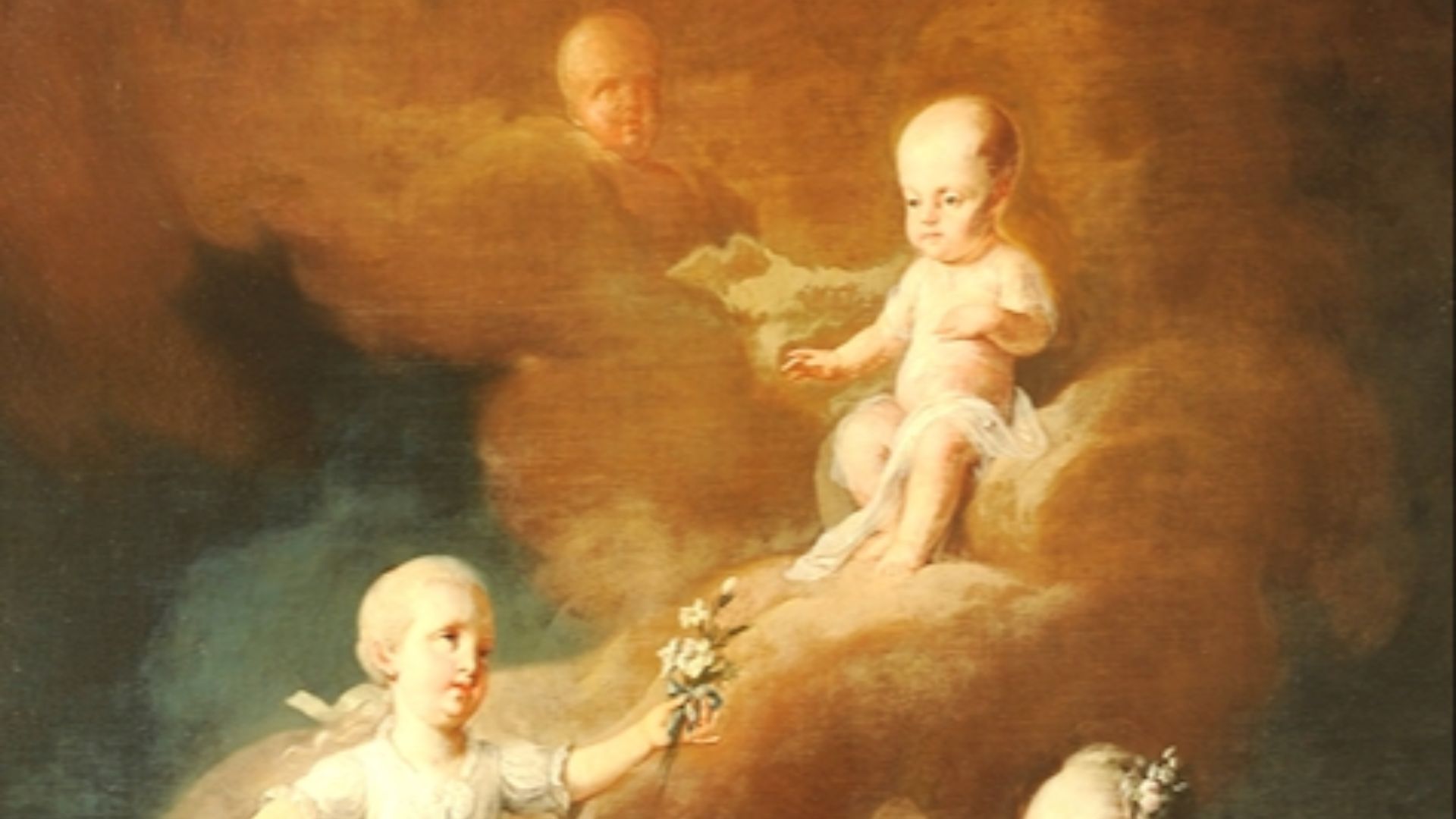
Following the demise of her originally betrothed suitor from smallpox, the disease would play a prominent and dangerous role in Maria Theresa’s life. A number of her children suffered from the ailment, and two even succumbed to it, as did two of her daughters-in-law. The Empress herself nearly perished from a bad bout with the illness in 1767. With smallpox being such a prevalent theme in her life, Maria took action.
 Franz Anton Maulbertsch, Wikimedia Commons
38. She Made Medical Reforms
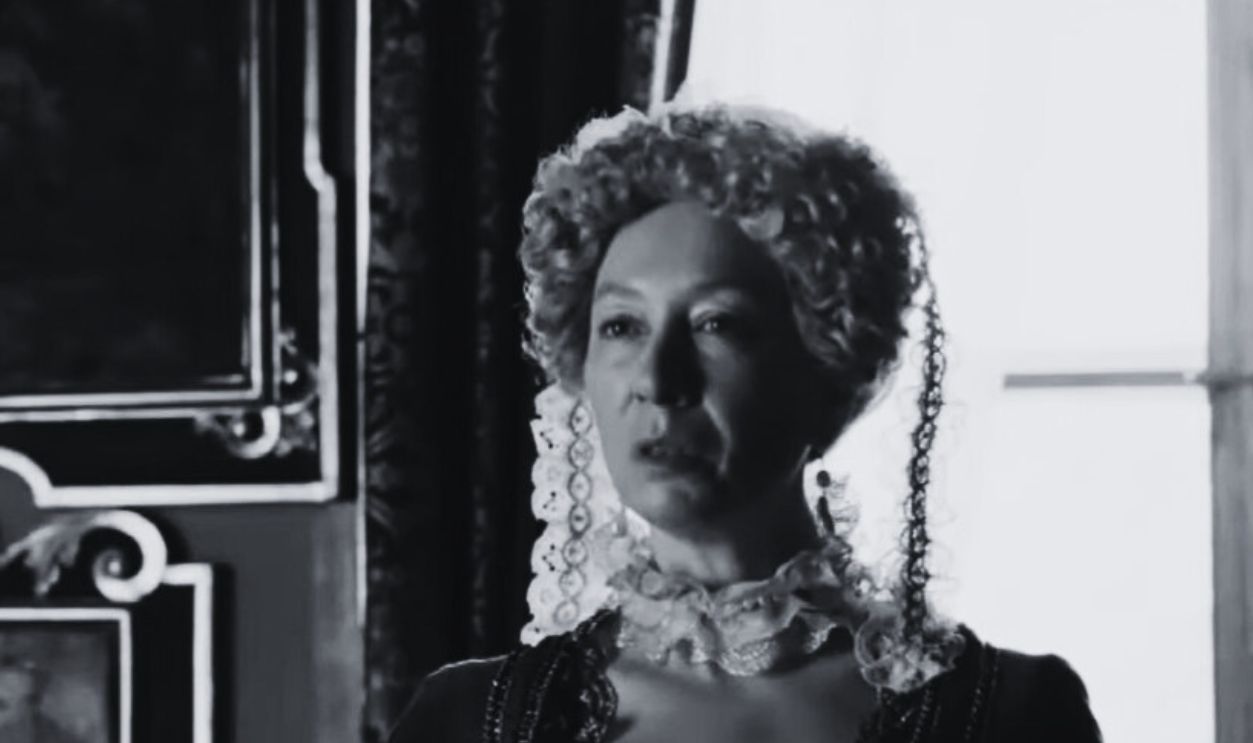
Inspired in large part by the havoc smallpox wreaked on her family’s lives, Maria Theresa implemented many important medical reforms during her reign. Chief among these was her decision to sponsor smallpox inoculation trials to prevent the illness. Seeing the effectiveness of the trials, she insisted the imperial family all receive inoculation and promoted it publicly. It was one of many important reforms.
 ORF, Maria Theresia (2017–2021)
39. She Was A Domestic Policy Busy Body
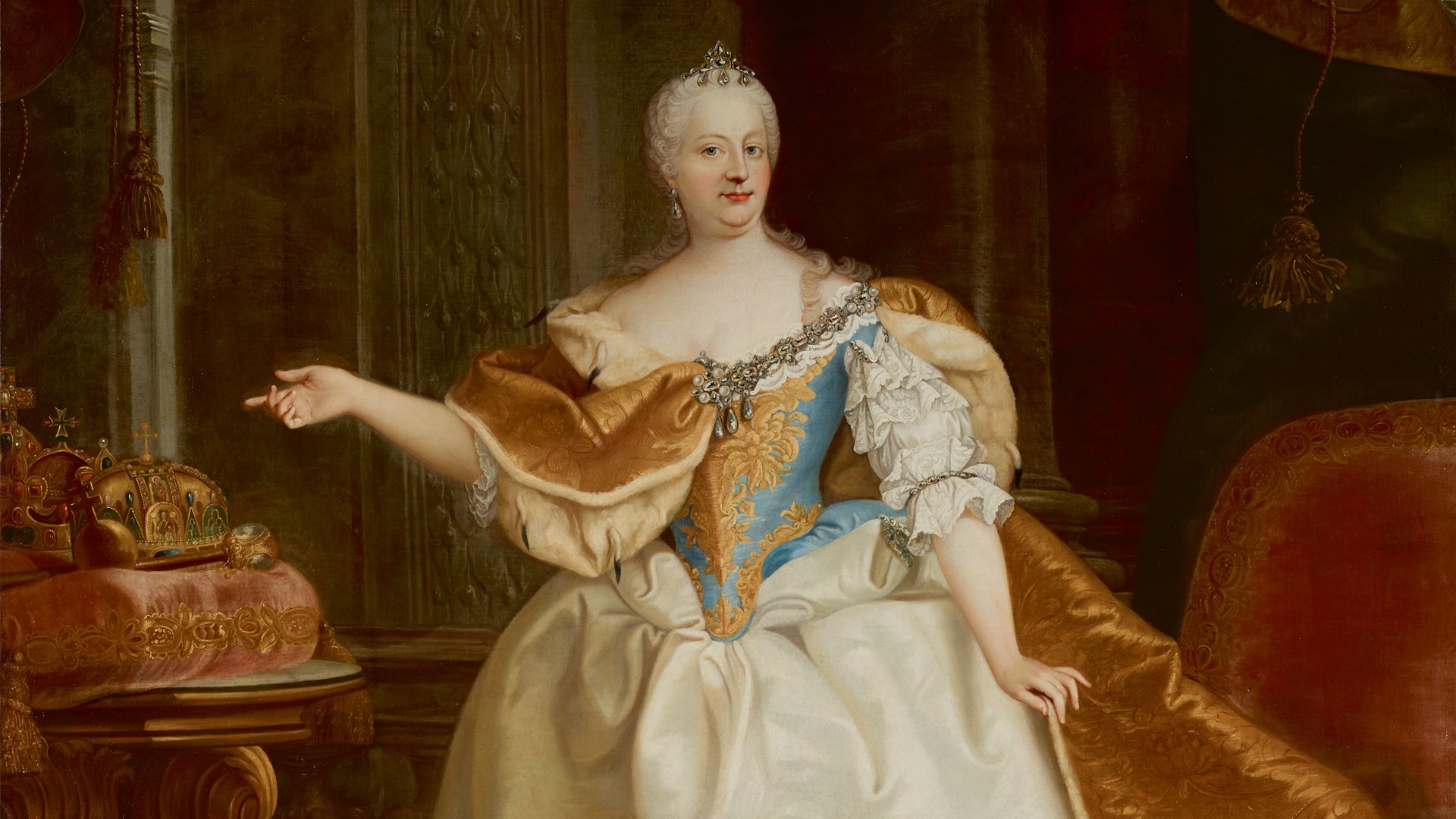
After her conscious turn away from conflict, Maria Theresa turned her focus to domestic policy and has earned a historical reputation as an important reformist. In conjunction with many other European rulers, she promulgated educational, financial, and institutional reforms that changed the nature of many of these areas. She also focused on the economy of the Habsburg empire.
40. She Revived The Economy
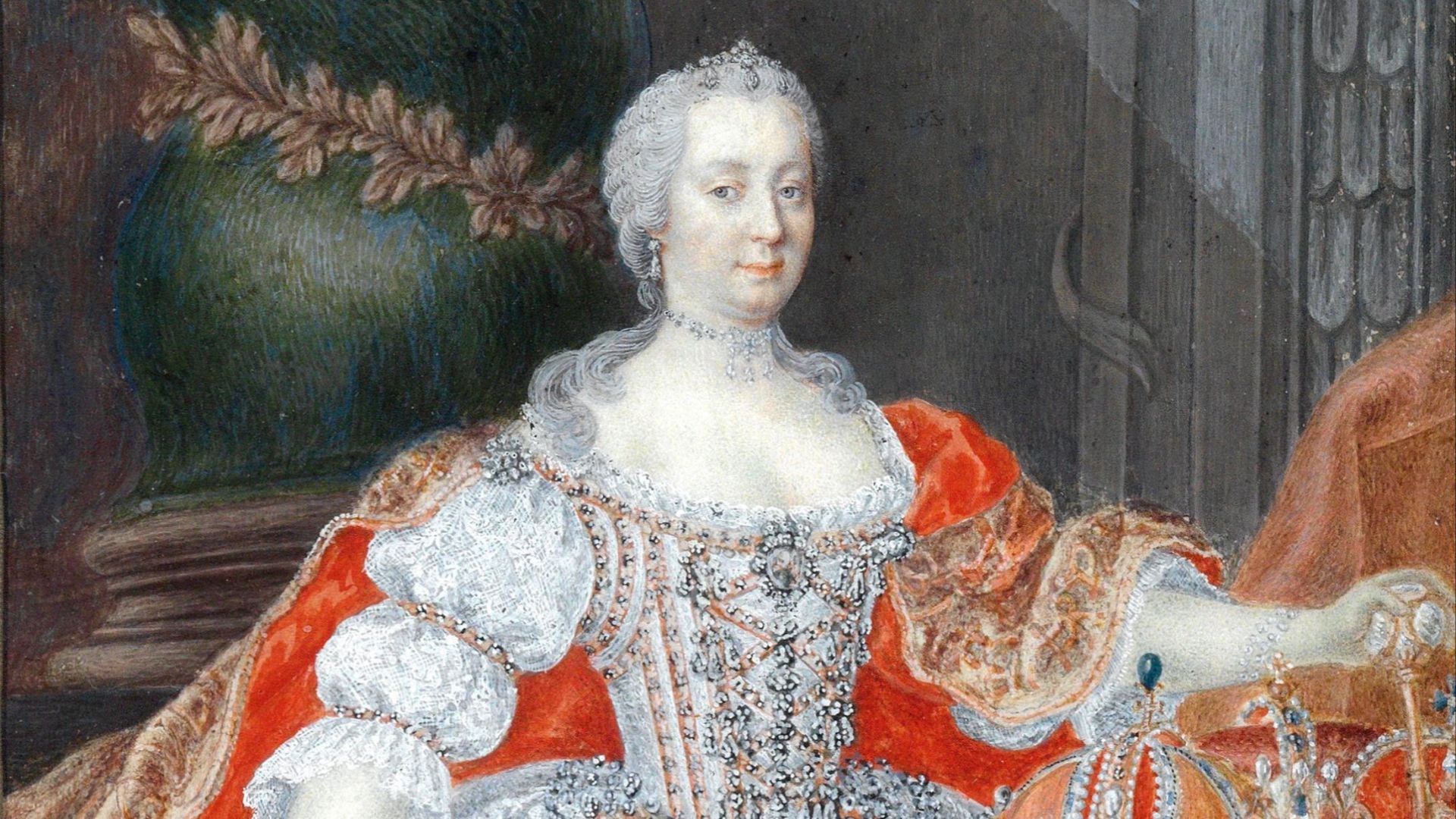
Many of Maria Theresa’s economic policies sought to mend the financial damage left behind by her imperial father. To address these issues, she heavily promoted commerce within the empire and instituted reforms that assisted with the development of agriculture, maneuvers that proved largely successful in strengthening the economy. She also set to work restoring another once-great institution.
 Unidentified painter, Wikimedia Commons
41. She Restored Her Country’s Might
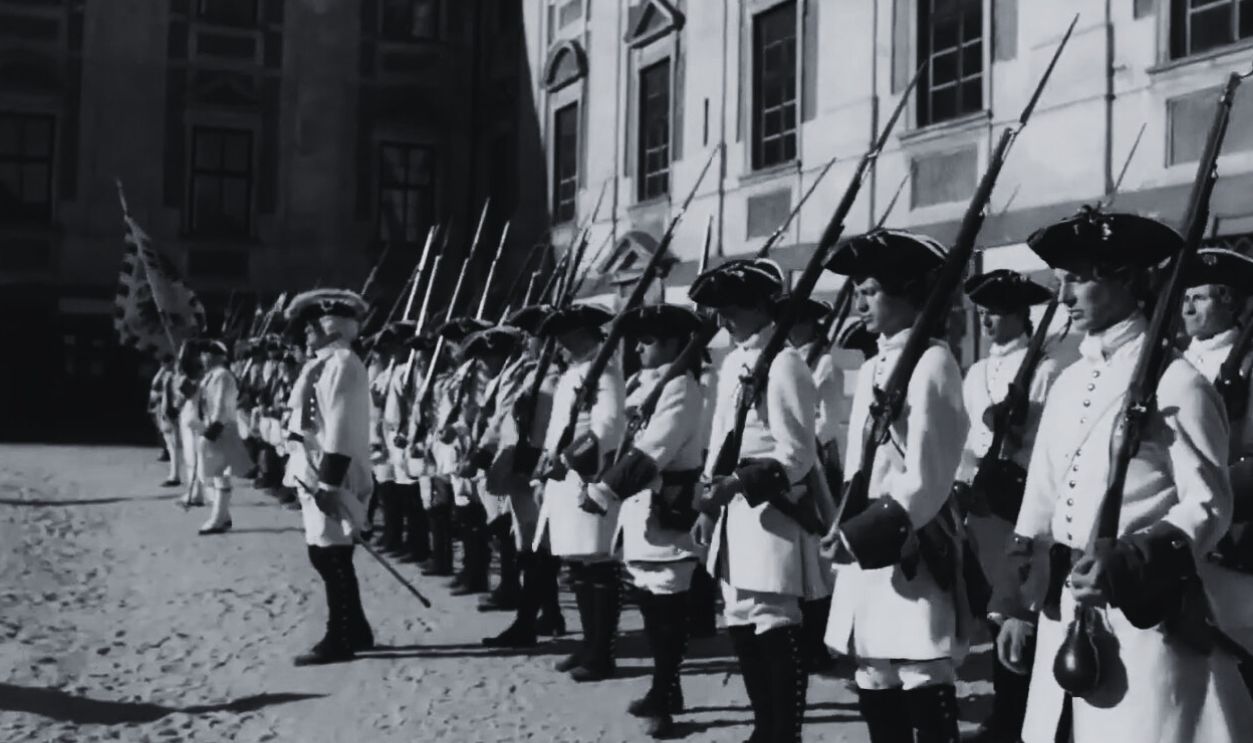
Having found the army in a dreadful state upon ascending to the throne, Maria Theresa learned, through years of conflict, that a strong army meant a strong country. She set about instituting effective reforms to strengthen Austria’s forces which restored the ramshackle operation to its former glory, improving the country’s international standing in the process. But while the Empress was progressive in many areas, she was a staunch reactionary in others.
 ORF, Maria Theresia (2017–2021)
42. She Was Intolerant
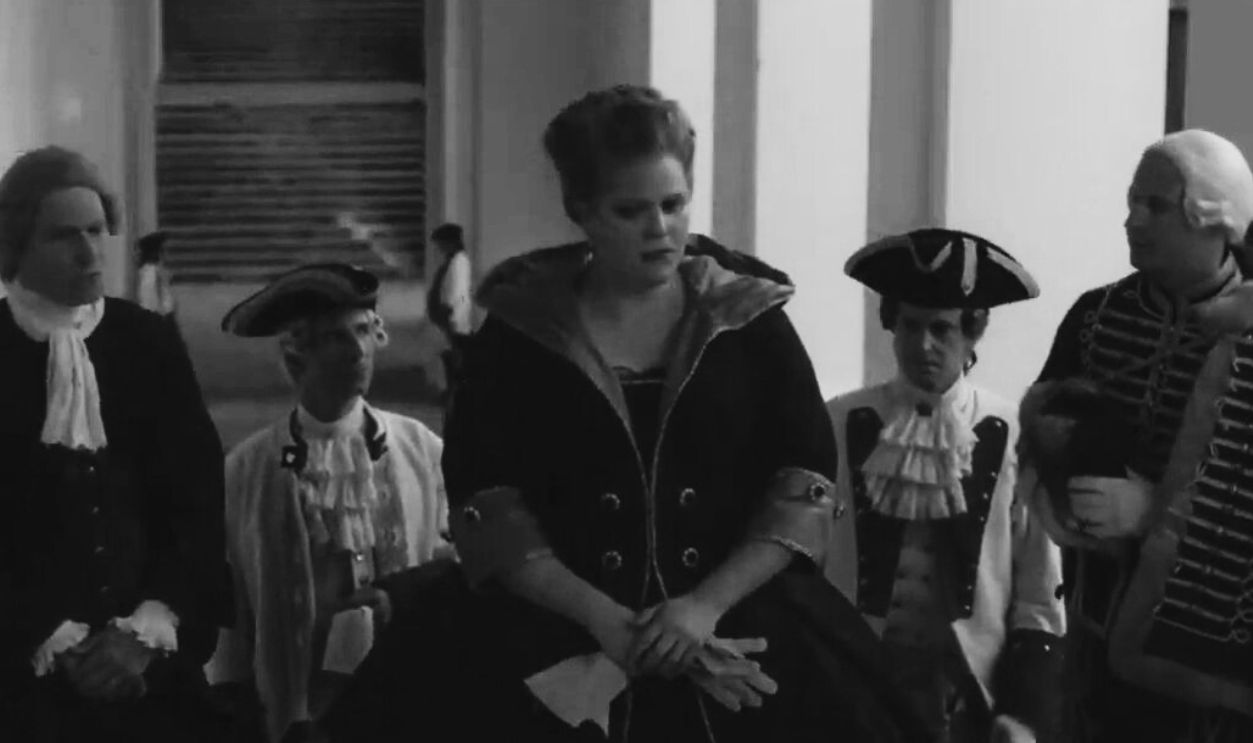
Maria Theresa was a pious Catholic, but this proved more of a hindrance than a boon to her compassion. She held a deep hatred for Freemasons, Jews, and Protestants, and with respect to these groups, her regime has been described as bigoted, intolerant, and superstitious. At times, she put actions to these backwards attitudes.
 ORF, Maria Theresia (2017–2021)
43. She Attempted Ethnic Cleansing
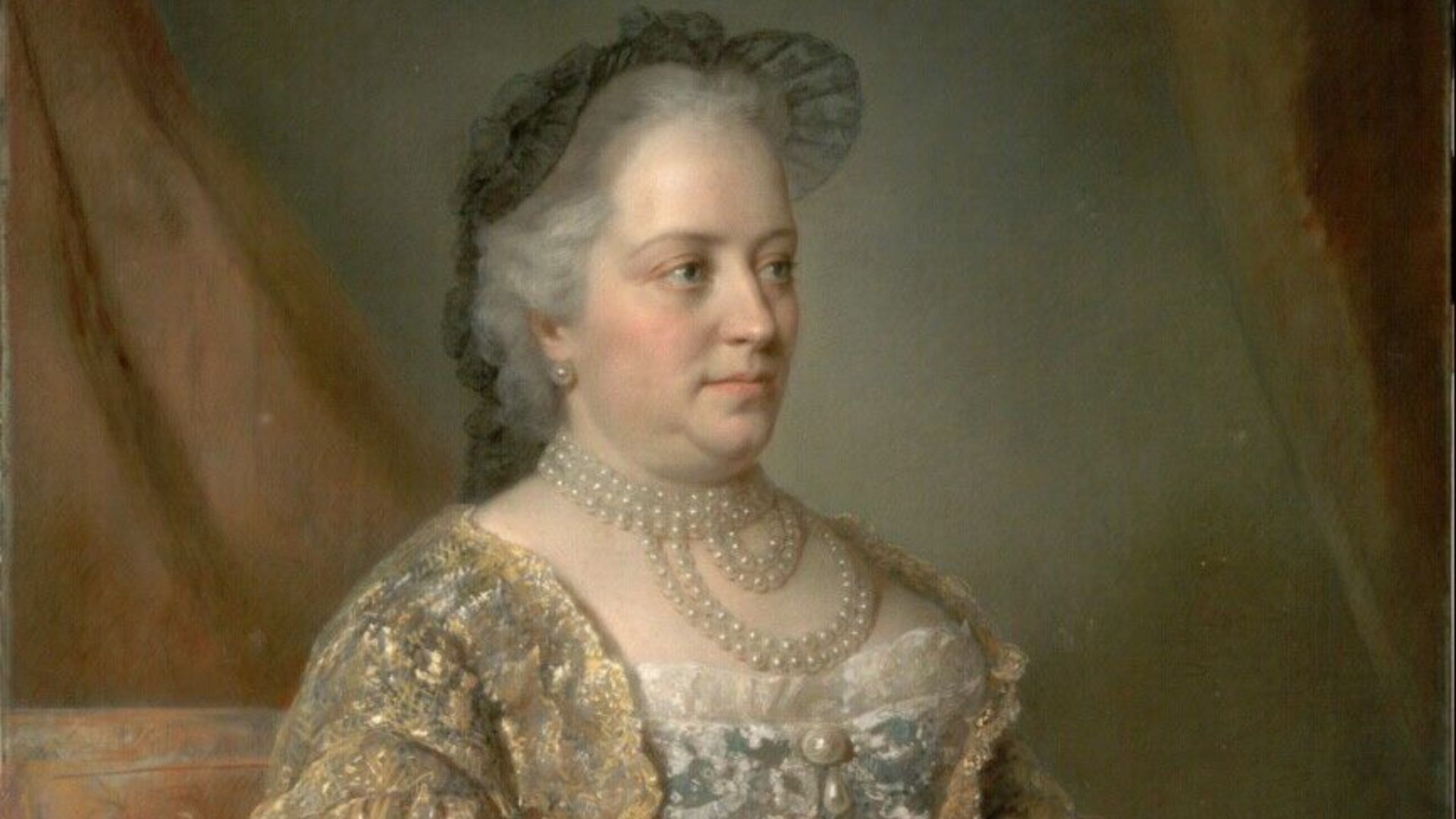
Maria Theresa was not all-talk with her intolerance of religious minorities. She felt discomfort with the presence of Jewish people in her empire and, on a few occasions, ordered their expulsion to remoter parts of the realm. And while she did not expel Protestants, she made various attempts to convert them to Catholicism. She implemented these views in state policy too.
 Jean-Étienne Liotard, Wikimedia Commons
44. She Advocated For Her Views
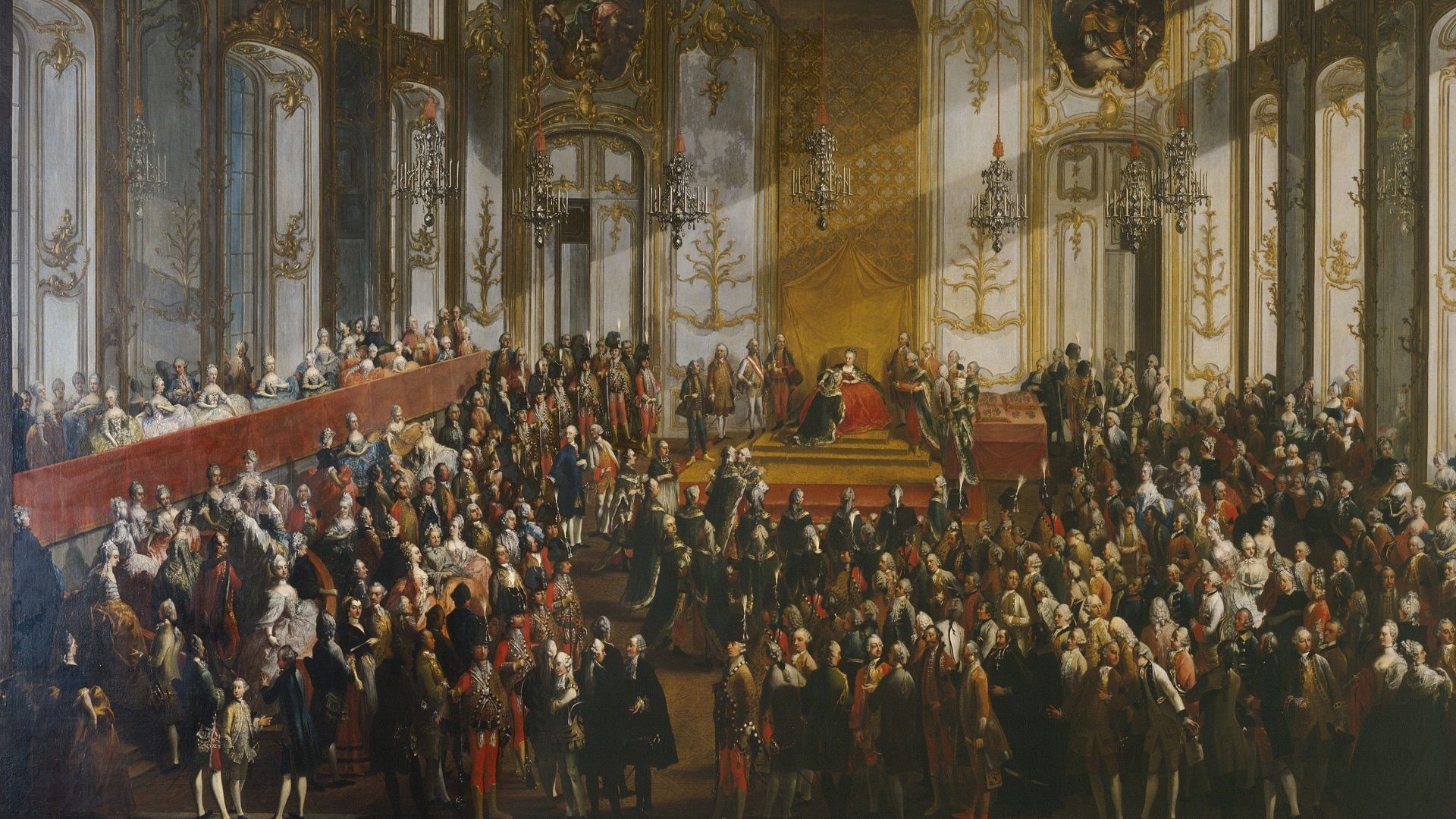
Maria Theresa’s intolerance was deeply embedded in her worldview. She firmly believed that religious unity was a necessary precursor to peaceful public life. This resulted in her explicit rejection of the idea of religious tolerance, and she even went so far as to advocate for a state church. She imposed her piousness on her people too.
 School of Martin van Meytens, Wikimedia Commons
45. She Interfered In Private Affairs
Maria Theresa’s religious zealotry made her especially concerned with carnal morality, and she went to great lengths to impose her own uptight rules on her subjects. She established a Chastity Commission to clamp down on “adult” work, homosexuality, adultery, and even relations between people of different faiths. Not only did the Chastity Commission work with local authorities, they actually used secret agents to peep and pry into the private lives of her subjects. They even had her go-ahead to perform raids on parties, banquets, and other social gatherings where they thought "untoward" behavior was occurring.
And if you were caught violating her rules on carnal morality? The penalties for these offences were absolutely horrific. Maria Theresa had made inroads toward outlawing persecution, making her punishments for immorality quite hypocritical. They actually ranged from whipping to execution. It was not the only way the Empress interfered in public life.
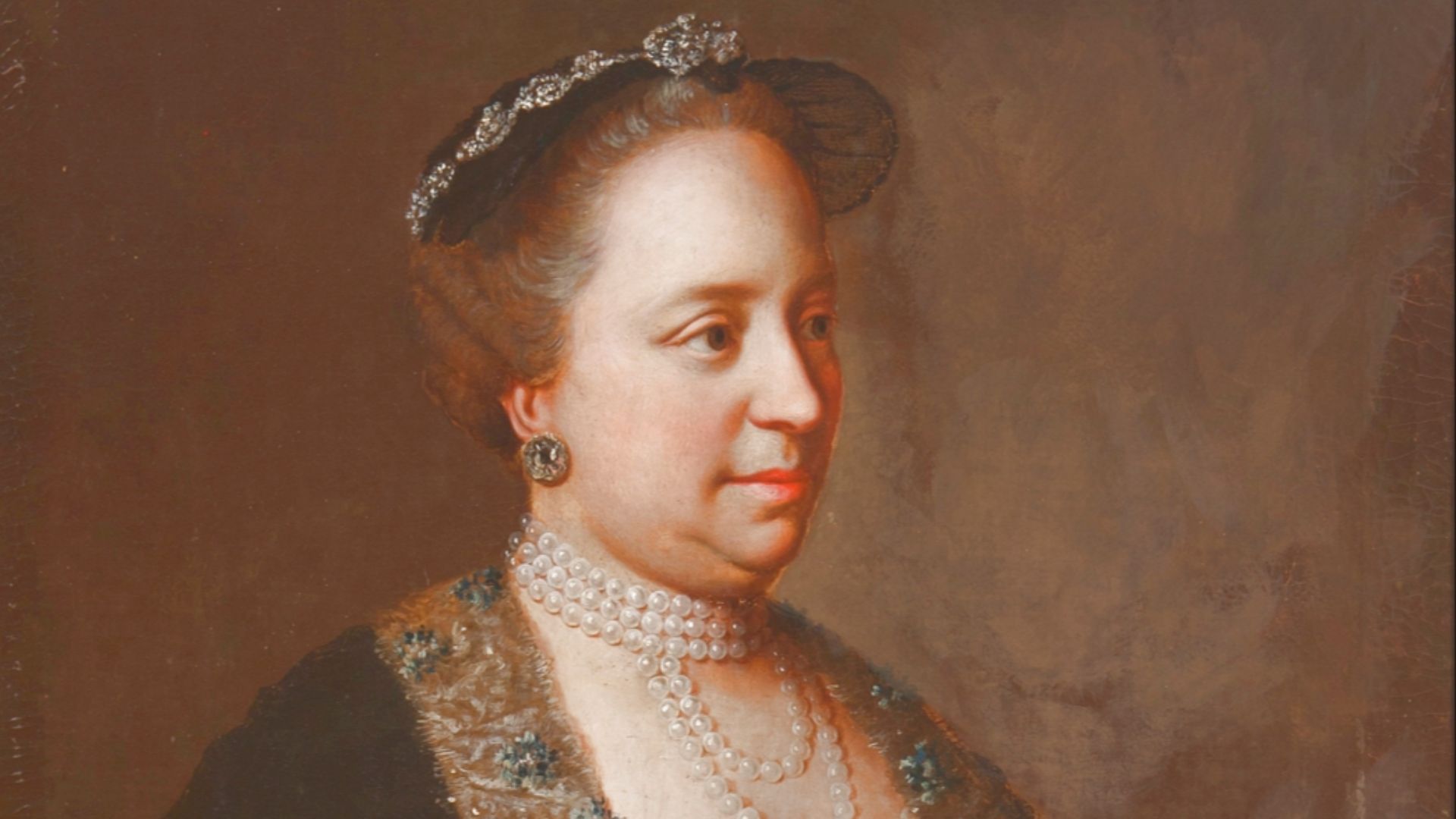 Joseph Hickel, Wikimedia Commons
46. She Limited Knowledge
Maria Theresa’s regime also engaged in systematic censoring of publications and educational materials, particularly those perceived to be against Catholicism. She cracked down on important Enlightenment works by Rousseau and Voltaire, due to what she saw as “the immoral tendency or licentious nature of their writings”, a tragic loss for society at the time. But Maria Theresa was about to face tragedy of her own.
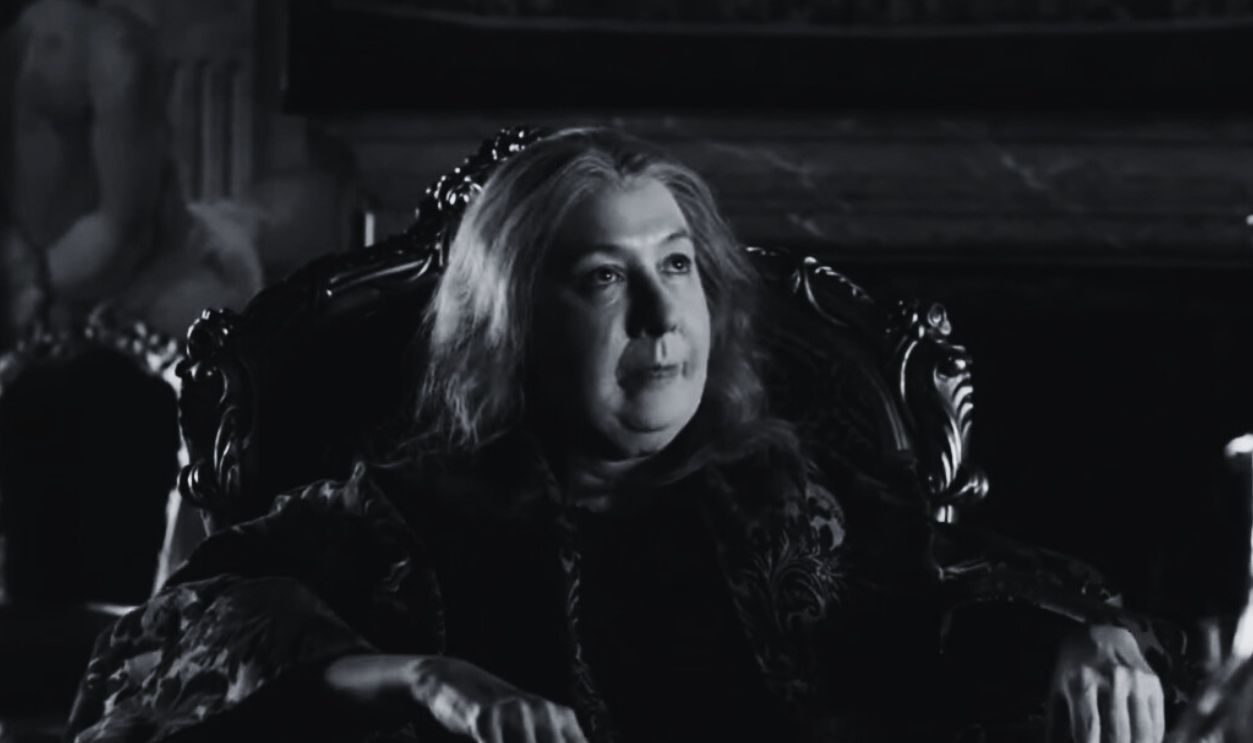 ORF, Maria Theresia (2017–2021)
47. She Became A Wailing Widow
On August 18, 1765, Maria Theresa’s Emperor husband perished on a trip to Innsbruck for his son’s wedding. Despite Francis’ multiple affairs, the Empress, whose love for him had never faded, was completely devastated. She withdrew entirely from public life, cut her hair short, painted all her rooms black, and mourned for the remainder of her days. And those remaining days were difficult.
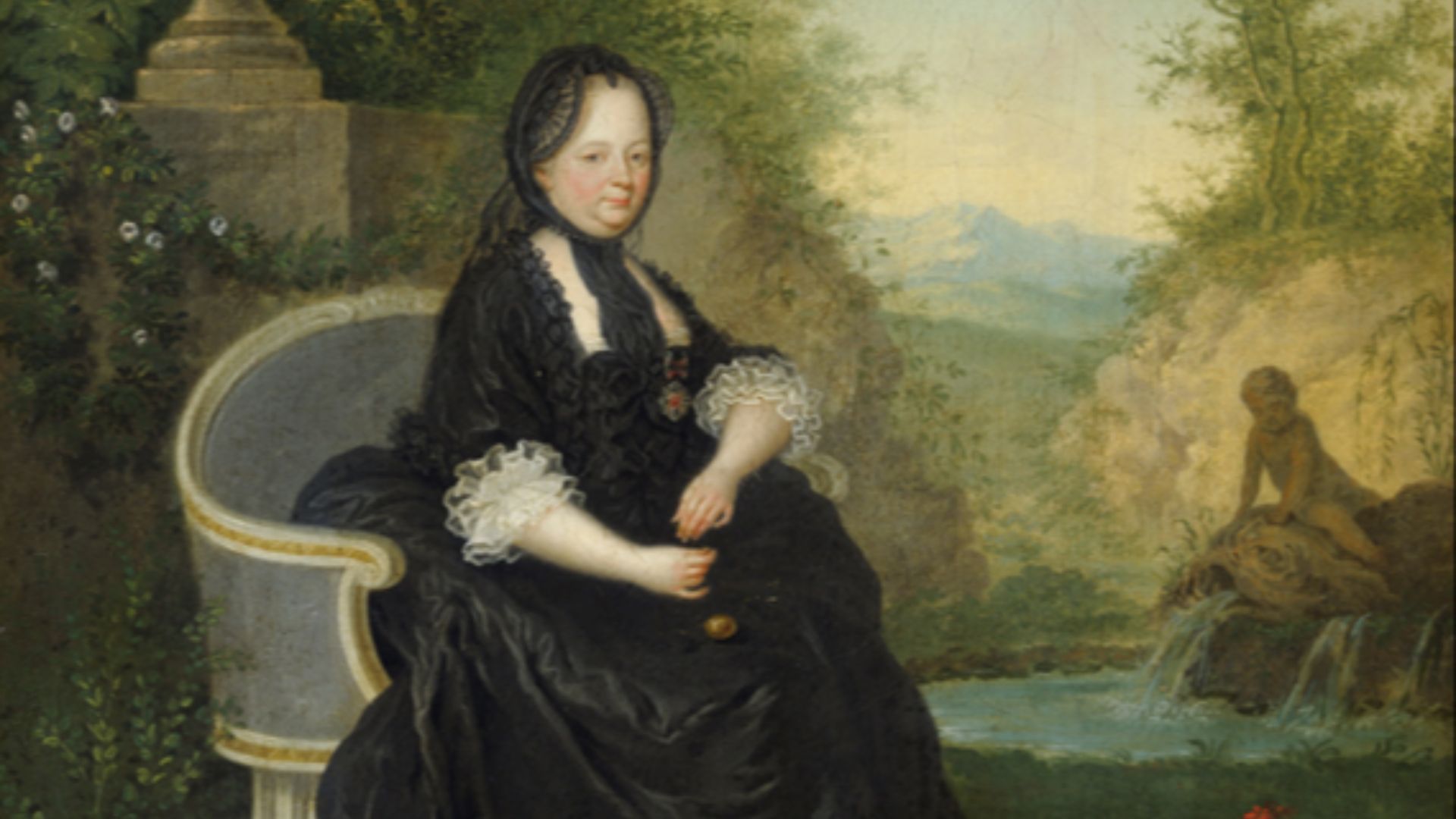 Austrian School / After Joseph Ducreux / Anton von Maron, Wikimedia Commons
48. Her Health Deteriorated
Maria Theresa never fully recovered from her 1767 bout with smallpox. Following the illness, she suffered for the rest of her life from coughing, fatigue, insomnia, and shortness of breath. On November 21, 1780, the Empress fell seriously ill. Five days later, she would succumb to her symptoms, surrounded by her children, at the age of 63. It was the end of a 40-year reign for the Habsburg’s trailblazing female monarch.
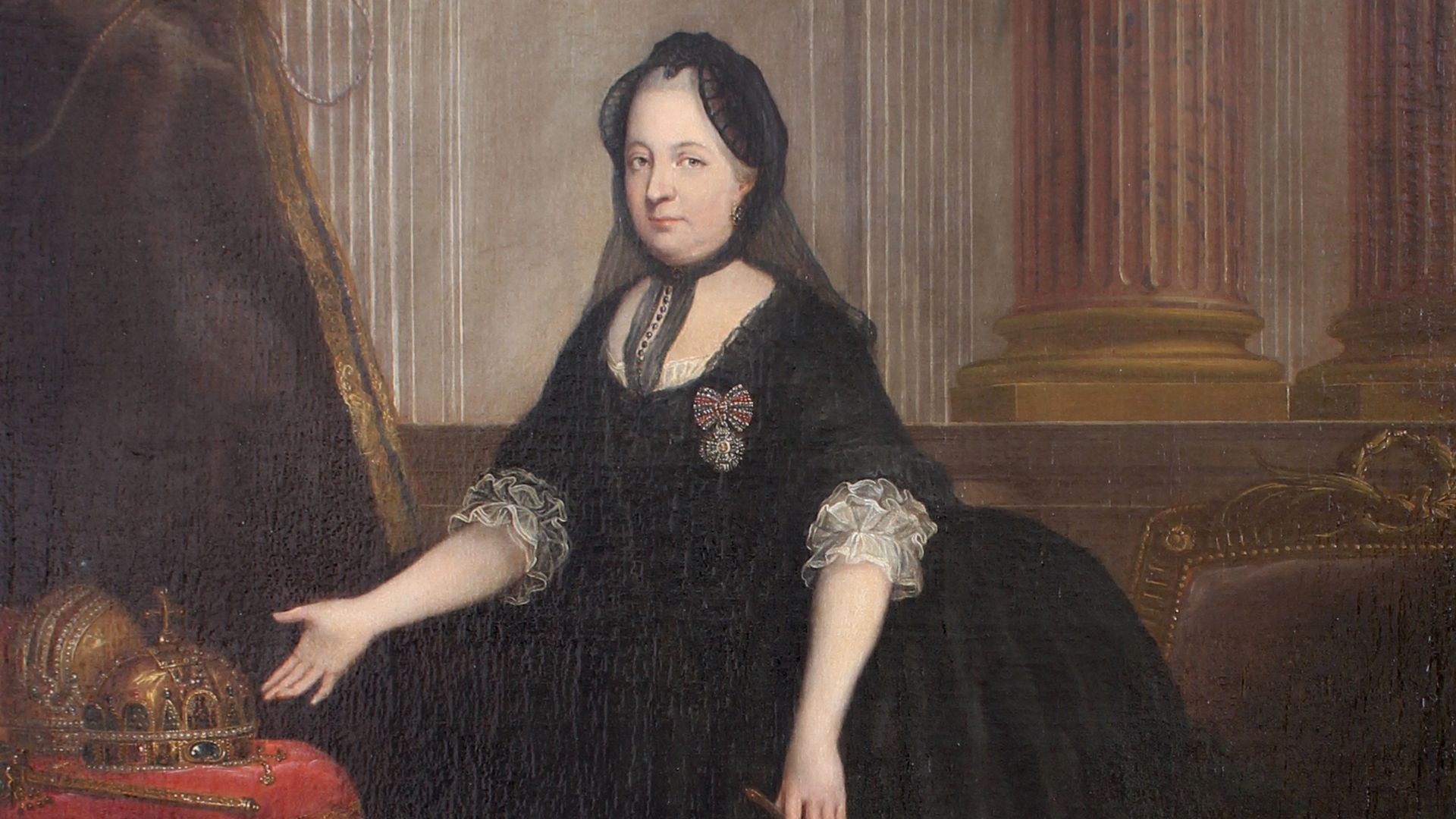 Workshop of Anton von Maron / Attributed to Anton von Maron, Wikimedia Commons
49. She Left A Great Legacy
Despite some shortcomings, Maria Theresa left a mark on the history of the Habsburg dynasty. Her historic rule is viewed as largely positive, and her reputation is of a dignified and capable ruler. Her reforms modernized the Habsburg Empire and improved its international standing. And there was one more important imprint she left on European history.
 Unidentified painter, Wikimedia Commons
50. Her Daughter Made Waves
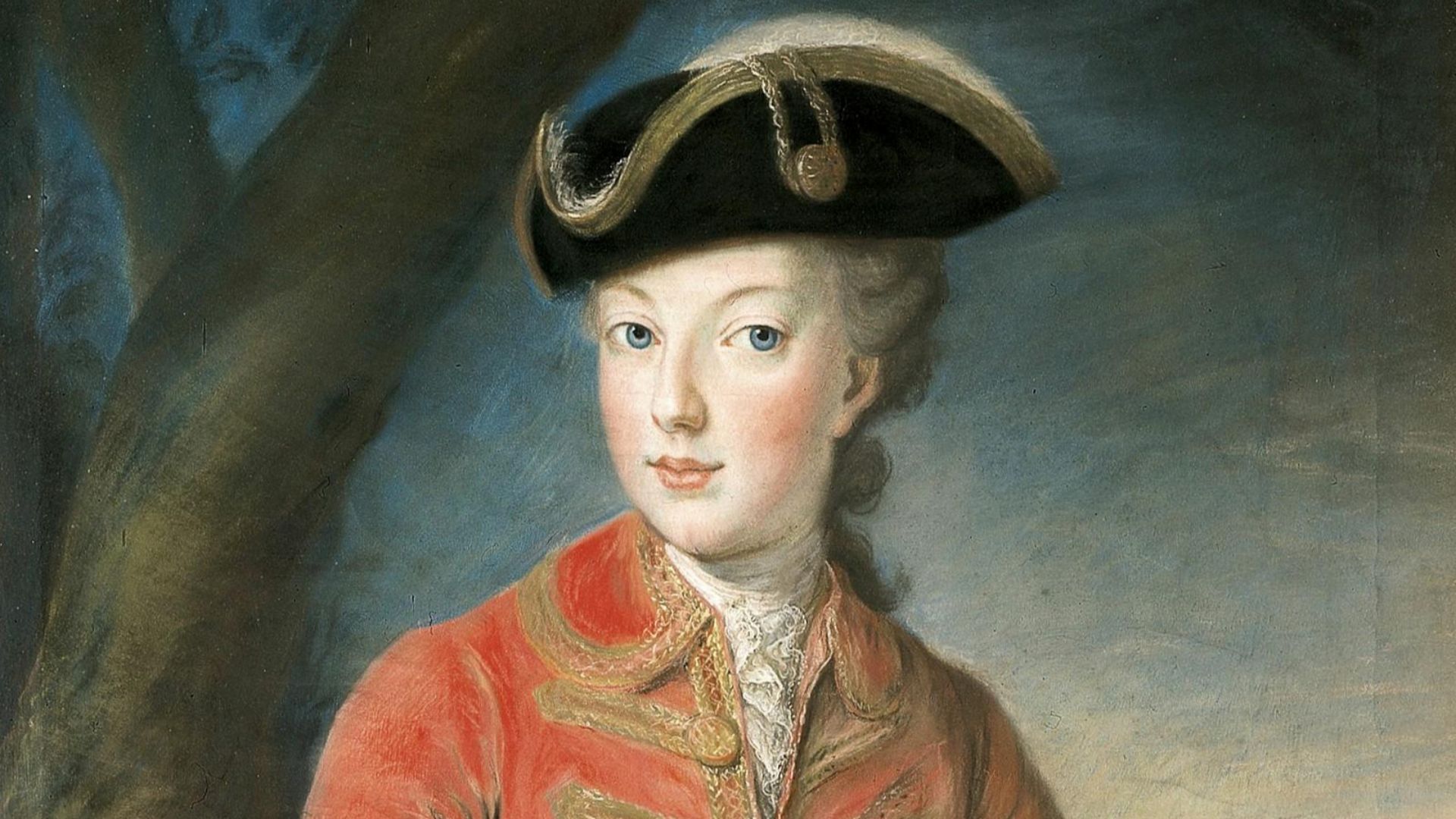
Maria Theresa’s youngest daughter, Maria Antonia, would later her change her name after she wed the King of France. She is known to history as Marie Antoinette, the last Queen of France before the French Revolution. A titanic figure in history, she makes up just one part of the paradigm-shifting legacy of her mother, the first Habsburg Empress.
 Joseph Kranzinger, Wikimedia Commons
You May Also Like:
Marie Antoinette: From Queen To Guillotine
The Jaw-Dropping Life Of Marie Antoinette’s Shameless Sister