
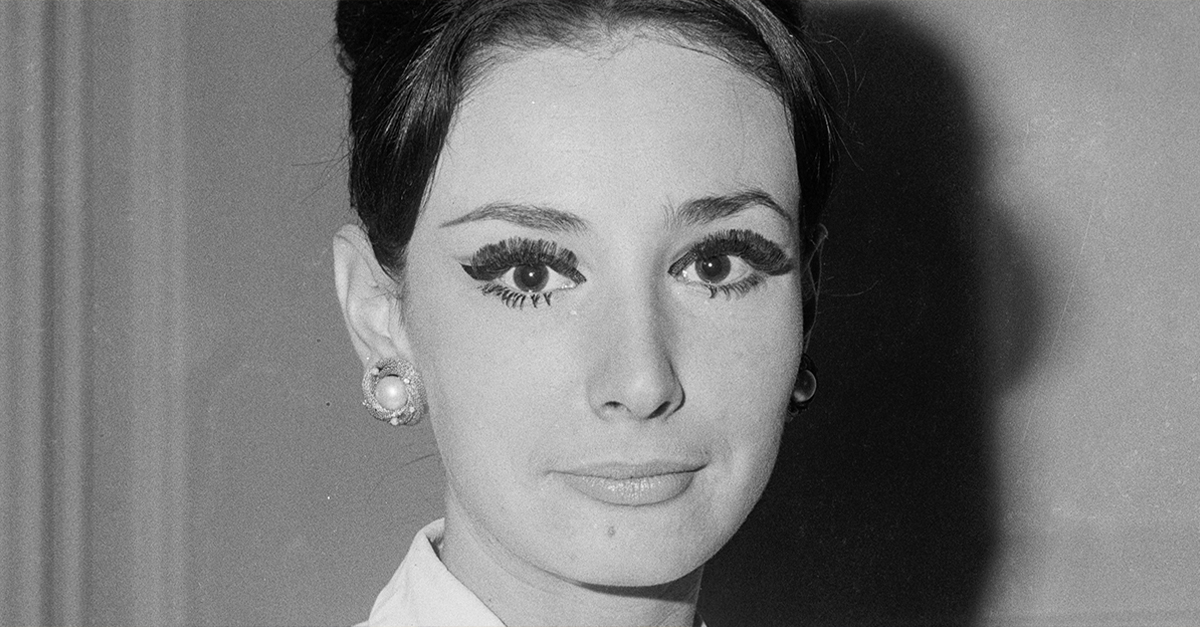
Bettina Graziani Was A Fashion Icon With A Dark Backstory
Bettina Graziani emerged from rural obscurity to become one of the world’s biggest fashion icons. Personifying the new era of post-WWII Paris chic, the hard-working beauty would put her looks and gumption to good use, becoming the world’s first supermodel. She traveled the globe, encountered many notable figures, and, later in life, experienced a devastating tragedy.
1. She Had A Real Name
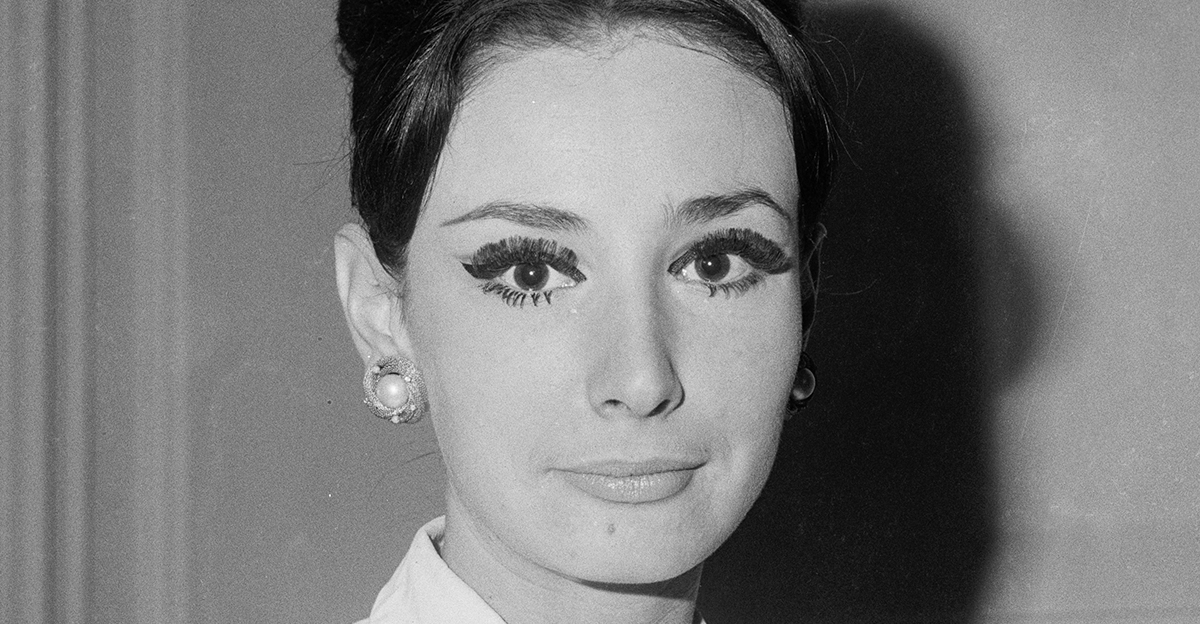
Bettina Graziani did not begin her life with such an appropriately glamorous name. In fact, the idea of modeling, let alone under a stage name, could hardly have looked likely for her, given her humble origins. Born on May 8, 1925, in France, her parents named her Simone Micheline Bodin, a name which would do little for her beyond childhood—a childhood that contrasted with her adult world in a shocking way.
2. She Was A Country Girl
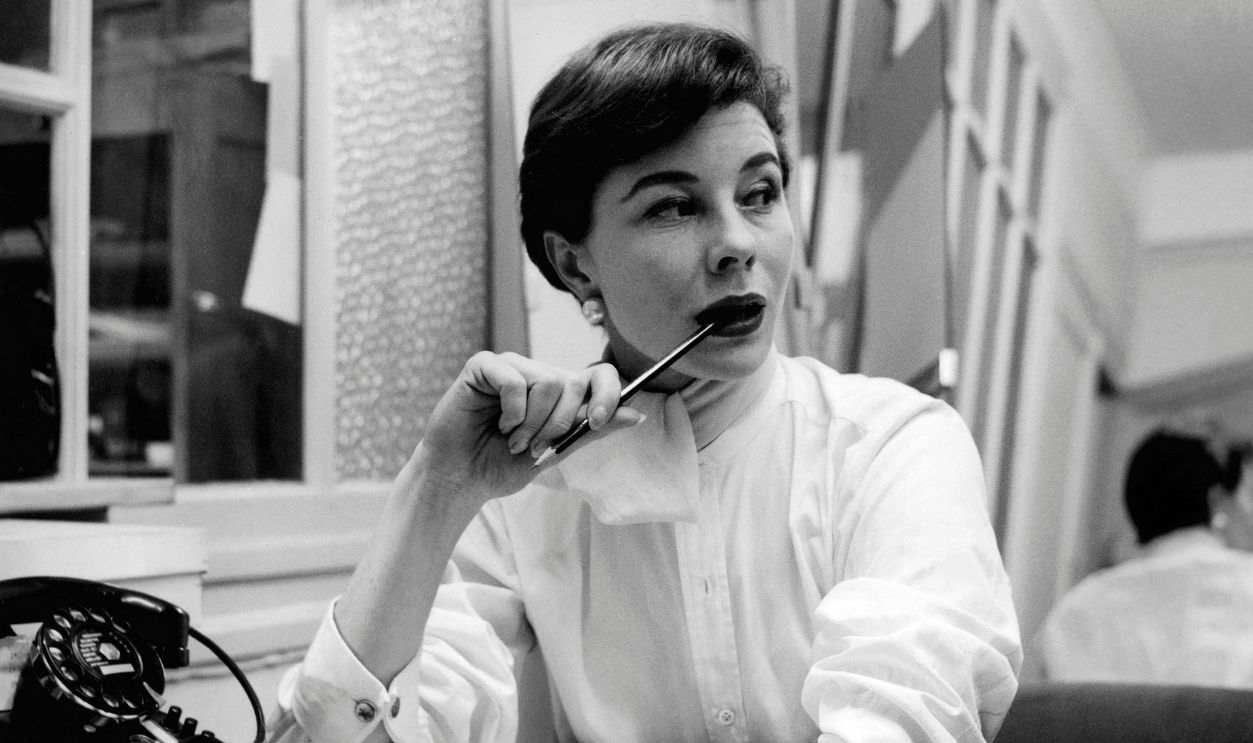
Though she would eventually become the face of the Paris of her adulthood, Bettina originally hailed from outside the city. In fact, she might as well have been a million miles away from the hustle and bustle of urban life. Her family was a humble rural one, and she spent her childhood in idyllic and natural splendor in Normandy. That is, until one of her parents threw a spanner in the works.
3. Her Father Abandoned The Family
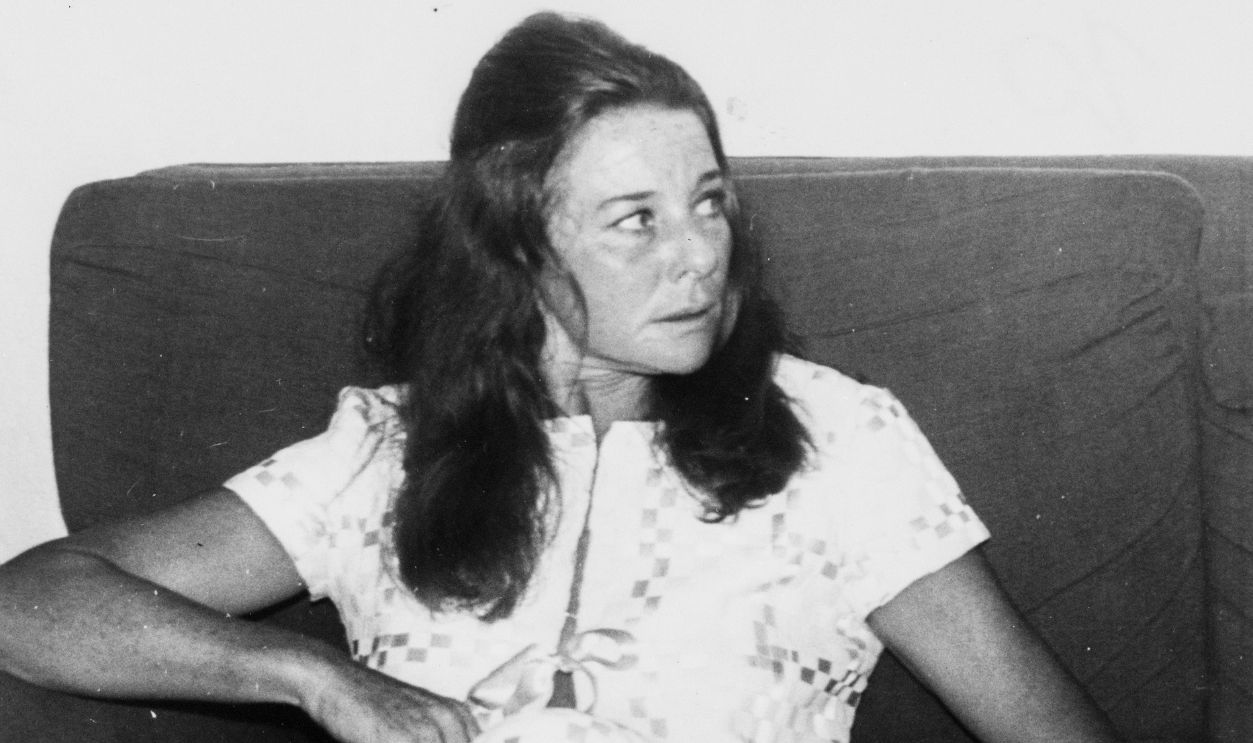
The patriarch of the Bodin family worked for the railways, which earned him a modest income. The pressures of supporting a family proved too much for the railman, however. When she was still a child, Bettina’s father abandoned the family, leaving her mother, who was a teacher, to raise Bettina and her older sister alone. Now finding themselves in hard times, it was no wonder the young girl started dreaming big.
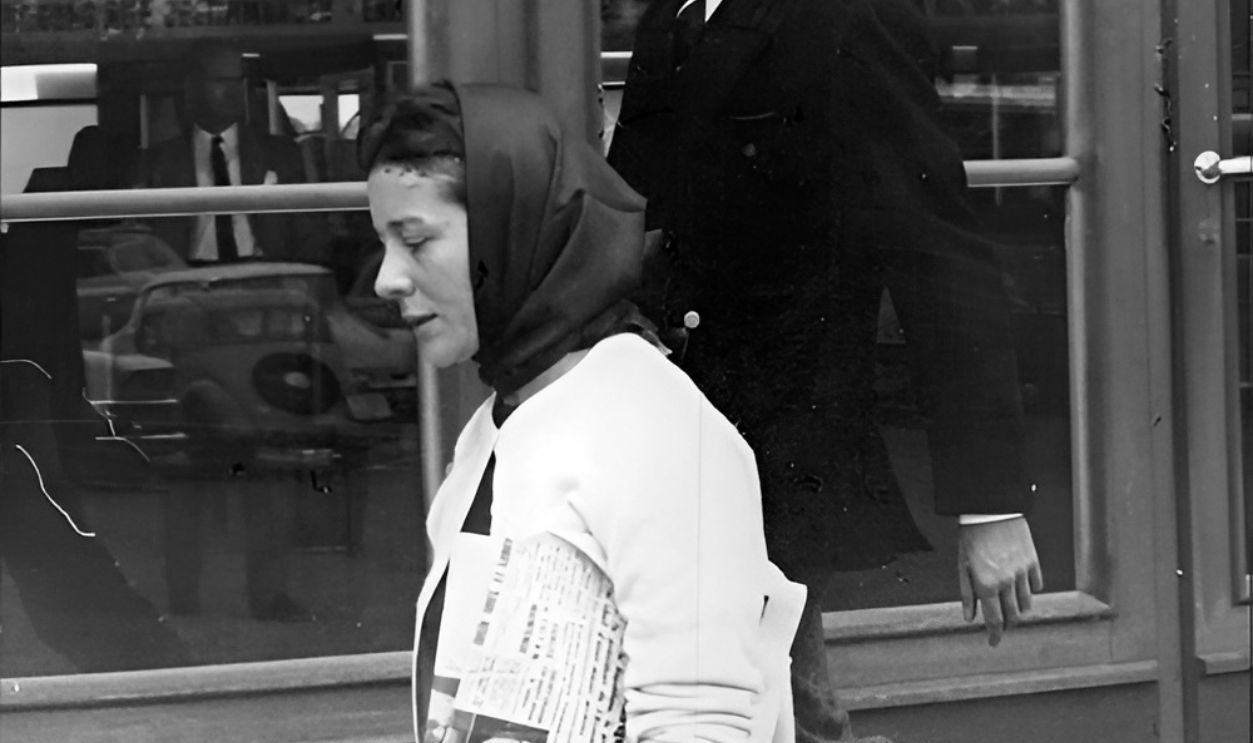 Unknown photographer, Wikimedia Commons, Modified
4. She Had Aspirations
Bettina Graziani showed an early passion for fashion, and though she would go on to become a model, that was not her original life’s ambition. In fact, the young Bettina had dreams of becoming a fashion designer. She spent her youth creating sketches of her ideas and could only dream of one day living that lifestyle.
With a sweeping historical event, however, she was free to set her sights on the boutique capital of the world.
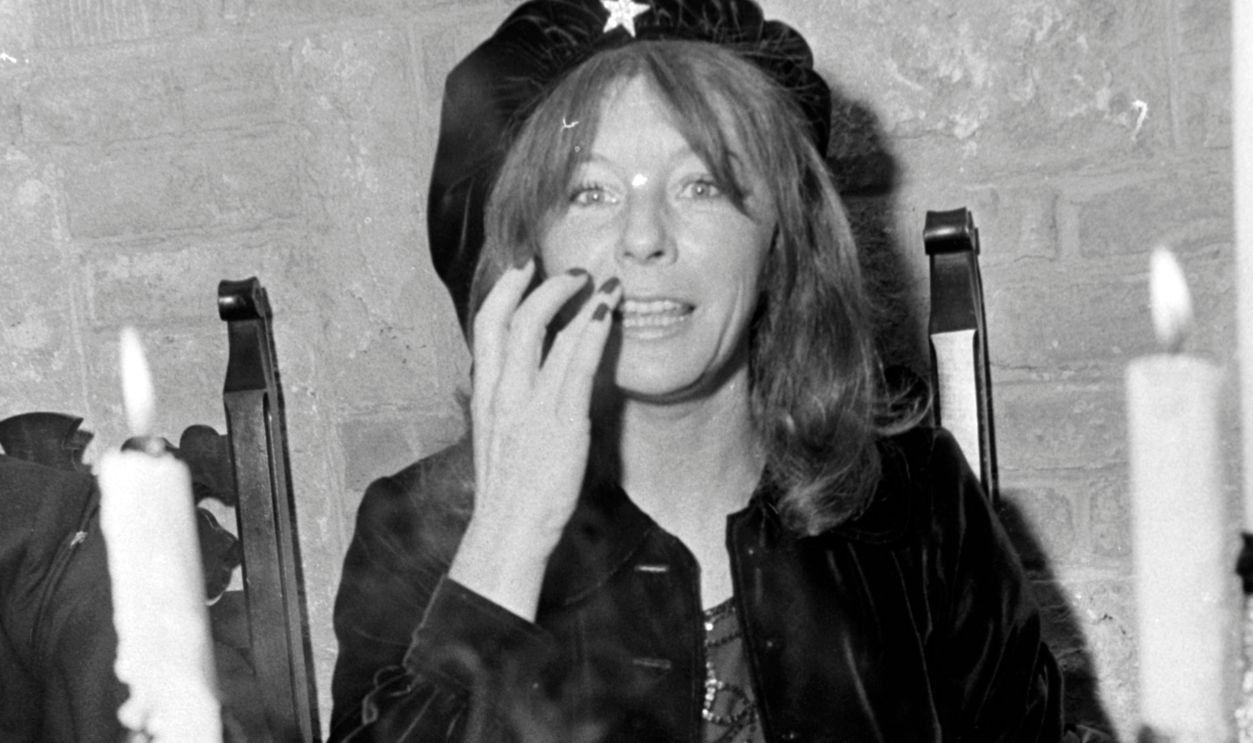
5. She Moved To The Big Smoke
For a good portion of Bettina’s young adulthood, Paris had been under German occupation, changing the very fabric of the town in the consciousness of the French people. With the conclusion of WWII, however, the Allies liberated the capital, and the young wannabe-designer made the move to the big city. She set to work finding a living that would support her passion.
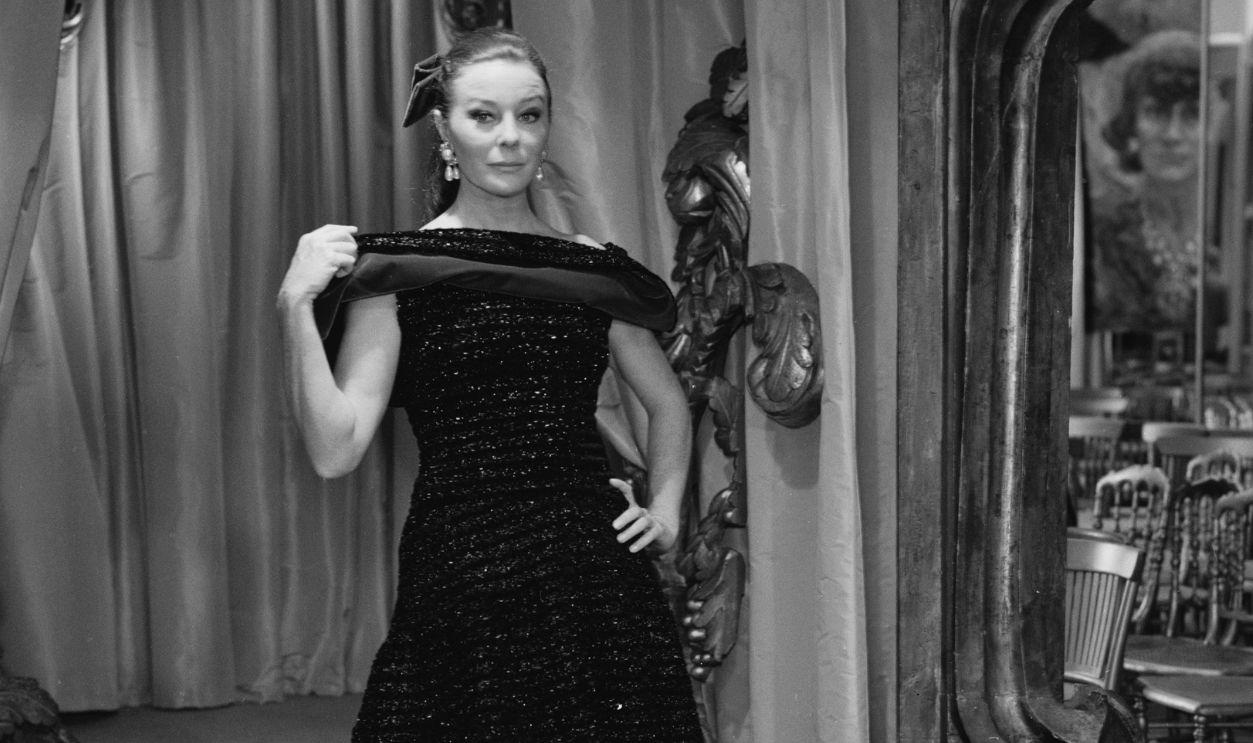
6. She Got Odd Jobs
Bettina Graziani wasted no time in getting set up in France’s capital. She began working as a babysitter to make ends meet; a short time later, she managed to nab a job coloring an architect’s drawings after he’d completed the outlines. But breaking into the fashion industry proved difficult at first for the ambitious young designer, especially considering some recent changes in the industry.
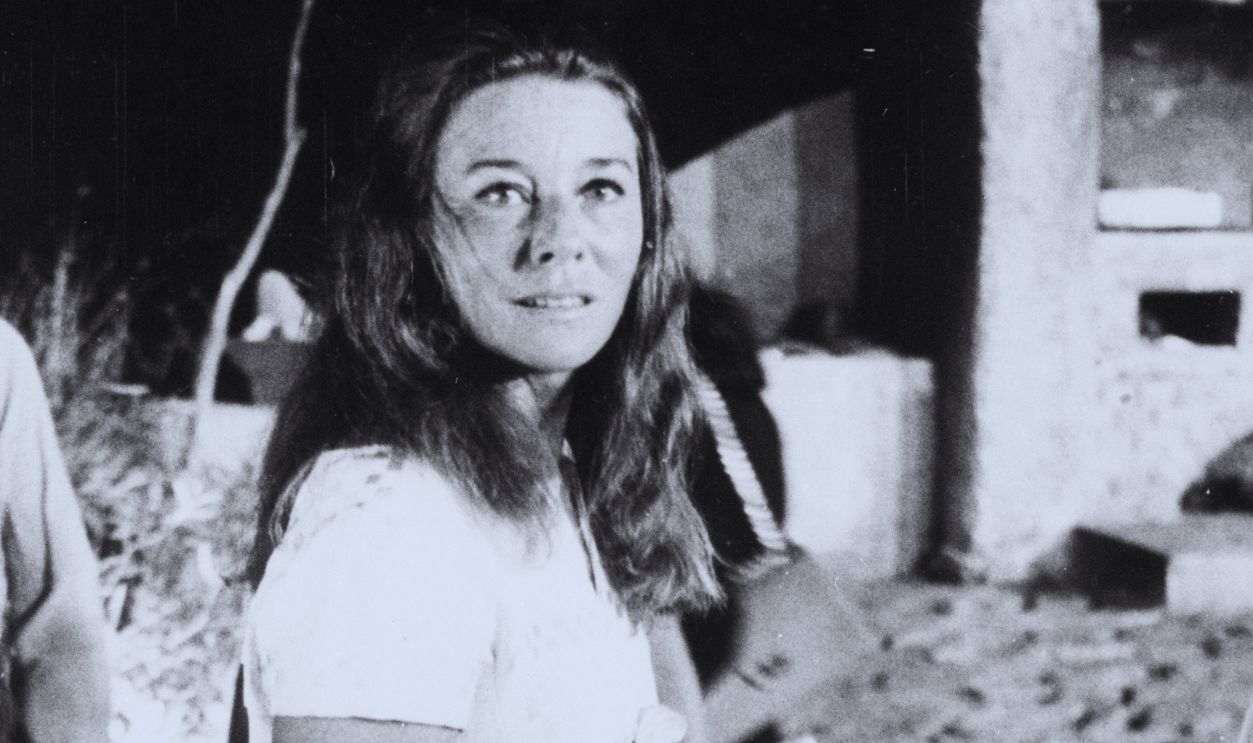
7. She Faced A Hurdle
Bettina arrived in Paris at an odd time for the fashion industry. Following the conclusion of WWII, model agents and employment agencies of any kind got outlawed in the city, with lawmakers viewing the taking of a portion of another’s earnings as improper, part of a brief leftward swing. Luckily for Bettina, however, an enterprising woman soon found a loophole.
8. Her Chances Improved
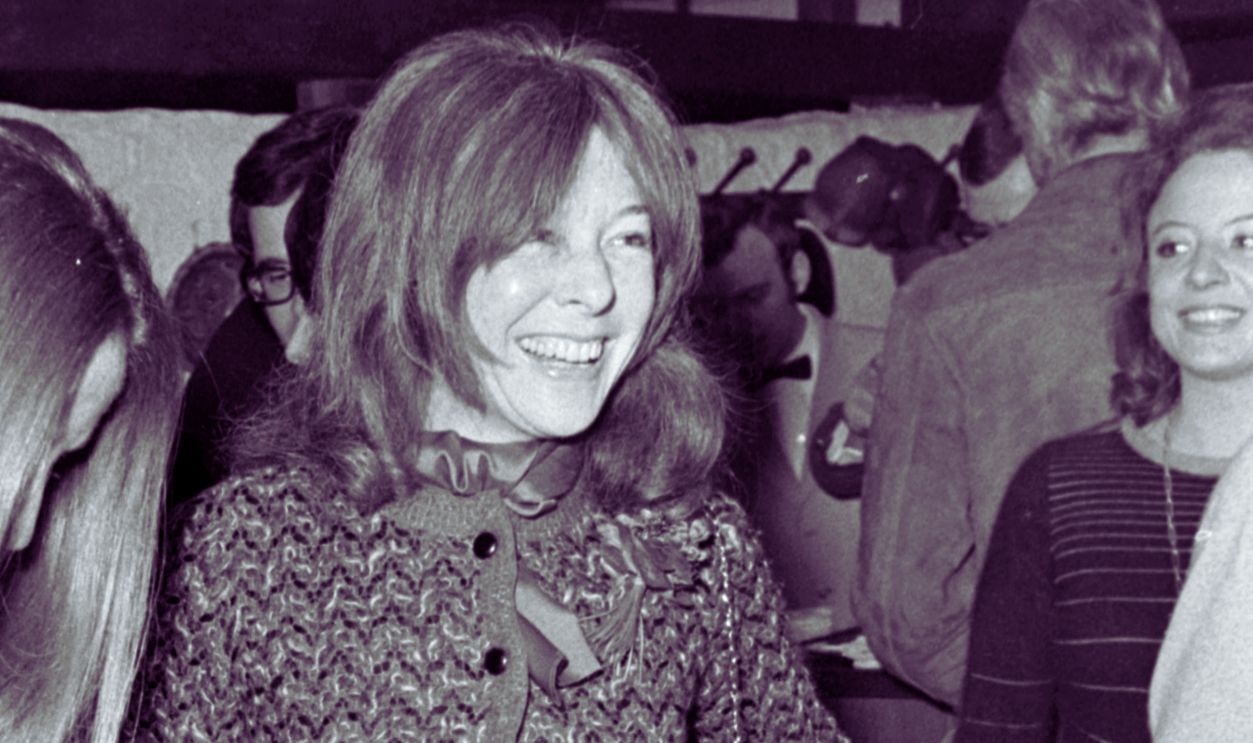
Bettina’s career prospects opened up again when fellow model, the industrious Dorian Leigh, decided to study French employment laws in the mid-1950s. Leigh concluded that while agencies could not take fees from their models, there was no issue taking money from clients, a technicality that allowed Leigh to open an agency using her modeling earnings. This set the stage for Bettina—now she just needed a contact.
 Evening Standard, Getty Images
9. She Found Her In
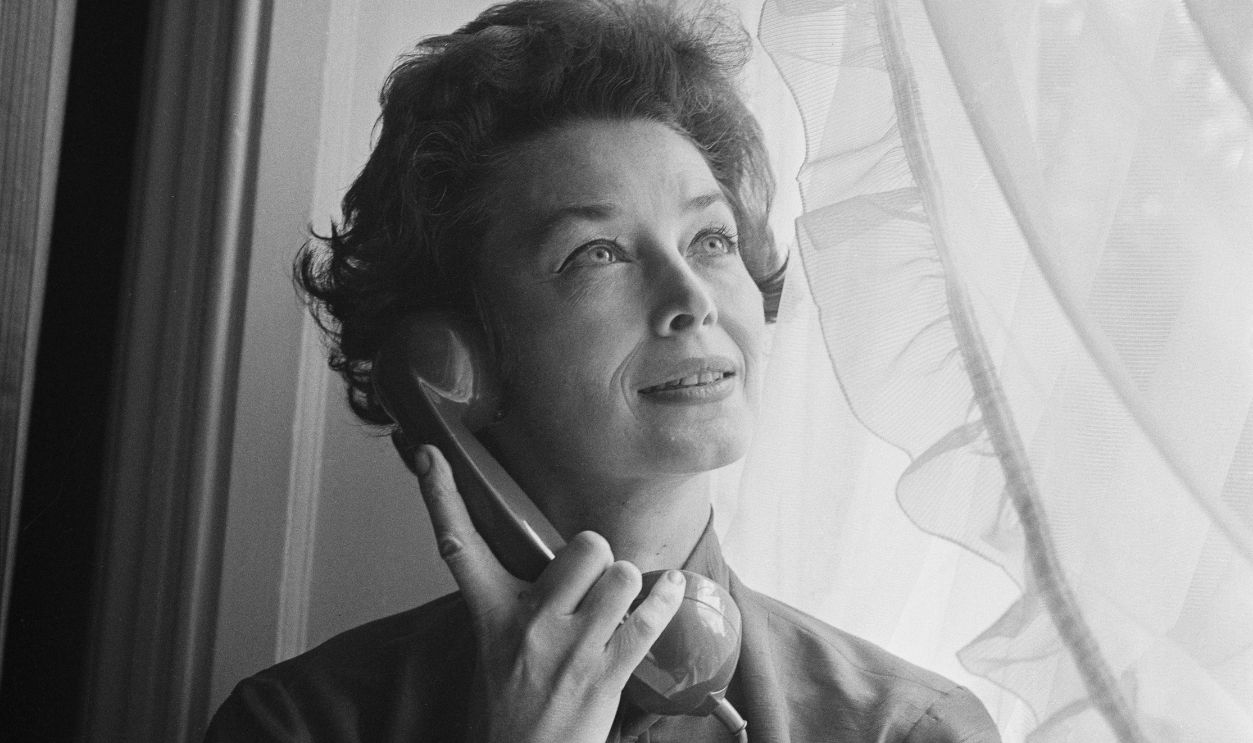
At some point, Bettina Graziani got introduced to Jacques Costet, a big name in the city’s fashion industry at the time, and, seeing an opportunity in the designer, decided to show him some of her fashion sketches. Bettina had been working tirelessly at them and hoped Costet would take her on as an apprentice. The Frenchman only had one thing in mind upon seeing her, however.
 Bertrand Rindoff Petroff, Getty Images
10. She Got Scouted
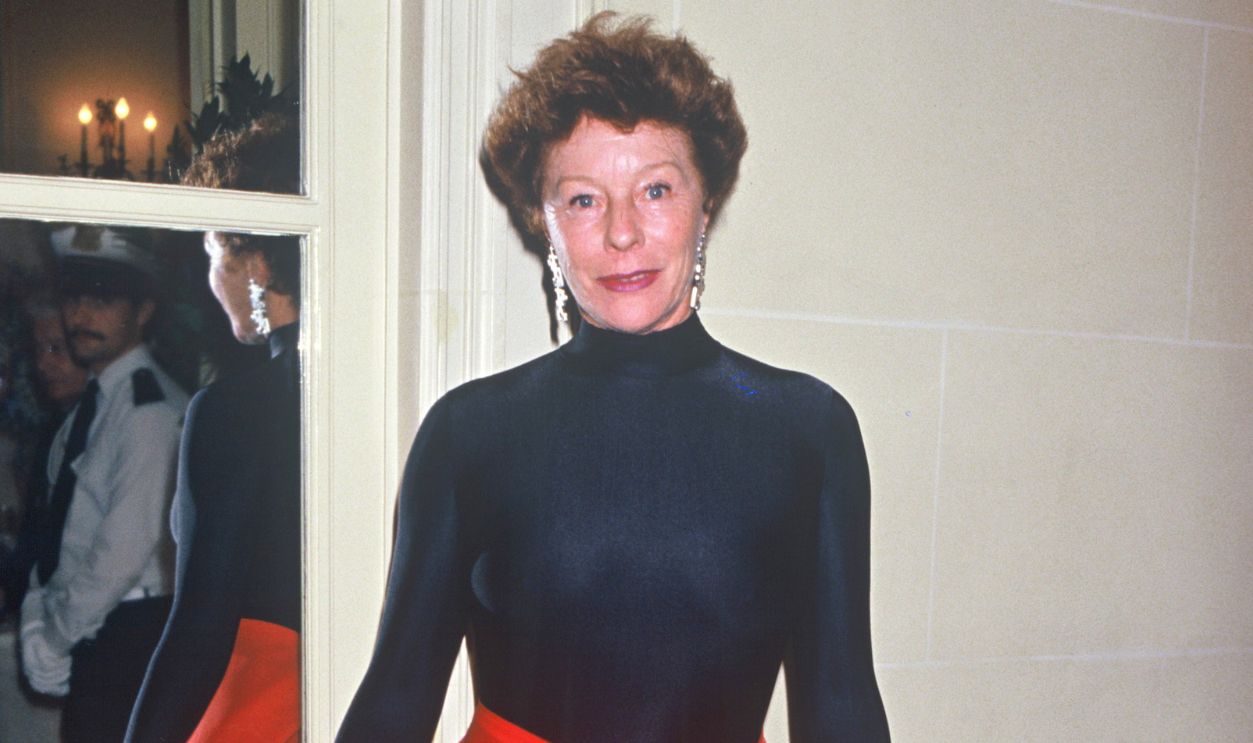
The lecherous Costet had eyes for only one aspect of the future-Bettina Graziani: her body. After taking one look at the comely young country girl, the designer insisted on seeing her in one of his own designs. The moment Bettina walked in Costet’s chosen dress, he hired her as a model right then and there. Simone Micheline Bodin clearly had the look; now she just needed the name.
 Bertrand Rindoff Petroff, Getty Images
11. She Got Rechristened
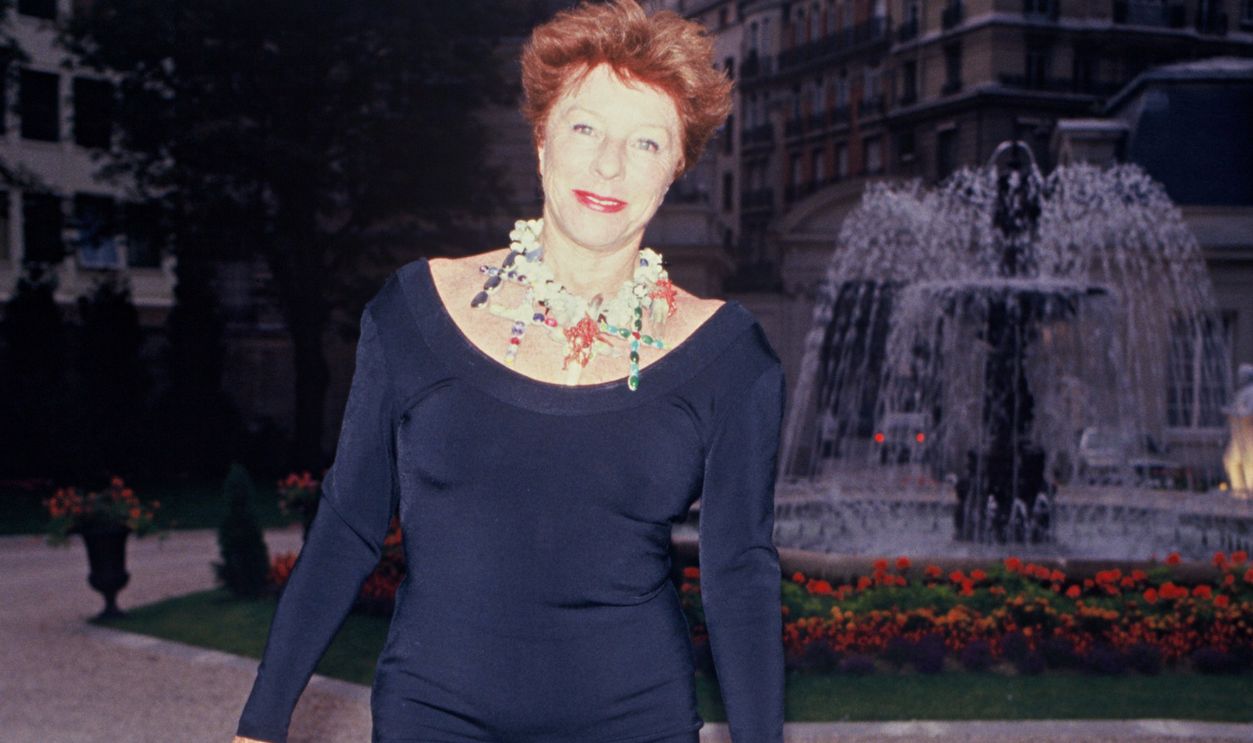
Shortly after her encounter with Costet, Simone met another Jacques, this time fashion designer Jacques Fath, who provided her with yet another life-altering event. She equally enraptured Fath and took it upon himself to reinvent her, starting with gifting her the name she would become world famous with: Bettina. The name change did not come from thin air; Fath had his reasons.
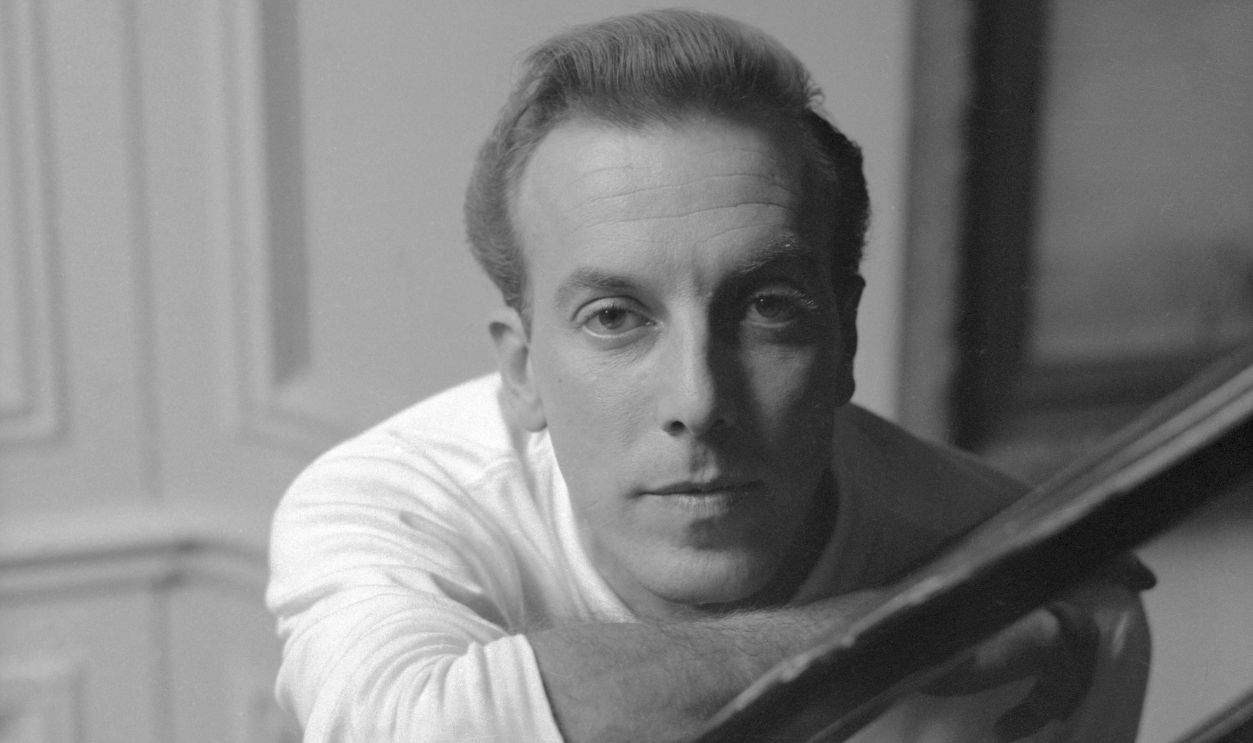
12. Her Name Got Taken
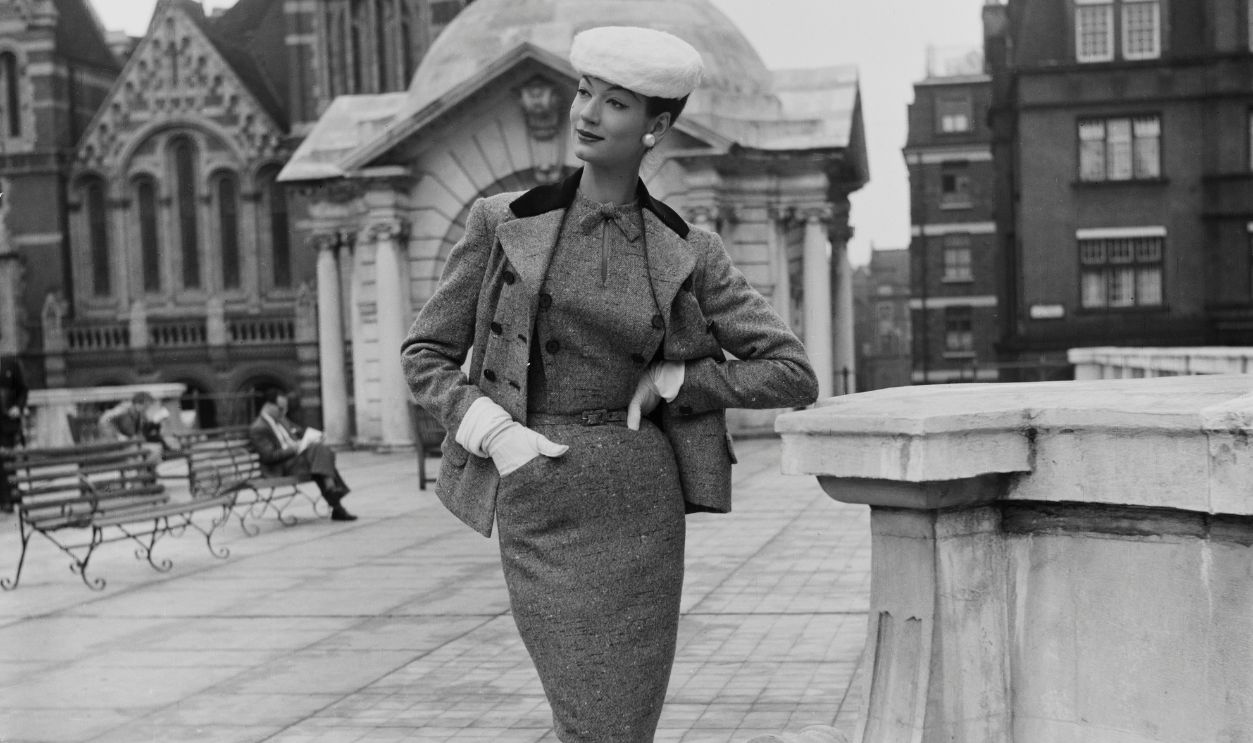
Fath was not just against Bettina’s real name on principle; he had another model in mind that might cause issues for the young upstart. He told her, “We already have a Simone; you look to me like a Bettina," likely referring to Bettina Graziani's fellow French model, Simone D'Aillencourt. But what exactly did “a Bettina” look like…?
 Evening Standard, Getty Images
13. She Had A Unique Look
Bettina Graziani certainly had a unique look uncommon in French models up until that point. Fath believed that her appeal, that which made her stand out, was her fresh-faced, country-girl looks. Bettina was a redhead whom one fashion historian described as “a freckle-faced rail worker's daughter from Brittany”. That country girl was about to see the world.
14. She Traveled The World
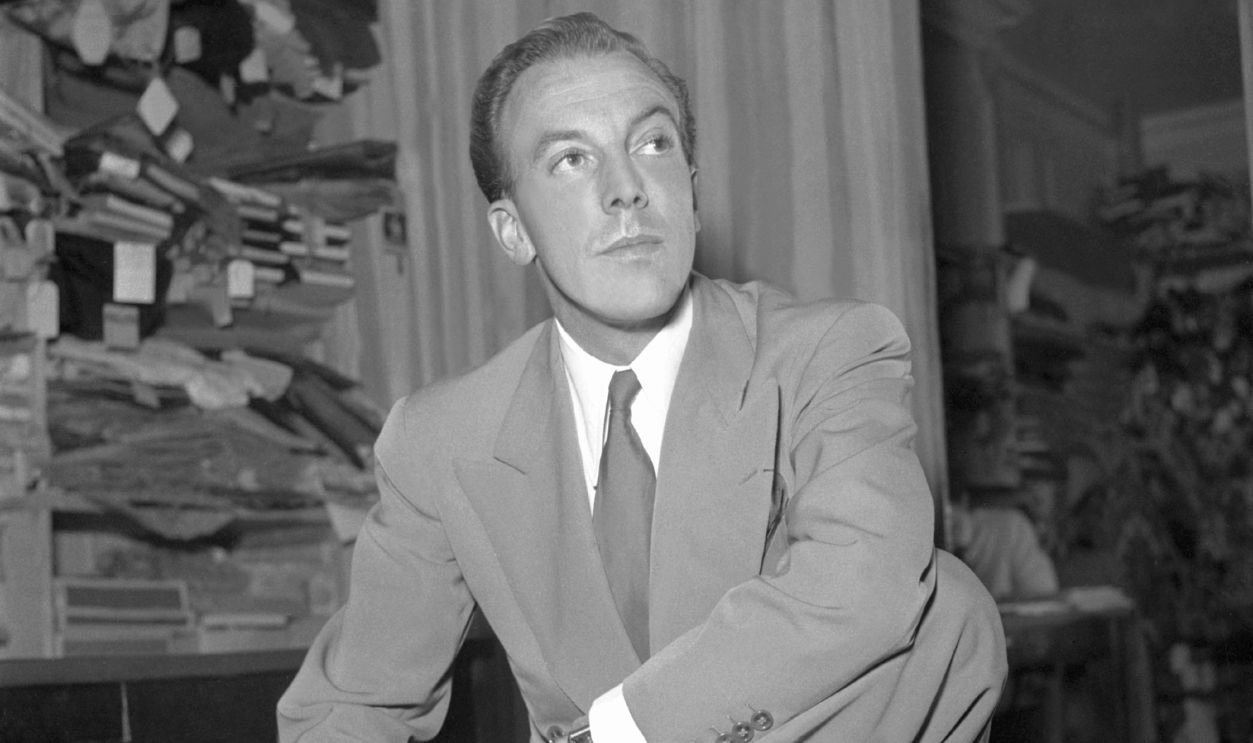
Bettina’s newfound association with Jacques Fath opened many new doors for the young model. Fath was beginning to make a name for himself internationally as a designer, and on a personal appearance tour of the USA, he decided to bring Bettina along with him. The country girl from Brittany found herself in New York City, a place unlike any she’d ever seen. She made a decent living too.
![Collectie / Archief : Fotocollectie Anefo
Reportage / Serie : [ onbekend ]
Beschrijving : Modeshow van Jacques Fath (links) in Victoria hotel
Datum : 17 november 1950
Locatie : Amsterdam, Noord-Holland
Trefwoorden : mode, modeontwerpers, modeshows
Persoon](https://www.factinate.com/storage/app/media/factinate/2026/8/25/1787660038a7d3856b48bda190e2ec4fef9a574627753a93a2.jpg) Daan Noske / Anefo, Wikimedia Commons
Daan Noske / Anefo, Wikimedia Commons
15. She Had A Job
Though she was yet to fulfill her dreams as a designer, Bettina Graziani had already accomplished a rare feat in the fashion industry at the time: she was a full-time model. And though she got paid only a small wage, it was enough to get her by while she built a name for herself. Her hard work and unique look attracted some big names.
16. She Got Head-Hunted
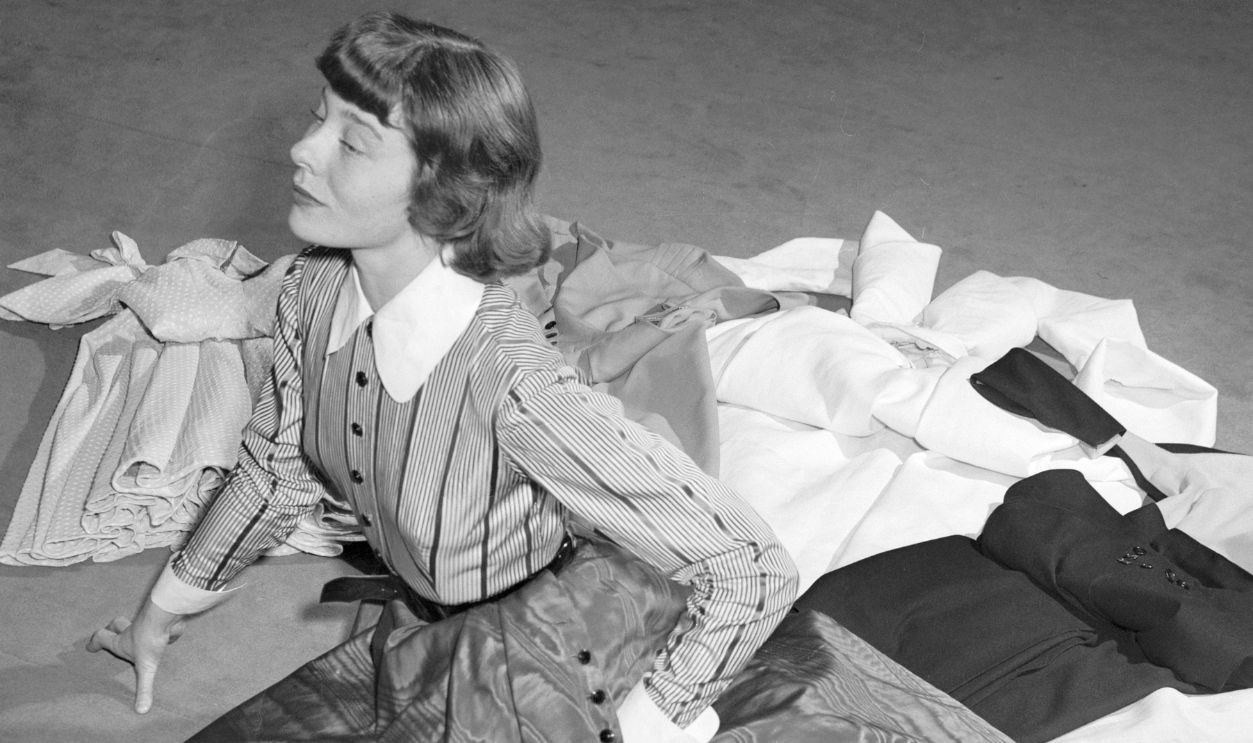
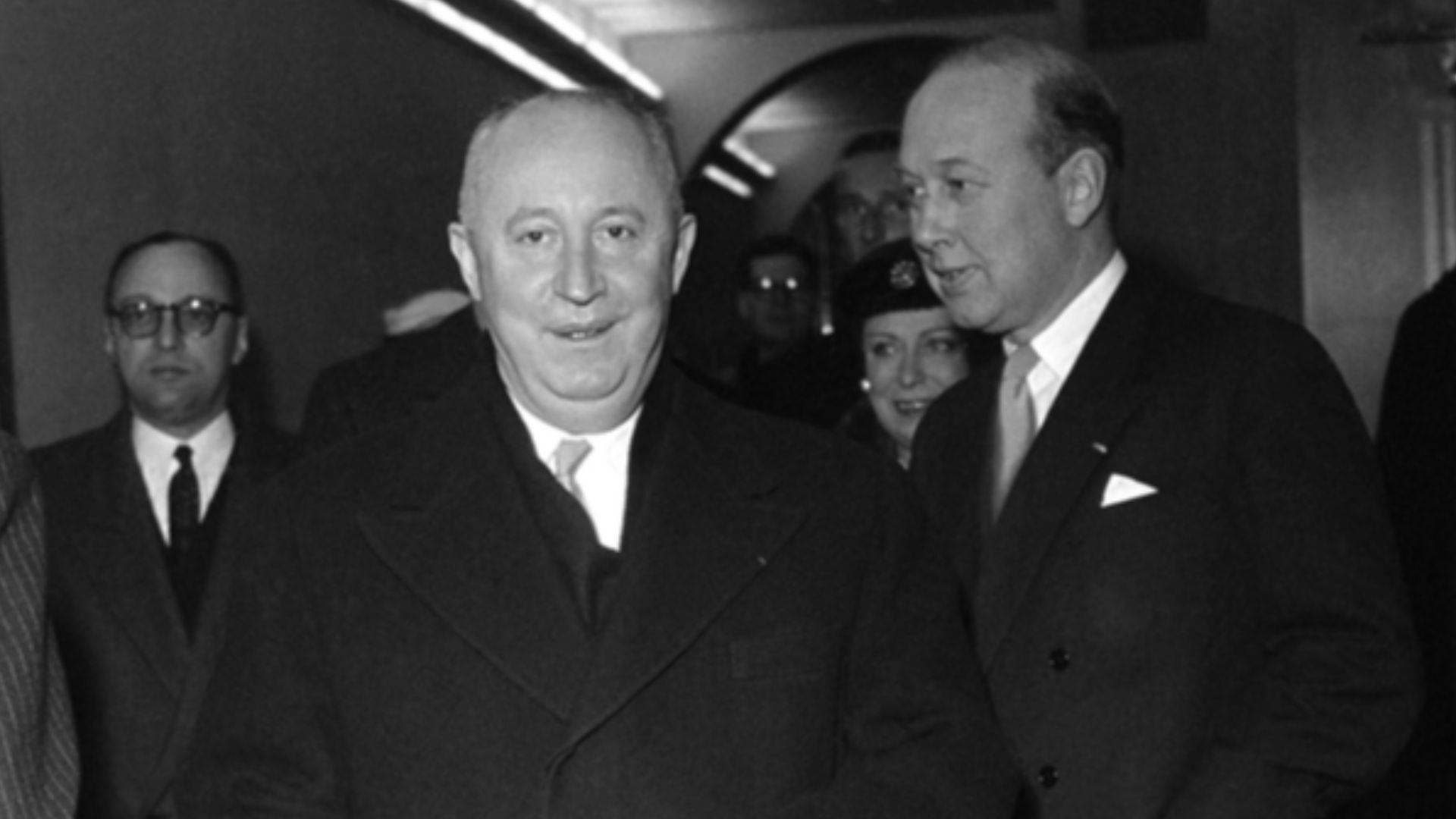
Bettina’s star continued to rise, and she caught the attention of some of the fashion world’s most prestigious eyes. After a few years of modeling, she got approached by arguably the most important designer of his time, Christian Dior, who asked Bettina to join his fashion house. The freckled young model stuck with her friends, however.
 Unknown for Nordiska Kompaniet, Wikimedia Commons
17. She Was Loyal
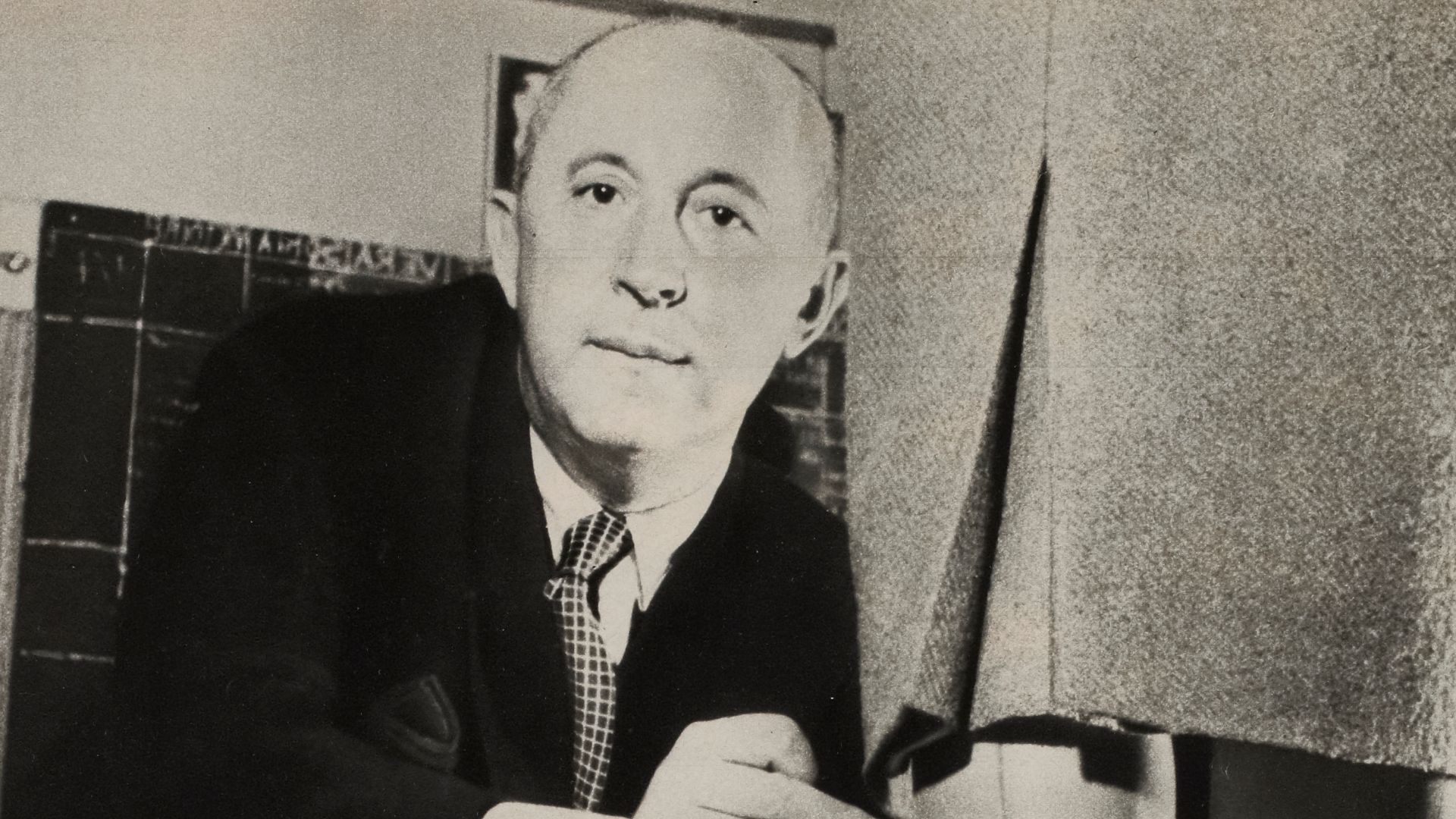
Joining the Dior fashion house was an unfathomably great opportunity for a young, up-and-coming model, and Bettina probably gave it deep consideration. Doing so, however, would have meant turning her back on the man who championed her career early on. With that in mind, she politely declined Dior’s offer, opting to work with Fath instead, in a touching show of loyalty. Fath rewarded her in kind.
 Paris-Match, editeur, Wikimedia Commons
18. She Got A Payout
With Bettina's decision to take a job with Fath, the designer who gifted her her name, received a handsome benefit in return: Fath opted to pay her five times her previous salary. The generous compensation, as well as the increasing amount of work that subsequently rolled in, meant Bettina soon made history.
 Mondadori Portfolio, Getty Images
19. She Blazed A Trail
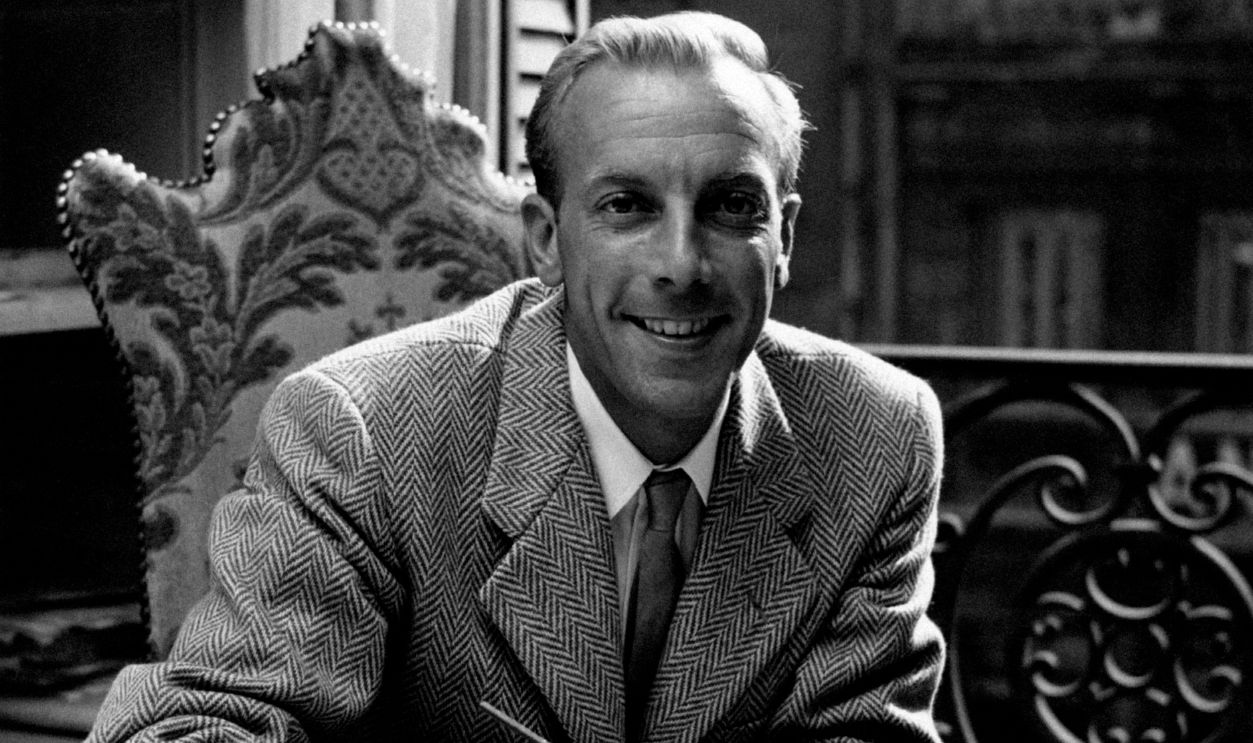
With her high salary, worldwide reputation, and work in both haute couture (high fashion) and commercial modeling, Bettina Graziani became one of the 20th century’s first supermodels (though that term would not come into popular usage until much later). She set the path for hundreds of women that would follow her, and the jobs kept rolling in.
20. She Went Worldwide
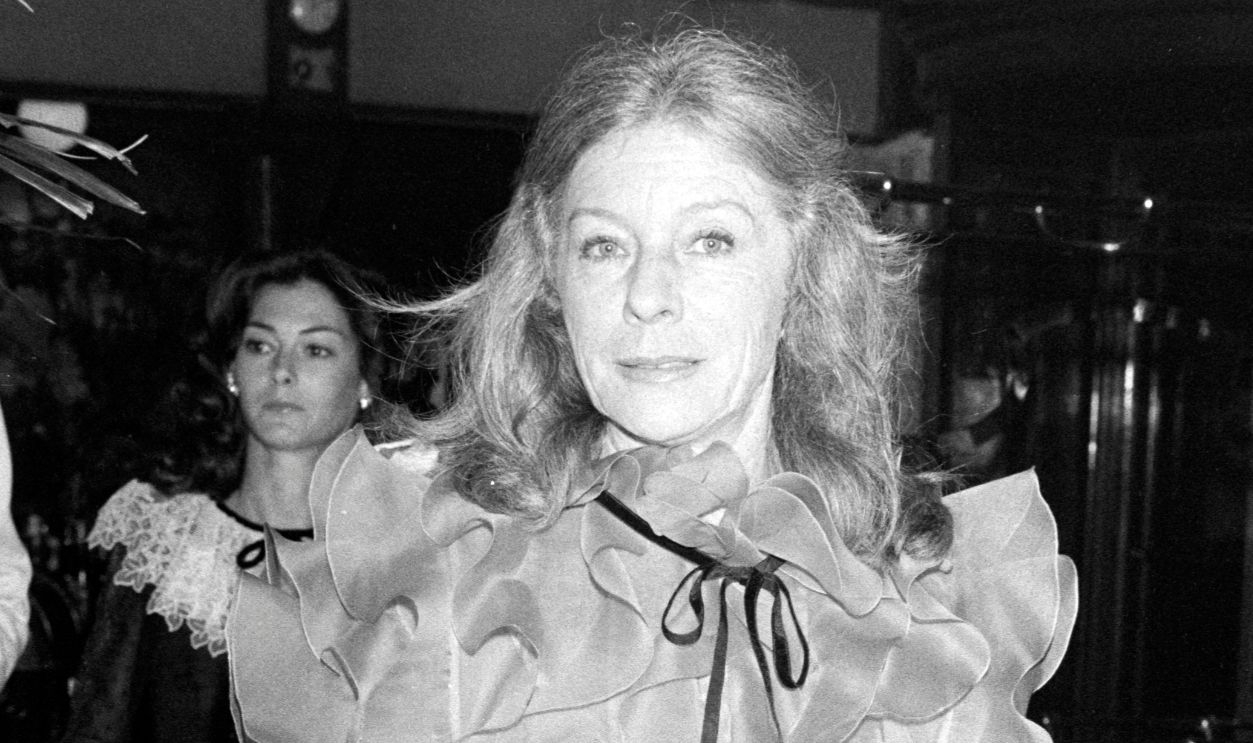
While Bettina had certainly made a big name for herself in Paris, she did not become a worldwide star until she began to rub elbows with American photographers, who snapped her looks for famous magazines. Indeed, because of Vogue, Bettina flew to the US in 1950 and signed with the Ford model agency, which blew her career up overnight. It was not just her looks, nor her ambition, that propelled her to stardom, however—it was what she represented.
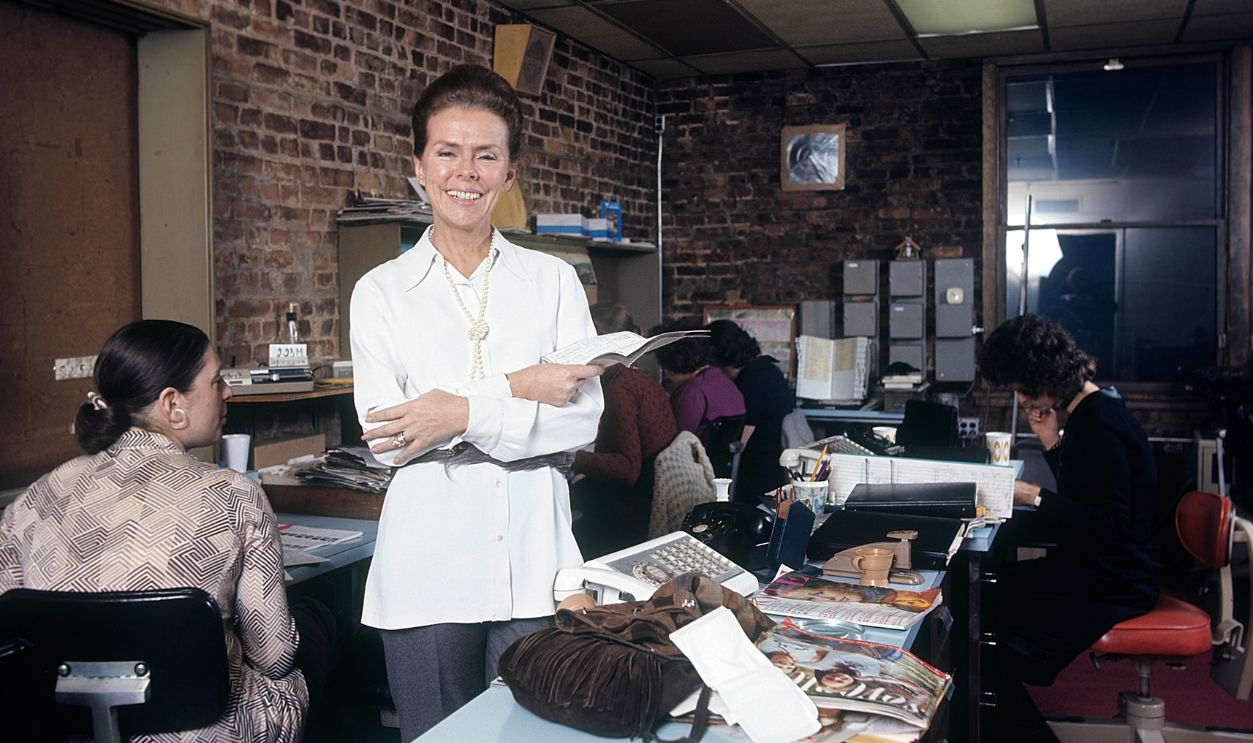 Sjoberg Bildbyra, Getty Images
21. She Was The Face Of A City
At the height of Bettina’s fame, her adopted home of Paris was undergoing something of an identity shift itself. Bettina became synonymous with the City of Love’s new image; one French journalist described the “fiery redhead” as embodying the modern Parisian “with singular chic”. She provided a much-needed sight for sore eyes.
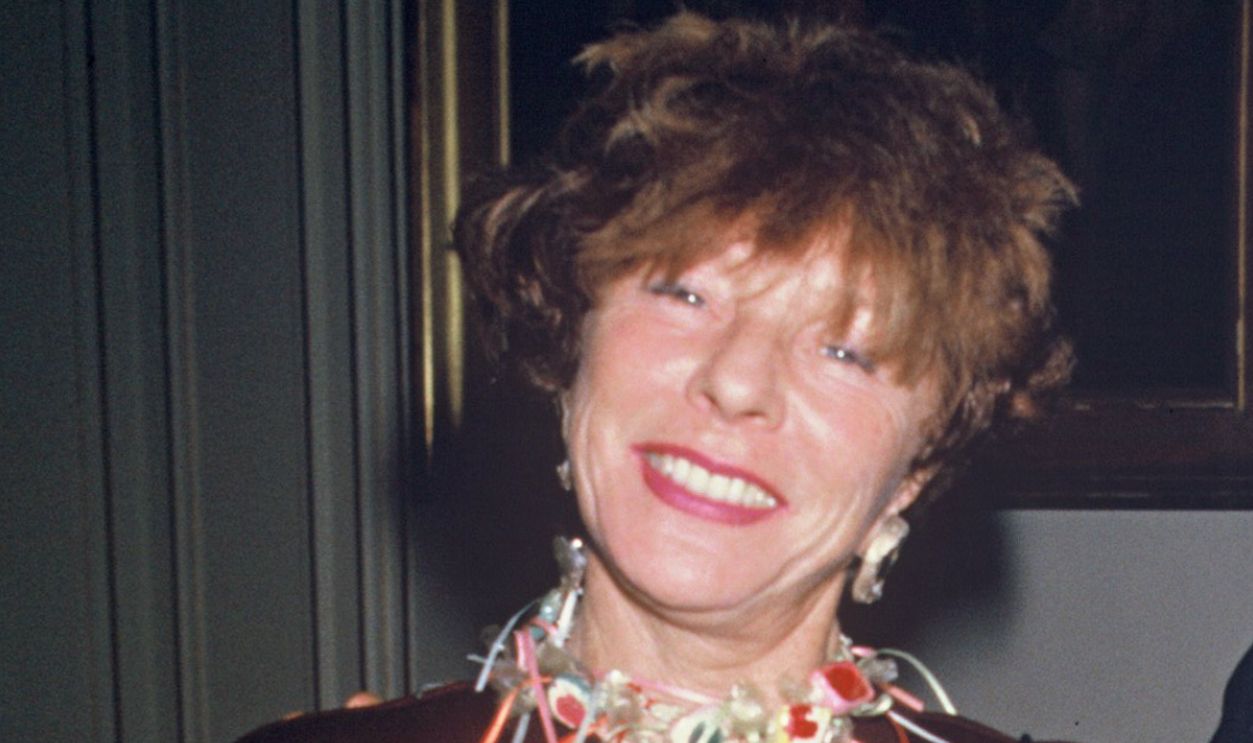 Bertrand Rindoff Petroff, Getty Images
22. She Helped A City Recover
The city of Paris’ identity crisis did not come from nowhere; following its occupation during WWII, the French capital longed to distance itself from some of its darkest years, and Bettina symbolized this recovery as the vanguard of what became known as the New Look of the late-1940s. It had an impact well beyond lifting a city’s spirits, however.
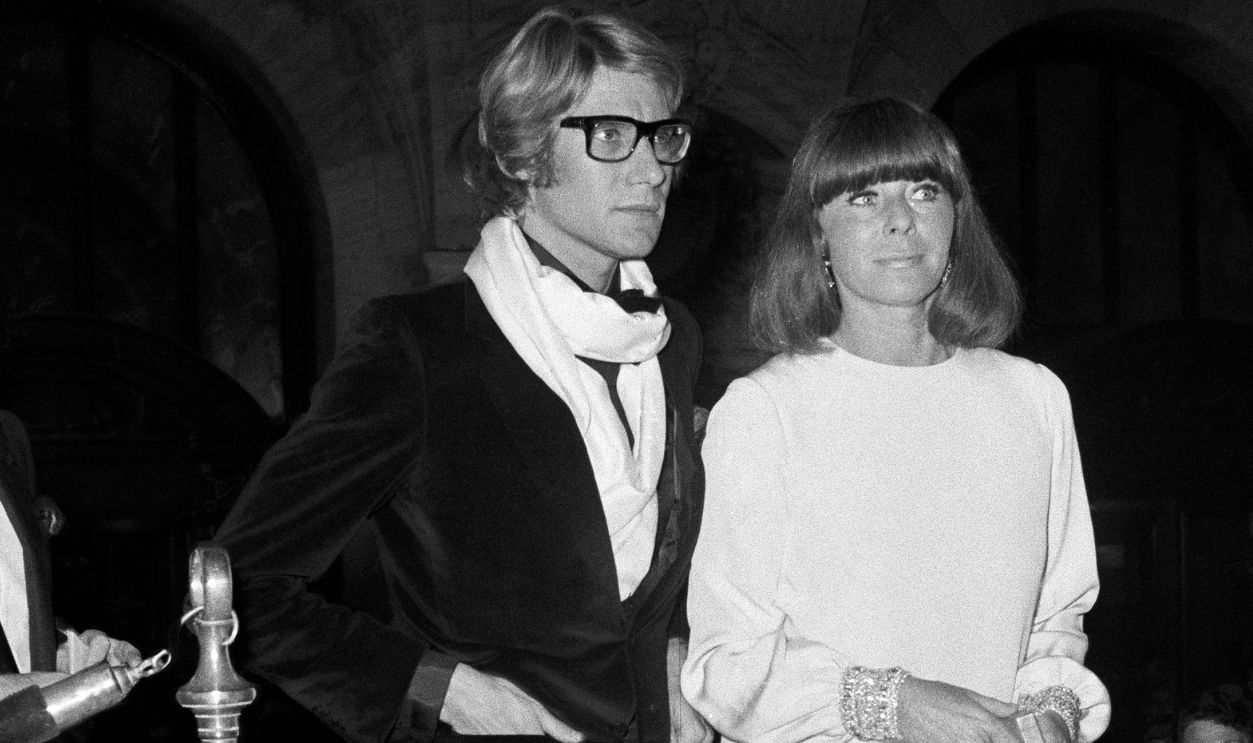
23. Her Look Liberated
Bettina’s rise coincided with sweeping changes in society’s general attitudes towards fashion, intimacy, and women in general. Her prominence represented, as one journalist put it, “the aspirations of a generation of liberated French women," and she became an important symbol of early feminism. Indeed, she was a strong figure to lead the charge.
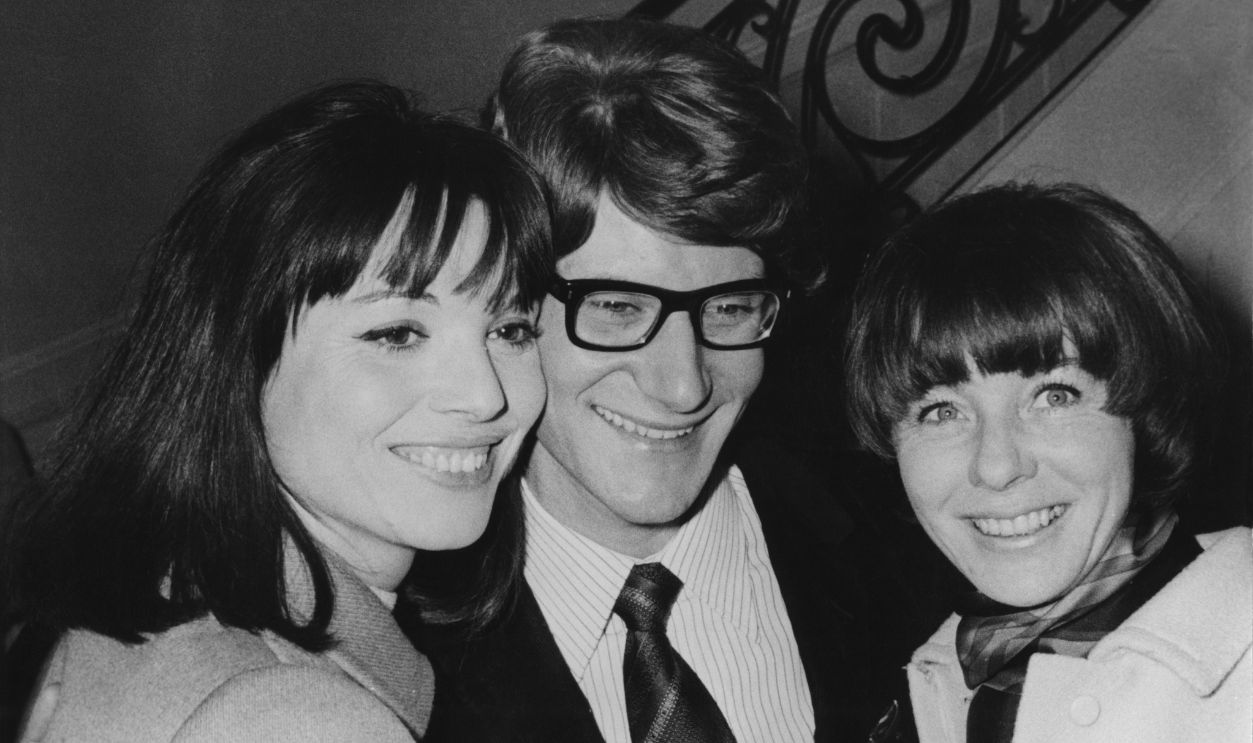
24. She Had Grit
Some may scoff at the idea that a model, a symbol of pure objectification to some, could represent something more powerful for women’s liberation. Bettina was not merely a pretty face in a pretty dress, however; she made bold and courageous choices in both her career and personal life, displaying her fierce independence. Few others rose to her level, though there were some.
25. She Had Competition
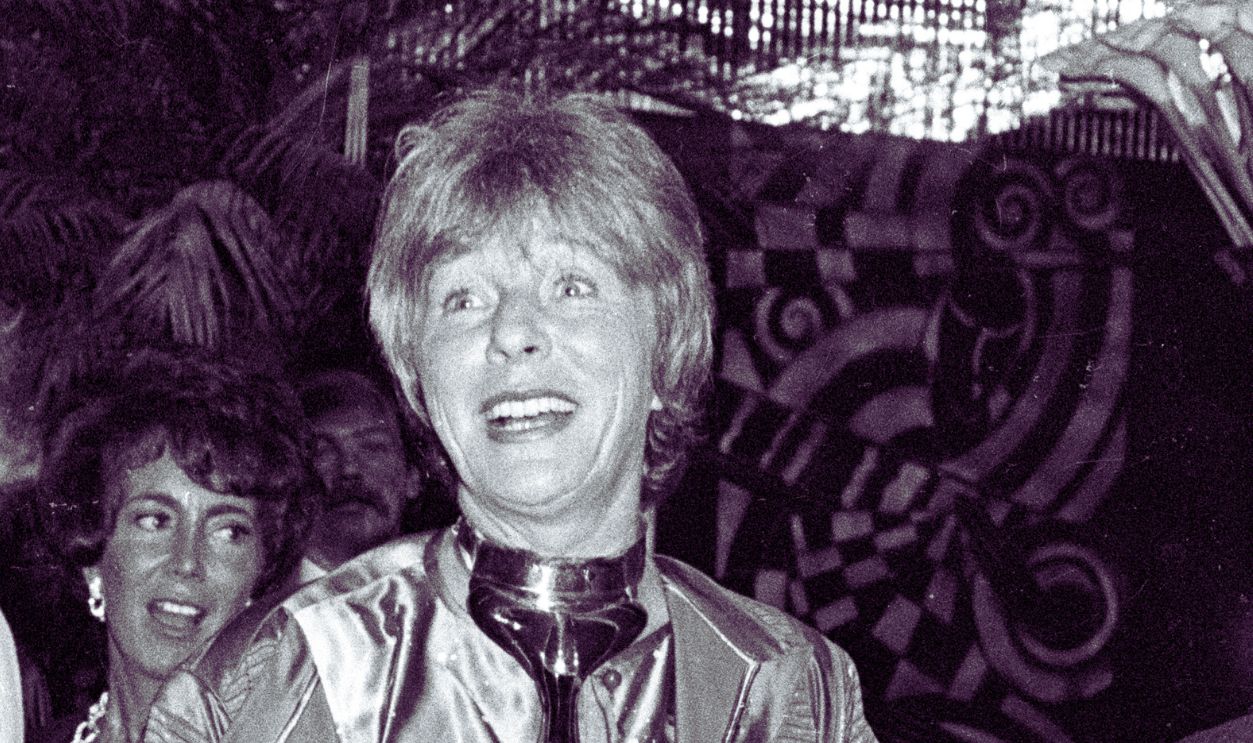
Bettina's success was nearly unmatched in Europe in the 1940s and 1950s. In fact, it only got truly rivaled by one woman: Barbara Goalen, considered by many to be Britain’s first supermodel. The two traded the spotlight, often in friendly competition. But Graziani, arguably, had access to bigger industry titans.
26. She Had Friends In High Places
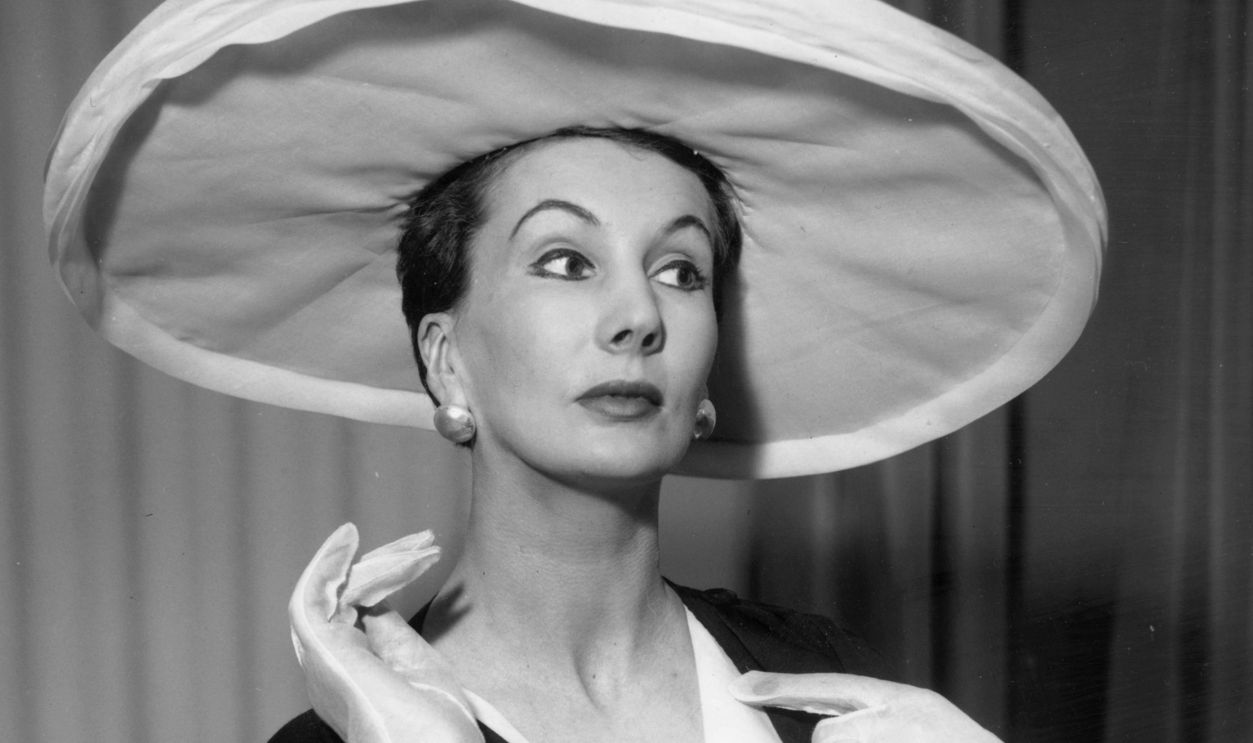
Throughout her career, Bettina Graziani rubbed elbows with some of Paris fashion’s biggest 20th-century names. Among them was Lucien Lelong, a French couturier prominent in the first half of the century. Lelong’s fashion house was one of the largest in Paris, and he played an important role in managing the industry during WWII.
But he wasn’t the only prominent designer she inspired, however.
27. She Launched A Big Name
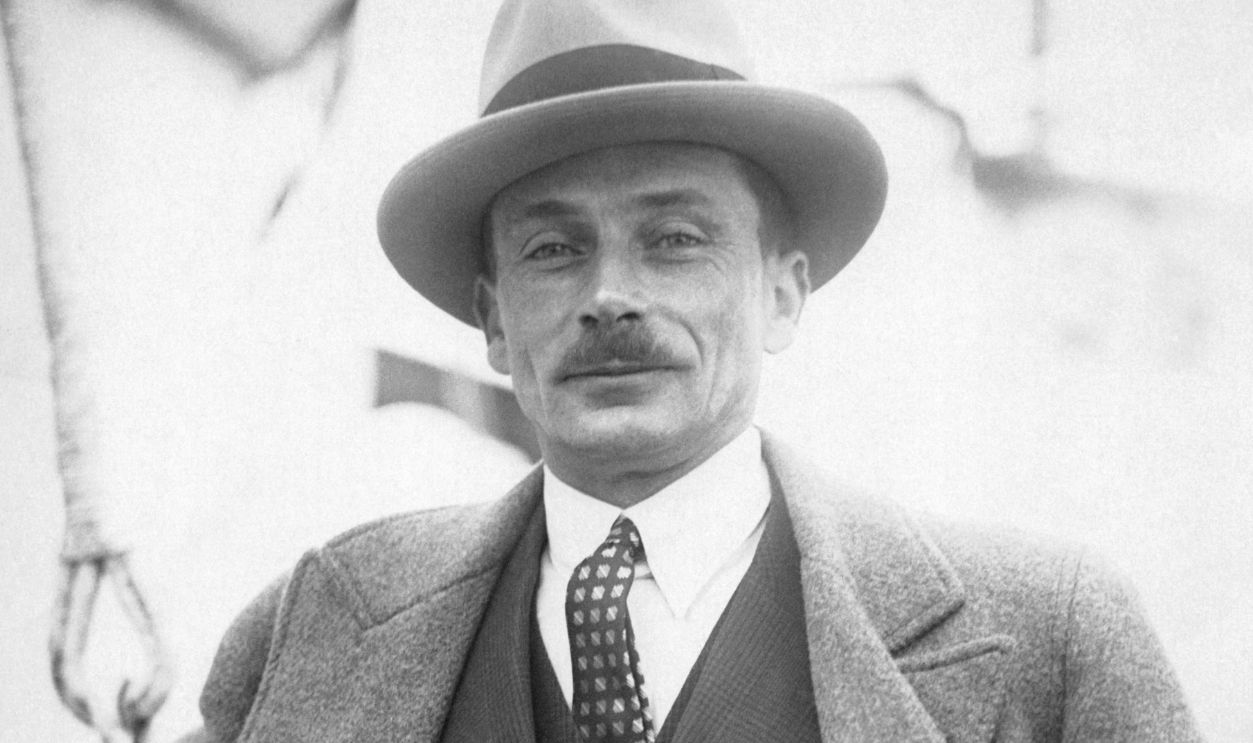
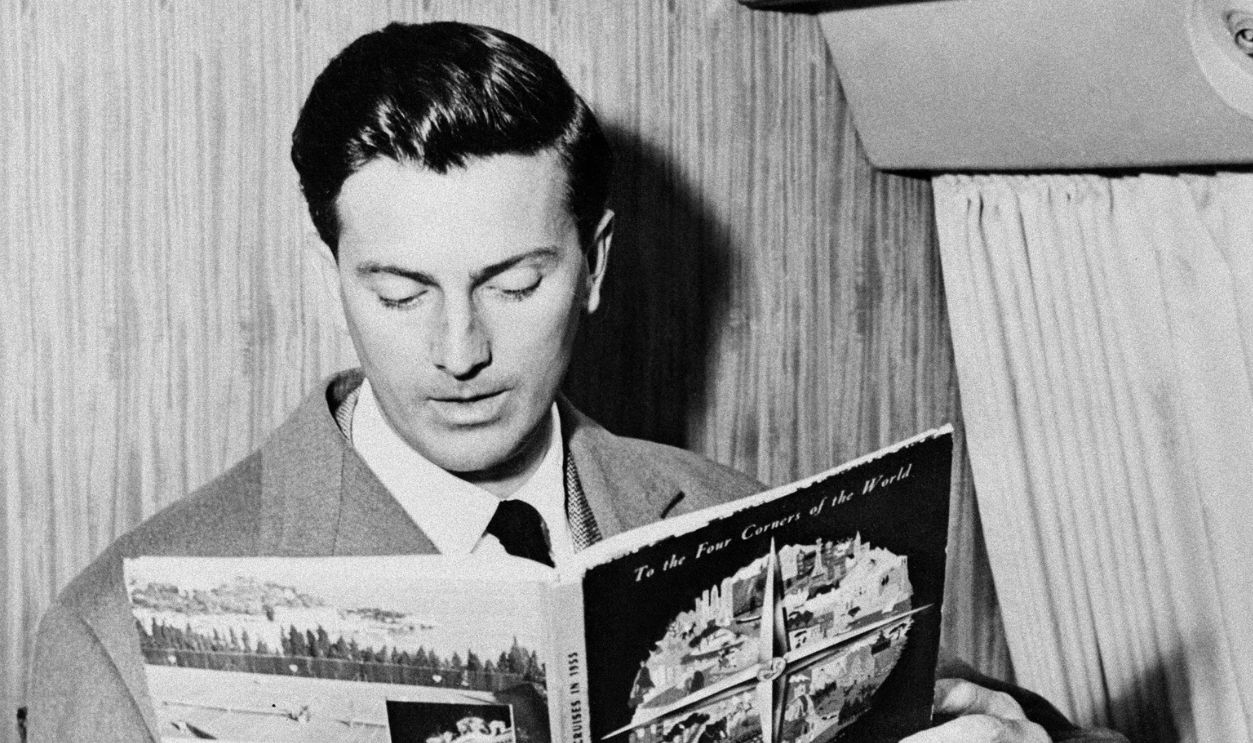
Bettina also worked with one of the later-20th century’s biggest designers, Hubert de Givenchy. In fact, she was there from his humble beginnings, serving as one of his earliest muses. The two would form a relationship, both working and personal, that would leave their mark on the fashion world forever.
28. She Worked The Phones
So strong was Bettina’s belief in Givenchy’s talents that she opted to personally work for him to get his fashion house off the ground. She did not just model for the designer, however; to cut overhead costs for the struggling startup venture, Bettina worked as Givenchy’s press agent too, acting as a middle-model between the designer and local journalists. Givenchy paid her back in kind.
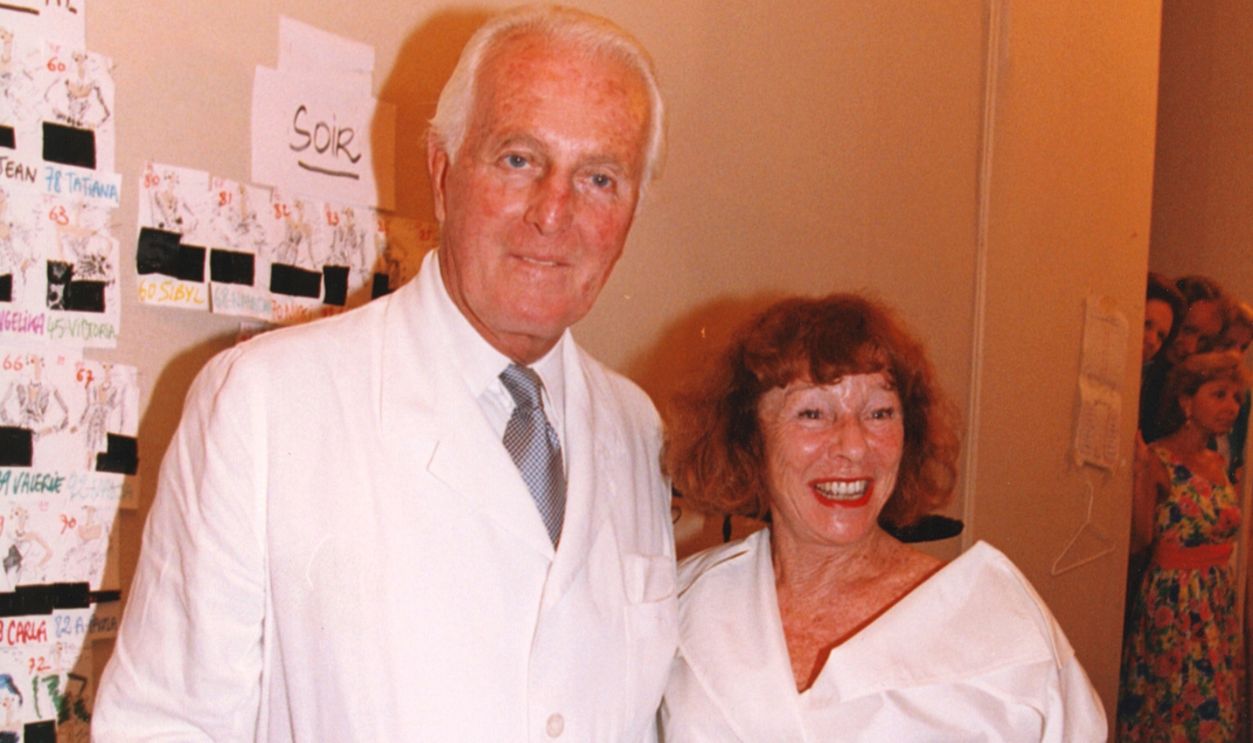
29. She Became The Flagship
Givenchy was incredibly grateful for Bettina’s faith in him and the hard work she put in to launch his career. As a token of this gratitude, when Givenchy’s first collection debuted in 1952, he named it after his most loyal model and friend. The collection was a huge success and cemented both of their names.
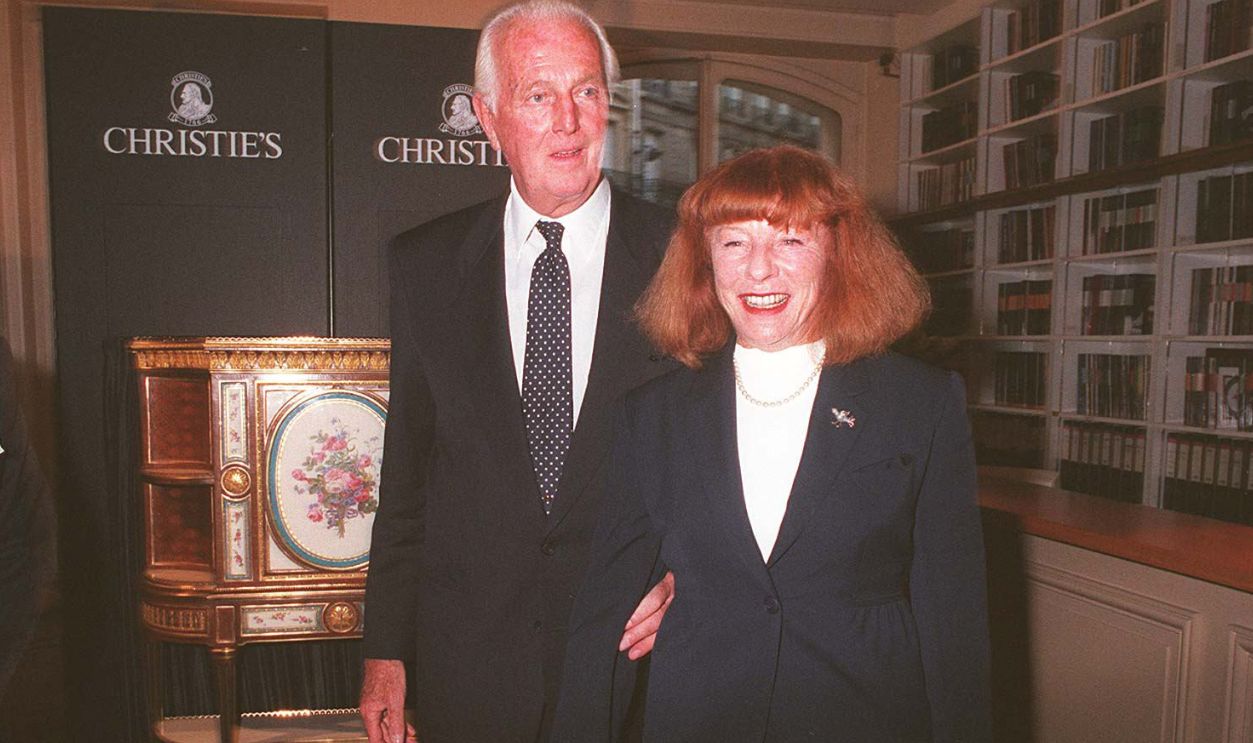 Bertrand Rindoff Petroff, Getty Images
30. She Became A Household Name
One of Givenchy’s designs from his debut collection was a Byronesque blouse, and it exploded in popularity in Paris upon launch, becoming a fashion icon of the early 1950s. Having extensively modeled it, this piece became synonymous with Bettina and became popularly known as a “Bettina blouse”. Her image continued to inspire.
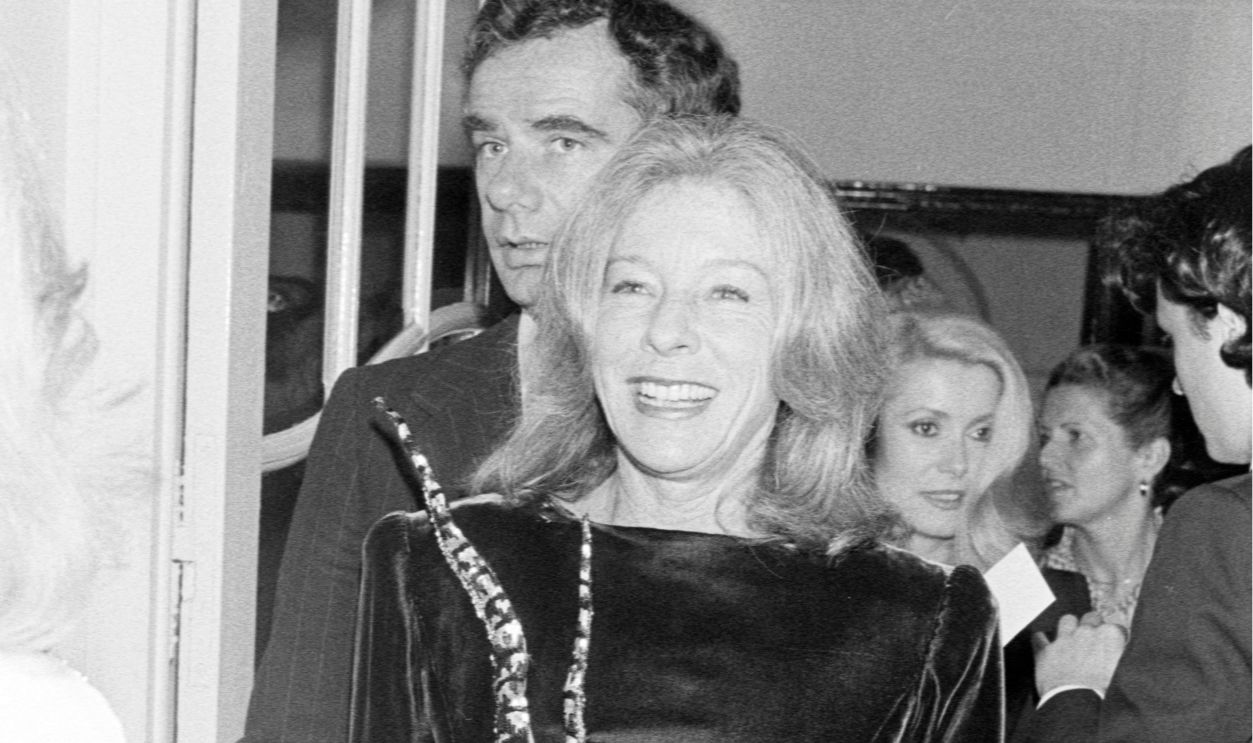
31. She Got Immortalized
The Bettina blouse’s shelf life, and with it Bettina’s fame, got greatly extended when it became the inspiration for Givenchy’s foray into the world of perfumes. Their signature scent, Amarige, got packaged in a bottle resembling the blouse and became a best-seller. And it only added to the torrent of attention on Bettina.
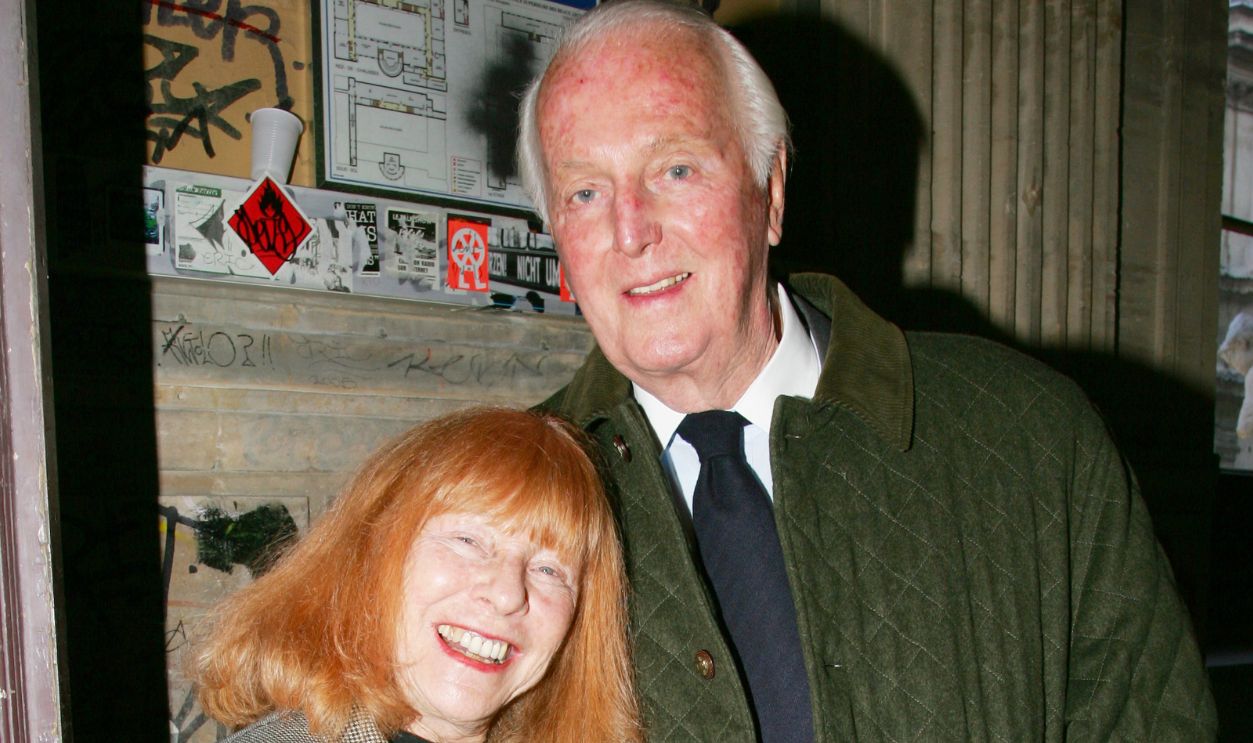 Bertrand Rindoff Petroff, Getty Images
32. She Was In The Spotlight
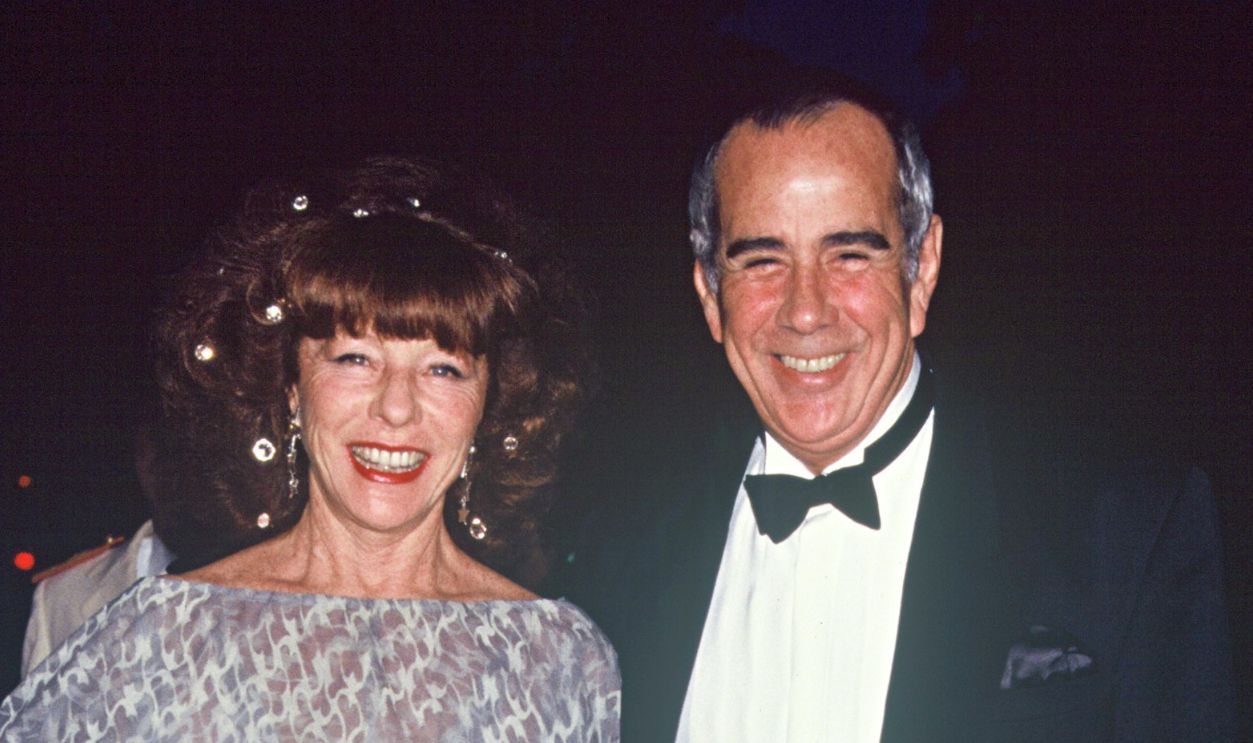
By the 1950s, Bettina Graziani was unavoidable in France. Paparazzi followed her everywhere, and the camera absolutely adored her, inside the fashion studio and out; various sources claimed she was, at the time, the most photographed woman in France. Her image got reproduced in other media too.
 Bertrand Rindoff Petroff, Getty Images
33. She Inspired The Greats
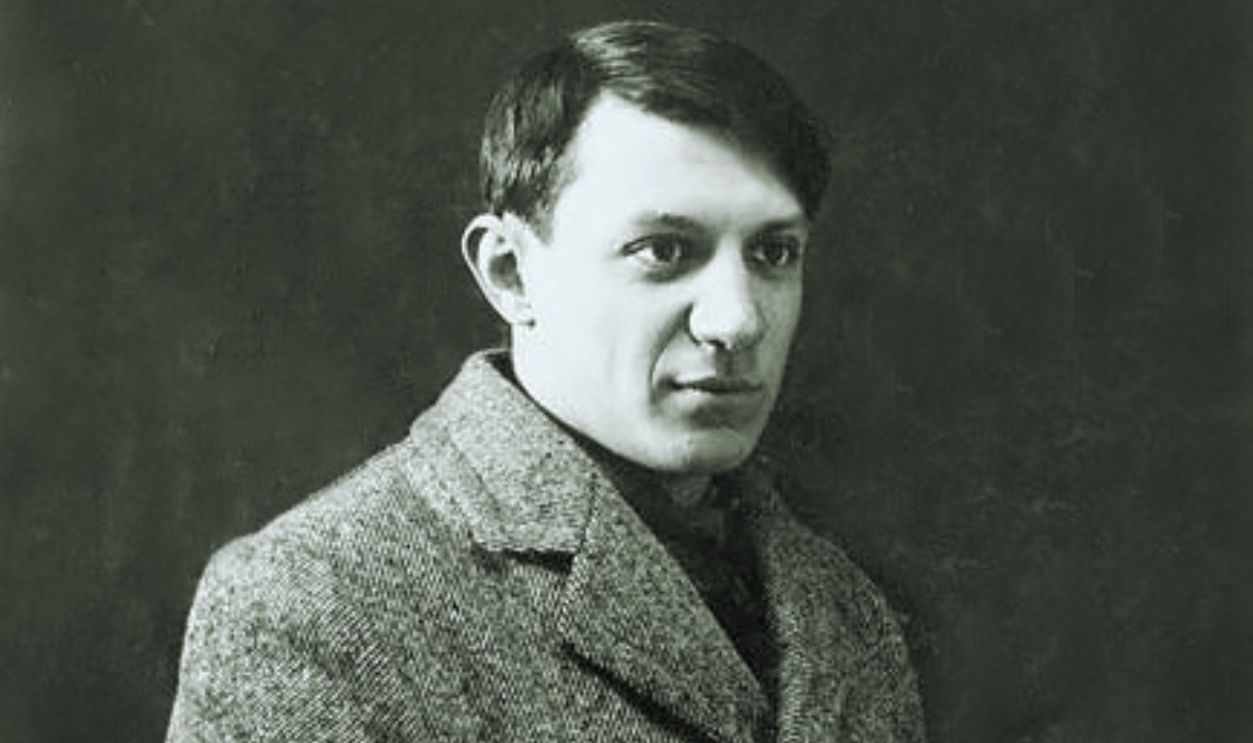
Bettina’s beauty served as a muse for artists ranging from fashion designers to musicians to painters. Indeed, she even caught the attention of one of the great artists of the era: it inspired none other than Pablo Picasso to paint a picture on a shirt as a personal gift to the model. Less common was the reverse, however: did any men catch Bettina’s eye?
 AnonymousUnknown author, Wikimedia Commons
34. She Met A Boy
Relatively early in her career, Bettina met photographer and newspaper reporter Gilbert “Benno” Graziani. She immediately fell for the charming young Frenchman, and the two began a passionate affair. Such was her affection for Benno that she almost gave it all up for him.
35. She Took A Break
Benno and Bettina fell hard for one another, and all other aspects of their lives fell by the wayside. With a laser focus on their love, the two made an impulsive decision to give up their careers entirely. They left Paris and moved south to Juan-les-Pins, where they briefly ran a bar. Their passion led to a hasty union, but the love was not to last.
36. She Had A Whirlwind Romance
Bettina and Benno got married while in Juan-les-Pins, but the marriage did not last long. She did return to Paris with something from the marriage, however: her last name. Up until that point, she had largely been going by simply “Bettina”; Benno assisted with her career in a major way in that he completed her iconic stage name. It was not the last time the lady Graziani would get involved in an ill-advised affair.
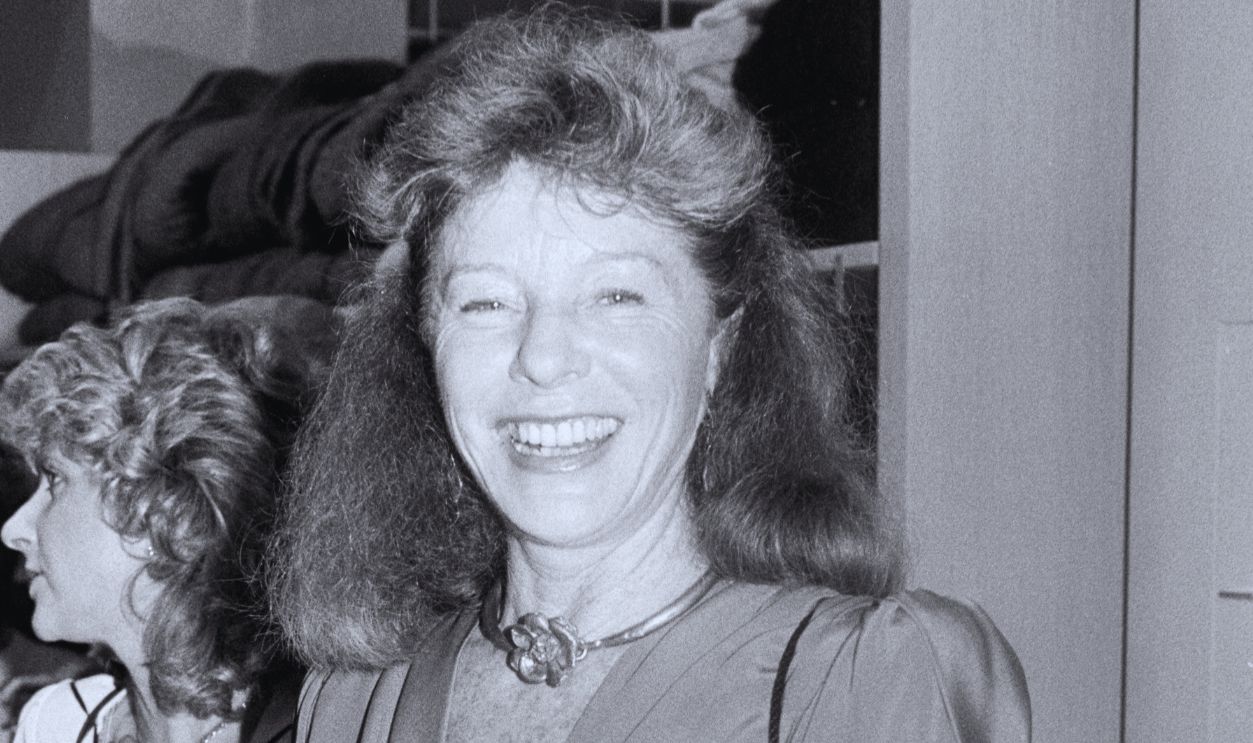
37. She Was The Other Woman
In the early 1950s, Bettina met Peter Viertel, an American screenwriter known for such films as The African Queen. The two immediately fell in love and began a relationship. Their affair had a tragic victim, however: in order to shack up with Bettina, Viertel left his pregnant wife for the French model. Bettina did not seem to know how to pick ‘em, but she finally met someone later whom she’d settle down with.
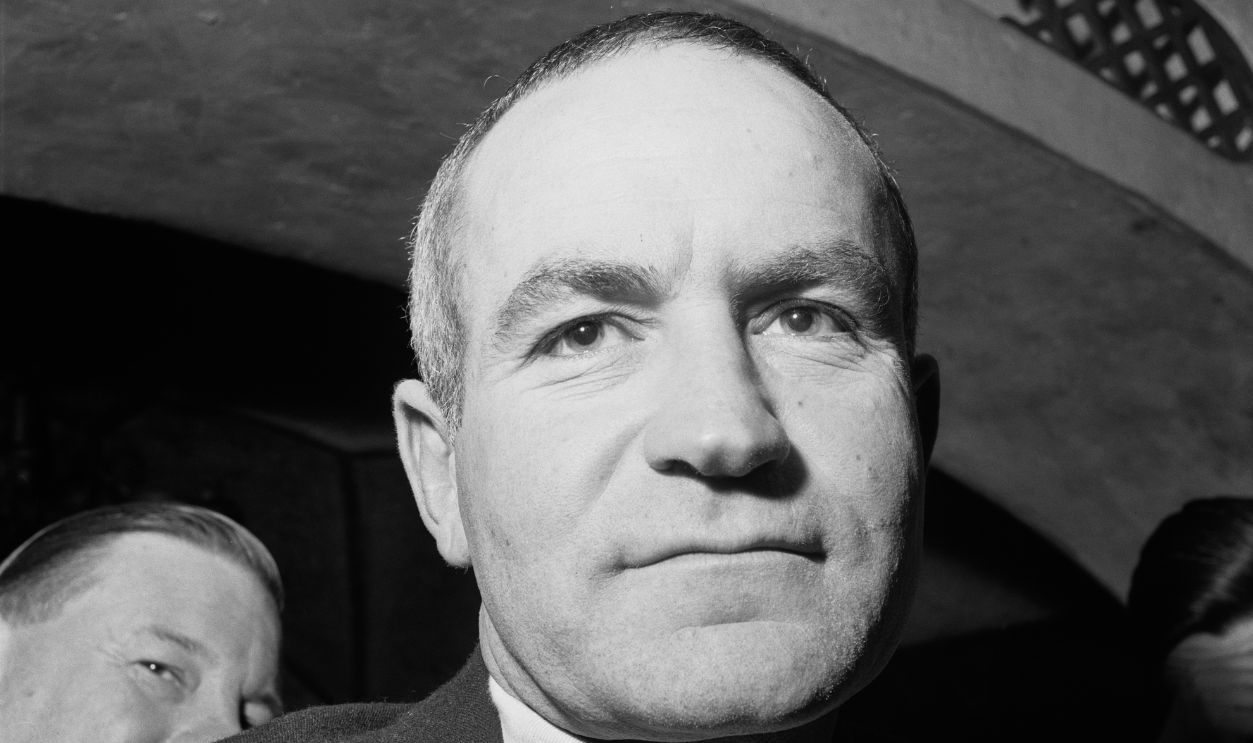
38. She Met A Prince
In 1955, Bettina crossed paths once again with Prince Aly Khan. The two had previously met when the prince had been dating actress Rita Hayworth, but now that both were single, sparks flew between the model and the royal. The two soon got engaged, and Bettina suddenly had some powerful connections.
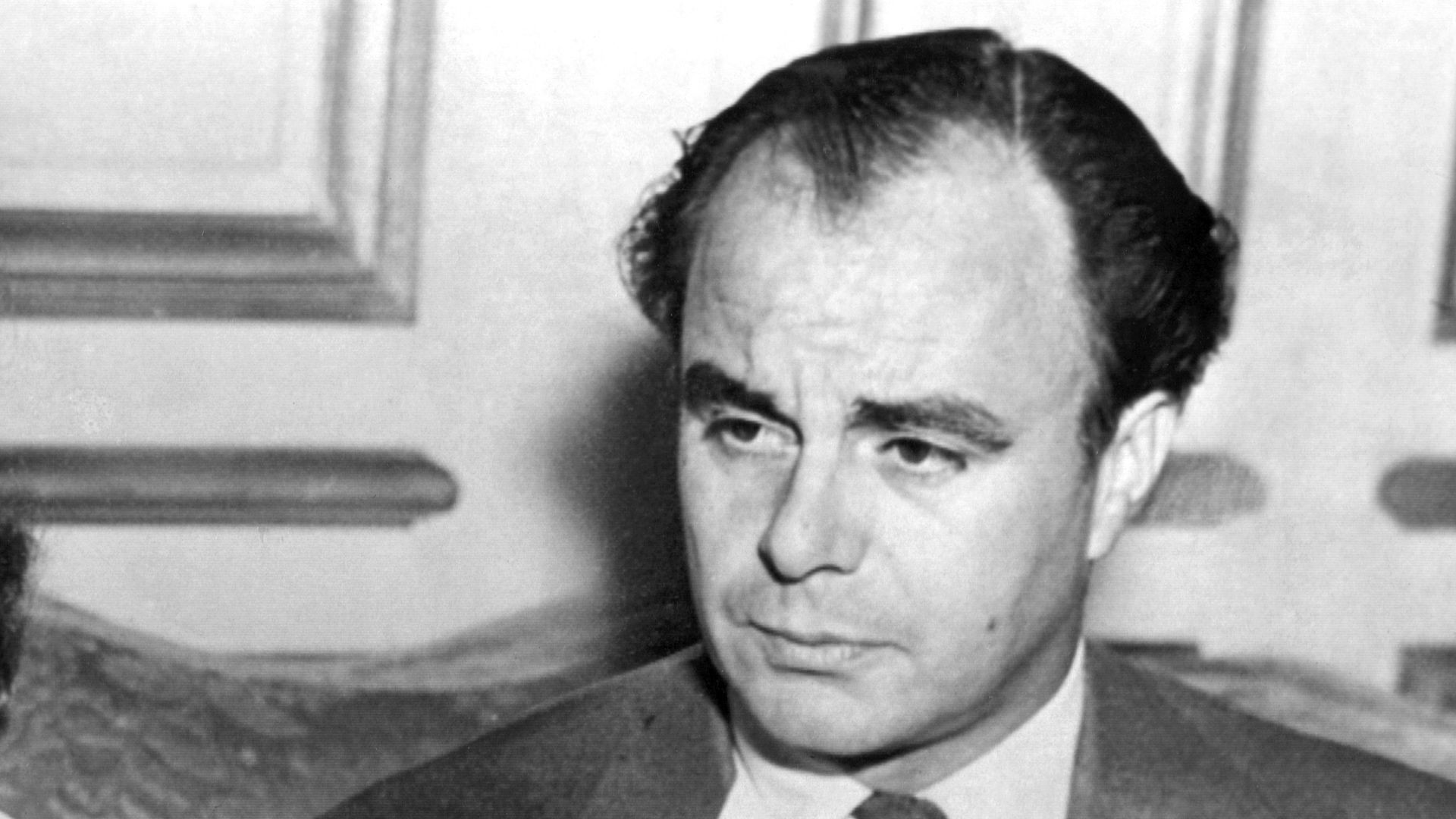 Associated Press, Wikimedia Commons
39. She Entered A Powerful Family
Bettina’s new husband-to-be came from important stock: Prince Aly Khan was the son of Aga Khan III, one of the founding fathers of the country of Pakistan. The elder Khan had even briefly served as the UN Ambassador from Pakistan and was a powerful and influential figure on the geopolitical stage. With a chance at settling down on the cards, Bettina said goodbye to her old life.
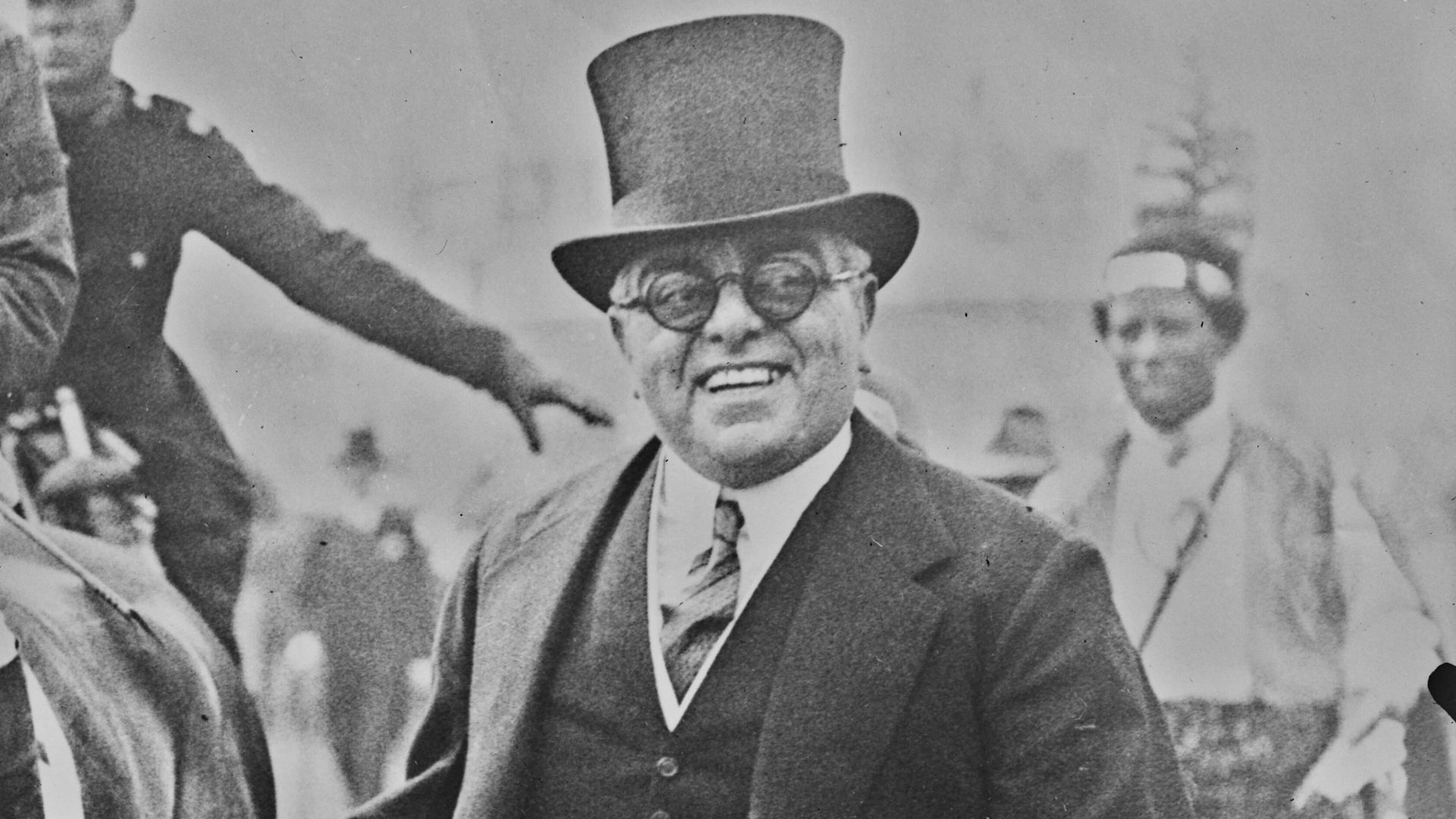 Central News Agency / Agence Rol, Wikimedia Commons
40. She Gave It Up
By the time she met Khan, Bettina had begun to tire of the busy lifestyle of a supermodel. With the Khan family’s significant fortune, she saw an opportunity to pursue other passions elsewhere with a financial safety net. Bettina finally retired from modeling in 1955. She was ready to start a family.
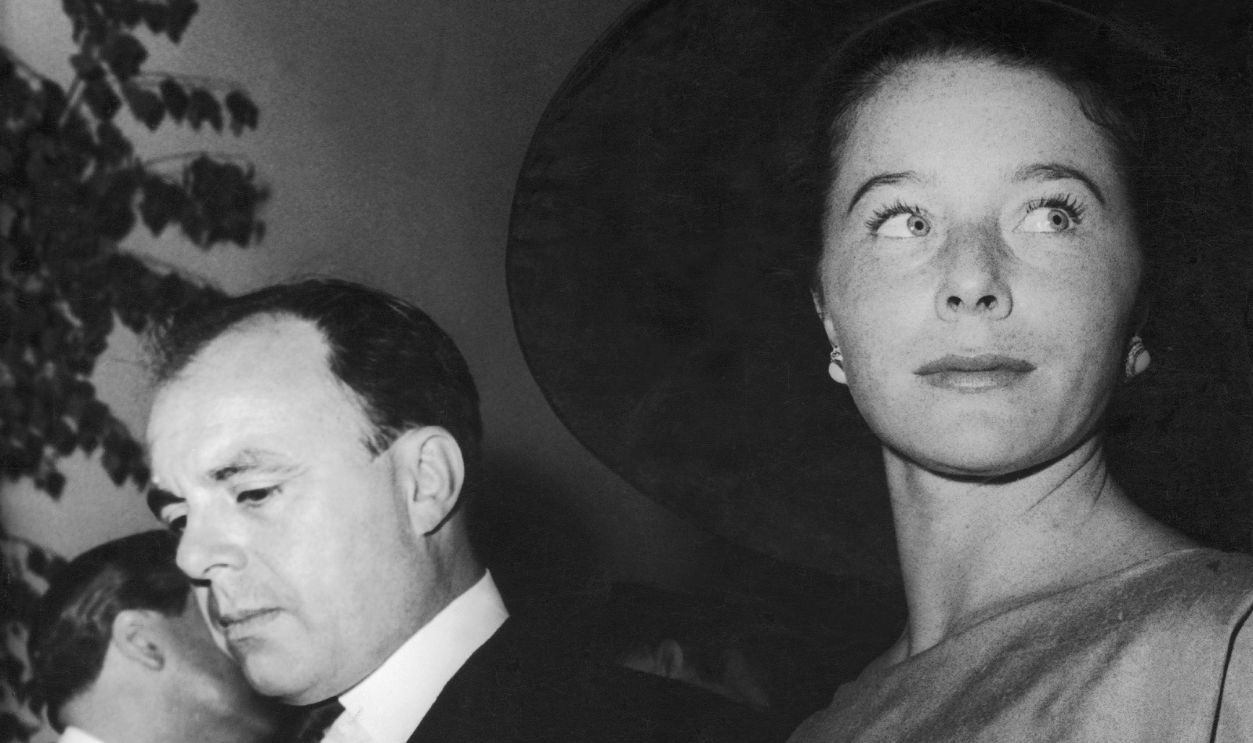
41. She Got Some Good News
Five years after retirement, Bettina and Khan had yet to marry—but that didn’t stop them from expanding their family. In 1960, she learned she was pregnant by the prince, a joyous occasion which the couple welcomed with warmth and excitement. But tragedy lurked around the corner that altered the course of the supermodel’s life forever.
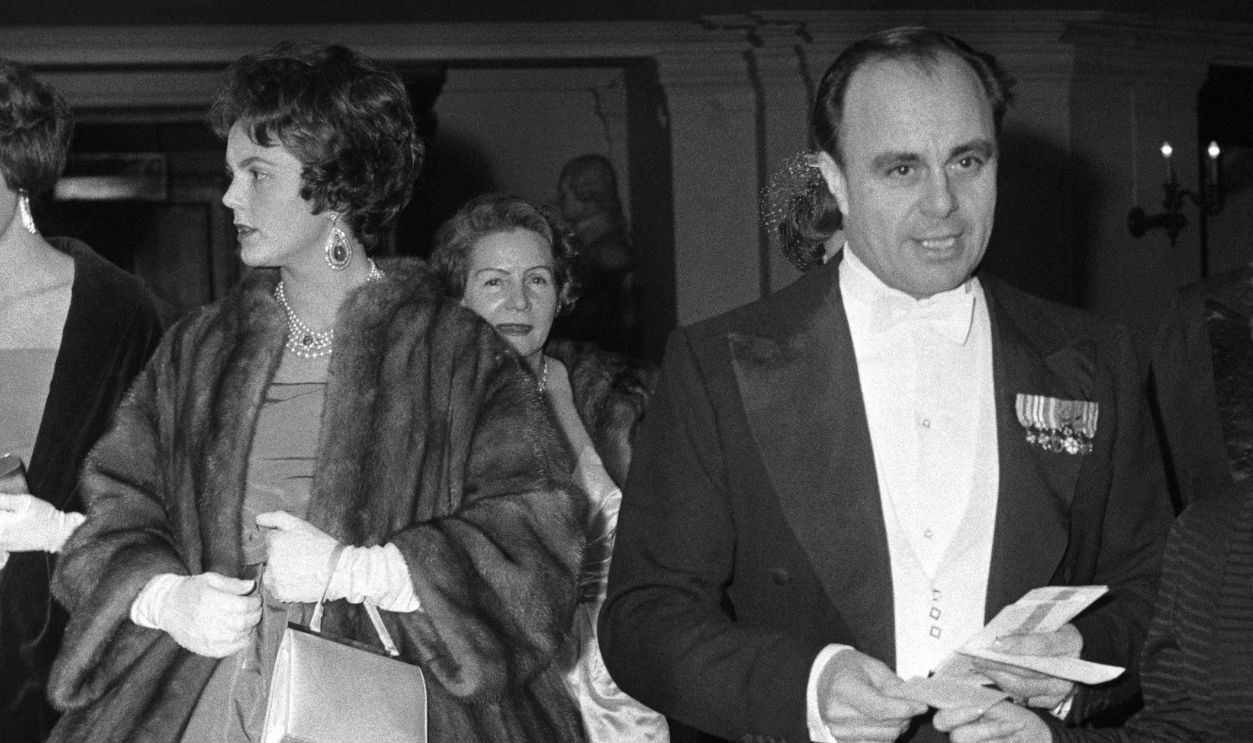
42. She Suffered Loss
A few months into her pregnancy, disaster struck the expecting couple. Bettina and Khan were involved in a devastating car crash, which tragically cost the prince his life. She survived the accident, but the cost was more than just her companion.
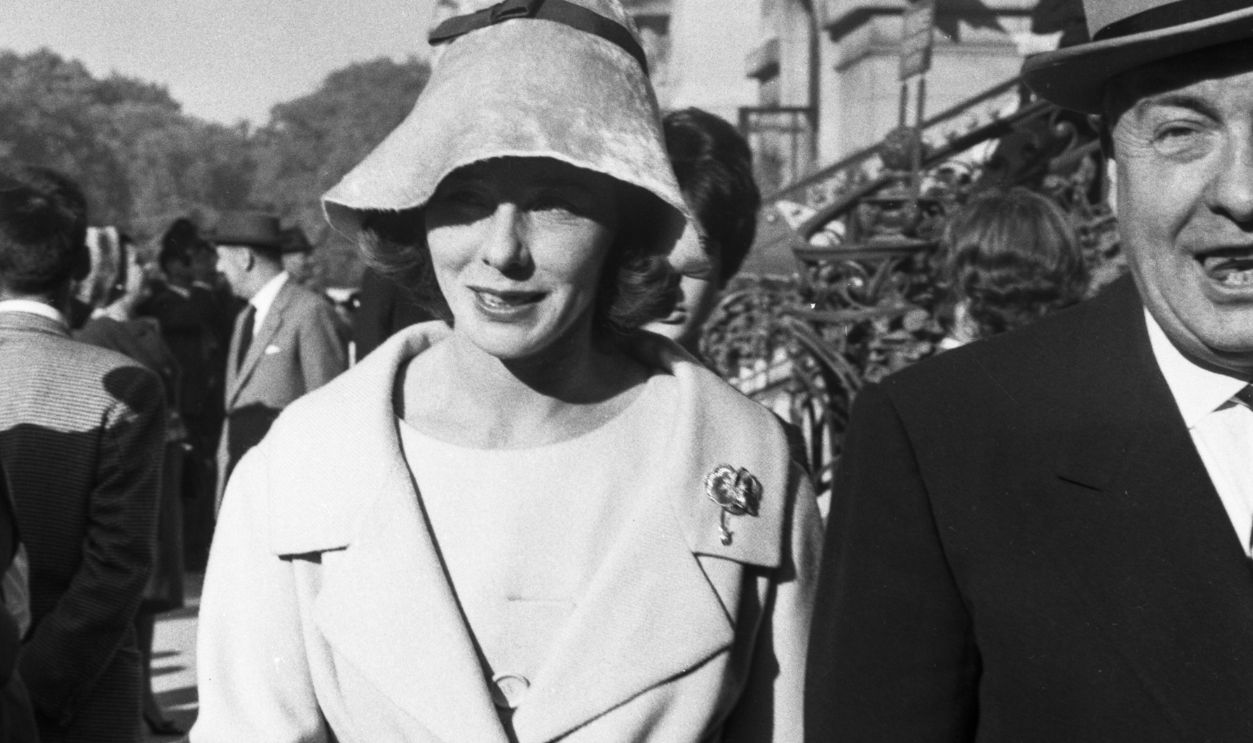
43. She Suffered Further
Following the accident, Bettina suffered immense grief and devastating shock. And though her unborn child survived the initial car crash, the aftermath proved too much for the pregnant former model. The shock of the accident resulted in a miscarriage for Bettina shortly after the incident. It was an unimaginable period of loss for the retired model, and the only place she could turn was back toward her original passion.
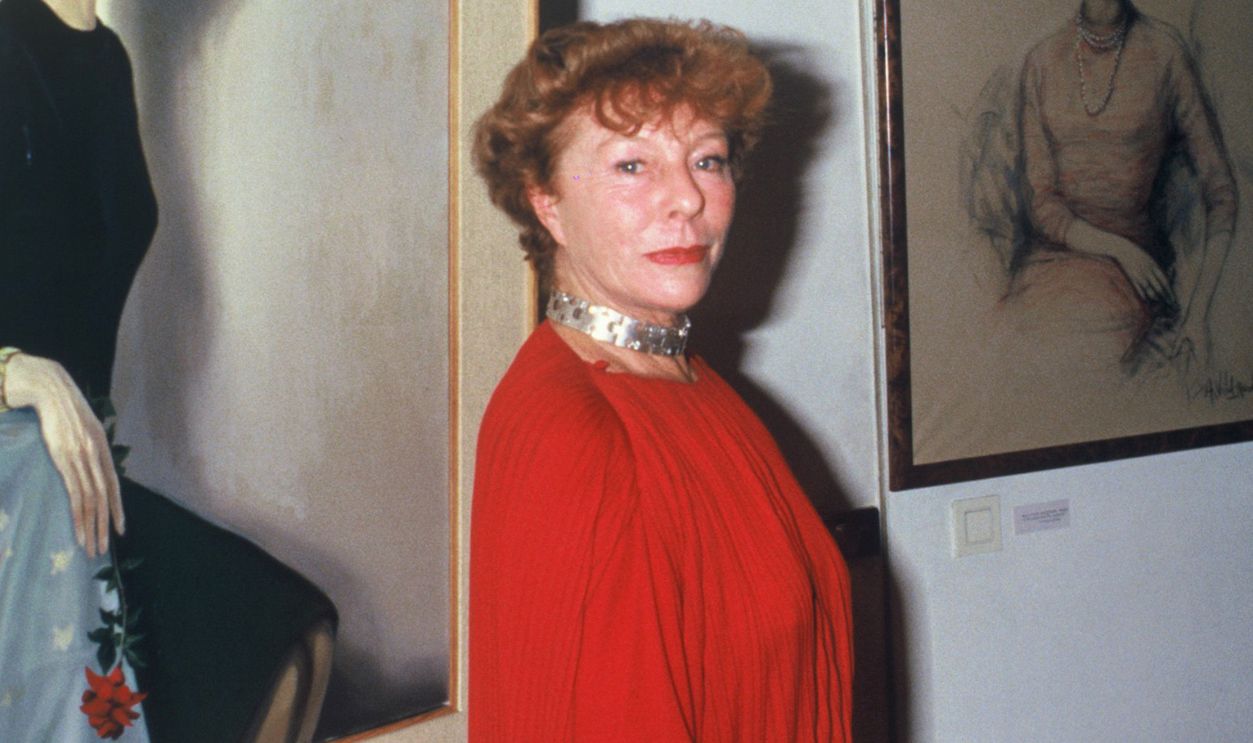 Bertrand Rindoff Petroff, Getty Images
44. She Found Solace
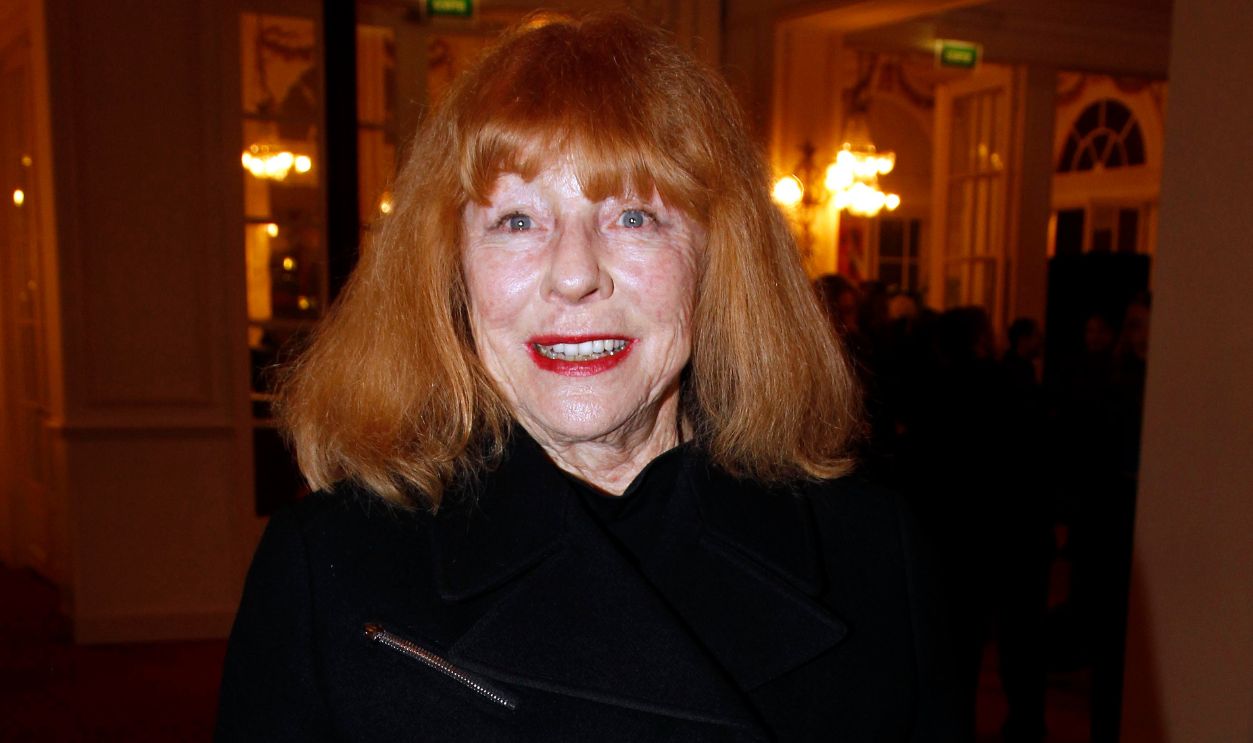
After the devastating loss of her unborn child and its father, Bettina had no notable relationships again. Instead, she turned her focus back toward her childhood dreams: she began to once again design clothes, mostly knitwear, with the help of the contacts she had made working in the fashion industry. She found other outlets for her grief too.
45. She Broadened Her Horizons
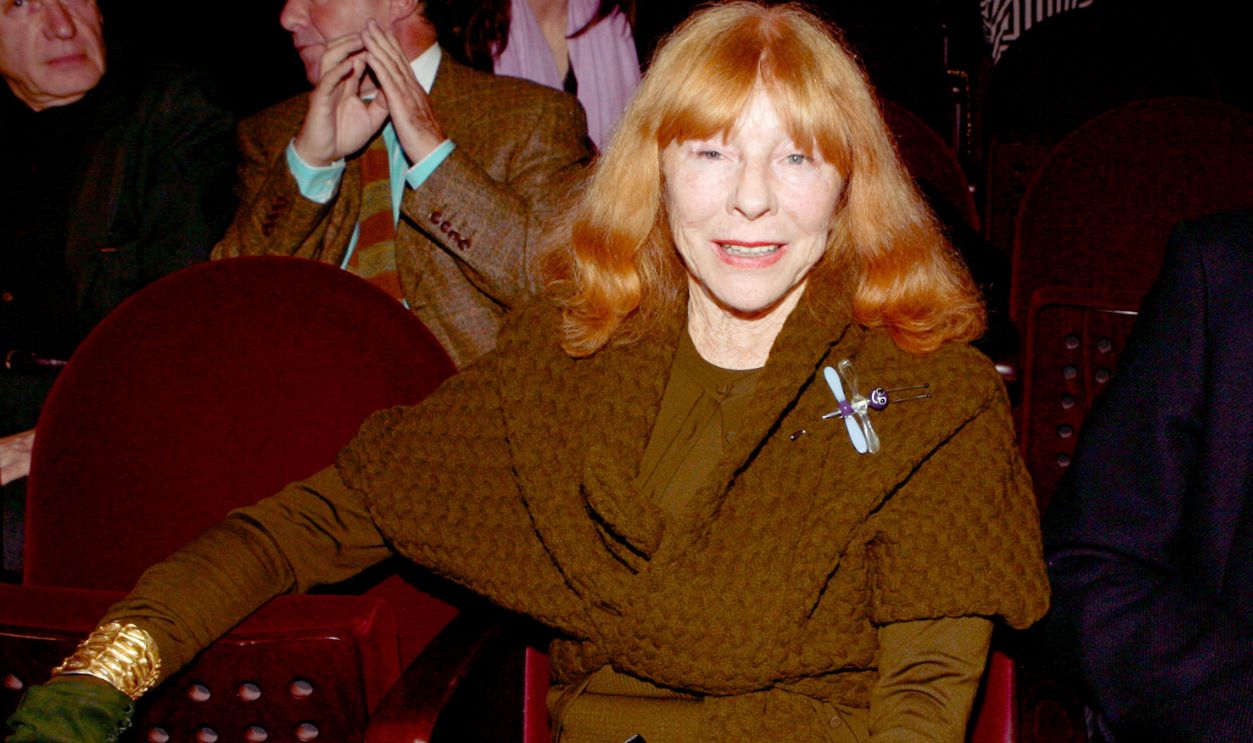
The meaning Bettina Graziani found in creativity following personal tragedy was clear, and she did not limit her output to fashion design. Later in life, she tried her hand at poetry and music composition, to a modest degree of success. Still, with such an interesting and devastating life behind her, Bettina had more to tell.
 Bertrand Rindoff Petroff, Getty Images
46. She Told Her Story
Another way in which Bettina dealt with her devastating losses was to recount her life and its many ups and downs. Some time after the accident, she released her autobiography, entitled Bettina par Bettina, to positive reviews. And though she may have tired of the spotlight relatively young, she found her way back on her own terms.
 Bertrand Rindoff Petroff, Getty Images
47. She Remained A Presence
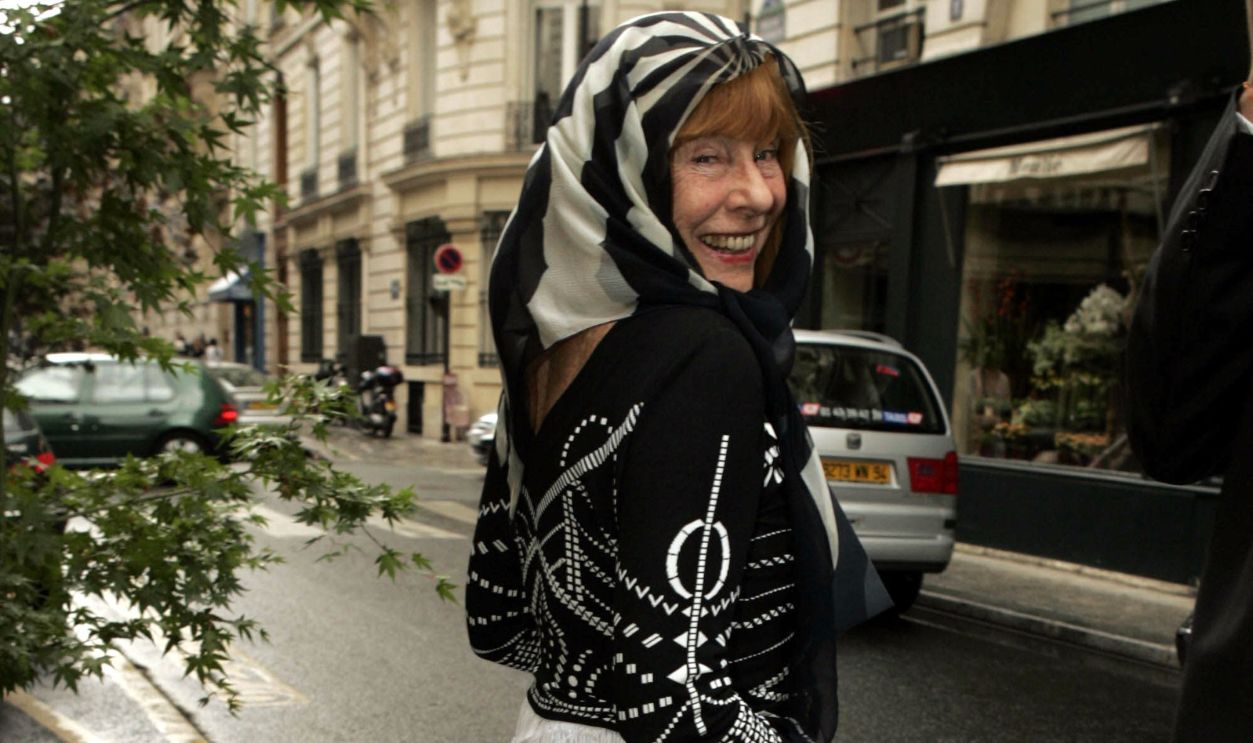
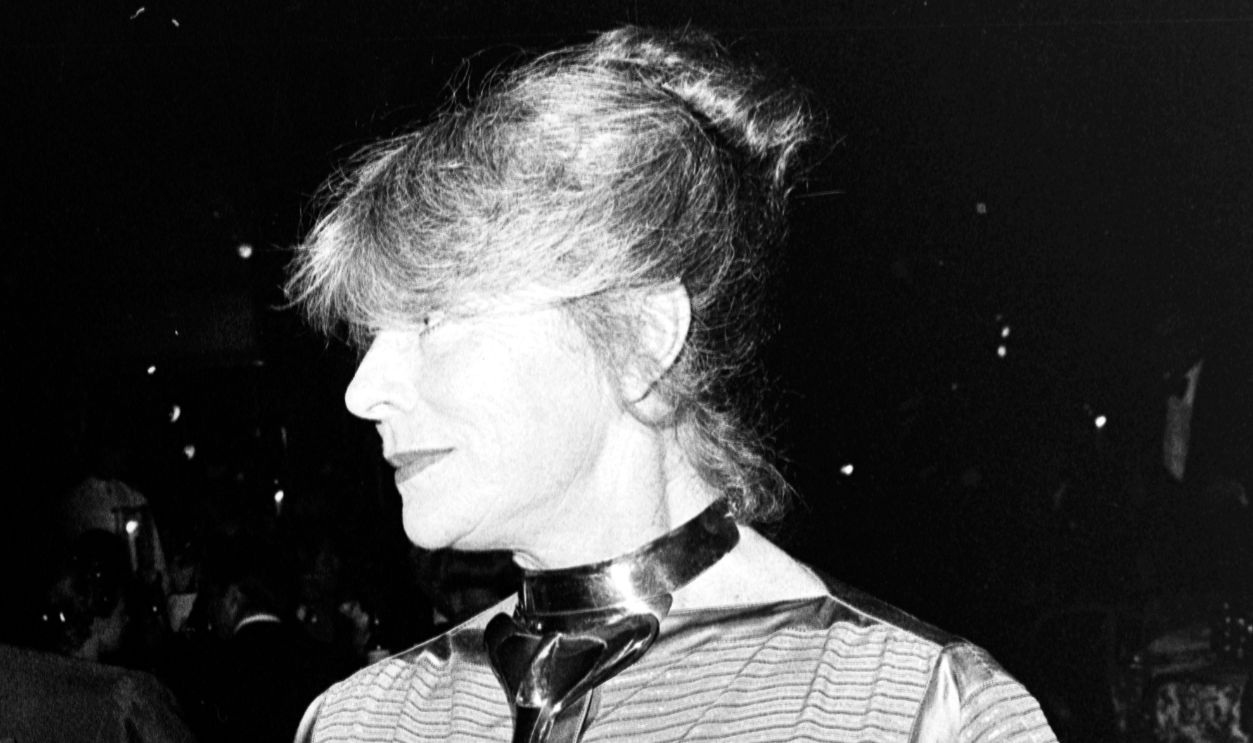
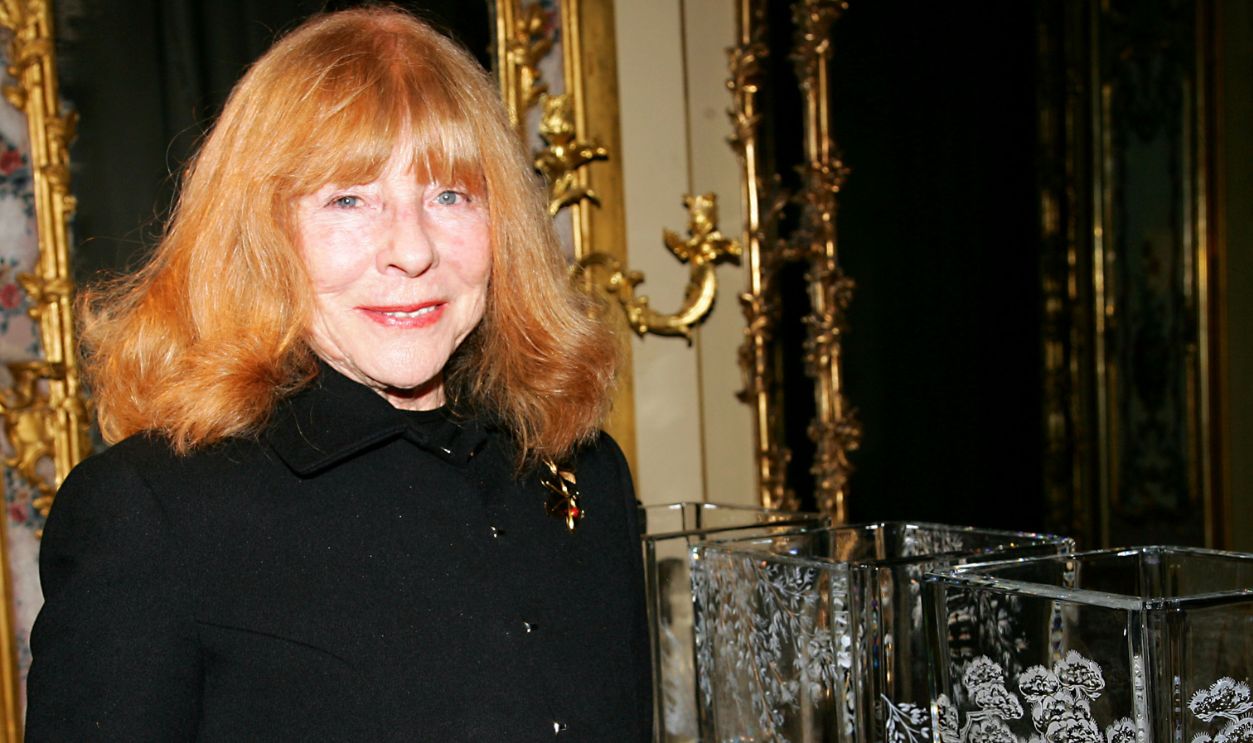
Understandably, Bettina largely kept to herself for the next 15 years or so after the accident. However, she began to reemerge as a public figure in the 1970s, remaining a relatively recognizable figure of Parisian life from then on. France, in turn, recognized her great contribution, even if it was a few decades too late.
48. She Got Honored
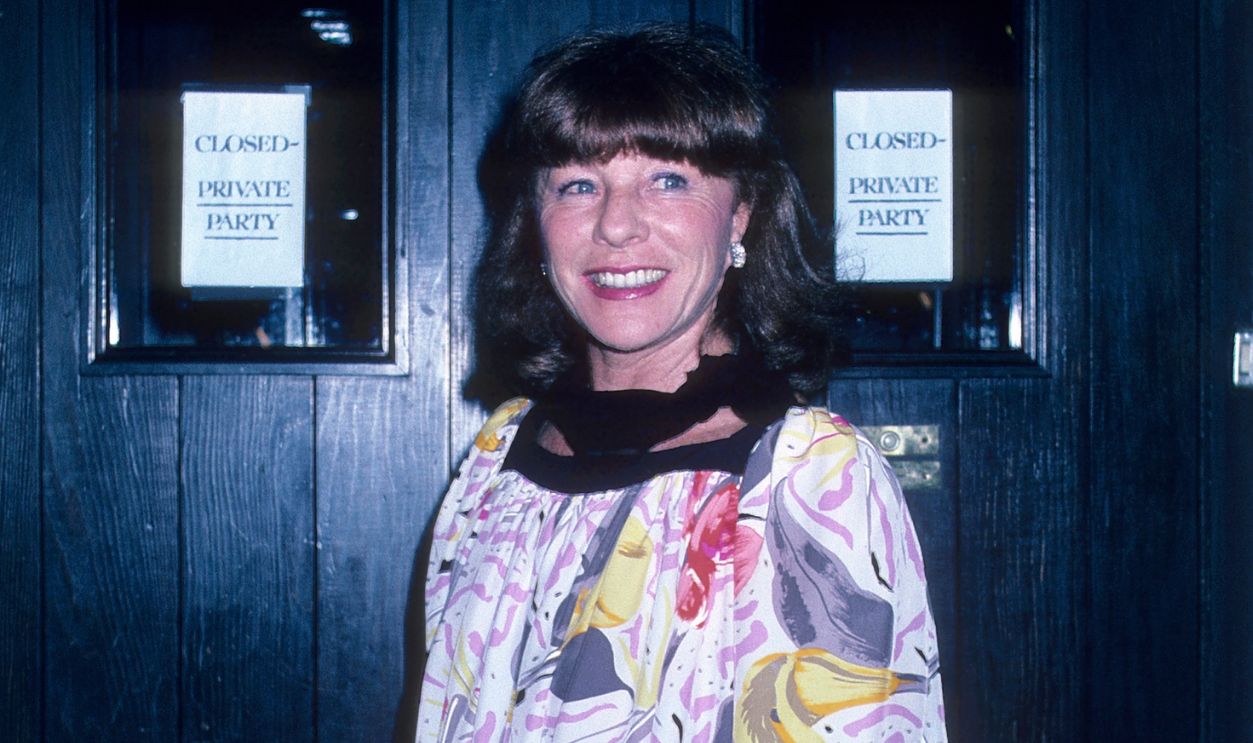
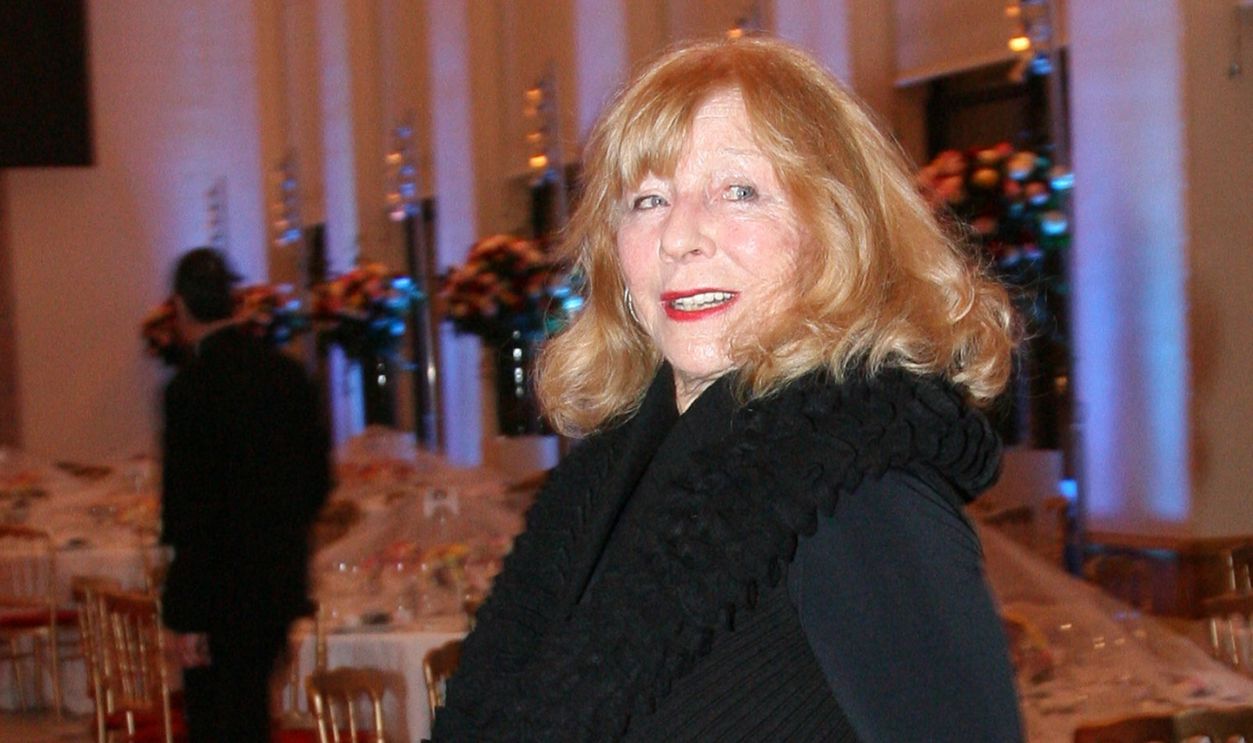
In 2010, Graziani received official recognition from the state for her contributions to fashion and Parisian life in general when she was appointed to France’s Order of Arts and Letters, an acknowledgement of a French figure’s significant accomplishments in the arts, awarded by the Minister of Culture and Communication. Her role got summed up beautifully.
 Bertrand Rindoff Petroff, Getty Images
49. She Received Praise
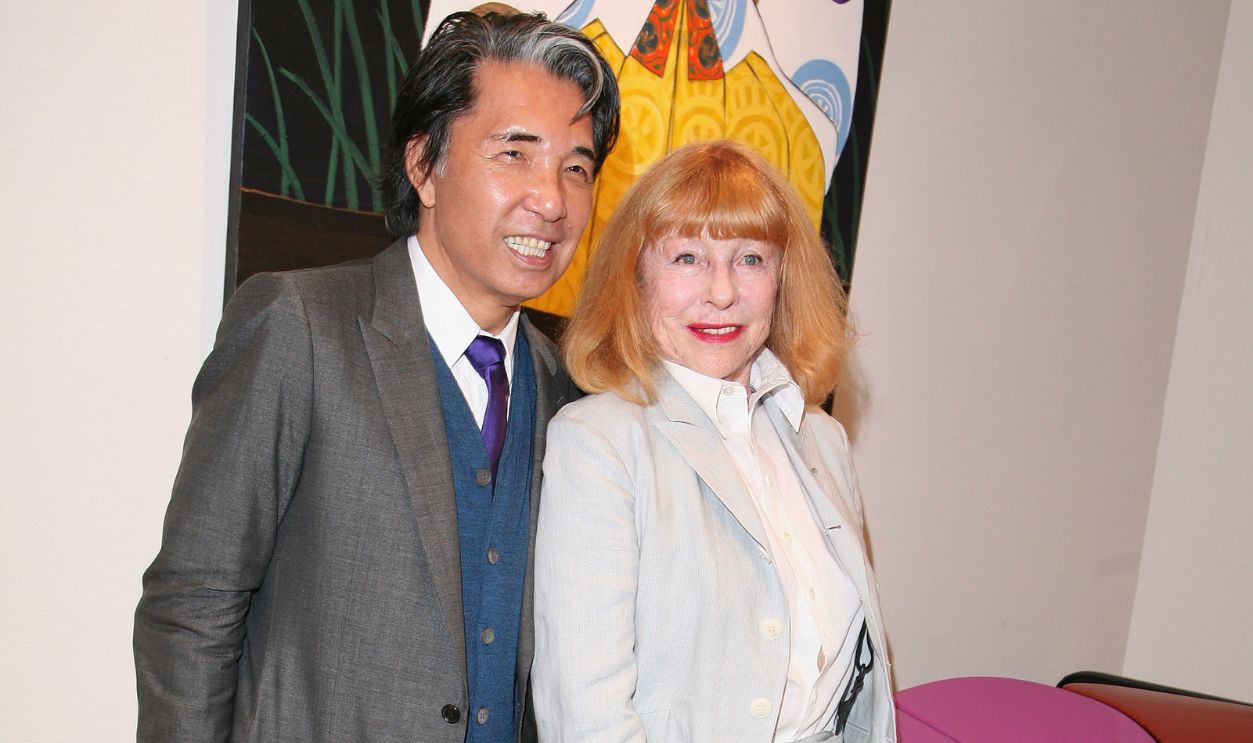
Upon the former model’s acceptance of the Order, the Minister of Culture and Communication honored Graziani in a way that captured not just her contributions but the ways in which she represented post-WWII Parisian women. “You are”, she was told, “in a word, the embodiment of the modern woman”. One could scarcely put it better than that, and Bettina took the honor and identity with her to the grave.
50. She Had A Full Life
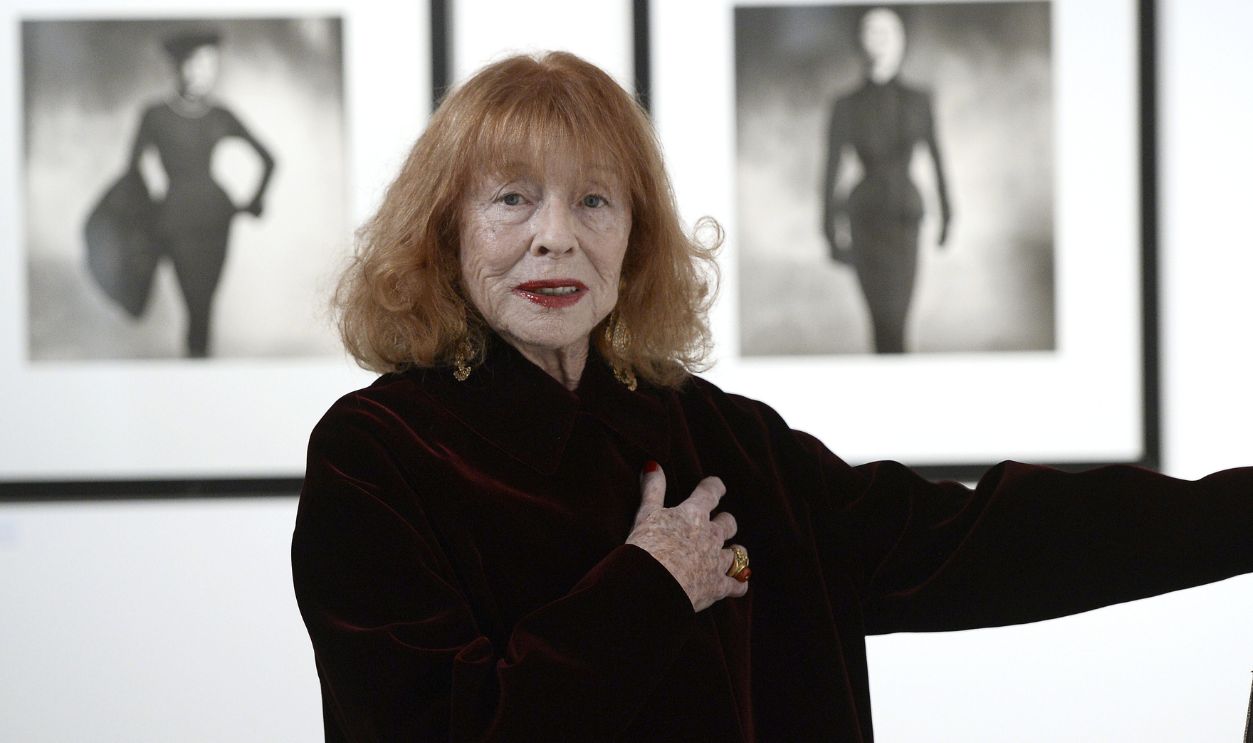
Bettina Graziani passed in 2015. She was 89 years old. After a long and eventful life, with its many ups and downs, she left behind a legacy as the face of France’s modernity and progressiveness, blazing the way for the women, models and non-models alike, who would follow in her footsteps and spit in the face of anyone who told them that they couldn’t do things their own way.
 STEPHANE DE SAKUTIN, Getty Images
You May Also Like:
Dorian Leigh Wore Her Scandals Like A Crown
Audrey Munson: History’s Most Tragic Supermodel










.jpg)