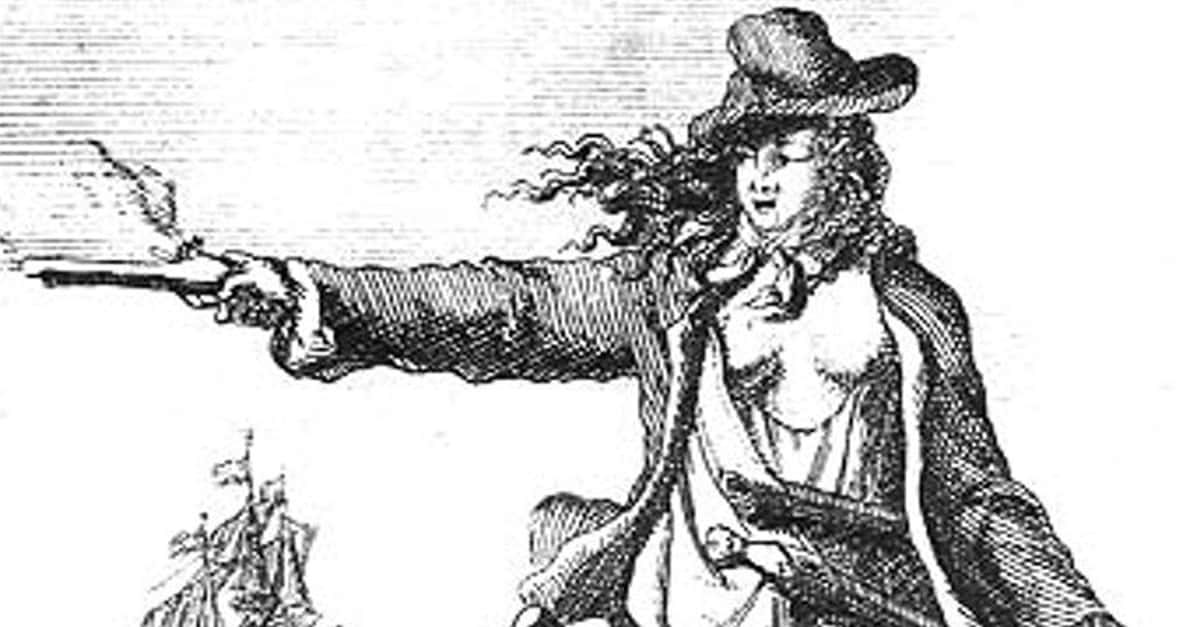
He Was The “Great Pyrate”
As arguably the most successful pirate of the Golden Age of Piracy, Bartholomew Roberts (AKA Black Bart) dominated the seas, from the Caribbean all the way to West Africa. Despite originating most pirate tropes such as black flags and pirate codes, Roberts wasn’t your average buccaneer. He was a whole lot worse—and better.
1. He “Came Ashore” As John Roberts
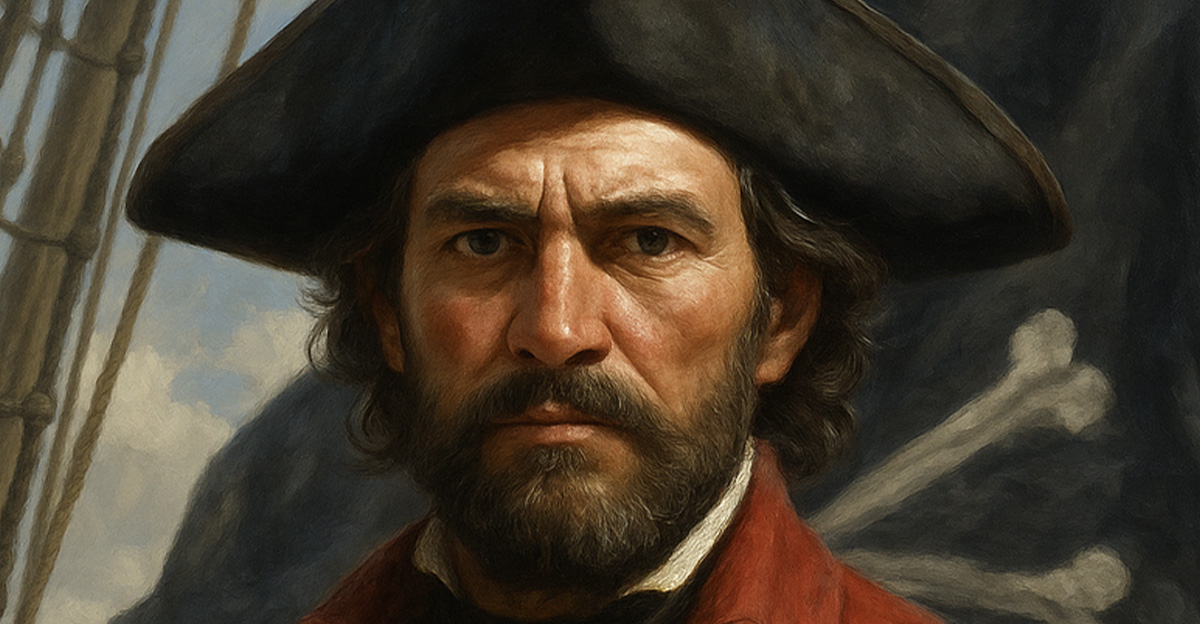
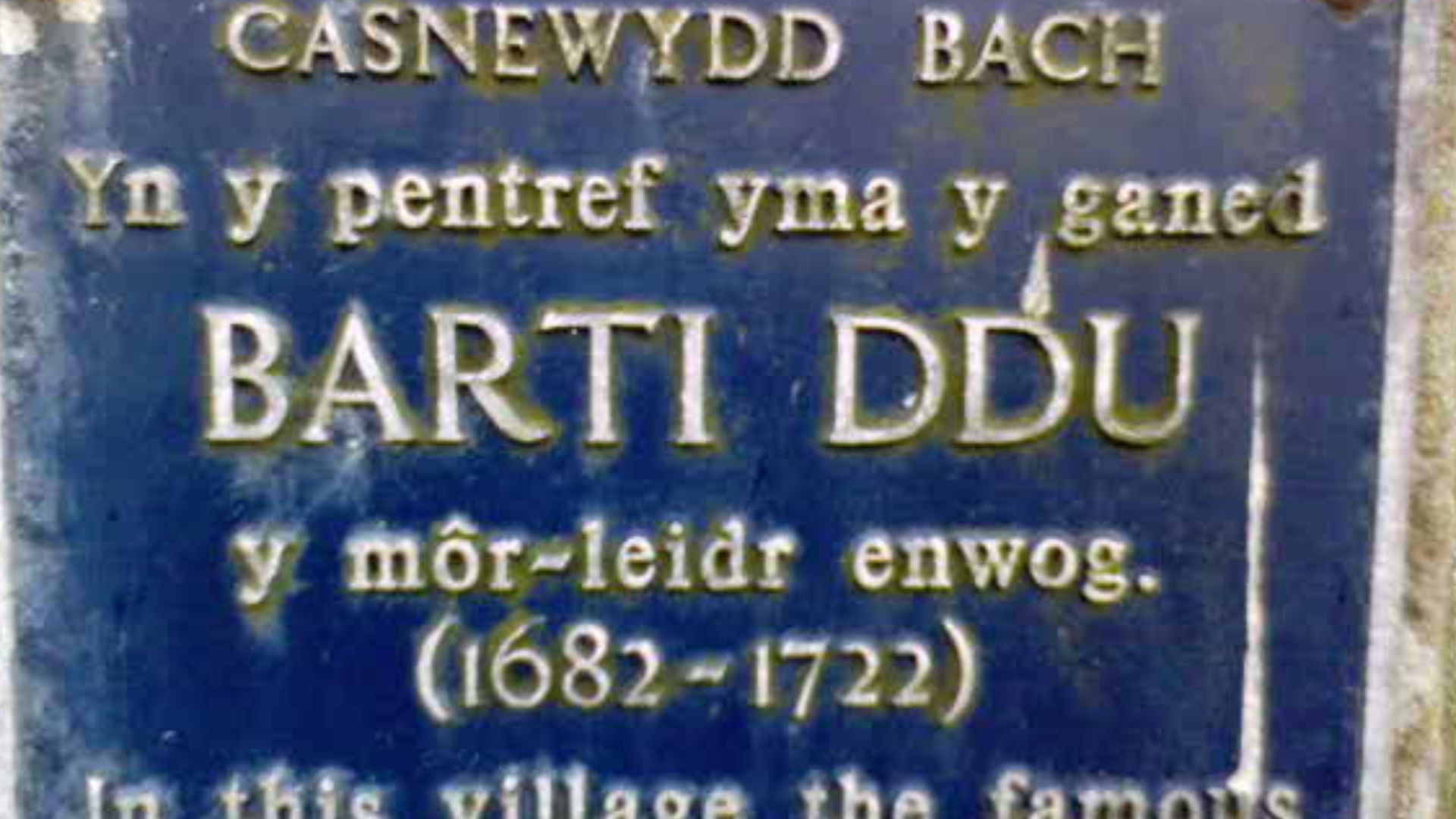
Bartholomew Roberts “came ashore” in mid-May of 1682 in the tiny Welsh village of Casnewydd Bach. When he was born, he was just another Welsh boy, plain old John Roberts. In all likelihood, his father was George Roberts, but poor recordkeeping and an unassuming birth make piecing together his early years difficult.
In fact, there’s almost no record of him at all.
2. He Vanished For Decades
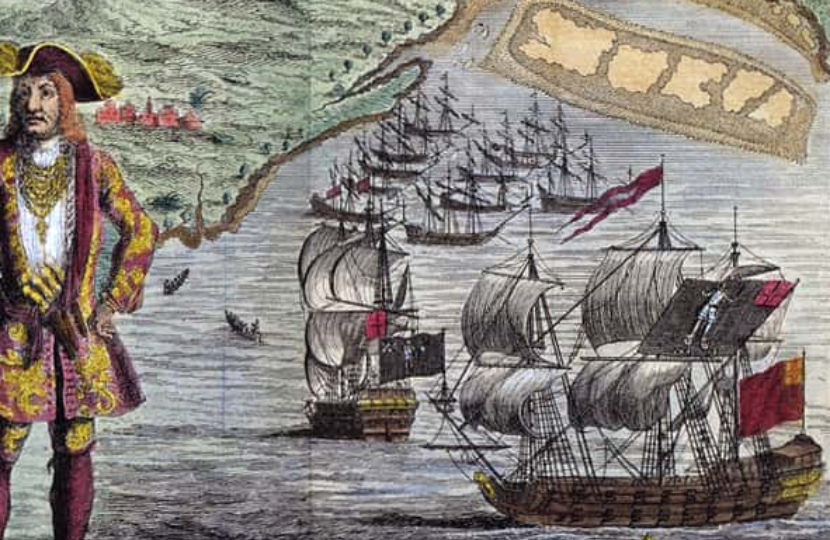
As far as we know, Bartholomew Roberts went to sea at the tender age of 13. Then he basically disappeared into the vastness of the open sea for twenty-three years. When he finally resurfaced in 1718, he’d mysteriously transformed from “John” to “Bartholomew”—possibly naming himself after the legendary buccaneer Bartholomew Sharp.
He was not, at first, a legendary pirate.
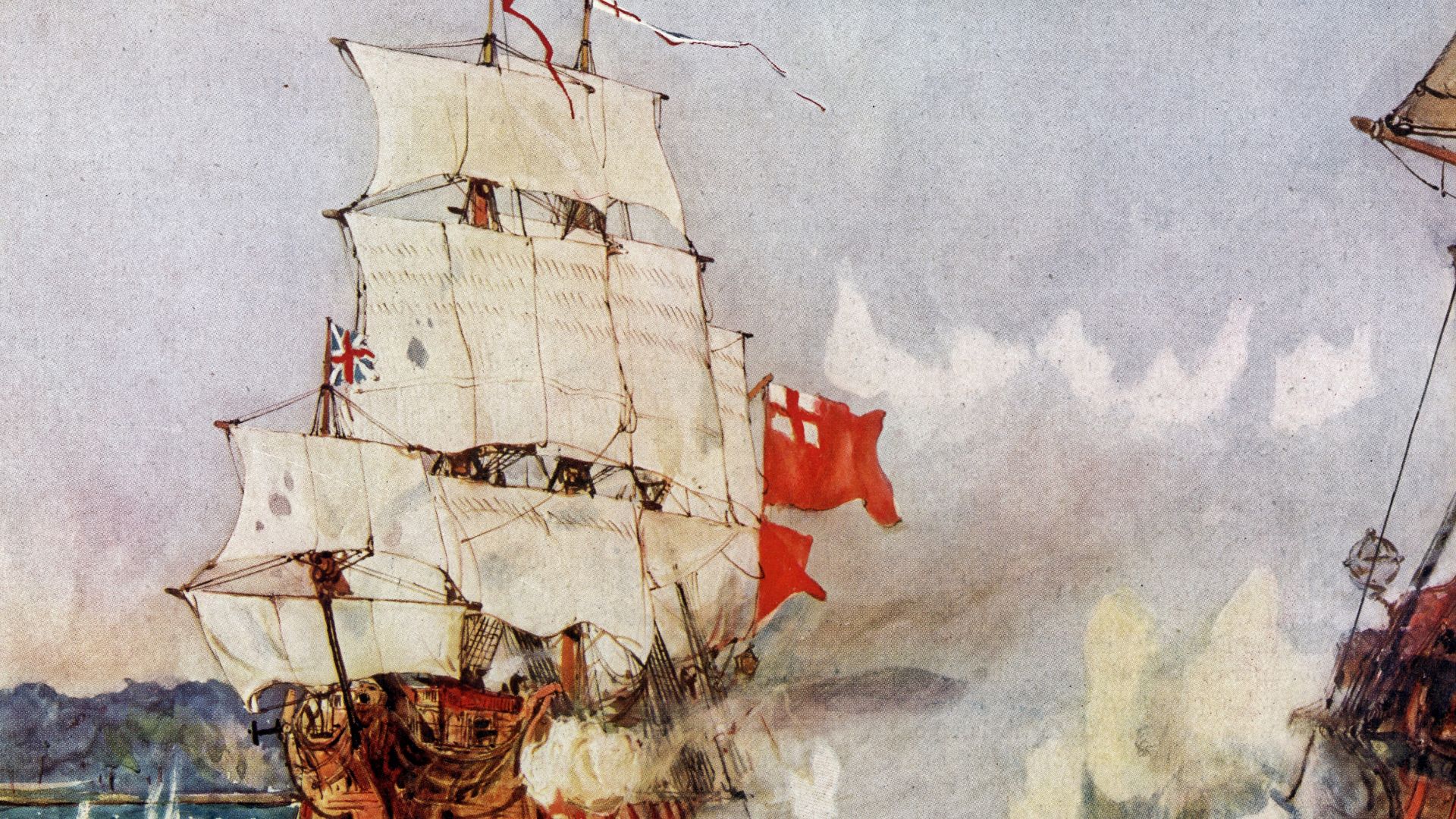 Charles Dixon, Wikimedia Commons
3. His Life Changed Forever
In 1719, Bartholomew Roberts was living the closest thing to an honest life as second mate on the Princess, a slave trading ship. But then he met fate. A group of pirates captured the Princess off the Gold Coast in Africa, setting Roberts down a path of adventure, revenge, and unbridled piracy.
4. He Was Forced To Become A Pirate
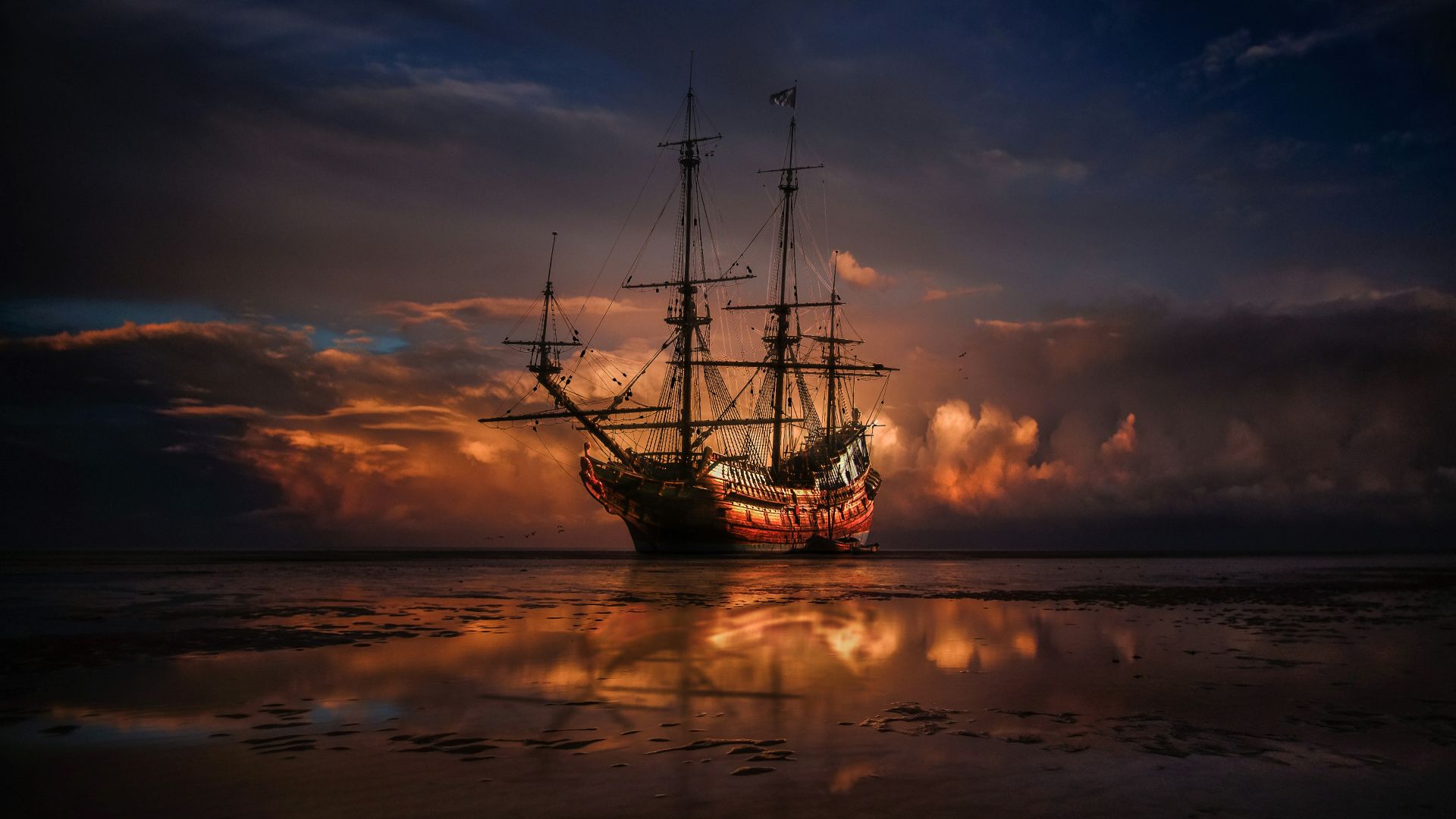
The pirate crew that captured Roberts operated two vessels, Royal Rover and Royal James, under Captain Howell Davis. As chance would have it, Davis, like Roberts, was a Welshman, hailing from Pembrokeshire. Instead of putting Roberts to the sword, Davis forced Roberts and several other Princess crew members into a life of piracy.
Roberts had the inside track.
5. He Spoke In A Secret Language
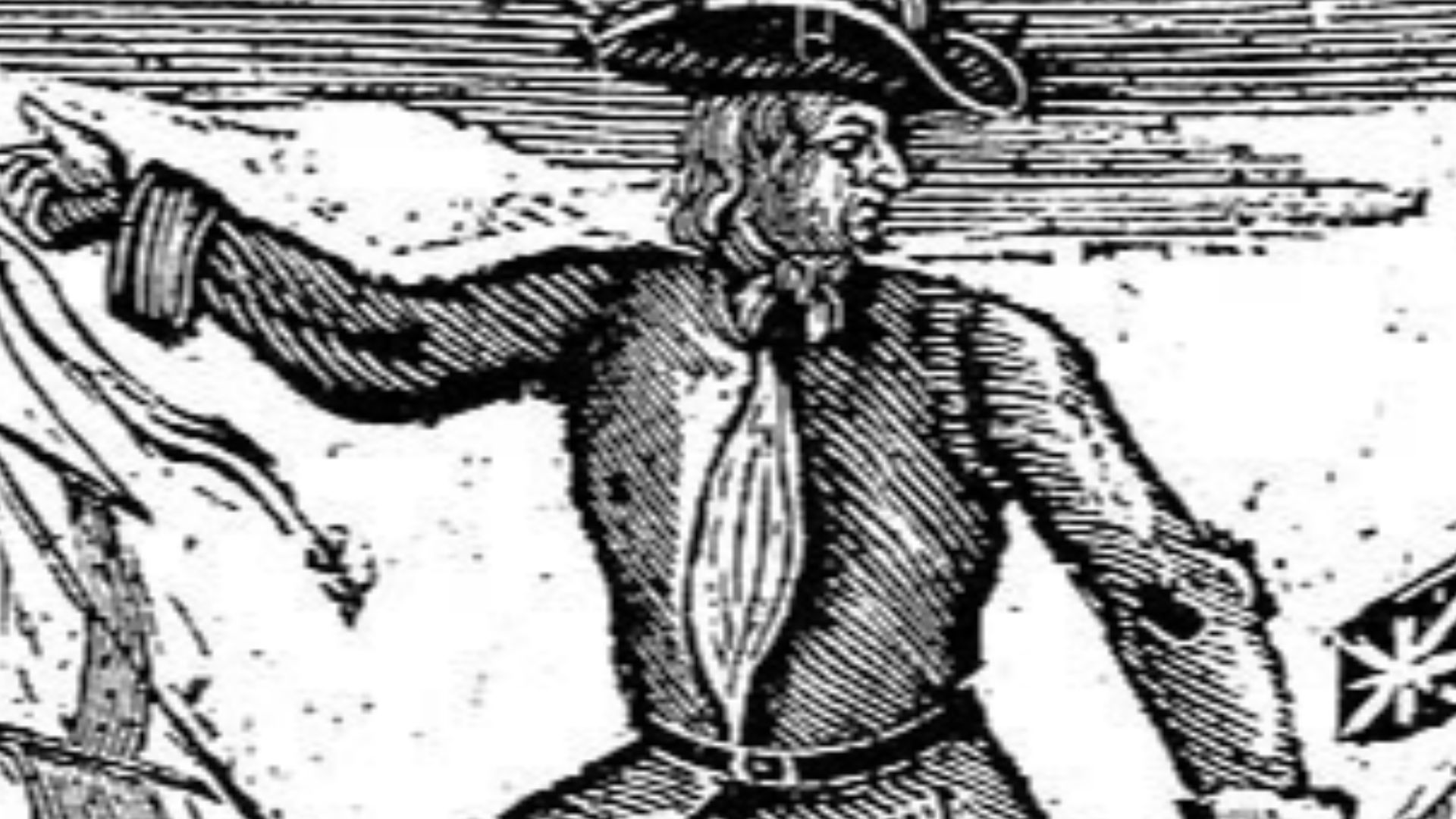
Davis immediately recognized that there was something special about Roberts—namely his navigation skills. Given their shared Welsh heritage, Davis made Roberts his confidant and the two Welshmen would chat together in their Welsh dialect, keeping their plans hidden from the English and international crew.
Piracy, as it turned out, suited Roberts quite well.
 Geo. S. Harris and Sons / Allen & Ginter, Wikimedia Commons
6. He Embraced The Dark Side
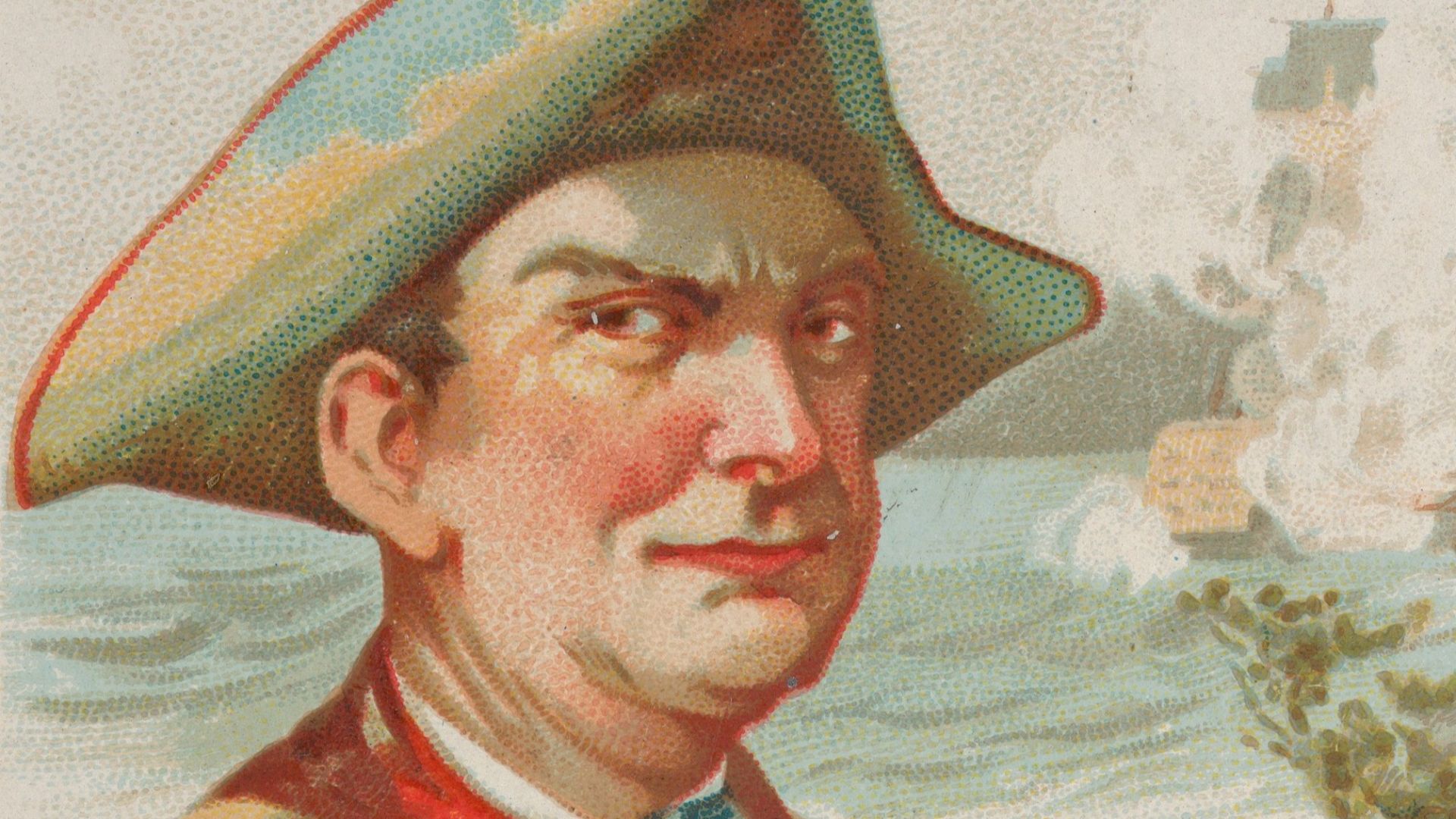
Initially reluctant about piracy, Bartholomew Roberts quickly changed his tune, declaring: “In an honest service there is thin commons, low wages, and hard labour”. By comparison, he boasted that piracy offered “plenty and satiety, pleasure and ease, liberty and power”. Still, life at sea had its challenges, even for a pirate.
 Okc~commonswiki, Wikimedia Commons
7. His Ship Got Worms
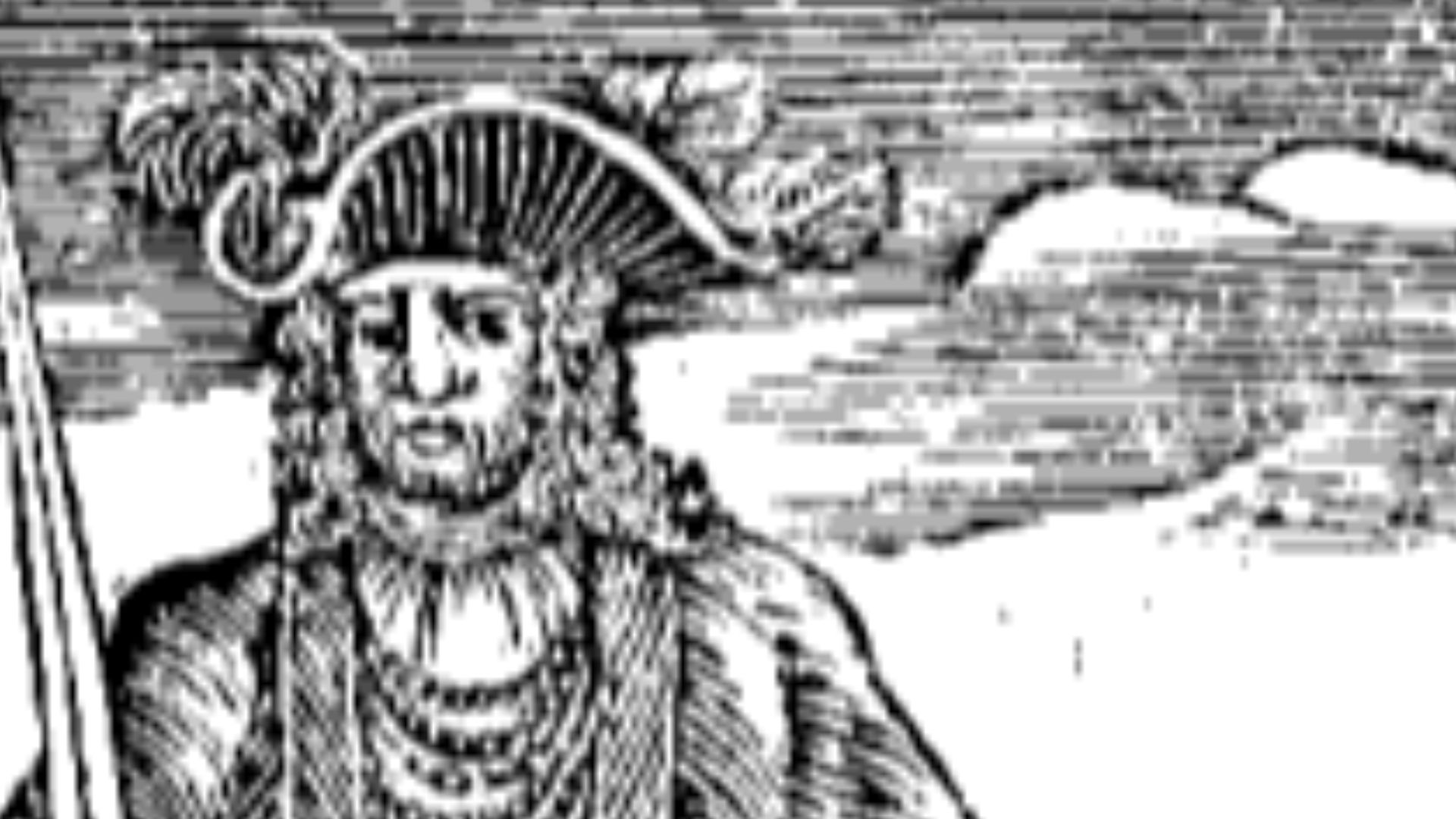
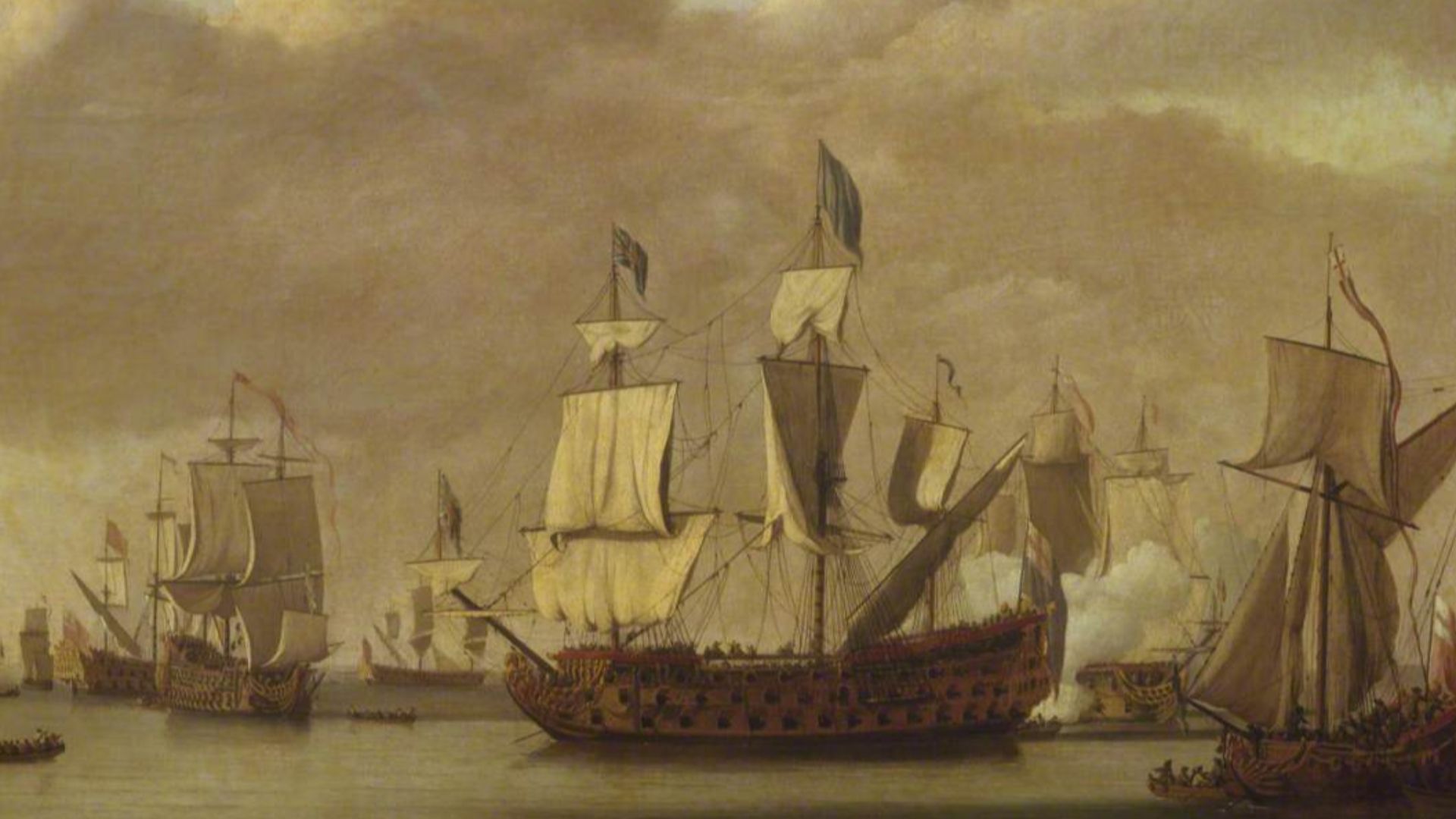
Just weeks after Roberts joined Davis and prepared himself for a life of raids and ransoms, his new ship, the Royal James, became severely damaged from worms. The crew had to abandon their ship, sailing with the Royal Rover to an island where Davis, flying British flags, found safe harbor. It wasn’t safe for long.
 Willem van de Velde the Elder, Wikimedia Commons
8. His Captain Met Disaster
Using the element of surprise, Davis planned to take the Portuguese governor of the island for ransom. But the Portuguese weren’t that gullible. On June 19, 1719, they ambushed Davis’ party on their way to the fort, ending the captain’s career (and life) permanently. Roberts suddenly found himself captainless.
And a ship always needs a captain.

History's most fascinating stories and darkest secrets, delivered to your inbox daily.
9. He Became The Captain
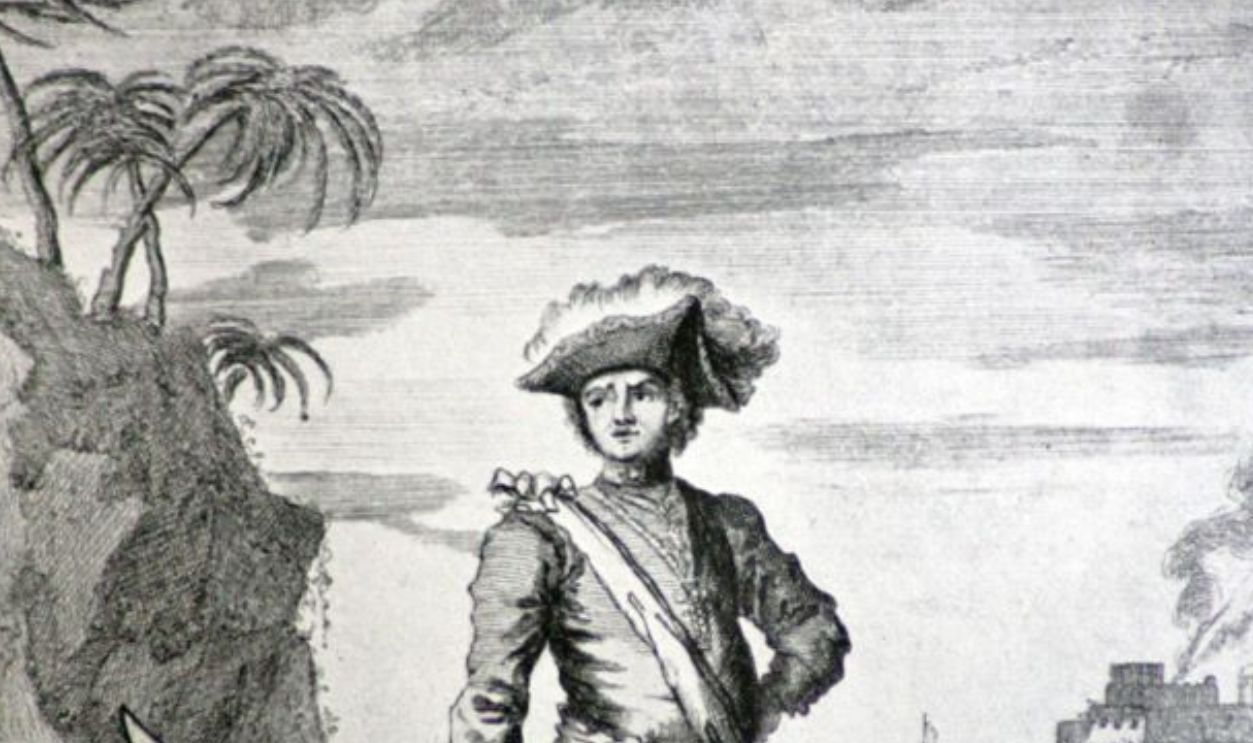
Within just six weeks of beginning life as a pirate, Roberts made his first capture: the captain’s hat. Shockingly, the rest of the crew of the Royal Rover elected Roberts captain. The formerly reluctant pirate had apparently made quite the impression with his navigation skills and outspoken personality.
He was in for a penny, in for a pound.
 Universal History Archive, Getty Images
10. He Already Had Dirty Hands
Upon accepting the captaincy, Roberts philosophized: “Since he had dipp’d his Hands in Muddy Water, and must be a Pyrate, it was better being a Commander than a common Man”. In other words, if you're going to be a pirate, you might as well be the best pirate that ever was. And he didn’t waste any time.
11. He Sought Immediate Revenge
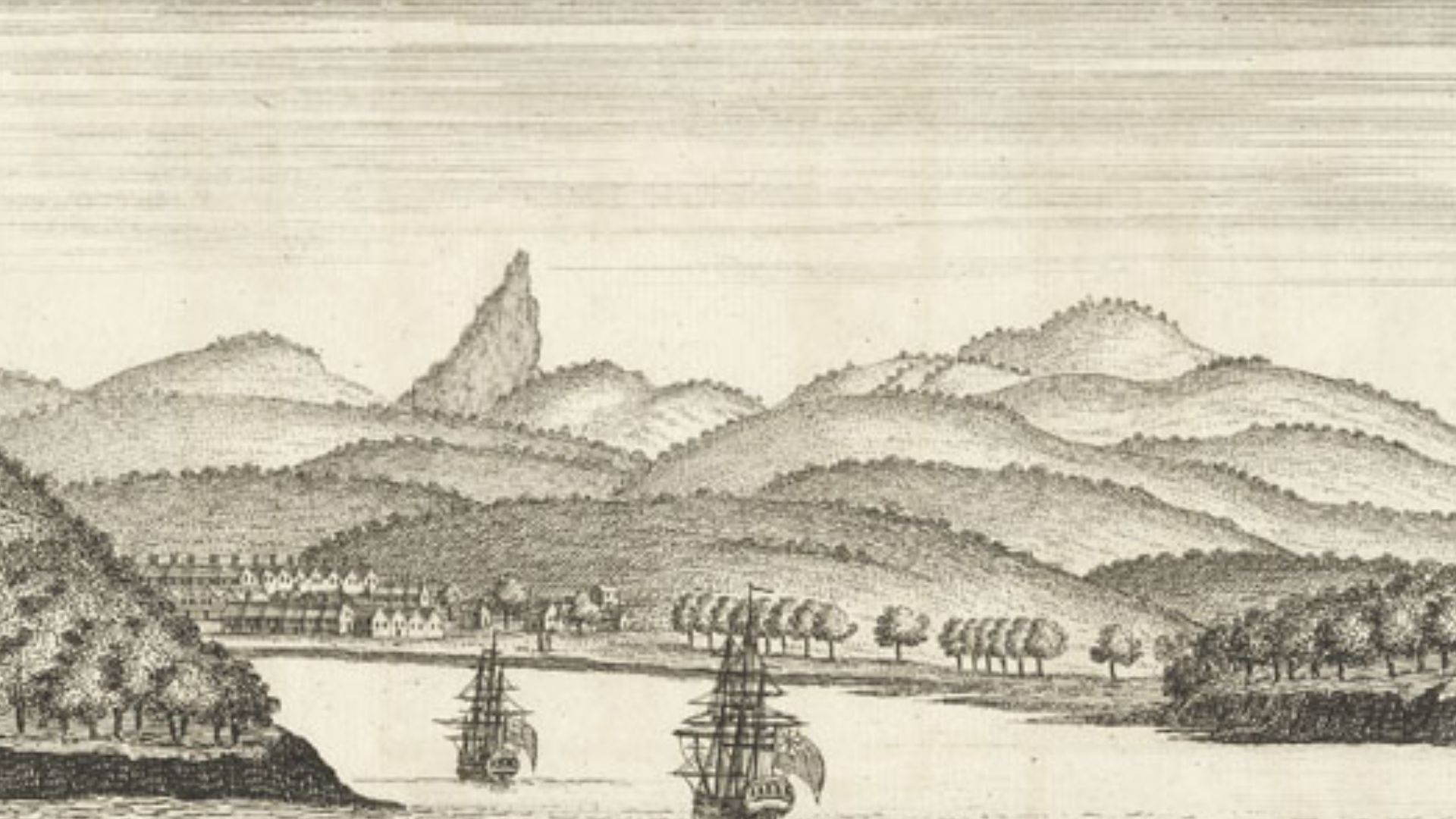
Roberts’ first act as captain left no doubt in anyone’s mind: he was going to be a pirate like no one had ever seen before. Leading the crew straight back to the island of Príncipe, Roberts sought to exact revenge for Davis’ slaying.
The Portuguese were about to learn what happens when you cross Bartholomew Roberts.
 unknown author, Wikimedia Commons
12. He Struck At Night
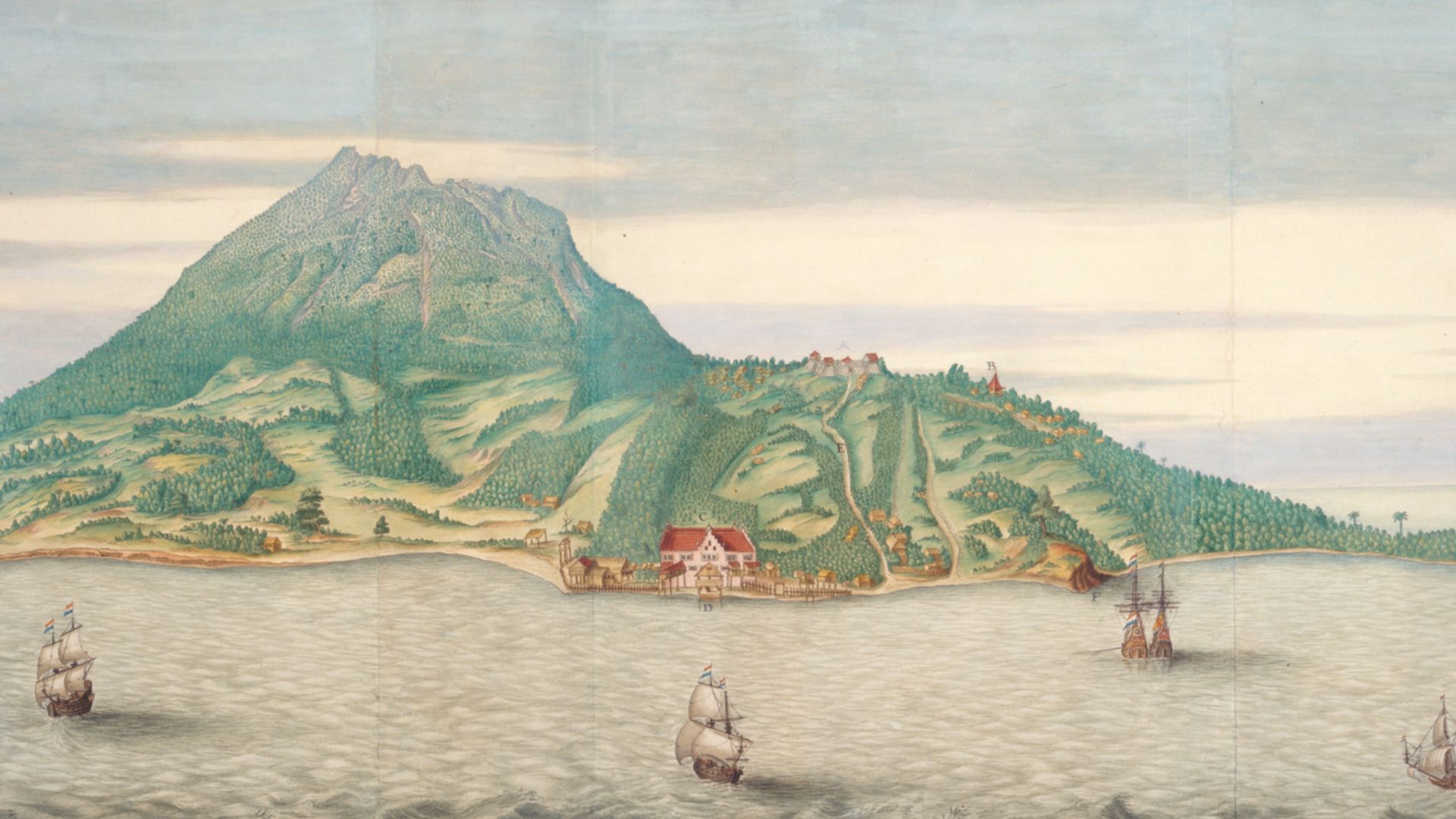
Bartholomew Roberts and his crew landed on Príncipe under the cover of darkness and overwhelmed the fighting population. After putting many of the males to the sword, Roberts and his crew took everything valuable they could carry and returned to their ship. From then on, Roberts made sure to dress the part of a pirate.
 Vinckeboons, Joan, 1617-1670, Wikimedia Commons
13. His Fashion Screamed Danger
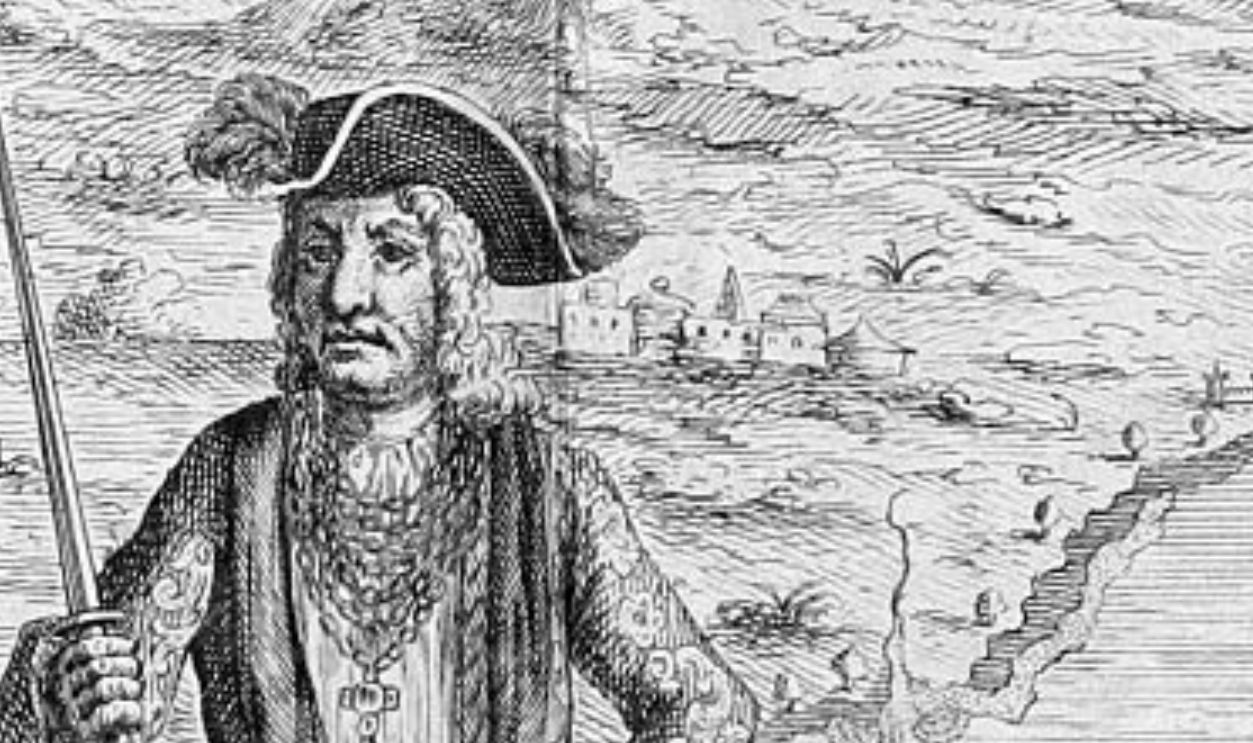
As part of his pirate image, Roberts dressed to impress—or terrify. He favored a red waistcoat with scarlet breeches and a scarlet flamingo plume. The reason for his color choice? Allegedly, he wore scarlet to hide the bloodstains from his battles. Alternatively, some suggest that he wore the bright red colors to better stand out.
Either way, he wasn’t your average pirate.
 Universal History Archive, Getty Images
14. He Preferred Tea Time
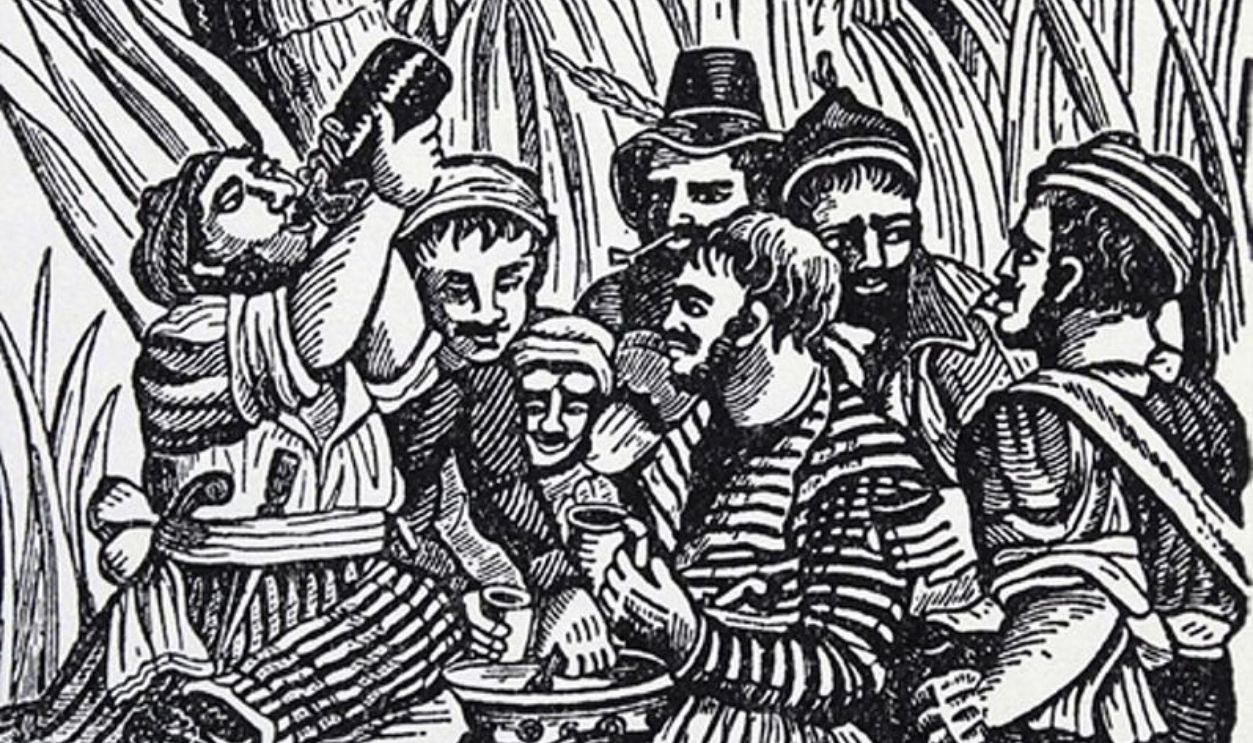
While most pirates swigged back bottles of their favorite hooch, Roberts’ choice of drink almost made him seem gentlemanly. Instead of imbibing like his crew, Roberts sipped tea as if he were a member of the aristocracy. On rare occasions, he might indulge in some drinks with his crew, but he always maintained relative sobriety.
A love of tea wasn’t the only gentlemanly quality about Roberts.
 Universal History Archive, Getty Images
15. He Wasn’t Mean—Unless He Had To Be
When he wasn’t exacting revenge, Bartholomew Roberts was surprisingly humane to his captives. Nevertheless, he never had any problem with cruelty if and when he needed it—even against his own crew. As he explained, “[…]there is none of you but will hang me, I know, whenever you can clinch me within your power”.
Still, he wasn’t a tyrant.
 Aert Anthoniszoon, Wikimedia Commons
16. He Believed In Democracy
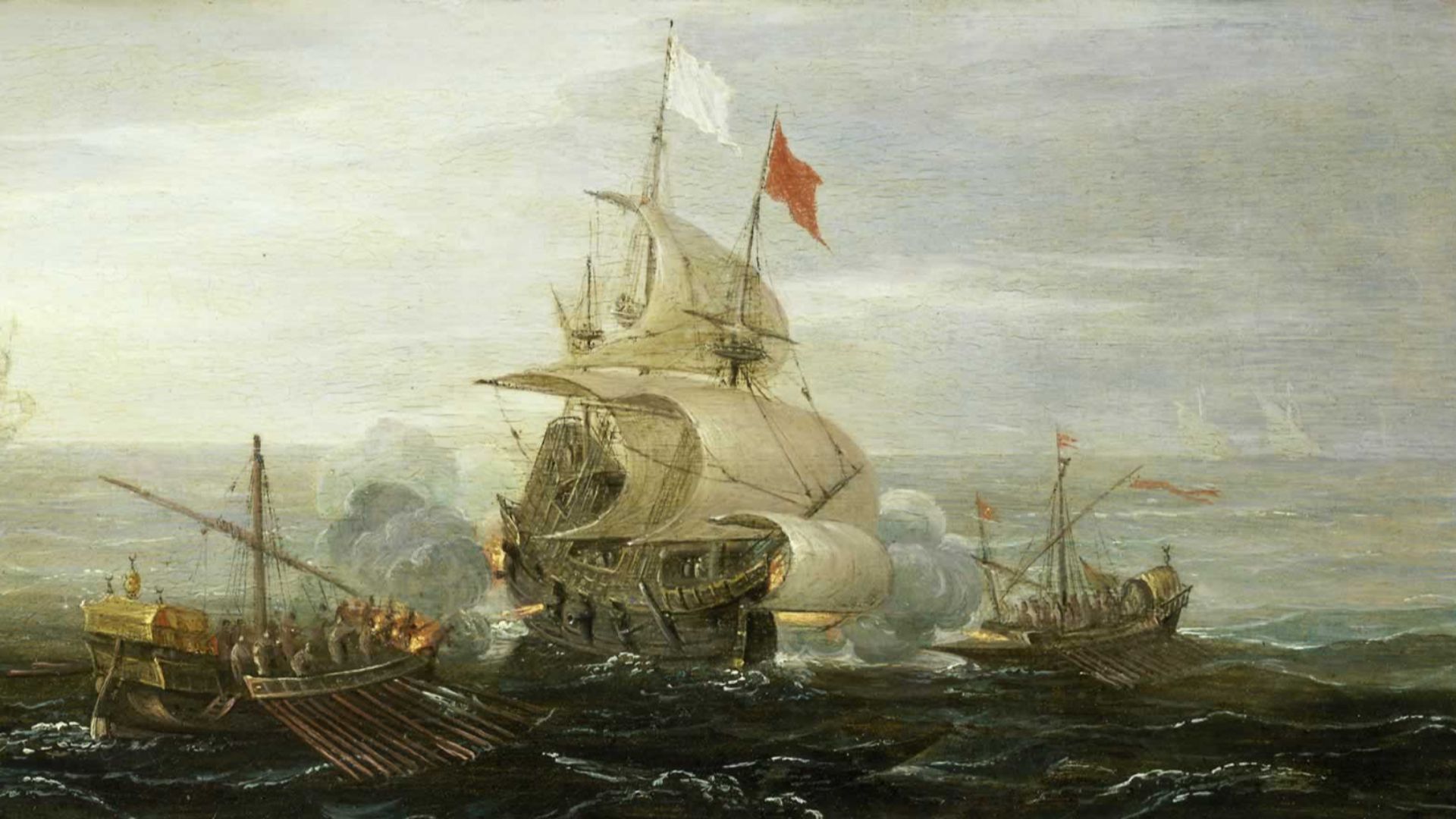
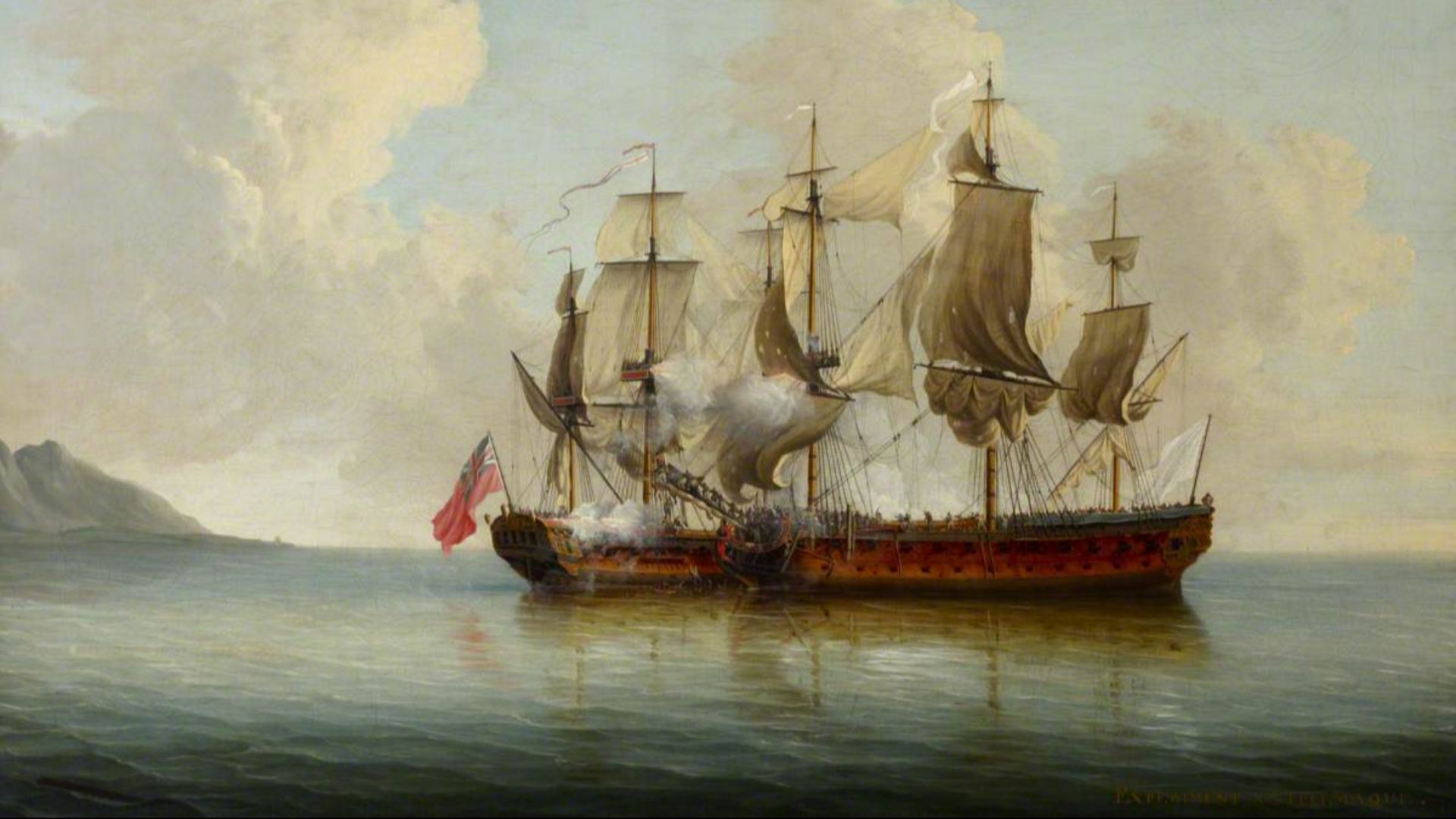
After avenging his former captain, Roberts continued his life of piracy. He captured a Dutch Guineaman and the British ship Experiment. But then he seemed to run out of ideas—so he turned to his crew. Roberts put the ship’s next destination to a vote, with the crew choosing to sail to Brazil instead of to the East Indies.
Brazil wasn’t ready for the sea change that was Black Bart.
 Dominic Serres, Wikimedia Commons
17. He Crossed The Atlantic
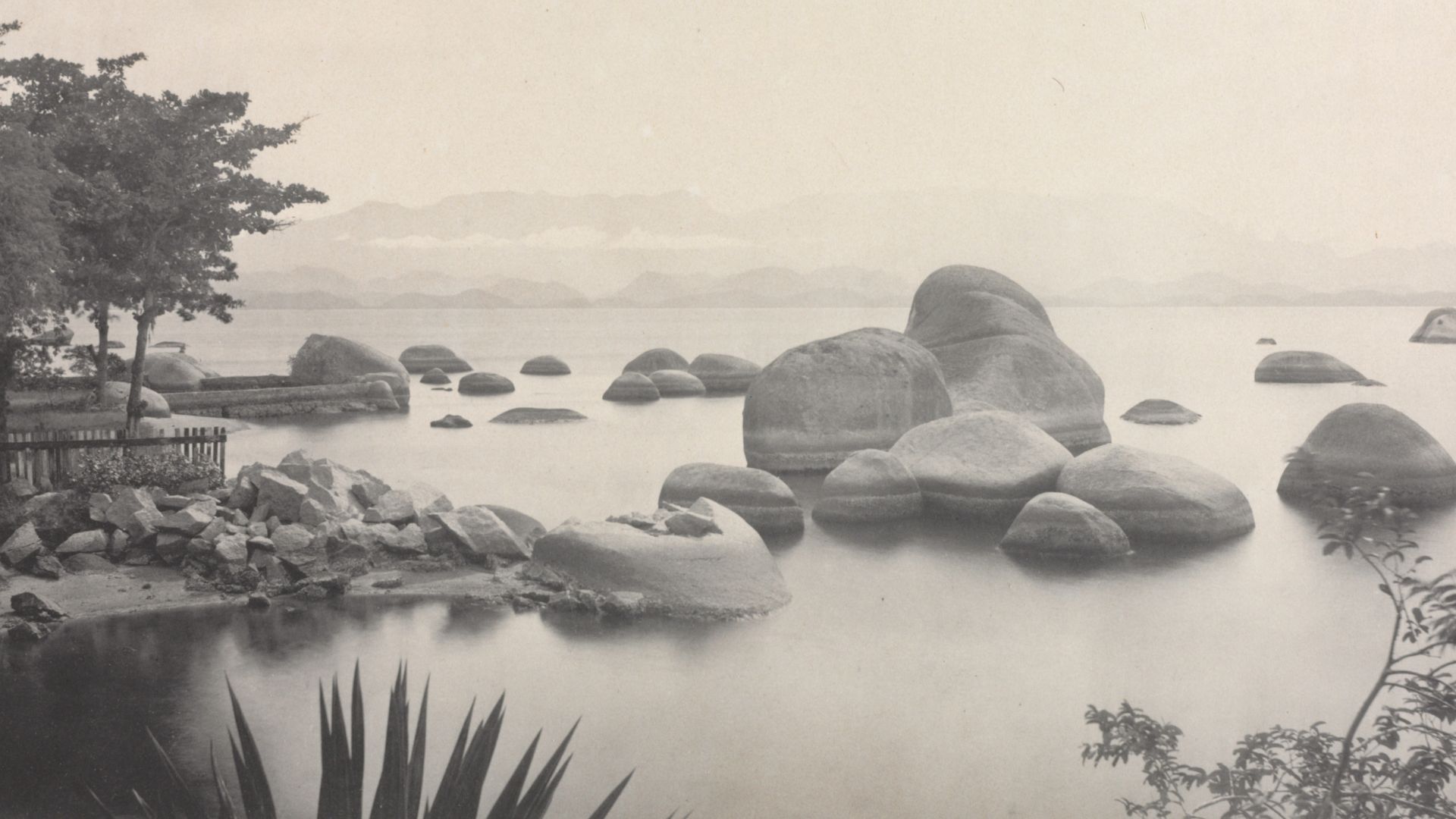
Bartholomew Roberts and company sailed to the uninhabited island of Ferdinando for supplies, then spent over two months off the Brazilian coast…waiting. After days upon days of seeing absolutely nothing but blue skies and bluer waters, Roberts and his crew stumbled upon 42 Portuguese ships in Todos os Santos' Bay.
They were just sitting there…like presents.
 Marc Ferrez, Wikimedia Commons
18. He Pilfered The King’s Jewels
In short order, Roberts captured the Sagrada Familia along with its 40,000 gold moidores. Even more impressive, however, was the cache of precious jewellery that he snagged. The loot, including a stunning diamond-studded cross, had been intended for the King of Portugal. It was almost too much bounty, even for Roberts.
 Templo Expiatorio de la Sagrada Familia, Wikimedia Commons
19. He Kept Moving
Following his successful raid, Bartholomew Roberts sought safety from the Portuguese in Devil’s Island where divvied up the loot. With so much money and jewels, Roberts knew it was time to expand his fleet. Shortly after that, he captured a sloop near the River Surinam. There was, however, no honor among pirates.
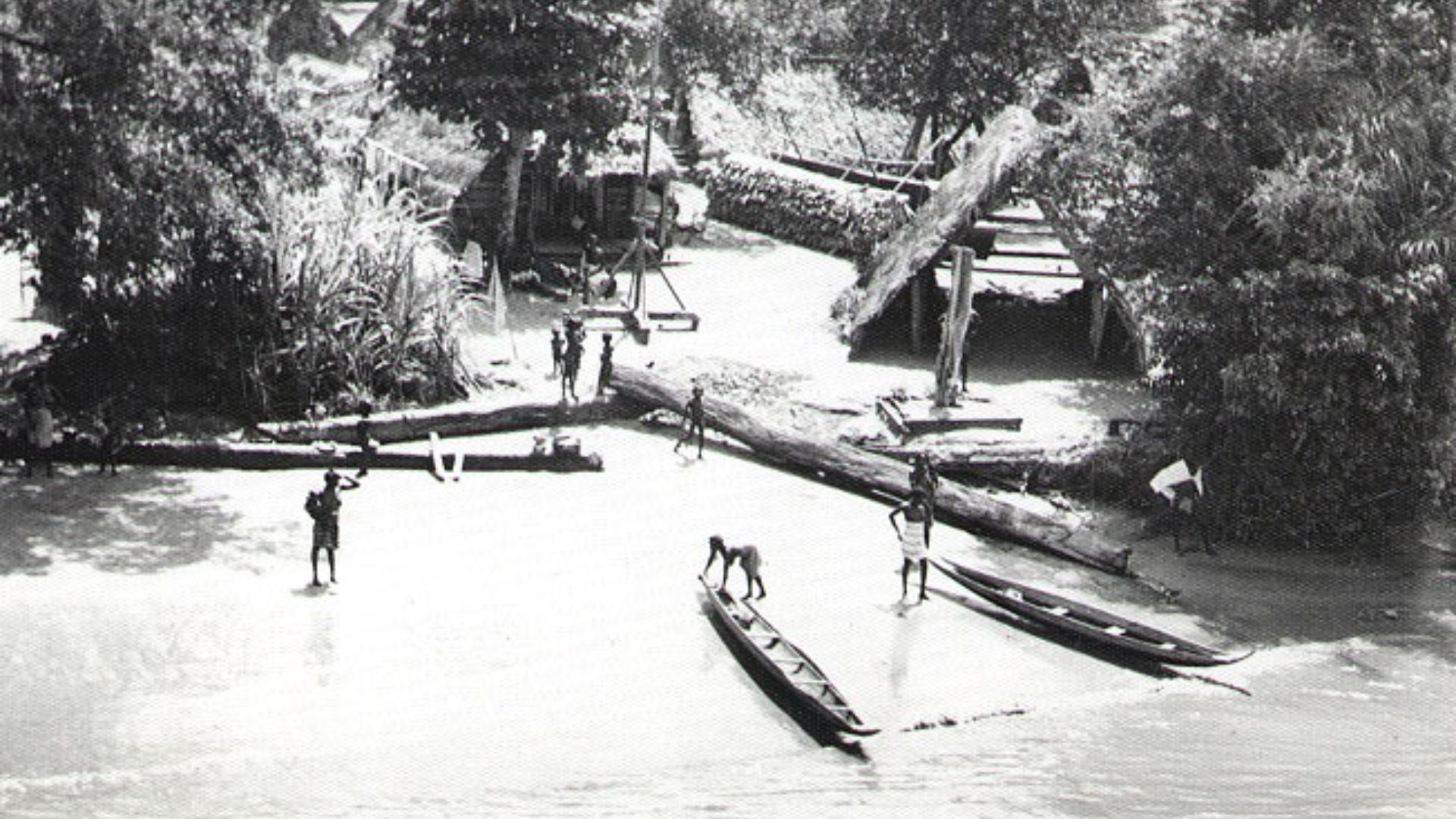
20. His Crew Betrayed Him
Roberts took 40 men in his newly captured sloop to chase a brigantine, leaving another pirate, Walter Kennedy, in charge of the Rover. Eight wind-bound days later, however, he returned to find (or, perhaps, not find) Kennedy had sailed off with both his ship and his treasure. Ironically, this kind of lawlessness called for laws.
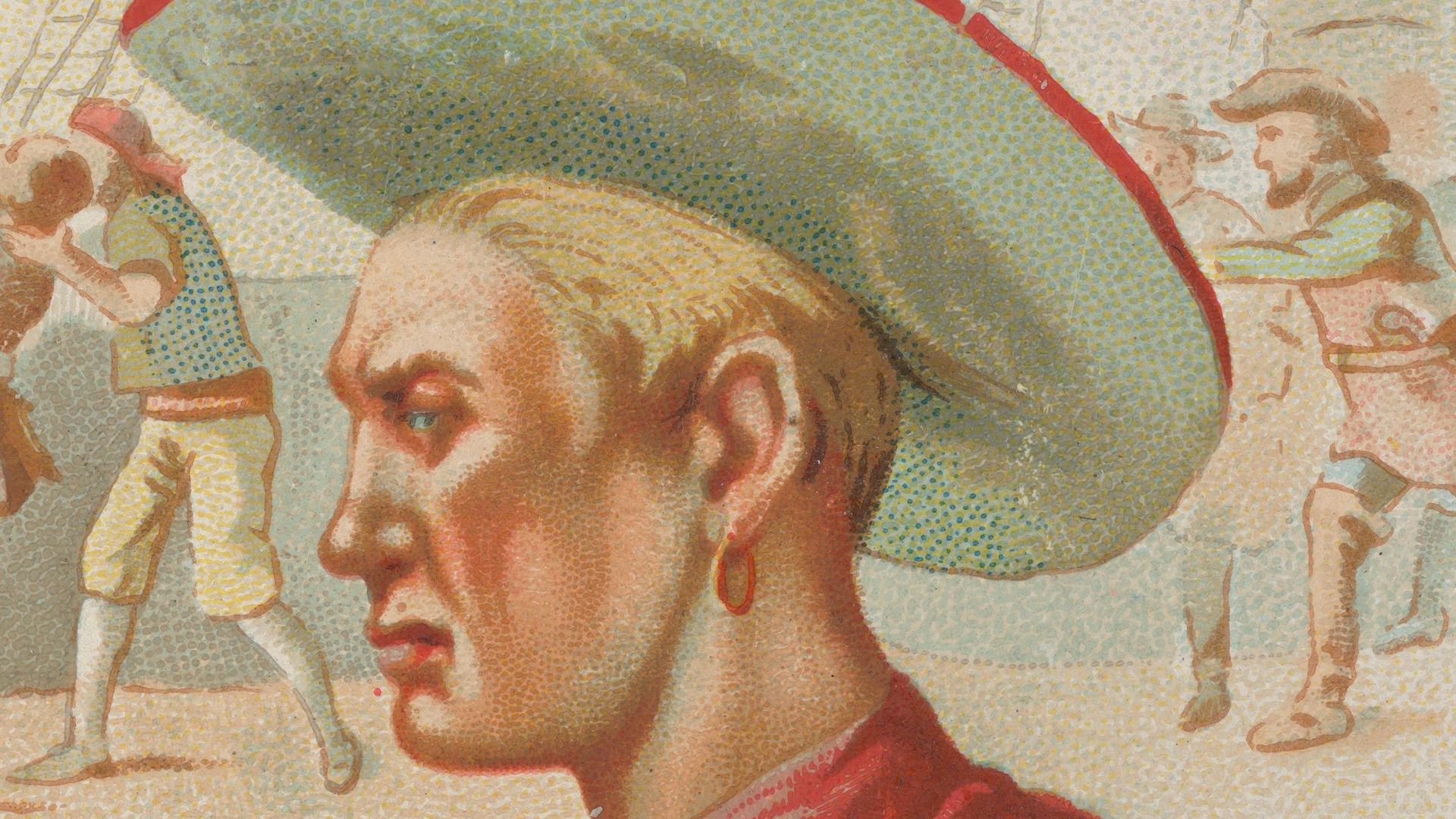 Allen & Ginter / Geo. S. Harris and Sons, Wikimedia Commons
21. He Made New Rules
Kennedy’s betrayal forced Roberts to make some changes. First, he renamed his sloop Fortune and then he rewrote the rule book. Roberts created new articles—a pirate code—that the crew swore, on a Bible, to uphold. He would need his crewmates at his side for what came next.
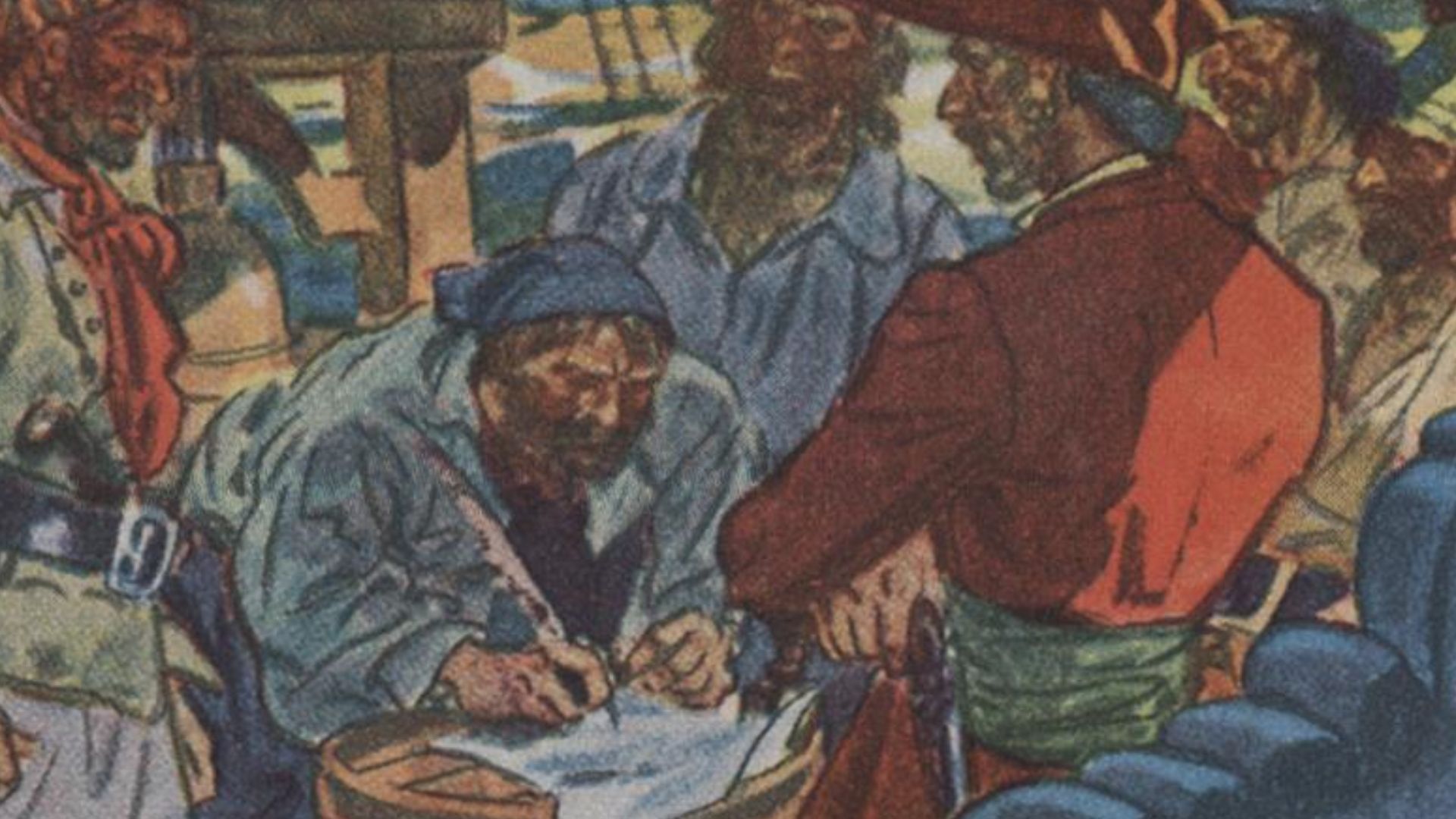 Cards were manufactured by Pac-Kups Inc for the Dixie Cup Company of Easton, PA, Wikimedia Commons
22. He Fought His Way Out
On February 26, 1720, two Barbados ships—Summerset and Philipa—attacked Roberts’ two pirate sloops. The Sea King, captained by the French pirate, Montigny la Palisse, under Roberts’ command fled at the first sight of trouble. Meanwhile, the Fortune, under Roberts’ captaincy, took heavy damage before managing to escape.
Roberts, however, hadn’t given up the fight just yet.
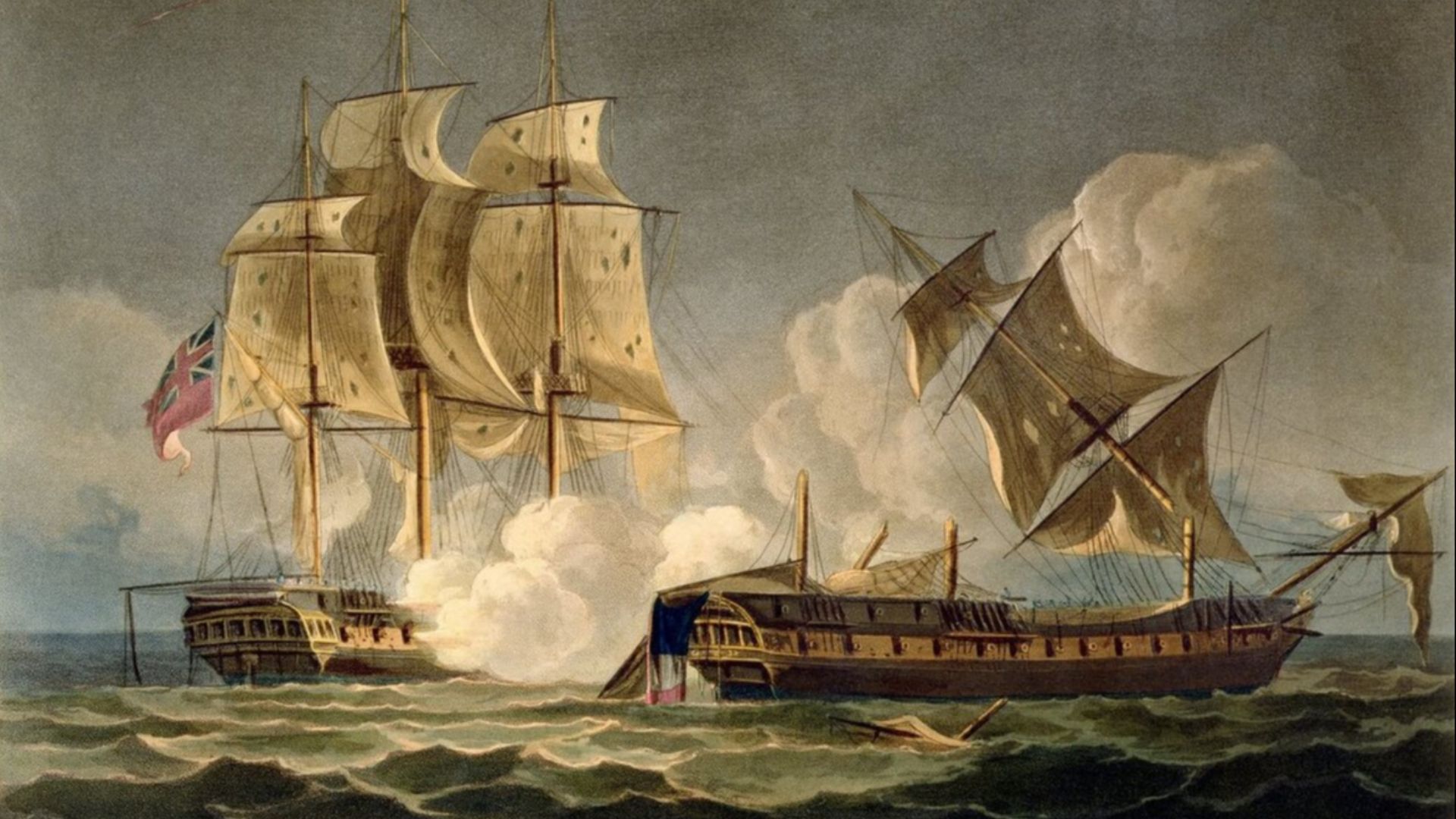 Thomas Whitcombe, Wikimedia Commons
23. He Created Vengeful Art
Following the attack by the Summerset and the Philipa, 20 of Roberts’ men succumbed to their wounds en route to Dominica. Roberts, never one to let an injustice go unpunished, swore revenge on Barbados and Martinique. As a sign of his commitment to revenge, he designed a new flag showing himself with a flaming sword, standing on two skulls labeled “ABH” (A Barbadian’s Head) and “AMH” (A Martiniquian’s Head).
First, however, he needed to escape the heat.
24. He Headed North
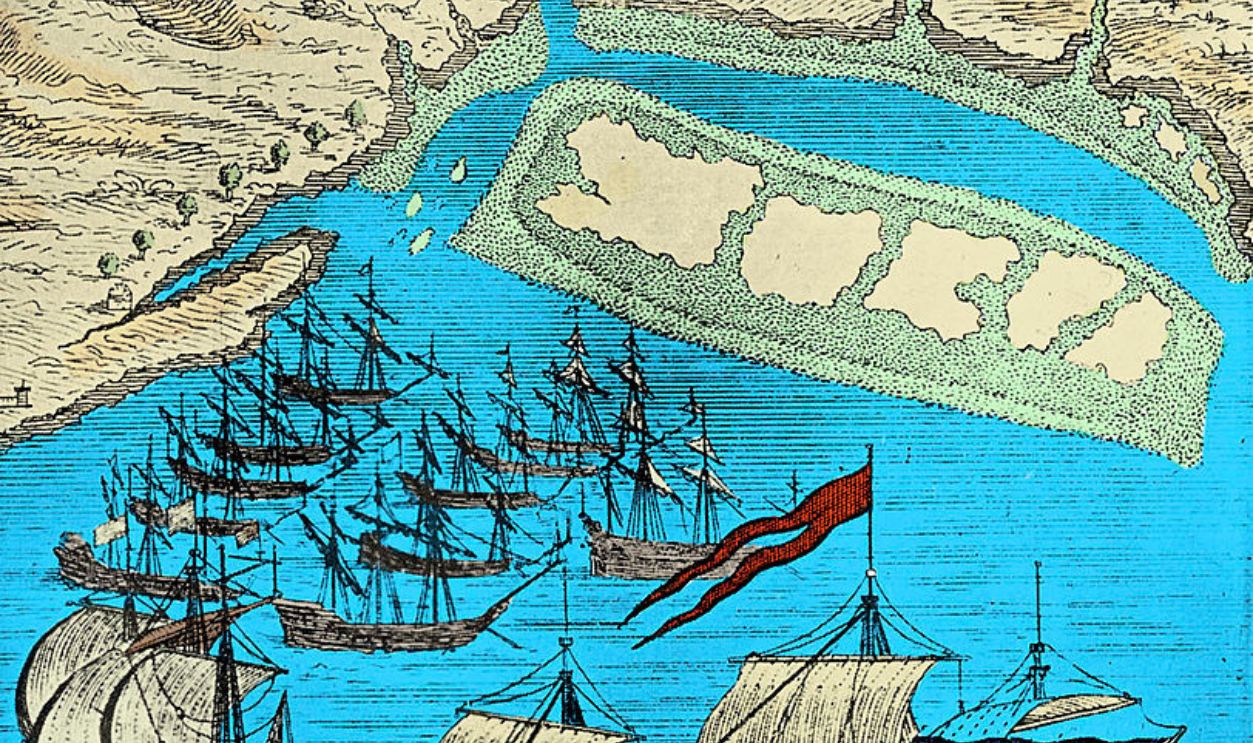
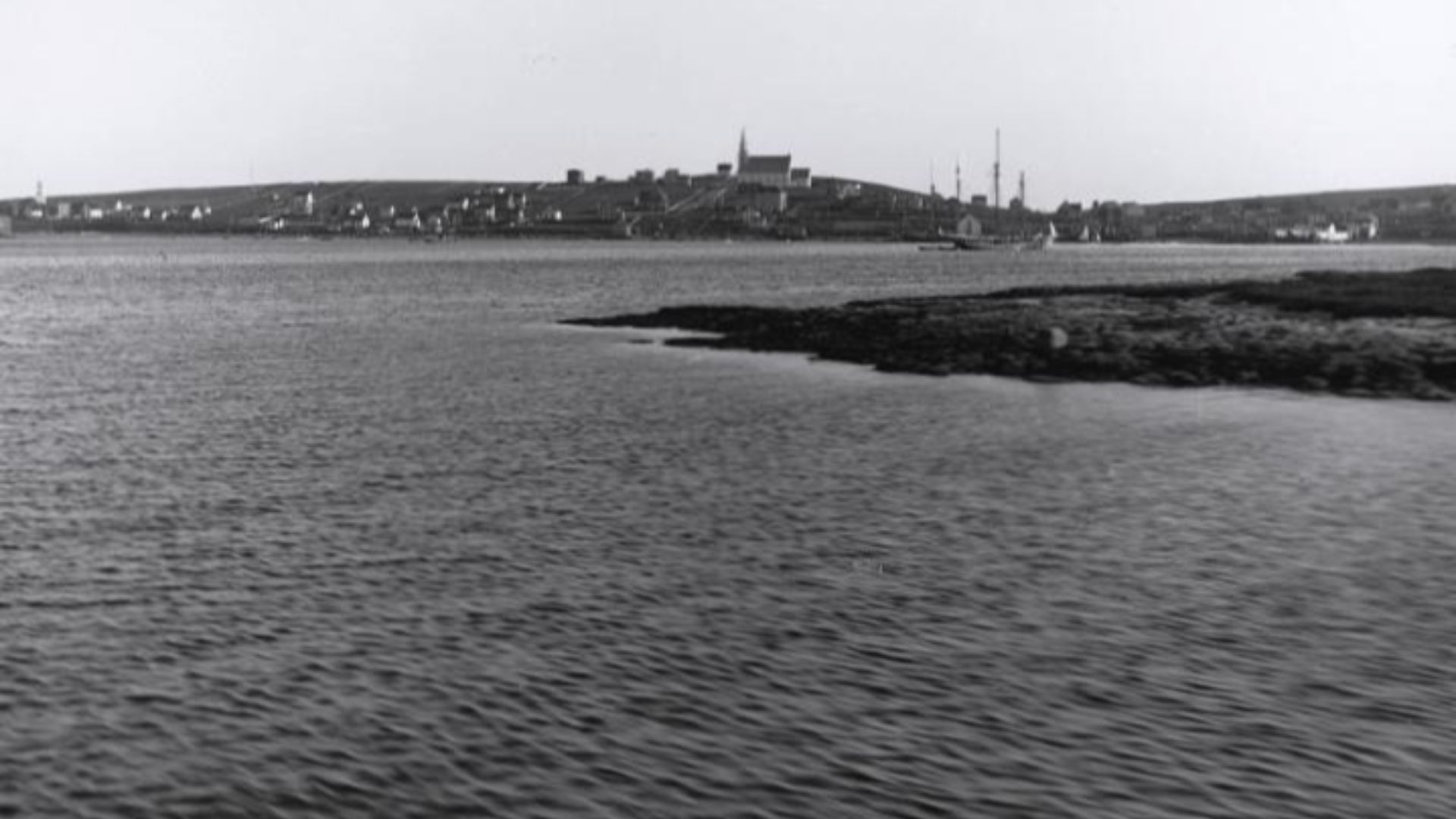
Before he could unleash the fury of his pirate fleet on Barbados and Martinique, Bartholomew Roberts sailed the Fortune north to Newfoundland, where he raided Canso, Nova Scotia. There, he captured ships around Cape Breton and the Newfoundland banks. With a growing fleet and treasure trove, he needed safe (read: secret) harbor.
 Wm. Notman & Son, Wikimedia Commons
25. He Had Secret Hideouts
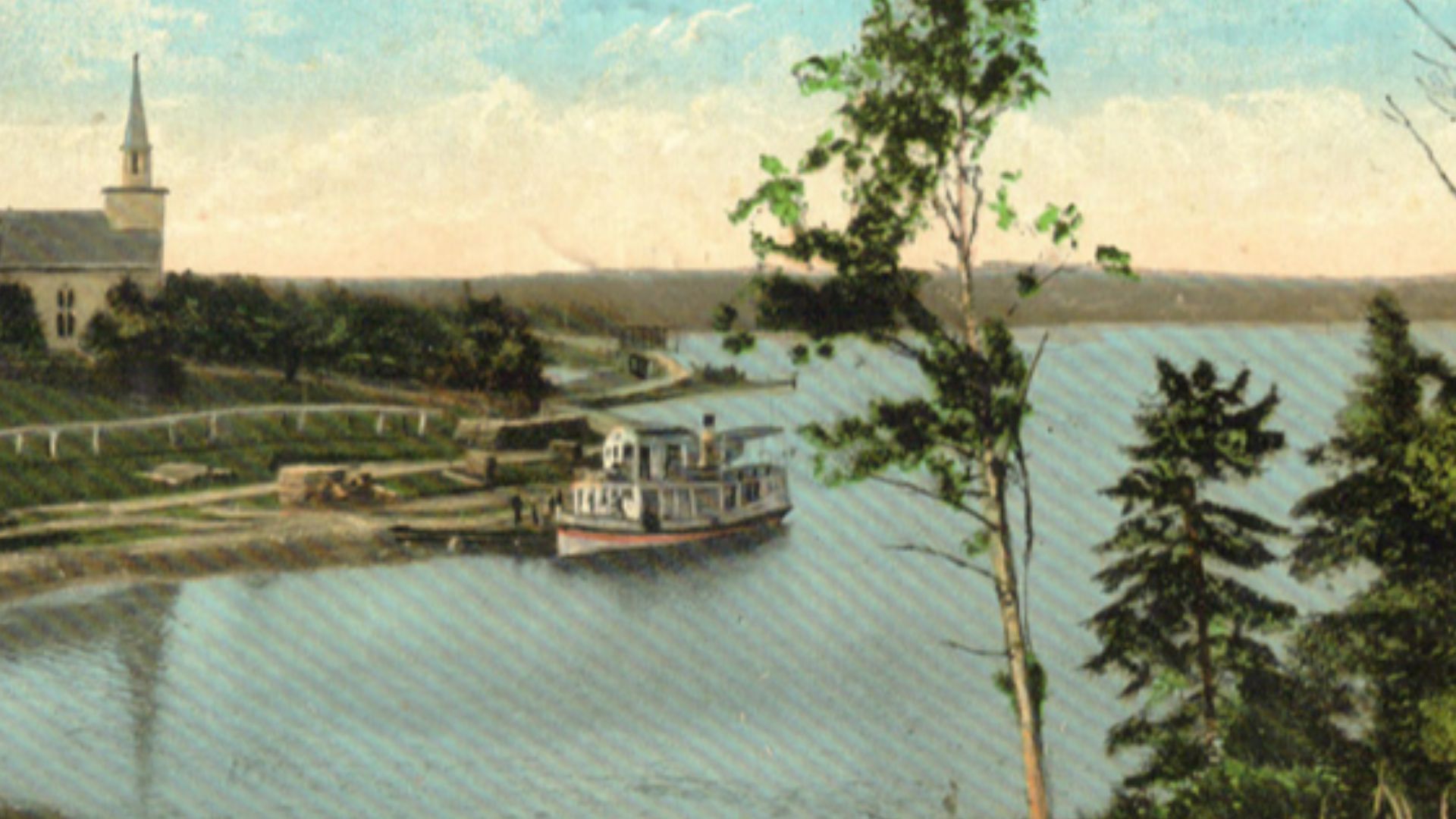
As one of the most notorious pirates sailing the seas, Roberts needed somewhere to hunker down between raids. As such, he maintained a hidden shipyard in the Mira River to repair and maintain his ever-expanding fleet. But, it doesn’t seem like he spent too much time sewing new sails.
 Unknown authorUnknown author, Wikimedia Commons
26. He Terrorized Trepassey
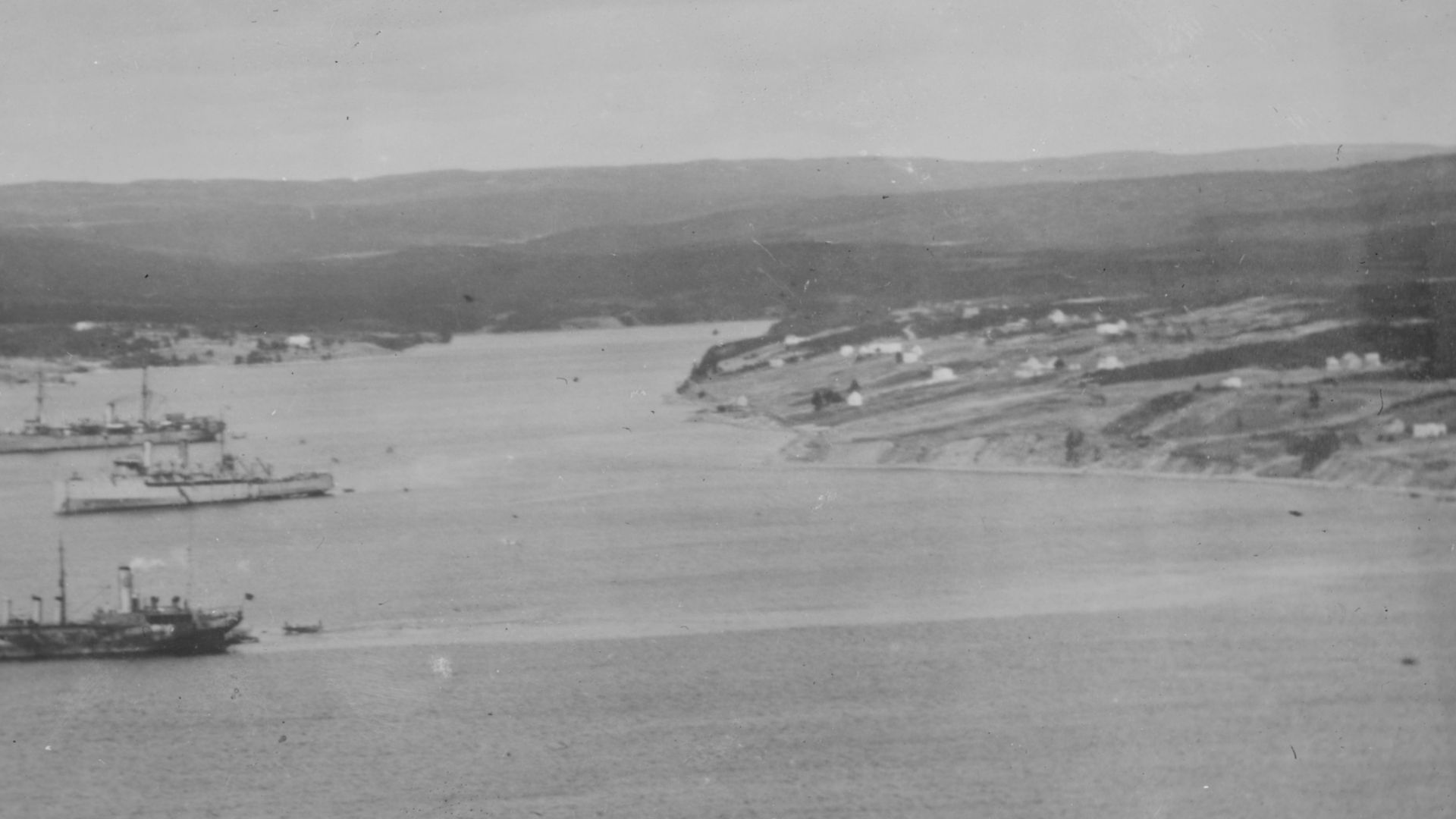
By mid-1720, Roberts’ reputation preceded him—by a lot. So, when he sailed into Trepassey harbor on June 21, 1720, with terrifying black flags flying above his even more terrifying pirate fleet, what he found surprised even him. 22 merchant ships and 150 fishing vessels—all abandoned by their crews in fear of Roebrts’ arrival.
He wasn’t exactly thrilled.
 Bain News Service, Wikimedia Commons
27. He Didn’t Like Cowardly Captains
Far from thanking the merchant and fishing captains, Roberts was downright furious with their cowardice. So, every morning, Roberts fired a cannon, forcing the cowardly captains to “attend him on his ship”. Any absent captain risked having their vessel, and their pride, set ablaze.
He might just do it for fun.
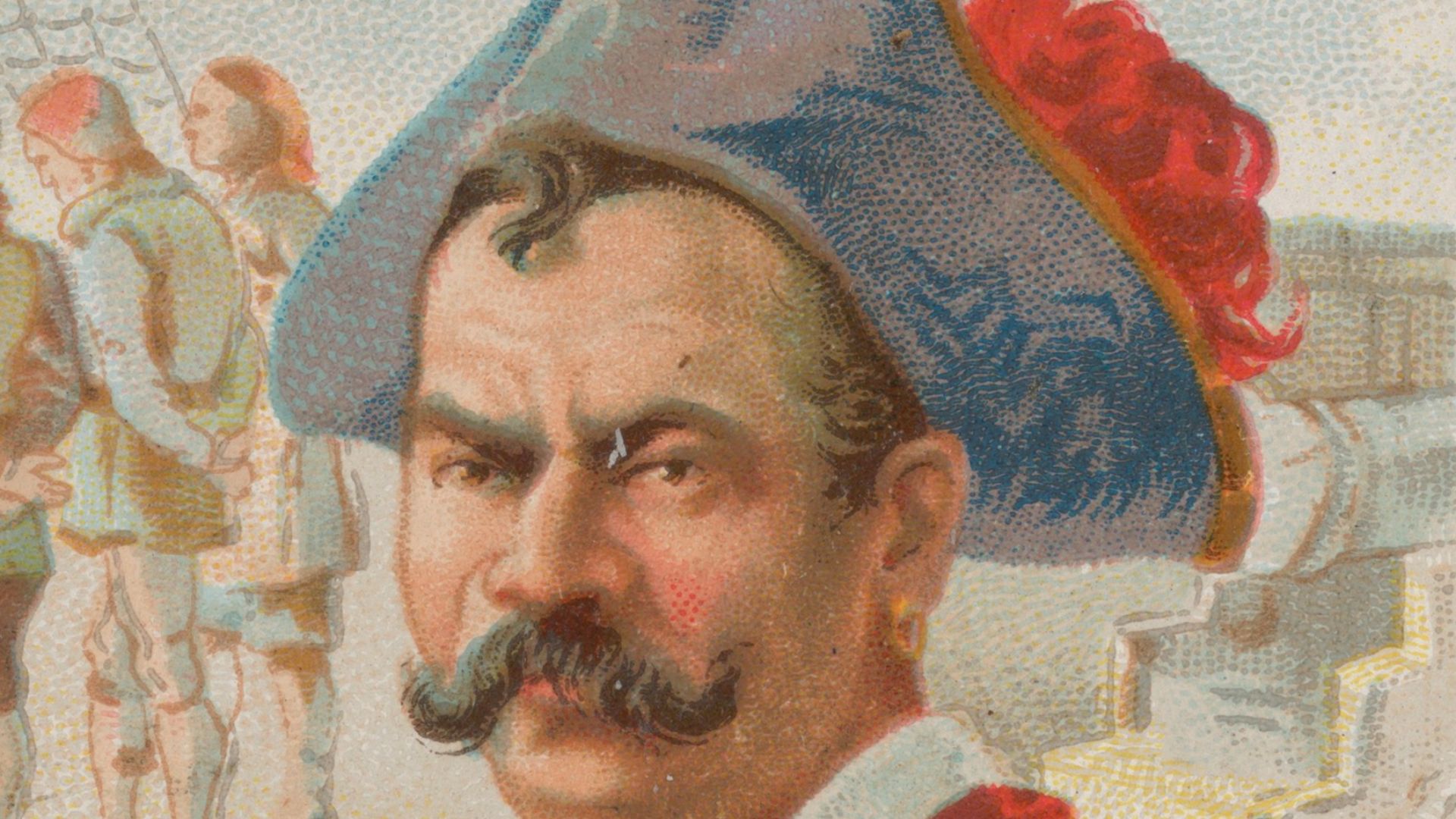 Geo. S. Harris and Sons / Allen & Ginter, Wikimedia Commons
28. He Upgraded His Fleet
When some of Roberts’ crew commandeered an impressive brig from Bristol, Roberts replaced the Fortune with the new ship, outfitting it with 16 cannons. Happy with his new vessel, Roberts set sail in late June of 1720—but not without a parting gift. Roberts had his pirates torch every remaining vessel in the harbor.
He only wanted top-of-the-line vessels.
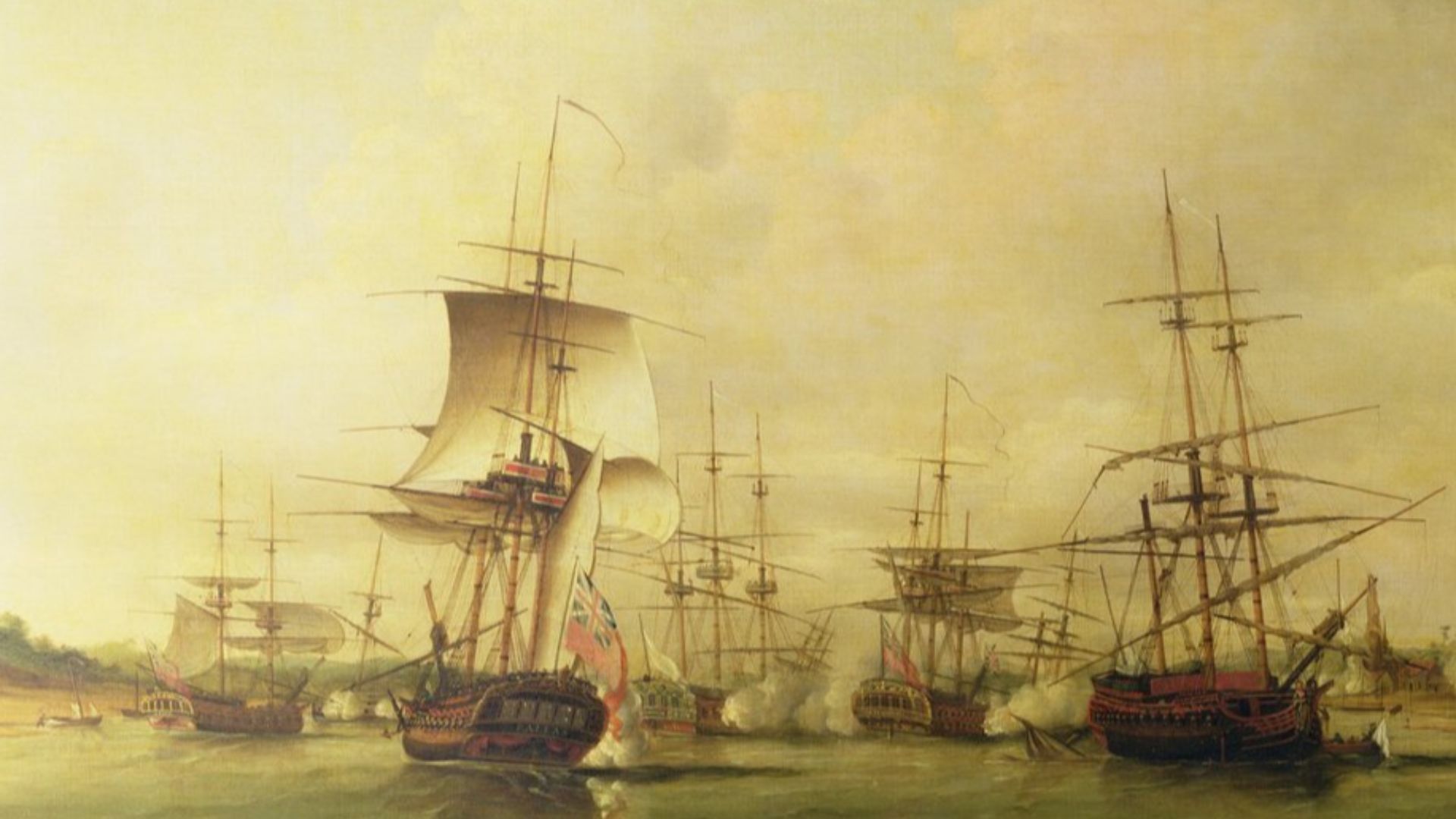 Thomas Luny, Wikimedia Commons
29. He Kept Trading Up
The following months, in July of 1720, Bartholomew Roberts captured nine or ten French ships, deciding to keep only one which he fitted with a staggering 26 cannons. He named the new heavily-armed vessel Good Fortune and later Royal Fortune after repairs. With such an impressive fleet, he practically owned the Caribbean waters.
And he wanted everyone to know it.
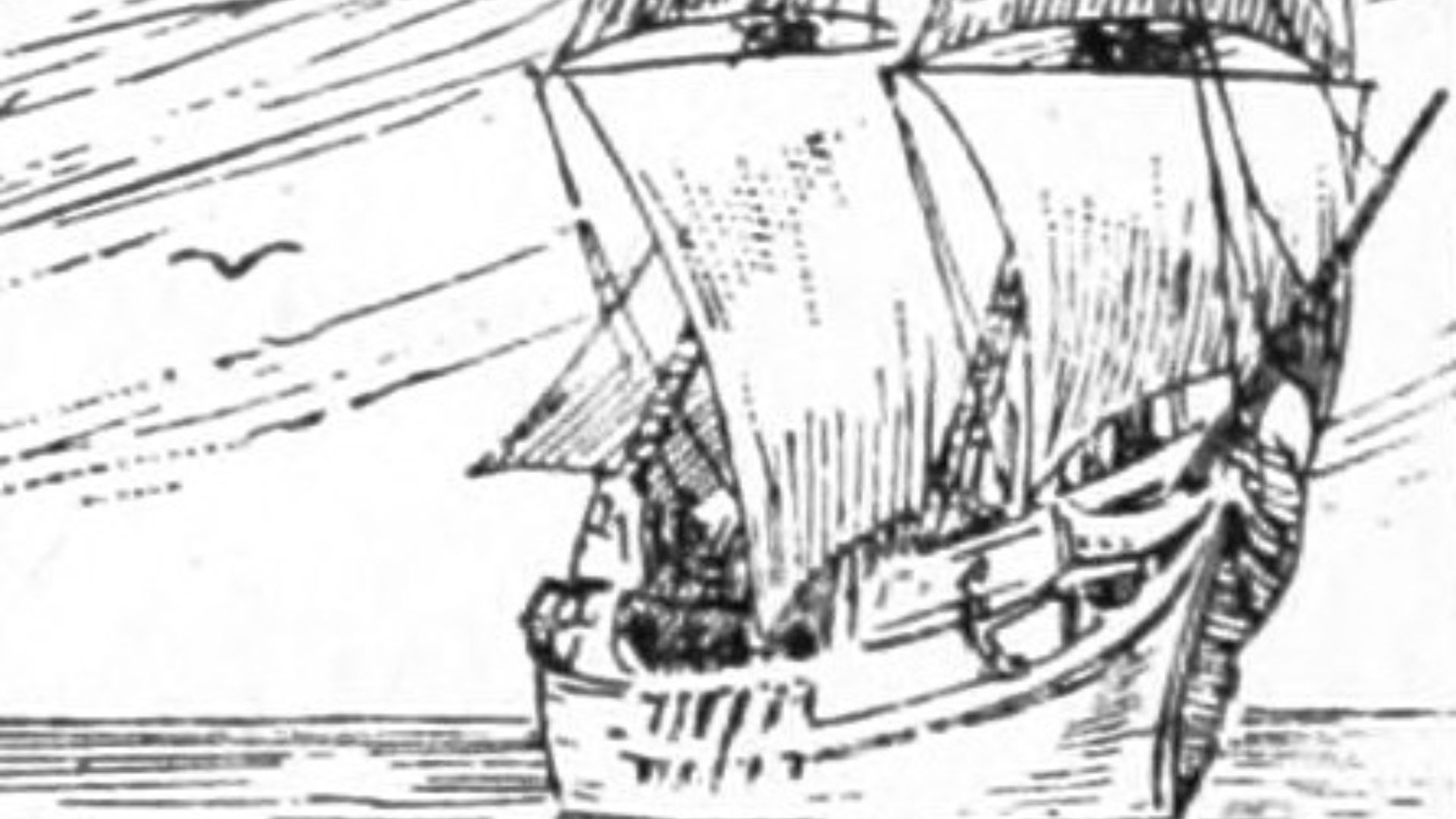 Victor Perard, Wikimedia Commons
30. He Took Over An Island
With a powerful pirate fleet, Roberts was basically as powerful as any colonial governor—and he expected to be treated as such. So, he entered Basse Terra Road at St Christopher’s with black flags flying, and drummers and trumpeters playing. Every ship immediately struck their colors and the French governor at St Bartholomew let Roberts and his pirates party on the island for weeks.
31. He Recruited Top Talent
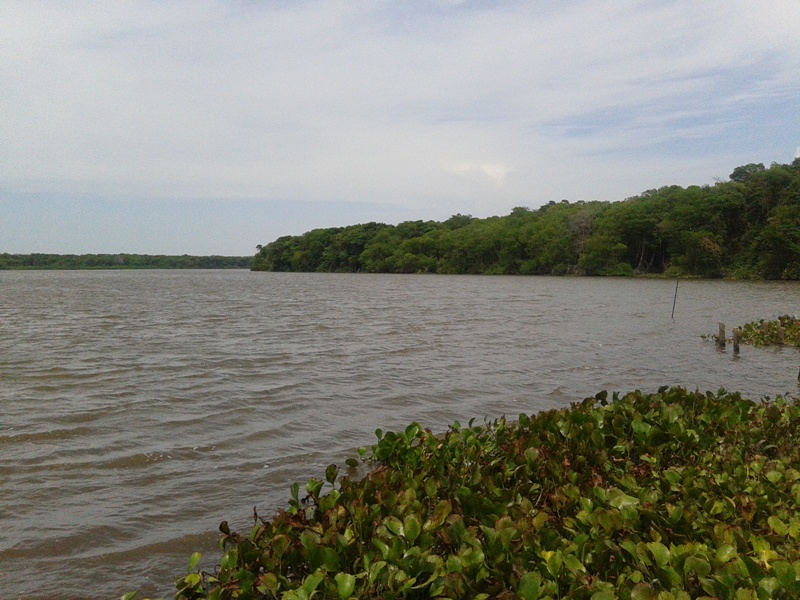
By October 25, 1720, Roberts’ domination of the Caribbean Sea didn’t just make him its biggest pirate—it made him its biggest employer. He captured 15 ships in three days off St Lucia. Among them was the Greyhound, whose chief mate James Skyrme joined Roberts’ pirates and eventually captained Roberts’ consort ship Ranger.
With a powerful fleet and top-tier crew, he set his sights back on revenge.
 Eduardo Saavedra Altuve, CC BY-SA 3.0, Wikimedia Commons
32. He Hanged His Enemies—Sorta
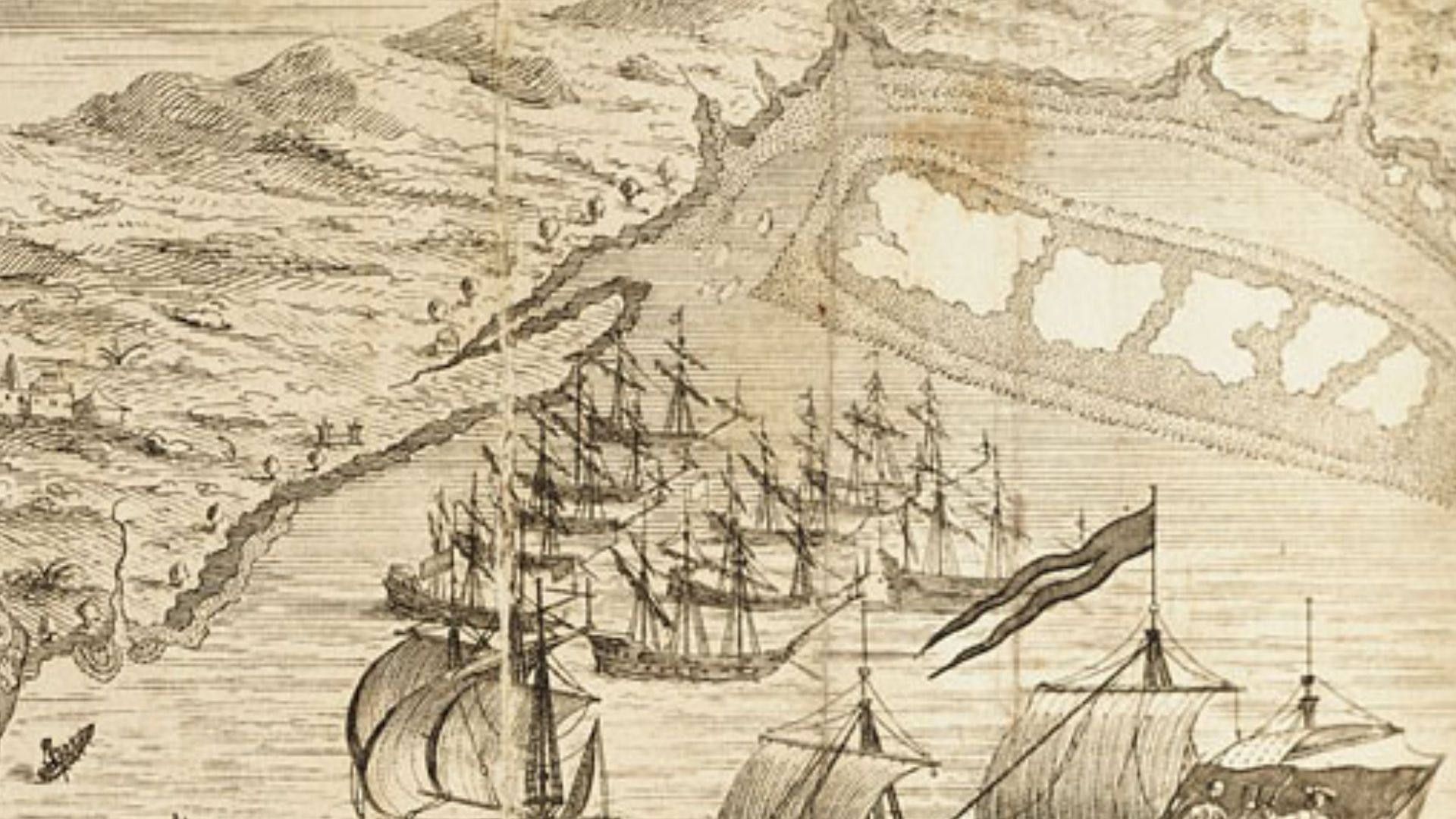
Roberts finally got his revenge on Martinique, allegedly hanging the island’s governor from his own ship’s yardarm. However, not all was as it seemed. Other sources suggest that Roberts’ knack for hanging his enemies was an embellishment by Captain Charles Johnson. Roberts, these other sources suggest, may have just pretended to hang officials before releasing them.
Still, no one wanted to risk crossing him.
 Engraved by Benjamin Cole[2] (1695–1766), Wikimedia Commons
33. He Paralyzed Caribbean Trade
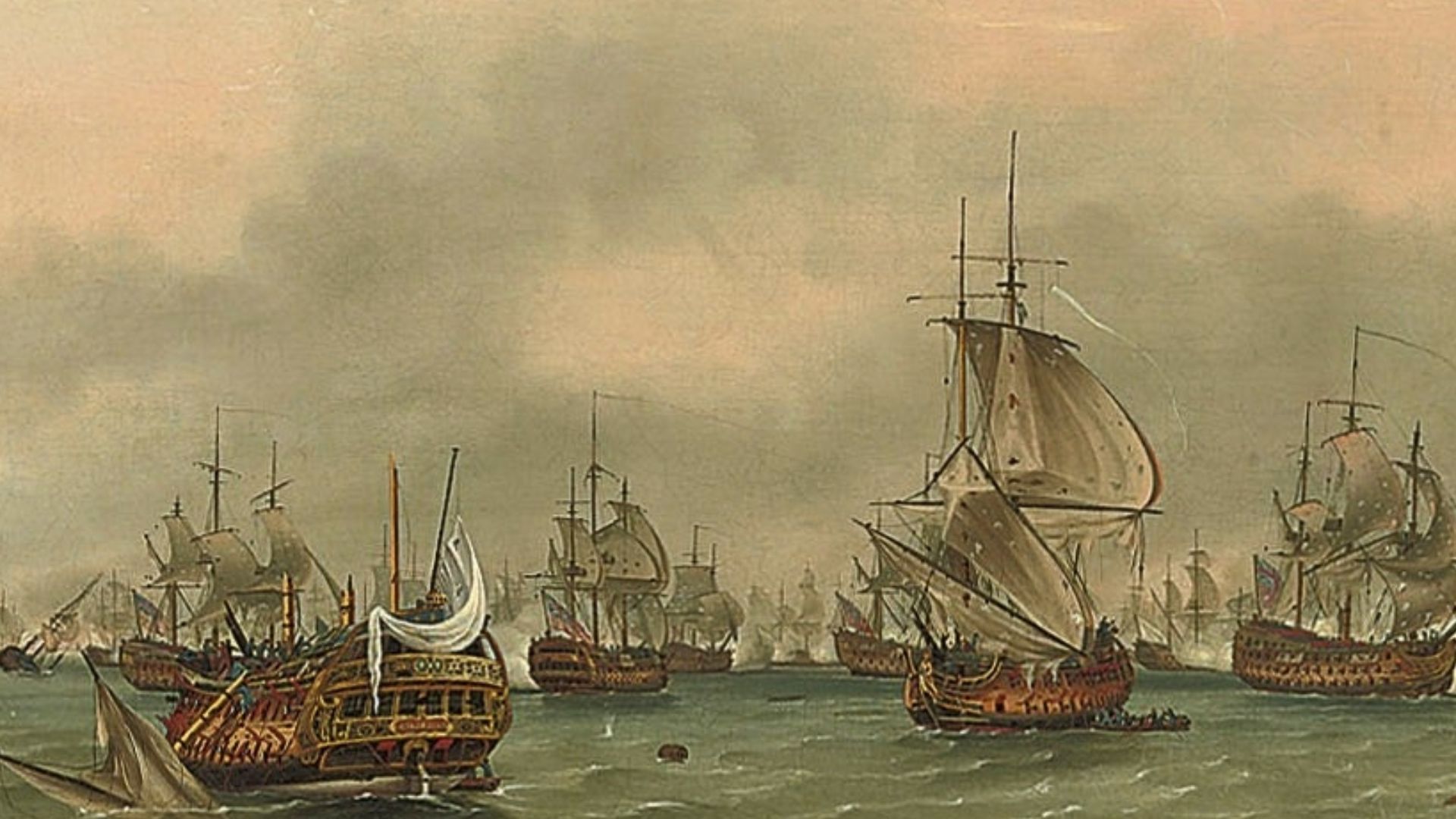
By spring 1721, Roberts’ piracy had so dominated the Caribbean Sea that just about all mercantile activities in the West Indies stopped. The only sails that decorated the glittering coastlines of the Caribbean islands were black ones. Everyone was terrified of Black Bart—and with good reason.
 Thomas Mitchell (1735-1790), Wikimedia Commons
34. He Cut An Imposing Figure
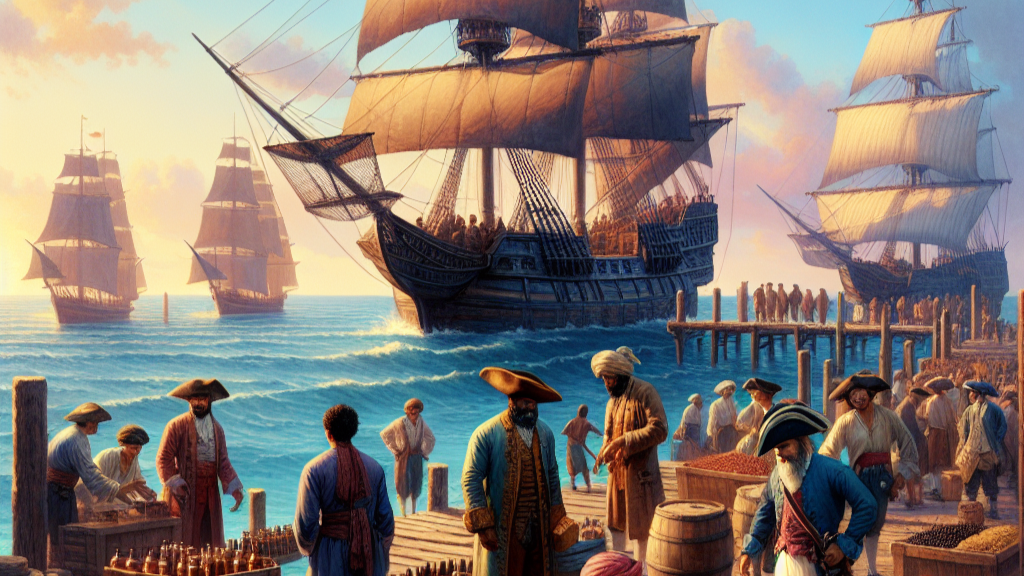
Captain Charles Johnson described Roberts as “a tall black [dark complexioned] Man, near forty Years of Age[…]of good natural Parts, and personal Bravery”. Johnson further claimed that Roberts’ favorite toast was to say, “Damn to him who ever lived to wear a Halter”. In other words, “Woe to anyone swinging from my noose”.
35. He Didn’t Run From His Enemies
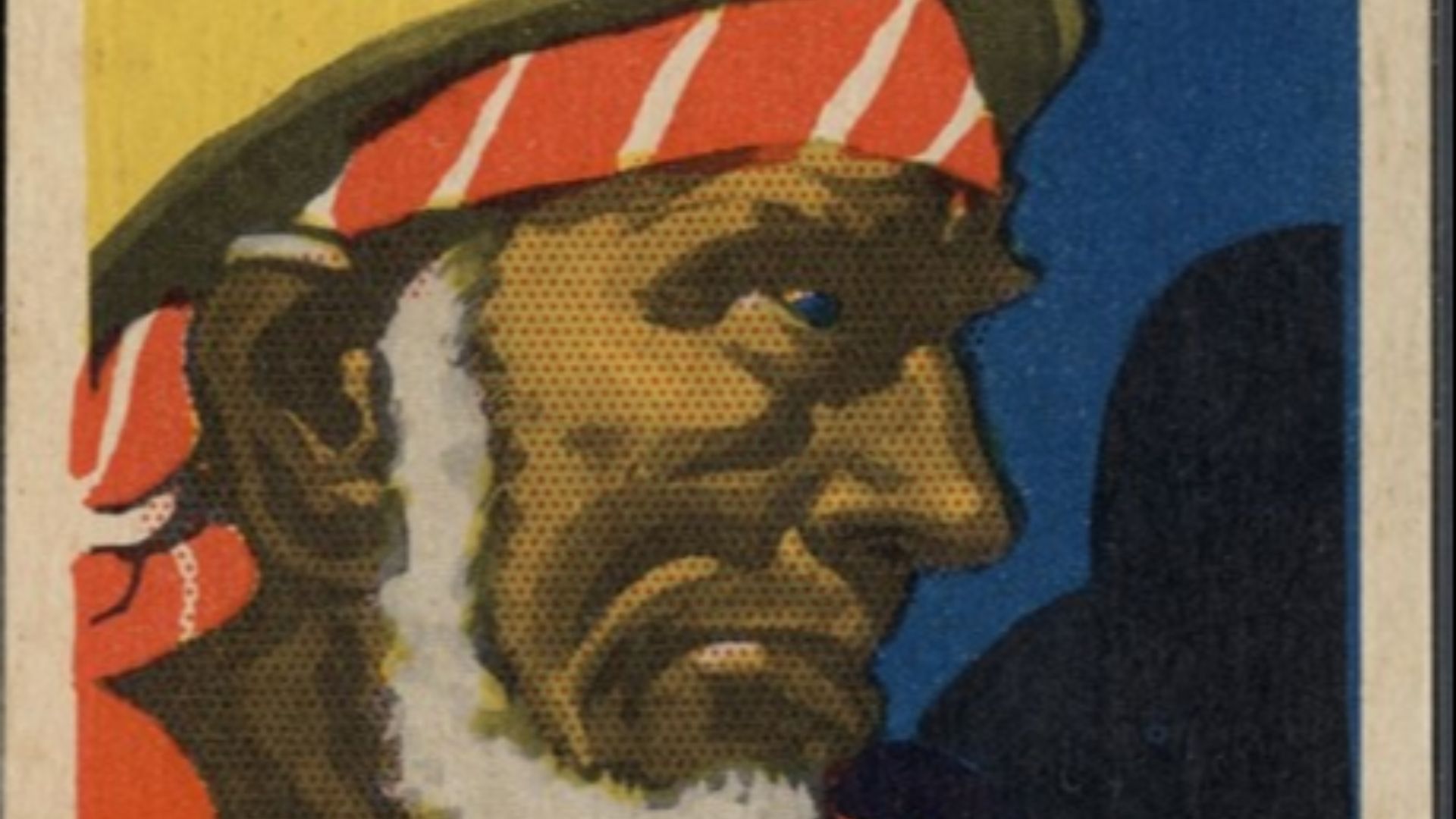
The following summer, having more or less conquered the Caribbean waters, Roberts reached Sierra Leone. There, the retired pirate John “Old Crackers” Leadstone warned him that the pirate-busting HMS Swallow and the HMS Weymouth had left in April but would return by Christmas. Instead of sailing for safer waters, Roberts set a trap.
 Leaf Trading Cards, Wikimedia Commons
36. He Captured Fighting Ships
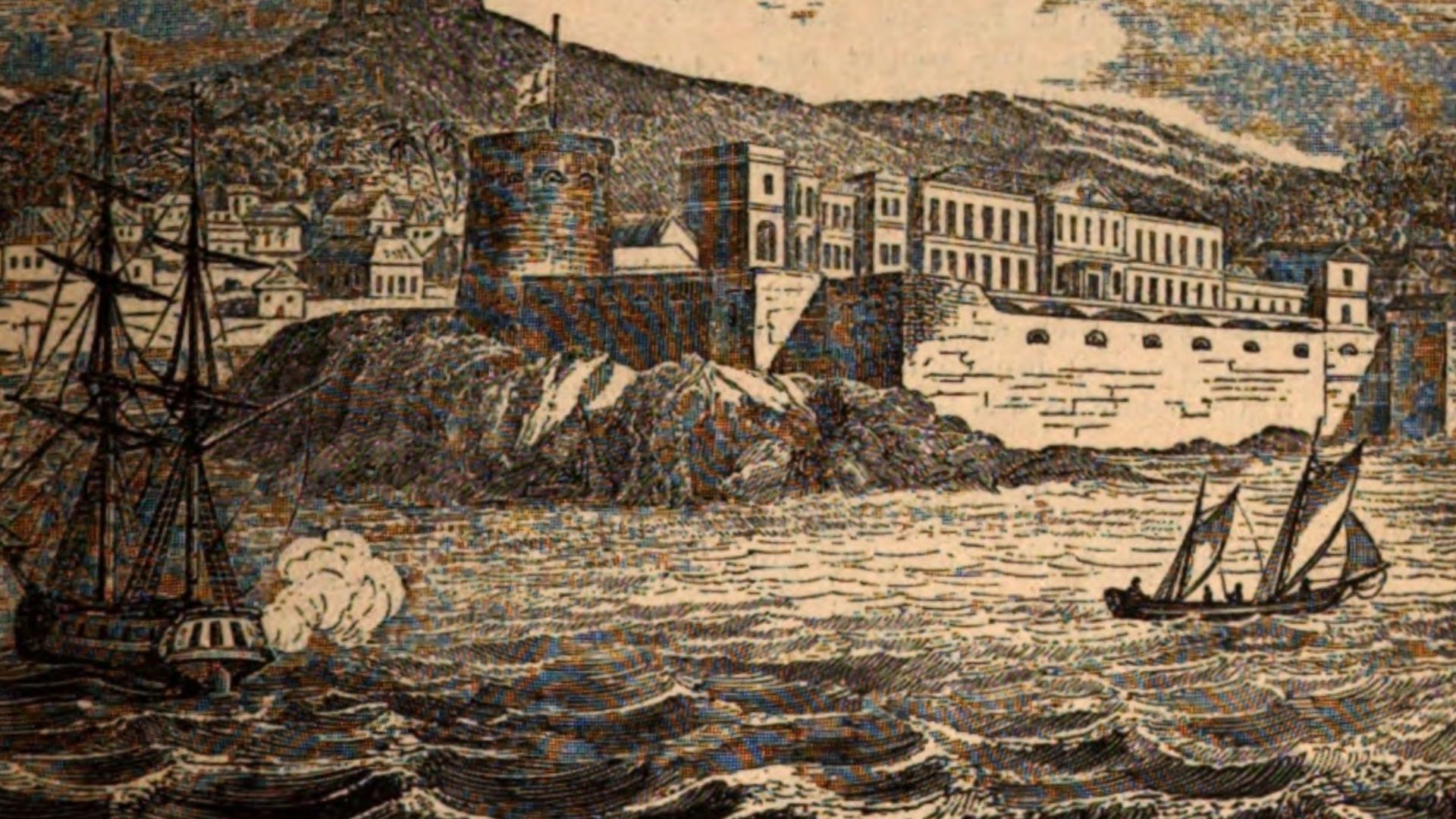
Despite having a large fleet, most of Roberts’ ships were civilian and trade ships that he had outfitted for piracy. But, on August 8, 1721, he got a serious upgrade. In an unprecedented act of brazen piracy, Roberts seized two large vessels at Point Cestos, including the frigate Onslow carrying troops bound for Cape Coast Castle.
 The Mirror of Literature, Amusement, and Instruction, Wikimedia Commons
37. He Named Another Royal Fortune
Not surprisingly, Roberts added the Onslow into his fleet as its crowning jewel. The captured Onslow became the fourth ship Roberts named Royal Fortune, officially making the vessel one of his own. With all of that piracy, however, he needed a rest.
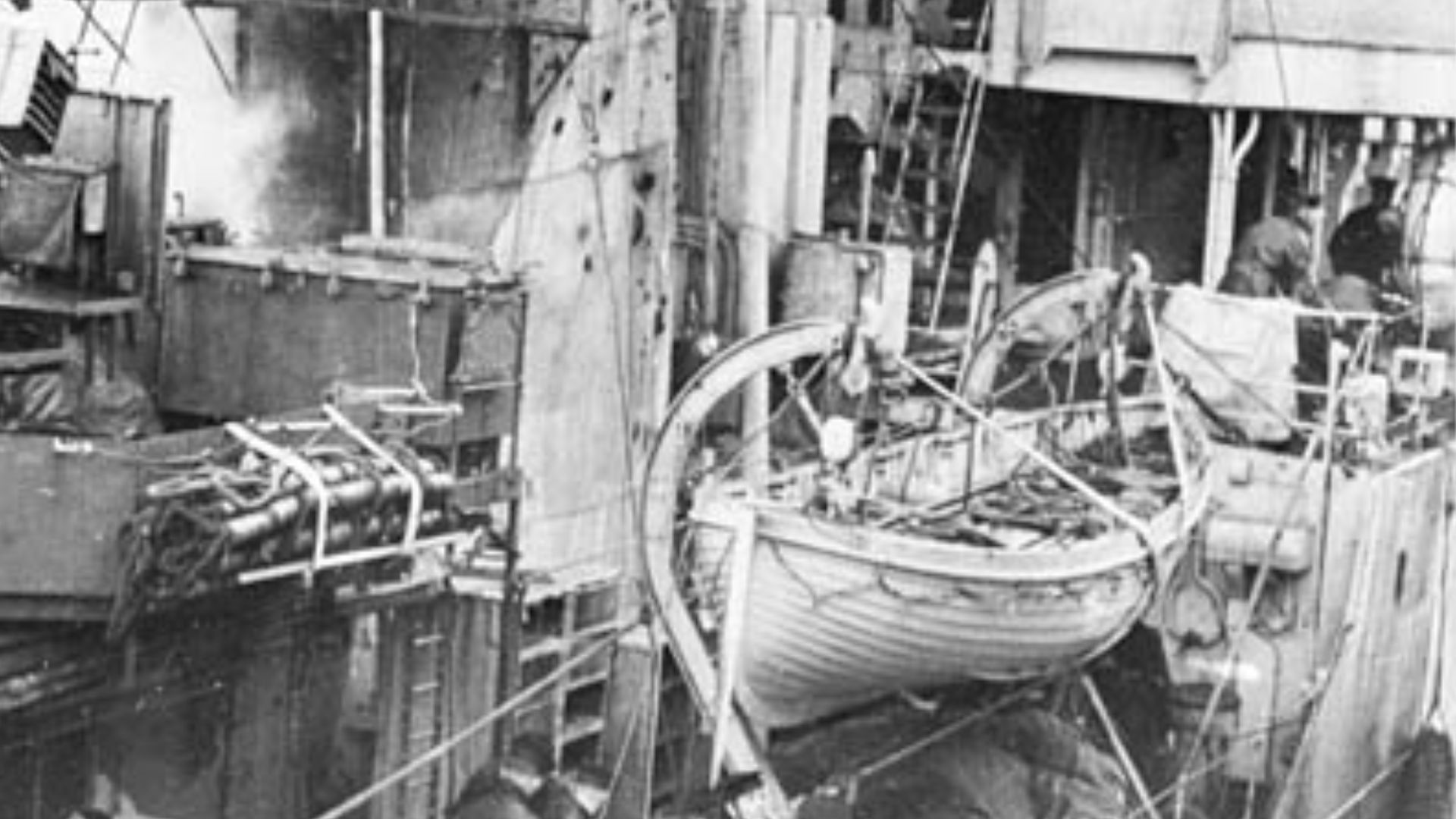 National Maritime Museum from Greenwich, United Kingdom, Wikimedia Commons
38. He Took Working Vacations
In November and December of 1721, Roberts and his pirates took a little well-deserved vacation. Pulling into harbor in Cape Lopez and Annobón, they repaired their vessels and dug their toes into white sand beaches. Roberts just needed a way to pay for this little Caribbean vacation.
39. He Demanded Gold Dust
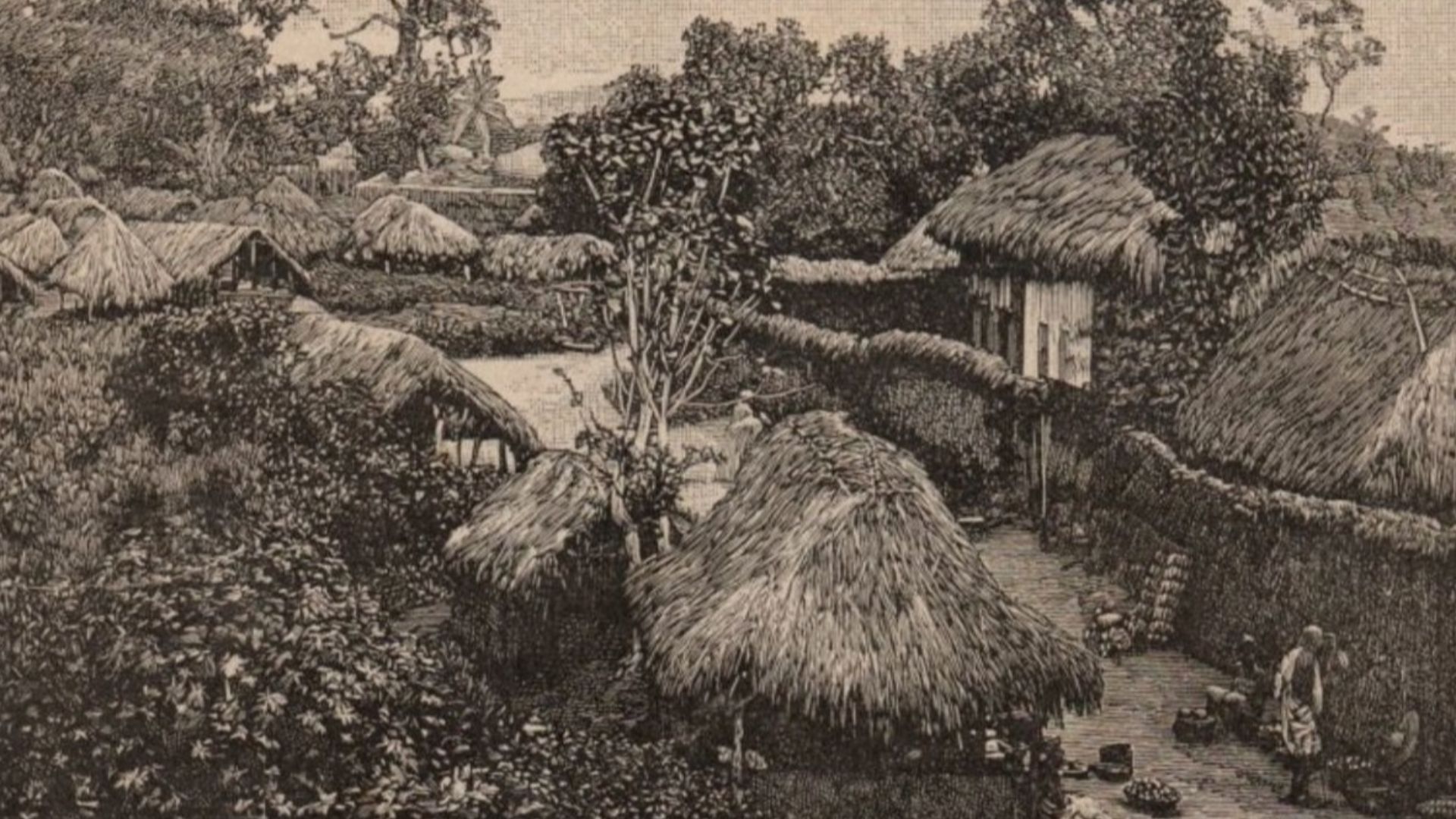
In January 1722, feeling rested and with fresh ships, Roberts set sail again in search of what all pirates truly want: gold. When he pulled into Ouidah harbor, his black flags fluttering menacingly in the wind, he found 11 anchored ships. Knowing that they had just encountered the dreaded Black Bart, the crews immediately surrendered and paid eight pounds of gold dust each for their freedom.
It was either pay up in gold dust, or become dust.
40. He Made An Example
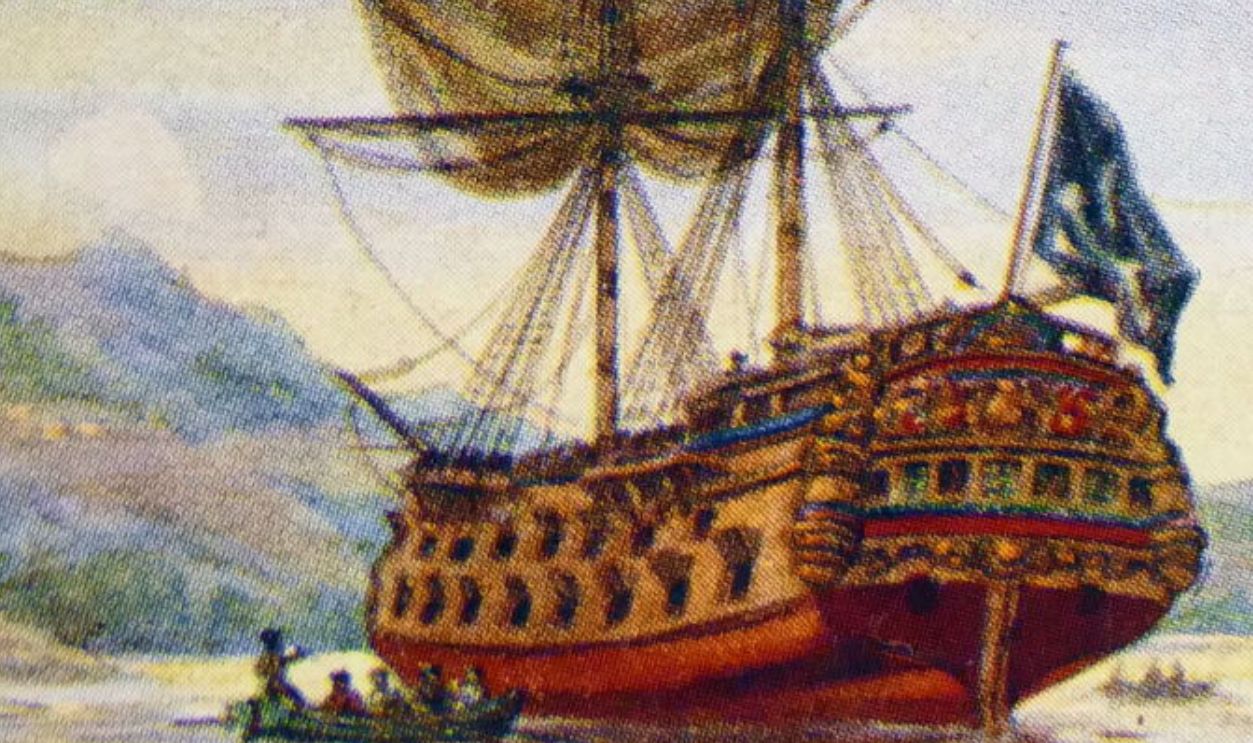
When one ship master refused Roberts’ “generous” terms, Roberts did what any good pirate would do: he made an example of the ship master. Roberts ordered his pirates to burn the vessel—along with 80 enslaved Africans still onboard. Tragically, they perished in the flames or drowned trying to escape. Fate, however, was a current that even Bartholomew Roberts couldn’t outsail.
 Universal History Archive, Getty Images
41. He Fell For Deception
On February 5, 1722, Captain Chaloner Ogle’s HMS Swallow found Roberts at Cape Lopez. The HMS Swallow veered away, appearing to flee as so many ships did when they saw Roberts’ black sails. Ever eager for more loot, the Ranger took the bait, pursuing the HMS Swallow under James Skyrme’s command.
The hunters were about to become the hunted.
42. His Lieutenant Lost Everything
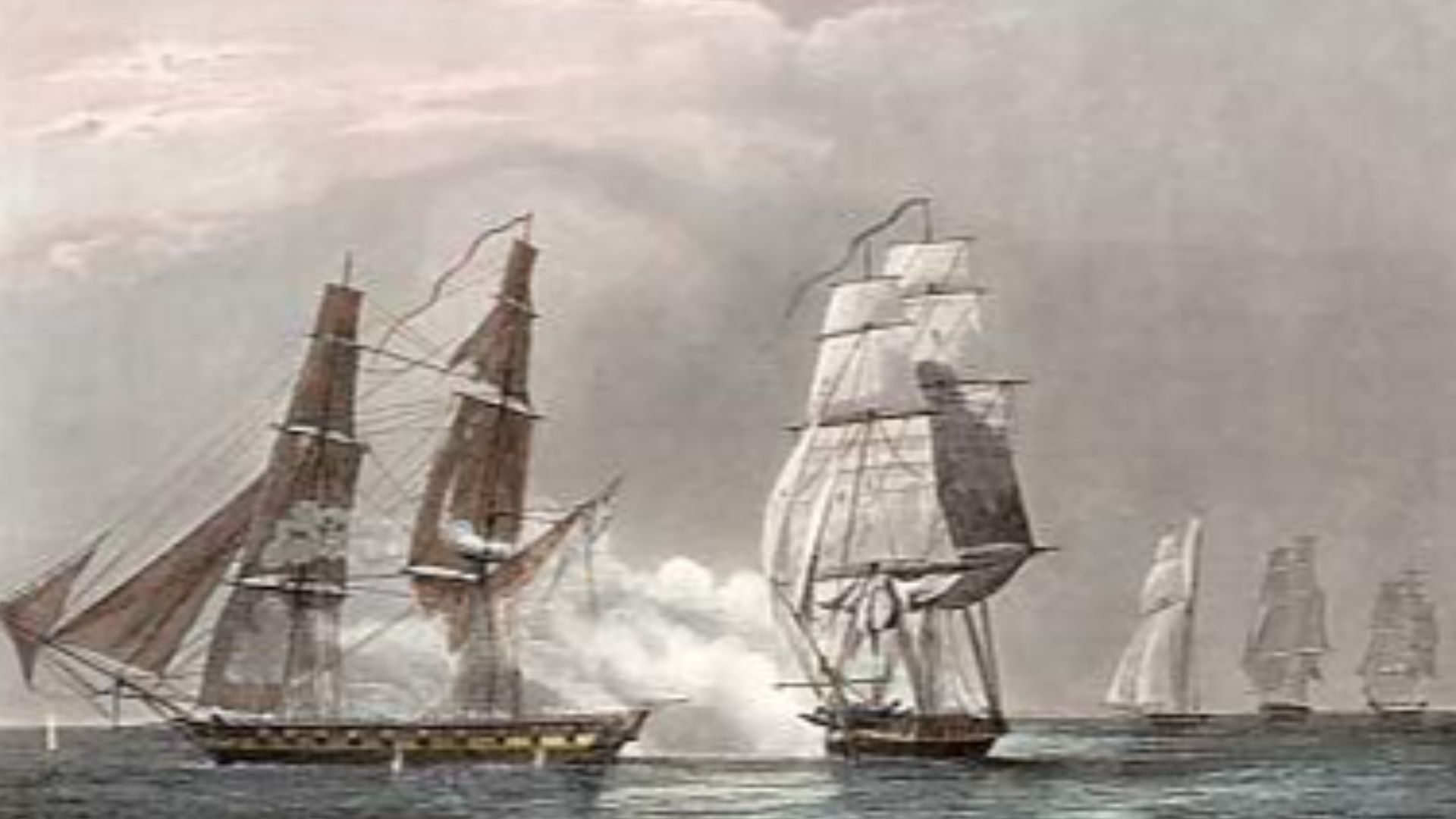
Once out of earshot from the rest of Roberts’ fleet, the HMS Swallow revealed her true nature—as a decoy. In a stunning naval maneuver, the HMS Swallow turned and opened fire on the Ranger. 10 pirates perished in the trap, and Skyrme lost his leg to a cannonball but still refused to leave the deck—perhaps fearing Roberts more than the authorities.
Defeated, the Ranger surrendered, and the survivors were captured. Roberts didn’t know yet what had happened to his second favorite ship.
 drawn by Paris, engraved by Chabannes., Wikimedia Commons
43. He Faced His Fate Unprepared
A few days later, on February 10, 1722, the HMS Swallow returned to find Roberts’ Royal Fortune still at Cape Lopez—and still totally unaware. Most of Roberts’ crew were still celebrating their capture of another vessel, the Neptune, the previous day, too sloshed for duty. The wind and the waves of fortune, it seemed, had turned against Roberts.
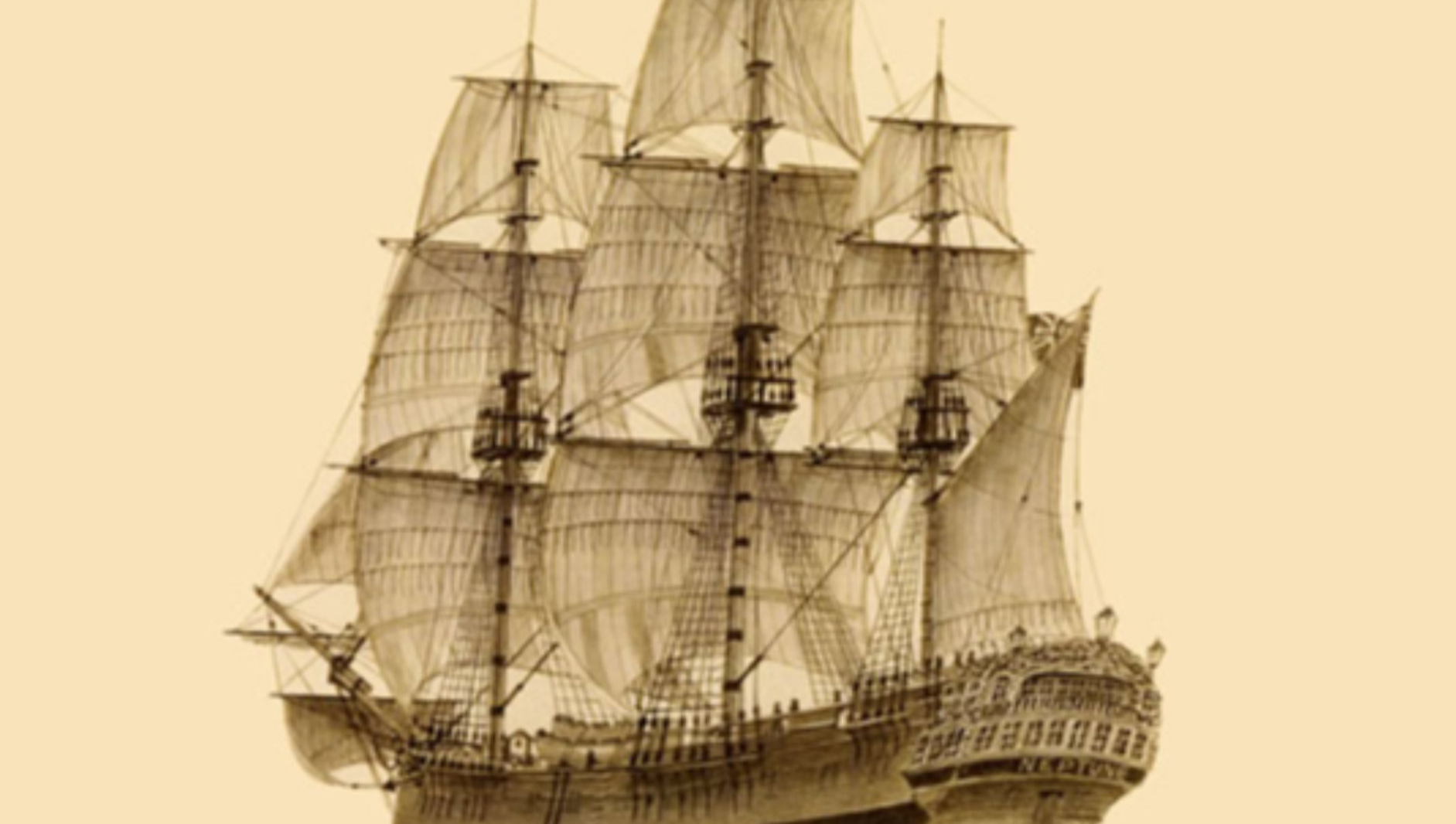 Unknown authorUnknown author, Wikimedia Commons
44. He Learned Too Late
Roberts was having his breakfast with the Neptune’s Captain Hill when he received a dire warning. A deserter from the HMS Swallow recognized the approaching ship and knew something was wrong, alerting Roberts without delay. His morning meal was about to be rudely interrupted by destiny.
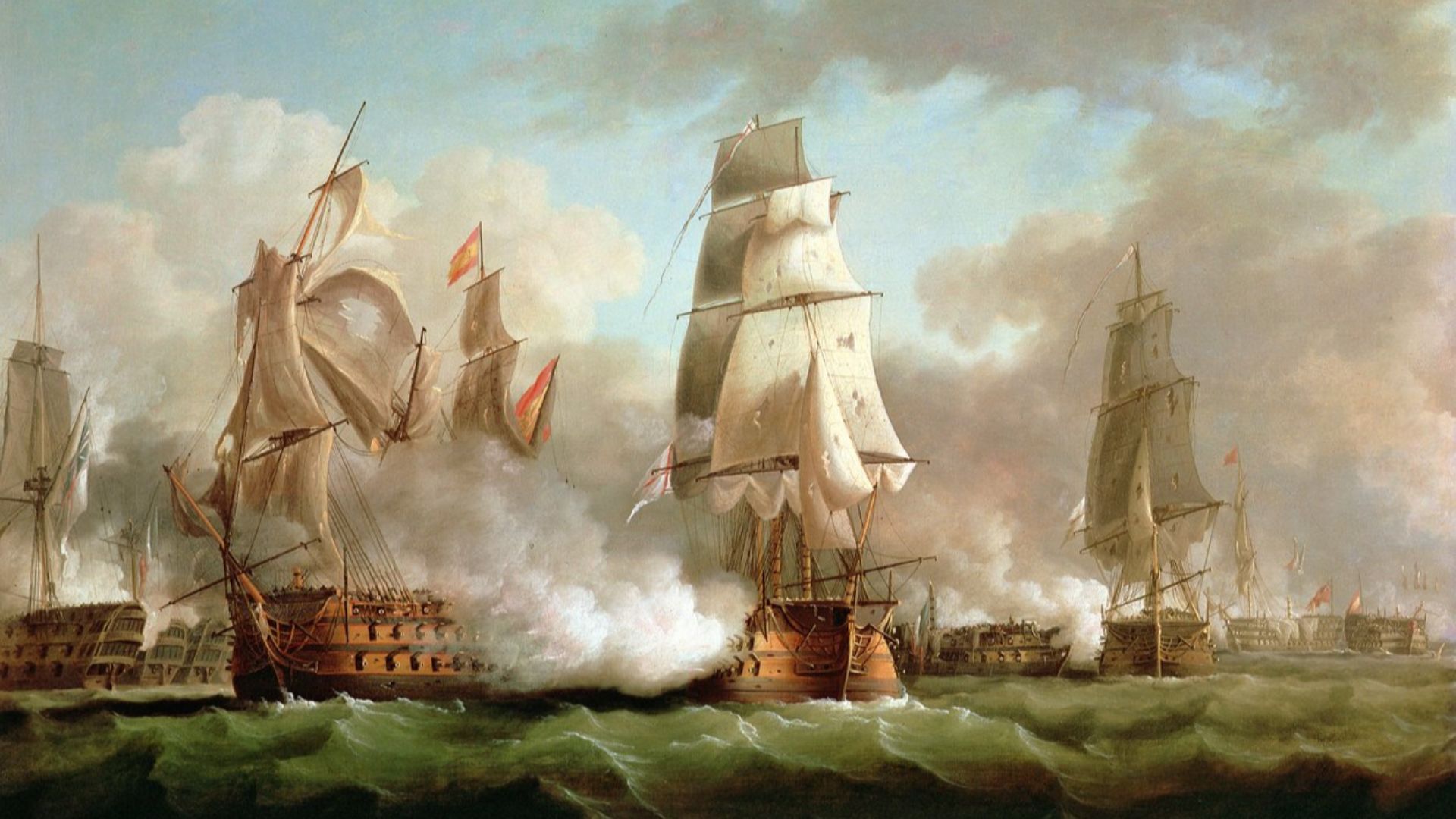 John Francis Sartorius, Wikimedia Commons
45. He Dressed For Battle
Upon learning about the HMS Swallow’s return, Roberts sprang into action and donned his finest outfit for battle. No, not chainmail and a steel shield. Roberts put on “a rich crimson damask waistcoat and breeches, a red feather in his hat, a gold chain round his neck, with a diamond cross hanging to it”. It’s almost like he knew he should dress for his funeral.
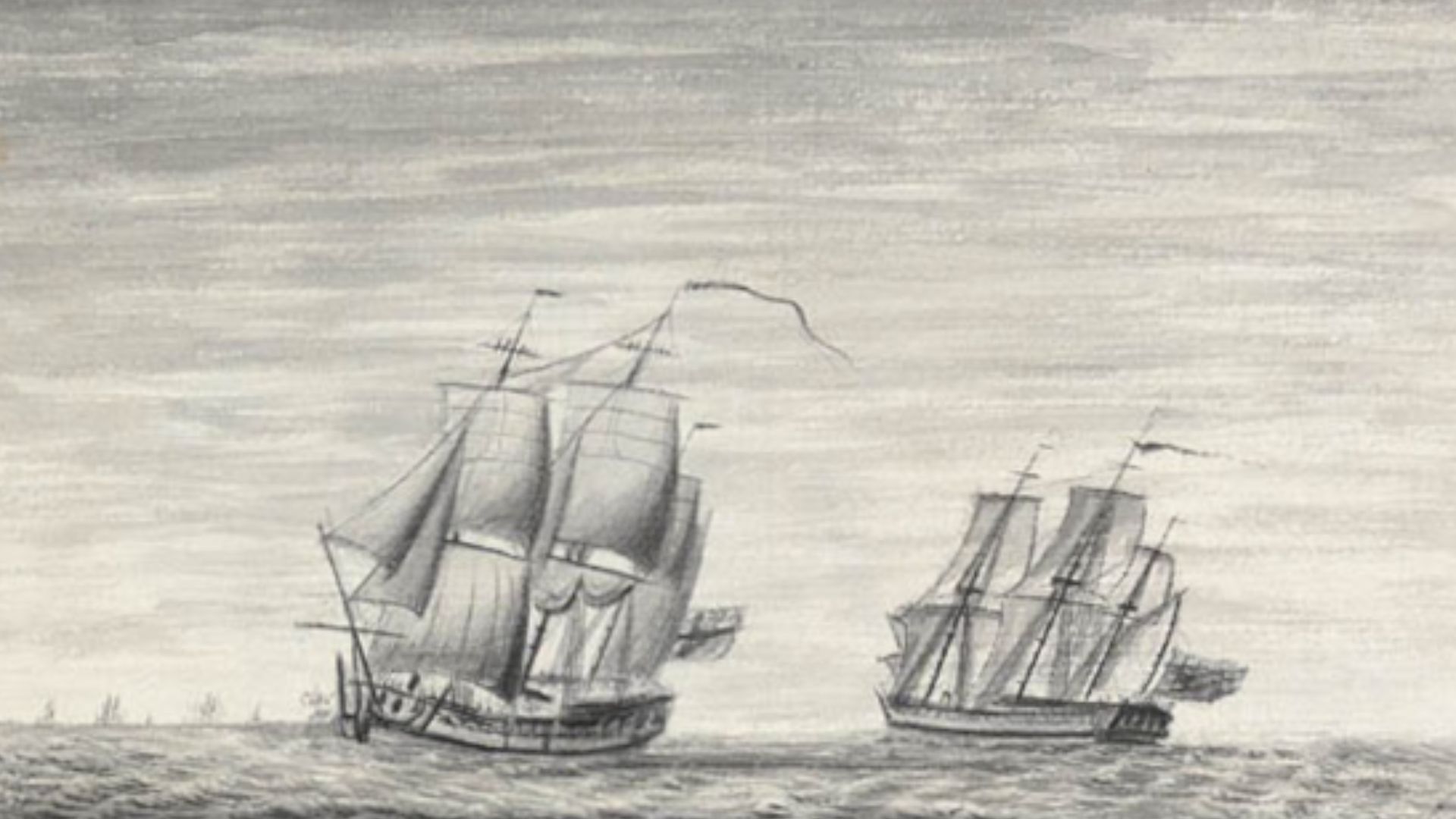 Samuel Wallis, Wikimedia Commons
46. His Plan Failed Immediately
Knowing that he was effectively trapped, Roberts intended to sail past the HMS Swallow, exposing himself to just one broadside. But the helmsman bungled the course, leaving the Royal Fortune and its crew and captain vulnerable. It was a vulnerability that the HMS Swallow was only too happy to exploit.
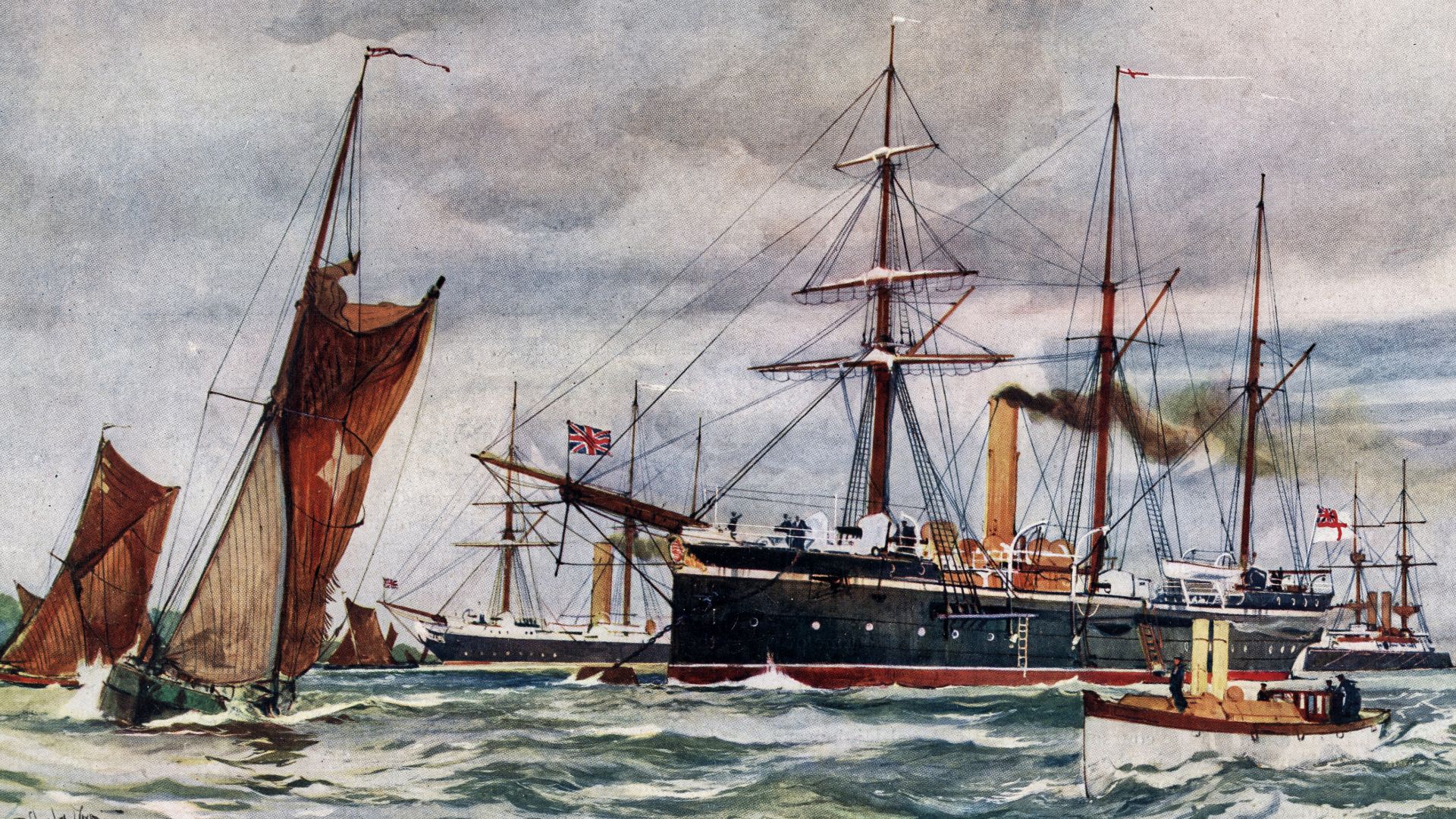 Charles Dixon, Wikimedia Commons
47. He Fell In Glory
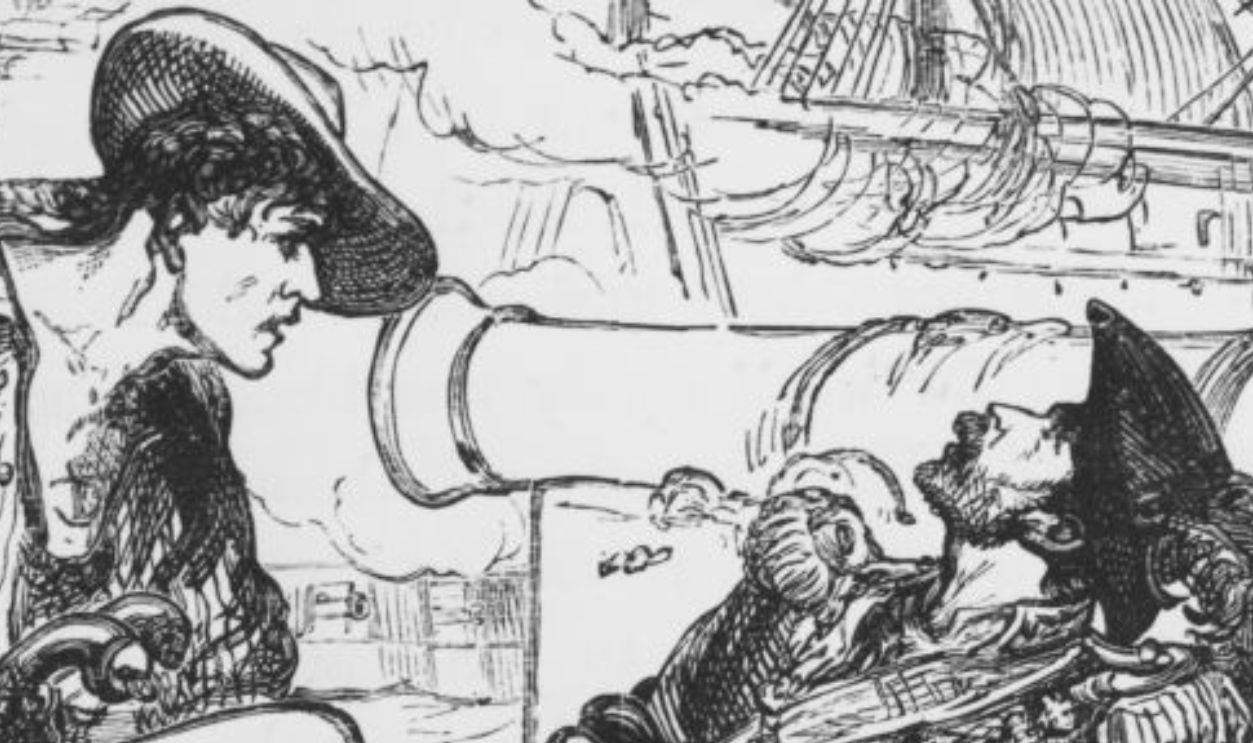
A furious exchange of cannonfire ensued and the tranquil waters turned turbulent. In the midst of the fighting, grapeshot from the Swallow’s second broadside struck Roberts in the throat as he stood on the deck, issuing orders. Unfortunately, Roberts had no chance of surviving the grievous injury and, just like that, he bled out on the deck of his beloved ship.
An age of piracy ended with him.
48. He Went Overboard
Before Ogle, the Swallow’s captain, could claim Roberts’ body, his crew honored him the only way they could: they refused to allow him to be captured. Filled with respect for their dauntless (dastardly) captain, the crew fulfilled Roberts’ oft-stated wish to be buried at sea. They wrapped him in the ship’s sail with all his arms and ornaments and pushed him overboard, committing him to the depths.
His body vanished into the deep blue sea, never to be found.
 John Baiden, Wikimedia Commons
49. His Crew Fought On
Without its captain, the Royal Fortune managed to fight on for another two more hours until its main mast fell. Surprisingly, only three pirates, including Roberts, had perished. Of the 272 captured pirates, 65 were formerly enslaved Africans Roberts had freed—grimly, they were sold back into bondage.
When the waters calmed, one thing was clear: there would never be a pirate like Black Bart again.
50. He Set The Record
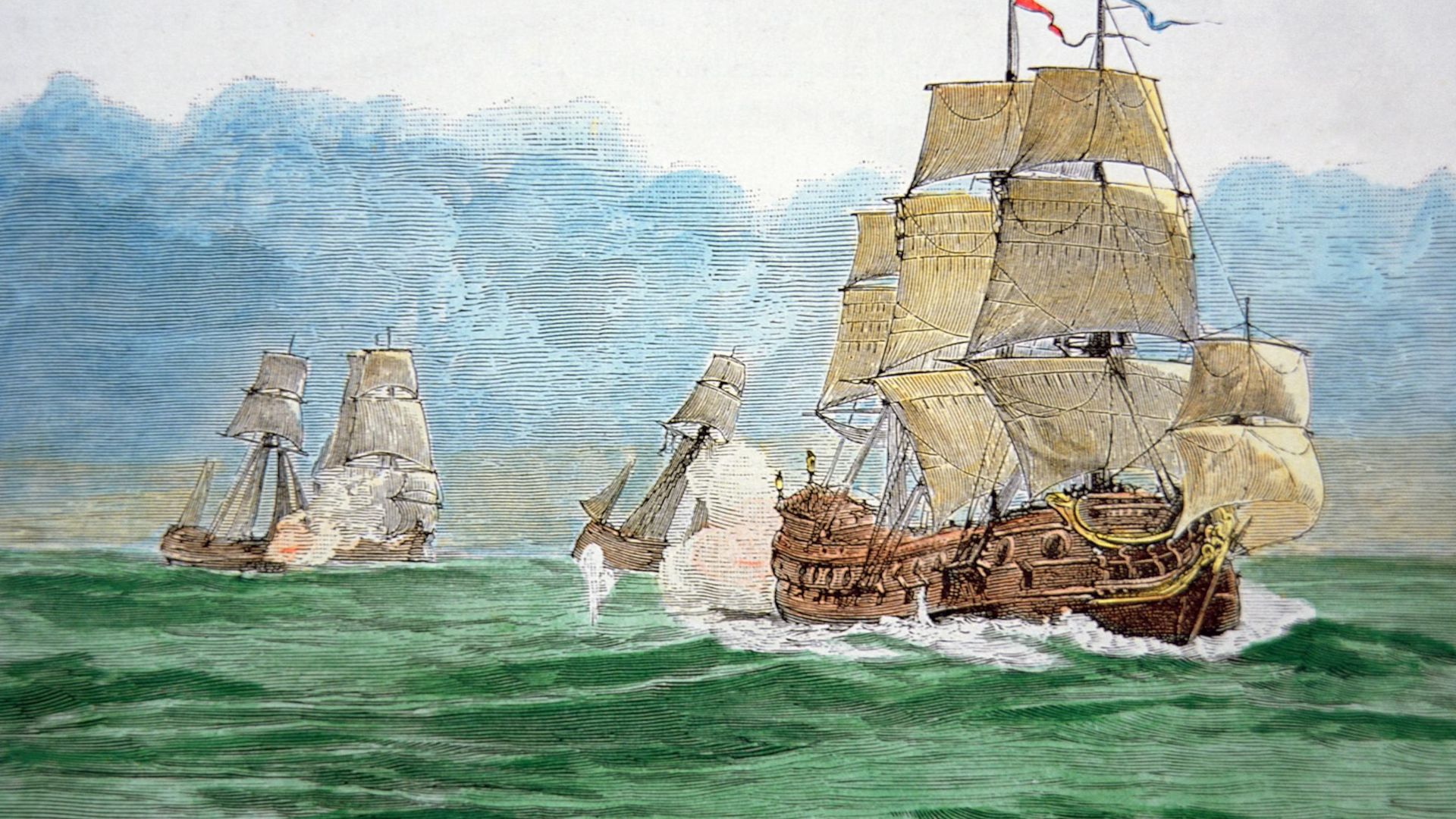
During his brief (but bountiful) three-year career in piracy, Roberts captured over 400 ships—more than any other pirate of the Golden Age. His success rate remains unmatched in maritime history. Though, ironically, perhaps his true legacy was the law.
 Peter Newark Historical Pictures, Bridgeman Images, Wikimedia Commons
51. He Created Pirate Democracy
As a pirate, Roberts eschewed the rules—except the ones that he made. Roberts’ true legacy was the establishment of an 11-article pirate code that was, paradoxically, strict. His code included voting rights, gambling bans, eight o’clock bed times, and Sunday rest for musicians, and anyone who defied the code risked brutal consequences like mutilation, marooning, or even death. Certainly, the open sea wouldn’t be the same without Roberts.
 Richard Sutcliffe , Wikimedia Commons
52. His Legacy Ended An Era
Roberts’ defeat marked the end of piracy’s Golden Age. As one historian noted: “The defeat of Roberts and the subsequent eradication of piracy off the coast of Africa represented a turning point in the slave trade and even in the larger history of capitalism”.
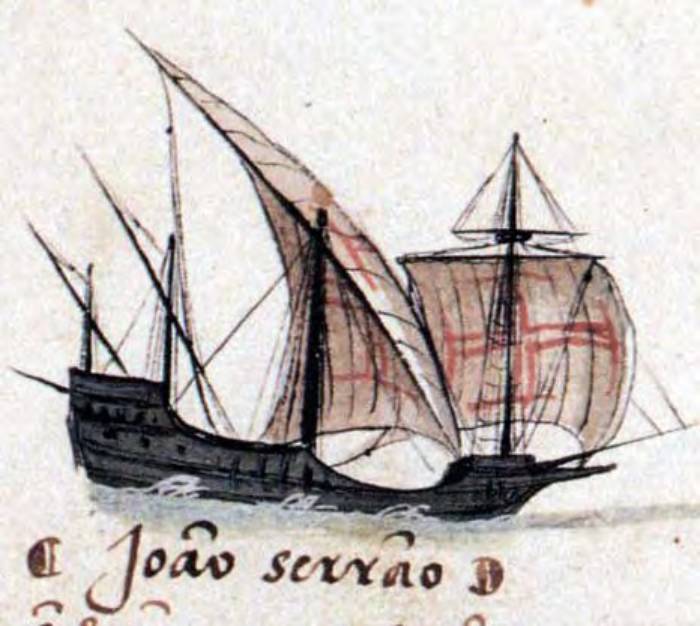 Livro das Armadas, Wikimedia Commons
You May Also Like:
Queen Elizabeth's Pirate Captain
The Jaw-Dropping Story Of China’s Ruthless Pirate Queen
Anne Bonny Was A Ruthless And Cruel Pirate Queen—Right Up To Her Chilling End