Changing The Game
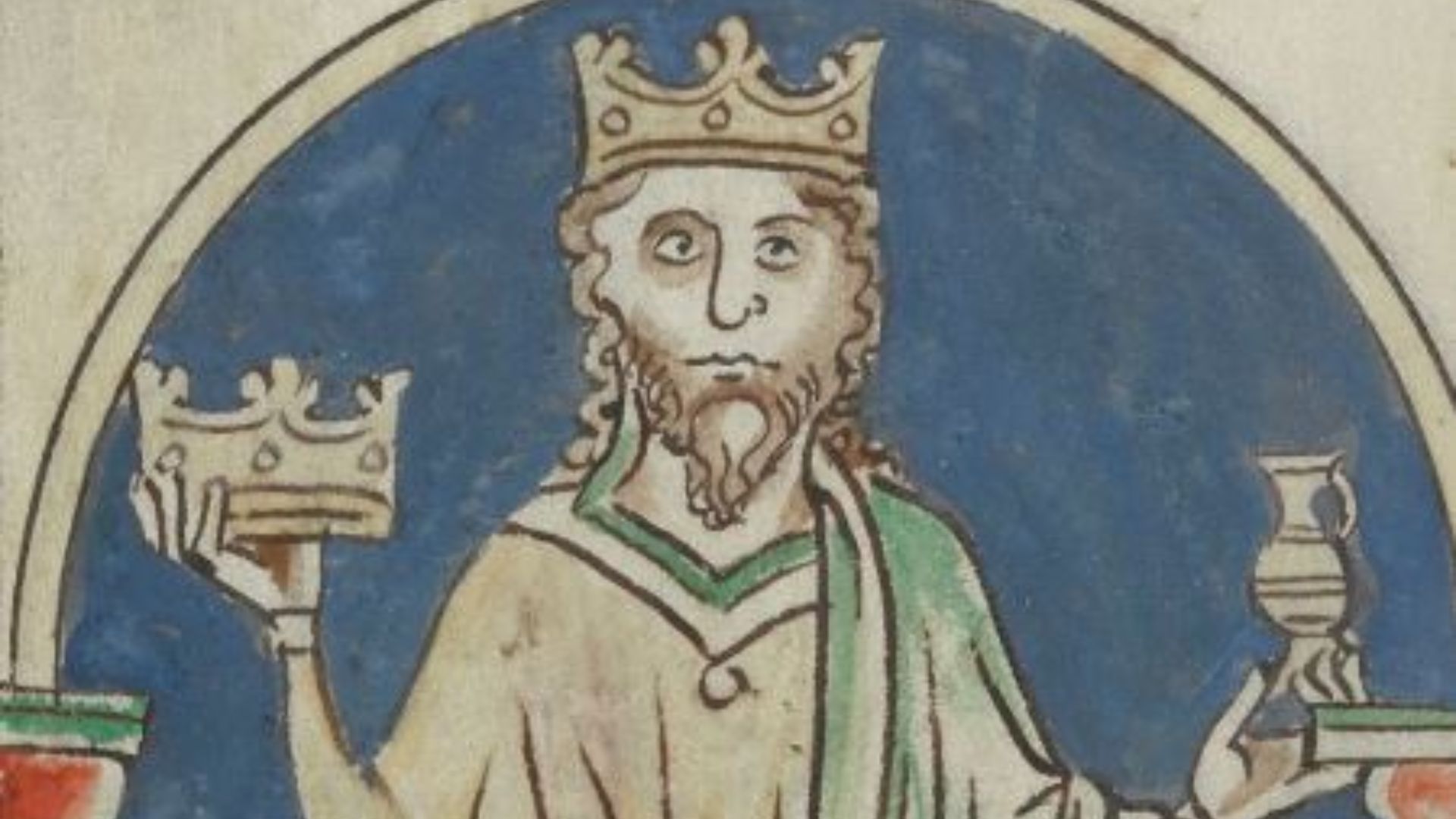
The centuries of English royalty are full of rulers who went on to live as legends within the nation’s history, even before it united as one sovereign state. Among these monarchs, only Alfred the Great carries that epithet, and perhaps he’s the only one truly deserving of such a title.
Not only did he become known as one of the land’s most staunch defenders, but without his work, England likely would have had no future.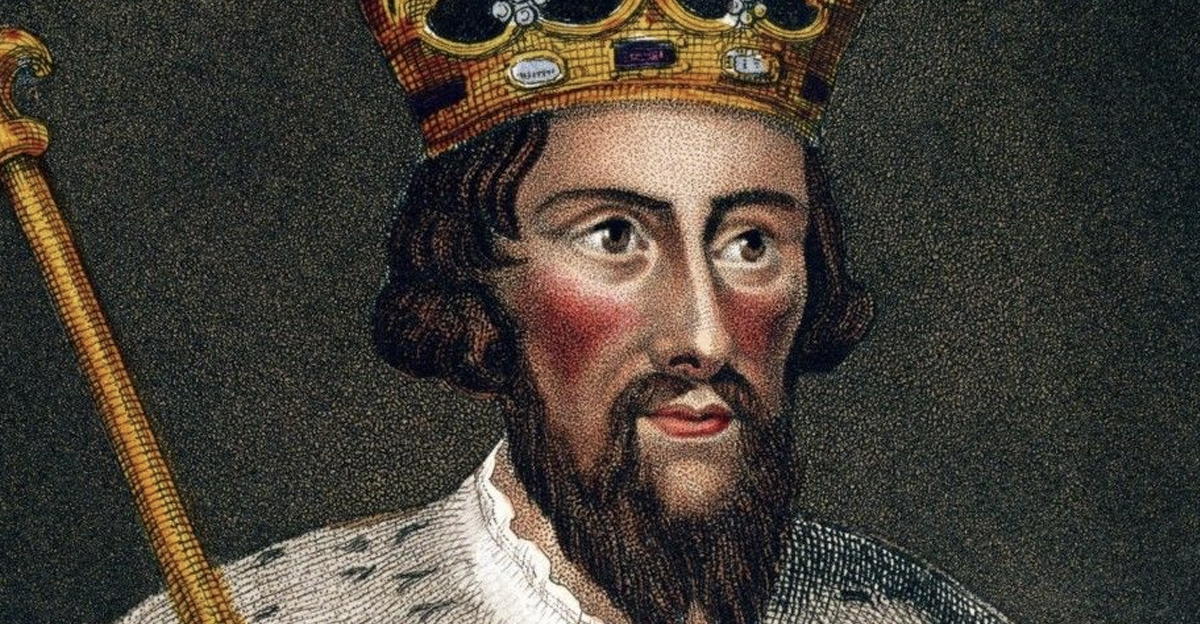
1. He Was Special
Alfred the Great tends to stand out as not only the most dedicated ruler of this era, but possibly the most beloved. Despite living with constant pain and illness, he never stopped prioritizing his kingdom, and his character easily drew adoration from its people. However, the only reason historians know this is also because he was the only Anglo-Saxon king to have a full-length biography written about him, authored by the Welsh scholar Asser.
Even before him, though, Alfred’s family was already making waves. BBC2, The Last Kingdom (2015–2022)
2. They Underestimated His Grandfather
Alfred was far from the first King of Wessex, and even just 100 years before his time on the throne, the thought of him inheriting it from his family would have been unheard of. Before his grandfather, Ecgberht, became king, the throne was constantly passed around between three different warring families. As such, sons rarely took over from their fathers, so most believed that Ecgberht’s royal lineage would be short, if not non-existent.
Fortunately for him, his doubters would soon see how wrong they were. MGM, Vikings (2013–2020)
3. He Started A Dynasty
While Ecgberht had taken the throne by virtue of his bloodline, since his paternal ancestor was the founder of the Wessex Dynasty, this requirement became irrelevant after his rule. This meant that, although no one had done so in the past two centuries, he left the throne to his son—and Alfred’s father—Æthelwulf, upon his passing.
While technically royalty, Alfred began his life in relative obscurity.
4. His Birth Is Questionable
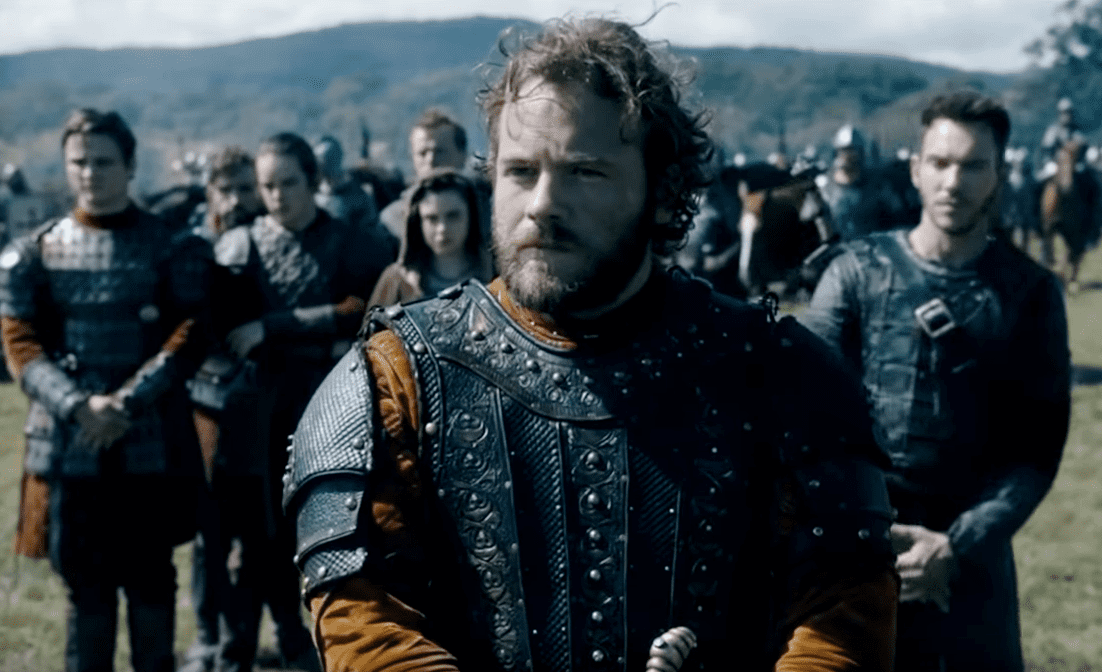
Being the youngest of Æthelwulf’s five sons, Alfred was nowhere near being the heir apparent to his father’s throne, so little of his early life exists in records. In fact, it’s not clear when exactly he was born. Most accept that his birth occurred around the mid-800s, but while Asser wrote that the year was 849, other sources state he was 23 when he took the throne, and would likely have been born a couple of years prior.
Understandably, he spent his early years away from the spotlight.

5. His Brothers Were All Ahead Of Him
Alfred’s oldest brother, Æthelstan, was the clear successor to the Wessex throne, but he perished before their father could pass it to him, so it went to Æthelwulf’s second-born, Æthelbald. Another anomaly then occurred, as instead of passing the kingship to any sons, Æthelbald named the next-youngest brother, Æthelberht, his successor. This continued as the throne passed from brother to brother, with Alfred at the end of the line.
Still, even at a young age, he set himself apart. MGM, Vikings (2013–2020)
6. She Gave Them A Test
Since there isn’t much in the way of concrete sources on Alfred’s early life, much of it can be found in stories that are more apocryphal in nature. According to one of these, when he was quite young, his mother posed a challenge to him and his brothers. She offered an ornately designed book of poetry to the first of them who could memorize the whole thing.
The young king-to-be couldn’t have been more excited. MGM, Vikings (2013–2020)
7. He Memorized It
Even at his age, Alfred seemed to understand the value of such an extravagant gift, and he wanted the book more than anything. After confirming that all he needed to do was learn the book and recite it to his mother, he took it to his teacher, who helped the boy memorize it. This was especially impressive, considering one detail. MGM, Vikings (2013–2020)
8. He Couldn’t Read
Alfred recited the book of poetry perfectly to his mother, so just like she promised, she gave it to him as a reward. However, he likely couldn’t appreciate it to its fullest, considering this happened before his mother passed when he was six years old, and he didn't learn to read until he turned 12.
Eventually, the time would come for him to start making a name for himself.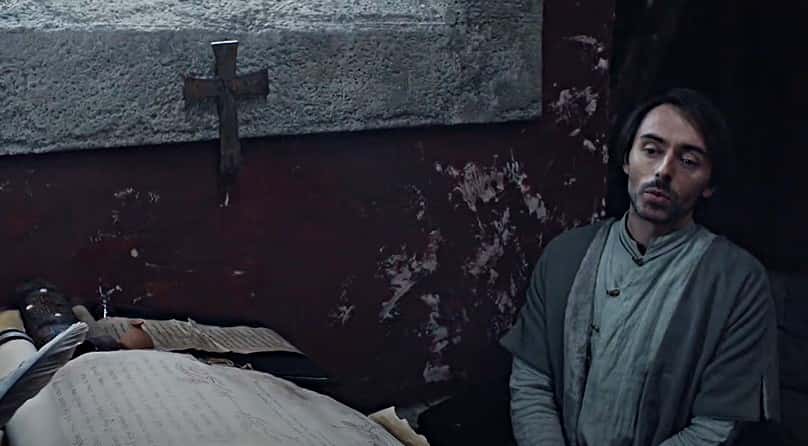 BBC2, The Last Kingdom (2015–2022)

History's most fascinating stories and darkest secrets, delivered to your inbox daily.
9. He Entered The Spotlight
Being so much further down the line of succession, Alfred didn’t appear more frequently in historical records until he became more significant in the family. In 865, his older brother, Æthelred, took the throne, and since it was just the two of them left, Alfred was recognized as a potential successor.
Of course, he would soon serve his people in a more active capacity.
10. He Fought With His Brother
Just a few years after his brother took the throne, Alfred's life took a dangerous turn. He made his next notable appearance when he joined Æthelred on the field of battle. When the Viking leader Ivar the Boneless led an army into the Kingdom of Mercia, which sat connected to Wessex, Alfred and Æthelred bravely fought side by side against the enemy—even if they ultimately failed.
Behind the scenes, he made a different lifelong connection.
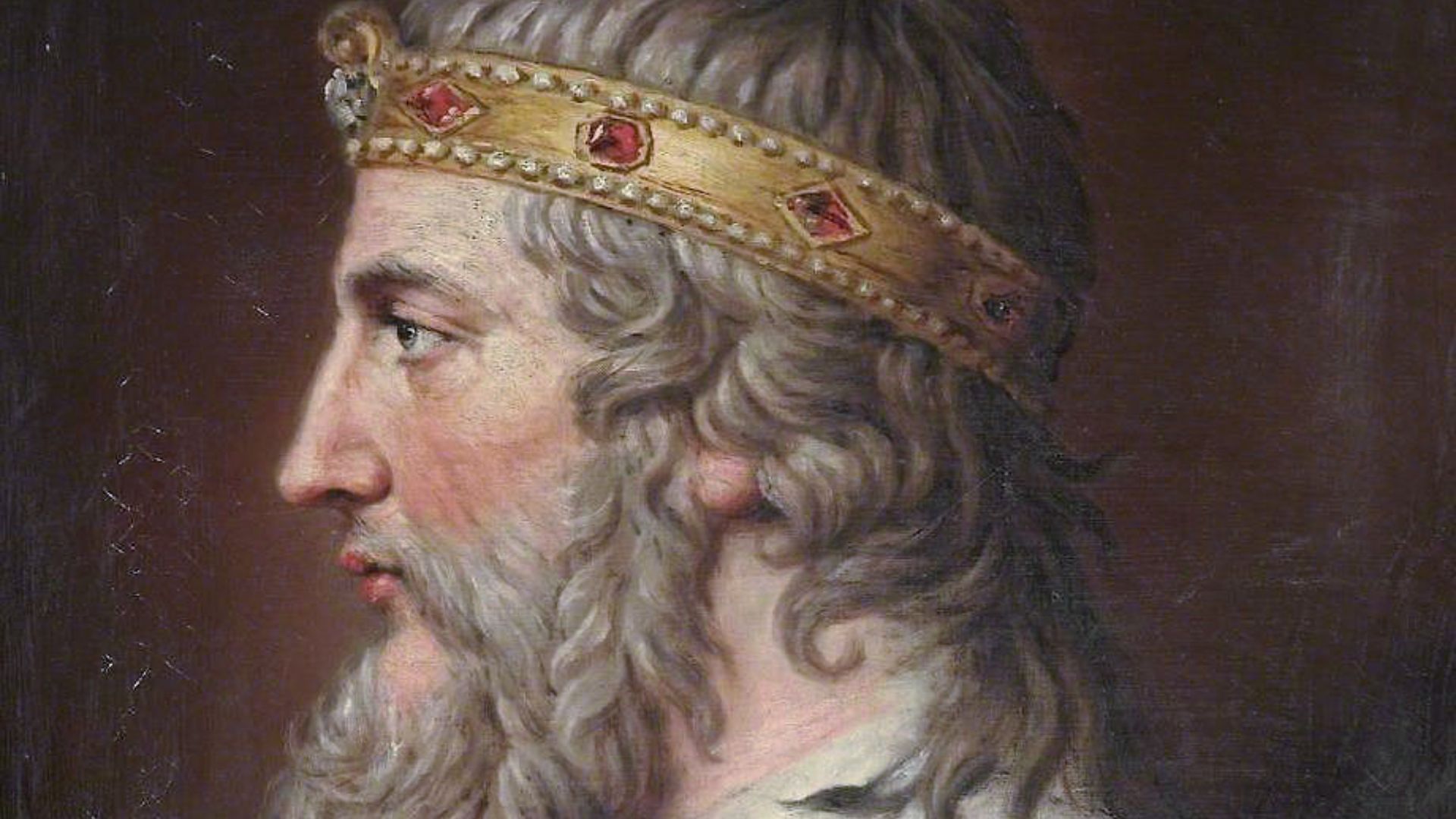 Samuel Woodforde (1763–1817) (attributed to), Wikimedia Commonsf
11. He Found Someone
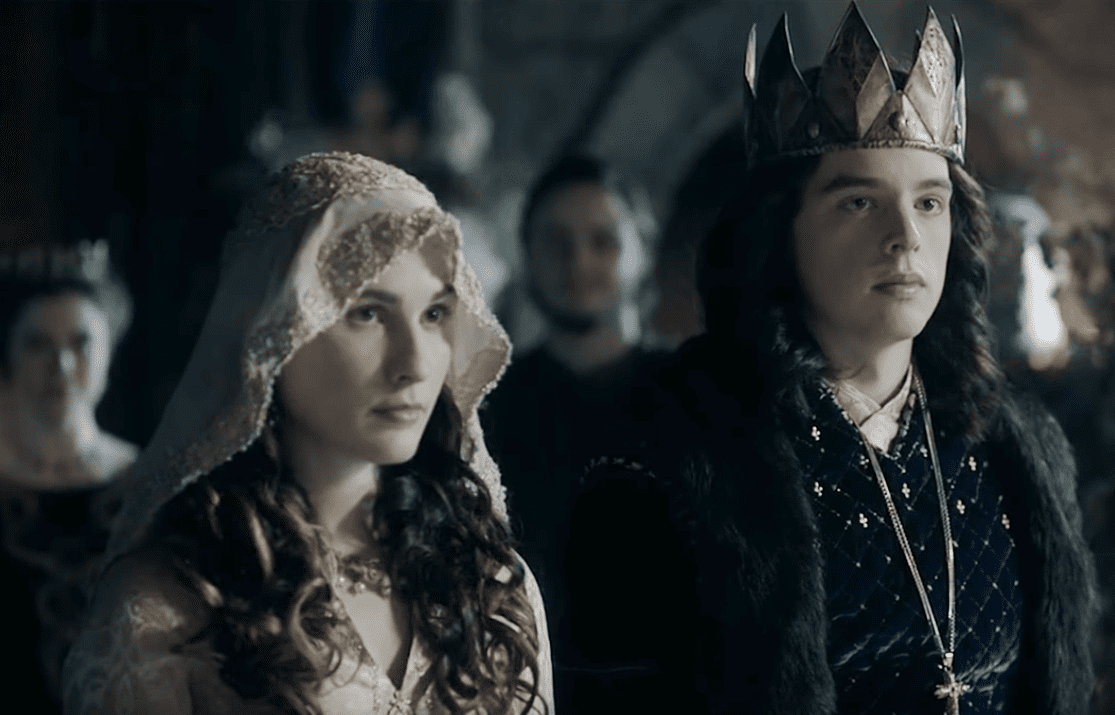
As with every royal, marriage was more of a duty and a business deal than a union of love, so Alfred soon found a wife who provided the greatest political benefit for him at the time. Marrying a woman named Ealhswith in 868, this union provided both Wessex and Mercia with leverage over the invading Danes, as Ealhswith was the daughter of a Mercian nobleman.
Sadly, he was also in store for a life-changing loss.
12. His Brother Perished
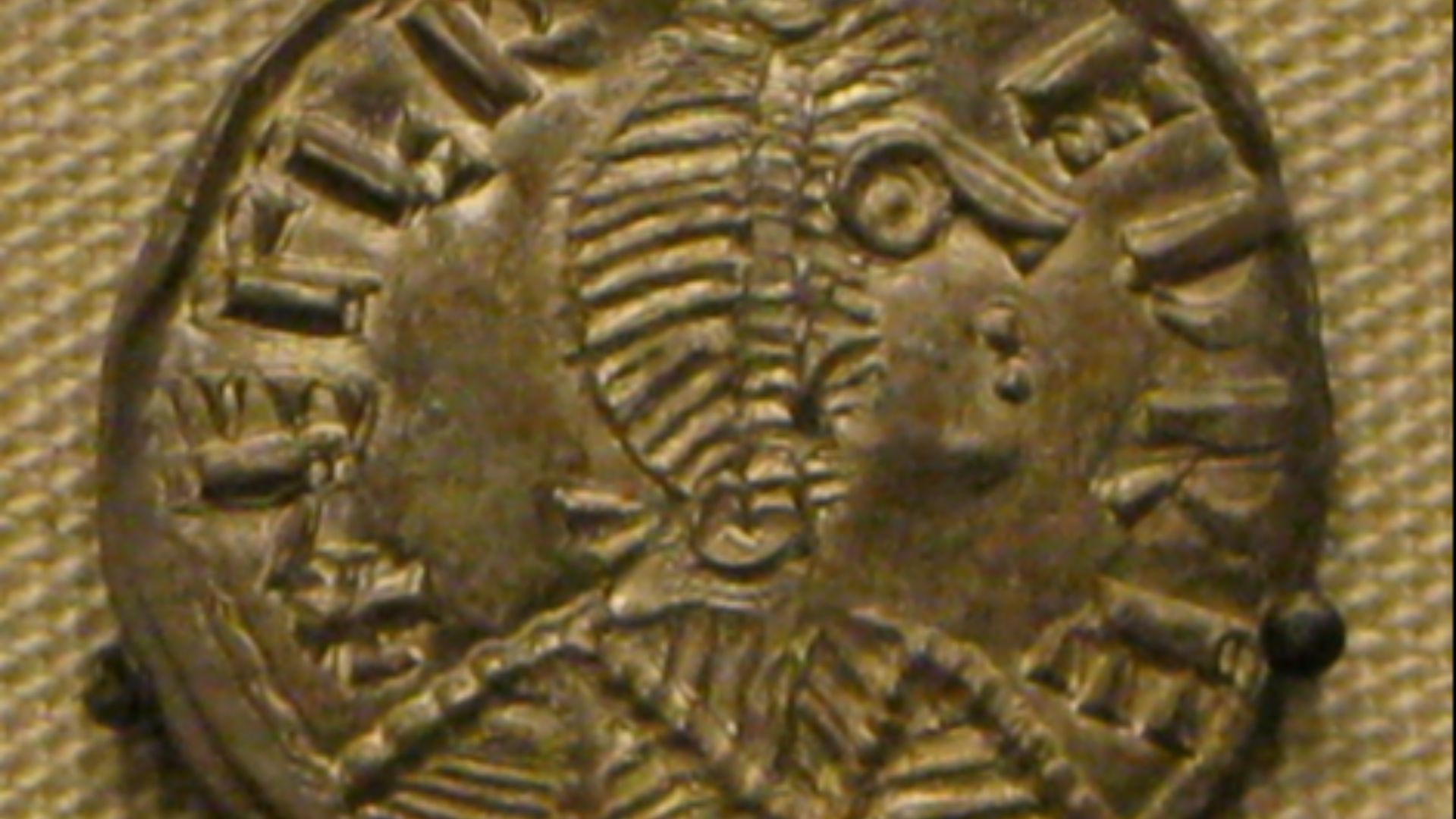
Unfortunately for Æthelred, his reign over Wessex was as short-lived as he was, since he passed after only five years on the throne in 871. He left behind two sons, but since they were both too young to rule, Alfred took the throne instead. Finally, he was King of Wessex and in charge of protecting his kingdom from the Danish invaders.
This was because, before this, the brothers had a pact between them.
 User:Saforrest, Wikimedia Commons
13. They Made A Deal
Even if the throne hadn’t already been passing from brother to brother, there’s a good chance Alfred would have become king anyway. Before his older brother’s passing, the two had agreed that whichever one of them perished first, the other would inherit nearly everything their father left them—implying the kingship as well.
Meanwhile, the Vikings were cooking up some serious plans.
 Unknown authorUnknown author, Wikimedia Commons
14. They Seized Their Chance
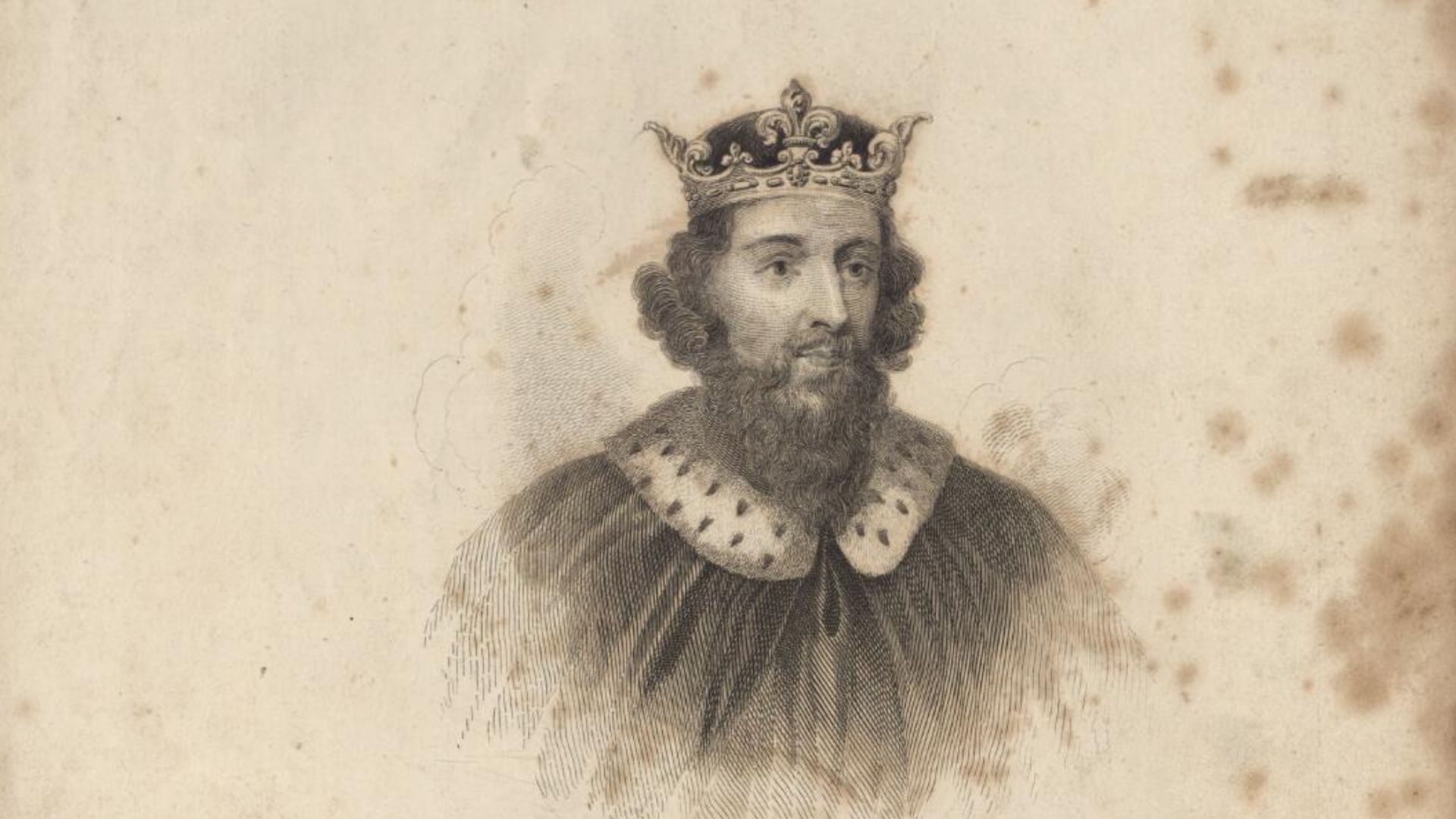
Alfred was no stranger to chaos, and during this time, he was in the thick of it. Even while everything with the throne’s succession was being put in order, and while Alfred arranged the funeral for his brother, the Danes never stopped their invasion.
Preoccupied with these matters, he couldn’t lead the Saxon army as it fell to the Viking forces. Even when he was able to join the fight, the Saxons still met defeat, and he knew he couldn’t win through force alone. Begrudgingly, he would have to change tactics.
 MGM, Vikings (2013–2020)15. He Negotiated With Them
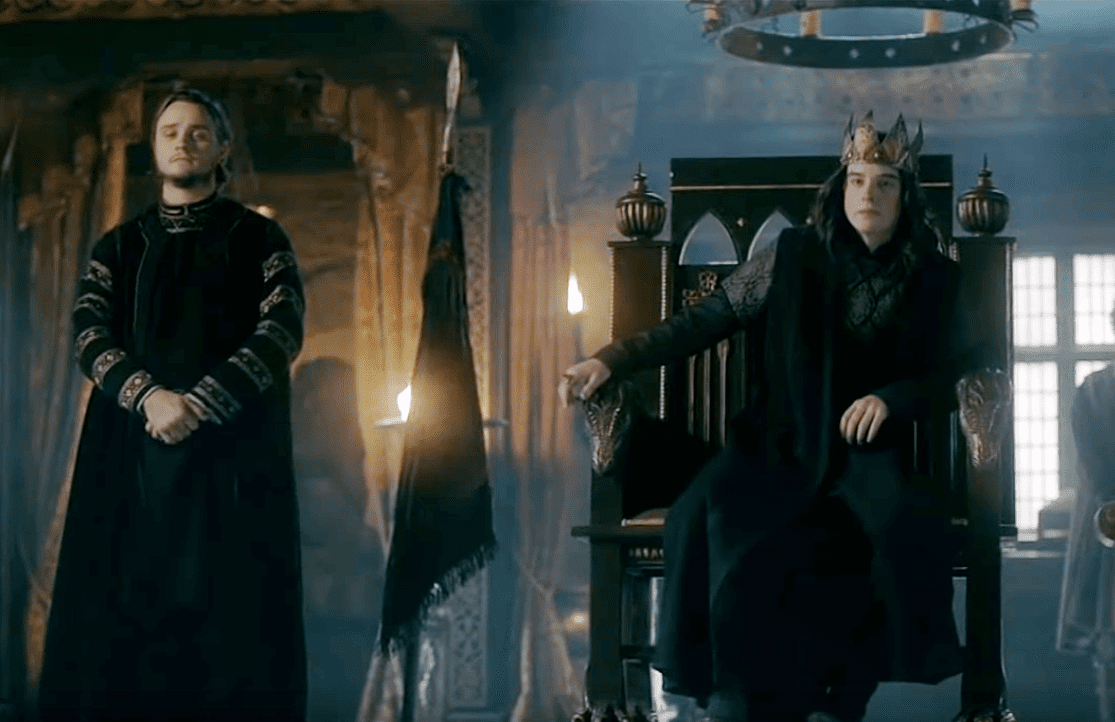
While Alfred would have loved nothing more than to drive the Vikings out of his lands, the forces he commanded simply weren’t cutting it, so he made a drastic decision—and chose diplomacy. Meeting with the enemy leaders, they all struck a peace agreement, in which the Vikings promised to leave the Anglo-Saxon regions.
This wouldn’t be the last he saw of them, however.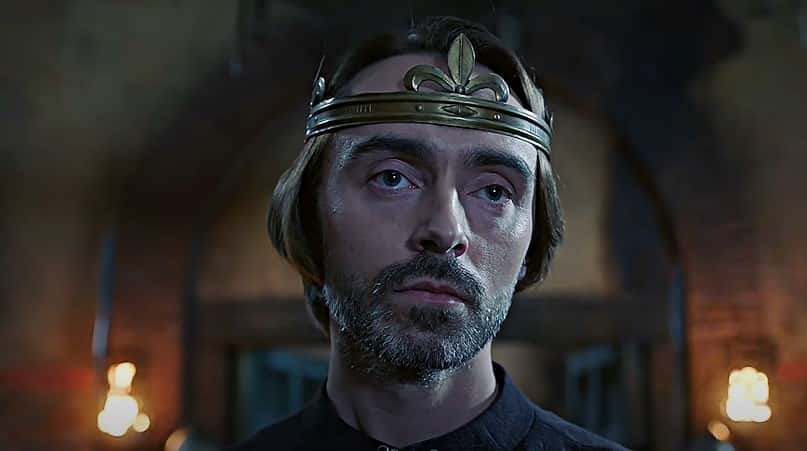 BBC2, The Last Kingdom (2015–2022)
16. They Snuck In
The Danes didn’t uphold their end of the deal for long, since in 876, they returned to Wessex and were able to slip by the Anglo-Saxon forces, reaching Dorset before Alfred could react. After mobilizing his army, Alfred formed a blockade and successfully prevented the Danes from advancing further, but was also unable to retake the town of Wareham from them.
Thinking he could use the same solution, Alfred chose to negotiate with them.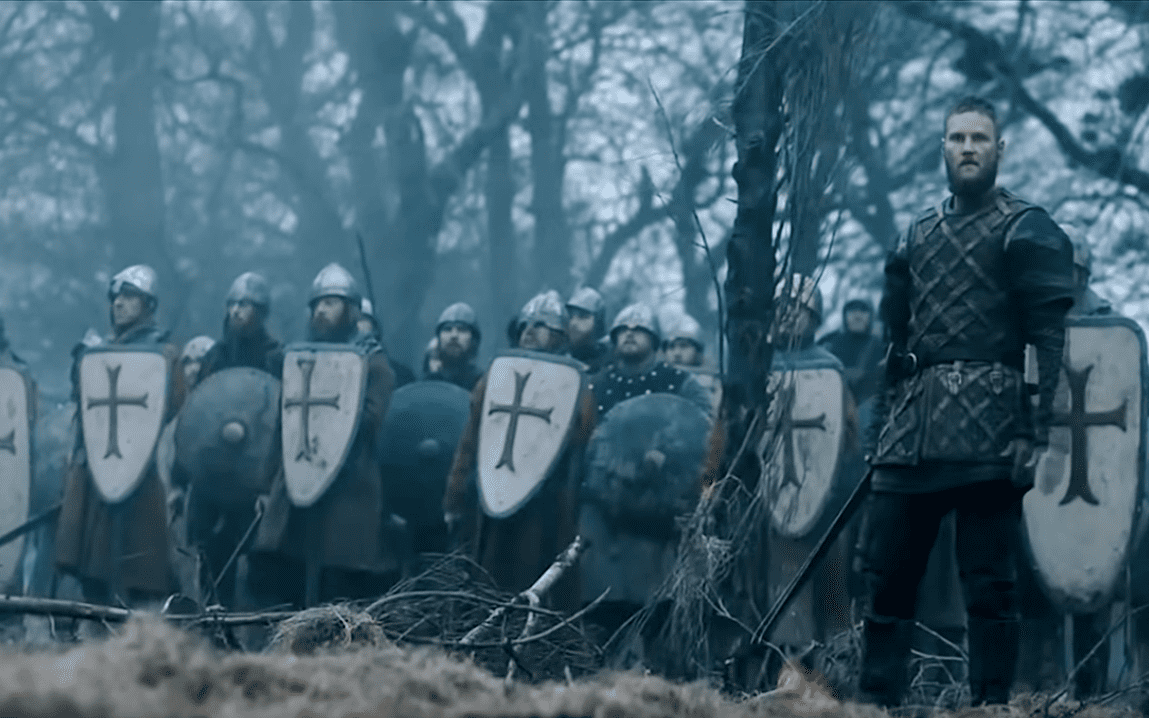 MGM, Vikings (2013–2020)
17. They Were Dishonest
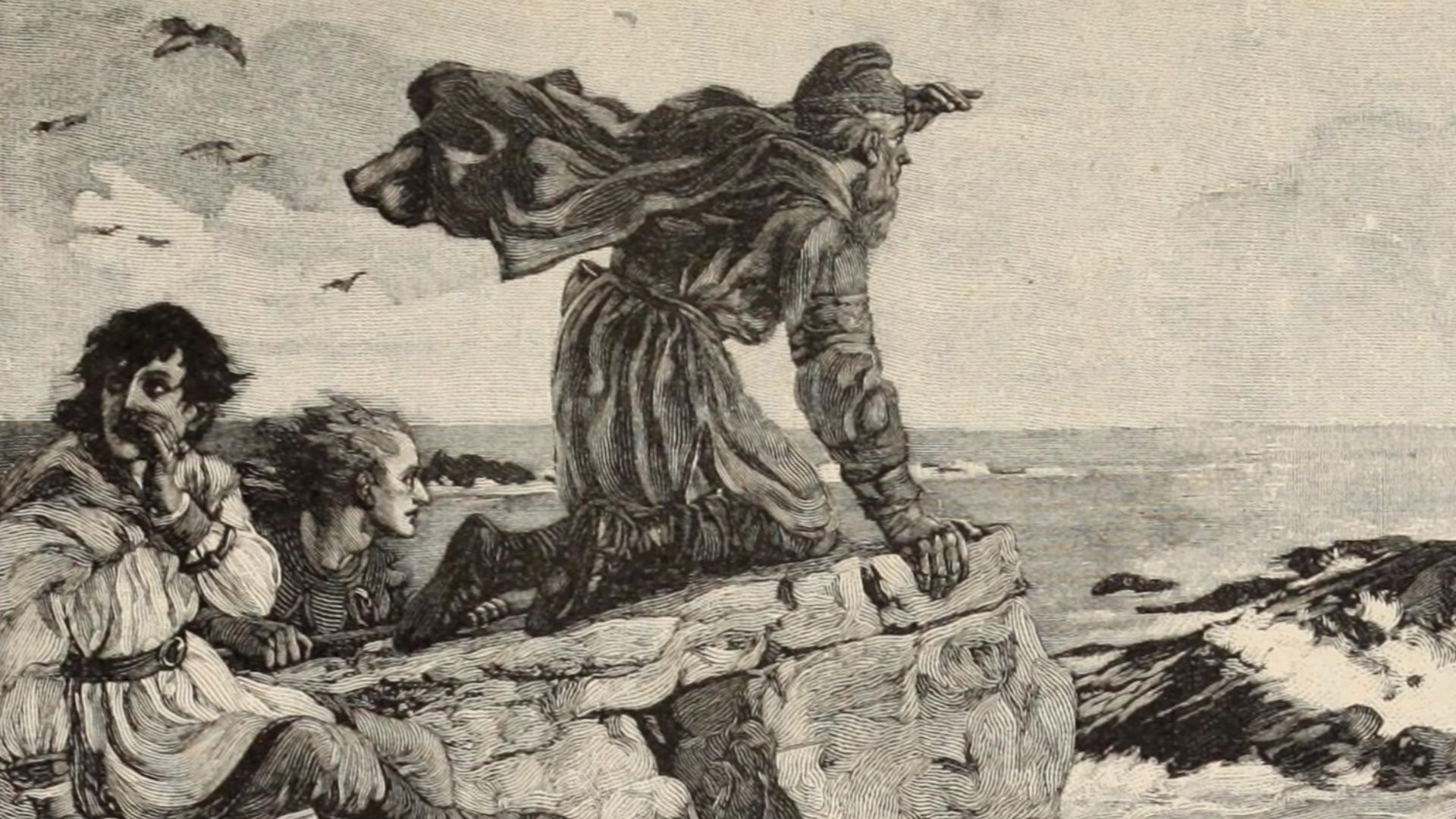
Just like before, Alfred arranged a meeting with the Viking leaders, Oscetel, Anwend, and Guthrum, and worked out a deal in which the Danes would relinquish their hostages. To solidify this agreement, the Danes even swore on a symbol of Thor, but it was all for nothing. In the end, the Vikings dealt Alfred a brutal betrayal, slaying the hostages instead before escaping to Devon.
Sadly, the nightmare wasn't over yet.
 Creator:Herbert Arthur Bone, Wikimedia Commons
18. He Was Caught Off Guard
After successfully blockading the Danes in Devon, Alfred forced them to retreat into Mercia, but they would return before long. In 878, while Alfred was staying in Chippenham over the winter, the Vikings got the drop on him, ambushing the town. It was a horrifyingly bloody affair.
While Alfred was able to get away with a handful of his men, the Danes took out nearly everyone else there. It was during this escape that another small legend of his occurred.
 BBC2, The Last Kingdom (2015–2022)
19. He Agreed To Help
With his band of loyal followers, Alfred escaped to the Somerset Levels, where they would eventually establish a fort to post up in. While in the area, according to stories, the king encountered a woman baking wheaten cakes by her fire. Despite not knowing who he was, she sheltered him but asked that he keep an eye on the cakes while she stepped away.
Suddenly, Alfred faced one of his most daunting challenges.
 Matthew Paris, Wikimedia Commons
20. She Told Him Off
Being a man of humility and compassion, Alfred agreed to mind the cakes by the fire, but it’s a promise that he probably shouldn’t have made. His mind drifted to the state of his kingdom and his plans against the Danes. He became so lost in his own concerns that when the woman returned, she found the cakes burnt and gave him an earful for not watching them.
With how dire their situation was, though, it's no wonder that he became distracted.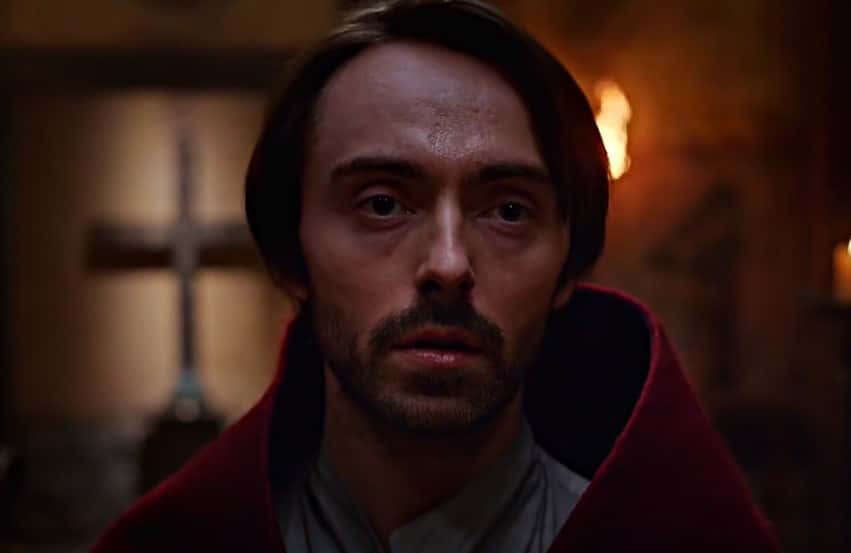 BBC2, The Last Kingdom (2015–2022)
21. He Was All Alone
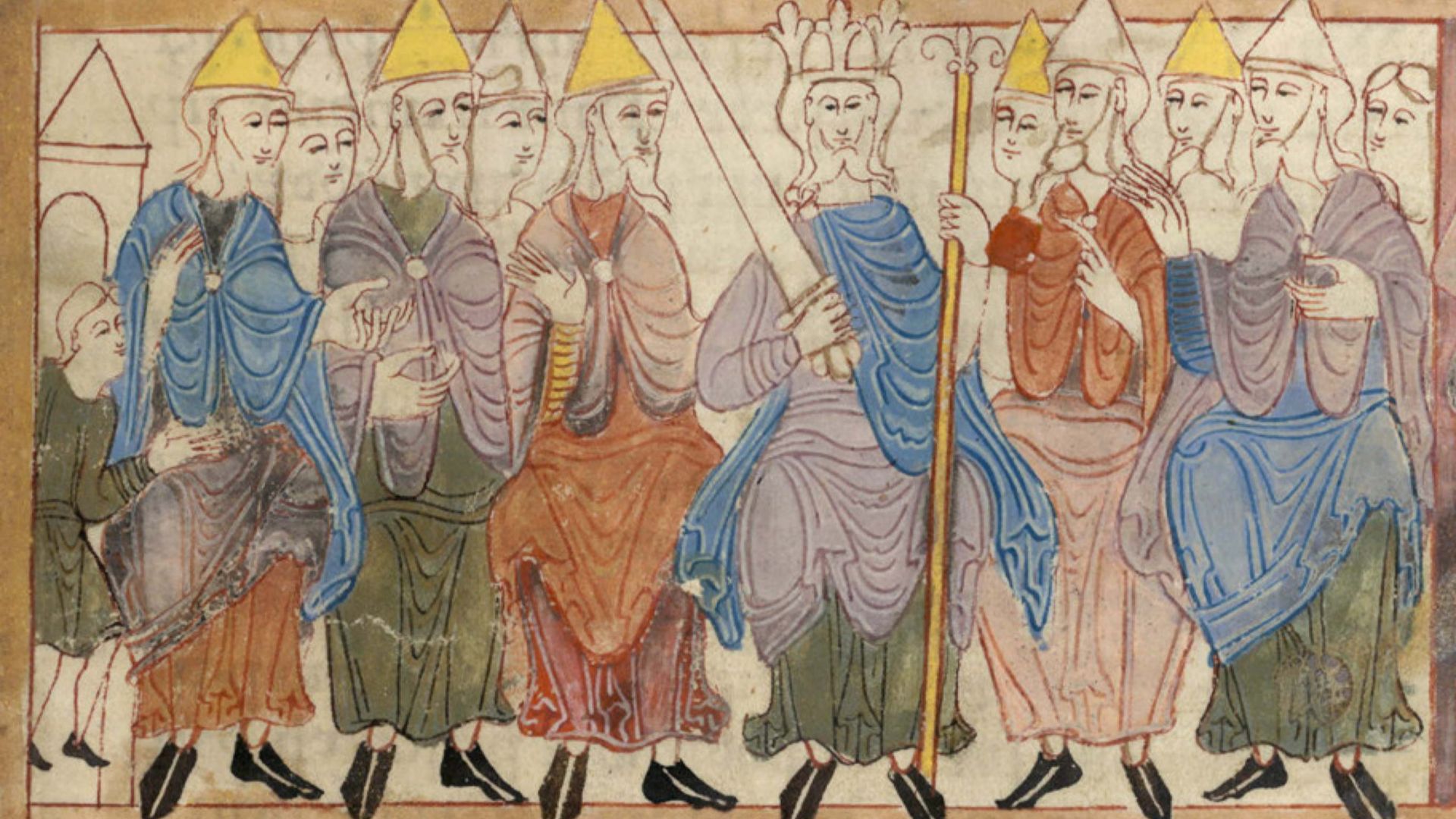
While Alfred was eluding his enemies and trying to build his power back up, the Danes were still ravaging the rest of the Anglo-Saxon lands. Striking out of his fort in Athelney with men from all over his kingdom, his defiance became especially vital, since every Anglo-Saxon kingdom had fallen to the Danes except for Wessex.
Still, he would prove to be more than a match for them.
 Unknown authorUnknown author, Wikimedia Commons
22. He Overpowered Them
After forming his resistance and harassing the Danes for weeks, Alfred knew it was finally time to drive them out completely. Rallying as many men as he could, he met the enemy near the town of Edington and refused to back down. This time, the Saxons emerged victorious and pushed the Vikings back to Chippenham.
Having gained the upper hand, it was the Danes’ turn to surrender—and it wasn't going to be pretty.

23. He Converted Him
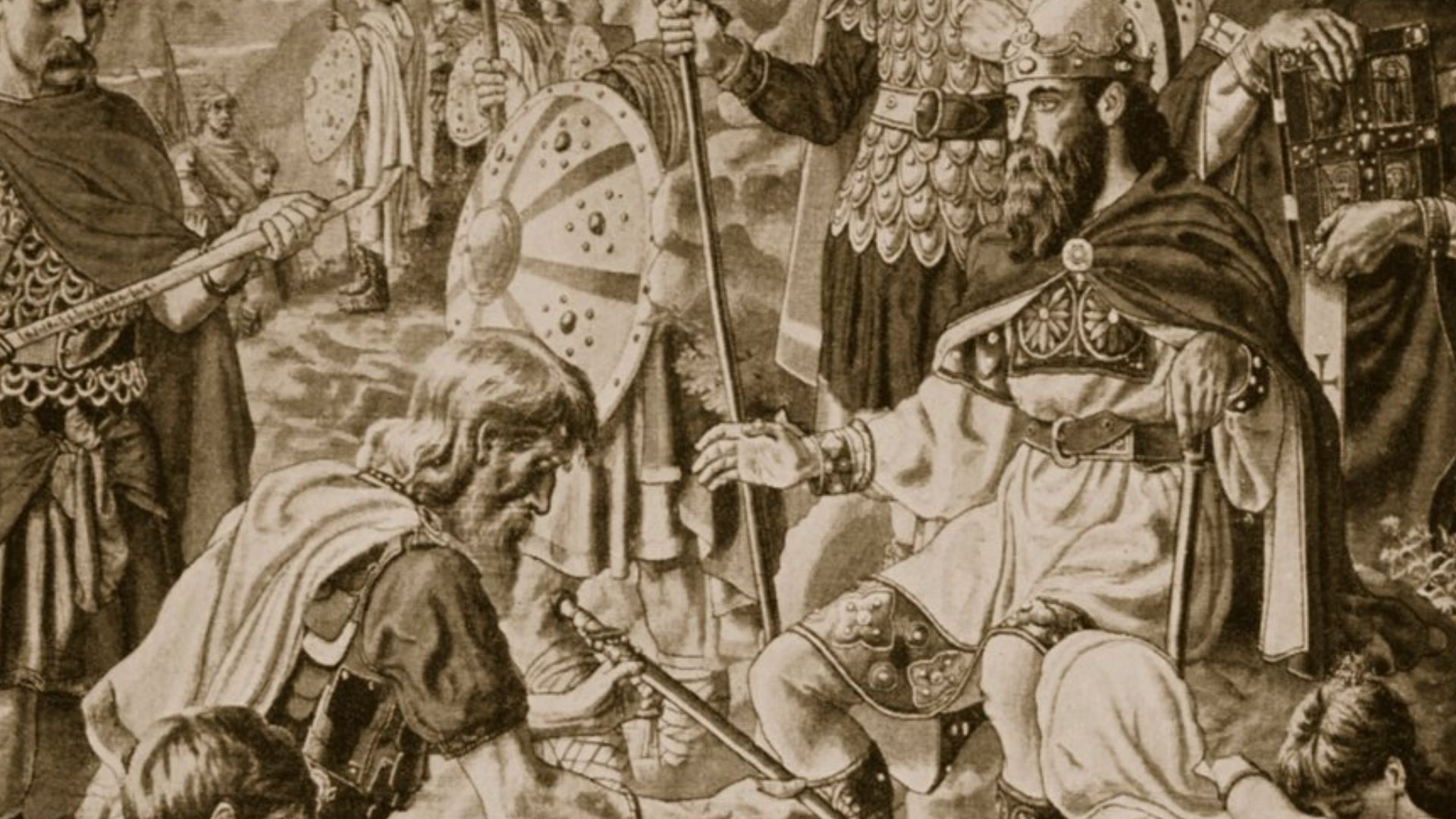
Alfred had no mercy for the Danes... at first. Cornering them in Chippenham, Alfred continued to put pressure on them, cutting off their resources and forcing them into starvation. Suddenly, talking things out didn’t seem so difficult to the Vikings, so their leader, Guthrum, agreed to negotiate a peace. Alfred accepted his surrender, with the condition that Guthrum receive a baptism.
This time, Alfred would make sure their negotiations went through.
 Creator:Herbert Albert Bone, Wikimedia Commons
24. They Worked Things Out
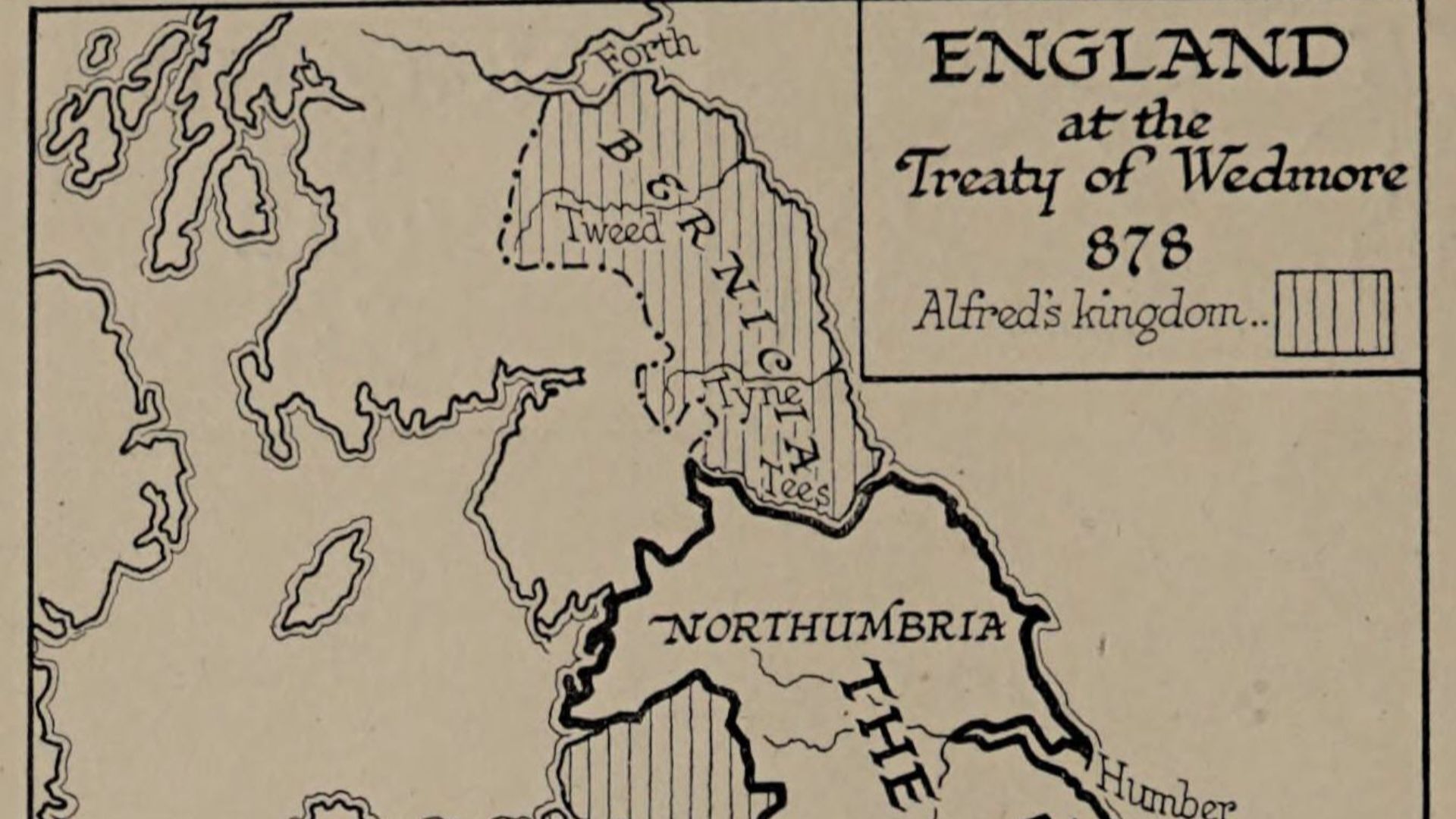
After Guthrum and an array of his high-ranking men received their baptisms, Alfred and the Viking warlord sat down and negotiated their official treaty. The Treaty of Wedmore—as it came to be known—contained several further demands of the Danes, primarily that they finally depart from Wessex, which they actually fulfilled.
With this treaty, the very boundaries of the map shifted.
 J. F. Horrabin (Illustrator), Wikimedia Commons
25. They Split Up Their Land
The Danes may have agreed to vacate Wessex and settle in East Anglia, as per the treaty, but Alfred didn’t leave them with nothing. The treaty granted the Vikings a new land in the northeast of England, which was part of the Kingdom of Mercia before the invasion, but Alfred then renamed the Danelaw.
Now that he had taken care of the Vikings, he moved on to his next project.
 Svitapeneela, Wikimedia Commons
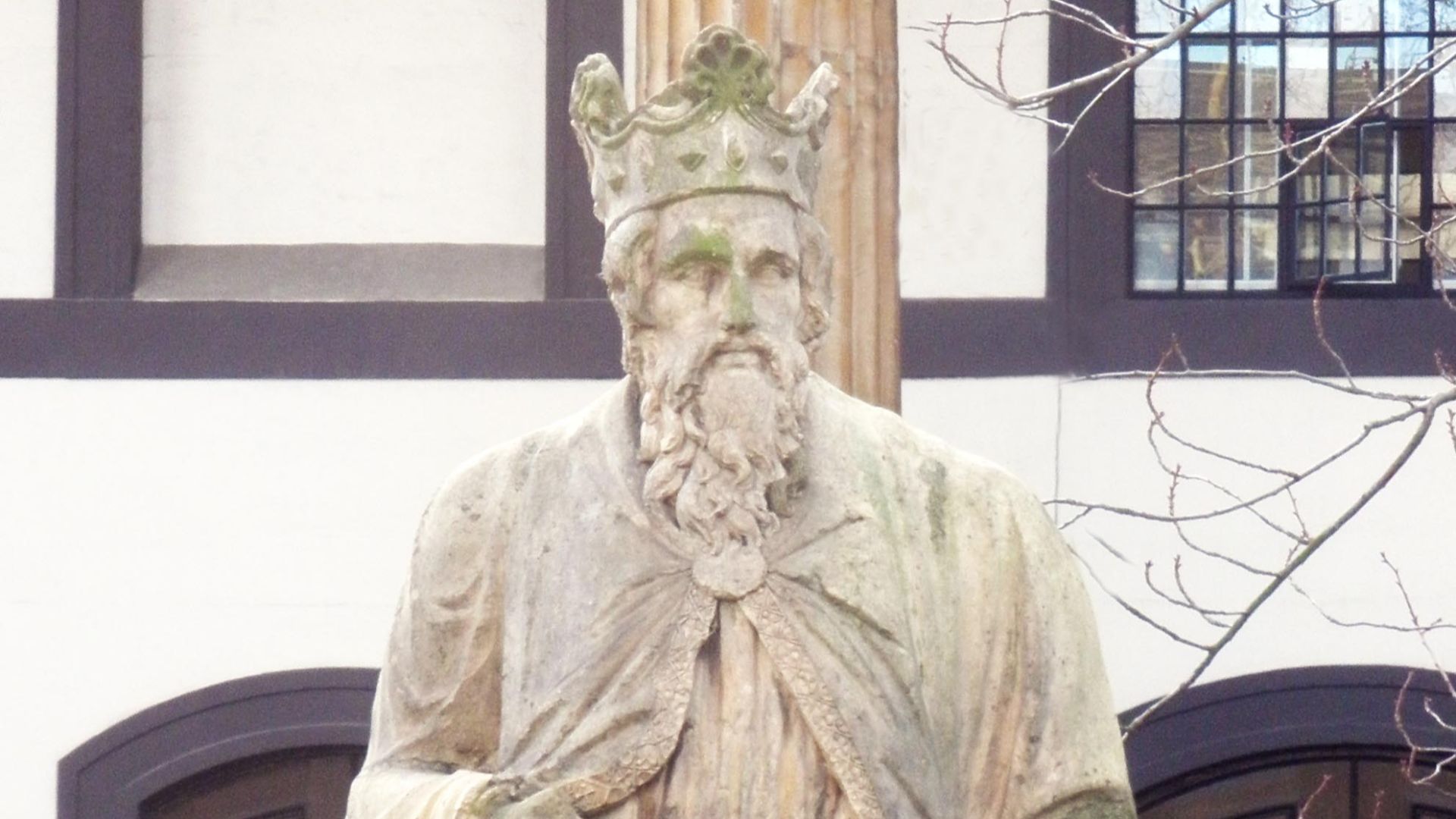
26. He Focused On Education
Enjoying his hard-earned peace with the Danes, Alfred turned his focus to another, more internal, dilemma facing his kingdom. Realizing the profound lack of learning in Wessex, he began implementing changes to improve the education of his people. These plans may have also been inspired by the great Charlemagne’s own efforts before him.
This wasn’t the only motive behind his passion for learning, however. BBC2, The Last Kingdom (2015–2022)
27. They Were Being Punished
Tied to the concept of higher learning in Wessex was the hope that Alfred’s people would become more pious as a result, which he believed would help their survival in the long run. In fact, the common belief was that God had sent the Vikings as a consequence for the Saxons living ungodly lives, which Alfred wished to fix through education.
To affect real change in his kingdom, he couldn’t do it alone.
 Unknown authorUnknown author, Wikimedia Commons
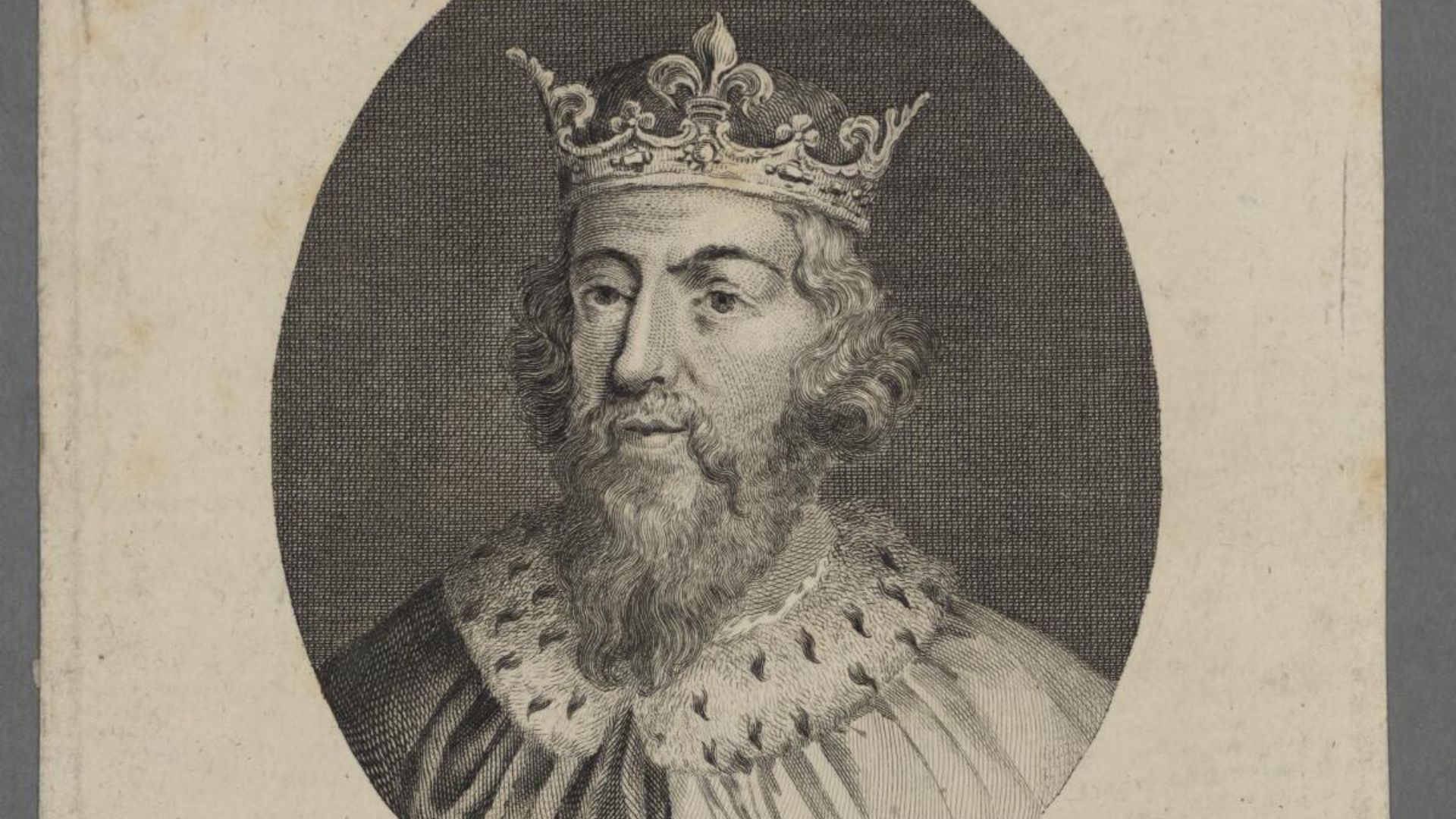
28. He Brought In Some Help
Alfred knew that if he wanted to reform his entire kingdom, he would need to start with the most fundamental parts of Wessex’s society, namely, everyone else in power. This included educating officials of all kinds, so he invited scholars from outside Wessex to take up positions in both the courts and the church to move this along.
At the same time, this kind of education wasn’t only for the higher-ups.
 Brian Deegan , Wikimedia Commons
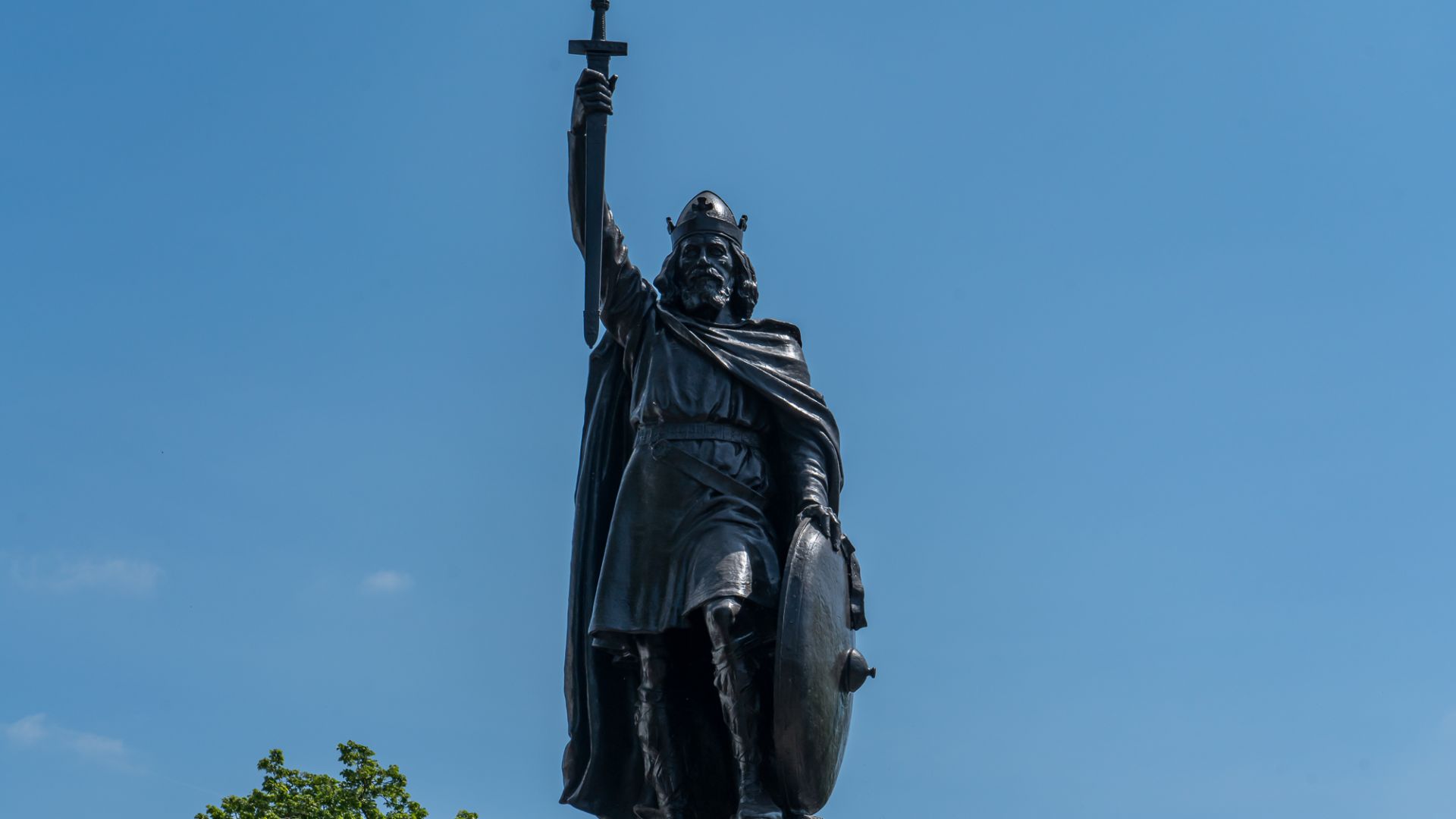
29. He Built A School
While it was important for Alfred to make sure anyone in authority was properly educated and literate, his reforms didn’t only impact these officials. He also established a court school to teach English and Latin to Wessex’s children, many of whom weren’t even of the nobility. This focus on learning didn’t take his energy away from other political matters, though.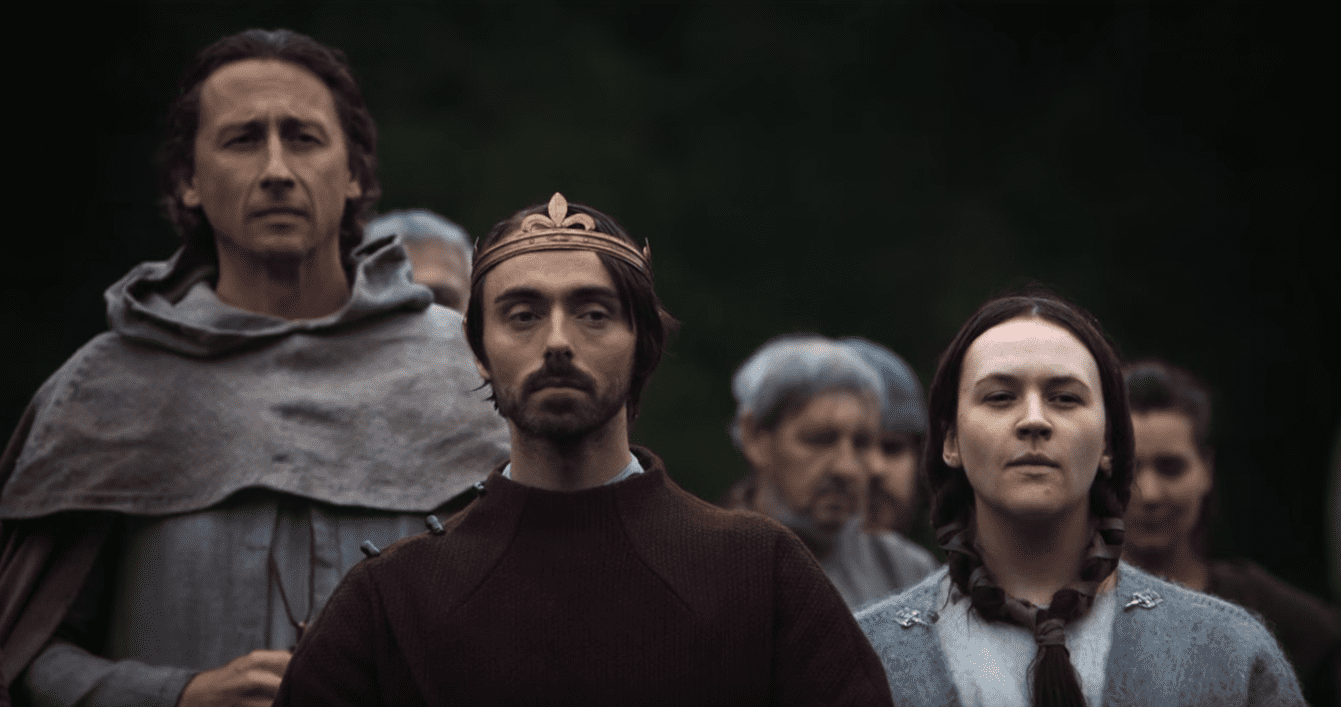 BBC2, The Last Kingdom (2015–2022)
30. He Took It Over
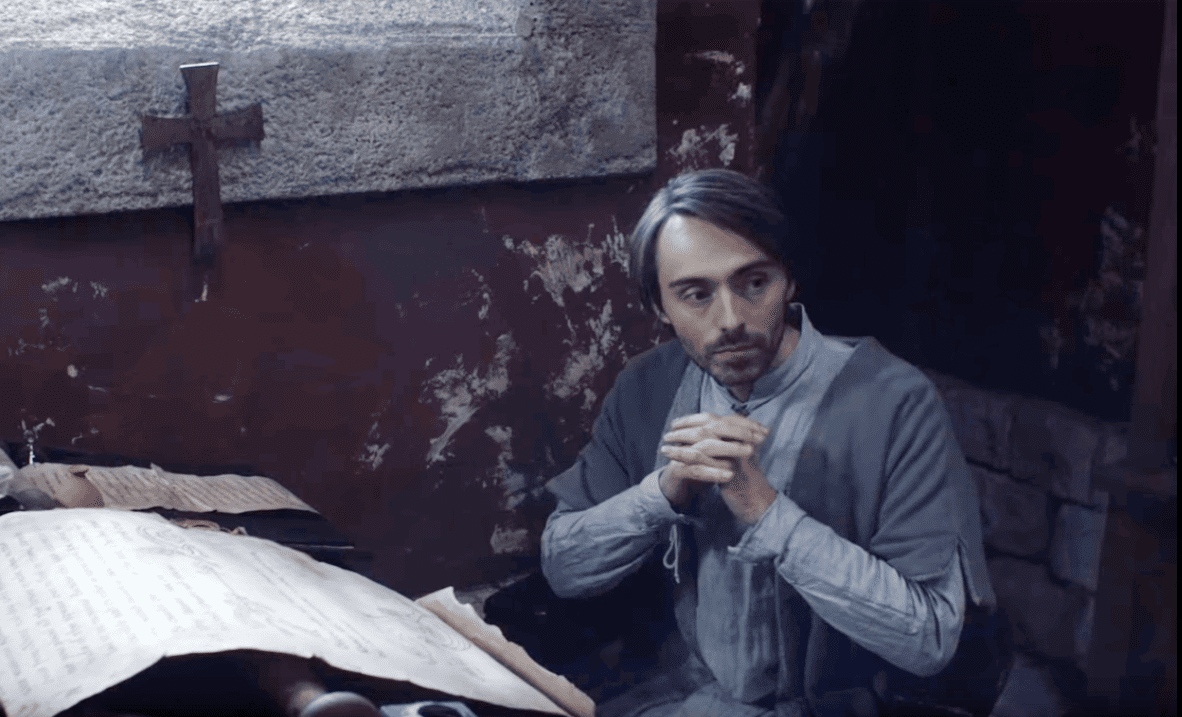
As per Alfred’s agreement with Guthrum, London sat within the bounds of the Danelaw, but the king aimed to change that. Marching into the region in 886, Alfred and his forces reoccupied the city, and he placed his son-in-law, Æthelred, in charge of its defense. Furthermore, the king tasked him with transforming it into a place where the Saxons could actually live again.
In doing this, he wasn’t only securing the success of his own reign.
 The Last Kingdom, Carnival Film & Television
31. He Looked To The Future
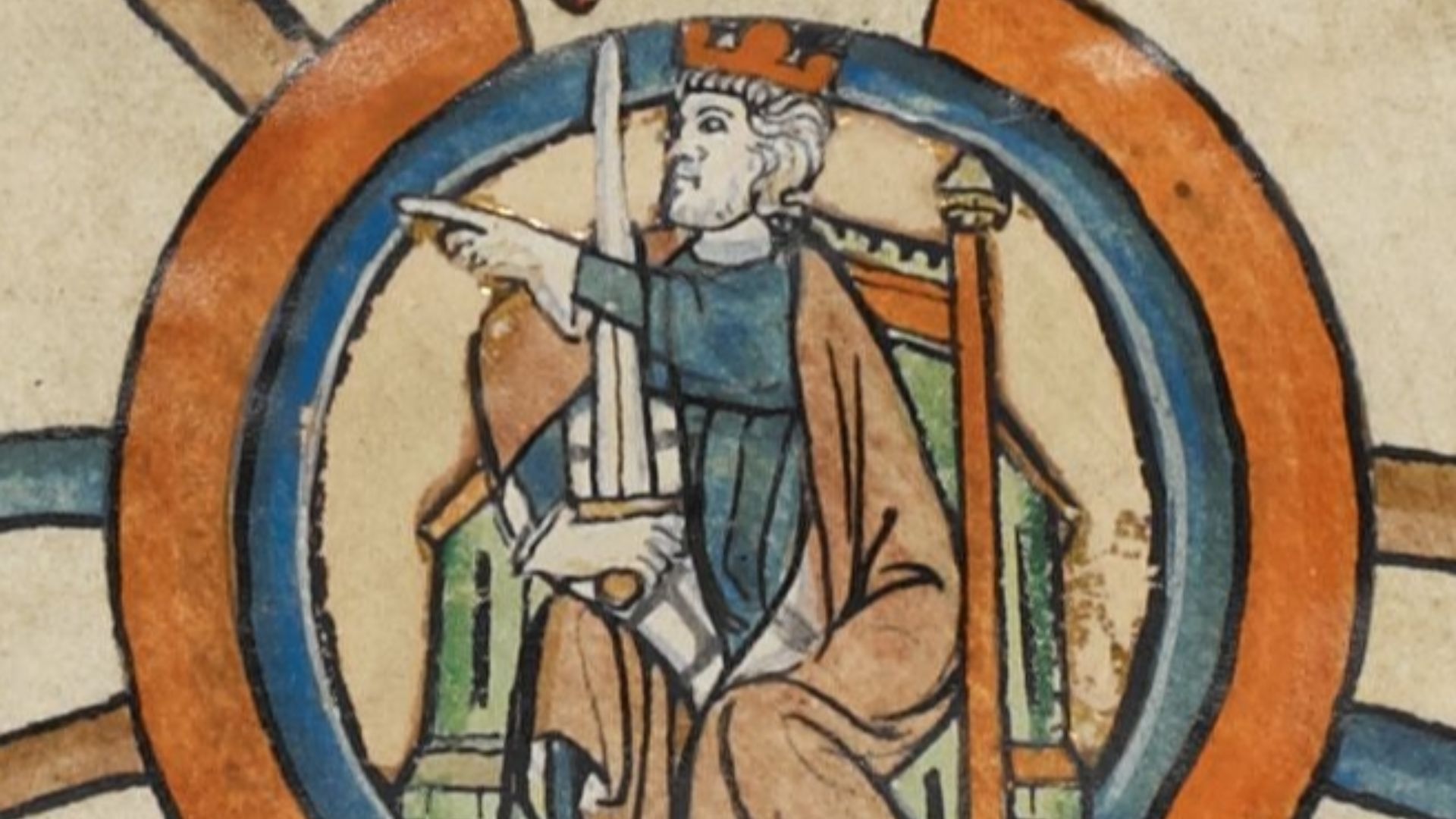
As Alfred had been the one to push the Danes out of England, the late 880s marked the time when he finally began calling himself the King of the Anglo-Saxons. With this, he envisioned a prosperous future for his kingdom, and this dream may have motivated his reoccupation of London. While he couldn’t do much more against the Danes, he likely knew that the city would give his son an advantage in retaking other Danish lands once he became king.
Unfortunately, as he predicted, their uneasy peace wouldn’t last forever.
 Unknown authorUnknown author, Wikimedia Commons
32. His Enemies Grew In Number
Although the Saxons dealt with smaller Viking raids over the years following Alfred and Guthrum’s treaty, the peace meant they didn’t have to worry about any large-scale invasions. However, this wouldn’t last forever, especially since Guthrum perished in 889. With his absence, many other ambitious Viking leaders moved in to replace him and restart hostilities with Alfred.
Suddenly, he saw the kind of danger they were in.
33. He Came To A Realization
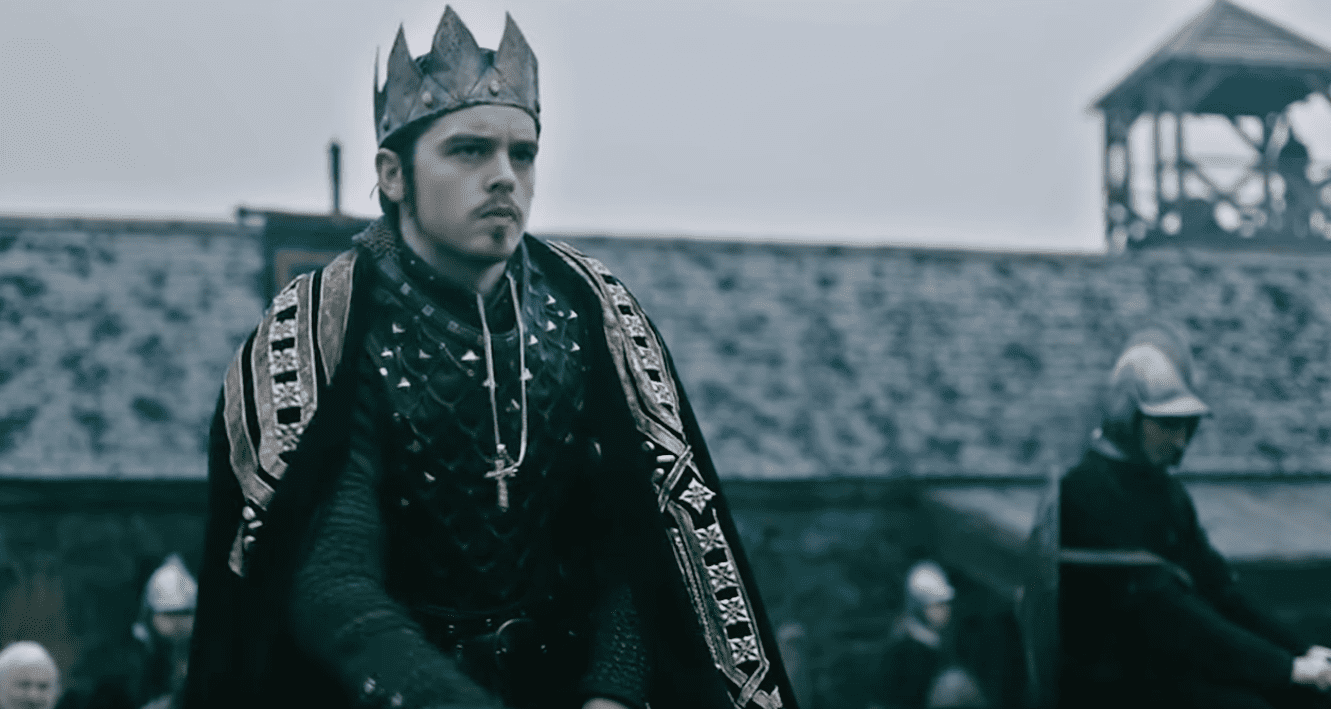
While the Anglo-Saxons had triumphed over the Danes, Alfred knew that their victory had only come from the strength of his own leadership and no small degree of luck. Looking back at the long list of Wessex’s losses at the hands of the Vikings, the king knew they couldn’t go on fighting the same way they always had.
Even worse, they had been making themselves easier to beat.
 The Last Kingdom, Carnival Film & Television
34. They Were Helping Them
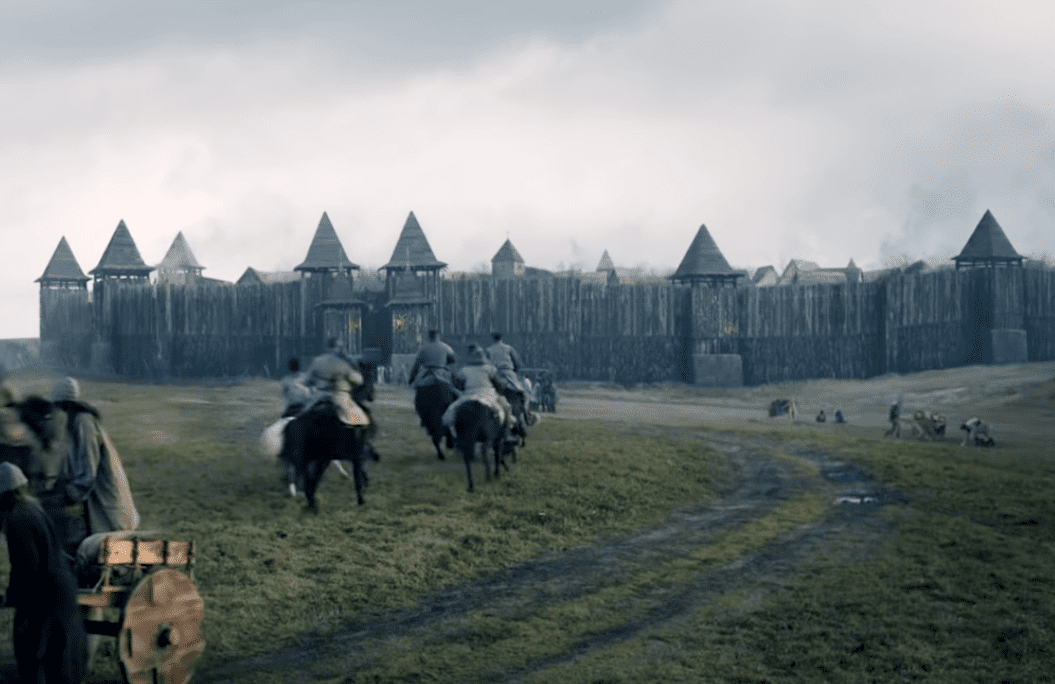
There were several problems with how the Saxons had battled the Danes, but one of the most detrimental issues came down to their typical tactics. The Vikings would usually fortify one specific stronghold and carefully choose targets to attack with smaller forces. On the other hand, the Saxons mostly charged at their enemies head-on, which allowed the Danes to outlast them far more easily behind their defenses.
Thankfully, Alfred was able to work on these issues before it was too late.
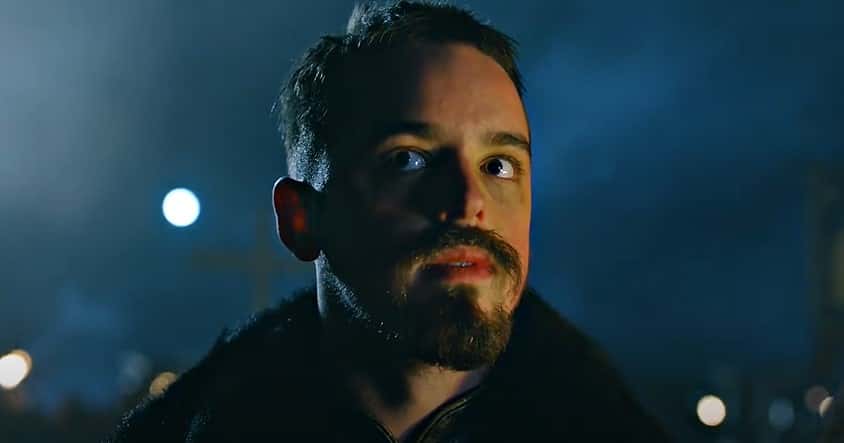
35. He Made Some Big Changes
Even before the demise of Guthrum, Alfred knew that this period wouldn’t last forever and that he would once again have to defend his lands from the Danes. Fortunately, he recognized the shortcomings of his forces far before that point and used the years of uneasy peace to enact major reforms within the structure of his armies.
This included one of his most impactful contributions.
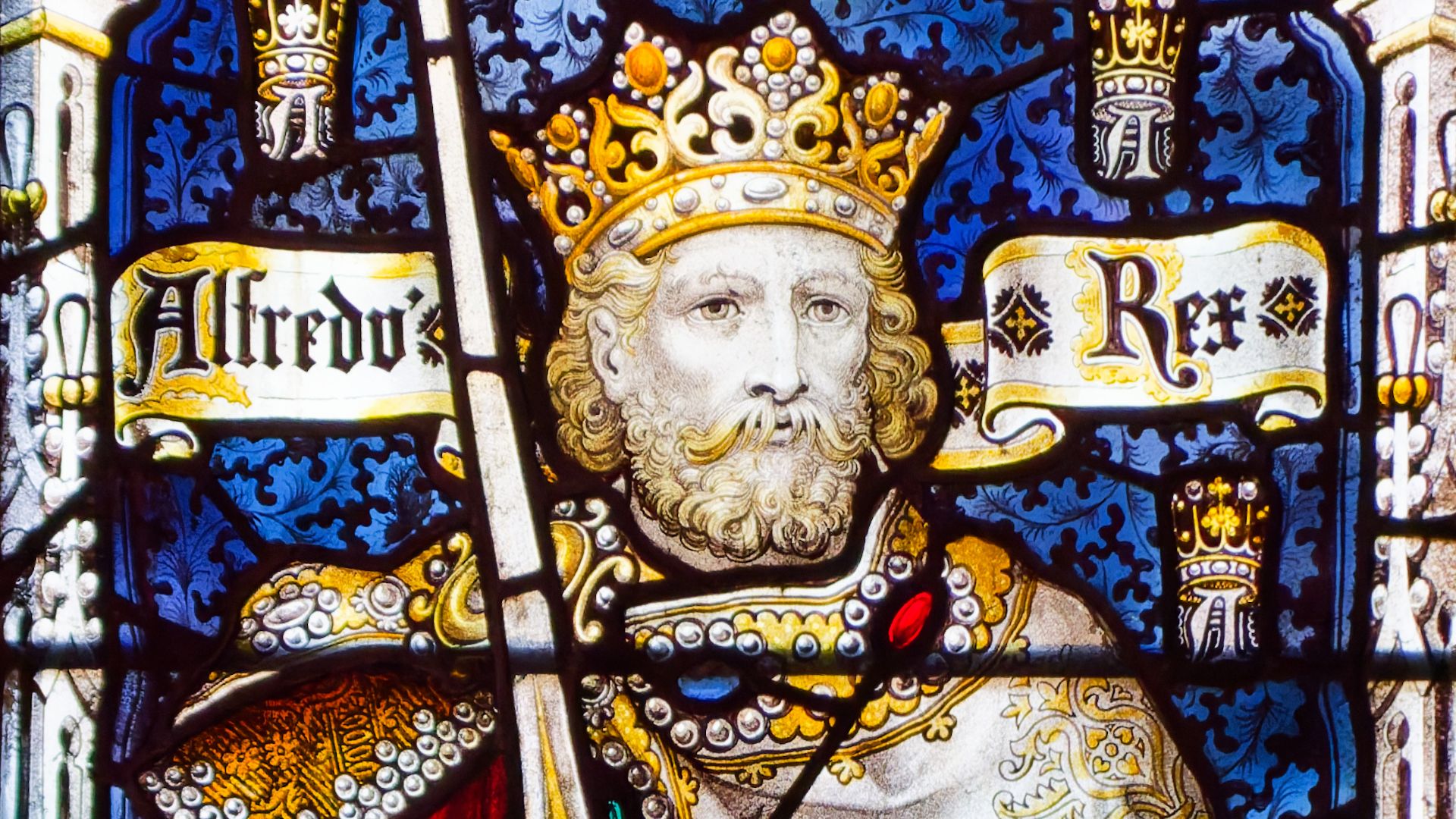
36. They Were All Connected
Another significant issue that the Saxons faced, even when they were only dealing with smaller raids, was how slowly their armies mobilized in response to a threat. To combat this, Alfred built an array of 33 fortified settlements known as burhs, all of them linked by a vast web of roads. He chose their locations with tactical precision, allowing his forces to swiftly respond to an attack from nearly anywhere in the realm.
Of course, he would still need some help from his neighbors.
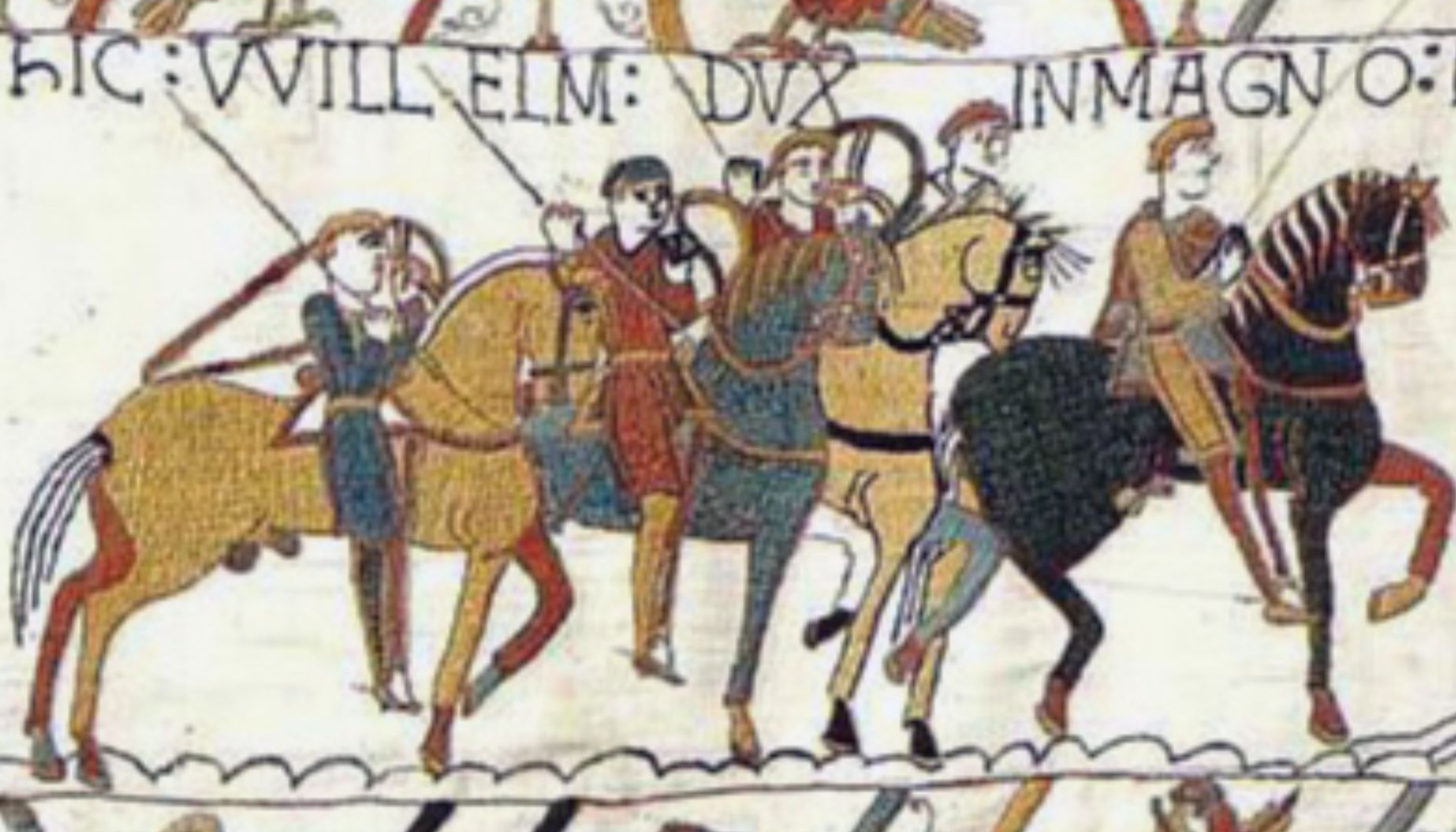
37. He Was A Friendly King
Although Alfred made great strides in redesigning his defense strategies, his time fighting the Danes on his own instilled in him the value of having capable allies. Through his own diplomacy, his relationships with the kingdoms of Mercia and Wales remained strong, helping to bolster his armies against potential invaders.
Meanwhile, there was one facet of his defense that he kept largely the same.
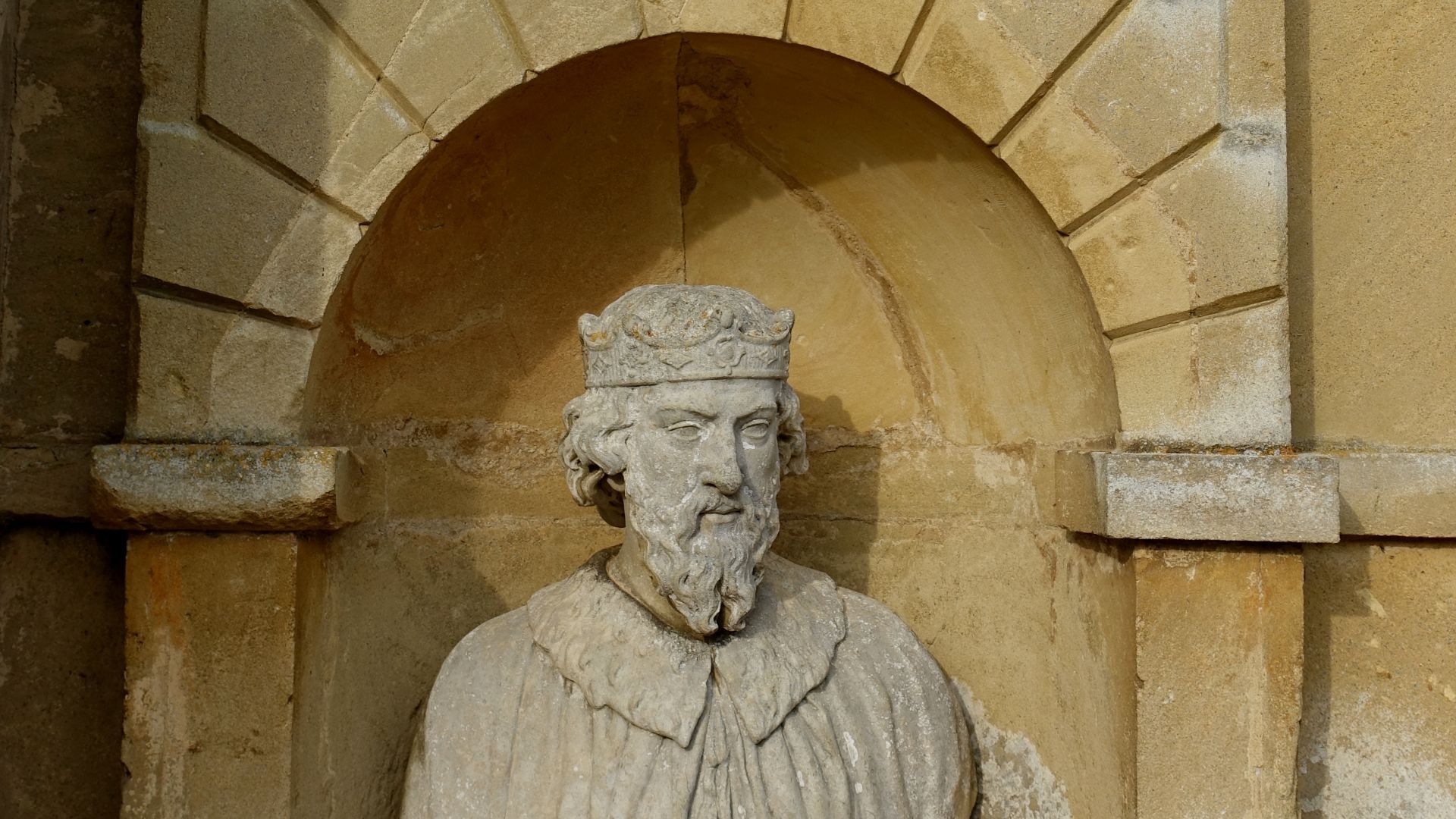
38. He Wasn’t Actually The First
Although it wouldn’t be for a while, Alfred did put some of his resources into building up a Saxon navy in 896. For a long time, historians believed this was the creation of the English Navy, but among Alfred’s great accomplishments, that was not one of them. While his fleet wasn’t anything to scoff at, with longships that doubled the size of the Danish warships, previous Kings of Wessex had also possessed royal navies.
Still, before the century was over, the Saxons would be glad of Alfred’s efforts.
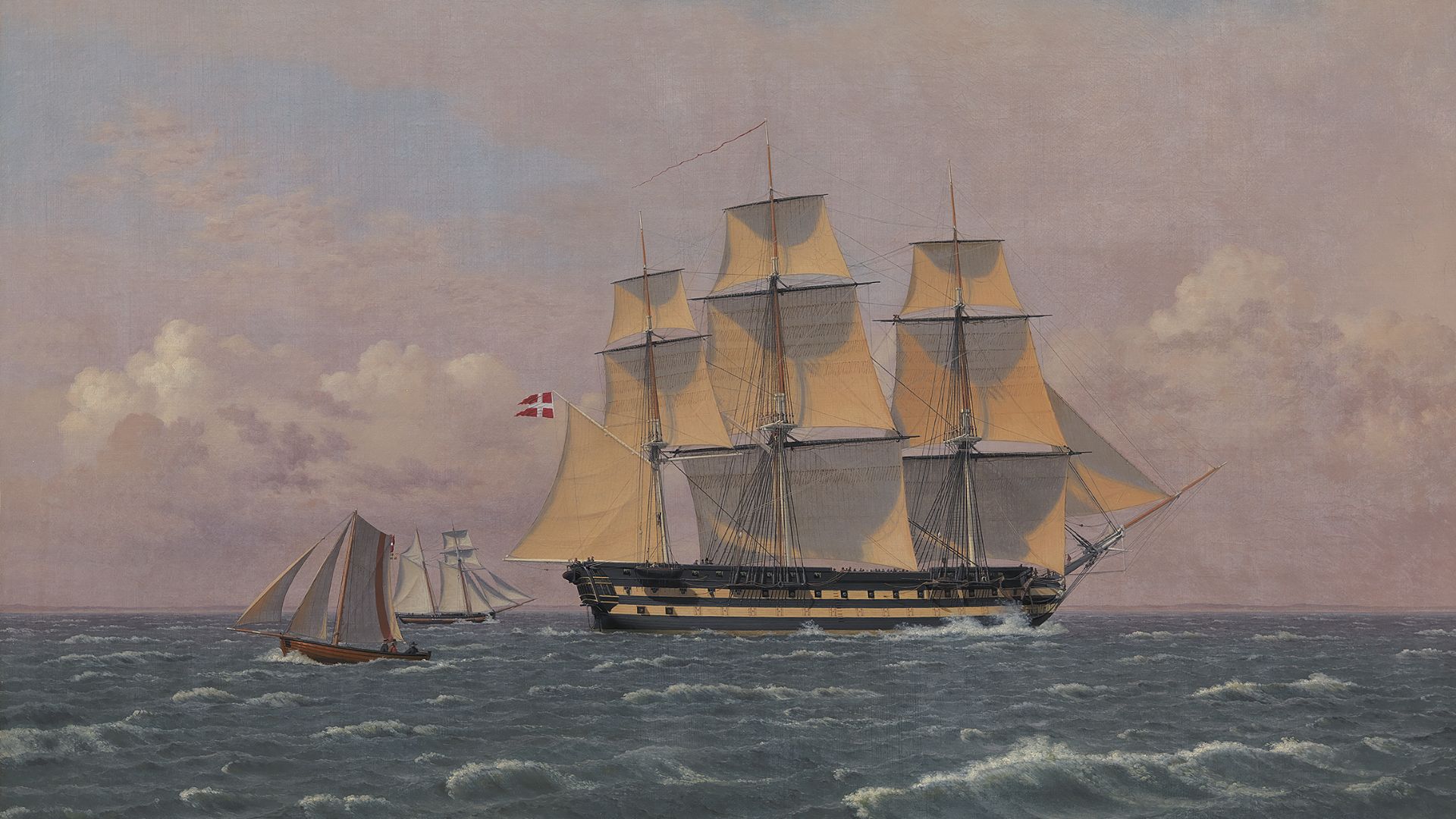 Christoffer Wilhelm Eckersberg, Wikimedia Commons
39. They Came Back
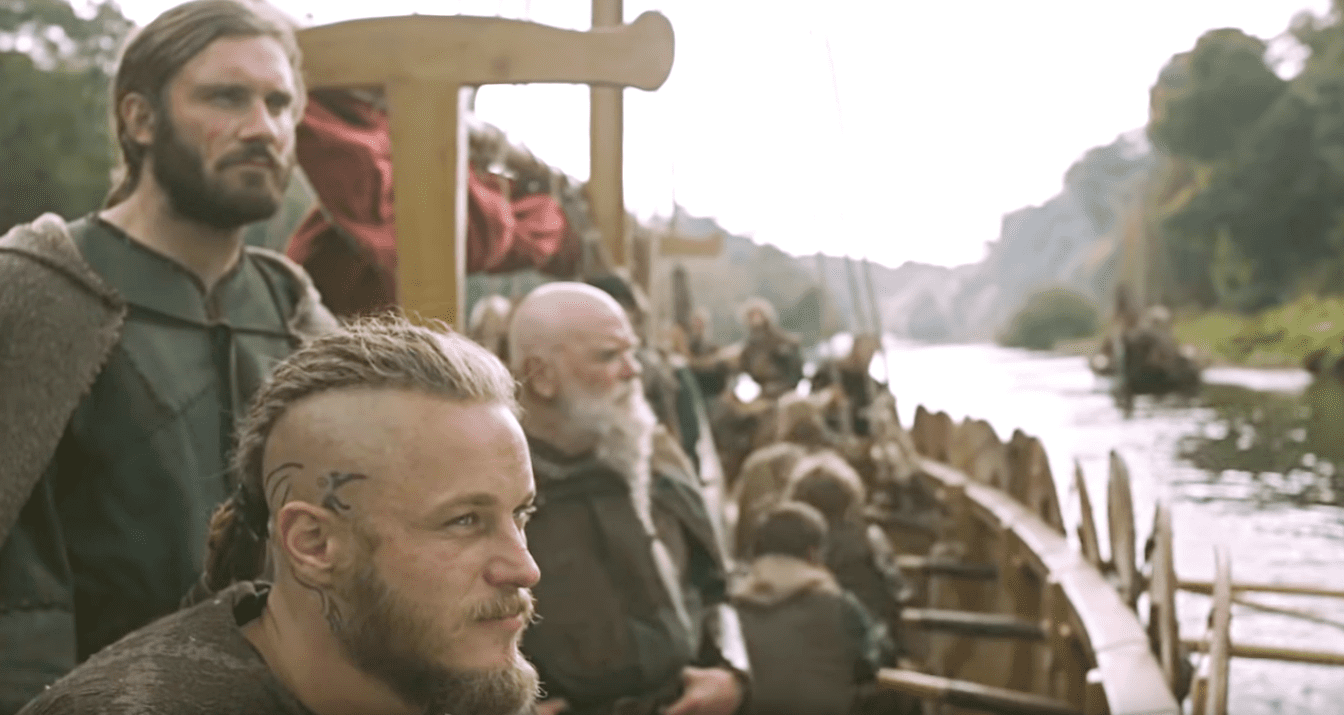
As the years passed into the early 890s, the time that the Saxons had been fearing finally arrived, and their old enemies returned. Unsatisfied with the home they had received in the Danelaw, the Vikings invaded once again, this time sailing into England in two separate groups made up of 330 ships total.
This wasn’t just any common Viking raid, either.
 Screenshot from Alfred the Great, Metro-Goldwyn-Mayer (1969)
40. They Intended To Stay
After the invading Danes reached Kent and the two divisions set up camp, it became clear what their goal was. The immense group of invaders didn’t only consist of its Viking warriors, but also their wives and children. Clearly, rather than simply pillaging the Saxon people, the Danes fully intended to conquer and inhabit the region.
Thanks to Alfred’s careful planning, the Saxons were ready for them.
41. He Stopped Them
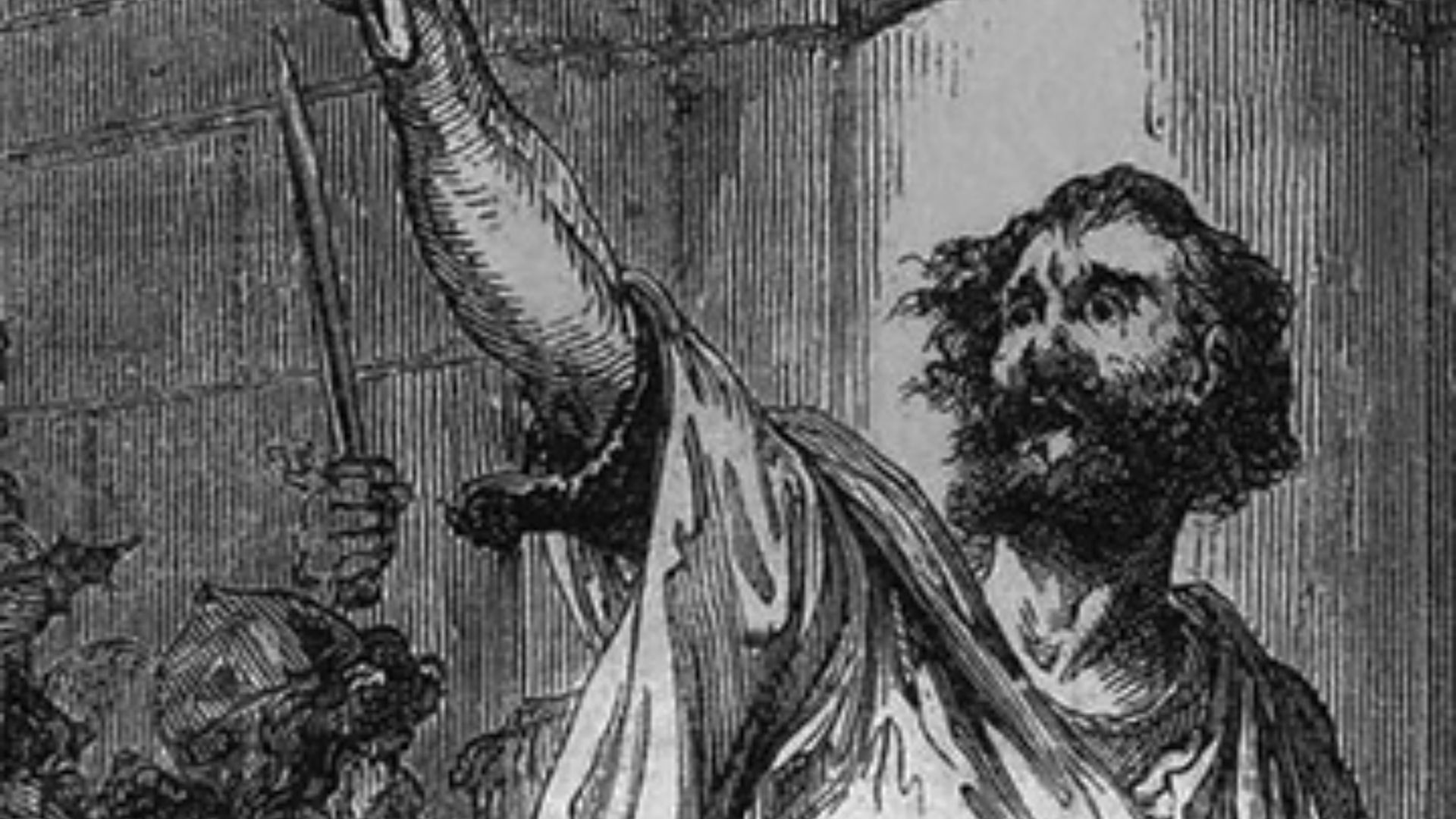
Reaching out with diplomacy first, Alfred met with the Viking leader, Hastein, of the smaller Danish division, to negotiate a possible peace. However, while this was going on, the larger division mobilized and surged northwest. Thankfully, Alfred had others to rely on, and his eldest son, Edward, met the Danish forces in battle, pushing them out of Wessex and into Essex.
This was only the first of the Danes’ bitter defeats.
 Unknown authorUnknown author, Wikimedia Commons
42. They Couldn’t Break Through
Needless to say, Alfred’s negotiations with Hastein failed, and the Viking chieftain soon led his forces up the Thames Valley. Much to their dismay, they again met strong resistance before going any further, this time from Alfred’s allies from Wiltshire, Mercia, and Somerset. The Danes had no choice but to turn back, fleeing to the city of Chester and occupying it.
Eventually, they simply couldn’t continue the fight.
 Unknown authorUnknown author, Wikimedia Commons
43. They Had To Give Up
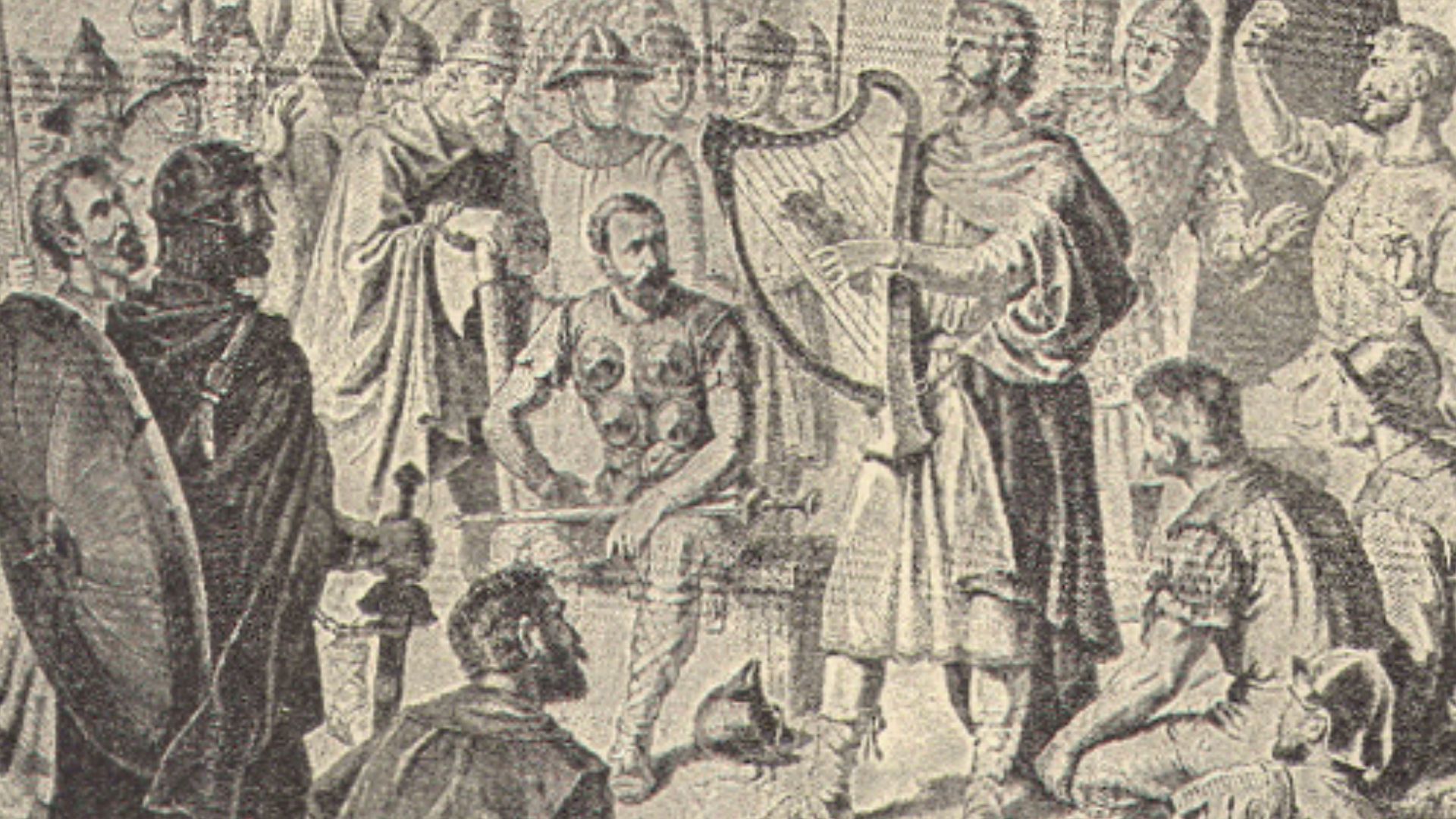
Alfred knew that the Danes had nowhere else to go but back to Essex, but instead of trying to blockade them, he just ordered his men to destroy all their provisions. This starved the Danes into retreating, and over the following year, Alfred’s forces continued to push them back and thwart their assaults. Eventually, in around 896, the Vikings realized they had lost and ceased their invasion, scattering their forces.
Even after all that, Alfred still had a more personal battle to fight.
 Joseph Martin Kronheim (1810–96)[1], Wikimedia Commons
44. He Was Extremely Sick
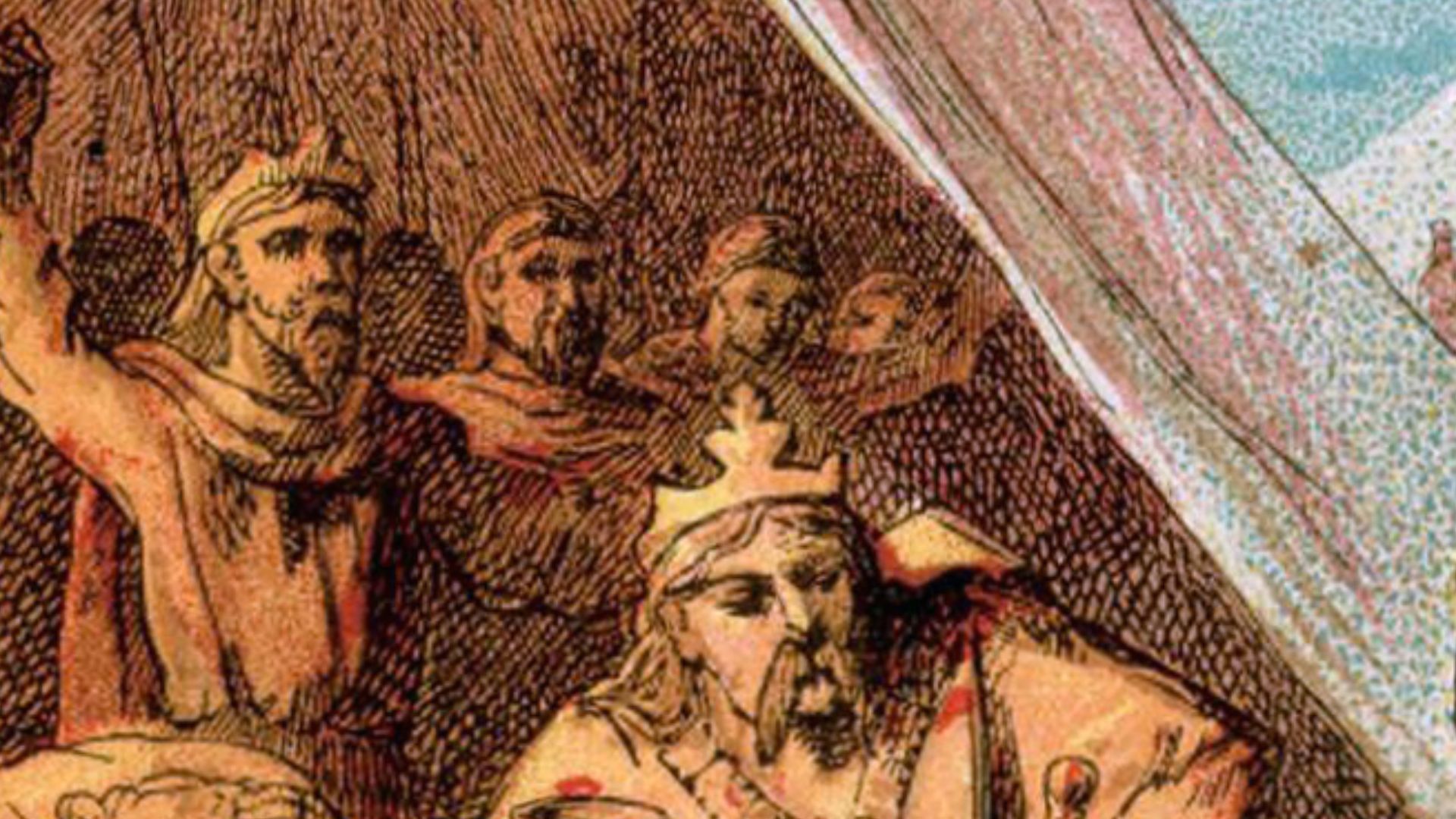
While he was defending his kingdom and making sure that his people could read and write, Alfred the Great was struggling with a deeper threat behind the scenes. While it was unclear what exactly his condition was, he spent his whole life suffering from illness. Although he continued his duties, this illness was painful, and eventually took his life in 899.
Thanks to modern scholars, however, we now have more insight into what potentially caused Alfred's awful end.
 PadreDelElToro, Wikimedia Commons
45. They Figured It Out
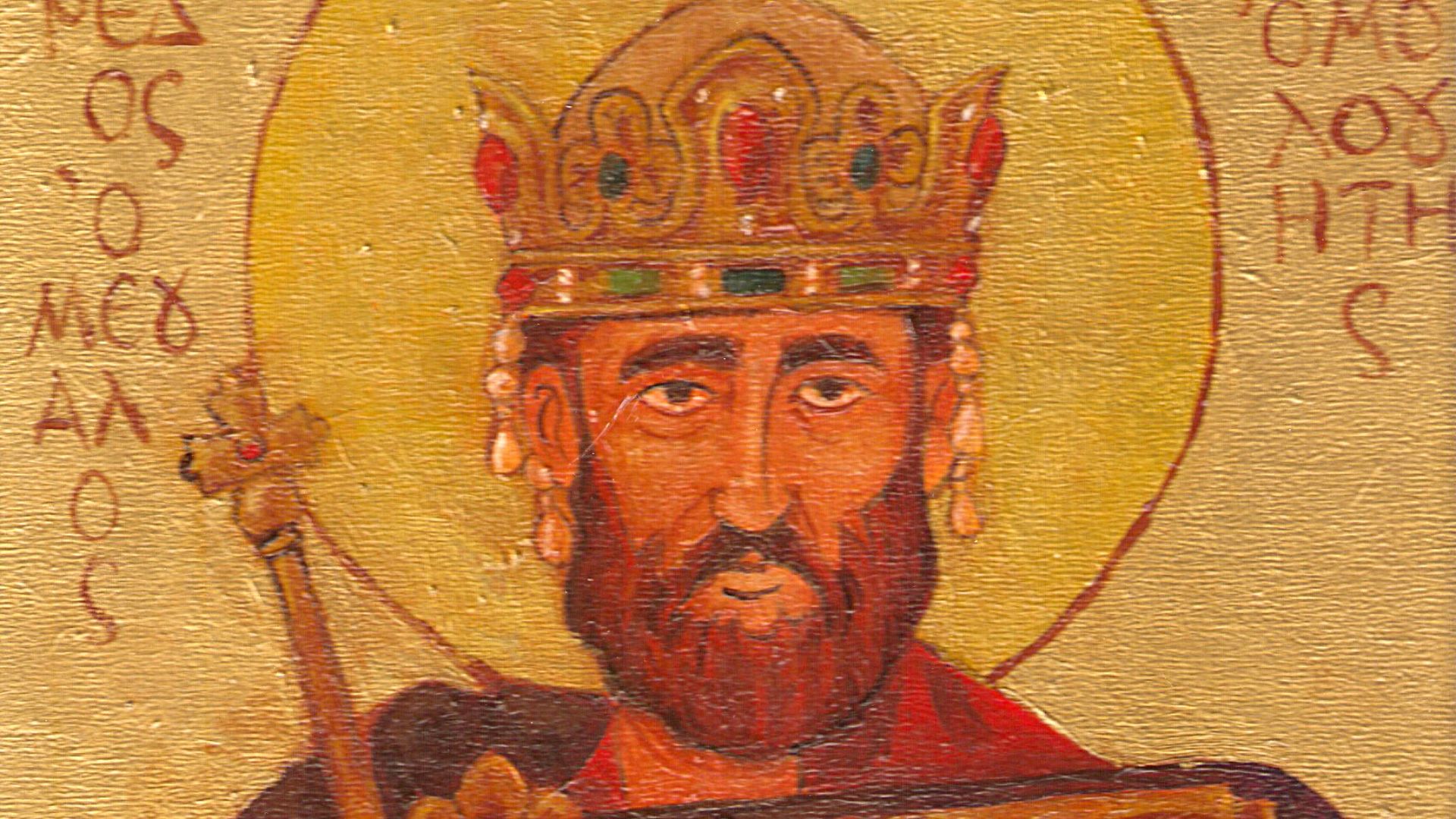
It seems that Alfred’s biographer, Asser, not only took care to document the king’s victories and advancements in great detail, but also the nature of his sickness. Looking back at his symptoms, doctors today have been able to make an educated guess that he suffered from Crohn's disease or a similar illness.
Of course, Asser was also responsible for Alfred’s legacy living on.
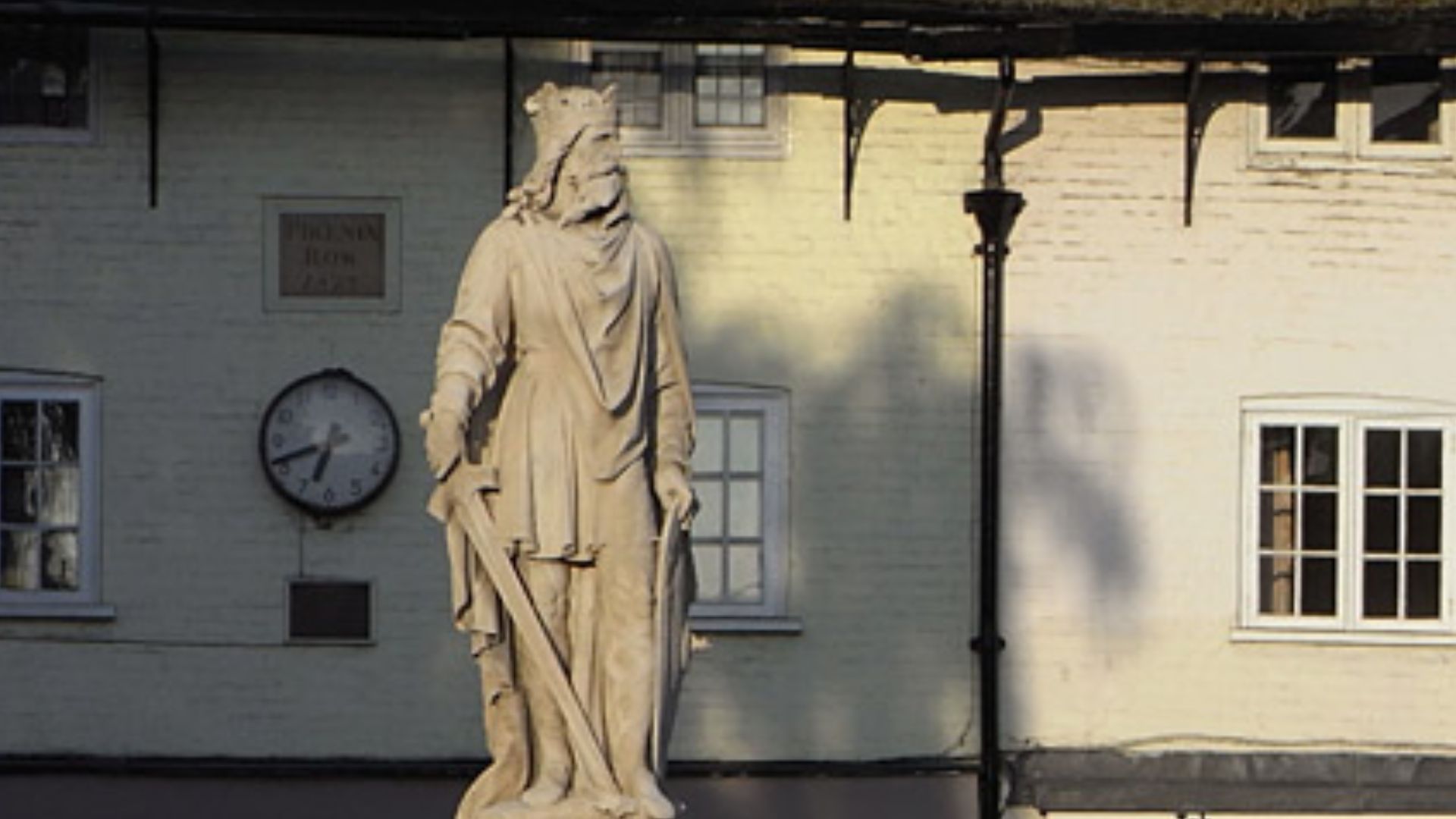
46. They All Loved Him
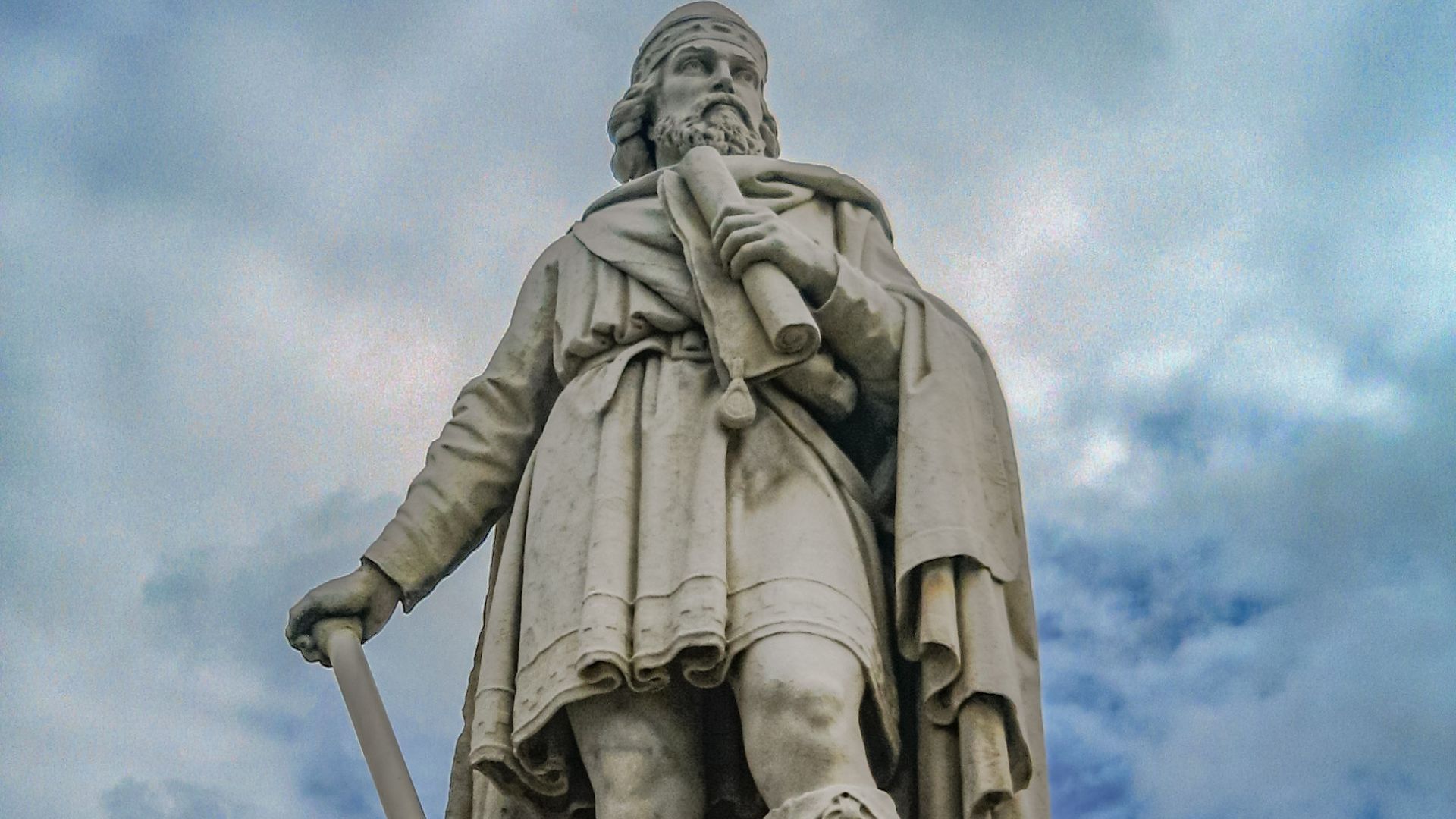
Despite their achievements and victories, many rulers throughout history were met with nothing but disdain from their own people. This was not the case with Alfred, as he constantly demonstrated his capacity for mercy and charity, and these qualities made him quite popular with both nobles and commoners.
Even at the time, it was also clear how he earned the other parts of his reputation.
 Andrew Smith, Wikimedia Commons
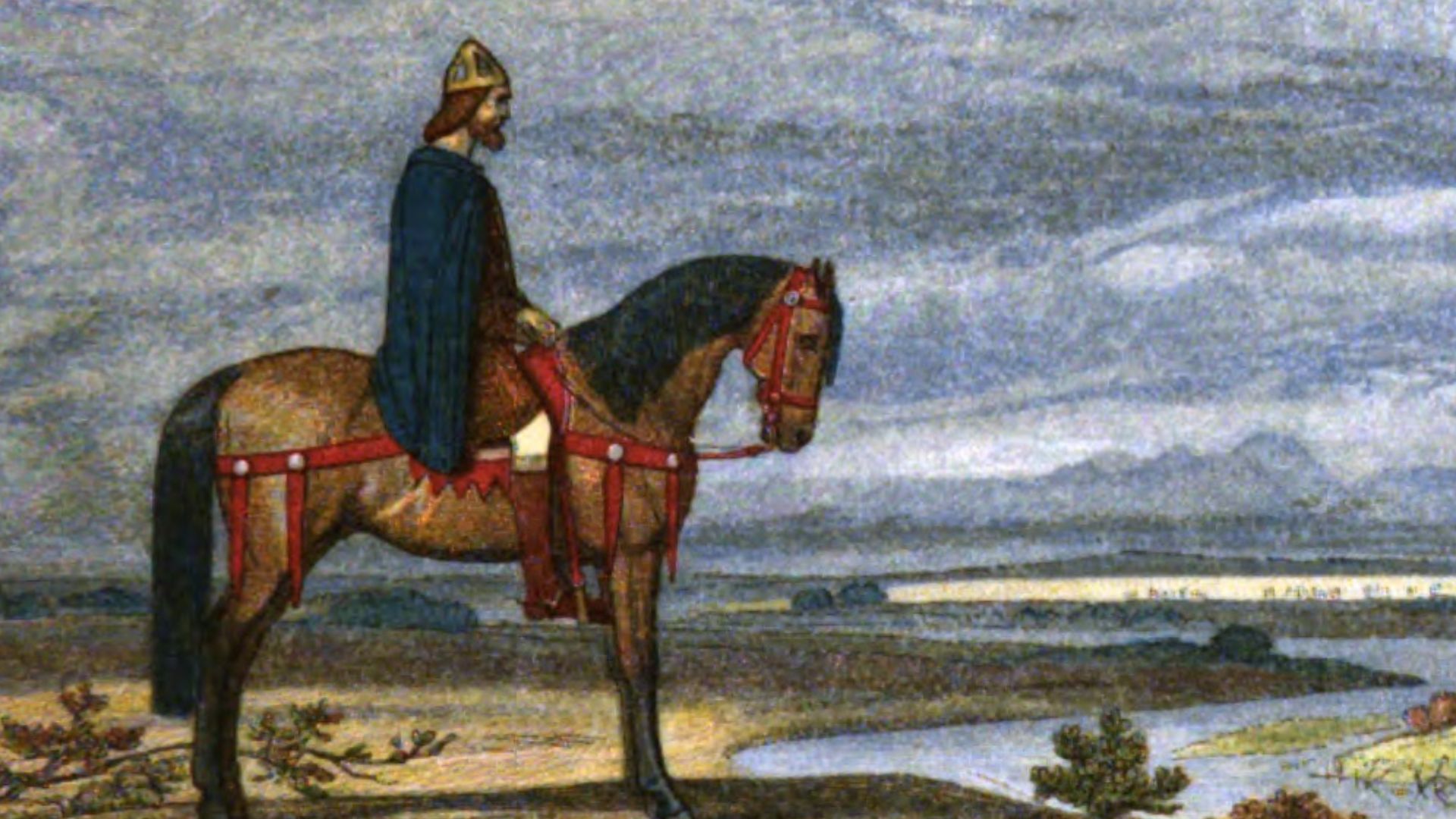
47. He Accomplished So Much
Beyond being a benevolent ruler, Alfred became known as a king who got stuff done, even though he only lived to be about 50. In that time, aside from his advancements in his kingdom’s defense and education, he also greatly improved the system of laws that governed his people. All in all, his true impact was bettering the lives of the Saxons.
At the same time, some of his ideas weren’t loved by all his contemporaries.
 James William Edmund Doyle / Edmund Evans, Wikimedia Commons
48. They Weren’t All On Board
While Alfred’s subjects knew that his projects would likely enrich their society and allow it to thrive, this didn’t mean they were always gung-ho. Specifically, concerning his new burghal system, the nobility weren’t shy about their criticisms. However, this was mostly because Alfred needed resources and funds from them for the project, and it wasn’t cheap.
Still, if anything made his legacy last, it was his character.
 Paul Simpson, Wikimedia Commons
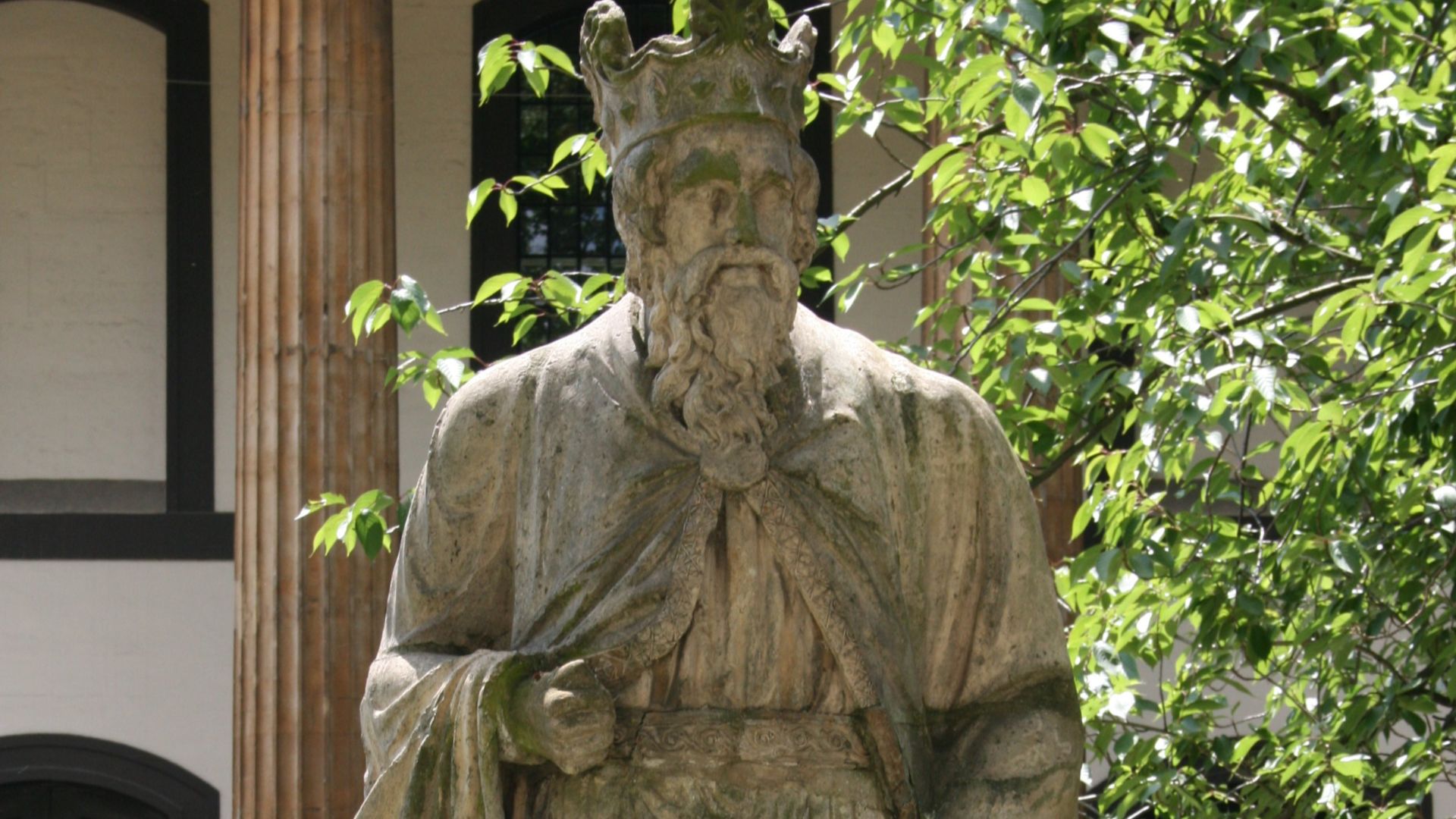
49. He Was Always Enlightened
Alfred may have begun his life in relative obscurity, but to those who knew him as a child, it was clear what kind of leader he would become. Having been illiterate until he was 12, he still had an unyielding desire to read before then, and some attribute his passion for education to this fact. Additionally, among his brothers, it’s said that he was the most broad-minded.
To this day, those who know of his life hold him in high honor.
 Morris Meredith Williams, Wikimedia Commons
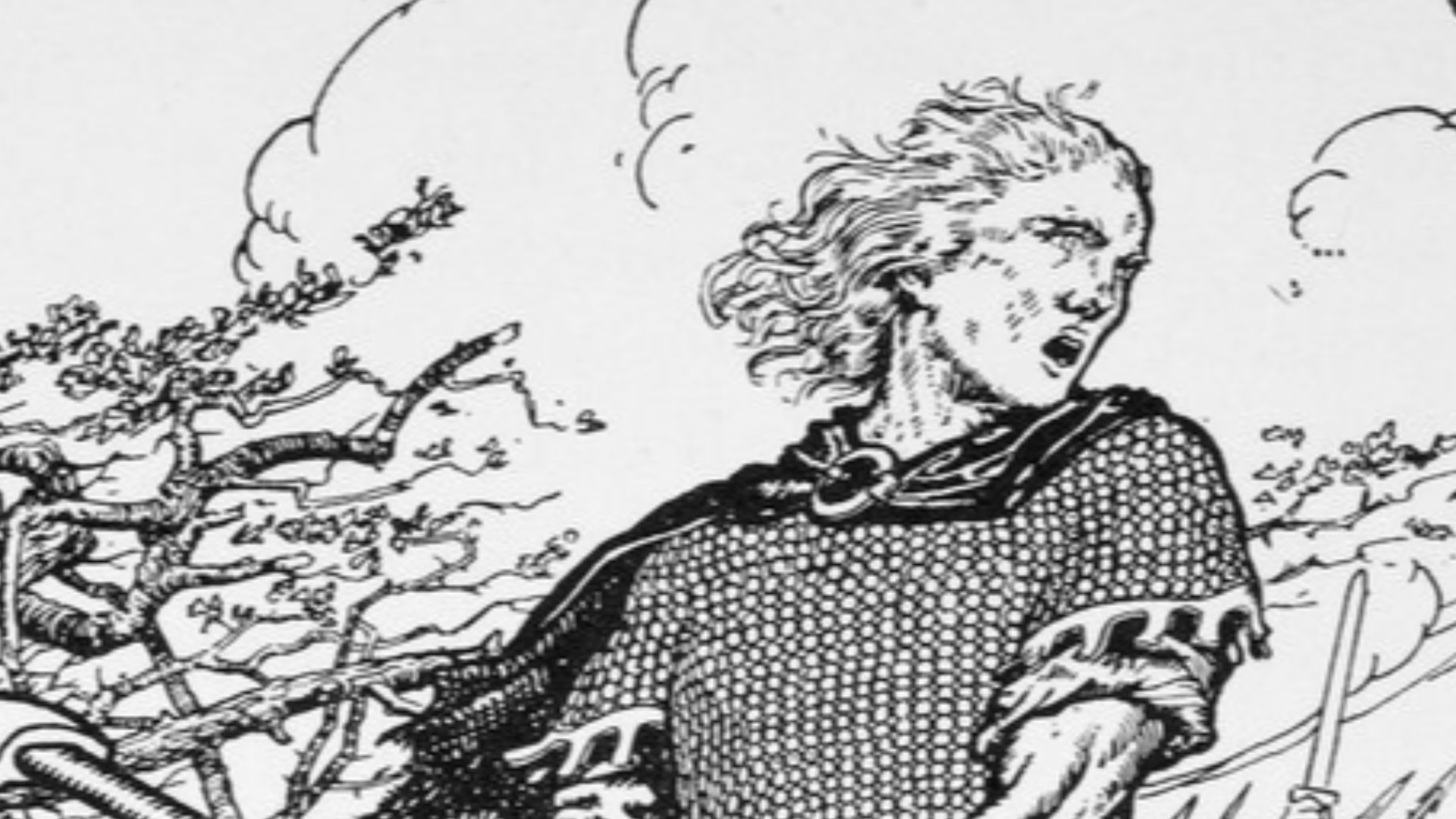
50. His Story Survived
Although he wouldn’t live to see it, Alfred the Great built the foundations for England to eventually unify by bringing the Anglo-Saxons out of their old ways. Even before all of his reforms, though, he had demonstrated an impressive ability to defend his kingdom with what little resources he had.
Through this, he became a legend in English history, living on as the king who emerged victorious from impossible odds.
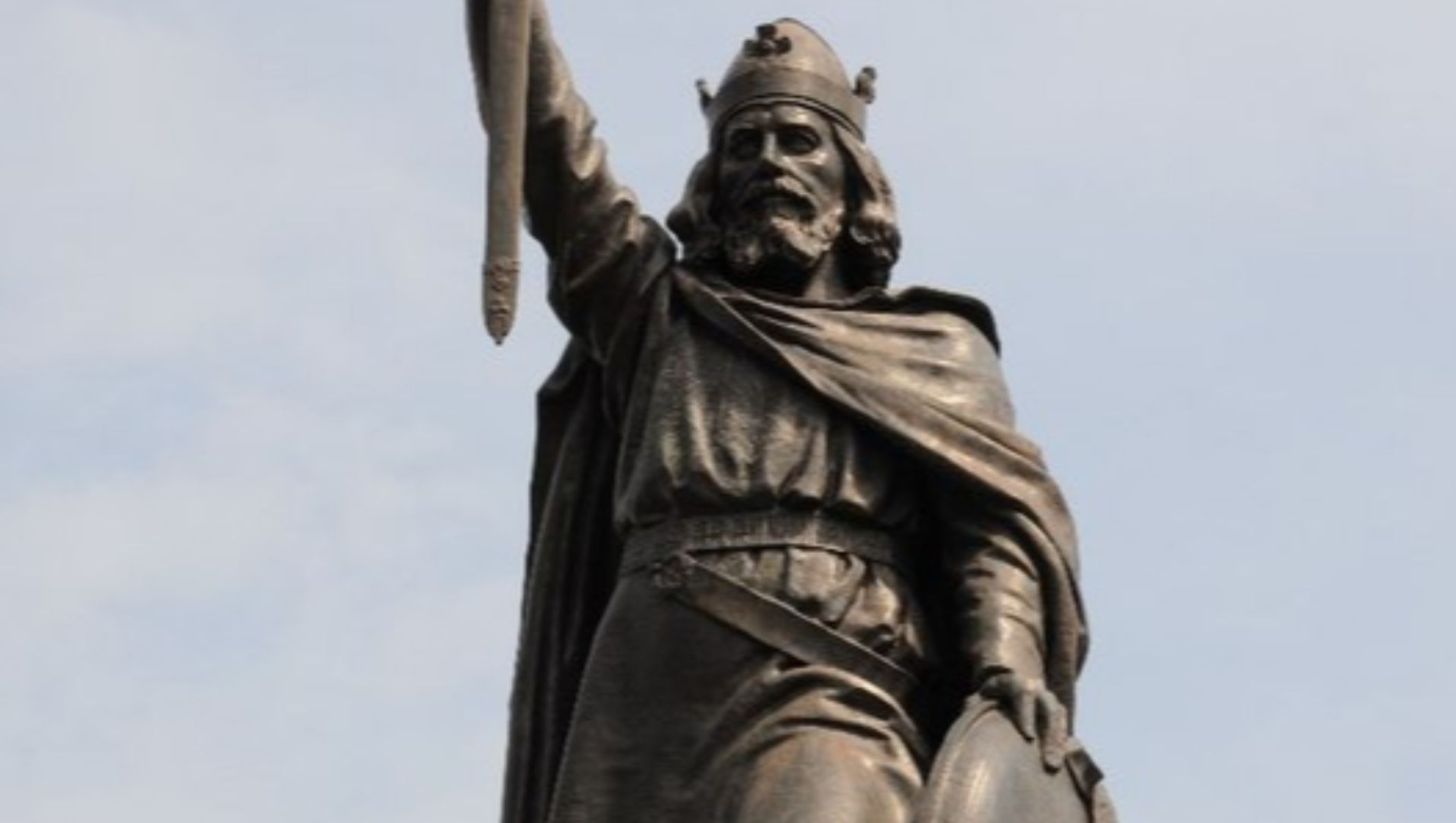 Philip Halling , Wikimedia Commons
You May Also Like:
The Perilous Voyage And Brutal Demise Of Ferdinand Magellan
Brutus Plotted The End Of Julius Caesar—But Couldn’t Escape His Own Chilling Fate