Hollywood's Good Guy
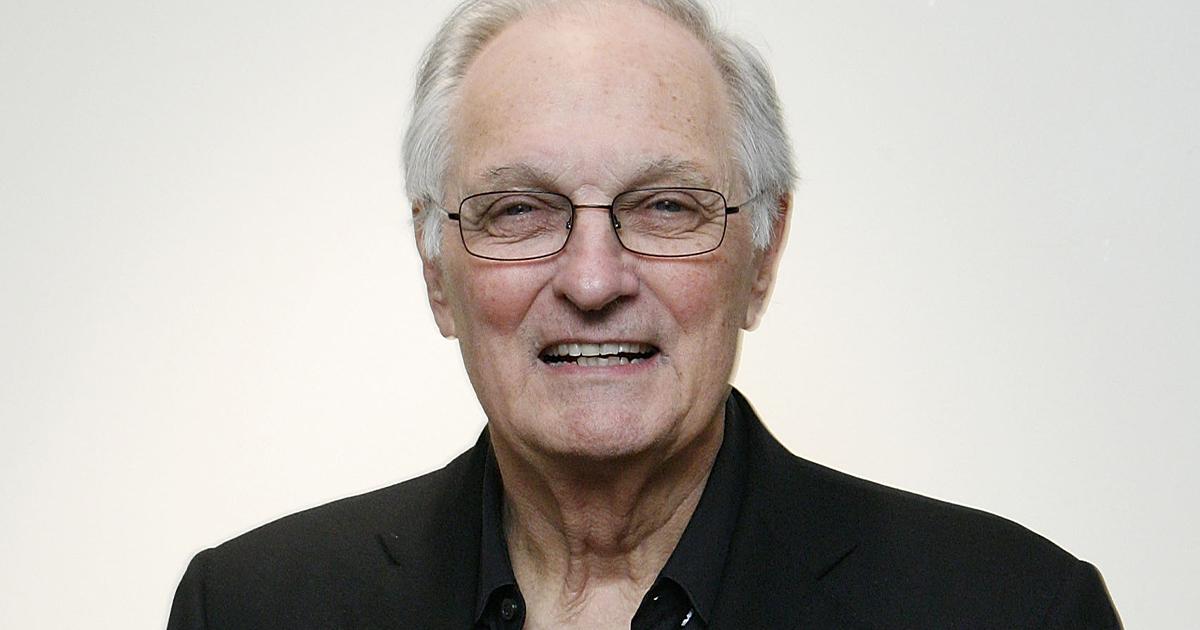
There’s a belief out there that nice guys finish last. Well, Alan Alda has spent a lifetime trying to disprove that. This award-winning TV, movie, and stage star has principles, and that is sometimes a rare thing in Hollywood. He also has “nice guy” written all over him. Well, until someone disagrees with him.
 Silver Screen Collection, Getty Images
1. His Name Was A Mouthful
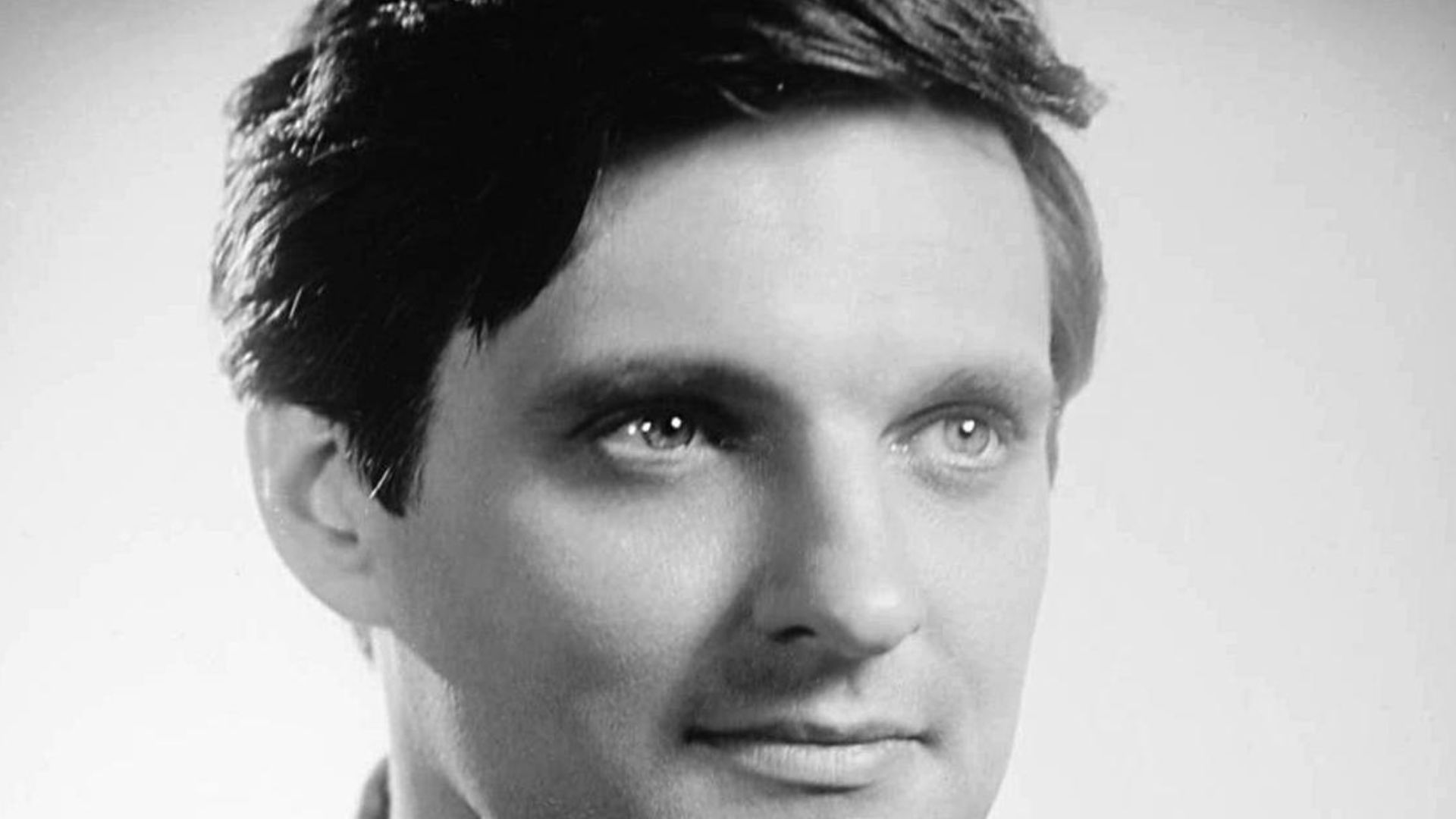
Alan Alda was born on January 28, 1946, in Manhattan. His father's name was Alfonso Giuseppe Giovanni Roberto D’Abruzzo. Because Dad was a performer, he wanted a shorter name, so he combined his first and last names and came up with Alda. Alan took this stage name, and so did his little brother Anthony.
Mom had her own issues.
 Photographer-Friedman-Abeles, New York, Wikimedia Commons
2. There Was Drama In The House
Alda’s mother, Joan Browne, was a beauty pageant winner but also schizophrenic. One dark memory still haunts him to this day. (More on that later). However, always the optimist, Alda generally credits his mother with teaching him how to improvise. He needed to, considering to her wild mood swings.
But improvising was not going to get him out of his next pickle.
3. He Received A Painful Treatment
At the age of seven, little Alan Alda contracted polio. Back then, there was an odd treatment. They stretched his legs and placed hot wool blankets on both his arms and legs. This proved to be very painful. Alda survived, but it continued to be a bad memory for him.
Once he was a healthy little boy, Alda was ready to hit the stage.

History's most fascinating stories and darkest secrets, delivered to your inbox daily.
4. He Had An Early Start
At a very young age, Alda began his career in show business. His family traveled across the country for his father’s job as a burlesque performer. Dad’s show was too risque for a child, but Alda could still perform in the sketches that were family-friendly. This kind of early experience would help pave the way to becoming a star.
Thankfully, he had more experiences coming his way.
5. He Broadened His Horizons
Alan Alda was studying at Fordham University, but in his junior year, he had a chance to go to Europe. During this eye-opening time in his life, Alda got to study in Paris, perform in a play in Rome and then even got a role in Dutch television with his father.
Even with all these European experiences, Alda still waited to be back in the States for romance.
6. He Had A Meet Cute
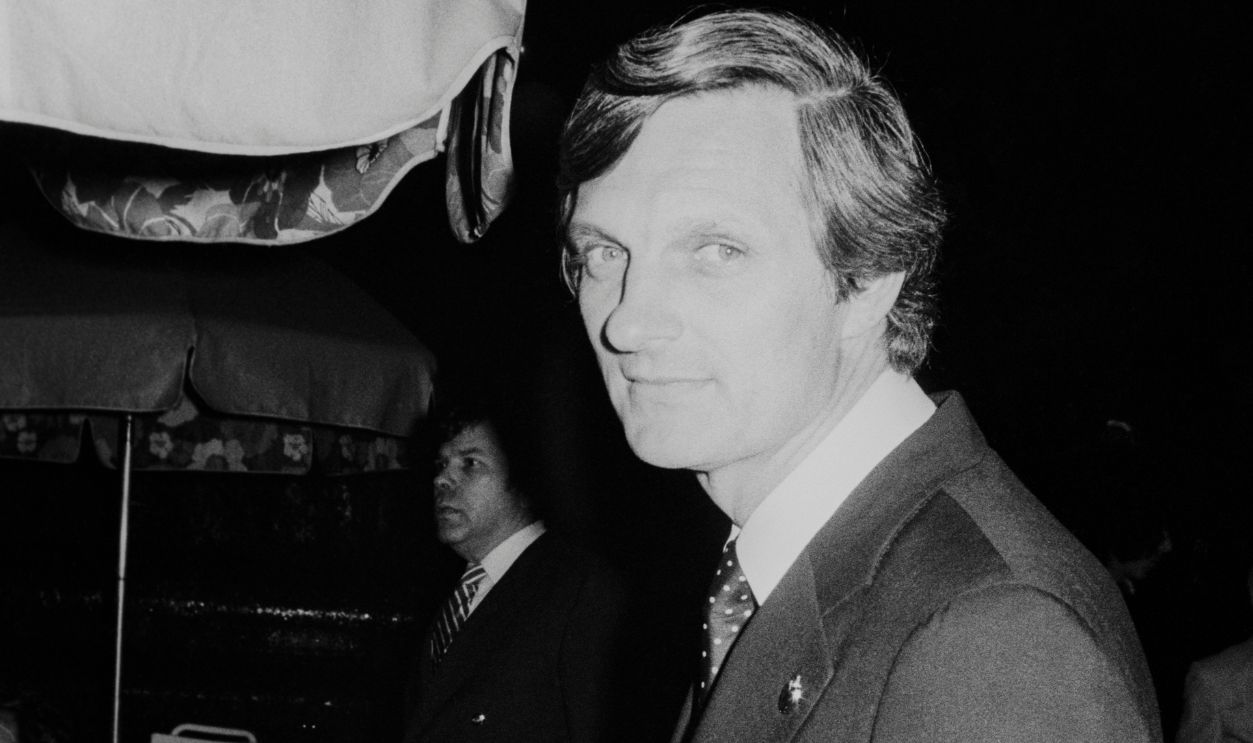
While Alda was studying at Fordham, he attended a party where there were students from nearby Hunter College. During the party, a minor catastrophe led to a cake falling to the floor. Alda didn’t miss a beat and was down on his knees eating the cake.
When another party member joined him, it was love at first bite.
7. He Liked Her Laugh
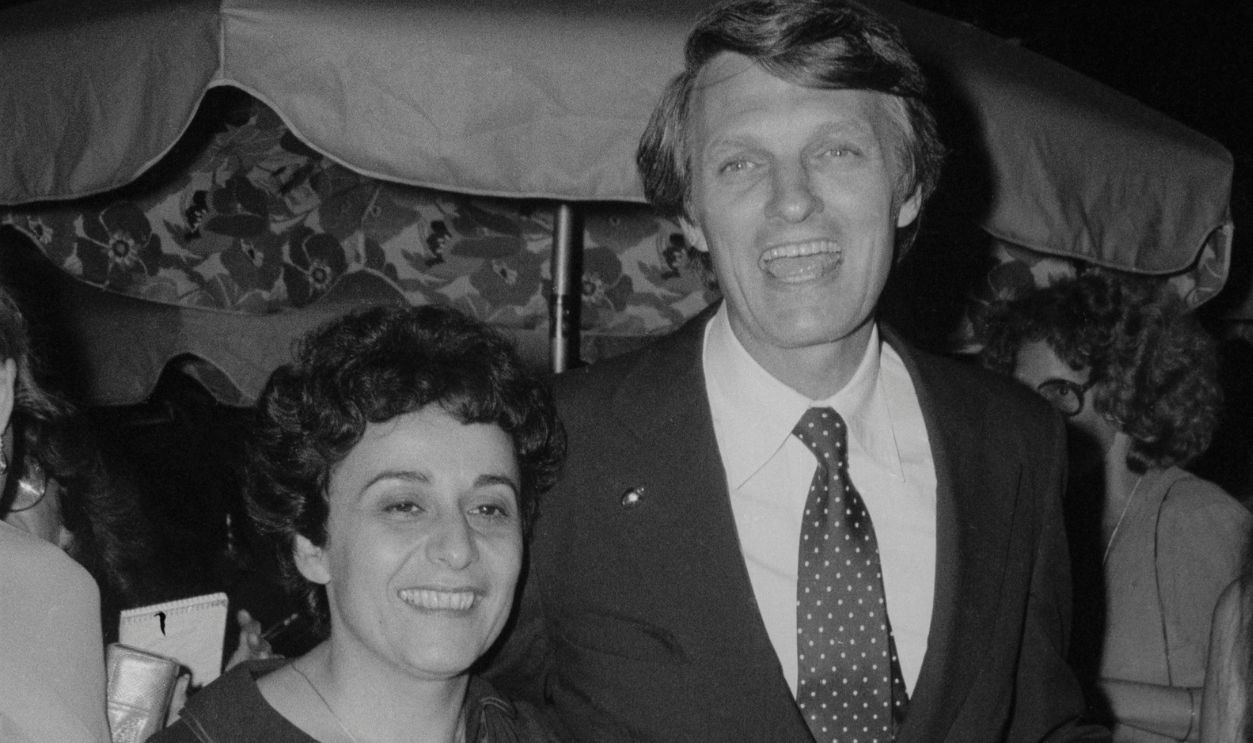
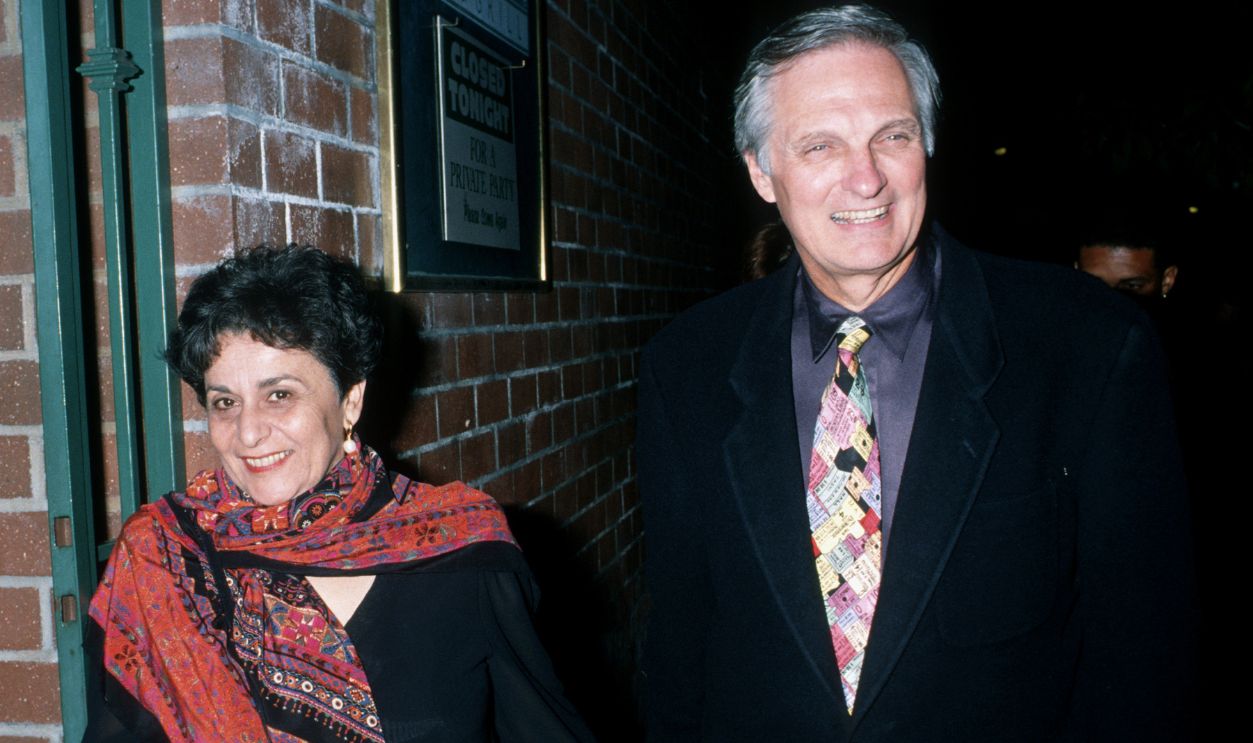
The other party member on the floor eating cake was clarinet player Arlene Weiss. Alda had already noticed her at the party because she laughed at his jokes. He later said, “She had me at Ha”. Once they had both graduated, they walked down the aisle. This was going to be a marriage that lasted.
He’d found the woman of his dreams. Now he needed a career.
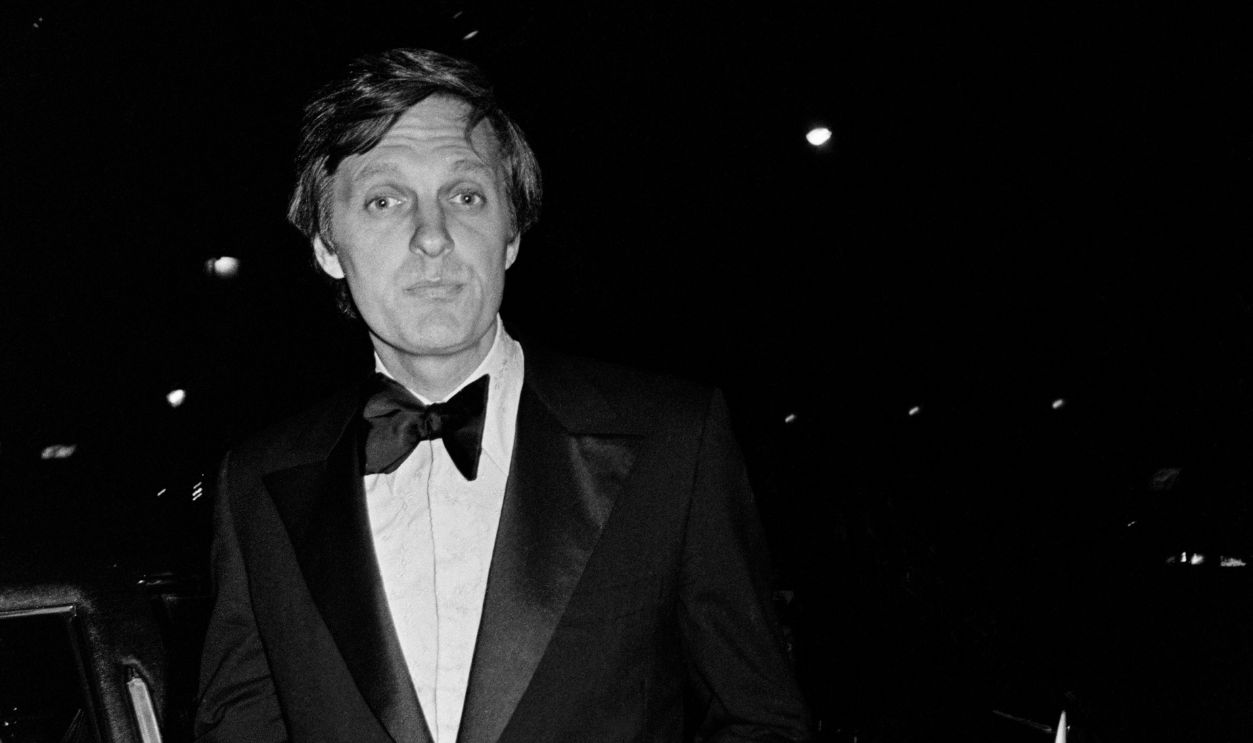
 Ron Galella, Ltd., Getty Images
8. He Aroused Hate
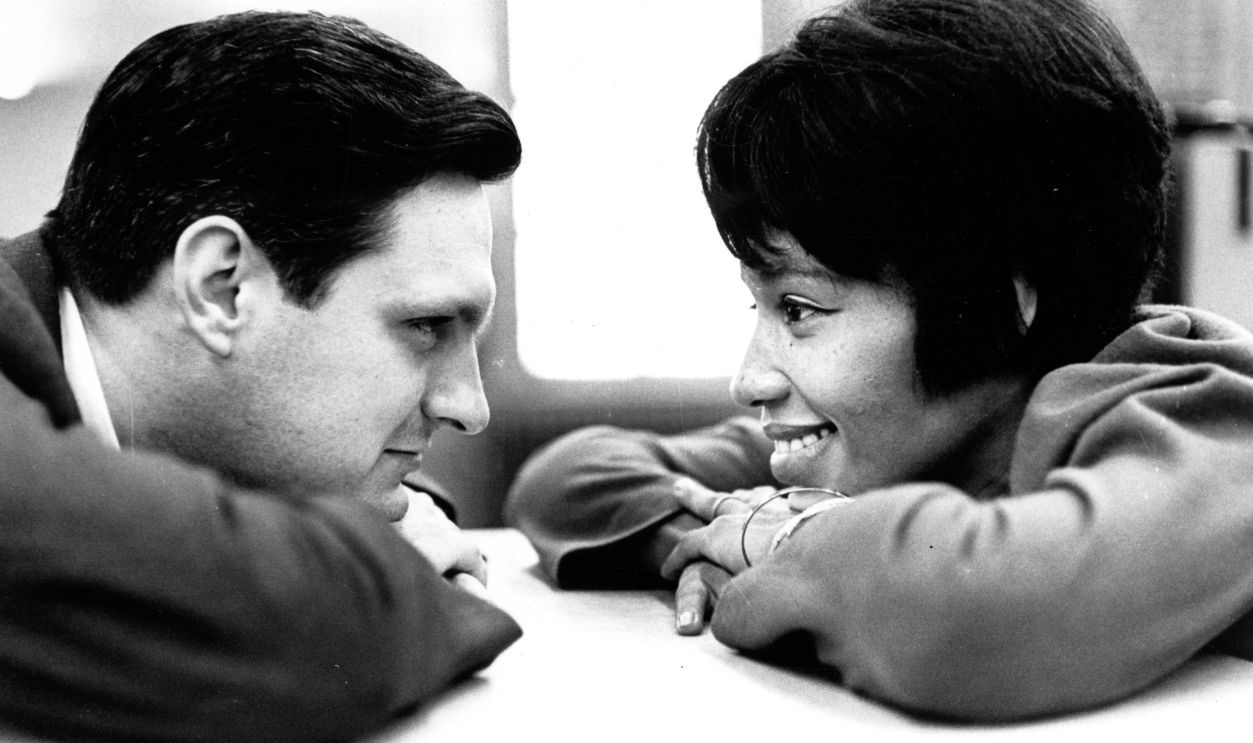
Being a young performer gave Alan Alda the necessary skills to make the leap to Chicago’s Second City improv group. In 1964, he got his big break in a Broadway show called The Owl and the Pussycat. When he had a kissing scene with his Black co-star, letters of hate poured in. Alda didn’t care and continued playing the role for the entire season.
He also wasn’t about to let a little controversy ruin his ascent into stardom.
9. He Moved To The Lead
Following a Tony nomination for The Apple Tree, Alda continued on Broadway, in movies and on TV. He also appeared on the game shows What’s My Line? and I've Got a Secret. Alda had a good little career going on. Then, in 1971, everything changed.
Alda had a lead role in a movie. This had the potential to catapult him to the next level.
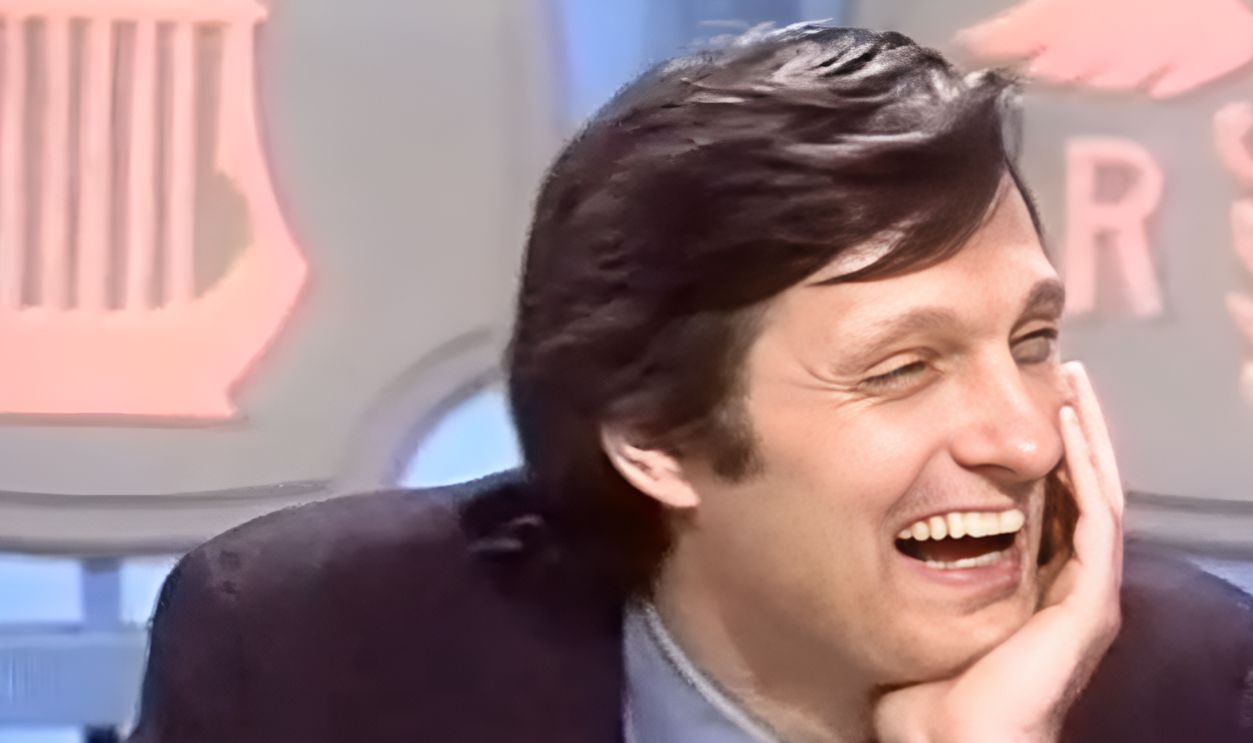 Screenshot from What's My Line?, CBS (1950–1975), Modified
History's most fascinating stories and darkest secrets, delivered to your inbox daily.
10. He Was The Weakest Link
Alda’s role in The Mephisto Waltz was the lead, and he plays a failed concert pianist in danger of having the soul of a satanist transferred into him. The film got only two stars from Roger Ebert, but one critic pointed some of the blame directly at Alda. Jerry Goldsmith of All Move Guide said that Alda was the only weak point. This was not the career boost Alda had been hoping for.
Luckily, something good was coming his way.
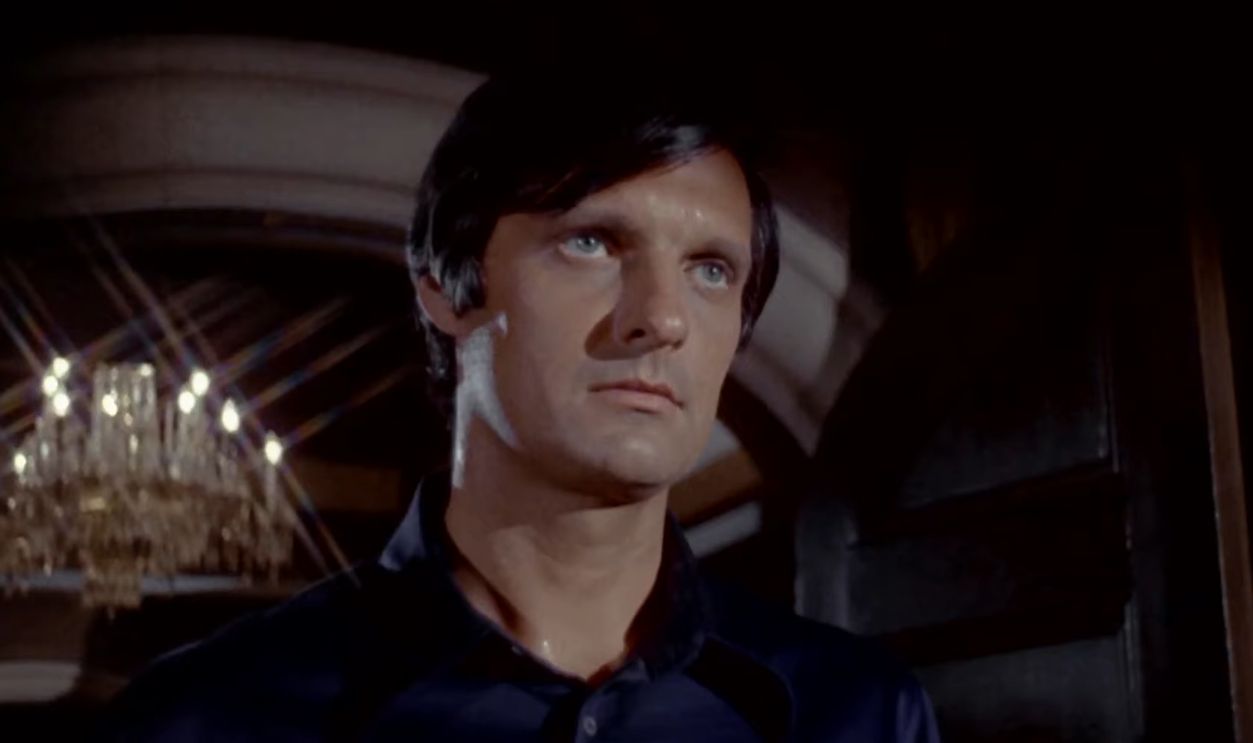 Screenshot from The Mephisto Waltz, 20th Century Fox (1971)
11. He Got An Offer
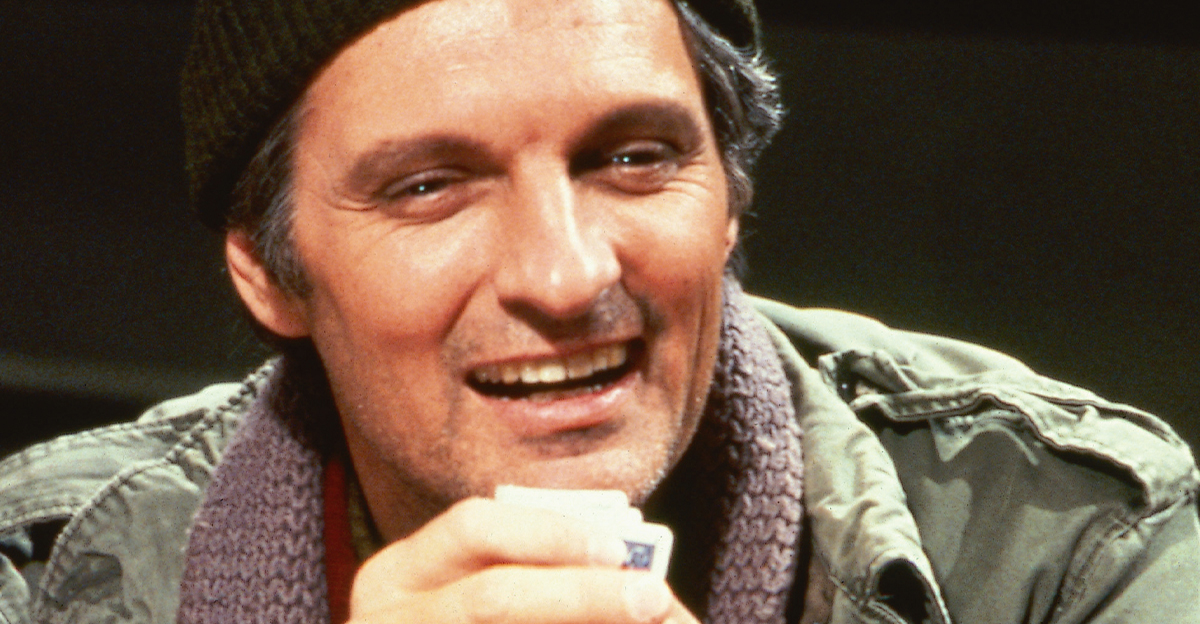
In the early 1970s, Alan Alda got an offer. CBS wanted him for the lead in an unusual sitcom. The show took its source from a book, but there had already been a successful movie. Not only that, this show had a strange-looking title. They called it M*A*S*H.
Alda had a good reason for hesitating to accept this role.
12. He Had Principles
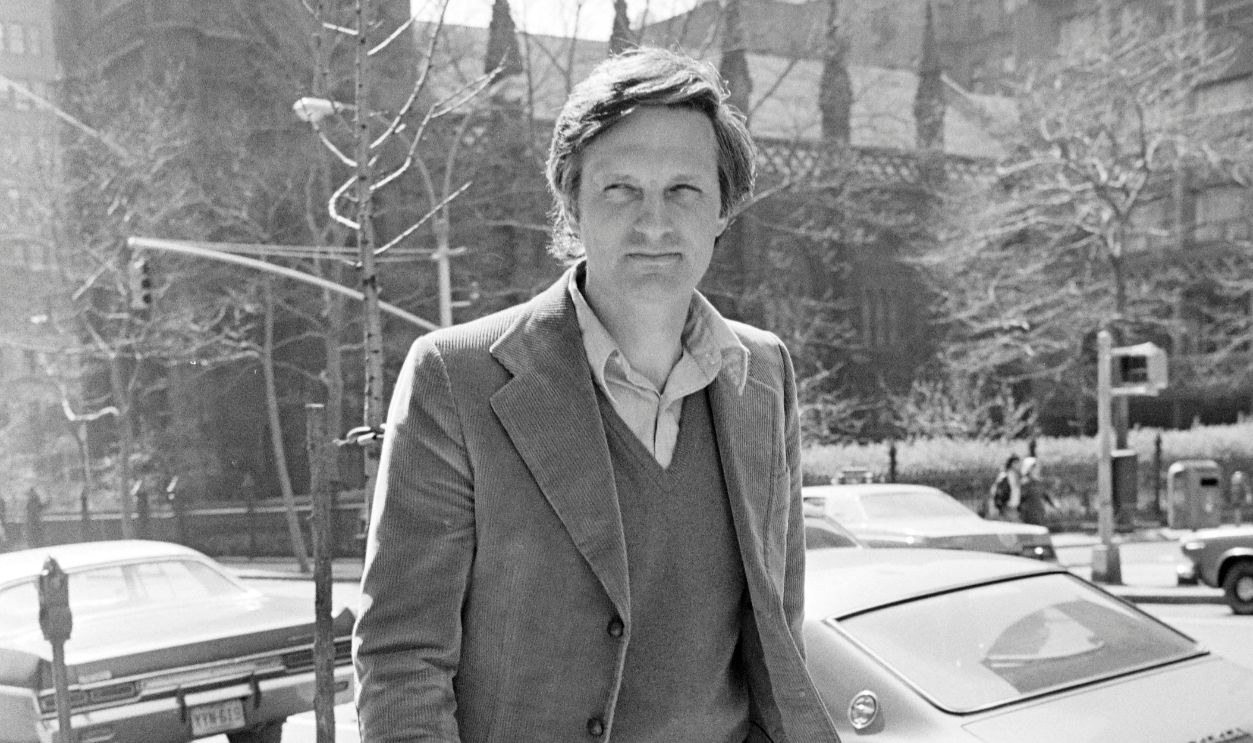
The show was set during the US’s conflict with Korea. The thing was, Alda was a pacifist. The last thing he wanted to do was glamorize the life of a soldier. But Alda wouldn't be playing a soldier, he’d be playing a doctor. Still, he hesitated.
He wanted to be sure that this show didn’t compromise his values.
13. He Didn’t Trust The Writers
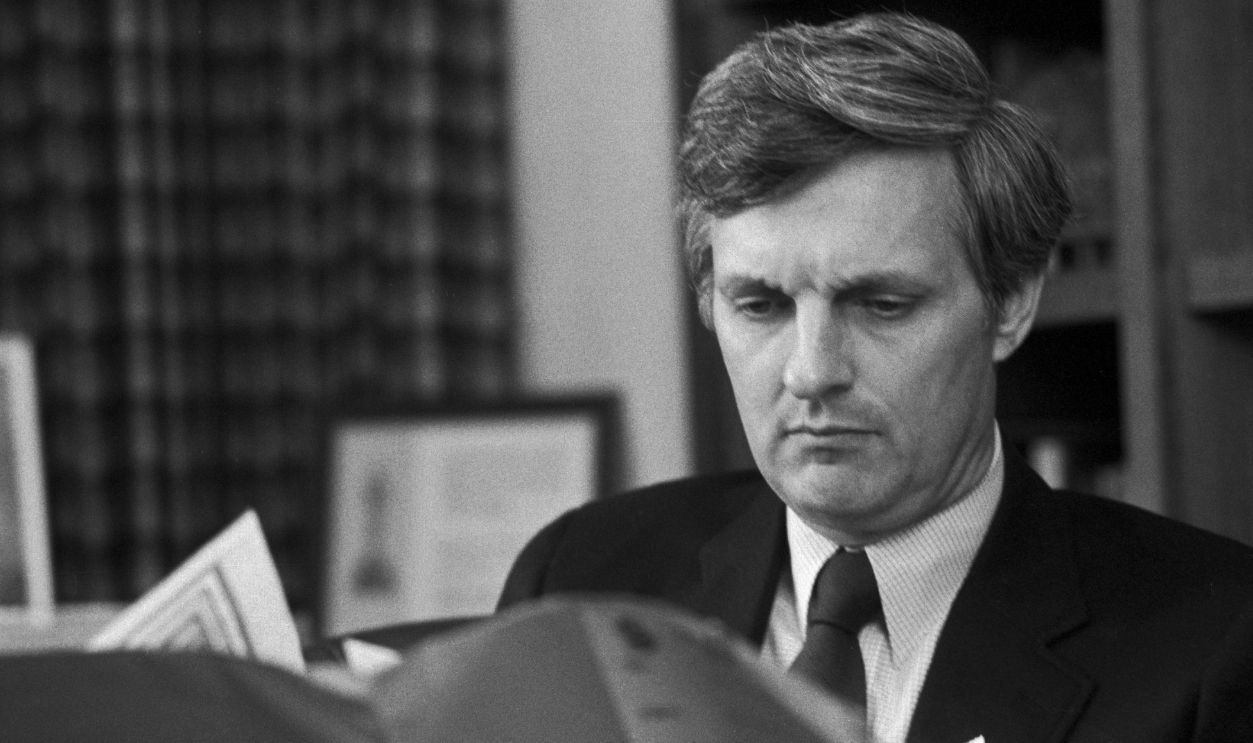
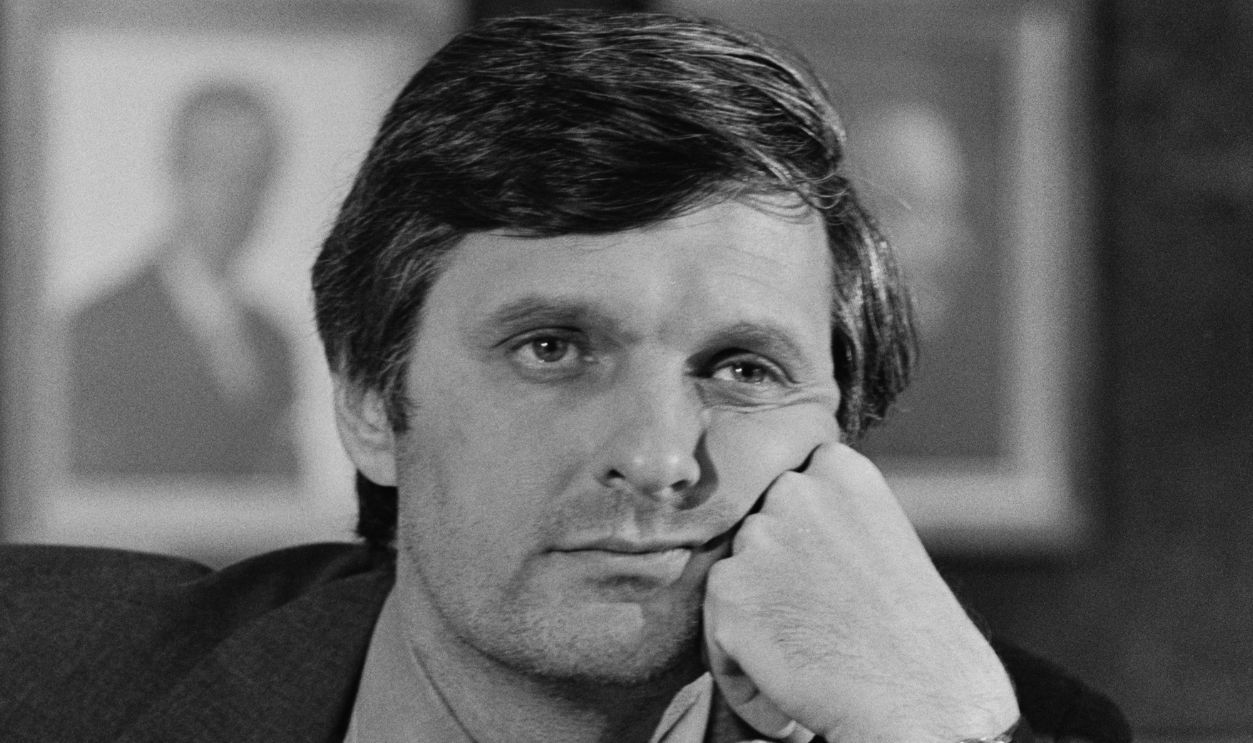
Alan Alda knew that when it came to signing contracts, producers and TV executives would say anything to get the star they wanted. Alda wanted to be sure that this show wouldn’t go against his pacifist beliefs. So, he had something added to his contract. It stated that every episode had to show at least one harrowing scene in the operating room during surgery.
They agreed, but something was still troubling Alda.
 Michael Ochs Archives, Getty Images
14. He Waited Until The Last Minute
At 1 AM the day before filming began, Alda still had not committed to appearing in M*A*S*H. He really wanted to make sure that the show focused on humanity, not on glorifying battle. When the clock struck 2 AM, Alda put his name on the contract. The next day, his life would become completely different.
But there was a rude awakening in the harsh light of the morning.
15. He Wasn’t Right For The Part
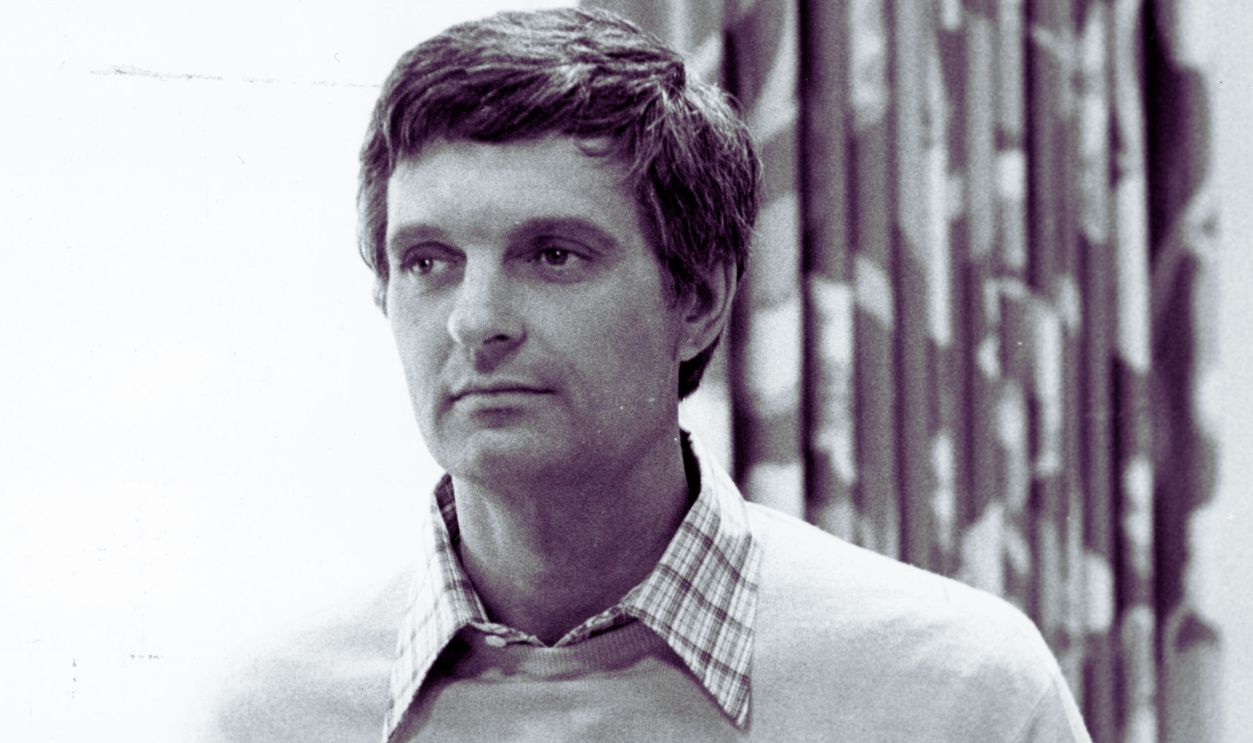
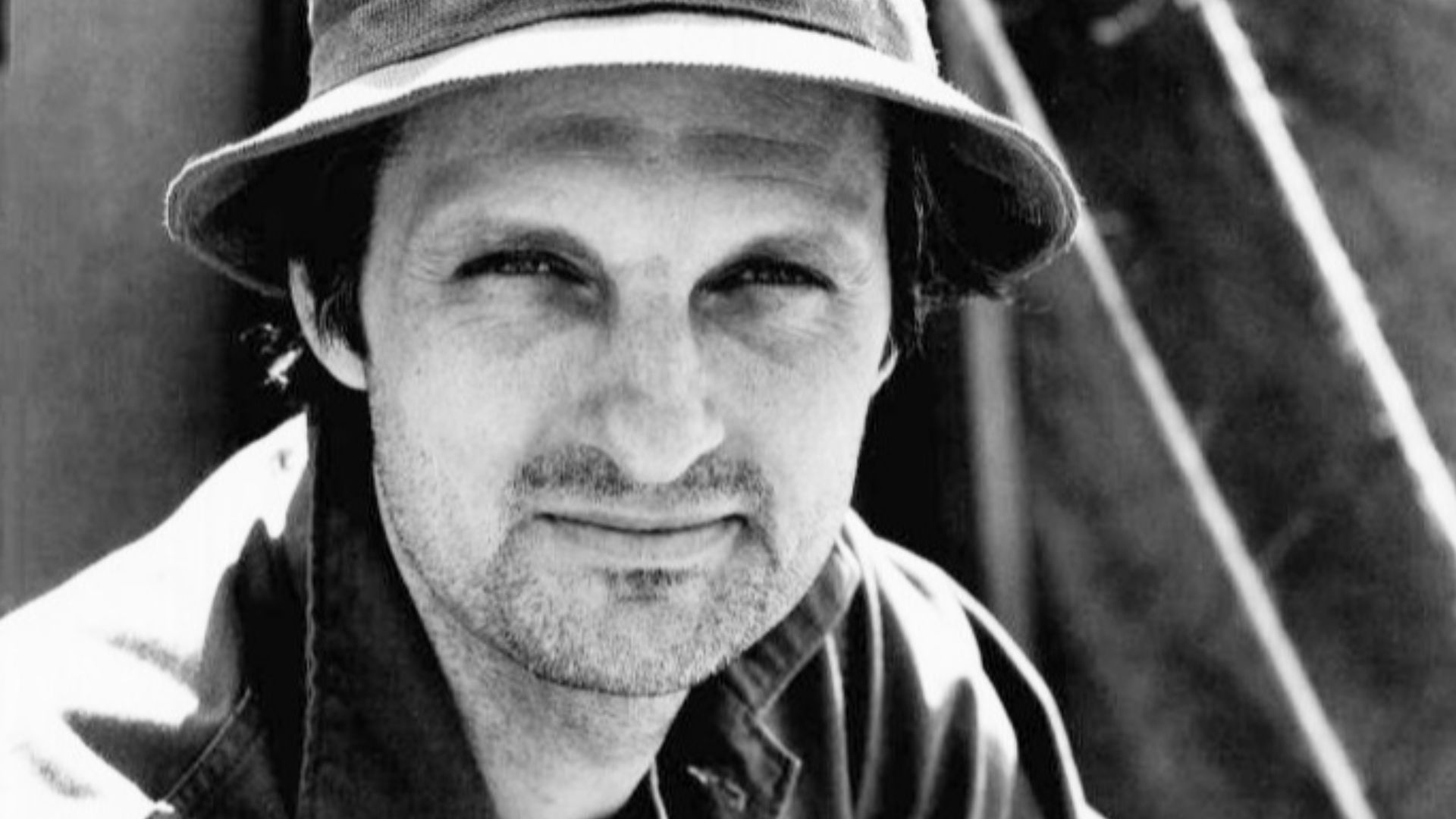
The original source material for the show was a book called MASH: A Novel About Three Army Doctors. The author described the character that Alan Alda would be playing as “a redneck from Maine in his twenties”. This was not at all what Alda was bringing to the show. Thankfully, the show creators had always planned to have the character of Hawkeye Pierce stray from the book.
But this character was still going to be a stretch for Alda.
 CBS Television, Wikimedia Commons
History's most fascinating stories and darkest secrets, delivered to your inbox daily.
16. He Was Nothing Like His Character
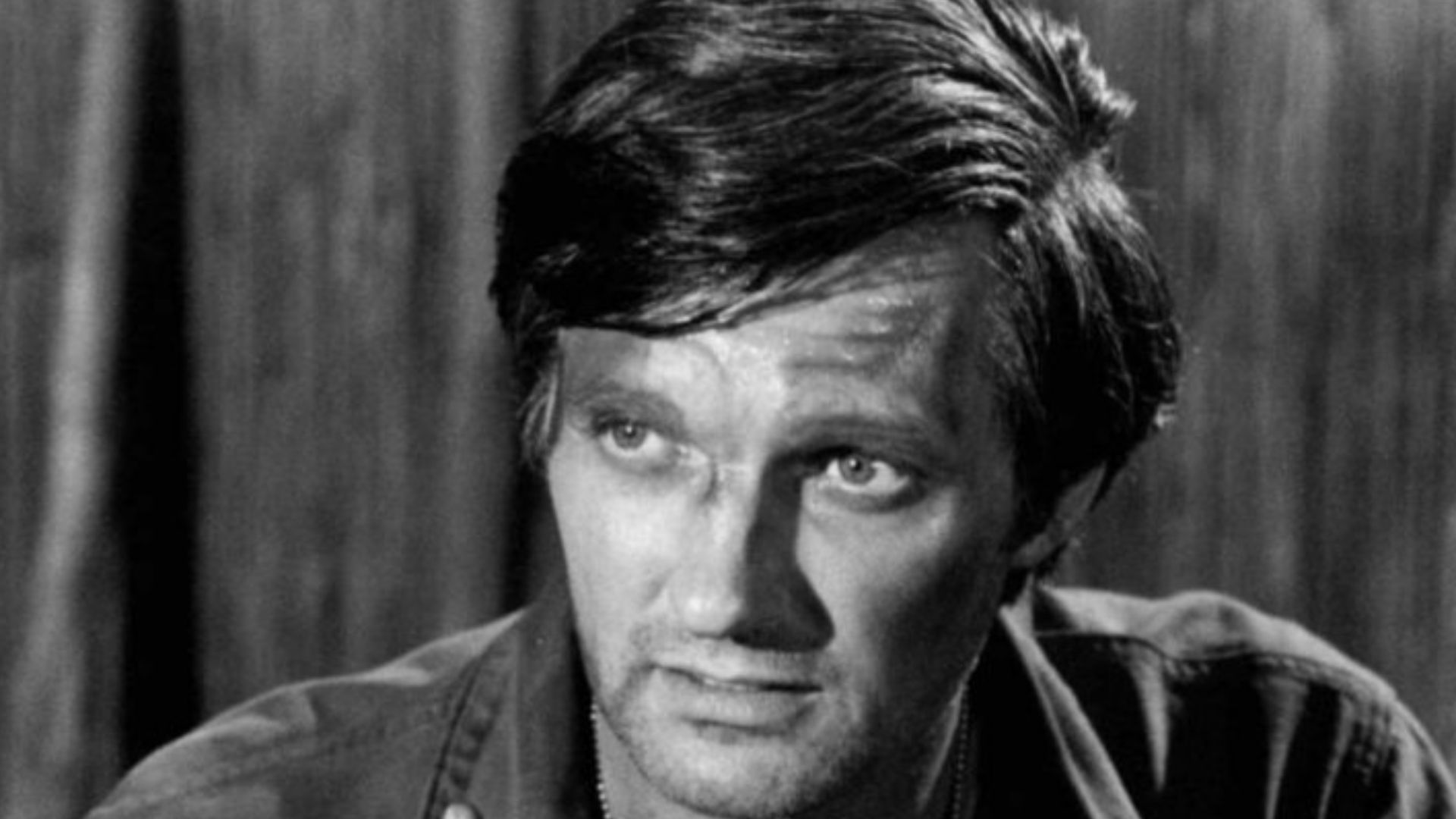
The truth was, Alan Alda also wasn't a good fit for Hawkeye Pierce. The writers had Hawkeye as a womanizer, heavy drinker and a real smart aleck. Alda had no experience in any of these areas. Well, I guess that’s why they call it acting.
Alda was ready to roll, but there was still a logistical problem.
 CBS Television, Wikimedia Commons
17. It Was A Long Commute
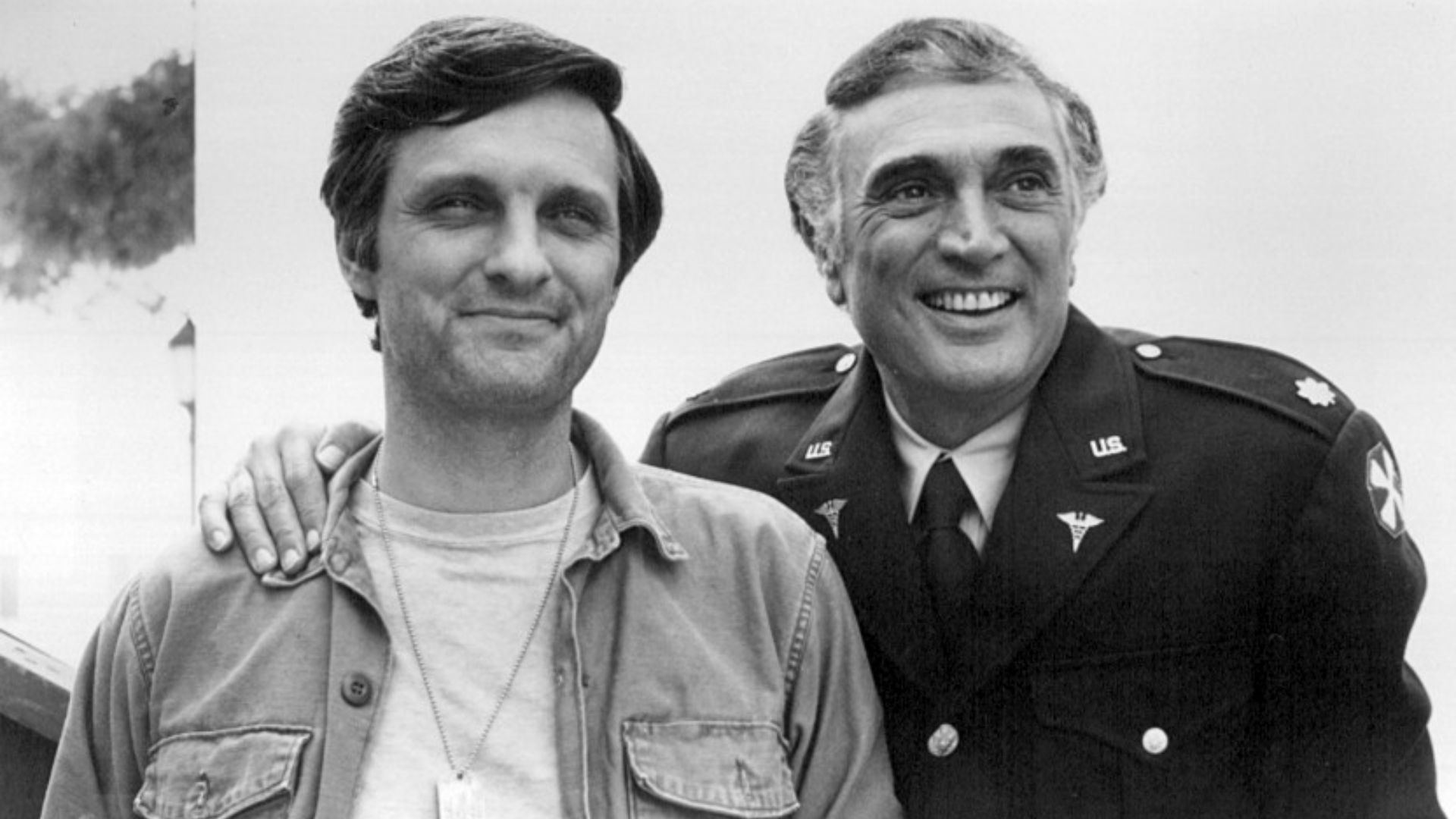
When Alda got the role on M*A*S*H, he was living with his wife and children in New Jersey. Sadly, they had to tape the show in California. Moving across the country, and to a sunnier climate, seems like a no-brainer. But Alda didn’t want to disrupt his family's life. He made the difficult decision to commute to California every week.
Alda had his reasons for not fully committing.
 CBS Television, Wikimedia Commons
18. It Wasn’t Strong
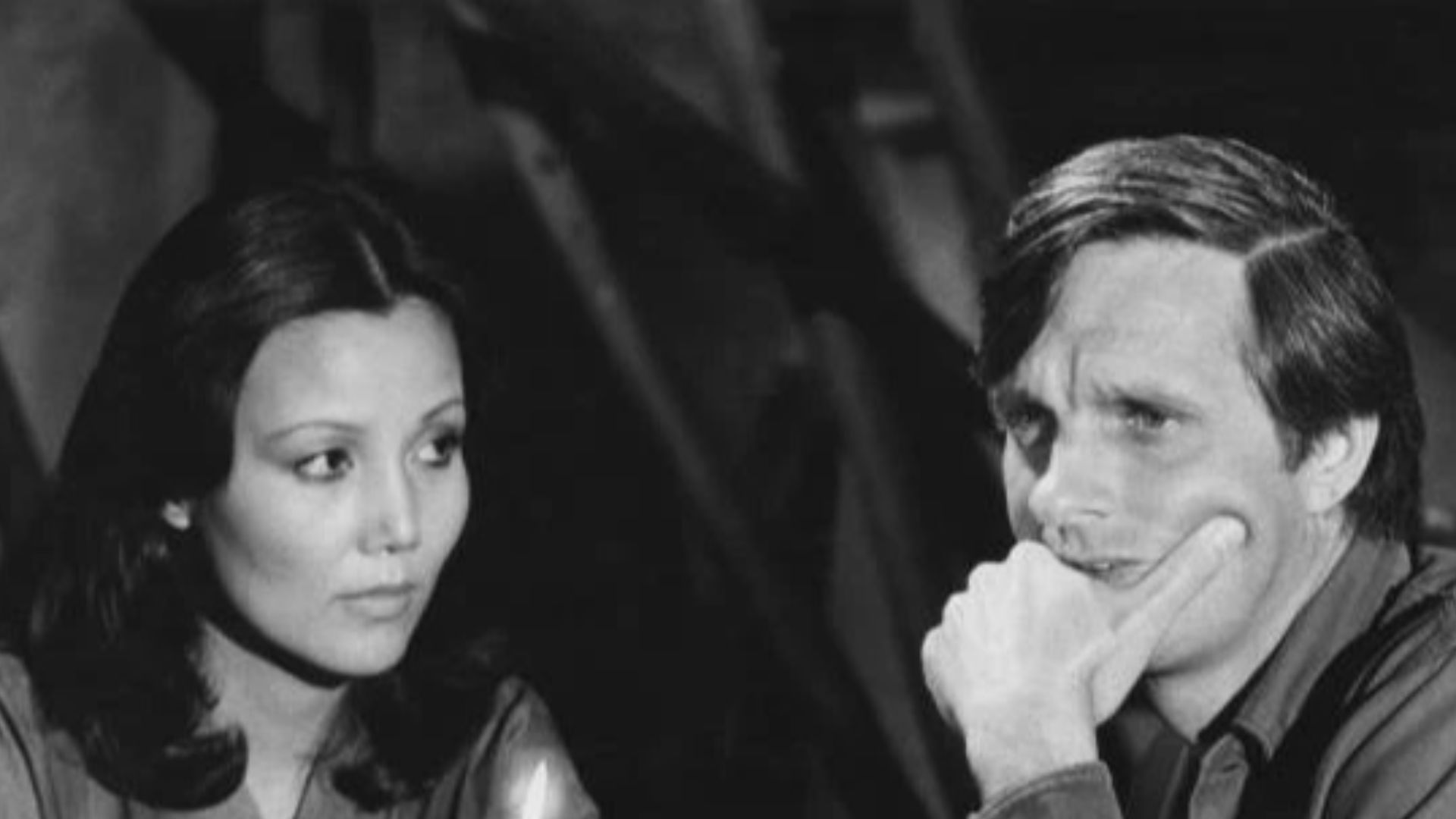
Alan Alda was smart not to move his family all the way to California. You see, M*A*S*H had a weak start. As the first season came to a close, CBS was already talking about canceling it. If he’d moved his family out west, it would have been for nothing. But CBS wasn't about to give up just yet.
They had a plan to change the fate of M*A*S*H...and Alda.
 CBS Television, Wikimedia Commons
19. He Got A Jumpstart
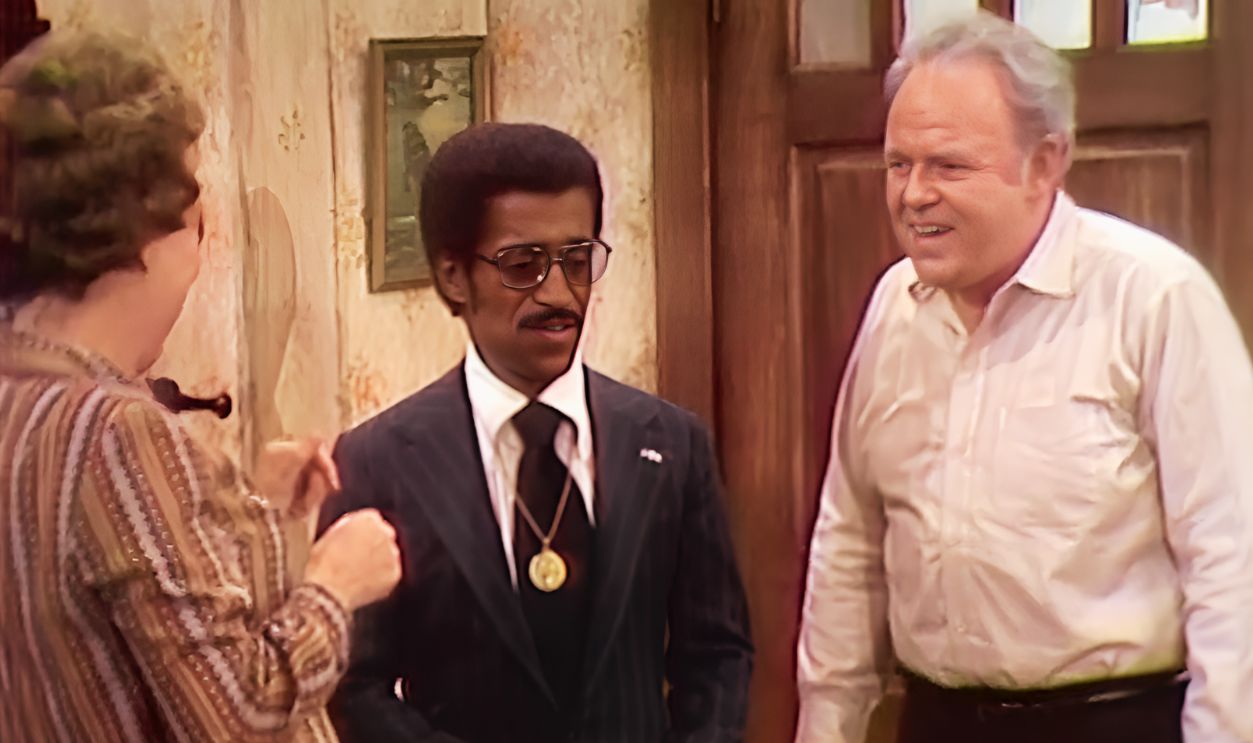
To give M*A*S*H a jumpstart, CBS placed it directly after their hit show All in the Family. Like M*A*S*H, this was a show that wasn’t afraid to delve into political issues. It seemed like a good match. In this new time slot, Alda soon found himself starring in a top 10 program.
But was he really the star?
 Screenshot from All in the Family, CBS (1971-1979), Modified
20. He Stood Out
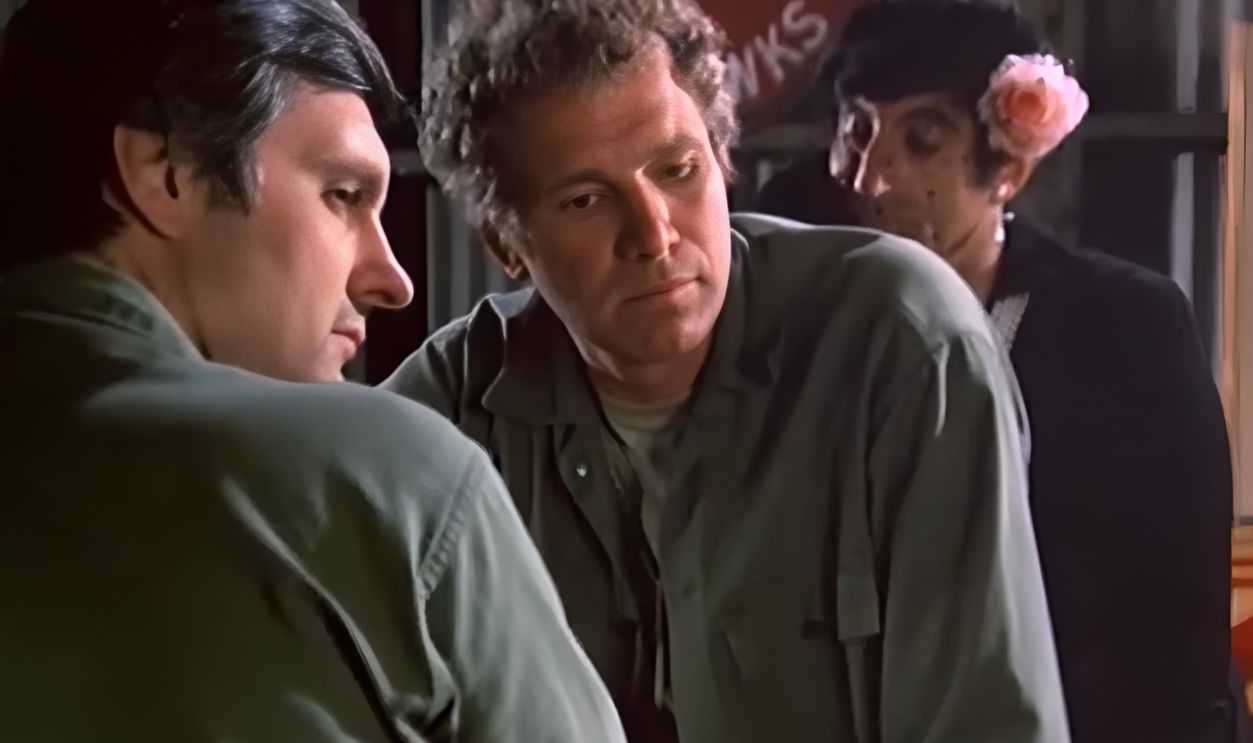
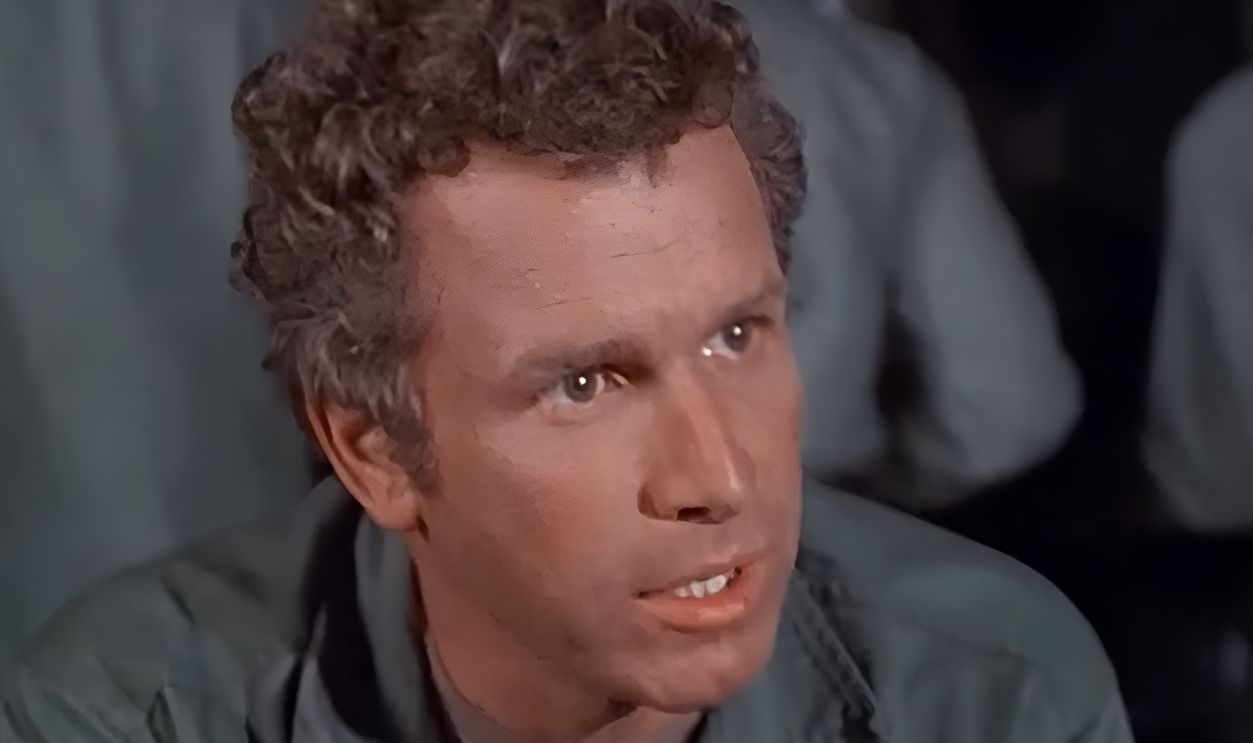
In M*A*S*H, Alan Alda was sharing the lead credits with his co-star Wayne Rogers. The two were playing bunkmates who were surgeons at a MASH unit, which stands for Mobile Army Surgical Hospital. As the show progressed, Alda’s stellar performance made him stand out.
This was not good news for Rogers.
 Screenshot from M*A*S*H, CBS (1972–1983), Modified
21. He Took Over
It soon became clear that audiences were focusing more on Alda than Rogers. Alda’s character, Hawkeye Pierce, was becoming what the show was all about. Of course, Rogers couldn't help but feel left out, and by season three, he left the show.
But Alda was just getting started.
 Screenshot from M*A*S*H, CBS (1972–1983), Modified
History's most fascinating stories and darkest secrets, delivered to your inbox daily.
22. He Alienated A Co-Star
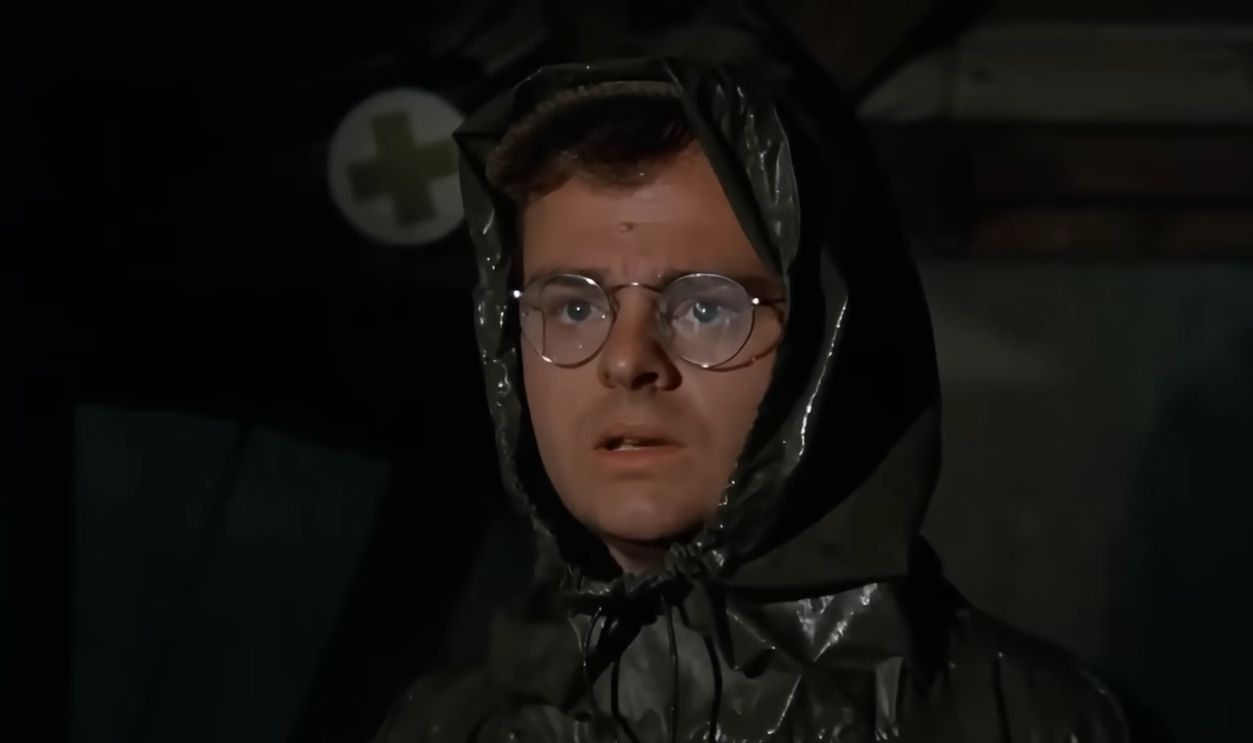
It was becoming clear that Alda’s character on M*A*S*H was central, and Alda knew it. Because of this, he began to involve himself in the writing and directing of the show. Actors like Gary Burghoff, who played the iconic role of Radar O’Reilly, didn't like it. Before long, Burghoff also left M*A*S*H.
Alda was slowly shaping M*A*S*H into a show he could be proud of.
 Screenshot from M*A*S*H, CBS (1972–1983)
23. He Made It More Dramatic
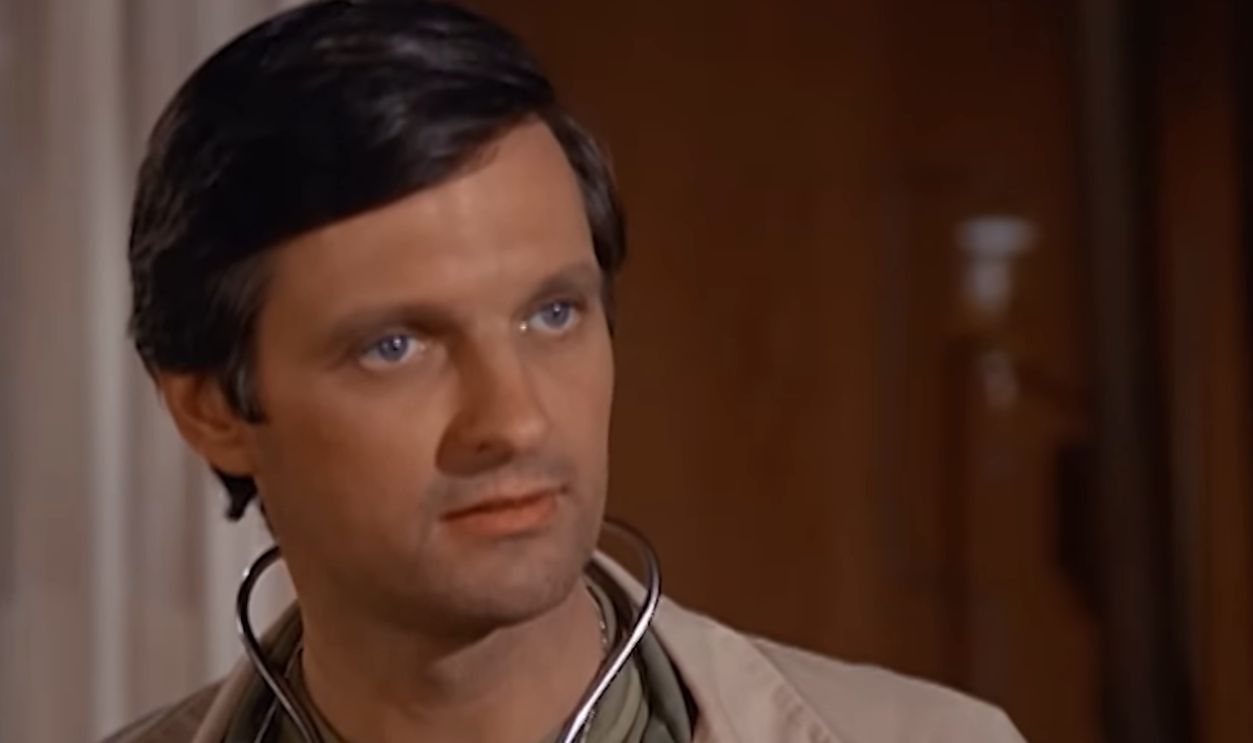
The first few seasons of M*A*S*H seem more like a comedy that just happened to be set during the Korean conflict. As Alan Alda got more involved, the show became more serious. The comedy was still there, but it also tackled some important issues. Alda was dangerously messing with a show that was already working well.
He also used the show for his own benefit.
 Screenshot from MAS*H, CBS (1972–1983)
24. He Worked Out His Family Issues
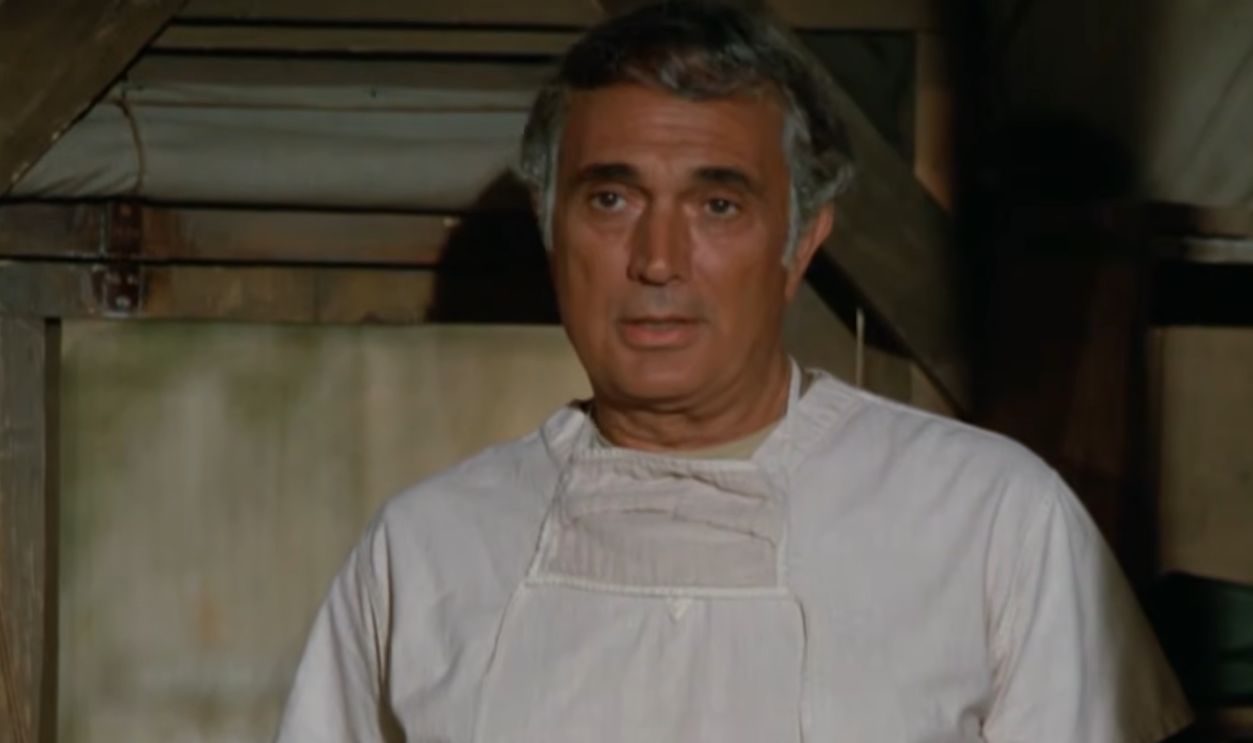
For years, Alan Alda had felt guilty about pummelling his dad with suggestions about the Vaudeville act they appeared in together. In 1980, Alda brought his father on board on M*A*S*H and gave him a character who had to give Alda’s character directions. Alda later said it helped him reunite with his father. Alda also included his brother Anthony in the episode.
As it turned out, audiences loved the changes Alda brought to M*A*S*H.
 Screenshot from M*A*S*H, CBS (1972–1983)
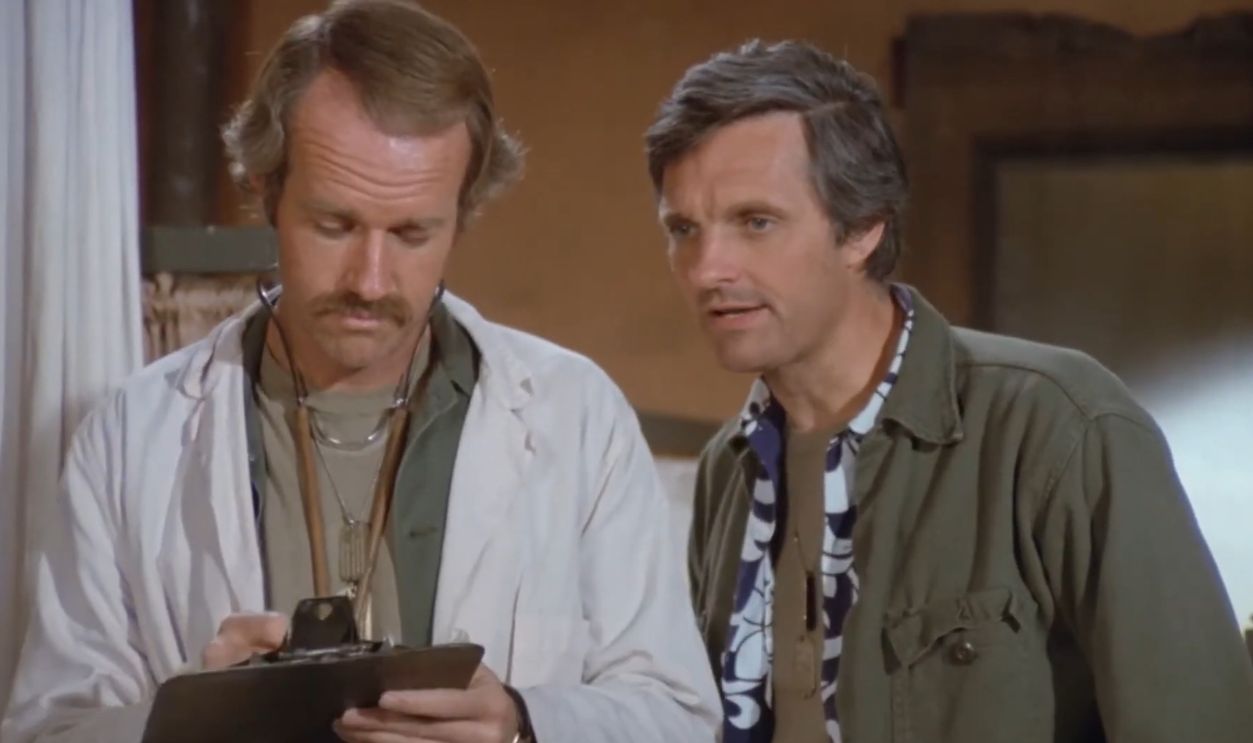
25. He Was Well Liked
When M*A*S*H was approaching its final season, it could not have been more popular. In fact, Alda himself was soaring in popularity. TV execs and advertising companies use Q scores to measure a celebrity’s likeability. In 1983, Alda had the highest score of anyone on TV.
That kind of Q score can translate into big bucks.
 Screenshot from MAS*H, CBS (1972–1983)
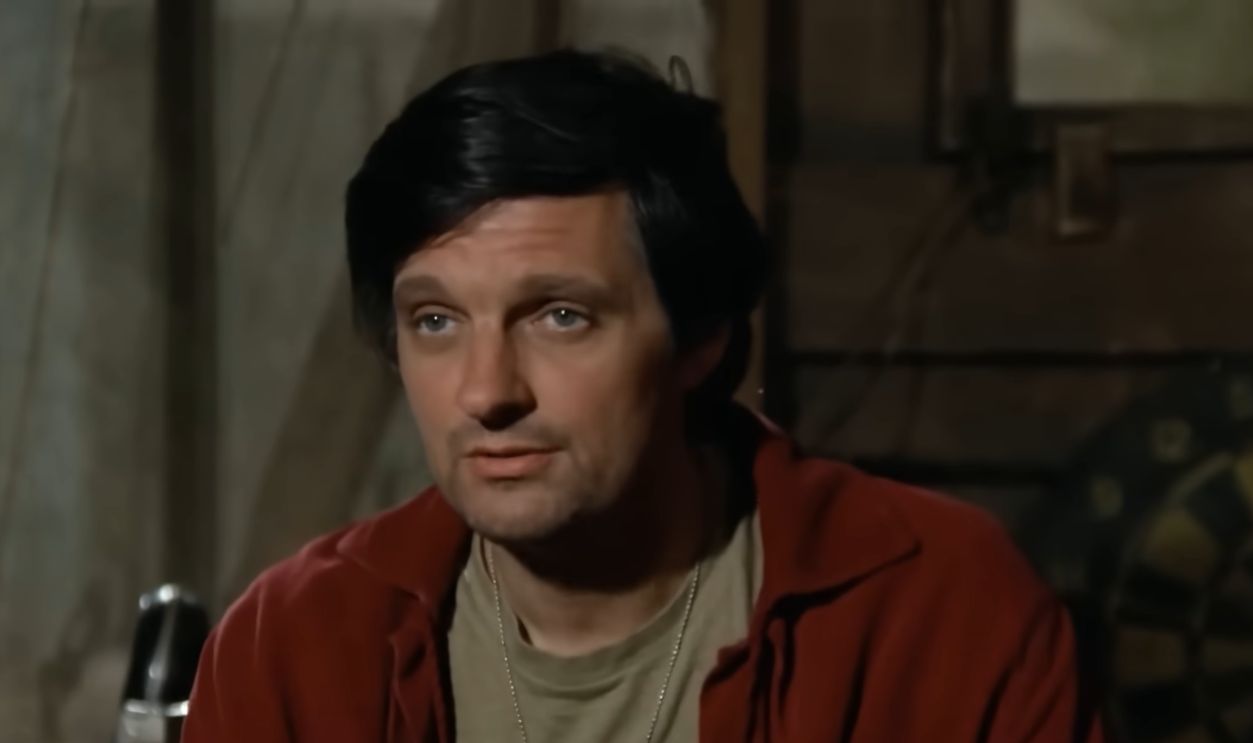
26. He Was The Highest Paid
By 1981, Alda had reached the top. He was making $225,000 per episode, which was then the highest of any actor working on TV. You could say he earned every penny. He appeared in every episode of M*A*S*H, and received 21 nominations for Emmys, taking home five trophies.
But not all rewards were about money.
 Screenshot from M*A*S*H, CBS (1972–1983)
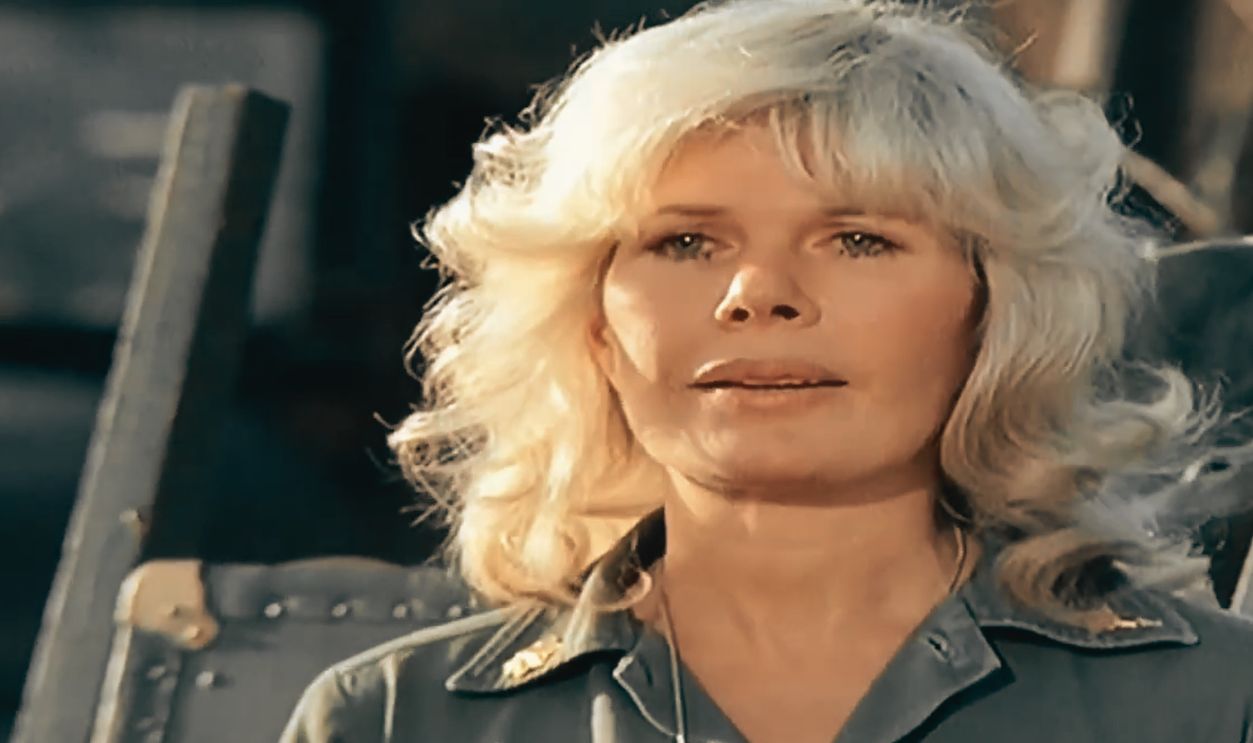
27. It Was The Longest Smooch
In the season finale of M*A*S*H', Alan Alda had a first. It involved his co-star, Loretta Swit, who played Margaret Houlihan. Alda and Swit had the longest TV kiss ever seen on the small screen. It seemed that Swit had finally earned her character's name: “Hot Lips”.
But this final episode broke a few other records as well.
 Screenshot from M*A*S*H, CBS (1972–1983)
History's most fascinating stories and darkest secrets, delivered to your inbox daily.
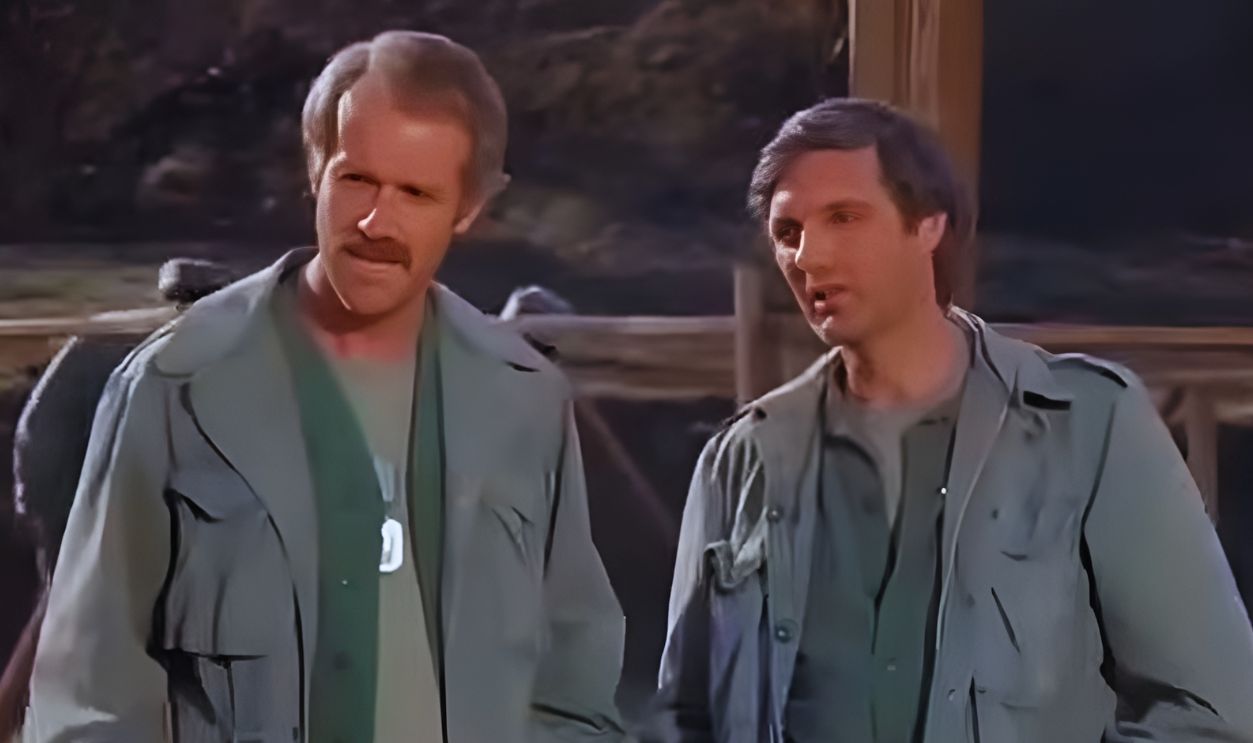
28. He Created An Iconic Episode
Alda directed and co-wrote the two-and-half-hour season finale of M*A*S*H. Even today, it has the record for the most eyes on a single episode of a series...ever. Like a major sporting event, advertising costs soared to $450,000 for a 30-second spot for this single broadcast. That would be almost $1.5 million today.
This iconic episode also gave birth to a strange legend.
 Screenshot from M*A*S*H, CBS (1972–1983), Modified
29. They Flushed Together
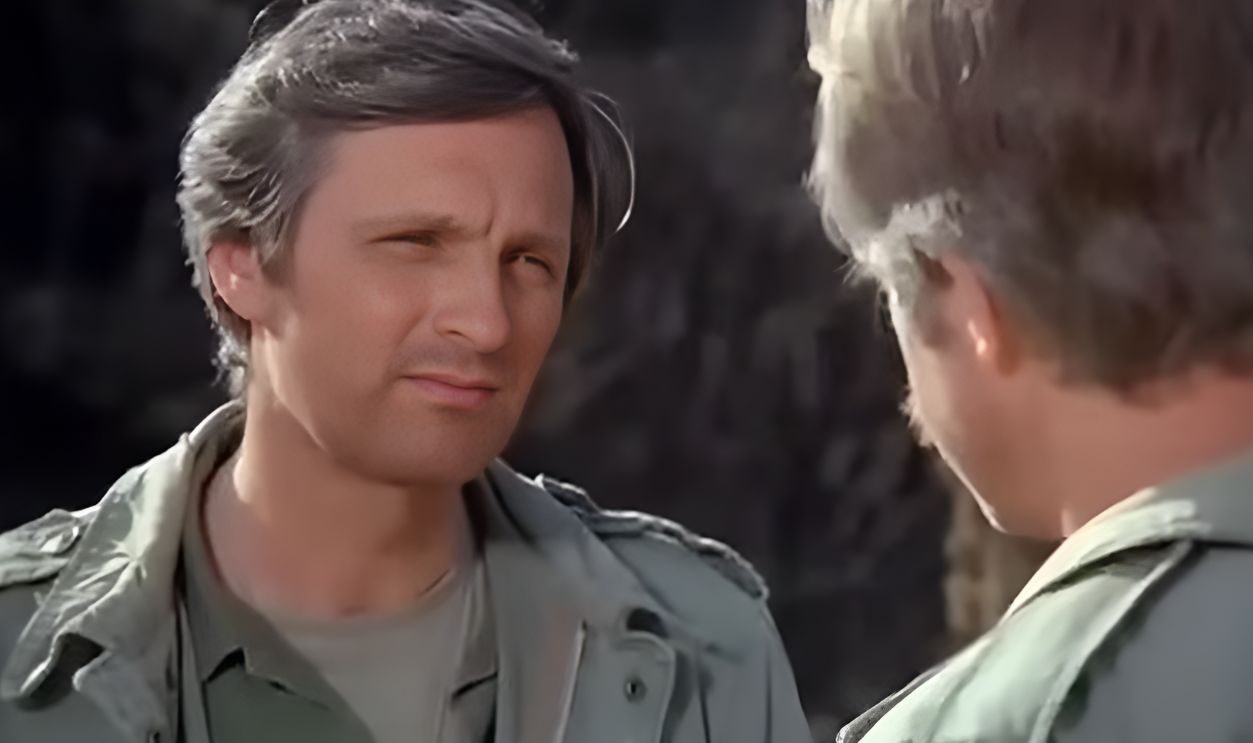
The story goes that when the final episode of M*A*S*H aired, it caused a problem. There were reports of water shortages in New York City because, at the end of the episode, almost every New Yorker used their toilet at the same time. Now, this could be an urban legend, but it makes a great story.
After the great success of M*A*S*H and its stunning finale, Alda would have to come up with a follow-up.
 Screenshot from M*A*S*H, CBS (1972–1983), Modified
30. He Did Triple Duty
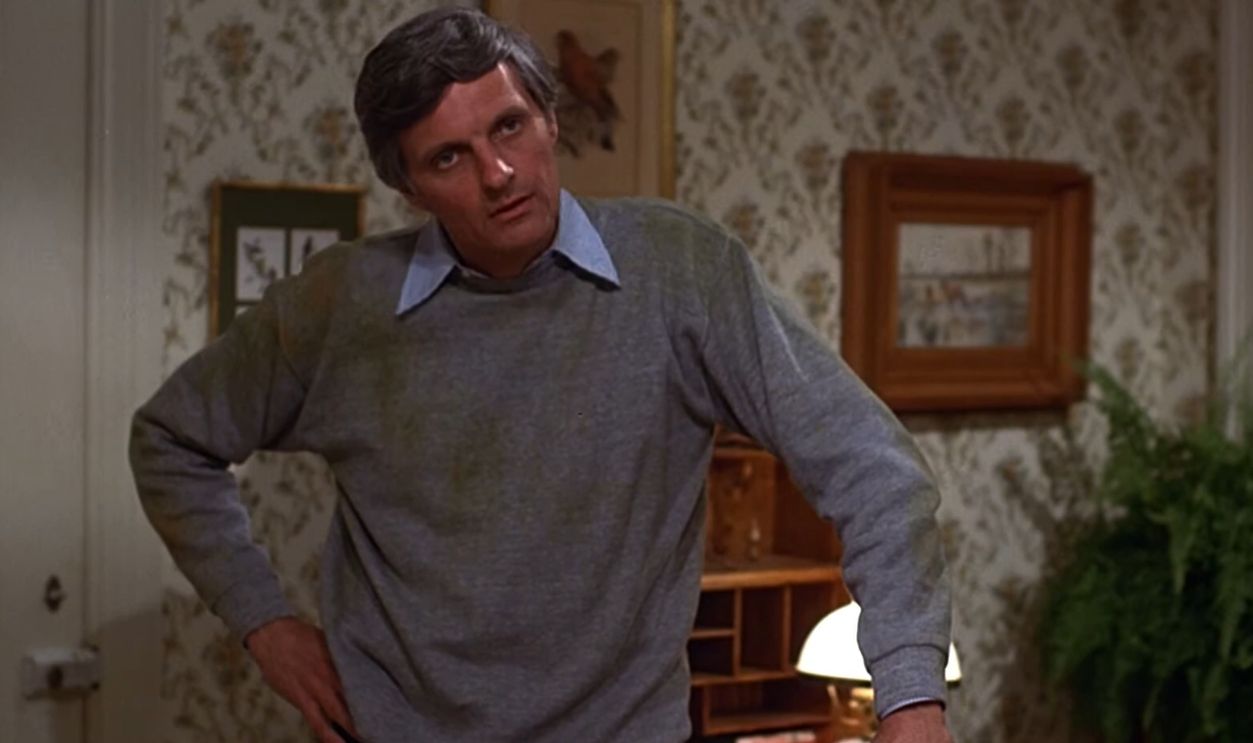
Before M*A*S*H had even aired its record-breaking finale, Alan Alda had shown what an entertainment powerhouse he really was. In 1981, he directed, wrote and starred in the feature film The Four Seasons. While this may be a cute little comedy-drama, it was also a huge money maker. On its tiny budget of $6.5 million, it managed to rake in a shocking $50.4 million in box office.
Alda also used his fame for good.
 Screenshot from The Four Seasons, Universal Pictures (1981)
31. He Fought For Women
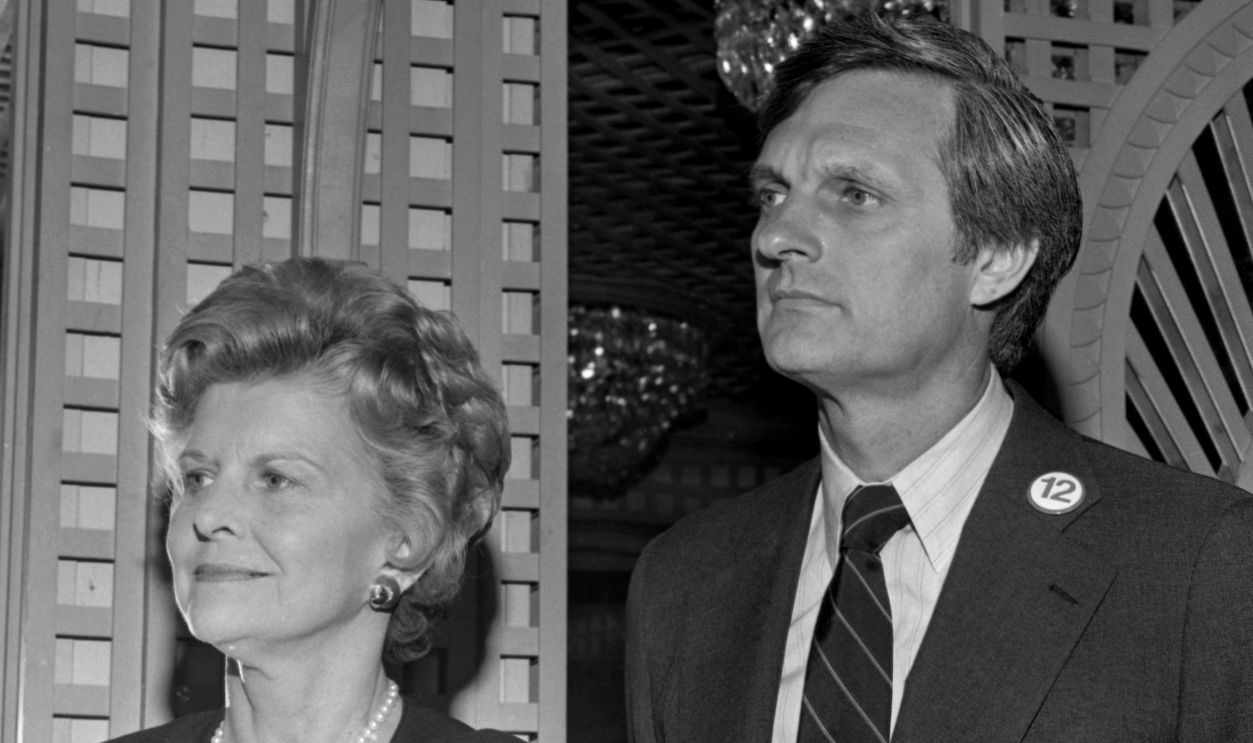
Alda had three daughters, so maybe that’s why he took on the feminist movement as one of his causes. In 1976, he teamed up with then-First Lady Betty Ford to co-chair a countdown to the Equal Rights Amendment. In recognition of his fight for women’s rights, The Boston Globe called him "the quintessential Honorary Woman: a feminist icon".
Alda was on top of the world, and then he hit rock bottom.
32. He Flopped
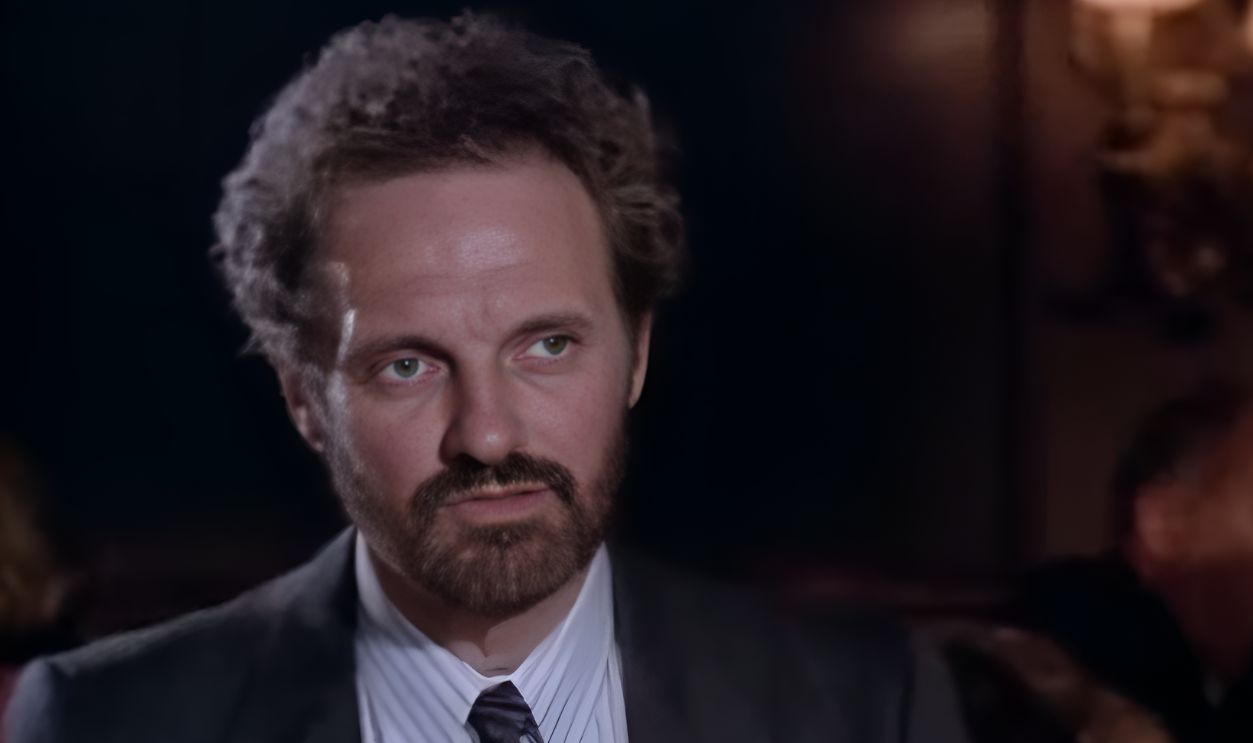
Since The Four Seasons had been such a hit, Alan Alda decided to again perform the three roles in a film. He directed, wrote and starred in A New Life. Sadly, critics were tiring of Alda’s “bleeding heart” liberalism and, as it turned out, so were audiences. This movie lost money at the box office.
Alda would give this movie making thing one more chance.
 Screenshot from A New Life, Paramount Pictures (1988), Modified
33. He Wouldn’t Name Names
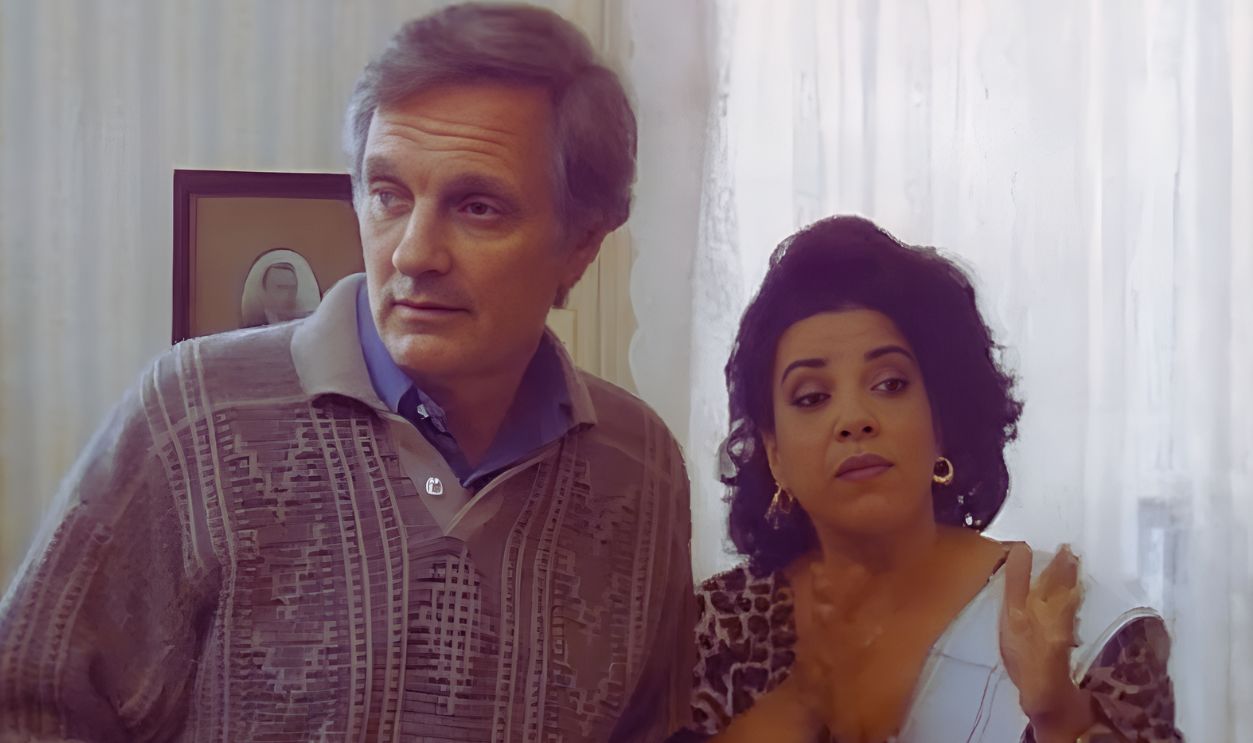
In response to his own daughter’s marriage, Alda wrote, directed and starred in Betsy’s Wedding. This was not a successful film. In response to this failure, Alda mentioned not getting along with an actor he refused to name. In what may or may not be a coincidence, co-star Joe Pesci refuses to talk about his role in this film.
Alda decided to let someone else do the writing and directing.
 Screenshot from Betsy's Wedding, Buena Vista Pictures Distribution (1990)
History's most fascinating stories and darkest secrets, delivered to your inbox daily.
34. He Was In The Running For President
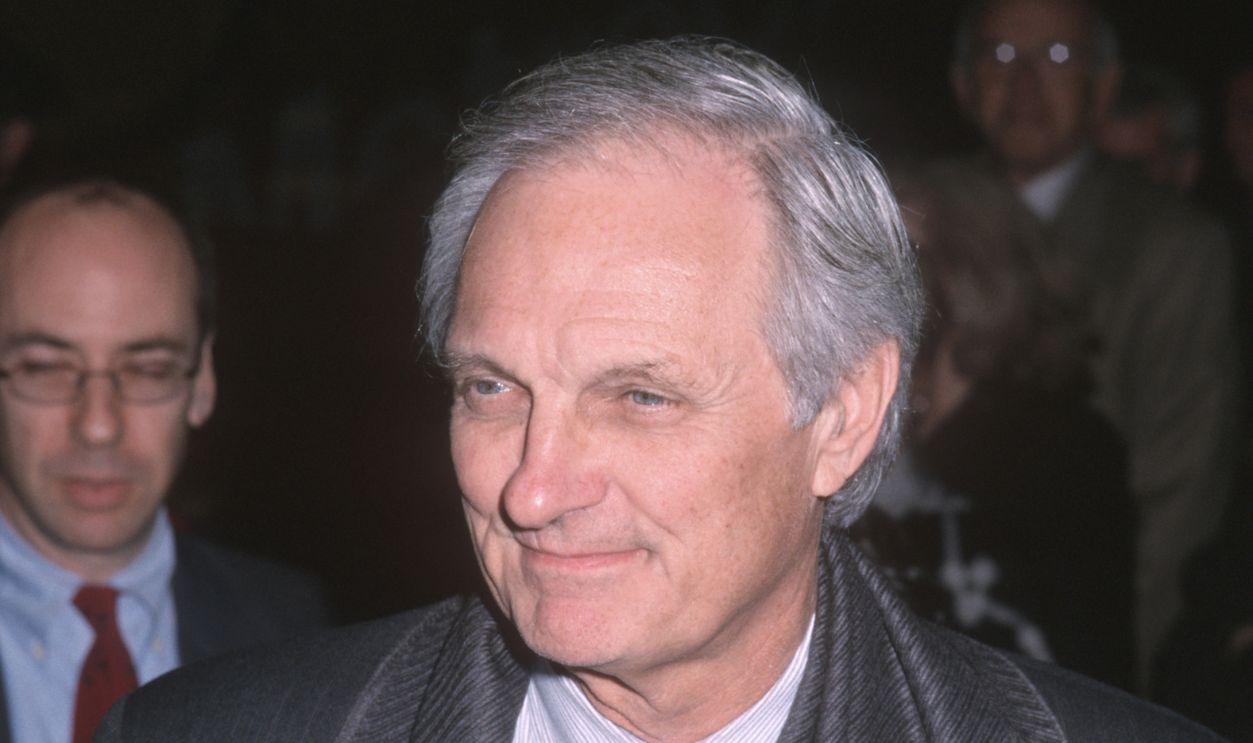
In 1999, Aaron Sorkin was putting his cast together for his new show, The West Wing. He needed someone for the important role of President of the United States. Sorkin had three choices: Sidney Poitier, Martin Sheen and Alda. Alda lost out to Sheen, and that ship sailed.
But Alda did get a second chance.
35. He Played Against Type
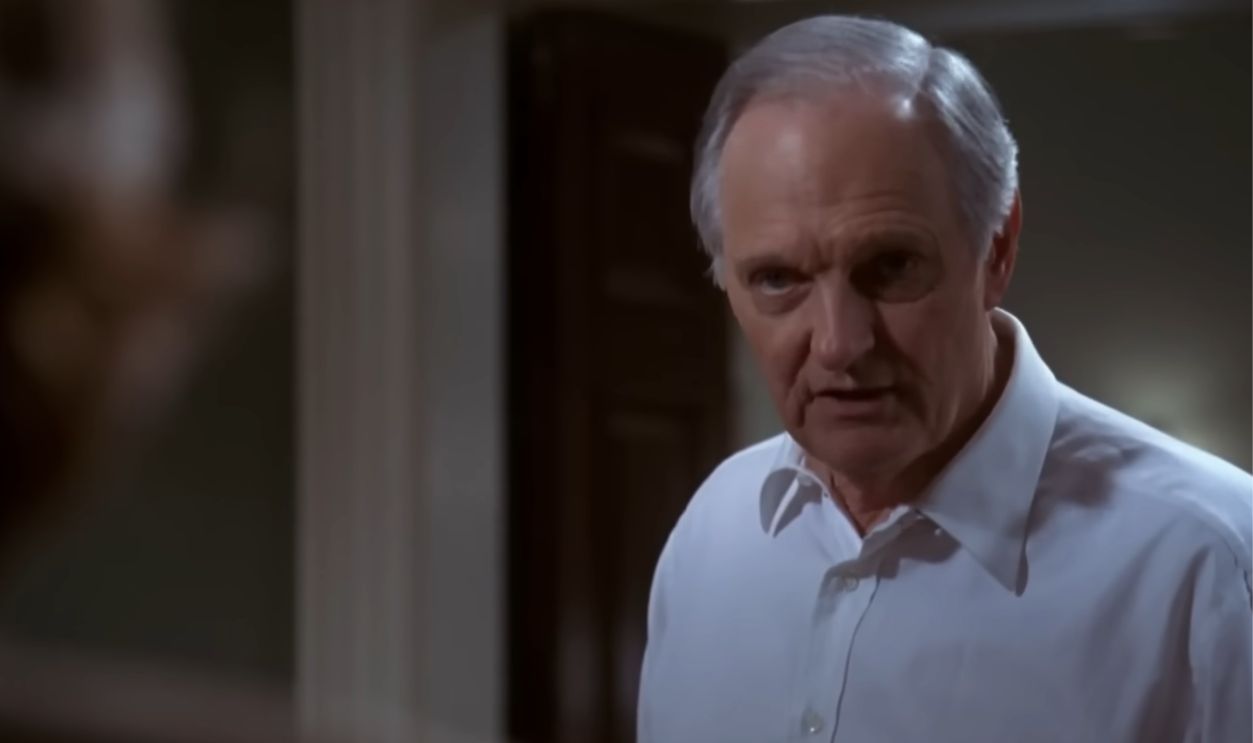
The West Wing went on to become a popular series for NBC. In its sixth season, Sorkin called on Alda to play Arnold Vinick. The funny thing was that the very left-leaning Alda was playing a staunch Republican. For this great feat of acting, the Primetime Emmys rewarded him with a trophy for Outstanding Supporting Actor.
Since he was taking home trophies, Alda thought he’d give the Oscars a try.
 Screenshot from The West Wing, NBC (1999–2006)
36. He Tried It Again
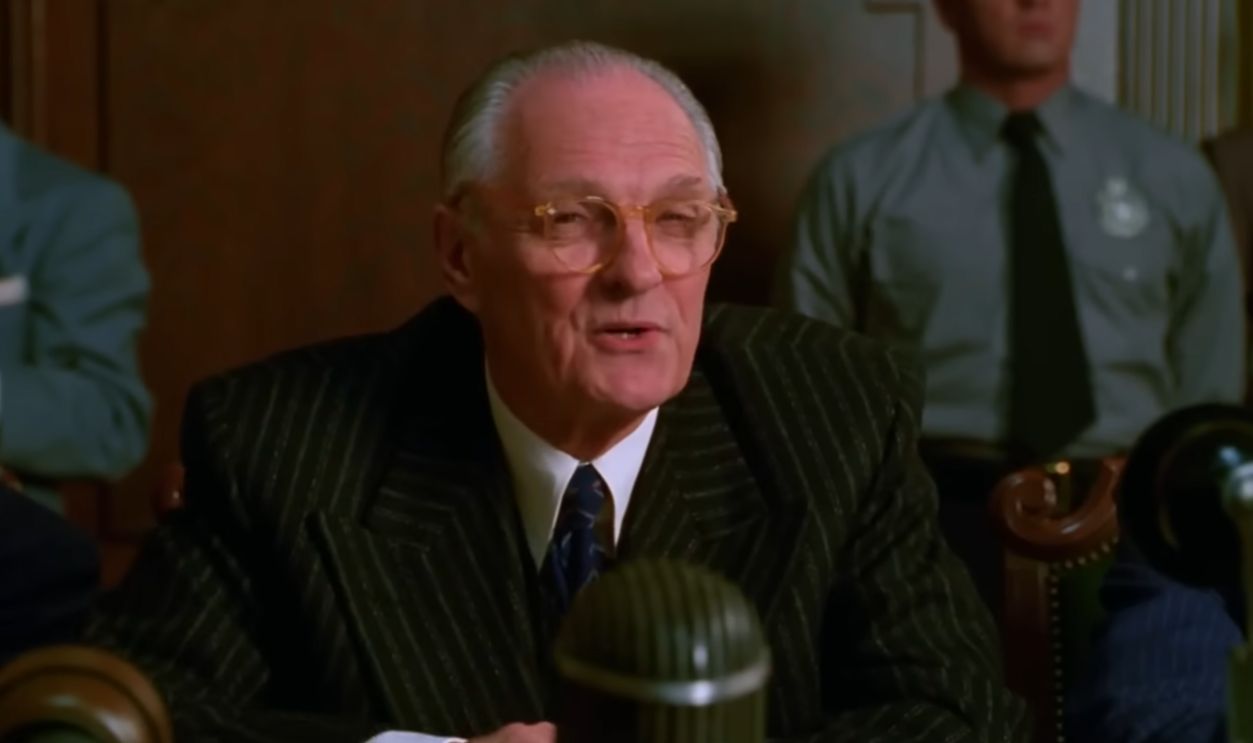
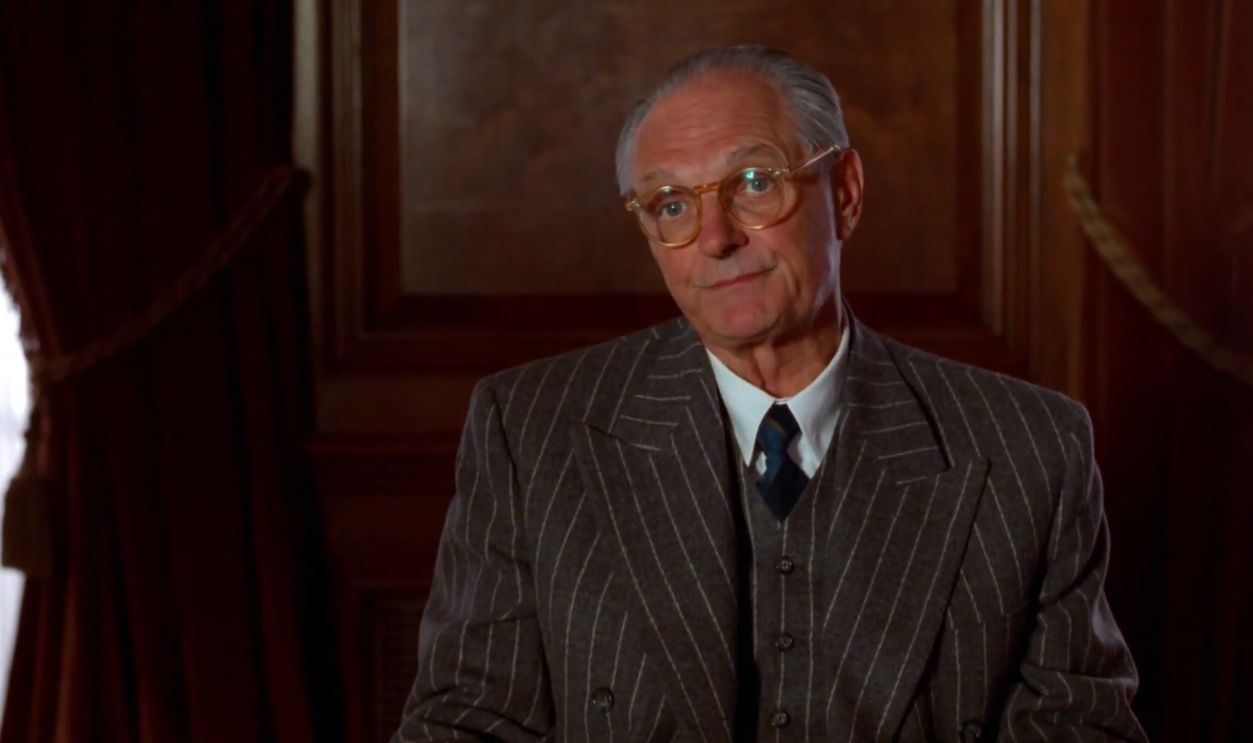
If a film had Oscar contender written all over it, it was the Howard Hughes biopic The Aviator. This Martin Scorsese film was star-studded, and Alda nabbed a role as real-life Republican Senator Ralph Owen Brewster. Since playing a Republican had won him an Emmy for The West Wing, it seemed likely that this role could get him an Oscar.
Alda just had to hope it would work twice.
 Screenshot from The Aviator, Miramax Films (2004)
37. He Had Only One Chance
When awards time came up, The Aviator received a stunning 11 nominations, and there was one there for Alda for Best Supporting Actor. Sadly, the only winner for acting in The Aviator was Cate Blanchett. This was Alda’s only chance at the Oscar. He had already lost to Morgan Freeman in Million Dollar Baby.
But Alda had more important things to worry about than a lost award.
 Screenshot from The Aviator, Miramax Films (2004)
38. He Had A Health Emergency
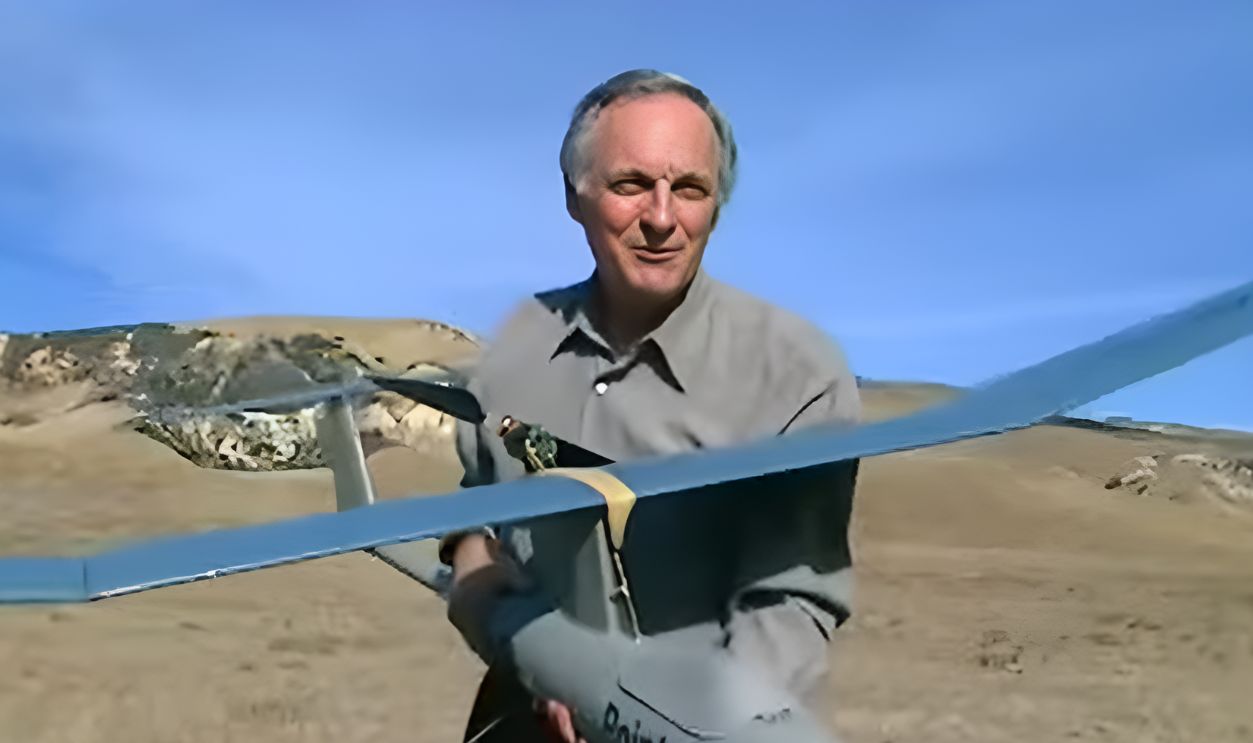
From 1993 to 2005, Alda was the host of Scientific American Frontiers, which investigated new technology. While on location for the show in La Serena, Chile, Alda had a major health issue. His intestines were becoming strangled. When a doctor came in to help, Alda gave him a big surprise.
 Screenshot from Scientific American Frontiers, PBS (1990–2005), Modified
39. He Learned Some Valuable Skills
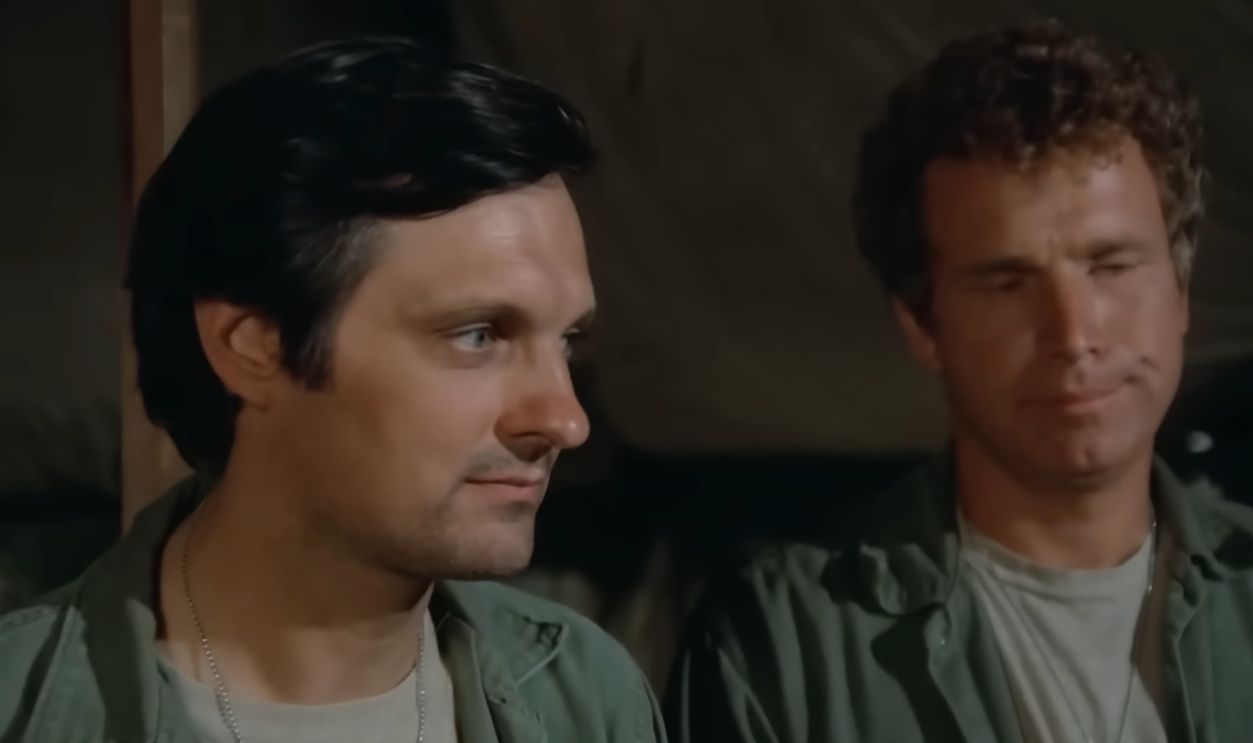
So, Alda was in Chile and in need of medical help for his strangulated intestine. As the doctor started to explain what was happening, Alda told him that he already knew what was happening, and he knew the needed procedure. He told the shocked doctor that he’d learned about it while appearing as a surgeon on M*A*S*H.
Alda had many stories like these. Enough to write a book.
 Screenshot from M*A*S*H, CBS (1972–1983)
History's most fascinating stories and darkest secrets, delivered to your inbox daily.
40. He Is A Writer
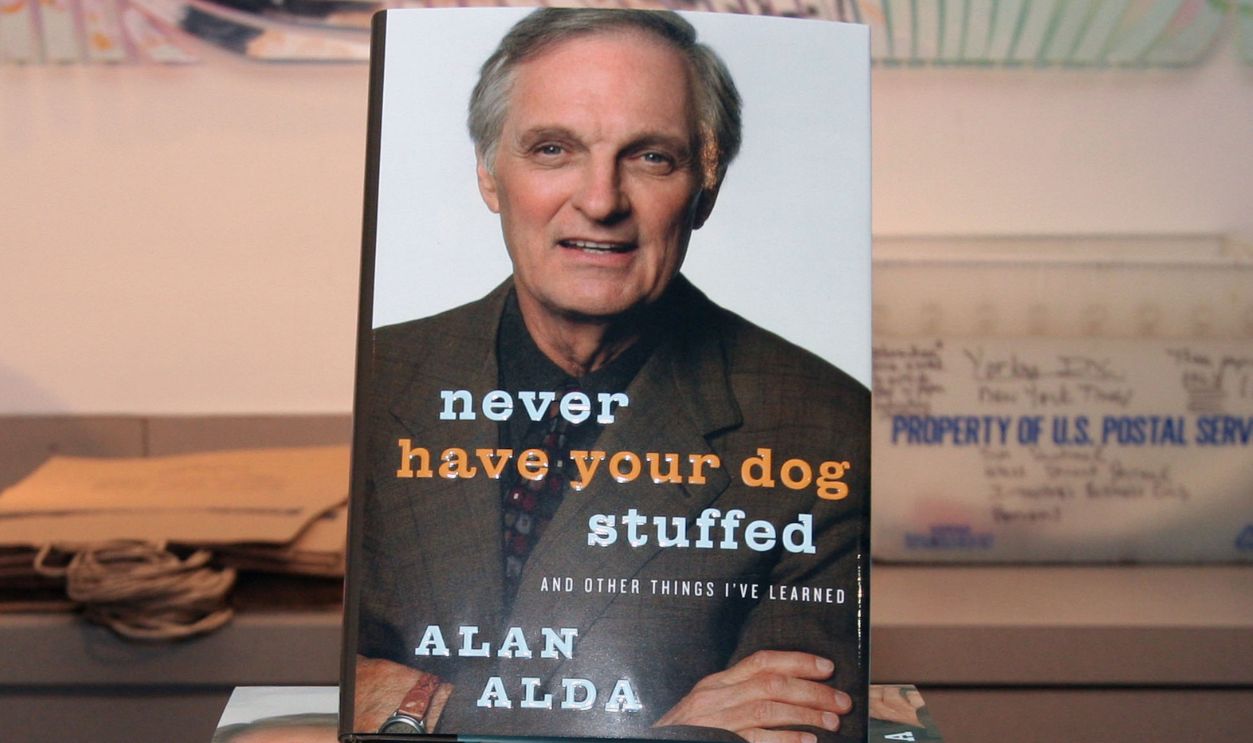
In 2005, Alda’s memoir Never Have Your Dog Stuffed: and Other Things I've Learned hit bookstores. It’s a strange title, and the story behind it is even stranger. As a child, Alda lost a cherished pet, and his dad had the idea to have the dog stuffed, so Alda wouldn’t miss it so much. The result horrified Alda, and he learned sometimes it best just to let things go.
This strangely titled book would inspire two comedians.
41. His Book Was An Inspiration
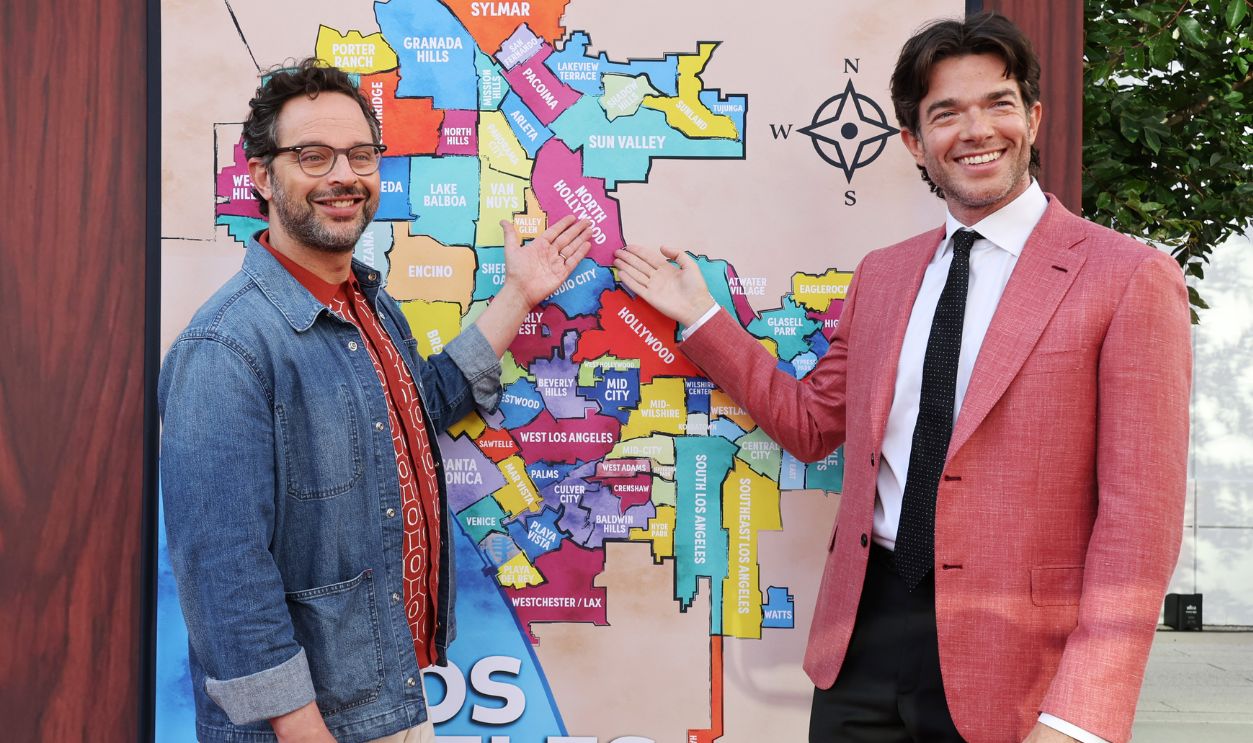
Back in 2000, comedians Nick Kroll and John Mulaney were in a New York City bookstore and happened to see two older gentlemen wearing turtlenecks. Both of these men were purchasing a copy of Alda’s book Never Have Your Dog Stuffed: And Other Things I’ve Learned. Something about these two men fascinated the comedians.
Years later they would become a phenomenon.
42. He Was The Best
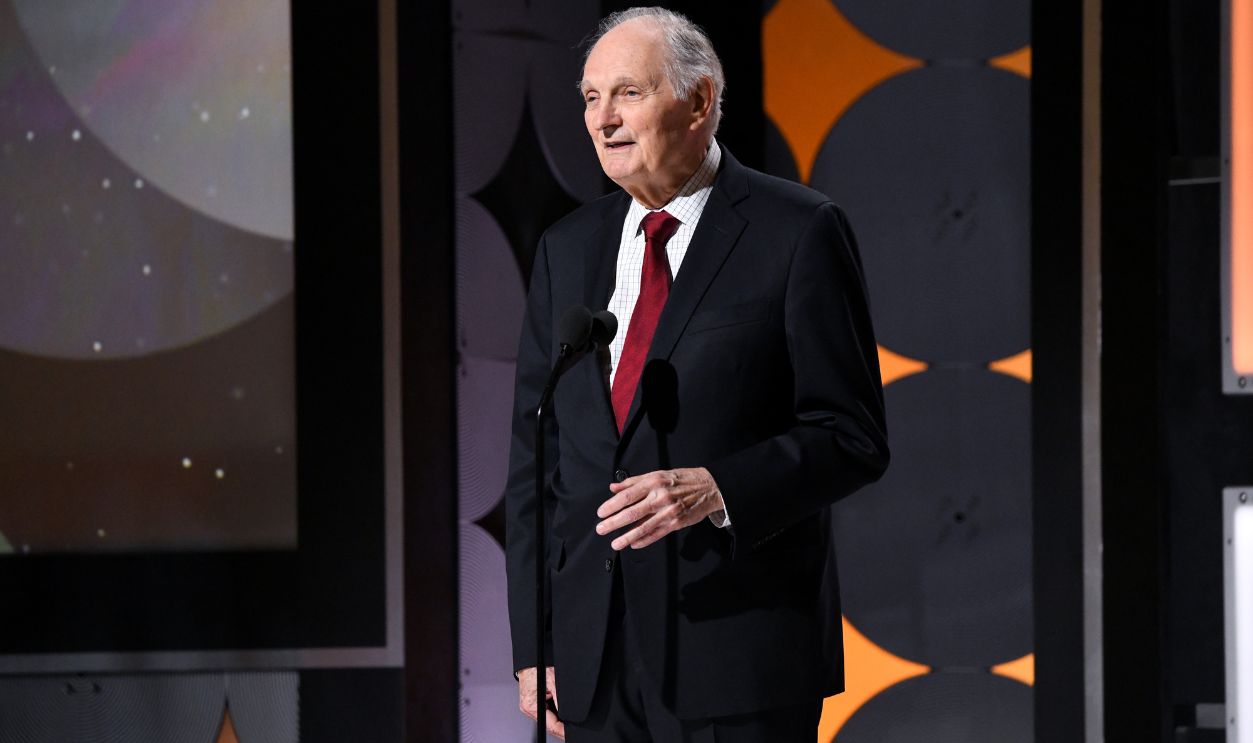
Kroll and Mulaney turned the two old men buying Alda’s book into a comedy act that ended up on Broadway. On the first performance at the Lyceum Theater in 2016, Alda got the invitation to go on stage. Mulaney introduced him as “the best guest we ever had”. Alda was managing to stay relevant after so many years in show business.
But sometimes, he was in the spotlight for the wrong reasons.
43. He Worked With A Controversial Figure
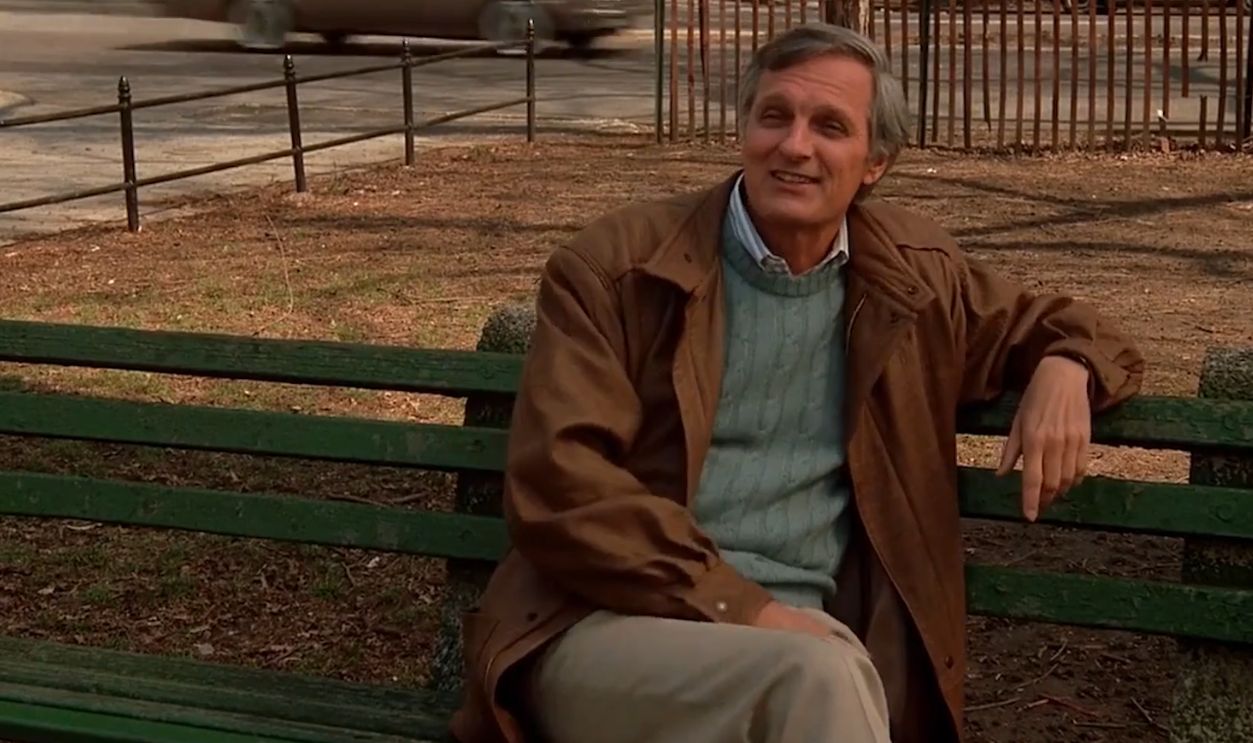
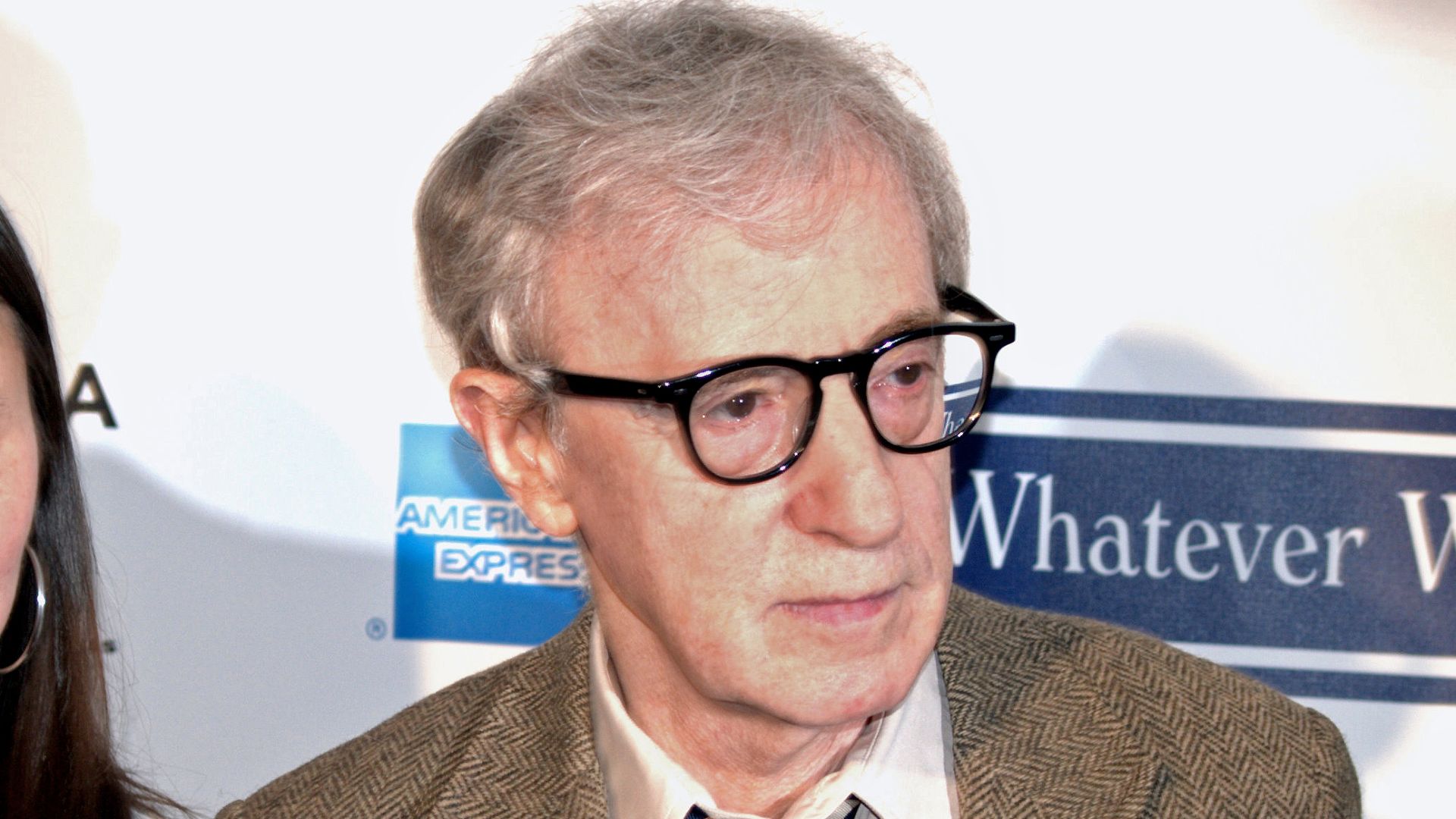
When Woody Allen was making films in the 1990s, he often turned to Alda to exploit his comedic and dramatic skills. Alda appeared in Crimes and Misdemeanors and Everyone Says I Love You. Because Alda is a feminist, many wanted to know what he thought of Allen after startling accusations came out from his ex-partner, Mia Farrow.
His response was surprising.
 Screenshot from Crimes and Misdemeanors, Orion Pictures (1989)
44. He Doesn’t Judge
Alda must have felt a little embarrassed after working with Allen. That is, if the accusations against Allen are true. Alda’s response to the controversy was that he would work with Allen again if he got the invitation. He went on to say, “I'm not qualified to judge him... I just don't have enough information to convince me I shouldn't work with him”.
But Woody Allen wasn't the only disgraced artist that Alda worked with.
 David Shankbone, Wikimedia Commons
45. He Thought He Was Terrible
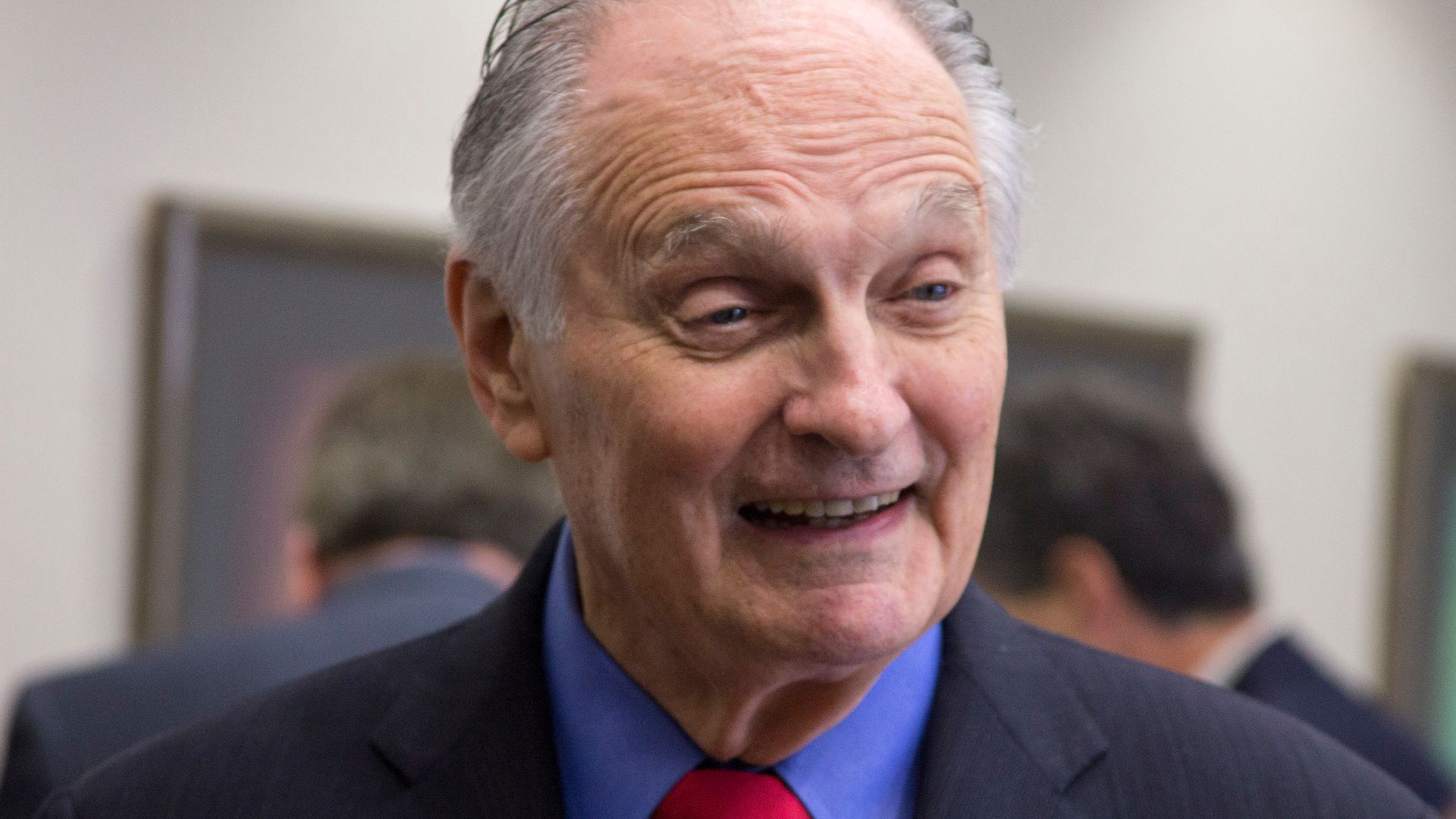
In 2016, Alda appeared in Louis CK’s web-based series, Horace and Pete. This was just a year before an article in The New York Times led CK to admit to some very inappropriate misconduct. Once again, Alda had to explain how he viewed this. This time, he admitted, CK “did a terrible thing”.
Clearly, having a reputation as a “good guy” can be a burden.
 Moody College of Communication from Austin, USA, Wikimedia Commons
History's most fascinating stories and darkest secrets, delivered to your inbox daily.
46. He Is Critical
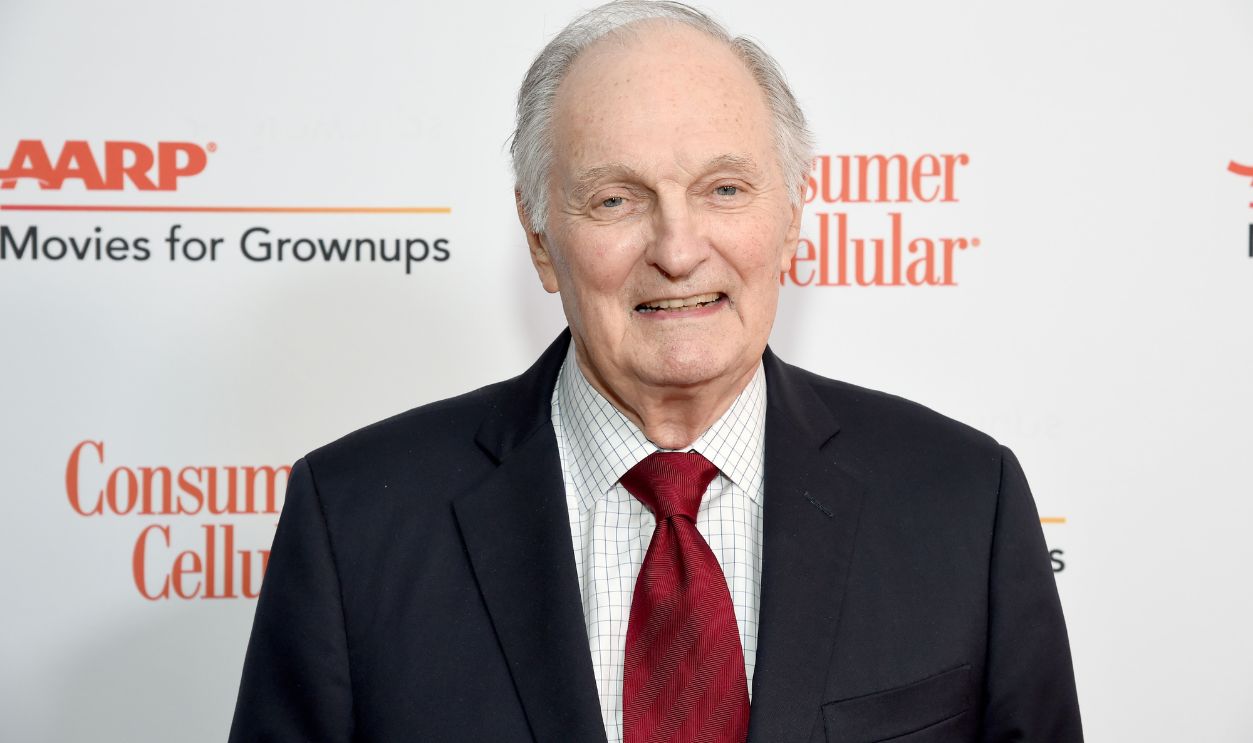
Alda has a reputation for being not just a nice guy but also a champion for needy causes. But Alda was critical of this reputation. He once said, “It's too bad I'm not as wonderful a person as people say I am, because the world could use a few people like that.”
Sometimes it seems that Alda liked to have a little fun with his reputation for being good.
47. He’s Not Actually That Nice
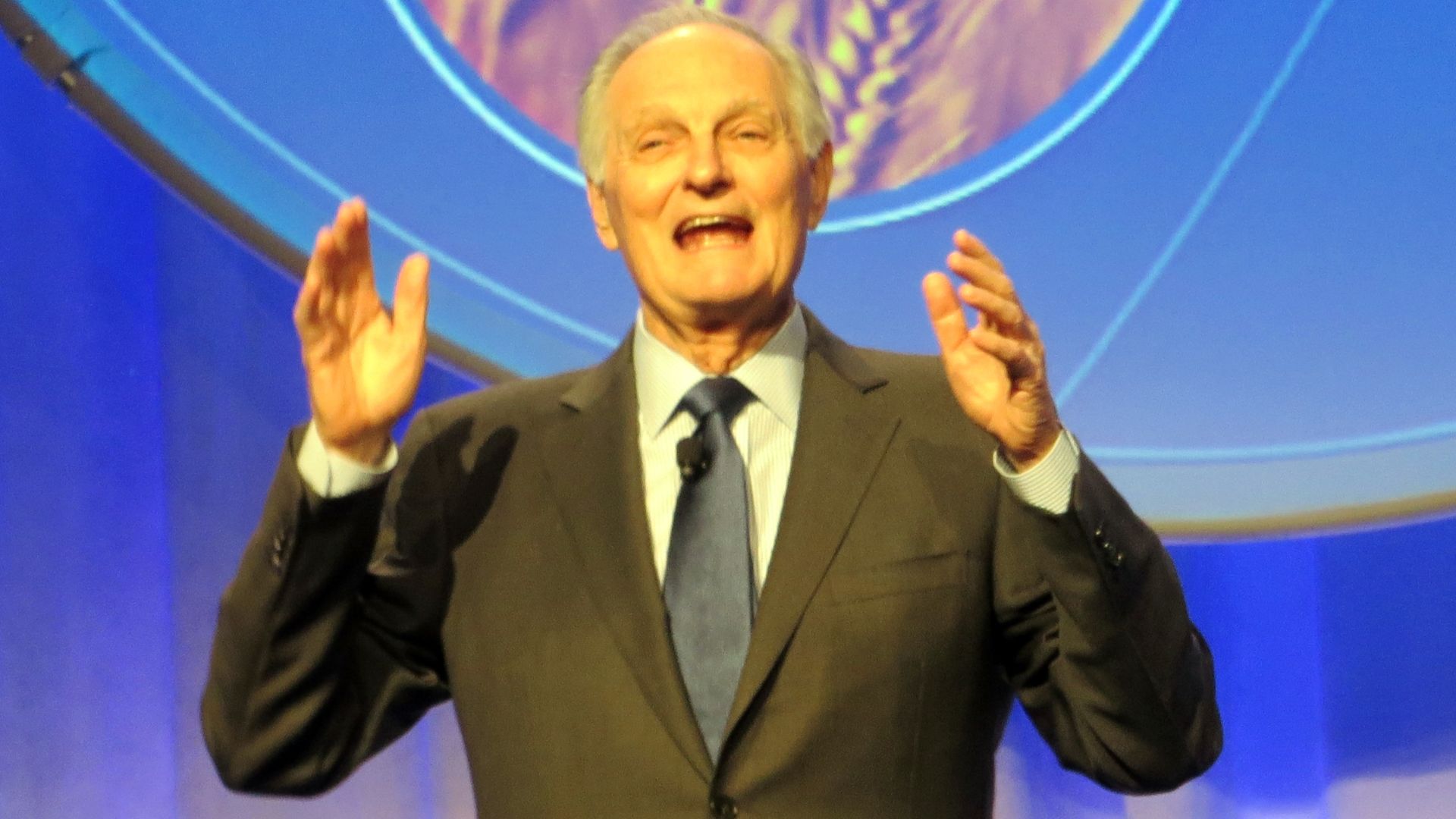
For all his perceived morality of character, Alda seems to enjoy playing against his nice-guy image, often rejecting the media-created label. He likes setting his listeners up for an expected Alda-like quote, only to surprise them with the opposite. Like this one, “It isn't necessary to be rich and famous to be happy. It's only necessary to be rich”.
Alda’s next quote would leave his fans speechless.
48. He Got A Diagnosis
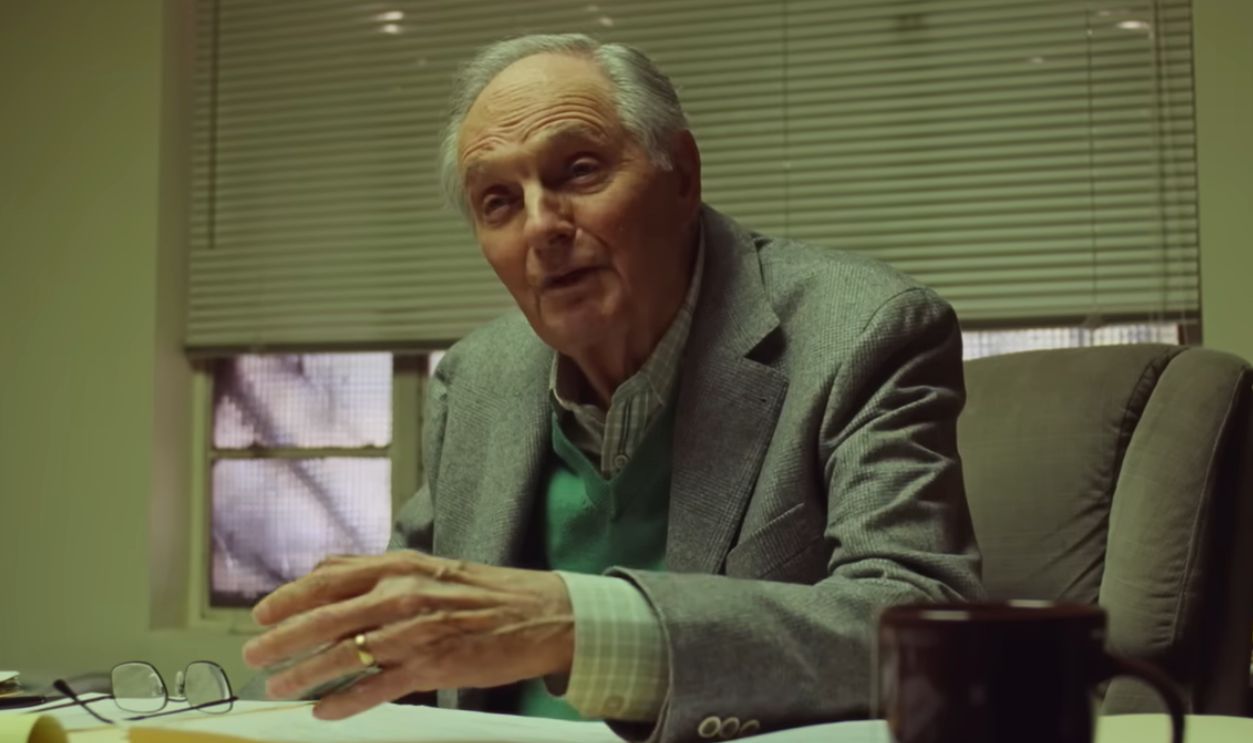
In 2018, Alda appeared on CBS This Morning with some sad news. Doctors had diagnosed him with Parkinson’s disease. Instead of worrying about himself, Alda’s concern went to his work. At the time, he had a role in Noah Baumbach’s Marriage Story and didn’t want his tremors to be a distraction. Thankfully, they weren’t and Alda received high praise for this role.
But, when it comes down to it, Alda is the eternal optimist.
 Screenshot from Marriage Story, Netflix (2019)
49. His Mother Tried To End His Father
Remember the haunting event from Alda's childhood? Well, when he was six years old, tragedy struck the family. During a mental health episode, Alda's Mom lunged at his Dad with a blade, attempting to stab him. Later in his life, Alda reflected on this experience in his memoir.
And what he said was unexpected, to say the least.
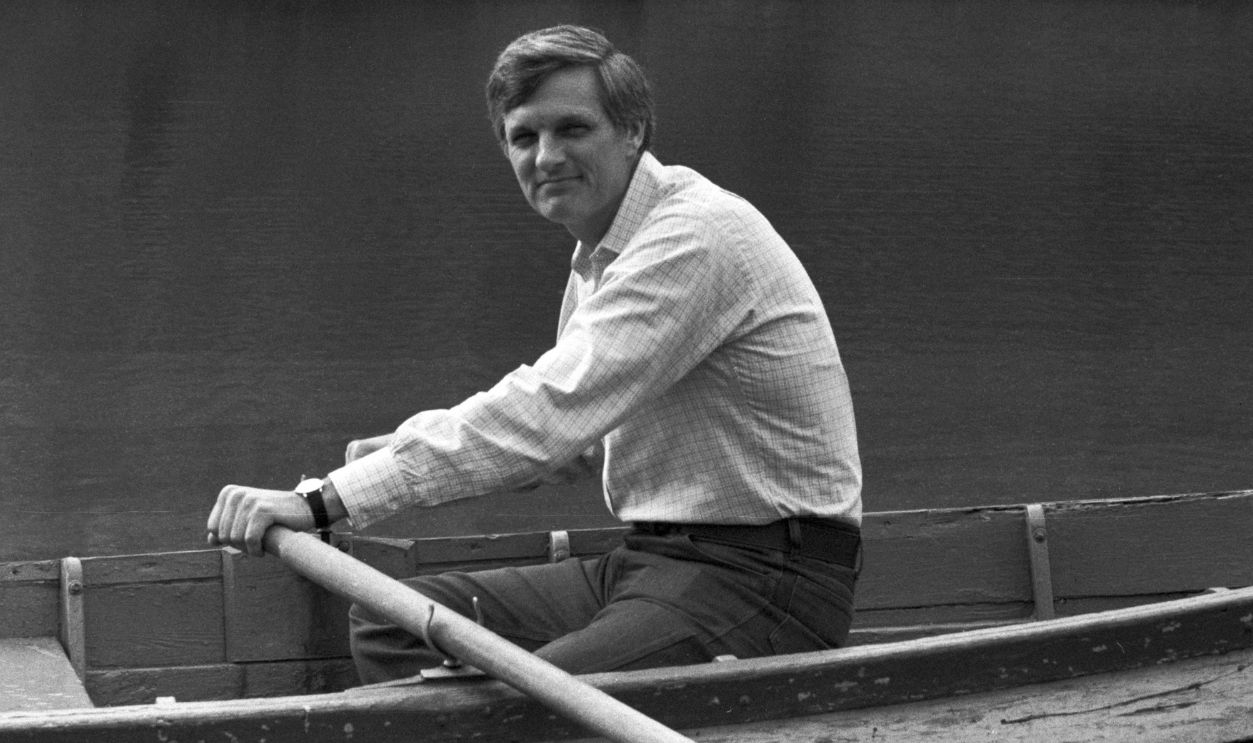
![Alan Alda, Columbia Medical School [New York]](https://www.factinate.com/storage/app/media/factinate/2026/7/24/1784892292aa89cbf3bc2c0e88db032ec57120dacc0ce0607c.jpg) Bernard Gotfryd, Wikimedia Commons
Bernard Gotfryd, Wikimedia Commons
50. He Has A Hidden Dark Side Too
It would be hard for anyone to find anything positive to say about the horrifying situation. But a wise and witty Alda did. He saw a dim silver lining and said, “My mother didn't try to stab my father until I was six,” basically brushing it off as inevitable. Perhaps there's a dark side to Alda, too.
Even still, it's hard not to be optimistic when you’ve had Alda’s extraordinary life.
51. He’s Had A Good Life
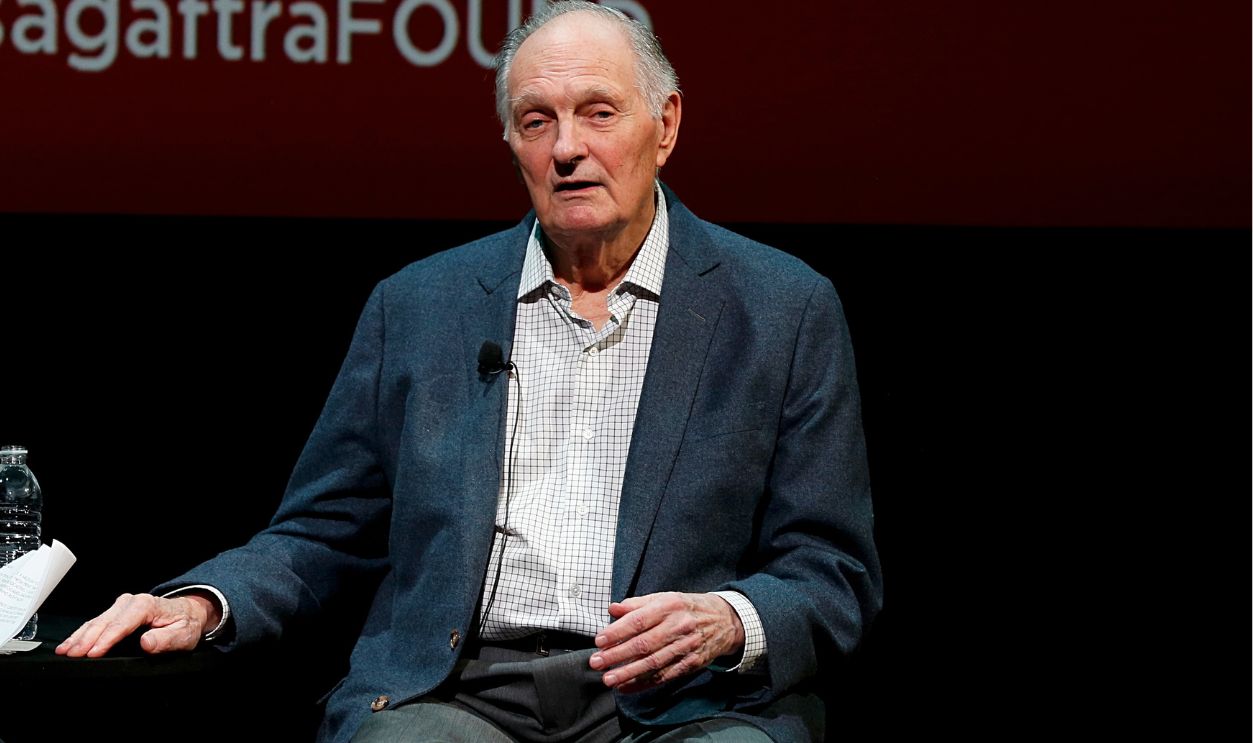
Looking back on Alda’s career, it’s easy to see why he remains an optimist. He’s taken home six Primetime Emmys and a half a dozen Golden Globes. He has a pair of BAFTA Awards and even a Grammy. You can round these accomplishments out with three Tonys and a Lifetime Achievement Award from the Screen Actors Guild.
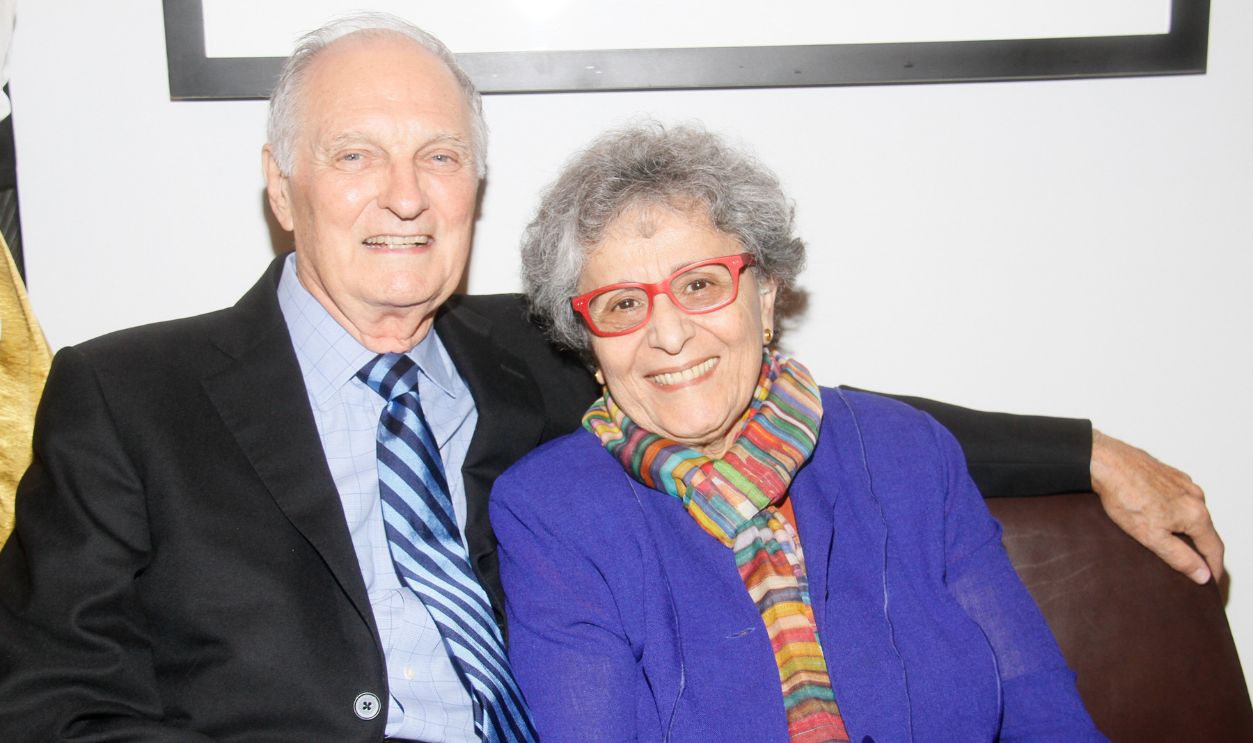
Oh, and he’s also stayed with the same wife since 1957.
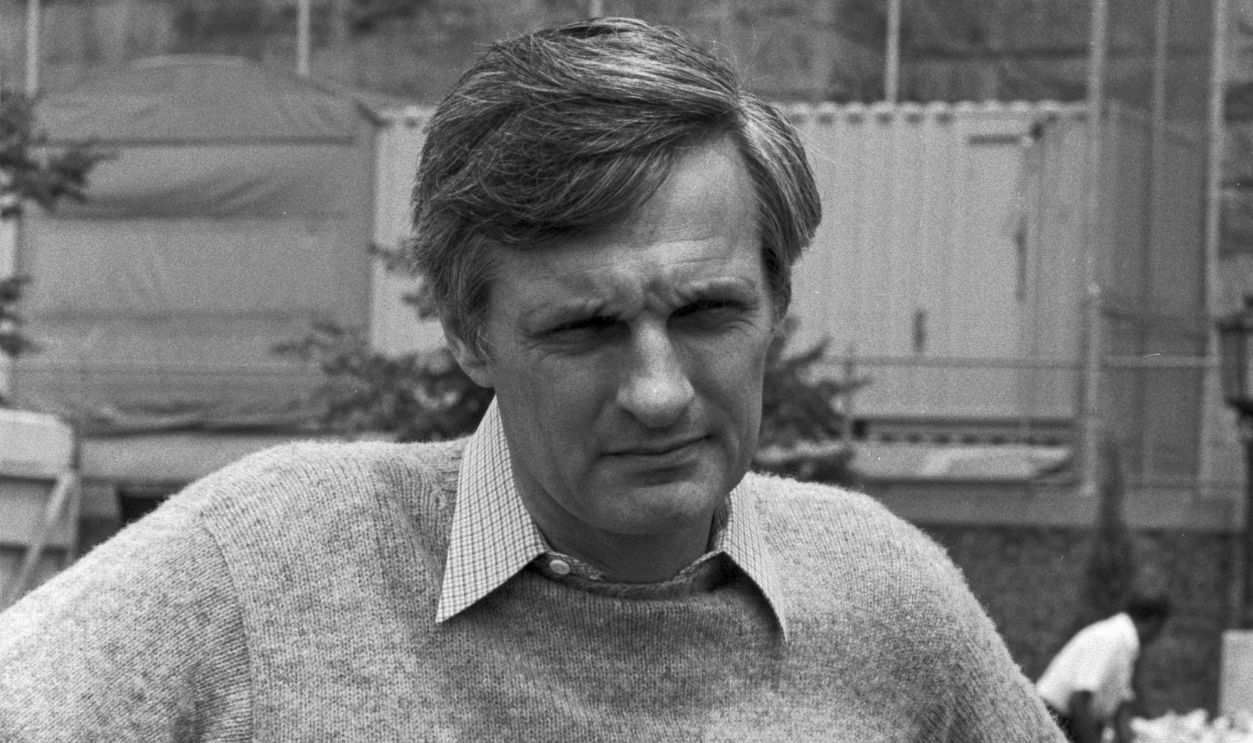
 Janette Pellegrini, Getty Images
You May Also Like:
While famous across America for his role as Uncle Jesse on The Dukes of Hazzard—Denver Pyle never truly lived like a Hollywood star.
Behind his wholesome television persona, Bob Crane led a double life that shocked even the darkest corners of Hollywood.
Sources: 1, 2, 3, 4, 5, 6, 7, 8, 9, 10, 11, 12, 13, 14, 15, 16