She Can Sing Anything
In the late 1970s, Rolling Stone magazine announced that Linda Ronstadt was “America’s best-known female rock singer”—a huge accomplishment considering rock was only one of her many genres. It would be a huge mistake to say that she dabbled, because Ronstadt was able to receive accolades for almost any kind of singing, including opera and mariachi. But her journey to fame was not easily won. She worked hard, slayed dragons, and agonizingly carved her place in music history. And then the real tragedy struck.
1. She Had The Perfect Childhood
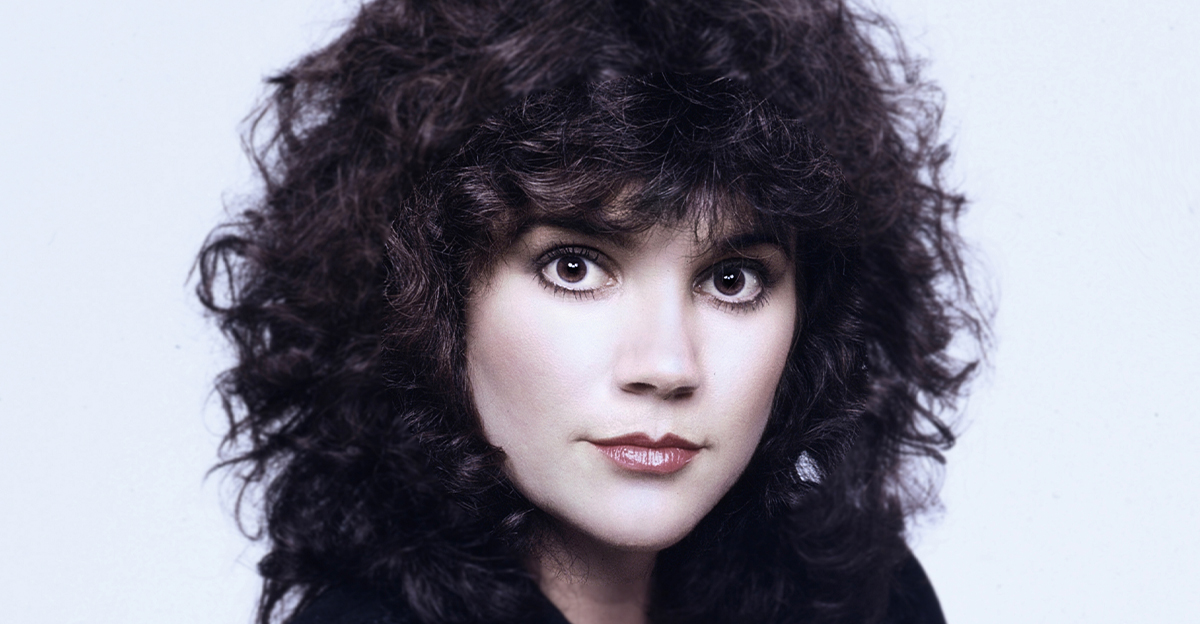
Linda Ronstadt was born on July 15, 1946, in Tucson, Arizona. Her life growing up on a ranch with her parents and three siblings was so idyllic that Family Circle magazine did a feature on them. Part of the charm of the Ronstadt family was their love of music.
![Collectie / Archief : Fotocollectie Anefo
Reportage / Serie : [ onbekend ]
Beschrijving : Zangeres Linda Ronstadt op Schiphol
Datum : 20 november 1976
Locatie : Noord-Holland, Schiphol
Trefwoorden : zangeressen
Fotograaf : Bogaerts, Rob / Anefo
Auteursrechthebbende : Nationaal Archief
Materiaalsoort : Negatief (zwart/wit)
Nummer archiefinventaris : bekijk toegang 2.24.01.05
Bestanddeelnummer : 928-8975](https://www.factinate.com/storage/app/media/factinate/2026/4/1/177502134656607e20300eeba98e6b4a07aaa23ef743fc0d1e.jpg) Rob Bogaerts / Anefo, Wikimedia Commons
Rob Bogaerts / Anefo, Wikimedia Commons
2. She Knew Who The Best Was
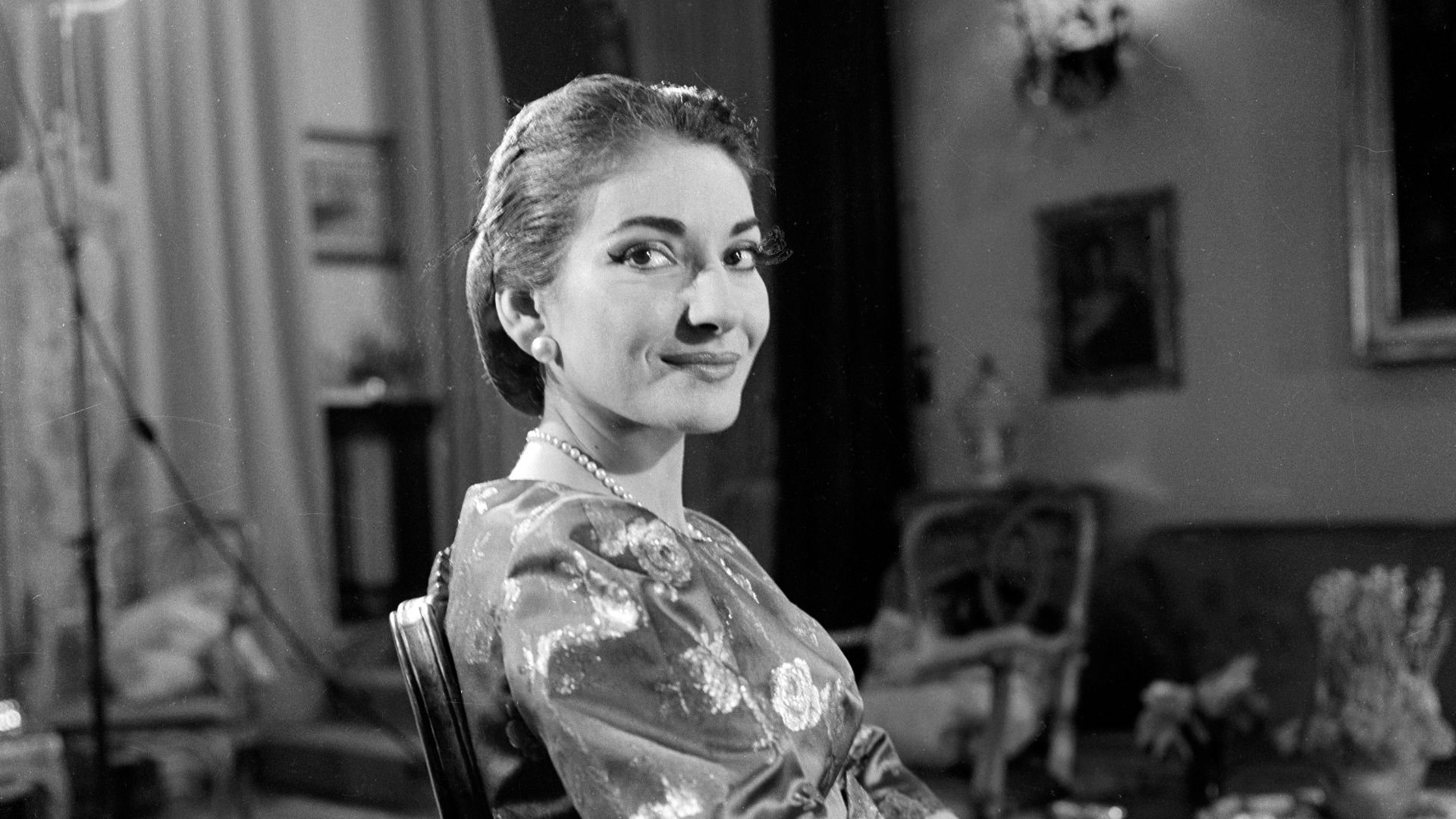
Her family was very musical, but Ronstadt also drew influence from a place most of us did back then: the radio. Here, Ronstadt heard recordings of female greats like Ella Fitzgerald, Billie Holiday, and Edith Piaf. Her number one influence was opera singer Maria Callas. Ronstadt called her “the greatest chick singer ever”.
But Ronstadt wouldn’t be happy just listening. She had to perform.
 CBS Television, Wikimedia Commons
3. She Started Young
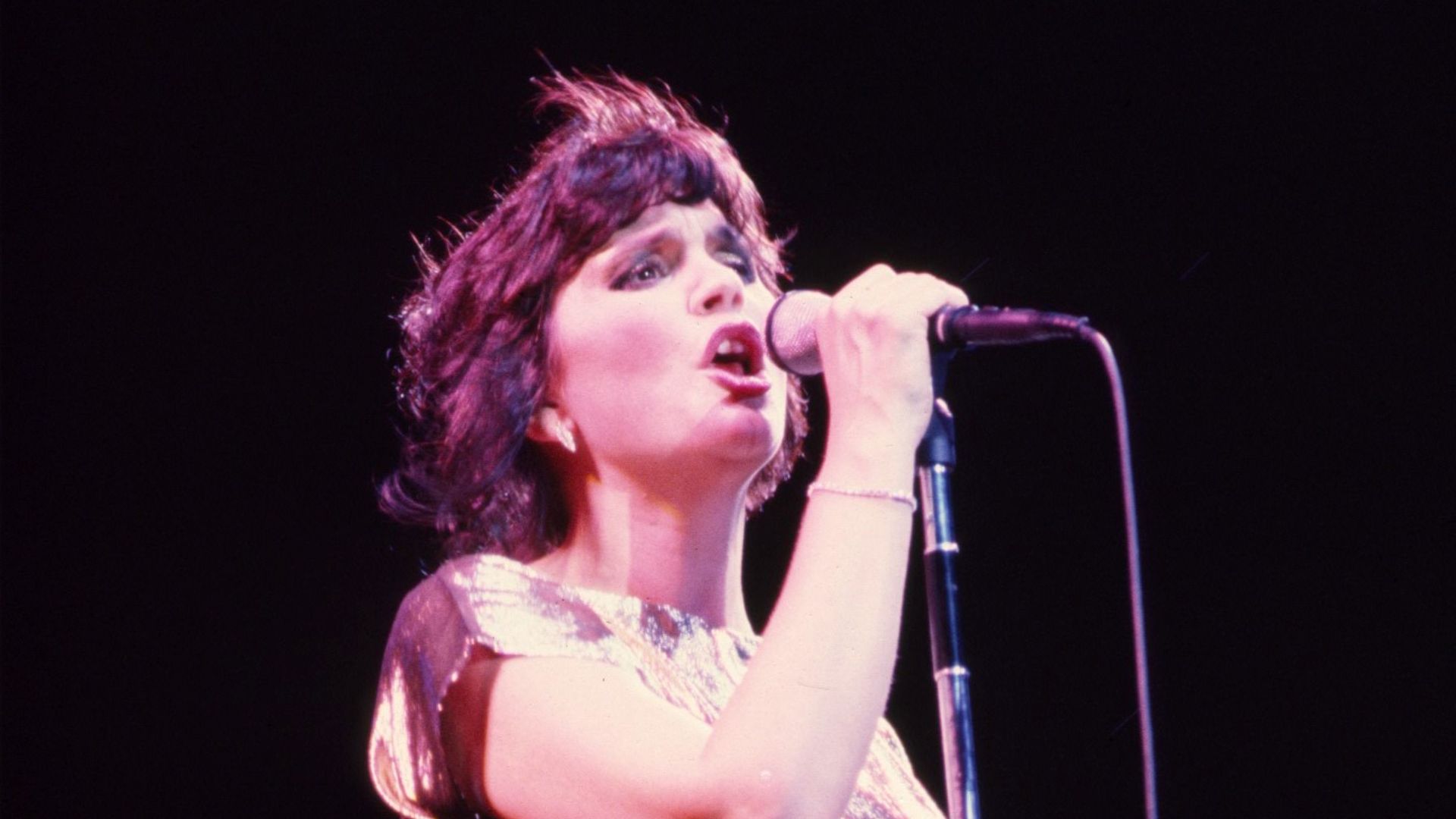
With all the music at home and on the radio, it didn't take long for Linda Ronstadt to get going on her career. In fact, she was just 14 years old when she started playing gigs with her brother and sister. Linda, Peter, and Gretchen called themselves “the Three Ronstadts” and played at coffeehouses and frat houses.
But there was a big difference between Ronstadt and her siblings.

History's most fascinating stories and darkest secrets, delivered to your inbox daily.
4. She Said Goodbye
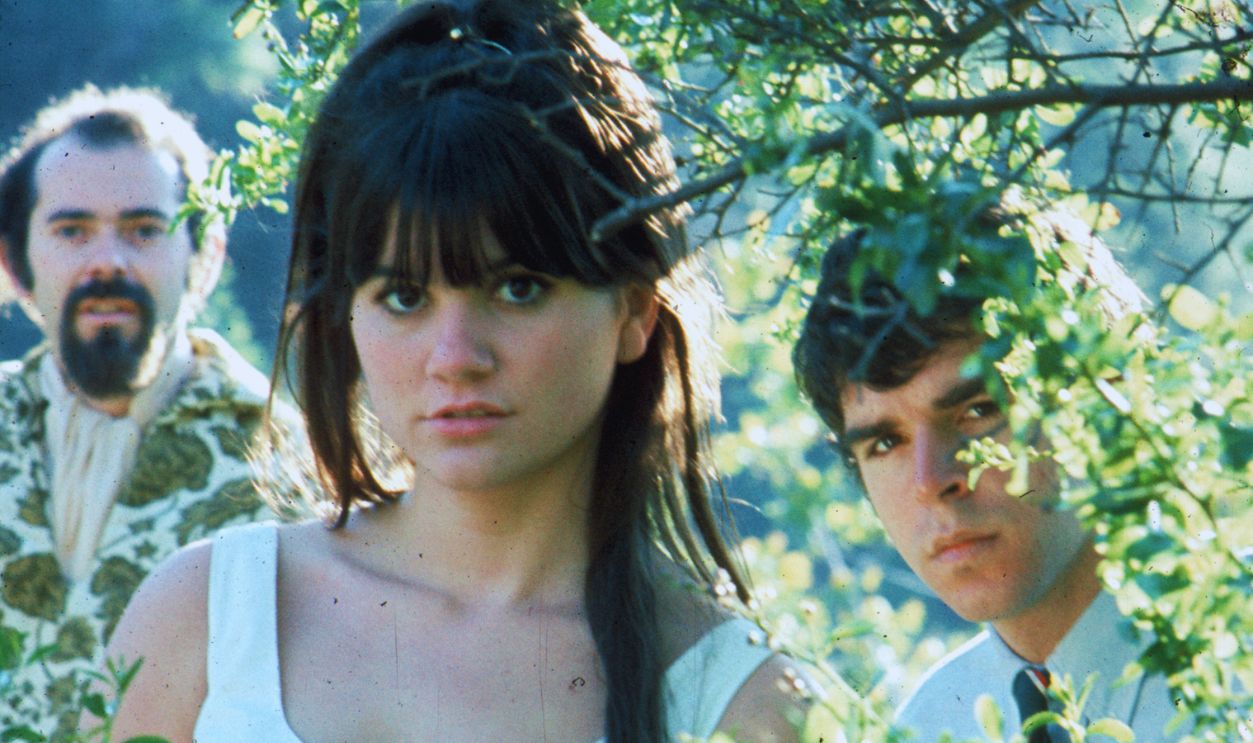
Ronstadt wanted to expand her musical repertoire to include rock and roll. She also wanted to take this singing thing to the next level. So she said goodbye to her musical siblings and went to LA. Luckily, she had a friend there who was also musical. Ronstadt, her friend Bobby Kimmel, and Kenny Edwards eventually formed the Stone Poneys.
They were ready to try and make a big splash in LA.
 Michael Ochs Archives, Getty Images
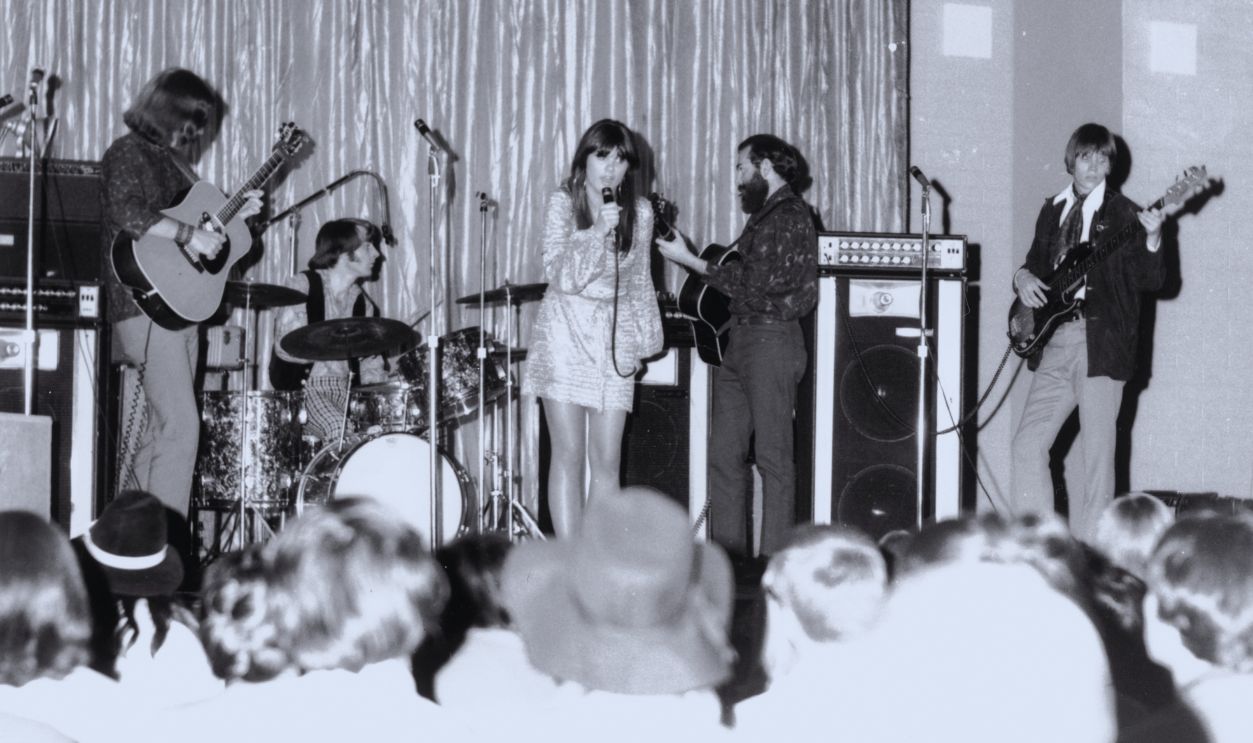
5. She Hit Number 13
It didn’t take long for Linda Ronstadt and the Stone Poneys to have a hit song. “Different Drum” reached the 13th spot on the Billboard Hot 100. But her future with Stone Poneys was soon over. The two guys left in search of better opportunities. Ronstadt had no choice but to go solo.
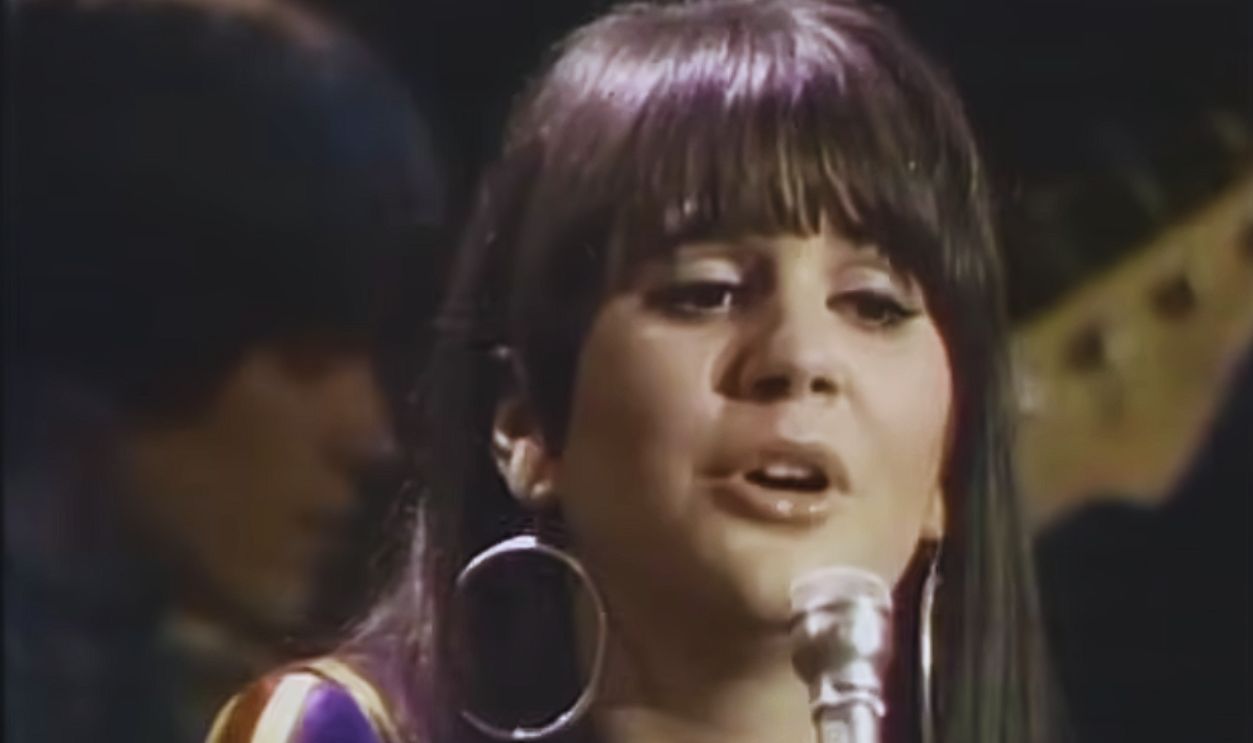 Screenshot from Stone Poneys: Different Drum, Capitol Records (1967)
6. She Liked A Twist
Going solo, Ronstadt went back to her family roots. She would record country music but with a twist. Ronstadt's first solo effort was 1969’s Hand Sown…Home Grown and the twist was that she wanted the songs to sound like they “had come out of Nashville but with a California twist”. The problem was that the country music lovers might not like the songs because they were too rock, and vice versa.
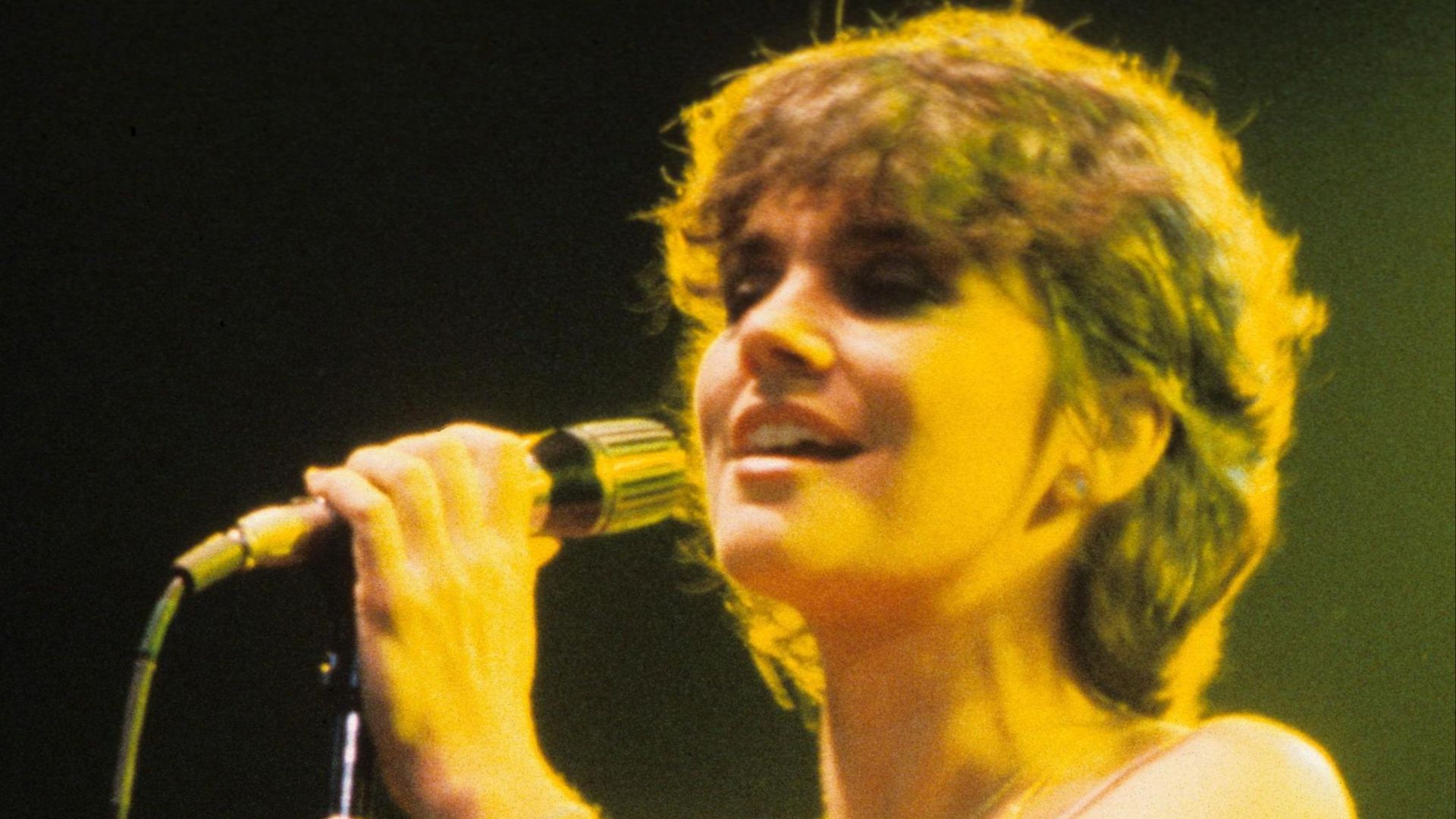 Carl Lender at https://www.flickr.com/photos/clender/, Wikimedia Commons
7. She Sold Razors
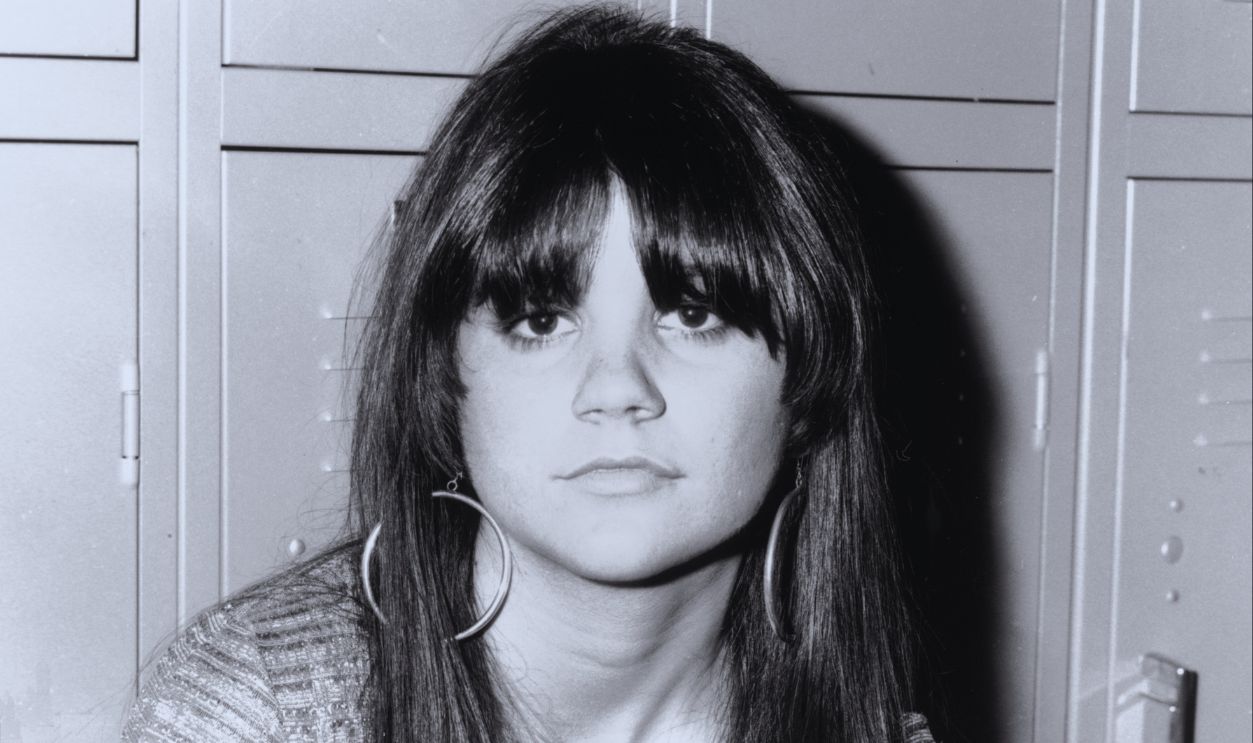
While she waited for her first solo album to hopefully turn her into a star, Linda Ronstadt still had to work for a living. So, she lent her voice to a commercial for eclectic razors. It was she and Frank Zappa telling the country that this razor, "cleans you, thrills you...may even keep you from getting busted".
This was not the way Ronstadt wanted to make money.
8. She Worked With Two Flames
Ronstadt’s first album was respectable enough to get her a second. Sadly, she wasn’t thrilled with 1970’s Silk Purse. But everything changed with Don’t Cry Now. She collaborated closely with producers JD Souther and John Boylan—both of whom she had intimate history with. She briefly dated Boylan before moving on to Souther while working on the album, but stayed on good terms with both men. The album’s success helped launch something even bigger.
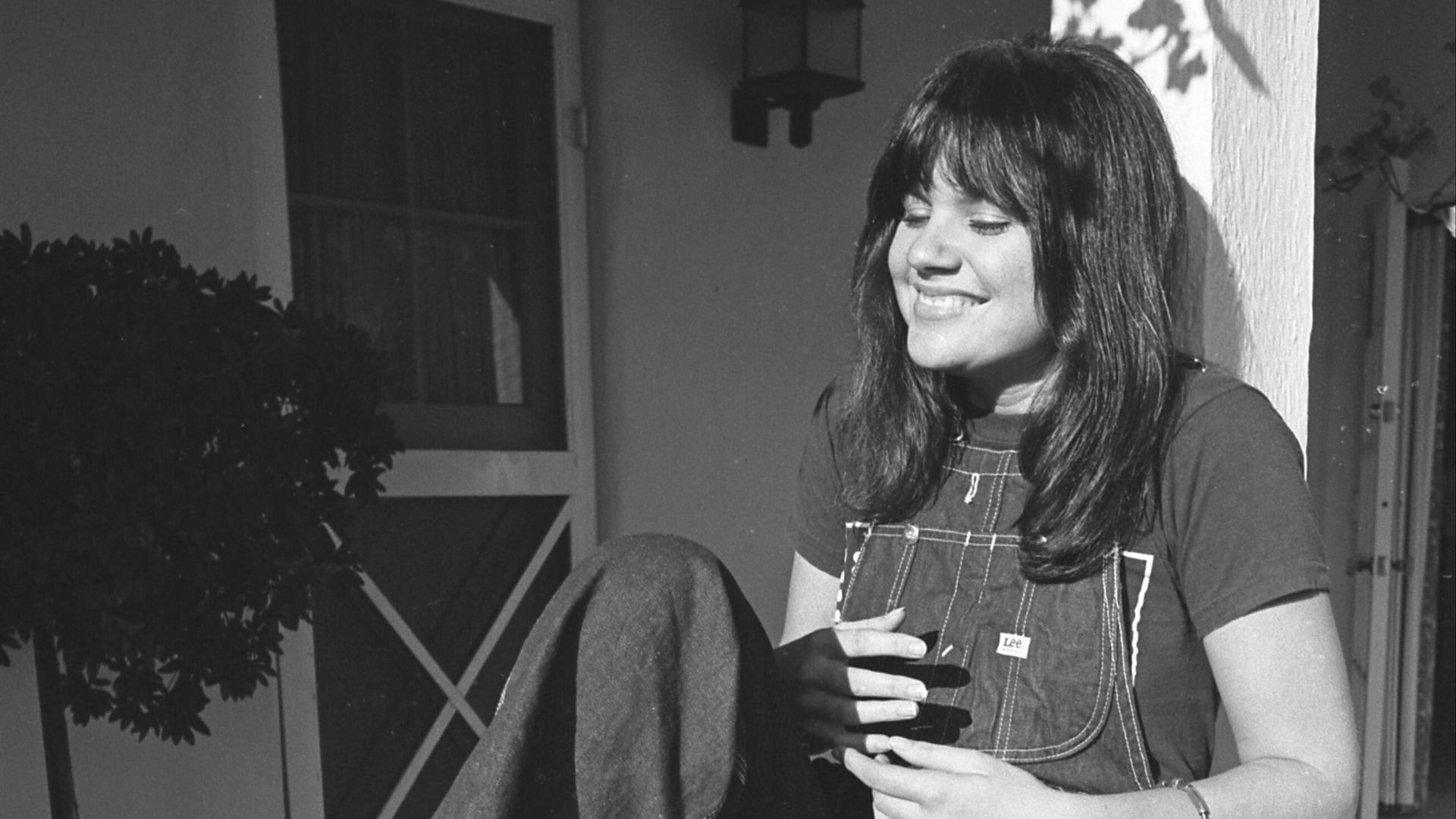 Larry Bessel, Los Angeles Times, Wikimedia Commons
9. She Played Huge Crowds
Ronstadt's album Don’t Cry Now paved the way for an amazing opportunity: she got to open up shows for Neil Young’s tour, Time Fades Away. Young could easily bring in huge crowds, and this meant great exposure for Ronstadt.
She was ready to take her career to the next level.
History's most fascinating stories and darkest secrets, delivered to your inbox daily.
10. She Had To Choose One
Don’t Cry Now turned into a huge success, and Linda Ronstadt wanted to make more of the same. Remember, she had gotten romantically involved with two of the producers on the album, so she decided to cut ties with them and work more with the one she hadn’t slept with. This was Peter Asher.
But Asher had a problem with Ronstadt.
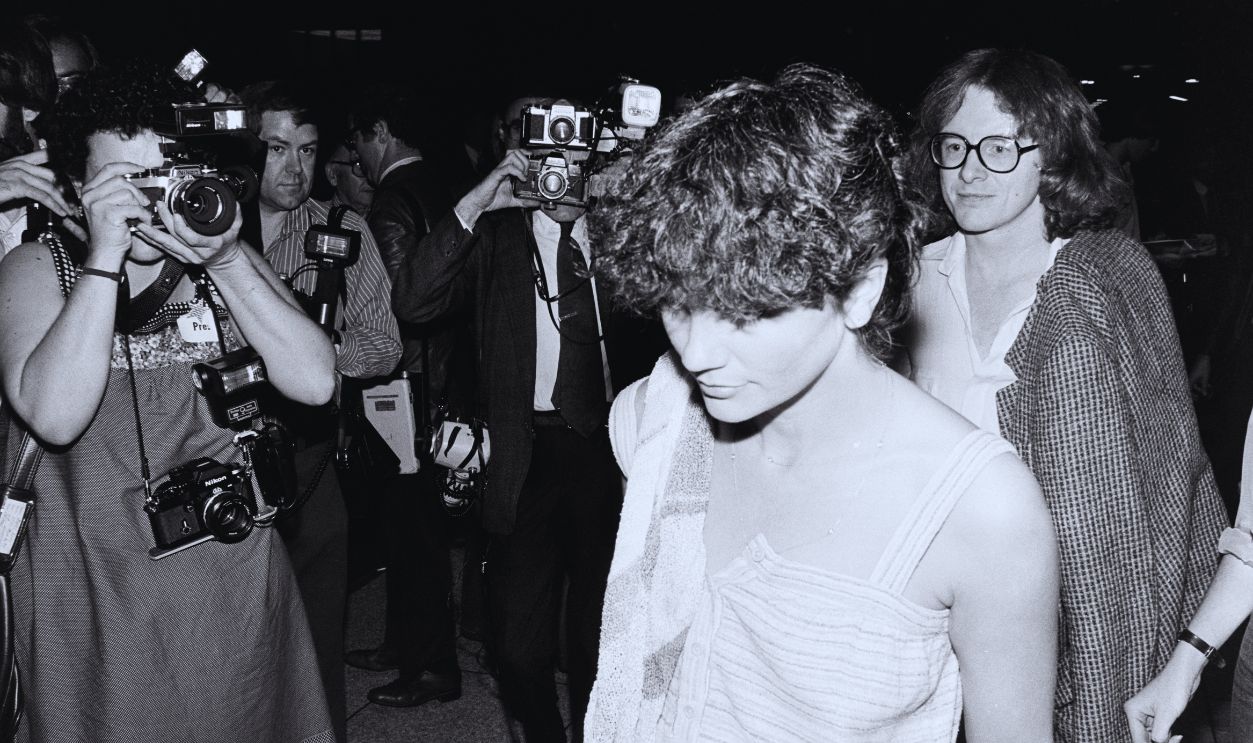
![Collectie / Archief : Fotocollectie Anefo
Reportage / Serie : [ onbekend ]
Beschrijving : Zangeres Linda Ronstadt op Schiphol
Datum : 20 november 1976
Locatie : Noord-Holland, Schiphol
Trefwoorden : zangeressen
Fotograaf : Bogaerts, Rob / Anefo
Auteursrechthebbende : Nationaal Archief
Materiaalsoort : Negatief (zwart/wit)
Nummer archiefinventaris : bekijk toegang 2.24.01.05
Bestanddeelnummer : 928-8976](https://www.factinate.com/storage/app/media/factinate/2026/4/1/177502263186707c9d3844c01348ad0c259634cd72ecbabc3d.jpg) Rob Bogaerts / Anefo, Wikimedia Commons
Rob Bogaerts / Anefo, Wikimedia Commons
11. He Didn’t Want Her
Asher was helping James Taylor with his career, and Ronstadt was hoping he could do the same with hers. But Asher had a concern: he knew that Ronstadt was a "woman of strong opinions”. It seemed that Asher wanted more control than what he assumed Ronstadt would give him. He also knew that Ronstadt had a habit of getting intimate with her producers.
Asher had a strong feeling to say no to Ronstadt, but he didn’t.
12. She Hit The Big Time
Ronstadt’s first album with Asher on board full-time was Heart Like A Wheel. This effort was clearly Ronstadt’s breakthrough album. It hit the number one spot on the Billboard Top 200 album chart and later got spot 490 on Rolling Stone’s 500 Greatest Albums of All Time. She also got four Grammy nominations and one win. The single “I Can’t Help It (If I’m Still in Love with You)” took home Best Country Vocal Performance, Female.
It was time for the critics to take a closer look at Ronstadt.
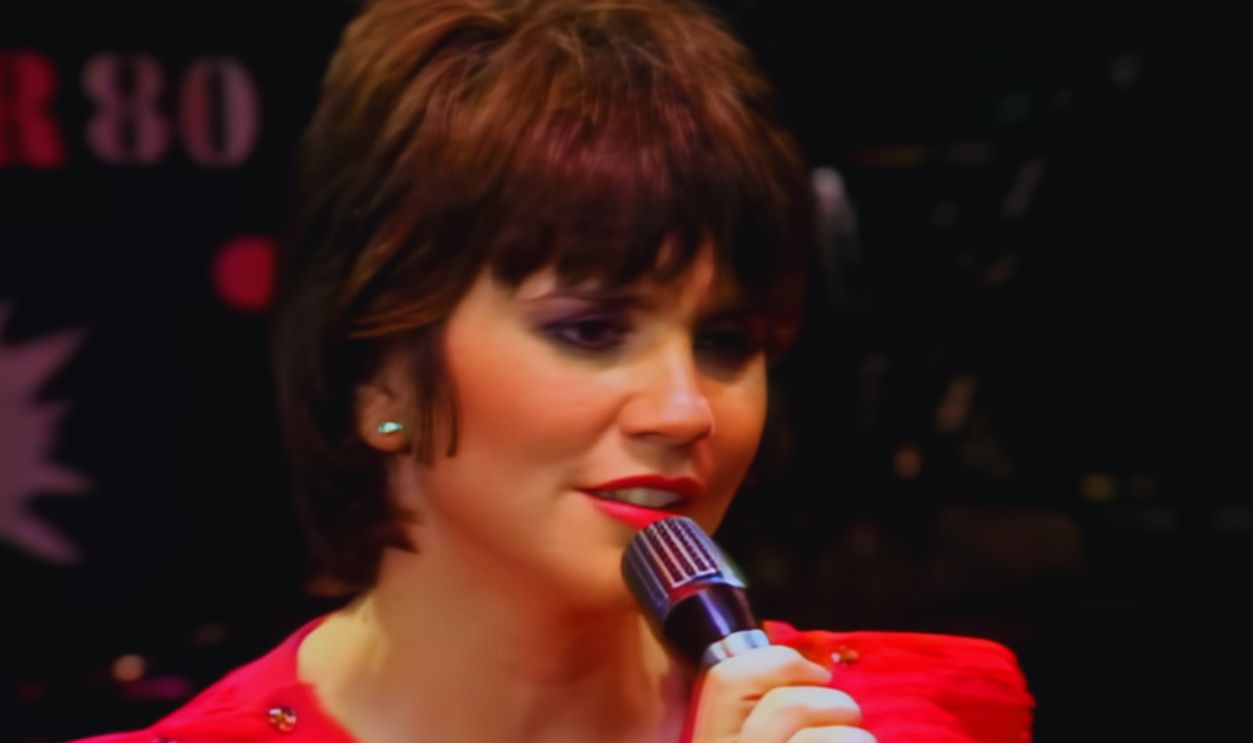 Screenshot from Linda Ronstadt: Live in Hollywood, HBO (1980)
13. She Had A Superpower
What people were noticing about Linda Ronstadt was that she didn't much like songwriting. One critic even went as far as to say that Ronstadt “had one power, but it was a superpower”: her voice. With Heart Like A Wheel, it seemed that she had mastered the use of her voice to its fullest potential.
Another thing that people noticed about Ronstadt was her appearance.
14. She Made The Cover
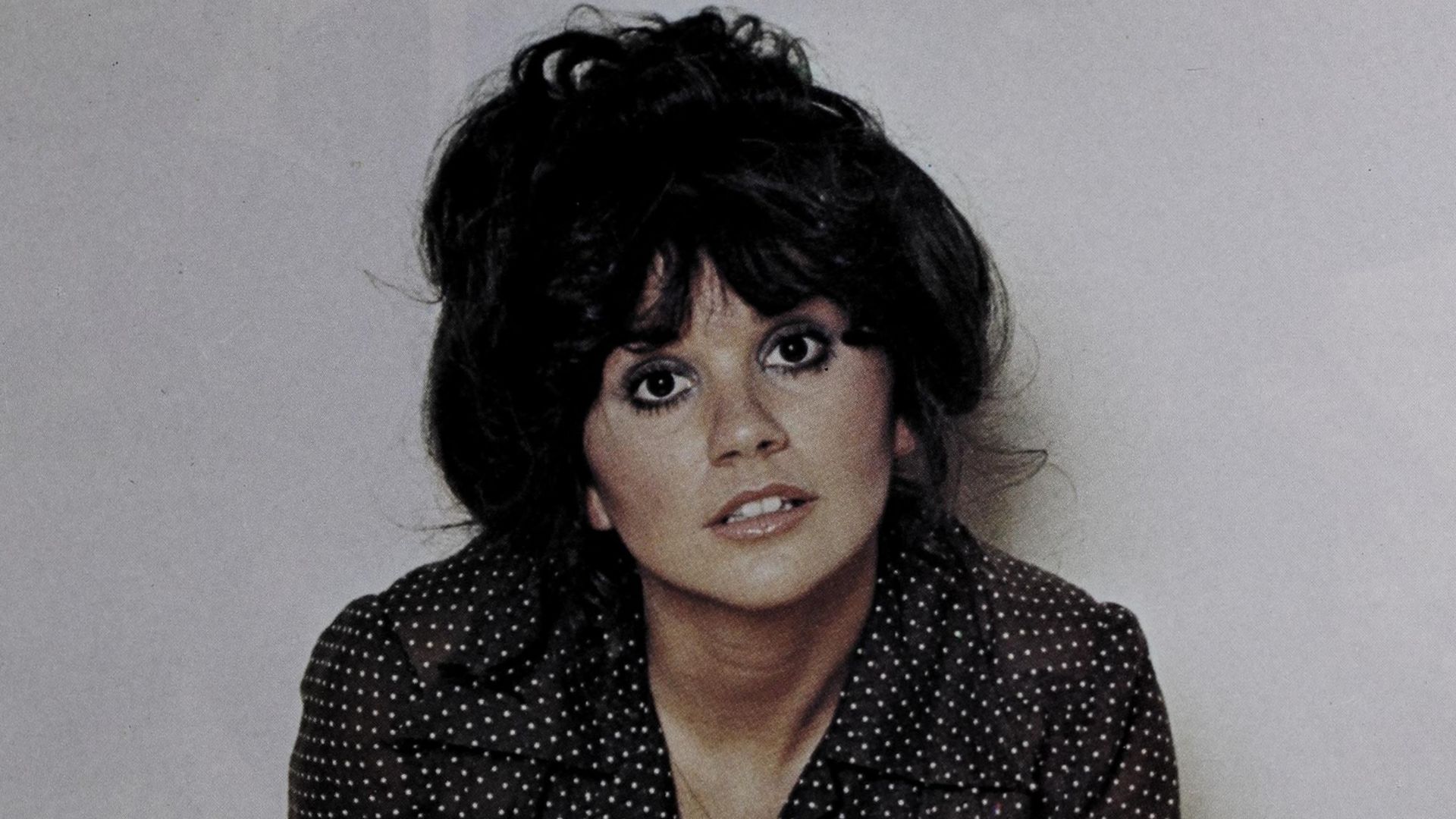
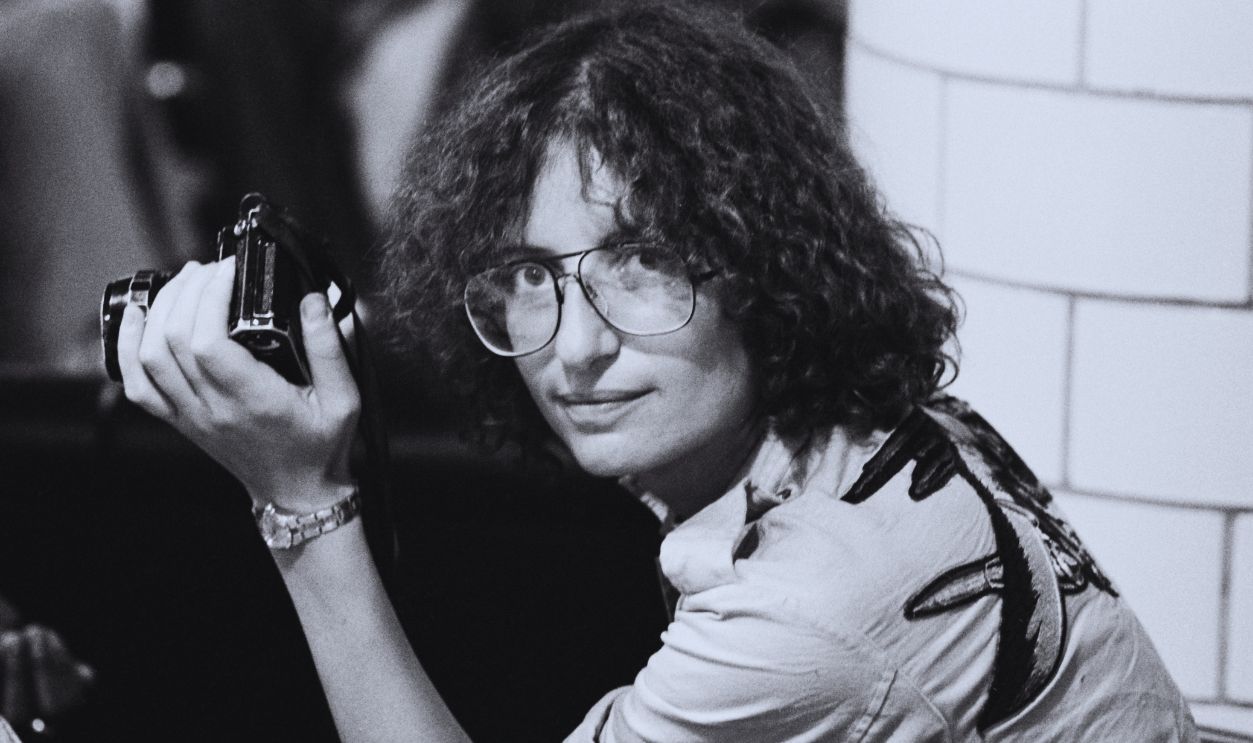
In March 1975, Rolling Stone magazine wanted Ronstadt on its cover. They hired esteemed photographer Annie Leibovitz to take some photos and featured a story about Ronstadt's slow rise to fame. They also wanted to know what it was like being on tour. In particular, they wanted to know what touring was like as a woman.
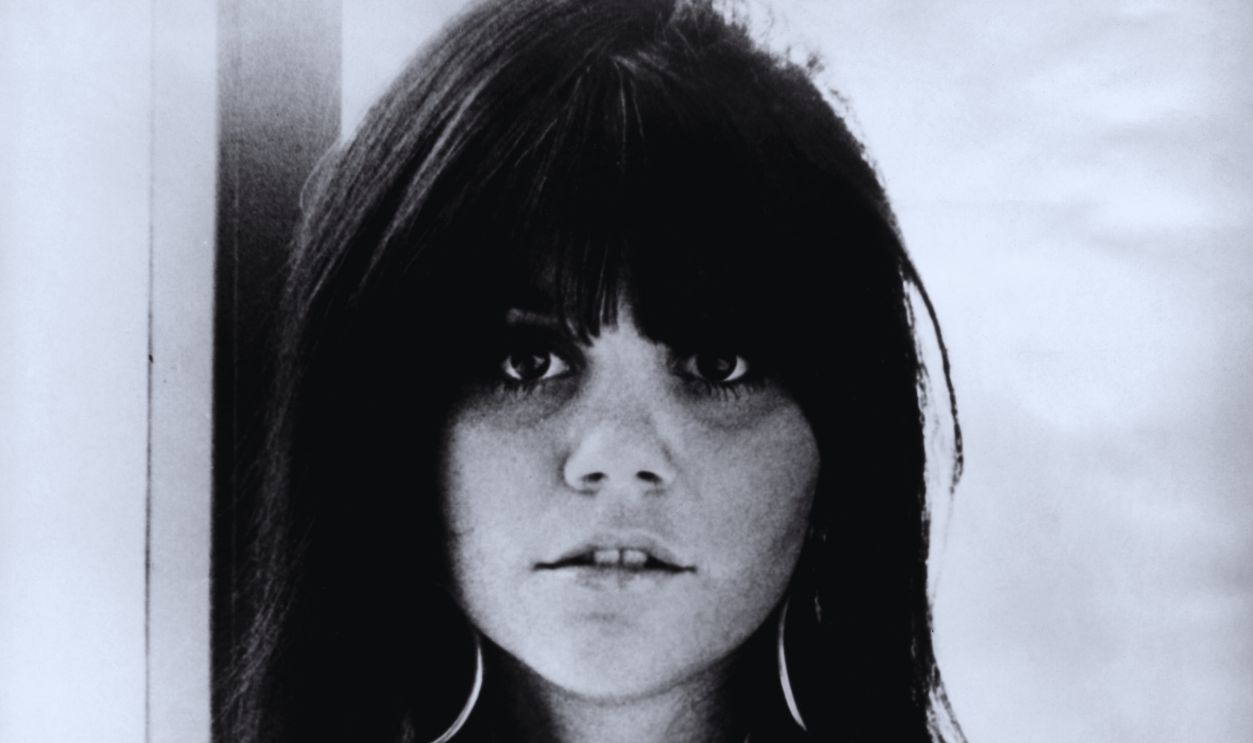 Charlie Gillett Collection, Getty Images
15. She Was A Woman
What was starting to stand out about Ronstadt was something pretty obvious: she was a woman. This was interesting because the music industry was hard to successfully navigate for women. The Chicago Sun-Times noticed this and called her the “Dean of the 1970s school of female rock singers”. Redbook called her “the most successful female rock star in the world”.
But one publication talked about danger.
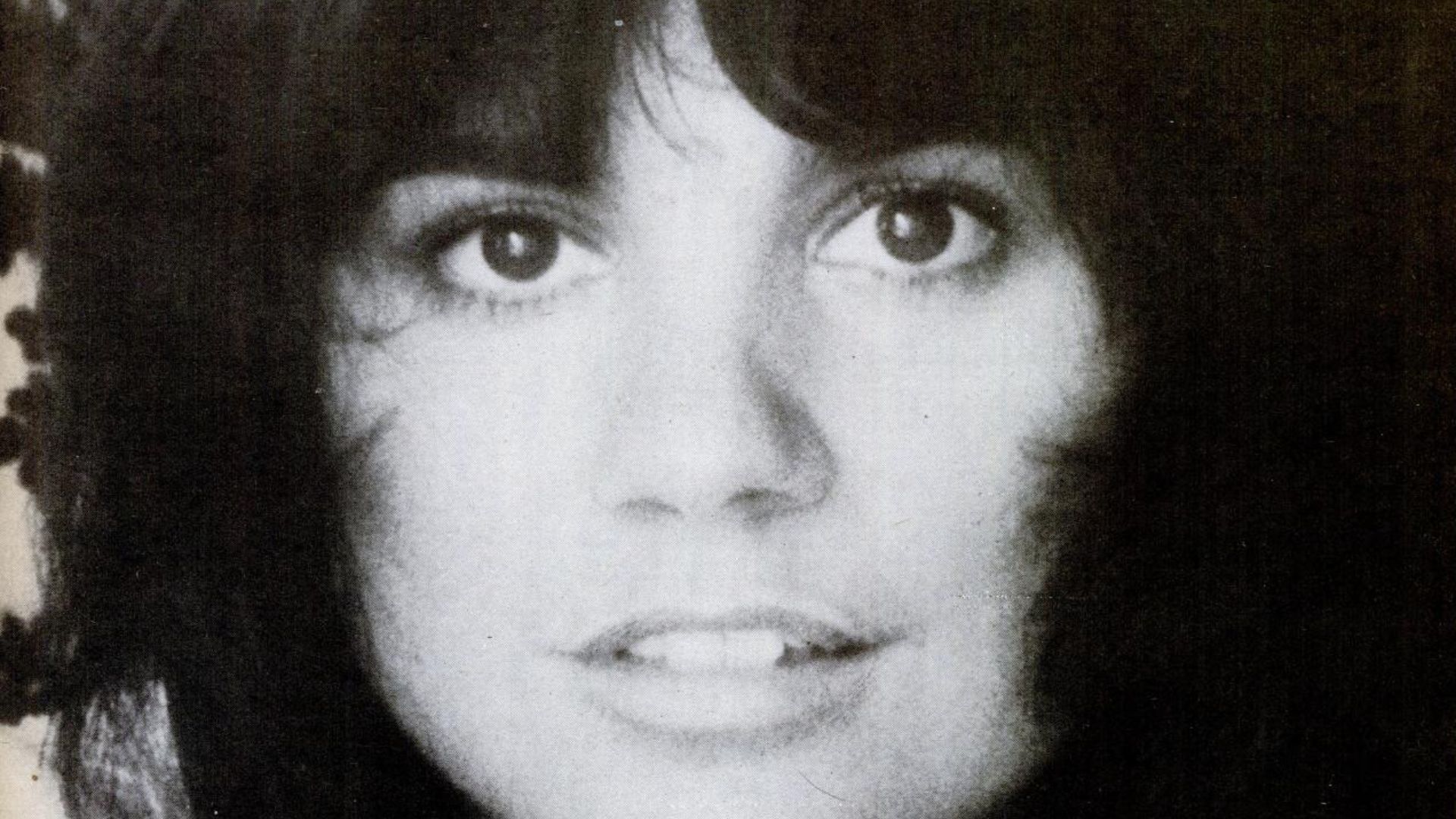 Asylum Records, Wikimedia Commons
History's most fascinating stories and darkest secrets, delivered to your inbox daily.
16. She Faced Danger
Time magazine seemed to know what women in the music industry went through. They called Linda Ronstadt a “rarity” because she somehow survived “in the shark-infested deeps of rock”. So, what are these dangers that women in the music industry face? Ronstadt often spoke about the resentment many men felt when she was the boss.
But sometimes, trouble came from other women as well.
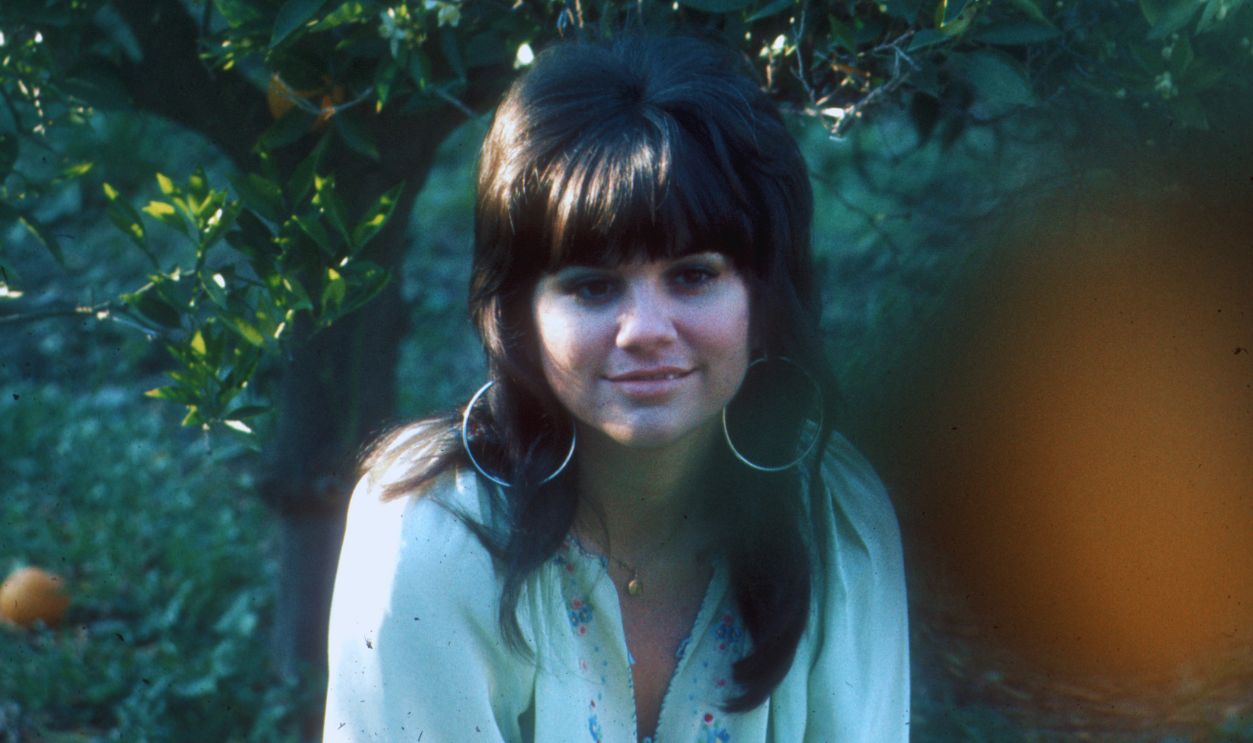 Michael Ochs Archives, Getty Images
17. She Put On Something Small
Remember, it was Annie Leibovitz who took photos of Ronstadt for Rolling Stone. During the photo shoot, Leibovitz suggested Ronstadt wear a very small and very revealing red slip. Ronstadt must have been new at the photo shoot thing because she put it on without questioning the celebrated photographer.
Ronstadt was in for a shock.
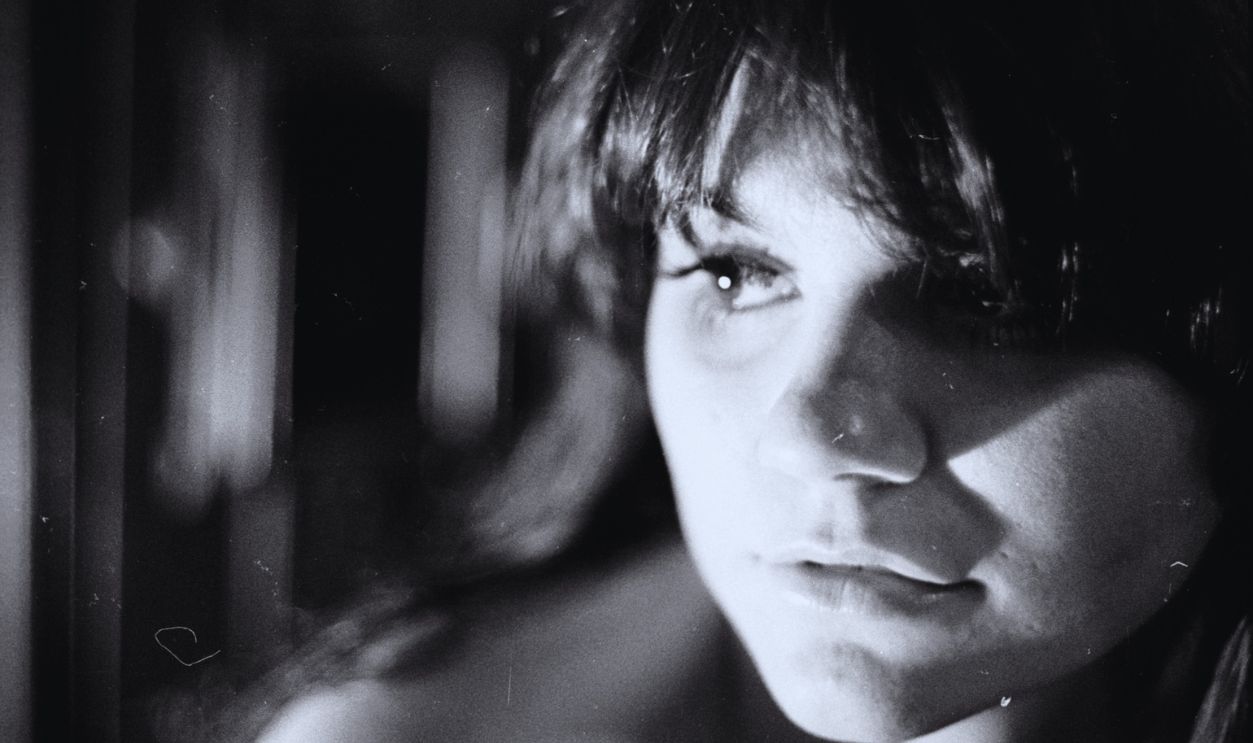 Michael Ochs Archives, Getty Images
18. They Weren’t What She Expected
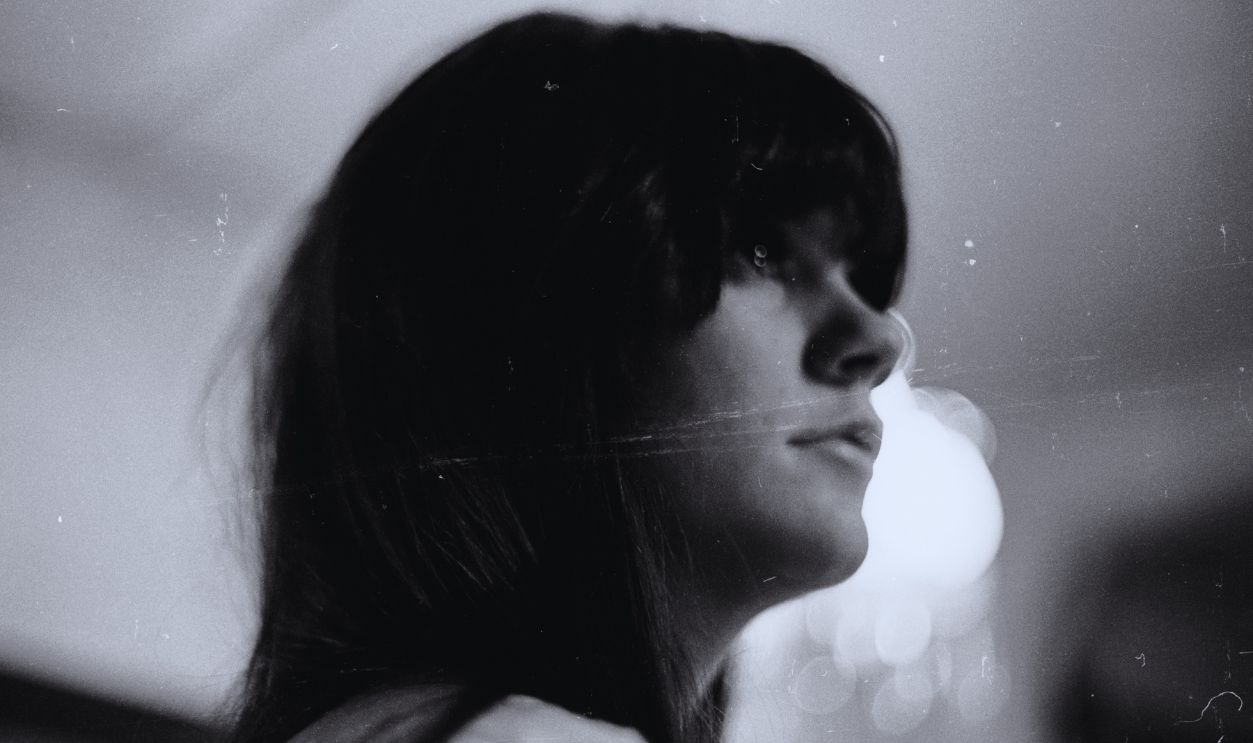
Before the pictures hit Rolling Stone magazine, Leibovitz dropped by to show the photos to Linda Ronstadt and her producer, Peter Asher. Both Ronstadt and Asher reacted with shock at how revealing the photos were and were happy that they had a chance to veto the ones they didn’t like.
Sadly, Leibovitz had no intention of letting anyone veto anything.
 Christopher Simon Sykes, Getty Images
19. She Worried About What People Thought
Leibovitz was very proud of the photos she’d taken of Ronstadt, seeing them as an “exposé” of her personality. What worried Ronstadt was that for some people, this would be their only glimpse at Ronstadt, and it made her look like she lay around her bed all day in her underwear. Asher kicked Leibovitz out, but it was too late. Those photos were hitting the newsstands.
Next, Time magazine would have a go at Ronstadt.
 Michael Ochs Archives, Getty Images
20. He Made Her Wear A Dress
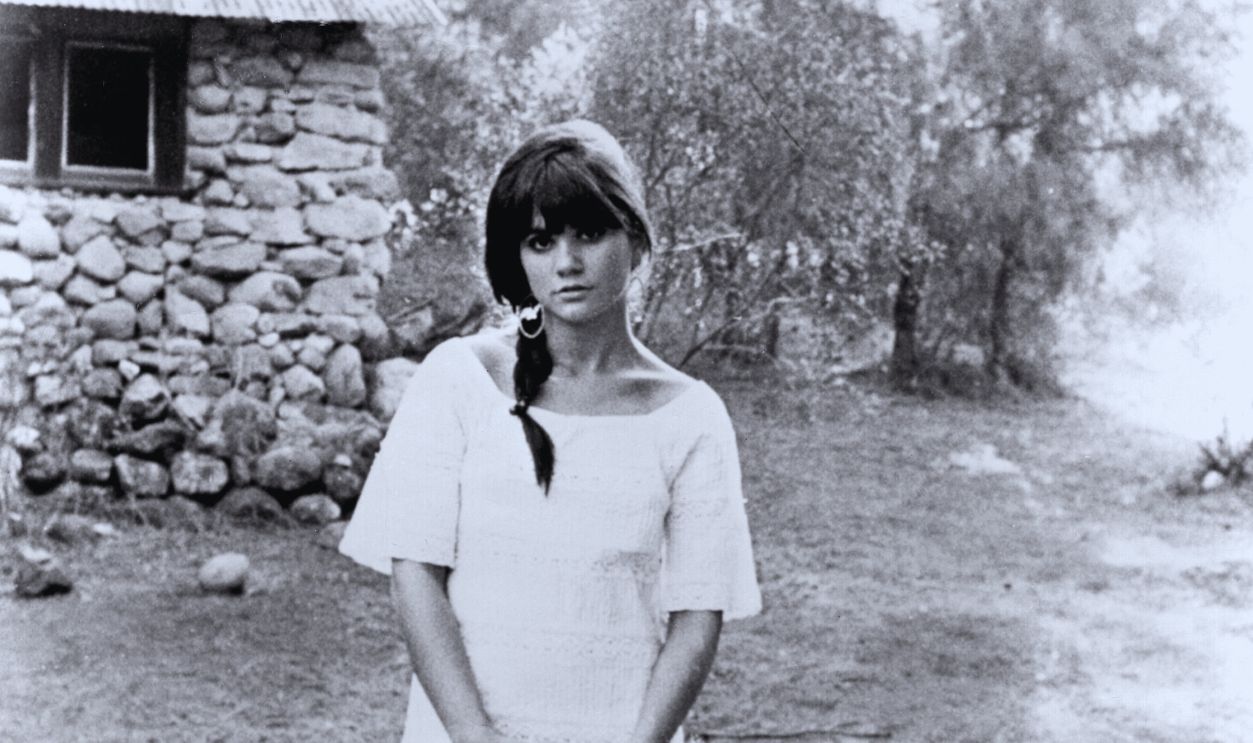
In 1977, Linda Ronstadt made the cover of Time. Once again, Ronstadt was battling with a photographer. This one insisted that she wear a dress. Ronstadt had been fighting her way to the top in a mostly male industry, and yet the Time magazine photographer wanted to shoot her wearing something feminine. Of course, the photographer and the magazine won out and Ronstadt was left with a cover she never liked.
Ronstadt was clearly having trouble with image control. And then it just got worse.
 Michael Ochs Archives, Getty Images
21. People Got The Wrong Idea
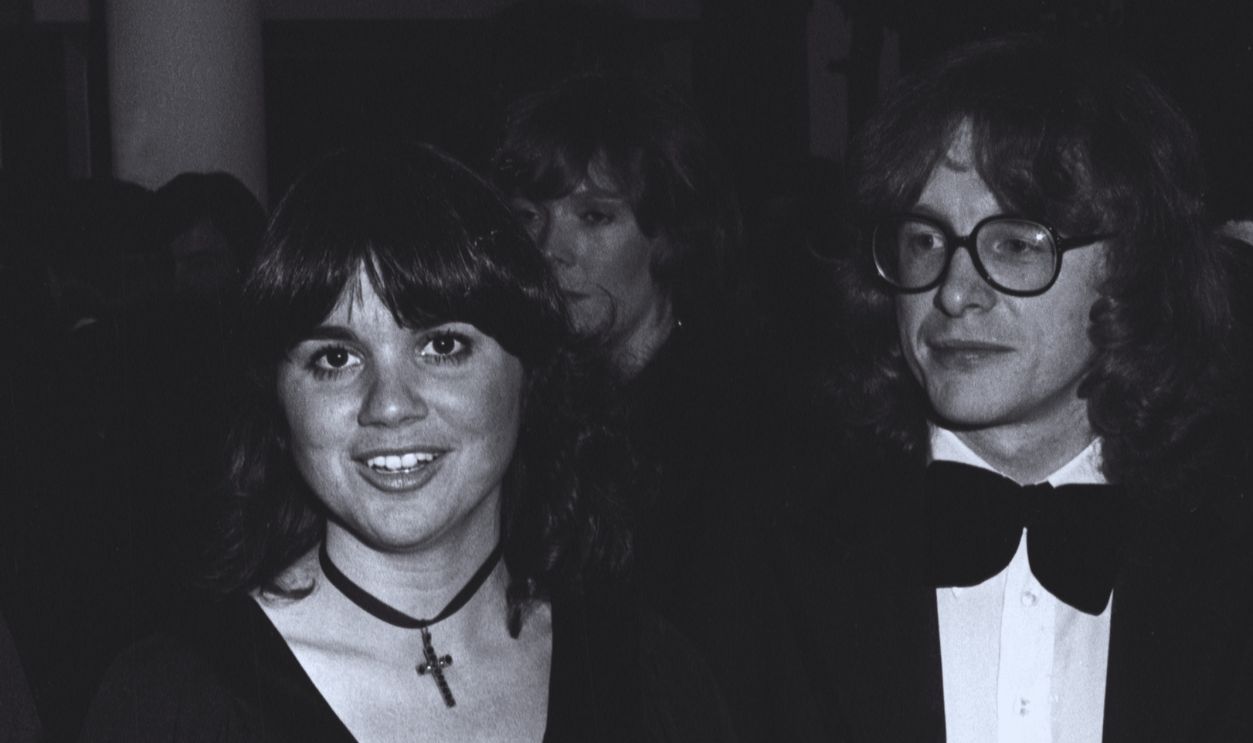
With the way that Rolling Stone and Time were portraying Ronstadt, some people started getting the wrong idea. Some thought that her producer had a Svengali-type relationship with her. Asher thought this was absolute garbage. He knew what Ronstadt was: headstrong and determined. These photographs were undoing years of hard work done by Ronstadt.
It seemed that the men in show business were out to get her.
History's most fascinating stories and darkest secrets, delivered to your inbox daily.
22. She Complained About Men
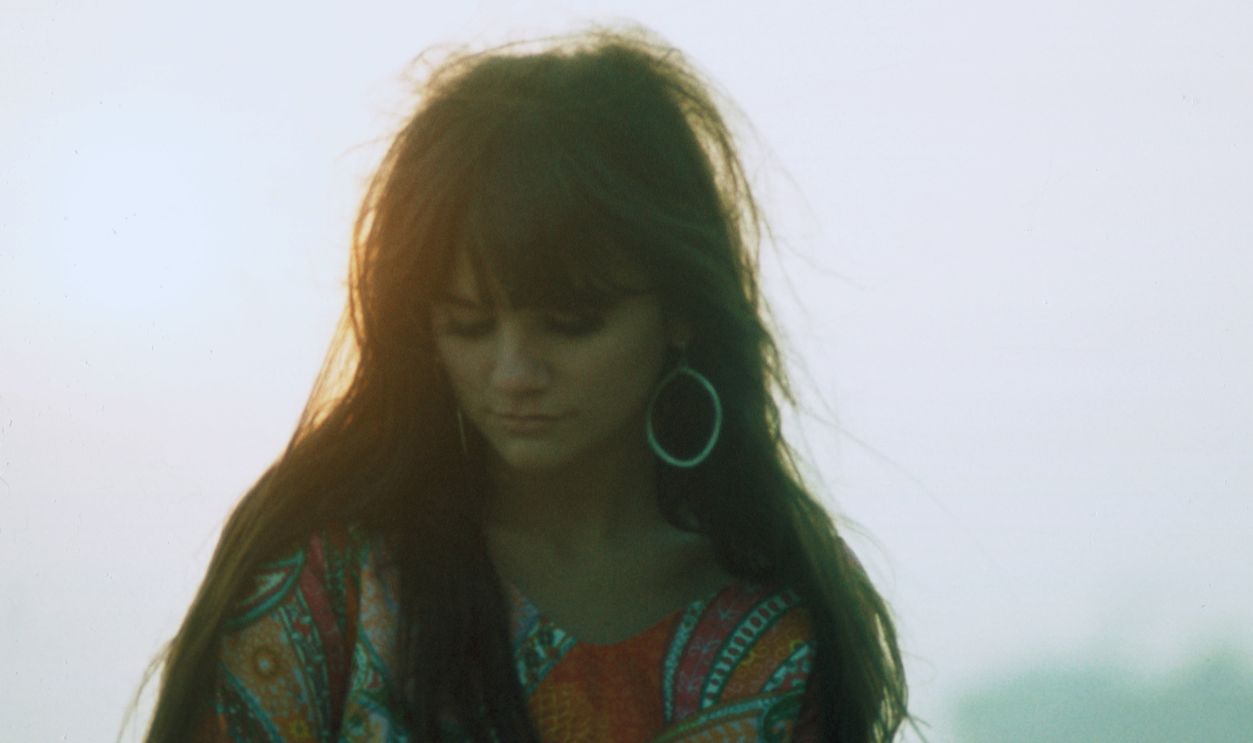
Linda Ronstadt had to continue to speak out about how hard it was being a woman in the music industry. She called it a “boy’s club” and said that men misused their power over women. She went on to say that this was true in almost every type of industry: “Chicks in any business is really weird.”
But there’s hope that Ronstadt changed things.
 Michael Ochs Archives, Getty Images
23. She Made Some Changes
In 1978, US Weekly had an announcement to make. They said that “Rock is no longer exclusively male”. Their evidence was what they called the “Queens of Rock”. This included Joni Mitchell, Stevie Nicks, Carly Simon, and our own Linda Ronstadt.
Ronstadt was about to outdo these other three.
24. She Was The Best-Known
In 1978, Rolling Stone magazine heralded Ronstadt as “America’s best-known female rock singer”. Her next album, Living in the USA, was her third album to sit at the top of the Billboard Album Chart. Her hit single “Ooo Baby Baby” managed to do something astonishing. It charted in four areas: Pop, Adult Contemporary, Country, and R&B.
This new album needed a new image.
25. She Got Wheeled Up
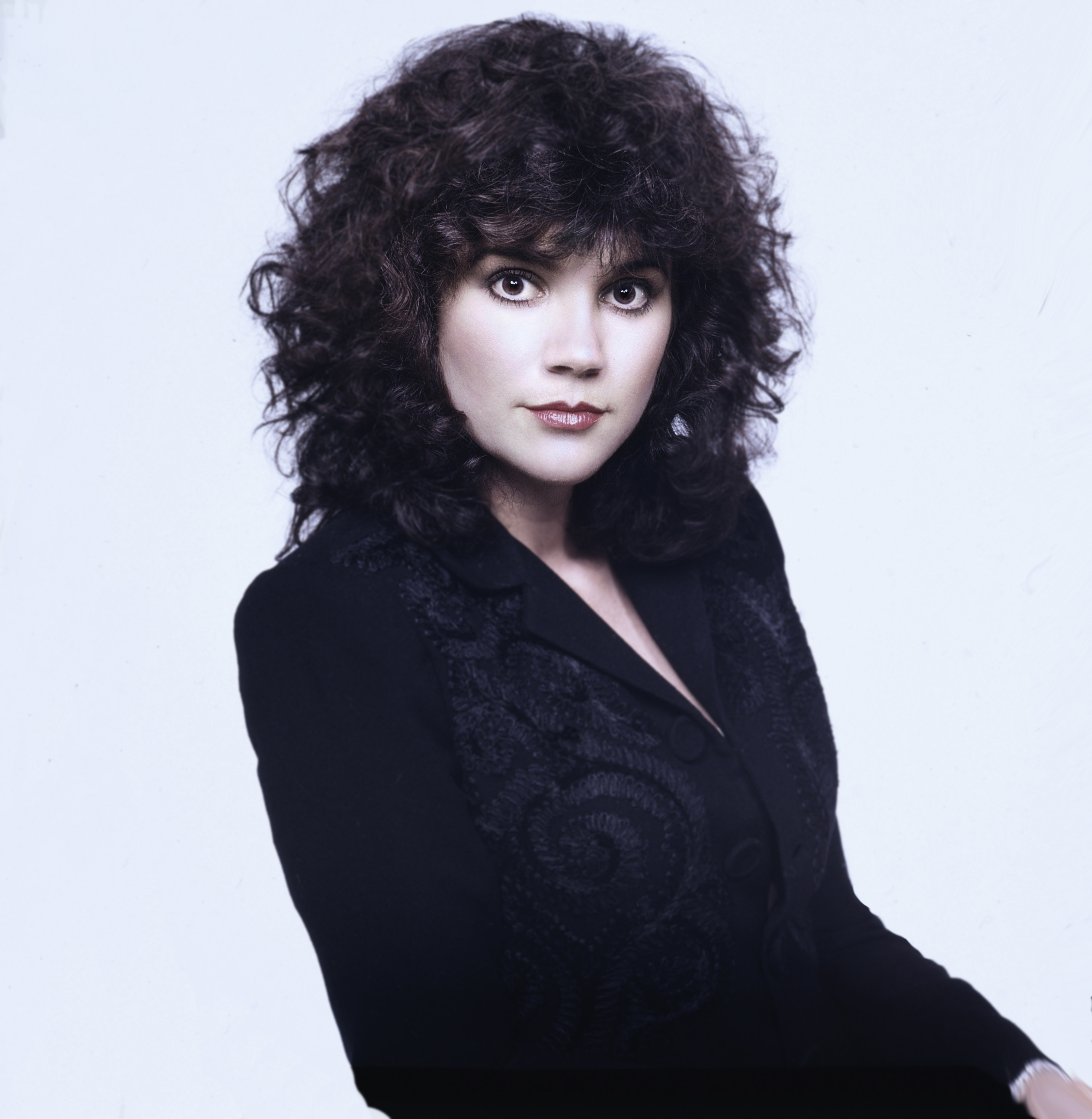
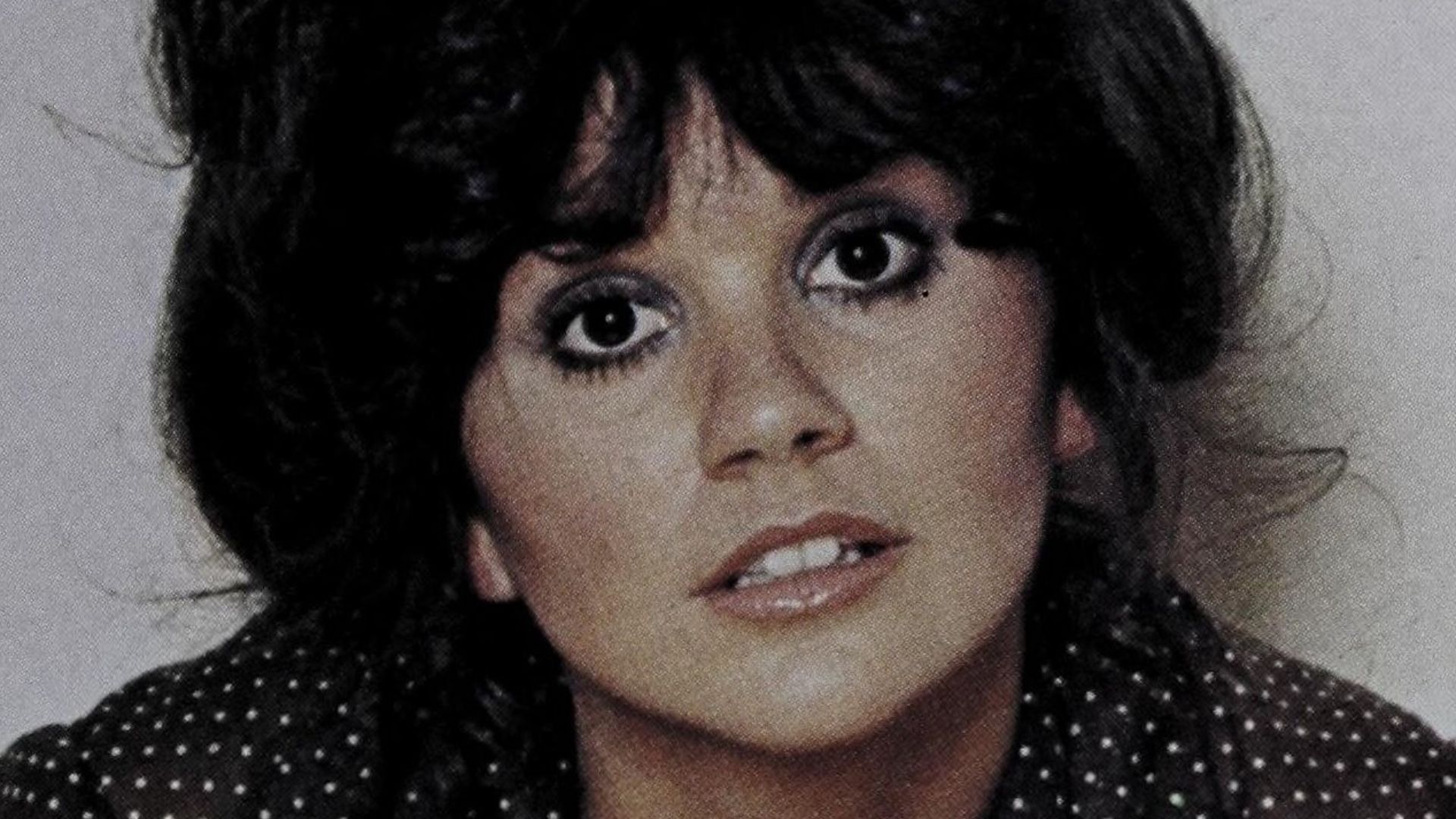
After the photographic disaster with Rolling Stone and Time, Linda Ronstadt might have become hyper-critical of how she appeared in photos. For Living in the USA, she decided on two things: she had her hair cut short and permed, and she decided to appear on roller skates. Wait, did I hear that right? Roller skates? Ronstadt was just cashing in on the roller skating craze that hit America.
This picture would, many years later, resurface to haunt Ronstadt.
 Michael Ochs Archives, Getty Images
26. She Met A Nerd
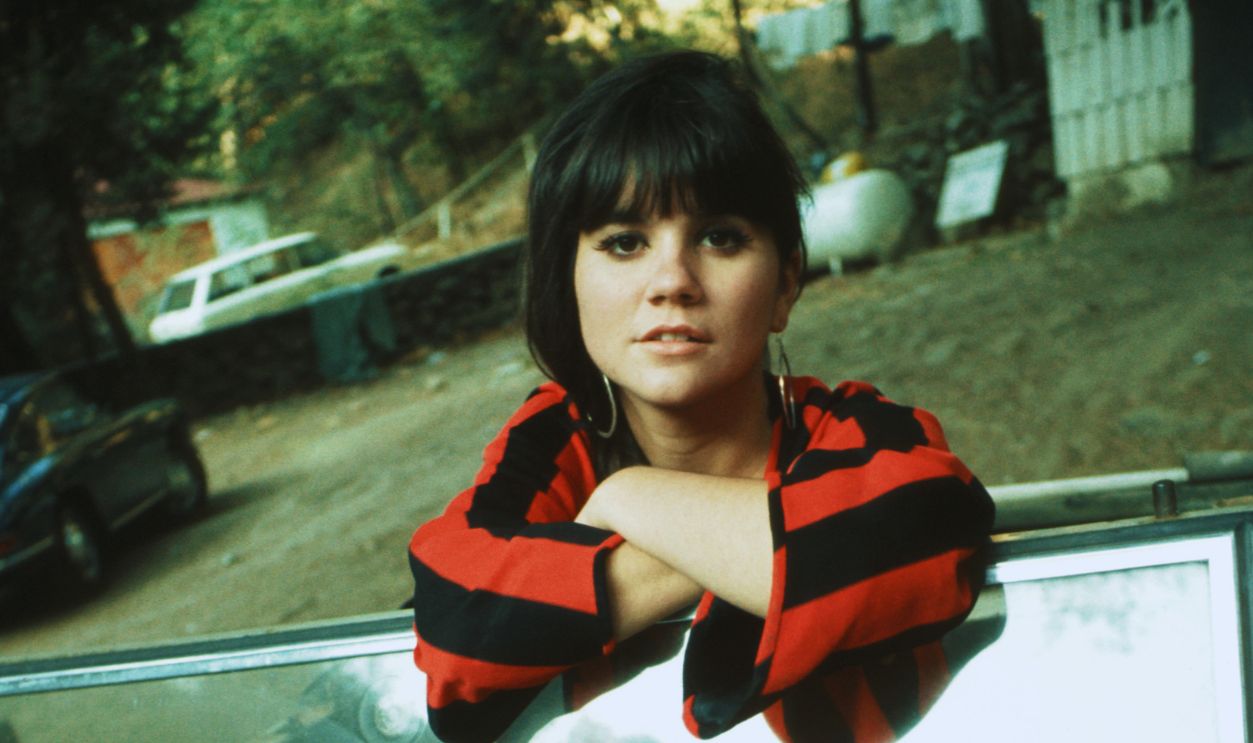
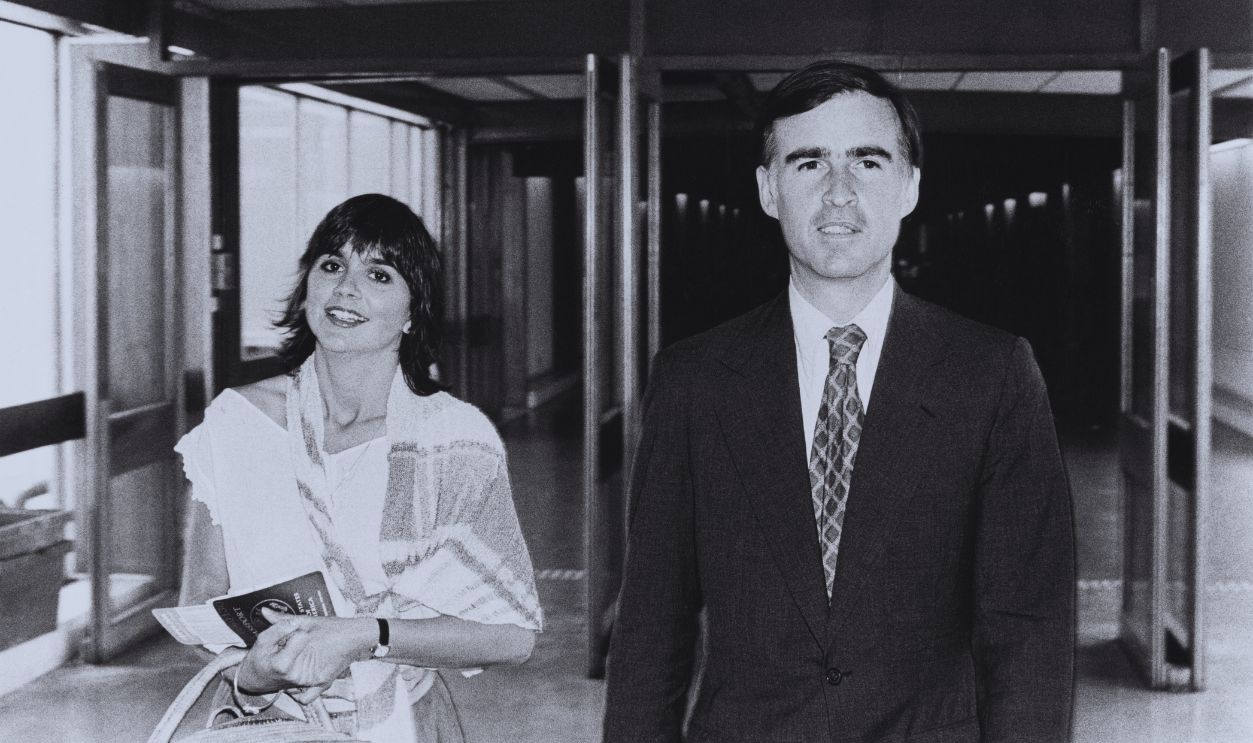
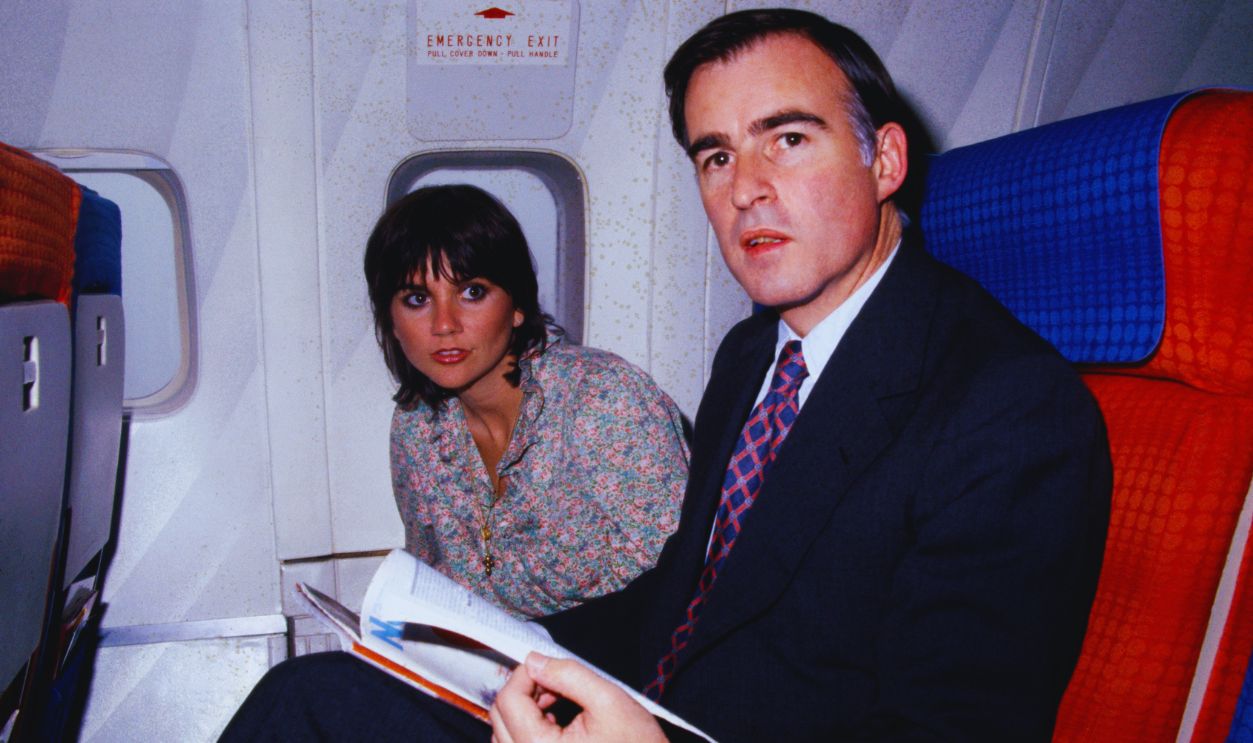
At the end of the 1970s, Ronstadt wandered into a Hollywood eatery called Lucy’s El Adobe Mexican Restaurant. Here she met up with regular patron, Jerry Brown, who just happened to be the Governor of California. Brown had a reputation for being a little nerdy, but Ronstadt saw something in this guy.
Sparks flew.
27. She Liked His Mind
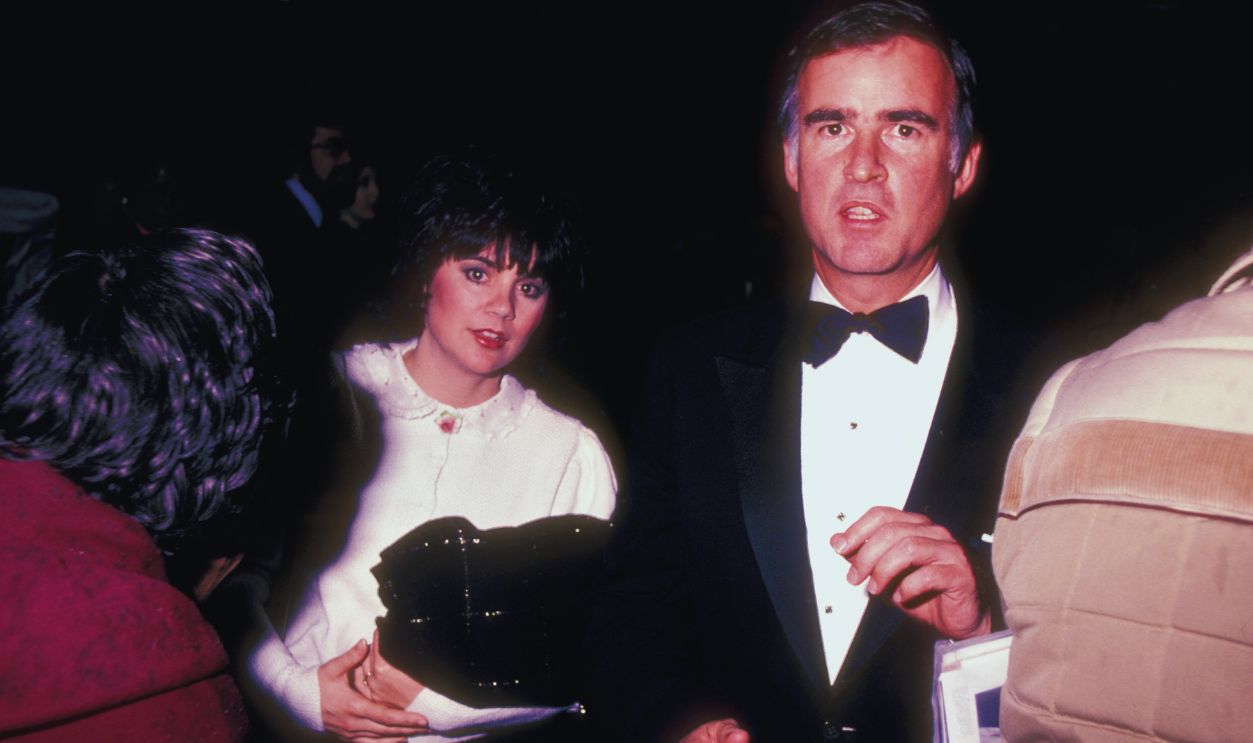
Maybe Linda Ronstadt was just getting tired of the music industry guys she was meeting. Brown was someone stable and mature, and very, very smart. The two started secretly dating. This romance became public when a Broadway producer called Ronstadt up to offer her a role, and Brown answered the phone.
Once the media knew there was a romance, they went out of their way to turn it into a controversy.
History's most fascinating stories and darkest secrets, delivered to your inbox daily.
28. Rumors Started
Around the time that Ronstadt and Brown were dating, there were terrible winter storms in California. In fact, they were so bad that there was a potential that Ronstadt could lose her house. The media had a field day speculating if the Governor would use his power and state funds to “protect his girlfriend’s house”. He didn’t, and the two eventually parted amicably.
But there was more political controversy in Ronstadt’s future.
 Ron Galella, Ltd., Getty Images
29. She Took Sinatra’s Advice
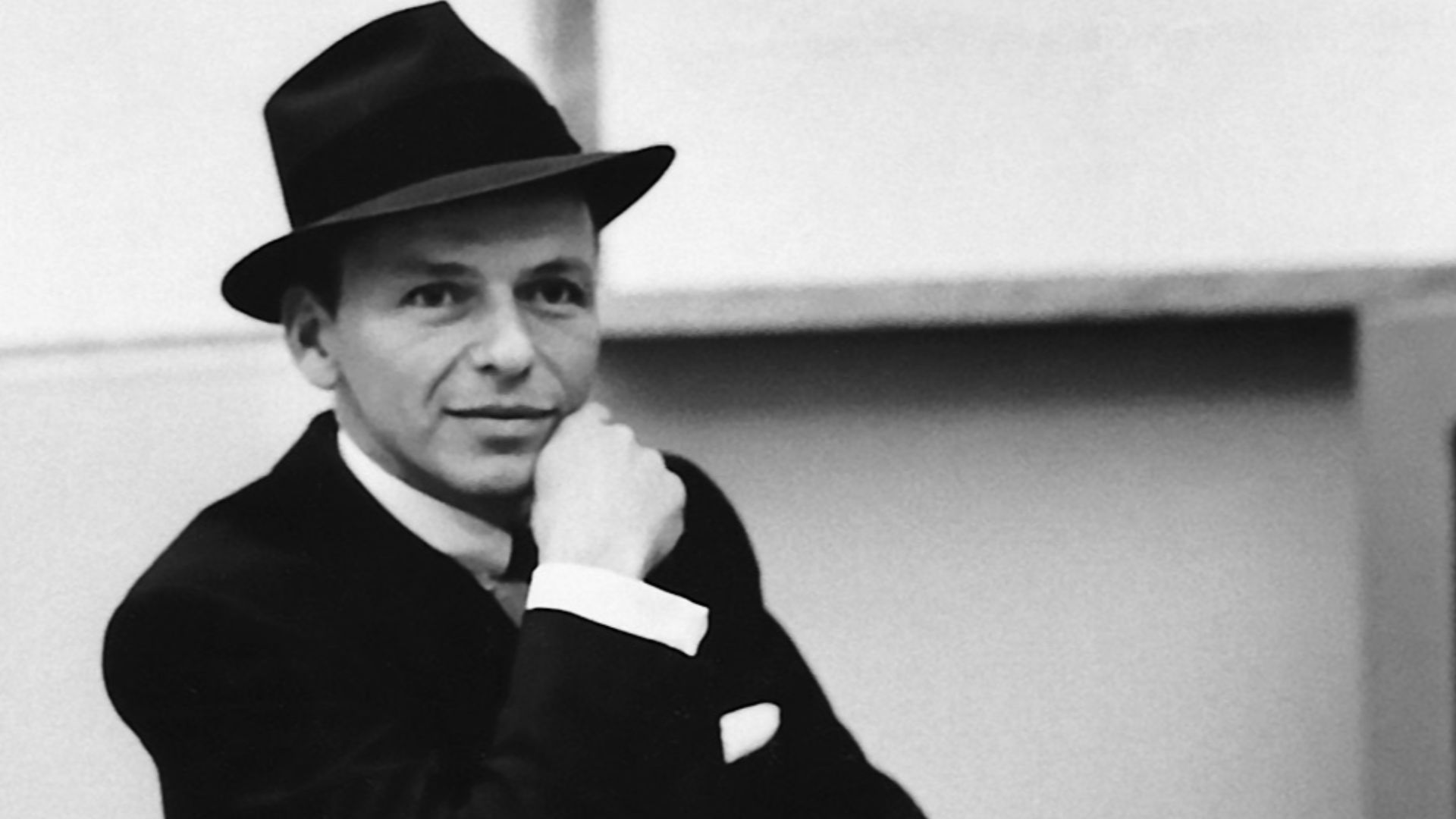
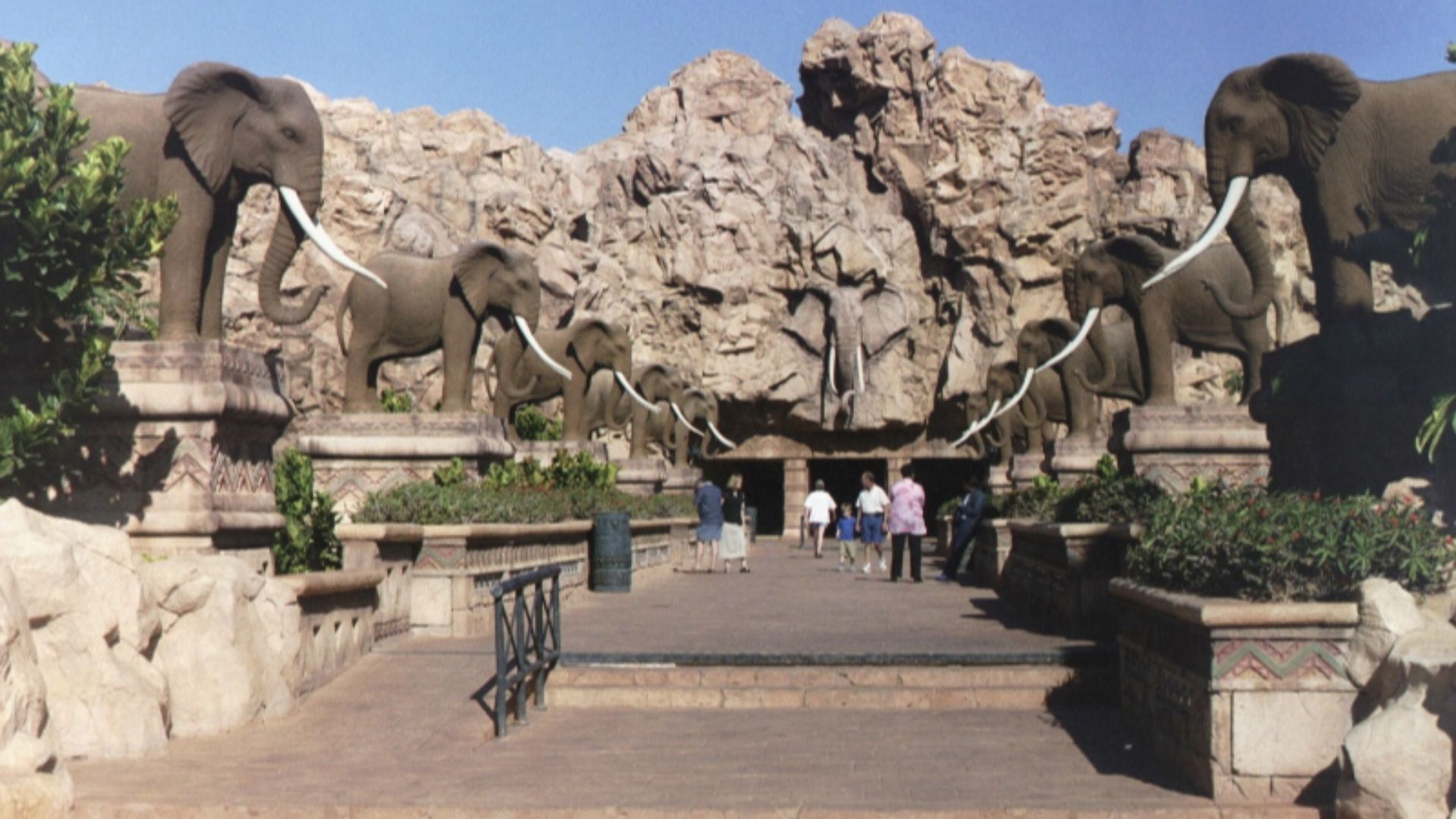
Around the beginning of the 1980s, Linda Ronstadt got an offer that made her stop and think: $500,000 to play at Sun City, a posh resort in South Africa. Back then, the government was still under apartheid, and many artists had taken the move to boycott performances there. When Frank Sinatra told Ronstadt not to worry about it, she agreed to the concert.
This move would not only make her unpopular but also get her on a list.
 Capitol Records (File No. 3860-25). Photographer unknown., Wikimedia Commons
30. They Were Watching Her
The United Nations was watching which performers continued to play in South Africa. They made a list called the “Register of Entertainers, Actors and Others Who Have Performed in Apartheid South Africa”. Some called it a blacklist. Strangely enough, there was a very easy way to get off the list.
But Ronstadt refused to take it.
 Maccoinnich~commonswiki, Wikimedia Commons
31. She Had A Point To Make
All you had to do to get off the UN’s list was apologize. Actor Goldie Hawn did it and promised never to return. But Ronstadt made the point that if she didn’t perform in places with “a repressive government, a police state…Then I couldn’t play the black countries or Alabama or Boston.”
Before things got better, they were about to get worse.
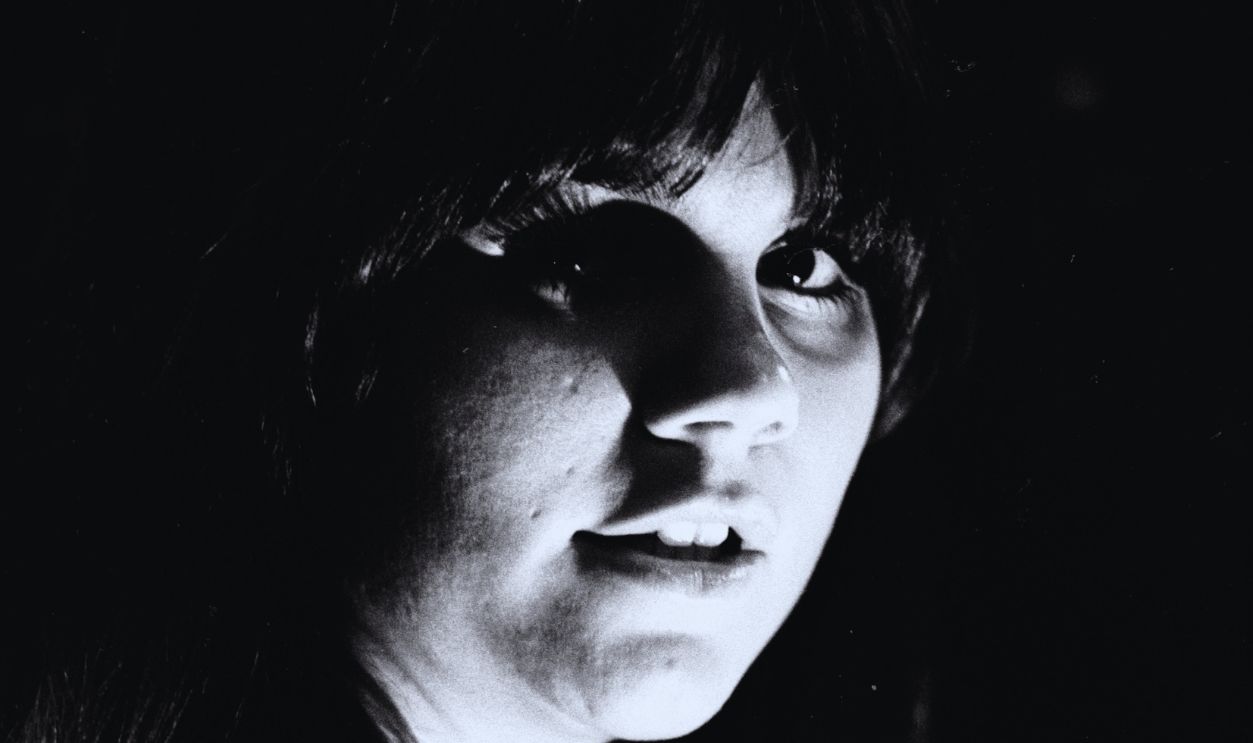 Michael Ochs Archives, Getty Images
32. She Went Back
Because of her refusal to apologize, anti-apartheid protesters demonstrated outside Ronstadt’s concerts. To add fuel to the fire, she appeared on Paul Simon’s Graceland album, which he recorded in South Africa. In the end, Ronstadt did agree not to perform in South Africa, but she added that it was only because she couldn’t make money there.
Maybe it was time for a change of pace.
![Collectie / Archief : Fotocollectie Anefo
Reportage / Serie : [ onbekend ]
Beschrijving : Optreden Simon and Garfunkel (links) in Feijenoordstadion, Rotterdam
Datum : 12 juni 1982
Locatie : Rotterdam, Zuid-Holland
Trefwoorden : musici, muziek, popgroepen, zangers
Persoonsnaam : Garfunkel, Art, Simon, Paul
Instellingsnaam : Simon & Garfunkel
Fotograaf : Bogaerts, Rob / Anefo
Auteursrechthebbende : Nationaal Archief
Materiaalsoort : Negatief (zwart/wit)
Nummer archiefinventaris : bekijk toegang 2.24.01.05
Bestanddeelnummer : 932-2092](https://www.factinate.com/storage/app/media/factinate/2026/4/1/1775030557cdb12ff9ad6e40a27f17857a2c3ddda306d39569.jpg) Rob Bogaerts / Anefo, Wikimedia Commons
Rob Bogaerts / Anefo, Wikimedia Commons
33. She Did Opera
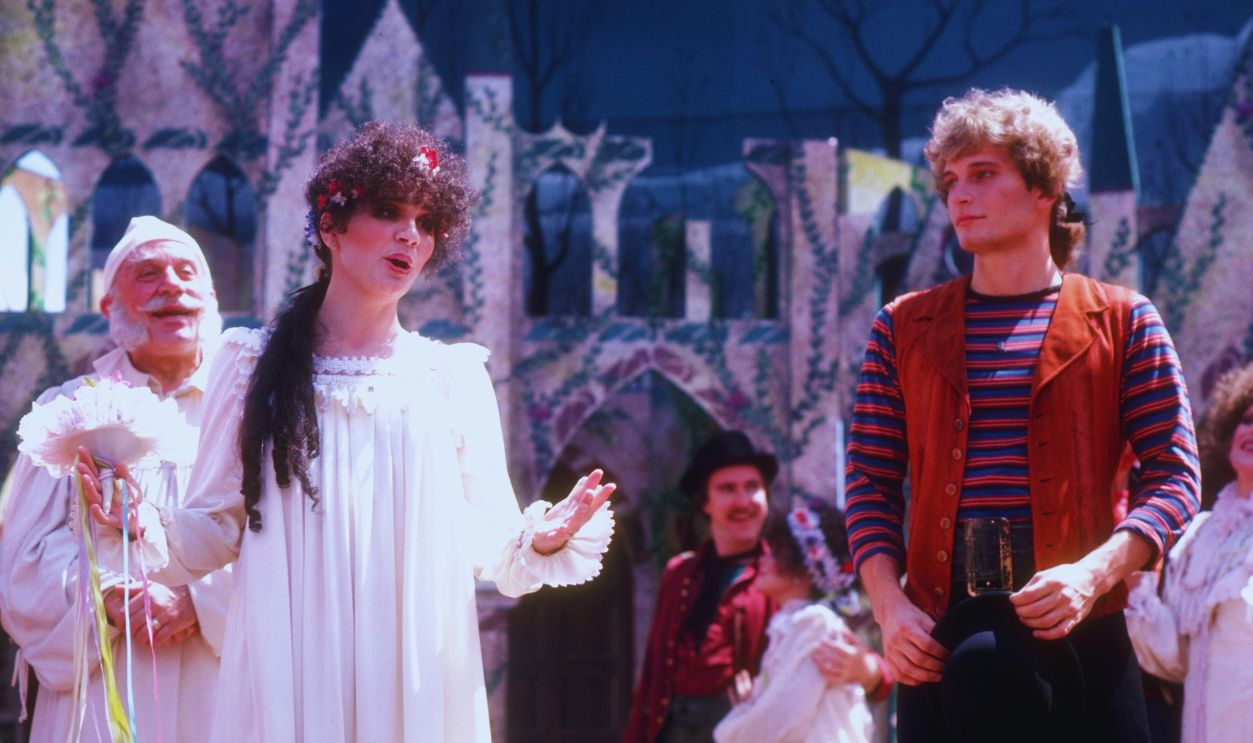
Where Linda Ronstadt could make money was on Broadway. In 1981, she appeared as the lead in the comic opera Pirates of Penzance. Ronstadt had to put aside her rock and roll attitude and go full soprano for this gig. She was a huge hit and received a Tony nomination. She also made the film version with Kevin Kline and received a Golden Globe nomination.
Then it was time for an unusual move: from opera to Mariachi.
History's most fascinating stories and darkest secrets, delivered to your inbox daily.
34. She Never Forgot Her Roots
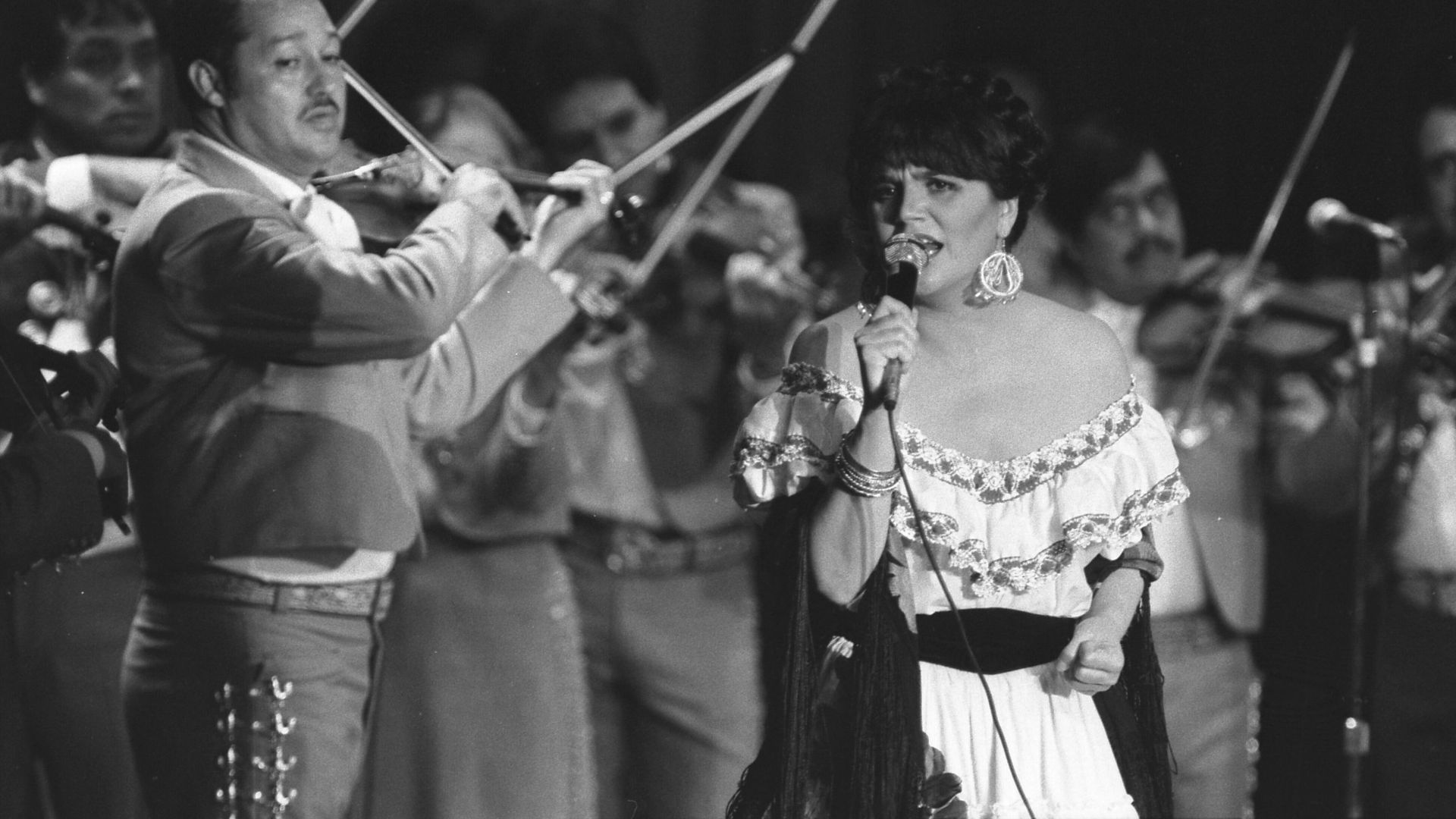
As it turned out, Ronstadt’s great-grandmother was Mexican, and Ronstadt never forgot that fact. In 1987, she released a mariachi album called Canciones de Mi Padre – A Romantic Evening in Old Mexico. It was so popular that no other non-English album sold as many copies in the US. She also won a Grammy for Best Mexican-American Performance and the PBS program based on this album won her an Emmy.
But there was trouble lurking.
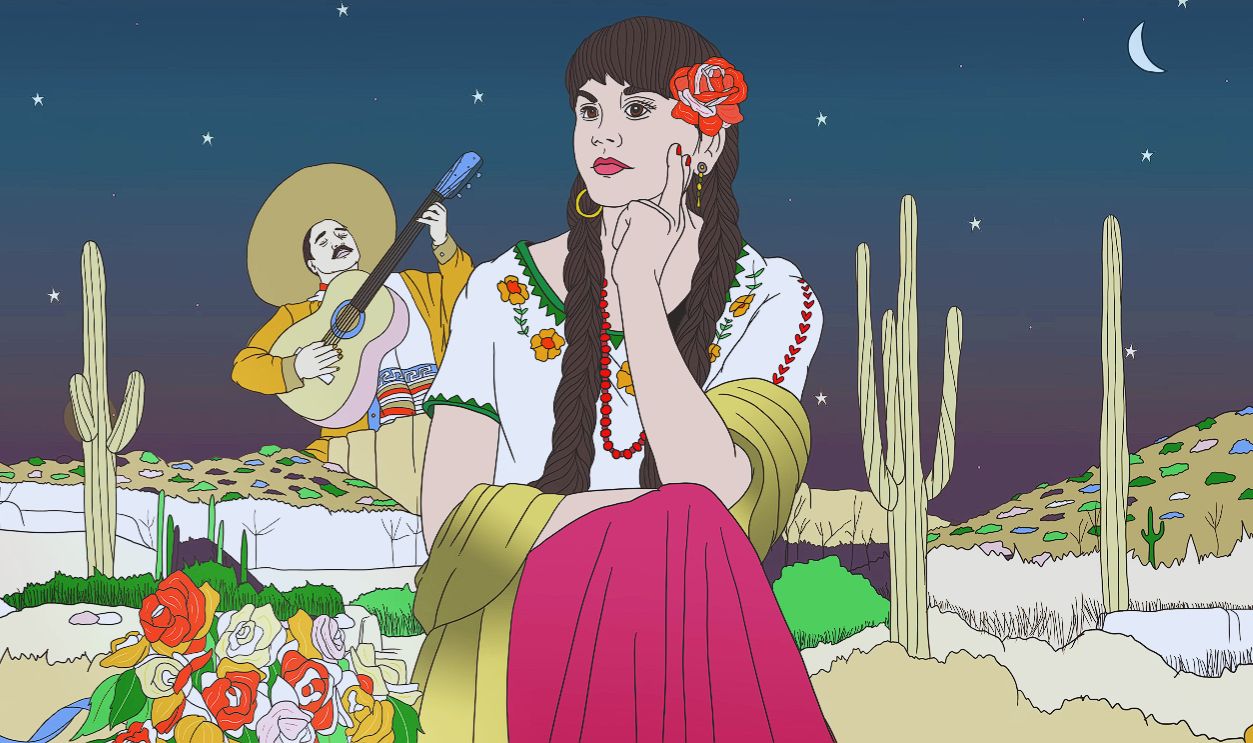 Screenshot from Linda Ronstadt: Canciones de mi Padre, Warner Reprise Video / WNET (1989)
35. She Received A Ban
In 2004, Michael Moore’s documentary Fahrenheit 9/11 was heating up the political discussion around the US relationship with Iraq. When Linda Ronstadt decided to give a shout-out to Moore at a concert, she received a quick punishment. They would not welcome her at the Aladdin Casino in Las Vegas.
Okay, there are worse punishments. Like this one.
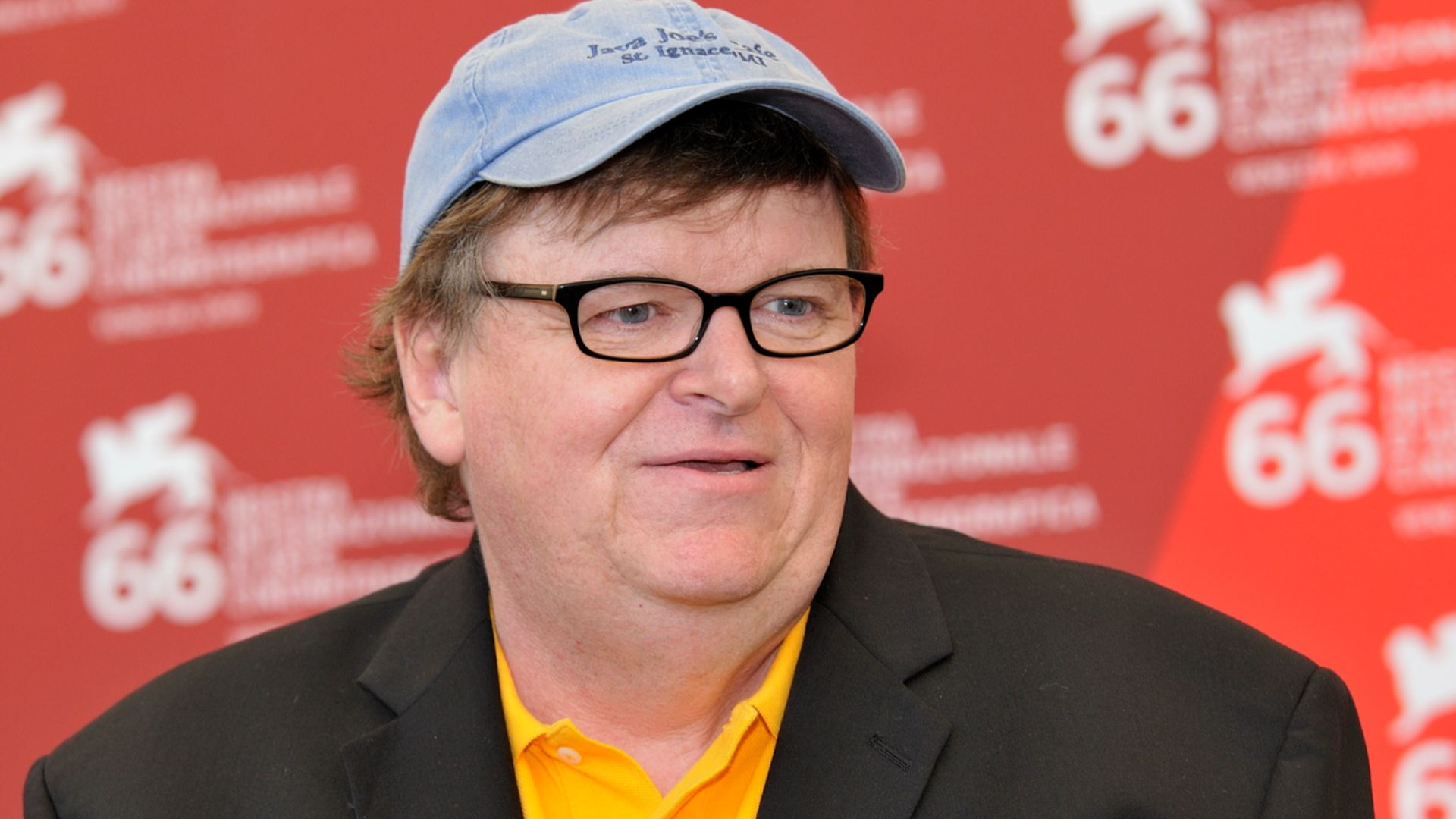 nicolas genin, Wikimedia Commons
36. She Was Humiliated
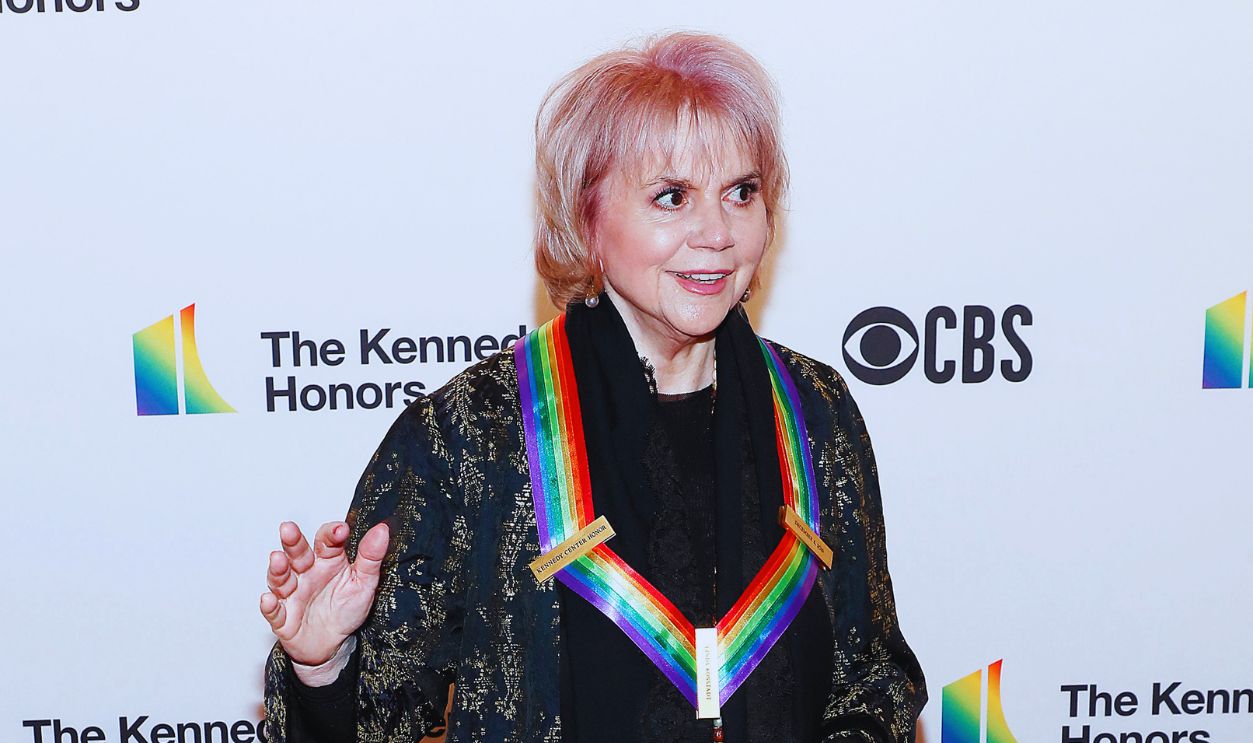
In 2019, Ronstadt got an invitation to receive honors from the Kennedy Center. As always, there was a photo montage celebrating all things Ronstadt. Whoever sourced the photo for the Living in the USA album cover didn't look closely. Someone had replaced that title with “Rollerskate Hooker”.
Later at the dinner, Ronstadt took control.
37. She Didn’t Hold Back
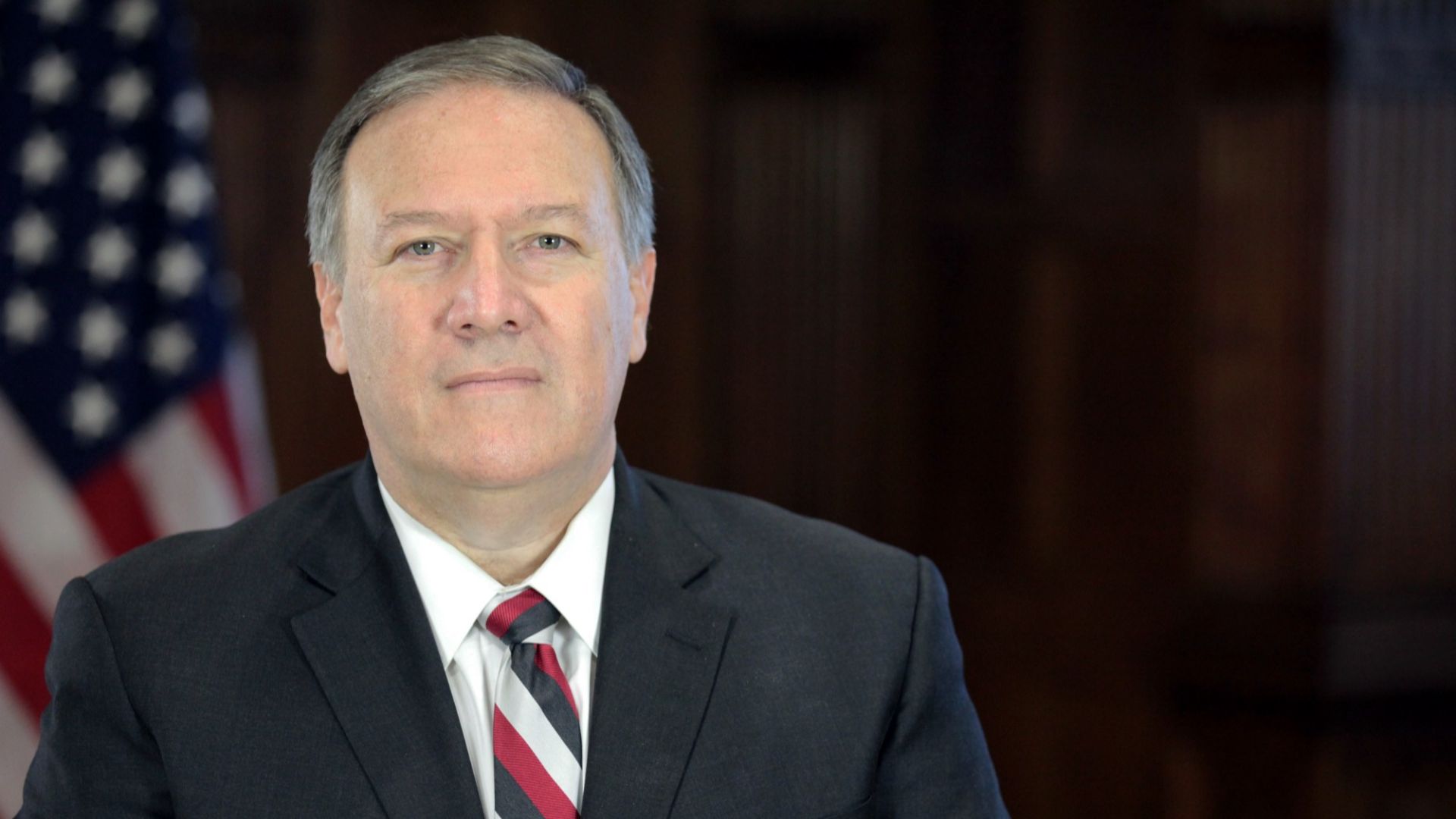
During the dinner for Kennedy Center honorees, Mike Pompeo, then-secretary of state, mentioned Ronstadt’s song in his speech. He said, “As I travel the world, I wonder when will I be loved?” Ronstadt hung on to that quote and got ready for a rebuttal. When she had her chance, she let it rip. She suggested that people would love Pompeo “when he stops enabling Donald Trump”.
Ronstadt was never afraid of wearing her politics on her sleeve.
 Office of the President-elect, Wikimedia Commons
38. She Played At The White House
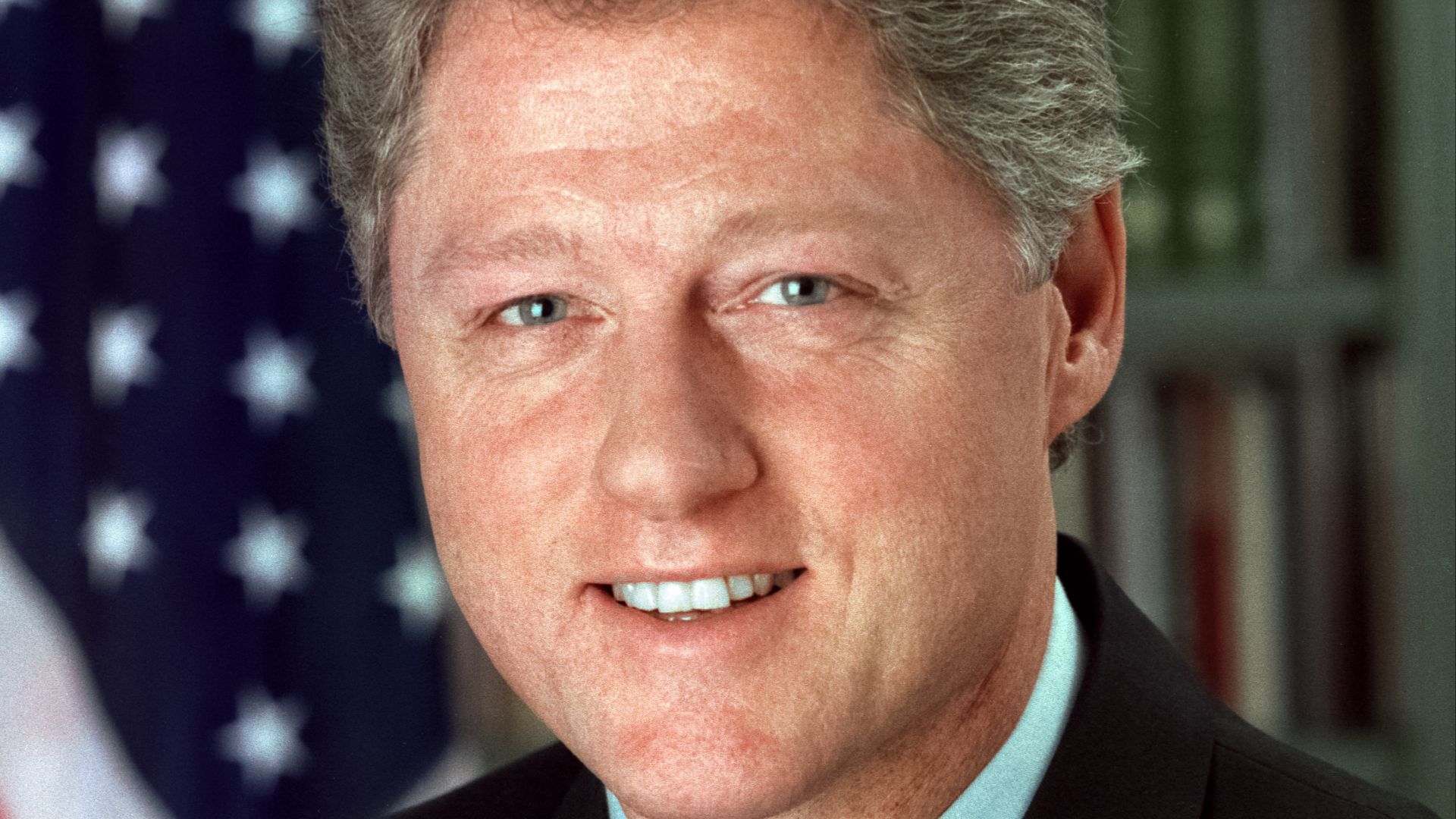
It was always fairly clear where Ronstadt’s allegiances lay when it came to politics. For one thing, she dated a democrat, Jerry Brown. For another, it was a democratic president, Bill Clinton, who invited her to sing at the White House for himself and his first lady, Hilary Clinton.
But if there was any doubt about her politics, Ronstadt made it perfectly clear.
 Bob McNeely, The White House[1], Wikimedia Commons
39. She Leans To The Left
In 2004, Ronstadt was talking to the San Diego Union-Tribune, and she didn’t see any reason to hold back. She said if she suspected that a "Republican or fundamental Christian" was in the audience at one of her concerts, it could “cloud my enjoyment".
But there is something all-American about Ronstadt, and that’s her connection to baseball.
![U.S. Secretary of State Michael R. Pompeo hosts the 2019 Kennedy Center Honors Awardees - Earth, Wind & Fire, Sally Field, Linda Ronstadt, Sesame Street, and Michael Tilson Thomas - for dinner at the U.S. Department of State, in Washington, DC, on December 7, 2019. [State Department photo by Freddie Everett/ Public Domain]](https://www.factinate.com/storage/app/media/factinate/2026/4/1/1775031493fc995d3b9bb259ac721d70ed300e986b826c7d28.jpg) U.S. Department of State from United States, Wikimedia Commons
U.S. Department of State from United States, Wikimedia Commons
History's most fascinating stories and darkest secrets, delivered to your inbox daily.
40. She Sang At The Series
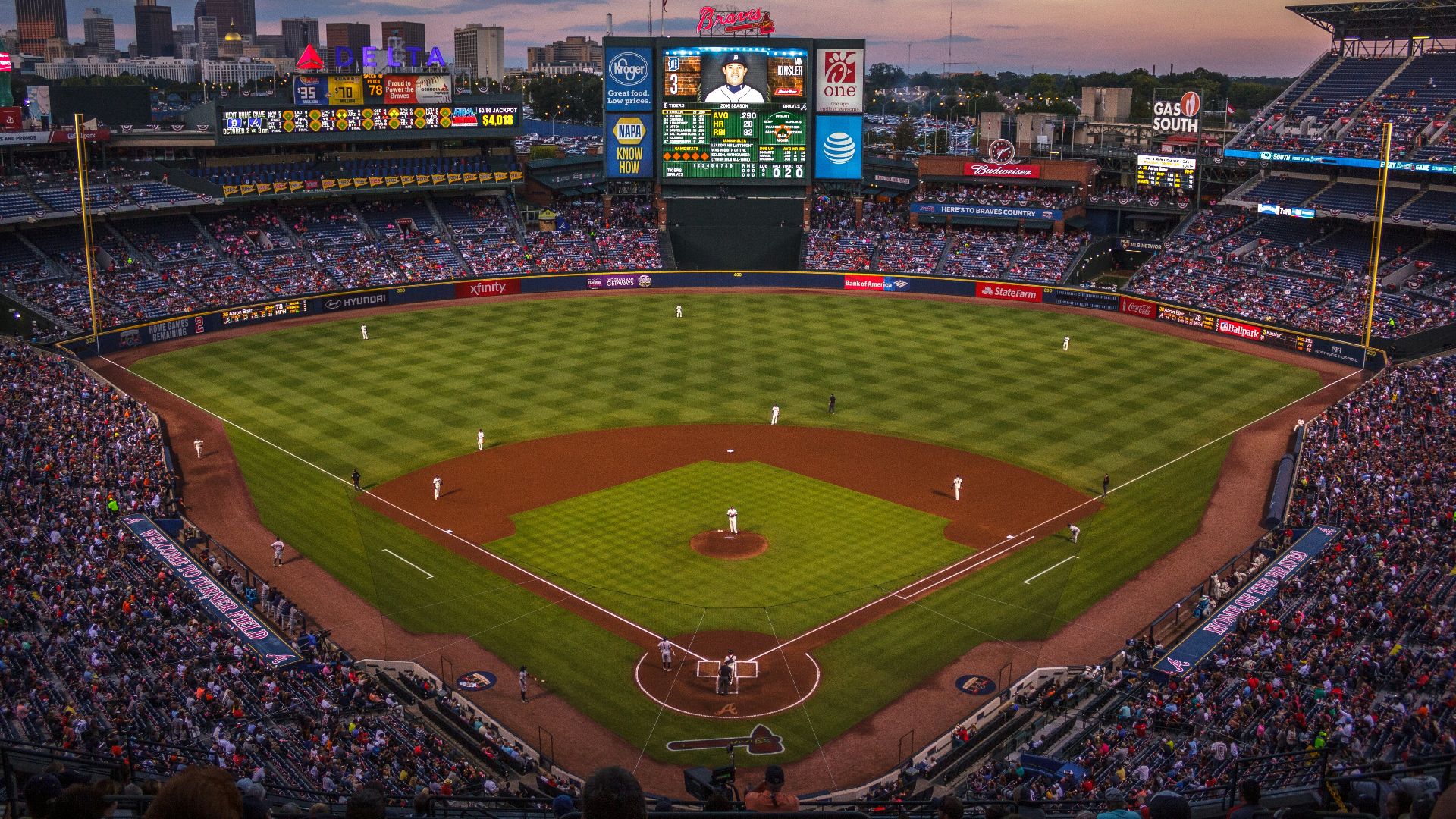
In addition to singing the national anthem at the 1977 World Series, Ronstadt has another connection to baseball. Some professional players have a nickname for a pitch that is so fast, you can’t even get a chance to swing at it. They call it a “Linda Ronstadt” because the pitch “blew by you”. Get it? “Blue Bayou”.
There’s another thing that a few men have called Linda Ronstadt, and that’s “girlfriend”.
41. She Had A Weakness
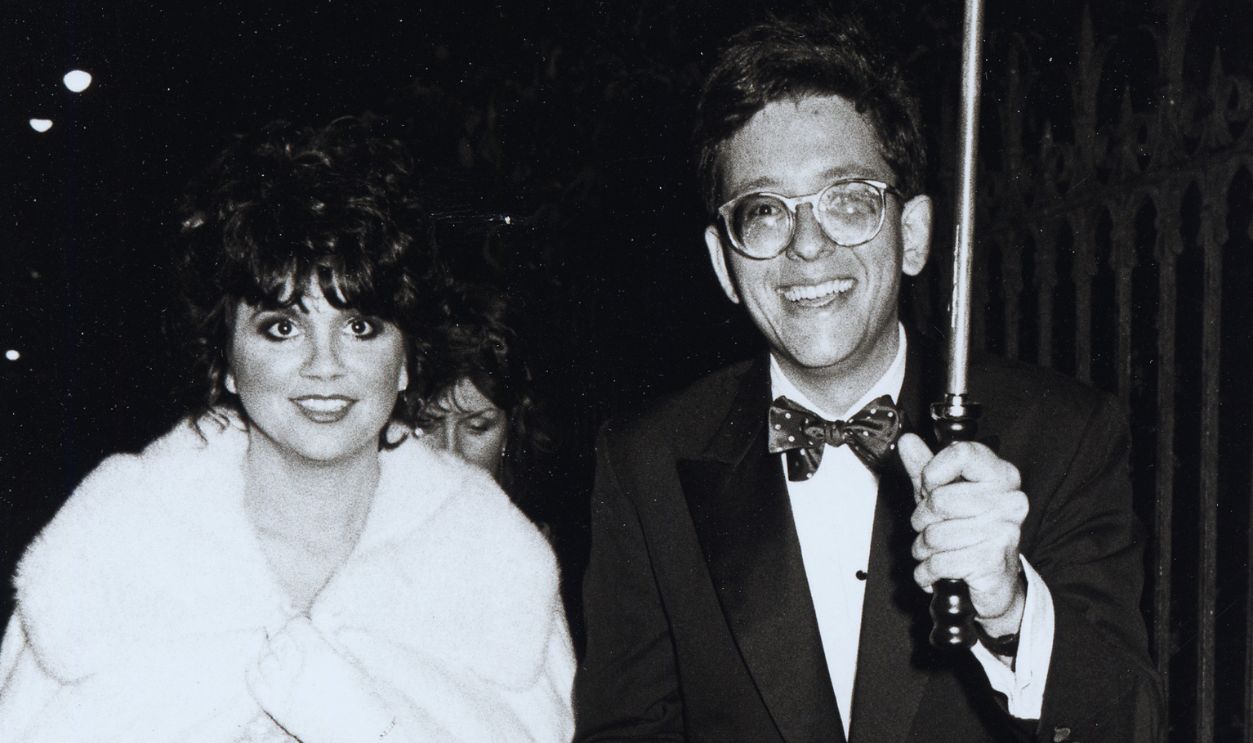
In addition to her publicized relationship with Jerry Brown, some under-the-radar dalliances have surfaced. She apparently had intimate relationships with Frank Zappa and Star Wars creator George Lucas, who she actually got engaged to. You can also add Steve Martin, Mick Jagger, and Albert Brooks to the list. She later said that she felt drawn to broken men.
Apparently, she also liked them to be funny.
42. She Dated a Young One
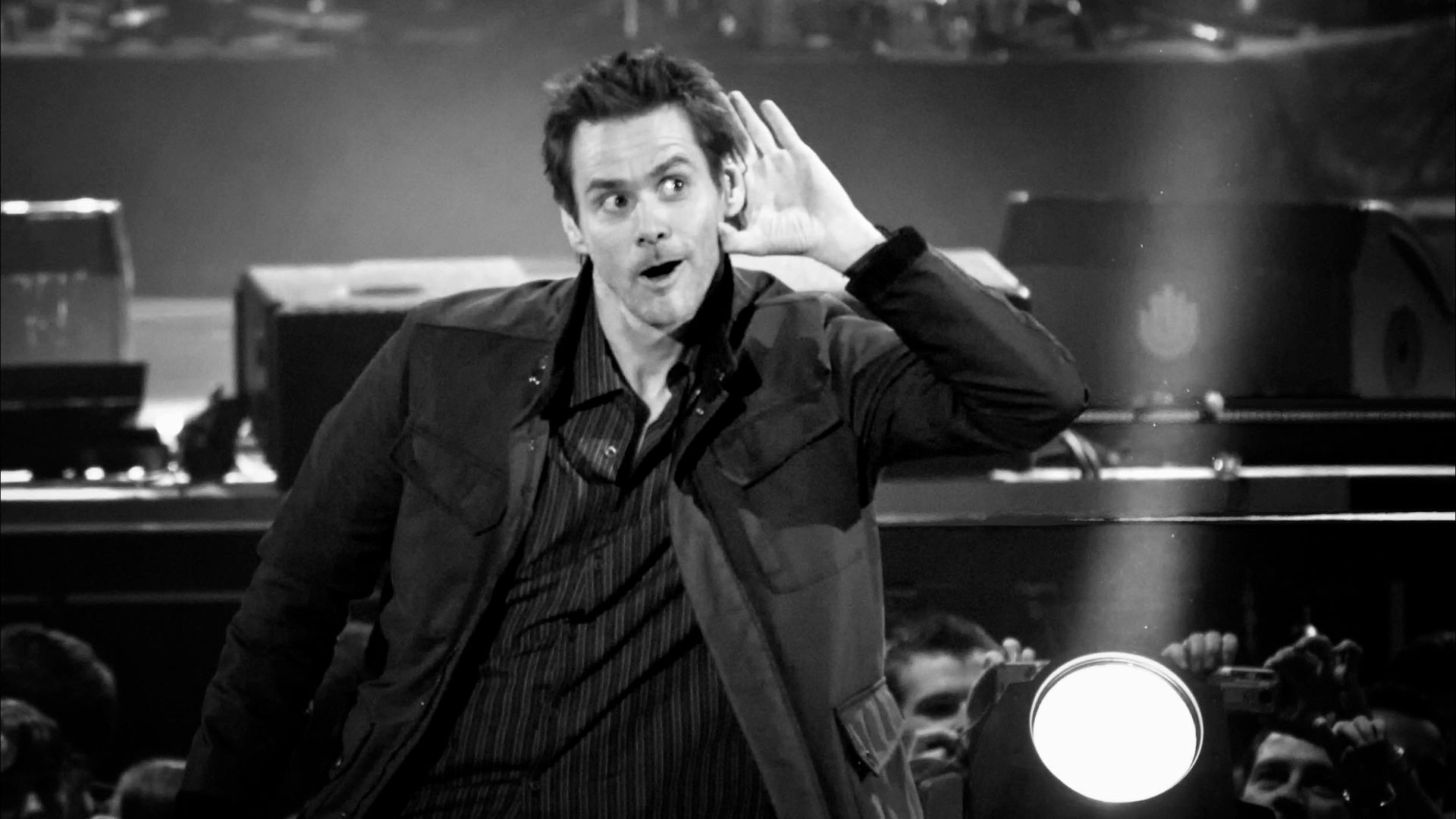
In 1983, Ronstadt was looking for a comedian to go on tour with. She came across a little-known performer named Jim Carrey. After seeing his act, Ronstadt told him he was good and asked him to go on tour with her. For some reason, Carrey declined the superstar’s offer but asked her out instead. They dated for eight months. He was 21, she was 37.
If that relationship made her feel old, imagine how retirement felt.
 Noemi Nuñez, Wikimedia Commons
43. She Was Done
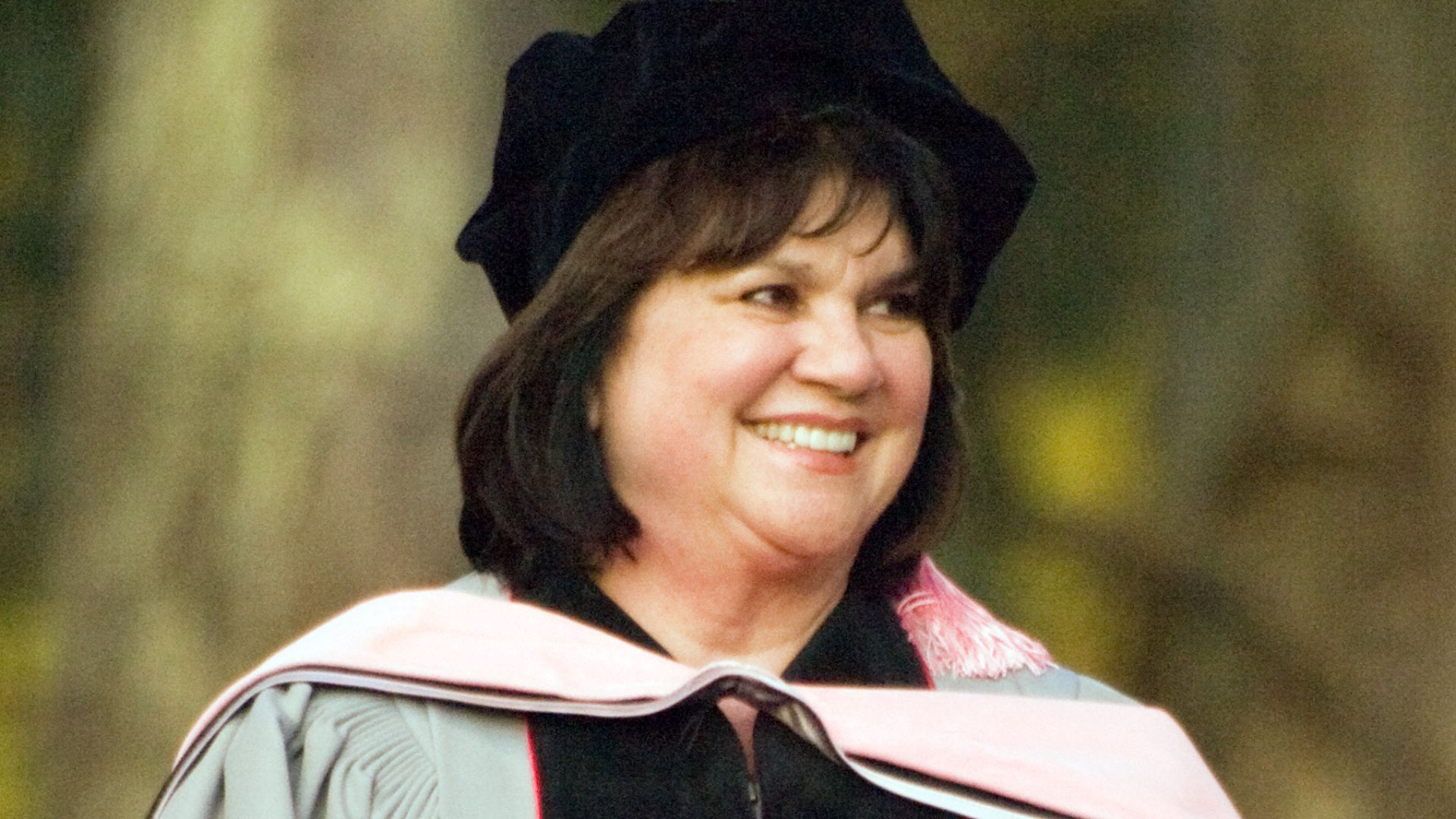
In her lifetime, Ronstadt received nominations for 27 Grammy Awards and won 11. She earned a Grammy Lifetime Achievement Award, received a Tony nomination, and won an Emmy. In 2011, Ronstadt chose the Arizona Daily Star to make a big announcement: she was officially retiring from the music industry.
As it turned out, this was not just some casual retirement. There was something very wrong.
 Eric Frommer, Wikimedia Commons
44. She Got A Diagnosis
Back in 2000, Ronstadt was giving a concert in Phoenix, and her voice gave out. A terrified Ronstadt confided in a friend, who sent her to a neurologist. The doctor assumed it was Parkinson’s disease and prescribed medication to treat it. To Ronstadt's horror, the symptoms just got worse.
As it turned out, the neurologist didn’t quite get it right.
 Mel Melcon, Los Angeles Times, Wikimedia Commons
45. She Found Out The Awful Truth
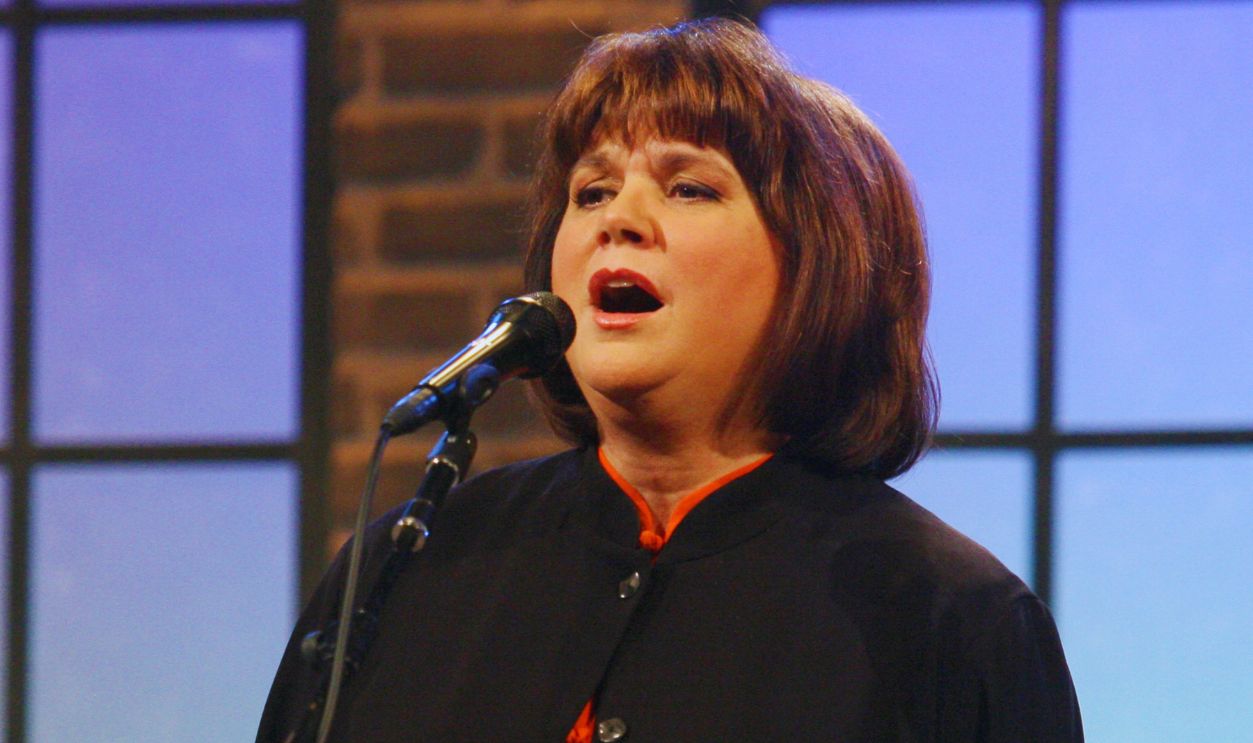
The fact was that Ronstadt didn’t have Parkinson’s disease, but this actually wasn’t good news. What she has is worse. Doctors rediagnosed her with progressive supranuclear palsy (PSP). While the two are very similar, PSP tends to progress at a more rapid rate.
Unable to sing, it might be time for Ronstadt to slow down and look back.
History's most fascinating stories and darkest secrets, delivered to your inbox daily.
46. She Found The Right Partners
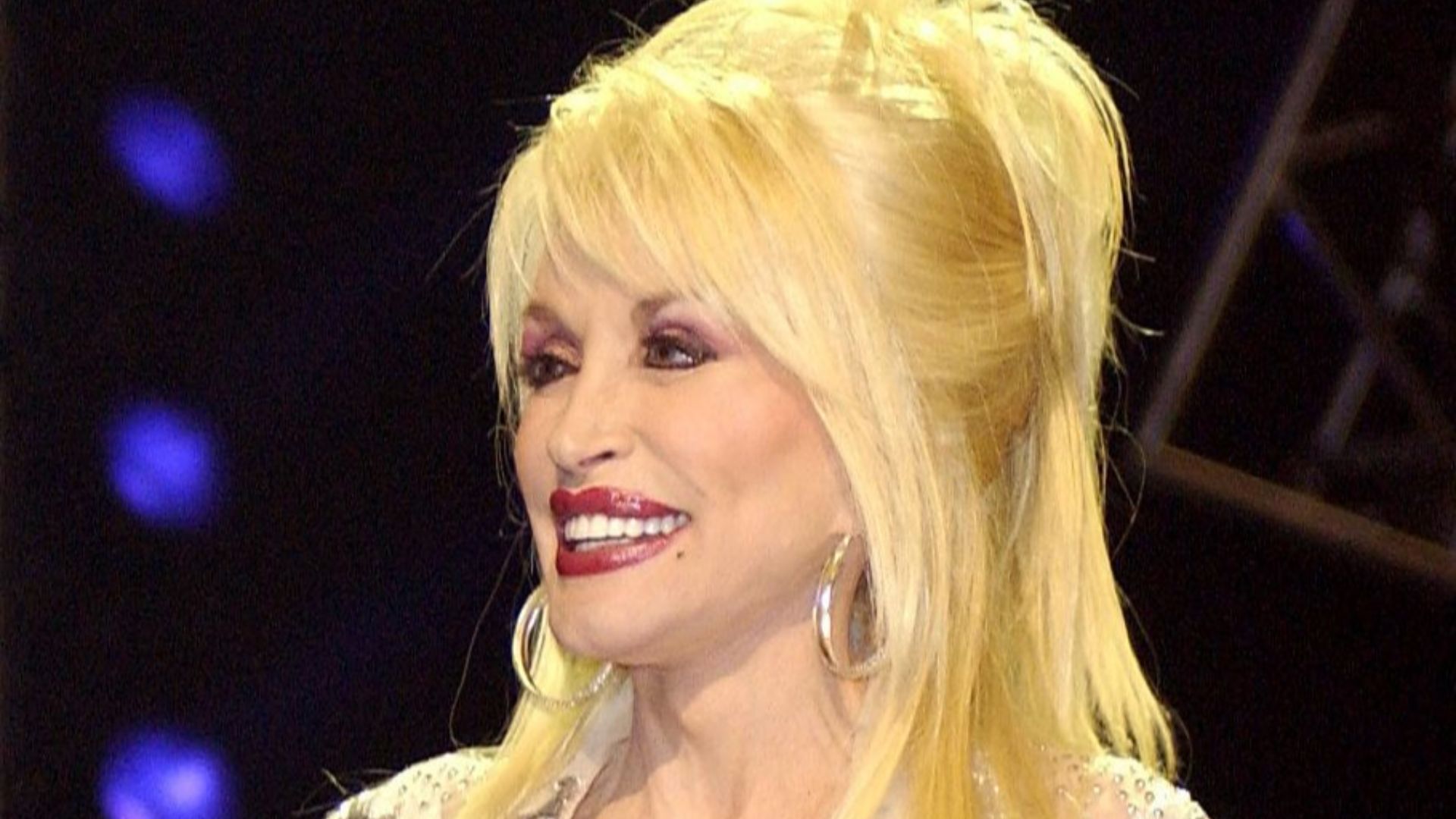
Throughout her career, Ronstadt openly voiced her distrust of men in the music industry. It’s nice to know that Ronstadt eventually found a “family” of women she could record and perform with. In 1987, she joined forces with other female survivors of the music industry. These were Dolly Parton and Emmylou Harris. They called their award-winning album Trio.
But there was one musical man who made her feel at ease.
 DoD photo by Tech. Sgt. Cherie A. Thurlby, U.S. Air Force. (Released), Wikimedia Commons
47. She Played With Jagger
The Rolling Stones’ Mick Jagger has quite a variety of effects on women. When Ronstadt performed with him as a guest in her hometown of Tucson, her reaction was surprising. She said that she lost all her usual stage fright. She called him “funny on stage” and so silly that “he knocks you over”.
Sadly, singing with Jagger is a thing of the past, but Ronstadt keeps her life full.
![Collectie / Archief : Fotocollectie Anefo
Reportage / Serie : [ onbekend ]
Beschrijving : Rolling Stones concert in Zuiderpark te Den Haag, Mick Jagger in aktie
Datum : 29 mei 1976
Locatie : Den Haag, Zuid-Holland
Trefwoorden : concerten, muziek, optredens, popgroepen, zangers
Persoonsnaam : Jagger, Mick
Fotograaf : Verhoeff, Bert / Anefo
Auteursrechthebbende : Nationaal Archief
Materiaalsoort : Negatief (zwart/wit)
Nummer archiefinventaris : bekijk toegang 2.24.01.05
Bestanddeelnummer : 928-6120](https://www.factinate.com/storage/app/media/factinate/2026/4/1/177503240701ea2449a760f1c637c092afa6b5d66c5a972421.jpg) Bert Verhoeff for Anefo, Wikimedia Commons
Bert Verhoeff for Anefo, Wikimedia Commons
48. She’s Still Active
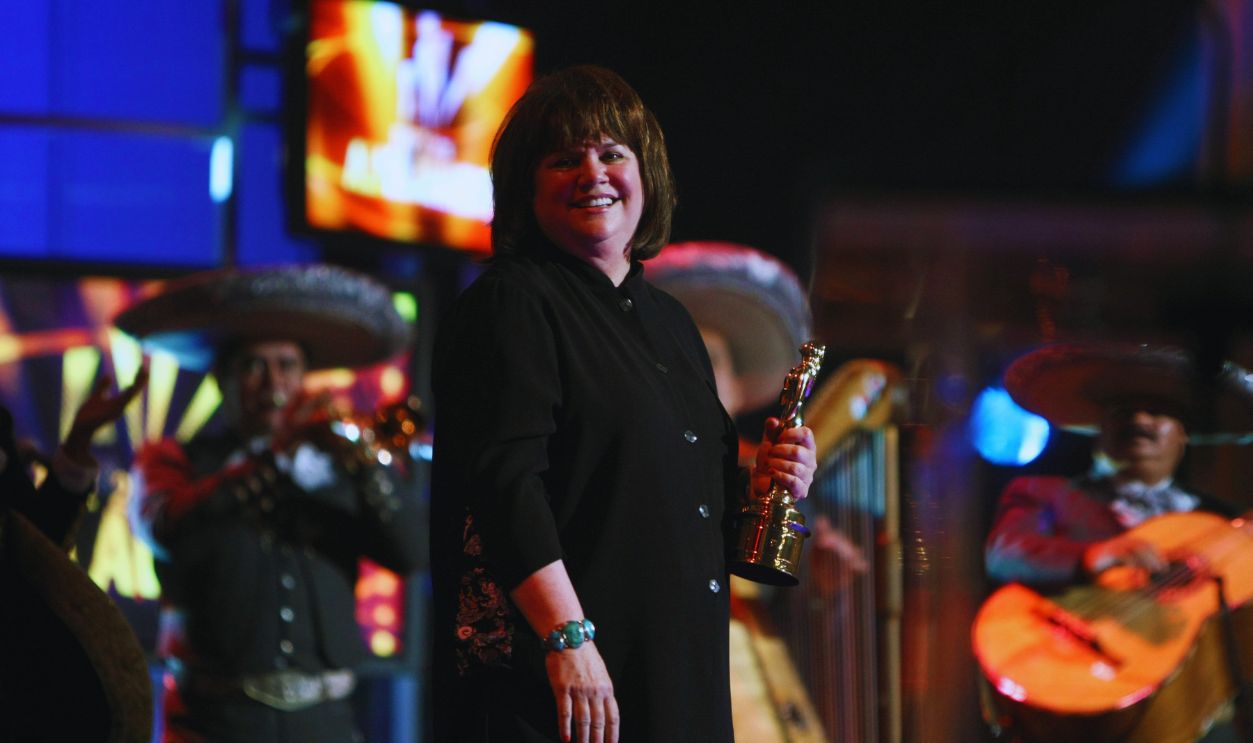
It’s true that Ronstadt can no longer sing, but she continues to be active. She’s involved herself in the Mexican arts community, and also wrote a book about her life called Feels Like Home. For leisure, Ronstadt spends her time with her two adopted children and friends she picked up along the way. And once in a while, her ex, Jerry Brown, will drop by with his wife. They are still good friends.
Luckily, Ronstadt’s music will live on in one unexpected way.
 Alberto E. Rodriguez, Getty Images
49. She Left A Legacy
Since Ronstadt wasn’t so much into songwriting, she focused on doing covers. With Ronstadt’s huge talent, her covers often became more well-known than the original recordings. The good news is that this means many of Ronstadt’s fans have started to dig into the music of the original writers and performers as well. She’s broadened the horizons of a generation of music lovers.
When it comes down to it, Ronstadt is really just an incredible talent who brought fans to the record store and the concert venue. And there’s monetary proof that she was one of the greatest.
50. She Doubled It
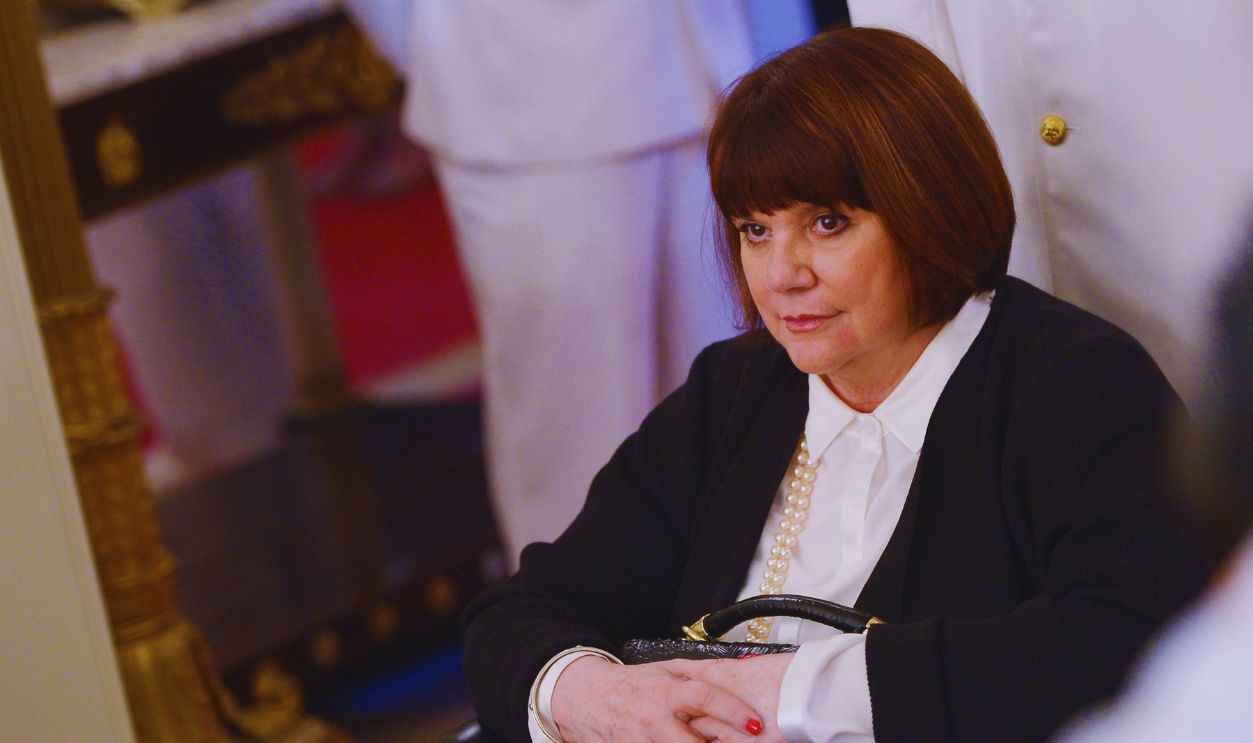
When they ship records, the hard part is trying to predict what sales would be like. If they “ship platinum” it means that they expect sales of 1 million records. Ronstadt’s Living in the USA did something that no album—by a man or woman—had ever done before: it shipped double-platinum.
And then it went on to sell a million more copies in the US alone.
You May Also Like:
Wonderful Facts About Donna Reed, Film And TV’s Favorite Housewife
Furtive Facts About Burt Lancaster, Hollywood’s Heartthrob With A Secret