Performing Through The Pain
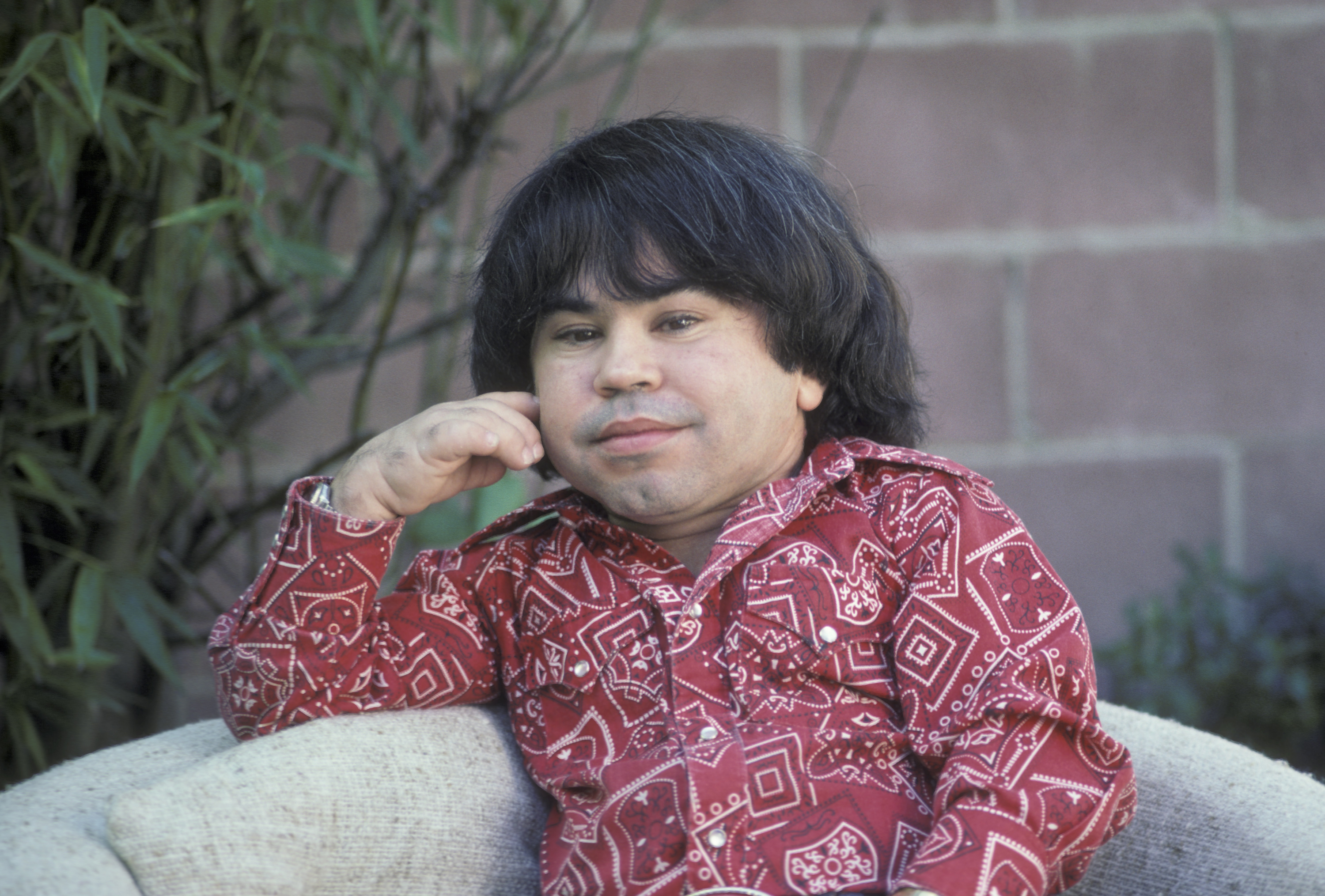
From the very beginning, Hervé Villechaize got a taste of how unfair the world could be, whether the lesson came from mistreatment at school or the chronic aches and discomfort that accompanied his health condition. However, through all the hardships he endured, he could always find solace in his art, and he never stopped chasing his passion as an actor—until it all became too much to bear.
1. He Was Born In Turmoil
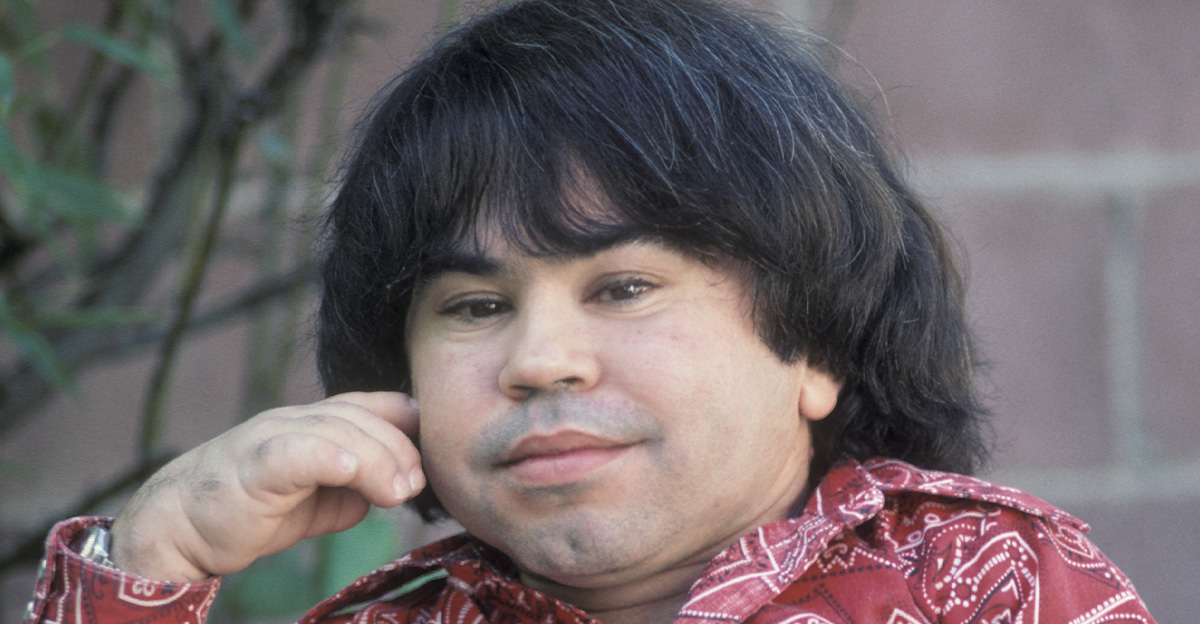
Hervé Villechaize spent the majority of his adult life in pain as a result of his condition, but even at the time of his birth, agony and despair were nearly all that surrounded him. Born in Paris in 1943, he came into the world right in the middle of WWII, at a time when Germany had occupied the city. His parents remained active helpers, though, as his father continued to work as a surgeon and his mother was a socialite-turned-ambulance driver.
At the same time, while they raised and cared for him, there were rumors that they weren’t his only set of parents.
 ABC Television, Wikimedia Commons
2. He Might Have Had Another Family
Hervé Villechaize was a Frenchman through and through, and especially due to his most famous line later in life, it was hard for anyone to miss that—but some people thought he was more than what he seemed. Due to his features, some claimed that Hervé was of Filipino heritage and adopted when he was two years old, but there is no evidence to support this story.
What we do know is that André Villechaize and Evelyn Recchionni did their best to care for Hervé—although they didn’t always know how.
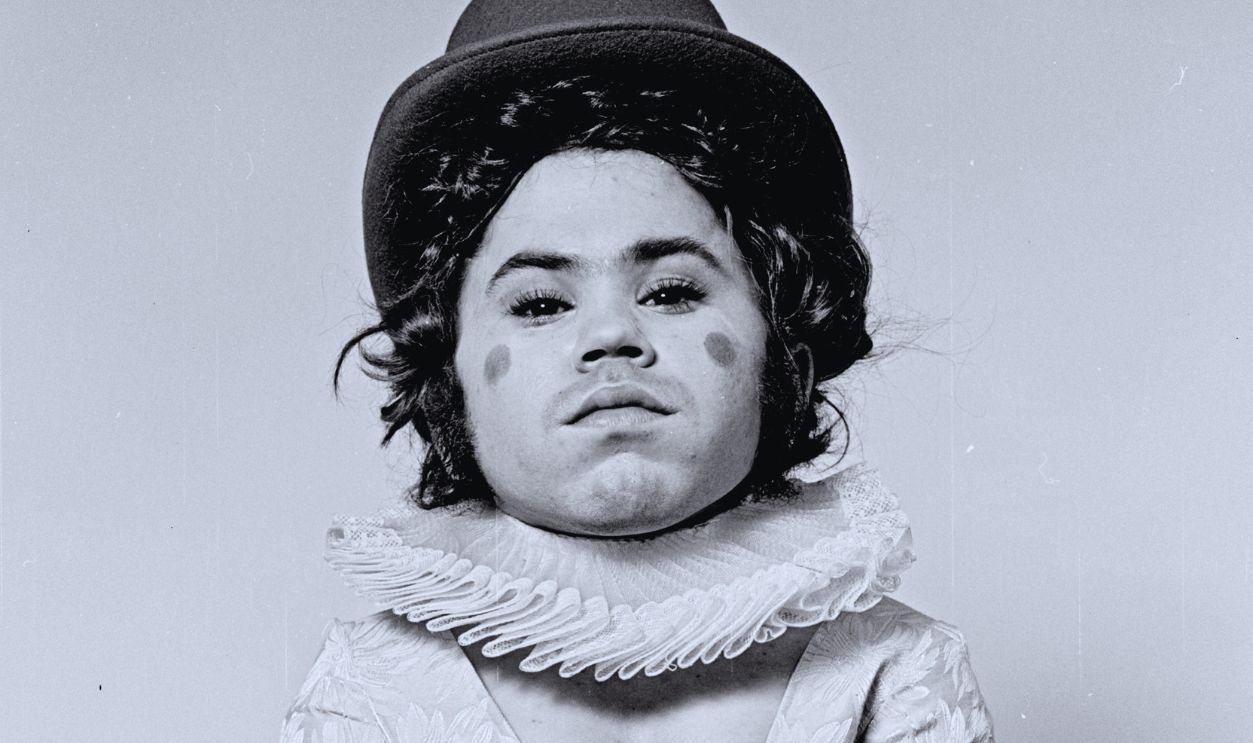
3. He Tried To Help Him
Realizing that his son displayed signs of dwarfism, André addressed the situation like the doctor he was and immediately tried to figure out how he could “cure” Hervé. Bringing the boy to several specialists, he tried everything to treat what was later determined to be an endocrine disorder, but these efforts all ended in failure.
There was nothing to be done, and unfortunately, Hervé would soon discover how difficult his life would become.
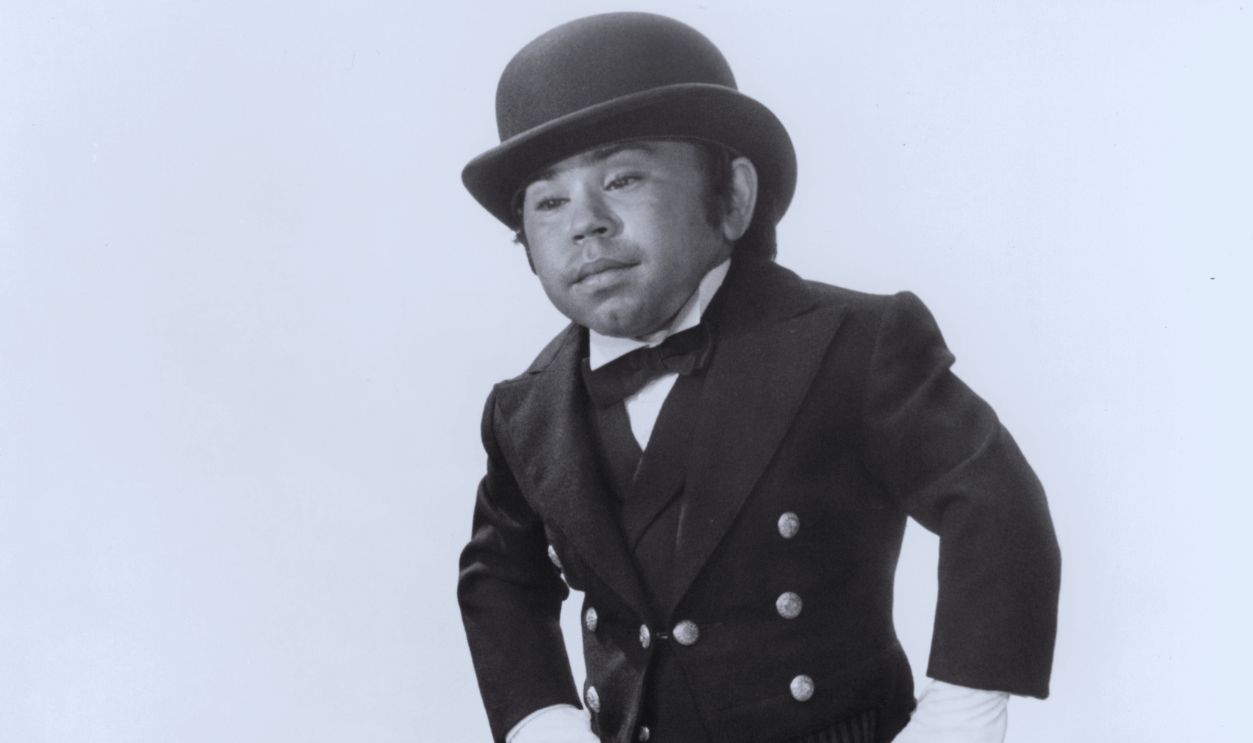
4. They Picked On Him
Even as he grew up, the world didn’t stop being cruel to Hervé Villechaize, especially when it came to those his age. While he was noticeably different from the other children, it didn’t take long for him to get a taste of the misery that every kid faces: bullying, and his schoolmates were relentless in taunting him about his condition.
Luckily, he discovered something to help him cope, though it wasn’t what one might expect.
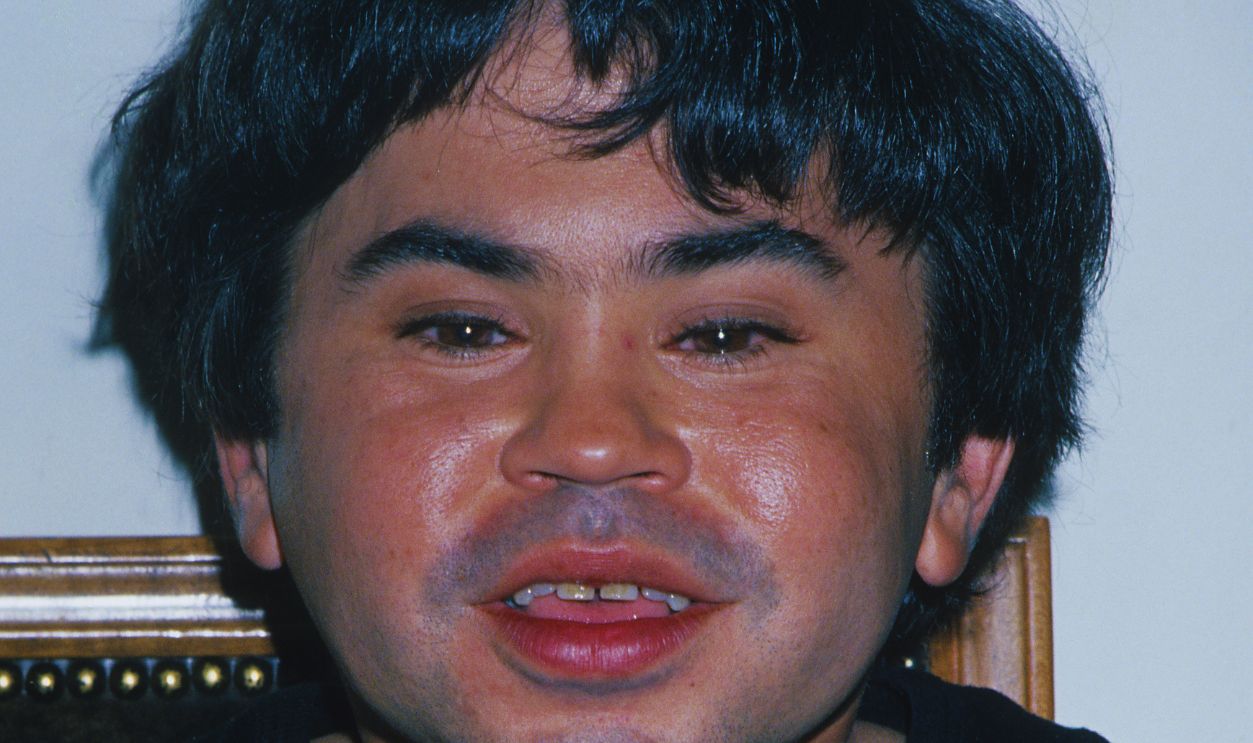 Michael Ochs Archives, Getty Images
5. He Found His Passion
Hervé’s father had taken him all over the world in search of treatments, and while this meant the boy spent most of his time waiting, it also allowed him to cultivate a significant talent. Specifically, while a resident at an American clinic for about six months, he spent most of his time drawing, quickly realizing he had an innate knack for it.
This wasn’t just a simple hobby, though, and soon everyone would realize how good he was.
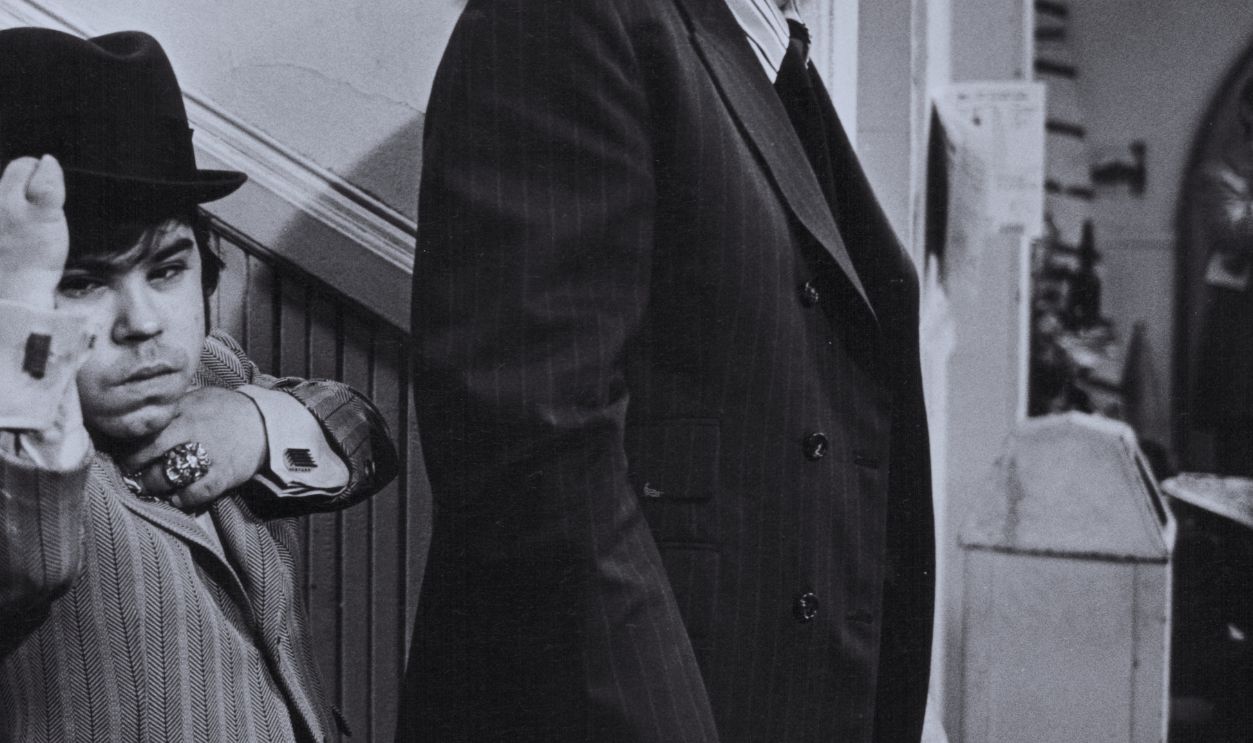 Stanley Bielecki Movie Collection, Getty Images
6. He Was A Prodigy
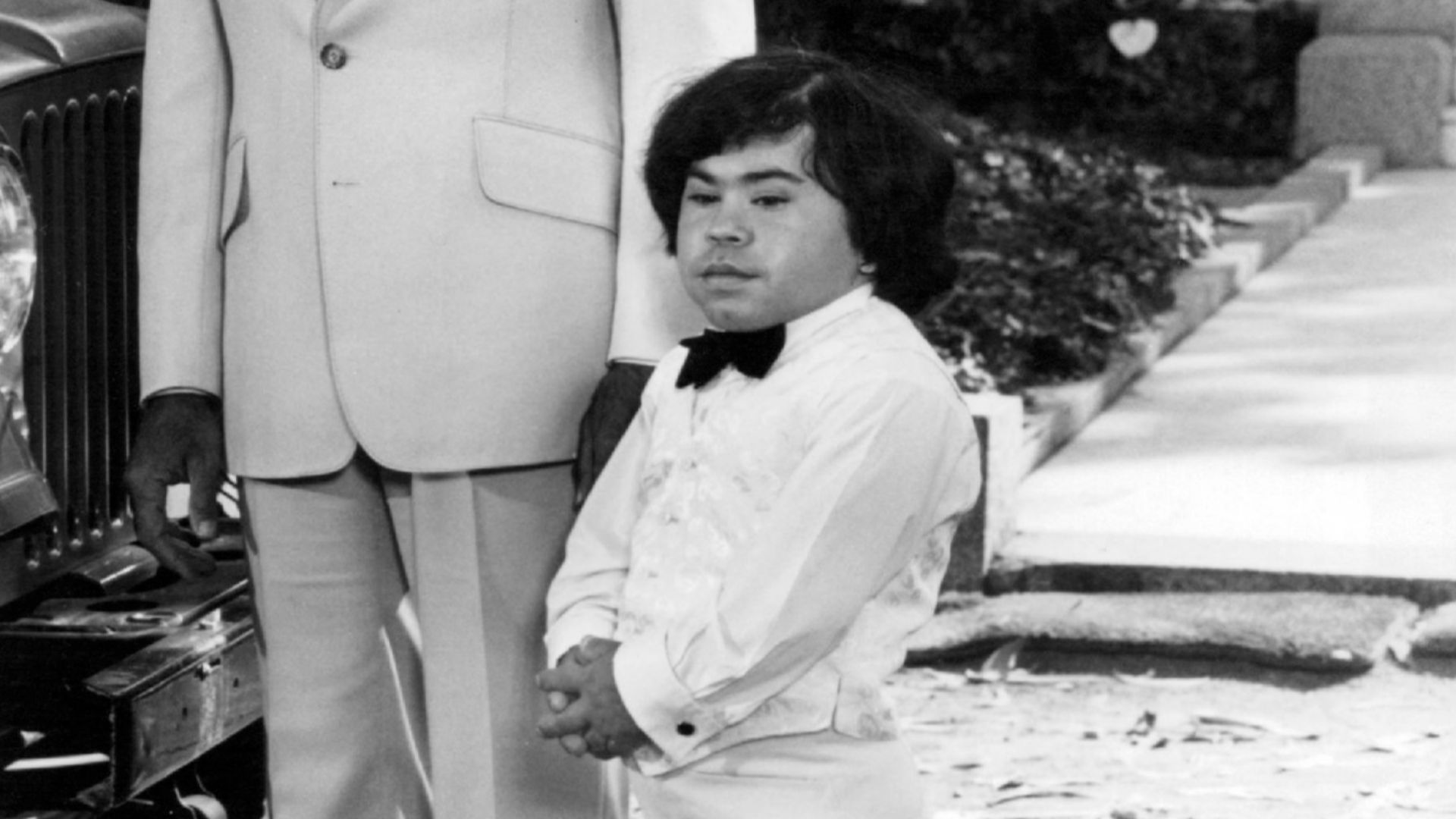
Taking a chance on their son, Hervé’s parents saw how capable an artist he was and decided to send him to the École des Beaux-Arts when he was 16. With such natural skills, he quickly rose to the top of the class and had the chance to display his work at the Museum of Paris by the next year, becoming the youngest artist ever to do so.
However, something always told him that France wouldn’t be his home forever, and he was about to see how right he was.
 ABC Television, Wikimedia Commons
7. He Moved Away From Home
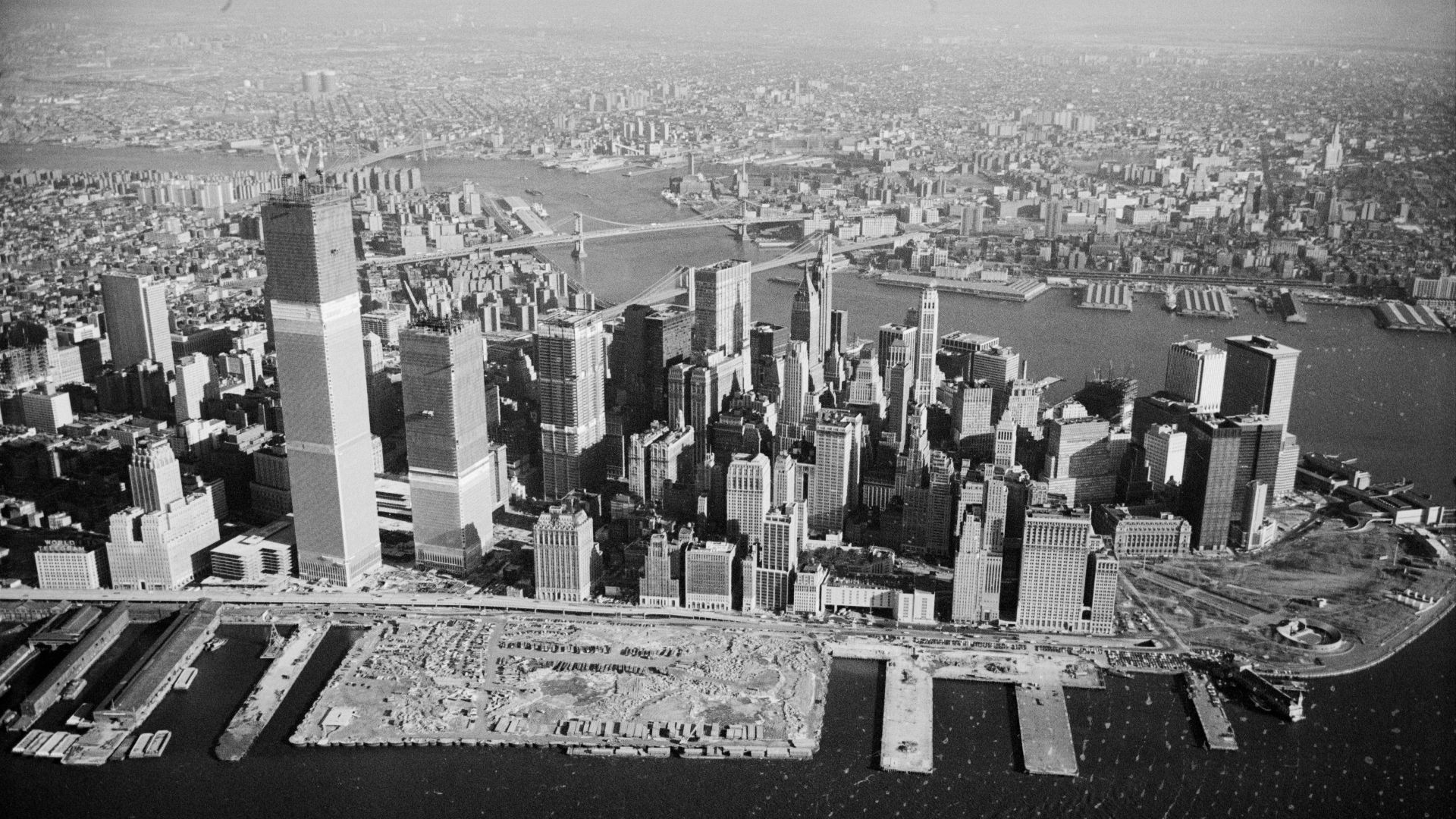
Due to the near-constant stares and rude behavior towards Hervé Villechaize because of his condition, his father urged him to leave Paris, but he wasn’t just telling him to get out without anywhere else to go. According to a later interview, he had told Hervé, “Go where the freaks go. Go to New York,” and his son took the suggestion to heart. Learning English from the television, he traveled to New York City in 1964 and put down roots in a more Bohemian area.
Needless to say, he would need a plethora of skills to support himself—but this wasn’t a problem for him.
 Thomas J. O'Halloran, Wikimedia Commons
8. He Branched Out
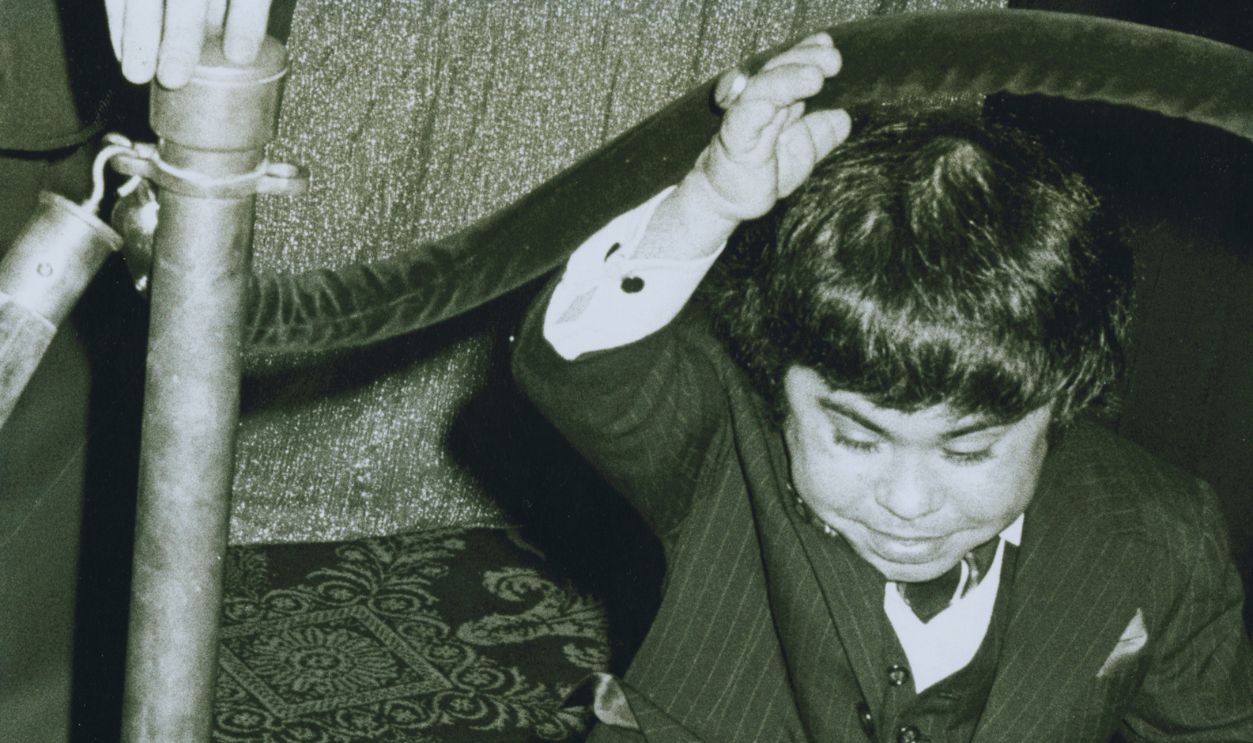
Working off the skills he had already cultivated, Hervé continued as a painter, but he also knew he would need to adapt and expand his horizons to survive. Taking on similarly artistic jobs as a photographer and model for National Lampoon, he soon made his acting debut in several off-Broadway productions.
Before long, though, he would find a career path that he could finally see a future in.

History's most fascinating stories and darkest secrets, delivered to your inbox daily.
9. He Kept Finding Work
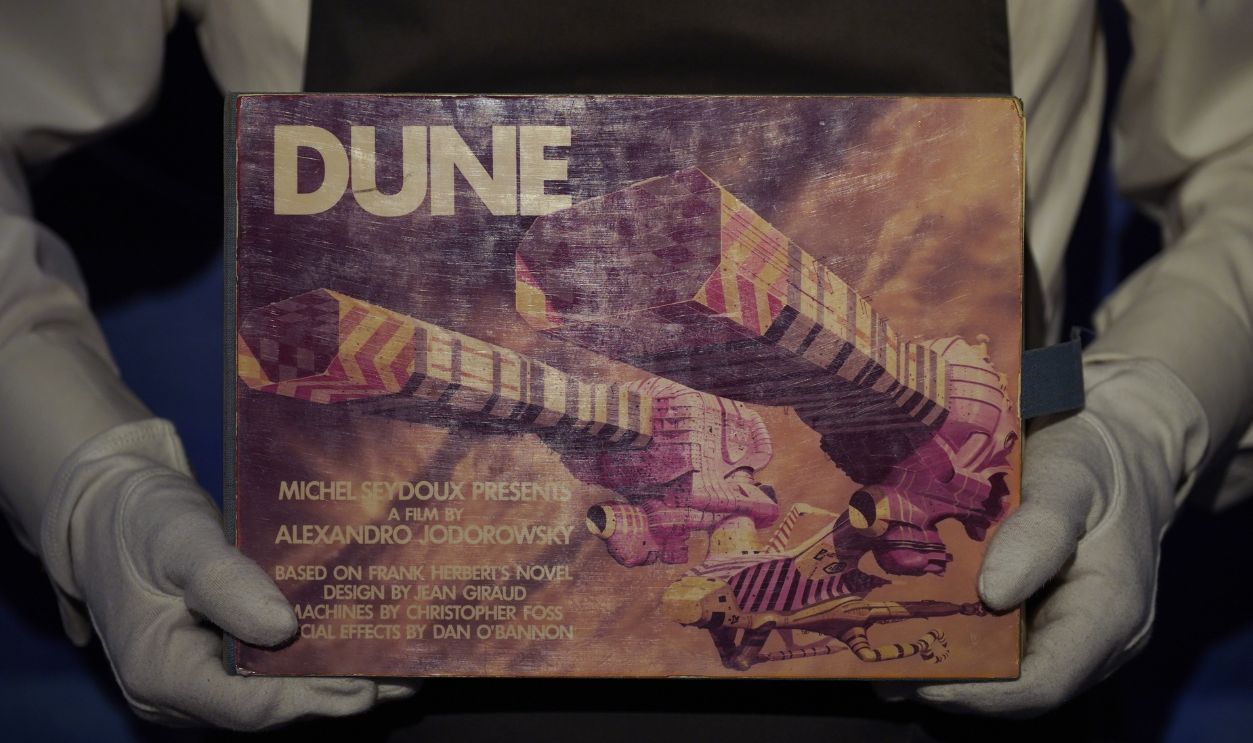
Compared to many who try to make it as an actor in New York, Hervé Villechaize was lucky enough to find success quickly, securing his first film gig in 1966. Joining the cast of Chappaqua, his work was good enough to earn him several more acting jobs after, even in an early planned adaptation of Dune. However, while director Alejandro Jodorowsky cast him as a major character, Hervé never got to see it through as the film was cancelled before production even began.
Of course, he wouldn’t always be facing this life all by himself—but he certainly wasn’t the perfect lover.
 Yui Mok - PA Images, Getty Images
10. He Wasn’t A Good Husband
By the end of the 1960s, Hervé had made several connections in New York City’s art scene, but not all were only about networking. After meeting fellow artist Anne Sadowski, it was almost no time before they fell in love and took the next step, marrying in 1970. However, the comments about their height difference took their toll—but not as much as Hervé’s long list of affairs during their time—so he and Anne finally divorced nine years later.
Unfortunately, his professional life wasn’t doing so well either—but at least he was still employed.
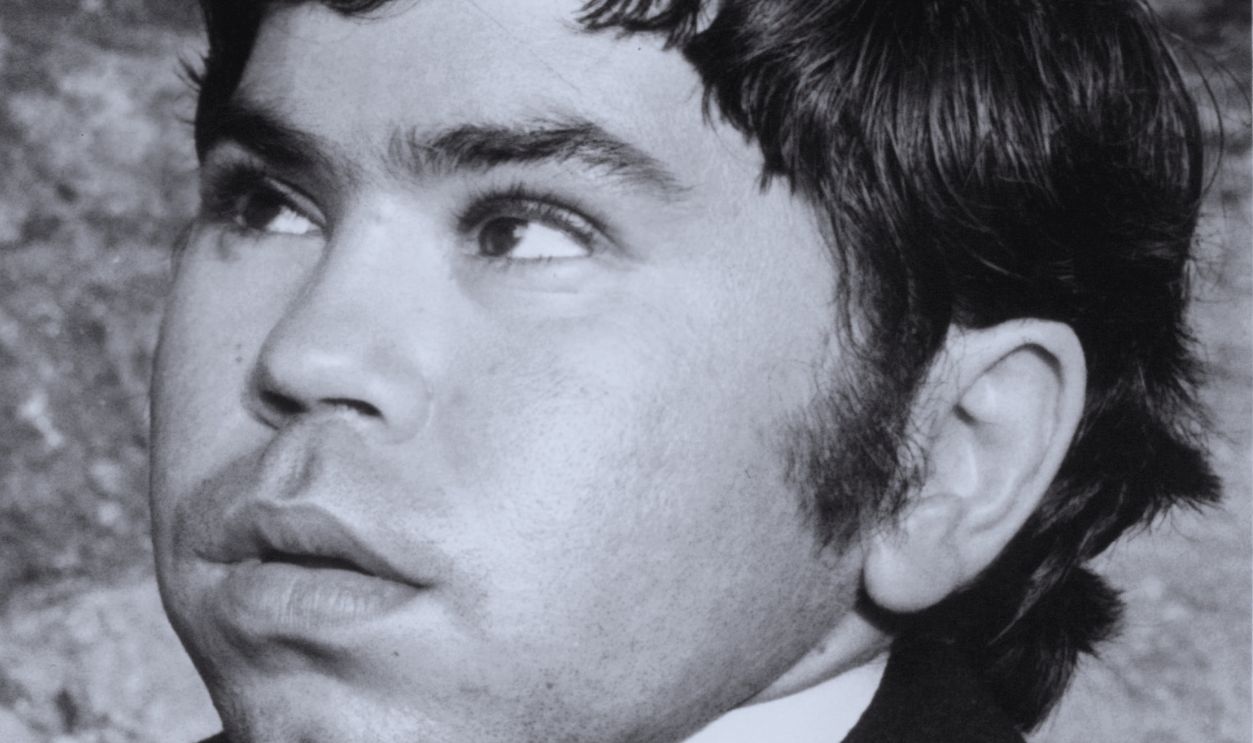
11. He Found Another Job
Although Hervé Villechaize didn’t realize it at the time, he was about to find another acting gig, this time in one of the biggest franchises in history. This opportunity couldn’t have come any sooner, either, as he had since stepped away from more creative work to focus on simply surviving, taking a job as a rat catcher’s assistant to pay the bills.
As bad as this was, he still had room for his situation to get far worse. Thankfully, he had a miracle in store.
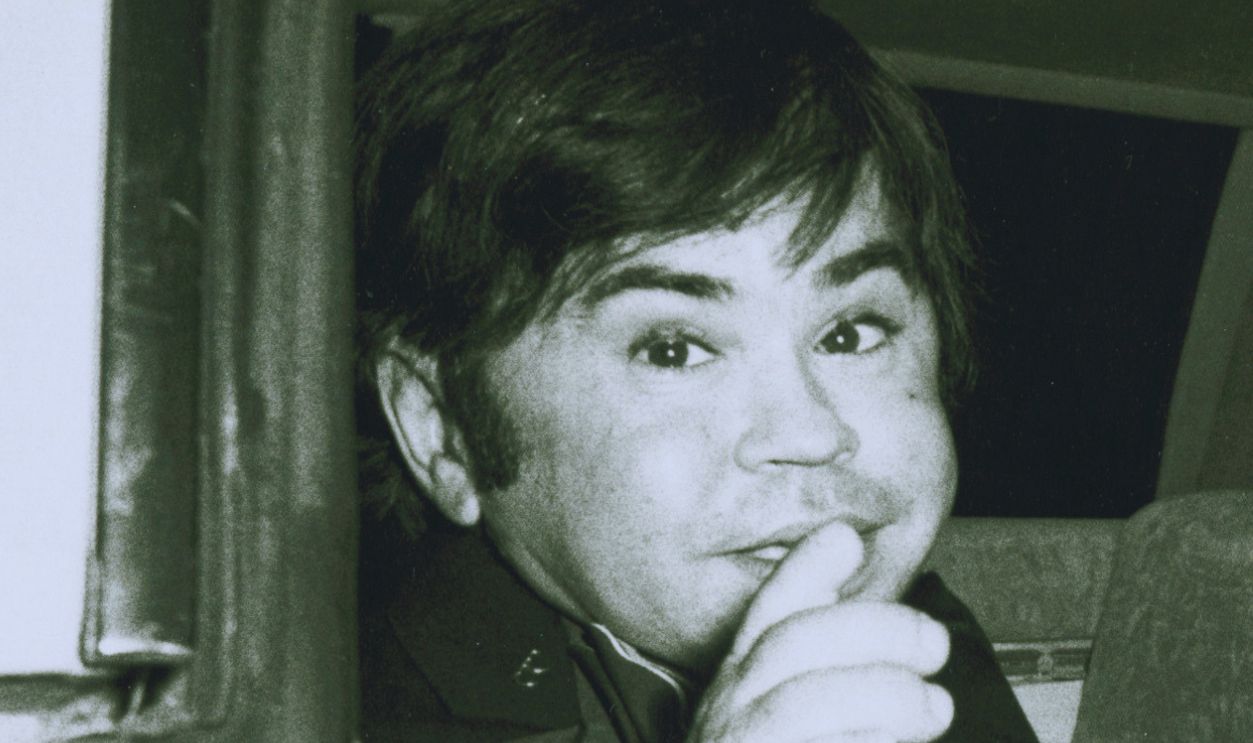
12. He Needed The Money
Eventually, even Hervé’s rat-catching job proved to be insufficient, and he had to give up his living situation, with no choice but to use his car as a home. Thankfully, an opportunity came along that changed everything, and he signed on to appear in The Man with the Golden Gun, the upcoming James Bond film in 1974.
Suddenly, he went from being a nobody on the streets to one of the most prominent actors in a blockbuster movie—and for that, he would need the right wardrobe.
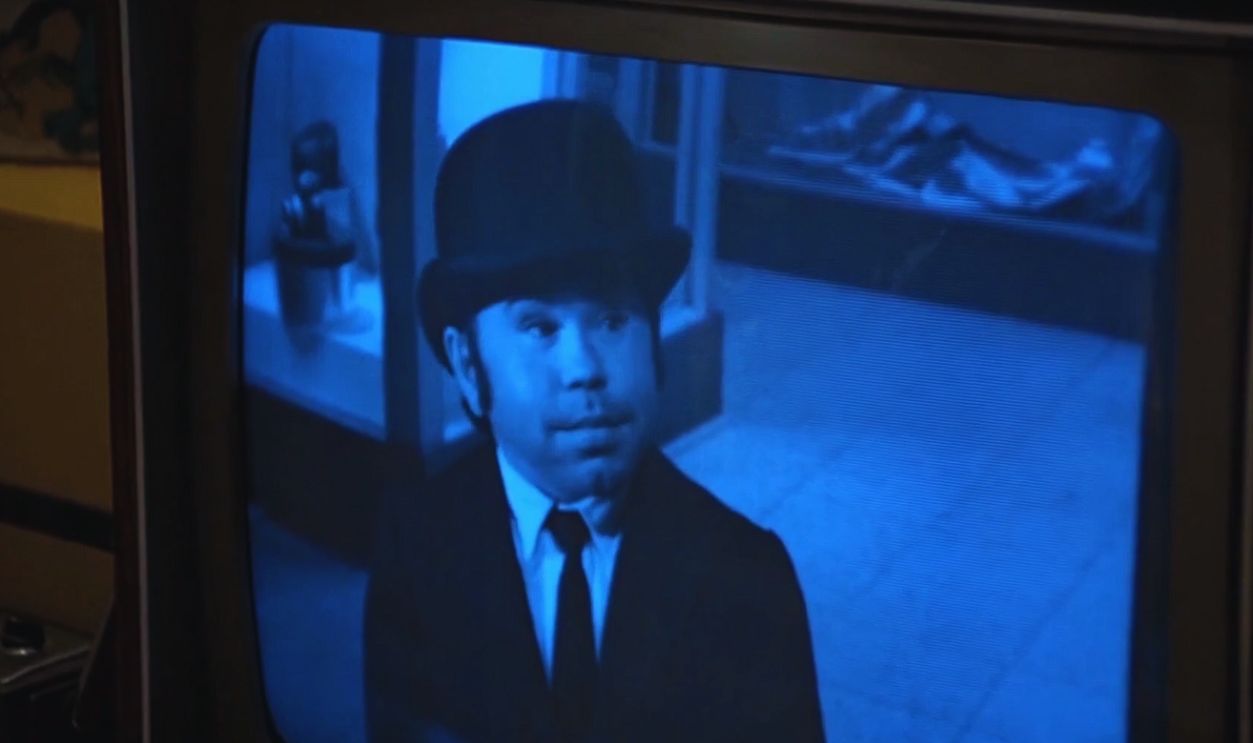 Screenshot from The Man with the Golden Gun, Eon Productions / United Artists (1974)
13. He Needed His Own Gloves
As arguably the most unique actor in the project, Hervé experienced several peculiarities, one of which surprisingly came down to his outfit. Not only was his costume carefully designed, but several pieces had to undergo alterations to fit his exact proportions, including his gloves—which cost the production a whopping $10,000.
However, these weren’t any sort of embarrassment for him. In fact, he wasn’t the only one feeling great about the project.
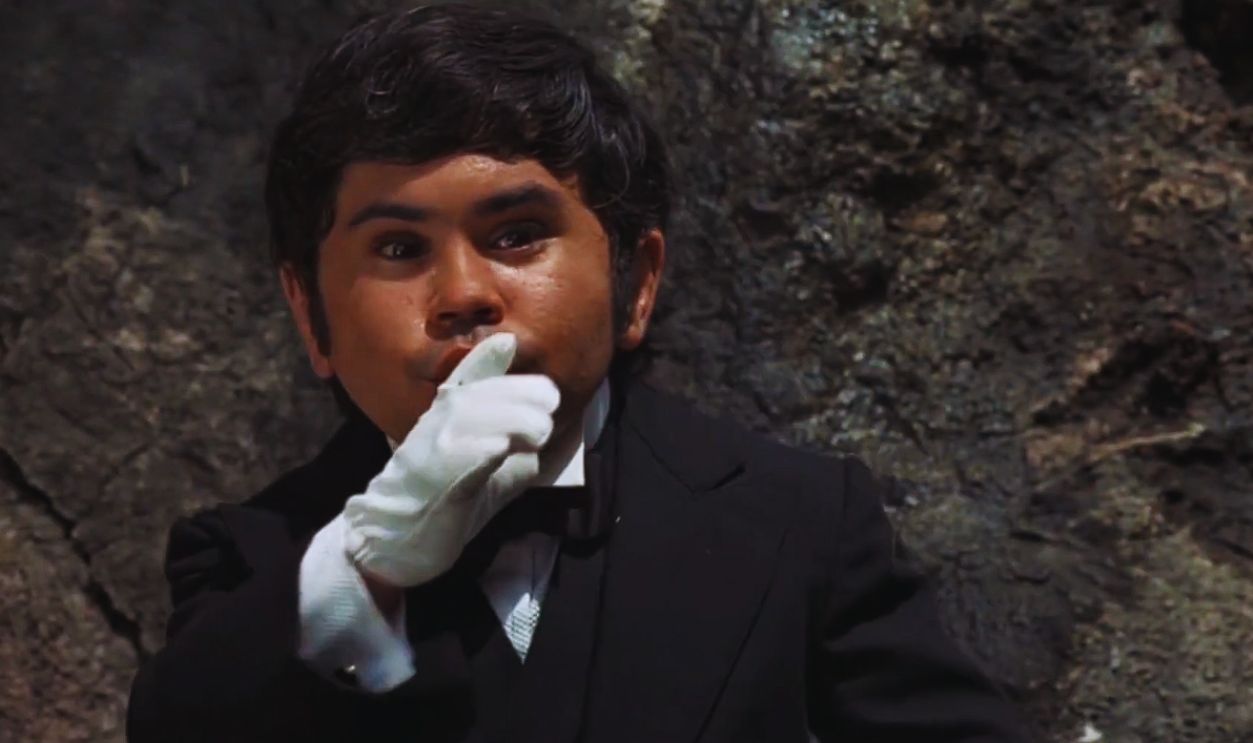 Screenshot from The Man with the Golden Gun, Eon Productions / United Artists (1974)
14. He Remembered Him Fondly
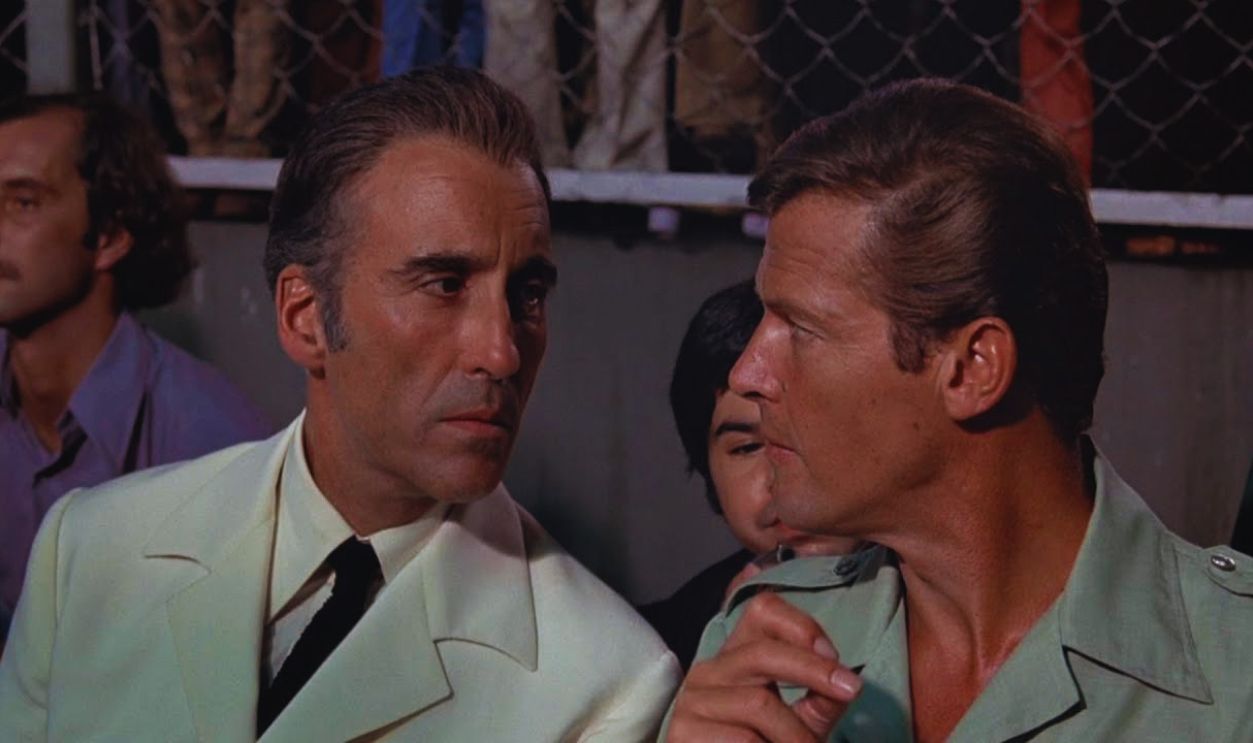
In his Bond film, Hervé’s character was the henchman to the villain played by legendary actor Christopher Lee, who had more than a few words to say about his co-star. Speaking on the project, he would explain that as Hervé had come from such an uncertain situation, he seemed all the more ecstatic to be on the set of the Bond film, with Lee going so far as to say it was the best time of Hervé’s life.
In line with his typical humor, it wasn’t uncommon for Hervé to joke around with his co-star, even about his own condition.
 Screenshot from The Man with the Golden Gun, Eon Productions / United Artists (1974)
15. He Poked Fun At Himself
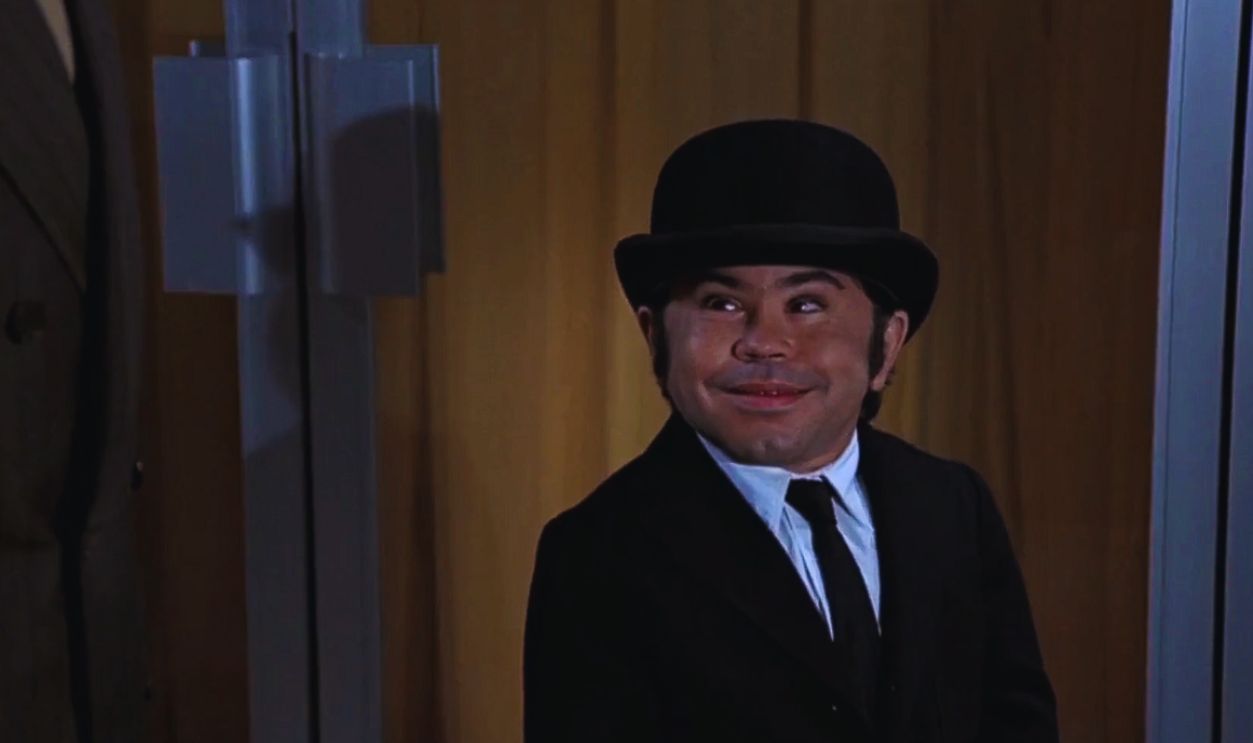
Hervé Villechaize had grown up with people teasing him about his condition, so at some point, he had no choice but to take his power back by getting in on the joke himself. Bond actor Roger Moore learned this during production, when Hervé explained that he could only ever get ground-floor rooms at hotels because he couldn’t reach any other buttons on the elevator.
At the same time, Moore didn’t exactly have the same glowing remarks about Hervé as others.
 Screenshot from The Man with the Golden Gun, Eon Productions / United Artists (1974)
16. He Was Shameless
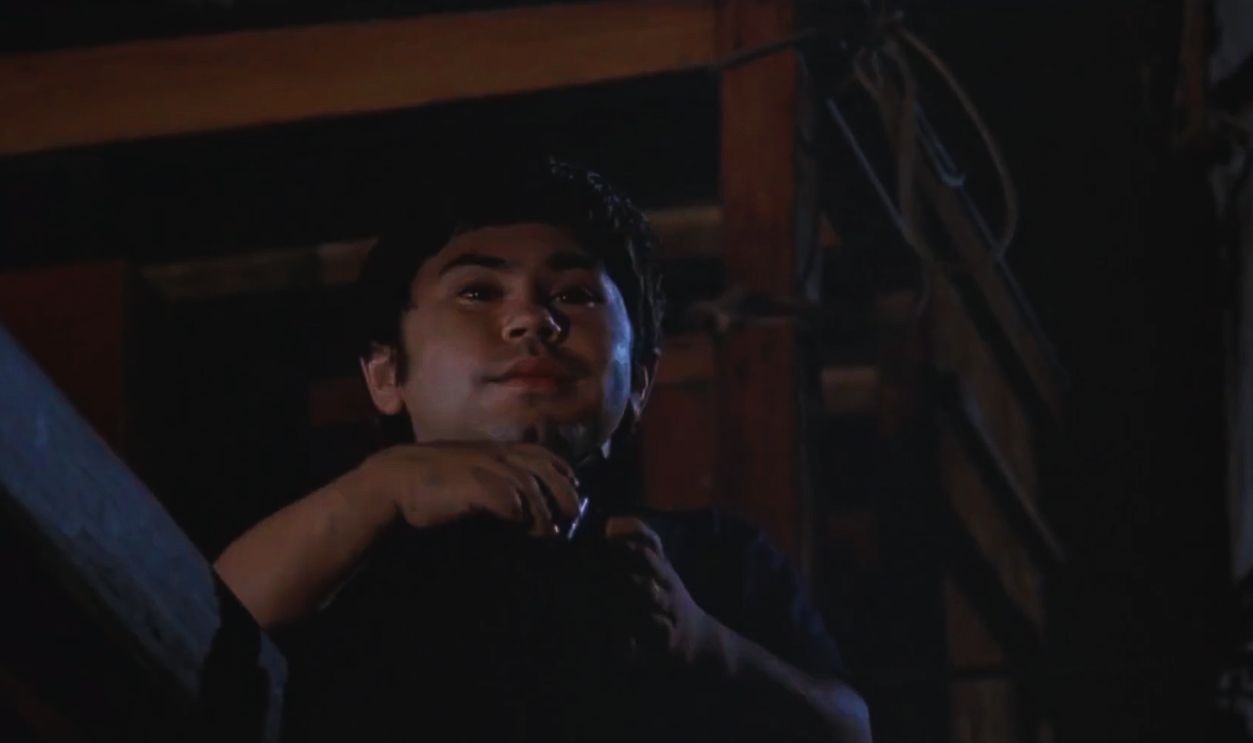
While everyone seemed to have something good to say about Hervé on the set of the Bond film, it wasn’t until Roger Moore released his autobiography, My Word is My Bond, that the truth came to light. According to Moore, Hervé appeared to have no problem with behaving improperly and usually spent his downtime propositioning the various women on set.
As a result, Hervé just seemed to get on the nerves of some people, especially the film’s lead.
 Screenshot from The Man with the Golden Gun, Eon Productions / United Artists (1974)
17. He Never Liked Him
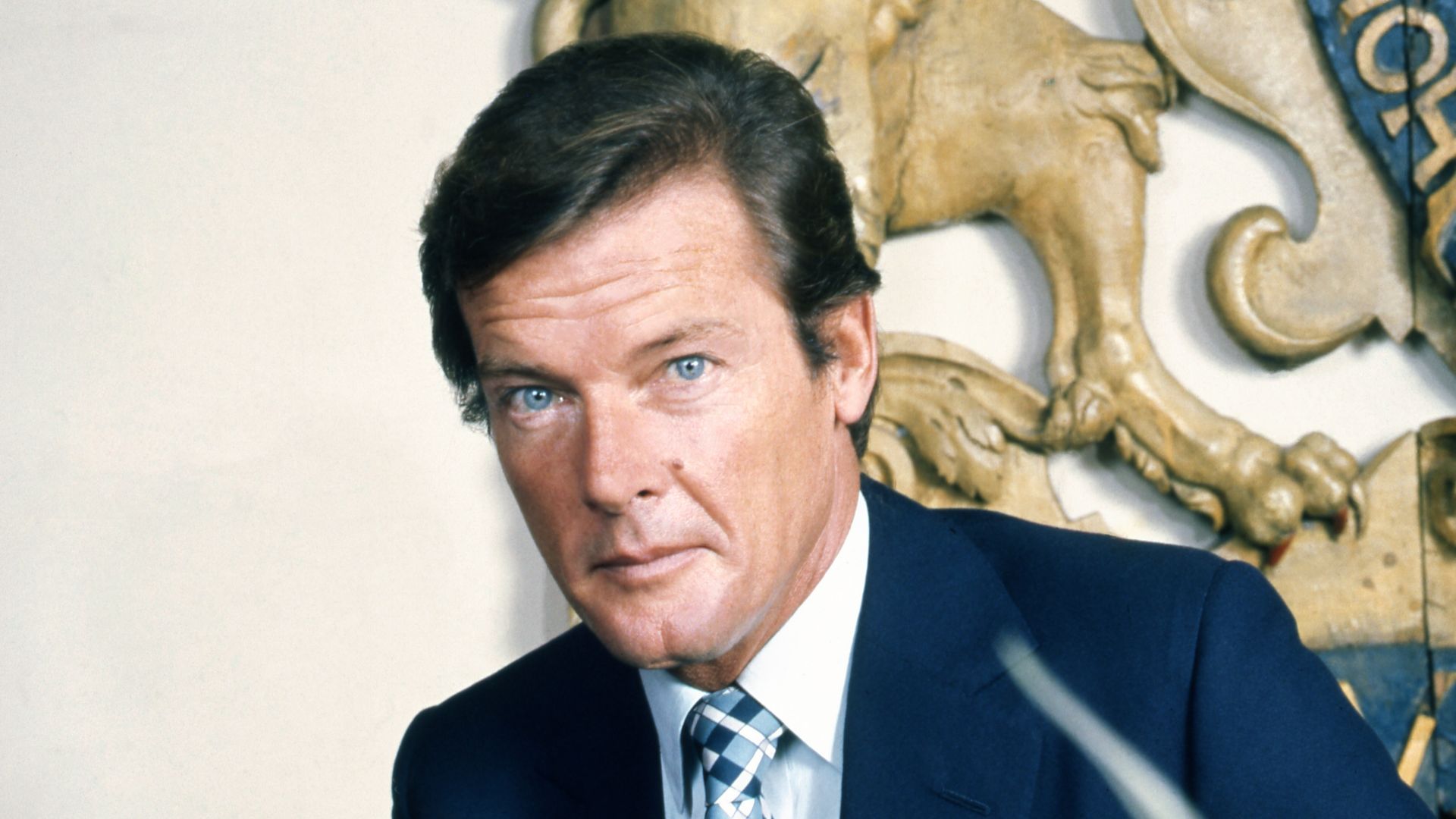
By the time of this film, Christopher Lee was already an established actor, and Roger Moore had long since admired him greatly, but he didn’t show this favor to all his co-stars. With the way Hervé Villechaize behaved, Moore had a hard time seeing him as anything but a creepy man who frequently bothered the women on set.
Nonetheless, Hervé continued to accept the offers coming his way—including one that was much more wholesome.
 Allan warren, Wikimedia Commons
18. He Joined A Children' s Show
Going from one iconic series to another, Hervé decided to move into children’s television and joined Sesame Street for its third season. He wasn’t a guest, however, as he had taken a job to provide the legs coming out of Oscar the Grouch’s trash can for whenever they wanted to make him move around.
Luckily for him, things were starting to look up in a very familiar way.
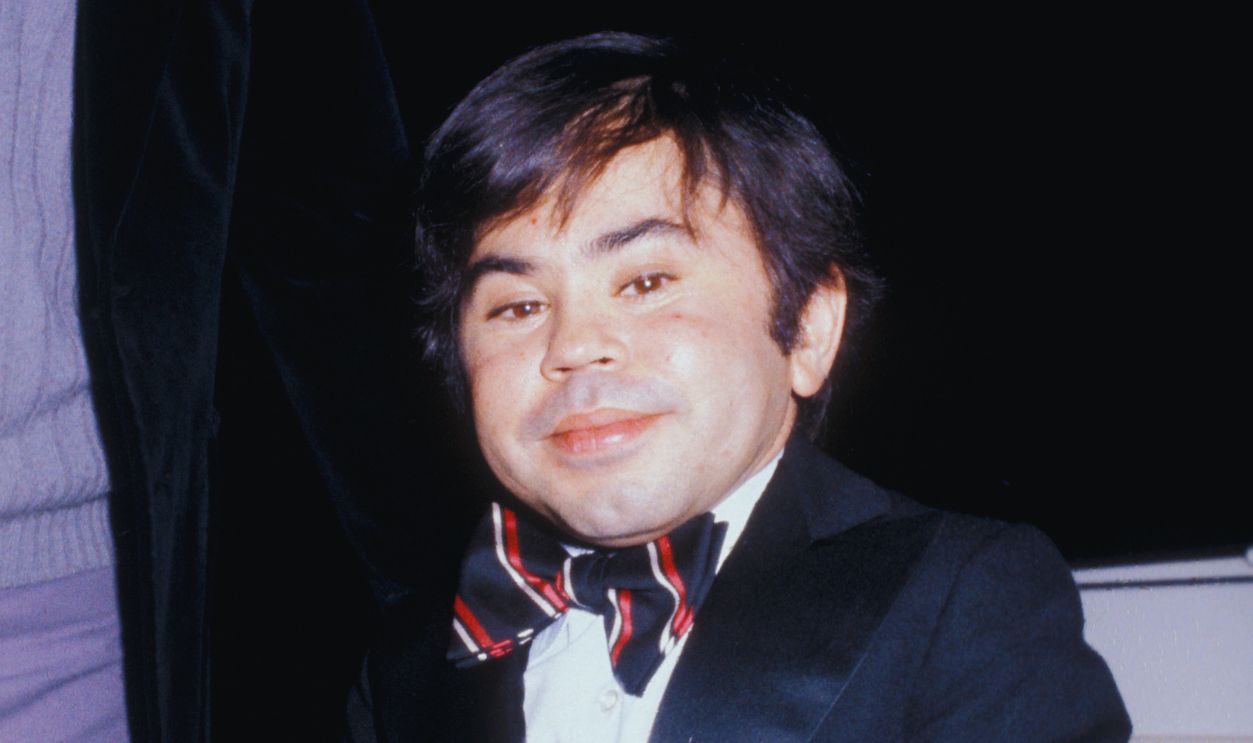
19. He Found Someone Else
Despite divorcing his wife in the late-1970s, Hervé Villechaize never seemed too choked up about it, especially since he was focusing on so many other relationships. For instance, not long after their separation, he met a woman named Susan Tyrrell, who likewise had an already established career as an actress. They both hit it off and began living together in Los Angeles, continuing to do so for about two more years.
Meanwhile, he was about to start what may have been the most iconic job of his career.
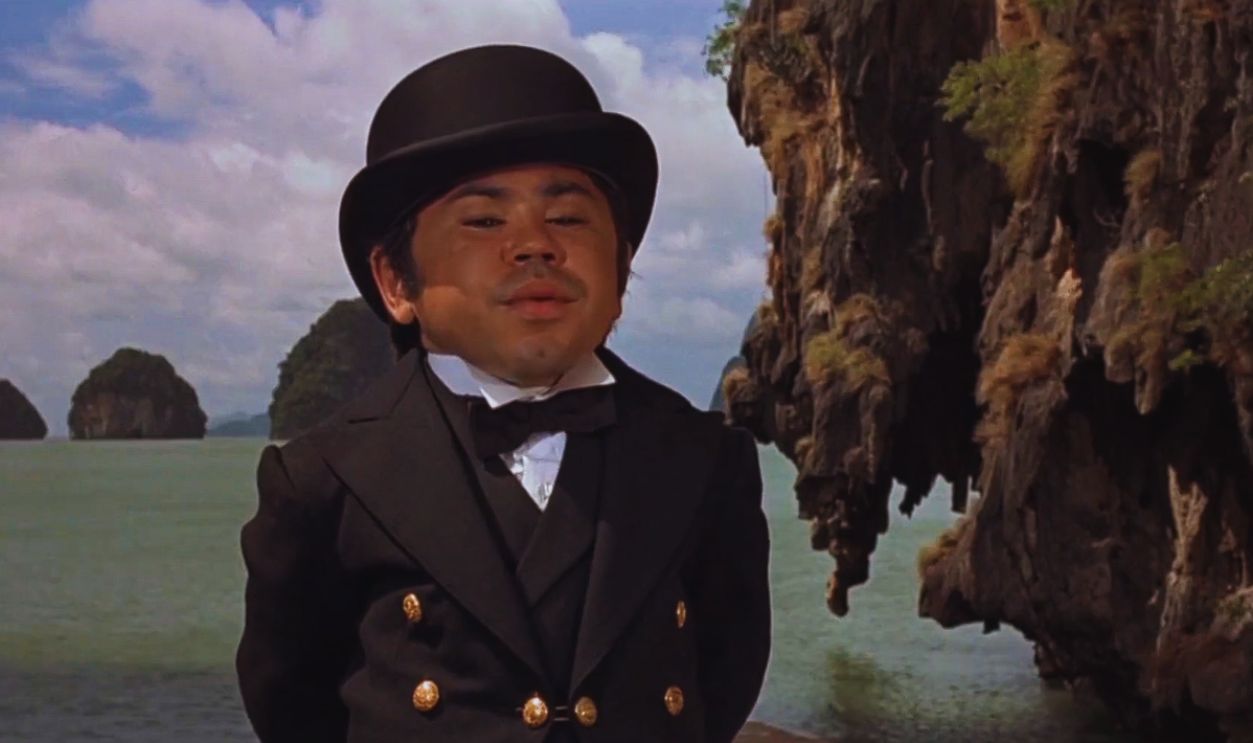 Screenshot from The Man with the Golden Gun, Eon Productions / United Artists (1974)
20. He Took His Greatest Role
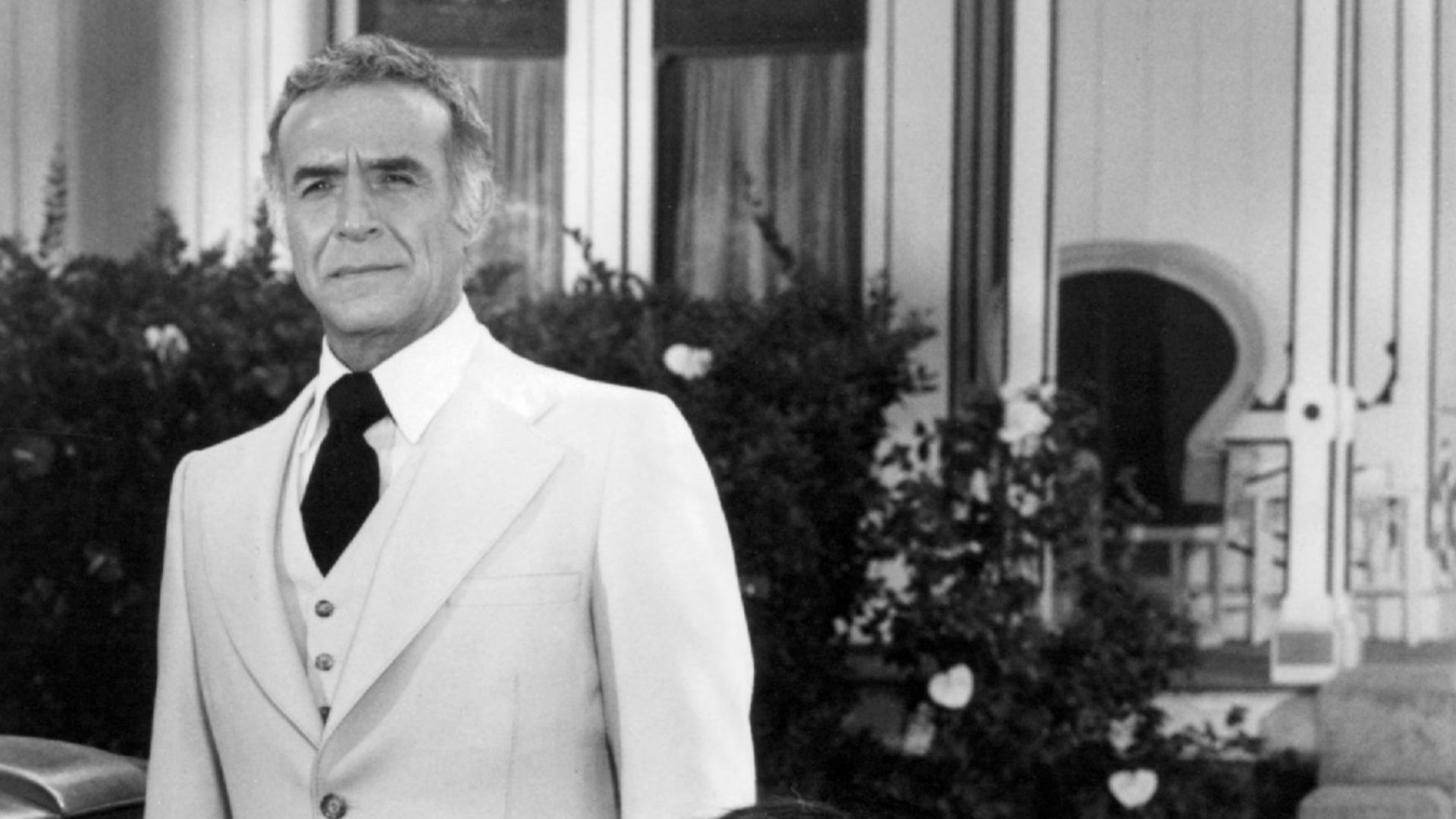
Most who remember Hervé today do so because of the major character he played on the series Fantasy Island, which has developed a serious cult following since its first episode in 1977. Playing the character of Tattoo for about seven years, he starred in each episode opposite Ricardo Montalbán, the host and main character of the series.
While the show’s concept may have seemed odd, this role did wonders for Hervé’s reputation.
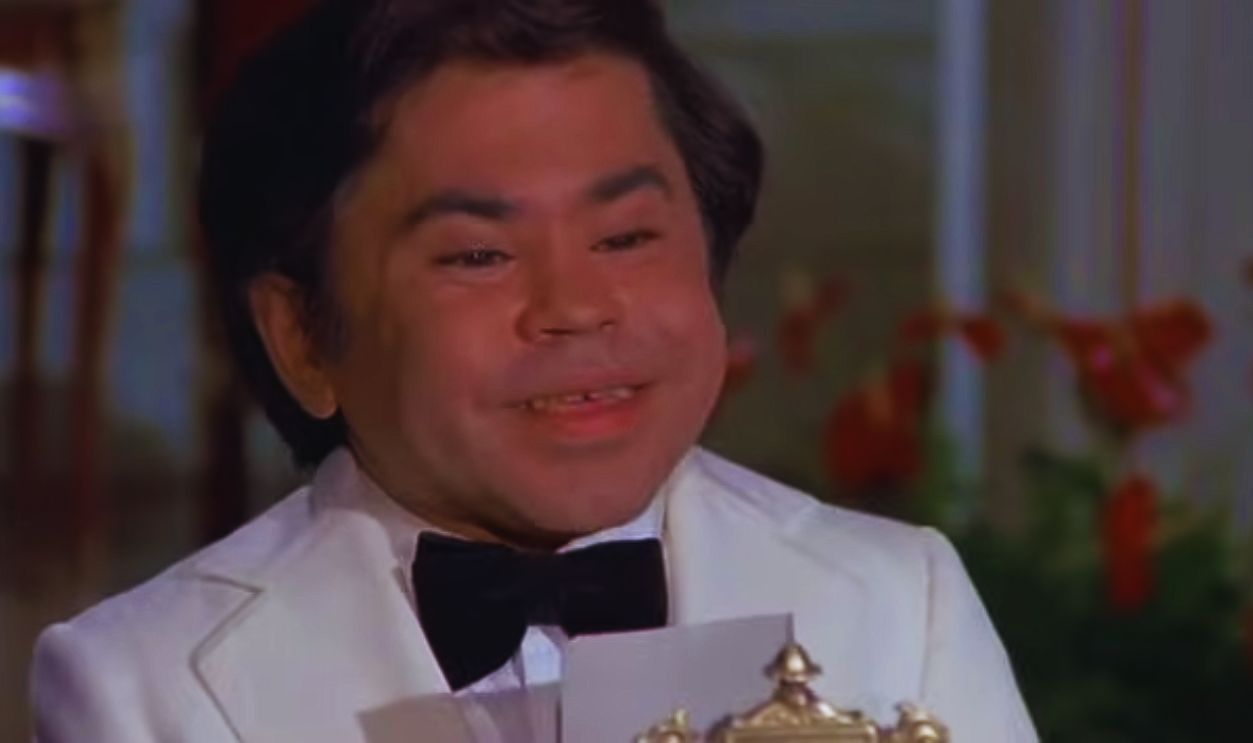 Screenshot from Fantasy Island, Spelling-Goldberg Productions / Sony Pictures Television (1977-1984)
21. He Made It Big
Each episode of Fantasy Island followed various tourists visiting the titular island, which granted their deepest wishes—but usually with a twist. The idea was strange to be sure, but everything fell into place as the show aired and became an instant success. Suddenly, Hervé had transformed from this down-on-his-luck actor with little to his name to a world-famous entertainer with more money than he could ever hope to spend.
Not only that, but he managed to etch himself in television history with just two words.
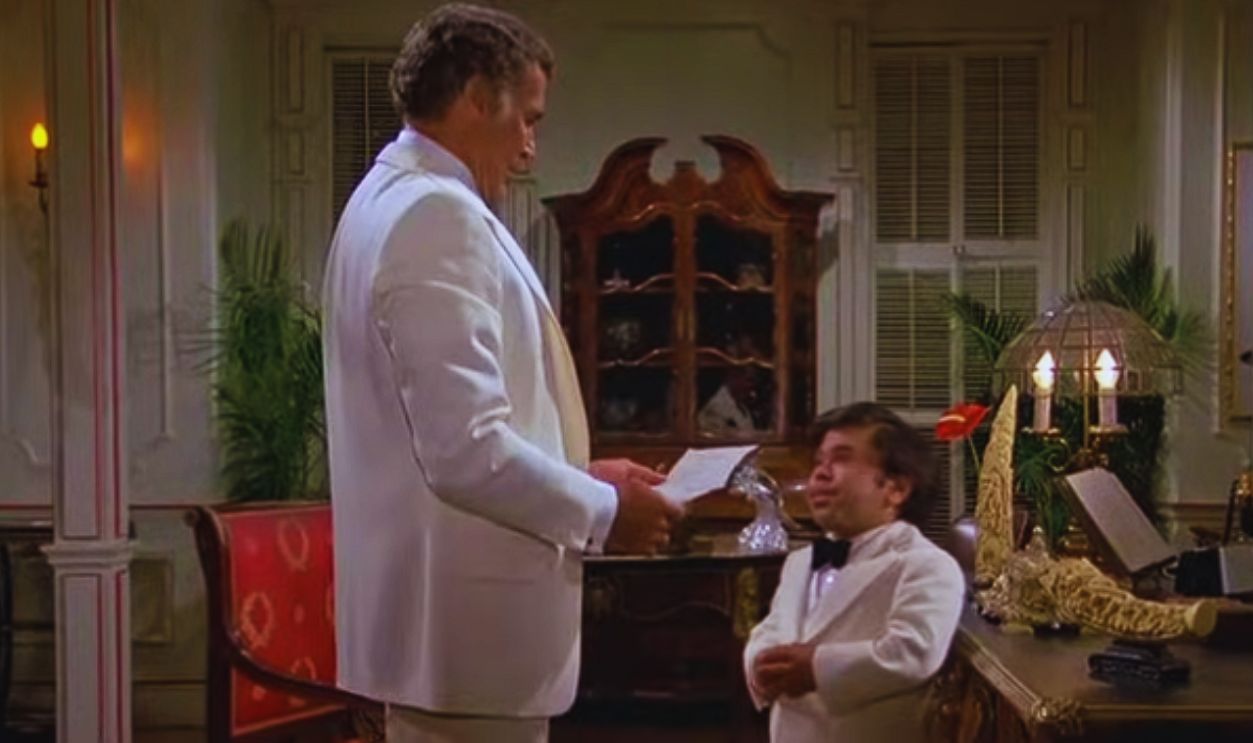 Screenshot from Fantasy Island, Spelling-Goldberg Productions / Sony Pictures Television (1977-1984)
22. He Became An Icon
Part of what made Hervé’s character so memorable was the enthusiastic charm he always displayed, especially when delivering his most classic line. At the beginning of each episode, his character would spot the incoming tourists and yell, “De plane! De plane!” in his French accent. Since his character was so beloved, this one line became one of the most famous on TV and cemented his legacy.
Of course, his old habits started resurfacing before long, and others took notice.
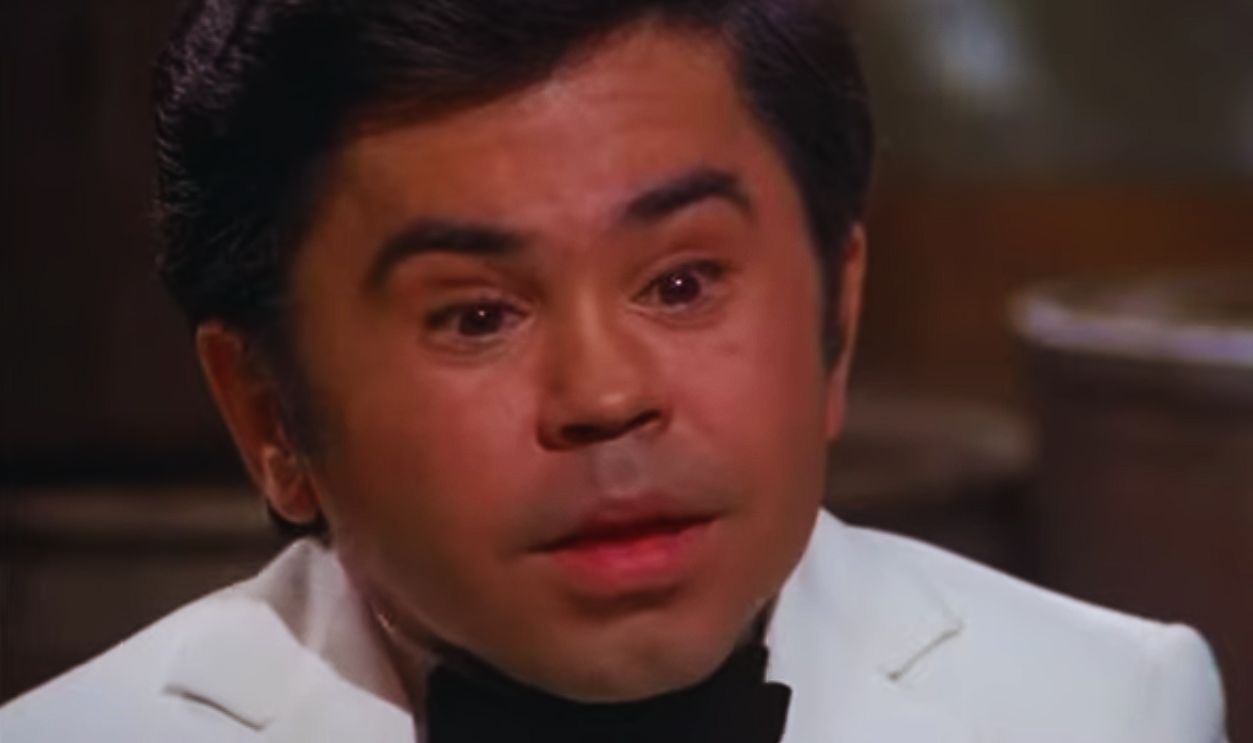 Screenshot from Fantasy Island, Spelling-Goldberg Productions / Sony Pictures Television (1977-1984)
23. They Found Him Challenging
Seeing only what the series was like on the surface, audiences quickly fell in love with Hervé’s character, and indeed, he himself as an actor. However, those working with him had begun to see familiar actions that were anything but lovable, as he still wouldn’t leave the women on set alone, and always seemed to have a bone to pick with the higher-ups.
Still, at least one person there seemed to like him—and that was all he needed to fall in love.
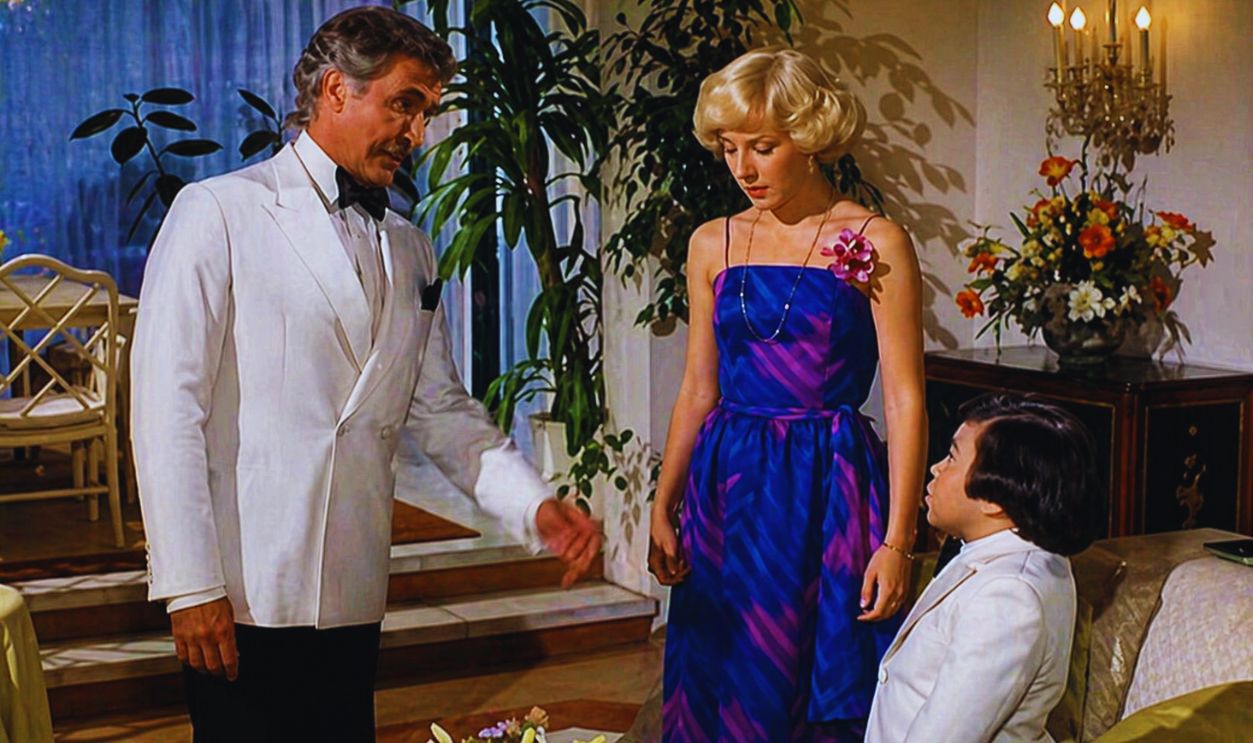 Screenshot from Fantasy Island, Spelling-Goldberg Productions / Sony Pictures Television (1977-1984)
24. He Worked With Someone Special
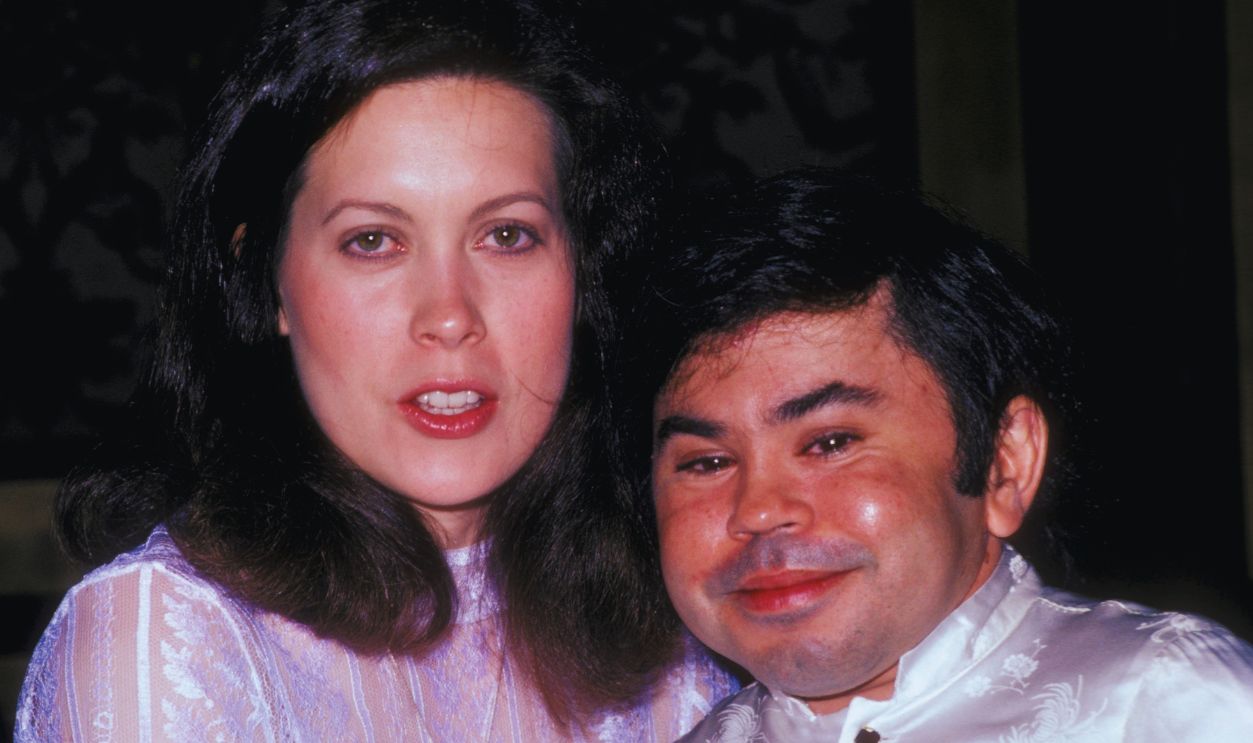
Becoming one of TV’s most iconic actors, Hervé Villechaize started meeting even more people throughout the industry, one of whom, while filming the Fantasy Island pilot, completely changed his life. After getting to know Camille Hagen, an actress who worked as a stand-in, the two soon began dating—and likely hearing wedding bells in the future.
Behind the scenes, however, Hervé had become quite unhappy with one detail.
25. He Wanted The Same
While Hervé may have been content just to receive payment at one point, he was now in his seventh year on Fantasy Island and thought some changes were in order. The largest of these concerned his pay, and although Ricardo Montalbán played an arguably bigger role, Hervé wanted the same amount for himself. As expected, the show’s producers didn’t take too kindly to his behavior and demands, so they decided to fire him instead.
Unfortunately, this meant that the series lost one major part of its success—but they still tried to fix it.
 ABC Television, Wikimedia Commons
26. They Replaced Him
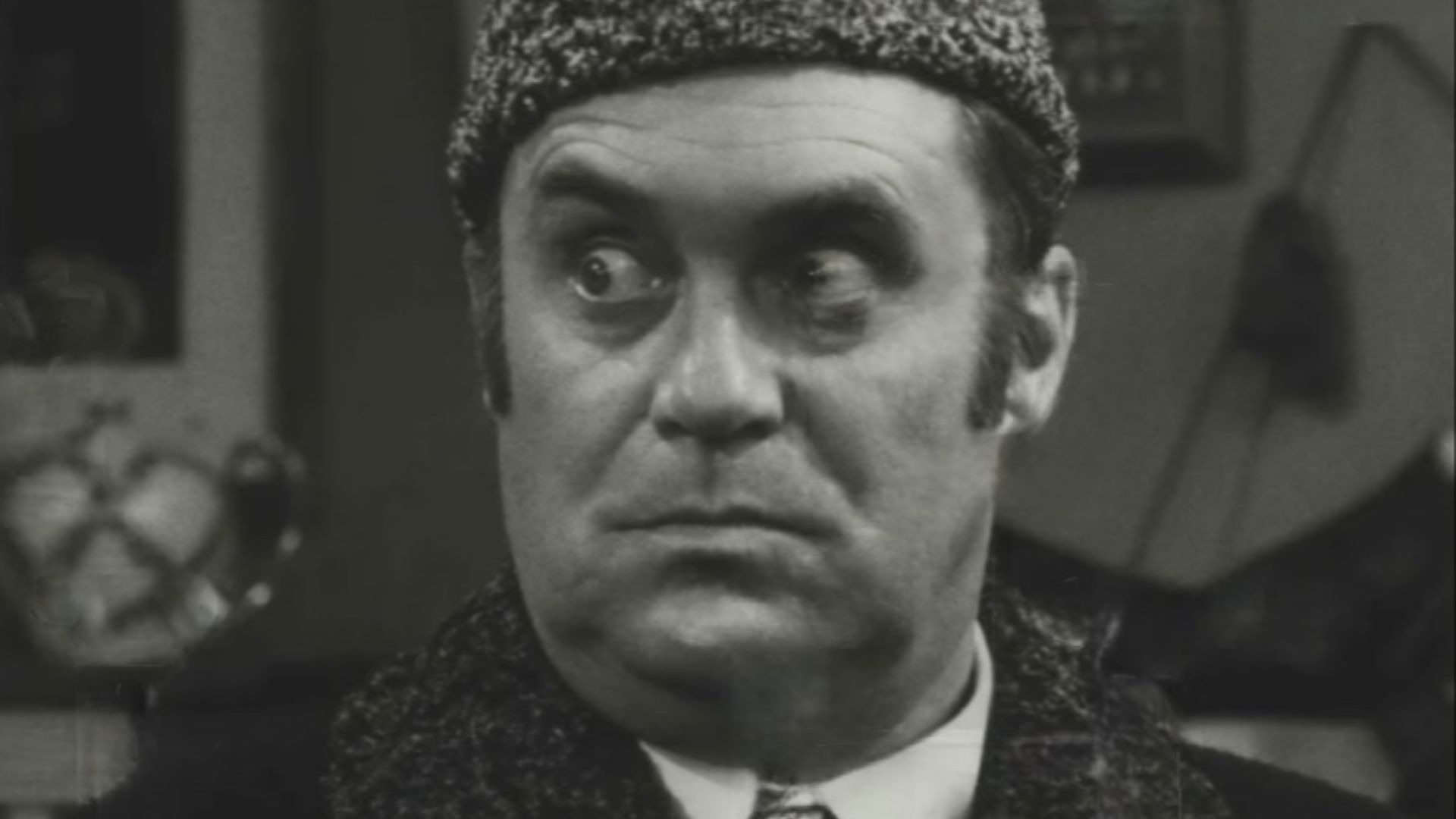
While the producers may have felt like dropping Hervé Villechaize was the only option they had, it ultimately put the final nail in the coffin for Fantasy Island. They tried to keep it going, bringing in noted sitcom actor Christopher Hewett to replace Hervé, but the show never felt the same. After just one more season, the producers pulled the plug, and the series went off the air.
Meanwhile, Hervé and his new wife seemed to be living it up in their first home together—but they weren’t alone.
 CBS Television, Wikimedia Commons
27. They Were Animal Lovers
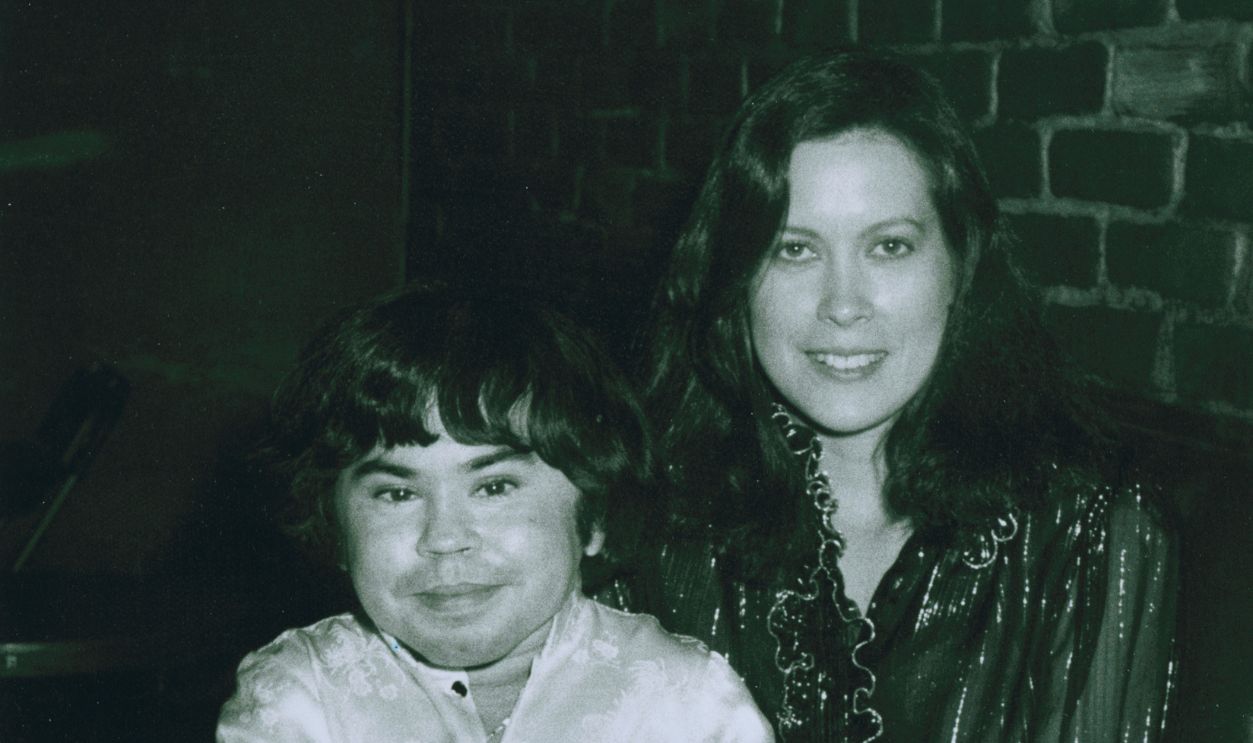
While Hervé was still on Fantasy Island, he had a chance to make all his own wishes come true when he married Camille Hagen in 1980, settling down at a ranch in the San Fernando Valley. They seemed to have a picture-perfect life, complete with a whole collection of pets and farm animals to keep them company, but something was wrong beneath the surface. It didn’t take long for their marriage to turn sour, and a little over a year later, Hagen filed for divorce.
Having gained his unique brand of fame, Hervé was intent on using it to make a difference, though not just through acting.
28. He Used His Voice
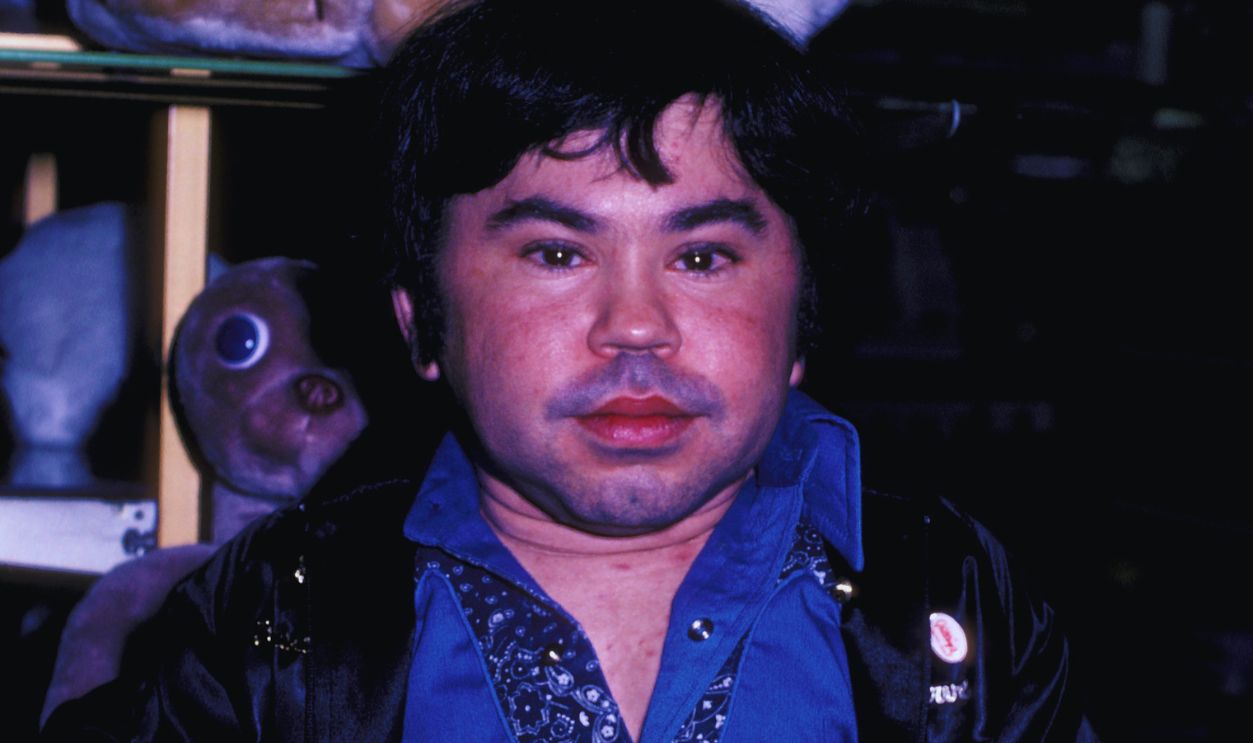
Over the course of his life, Hervé Villechaize had enjoyed many artistic endeavors, from painting to acting and other largely visual mediums. However, in 1980, he decided to flex his voice more as a musician, but it wasn’t just for his own gain. Joining as a guest vocalist, he featured on a single by the Children of the World titled “Why” and its B-side “When a Child Is Born”.
Around this time, he found an even more surprising way to use his voice, albeit for a specific audience.
29. He Was An Impressionist
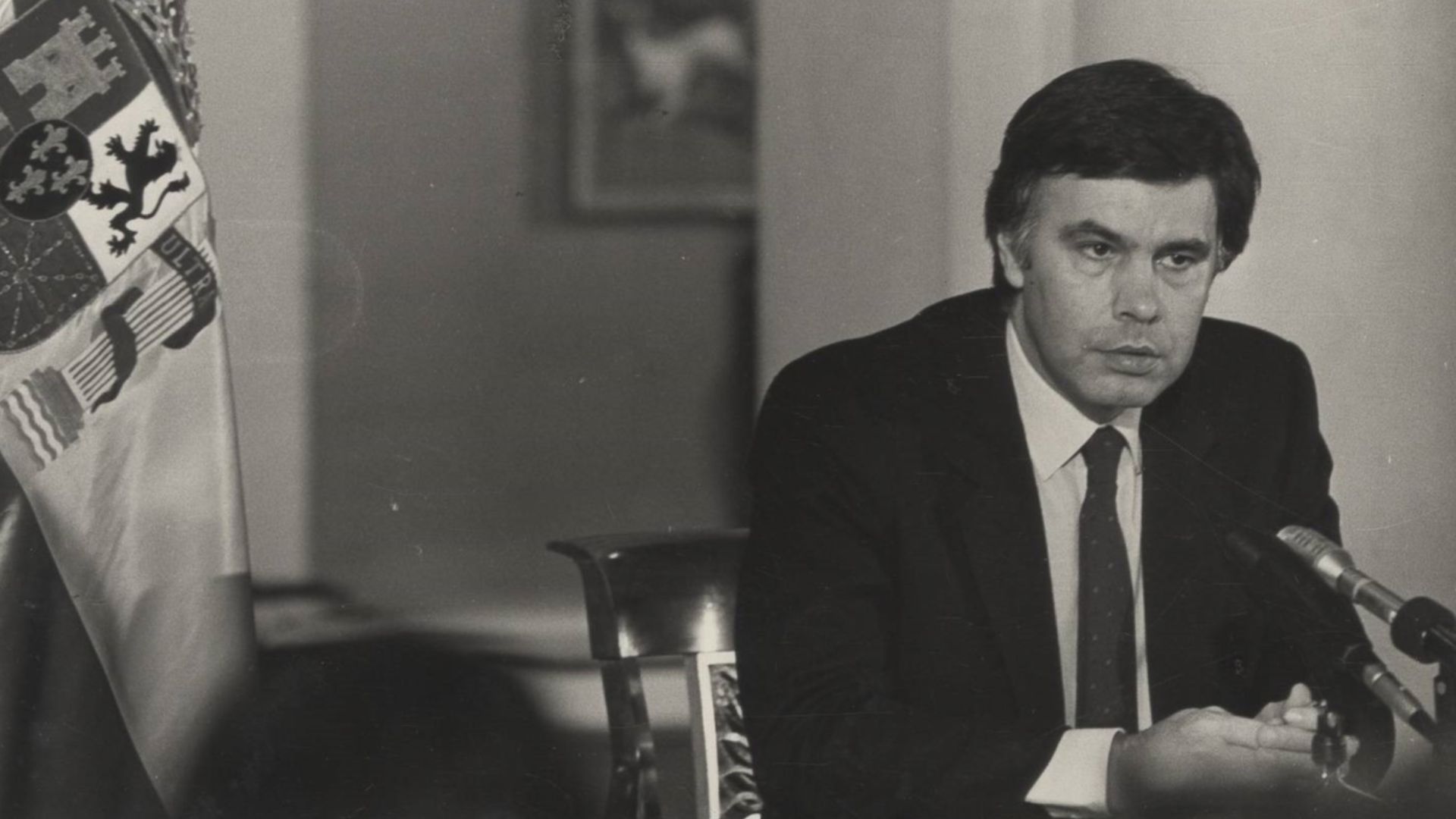
Although Hervé had become a worldwide celebrity at this point, there was one country whose citizens had an unexpectedly personal attachment to him, and it wasn’t France. Having appeared on the show, “Viaje con nosotros,” he shocked viewers with an uncanny impersonation of Spain’s Prime Minister Felipe González, winning the hearts of his Spanish viewers.
However, while he had no shortage of fans, not all his fame came from a good place.
 Diario Región (Oviedo)Agencia EFEEuropa Press, Wikimedia Commons
30. He Was Causing Problems
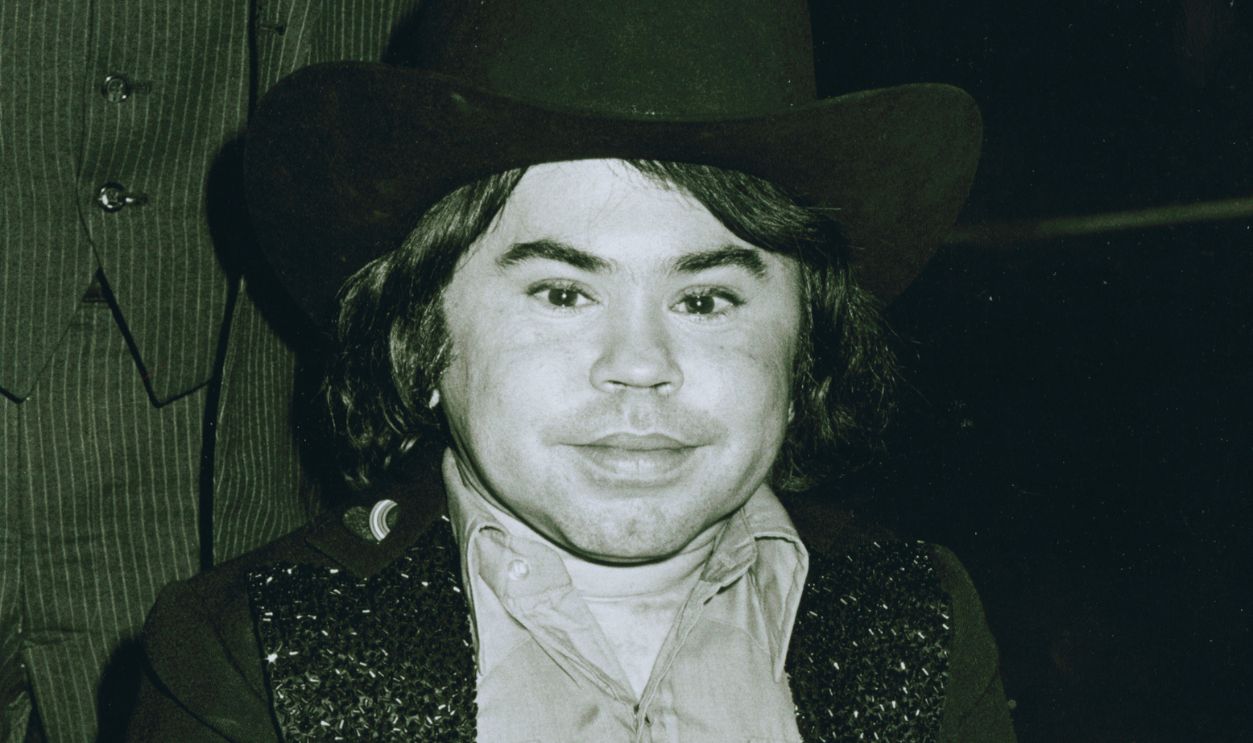
Behind the scenes, Hervé had already fallen victim to the lifestyle that many in Hollywood end up developing, and because of this, he was no stranger to public scrutiny. This resulted in a scandal when, in 1985, the authorities took him into custody after they found him causing a disturbance at Burbank’s St Joseph Medical Center.
There was even more to this story than everyone thought—and it could have ended a lot worse.
31. He Was Armed
Not only had Hervé Villechaize been creating a public disturbance that day, but as the authorities would soon discover, the situation had been potentially even more dangerous. Searching his person, they found that he was carrying a handgun without the proper permits, adding a misdemeanor charge to his arrest. In the end, without any concrete defense, he simply pleaded no contest and paid a $425 fine.
Unfortunately, this wouldn’t be his last run-in with the law, and things only got more scandalous.
32. He Lashed Out At Him
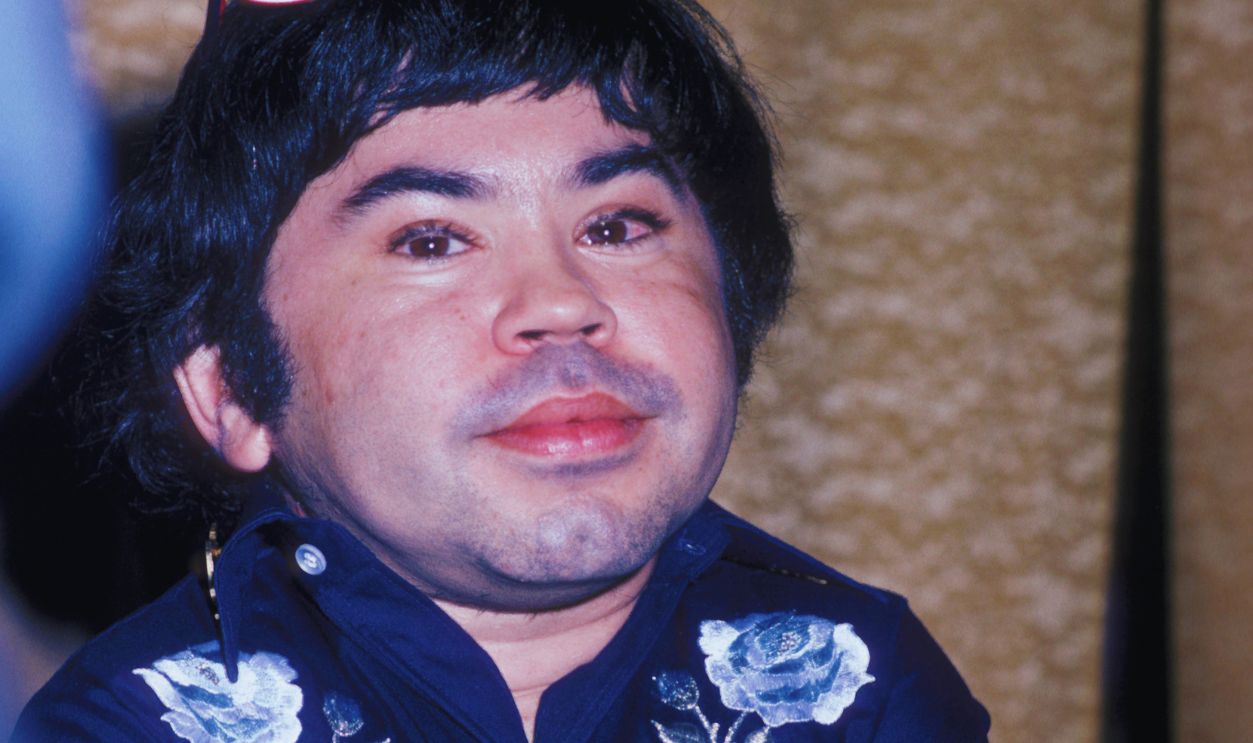
Hervé had already caused one public incident, but no more than a year later, he found himself embroiled in yet another scandal, this time connected to his previous marriage. In 1986, while in the middle of a civil suit filed against him by his ex-wife, he got into trouble when he kicked and later threatened the man serving him his papers, resulting in another arrest.
As the public could clearly see, he was spiralling downward—but they didn’t know the half of it.
 Michael Ochs Archives, Getty Images
33. He Wasn’t Doing Well
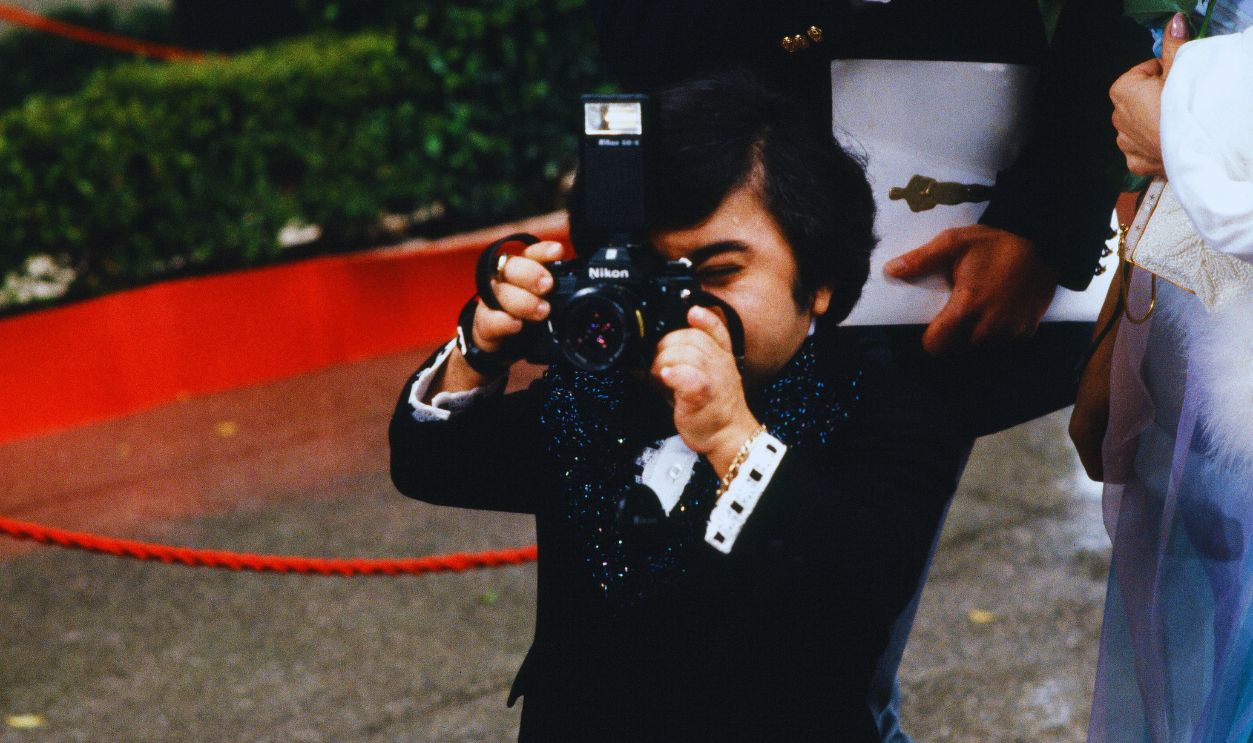
Due to his problems with the law, his failed marriages, and the loss of his greatest acting job yet, Hervé Villechaize understandably fell into a deep despair, and—like many in Hollywood—he only knew of one way to cope. Turning to the bottle, he soon reached a point where it was impossible to accept any other film or TV opportunities. Even worse, his health rapidly declined, and he almost lost his life completely to pneumonia in 1992.
Although his time hadn’t come yet, he still had to face the pain of his condition every day—especiallly at night.
34. He Was Uncomfortable
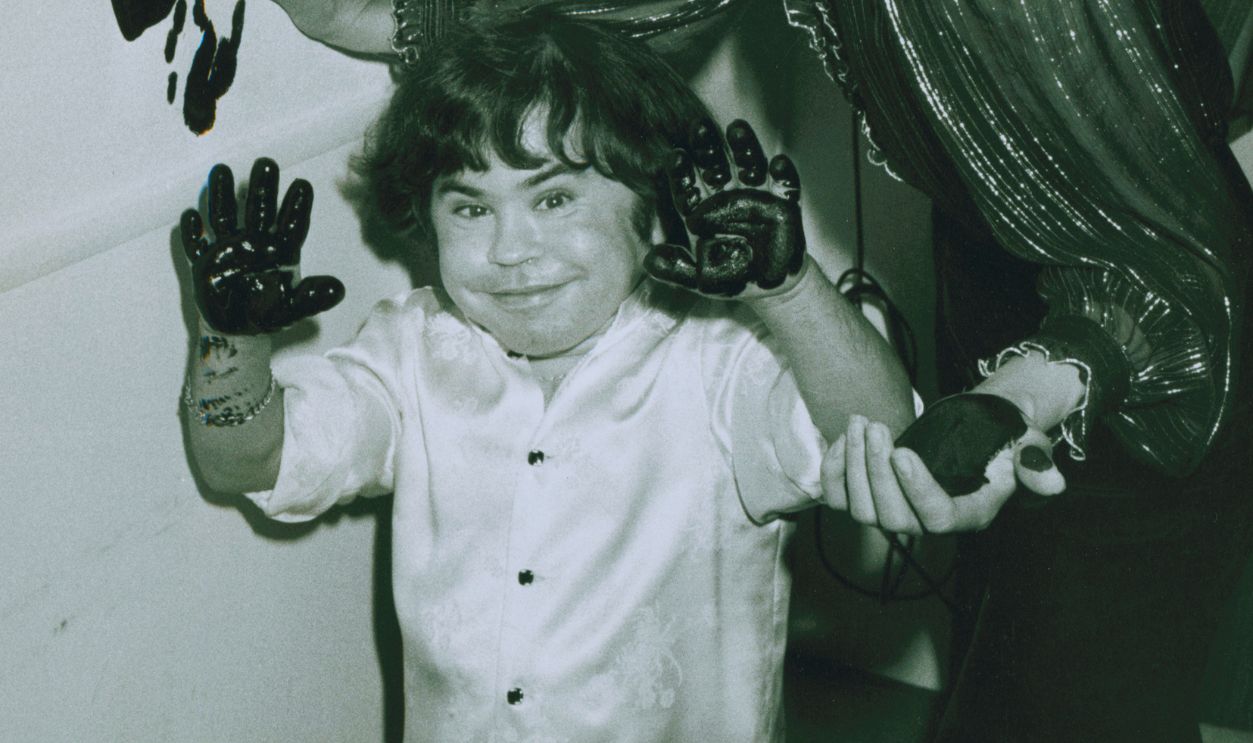
The main problem contributing to his worsening condition was the fact that his internal organs hadn’t stopped growing, so they remained enlarged inside his smaller body. This caused a great deal of everyday pain, and even when he tried to go to sleep at night, he often could only do so if he was in a kneeling position—otherwise, he could hardly breathe.
Nevertheless, he never stopped working completely, even if he only did smaller parts.
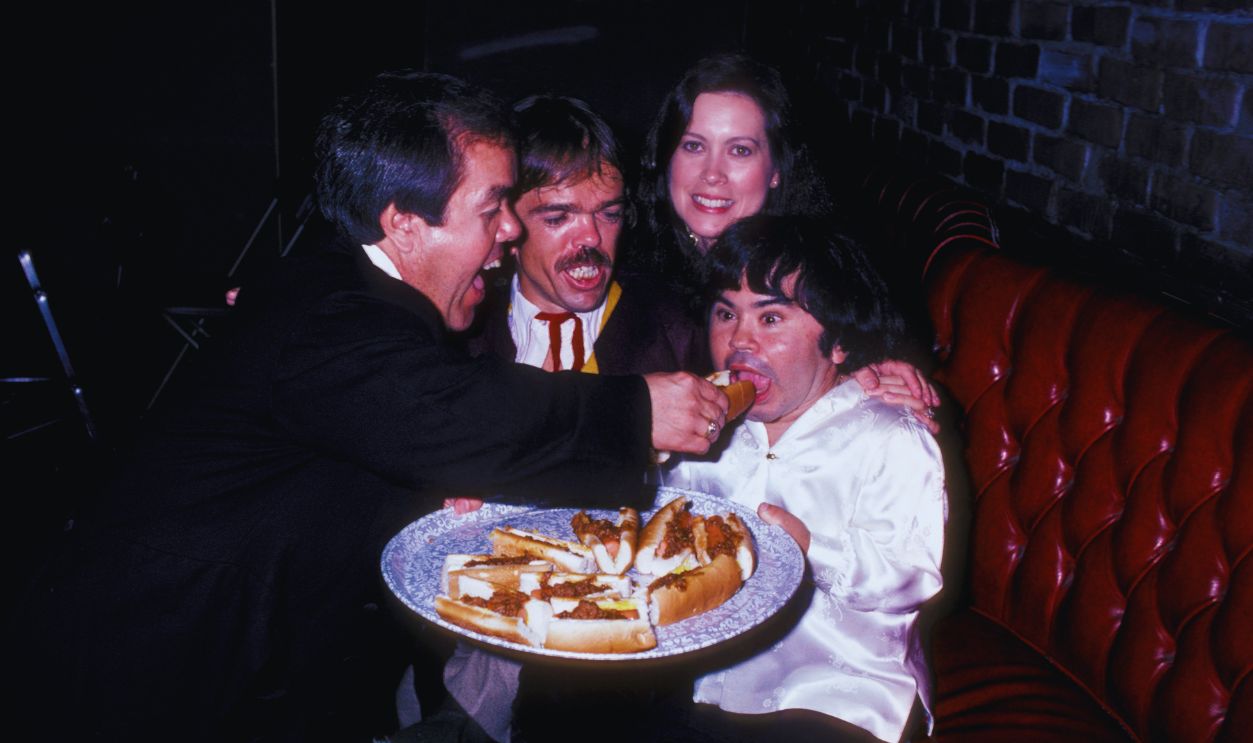
35. He Continued To Work
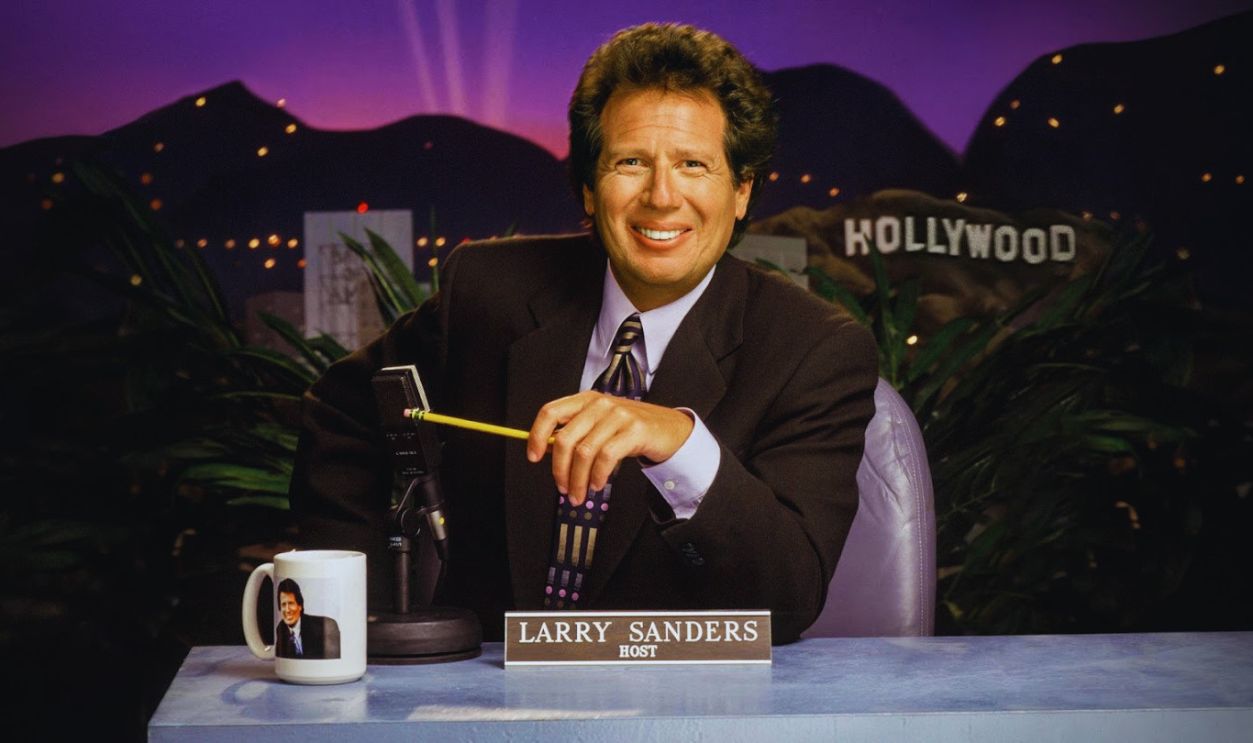
While Villechaize couldn’t commit to full-time acting in film or television, he still had to support himself somehow, and luckily, many companies and studios were eager to give him less intensive work. For instance, he was happy to guest star on The Larry Sanders Show in the early 1990s, and he even did an ad for Coors.
Of course, that wasn’t his only commercial—and another one brought him back to a much simpler time.
36. He Said His Line
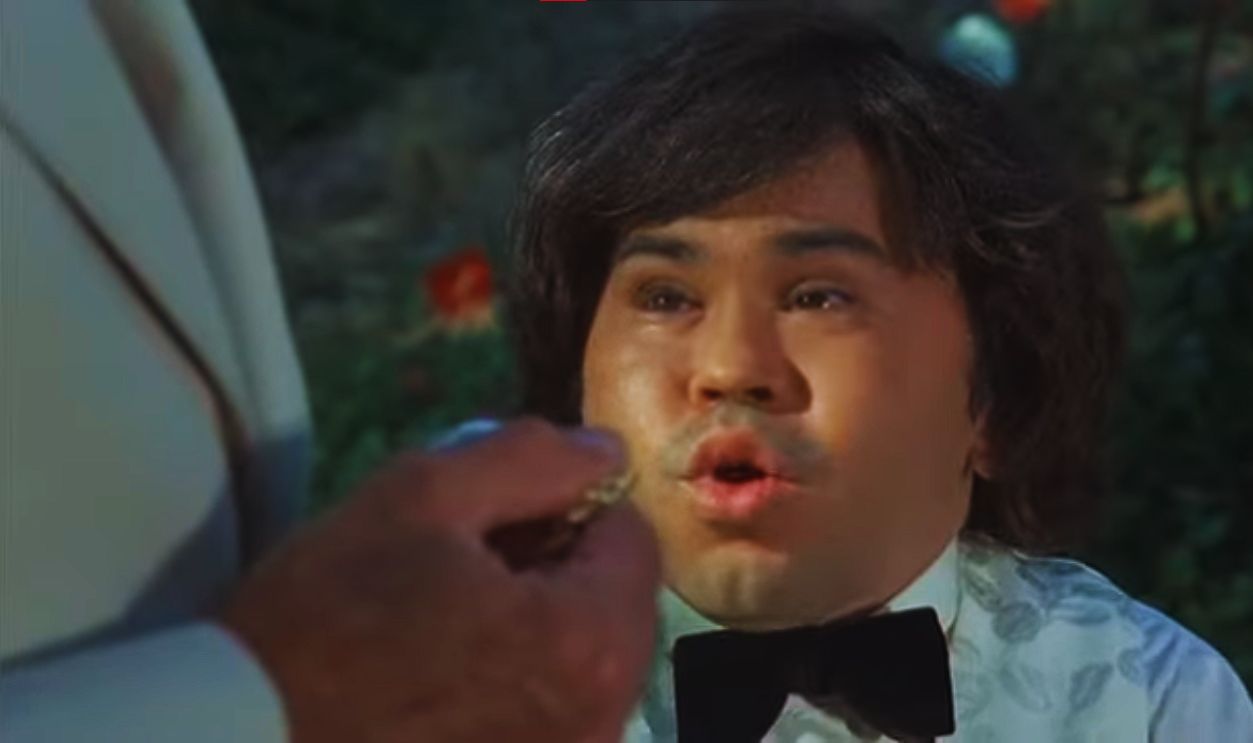
Even close to a decade after Hervé Villechaize left his iconic role on Fantasy Island, pop culture hadn’t moved on from his most famous quote, which thankfully provided him with some more work at this difficult time. Signing on for another commercial, this time he appeared in an ad for a doughnut shop, in which he walked up to the counter and gave his order, saying, “The plain, the plain!”
Still, he was suffering in silence all the while—at least, until someone came along to tell his story.
 Screenshot from Fantasy Island, Spelling-Goldberg Productions / Sony Pictures Television (1977-1984)
37. He Took An Assignment
Up till now, although Hervé Villechaize had been facing his own demons and living through unimaginable pain, neither the public nor the press knew the full extent—until one day in 1993. After arranging an interview with Hervé for a “Where Are They Now?” article, London journalist Sacha Gervasi accepted the assignment with a business-as-usual attitude.
Seeing this as just another job, he didn’t expect much from the ailing actor—at first.
 Screenshot from Fantasy Island, Spelling-Goldberg Productions / Sony Pictures Television (1977-1984)
38. He Went Through The Motions
This wasn’t Gervasi’s first time interviewing a celebrity like this, so he knew exactly what questions to ask and wanted to get the interview over with as soon as possible. Meeting with Hervé at a restaurant, Gervasi doubted that the actor’s story would “wow” his readers the way others might, so he focused on getting the bare minimum he needed.
Gervasi thought he had done his job, however unenthusiastically. But Hervé had other plans.
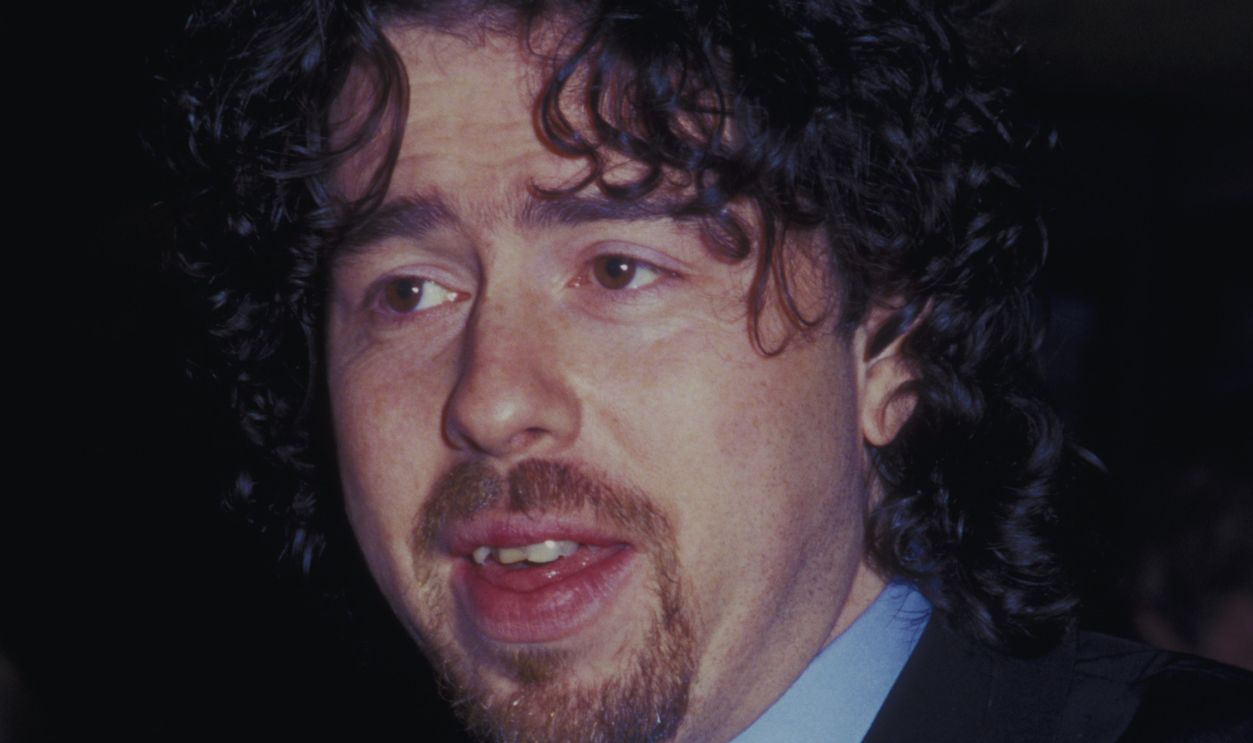
39. He Caught Him Off Guard
Thinking he had gotten what he came for, Gervasi collected his things and was about to leave, but something stopped him in his tracks. There, across the table, Hervé now held a knife to the journalist’s throat. Now a captive audience, Gervasi sat and listened as Hervé asked whether he wanted only the flashy, surface-level tidbits for his article, or the real story.
It was clear that after all this time, Hervé wanted to set the record straight—and Gervasi was all too eager to listen.
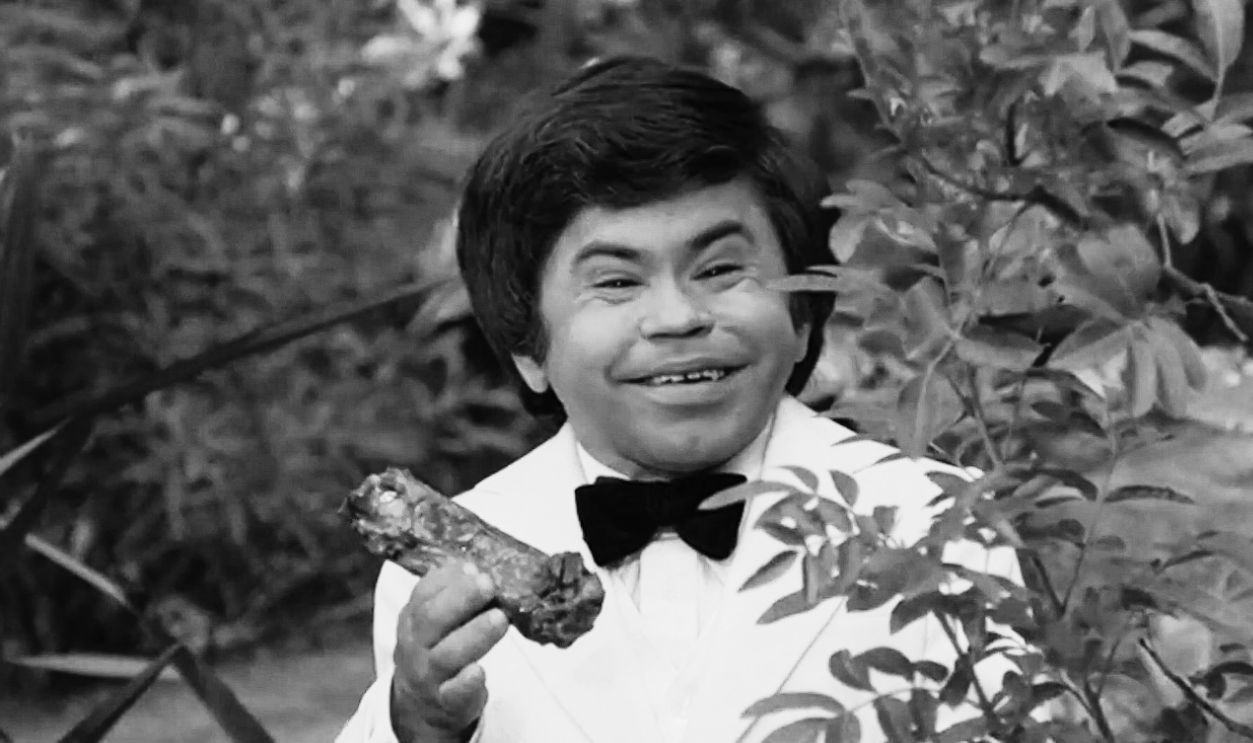 Screenshot from Fantasy Island, Spelling-Goldberg Productions / Sony Pictures Television (1977-1984)
40. He Agreed To Talk
As Gervasi would later explain, Hervé Villechaize had only intended to get the journalist’s attention with this impromptu stunt, and he certainly succeeded. Gervasi not only stayed longer, but he met up with Hervé another three times over the next five days, listening patiently as the actor explained every gritty detail of his upbringing, his love life, and his agonizing condition.
Gervasi returned home with renewed enthusiasm to tell this story. And then the phone rang.
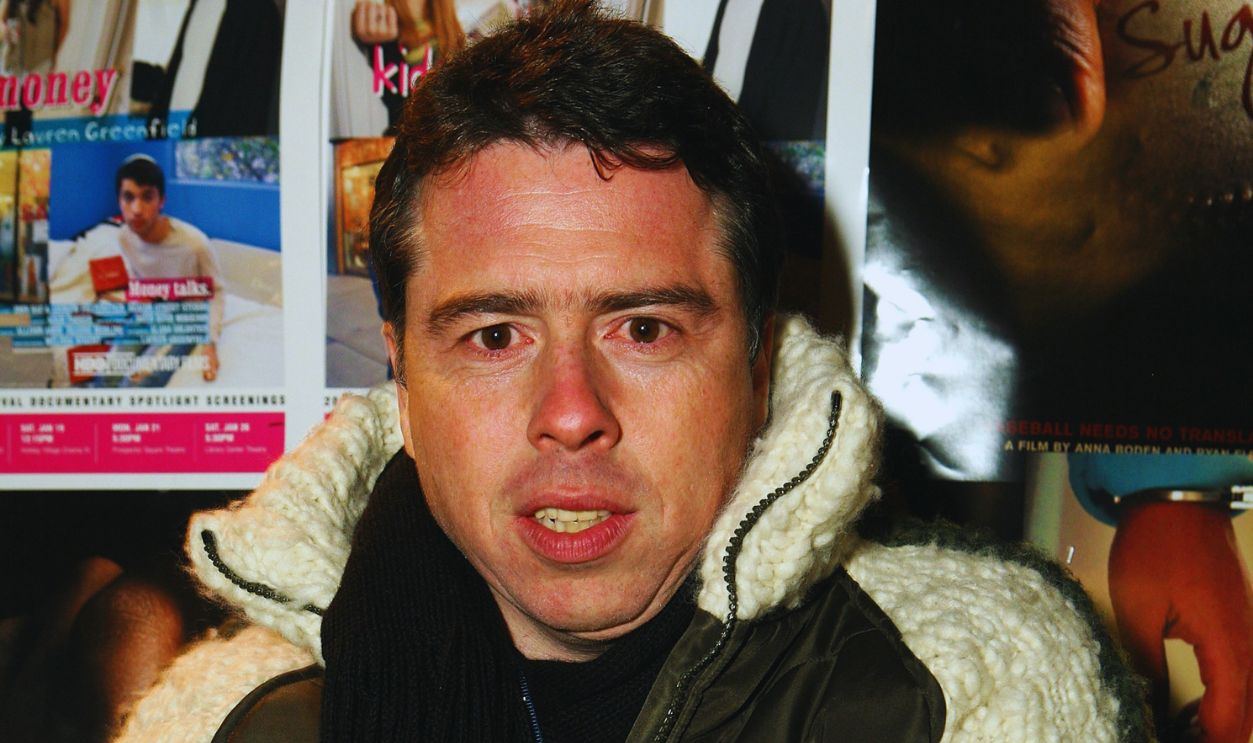
41. He Received A Call
Gervasi had listened intently as Hervé relayed his life’s story, and by the end, the journalist had recorded around 12 hours of audio. Racing home to London, Gervasi began putting all this information into a cohesive narrative, but his work halted once again when a call came through a week later, on September 4, 1993. Picking up his phone, Gervasi was surprised to hear the voice of Hervé’s longtime girlfriend, Kathy Self, but he soon understood with grave clarity that Hervé had passed.
Gervasi knew better than most how detrimental Hervé’s condition was—but that wasn’t what took his life.
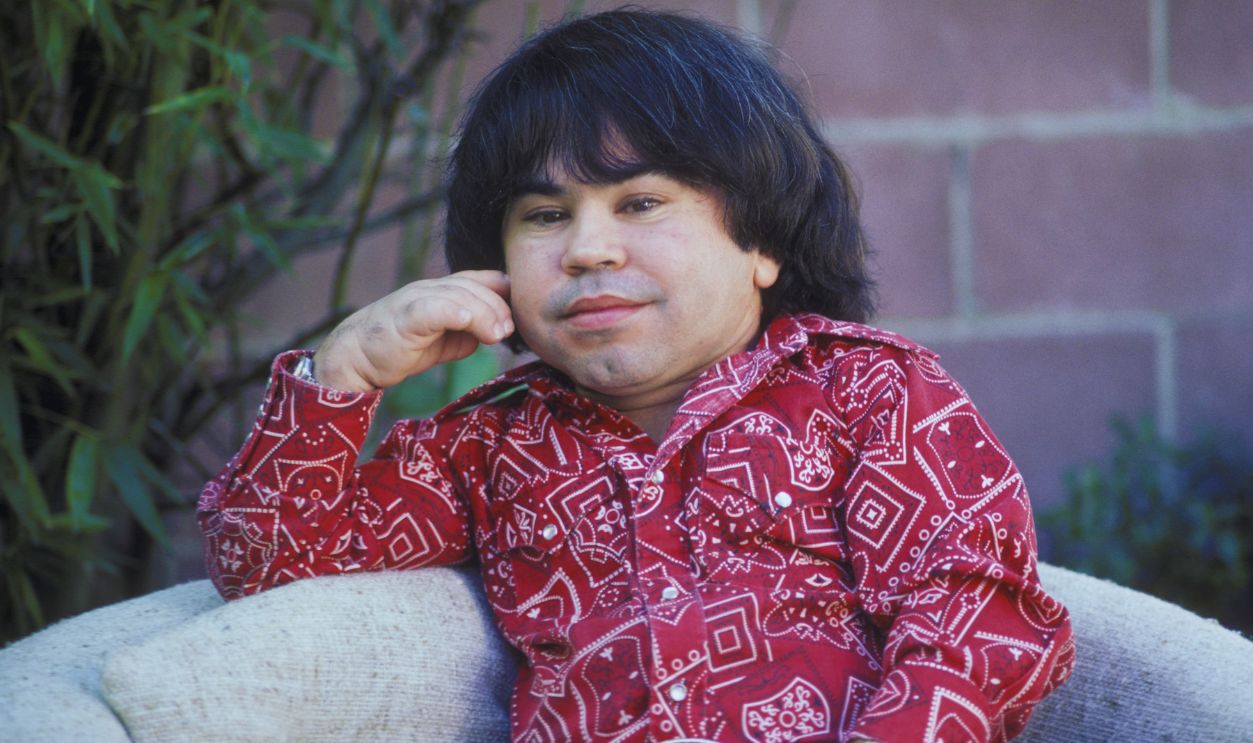 Ron Galella, Ltd., Getty Images
42. She Found Him
The call came as an utter shock to Gervasi, who likely felt as if he had just finished speaking with Hervé. However, this was no joke, and as Kathy Self explained, earlier that day, she had gone into Hervé’s backyard and found his body lying there. She called the paramedics, of course, who brought him to the hospital, only for the doctors to confirm his demise shortly after.
She might not have even known until much later—if she hadn’t been there when it happened.
43. He Woke Her Up
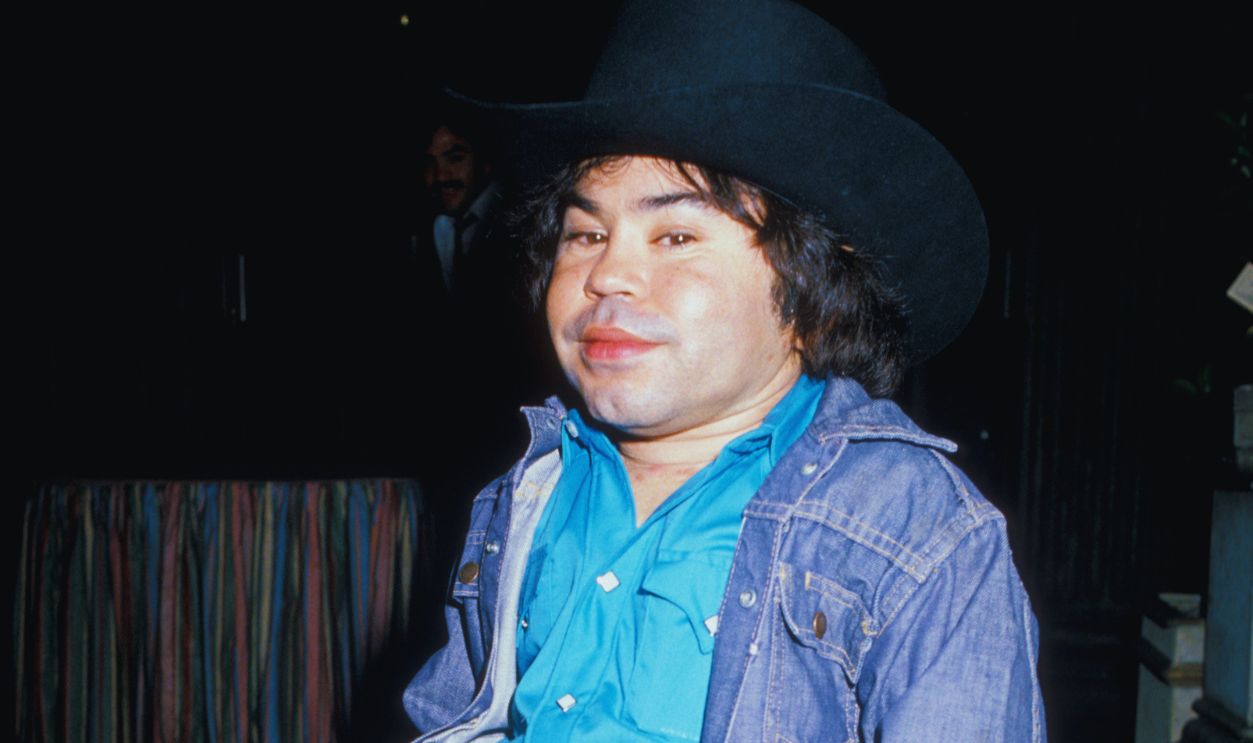
As news broke of Hervé’s untimely end, the public became aware of just how tortured a man he had been, and how tragic his final moments were. According to his girlfriend, she had been sleeping inside his house while he sat out in the backyard, but she awoke to a loud bang and the sound of the glass patio door breaking—followed by a second bang. The consensus was that Hervé had intentionally shot the door to wake Kathy up before turning the weapon on himself.
If there were any doubts initially, Hervé’s intentions soon became clear, especially once they found what he left behind.
 Ron Galella, Ltd., Getty Images
44. He Wrote Out A Note
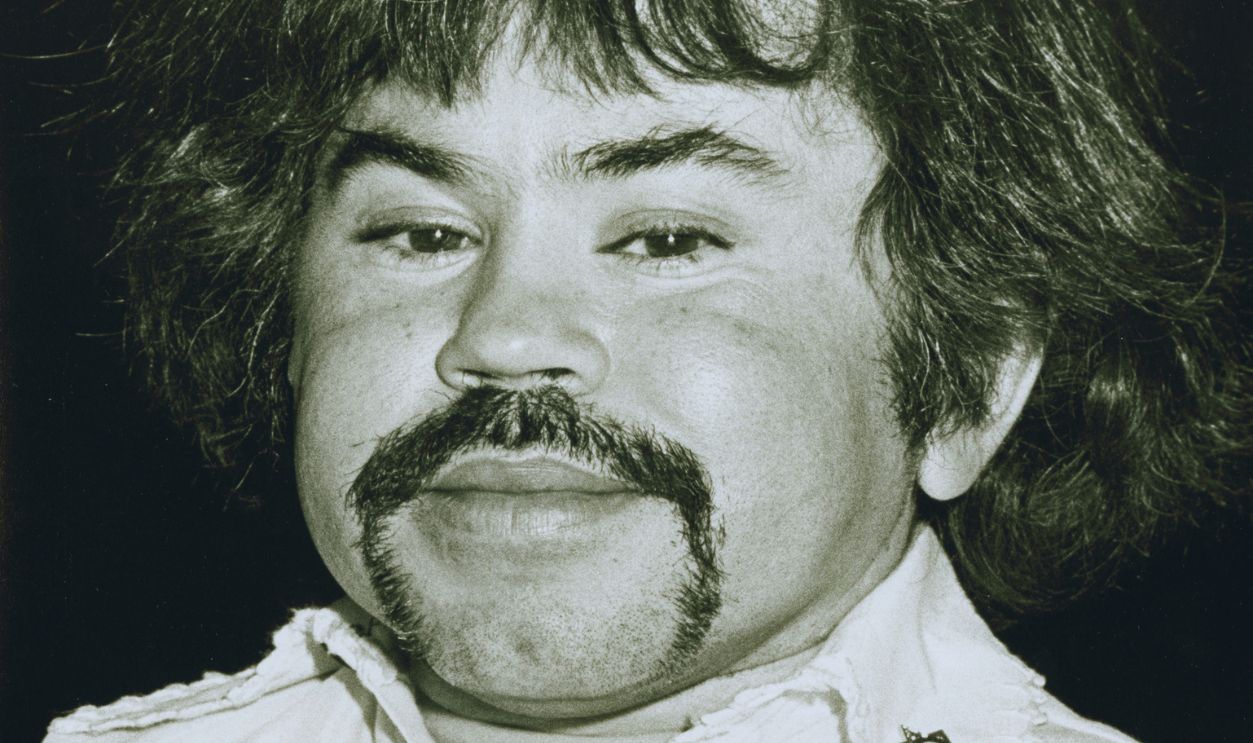
It would have been easy to assume that Hervé had taken his own life due to his depression over his career, but the truth was much more personal to him. As revealed in a note he left behind, the actor’s medical condition had only worsened with his age, and he simply couldn’t bear the pain it brought him any longer.
Hearing all this information, Gervasi came to a startling realization.
45. He Chose Him To Listen
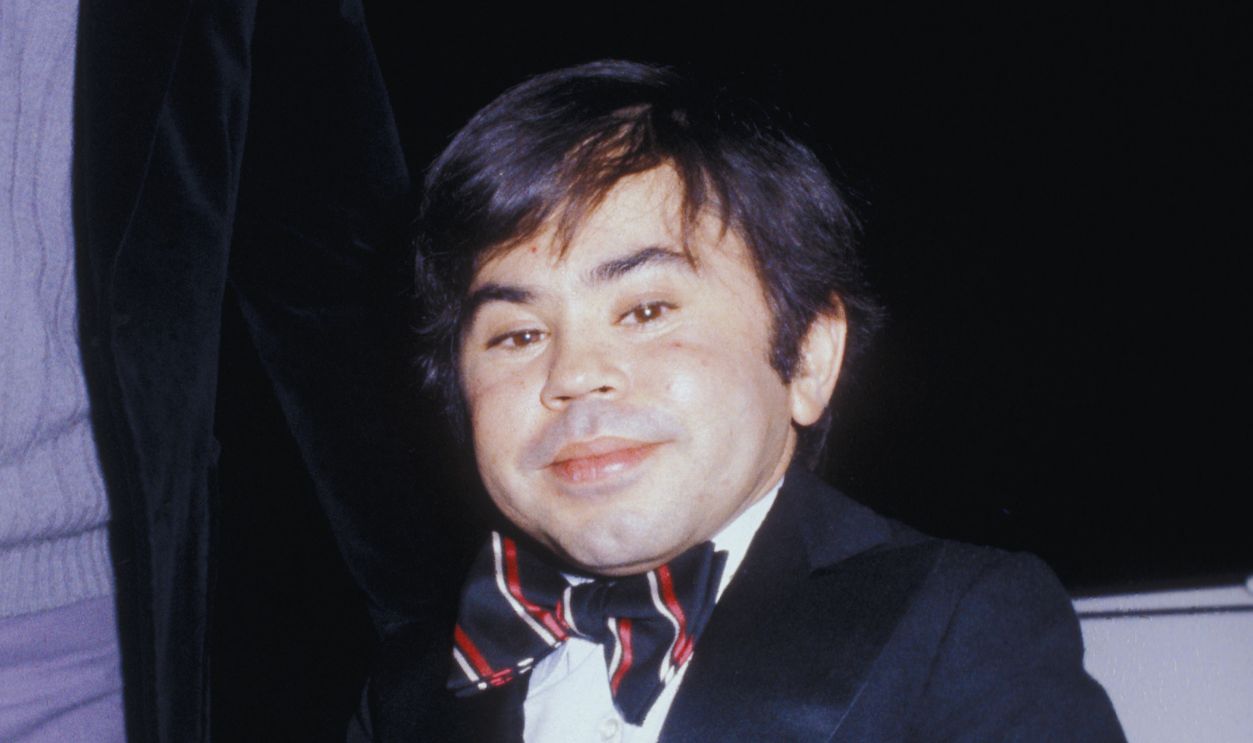
Reliving his interview with Hervé, Gervasi thought back to the actor’s behavior and listened to all his recordings of their time together, only to reach a stunning conclusion. Even as they sat talking across the table from each other, Hervé already knew what he was going to do in a week, which was likely why he was so adamant on Gervasi hearing his story.
In what some may consider a silver lining, the final role he ever took was an oddly fitting sendoff.
 Silver Screen Collection, Getty Images
46. He Was Authentic
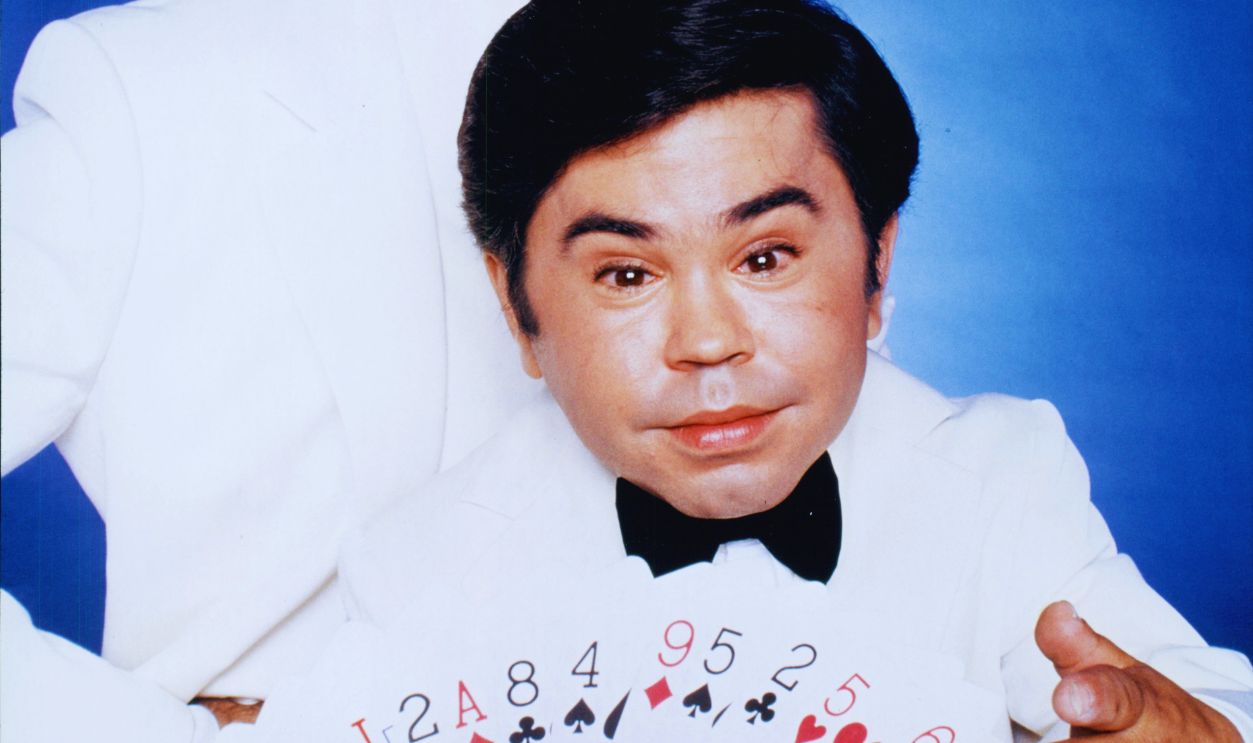
Whether he was acting for work or hiding how much pain he was in, Hervé had a lot of experience putting on a facade, but this changed with the final role of his career. Accepting an invitation to guest star on The Ben Stiller Show, his role was almost poetic, since he wasn’t playing any fictional character anymore, just making a cameo as himself.
Countless tributes and condolences came forward in the wake of his passing, including from one of his oldest colleagues.
47. He Gave Him Credit
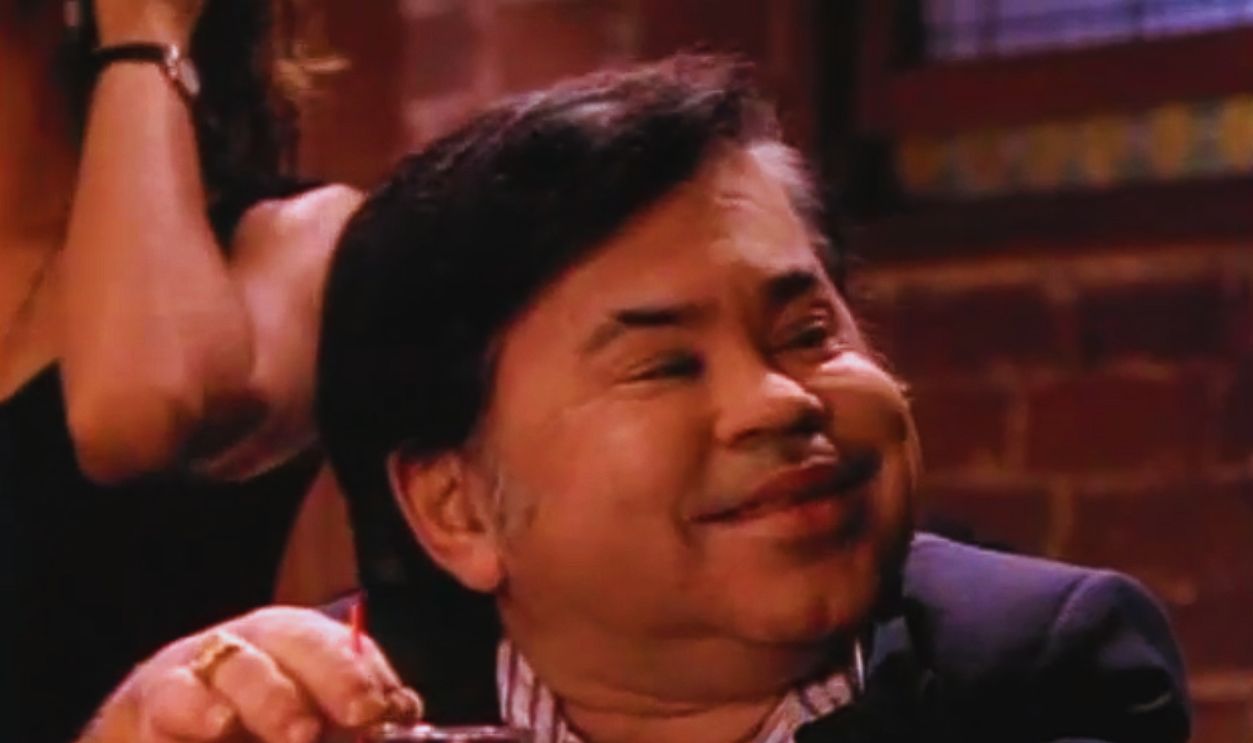
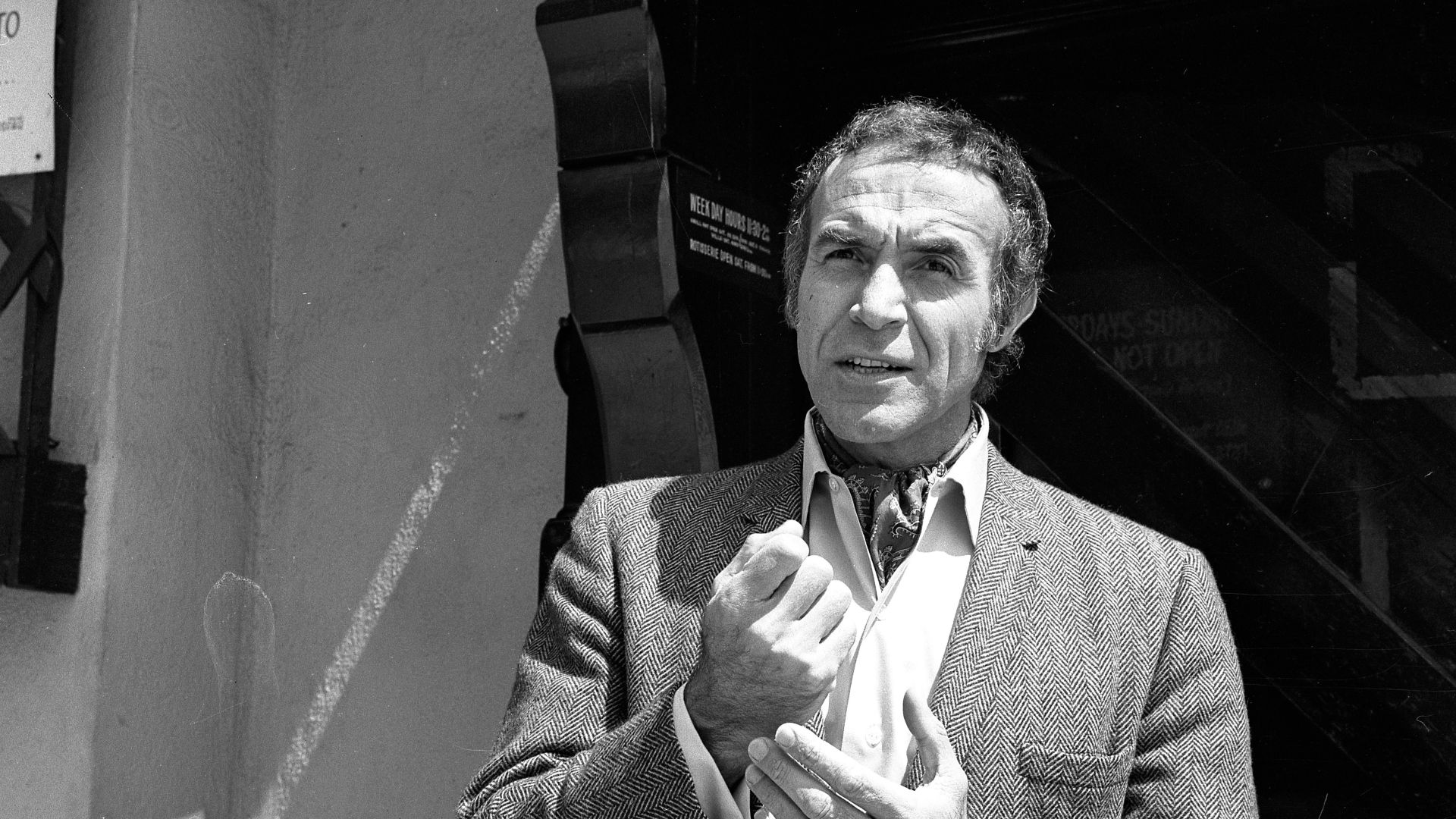
Hervé already had many admirers among his fans and those who worked with him, and after news of his passing broke, one castmate felt compelled to say a few words. His co-star on Fantasy Island, Ricardo Montalbán, not only offered his sympathies but also made it clear that the series likely wouldn’t have been successful without Hervé’s inclusion.
At the same time, many still didn’t see eye to eye with him, even among those who could relate to him most.
 Judd Gunderson, Los Angeles Times, Wikimedia Commons
48. They Couldn’t Agree
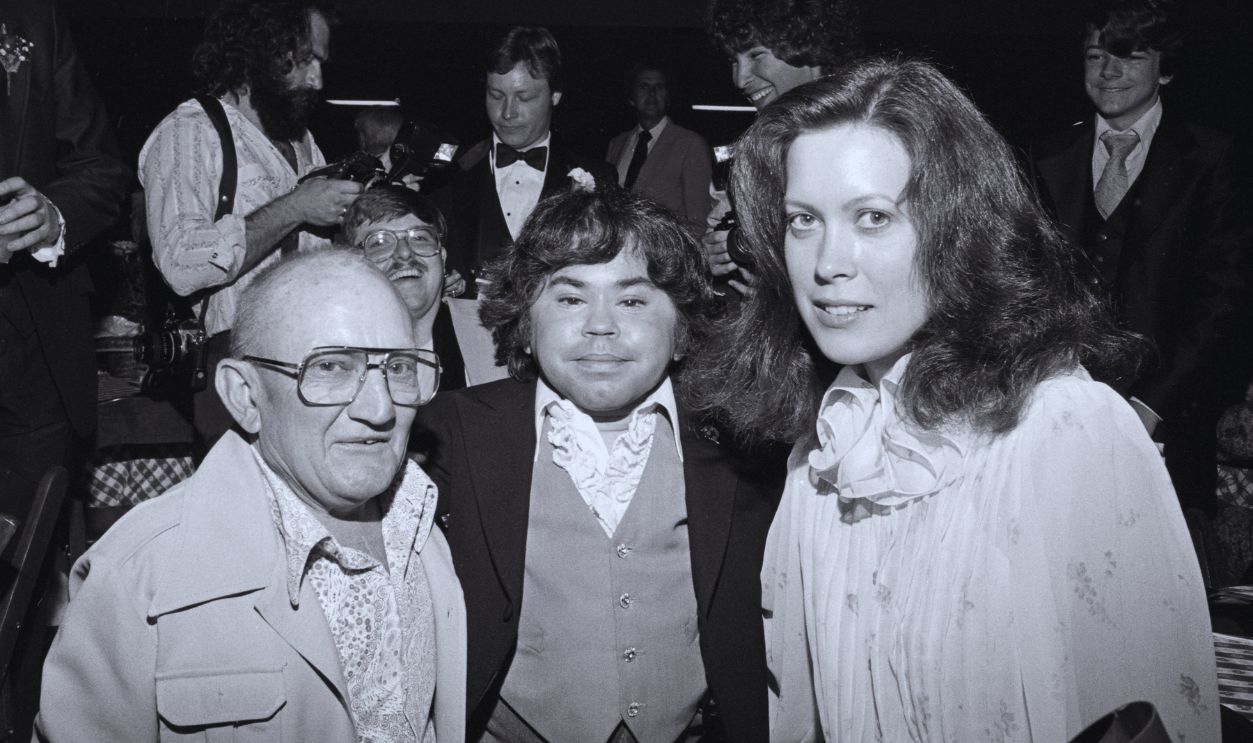
Hervé was one of the few actors with dwarfism at that time to reach his level of success, but not everyone was happy about this. While some likely saw him as a welcome change to the Hollywood status quo, others like Billy Barty—an actor with a similar condition—disagreed. Specifically, Hervé often told people to refer to him as a “midget,” a term that had already become offensive to many like Barty, who insisted that the correct term was “dwarf”.
Nonetheless, despite how some people saw him, he always tried his best to improve the world in his own way.
49. He Wanted To Help
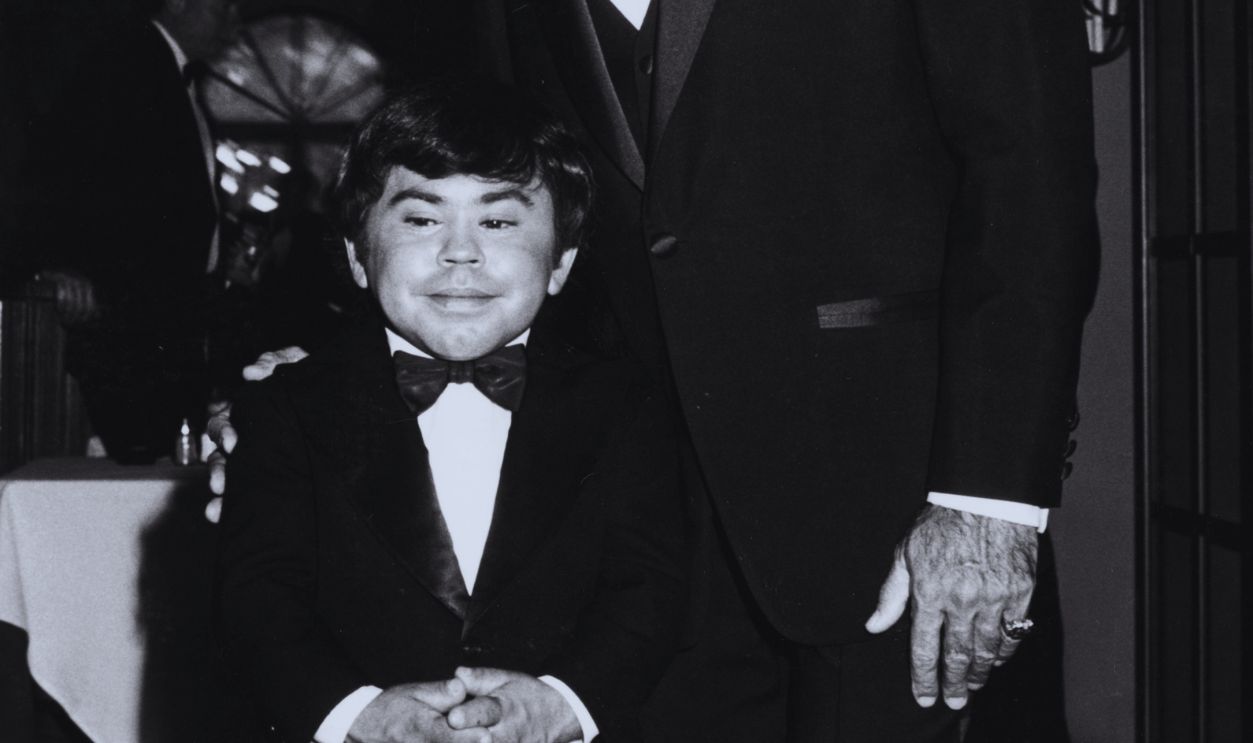
Although Hervé had his demons and didn’t always spend his money on the smartest or healthiest things, he still had a big heart and was always looking to use the wealth he had gained for good. Beyond singing with the Children of the World, he also helped various children’s charities and even opened a home to care for troubled kids.
Ultimately, Gervasi didn’t let his interview go to waste—but suddenly, an article didn’t seem good enough.
 Fotos International, Getty Images
50. He Released His Story
Hervé Villechaize may have become famous around the world, but he dealt with many of his struggles away from the spotlight, so there’s a good chance that much of his story would have vanished into time—if not for Gervasi. Believing Hervé deserved a grander legacy than just an article, Gervasi decided to turn the interview into a film script, eventually releasing the film in 2018, titled My Dinner with Hervé.
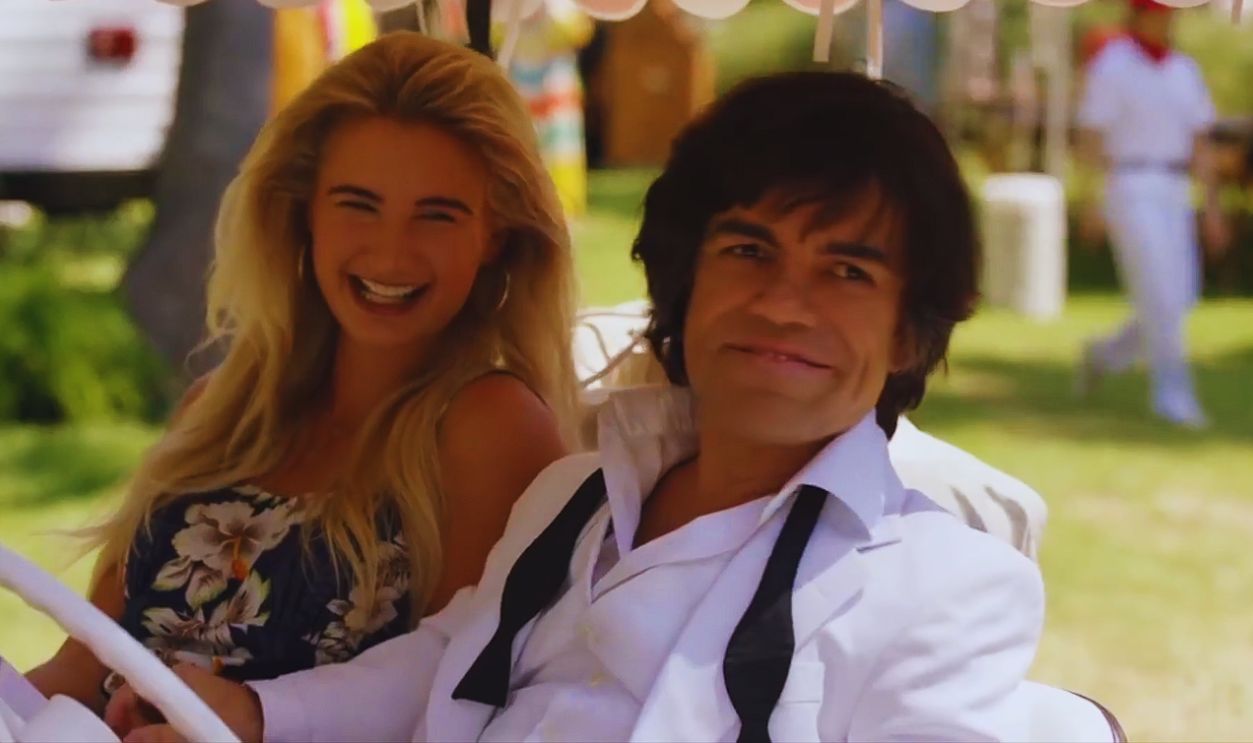 Screenshot from My Dinner with Hervé, HBO Films (2018)
You May Also Like:
Searching Facts About Mai, The Lost Traveler
Ill-Fated Facts About Robert Walker, The Nice Guy Who Finished Last