
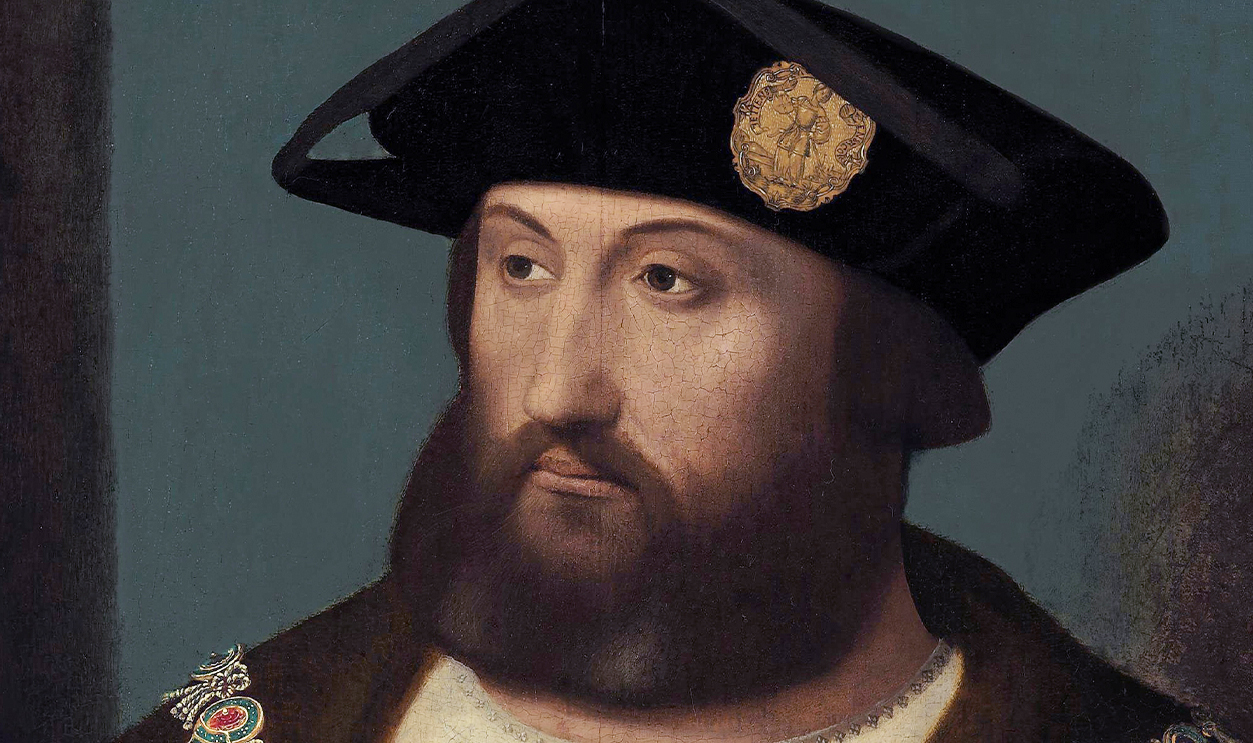
Charles Brandon: The Honorary Tudor
Few people survived a relationship with King Henry VIII intact, but Charles Brandon managed to do it against all odds. In fact, he thrived: As Henry’s best friend and role model from a young age, many saw Brandon as a “second king”. Not that this stopped him from committing treason and betrayal.
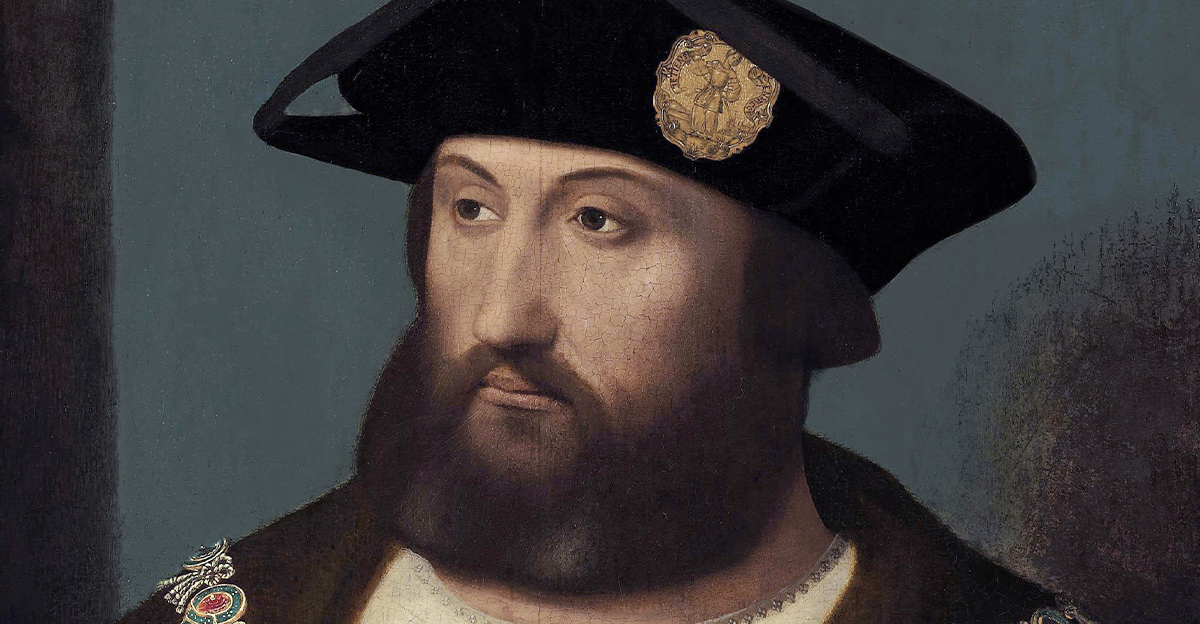
1. He Was Born Into Conflict
Charles Brandon was born in 1484 into immense privilege, but it came at a bloody cost. He was the only surviving son of heiress Elizabeth Bruyn and Sir William Brandon, a close confidant of the future King Henry VII during the Wars of the Roses, where the House of Tudor rose from the ashes of the houses of Lancaster and York.
But Charles was barely on this Earth before tragedy struck.
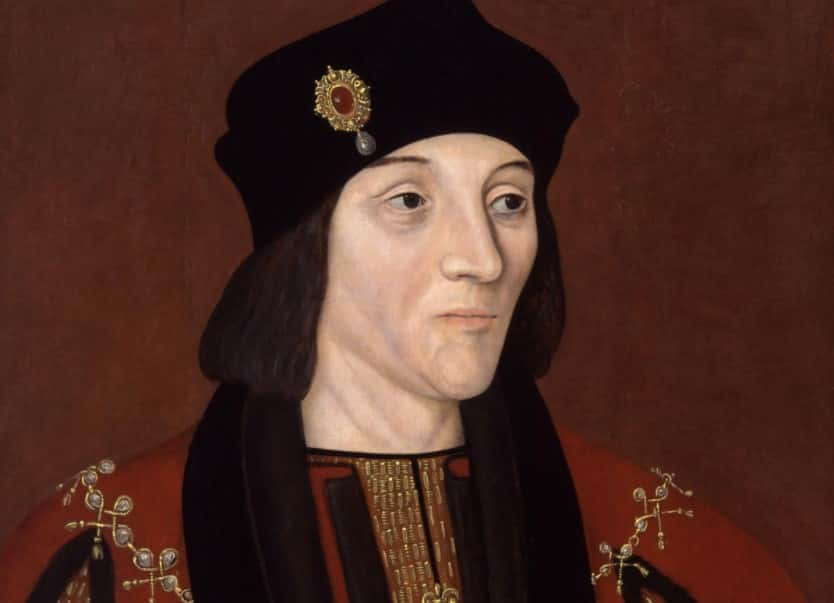 Unknown Author, Wikimedia Commons
2. He Lost His Father As A Baby
In 1485, Charles’s father got the honor of serving as Henry VII’s standard-bearer in the infamous Battle of Bosworth Field, the last gasp of the Wars of the Roses. It ended in horror. Though the conflict ended up putting Henry VII on the throne, William was slain during the battle, and Charles was doomed to grow up fatherless.
Still, the terrible news kept coming.
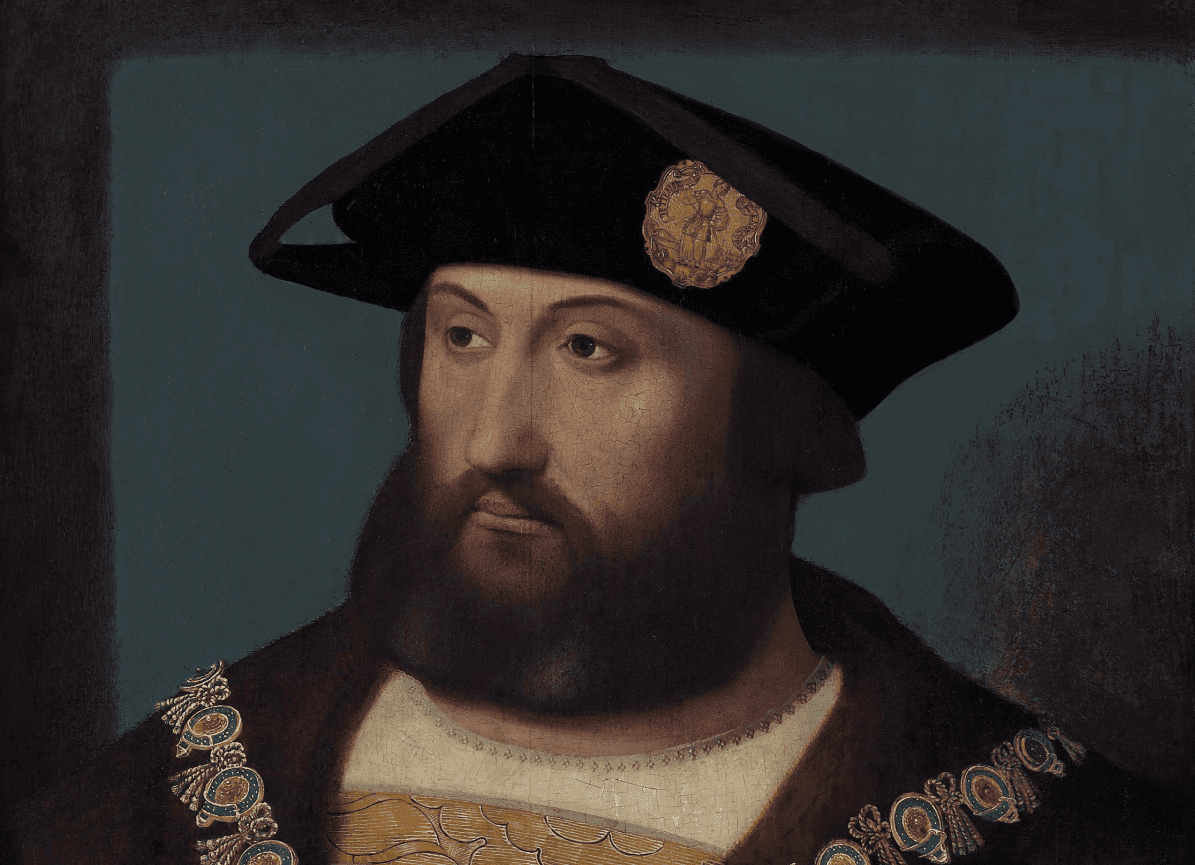 Master of the Brandon Portrait, Wikimedia Commons
3. He Was Raised In The Royal Court
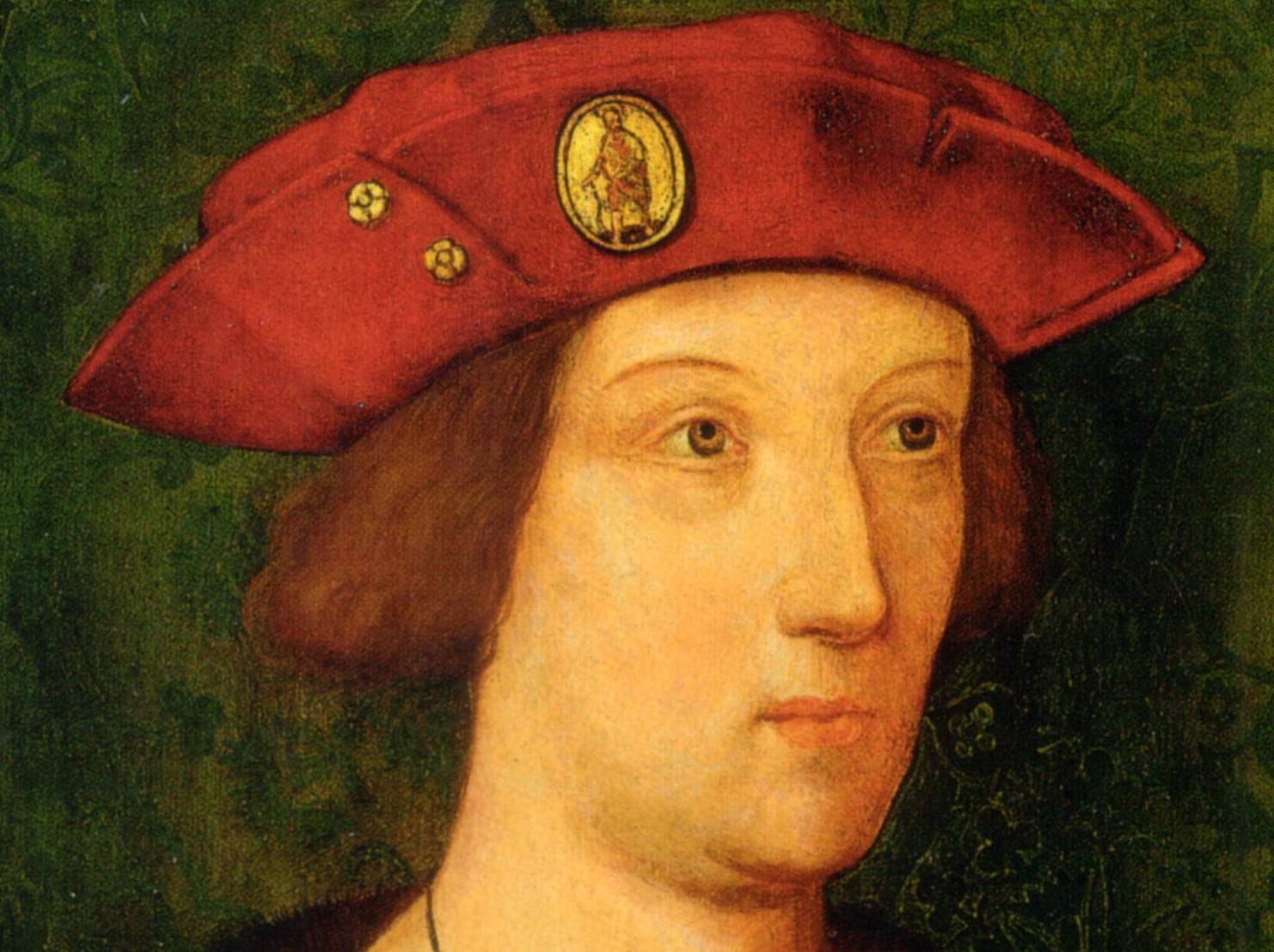
In 1461, when Charles was still incredibly young, his mother also perished, turning him into a true orphan. Nonetheless, this had precisely one silver lining: With nowhere else to go, King Henry VII took charge of the boy and brought him up in his court alongside his eldest son Prince Arthur, who was of an age with Charles, and his younger Prince Henry, who was seven years Charles’s junior.
Charles took to royal life like a duck to water.
 Royal Collection, Wikimedia Commons4. Henry VIII Idolized Him
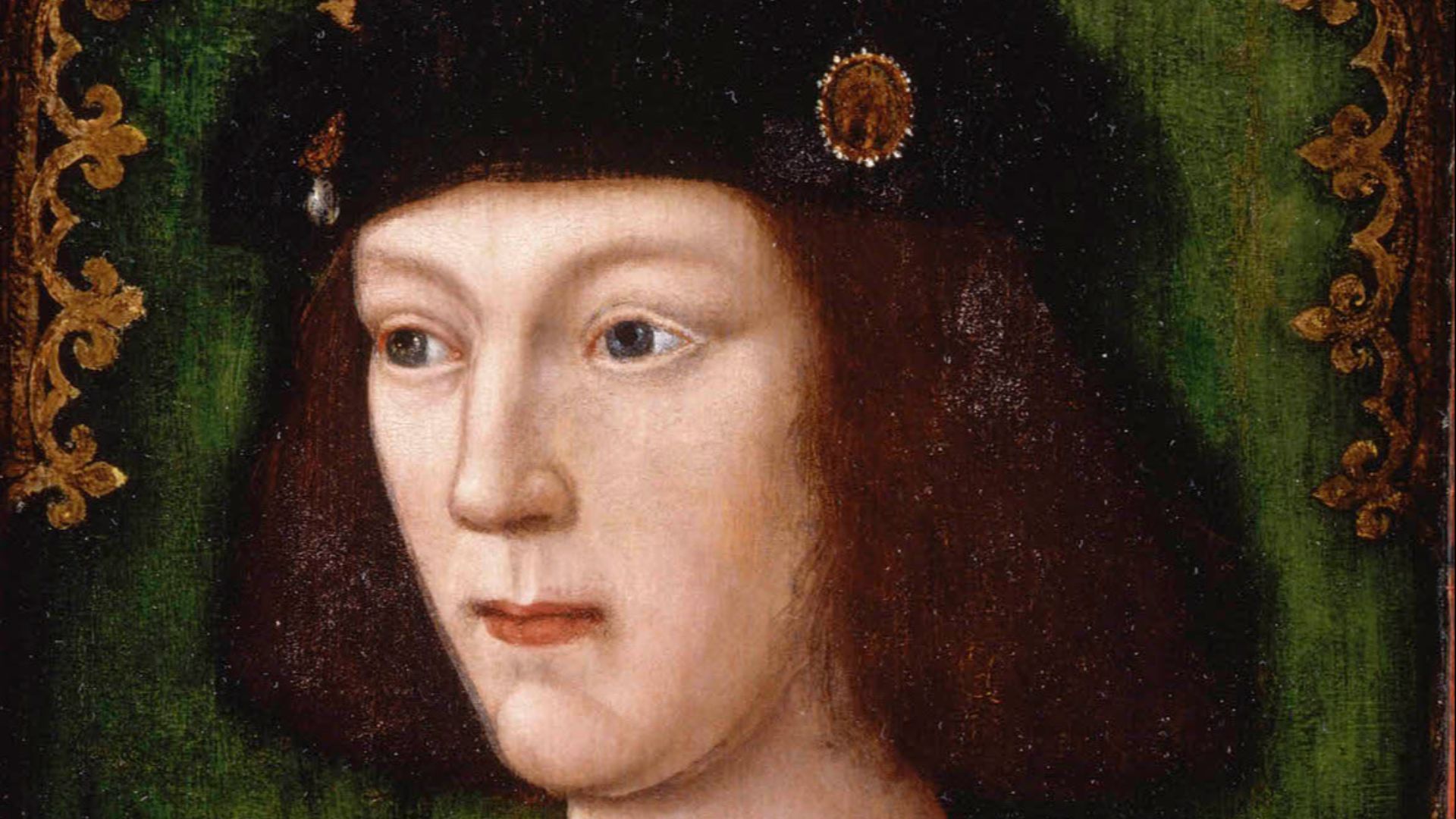
Charles, Arthur, and Henry grew up side by side, with little Henry in particular viewing Charles as his idol. After all, Charles was growing into a strapping young man as equally talented at jousting as he was at wooing women, and the romantic, rambunctious, and sometimes volatile Henry could imagine no better role model.
For a time, it was as idyllic an existence as Charles could get, but darkness was never far from his door.
 Attributed to Meynnart Wewyck, Wikimedia Commons
5. He Lost A Brother
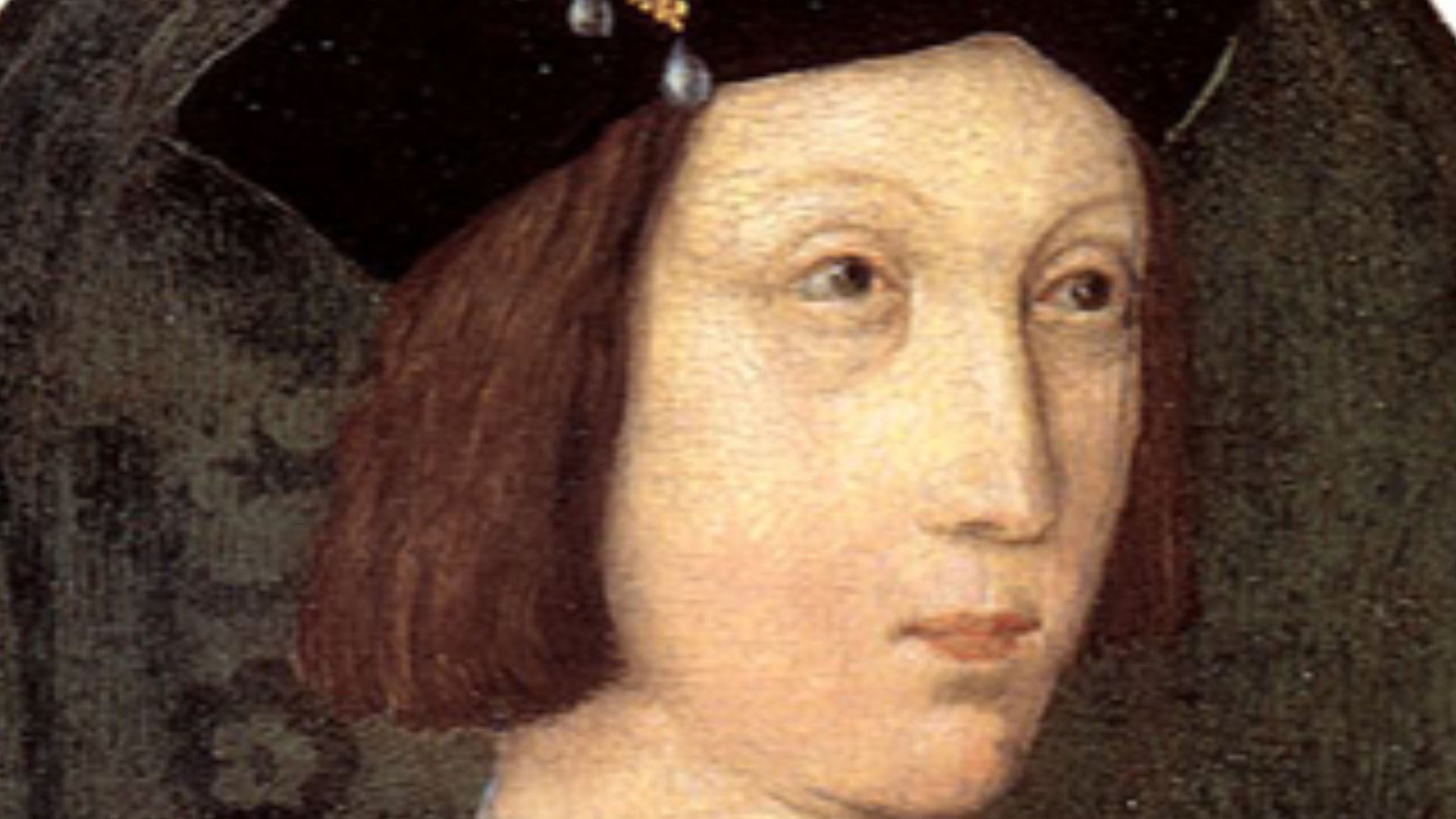
In 1501, Prince Arthur fulfilled his duty to the crown and married the Spanish princess Catherine of Aragon. Six months later, everything changed. Catherine and Arthur both fell ill, possibly from the mysterious sweating sickness, and while Catherine survived, Arthur perished.
Charles Brandon was down one more loved one, but there were bigger consequences in store.
 Anglo-Flemish School, Wikimedia Commons
6. He Grew Closer To The Heir
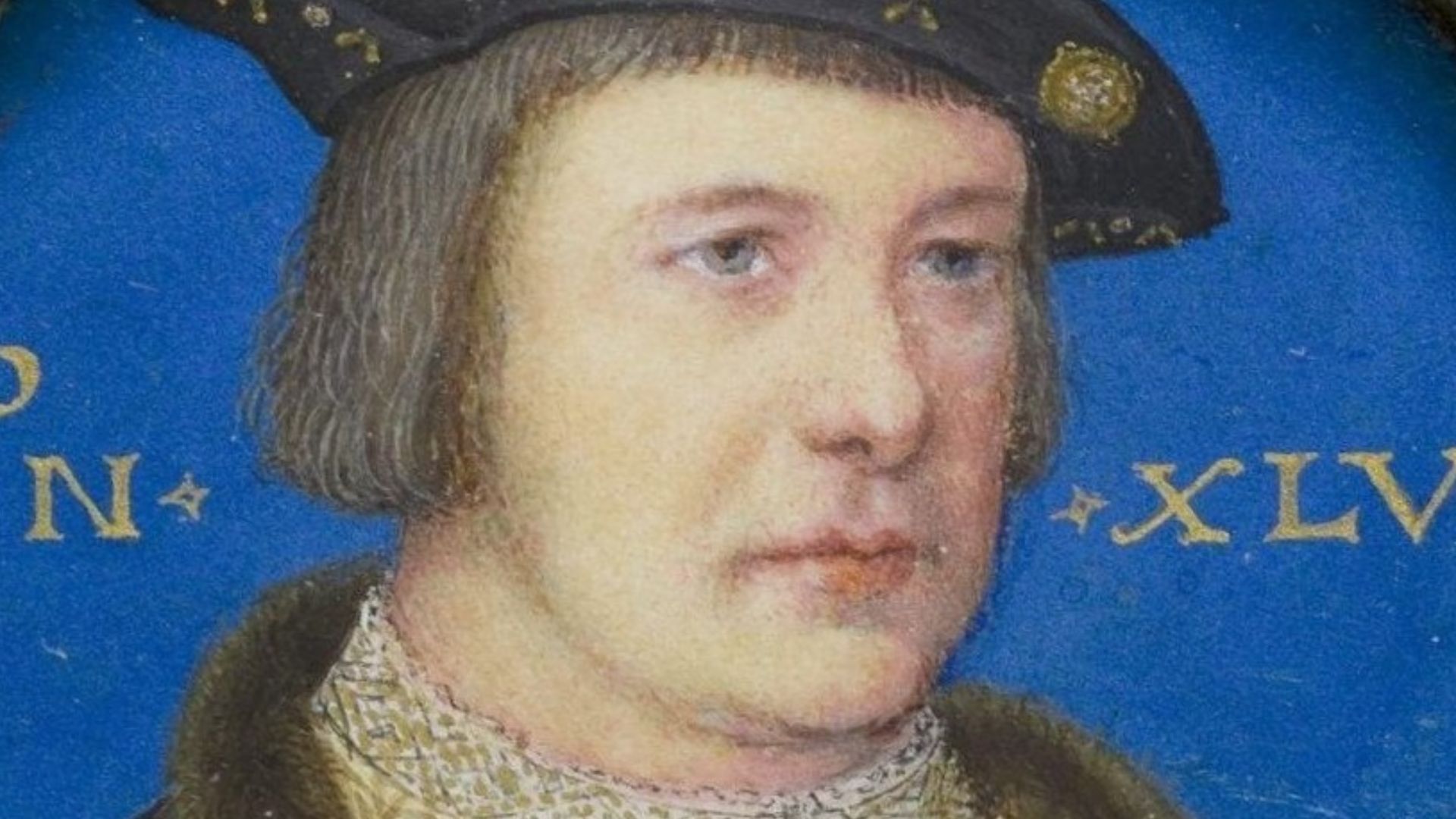
Prince Henry was still a pre-teen when Arthur passed, and in his grief for his brother he turned more to Charles for companionship. Despite their age gap, the pair became inseparable; as one 17th century historian noted, Charles was “a person of comely stature, high of courage and conformity of disposition” to Henry, which turned him into a “great favourite”.
He would need every ounce of this goodwill.
 Lucas Horenbout, Wikimedia Commons
7. His Best Friend Became King
In 1509, the Tudor court went through another sea change when King Henry VII, no doubt a father figure to Charles, passed, turning Prince Henry into King Henry VIII. For Charles, it also meant a step up in power and influence, especially with Henry worshipping the ground he walked on.
He even got a front-row seat to the next huge development in Henry’s life.
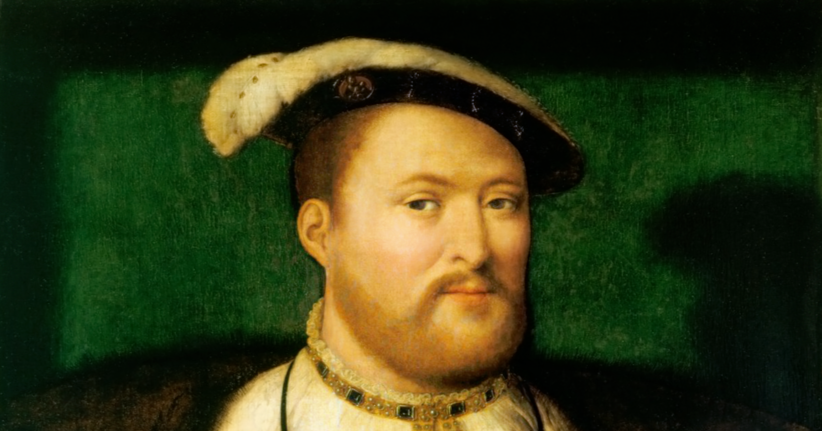 Royaltynow, CC0, Wikimedia Commons
8. He Went Through Another Wedding
Just after becoming King, Henry took a scandalous step and married his brother Arthur’s widow, Catherine of Aragon. Although it was generally frowned upon to marry your brother’s wife, Catherine swore she and Arthur had never consummated the union, and the strength of her own political power convinced Henry she should be his queen.
Charles was also a supporter of Catherine, but he had little idea of the disaster on the horizon. Besides, he had his own problems to deal with.
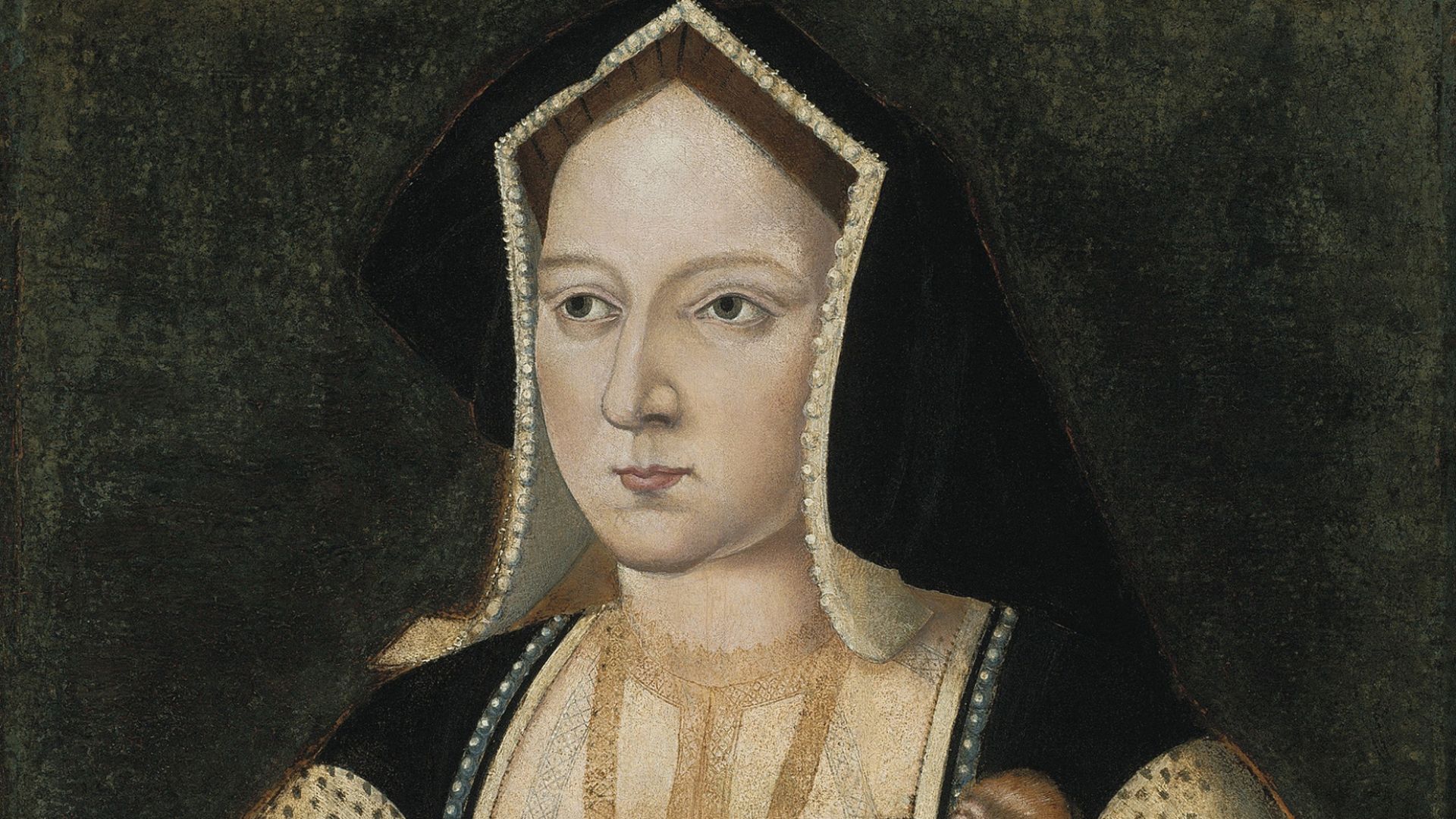 Lucas Horenbout, Wikimedia Commons
9. He Had A Crush On The King’s Sister
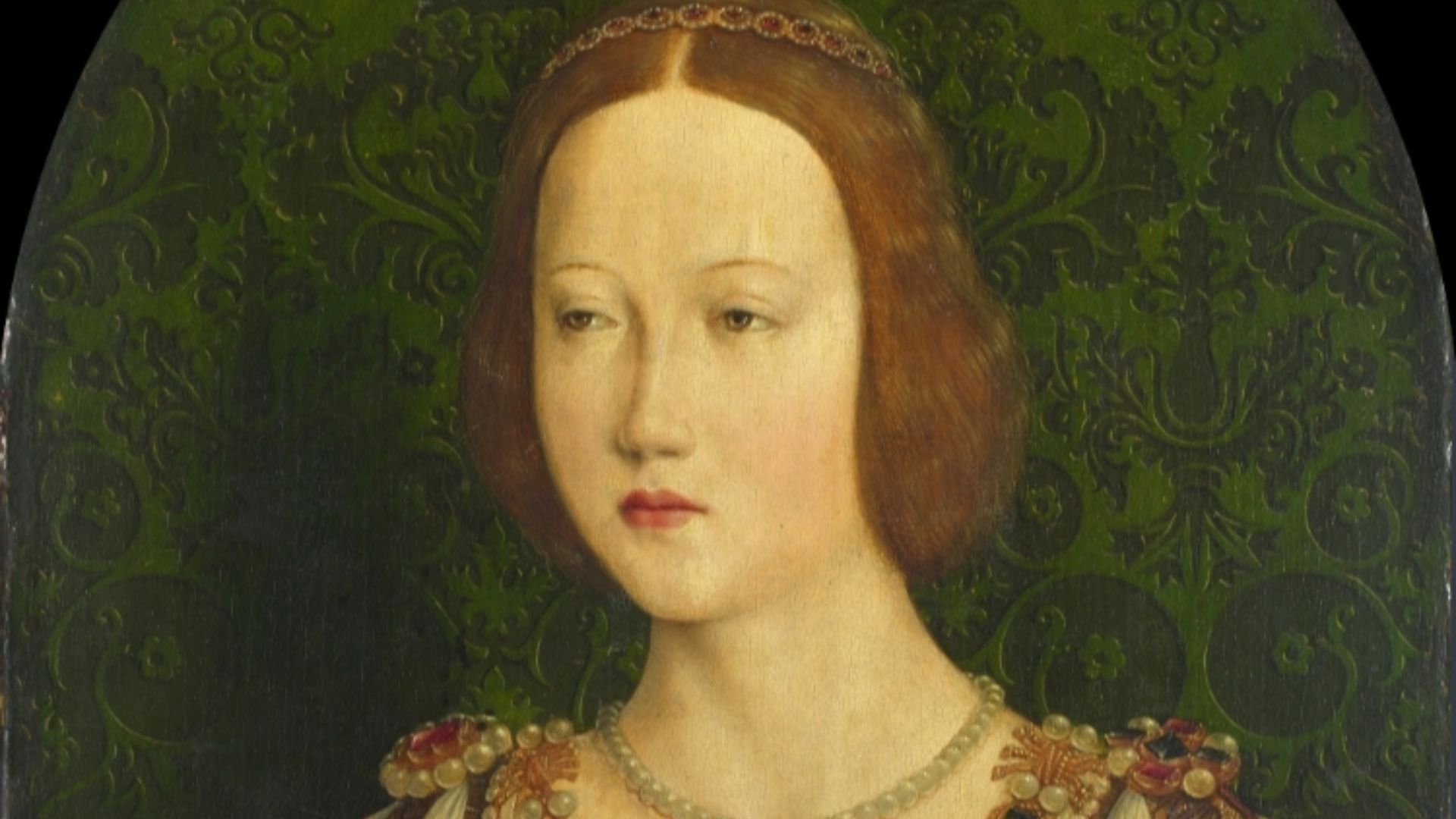
As Charles watched Henry become king and get married, he began developing his own romantic interests at court. But his object of desire was utterly forbidden. Sometime around this time, Charles and Henry’s favorite sister Princess Mary appear to have developed feelings for each other. Except the two of them together wasn’t just a bad idea; it was an impossible one.

History's most fascinating stories and darkest secrets, delivered to your inbox daily.
10. She Was Too Good For Him
As the daughter and sister of a king, the beautiful and lively Mary was destined to enter into a political alliance with another monarch, no matter her feelings on the matter. Over the years, various suitors had been suggested for her—she was even once betrothed to the future Holy Roman Emperor—but none of those suitors were Charles Brandon.
So, Charles got over Mary the only way he could think.
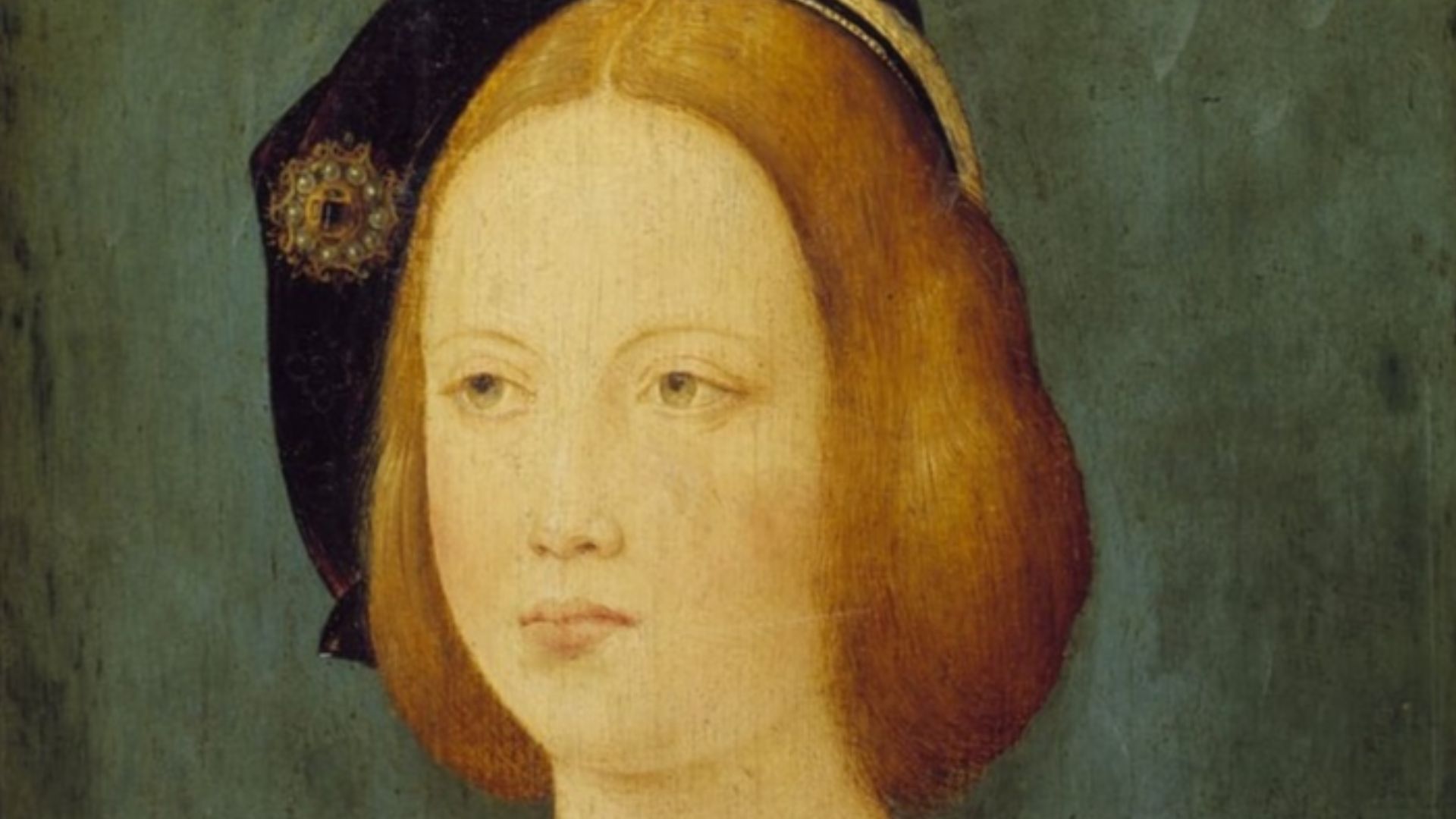 Attributed to Jean Perréal, Wikimedia Commons
11. He Was A Ladies’ Man
In truth, Charles Brandon cut a handsome figure at court, and he was nowhere near short of admirers. He would go on to have a number of illegitimate children, some of them known to history and some likely not. In February of 1507, he even took the leap and married Margaret Neville, the daughter of a Marquess and a prominent heiress in her own right. It’s just that it was a terrible choice.
 Attributed to Jan Gossaert, Wikimedia Commons
12. He Had A Hasty Split
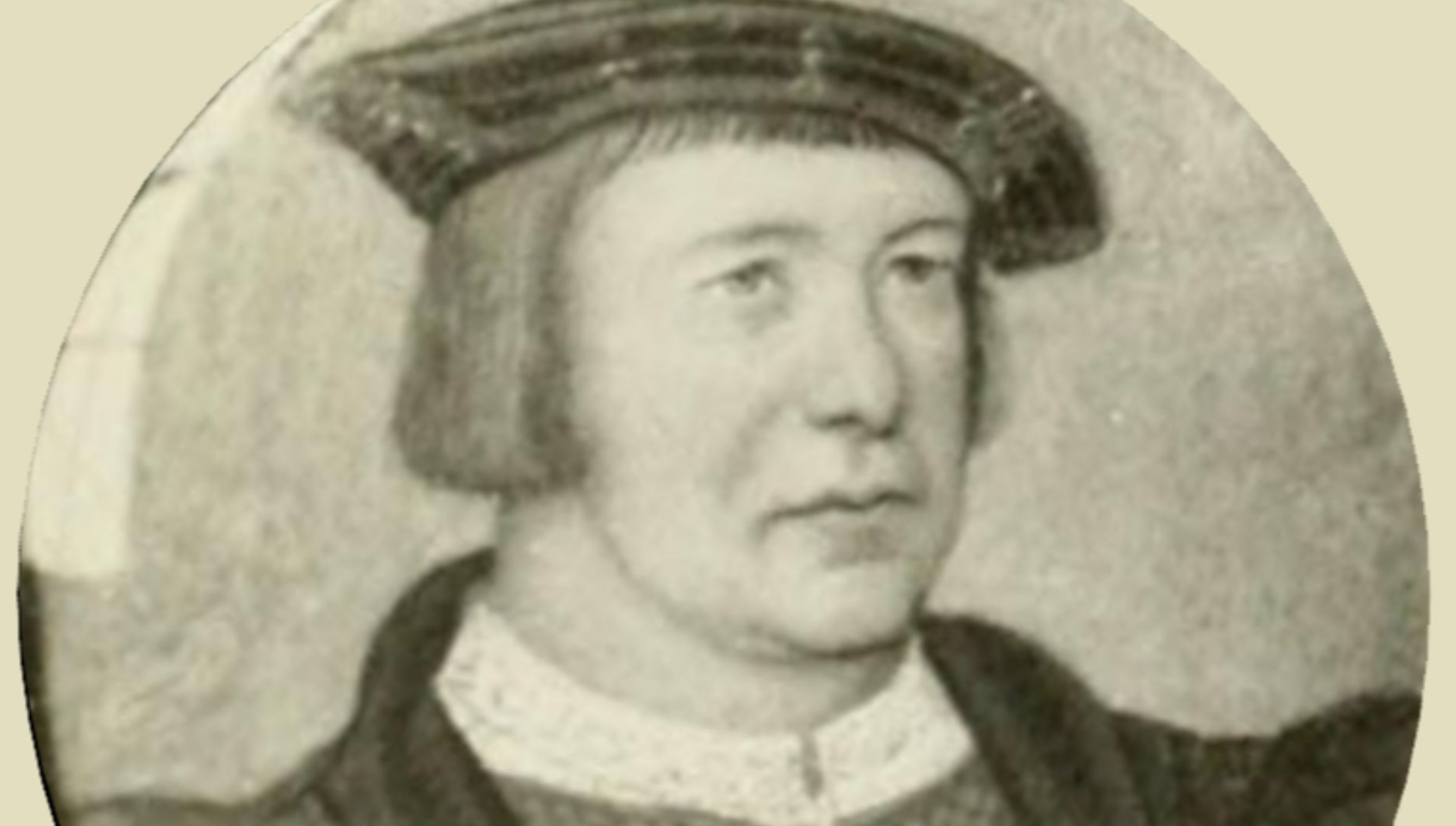
Charles’s marriage to Margaret Neville was a little more in his wheelhouse than any desired union with a Princess of England, but that didn’t matter in the end, either. They were still doomed, and they crumbled fast.
Before the year was up, Neville and Charles had their marriage declared void. Which is when things got very sketchy.
 Lucas Horenbout, Wikimedia Commons
13. He Married In Secret
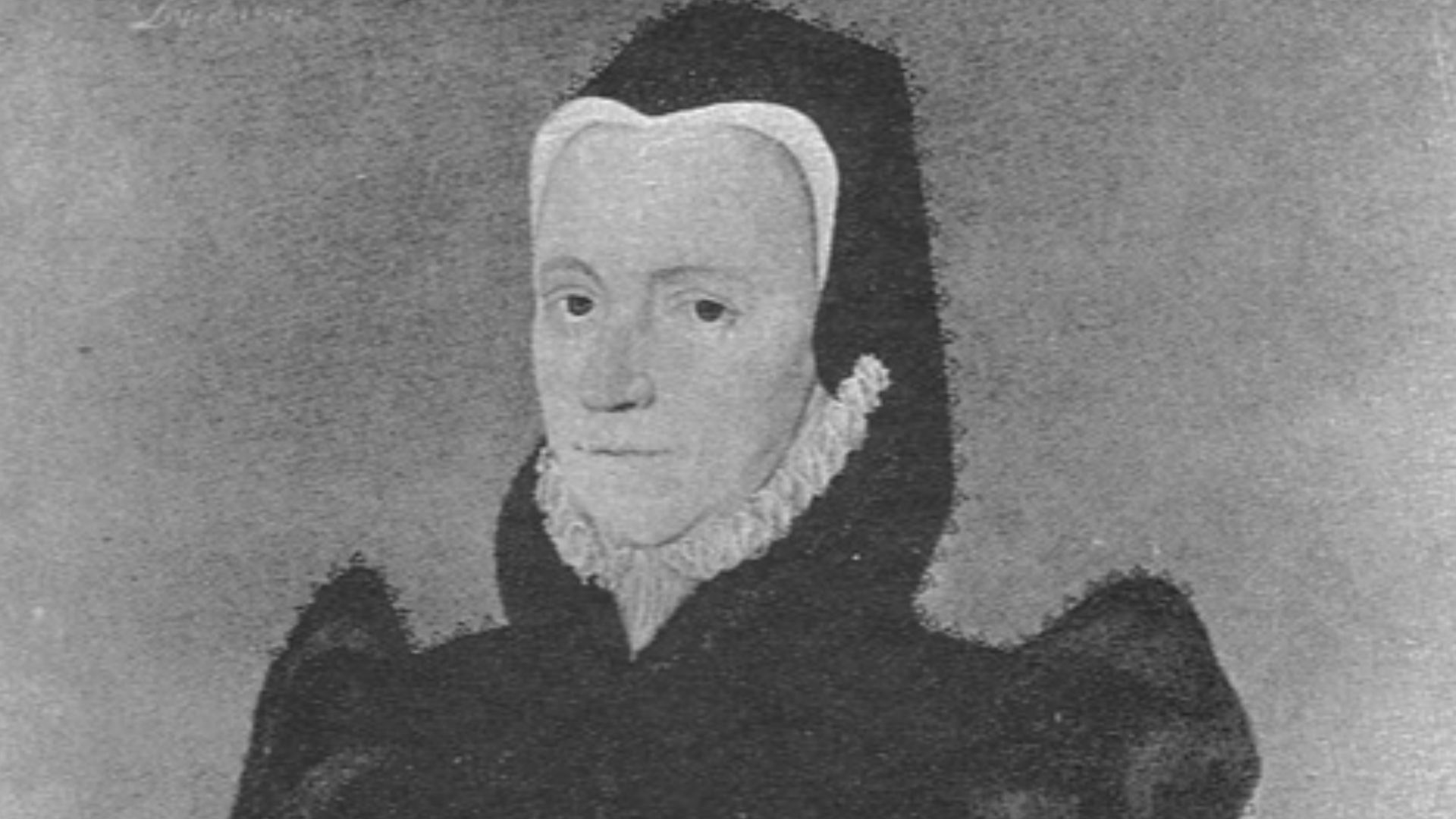
Soon after his split with Margaret Neville, Charles engaged in a scandalous act. He married one Anne Browne, another daughter of a prominent family, in a secret ceremony in Stepney. Although they would later make it official in a public ceremony, it must have raised eyebrows…and with good reason.
 Unknown authorUnknown author, Wikimedia Commons
14. His Private Life Was Complicated
With one hastily ended marriage and then another secret one on its heels—not to mention a royal princess somewhere in the mix—Charles Brandon was proving a magnet for scandal. But his second marriage was scandalous for more than just this: Incredibly, he had actually been betrothed to Anne Browne before marrying Margaret Neville…and Anne Brown was Margaret Neville’s step-niece.
Clearly, Charles Brandon had no problem blurring boundaries, but it didn’t work out the way he must have imagined.
 Attributed to Jan Gossaert, Wikimedia Commons
15. He Watched His Wife Perish
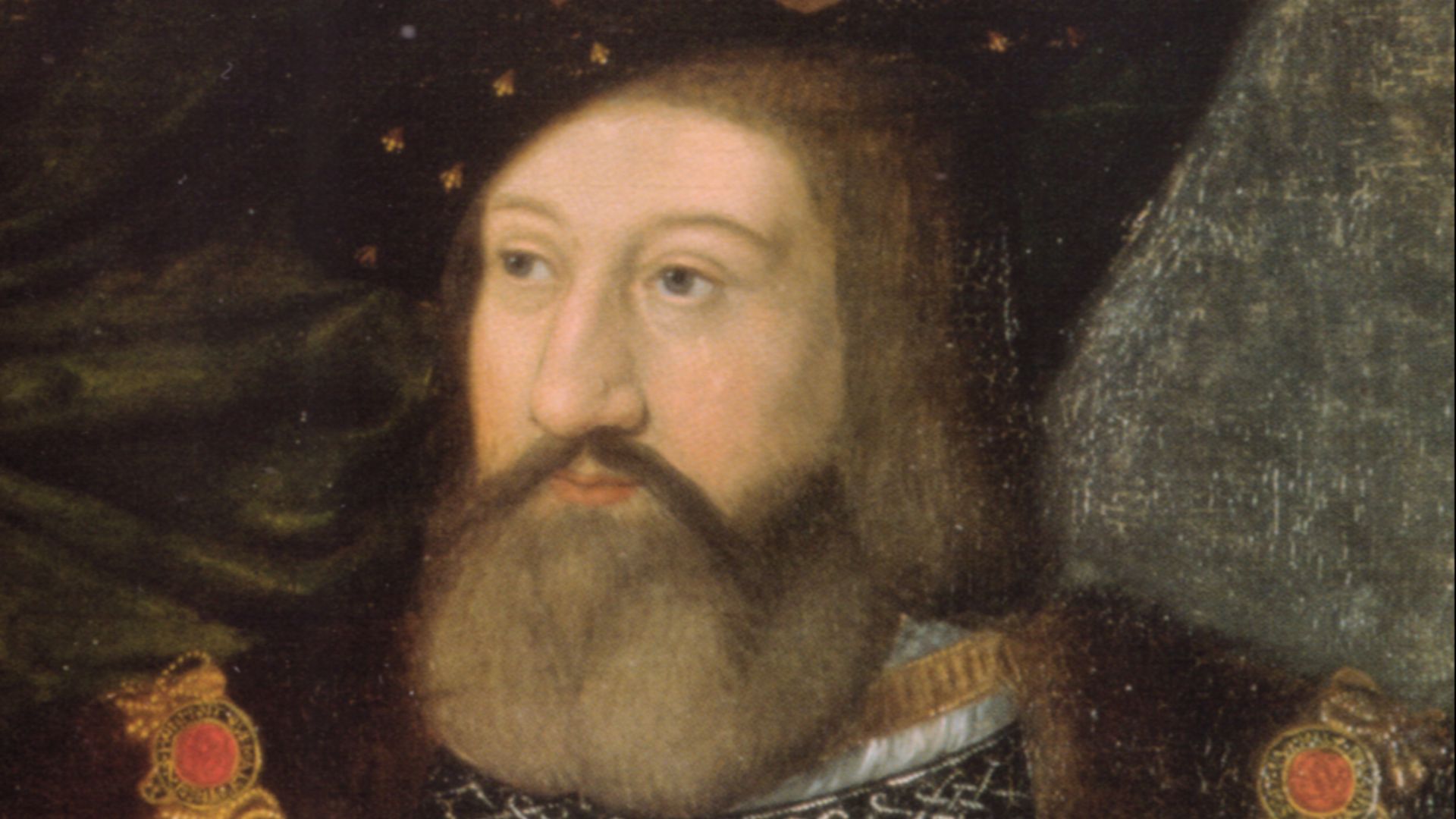
Anne and Charles would go on to have two daughters together, Lady Anne in 1507 and then Lady Mary in 1510, but their domestic bliss came to an abrupt end. In 1511, Anne Browne passed at a young age, turning Charles into a widower.
Except far from this tragedy hampering him, Charles now only grew in power.
 Brandon, Charles, Duke of Suffolk (c. 1484-1545) (depicted), Wikimedia Commons
16. He Gained More Influence
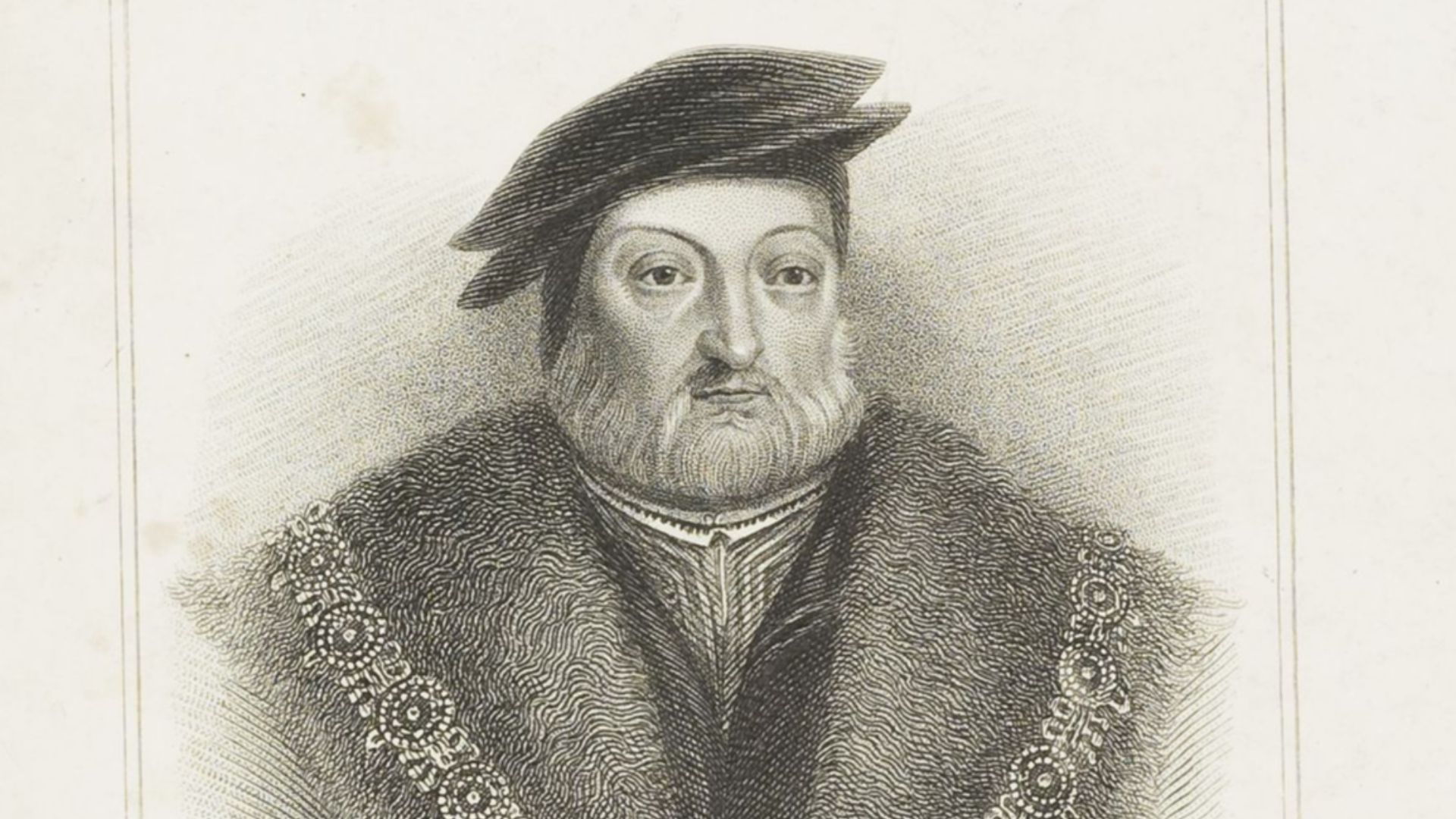
Henry VIII was likely well aware that his best friend was (still) besotted by his sister Mary, but rather than dealing with it, he consoled Charles with a wealth of riches and influence. By 1513, Charles had received the title of Master of the Horse as well as acres of valuable land from Henry, and had become one of the most prominent figures in the Tudor court.
But Charles always wanted more, and he stopped at nothing to get it.
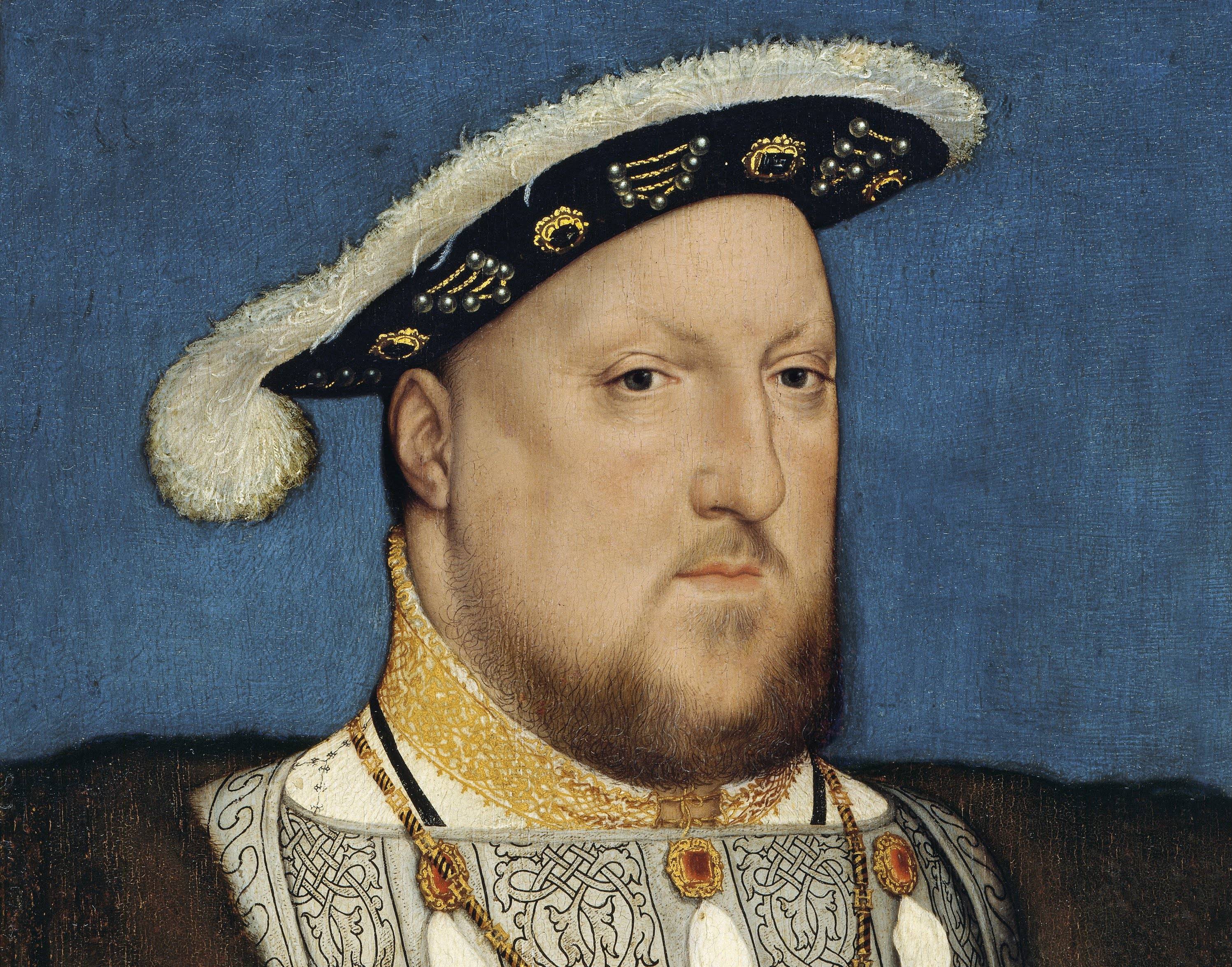 Hans Holbein the Younger, Wikimedia Commons
17. He Became A Viscount
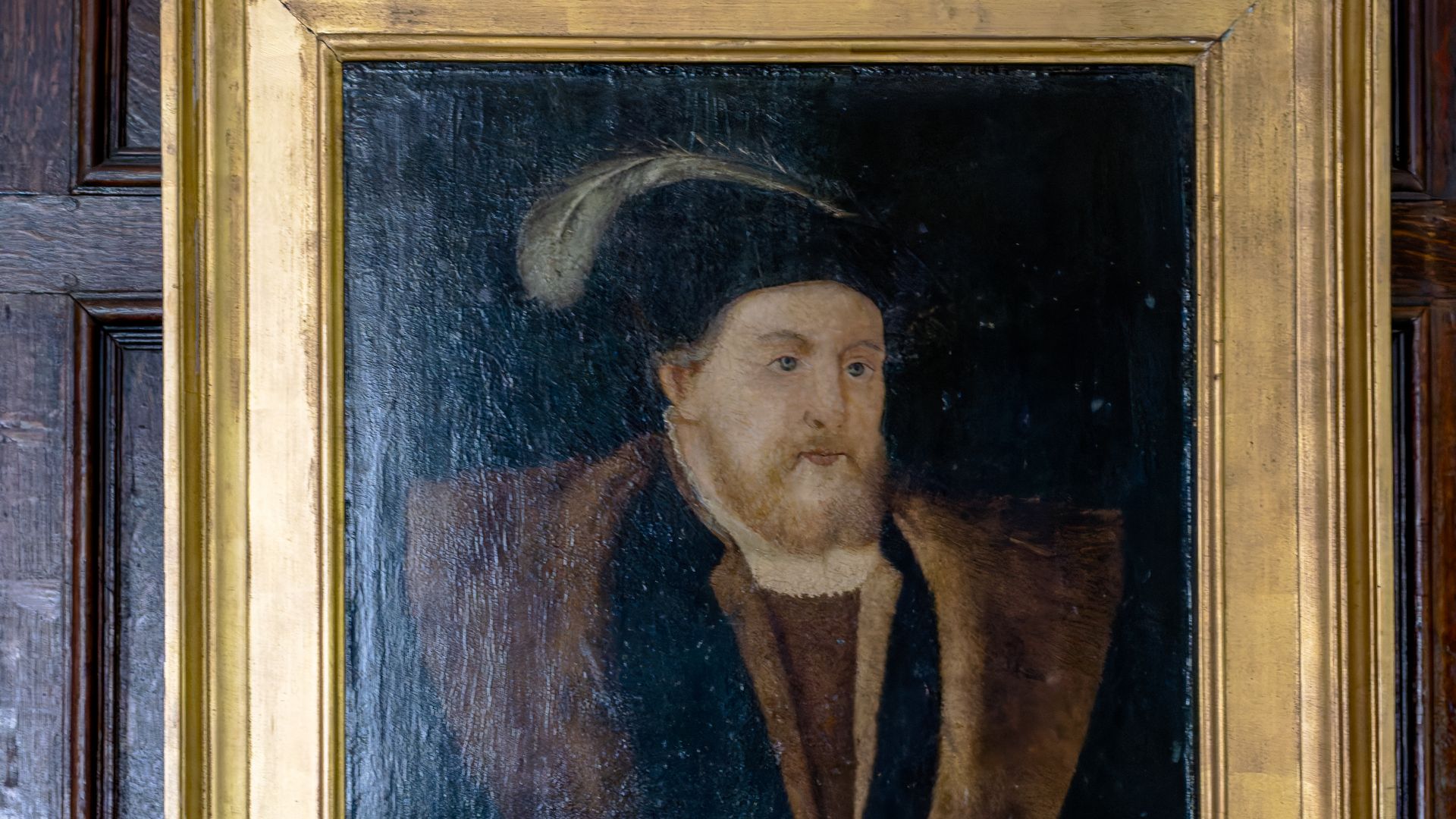
The same year he became Master of the Horse, Charles also became the Viscount Lisle. His rise to the noble title was chilling. It happened because the eight-year-old Elizabeth Grey, the orphaned and fabulously wealthy Viscountess Lisle, had just lost her stepfather and was in need of a new adult to tend to her needs. Well…Charles stepped right in.
18. He Found A Creepy Path To Power
By now, Charles was well versed in marriage games, and he played the Elizabeth Grey situation to perfection. He essentially purchased the wardship of little Elizabeth and then entered into a marriage contract with her, thereby turning himself into the Viscount Lisle for as long as their contract stood.
Even so, Charles was hardly ready to settle back into a life of domesticity.
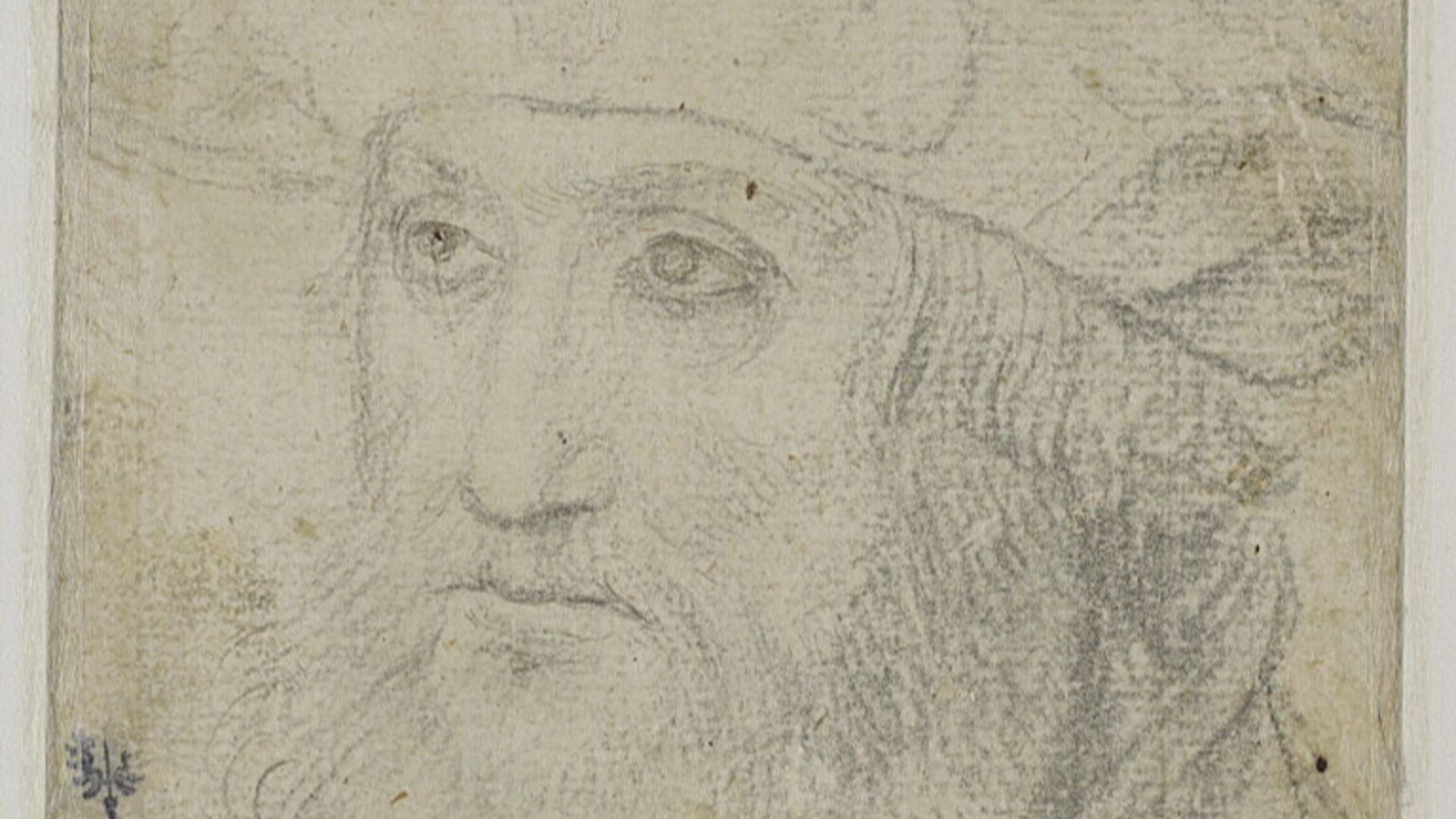 Attributed to Gerard David / Attributed to Master of the Brandon Portrait, Wikimedia Commons
19. He Was Knight In Shining Armor
Charles Brandon was an able fighter and, doing his father proud, fought in many battles for King Henry VIII in his youth. In 1513, he went on campaign in France, winning respect for his acts in the sieges of Therouanne and Tournai. These feats were no surprise to those in Henry’s court who knew his facility with jousting, but it did make the rest of Europe take notice.
 After Hans Holbein the Younger, Wikimedia Commons
20. Henry Tried To Matchmake For Him
Margaret of Austria, the daughter of Maximilian I, Holy Roman Emperor, was one of the most prominent women in Europe at the time—and Henry VIII decided he wanted her for his best friend. Around this time, Henry began secretly urging Margaret to marry Charles, his contract with Elizabeth Grey notwithstanding.
It came closer to happening than you might think.
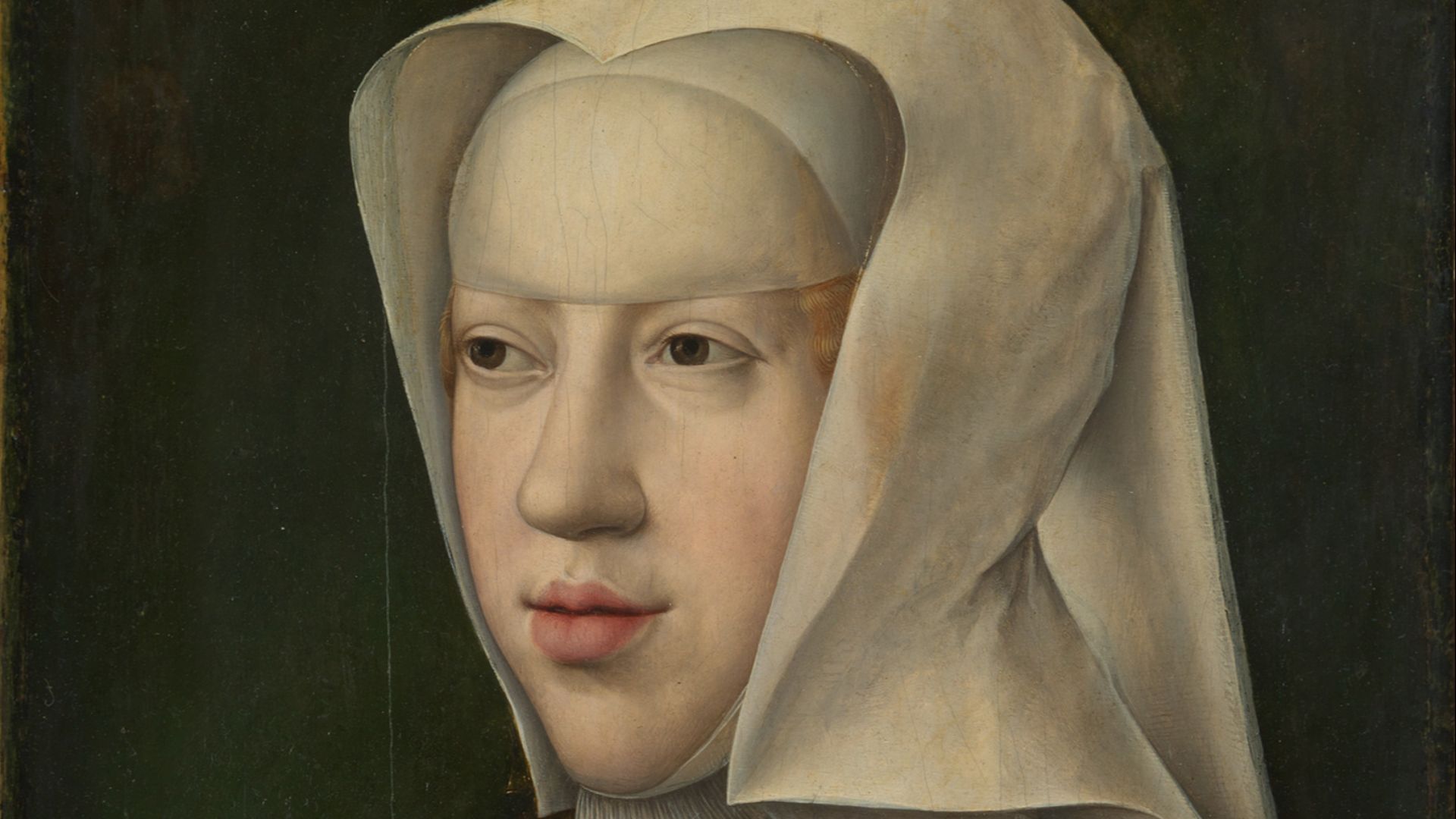 Bernard van Orley, Wikimedia Commons
21. He Was A “Second King”
Although Margaret was out of Charles’s league on paper, her own agents were quick to remind her that Henry VIII, who could be mercurial and quick-tempered, had nonetheless remained steadfast to his friend for years. As such, Charles held immeasurable power; as one man wrote to Margaret, Charles was a “second king” in England, and she should strive to get on his good side.
Then Henry sweetened the deal.
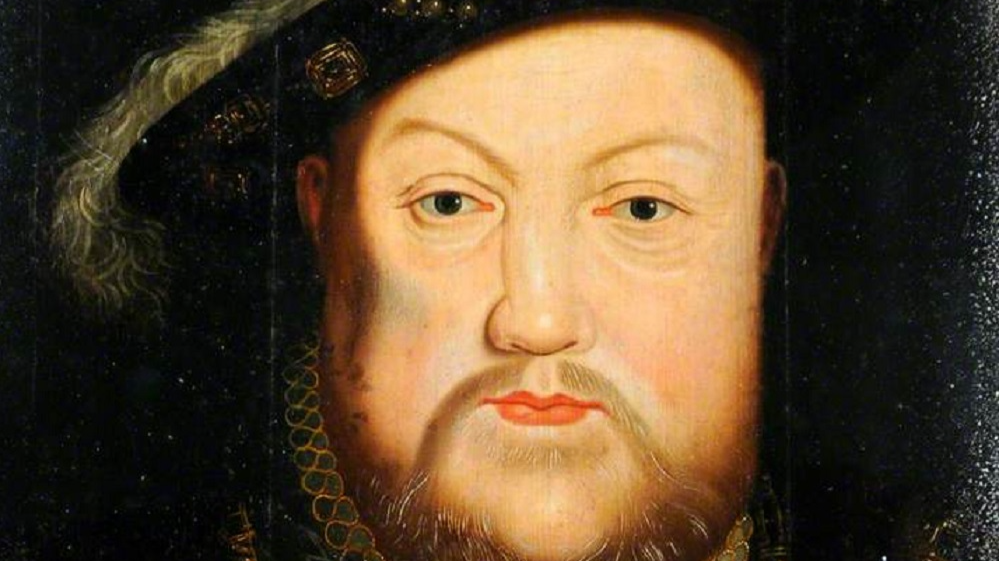 Hans Holbein the Younger, Wikimedia Commons
22. He Bagged A Rare Title
In 1514, Charles received a mind-boggling honor when Henry VIII turned him into the Duke of Suffolk. This, when there were only two other dukes (Buckingham and Norfolk) in the entire kingdom.
Charles’s power was now almost unmatched in England—and while Margaret of Austria never did bite, Henry VIII’s other plans continued apace.
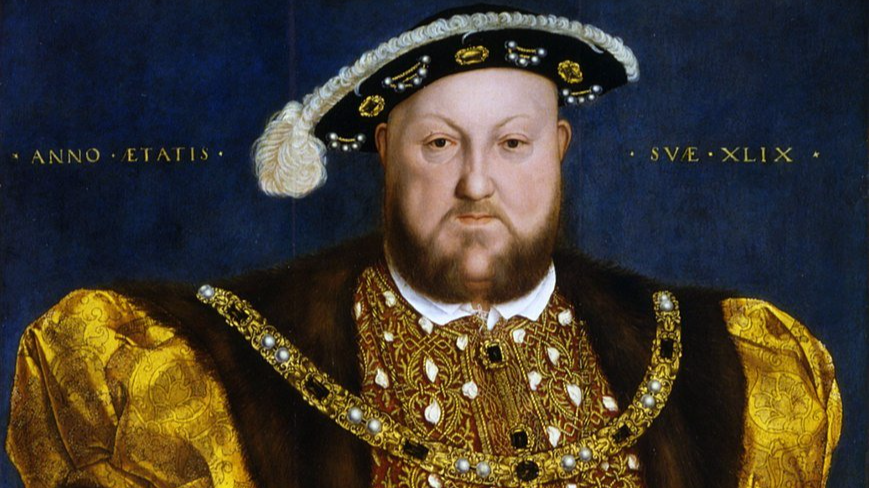 Hans Holbein the Younger, Public domain, via Wikimedia Commons
23. His Love Got Married
Henry VIII’s promotion of Charles to the Duke of Suffolk may have been as much to distract his best friend as it was to laud him. After all, Charles still had his eye on Mary Tudor, and in the meantime Henry and his Lord Chancellor Thomas Wolsey were busy planning the princess’s marriage to the current King Louis XII of France.
When the wedding finally happened in October of 1514, it was something of a travesty.
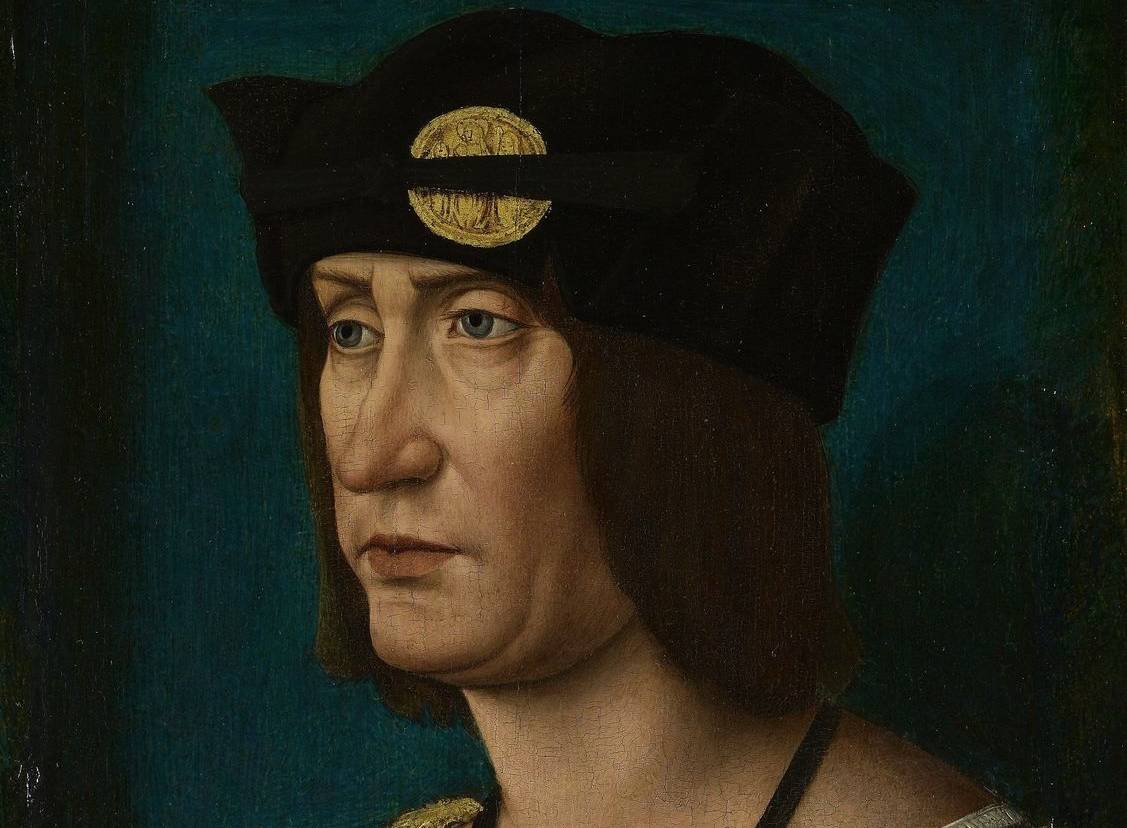 Workshop of Jean Perréal, Wikimedia Commons
24. It Was A Mismatch
It must have crushed Charles to watch from the sidelines as the 18-year-old Mary married the 52-year old King Louis XII. While Louis called Mary a “nymph from heaven,” Louis himself was an aged, pathetic figure, riddled with gout and possessed of no surviving sons.
Somehow, though, Charles’s cursed luck was about to turn.
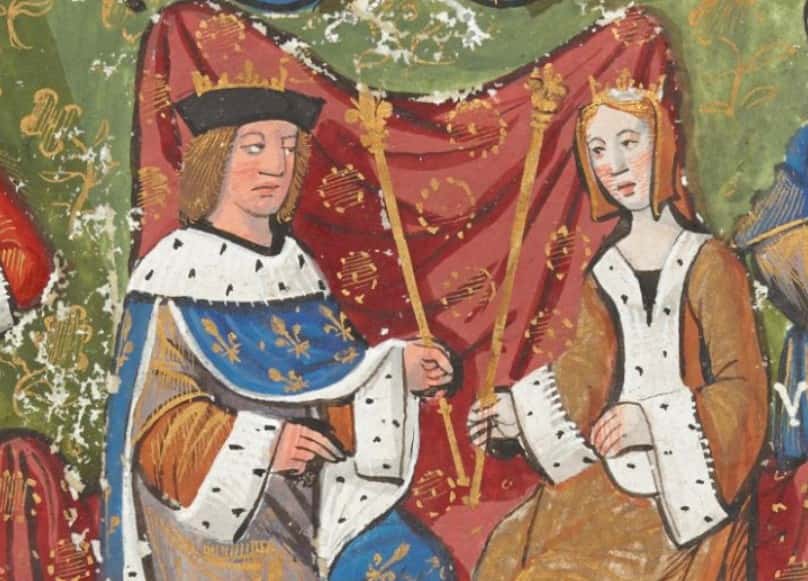 Pierre Gringoire, Wikimedia Commons
25. Luck Was On His Side
Less than three months after the royal wedding, Charles got the best bad news of his life: Louis had perished and left Mary a widow. For an extra dose of schadenfreude, there were even (likely baseless) rumors that the decrepit Louis had worn himself out in the bedroom before his end.
Whatever the reason, Charles now had his ears fully perked up. But he also had competition.
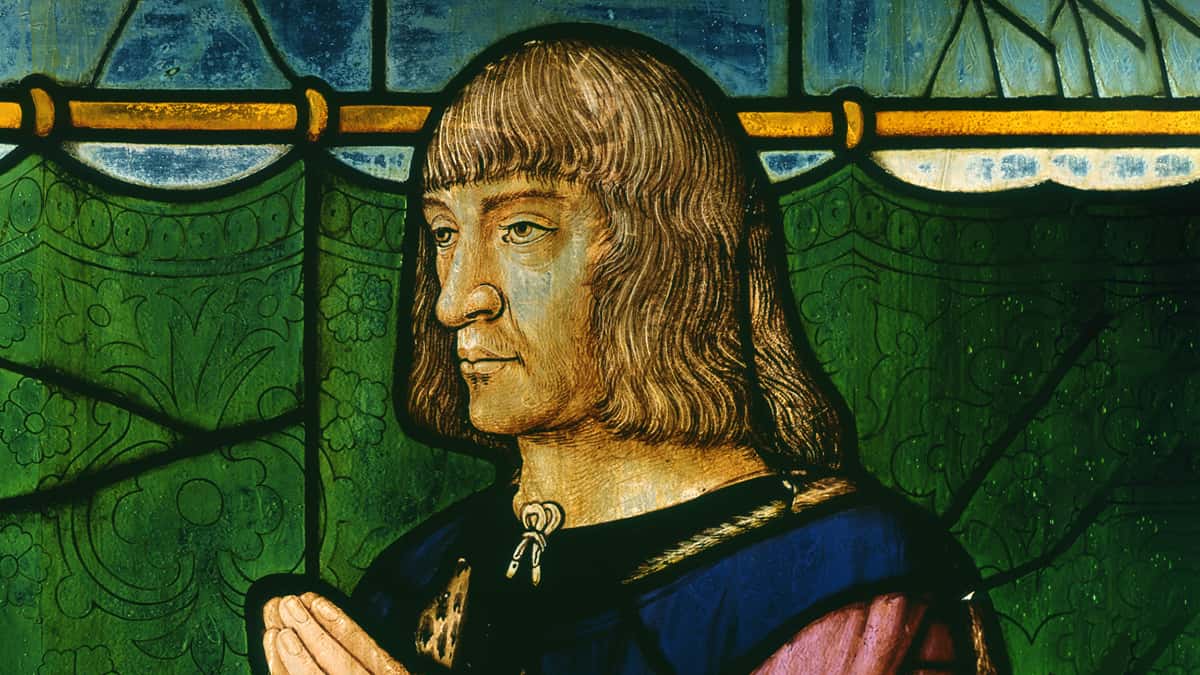
26. He Almost Lost His Chance
Mary Tudor was a hot commodity in 16th century Europe, and Louis’ successor King Francis I of France was desperate to marry her off to one of his courtiers. Even Francis himself, with a half-hearted hope that his own wife Queen Claude would die, appeared to court Mary in the week after her husband’s passing.
But underneath it all, everyone had an uneasy feeling about the future.
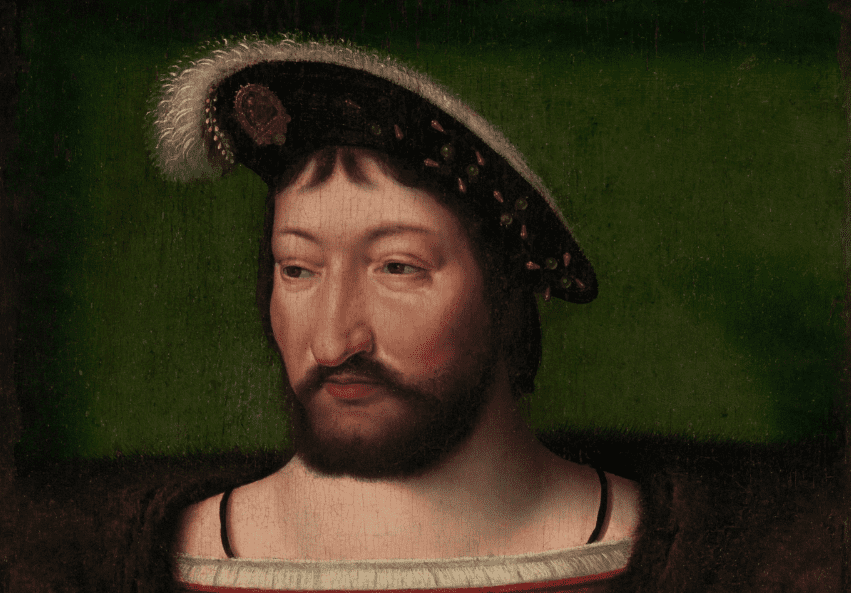
27. She Fought For Him
Mary and Charles were by now very much in love, and most people in the know realized it. In 1515, Mary even wrote to her brother King Henry VIII, apparently reminding him that she had only agreed to marry Louis on the condition that "if she survived him, she should marry whom she liked”—AKA Charles Brandon.
Yet for all that Henry adored Charles and might have welcomed him as a brother-in-law, there were bigger forces at work.
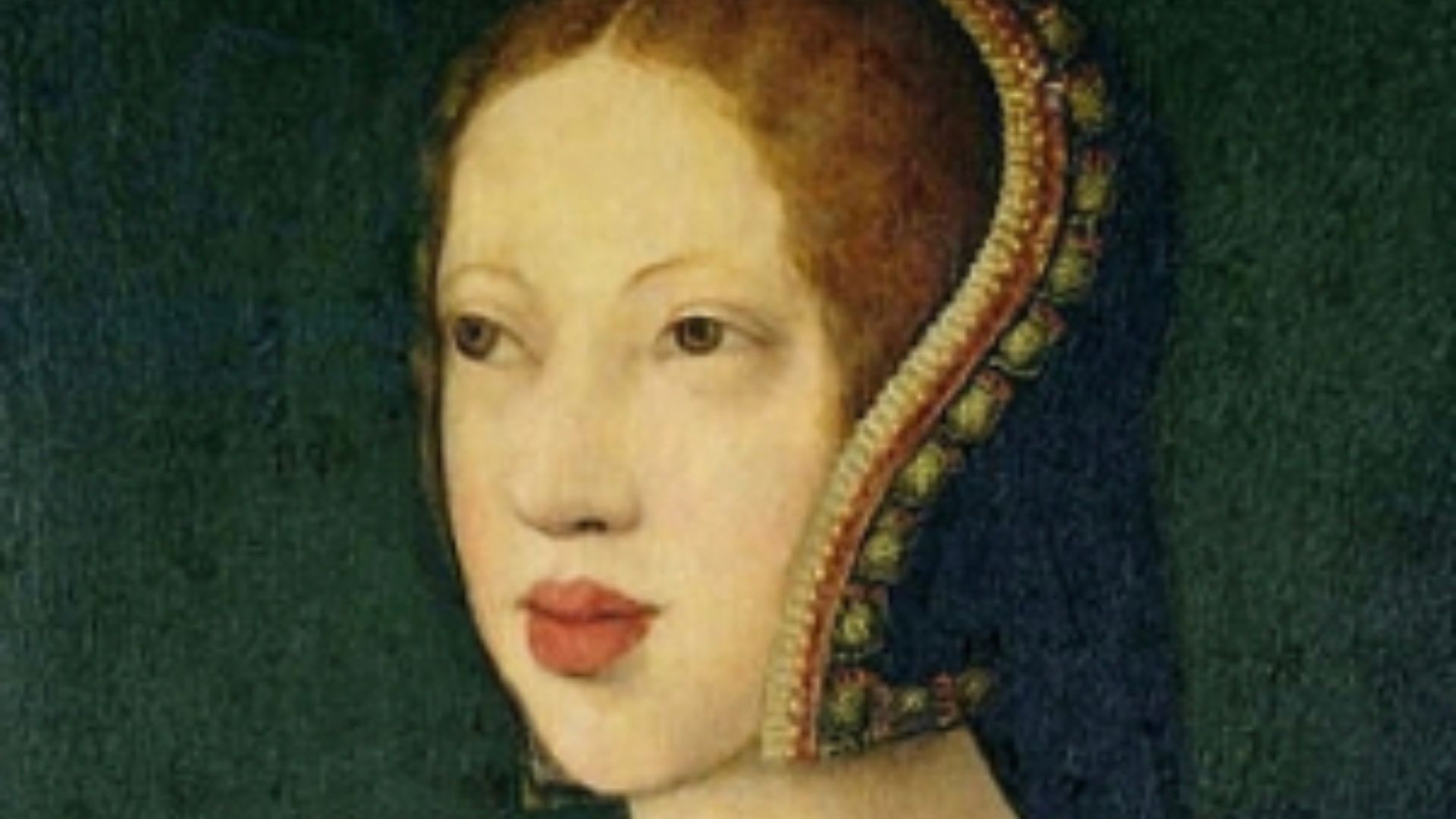 Unidentified painter, Wikimedia Commons
28. Everyone Was Against Them
No matter the bromance between Henry and Charles, he and Mary were always going to be a Romeo and Juliet story. For one, Henry still wanted to use his sister to make yet another politically beneficial match, and for another, his councillors were terrified at the prospect of Charles being even more influential on the king.
Again and again, Charles was warned away from Mary—and Mary was warned away from him.
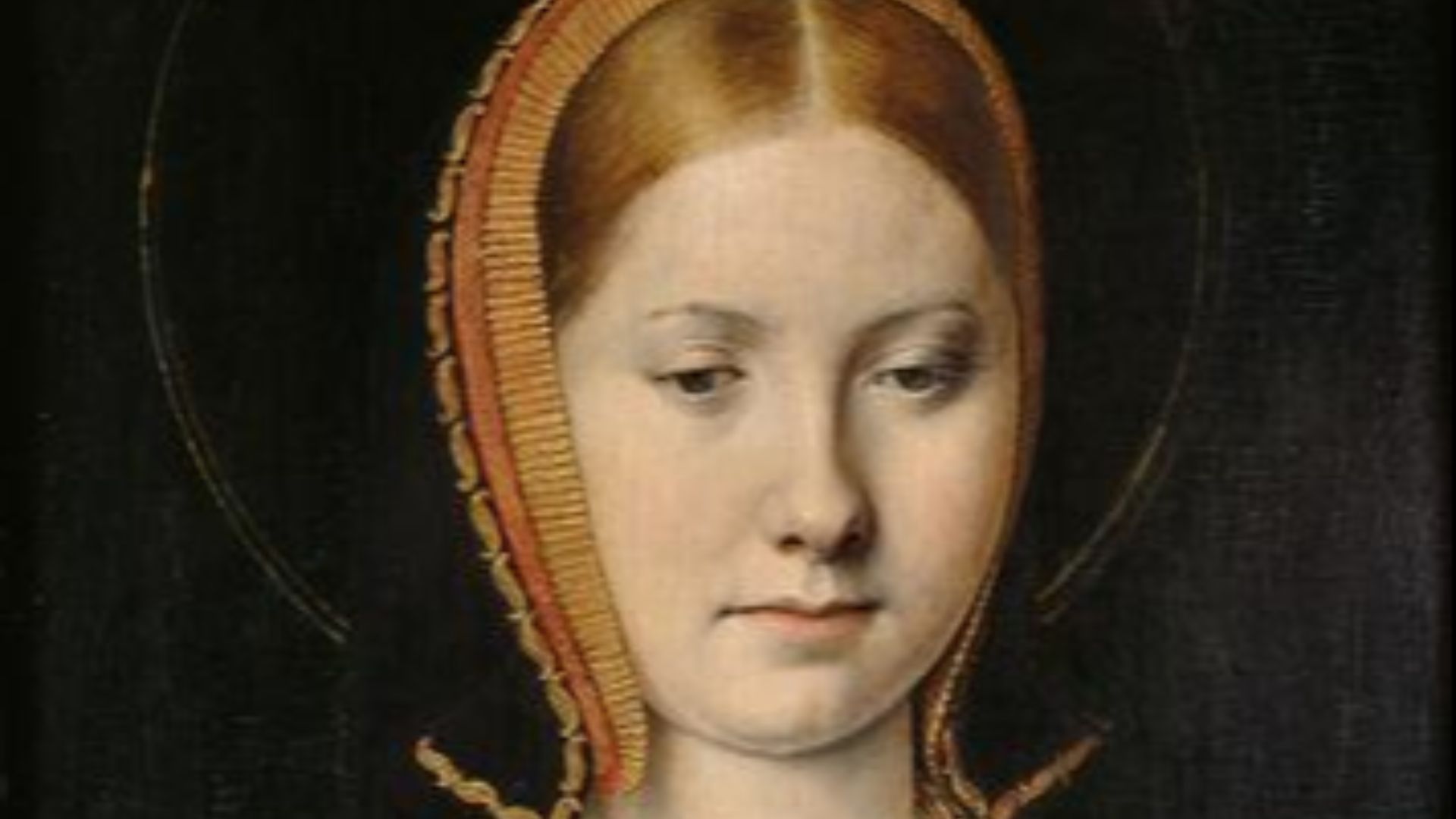 Michael Sittow, Wikimedia Commons
29. He Was Dangerous
With most of England seemingly against a Brandon–Tudor wedding, the French public also began to worry about the future of their one-time queen. A couple of French friars even went up to Mary and told her she had to prevent herself from marrying Charles because he “had traffickings with the devil”.
But right about now, Henry VIII made a fatal error.
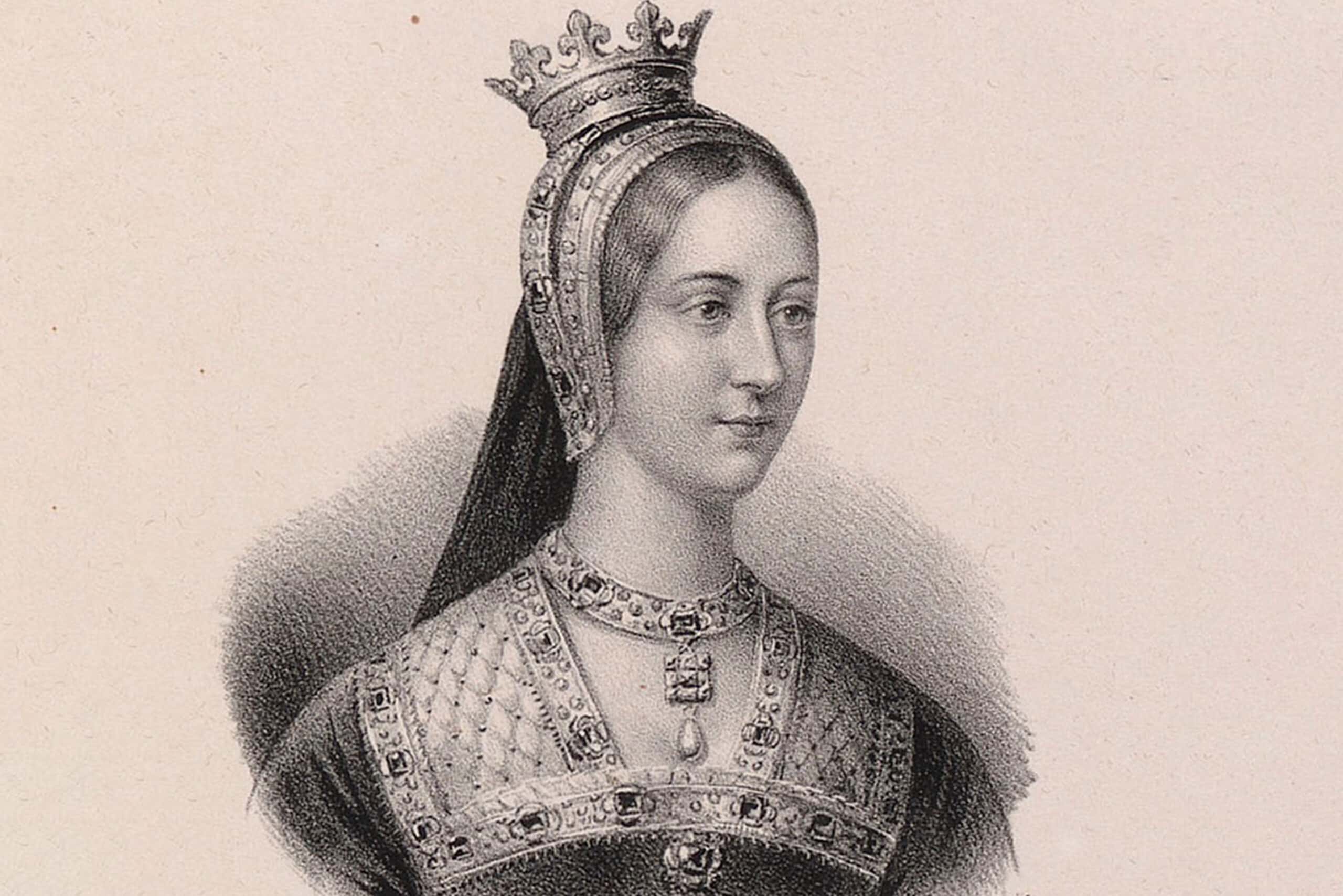
30. He Made A Solemn Promise
With Mary newly widowed in France, Henry VIII made a fateful choice. Perhaps giving into his friend’s emotions, he sent Charles Brandon to bring his sister back to England and into the Tudor fold—but he did so on one condition. Under no circumstances was Charles to propose to Mary or pursue a relationship with her in any way.
Charles gave his promise…and promptly broke it.
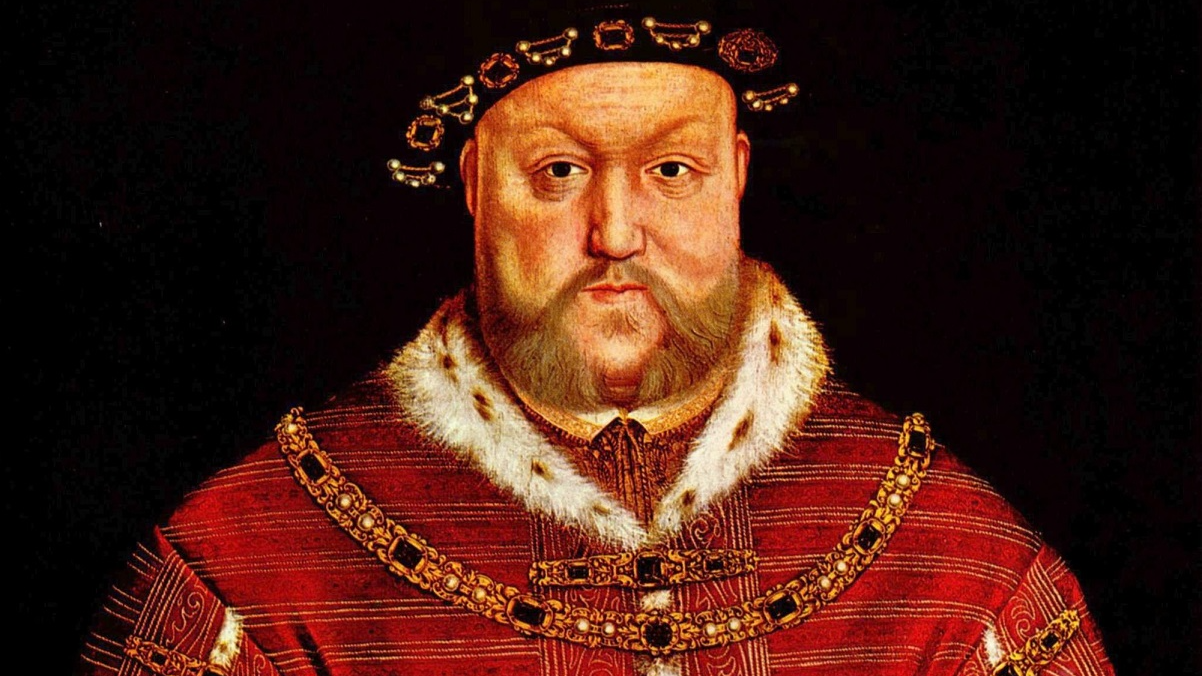 Hans Holbein the Younger, Wikimedia Commons
31. He Broke His Vow
The minute Charles stepped on French soil and found himself in front of Princess Mary, he was a marked man. After all, Mary was a Tudor to her core (headstrong, stubborn, and used to getting what she wanted), and she made quick work of Charles’s pledge. Charles wrote to Henry that he “never saw a woman so weep”—and then he undid everything.
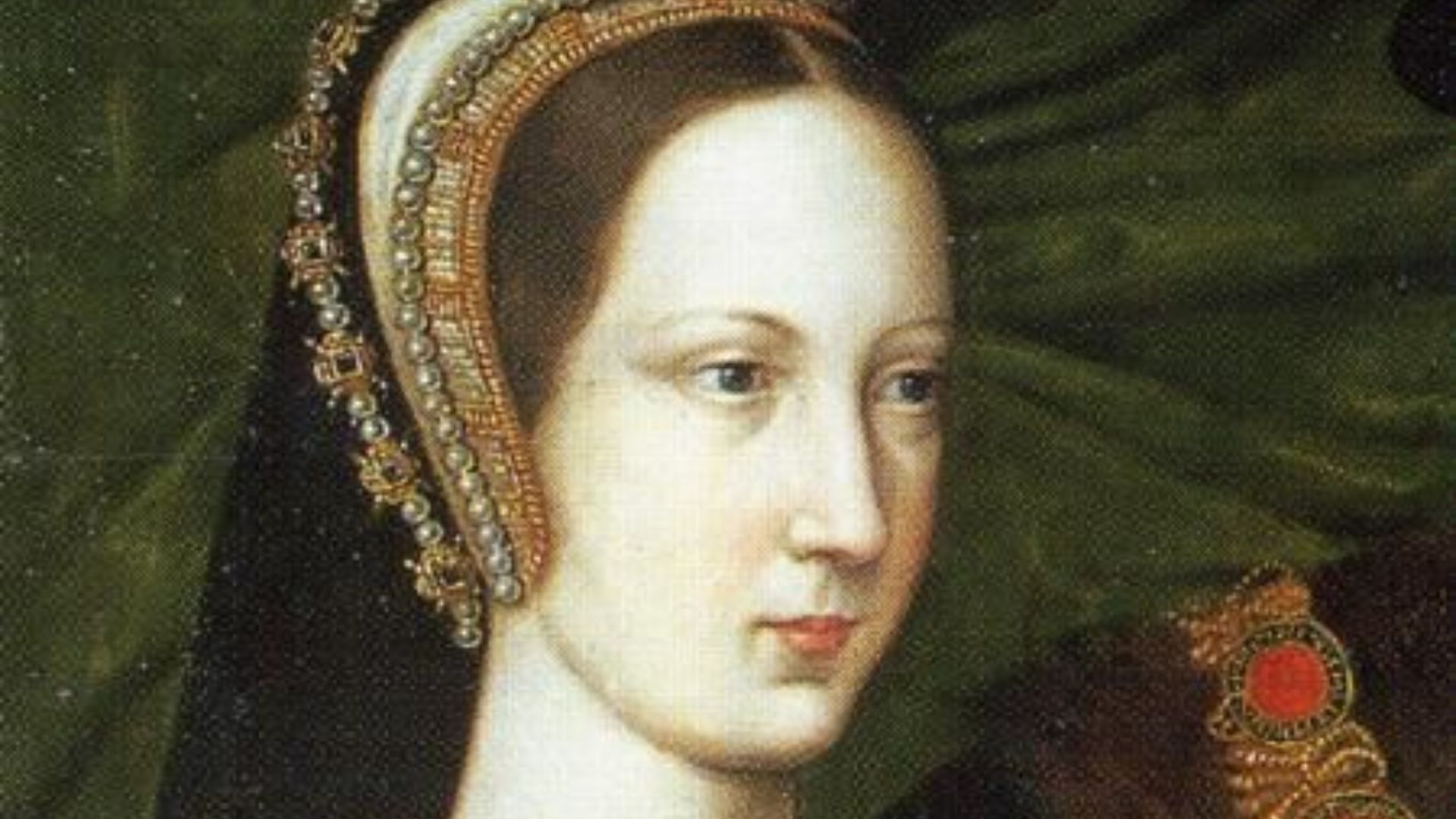 Attributed to Jan Gossaert, Wikimedia Commons
32. He Had Another Secret Wedding
Unable to deny their feelings any longer, Charles and Mary went in secret to the Hotel de Cluny in Paris and married in March 1515—making this Charles’s second secret wedding. Only 10 people were present at the union, though they did have King Francis I in attendance to make sure the marriage was undeniable.
Even so, it didn’t make it any less scandalous: Charles hadn’t just thrown away his contract with young Elizabeth Grey. In marrying a royal princess without the king’s consent, he had also just committed treason.
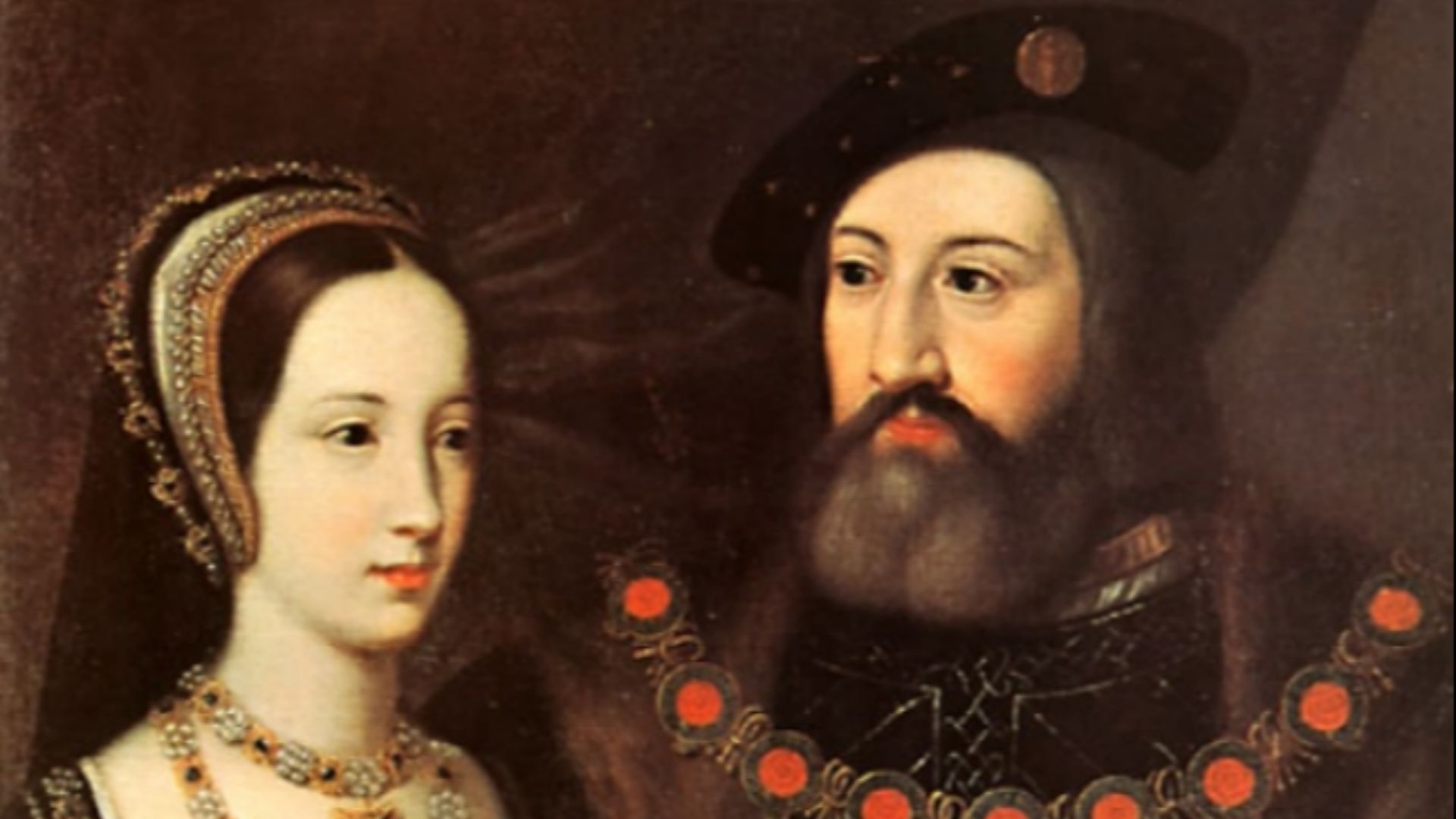 Attributed to Jan Gossaert, Wikimedia Commons
33. He Infuriated The King
When word got back to Henry VIII that his favorite sister and his favorite courtier had married, his response was disturbing. He flew into one of his rages, and his Privy Council was all too ready to suggest that Charles should be imprisoned or even executed (Mary, for her part, was exempt as royalty).
We now know that Henry was very capable of executing those he once held dearest, but this time there was a twist.
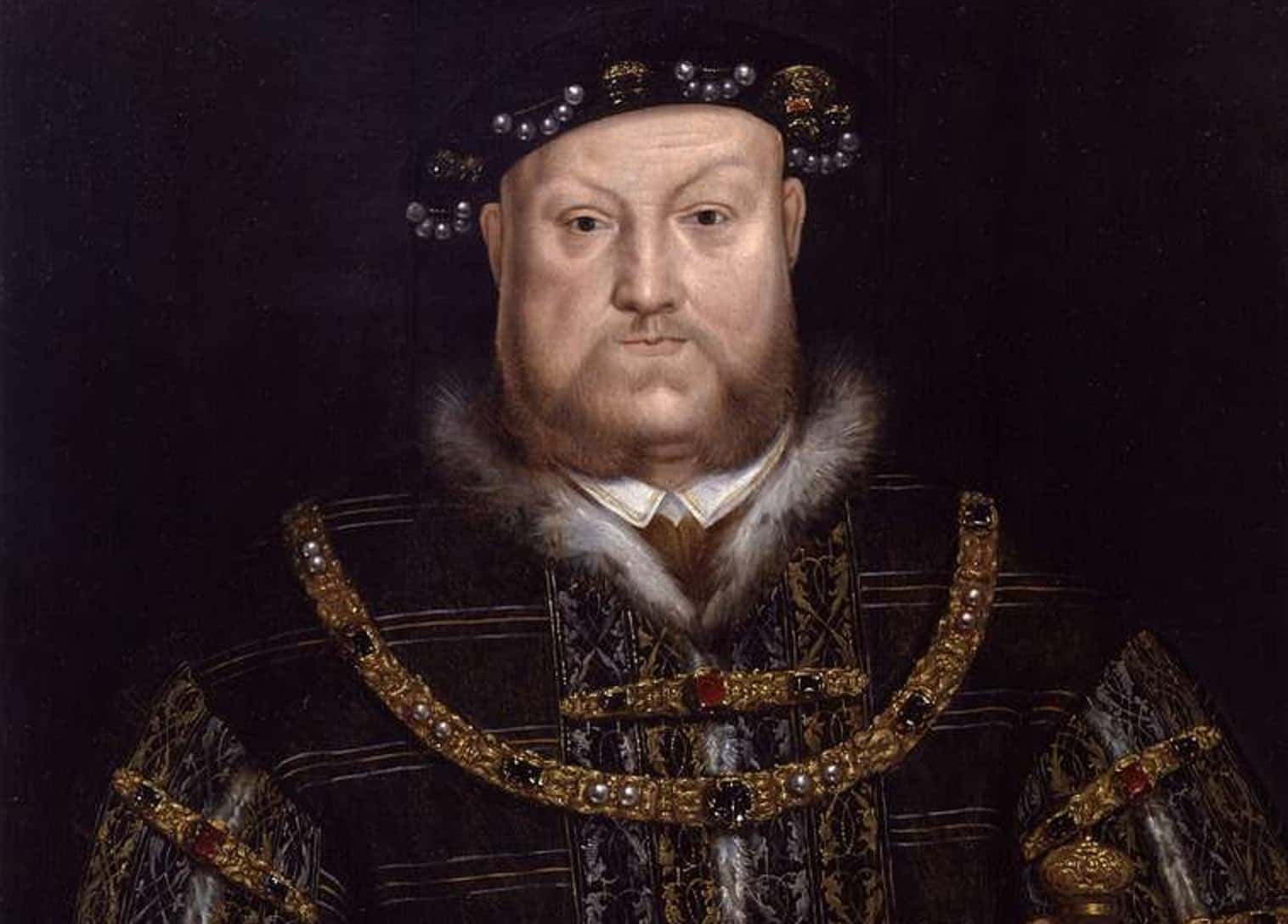
34. He Had A Guardian Angel
Henry’s Lord Chancellor Thomas Wolsey, who was both kin and comfortable with Charles Brandon, began working overtime to convince the king to forgive his best friend and welcome the new couple back to England. Against all odds, it worked: They did return that spring, just a few months after their elopement, with their heads firmly attached.
Nonetheless, Henry made them pay a heavy price.
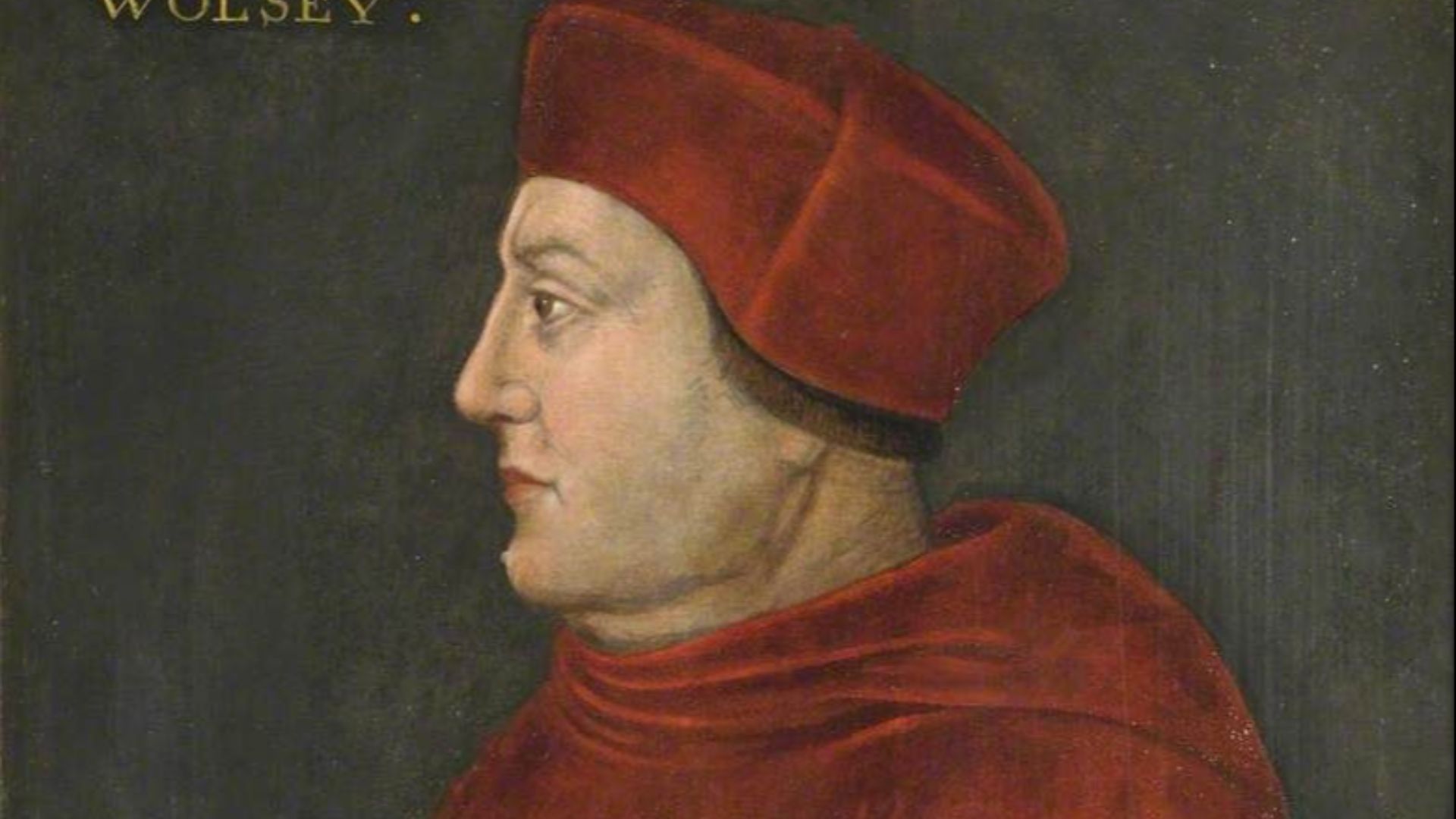
35. His Best Friend Made Him Pay
Still irritated at Charles and his sister—not to mention annoyed at the loss of a new advantageous marriage—King Henry VIII fined the couple 24,000 pounds, which they were to pay him in yearly instalments. Still not satisfied, he also took back all of Mary’s dower, plus a few choice treasures from the late King Louis XII of France.
But through it all, Charles came out on top.
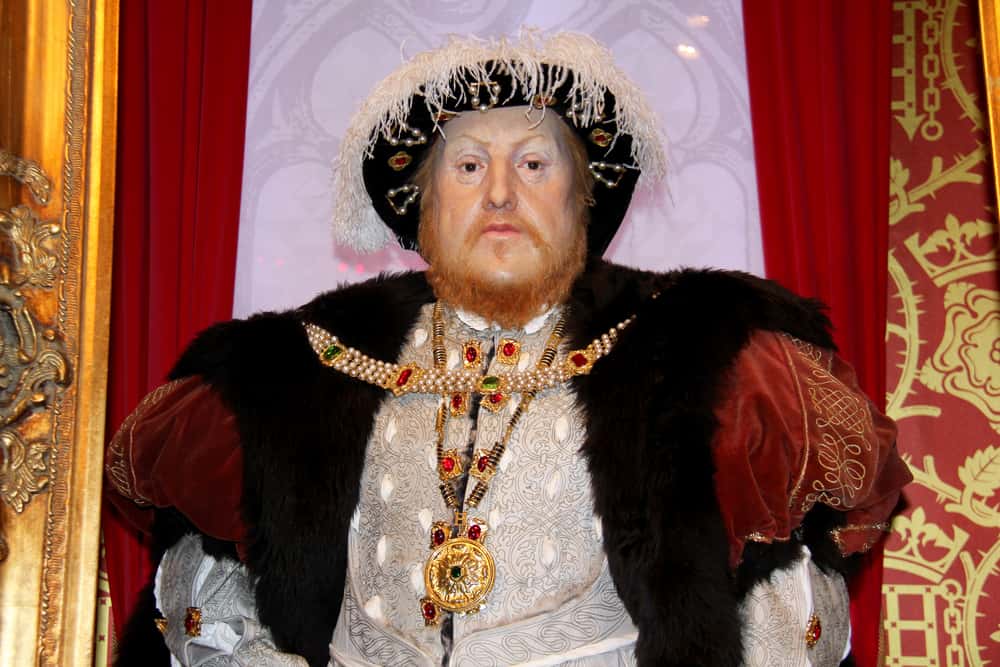
36. He Was In The Clear
In May of 1515, Charles and his bride had a second, more official ceremony back in England at Greenwich Palace, this time with King Henry VIII in attendance. Eventually, Charles also managed to convince the Pope to give him a papal bull that utterly nullified his first marriage to the still-living Margaret Neville, making sure no one could ever impugn his third wedding.
It was the beginning of a brief Eden for Charles Brandon.
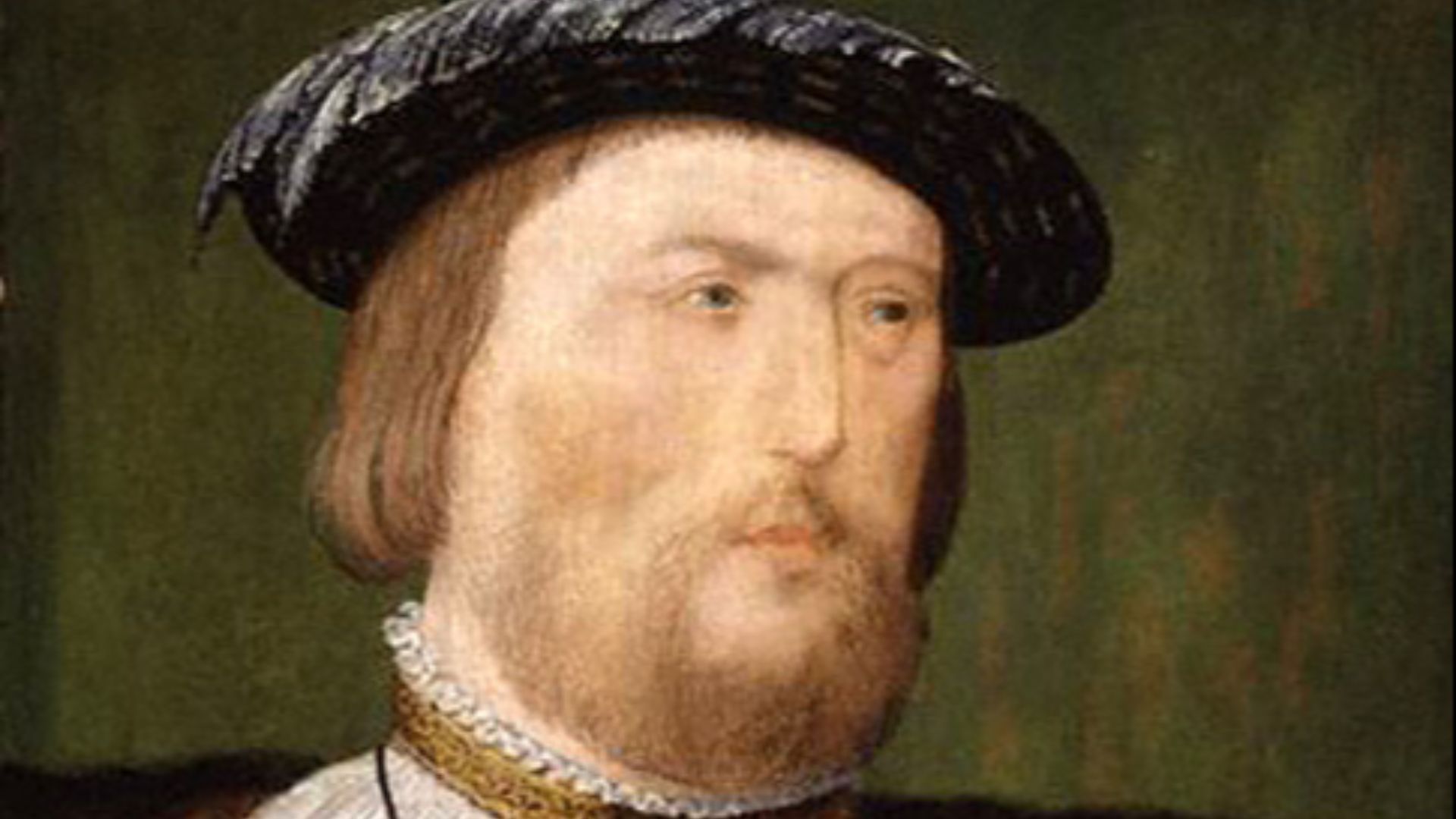 Unknown authorUnknown author, Wikimedia Commons
37. He Finally Had Everything
Mary and Charles, by most accounts, had a happy union. Not only did Mary raise Charles’s two daughters from his second marriage, the pair also had four children together, with another two daughters, Frances and Eleanor, surviving into adulthood.
It was, at long last, a kind of happy ending. But as soon as Charles got what he wanted, it was Henry VIII who began falling apart.
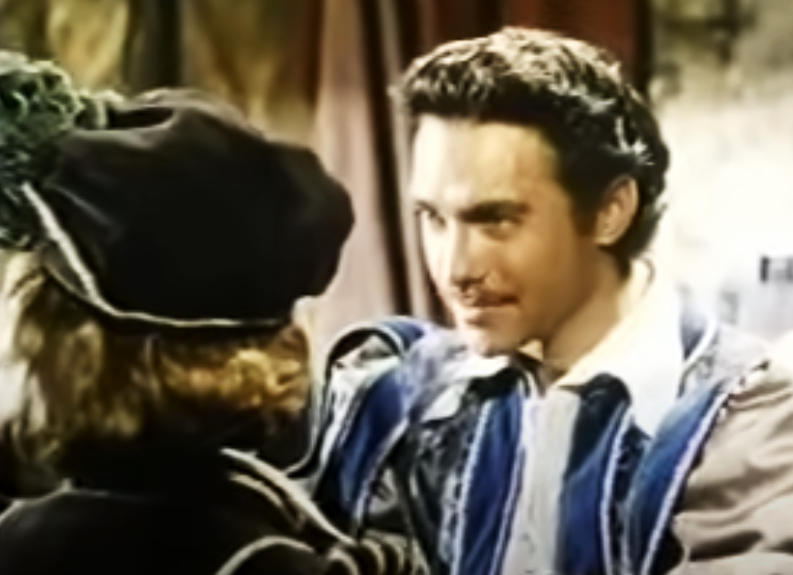 Walt Disney, The Sword and the Rose (1953)
38. His Court Was In Peril
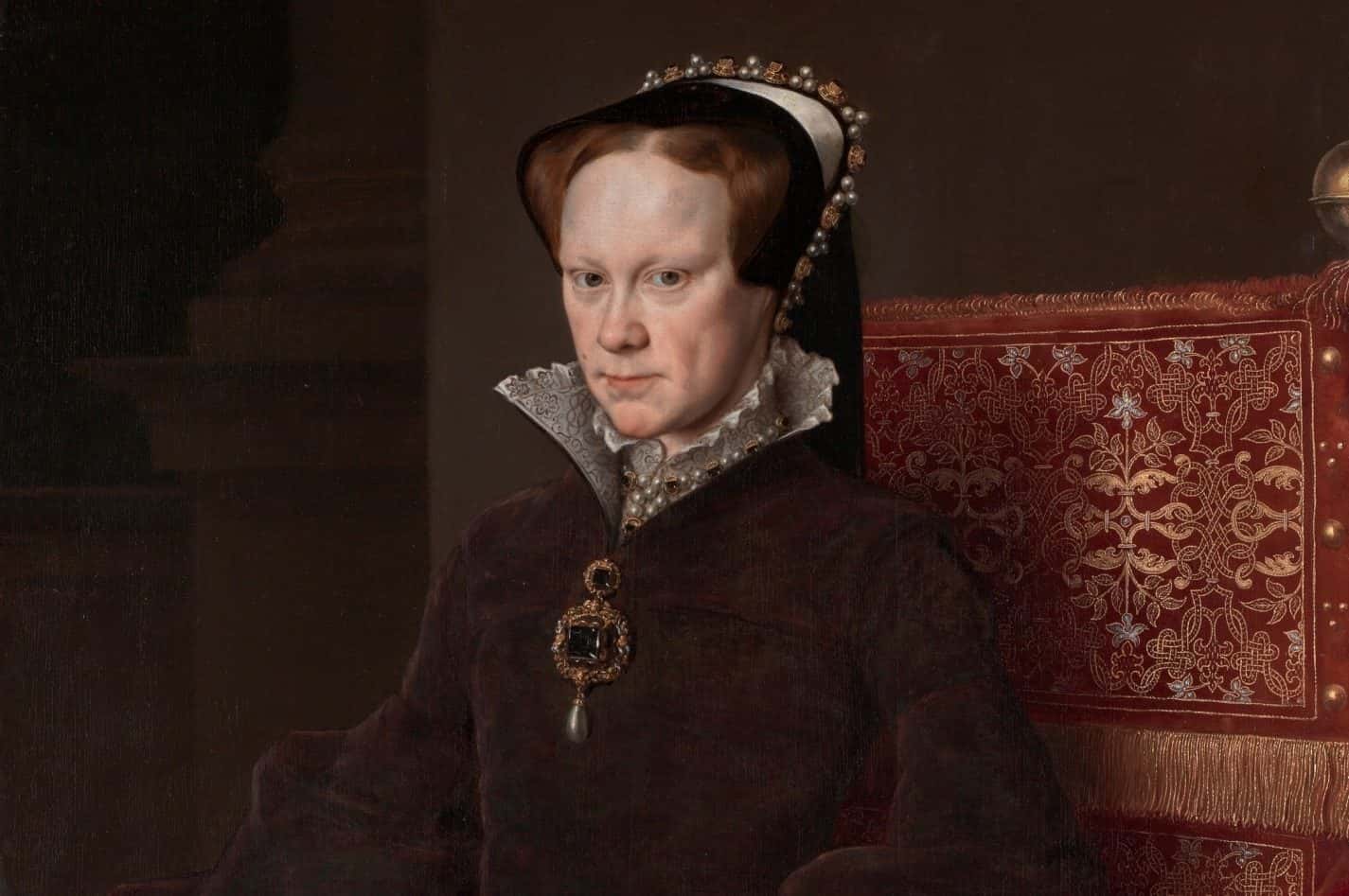
During this time, Henry’s marriage to Catherine of Aragon had suffered a brutal series of infant deaths, miscarriages, and stillbirths of male heirs that Henry desperately wanted to secure his line. A year after Charles’s marriage, Catherine would give birth to her only surviving child, a “disappointing” daughter, Queen Mary I of England, and have one final stillbirth soon after.
Charles, who thrived only when King Henry VIII thrived, must have been concerned. He had no idea how bad it would get.
39. A Rival Entered The Court
In dire need of a stable line of succession, Henry began to believe (or at least claimed) that God had cursed his union with Catherine because he had married his brother’s widow. To make matters worse, by 1525, Henry had become obsessed with his mistress Anne Boleyn, and began planning to drop Catherine to make Anne his queen.
Charles’s response wasn’t what you might think.
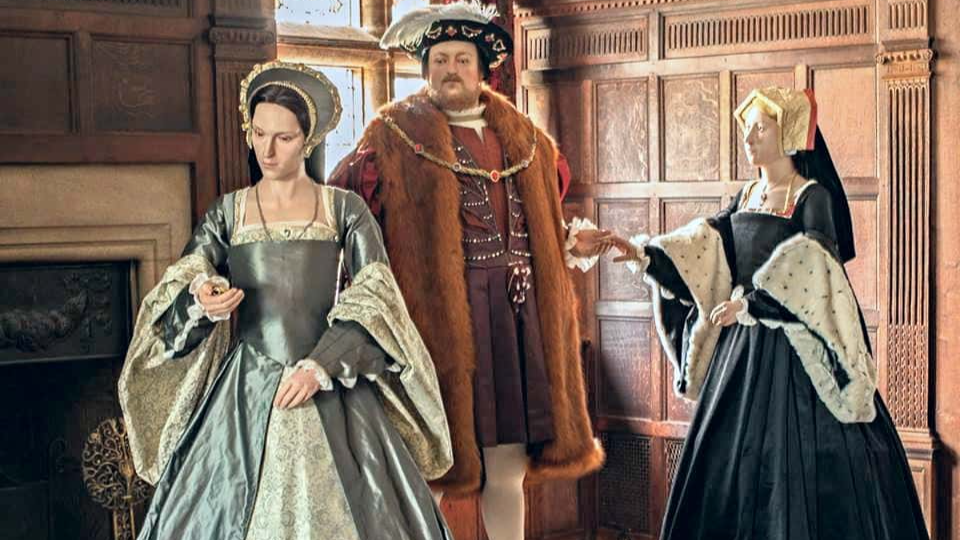 Ann Longmore-Etheridge, Flickr
40. He Supported A Dark Horse
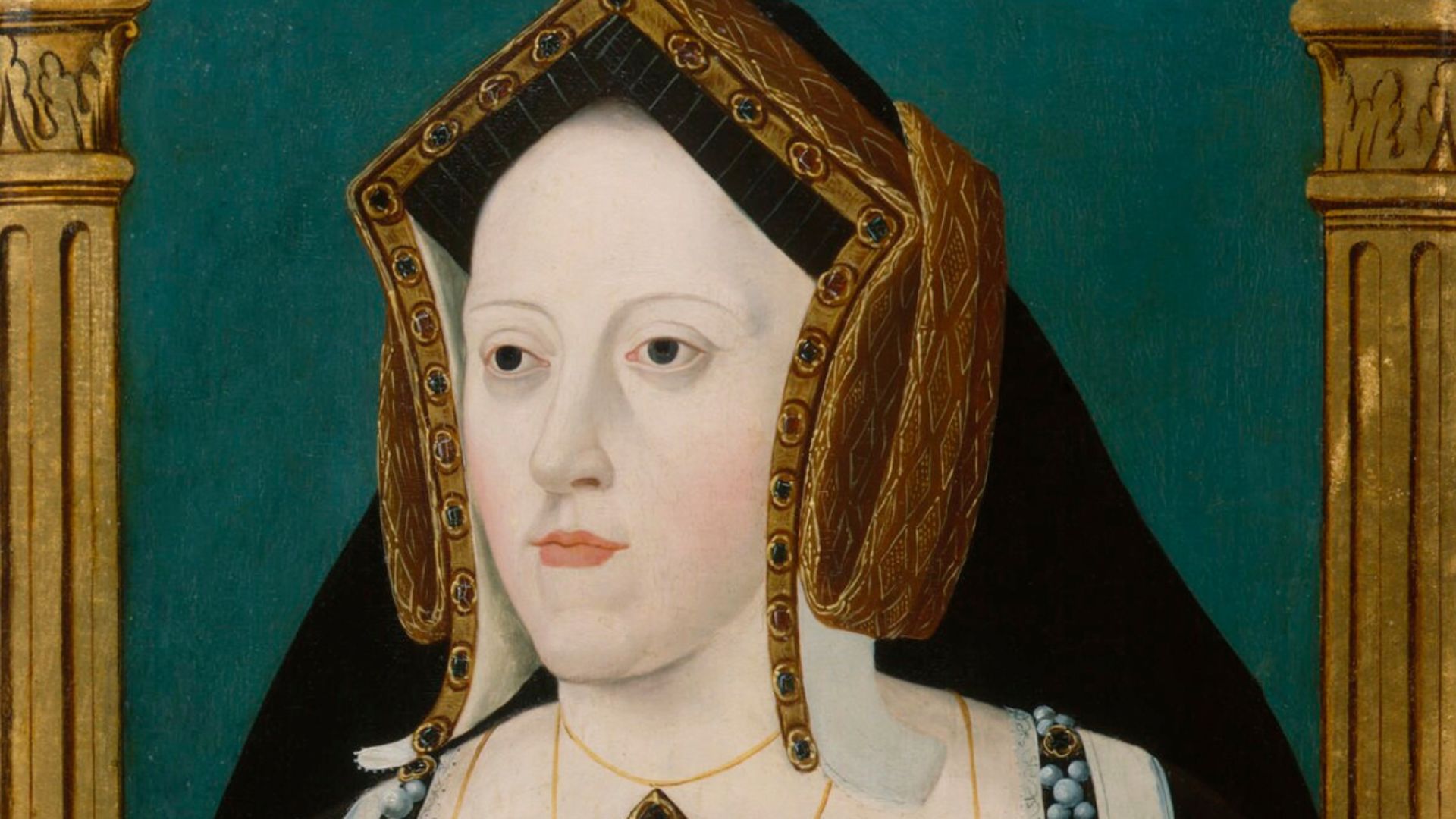
Charles and Mary Tudor, as part of Henry’s inner circle, no doubt got wind early of the King’s intentions with Anne Boleyn. They were also bitterly set against it: Both of them cared for Catherine of Aragon and tried to support her behind the scenes whenever they could.
Only, it wasn’t just that they liked Catherine—it was also that they hated Anne Boleyn.
41. He Despised The King’s Mistress
Anne Boleyn had been part of the entourage that brought Princess Mary to France for her first marriage, and Mary’s impression of the girl there was apparently dismal. Charle’s wife developed a lasting dislike for Boleyn, who had a reputation around court for being snappish and haughty, and the couple took to her even less as Henry’s object of obsession.
Then this royal dislike turned fatal.
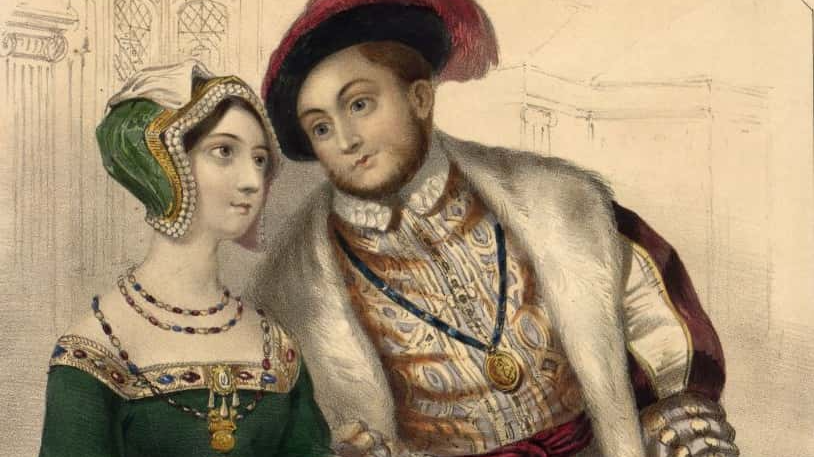
42. His Feud Turned Bloody
Much to Charles and Mary’s dismay, Anne’s hold on Henry only grew as the years went on—and so too did their rancor for her. It had disastrous consequences. In 1532, Charles’s wife reportedly let out such “opprobrious language” against Anne that, when it got back to Anne’s uncle the Duke of Norfolk, his followers attacked and killed one of Charles and Mary’s men.
The Boleyns vs the Brandons was a royal feud for the ages, and the court reportedly went into an “uproar”. Yet more loss quickly overshadowed this scandal.
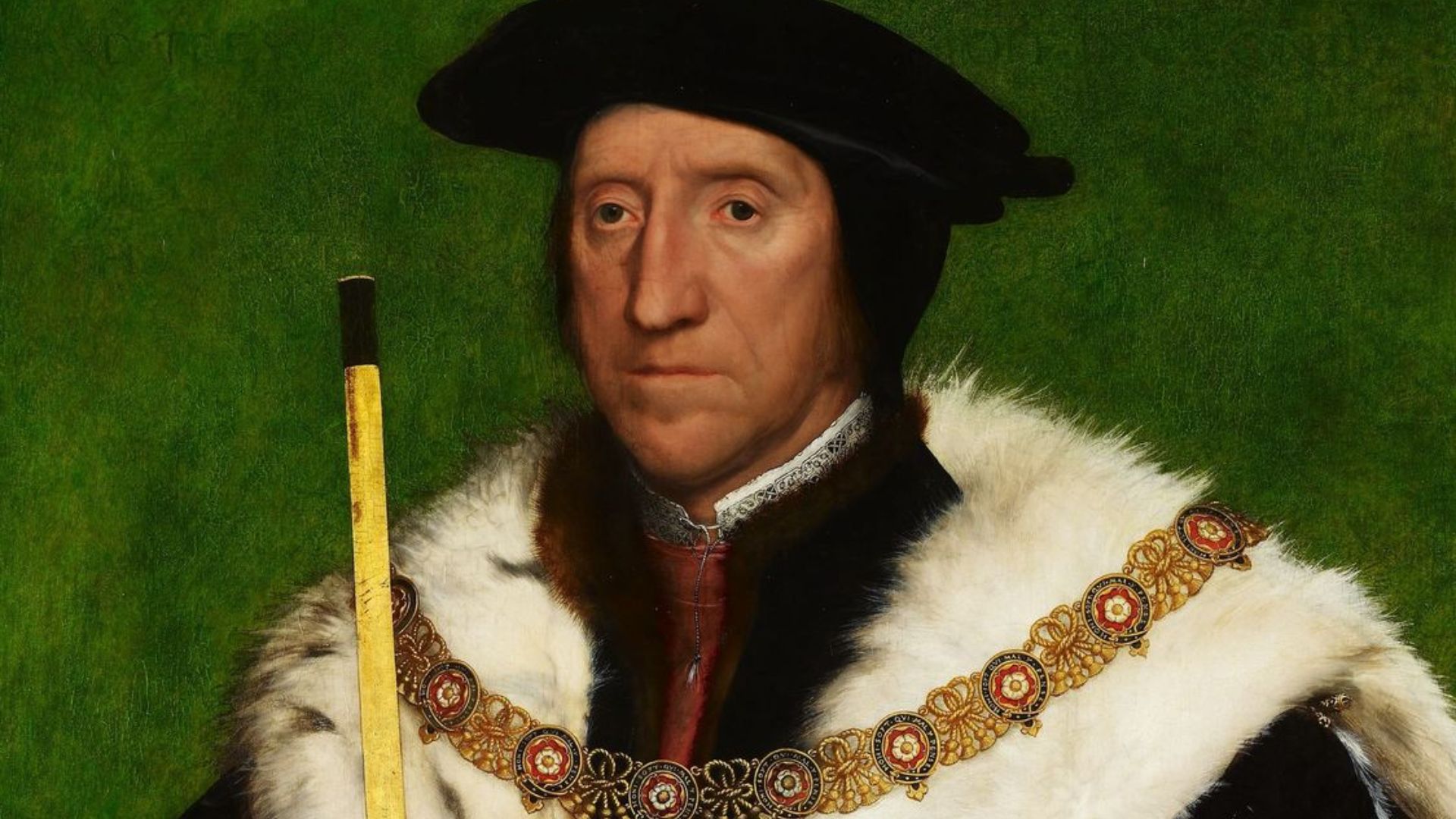 Hans Holbein the Younger, Wikimedia Commons
43. His Wife Died Young
Apothecary records show that Mary Tudor was frequently ill, but after catching the sweating sickness—the same illness that likely killed her brother Prince Arthur—in 1528, her health plummeted and never recovered. Although she pushed on for a few more years, she finally expired in June 1533 at the age of only 37.
It was a brutal blow to the Brandon family, but it began getting seedy almost immediately.
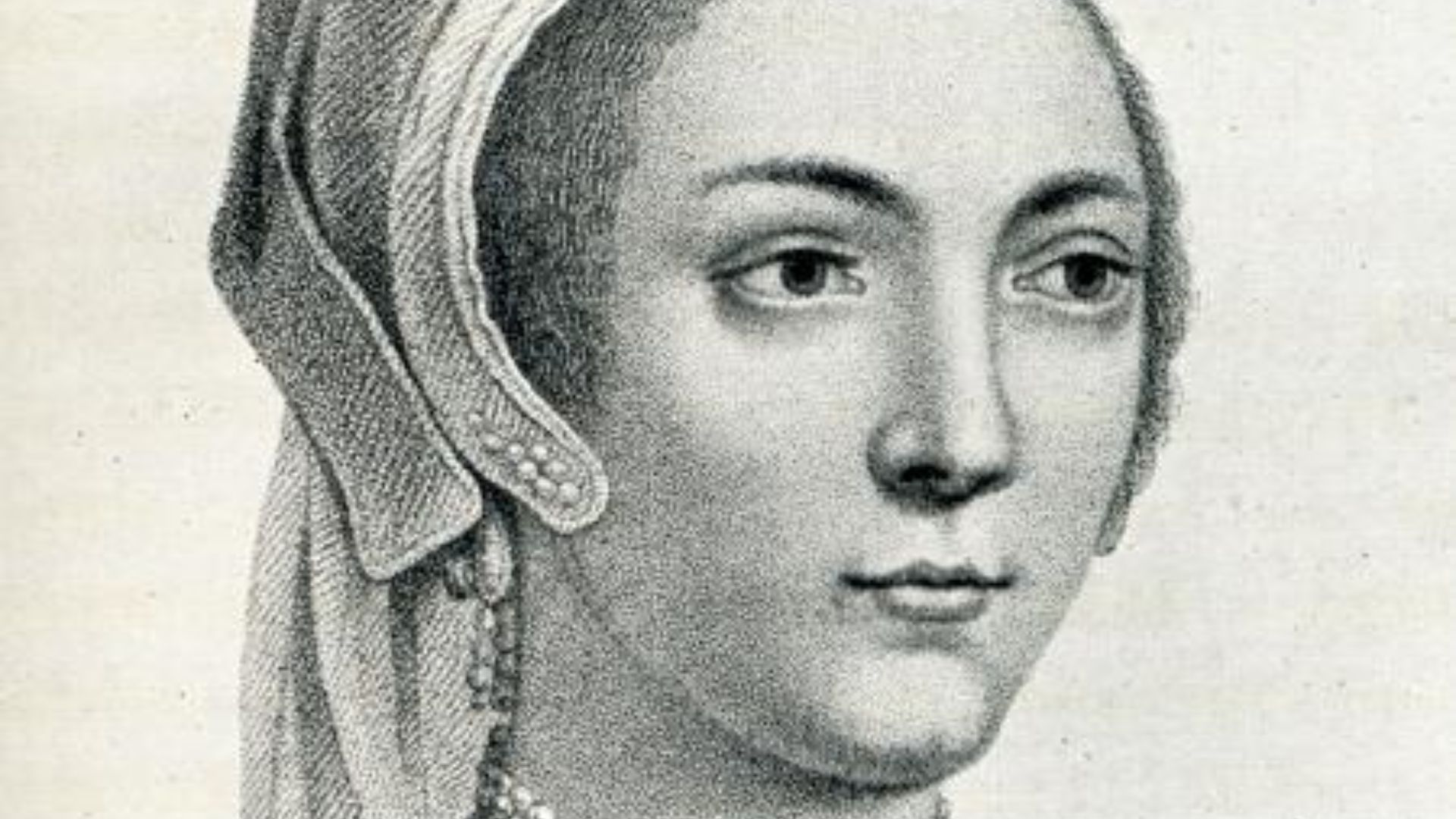 Original sketch by Hans Holbein the Younger, author of the copy unknown, Wikimedia Commons
44. His Daughters Embarrassed Him
Per tradition, neither Charles nor Henry VIII attended Mary’s lavish funeral, which had 100 torchbearers, 100 yeomen, and both French and English dignitaries. Yet for all that, the Brandon faction managed to considerably class down the proceedings: Although Mary’s biological daughter Frances was chief mourner, her two stepdaughters scandalously pushed to the front of the cortege right before Mary’s coffin was lowered down.
Somehow, though, Charles managed to outdo his daughters.
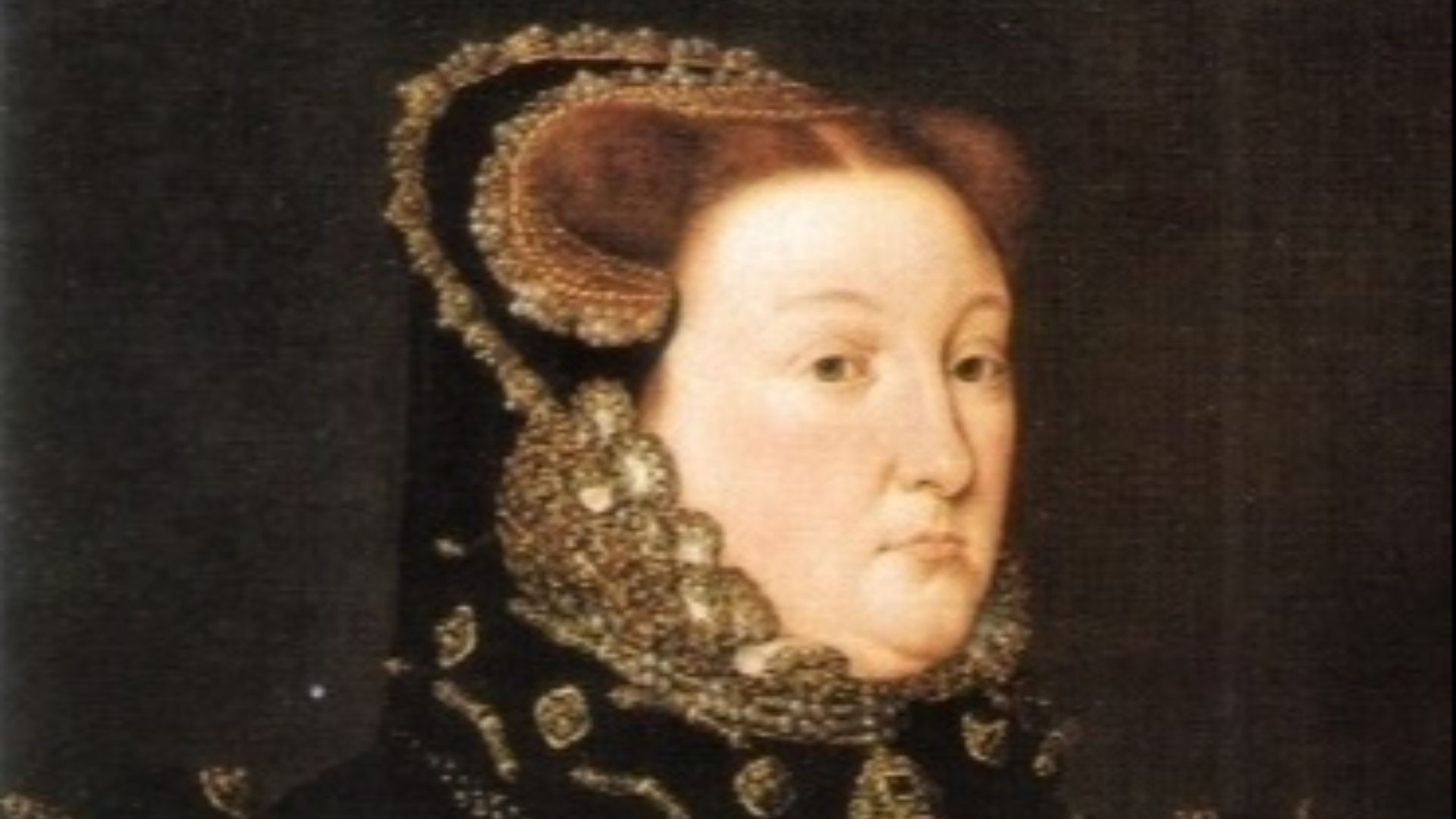 unbekannter Künstler, Wikimedia Commons
45. He Caused Another Scandal
Two months after Mary Tudor’s funeral, Charles scandalized the court one last time. With little care for decorum, he married Katherine Willoughby, a baroness, an heiress, and the daughter of one of Catherine of Aragon’s most trusted ladies-in-waiting, before his royal third wife was even cold in the ground. And, as usual with Charles, it gets creepier.
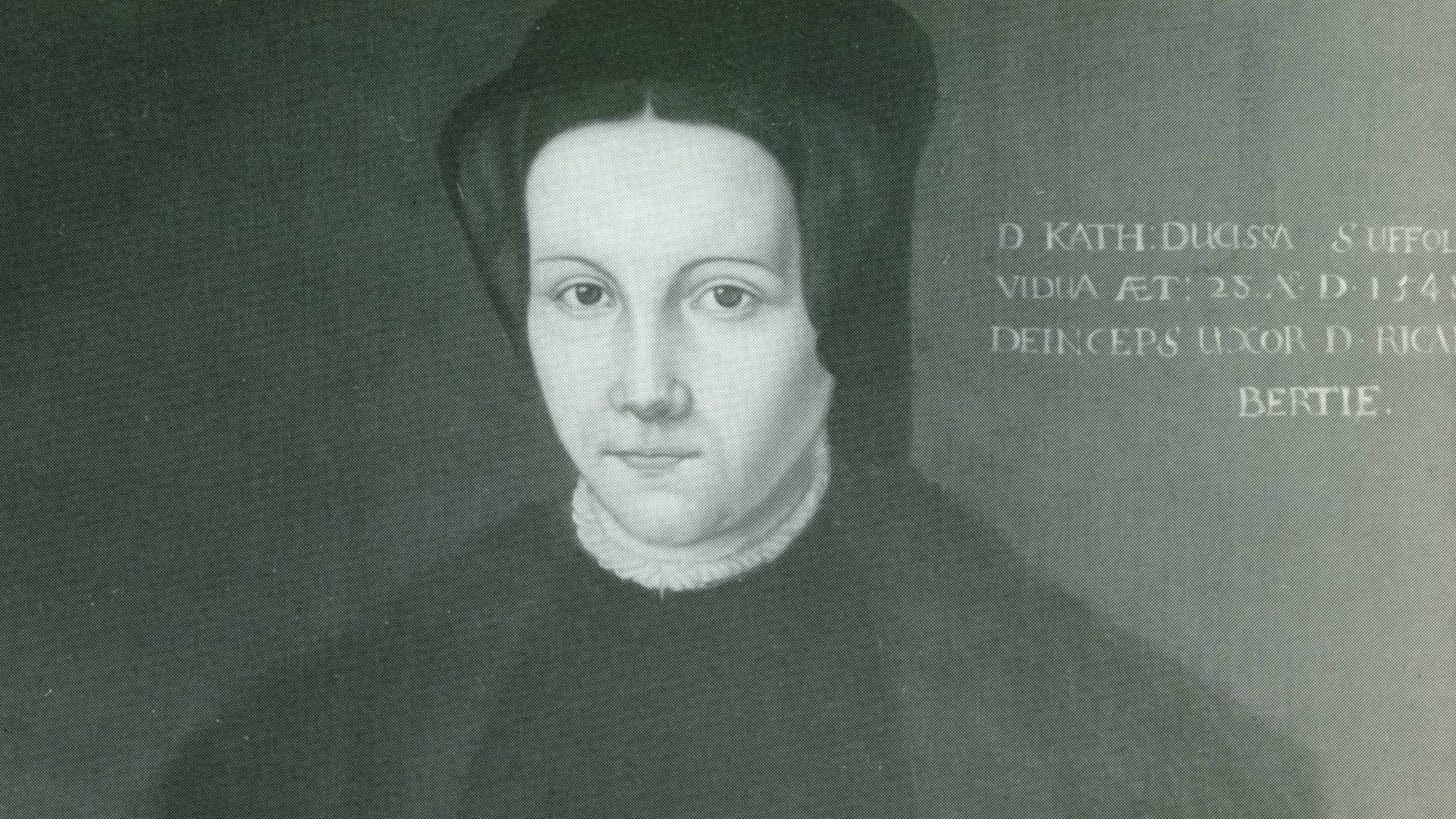 Unidentified painter, Wikimedia Commons
46. He Was Lecherous
Charles Brandon definitely had a pattern. As with his one-time fiancee Elizabeth Grey, Katherine Willoughby had actually been Charles’s legal ward before she became his fourth wife. In reality, she probably still should have been his ward: With a 35-year age gap, Charles was nearing his 50s while Katherine was still just 14 years old.
And whatever Charles did, Henry VIII did too…
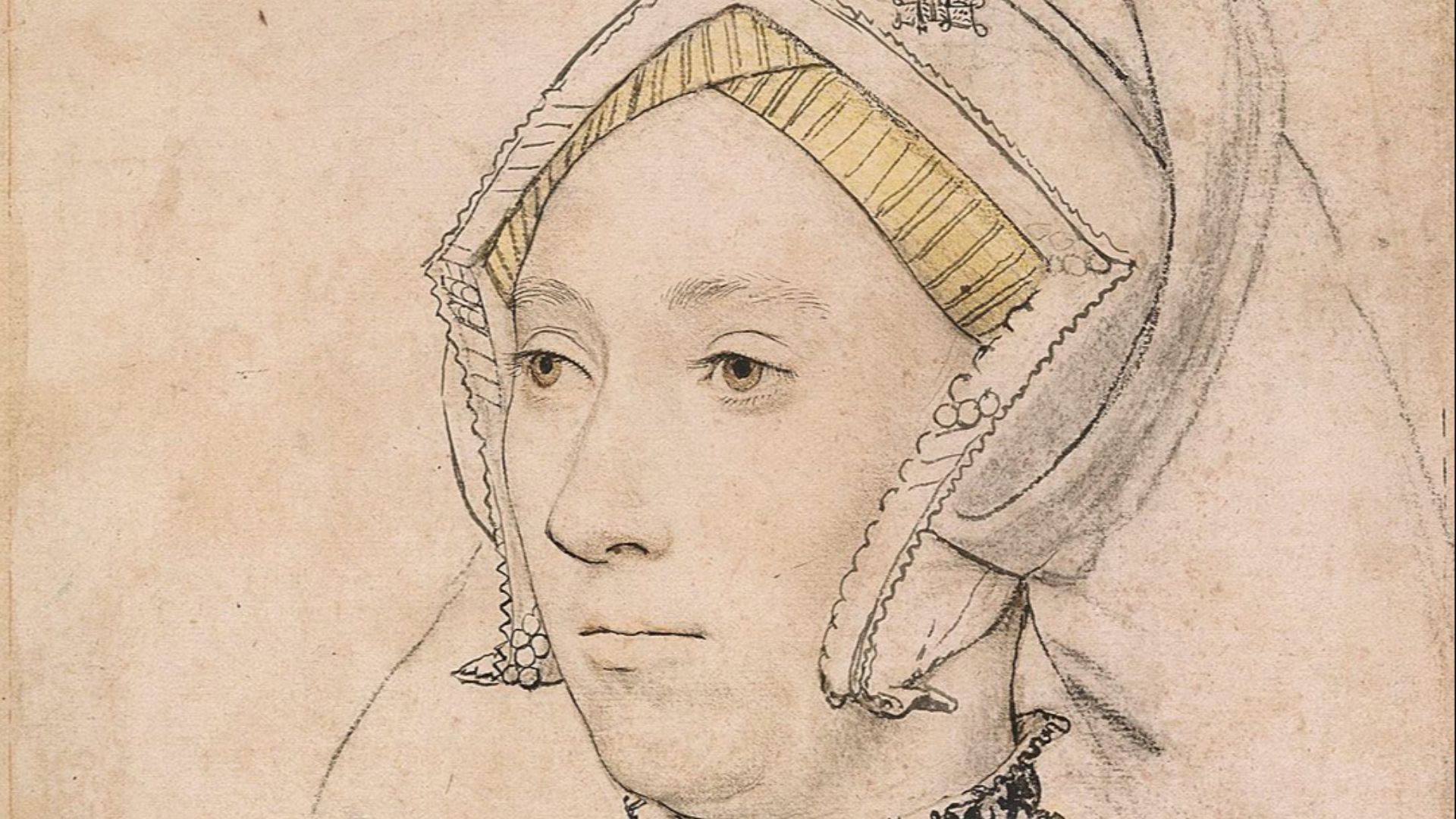 Hans Holbein the Younger, Wikimedia Commons
47. He Did Everything With Henry
The same year that Charles lost his wife and married a new one, his old friend King Henry VIII decided it was high time he remarried too. After mustering the political clout to push the marriage through, Henry wed Anne Boleyn in a secret ceremony, even though Catherine of Aragon was still very much alive and still believed she was the true queen.
Now Henry just needed someone to deliver the bad news to Catherine. And who else but his best friend?
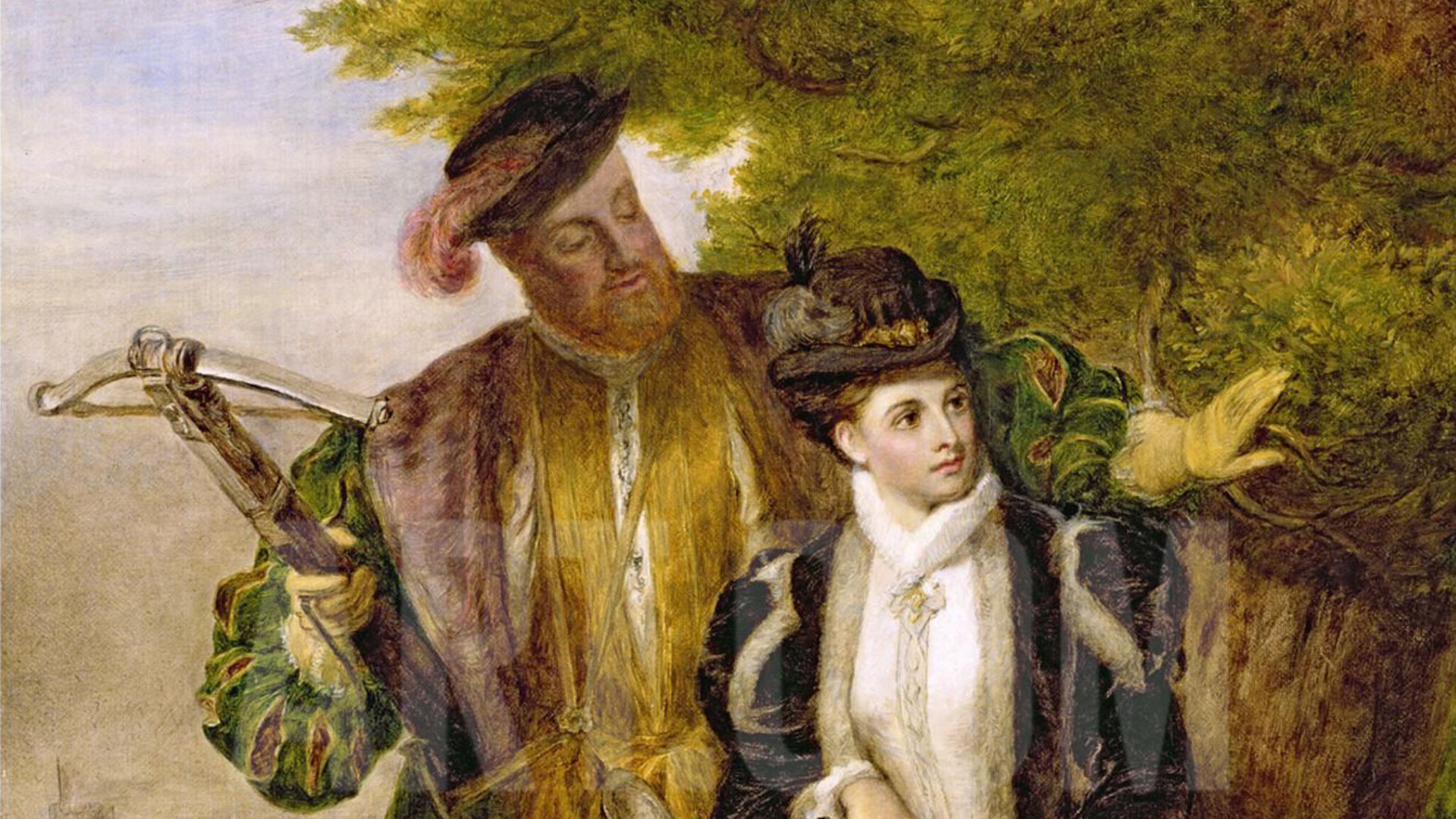 William Powell Frith, Wikimedia Commons
48. He Broke Bad News
At the end of 1533, Charles got into an extremely awkward position. Henry sent him to see Catherine, currently in Buckden Towers, and inform her that not only was she going to be moved to Somersham castle, but she was also no longer to be called “Queen”. Instead, in deference to her marriage to Prince Arthur, she would be merely the Dowager Princess of Wales. Chaos broke loose.
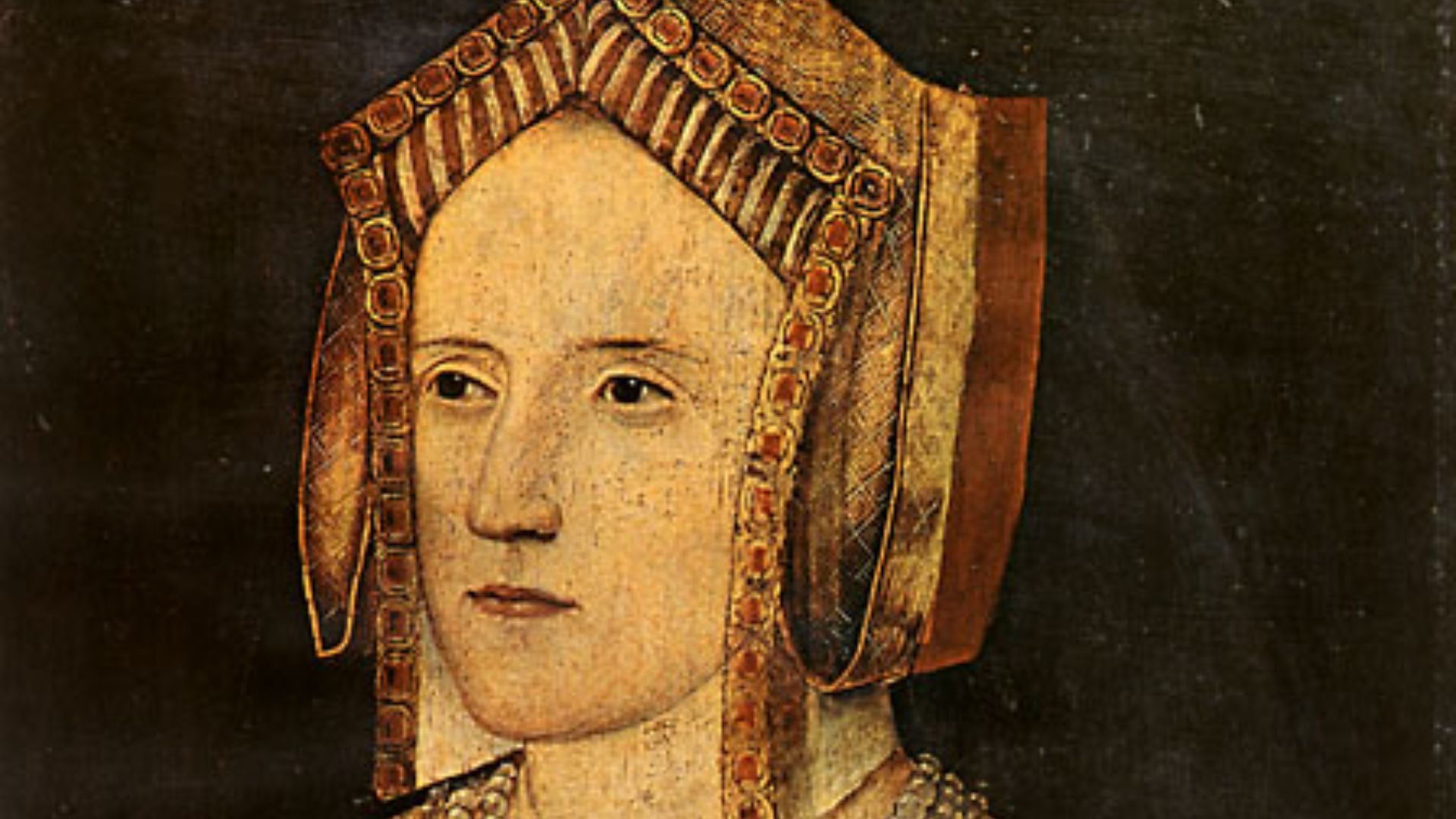 Unidentified painter, Wikimedia Commons
49. He Showed Pity For The Old Queen
Charles, who had always supported Catherine and now had her lady-in-waiting as a mother-in-law, must have been in agony. But Catherine didn’t make it easy for him: Refusing to even countenance what he was saying, she locked herself in a room so no one could make her move to the “unhealthy” Somersham.
Henry, likely on Charles’s pleading, eventually had Catherine moved to the more lively Kimbolton Castle instead, though he never budged on the title. Still, Charles would have to get used to disappointing queens.
50. He Watched Queens Come And Go
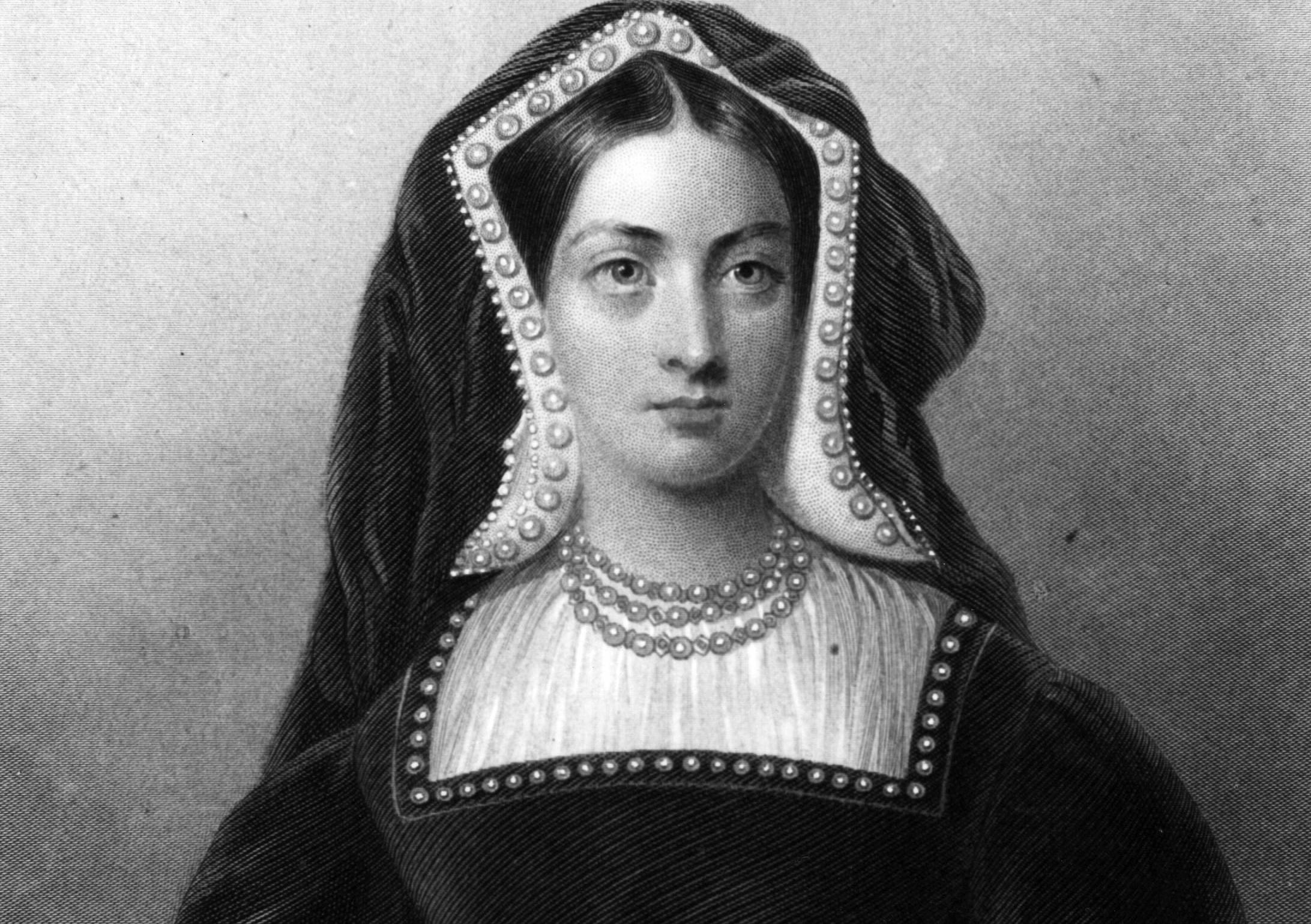
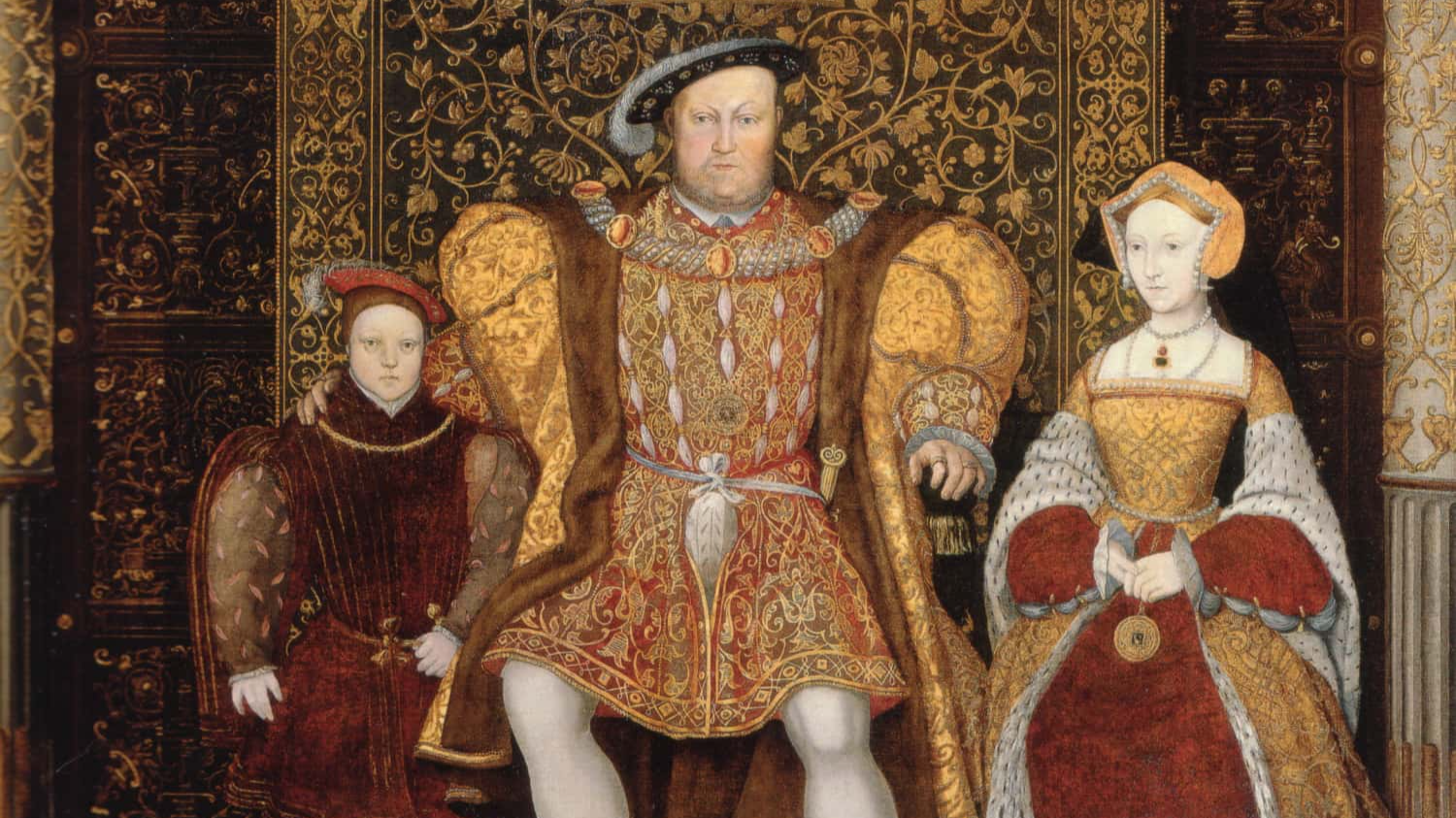
The next decade brought the downfall of so many more of Henry’s queens, with Charles Brandon watching it all from the sidelines: Anne Boleyn, after falling from favor, was executed in 1536, while her successor Jane Seymour died in childbirth in 1537. After, Henry quickly married then divorced Anne of Cleves in 1540, before taking the teenaged Catherine Howard as his bride and then executing her soon after in 1542.
Through it all, only Charles seemed to keep Henry’s love and respect. Right until the bitter conclusion.
 Unknown Author, Wikimedia Commons
51. His End Devastated The King
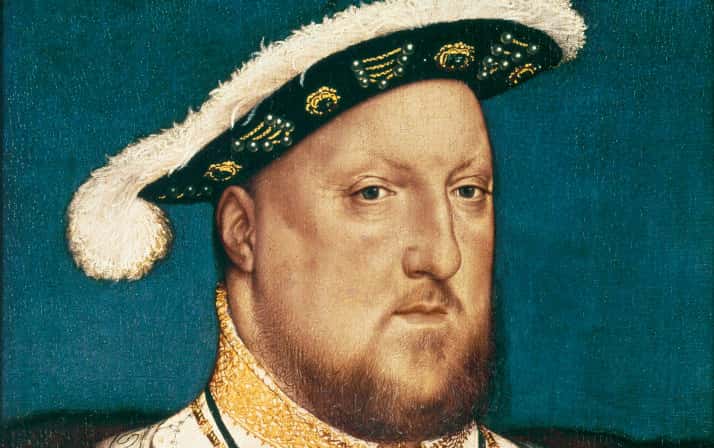
After continuing to serve Henry faithfully, Charles Brandon perished in August of 1545 at the age of 60. The impact of his death was profound. Henry VIII was reportedly heartbroken, and when he heard the news in a Privy Council meeting, he praised Brandon’s long friendship and giving soul before adding, “is there any of you, my Lords, who can say as much?”
Then again, Henry did almost betray Charles at the very end.
52. Henry Wanted What He Had
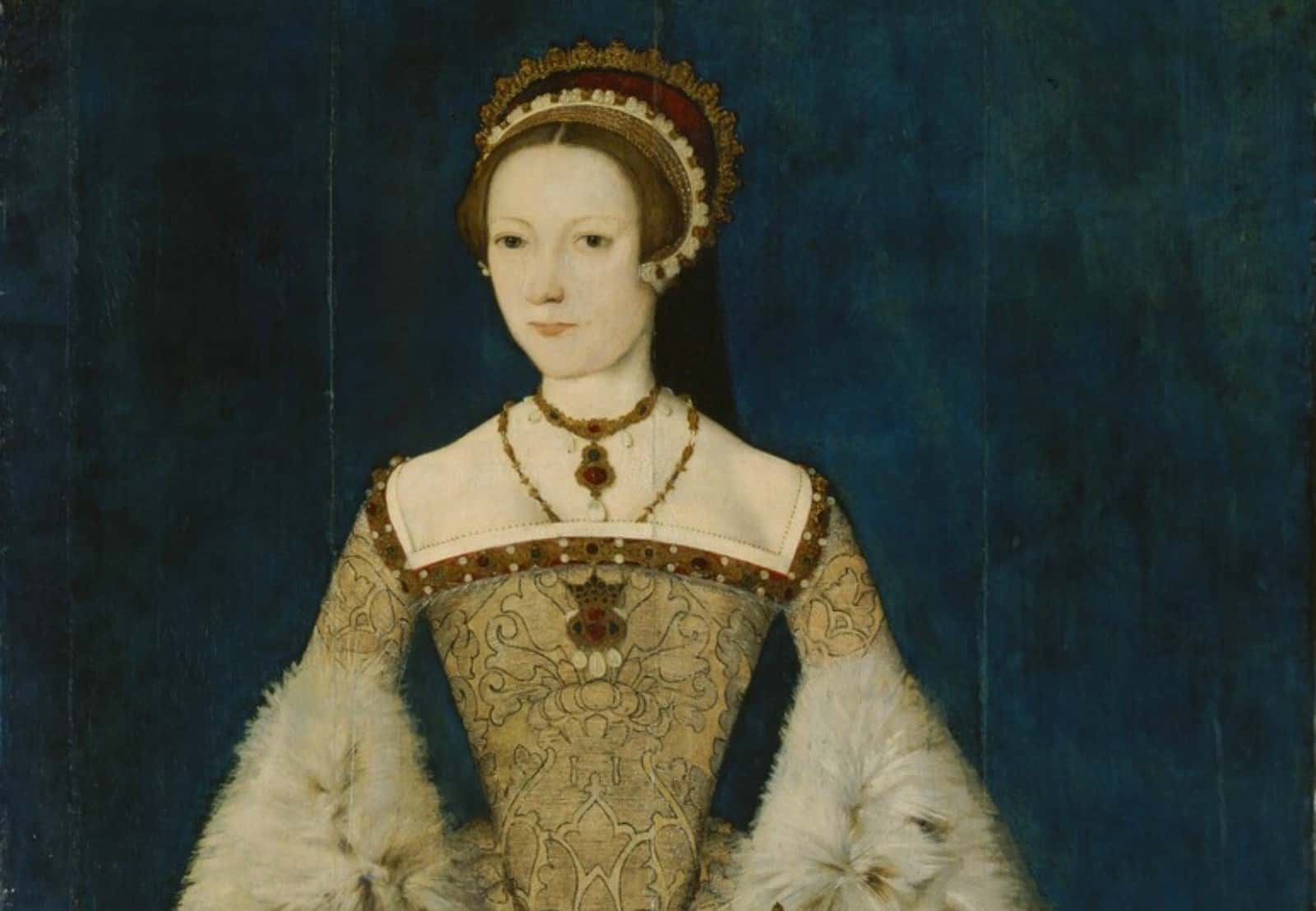
With Charles’s passing, Henry lost his north star, but he still couldn’t help but try to copycat Charles. In the months after Brandon’s death, there were rumors that Henry was looking to divorce his current queen, Catherine Parr, to marry Brandon’s widow Katherine Willoughby.
And there was one final tragedy to Charles’s legacy.
 Master John, Wikimedia Commons
53. He Never Got A Male Heir
Charles had a further two children, sons Henry and Charles, with his fourth wife Katherine, but they couldn’t escape the Brandon bad luck. In 1553, a handful of years after Charles passed, both his young sons were taken by the ever-present sweating sickness, and within hours of each other.
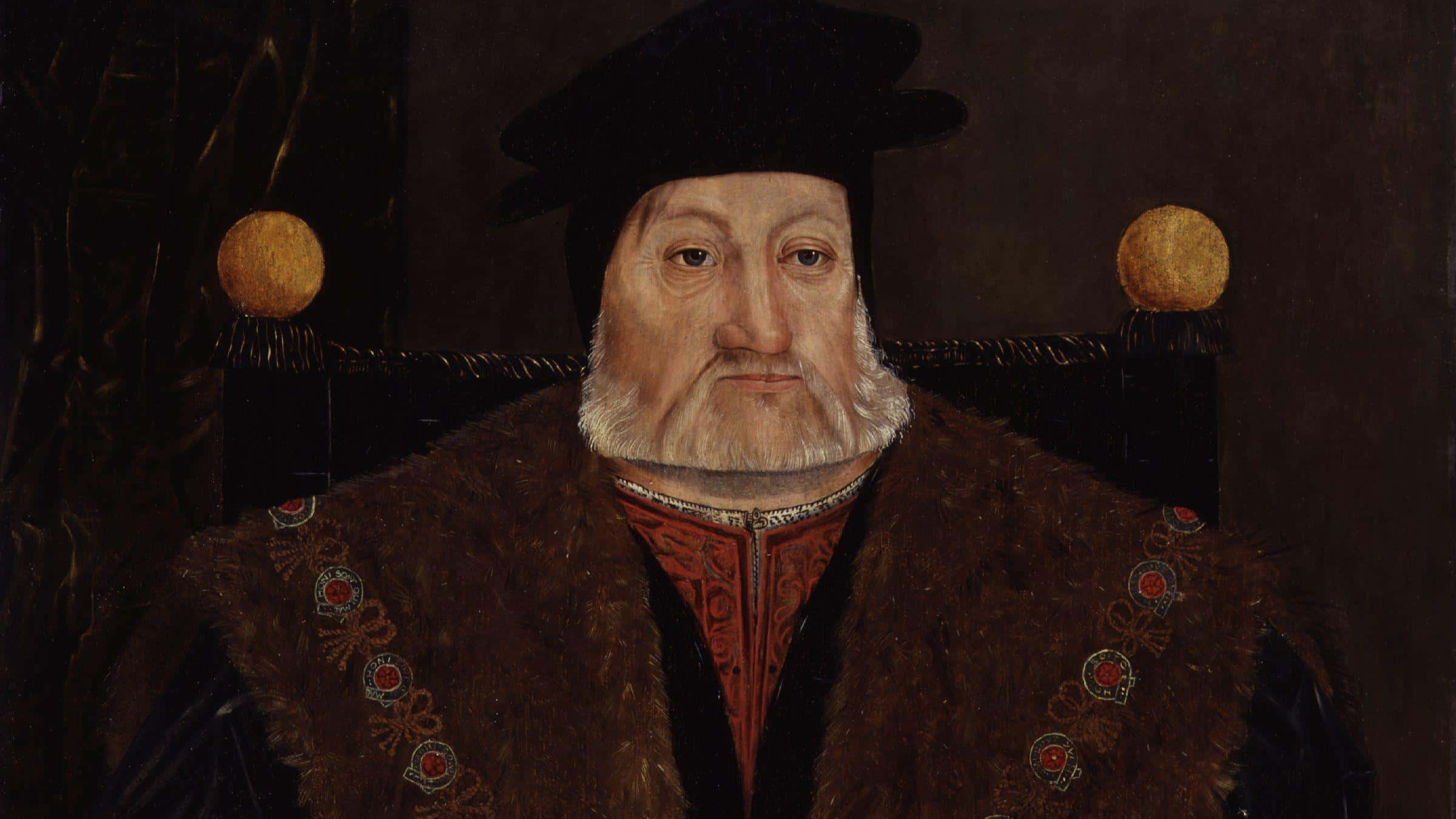 National Portrait Gallery, Wikimedia Commons
You May Also Like:
The Scottish “Tudor” Everyone Forgets
The First Tudor Queen Of England









_by_Master_of_the_Brandon_Portrait.jpg)

_by_Master_of_the_Brandon_Portrait.jpg)


