She Wasn’t What She Seemed
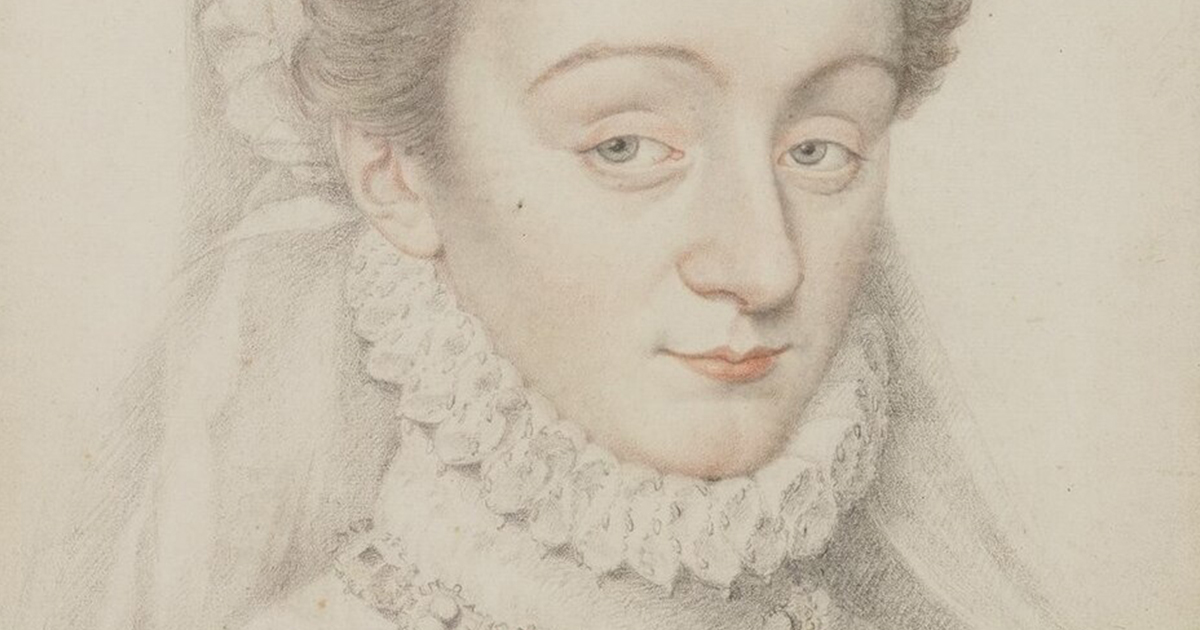
Charlotte de Sauve was the breathtakingly beautiful French noblewoman who rose to prominence as the mistress of King Henry of Navarre. However, as the most successful member of Catherine de’ Medici’s infamous and dangerous “Flying Squadron”, nothing was ever as it seemed with her.
1. She Was Born Into French Nobility
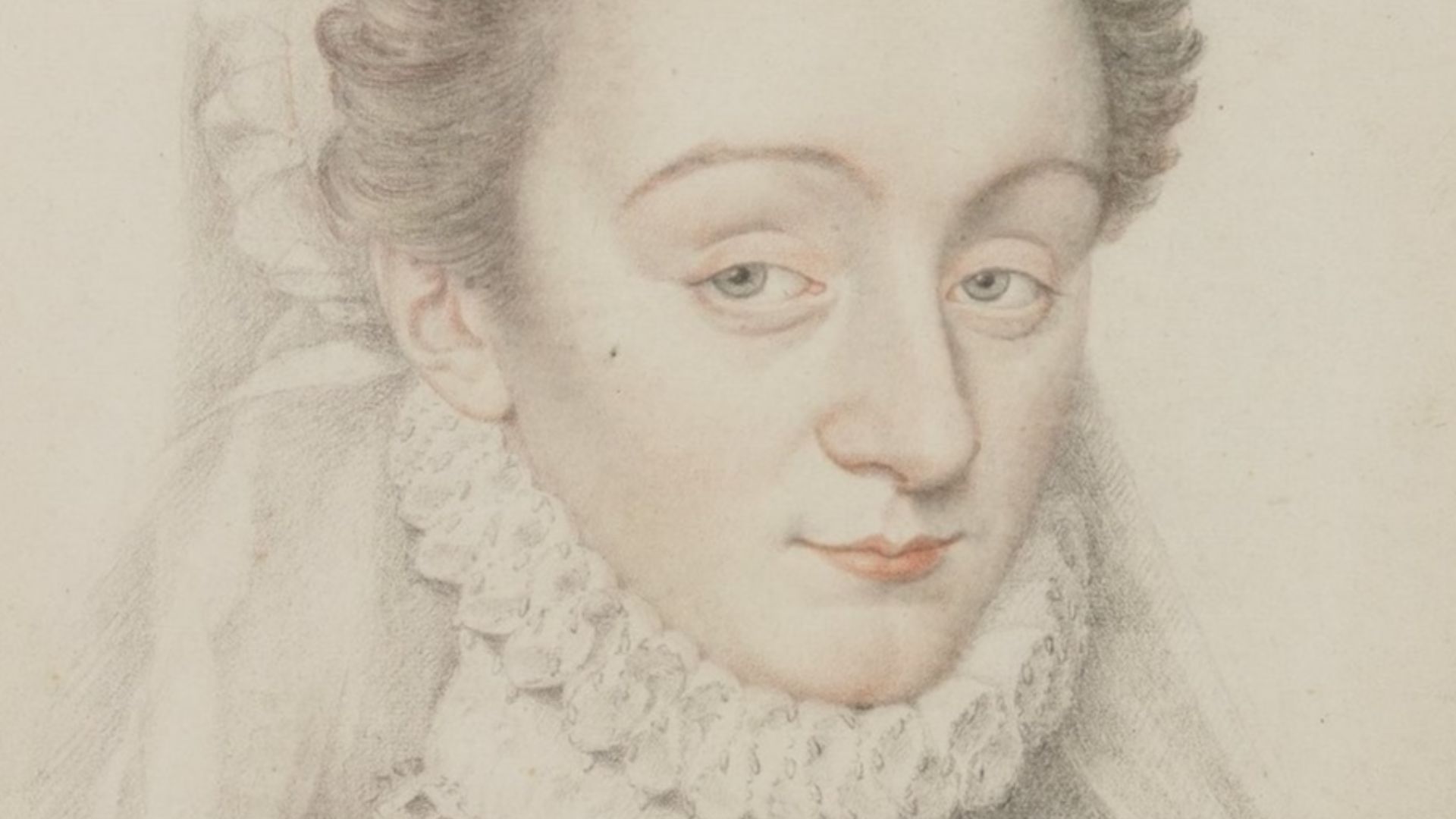
Charlotte de Beaune Semblançay entered the world on October 26, 1551. As the sole child of Jacques de Beaune, Baron Semblançay and Viscount of Tours, and Gabrielle de Sade, she was already the star of the show—and accustomed to getting things her way.
With roots in the ancient aristocracy of Provence, her bloodline ran deep.
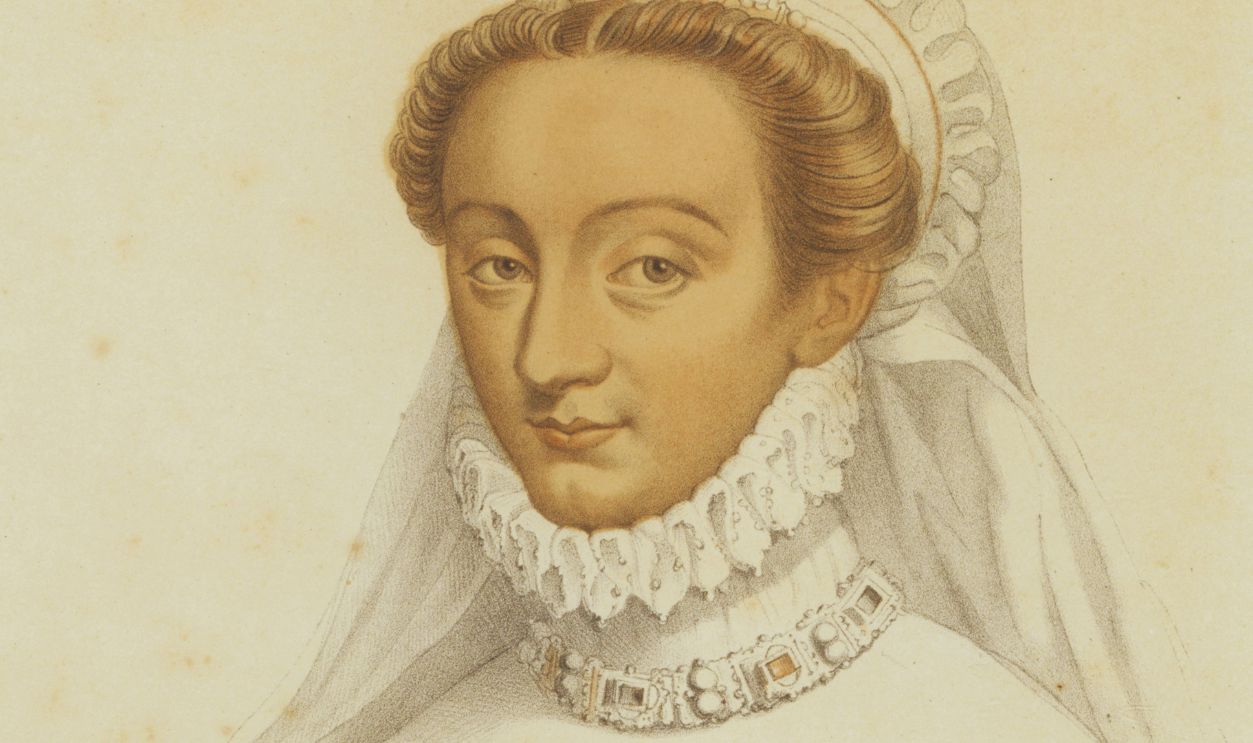
 Pierre Dumonstier, Wikimedia Commons
2. She Inherited Her Father’s Titles
de Sauve would later cause scandals from Paris to Béarn, but her family’s ancestral home lay in the former province of Touraine—a region steeped in history. When she came of age, she stepped into her father’s considerable shoes, inheriting both his barony of Semblançay and the viscounty of Tours.
Her family legacy, however, cut two ways.
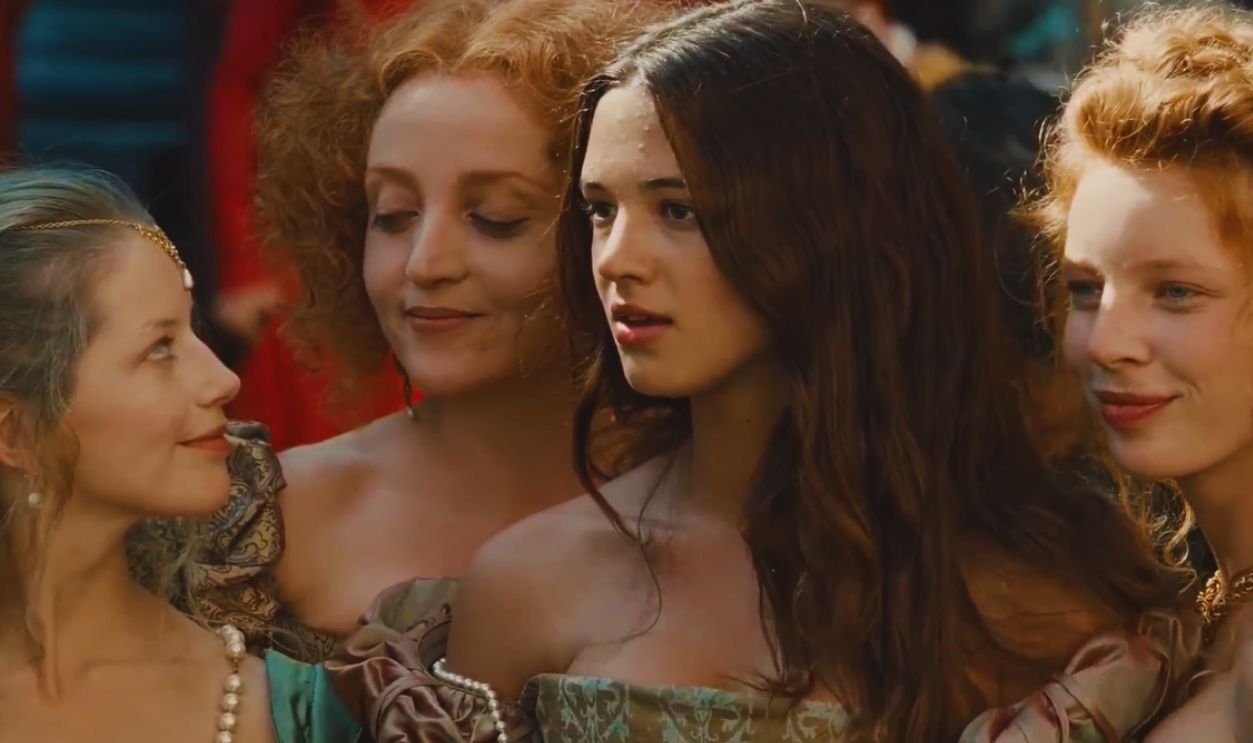 Screenshot from Queen Margot, Miramax (1994)
3. Her Family Had A Dark Past
de Sauve’s great-grandfather, Jacques de Beaune, had risen to become superintendent of finance under King Francis I—a dazzling height from which he fell…spectacularly. In 1527, the king ordered his execution at the urging of his own mother, Louise of Savoy. Subterfuge, backstabbing, betrayal, and lies were already part of her inheritance.
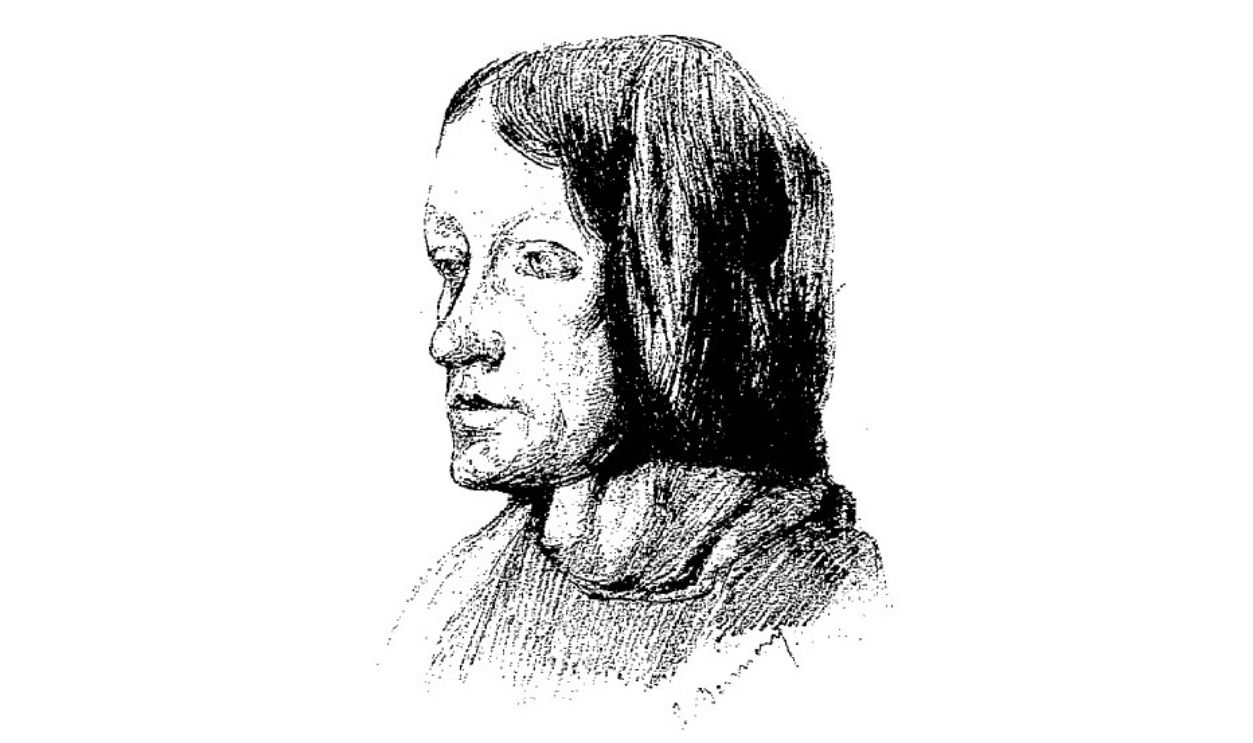 Unknown Author, Wikimedia Commons
4. She Learned From A Queen
de Sauve’s path led her to court at a young age, where she entered the household of none other than powerful Catherine de’ Medici herself. Under the queen mother’s watchful eye, de Sauve received an education unlike any other in France—part refinement, part ruthless statecraft.
She proved an exceptional pupil.
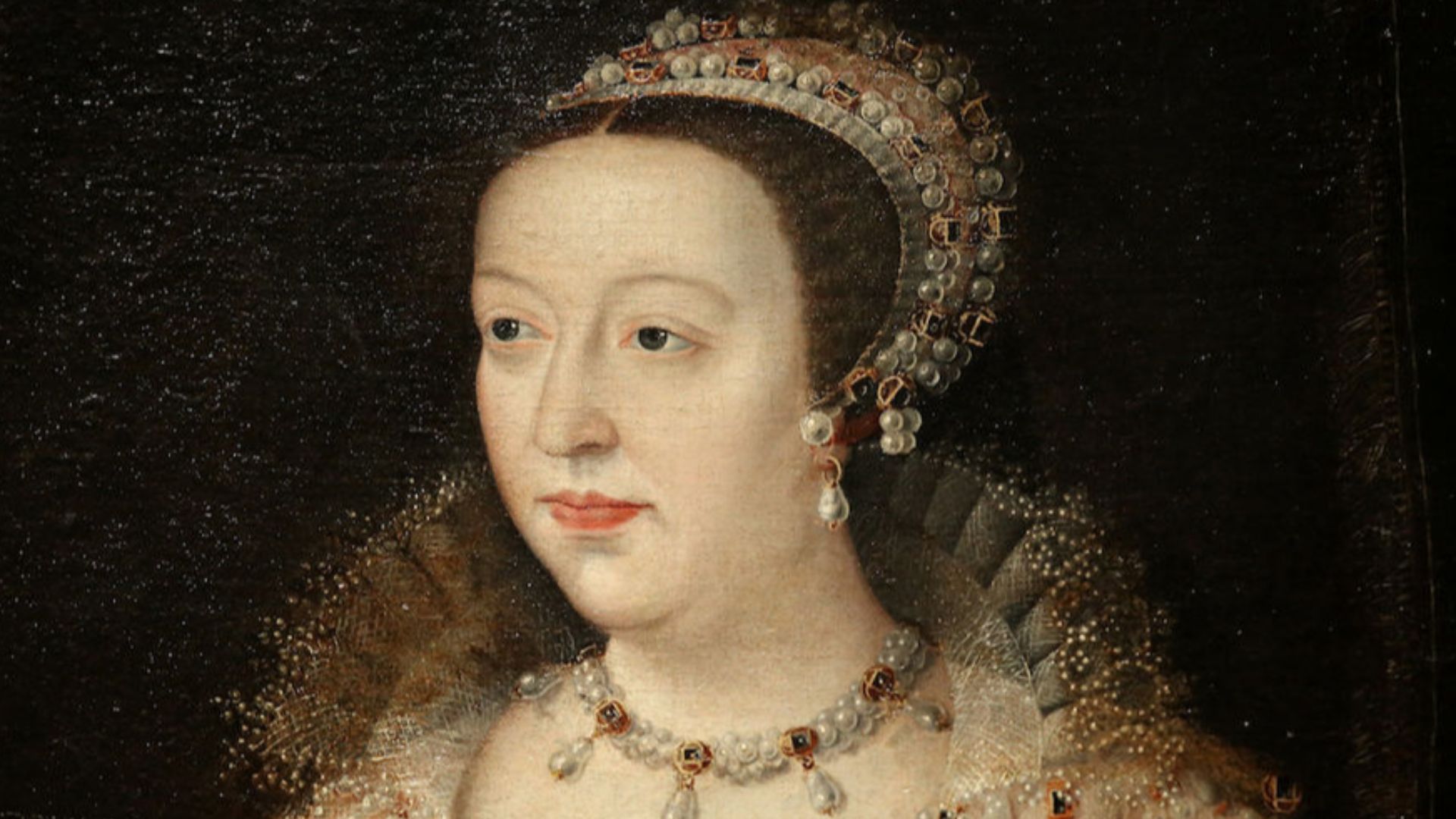 Attributed to Germain Le Mannier, Wikimedia Commons
5. Her Looks Were Her Greatest Asset
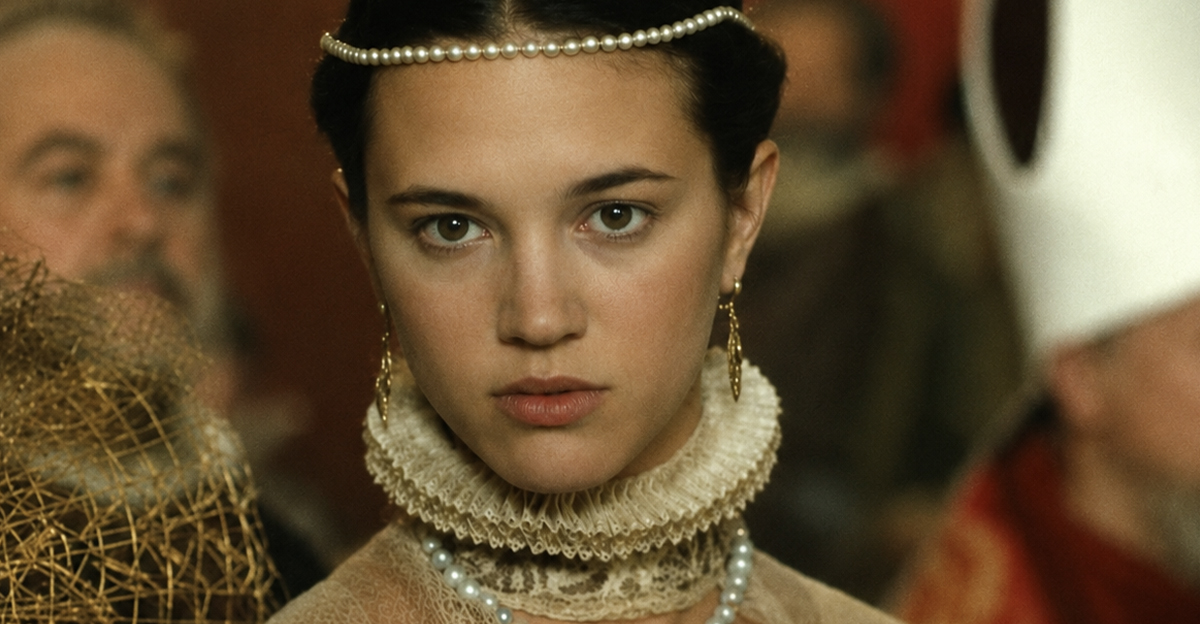
From the moment she arrived at court, Charlotte de Sauve turned heads. Historical accounts describe her cascade of blonde hair and a face that left courtiers breathless. Those who encountered her reached quickly for superlatives, calling her “beautiful” and “intelligent”. However they never forgot to add one more adjective: “immoral”.
Those three qualities made her absolutely irresistible—and extraordinarily dangerous.
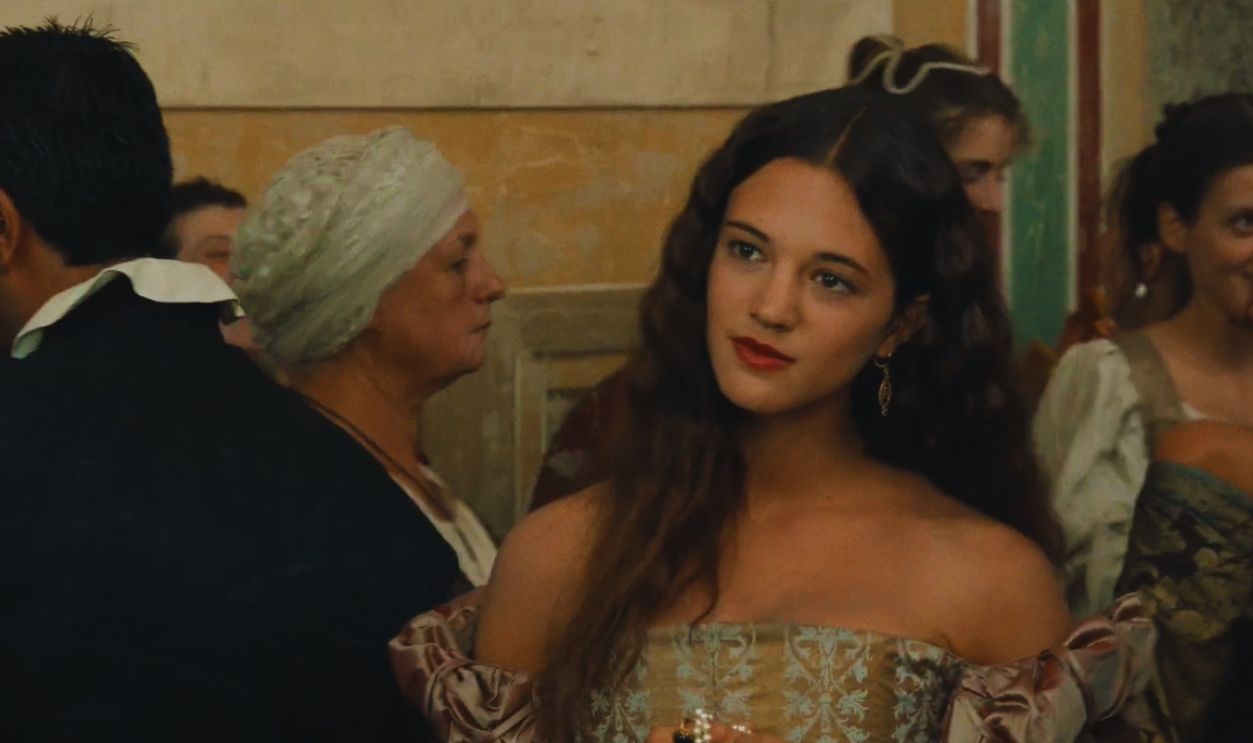 Screenshot from Queen Margot, Miramax (1994)
6. She Won Everyone Over
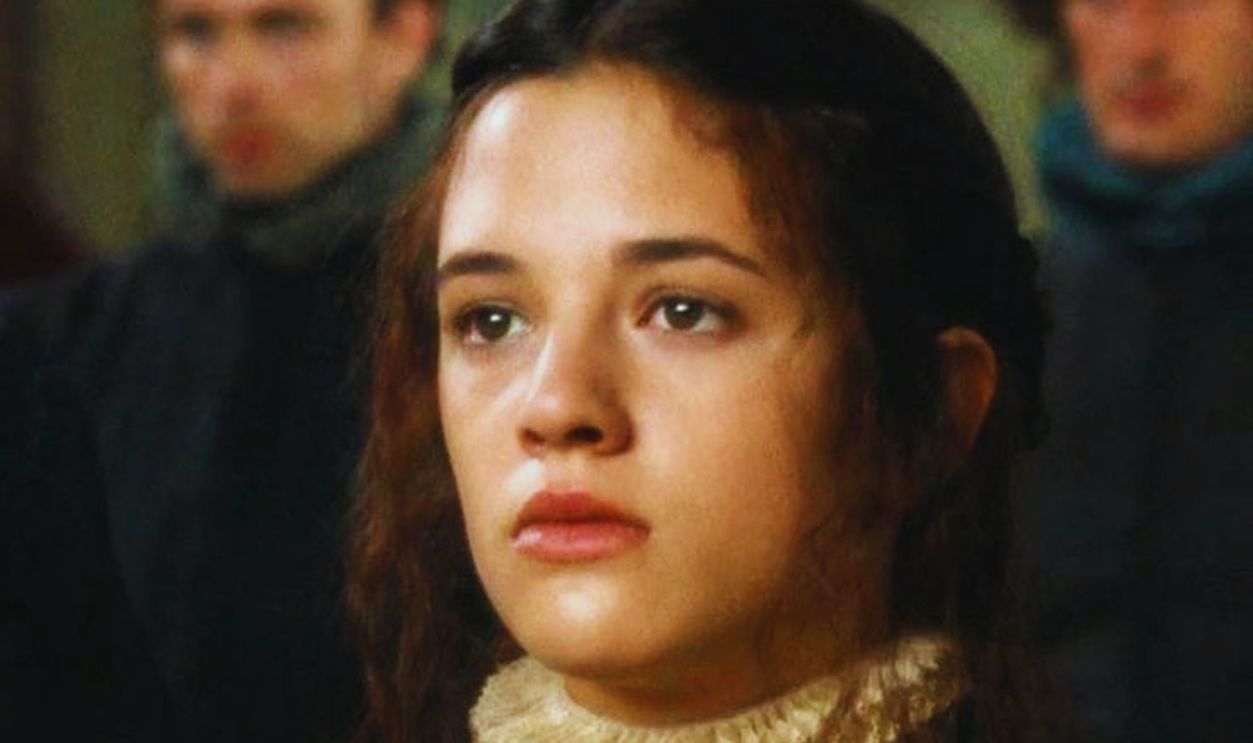
At court, de Sauve stood apart from her peers not through haughtiness but through sheer warmth. French contemporaries celebrated her for her gentleness, her grace, and a striking absence of arrogance—qualities rare enough among nobles that the secretary Jules Gassot felt compelled to praise her in his Mémorial.
Others wrote about her…other qualities.
 Screenshot from Queen Margot, Miramax (1994)
7. Her Admirers Spared No Detail
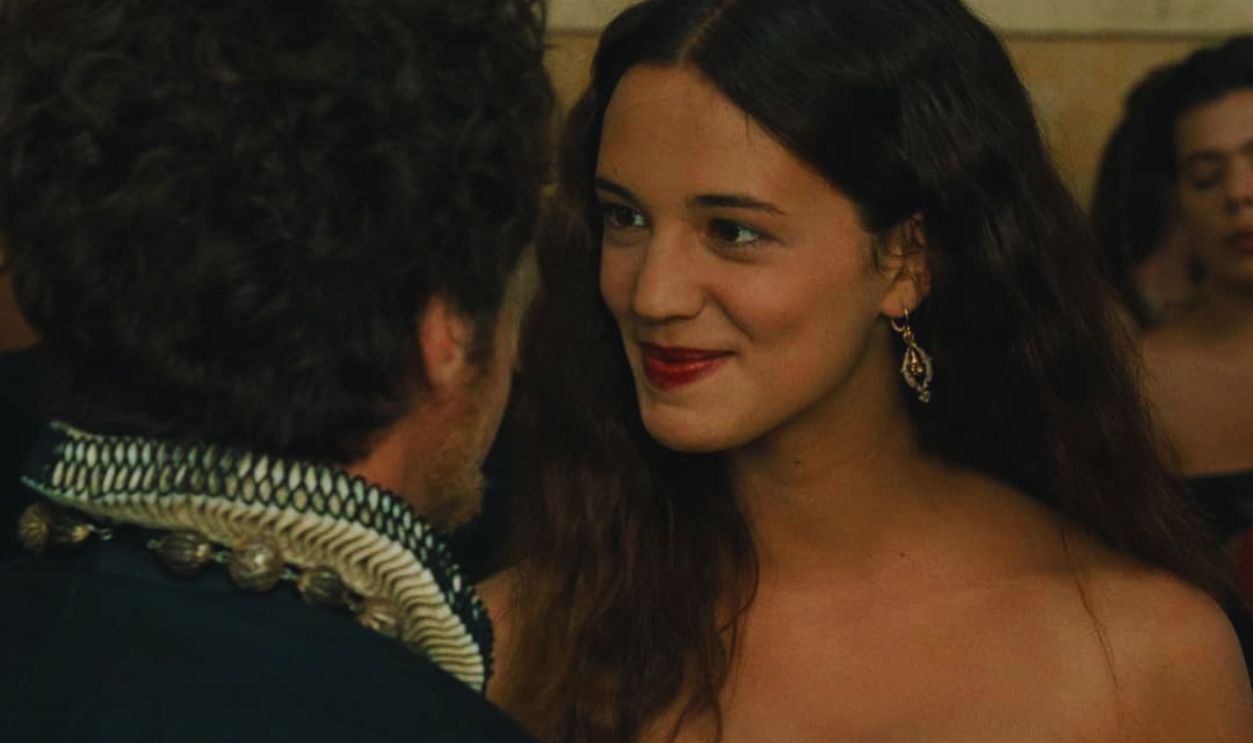
De Sauve’s charms (and “assets”) did not go unnoticed by the frankly observant eyes of the French court. One contemporary, apparently quite taken with her, recorded that she had “la cuisse longue et la fesse alerte”. Translation? “A long thigh and a pert behind”. With looks like that, she could have any man she wanted.
And she would.
 Screenshot from Queen Margot, Miramax (1994)
8. Her Marriage Was No Love Match
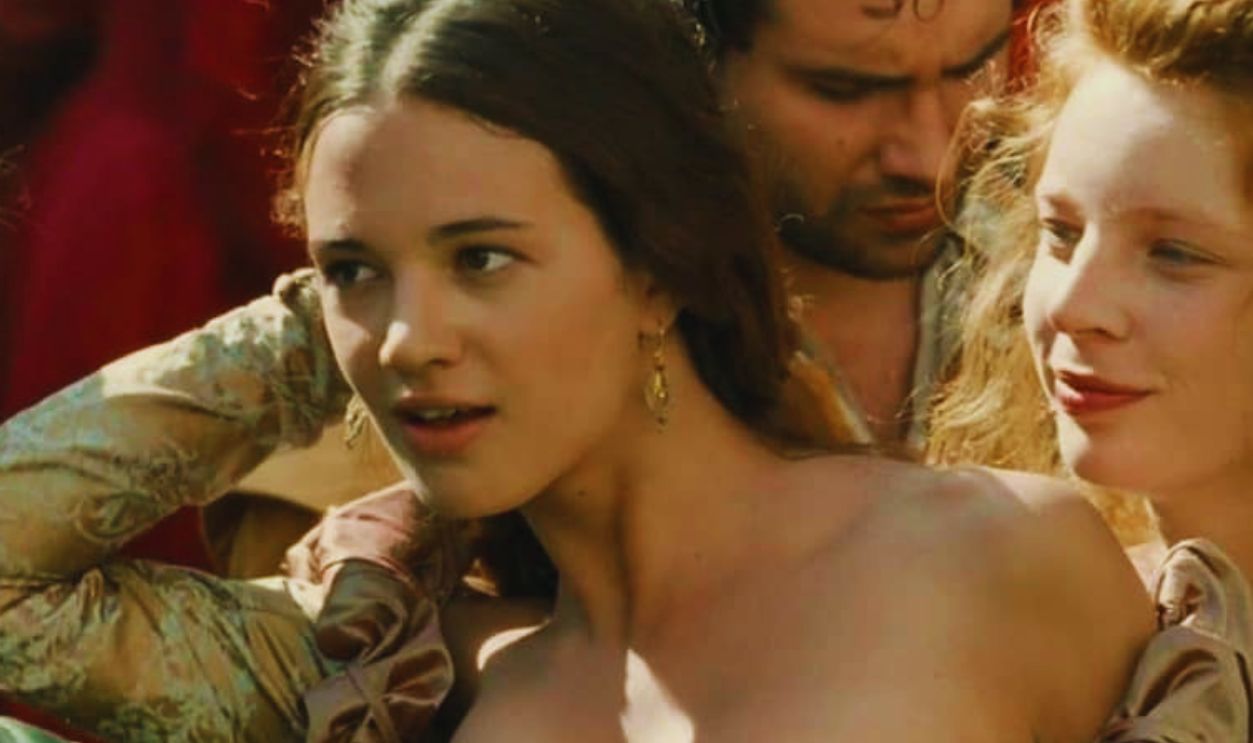
At just 18, de Suave wed Simon de Fizes, Baron de Sauve, a man who served as secretary of state to two kings, King Charles IX and King Henry III. The Guise family—one of the most formidable dynasties in France—had arranged the union. It suited their ambitions perfectly, and de Sauve’s own plans entirely.
 Screenshot from Queen Margot, Miramax (1994)

History's most fascinating stories and darkest secrets, delivered to your inbox daily.
9. She Understood Power
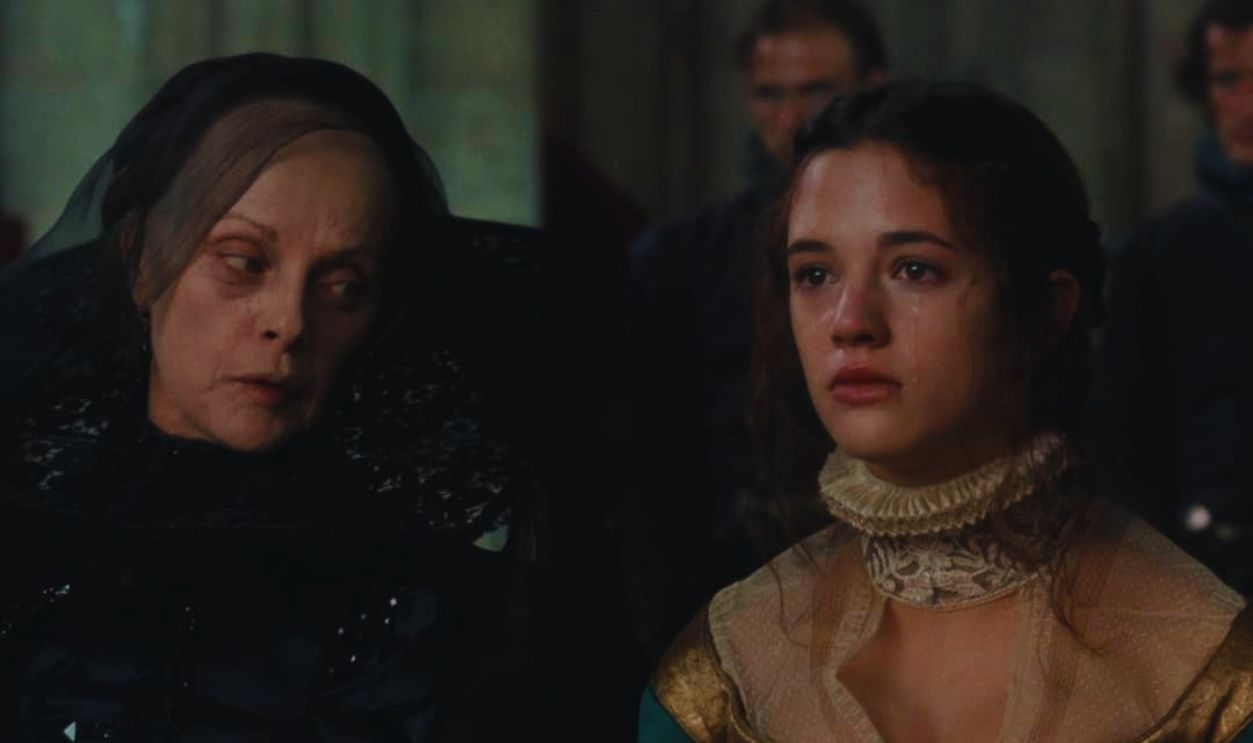
De Sauve’s upbringing—from her family’s brushes with royal favor and fury to her education inside Catherine de’ Medici’s household—prepared her for a life of intrigue. The historian Jean Heritier commented on her razor-sharp political mind, saying that, by 21, she “knew all there was to be known about politics”.
And she put every bit of that knowledge to use.
 Screenshot from Queen Margot, Miramax (1994)
10. She Served France's Most Powerful Women
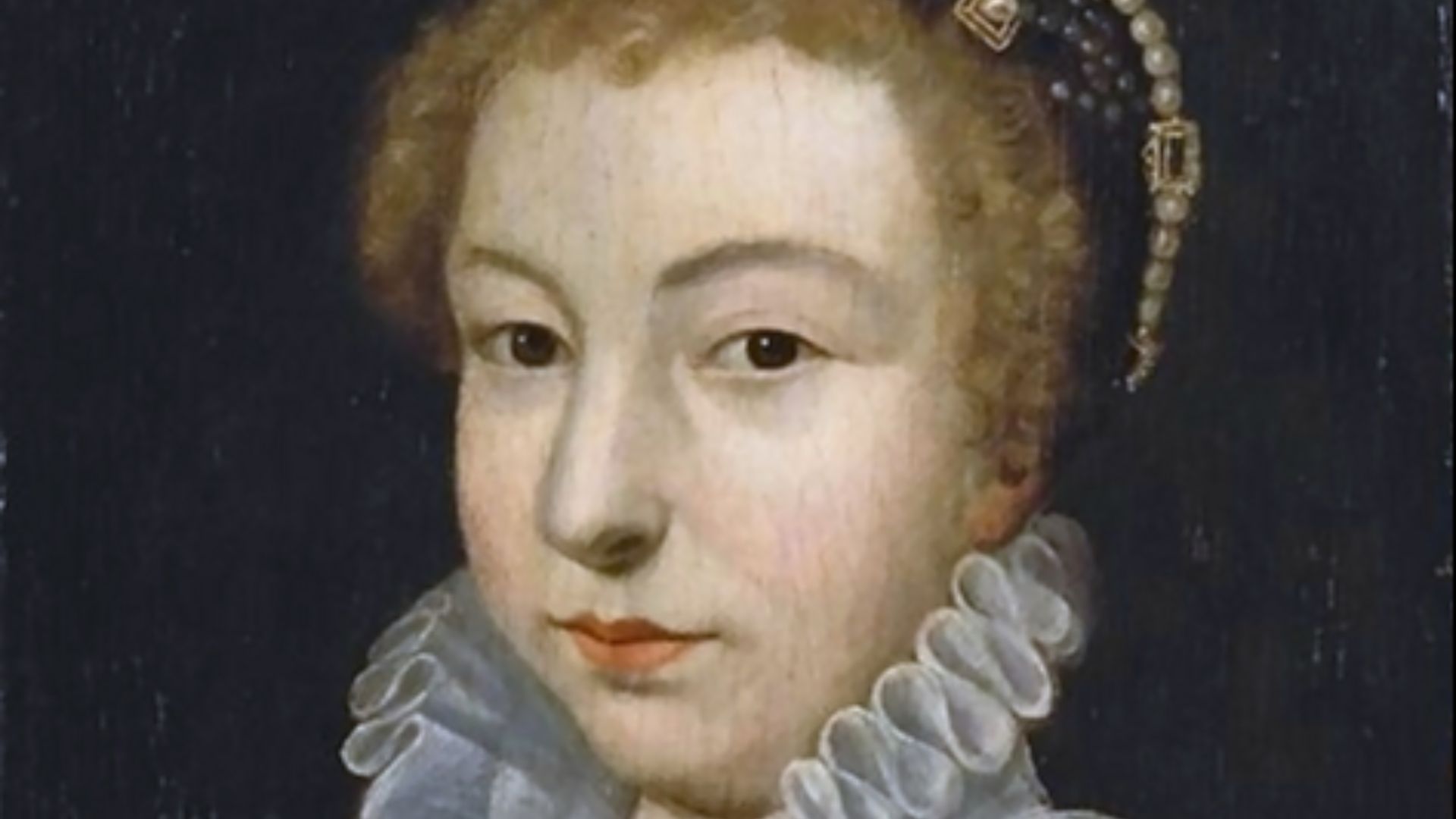
Charlotte de Sauve never held real power of her own—but she didn’t need to. She moved effortlessly through the highest echelons of French court life, first as maid-of-honour to Marguerite de Valois, then as dame d’honneur and later dame d’atours to Catherine de’ Medici herself. With those connections, de Sauve stood at the very heart of power—and had no intention of leaving.
 After François Clouet, Wikimedia Commons
11. She Joined A Secret Squad
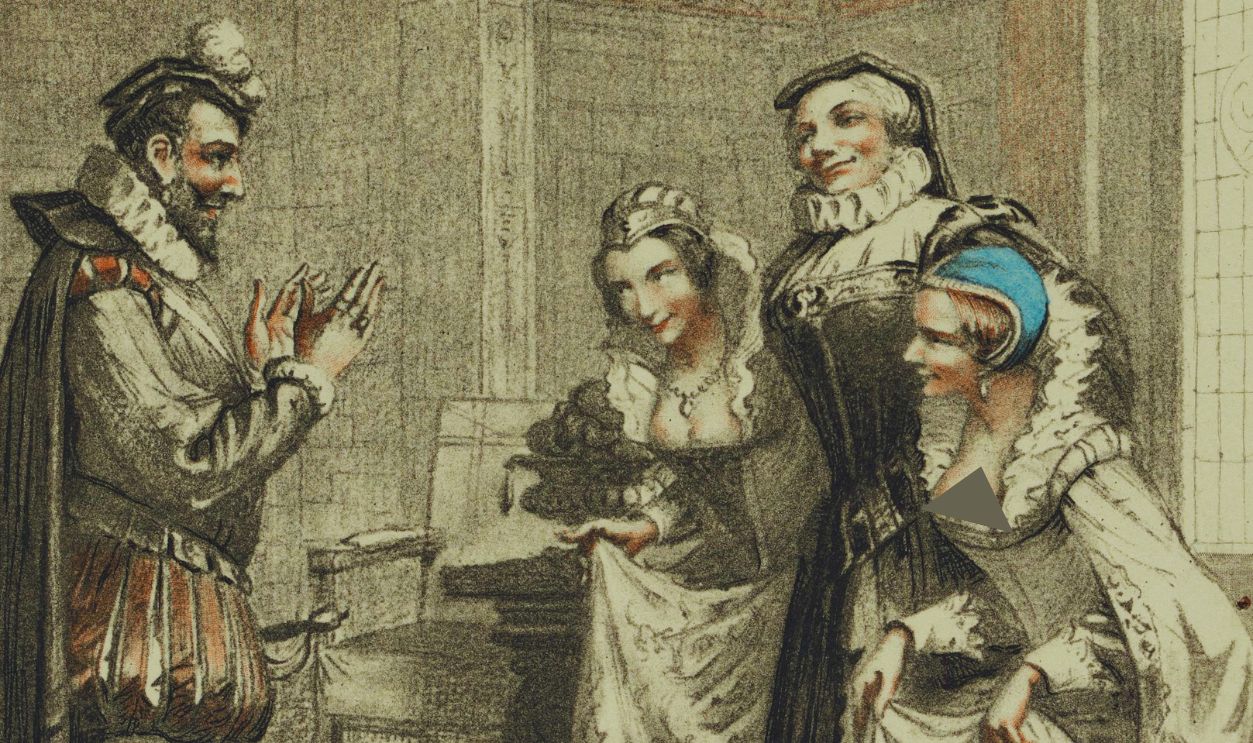
When Catherine de’ Medici’s daughter, Marguerite de Valois, married Henry of Navarre in 1572, de Sauve got a secret promotion. The infamously manipulative queen mother recruited de Sauve into the clandestine L’escadron volant (the “Flying Squadron”). The group was an elite circle of beautiful, cunning young women who gathered intelligence at the highest levels of the French court and reported back to the queen mother.
To say that it was an elite group was an understatement.
 Edmond Malassis (1874-1944)., Wikimedia Commons
12. She Excelled Among Elite Company
The Flying Squadron counted some of the most formidable women in France among its ranks. Yet, even in that exclusive circle, Charlotte de Sauve distinguished herself. She rose swiftly to become one of its most “accomplished members”, deploying her considerable beauty and skills of deception on other unsuspecting courtiers.
She was so good, in fact, it’s not even clear if the secret organization existed at all.
 Screenshot from Queen Margot, Miramax (1994)
13. She Flew Undetected—Even To History
History has not always been kind to the Flying Squadron, and not always for fair reasons. Modern historians largely regard the darkest claims about de’ Medici’s ladies-in-waiting as slander—gender-based propaganda spread by political enemies eager to discredit a powerful queen mother.
But de Sauve was undoubtedly up to something.
 Marie, Adrien (1848-1891). Dessinateur du modèle, Wikimedia Commons
14. Her Affair Was No Mere Rumor
While much about the Flying Squadron remains disputed, de Suave’s relationship with Henry of Navarre stands on solid historical ground. Scholars regard their 1572 affair as a clear-cut case of de’ Medici deliberately deploying a lady-in-waiting’s romantic influence for calculated political ends. The results spoke for themselves.
 Screenshot from Queen Margot, Miramax (1994)
15. She Had Henry Completely Captivated
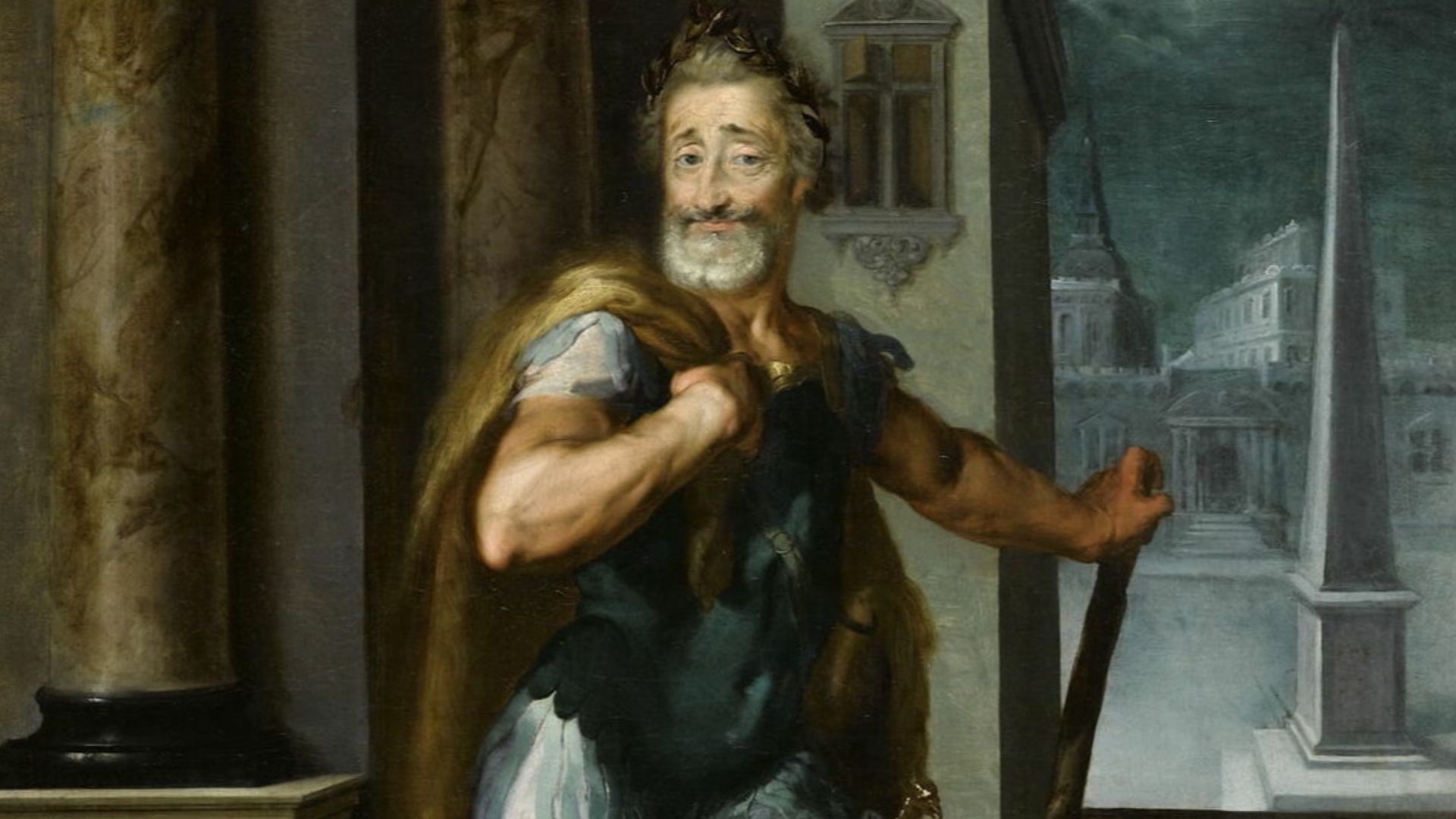
Following his marriage, Charlotte de Sauve became Henry of Navarre’s mistress with remarkable speed, and her hold over him was astonishing. She wrapped herself around his judgment so thoroughly that those watching from the sidelines could only marvel—and worry—at just how thoroughly she had made herself indispensable to him.
 Circle of Toussaint Dubreuil, Wikimedia Commons
16. She Drove a Wedge Between Husband and Wife
Henry’s own wife noticed the damage that de Sauve’s romantic subterfuge wrought on her marriage immediately. Marguerite de Valois wrote in her memoirs that de Sauve had so completely ensnared her husband that the royal couple “no longer slept together, not even conversed”. de Sauve dismantled the politically fraught union like a master spy.
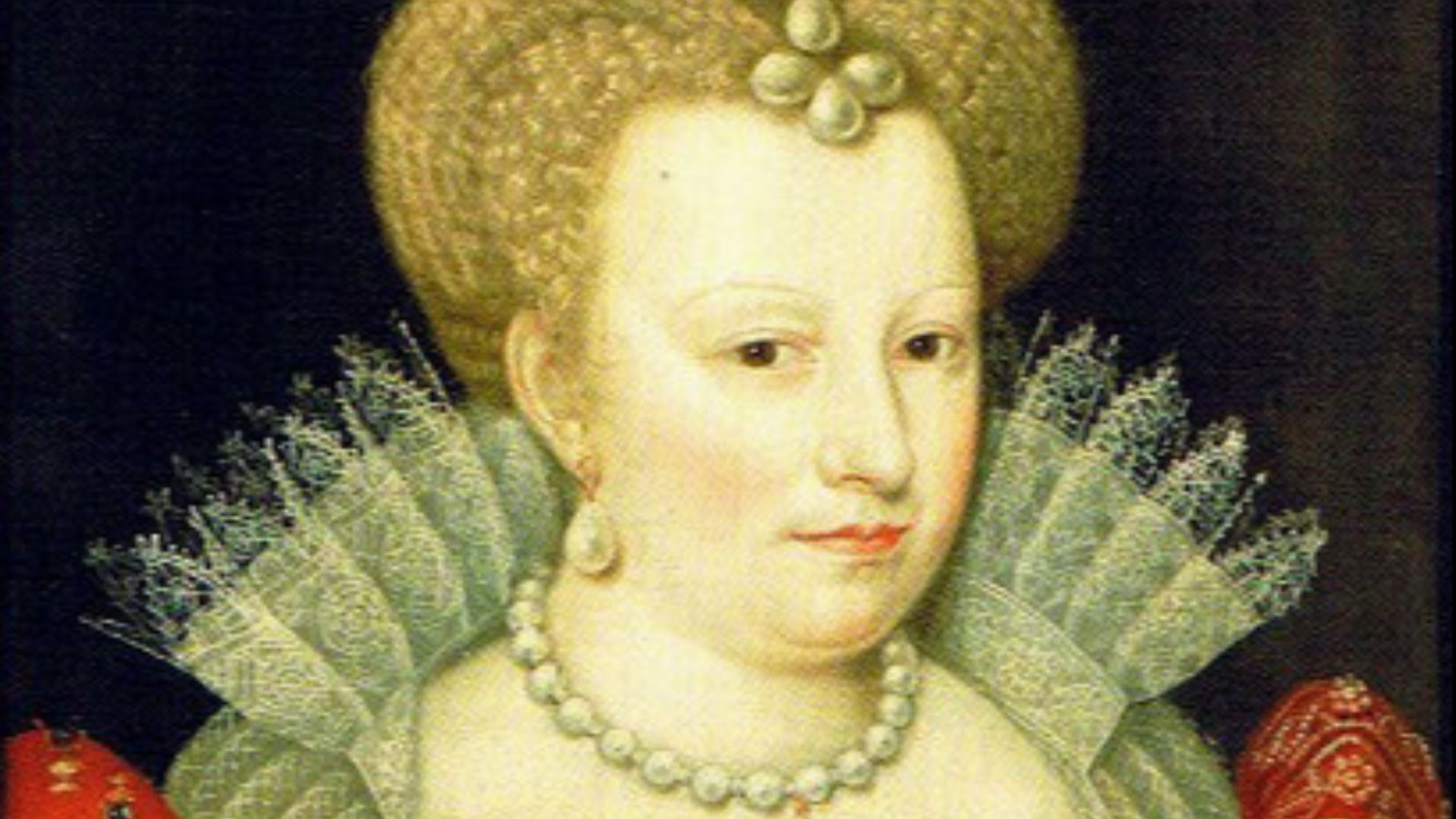 Unidentified painter, Wikimedia Commons
17. She Turned Henry Against His Wife
Charlotte de Sauve was so effective as a clandestine courtesan because her influence over Henry ran deeper than the bedchamber. According to Marguerite, de Sauve convinced Henry that his wife harbored jealousy toward her—a subtle but devastating piece of misdirection that caused Henry to stop confiding in Marguerite entirely.
And de Sauve’s influence only grew from there.
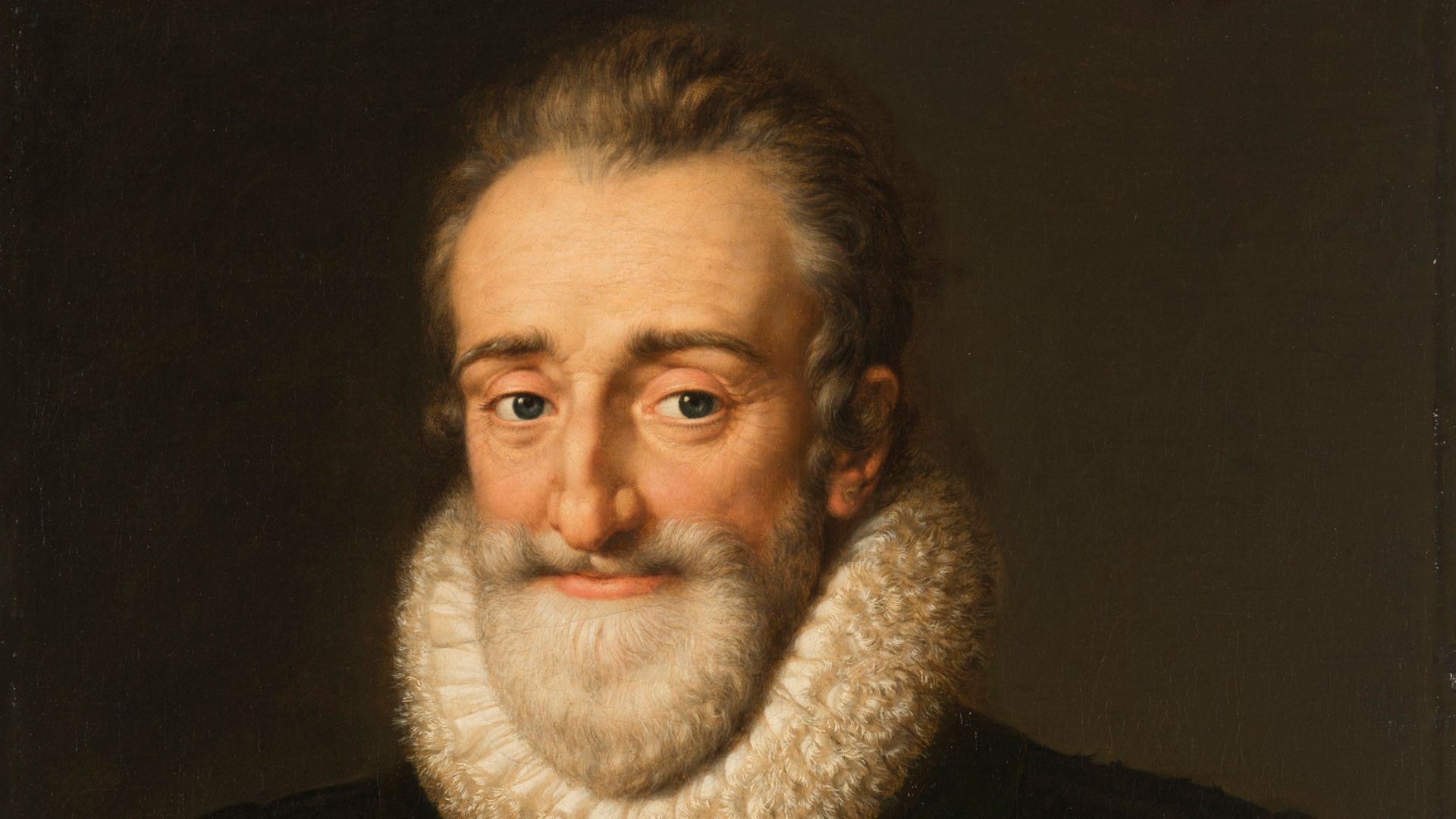 Frans Pourbus the Younger, Wikimedia Commons
18. She Had Many Admirers at Court
The unwitting Henry of Navarre wasn’t the only fly caught in de Sauve’s web of intrigue. Over the course of her life, her reported lovers included the Duke of Alençon, Souvré, and du Guast—yet even among such distinguished company, one figure stood apart. Marguerite de Valois, who compared de Sauve to the sorceress Circe, noted that she remained most devoted to Henry de Guise.
The stakes were all too real.
 Screenshot from Queen Margot, Miramax (1994)
19. She May Have Had Henry’s Child
Among the more tantalizing threads in de Sauve’s story is a claim that she bore Henry of Navarre a natural daughter. Historical records point to a child named Jeanne-Huguette de Beaune Semblançay, born in 1572. Though, what ultimately became of her remains one of history’s more puzzling unanswered questions.
She took life just as quickly as she gave it.
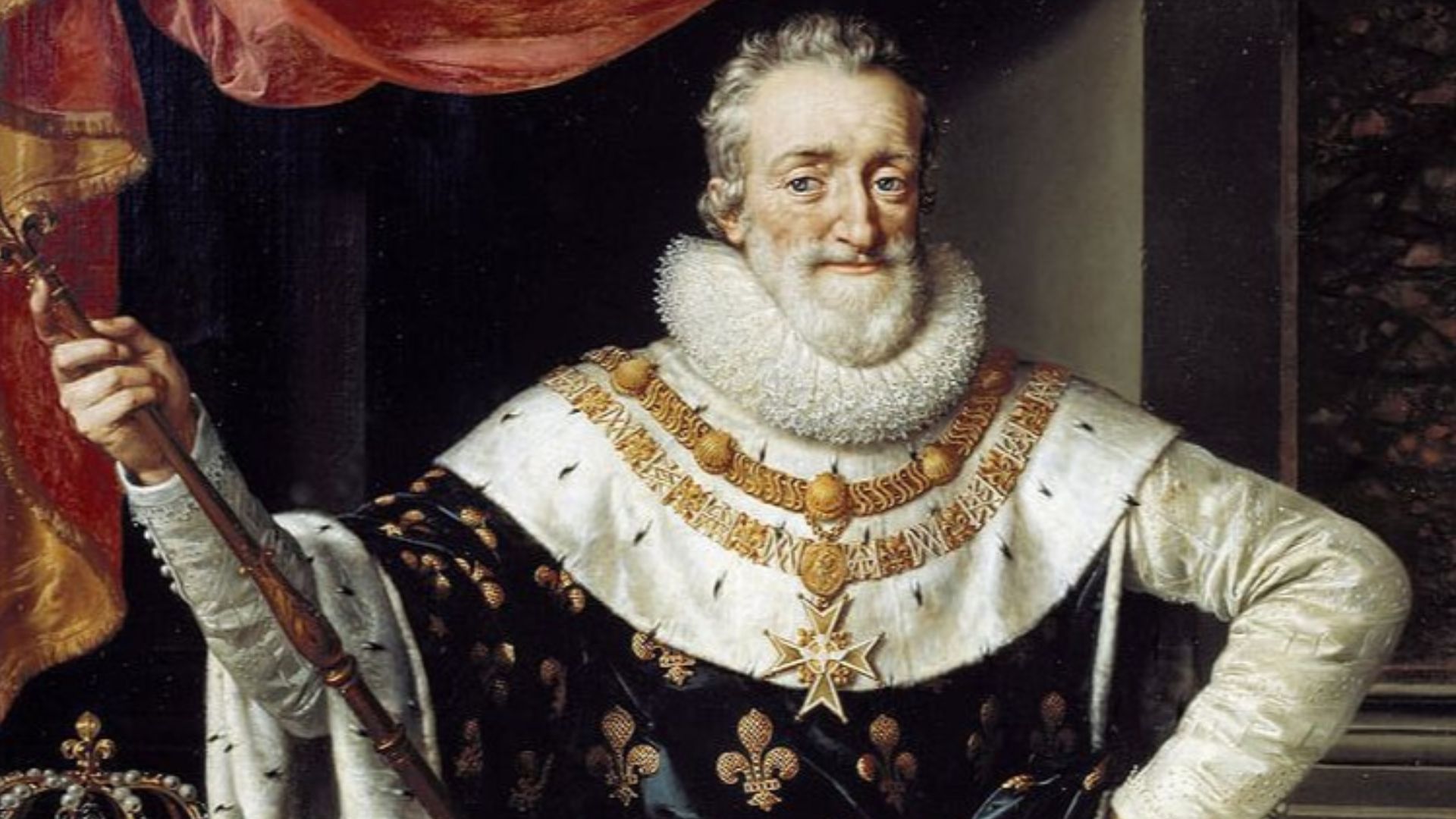 OneWithNoSins, Wikimedia Commons
20. She Sent Men To Their Graves
One of de Sauve’s most consequential acts of espionage may have unfolded in 1574. History largely credits de Sauve as the source of intelligence that ultimately led directly to the execution of Marguerite de Valois’ lover Joseph Boniface de La Môle and his associate Annibal de Coconnas. The two men had conspired to overthrow the ailing King Charles IX and Catherine de’ Medici herself.
Had de Sauve not known of the alleged plot, history would look very different.
 Screenshot from Queen Margot, Miramax (1994)
21. She Received Her Next Assignment
In 1575, Catherine de’ Medici—with the full backing of her son King Henry III—gave Charlotte de Sauve her next assignment: François, Duke of Alençon. Her mission was to seduce the king’s youngest brother and, in doing so, drive a wedge between him and Henry of Navarre before the two could unite against the crown.
She was devastatingly effective.
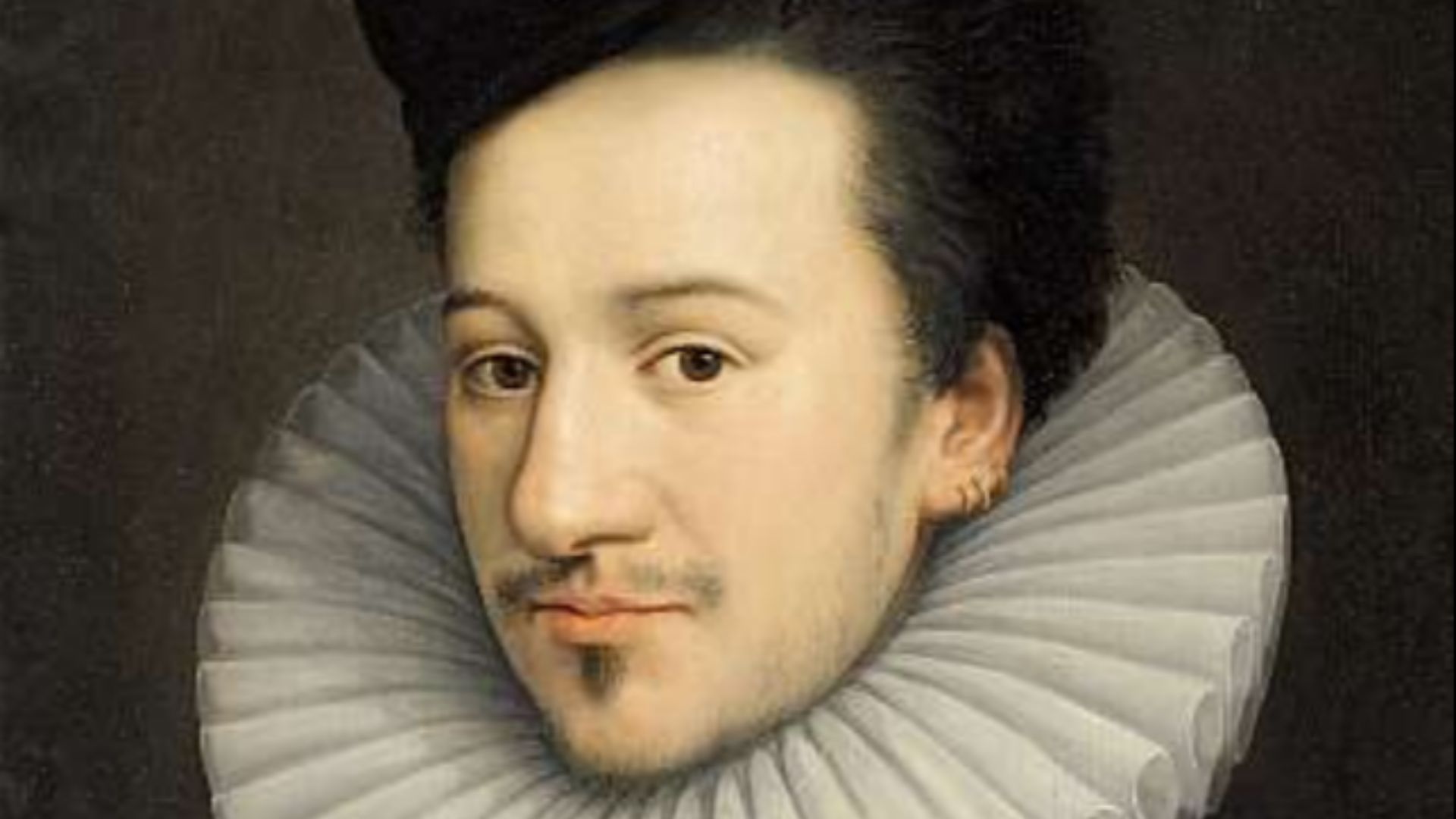 Jean de Court, Wikimedia Commons
22. She Tore Two Friends Apart
De Sauve executed her assignment with expert precision. She took Alençon as her lover, and the effect on his friendship with Navarre was immediate and irreparable. The two men, who had once stood as close allies, found themselves transformed into bitter rivals, bound together now only by their shared obsession with the same woman. But driven apart by it as well.
Just as de Sauve had intended.
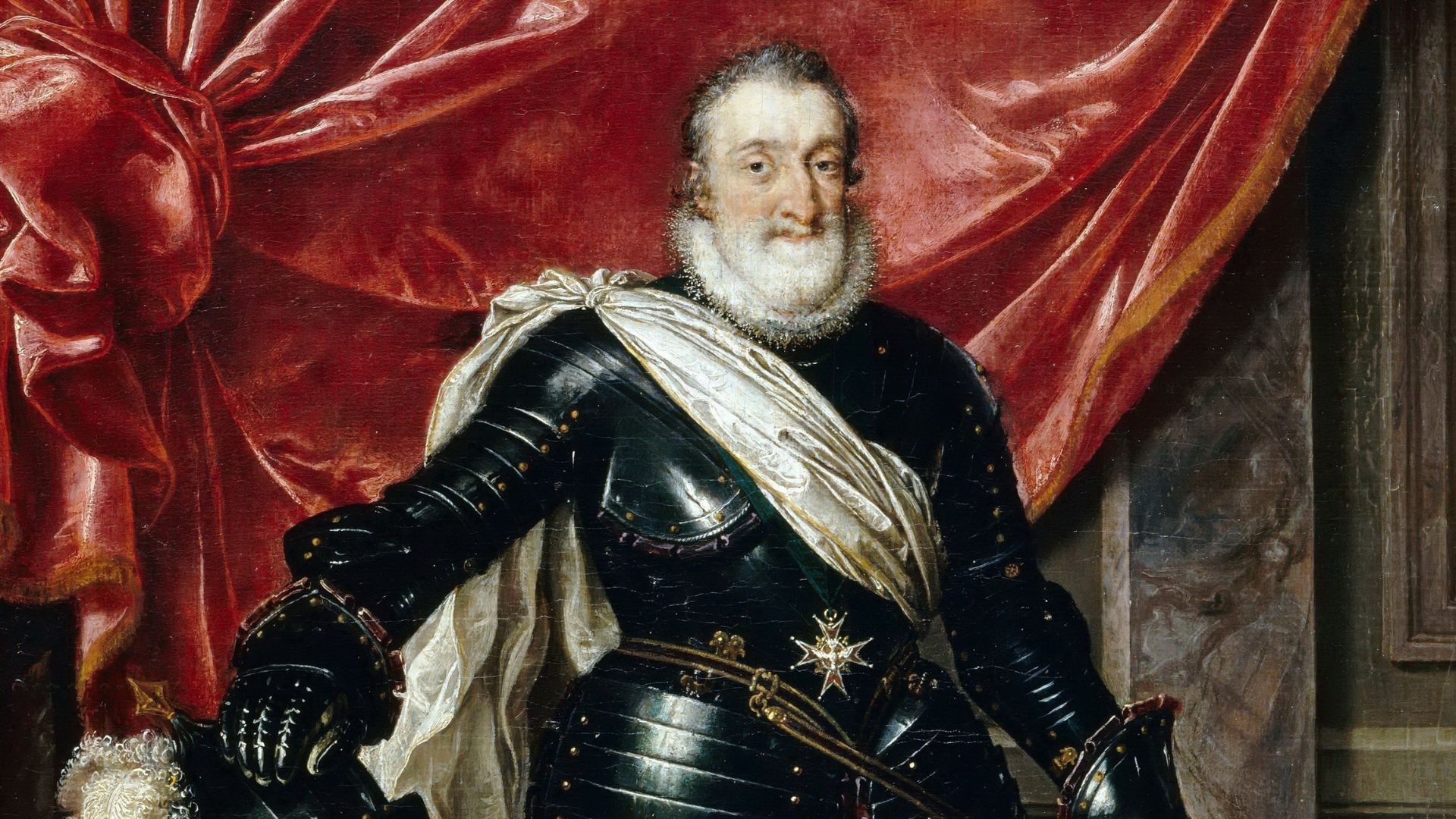 Frans Pourbus the Younger, Wikimedia Commons
23. She Made Them Forget Everything
Marguerite de Valois watched the unraveling with astonishment. She later wrote that de Sauve had handled both men so deftly that they “became extremely jealous of each other, to such a point that they forgot their ambitions, their duties and their plans and thought of nothing but chasing after this woman”.
It was de Sauve at her best—and Henry at his very worst.
 Screenshot from Queen Margot, Miramax (1994)
24. She Brought Out Henry’s Worst Impulses
According to Henry of Navarre’s own biographer, David Buisseret, Charlotte de Sauve had a troubling effect on him. It appeared as though “the pleasure-loving and libidinous elements of his ancestry had finally gained the upper hand,” with Henry routinely neglecting Marguerite in favor of his nights with de Sauve.
He was thoroughly, helplessly distracted. But de Sauve was right on target.
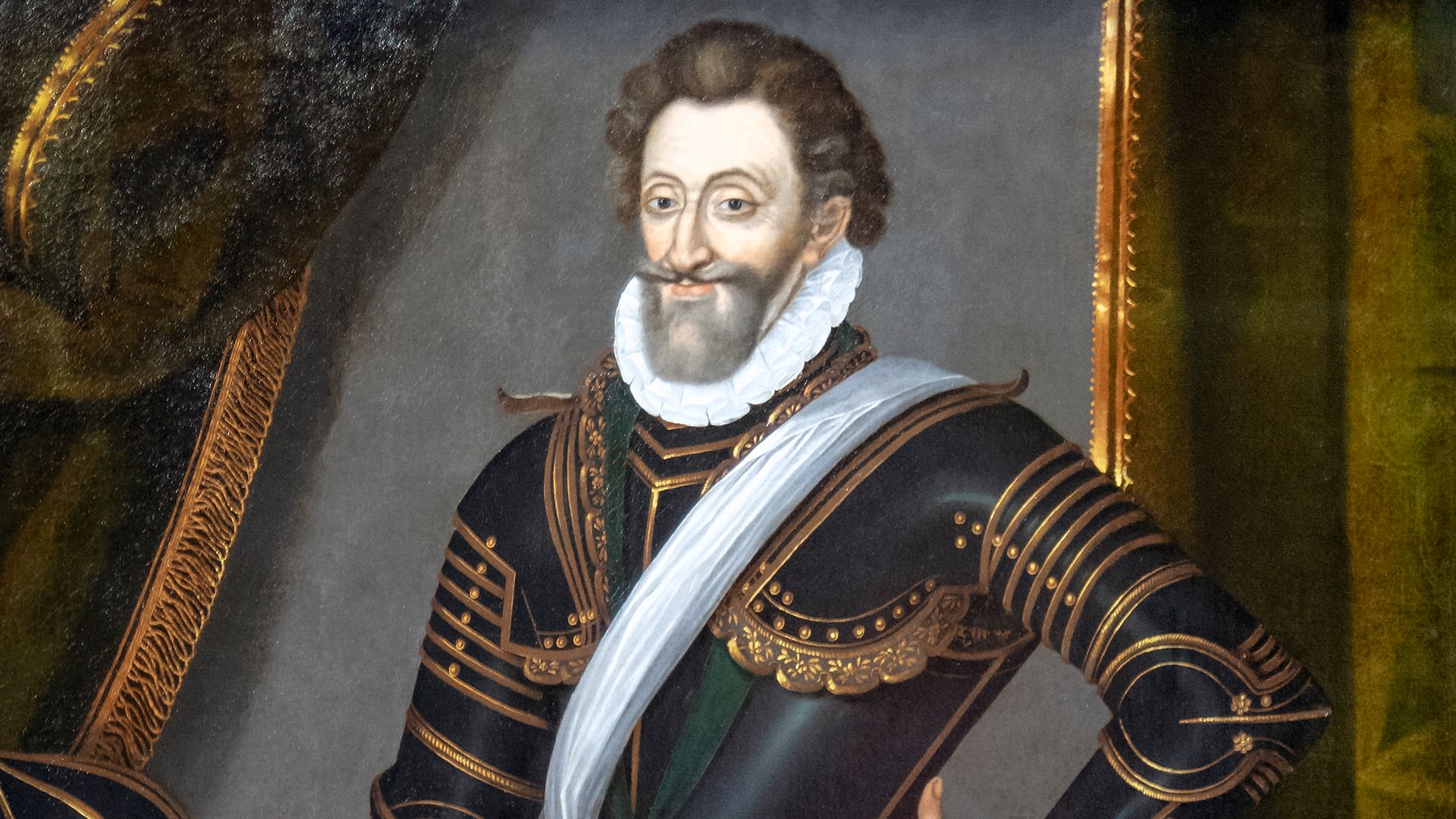 Didier Descouens, Wikimedia Commons
25. She Became His Greatest Vulnerability
By this time, de Sauve’s influence over Henry was so complete that his courtiers had to get involved. In a letter to a trusted friend, he described the court as the strangest he had ever known, confessing that rivals who resented his bond with Alençon had forbidden de Sauve “for the third time” from even speaking to him.
De Sauve, however, had already planted the poisonous seed.
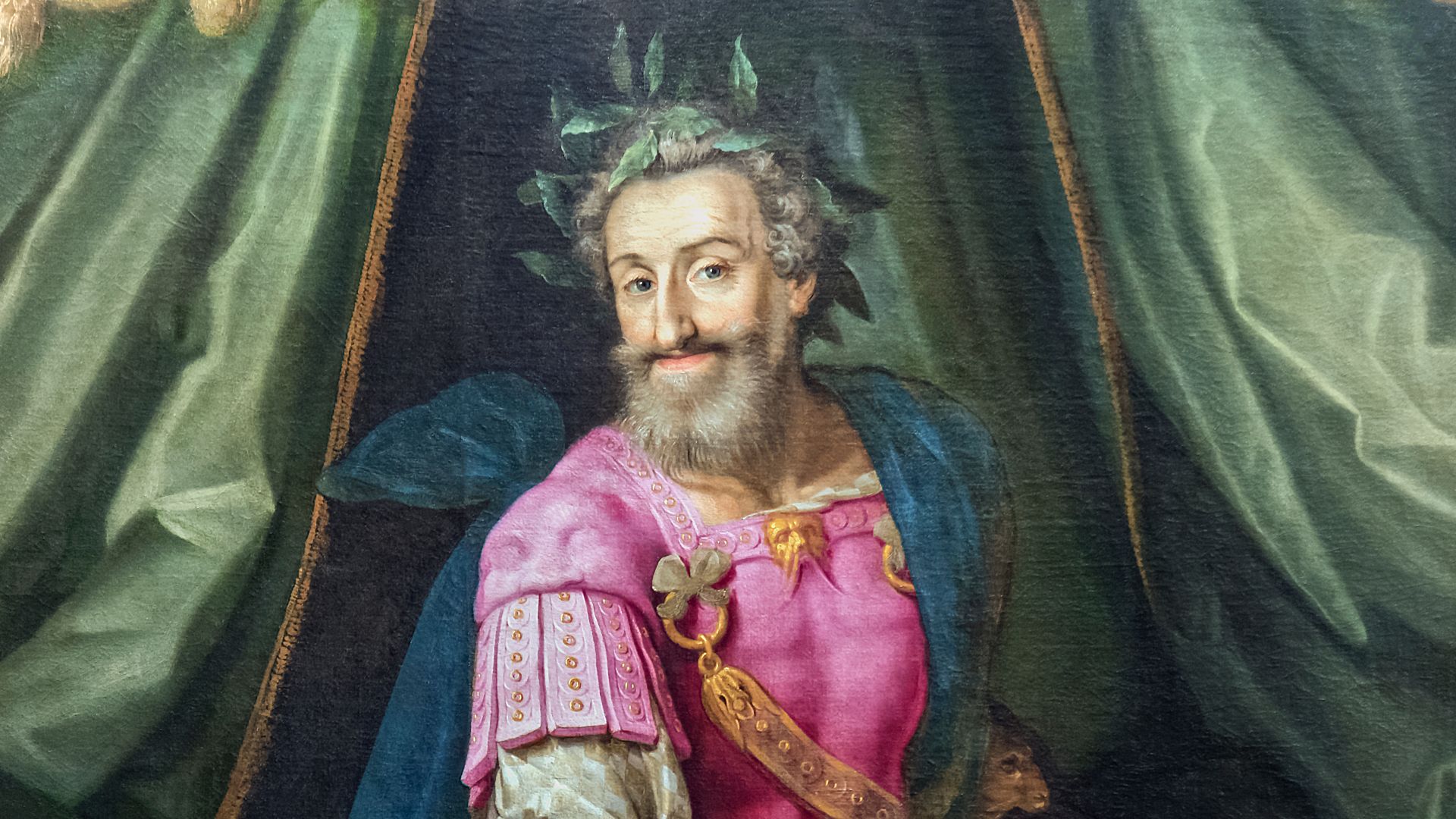 Didier Descouens, Wikimedia Commons
26. Her Silence Unnerved Him
Henry’s desperation only deepened. He wrote that his enemies held such power over Charlotte de Sauve that she no longer dared even to look at him. Even so, she still held power over him, and he warned his friend grimly: “I am waiting for a minor battle, for they say they will [end] me, and I want to be one jump ahead of them”.
Of course, de Sauve was many steps ahead of them all.
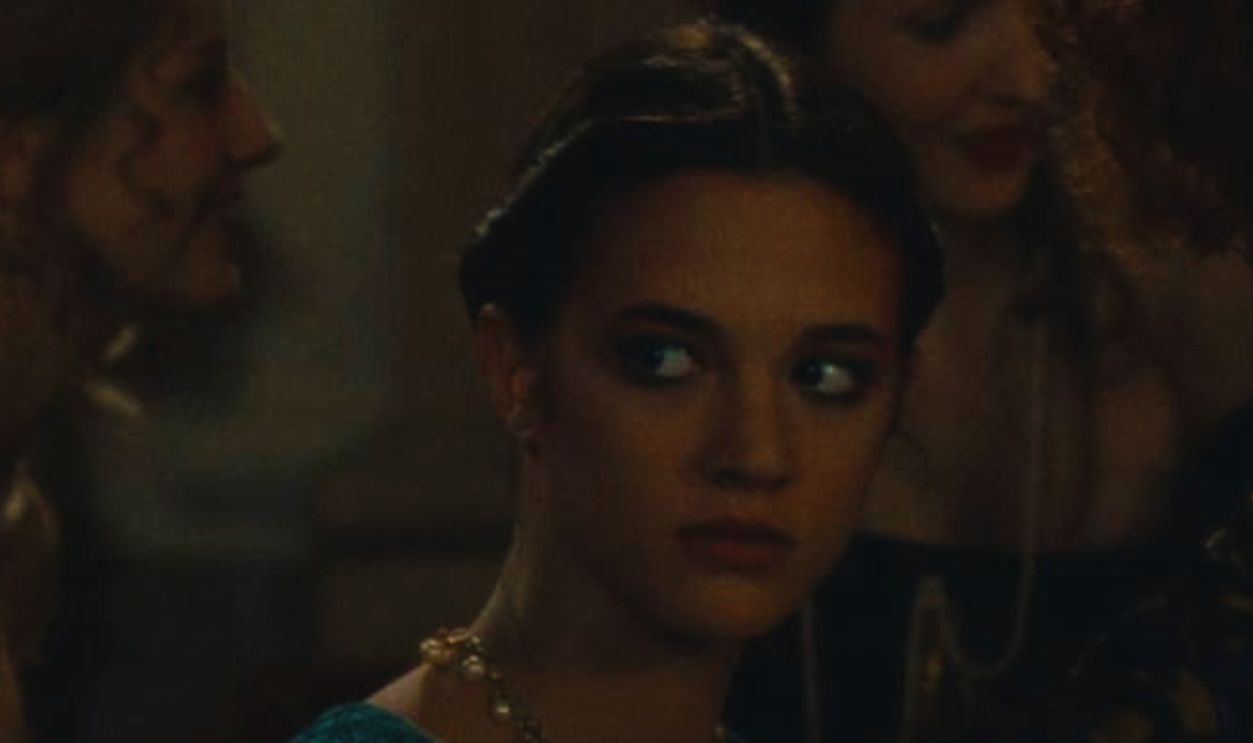 Screenshot from Queen Margot, Miramax (1994)
27. She Outsmarted the King’s Spies
When Henry III ordered his brother Alençon’s papers searched for evidence of treasonous plotting, the king’s agents came away empty-handed. But they did find another piece of political intrigue. In their search, unearthed among the duke’s private papers, was a passionate, seemingly innocent declaration of love from de Sauve.
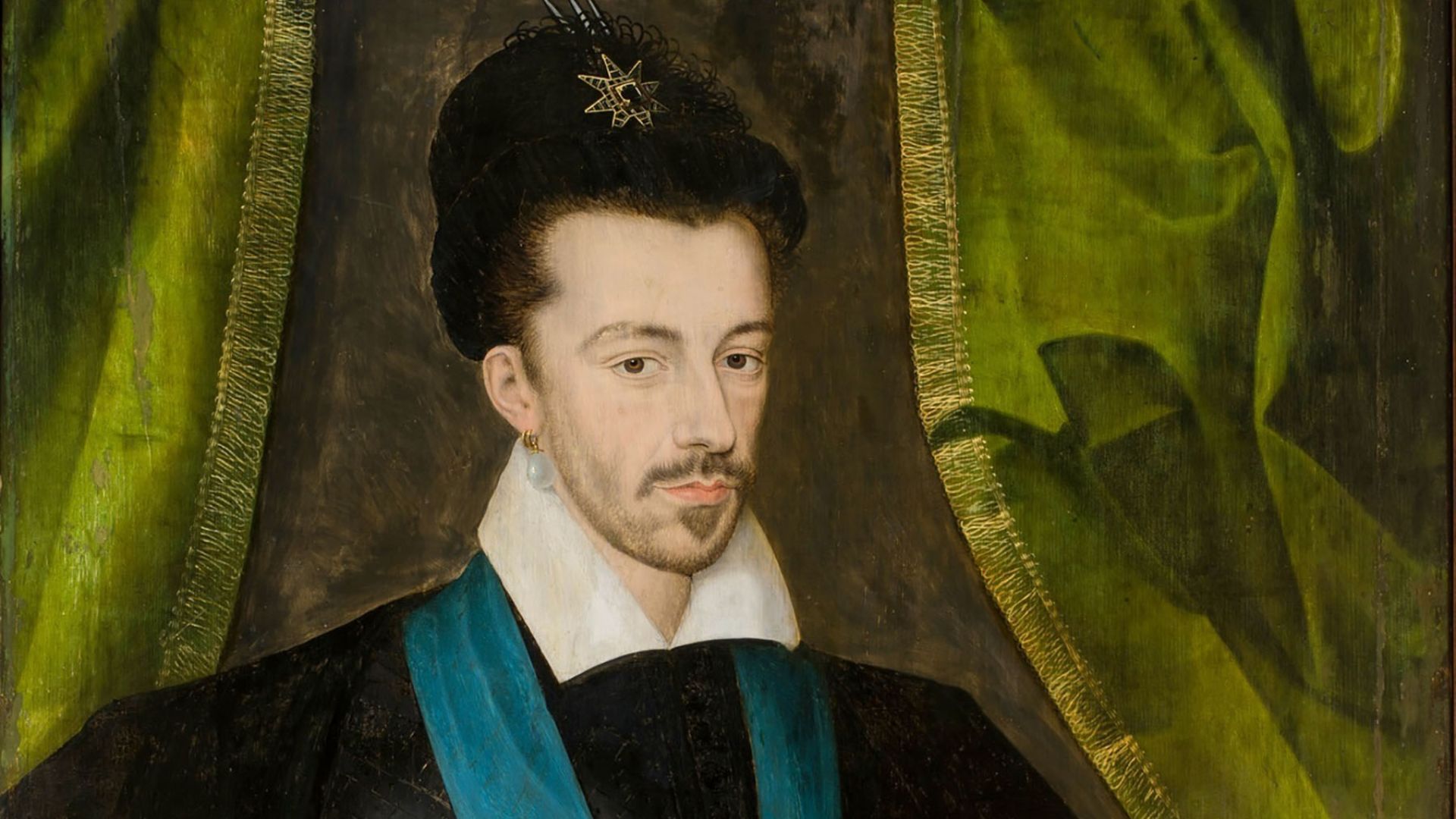 Attributed to Étienne Dumonstier, Wikimedia Commons
28. She Inspired Scandalous Verse
Charlotte de Sauve was so effective not because she worked in the shadows, but because she worked in plain sight. Everyone knew it, but no one could do anything about it. One sharp-tongued contemporary of hers could only compose a satirical verse: “For the peace she was [bedded]. Catin led her totally [bare] to the king of Navarre, and with that made the war go away…Catin, you are fortunate to have a stable of [courtesans]”.
De’ Medici and de Sauve were brazen in their approach.
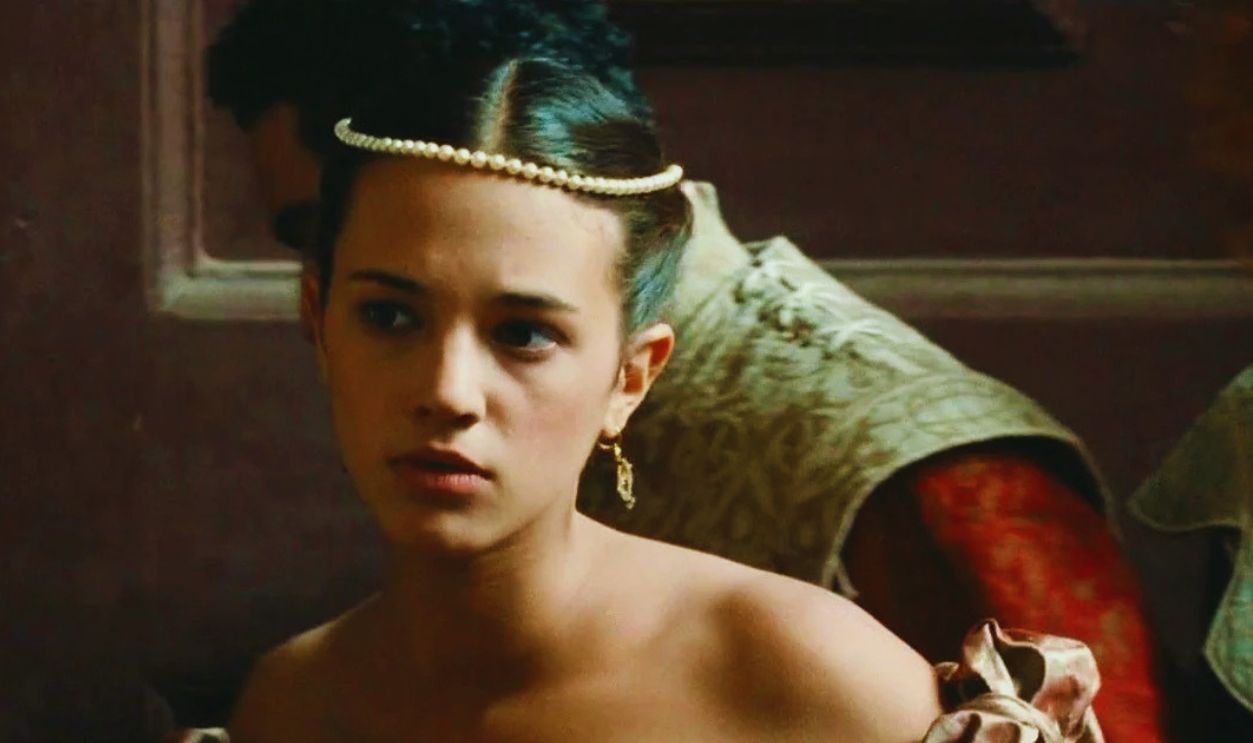 Screenshot from Queen Margot, Miramax (1994)
29. She Starred In Royal Spectacles
Not all of de Sauve’s court activities involved clandestine scheming. Deploying her near-inexhaustible resources, de’ Medici staged lavish parties, pageants, and ballets. And at the center of these extravagant entertainments? None other than the highest flying member of the Flying Squadron, de Sauve herself.
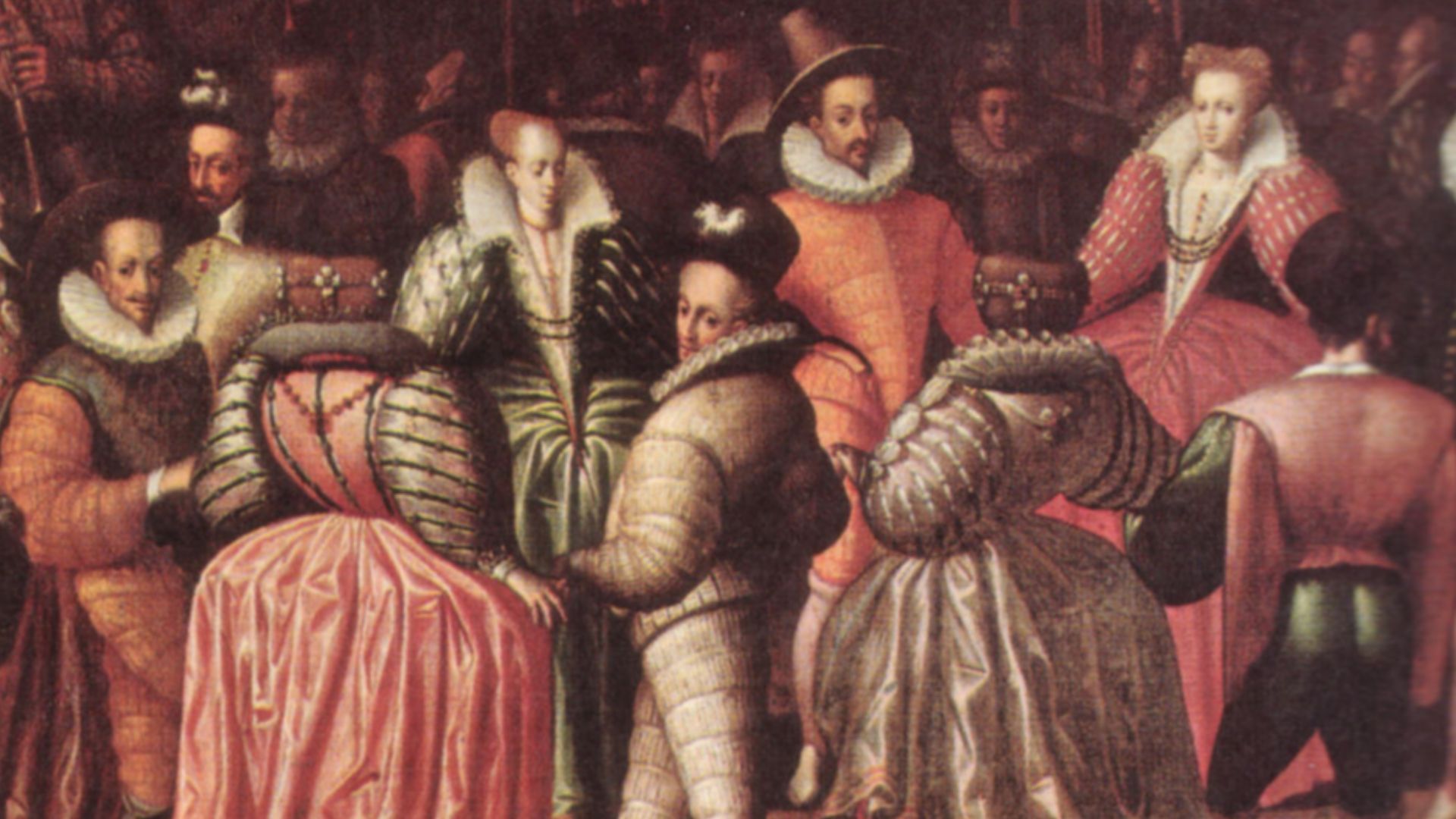 Unknown authorUnknown author, Wikimedia Commons
30. She Helped Orchestrate A Legendary Fête
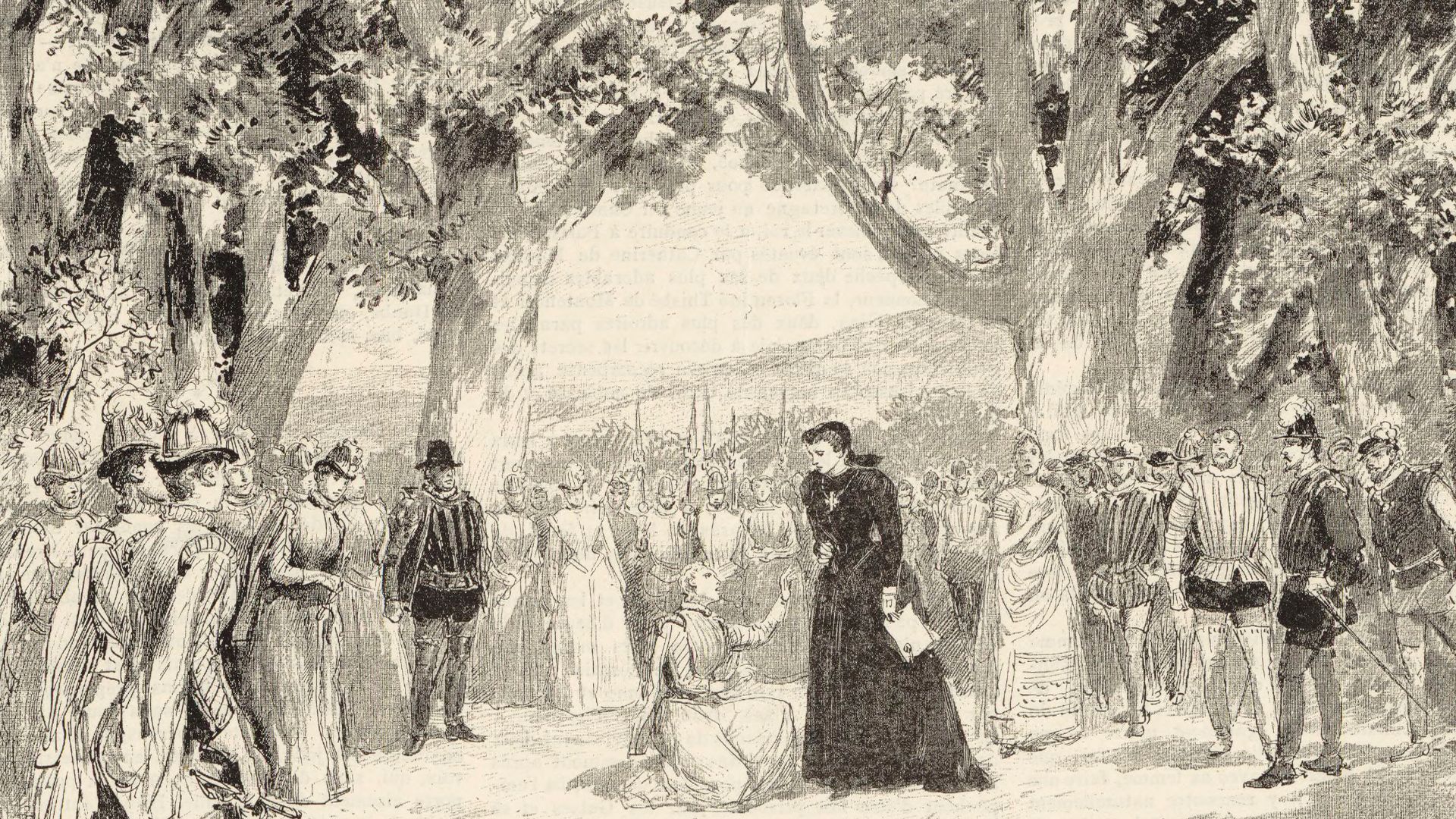
Among the grandest of de’ Medici’s entertainments was an outdoor banquet held on June 9, 1577, at the magnificent château of Chenonceau. The occasion, a celebration of the Apotheosis of Woman, featured Charlotte de Sauve and other celebrated ladies-in-waiting serving guests with their hair down (in the bridal style), wearing “topless” gowns.
 Screenshot from Queen Margot, Miramax (1994)
31. She Returned To Navarre’s Kingdom
In late 1578, de Sauve and some 300 courtiers accompanied de’ Medici on a sweeping royal visit to the Kingdom of Navarre. The purpose of the visit (purportedly) was to reunite Marguerite with her husband, Henry, at last. However, given de Sauve’s presence in the party, it was likely that there was another plot afoot. The reunion, however, did not go quite as expected.
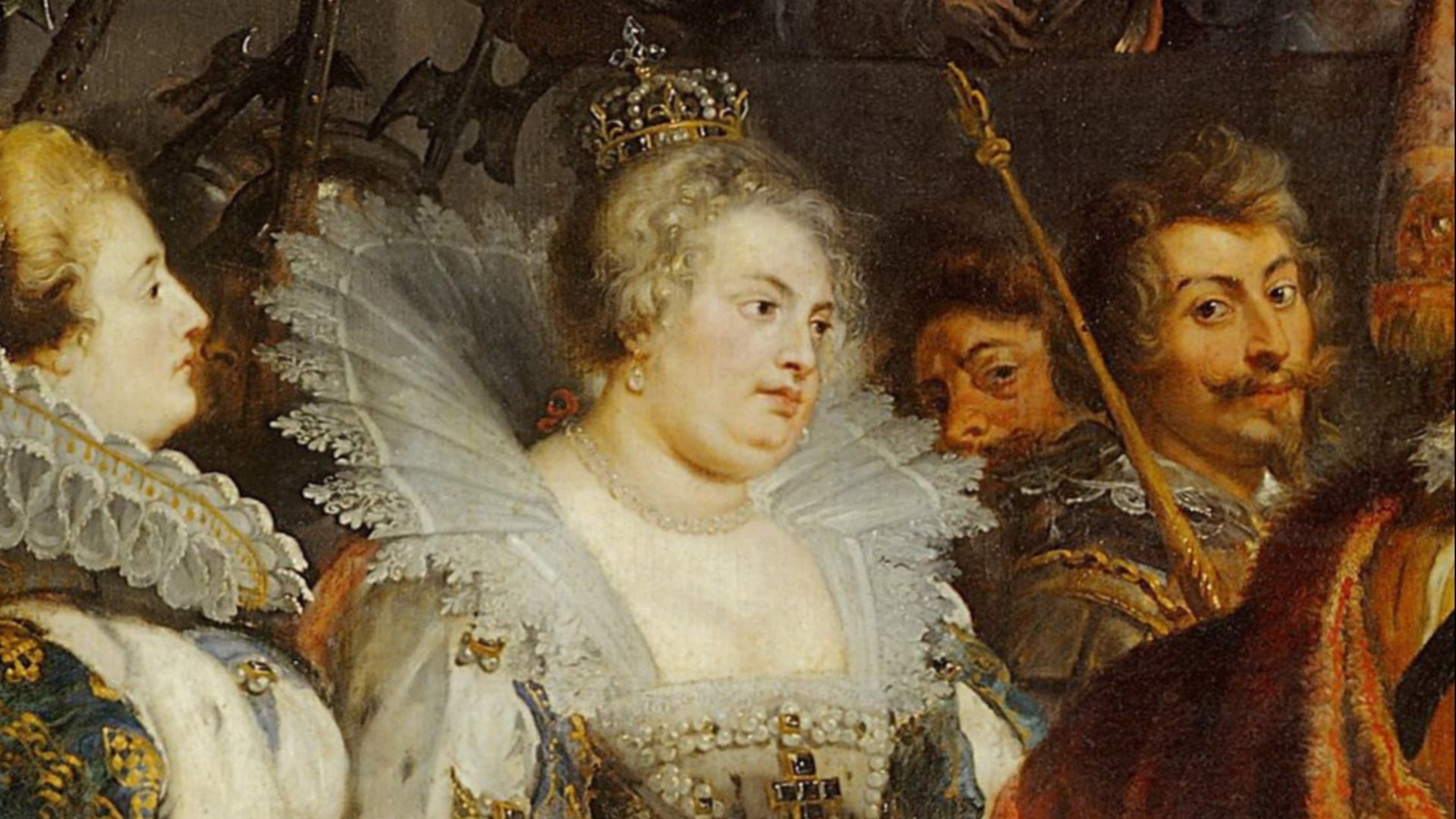 Peter Paul Rubens, Wikimedia Commons
32. She Lost Henry To A Rival
Rather than reigniting his old flame with de Sauve (or his wife), Henry fell for another member of the Flying Squadron. His new mistress became the captivating Spanish newcomer, Victoria de Ayala, known at court as “Dayelle”. For perhaps the first time, de Sauve found herself on the wrong side of someone else’s scheme.
She seemed prepared for a different life anyway.
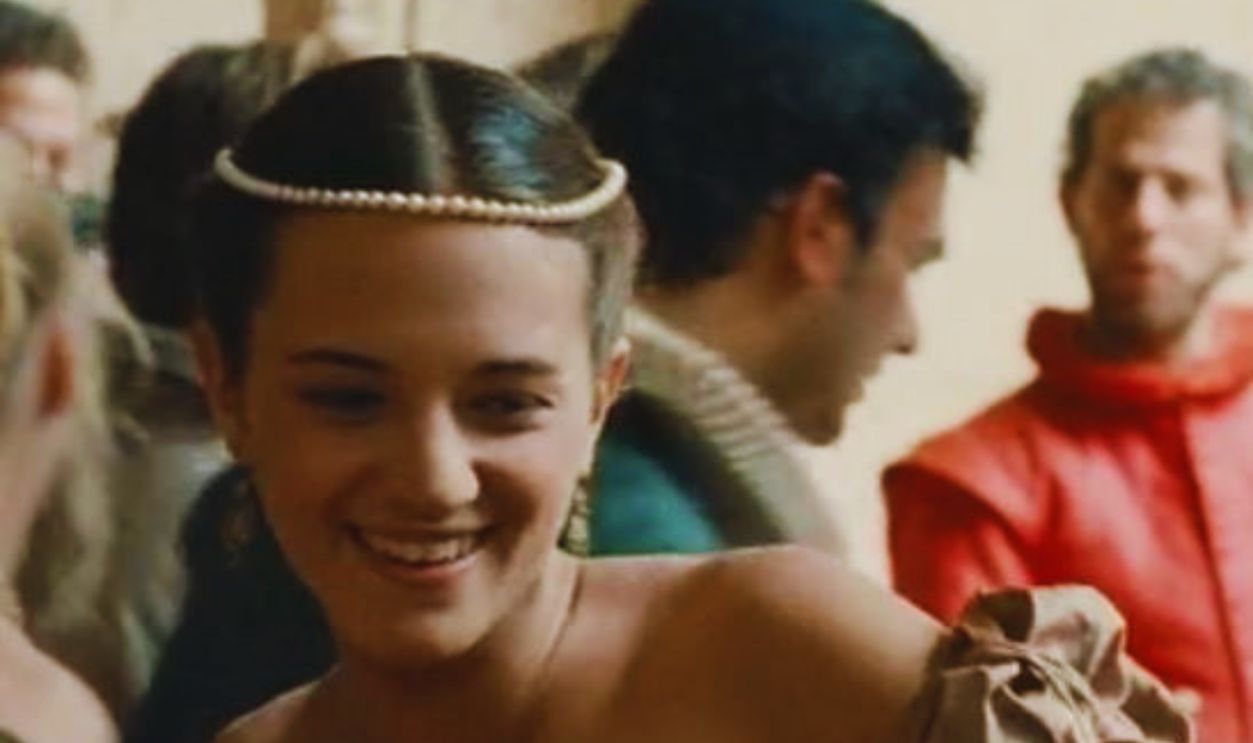 Screenshot from Queen Margot, Miramax (1994)
33. She Began A New Chapter
In late November of 1579, de Sauve’s first husband, Simon de Fizes, Baron de Sauve, drew his final breath. Less than five years later, in October of 1584, she took a second husband, François de La Trémoille, Marquis de Noirmoutier. Shortly after that, in 1586, she gave birth to a son, Louis de La Trémoille. A quiet, private life away from court intrigues seemed to suit.
Kind of.
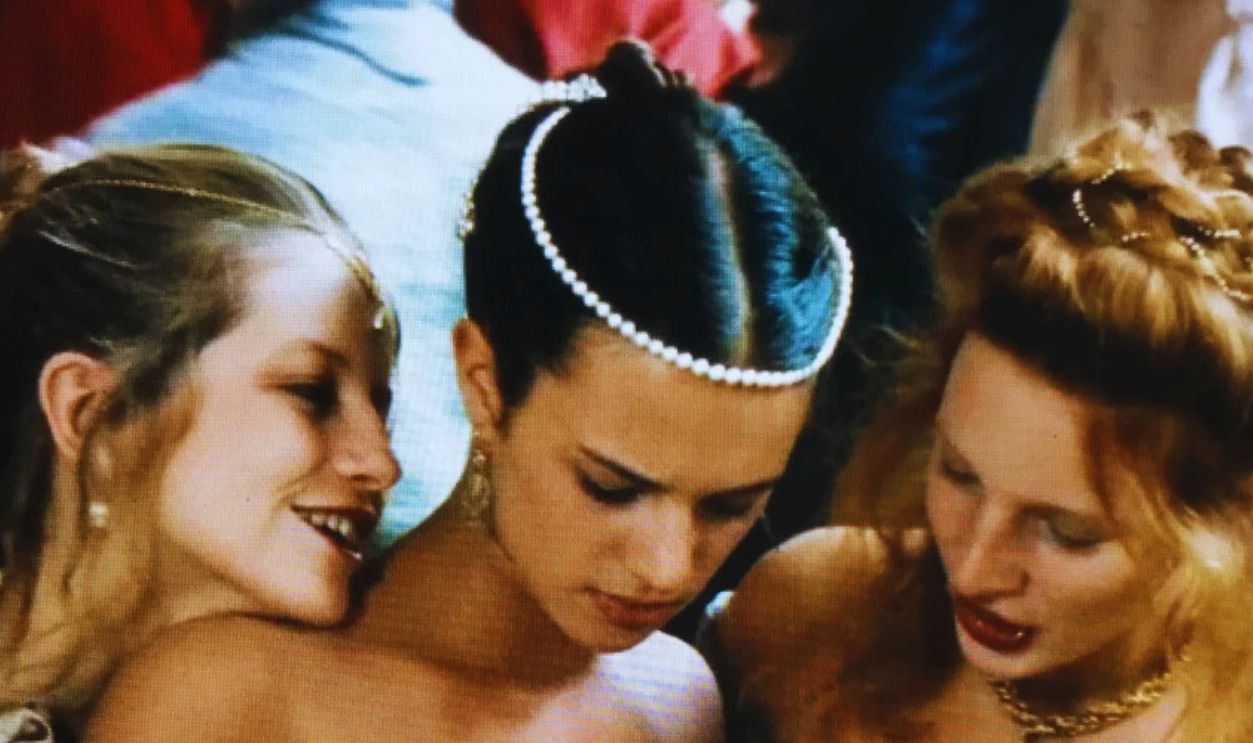 Screenshot from Queen Margot, Miramax (1994)
34. She Found Her Greatest Love
Try as she might, de Sauve couldn’t stay away from court plots and intrigues—it was in her blood. Even though she appeared happily married, she quickly struck up an affair with Henry, Duke of Guise. Historical records seem to suggest that it was actually true love, calling Guise the “love of her life sans doute”, or without doubt.
Yet, their love was not to last.
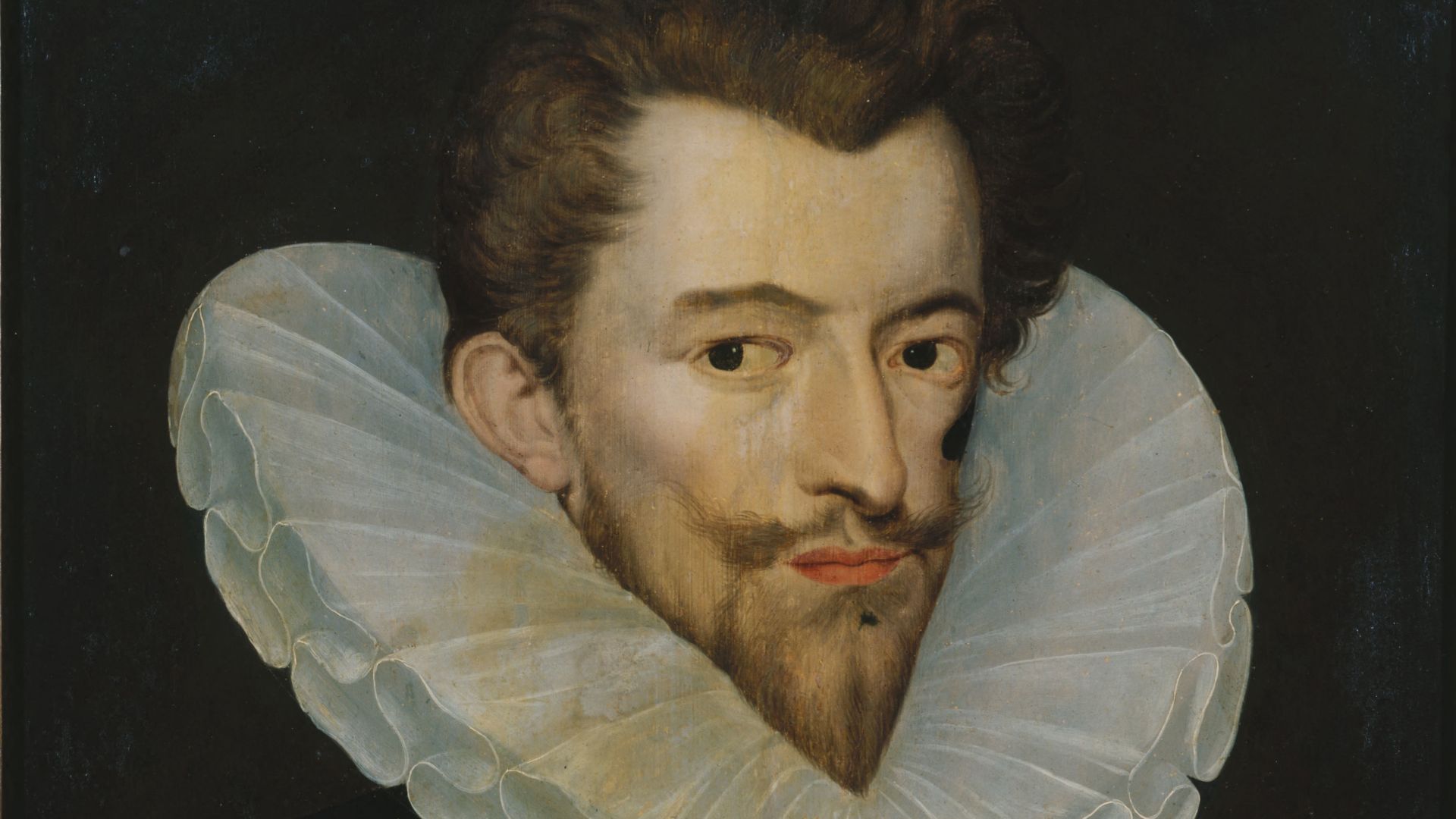
35. She Spent His Final Night With Him
The story of de Sauve and Henry de Guise came to a sudden, brutal end at the château of Blois. On the night of December 22 (or sometimes reported as Christmas Day) in 1588, de Sauve lay beside the man she loved most. The very next morning, however, her lover fell prey to another surreptitious plot when Henry III’s bodyguards, the fearsome Forty-five, savagely ended his life.
But it’s not like she had any shortage of replacements.
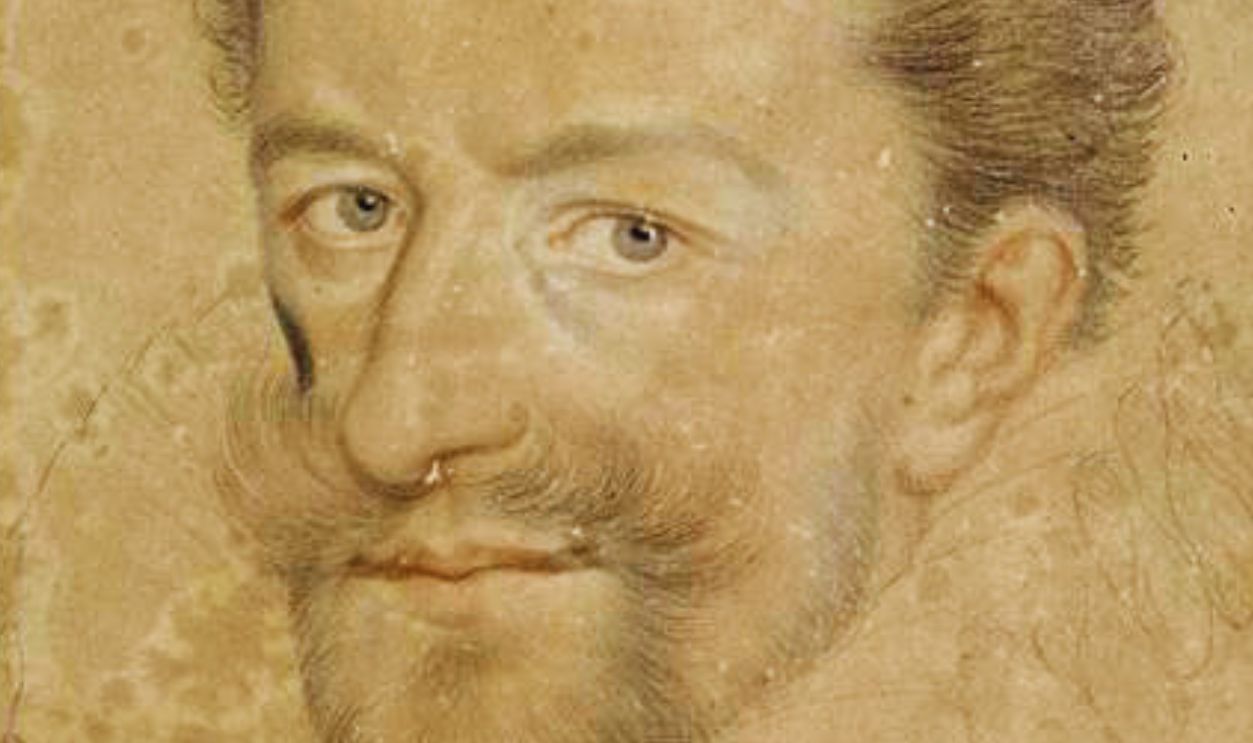 AnonymousUnknown author, Wikimedia Commons
36. Her Romantic Reach Was Extraordinary
Even beyond her celebrated entanglements with Navarre, Alençon, and Guise, de Sauve’s list of admirers read like a directory of French power. The Duc d'Épernon and the Seigneur d’Avrilly both counted themselves among her lovers, lending further proof that de Sauve continued operating within the Flying Squadron.
 Unidentified painter, Wikimedia Commons
37. She Left Her Mark On Henry Forever
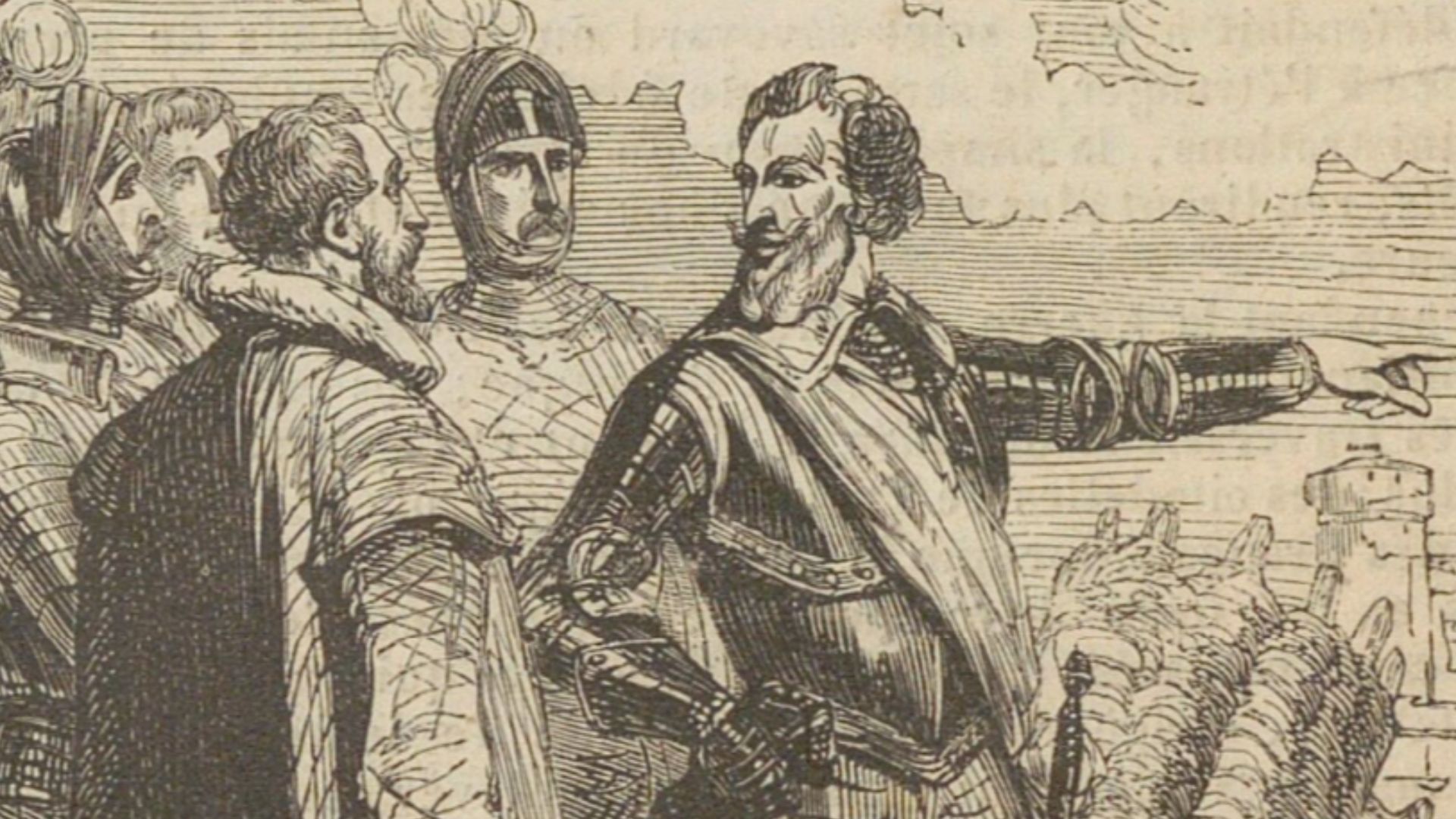
Even if de Sauve’s affair with Henry of Navarre had been purely political on her part, she appears to have left a genuine scar. Years later, Henry himself acknowledged that de Sauve bore responsibility for what he called “the bestiality which alienated him from d’Alençon”. It was a remarkable admission.
But de Sauve would later make it up to him—in an explosive way.
 Ange Louis Janet, Wikimedia Commons
38. She Outlived Her Second Husband
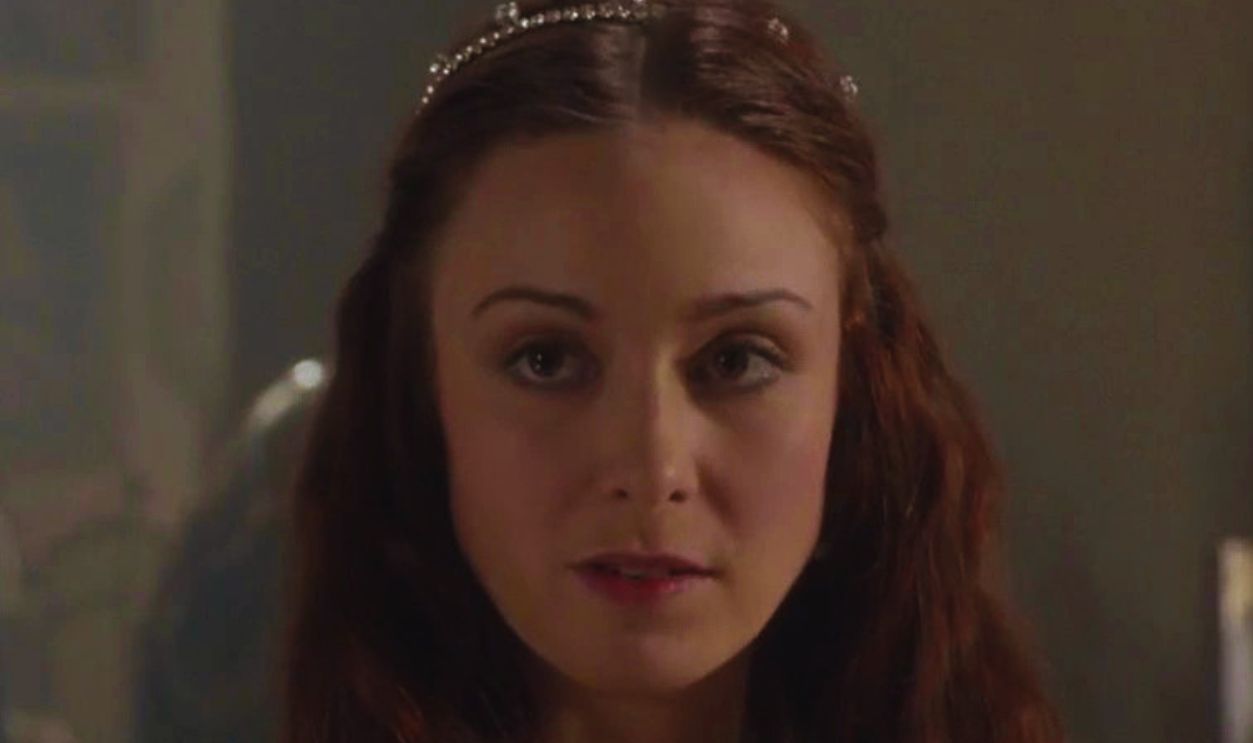
In February 1608, François de La Trémoille departed the world, leaving de Sauve a widow for the second time. She assumed the title of Dowager Marquise de Noirmoutier as her son Louis stepped forward to claim his inheritance, succeeding his father as Marquis de Noirmoutier. A new, quieter chapter had begun.
 Screenshot from Reign, The CW (2014)
39. Her Son Carried The Line Forward
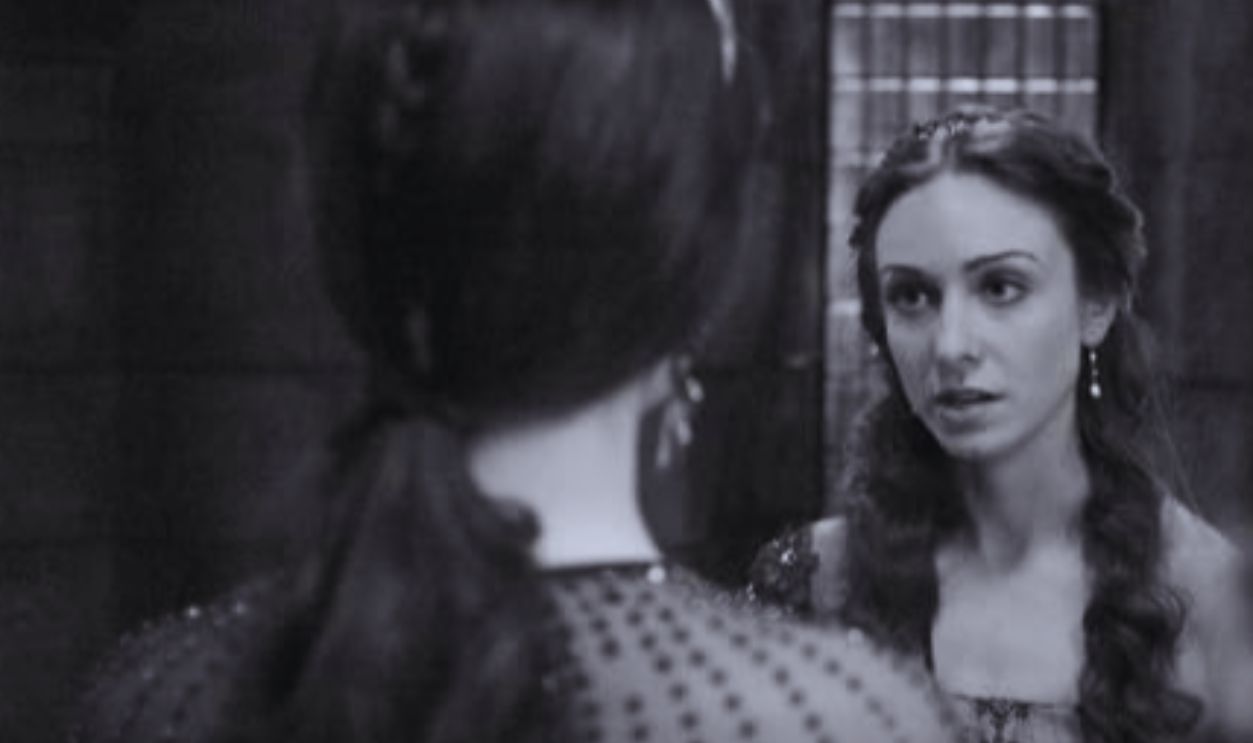
On March 13, 1610, de Sauve’s son Louis wed Lucrèce Bouhier, a union that would secure the family’s future. The couple welcomed a son—Louis de La Trémoille, born on Christmas Day, 1612—who would one day rise to become the 1st Duke of Noirmoutier, extending de Sauve’s dynastic reach well into the next generation.
 Screenshot from Reign, The CW (2014)
40. Her Legacy Reached Across Europe
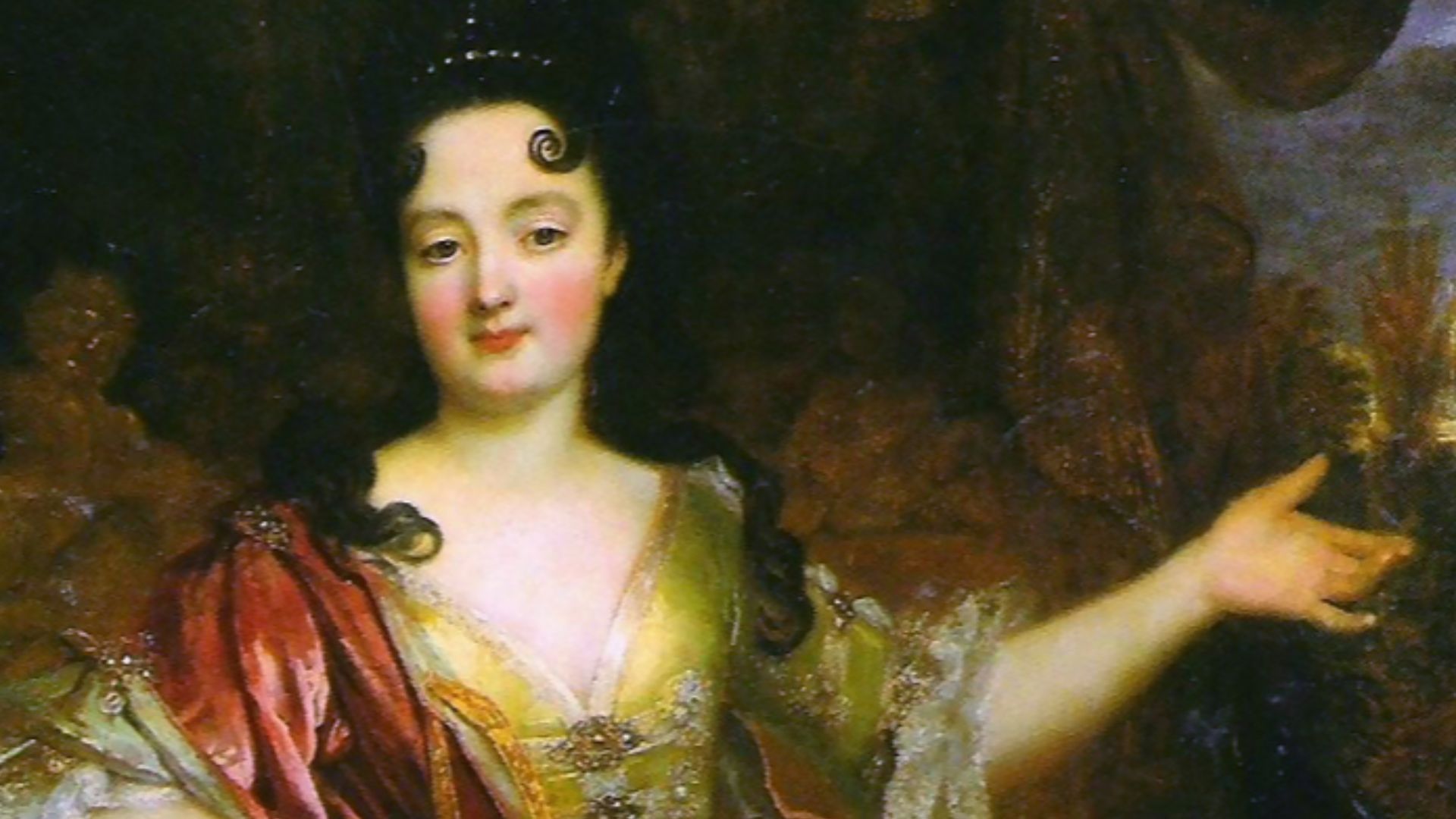
Among de Sauve’s most remarkable descendants was Marie-Anne de la Trémoille, the Princesse des Ursins—a woman who, much like de Sauve, would prove herself a formidable force at a royal court. In the early 18th century, the Princesse des Ursins carved out a commanding role in the Spanish court, bringing the audacity, intrigue, and subterfuge of her bloodline to a new kingdom.
 Attributed to Nicolas de Largillière, Wikimedia Commons
41. She Lived Long And Scandalously
On September 30, 1617, Charlotte de Sauve drew her last breath, allegedly in Paris, at the age of sixty-five. The woman who had captivated kings, dismantled alliances, shaped royal successions, and outlasted nearly every enemy she had ever made, departed a world she had navigated with extraordinary skill.
But her story was far from over.
 Screenshot from Reign, The CW (2014)
42. Her Bloodline Eventually Faded
de Sauve’s legacy, powered by secrets, endured through her descendants for well over a century. But every dynasty has its final chapter. The ducal line of Noirmoutier, which traced its origins directly back through de Sauve’s son Louis, fell silent in 1733 when it finally flickered out, leaving behind only the long shadow of the remarkable woman at its root.
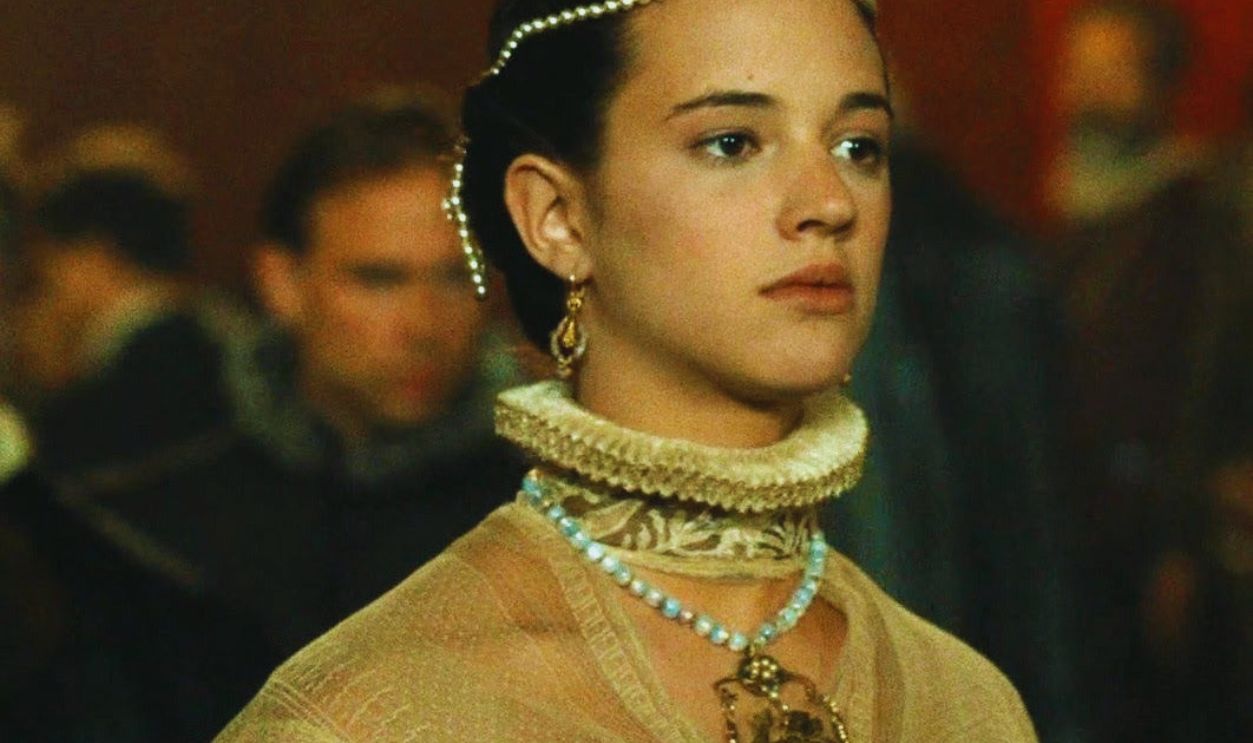 Screenshot from Queen Margot, Miramax (1994)
43. She Inspired A Dramatic Reinvention
In director Patrice Chéreau’s acclaimed 1994 film La Reine Margot, the Italian actress Asia Argento brought de Sauve to life—vividly. The film, however, took dramatic liberties. On the screen, de Sauve perished while unwittingly attempting to end Henry of Navarre’s life through a poisoned object—a series of events that bears little to no resemblance to historical fact.
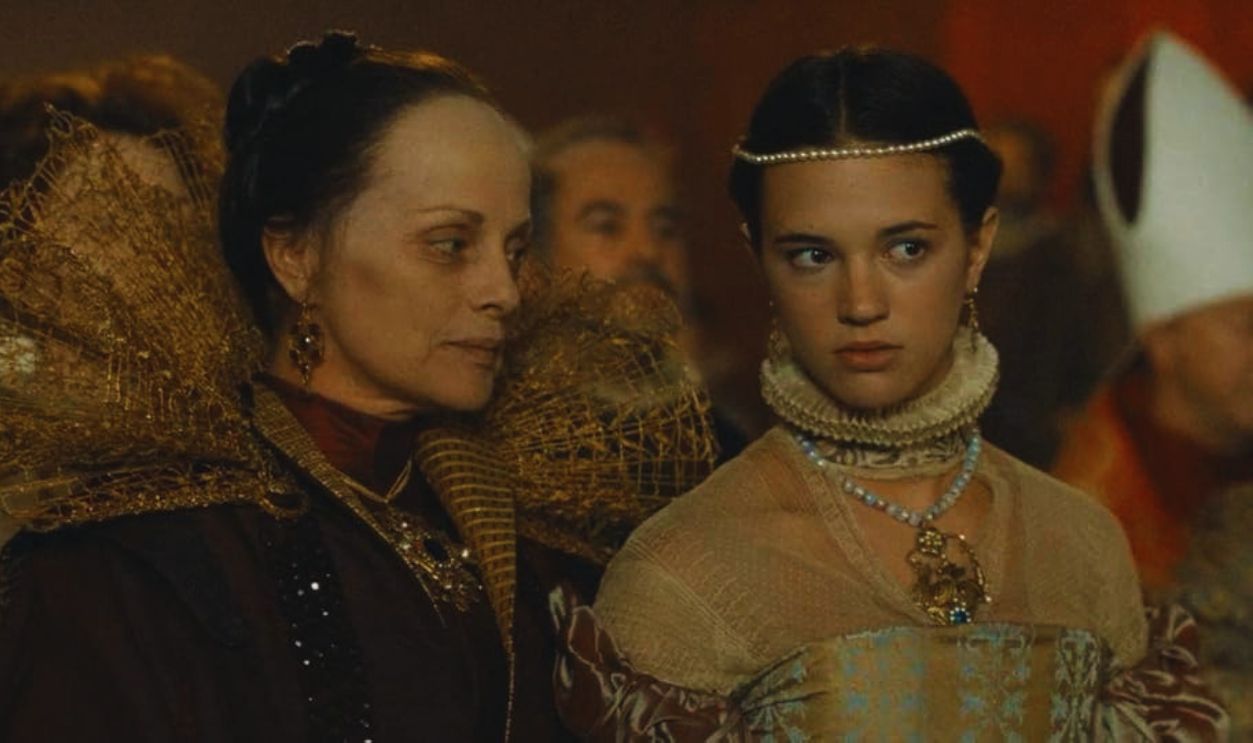 Screenshot from Queen Margot, Miramax (1994)
44. She Found A New Generation Of Fans
De Sauve’s story proved too irresistible to leave in the history books. In the seventeenth episode of the first season of The CW’s popular historical drama Reign, actress Amy Groening stepped into de Sauve’s shoes. The role introduced one of the French court’s most cunning operators to an entirely new generation of viewers hungry for royal intrigue.
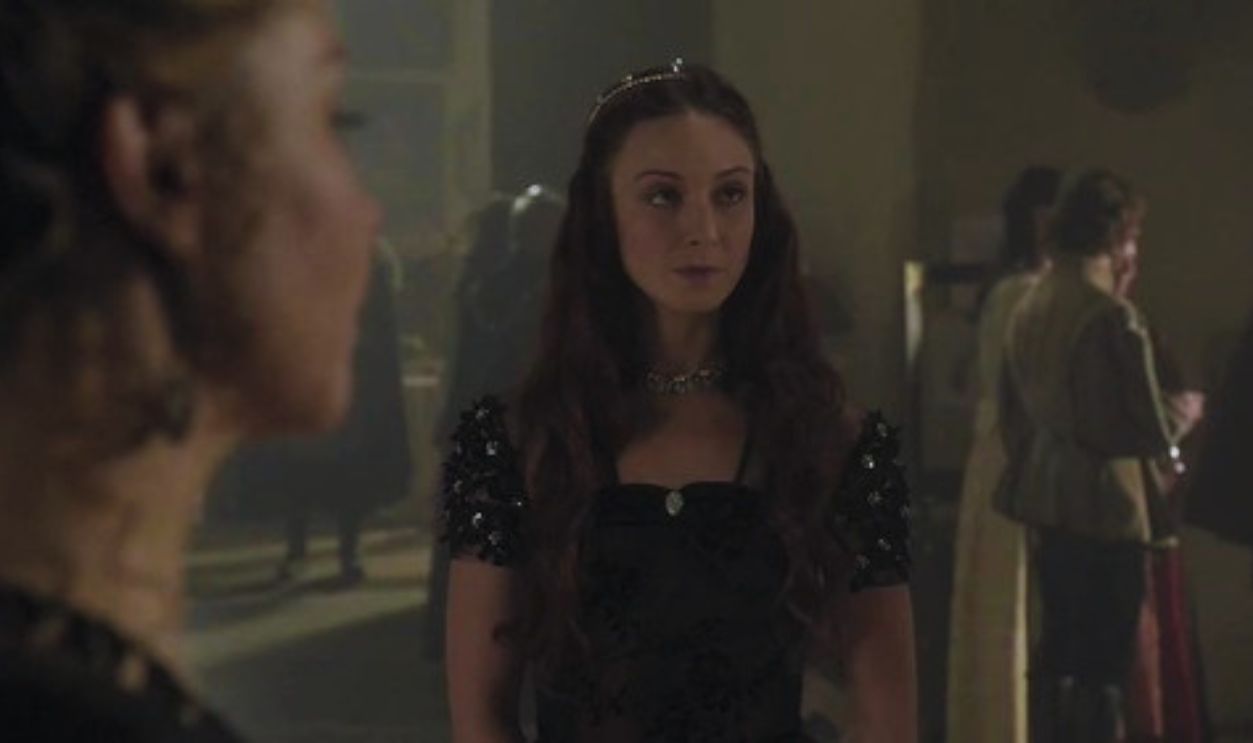 Screenshot from Reign, The CW (2014)
45. She Made History All By Herself
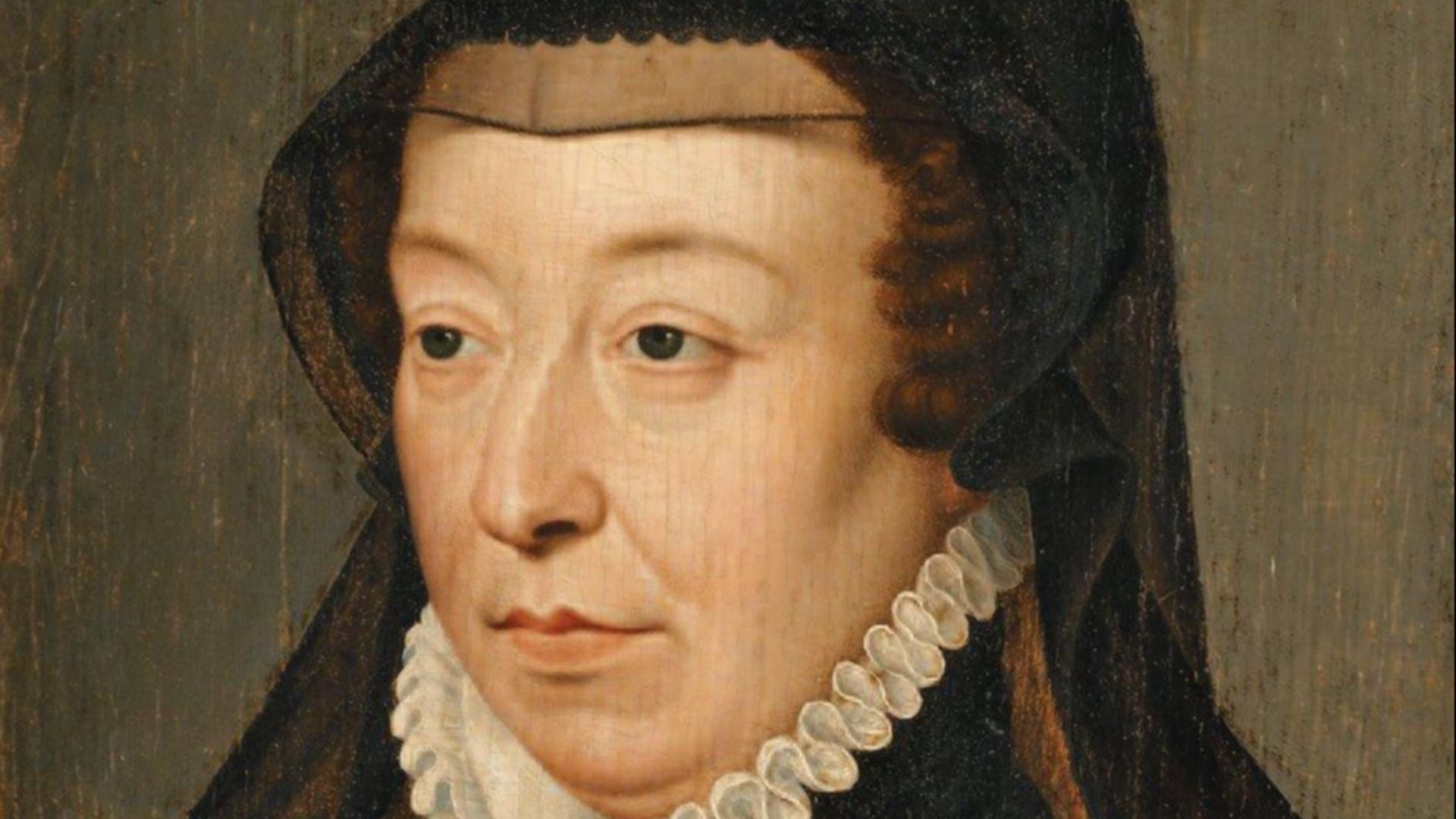
For all the legends and myths that swirl around Catherine de’ Medici’s Flying Squadron, it is Charlotte de Sauve alone who stands on truly solid historical ground. Scholars regard her 1572 affair with Henry of Navarre as the only clearly documented instance of de’ Medici deploying a lady-in-waiting’s romantic influence for political ends.
In other words, de Sauve wasn’t just a member of the Flying Squadron—she was its whole mythos. But her secrets wouldn't stay hidden forever.
 Workshop of François Clouet, Wikimedia Commons
46. She Made It Up To Henry
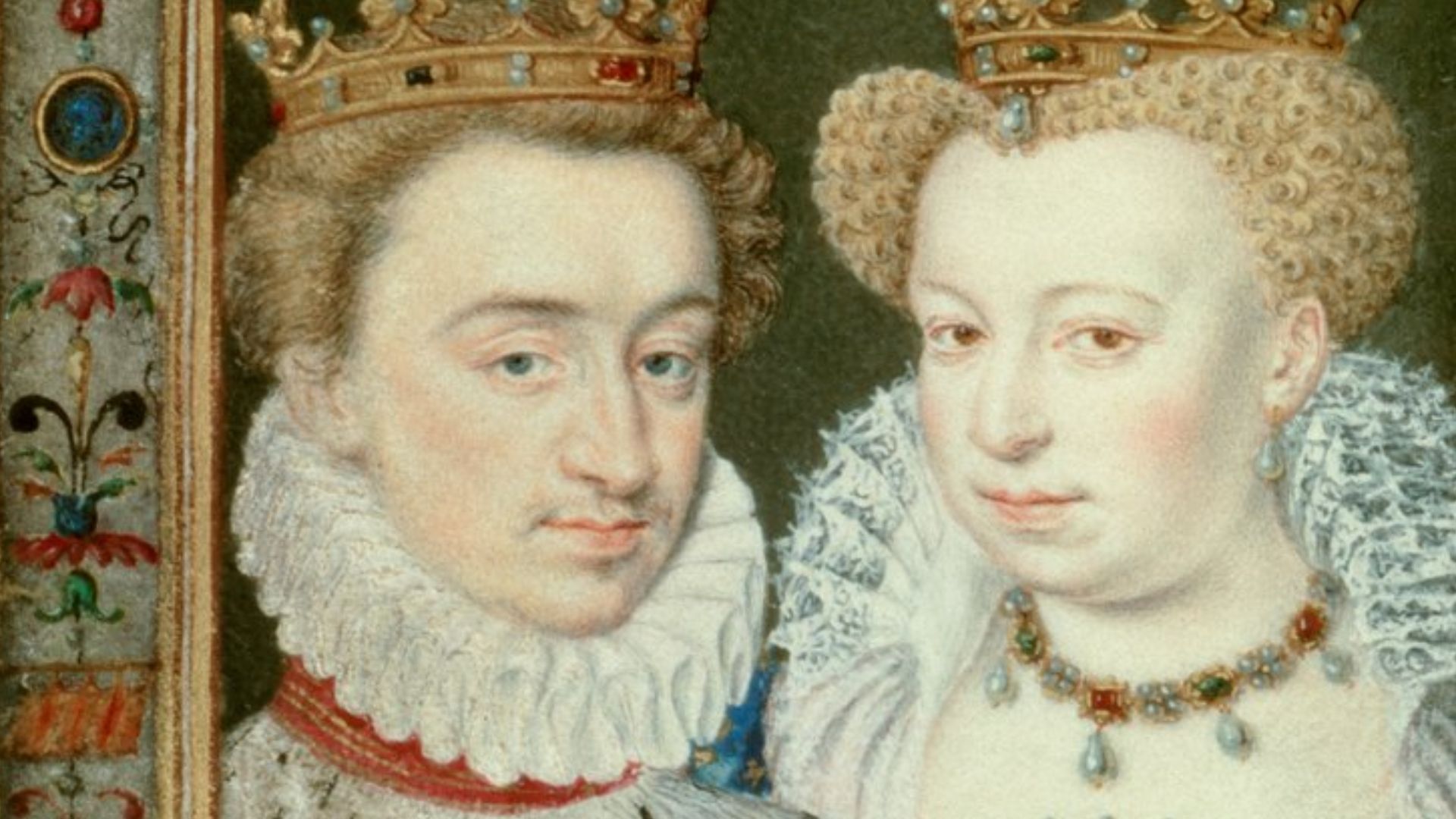
Back in 1599—years removed from her days as a Flying Squadron operative—the royal family summoned de Sauve once again. They asked her to give testimony in the annulment proceedings between Henry and Marguerite de Valois, who had proved unable to provide an heir. As the woman with all the secrets, she knew exactly what to say.
 Unknown authorUnknown author, Wikimedia Commons
47. She Revealed A Queen’s Secret
Taking the stand, de Sauve delivered a testimony that rocked the royal family to its core. She swore that Marguerite had never wanted the union at all. Moreover, she testified that Catherine de’ Medici had coerced her own daughter into the marriage by threatening to make her “the most miserable woman in the kingdom” if she refused to consent.
It was a mic drop moment with historical implications.
48. She Changed the Course of Royal History
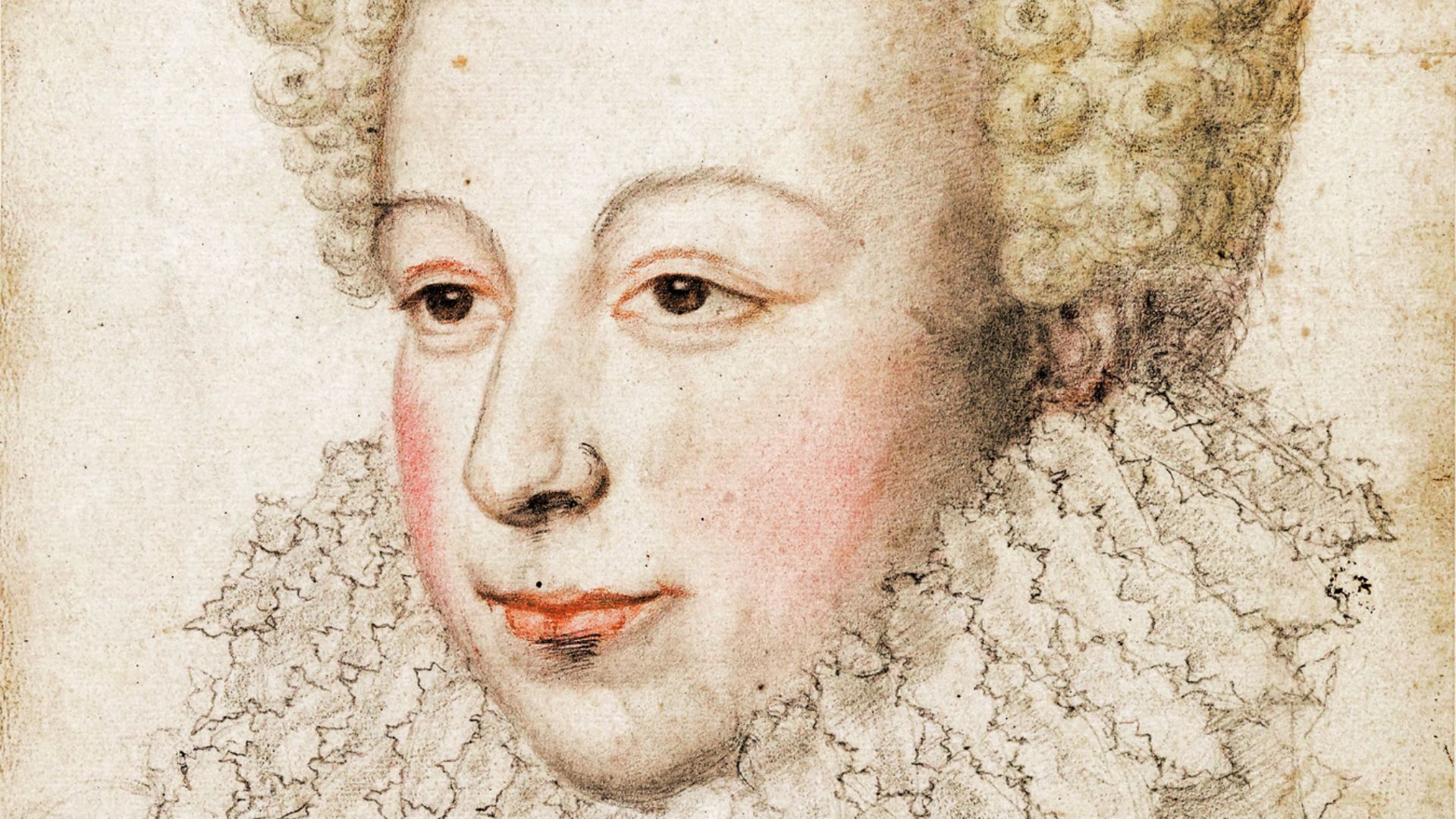
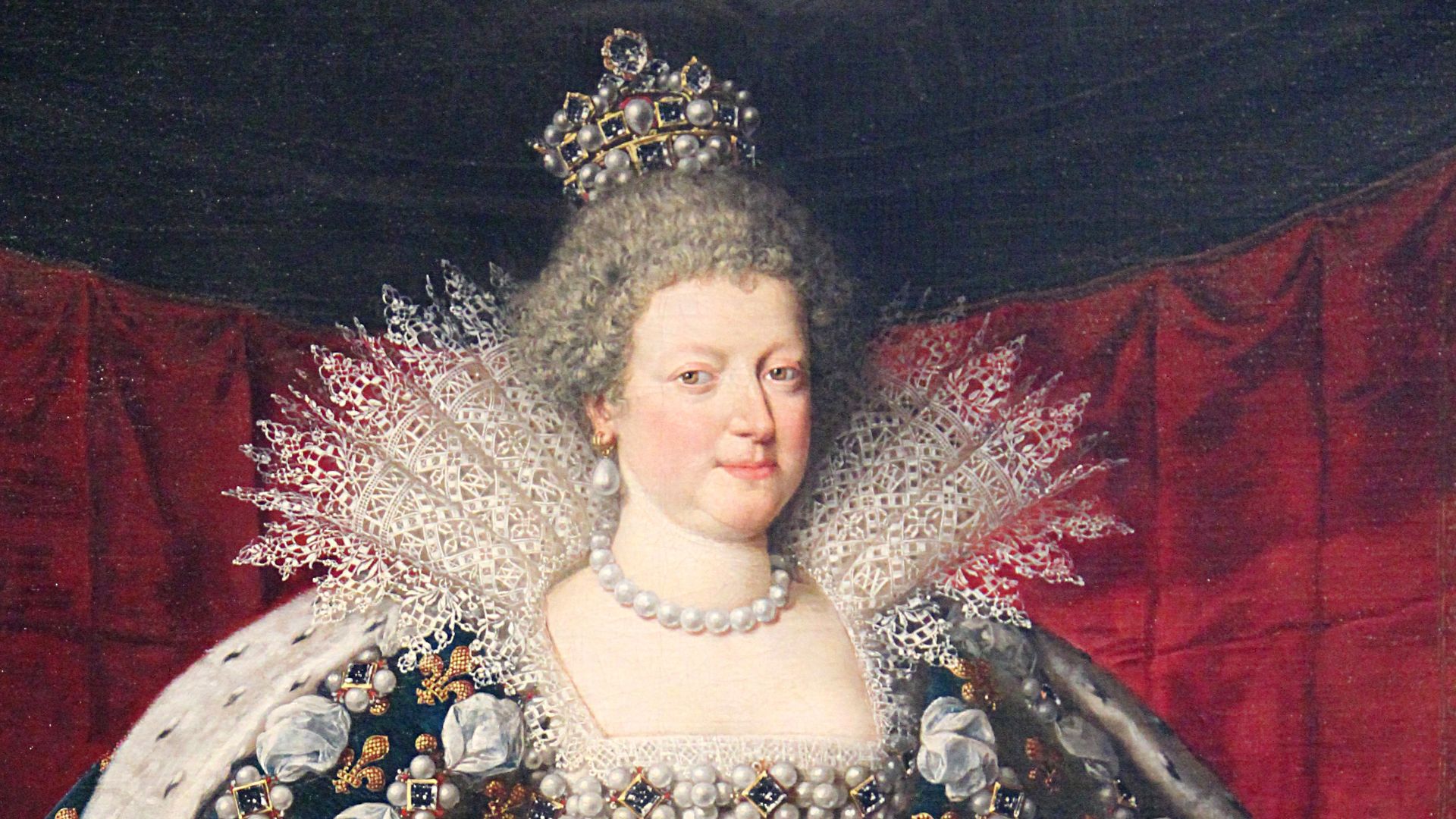
De Sauve’s revelation of royal secrets proved decisive. On December 17, 1599, the annulment was granted, freeing Henry to wed Marie de’ Medici. The union produced six legitimate children, including the future Louis XIII—heirs who would shape the destiny of France for generations.
Had the annulment not taken place, history would look drastically different.
 Frans Pourbus the Younger, Wikimedia Commons
49. She Never Escaped Her Past
Also back during Henry’s reign, de Sauve took her place among the Bourbon court. Surprisingly, despite their scandalous history, the royal family graciously welcomed de Sauve back into their inner circle—perhaps fearing the secrets she still held. However, the rest of the courtiers were less enthusiastic. As one source notes, she “never lived down her previous scandalous reputation”.
Some shadows, it seems, simply refuse to lift.
You May Also Like:
42 Scandalous Facts About Catherine de Medici, The Deadly Queen Mother Of France
Sordid Facts About Marie Anne de Mailly-Nesle, The Manipulative Mistress
Shameless Facts About Fanny Murray, Queen Of The Courtesans