The Streisand Effect
Barbra Streisand’s career is the stuff of Hollywood legend. From almost the very beginning, her outsized talent, perfectionism, and loyalty to her own genius have made men fall for her and fight with her—sometimes at the same time. Yet the public’s perception of Streisand is only half the story, and her personal dramas go deeper than you think.
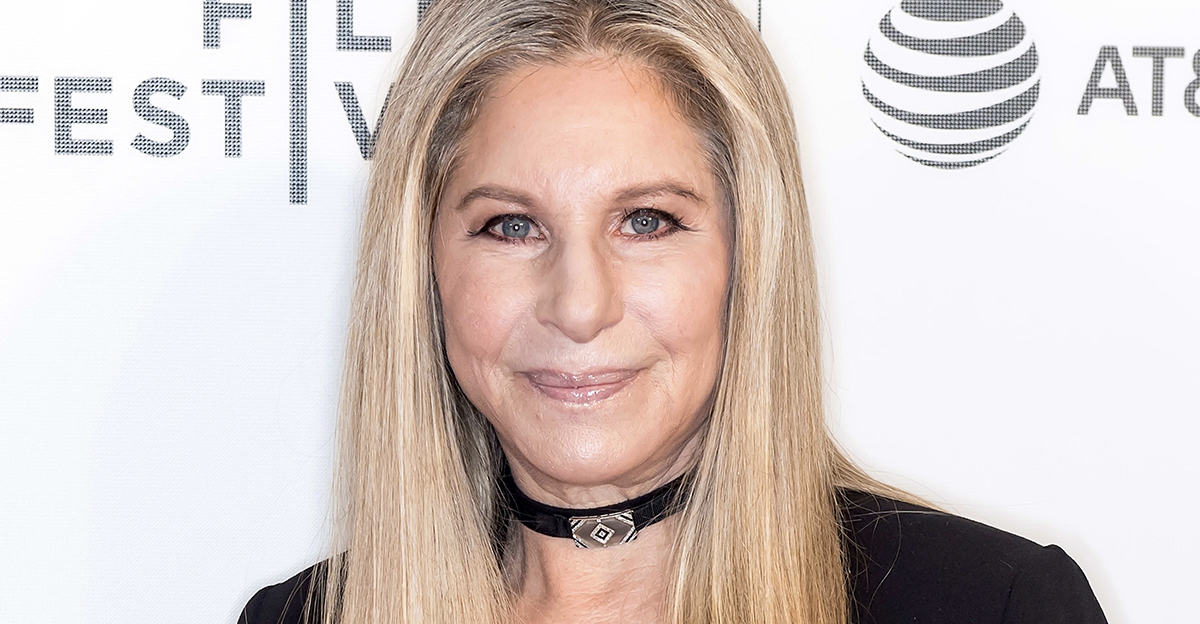
1. She Lost Her Father As A Baby
Even Streisand’s childhood was dramatic. Born Barbara Streisand in 1942 in Brooklyn to Diana and Emanuel Streisand, tragedy struck early. Just months after her first birthday, Streisand’s father passed at the age of 34 after an epileptic seizure. The loss stayed with Streisand for the rest of her life; as she put it; "Everybody else's father came home from work at the end of the day. Mine didn't”.
But this emotional void wasn’t the only consequence.
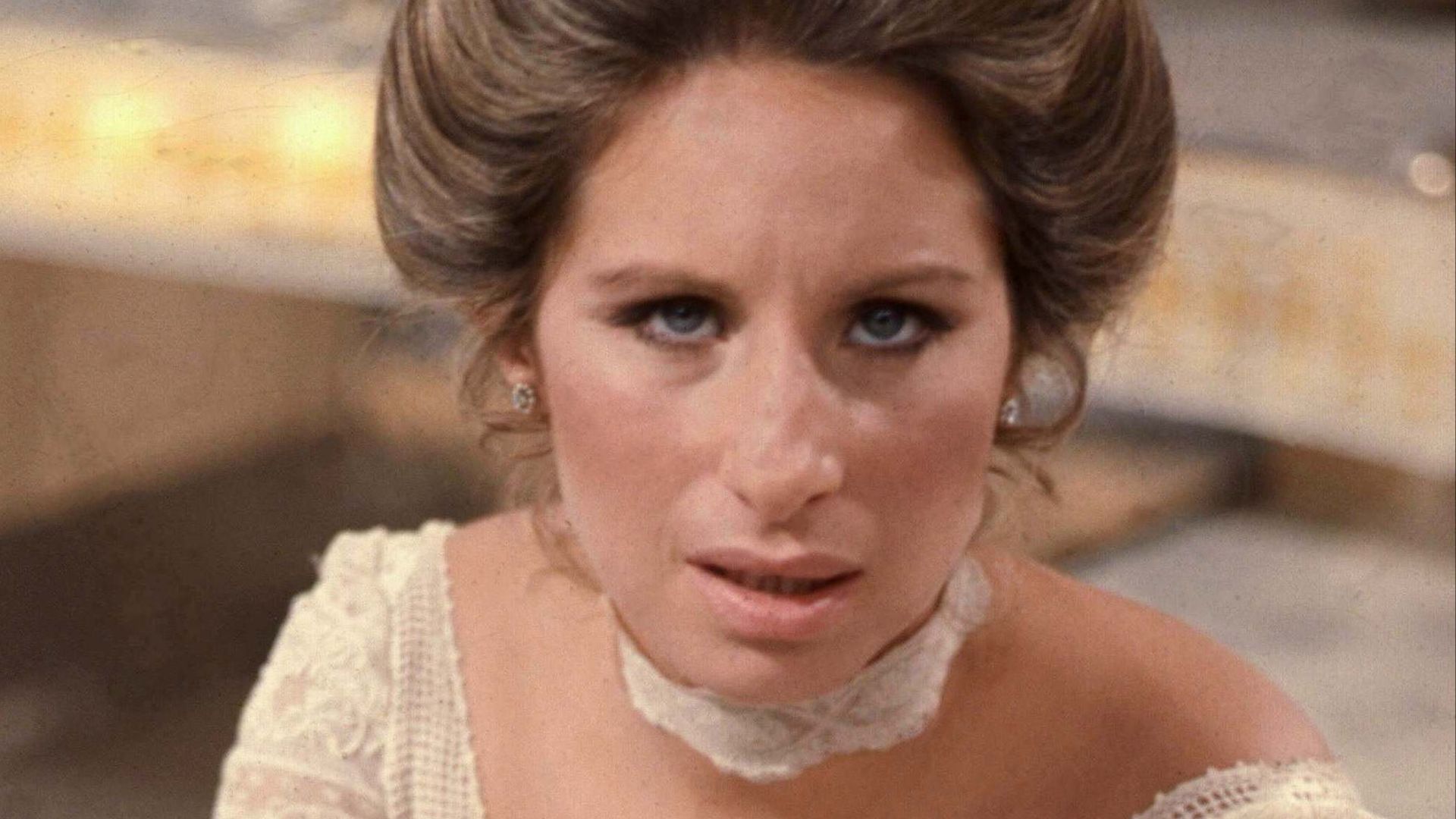 Allan warren, Wikimedia Commons
2. She Had A Difficult Relationship With Her Mother
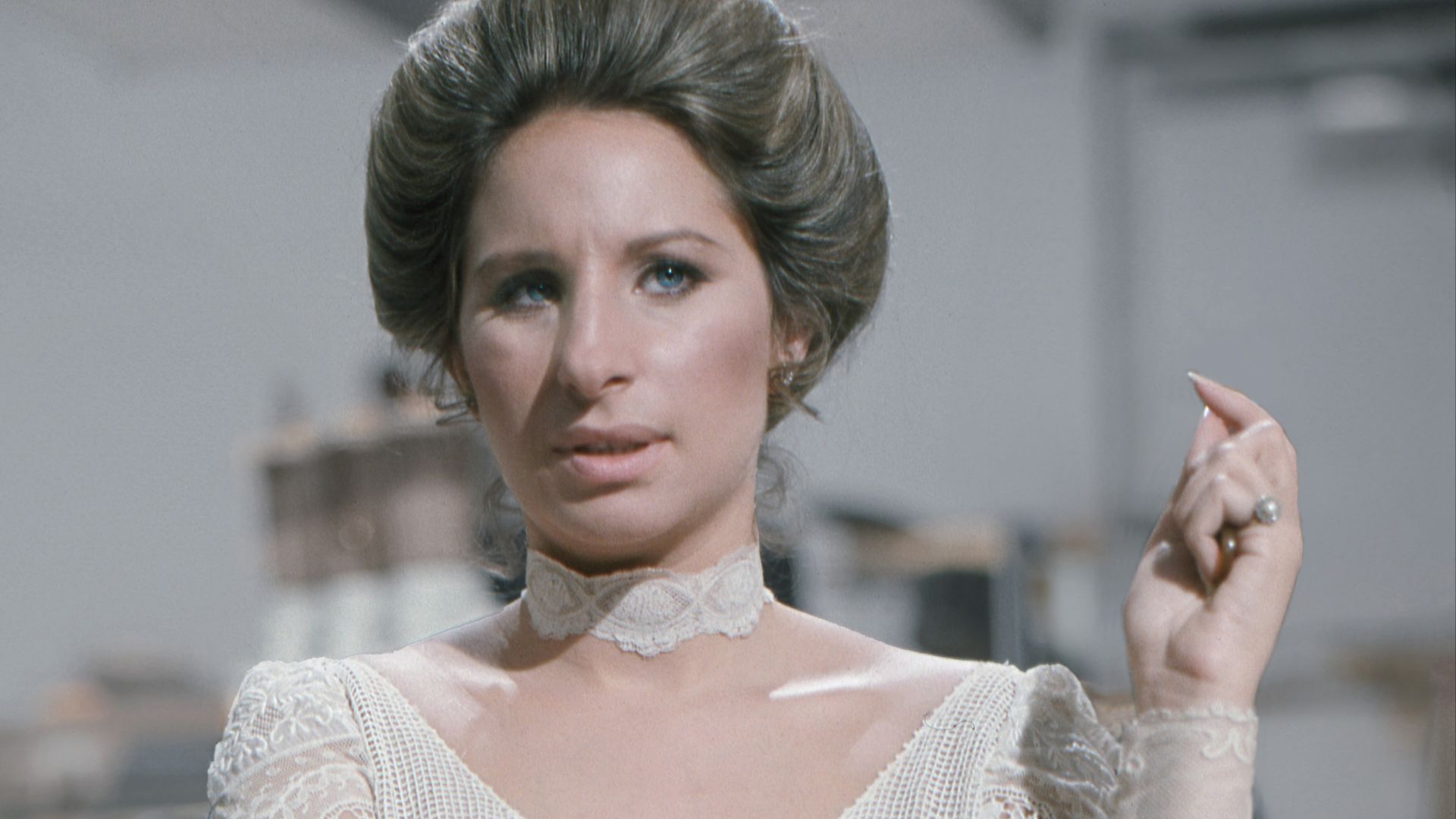
With Emanuel gone, Streisand’s family was thrown into poverty: Her mother, a semi-professional singer with a lovely voice, had to throw herself into a bookkeeping role to keep the wolf from the door. Taken up with making ends meet, Streisand’s mother often couldn’t give her daughter the attention she needed.
When Streisand finally did get her mother to pay attention to her, it was for all the wrong reasons.
 Allan warren, Wikimedia Commons
3. Her Family Begged Her Not To Sing
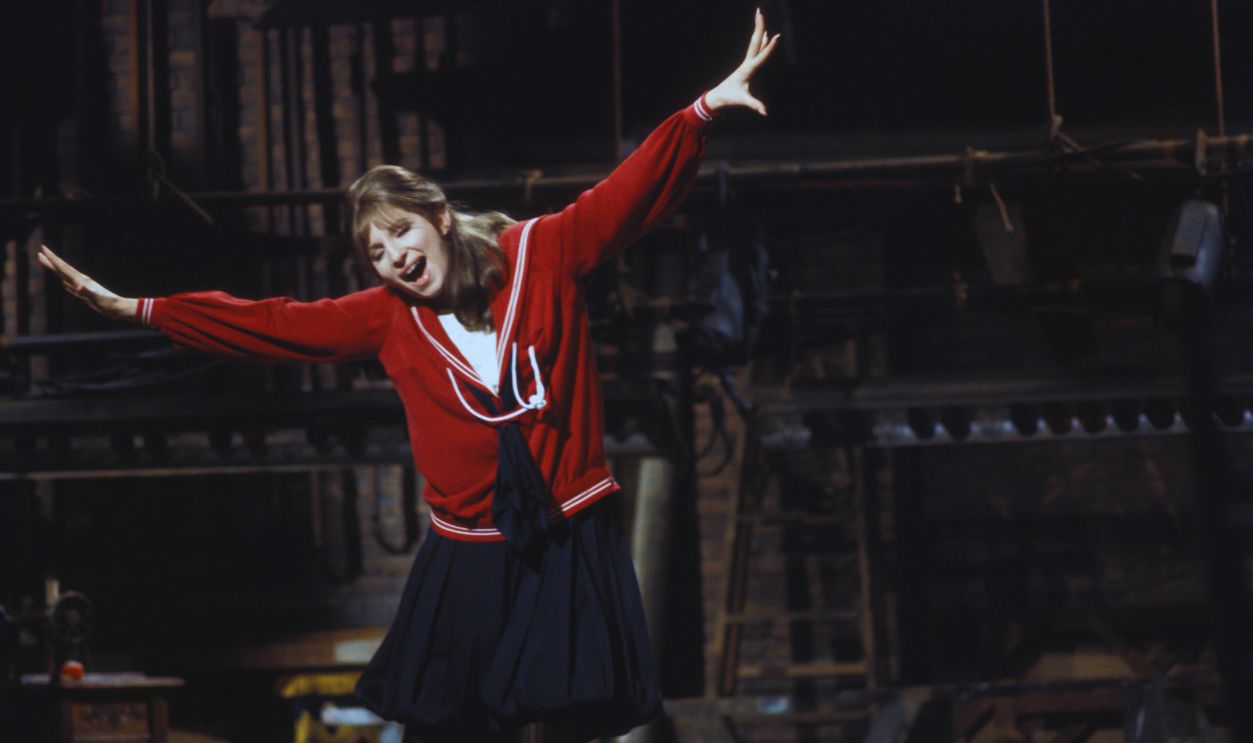
Streisand always had a hauntingly beautiful voice, and her mother even helped her make some demo tapes at 13. But when Streisand graduated school at 16 and decided she was going to try to make it in show business, her mother balked. Even as Streisand went around to every audition she could, her mother endlessly begged her to give up.
This only made Streisand want to work harder—but her mother wasn’t the only naysayer.
 REPORTERS ASSOCIES, Getty Images
4. She Refused A Nose Job
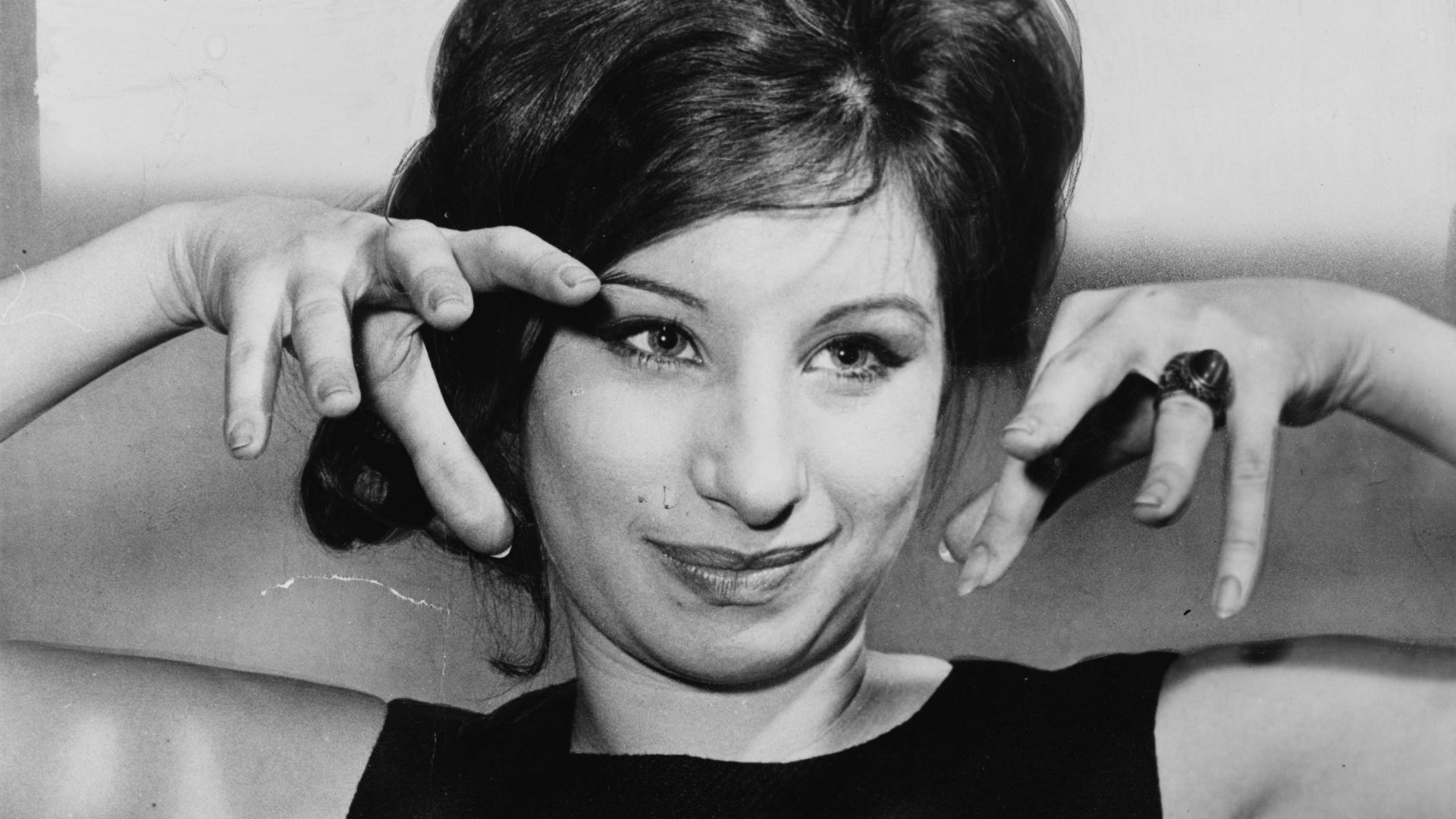
As Streisand began collecting more gigs and admirers, she got disturbing advice. Again and again, producers and the like told her she was too ugly to make it, and if she wanted to have any shot at all she should “fix” her distinctive nose and get a nose job. But even then, Streisand knew herself, and she refused.
When she did make a concession, it was in her own stubborn way.
 Al Ravenna, World Telegram staff photographer, Wikimedia Commons
5. She Changed Her Name
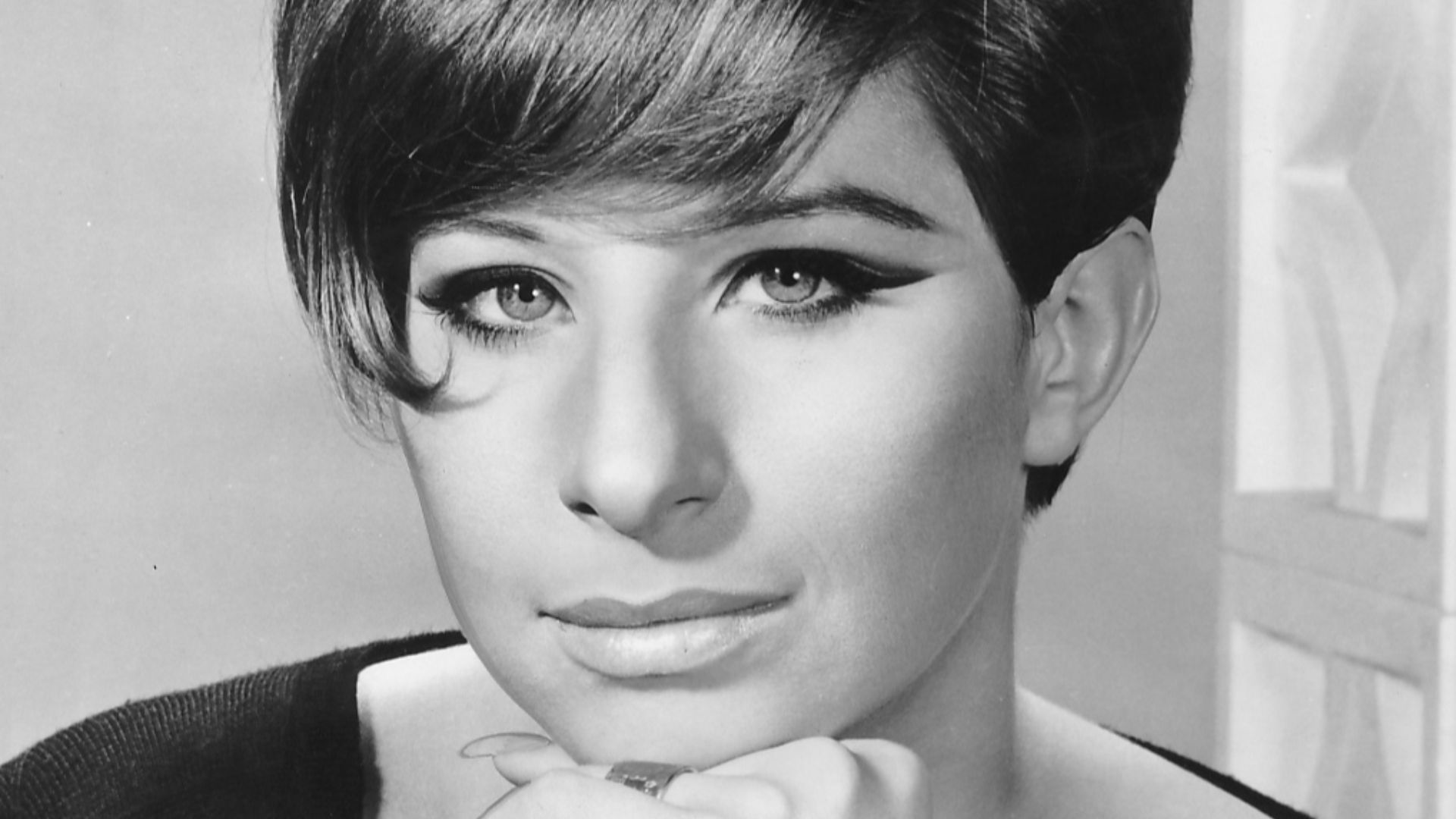
Another sticking point for casting agents was Streisand’s name, which they wanted to change to something like “Joanie Sands,” as Streisand’s middle name was Joan. Although Streisand admits she didn’t like her name, she also didn’t want to bend to other people’s wills. So she made something of a compromise—she took the “a” out of her first name “Barbara,” becoming “Barbra”. As it happened, it was good enough.
 Unknown authorUnknown author, Wikimedia Commons
6. She Turned Into A Star
Over the next years, Streisand climbed her way up the nightclub circuit, wowing audiences as she did so; her boyfriend at the time, Barry Dennen, described how “this nutty little kook had one of the most breathtaking voices I'd ever heard”. It was during this time that people began comparing her to Judy Garland and, in a prescient move, Fanny Brice.
Then suddenly, almost overnight, she proved her mother wrong.
7. She Was An Overnight Success
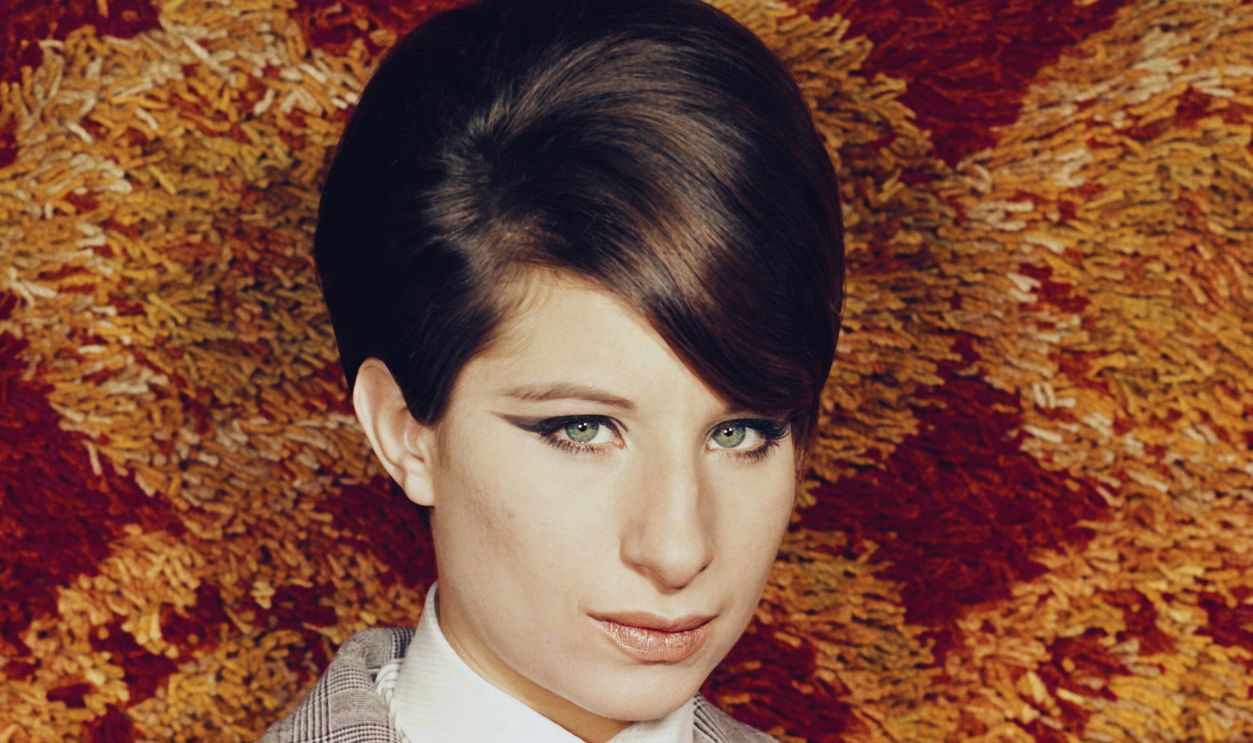
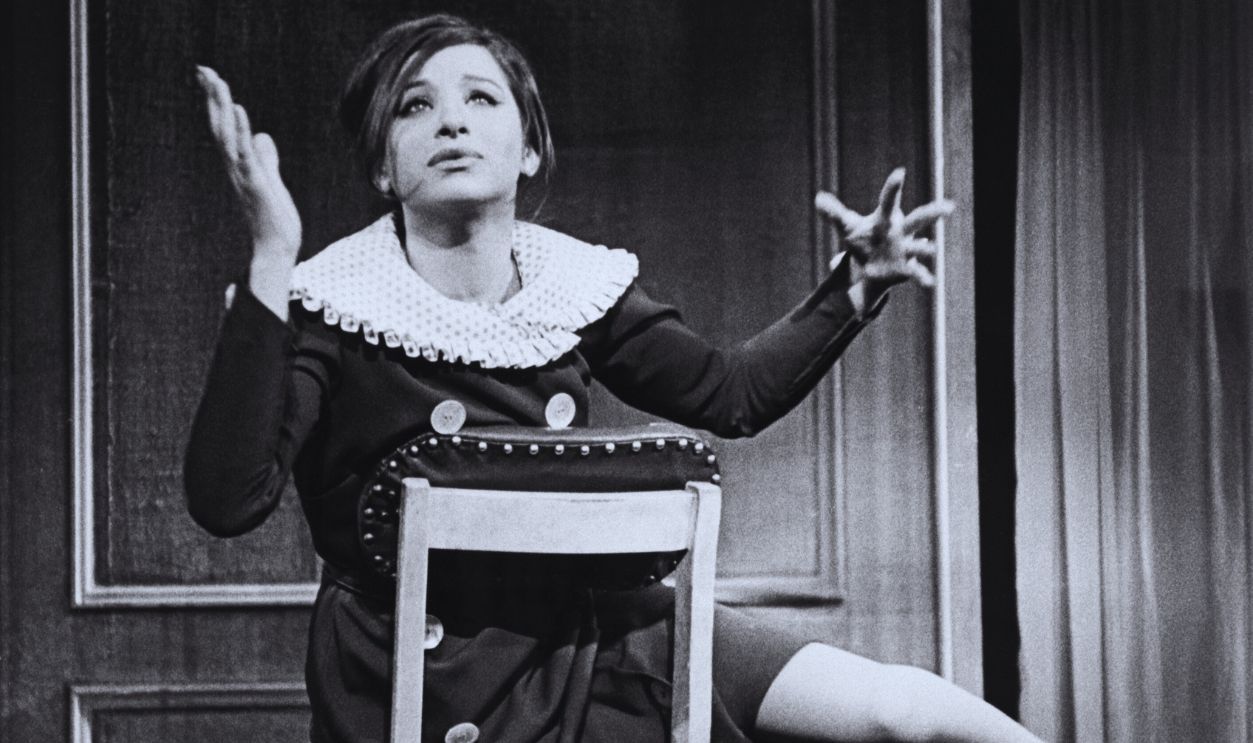
When Streisand was only 20 years old, she turned into a Broadway darling after a performance in I Can Get It for You Wholesale that “stopped the show cold”. She would go on to earn a Tony nomination for the role, and had a spate of television appearances on everything from The Tonight Show to The Ed Sullivan Show.
Barbra Streisand had arrived—but she was no ingenue.
8. She Made A Critical Demand
When Streisand was 21, she parlayed her Broadway success into a record deal with Columbia. Only, she had one massive condition. She wanted to have full creative control, meaning the company couldn’t force her to do songs she didn’t want to sing or to choose her album titles for her. And if they thought she’d cave anyway, they were wrong.
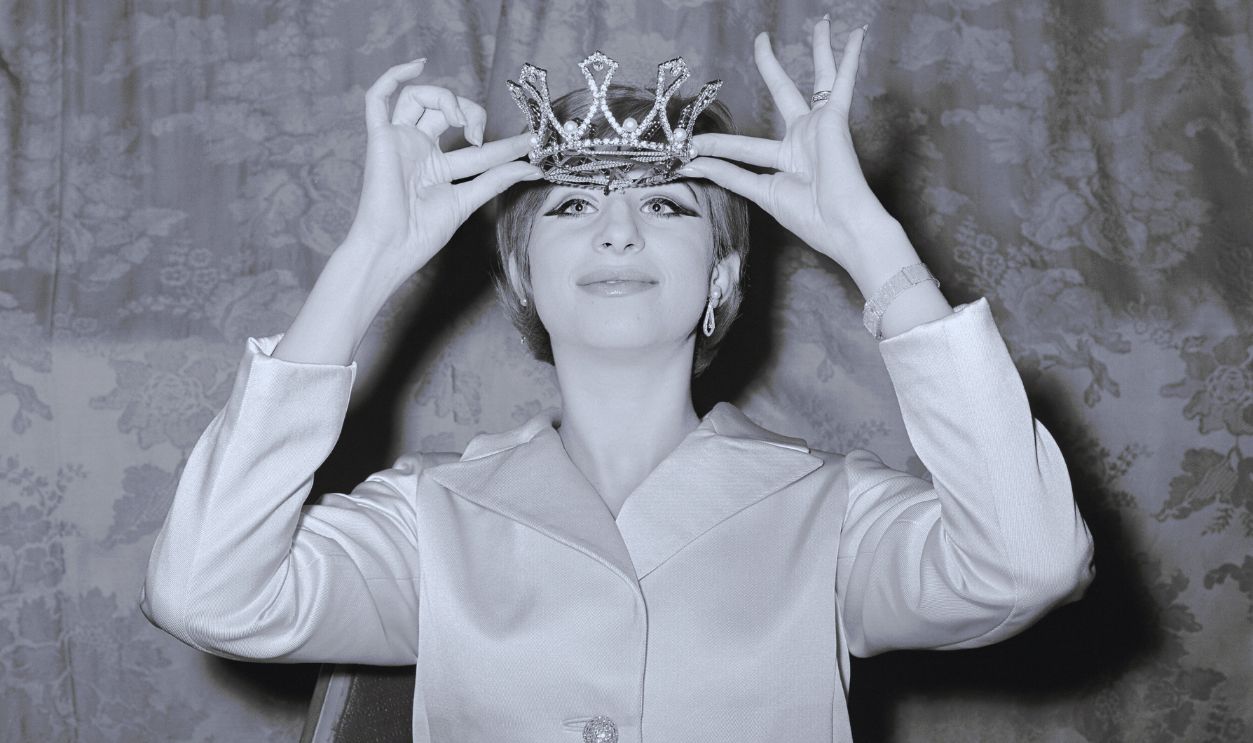
9. She Fought With Her Label
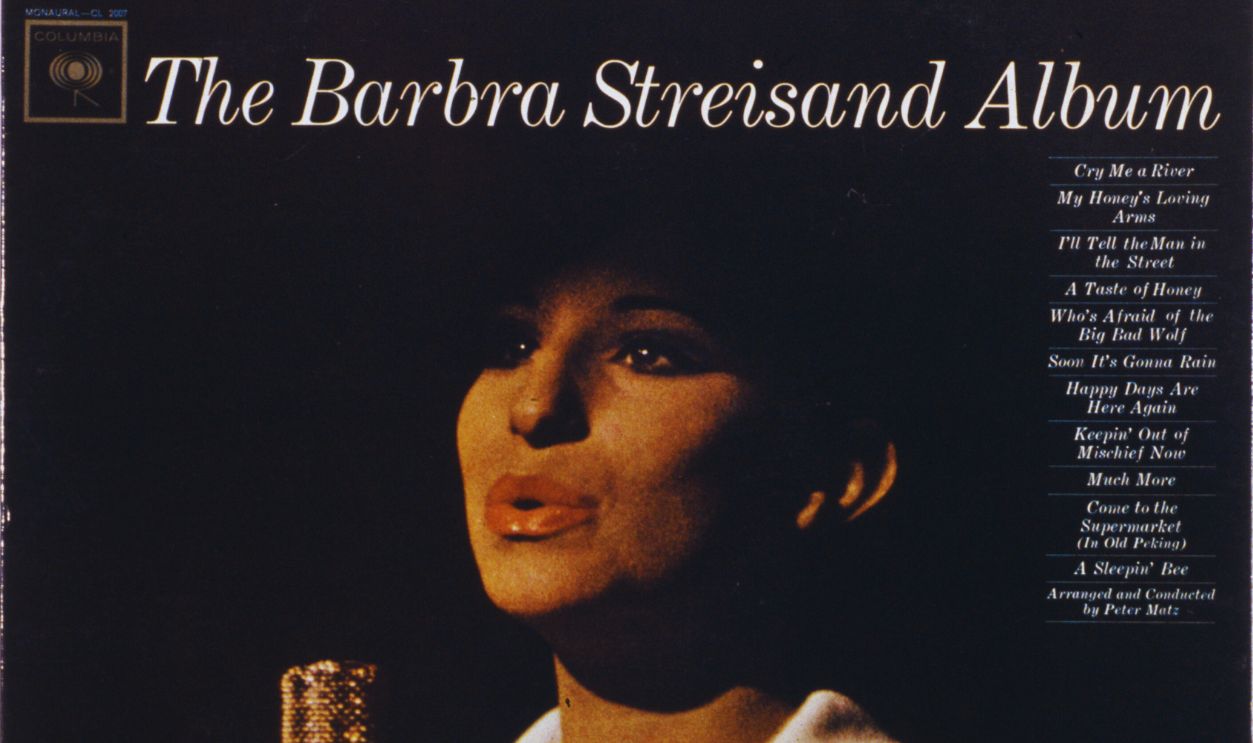
Again and again, Streisand refused to do pop songs for much of her recording career, preferring to choose ones she had an emotional connection with instead. Then, when the label wanted to call her first album Sweet and Saucy Streisand, she insisted on calling it The Barbra Streisand Album because, as she said, “if you saw me on TV, you could just go [to the record shop] and ask for the Barbra Streisand album."
Yet while Streisand had a creative grasp over her career, other parts of her life were spinning out of control.
 Michael Ochs Archives, Getty Images
10. She Fell In Love With Her Co-Star
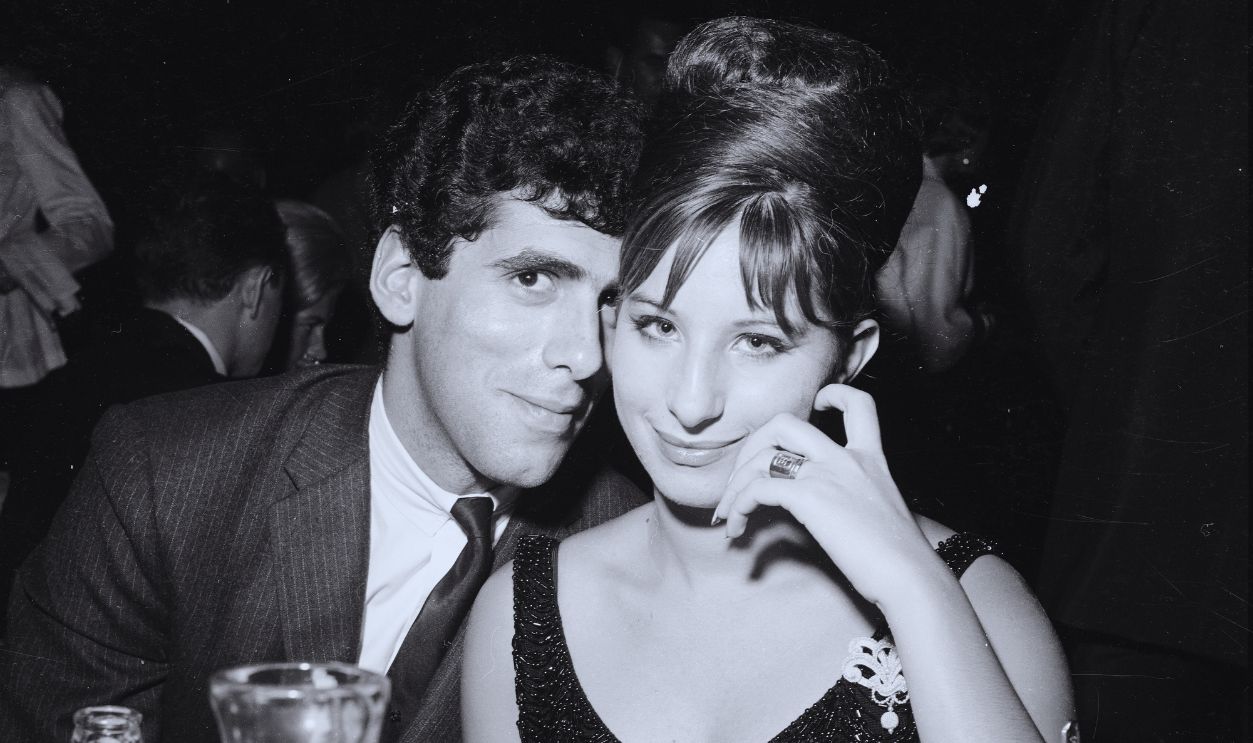
Streisand met a then-unknown Elliott Gould on the set of I Can Get It for You Wholesale, and the two young, intense actors quickly fell in love and moved into a New York apartment together. Not long after, when Streisand was 21 and Gould was 25, Streisand notes that they “succumbed to convention” and got married. It was too much, too soon.
 Michael Ochs Archives, Getty Images
11. She Became A “Funny Girl”
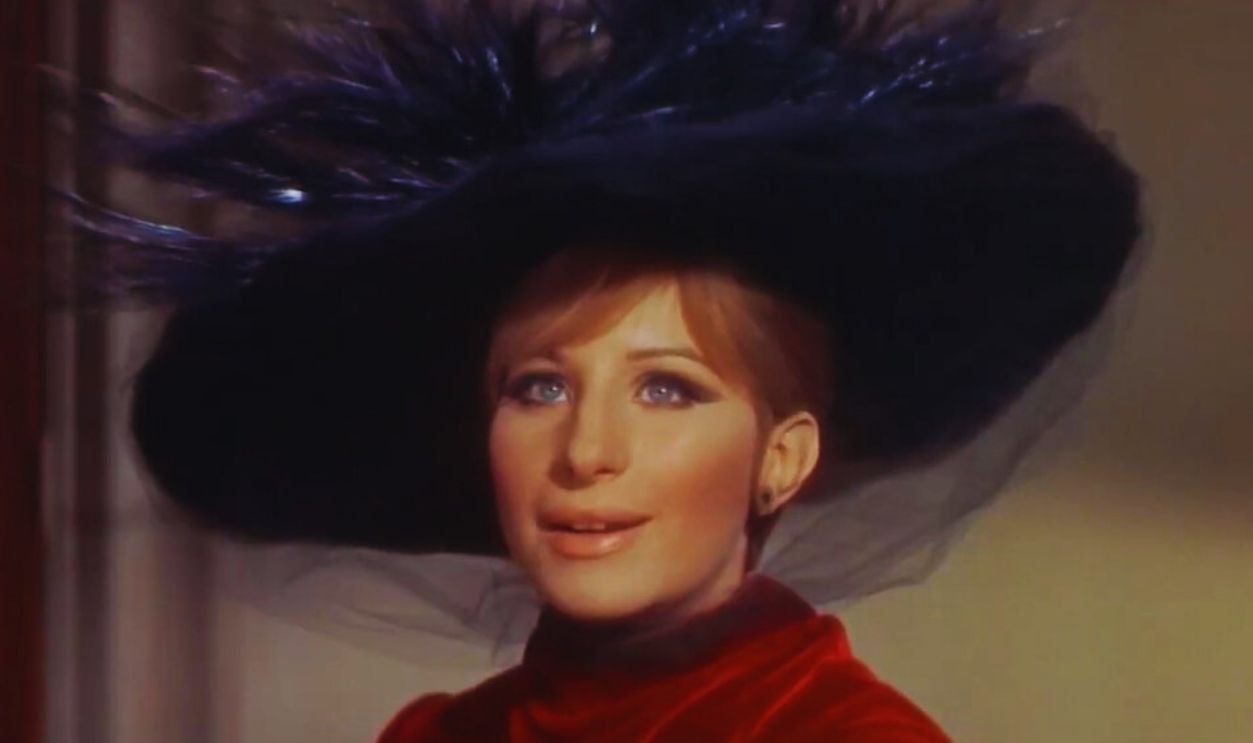
Both Streisand and Gould were actors on the rise, and they spent long hours and days apart from each other in pursuit of their respective careers. In 1964, the year after they married, it got much more complicated. Streisand’s profile got even bigger when she won the part of real-life comedian Fanny Brice in the Broadway show Funny Girl, starring opposite Charlie Chaplin’s son Sydney as love interest Nicky Arnstein.
It would lead to a huge mistake.
 Columbia Pictures, Funny Girl (1968)
12. She Had An Affair
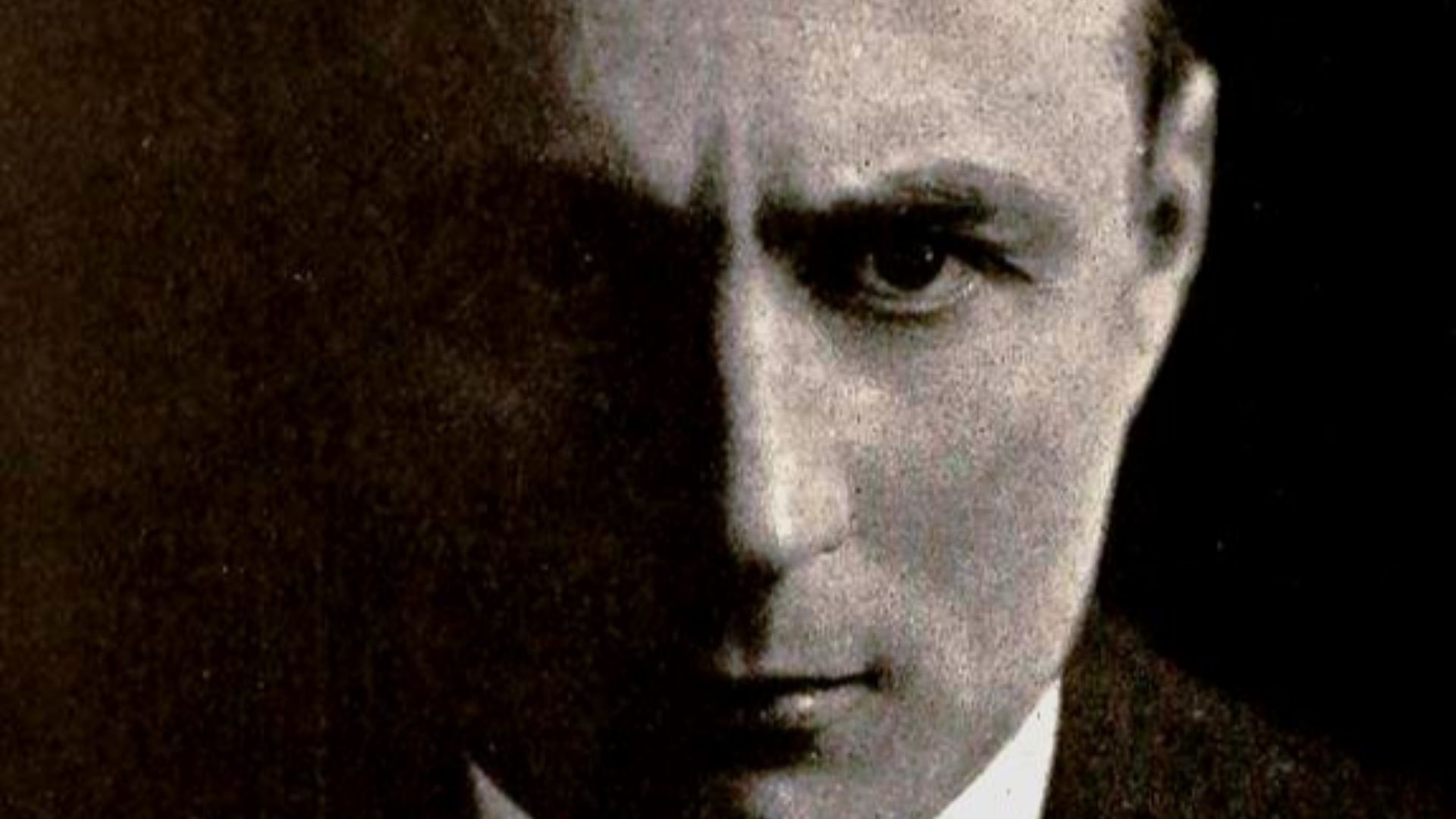
While in long hours of rehearsal with Chaplin, Streisand began a dalliance with her co-star—a dalliance she’d soon regret. Not long after it started, Streisand called it off with Chaplin for the sake of her marriage to Gould, and Chaplin’s “vanity and pride” never forgave her for it. Then again, what Chaplin did in retaliation was unforgivable, too.
 Unknown photographer, Wikimedia Commons
13. Her Co-Star Tormented Her
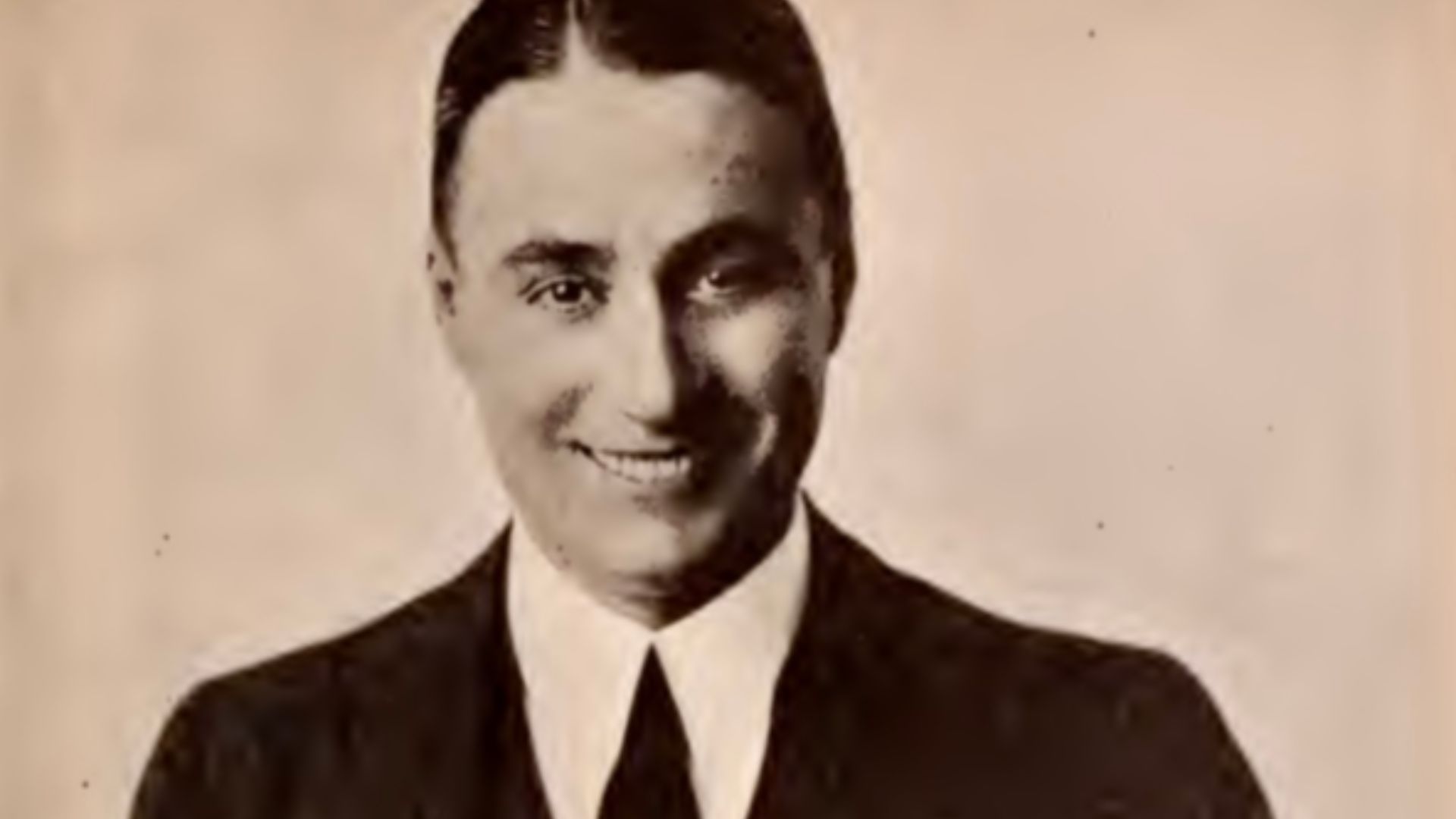
As Funny Girl played to audiences, Chaplin made Streisand endure a living nightmare night after night. As she was saying her lines, he would whisper in her ear “the most vicious names”. So while the audience assumed his character was murmuring “sweet nothings” in Streisand’s ear, Chaplin was actually berating her for, among other insults, how much she sucked in a scene. It had horrific consequences.
 Motion Picture News, Inc., Wikimedia Commons
14. She Developed Stage Fright
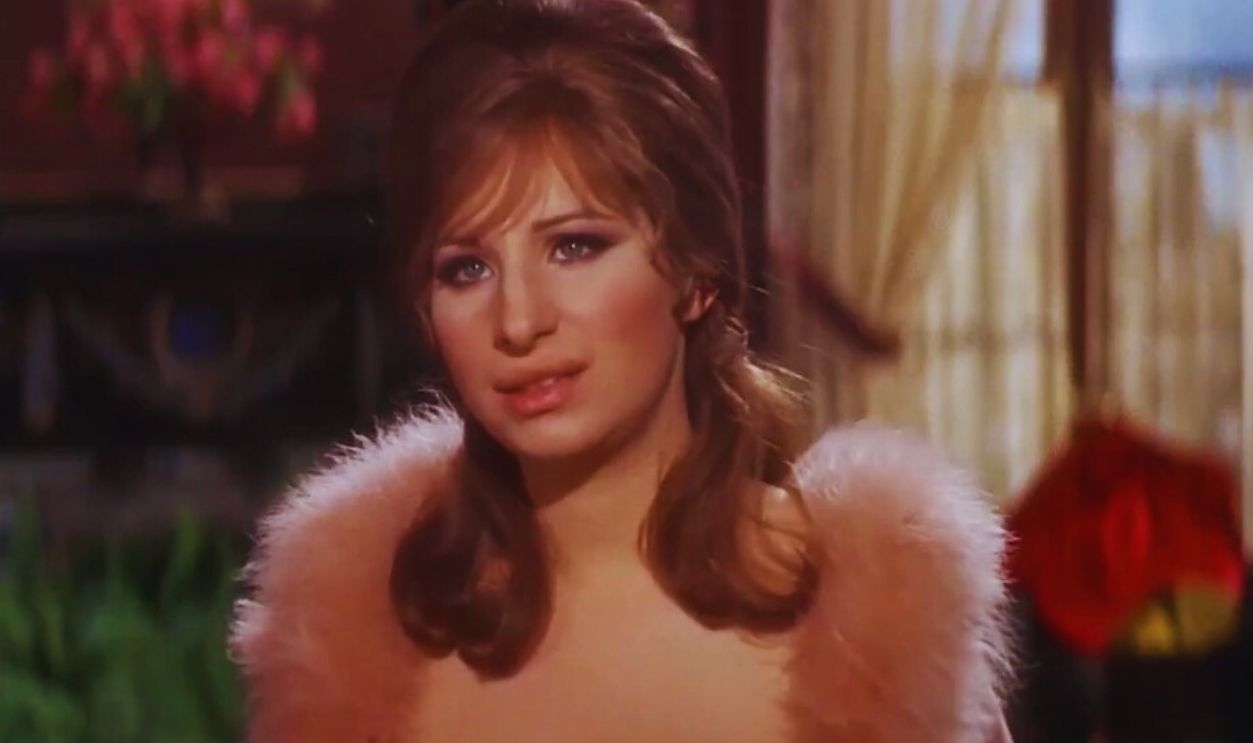
Streisand is now notorious for only rarely performing on stage, citing crippling stage fright—and this stage fright stems all the way back to Sydney Chaplin. Although Streisand went to management about Chaplin’s behavior, nothing came of it, and she began to vomit before performances and suffer from an anxiety that would stay with her for decades after.
But even when her time with Chaplin ended, her time with Funny Girl—and questionable romantic choices—didn’t.
 Columbia Pictures, Funny Girl (1968)
15. The Studio Didn’t Want To Back Her
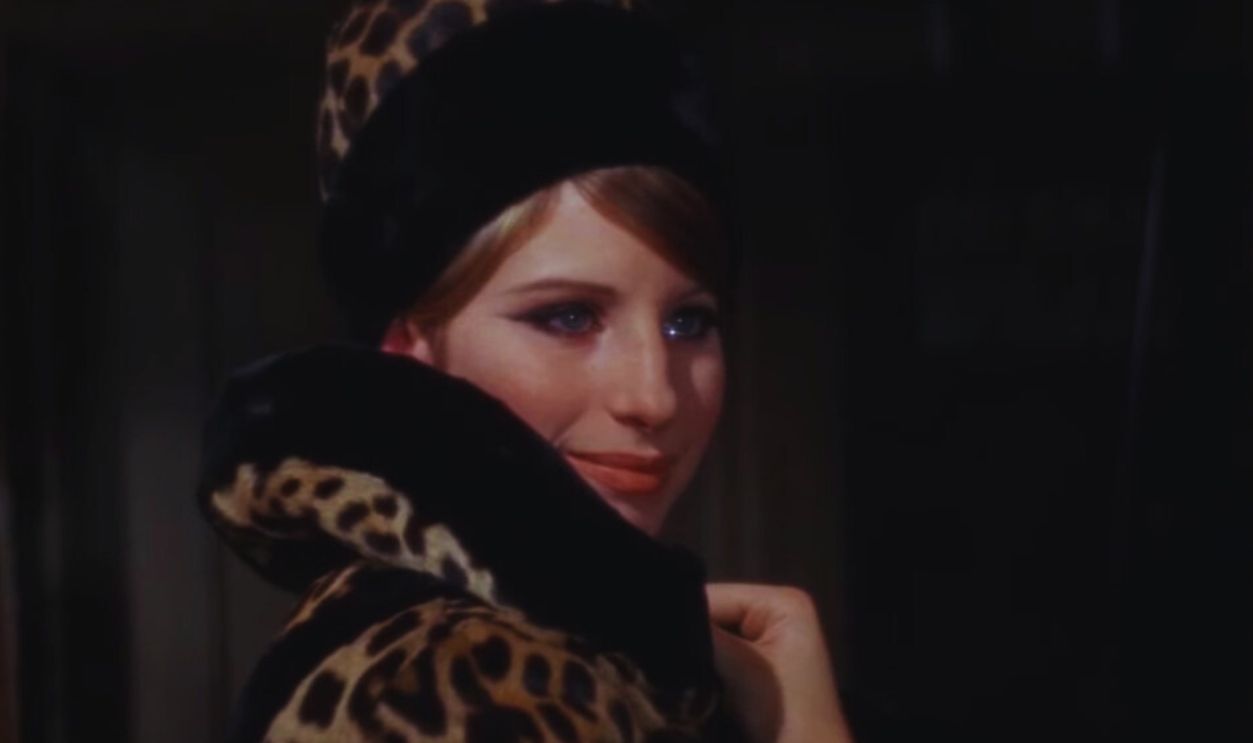
Following the success of Funny Girl’s run on Broadway, Columbia Pictures was quick to start up a film adaptation of the musical. Once more, it was an uphill climb for Streisand: Although she had originated the Broadway role, she had no film credits to her name, and the studio wanted Shirley MacLaine instead.
Luckily for Streisand, both MacLaine and Fanny Brice’s son-in-law insisted the role go to her. Not that this meant she came to the set humble.
 Columbia Pictures, Funny Girl (1968)
16. She Insulted Her Director
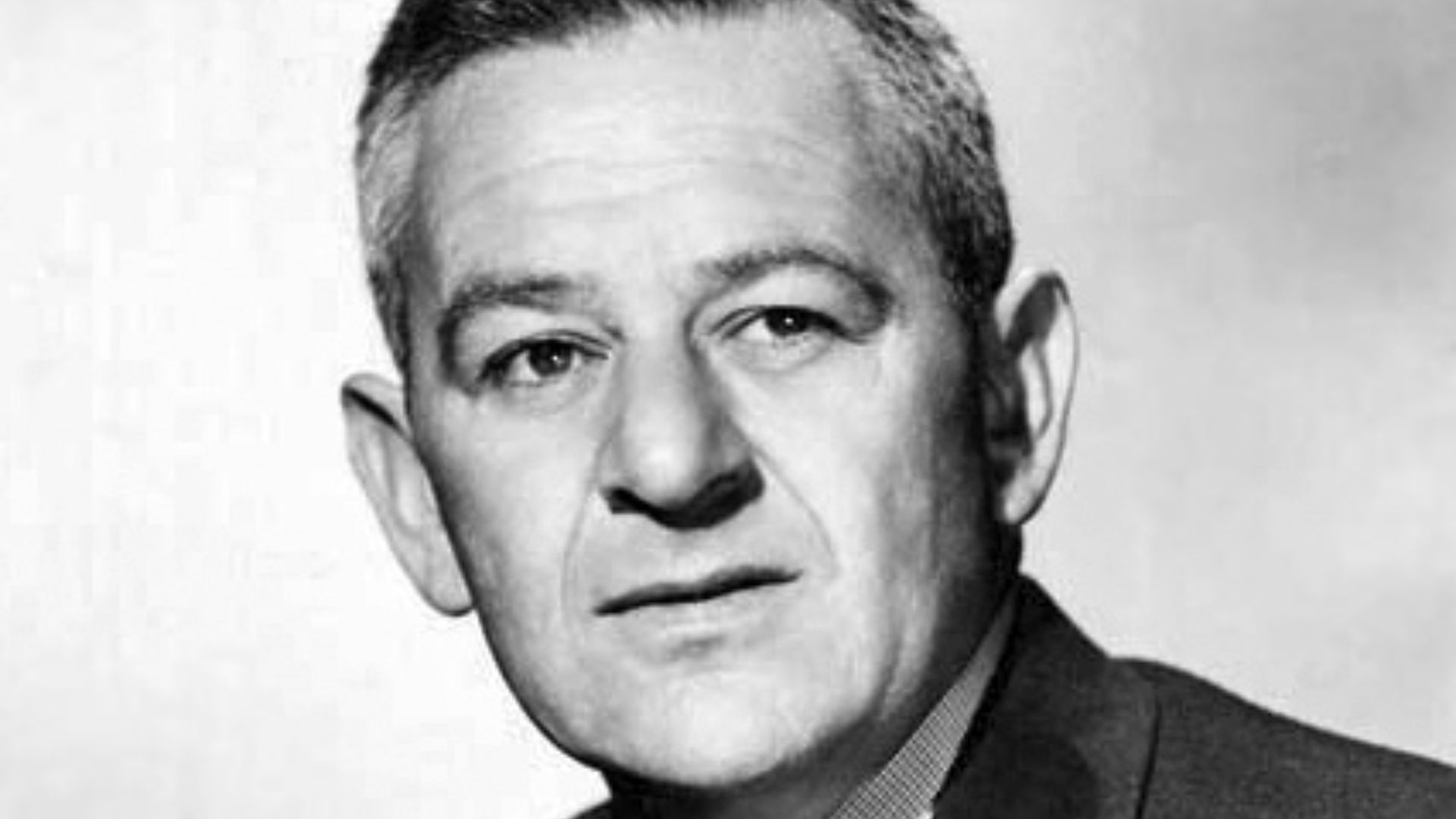
Even then, Streisand had exacting ideas about the films she was in. When William Wyler came in to helm the project, she didn’t know who the legendary director was and, after being told he’d won a Best Director Oscar for Ben-Hur, she quipped, “Chariots! How is he with people, like women? Is he any good with actresses?" In fact, Wyler had also directed Audrey Hepburn to a Best Actress Oscar in Roman Holiday.
Eventually, though, Streisand and Wyler reportedly got along famously—but that didn’t mean Streisand should have trusted him.
 Film studio, Wikimedia Commons
17. Her Director Manipulated Her
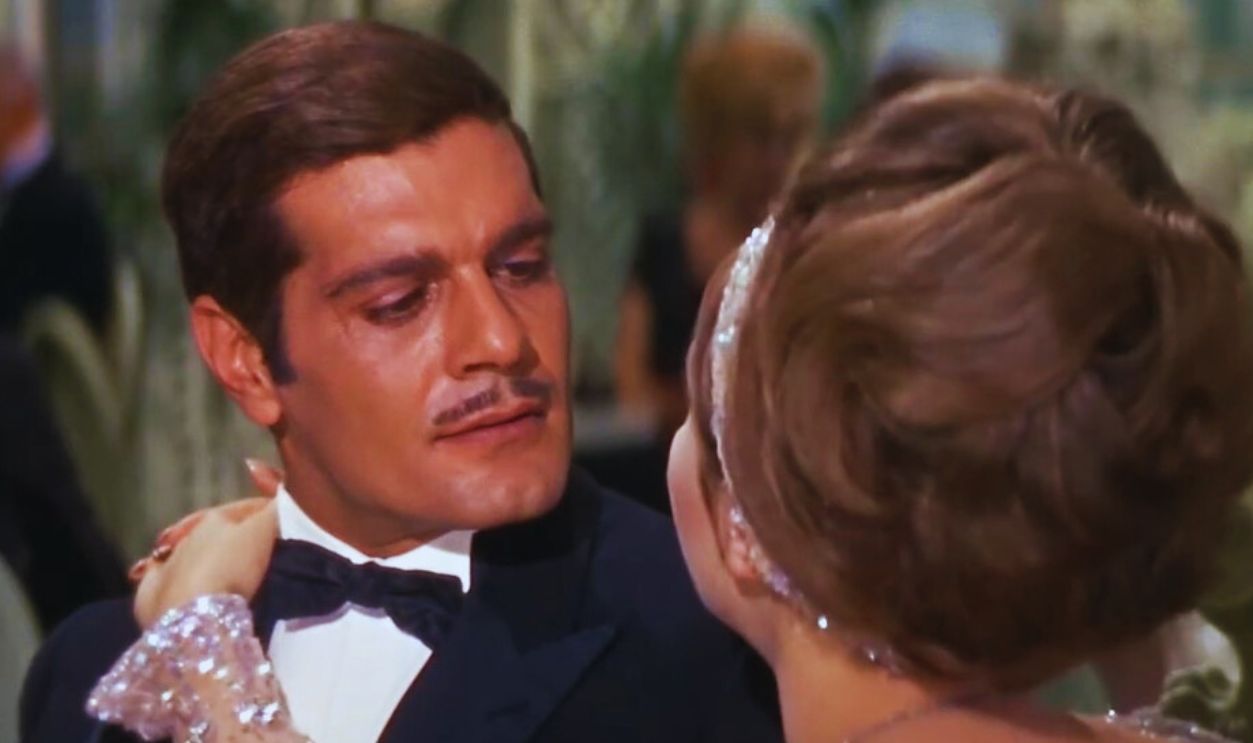
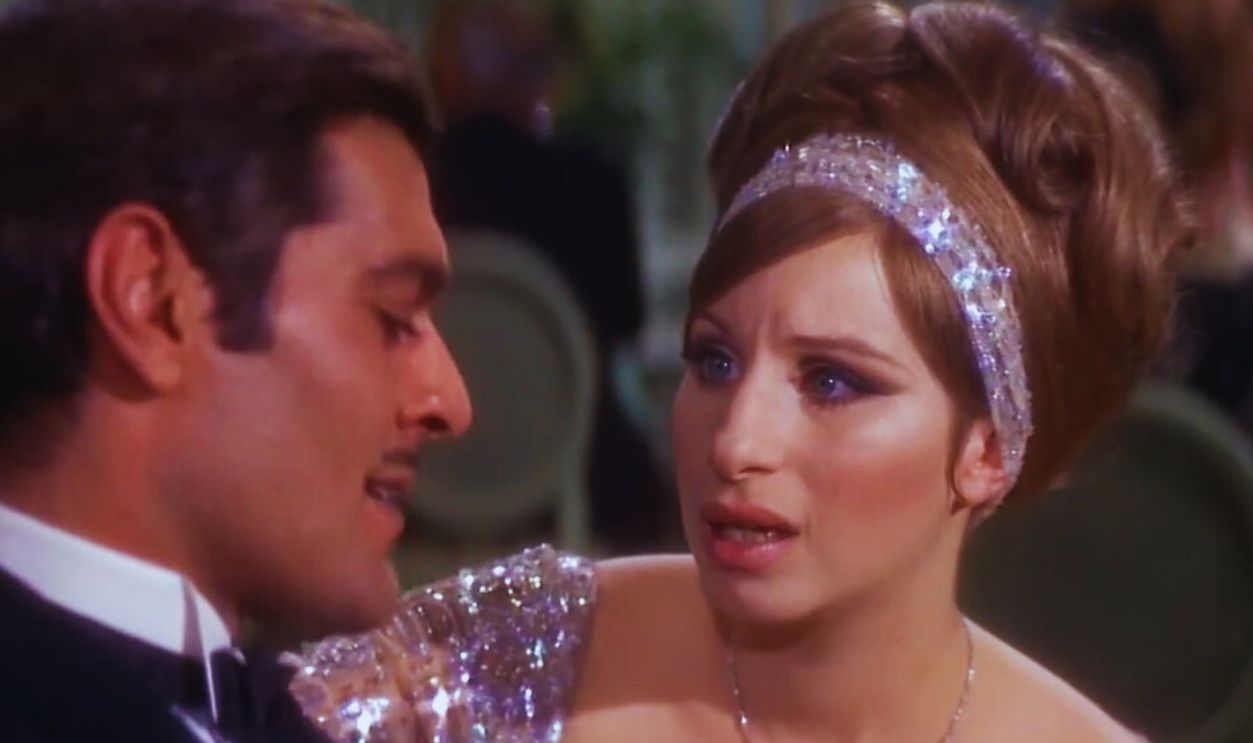
Fanny Brice’s love interest Nicky Arnstein was played by Egyptian actor Omar Sharif, and he and Streisand had a natural chemistry. Her director took advantage of this in the worst way possible. Hoping to induce a romantic interlude that would translate on screen, Wyler orchestrated a series of disturbing ploys to get Streisand and Sharif to fall in lust, including putting Streisand’s trailer window in view of Sharif’s and even having Sharif walk in on Streisand using the shower.
It worked a little too well.
 Columbia Pictures, Funny Girl (1968)
18. She Made The Same Mistake
Sharif was single at the time, and while Streisand was still married to Elliott Gould, the two of them were “leading separate lives” and she was intensely lonely. It was only a matter of time, then, before Streisand began an affair with Sharif, even though her experience with her previous Funny Girl partner Sydney Chaplin had been so catastrophic.
Well, this turned catastrophic too, but in ways that were entirely out of Streisand’s control.
 Columbia Pictures, Funny Girl (1968)
19. Her Romance Was An International Incident
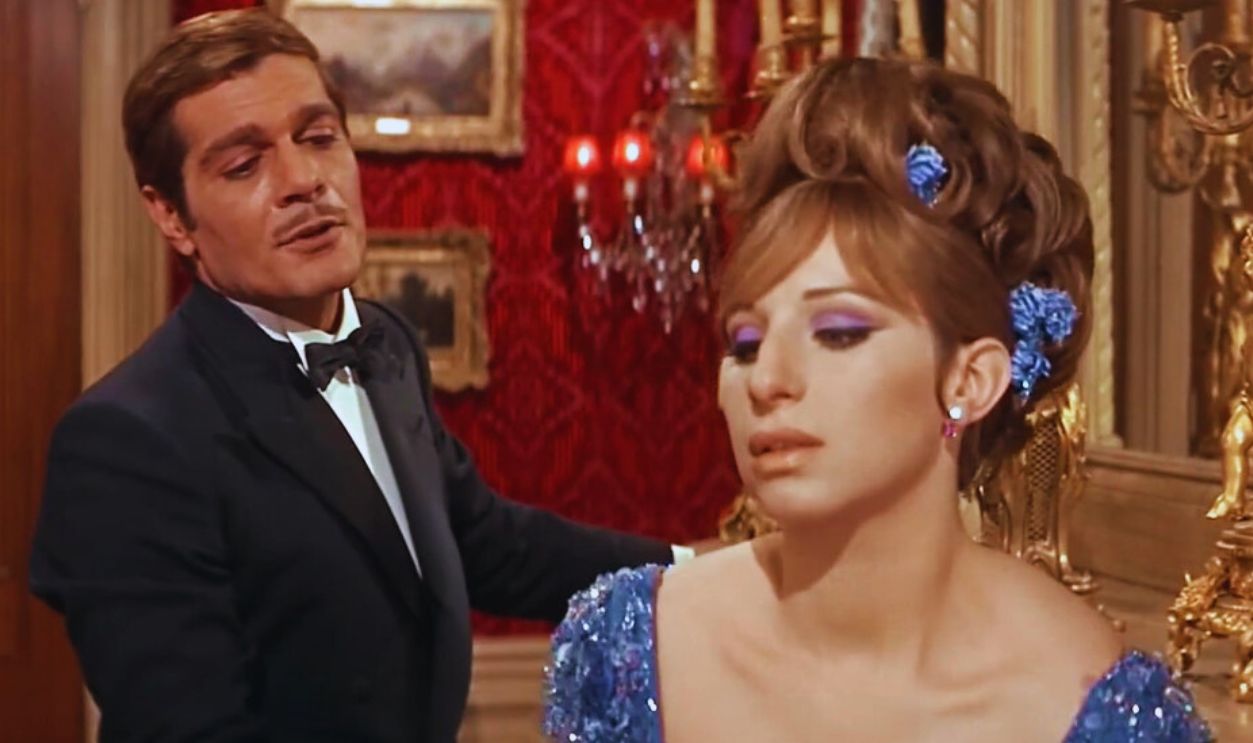
While filming Funny Girl, the Six-Day War between Israel and Egypt broke out, and suddenly the Jewish Streisand and Egyptian Sharif were a controversial on-screen pair—even without the added detail that they were also dealing with each other behind the scenes. The studio unsuccessfully threatened to replace Sharif, and Streisand’s own family were also incensed.
As Streisand joked about the fracas, “You think Cairo got upset? You should see the letter I got from my Aunt Rose!” Indeed, anger seemed to be a frequent reaction to Streisand…
 Columbia Pictures, Funny Girl (1968)
20. She Was “Difficult”
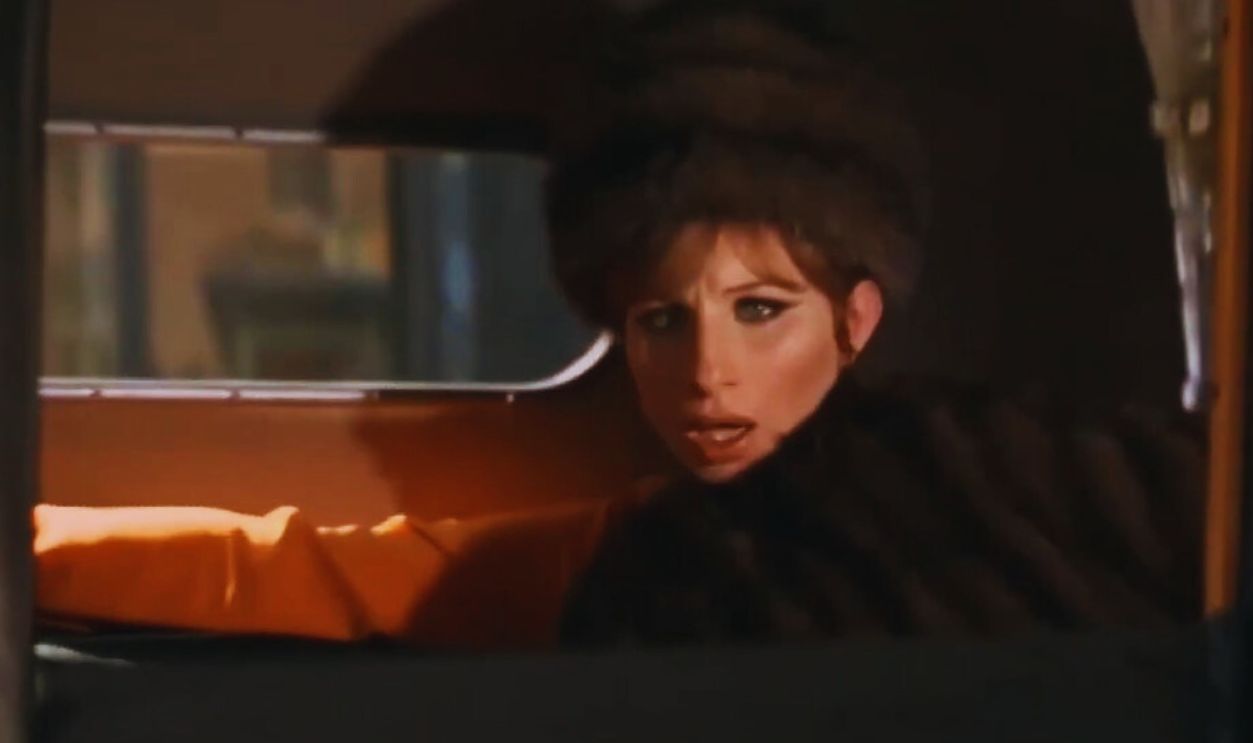
Although Funny Girl was Streisand’s first film, it was also where she began her reputation for being a “difficult” actress. In the pre-recording stages of songs like “Don’t Rain on My Parade,” Streisand reportedly insisted on large-scale retakes until they came out just so, and presented opinions on everything from costumes to principal photography.
It was a reputation that would follow her throughout her career, though Streisand and her supporters maintain she has only ever wanted what’s best for a project. In any case, it worked out for Funny Girl.
 Columbia Pictures, Funny Girl (1968)
21. She Made Oscar History
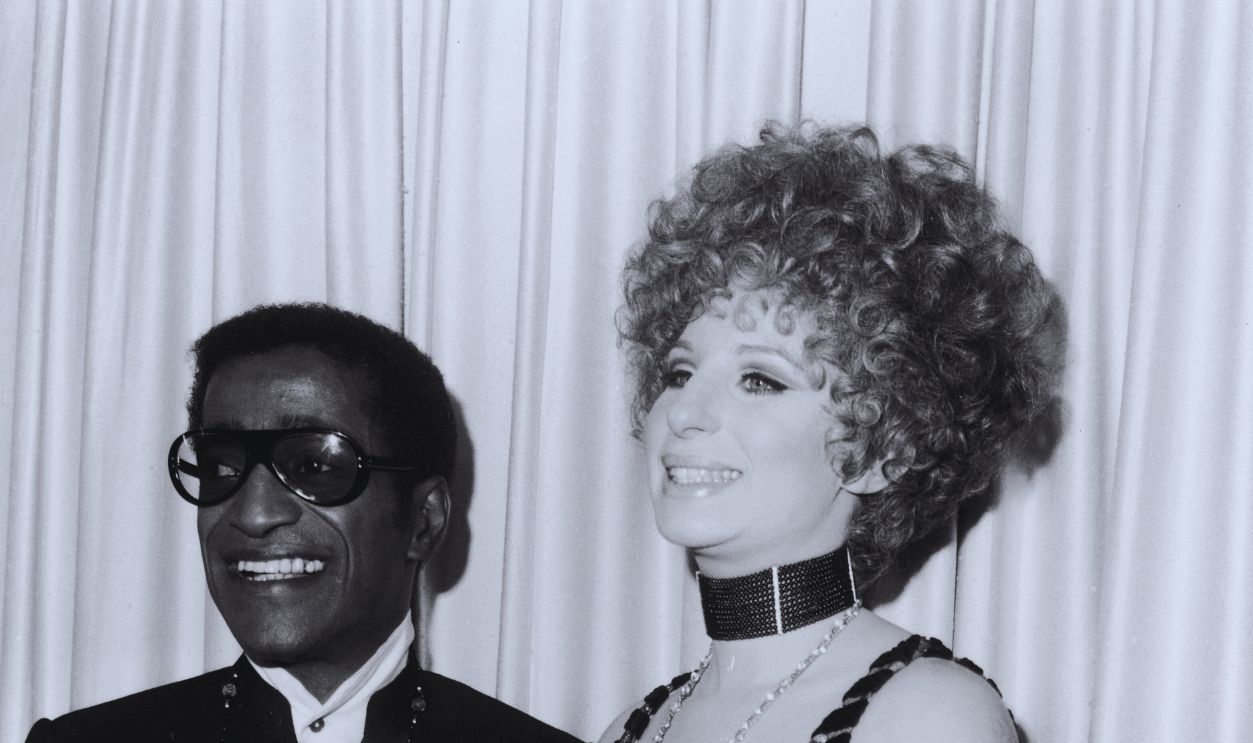
Funny Girl was nominated for a slew of trophies at that year’s Academy Awards—and it led to a stunning moment in Oscar history. Barbra Streisand actually tied for the win with Katharine Hepburn in The Lion and Winter, the first and so far only tie in the Academy’s history.
Yet when the next day rolled around, few people were talking about her win. Most were talking about her wardrobe malfunction.
 Fotos International, Getty Images
22. She Had An Embarrassing Fashion Moment
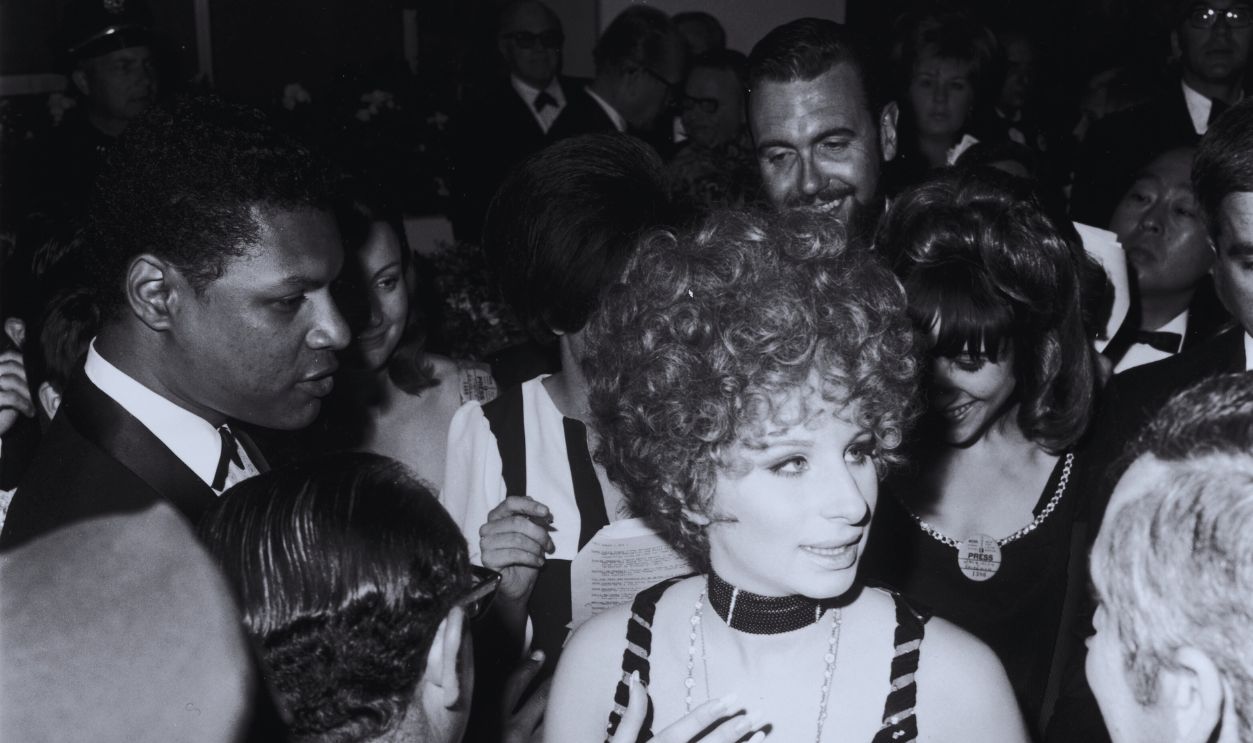
For the broadcast, Streisand had picked out a black net pantsuit lined with pale georgette, but she had neglected to see how it would look under the glare of the lights. The answer was mortifying: Although Streisand thought it looked “chic and fun,” the black turned completely transparent under spotlights, “as if [she] had nothing on underneath” even when she did.
Streisand wasn’t the only one horrified, either.
23. Her Mother Made Fun Of Her
As Streisand recalled in her recent memoir My Name Is Barbra, when she called her mother the next day to talk to her about her victory, she got a humbling reply. Instead of lauding the daughter who had finally made it in Hollywood against all odds, her mother only asked, “What kind of dress was that to wear in public?”
Yet even amidst this fashion drama, other tensions were brewing.
 Paramount Pictures, Wikimedia Commons
24. Another Actress Complained About Her
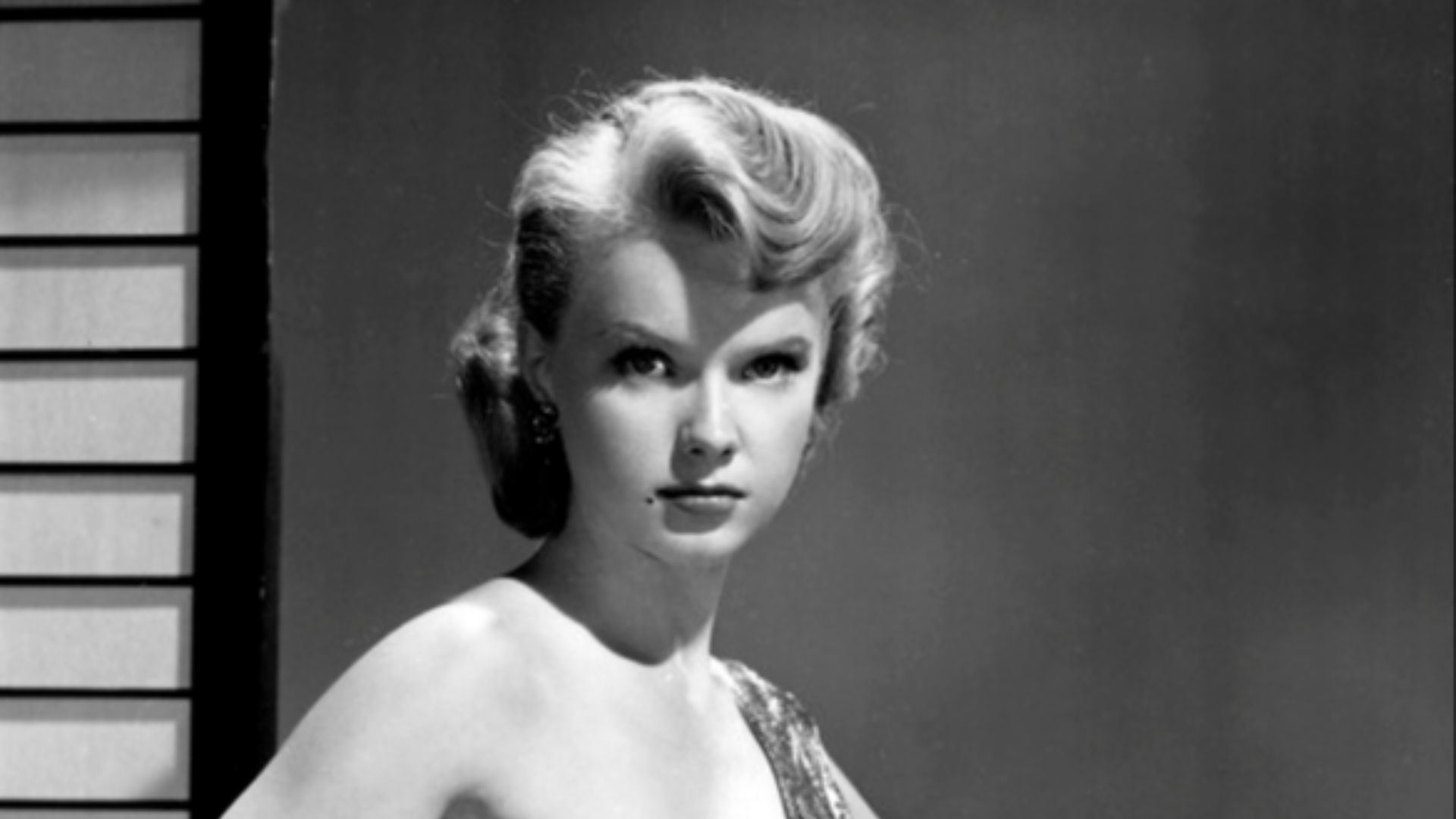
One of Streisand’s lesser co-stars on Funny Girl was actress Anne Francis, who played a chorus girl. If you’ve seen Funny Girl and don’t remember Francis, well, you’re not alone:
So many of Francis’s scenes were cut that she (unsuccessfully) sued to have her name removed from the credits.
Furthermore, although she denied she had any feud with Streisand, Francis complained about, “the way they did things—never telling me, never talking to me, just cutting. I think they were afraid that if they were nice to me, Barbra would have been upset”. And Francis wasn’t the only one left bitter.
 MGM Studios, Wikimedia Commons
25. She Loved And Left
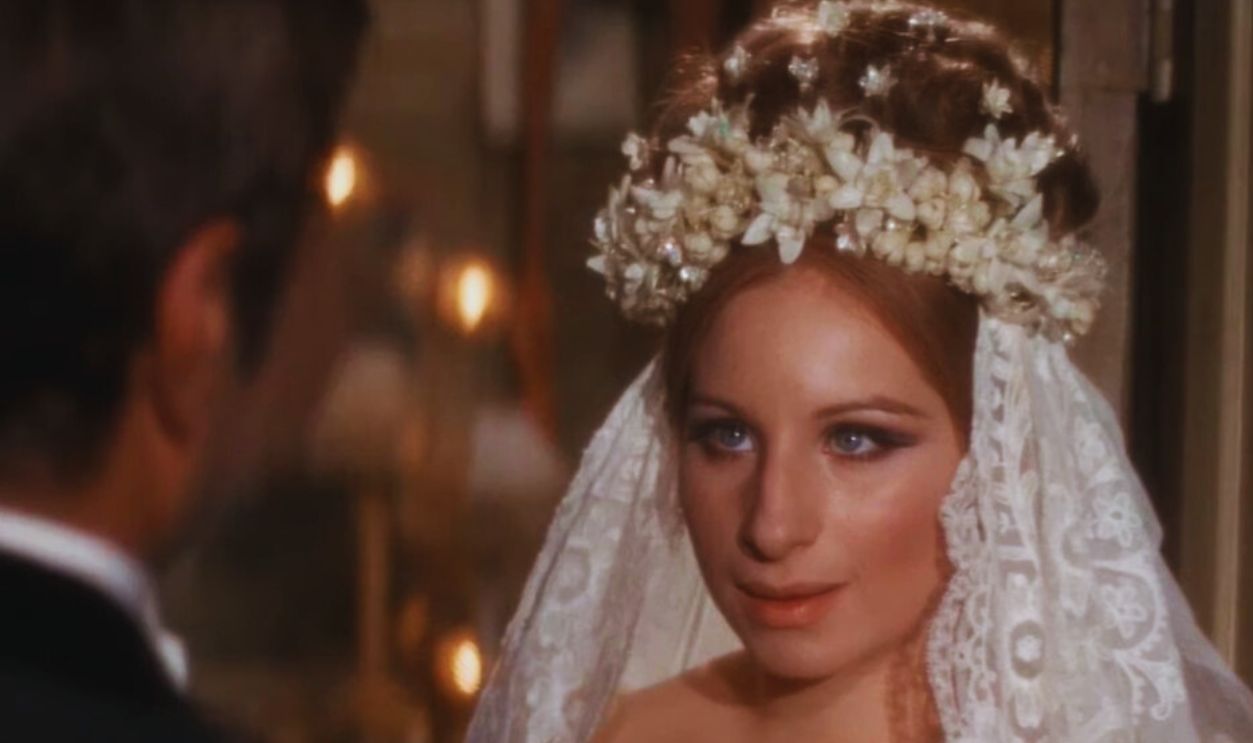
When filming wrapped on Funny Girl, so too did Streisand’s feelings for Omar Sharif. Sharif, on the other hand, was still head over heels for her, and kept writing her romantic letters that made it clear he was “still living in the fantasy world of the movie”. When Streisand turned down Sharif’s invitation to visit him in Paris, the heart-bruised actor finally got the point.
In any case, by then Streisand had little empathy to give him: She was dealing with her own heartbreak.
 Columbia Pictures, Funny Girl (1968)
26. Her Marriage Broke Down
In 1969, after having son Jason in 1966, Streisand and Elliott Gould finally called it quits. As Streisand would later reflect, they had simply been too young for marriage and had grown into different people while pursuing their careers. “I hadn’t really been ready for marriage in 1963,” she said, “but I was very ready for a legal separation in 1969”.
Now, she wanted to focus on “adventure” and “excitement”…but she got a little too much of both.
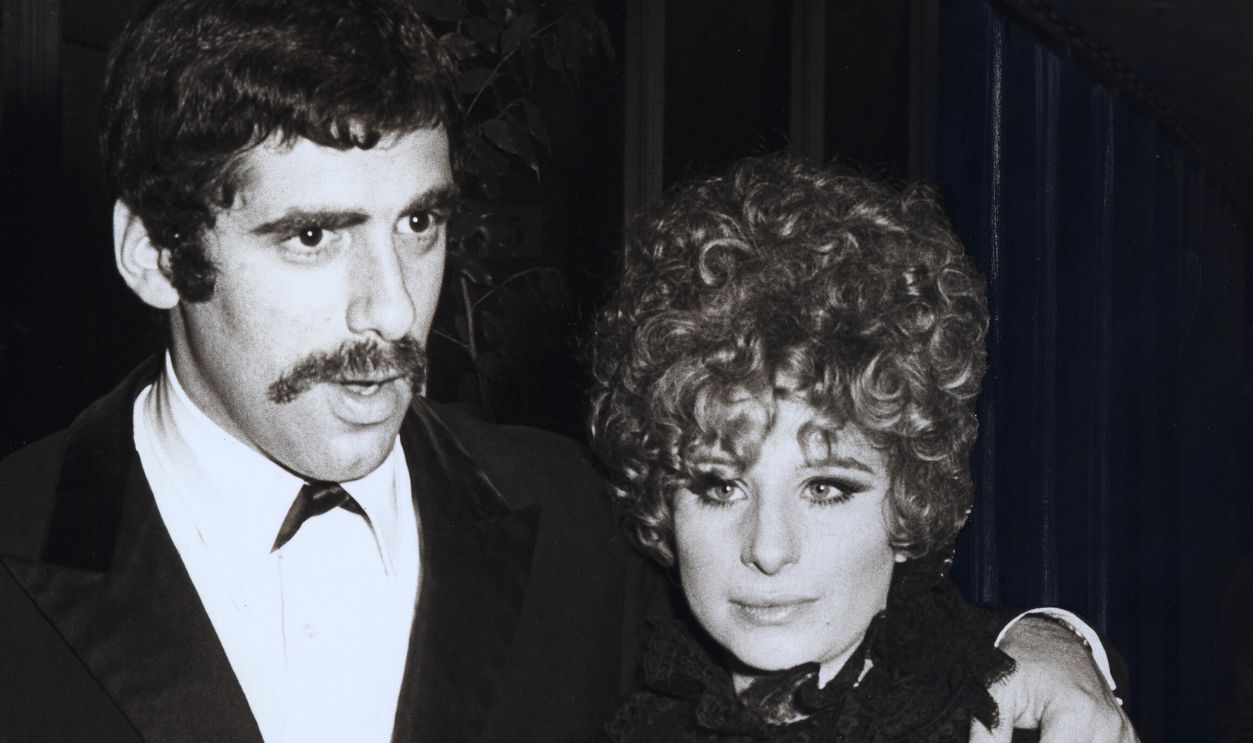
27. She Played A Player
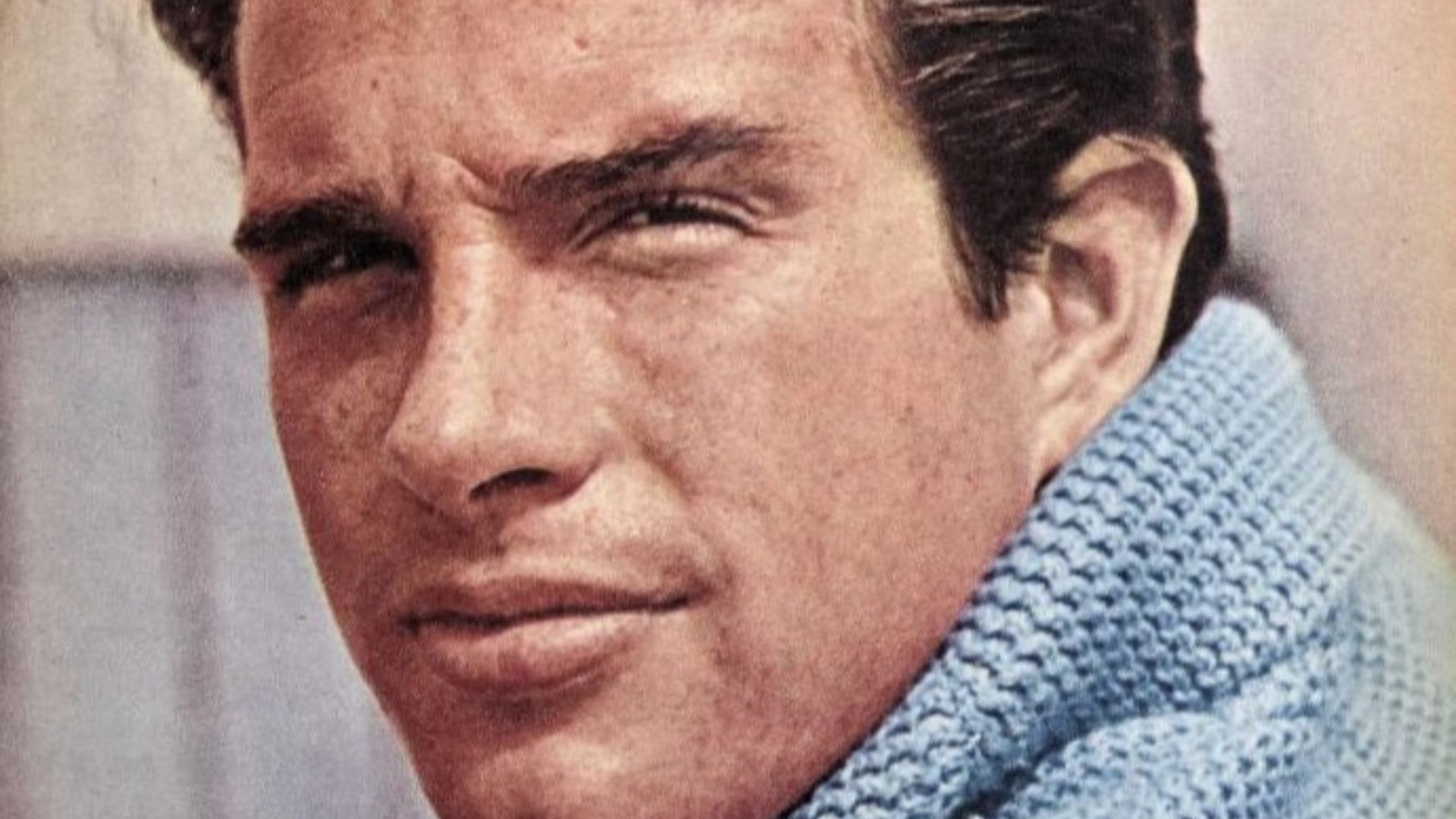
In these heady young days, Streisand had flings with some of the most eligible men in Hollywood and beyond—including Canadian Prime Minister Pierre Trudeau. In fact, her social calendar was so busy that even a night with legendary playboy Warren Beatty barely registered. “Did I sleep with Warren? I kind of remember,” she wrote in her memoir. “I guess I did. Probably once”.
Only, there was one star she regretted turning down.
 Globe. Photographer not credited [1], Wikimedia Commons
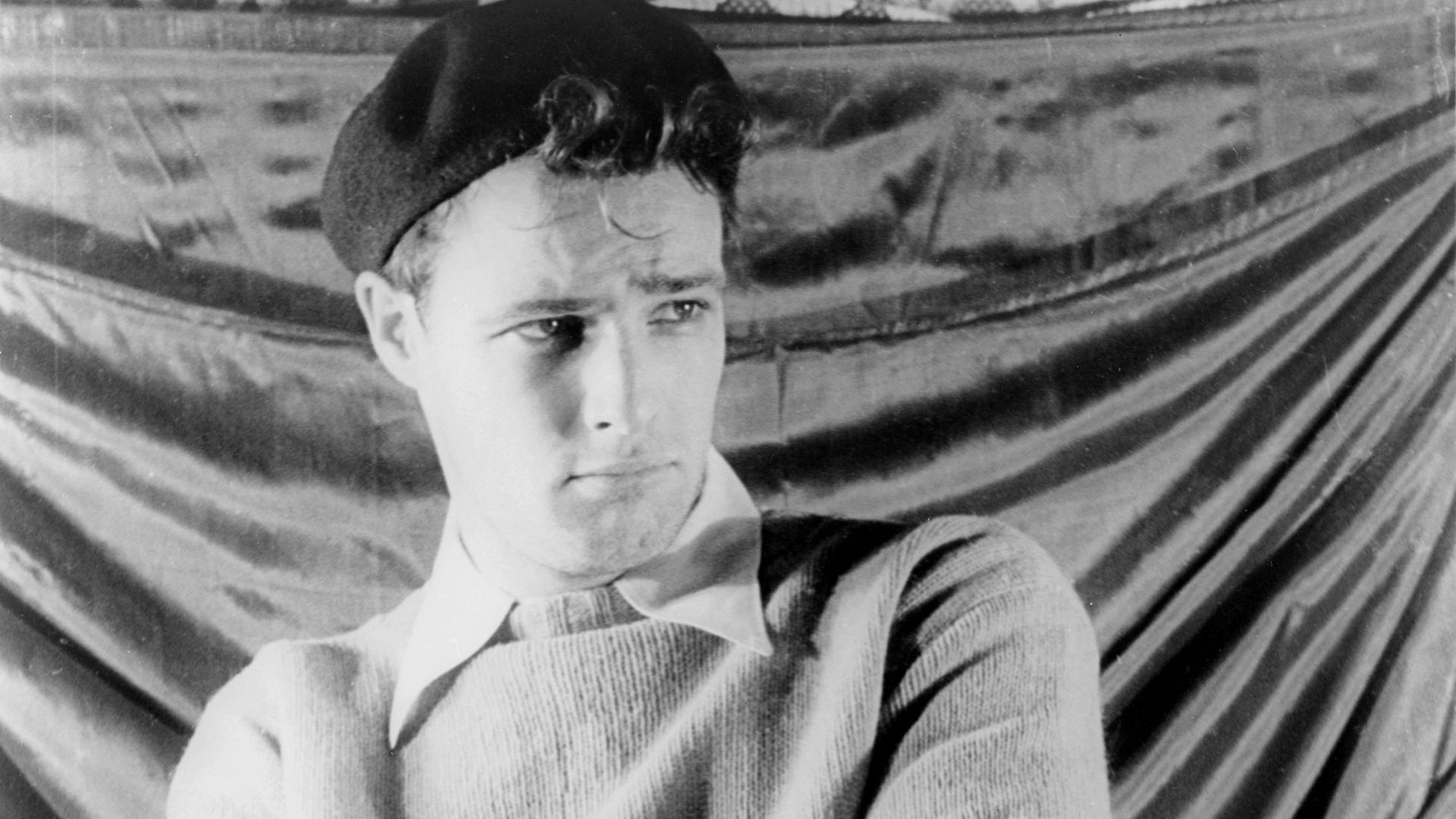
28. She Let Brando Get Away
Streisand met Marlon Brando early on in her fame, and one day when they ran into each other at a Hollywood party, sparks flew. After heading to a quiet room, they had a four hour conversation that ended with Brando propositioning Streisand. Her response surprised even her: Still insecure, she said no, and although they became lifelong friends, Streisand always wished they’d been a bit more.
Not all the men she met were remembered so fondly.
 Carl Van Vechten, Wikimedia Commons
29. She Worked With Her Hero—And Hated It
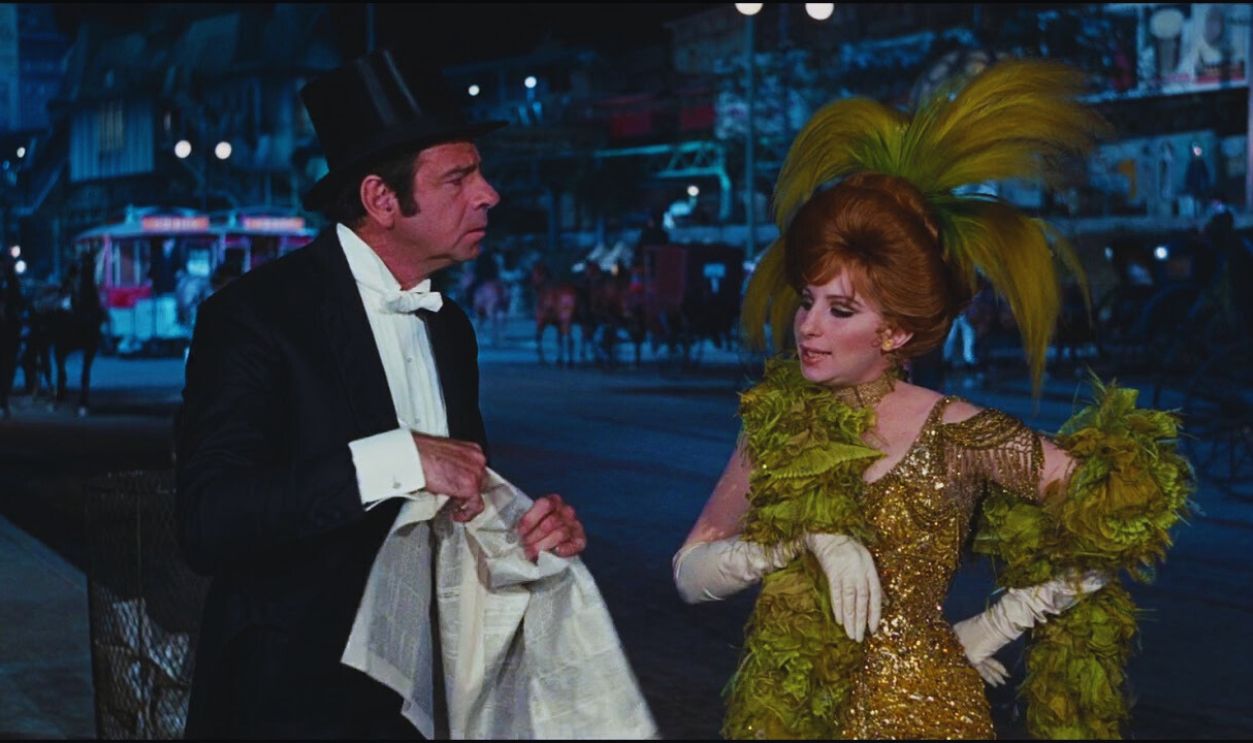
The same year Streisand separated from Gould, she starred in the film version of Hello, Dolly, with dancing and acting legend Gene Kelly directing. It was a total disaster. Although Streisand had idolized Kelly, she quickly realized he was vicious as a director. When Streisand confronted him for berating a dancer he replied, “that’s okay. I used to yell like that at another dancer, and she became my wife”.
Still, Kelly was nothing compared to Streisand’s new co-star.
 20th Century Fox, Hello, Dolly! (1969)
30. Her Co-Star Exploded On Her
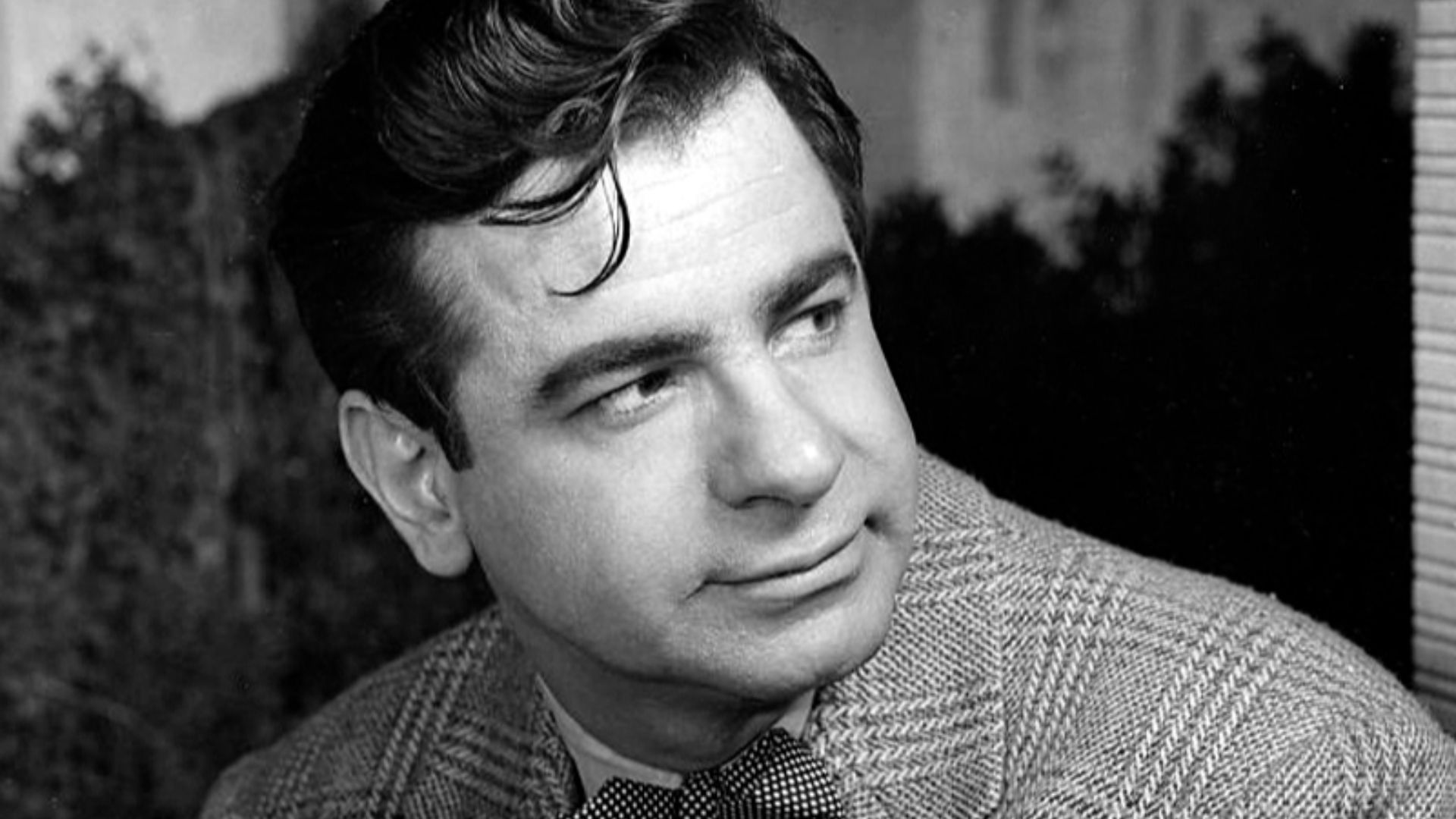
Streisand’s co-lead Walter Matthau, who had apparently heard and disapproved of Streisand’s “difficult” reputation, managed to have a snit with her that rivaled any diva. Reportedly, when Streisand suggested a script change on set, Matthau erupted, saying, “You may be the singer in this picture, but I’m the actor! I have more talent in my farts than you have in your whole body!”
Humiliated, Streisand ran off set crying, and never got an apology. But she’d have to learn the hard way how to deal with difficult men.
 John Seymour Erwin, Wikimedia Commons
31. She Started Seeing Her Hairdresser
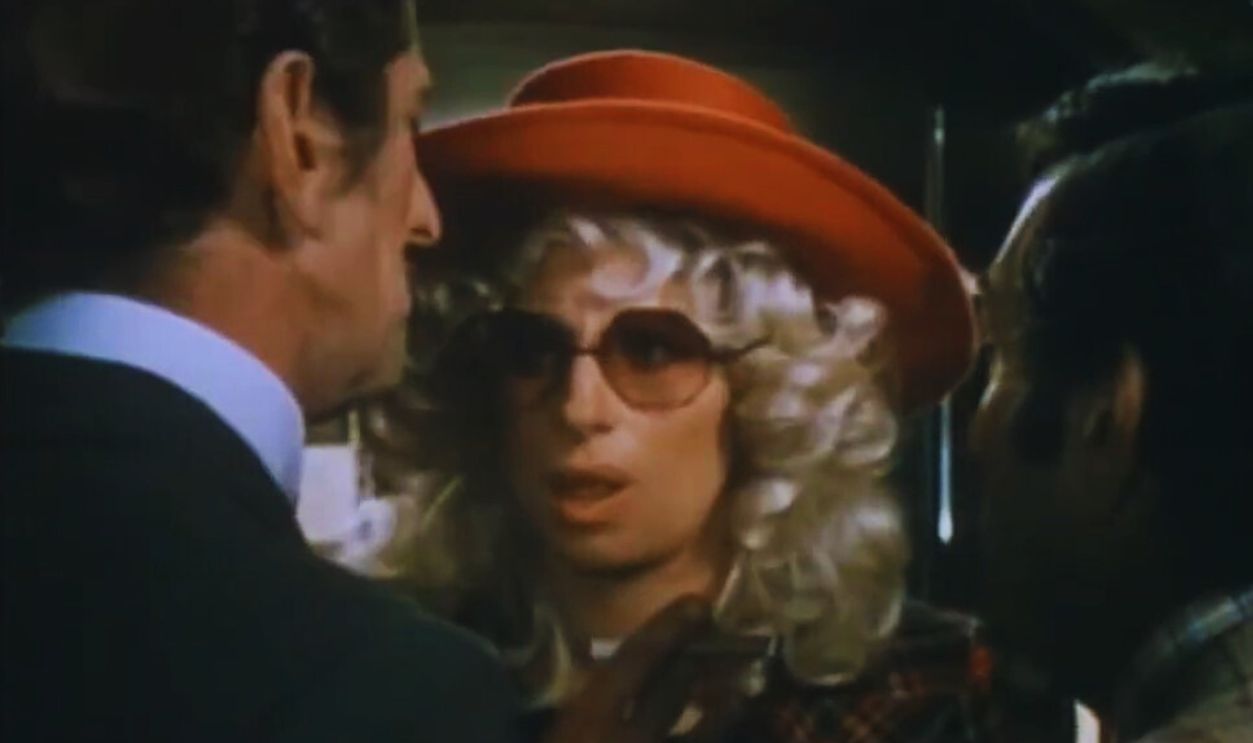
After her split from Gould, Streisand’s love life generated plenty of content for the tabloids, but it was her relationship with hairdresser Jon Peters that really raised eyebrows. Streisand and Peters met on the set of her 1974 film For Pete’s Sake, where Peters designed a wig for her character. The upstairs-downstairs quality to their romance was spicy enough to some in Hollywood, but they didn’t know the half of it.
 Columbia Pictures, For Pete’s Sake (1974)
32. He Used Her Fame
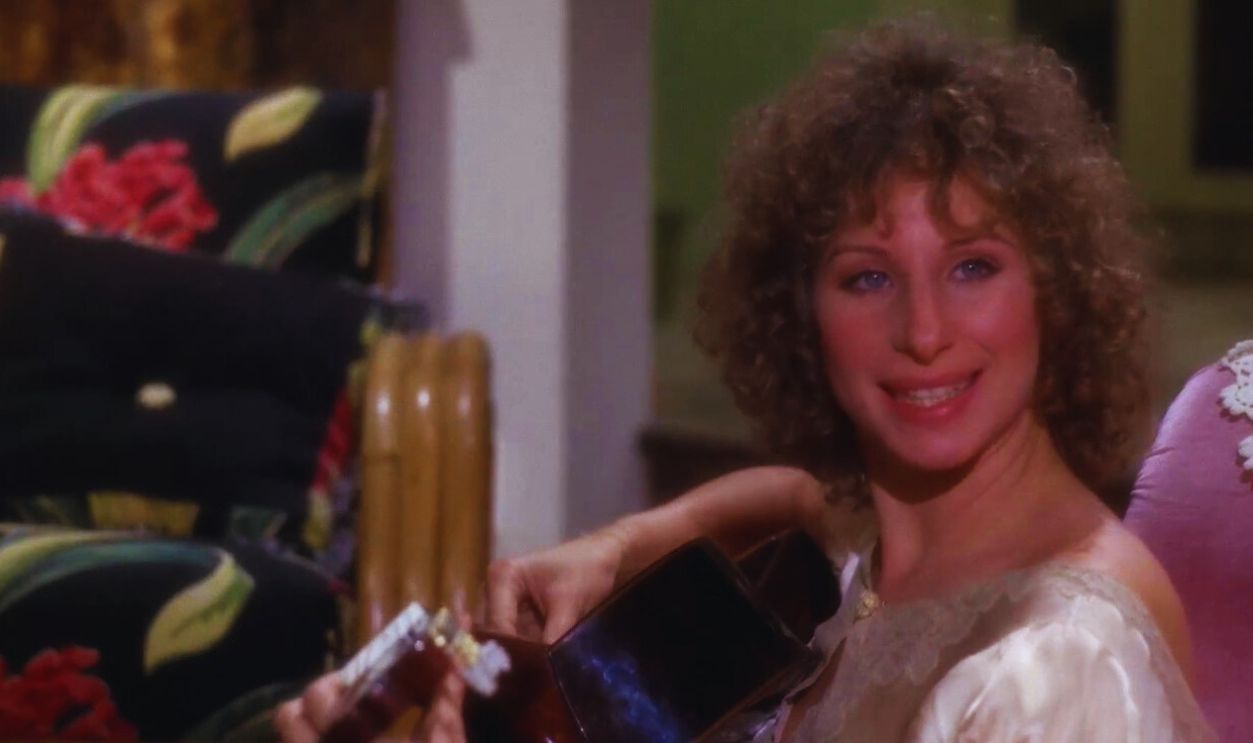
Jon Peters was, as talent agent Sue Mengers once said, “like trying to withstand a hurricane”. Assertive to the point of egotism and rudeness, Peters soon went from Hollywood hairdresser to Hollywood powerbroker, using the clout from his relationship to begin producing films, including Streisand’s 1976 remake of A Star is Born.
Underneath the bluster, however, was a dark man.
 Warner Bros. Pictures, A Star Is Born (1976)
33. He Was A Liar
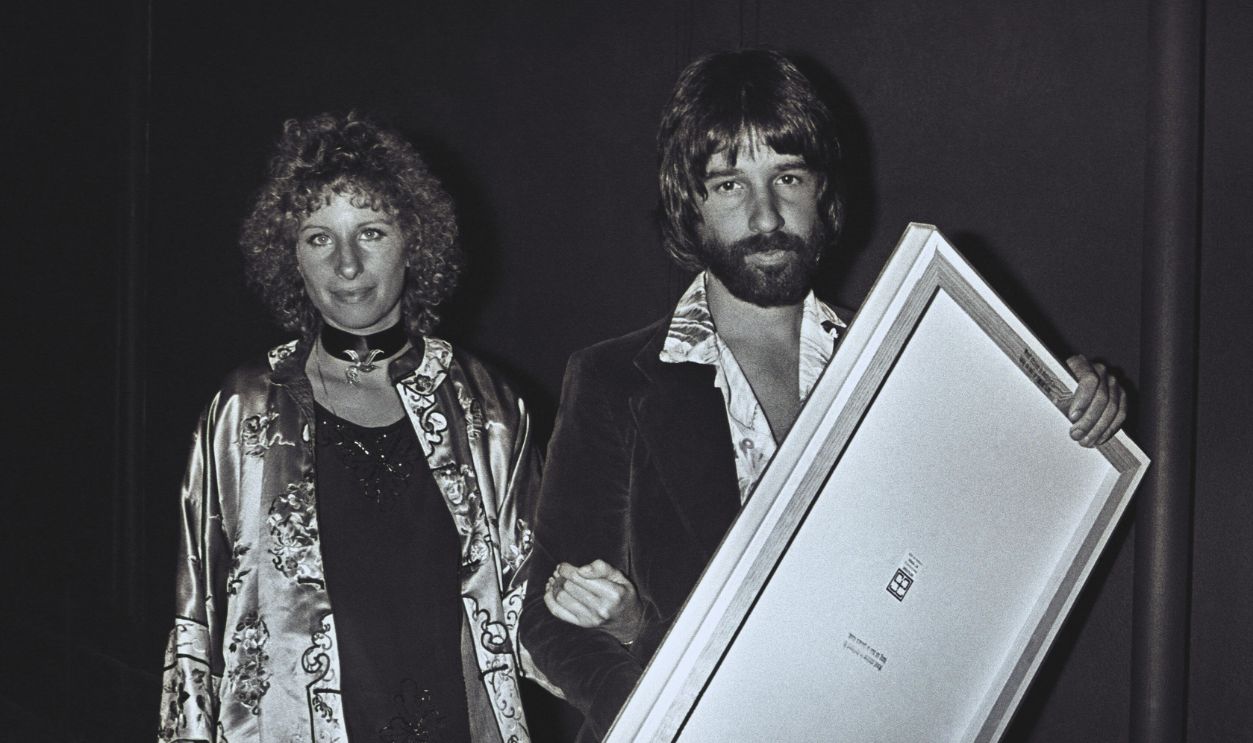
As Streisand’s relationship with Peters continued, she began discovering disturbing details about him. For one, before they’d even met, Peters had been lying and telling people he’d been cutting Streisand’s hair for years, taking credit for another hairdresser’s work. He also once told the press he and Streisand had a hundred acres when they “only” had 24.
As Streisand wrote, “I was shocked sometimes by what came out of Jon’s mouth”. This, though, was the least of it.
34. She Dealt With His Cruelty
Although Streisand admitted that with Peters, the “truth was never enough,” he also had a horrible temper to go with his compulsive lying. Even when he wasn’t angry, he could be cruel: As Streisand recalled, “We would be driving in the car and I’d say, ‘Could you please close the window? I’m getting cold.’ He’d say, ‘Get a blanket.’”
When it came time to make A Star Is Born, Peters very much made his presence known.
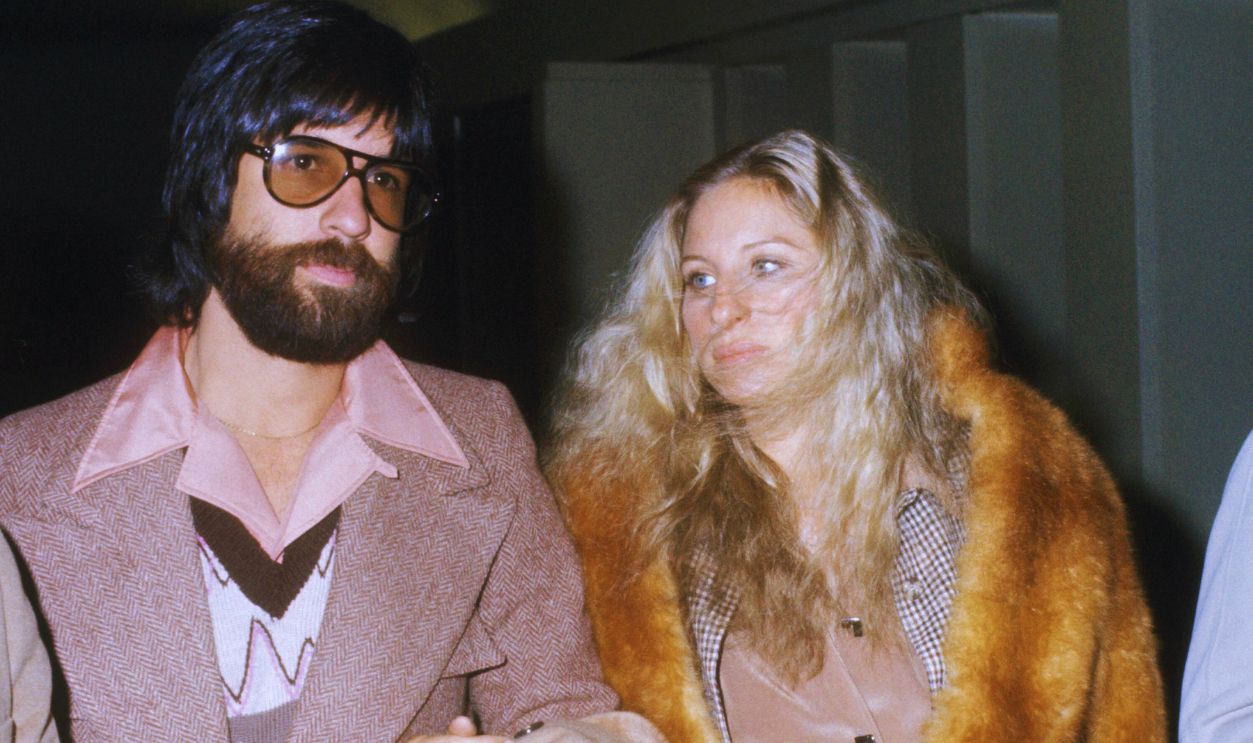
35. She Almost Cast Elvis In A Star Is Born
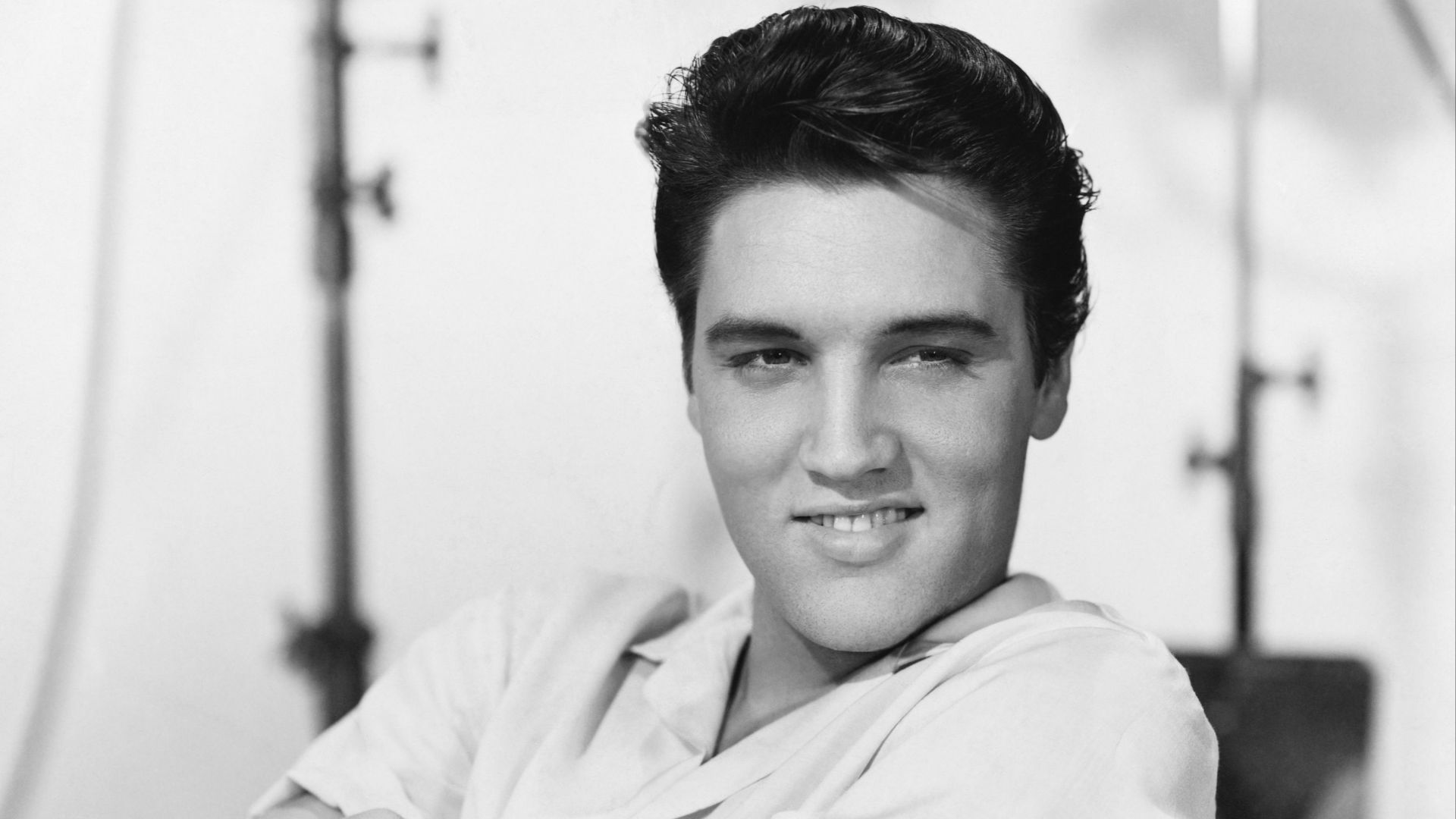
During casting for A Star Is Born, Peters was obsessed with Streisand playing opposite his idol Elvis Presley, and the pair flew to Las Vegas to meet the King. It didn’t go well. After showing up late, Elvis reportedly complained about a too-chatty girl he now had circling above in his plane, with the pilot waiting on his command to finally let her land.
In the end, the role famously went—thankfully, perhaps—to Kris Kristofferson, and the film became one of Streisand’s biggest hits. But she wanted so much more.
 Unknown authorUnknown author, Wikimedia Commons
36. She Had A Dream Project
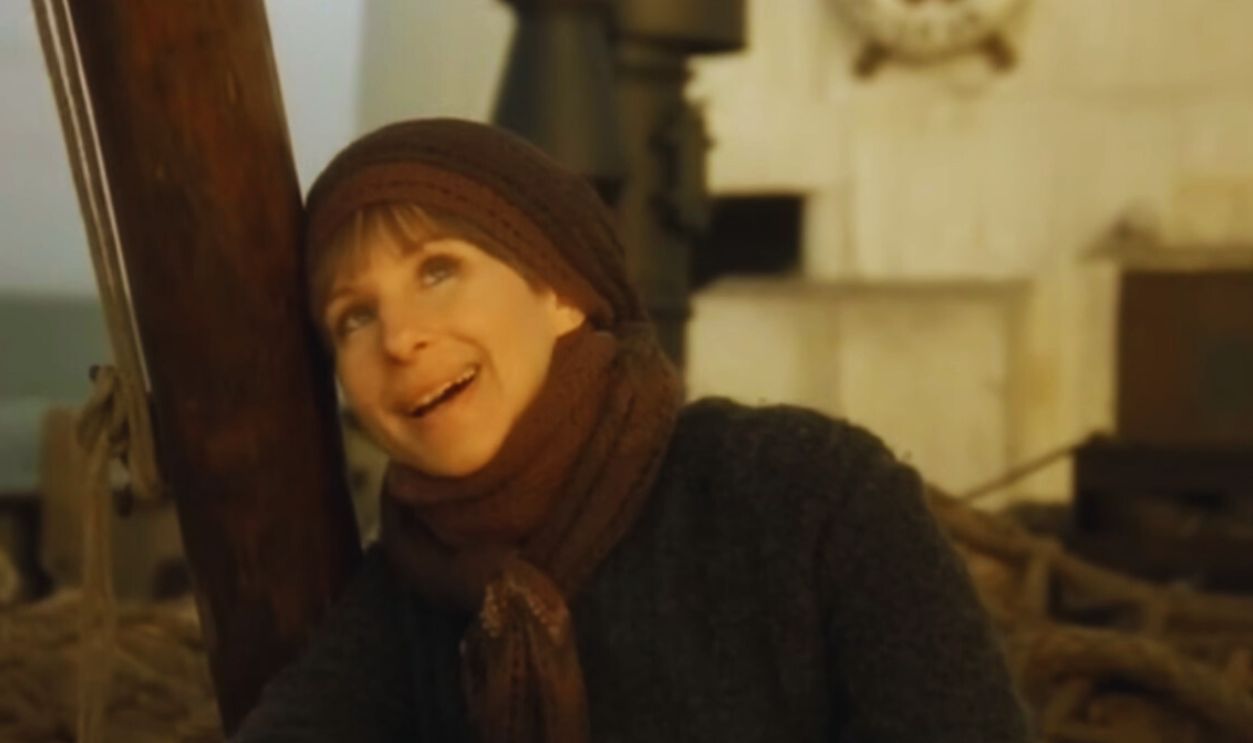
All the way back in 1968, right after finishing Funny Girl, Streisand began dreaming about adapting Isaac Bashevis Singer’s story “Yentl: The Yeshiva Boy” into her film Yentl. There were problems from the start. Although it had screen rights and a director by the early 1970s, participants in the project didn’t believe Streisand could convincingly play the young, gender-bending role, and this version of the film fell through in the early stages.
It was far from the last roadblock Streisand’s dream project would hit.
37. Her Boyfriend Didn’t Believe In Her
While dating Jon Peters, Streisand re-conceived Yentl as a musical—and she now pushed to be both the star and the director. Peters’ reaction was the opposite of supportive. Also skeptical that she could play the role, Peters set up a million-dollar deal for Streisand to perform at Wembley Stadium instead. When she refused, he bumped the price to 2 million, and then made a new offer of 10 million to perform in Vegas.
But apparently he didn’t know Barbra, because all these bribes only made her dig her feet in further.
38. She Went Into Disguise
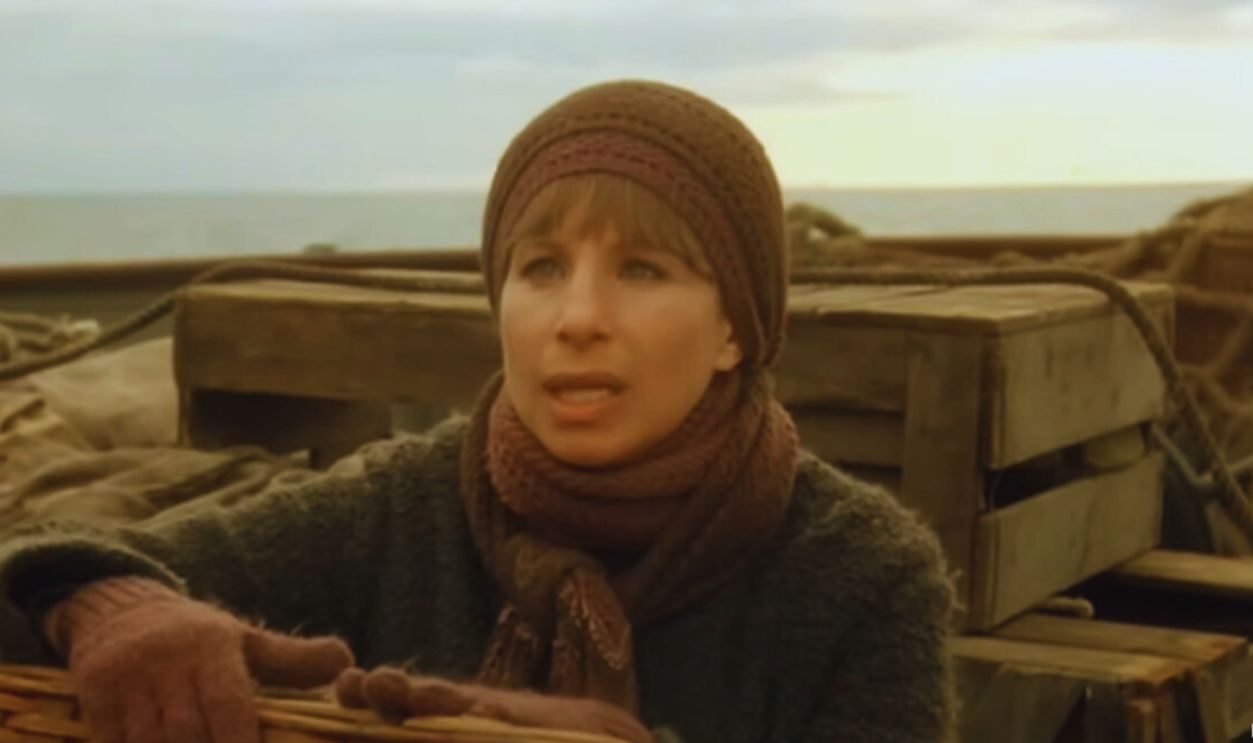
Around this time, Streisand played a brilliant “joke” on her boyfriend. In order to convince Peters she could play Yentl, she disguised herself as a man so well that Peters thought someone had broken into their house. From that point on, he got on board, helping get a production contract for the movie. Streisand, meanwhile, changed Yentl’s age from 16 to 26 to combat the growing age gap between herself and the character in the long-delayed film.
Then she got one final push.
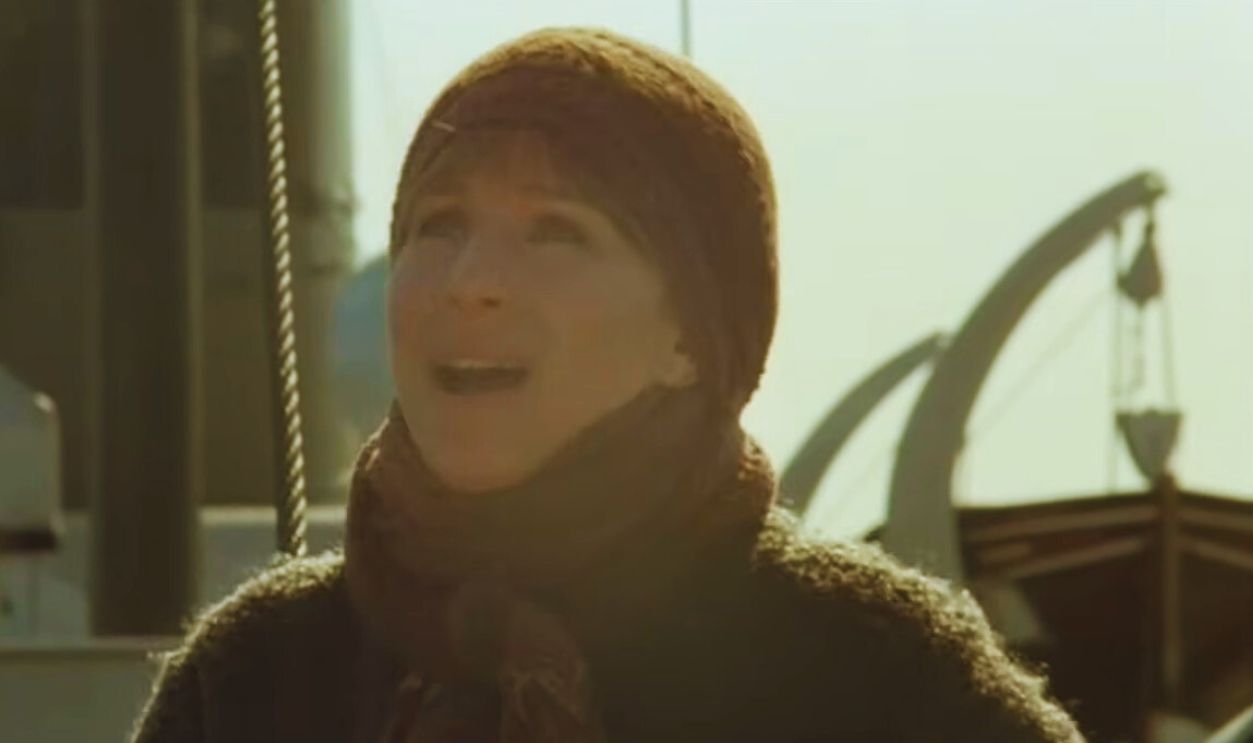
39. She Got A Message From Her Dead Father
In the summer of 1979, Streisand and her brother went to their father’s grave in New York’s Mount Hebron Cemetery for the first time since she was a little girl. While there, they realized the name on the grave beside their father’s, “Anshel,” was the name of Yentl’s dead brother, whose identity she adopts. She took it as a sign, and a trip to a psychic also indicated to Streisand that her father was urging her along the path to Yentl.
Streisand was now fully committed, but it would cost her nearly everything.
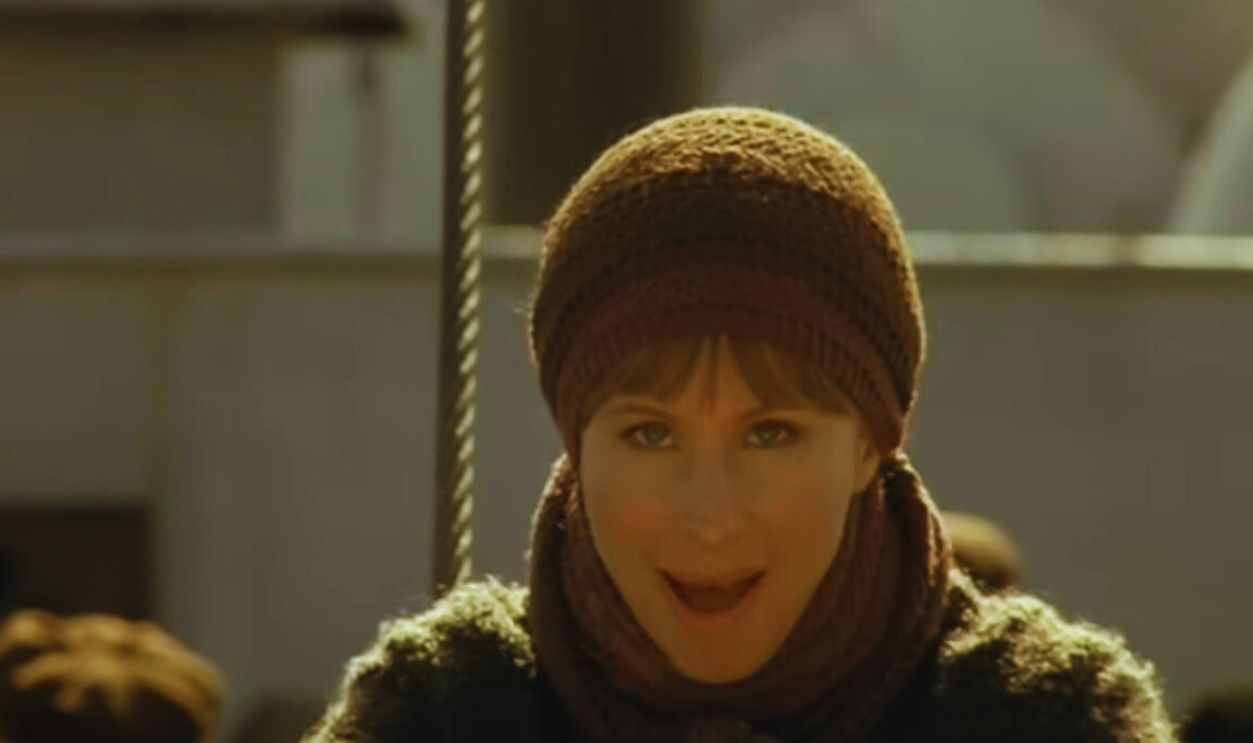
40. Her Movie Broke Her Relationship
In 1980, following the box office bomb of Heaven’s Gate, Streisand’s studio canceled all its most expensive upcoming films, including Yentl. It wasn’t the end for Streisand’s dream, but it was the end of her relationship with Jon Peters: After he agreed to produce the film himself, she realized she couldn’t stand his vision, and left both their business partnership and the relationship before snagging another studio deal.
Thus, the Yentl that came out in 1983, 15 years after she first conceived it, was all Streisand. But so were its problems.
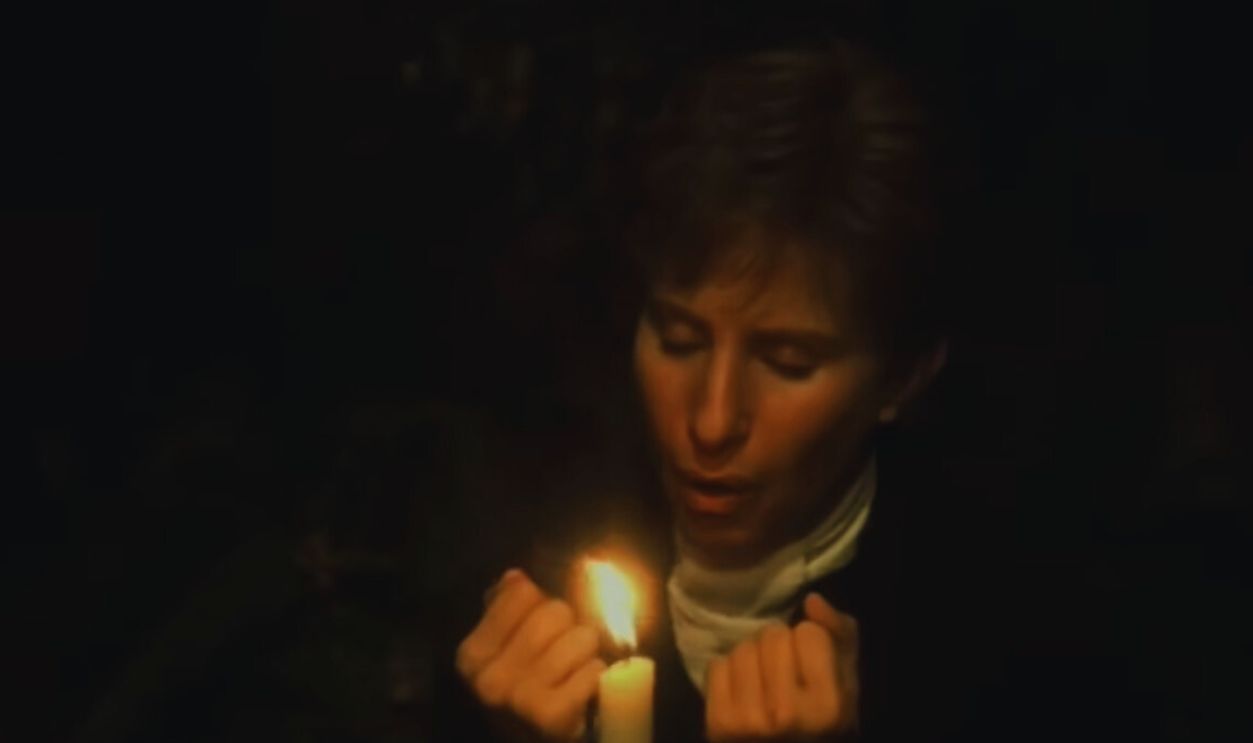
41. She Offended Her Lead Actor
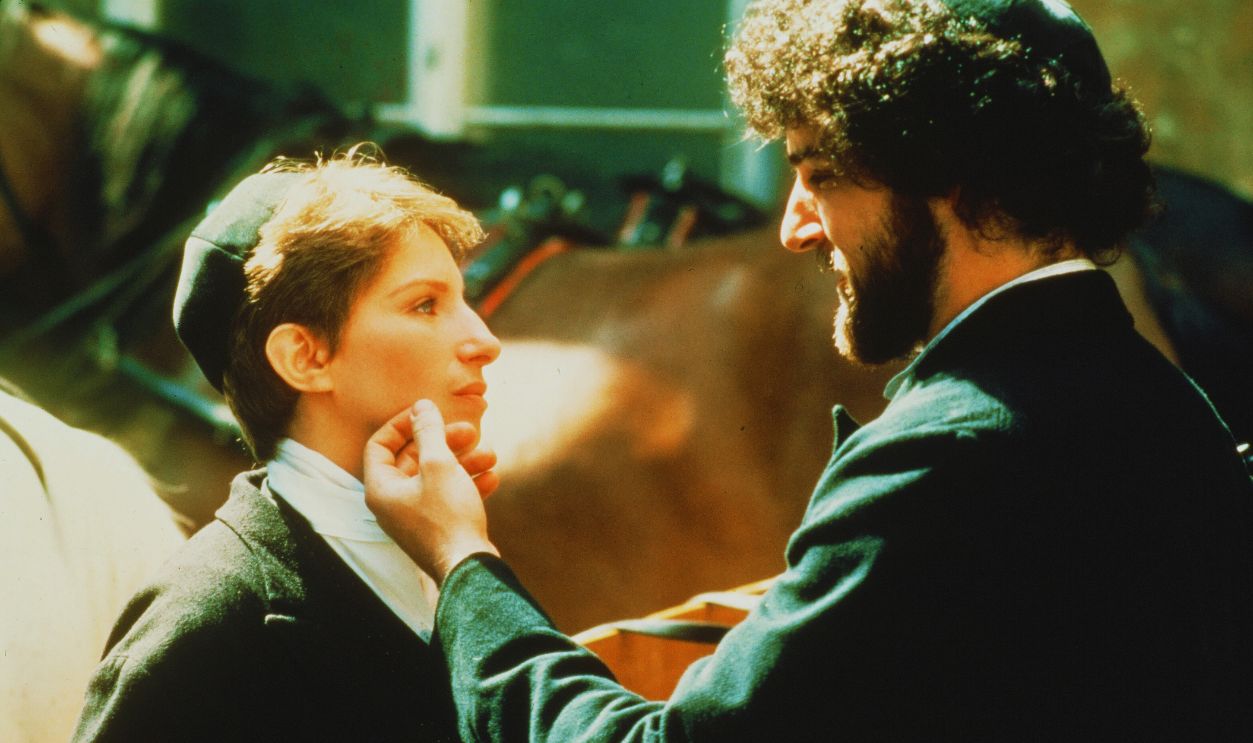
Streisand cast Mandy Patinkin as Yentl’s love interest Avigdor, but the actor soon gave her a shock. A week into filming, she realized that Patinkin wouldn’t even look her in the eye, and when she approached him for a chat, he revealed that he was upset…because he’d assumed that by now they’d be having an affair.
Stunned, Streisand explained she’d never do that as a director, not mentioning that she wasn’t attracted to him in the first place. But in the end, she wasn’t able to keep completely professional.
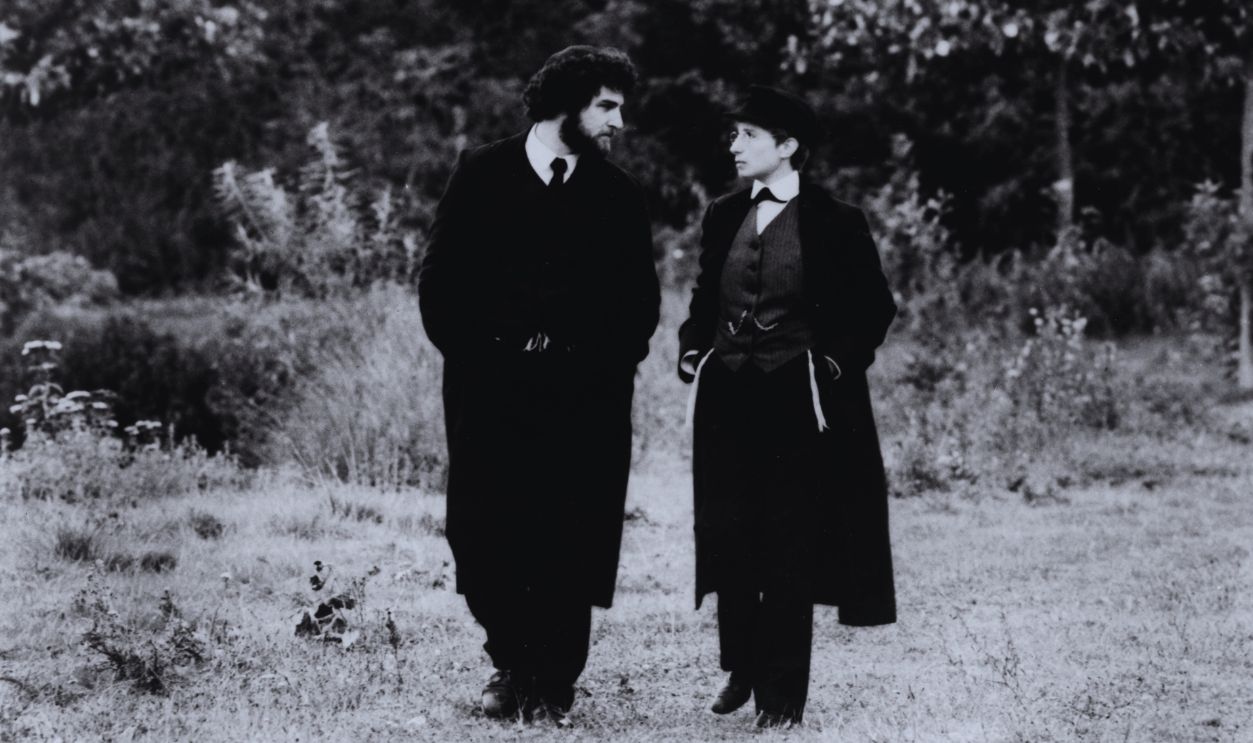
42. She Had To Cut A Love Scene
Patinkin’s confession irked Streisand so much that even after she essentially told him to get over it and get to work or she’d replace him, she couldn’t get his confession out of her head—in a bad way. Originally, Yentl and Avigdor were supposed to have a love scene together, but Streisand couldn’t stomach filming it, and kept it from the final version.
Still, when Yentl finally went out into the world, Streisand knew she’d stayed true to her vision. The Academy didn’t thank her.
43. The Academy Snubbed Her
When Yentl came out, Streisand became the first woman who had written, produced, directed, and starred in a major studio film. Yet when the Oscars rolled around, disappointment seeped in: Although the film got nominated for categories like Best Original Song and even Best Supporting Actress, it got snubbed from the Best Director and Best Picture categories entirely.
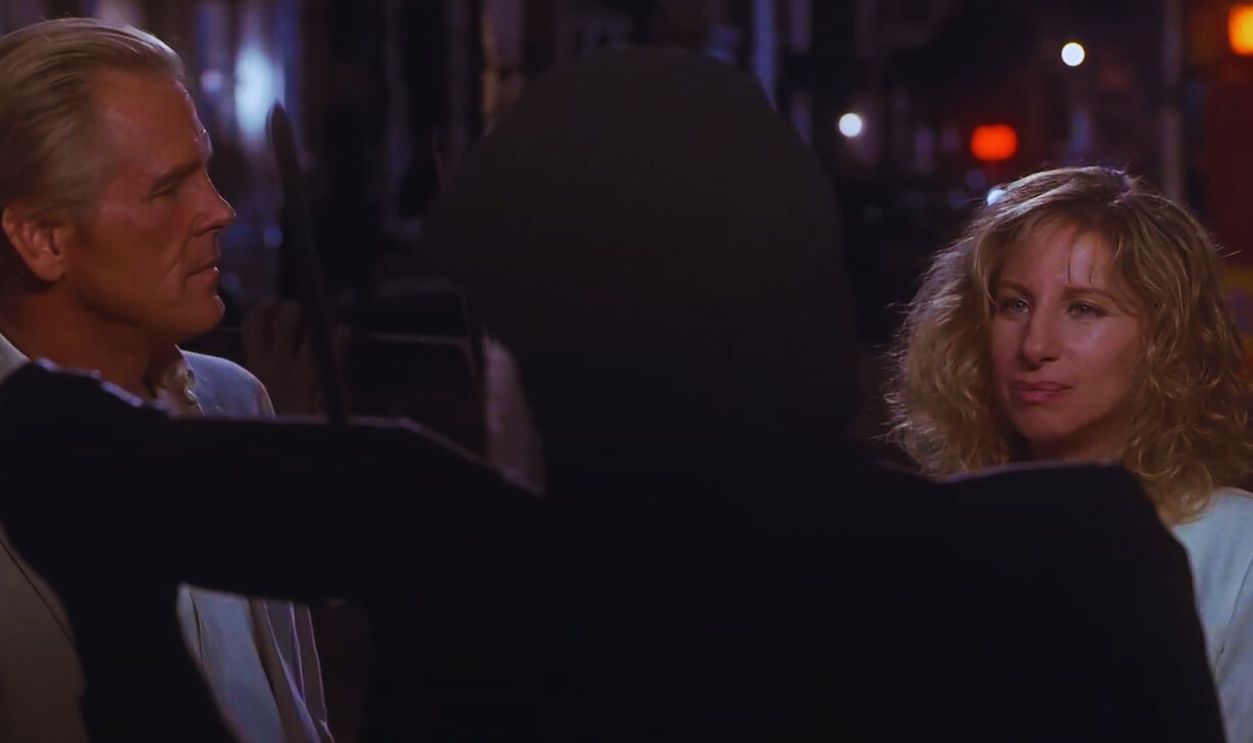
Streisand went on to direct The Prince of Tides in 1991 and The Mirror Has Two Faces in 1996, but while she was finally nominated for Best Picture for Prince of Tides, she’s never gotten the Best Director nod.
 Columbia Pictures, The Prince of Tides (1991)
44. She Had A May–December Romance
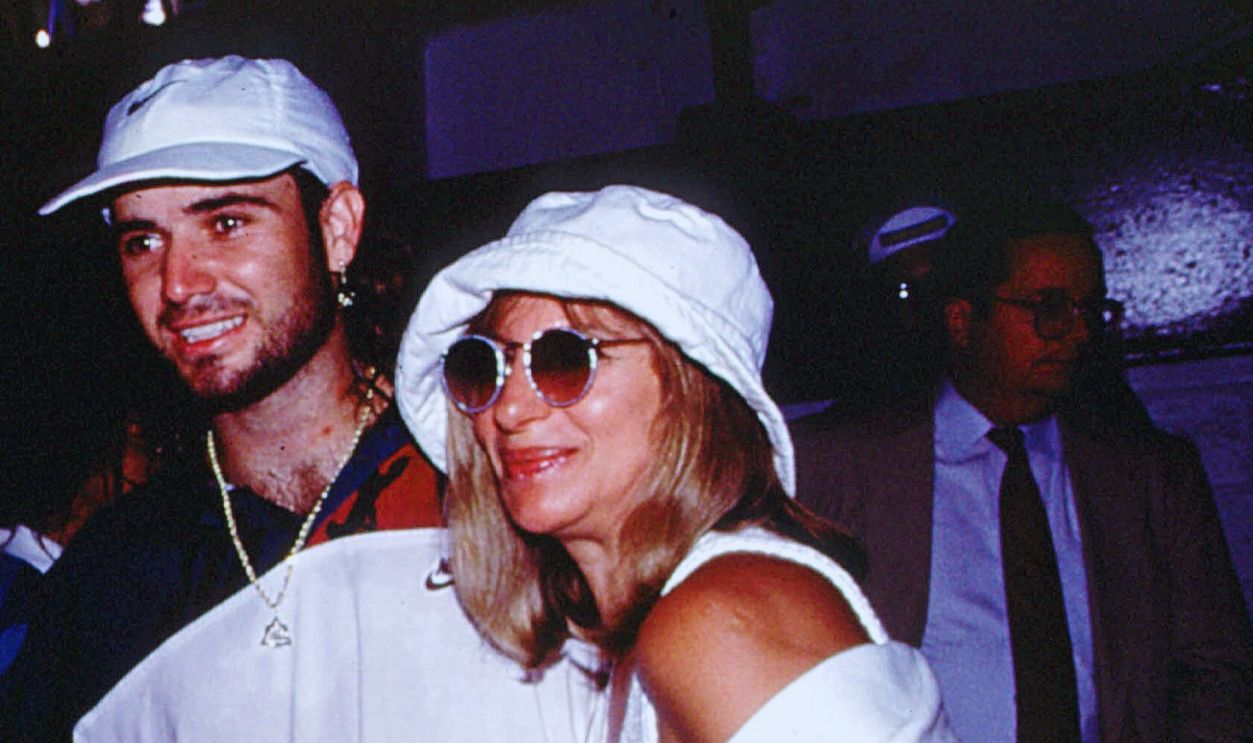
Freed from Jon Peters—although they remained close friends—Streisand launched herself into another legendary dating cycle. She dated actors Don Johnson, Clint Eastwood, and Richard Gere, and had a long-term relationship with Baskin-Robbins ice cream scion Richard Baskin. Perhaps her most salacious romance, however, was with tennis champion Andre Agassi, who she dated for a year in the early 90s and who was 28 years her junior.
As Agassi said of their time together, “Dating Barbra Streisand is like wearing Hot Lava”. Someone else thought so too.
45. She Insulted Her Husband
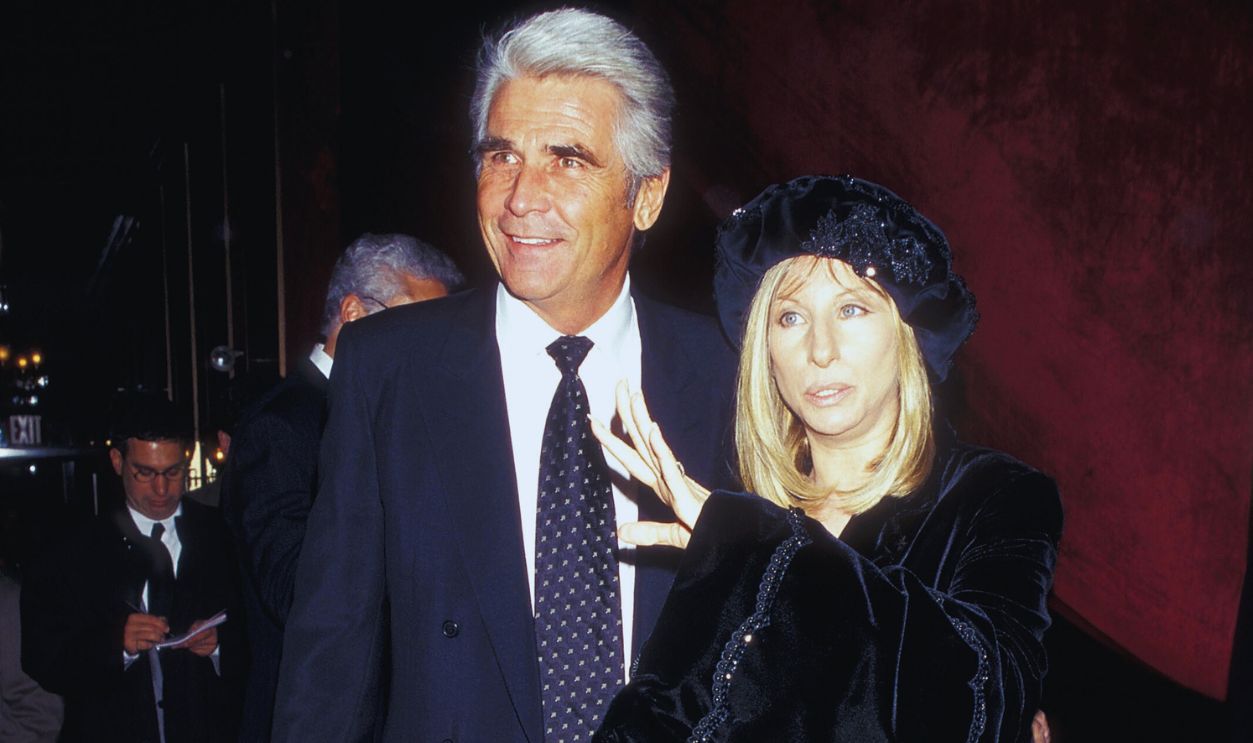
Today, Streisand is in a decades-long relationship with actor James Brolin (father of Josh Brolin). The way they met is classic Barbra. Brolin had just gotten a truly awful haircut when Streisand first met him—and she wasted no time going up to him and asking him who’d screwed up his hair so badly. Brolin, who liked straight-shooters, was immediately impressed.
They’ve been together ever since, marrying in 1998. And that’s not even their most iconic moment.
 Ron Galella, Ltd., Getty Images
46. She Inspired A Rock Classic
According to Streisand, it’s Brolin who’s responsible for one of the most singable lyrics in rock history, and all thanks to their love. While appearing on 20/20 one day, Streisand told Barbara Walters about a time she and Brolin were in bed spooning when he whispered “I don’t want to fall asleep”. When she asked why, he responded, “Cause I’ll miss you”.
Songwriter Diane Warren, who had been watching the interview, then used the line in the Aerosmith hit “I Don’t Want to Miss a Thing”.
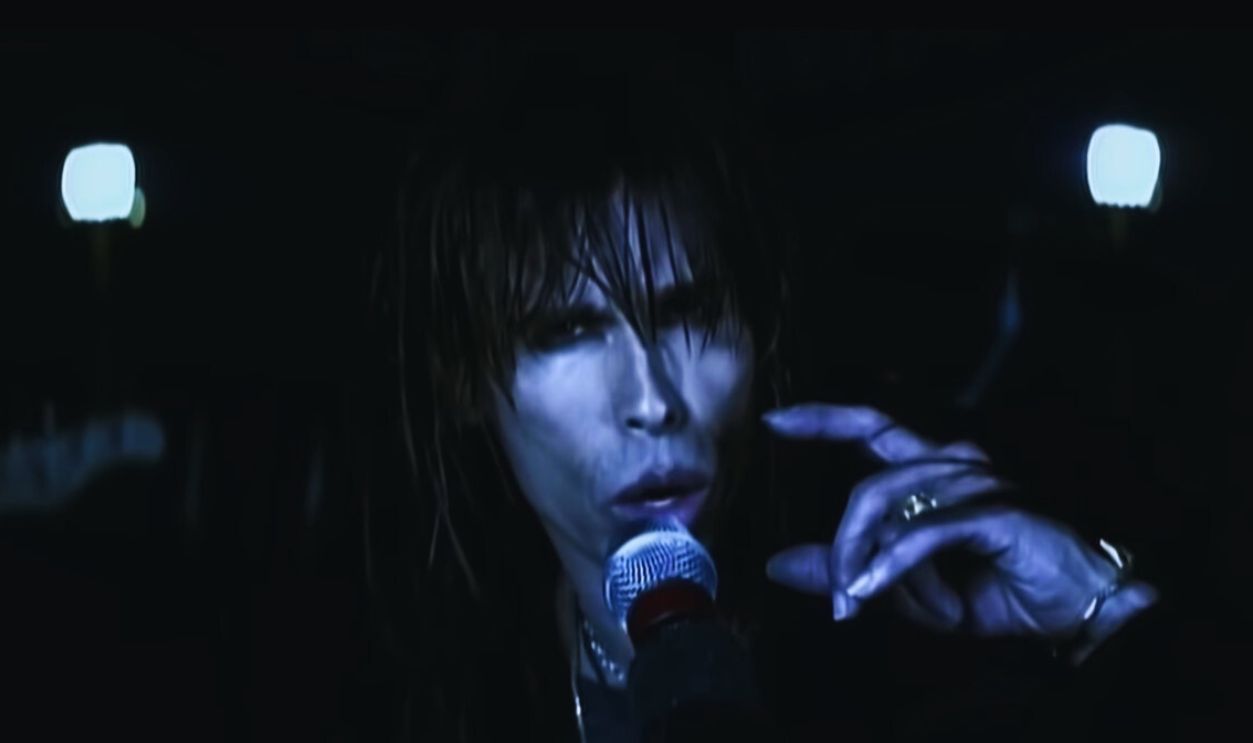 Aerosmith - I Don't Want to Miss a Thing (Official HD Video), Aerosmith
47. She Cloned Her Dog
Once a diva, always a diva, and today Streisand is (in)famous for two main things: Namely, that she has an underground mall in the basement of her Malibu home, and that, yes, she did clone her beloved Conton du Tulear dog, Samantha. In fact, Streisand cloned Samantha twice, and now owns Scarlet and Violet in her stead.
That said, there’s one more act she’s infamous for—and Streisand has something to say about it.

48. She Has Her Own “Effect”
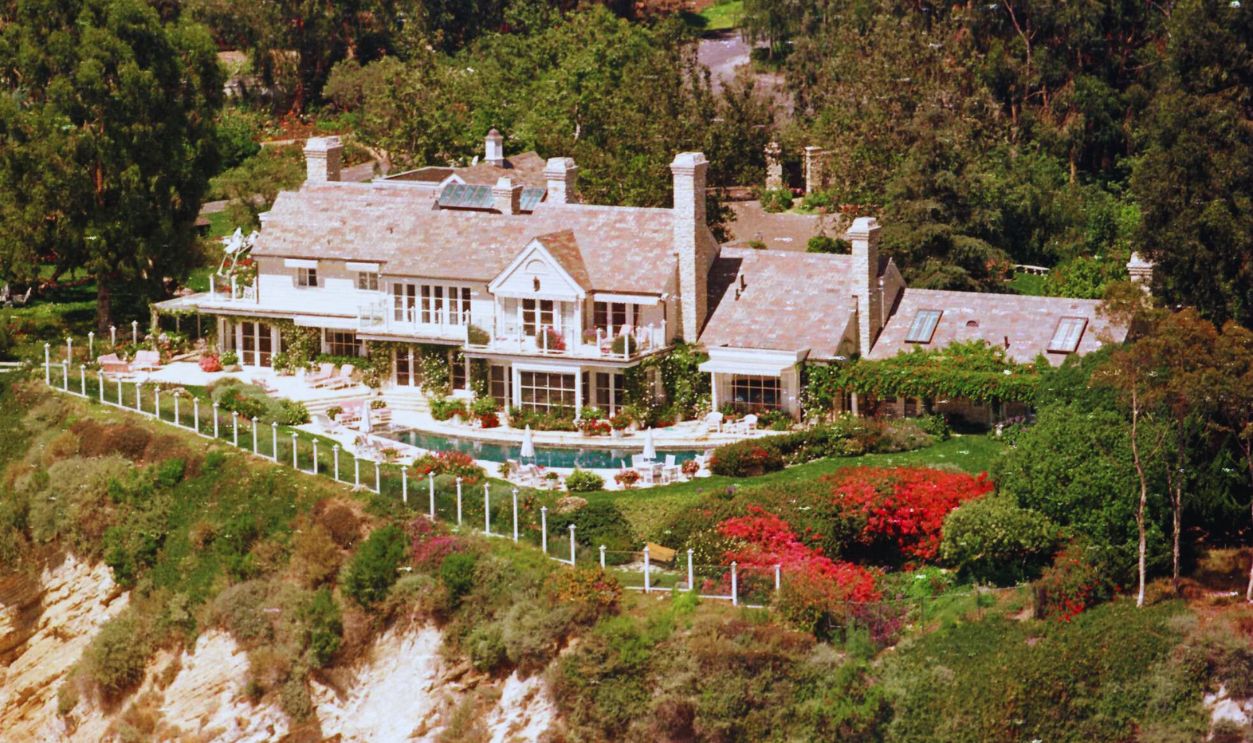
In 2003, Streisand sued a photographer for violating her privacy and publishing an aerial photograph of her Malibu house as a part of a project on coastal erosion. Except as a result of the lawsuit, people who hadn’t known the photo existed were now made aware of it, and what her house looked like in the process. The “Streisand Effect” now means trying to shut something down, only to have it backfire and draw attention to it.
Still, Streisand’s memoir seeks to set the record straight on this, if only on a technicality: She insists she sued the photographer not for publishing her house, but for labeling her name on the photograph of the house—a label that wasn’t put on any other non-celebrity houses in the series. Even so, Streisand admits the lawsuit was a “mistake”.
49. We’re Pronouncing Her Name Wrong
There’s another thing that everyone gets wrong about Barbra Streisand: How to pronounce her name. Although most people pronounce the second “s” with a “z” sound, it actually should be pronounced how it looks: “Strei-sand”. That said, Streisand may be used to it—but there is one thing she absolutely can’t stand to this day.
 Movie studio, Wikimedia Commons
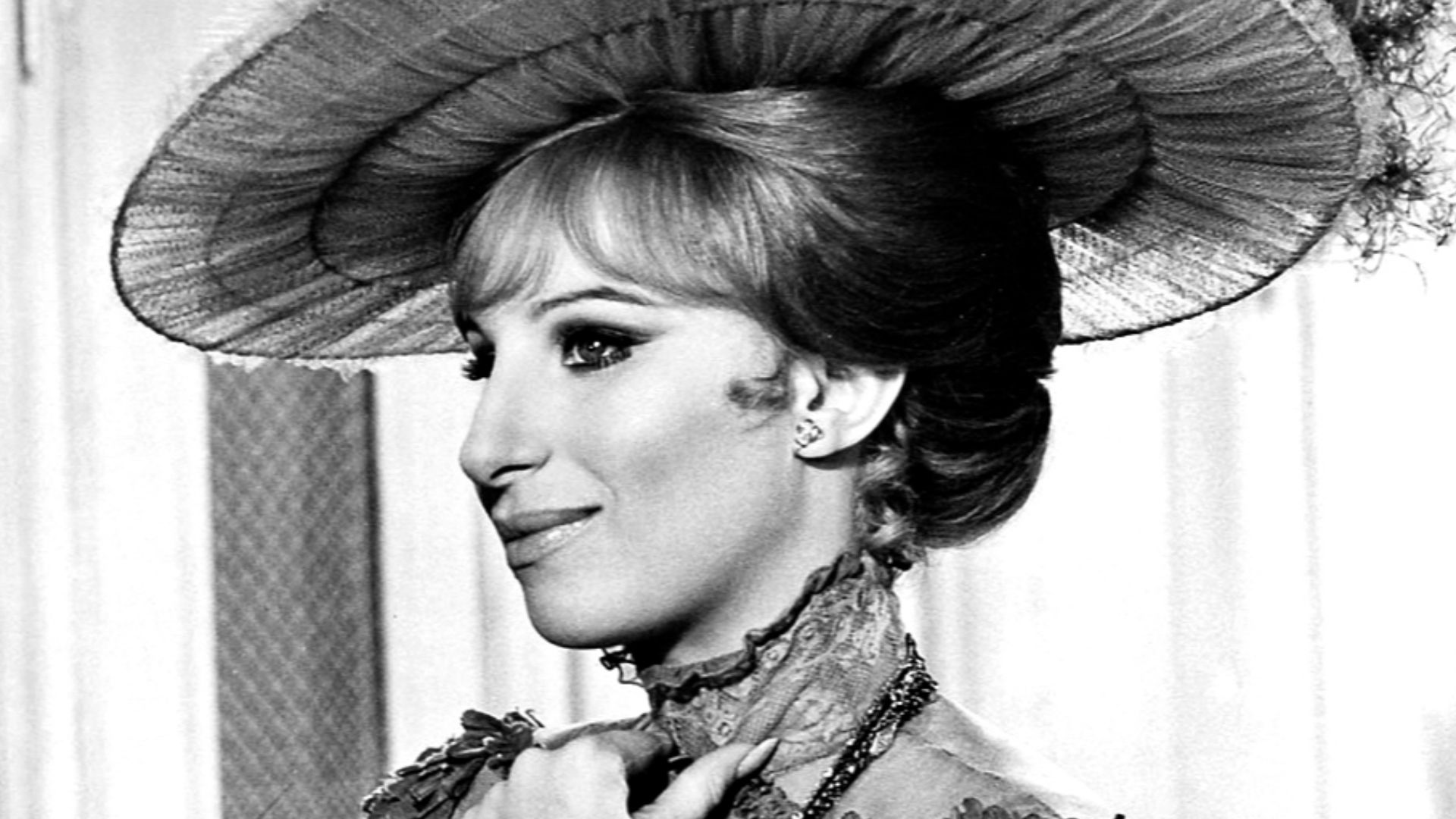
50. There’s One Thing People Always Forget About Her
Over her decades-long run in show business, Streisand’s films have become classics, and her few music performances have continued to sell out in the thousands. Along the way, her work ethic has made some label her “difficult,” while others simply worship her…but she does have one pet peeve that will set her off like a diva.
According to those who’ve worked with her, Streisand cannot abide it when someone forgets or does not know that she wrote the screenplay for Yentl. As New York Times editor Andrew Rosenthal put it, it’s “[t]he one thing that makes Barbra Streisand crazy”.

You May Also Like:
Life is tough, but Joni Mitchell is tougher.
Sharon Stone Is Built To Survive