

Everyday Traditions With Surprisingly Recent Origins
Everyday habits often feel as though they have been passed down unchanged for centuries. In reality, many familiar traditions are surprisingly recent creations shaped by royalty, advertising, technology, and changing social values. From wedding customs and holiday celebrations to birthday rituals and family gatherings, these practices became popular far more recently than most people realize. Looking at their true origins reveals how quickly new ideas can become timeless traditions.

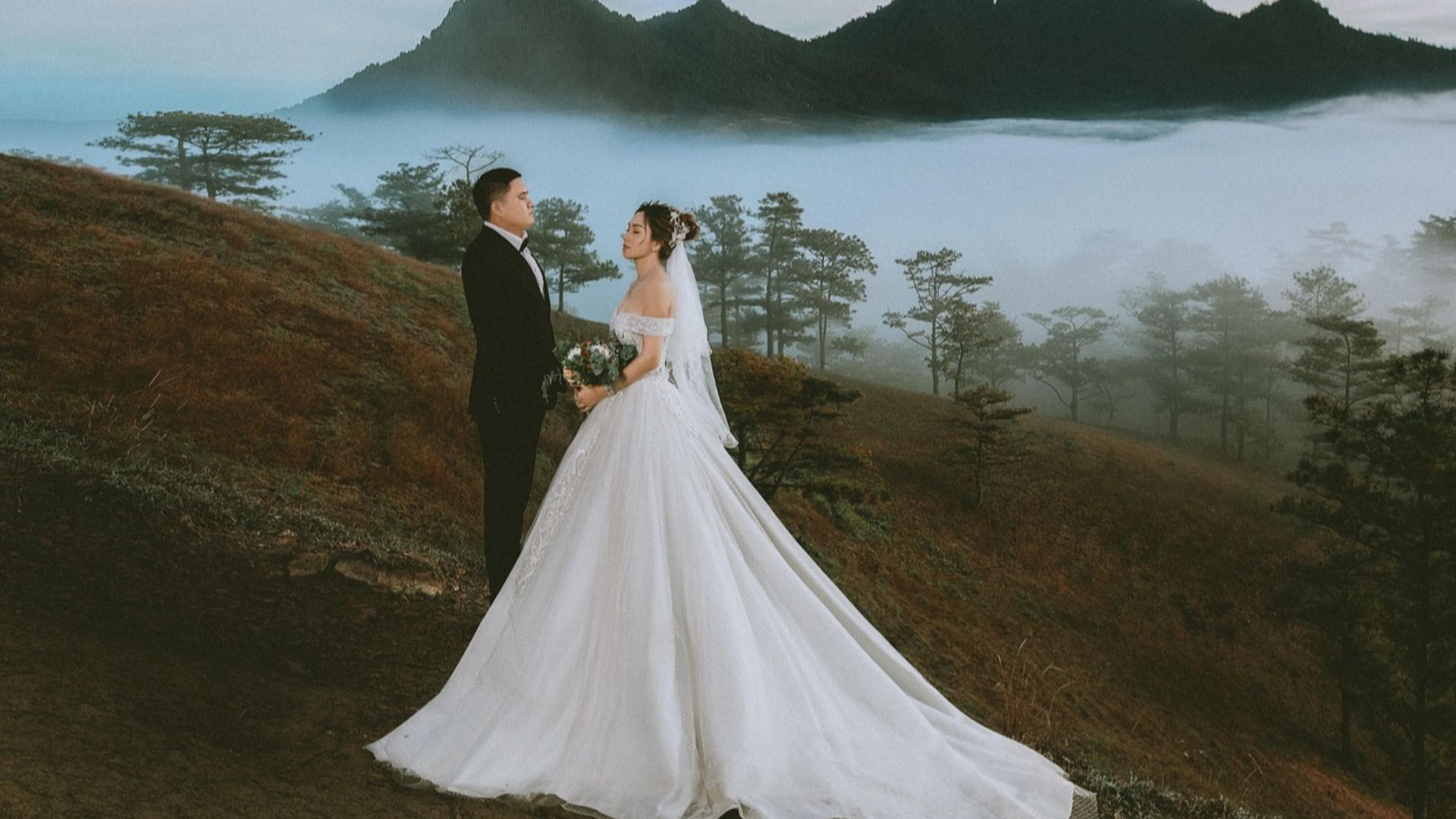
White Wedding Dresses Are A Modern Trend
Many people assume brides have always worn white, but that tradition is surprisingly recent. Before the mid-1800s, most brides simply wore their finest dress, regardless of color. Queen Victoria changed fashion when she married Prince Albert in a white gown in 1840, and photographs and illustrations helped spread the style around the world. Today, white wedding dresses feel timeless even though they became widespread less than two centuries ago.
Mother's Day Is Barely A Century Old
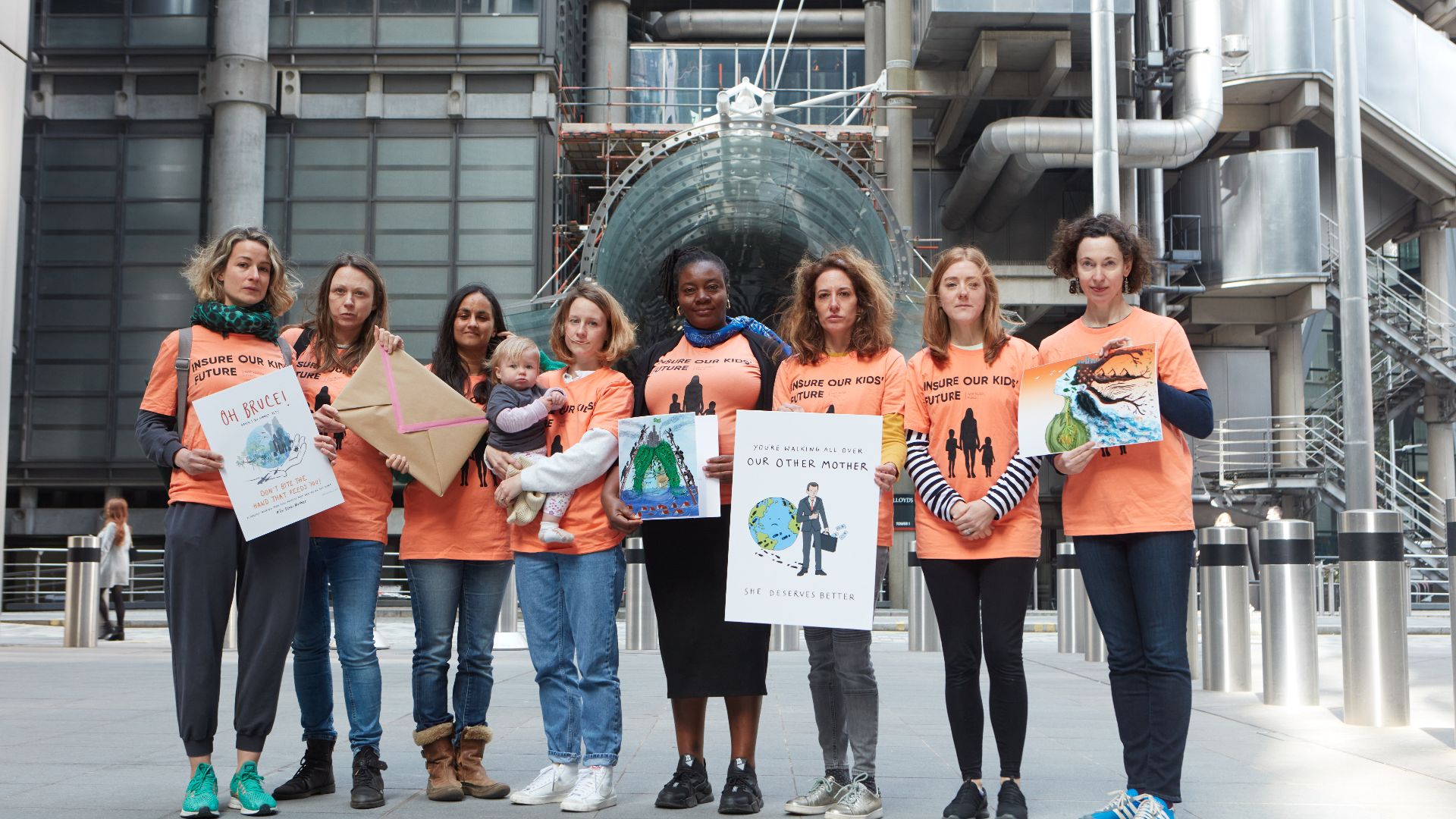
Mother's Day feels like an ancient family tradition, yet the American holiday officially began in the early twentieth century. Anna Jarvis organized the first major observance in 1908 to honor her late mother. The United States officially recognized Mother's Day as a national holiday in 1914. Ironically, Jarvis later fought against the holiday's growing commercialization.
 Insure Our Future, Wikimedia Commons
Father's Day Took Even Longer
Father's Day often seems like the natural counterpart to Mother's Day. In reality, it struggled for decades before gaining widespread acceptance. Sonora Smart Dodd organized one of the earliest Father's Day celebrations in 1910 after hearing a Mother's Day sermon. It did not become a permanent national holiday in the United States until 1972.
 The White House, Wikimedia Commons
Christmas Cards Began In The Victorian Era
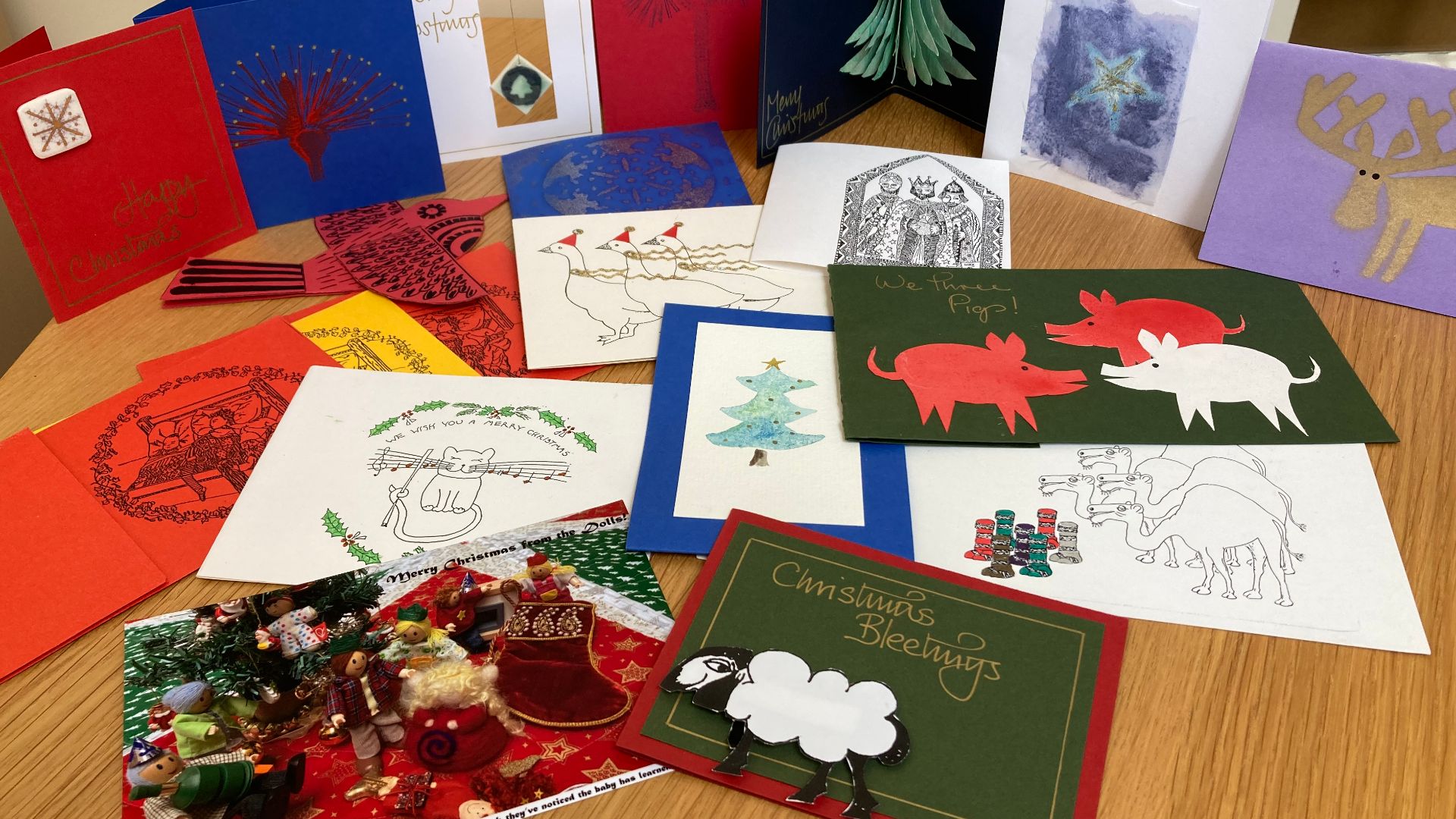
Sending holiday cards now feels inseparable from Christmas. The first commercial Christmas card appeared in England in 1843 after Sir Henry Cole wanted an easier way to send seasonal greetings. Advances in printing made the cards affordable for more families. By the twentieth century, exchanging Christmas cards had become a worldwide custom.
Birthday Candles Became Mainstream Surprisingly Late
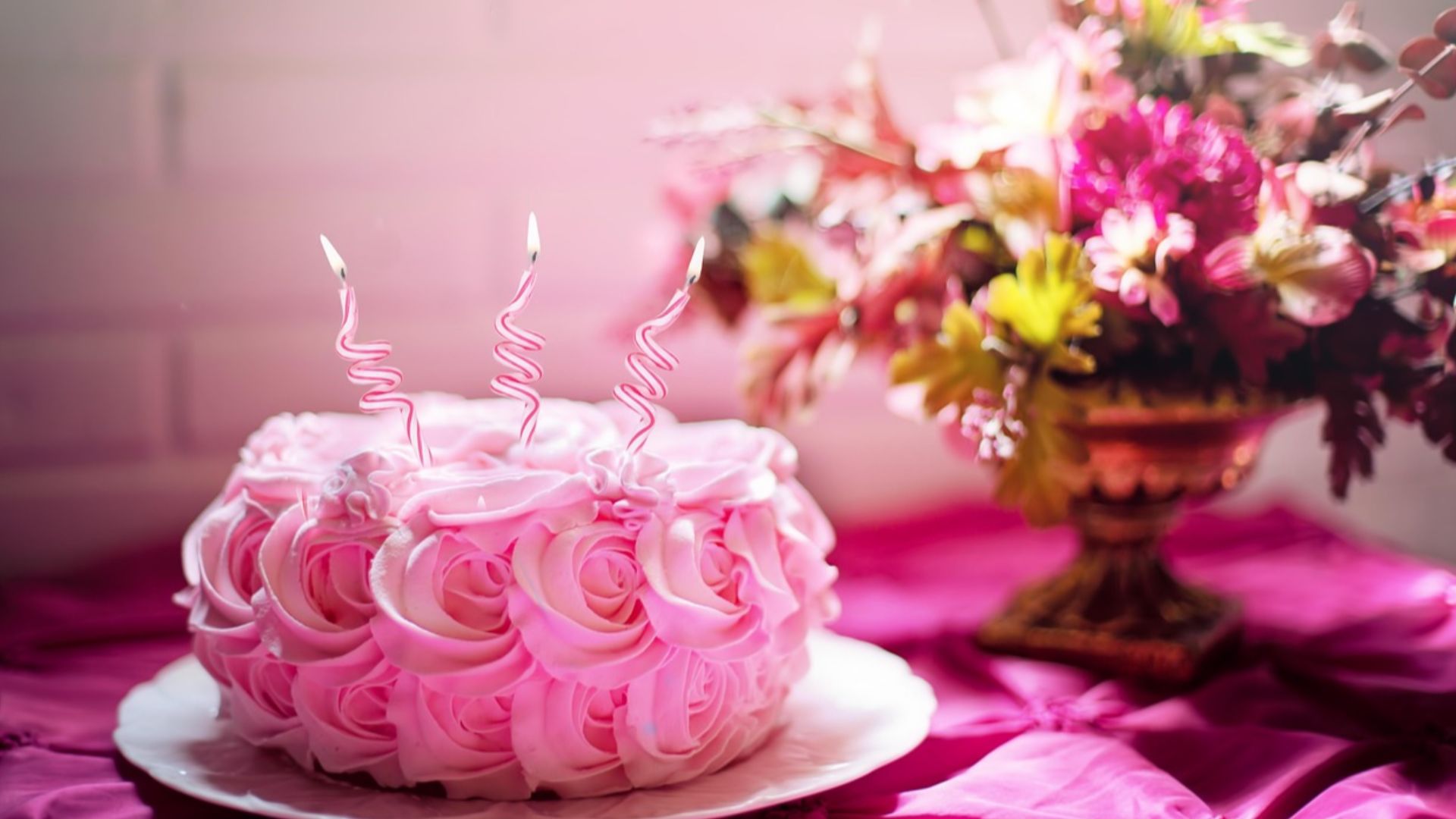
People often imagine birthday candles stretching back unchanged through history. While ancient cultures used candles in ceremonies, placing candles on birthday cakes spread widely through German celebrations before becoming popular internationally during the nineteenth and twentieth centuries. Mass production helped make birthday candles inexpensive and accessible. Modern birthday wishes owe much to recent consumer culture.
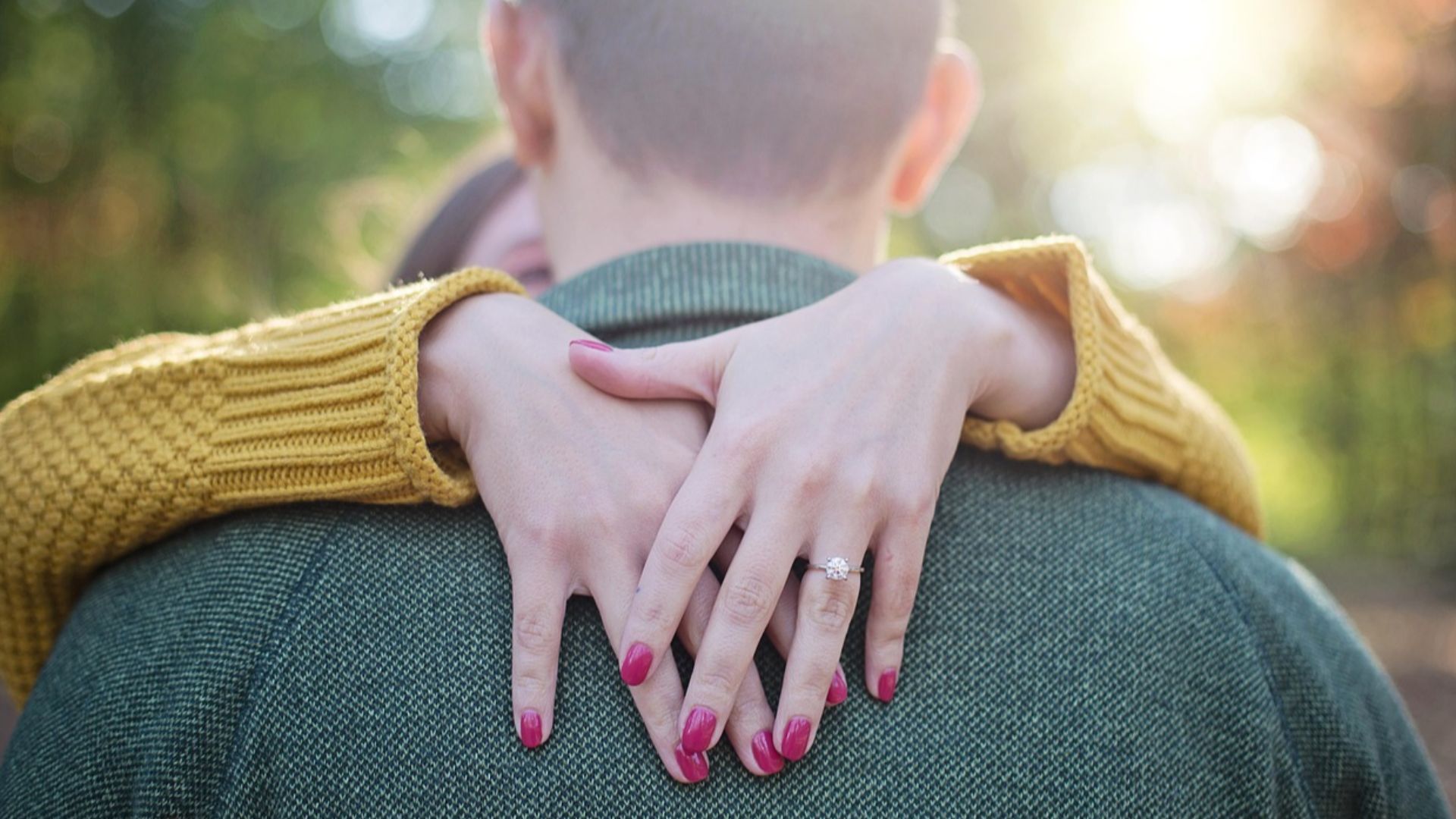
Engagement Rings Were Reinvented By Advertising
Engagement rings have ancient roots, but today's diamond tradition is much newer. Diamond engagement rings became far more common after an influential De Beers advertising campaign launched in 1947 with the slogan "A Diamond Is Forever." Clever marketing reshaped public expectations across many countries. What now seems like an ancient rule was heavily influenced by twentieth century advertising.
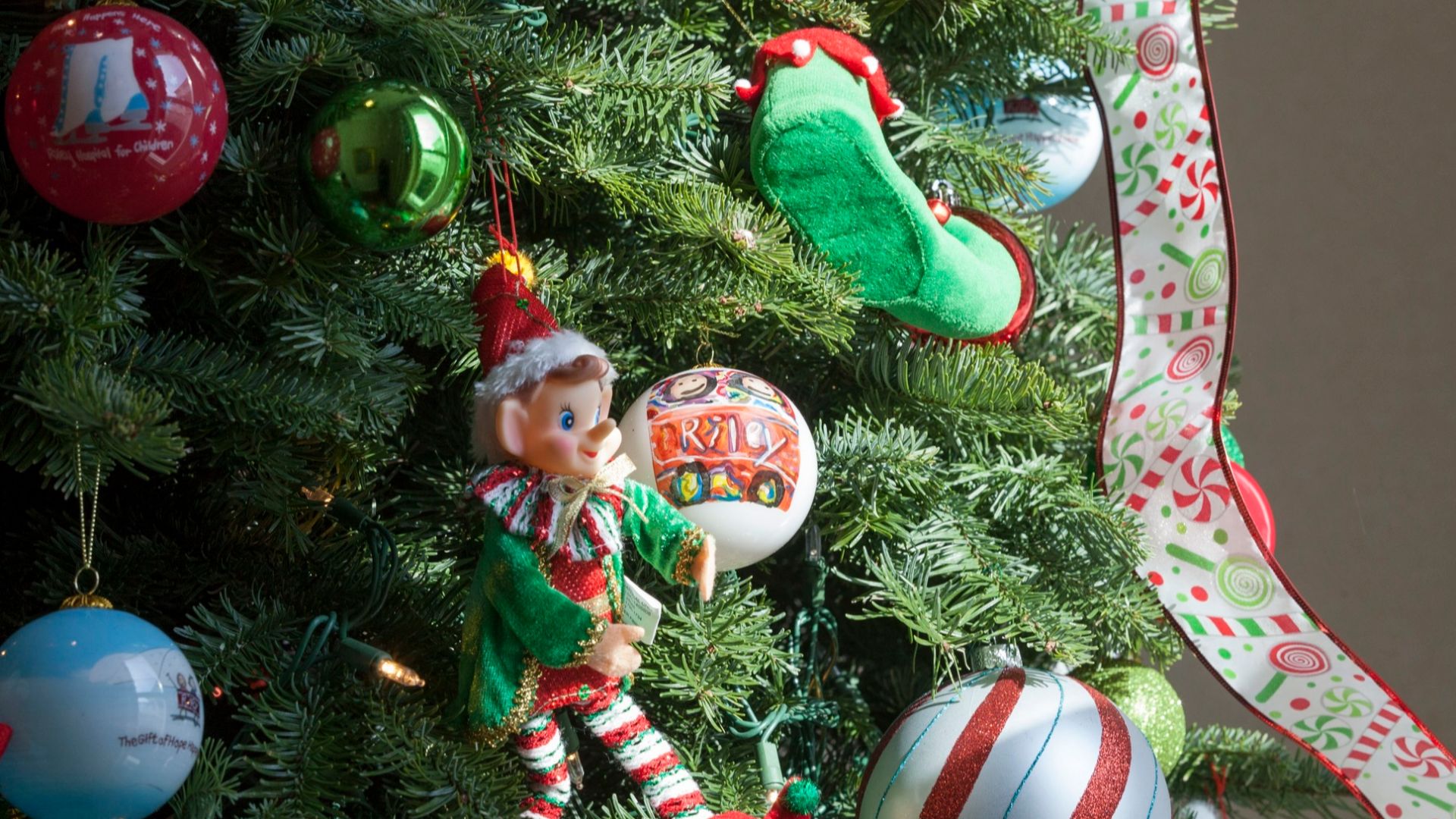
The Elf On The Shelf Is A New Arrival
Many children believe the Elf on the Shelf has always been part of Christmas. The tradition actually began with a 2005 children's book written by Carol Aebersold and Chanda Bell. The story encouraged families to move the elf each night before Christmas. Social media helped transform the idea into a modern holiday ritual.
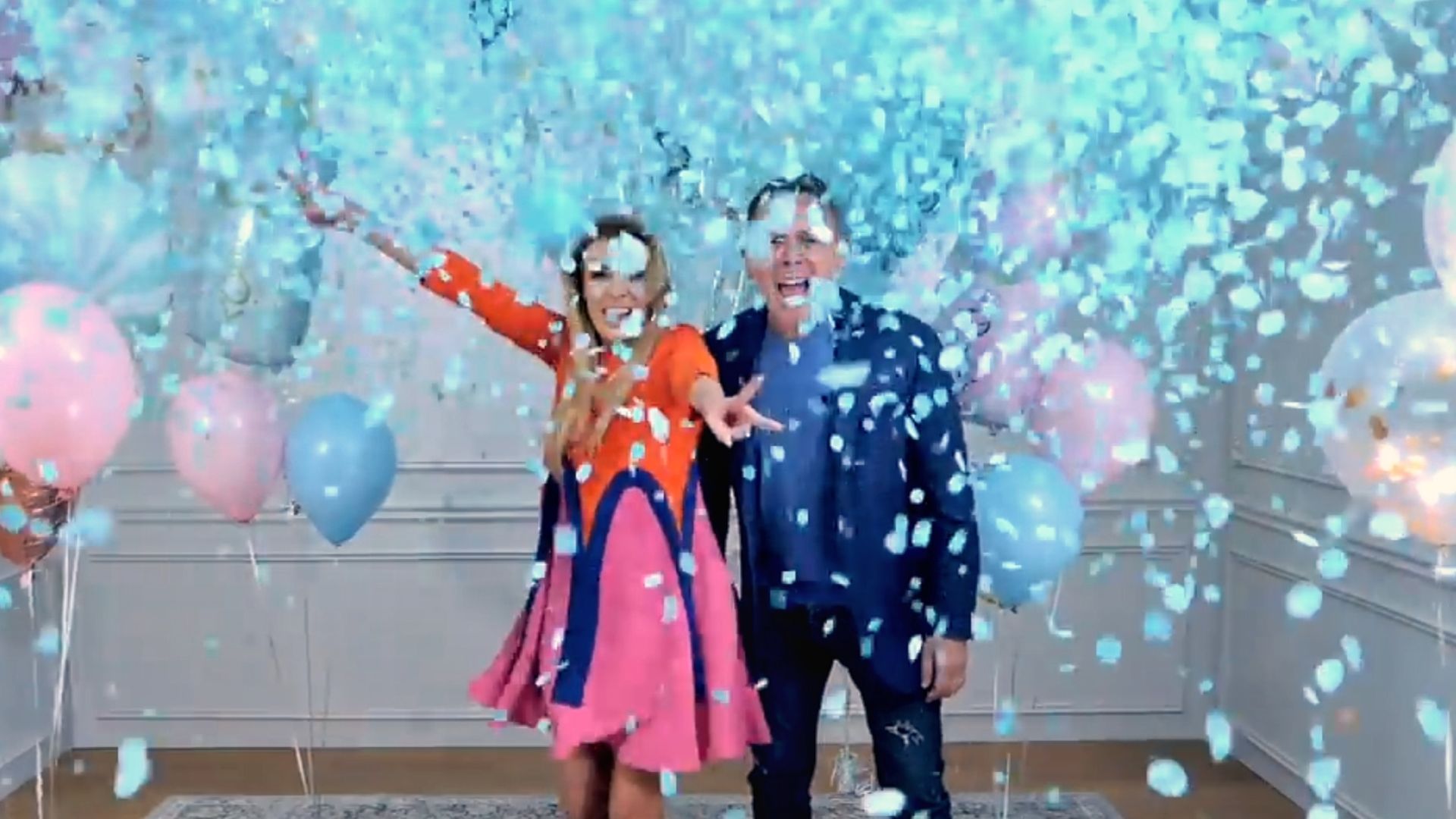
Gender Reveal Parties Hardly Existed Before Social Media
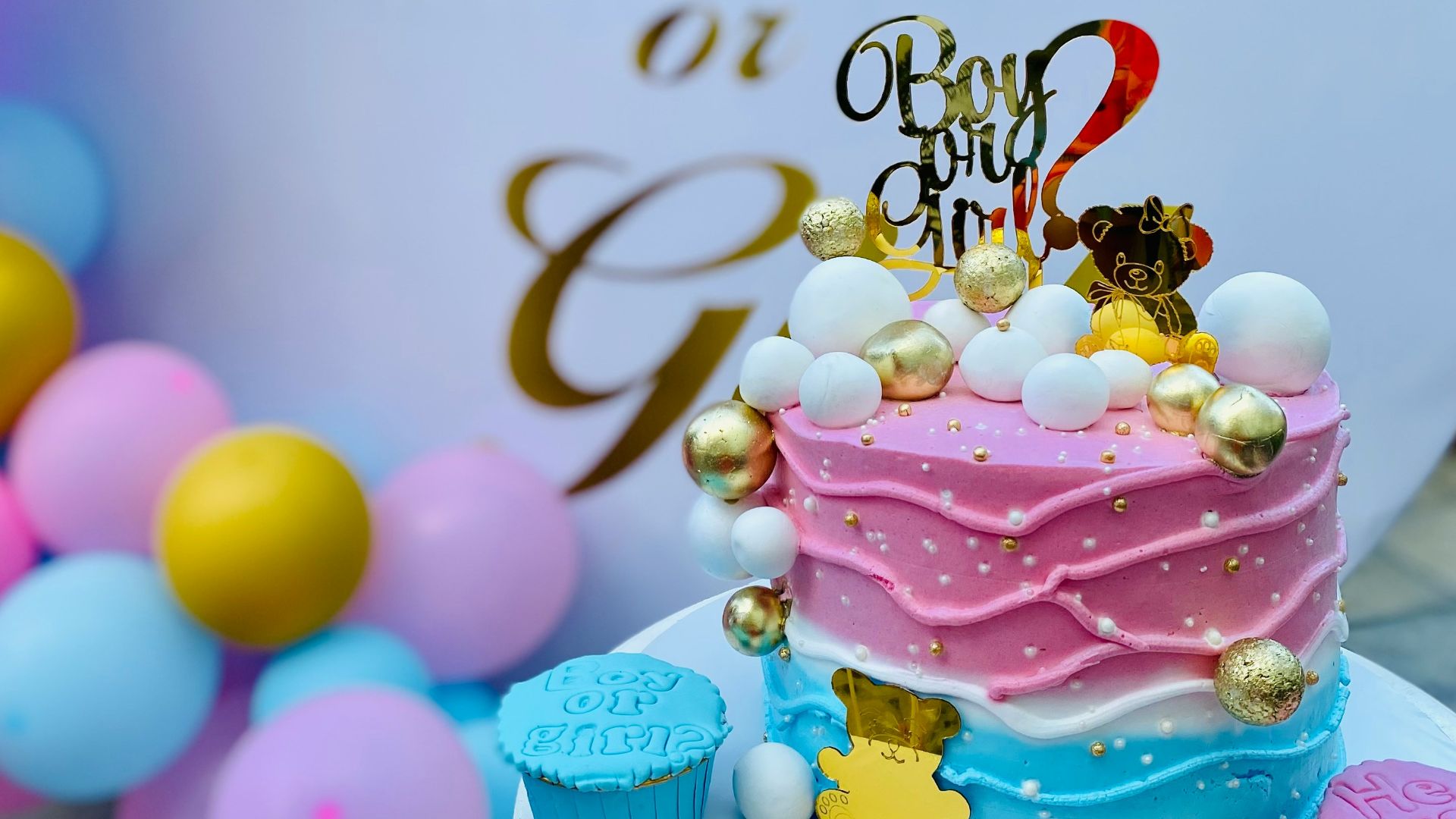
Gender reveal celebrations now appear everywhere online. The first widely recognized event took place in 2008 when blogger Jenna Karvunidis shared a cake revealing her baby's gender. The idea spread rapidly through Pinterest, Facebook, and Instagram. Within only a few years, it became a familiar part of many pregnancies.
 Izabela Janachowska, Wikimedia Commons

History's most fascinating stories and darkest secrets, delivered to your inbox daily.
Matching Family Pajamas Are A Retail Success Story
Coordinated holiday pajamas feel nostalgic, but their popularity exploded only recently. Retailers increasingly promoted matching sets during the 2010s as holiday photo traditions grew online. Families embraced the idea for Christmas morning pictures and social media posts. The tradition owes as much to marketing as to nostalgia.
 Javier González Fotógrafo, Unsplash
Black Friday Became A Shopping Holiday
The day after Thanksgiving was not always synonymous with bargain hunting. Philadelphia police used the term "Black Friday" during the 1960s to describe heavy traffic and crowded streets. Retailers gradually embraced the phrase and connected it with major sales events. It is now one of the busiest shopping days of the year.
 Donald Trung Quoc, Wikimedia Commons
Ugly Christmas Sweaters Started As A Joke
Colorful holiday sweaters once attracted little attention. During the late twentieth century, people began wearing intentionally flashy vintage sweaters to themed parties as a humorous trend. Television programs and celebrity events fueled the movement. Today, ugly sweater parties have become a seasonal tradition in many workplaces and homes.
 Aleksandra Sapozhnikova, Unsplash
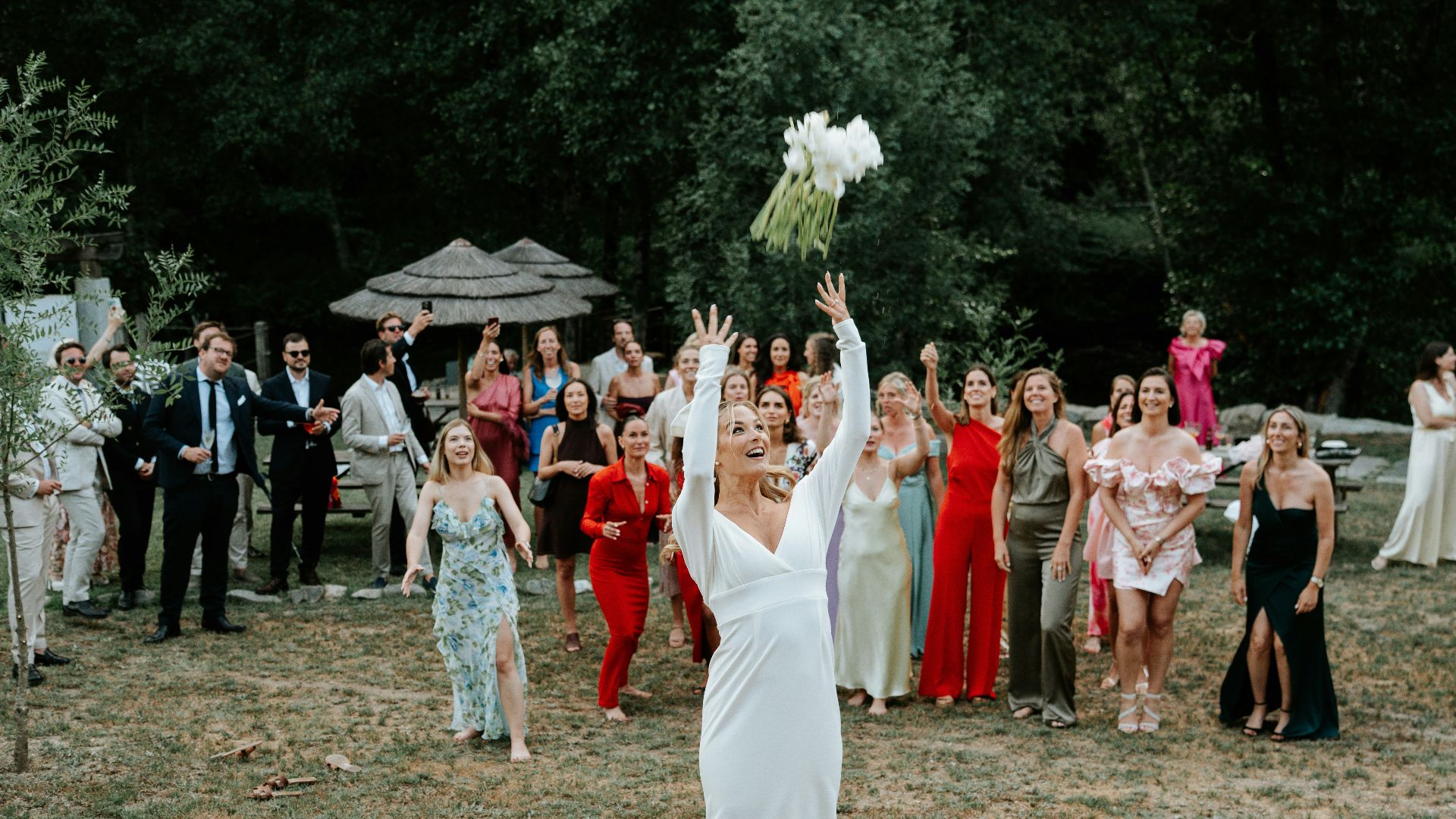
The Wedding Bouquet Toss Is More Recent Than Many Think
Modern bouquet tosses became standardized during the Victorian era, even though earlier customs involved sharing pieces of the bride's clothing or flowers. Tossing a bouquet offered a more practical and less chaotic alternative. Wedding etiquette books helped spread the practice. It soon became an expected reception activity.
New Year's Eve Ball Drops Are Not Ancient
Watching a giant illuminated ball descend at midnight feels like an old ritual. The famous Times Square Ball Drop first took place on December 31, 1907. Organizers created it after fireworks displays were banned. Millions now welcome each new year by watching a tradition that is just over a century old.
 Anthony Quintano from Mount Laurel, United States, Wikimedia Commons
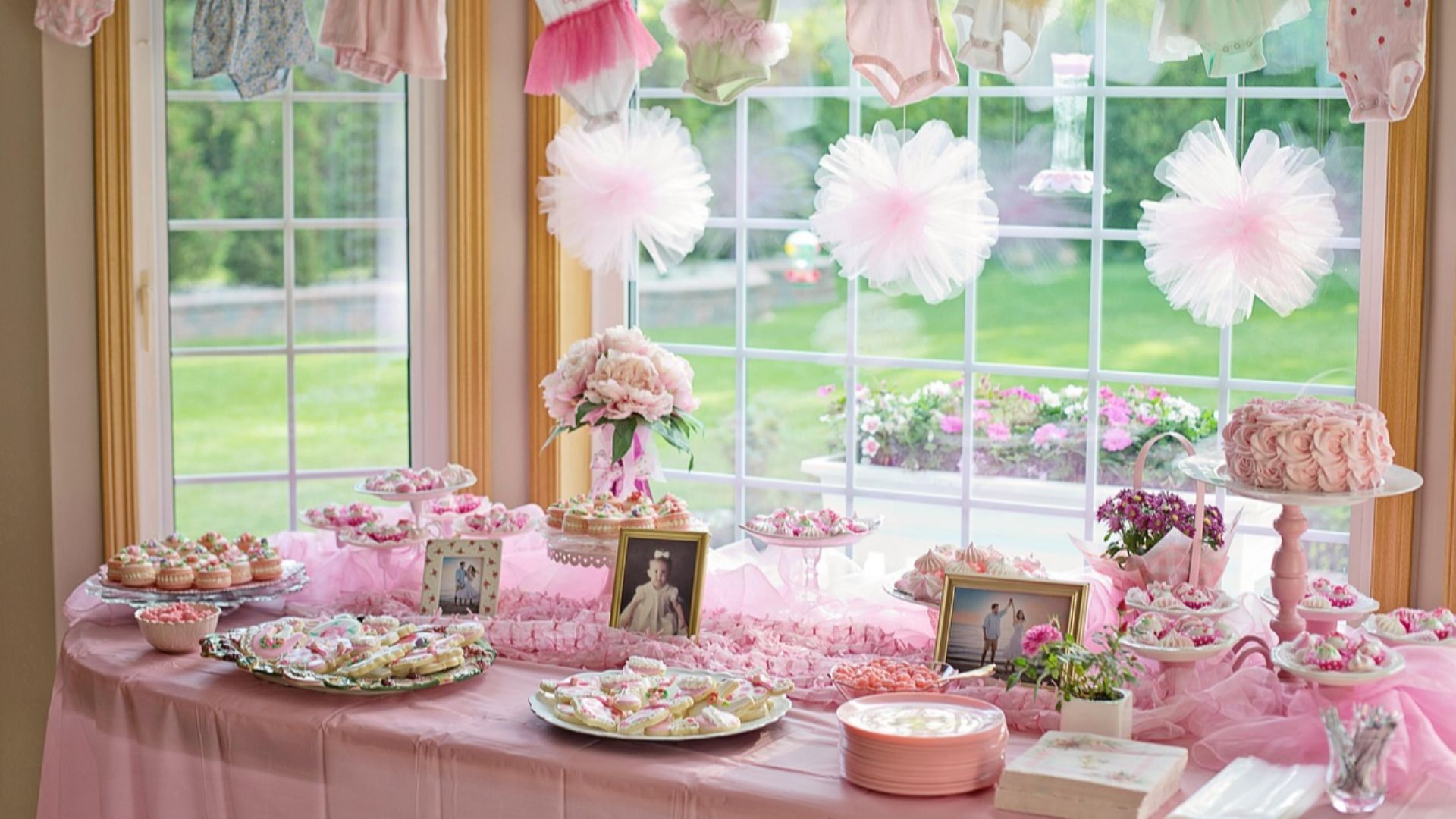
Baby Showers Became Popular After World War II
Families have always celebrated new babies, but modern baby showers expanded dramatically after World War II. Rising birth rates and booming consumer markets encouraged gift giving for expecting parents. Department stores promoted specialized baby registries and products. The familiar shower format became a standard part of family life.
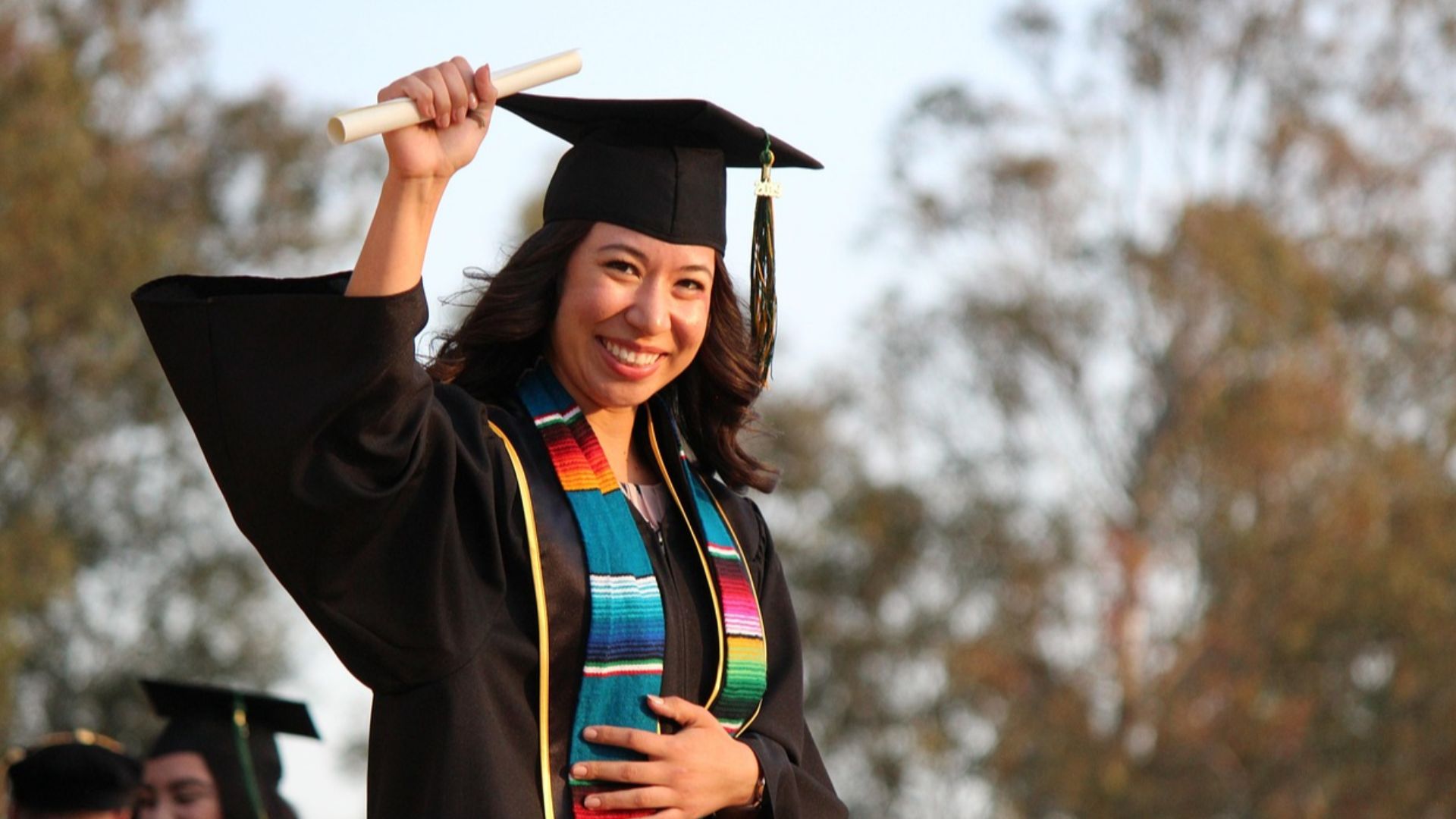
Graduation Caps Flew Into The Air Thanks To One Ceremony
Throwing graduation caps now happens around the world. The practice is widely credited to the United States Naval Academy in 1912 after graduates no longer needed to return their hats. The joyful gesture caught on at schools across the country. It eventually became an international graduation tradition.
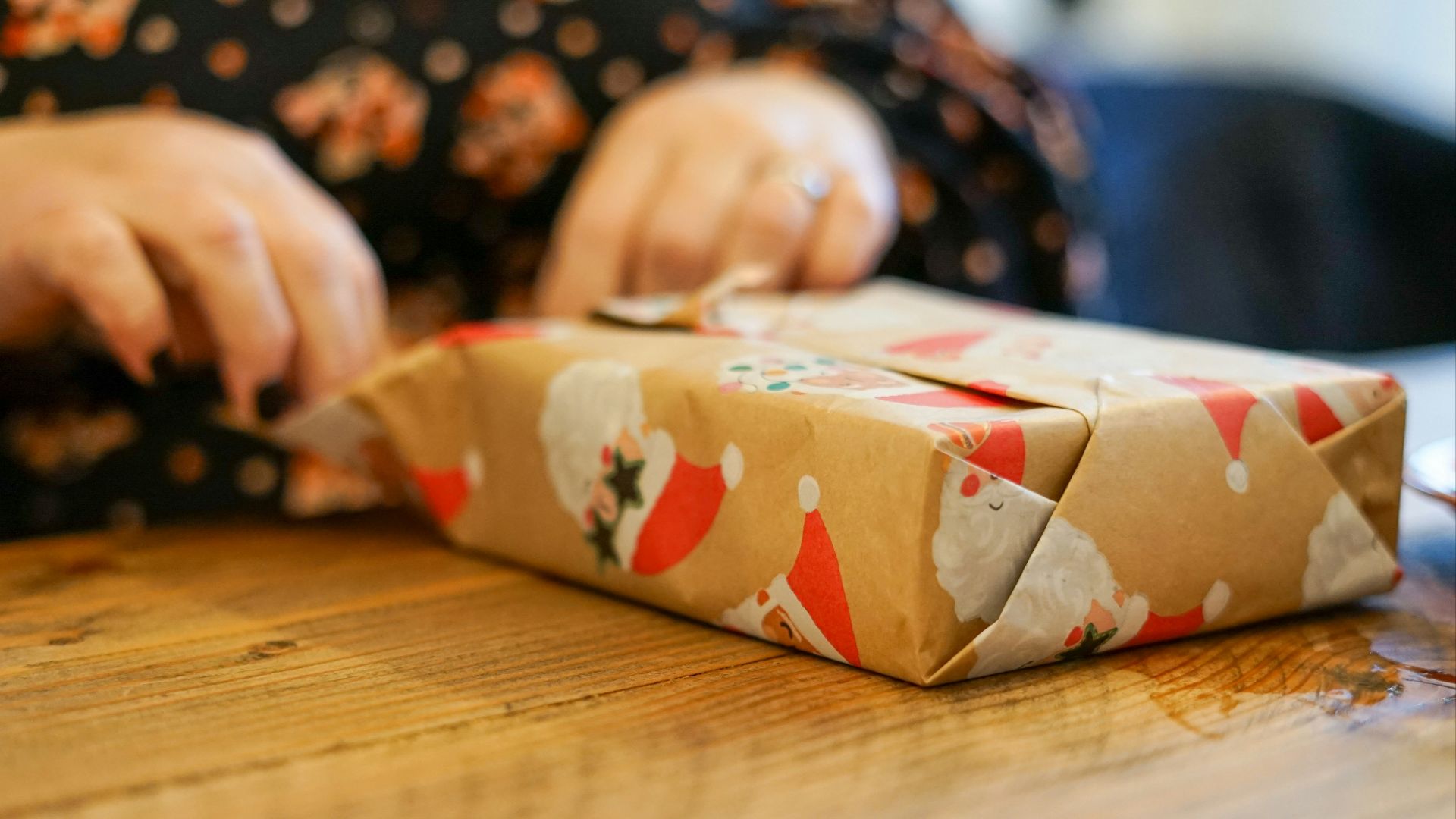
Secret Santa Exchanges Are Surprisingly Young
Office gift exchanges often feature Secret Santa rules. The idea gained popularity during the twentieth century, drawing inspiration from anonymous gift giving traditions in Europe. Businesses and schools embraced the format because it reduced costs while encouraging participation. It has become a holiday staple in many workplaces.
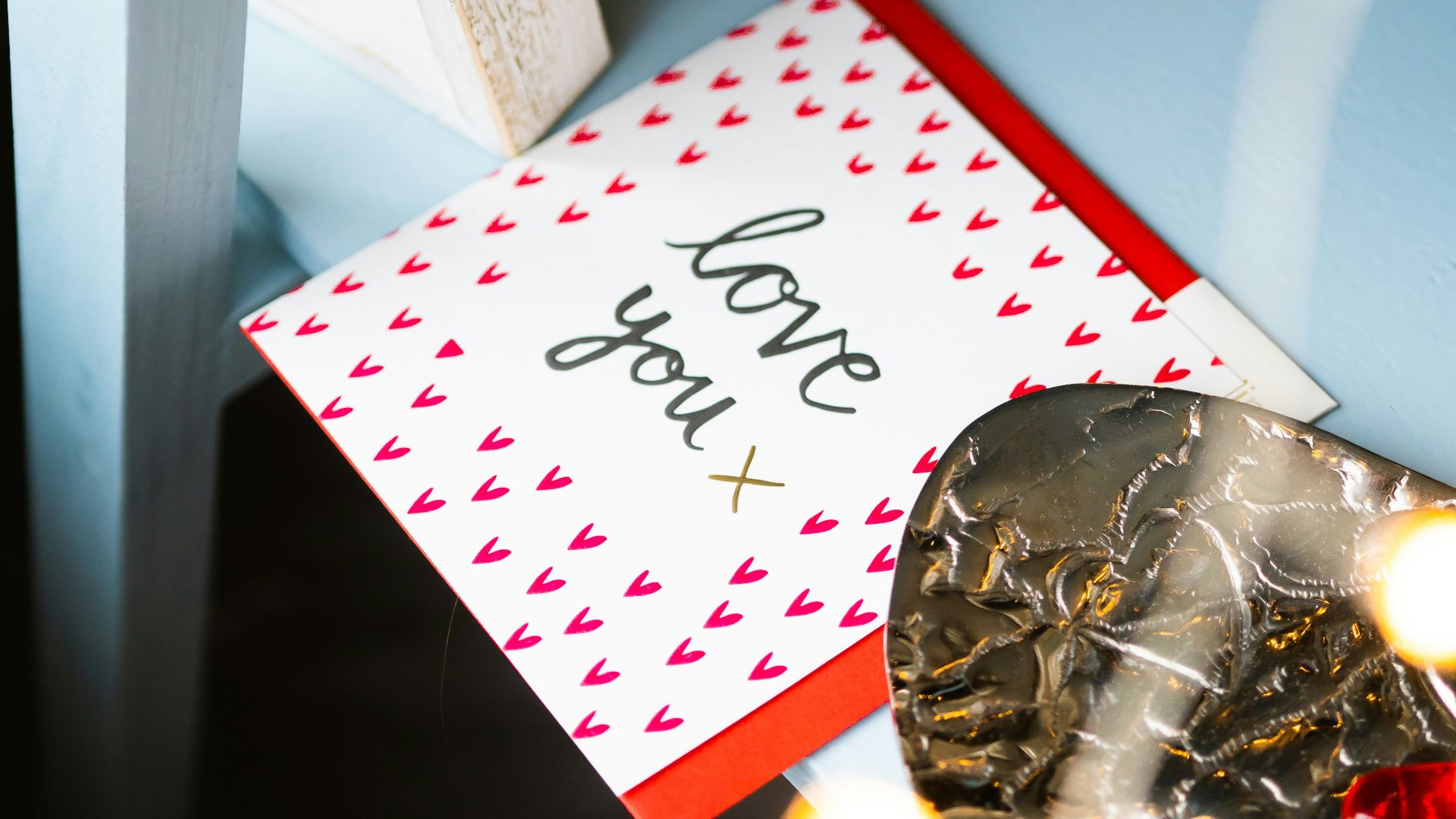
Valentine's Day Cards Became Mass Produced
People exchanged romantic messages long before modern greeting cards existed. The widespread tradition of buying printed Valentine's Day cards accelerated during the nineteenth century thanks to advances in printing and cheaper postage. Esther Howland helped popularize elaborate commercial valentines in the United States. Greeting card companies later turned the holiday into a major industry.
Wedding Registries Are A Retail Innovation
Wedding registries now seem like common etiquette. Department stores introduced formal registries during the 1920s so couples could avoid duplicate gifts. Retailers benefited from organized shopping while guests appreciated the convenience. The system soon became an expected part of wedding planning.
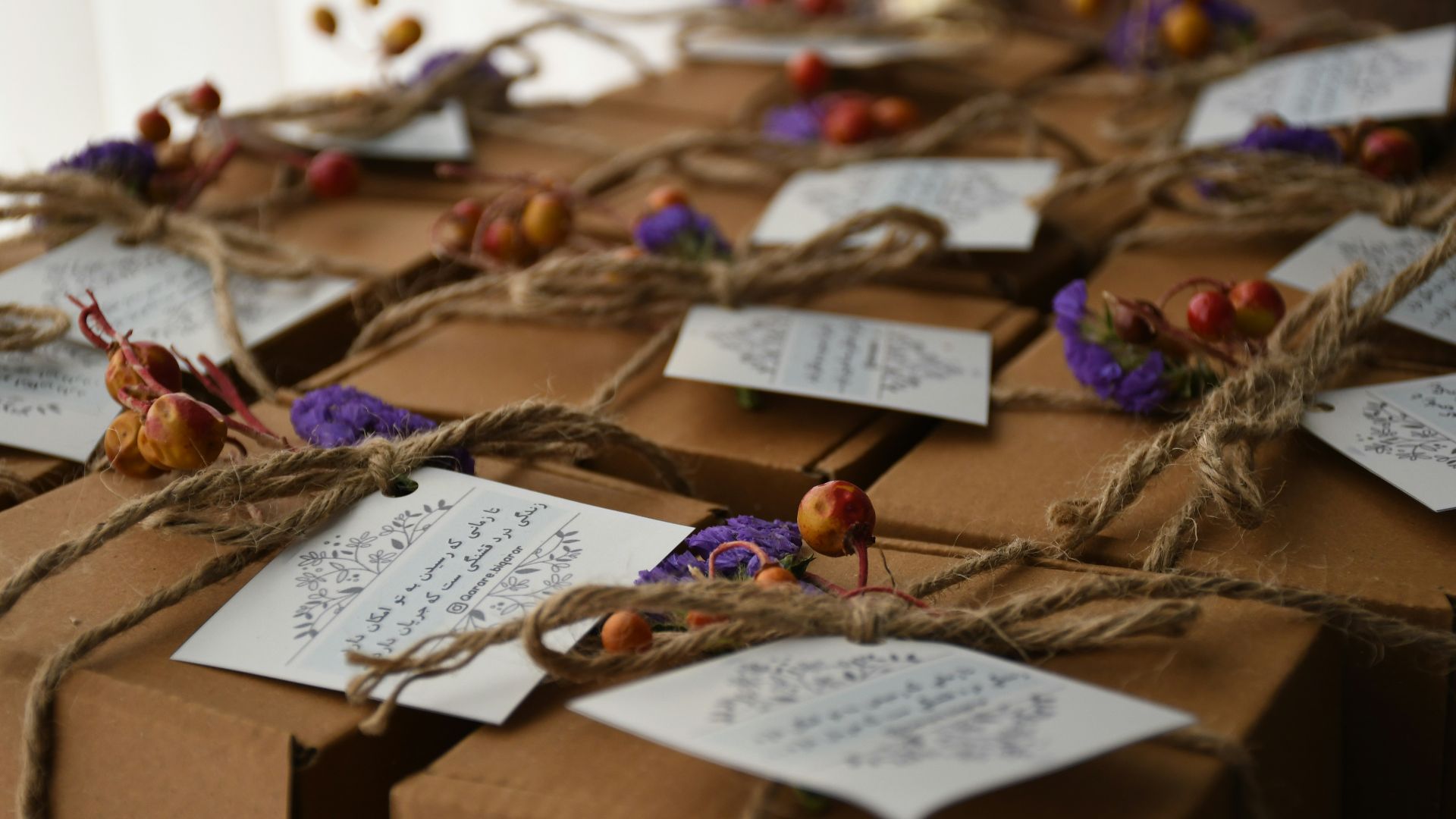
Baby Gender Colored Decorations Are Surprisingly Recent
Pink for girls and blue for boys feels deeply rooted, but the color association only became widely standardized after the mid twentieth century. Earlier advice often recommended the opposite or made no distinction at all. Manufacturers and marketers gradually settled on today's familiar color scheme. Consumer products reinforced the convention over time.
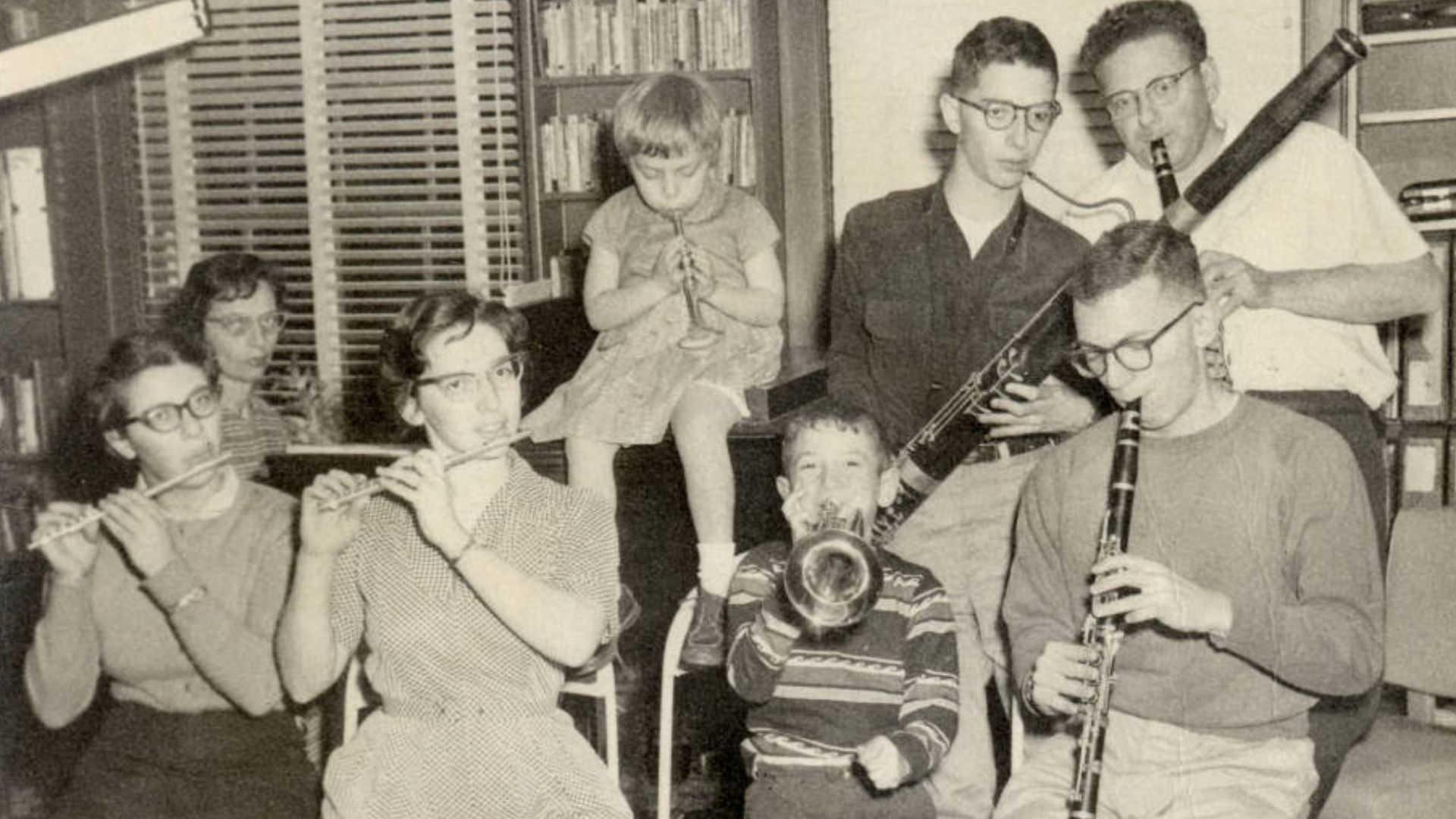
Family Holiday Photo Cards Became Easier With Technology
Professional family holiday portraits once required significant planning and expense. Affordable cameras, digital photography, and online printing transformed personalized photo cards into a common seasonal tradition. Families could easily create customized greetings from home. Technology helped create a ritual that feels much older than it really is.
 Jewish Historical Society of the Upper Midwest, Wikimedia Commons
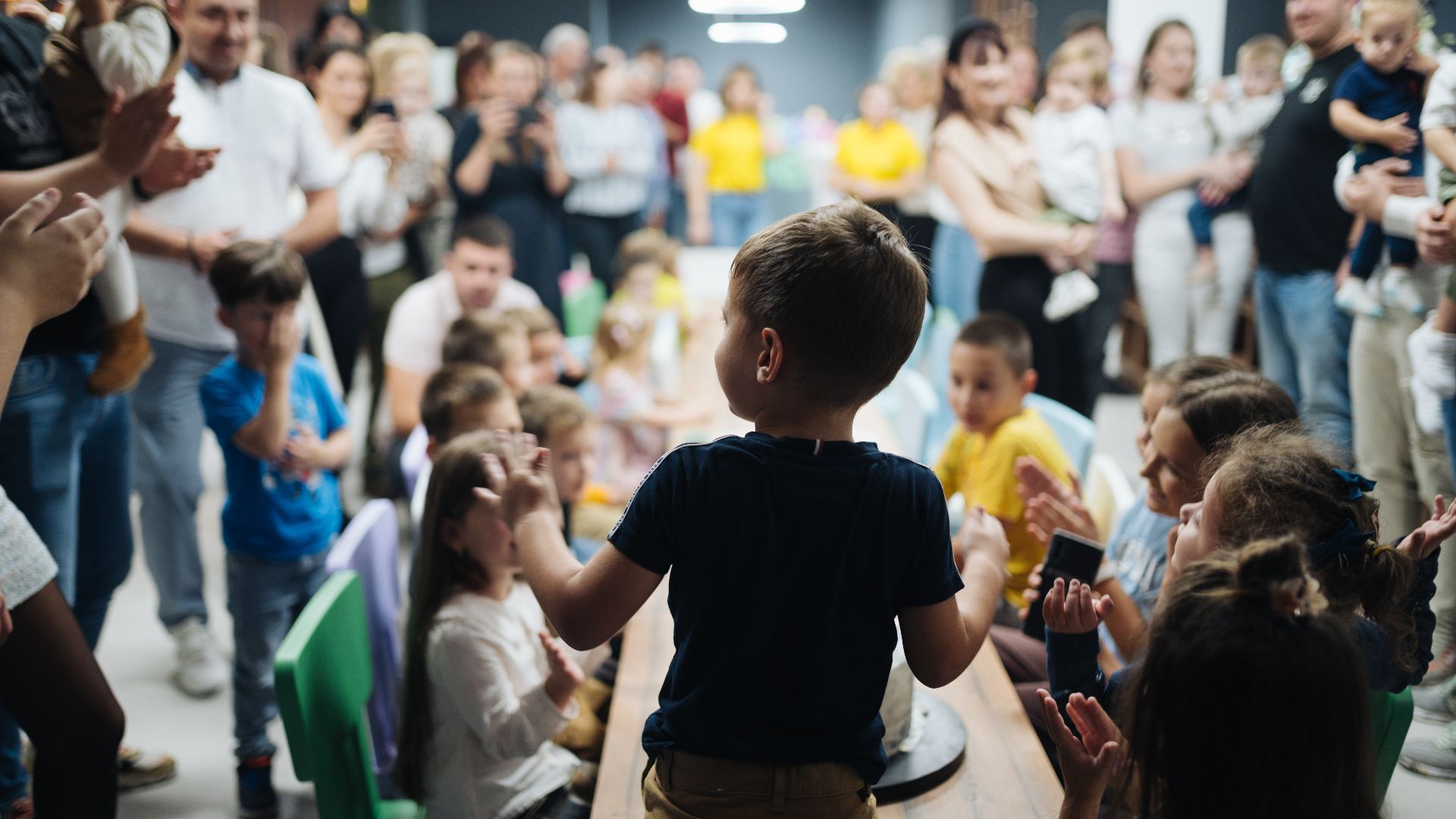
Birthday Parties Became Bigger As Childhood Changed
Lavish birthday parties were uncommon for ordinary families until the nineteenth and twentieth centuries. Rising prosperity and changing attitudes toward childhood encouraged more elaborate celebrations. Cakes, decorations, games, and party favors became increasingly common. The modern children's birthday party is largely a product of recent social change.
 Shixart1985, Wikimedia Commons
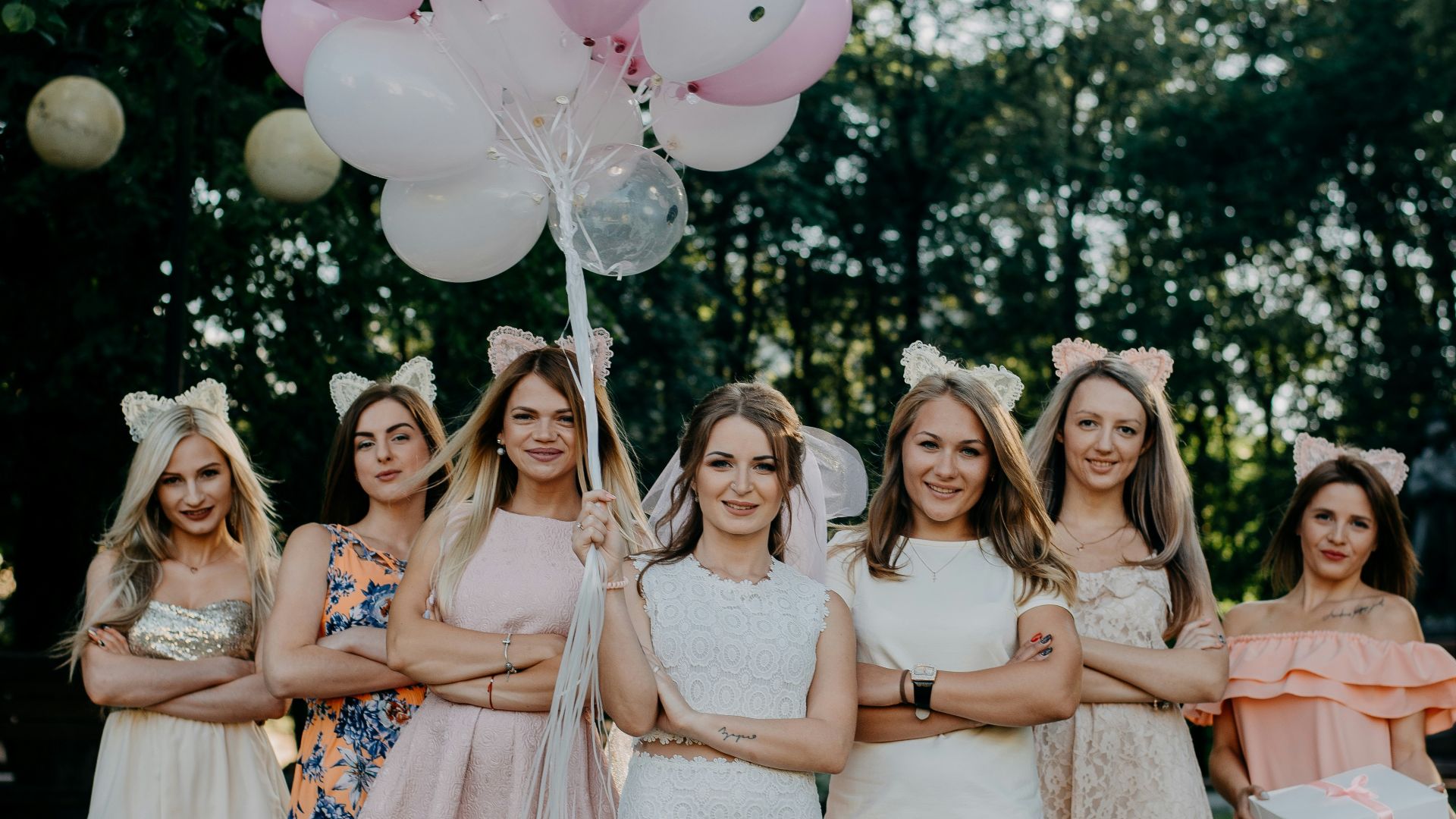
Bridal Showers Expanded Alongside Consumer Culture
Bridal showers existed earlier in limited forms, but they became widespread during the twentieth century. Expanding consumer markets encouraged guests to help furnish a couple's new home with purchased gifts. Bridal magazines and department stores promoted the idea. The result became another expected milestone before many weddings.
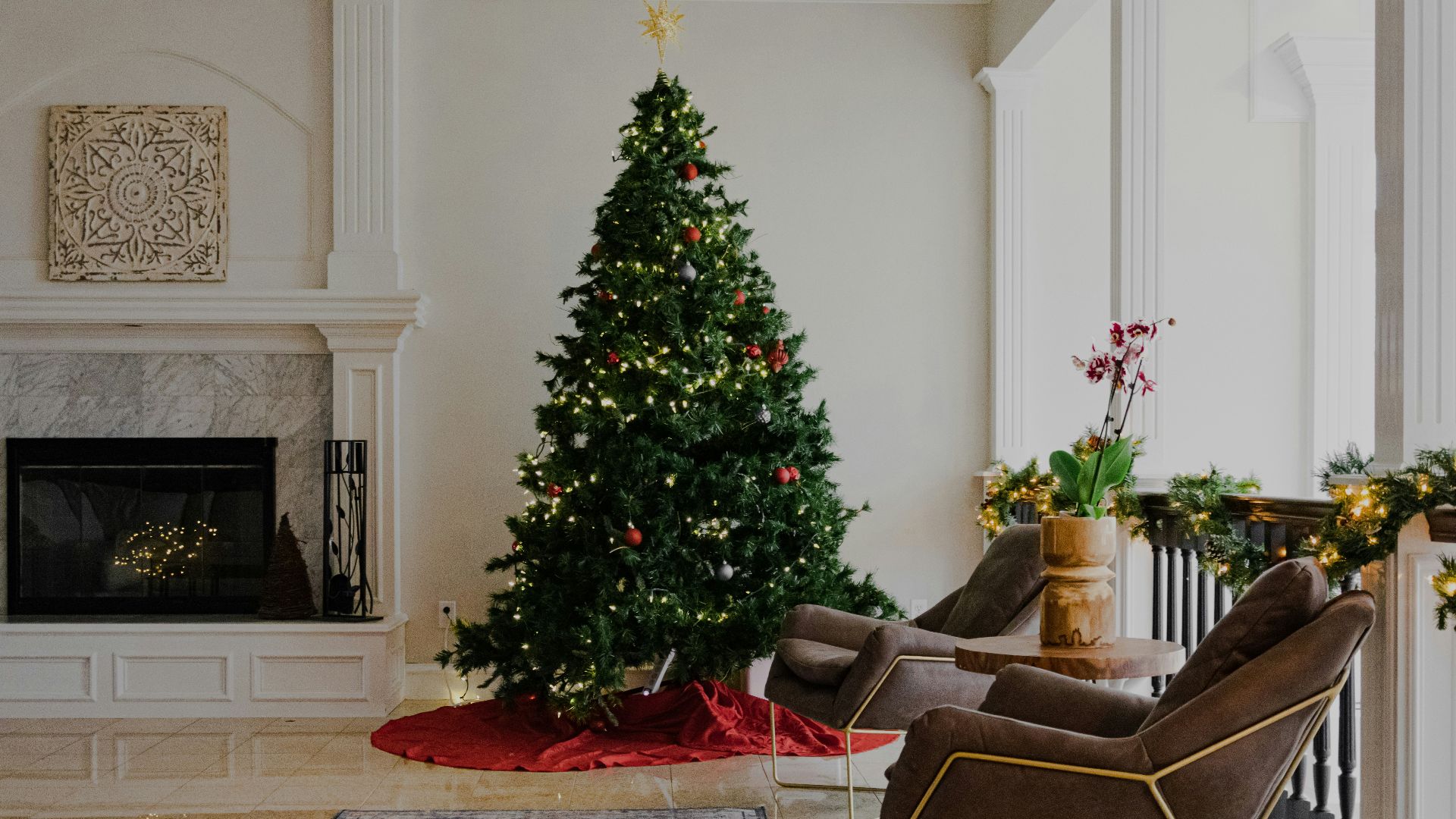
Christmas Trees Became Household Favorites In The Nineteenth Century
Evergreens had long appeared in winter celebrations, but decorating Christmas trees inside homes spread rapidly after Queen Victoria and Prince Albert were illustrated with one in 1848. Newspapers and magazines introduced the fashionable custom to a wider audience. Families soon wanted to recreate the royal display. The decorated tree quickly became a centerpiece of Christmas celebrations.
 Frames For Your Heart, Unsplash
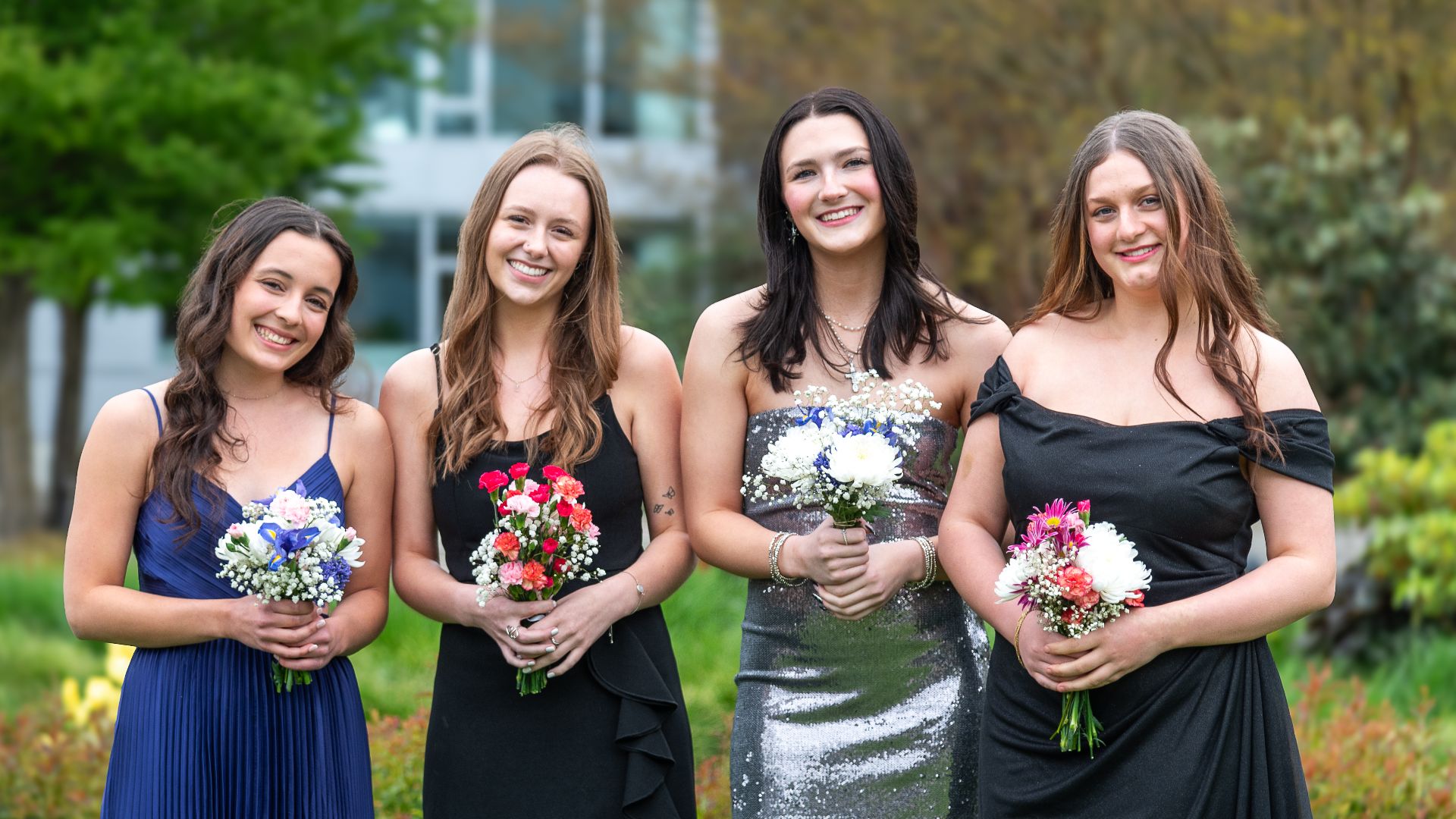
School Proms Are Mostly A Twentieth Century Tradition
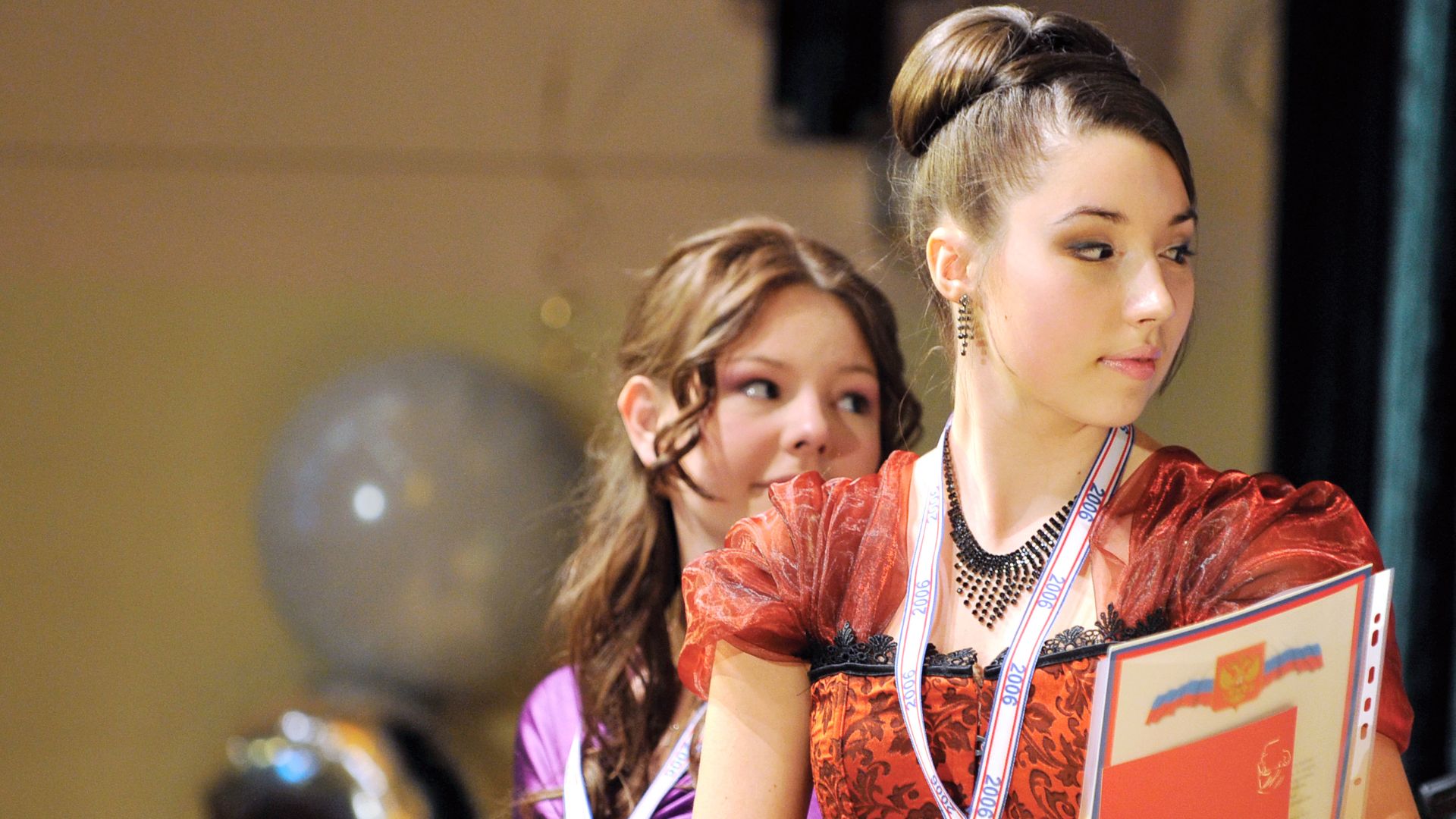
Proms feel like an established rite of passage for teenagers. Early versions appeared in American colleges during the late nineteenth century before high schools adopted them in the early twentieth century. Formal dances gradually became larger social events with elaborate traditions. Movies and television later cemented the prom's iconic status.
 Loren Kerns, Wikimedia Commons
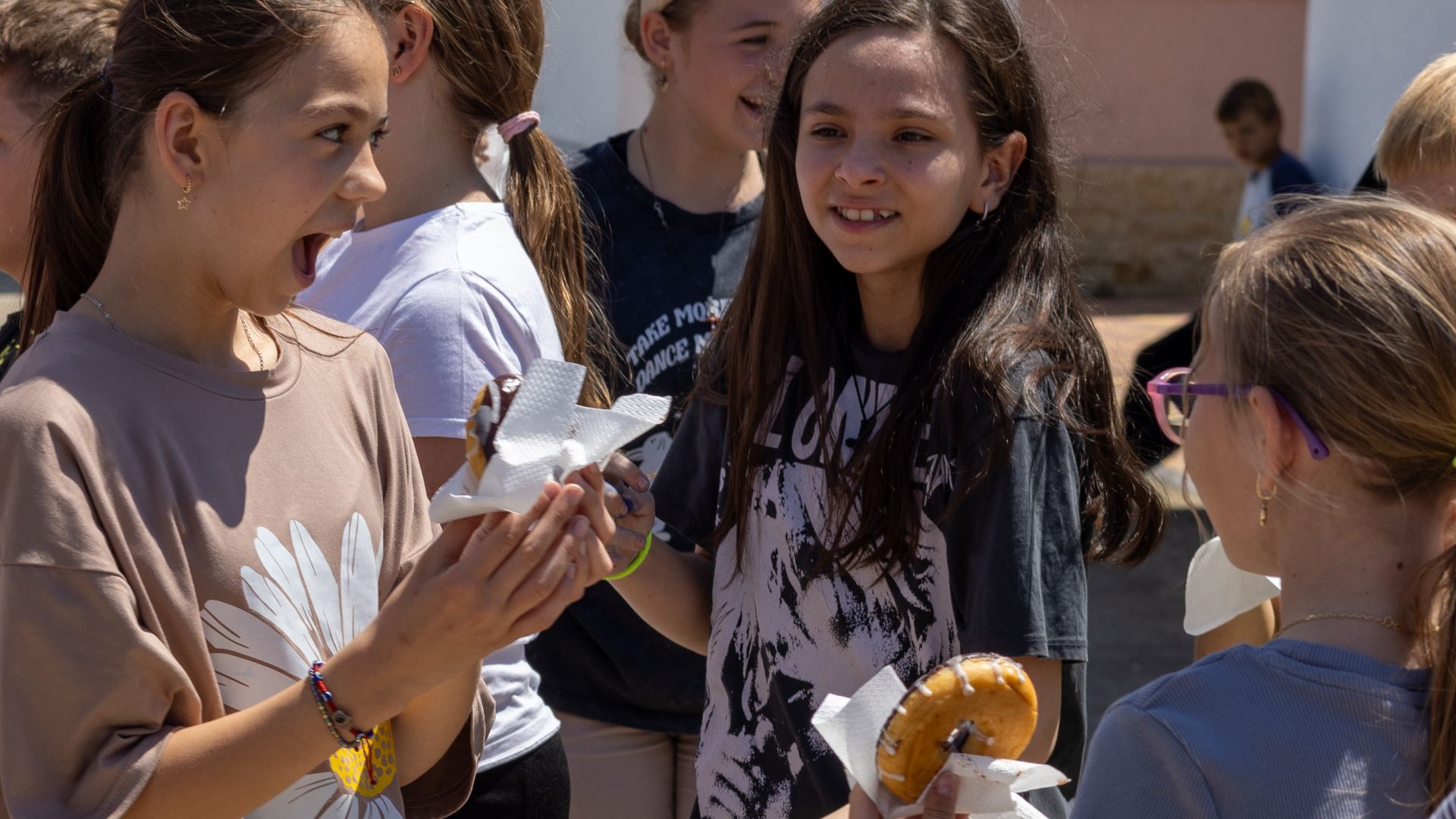
National Donut Day Has Modern Roots
Many people treat National Donut Day as a long established celebration. The Salvation Army created it in 1938 to honor volunteers known as the Donut Lassies, who served donuts to soldiers during World War I. The day also raised funds during the Great Depression. It has since become an annual tradition embraced by bakeries across the country.
 U.S. Army photo by Pfc. Alexcia Rupert, Wikimedia Commons
Traditions Keep Evolving Faster Than We Think
Looking closely reveals that many beloved customs are surprisingly young. Advertising, technology, royal influence, and changing social values have all shaped traditions that now feel ancient. New rituals continue to emerge with each generation. The traditions people assume have always existed are often still writing their own history.
 Александр Вильф, Wikimedia Commons
You May Also Like:
Everyday American traditions that began as marketing campaigns—and somehow became permanent.
Facts About Weird And Wonderful Christmas Traditions
42 Facts About Strange Marriage Customs From Around The World









