The Candidate In Prison
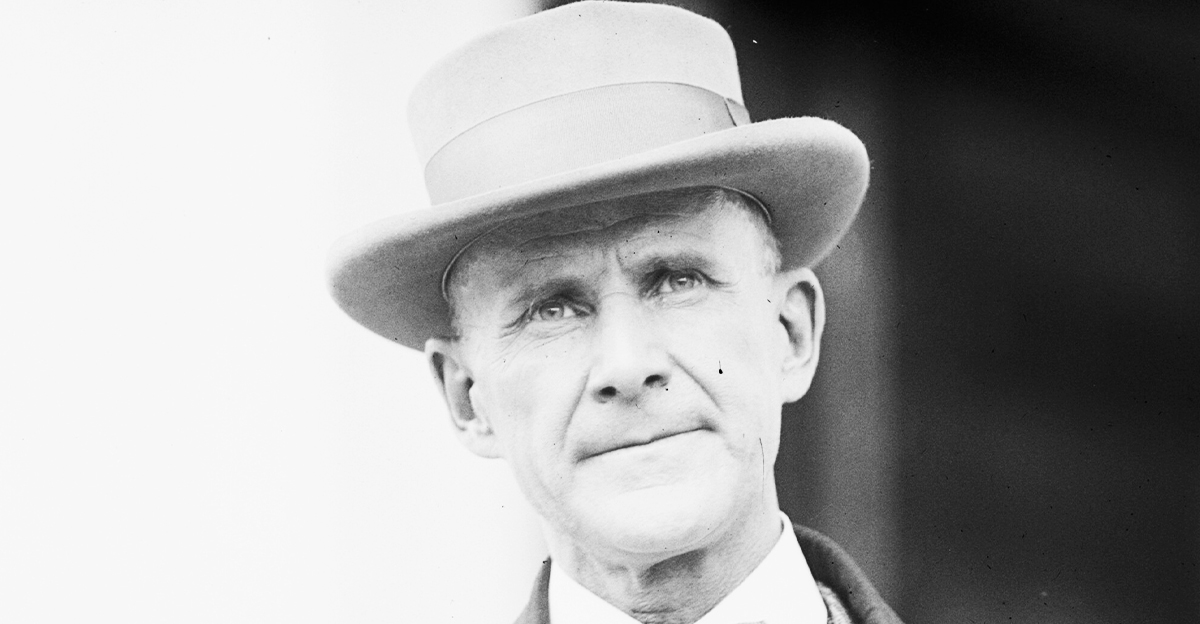
In 1920, Americans faced an astonishing choice: they could vote for a presidential candidate who couldn’t leave his prison cell. Eugene V. Debs, the country’s most famous socialist, was serving a 10-year sentence after condemning World War I. Nearly a million voters voted for him anyway. But how did things get to this point?
A Railroad Town Childhood
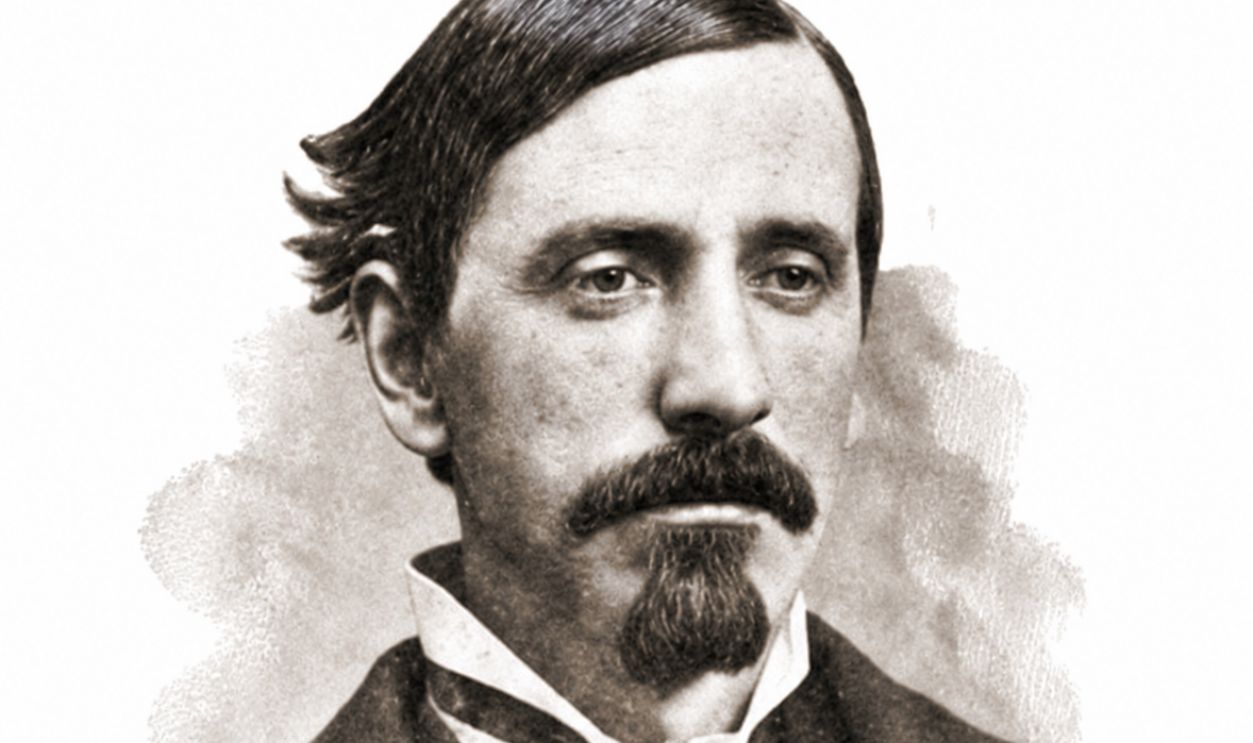
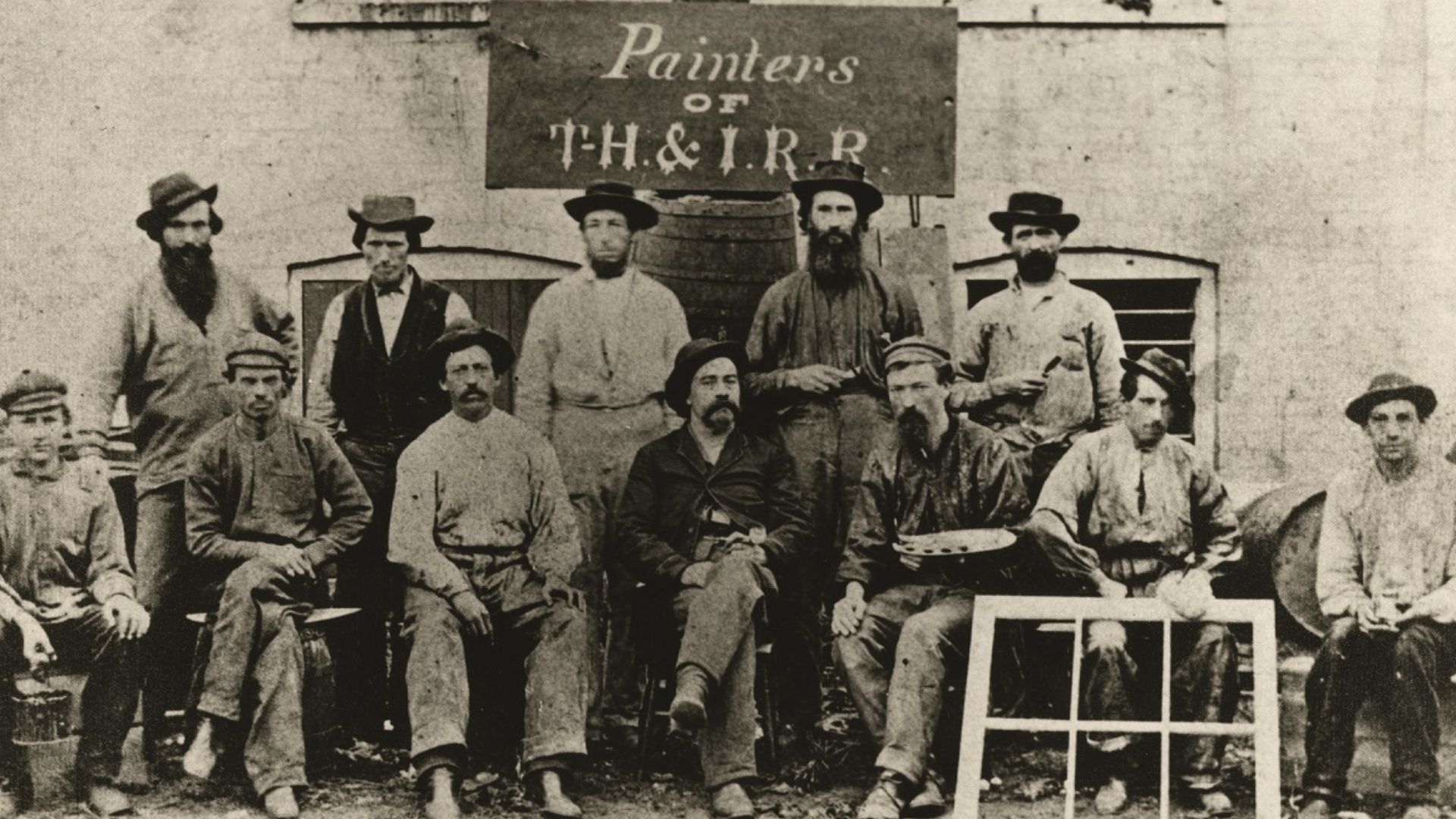
Eugene Victor Debs was born in Terre Haute, Indiana, on November 5, 1855, to Alsatian immigrant parents. He left school as a teenager and entered the railroad industry, first scraping paint from railroad cars before becoming a locomotive fireman. The dangerous work shaped his future.
 Blackford Condit, Wikimedia Commons
Entering The Labor Movement
Railroad work brought Debs into the Brotherhood of Locomotive Firemen, where he steadily became a prominent organizer and spokesman. Initially, however, he was far from a revolutionary. Debs began his political career as a Democrat and won election as Terre Haute city clerk.
 Unknown Author, Wikimedia Commons
A Conventional Politician
Debs was elected to the Indiana General Assembly as a Democrat in 1884. Yet his growing experience in the labor movement increasingly convinced him that workers divided into separate craft unions were too weak. He began pushing for something far more ambitious: industrial unionism.
 Unknown authorUnknown author, Wikimedia Commons
The American Railway Union
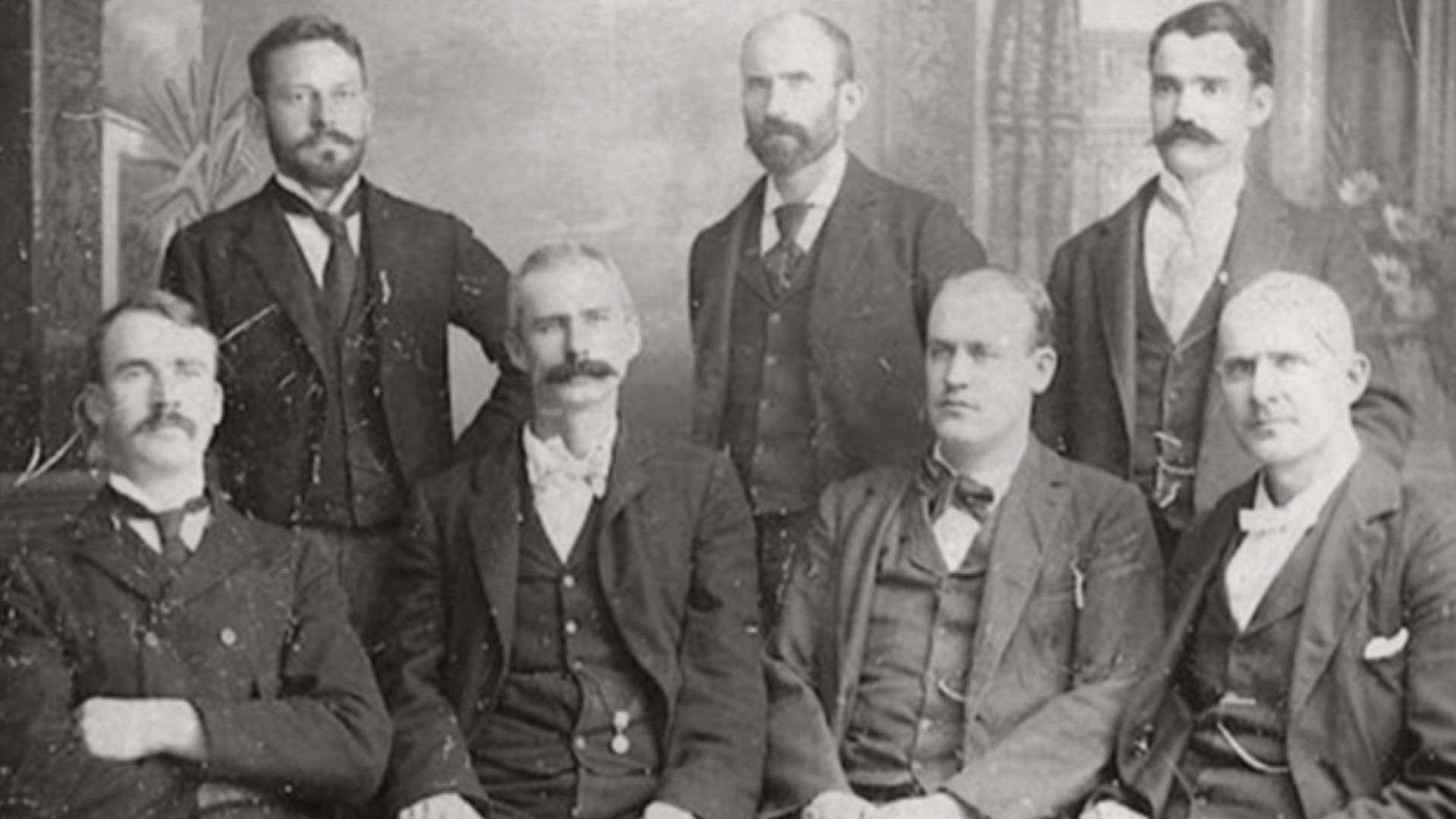
In 1893, Debs helped establish the American Railway Union, which attempted to organize railroad employees across traditional craft lines. The organization grew rapidly, reportedly reaching nearly 150,000 members. Within a year, however, Debs and his new union faced an explosive confrontation with industrialist George Pullman.
 Unknown authorUnknown author, Wikimedia Commons
The Pullman Strike
After the Pullman company cut wages without corresponding reductions in housing costs, workers went on strike in 1894. The American Railway Union backed them with a boycott of trains carrying Pullman cars, disrupting rail transportation across much of the country and bringing federal intervention.
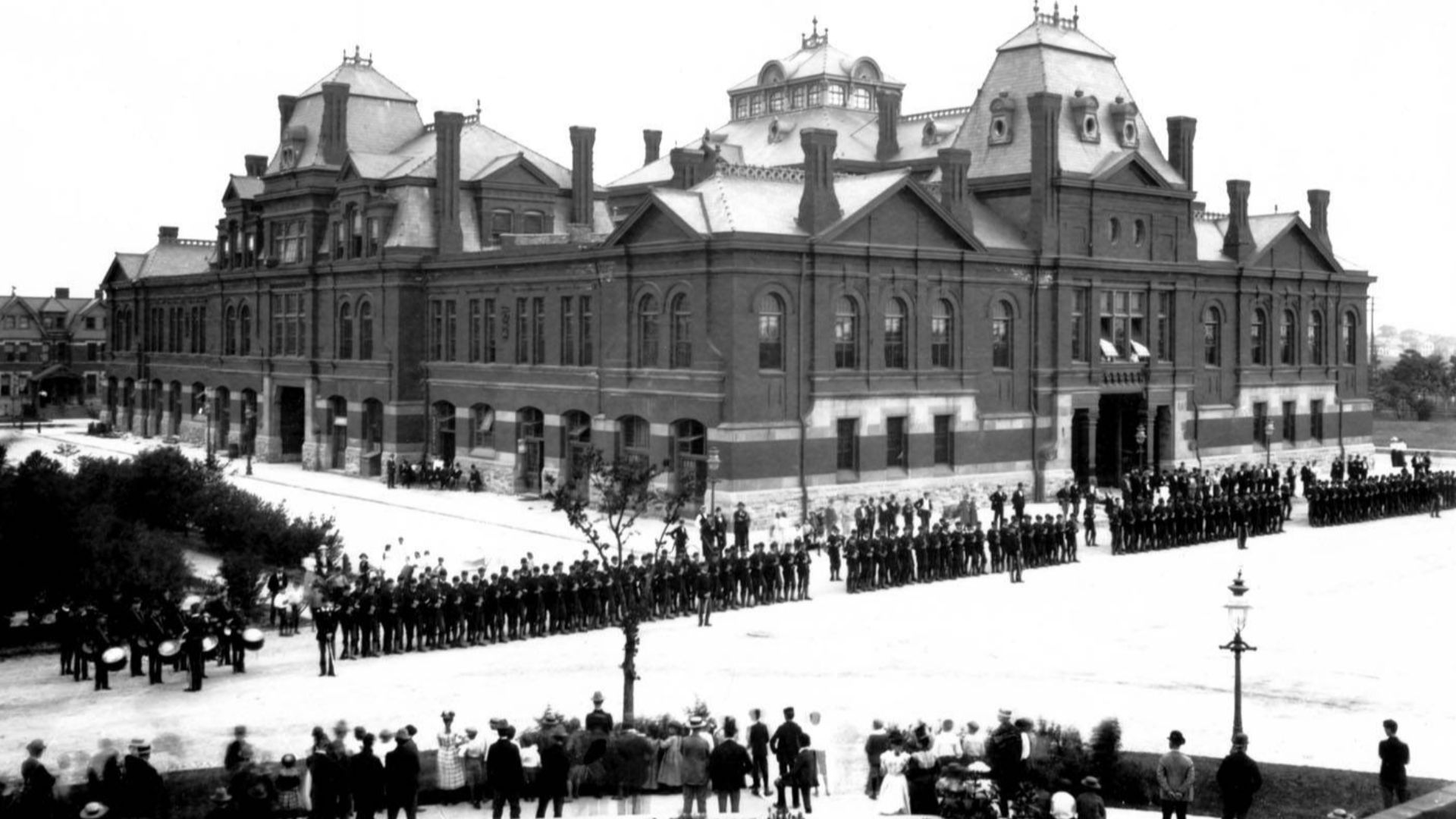 Unknown authorUnknown author; 'Pullman Company negative jacket labeled
His First Prison Term
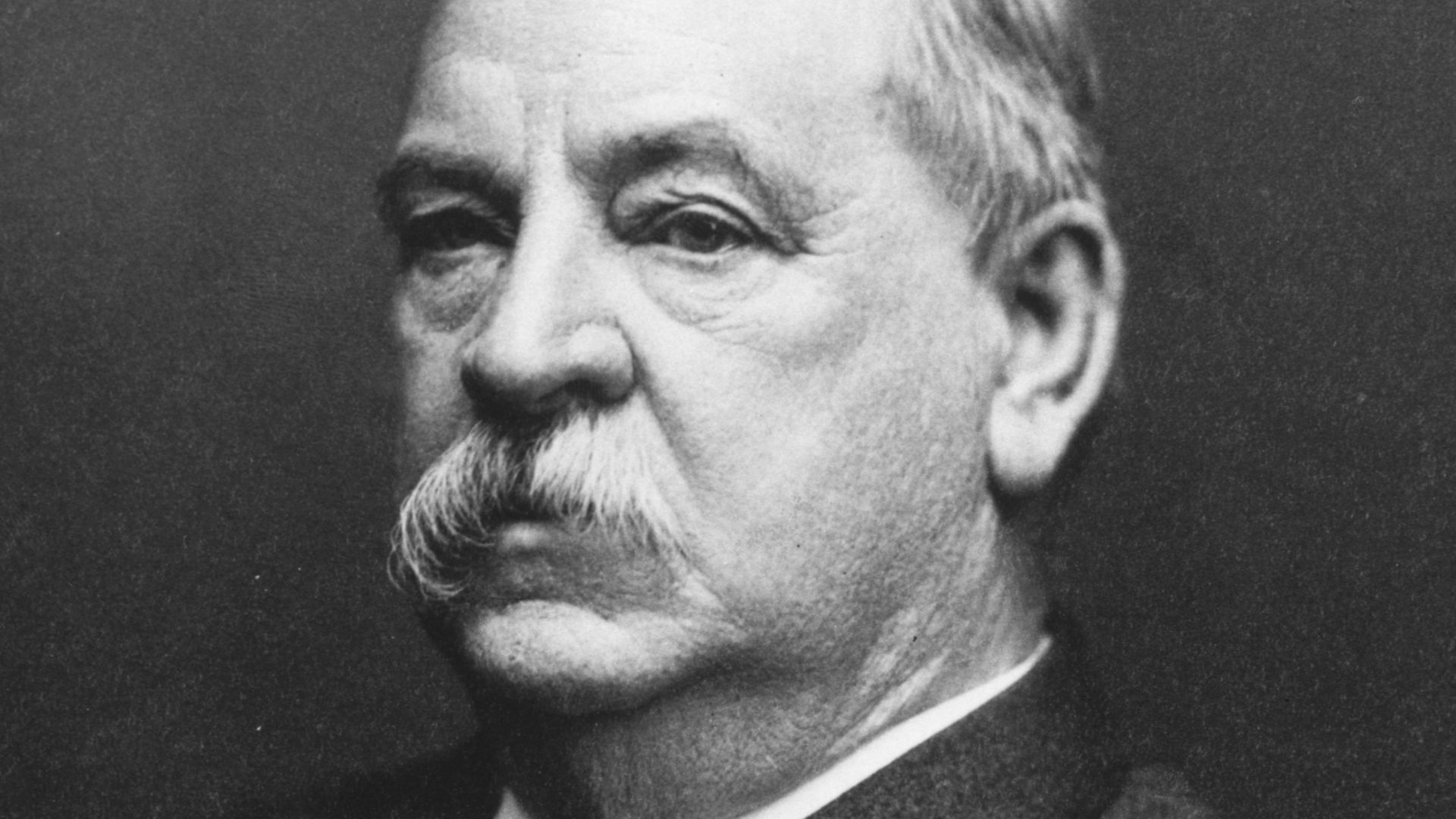
President Grover Cleveland sent federal troops to break up the strike, while Debs and other union leaders were prosecuted for violating a federal injunction. Debs served six months in jail. The experience was a political turning point for him as he increasingly embraced socialist ideas.
 Unknown authorUnknown author or not provided, Wikimedia Commons
Becoming A Socialist
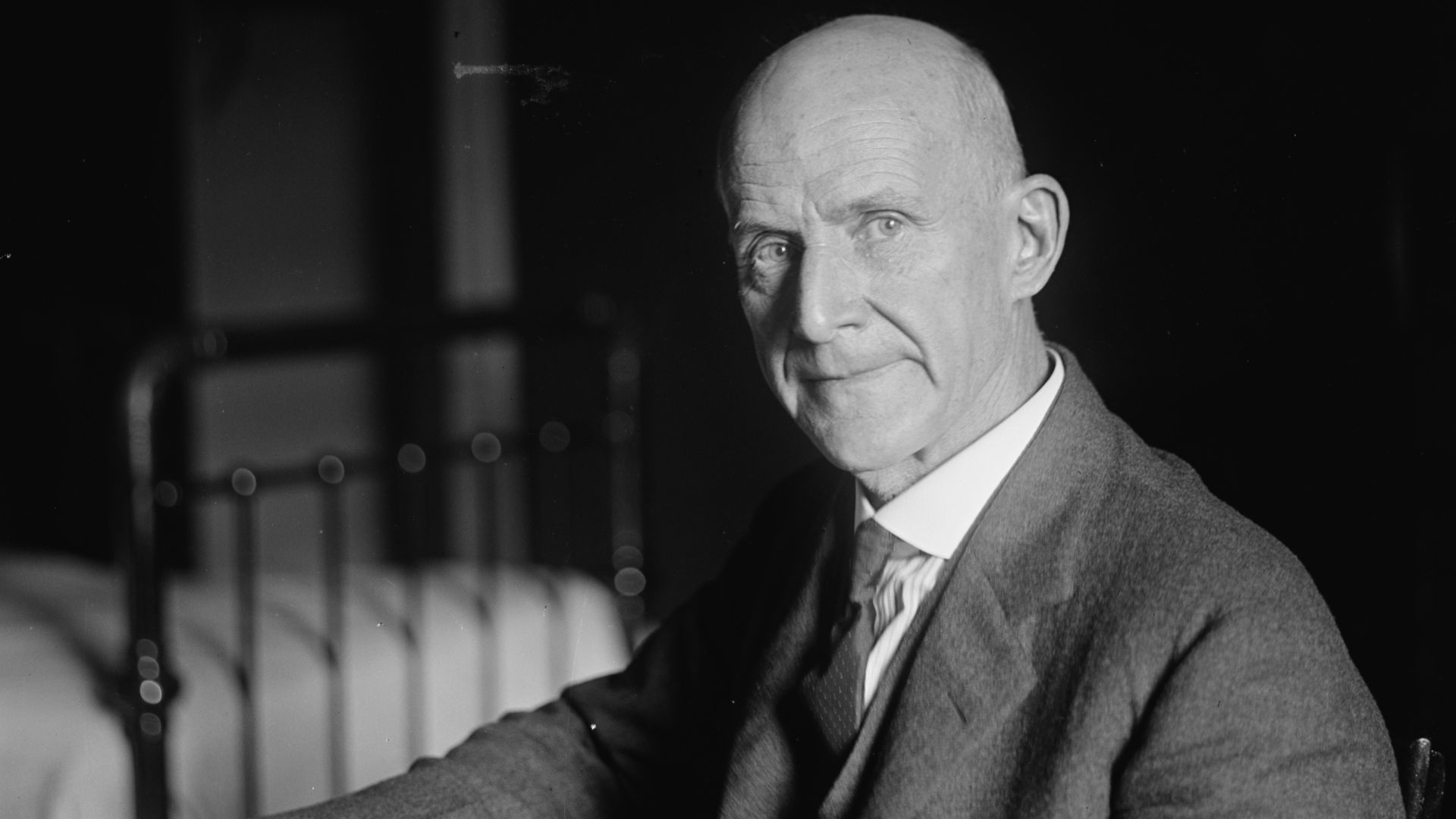
After his imprisonment, Debs moved decisively toward socialism. He helped establish the Social Democracy of America in 1897 and the Social Democratic Party of America the following year. In 1901, socialist factions united to form the Socialist Party of America, with Debs as its most recognizable leader.
 George Grantham Bain, Wikimedia Commons
The 1900 Campaign
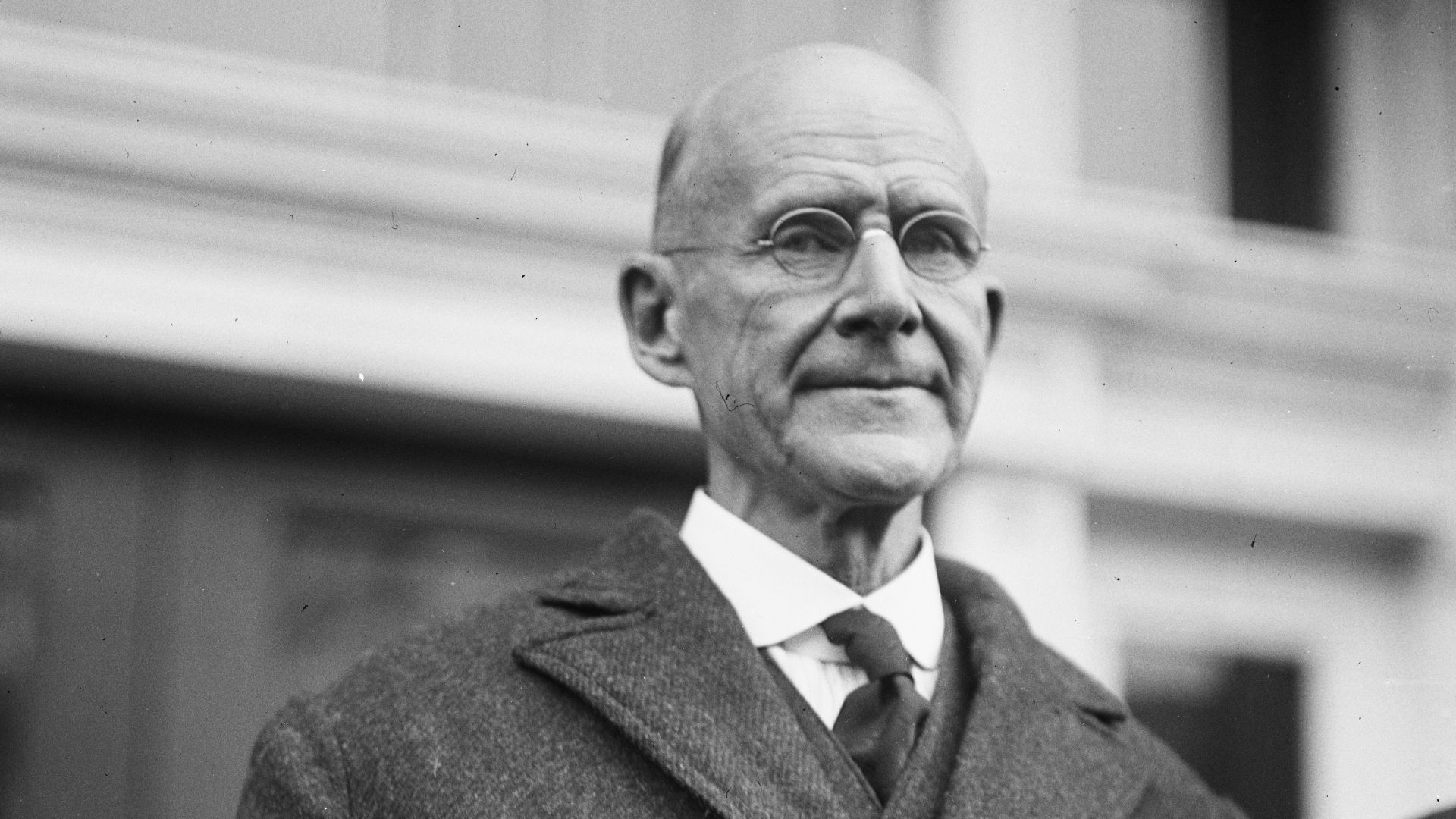
Debs made his first presidential run in 1900 as the Social Democratic Party candidate, with Job Harriman as his running mate. The fledgling movement received 87,945 votes, approximately 0.6 percent of the national popular vote. It was a small beginning, but Debs was just getting started.
 Harris & Ewing, photographer, Wikimedia Commons
Building A National Party
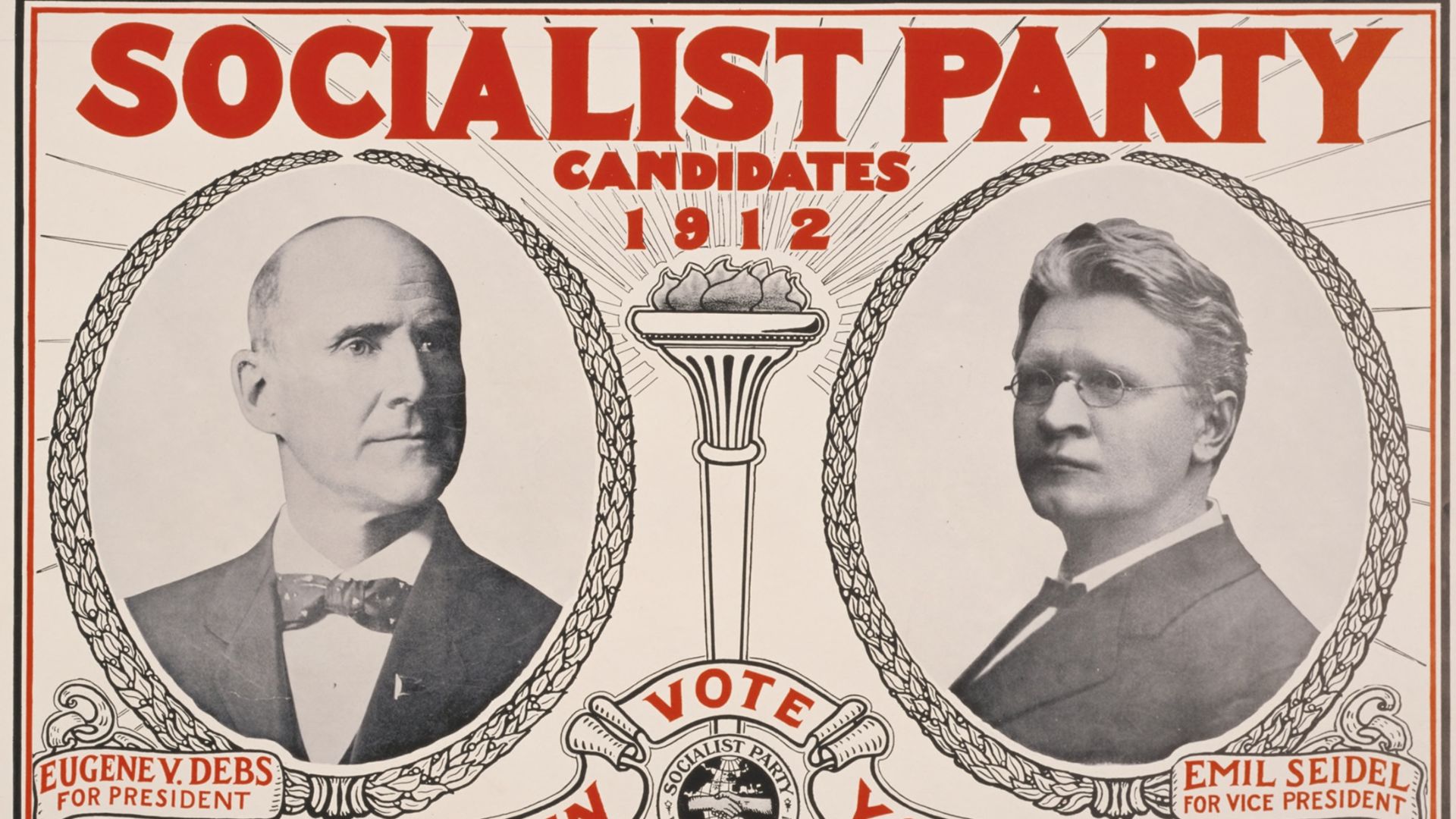
Following the 1900 election, the Social Democratic Party joined with dissidents from the Socialist Labor Party to create the Socialist Party of America. Debs became its great national campaigner, using his reputation as a labor leader and his considerable public speaking skills to carry socialist arguments across the country.
 Socialist Party of America, Wikimedia Commons
The 1904 Campaign
Debs returned in 1904, this time representing the Socialist Party of America and running alongside vice-presidential candidate Ben Hanford. His support surged dramatically. Debs received 402,810 votes, about 3 percent of the popular vote, and finished third overall in the presidential contest.
 Unknown authorUnknown author, Wikimedia Commons
The Red Special
For his 1908 campaign, Debs again ran with Ben Hanford. He traveled extensively, including aboard a specially chartered campaign train known as the Red Special. Debs spoke across the country, bringing his arguments directly to workers and turning the campaign itself into a traveling political spectacle.
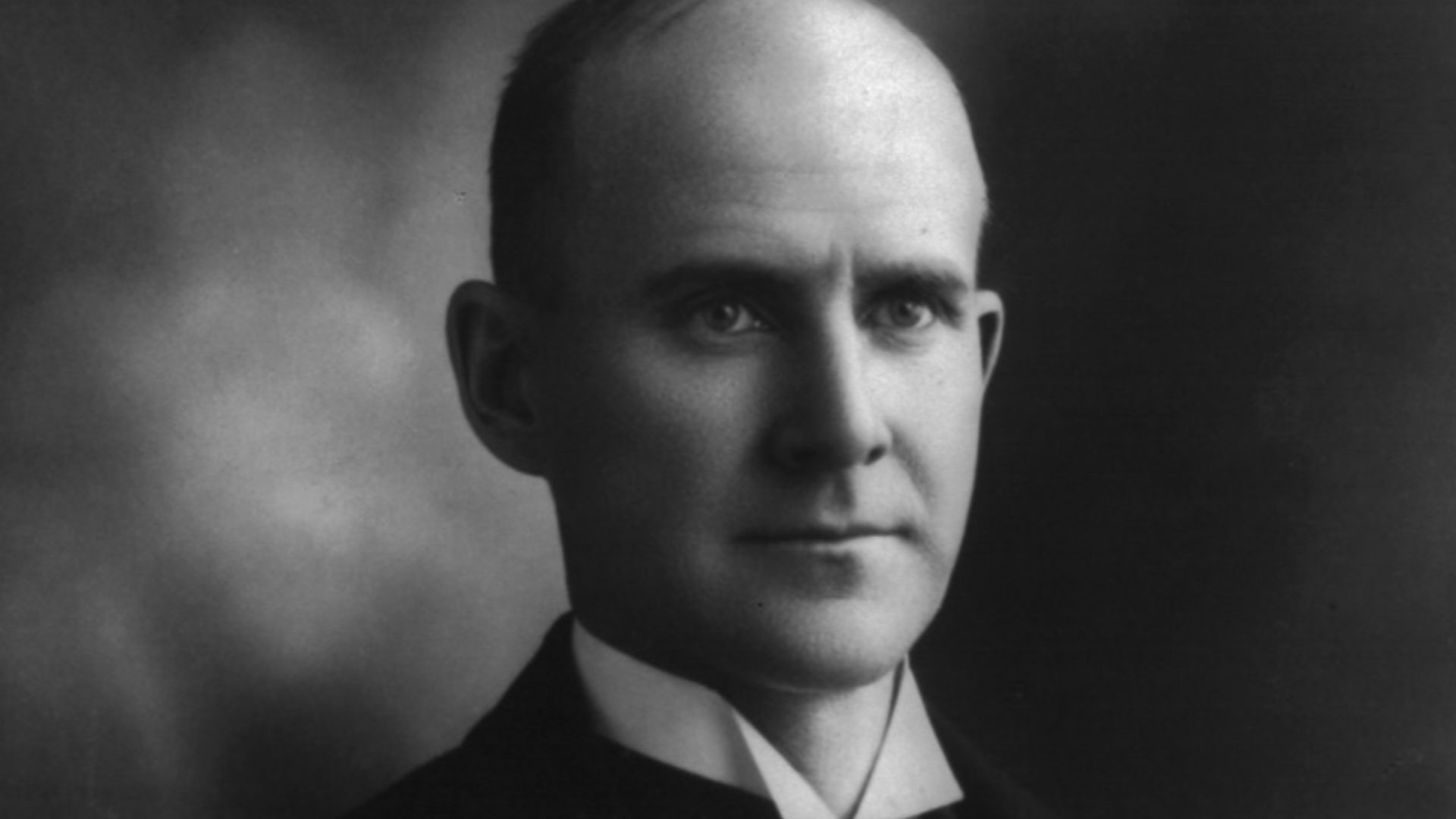 Miscellaneous Items in High Demand, PPOC, Library of Congress, Wikimedia Commons
The 1908 Campaign
Debs and Hanford received 420,852 votes in 1908, a numerical increase from four years earlier. Yet because more Americans voted overall, the Socialist share slipped slightly to 2.8 percent. Debs had lost no enthusiasm for campaigning, and his next attempt would become his strongest by percentage.
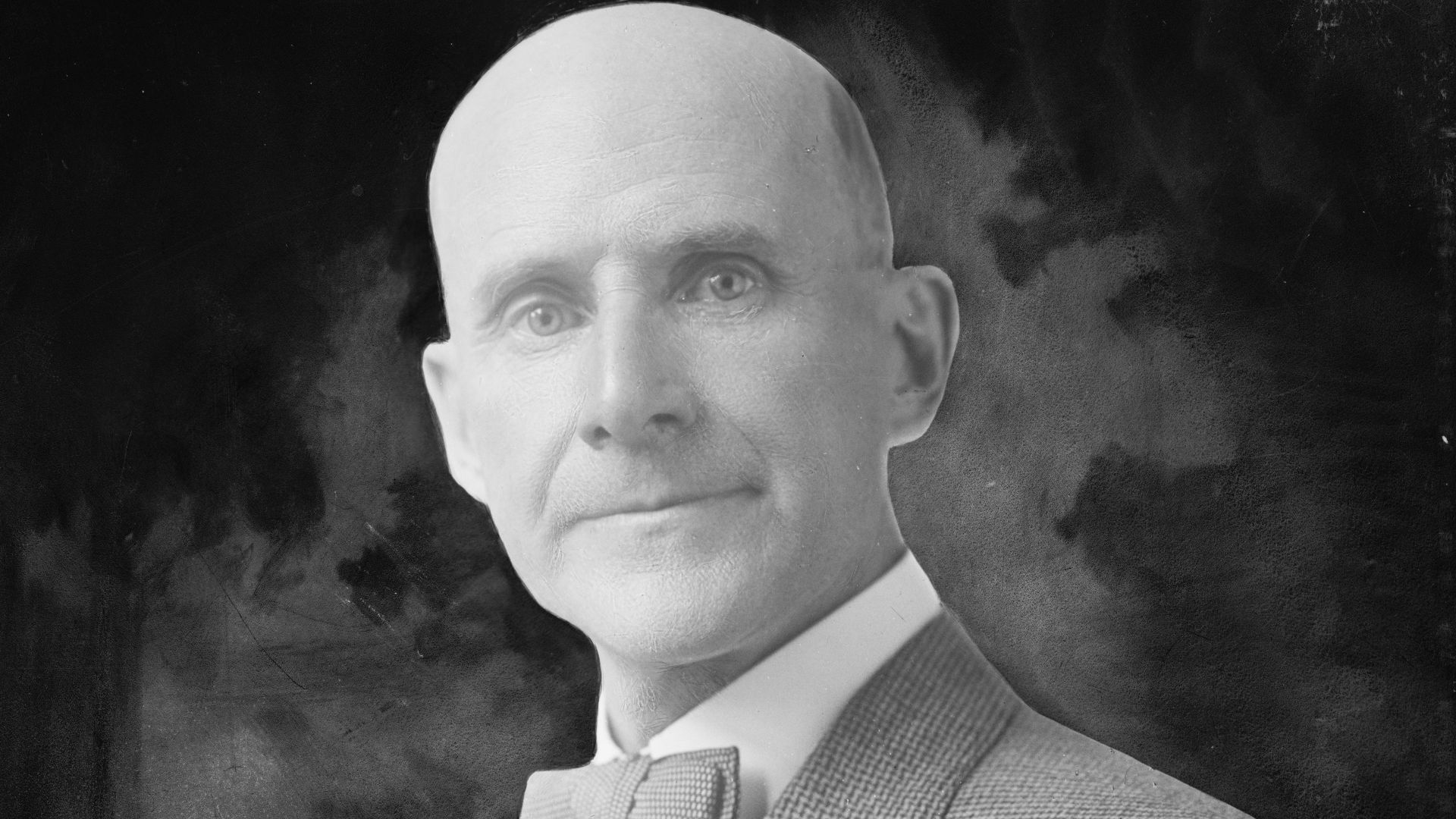 Harris & Ewing, photographer, Wikimedia Commons
Socialism’s High-Water Mark
By 1912, the Socialist Party had built a significant political organization. Socialist candidates were winning local and state offices, while Milwaukee’s Emil Seidel had become a prominent Socialist mayor. Debs entered the presidential contest believing his movement was approaching a historic breakthrough.
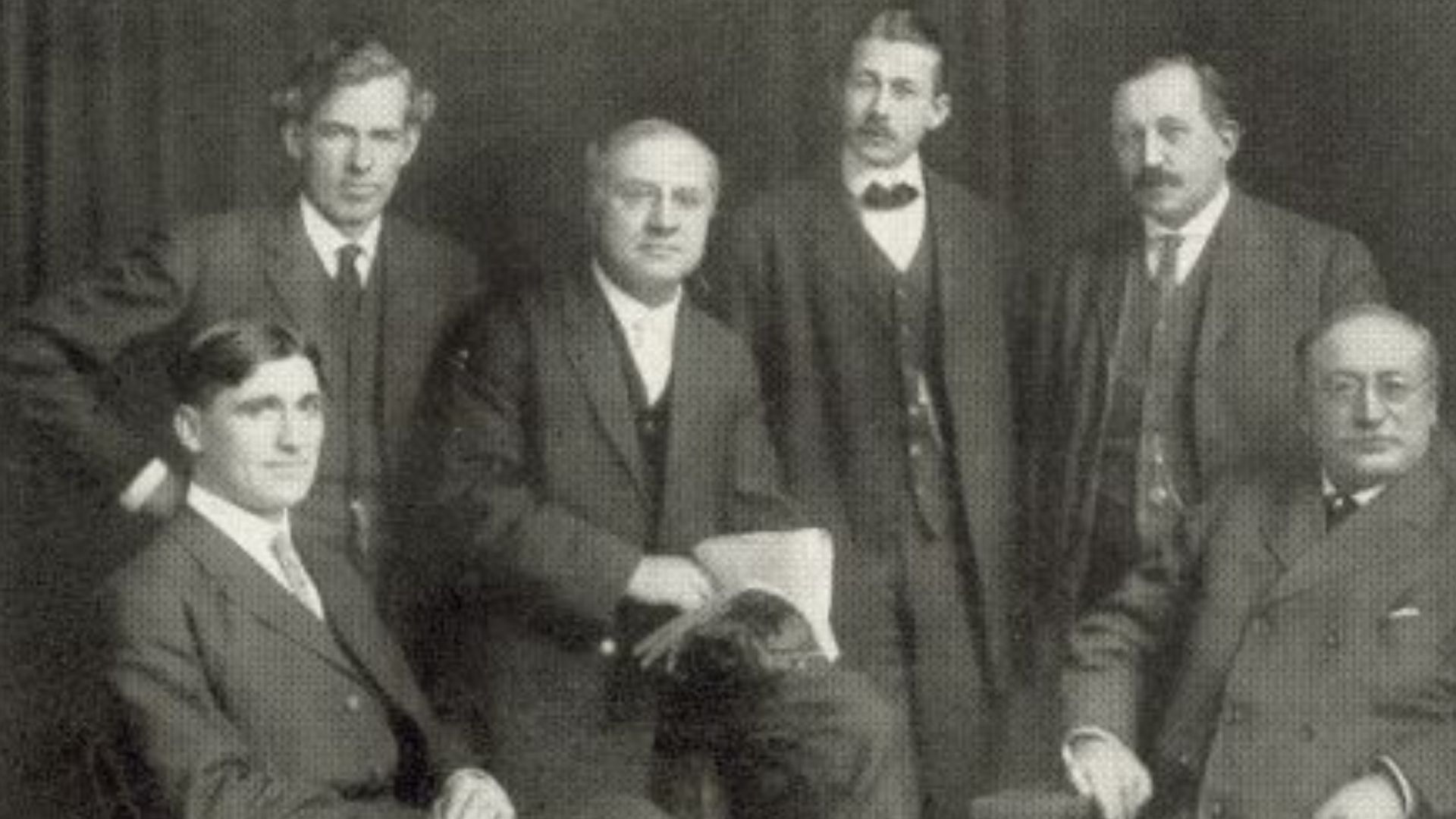 Socialist Party of America, Wikimedia Commons
The 1912 Campaign
Running with Emil Seidel, Debs received roughly 900,000 votes in 1912, amounting to 6 percent of the national total. That remains the highest popular-vote percentage achieved by a Socialist Party presidential candidate. Debs had become a genuine national political figure, but war soon transformed everything.
 Bain News Service, publisher, Wikimedia Commons
Sitting Out 1916
Debs didn't seek the presidency in 1916, instead running unsuccessfully for Congress from Indiana. Meanwhile, World War I was raging in Europe. Debs strongly opposed American participation, a position that became increasingly dangerous after the United States entered the conflict in 1917.
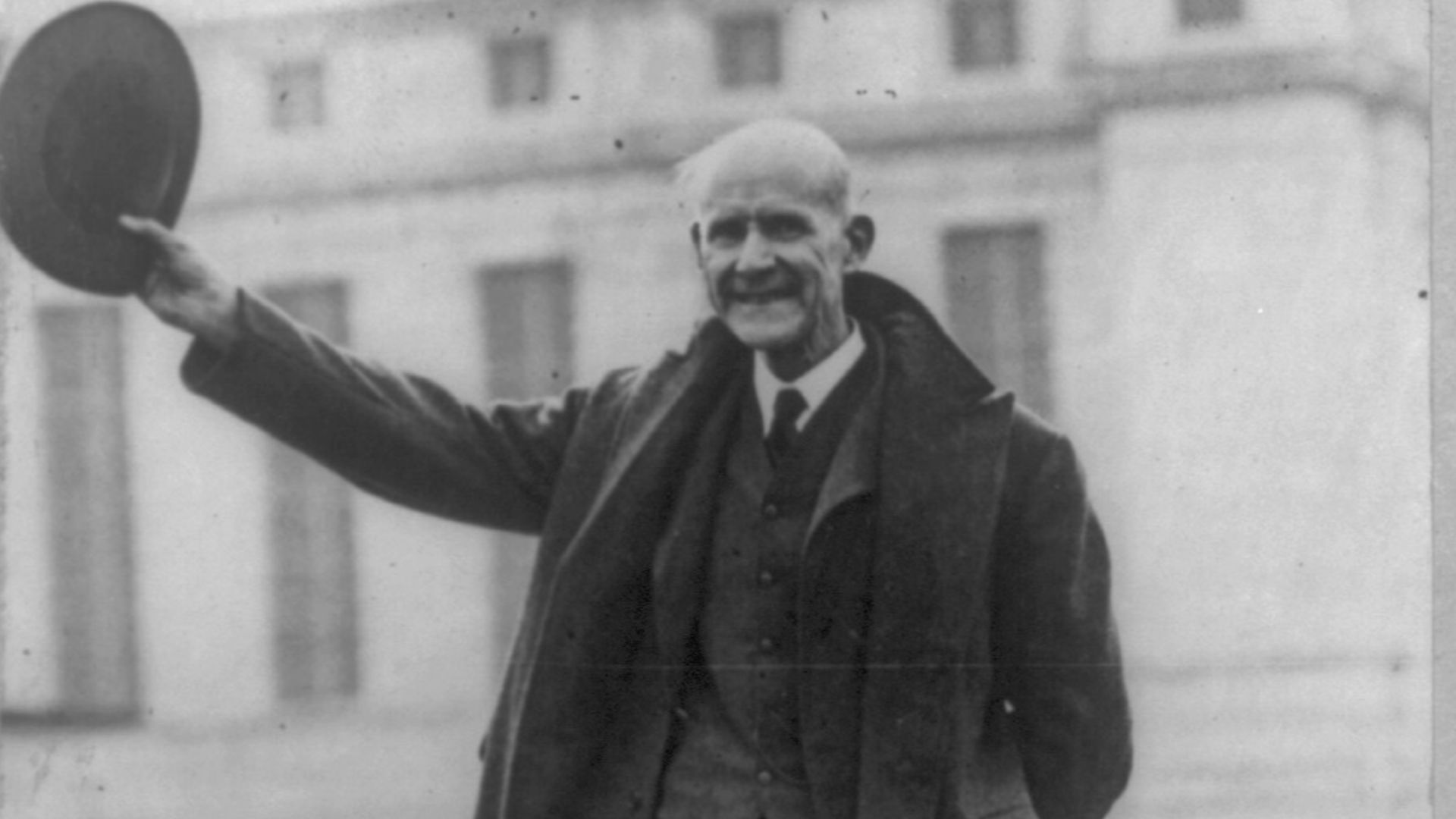 Miscellaneous Items in High Demand, PPOC, Library of Congress, Wikimedia Commons
The Canton Speech
On June 16, 1918, Debs delivered an antiwar speech in Canton, Ohio. Federal authorities used the speech as evidence against him under wartime legislation restricting interference with the war effort. Debs had spent decades challenging powerful interests, but this time the consequences would be severe.
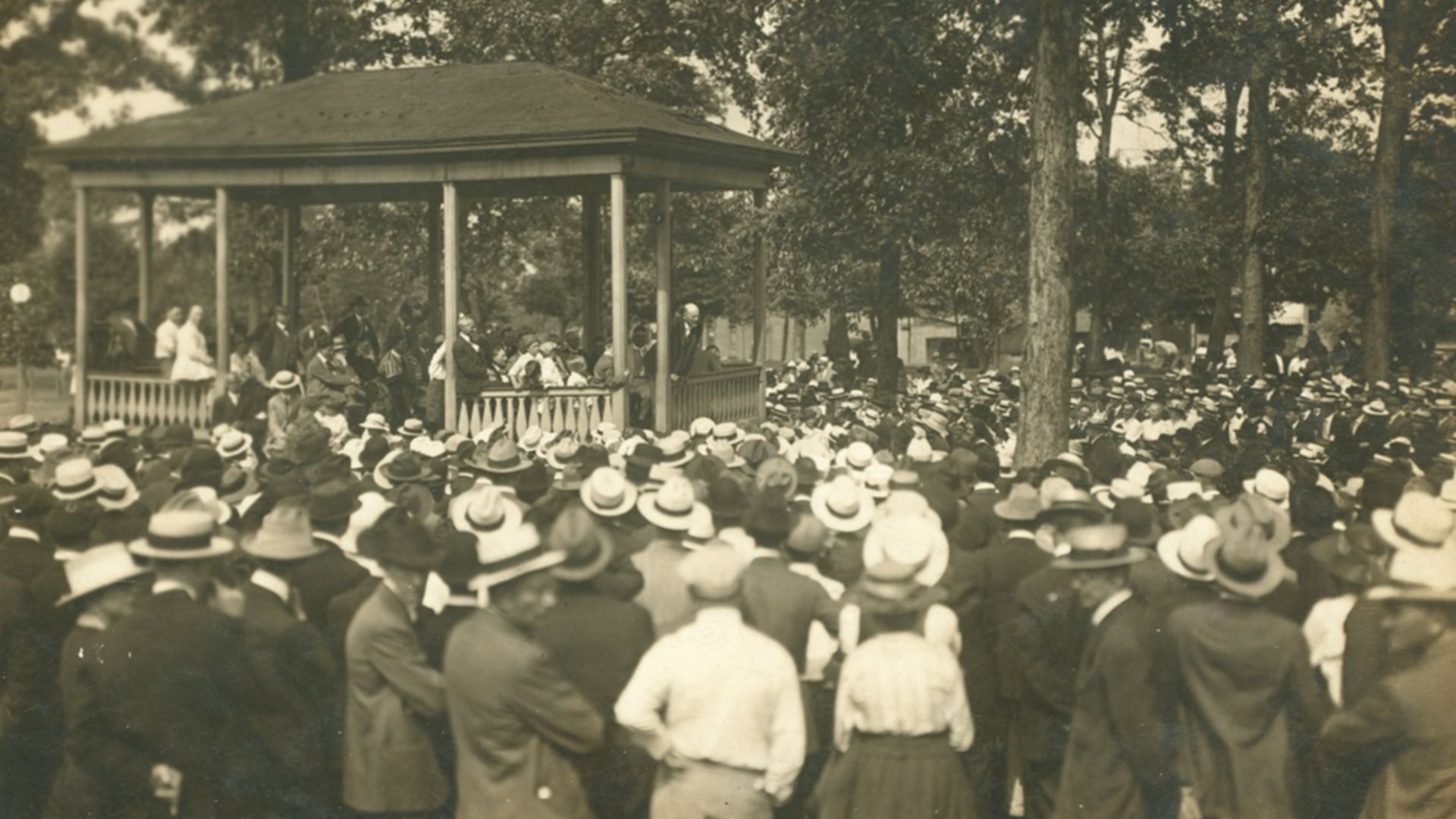
Convicted For His Speech
Debs was convicted under wartime legislation, including the 1918 Sedition Act amendment to the Espionage Act, and sentenced to 10 years in prison. He appealed, but the Supreme Court unanimously upheld his conviction in Debs v. United States in 1919.
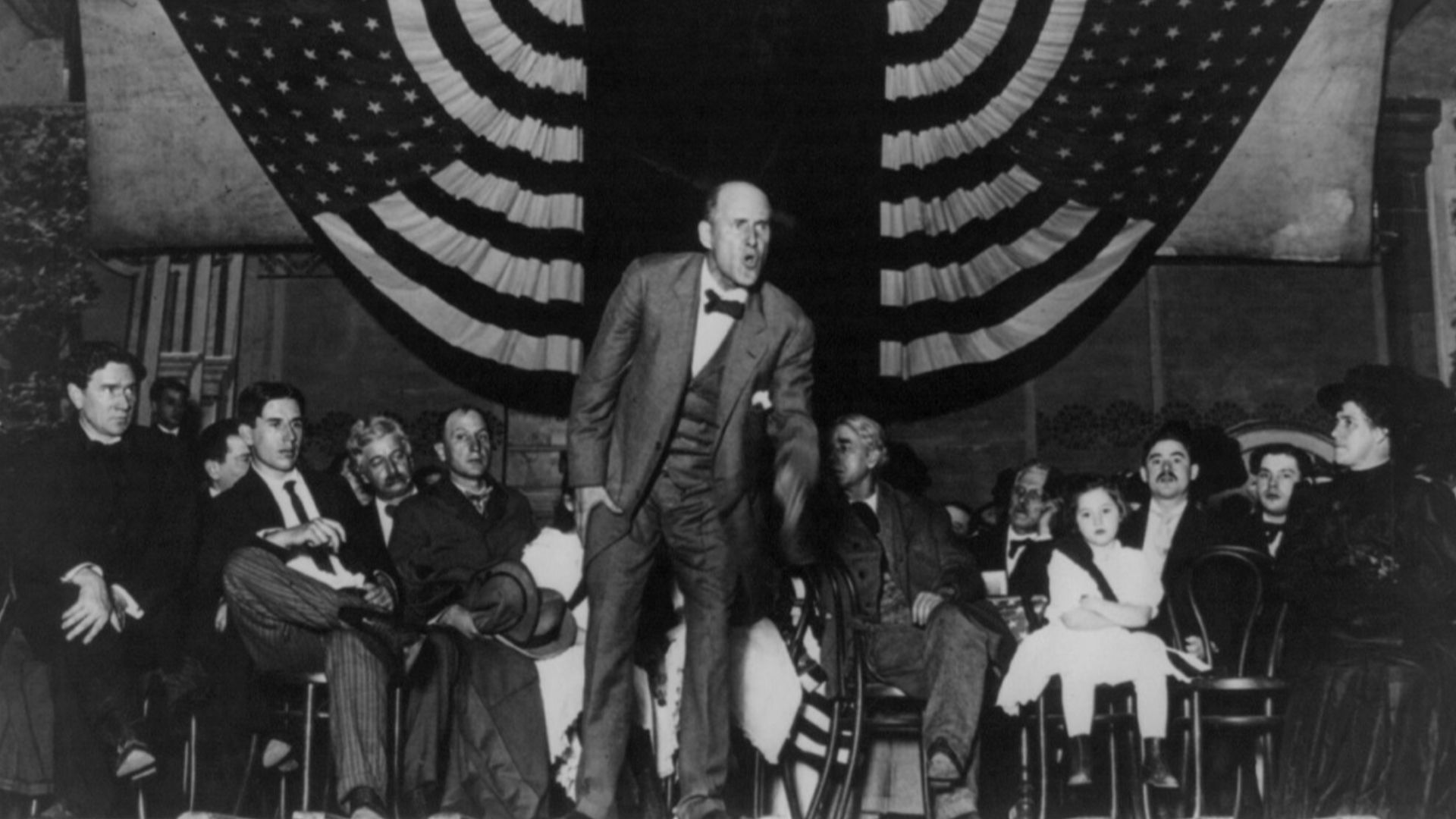 International News Photos (New York, N.Y.), Wikimedia Commons
Convict Number 9653
After an initial period in West Virginia, Debs was transferred in June 1919 to the federal penitentiary in Atlanta. There he became Convict No. 9653. Imprisonment had once helped turn Debs toward socialism. Now another prison term would become the centerpiece of his final presidential campaign.
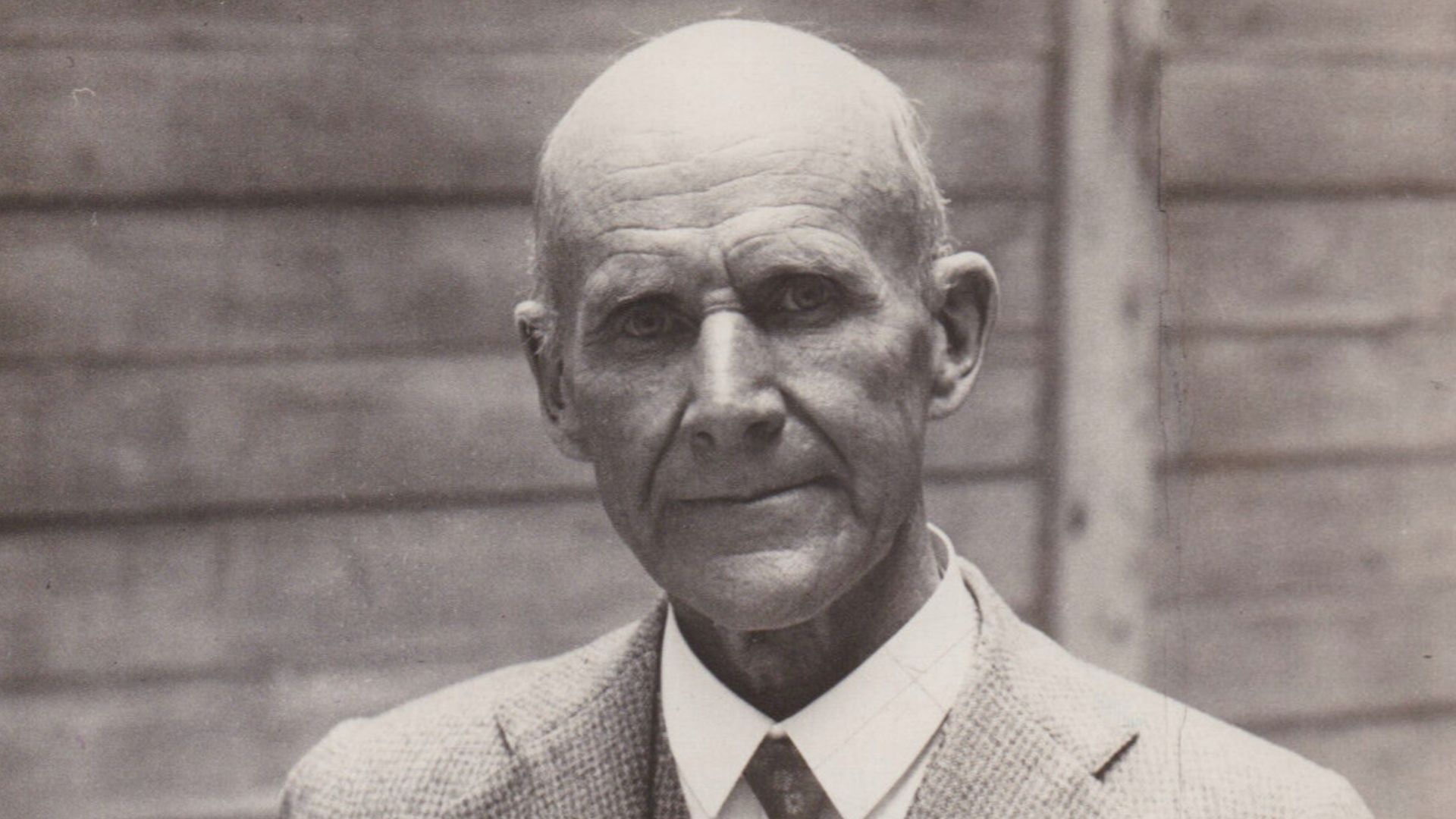 Wide World Photos, Wikimedia Commons
Nominated Behind Bars
In 1920, the Socialist Party again nominated Debs for president, with Seymour Stedman as his running mate. Debs could not tour, address rallies in person, or operate a conventional campaign headquarters. His supporters instead transformed his imprisonment into the campaign’s most powerful symbol.
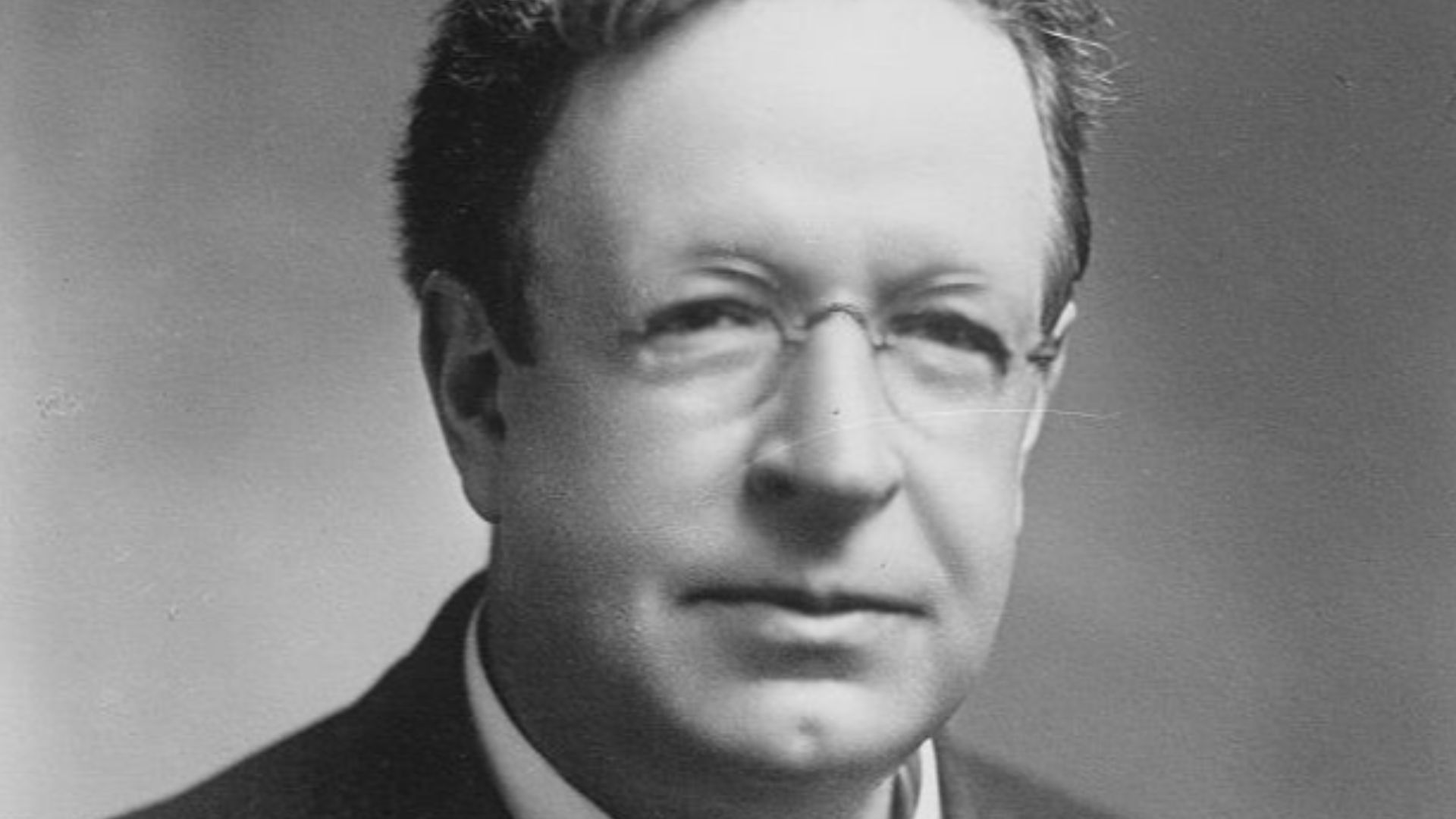 Bain News Service, publisher, Wikimedia Commons
Campaigning Without Leaving
The campaign embraced Debs’s status as a political prisoner. Supporters wore buttons referencing his convict number, while surrogates spoke around the country. A film clip showing Debs receiving news of his nomination was also screened, allowing the imprisoned candidate to reach voters without leaving Atlanta.
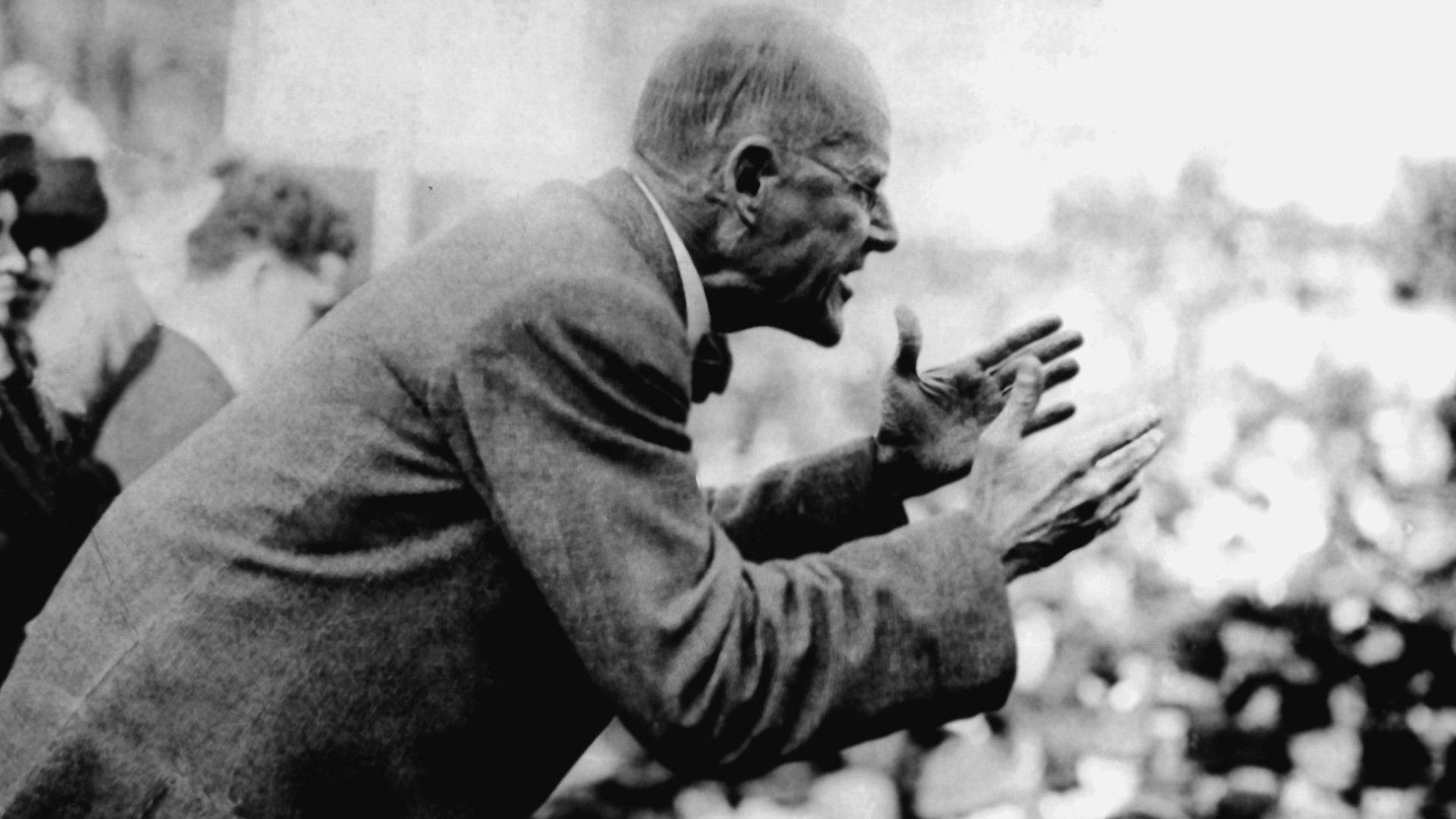
A Historic Election
The broader 1920 election pitted Republican Warren G. Harding against Democrat James M. Cox, while Debs represented the Socialist Party from prison. Harding promised a return to “normalcy” after years of war and upheaval. Debs offered voters something radically different from inside his cell.
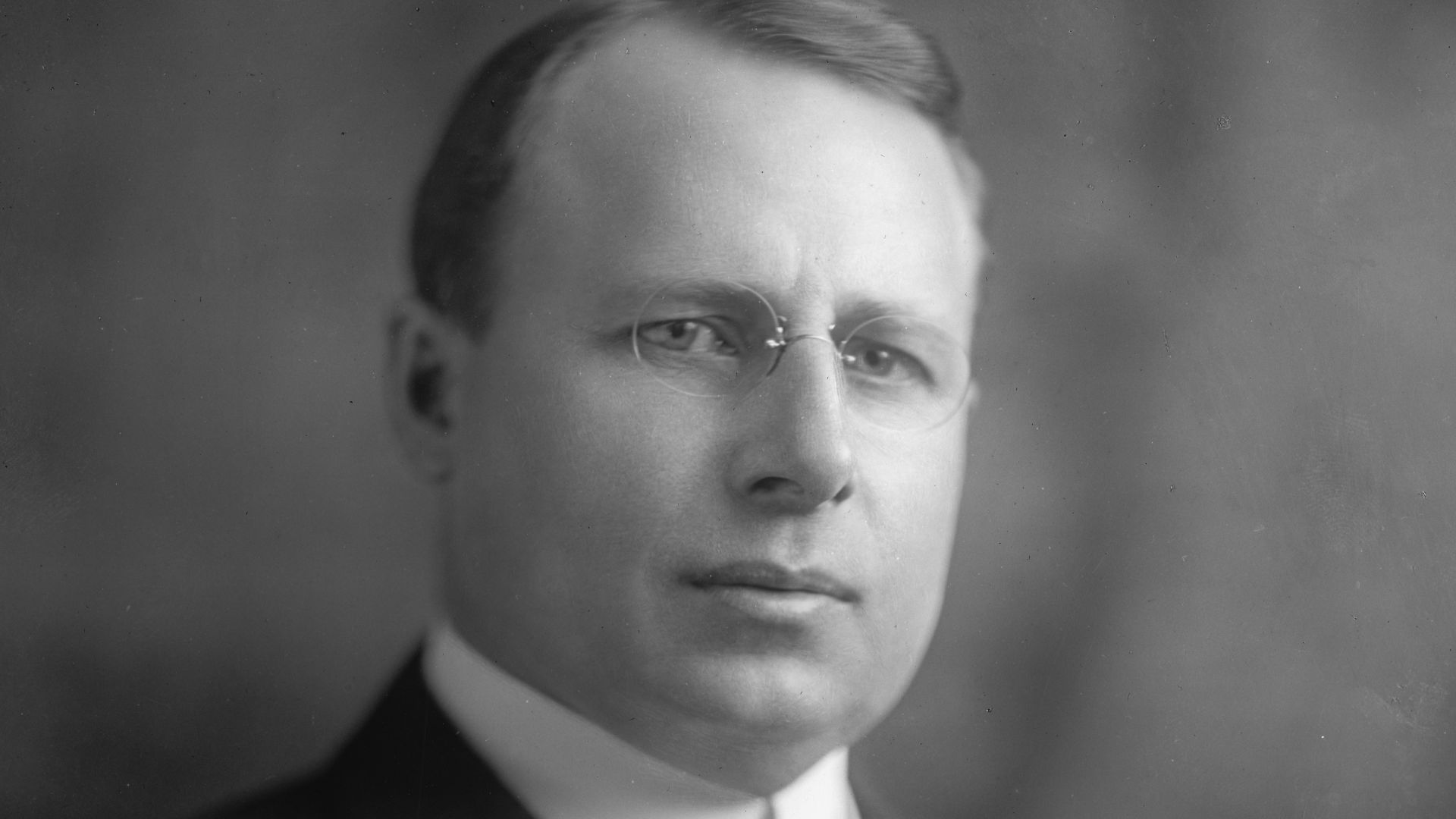 Harris & Ewing, photographer, Wikimedia Commons
Nearly One Million Votes
Debs received approximately 914,000 votes, or 3.4 percent of the national popular vote. It was the largest raw vote total ever achieved by a Socialist Party presidential candidate, though his percentage was lower than in 1912. He had attracted nearly one million votes without freedom to campaign.
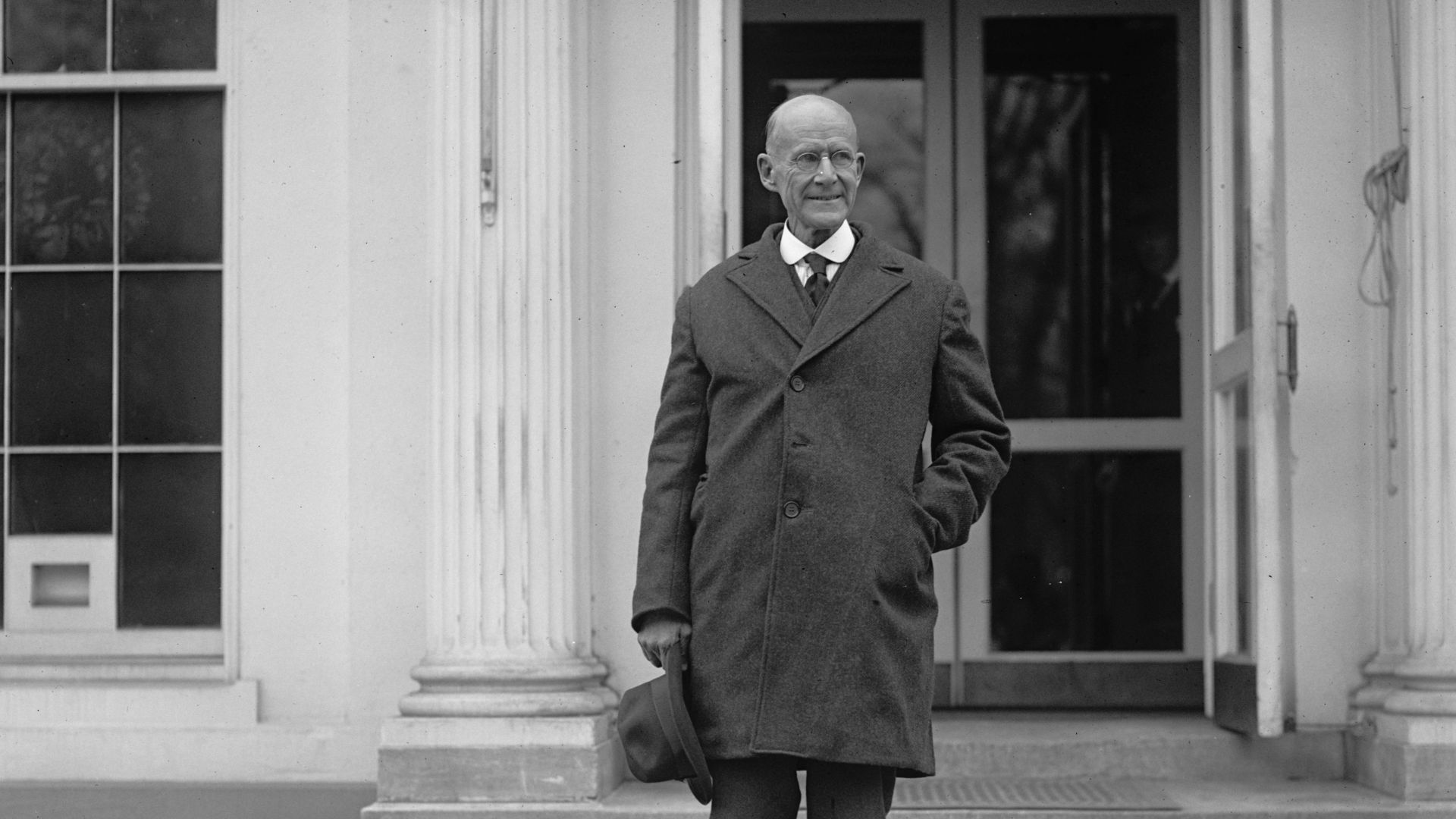 National Photo Company Collection, Wikimedia Commons
Still Behind Bars
The election ended, but Debs remained imprisoned. The Sedition Act provisions were repealed shortly afterward, yet his sentence continued. President Woodrow Wilson refused to release him, leaving the defeated presidential candidate behind bars as the country moved into the Harding administration.
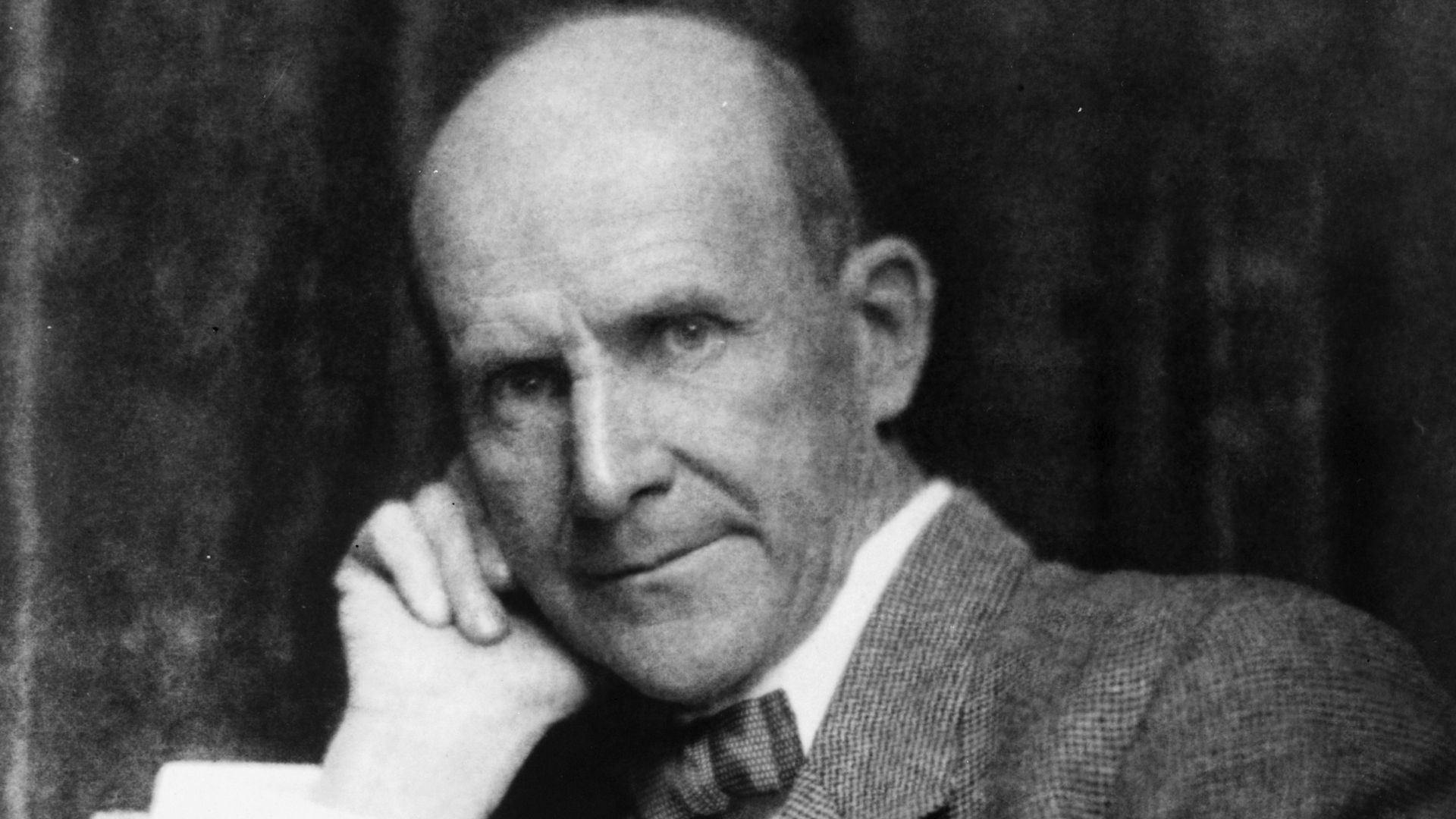 Unknown authorUnknown author, Wikimedia Commons
Harding Sets Him Free
President Warren G. Harding eventually commuted Debs’s sentence to time served in December 1921. Debs left the Atlanta penitentiary on Christmas Day and traveled to Washington, where he met Harding at the White House before returning home to Terre Haute.
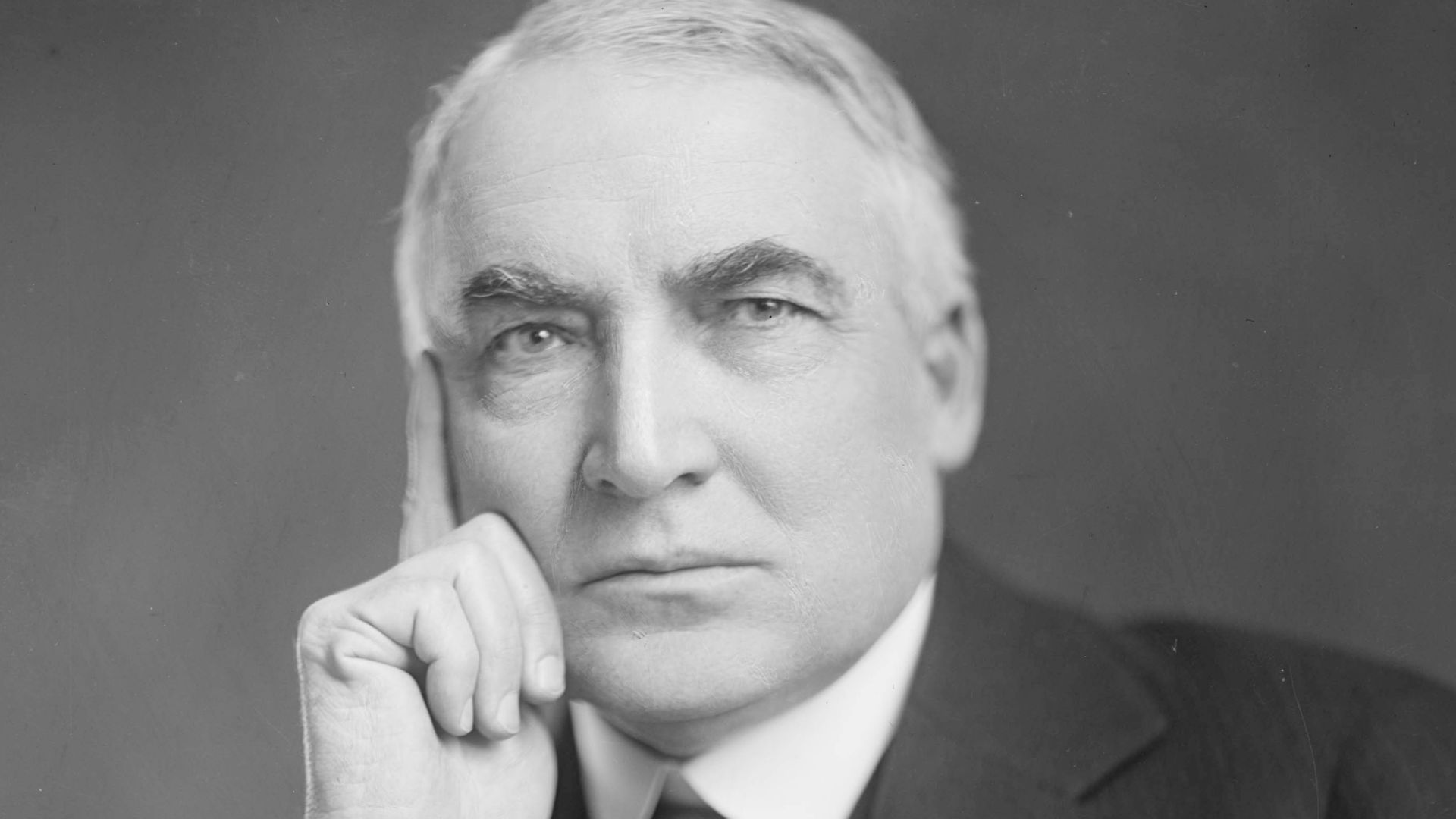 Harris & Ewing, Wikimedia Commons
His Final Years
Debs never ran for president again. His health had deteriorated during imprisonment, and he spent his remaining years writing and supporting socialist causes. He was eventually admitted to a sanatorium suffering from cardiovascular problems and died on October 20, 1926, at age 70.
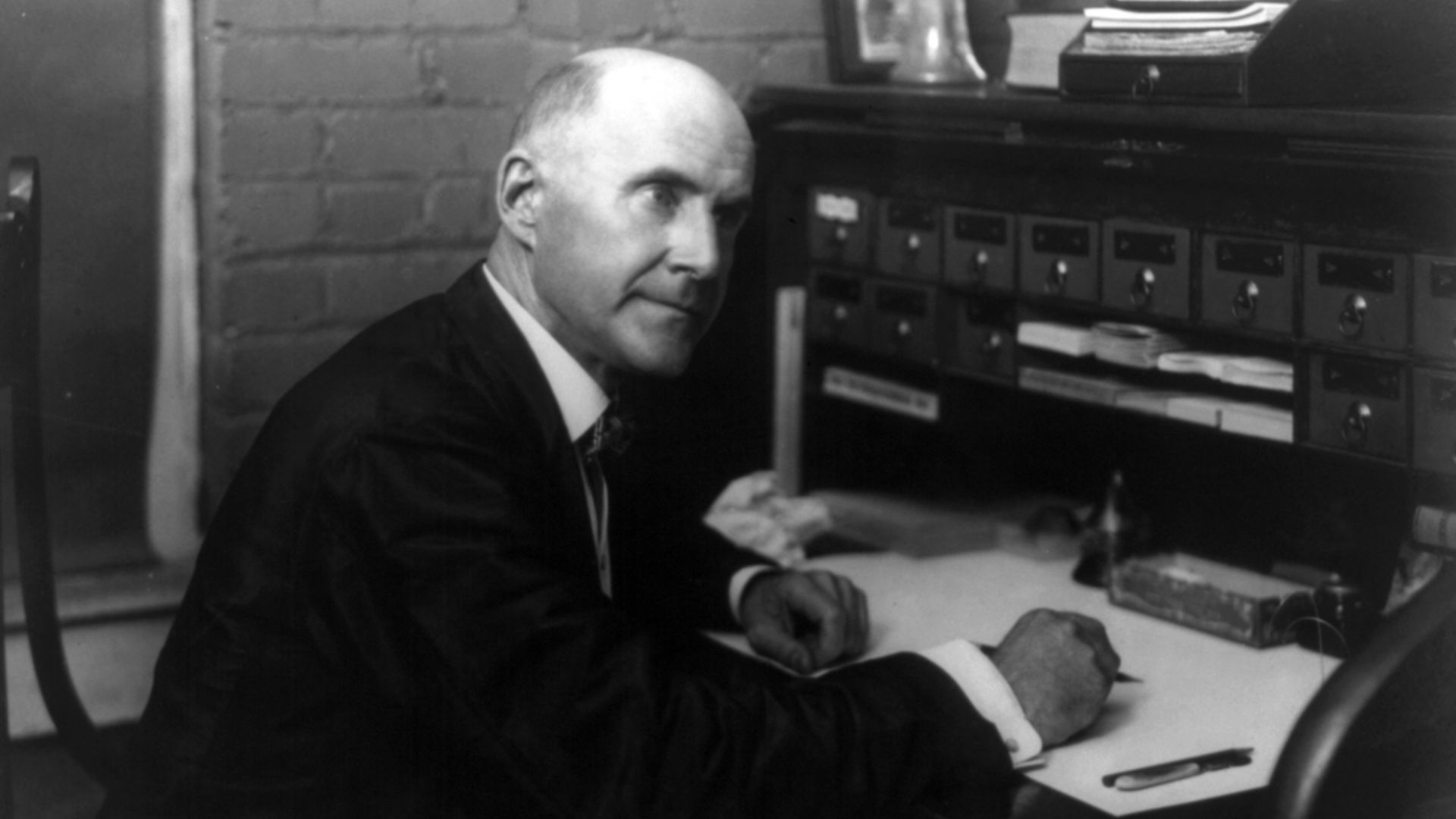
The Prison Candidate’s Legacy
Eugene Debs never won the presidency, an electoral vote, or control of the federal government. Yet his five campaigns carried socialist ideas into national politics, while his 1920 run created one of America’s strangest election stories: nearly one million votes cast for a candidate sitting in prison.
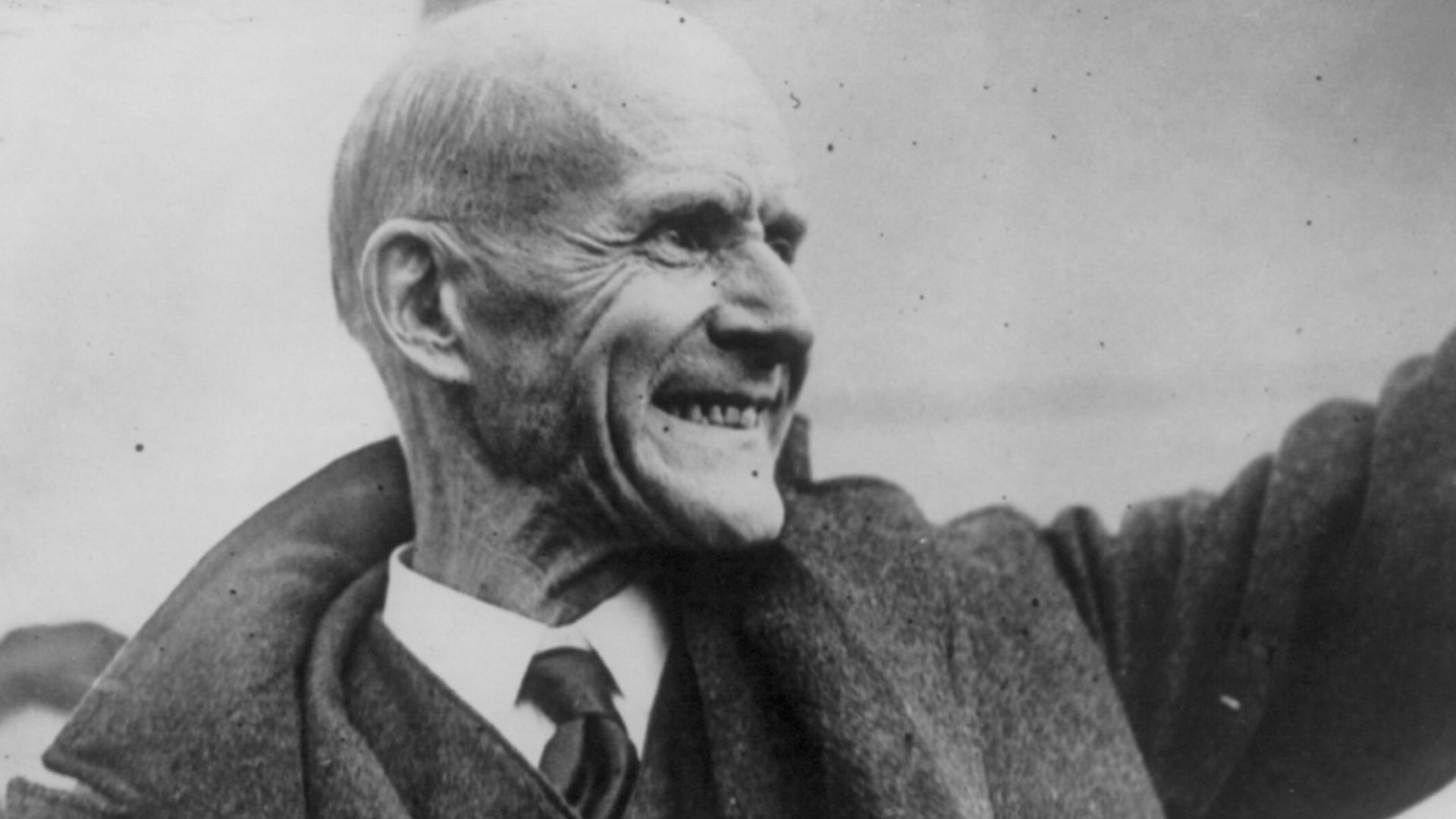 Underwood & Underwood, Wikimedia Commons
You May Also Like:
After Abraham Lincoln's election win in 1860, there was no turning back for America.
John F. Kennedy’s Close Call In The 1960 Presidential Election.