He Fought A Legend
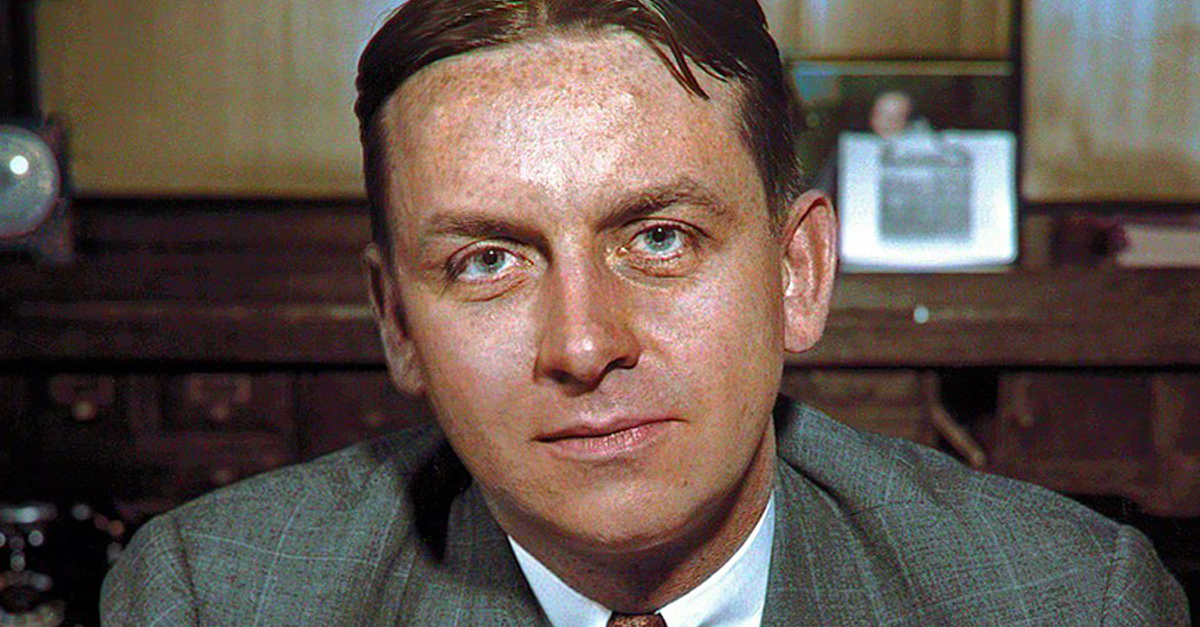
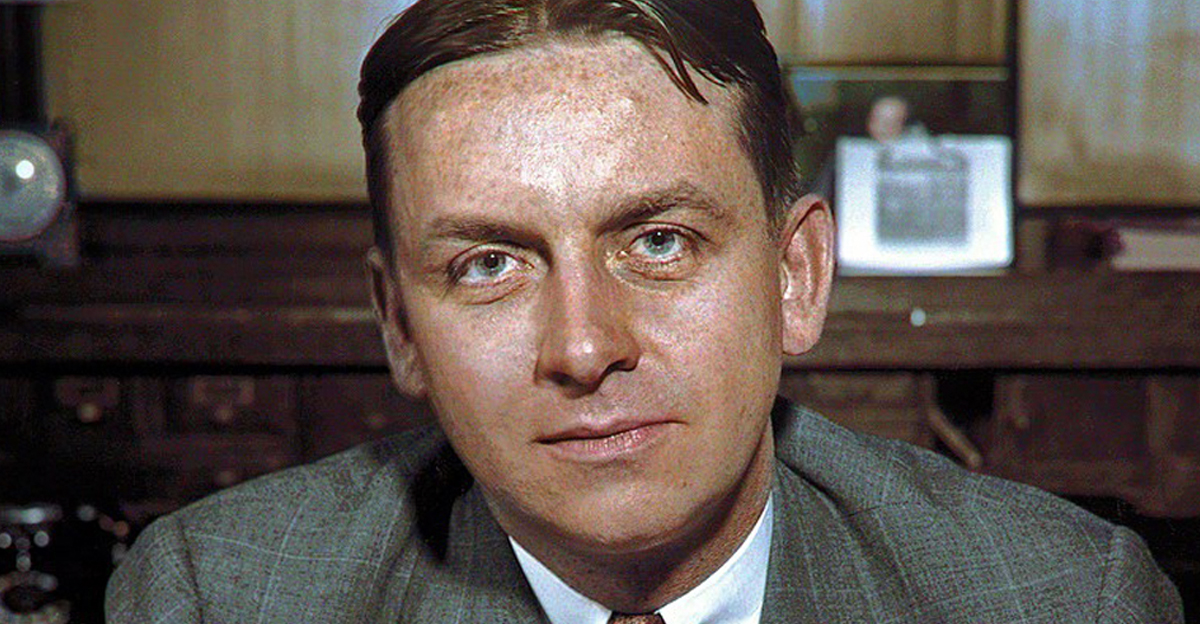
Eliot Ness made a name for himself bringing down the notorious bootlegger Al Capone. He then went on to rehabilitate one of the most dangerous cities in America. So, what does one do after such noble acts? Ness’s missteps after making a name for himself as an incorruptible legal powerhouse are legendary.
His slow decline to obscurity had the most ironic facilitator—he’d spent a good chunk of his life fighting against the one thing that would bring him down.
1. He Grew Up Poor
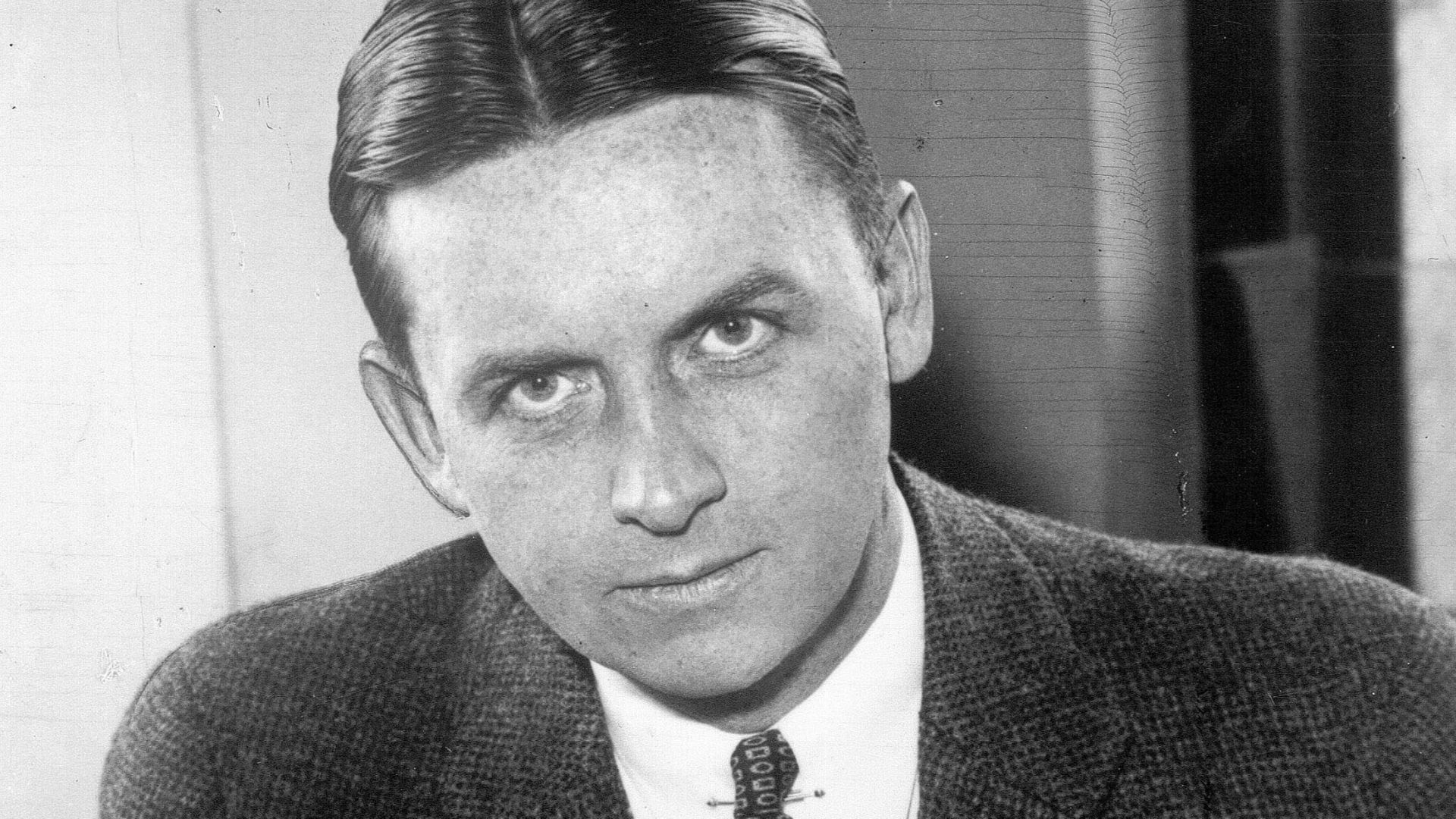
Eliot Ness was the baby of his family, born on April 19, 1903, 10 years after his closest sibling. Peter and Emma Ness raised their kids in a Chicago neighborhood called Roseland. They operated a bakery, but food was still scarce. Eventually, the bakery took off, and the family could relax.
But fate had something else in store for Eliot Ness.
 DeMéxicoConAmor, Wikimedia Commons
2. He Prepared Himself
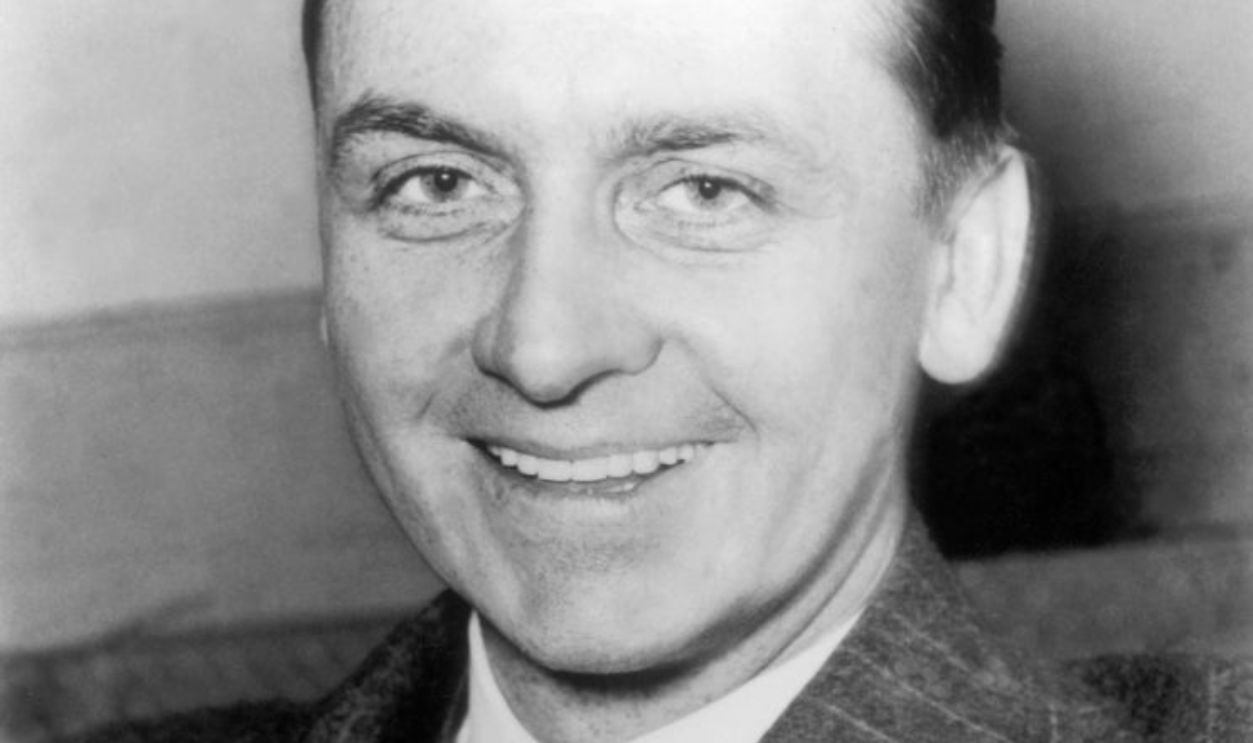
In 1925, Eliot Ness graduated from the University of Chicago with a double major in political science and business administration. He was in the top 10% of his class. Ness took his degree and turned it into a job as a credit card investigator. It was a small start, but Ness was preparing himself for a future in investigation.
He had no idea this career would make him famous.
3. A Strange Coincidence
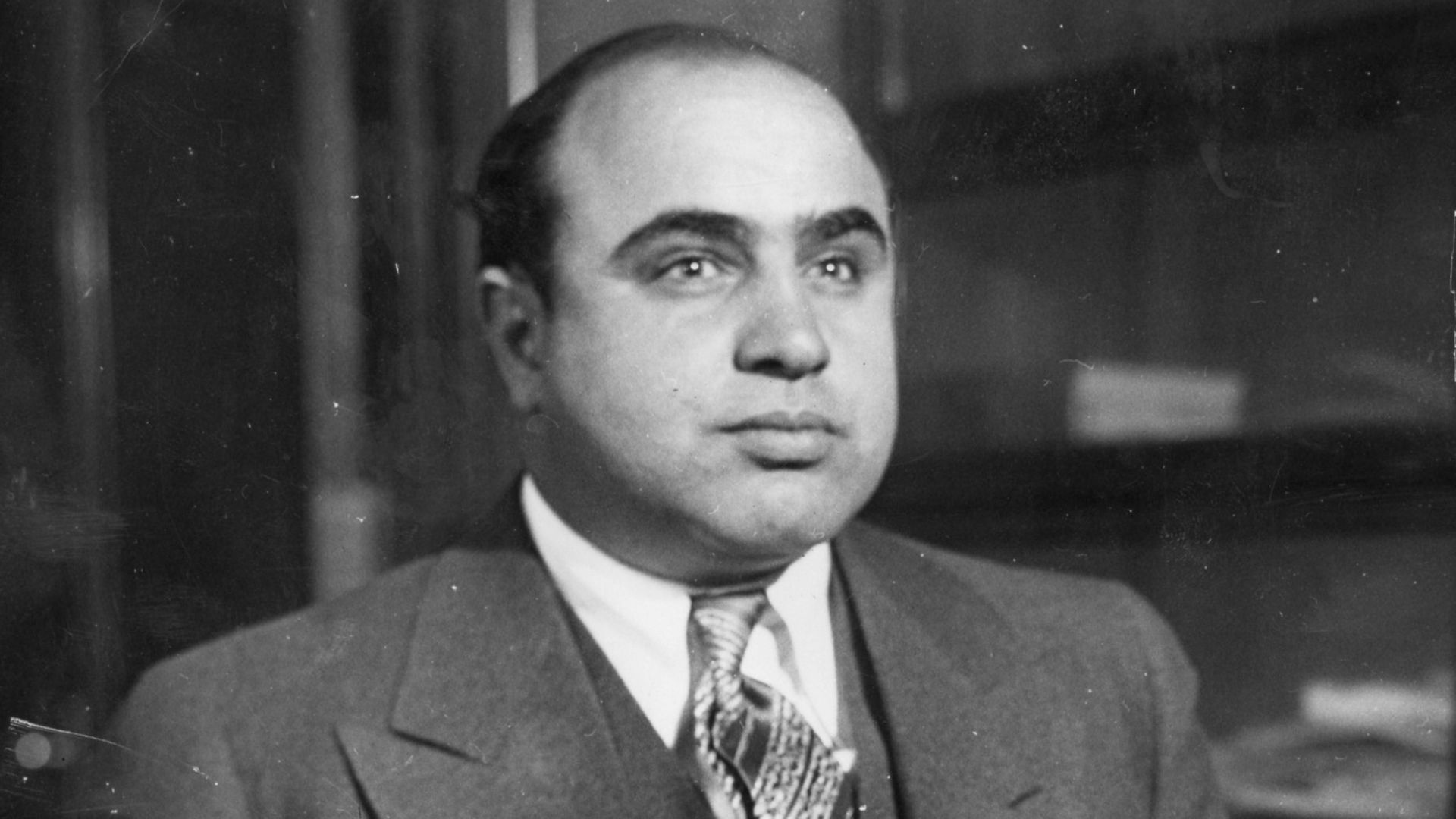
While attending the University, Ness lived on South Prairie Avenue on the South side of Chicago. About five miles down the road, another family had taken up residence. This was Al Capone and his small family. These men didn't know each other yet, but their futures were bound by fate.
 Chicago Bureau (Federal Bureau of Investigation) - Wide World Photos., Wikimedia Commons

History's most fascinating stories and darkest secrets, delivered to your inbox daily.
4. He Started His Career
It was one of Ness’s brothers-in-law who was the one to give him some crucial advice about his future. Alexander Jamie worked for the Bureau of Investigation (now the FBI), and he thought that Ness could have a future in law enforcement. In 1926, Ness started working for the US Treasury Department. His first assignment was to enforce Prohibition.
But there was one little glitch.
 ABC Television, Wikimedia Commons
5. He Had To Lie
Around this same time, the Prohibition Bureau decided to reorganize itself in an effort to fight corruption among its members. One change was to increase the acceptance age to 25. Eliot Ness was 24 and had to do something. Even though he later built his reputation on honesty, he decided his only recourse involved lying about his age. Ironically, he kept this lie going for the rest of his career.
Ness soon realized he lacked what he needed for a successful career in law enforcement.
6. He Learned A Valuable Lesson
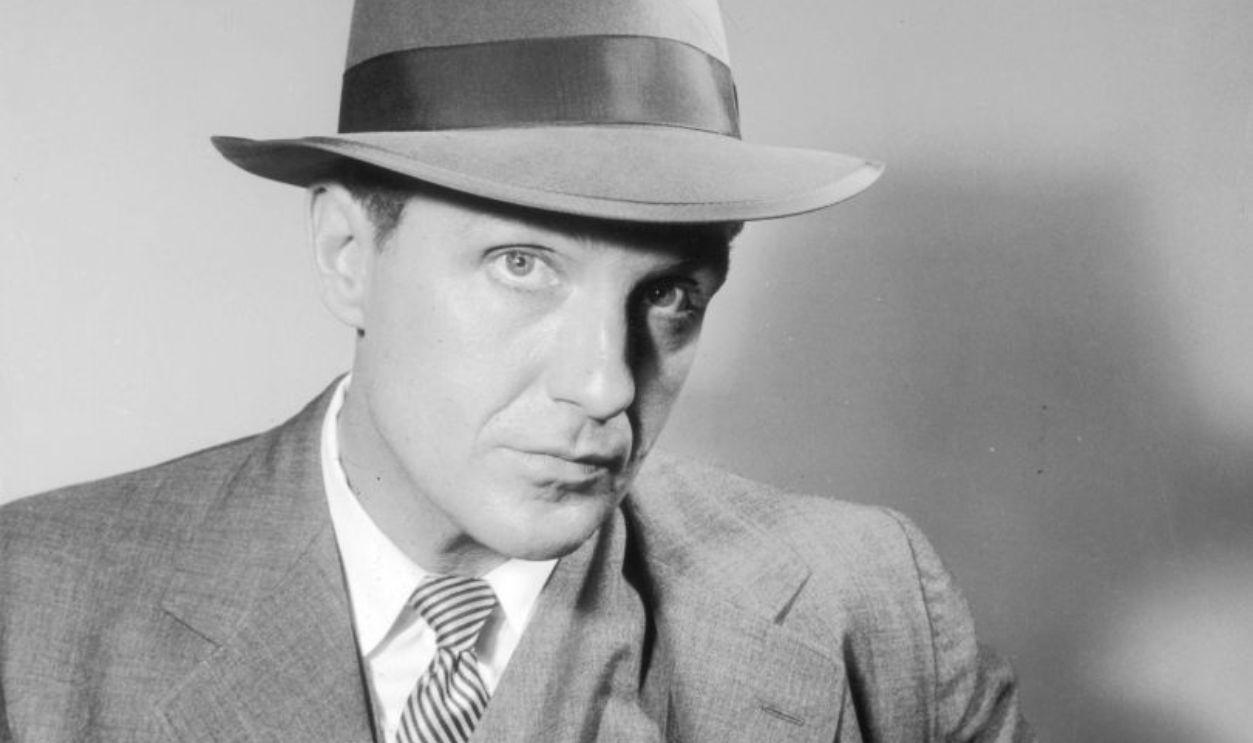
While working for the US Treasury Department, Ness studied criminology. One of his teachers was a noted officer from Berkeley named August Vollmer. Vollmer taught Ness about making law enforcement more professional. His ideas would stay with Ness for the rest of his career.
As if studying and working were not enough, Ness also had time for romance.
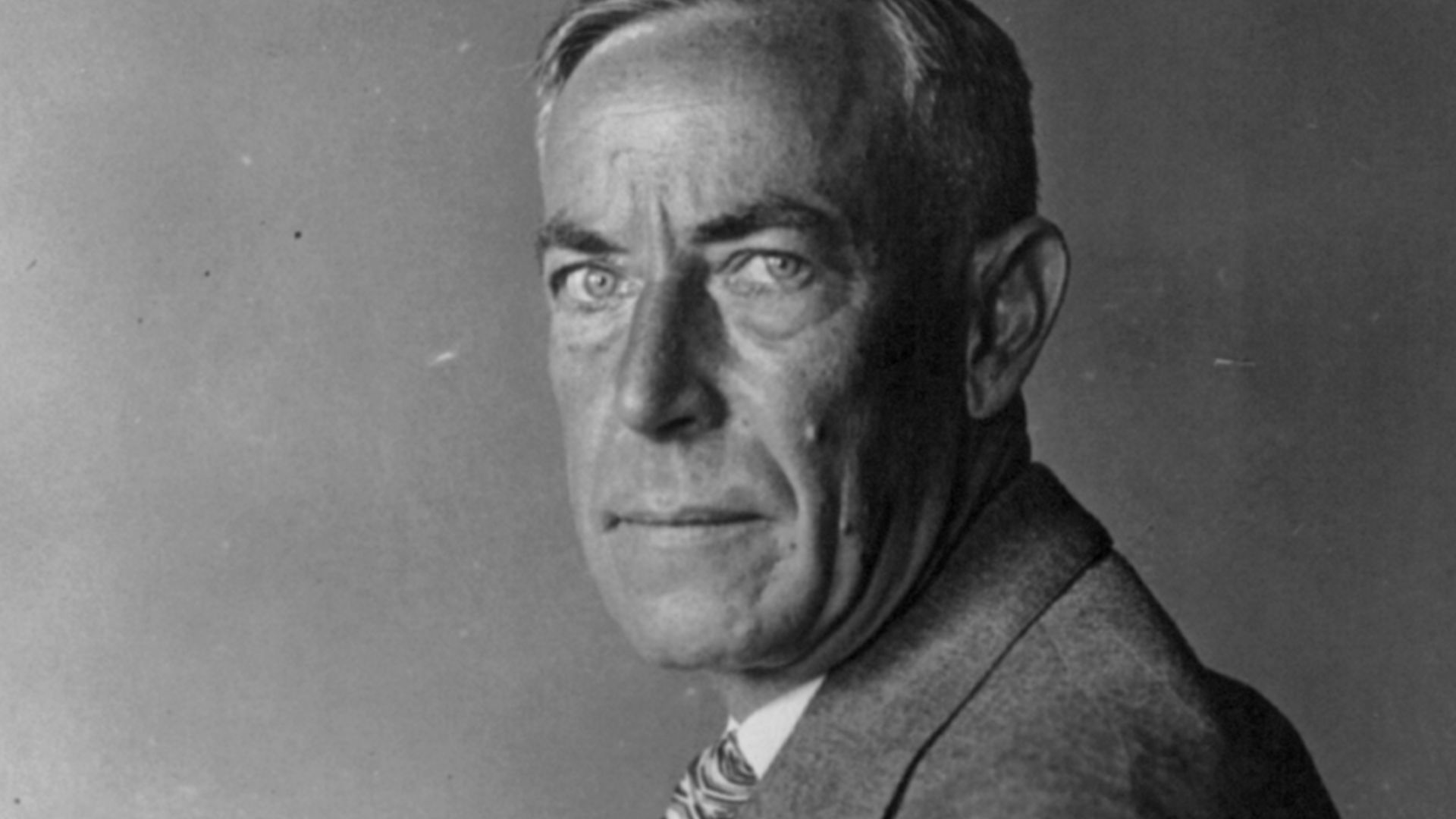 Underwood & Underwood, Wikimedia Commons
7. His Happiness Was Brief
In 1929, Ness met Edna Stahle, who had worked with his brother-in-law. The two quickly married and began their blissful life in a cottage on Lake Erie near Cleveland. The bliss ended abruptly when the couple realized they were not able to have children. Ness had to console himself by playing with the neighbor’s kids.
But he also had something dangerous to worry about.
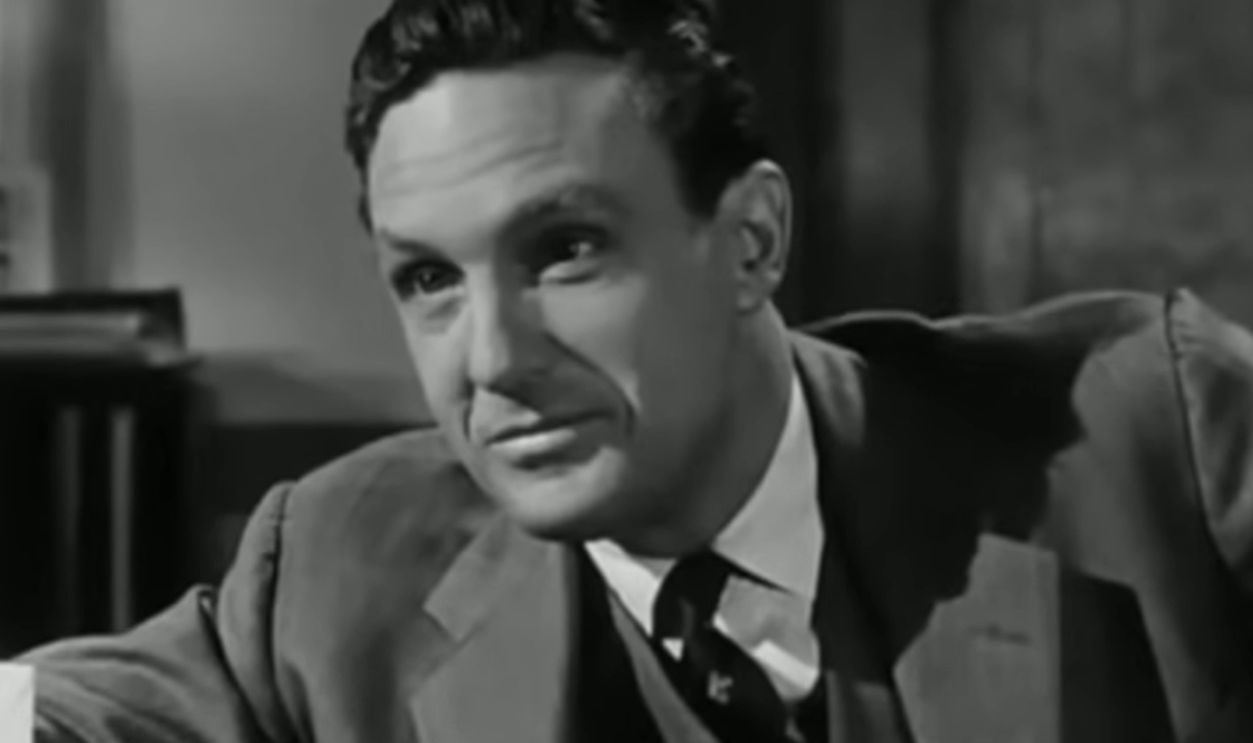 Screenshot from The Untouchables, Desilu Productions (1959–1963)
8. There Was An Enemy
Around this time, there was no bigger enemy to the American people than Al Capone. Capone was a mobster who made most of his money selling booze during Prohibition. Then-President Herbert Hoover wanted Capone taken down, and it was going to be a huge undertaking. But who was up for the job?
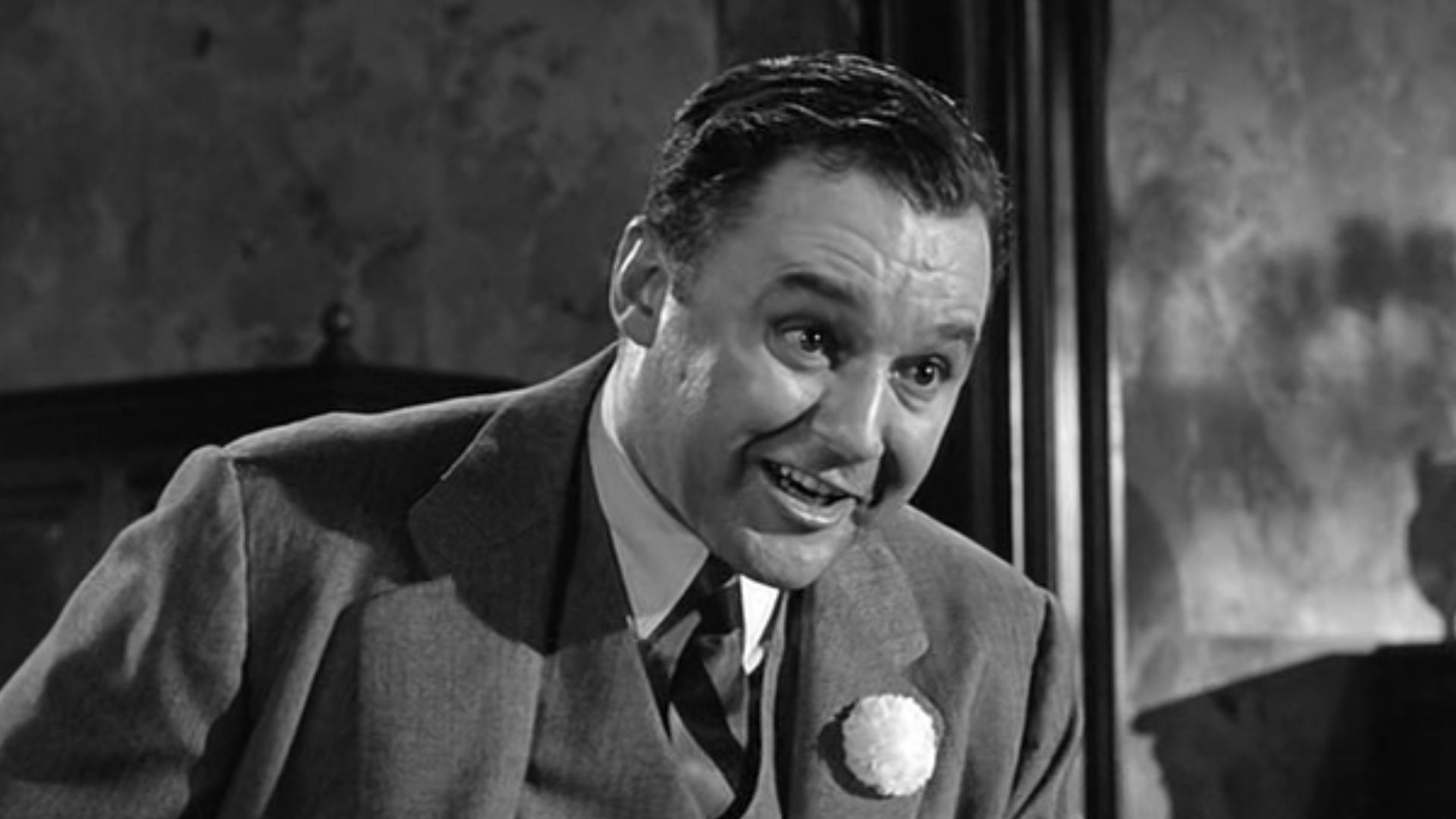 Burrows-Ackerman/Allied Artists, Wikimedia Commons
9. He Was Picked
Even though Eliot Ness was only 27 years old, he got the job of leader to a small group of men who would work to bring Capone to justice. It was going to be a big project—not to mention, dangerous. The first step? He needed to form a team he could trust.
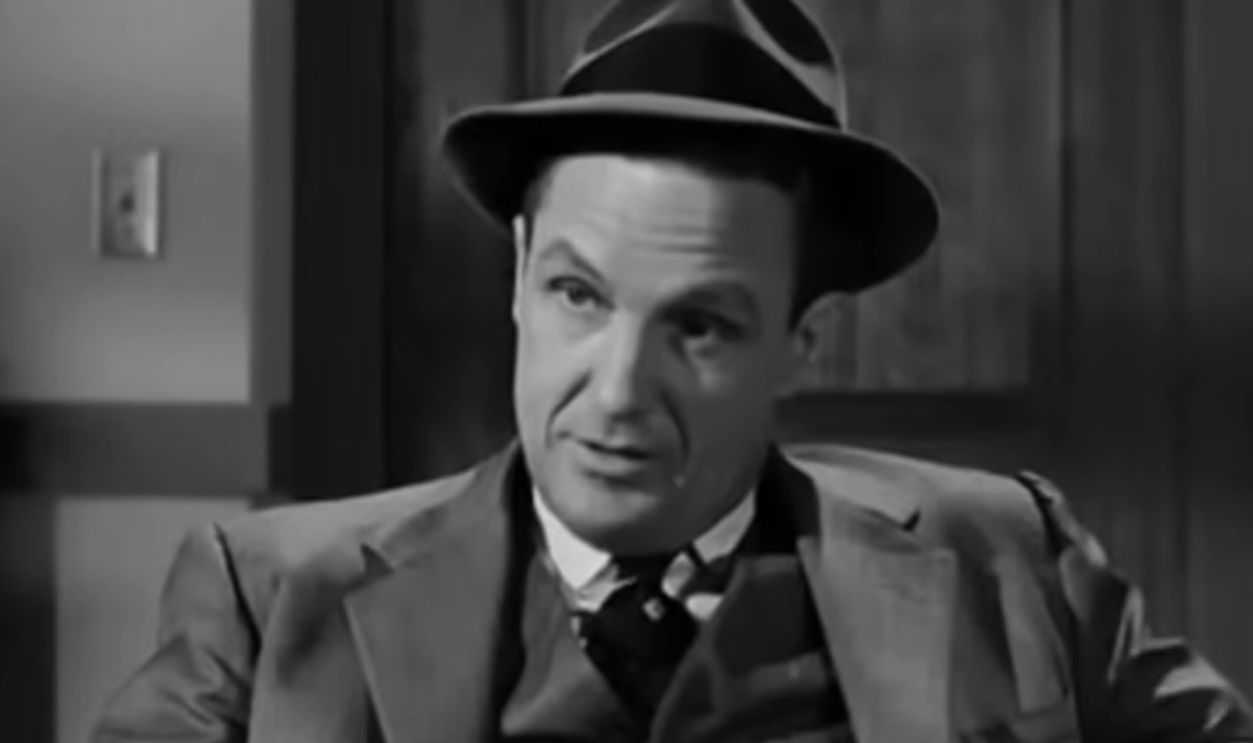 Screenshot from The Untouchables, Desilu Productions (1959–1963)
History's most fascinating stories and darkest secrets, delivered to your inbox daily.
10. He Found Men He Could Trust
Eliot Ness knew there was rampant corruption in the Chicago Force, so he took his time and read through the records of men who were on the Prohibition task force. When he got to six men he could trust, he assembled his team. They called them the Crime Prevention and Punishment Committee of the Chicago Association of Commerce. That was a mouthful, so most people started calling them “The Secret Six”.
It’s good that they were a secret, because being a member of this team was going to be dangerous.
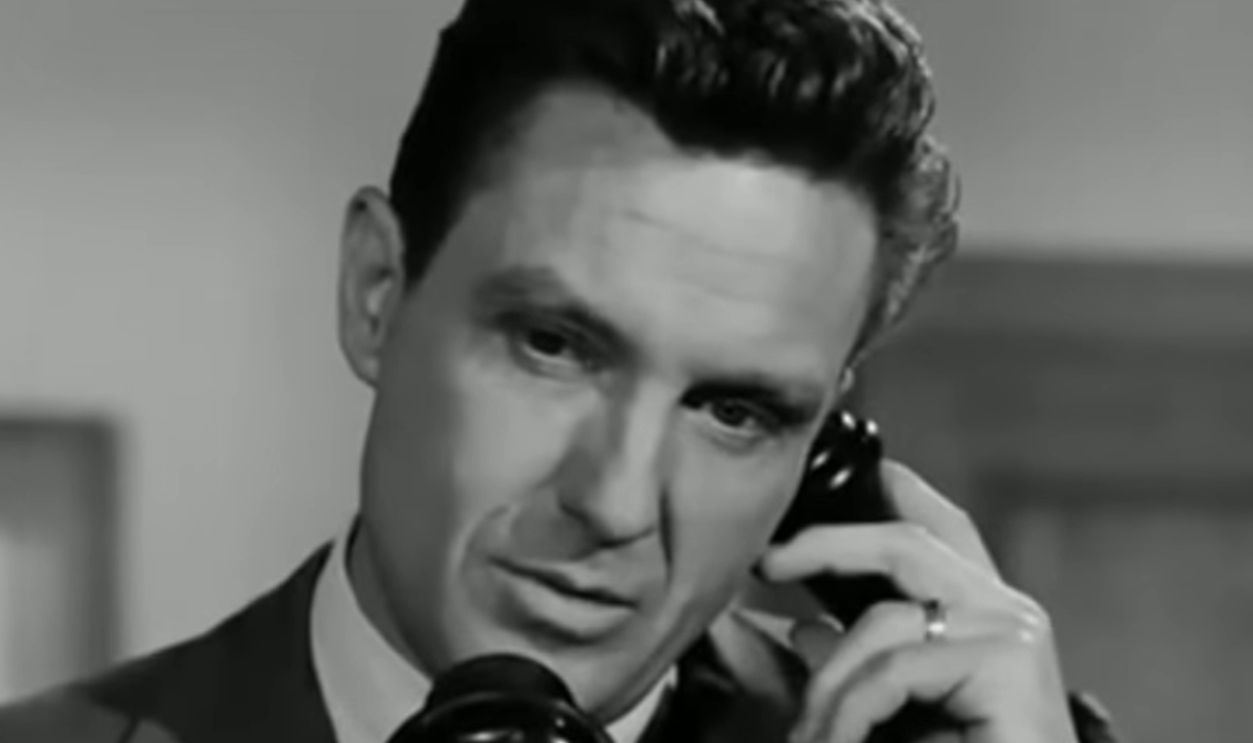 Screenshot from The Untouchables, Desilu Productions (1959–1963)
11. They Couldn’t Defend Themselves
Ness had taken on a huge task. Thousands of officers and hundreds of prohibition agents had failed to take Capone down. Ness and his small squad would try to do it and do it completely unarmed. There’s a surprising reason why his team didn't carry weapons.
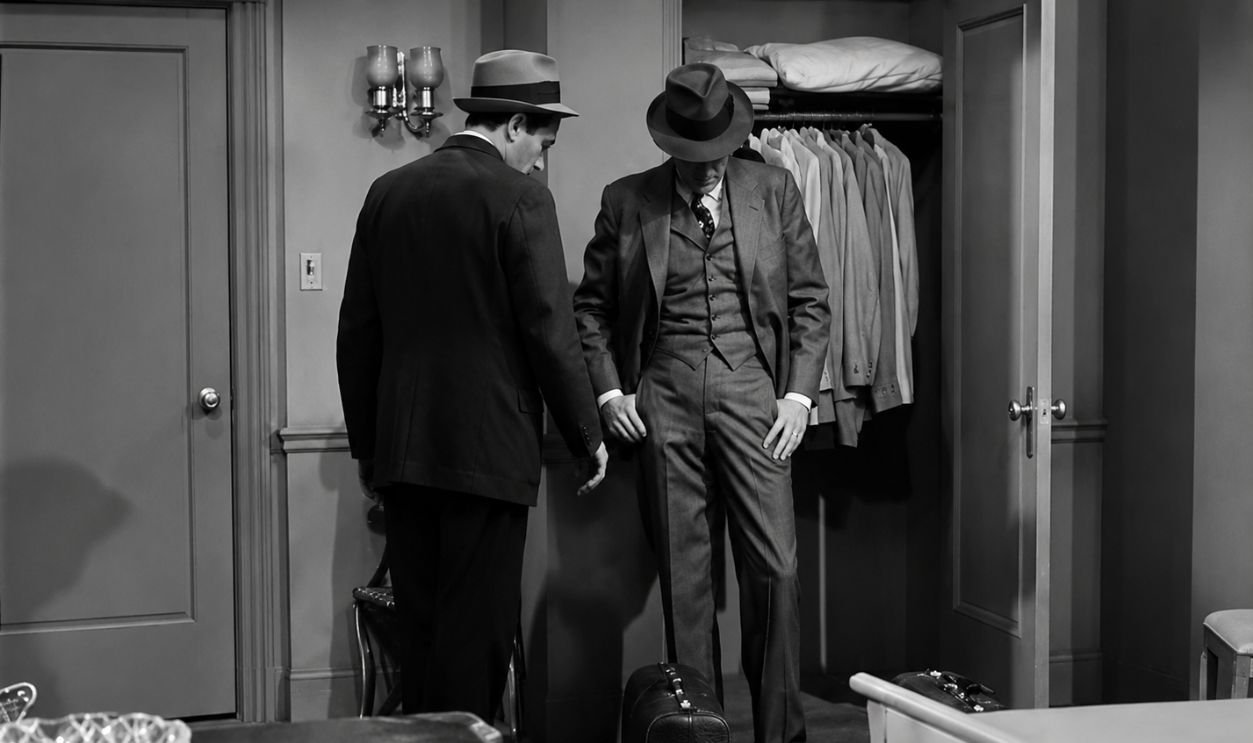 Screenshot from The Untouchables, Desilu Productions (1959–1963)
12. He Had A Fear
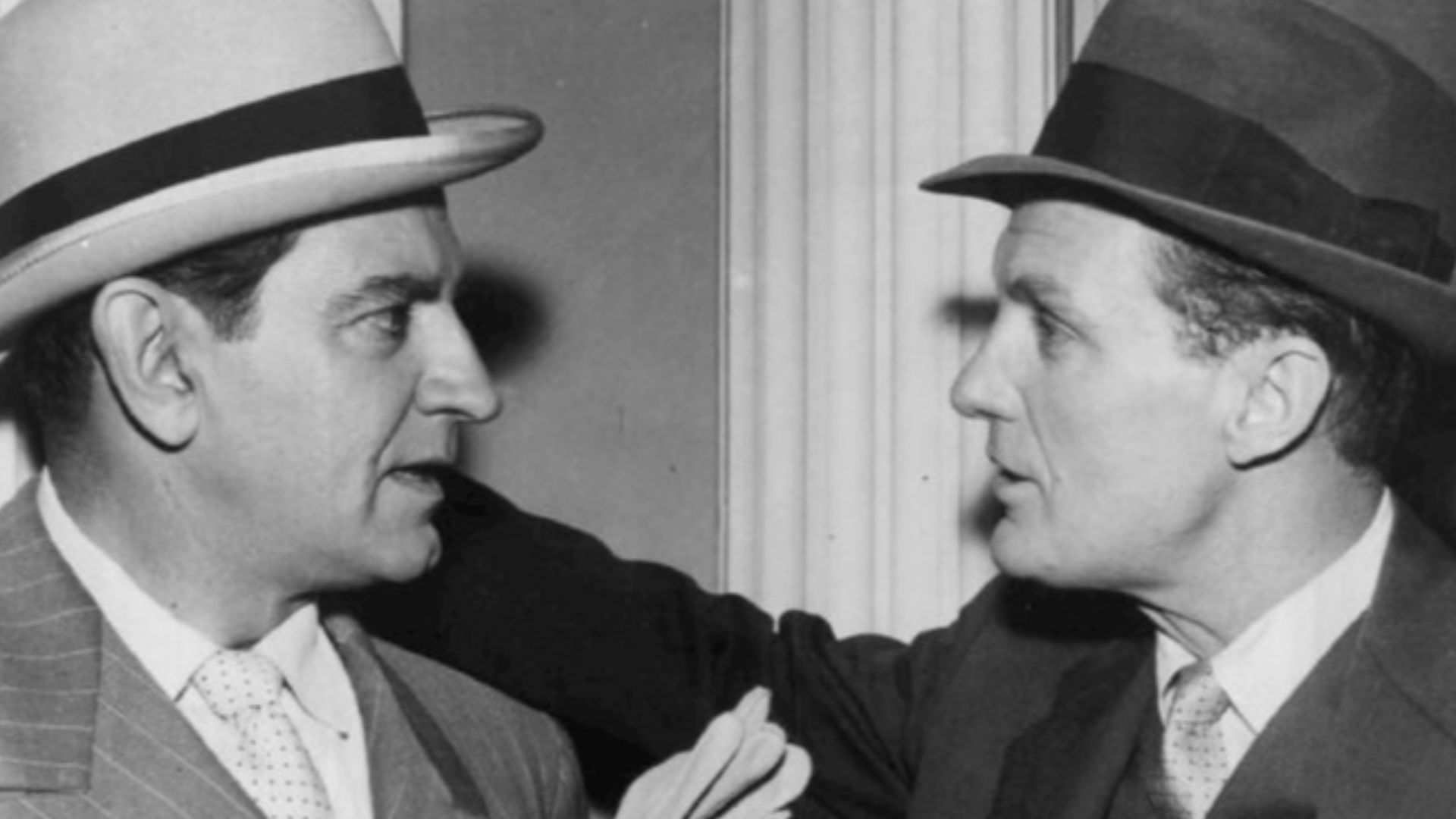
Fighting against guys like Capone while unarmed seems like a crazy idea. But Ness had a strange reason for this. Apparently, he had a strong dislike of using weaponry. He thought that people who used them were cowards. Ness only armed himself when he thought there was no other choice. This was in stark contrast to later portrayals of Ness.
Ness’s idea was to put pressure on Capone’s main income source: his illicit breweries.
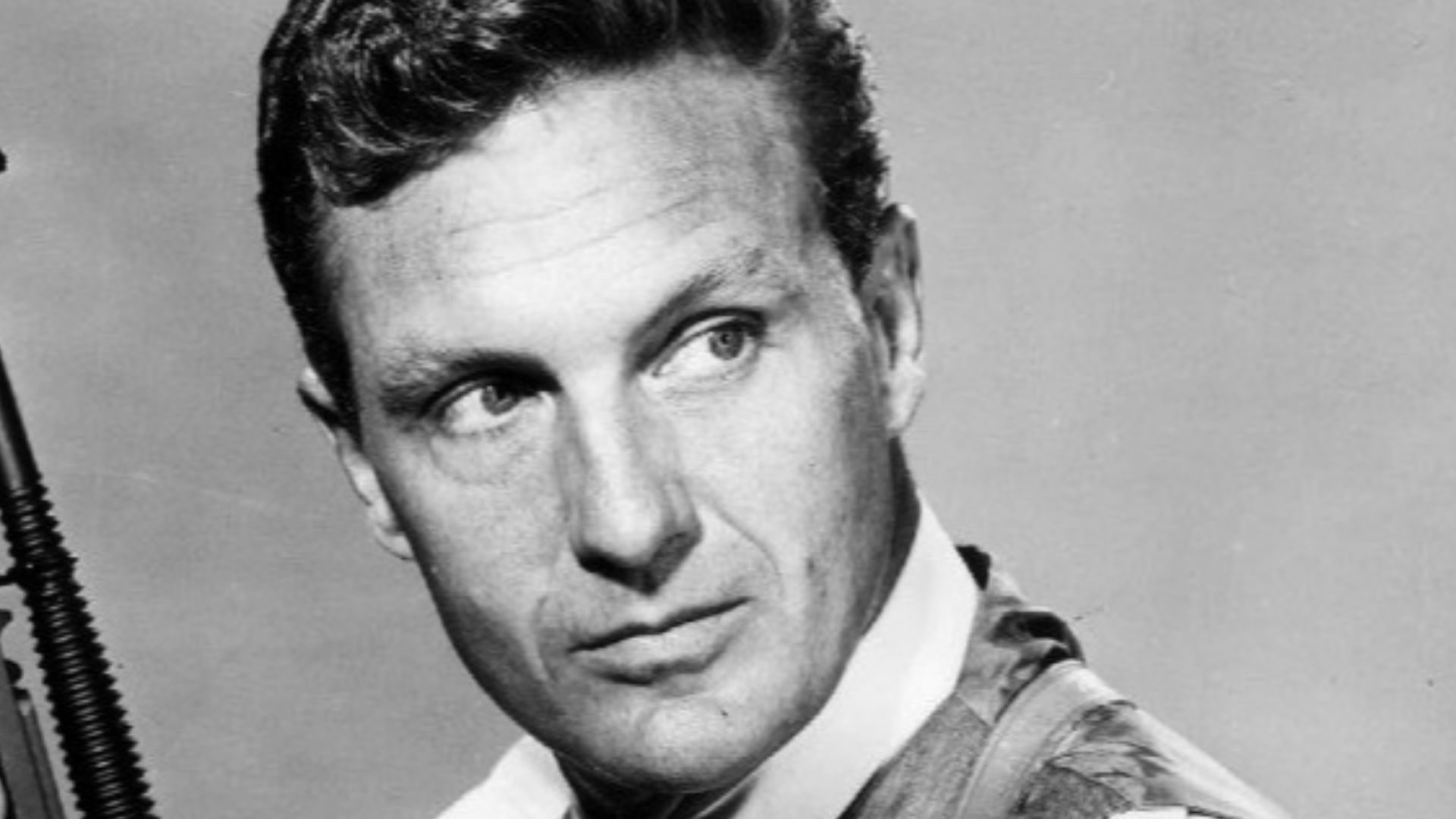 ABC Television, Wikimedia Commons
13. He Got An Outrageous Offer
With Ness’s growing pressure on Capone, the city was feeling tense. And it was no better for Ness himself. In 1931, he received an offer. One of Capone’s men said he would hand over $2,000 as a weekly allowance to Ness personally. That would be more than $30,000 today. All Ness had to do was stop pressuring Capone’s bootlegging business.
This allowance would make Ness financially set for life. He had a big decision in front of him.
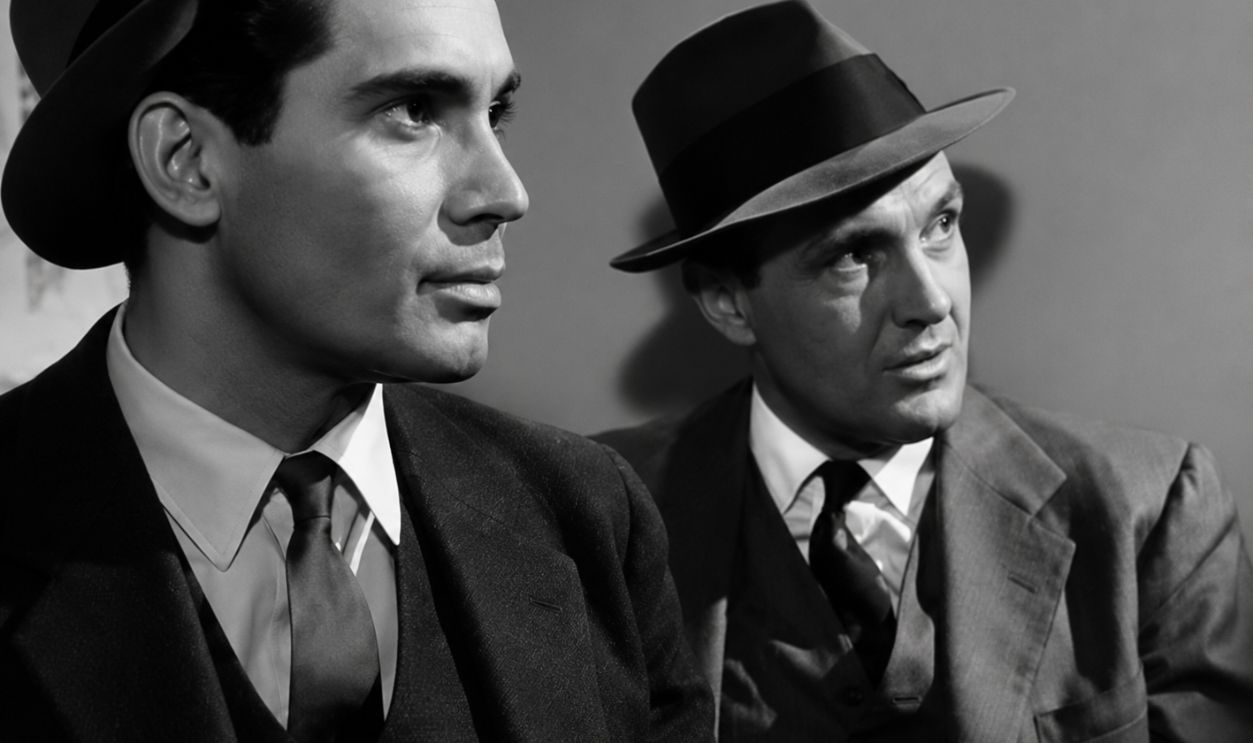 Screenshot from The Untouchables, Desilu Productions (1959–1963)
14. They Had Some Nicknames
Eliot Ness was serious when he said that his team had to be incorruptible. He said no to the $2,000. When word got out that none of his other team members would accept under-the-table payments, they got their new name. They called them the “Untouchables”. Because they were fighting for Prohibition, they also got the nickname ”dry agents”.
Yes, they had great nicknames, but were they doing any good?
 Screenshot from The Untouchables, Desilu Productions (1959–1963)
15. He Took His Money
In March 1931, Ness and his team started raids against Capone’s outlawed breweries and stills. They were getting Capone where it would really hurt: in his wallet. After six months, Capone had lost approximately $500,000. In the end, Ness, and the Untouchables would cost Capone more than $9 million, which would be close to $200 million today.
Capone certainly knew one thing: Ness was his worst enemy.
 Screenshot from The Untouchables, Desilu Productions (1959–1963)
History's most fascinating stories and darkest secrets, delivered to your inbox daily.
16. They Took Him To The Judge
Eliot Ness had made huge advances toward bringing Capone in to face justice. Through his work, they had 5,000 violations against Capone. It was now up to Federal judge James H Wilkerson to bring the case to its conclusion. That’s when the judge did something Ness did not expect.
 Screenshot from The Untouchables, Desilu Productions (1959–1963)
17. They Stole His Thunder
Judge Wilkerson decided against using the 5,000 violations that Ness had brought forward. To Ness’s amazement, the judge decided to try to get Capone in a different area altogether. Another group, working in parallel with Ness, was trying to take Capone down for his tax evasion. The judge decided this was the safest way to make sure Capone ended up behind bars.
A deflated Ness had to remember that the only important thing was making sure Capone was convicted.
 Screenshot from The Untouchables, Desilu Productions (1959–1963)
18. They Got Him
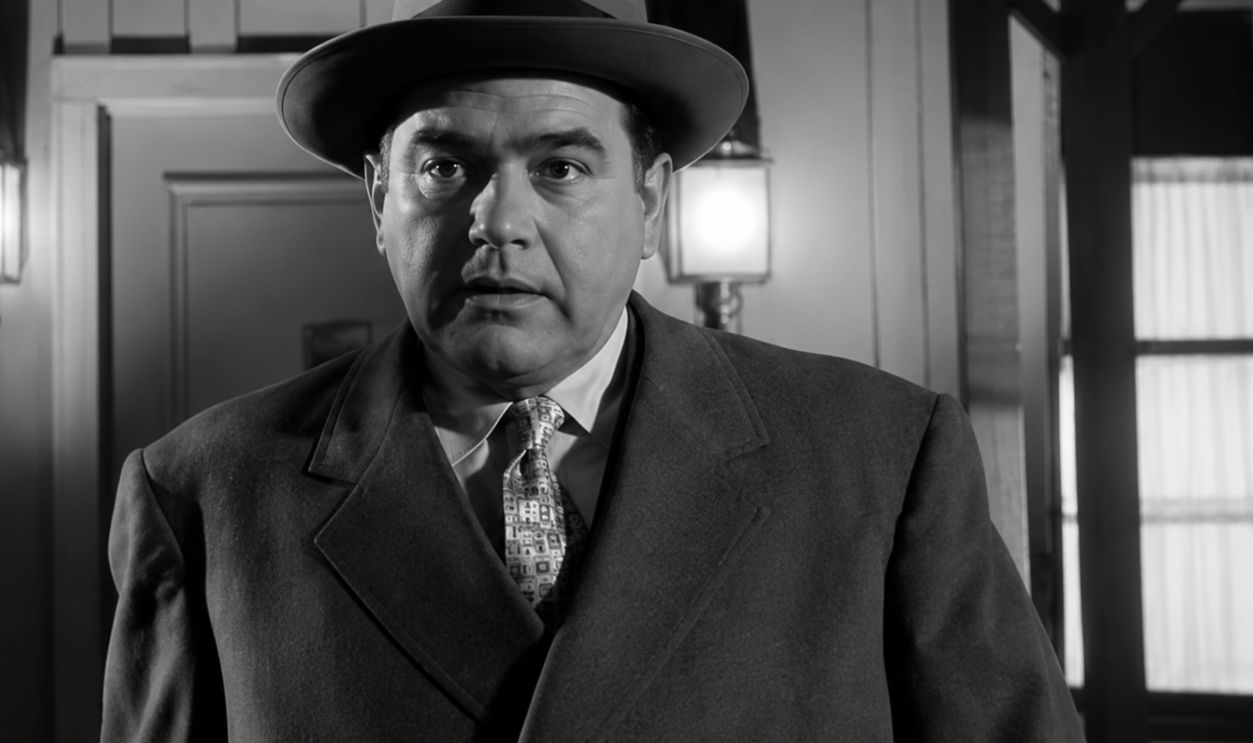
The tax evasion idea worked and, on October 17, 1931, they convicted Capone on three of the more than 20 counts they had against him regarding his tax evasion. The judge decided on an 11-year sentence. Capone appealed the decision, and it failed. His first day in prison would be May 3, 1932.
But there was one more important moment yet to come.
 Screenshot from The Untouchables, Desilu Productions (1959–1963)
19. They Finally Met
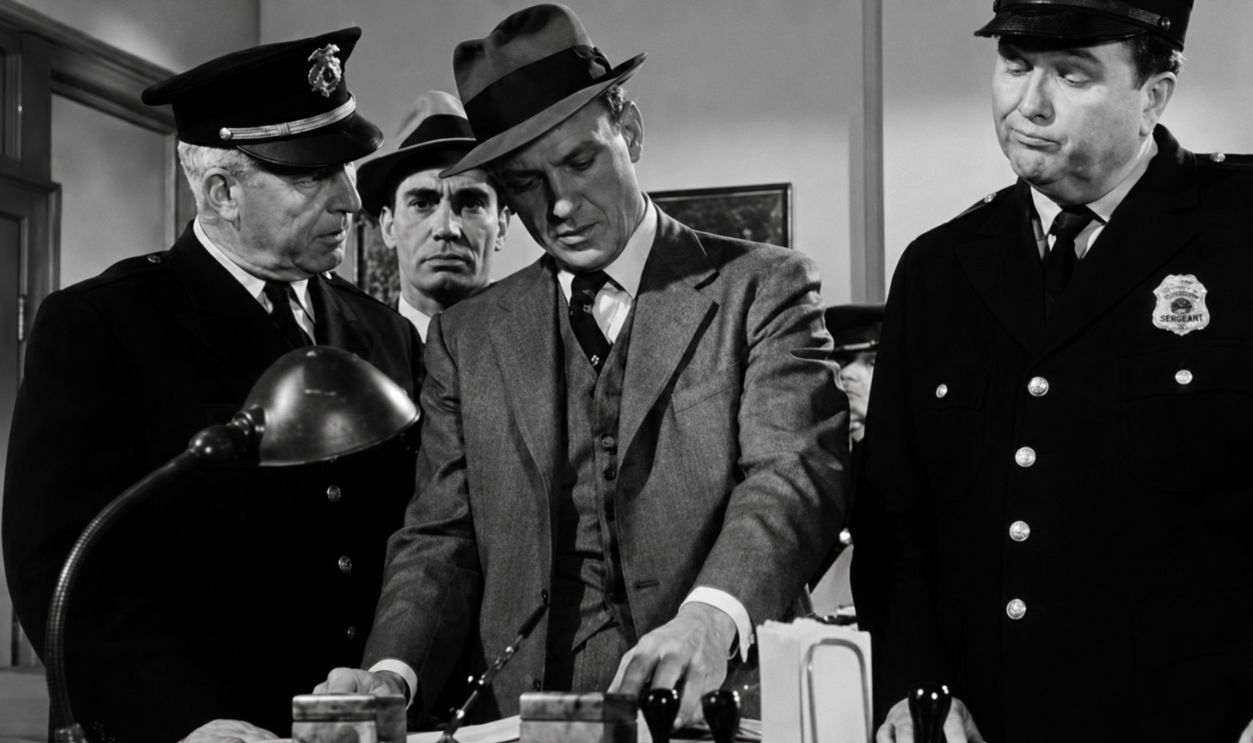
Eliot Ness had worked hard on bringing Capone to justice, but he had never directly met the man. When federal agents transported Capone to prison, Ness was with them. A photo exists showing the two men walking near each other. This was the only time Ness and Capone met in person.
With the Capone problem behind him, Ness would have to figure out what the rest of his life would be like.
 Screenshot from The Untouchables, Desilu Productions (1959–1963)
20. He Found A New Fight
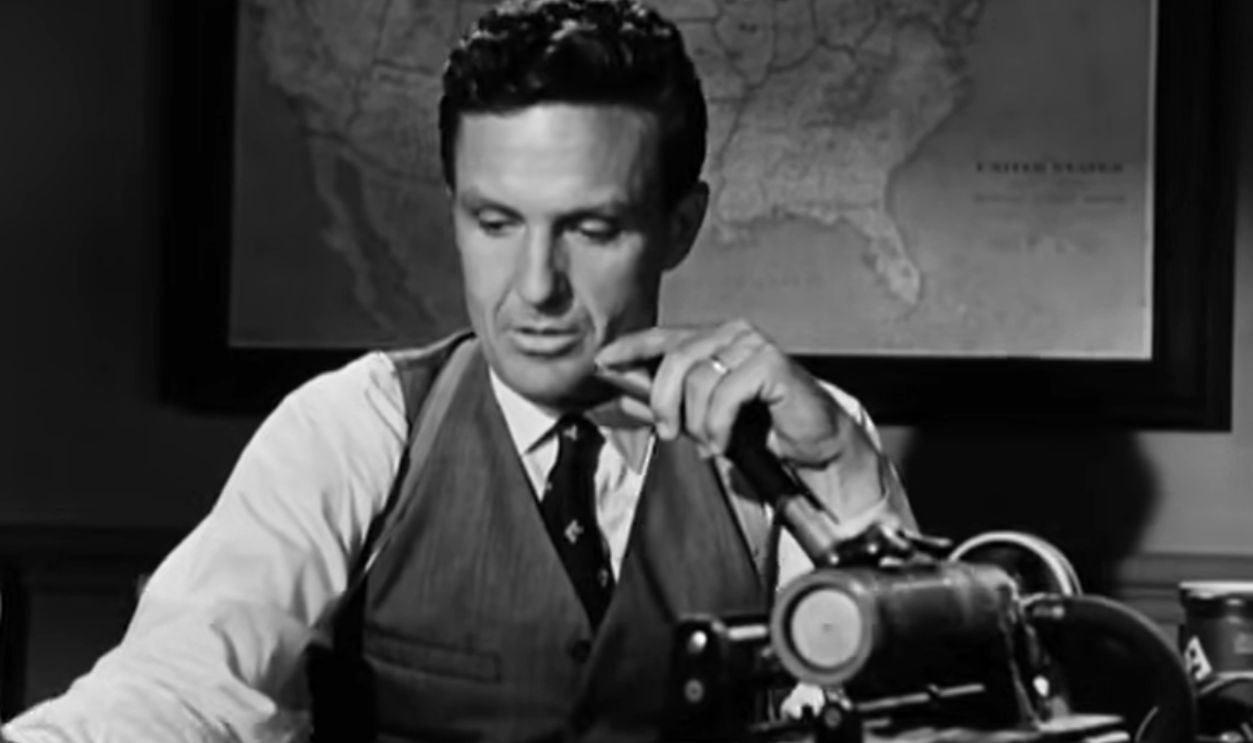
Ness had done well working against Capone’s notorious booze operations, so a job in that area seemed likely. Except that in 1933, Prohibition ended, and there would now be no need for officers fighting against the illicit booze industry. Thankfully, there was still this problem with “moonshine” in Ohio, Kentucky, and Tennessee, and Ness went there to fight it.
Ness’s next success would be somewhere much more dangerous.
 Screenshot from The Untouchables, Desilu Productions (1959–1963)
21. He Went To A Dangerous Place
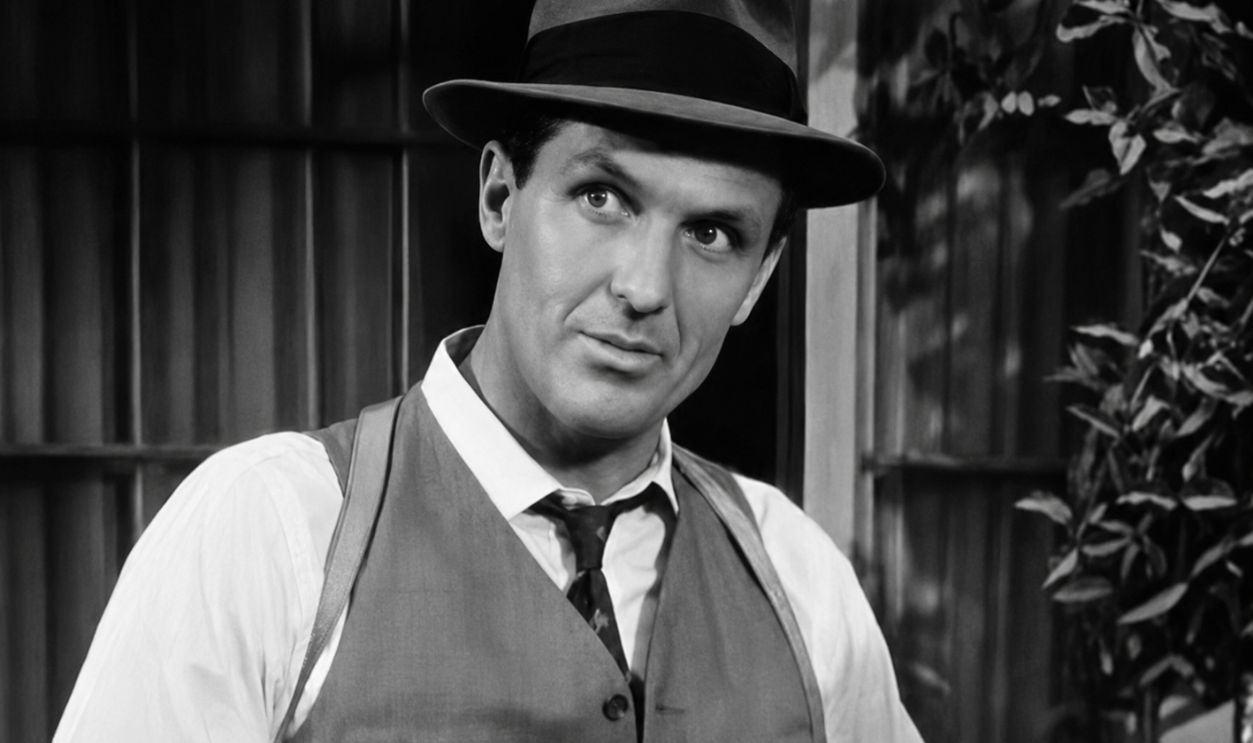
After chasing moonshiners, Ness’ next job took him to Cleveland, where he headed a team of 30 officers. The newspaper, The Plain Dealer, seemed happy to have Ness there and ran the . headline, “Gangs Here Face Capone Waterloo.” In Cleveland, Eliot Ness really had his work cut out for him. At this time, many considered Cleveland to be at the top of the list of dangerous cities in America.
He’d survived Capone, could he survive Cleveland?
 Screenshot from The Untouchables, Desilu Productions (1959–1963)
History's most fascinating stories and darkest secrets, delivered to your inbox daily.
22. He Got A Promotion
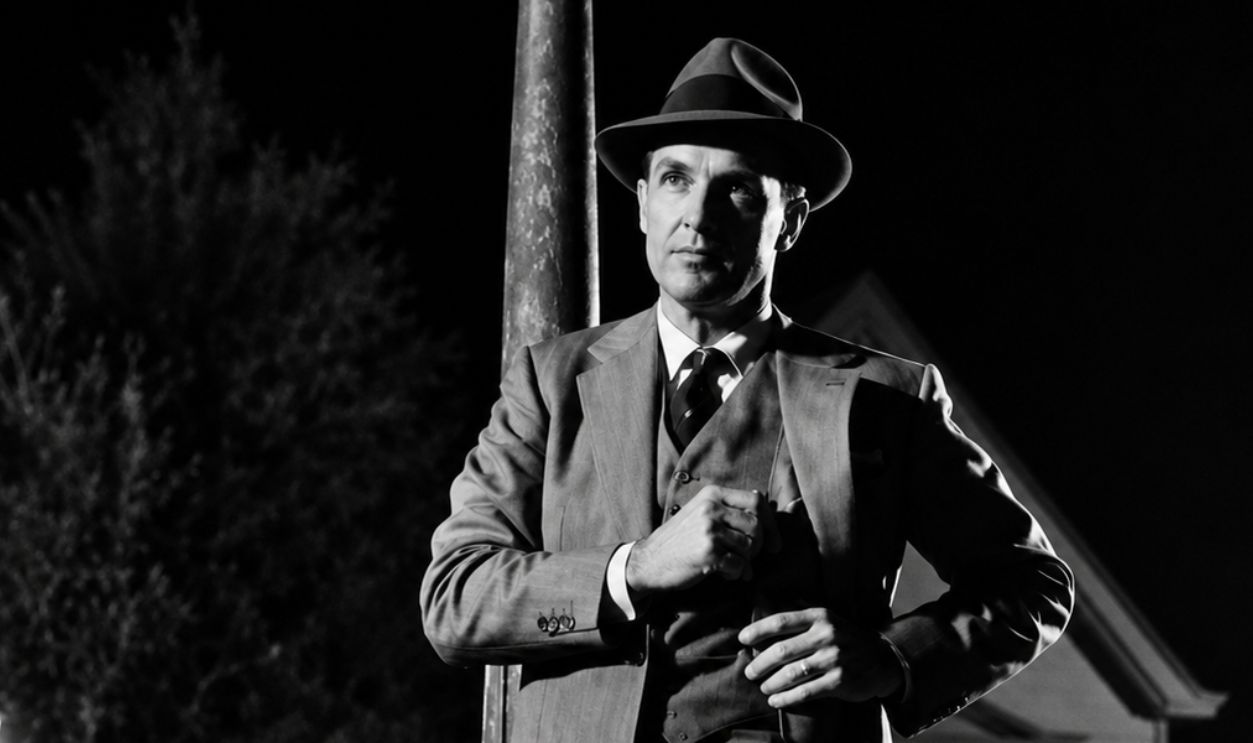
Around the end of 1935, Ness got a promotion. The mayor of Cleveland made him the Safety Director of the city. Ness looked back at what he’d learned in school from August Vollmer and began to make law enforcement and the fire department more professional. He also focused on juvenile delinquency and traffic safety.
But he hadn’t forgotten about his time fighting Al Capone.
 Screenshot from The Untouchables, Desilu Productions (1959–1963)
23. He Got Down to Business
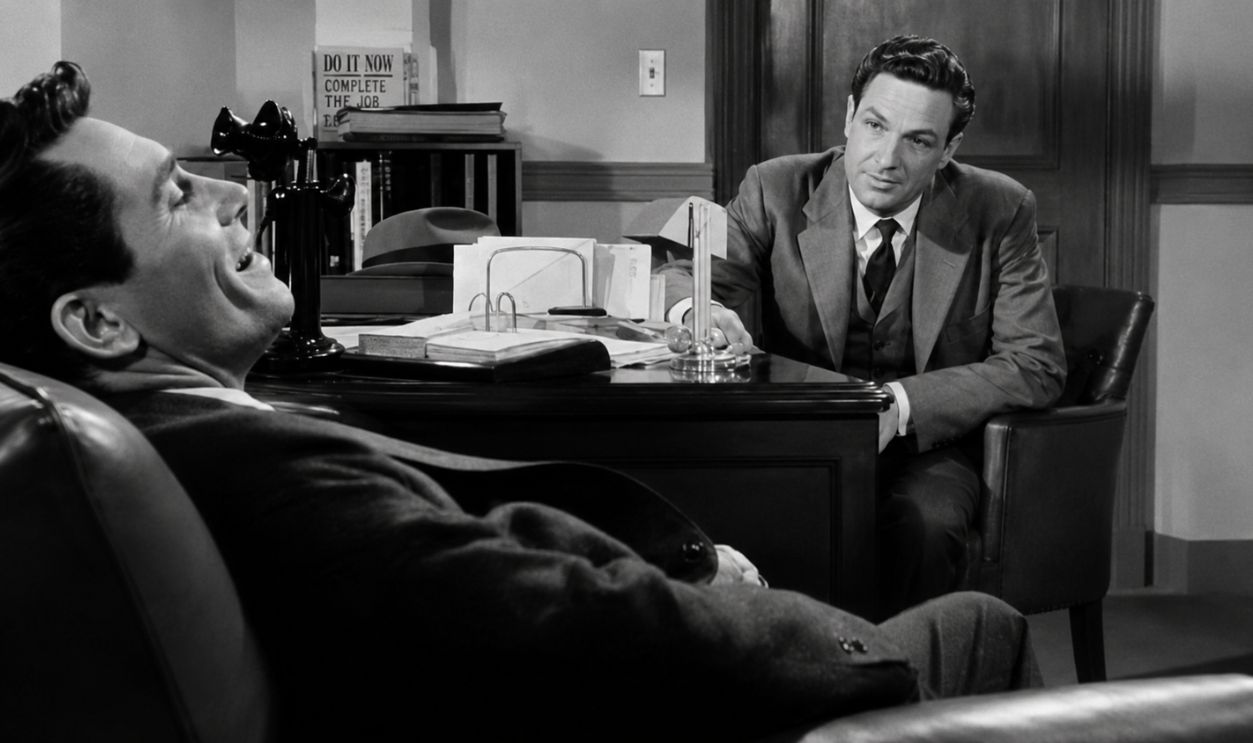
After his work against Al Capone, Eliot Ness had a reputation. He didn't want to disappoint the citizens of Cleveland, so he started targeting members of the mob there. On his list were names like "Big" Angelo Lonardo, "Little" Angelo Scirrca, Moe Dalitz, John Angerola, George Angersola, and Charles Pollizi.
The problem was that some of the officers on the force were working with these mobsters.
 Screenshot from The Untouchables, Desilu Productions (1959–1963)
24. He Cleaned Up the Force
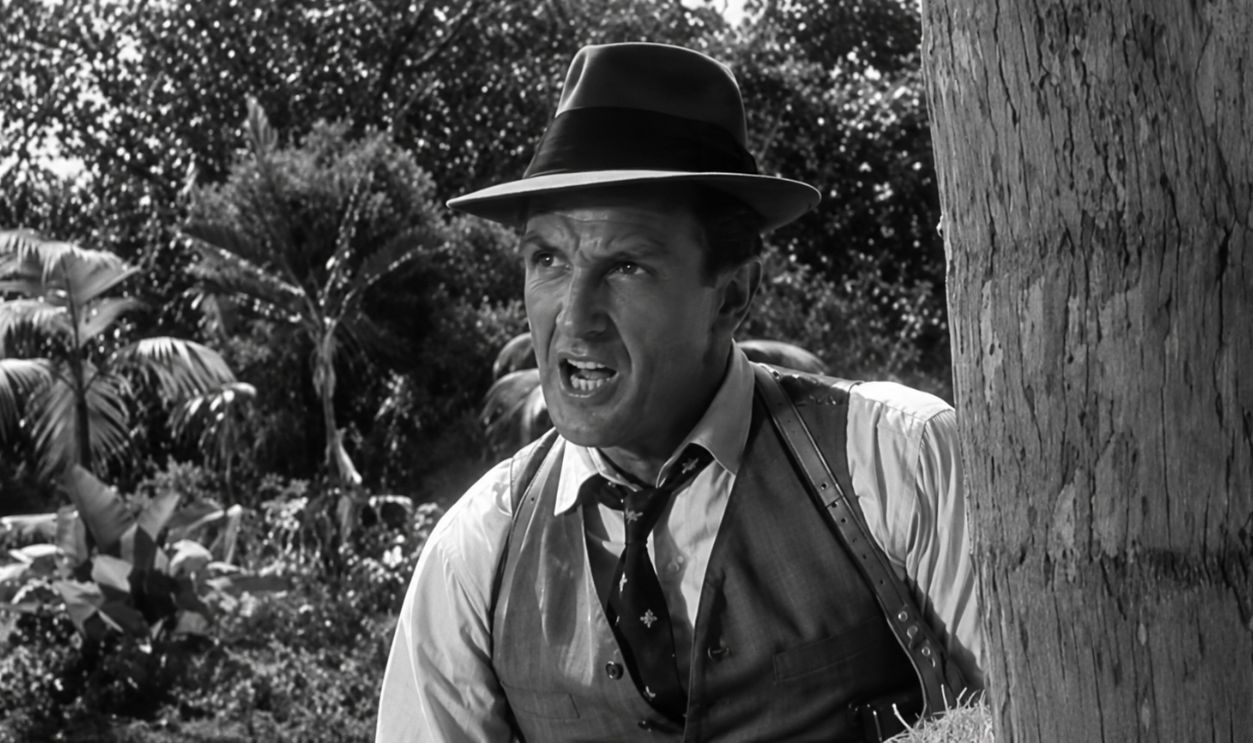
Through this diligence and hard work, Ness quickly found eight officers who were working with the mob, and he indicted them. This put the fear of god in some other not so honest officers, and these men quit the force. Ness replaced these bad apples with men of his choice. And he preferred officers who were college graduates.
But there was another problem in Cleveland: the kids.
 Screenshot from The Untouchables, Desilu Productions (1959–1963)
25. He Focused On Kids
One way Eliot Ness made the streets safer was by focusing on juvenile delinquents. Ness took the original strategy to start Boy Scout troops to give the kids something to do besides causing trouble. In another original move, Ness got his officers to act as troop leaders. The result was an 80% drop in youth offenses.
But the kids were nothing compared to Cleveland’s biggest problem.
 Screenshot from The Untouchables, Desilu Productions (1959–1963)
26. He Took On The Mob
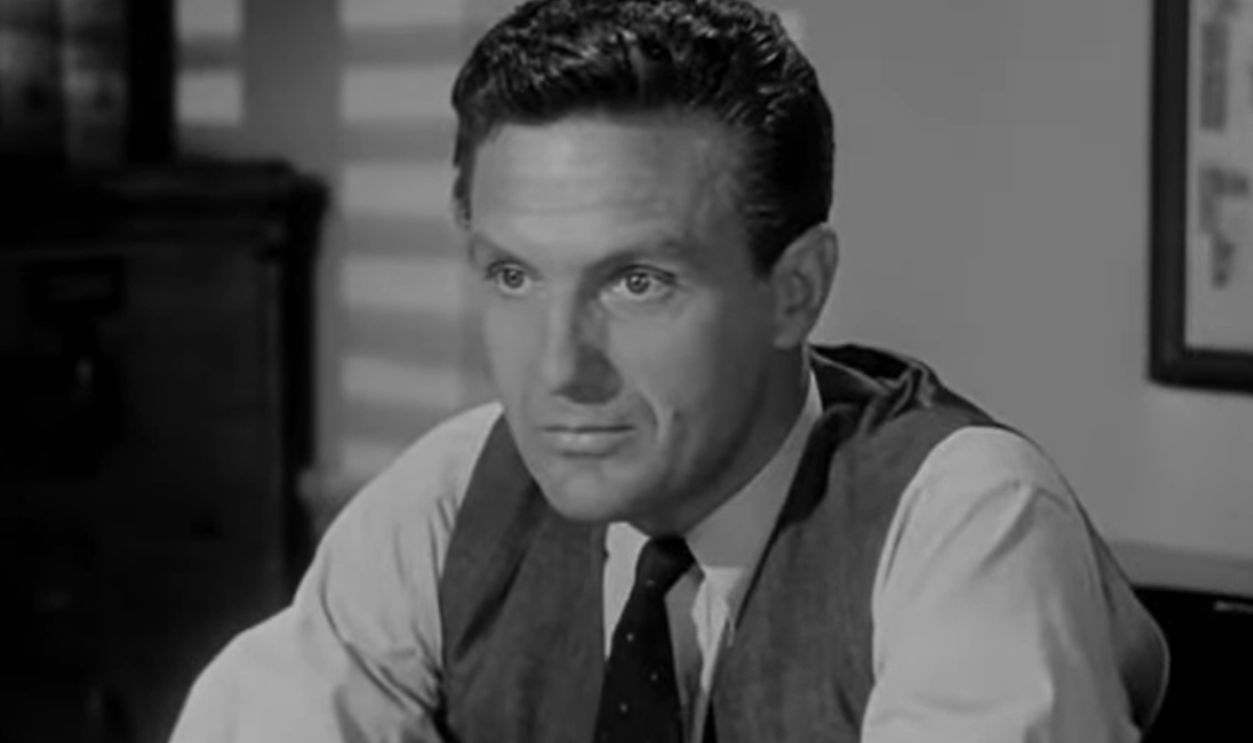
Ness quite quickly sent two top players in the mob to prison. He then successfully got rid of other mob members, either through prison or muscling them out of town. The result of this operation was a two-year period where there were no mob-related fatalities. One newspaper said, “Cleveland is a better, cleaner, more wholesome place …a safer place in which to do business”.
Ness was getting a reputation as a tough guy, but there was another side of Ness that people had an interest in.
 Screenshot from The Untouchables, Desilu Productions (1959–1963)
27. He Was Innocent
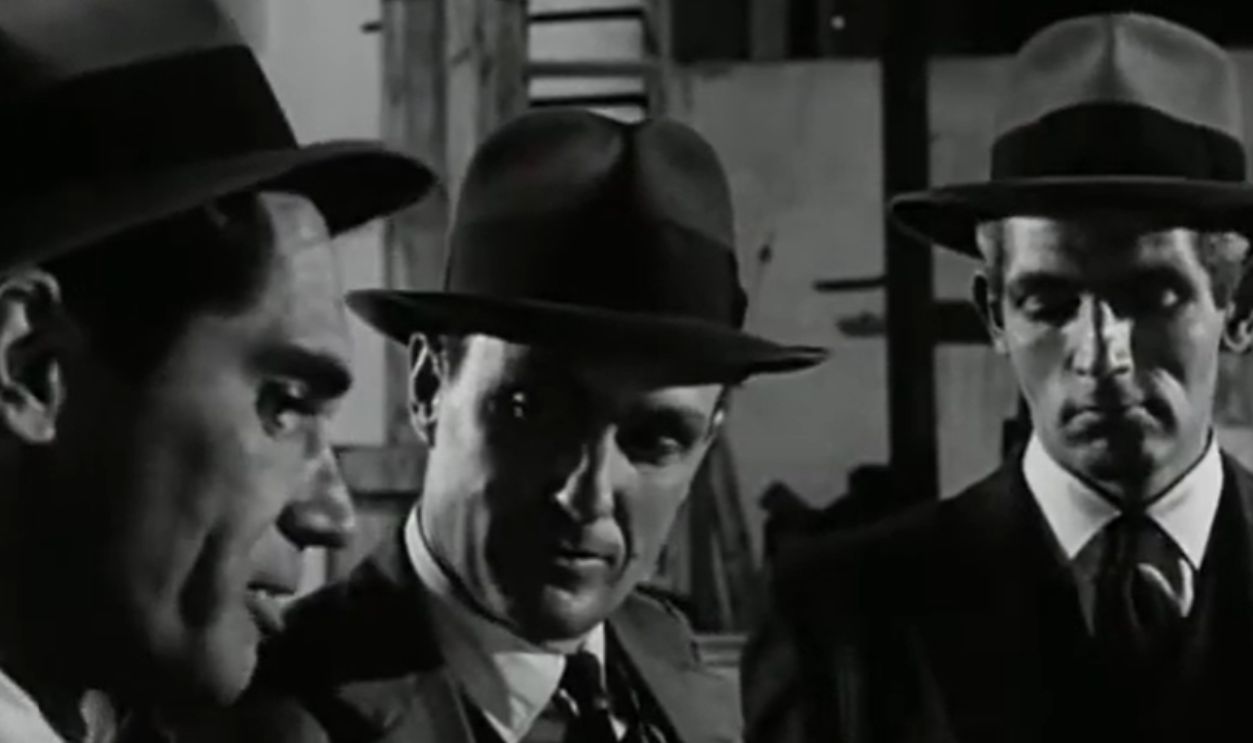
Members of Cleveland’s underworld were now calling Eliot Ness names like the “boy scout” and the “college cop”. The press also weighed in on what kind of person Ness was. They focused on the “good guy" aspects of Ness. They even described him as a man who "blushes easily” , “hates to be out late at night” and “keeps a cat”.
Ness’s reputation was making waves everywhere.
 Screenshot from The Untouchables, Desilu Productions (1959–1963)
History's most fascinating stories and darkest secrets, delivered to your inbox daily.
28. People Started To Notice Him
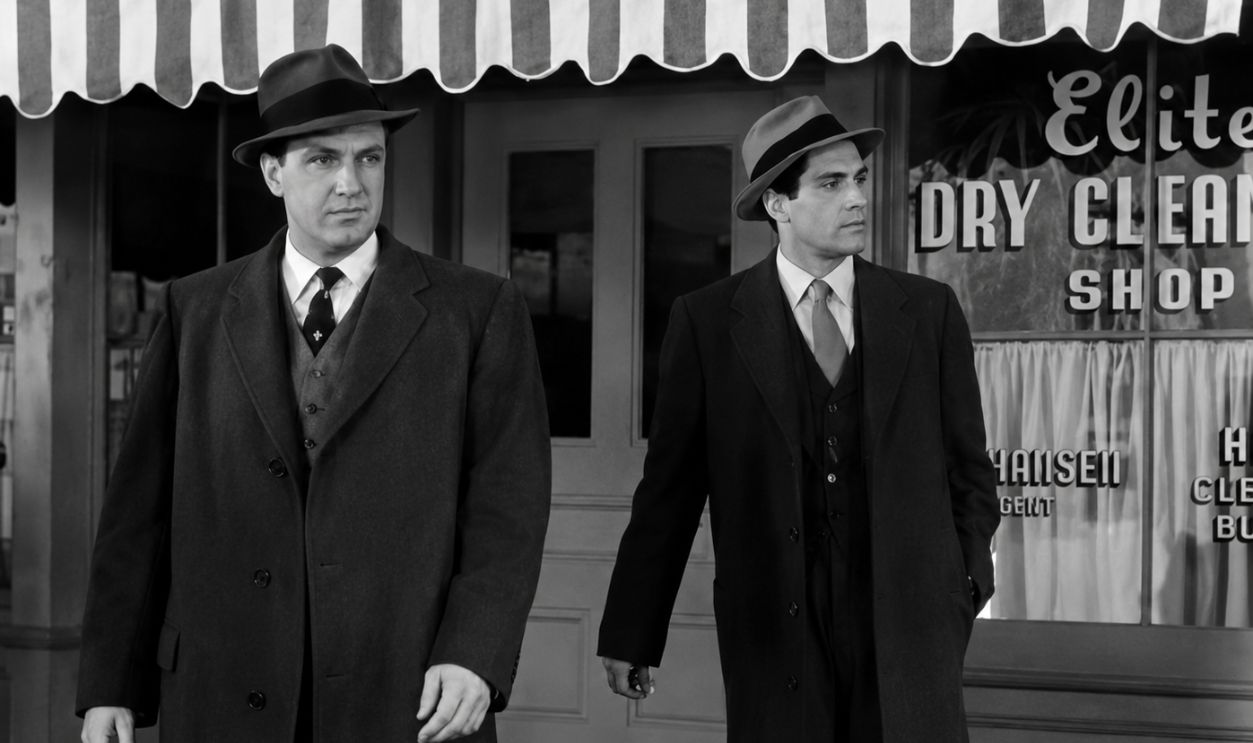
Ness’s honesty and hard work were making a big splash. The Veterans of Foreign Wars awarded him a medal as an outstanding citizen. Ness was standing out as someone who seemed to be immune to corruption. This was at a time in America when it seemed that no one was like this. Journalist Alvin Silverman said that Ness “was as devoid of fear as anyone who ever lived.”
But there was one case he could not solve.
 Screenshot from The Untouchables, Desilu Productions (1959–1963)
29. He Never Caught The Guy
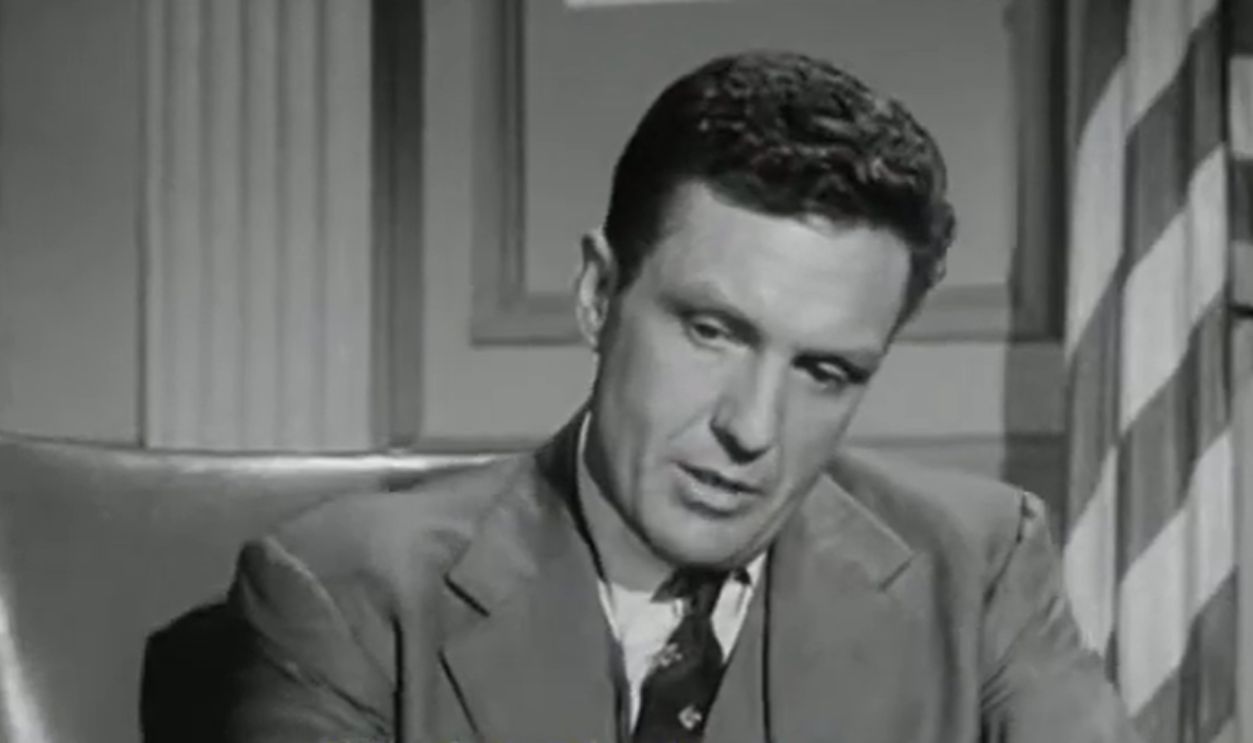
While Eliot Ness was the Safety Director in Cleveland, there was an infamous serial killer known only as the Cleveland Torso Murderer. Ness was not directly connected to the case, but this deranged person, who dismembered his victims, must have known about Ness. Of the 13 victims, the maniac placed two of the bodies outside Ness’s office window.
Even though they never made an arrest, it didn’t have an effect on Ness’s rising star.
 Screenshot from The Untouchables, Desilu Productions (1959–1963)
30. He Was Tempted
By 1938, everyone knew what Ness had done in Cleveland. And then some tempting offers came in. These were not from the mob, but from honest businesses that wanted to hire Ness for his expertise. The offers were sometimes five or six times what he was earning. But even these legitimate offers could not lure Ness away from the job he was doing.
But doing his job so well would take a toll on his personal life.
 Screenshot from The Untouchables, Desilu Productions (1959–1963)
31. He Lost Her
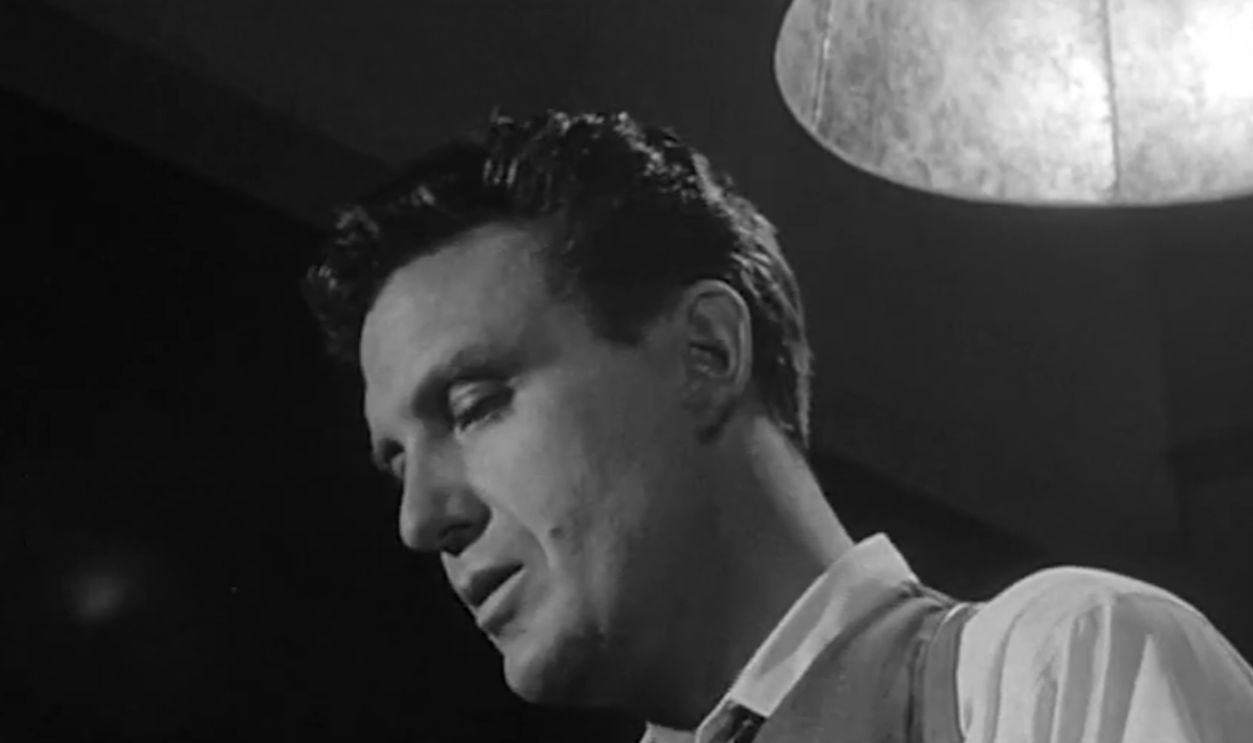
Of course, Ness’s total focus on the job he was doing had an effect on his marriage. They had moved around a lot, and he rarely got home before 10 or 11 at night. These kinds of hours and the stress of his line of work were making being a good husband almost impossible. In January 1939, Ness’s wife asked for a divorce.
While this divorce may have been the right thing for his marriage, it was the wrong thing for his career.
 Screenshot from The Untouchables, Desilu Productions (1959–1963)
32. His Reputation Took Some Hits
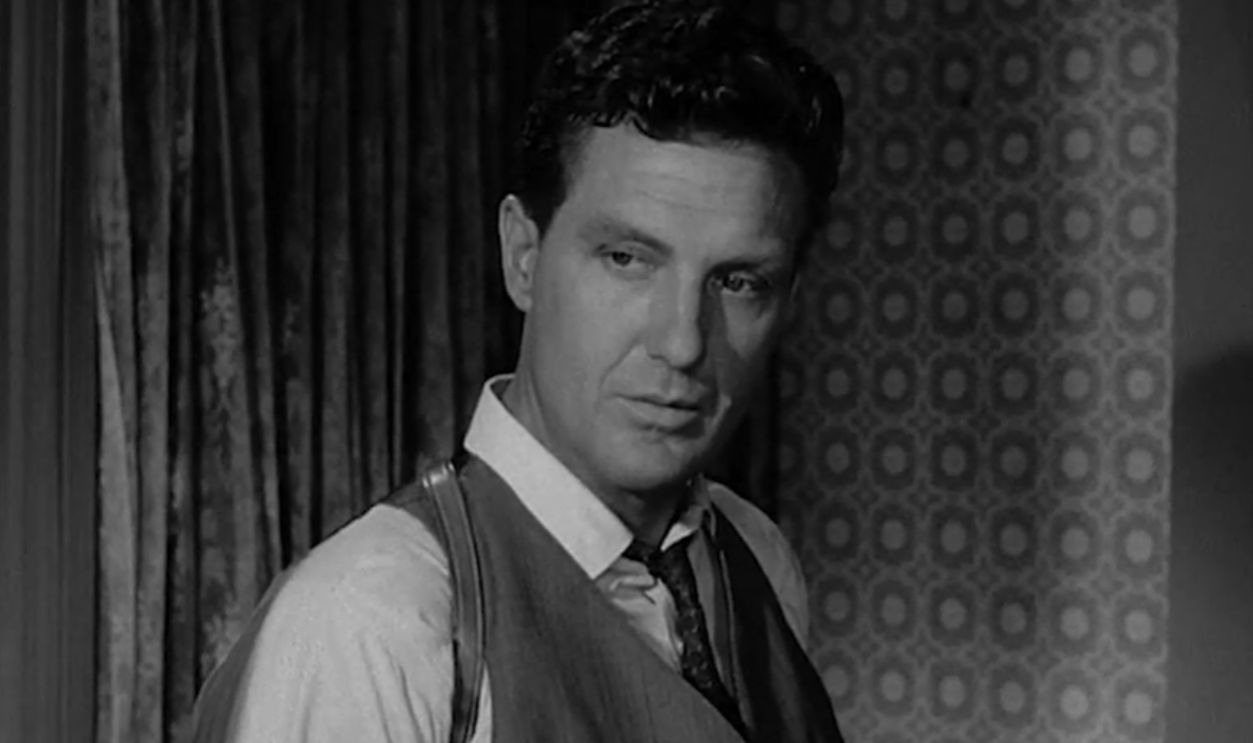
Eliot Ness had always had such a “good guy” reputation, but his divorce put a shadow over it. At the same time, the press noticed that Ness was a drinker, which also shed a different light on the man that everyone looked to as a beacon of decency. And there was one thing he did in Cleveland that citizens could not forget.
 Screenshot from The Untouchables, Desilu Productions (1959–1963)
33. He Set A Blaze
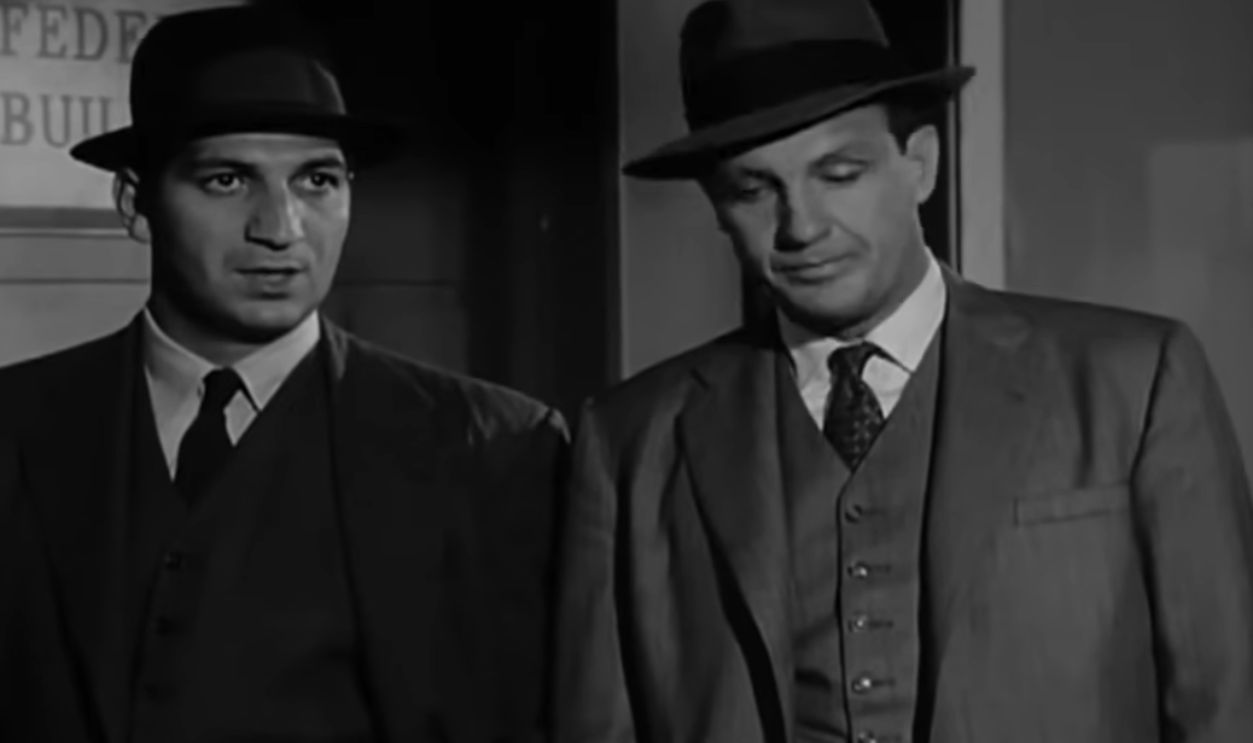
Back during the case of the Torso Murderer, Ness did something out of character. Because the culprit was using the poorest of neighborhoods for his horrific acts, Ness had the neighborhoods evacuated. Then in one fell swoop, he destroyed these marginalized people’s homes with a fire.
And then there was the straw that broke the camel’s back.
 Screenshot from The Untouchables, Desilu Productions (1959–1963)
History's most fascinating stories and darkest secrets, delivered to your inbox daily.
34. He Tried To Cover It Up
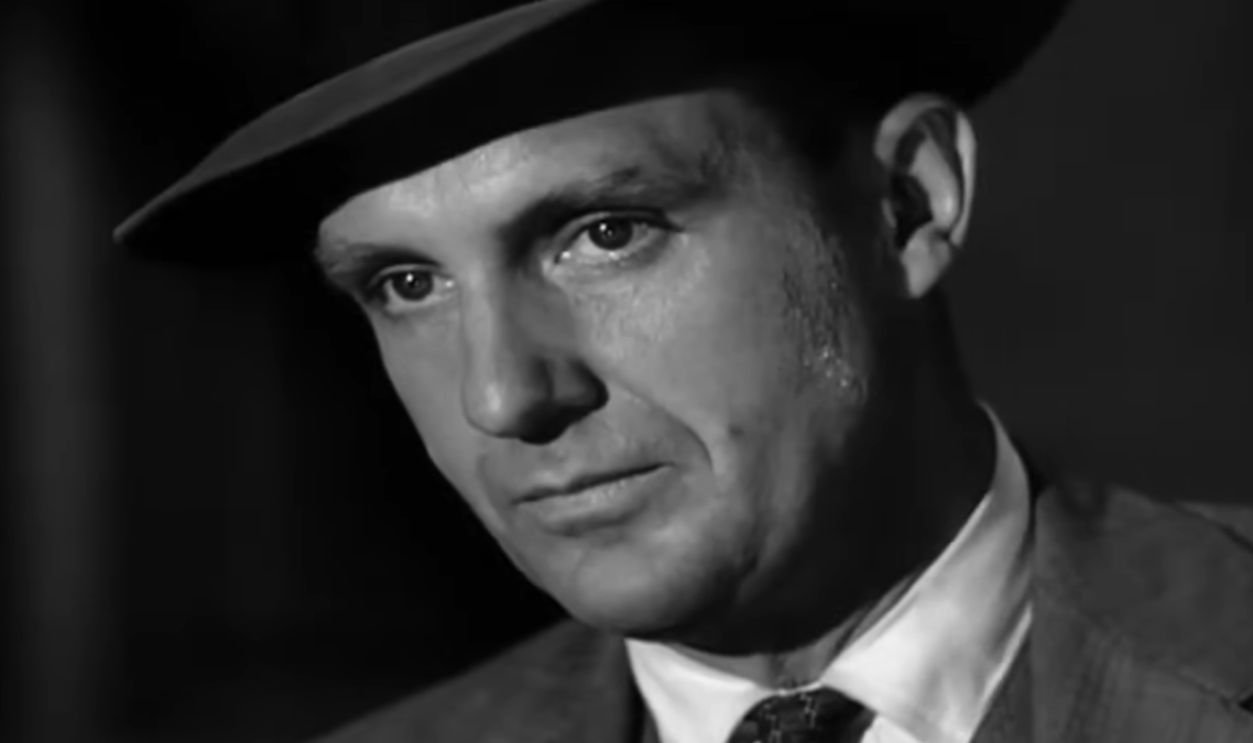
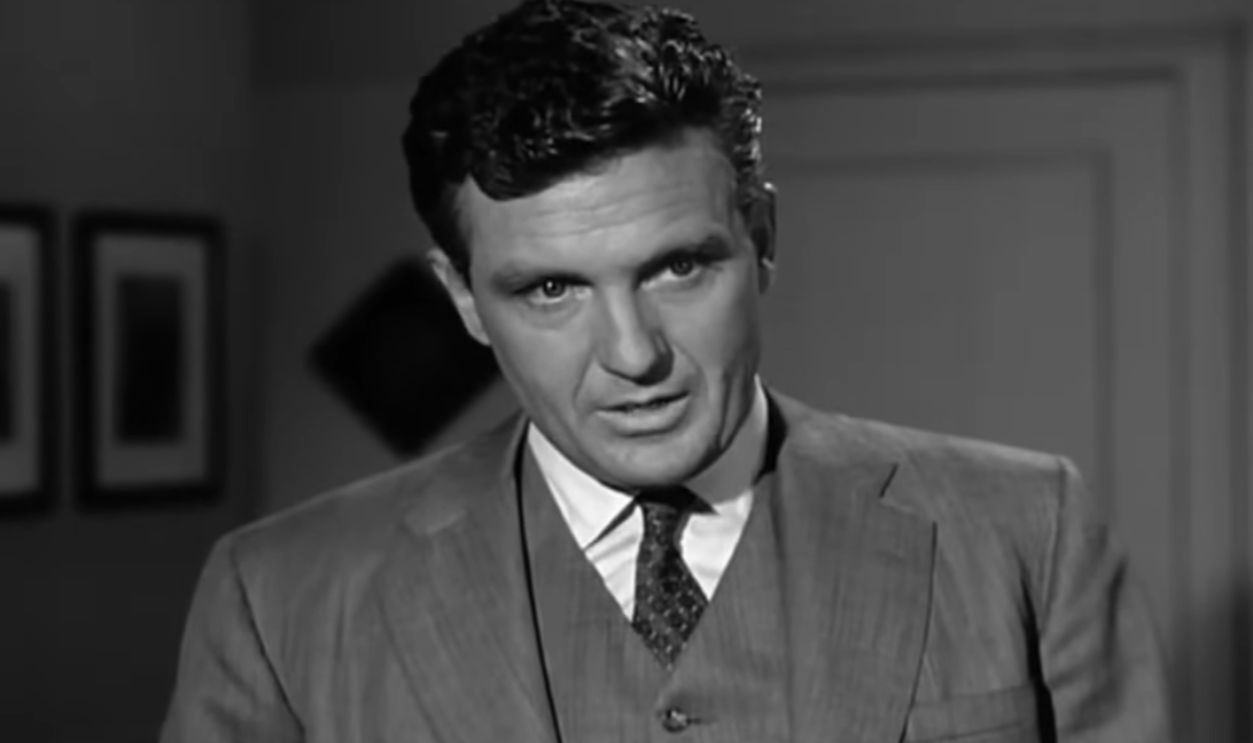
Sure, Ness had fought against illicit booze, but he didn’t mind having a drink now and again. One night, he made the mistake of driving while inebriated. That night, he had an accident. Luckily, there were no injuries, but Ness knew he had to keep this a secret.
But secrets have a terrible habit of coming out.
 Screenshot from The Untouchables, Desilu Productions (1959–1963)
35. It All Came Out
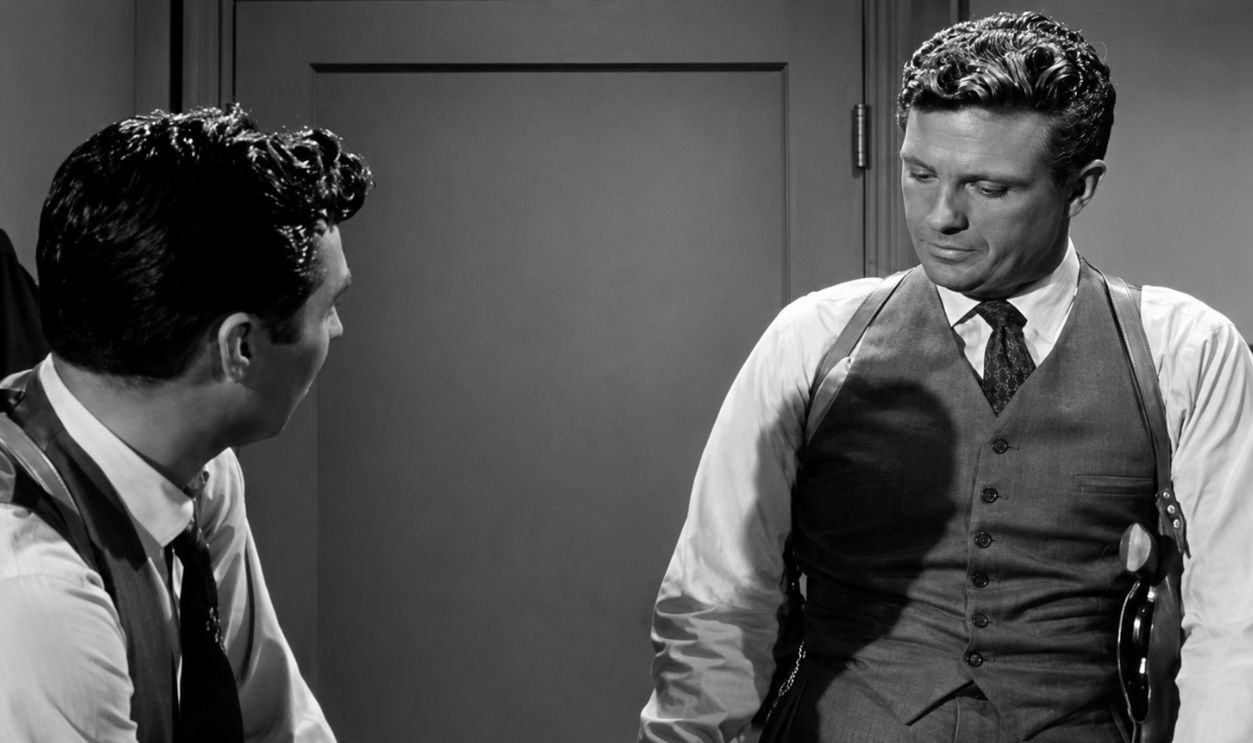
A newspaper found out about Ness’s accident. In the past, the media had only reported the highest praise for Ness. Now they were reporting the opposite. Ness had driven while intoxicated, he’d had an accident, and he’d tried to cover the whole thing up. What followed were calls for Ness’s resignation. Cleveland’s mayor decided to keep Ness in his position.
This event did serious damage to Ness’s public image, but he found a way to repair it.
 Screenshot from The Untouchables, Desilu Productions (1959–1963)
36. He Picked A Good One
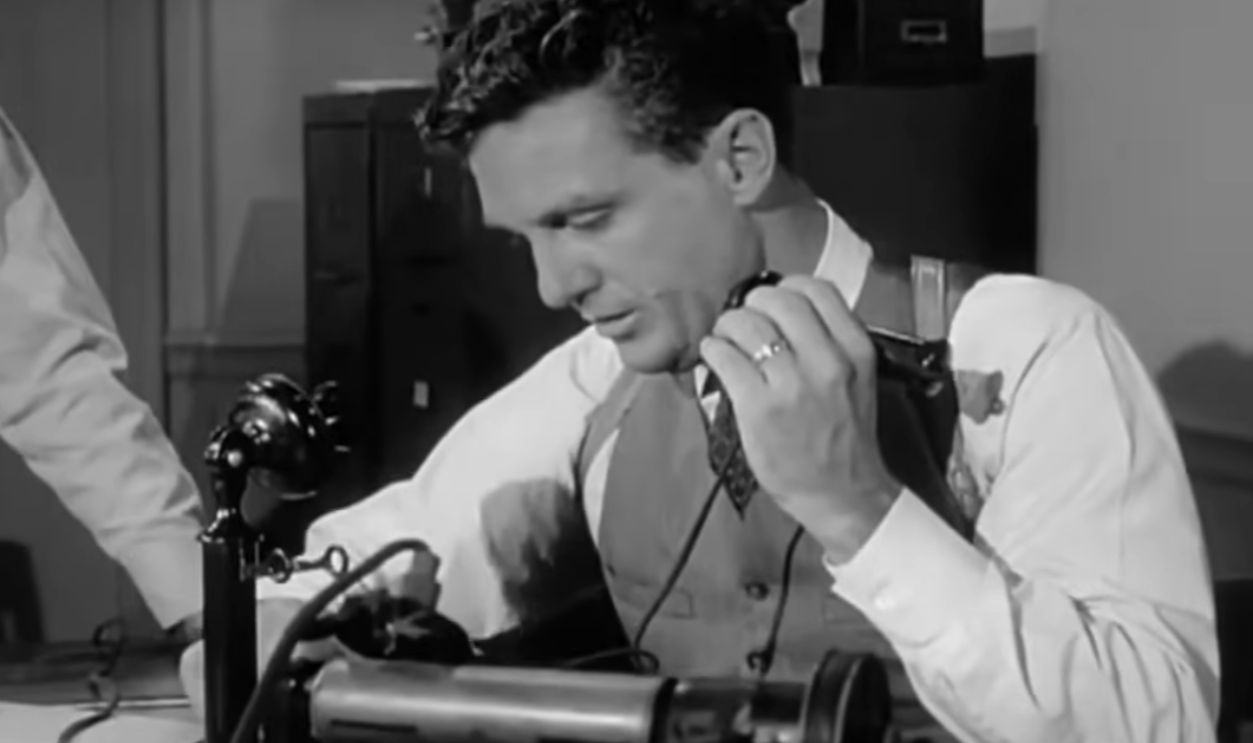
The public had never been keen on Ness’s divorce. When he married again after only 10 months as a single man, they may have questioned his decision. Thankfully, his new wife had a stellar reputation. Evaline Michelow was an artist and, in addition to fashion, worked on children’s books. She was also a Cleveland socialite who was very popular in the city.
It looked like Ness had made a good choice for wife number two.
 Screenshot from The Untouchables, Desilu Productions (1959–1963)
37. They Were Fascinating
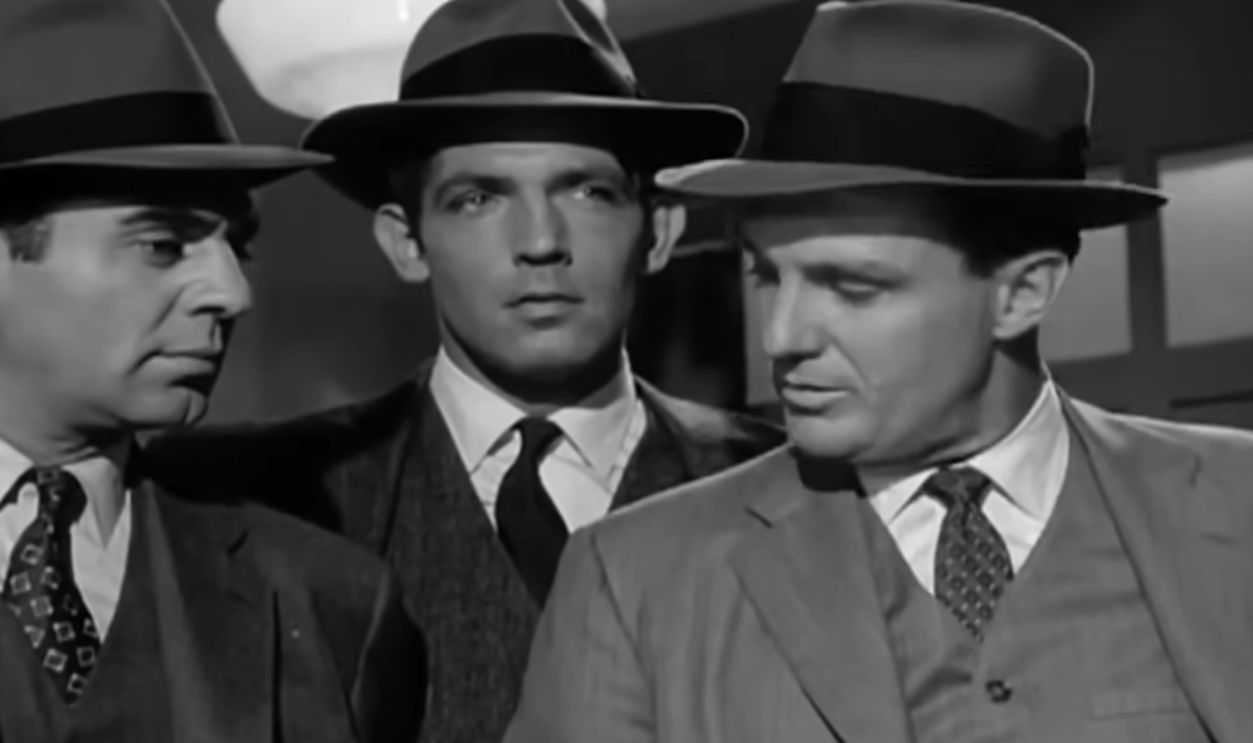
The public seemed fascinated by Eliot Ness and his new wife’s life. Evaline’s ability to "keep house—and her job", was a relatively new idea at the time. Their life in a quaint boathouse aroused envy and fascination. Strangely, when the two went out on the town, Evaline had a female bodyguard at her side. This was also a point of fascination in the public eye.
It looked like Ness was back in favor in Cleveland. But there was soon trouble in this marriage.
 Screenshot from The Untouchables, Desilu Productions (1959–1963)
38. They Hit An Obstacle
One of Evaline’s children’s books was about a girl who wanted one thing and one thing only: a real-life baby to take care of. This was true for both Ness and Evaline. Sadly, the two were unable to conceive. To combat this loss, Ness and Evaline focused on partying in Cleveland.
But this could only go on for a short time. They needed a change.
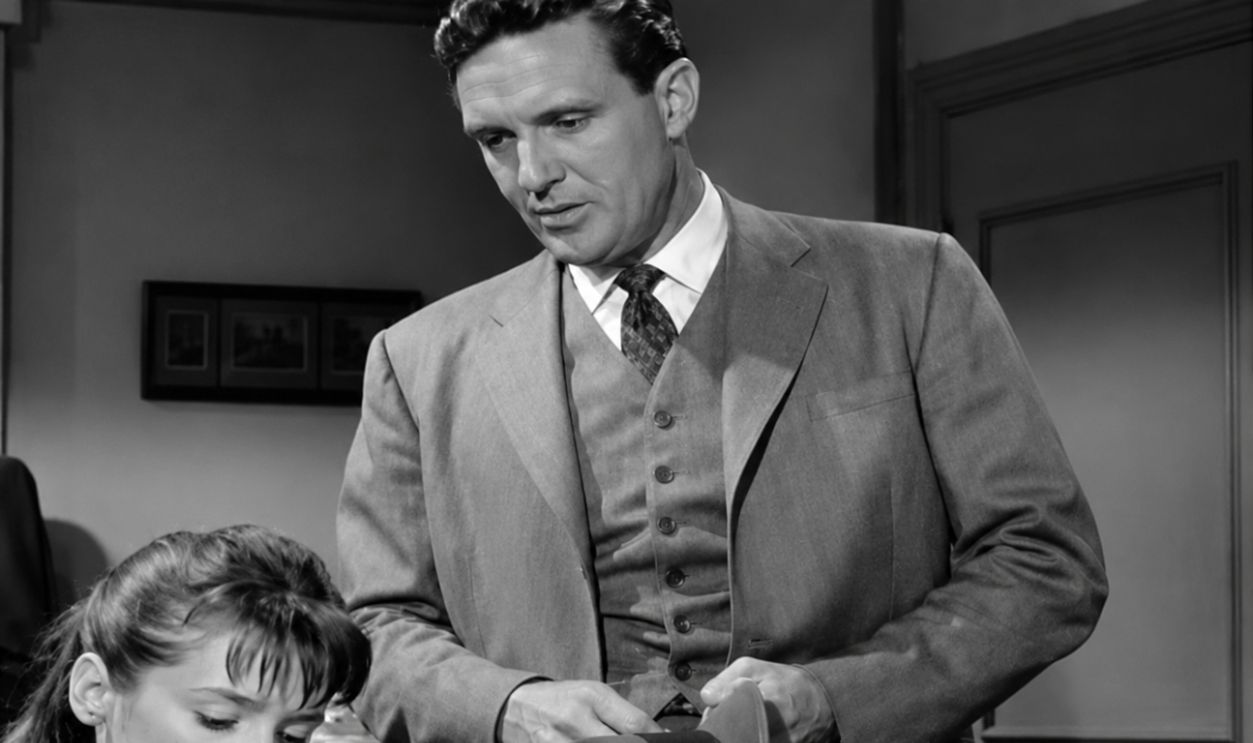 Screenshot from The Untouchables (1959–1963)
39. He Had To Leave
It seemed that Eliot Ness had repaired his reputation in Cleveland, but this wasn't entirely true. In 1940, Ness decided to take a post in Washington to get away from the pressure. It was a strange offer from the government. This was pre-WWII, and they needed someone to warn new recruits about the dangers of venereal disease. Ness was now traveling around the country preaching abstinence to soldiers.
He kept at it for years—but when WWII wound down, Ness needed a new career.
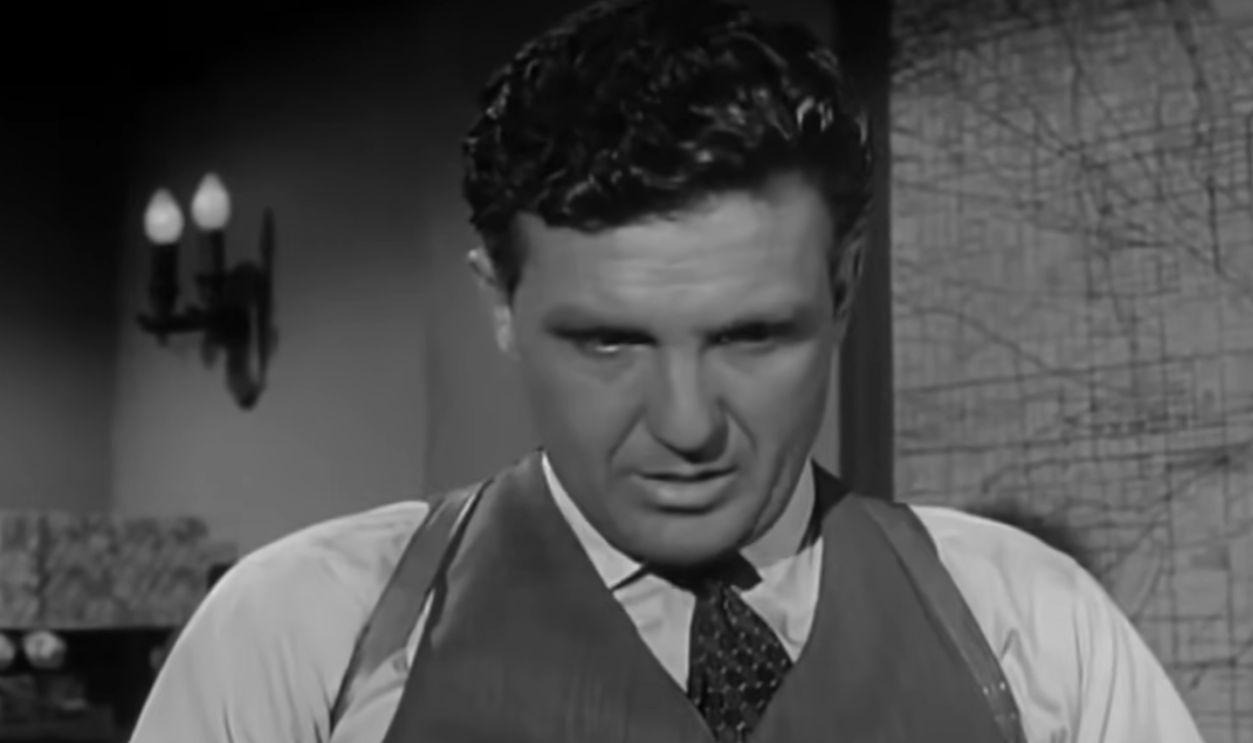 Screenshot from The Untouchables, Desilu Productions (1959–1963)
History's most fascinating stories and darkest secrets, delivered to your inbox daily.
40. He Went Corporate
After the end of WWII, Ness did something he had been putting off for a long time. He went corporate. His initial attempts ended in failure because he had little knowledge of the corporate world. In 1944, he accepted a chairmanship with Diebold Corporation, a security company based in Ohio.
This new career would be a challenge to his marriage.
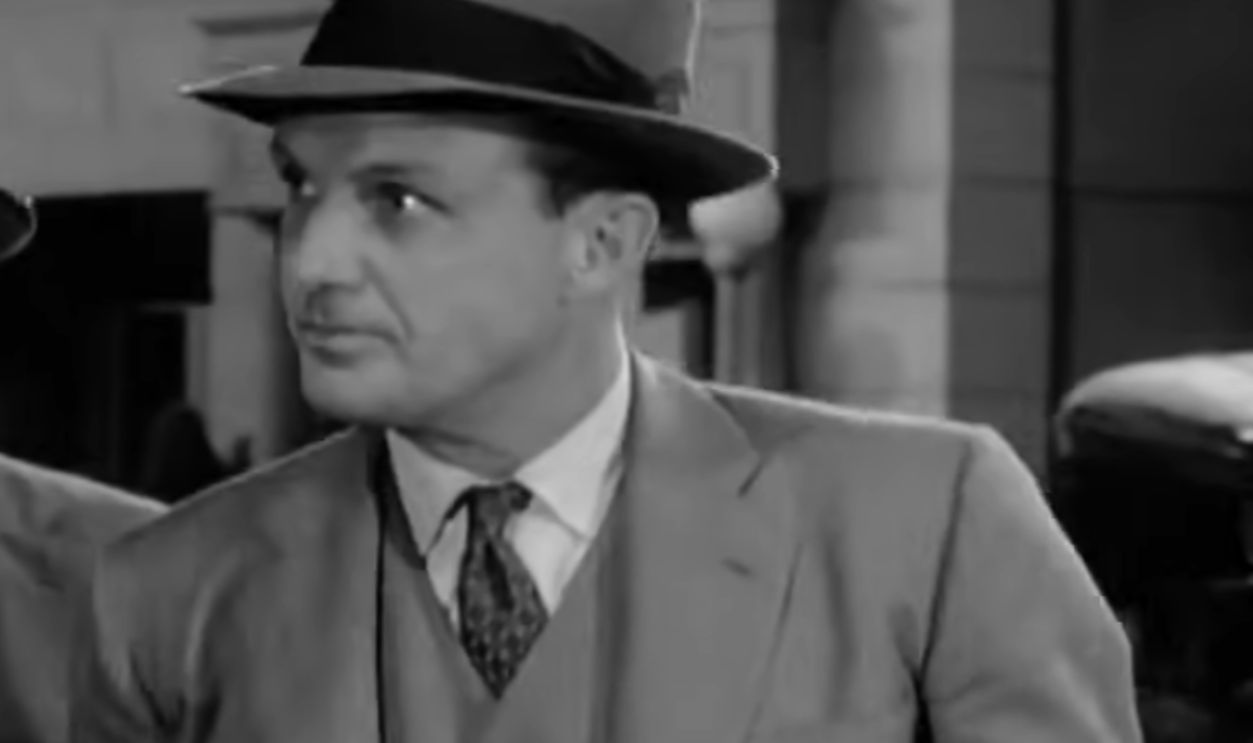 Screenshot from The Untouchables, Desilu Productions (1959–1963)
41. They Lived Separate Lives
During this time, Eliot Ness was traveling for work. Evaline’s career was booming, and she also had to travel to meet with her publisher. Because of their busy careers, the two were rarely together. This led to their 1945 divorce. Luckily, Evaline did not leave Ness high and dry.
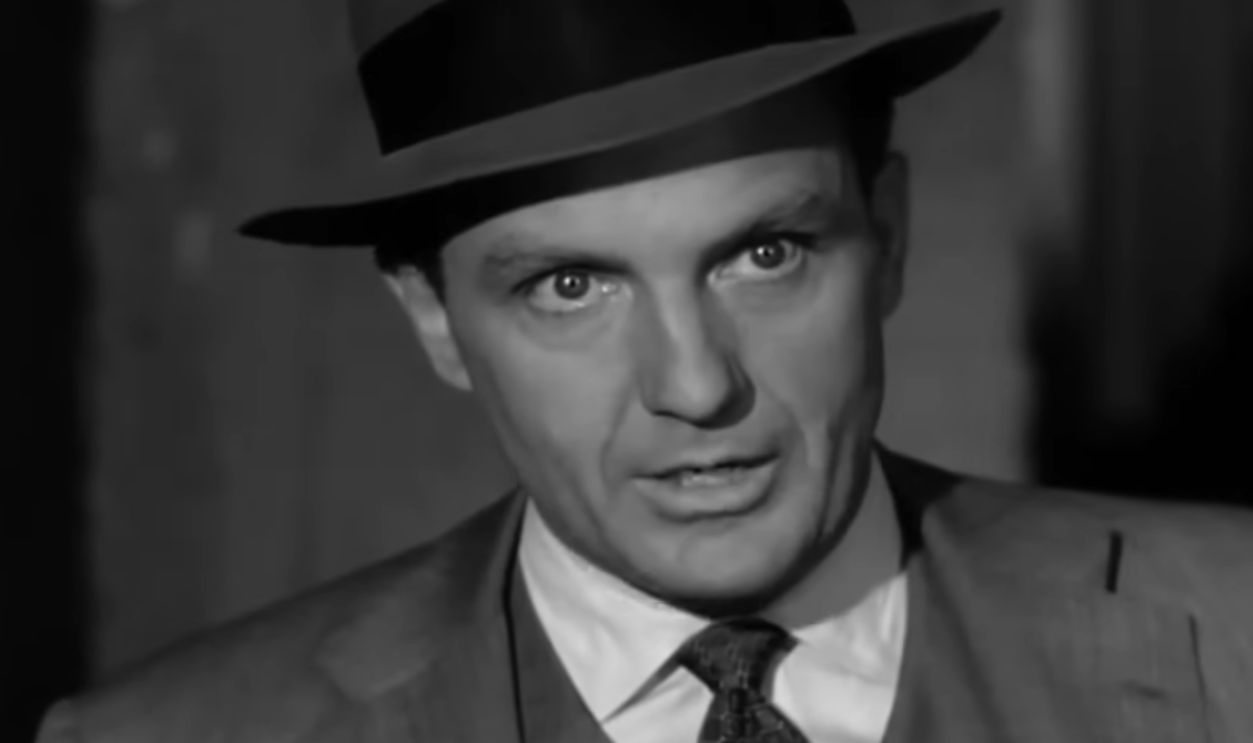 Screenshot from The Untouchables, Desilu Productions (1959–1963)
42. He Found His Opposite
Ness’s third wife, Elisabeth Anderson Seaver, was actually a friend of his second wife. The two had spent time together at the Cleveland Institute of Art. So, Ness was once again married to an artist, which seems like the absolute opposite of Ness’s career. But as they say, opposites attract.
The remarried Ness decided it was time to return to Cleveland, and a huge challenge.
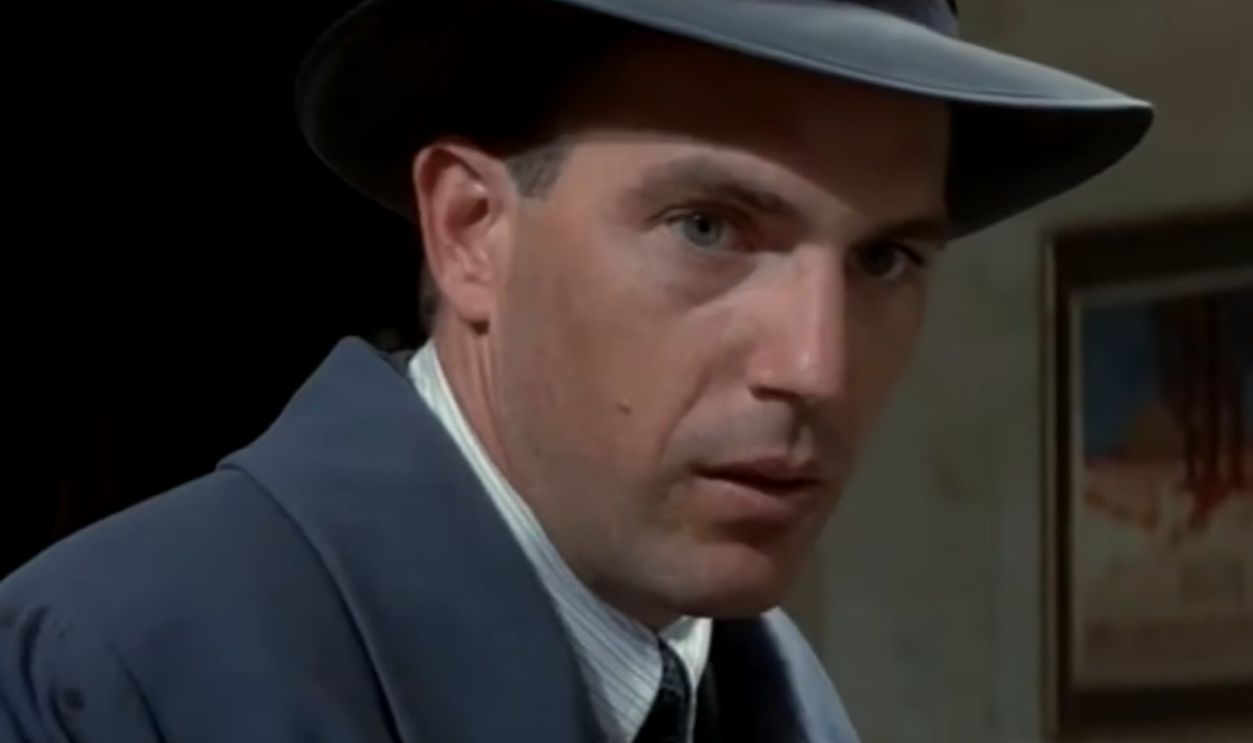 Screenshot from The Untouchables, Paramount Pictures (1987)
43. He Risked His Life Savings
While Eliot Ness had done wonders repairing the dangerous streets of Cleveland, he had also left in disgrace. Ness hoped that citizens would remember the former and not the latter. In 1947, he ran for mayor against Thomas Burke. Ness put all his savings into his campaign as his supporters thought he was a shoo in. Without the support of organized labor, Ness lost.
Most of his savings were gone.
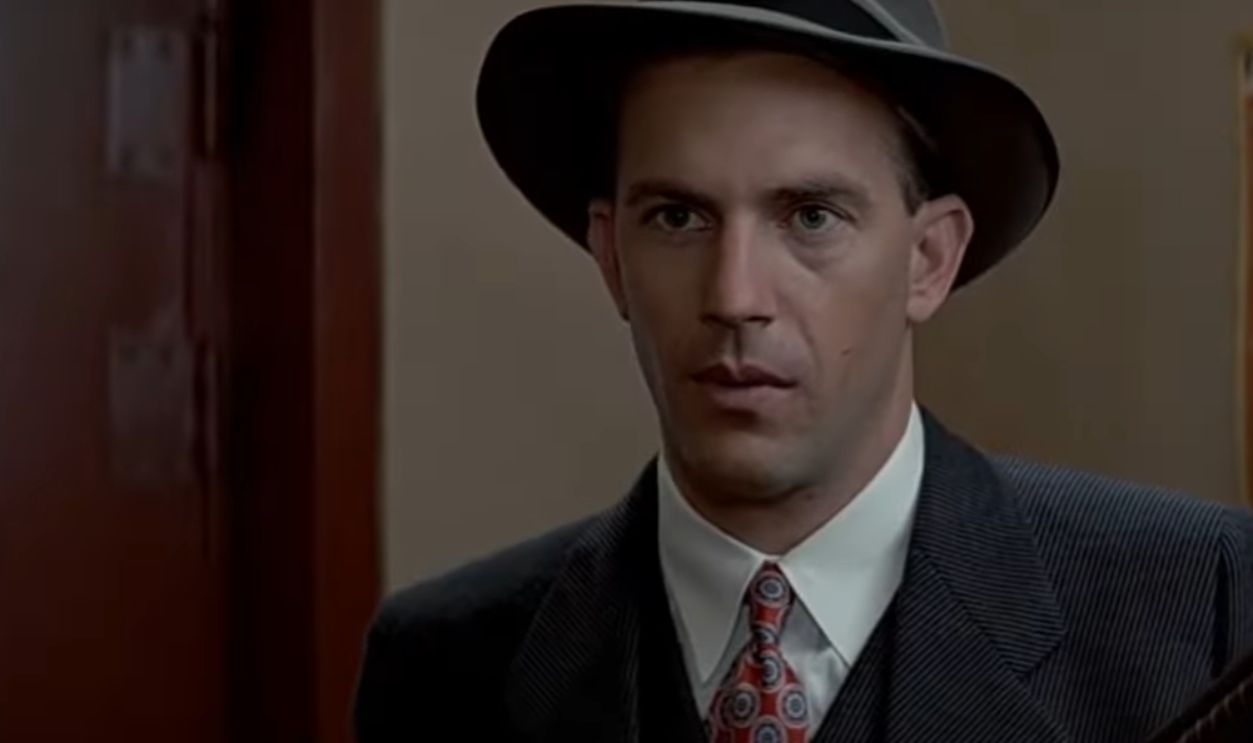 Screenshot from The Untouchables, Paramount Pictures (1987)
44. He Had Another Mouth To Feed
With his first two wives, Ness had never been able to conceive a child. The third wife was no exception, so they decided to adopt. In 1949, they added three-year-old Robert to the family. With a new mouth to feed, Ness took on odd jobs like clerk and wholesaler of frozen hamburger patties. The man who had taken down Capone was living a rather ordinary life.
But he still had one more chance.
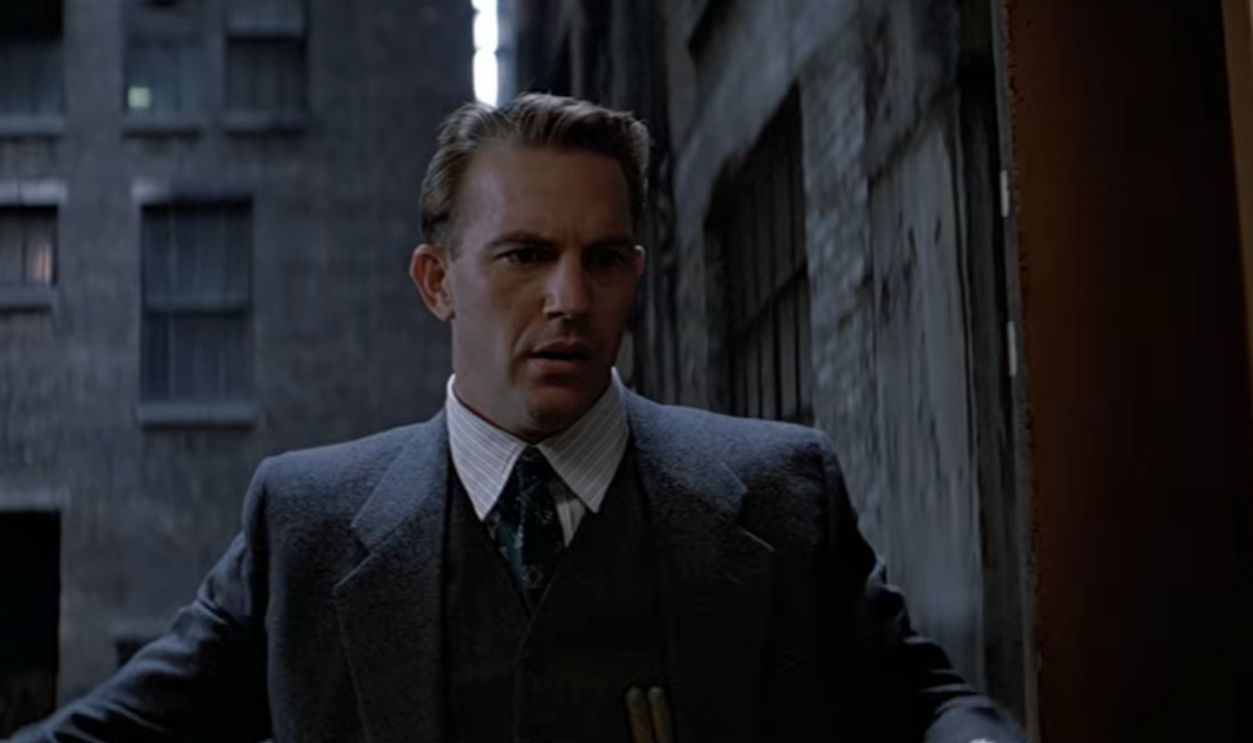 Screenshot from The Untouchables, Paramount Pictures (1987)
45. He Got A Second Chance
Ness’s second chance came with Guaranty Paper Corporation. They had a novel way to watermark documents to avoid forgery. This brought on a move to Coudersport, PA. Sadly, it turned out that one of his partners in the company was not altogether honest. Guaranty Paper Corporation went bankrupt soon after Ness signed on.
Ness went back to being broke. It looked like he had no more second chances.
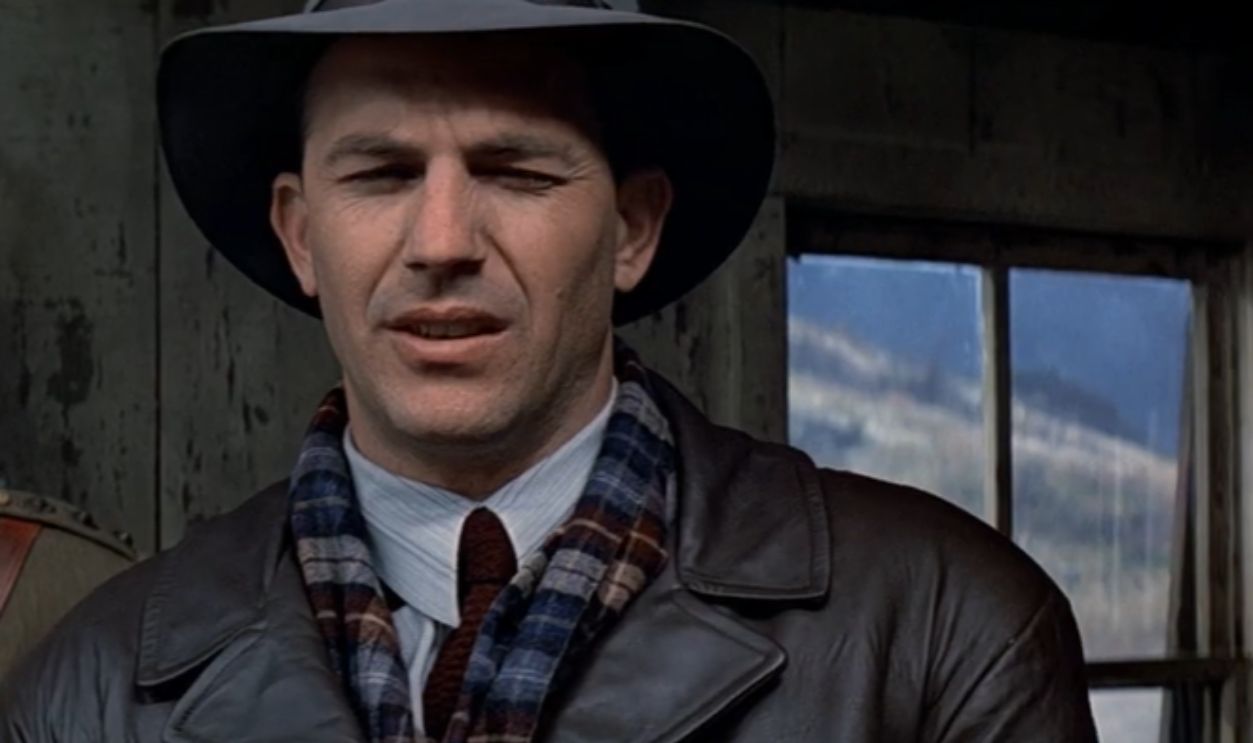 Screenshot from The Untouchables, Paramount Pictures (1987)
History's most fascinating stories and darkest secrets, delivered to your inbox daily.
46. He Became A Cliche
After the disaster of the paper company, Eliot Ness seemed to have given up. His years fighting bootleggers had not put him off drinking, and it was getting out of control. He was also becoming a cliché. He was the guy in the bar trying to get attention by talking about his glory days. His stories about taking down Al Capone were mostly falling on deaf ears. But there was one man who was very interested in Ness’s stories.
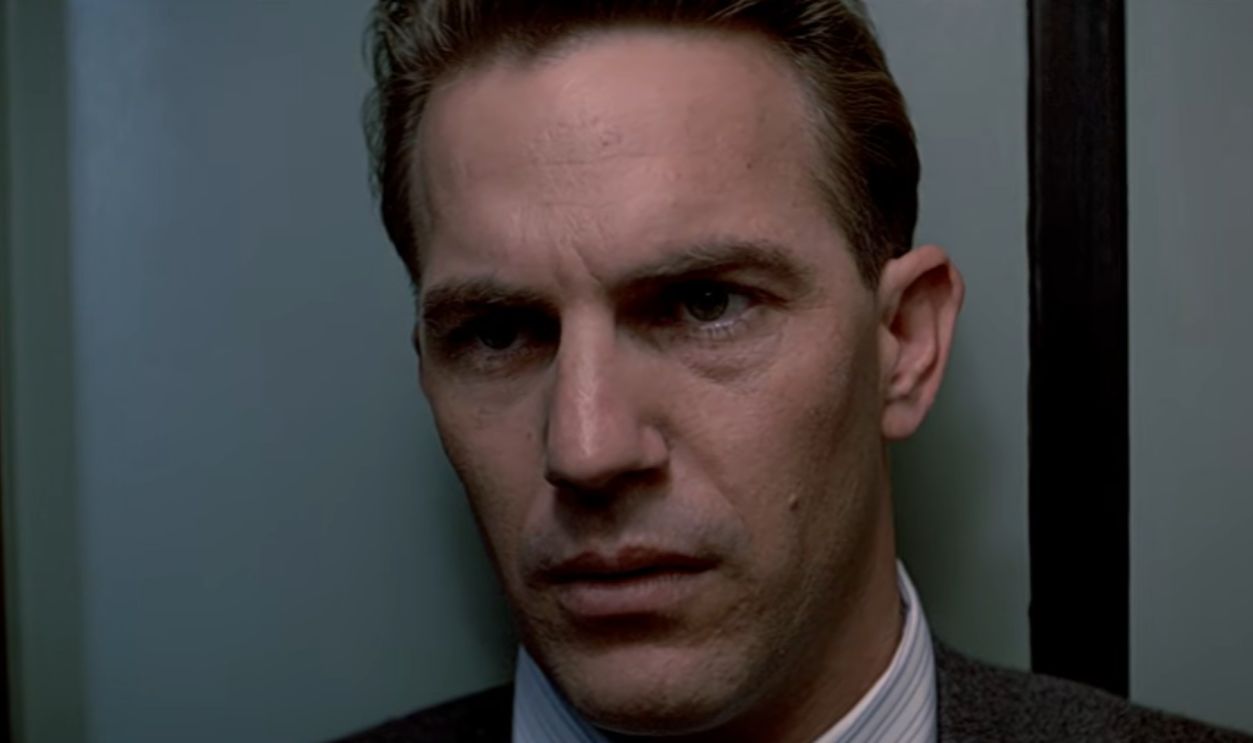 Screenshot from The Untouchables, Paramount Pictures (1987)
47. He Missed Out
In 1955, Eliot Ness agreed to write out his memoir for sportswriter Oscar Fraley. Fraley took Ness’s 21 pages and turned them into a book. When Ness read the finished product, he didn’t like it and decided to sign off on the rights to the book. This would be Ness’s biggest mistake. The Untouchables was hugely successful, and Ness didn’t see a penny of the profits.
He also wouldn’t live to see his fame.
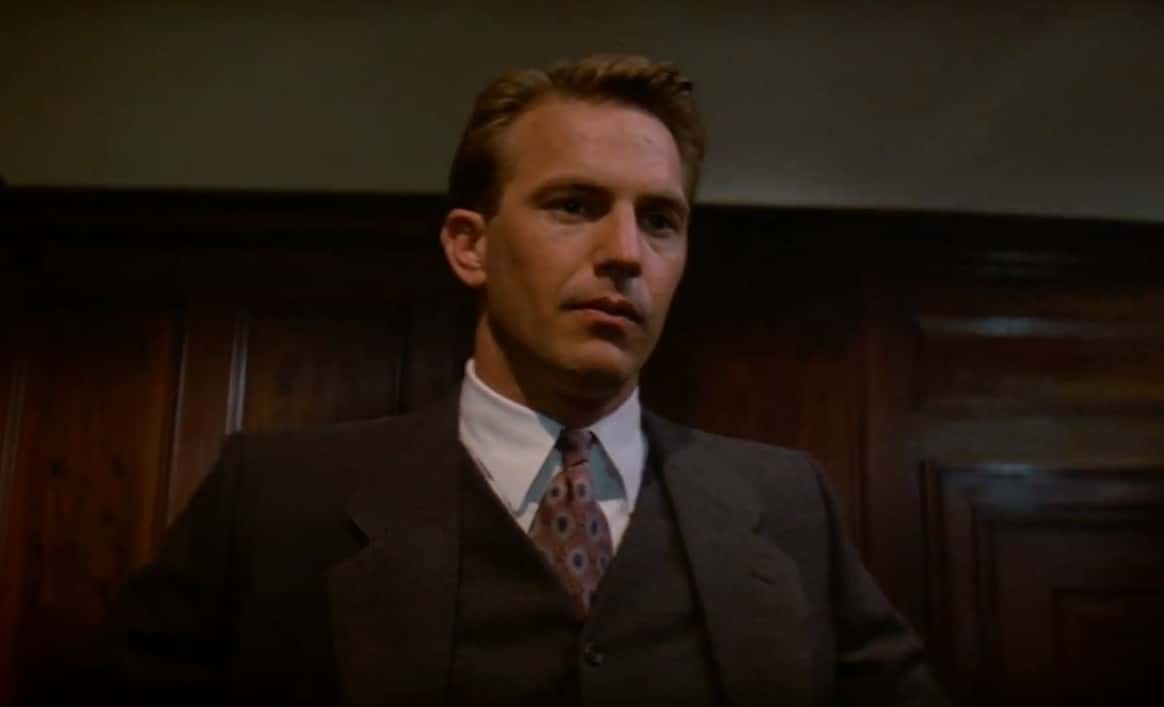 Screenshot from The Untouchables, Paramount Pictures (1987)
48. He Missed Out On Being Famous
A few months after The Untouchables came out, Eliot Ness had a heart attack at home and passed. His estate was $8,000 in the hole, and his widow could only afford a cremation. Ness would never live to see the popularity of the book, or the TV show starring Robert Stack, or the movie, which had Keven Costner portraying Ness.
At least his legend would live on.
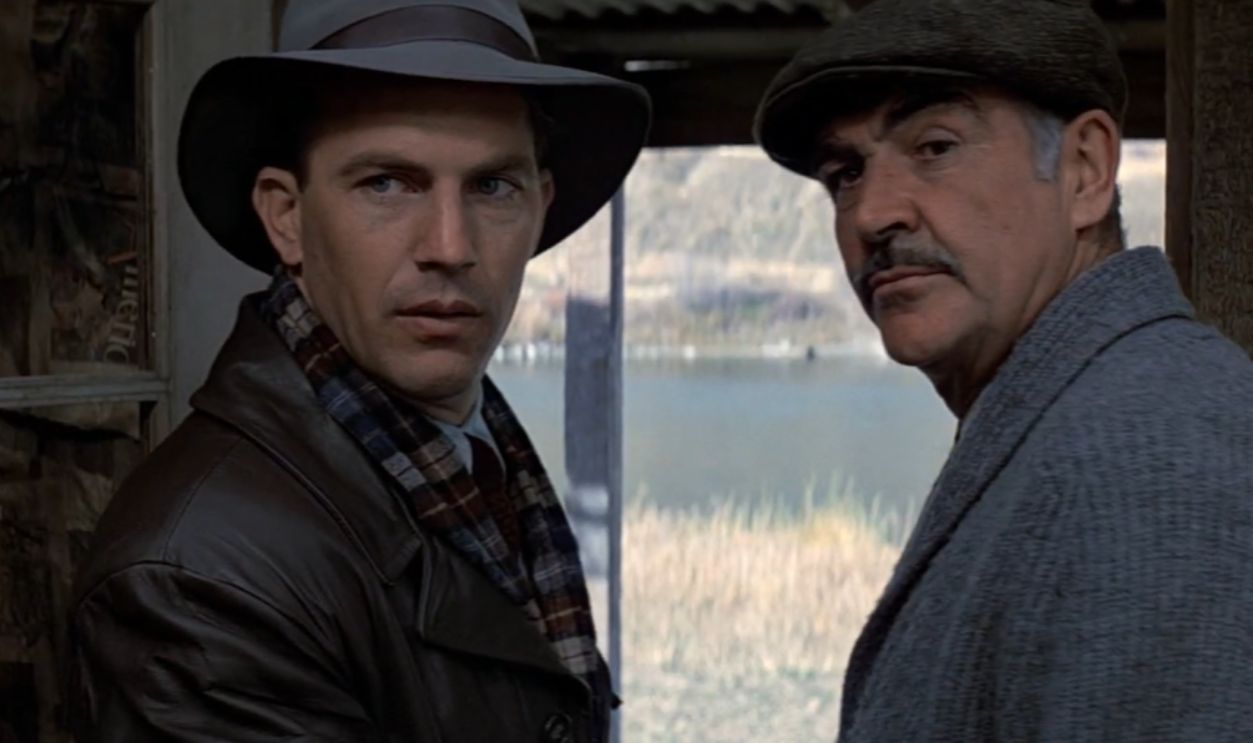 Screenshot from The Untouchables, Paramount Pictures (1987)
49. They Called Him Wallpaper
One of the Untouchables who did live to see Ness’s fame was Albert Wolff. In fact, he got the job coaching Kevin Costner to act like Ness in the film The Untouchables. Wolff’s advice was to walk slowly and mimic wallpaper. He told Costner that they called Ness “wallpaper” because he passively took in information. Wolff’s final summary of Ness was that he was “a tough guy with class”.
Another man with class was another actor who portrayed Ness—Robert Stack.
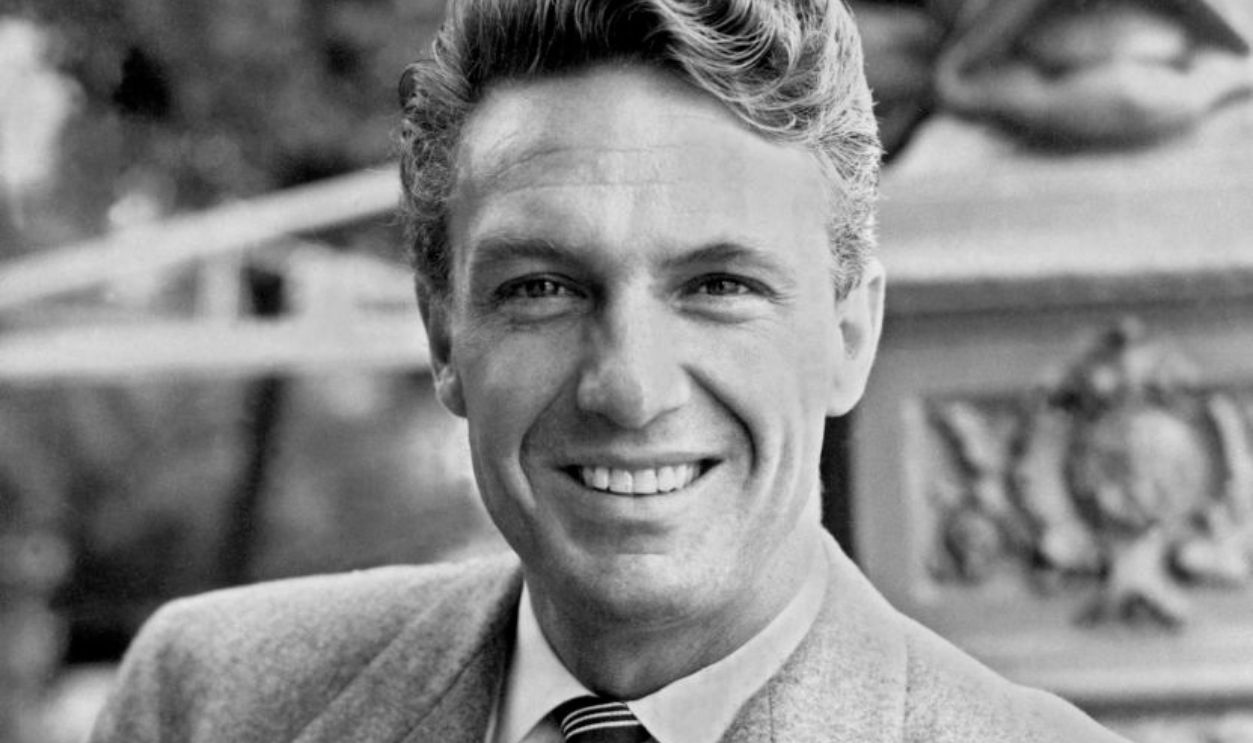 INTERCONTINENTALE / AFP/-, Getty Images
50. He Wouldn’t Attend
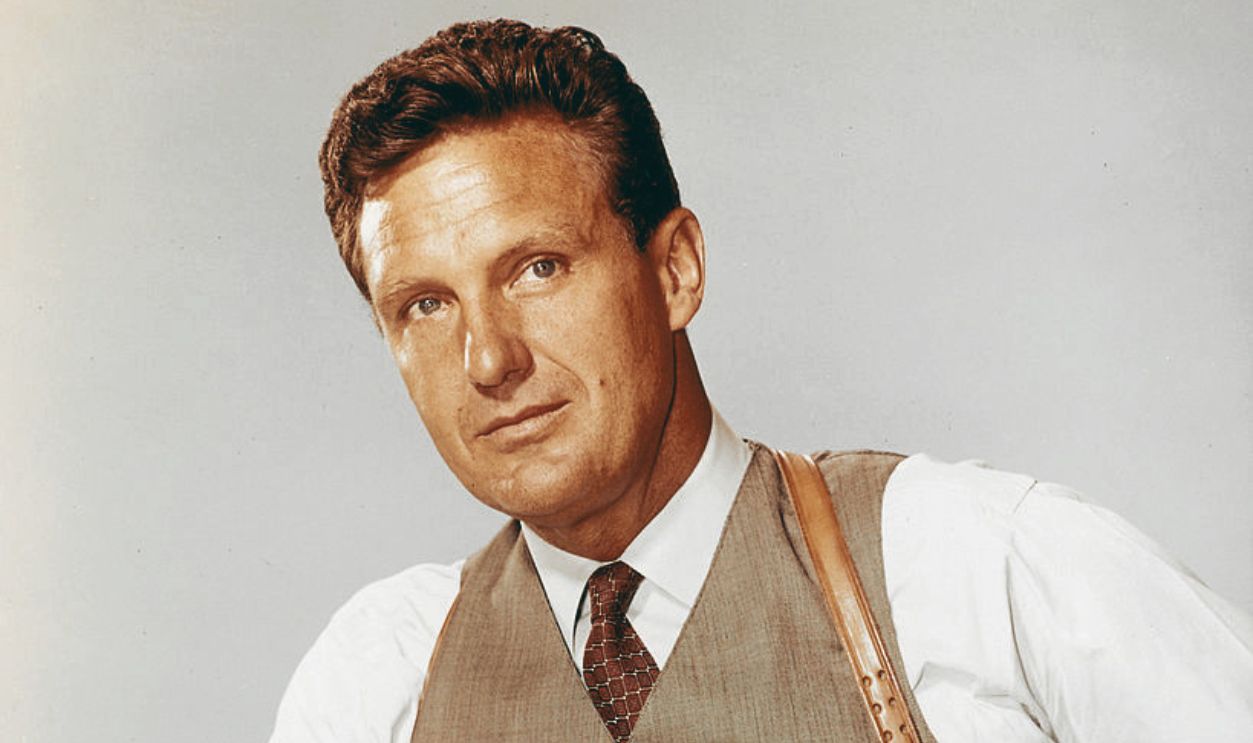
Robert Stack received an Emmy for playing Ness in the TV show The Untouchables. For Ness’s 100th birthday, Stack declined an invitation and gave his thoughtful reason. In his books, Ness should live on for what he accomplished, and having the guy who played him in a TV show did little to honor the legend. His final word was "Why don’t we let the famous centenarian rest in peace”?
 Silver Screen Collection, Getty Images
You May Also Like
Classified Facts About J Edgar Hoover, America’s Most Notorious Puppet Master
Carrie Nation Waged A One-Woman Crusade Against Alcohol
Rowdy Facts About Bass Reeves, The Real-Life Django Unchained