The Forgotten First Circumnavigator
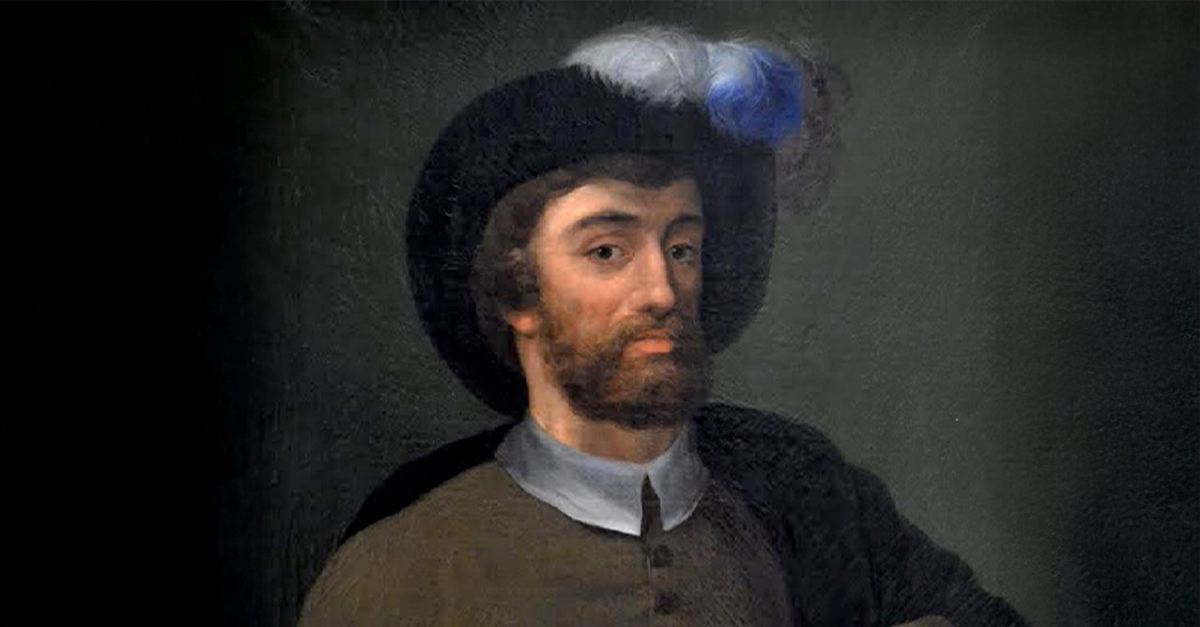
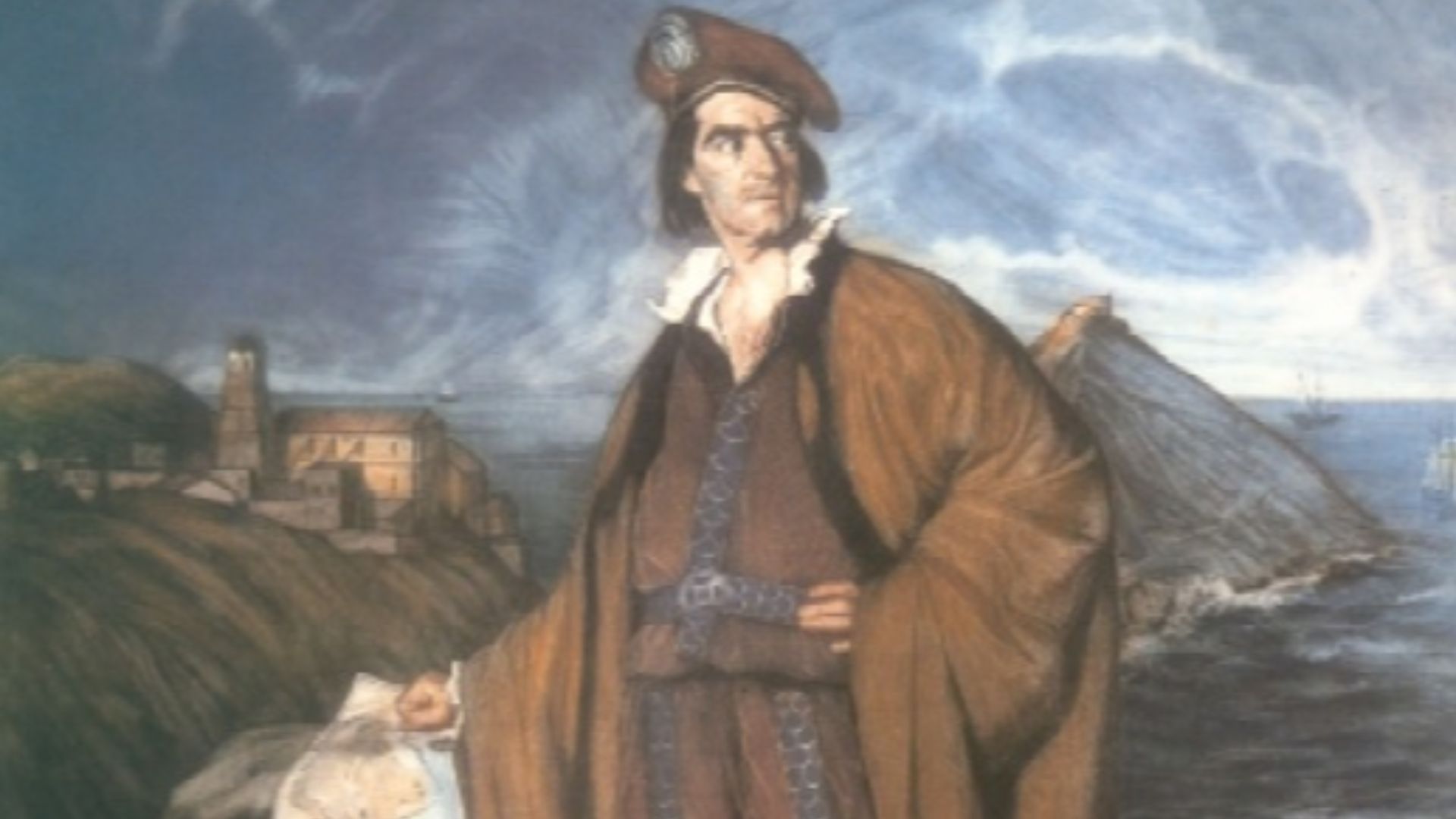
Juan Sebastián Elcano, a Basque mariner from Getaria, completed the first circumnavigation of the globe in 1522 after Ferdinand Magellan died in the Philippines. Though he captained theVictoria home with only eighteen survivors, his name faded from the historical record for centuries. We trace his rise from obscurity, the brutal hardships he experienced, his erasure from history, and his eventual restoration to his proper place in maritime lore.
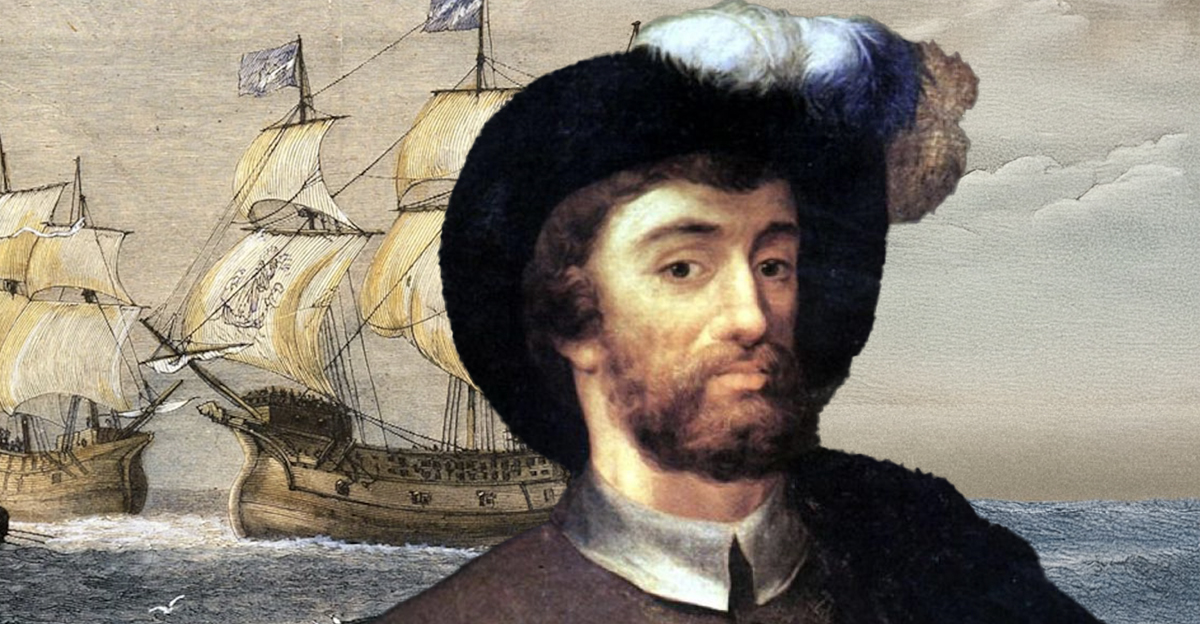
Basque Roots And A Seafaring Education
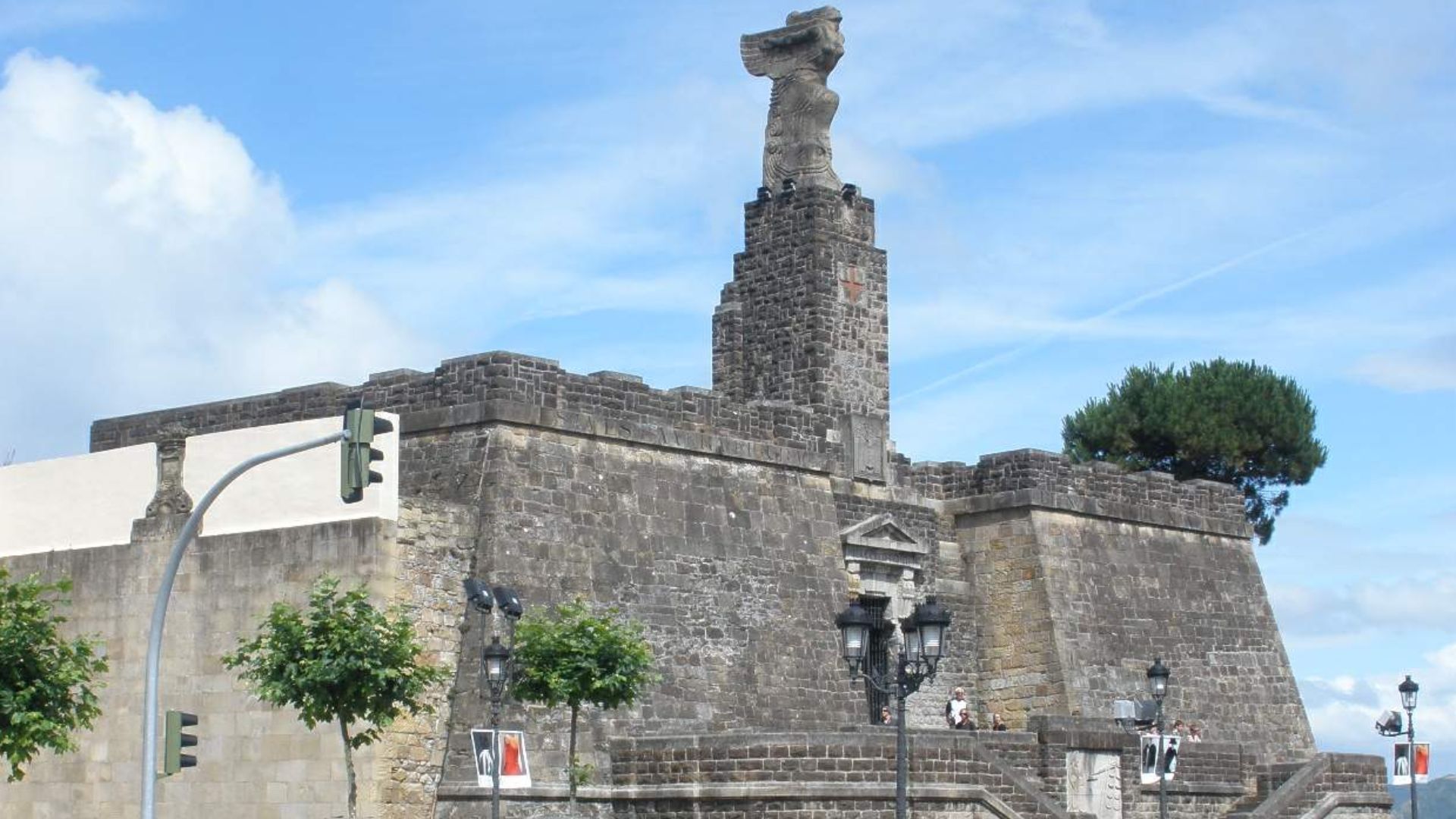
Born around 1476 in the fishing town of Getaria, Elcano grew up among shipwrights, cod fisheries, and Atlantic Ocean traders. Basque ports were a big source of skilled pilots to the burgeoning Iberian empires, Portugal and Spain. Elcano learned all the essentials of practical navigation, rigging, and seamanship in all weather conditions. His was a mariner’s education rooted in fast-rushing tides and creaking timber rather than the accoutrements of courtly privilege.
From Merchant Captain To Royal Expedition
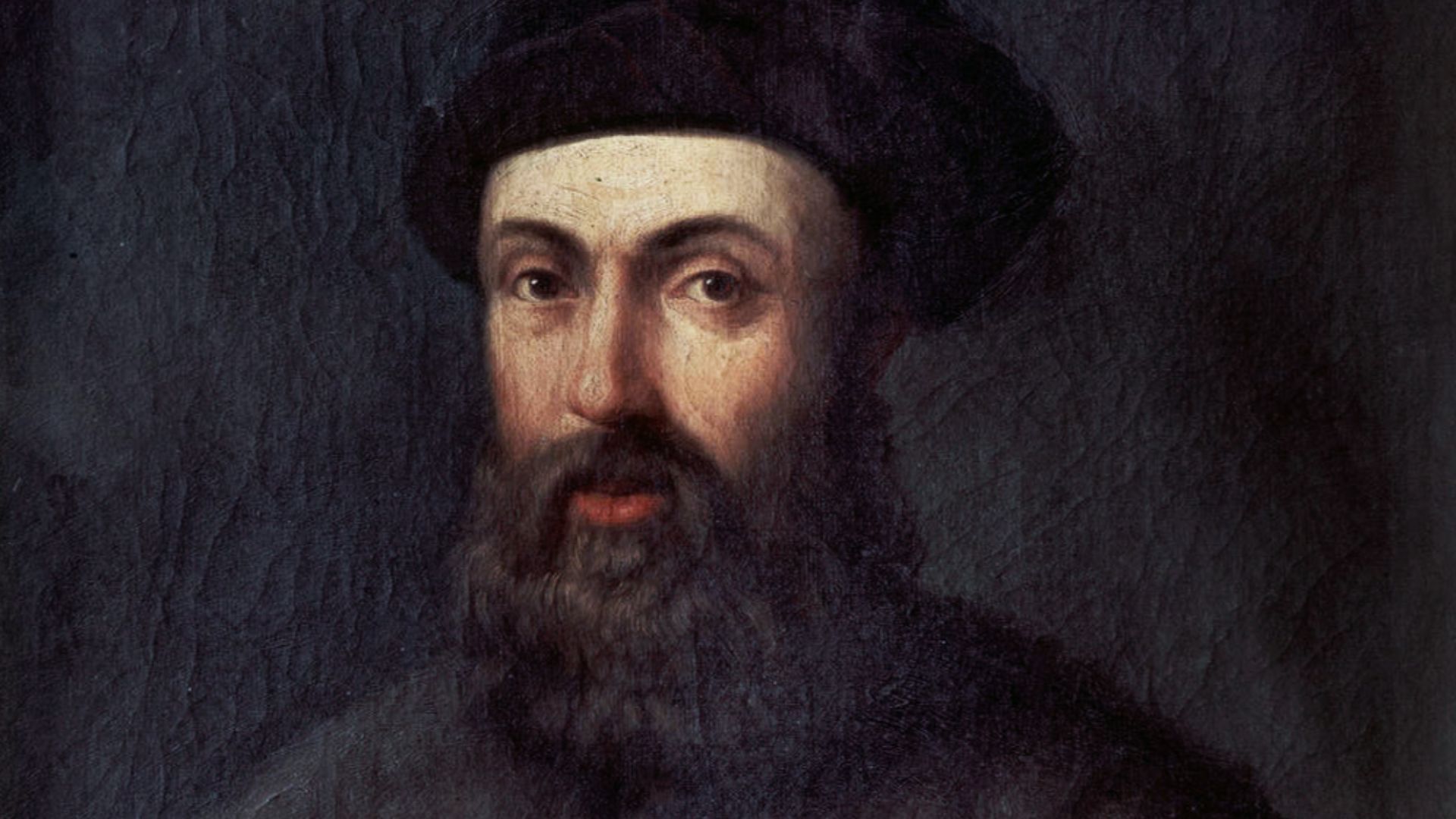
Before 1519, Elcano captained several merchant shipping ventures. At some point he ran afoul of Spanish law over a seized ship’s debt. Seeking to get back in the good graces of the authorities, he signed on with Ferdinand Magellan’s royal armada to the Spice Islands (the Molucca Archipelago of what is now Indonesia). For an experienced mariner of non-noble background, the voyage offered danger, wages, and a path back to honor.
 Unknown artistUnknown artist, Wikimedia Commons
Joining Magellan’s Armada De Molucca
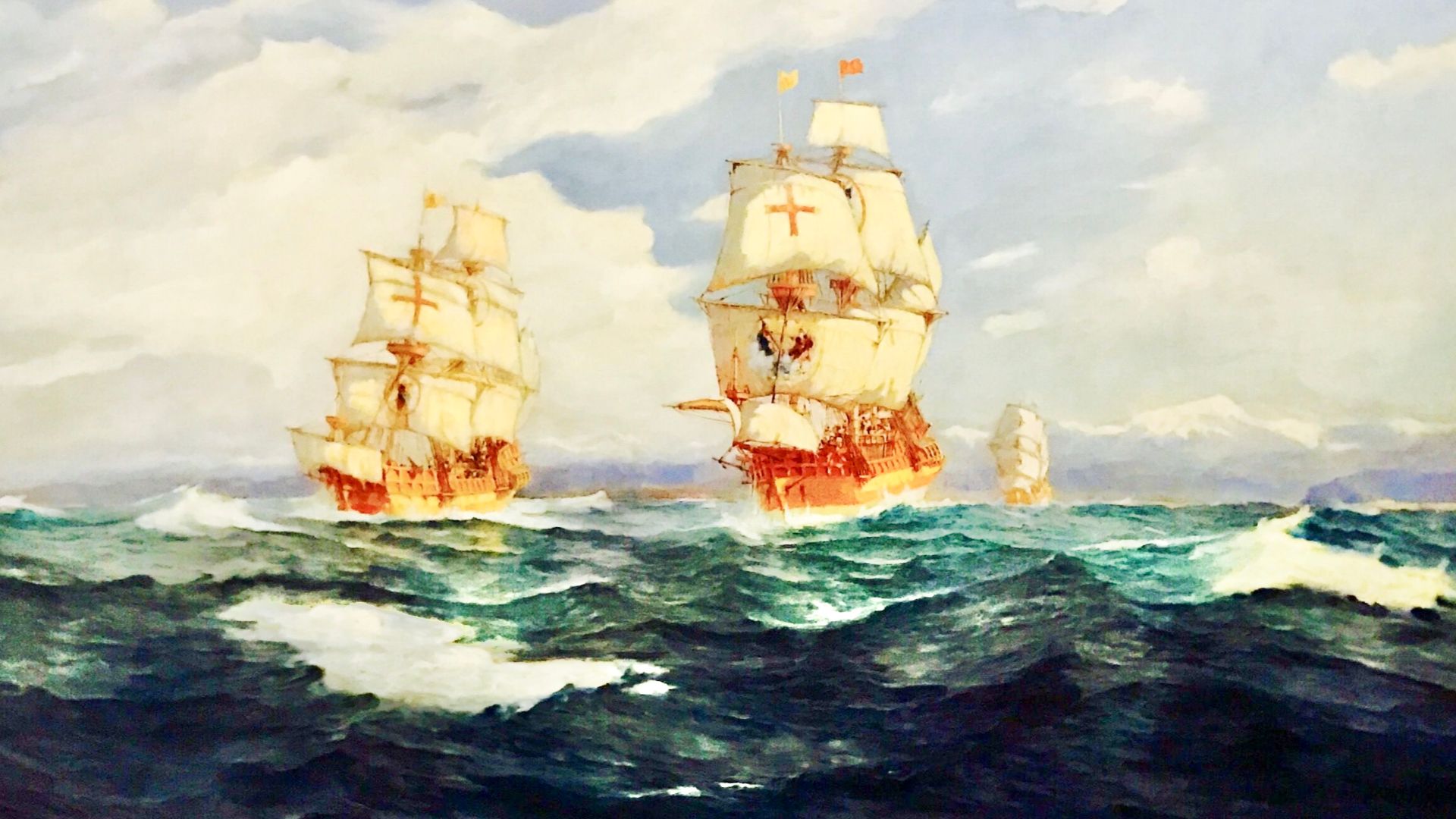
Magellan, a Portuguese veteran serving the Spanish crown, assembled five ships in Seville and Sanlúcar. Elcano signed on as an able and proven pilot, not a gentleman commander. The crew comprised Spaniards, Portuguese, Italians, and others; it was a hodgepodge polyglot group of professionals with clashing loyalties, bound to each other by pay, spice dreams, and the ferocious discipline of a life at sea.
 Álvaro Casanova Zenteno, Wikimedia Commons
Winter At Port St. Julian And Fracture
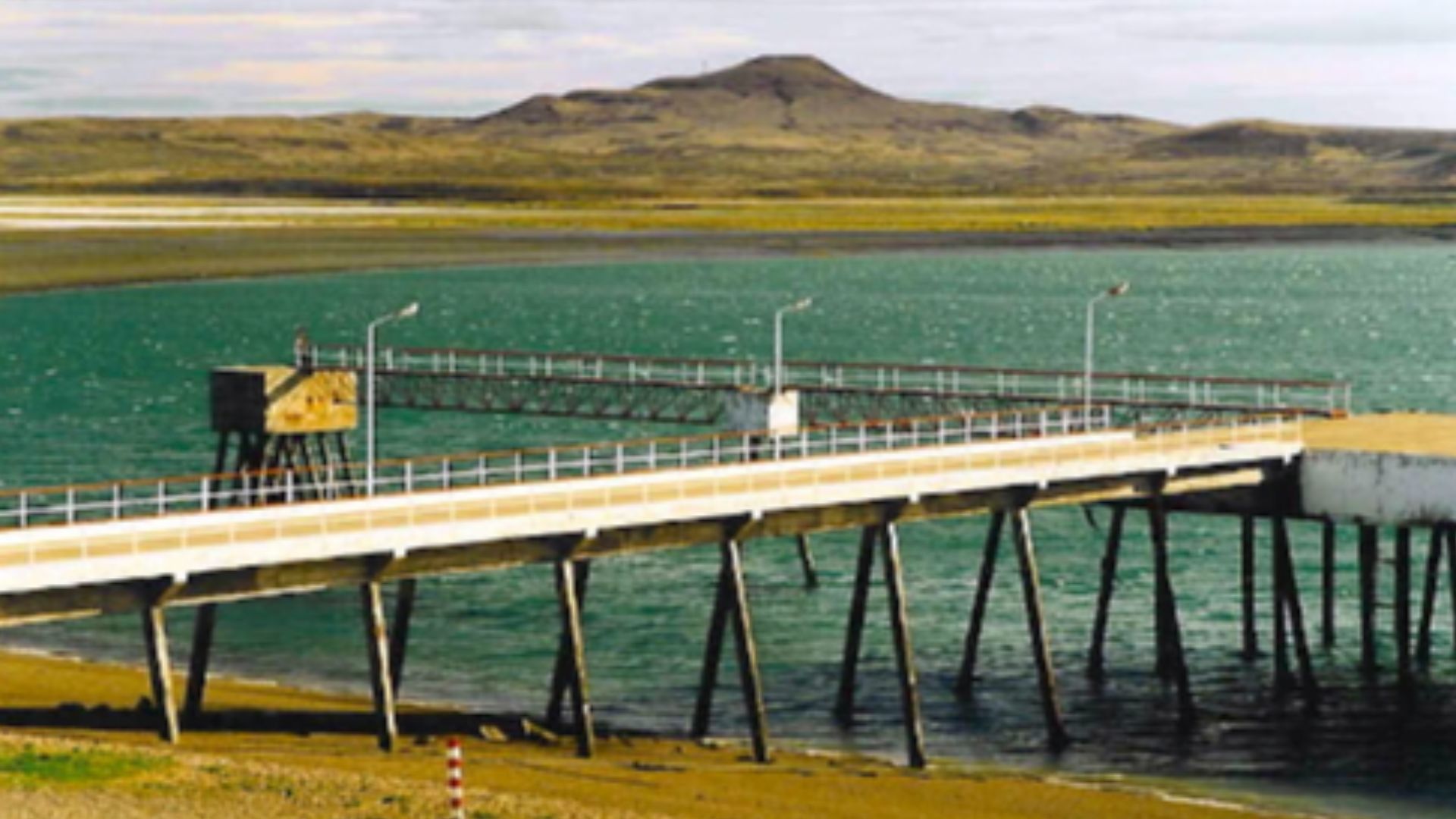
After a long voyage across the Atlantic and down the coast of Brazil, the armada wintered over in bleak Patagonia at Port St. Julian. Hunger, cold, and mistrust formed the dry tinder of a mutiny by several officers that was sparked by Magellan’s harsh authority. Elcano threw in his lot with the rebels, a fateful choice. The rising was crushed; its leaders were executed or marooned, while a few, including Elcano, eventually received clemency.
 Douglas Fernandes, Wikimedia Commons
Into The Vast Unknown Of The Pacific
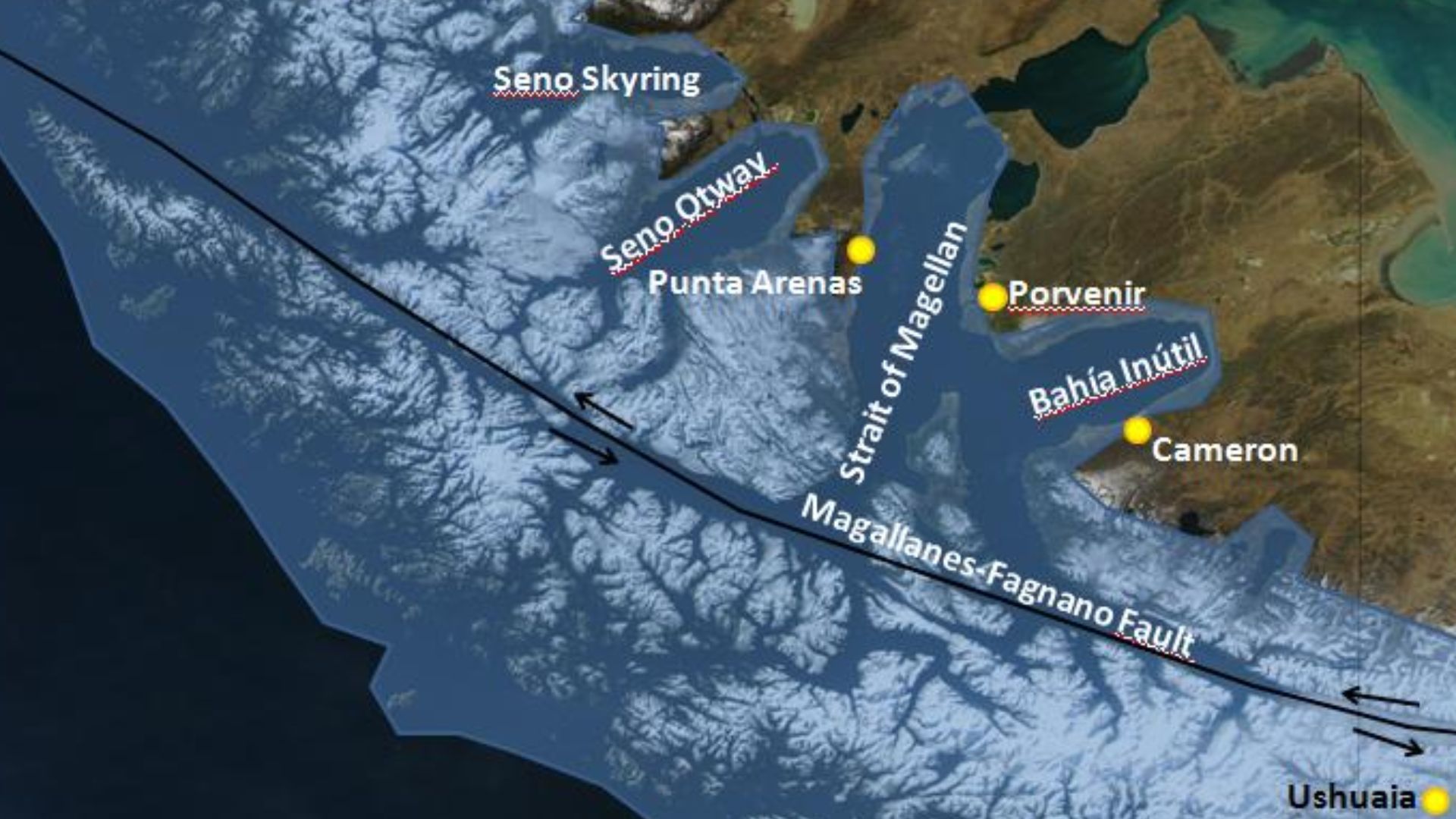
In October 1520, the fleet threaded its way through the treacherous channel now called the Strait of Magellan. Soundings, williwaws, and labyrinthine inlets tested nerves and seamanship to the breaking point. Emerging out into a vast ocean Magellan named the Pacific, the ships now faced a threat even worse than storms: months of emptiness, dwindling food supplies, and creeping scurvy.
Crossing The Pacific: Starvation And Scurvy
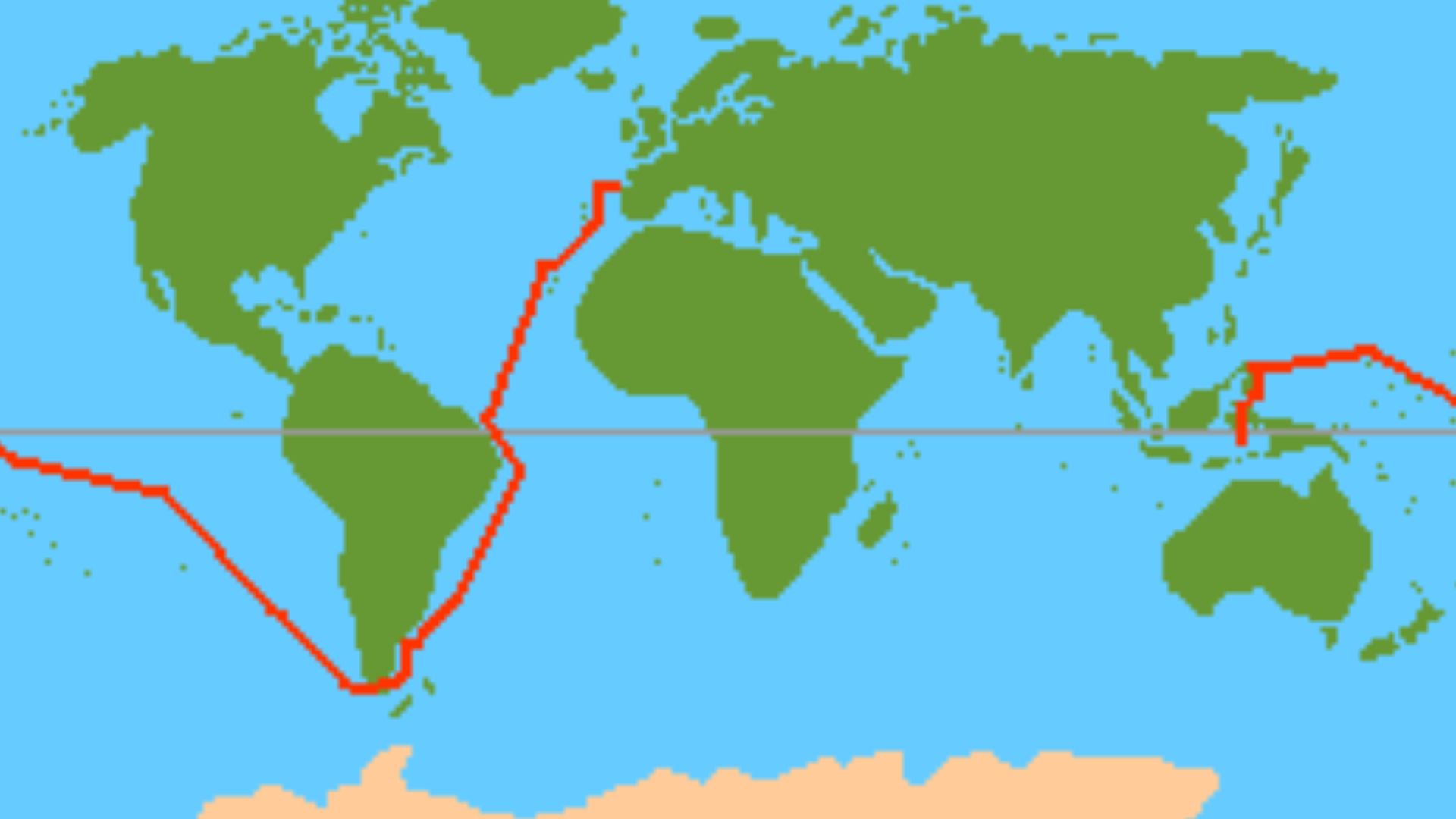
The crossing to the Philippines took them more than three brutal months. Crews gnawed on leather, drank foul water, and grimly gave less fortunate shipmates burial at sea. Elcano’s practical experience with rationing, sail care, and quiet steadfast endurance served the mission well. Survival depended on an infinite number of small daily choices: patch a seam, share a biscuit, hold a steady course even when the compass seemed to mock their efforts.
Magellan’s Death At Mactan
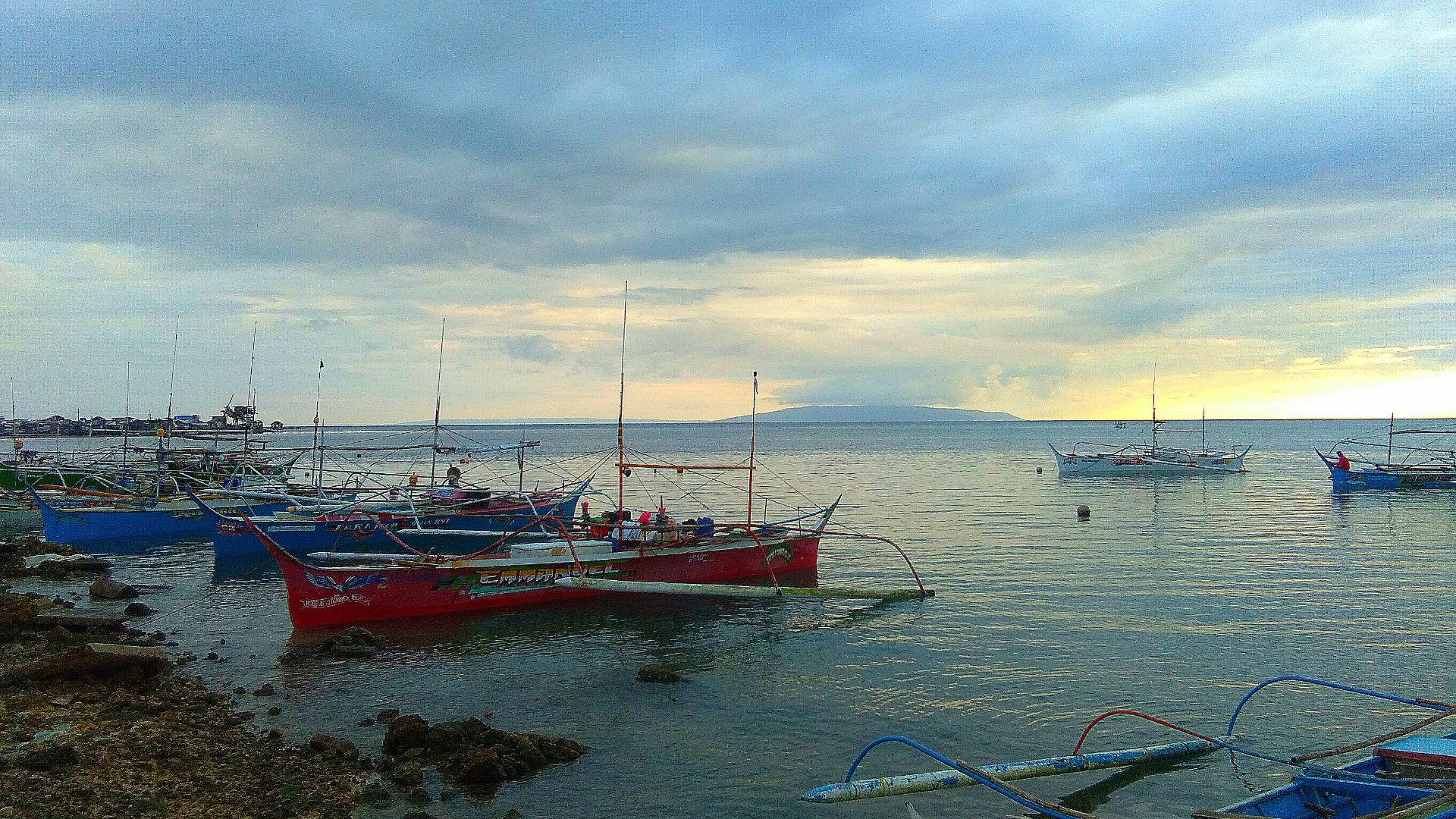
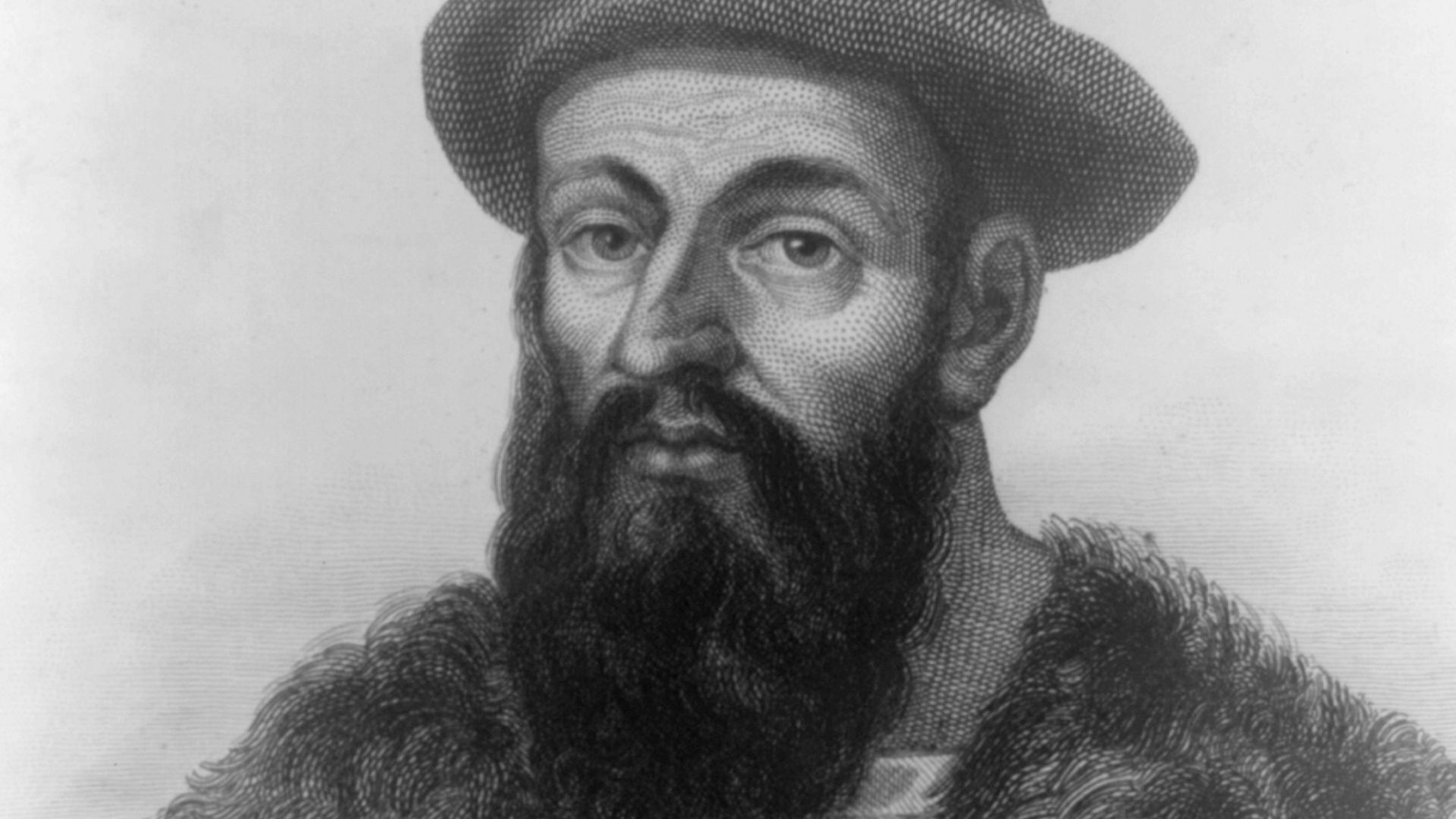
In April 1521, Magellan was killed while intervening in a local conflict at Mactan. Magellan’s unwise decision to push locals to convert to Christianity, and his underestimation of their weaponry had cost him his life. The expedition’s commander was gone. Leadership split up among surviving officers, and bargaining in Cebu turned deadly, costing more lives. From this chaos, Elcano emerged as a calm pilot with a talent for keeping a crew together.
 Unknown authorUnknown author, Wikimedia Commons
Westward: The Strategic Pivot
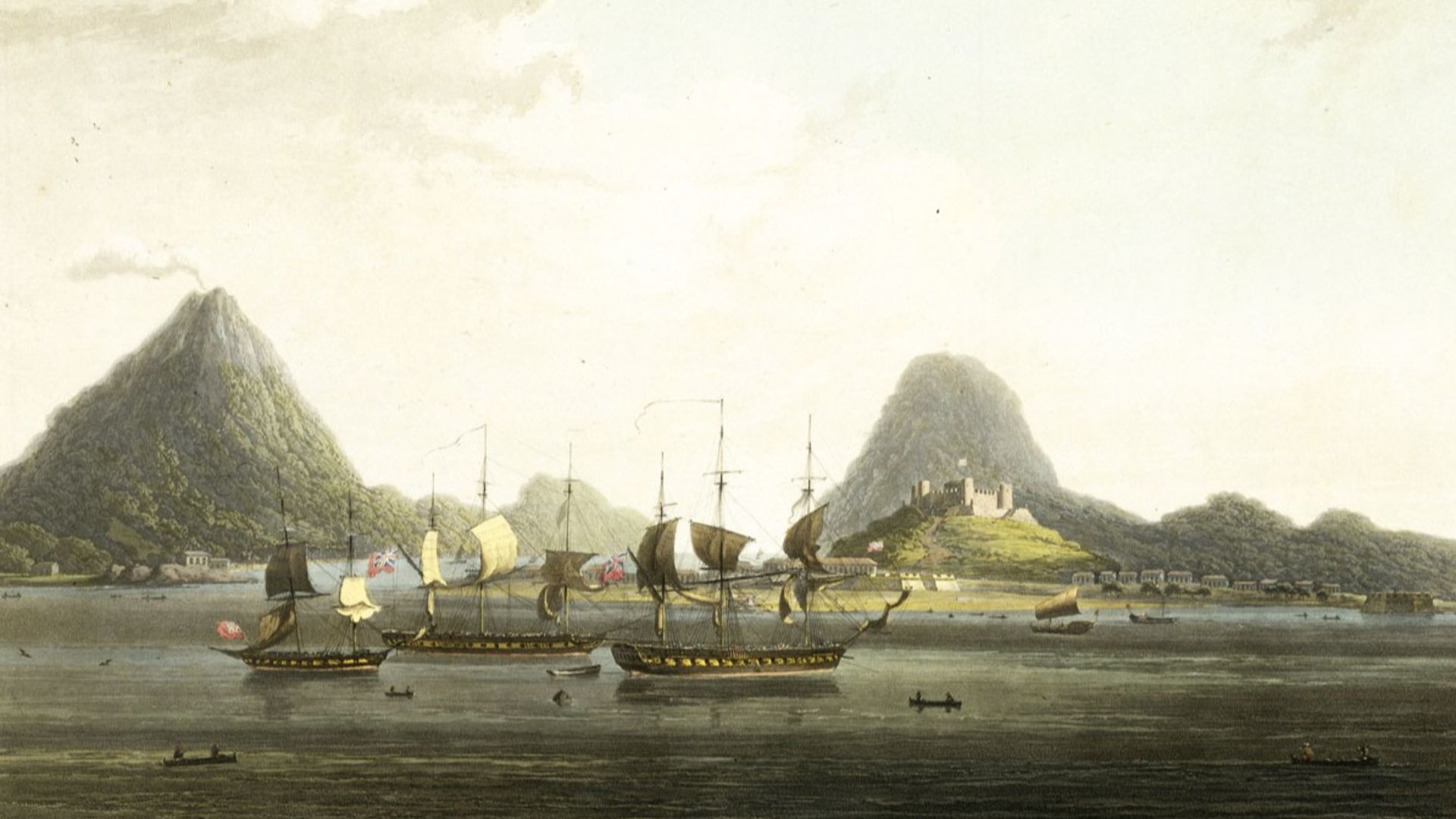
Reaching the Spice Islands in 1521 was the fulfillment of the mission’s commercial aim. But the return route was just as hazardous: eastward meant hostile winds and damaged ships; westward meant running the Portuguese gauntlet in the Indian Ocean. Elcano, now captain of the Victoria, chose to head west. He gambled on speed, secrecy, and stubborn endurance over direct confrontation.
 Longman, Hurst, Rees, Orme & Brown, Wikimedia Commons
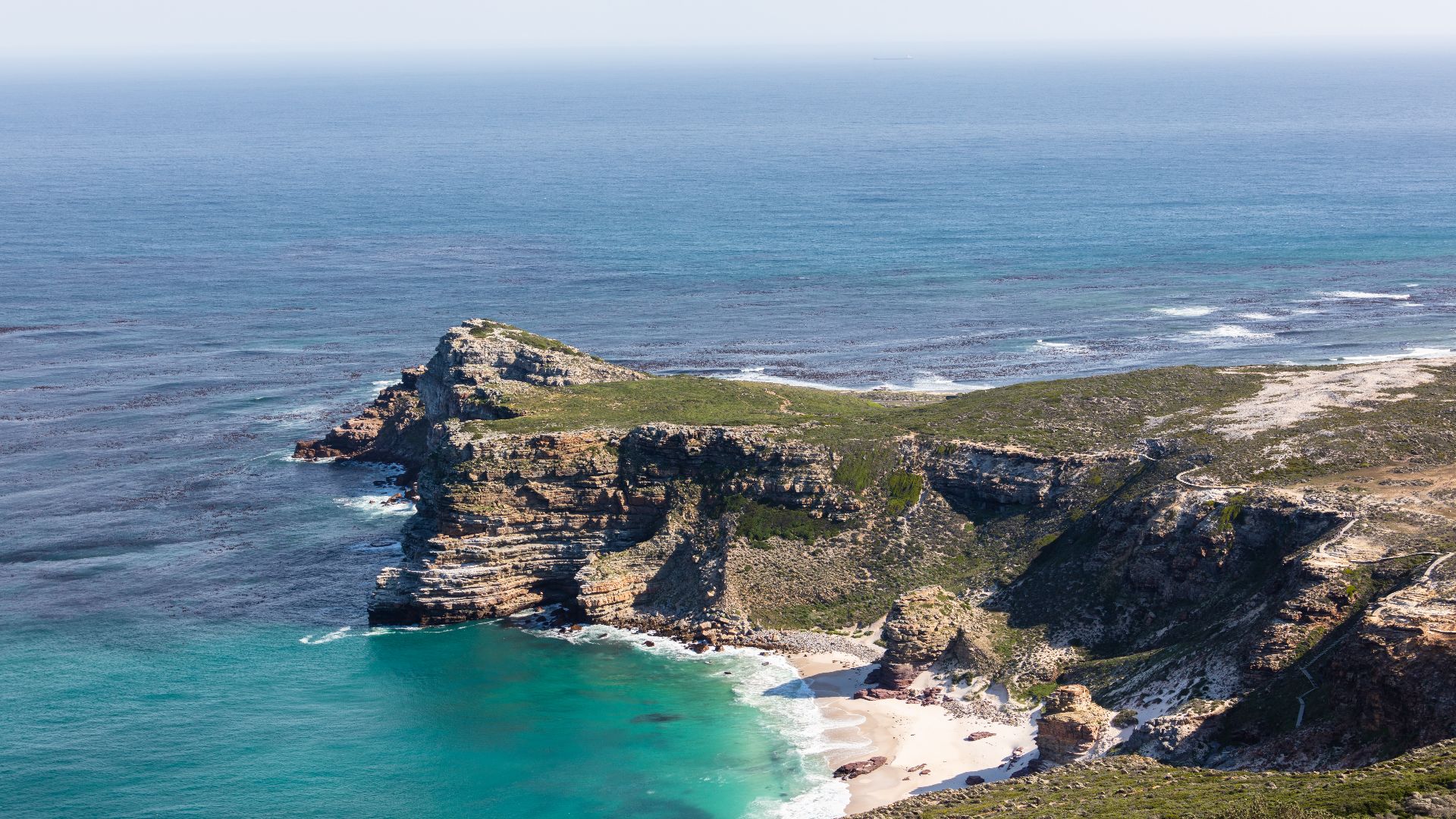
Indian Ocean Run And The Cape Gamble
The Victoria slipped its way south of well‑patrolled routes, braving storms, leaks, and famine while avoiding the coastline to avoid being trapped. Traversing stormy seas while rounding the Cape of Good Hope nearly broke the ship and its severely undernourished crew. Elcano’s minimalist sail plans and relentless maintenance squeezed out miles, turning a failing hull into a desperate bid to make history.
 Diego Delso, Wikimedia Commons
Cape Verde Ruse And A Daring Escape
Low on food, Elcano feigned ignorance at Portuguese Cape Verde, claiming to be a trading ship returning from the Americas. When authorities discovered the ship was loaded with spices from the East Indies, the Victoria fled, leaving 13 of its captured crewmen behind. It was a calculated cruelty born of necessity; the escape meant at least one more sunrise with a living crew and a floating ship.
Homecoming To Sanlúcar And Seville
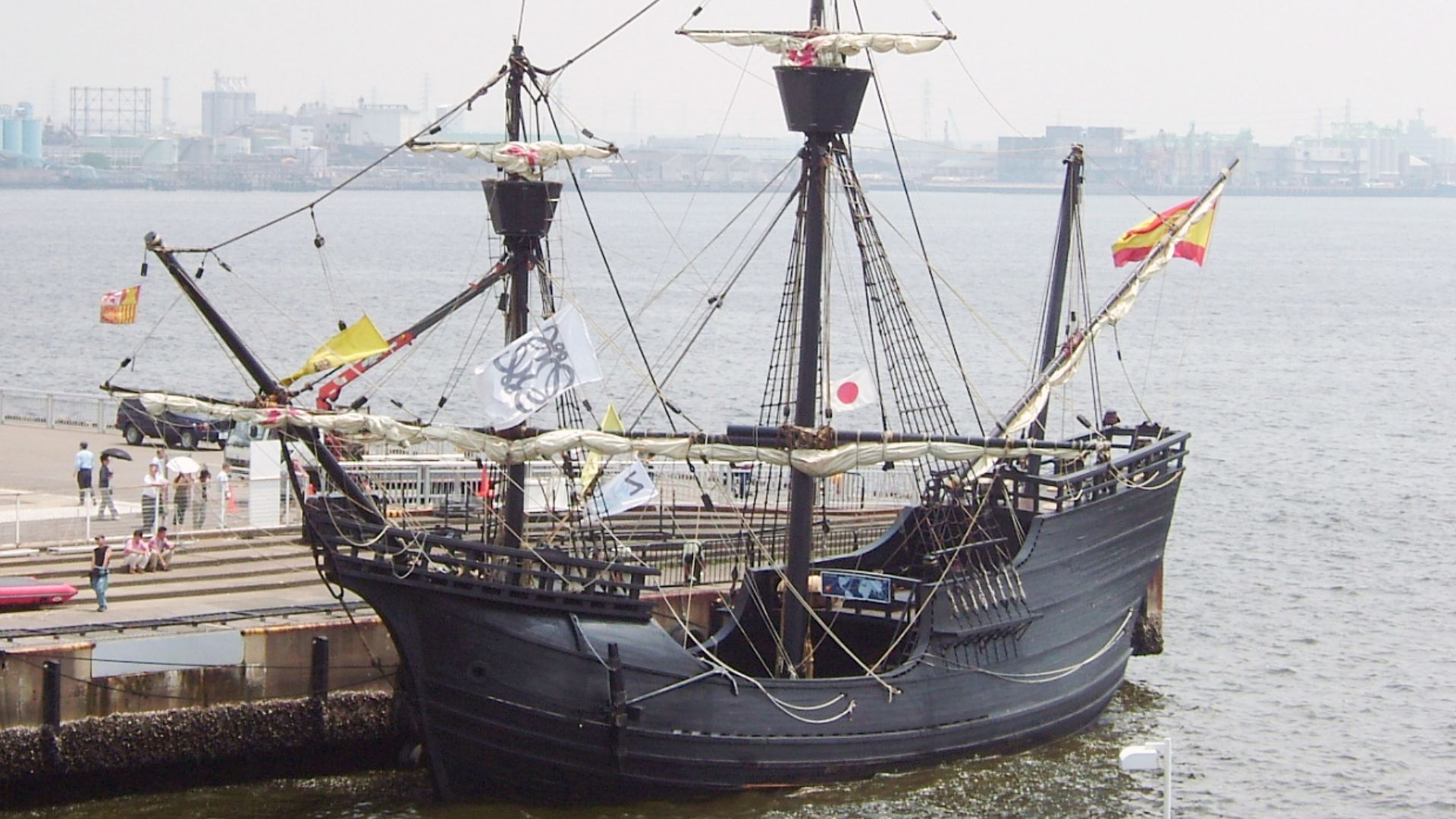
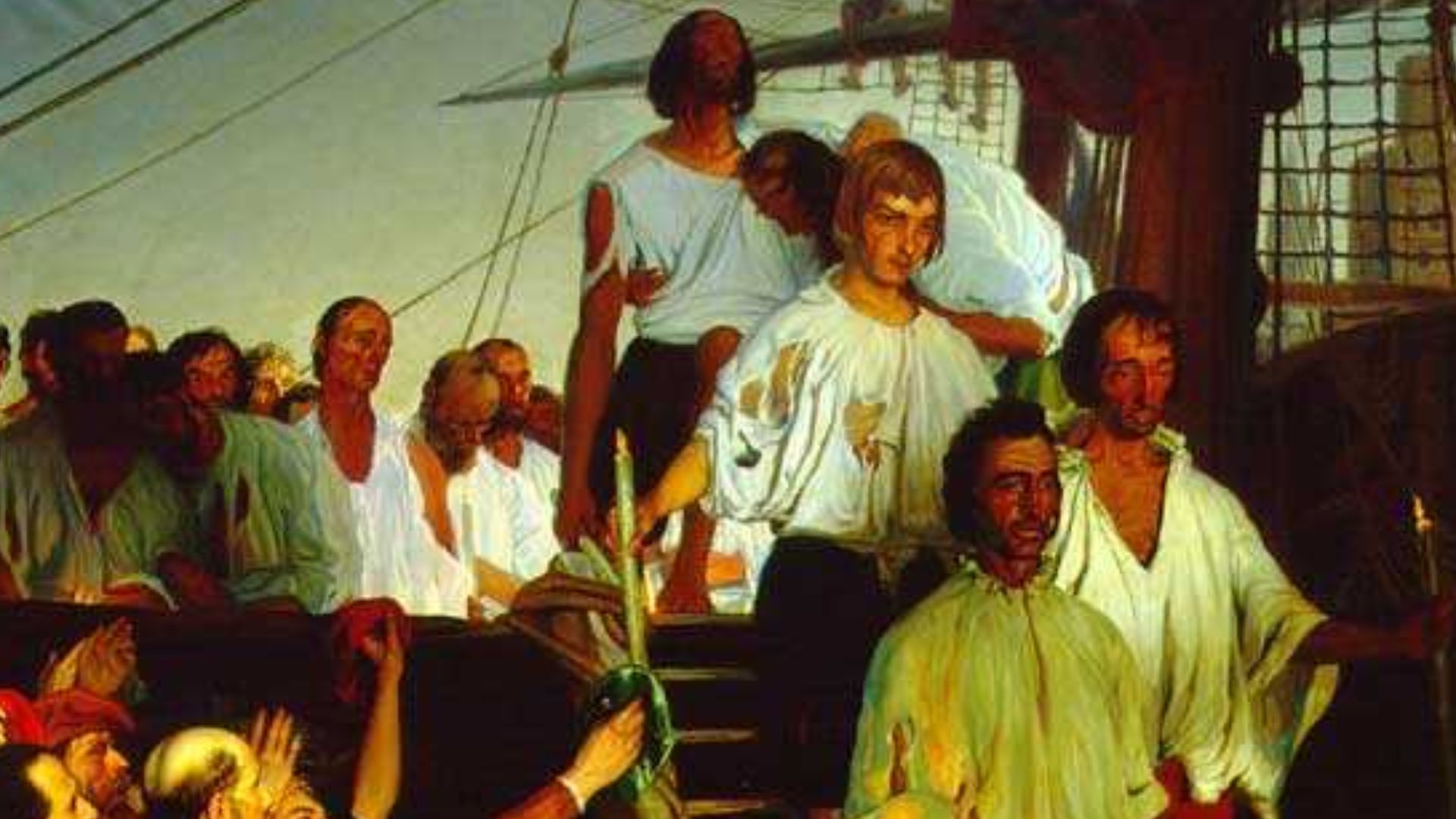
On September 6, 1522, the Victoria limped into Sanlúcar exactly three years after they’d set off from Spain. Two days later the ship reached Seville. Eighteen emaciated survivors and a hull filled with cloves proved that the globe could be circled. Elcano’s seamanship, not Magellan’s leadership, clinched the feat. Spain had its spices and an unheralded captain who salvaged the venture from certain doom.
 AnonymousUnknown author, Wikimedia Commons
Royal Honors Across Class Lines
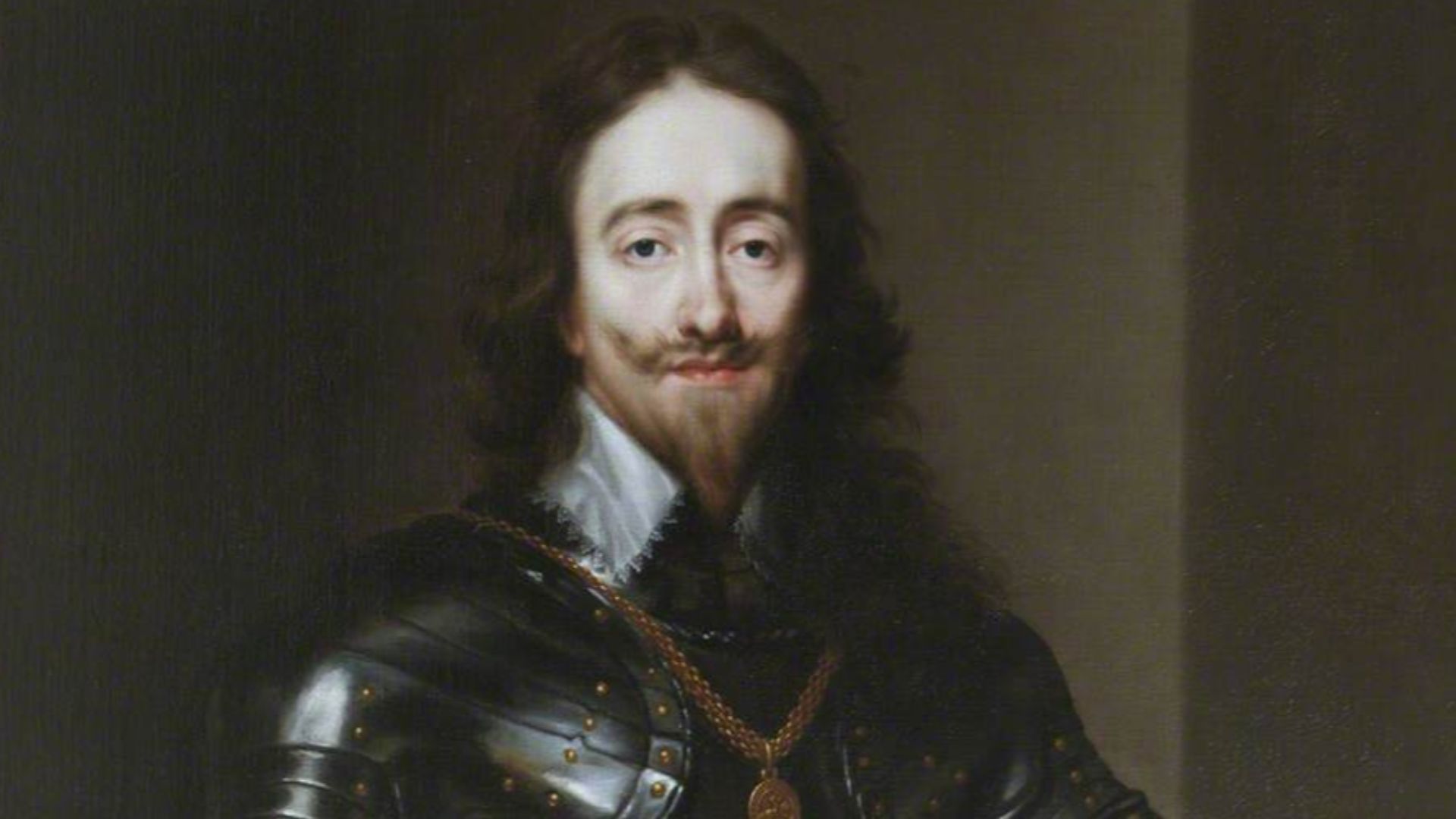
King Charles granted Elcano a coat of arms bearing a globe and the motto “Primus circumdedisti me”—“You first encircled me.” He received a pension and status. But as a commoner pilot from a poor background, he lacked chroniclers and patrons. Courtly narratives in those days leaned toward a fallen noble visionary rather than the tough Basque skipper with seawater in his veins.
 After Anthony van Dyck, Wikimedia Commons
Why Elcano Was Forgotten For Centuries
Histories leaned on the vivid firsthand account of Venetian scholar Antonio Pigafetta, one of the 18 survivors. Pigafetta’s chronicle centered on the vision and greatness of Magellan. The Portuguese‑Spanish rivalry, court politics, and class bias ended up elevating the expedition’s designer, not its finisher. Over three centuries Elcano’s name receded into footnotes, a pilot overshadowed by an empire’s taste for heroic martyrdom.
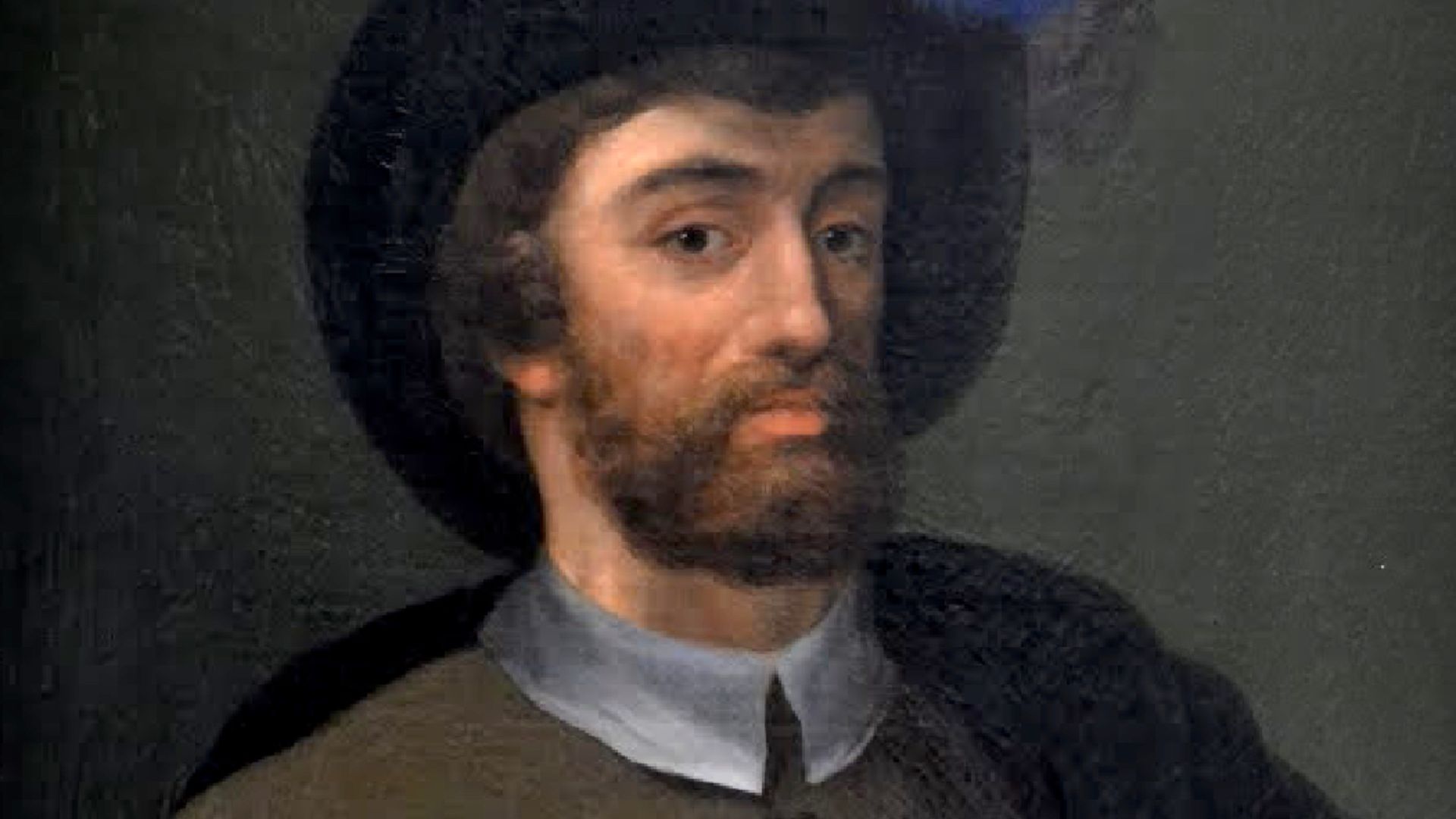 AnonymousUnknown author, Wikimedia Commons
Out From The Shadows
From the nineteenth century onward, Basque scholars, local memorials, and later Spanish institutions revived Elcano’s role. The Spanish Navy named a training ship Juan Sebastián de Elcano in 1927, sailing the globe under his name. Archives, anniversaries, and new biographies have reframed the circumnavigation as a relay finished by Elcano.
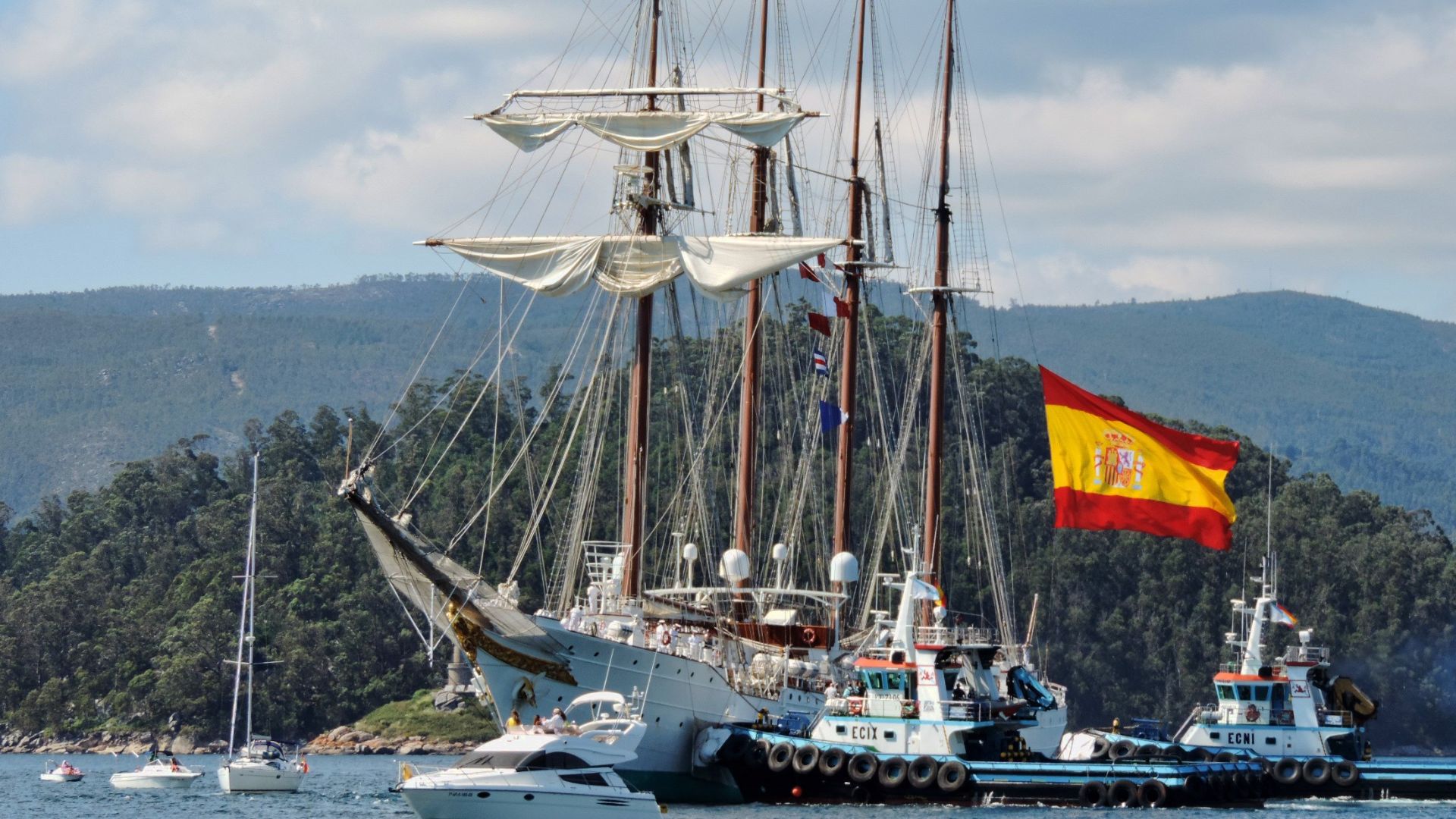 juantiagues, Wikimedia Commons
Skills That Saved A Doomed Expedition
Elcano’s genius was not grand strategy but experienced seamanship: chart discipline, sail economy, hull upkeep, and crew morale. He simplified decisions, avoided unnecessary fights, and kept the ship underway. Where charismatic leadership had failed, his cumulative competence carried Victoria across oceans and into immortality.
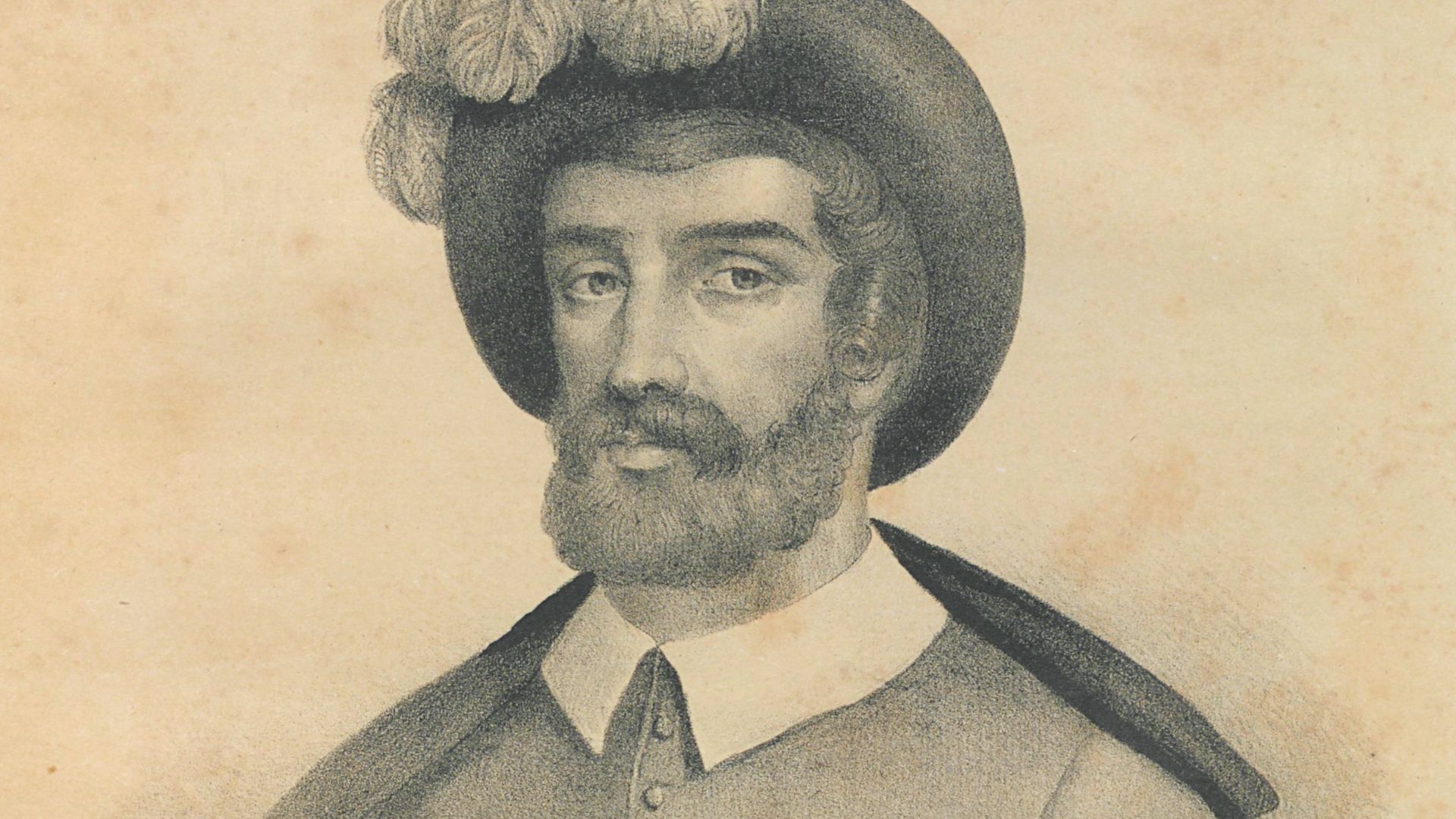 Biblioteca Rector Machado y Nuñez, Wikimedia Commons
Relations With Indigenous Peoples
After Magellan’s death, the expedition’s bargaining power shrank. Elcano’s priority became avoidance over alliance. He traded sparingly in the Moluccas, minimized time on shore, and refused aggressive interactions that had cost lives in Cebu. The shift from colonial conquest to survival voyage defined the circumnavigation’s second, successful half.
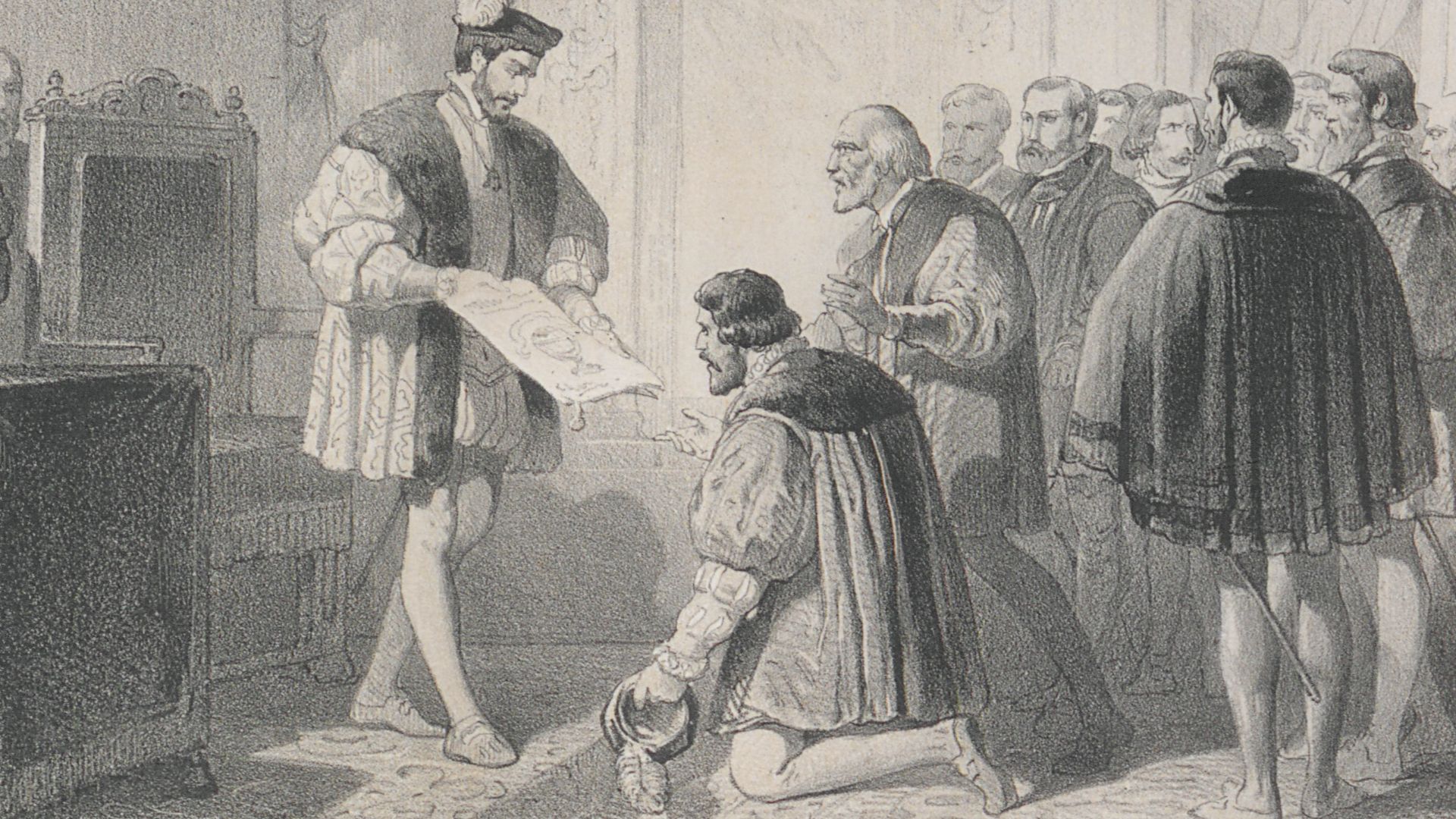 Biblioteca Rector Machado y Nuñez, Wikimedia Commons
Economic Stakes: Cloves, Debt, And Proof
The cloves in Victoria’s hold paid debts and vindicated the crown’s investment. Commercial gain was what ultimately defined success. Elcano’s return proved a westward spice route existed, redrawing maps and markets. Even as he slipped from historical memory, merchant ledgers and customs tallies recorded the day he balanced the books.

Commemoration
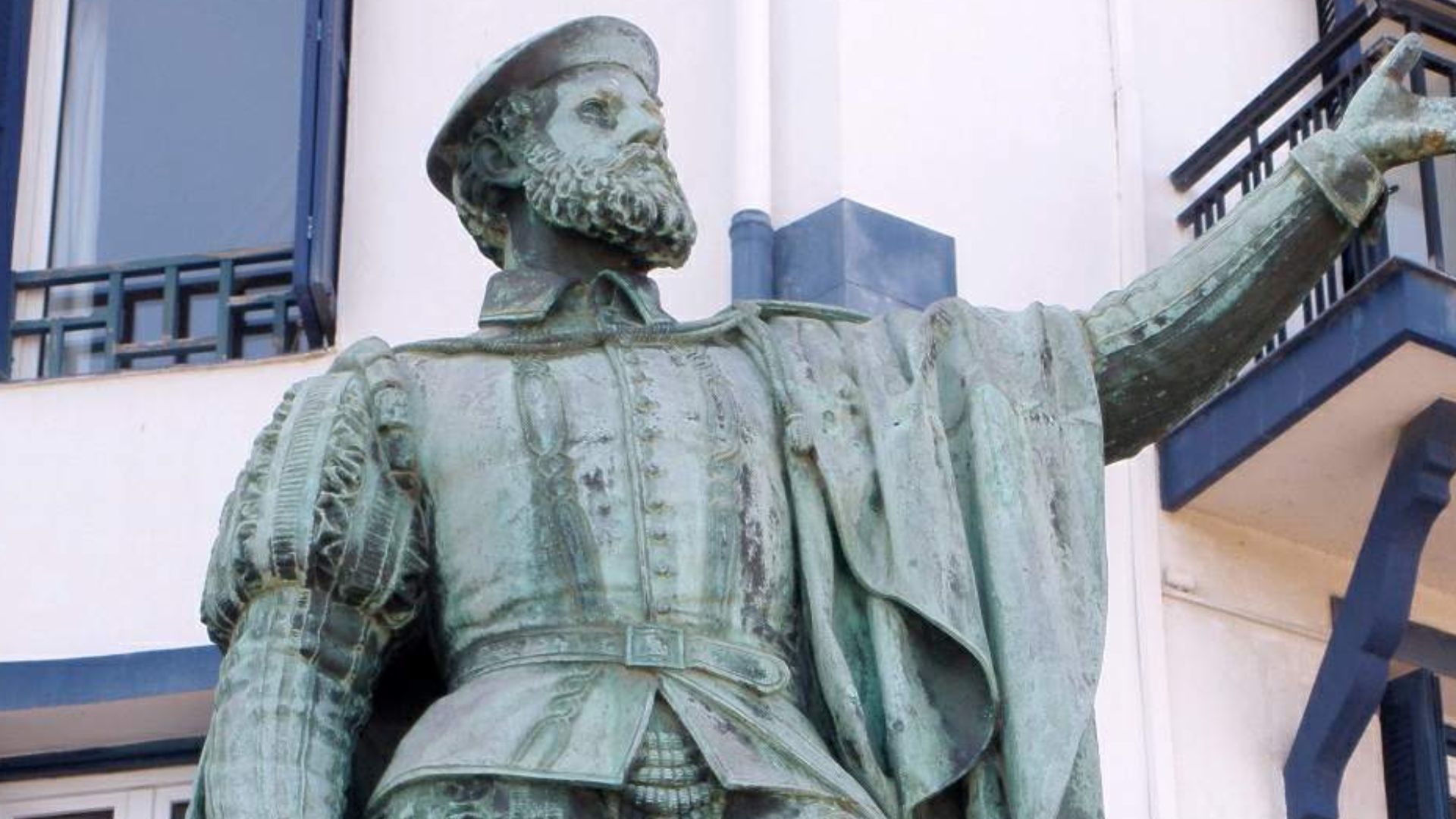
Getaria honors Elcano with statues, plaques, and festivals; classrooms increasingly present him alongside Magellan. Digital exhibits and foundations amplify his story. The narrative today reads as a partnership broken by death and completed by determination and pure maritime skills. The circumnavigation had many helping hands, completed by one steadfast captain.
The Fateful Final Voyage
In 1525, Elcano sailed again toward the Moluccas, this time with the Loaísa expedition. Disease, storms, and leadership losses ravaged the fleet as it crossed the Pacific. Elcano died at sea in 1526, likely of scurvy, claimed by the same remorseless ocean he had conquered four years before. His body never reached the islands he had once secured.
 Holger Behr Hobe, Wikimedia Commons
Why Class Still Matters In Exploration Stories
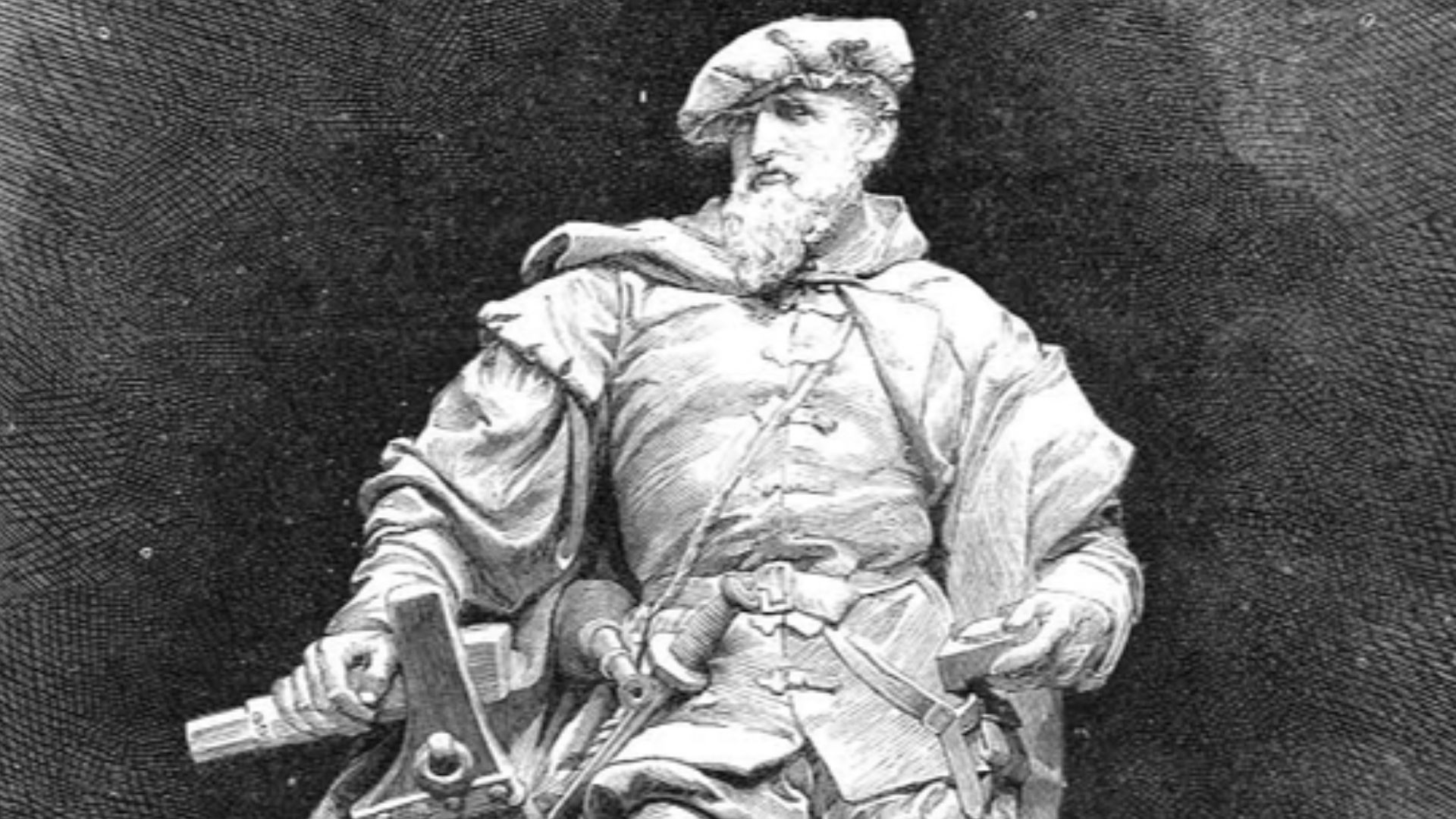
Elcano’s submergence by historical factors shows how class filtered heroism centuries ago. Sponsors, nobles, and chroniclers are often given outsized importance compared to the practical experts who finish the job. Reassessing Elcano widens the lens: exploration is logistics, not just flags and firsts. It also honors the working mariners who turned royal dreams into real success by undergoing these terrifying voyages into the unknown.
 Ricardo Bellver / Arturo Carretero, Wikimedia Commons
Traveling The Elcano Trail Today
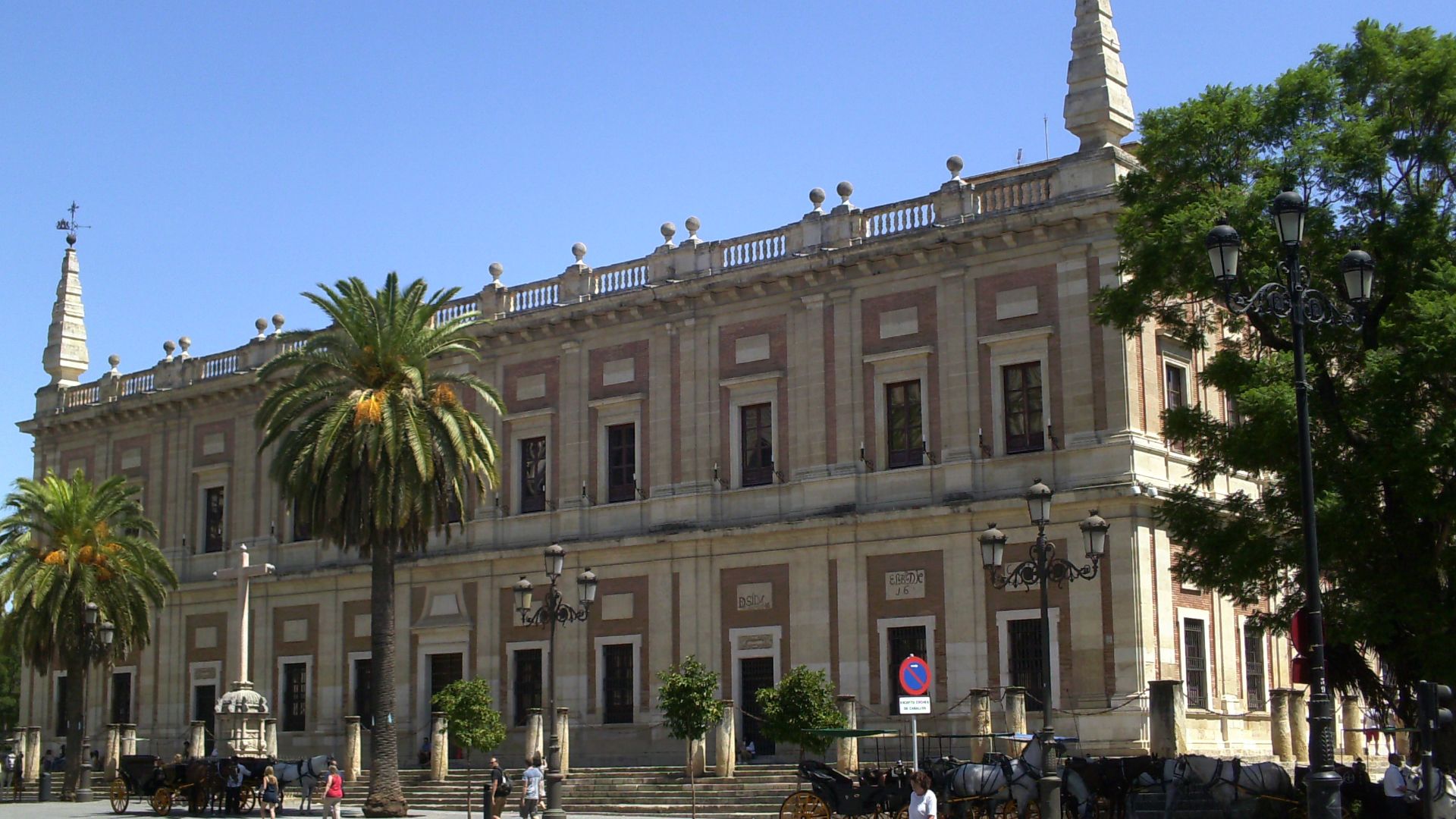
Modern travelers can trace Elcano’s world: Getaria’s harbor and Basque shipyards; Seville’s Archivo General de Indias; Sanlúcar’s river mouth; Mactan’s shores; Tidore’s spice markets. Every stop on the trip adds texture to a global story: survival seamanship, fragile ships, and a captain who chose the long, hungry way home.
The Man Who Crossed The Finish Line
Elcano didn’t start the world’s first circumnavigation, but he finished it. His accomplishment was tactical, technical, and human: hold a course, feed a crew, and bring a leaking vessel through countless leagues of hostile waters. After three centuries in the shadows, his name encircles the earth and the eternally rolling seas he sailed.
You May Also Like:
Adventurous Facts About The Greatest Explorers In History
37 Bloody Facts About Spanish Conquistadors
Unearthed Facts About Christopher Columbus, America’s Explorer