Money Changes Everything
Having millions of dollars means people take your ideas seriously, including the terrible ones. From an American industrialist attempting to recreate Michigan in the Amazon to a millionaire building his own Olympic wrestling empire, these wealthy eccentrics discovered that enough money could transform a personal obsession into somebody else's very complicated reality.
 Harris & Ewing; Public domain, via Wikimedia Commons
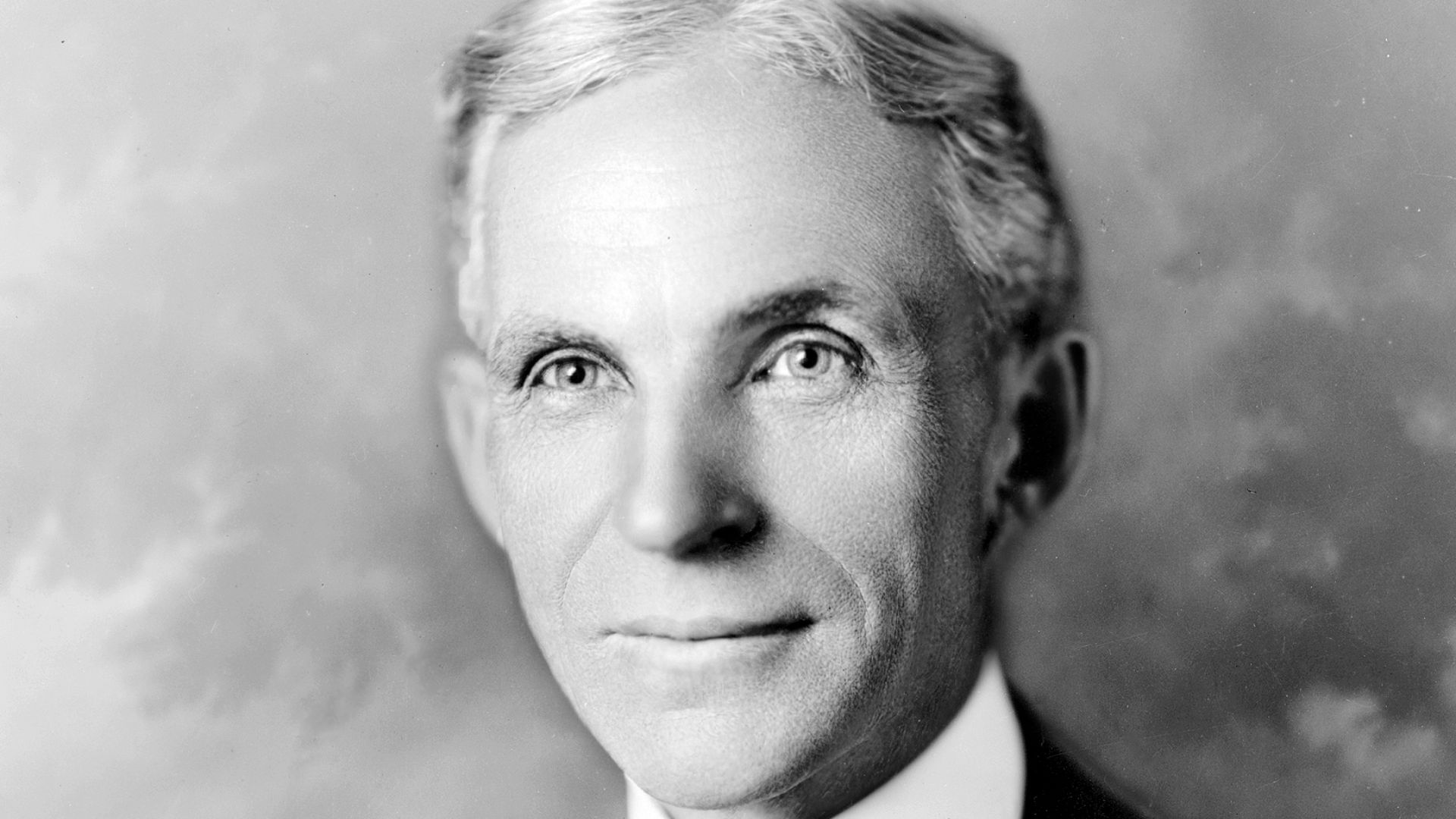
Henry Ford Built Fordlandia
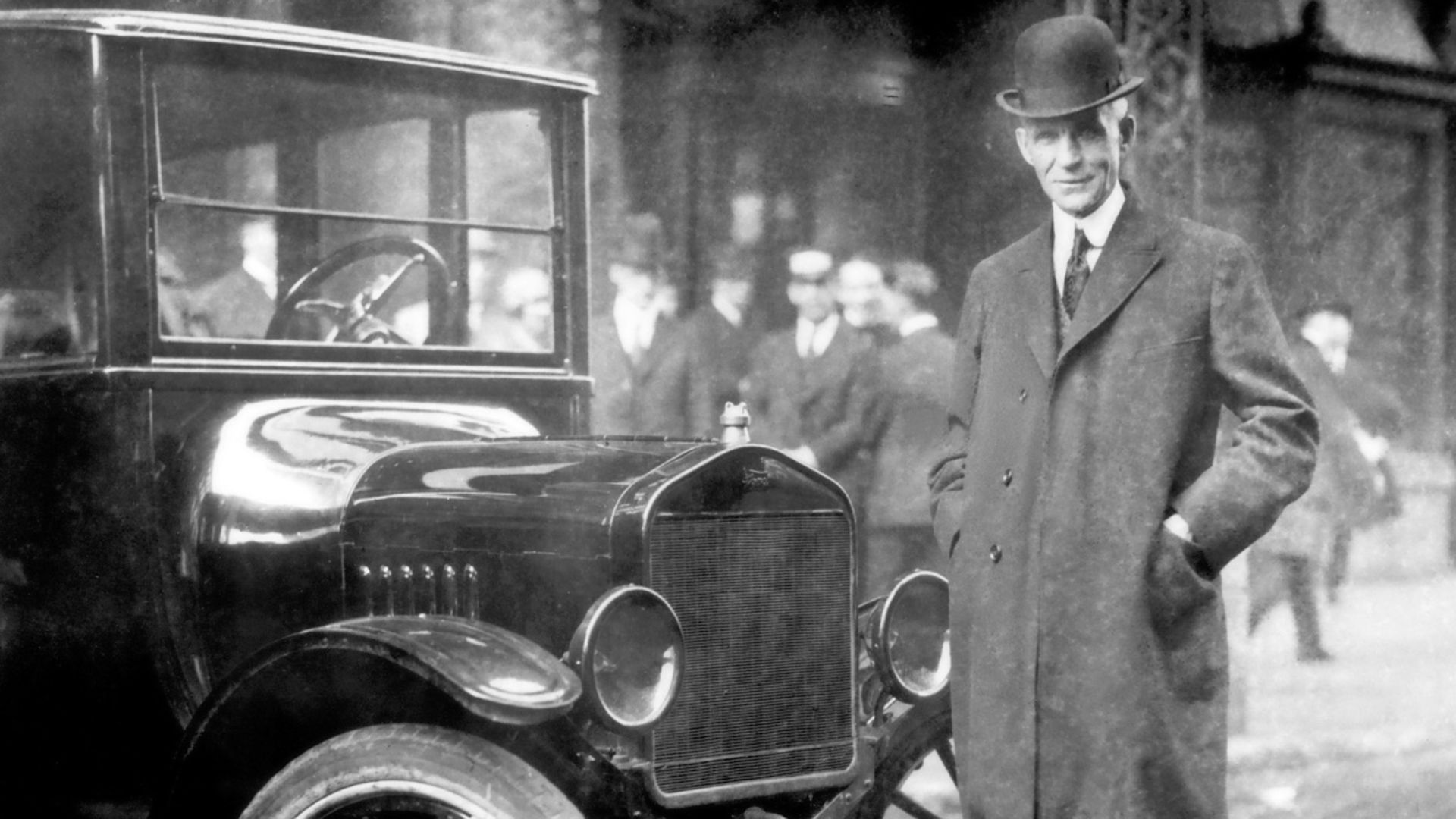
Henry Ford wanted his own dependable source of rubber, but he didn't merely establish a Brazilian plantation. Beginning in the late 1920s, Ford created Fordlandia, an American-style settlement in the Amazon where Brazilian employees encountered Midwestern food, company housing, organized recreation and workplace rules inspired by Ford's vision of respectable American life.
 Fred Hartsook, Wikimedia Commons
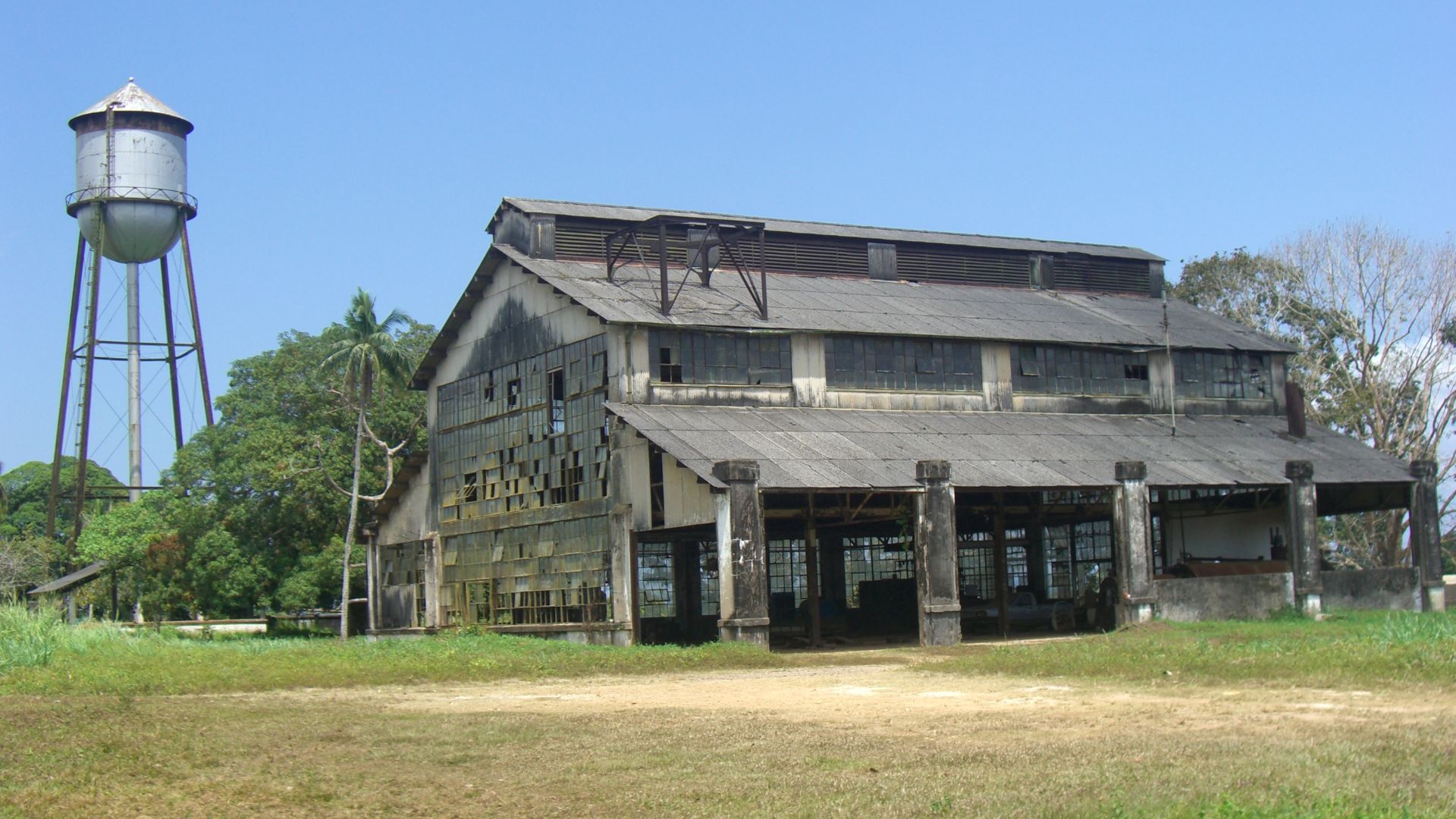
Workers Finally Rebelled
Ford had never visited the Amazon, and his managers initially lacked essential tropical agricultural expertise. Rubber trees suffered badly, while workers resented unfamiliar food, schedules and intrusive rules. In 1930, a cafeteria dispute erupted into a serious riot that sent American managers fleeing while workers wrecked company property. Fordlandia ultimately failed spectacularly.
 Amit Evron - User: (WT-shared) Amitevron at wts wikivoyage, Wikimedia Commons
George Pullman Built A Town
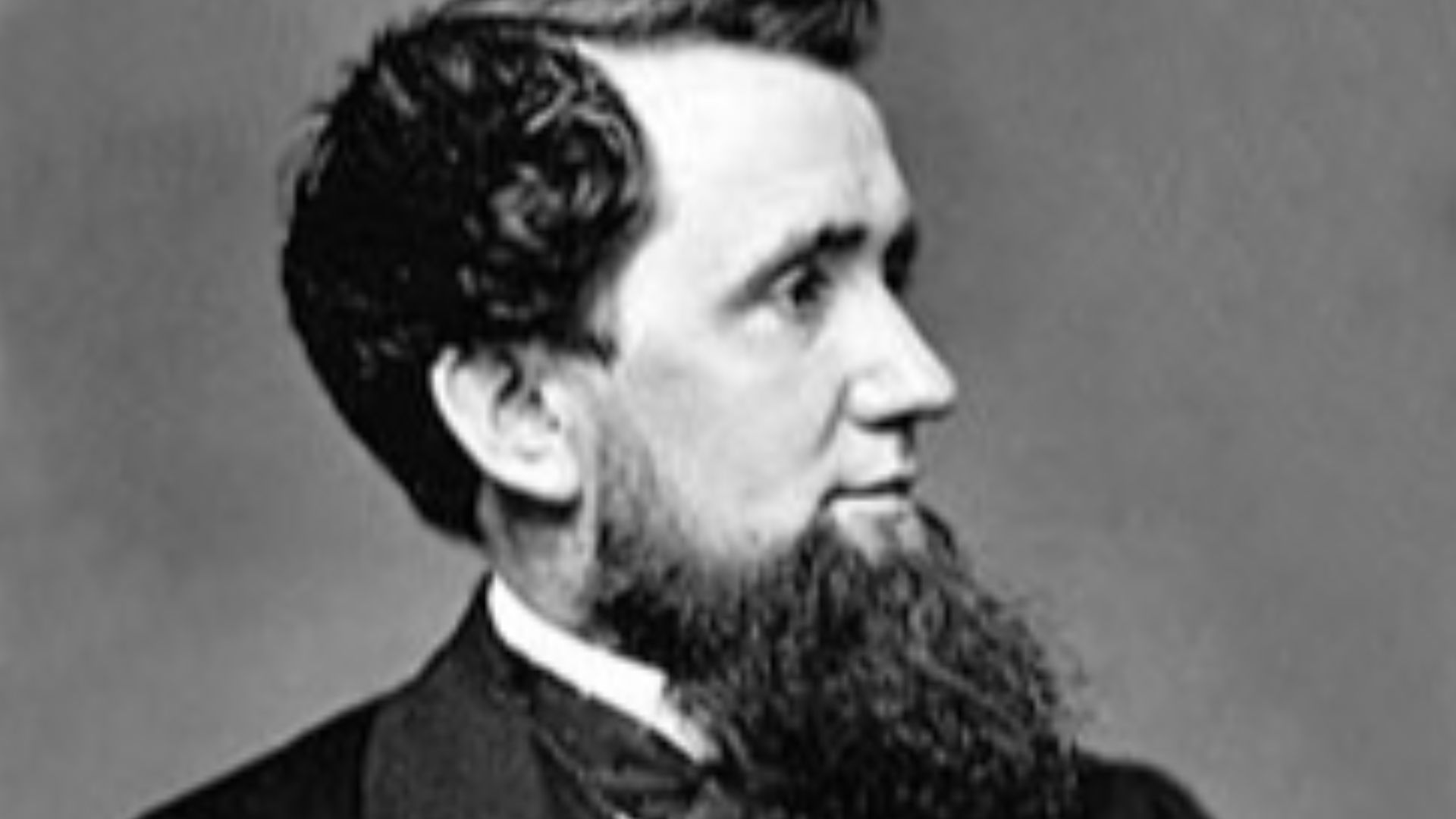
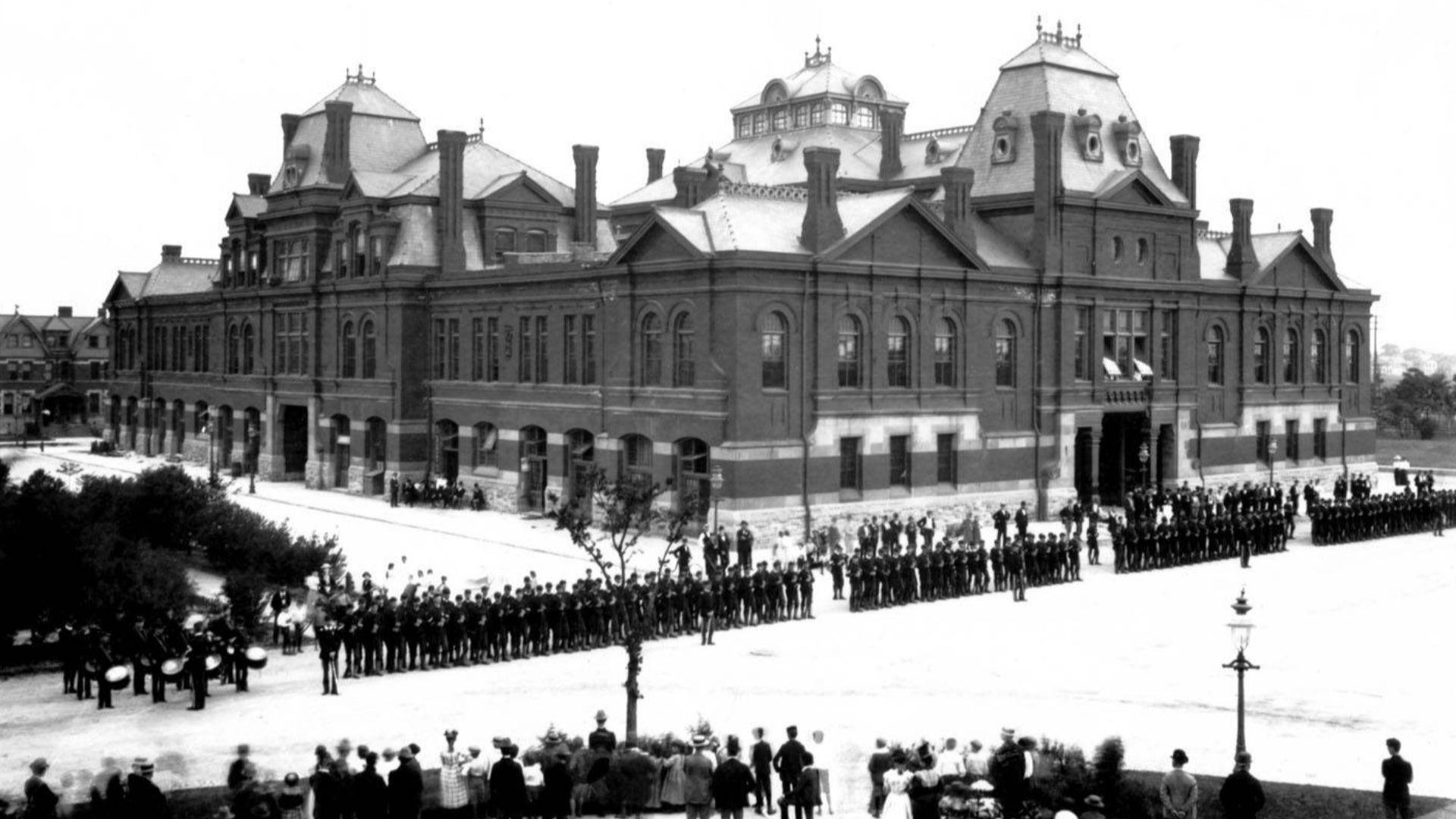
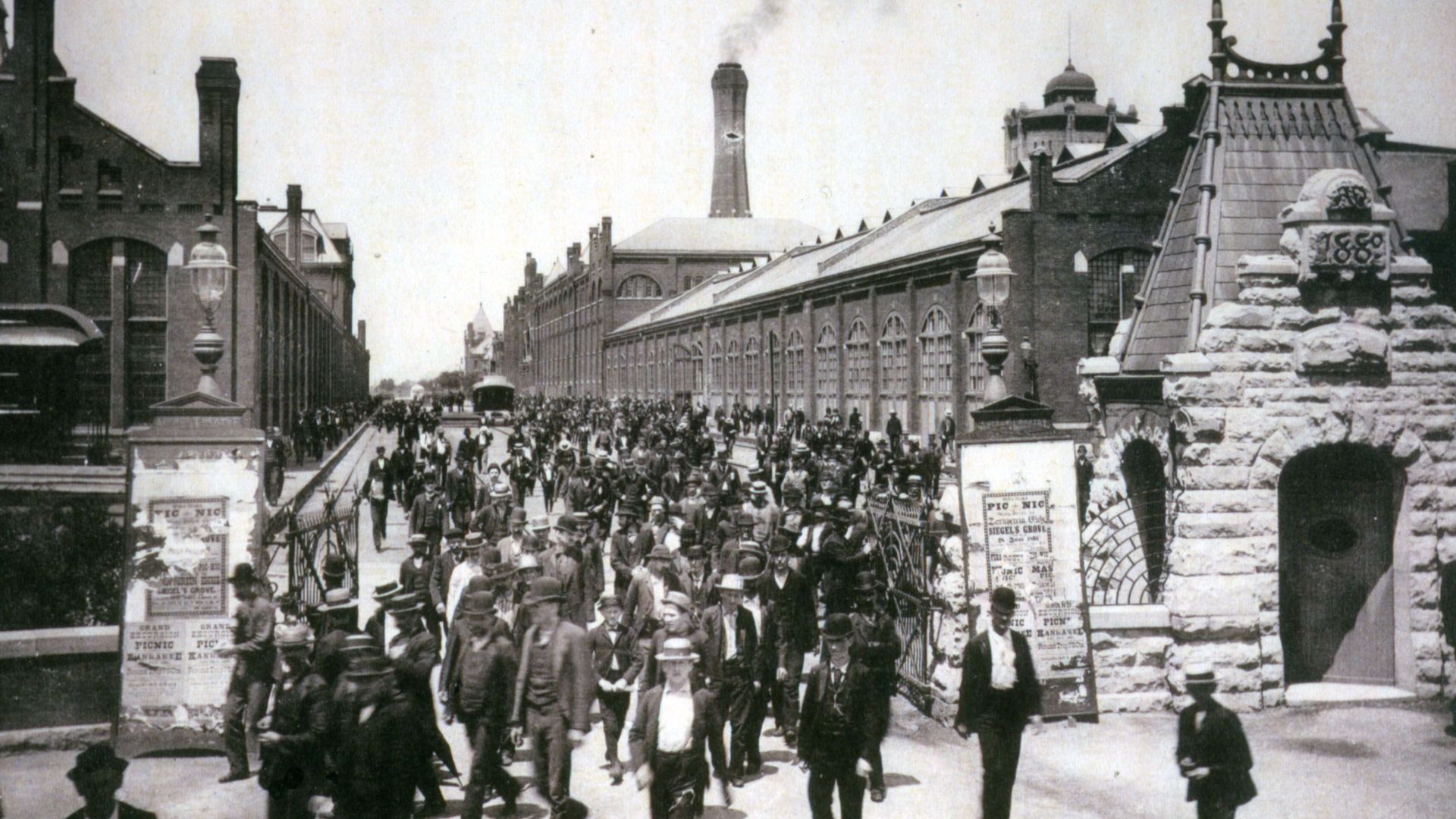
Railroad magnate George Pullman believed he could create better employees by controlling their environment. His model community outside Chicago provided attractive brick homes, sanitation, parks and other amenities while deliberately excluding saloons and influences Pullman considered undesirable. Unfortunately, the benevolent industrialist was also everybody's employer and landlord.
 Unknown authorUnknown author, Wikimedia Commons

History's most fascinating stories and darkest secrets, delivered to your inbox daily.
The Town Exploded
When the depression of 1893 hurt business, Pullman reduced wages without correspondingly reducing company-town rents. Workers struck in May 1894, and a nationwide boycott subsequently disrupted enormous portions of America's rail system. Federal troops intervened, dozens perished in the violence, and Pullman's supposedly harmonious experiment became a national symbol of corporate paternalism gone disastrously wrong.
 Unknown authorUnknown author; 'Pullman Company negative jacket labeled
Robert Graham Wanted Geniuses
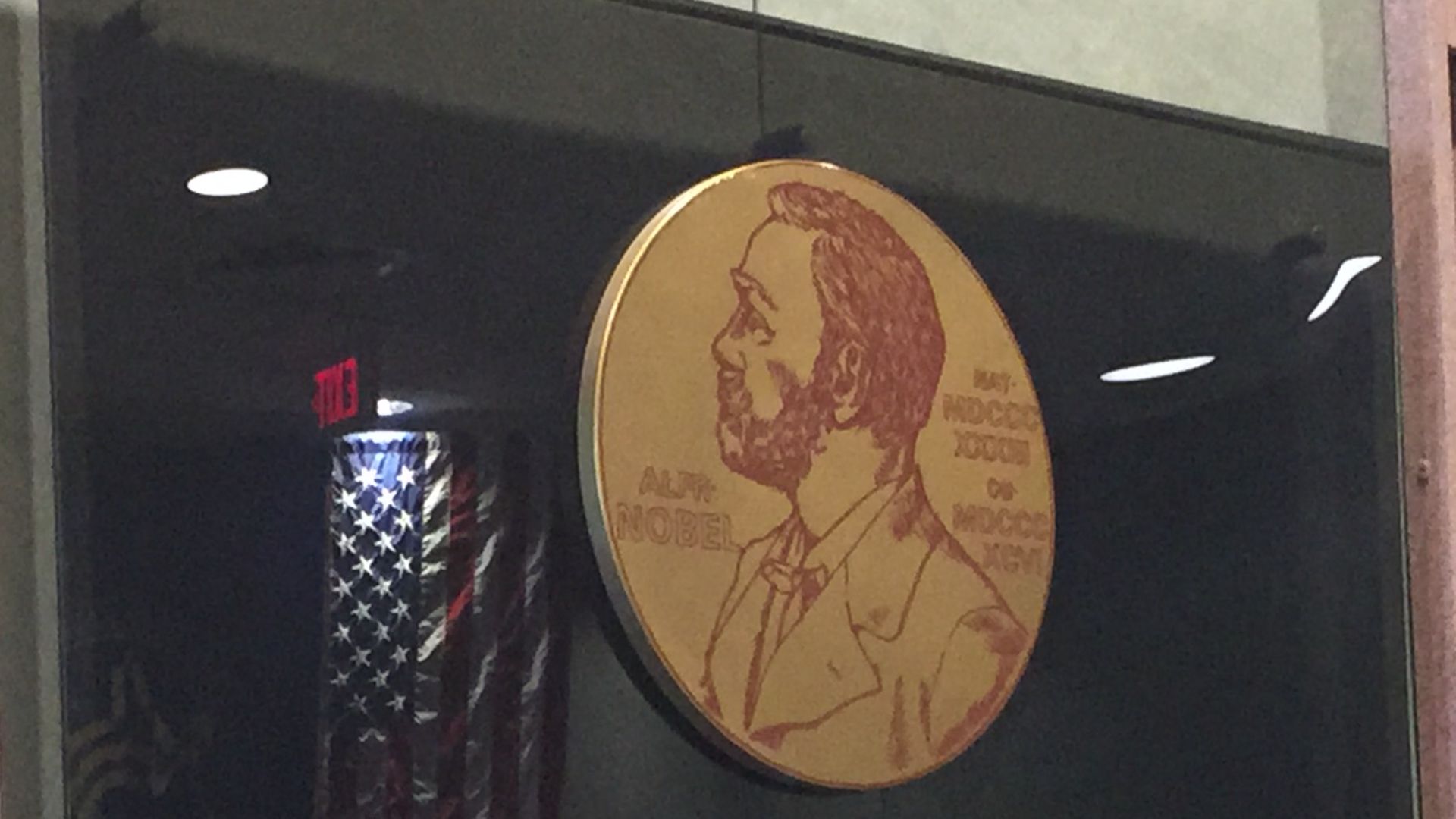
Robert Klark Graham made a fortune developing shatter-resistant eyeglass lenses, then decided civilization faced genetic decline. In 1980, he founded the Repository for Germinal Choice, popularly called the "Nobel Prize sperm bank," hoping to produce unusually intelligent children using sperm from exceptionally accomplished men, initially including Nobel laureates.
Eugenics Entered The Nursery
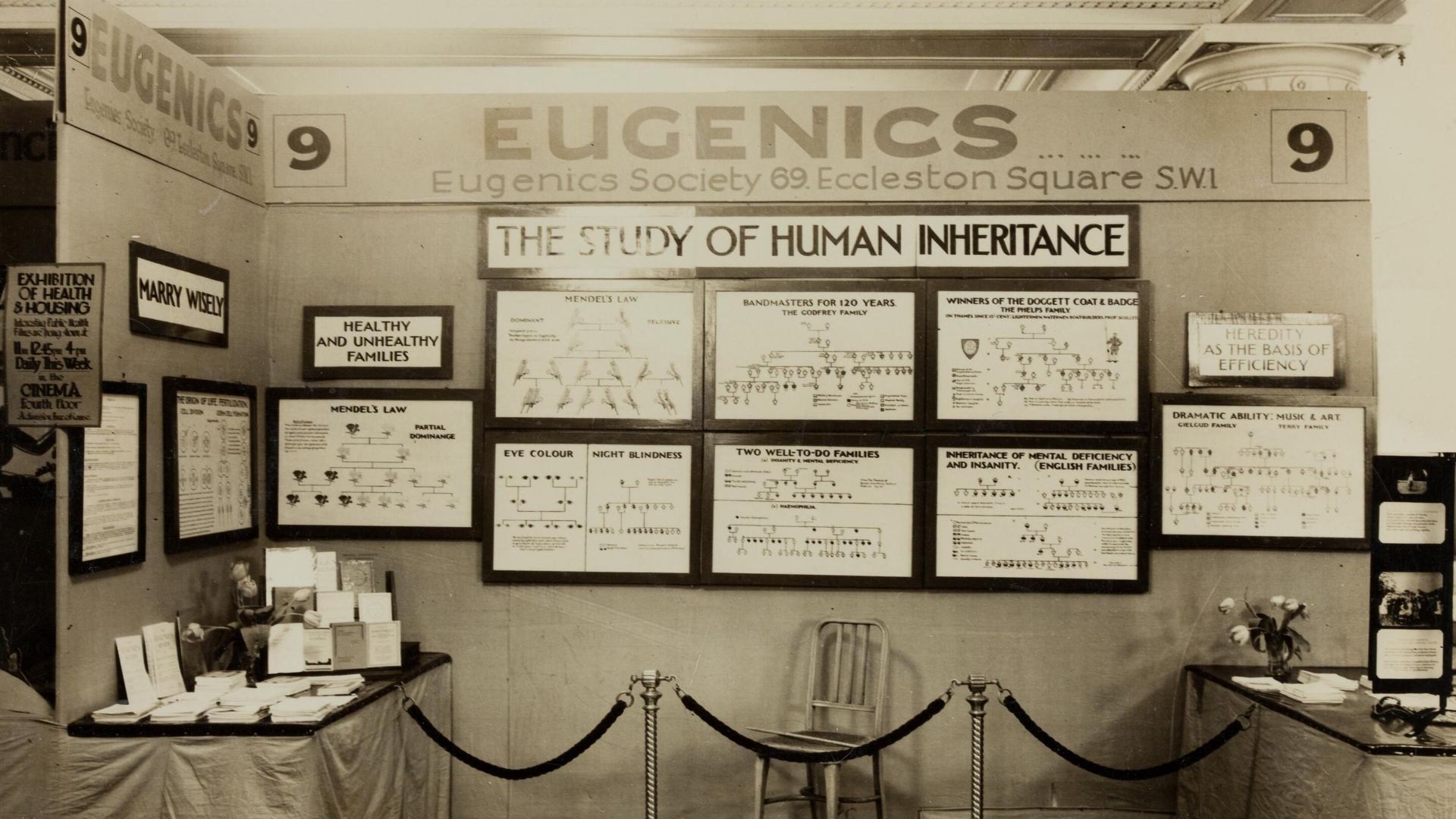
Graham quickly discovered that Nobel winners weren't exactly lining up to participate, and donor standards broadened. More importantly, his attempt to influence human reproduction according to his beliefs about intelligence triggered an international ethical argument. Critics attacked the project as elitist, scientifically questionable and disturbingly reminiscent of earlier eugenics movements.
 Wellcome Library, Wikimedia Commons
John Du Pont Built Foxcatcher
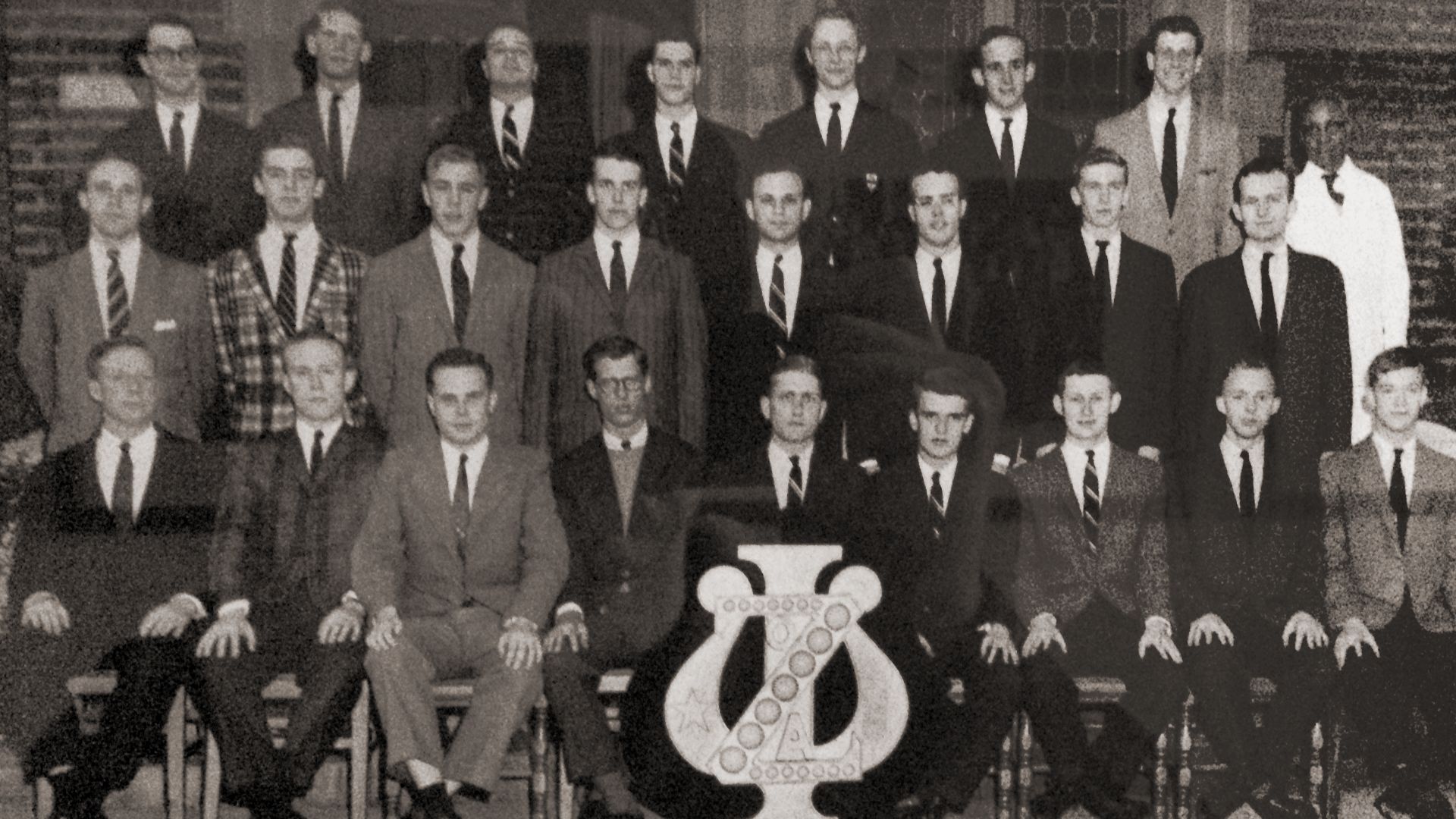
Du Pont heir John E. du Pont poured enormous sums into amateur athletics, particularly wrestling. At his Pennsylvania estate he created Foxcatcher, a remarkable training complex with wrestling facilities, weights and an Olympic-size swimming pool. Elite wrestlers could live and train there while receiving financial support from one extremely wealthy benefactor.
 Zeta Psi, Sigma Chapter, Wikimedia Commons
Foxcatcher Became Terrifying
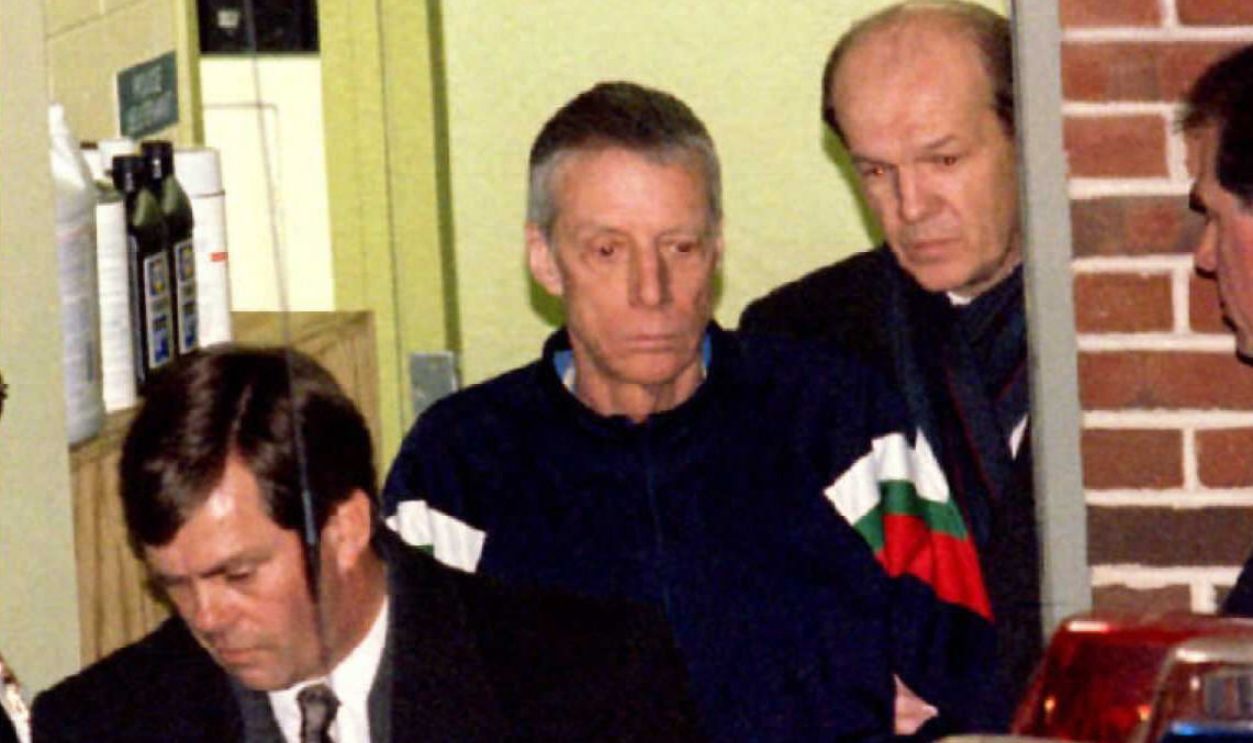
Du Pont's behavior grew increasingly alarming. Accounts described firearms, bizarre delusions, a tank driven around the property and threatening encounters with athletes. In January 1996, he fatally shot Olympic champion Dave Schultz outside Schultz's home on the estate. The millionaire's private sporting kingdom had ended in an almost unimaginable tragedy.
Hearst Wanted A Zoo
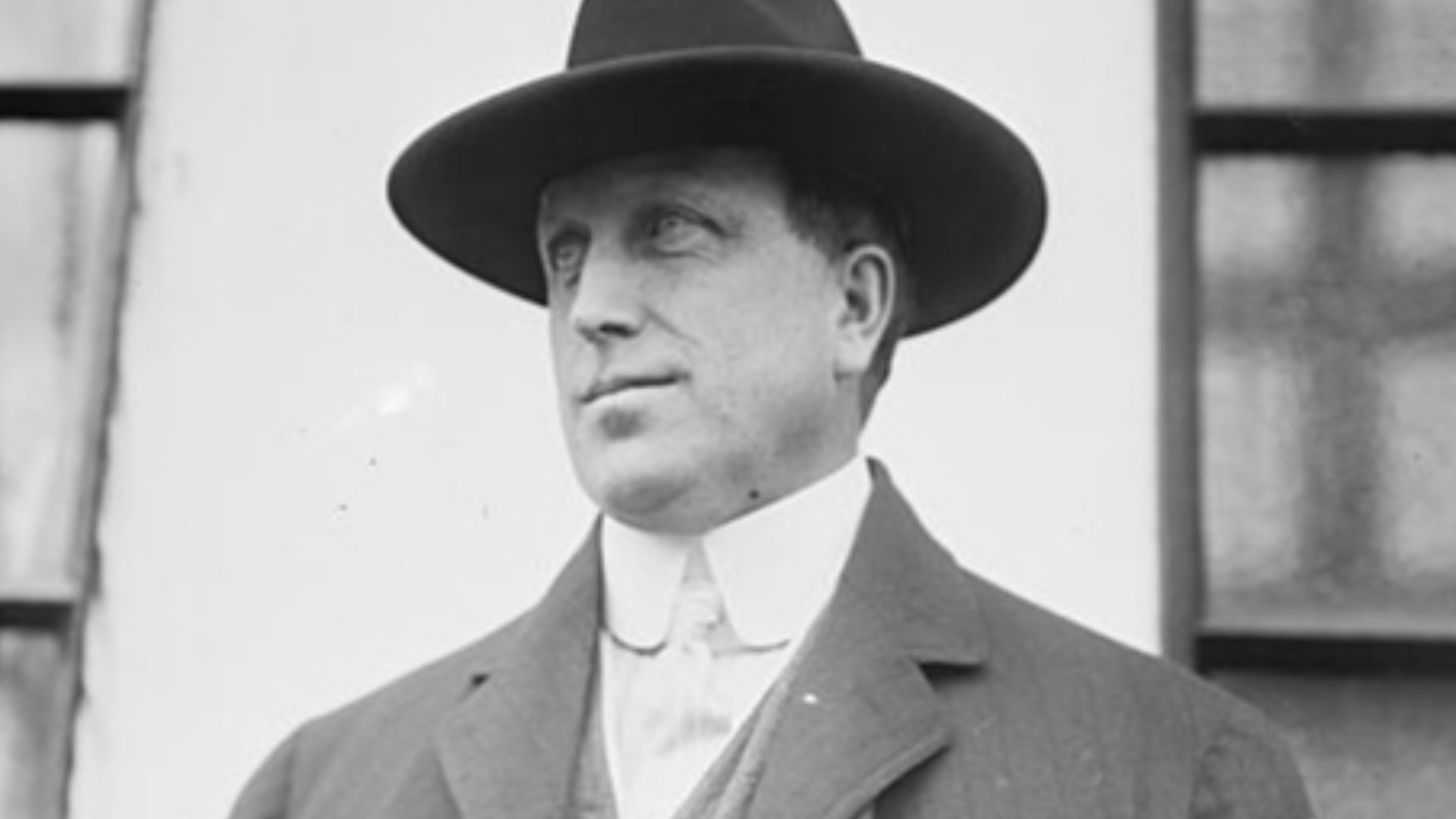
William Randolph Hearst wasn't satisfied with building an enormous California estate. He created the Hearst Garden of Comparative Zoology, stocking his ranch with an extraordinary assortment of animals including zebras, antelope, camels, giraffes, kangaroos, bears, lions, tigers, leopards and even an elephant. Some herbivores roamed enormous fenced areas.
 Bain News Service, publisher, Wikimedia Commons
History's most fascinating stories and darkest secrets, delivered to your inbox daily.
The Zebras Stayed Behind
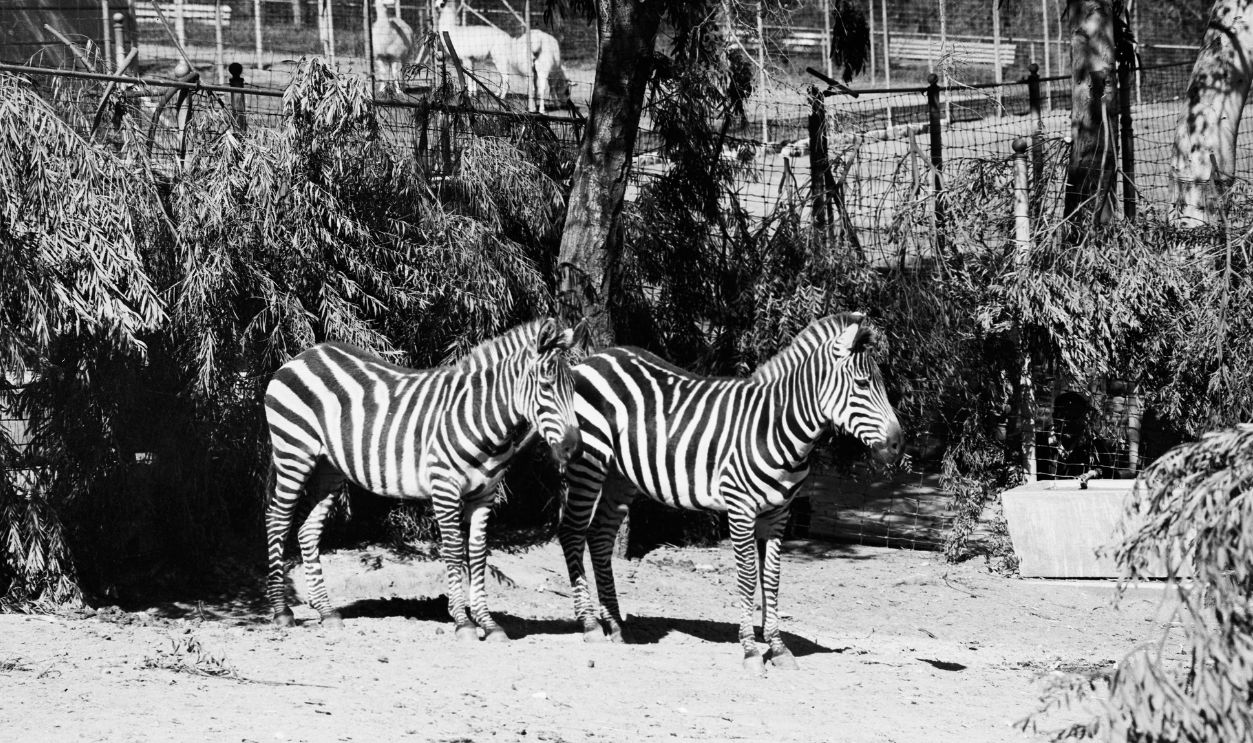
Financial difficulties forced Hearst to dismantle much of his private zoo beginning in 1937, with animals sold or donated over many years. But the dispersal was never completely finished. Descendants of Hearst's zebras still roam the San Simeon ranch today, making one millionaire's exotic-animal obsession a remarkably durable part of California's landscape.
 University of Southern California, Getty Images
Howard Hughes Bought Vegas
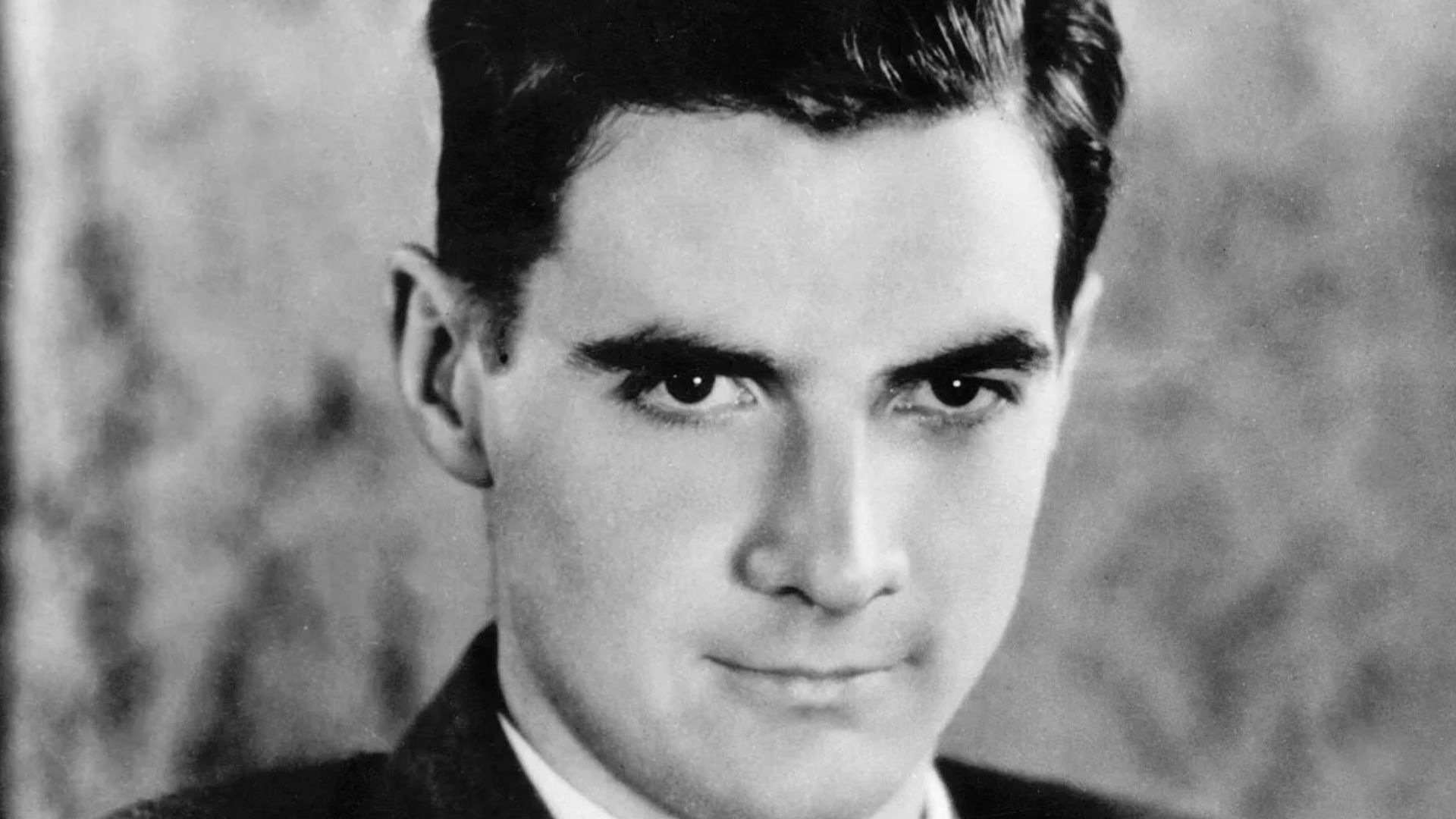
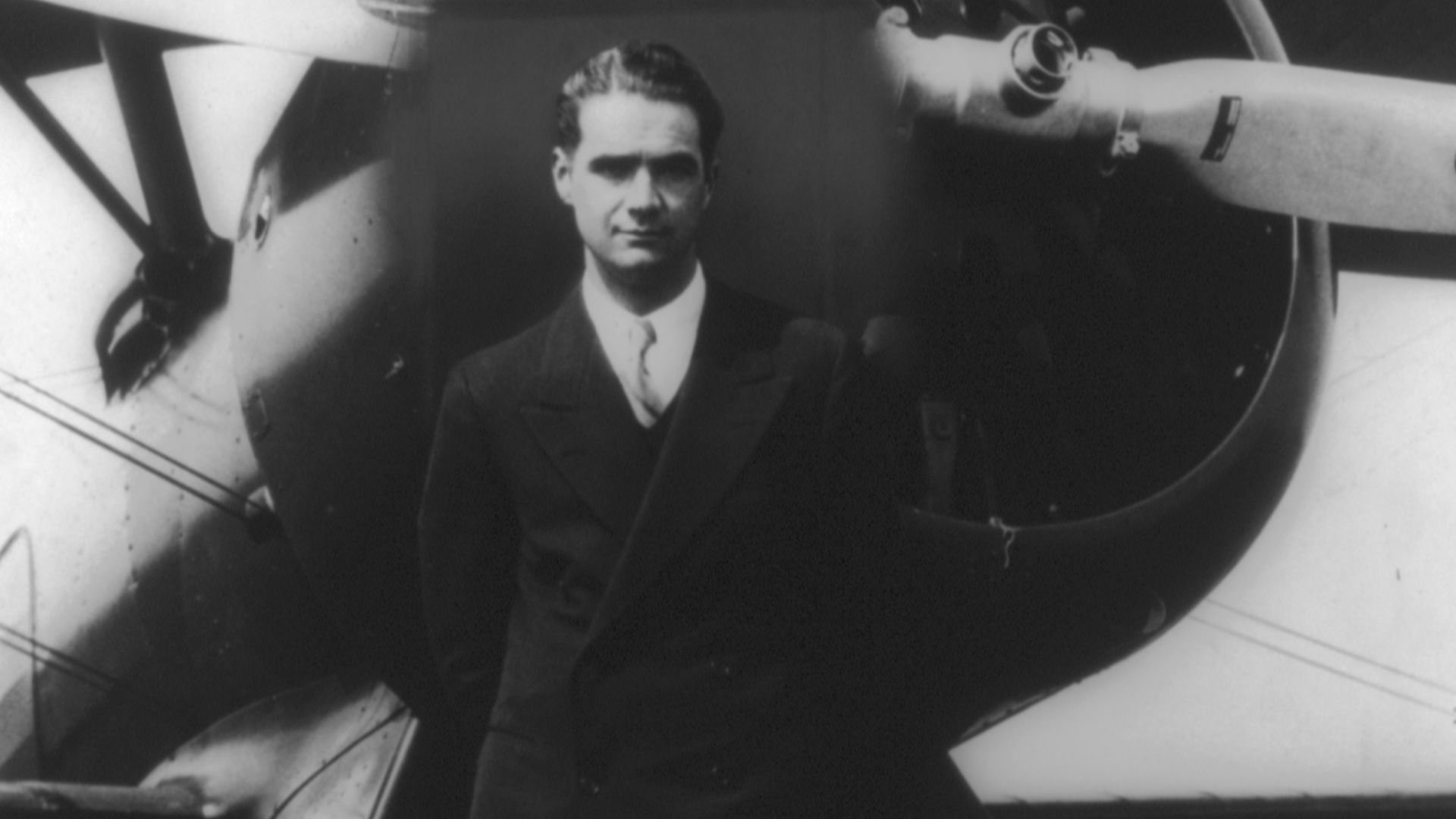
Howard Hughes arrived at Las Vegas's Desert Inn in 1966 seeking privacy and occupied its upper floors. When the hotel wanted its suites back, Hughes responded in quintessential billionaire fashion: he bought the hotel. Then he kept shopping, acquiring the Sands, Frontier, Castaways, Silver Slipper, Landmark and numerous other Nevada assets.
 AnonymousUnknown author, Wikimedia Commons
Vegas Changed Around Him
Hughes eventually controlled roughly one-third of Strip casino revenue, and the Justice Department objected when he attempted another major acquisition. His presence helped legitimize corporate casino ownership, while Nevada changed its gaming laws during this transformative period. One recluse conducting business from a hotel suite helped accelerate Las Vegas's corporate transformation.
Macfadden Distrusted Doctors
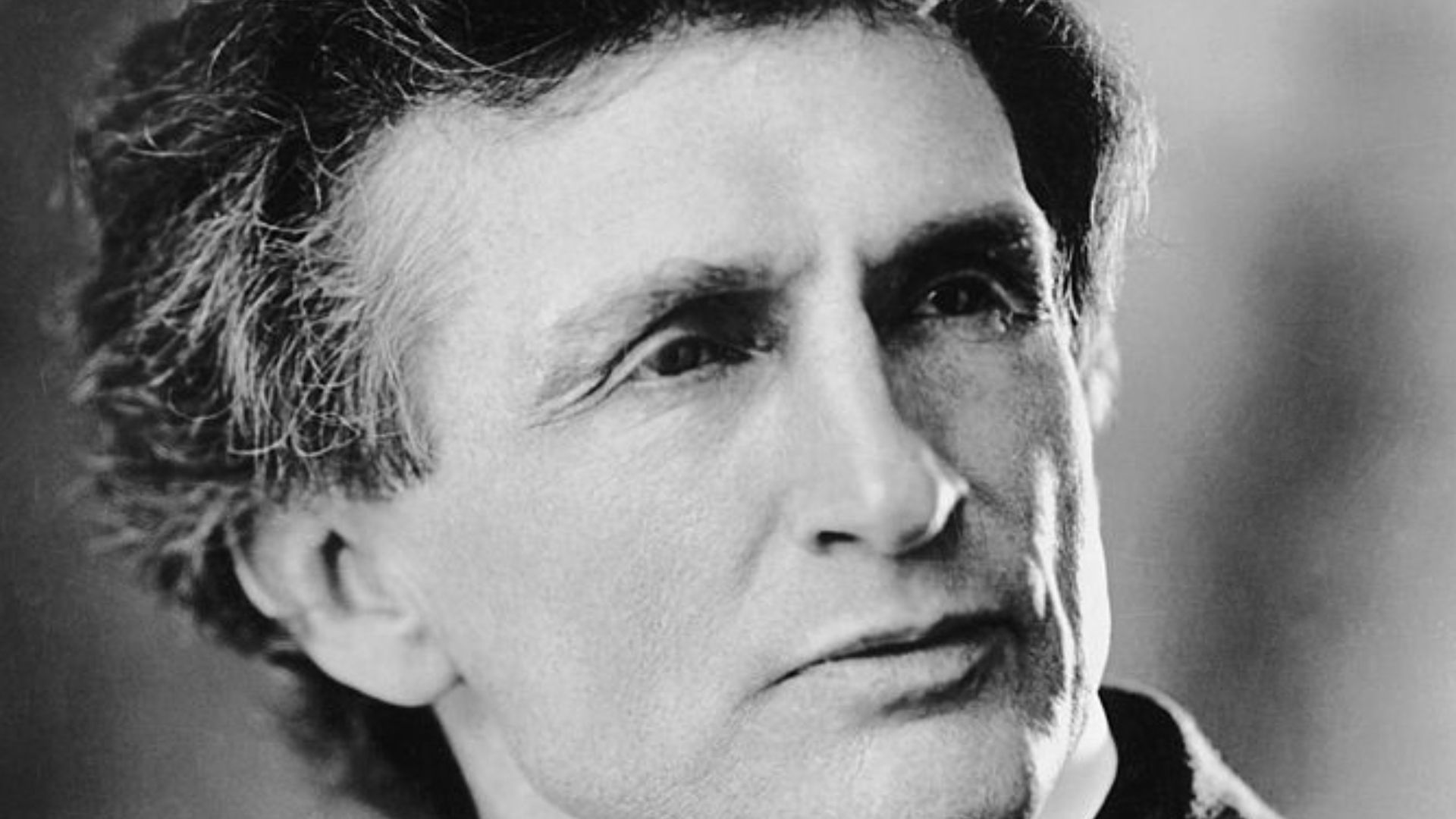
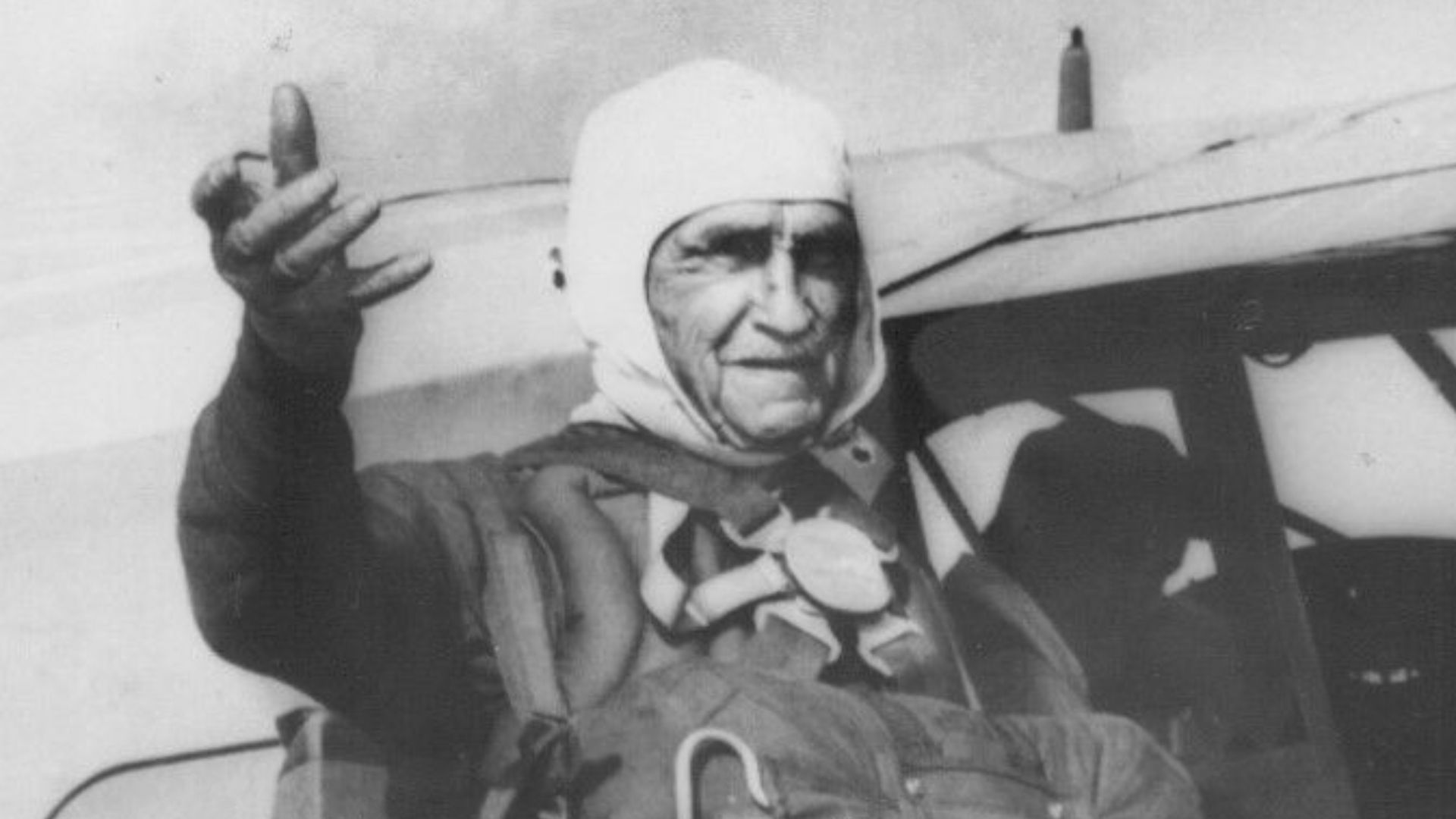
Publishing millionaire Bernarr Macfadden built an empire around "physical culture" and promoted exercise, fresh foods and fitness long before those ideas became mainstream. Unfortunately, he also carried his confidence much further, advocating fasting as a treatment for illness and opposing vaccination, pasteurization and many conventional medical treatments.
 Unknown authorUnknown author, Wikimedia Commons
Millions Heard His Advice
Macfadden wasn't simply an eccentric practicing unusual health routines privately. He was an enormously influential publisher who used magazines, books and publicity to promote his beliefs to mass audiences. Some of his fitness principles aged remarkably well, but his sweeping claims about fasting and hostility toward established medicine demonstrate the danger of mixing celebrity, wealth and medical certainty.
 Associated Press, Wikimedia Commons
Eastman Wanted Thirteen Months
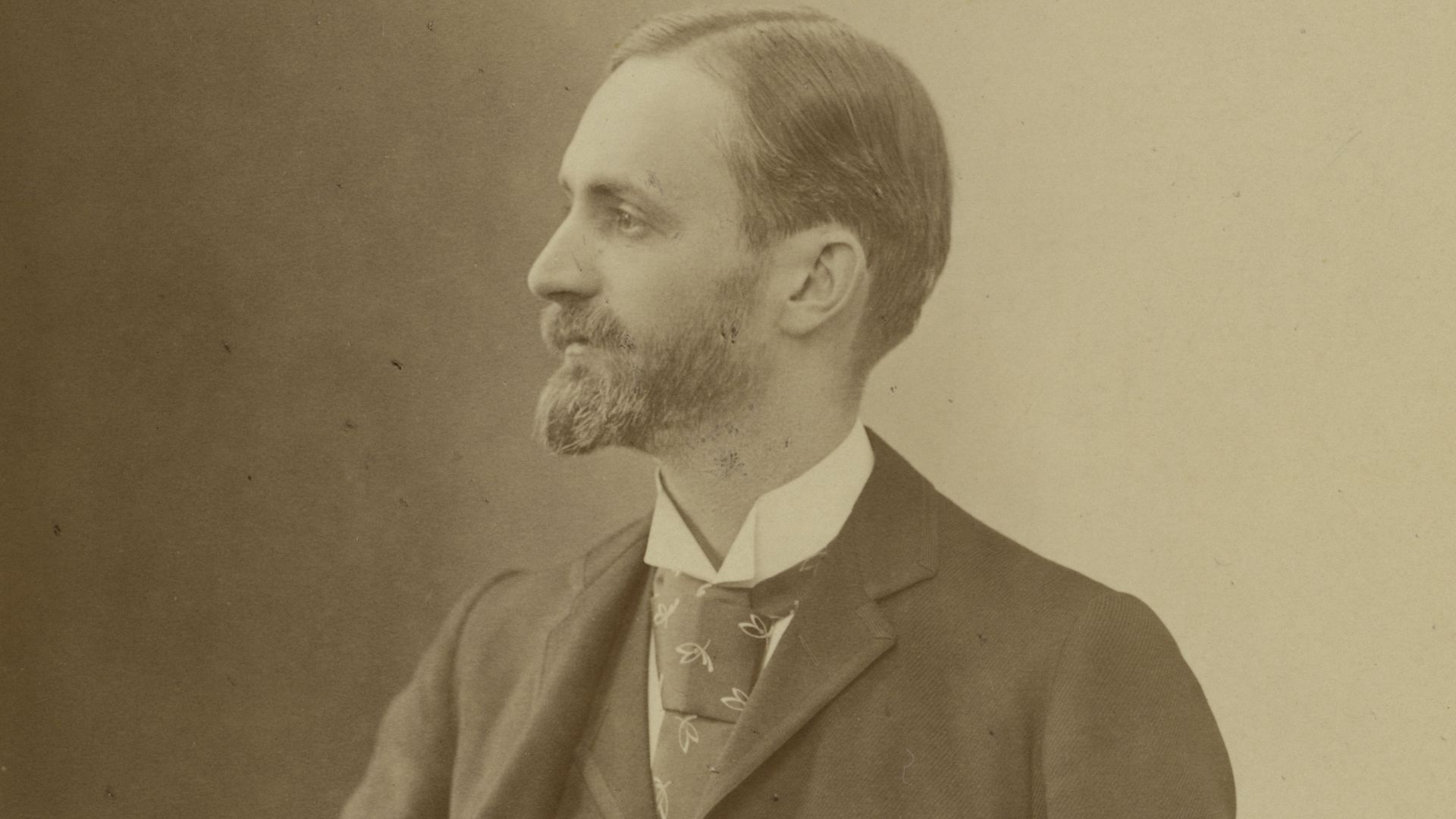
Kodak founder George Eastman became an enthusiastic advocate of the International Fixed Calendar. Instead of today's irregular arrangement, every month would contain exactly 28 days, with a thirteenth month called Sol inserted between June and July. Eastman didn't merely endorse it: Kodak began using a 13-period system internally in 1928.
History's most fascinating stories and darkest secrets, delivered to your inbox daily.
He Wanted Everyone Converted
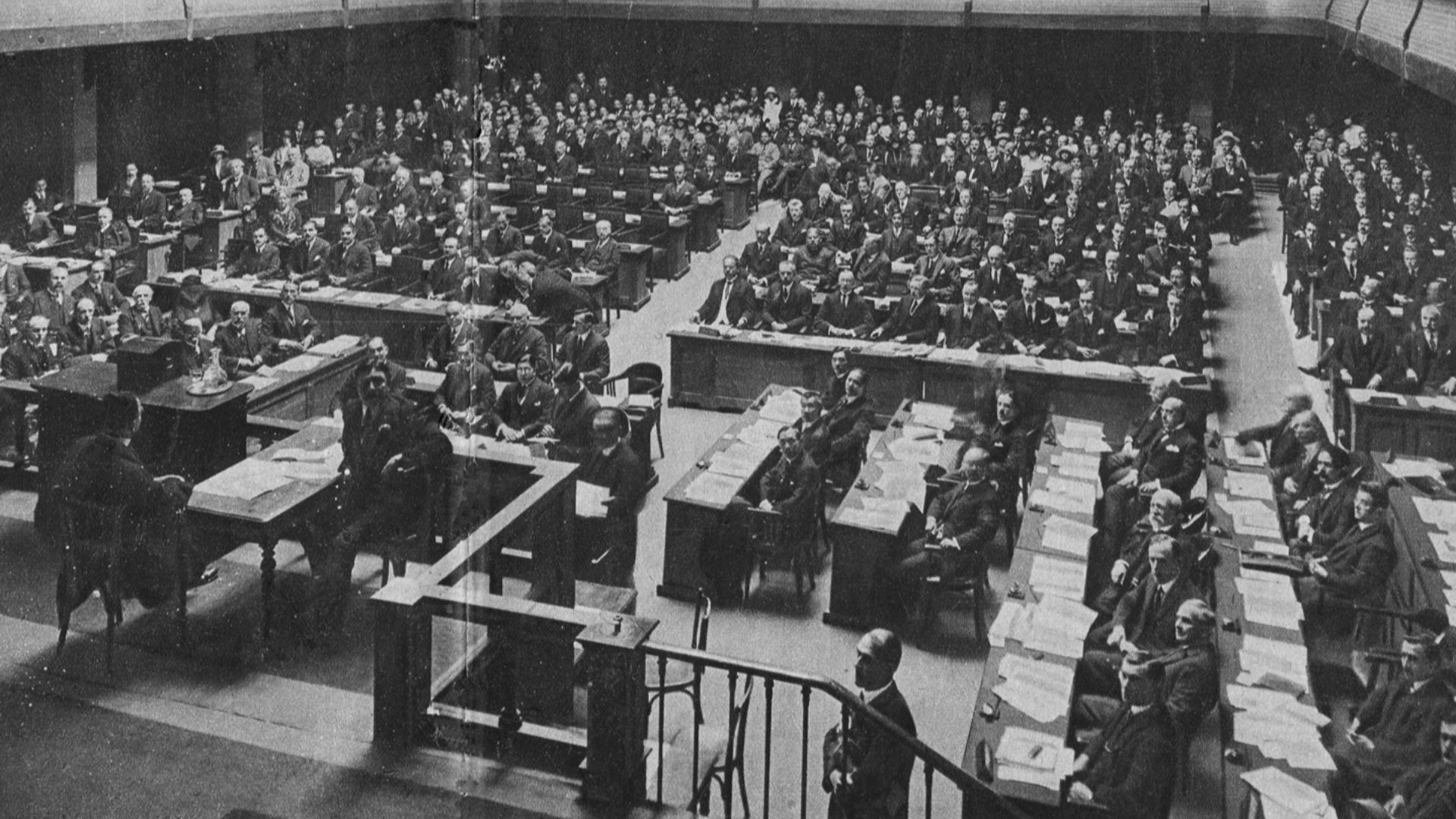
Eastman energetically promoted calendar reform far beyond Kodak, becoming chairman of America's National Committee on Calendar Simplification as the League of Nations considered international reform. Religious groups objected strongly because days outside the normal weekly cycle threatened traditional Sabbath observance. Humanity ultimately decided twelve confusing months were preferable to reorganizing civilization.
 Anonyymi uutiskuva, Wikimedia Commons
Bedaux Planned An Expedition
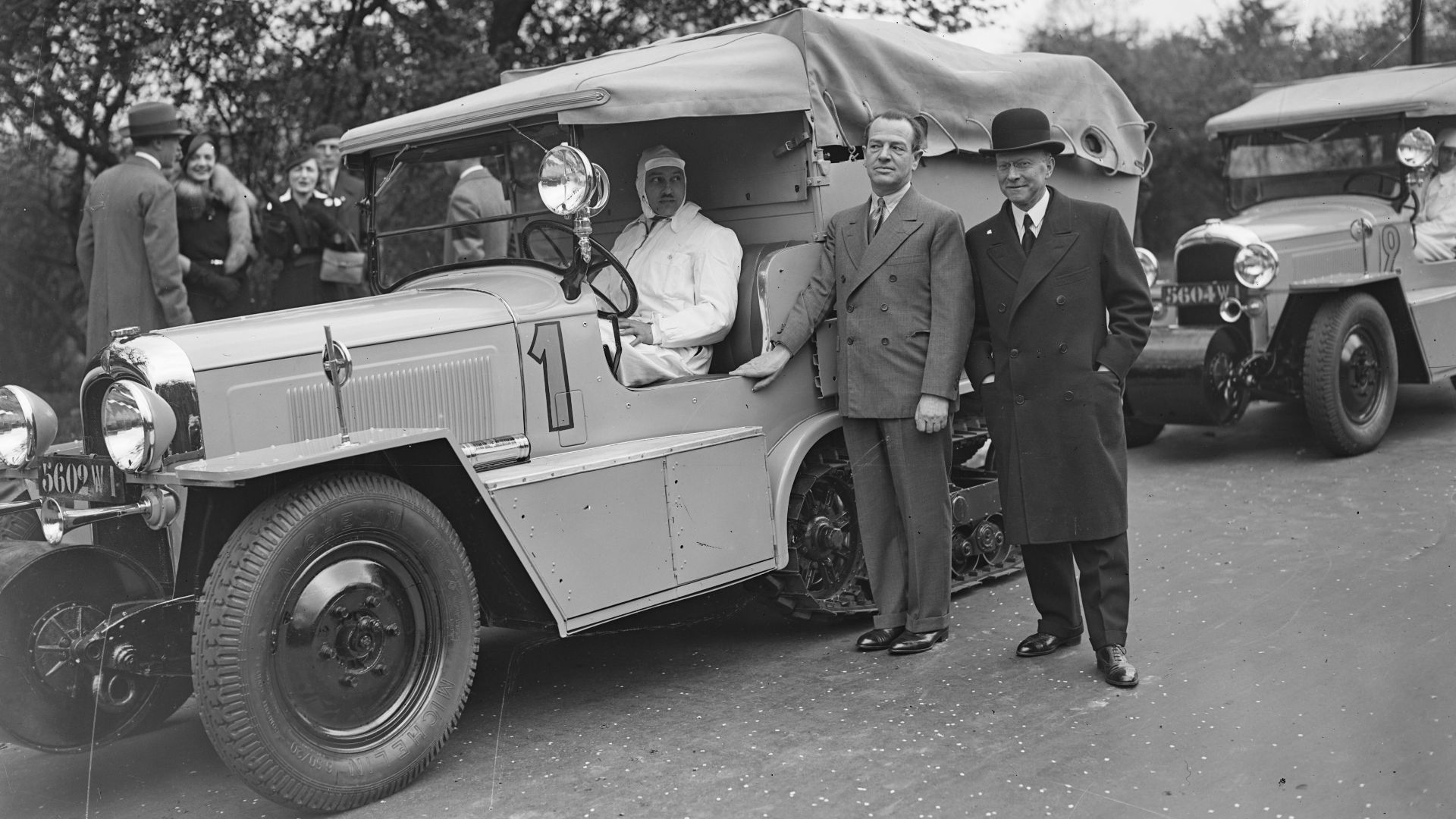
Efficiency expert Charles Bedaux decided in 1934 to mount an extravagant expedition across the wilderness of northern British Columbia. His entourage brought specially constructed Citroën half-tracks, a Hollywood cameraman, champagne, French delicacies and other luxuries. Bedaux even traveled with both his wife and his mistress, because apparently crossing remote Canada wasn't complicated enough.
 Agence Rol. Agence photographique (commanditaire), Wikimedia Commons
The Wilderness Said No
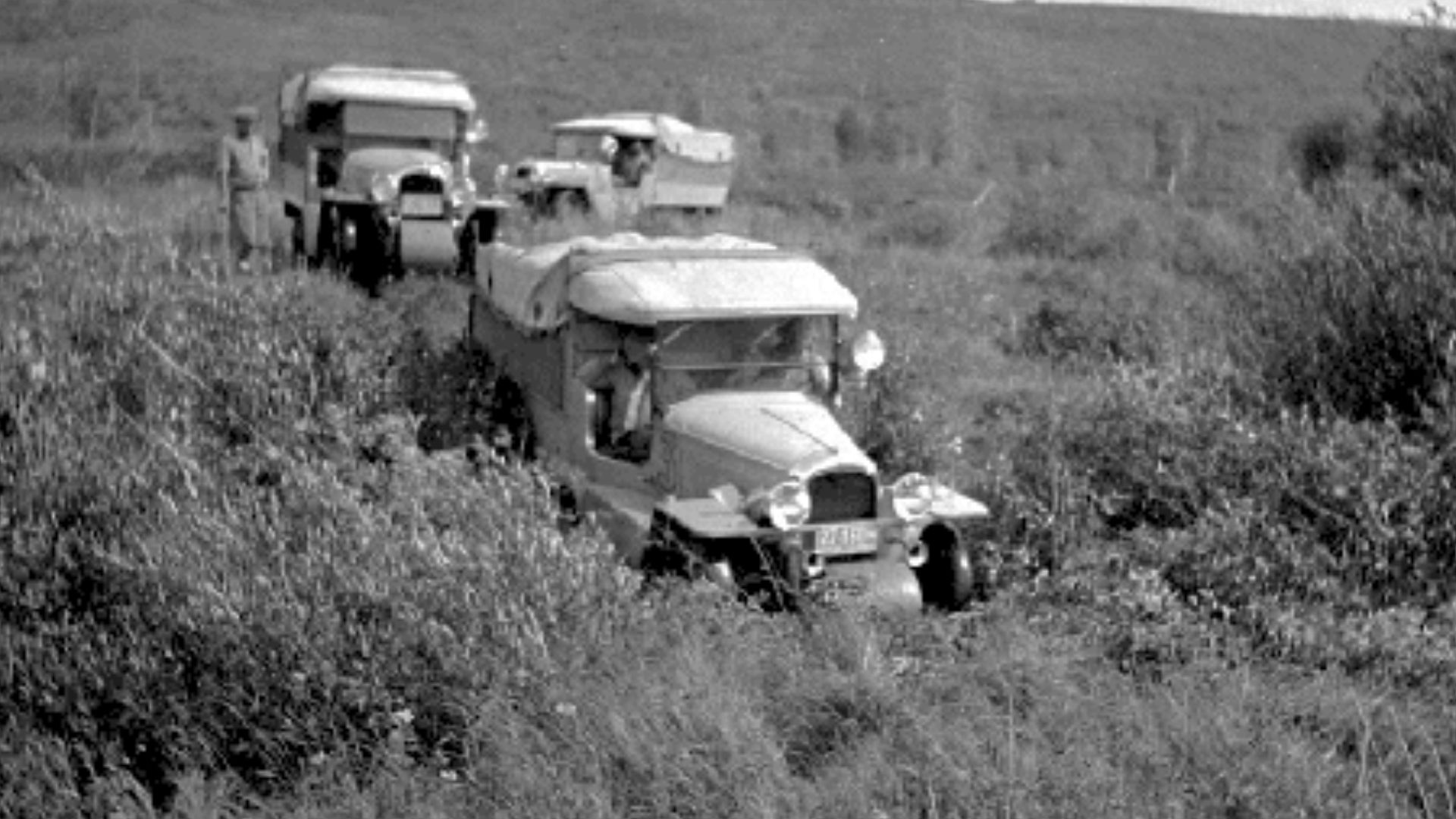
Advance crews had to cut a route wide enough for Bedaux's vehicles, but unusually wet conditions defeated the half-tracks. The expedition switched to packhorses; animals subsequently became sick and had to be destroyed. The entire crossing was abandoned, leaving local guides, workers and animals dealing with the consequences of one millionaire's spectacularly impractical adventure.
 Frank Swannell, Wikimedia Commons
Stanley Marsh Buried Cadillacs
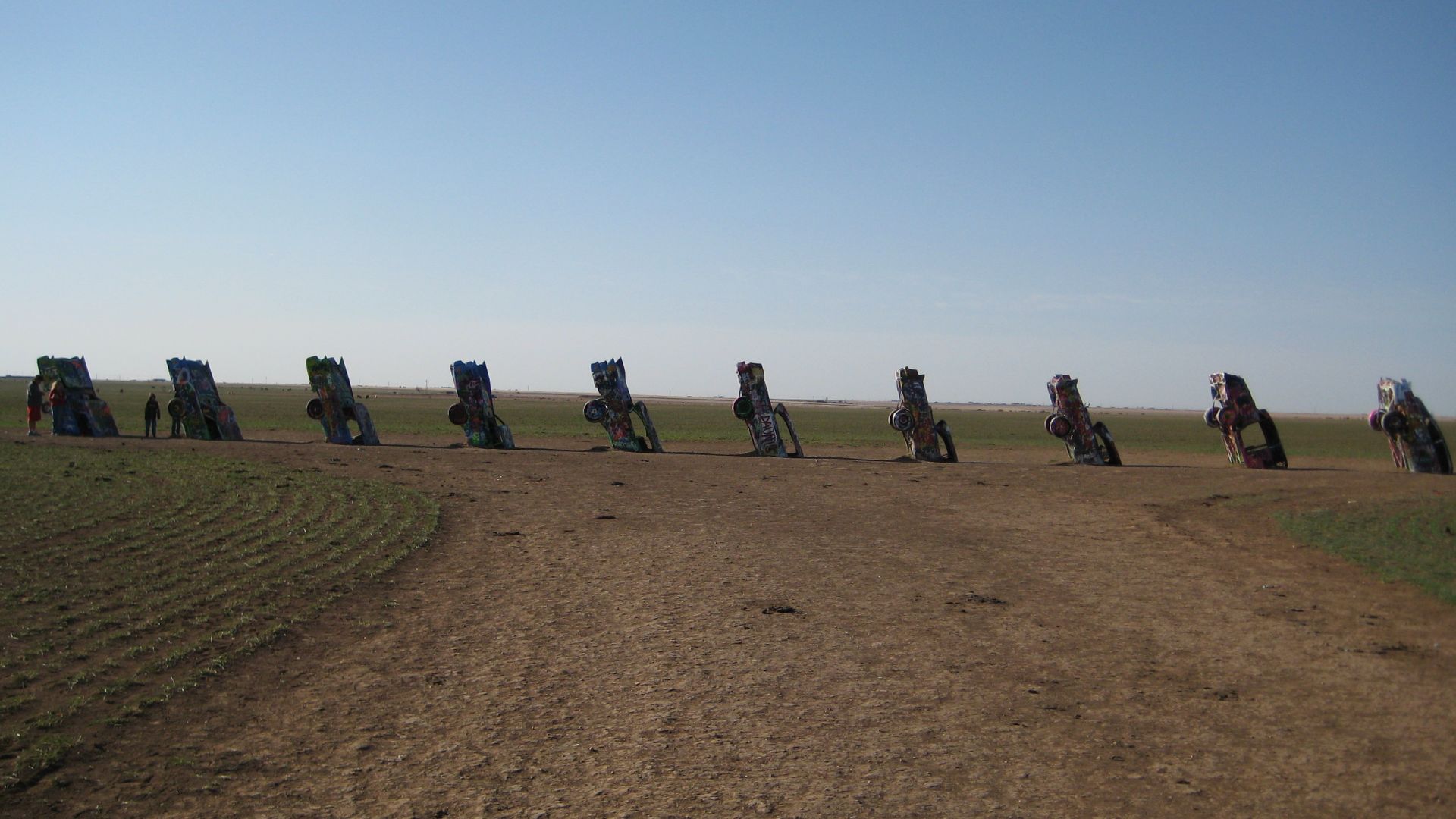
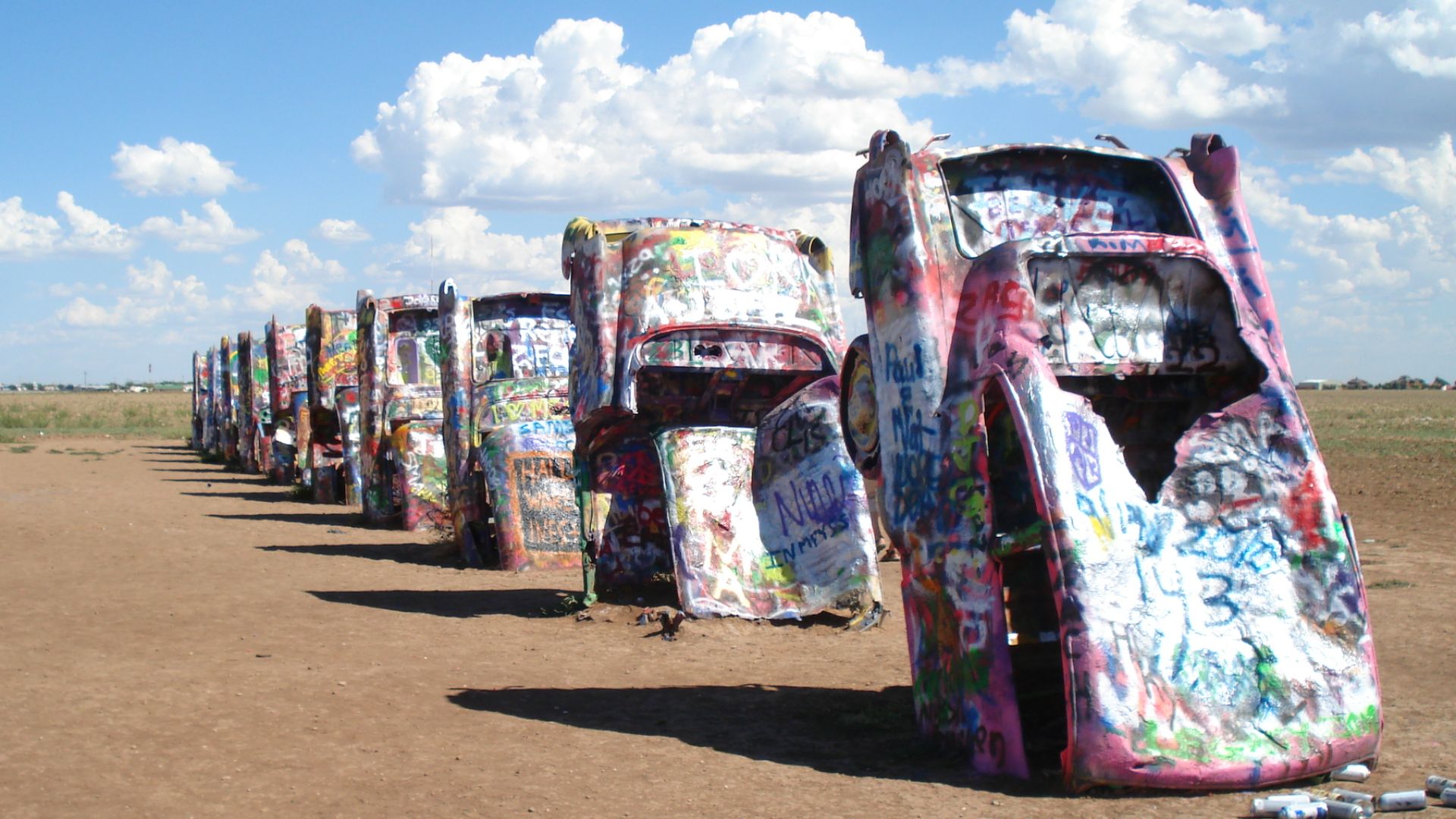
Texas millionaire Stanley Marsh 3 thought ordinary public art was boring. In 1974, he financed Ant Farm's Cadillac Ranch near Amarillo: ten Cadillacs planted nose-first into a field at an angle associated with the Great Pyramid. Marsh subsequently sponsored numerous other bizarre installations and prank-like artworks around his hometown.
 Richie Diesterheft from Chicago, IL, USA, Wikimedia Commons
Amarillo Became His Canvas
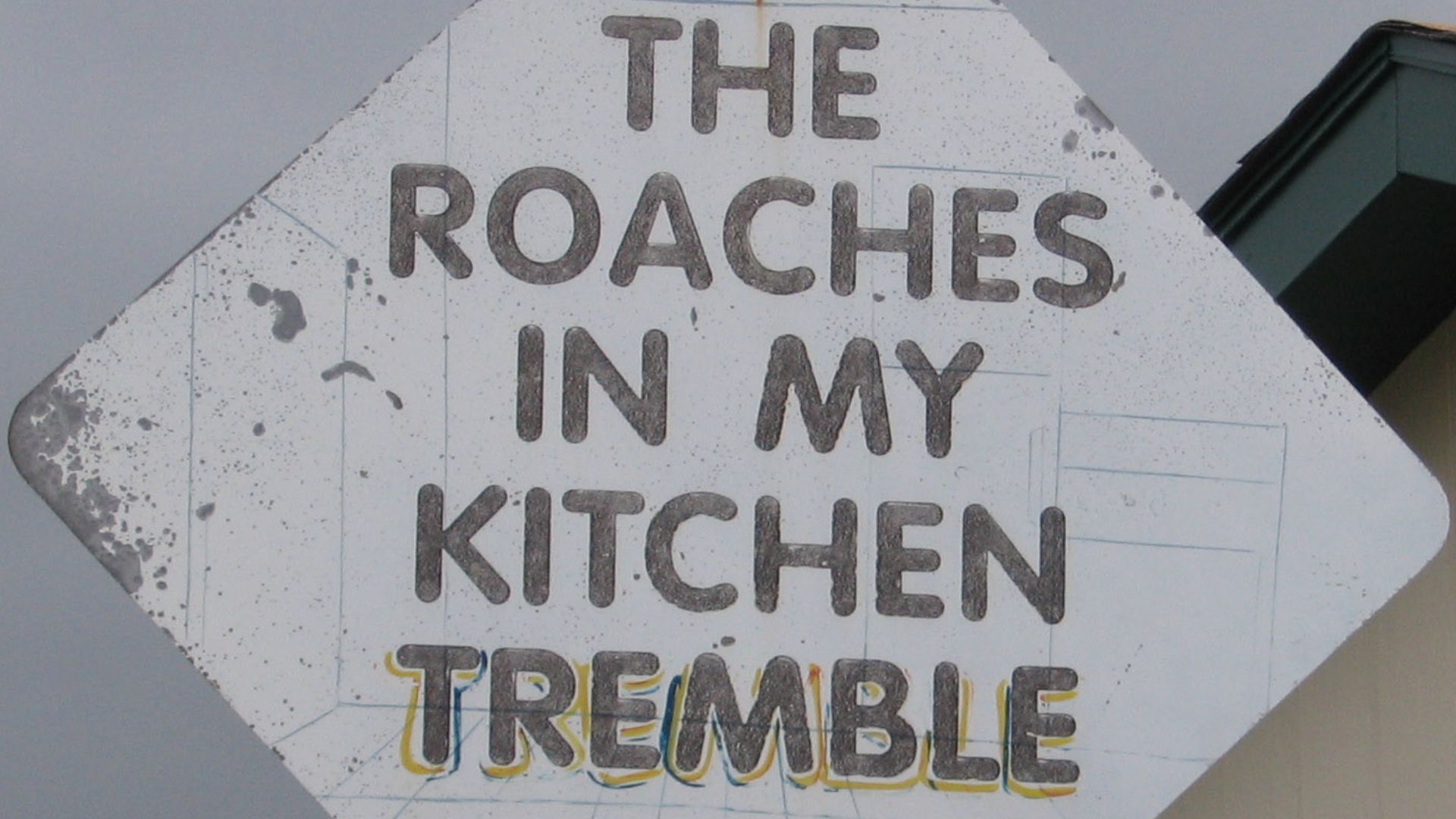
Marsh's eccentricity wasn't confined to private property. His "Dynamite Museum" placed fake road-style signs around Amarillo, while Cadillac Ranch became an irresistible graffiti-covered roadside attraction. Residents effectively found themselves living inside the imagination of an extremely rich practical joker whose artistic projects became inseparable from the city's identity.
 Anonymous Cow~commonswiki, Wikimedia Commons
Wealth Makes Ideas Bigger
Most people have strange ideas occasionally. The difference is that ordinary people usually lack the money to employ hundreds of workers, construct an experimental town or reorganize an entire industry around them. Extraordinary wealth removes one of life's most useful safeguards: somebody responding, "That's ridiculous, and we can't afford it."
 RodrigoCruzatti, Wikimedia Commons
History's most fascinating stories and darkest secrets, delivered to your inbox daily.
Success Can Be Misleading
Making a fortune can demonstrate extraordinary ability in one particular field without establishing universal wisdom. Henry Ford understood mass automobile production brilliantly; that didn't make him an expert on Amazonian agriculture or Brazilian culture. Robert Graham understood optical plastics; that didn't make his theories about genetics, intelligence and society scientifically infallible.
Employees Can't Always Laugh
An eccentric millionaire's employees occupy an especially awkward position. When the boss announces an unusual obsession, dismissing it as nonsense may not be an available option. Workers at Fordlandia, Pullman and Foxcatcher experienced different versions of the same uncomfortable reality: financial dependence can give another person's eccentricities tremendous power over everyday life.
 In The Story of Pullman, 1893., Wikimedia Commons
Money Can Distort Feedback
Extreme wealth can also create an environment in which increasingly ambitious ideas encounter surprisingly little resistance. Employees, advisers and associates may depend financially upon the person proposing them. Even when plenty of people recognize that something has gone badly wrong, telling an extraordinarily powerful patron "no" can carry consequences of its own.
 Acme Newspictures, Wikimedia Commons
Eccentricity Isn't The Problem
There is nothing inherently wrong with wealthy people being unconventional. Hearst's surviving zebras became a beloved curiosity, Cadillac Ranch became an American roadside icon, and even Eastman's calendar had perfectly rational advantages. Trouble begins when immense financial power turns an eccentric preference into an involuntary experiment involving everybody nearby.
 Mathieu BROSSAIS, Wikimedia Commons
Money Isn't Wisdom
These stories aren't really warnings against eccentricity. They're reminders that financial success and good judgment aren't interchangeable. A person can possess enormous business talent while being spectacularly misguided elsewhere. The greater the fortune behind an idea, unfortunately, the more people may discover that distinction the hard way.
 Ford Motor Company, Wikimedia Commons
You May Also Like:
The Weirdest Ways People Made Money In The Past—Were They Genius Ideas Or Just Bizarre?
Infamous Facts About William Randolph Hearst, The Real Citizen Kane
Sources: 1, 2, 3, 4, 5, 6, 7, 8, 9, 10, 11, 12, 13, 14, 15, 16, 17, 18, 19, 20