Unbeaten In War
John Churchill, the 1st Duke of Marlborough, was one of history's greatest military commanders. He never suffered a decisive battlefield defeat, leading his armies to some of the most famous victories of the War of the Spanish Succession. In an extraordinary partnership with his wife Sarah Churchill, he rose to the top of British society, before party politics and royal intrigue brought about his downfall.
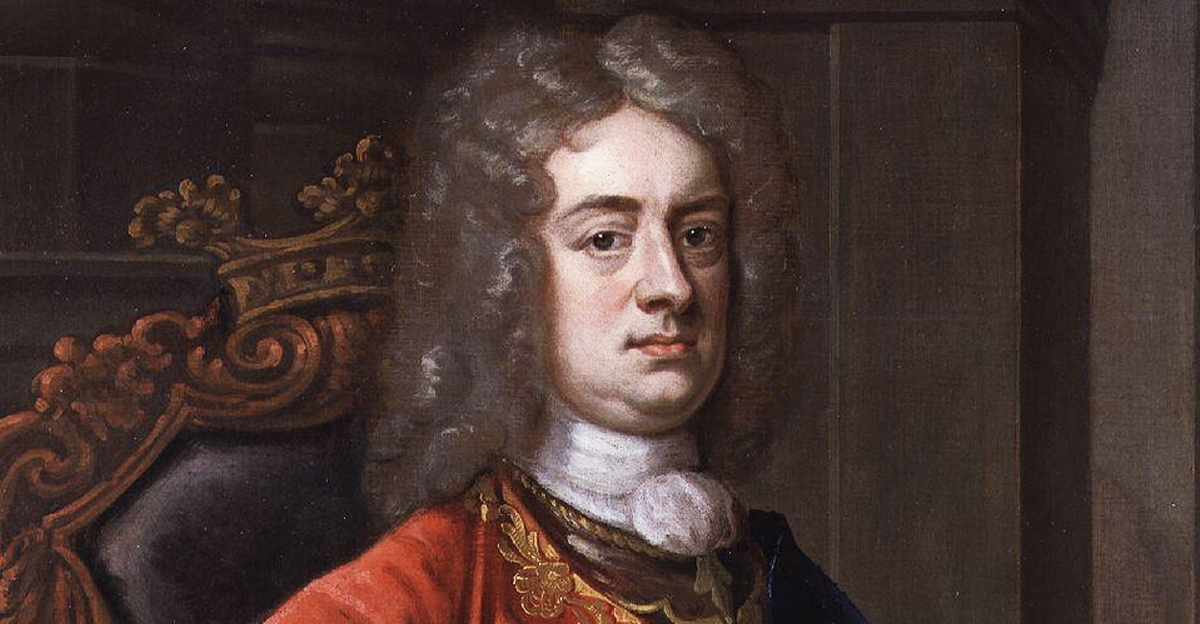 National Portrait Gallery, Public domain, via Wikimedia Commons
Humble Beginnings
John was born on May 26, 1650, at Ashe House in Devon. Although his family belonged to the English gentry, they possessed limited wealth after supporting the losing Royalist cause during the English Civil War. These modest beginnings taught Churchill the value of ambition and careful advancement from an early age.
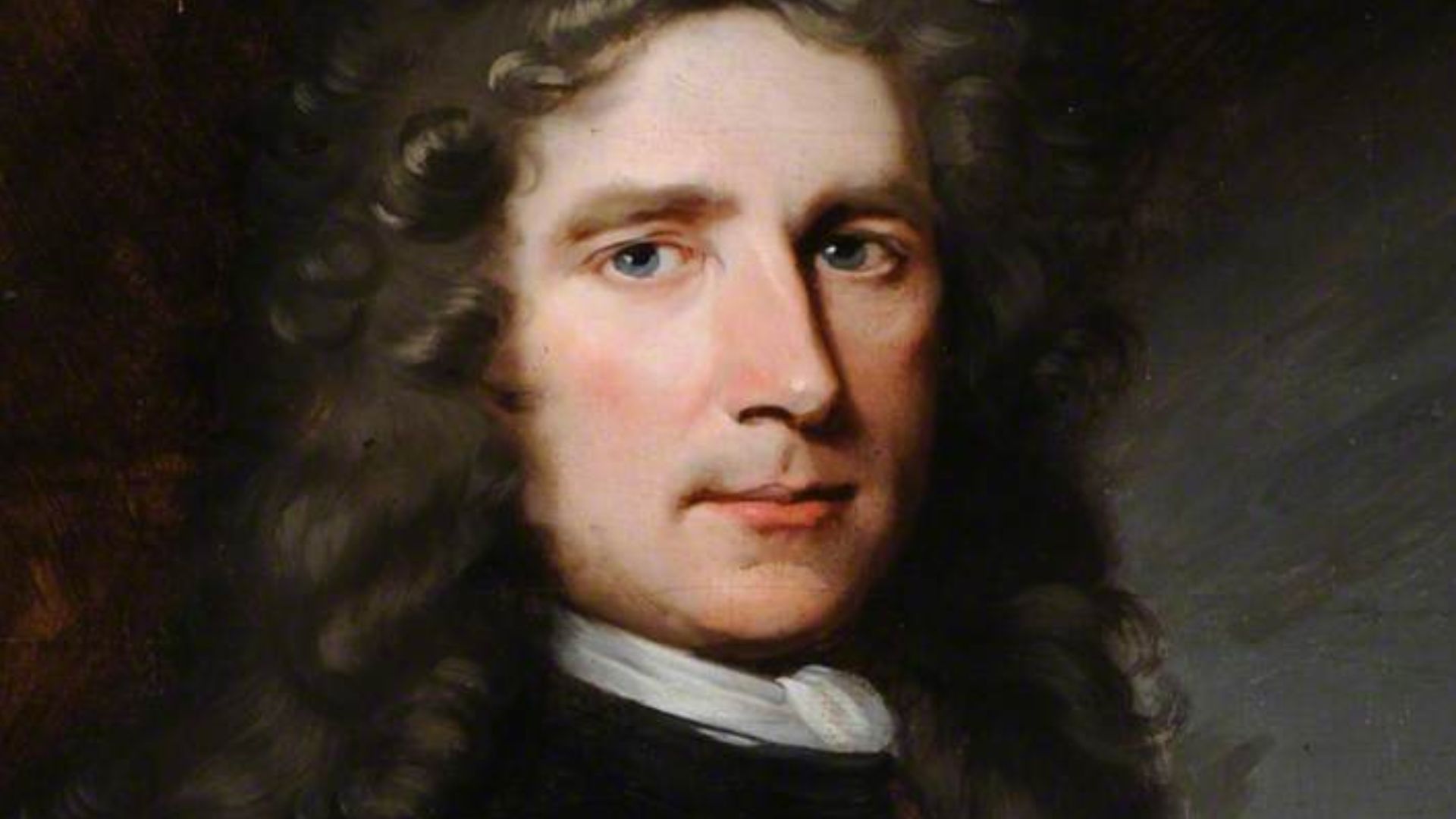 Manner of John Baptist Medina, Wikimedia Commons
A Family Rebuilds
John's father, Sir Winston Churchill, had remained loyal to King Charles I throughout the Civil War, a decision that proved financially disastrous after the Royalist defeat. Following the Restoration of Charles II in 1660, however, the Churchill family gradually regained favor at court, creating opportunities that would shape John's future.
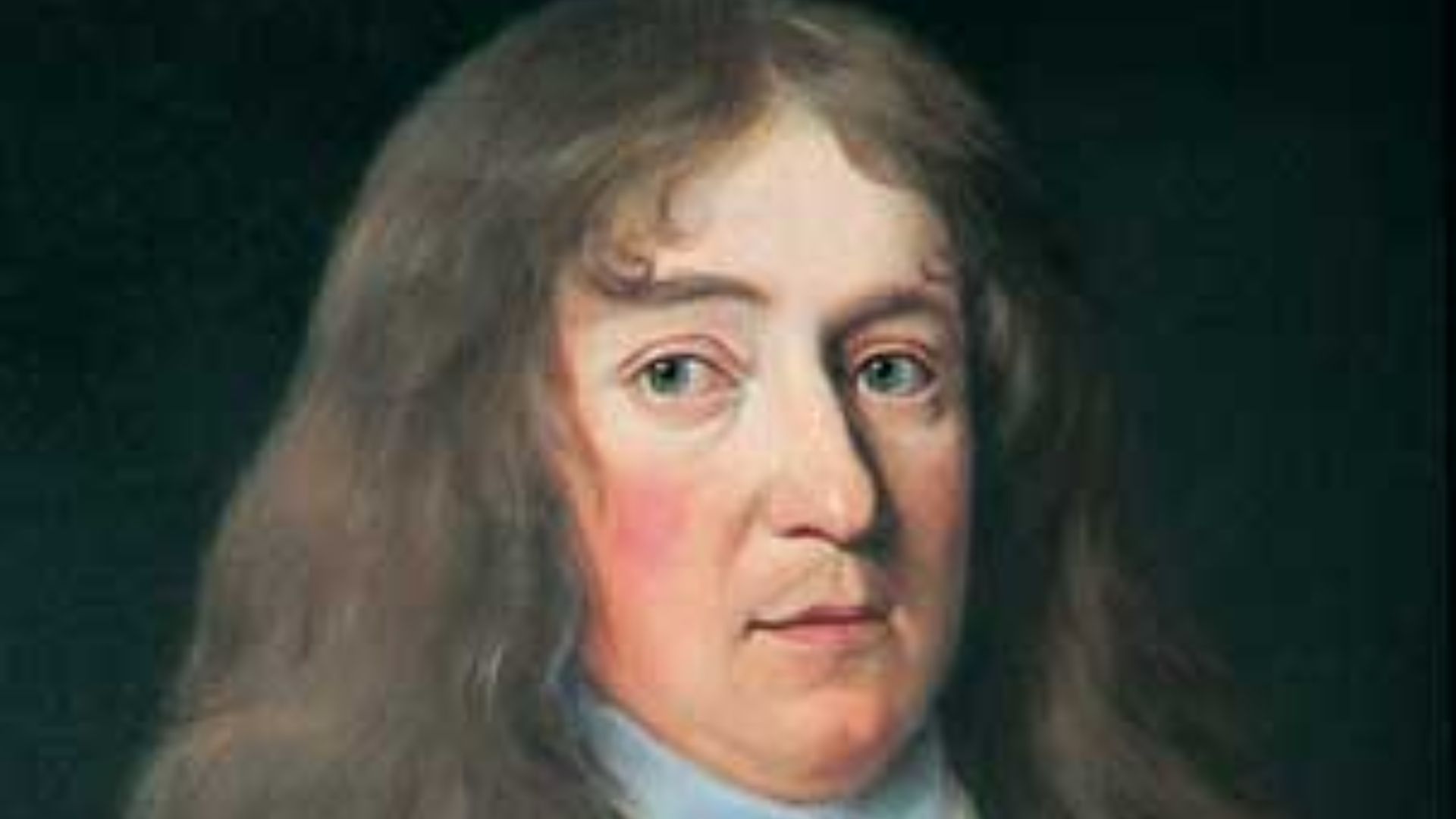 Unknown authorUnknown author, Wikimedia Commons
A Place At Court
As a young teenager, Churchill became a page in the household of James, Duke of York, the future King James II. The appointment introduced him to England's highest political and military circles, where his intelligence, charm, and discipline quickly attracted influential patrons and accelerated his rise.
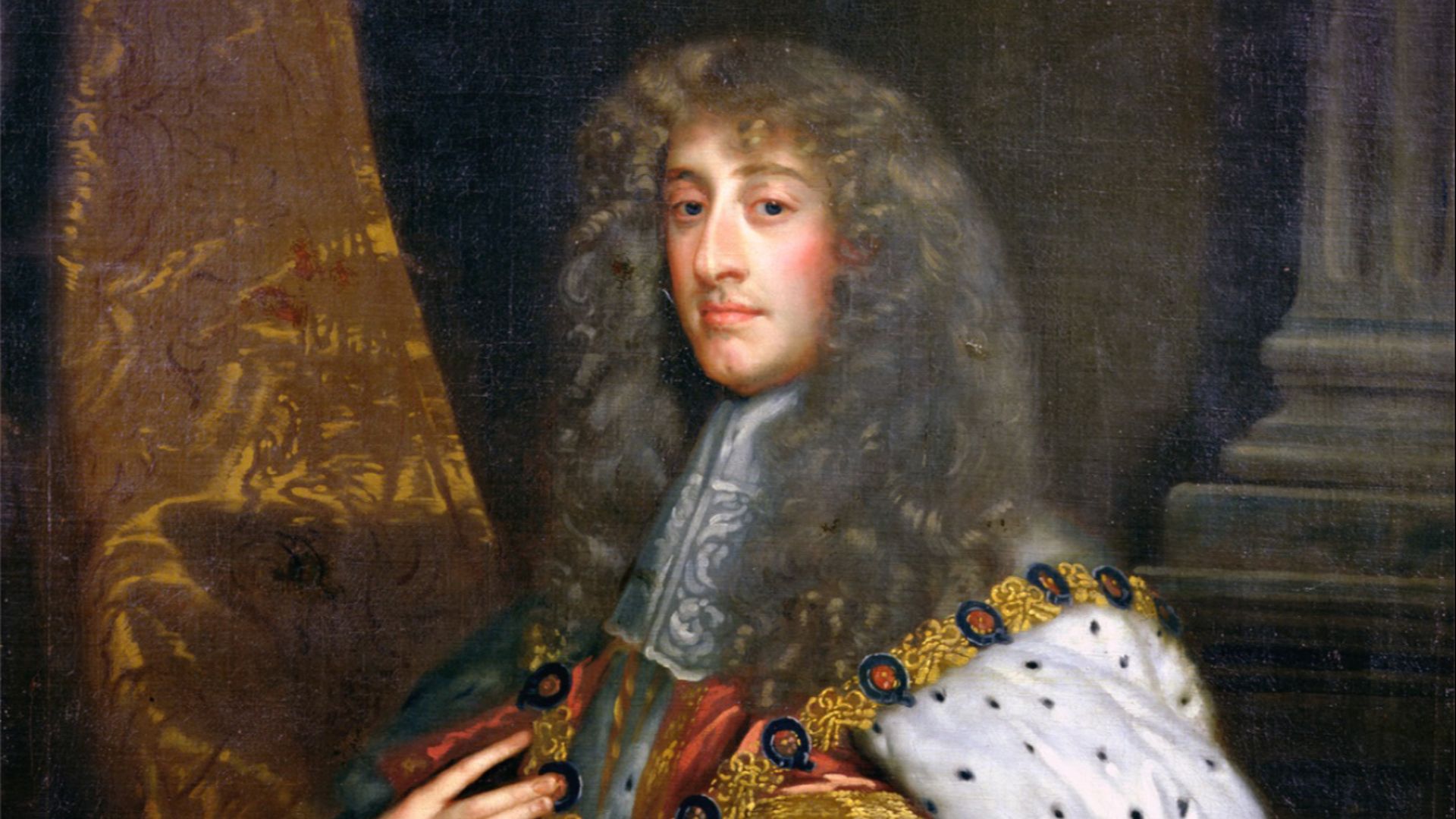 School of Peter Lely, Wikimedia Commons

History's most fascinating stories and darkest secrets, delivered to your inbox daily.
Learning The Soldier's Trade
Churchill began his military career serving alongside English forces in Tangier before fighting with the French army under the renowned Marshal Turenne. Observing one of Europe's finest commanders gave the young officer invaluable experience in maneuver warfare, logistics, and battlefield leadership that he would later refine into his own style.
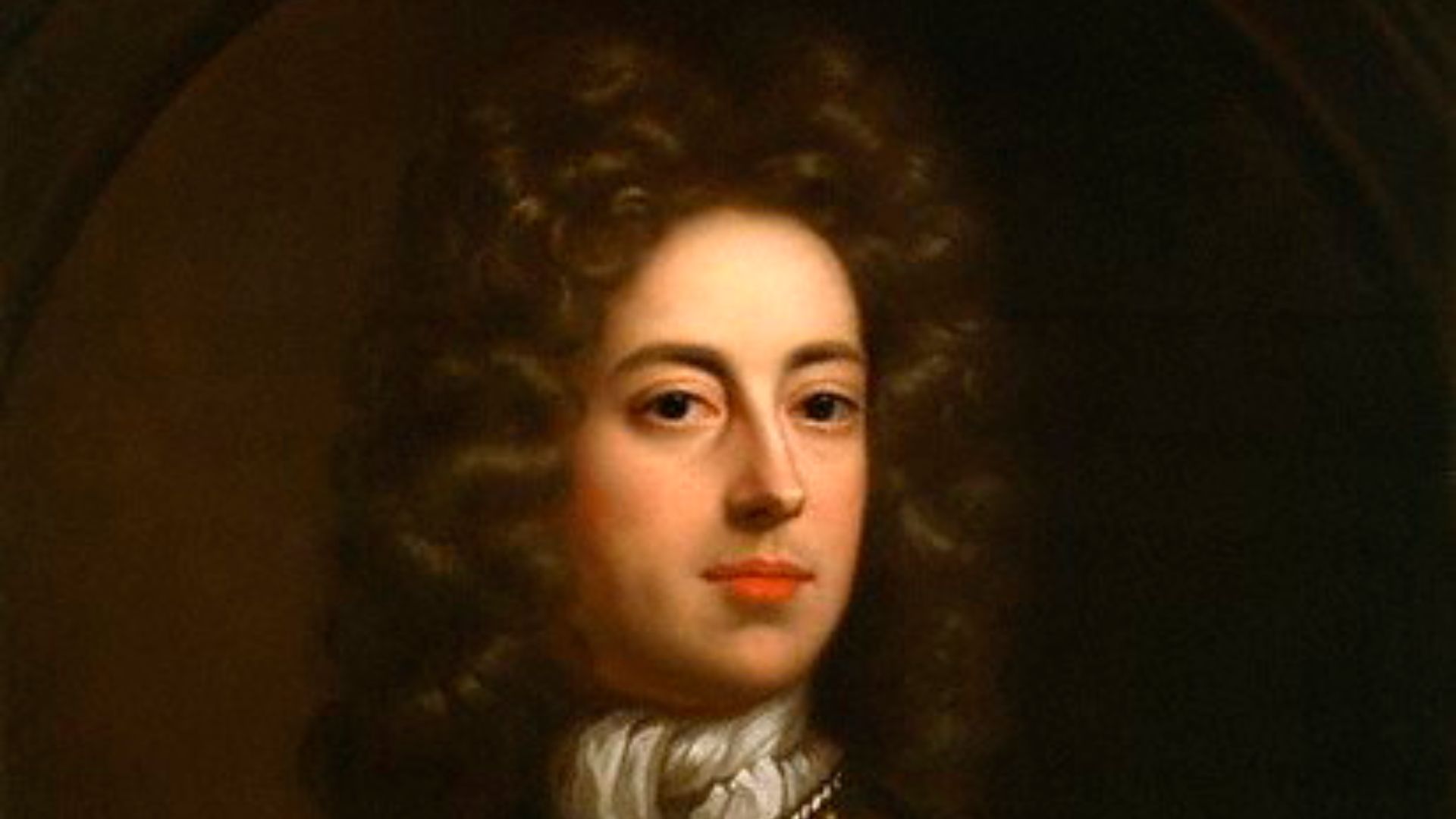 After John Riley / Possibly John Closterman, Wikimedia Commons
A Rising Reputation
Churchill distinguished himself during campaigns in the Low Countries, earning praise for both personal courage and tactical judgment. Fellow officers noticed that he combined calculated planning with remarkable composure under fire, qualities that steadily established his reputation as one of England's most promising professional soldiers.
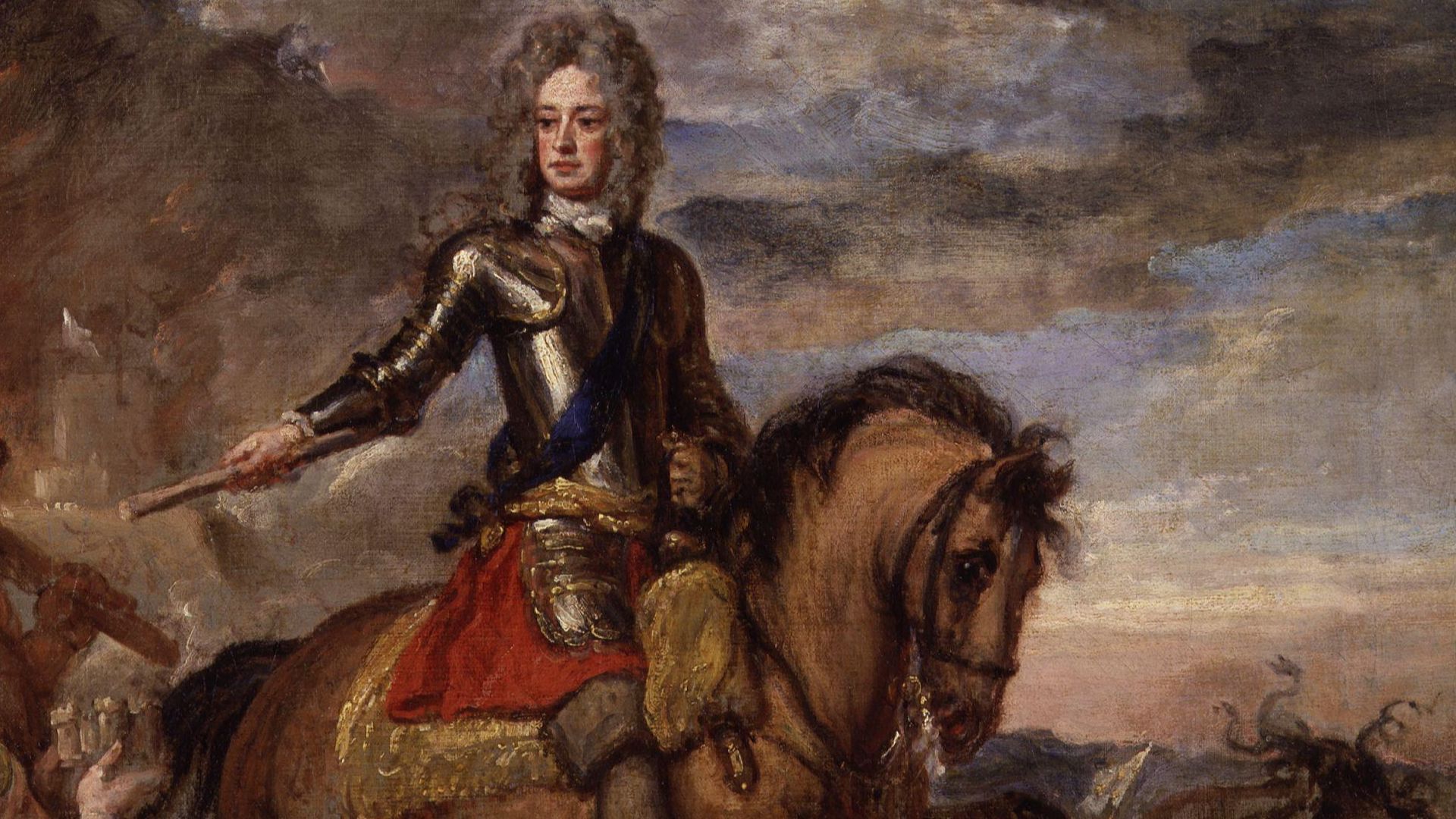 Godfrey Kneller, Wikimedia Commons
Meeting Sarah Jennings
Around the mid-1670s, Churchill became close to Sarah Jennings, an attractive and intelligent young woman serving in the household of Princess Anne. Sarah possessed an unusually direct personality and formidable political instincts, traits that would make her one of the most influential women in Britain.
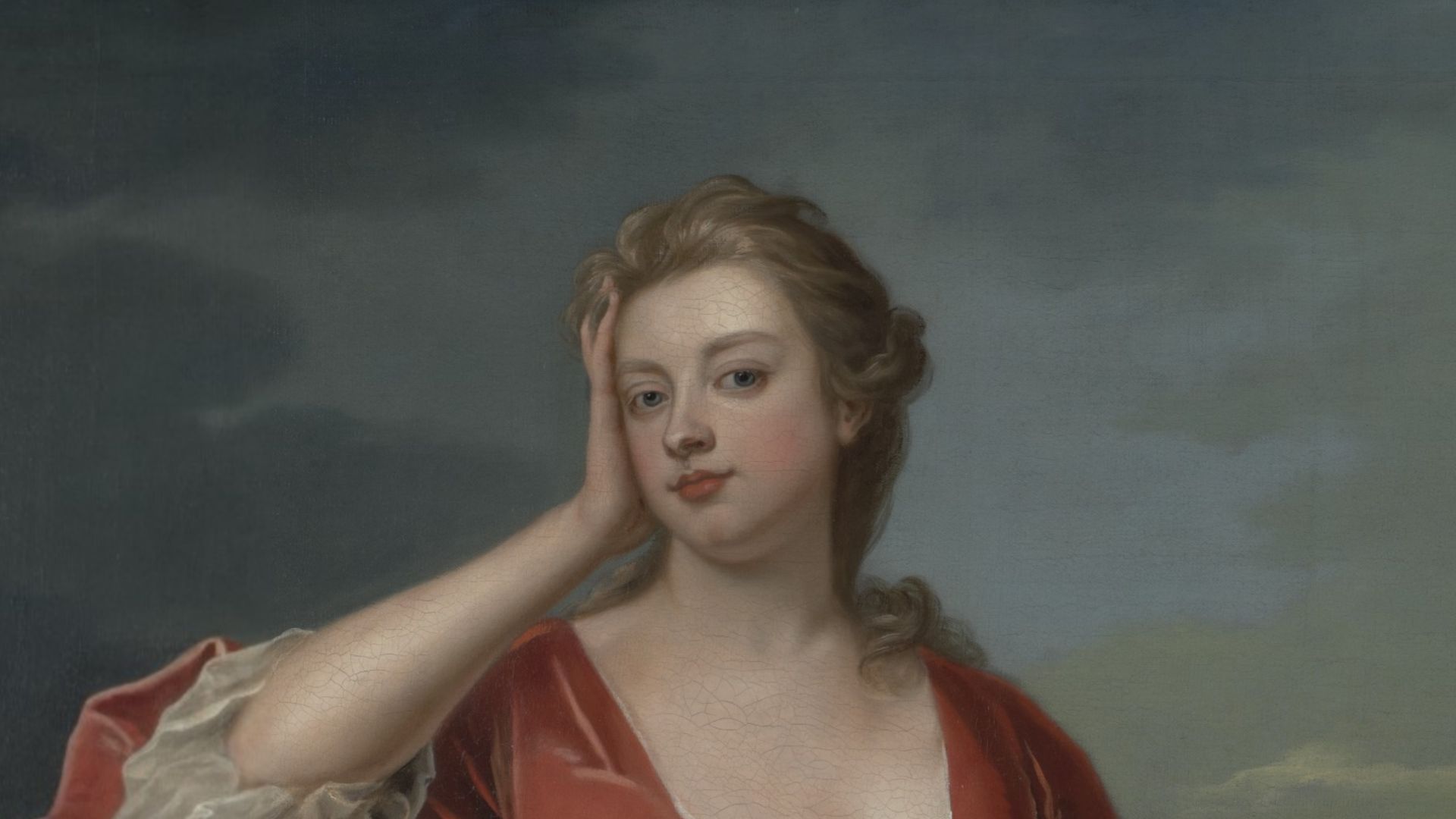 Charles Jervas, Wikimedia Commons
A Secret Marriage
John Churchill and Sarah Jennings secretly married during the winter of 1677-1678, partly because Sarah feared the marriage might not receive royal approval. Their relationship proved unusually strong for the era, with husband and wife forming a close political and personal partnership that endured through triumphs and disasters alike.
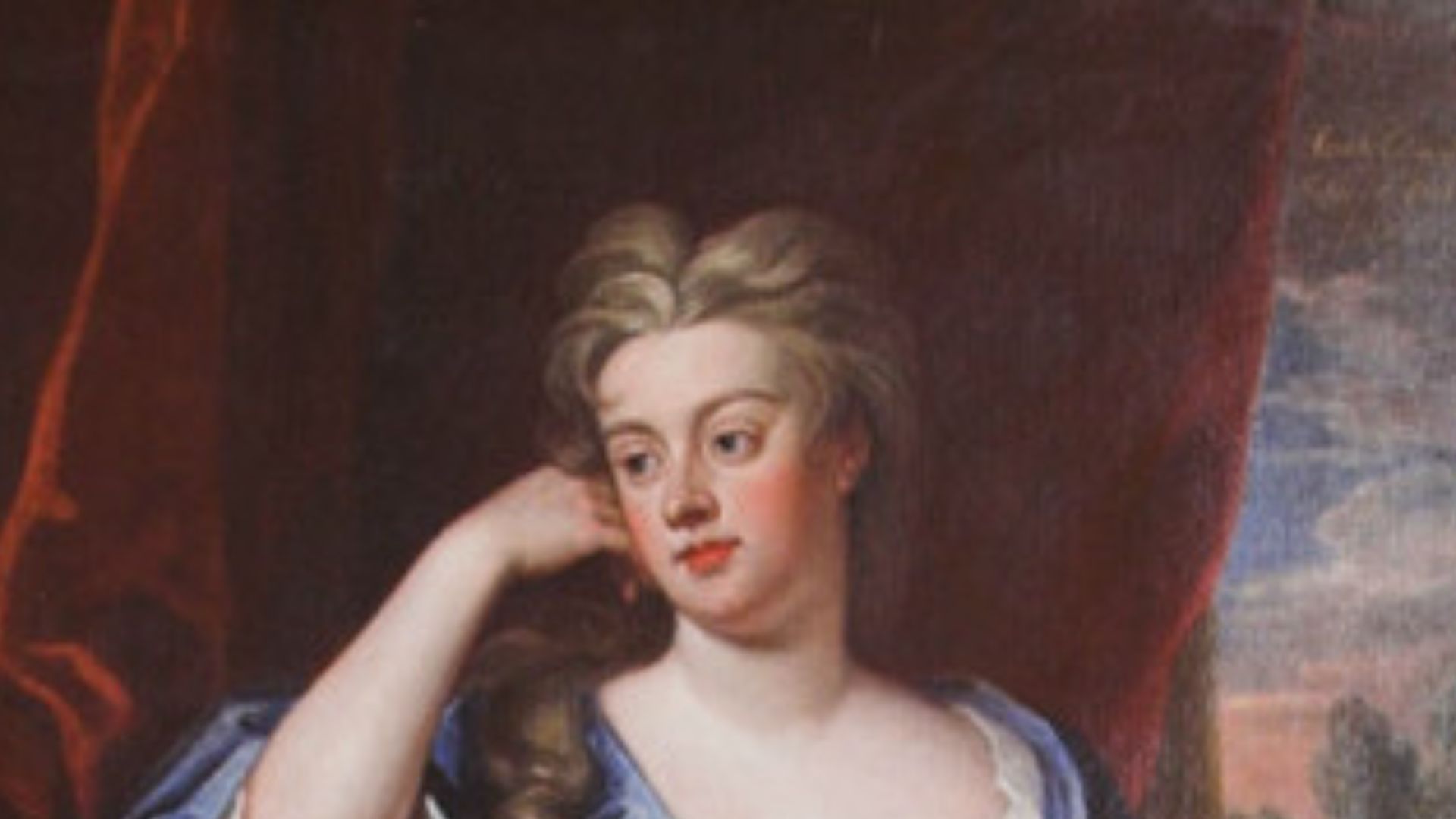 Unidentified painter, Wikimedia Commons
The Glorious Revolution
Churchill's career reached a turning point during the Glorious Revolution of 1688. Although he had faithfully served James II for years, he concluded that the king had lost the nation's confidence. Churchill transferred his support to William of Orange, a decision that helped secure the revolution's success.
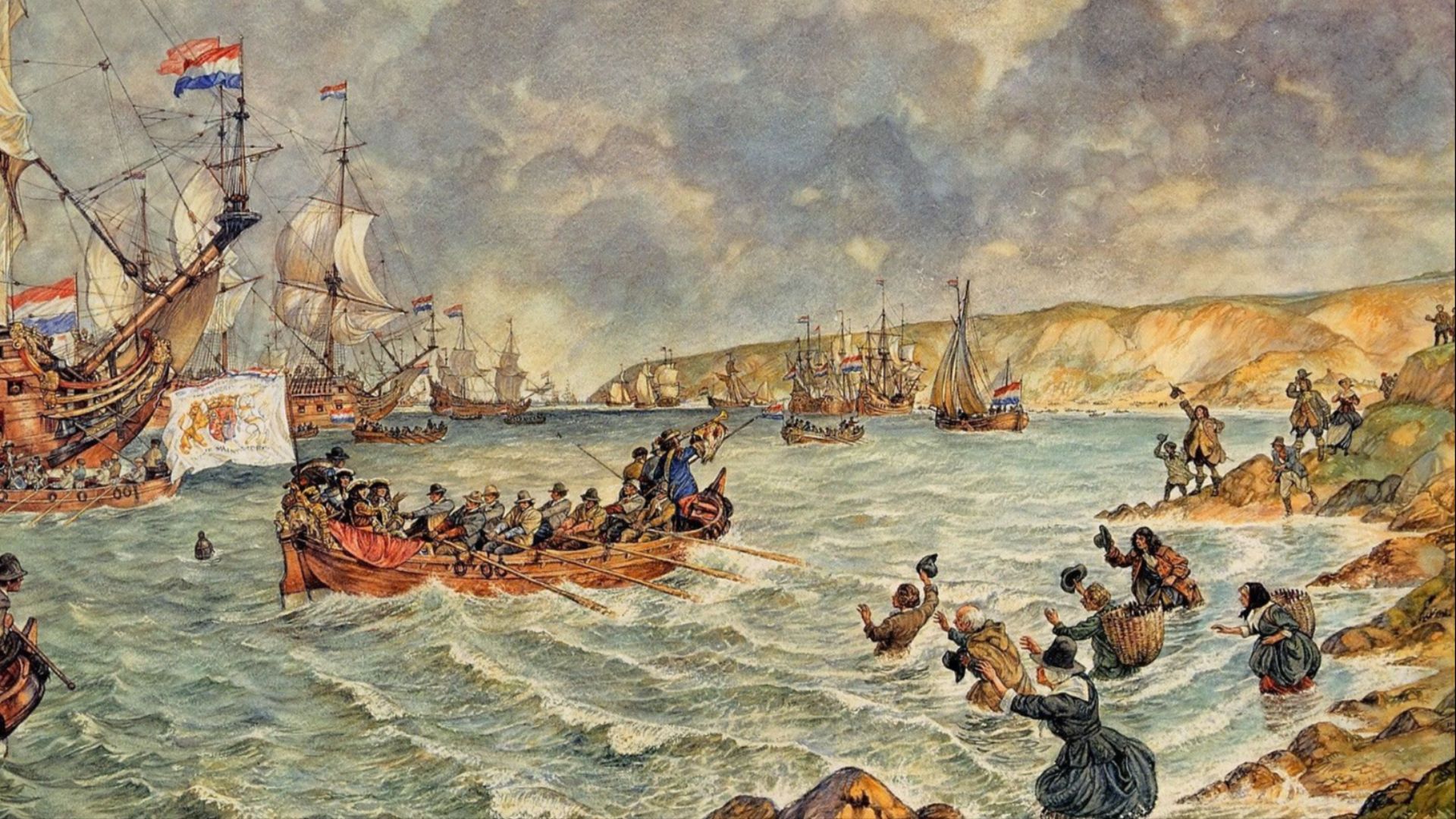 Johan Herman Isings, Wikimedia Commons
Serving A New King
King William III recognized Churchill's exceptional military talents despite lingering concerns about his political loyalties. Over the following years, Churchill continued building his reputation as a capable commander and diplomat, preparing for the conflict that would define both his career and Europe's future.
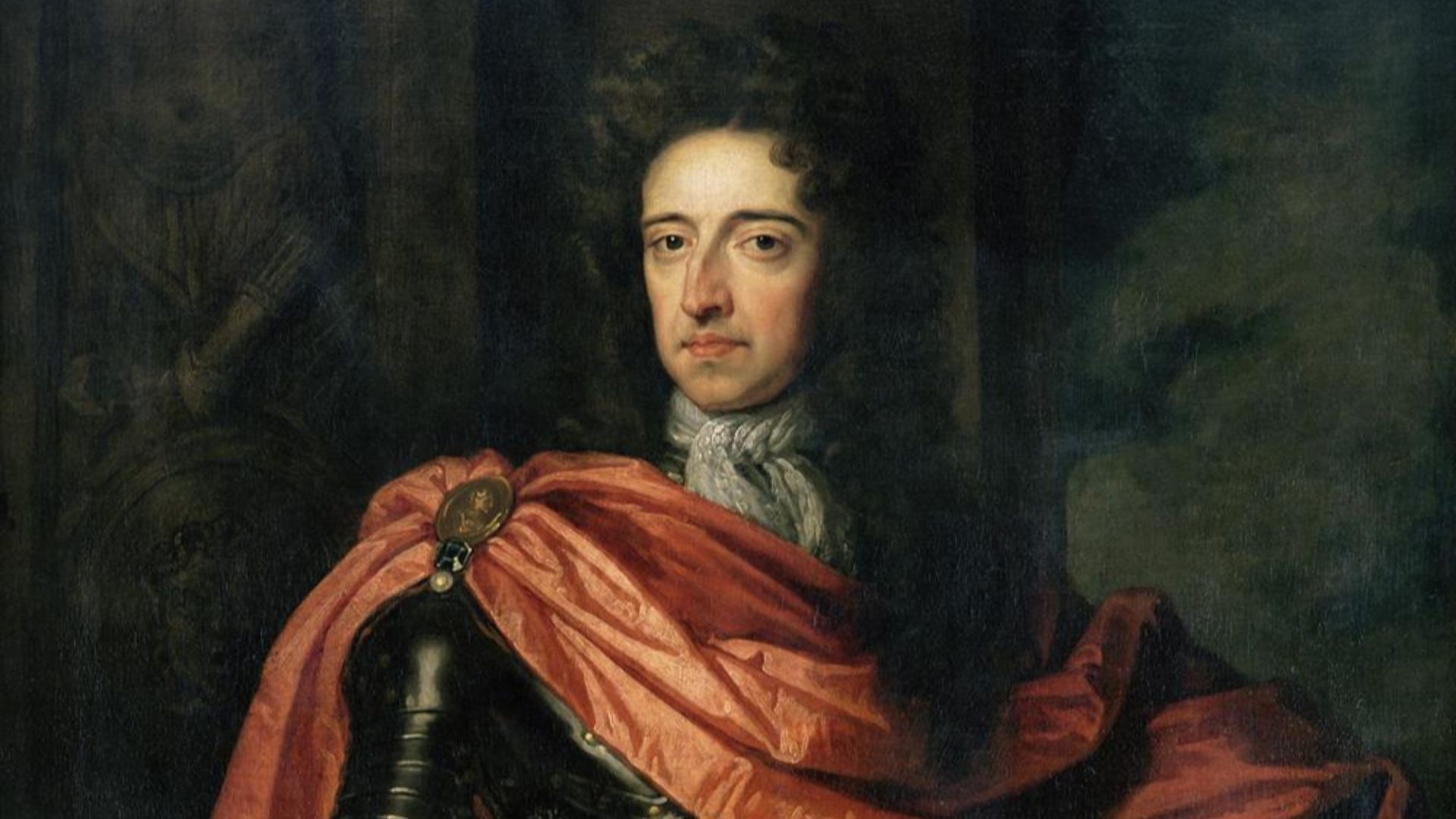 Godfrey Kneller, Wikimedia Commons
History's most fascinating stories and darkest secrets, delivered to your inbox daily.
The War Begins
When the War of the Spanish Succession erupted in 1701, Marlborough emerged as the principal commander of the Grand Alliance opposing the expansionist ambitions of Louis XIV of France. His challenge was enormous: unite armies from several nations while defeating one of Europe's most powerful military machines.
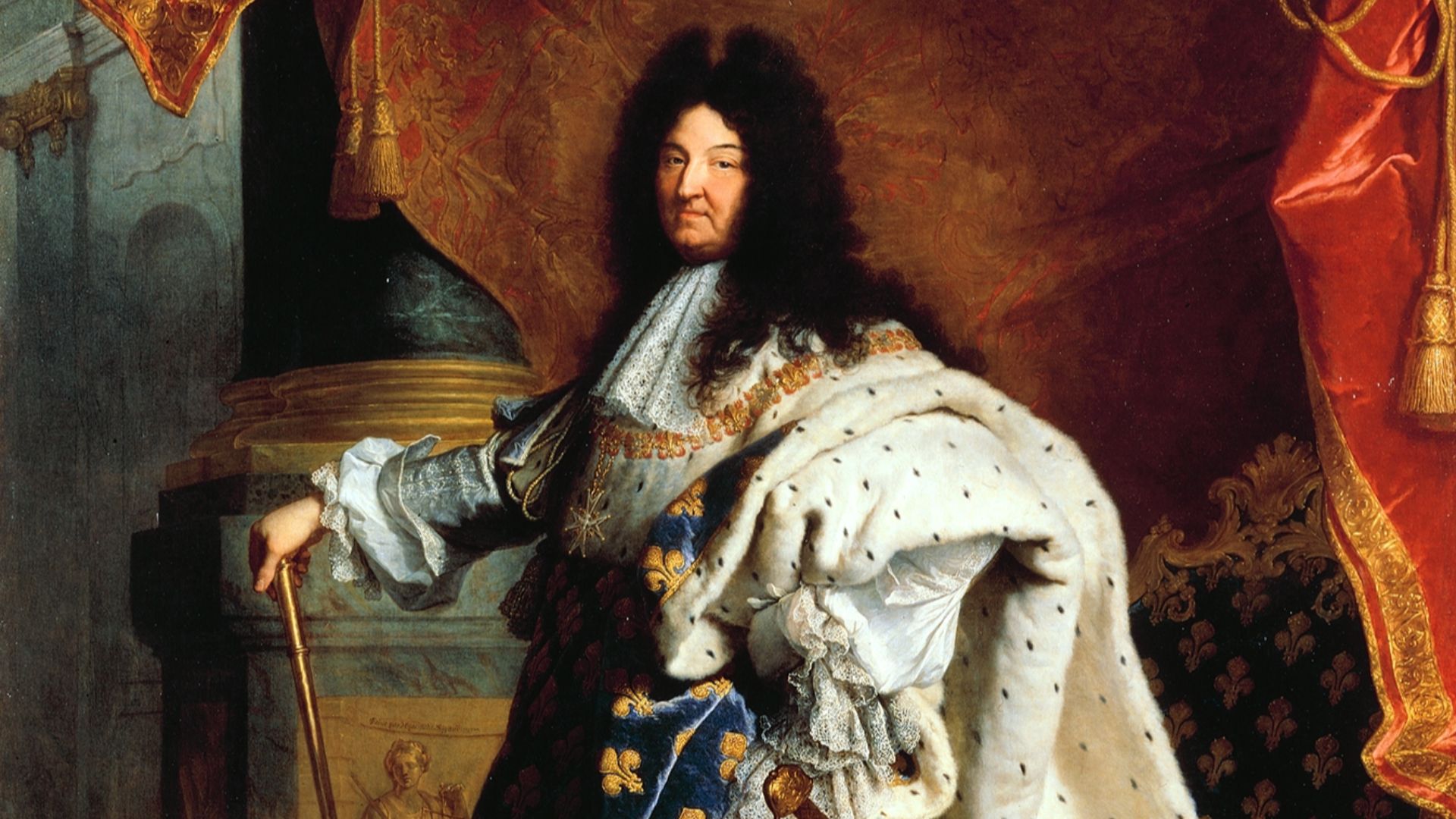 Hyacinthe Rigaud, Wikimedia Commons
Triumph At Blenheim
In 1704, Marlborough achieved one of history's greatest battlefield victories at the Battle of Blenheim. Through careful planning, rapid marches, and bold tactics, he and Prince Eugene of Savoy shattered the Franco-Bavarian army. The victory saved Vienna from possible conquest and dramatically altered the course of the war.
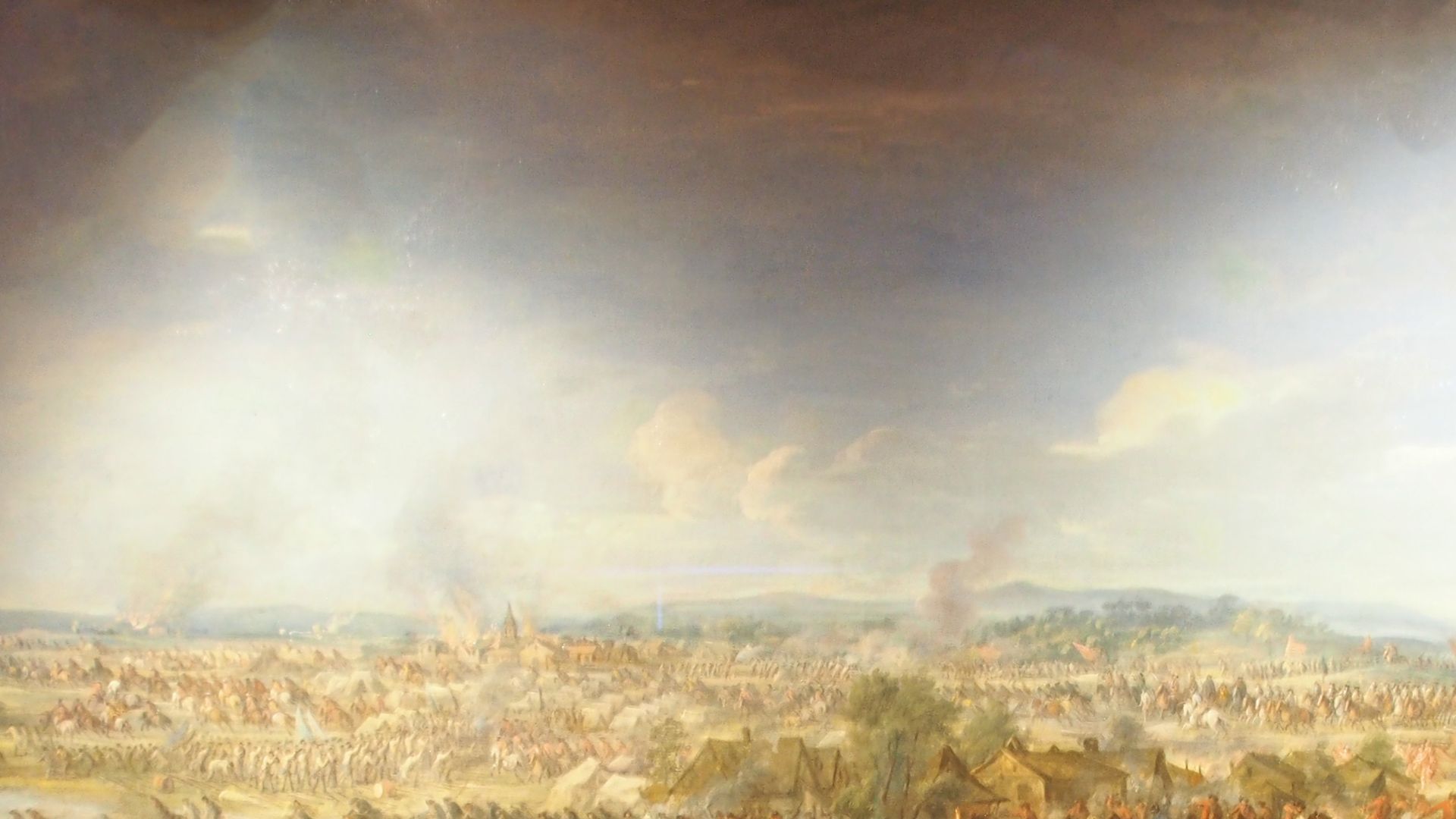 John Wootton, Wikimedia Commons
Master Of The Battlefield
Marlborough followed Blenheim with further victories at Ramillies in 1706 and Oudenaarde in 1708. These campaigns demonstrated his remarkable ability to coordinate multinational armies, outmaneuver experienced opponents, and exploit battlefield opportunities. By this point, he had become Europe's most admired living general.
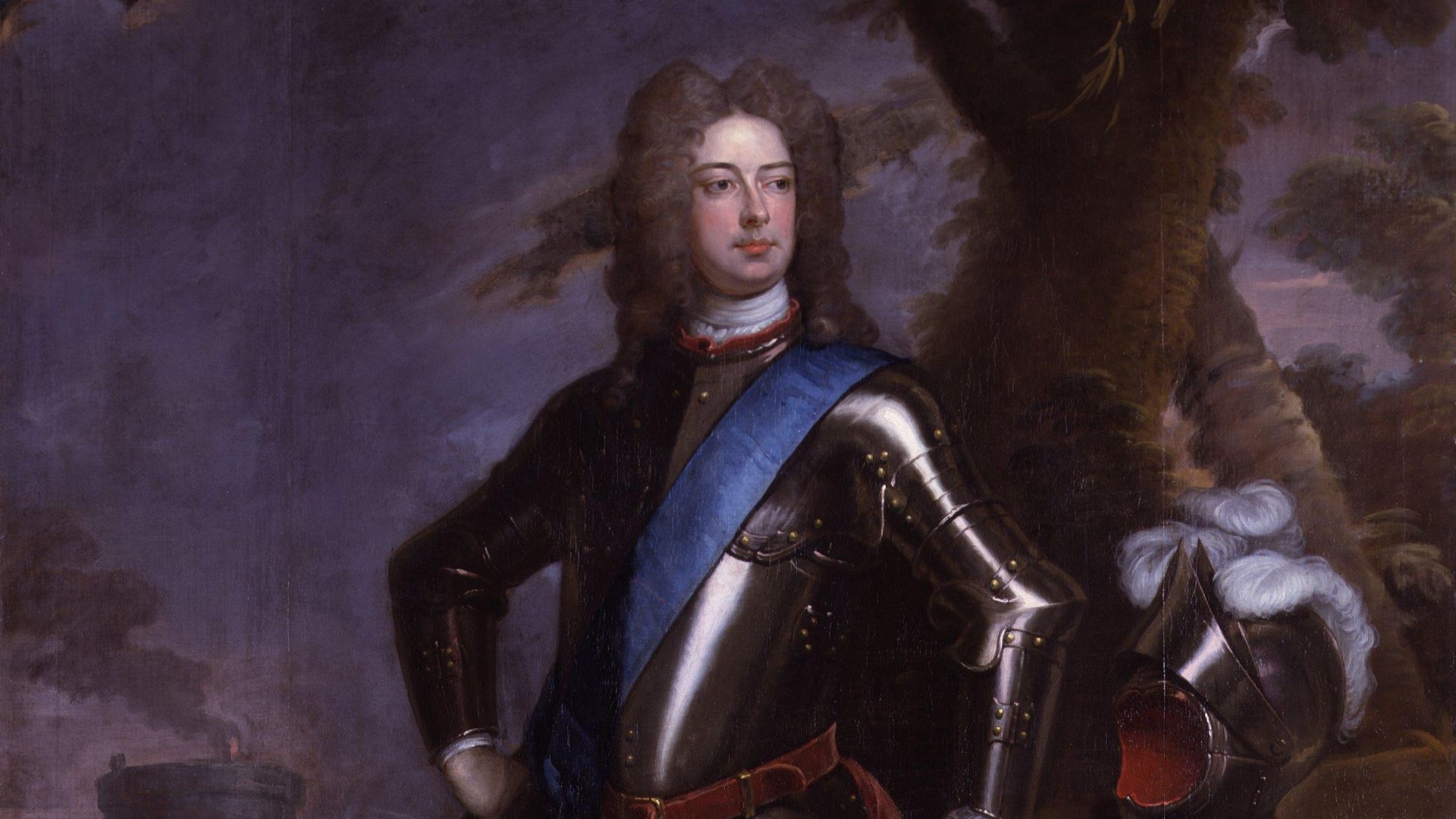
Victory At Malplaquet
The Battle of Malplaquet in 1709 became Marlborough's final great battlefield triumph. Although the Allies suffered devastating casualties, they forced the French army to retreat and maintained strategic pressure on Louis XIV. Marlborough's undefeated military record remained intact, but political tensions at home were already beginning to threaten everything he had achieved.
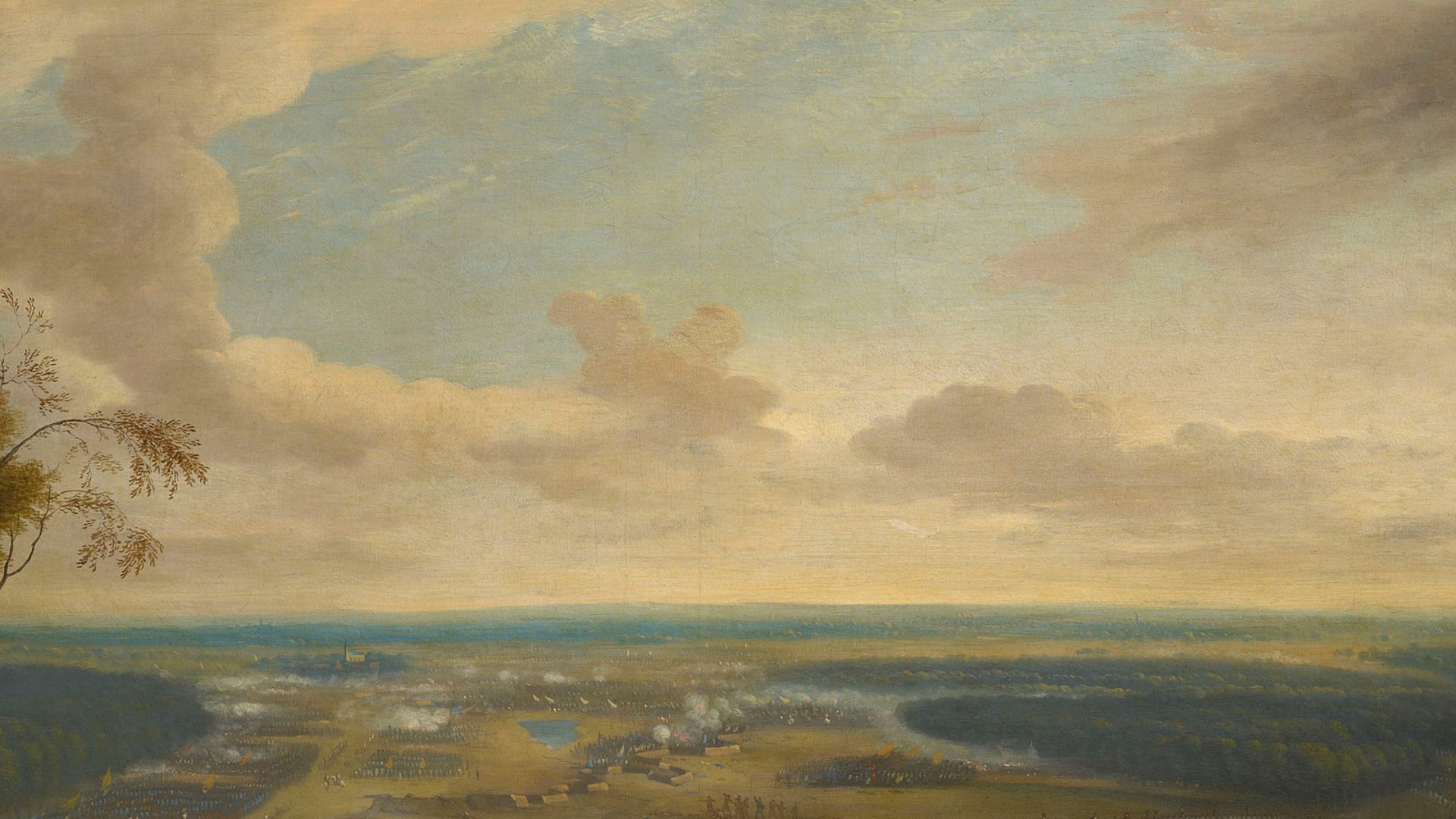 BotMultichillT, Wikimedia Commons
Triumph Overshadowed
The victory at Malplaquet cemented the Duke of Marlborough's reputation as Europe's greatest living general, but events at home were moving in a very different direction. While he continued winning battles abroad, his wife Sarah's increasingly strained relationship with Queen Anne and shifting political alliances in London threatened to undo everything the Churchills had spent decades building.
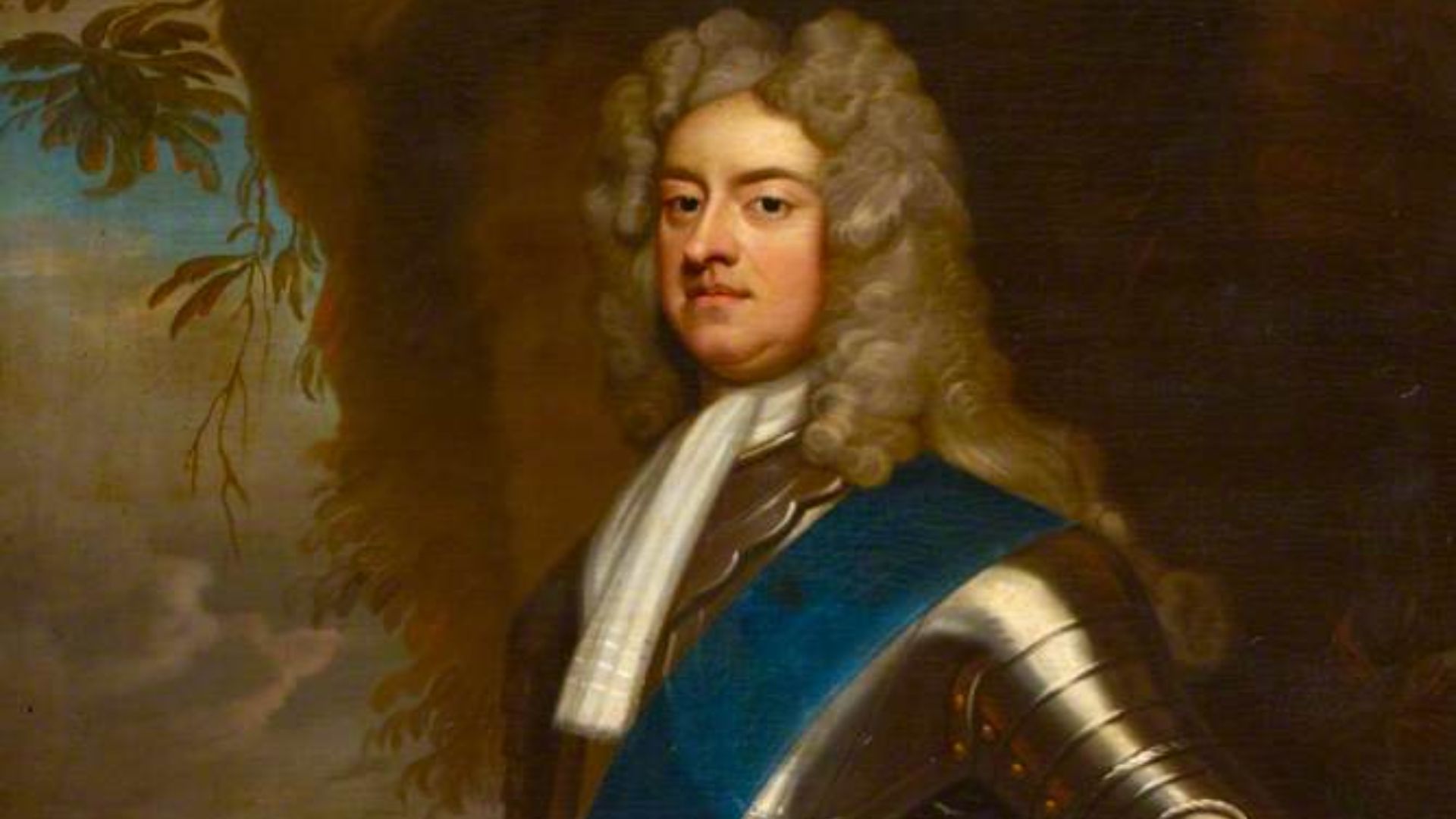
Sarah's Extraordinary Influence
For many years, Sarah Churchill had been Queen Anne's closest friend and most trusted confidante. Their friendship stretched back to Anne's youth, and Sarah's forceful personality gave her enormous influence over both the Queen's personal decisions and political outlook. Few women in British history had ever wielded such informal power.
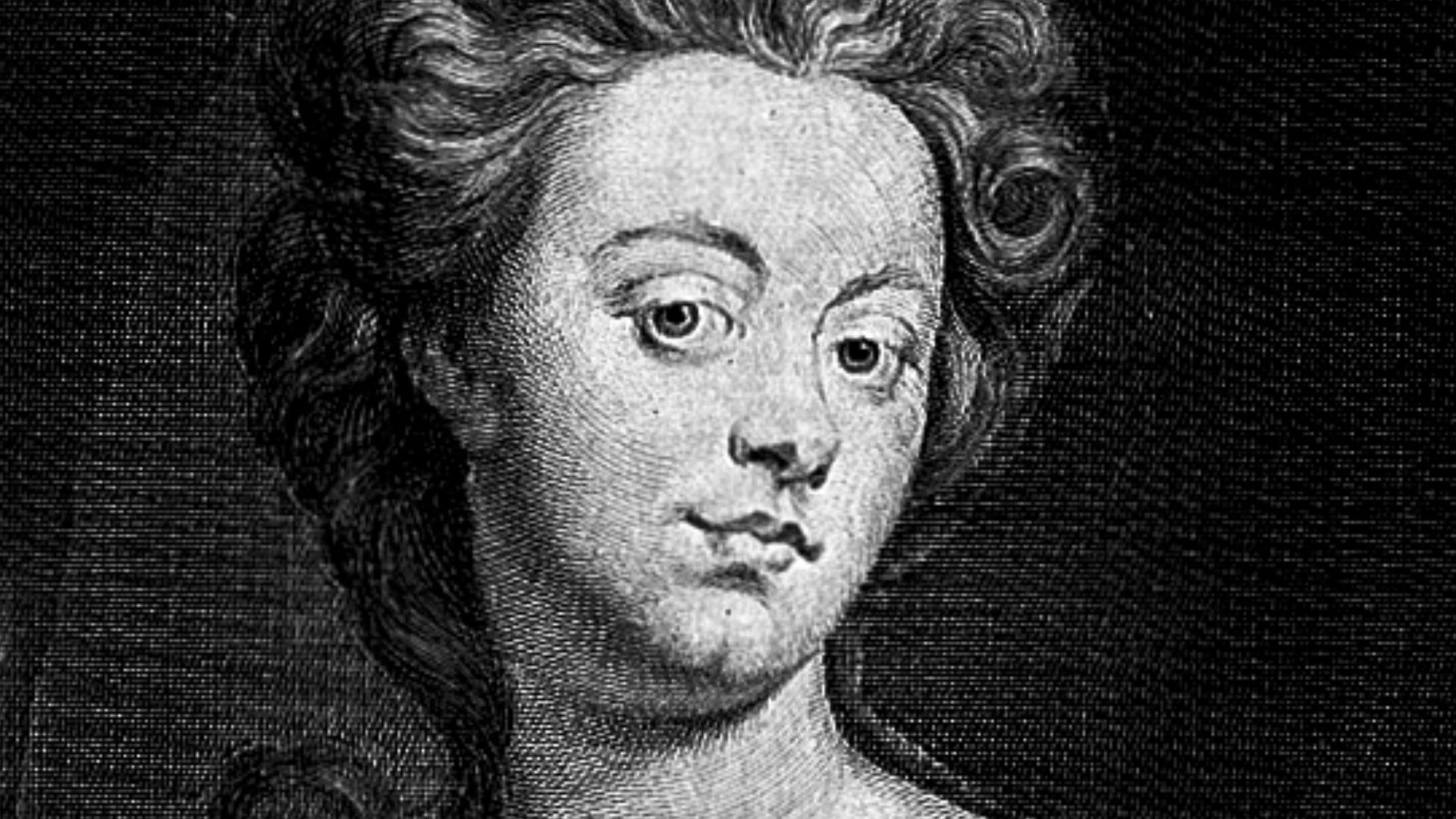
History's most fascinating stories and darkest secrets, delivered to your inbox daily.
A Friendship Unravels
Over time, however, Sarah's blunt manner began to wear thin with Anne. Sarah frequently lectured the Queen, criticized her decisions, and pushed her to support Whig politicians whom Anne increasingly distrusted. The Queen gradually grew resentful of being treated as though she needed constant guidance.
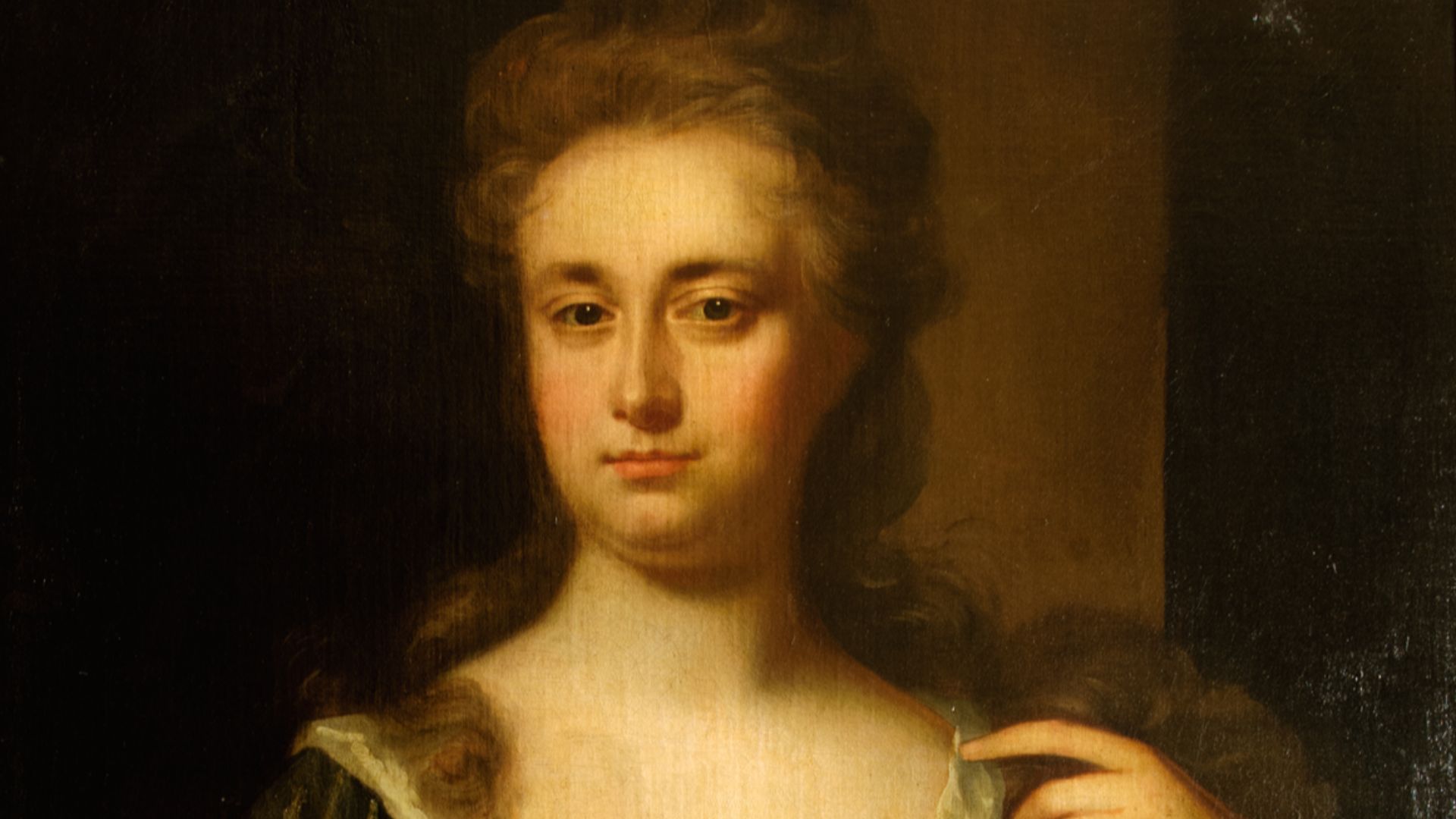 Attributed to John Closterman, Wikimedia Commons
A New Favorite
As Anne's relationship with Sarah deteriorated, she grew closer to Sarah's cousin, Abigail Masham. Unlike the outspoken Duchess of Marlborough, Abigail was gentle, tactful, and rarely challenged the Queen. Anne increasingly preferred Abigail's company, creating a bitter rivalry that permanently damaged the Churchill family's position at court.
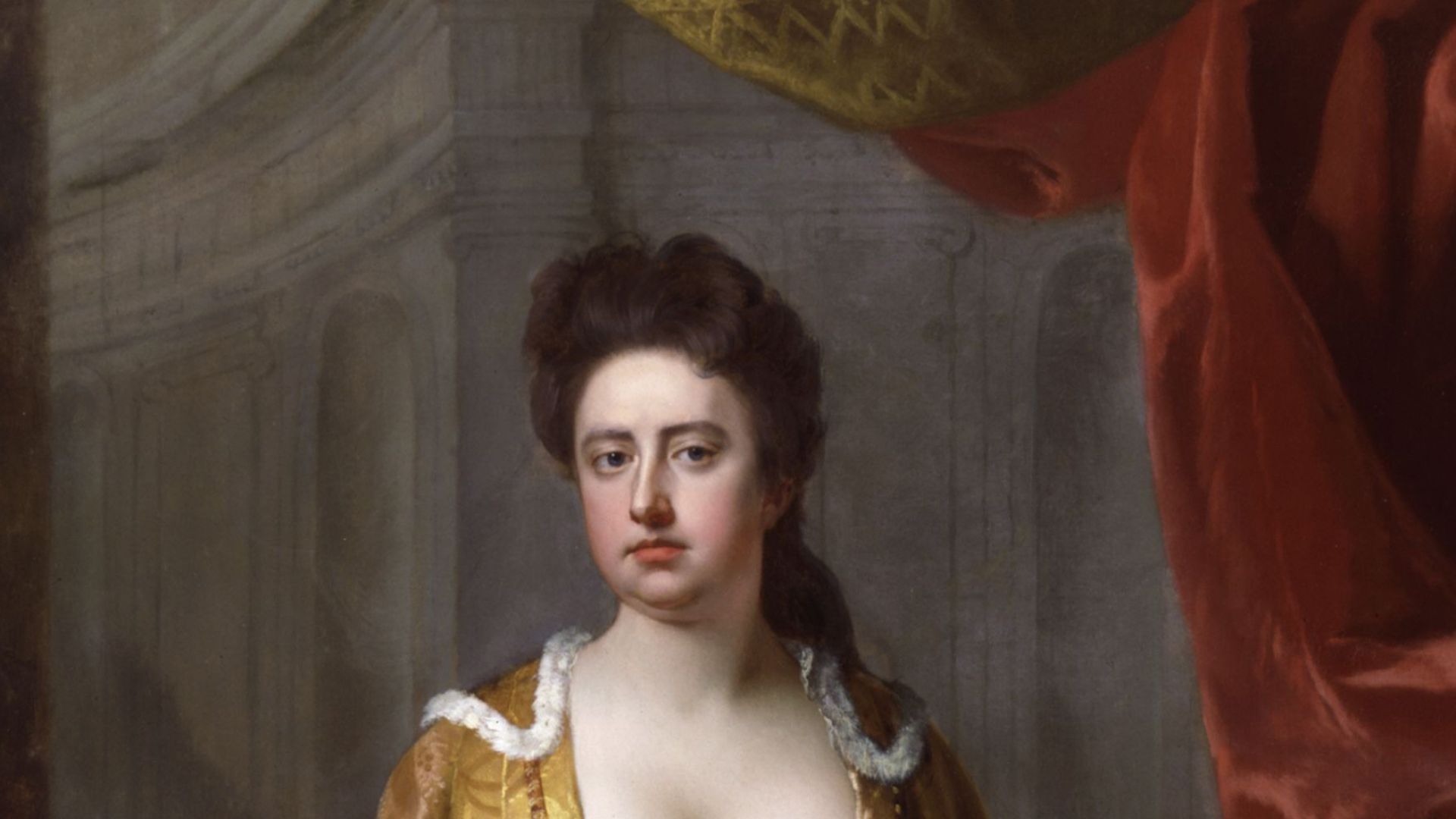 Michael Dahl, Wikimedia Commons
Politics Turn Against Marlborough
The Duke himself became caught in the growing political struggle between Britain's Whig and Tory factions. Although Marlborough's victories depended on continued support for the war against France, many Tories believed the conflict had become too expensive and wished to negotiate peace with Louis XIV.
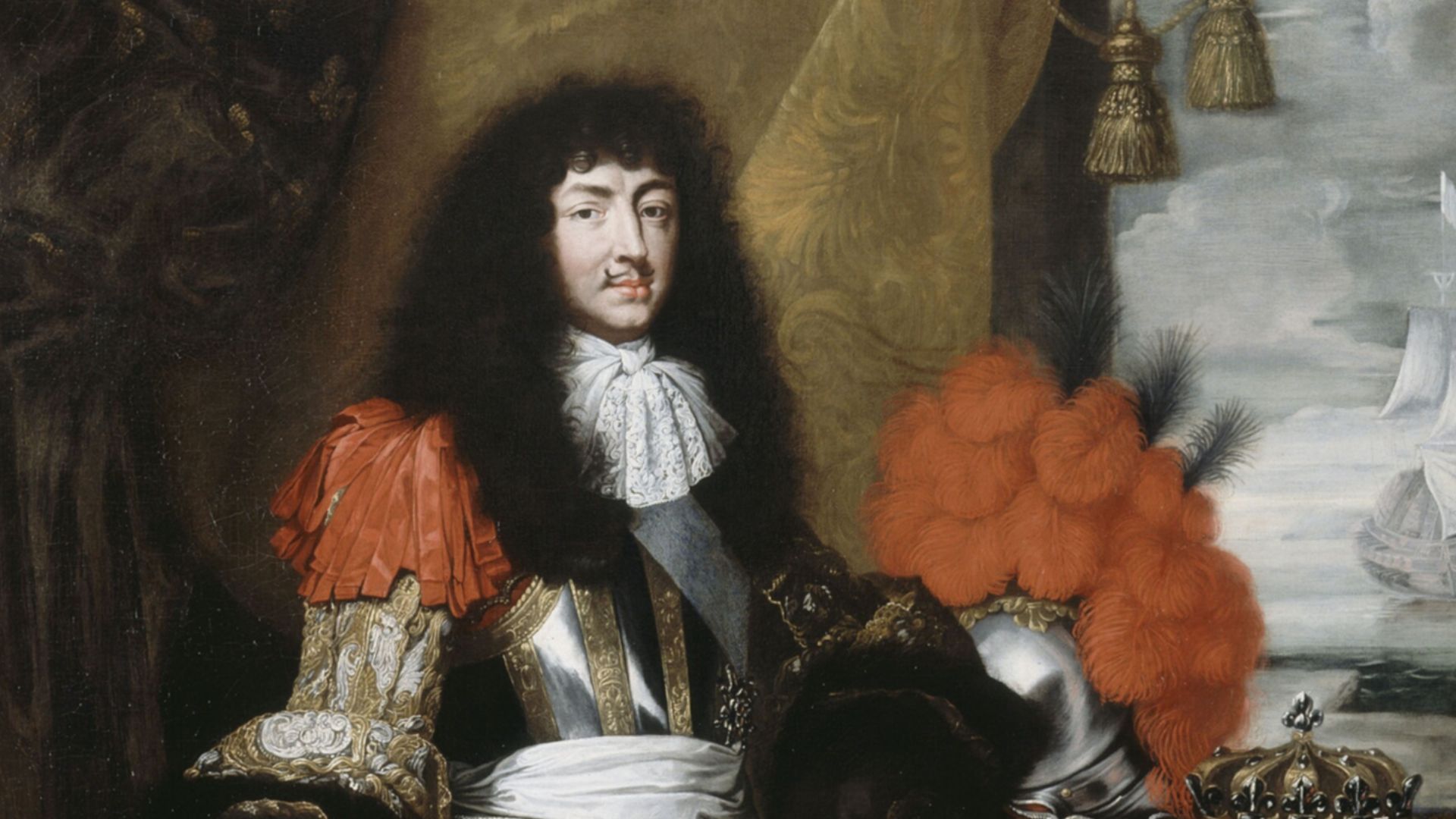
Court Enemies Multiply
The Churchills' political opponents recognized that Sarah's collapsing friendship with Anne had created an opportunity. Ministers hostile to Marlborough steadily undermined his influence, portraying both husband and wife as arrogant, greedy, and unwilling to accept the Queen's authority over her own government.
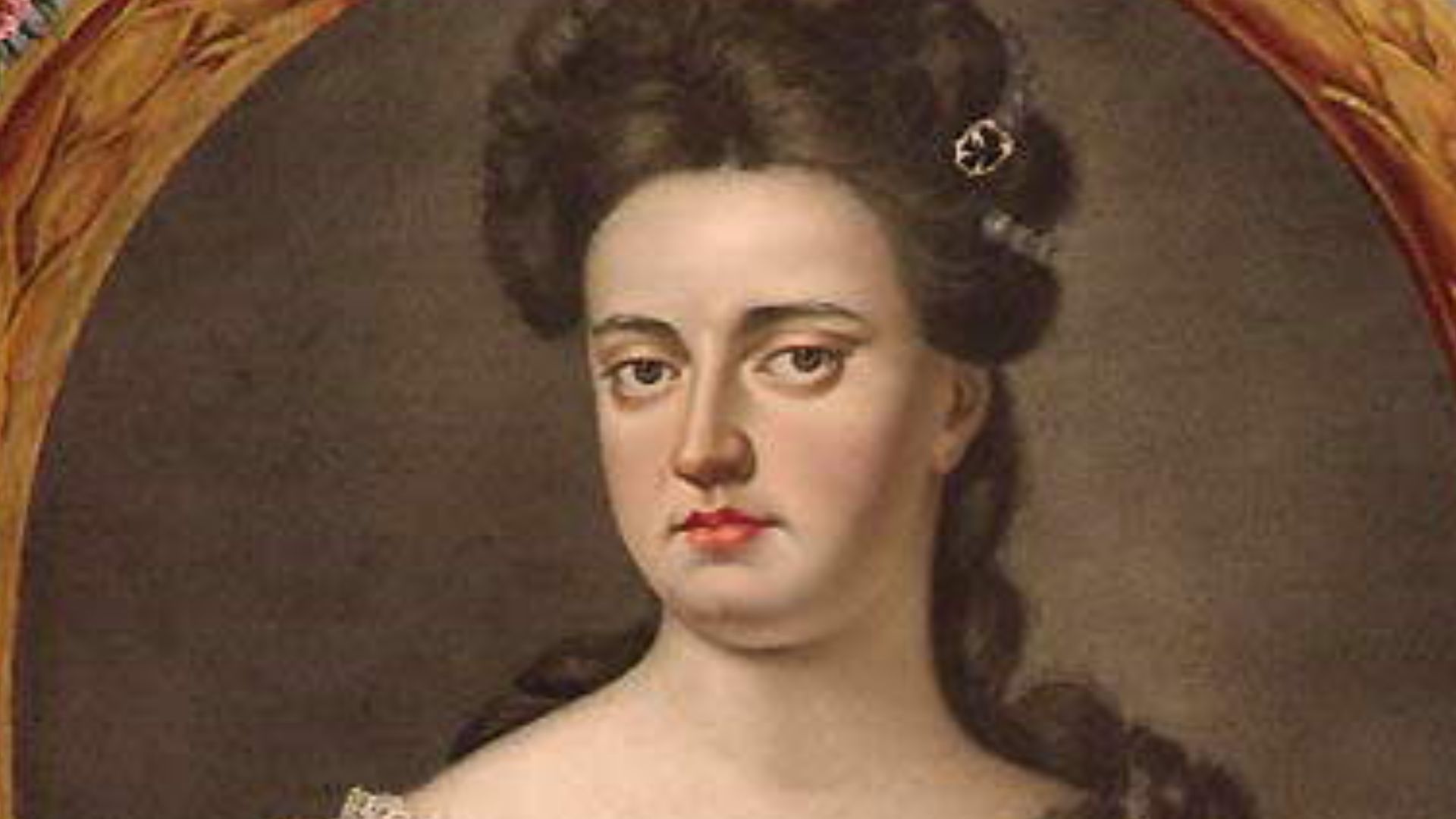 Unidentified engraver, Wikimedia Commons
Dismissed From Command
In late 1711, Anne dismissed Marlborough from all of his military and court appointments. Officially, accusations concerning financial irregularities accompanied his removal, though many contemporaries believed the charges were politically motivated. One of Britain's greatest military careers ended not through defeat in battle, but through royal disfavor.
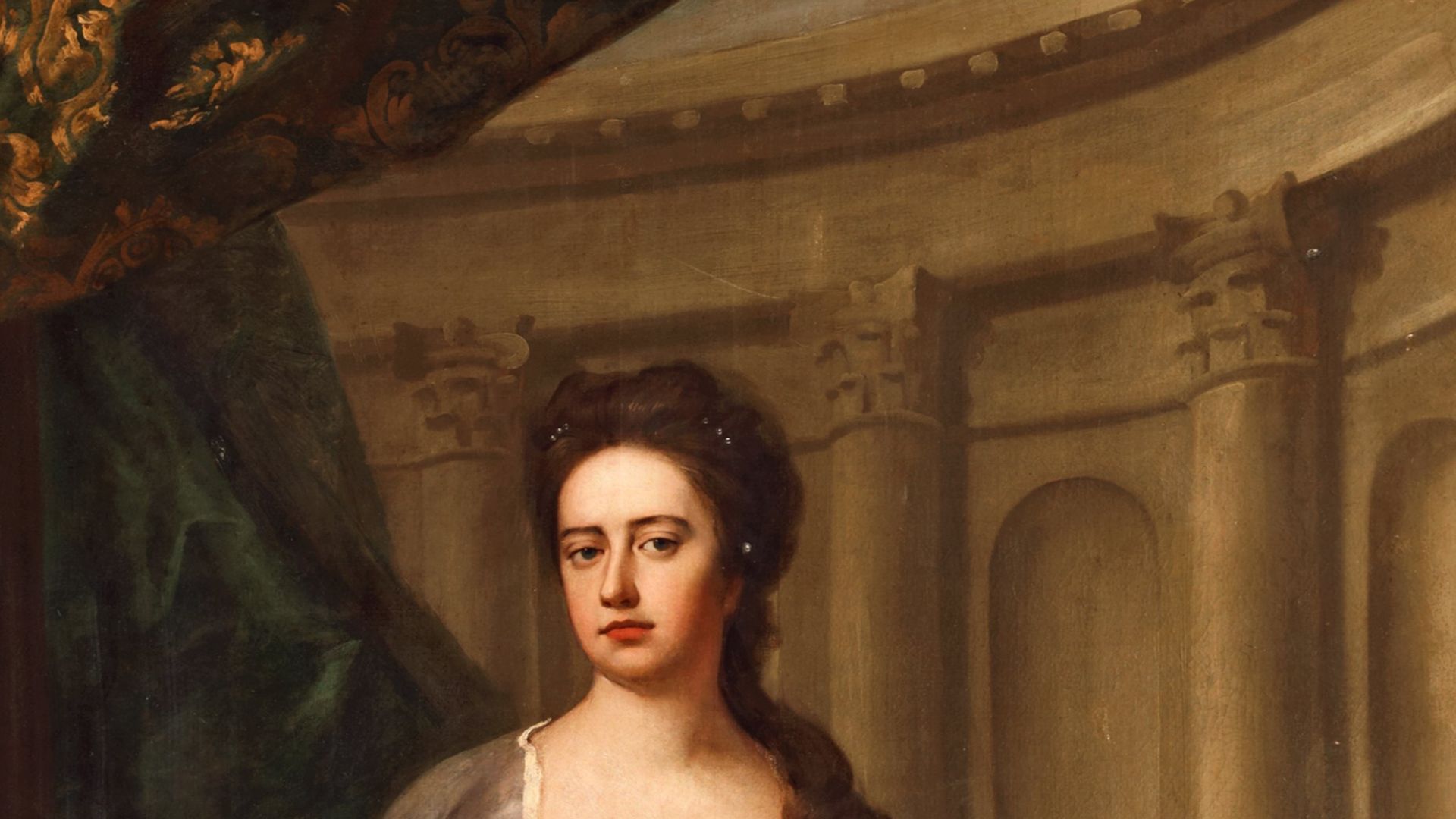 Michael Dahl, Wikimedia Commons
Leaving England
With their influence destroyed and political enemies in control, John and Sarah left England in self-imposed exile. They settled for a time in Frankfurt and traveled across Europe while awaiting changes in Britain's uncertain political landscape. After decades at the center of power, they suddenly found themselves on the outside looking in.
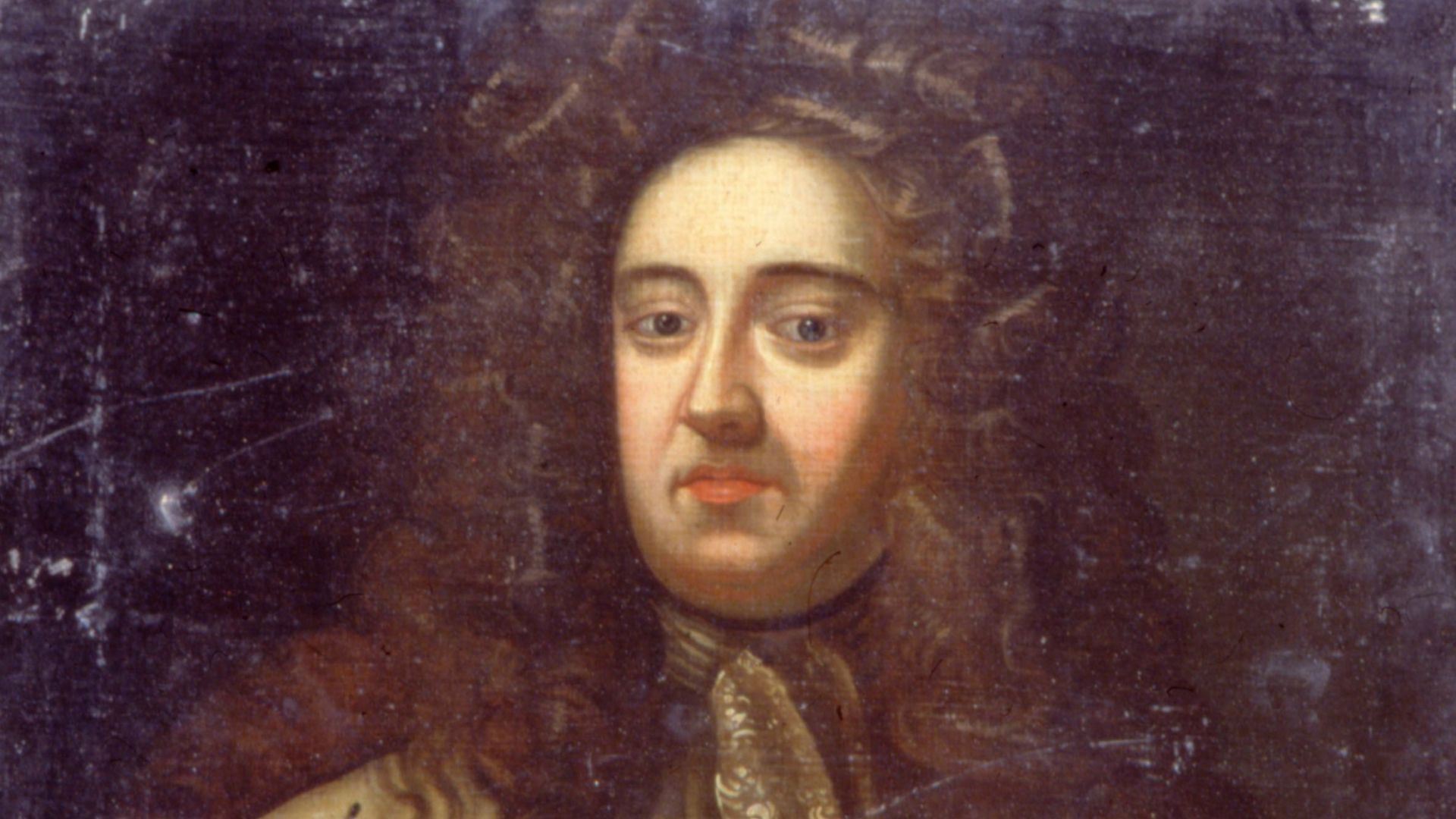 British – School Details on Google Art Project, Wikimedia Commons
History's most fascinating stories and darkest secrets, delivered to your inbox daily.
A Dramatic Return
Everything changed when Queen Anne died in 1714 and George I inherited the British throne. The new king welcomed Marlborough back into public life, restored his honors and offices, and reversed much of the political damage inflicted during Anne's final years. Although his reputation recovered, his most active military career had already ended.
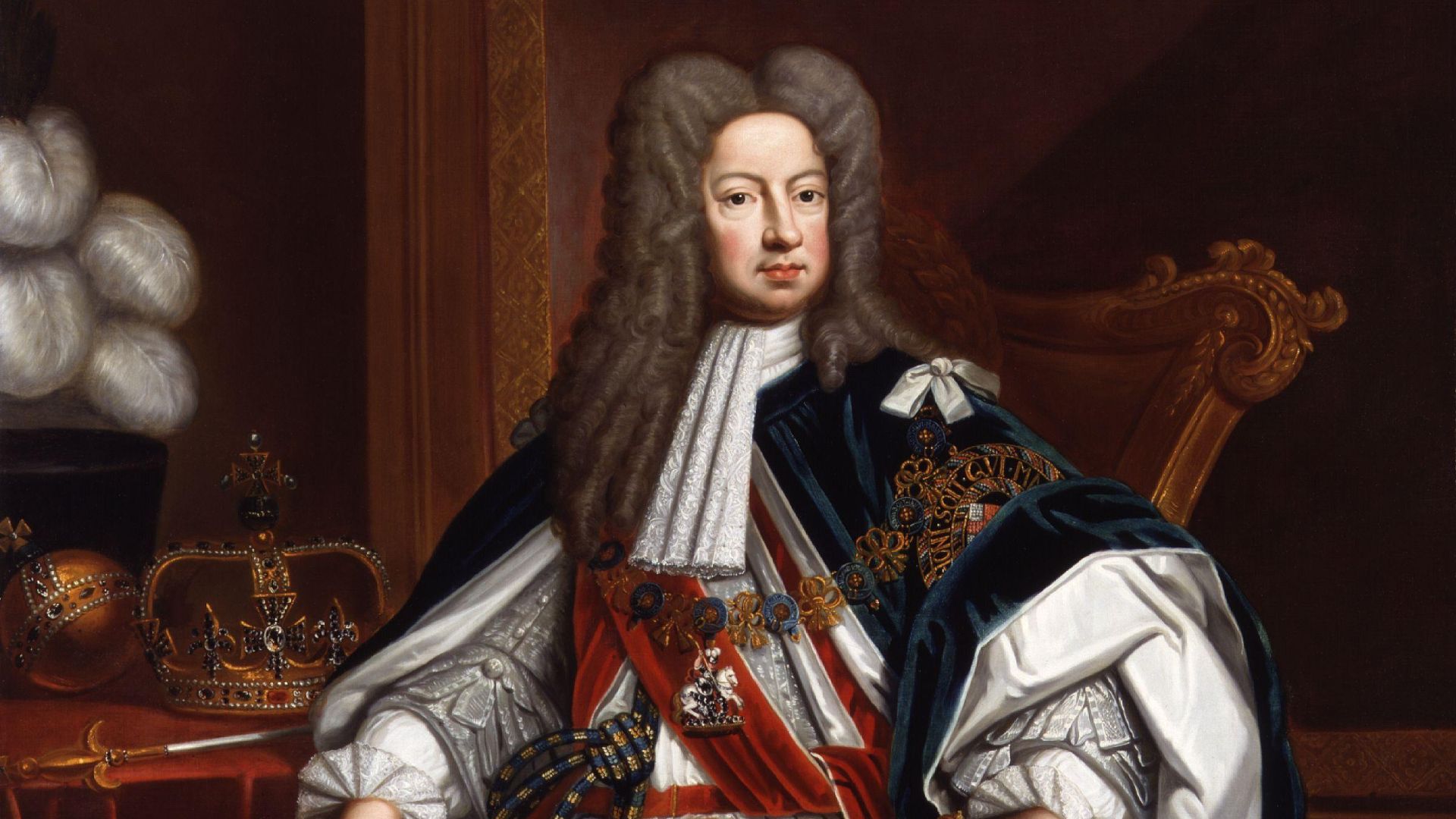 Workshop of Godfrey Kneller, Wikimedia Commons
Final Years
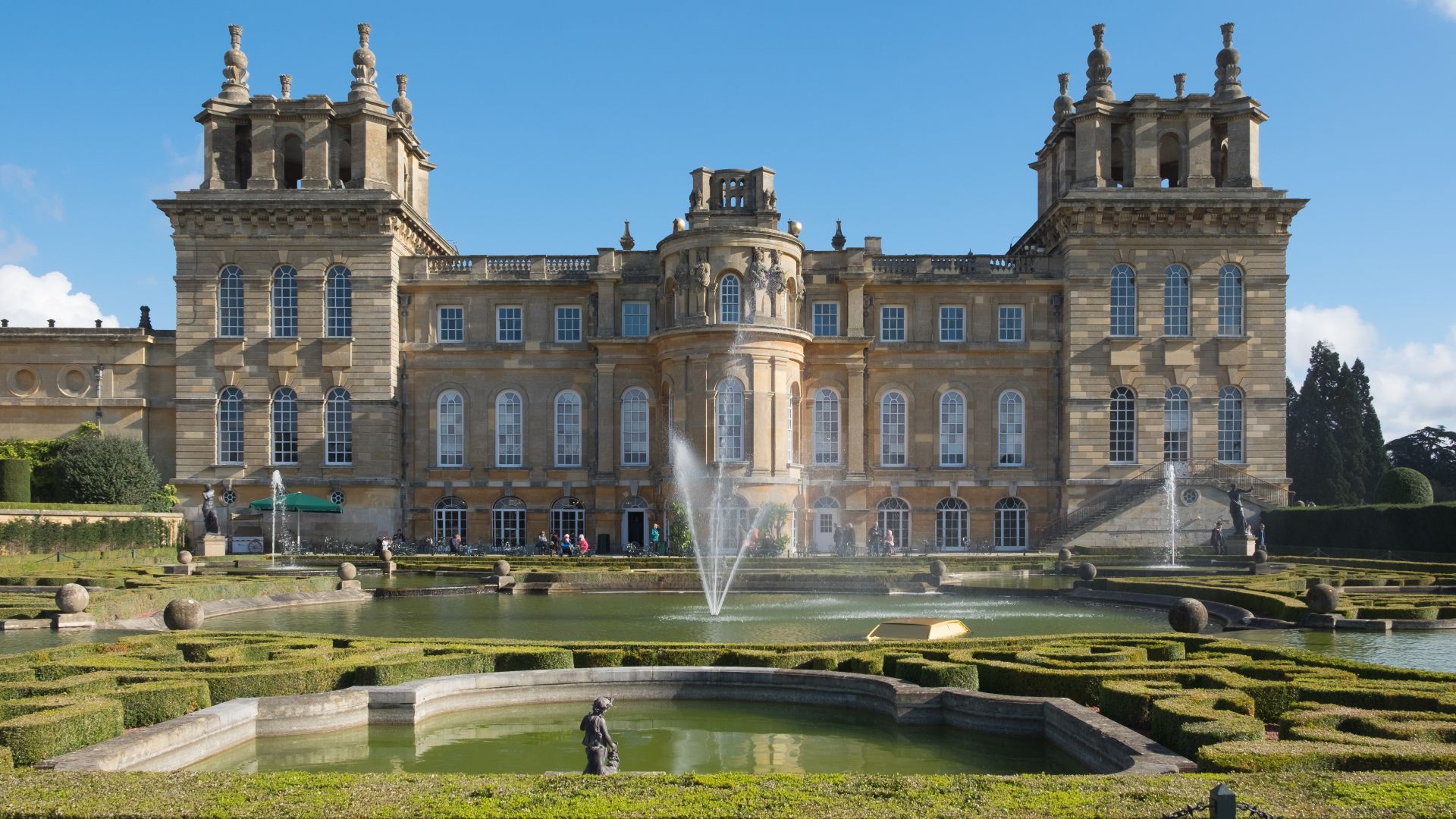
During his later years, Marlborough devoted much of his attention to overseeing the construction of Blenheim Palace, the magnificent estate awarded in recognition of his victory at Blenheim. Sarah remained deeply involved in managing the family's wealth and preserving her husband's extraordinary legacy for future generations.
Declining Health
Marlborough's health gradually deteriorated during the 1720s. He suffered several strokes that increasingly limited his speech and physical abilities. Although he was still respected throughout Europe as one of history's greatest commanders, the once energetic general spent much of his final years battling illness rather than commanding armies.
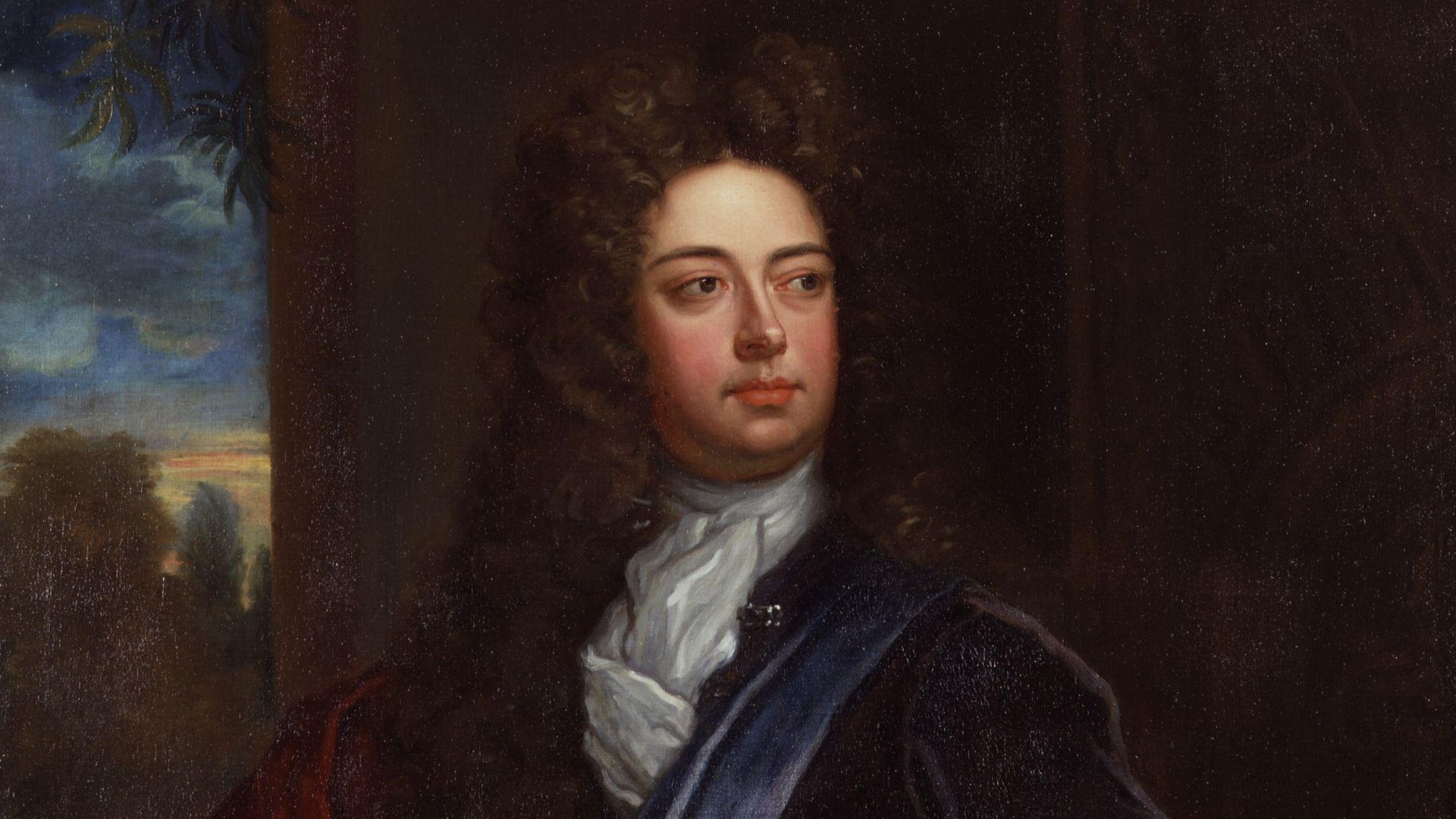 After Godfrey Kneller, Wikimedia Commons
Death Of A Great General
John Churchill died on June 16, 1722, at Windsor Lodge. He was seventy-two years old. Having never suffered a decisive battlefield defeat, he left behind one of the most remarkable military records in European history. His strategic brilliance continued to influence generations of commanders long after his death.
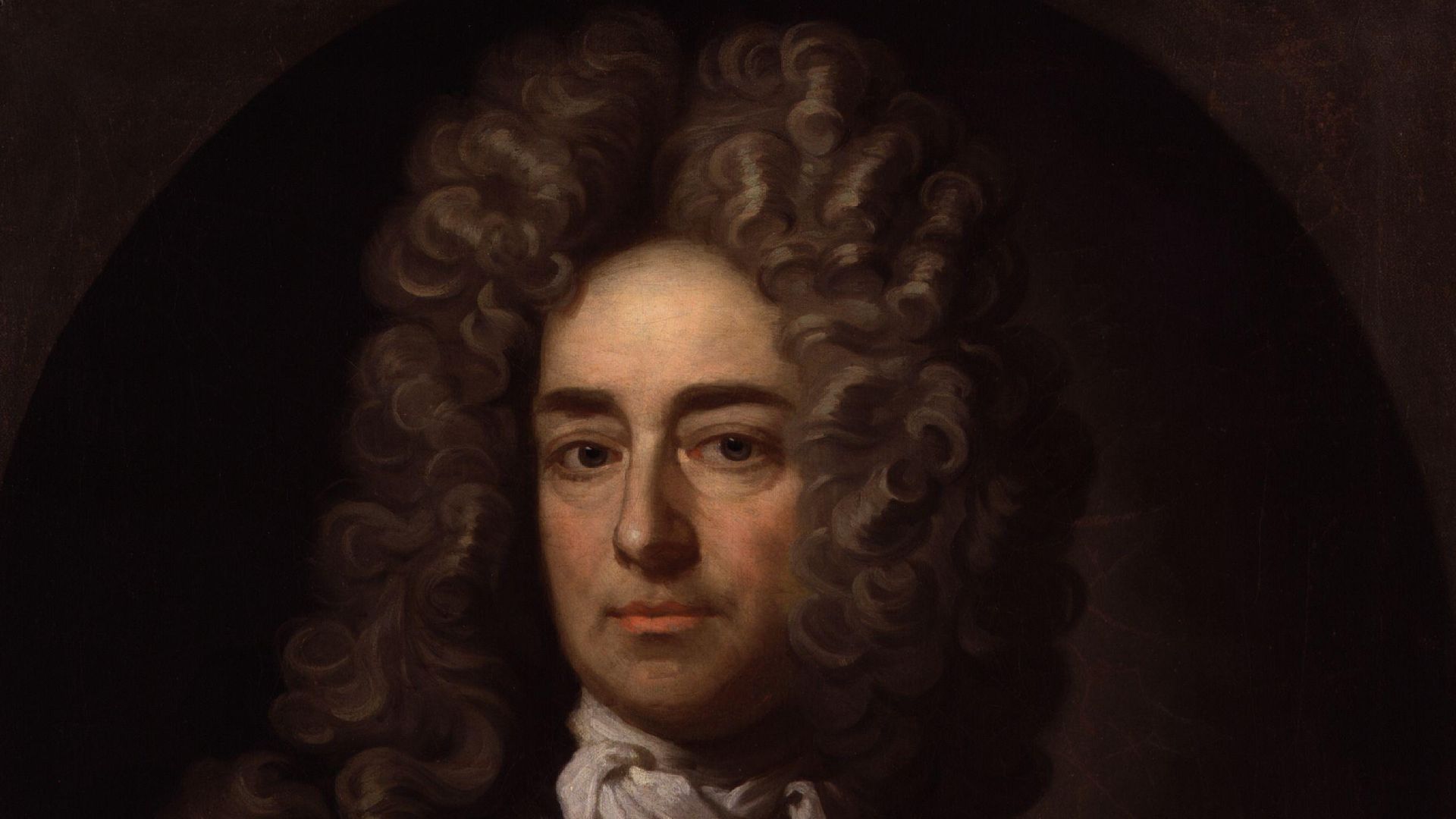 Godfrey Kneller, Wikimedia Commons
Sarah's Lasting Legacy
Sarah Churchill outlived her husband by more than two decades, dying in 1744 at the age of eighty-four. Fiercely independent until the end, she preserved Marlborough's reputation while remaining one of Britain's wealthiest and most formidable women. Together, John and Sarah had shaped both the battlefields and politics of Queen Anne's reign, even though those same politics ultimately ended their time at the center of power.
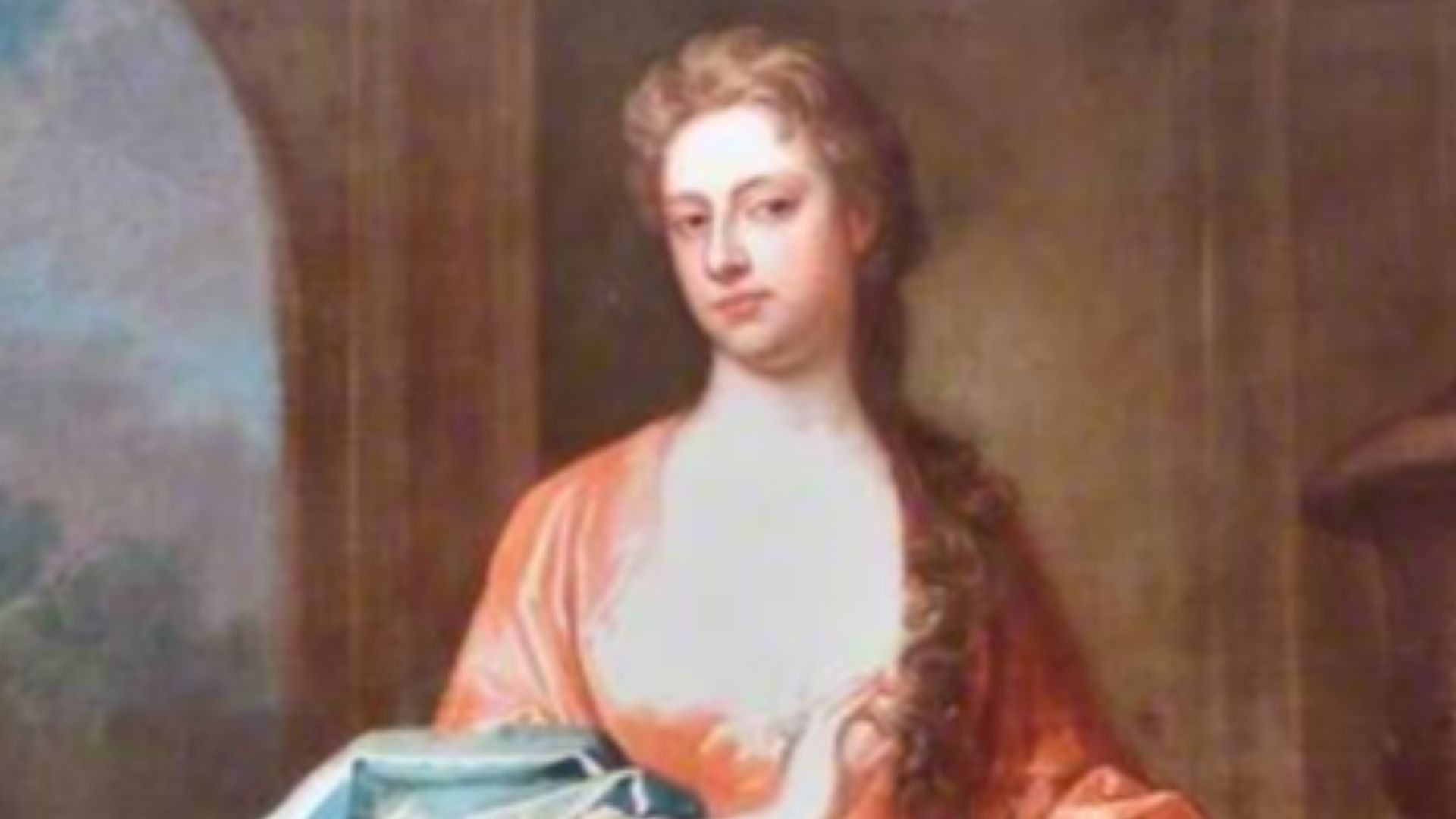 Attributed to Michael Dahl, Wikimedia Commons
You May Also Like:
Ruthless Facts About Sarah Churchill, The Queen's Favorite
42 Little-Known Facts About Anne, The First Queen Of Great Britain
Brash Facts About Sir Walter Raleigh, The Troublemaking Explorer