The Biology Of Fear
Human survival instincts are often portrayed as heroic reflexes that activate cleanly in moments of danger, but recent scientific research tells a much more complicated story. Studies of disasters, violence, and extreme stress reveal that survival behavior is frequently irrational, unpredictable, and disturbing, shaped as much by biology and fear as by conscious choice or moral reasoning.
 AstralAngel, AdobeStock; Factinate
Freezing Is More Common Than Fighting Or Fleeing
Popular culture emphasizes the "fight or flight" response, but research shows that we’re just as apt to freeze in fear. When we’re overwhelmed, many of us become physically immobile and mentally stalled. This involuntary response conserves energy and reduces detection by predators, but in many modern emergencies it also increases danger and doesn’t always prevent us from being harmed.
 Karolina Grabowska www.kaboompics.com, Pexels
Panic Overrides Logical Thinking
Extreme stress floods the brain with hormones that impair the prefrontal cortex. This makes reasoning and planning difficult during emergencies. Survivors often report making choices they later cannot explain, such as running toward danger or ignoring obvious exits, because panic suppressed rational problem solving.
Social Bonds Can Collapse Instantly
It may sound shocking, but in disasters, people don’t always protect their loved ones. Studies of shipwrecks, fires, and other calamities show individuals sometimes abandon family members to improve their own personal survival odds. These actions are almost never planned. But they reflect how our survival instincts can temporarily override whatever social attachment and moral commitments we have.
People Follow Authority Even In Deadly Situations
Survival research has shown that people often obey authority figures during an emergency even when the instructions given by such authority figures are harmful. This behavior is a product of social conditioning rather than real conscious rationally thought-out trust. There are some historical disasters in which victims have stayed in clearly unsafe locations just because officials told them to stay where they were.
Familiarity Leads To Dangerous Complacency
People are a lot less likely to react quickly if they’re in familiar settings like homes or workplaces. The brain assumes a sense of safety based on routine and doesn't always recognize sudden threats for what they are. This explains why a lot of disaster victims delay evacuating despite clear warning signs around them, fatally underestimating risk.

Tunnel Vision Narrows Awareness
Under stress, people’s attention narrows a great deal. Survivors report not hearing loud alarms, not seeing clearly visible exits, or nearby people. This is because their perception focused only on a single detail. This sort of tunnel vision evolved for short combat encounters but becomes a dangerous liability in complex modern emergency situations that require flexible awareness.

Helping Others Decreases Survival Odds
Altruism carries added risk in survival scenarios. Studies show that individuals who stop to help strangers during disasters are usually exposing themselves to greater danger. Despite cultural ideals of heroism that we see in the movies, survival instincts frequently discourage us from helping unless social bonds or direct rewards are involved.

Survival Guilt Is Common
A lot of people who survive disasters experience guilt rather than relief. Psychological research shows that survivors often question why they got to live when so many others died. This specific kind of guilt can lead to depression and post-traumatic stress, showing that the consequences of our survival instincts extend long after the physical danger is gone.
Extreme Hunger Changes Our Moral Code
Starvation studies and research into historical famines show that extreme hunger drastically changes our behavior and codes of what’s right and wrong. People get more aggressive, impulsive, and willing to violate ethical norms. The brain, in a desperate desire for sustenance, places calorie acquisition above all else, which explains why survival situations often produce shocking moral breakdowns.
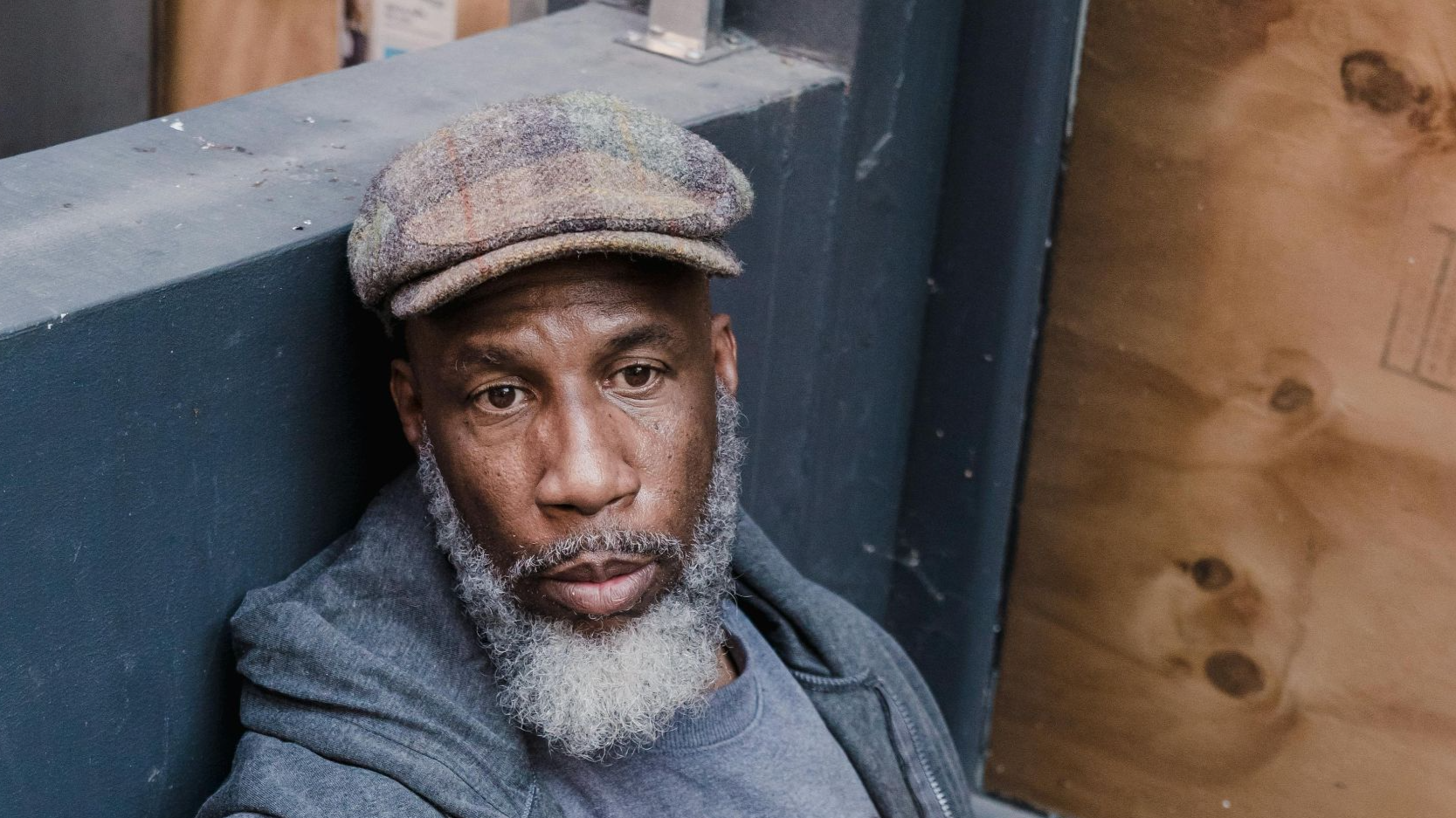
Fear Distorts Time Perception
In life threatening moments, the passage of time often seems to slow down or become distorted. Neuroscience suggests this may occur because the brain has to process a lot more sensory data when it’s under stress. While this can improve the reaction speed, it also can cause memory fragmentation and confusion after the event about exactly what happened.
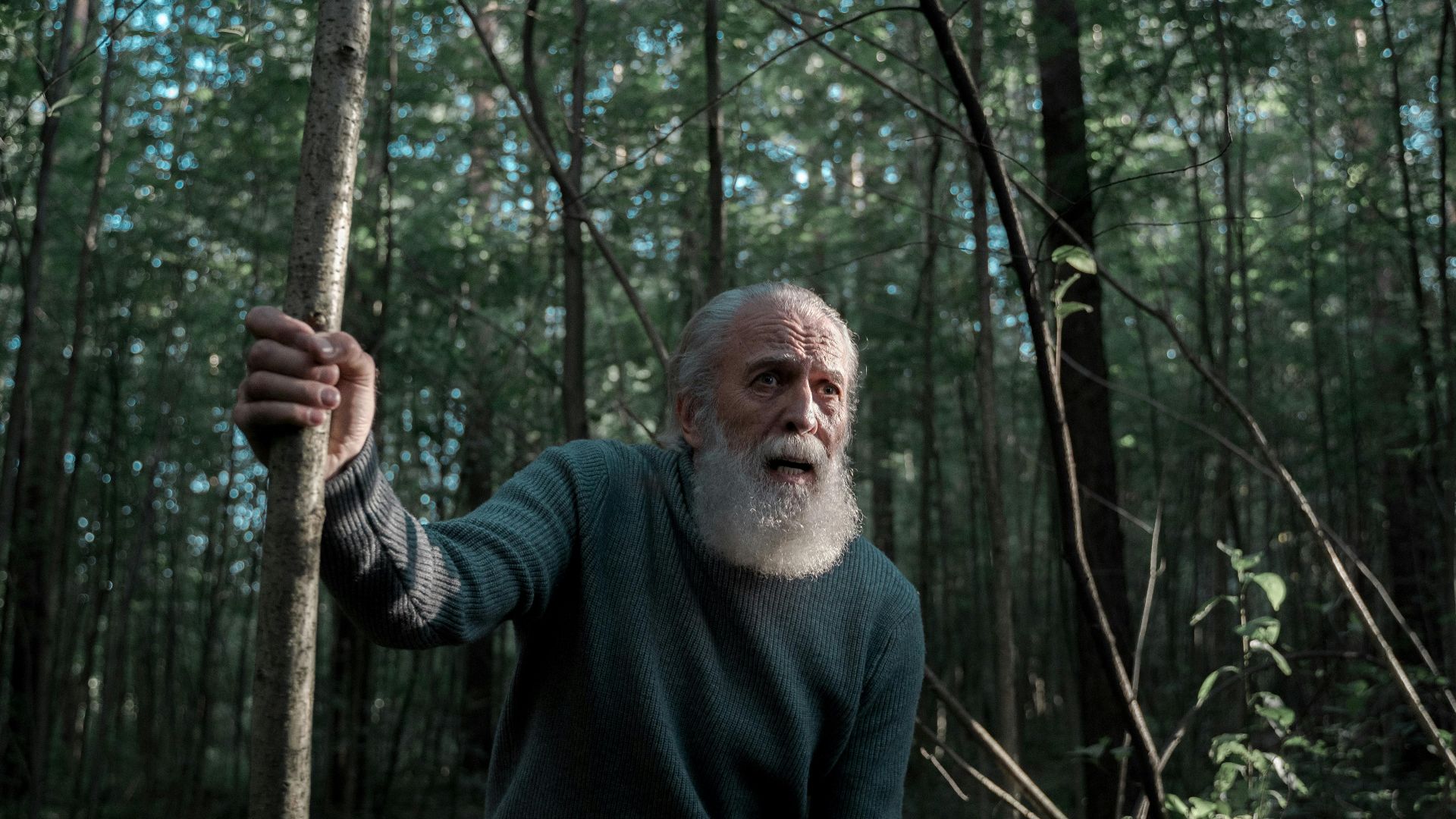
People Underestimate Their Own Reactions
Most people believe or daydream that they would act decisively and bravely in a dangerous emergency scenario. But research studies have repeatedly shown that this confidence is misplaced. When tested in simulations, individuals often freeze right up, delay taking action, or follow others blindly. It shows a very real gap between imagined and actual survival behavior.
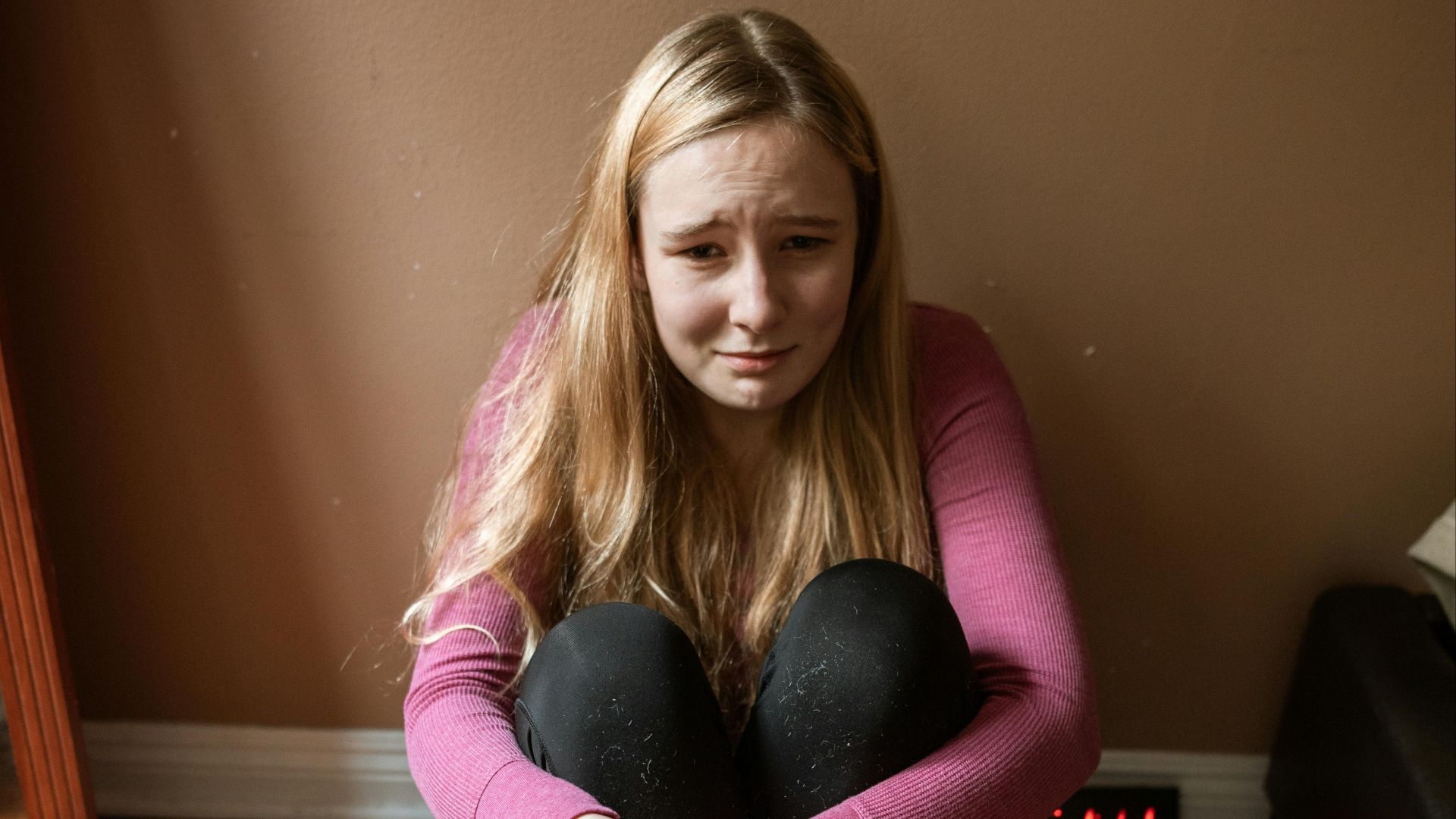
Crowds Can Be A Death Trap
Survival research shows crowds amplify danger instead of reducing it. Panic spreads more rapidly, and individuals give up thinking independently. Crowd crushes and stampedes happen when people’s immediate survival instincts synchronize unpredictably, turning collective fear into the irresistible physical force of a mindless mob that can kill even without obvious threats.
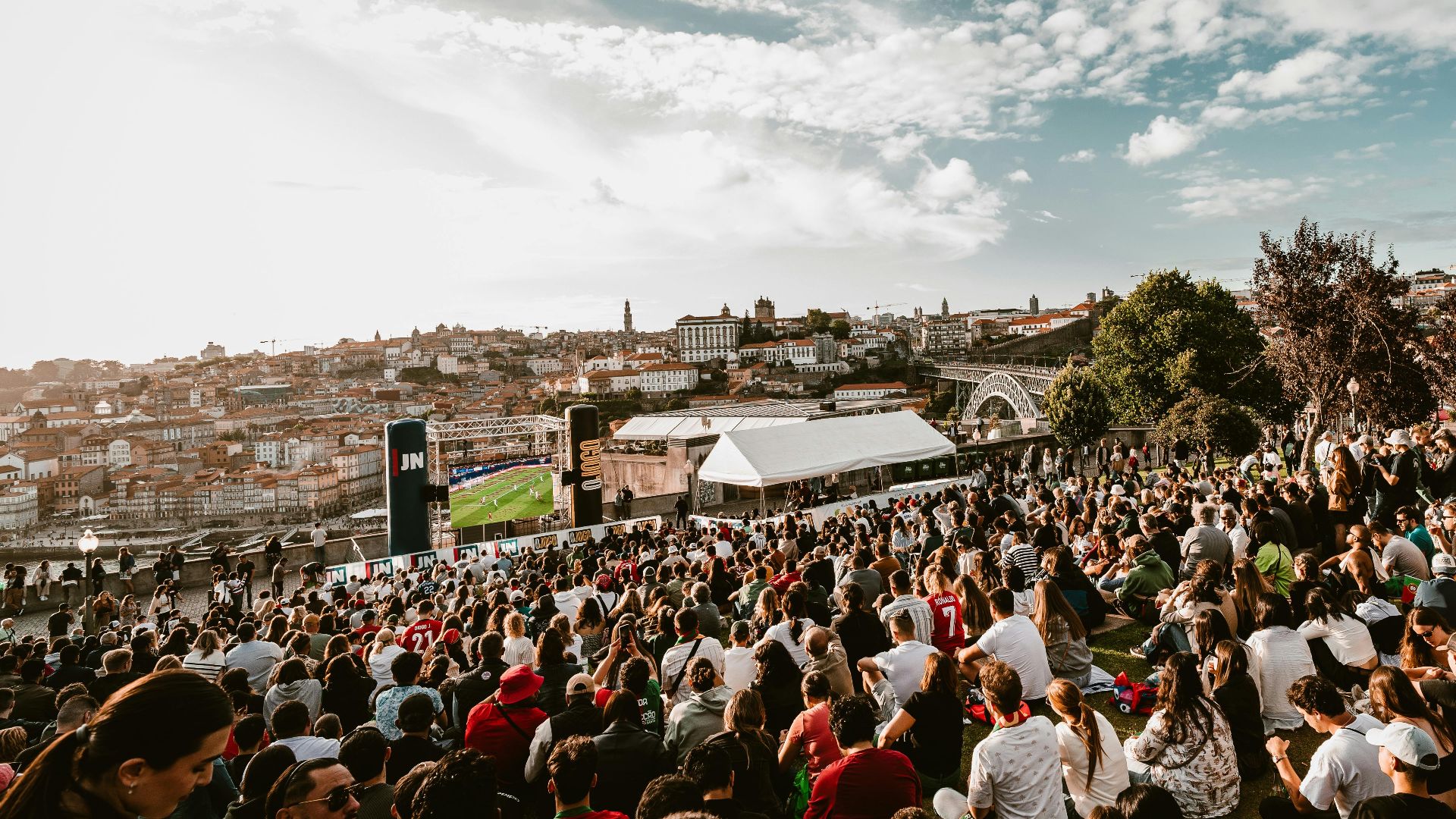
Self-Preservation Over Accuracy
When humans are in a survival state, the brain favors speed over accuracy. This leads to false perceptions, misidentified threats, and false memories. While this was perhaps useful against predators in the distant prehistoric past, this tendency explains why eyewitness accounts during crises can be totally unreliable despite the eyewitness being 100% confident that what they said is true.

Childhood Trauma Shapes Survival Responses
Early trauma can permanently alter people’s survival instincts. People brought up in unstable or violent environments can develop heightened threat detection but poor emotional regulation. Such people are more vigilant while also being more prone to panic and aggression under stress. This type of behavior can persist decades after the initial trauma.

The Strongest Don't Always Make It
Research across many disasters shows that physical strength doesn’t necessarily guarantee survival. Awareness, adaptability, and quick decision-making are a lot more important. Children, elderly individuals, and physically smaller people sometimes survive at much higher rates just due to being flexible to all options and being less prone to taking risks.
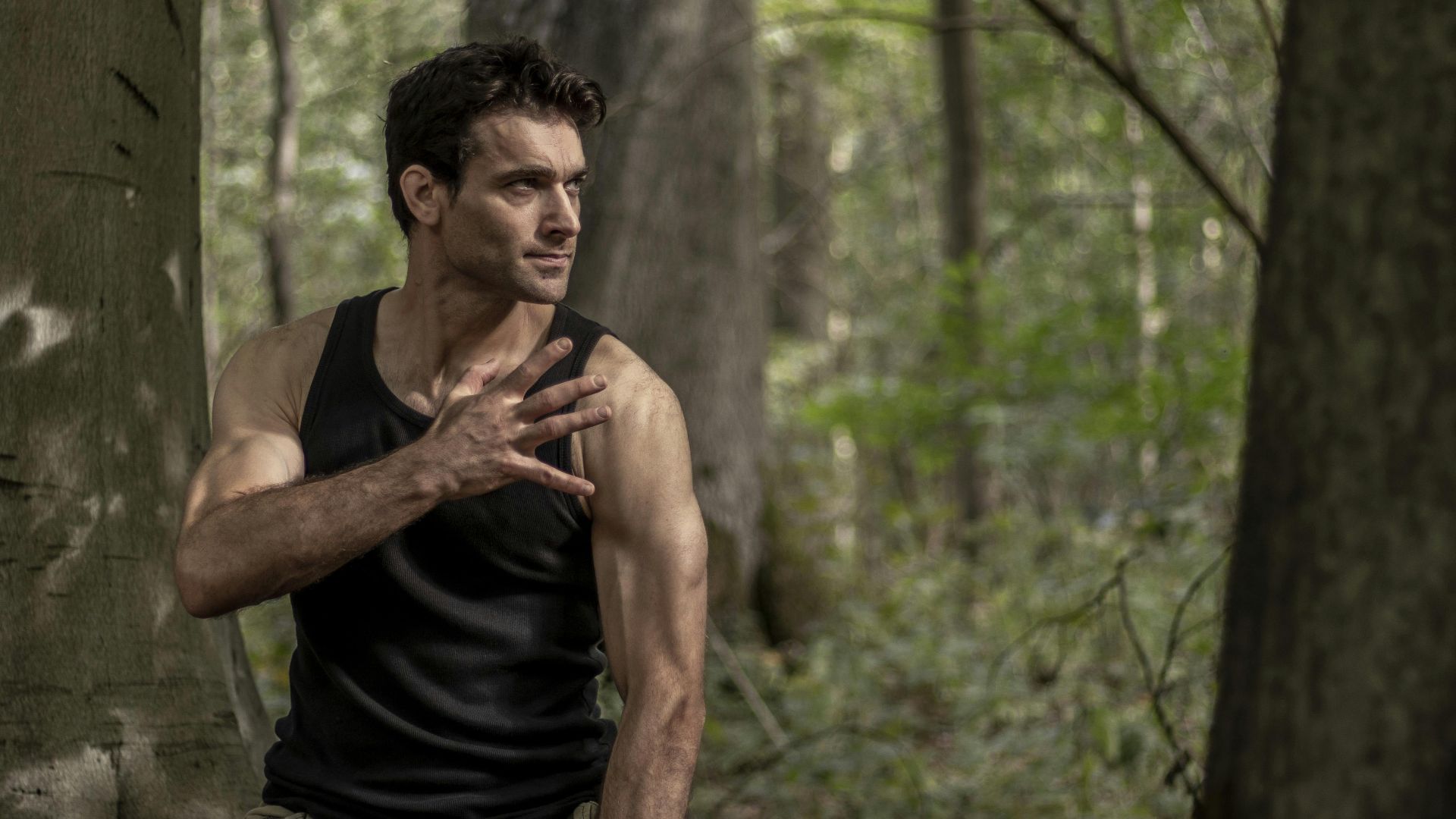
Isolation Increases Risky Behavior
Humans have evolved to work, coexist, and survive in groups. When isolated, people take riskier actions and make poorer, more ill-informed decisions. Survival psychology shows loneliness increases impulsivity and decreases accurate threat assessment. This explains why stranded individuals often make their own situations worse through desperate choices.
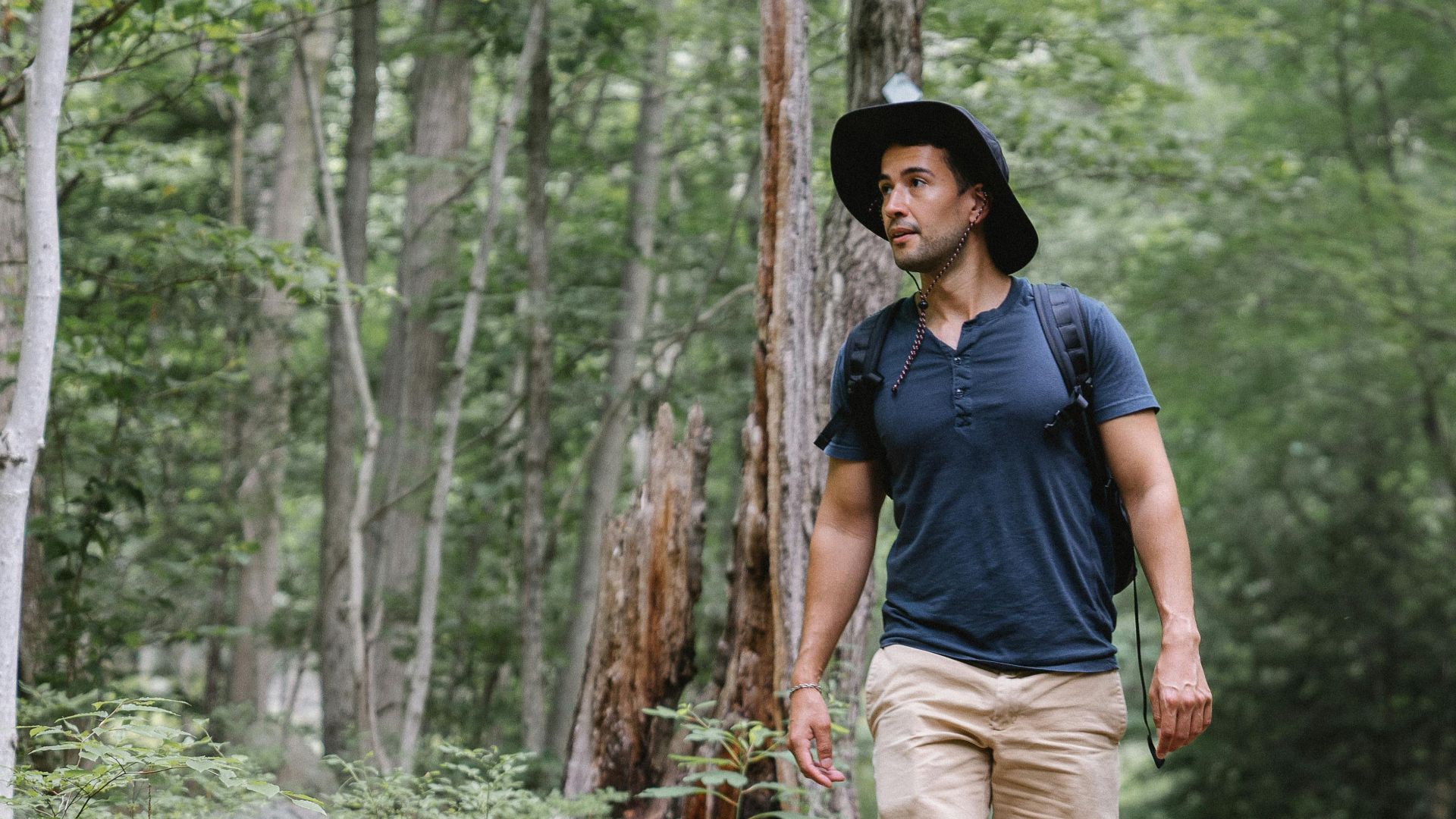
Training Changes Instinctive Responses
Survival training intentionally rewires instinctive reactions. Firefighters, pilots, and soldiers all show reduced freezing and faster recovery from a shock or sudden dangerous event. Repeated exposure conditions the nervous system to tolerate the stress and respond properly. It’s proof that our survival instincts are not fixed and can be reshaped with effort.
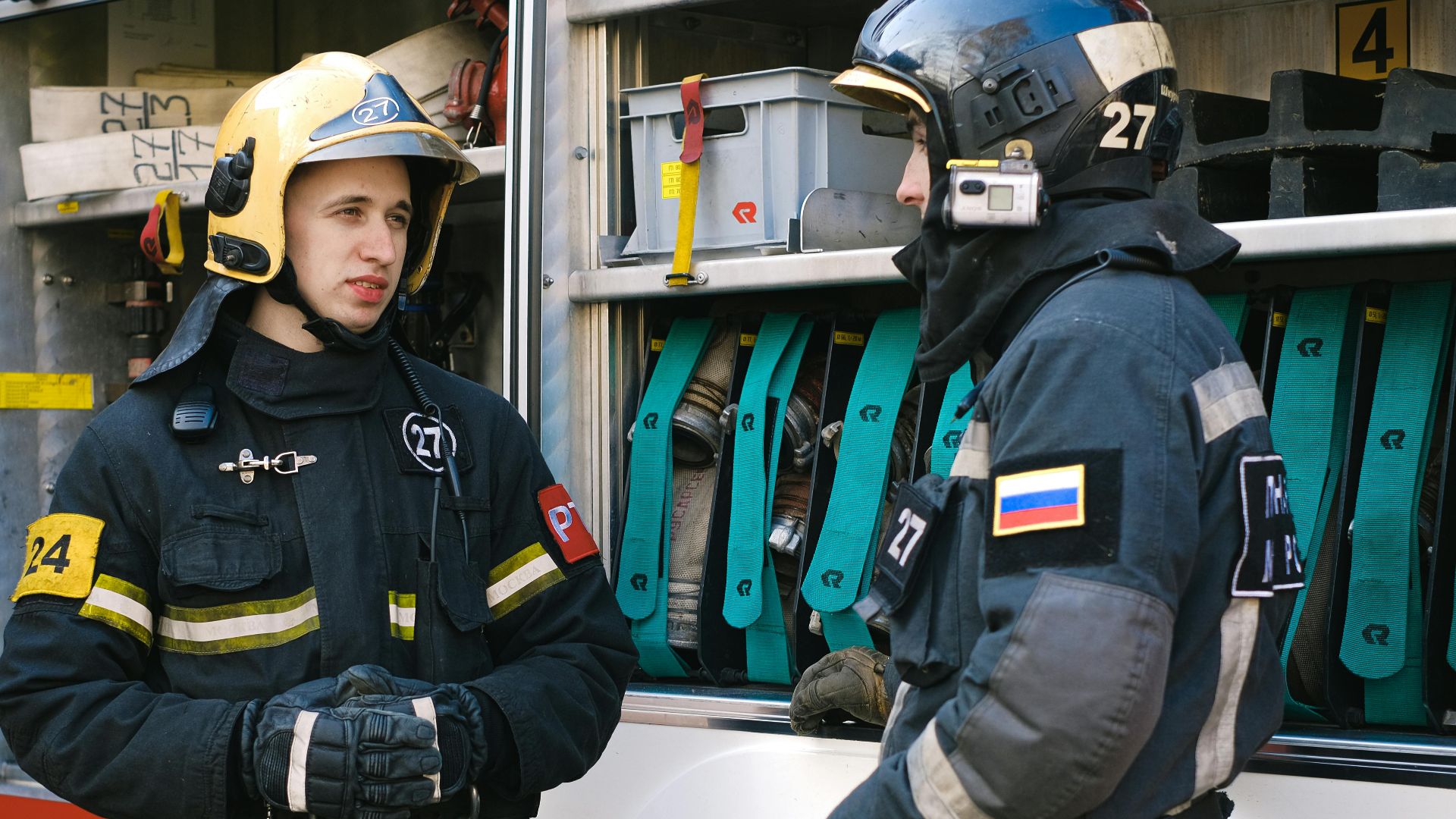
Pain Can Be Temporarily Ignored
When we’re in extreme danger, the brain can suppress pain signals. Many disaster survivors have reported realizing injuries only after they’ve made it to safety. This temporary analgesia increases their survival odds but can also lead to severe injuries being made unintentionally worse during their escape from the larger danger.
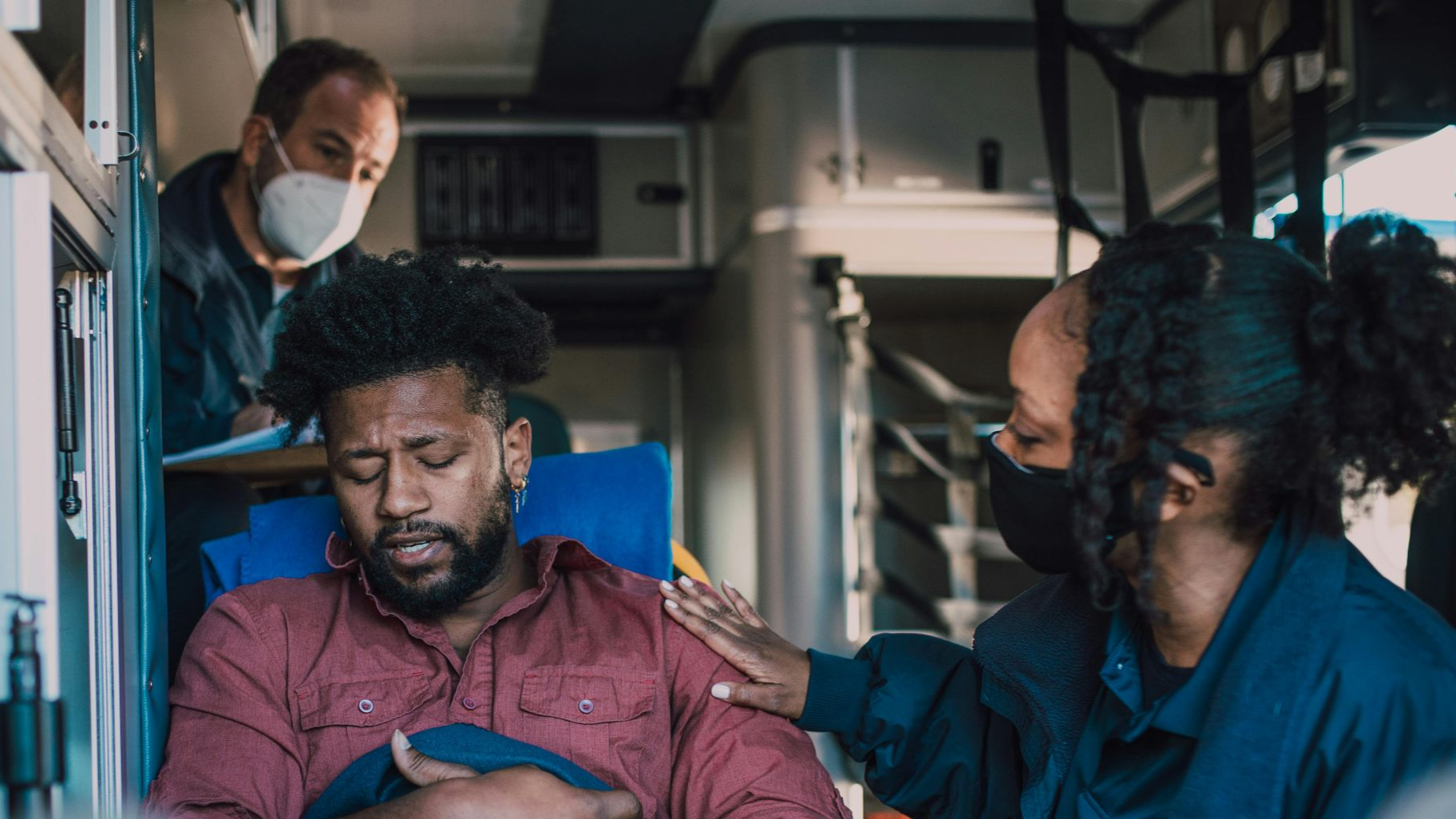
Hope Is As Dangerous As Fear
A misplaced sense of hope can sometimes delay people from evacuating from a deadly situation. Research shows that people cling to optimistic interpretations of danger signs, and convince themselves that a threat will pass. This cognitive bias lowers anxiety but can also prove fatal when the danger escalates faster than they anticipated.
Survival Memory Is Often Inaccurate
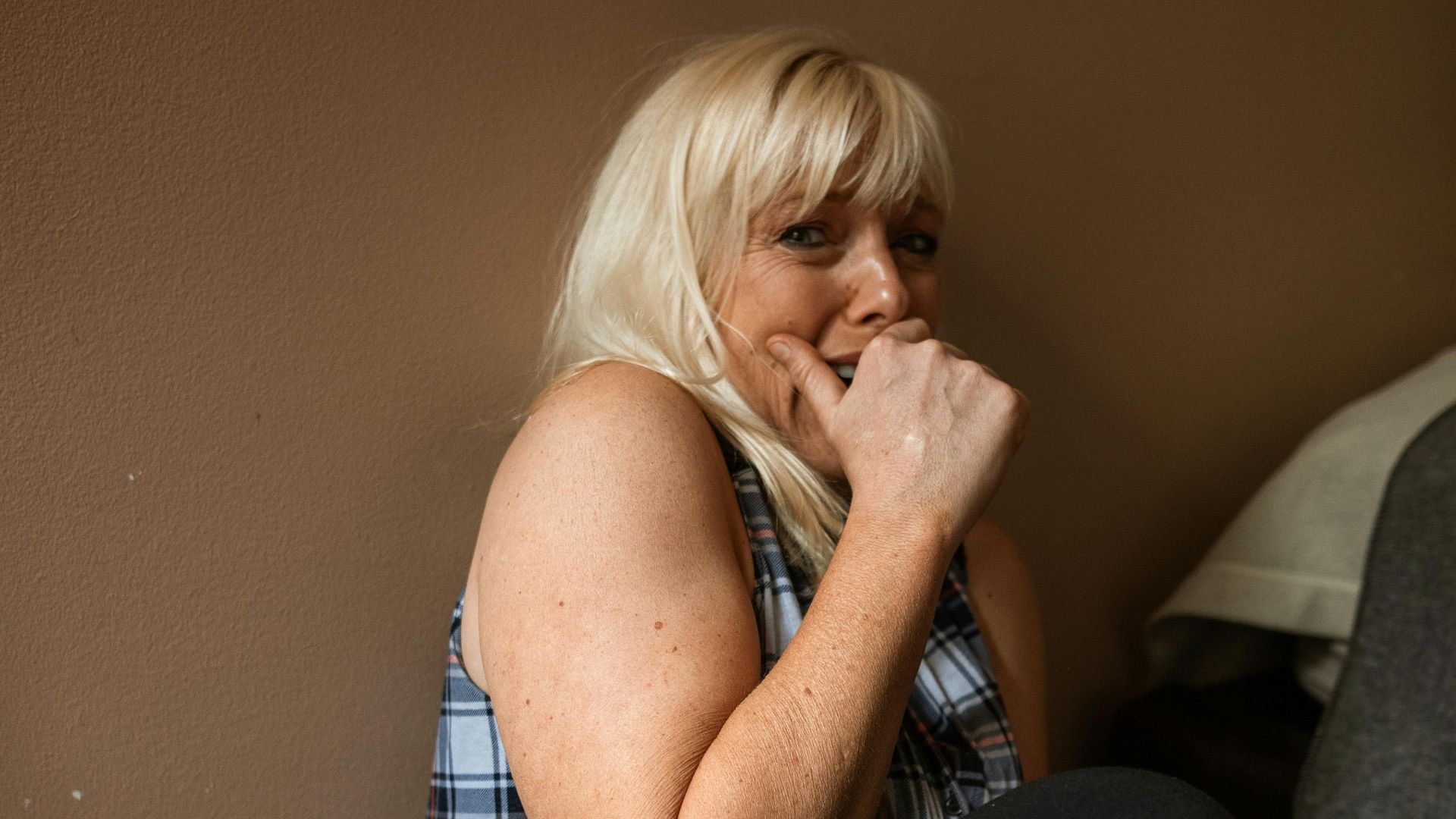
Memories formed during life threatening events are rarely continuous or coherent. They are usually fragmented and distorted. In such instances, the brain prioritizes emotion and sensation over the sequence and details of the situation. This explains why survivors can struggle to piece together a coherent timeline, and why trauma memory differs from ordinary life recollections.
What Survival Instincts Reveal About Us
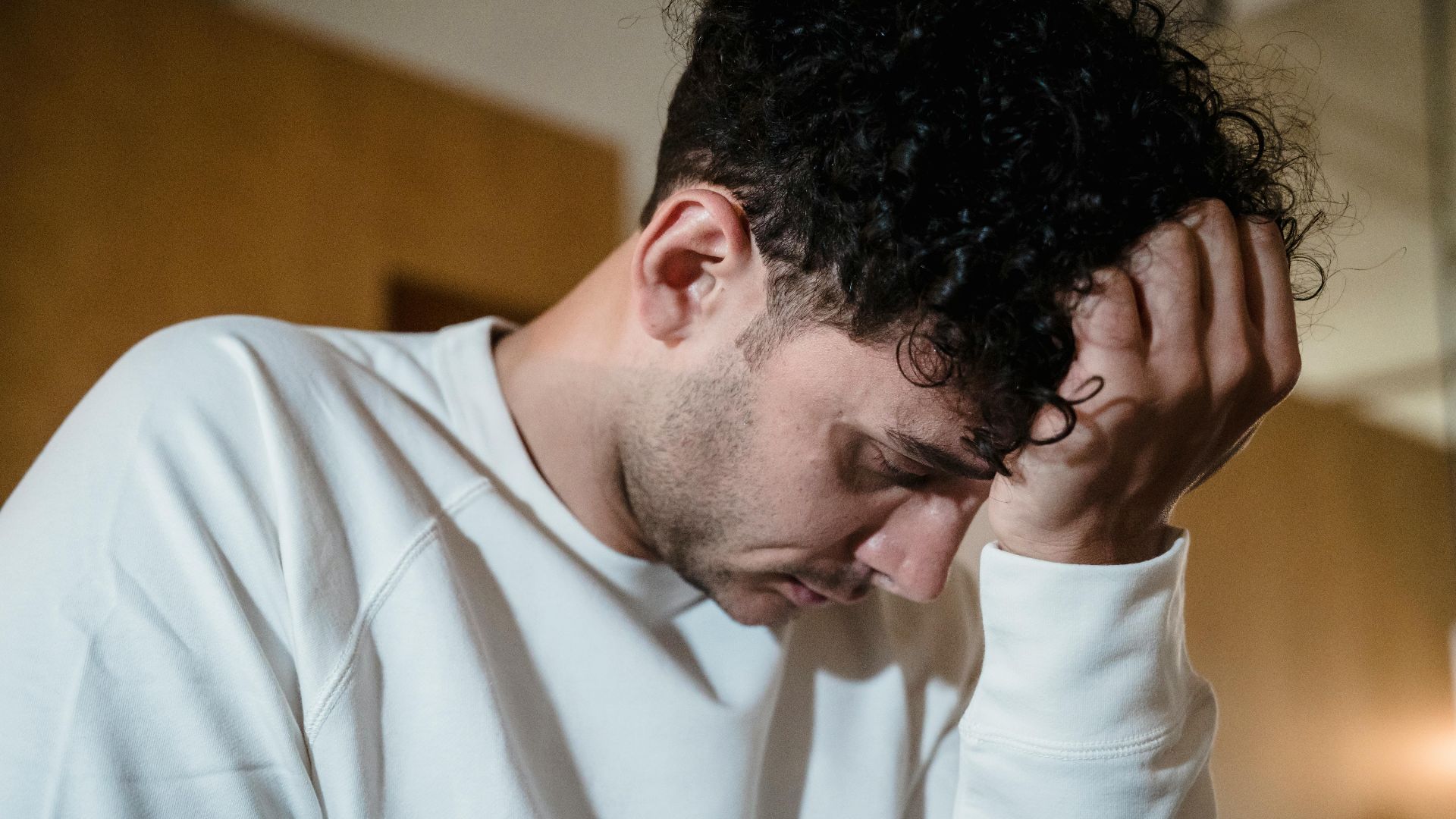
Scientific study shows that our survival instincts are more messy and complicated than what we assume. They evolved to face down ancient threats, not complex modern disasters. Understanding their limitations challenges our comforting myths about heroism and rationality. It shows that survival as a biological process is shaped by fear, random chance, and adaptation.
 National Cancer Institute, Unsplash
You May Also Like:
Dieter Dengler’s Odyssey To Freedom
Juliane Koepcke’s Unbelievable Survival Story