
When Time Expands
Some people have felt it before—that weird stretch of time when every heartbeat seems louder, every detail sharper. Scientists say our brains are behind it, flipping the switch that slows the world just enough for you to notice every frame.

Near-Death Experiences
When survival hangs by a thread, perception flickers into overdrive. The brain releases adrenaline and floods memory centers, compressing moments into vivid slow-motion. In this state, each heartbeat carries extraordinary detail to create the haunting illusion that time stretched wide enough to hold an entire lifetime.

Car Accidents
During collisions, milliseconds stretch like an elastic band. The amygdala jolts awake and heightens sensory intake while slowing perceived flow. Drivers often recall counting individual snaps of chaos—the screech, the turn, the silence—because their neural clocks started ticking faster than any physical clock could possibly follow.

Meditation-Induced Time Dilation
Deep meditation quiets mental chatter and changes how the brain tracks intervals. As awareness deepens, measurable activity in time-related networks dips. The external world fades, and perception unhooks from the usual rhythm, to leave practitioners unsure whether minutes, hours, or whole afternoons have passed.

Flow State In Athletes
Elite athletes often describe “being outside time”. During perfect performance, motor regions, focus, and prediction loops synchronize. Each move anticipates the next microsecond, stretching perception. The world slows, the body speeds up, and competition transforms into something that feels timeless and precise.

Psychedelic Experiences
Under psychedelics, the brain’s default network dissolves, and uncouples the usual sense of duration. Visuals loop, seconds echo, and thoughts overlap like folded mirrors. For users, time no longer moves forward—it hovers and occasionally folds back on itself in fascinating, and sometimes, disorienting symmetry.

Dream States
Inside dreams, time operates on its own rules. Hours of imagined life can unfold within real minutes of REM. The brain compresses narrative and emotion into bursts of neural storytelling, even blurring boundaries between seconds and seasons until waking pulls you abruptly back to linearity.

Trauma Flashbacks
Any form of trauma can lock time in repetition. When triggered, the brain replays memory fragments with original clarity and speed distortion intact. It’s not imagination—it’s reactivation. The hippocampus resynchronizes sensory data from the past, and this forces the mind to relive seconds that feel like an eternity unfolding again.

High-Adrenaline Sports
During activities like skydiving or surfing massive waves, adrenaline and dopamine spike together. Perception sharpens so precisely that external motion seems to slow. Every splash, gust, thrust, or twist of muscle becomes hyper-detailed. The mind runs faster than the environment to experience expanded seconds of control.


History's most fascinating stories and darkest secrets, delivered to your inbox daily.
Extreme Fear Responses
When one is in a fearful situation, the sympathetic system floods the body and raises the heart rate. It could also sharpen awareness. Moments appear to crawl because your brain stores more data per instant. It’s an evolutionary trick—slowing the perceived world long enough for your instincts to choose survival.

Military Combat Experiences
Soldiers often recall gunfire in surreal, slow-motion. Combat amplifies attention and suppresses emotion, sharpening every detail. The brain starts processing survival data in bursts, even building a dense timeline of sensory input. That neural overflow makes firefights seem longer than they are.

Childbirth
Ask any mother about their experience in the delivery room, and they’ll attest that time slowed. Here, the brain floods with oxytocin, endorphins, and adrenaline. Time unravels into intense fragments where each contraction, each cry, is suspended in clarity. Many mothers later describe the scene as timeless.

Near-Sleep Hypnagogic States
Just before sleep, thoughts drift into vivid snapshots that appear stretched. The brain’s boundary between conscious and dream states blurs, and this could leave perception unanchored. Sounds may loop or images expand. Time loses sequence altogether—until sleep finally folds reality into the seamless flow of dreaming.

Focused Breath Control In Martial Arts
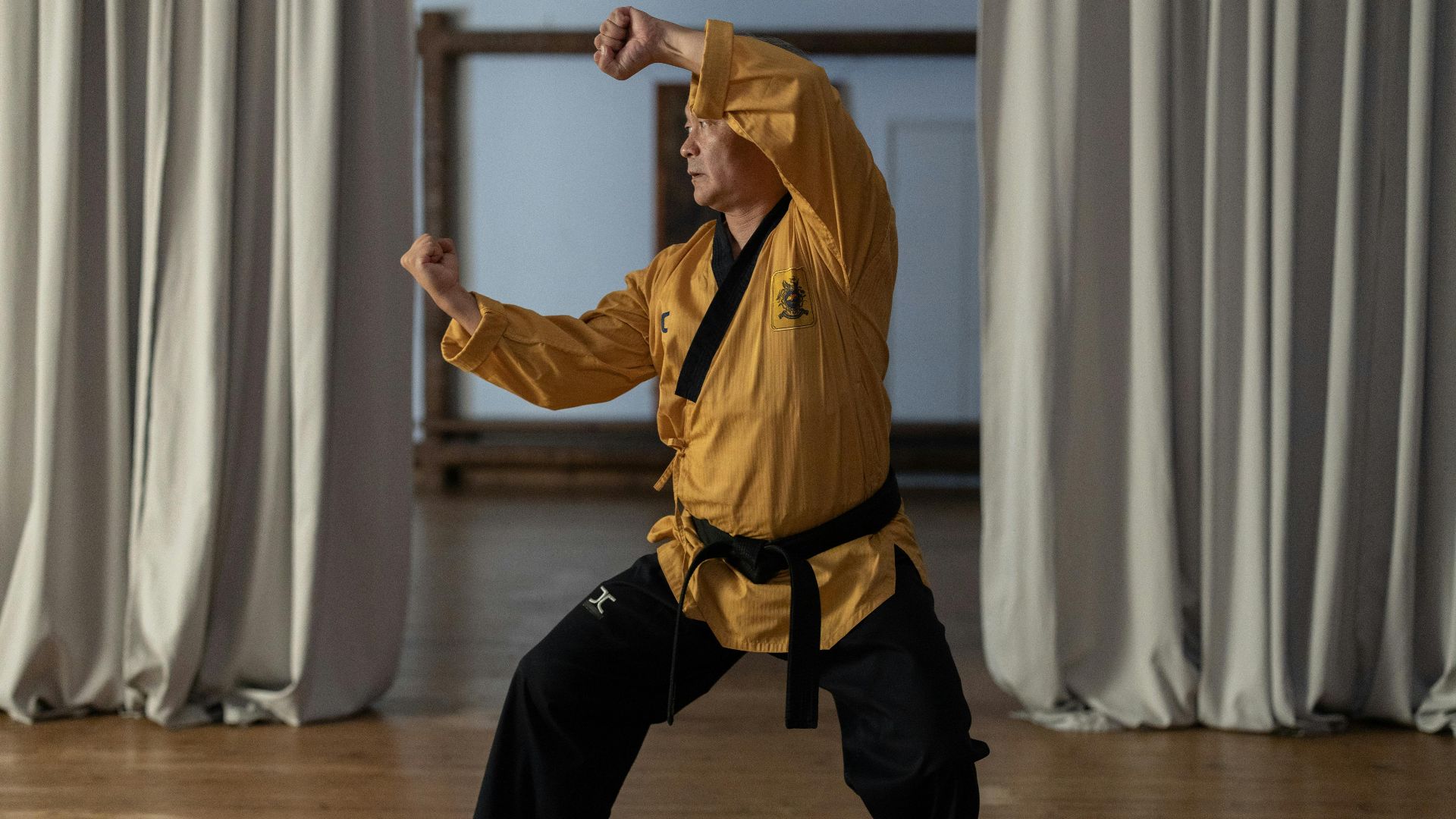
Seasoned fighters slow internal rhythms through breath regulation. Deep focus steadies adrenaline while keeping perception razor-sharp. In that concentrated calm, movements seem preplanned, where time elongates just enough to anticipate the opponent’s strike. To outside eyes, it looks like a reflex; internally, it feels eternal.
Long-Term Isolation
When days pass without social cues, time stops behaving as it normally does. The circadian clock weakens, and brain regions tracking duration drift. Hours blend into indistinct spans, and this leaves isolated individuals unsure whether a day or week has slipped by. It’s a quiet war against temporal awareness.

Rhythmic Drumming Rituals
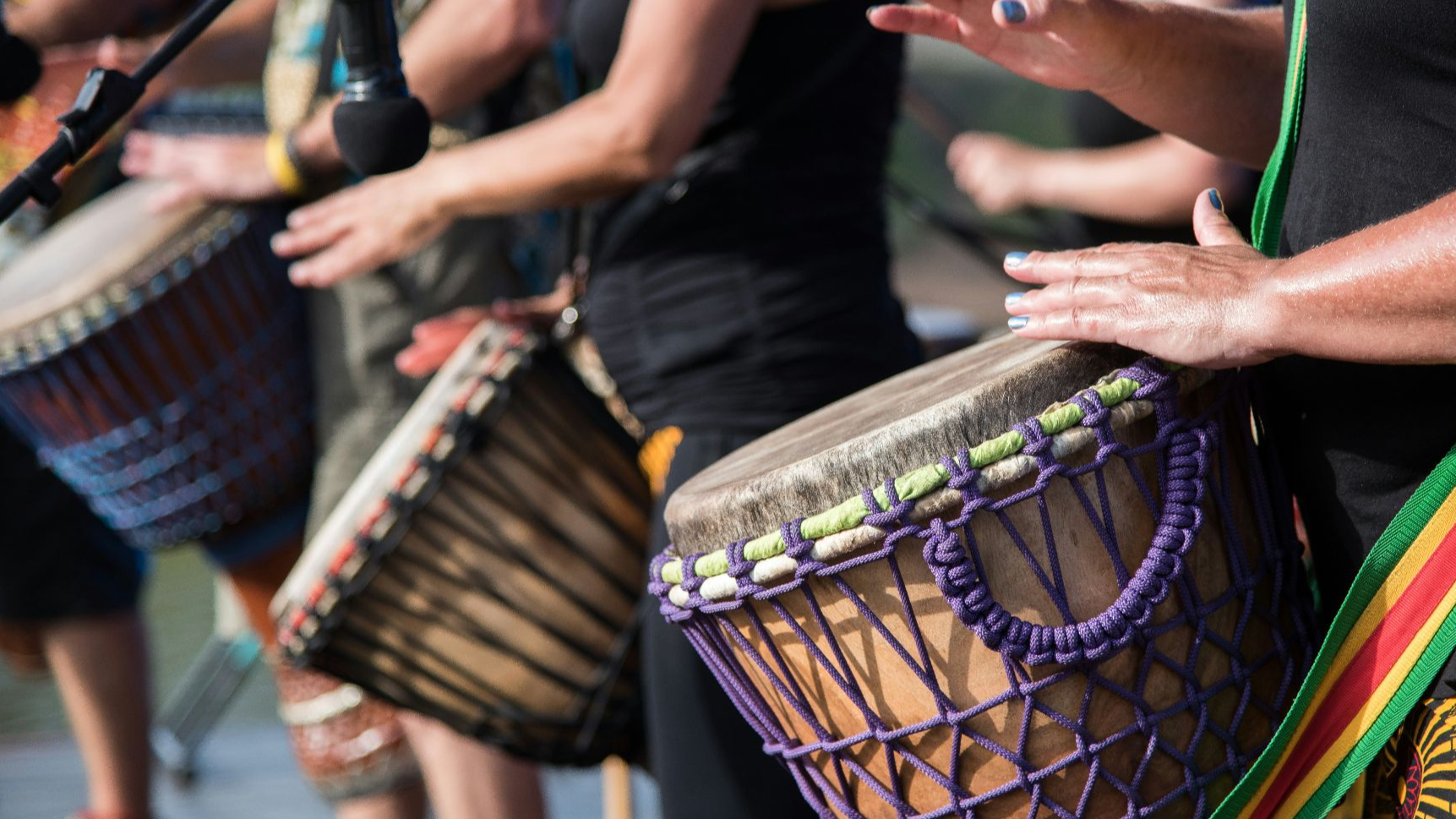
Repetitive beats synchronize neural oscillations with sound. Over time, that steady pulse pushes the brain toward trance. The result is temporal distortion. In this state, seconds feel elastic, and consciousness rides the rhythm instead of the clock. Many cultures use this rhythm-induced stillness for healing and insight.
Astronaut Time Disorientation
Without sunrise or sunset, astronauts lose reliable temporal markers. Floating weightless, they rely on artificial lighting and scheduled cues. Yet perception often drifts; time feels stretched during silent or dark cycles. Microgravity and monotony blur minutes into motionless intervals that defy Earth’s familiar tempo.

Hypnosis
During hypnosis, the conscious mind steps aside as suggestion takes center stage. Time perception fades because attention narrows so entirely that duration stops registering. Some subjects later believe sessions lasted minutes, though an hour passed—proof that focused awareness rewires how temporal flow is felt.

Religious Ecstasy
During peak moments of worship, dopamine and serotonin surge. Participants describe sensations of timelessness and unity, where the body feels suspended outside chronology. It’s not the clock that changes; it’s consciousness expanding wide enough to hold an eternity inside a single transcendent instant.

Panic Attacks
When panic strikes, time fractures. The body floods with cortisol, the mind scrambles for safety, and discernment magnifies every second. Because sensory processing accelerates, events appear drawn out. The body trembles, breath quickens, and a handful of heartbeats can feel like an entire minute.

Artistic Flow
Artists lose track of minutes while painting, sculpting, drawing, or composing. Creative immersion synchronizes motor, visual, and emotional regions, forming a feedback loop that hides temporal markers. The brain stops checking the clock, so production feels infinite. It's like creativity steps away from time for pure expression.

Life-Threatening Illness Experiences
During medical crises, perception often bends. The brain, under intense stress, compresses memories and sensations into slow layers. Hospital lights, machine beeps—all stretch longer than they truly last. Time lingers because awareness narrows.

Breath-Holding/Free Diving
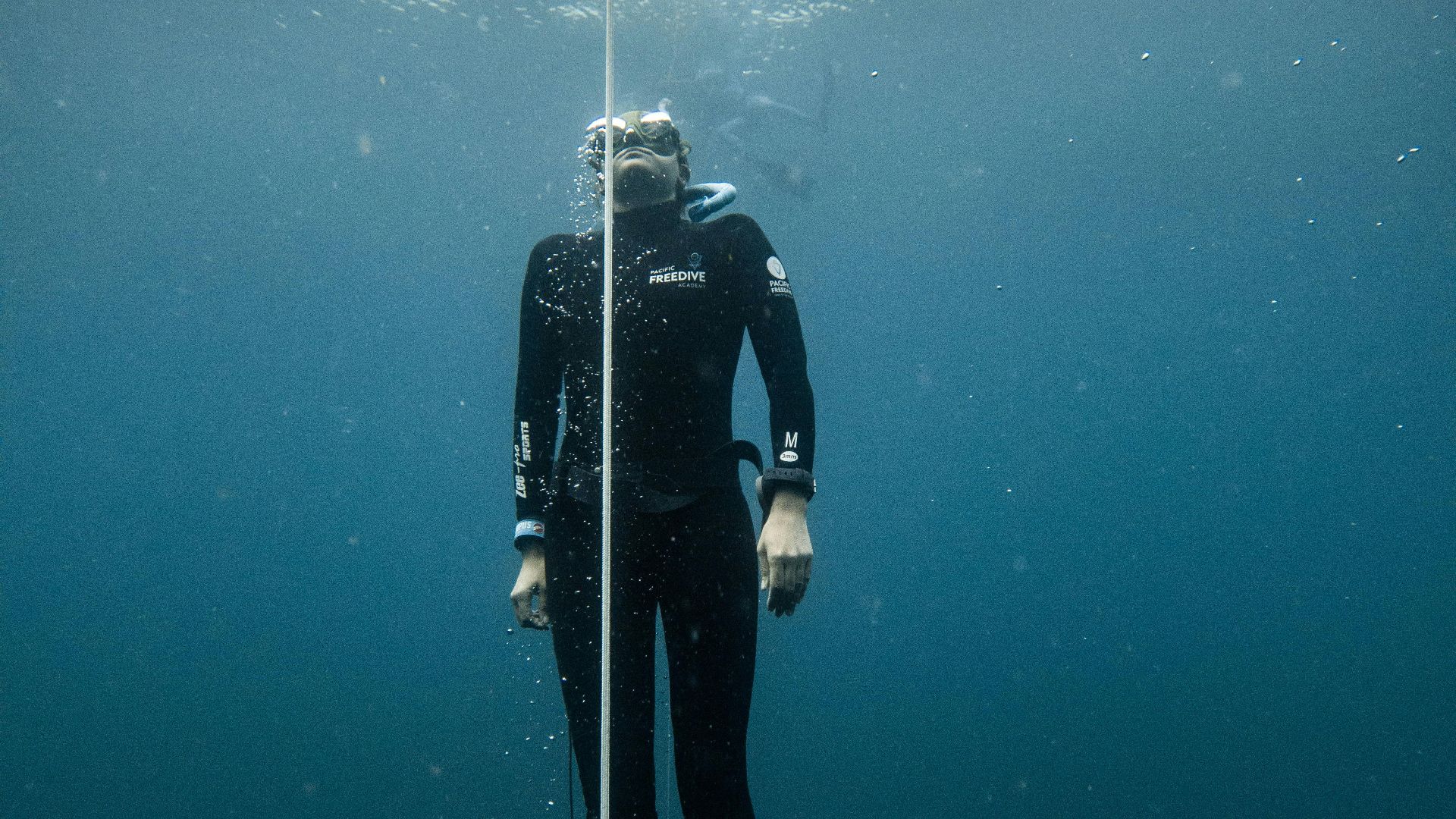
As oxygen levels drop, body and mind diverge. The diver’s focus sharpens while internal cues distort duration. Each bubble, each heartbeat becomes monumental. Brain chemistry adapts for survival, and it creates an eerie clarity where seconds refuse to pass and awareness feels expanded beneath the waves.
High-Stakes Gambling
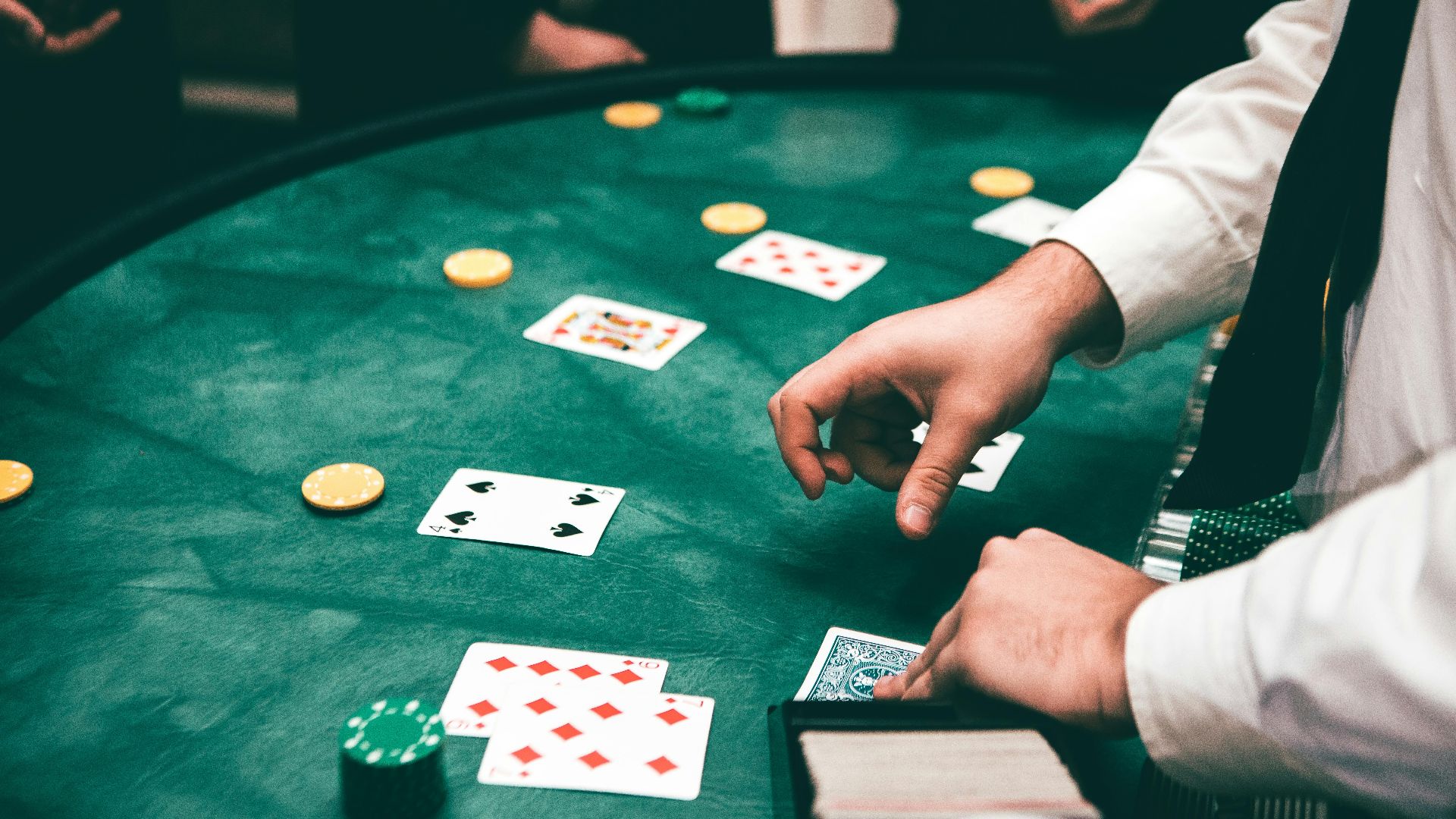
Under bright casino lights, dopamine spikes and adrenaline hum. Anticipation slows perception, so every card flip or wheel spin feels stretched. The brain’s reward system freezes temporal awareness, trapping players inside elongated seconds that seem to promise endless luck before reality reasserts itself.
Sensory Deprivation Tanks
Floating in darkness erases reference points. Without gravity, light, or sound, the brain’s internal metronome loses calibration. Seconds dissolve into unmeasured awareness. When the session ends, people often guess wildly wrong about the time passed.
 U.S. Air Force photo by Staff Sgt. Valerie Halbert, Wikimedia Commons
Emotional Grief Or Love
Intense emotion distorts temporal experience. Grief stretches days into eternities, while love can make hours vanish. The limbic system controls both the emotional memory and attention centers unevenly. When feelings run deep, time obeys emotion, not clocks; slowing, quickening, or pausing altogether without physical change.