
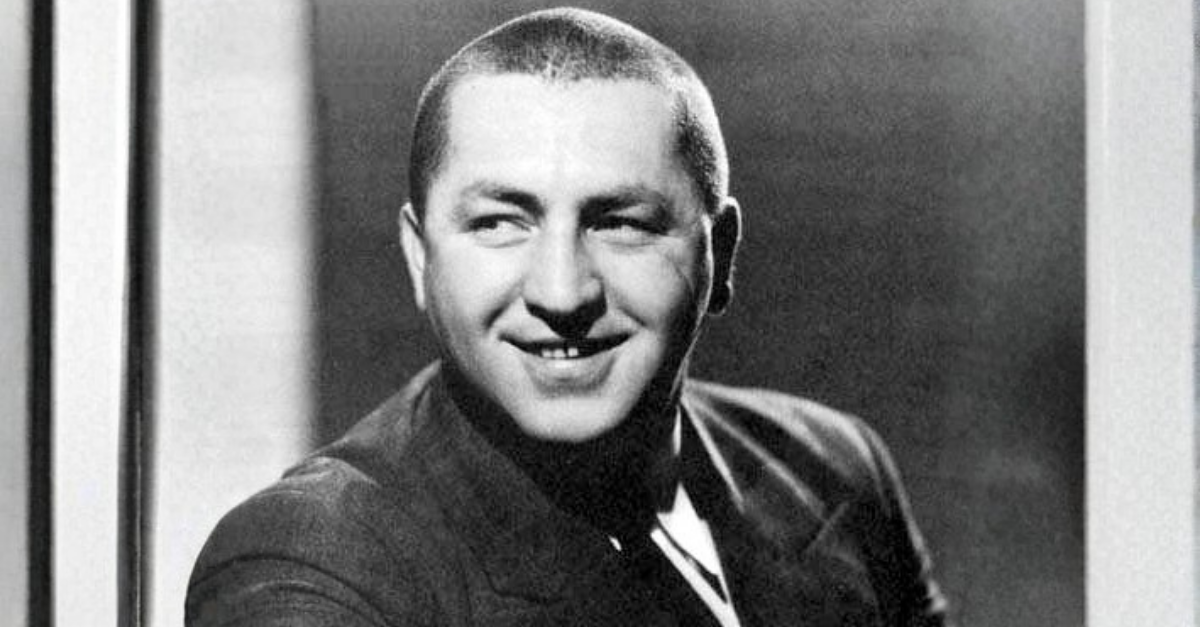
He Was The Funniest Stooge—And The First To Go
Curly Howard was the comedic genius of the Three Stooges—the bald, barking clown who could spin a forgotten line into a national catchphrase. Beside his brothers Moe and Shemp, he kept audiences roaring with laughter. Sadly, lifelong health problems beat him to his final punchline.
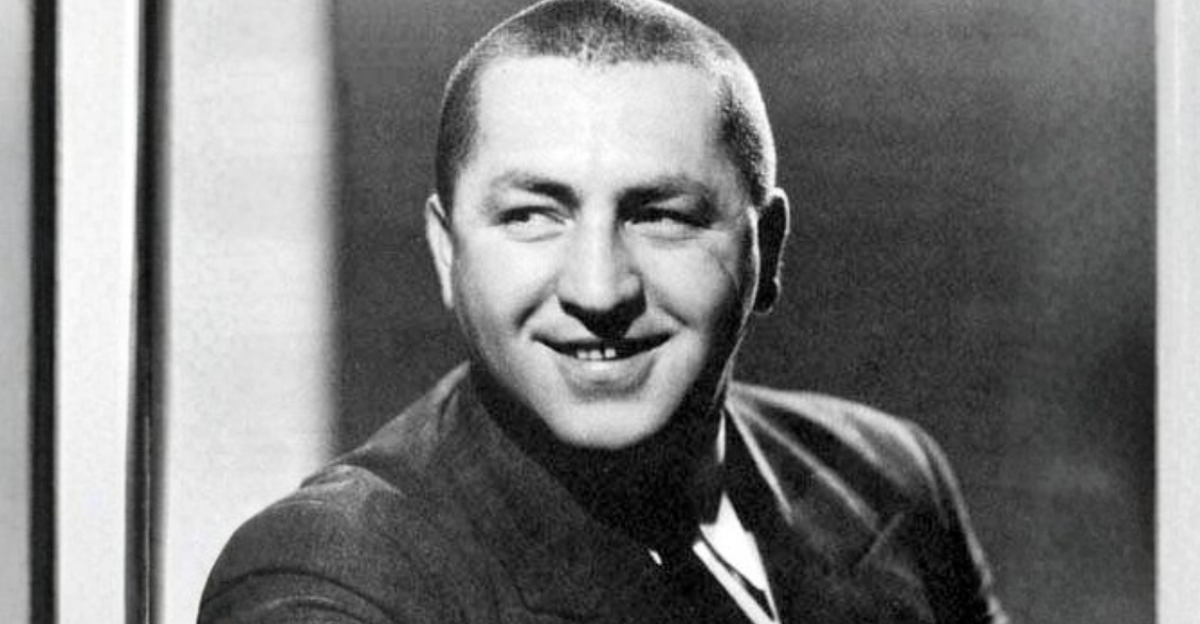 https://www.findagrave.com/memorial/511/curly-howard, Wikimedia Commons
1. He Was The Runt Of The Litter
The funniest Stooge started life far from any soundstage. Born into a beachy neighborhood of Brooklyn on October 22, 1903, Jerome Lester Horwitz (aka “Curly”) was the youngest of his parents’ litter. His father Solomon and mother Jennie had already welcomed four other sons, two of which were Moe and Shemp. The brothers would conquer comedy.
Their house was already full of laughter, for the time being, anyway.
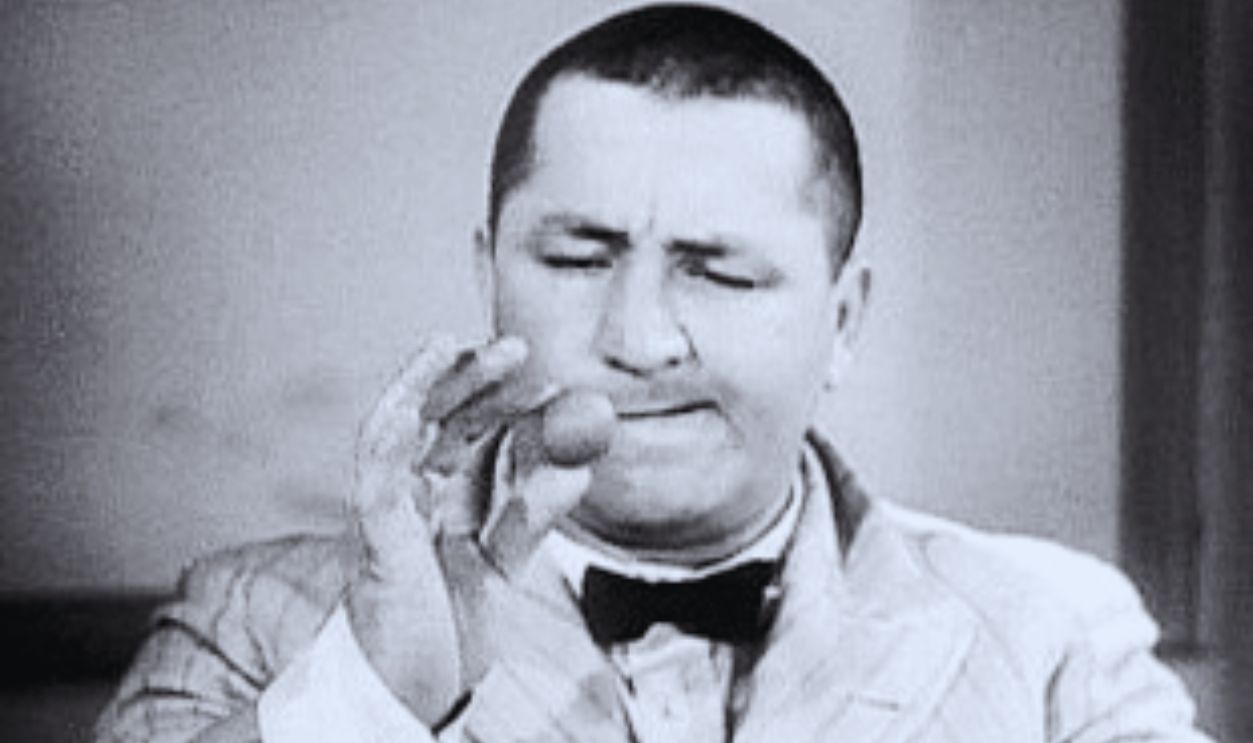 Columbia Pictures, Wikimedia Commons
2. He Was “Babe” Before He Was “Curly”
Howard’s ancestors had been Lithuanian Jewish immigrants, and some of their traditions carried on in him. His formal Hebrew name was “Yehudah Leib bar Shlomo Natan HaLevi”. Of course, that was too much of a mouthful, so his brothers called him “Babe” since he was the youngest. When Shemp married a woman who went by the same nickname, however, the family switched it up.
How he got the nickname “Curly” is a story for a little later on.
 Columbia Pictures/Pillsbury, Wikimedia Commons
3. He Was Pulling Off Stunts As A Baby
Howard and his brothers didn’t need cameras to pull off hilarious antics. While he was still a baby, Moe and Shemp pried the wheels off his carriage, hammered together a homemade soap-box racer, and hauled him up and down the block. “It was a lucky thing we didn’t [end] him,” Moe later said. “When our parents found out we had the devil to pay”.
Fortunately, their other childhood antics were not quite so dangerous.

History's most fascinating stories and darkest secrets, delivered to your inbox daily.
4. He Performed For Pennies
Curly Howard was barely out of diapers when he started making money telling jokes. By the time he was four, his brothers Moe and Shemp had started putting on little plays in their friends’ basements. Despite the humble venues, the brothers charged a whopping two cents for entry. Alongside his brothers, Howard took to the stage.
He wanted to do everything with them.
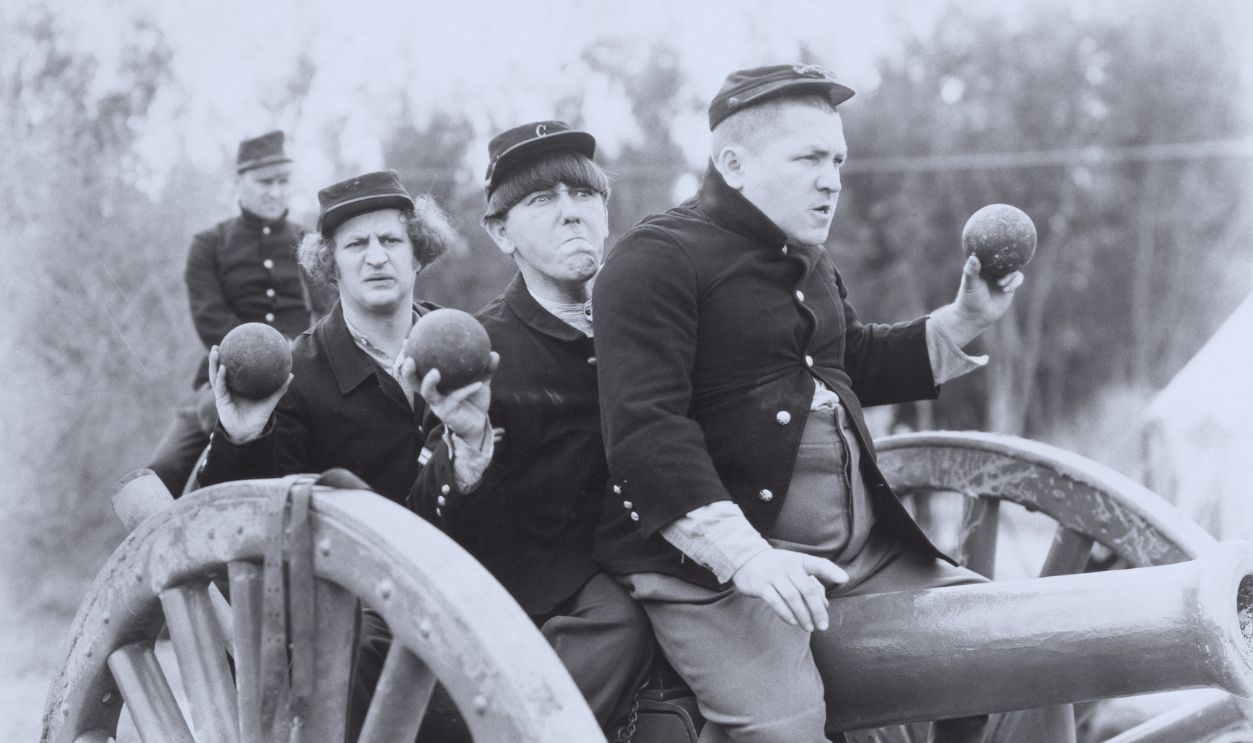
 Screenshot from The Three Stooges, Columbia Pictures (1934–1970)
5. He Idolized His Big Brothers
Howard was a quiet kid who gave his parents almost no grief—unlike a certain Moe and Shemp. Even though he couldn’t keep his grades up, he excelled in basketball. Still, it wasn’t long before he took after his brothers’ example. He never finished high school and, instead, drifted through odd jobs, following his brothers “whom he idolized”.
But he was talented in his own right.
6. He Ruled The Dance Floor
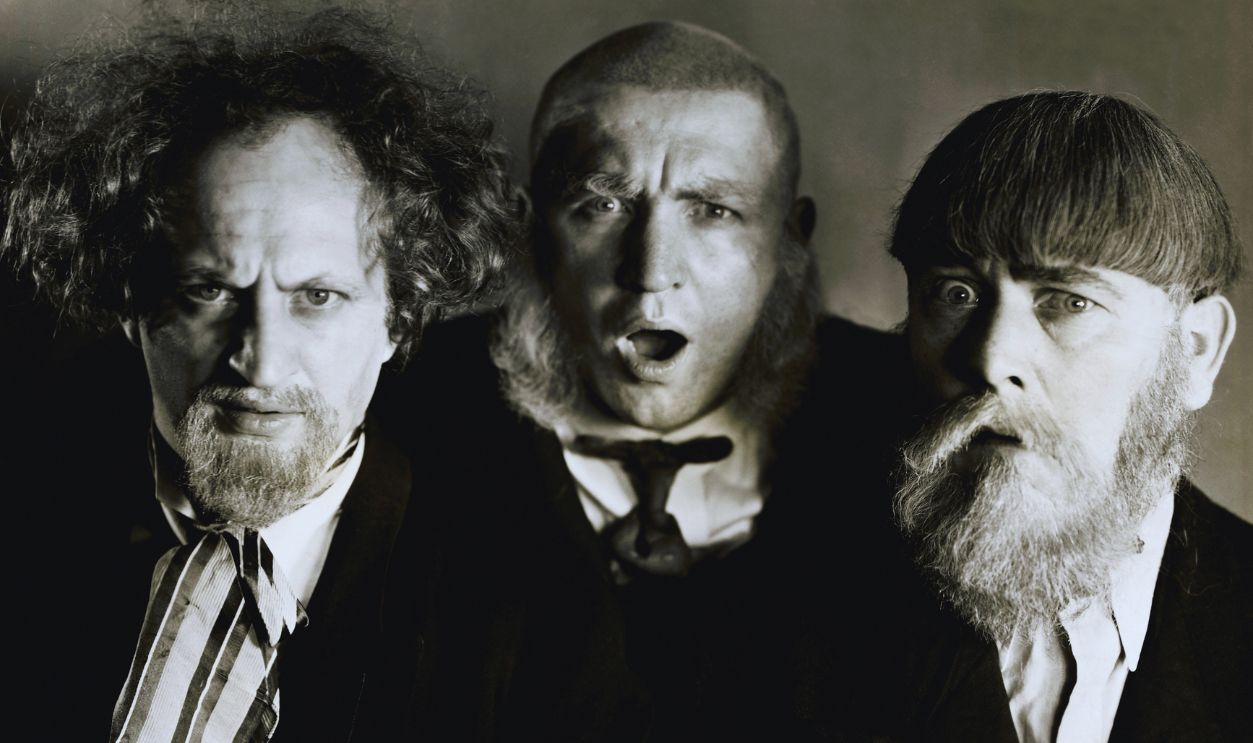
Howard’s athletic style of comedy was no accident. As a kid, he was a smooth ballroom dancer and a genuinely lovely singer who haunted the Triangle Ballroom in Brooklyn. He also strummed the ukulele when he wasn’t cutting a rug. As Moe put it: “He was not a good student but he was in demand socially, what with his beautiful singing voice”.
His dance career didn’t last long, though.
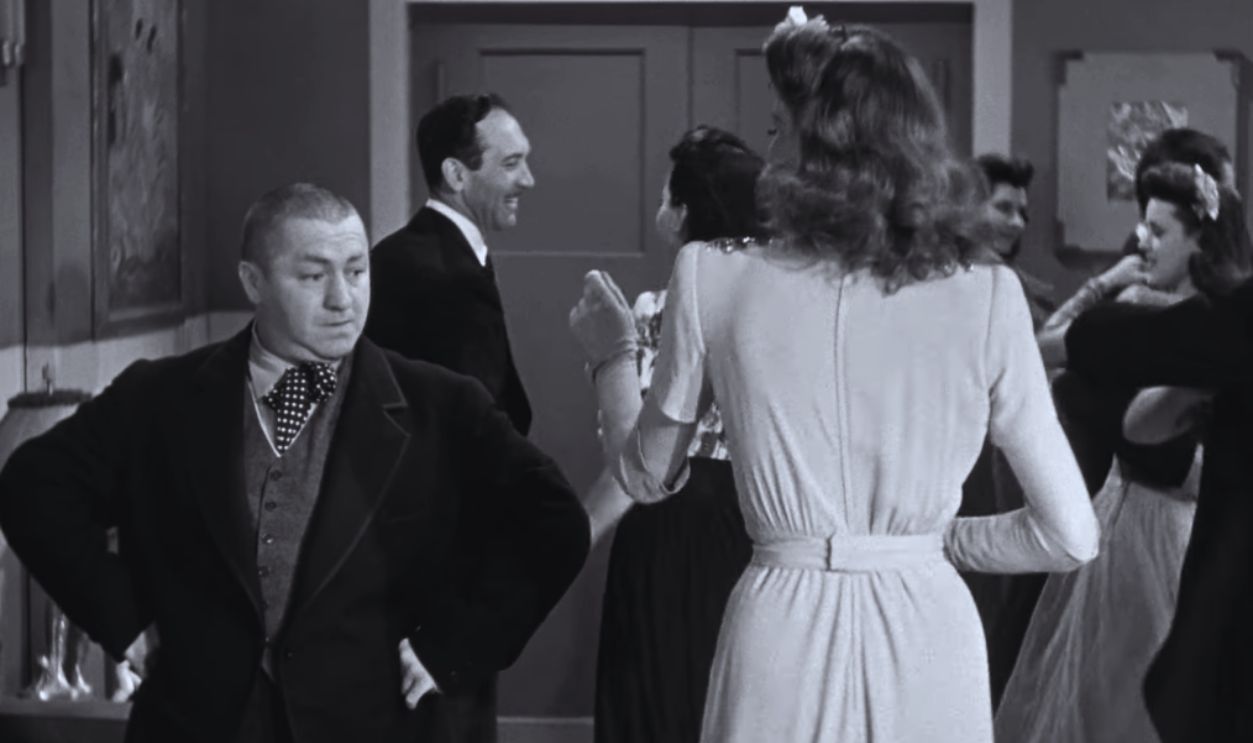 Screenshot from The Three Stooges, Columbia Pictures (1934–1970)
7. He Had A Lifelong Limp
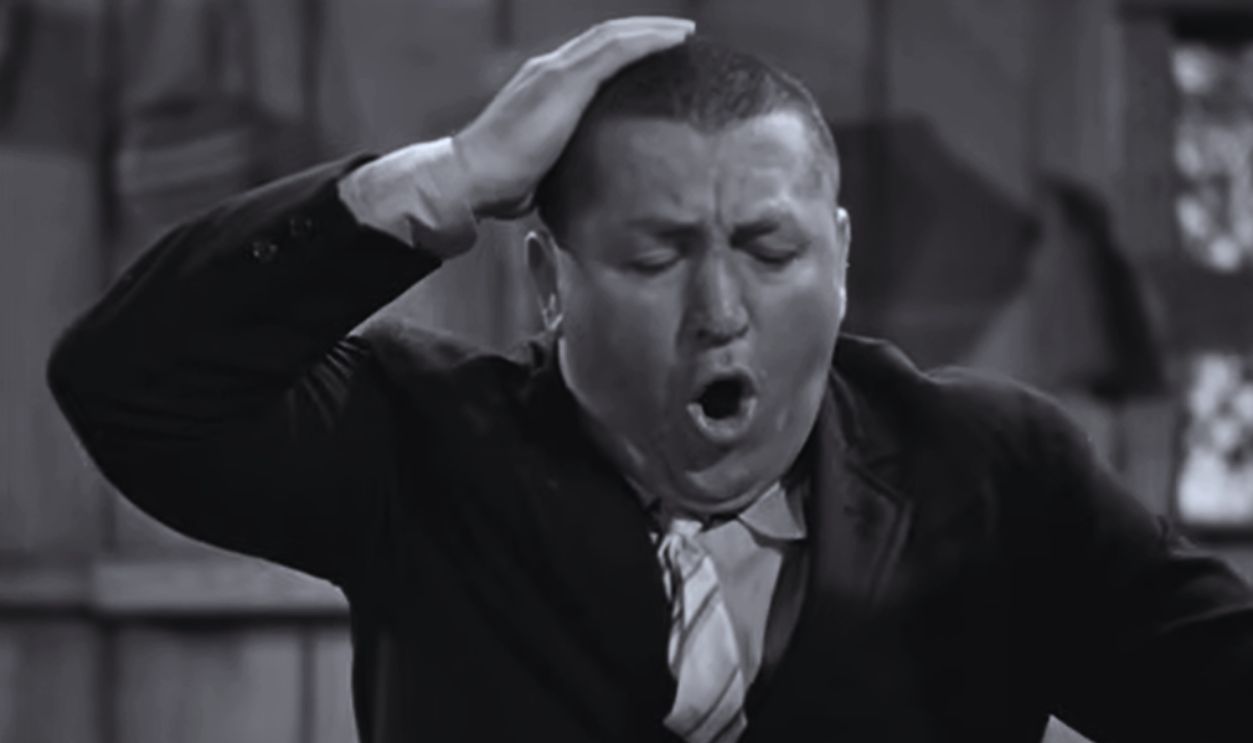
Around age 13, a cleaning mishap with a shooting iron ended Howard’s dancing career. As he was cleaning it, the piece went off, shattering his left ankle. Thankfully, Moe got him to the hospital fast enough to save him, but the damage stuck. His leg never filled out, leaving him slightly withered on that side and walking with a faint limp.
Limp or not, there's one aisle he seemingly found the strength to sprint down.
 Screenshot from The Three Stooges, Columbia Pictures (1934–1970)
8. He Might Have Eloped
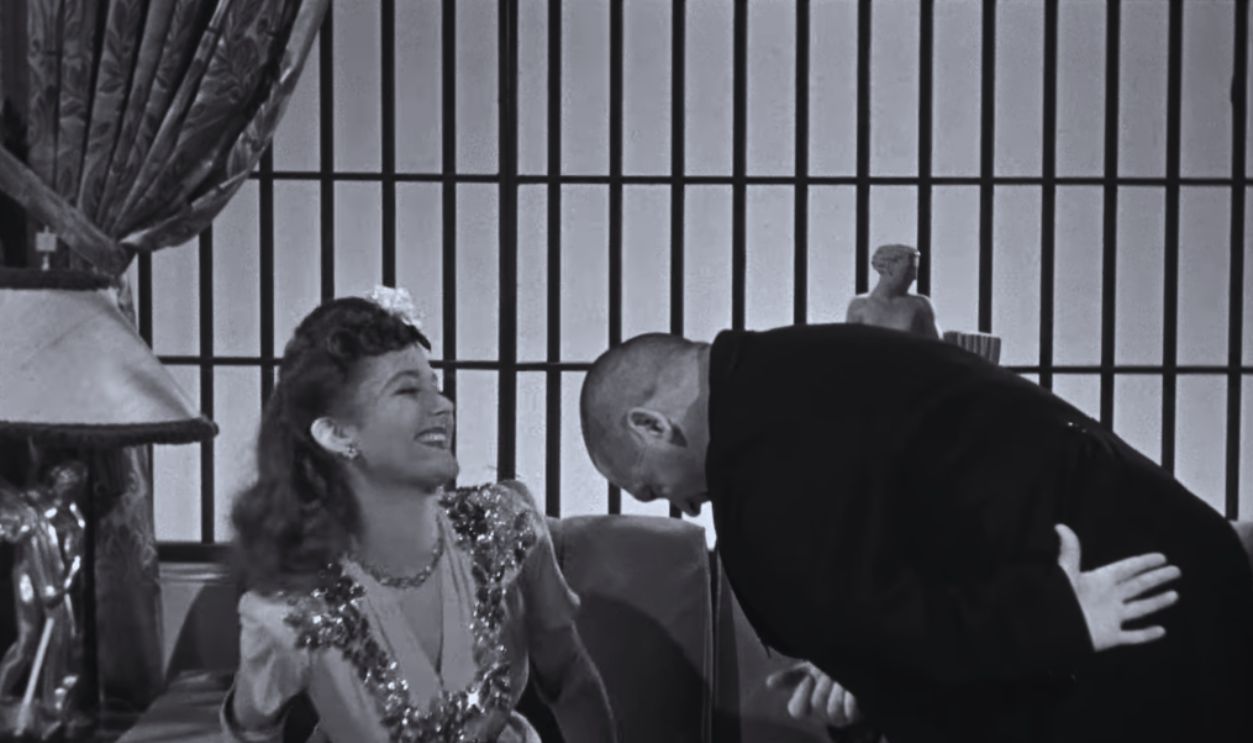
Sometime in his teens Curly Howard quietly took a bride—but her identity is a matter of debate. One version supplies the name Julia Rosenthal and a hasty divorce. Another tells of a hush-hush teen elopement his mother promptly torpedoed. Either way, Jennie Horwitz wanted no part of it and had the union annulled inside six months.
 https://www.findagrave.com/memorial/511/curly-howard, Wikimedia Commons
9. He Upstaged An Entire Band
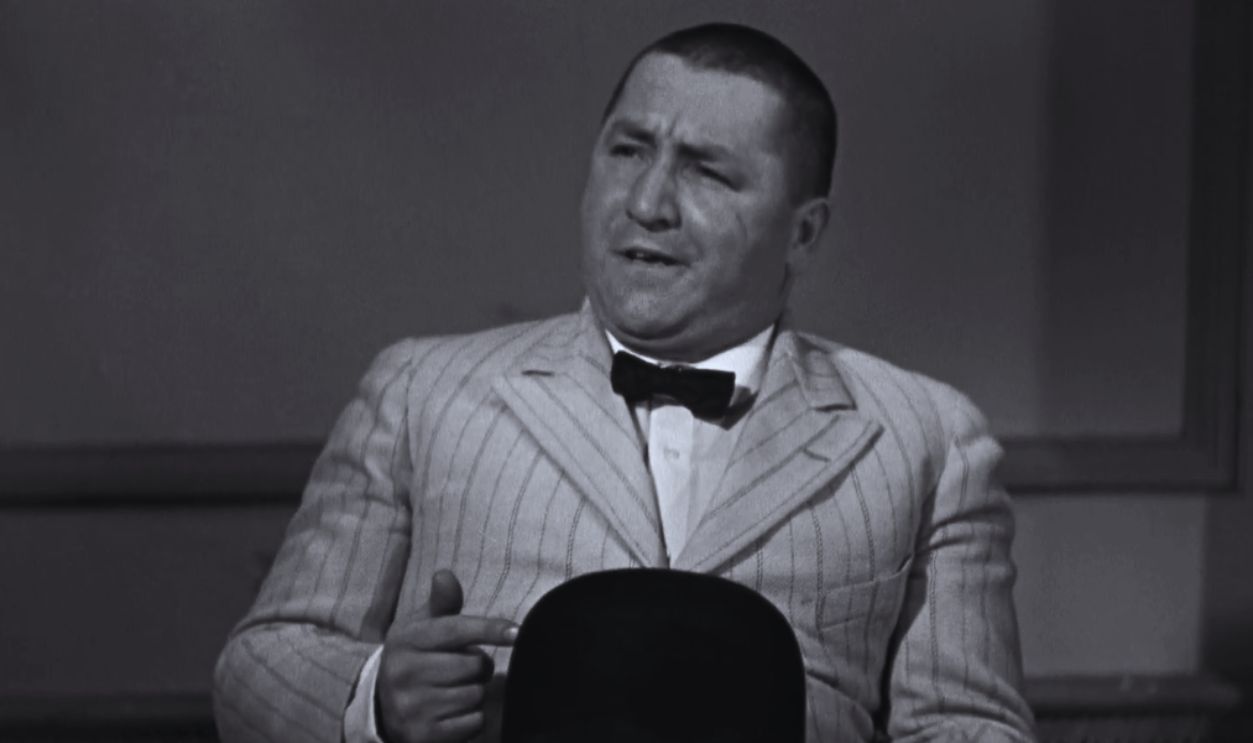
The Orville Knapp Band hired Curly Howard in 1928 to stand out front and “conduct” the orchestra as their guest maestro—a comic conductor more than a musical one. Howard’s gag? A trick tuxedo that fell to pieces, one panel at a time, as he waved his hands around conducting. According to Moe, the audience loved Howard more than the band!
A show of his own, however, was still just a dream.
 https://www.findagrave.com/memorial/511/curly-howard, Wikimedia Commons
History's most fascinating stories and darkest secrets, delivered to your inbox daily.
10. He Was The Backstage Errand Boy
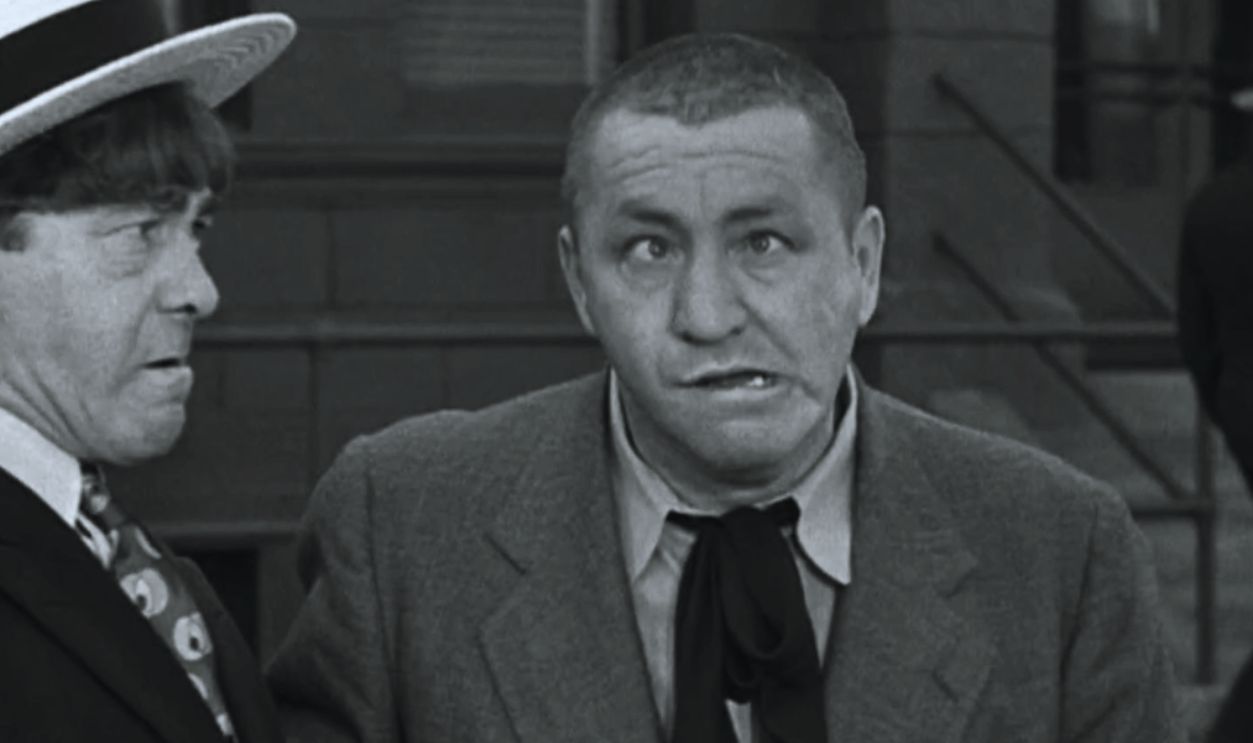
During the run of 1932’s The Passing Show, Curly Howard loitered around the wings fetching things for the performers—Ted Healy and his Stooges among them. Future Stooge Joe Besser remembered it well: “He was there all the time and would get sandwiches for all of us in the show…He never participated in any of the routines but liked to watch us perform”.
He would be performing sooner than he thought.
 Screenshot from The Three Stooges, Columbia Pictures (1934–1970)
11. He Had To Lose The Hair
Howard’s good looks held him back. When Shemp left Ted Healy’s act in 1932, Moe put his younger brother forward as the replacement. But Healy took one look at Howard’s thick chestnut waves and waxed mustache and decided he wasn’t funny. “I had to shave off my poor mustache,” Howard recalled. “I had to shave it off right down to the skin”.
The haircut cost him his looks—but it gave him a name.
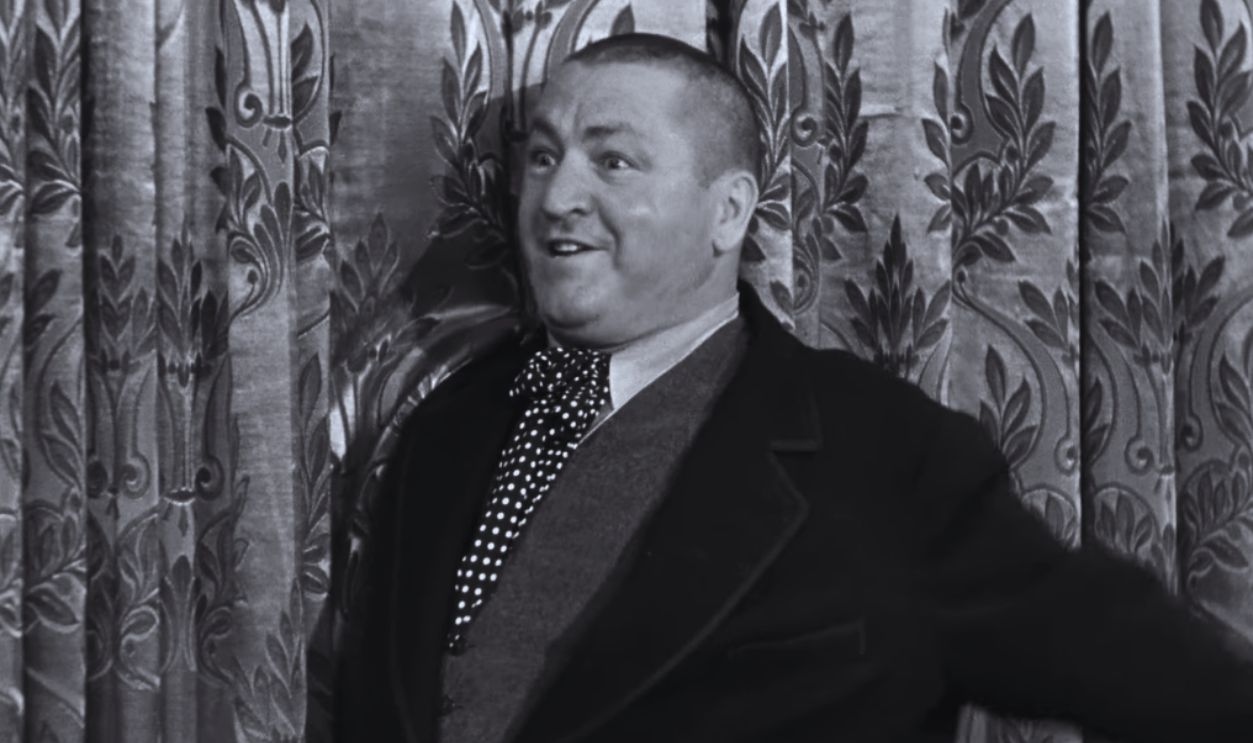 Screenshot from The Three Stooges, Columbia Pictures (1934–1970)
12. He Was Curly—Not Girly
Howard’s eventual stage name “Curly” was a total accident. After he shaved his head, Moe took one look and called out, “Hey, Curly!” Larry Fine, not catching it, asked what he’d said. “Curly,” Moe repeated. Fine let out a chuckle. “I thought you said girlie!” The exchange cracked Healy up and sealed the deal. Jerry Horwitz had walked in—and Curly Howard walked out.
Soon enough, the whole country would know the name.
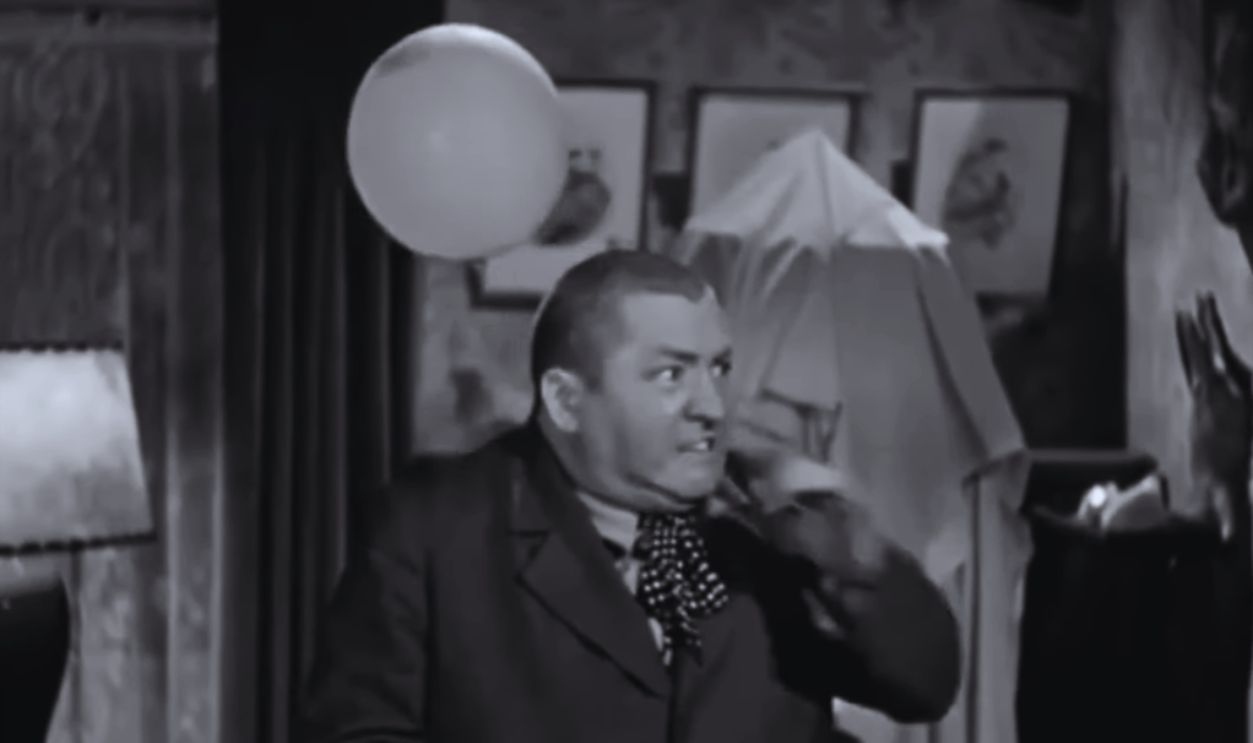 Screenshot from The Three Stooges, Columbia Pictures (1934–1970)
13. He Hit The Big Screen
Healy and his Stooges had a new member—one who would capture the spotlight. Billed as “Ted Healy and His Stooges,” the group signed with MGM in 1933 and started turning out features and comedy shorts—Nertsery Rhymes, Beer and Pretzels, Hello Pop!, Plane Nuts, and more. A few of their pictures even arrived in early two-color Technicolor.
But Curly Howard was sharing the stage with more than just his brothers.
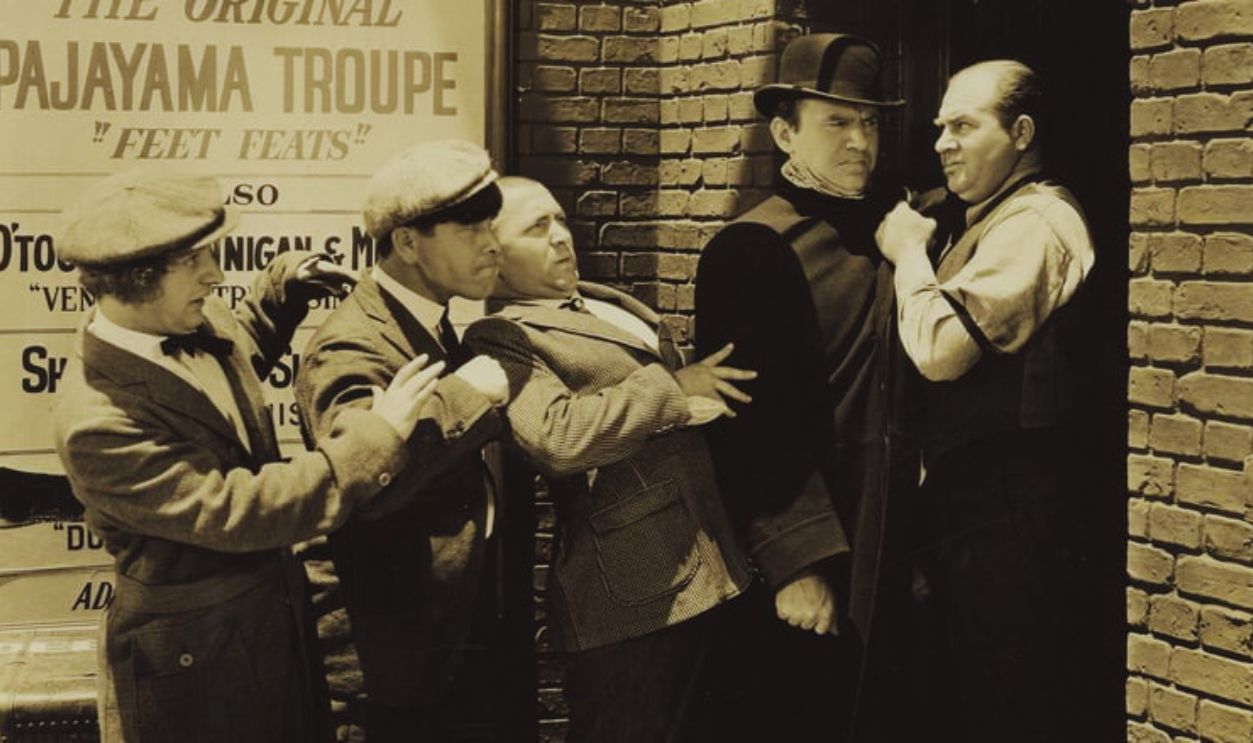 Screenshot from Beer and Pretzels, Metro-Goldwyn-Mayer (1933)
14. He Shared The Screen With Royalty
As their popularity grew, the Stooges turned up in MGM features beside the biggest names in the business. Howard and his brothers starred alongside the likes of Joan Crawford, Clark Gable, Fred Astaire, and Robert Benchley in 1933’s Dancing Lady. Just one year later, the brothers had enough starpower to strike out on their own, free of Healy.
The partnership, it turned out, had run its course.
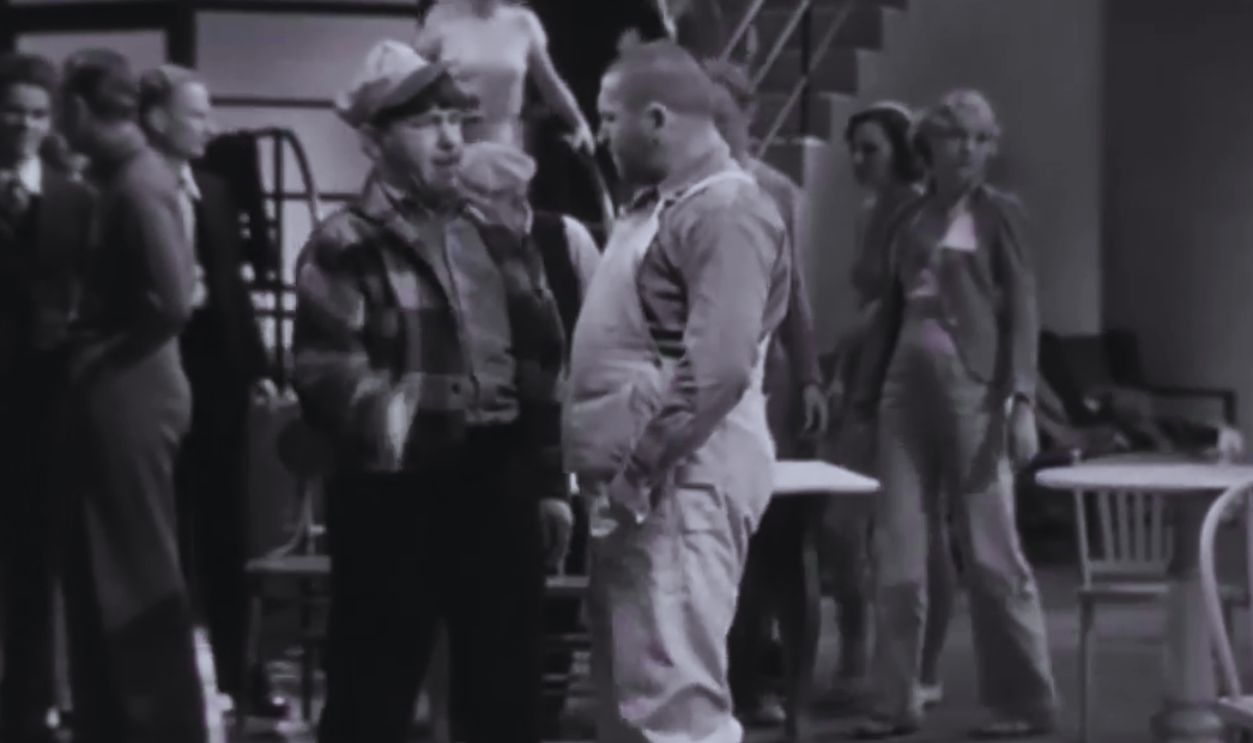 Screenshot from Dancing Lady, Metro-Goldwyn-Mayer (1933)
15. He Got A Clean Break
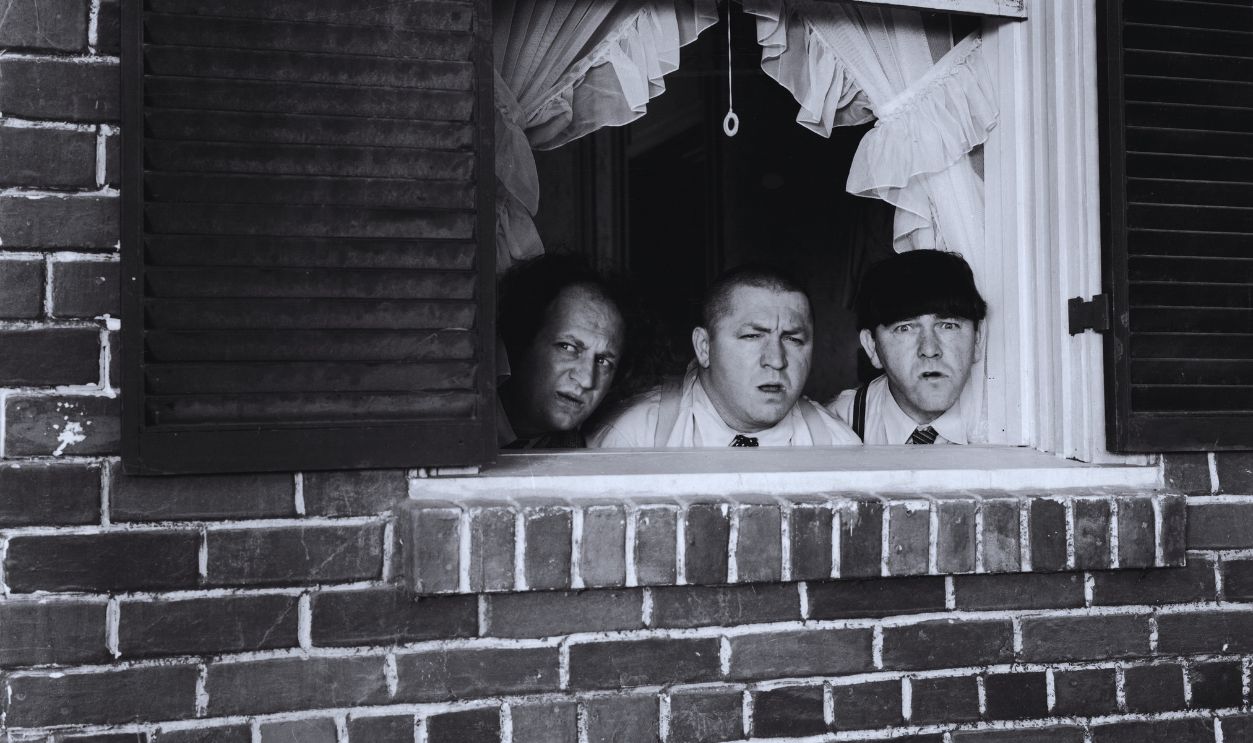
When Healy’s MGM contract ran dry in 1934, Moe pitched a no-hard-feelings parting: “Let’s just break up. No hard feelings, no sneaking around. Just a good, clean split”. Healy took the offer and left for a solo career, only to meet a mysterious end three years later. Now billed as “The Three Stooges”, the trio signed with Columbia Pictures.
Their new home would make them stars almost overnight.
History's most fascinating stories and darkest secrets, delivered to your inbox daily.
16. He Nearly Won An Oscar
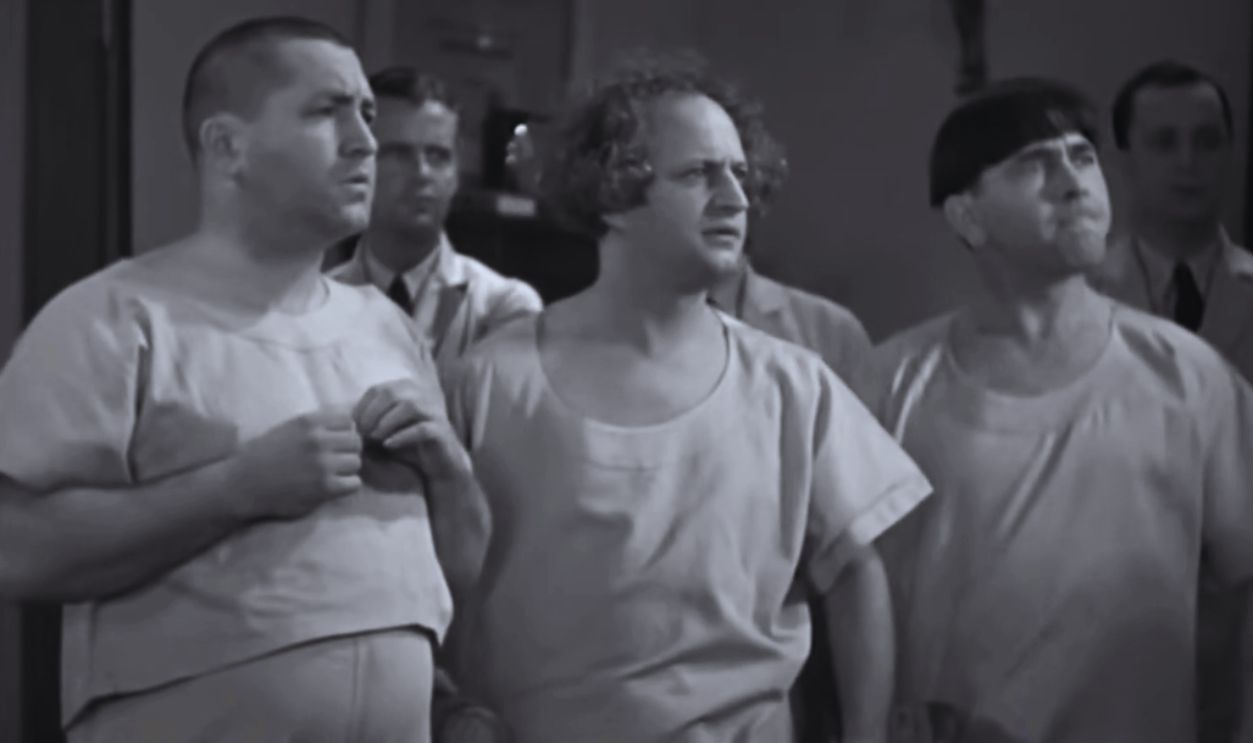
Nobody expected slapstick to turn heads at the Academy. But the Stooges’ third short, 1934’s Men in Black, landed a nomination for Best Short Subject. It lost to the Technicolor featurette La Cucaracha, yet the nod did exactly what it needed to: it announced the Three Stooges as comedy’s newest hit makers.
Stardom paid handsomely—at first.
 Screenshot from Men in Black, Columbia Pictures (1934)
17. He Was Paid A Small Fortune
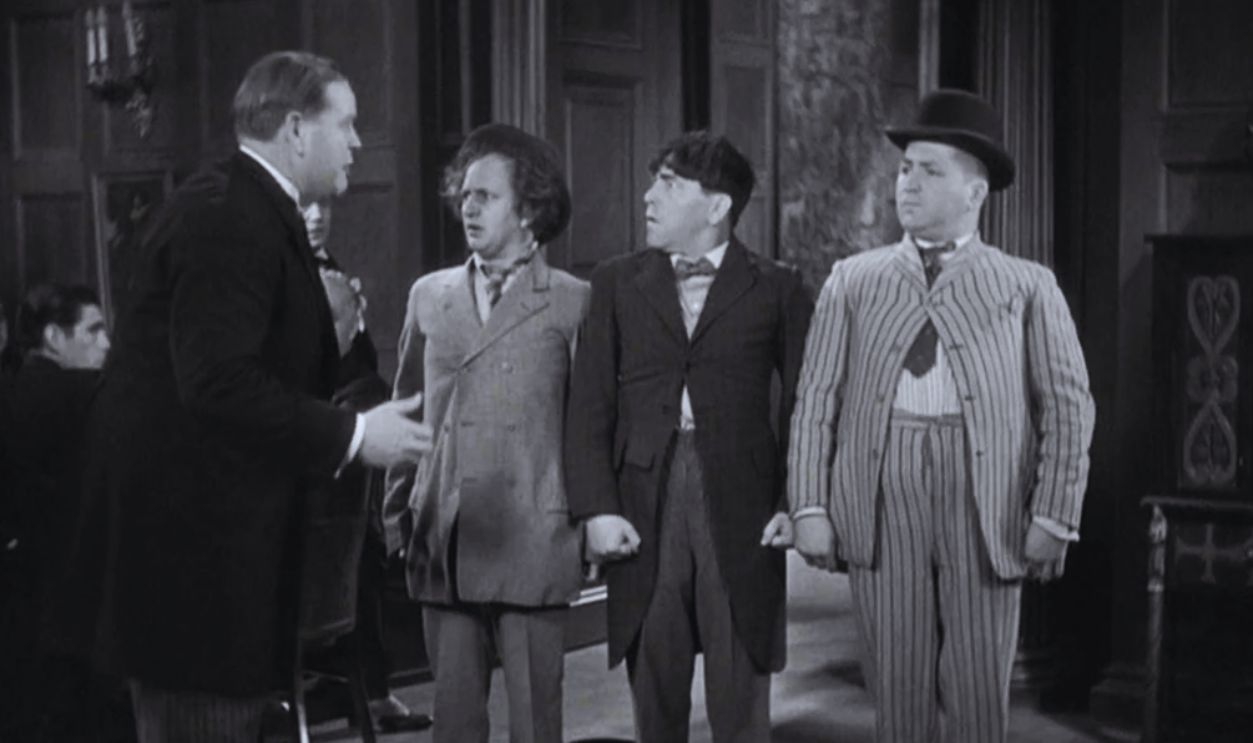
According to some sources, Howard and his brothers became some of the highest-paid comics almost instantly. For their debut short film, Woman Haters, the trio split a single $1,000 check. However, just two shorts later and they had upped their keep. From their third short onward, each Stooge pulled in $2,500 per short film—a staggering sum considering the studio usually only paid between $500 to $1,000.
What none of them knew was just how much they were really worth.
 Screenshot from Woman Haters, Columbia Pictures (1934)
18. He Spoke His Own Language
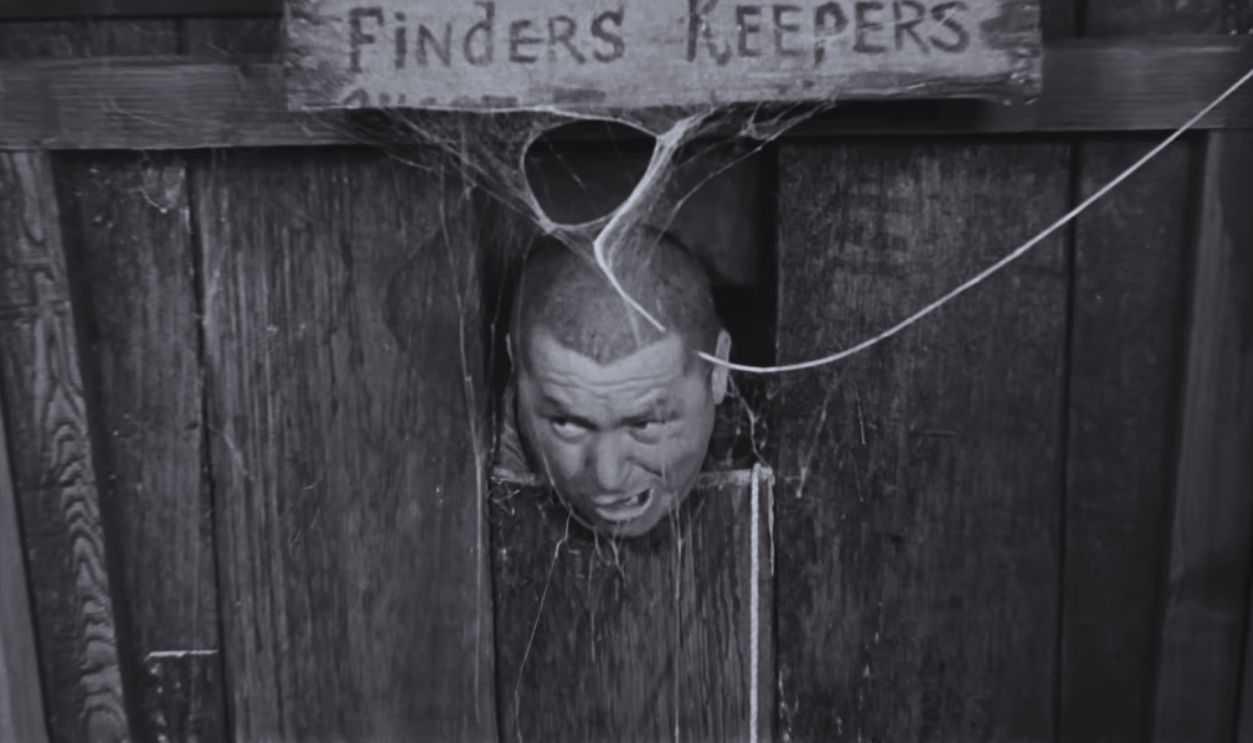
Howard didn’t just deliver lines—he invented them. His signature oneliners and catchphrases like “Nyuk, nyuk, nyuk” with its frantic finger-snapping, and the startled “Woo, woo, woo!” or a stretched-out “Soitenly!” for “certainly,” became audience’s favorite quotable lines. Of course, he would “moider” you if you called him “a WISE guy, eh?”
But the sounds were only half of what made him funny.
 Screenshot from The Three Stooges, Columbia Pictures (1934–1970)
19. He Had An Indestructible Head
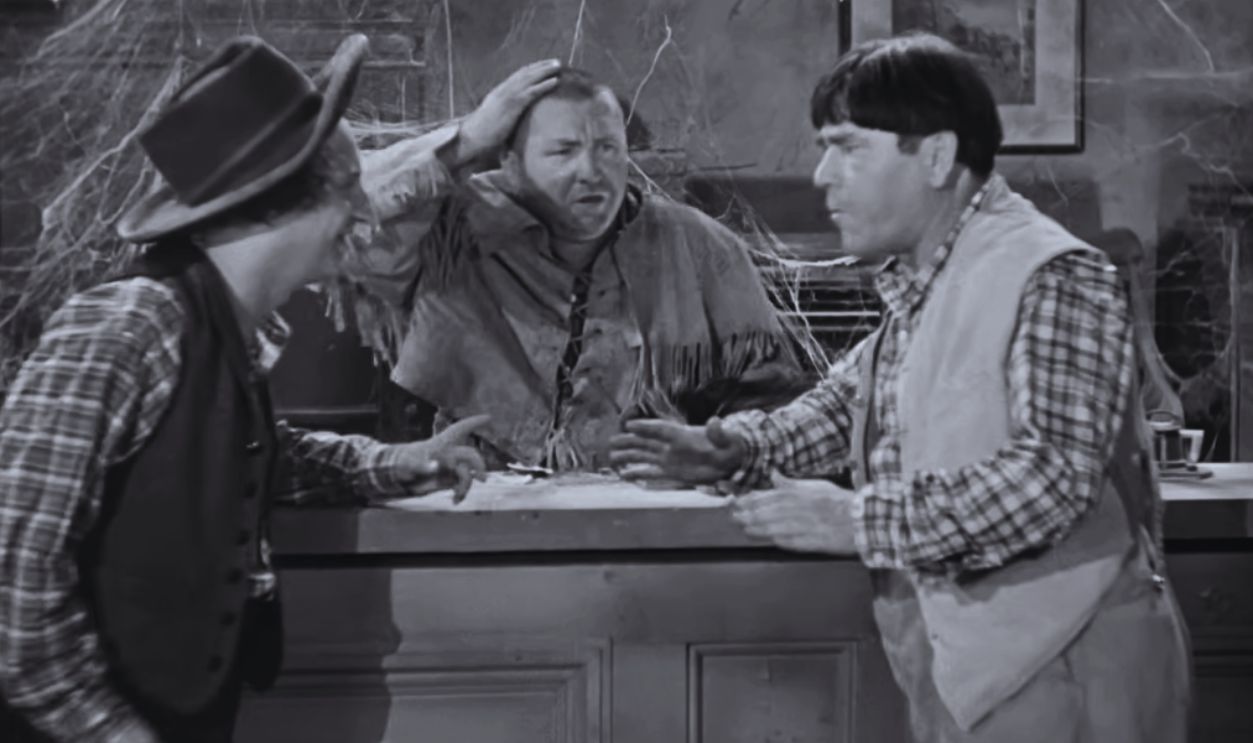
Howard’s physical comedy was just as effective as his epic catchphrases. He could drop to the floor and spin on one shoulder going around and around in circles. He could ram his skull into a wall while crowing, “I got it! I got it!” But his best physical comedy bit? His supposedly unbreakable head, which snapped saws and hammers clean in two.
Remarkably, almost none of it was rehearsed.
 Screenshot from The Three Stooges, Columbia Pictures (1934–1970)
20. He Made It Up As He Went
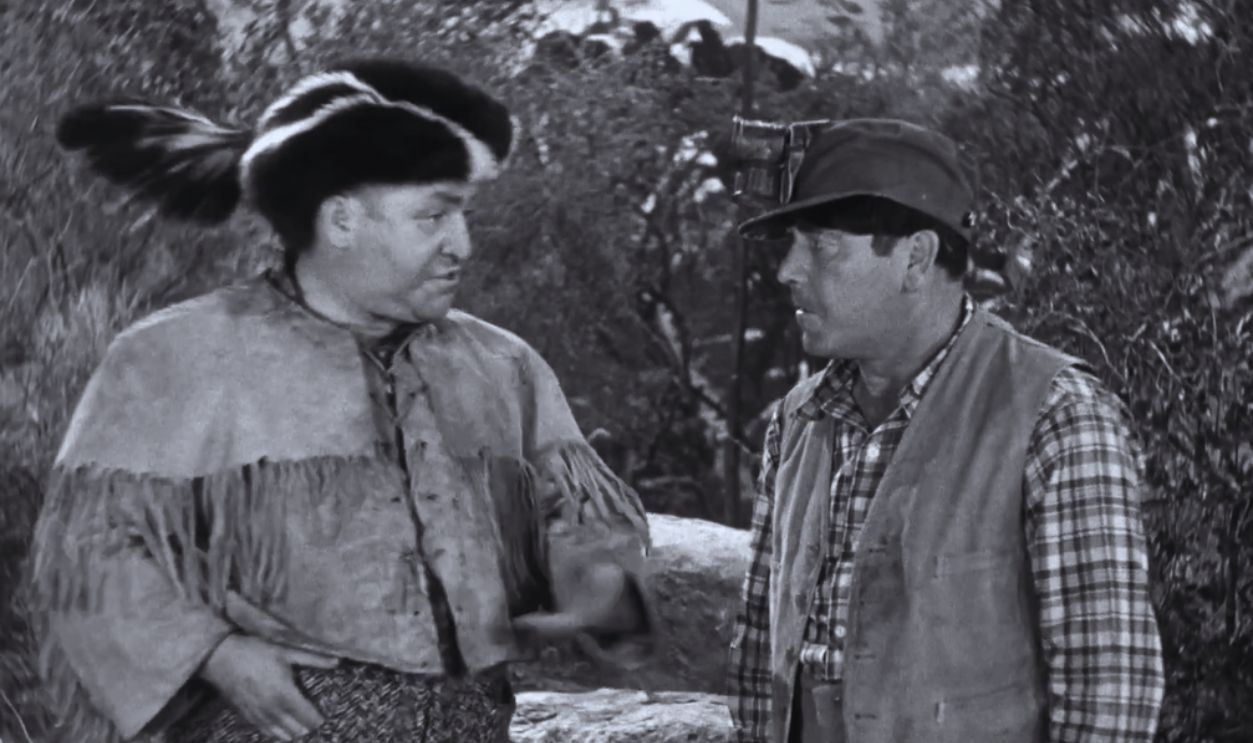
Curly Howard was a natural on screen. What shocked his Hollywood handlers was that he had no acting training at all—and he clearly didn’t need it. Directors learned to simply keep the camera rolling and let Howard do his thing. As Jules White told it: “If we wrote a scene and needed a little something extra, I’d say to Curly, ‘Look, we’ve got a gap to fill this in with a “woo-woo” or some other bit of business, and he never disappointed us”.
His instincts even rescued him when his memory failed.
 Screenshot from The Three Stooges, Columbia Pictures (1934–1970)
21. He Was A Spinmaster
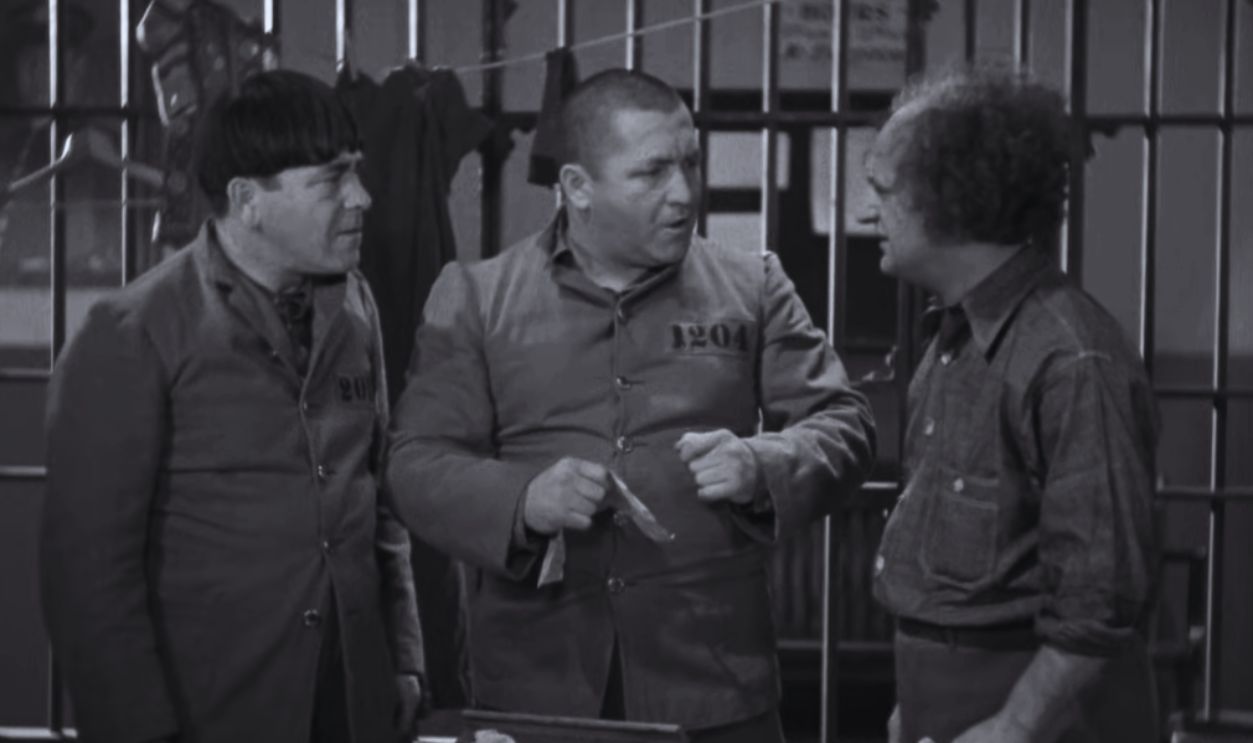
Forgotten lines ruin most takes—but not Howard’s. When his scripted lines escaped him, Curly Howard had a foolproof fallback. As Moe described it, Howard “would drop down to the floor and spin around ten times like a top until he finally remembered what he had to say”. What looked like inspired chaos was sometimes just a man stalling for time.
The audience never knew the difference—they only knew they loved him.
 Screenshot from The Three Stooges, Columbia Pictures (1934–1970)
History's most fascinating stories and darkest secrets, delivered to your inbox daily.
22. He Was The People’s Favorite
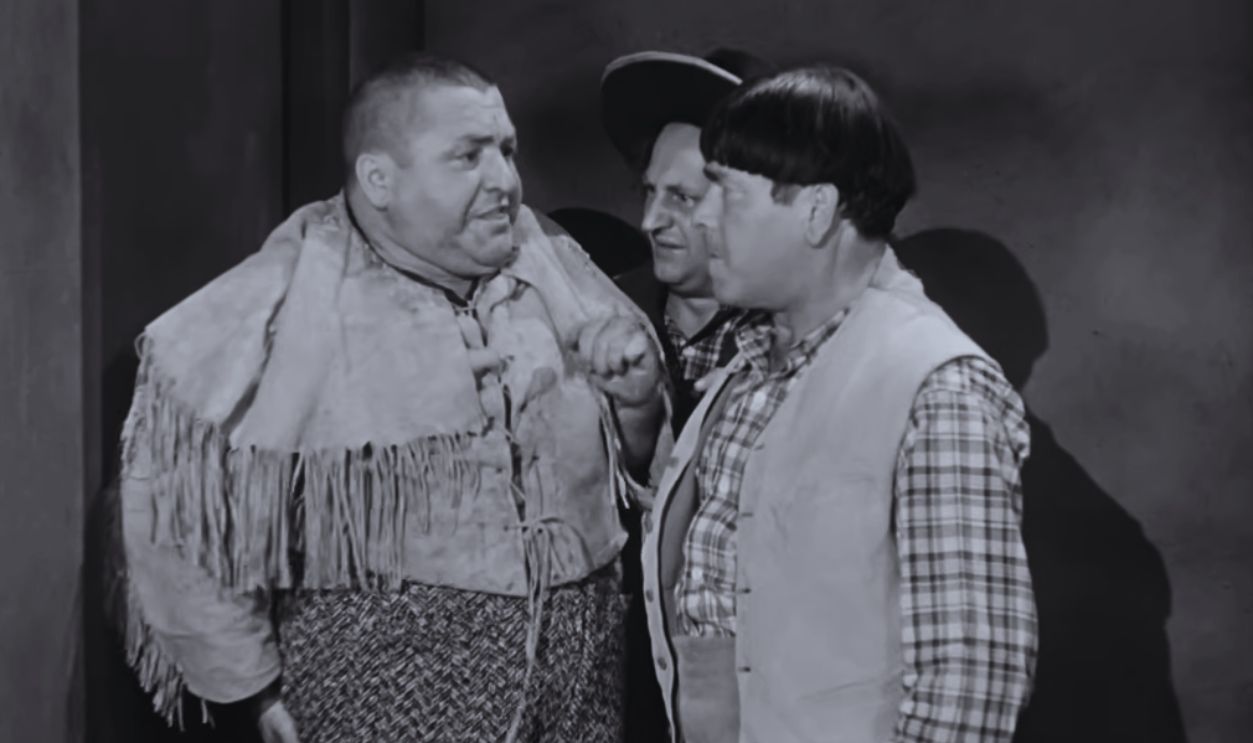
Three Stooges lit up the screen, but the crowds came for one. Critics and historians have long pegged Howard as the most popular of the bunch. They credit his big-kid mannerisms and rowdy, juvenile humor winning over female and young audiences. The Columbia Comedy Shorts wrote, “Few comics have come close to equaling the pure energy and genuine sense of fun Curly was able to project”.
That kind of magic was bound to attract imitators.
 Screenshot from The Three Stooges, Columbia Pictures (1934–1970)
23. His Rival Might've Robbed His Jokes
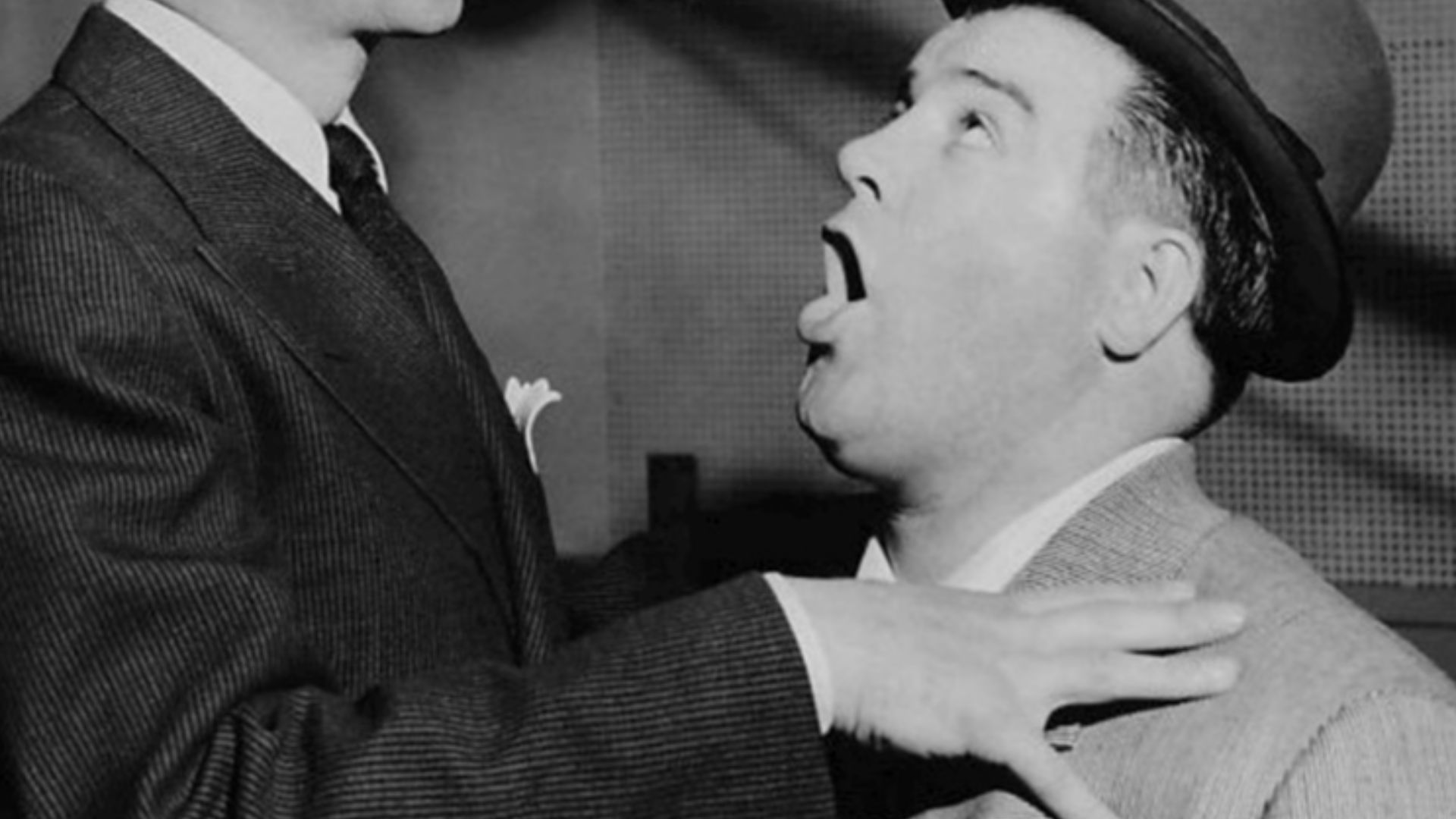
Allegedly, Howard’s comedic genius inspired copycats. Moe grew convinced that rising star Lou Costello—who happened to be tight with Shemp—was helping himself to Howard’s material. Costello had a habit of getting hold of Stooges prints from Columbia, apparently to study the routines. Clearly he studied them closely as pieces of their bits kept turning up in Abbott and Costello pictures.
But the bigger ripoff was happening much closer to home.
24. His Producer Lied To Him
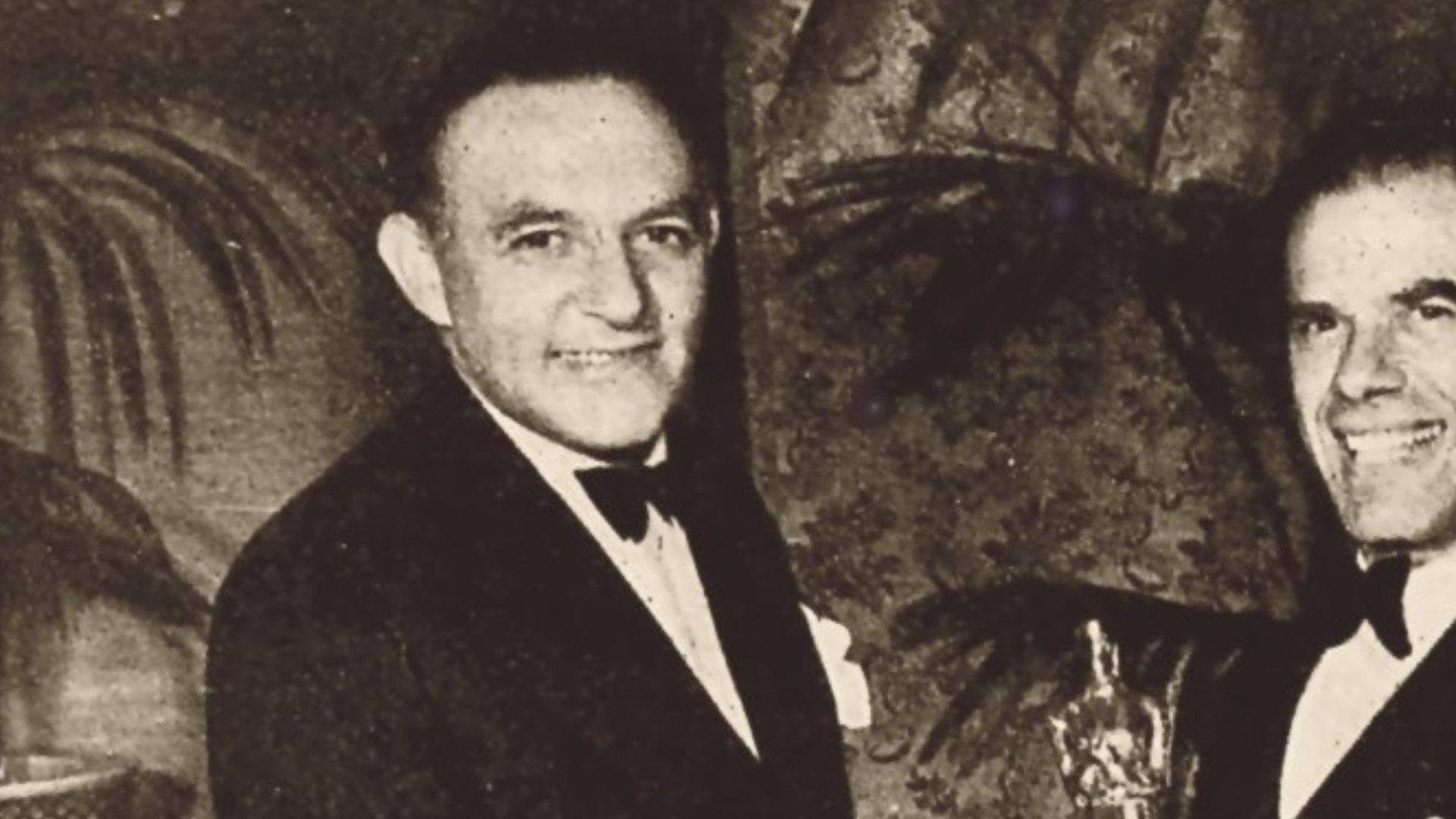
Curly Howard and his brothers had no idea just how popular and famous they were—and that was no accident. Columbia president Harry Cohn made a point of keeping them in the dark, repeating the same gloomy line year after year: “the market for comedy shorts is [fading] out, fellas”. The lie worked. After more than two decades with Columbia, the trio never once asked for a raise.
Moe only learned the truth after the shorts ended, and called it a crushing blow.
 Unknown authorUnknown author, Wikimedia Commons
25. He Never Hogged The Spotlight
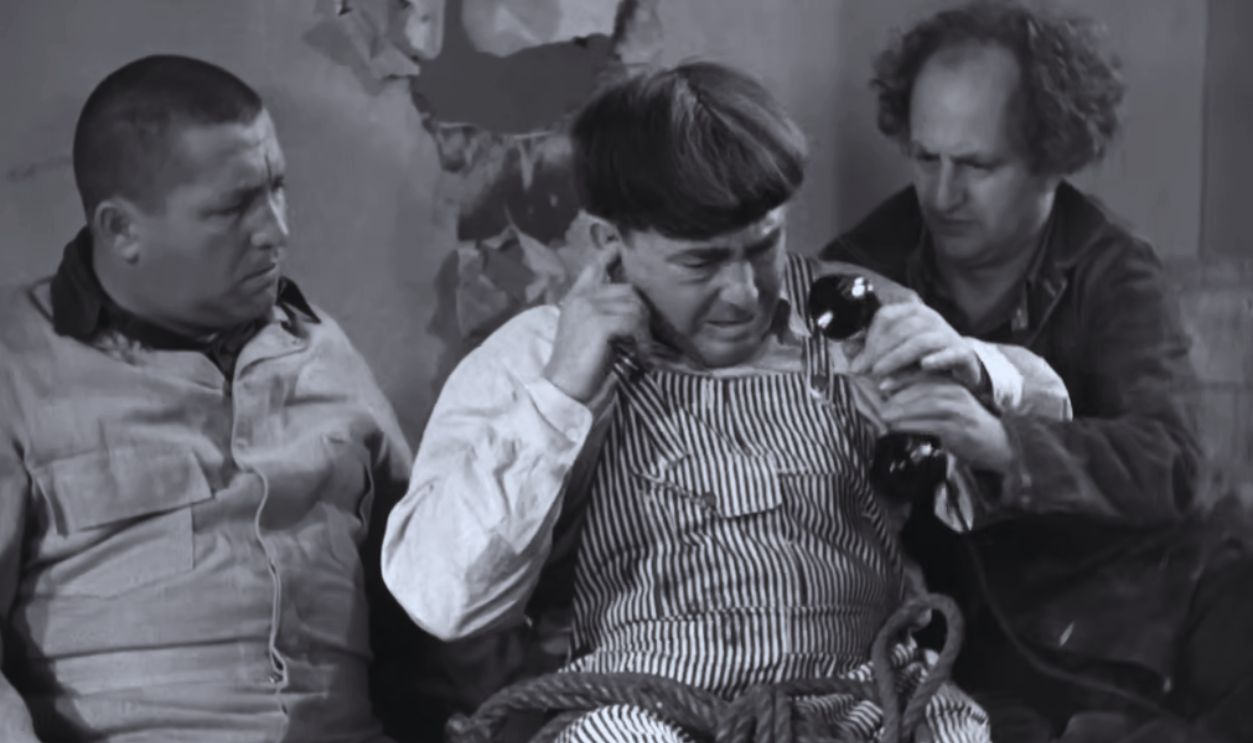
For all of his starpower, Howard never wanted to film a solo outing. Of every comic who ever filled the “third Stooge” slot, he was the only one who never headlined a run of shorts on his own—not before Healy hired him, not after he left. Shemp, Joe Besser, and Joe DeRita all took solo turns in the spotlight. Behind all of those laughs and antics was a man simply seeking quiet.
 Screenshot from The Three Stooges, Columbia Pictures (1934–1970)
26. He Was On Cloud Nine
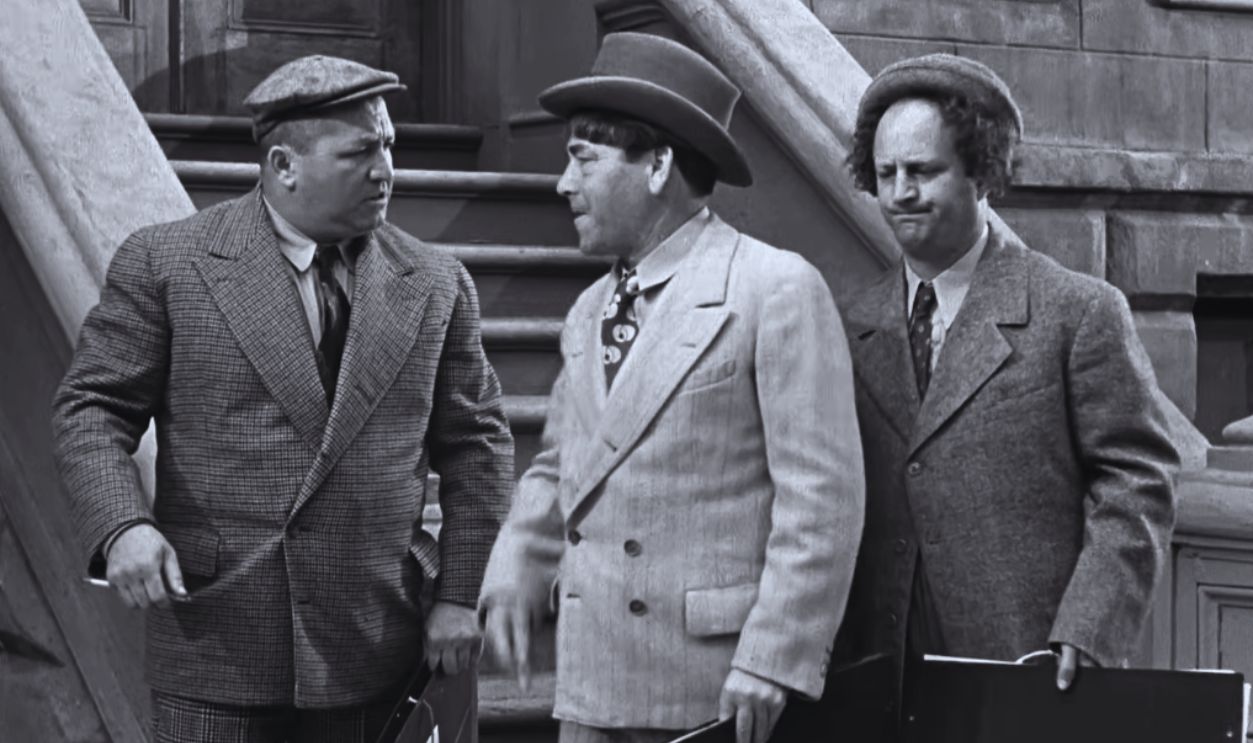
Howard was the wildest Stooge on screen—and the meekest off it. On set, between takes, he barely said a word. Director Charles Lamont, who handled two of his comedies, didn’t mince words about it: “Curly was pretty dull. This may not be a very nice thing to say but I don’t think he had all of his marbles. He was always on Cloud Nine whenever you talked to him”.
Not everyone agreed with that assessment.
 Screenshot from The Three Stooges, Columbia Pictures (1934–1970)
27. He Wasn’t Slow
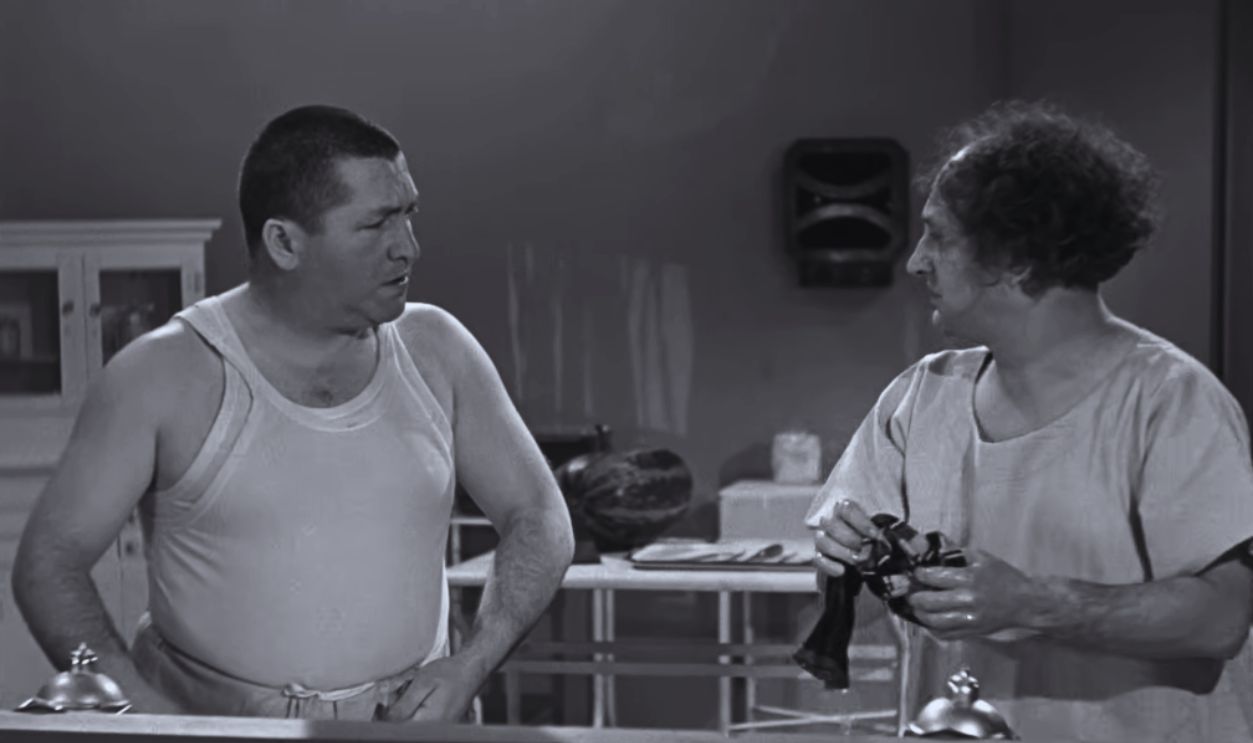
The people who knew Curly Howard best bristled at the word “dull”. His niece Dolly Sallin pushed back hard on the idea, saying, “He wasn’t an intellect nor did he go in for discussions. But when I think of someone as dull, I’d think of them as being under par intelligence-wise, and Curly wasn't that”. The quiet, she suggested, was something other than emptiness.
He was just selective about sharing his laughs.
 Screenshot from The Three Stooges, Columbia Pictures (1934–1970)
History's most fascinating stories and darkest secrets, delivered to your inbox daily.
28. He Only Clowned For His Own
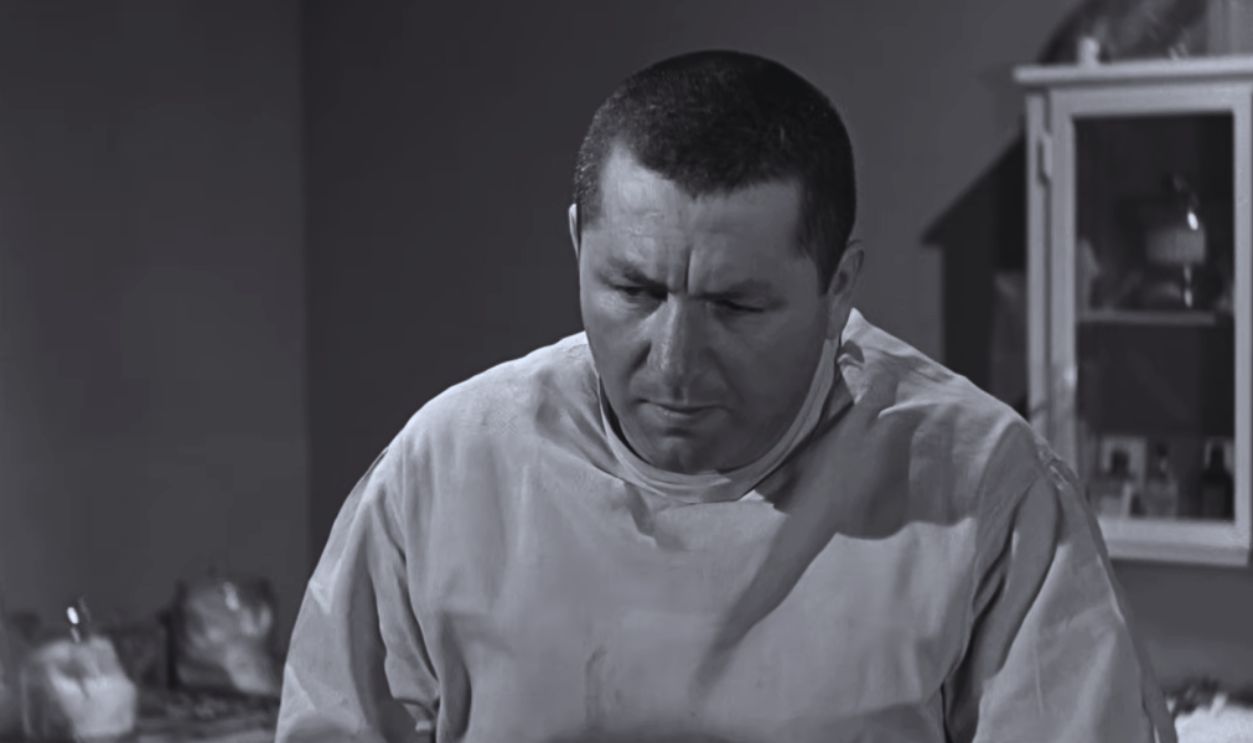
Howard only seemed to be comfortable around those closest to him. While he clammed up on set around strangers, amongst friends and family, he was just as hilarious as he was on screen. Irma Grenner Leveton remembered the pattern: “Yes, Curly did clown around, but only if Moe, Shemp and Larry were with him…But the minute there were strangers, he retreated”.
He may simply have been insecure.
 Screenshot from The Three Stooges, Columbia Pictures (1934–1970)
29. He Mourned His Own Hair
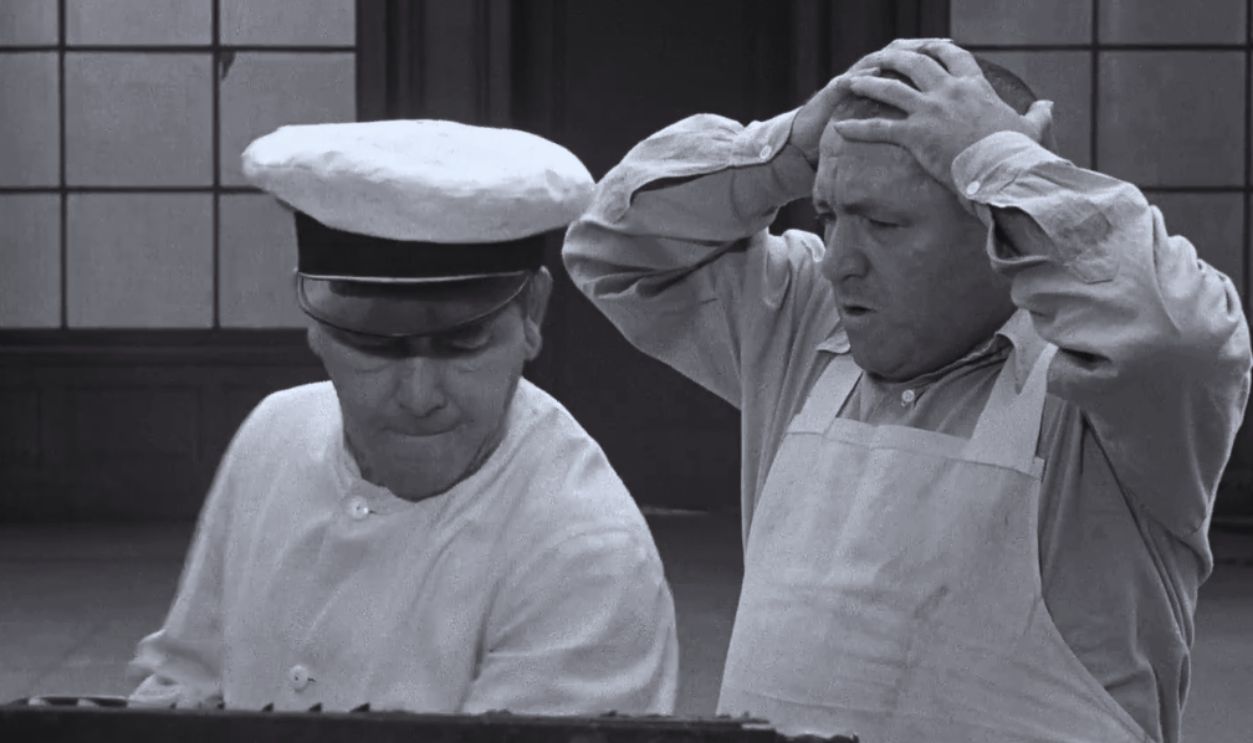
Howard had cut his hair to become a Stooge—but it also made him feel like a stooge. Howard was painfully self-conscious about his bald scalp, certain it had stripped away whatever appeal he’d once had with women. Larry Fine noticed he kept a hat on in public to feel like a grown man rather than, in his own words, “like a little kid”.
To bury his insecurities, he reached for other comforts.
 Screenshot from The Three Stooges, Columbia Pictures (1934–1970)
30. He Drowned His Sorrows In Spirits
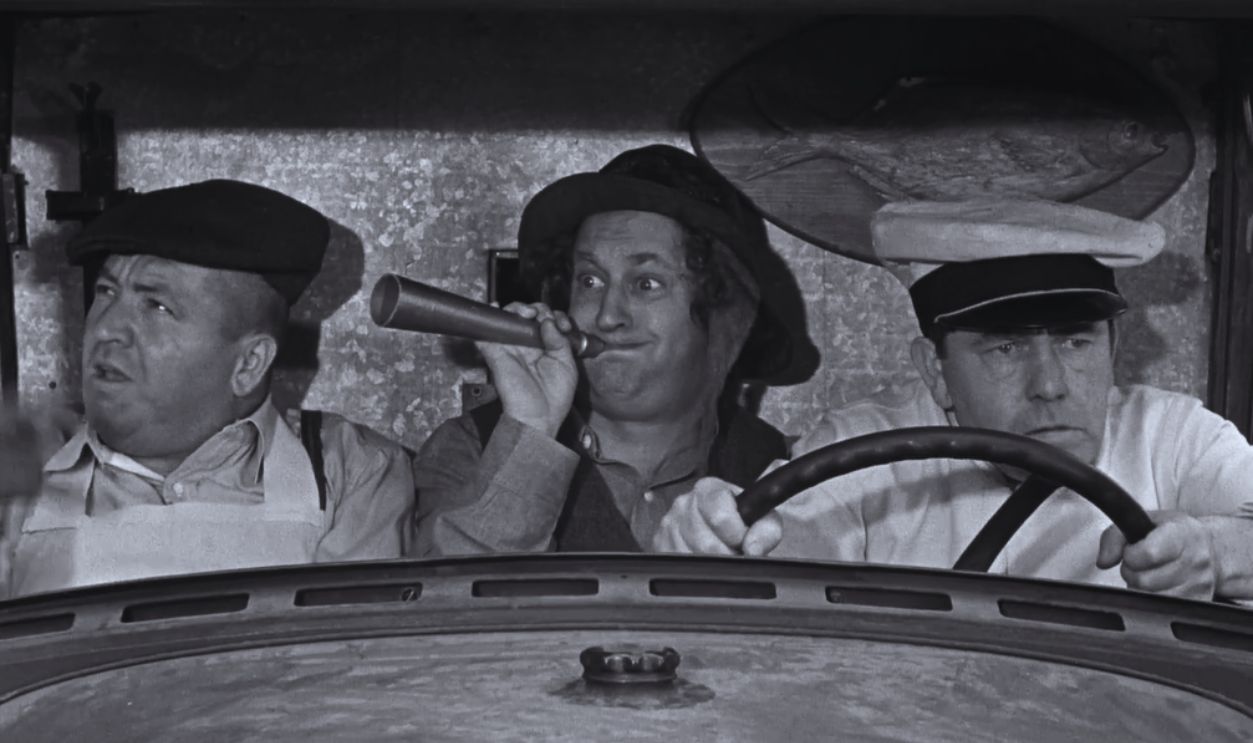
Howard’s insecurities cost him more than just his peace of mind. To quiet the doubts, he ate and indulged in excess and caroused his way through the Stooges’ personal appearances—roughly seven months out of every year. He stayed dry during the actual shows, since Moe banned spirits on the clock, but the nightclubs afterward were a different story.
The bill for all that excess was coming due—in more ways than one.
 Screenshot from The Three Stooges, Columbia Pictures (1934–1970)
31. He Couldn’t Keep A Dollar
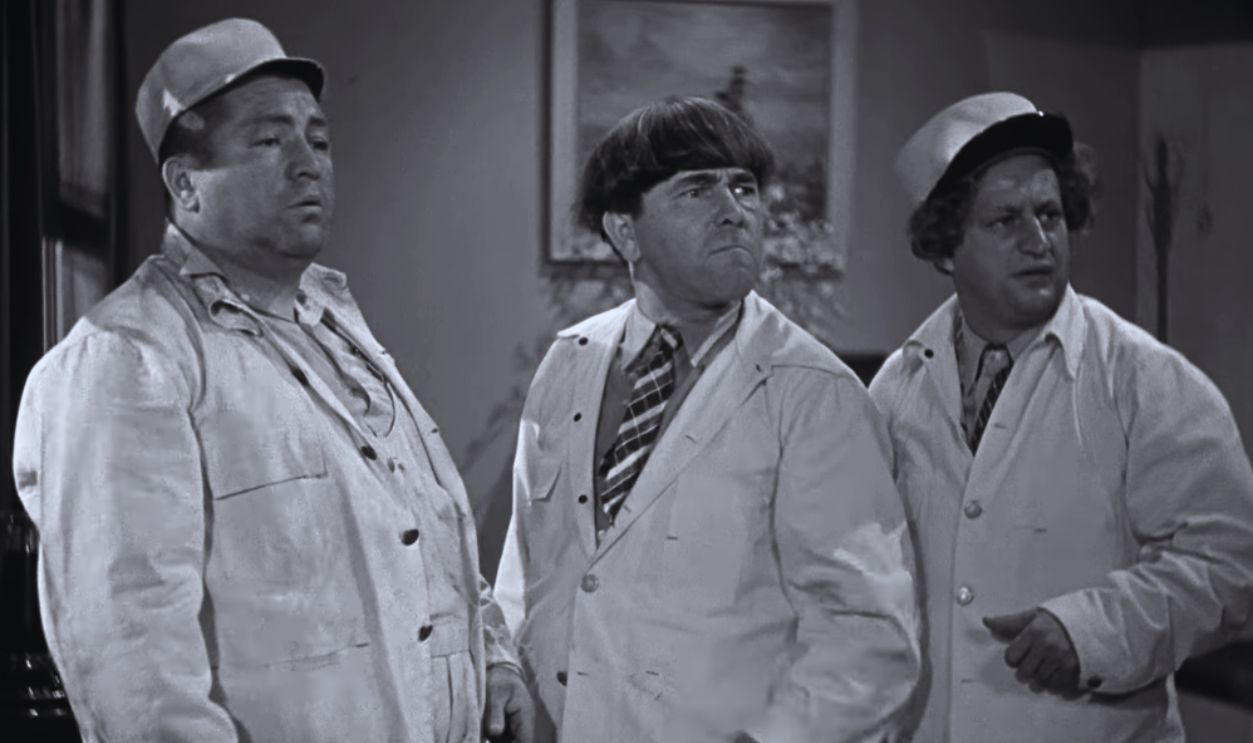
Curly Howard was making money fast—but spending it faster. Even if he was a comedic genius, he was hopeless with a paycheck. Artist and writer Norman Maurer once said about Howard, “If a pretty girl went up to him and gave him a spiel, Curly would marry her…every two weeks he would have a new girl, a new car, a new house and a new dog”.
Moe had to take over Howard’s finances, even filing his taxes for him. The houses, though, were a spectacle all their own.
 Screenshot from The Three Stooges, Columbia Pictures (1934–1970)
32. He Flipped Houses
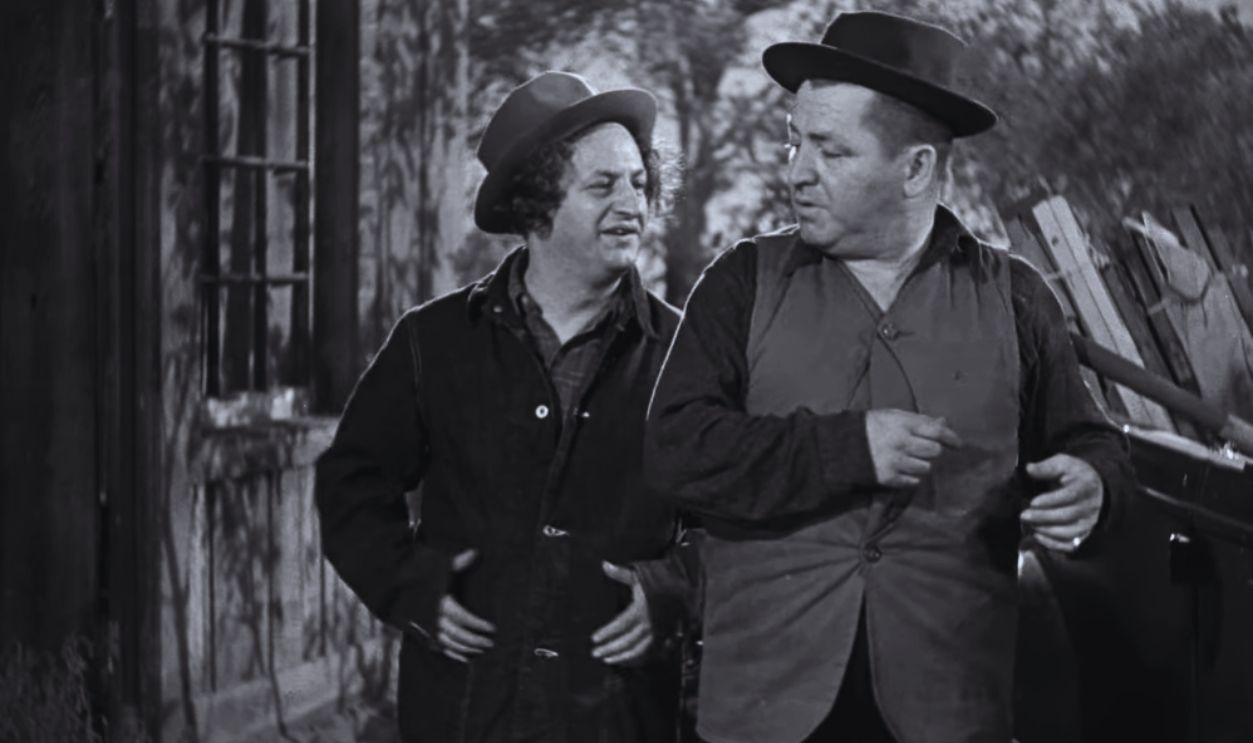
Howard might not have been great with money, but he was good at real estate. He purchased his Cahuenga Boulevard home from the actor Sabu and later sold it to Joan Leslie. He snapped up the empty lot beside his brother Moe in Tolica Lake before selling the undeveloped plot to the director Raoul Walsh. He tried turning those houses into homes.
 Screenshot from The Three Stooges, Columbia Pictures (1934–1970)
33. He Collected Strays
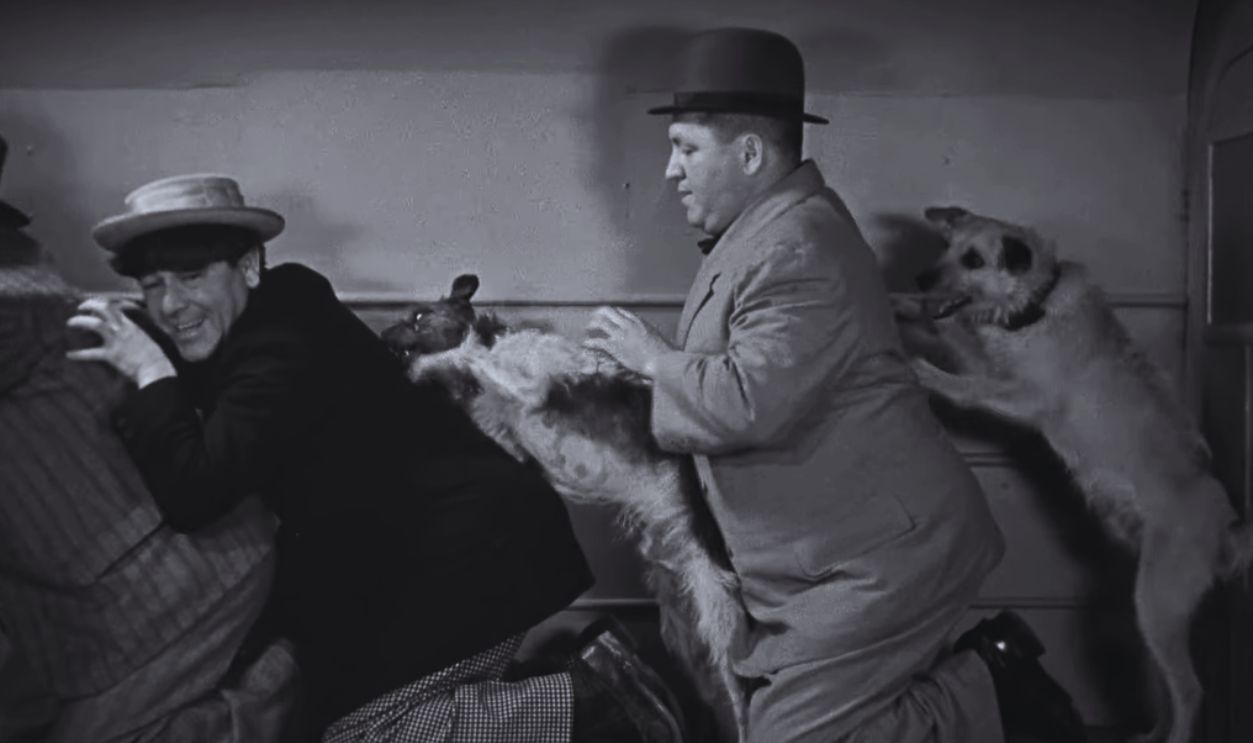
The only thing bigger than Howard’s sense of humor was his heart—and dogs were his weakness. Traveling with his brothers, Curly Howard came across stray dogs everywhere they went and scooped them up, hauling the homeless mutts from one town to the next until he could find them a real home. Back in California, several pups of his own had the run of the house.
His heart, it seemed, had plenty of room—if only someone would fill it.
 Screenshot from The Three Stooges, Columbia Pictures (1934–1970)
History's most fascinating stories and darkest secrets, delivered to your inbox daily.
34. He Found Love—Temporarily
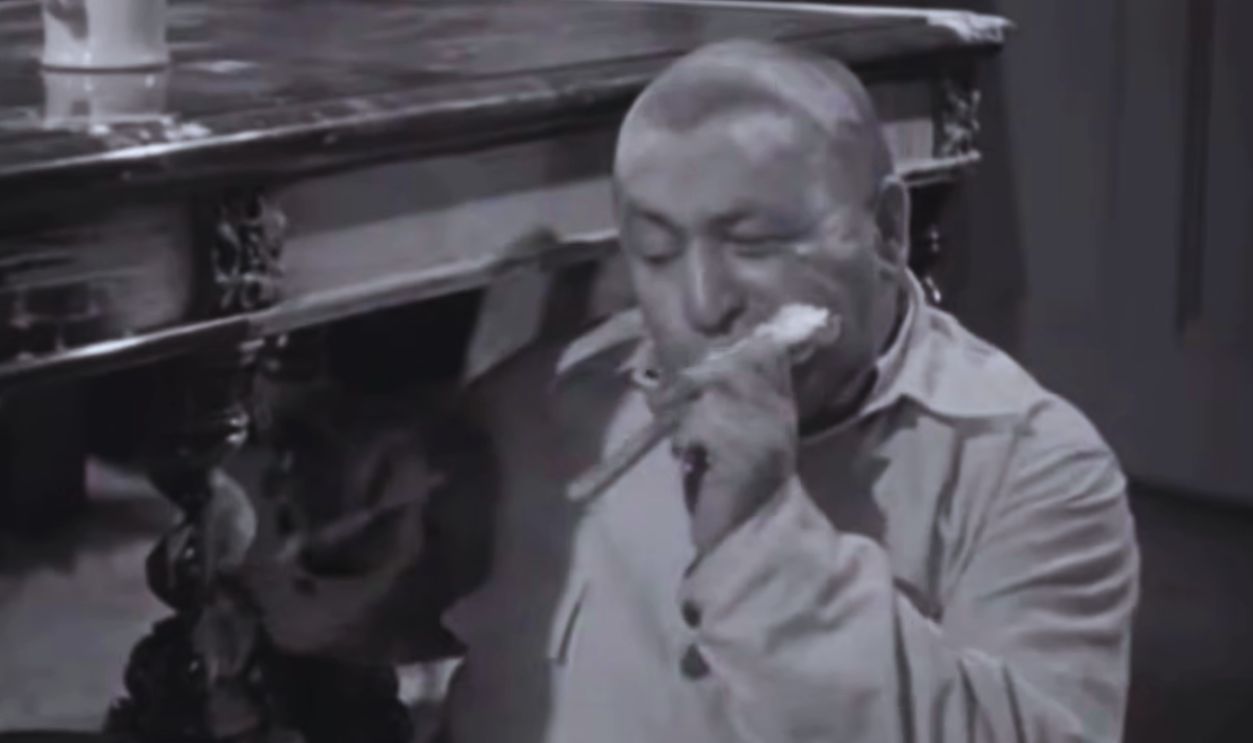
Howard finally found a woman to bring him as much joy as brought to his audiences. On June 7, 1937—exactly 12 years after Moe wed Helen Howard—he married Elaine Ackerman. A daughter, Marilyn, arrived the following December. But their borrowed luck didn’t last: Ackerman filed for divorce in July 1940, just three years in.
And losing her took more from him than he expected.
 Screenshot from The Three Stooges, Columbia Pictures (1934–1970)
35. He Started To Fade
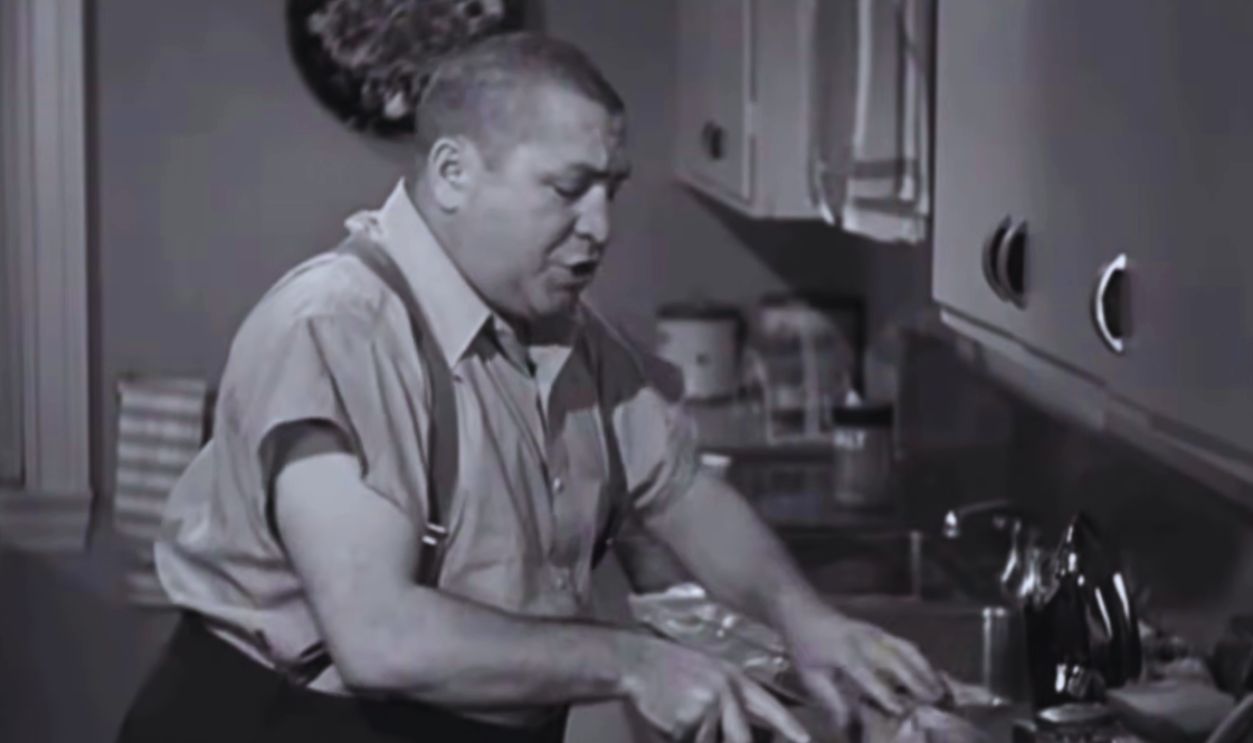
For Howard, the divorce seemingly marked the start of a long, quiet unraveling. Once Ackerman left, Howard’s health began slipping—the weight piled on, and hypertension set in. By 1944, his characteristic manic energy that fueled every “Nyuk, nyuk, nyuk” was beginning to feel a little flat. His health problems were, sadly, only just beginning.
 Screenshot from The Three Stooges, Columbia Pictures (1934–1970)
36. He Suffered A Stroke
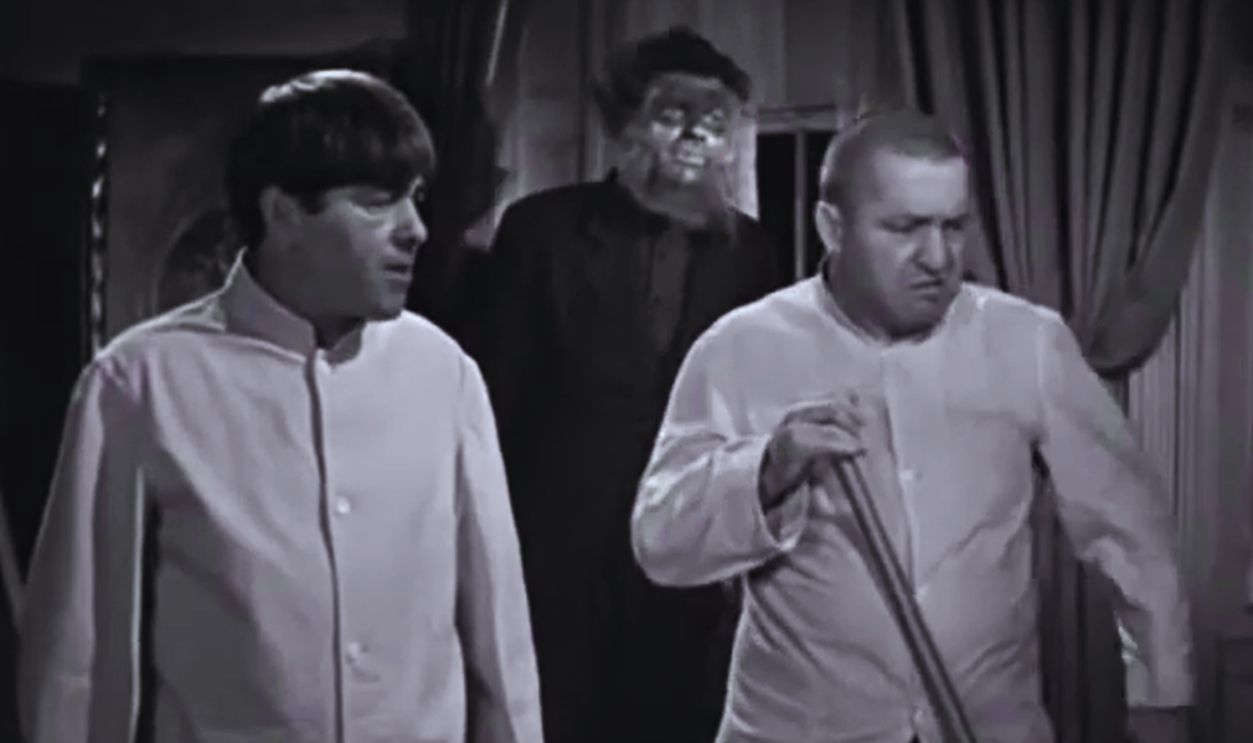
The camera diagnosed Howard before the doctors did. In shorts like Idle Roomers and Booby Dupes, his voice dropped lower and his timing turned heavy and slow. Historians suspect the earliest of his strokes struck right in this window—somewhere between filming Idiots Deluxe in late 1944 and If a Body Meets a Body the following spring.
His body was sounding an alarm—but no one was listening.
 Screenshot from The Three Stooges, Columbia Pictures (1934–1970)
37. He Couldn’t Take A Break
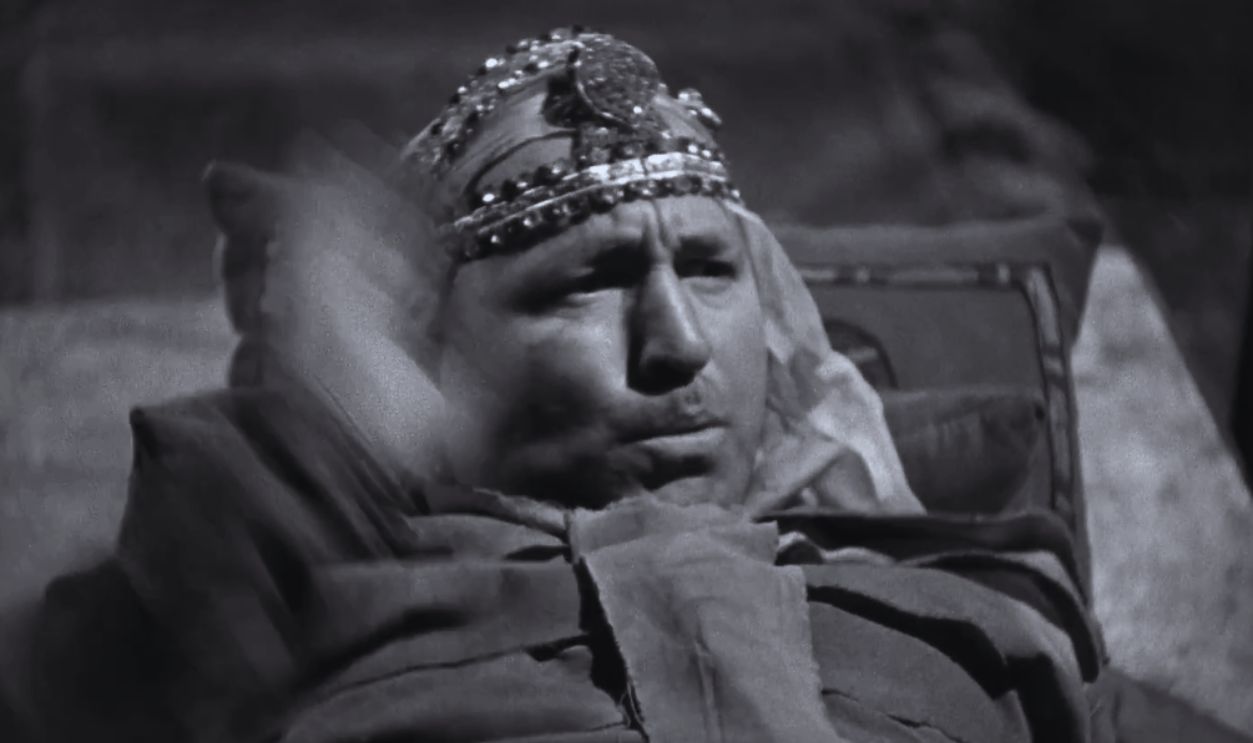
By early 1945, Howard’s health was approaching critical. On January 23, he checked into Cottage Hospital in Santa Barbara, where doctors found severe hypertension, a retinal hemorrhage, and obesity, keeping him for tests until early February. But when Howard’s brother Moe begged Harry Cohn of Columbia for an extended leave, Cohn flatly refused.
Howard made the studio money—and Cohn was going to get every penny’s worth.
 Screenshot from The Three Stooges, Columbia Pictures (1934–1970)
38. He Was Worked To The Bone
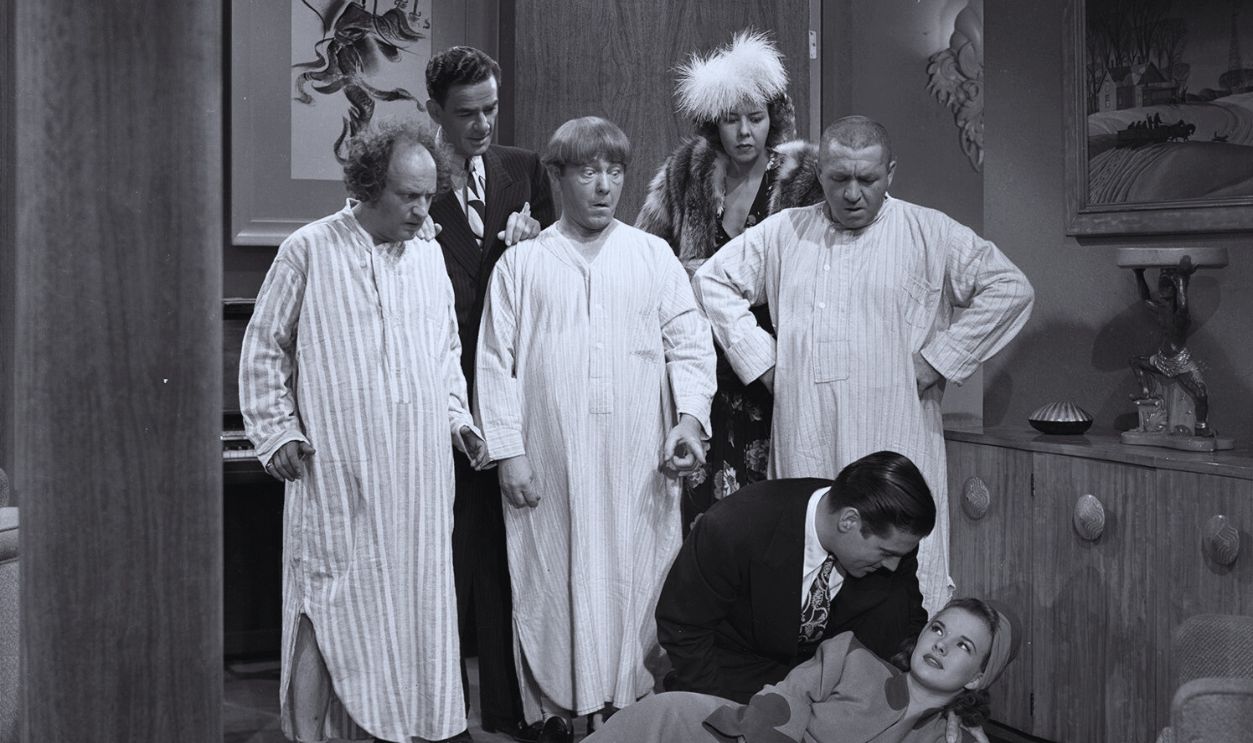
Instead of following his doctor’s orders, between August 1945 and January 1946, Howard, along with his brothers, wrapped the Monogram feature Swing Parade of 1946. Seemingly right after that, he plunged into two months of daily live shows in New York City. For a man whose health was already crumbling, the punishing pace only pushed him nearer to the edge.
It wasn’t all work, though.
 Screenshot from Swing Parade of 1946, Monogram Pictures (1946)
39. He Fell Fast—And Spent Faster
While making appearances in New York in 1945, Howard fell for Marion Buxbaum, a “petite blonde” with a son from a previous failed marriage. Two weeks of courtship later, on October 17, the two were wed—and Howard emptied his pockets. He lavished Buxbaum with jewelry, furs, and a brand new home on Ledge Street in Toluca Lake.
But the romance burned out as fast as it had ignited.
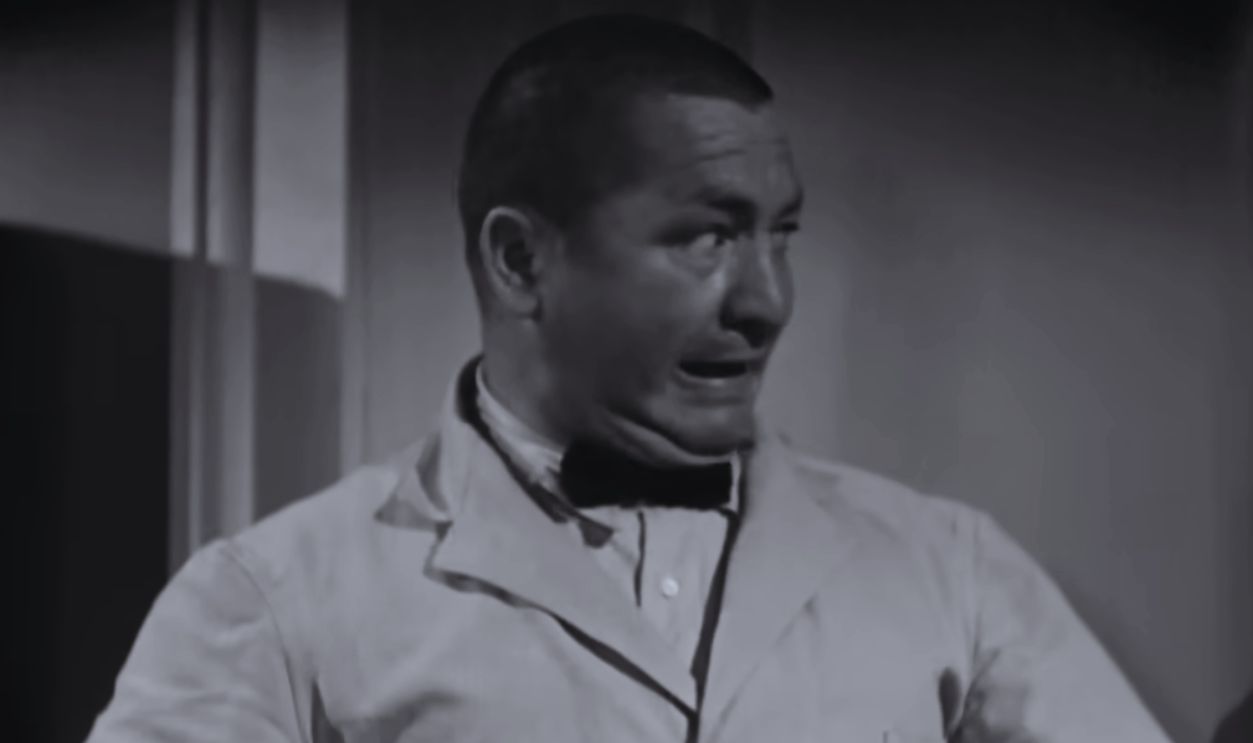 Screenshot from The Three Stooges, Columbia Pictures (1934–1970)
History's most fascinating stories and darkest secrets, delivered to your inbox daily.
40. His Divorce Was Brutal
Howard’s marriage to Buxbaum was over in mere months. By January 1946 the two had separated and Howard sued for divorce. Then things turned vicious. Dolly Sallin, Howard’s niece, later revealed the drama: “It was horrible. She tried to get everything she could from him and even accused Curly of never bathing, which was totally untrue. Curly was fat but he was always immaculate”.
“That marriage nearly ruined him,” she concluded. She was right.
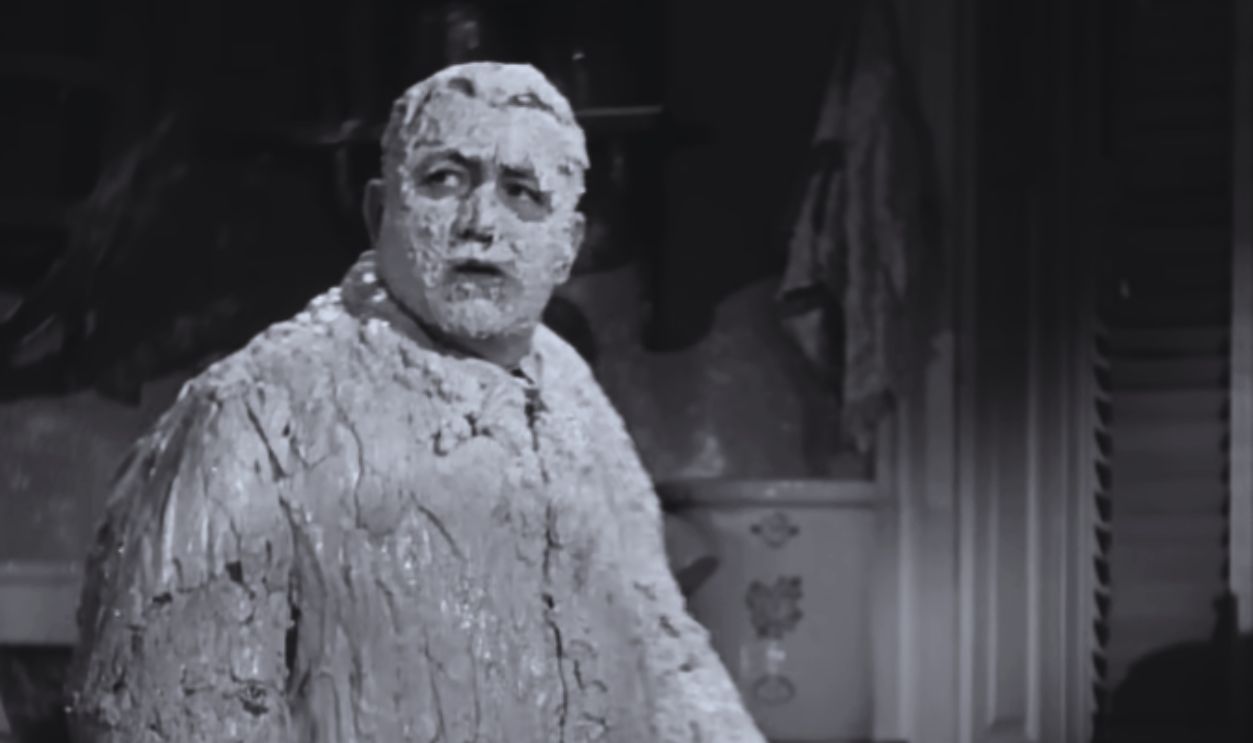 Screenshot from The Three Stooges, Columbia Pictures (1934–1970)
41. He Ran Hot And Cold
After his divorce, Howard’s moods became unpredictable. Director Edward Bernds, who filmed Howard’s last shorts, watched his star flicker and finally fade. As Bernds put it, Howard was “down” for some pictures and “up” for others—rallying one last time, “for the last time,” on Three Little Pirates. Nobody could say which Howard would turn up.
That uncertainty was about to end—in the worst way.
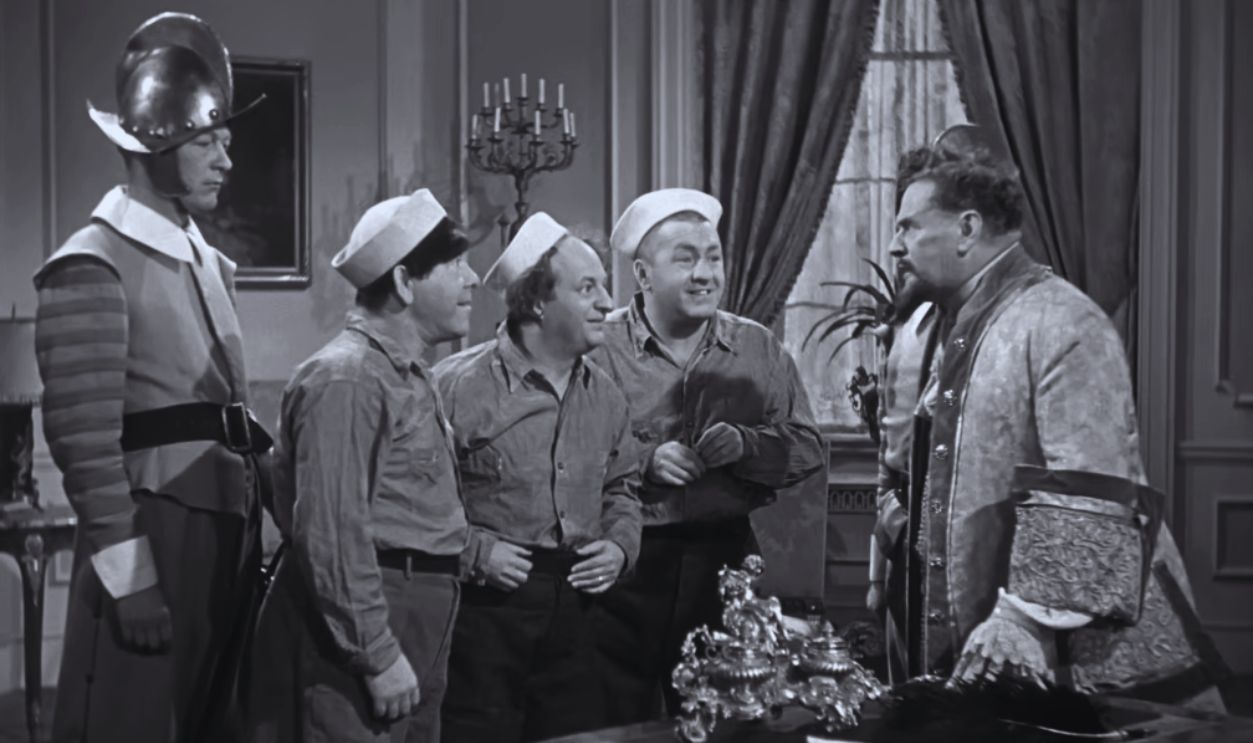 Screenshot from The Three Stooges, Columbia Pictures (1934–1970)
42. He Collapsed In A Chair
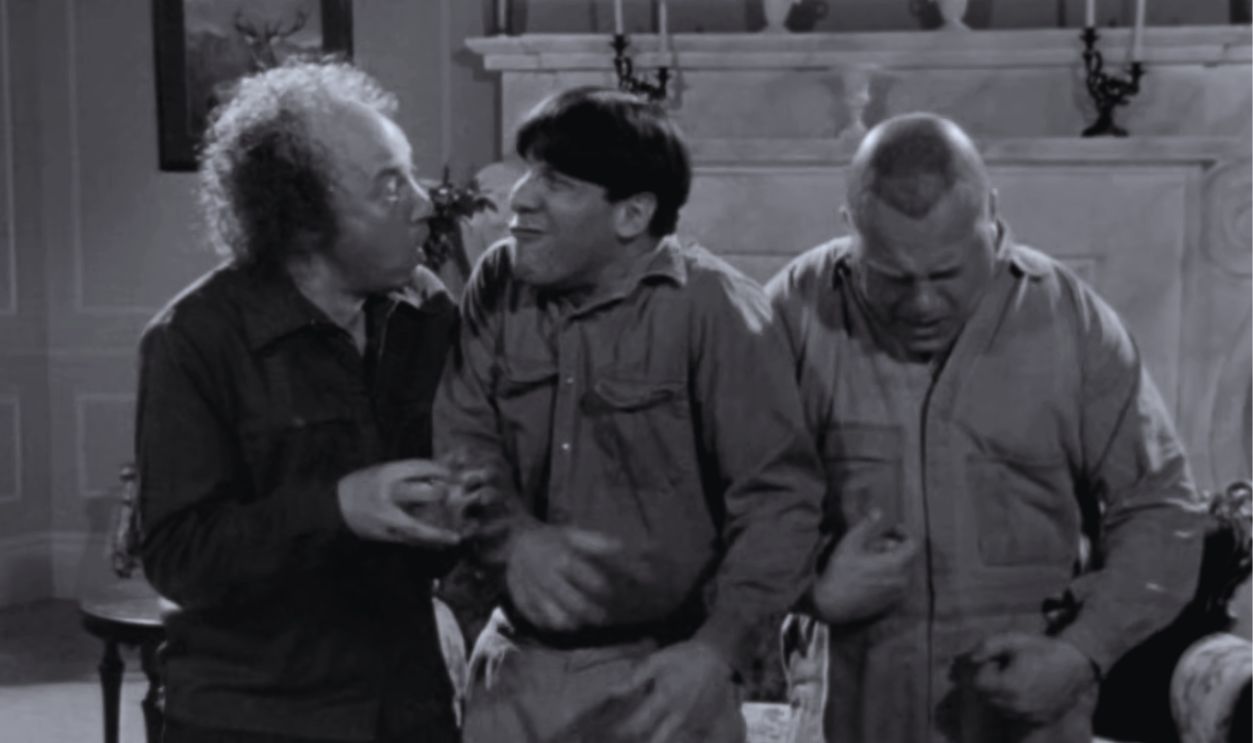
On May 6, 1946, midway through filming Half-Wits Holiday—his 97th Three Stooges comedy—Howard suffered a setback from which he would never truly recover. While sitting in director Jules White’s chair, waiting to shoot the last scene, he suffered a severe stroke. He was just 42 years old at the time, but he was closer to the end than even he knew.
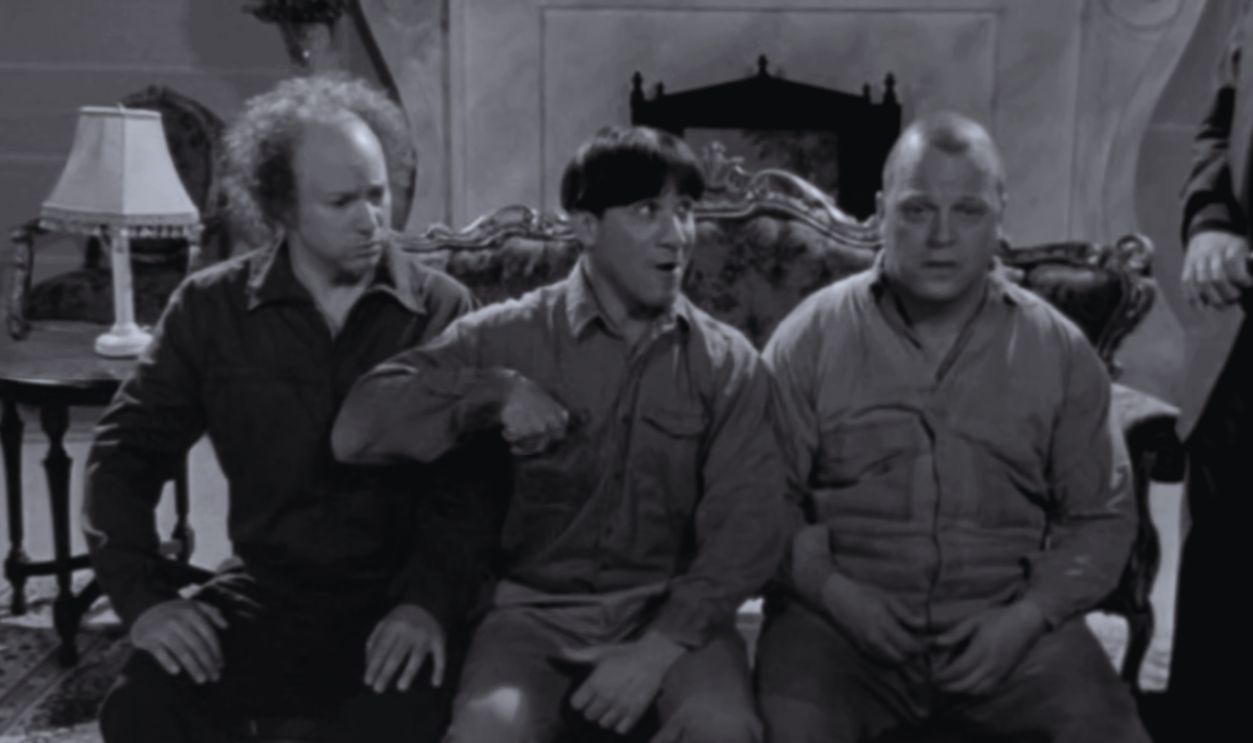 Screenshot from The Three Stooges, Columbia Pictures (1934–1970)
43. He Couldn’t Call For Help
Before long, Howard’s brother Moe found him, slumped in the chair. Howard’s head had dropped to his chest and his mouth was contorted in an unnatural way. Worst of all, he couldn’t get out a single word—he only wept. Moe ran for White, who, infamously, quickly rebuilt the final scene to work without Howard as an ambulance carried him away.
The famous pie-throwing finale that closed the film? Howard was supposed to be in it. But there was someone else instead.
 Screenshot from The Three Stooges, Columbia Pictures (1934–1970)
44. He Was Quietly Replaced
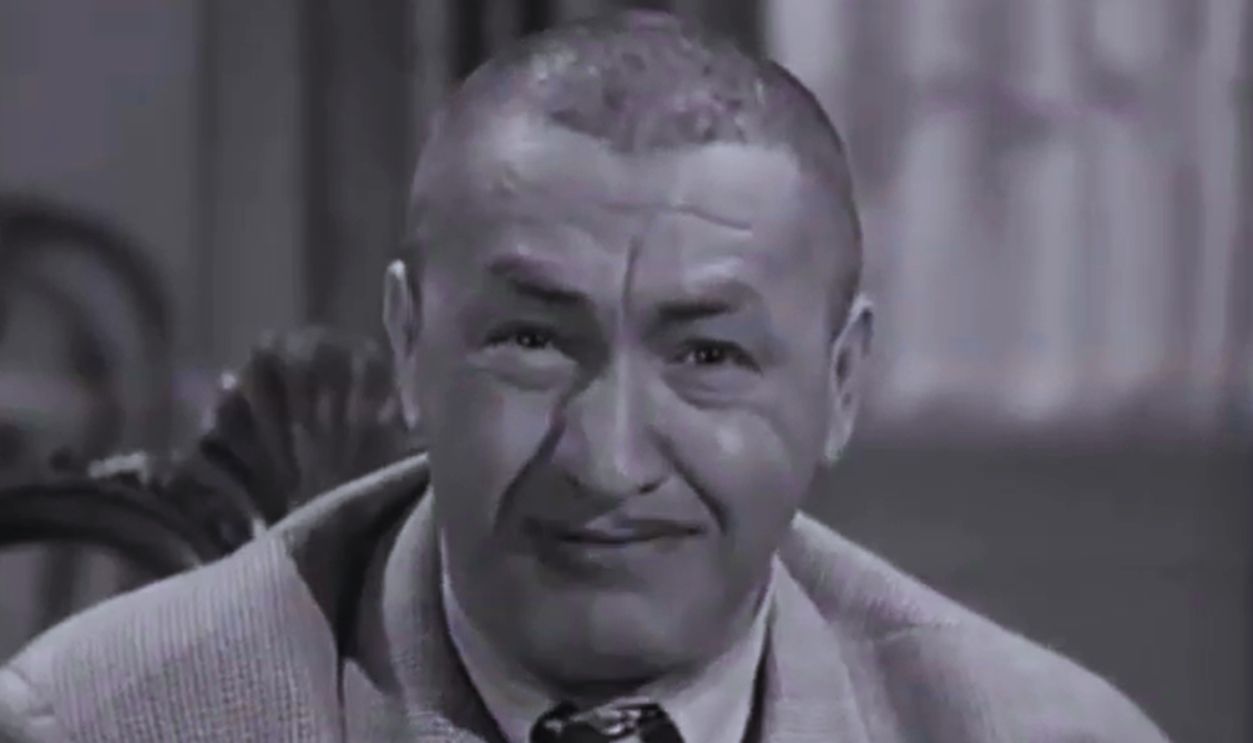
The show went on, even if Howard couldn’t. While he spent weeks in recovery from his stroke at the Motion Picture Country House, Shemp—who’d already filled in at live shows in New Orleans—stepped back in to fill his brother’s shoes. Shemp’s return was meant to be temporary, but Howard’s recovery proved slow—and unpromising.
“No official statement was issued to the press or exhibitors on Curly’s condition,” some authors wrote, “or the fact that Shemp was replacing him”.
 Screenshot from The Three Stooges, Columbia Pictures (1934–1970)
45. He Made One Last Appearance
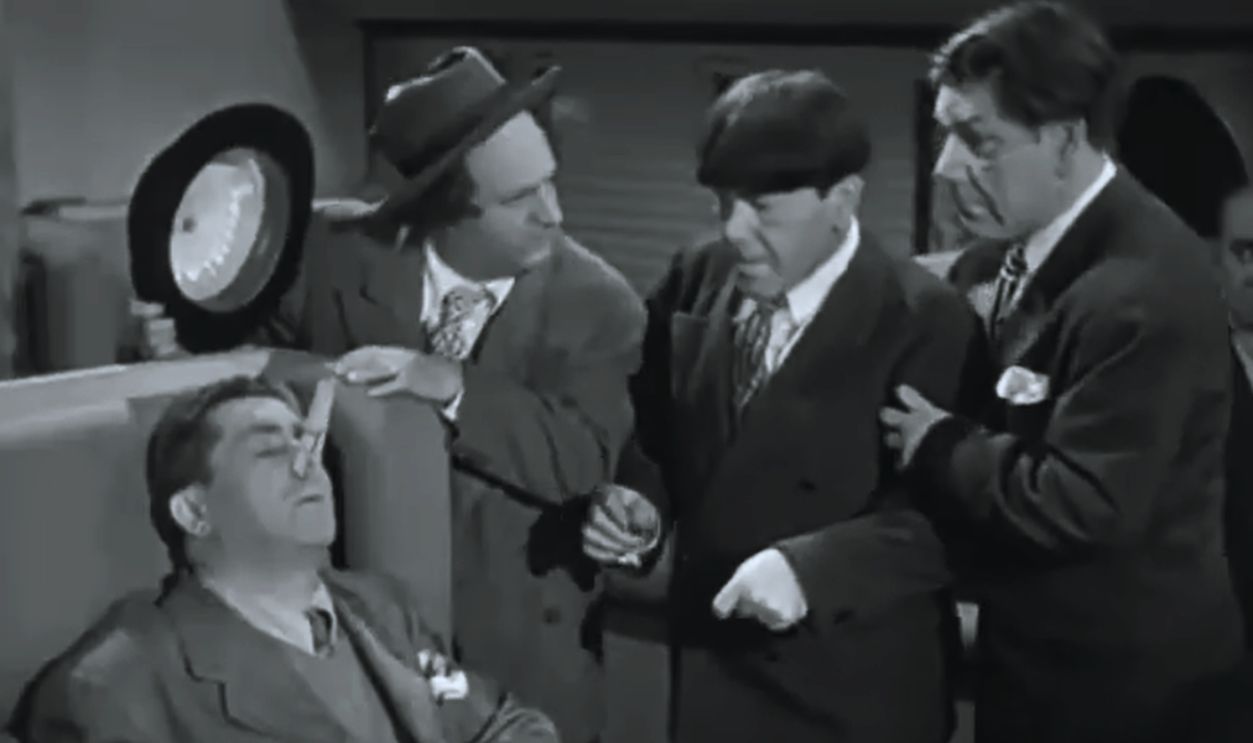
For one brief moment, the old Howard came back. In January 1947, partly recovered and with his hair grown out, he turned up in a quick cameo in Hold That Lion!. Jules White swore it was pure chance and not a staged comeback. “It was a spur-of-the-moment idea,” White said, “Curly was visiting the set…I thought it would be funny to have him do a bit in the picture and he was happy to do it”.
A rare bright spot was waiting for him offscreen, too.
 Screenshot from Hold That Lion!, Columbia Pictures (1947)
History's most fascinating stories and darkest secrets, delivered to your inbox daily.
46. He Finally Found The Right One
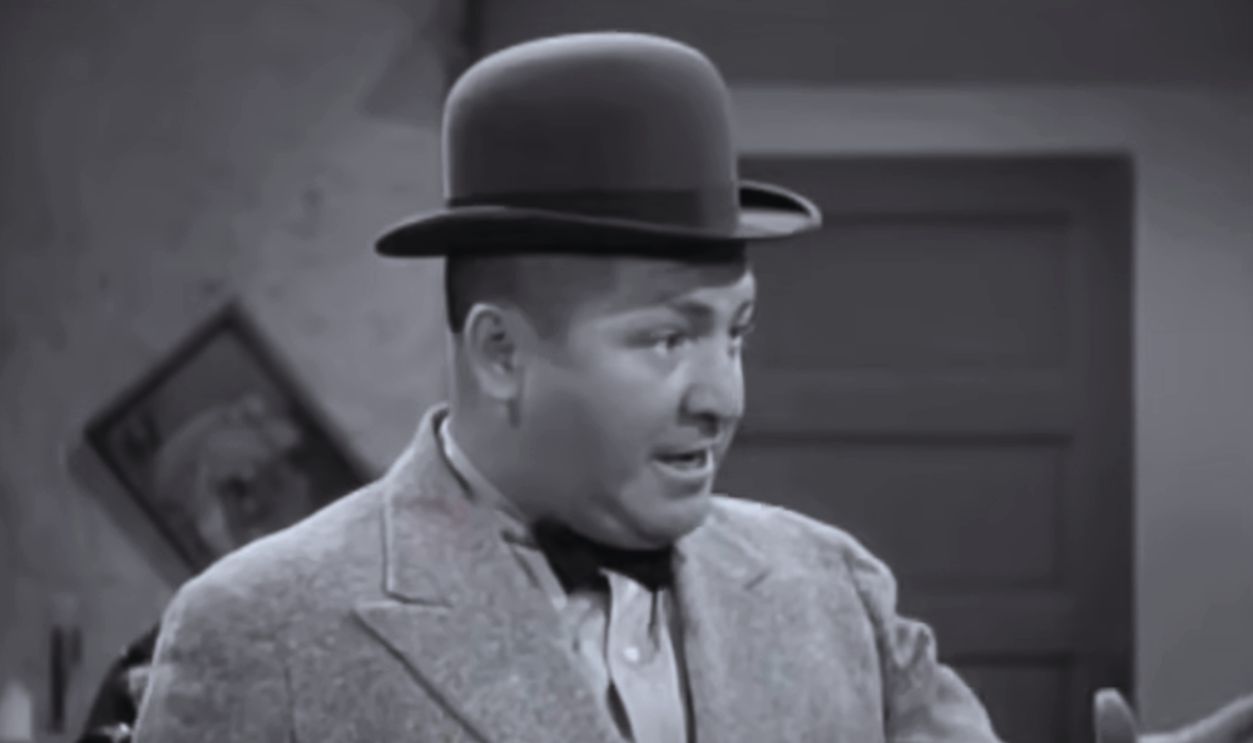
After a string of women who drained him, Howard found one who gave more than she took. On July 31, 1947, still far from well, he wed for the fourth and last time, tying the knot with Valerie Newman. As friend Irma Leveton remembered, Newman “was the only decent thing that happened to Curly…I remember she nursed him 24 hours a day”.
But even she couldn’t love his illnesses away.
 Screenshot from The Three Stooges, Columbia Pictures (1934–1970)
47. He Tried To Work Again
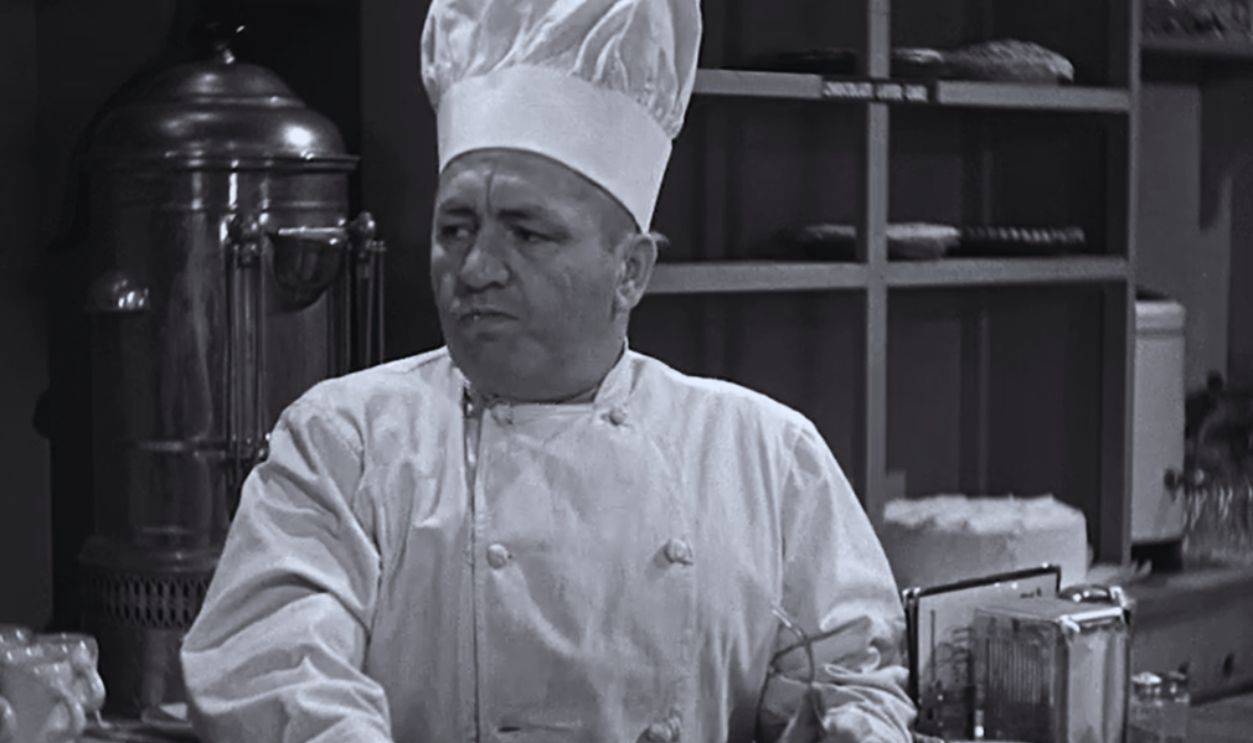
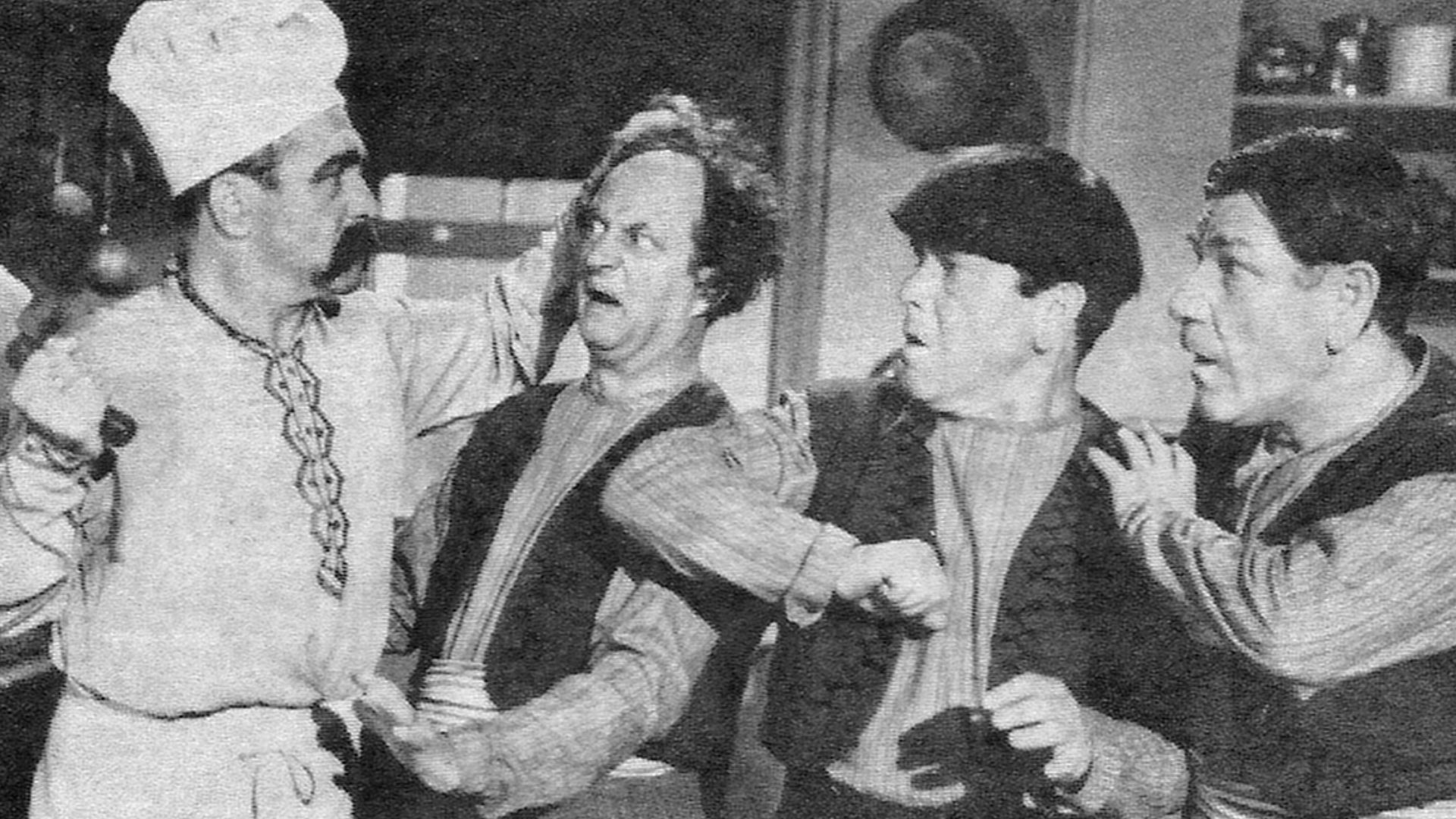
Despite his health troubles, Howard wasn’t ready to give up the screen just yet. In June of 1948, he filmed a second cameo for Malice in the Palace, playing a hot-tempered cook. Sadly, by then, his illness had sapped his on-camera comedic spark and the performance fell short. Ultimately, it ended up on the cutting room floor.
It only got worse from there.
 Jules White, Wikimedia Commons
48. He Lost The Use Of His Body
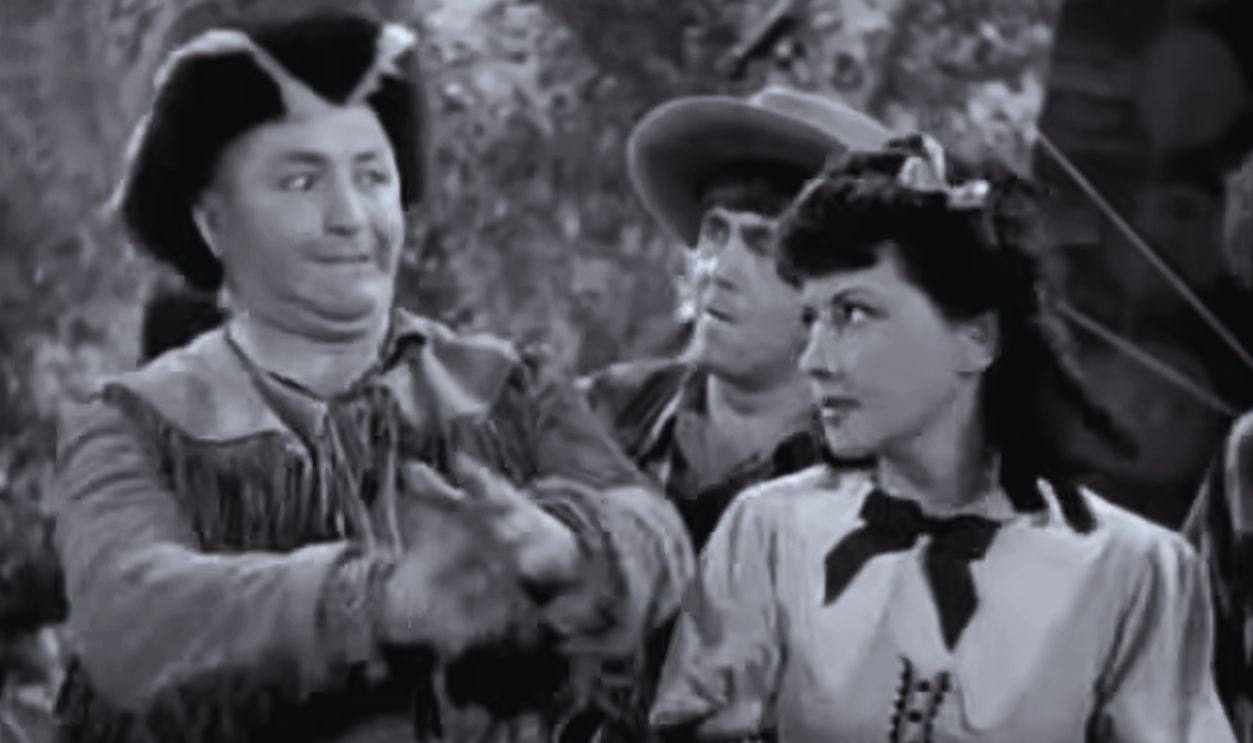
In late 1948, Howard suffered his biggest setback yet. A second massive stroke left the comedy legend partially paralyzed, and within two years he was practically glued to a wheelchair for good. “I’ll never forget him at this point in his life,” Maurer said. “His hand would constantly fall off the arm of the wheelchair…and he couldn’t get it back on without help”.
He needed help for everything.
 Screenshot from The Three Stooges, Columbia Pictures (1934–1970)
49. His Brothers Carried Him
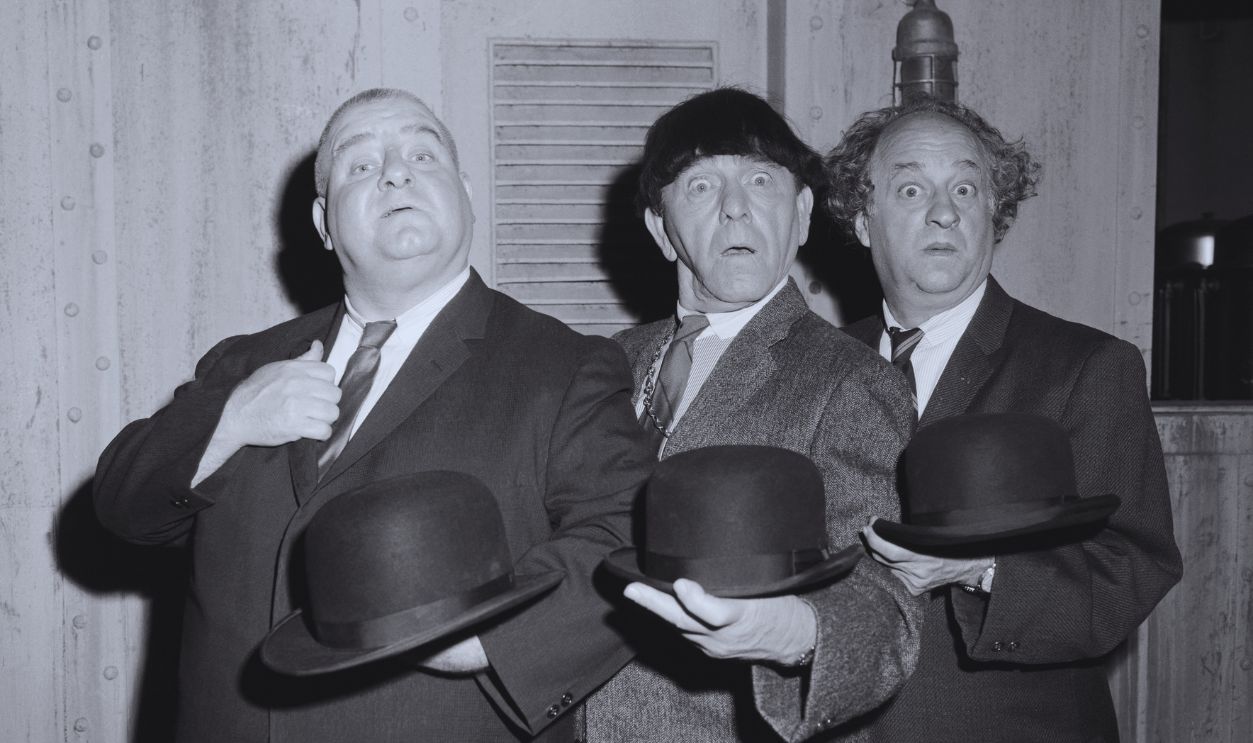
Howard’s medical bills were no laughing matter. But, as he wasn’t working, he wasn’t able to afford his treatments. Thankfully, his brothers stepped in and each set aside a slice of their weekly pay to cover his mounting costs. In August 1950, Howard was staying at the Motion Picture & Television Fund’s Country House and Hospital. After a few months however, he would have to find a new home.
50. He Kept Moving Homes
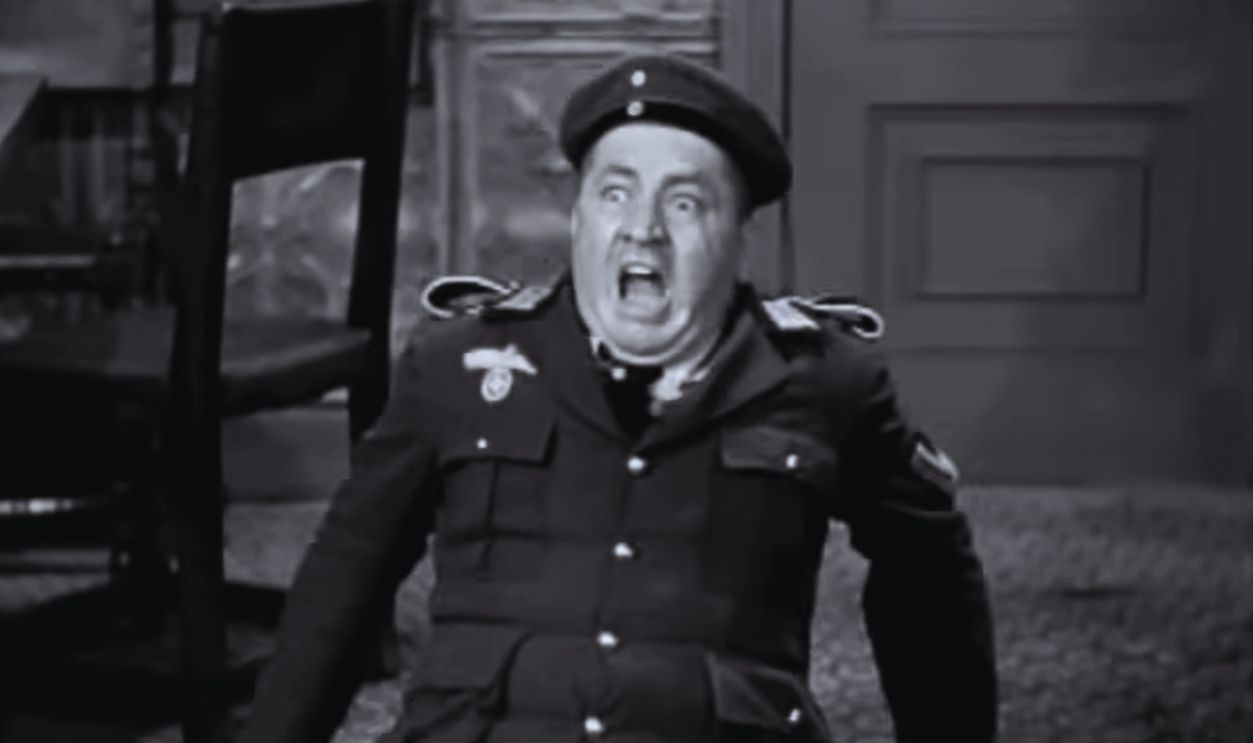
Howard spent his final years doing what his doctors wished he wouldn’t: moving. In February of 1951, he checked into a nursing home, the Colonial House, in Los Angeles. Sadly, that March, another stroke hit and Moe had to move him again when the home he was in failed fire safety tests. By April, Howard was staying at the North Hollywood Hospital and Sanitarium.
For however long they would have him.
 Screenshot from The Three Stooges, Columbia Pictures (1934–1970)
51. He Was Moved One Last Time
Shortly after he moved in, the North Hollywood Hospital told the family that Howard’s condition had worsened beyond what their staff could manage. They urged them to find a facility better equipped for his care. Moe had to pull himself away from the production of He Cooked His Goose to help his brother. It was, however, too little too late.
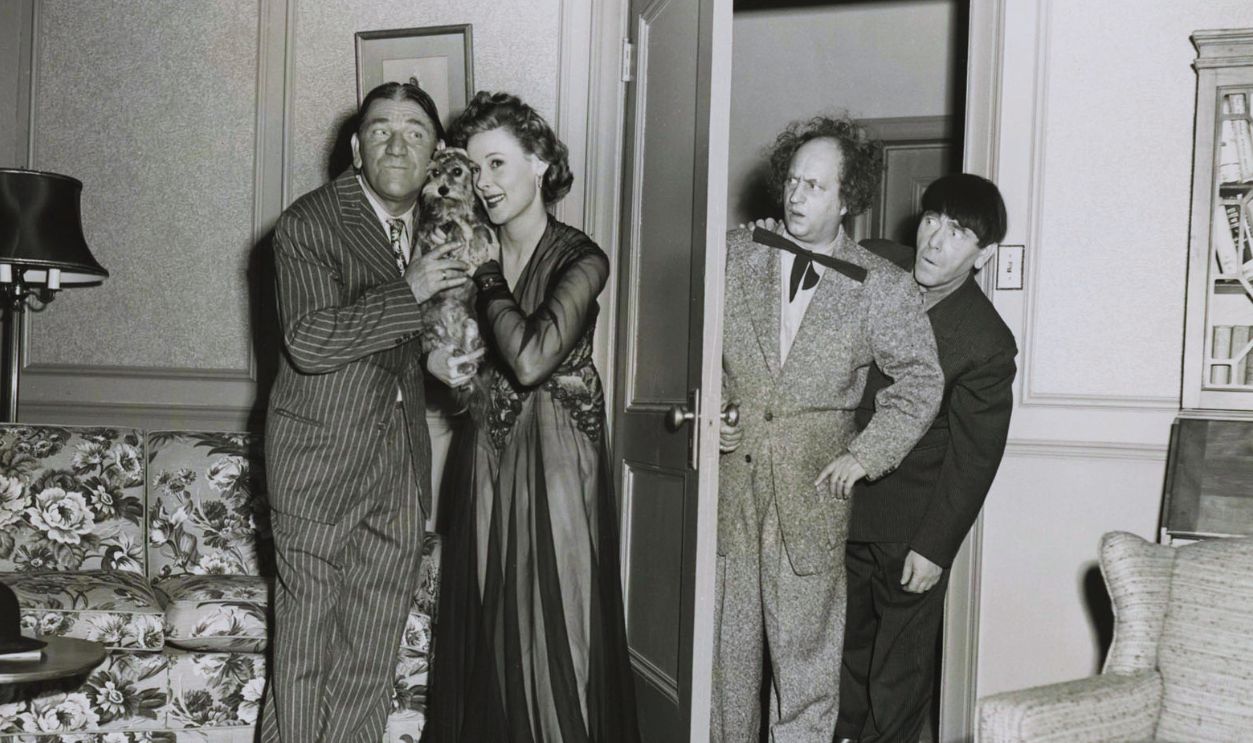 Screenshot from He Cooked His Goose, Columbia Pictures (1952)
History's most fascinating stories and darkest secrets, delivered to your inbox daily.
52. He Delivered His Last Punchline
Howard’s final punchline came sooner than everyone expected—and a lot less hilariously. On January 18, 1952, just 11 days after moving, Howard passed on. He was just 48 years old at the time. Reports after his passing asserted that the reason for his untimely demise was a massive cerebral hemorrhage after a series of strokes.
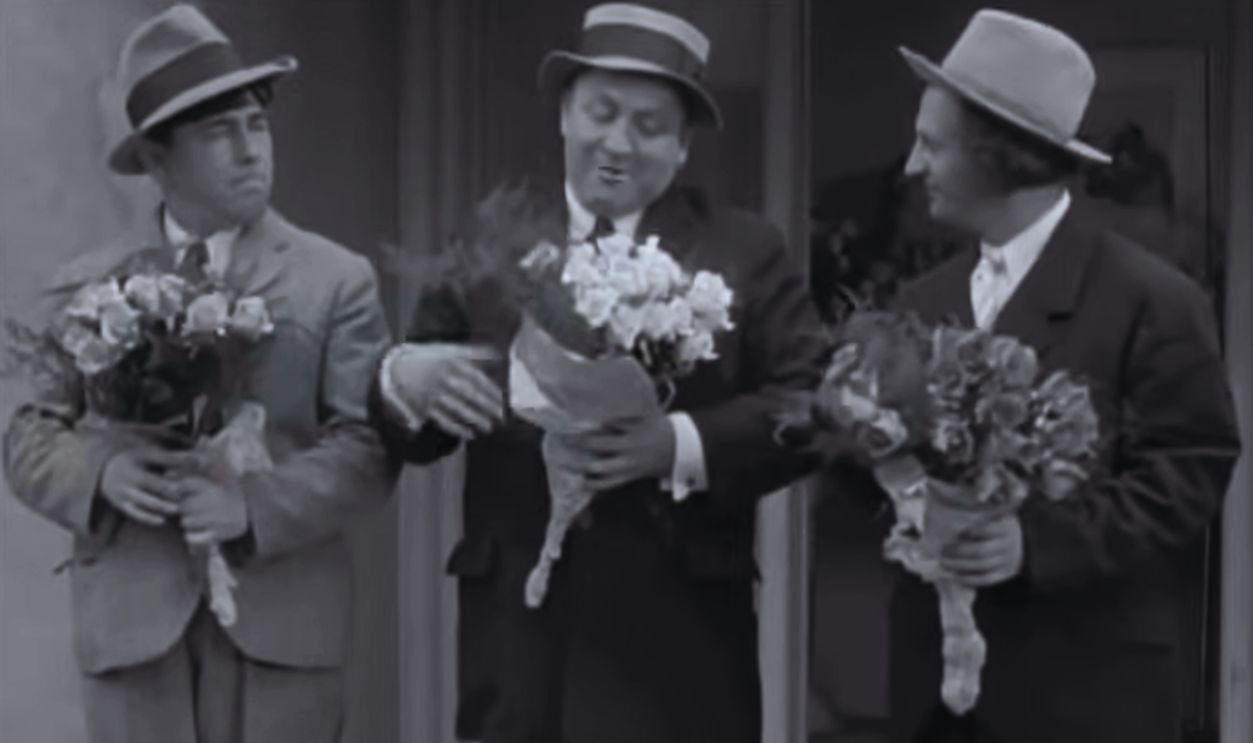 Screenshot from The Three Stooges, Columbia Pictures (1934–1970)
53. His Brother Also Had A Hemorrhage
Howard could, at last, rest in peace. He received a Jewish funeral and was buried in the Western Jewish Institute section of Home of Peace Cemetery in East Los Angeles, near his parents. His brothers Shemp and Benjamin would later join them there. Shemp carried the act on without him—until a cerebral hemorrhage took him too, less than four years after Howard.
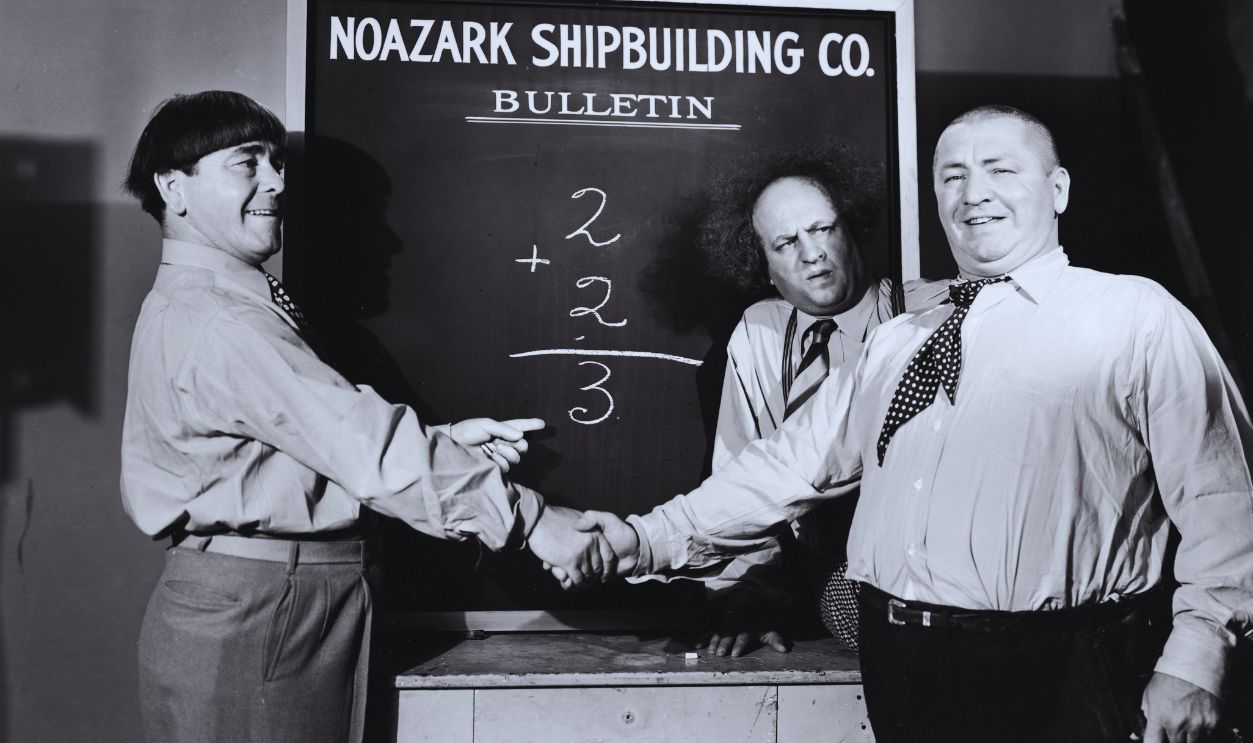
54. He Was The Greatest Of Them All
In a 1972 interview, Larry Fine offered a tribute that doubled as a verdict on Howard’s legacy: “Personally, I thought Curly was the greatest because he was a natural comedian who had no formal training”. Steve Allen agreed, ranking him among the “few true but seldom recognized comedy geniuses”.
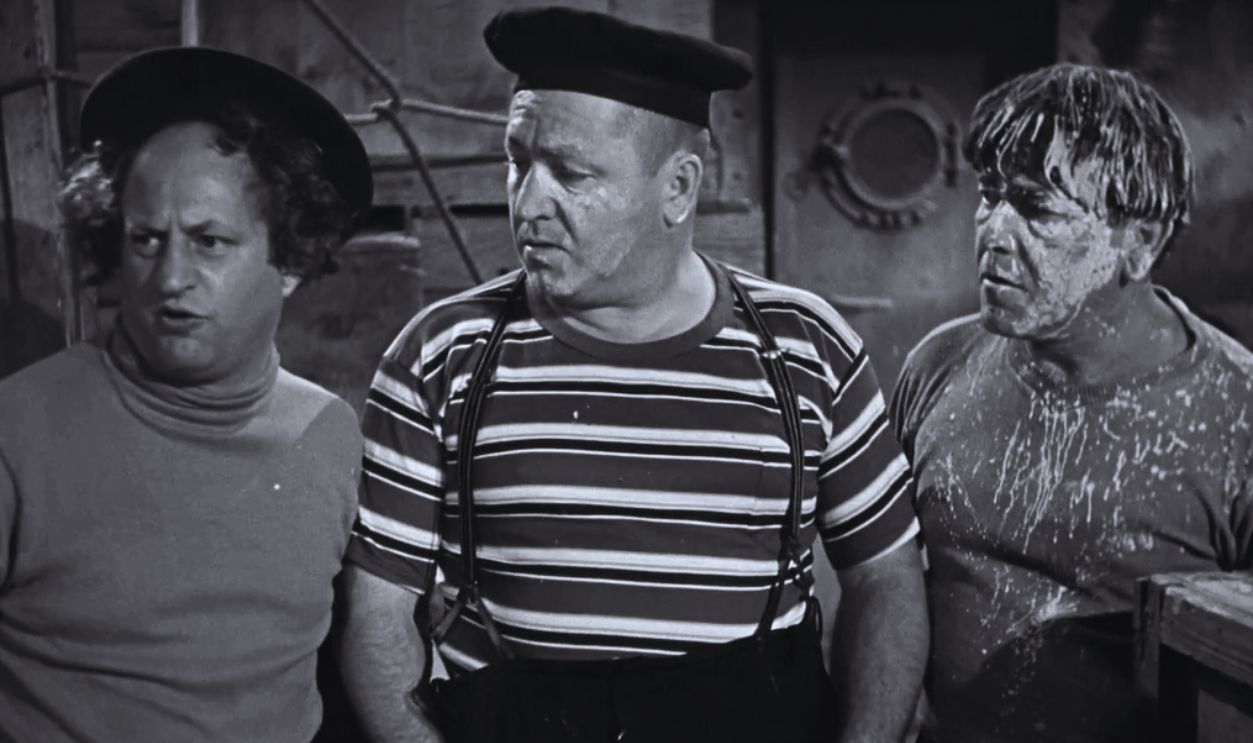 Screenshot from The Three Stooges, Columbia Pictures (1934–1970)
You May Also Like:
Painful Facts About The Three Stooges, The Kings Of Slapstick
Scandalous Facts About Old Hollywood Stars







_of_the_Three_Stooges.jpg)
