
The Future Was Always A Problem
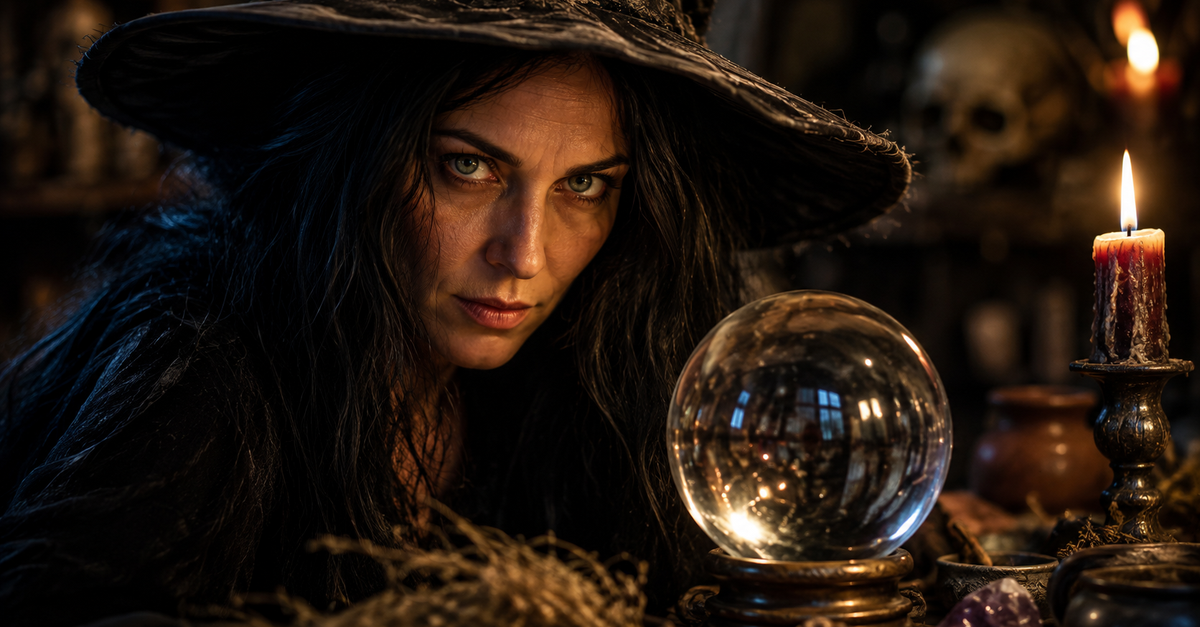
Long before weather apps, polling models, and market forecasts, people still needed to make decisions under pressure. They wanted to know whether crops would grow, journeys would succeed, illnesses would pass, and relationships would last. Divination offered systems for turning frightening uncertainty into something that appeared readable.
Almost Anything Could Become A Sign
Diviners did not limit themselves to stars or dramatic visions. They studied animals, bones, books, flames, food, dreams, and random movements. The basic assumption was that ordinary objects could reveal information that human beings could not access directly.
Cracked Bones Carried Royal Questions
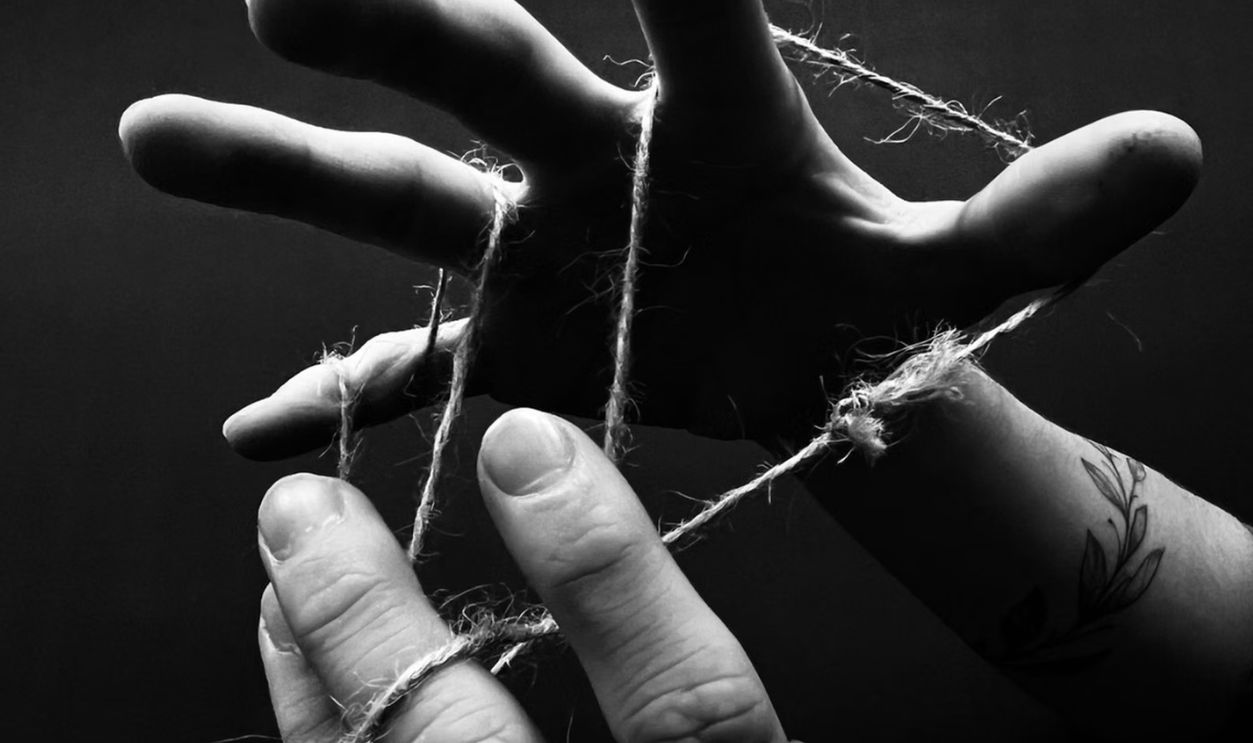
During China’s Shang dynasty, royal diviners inscribed questions on cattle bones and turtle shells. Heat was applied until the material cracked, and specialists interpreted the resulting patterns. These oracle bones also preserve some of the earliest surviving examples of Chinese writing.
 Chung to Thich chup anh, Pexels
The Questions Were Surprisingly Practical
Oracle-bone inscriptions addressed warfare, harvests, weather, childbirth, hunting, and royal health. A diviner might ask whether rain would arrive or whether a military campaign would succeed. The method looked mystical, but the concerns behind it were recognizably human.

Animal Livers Became Political Advisers
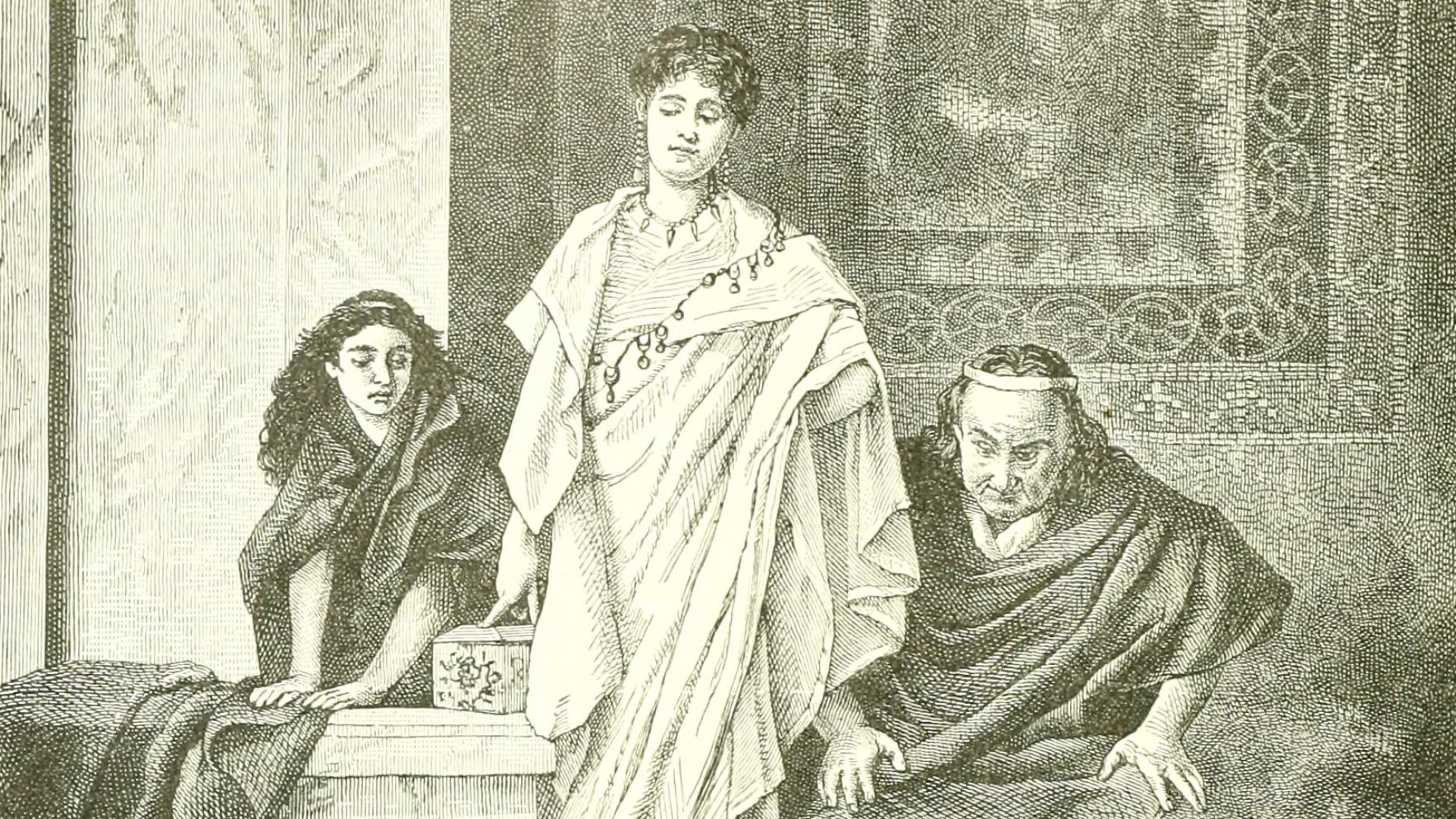
In parts of the ancient Mediterranean and Near East, specialists examined the organs of sacrificed animals for unusual features. Reading entrails was known as haruspicy, and the liver received particular attention because it was considered an important center of life. Leaders sometimes consulted such signs before major public decisions.
 Internet Archive Book Images, Wikimedia Commons
Flames Offered Another Fiery Forecast
Pyromancy involved interpreting the appearance and behavior of fire. Diviners could examine a flame’s movement, brightness, smoke, or reaction to offerings placed in it. A flicker that looks ordinary today could once have been treated as a warning from a supernatural source.

Birds Controlled Important Decisions
Augury interpreted the flight, calls, feeding habits, or appearance of birds. Roman religious officials known as augurs observed designated portions of the sky and assessed whether the signs were favorable. Political and military activity could be delayed when the reported omens were unfavorable.

Chickens Had Government Jobs
The Romans also maintained sacred chickens whose eating behavior could be interpreted before military action. Eager feeding was considered favorable, while refusal to eat could be treated as a troubling sign. It was a remarkable amount of responsibility to place on a bird approaching breakfast.

Knucklebones Worked Like Divine Dice
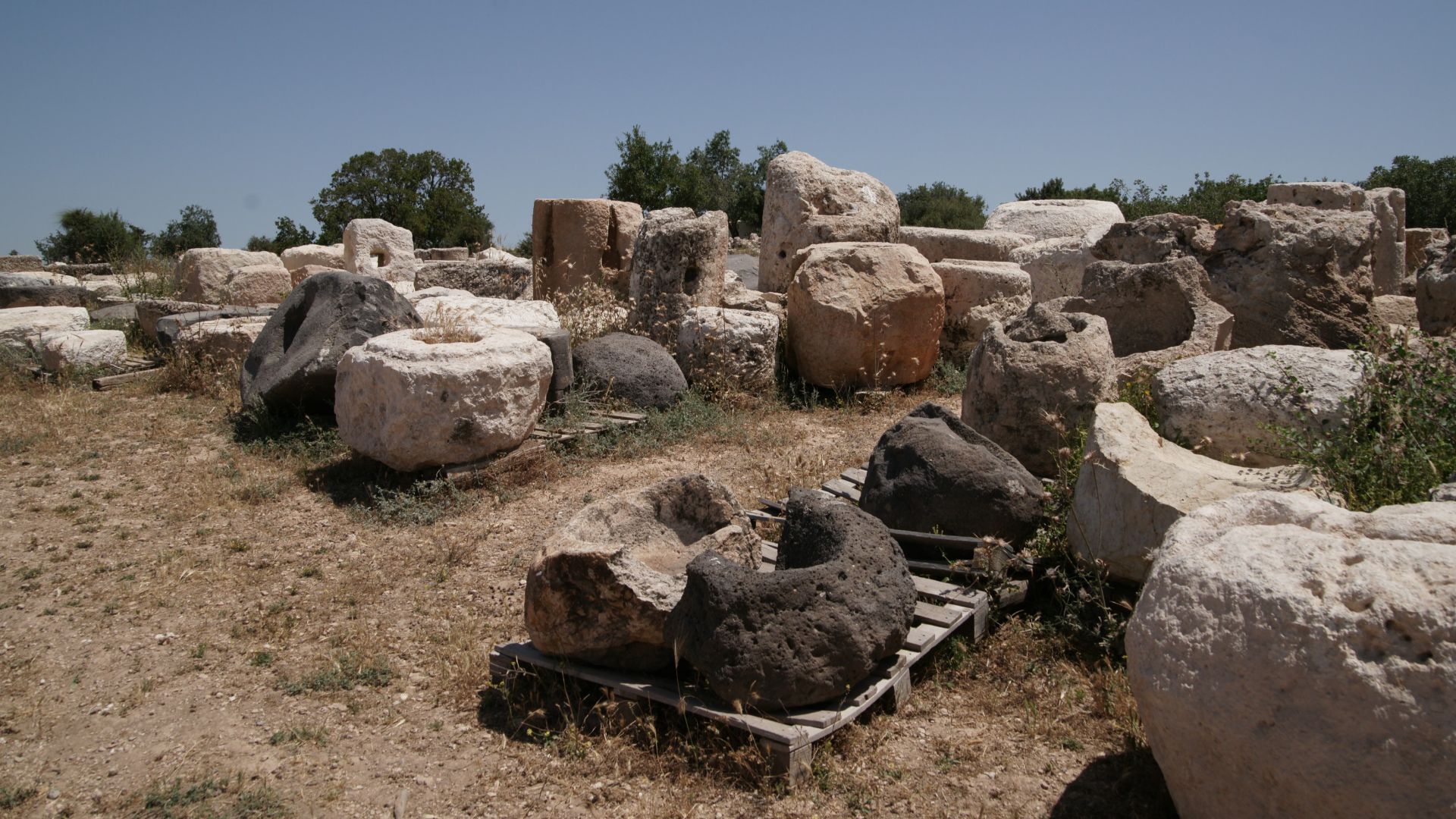
Ancient people used astragali, small ankle bones from hoofed animals, for games and divination. Archaeologists at Maresha in modern Israel found more than 600 examples dating to the Hellenistic period, including pieces marked with letters, numbers, and divine names. Casting them allowed chance to become an apparent message from the gods.

History's most fascinating stories and darkest secrets, delivered to your inbox daily.
Lot Books Offered Thousands Of Answers
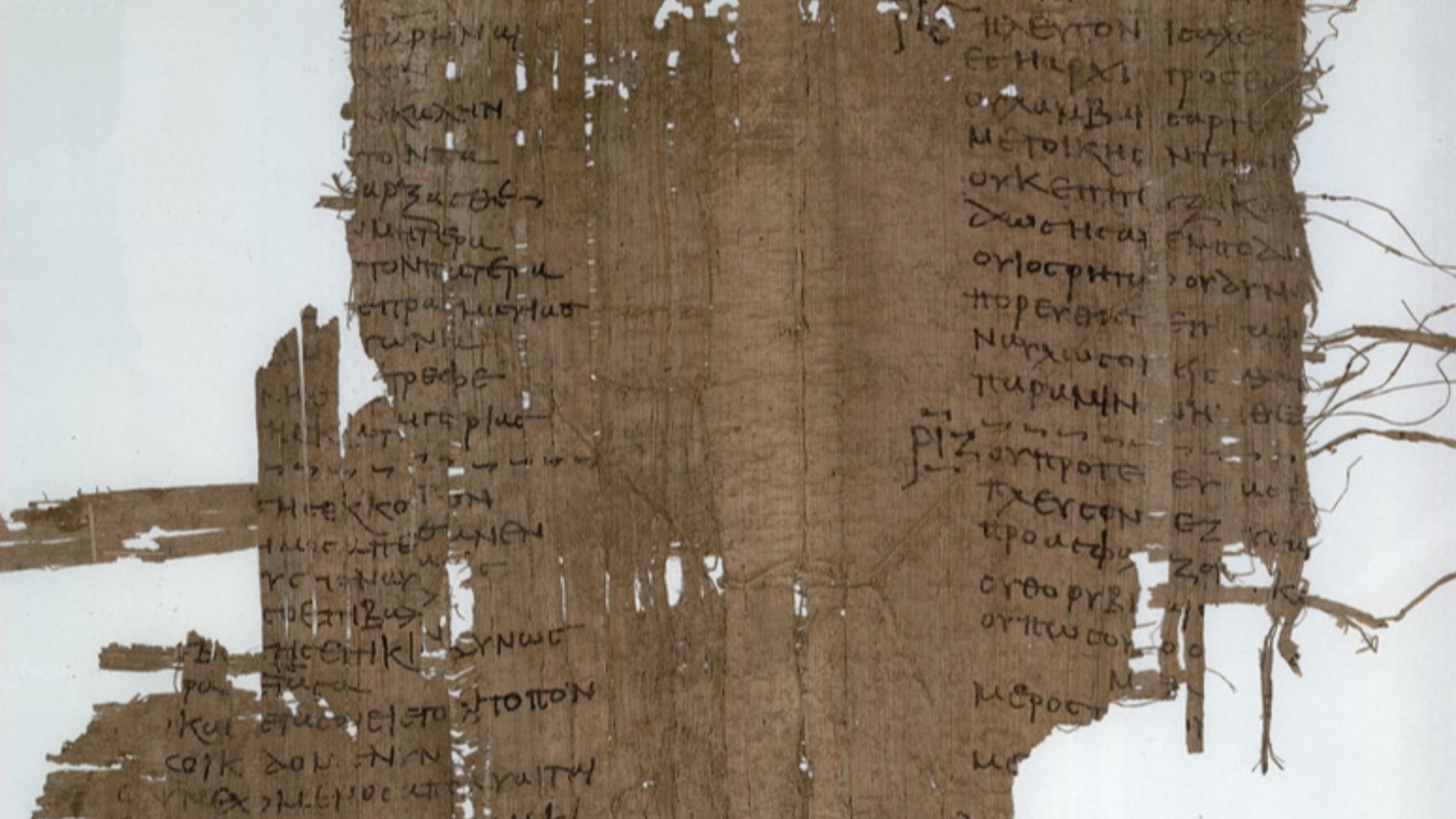
The ancient text known as the Sortes Astrampsychi provided a structured fortune-telling system. Users selected one of 92 questions, chose a number, and followed a sequence that directed them toward one of more than 1,000 possible responses. It functioned rather like an elaborate paper-based answer generator.
 Unknown, III-VI century AD. e., Wikimedia Commons
Randomness Made Predictions Feel Official
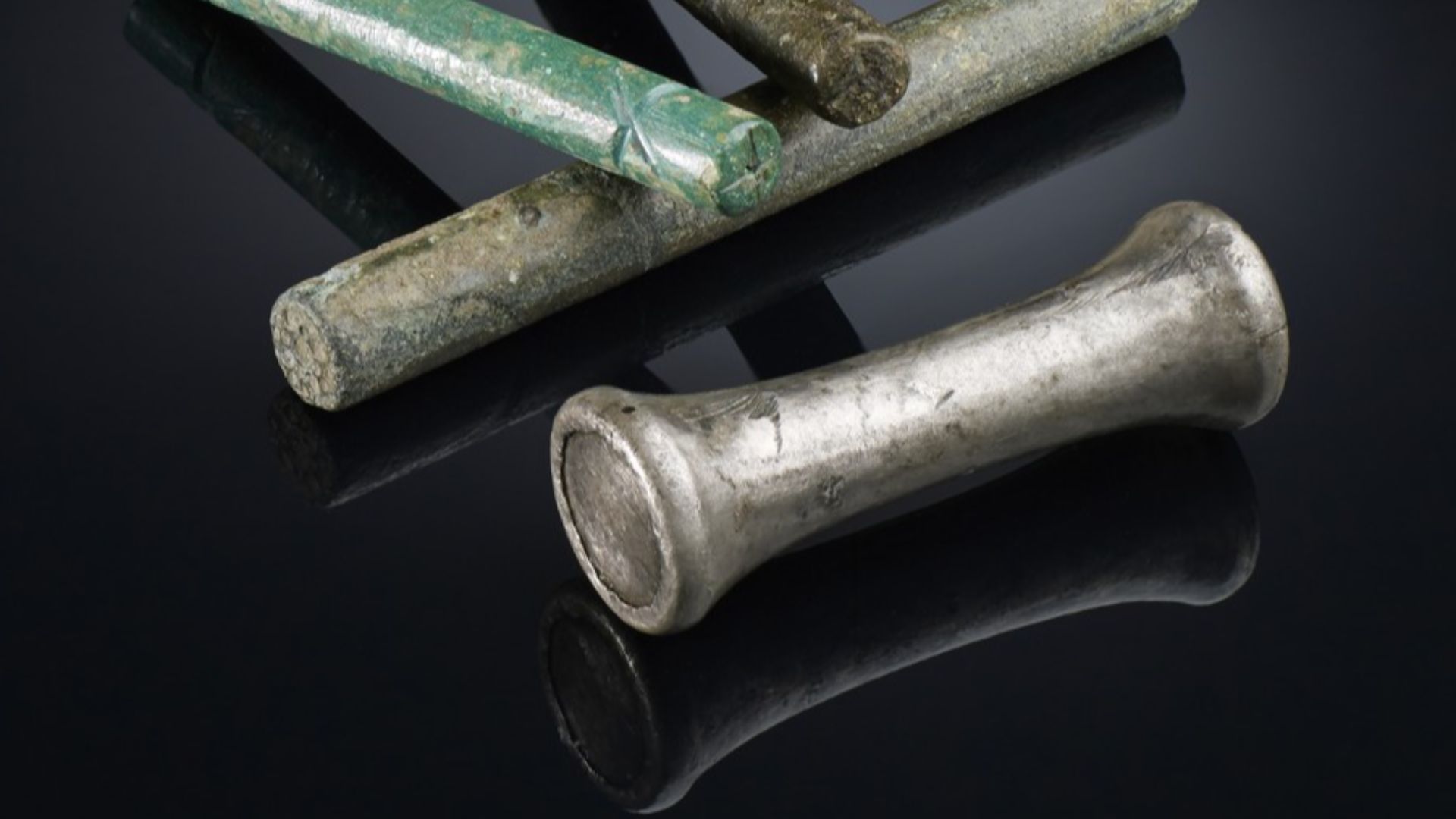
Lot divination used dice, bones, numbered tables, sticks, or other randomizing devices. The process separated the answer from the personal choice of the person asking the question. That distance could make an arbitrary result feel impartial, authoritative, or divinely selected.
 Landschaftverbrand Westfalen-Lippe/Stefan Brentfuhrer, Wikimedia Commons
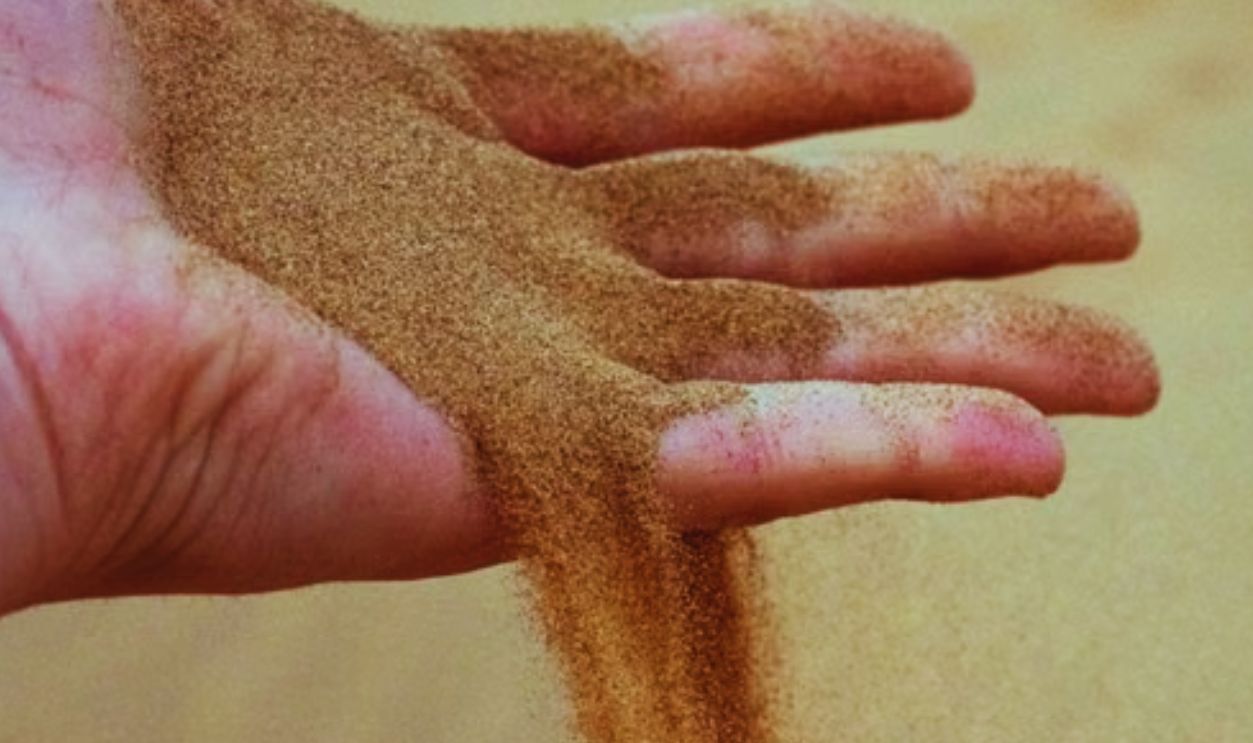
Sand Became A Decision Machine
Geomancy was practiced across the Islamic world and was known in Arabic as ilm al-raml, meaning the science of sand. Random dots or grains were arranged into figures that a trained geomancer interpreted. Questions often concerned health, relationships, and business matters.
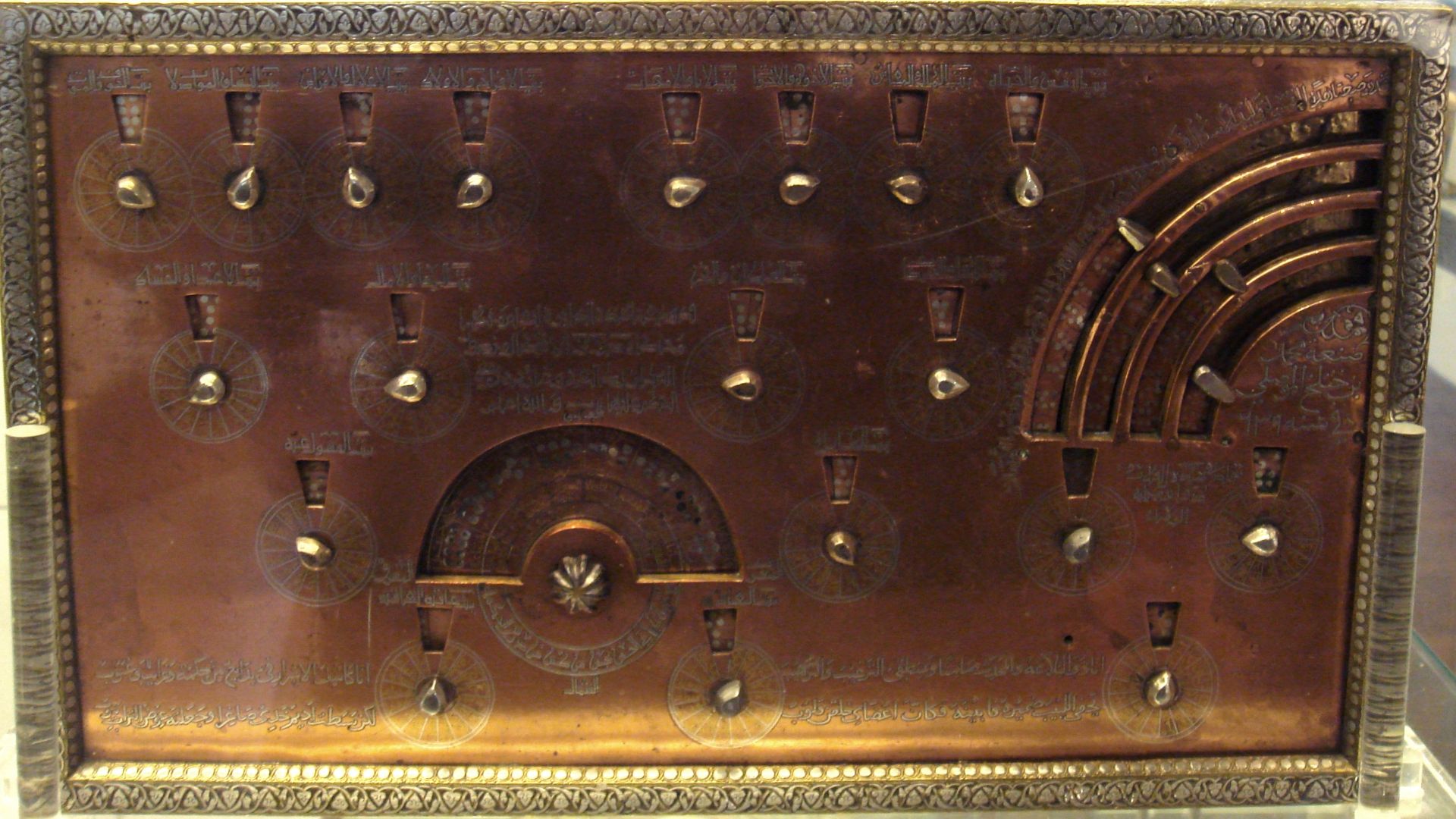
Machines Eventually Replaced The Sand
Some craftspeople transferred geomantic principles into complex metal instruments. A surviving example in the British Museum uses rotating dials to generate clusters of dots for interpretation. The object shows that people were building prediction devices centuries before electronic computers appeared.
Spiders Were Asked Direct Questions
Mambila communities in Cameroon developed a form of divination involving spiders or land crabs living in holes. A diviner placed marked leaf cards, a stick, and a stone near the entrance before asking a question. The animal’s movements rearranged the objects, and the resulting positions were interpreted as an answer.

Sometimes The Spider Refused To Cooperate
In spider divination, the stick and stone could represent opposing answers such as yes and no. The leaf cards added details depending on where the animal moved them. When both answers appeared, or nothing moved clearly, the diviner and client had to interpret the ambiguity together.

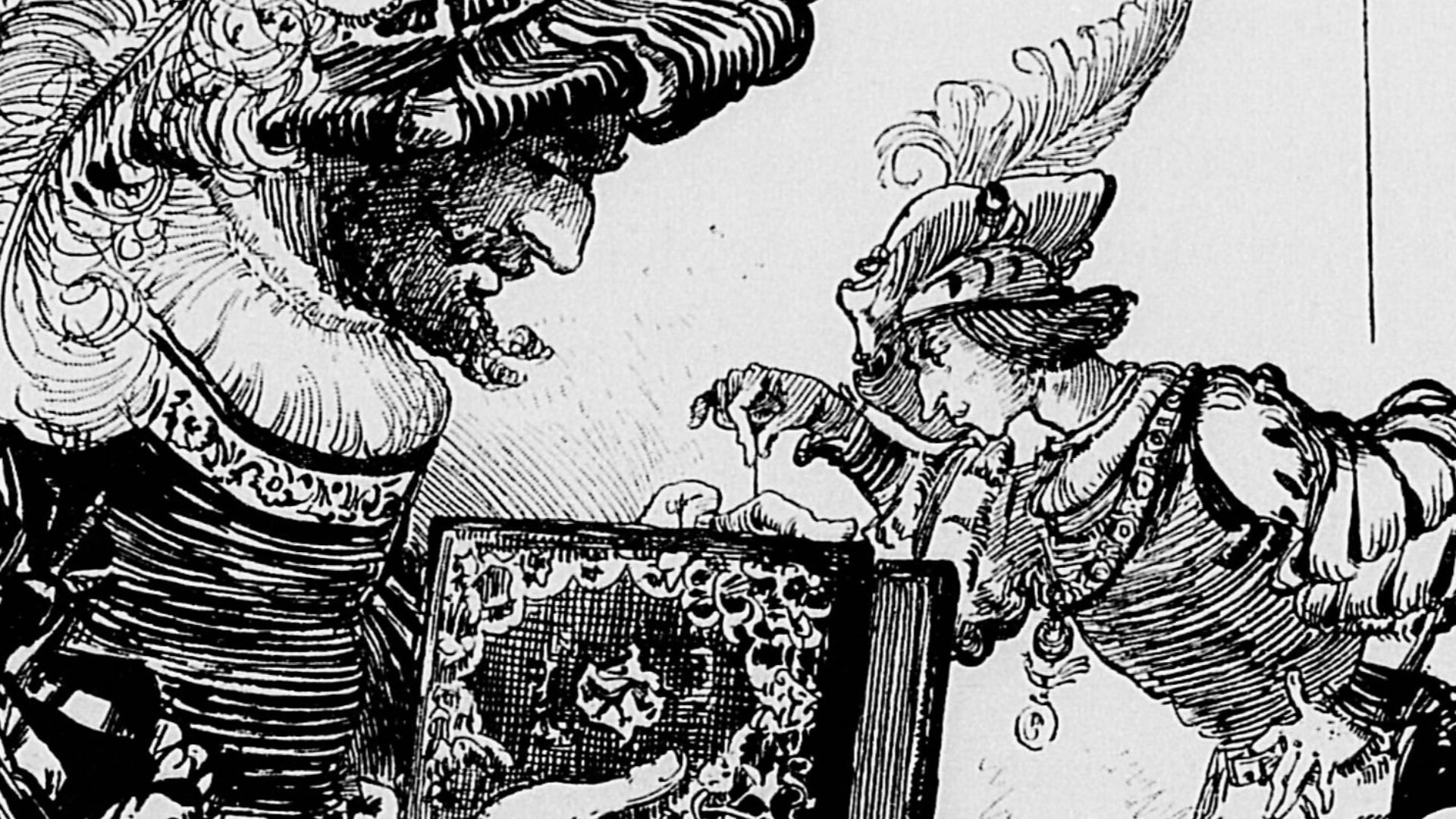
Books Could Answer By Accident
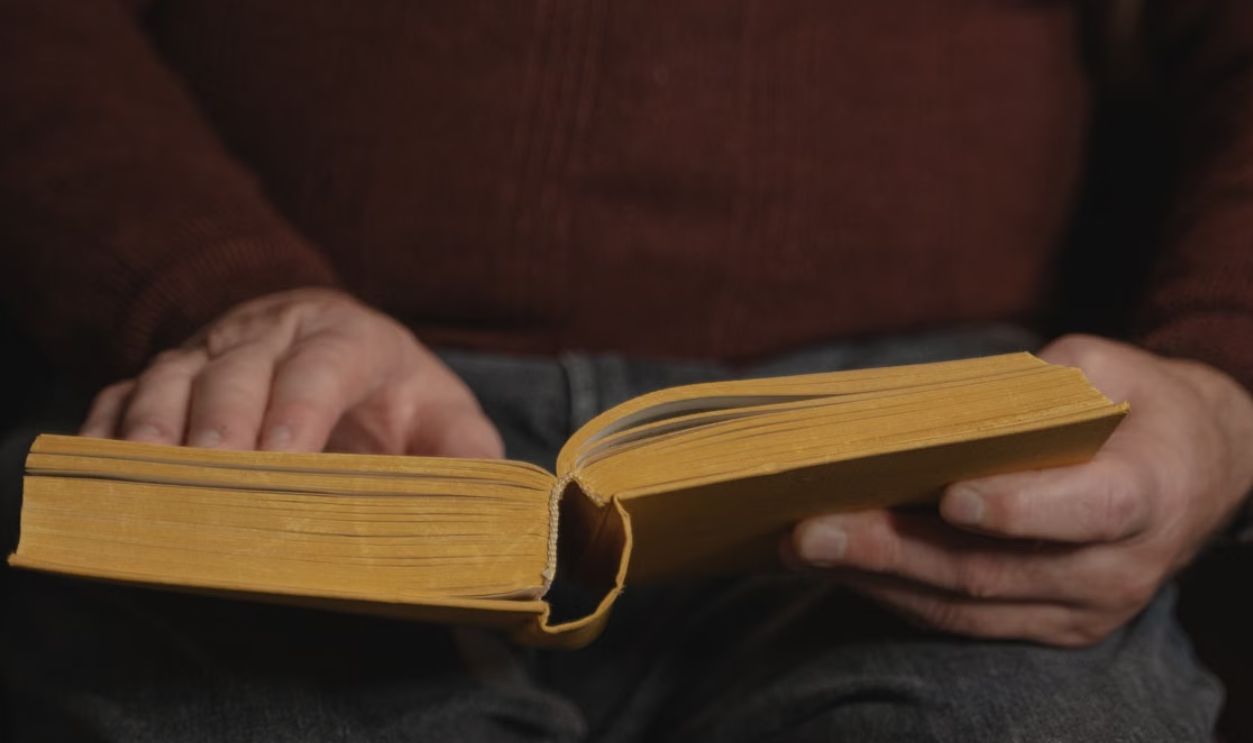
Bibliomancy involved opening a respected book and treating the first selected passage as guidance. Sacred texts, classical poetry, and other authoritative works could all serve this purpose. The prediction came from a random passage, but the reader still had to connect its words to the current problem.
 Albert Robida, Wikimedia Commons
Dreams Created Private Prophecies
Dream interpretation appeared in many ancient cultures and later circulated through printed dream manuals. Particular objects, animals, or events seen during sleep were assigned specific meanings. The Library of Congress holds nineteenth-century fortune-telling books that combined dream dictionaries with other predictive practices.

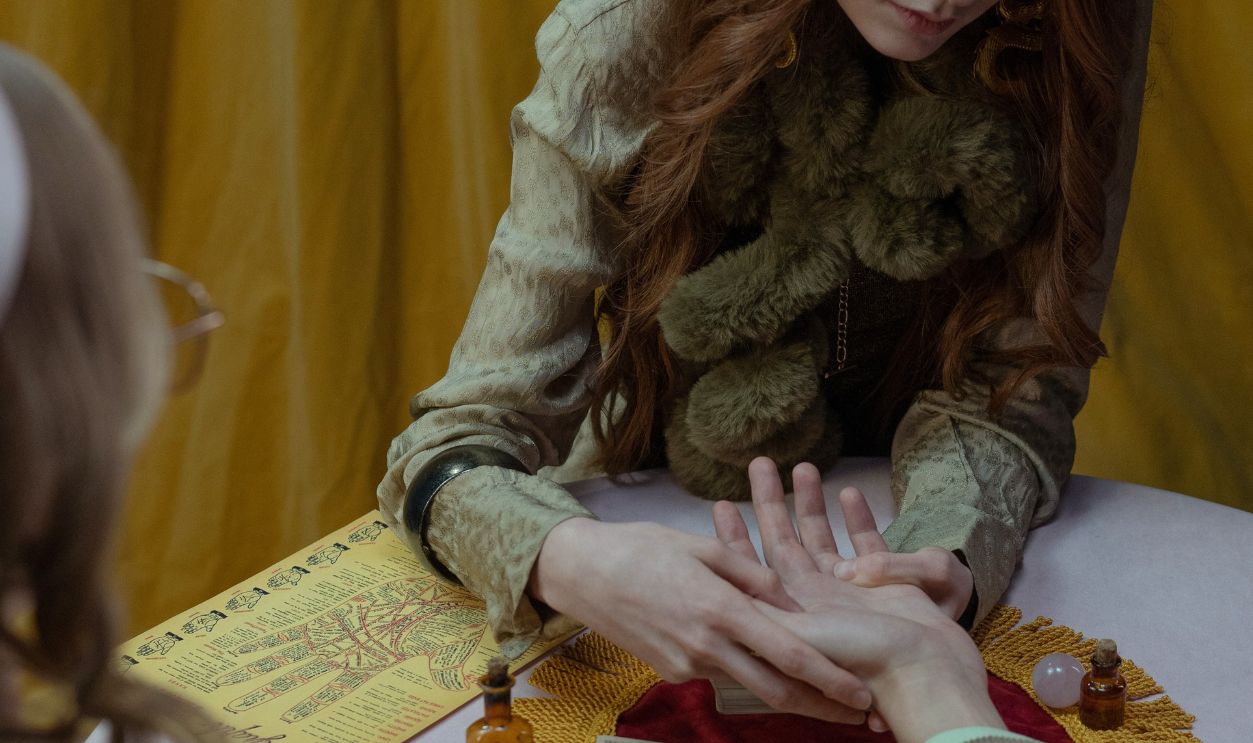
Your Hand Became A Personal Map
Palmistry claimed that the lines, shapes, and proportions of the hand revealed character or future events. Versions of the practice appeared across Asia, the Middle East, and Europe. Early modern manuals offered detailed rules connecting particular marks with health, temperament, fortune, and lifespan.
Faces Were Read Like Forecasts
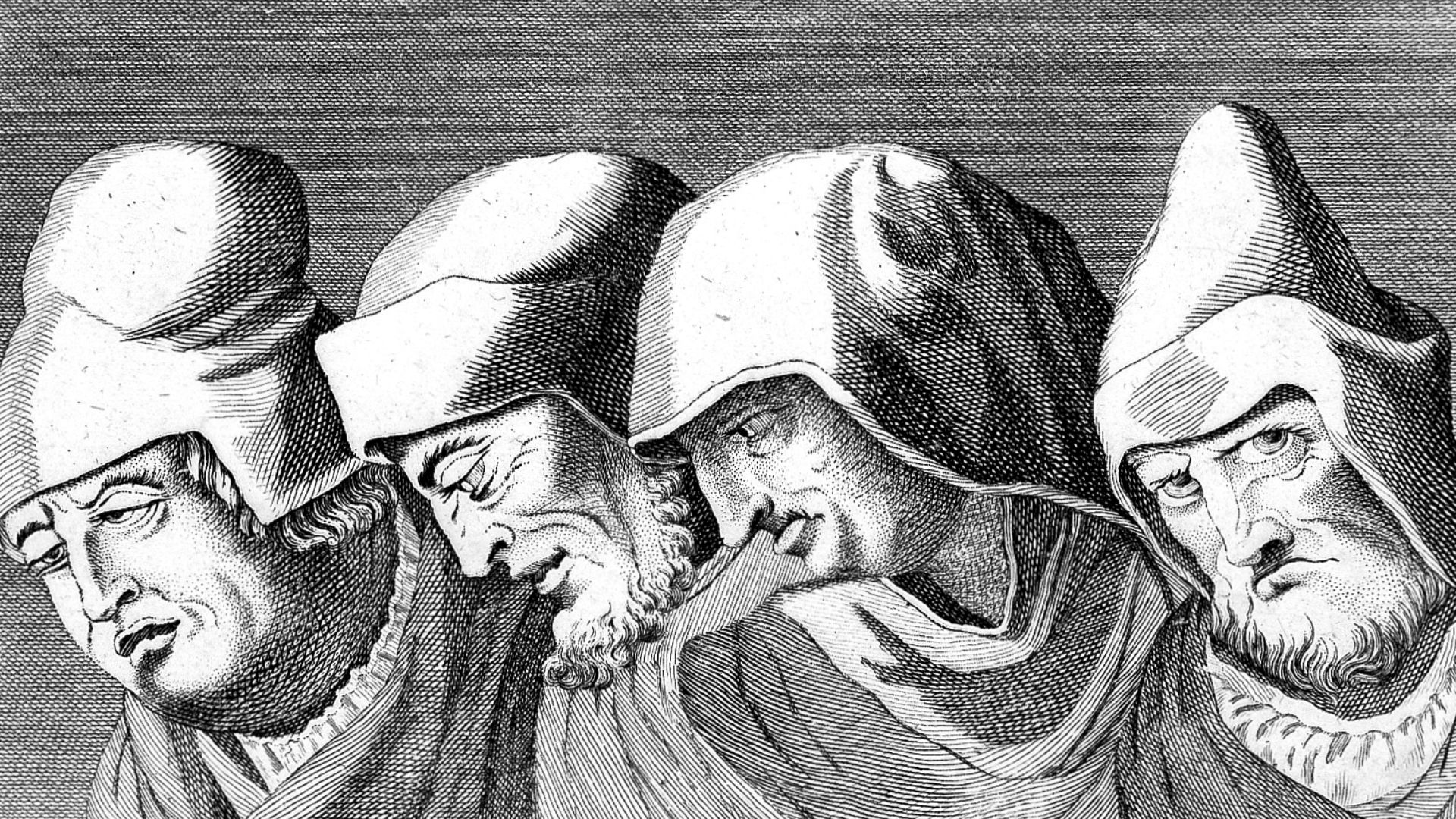
Physiognomy attempted to judge personality or destiny from facial appearance and bodily features. It was frequently presented alongside palmistry and astrology in early modern books. Although its claims lacked reliable scientific support, its classifications influenced how people judged strangers for centuries.
Tea Leaves Turned Into Pictures
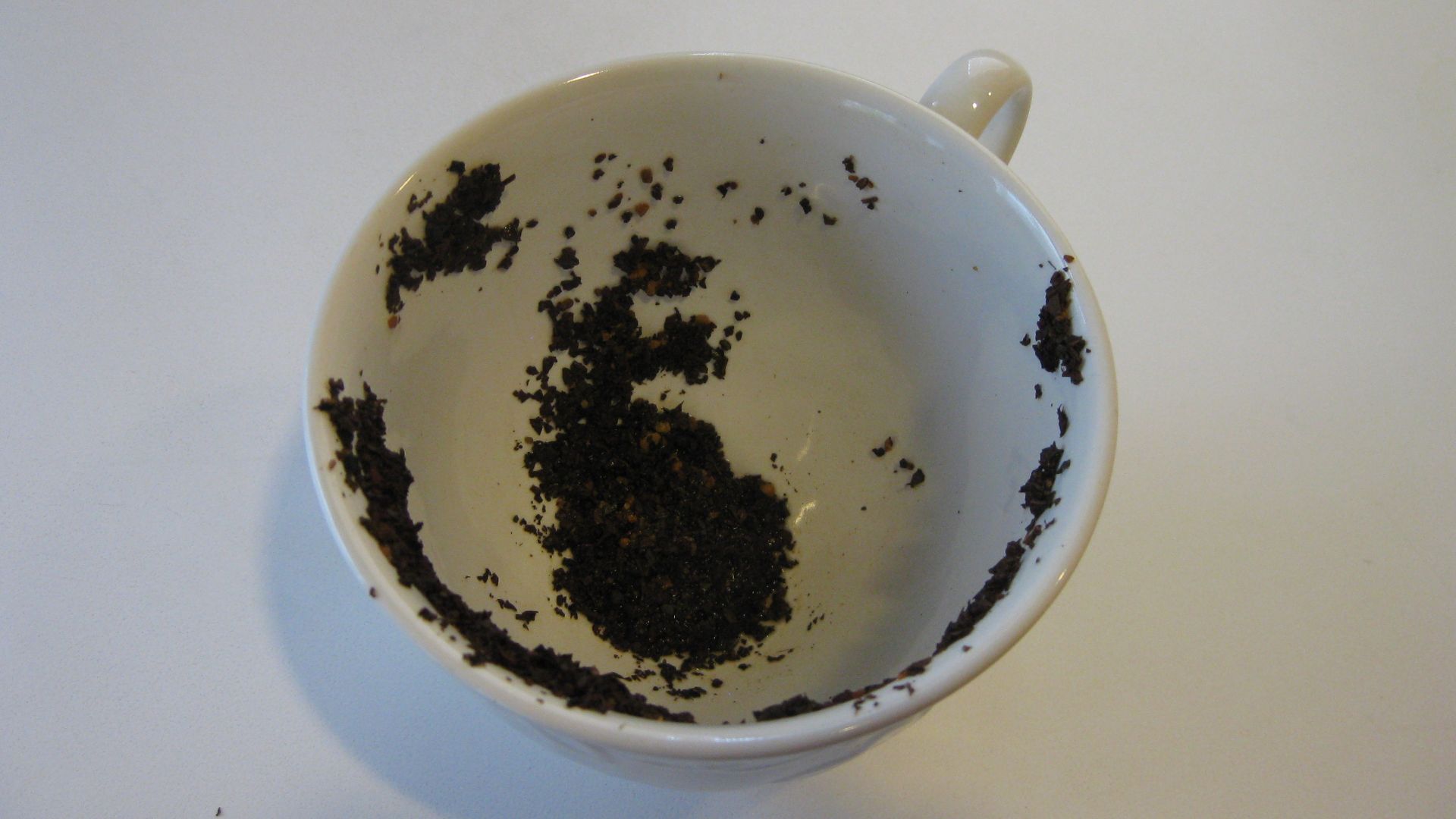
Tasseomancy interpreted the wet leaves left inside a cup after tea had been consumed. The practice became especially popular as a social pastime in Victorian Britain. Readers searched the residue for recognizable shapes, then matched those shapes with meanings found in guidebooks or local traditions.
 User:MochaSwirl, Wikimedia Commons
Cheese Could Choose A Husband
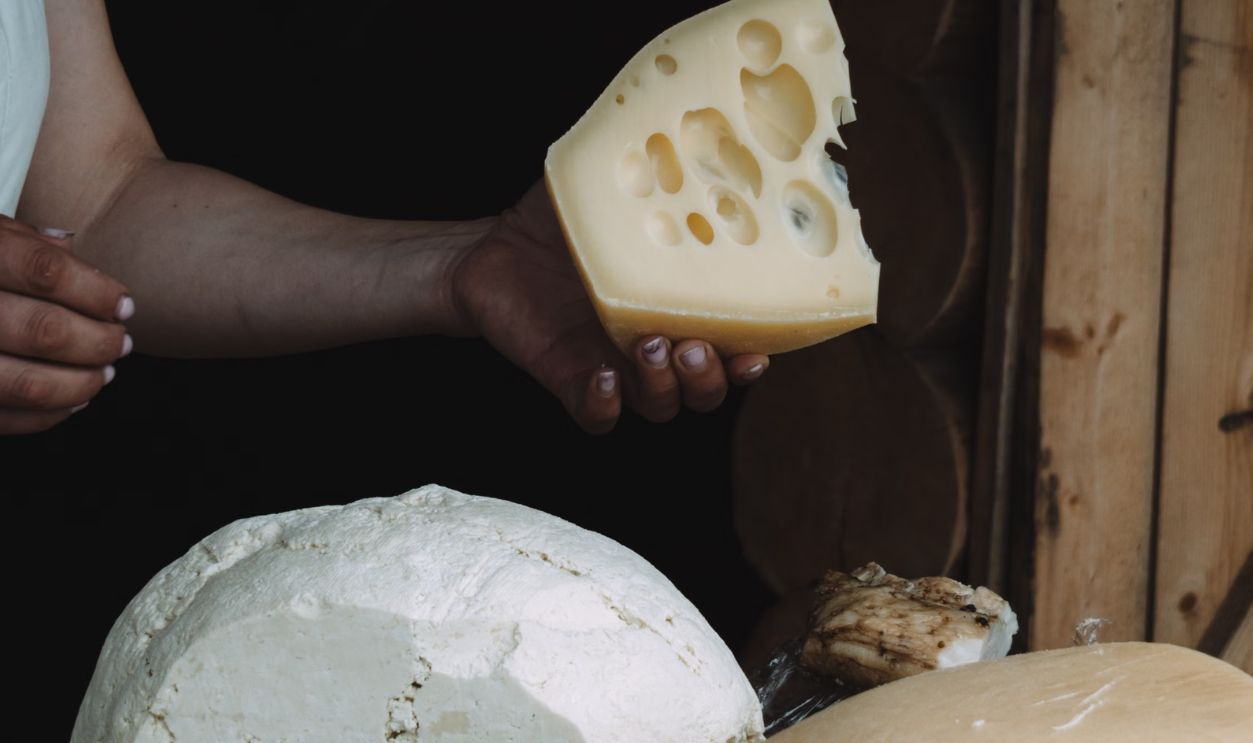
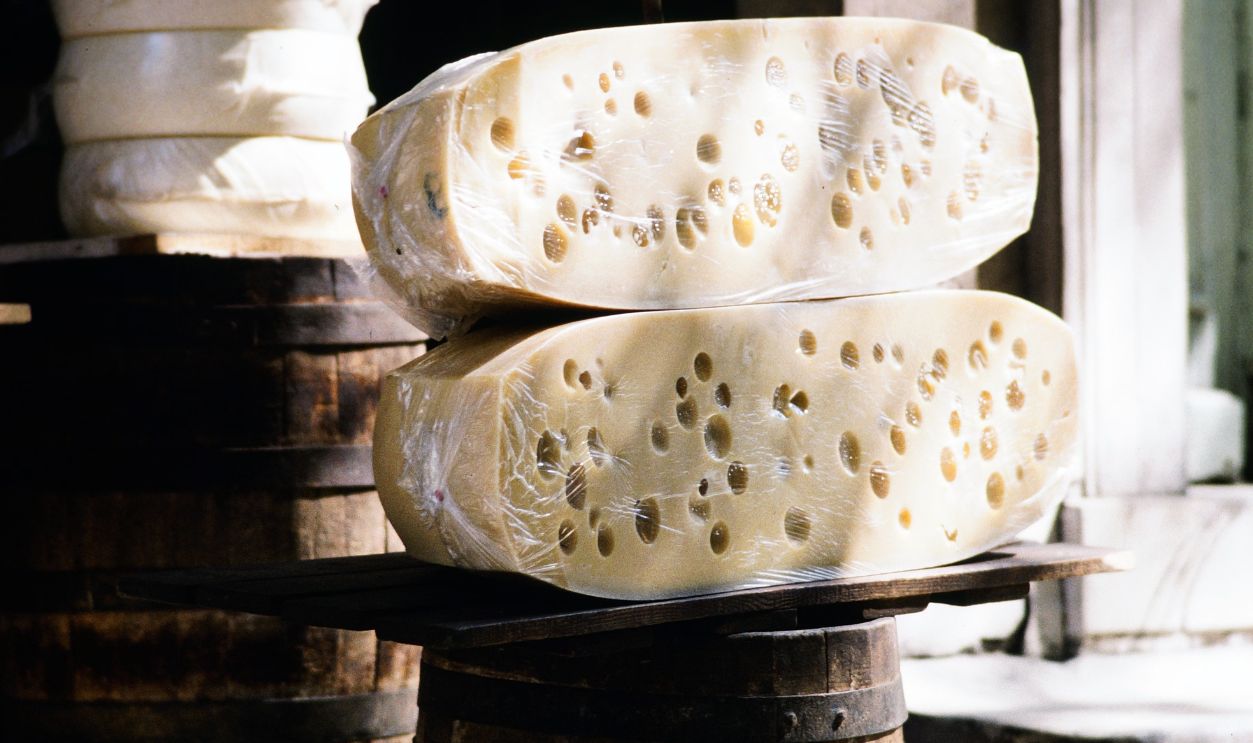
Tyromancy used cheese as a source of omens. Diviners examined holes, patterns, texture, or mold, while one reported custom involved writing potential suitors’ names on pieces of cheese and watching which changed first. It may be history’s most dairy-intensive approach to relationship advice.
Crystal Balls Required Careful Atmosphere
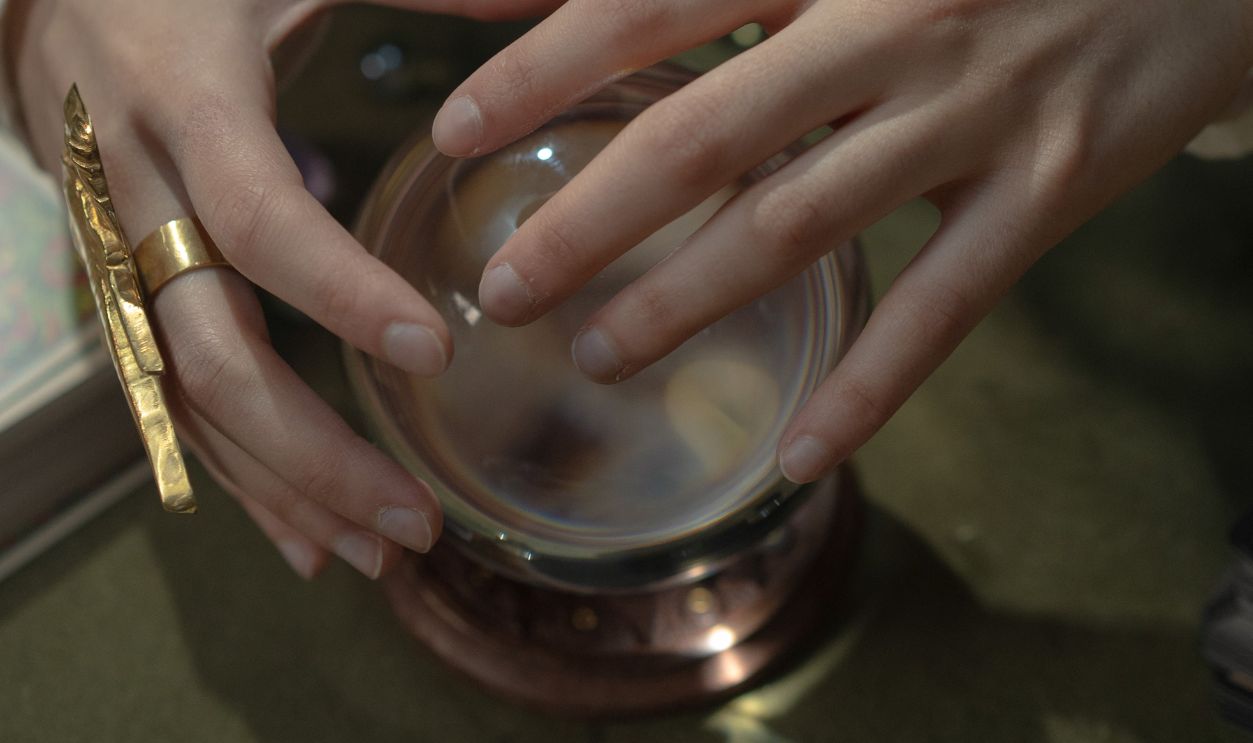
Crystallomancy used a crystal, glass object, or other reflective surface for scrying. Practitioners stared into the surface until clouds, shapes, or scenes appeared to emerge. Manuals sometimes recommended dim lighting, a quiet room, and physical preparation to encourage the desired experience.
Tarot Began As A Game
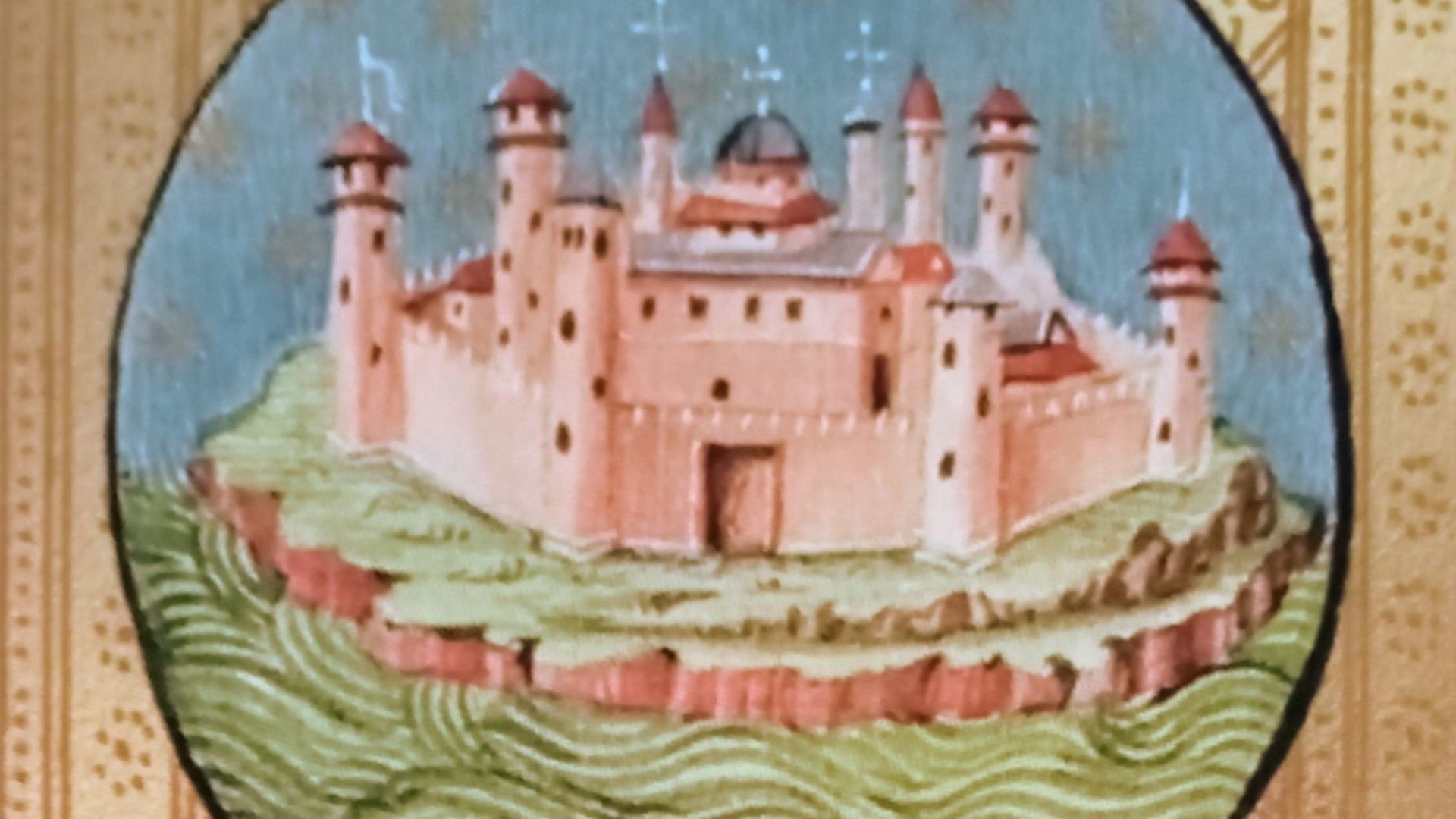
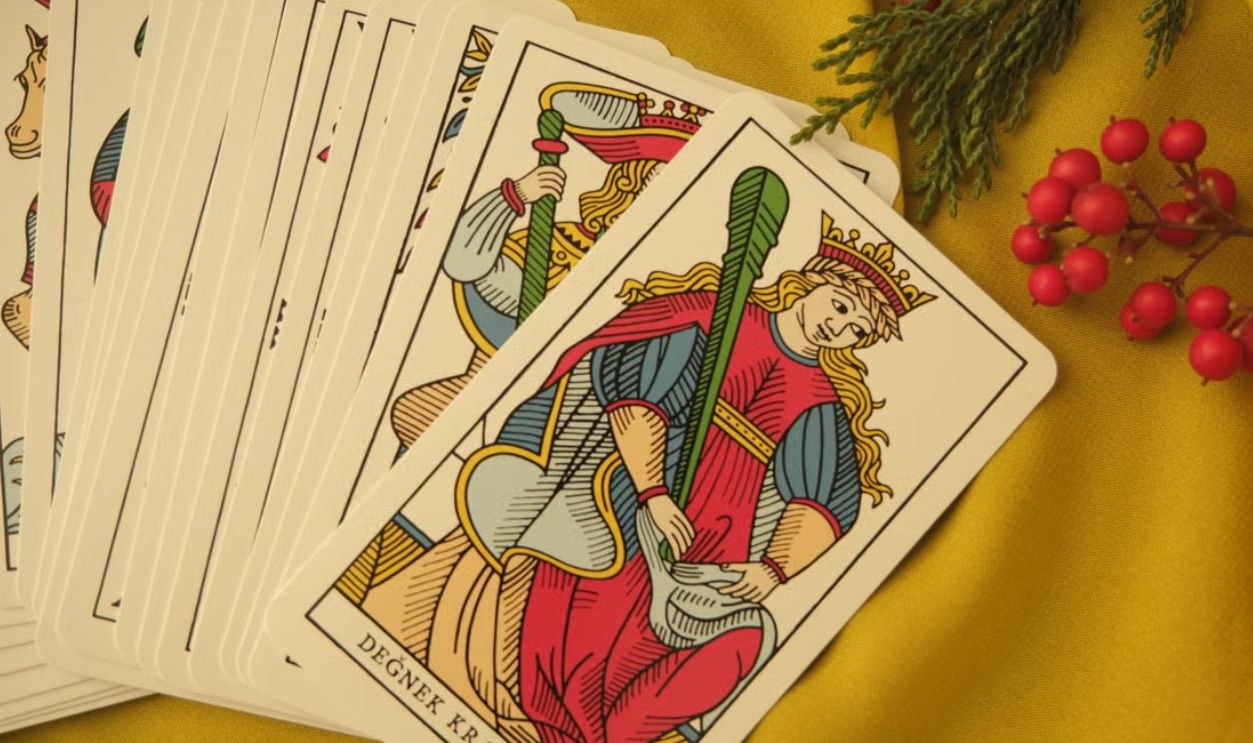
The earliest surviving tarot cards were created in fifteenth-century Italy and were primarily associated with elite card games. Their familiar structure developed around numbered suits and illustrated trump cards. Explicit fortune-telling guides using cards appeared much later, particularly during the eighteenth century.
 Pierre Andre Leclercq , Wikimedia Commons
Tarot Worked Through Flexible Images
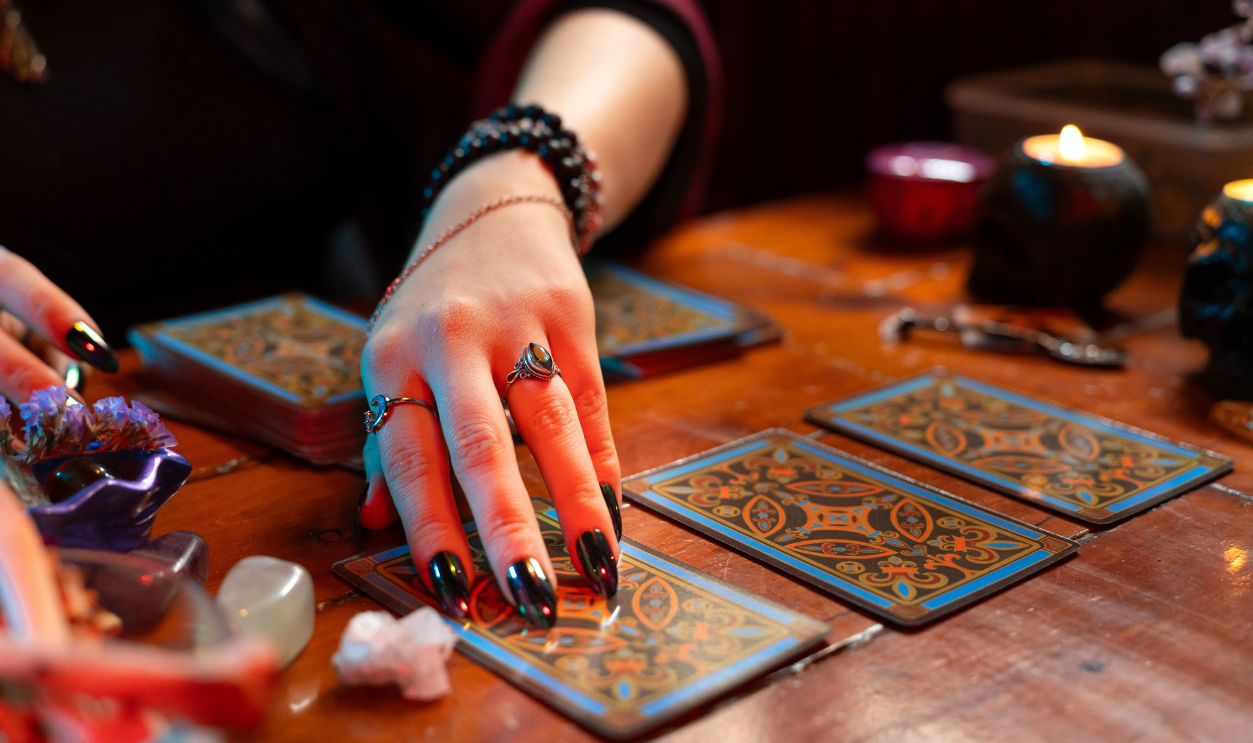
Tarot cards contain figures and symbols that can support many possible interpretations. A reader combines the cards’ traditional associations with their positions and the client’s question. That flexibility makes the deck useful for reflection, but it also prevents the process from producing consistently testable predictions.
Astrology Used Real Observations Differently
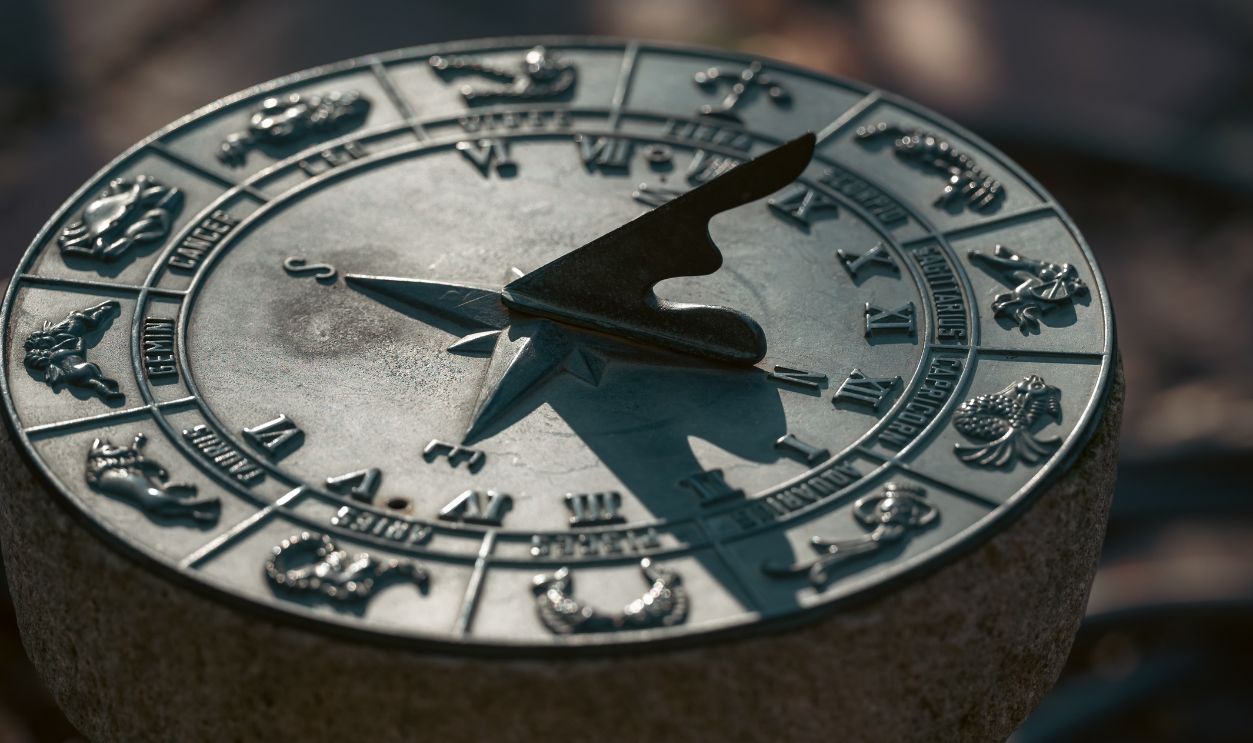
Astrologers carefully tracked real celestial objects, including planets, stars, eclipses, and lunar cycles. They then interpreted those observations as signs concerning earthly events, health, politics, or individual character. In medieval Europe, astrological ideas could even influence medical schedules and bloodletting practices.
Controlled Tests Changed The Conversation
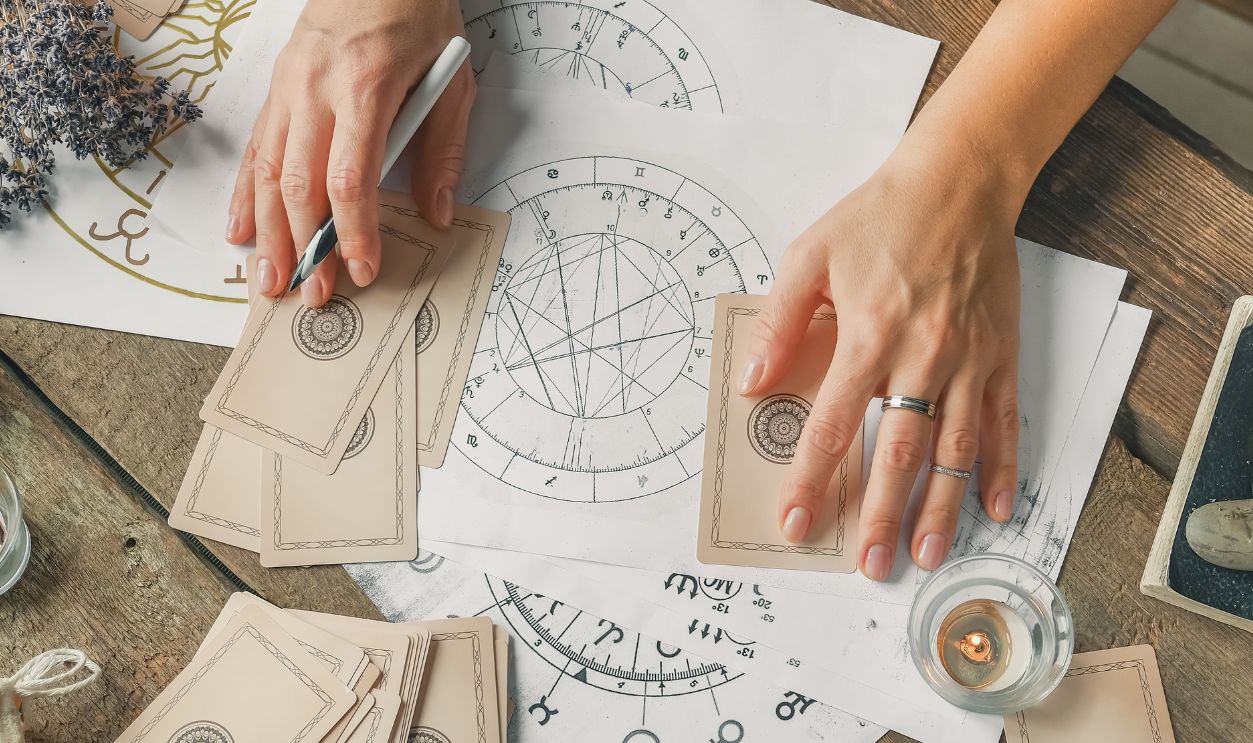
A prominent double-blind experiment published in Nature tested whether astrologers could match birth charts with personality profiles. The astrologers’ performance did not support the tested astrological hypothesis. Similar standards are difficult to apply to methods whose predictions change through interpretation after an event occurs.
Failure Was Often Easy To Explain Away
Many historical systems produced vague, conditional, or symbolic answers. An unclear result could be blamed on an improper ritual, a silent spider, an unfavorable day, or an inexperienced interpreter. This flexibility helped prediction systems survive even when particular forecasts failed.
The Ritual May Have Been The Useful Part
Modern scholarship often examines divination as a way of reducing anxiety and guiding decisions rather than as a reliable supernatural technology. A ritual could force people to define a question, consider possible outcomes, and discuss fears that had been difficult to express. The process may therefore have felt helpful even when its prediction had no measurable accuracy.

Random Methods Had One Practical Advantage
Dice, bones, books, and lot tables could break a stalemate when several options seemed equally acceptable. Random selection does not reveal the future, but it can expose a person’s reaction to an assigned result. Feeling relieved or disappointed may clarify what that person already wanted.
So Which Method Would Work Best?
None of these methods has established a dependable ability to predict future events through supernatural means. A structured method such as lot drawing or bibliomancy might still be the most practically useful because it can prompt reflection without requiring animal sacrifice, sacred chickens, or moldy cheese. It works best as a conversation starter or decision aid, not as a factual forecast.
The Strangest Part Is Still Familiar
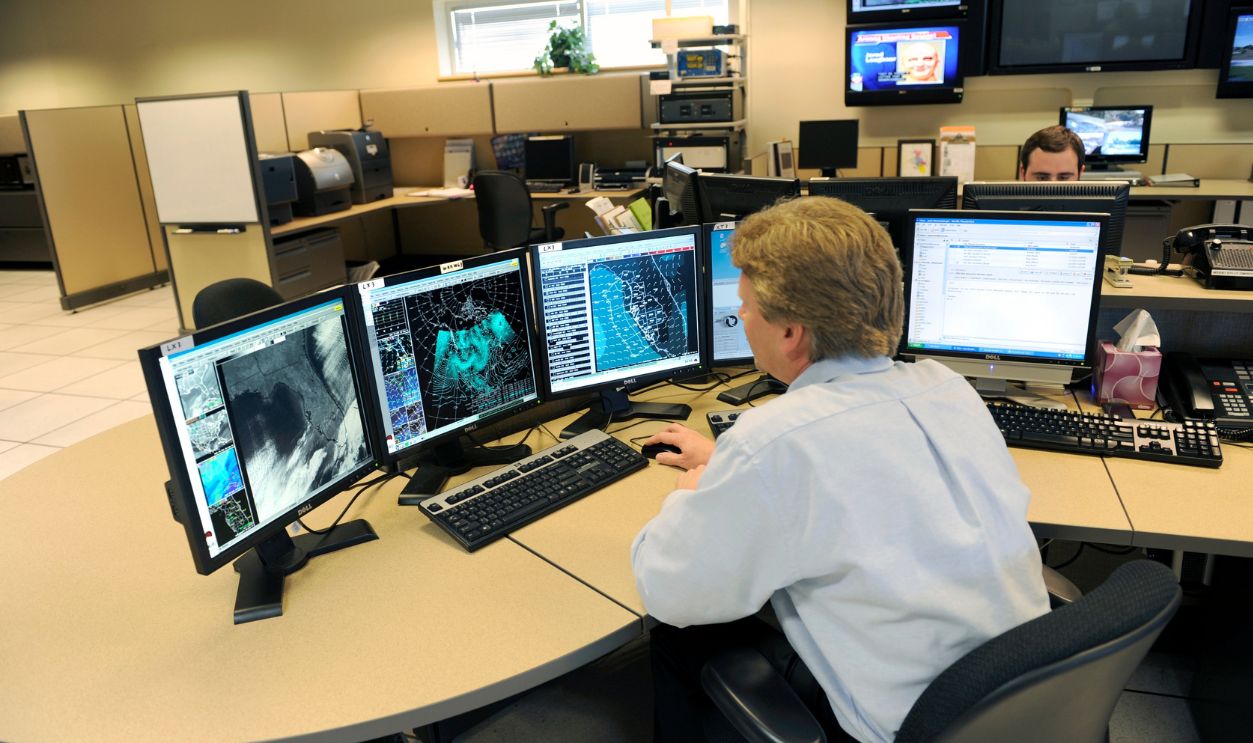
Modern society replaced many diviners with meteorologists, physicians, statisticians, and computer models that can be tested against evidence. People nevertheless continue to seek certainty when evidence is incomplete and outcomes feel uncontrollable. The tools have changed dramatically, but the desire to make tomorrow feel readable has remained remarkably consistent.
 Dennis MacDonald, Shutterstock
You May Also Like:









