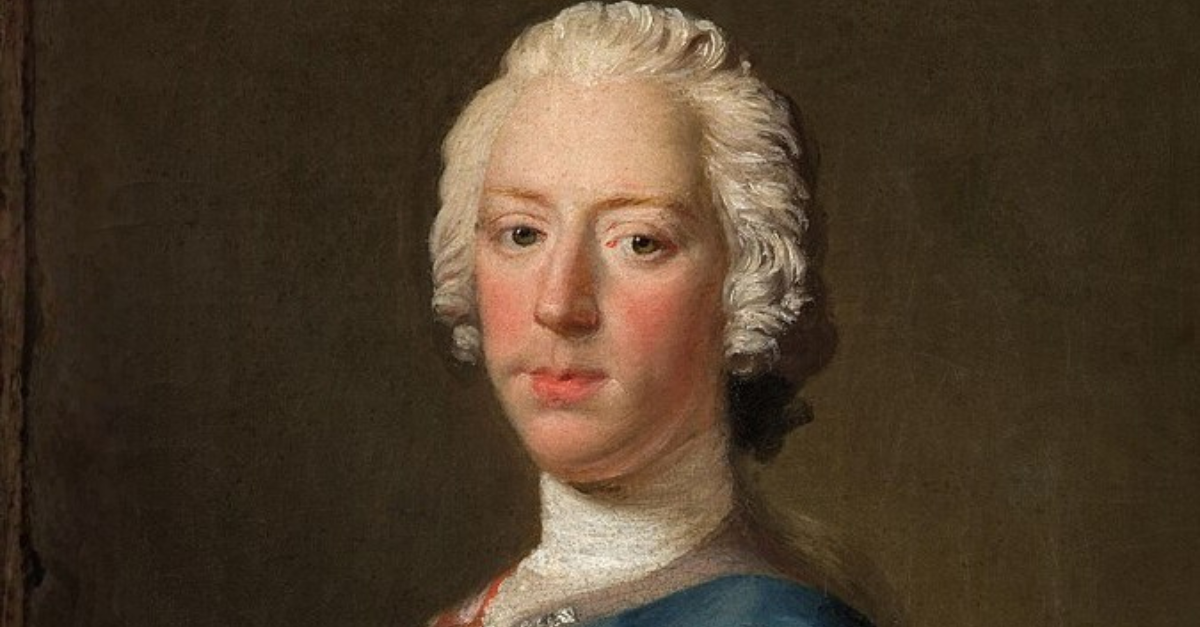
Charles Stuart: A Royal Mess
Born into a line of deposed kings, Charles Stuart spent his entire life trying to get back on a throne he had never even touched. He was unshakeably sure he had a divine right to power, and his conviction drove him to blood, betrayal, and finally begging. In the end, his ambitions destroyed him.
1. He Was A Lost Prince
Charles Stuart was born into infamy. Coming into the world on New Year’s Eve 1720, his father was the “Old Pretender” James Stuart, the son of the deposed King James II of England. In a bitter move, King James II had been ousted by his own daughter and son-in-law, barring his chosen descendants from the throne of England.
But the Stuarts refused to give up their “right” to the crown, and Charles would be a central pawn from the very beginning.
2. His Family Was Scandalous
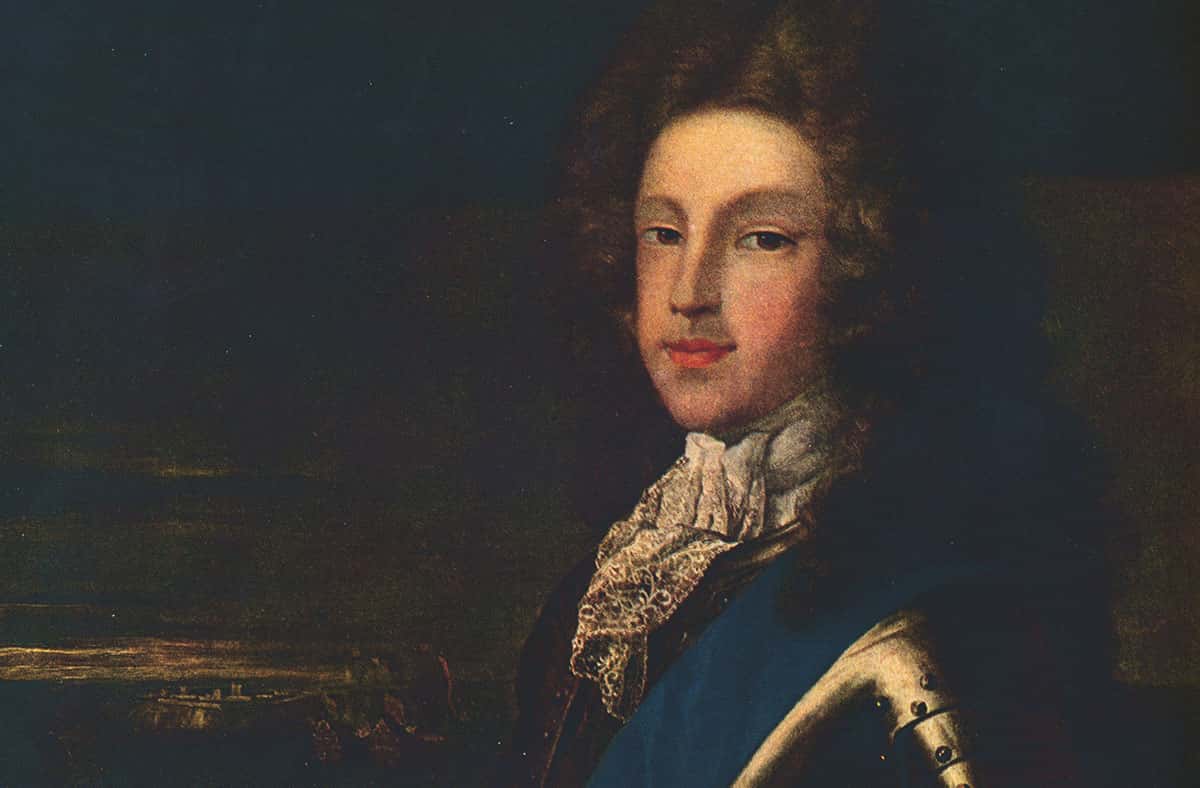
King James II had lost the throne, in part, because of his Catholic beliefs in the increasingly Protestant England, and the spurned Stuart branch clung to their Papism like martyrs. Charles was actually born in Rome, Italy, and Pope Clement XI—who backed the family’s reclaiming of the throne for the Catholic faith—may have even carried out his baptism.
Unfortunately, this religious alliance was the only stable relationship in Charles’s young life.
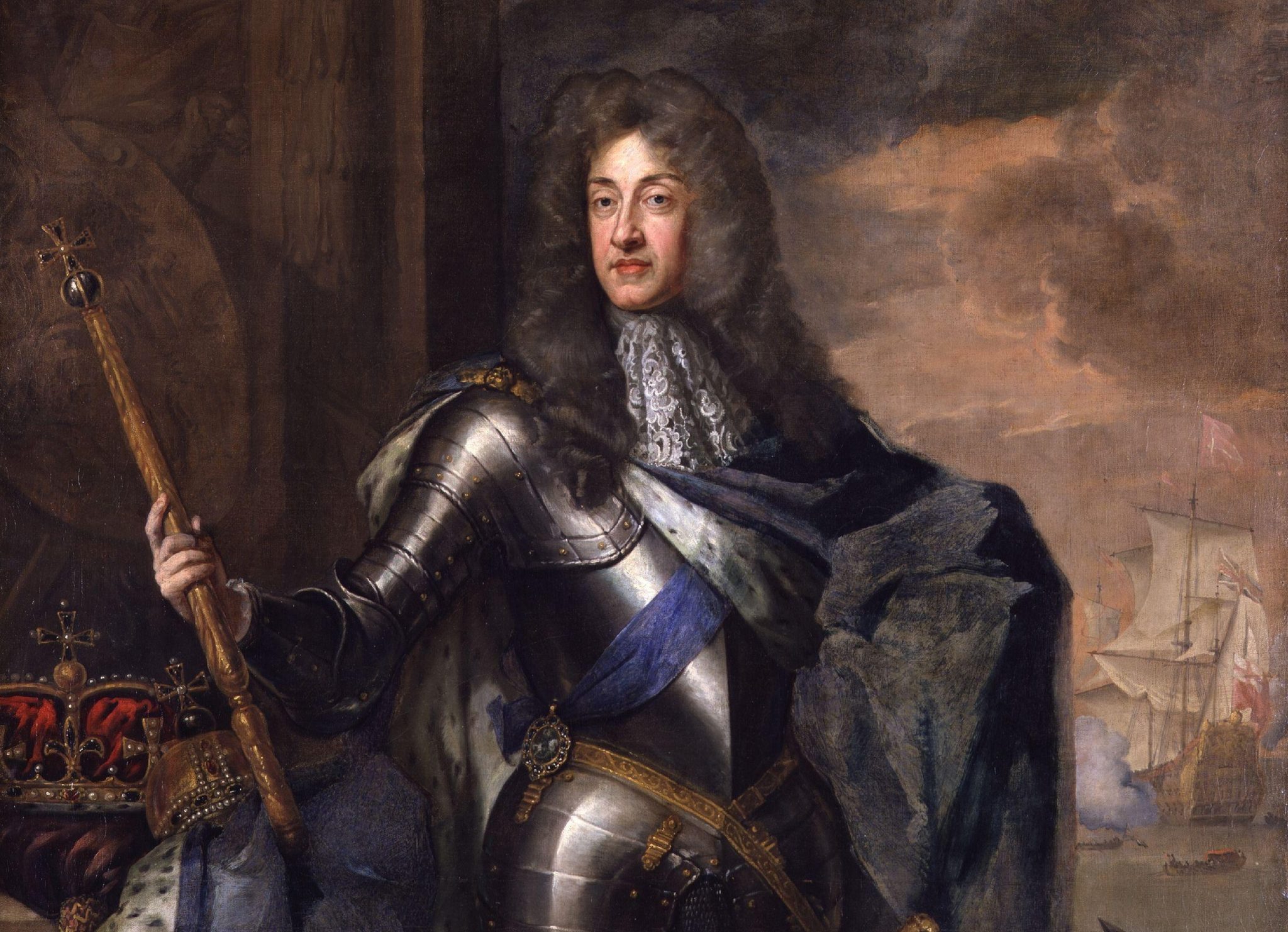 Godfrey Kneller, Wikimedia Commons
3. His Mother Risked It All
Charles’s mother was the Polish noblewoman Maria Sobieska, and she had spared herself no danger to get to his father James. The current English king, George I, had actually arrested Maria to prevent her from marrying the Old Pretender and making any heirs, and she had to escape her confinement to rush to him and become a quasi-royal bride.
For all that effort, their union was dismal.
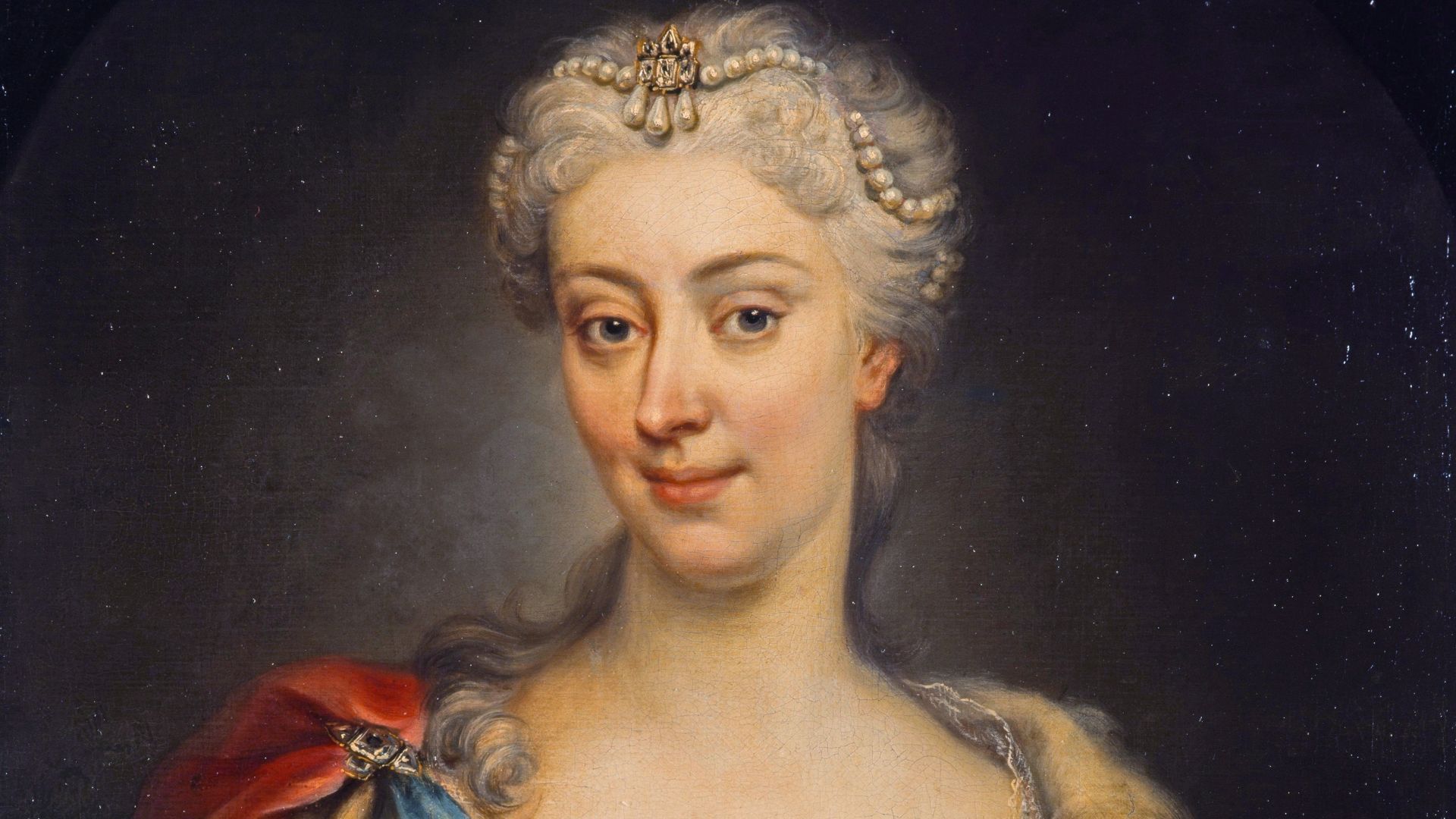 After Martin van Meytens, Wikimedia Commons
4. His Parents Fought Like Cats And Dogs
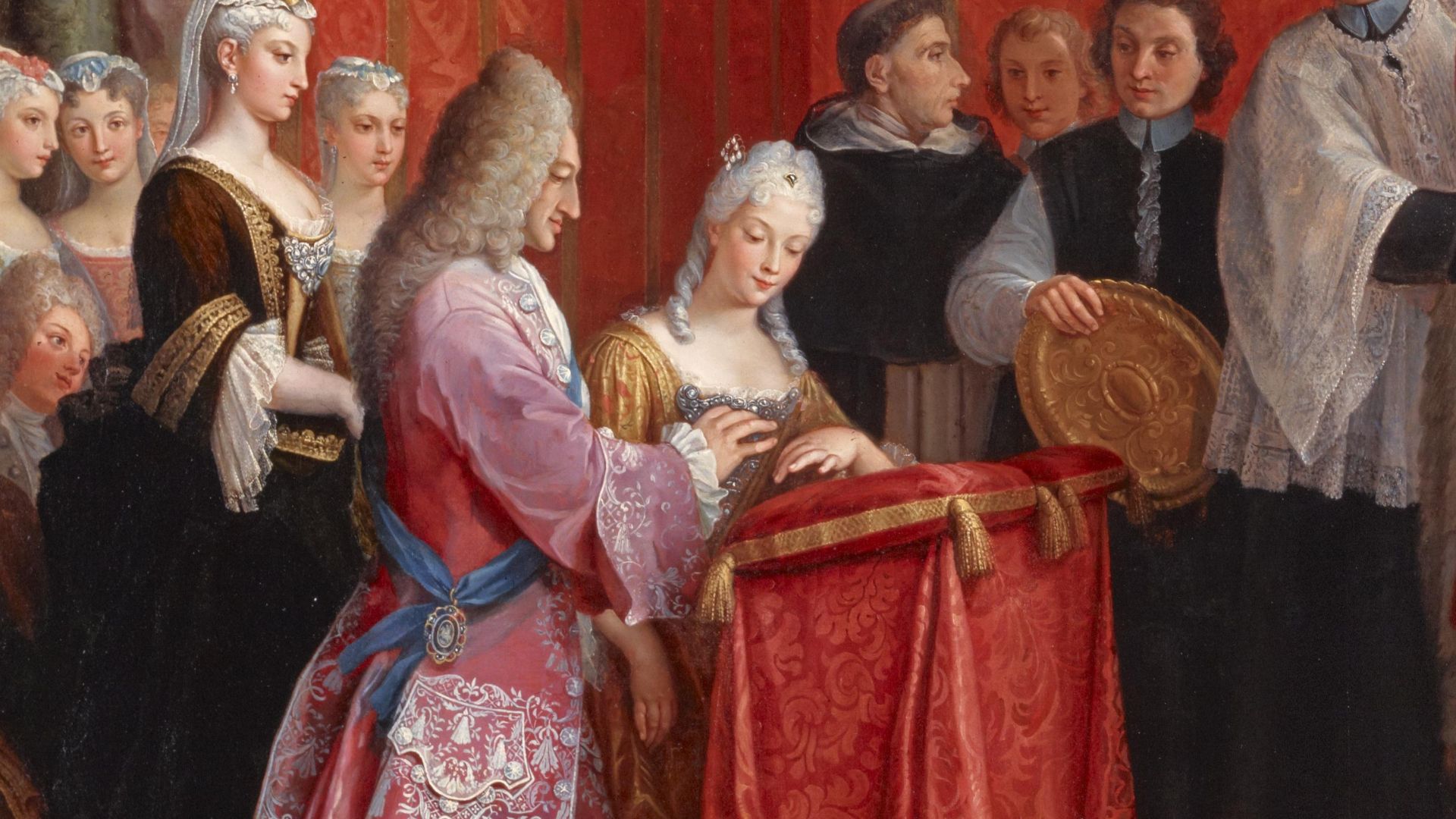
Charles’s mother and father never actually got along, and his childhood was full of push-pull stunts. While Charles was his mother’s favorite, his younger brother Henry became his father’s pet. Then, after various power struggles at their “court,” Maria scandalized Europe when she abandoned her husband and children in a fit of pique to go live in a convent.
Though she would come back into the fold in 1728, Charles’s parents remained distant for the rest of their lives. Meanwhile, the pressure was building on their son.
 Agostino Masucci, Wikimedia Commons
5. He Believed He Was Next To God
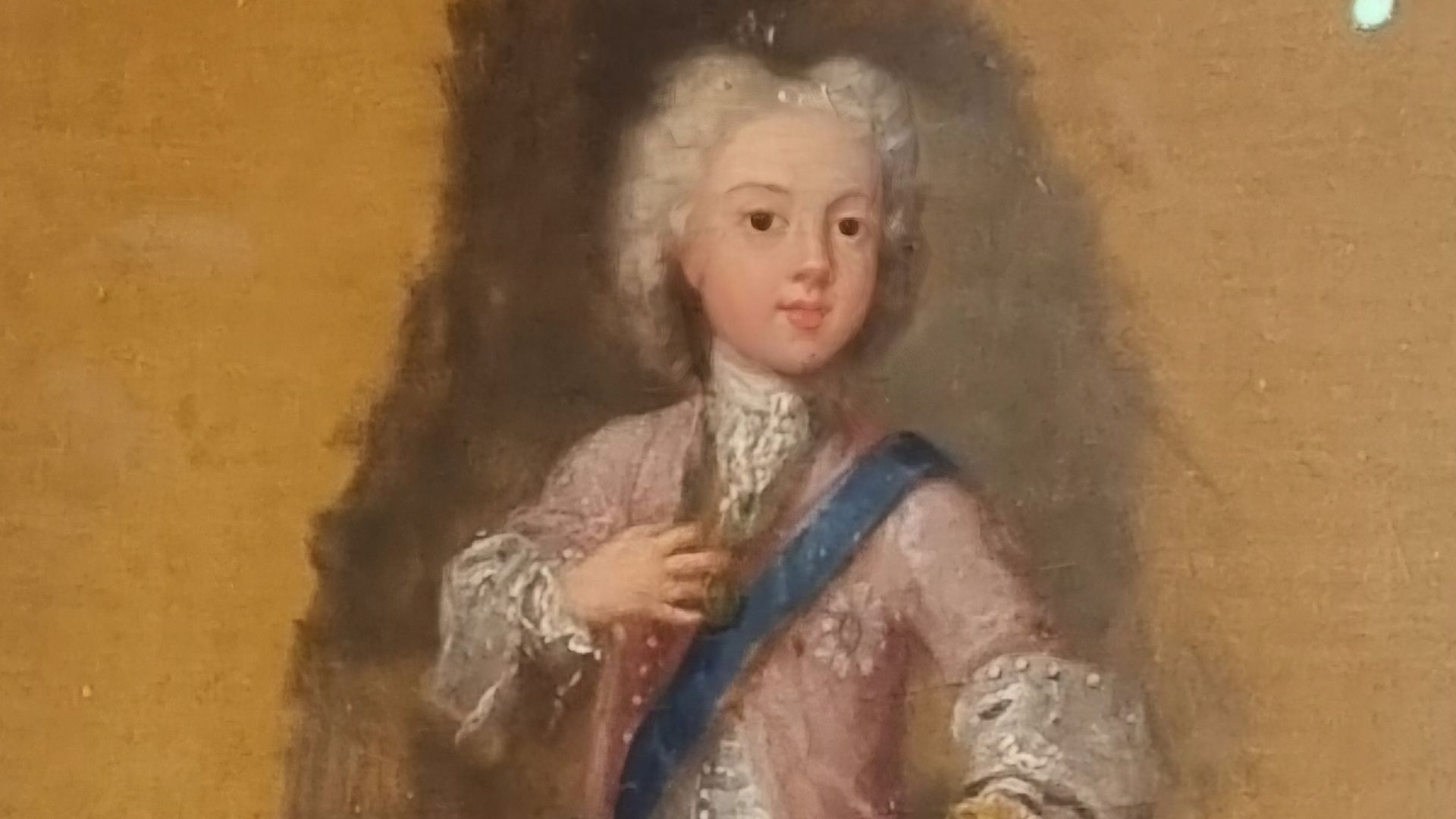
With James aging fast, Charles Stuart was his fractured family’s great white hope to get back on the throne. They accordingly placed immense expectations on the boy, teaching him to believe and cling to “the divine right of kings,” which granted their family absolute rule. After all, their royal claim was insecure and unofficial—meaning they had to rely on God.
As such, Charles grew up thinking he was entitled to all the health and riches in the world. His body disagreed.
 Coldupnorth, Wikimedia Commons
6. He Insisted On Perfection
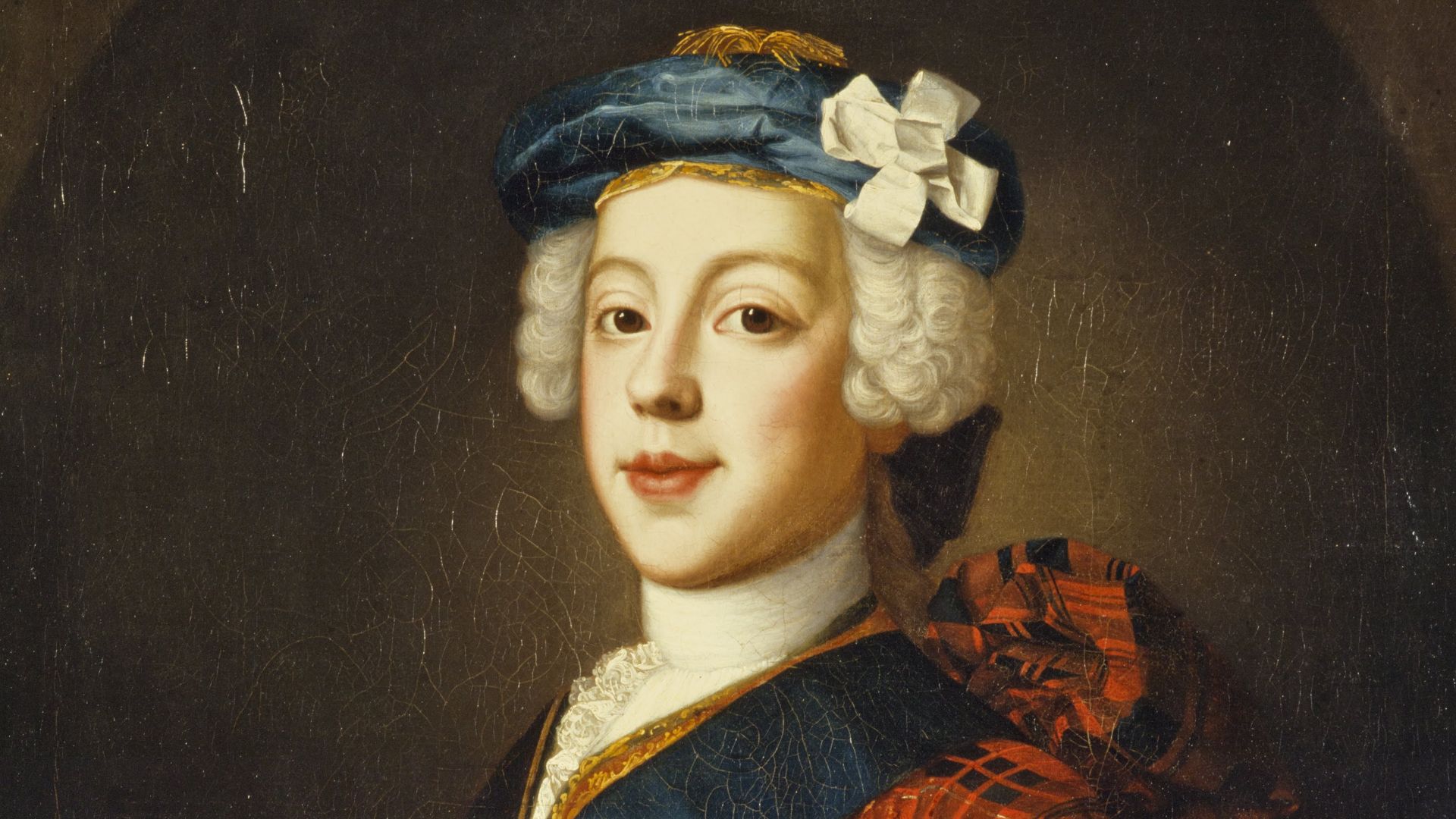
From childhood onward, Charles frequently experienced weakness in his legs, likely from a case of rickets. Yet, in another refusal to admit patent vulnerability, he and his parents combatted this with a strict regime of exercise and dancing to strengthen his limbs, complemented by Charles’s masculine interests in hunting and horses. It could only paper up the cracks so far.
 William Mosman, Wikimedia Commons
7. His Mother Wasted Away
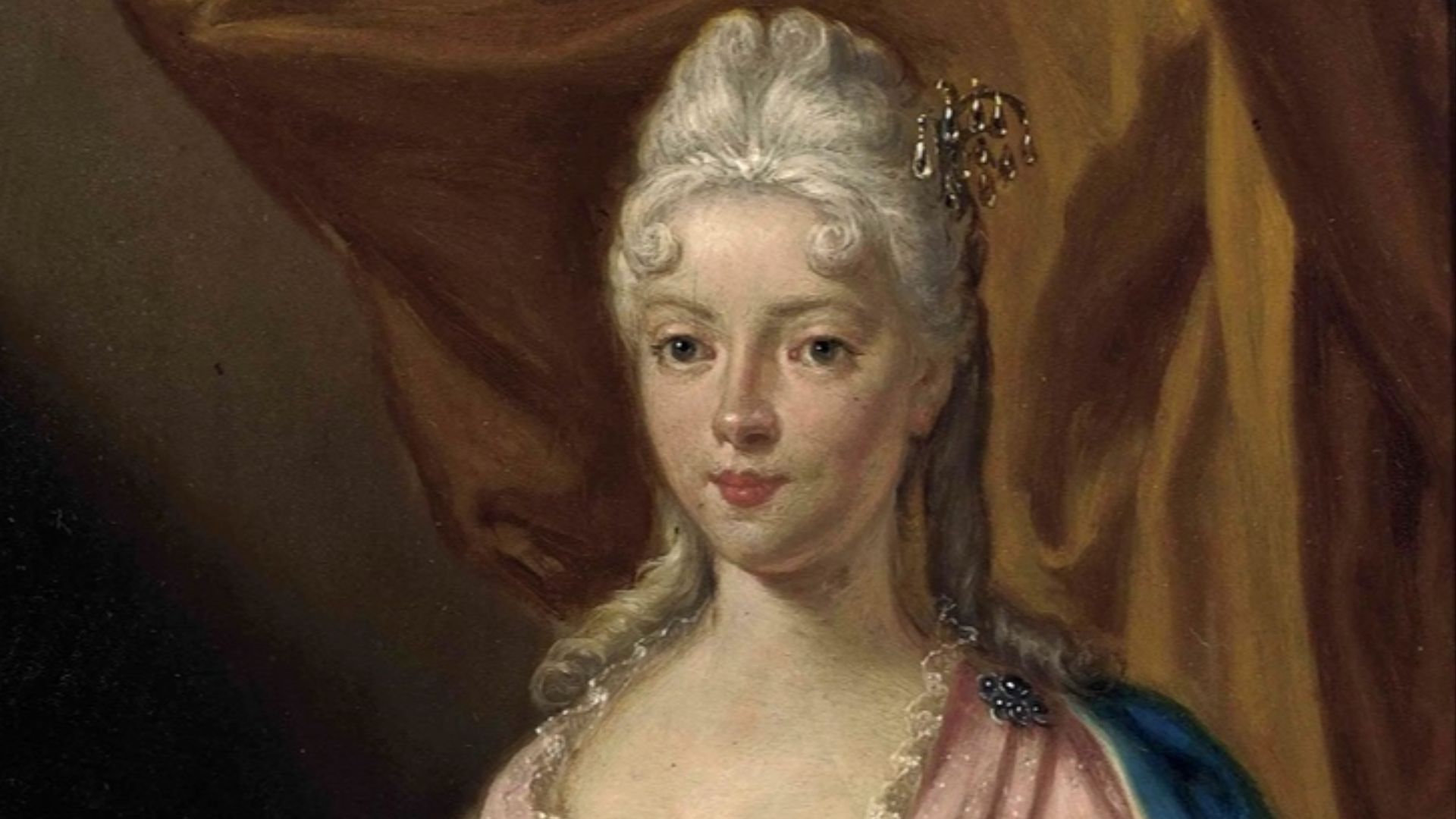
Throughout these early years, Charles’s family grew more divided and more tragic. He and his mother Maria had less and less to do with his brother Henry, still his father’s favorite, and Maria herself began experiencing deep depressions, which she tried to combat with a religious fervor for fasting and ascetic Catholic rituals.
Then, with his family all but wasting away, Charles entered into a bloody adulthood.
 Francesco Trevisani, Wikimedia Commons
8. He Had A Taste For Blood
In 1734, Charles’s cousin the Duke of Liria tapped him to join the fight for the future King of Spain, Charles III, to win the crown of Naples. Naturally sympathetic to the struggle, the 13-year-old boy joined up as General of Artillery, even experiencing the siege of Gaeta and open fire. But when he returned to Rome, the real nightmare began.
 François-Hubert Drouais, Wikimedia Commons

History's most fascinating stories and darkest secrets, delivered to your inbox daily.
9. He Lost His Mother Young
In January of 1735, just after Charles Stuart turned 14, he had another tragic baptism into adulthood. His mother Maria, still dedicated to her bare bones lifestyle, perished from scurvy at the young age of 32. Although her health had been failing for some time, Charles was still devastated, and would now have to navigate life without his greatest ally. Perhaps it's no wonder he went so astray.
 Antonio David, Wikimedia Commons
10. His Father Pumped Him Up
Charles’s father James now took over his care completely, and he had quite the plan for his teenage son. The would-be king and the Pope began introducing Charles to Italian society, not only to educate the boy on the ways of the world, but also to position him as the rightful heir to the English throne. Except that this backfired, and in more ways than one.
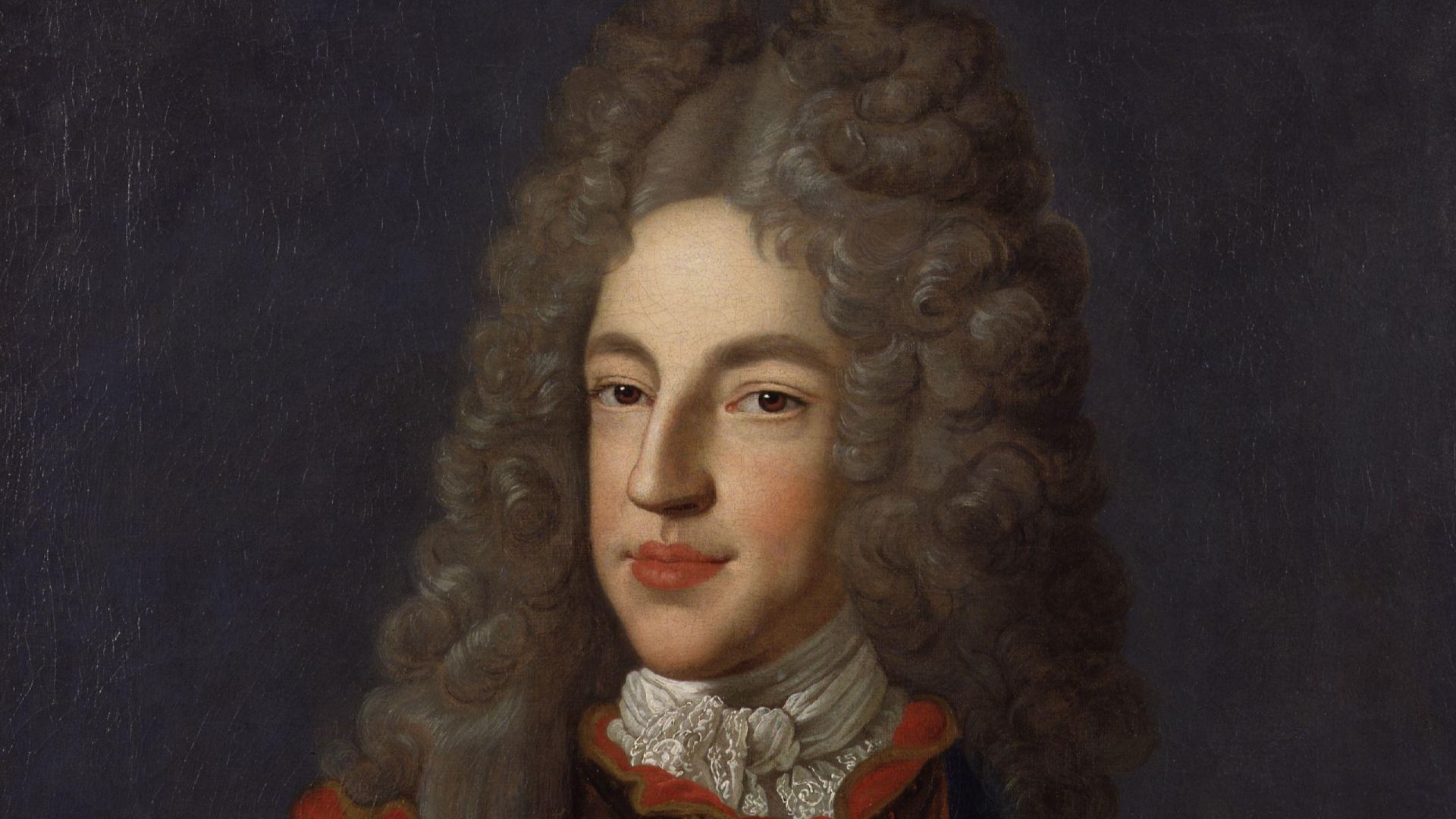 Alexis Simon Belle, Wikimedia Commons
11. Europe Turned Its Back On Him
Starting in 1737, Charles Stuart went on a kind of grand tour through Italy to meet his fellow nobles. He was in for a rude awakening. People had told Charles from birth that he was the one true heir of Britain, so he was shocked when no one in these courts welcomed him as such. Instead, to avoid angering the current King of England, they received him only as the “Duke of Albany”.
But whatever humility Charles learned during this trip, it didn’t stick.
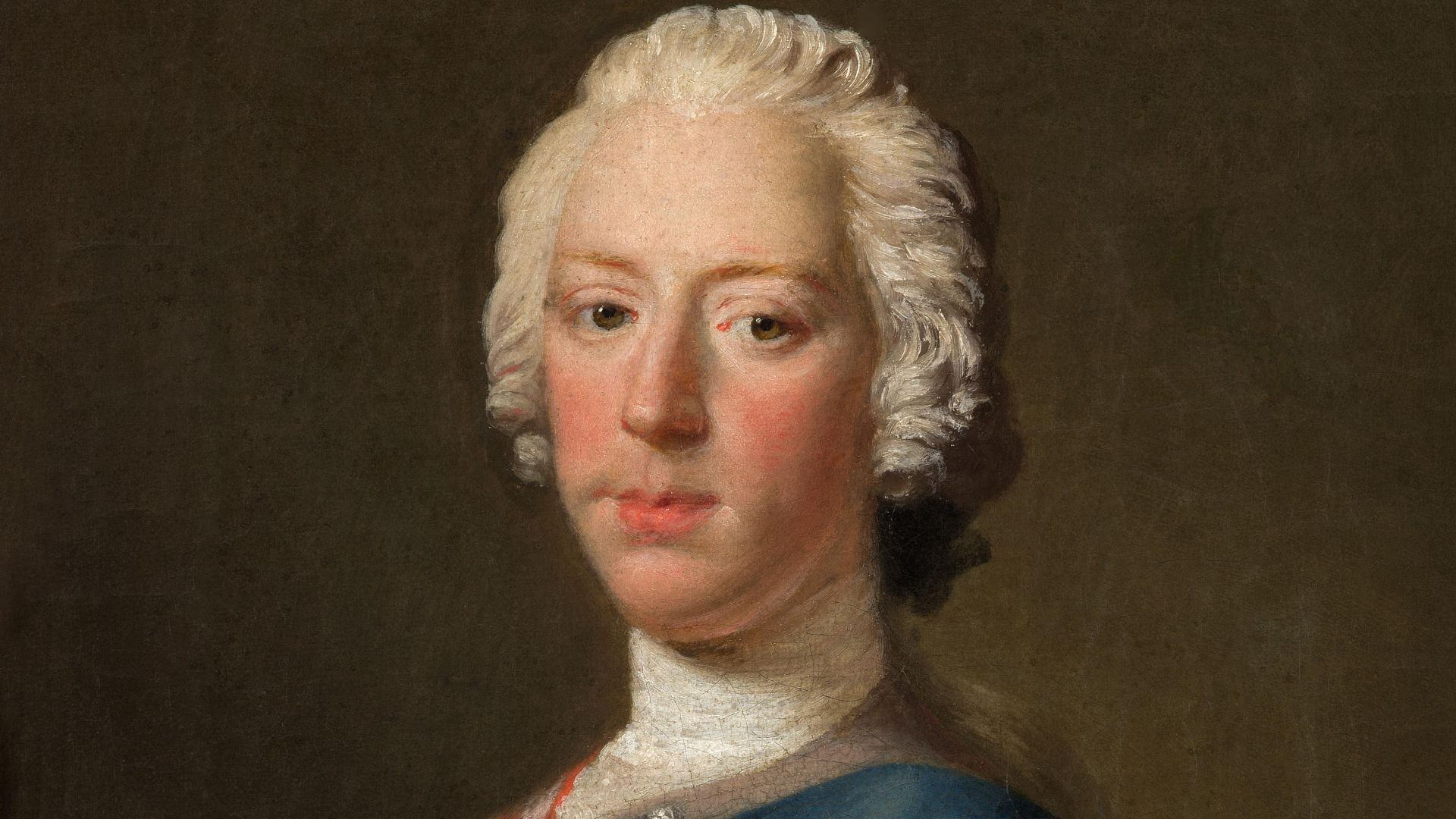 Allan Ramsay, Wikimedia Commons
12. He Had A Huge Ego
Sometimes the most arrogant people are the most insecure, and the same was true for Charles Stuart: The more people snubbed him, the more self-important he became. By the time he was 20, he was one of the bright young things of upper-class Roman society, intent on spending his money with pomp and circumstance and showing off any way he could. This wasn’t a good thing.
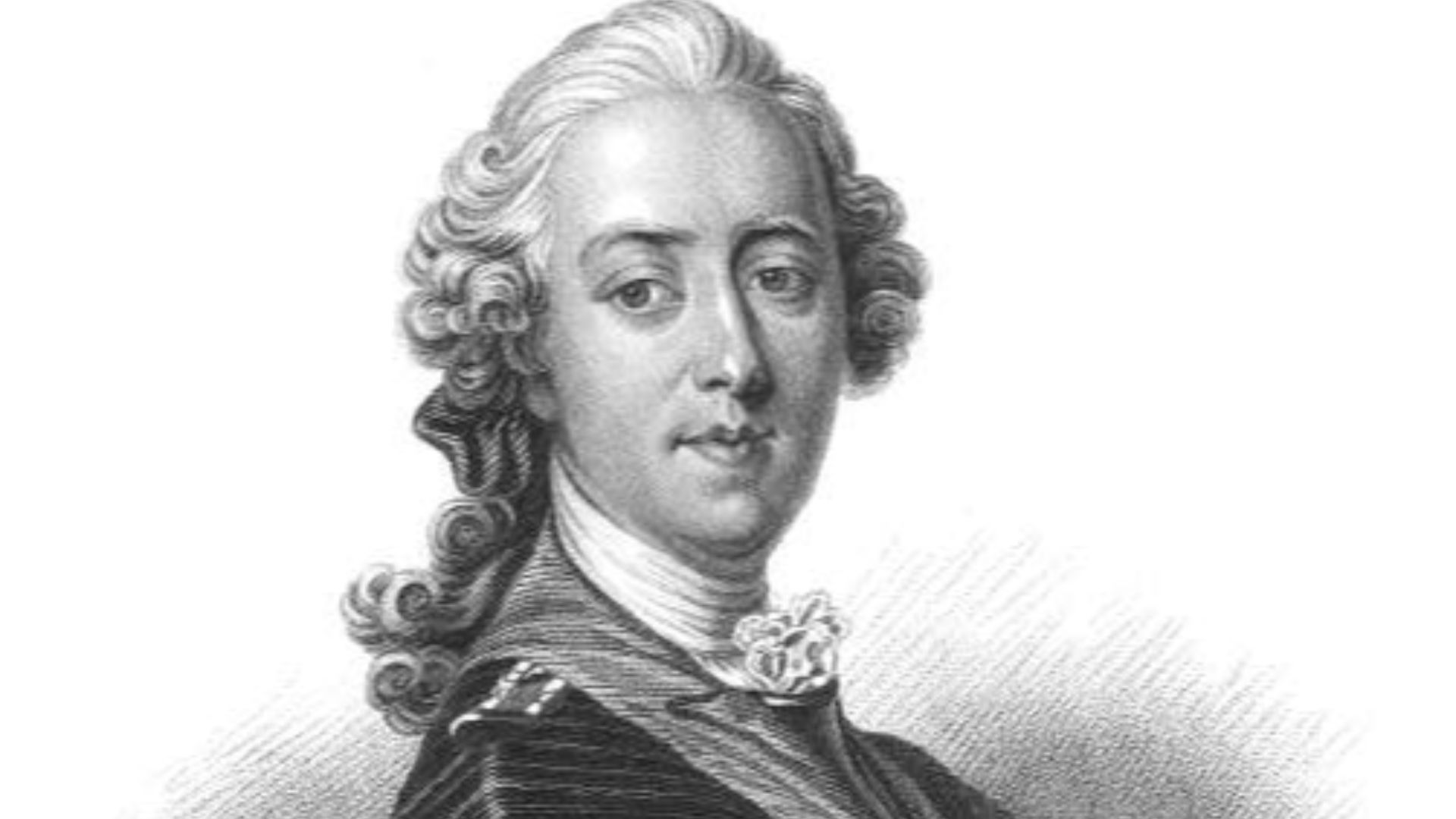 Mrs. Thomson. Picture credits Le Toque, printer; S. Freeman, sculptor., Wikimedia Commons
13. He Was A Big Spender
Charles’s father may have had the Pope on his side, but he didn’t have access to any royal coffers, and while Charles’s allowance was abundant, it wasn’t limitless. Not that Charles cared: Even as a 20-something, he spent so liberally, mostly on carousing and a fine wardrobe, that he frequently overstepped his budget, much to his family’s dismay.
But when it came to these family ties, Charles was still following in his parents’ tormented footsteps.
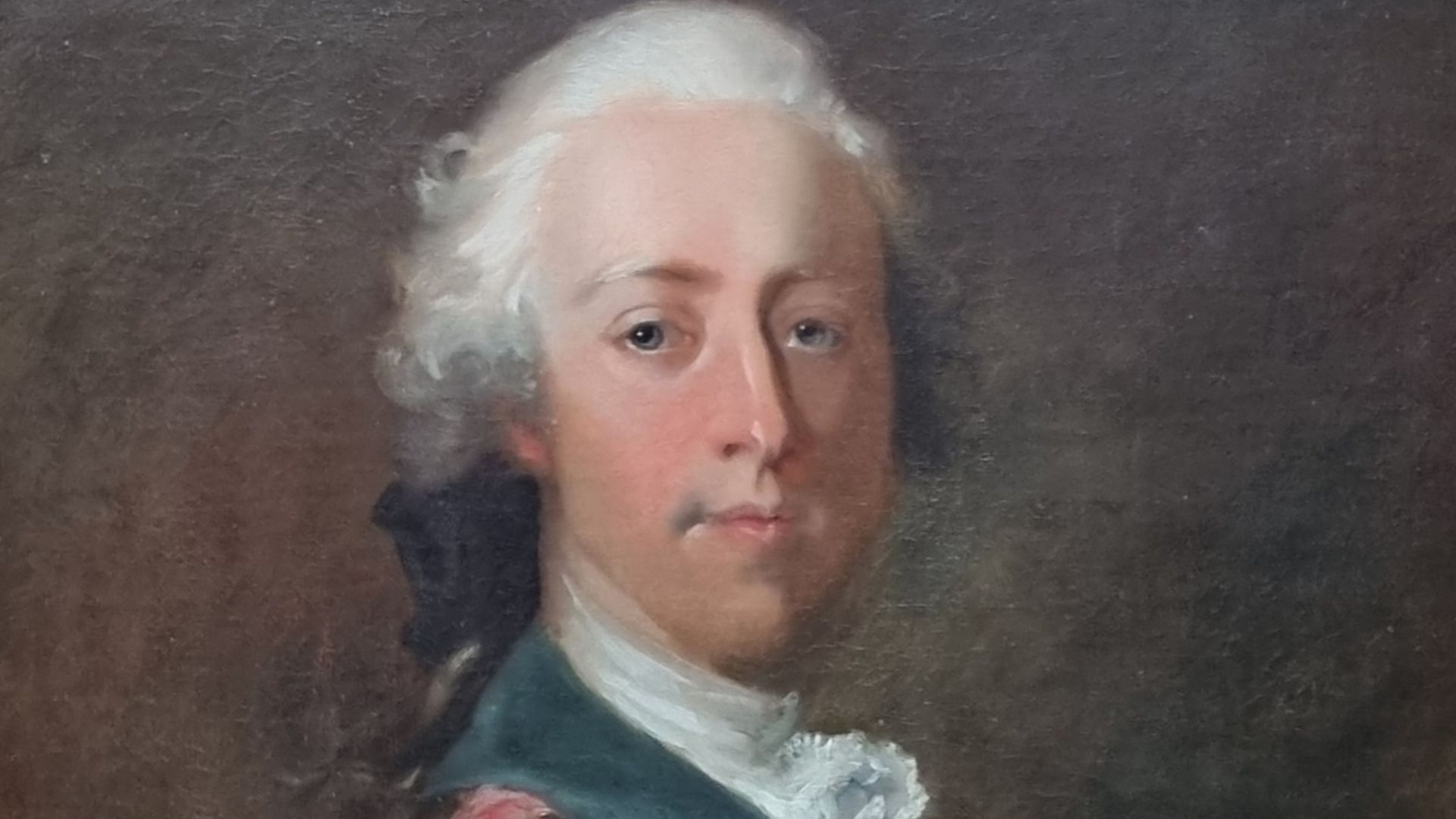 Coldupnorth, Wikimedia Commons
14. He Didn’t Get Along With His Brother
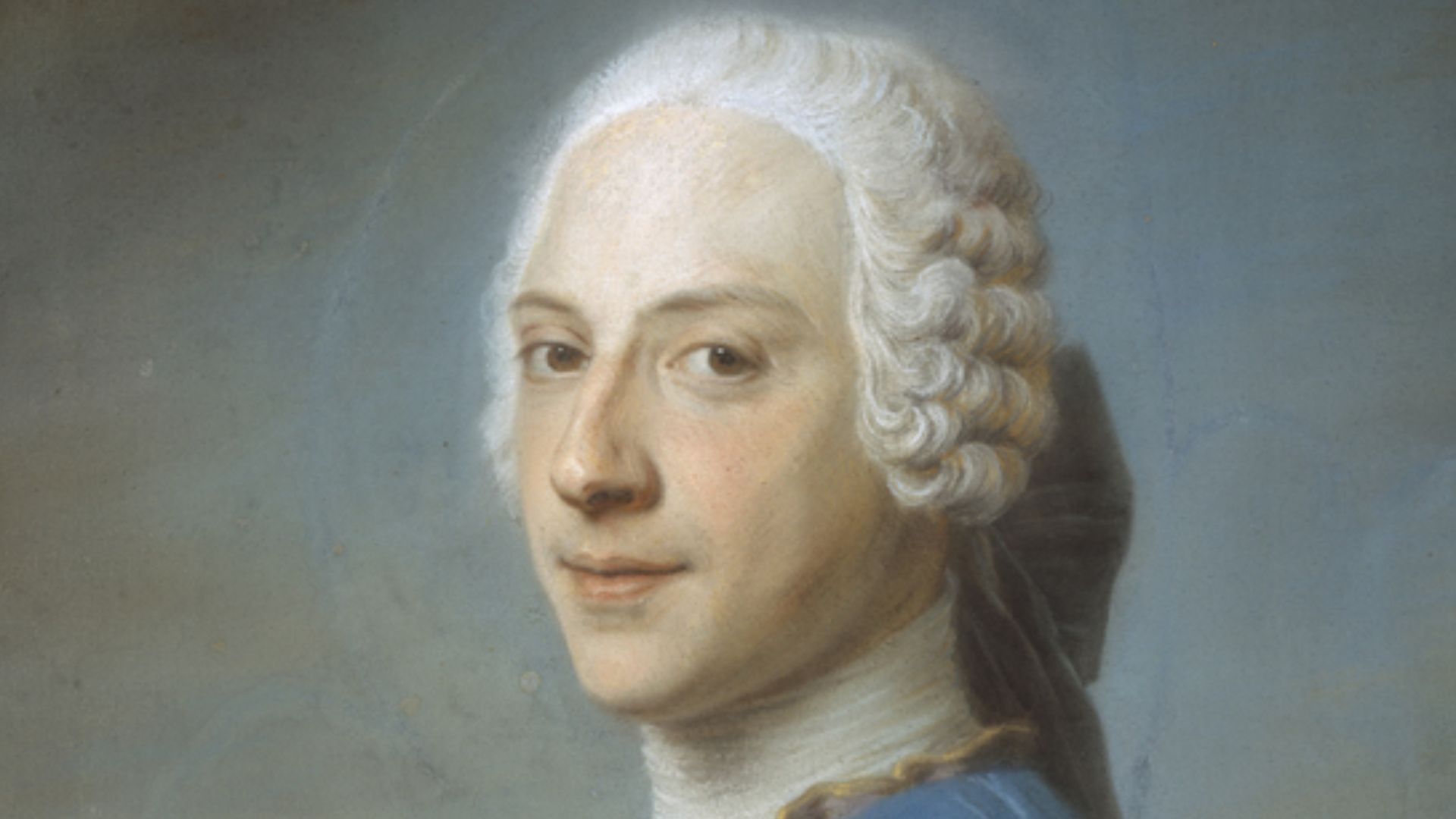
Charles Stuart and his brother Henry had never been close, but around this time the two princes’ relationship turned definitively sour. In part, it was a problem of personalities: For all that Charles was bombastic, Henry was withdrawn and studious, often preferring prayer and religious study to partying. But this wasn’t the only way Charles clashed with his relatives.
 Maurice Quentin de La Tour, Wikimedia Commons
15. His Father Had One Way Of Doing Things
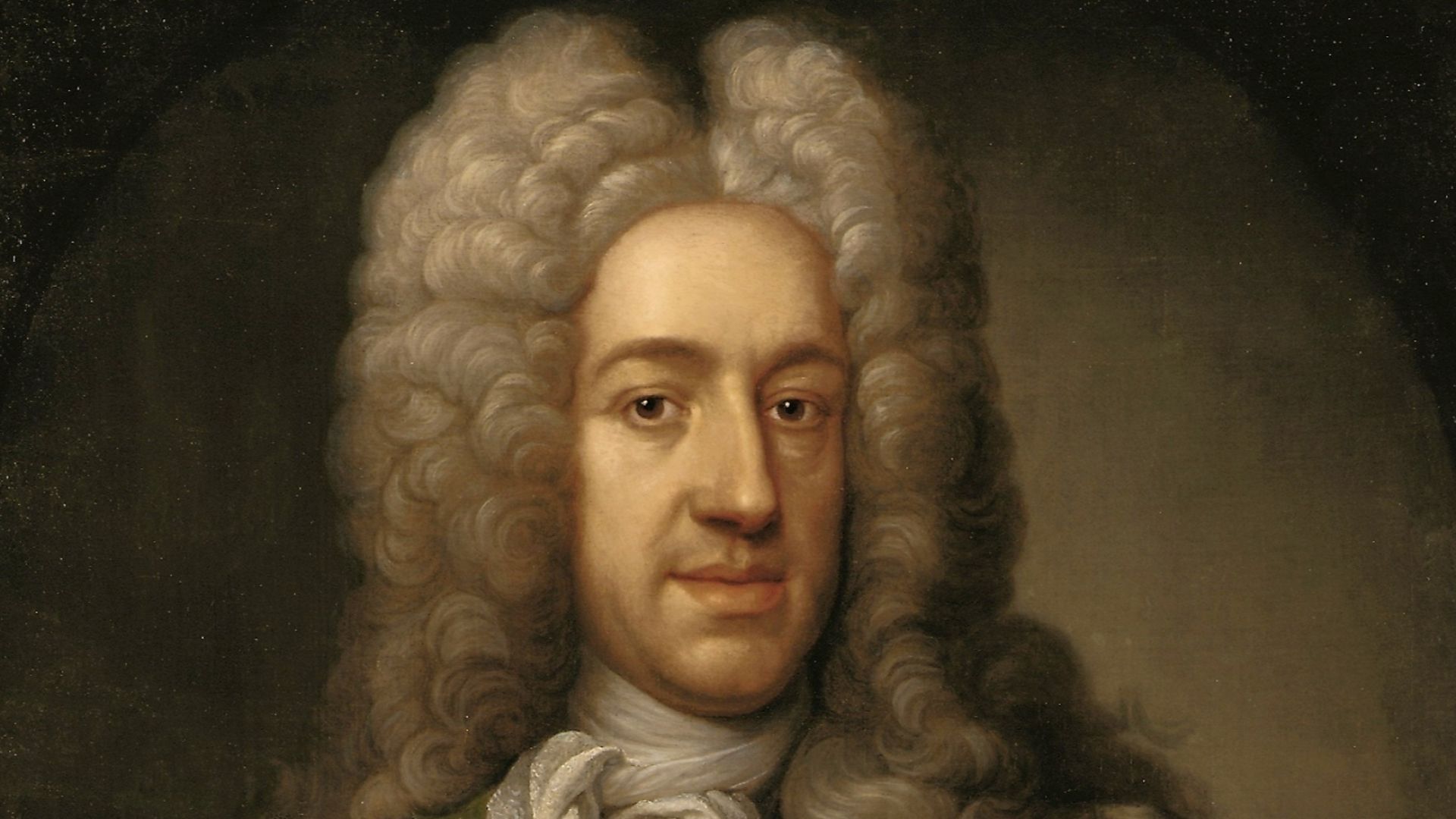
Charles’s relationship with his father James, though unified in their shared belief in a divine right to the throne, was usually tense and fractured, right down to how they wanted to reclaim that throne. James, of a more diplomatic bent, had spent years building up allies in the Catholic nations like Italy and France, and preferred a long-term, slow-and-steady method. Charles…did not.
 Antonio David / After Martin van Meytens, Wikimedia Commons
16. He Was Brash
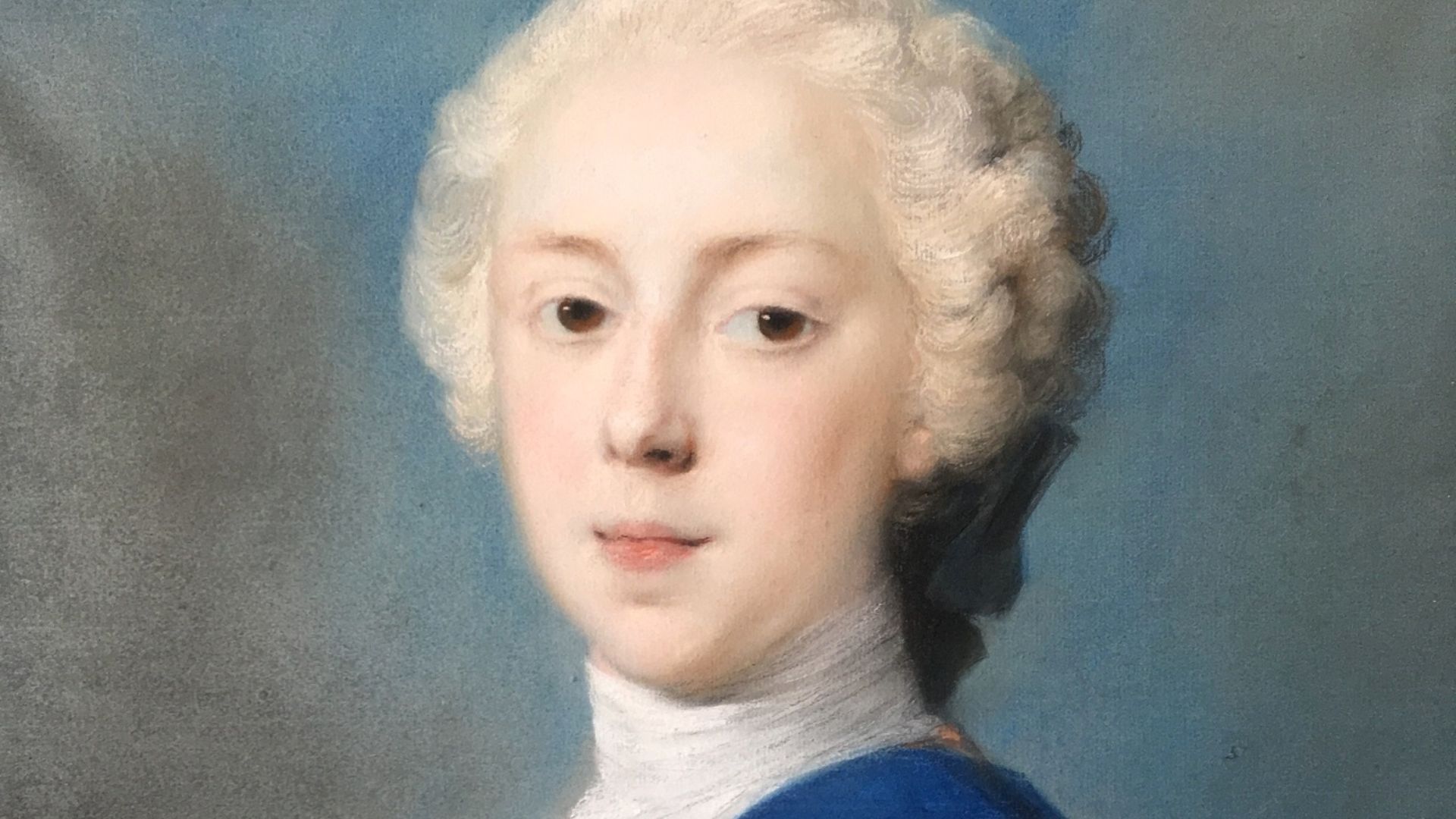
Charles Stuart lived up to his name as the “Young” Pretender with a rashness and bloodlust that alarmed his father. Disdainful of spending any more time scraping knees in foreign courts, he wanted to foment full-on rebellion, believing in particular that the so-called Jacobites—believers in the Stuart line, generally living in historically Catholic Ireland and Scotland—would provide everything they needed back on the British Isles.
In this ambitious plan, Charles had one huge truth on his side.
 Rosalba Carriera, Wikimedia Commons
17. He Got A Promotion
One of the reasons Charles’s father had to rely so much on foreign powers was because he was virtually unable to enter Great Britain himself. James had spent his younger years in the early 1700s trying to launch his own invasions into England…and failing miserably. Now, he was persona non grata in London.
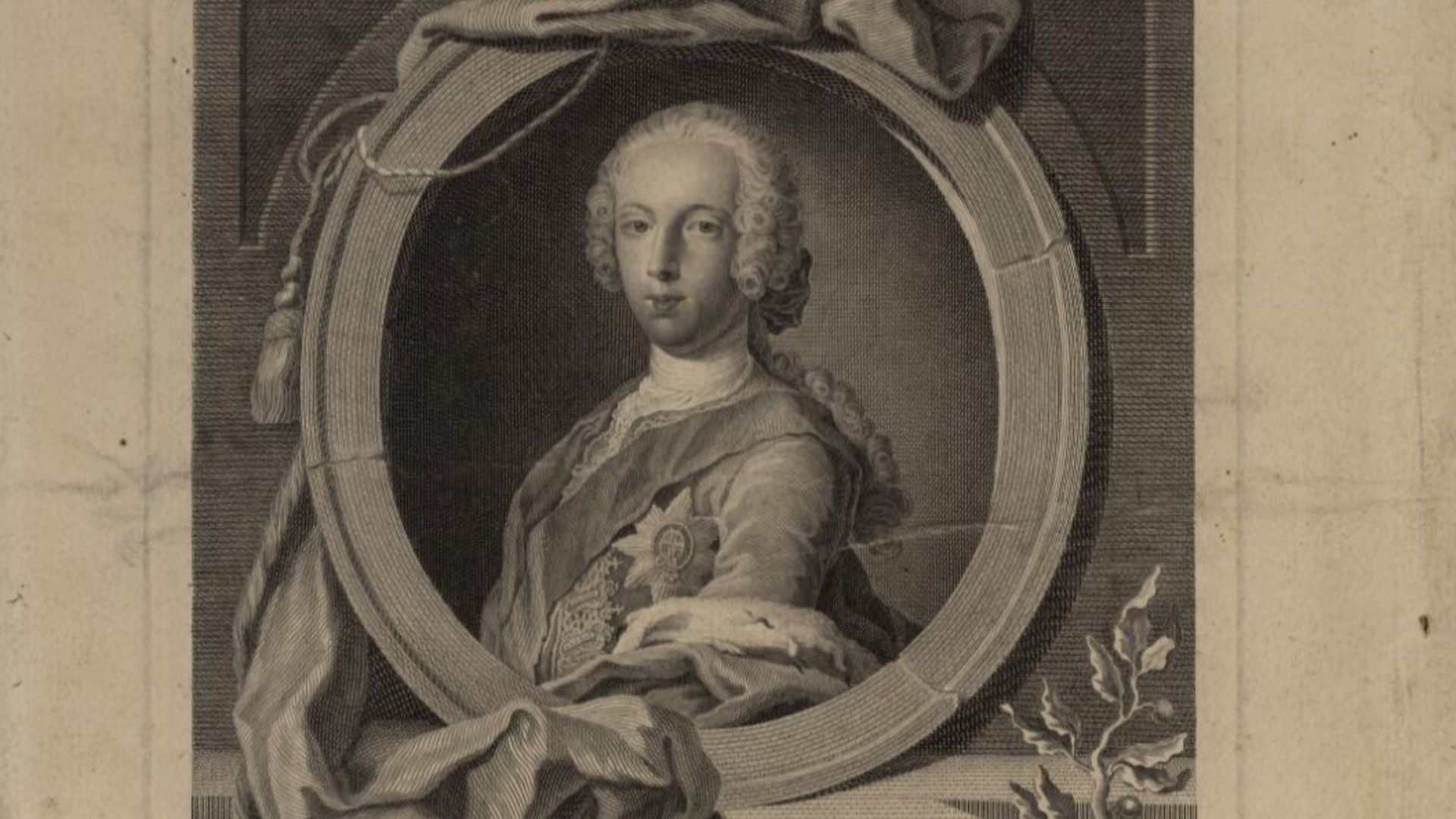
So, when father and son began plotting a new wave of conflict, James named Charles his prince regent, allowing him to perform actions in his name and travel across the English Channel without him. It was all Charles needed to take off running—but the elder Stuart branch simply had no luck.
 Robert Strange, Wikimedia Commons
18. He Went On A Secret Mission
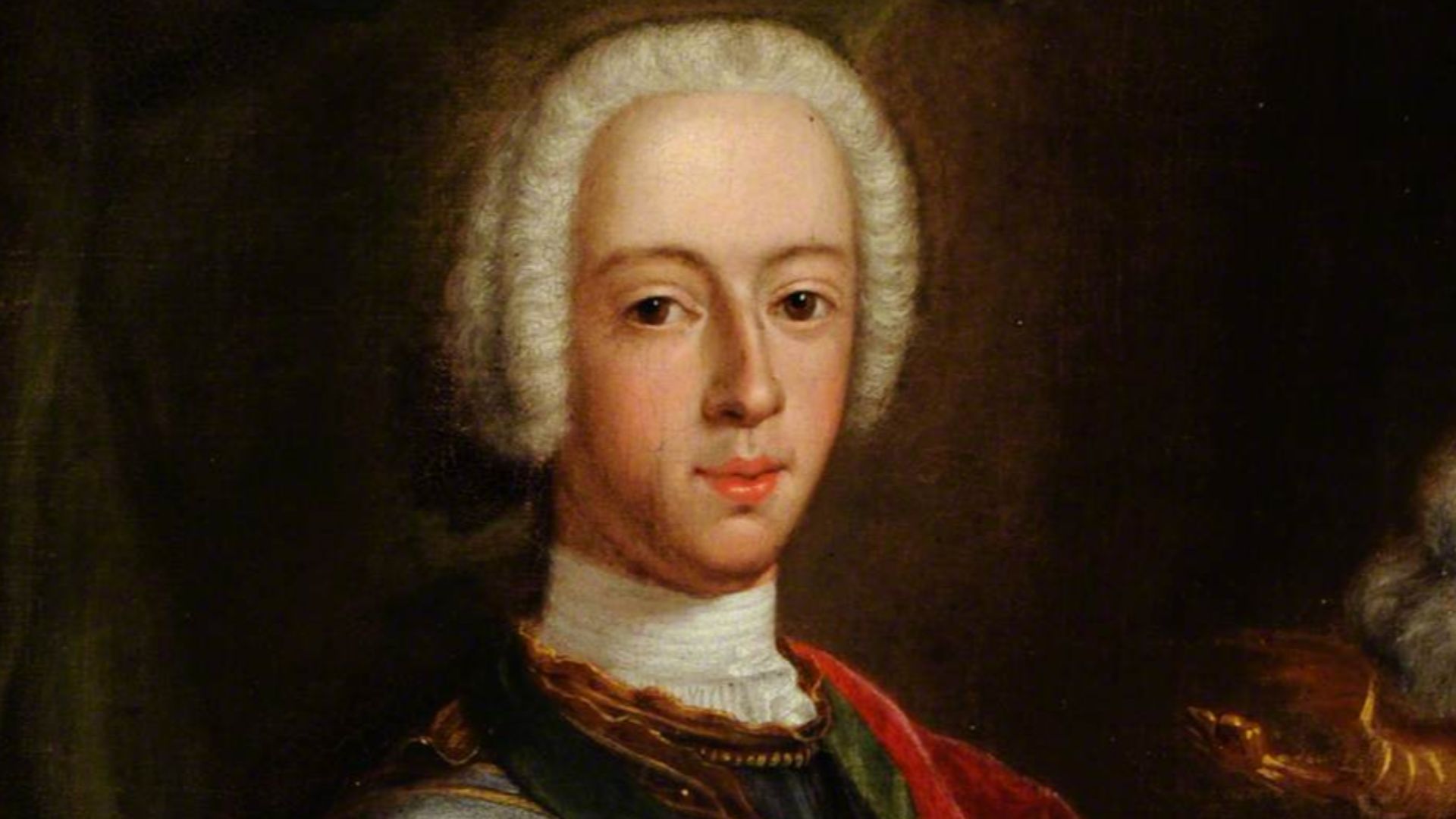
In 1744, shortly after Charles Stuart became prince regent, it looked like the French government, who had dropped their support in recent years, were ready to back the Jacobite cause again. Excited beyond reason, James sent Charles over to France in secret under the auspices of a hunting party.
The cloak and dagger moves were right in Charles’s dramatic wheelhouse, but the comedown hit hard.
 Cosmo Alexander, Wikimedia Commons
19. He Got Another Disappointment
As it turned out, James was mistaken in thinking the French were ready to support him, and when Charles arrived in France he found that both King Louis XV and the French government had no real idea what he was talking about.
It was another cruel reminder of the merely symbolic aspects of his “royal” power, but the Young Pretender did manage to turn it around. Sort of.

20. He Had No Luck
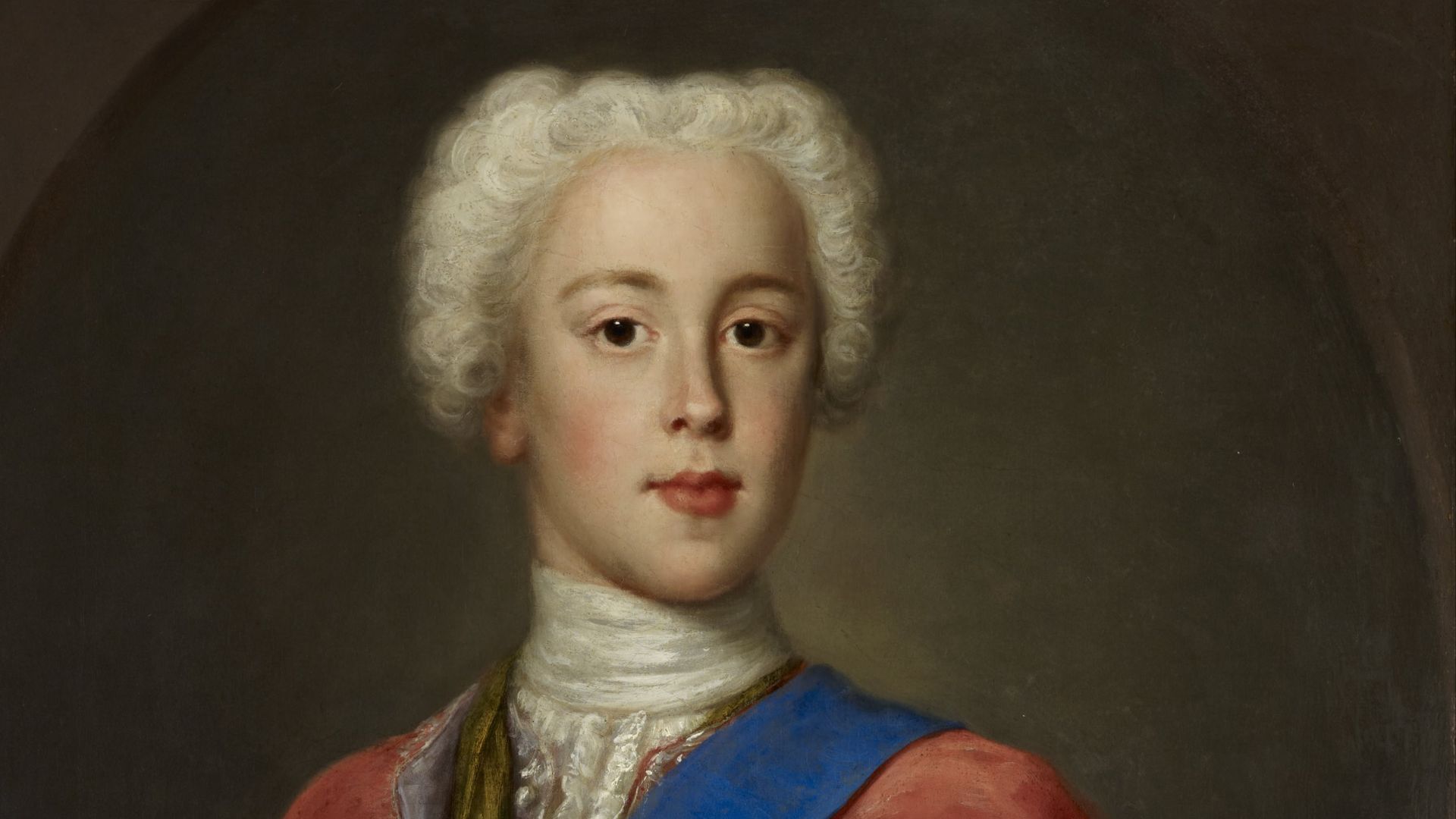
Charles Stuart was, if nothing else, superficially charming and fundamentally convinced of his own destiny, and by February the French government had agreed to help him with an invasion of England. Except bad luck struck again: Although Charles made it as far as Dunkirk to sail with the French Army to England, a storm blew in and scattered both the fleet and Charles’s carefully laid plans.
It was a terrible embarrassment from end to end, and, in a foreshadowing of things to come, Charles couldn’t cope.
 Antonio David, Wikimedia Commons
21. He Went On A Tear
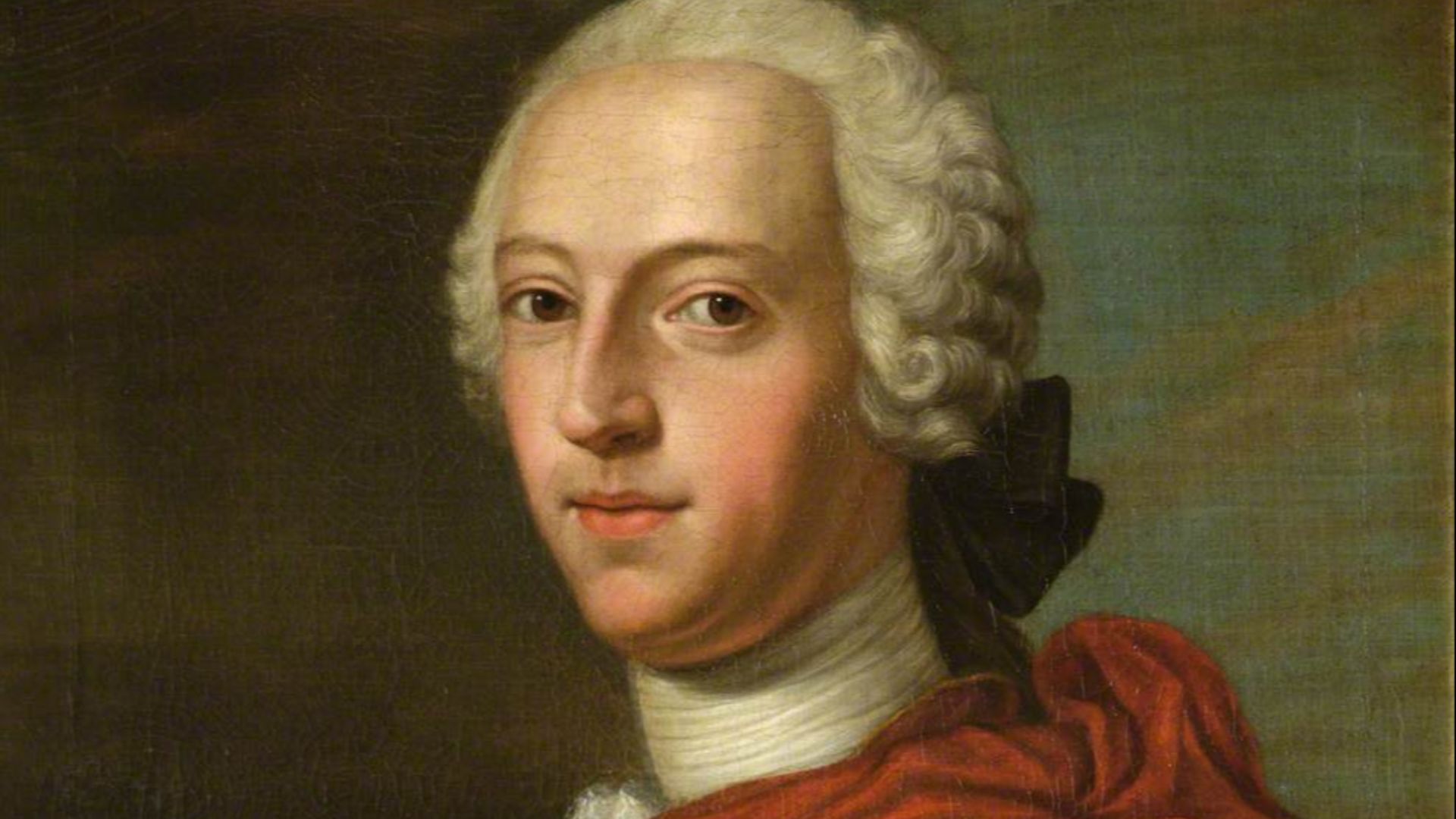
After this failed non-invasion, Charles stayed in France for a good long while, licking his wounds. After traveling around, he found particular comfort amidst the carnal pleasures of Paris’s infamous Montmartre region, and before long his drinking, excessive entourage, and new Parisian wardrobe had put him in massive debt.
It wasn’t enough to alarm Charles, but it certainly alarmed the French.
 After Jean-Marc Nattier, Wikimedia Commons
22. The French Tried To Kick Him Out
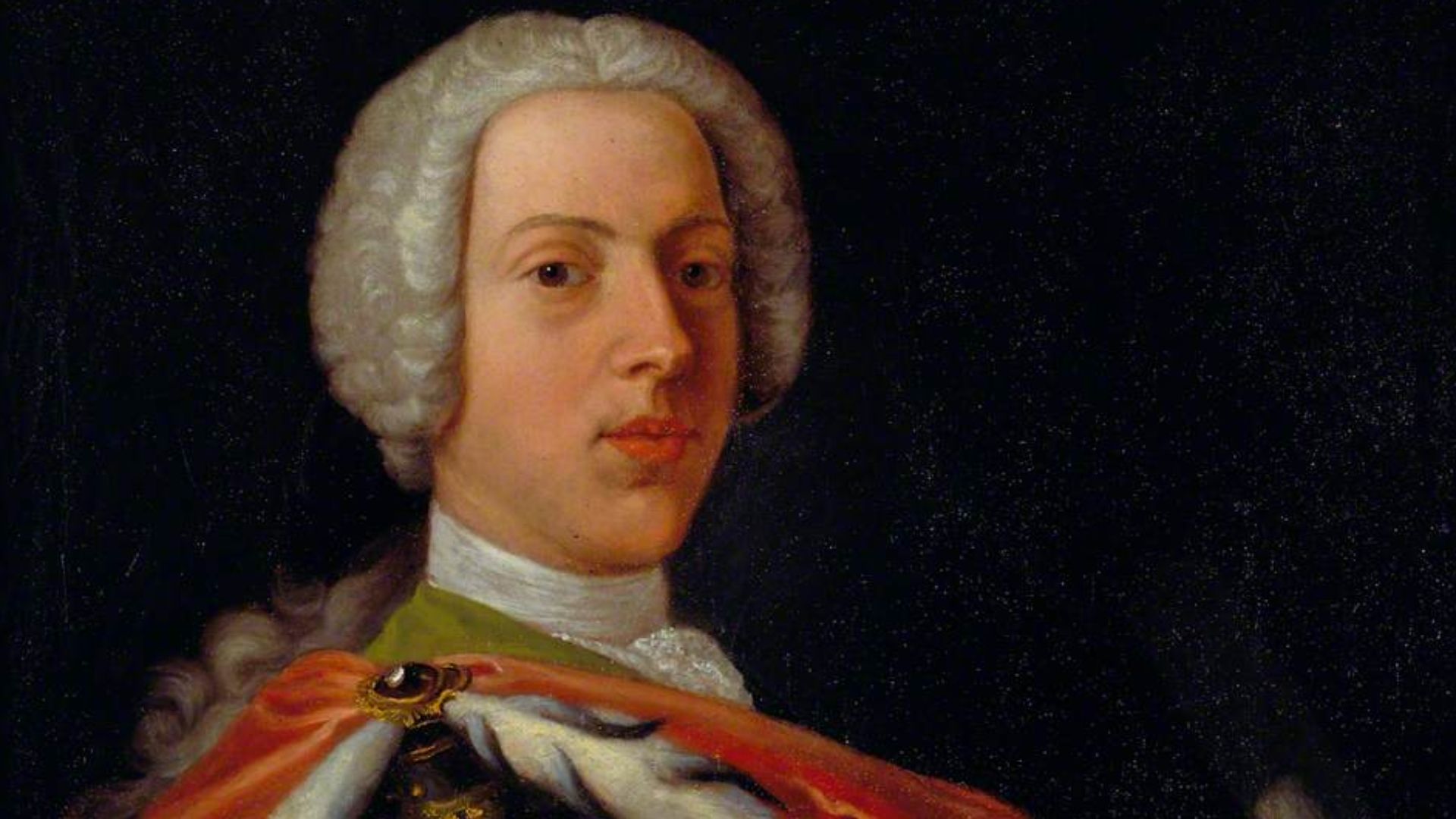
Once they heard about the breakdown of Charles’s fleet, not to mention his constant romping, the French government began politely, and then not so politely, pushing Charles to leave their country now, please. Eventually, they refused to pay him a monthly allowance in the hopes that dire straits would send him back to daddy. But Charles just didn’t play that way.
 Cosmo Alexander, Wikimedia Commons
23. He Wouldn’t Admit Defeat
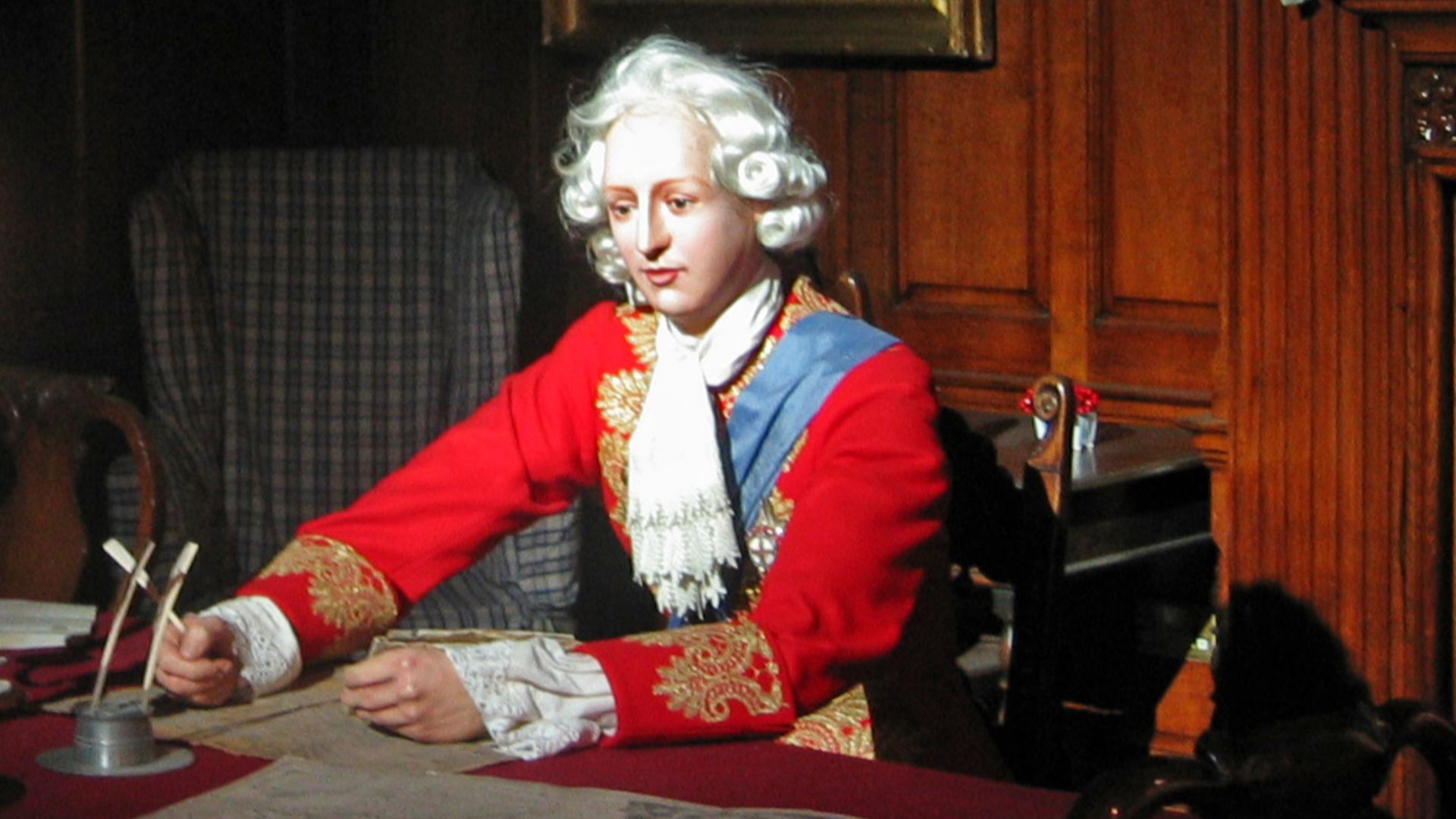
Although certainly aware of the government’s designs on him, Charles Stuart seemed to barely register their ire, and when he became unable to afford his Montmartre house, he convinced a series of French nobles and higher-ups to open their country houses to him. That way, he could stay near Paris without running into government officials all the time.
Still, while Charles hadn’t yet found a way to invade England, he definitely found ways to invade the French capital.
 https://www.flickr.com/photos/38045604@N00/, Wikimedia Commons
24. He Donned Disguises
In order to dodge the men begging him to leave their country, Charles did what any unwanted guest would do: He began sporting a series of disguises to enter Paris, or otherwise went incognito so that he could do the rounds at Parisian hotels, likely sometimes to continue reveling, but also to meet with various supporters.
And, to be fair, he made some headway here.

25. He Built Up Support
During his time in both Rome and Paris, Charles Stuart slowly accrued intelligence, money, and on-the-ground support for one more go at the English throne. Many of the Irish and Scottish exiles he met assured him there was still ample support for the Jacobite cause in Scotland.
So, Charles came up with a big swing of a plan. One that called for a huge sacrifice.
 Circle of Louis Tocqué, Wikimedia Commons
26. He Sold His Mother’s Prized Possession
If there was one thing Charles needed to manifest his plan, it was money—not something he always had a lot of. He ended up borrowing huge sums from Paris bankers, and had to use his mother’s crown jewels as a security for the loan. Nonetheless, by the summer of 1745 Charles had kitted out a 66-gun man-of-war and a 16-gun privateer, as well as numerous weapons.
He was ready to claim his birthright. Or, so he thought.
 by Marshall, H. E. (Henrietta Elizabeth), b. 1876, d. 1941, Wikimedia Commons
27. He Came Under Fire
On the way over to set up a base in Scotland, the Stuart bad luck struck again. The HMS Lion fired on Charles Stuart and his ships, and although the man-of-war repelled the enemy vessel, it took damage and had to return to France for repairs, taking many of Charles’s hard-won supplies and weapons with it.
When Charles finally landed in Scotland, it wasn’t with the ceremony he might have hoped.

28. He Committed Treason
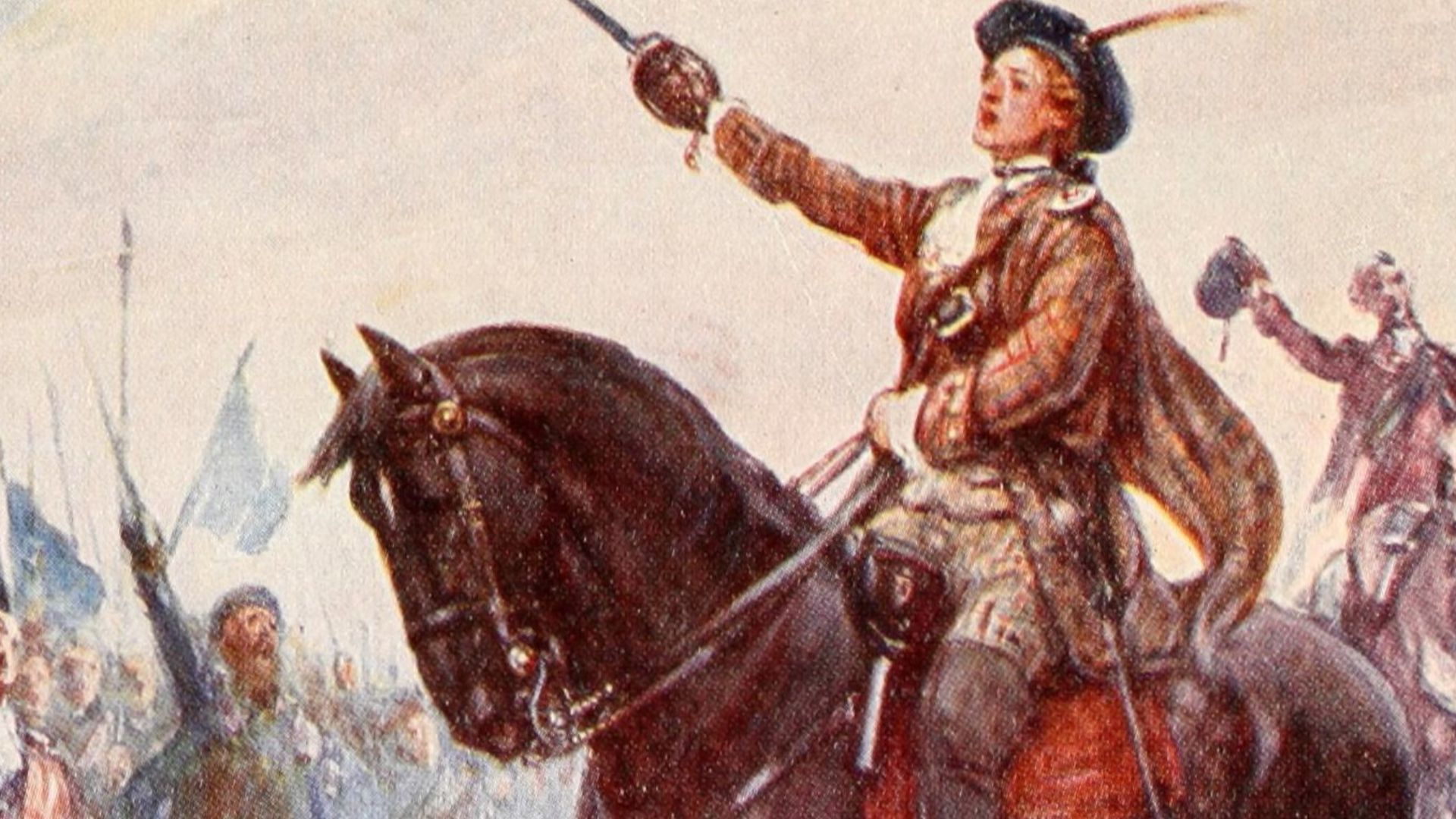
Charles eventually made it to the Scottish shores of Eriskay, riding aboard the sleek privateer, on July 23, 1745. The aspiring King of Great Britain disembarked with just seven companions, later called the Seven Men of Moidart. Nonetheless, it was necessarily a low-key arrival, since his very presence was tantamount to treason.
All the same, Charles expected the Highland Clans, many of them Jacobite sympathizers, to greet him with open arms. Once more, his reach had outstripped his grasp.
 Studio of Louis-Michel van Loo, Wikimedia Commons
29. He Moved Too Fast
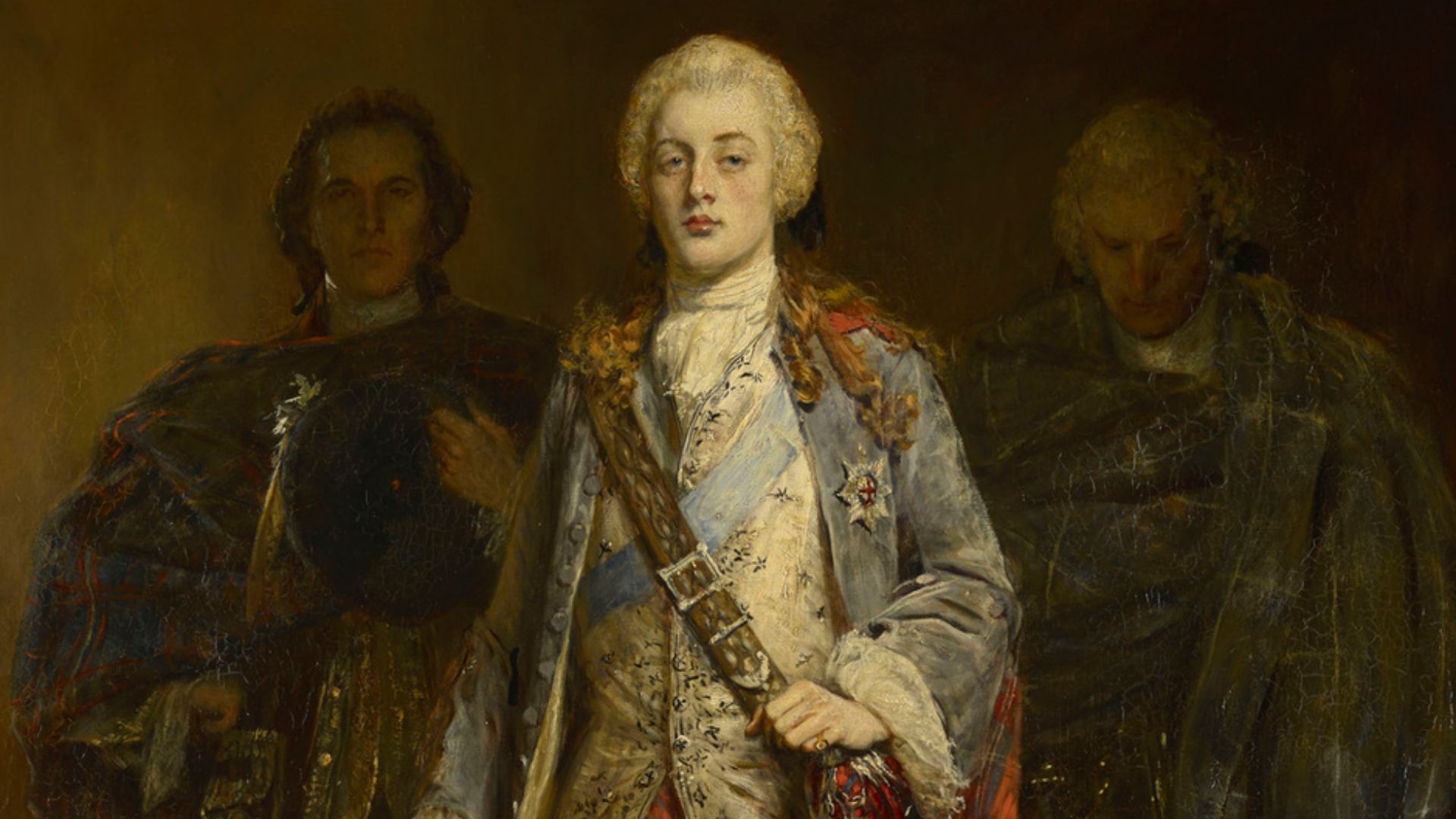
Scottish clan leaders might have wished for the Stuart branch to go back on the throne, but they took one look at Charles and began to have doubts. First of all, he had arrived without significant French support, and they knew the dangers of supporting a rebellion that had failed before. But this wasn’t the only thing standing in Charles’s way.
 John Pettie, Wikimedia Commons
30. The Scots Spurned Him
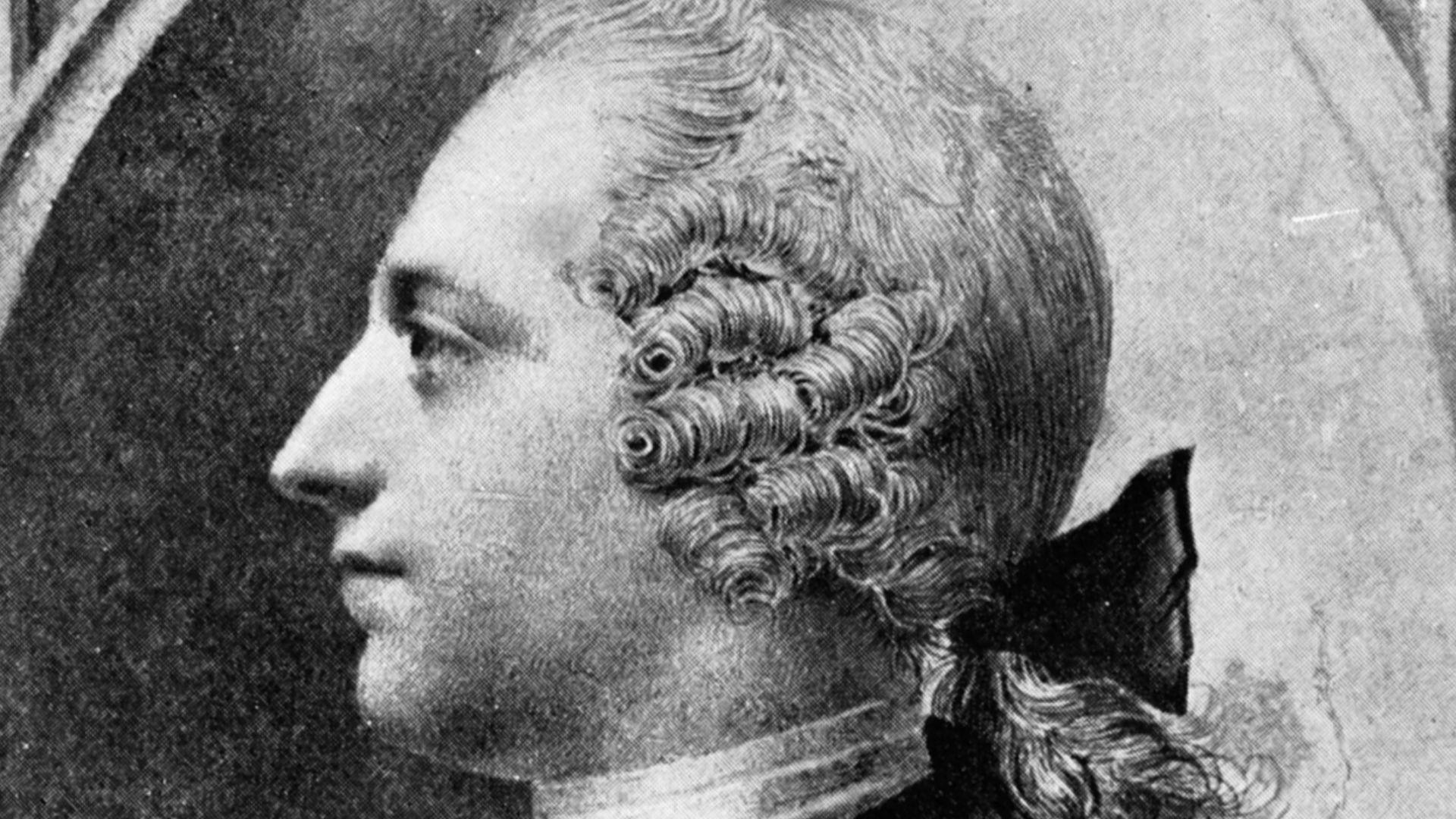
Charles himself was a big hurdle for the clan leaders. Semi-dissolute and far too enamored with his own importance, the Scots were unconvinced that this would be the Stuart to lead them into victory. Indeed, instead of raising arms with Charles, the clans actually seriously advised him to pack up and go home.
It was advice he’d heard before, and his response was the same: No. This time, though, his stubbornness helped him.
 Giles Hussey, Wikimedia Commons
31. He Refused To Give Up
Instead of leaving, Charles simply set sail again and went to a different port, continuing his quest to gain homegrown support in Scotland (with help from the Irish) and launch an invasion into England. Incredibly, it worked: After making certain concessions, like learning Gaelic, Charles eventually amassed enough followers to march south into Edinburgh, perilously close to England.
Everything he wanted was so close to fruition. But as always, Charles was his own worst enemy.
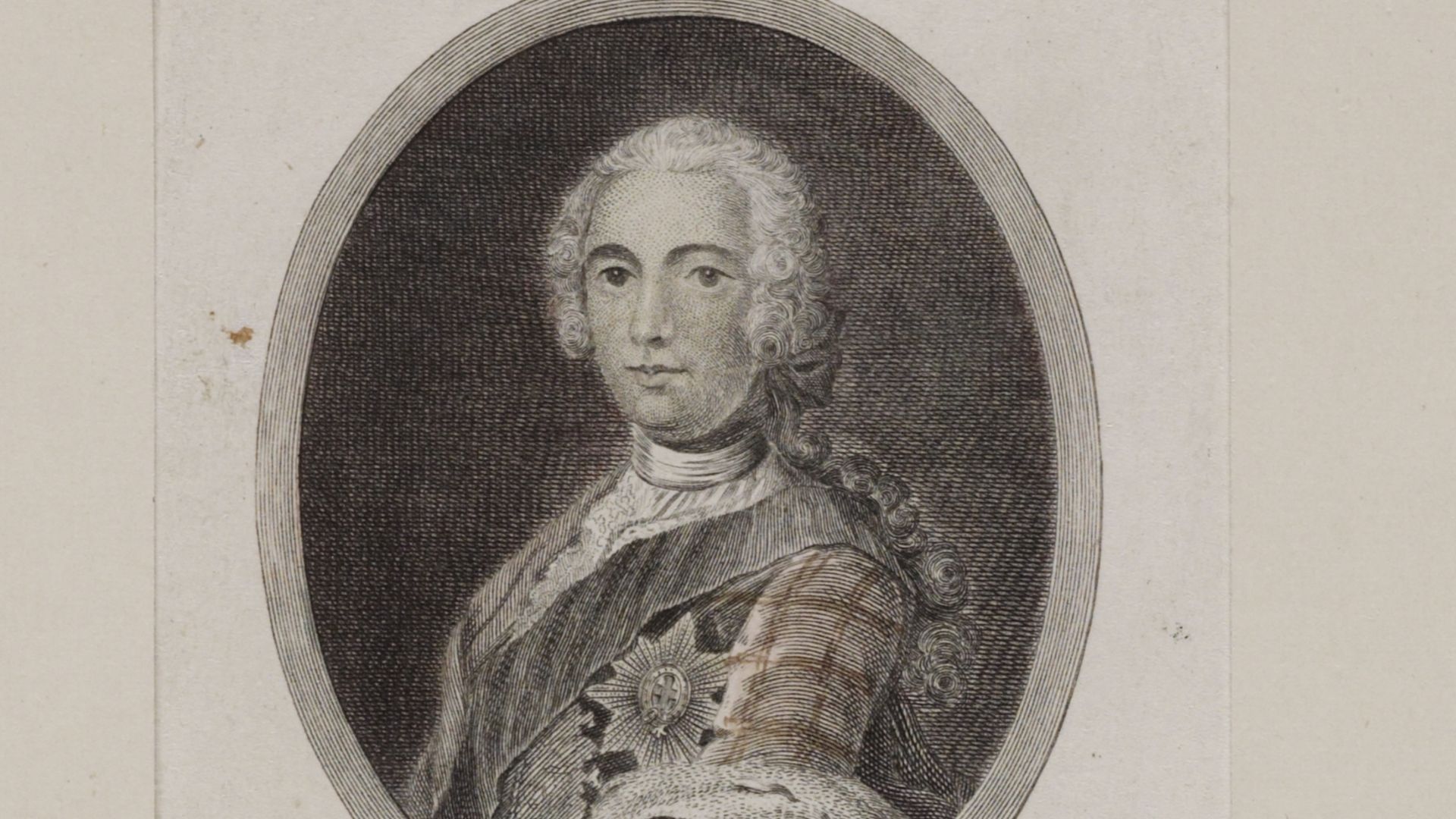
32. He Set Up Court
As the Jacobite cause caught fire again throughout Scotland and French supplies finally did arrive, Charles’s ego only grew larger—and people began to notice. When he set up his own court in Holyrood palace, even the Scots who supported him began to grow wary of how autocratic he seemed to be and how much he played favorites.
Still, England was the cornerstone of all Charles’s dreams, and to England he would go.
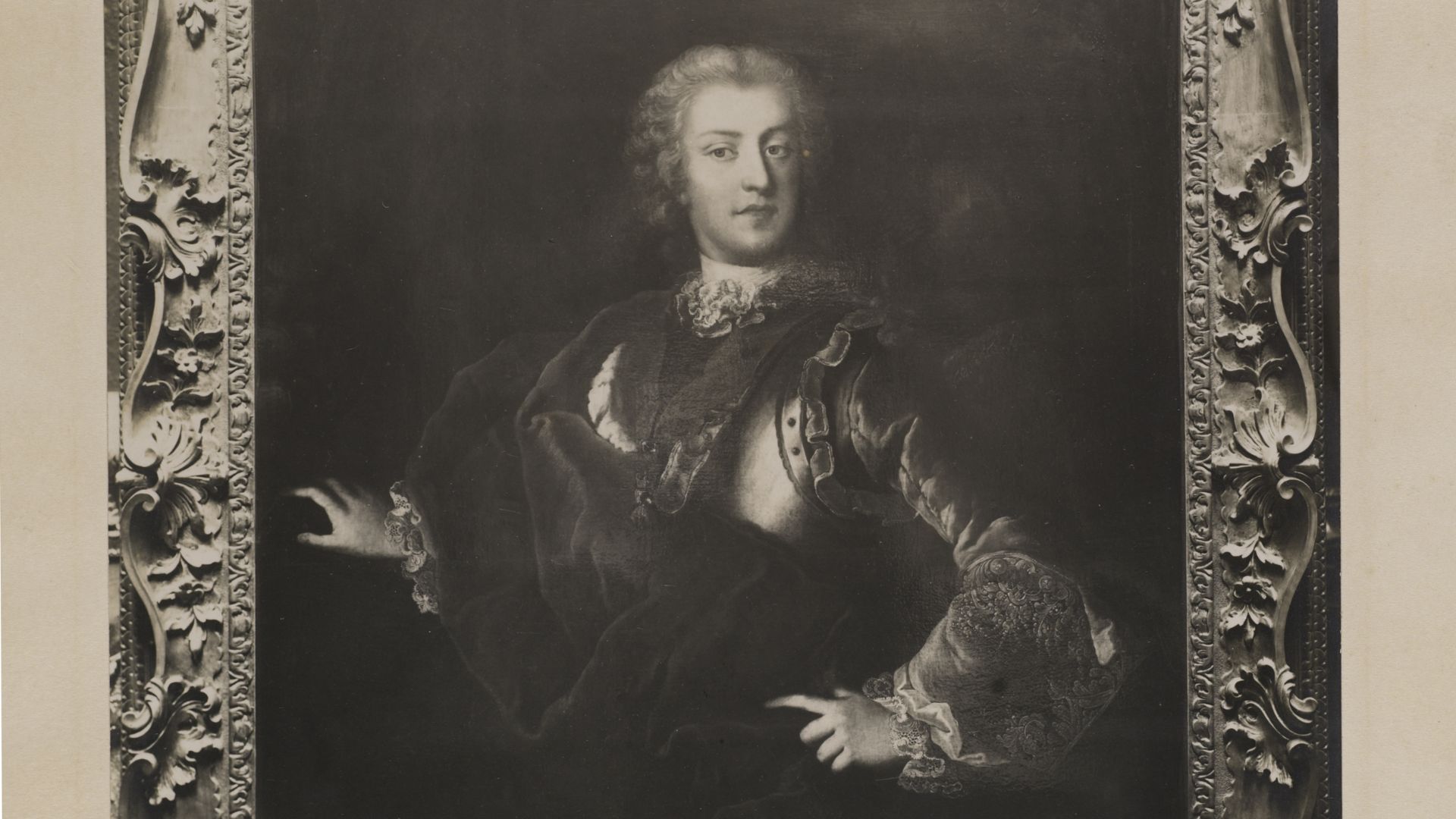
33. He Invaded England
On November 12, 1745, Charles’s men entered into Carlisle in the north of England and, thanks in part to the town’s fortress being badly maintained, won a relatively easy victory over the populace, with Charles making a triumphant entry into the town on November 18.
If it was anti-climactic for some, it wasn’t for Charles: He had entered England. He now began pushing to go even further south, with London in his sights. There was just one problem.
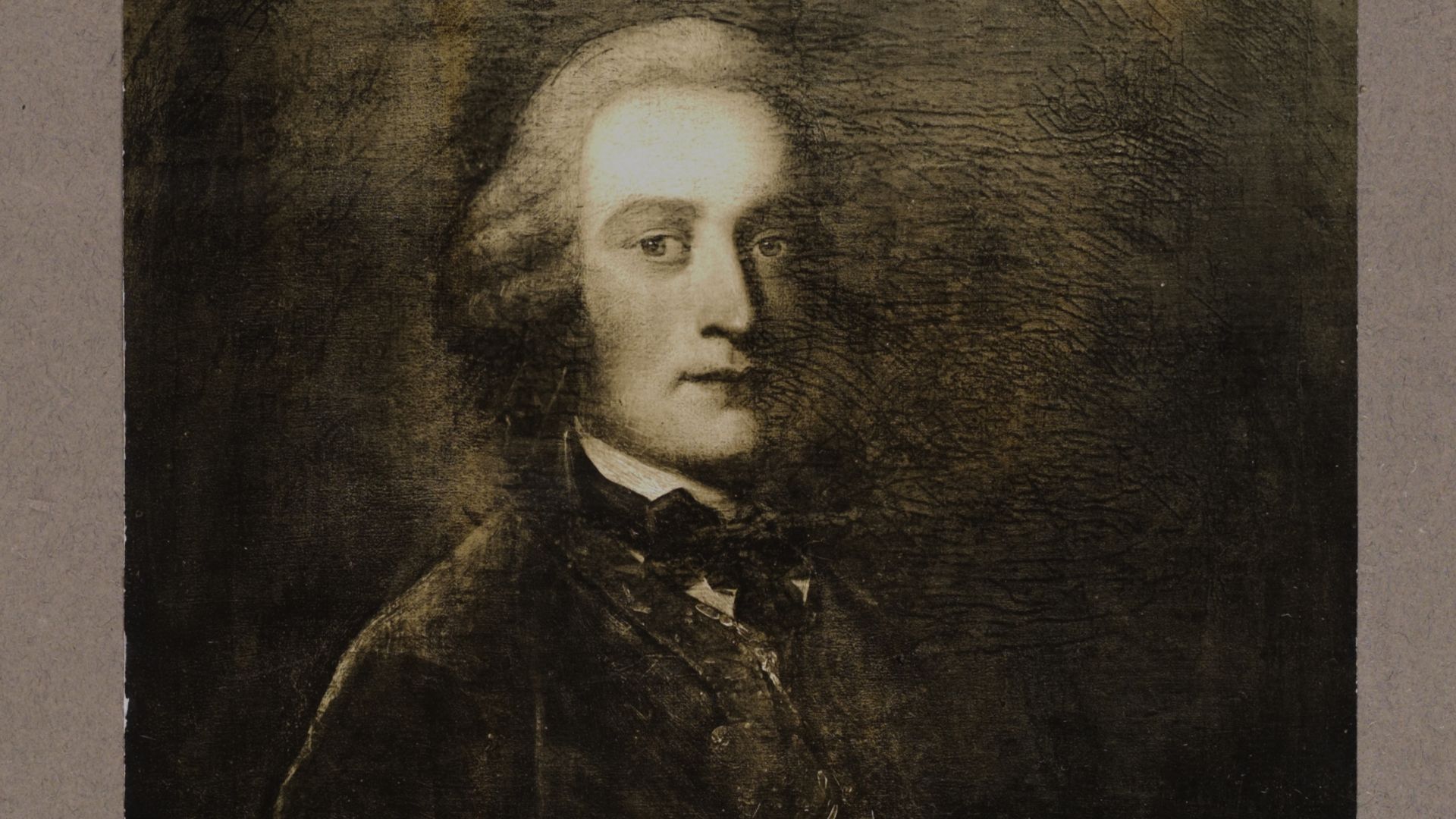
34. He Kept Pushing
It was one thing for Charles to push into the fringes of England with his Celtic forces; it was entirely another to invade England wholesale. Everyone knew that for “Bonnie Prince Charlie” to succeed, he would need support from English Jacobites as well—but, Charles assured everyone, he’d gotten word of exactly this support recently.
With this information, his army did indeed go further south into Derby, despite much disagreement about the wisdom of the move among his men. They would live to regret it.
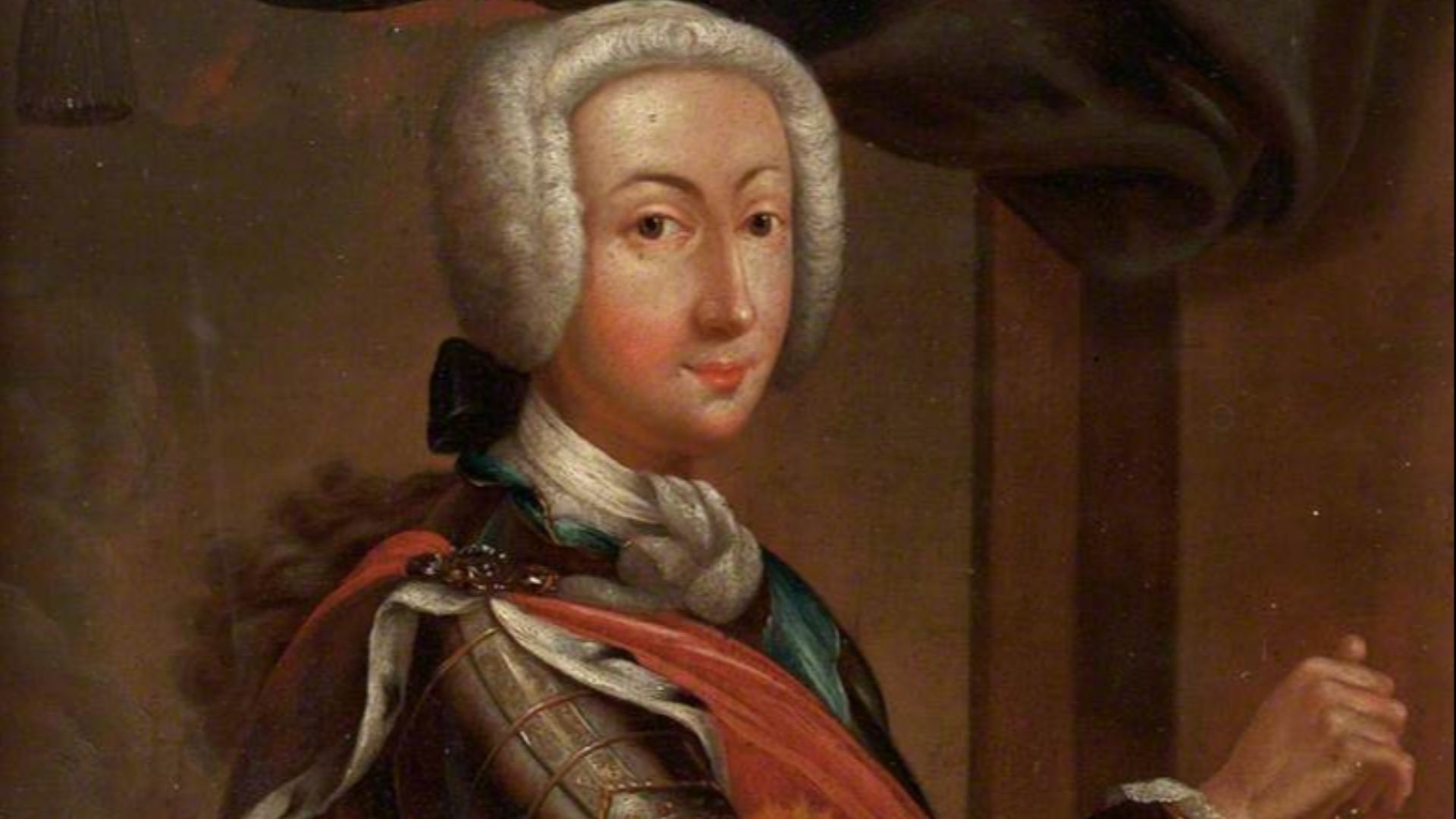
35. He Lied To His Allies
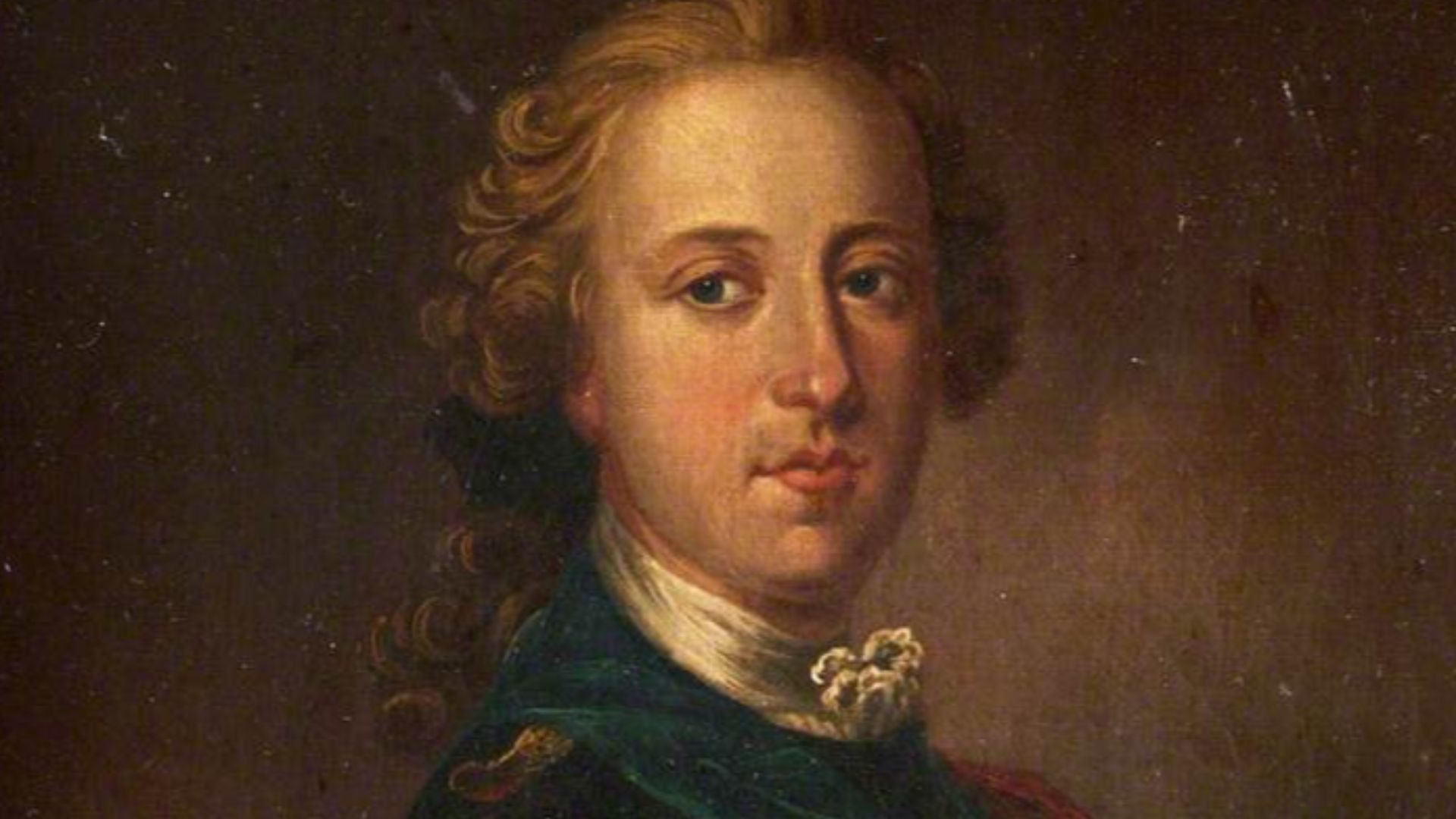
In Derby, Charles and his men got word that the government was amassing forces to come get them, but this wasn’t their most immediate concern: They also began having a harder and harder time with the local populace. Which is when Charles made a shameful confession.
All those English Jacobite supporters he’d spoken of? Yeah, he’d lied. He hadn’t heard from them in a good long while, and he didn’t have the grassroots support he so desperately needed. At this point, it all turned upside down.
 Louis Tocqué, Wikimedia Commons
36. He Made An Embarrassing Retreat
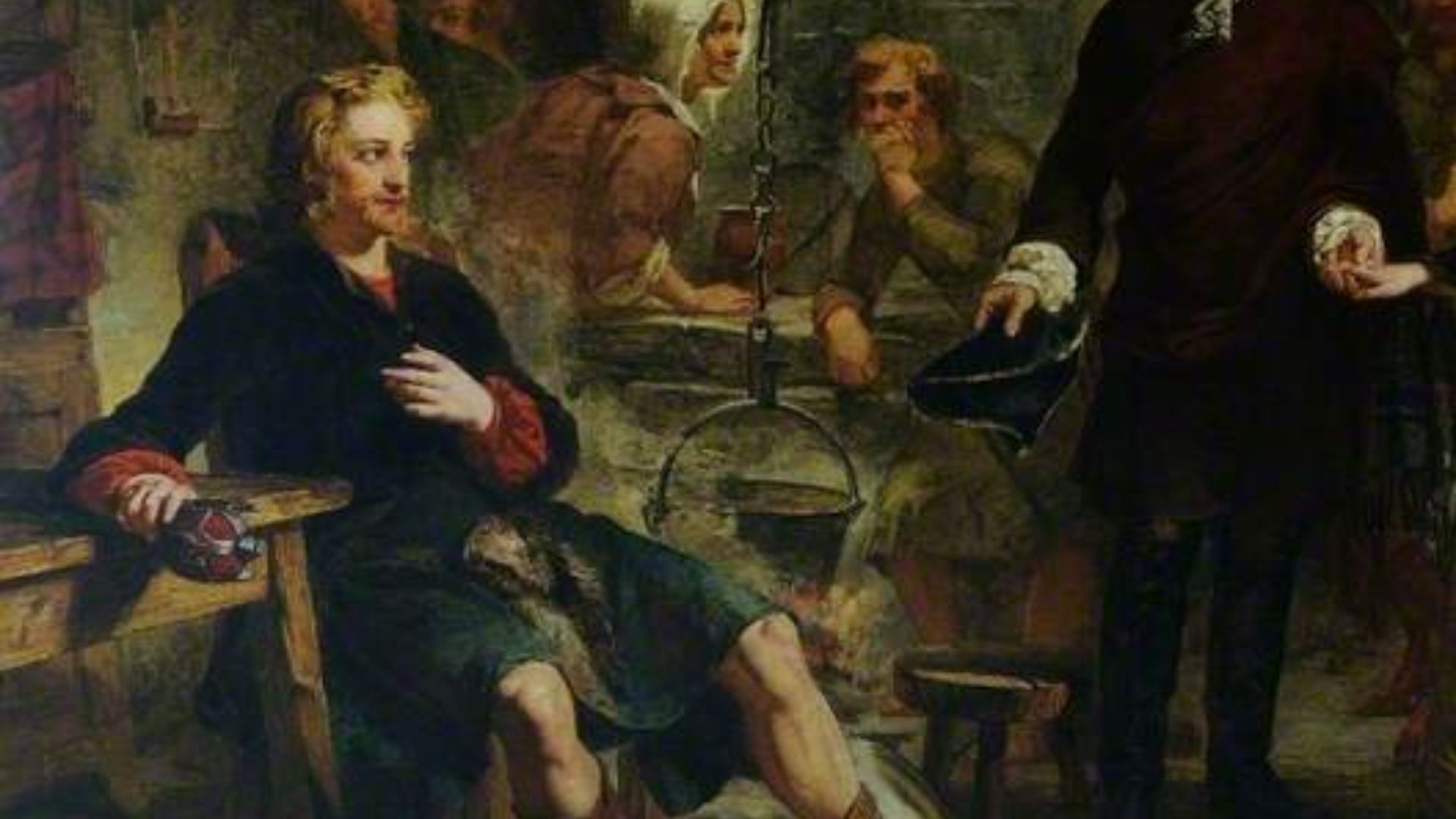
Many of Charles’s once-loyal Scots were now utterly disgusted with his dishonesty and—despite a distraught Charles begging and pleading to keep going toward London—up and pulled their men back northward to the safety of Scotland to regroup. Embarrassingly enough, Charles had to trace the exact route northward that he’d made southward, losing all his ground.
Only, the next few months would make this mortification look like child’s play.
 Alexander Johnston, Wikimedia Commons
37. He Had To Run For His Life
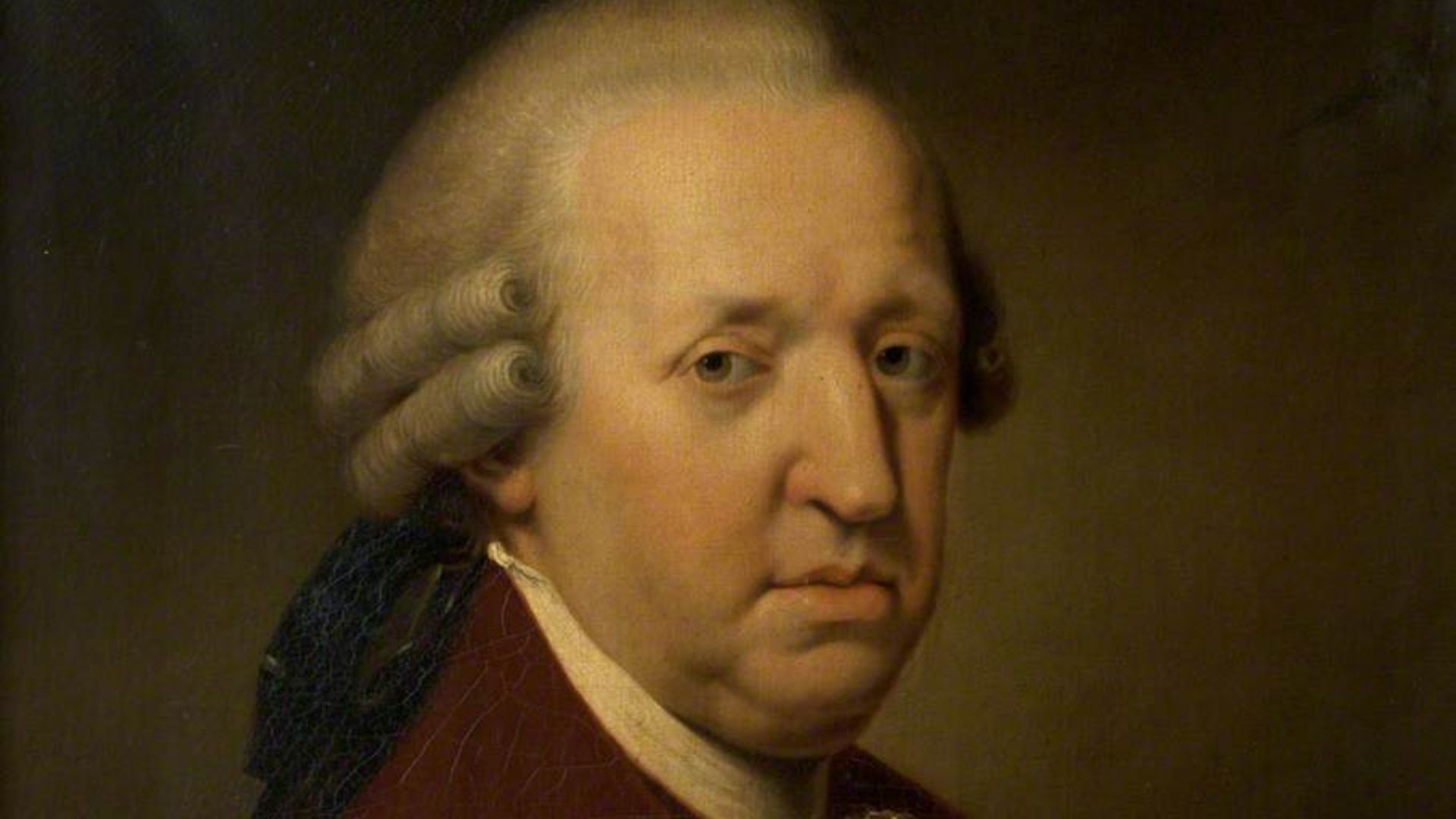
The rumors about government forces had proved true, and Charles’s flight northward happened in the constant shadow of advancing royal troops. Even back in Scotland, Charles and his men desperately scrambled to gain any military foothold, dodging enemies whenever they could and even narrowly foiling an attempt to capture Charles.
Their final stand was a complete disaster.
 Hugh Douglas Hamilton, Wikimedia Commons
38. He Had An Infamous Defeat
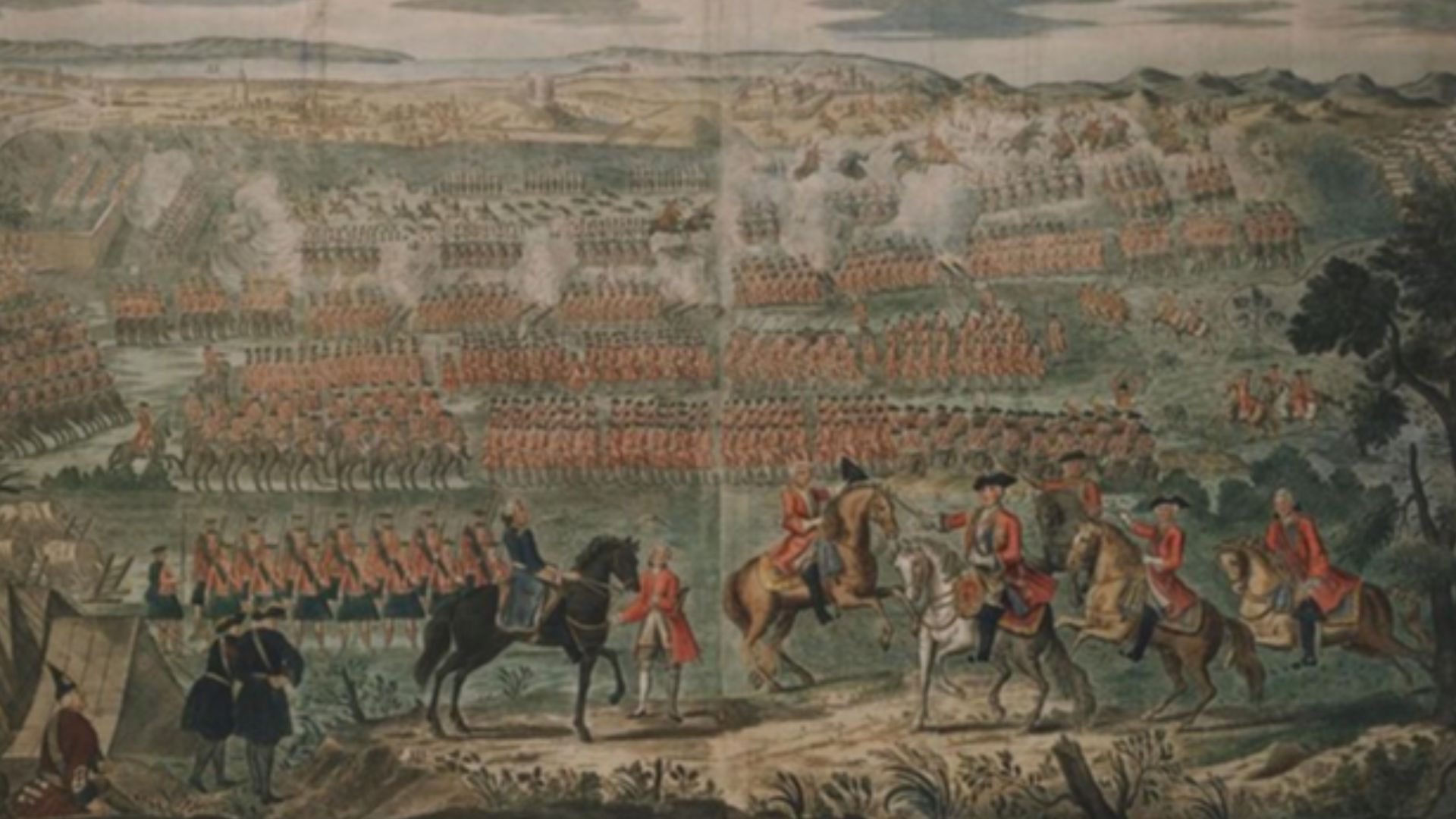
In April 1746 at the Battle of Culloden, the government finally caught up with Charles, and he was forced to face their royal might on the battlefield. It went terribly. Thanks to slipshod organization, bad luck, and worse military decision-making, Charles’s Jacobites were trounced, and Charles had to flee the battlefield for his life.
But there was still one last disgrace.
 David Morier (died 1770), Wikimedia Commons
39. He Was Public Enemy Number One
With the royal army in hot pursuit, Charles had to play a game of hide and seek with the British government for months, tucking himself away in the highlands, disguising himself as a maid to board a ship, and hiding out in the Grampian Mountains for weeks. He only escaped the British Isles altogether at the end of September, landing in the relative safety of France.
Only, now it was time to face the music—and Charles simply couldn’t.
 John Cassell, Wikimedia Commons
40. He Went On The Rebound
Over the next months, the truth began to sink in for the Young Pretender, at least as much as it ever could: His great rebellion had failed like his father’s. Although he tried to scrape up more support in both France and Spain to go back to England, no one was backing his horse, and Charles distracted himself in a dissolute life of mistresses, Montmartre, and alcohol.
But in the end, Charles simply couldn’t let his dream go.
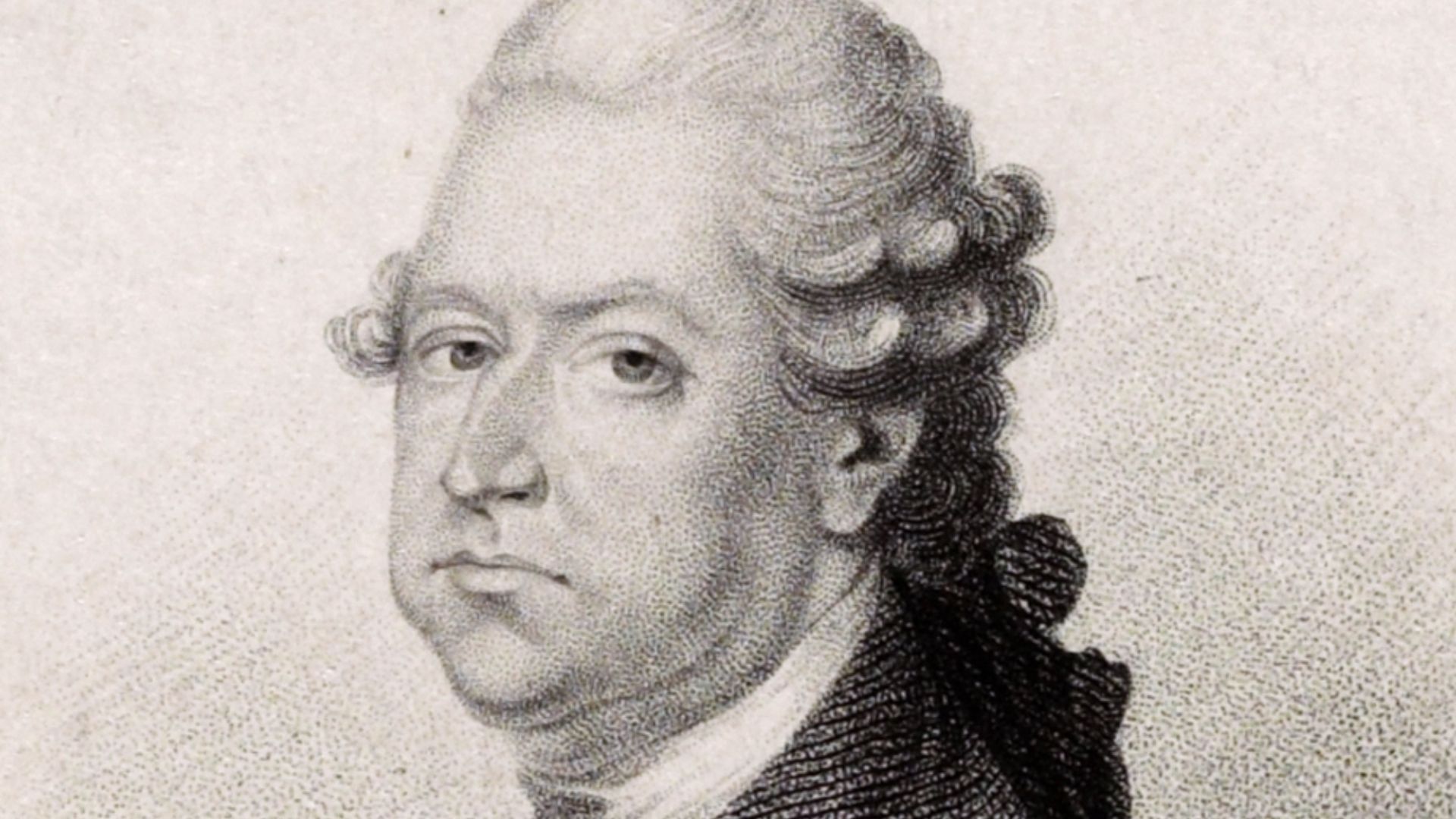 QuartierLatin1968, Wikimedia Commons
41. He Lived In A Fantasy
Charles found it terrifyingly easy to disappear into a world of his own making. While he planned his next move, he kept dallying in France, even though the country was deeply unhappy with him. This time, Charles made so little attempt to go incognito that in 1748, after publicly attending an opera, he was briefly imprisoned and then deported.
In the coming years, Charles still kept going to France, though he did at least wear disguises again. Other illusions shattered much less easily.
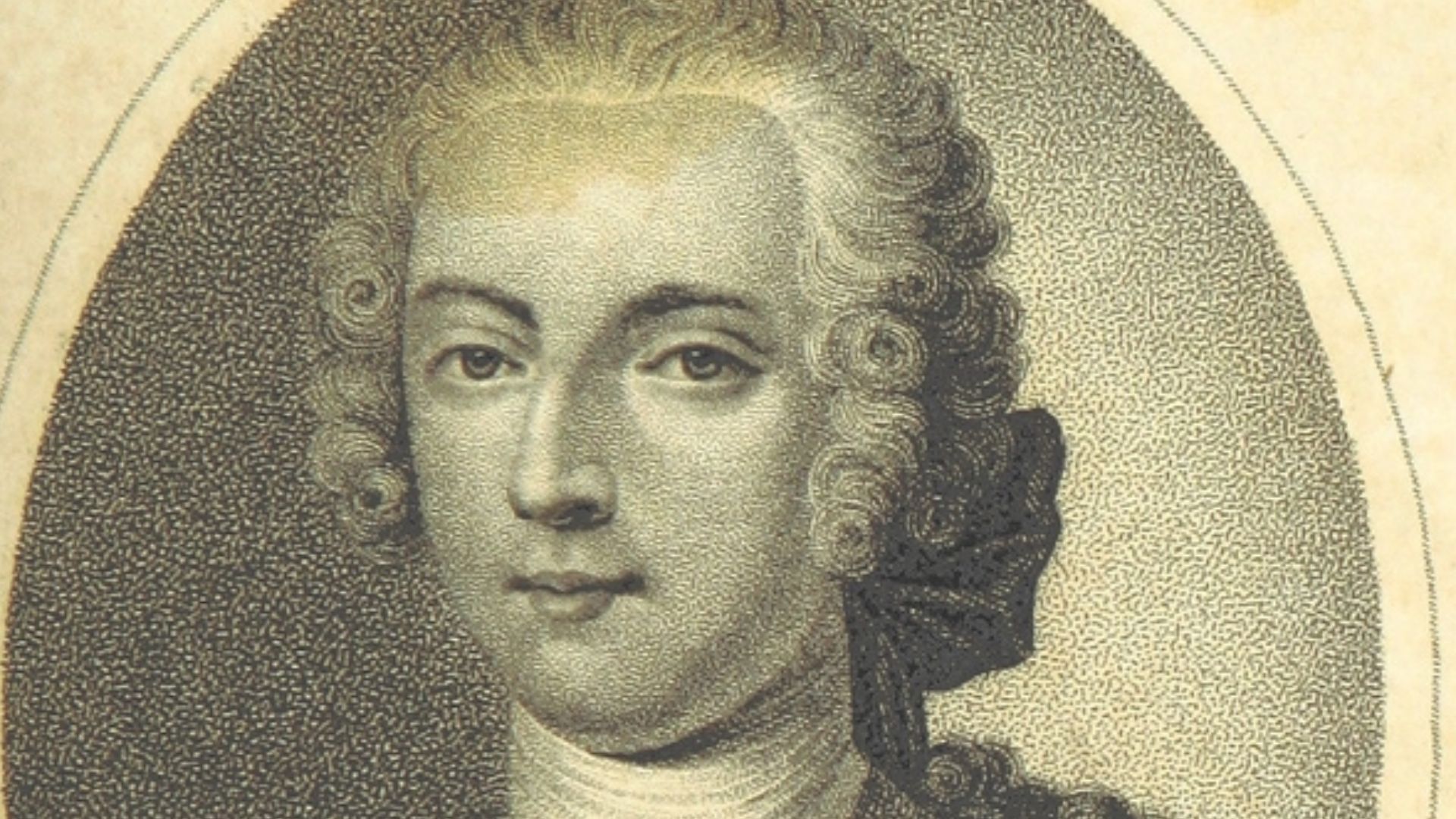 Metilsteiner, Wikimedia Commons
42. He Sold His Soul For Power
While everyone around Charles reconciled themselves to the end of the Stuart dynasty, Charles himself entered the bargaining stage. He began to let it be known that he would give up Catholicism—the fundamental belief his grandfather had lost the throne for—and become a Protestant, if only he could reign. It was a flagrant betrayal of everything his family stood for, but Charles was willing to give up anything for power. In 1750, he even traveled to London to garner scraps of support and have a conversion ceremony.
His refusal to face the truth was about to take an enormous toll.
 French School / Unidentified painter, Wikimedia Commons
43. His Family Betrayed Him
In 1747, Charles became particularly incensed at both his father and his brother Henry when the Old Pretender helped his youngest son become a Cardinal, admitting Henry into holy orders and vows of celibacy. For Charles, it was the ultimate betrayal, slashing his chances of producing a “royal” heir, which he was still missing. After all, keeping a woman around was becoming an increasing problem for Charles…
 Circle of Anton Raphael Mengs, Wikimedia Commons
44. He Was A Horrible Lover
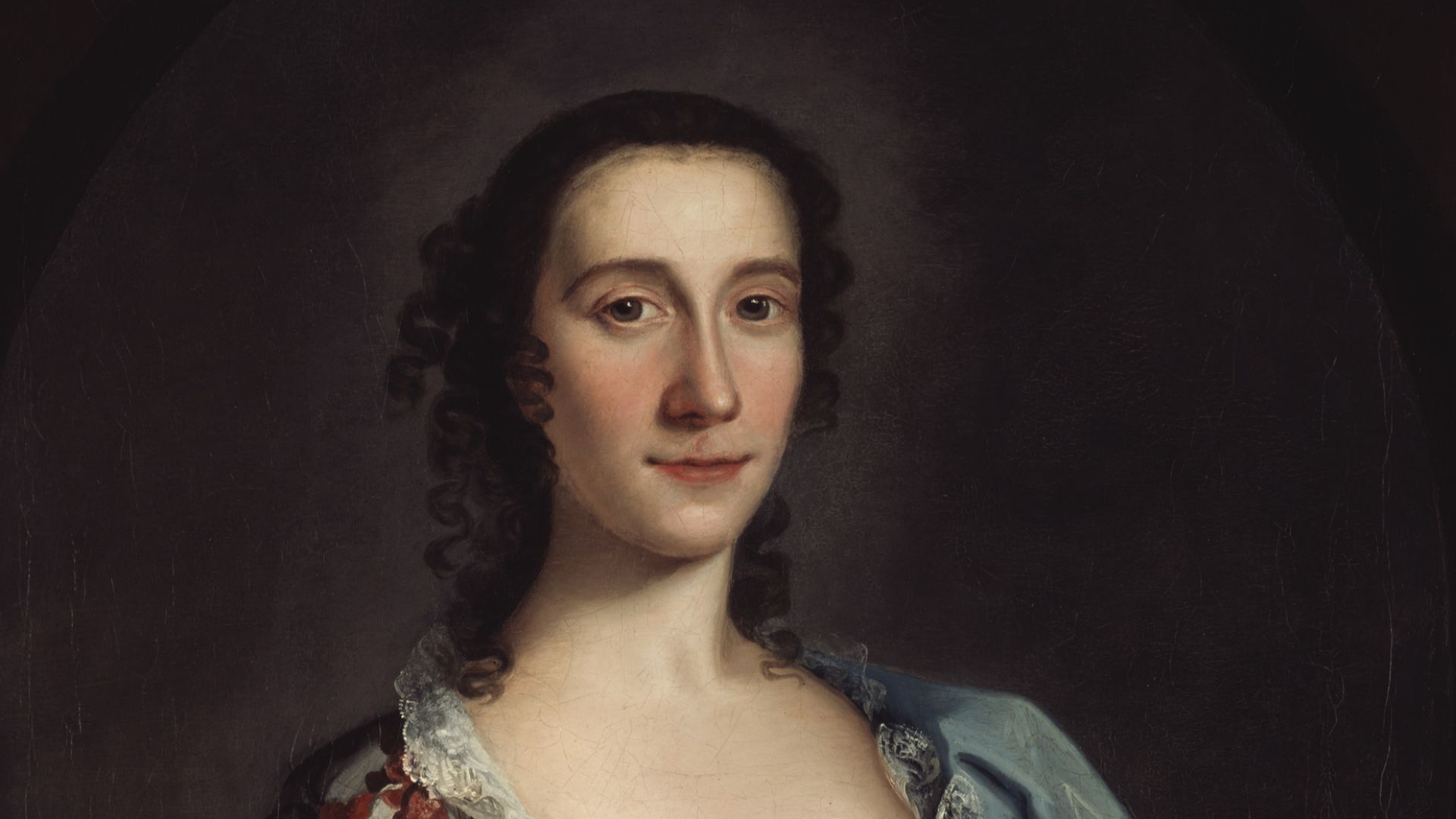
Charles had a long-term mistress in Clementina Walkinshaw, and the pair even had an illegitimate daughter, Charlotte, in 1753. But years of disillusionment had made the Young Pretender a sorry partner: His taste for alcohol had turned into addiction, and he was an angry, violent sot who attacked Clementina and treated her as a “submissive whipping post”.
Eventually, even the devoted Clementina had enough, and she enacted—at least to Charles—another vicious betrayal.
 Unidentified painter, Wikimedia Commons
45. His Mistress Escaped Him
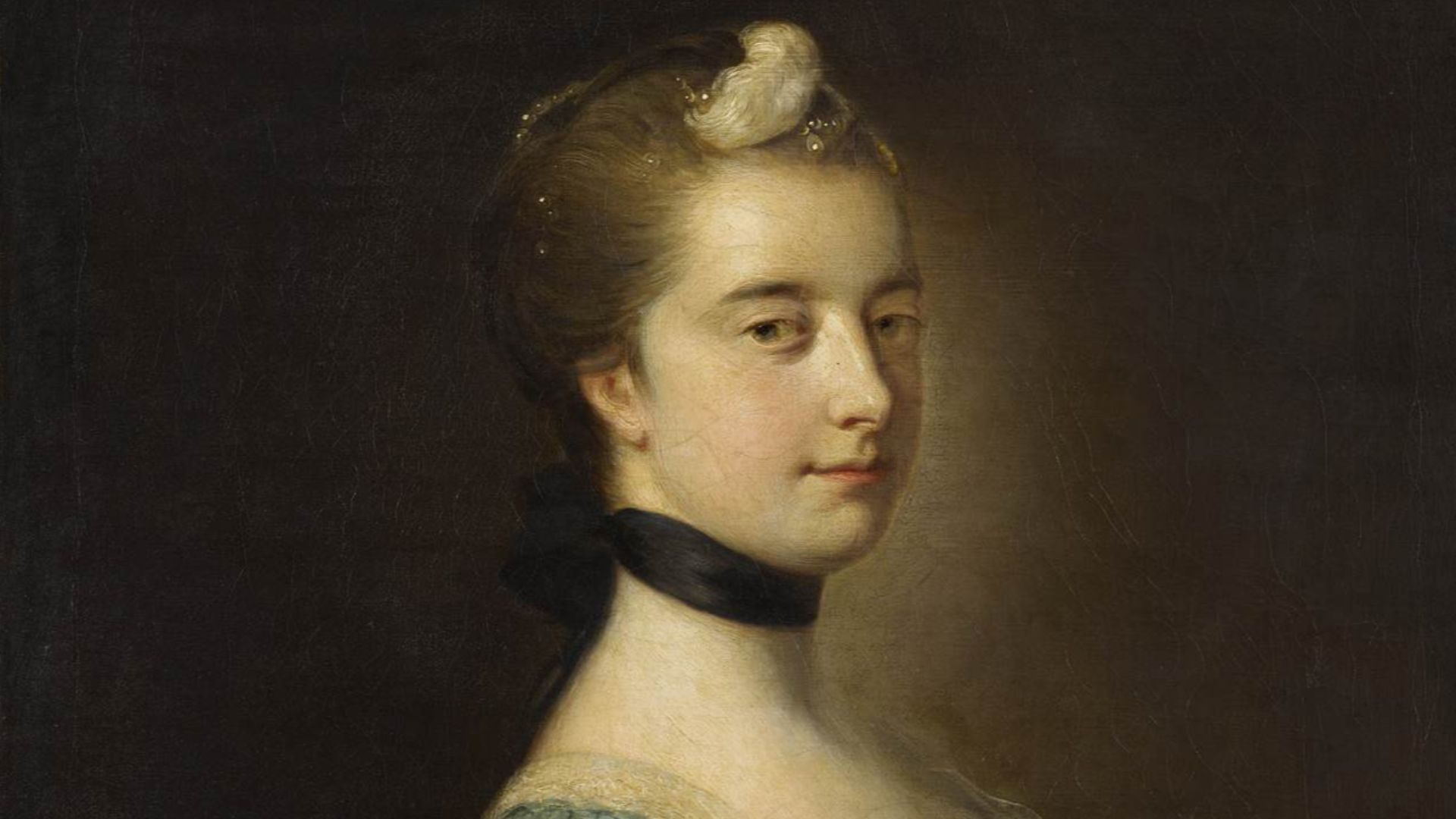
Clementina and little Charlotte were so miserable in Charles’s drunken shadow that in 1760, Clemetina contacted Charles’s father and begged him to give Charlotte a Catholic education and an annuity while she retired to a convent. James, knowing his wayward son, readily agreed, giving Clementina the money and possibly even helping her escape.
Charles was furious when he found out, and circulated descriptions of the two to get them back. He ultimately failed in this too, only to find he couldn’t rage against his father for long.
 Francis Cotes, Wikimedia Commons
46. He Couldn’t Fill His Father’s Shoes
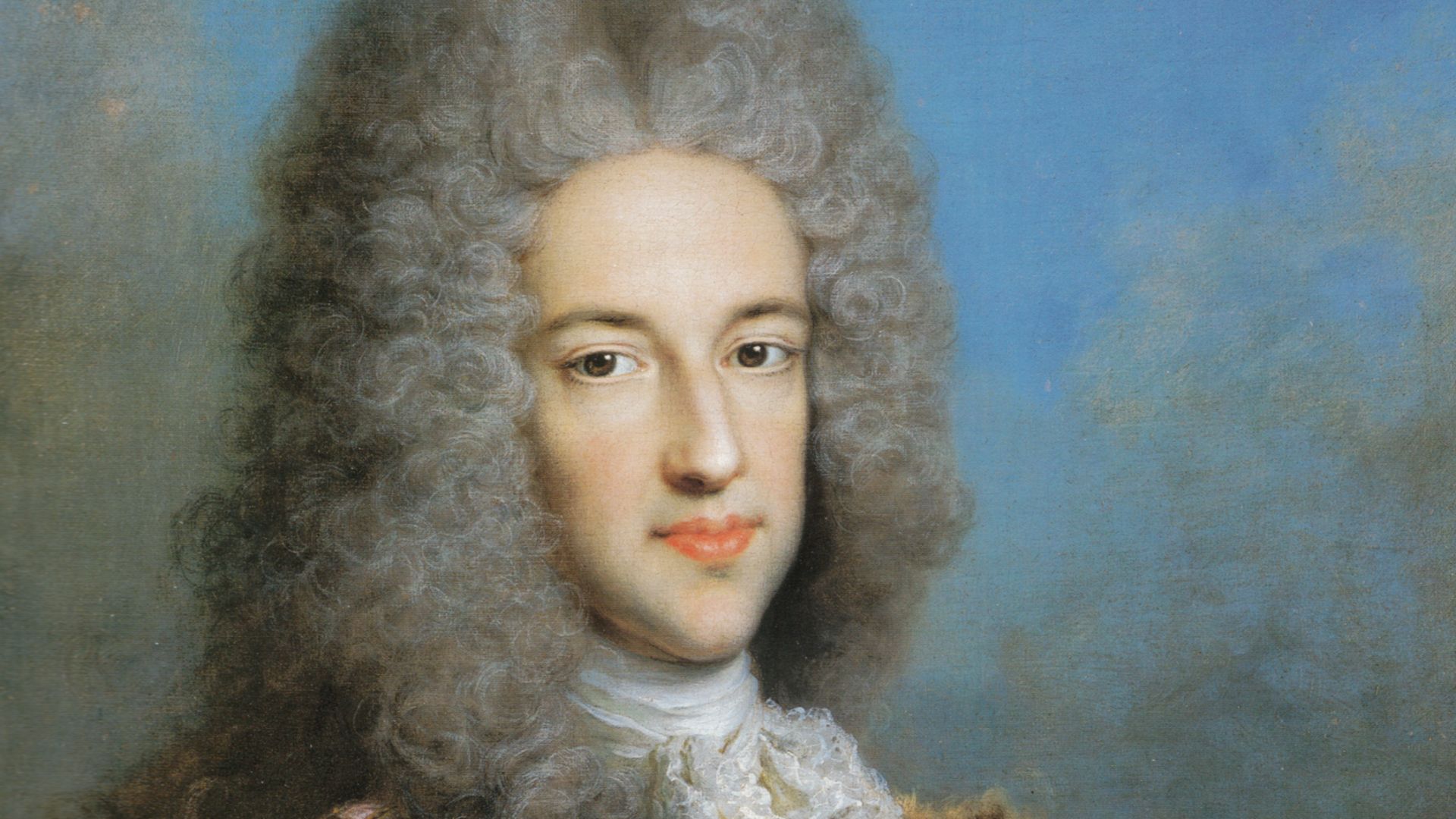
On New Year’s Day 1766—just one day after Charles’s birthday—James, the Old Pretender, passed at the age of 77. His demise turned Charles into the official ruler-in-exile, but the Young Pretender found very little to celebrate: While the Pope and other kingdoms had officially supported his father, he now found European powers turning away from him.
It was at least the second death knell of his dreams, but Charles’s life would have one last desperate act.
 Antonio David / Formerly attributed to Alexis Simon Belle, Wikimedia Commons
47. He Deteriorated Fast
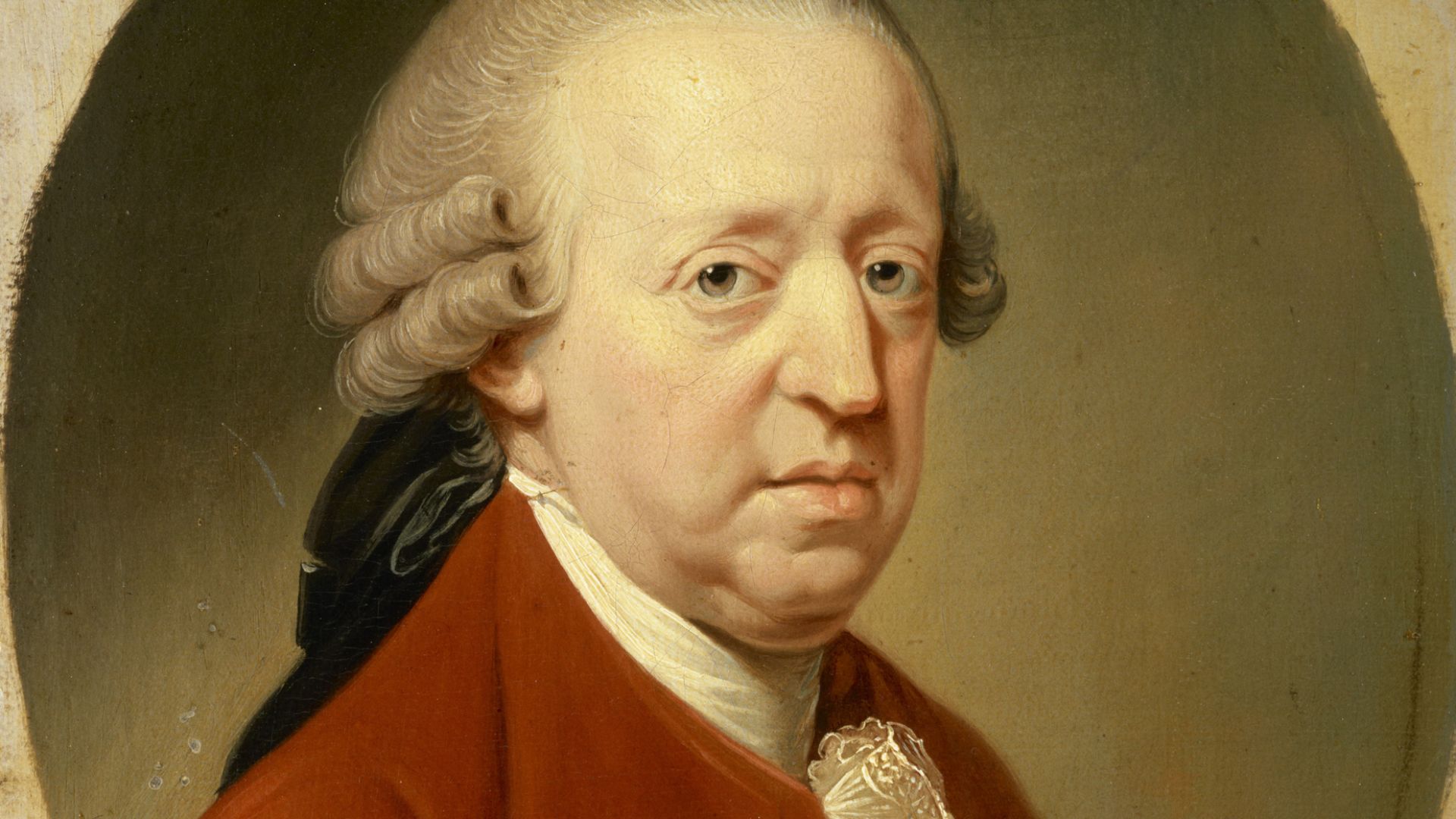
Charles Stuart was now a sorry sight. Heading into his 50s and crippled by alcoholism, he romped around Rome one moment and then would shut himself away in his rooms the next. At one point in 1771, he returned to Paris to discuss yet another Jacobite invasion, but when he met with the conspirators he was reportedly so drunk he couldn’t speak, effectively scuttling the plans.
In this state, he turned his self-destruction into plain old destruction again.
 Hugh Douglas Hamilton, Wikimedia Commons
48. He Married A Much Younger Woman
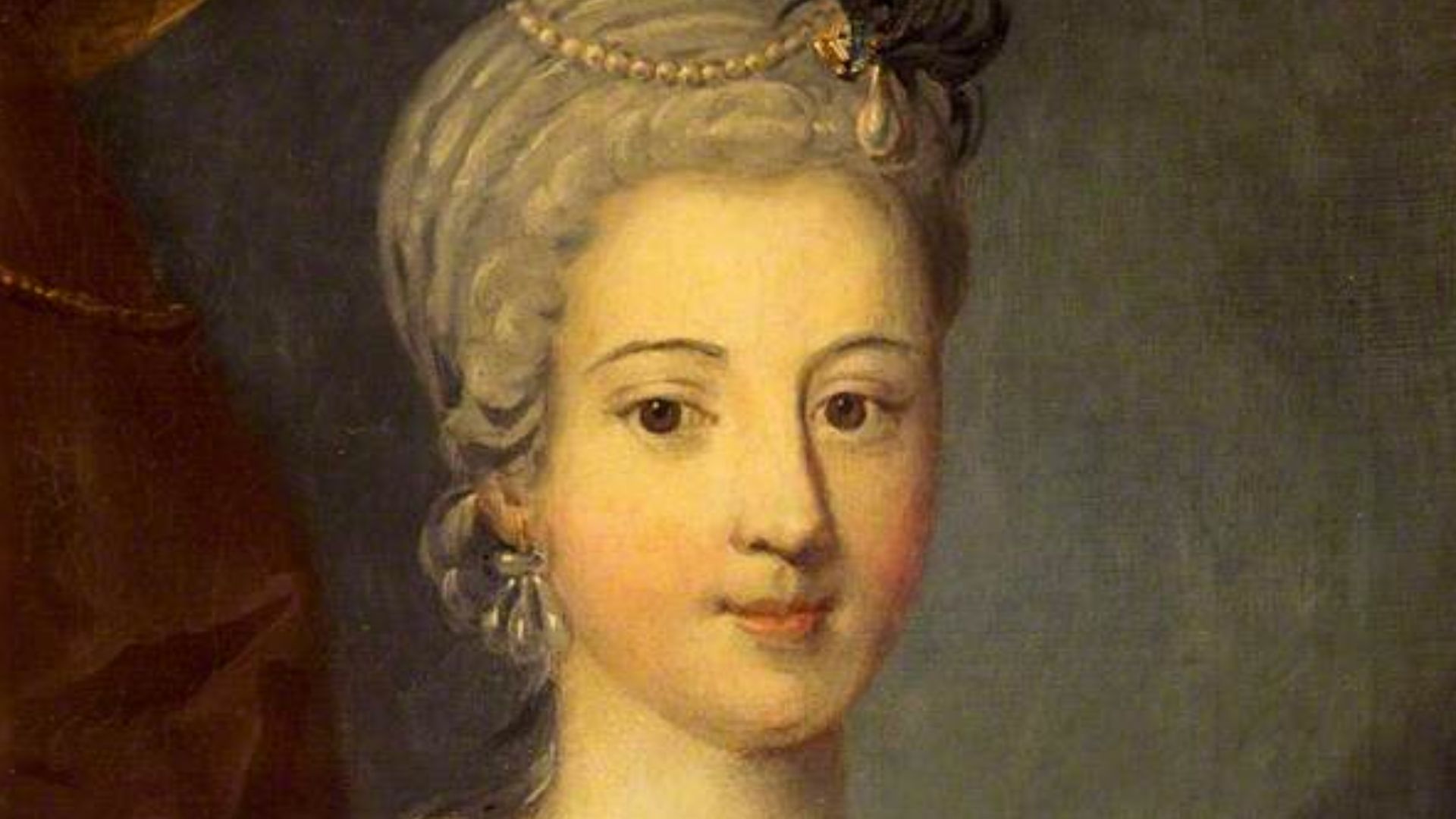
In 1772, after much difficulty finding a prospect, Charles married at the age of 52. His bride, 20-year-old Princess Louise of Solberg Gedern, had been promised a queenship, and Charles himself believed that if only he could produce a legitimate heir with Louise, then Europe would begin to recognize him, finally, as the true King of Britain.
Like so much in Charles’s life, it was a bubble that burst.
49. His Union Fell Apart
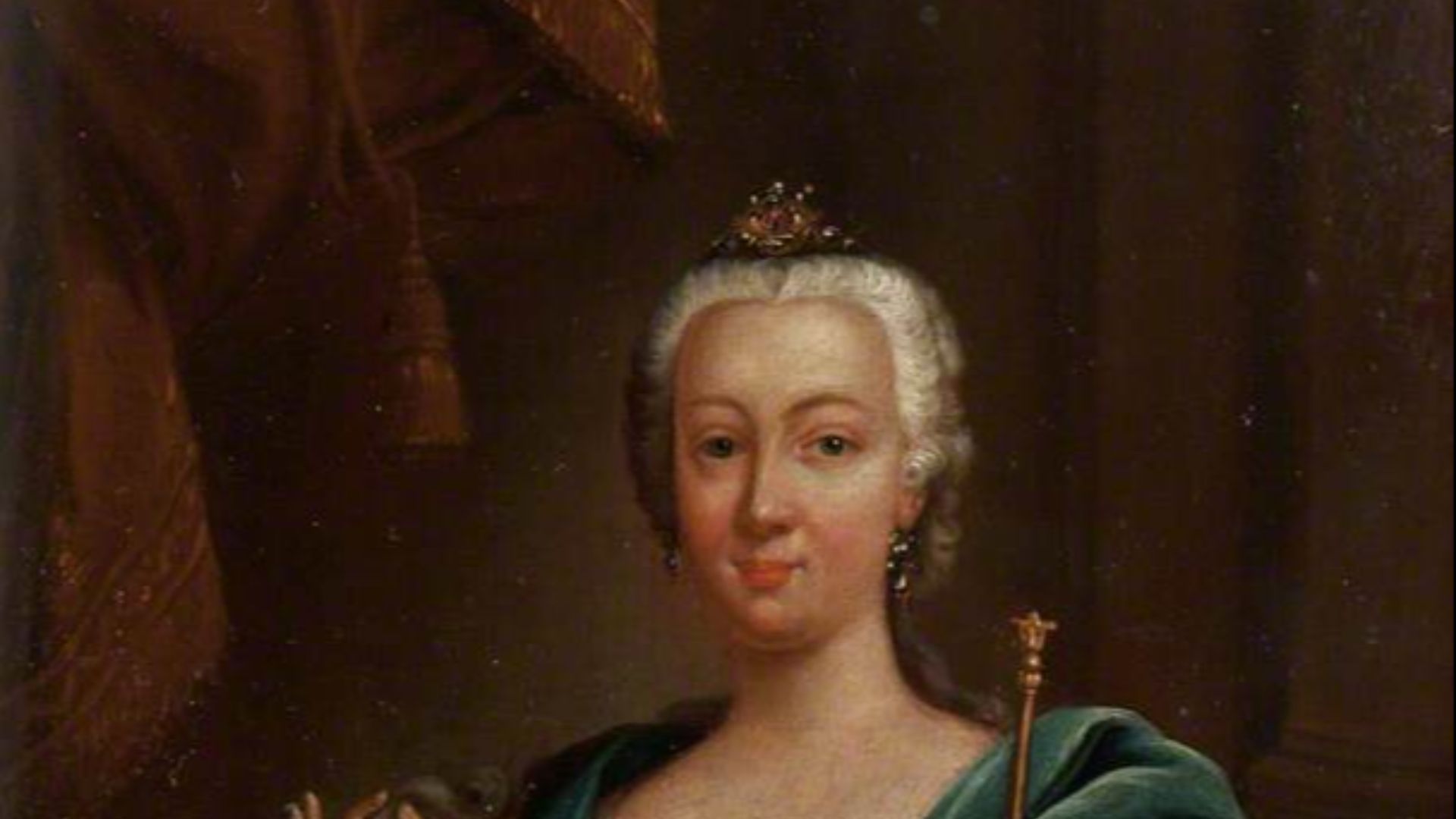
In no time, Louise and Charles turned on each other. For one, Louise never conceived the heir Charles so wanted; for another, it became clear that no crown was in Charles’s future, and Louise was disappointed to find she’d married an old has-been. It didn’t help that Charles was prone to attacking Louise like he once had Clementina, or that the disillusioned girl began having an affair with another nobleman.
It ended for Charles as it always did.
 Unidentified painter, Wikimedia Commons
50. Everyone Ended Up Leaving Him
In 1780, Charles was dealt the last embarrassment of his life. Louise, having finally had enough, asked his estranged brother Henry for help formally separating from her brute of a husband. It painfully mirrored his split from Clementina, and even the Pope seemed to land on Louise’s side, giving her half of Charles’s papal pension.
Charles’s already tattered reputation in Europe was now ripped to shreds. Even worse, he’d run out of time to mend it.
 François-Xavier Fabre, Wikimedia Commons
51. His Body Failed Him
After years of alcoholism, Charles’s health had been failing for years. He suffered from a host of ailments including asthma, high blood pressure, swollen legs, and ulcers, even at times needing servants to carry him just to and from his carriage.
So when the ailing, violent, would-be king passed on January 30 in 1788 at the age of 67, many breathed a sigh of relief. Yet this was its own bad omen.
 After Domenico Duprà, Wikimedia Commons
52. His Brother Kept His Secret
In the wake of Charles’s passing, his brother Henry—terrified at the truth—outright lied to the public. He told the world that Charles had passed on January 31st, not the 30th. He had good reason: In an eerie coincidence, the 30th was the anniversary of the execution of King Charles I, Charles Stuart’s great-grandfather. Bad luck had followed Charles even to his grave.