A Queen’s Death Left One Chilling Mystery
Catherine of Aragon, King Henry VIII's first wife, died in exile after weeks suffering from a violent, unknown illness. However, as her body was prepared for burial, those attending her noted that her body appeared to be unusually healthy—except for one chilling detail.
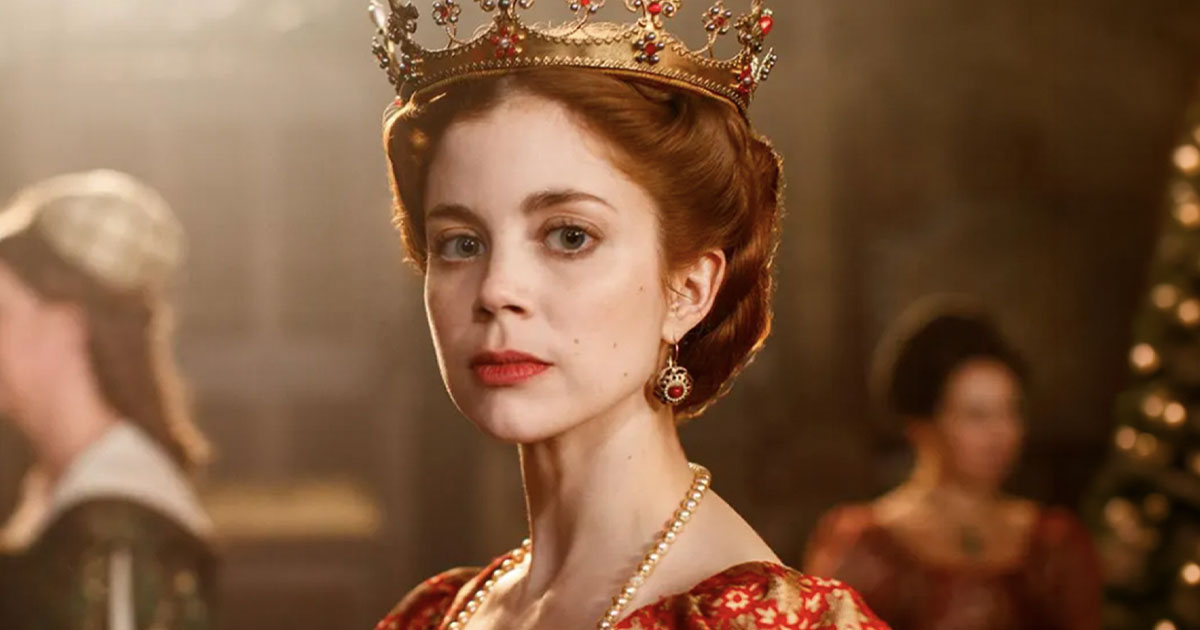
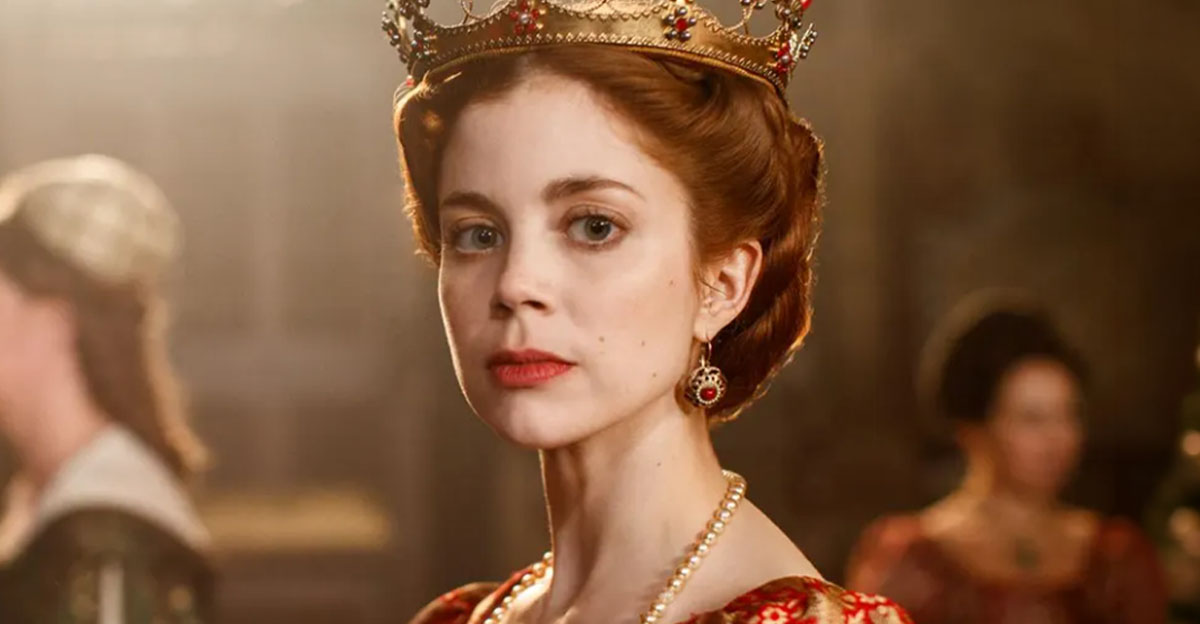 Playground Entertainment, The Spanish Princess (2019-2020)
She Was Born Into Power
Catherine was born on December 16, 1485, at Alcalá de Henares in Castile. The youngest daughter of Ferdinand II of Aragon and Isabella I of Castile, she grew up at the center of one of Europe’s most formidable royal courts. Her future was never expected to be ordinary.
 Raimundo Pastor, Wikimedia Commons
England Had Chosen Her Young
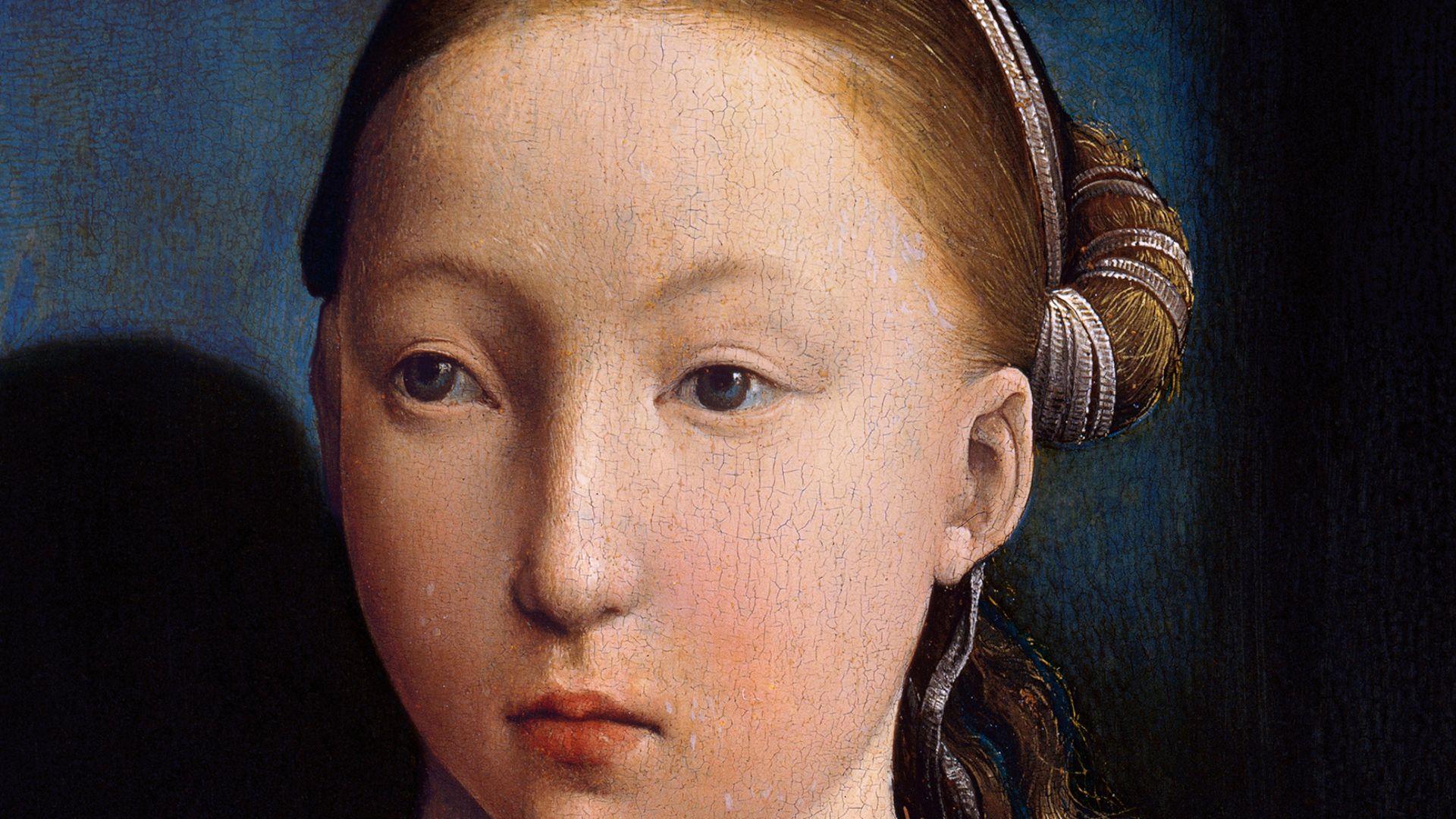
When Catherine was still a child, her parents arranged her marriage to Arthur, Prince of Wales, the eldest son of Henry VII. The match was meant to bind Spain and England together. In 1501, at age 15, she arrived in England and married Arthur at old St Paul’s Cathedral.
 Juan de Flandes, Wikimedia Commons
Widowhood Changed Everything
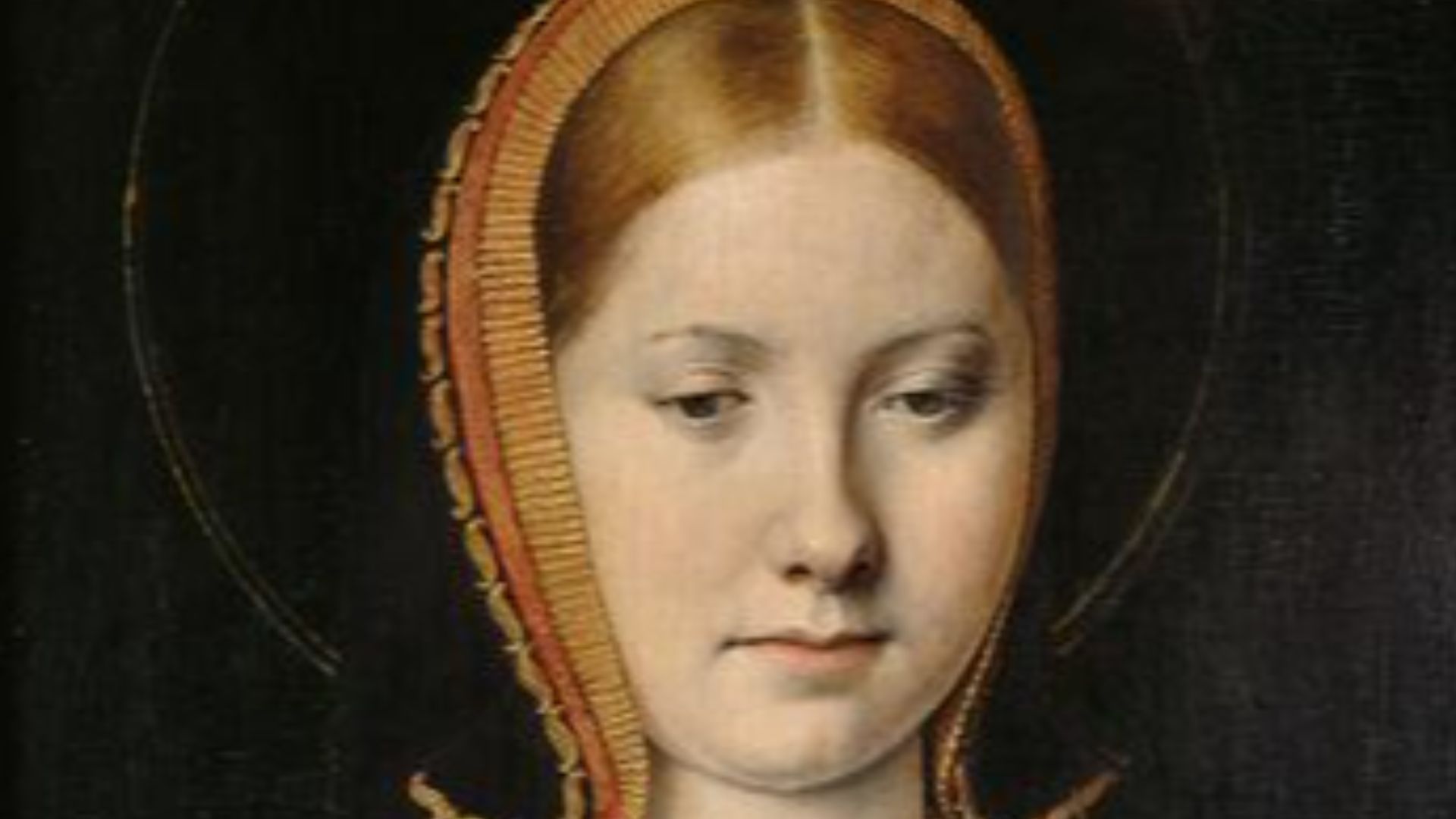
Less than five months later, Arthur died at Ludlow on April 2, 1502, after an unidentified illness. Catherine survived the sickness but became a teenage widow in a foreign country. Whether their marriage had been consummated would later become one of the most explosive questions in English history.
 Michael Sittow, Wikimedia Commons
She Married the Future Henry VIII
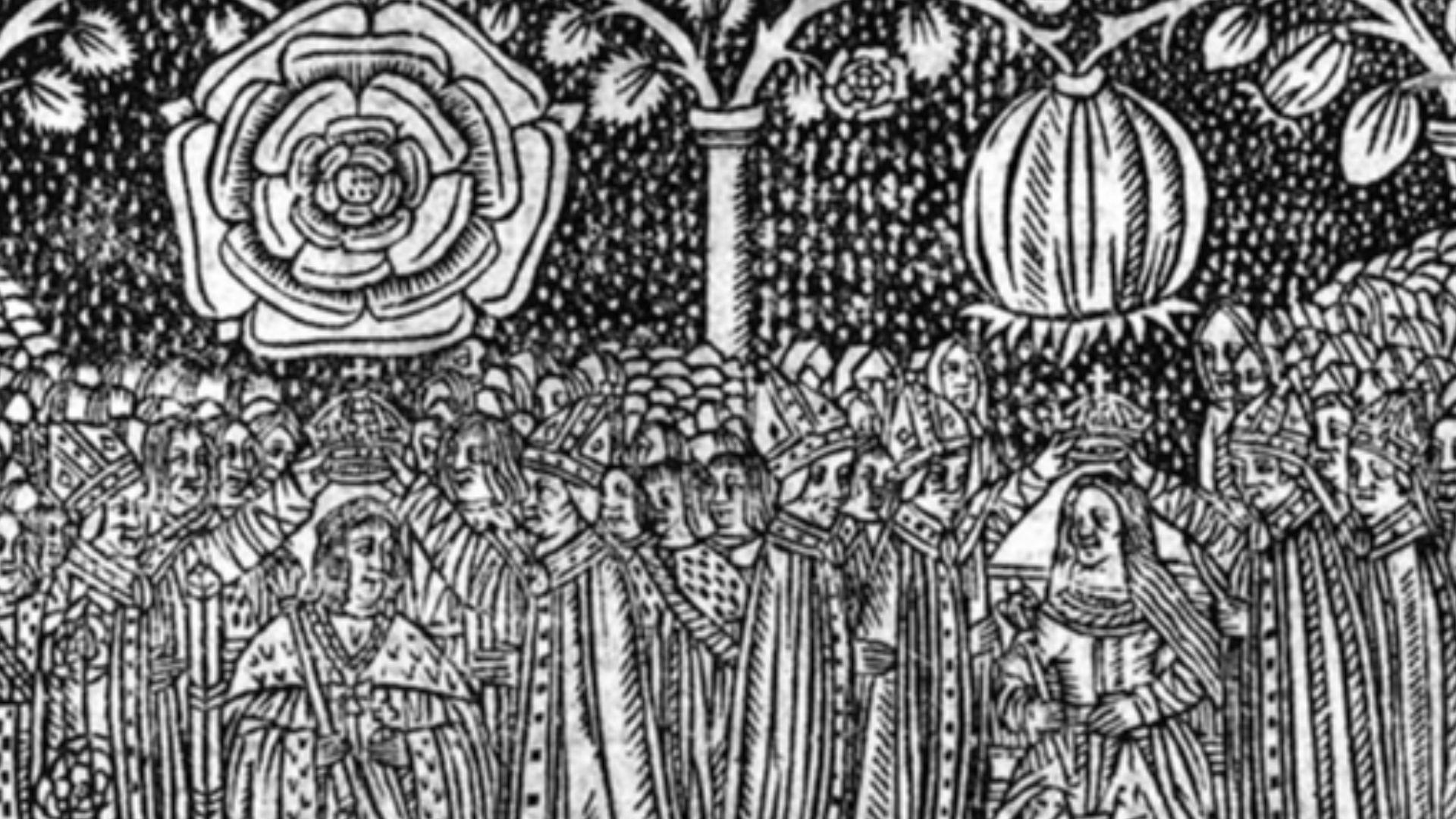
After years of uncertainty, Catherine married Arthur’s younger brother, Henry VIII, on June 11, 1509. He was 17; she was 23. They were crowned together days later, and for years Catherine was not merely his wife but one of the most respected queens in Europe.
 Unidentified engraver, Wikimedia Commons
She Was More Than Henry’s Wife
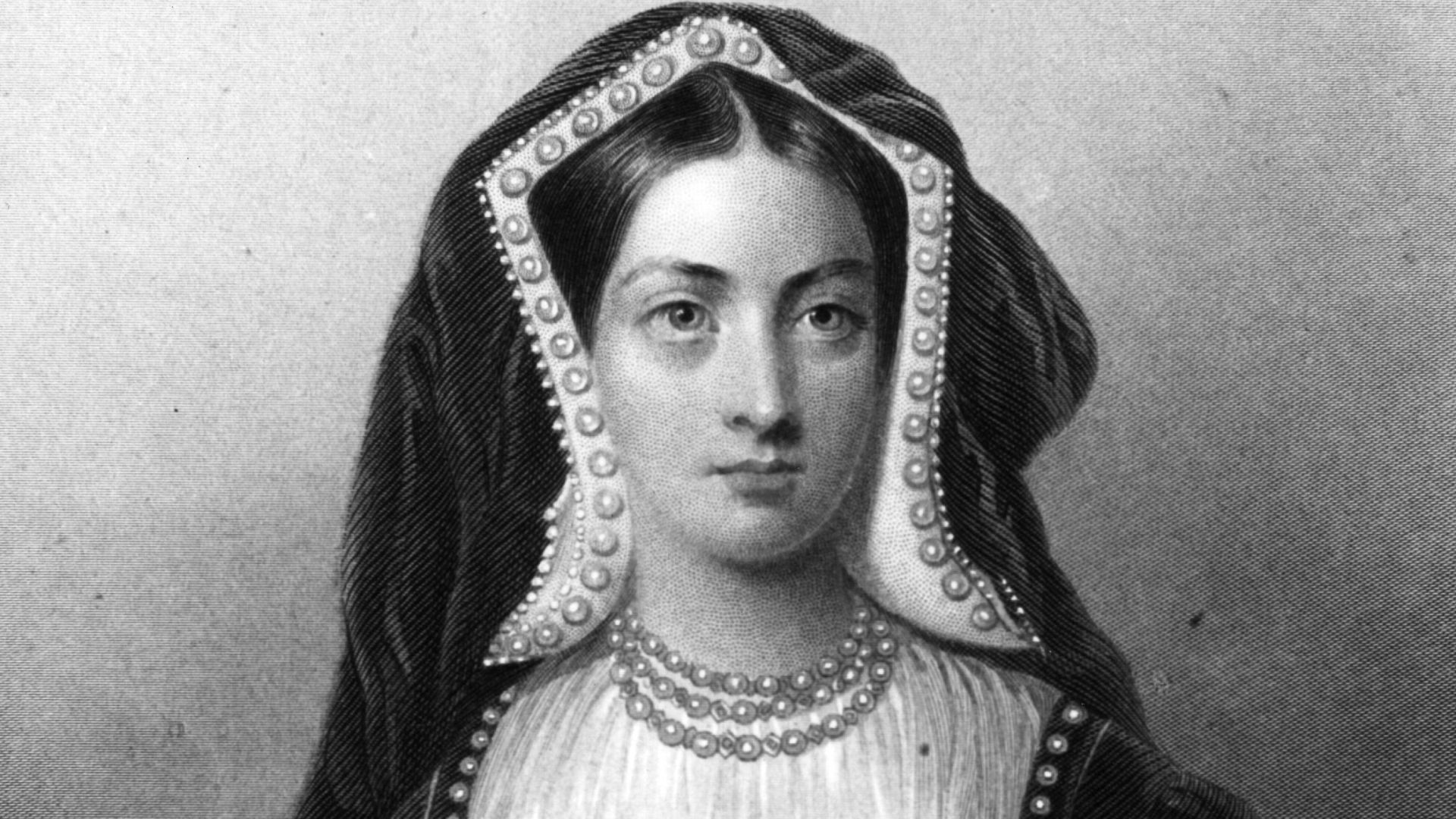
Educated in Latin, theology, languages, and statecraft, Catherine supported scholars and women’s education. In 1513, while Henry campaigned in France, he appointed her regent. During her rule, English forces defeated a Scottish invasion at the Battle of Flodden.
 engraved by W. H. Mote (1803-1871) after an illustration by J.W. Wright, Wikimedia Commons
Their Family Was Marked by Loss
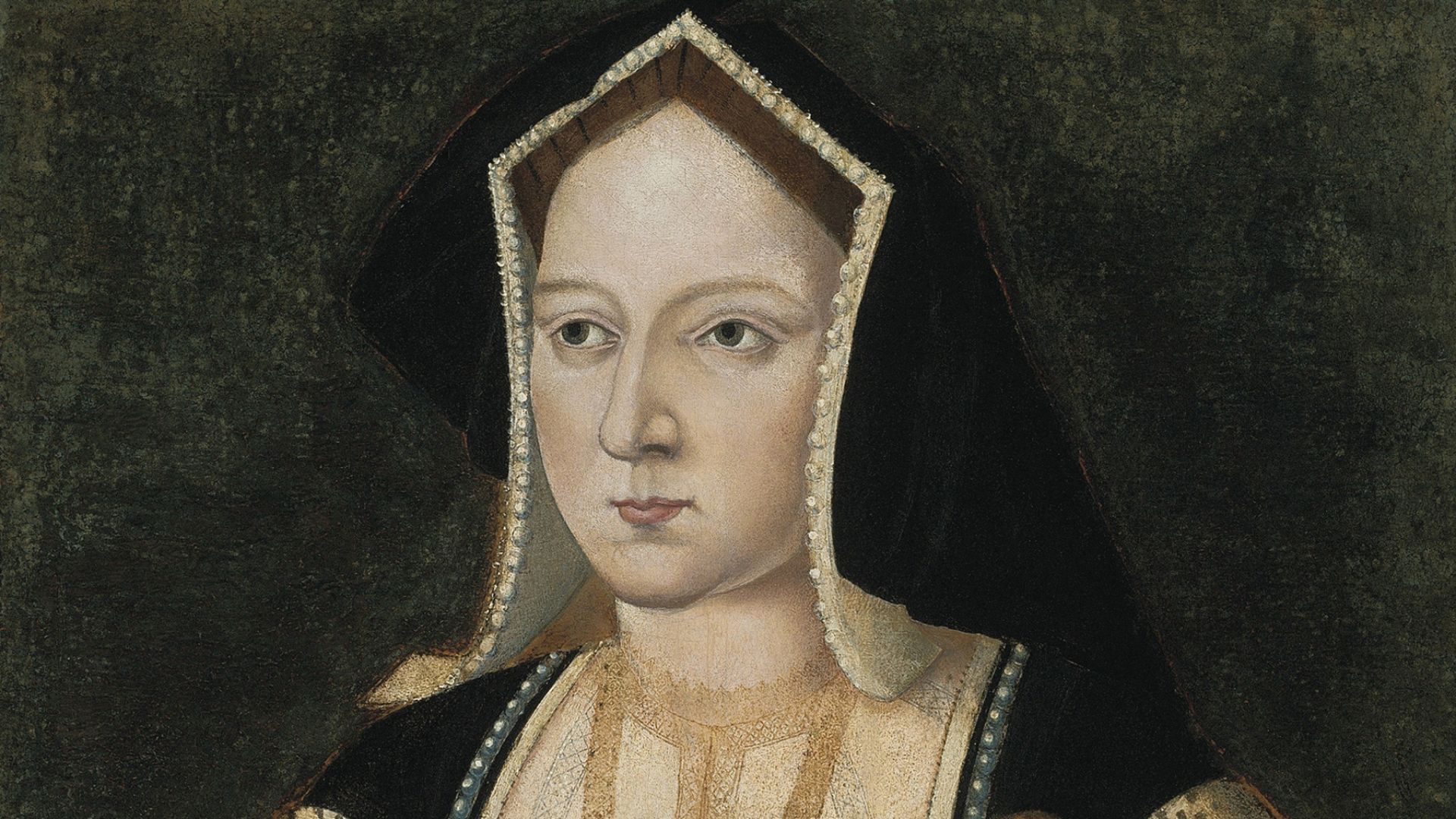
Catherine endured repeated pregnancies, stillbirths, and infant deaths. A son, Henry, Duke of Cornwall, lived only 52 days in 1511. Their daughter Mary, born on February 18, 1516, was the couple’s only child to survive into adulthood.
 Lucas Horenbout, Wikimedia Commons
Henry Became Obsessed With an Heir
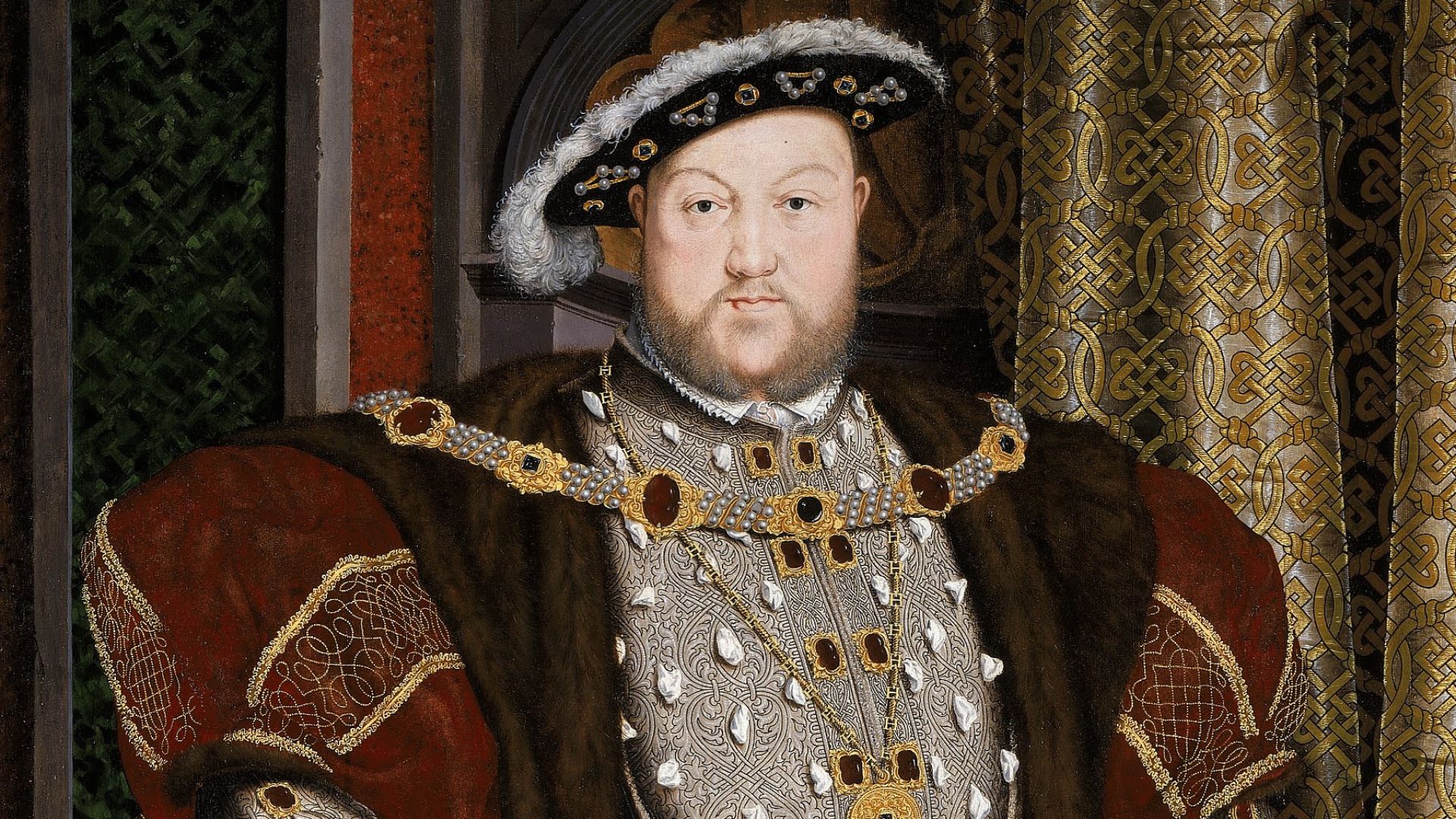
By the 1520s, Henry’s determination to produce a legitimate son had become a political obsession. He argued that his marriage was cursed because Catherine had first been Arthur’s wife. Catherine insisted that her marriage to Arthur had never been consummated—and refused to surrender her crown.
 Workshop of Hans Holbein the Younger, Wikimedia Commons
The Marriage Became a Legal Battlefield
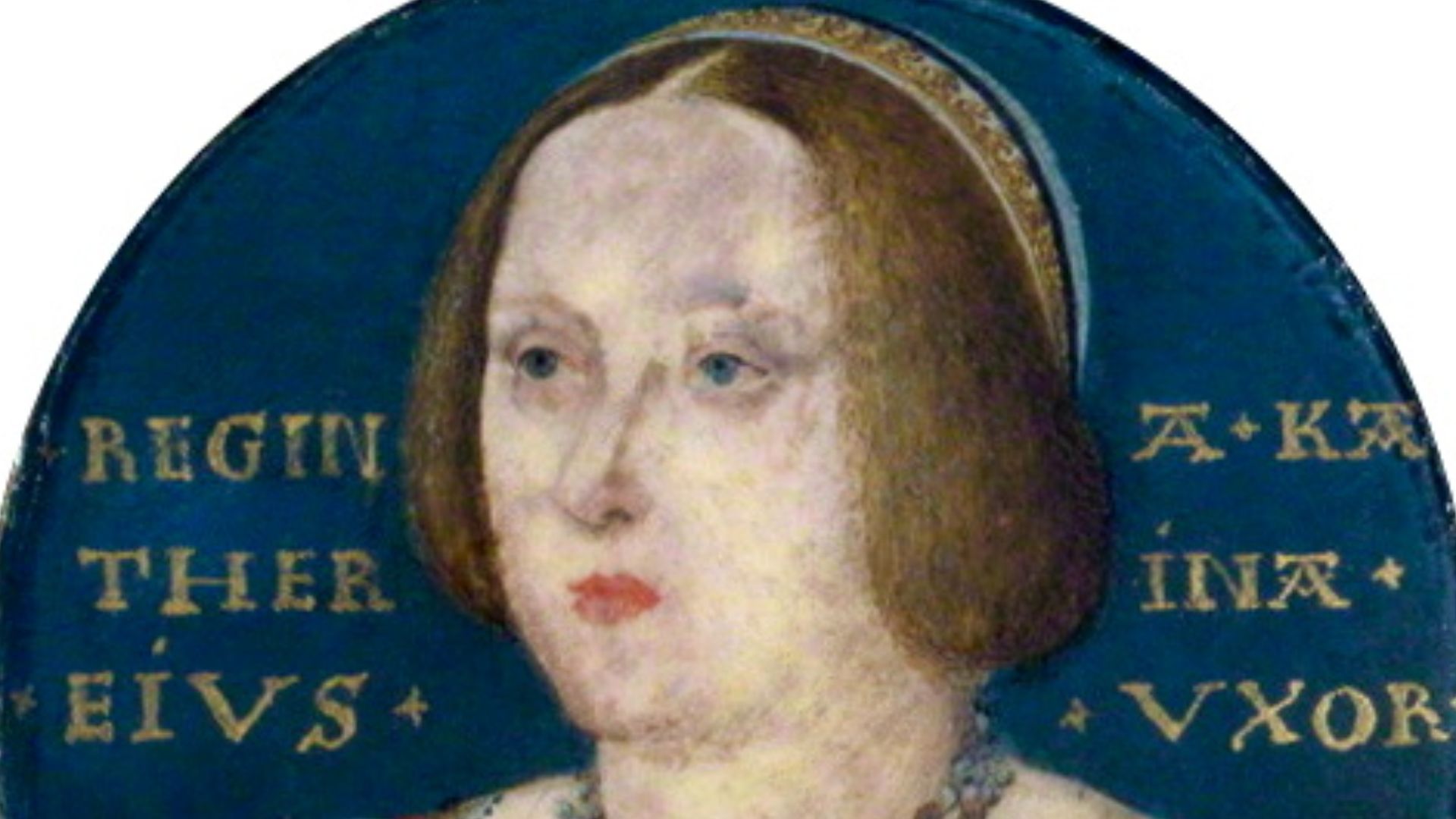
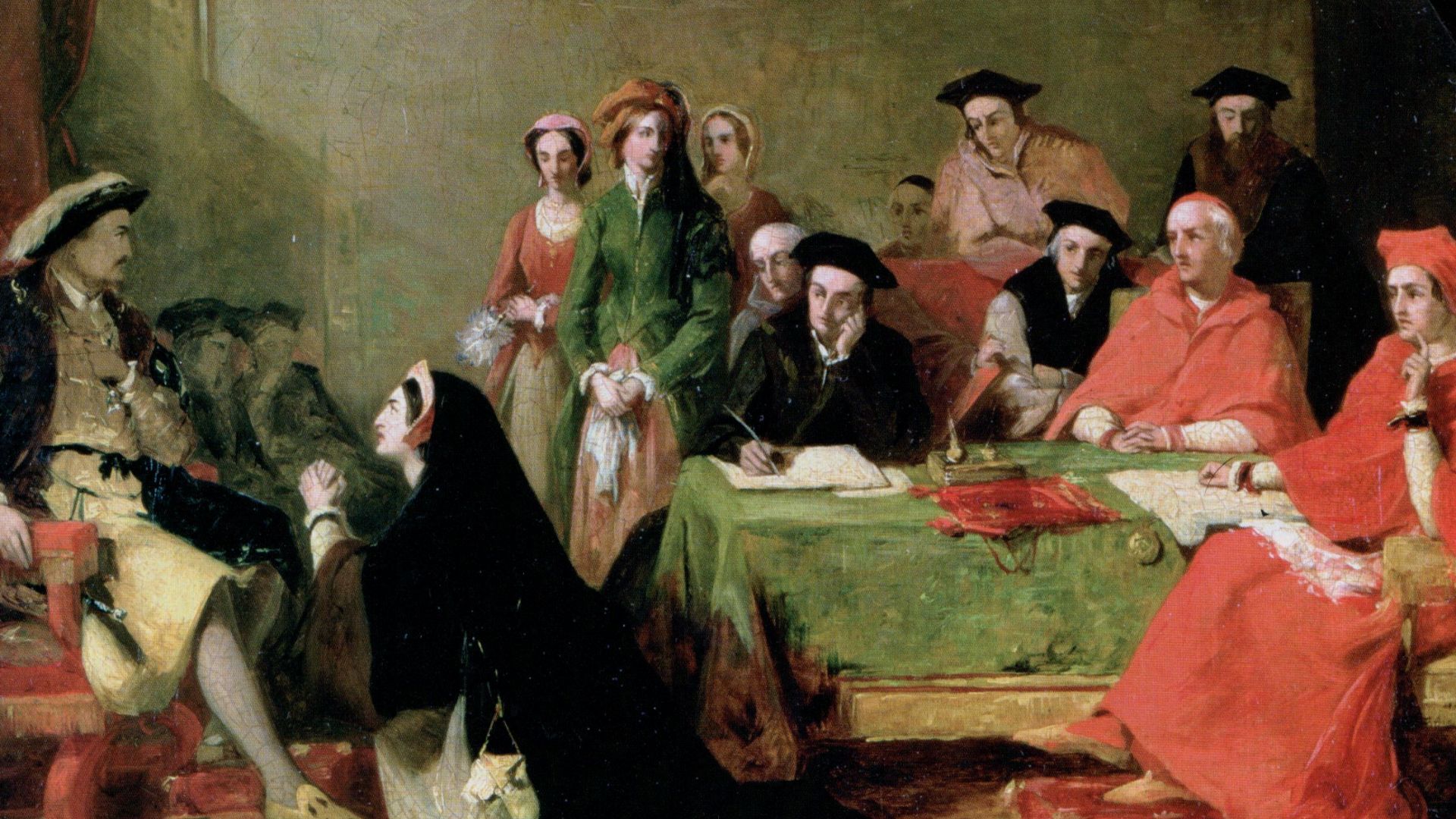
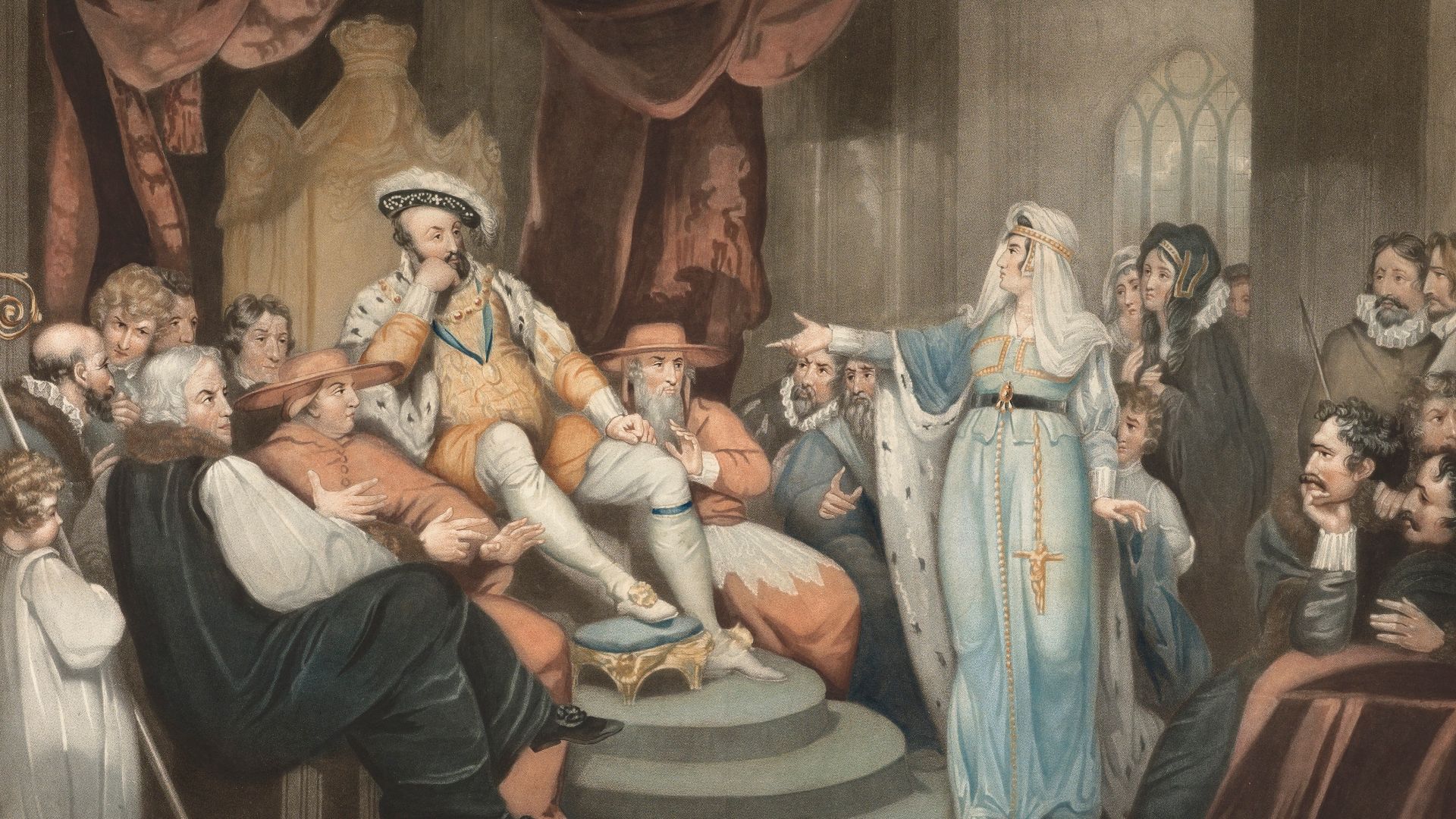
Henry’s attempt to end the marriage became known as the King’s Great Matter. At Blackfriars in 1529, Catherine knelt before him and publicly defended their union. Her appeal was emotional, but it was also calculated: she would not quietly accept a verdict that erased more than 20 years of marriage.
 Lucas Horenbout, Wikimedia Commons
Catherine Refused to Disappear
Henry wanted Catherine to accept that she was no longer his lawful wife. She continued to call herself queen. To her, yielding would brand her daughter illegitimate and deny a marriage she believed sacred. That refusal transformed a domestic crisis into a struggle involving England, Rome, and Europe’s ruling powers.
 Henry Nelson O'Neil, Wikimedia Commons
Henry Broke With Rome
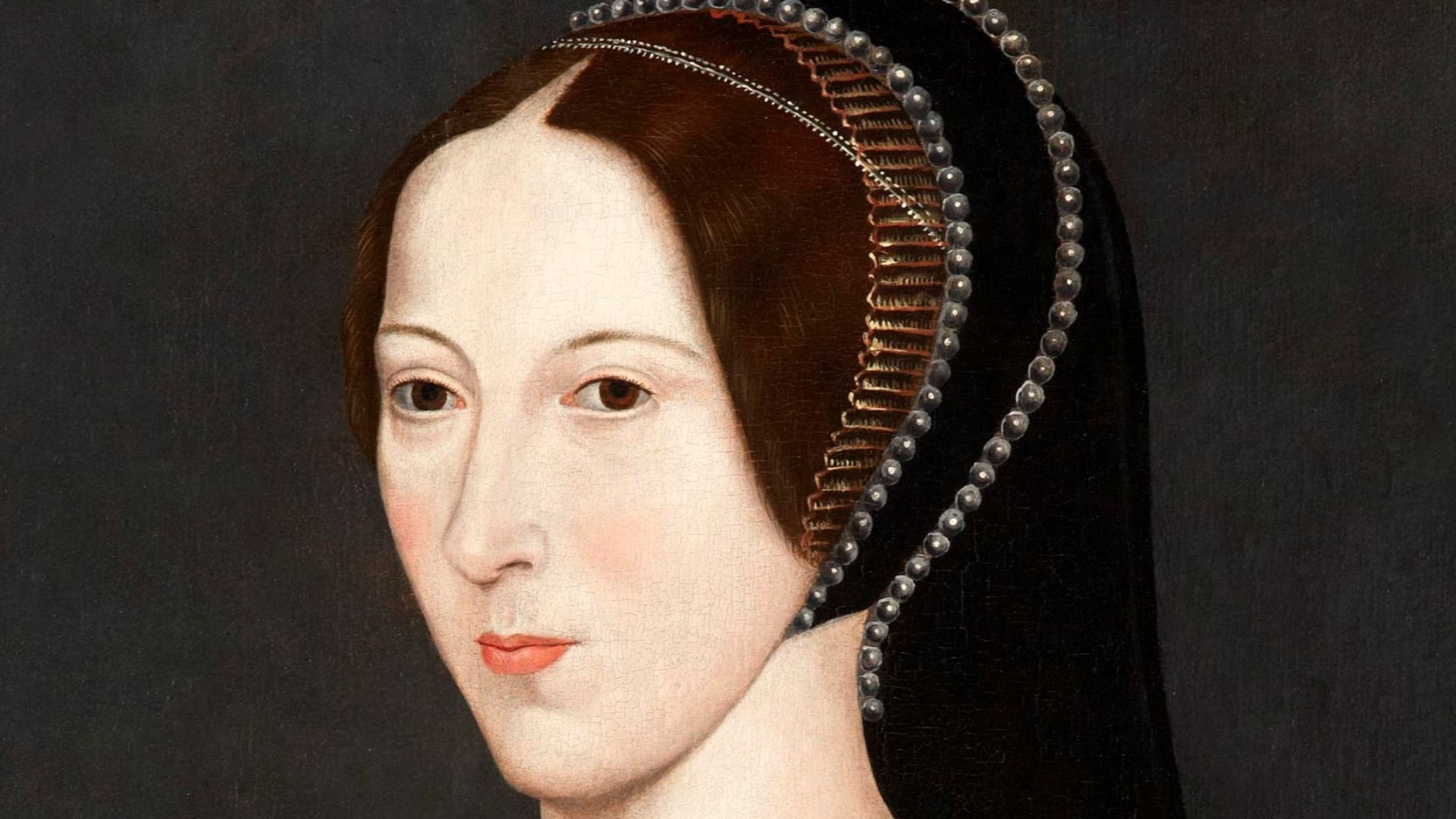
When the pope would not grant the result Henry wanted, the king severed England’s ties with papal authority. Archbishop Thomas Cranmer declared Henry and Catherine’s marriage invalid in May 1533. Henry had already married Anne Boleyn, and Catherine was officially reduced to the title Princess Dowager of Wales.
 English school, Wikimedia Commons
Her Popularity Made Her Dangerous
Many English people still regarded Catherine as their rightful queen. Her royal Spanish blood, her long service, and her dignified resistance made her a living challenge to Henry’s new marriage. She did not need an army to threaten the king’s version of events; her continued existence was enough.
 Laura Theresa Alma-Tadema, Wikimedia Commons
Henry Took Away Her Daughter
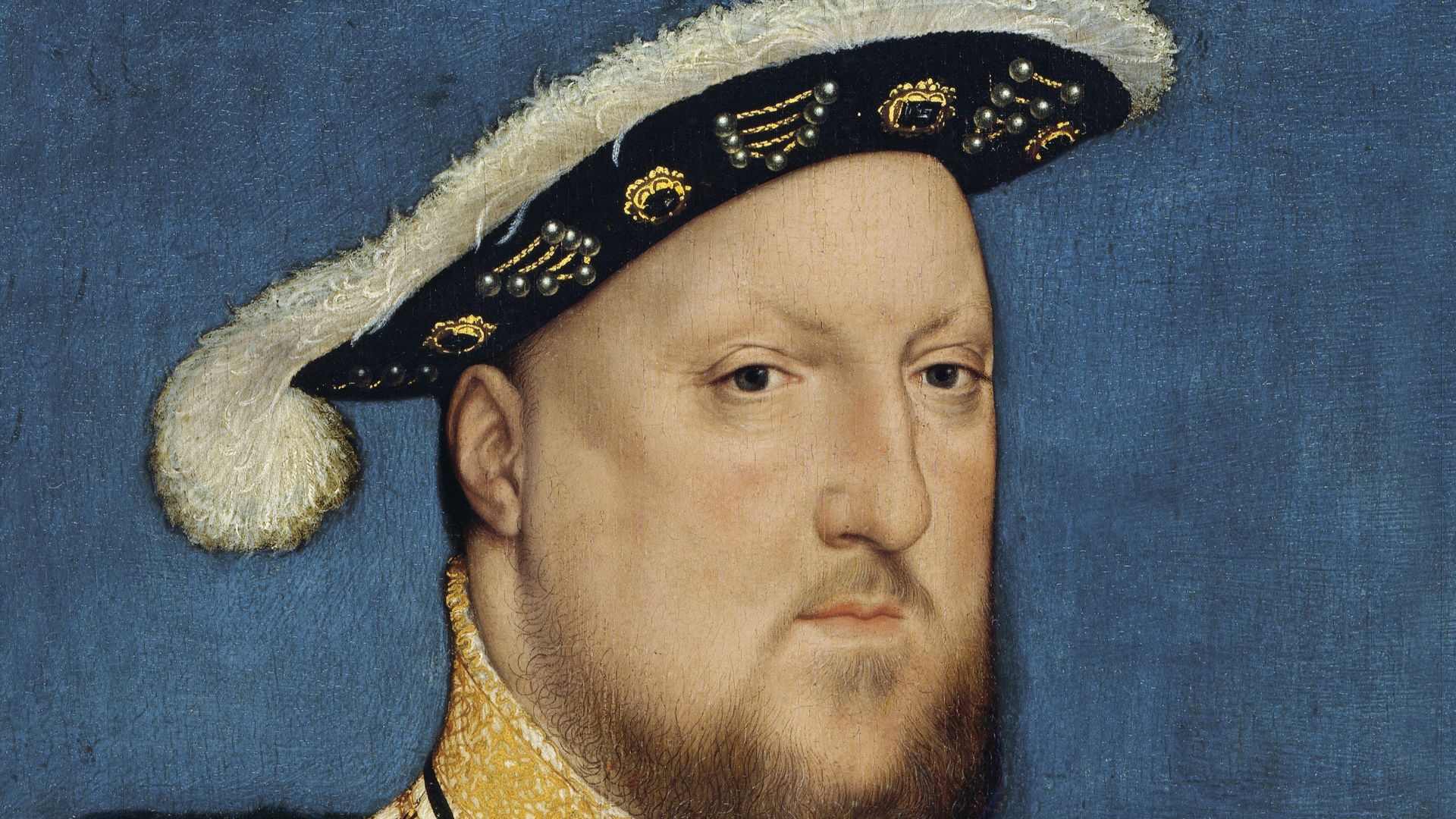
The punishment became personal. Catherine was separated from Mary in 1531 and was never allowed to see her again. Both mother and daughter were pressured to recognize Henry’s supremacy and the invalidity of the marriage. Both refused, even as their isolation deepened.
 Hans Holbein the Younger, Wikimedia Commons
Kimbolton Became Her Final Prison
In 1534, Catherine was moved to Kimbolton Castle in Cambridgeshire. The residence was respectable, but her freedom was sharply restricted and her household reduced. She spent much of her time in prayer, leaving her rooms mainly for Mass as her health steadily weakened.

The Illness Arrived Slowly
Late in 1535, Catherine developed a grave illness. Imperial ambassador Eustace Chapuys later wrote that it had begun roughly five weeks before her death. The symptoms did not point neatly to one cause, but the pain, weakness, and inability to eat soon became impossible to dismiss.
 Unknown authorUnknown author, Wikimedia Commons
Boxing Day Brought a Dangerous Turn
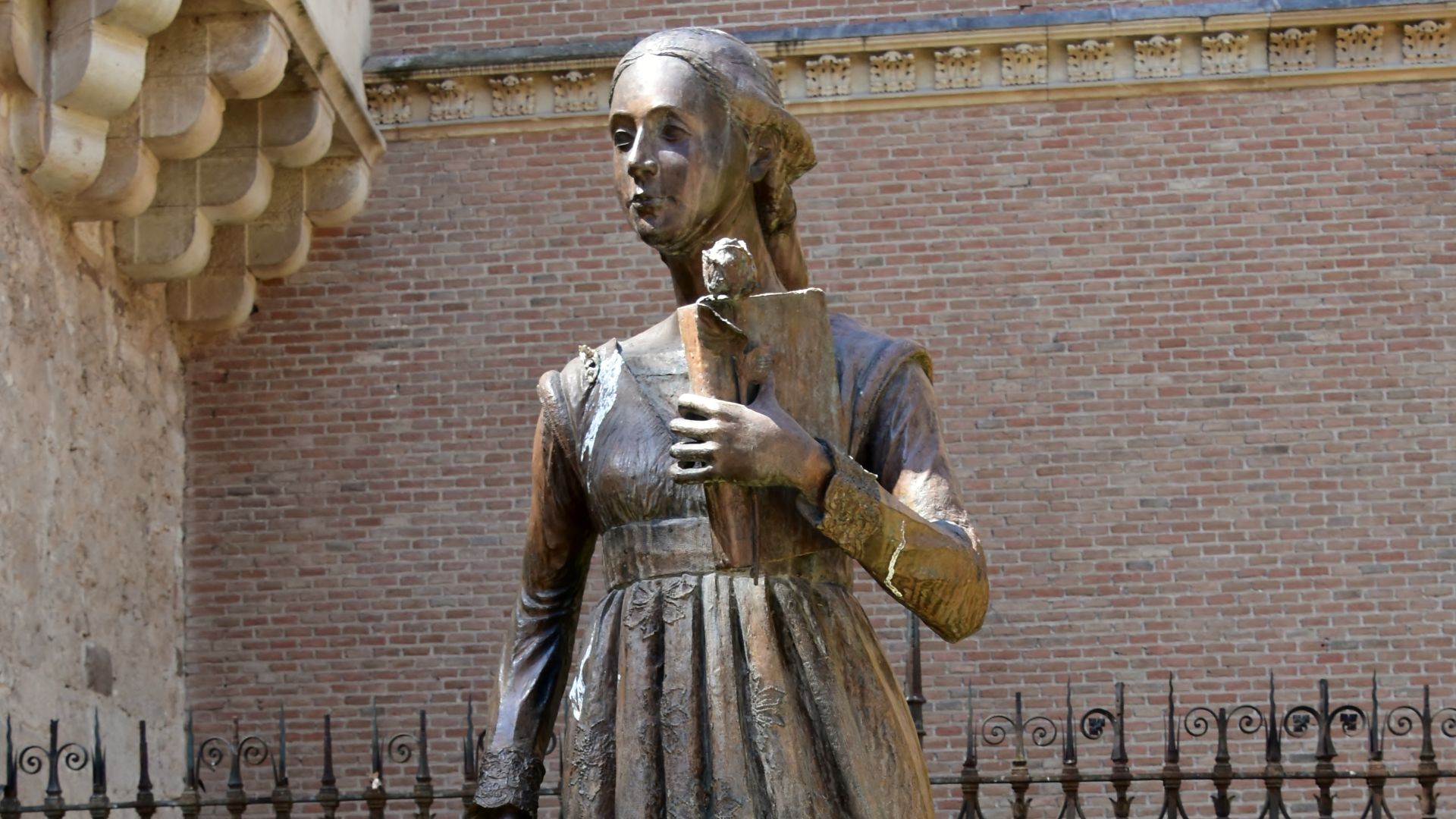
On December 26, the illness that had troubled Catherine for weeks suddenly became much more severe. Her condition deteriorated quickly as violent stomach pain and weakness took hold. What had seemed like a lingering sickness now appeared potentially fatal—and those around her began preparing for the worst.
 Richard Mortel from Riyadh, Saudi Arabia, Wikimedia Commons
The Pain Centered in Her Stomach
Chapuys reported that the pain in Catherine’s stomach became so violent that she could retain no food. She could scarcely eat or sleep and grew so wasted that she struggled to stand or even sit upright in bed. Her final illness was not peaceful; it was prolonged and physically devastating.
Her Physician Became Suspicious
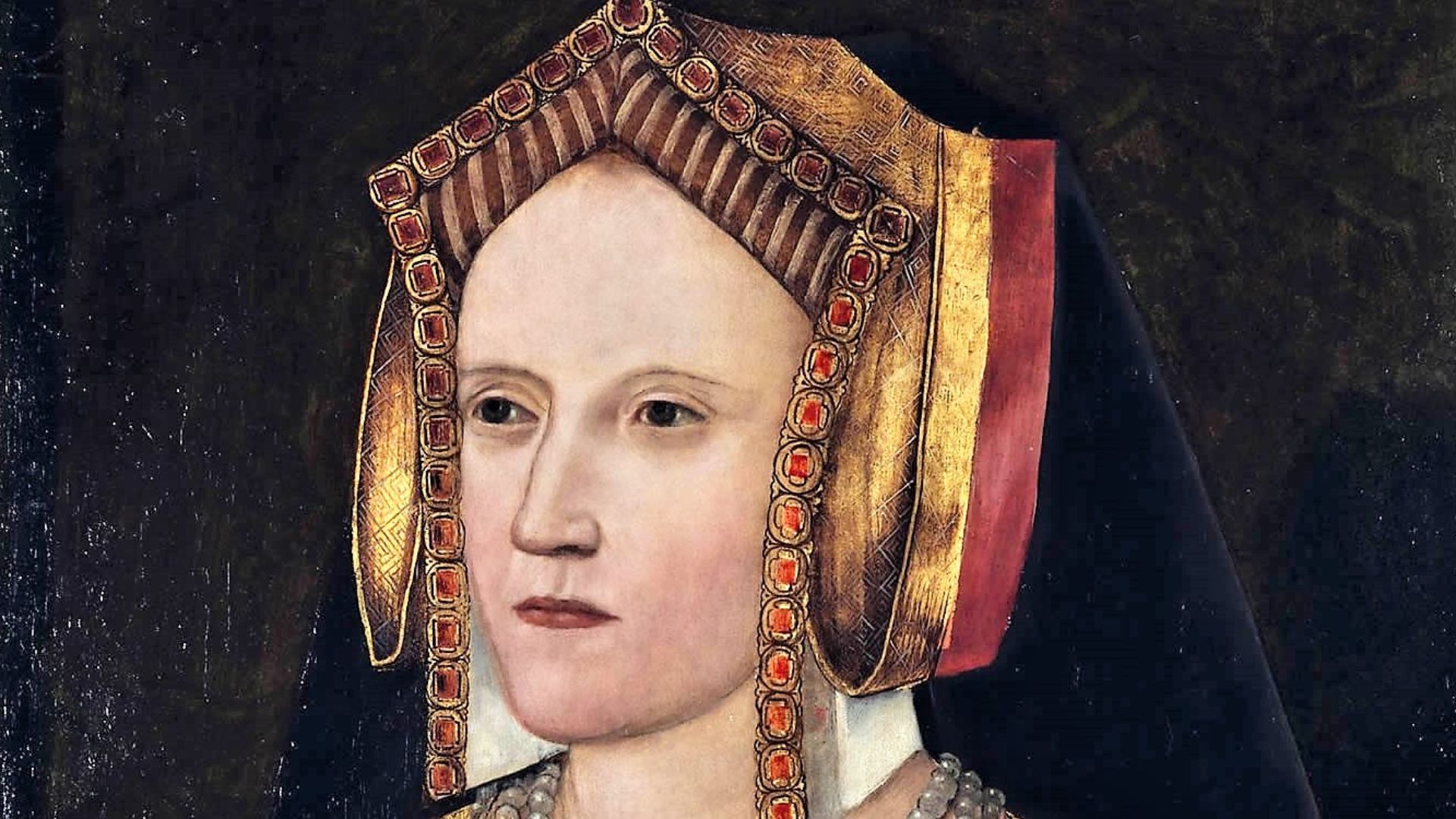
Catherine’s physician, Miguel de la Soa, could not identify ordinary signs of a straightforward poison. Yet he reportedly feared a slow and subtle substance might be responsible. In a court shaped by rivalry, surveillance, and political fear, uncertainty quickly became suspicion.
A Drink Became Part of the Mystery
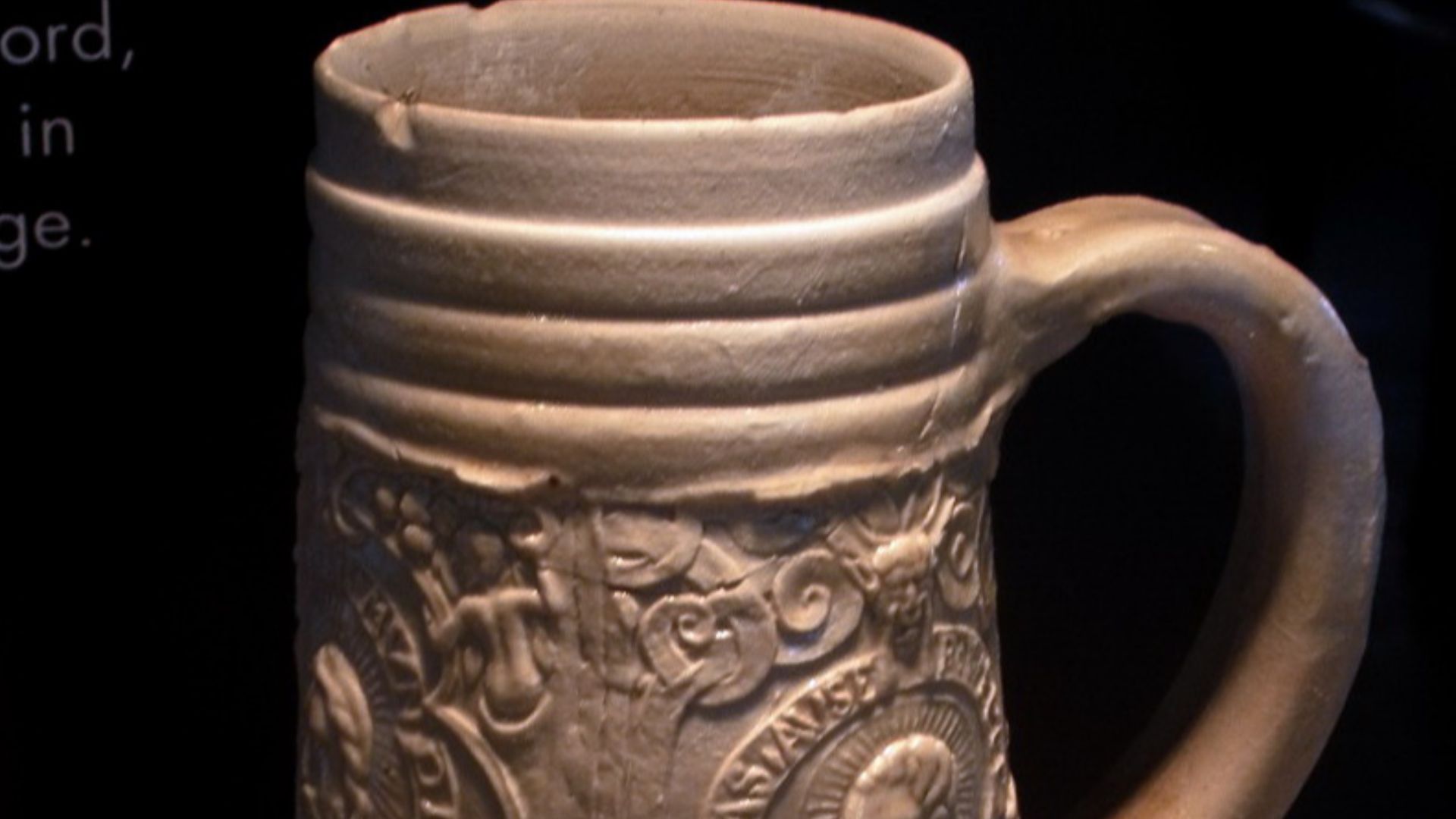
According to Chapuys, Catherine became worse after drinking Welsh beer. De la Soa pointed to that change when discussing poison, though worsening after a drink did not prove the drink caused her illness. Still, the detail gave later rumors a vivid and memorable object around which to gather.
There Was Still No Medical Proof
No surviving evidence demonstrates that anyone poisoned Catherine, and Tudor medicine could not reliably diagnose many internal diseases. Her symptoms could have had natural causes. But to people who believed Henry’s government wanted her silenced, the possibility of murder seemed frighteningly plausible.
Her Household Warned the King
Sir Edmund Bedingfield, Catherine’s chief steward, wrote to Thomas Cromwell on December 31, 1535. He warned that if her sickness continued, she could not last long. By then, Henry’s government knew that the woman it had pushed out of public life might be approaching death.
 Rijksmuseum, Wikimedia Commons
She Refused Another Doctor
Bedingfield said Catherine’s physician urged her to seek additional medical advice. She refused, choosing instead to commit herself to God’s will. Whether this reflected faith, exhaustion, distrust, or all three, Catherine faced her final crisis on the same terms with which she had faced Henry: she would not be compelled.
 Michael Sittow, Wikimedia Commons
Maria Would Not Be Turned Away
Maria de Salinas, Catherine’s devoted former lady-in-waiting, rushed to Kimbolton. When officials resisted admitting her, Maria forced the issue and gained entry. She remained with Catherine, and the two women reportedly spoke for hours in Castilian, the language of Catherine’s childhood.
Chapuys Finally Reached Her
After delays, Henry permitted Chapuys to visit. He arrived on New Year’s Eve and spent several days with Catherine. The ambassador had defended her cause for years; now he found the former queen frail, isolated, and nearing the end of a struggle that had reshaped England.
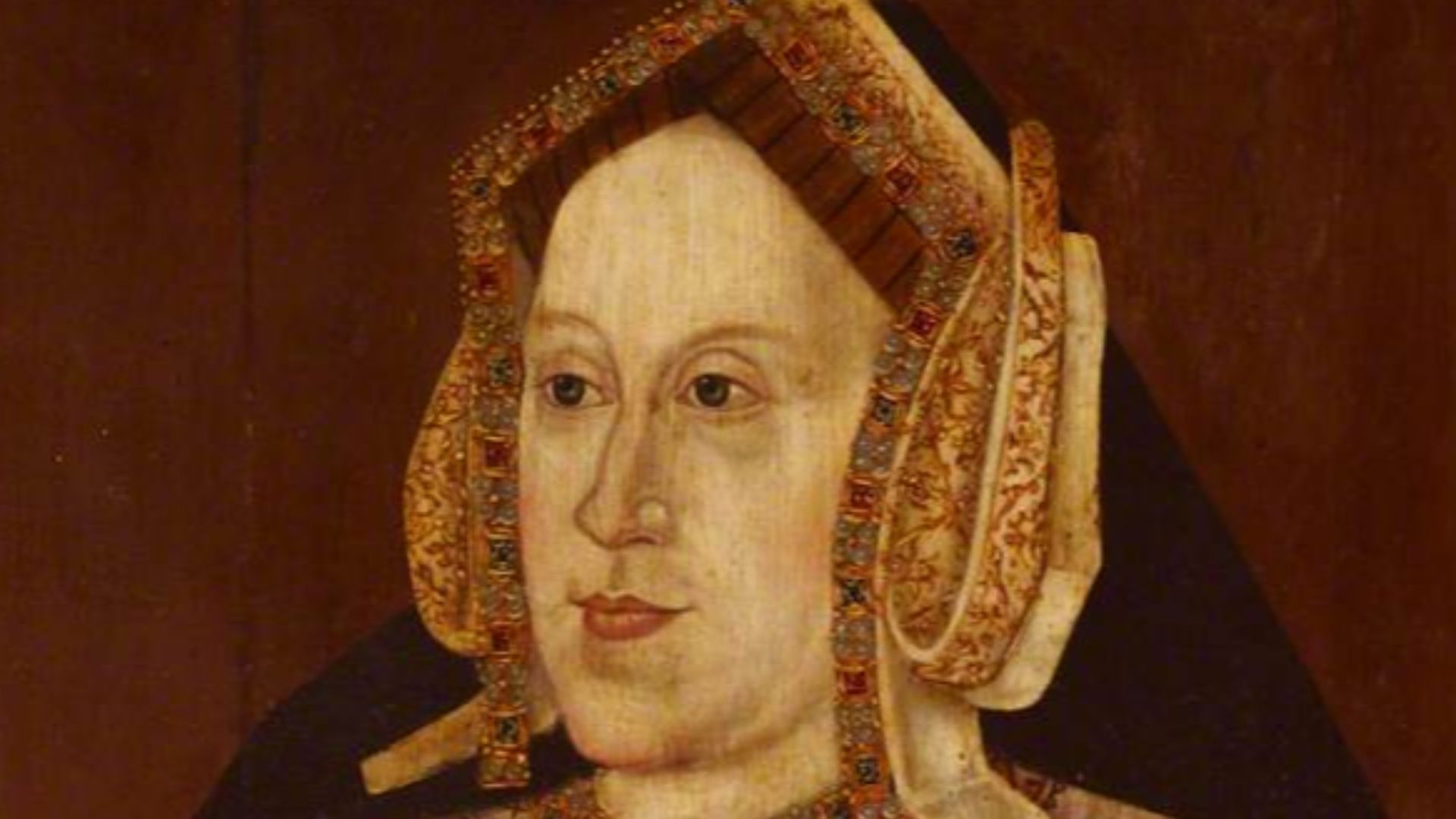
Then Catherine Seemed to Rally
For a brief moment, the danger appeared to recede. Chapuys left on January 4 after finding Catherine cheerful enough to laugh several times and ask for entertainment from one of his men. The improvement was real enough to encourage those around her—but it did not last.
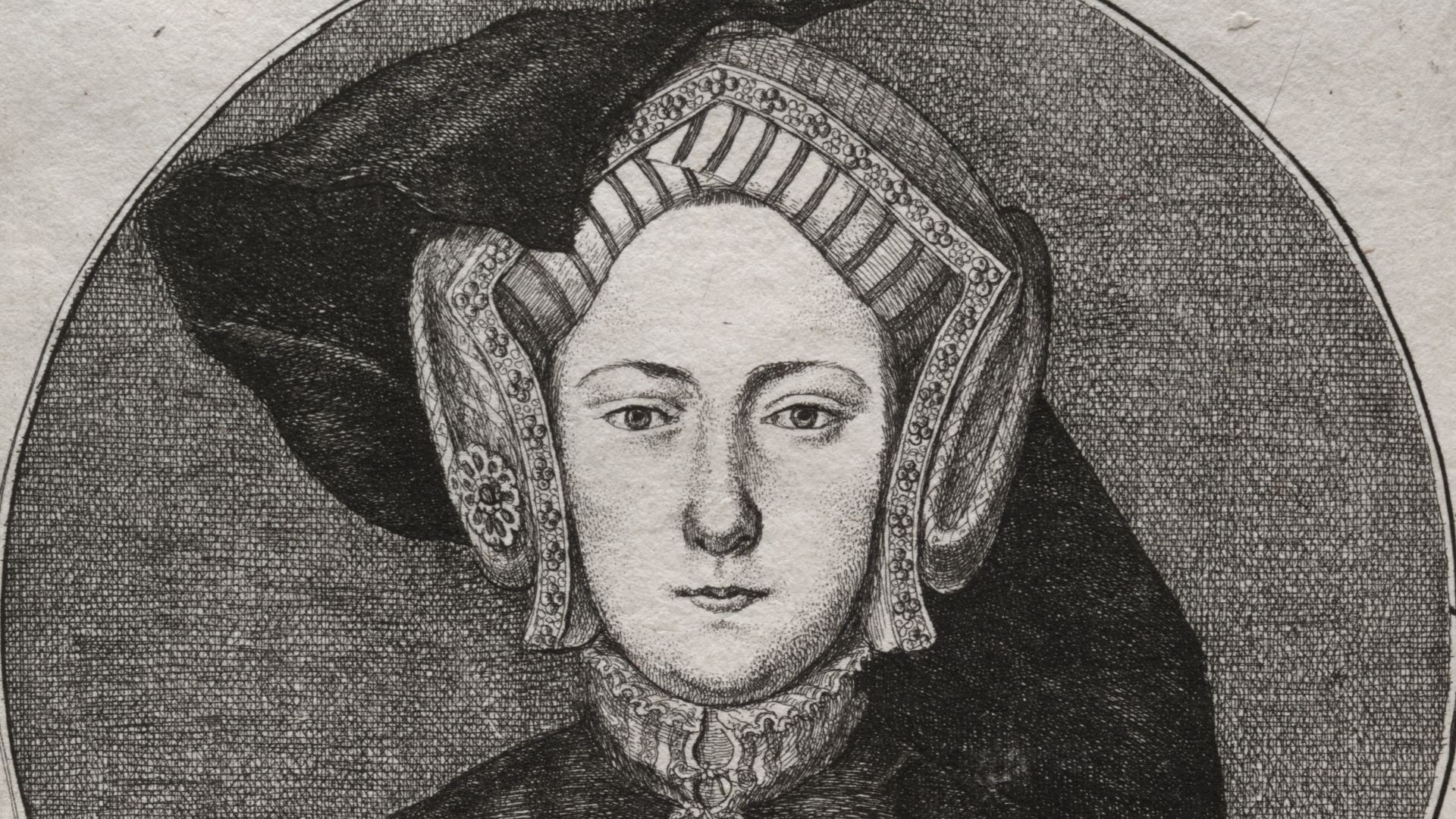 Wenceslaus Hollar, Wikimedia Commons
The Calm Ended on January 6
By the evening of January 6, Catherine’s condition had turned again. Her strength failed rapidly, and those with her understood that death was close. The short rally had been only a pause, making the final decline feel even more sudden.
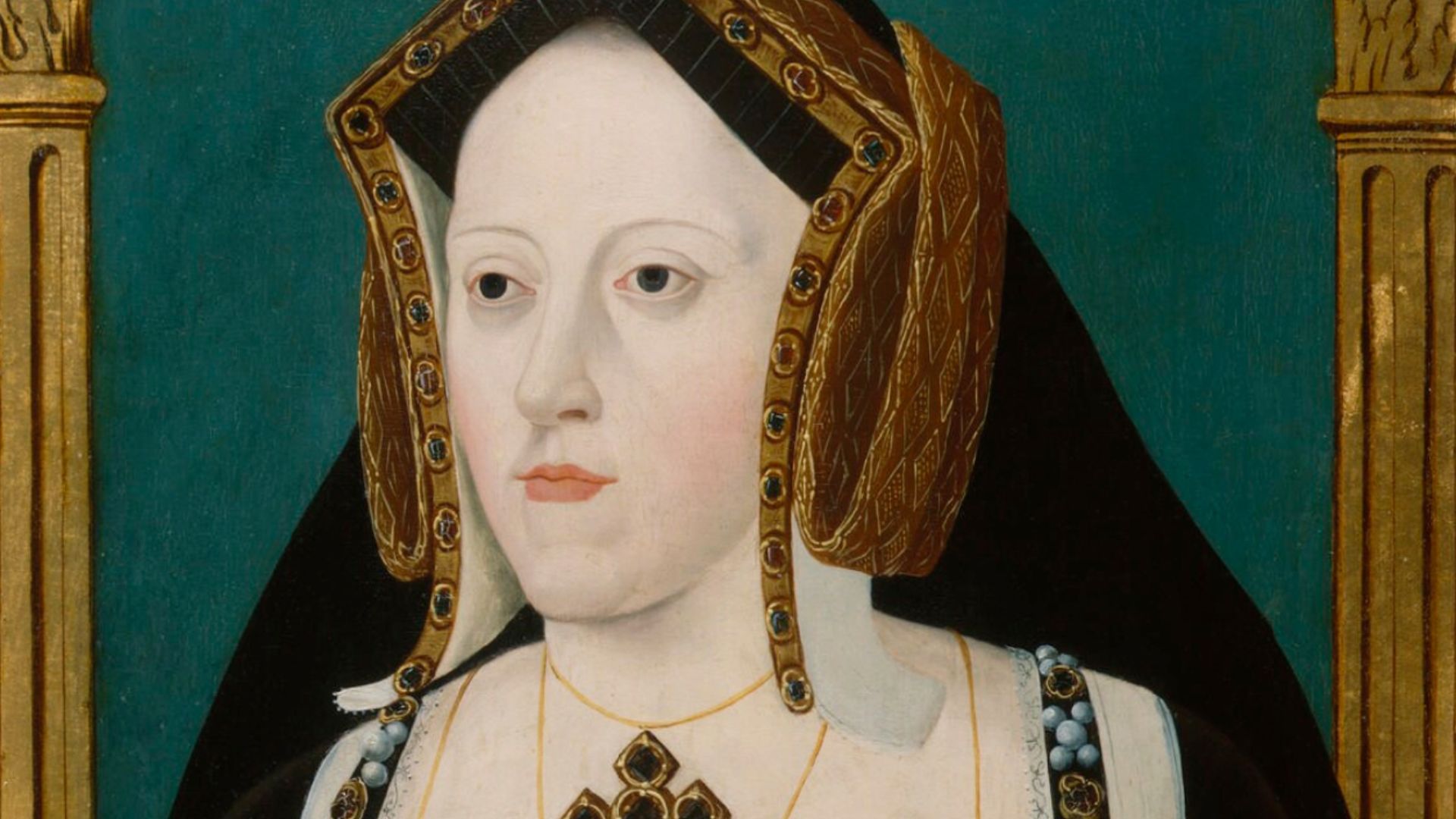
Her Confessor Broke the Rules
Catherine wanted the last rites of the Catholic Church. Her confessor, Jorge de Athequa, Bishop of Llandaff, reportedly heard her confession and administered communion despite restrictions surrounding her household. In her final hours, Catherine clung to the faith that had sustained her resistance.
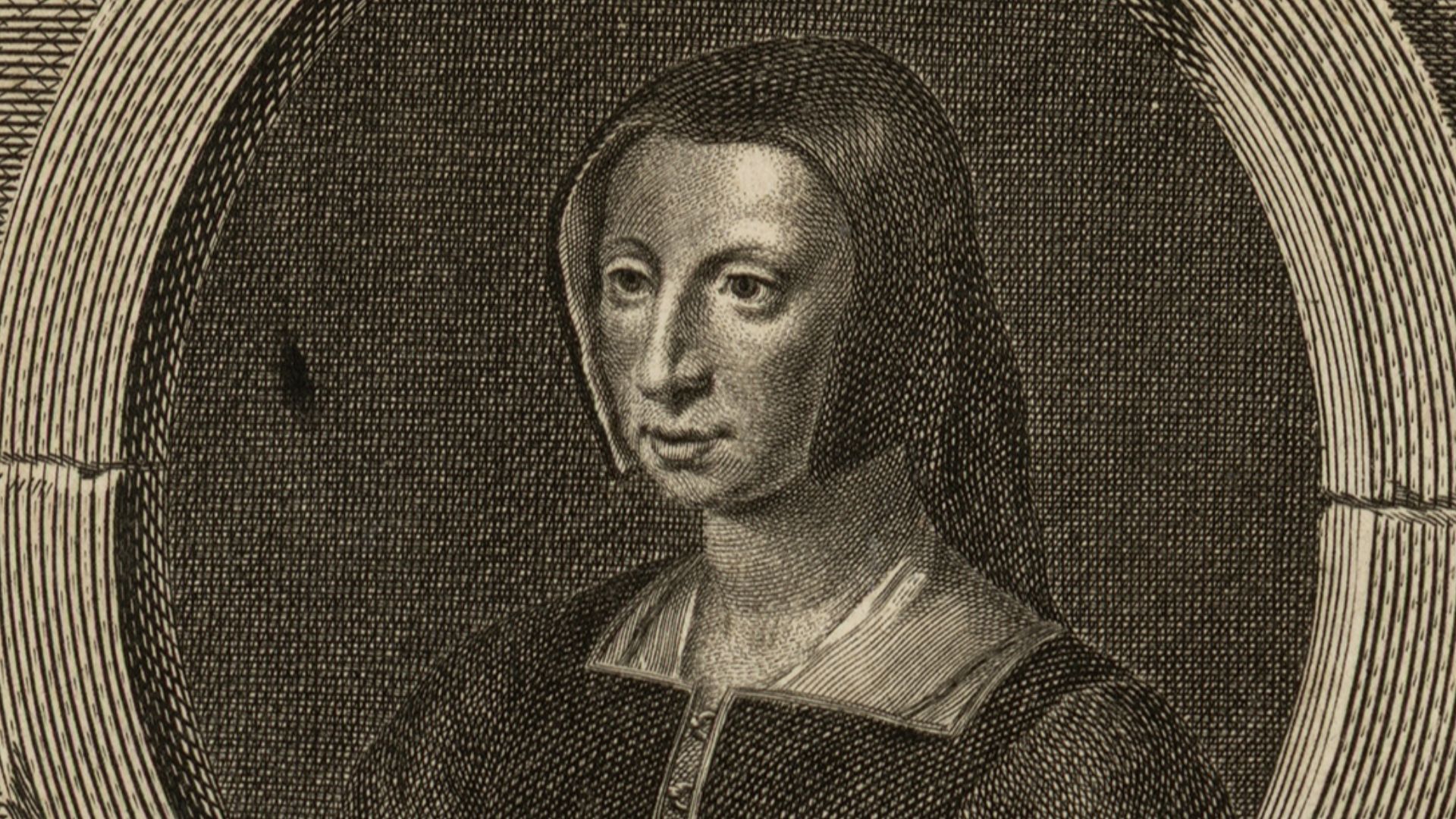 Thomas Pennant, Wikimedia Commons
Her Final Letter Remains Disputed
A famous letter said to have been dictated by Catherine addresses Henry as her “most dear lord, King and husband” and asks him to care for Mary. Historians have questioned whether the surviving text is authentic. Its sentiment fits Catherine’s story, but its precise origin cannot be treated as certain.
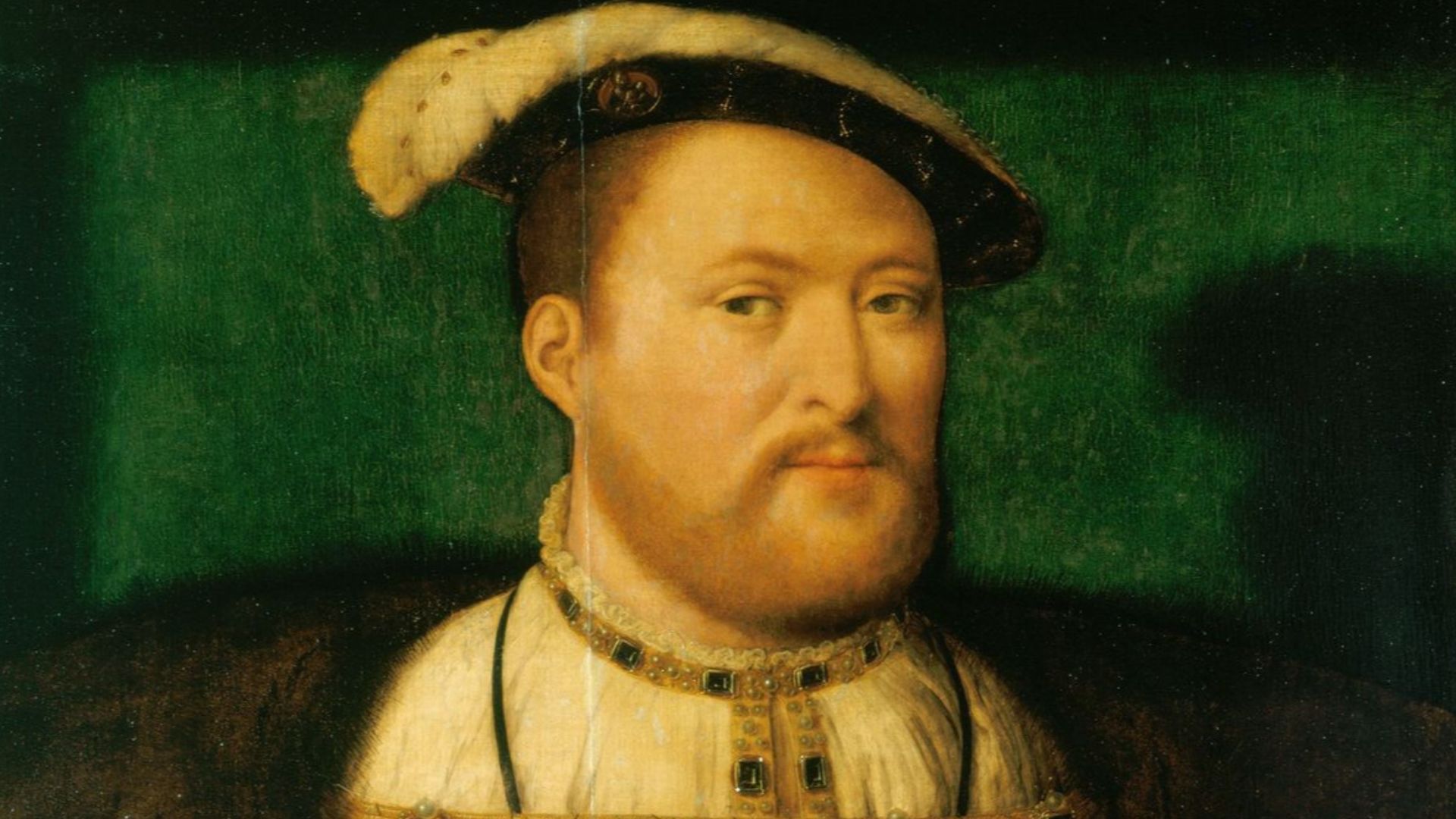
She Died That Afternoon
Catherine died at Kimbolton Castle on January 7, 1536, at about two o’clock in the afternoon. She was 50 years old. Henry had stripped away her title, her access to her daughter, and her place at court—but he had never persuaded her to admit that she was not his queen.
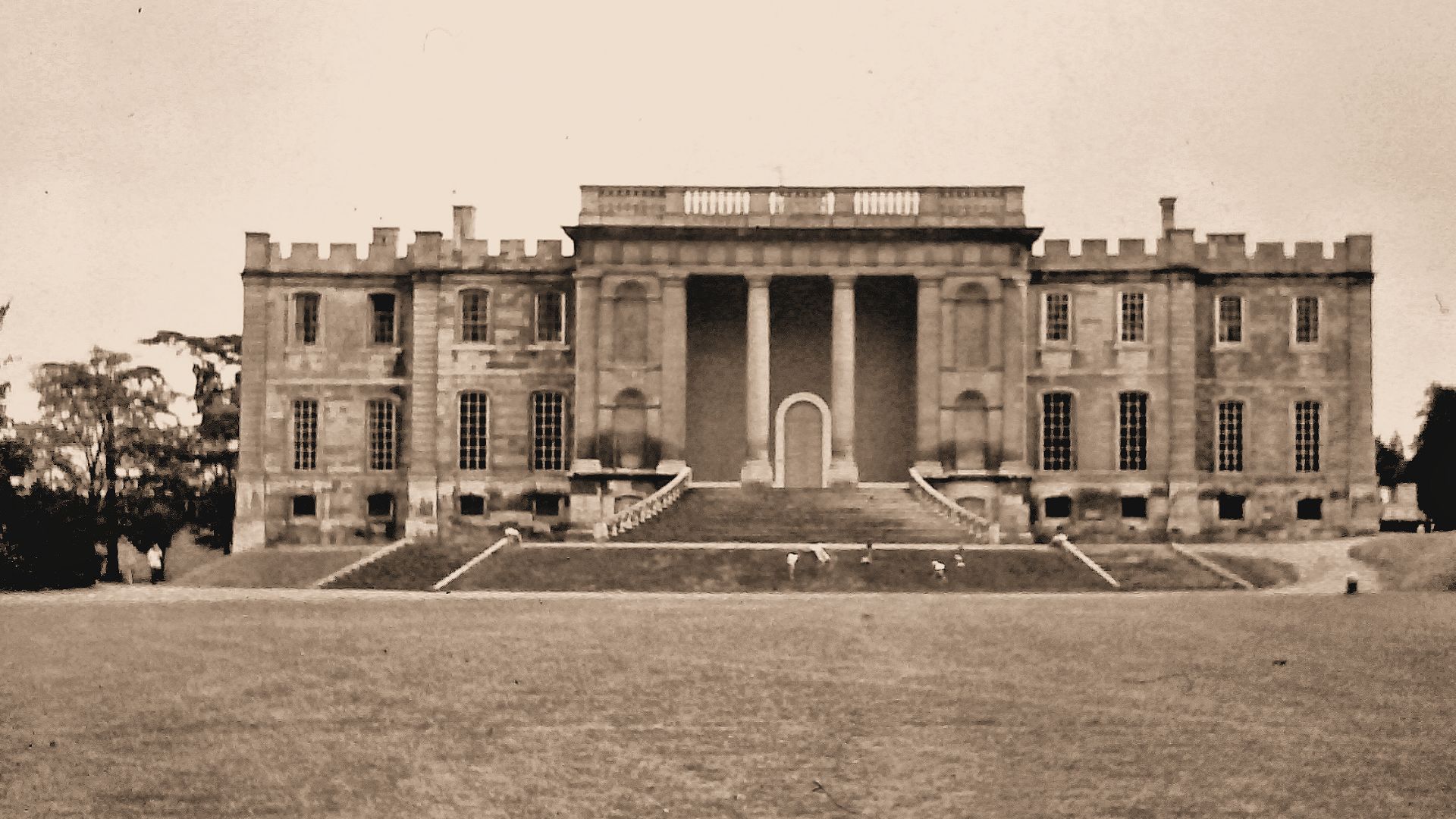 Philip Pankhurst , Wikimedia Commons
Preparations Began Almost Immediately
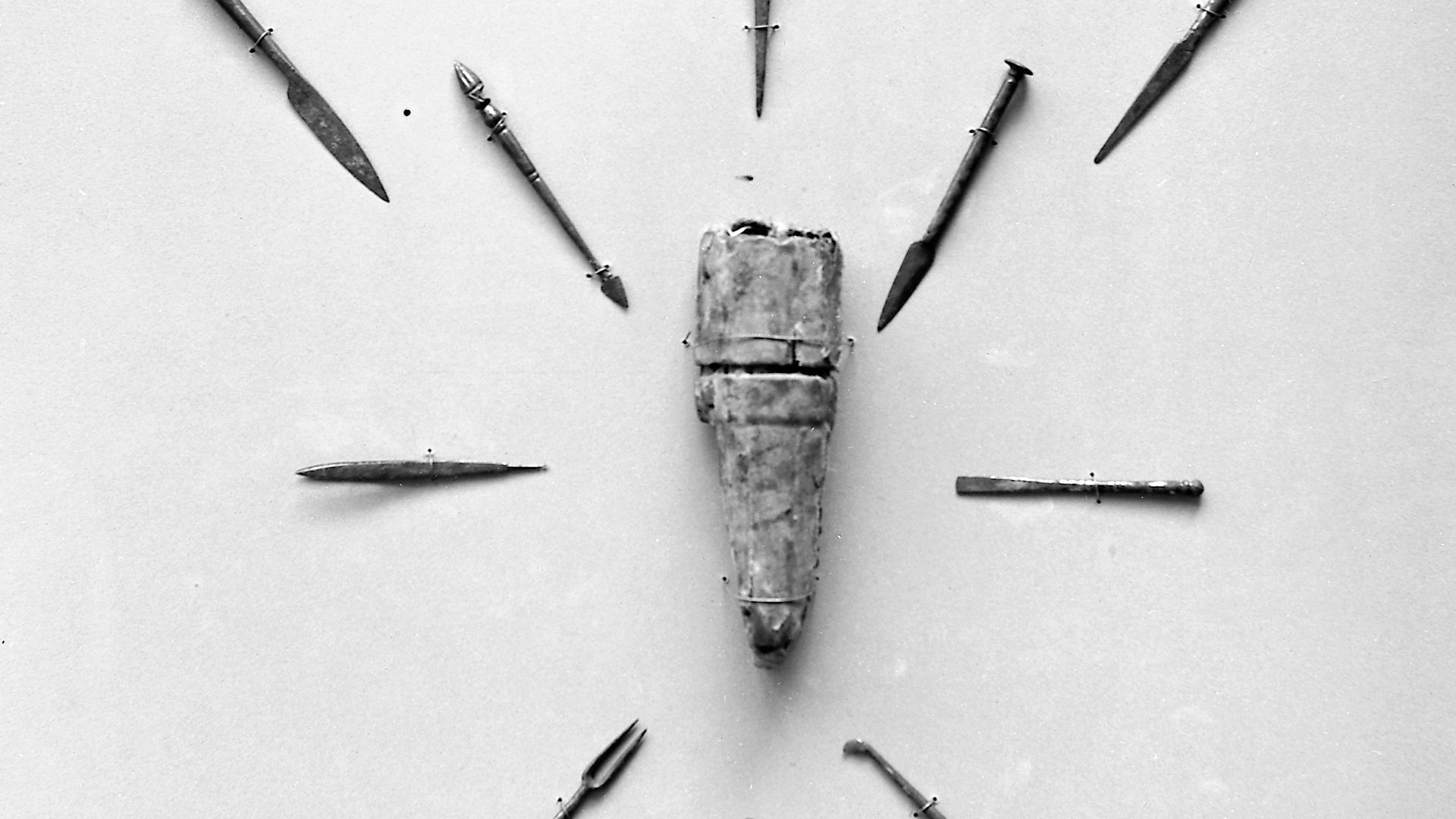
Within hours, officials began arranging for Catherine’s body to be embalmed and enclosed in lead. Bedingfield and Sir Edward Chamberlain wrote that the groom of the chandlery could “cere” her body—the Tudor process of disemboweling, preserving, and preparing it for burial.
 Its my own edited picture, Wikimedia Commons
It Was Not Doctors Who Opened Her
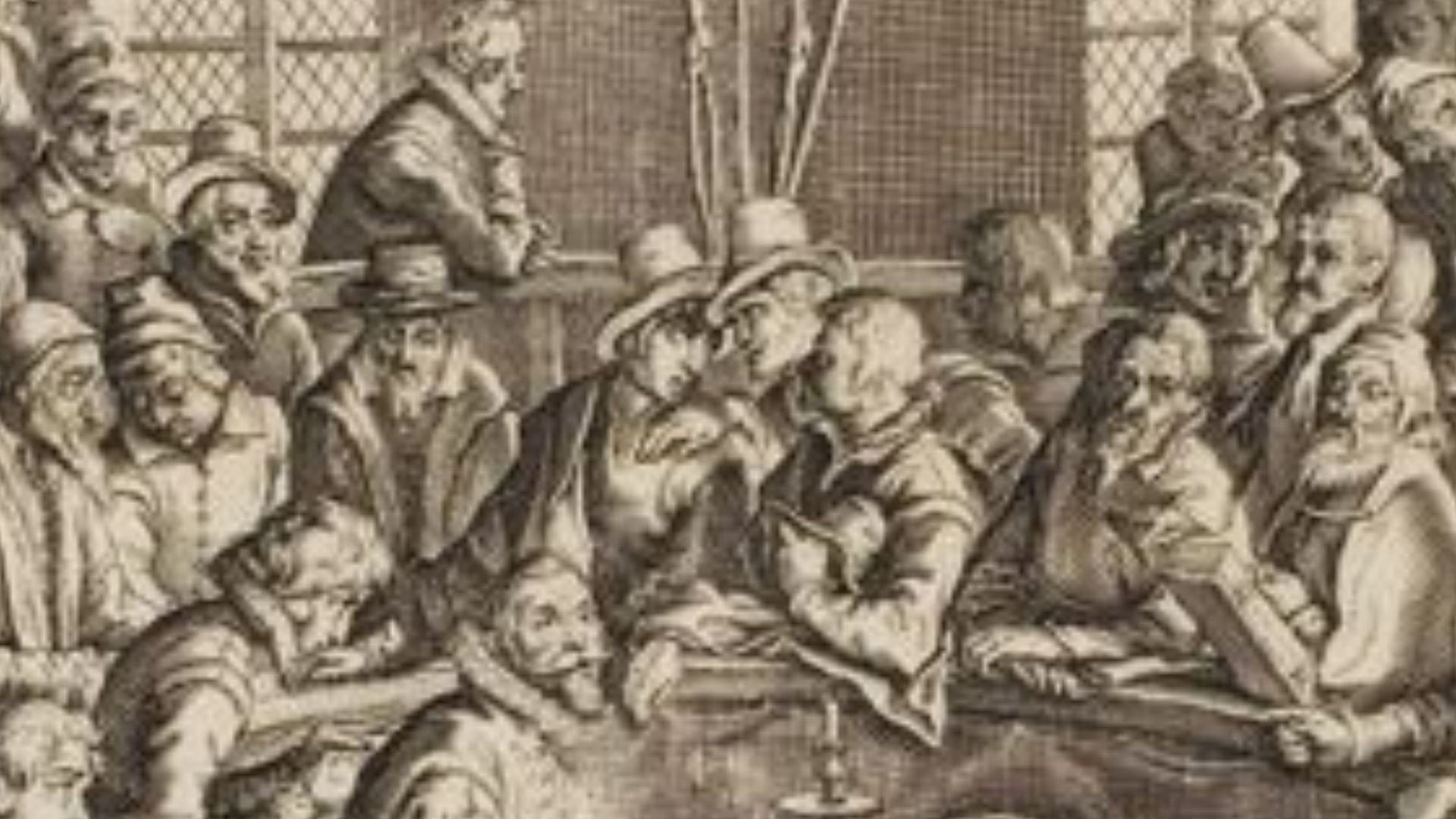
The examination was not a modern autopsy, and it was not performed by physicians. Chapuys wrote that the household chandler, one servant, and another assistant opened the body about eight hours after death. Their task was preparation, not scientific investigation.

The Examination Was Kept Secret
According to Chapuys, Catherine’s confessor and physician were excluded. The chandler later spoke to the confessor in secrecy, allegedly fearing that revealing what he had seen could cost him his life. The atmosphere surrounding the examination helped turn an uncertain death into an enduring mystery.
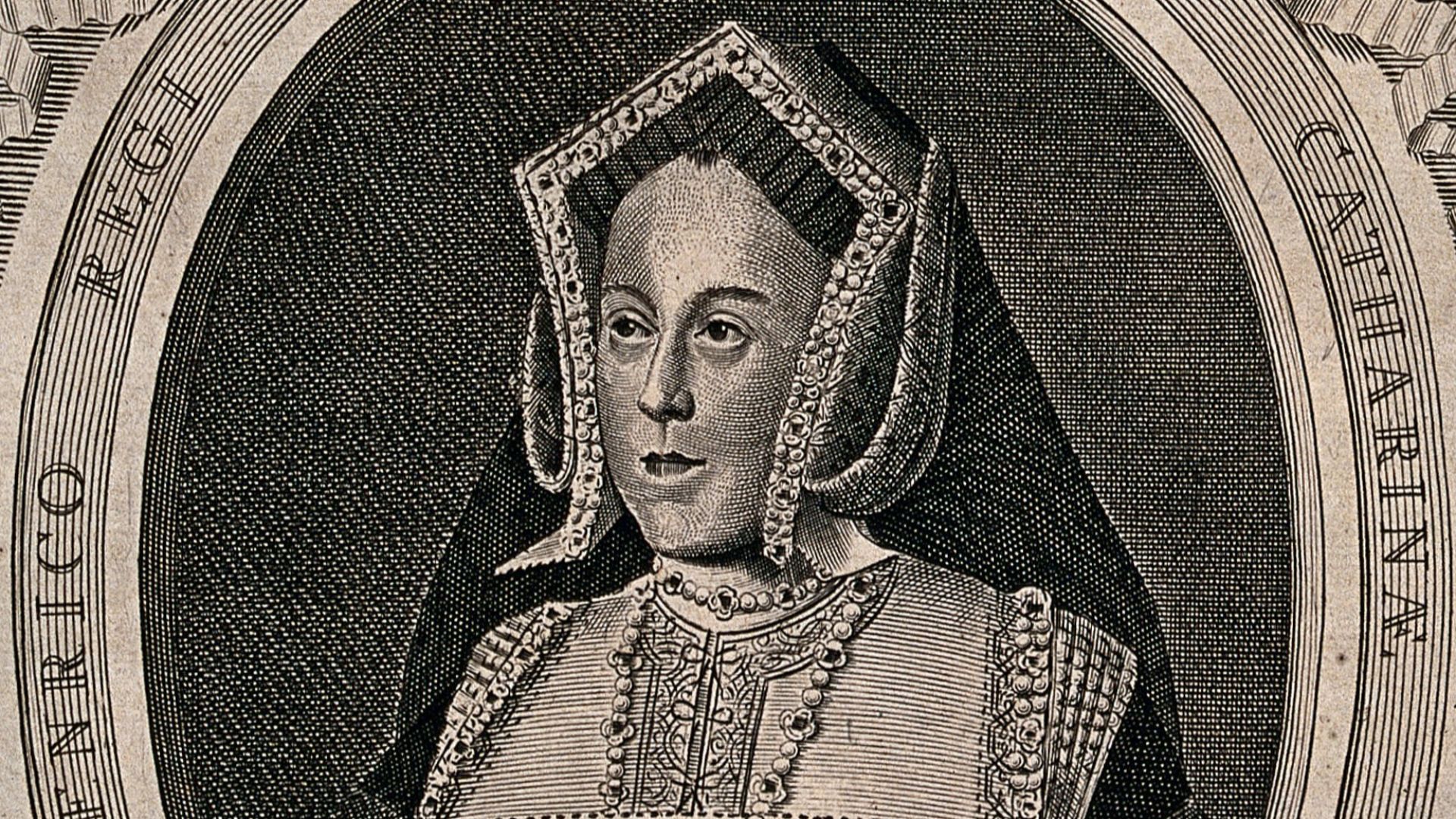
Most of Her Organs Appeared Normal
The chandler reportedly found Catherine’s body and internal organs apparently sound. That observation must be treated cautiously: he was experienced in preparing bodies, not trained in pathology. Even so, the contrast between what looked normal and what did not was startling.
 Andries Stock (Life time: 1580-1648), Wikimedia Commons
Her Heart Was Black
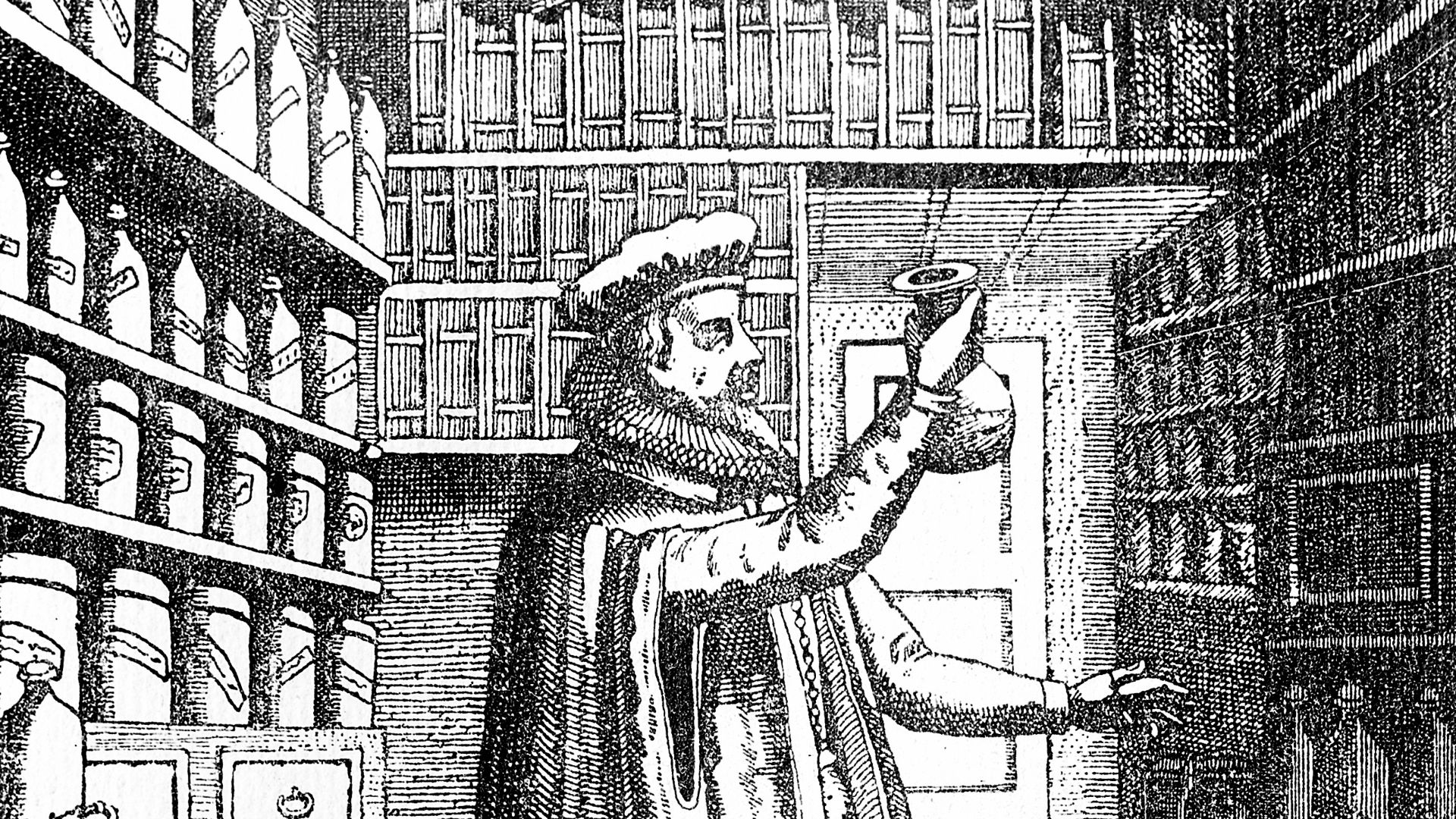
Catherine’s heart, Chapuys reported, was “quite black and hideous.” The chandler washed it three times, yet the color remained. He cut it open and found the interior dark as well. To her supporters, the discovery seemed to confirm their worst suspicions.
Washing It Changed Nothing
The repeated washing mattered because it suggested the discoloration was not merely on the surface. But without preservation of the organ, chemical testing, or a trained medical examination, the account could not establish why the tissue looked black. It recorded a disturbing appearance—not a proven cause.
 Joannes Corvus, Wikimedia Commons
A Strange Growth Clung to It
The chandler also described a black, round object attached closely to the outside of the heart. That small detail became central to every later explanation. In the sixteenth century, it looked like possible evidence of poison. To later physicians and historians, it suggested something very different.
The Poison Theory Spread Quickly
Chapuys and de la Soa believed Catherine may have been poisoned. Her worsening after the Welsh beer, the secrecy surrounding her household, and the strange condition of her heart formed a compelling narrative. Yet suspicion, however understandable, was never supported by proof of a poisoner, substance, or plot.
Henry and Anne Had an Obvious Motive
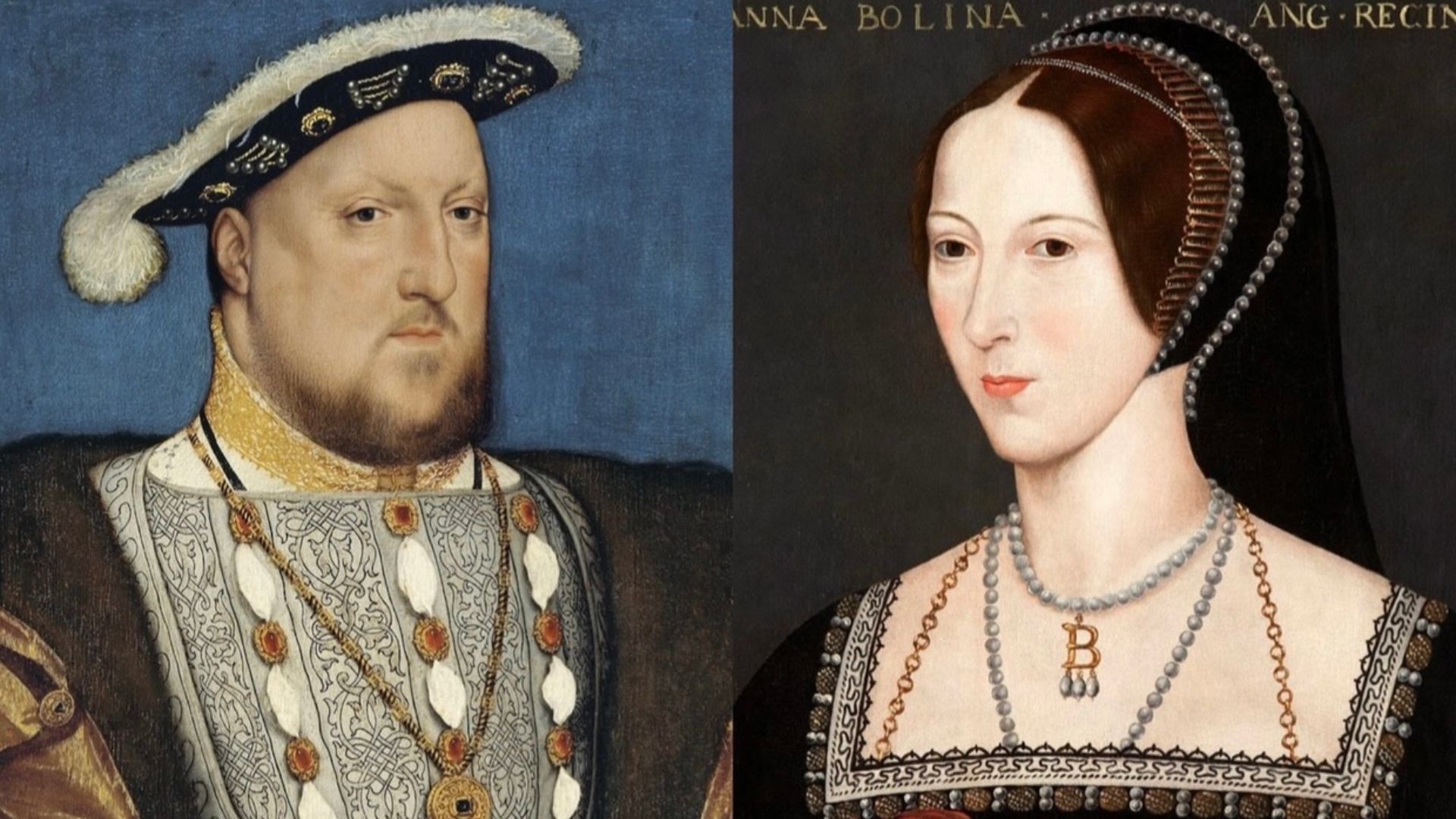
Catherine’s death removed a powerful obstacle to Henry VIII and Anne Boleyn. As long as Catherine lived and called herself queen, Anne’s position remained contested and Mary remained a rival focus of loyalty. Motive made the theory persuasive—but motive alone did not make Henry or Anne guilty.
 Dancingtudorqueen, Wikimedia Commons
Modern Historians See Cancer
Several modern historians and medical commentators have argued that the black growth and darkened heart are consistent with metastatic melanoma or another cancer. Giles Tremlett called a secondary melanotic sarcoma the most likely cause. This explanation fits the physical description without requiring a secret murder.
 Marta Jara (eldiario.es), Wikimedia Commons
The Mystery Followed Her to Peterborough
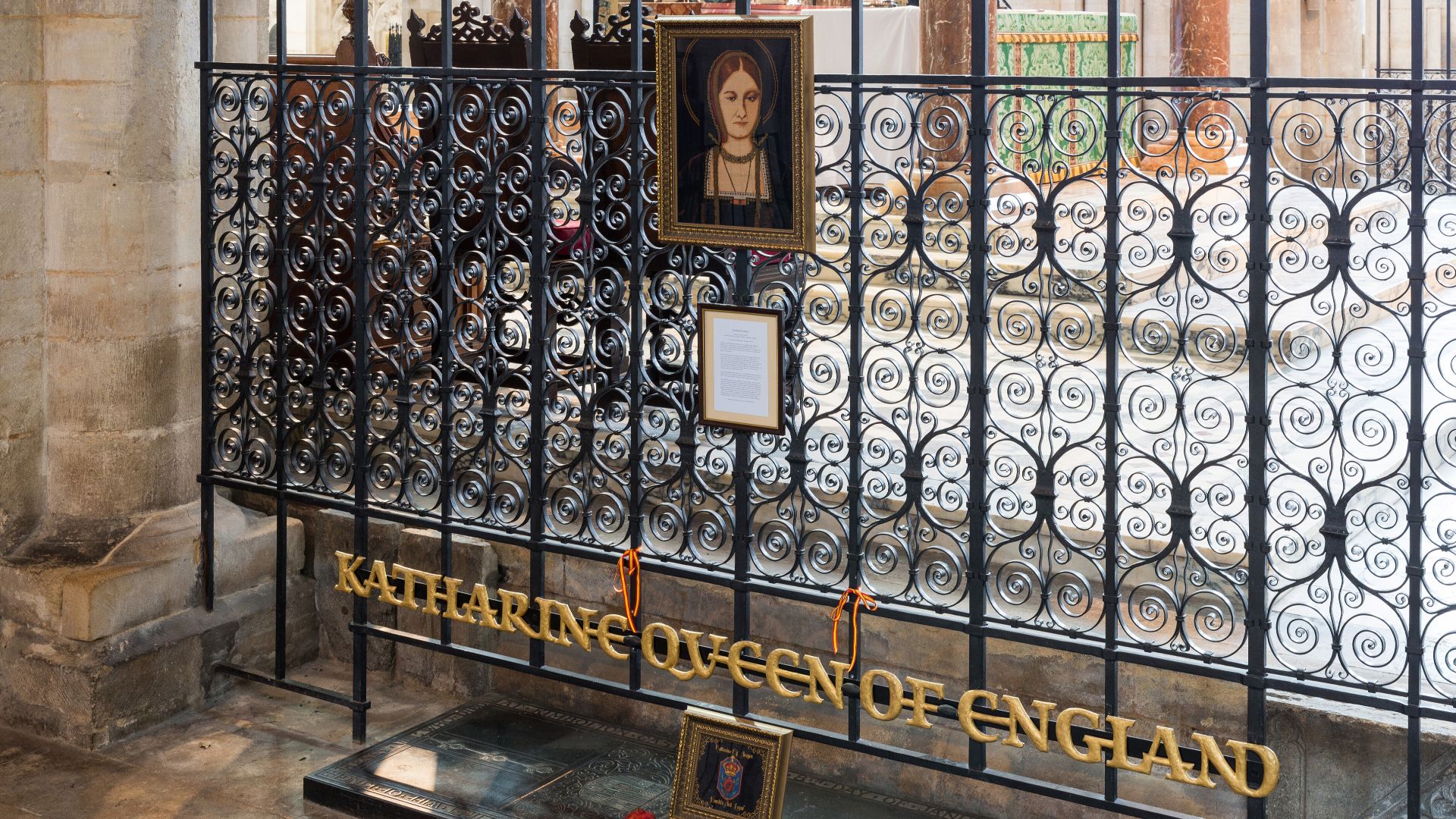
Catherine of Aragon was buried at Peterborough Abbey on January 29, 1536, with the honors of a Princess Dowager rather than a queen. Today she rests in Peterborough Cathedral beneath the words “Katharine Queen of England.” The poisoning story survives, but the strongest modern interpretation is natural disease—leaving the blackened heart as a haunting final symbol of a life Henry could diminish, but never redefine.
You May Also Like: