A Prince With A Cause
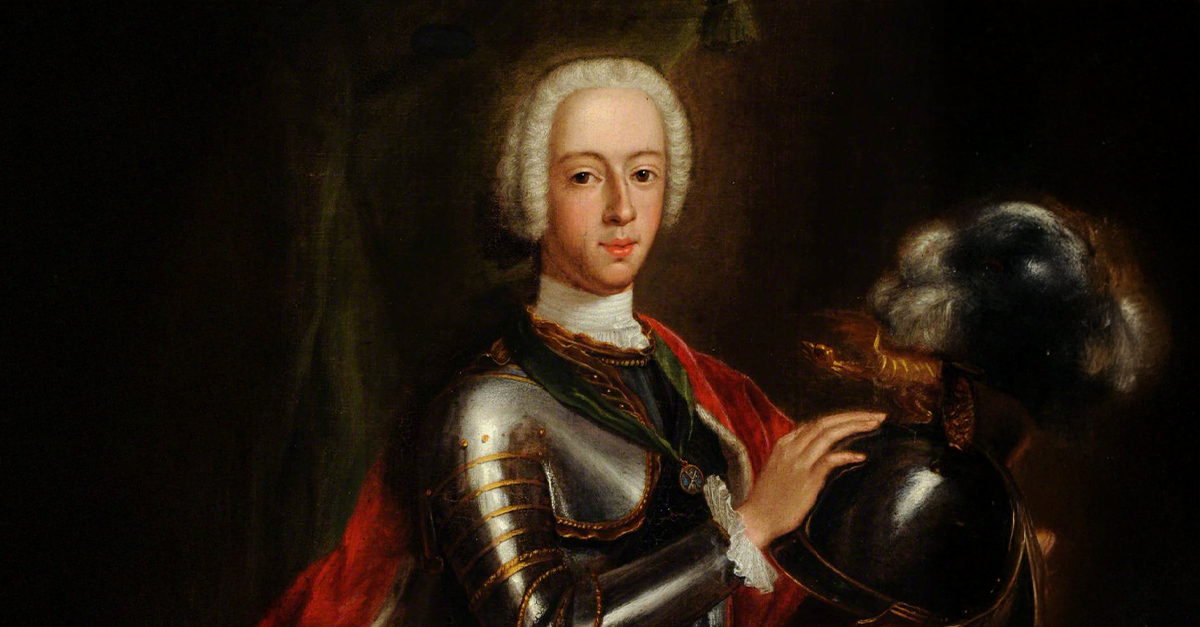
Charles Edward Stuart, better known to us today as Bonnie Prince Charlie, was born in exile but raised with the unshakable belief that he was destined to reclaim the British throne. His life became one of Europe’s most daring political gambles, and one of its most shocking reversals of fortune. To understand his rise, there’s no other place to start than with his royal inheritance.
 Coldupnorth, Wikimedia Commons
Born Into Exile And Expectation
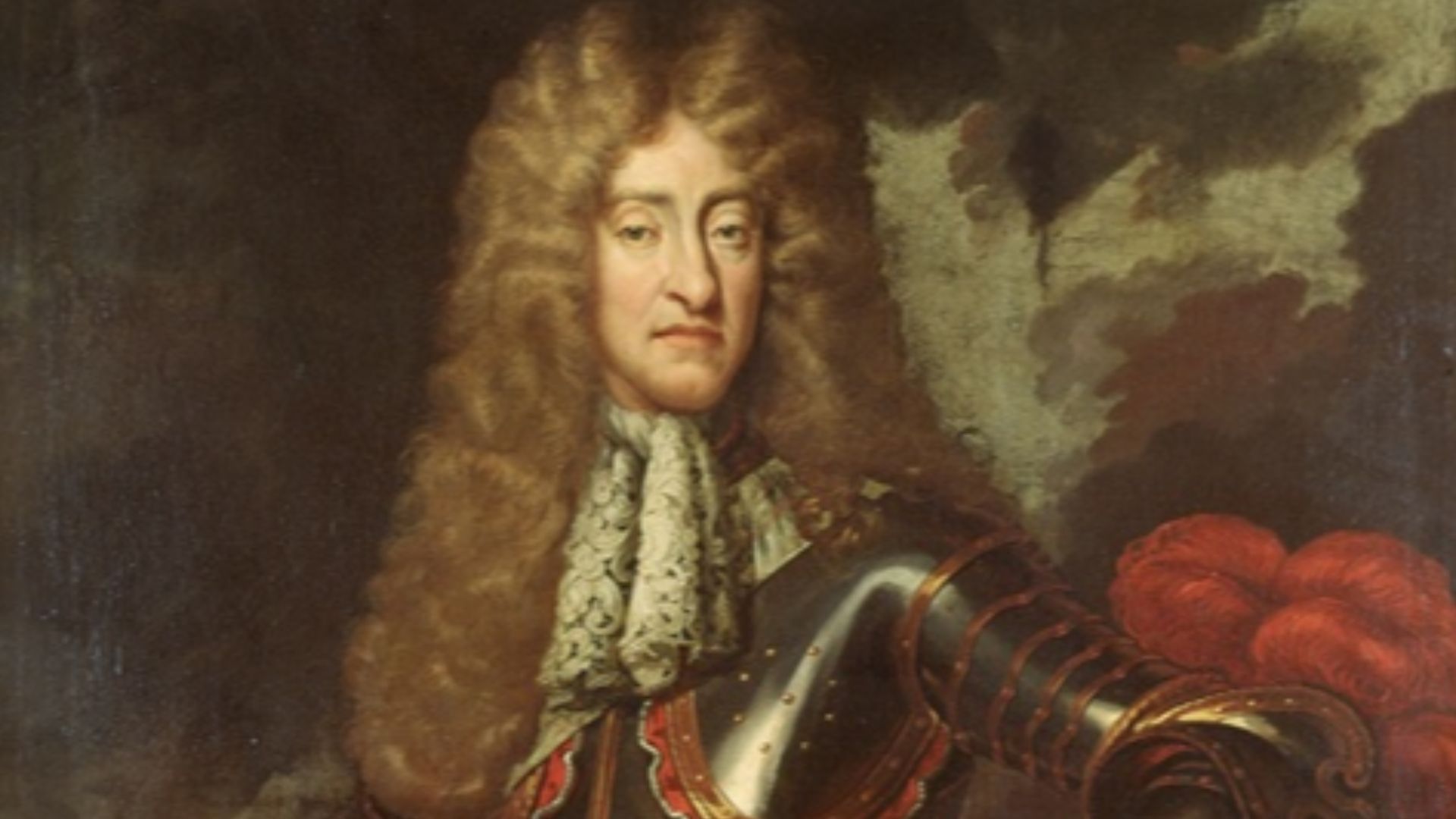
Born in 1720 in Rome, Charles was the grandson of the deposed King James II of England. His father, James Francis Edward Stuart, presided over a rival court in exile, claiming legitimacy over the British crown. So from his earliest days, Charles was taught he was the rightful king. This belief shaped his ambition through childhood and beyond, setting the stage for future conflict.
 Unknown artistUnknown artist, Wikimedia Commons
The Jacobite Dream Lived On
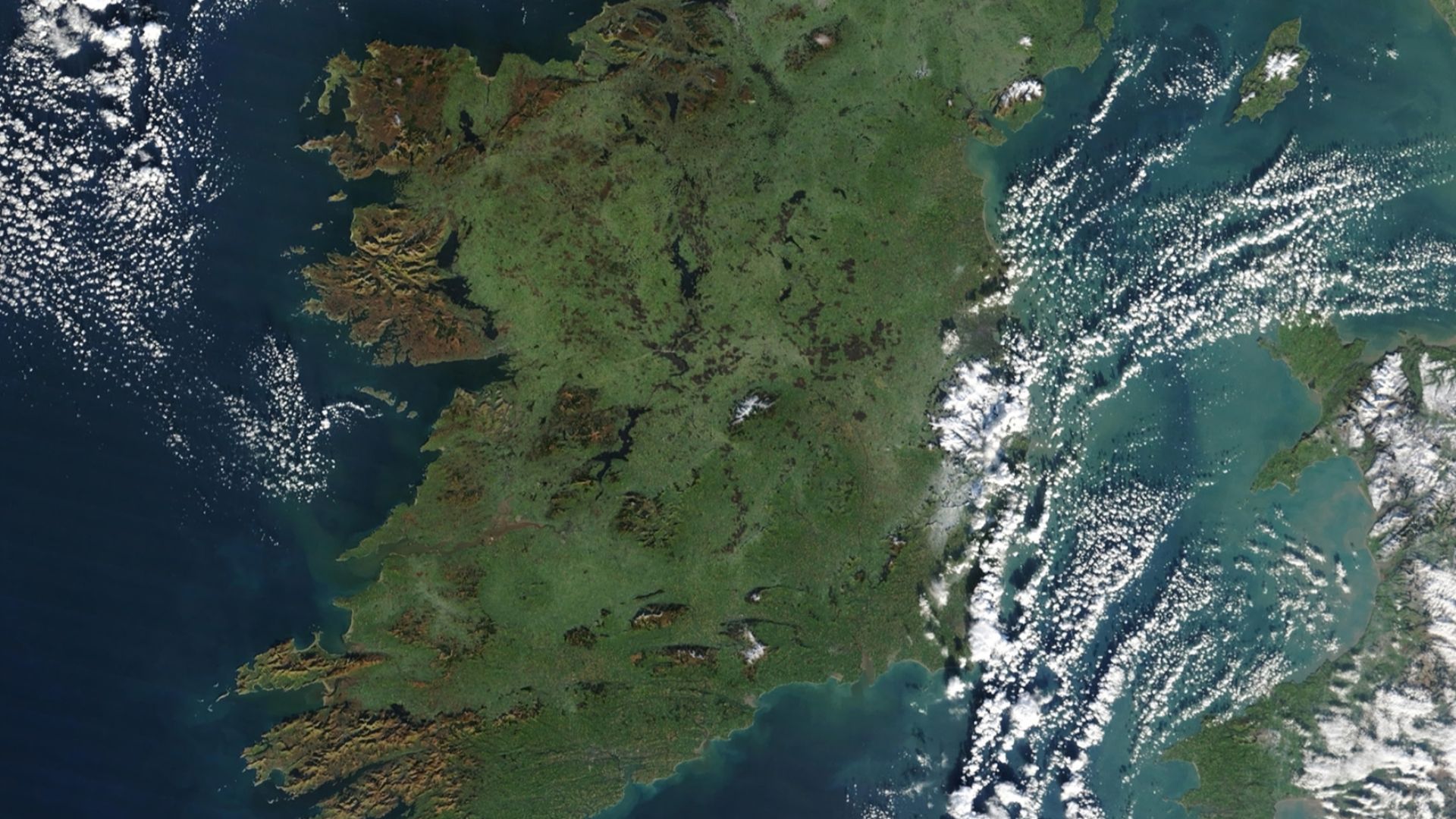
The Jacobite cause aimed to restore the Stuart dynasty to the throne. The movement attracted supporters in Scotland, Ireland, and parts of England. Charles grew up surrounded by these fierce loyalists who saw him as their best hope. As he grew up, his confidence grew, and so did his bold willingness to act where his father hesitated.
Europe’s Political Chessboard
The political scene in eighteenth-century Europe was marked by shifting alliances and dynastic rivalries. Britain’s enemies, particularly France, occasionally supported Jacobite plots to weaken the current Hanoverian monarchy in England. Charles saw a glittering opportunity in this instability. He believed deeply that foreign backing could help him rise back to the crown. All he needed was the boldness to take the first step.
 Pierre Blaché from Paris, France, Wikimedia Commons

History's most fascinating stories and darkest secrets, delivered to your inbox daily.
A Bold And Risky Decision
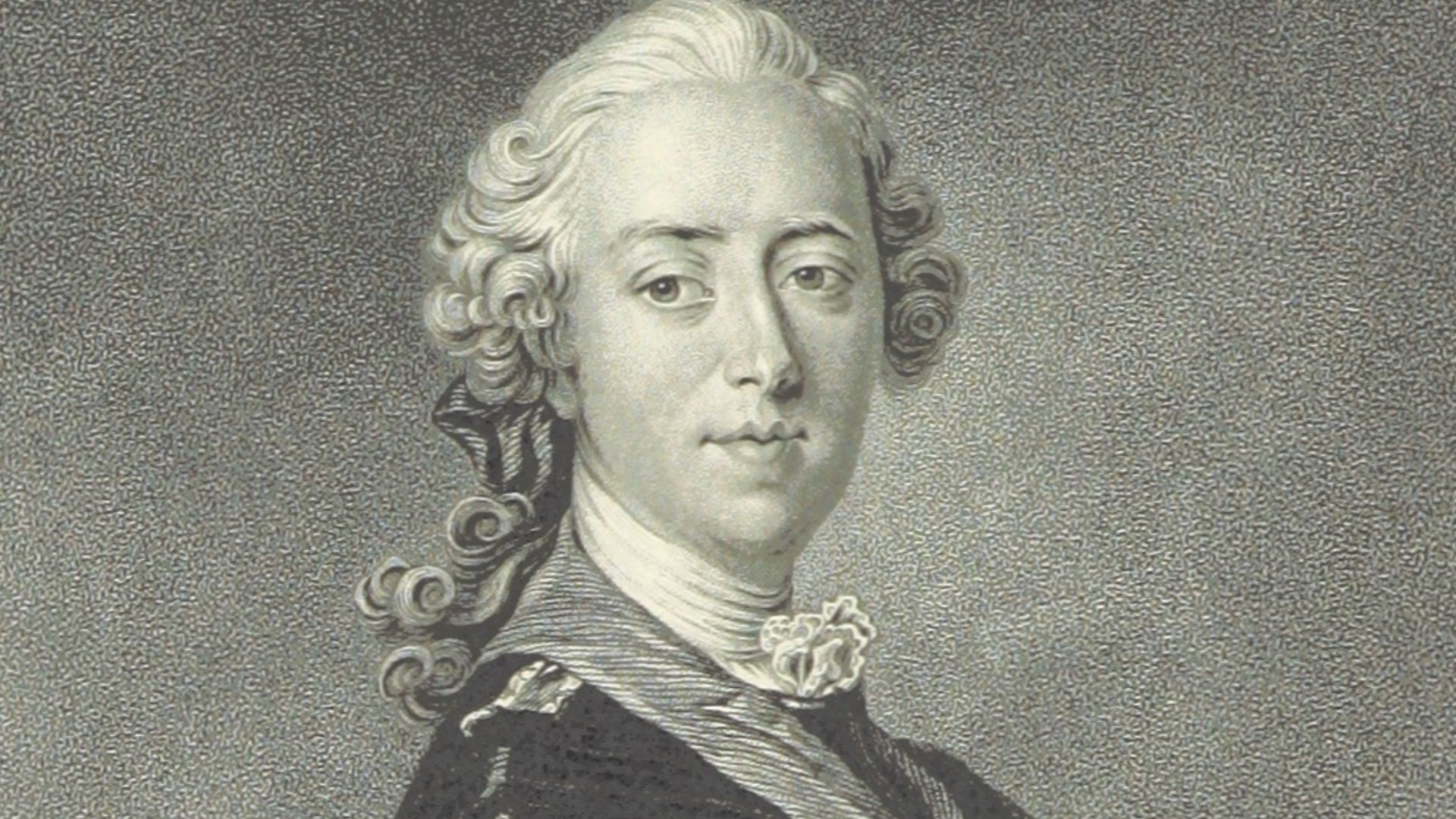
Despite limited support and against the advice of many of those close to him, Charles resolved to invade Britain in 1745. His determination and optimistic outlook verged on recklessness, but nobody could dispute his personal courage. With just a small force and fragile backing, he set sail for Scotland, convinced that the hand of destiny would intervene on his side.
 Samuel Freeman / After Louis Tocqué, Wikimedia Commons
Landing In The Highlands
In July 1745 Charles landed in the Scottish Highlands, the rugged and remote region notorious for its fierce clan loyalties. At first, his support seemed uncertain, but his charisma quickly won over several key Highland chiefs. This marked the true beginning of the Jacobite Rising, as abstract hope turned into armed organized rebellion.
 JavierOlivares, Wikimedia Commons
Raising The Standard At Glenfinnan
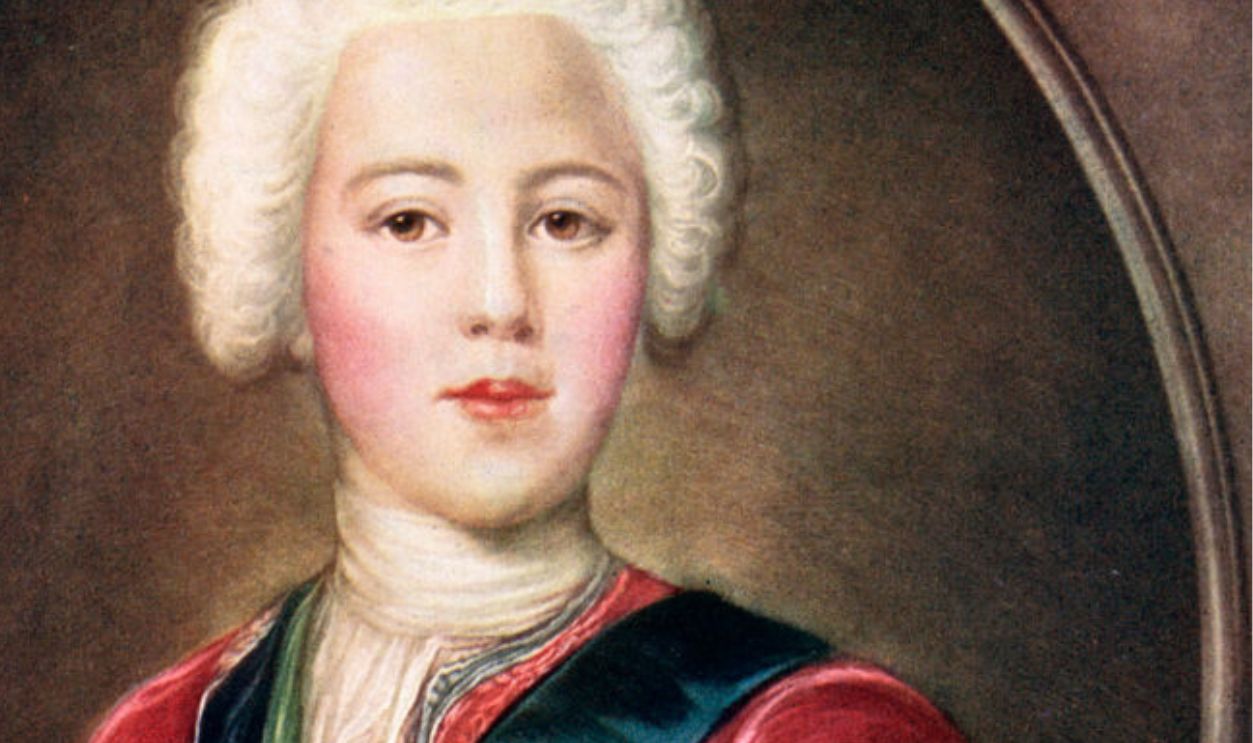
At Glenfinnan, Charles raised his father’s standard. This gesture marked the official launch of the uprising. The symbolic act electrified his supporters and rallied Highland clans to his cause. Though still outnumbered, the Jacobite army began to take shape under Bonnie Prince Charlie. The stage was now the stage for its first major test in battle.
Early Victories Build Momentum
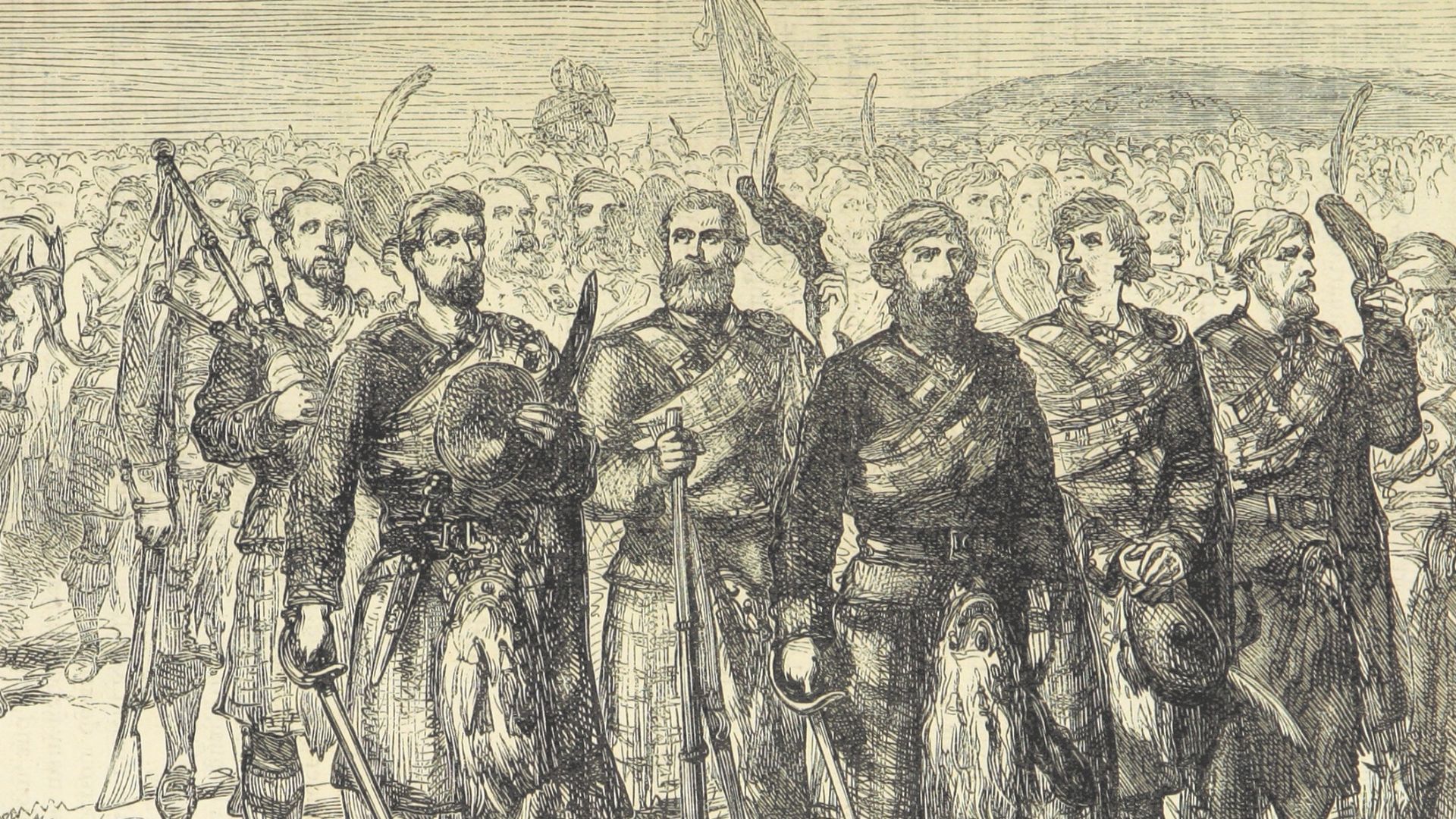
The Jacobites escalated their campaign with a stunning victory at the Battle of Prestonpans in September 1745. Government forces were swiftly defeated, boosting morale and legitimizing Charles’s leadership. For the time being, it seemed Charlie’s gamble might succeed. But greater challenges loomed as he and his band of merry men pushed on deeper into Britain.
 James Grant, Wikimedia Commons
Marching Into England
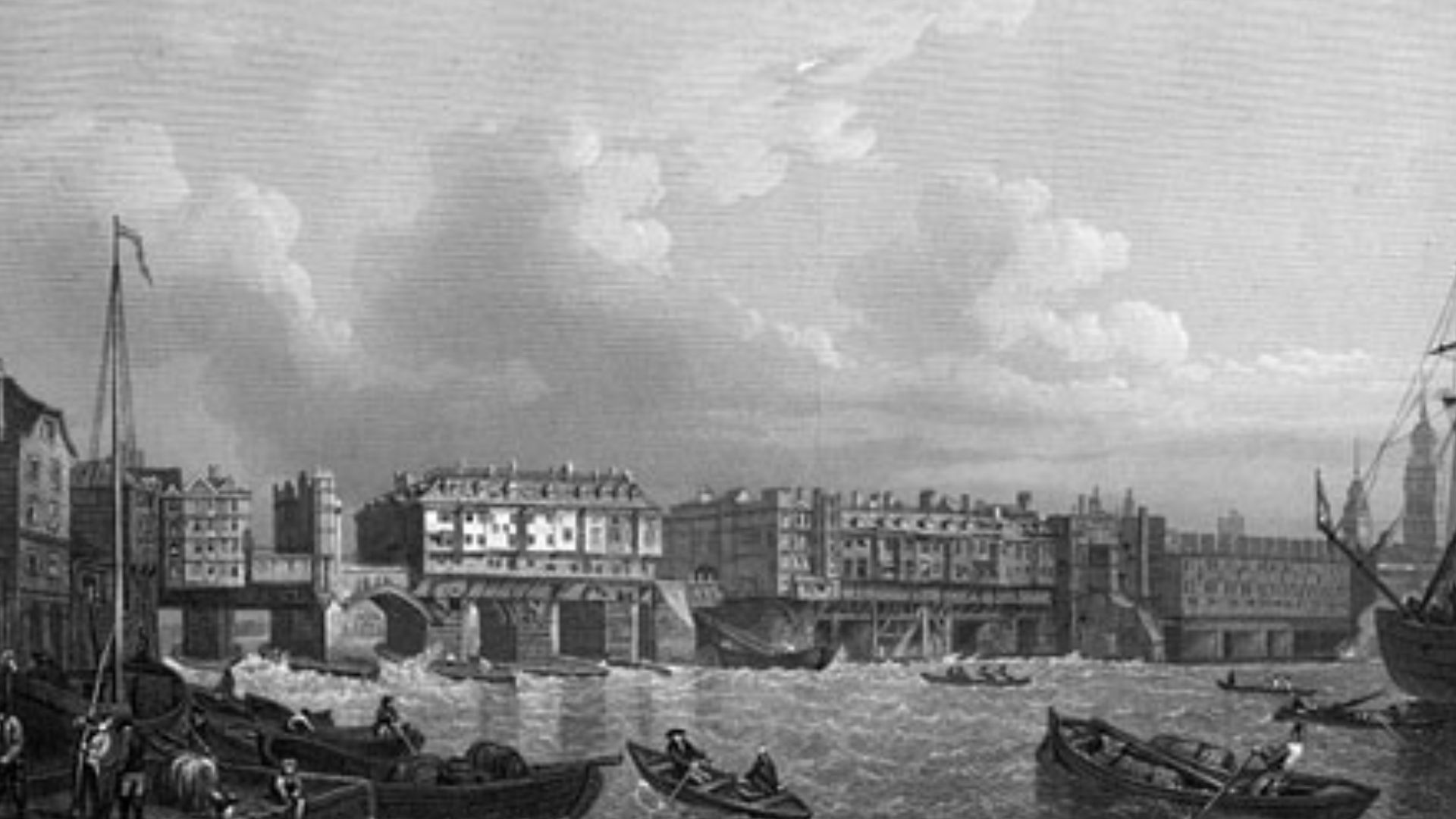
Buoyed by the initial wave of success, Charles and his forces stormed south into England, fully expecting to gather more support and threaten London. However, English Jacobite backing turned out to be far weaker than he expected. This growing isolation planted the seeds of doubt, even as the army pushed on toward a critical date with the destiny that Charles craved.
 Duffman~commonswiki, Wikimedia Commons
The Turning Point At Derby
By December 1745, the Jacobite army reached Derby, only 125 miles from London. They’d already come a long way, but Charles insisted on pressing forward. But his commanders were already starting to have doubts. They now urged retreat, fearing overwhelming government forces. Reluctantly, Charles agreed. It was a pivotal moment where ambition finally ran up against reality.
 Mike Pennington, Wikimedia Commons
History's most fascinating stories and darkest secrets, delivered to your inbox daily.
Retreat And Fractured Confidence
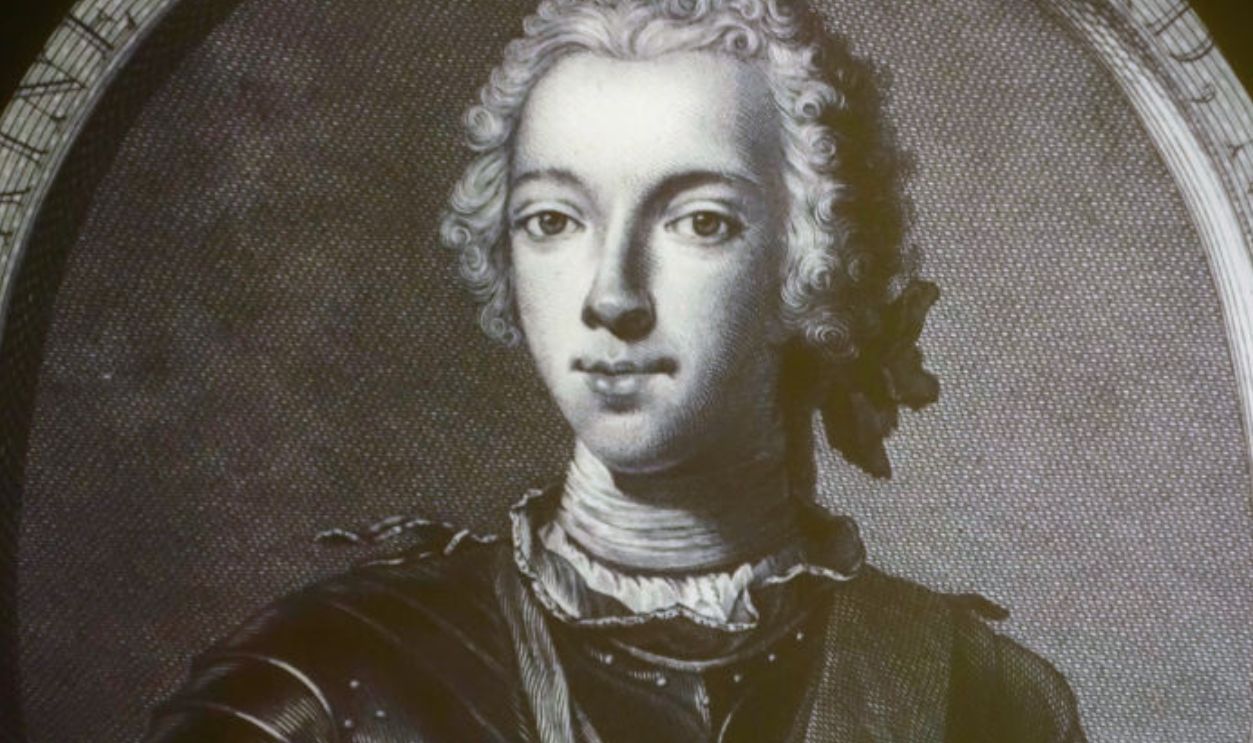
The retreat from Derby shattered the momentum of the uprising right at the worst possible time. What had once seemed like a march toward certain victory now took on the appearance of a desperate withdrawal. Tensions grew between Charles and his commanders, exposing cracks in his leadership that would soon bring devastating consequences.
Government Forces Regroup
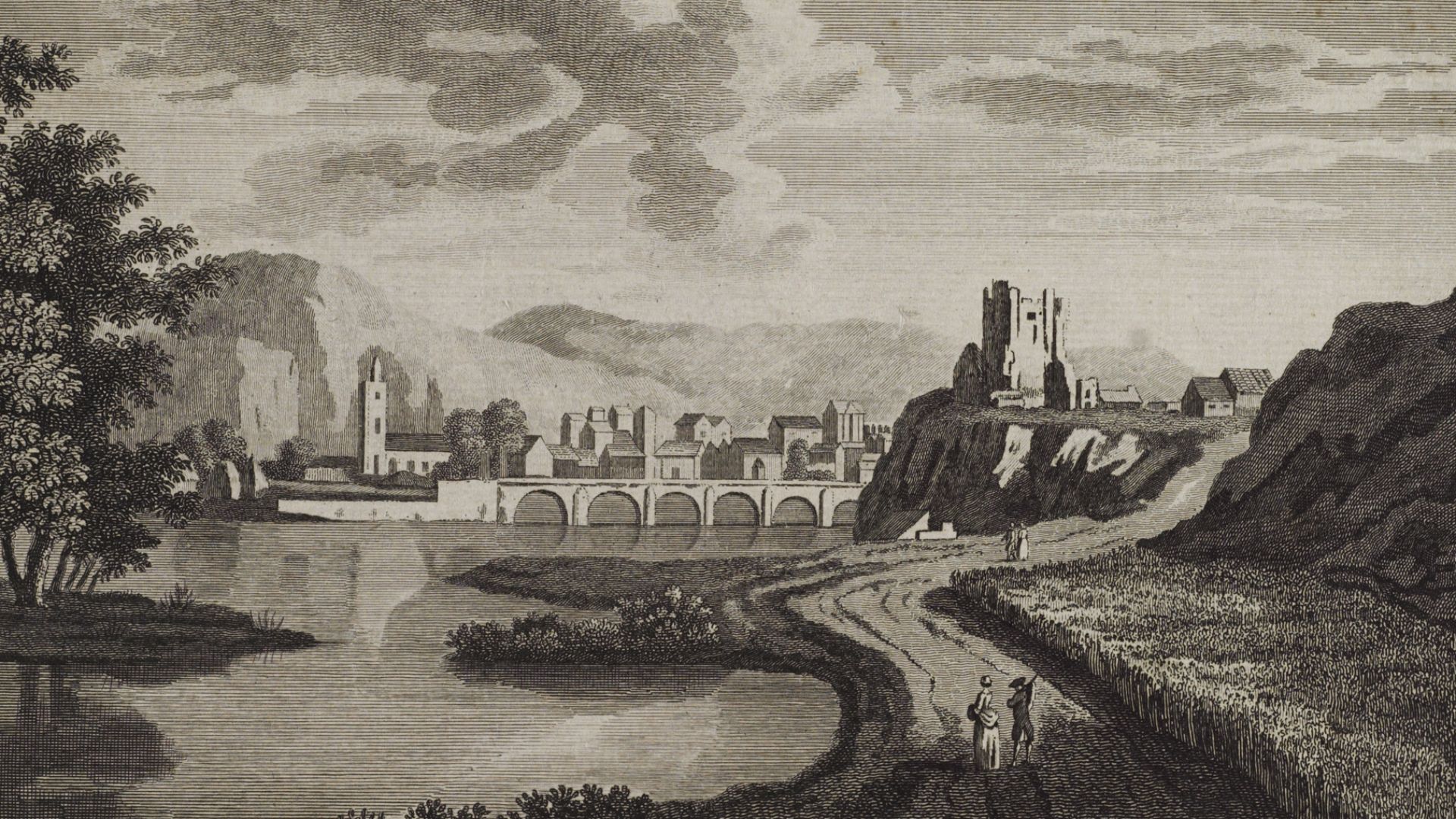
While all this was going on, the British government got busy mobilizing a stronger, more organized response under the Duke of Cumberland. With superior numbers and resources, operating on their home ground, the government troops pursued the Jacobites northward. As the pressure and problems mounted, Charles came face to face with the reality that his rebellion was running out of steam.
Desperate Final Stand
The Jacobite army withdrew into Scotland, weary and undersupplied. Despite deteriorating conditions, Charles steeled himself for a decisive confrontation. His own personal determination was as yet unshaken, but his army’s strength and morale were beginning to falter as the inevitable clash drew near.

The Battle Of Culloden
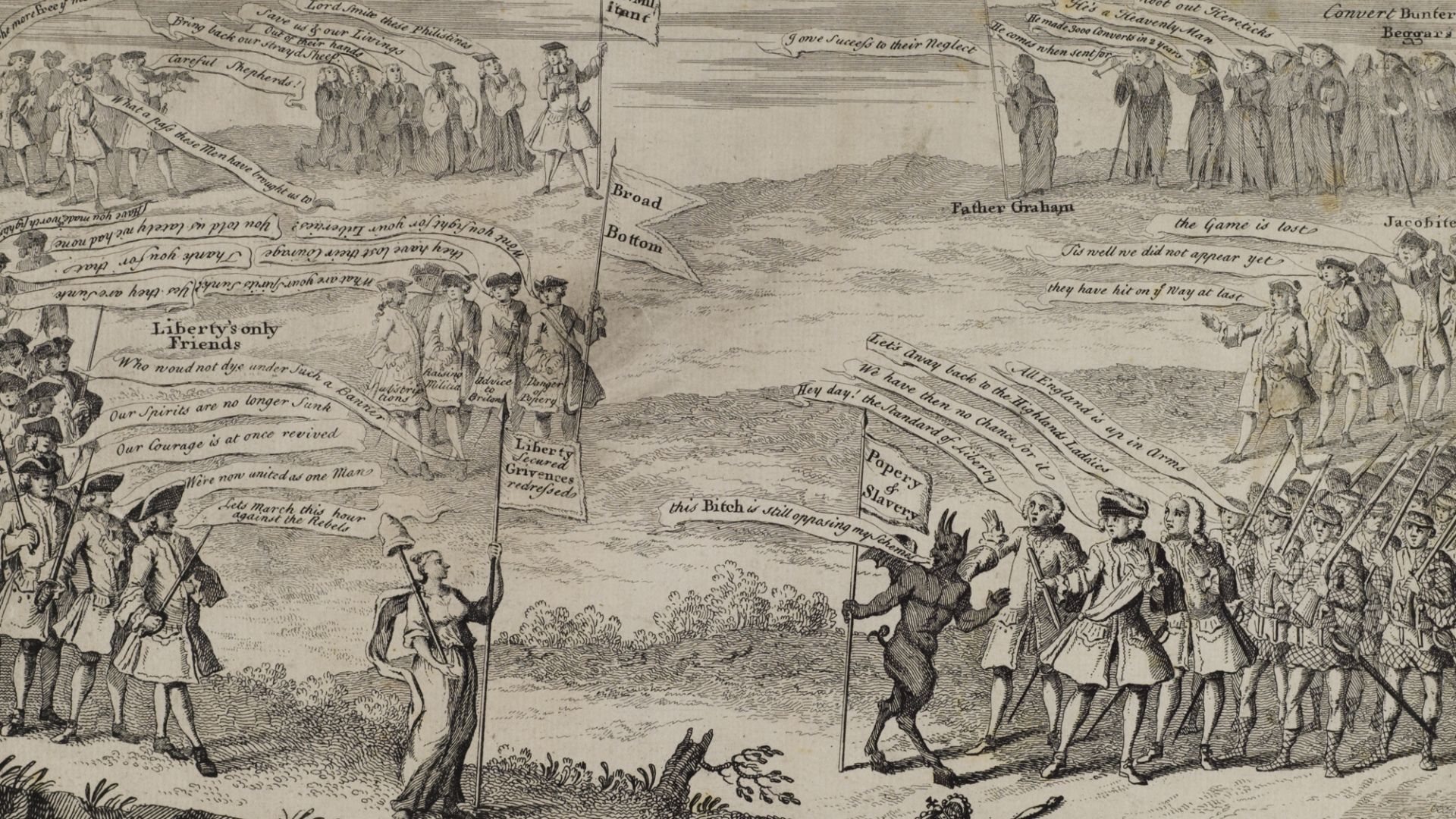
In April 1746, the Jacobites faced off against government forces at Culloden Moor. The battle was swift and brutal, ending in a crushing defeat for Charles’s army. In the span of a single morning, the dream of restoring the Stuarts to the crown crumbled into dust, leaving Charles’s fate uncertain.
Aftermath Of Defeat
Following Culloden, the government took severe reprisals against the Highlands, hoping to crush Jacobite support once and for all. Charles, until recently a smoldering symbol of hope, was now a man on the run. His survival now depended not on armies, but on secrecy and loyalty.
 Alasdair MacNeill, Wikimedia Commons
Fugitive Prince
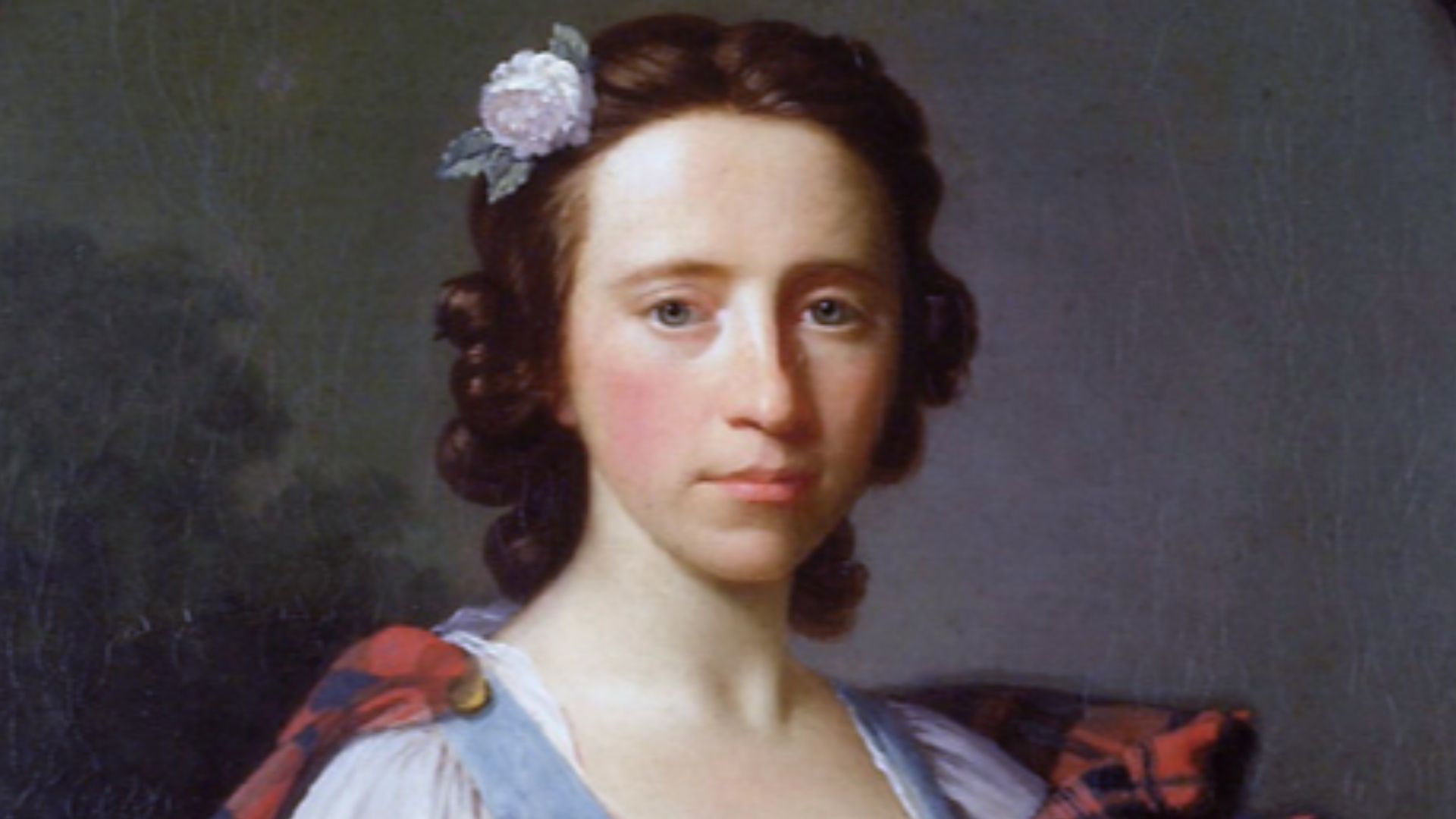
Charles now spent the next several months evading capture, relying on sympathizers who put their lives on the line to protect him. His flight became legendary, especially his escape aided by Flora MacDonald, who got together the necessary paperwork to smuggle him in disguise to the Isle of Skye. Daring escapes like these added to his myth, even while his political fortunes lay in ruins.
 Allan Ramsay / Joseph Van Aken, Wikimedia Commons
History's most fascinating stories and darkest secrets, delivered to your inbox daily.
Escape To France
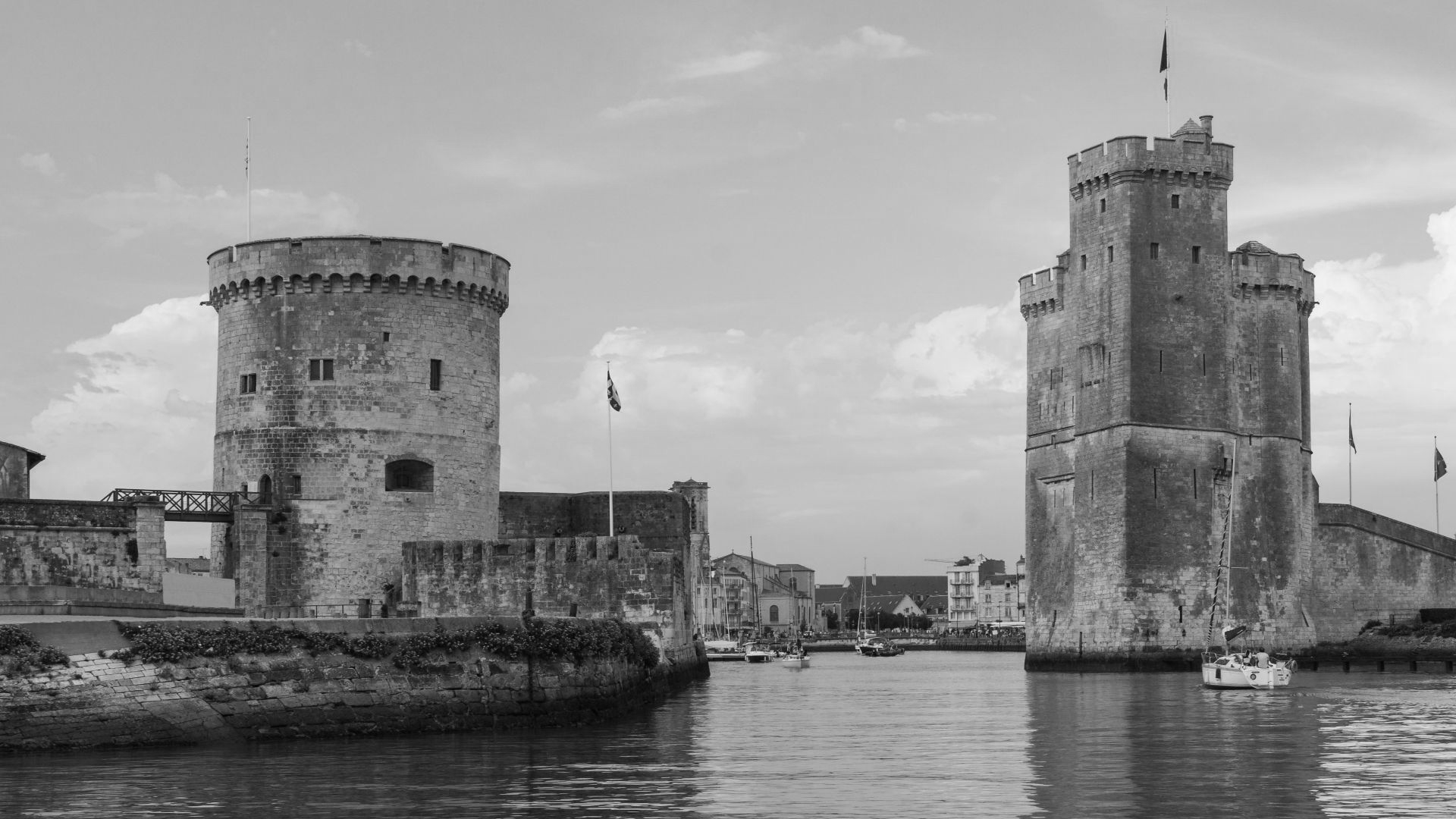
Eventually, Charles managed to get away to France, putting an end to his immediate danger. However, his failure meant that he was no longer of much political value to foreign allies. Once seen as a potential king, he was now a defeated exile. The failure on the field of battle was only the beginning of his long personal decline.
Fading Political Relevance
In the years after 1746, Charles attempted again to drum up interest in the Jacobite cause, but the enthusiasm had long flickered out. European powers no longer saw him as a useful political tool. His dreams of reclaiming the throne persisted, but as the years rolled by, would-be monarch seemed to become detached from reality.
 Syxaxis Photography, Wikimedia Commons
Strained Relationships And Isolation
Charles’s normally effusive personality started to change as the frustration and disappointment of his situation sank in. He grew suspicious and difficult, alienating his former allies. The charisma that once inspired a fiercely loyal following now gave way to bitterness, signaling a deeper personal unraveling.
He Turned To The Bottle
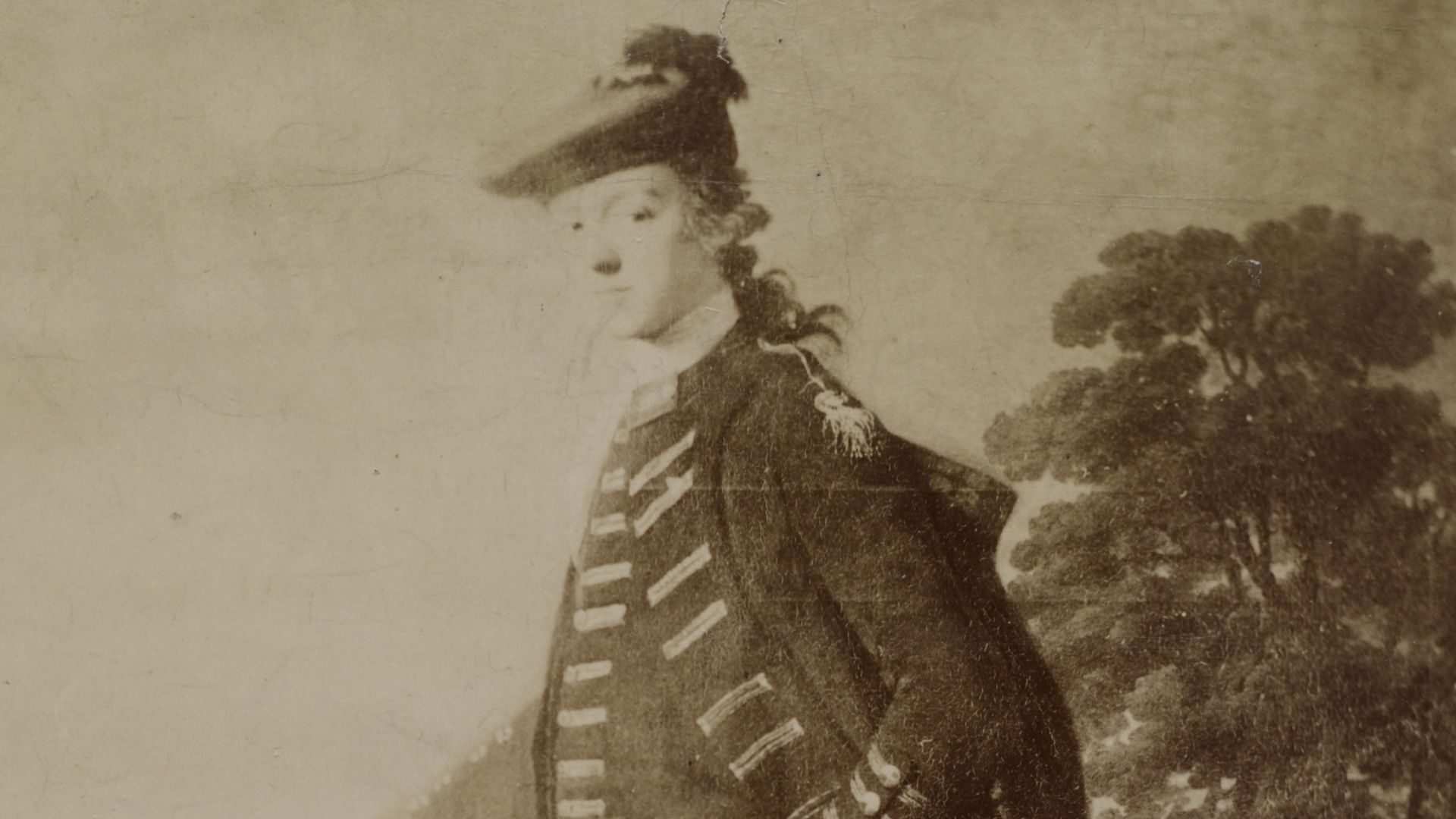
As his prospects faded, Charles turned increasingly to booze to ease his sense of loss. His drinking only aggravated his erratic behavior and strained his relationships further. The man who had once been a heroic figure began to resemble a tragic one, consumed by failed ambition.
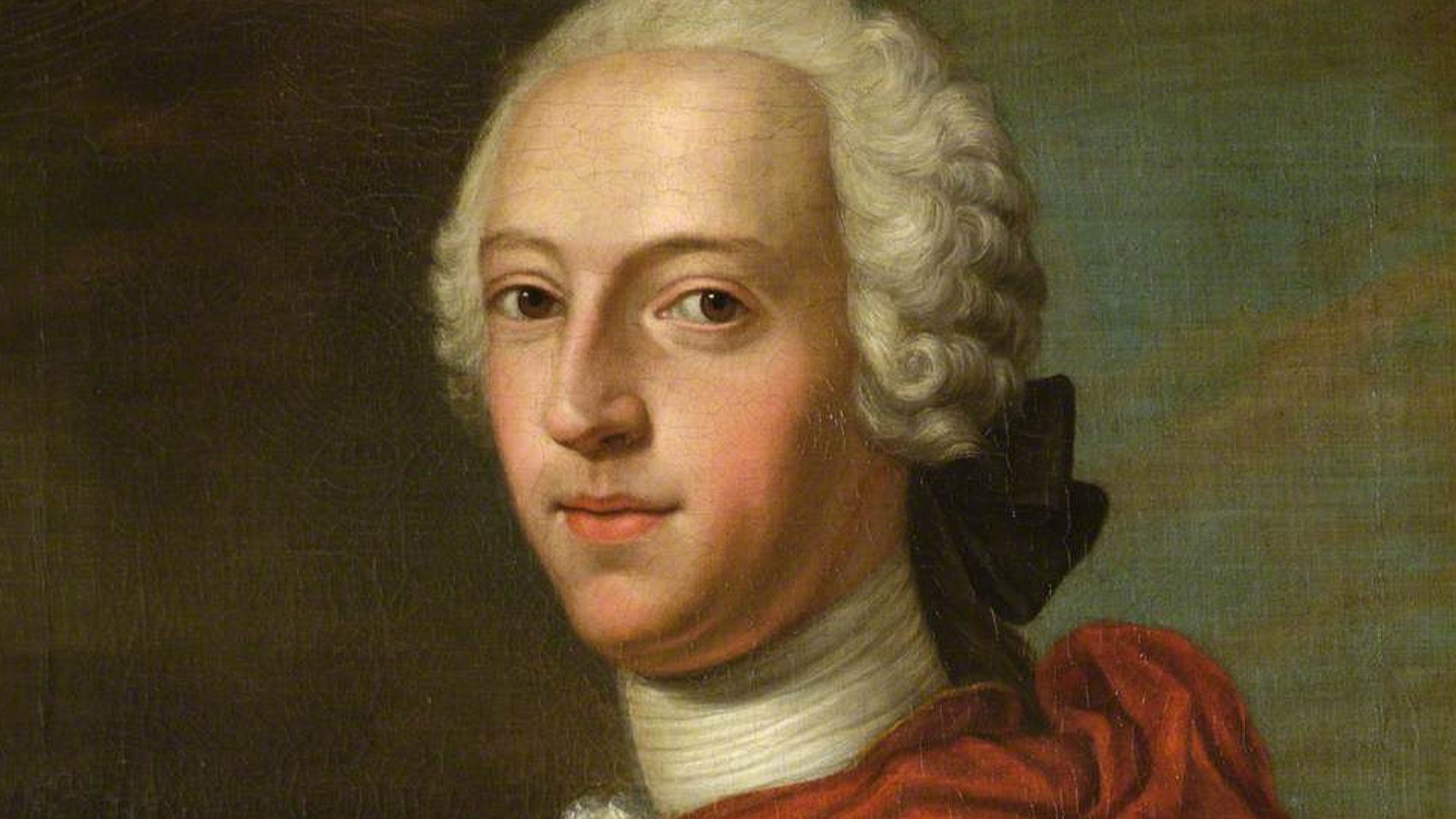 Jean-Marc Nattier (1685–1766) (after), Wikimedia Commons
A Troubled Marriage
In 1772, Charles married Princess Louise of Stolberg-Gedern. Their relationship quickly became unhappy, marked by conflict and allegations of abuse. The marriage’s failure mirrored Charles’s broader decline, reminding him even more of the personal consequences of his shattered dreams.
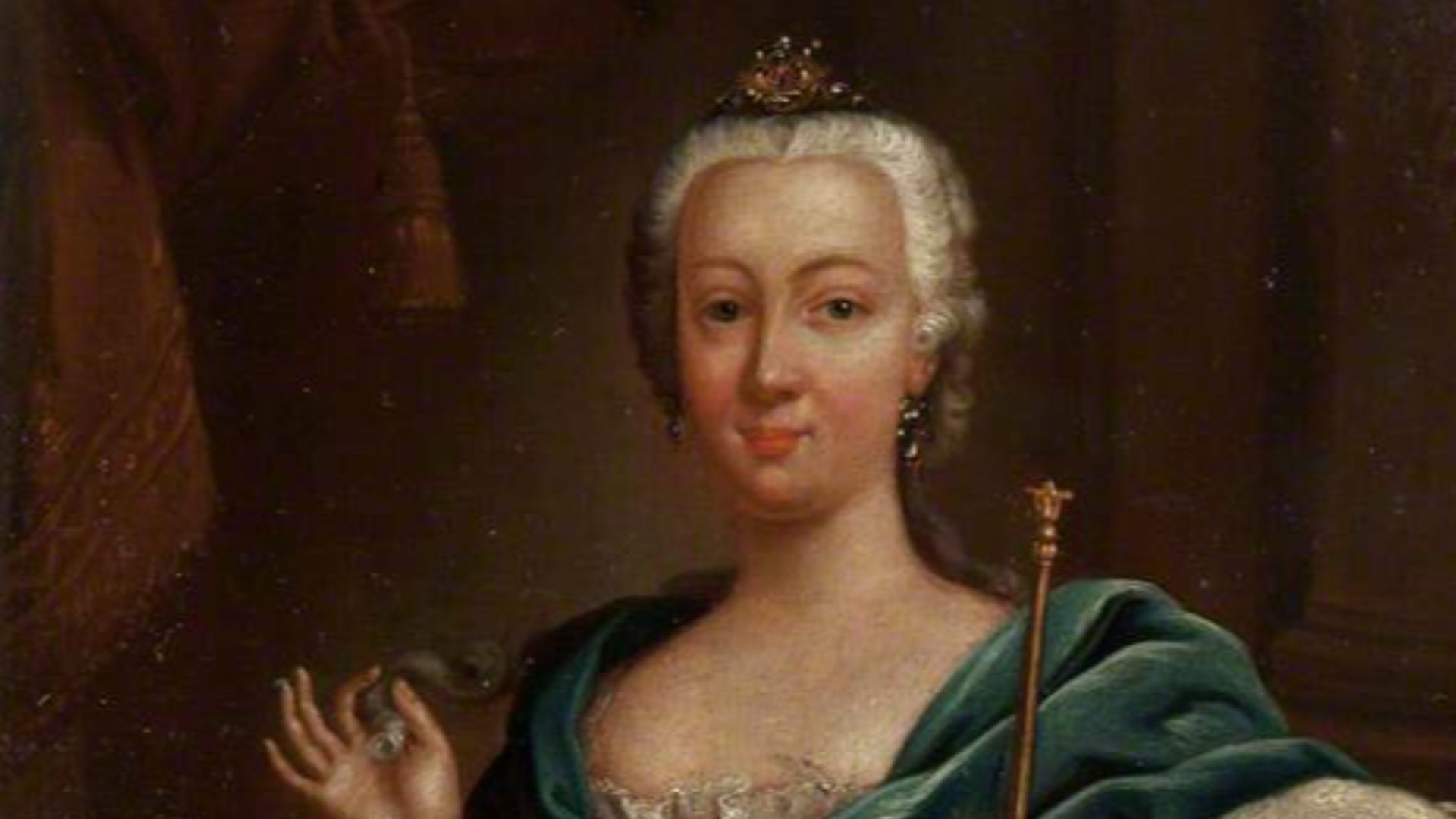 Unidentified painter, Wikimedia Commons
A Marriage Marked By Control And Conflict
Charles’s marriage to Princess Louise quickly deteriorated beyond simple incompatibility. He grew increasingly controlling and volatile, while Louise resisted his authority. Their relationship became a stormy scene of seething resentment, revealing the depths he had fallen to from the heights he’d once enjoyed as a charismatic leader who inspired loyalty.
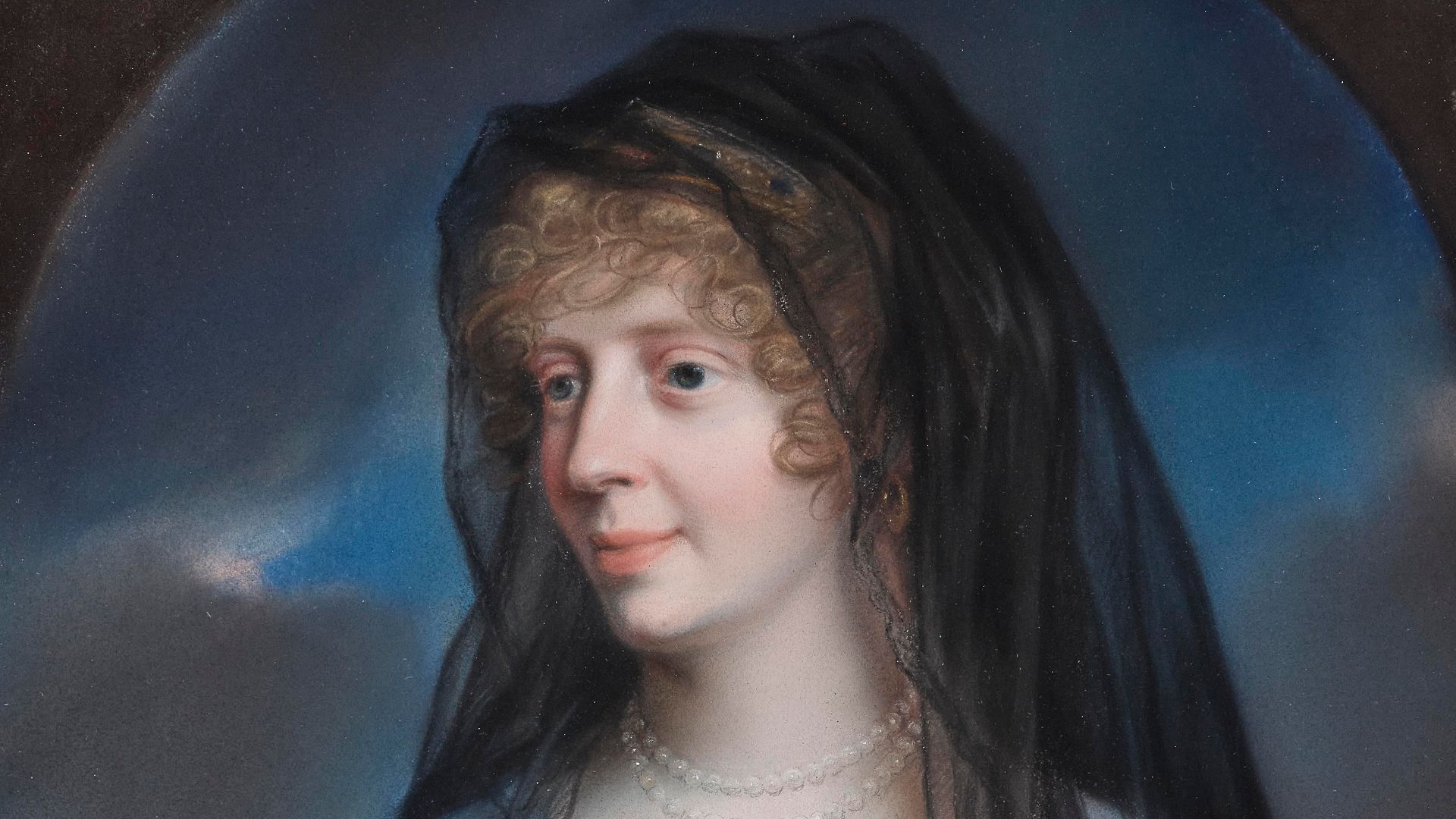 Johann Heinrich Schröder, Wikimedia Commons
History's most fascinating stories and darkest secrets, delivered to your inbox daily.
Infidelity And Rising Tensions
As her marriage with Charles fell apart, Louise reportedly sought companionship elsewhere, forming close relationships that scandalized European society. Whether she was driven by loneliness or defiance, her infidelities only worsened Charles’s paranoia. His growing instability, fueled by alcohol and jealousy, turned their household into a scene of constant tension.
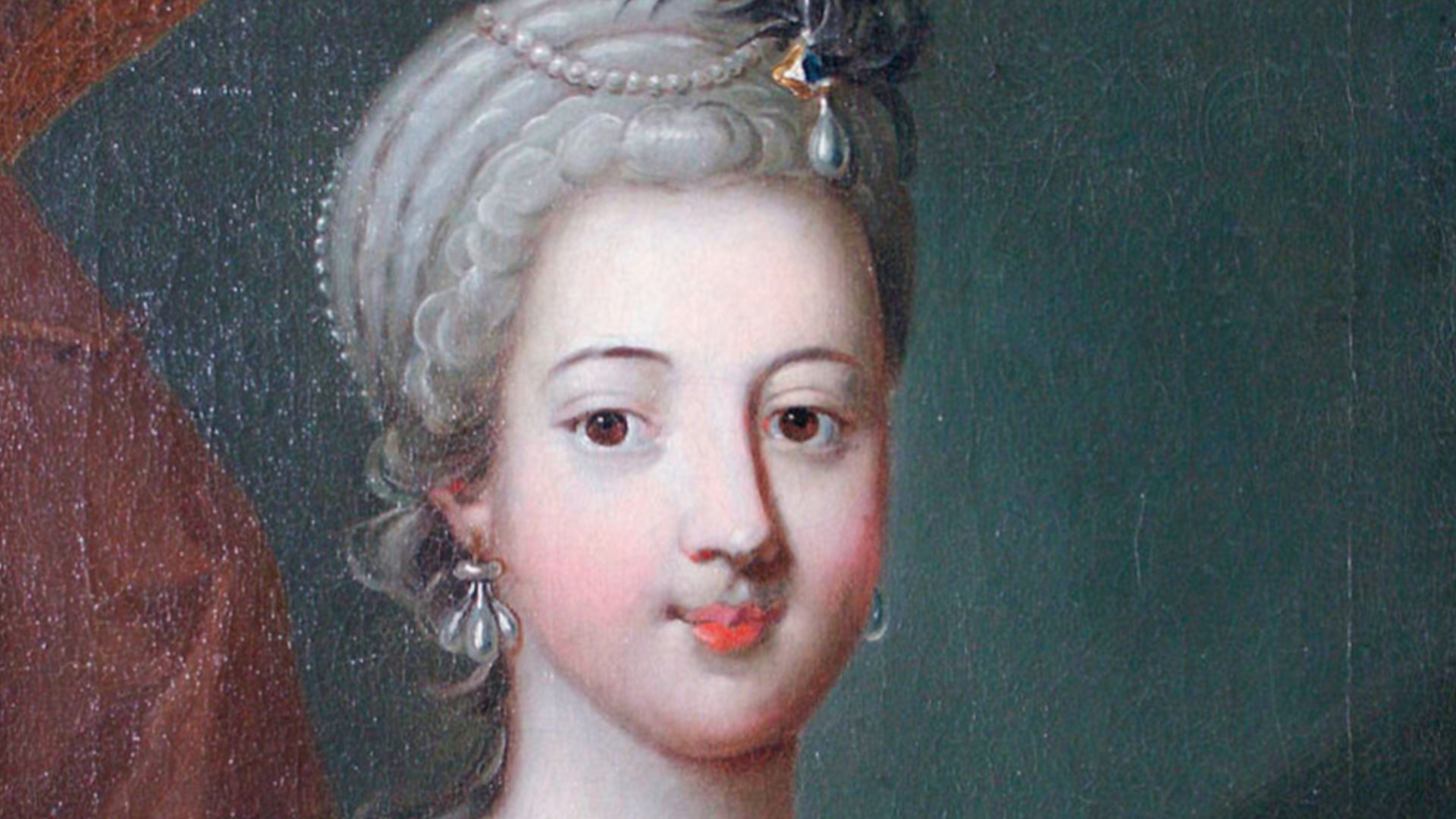 Unidentified painter, Wikimedia Commons
Violence And Final Estrangement
The conflict reached a breaking point when Charles allegedly physically attacked Louise during a drunken outburst. The incident shocked observers and was a final proof of his decline into instability. Louise fled and never reconciled with him. Charles was left increasingly isolated in the final years of his life.
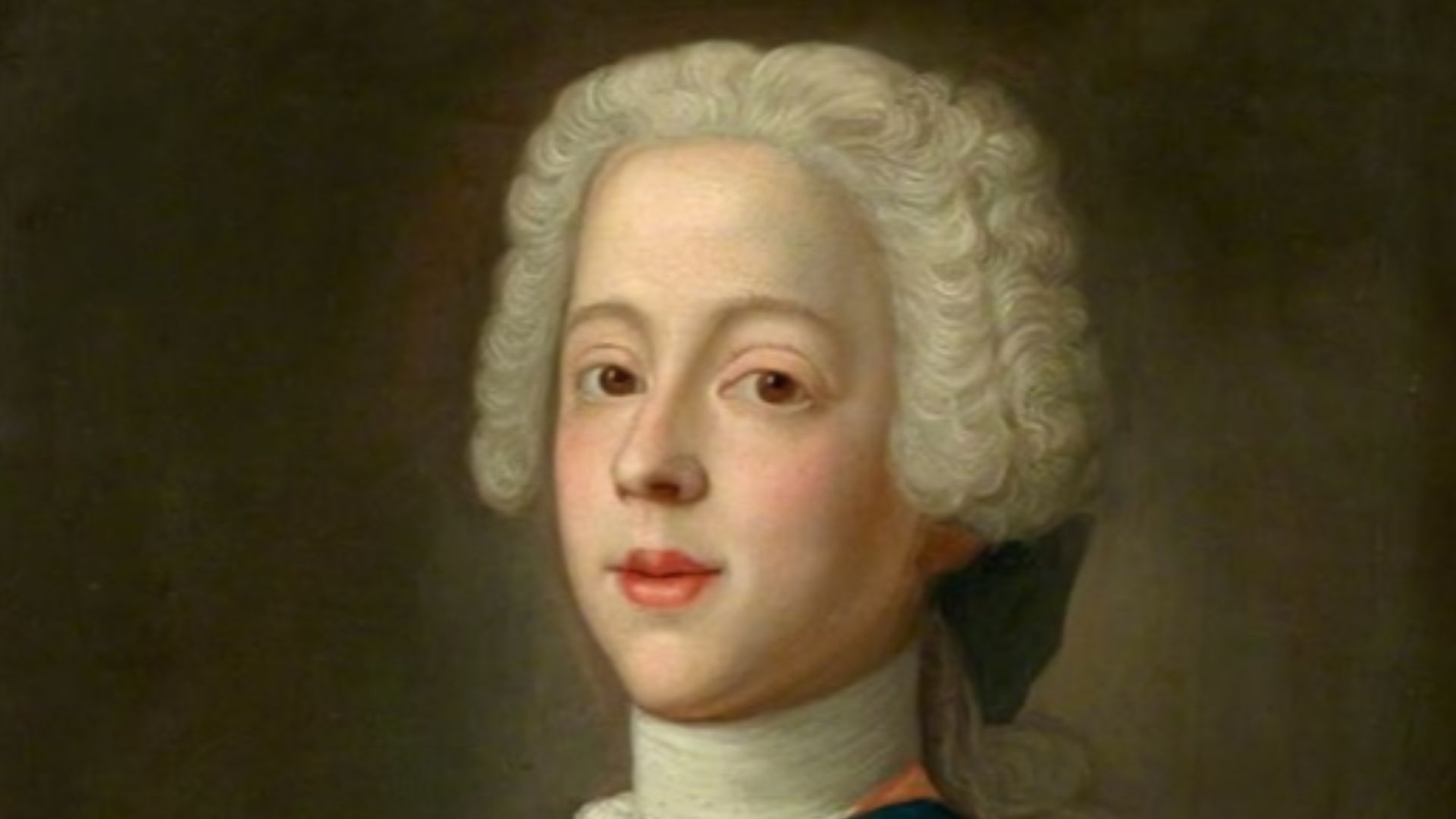 After Jean-Étienne Liotard, Wikimedia Commons
Loss Of Legacy And Influence
By the autumn of his life, Charles had little political influence left. The Jacobite cause had effectively come to an end, and his claim to the throne was largely a matter of symbolism and nostalgia. The prince who once inspired rebellion now lived in obscurity, far removed from his earlier glory.
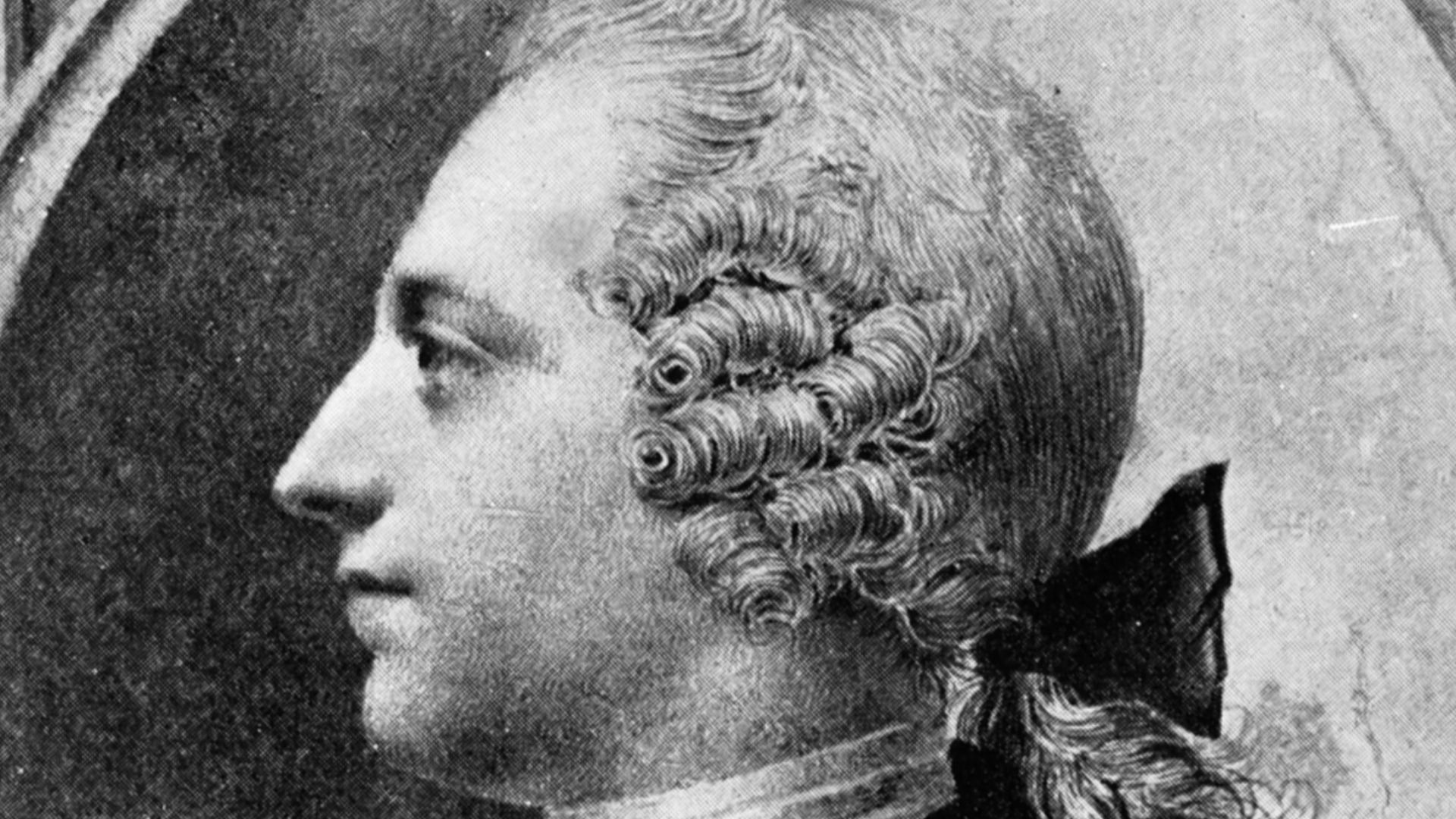 Giles Hussey, Wikimedia Commons
Reflections Of A Fallen Prince
Charles’s final years were marked by regret and fading health. He remained convinced of his rightful claim to the throne, but history had moved on without him. His inability to reconcile his buoyant past ambitions with the reality of his present situation was what defined his final chapter.
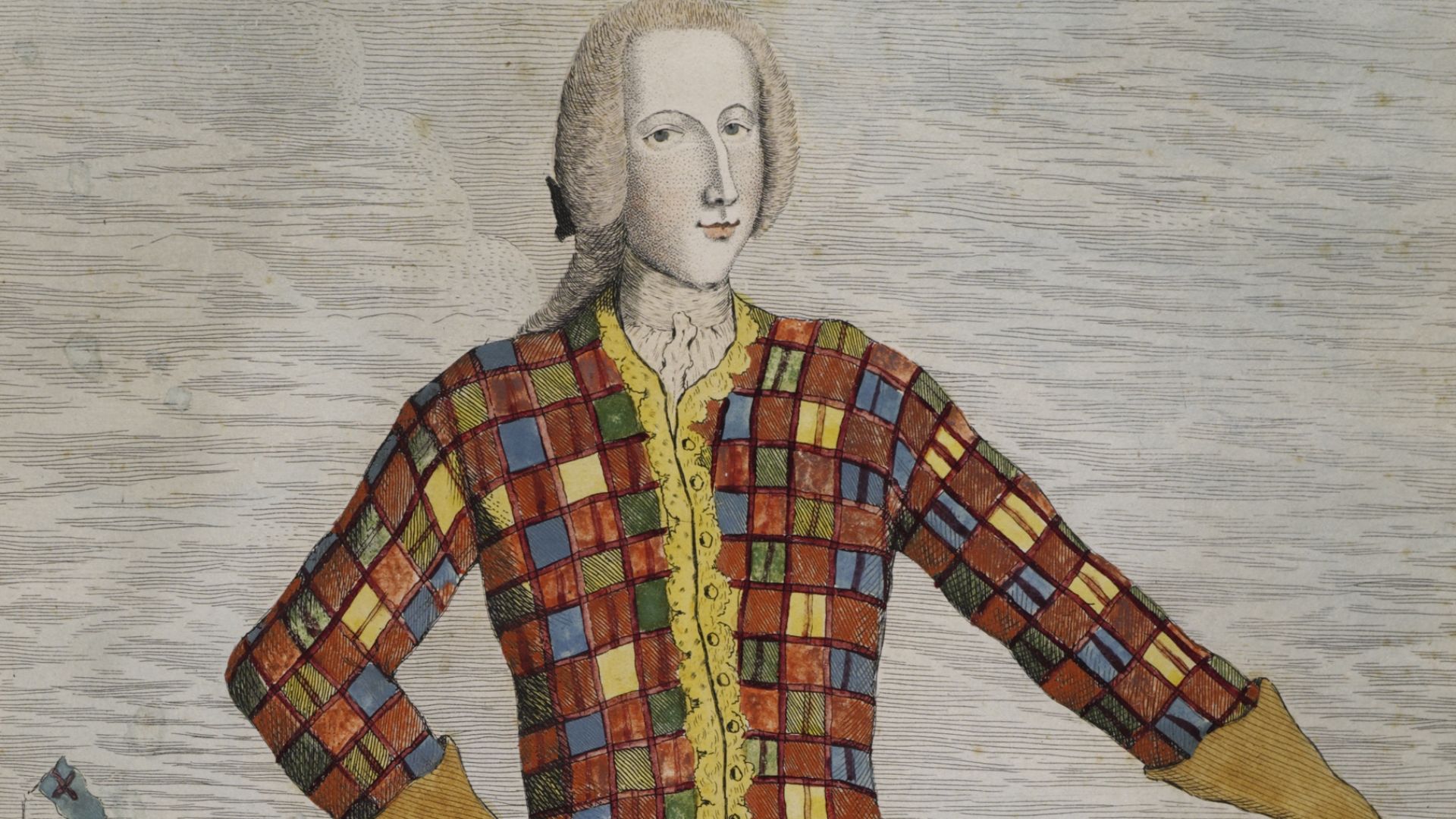
Death In Exile
Charles Edward Stuart died in Rome in 1788, the same city where he had been born. His passing marked the end of a life that had once threatened to steer a different course for British history. But his story didn’t end when he died.
 Pierre-Henri de Valenciennes, Wikimedia Commons
Making Of A Legend
Despite his failures, Charles became a romanticized figure in Scottish folklore. Songs and stories celebrated his bravery, dash, and charm, often overlooking his flaws. This transformation into legend stands in sharp contrast with the more unpleasant realities of his later years as the central figure of a lost cause.
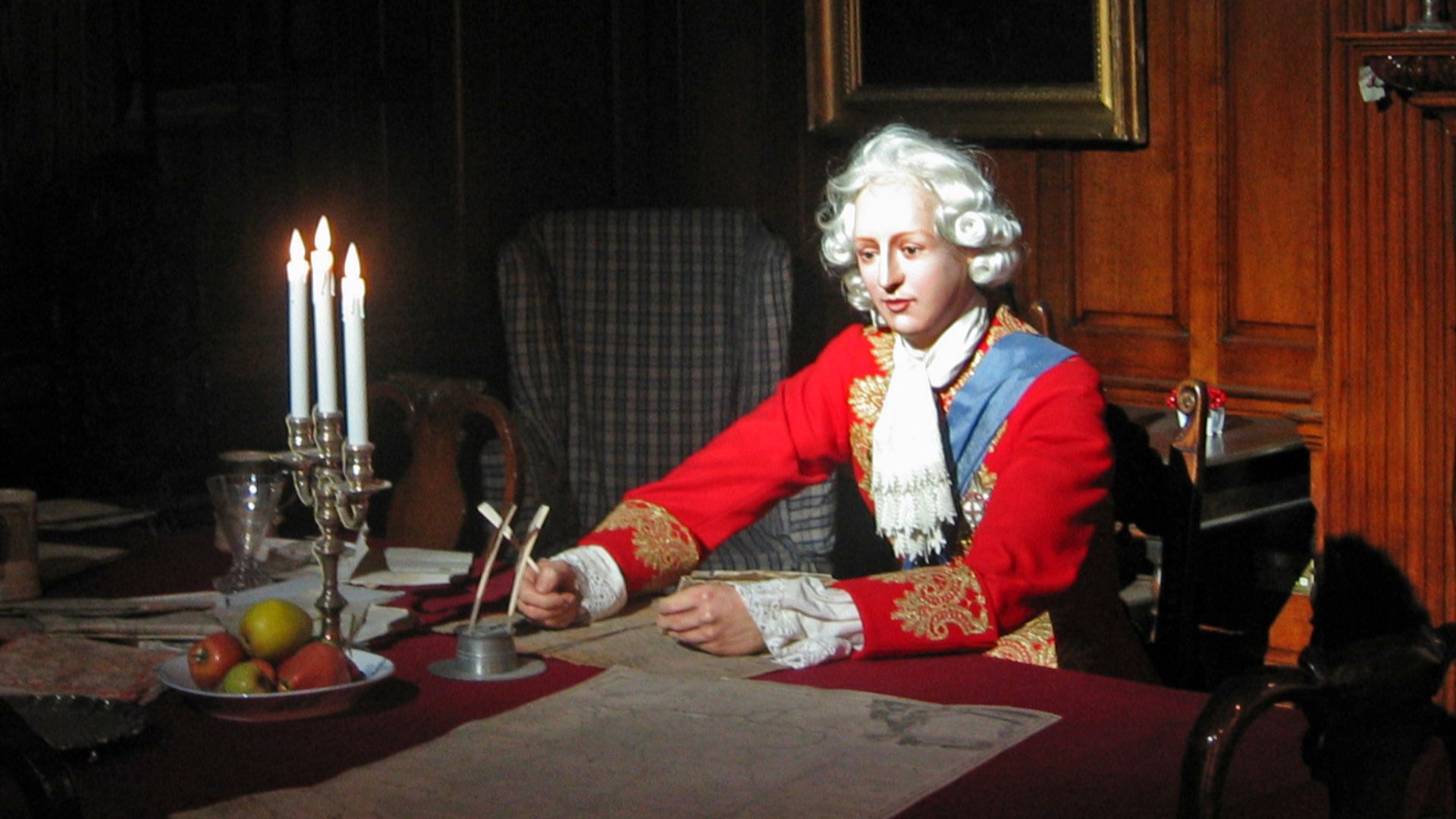 https://www.flickr.com/photos/38045604@N00/, Wikimedia Commons
History's most fascinating stories and darkest secrets, delivered to your inbox daily.
A Dream That Didn't Last
Bonnie Prince Charlie’s life started out with extraordinary promise but ended in quiet disappointment. Though he was far from the only one to fall short in his pursuit of his life’s dreams, his early successes showed what bold ambition could achieve. Sadly, his later decline revealed his limitations.
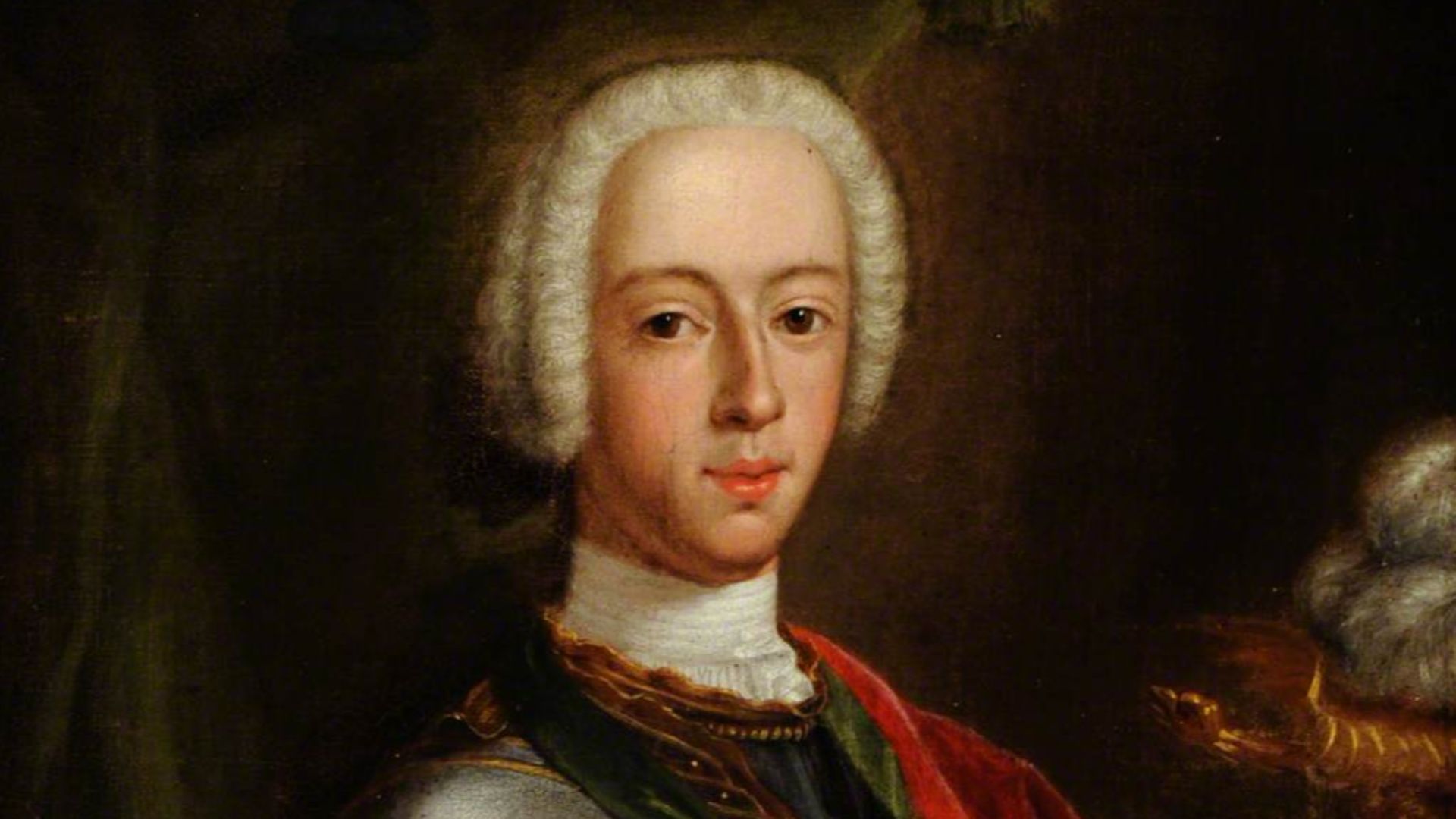 Cosmo Alexander, Wikimedia Commons
A Secret Daughter Comes Into View
Amid his turbulent life, Charles fathered an illegitimate daughter, Charlotte Stuart, born in 1753 to Clementina Walkinshaw. For years, Charlotte lived largely apart from her father, her existence eclipsed by his political ambitions and personal struggles.
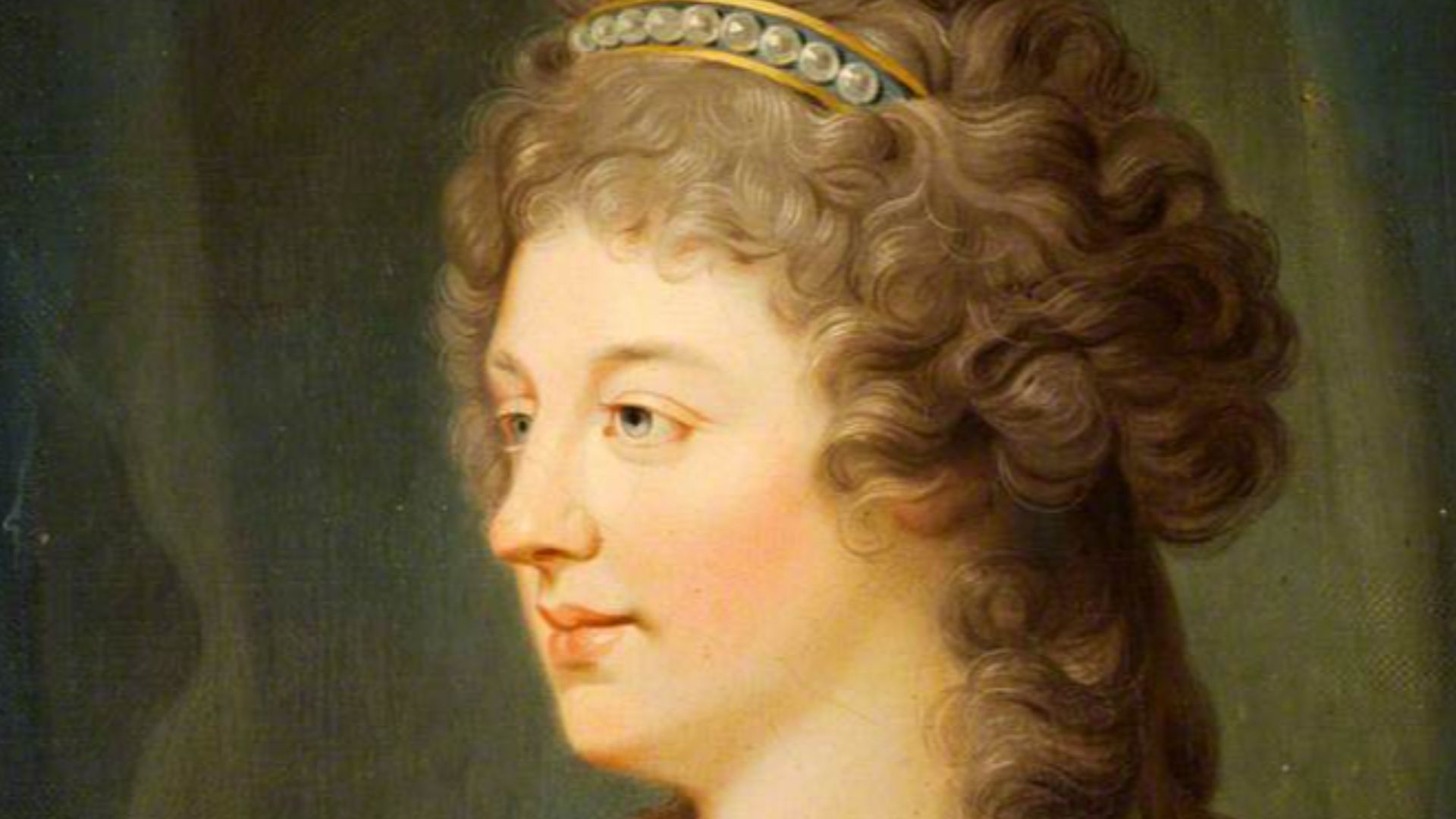 Hugh Douglas Hamilton, Wikimedia Commons
A Late-Life Reconciliation
As Charles’s health declined, he acknowledged Charlotte and brought her into his household. Their reunion offered a brief emotional reprieve, as Charlotte cared for him during his final years. In recognizing her, Charles attempted to reclaim a sense of family and legacy.
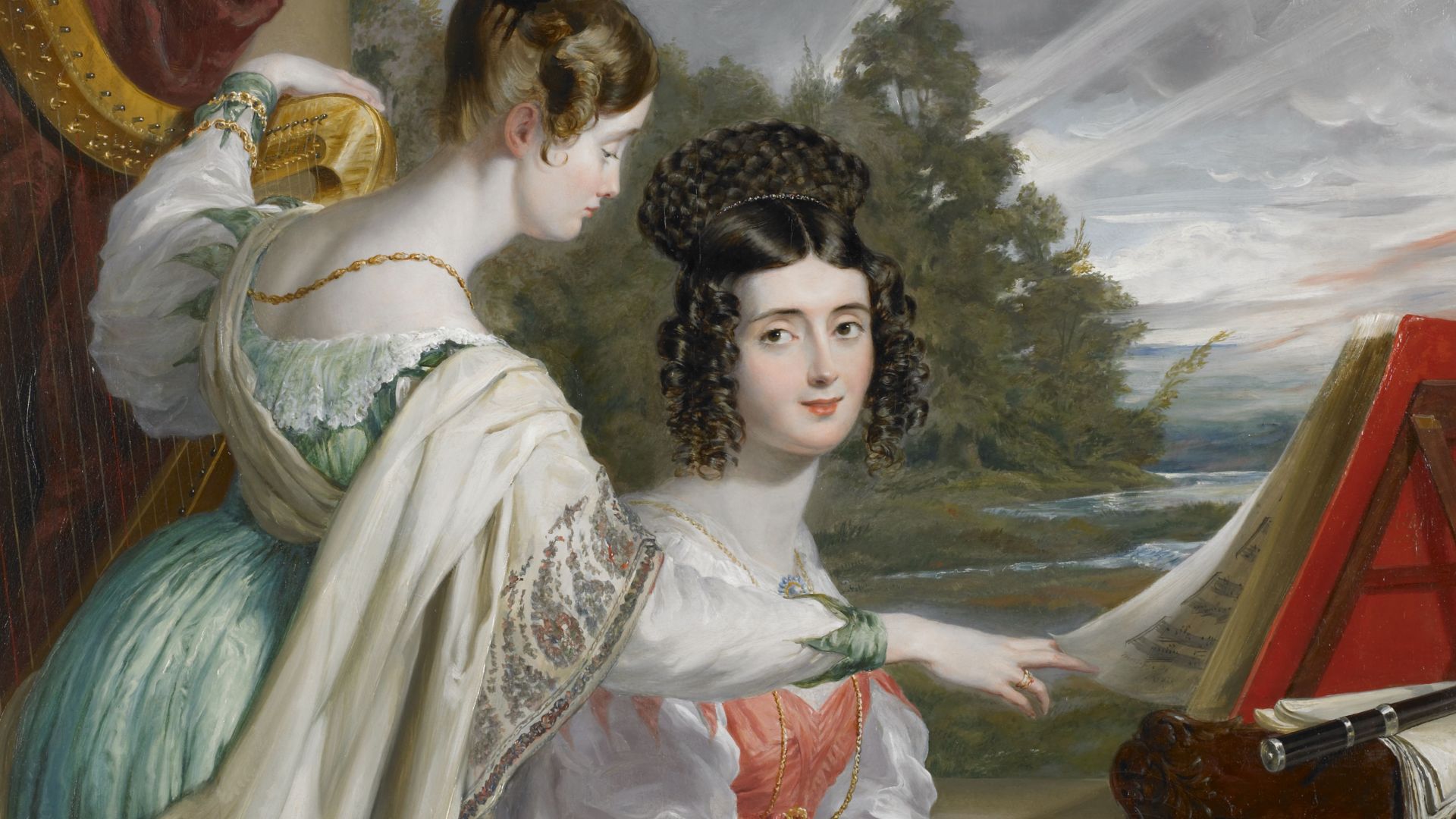 George Hayter, Wikimedia Commons
A Title And A Short-Lived Legacy
After Charles’s death in 1788, Charlotte was granted the title Duchess of Albany, formalizing her place within the Stuart line. However, her recognition came too late to establish a lasting dynasty, as she died only two years later. Though she had two children of her own, these last direct descendants would never make any serious attempts to lay claim to the English throne.
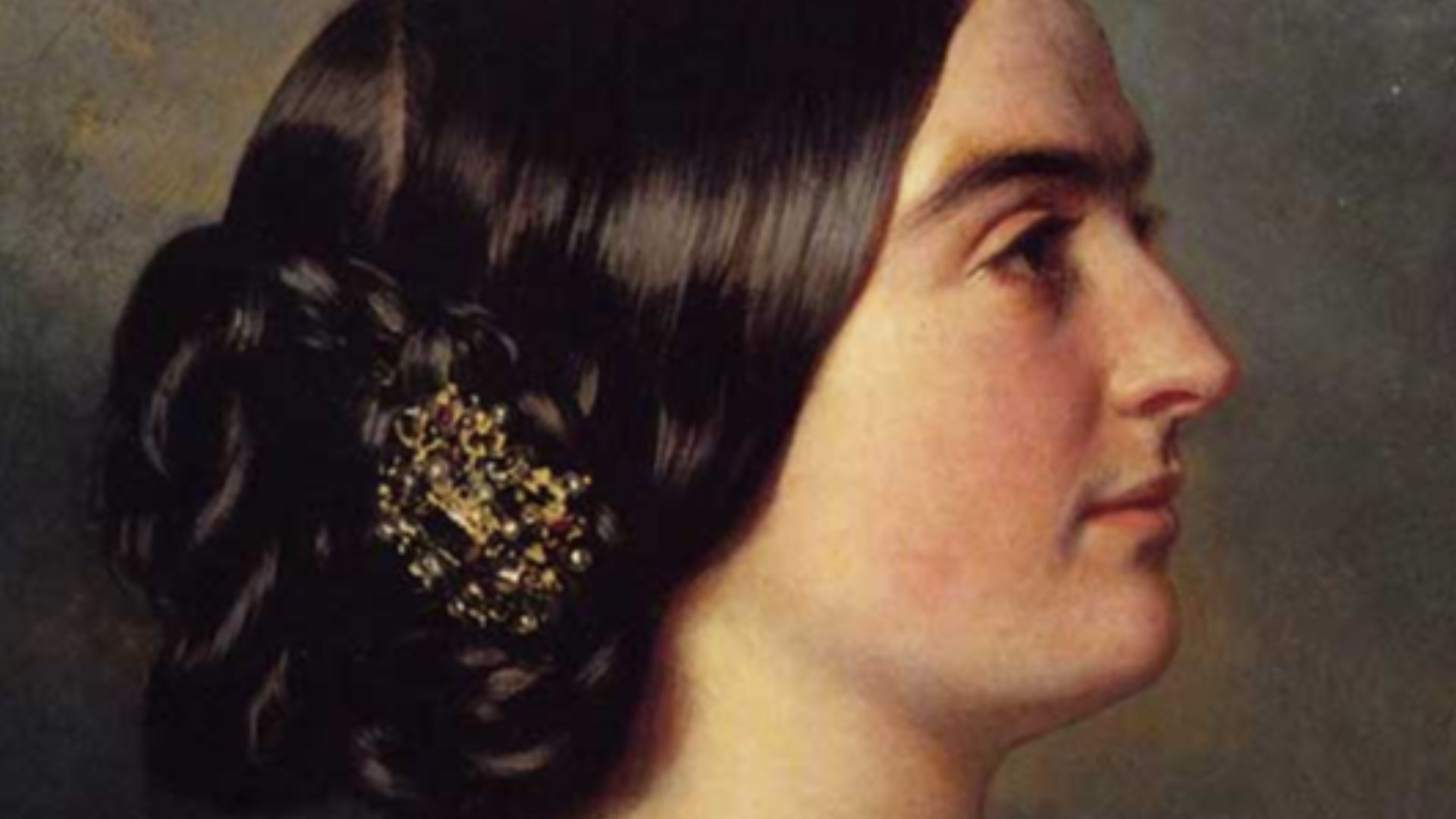 Franz Xaver Winterhalter, Wikimedia Commons
You May Also Like:
Divisive Facts About William III Of England, The Conquering King
Explosive Facts About George II, The Combative King
Controversial Facts About Charles II Of England, The Vengeful King