A Queen’s Journey Begins
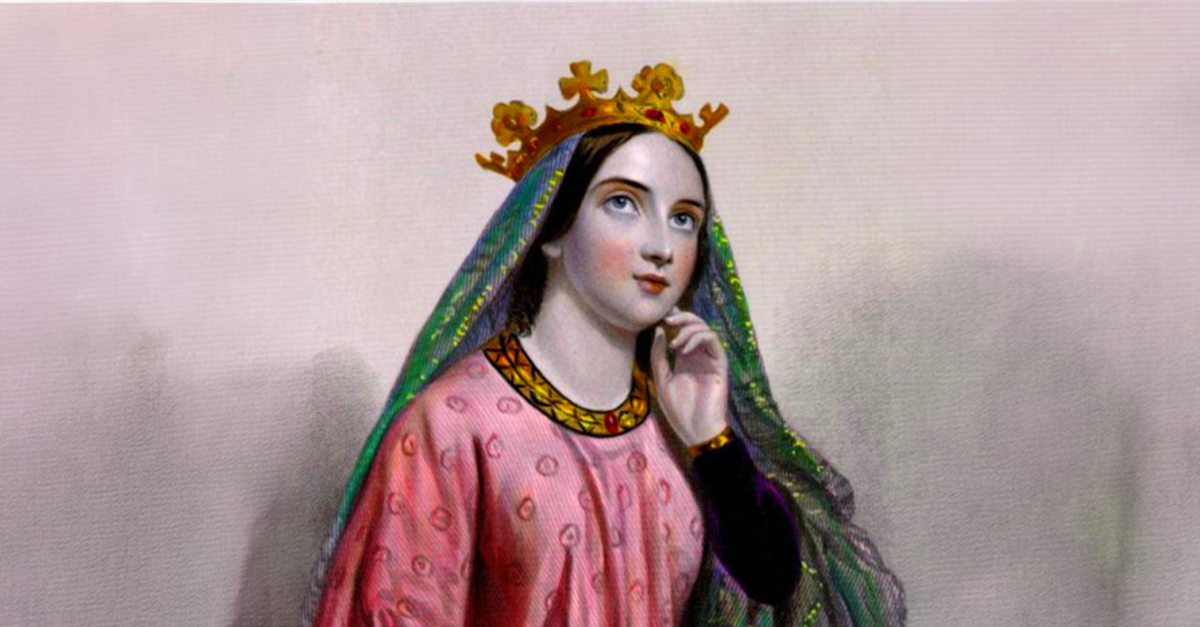
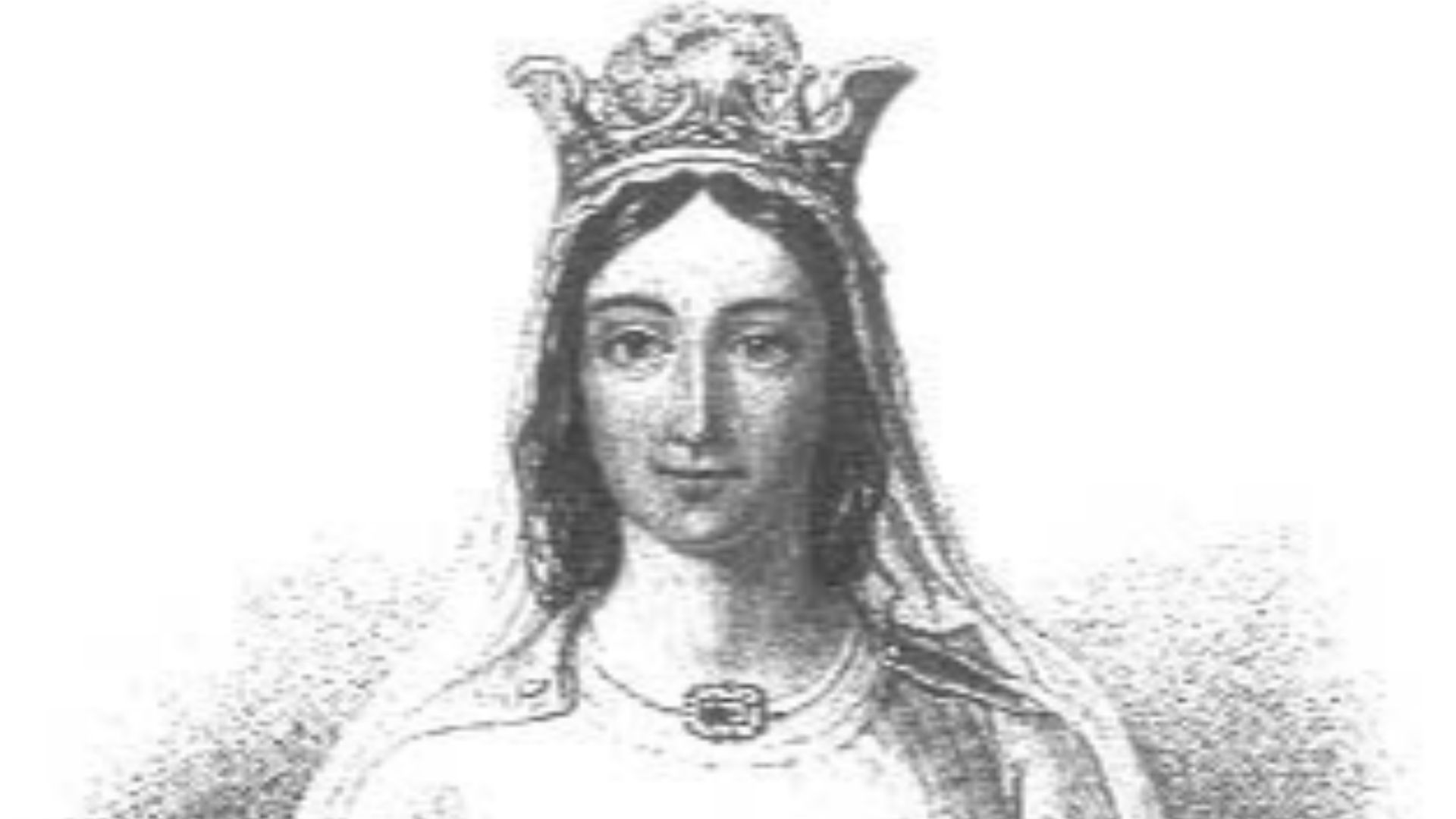
Berengaria of Navarre is remembered today as the wife of Richard the Lionheart, but the full tale of her life is far more tangled. From royal courts in Spain to war-torn lands in the eastern Mediterranean, she went through separation, danger, and financial struggle. Her life began as the daughter of a powerful royal family, the first hint that she would have an extraordinary fate.
A Princess Of Navarre
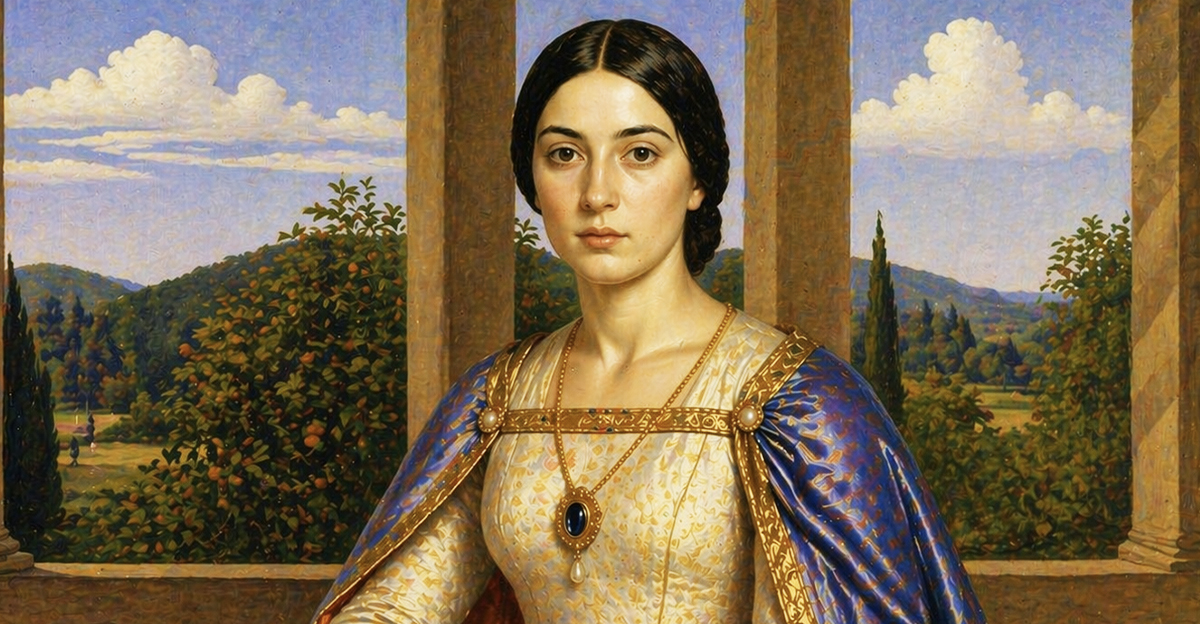
Berengaria was born around 1165 to Sancho VI of Navarre and Sancha of Castile. Growing up in the Pyrenees kingdom of Navarre in northern Spain, she was raised during times of political tension between powerful neighbors. Her upbringing gave her firsthand experience with diplomacy and resilience, the qualities that she would need if she made it to adulthood.
 Unknown authorUnknown author, Wikimedia Commons
A Strategic Royal Match
As a royal daughter, Berengaria’s marriage was always set to serve political goals. Negotiations began to link her with Richard, then the Duke of Aquitaine and future king of England. The match had the purpose of strengthening alliances across regions. But while the arrangement was advantageous for her parents, it soon placed Berengaria in a world far from her homeland.
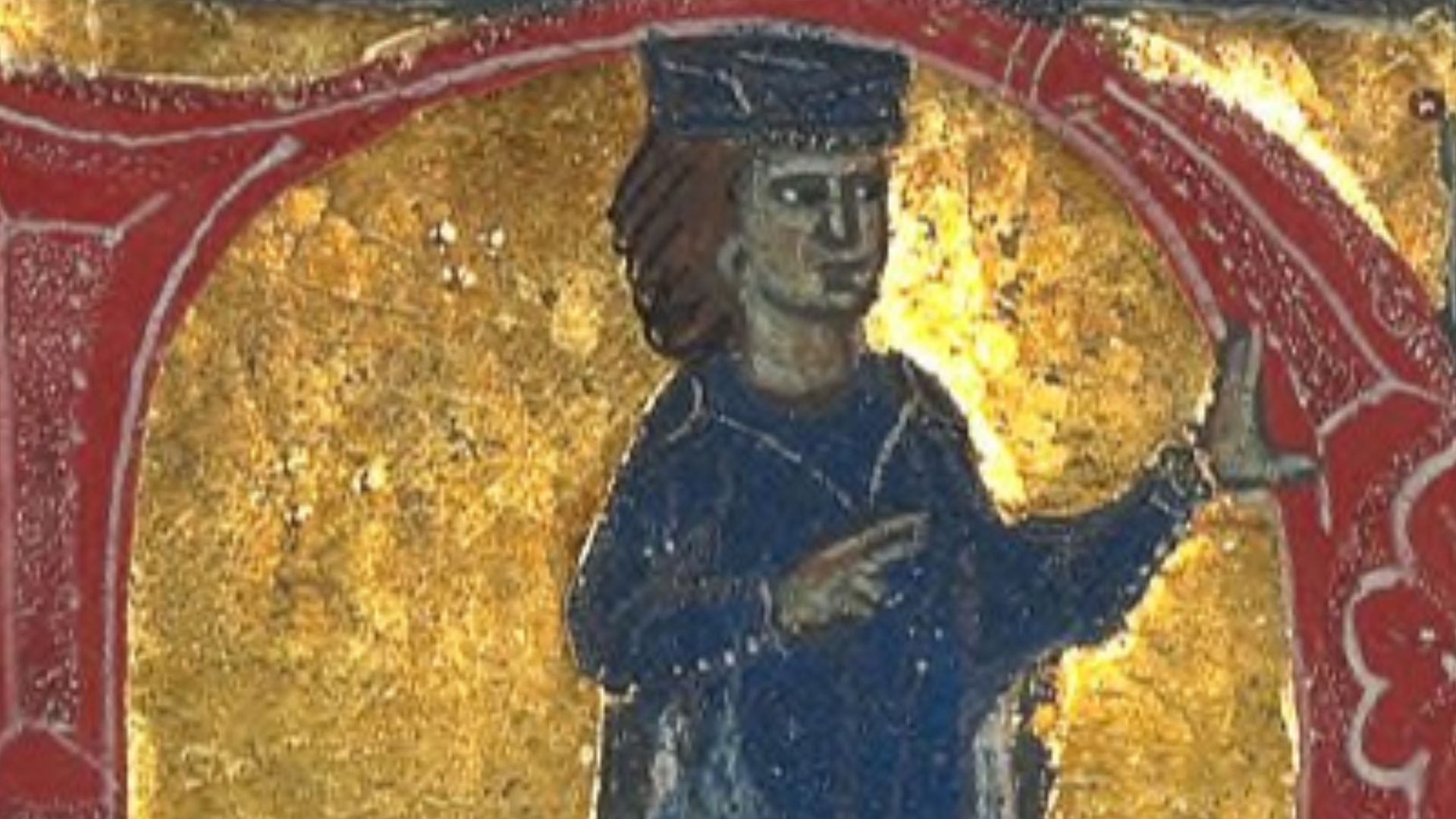 Unknown authorUnknown author, Wikimedia Commons
The Rise Of Richard
Richard ascended to the English throne in 1189, immediately preparing for the Third Crusade and the quest to recover Jerusalem from the Muslims. His top priorities lay in warfare, not marriage. But despite the inconvenient timing, the union with Berengaria was arranged, and she would soon undergo a perilous journey to meet the king she barely even knew.
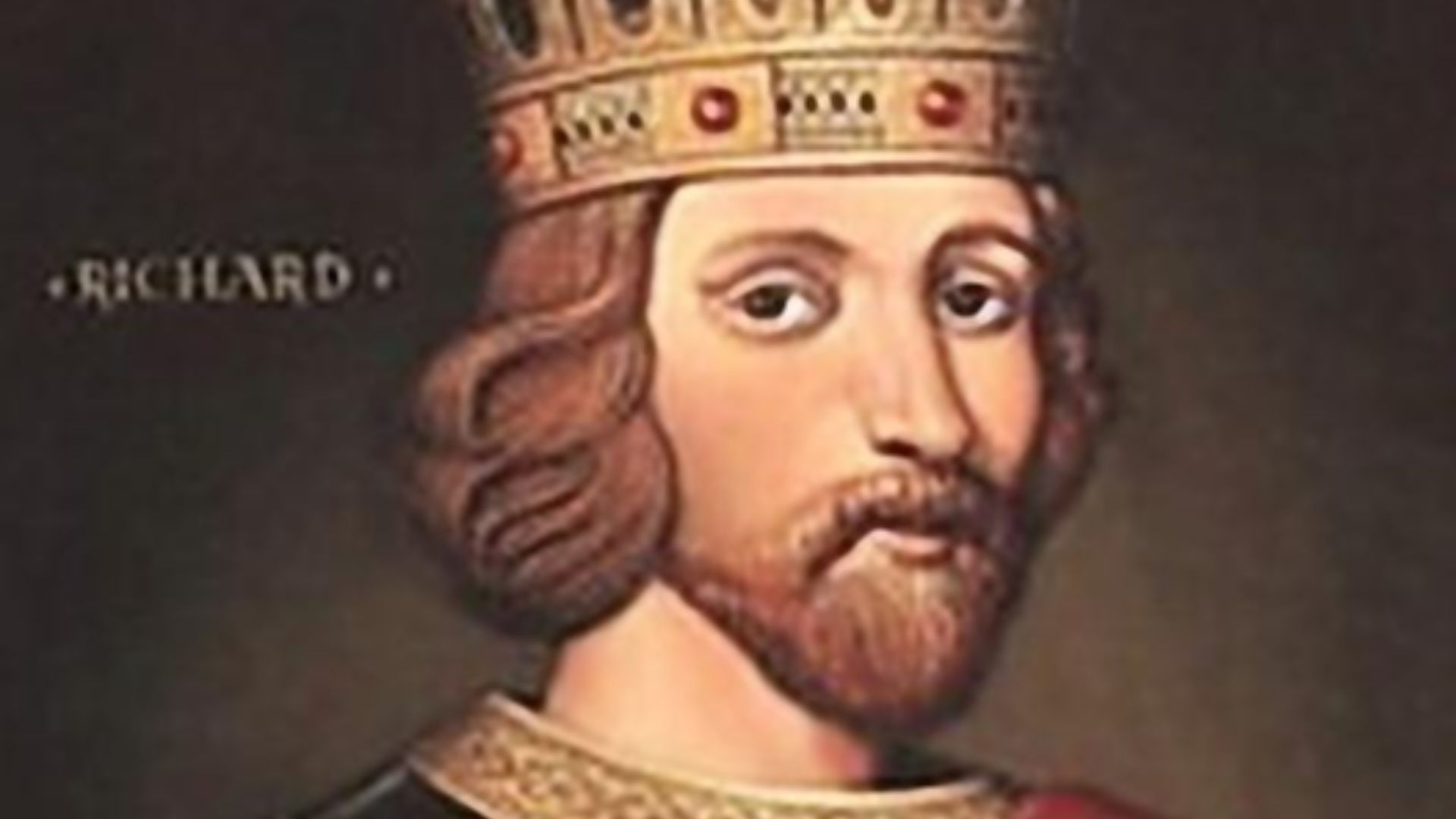 AnonymousUnknown author, Wikimedia Commons

History's most fascinating stories and darkest secrets, delivered to your inbox daily.
Setting Out Across Europe
Berengaria left Navarre accompanied by Eleanor of Aquitaine, Richard’s formidable mother. Their journey took them across southern Europe toward the Mediterranean. This was no simple royal procession, as any kind of travel in those days was dangerous and unpredictable, whether by land or sea. The voyage would test Berengaria before she even reached her future husband as they made their way overland to Naples, from where they would set sail.
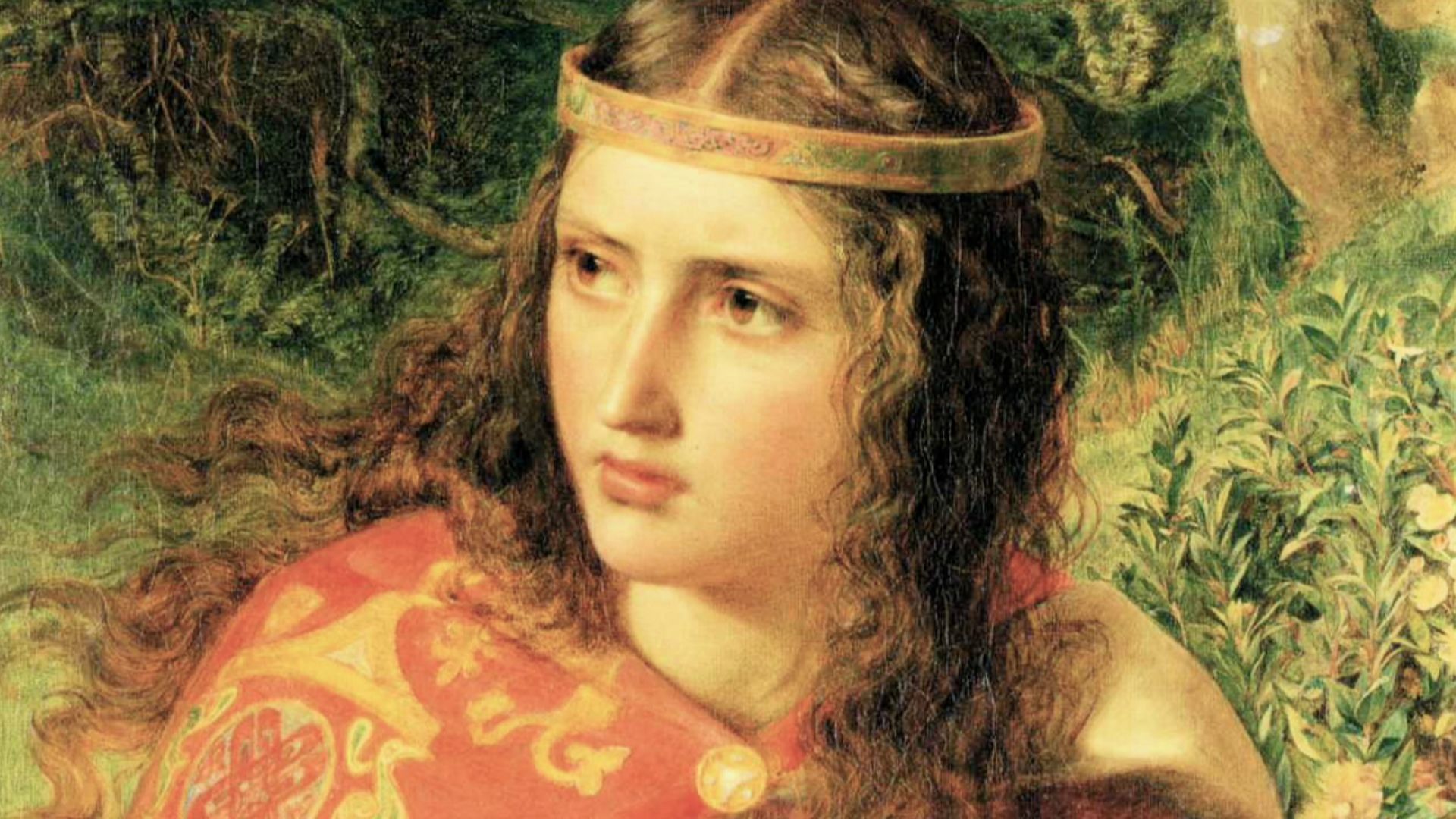 Frederick Sandys, Wikimedia Commons
A Stop In Messina
On their journey east, Berengaria and Eleanor of Aquitaine stopped in Messina, Sicily, where they were joined by Richard’s sister, Joan of England. Joan had recently been widowed and detained by local authorities, prompting Richard to intervene. It was here that Berengaria met Richard at his court, but because it was Lent, the wedding couldn’t take place. The larger family group set sail for the next stop on their way to the Holy land, Cyprus.
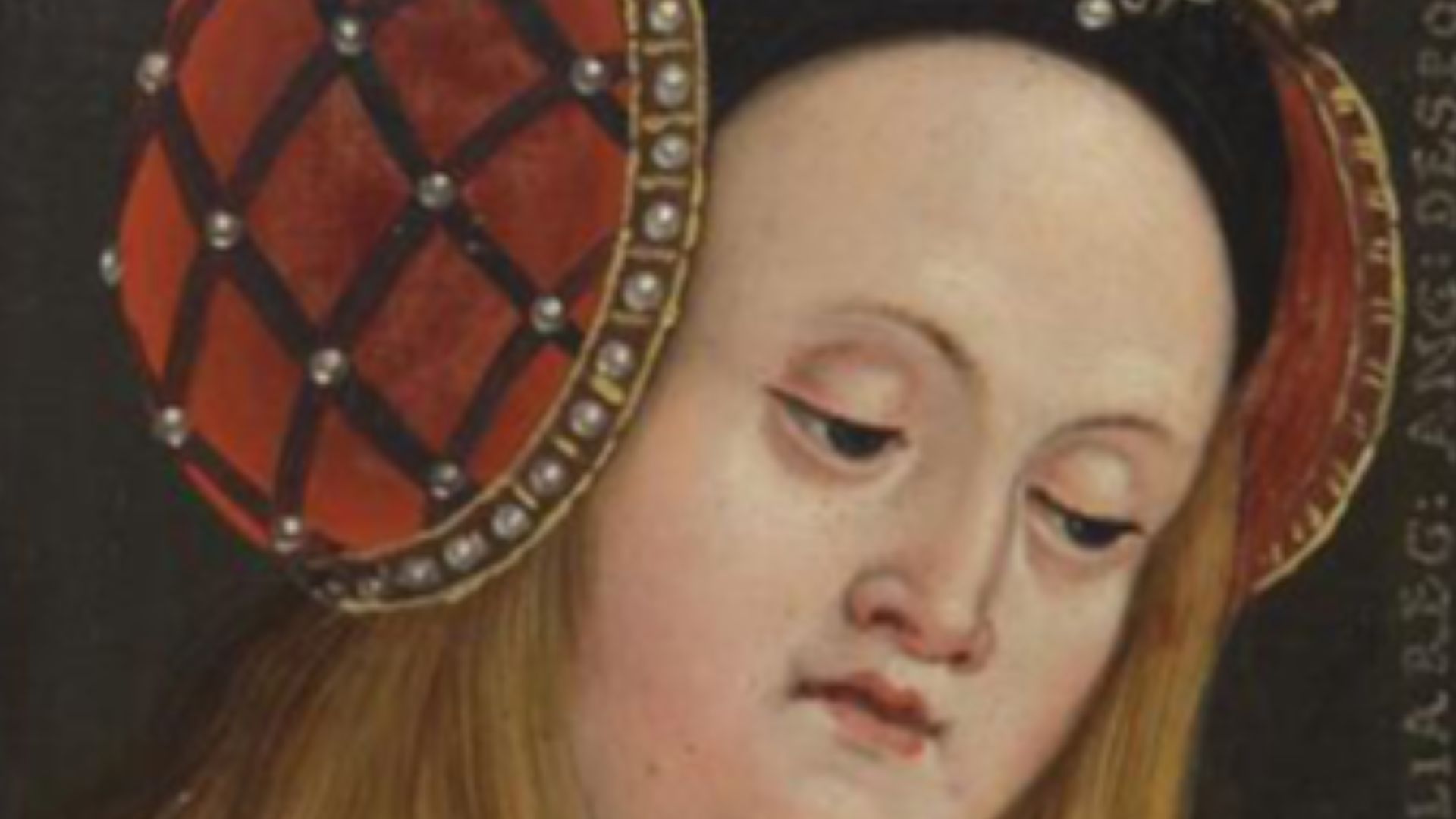 Antoni Boys, Wikimedia Commons
Voyage Into Danger
Berengaria, Joan and their party eventually set sail toward the eastern Mediterranean while Richard sailed in another ship. However, the sea journey turned out to be a treacherous one. Storms scattered the fleet, and the ship were dispersed and forced toward the island of Cyprus. What ensued would become one of the most dramatic episodes of her life.
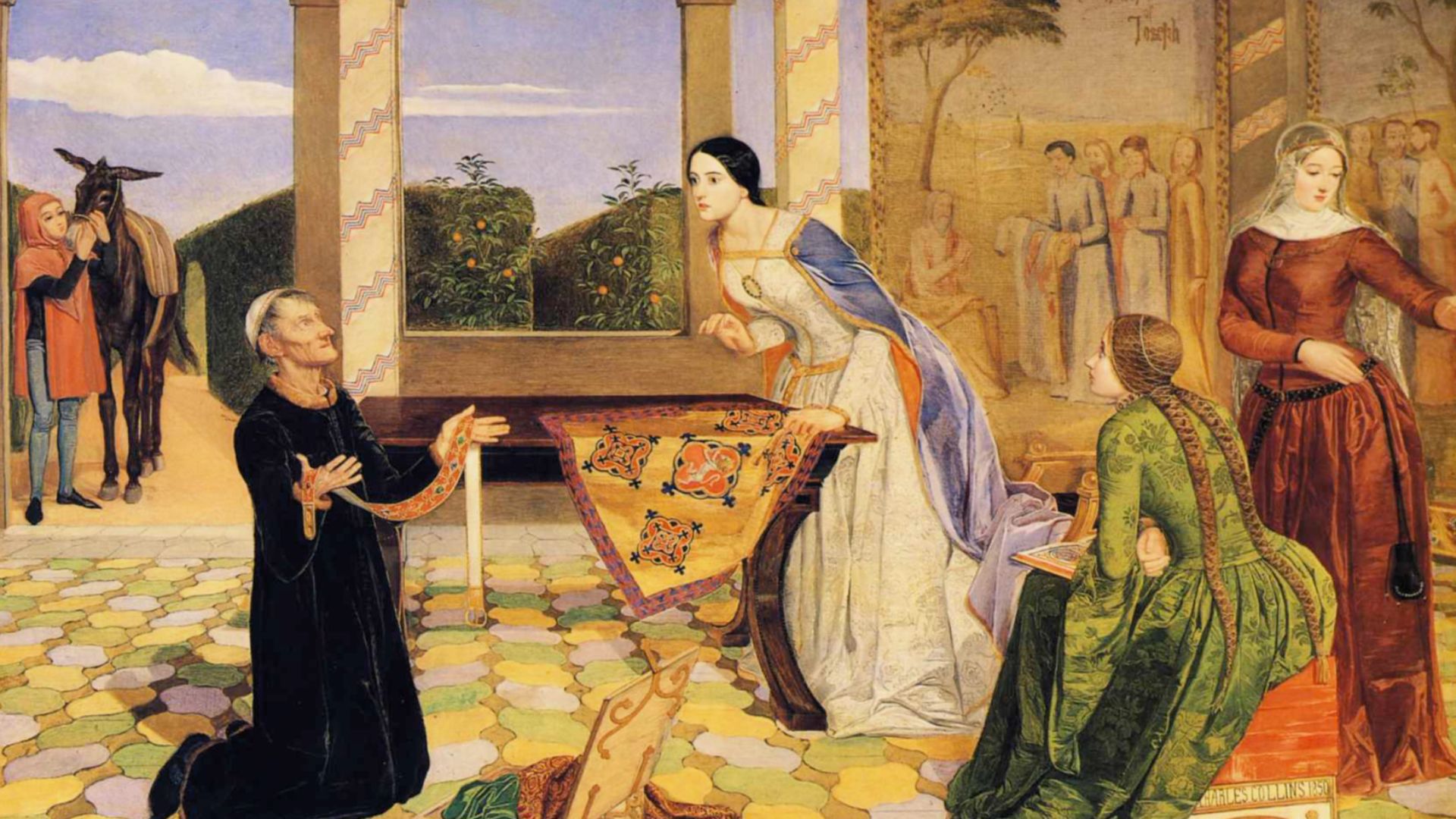 Charles Allston Collins, Wikimedia Commons
Stranded In Cyprus
When Berengaria’s ship reached Cyprus, she found herself at the mercy of the island’s ruler, Isaac Komnenos. Instead of offering aid, he detained her and her companions. The situation was perilous, placing the future queen in immediate danger and forcing Richard into action.
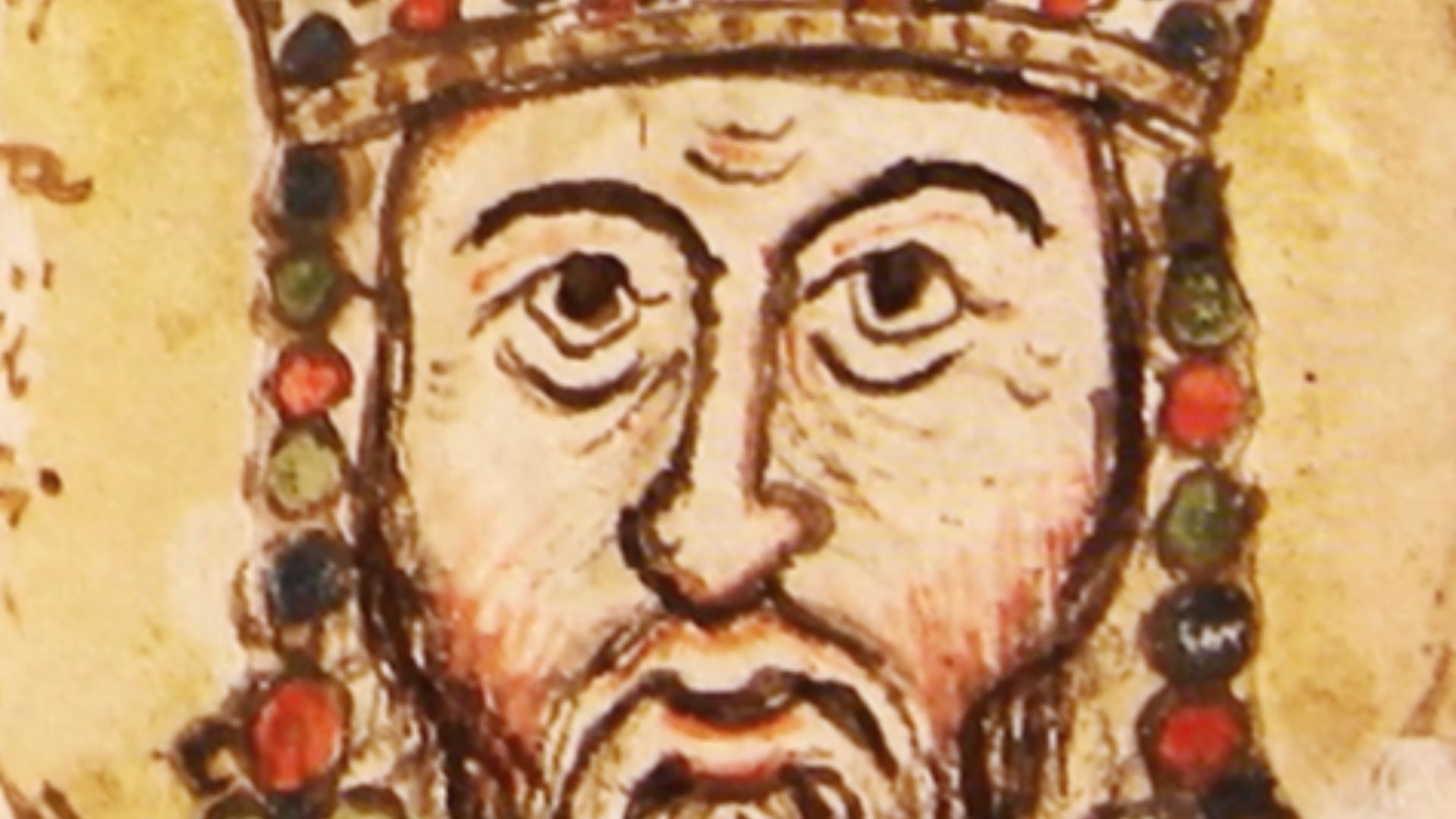 Unknown Byzantine scribes, Wikimedia Commons
Richard’s Dramatic Rescue
Richard arrived in Cyprus and immediately launched an assault against Isaac Komnenos. His campaign quickly overwhelmed the island’s defenders, who were outnumbered and possessed little military equipment. In rescuing Berengaria, Richard not only secured her safety but also claimed Cyprus as a strategic base for his invasion of Palestine. This bold move set the stage for both their marriage and the next phase of their shared journey.
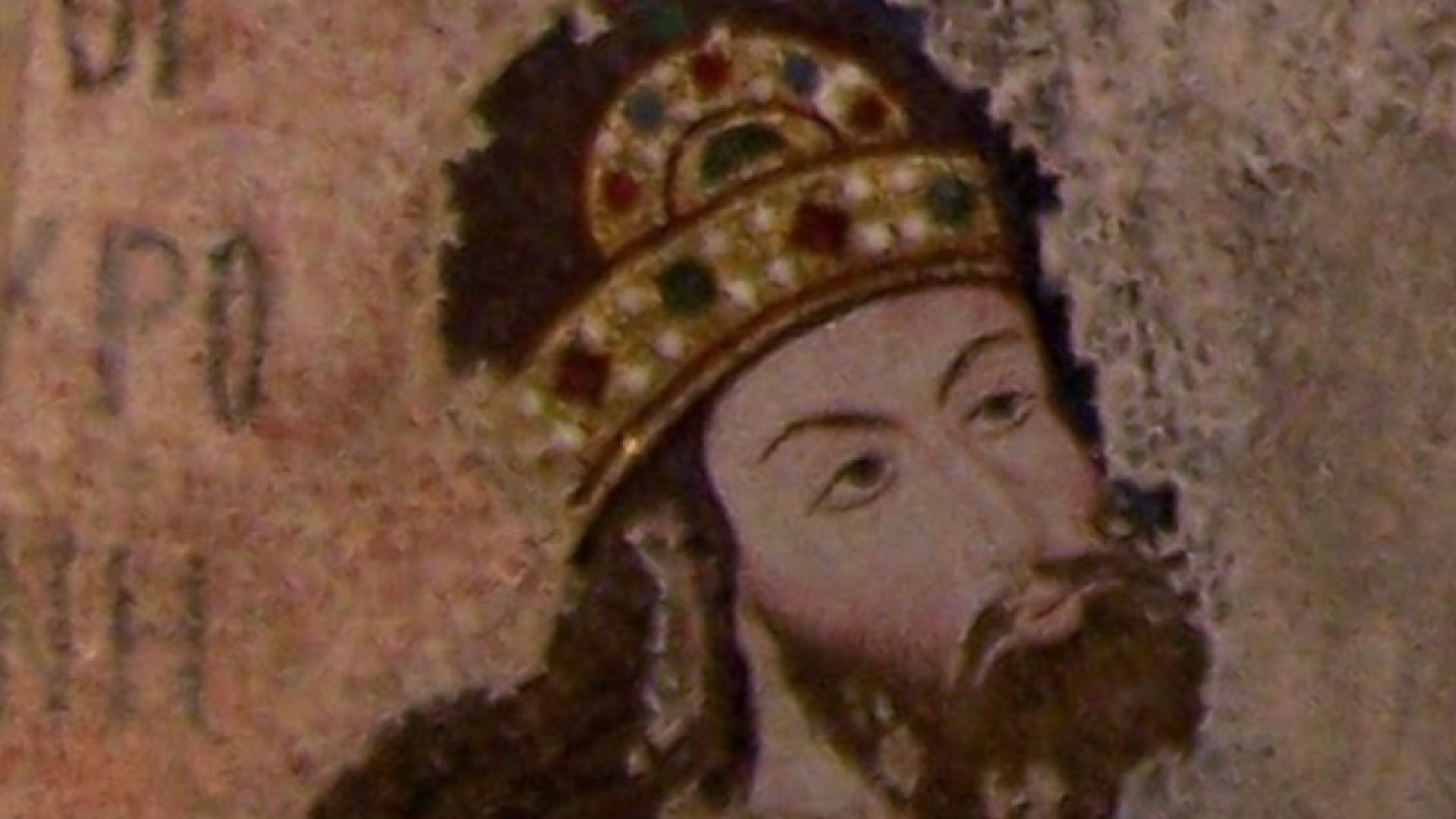 Istanbul_5344.jpg: User:Darwinek derivative work: Constantine ✍ , Wikimedia Commons
A Wedding In Cyprus
Berengaria and Richard were married in 1191 at Limassol, Cyprus. She was crowned queen of England shortly thereafter. But in spite of the grandeur of the occasion, their union was totally overshadowed by Richard’s military ambitions. Almost immediately, the newlyweds made preparations to resume their journey into the Holy Land.
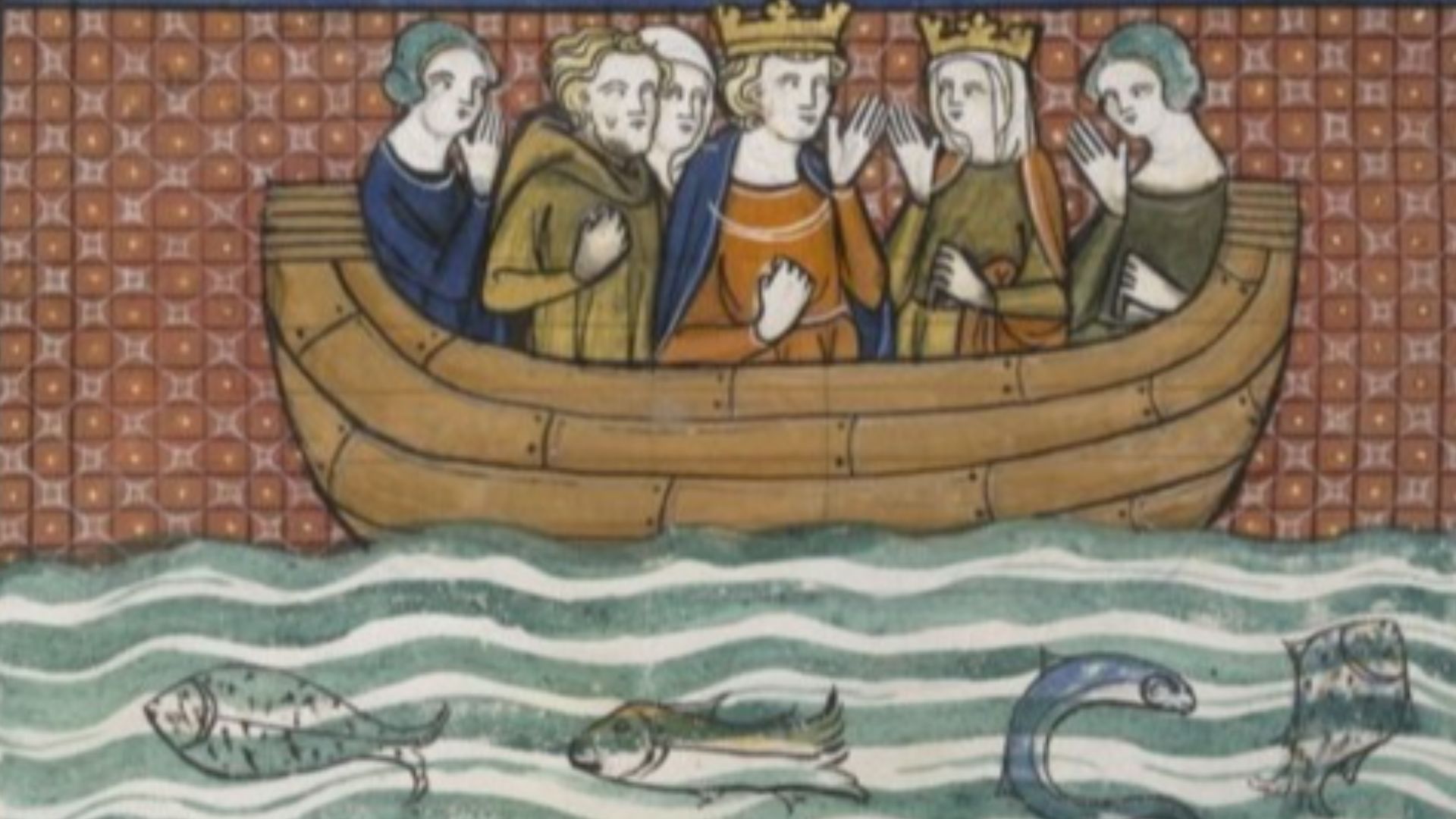 Richard de Montbaston, Wikimedia Commons
History's most fascinating stories and darkest secrets, delivered to your inbox daily.
Following A King To War
Berengaria stayed with Richard on parts of the Crusade, traveling to the Holy Land alongside his forces. While she didn’t participate in battle, her presence was symbolic of royal commitment. But the inescapable realities of war soon separated them, and this distance between the two would define much of their marriage.
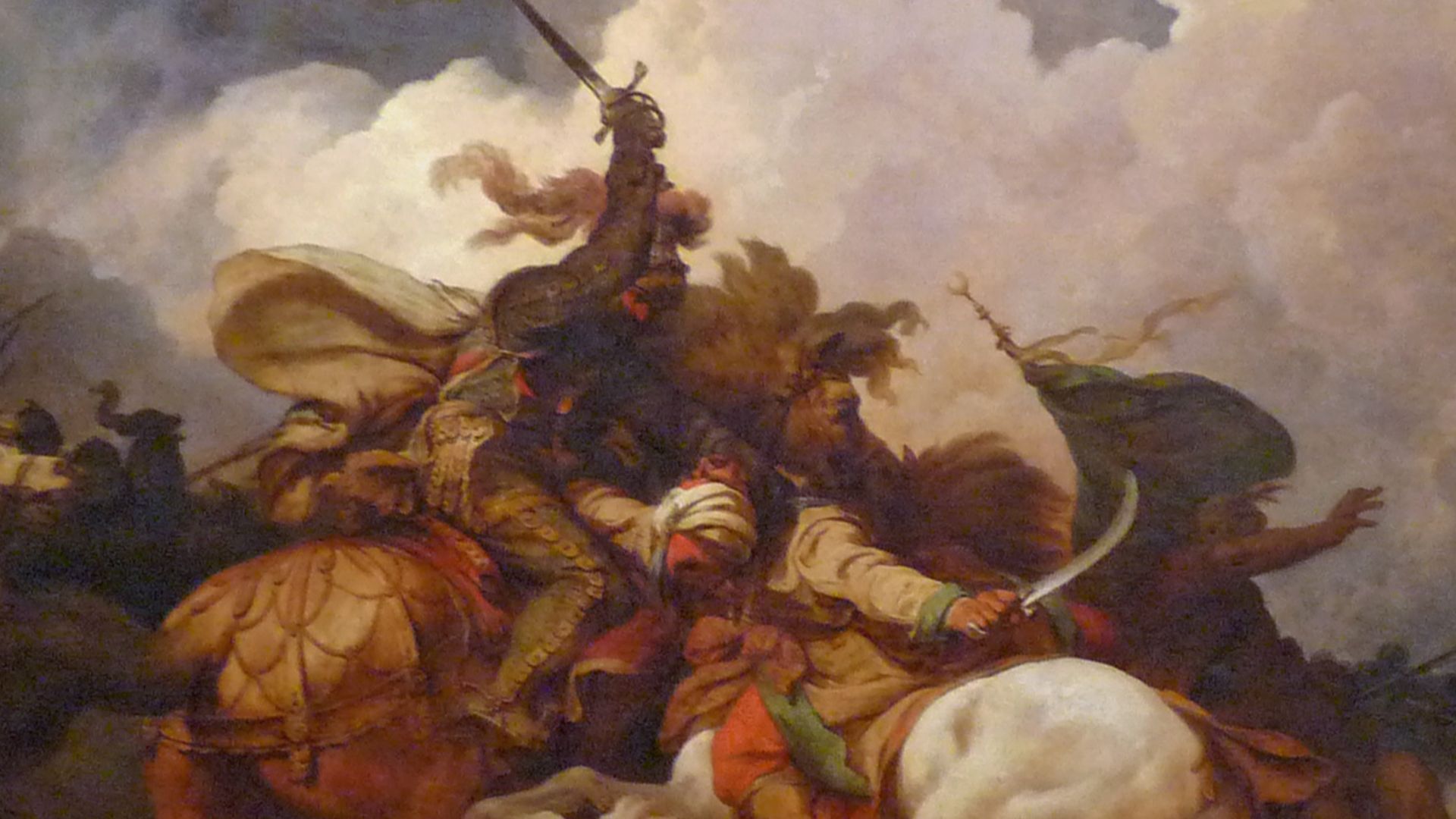 Philip James de Loutherbourg, Wikimedia Commons
Life In The Crusader Camp
Berengaria spent the bulk of her time in the Crusader-held city of Acre, where conditions were harsh and clouded with uncertainty. Disease, supply shortages, and constant tension were a regular part of daily life. Even as queen, she faced the same dangers as everyone else in the camp. It soon became clear that her role wouldn’t involve sharing rule alongside her husband.
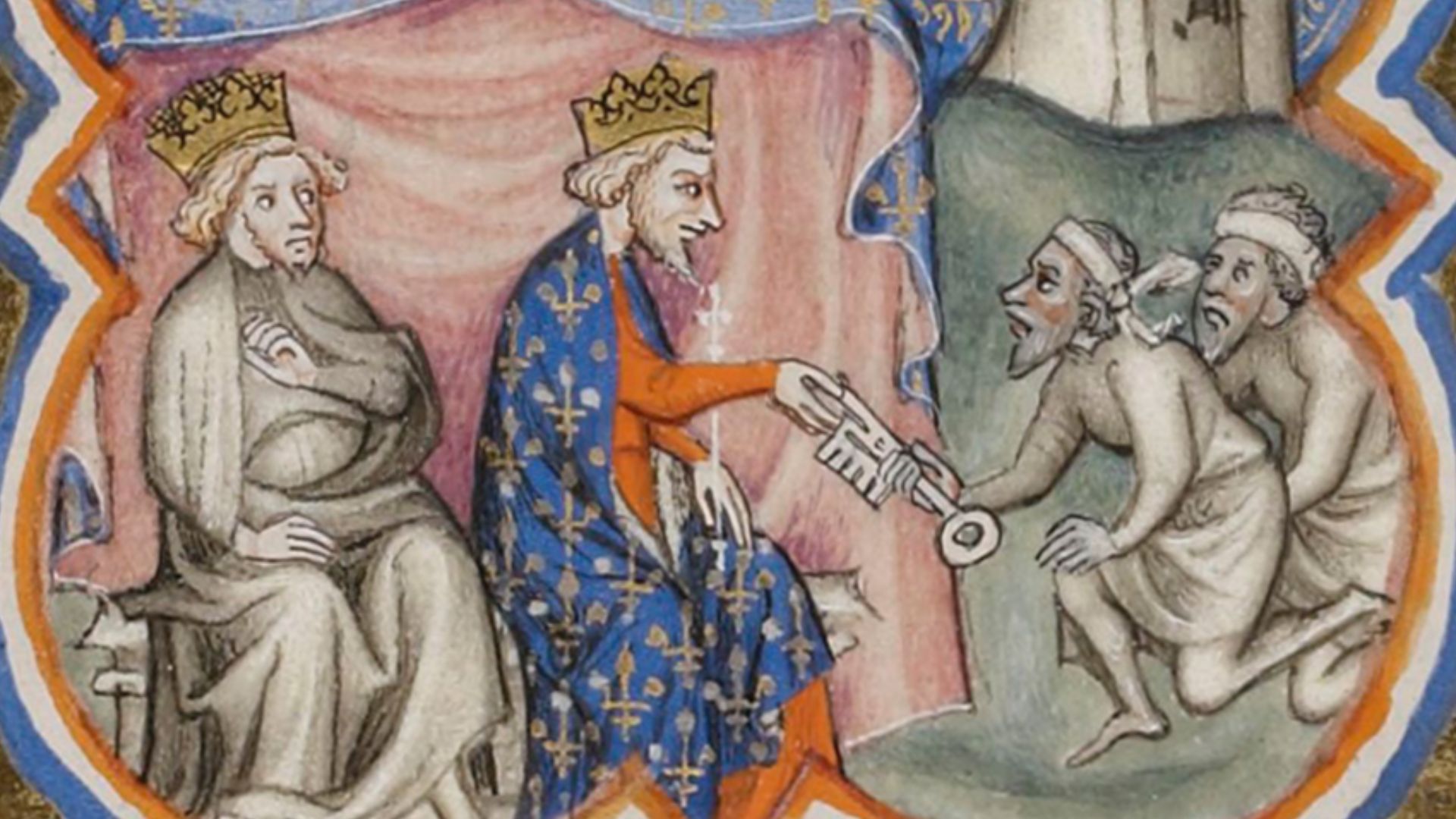 Unknown authorUnknown author, Wikimedia Commons
Separation In The Holy Land
Richard soon became completely consumed with the conduct of his military campaigns, leaving Berengaria behind for extended periods. Their time together was limited, and their relationship had no time to develop. As the brutal Third Crusade ground to its conclusion, it became clear that Berengaria would have to navigate much of her journey without him.
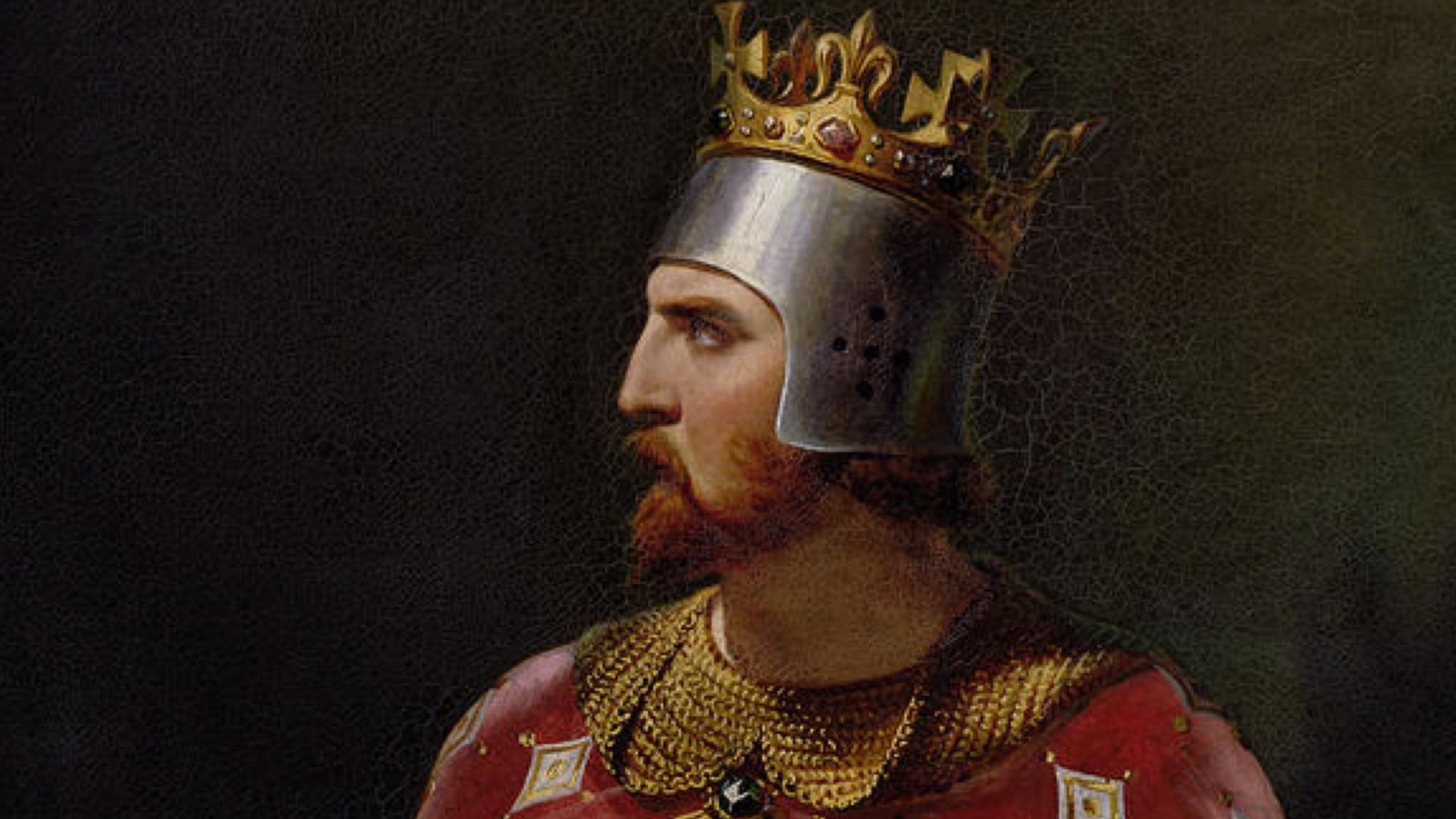 Merry-Joseph Blondel, Wikimedia Commons
A Return Without Her Husband
Berengaria eventually left the Holy Land before Richard. She traveled back toward Europe, while he remained embroiled in conflict. This separation was only the beginning of a pattern that would define her life as queen. But even then, a new challenge came out of nowhere during Richard’s journey home.
The King Captured
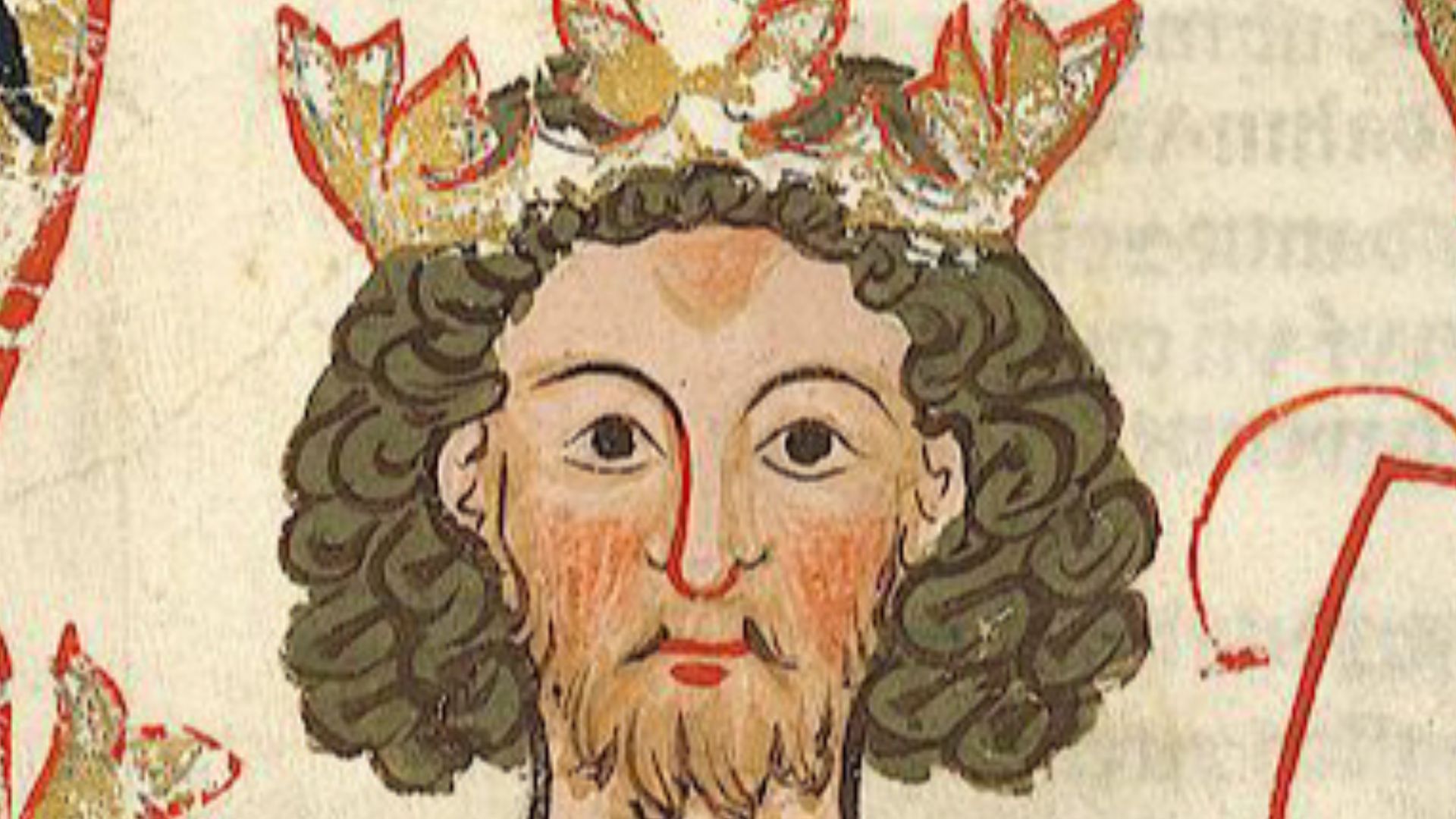
On his return back to Europe, Richard was captured by forces loyal to Leopold V of Austria and later handed over to Henry VI, Holy Roman Emperor. Richard’s imprisonment sent shockwaves through Europe. For Berengaria, it was another crisis. She went into action.
 Master of the Codex Manesse, Wikimedia Commons
The Ransom Crisis
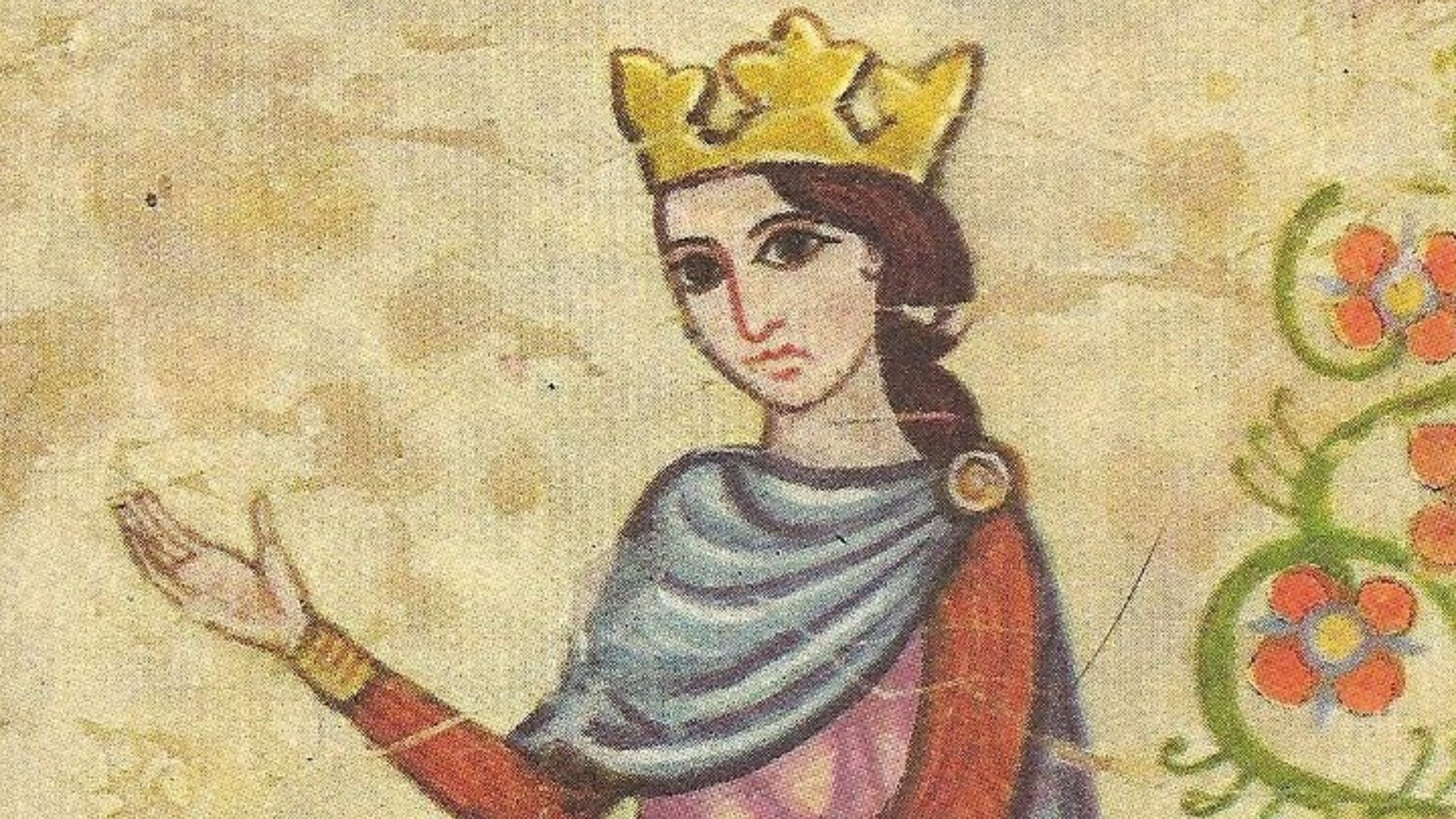
Richard’s captors demanded an enormous ransom for his release. The sum was staggering, requiring funds from all across his territories. Berengaria, along with Eleanor of Aquitaine, became heavily involved in efforts to secure his freedom, marking one of the few moments she could actually be directly involved in his affairs.
 Public Domain, Wikimedia Commons
History's most fascinating stories and darkest secrets, delivered to your inbox daily.
Raising The King’s Freedom
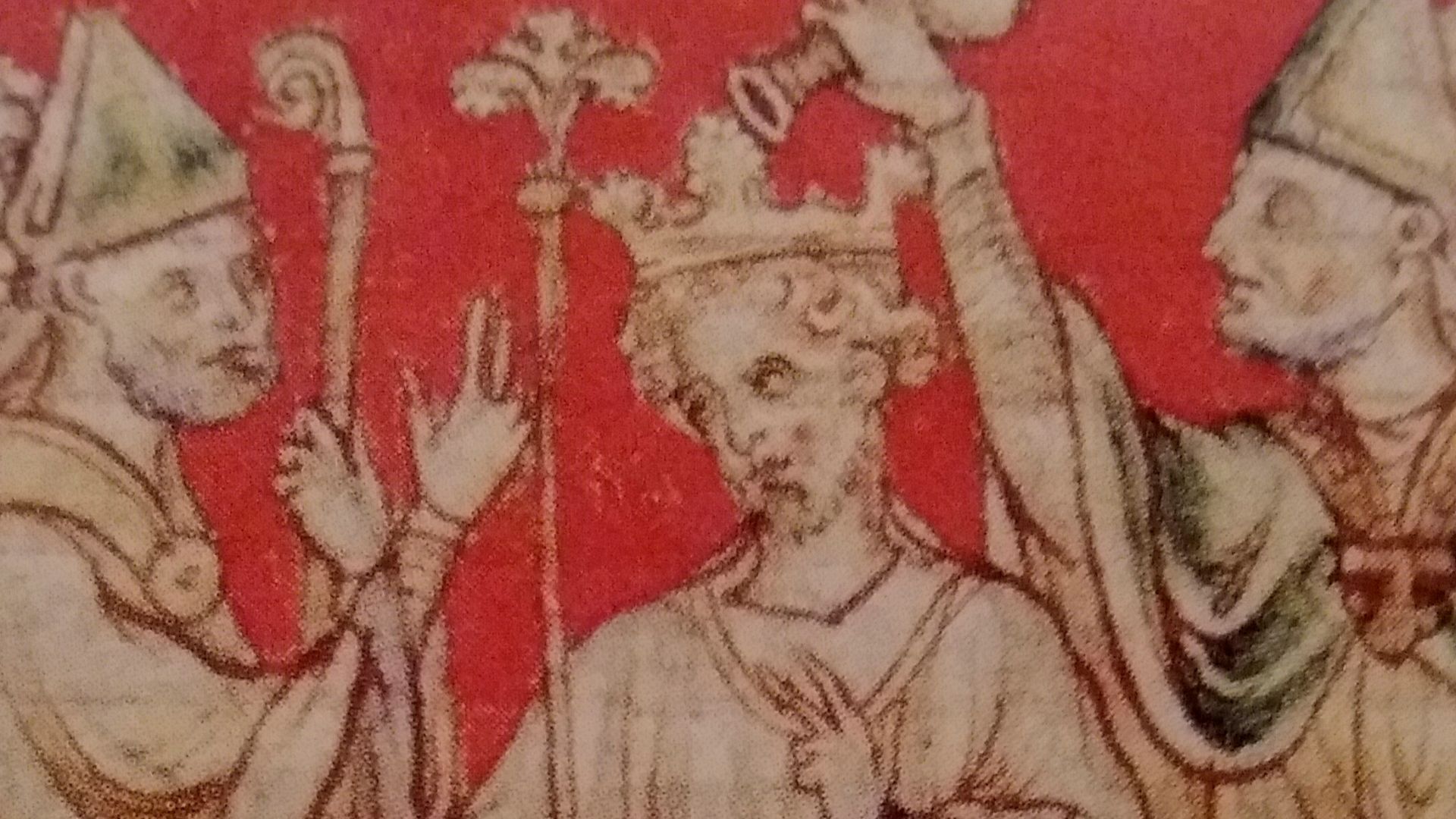
Berengaria supported the massive effort to raise enough money for the ransom, using her position and influence. The campaign required a joint effort across England and beyond. Though her role not as well documented as Eleanor’s, her involvement was proof of her commitment. Richard’s eventual release would briefly reunite them.
 Unknown Authors, Wikimedia Commons
A Brief Reunion
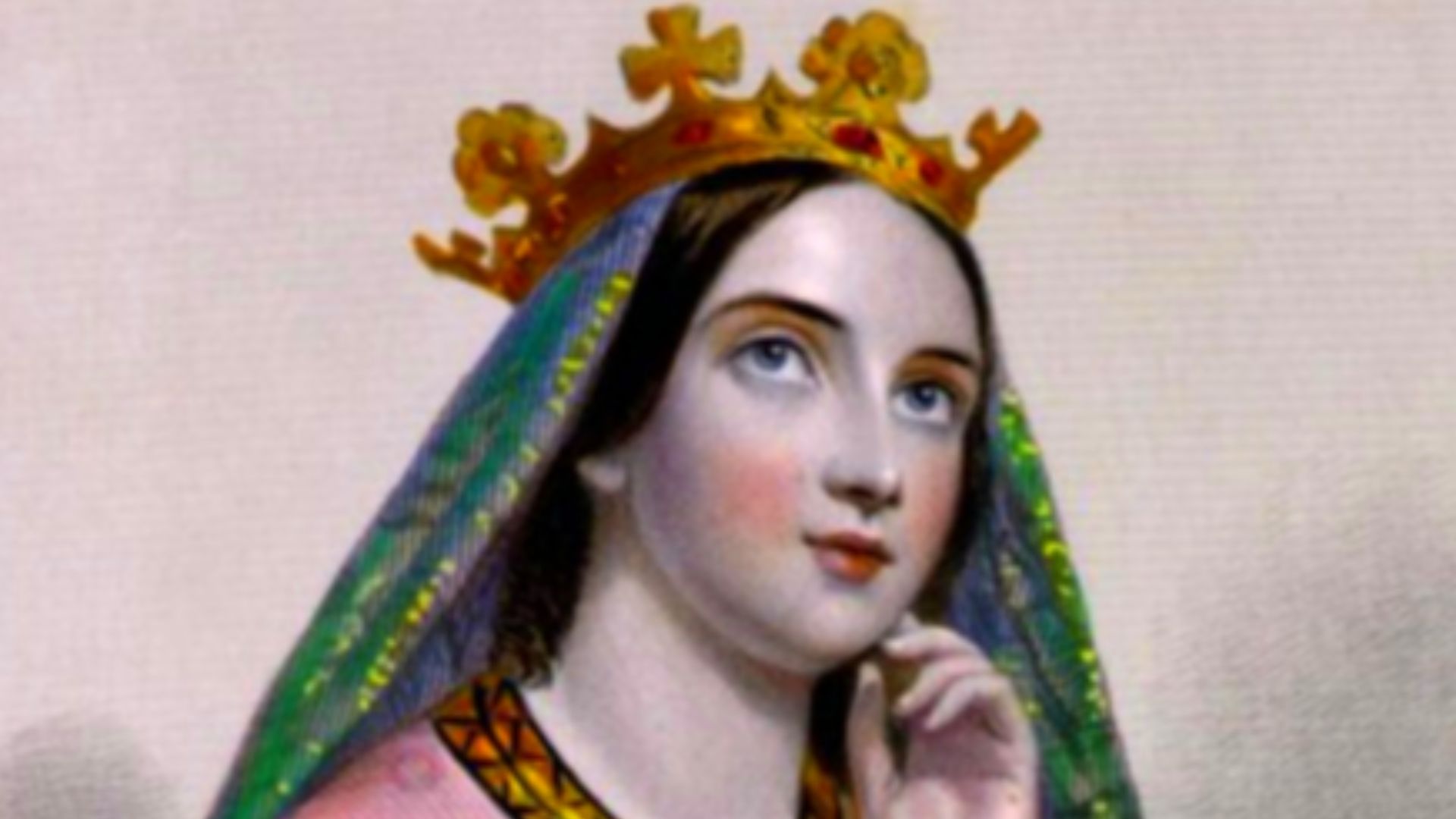
After Richard’s release was finally secured in 1194, Berengaria reunited with him. But their time together again would be limited. Richard soon returned to his campaigns in France, leaving Berengaria once again separated from her husband. Their marriage would never fully settle into a stable partnership.
 William Henry Mote, Wikimedia Commons
A Queen Without England
Remarkably, Berengaria is often noted as the only English queen who never set foot in England. She spent her time in continental territories, far from the kingdom she was meant to represent. This unusual circumstance was partly a result of Richard’s priorities and the chaotic politics of the era.
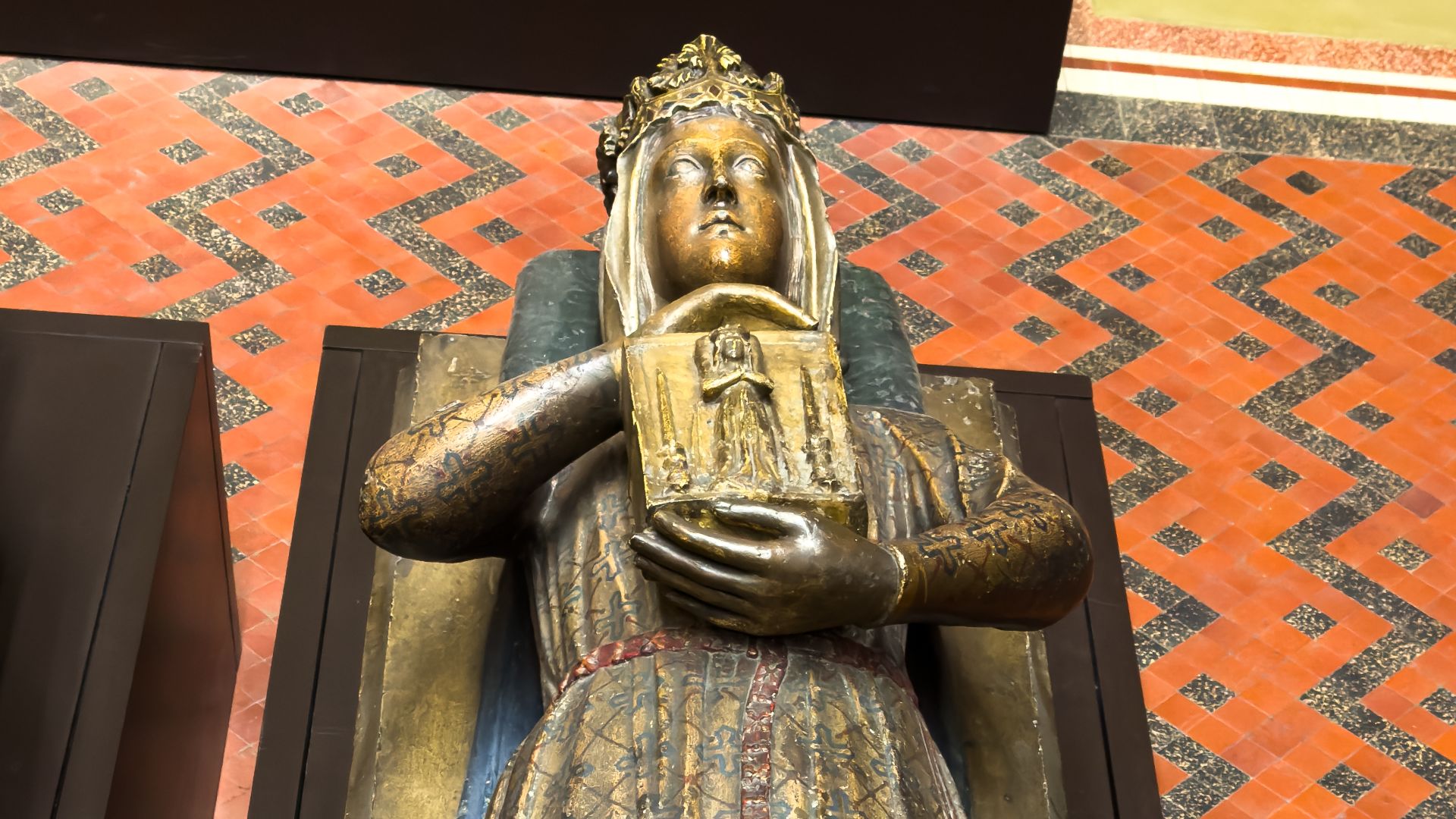 Photograph by Mike Peel (www.mikepeel.net)., Wikimedia Commons
Final Years Of Richard
Richard continued his military campaigns against Philip II of France until his death in 1199 after being wounded during a siege. His passing ended Berengaria’s already distant marriage. But instead of security, widowhood brought a new set of struggles.
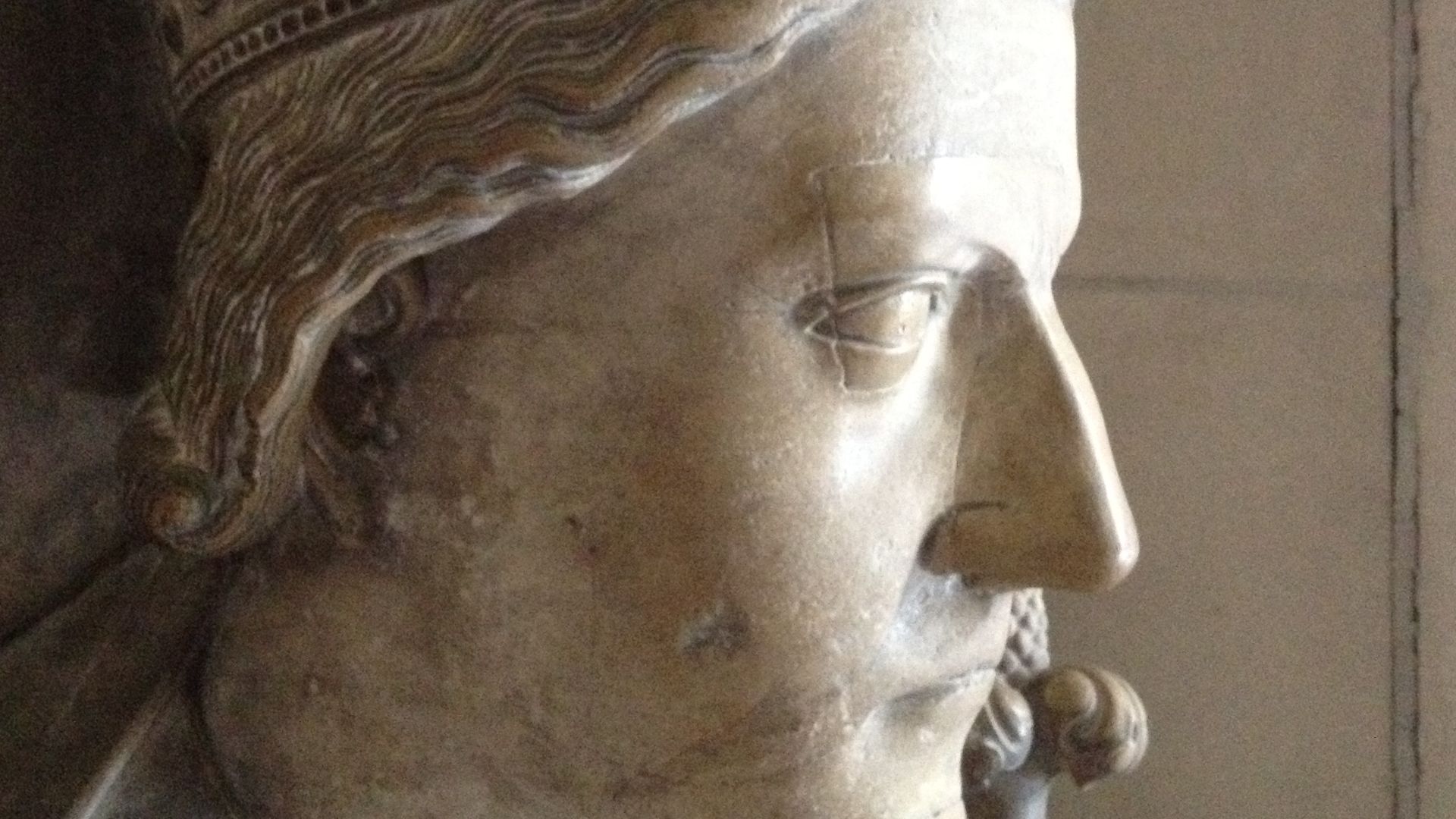
A Widow’s Uncertain Future
After Richard’s death, Berengaria expected financial support as queen dowager. However, payments owed to her were delayed or withheld, especially under Richard’s successor to the English throne, his younger brother King John. This left her in an unsteady financial situation, forcing her to fight for what she was owed.
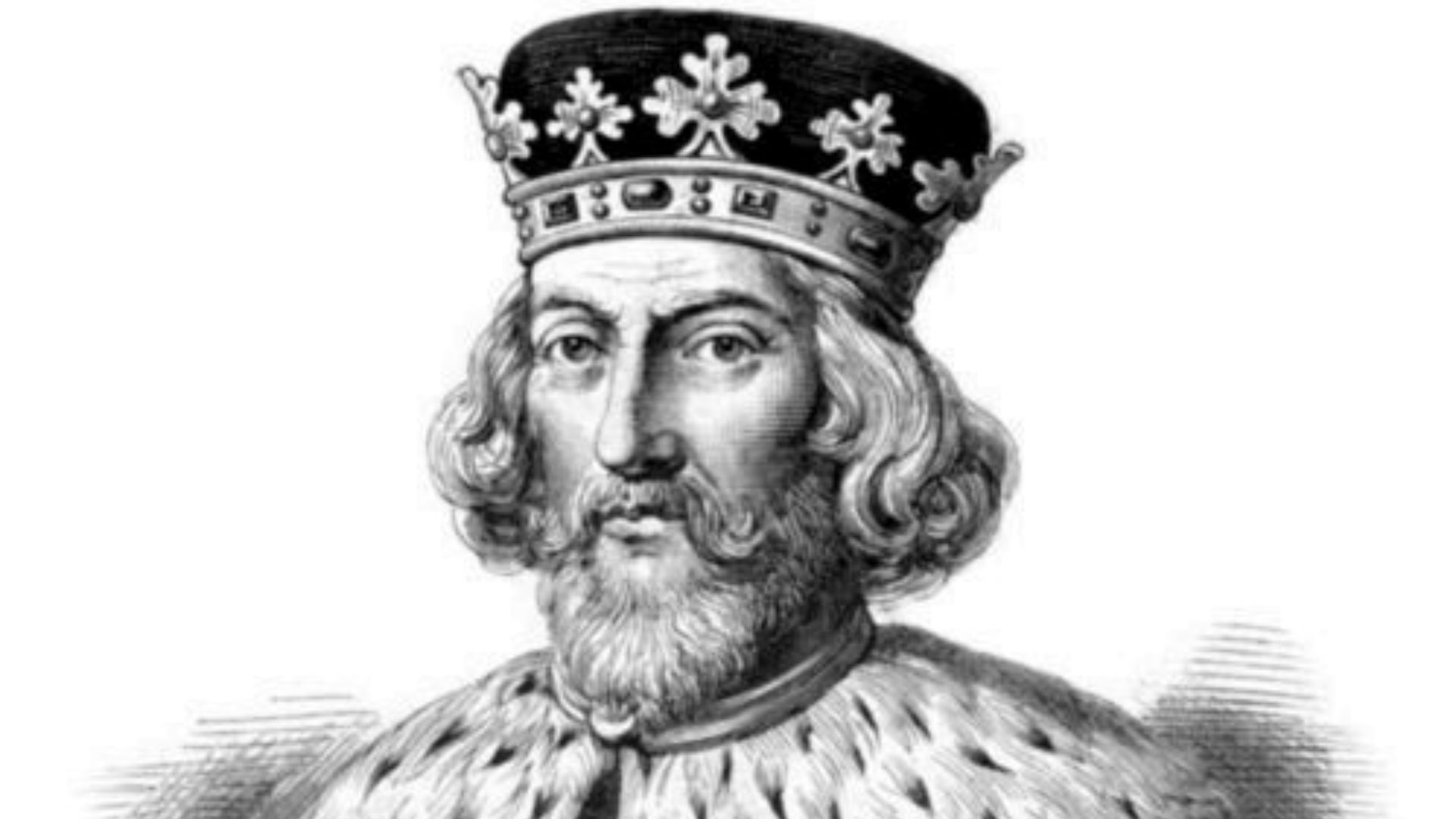 Willud Edier, Wikimedia Commons
A Long Financial Struggle
Berengaria spent years petitioning for her rightful income. She appealed to powerful figures, including the Pope, to enforce her claims. These efforts reflect her persistence in standing up for herself after everything she had been through, as she refused to be cast aside. The struggle for financial stability would become one of the defining acts of her later life.
History's most fascinating stories and darkest secrets, delivered to your inbox daily.
Support From The Papacy
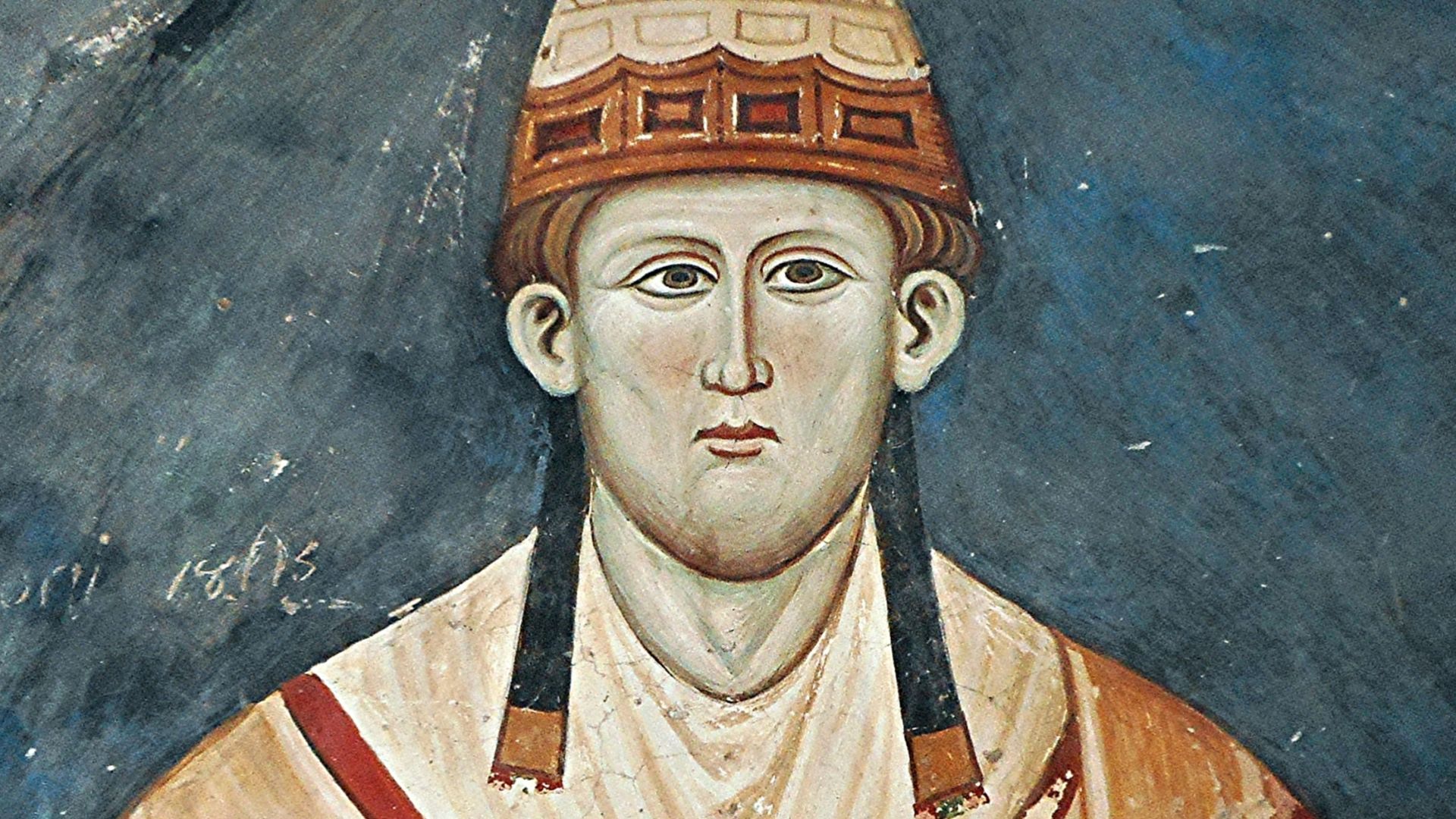
Eventually, Berengaria gained support from Pope Innocent III, who pressured King John to fulfill his obligations. This intervention helped her to secure her position, though it had come after years of hardship and uncertainty. It was time for her to close that chapter of her life and start a new one.
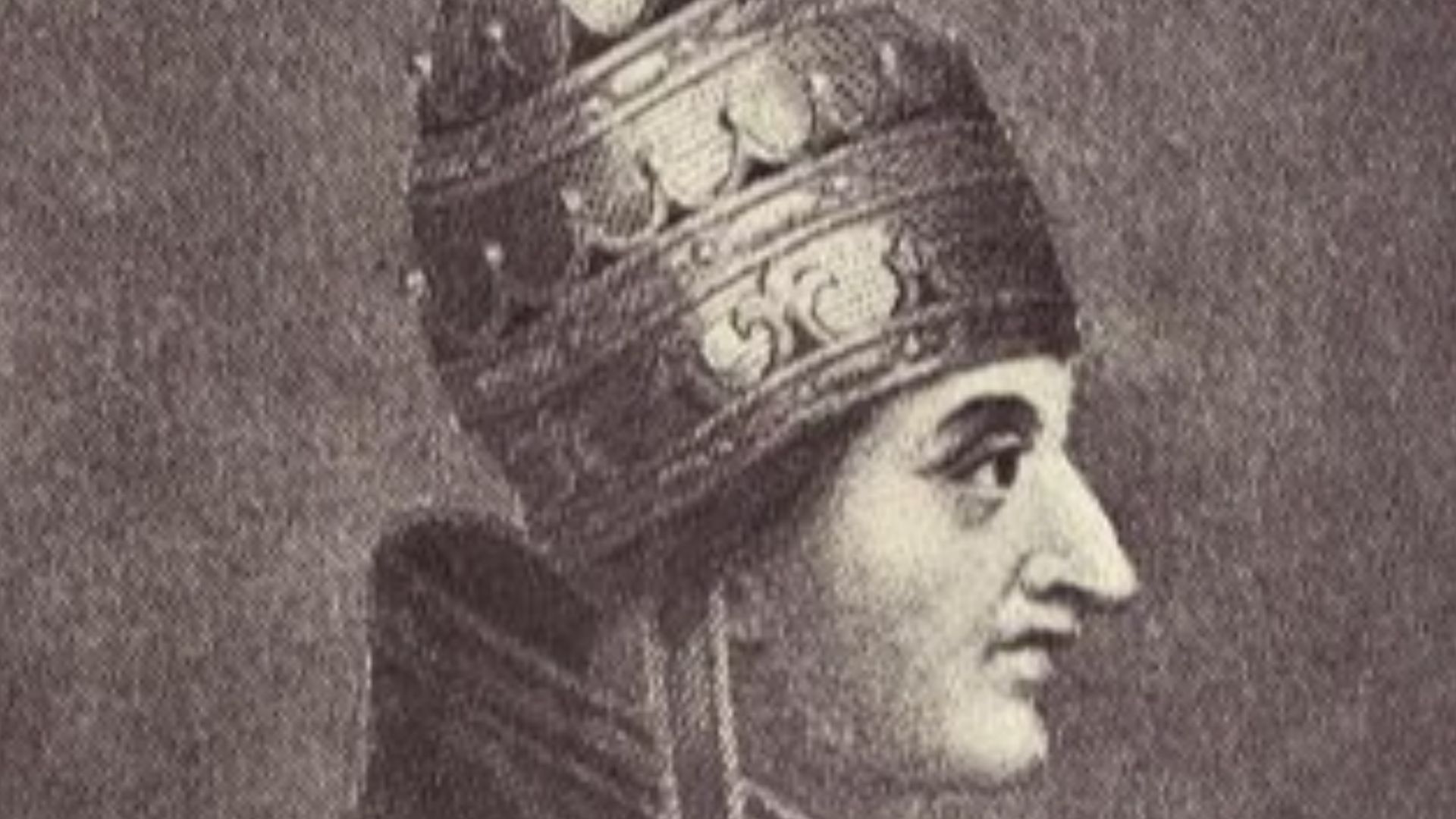 Artaud de Montor (1772–1849), Wikimedia Commons
Lady Of Le Mans
Berengaria settled in Le Mans, where she exercised authority over her lands. She focused on administration and stability, building a life independent of her former royal status. Berengaria had gone from neglected queen to capable ruler in her own right.
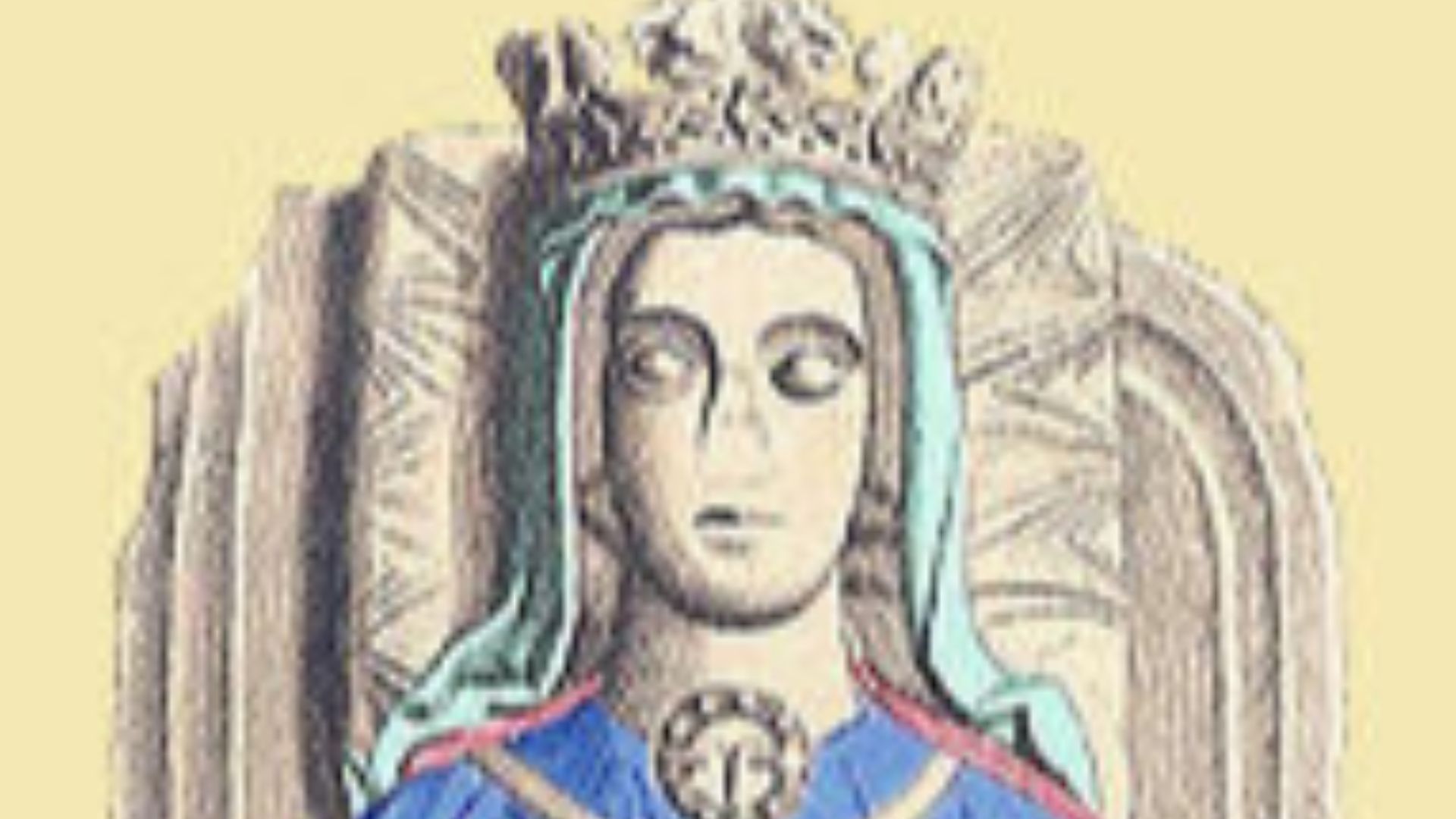 Charles A. Stothard, Wikimedia Commons
Founding L’Épau Abbey
One of Berengaria’s lasting achievements was the founding of L’Épau Abbey near Le Mans. The abbey was the permanent gift of her religious devotion and desire to leave a legacy. It also offered a center of influence and stability during her later years.
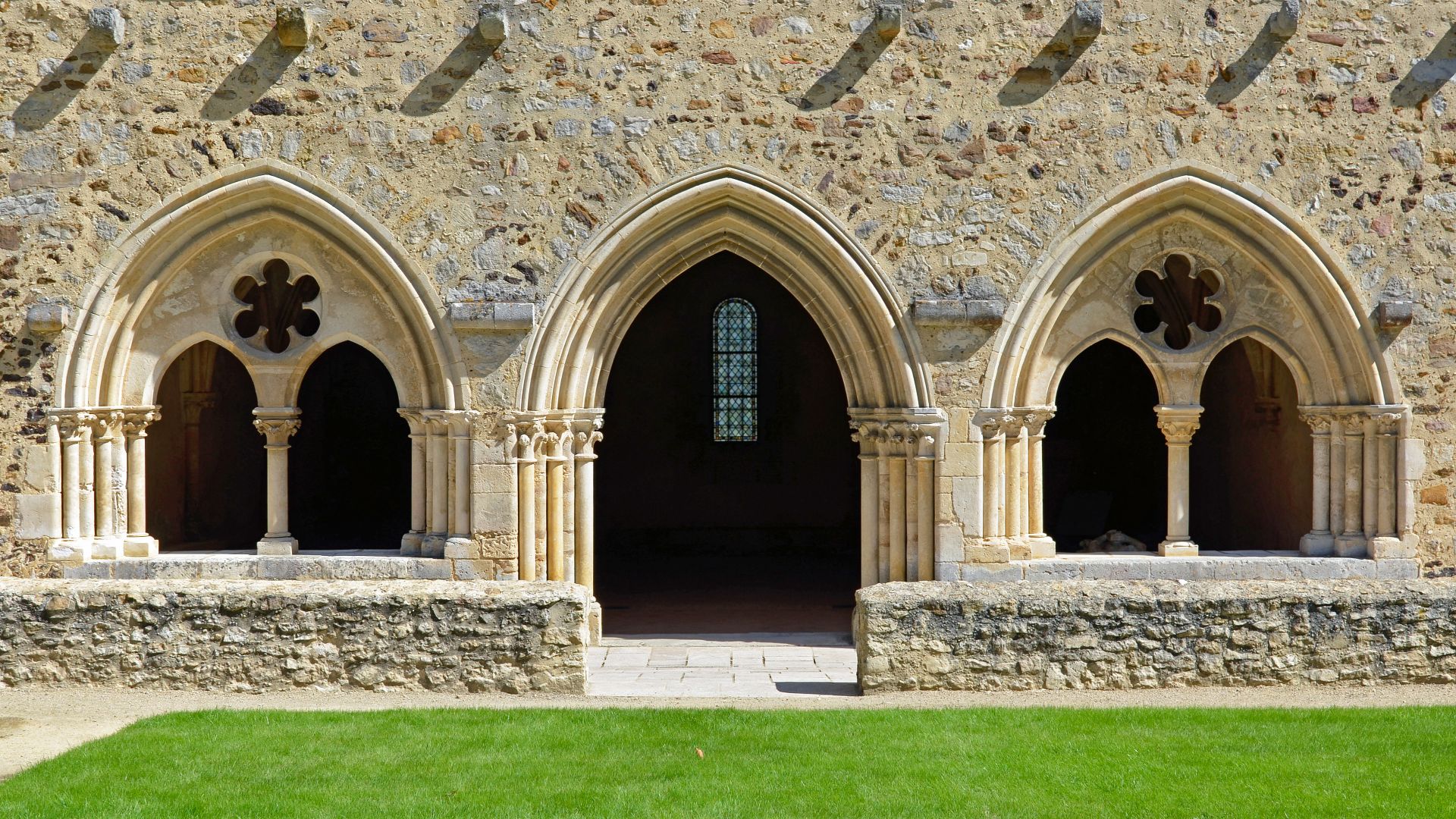
Her Final Years
Berengaria lived out her years with a degree of independence she had never enjoyed during her marriage. She maintained control over her affairs and continued her patronage. Her life, once marked by upheaval and uncertainty, finally found a measure of stability. She passed away in 1230 at the age of 65.
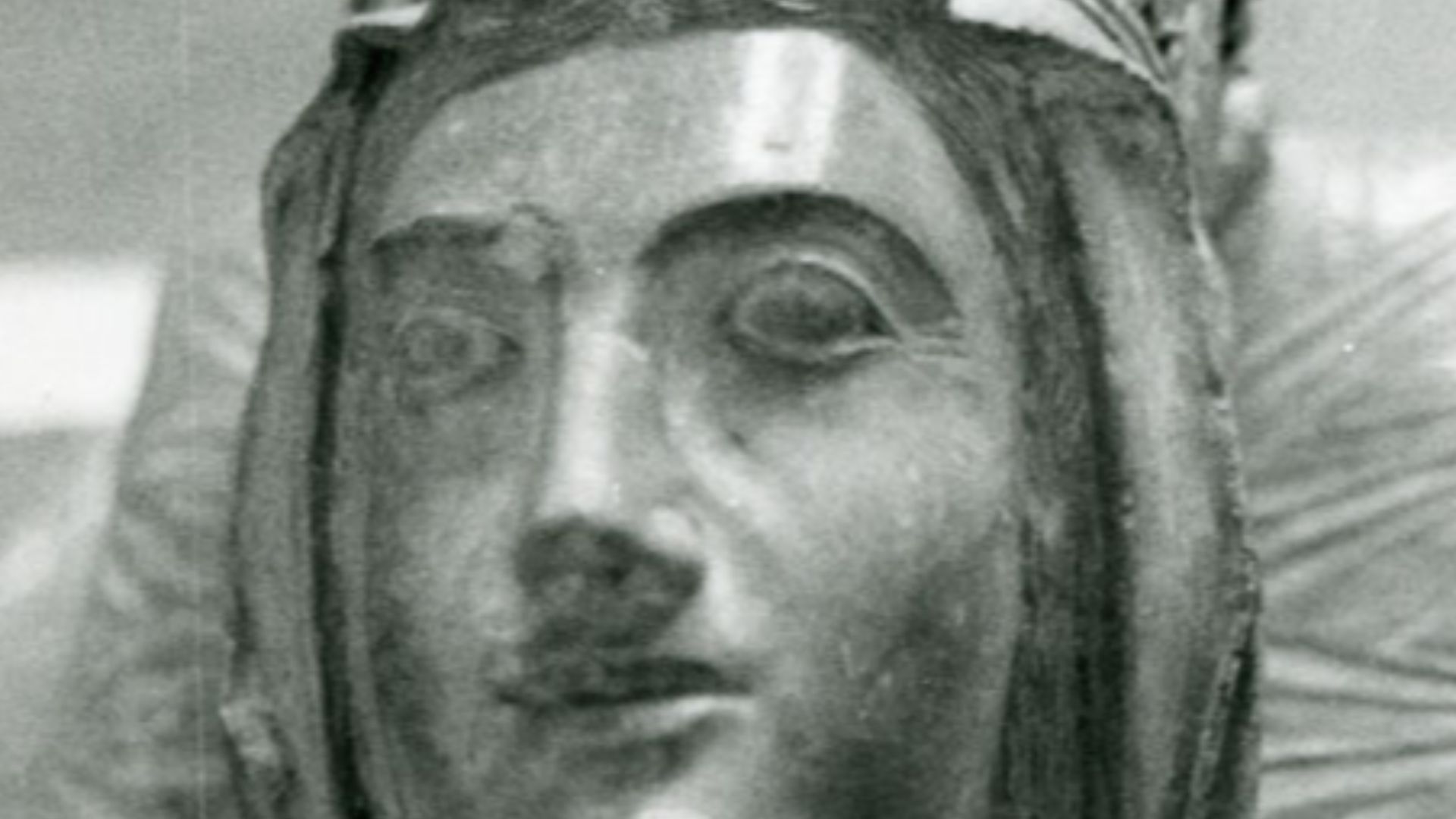
A Life Of Endurance
Though she was married to one of history’s most famous kings, Berengaria spent much of her life apart from him, navigating crises on her own. In doing so, she carved out a legacy defined not by her marriage, but by her ability to adapt to life’s changes and overcome adversity.
You May Also Like:
Unbelievable Facts About Richard The Lionheart, The Crusader King
Unveiled Facts About Eleanor Of Aquitaine, The Captive Queen