
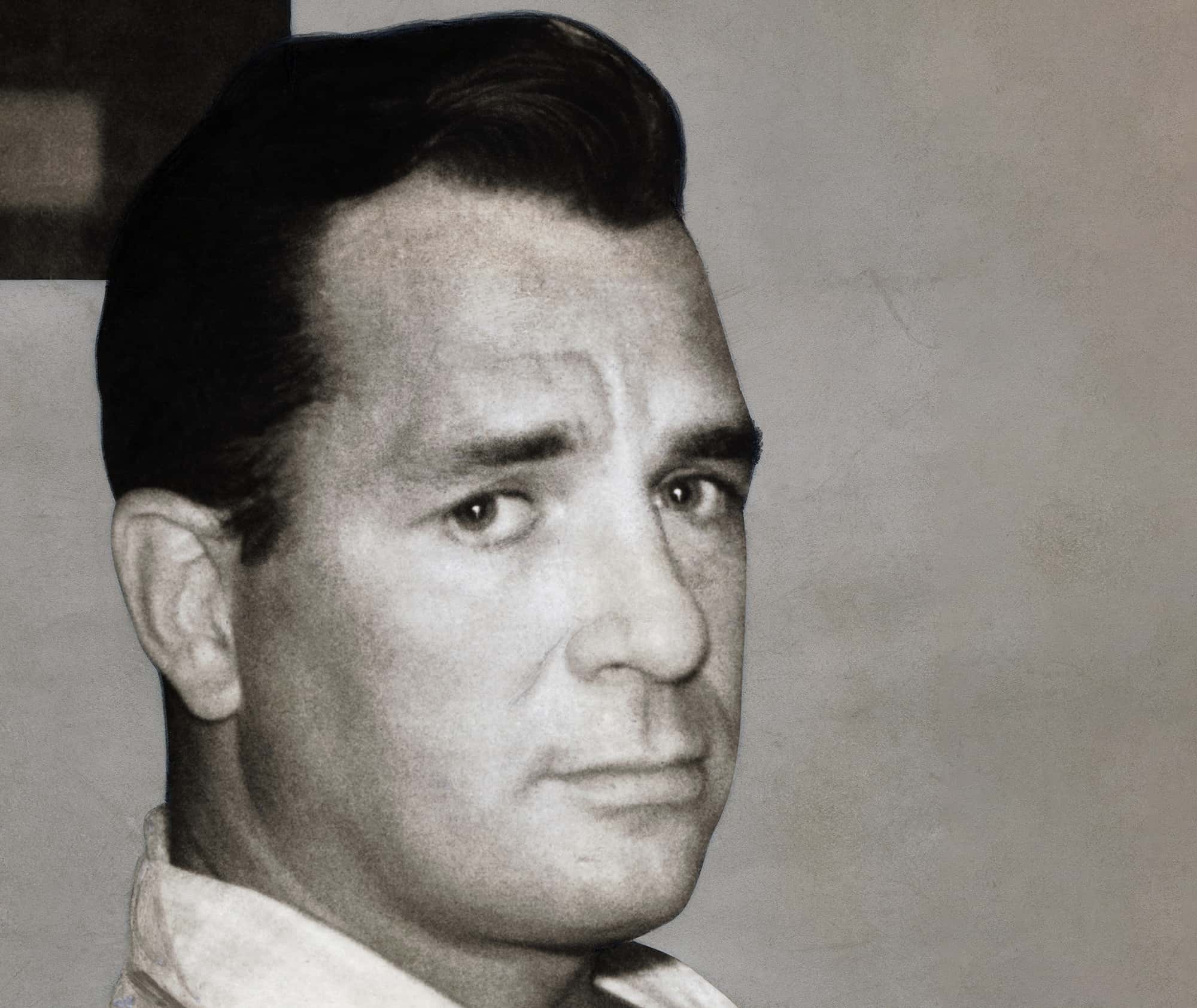
A Man With Two Sides
Jack Kerouac’s life changed forever when he published his bestselling novel; it launched him into unprecedented fame and turned him into a household name. Even today, people still recognize “Jack Kerouac”, yet the man that Kerouac appeared as thanks to his novels differed greatly from the man he truly was. Hidden beyond his famous persona, the author lived a complex life that often contradicted itself and ended in both tragedy and controversy.
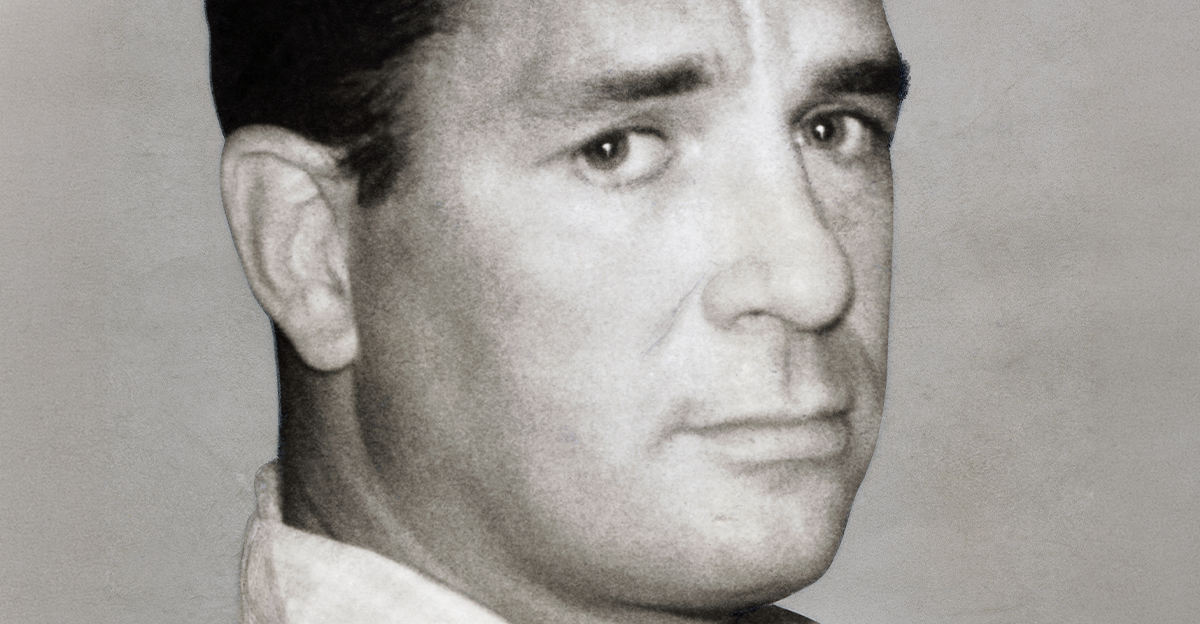
1. He Had An Interesting History
Born in Lowell, Massachusetts, in March 1922, Jack Kerouac’s early life looked very different than what it eventually became. Born to French Canadian parents, he didn’t even speak English for the first six years of his life; Jean Louis Kirouac, as his baptism certificate labels him, appeared an entirely different man from “Jack Kerouac”. Perhaps because “Jean Louis” had yet to suffer the way “Jack” had.
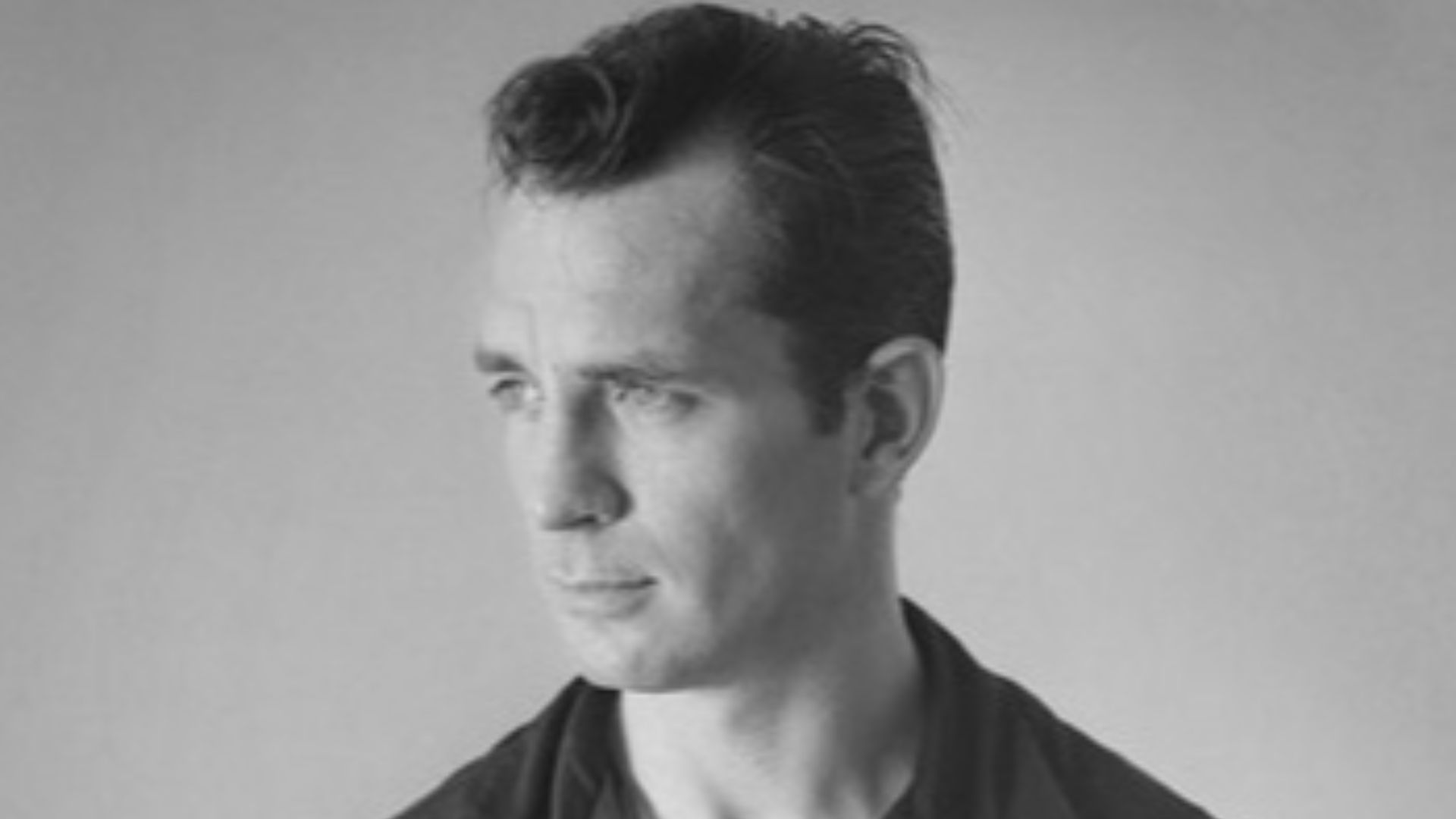 Tom Palumbo from New York, NY, USA, Wikimedia Commons
2. He Met Tragedy Early
Jack Kerouac became familiar with tragedy and grief long before he reached an old enough age to understand them. The youngest of three children at birth, Kerouac had only lived four years before the world as he knew it changed forever. His elder brother, Gerard, contracted rheumatic fever at the age of nine; his little body could not fight off the infection, and when he succumbed to his illness, he took the rest of the Kerouac family with him.
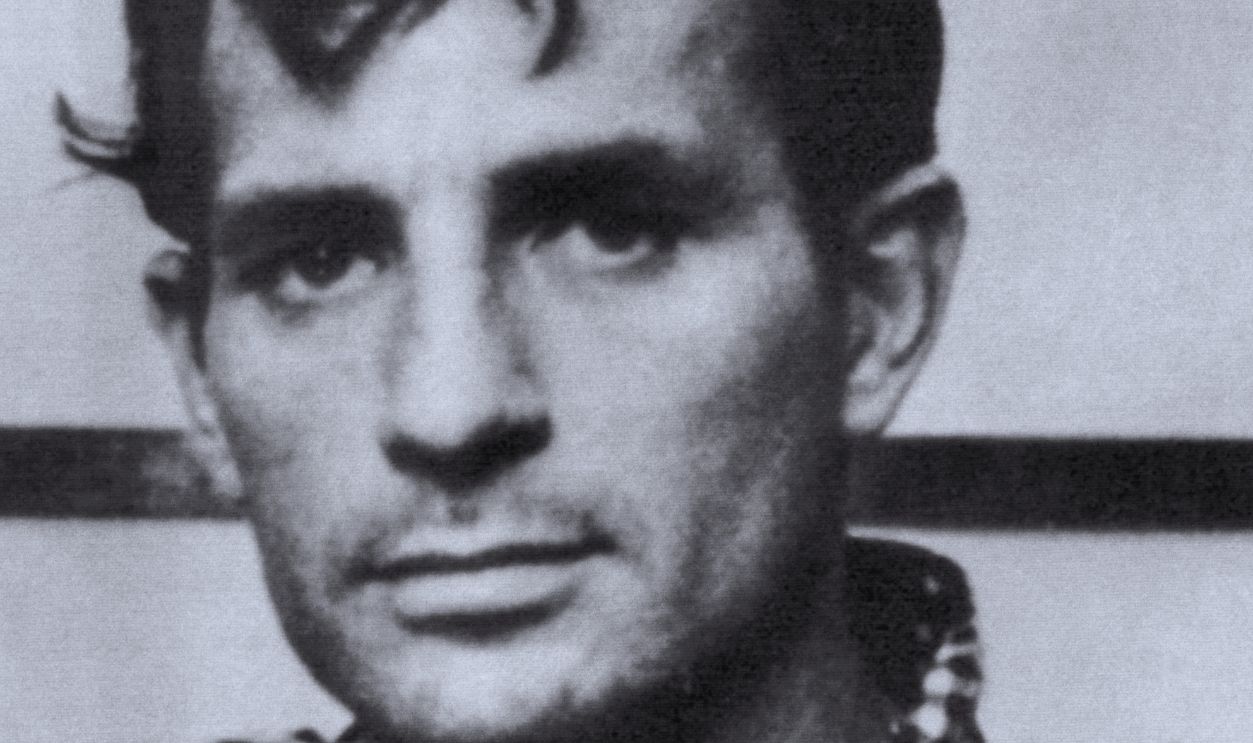
3. His Family Fell Apart
The passing of a child rips a major hole into any family’s life. For some, they use the loss to learn to bring themselves closer together, loving those who remain all the more for those who were missing. The Kerouacs, unfortunately, went in the other direction. Unable to cope with the pain of losing a child, Kerouac’s father lost his faith, turning to his vices to erase the memory of his lost son. Without his support, Kerouac turned to his mother.


History's most fascinating stories and darkest secrets, delivered to your inbox daily.
4. His Father Couldn’t Handle It
While Kerouac’s father, Léo, crumbled under the weight of his grief, his mother, Gabrielle, found a strength that carried her family through these dark times. Gabrielle took her grief and turned towards the same faith her husband abandoned. Her catholic beliefs became the backbone of her personality. Growing up with two parents at complete opposite ends of the spectrum, it is no wonder that Kerouac became the man he did.
5. He Had One Lifeboat
As a child, Jack Kerouac turned towards his mother, having once claimed his mother to be “the only woman he ever loved”. Sheltered as he was by his mother and her faith, it should surprise no one to learn that Kerouac became a very devout man himself. He made his first confession at the age of six, and during this time, Kerouac supposedly heard the voice of God, who gave him a grave proclamation.
6. He Received A Dark Prediction
According to Kerouac, he heard God during his first confession. As part of confession, it is necessary to do penance. Kerouac claimed that God spoke to him during his penance and told the six-year-old boy that “he would suffer in life and die in pain and horror, but would in the end receive salvation”. If Kerouac truly heard these words, did the prophecy become true because God is all-knowing, or because Kerouac became what he expected to experience?
7. He Took Up His Duty
When WWII finally reached American shores at the end of 1941, Kerouac was approaching his 20th birthday; as many of his able-bodied peers did, Kerouac found himself serving a few months later. However, despite being a part of both the United States Merchant Marines and the United States Navy Reserves, Kerouac’s service never left American soil. However, even on home soil, Kerouac still managed to get into trouble.
8. His Service Was Cut Short
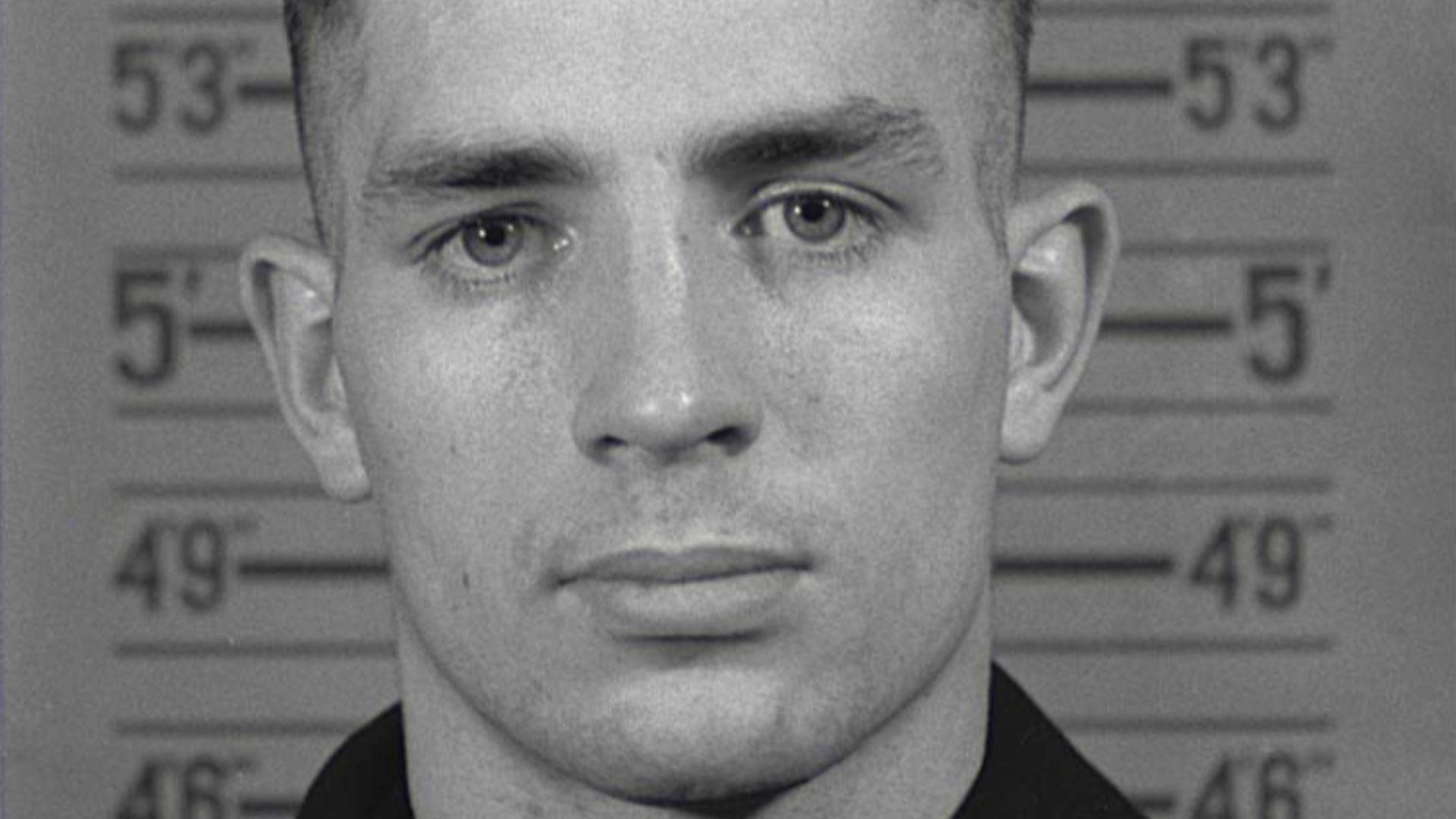
Kerouac joined the United States Navy Reserves in 1943. However, his time there became brief. Kerouac only served nine days of active duty before a peculiar sequence of events occurred: Kerouac found himself on the “sick list”. Kerouac claims that it all started from a complaint of a headache, yet it seems that something deeper was happening in the background.
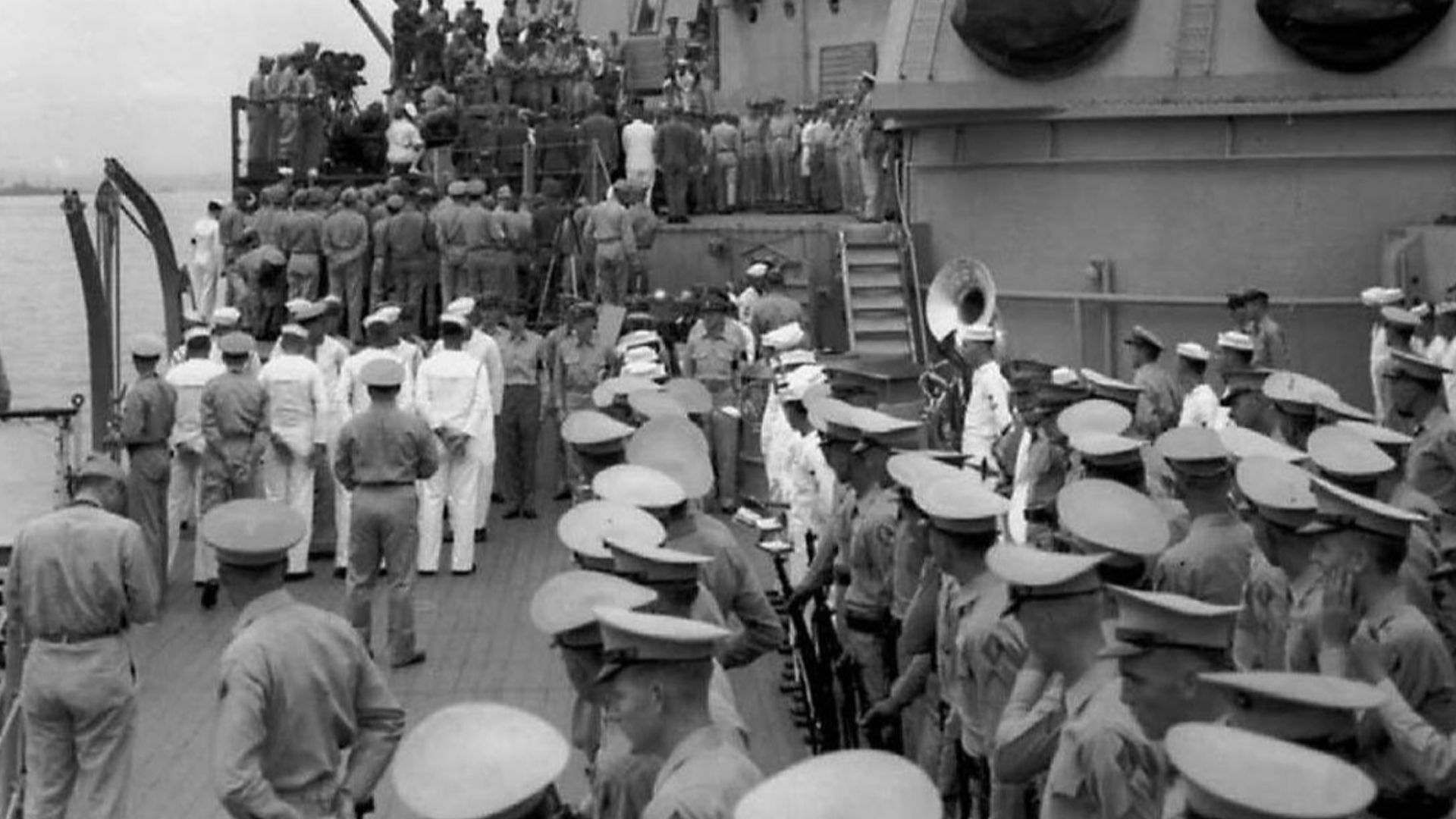 US Army photographer, Wikimedia Commons
9. He Didn’t Understand Why
To Kerouac, it felt as if he merely complained of a headache, asked for an aspirin, and then suddenly found himself in the medical wing being diagnosed with complex-sounding conditions. However, a further medical examination suggested that Kerouac adjusted poorly to his new life in the military, with the man himself reporting, “I just can’t stand it; I like to be myself”. So, what was the truth? What was wrong with Jack Kerouac, if anything at all?

History's most fascinating stories and darkest secrets, delivered to your inbox daily.
10. He May Have Been “Different”
Depending on which report you read, the medical examiners diagnosed him with a series of vague and antiquated terms such as “dementia praecox”, “indifferent character”, and “schizoid personality”. These days, modern professionals link many of these terms to someone on the autism spectrum. Of course, it’s impossible to diagnose Kerouac now but his symptoms were enough to end his service—and that’s when things started to get interesting.
11. He Was Also An Athlete
Kerouac briefly attended Columbia University, following through on his success in football during high school. However, his athletic career eventually ended as his true passion for poetry and writing took hold. When that ended, Kerouac left Columbia, but he remained in New York. It was during this time that he began to make connections with famous names that followed him for the rest of his life.
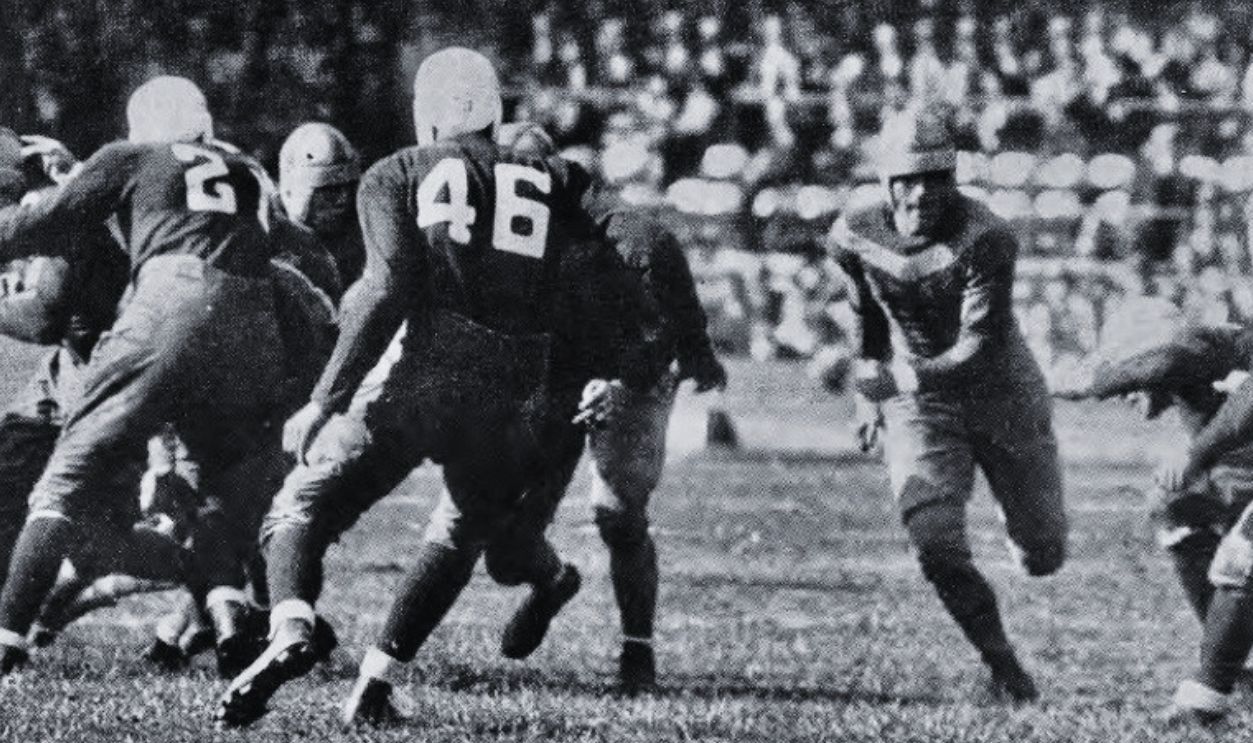 Unknown Author, Wikimedia Commons
12. He Found His People
During his time at Columbia and in New York’s Upper West Side, Jack Kerouac made connections with several men and women who became part of the infamous “Beat Generation” that the writer would become synonymous with. Among them were his then-girlfriend, Edie Parker, and the journalist Lucien Carr, who introduced him to his longtime friend, William Burroughs. These three became key players in one of the most dramatic periods of Kerouac’s life.
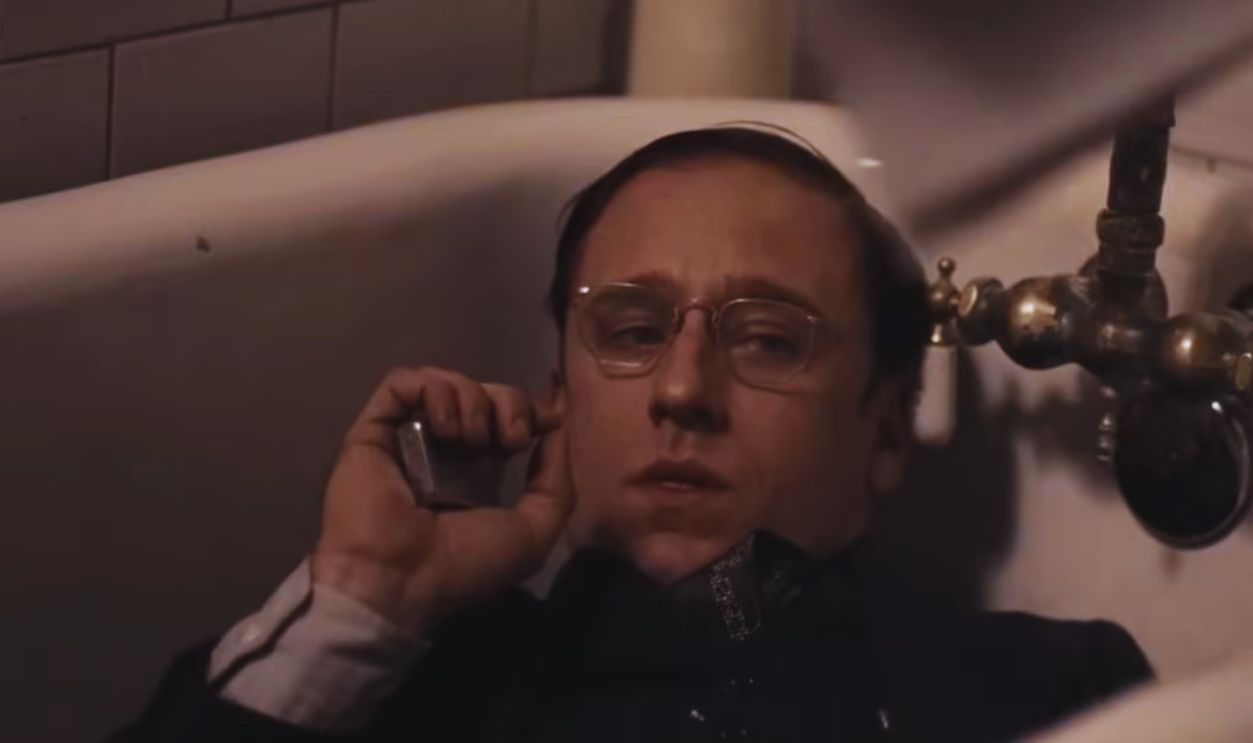 Screenshot from Kill Your Darlings, Sony Pictures Classics (2013)
13. His Life Went Off The Rails Before He Could Stop It
This particular story started long before Kerouac knew Carr. Carr grew up in St Louis, where he first encountered David Kammerer. Kammerer first encountered Carr through a Boy Scout Troop in which Carr joined as a scout, and Kammerer led. Despite the nearly 14-year age difference between the two (making Kammerer a man and Carr a boy), Kammerer, supposedly, became obsessed with Carr, desiring him in a way a man should not. That single moment inadvertently sent Kerouac on a path he never anticipated.
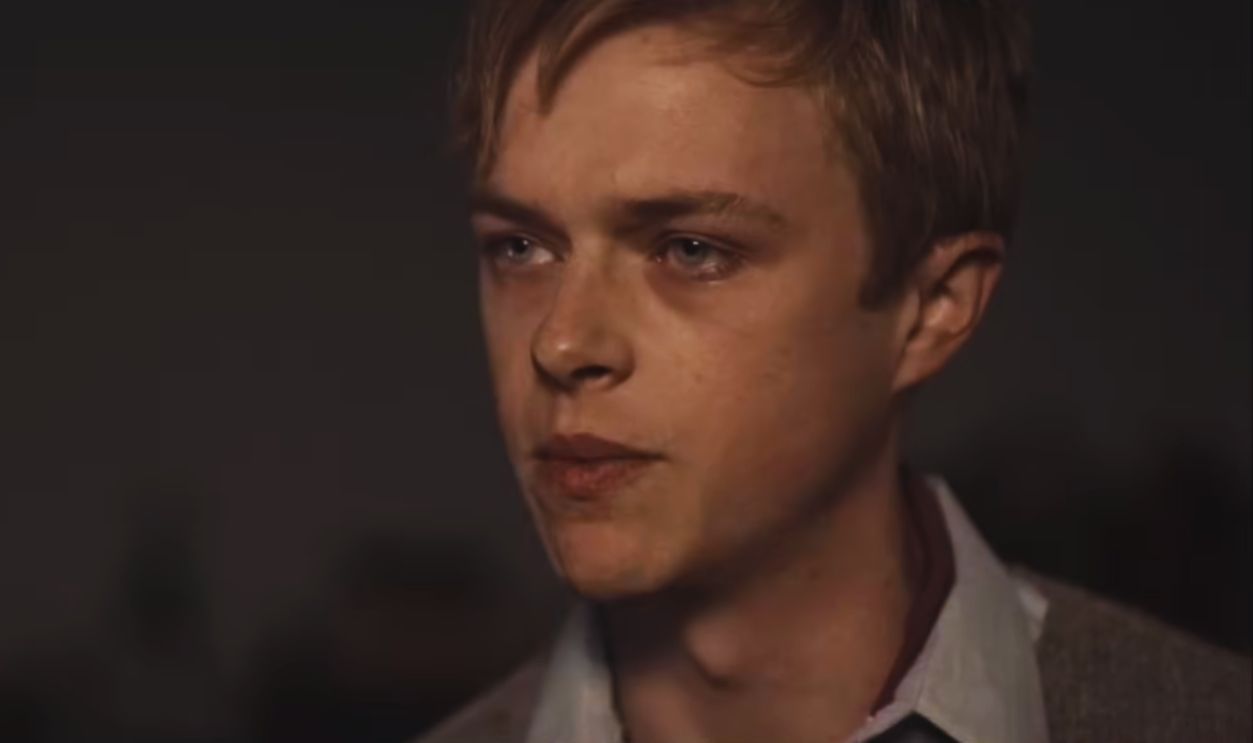 Screenshot from Kill Your Darlings, Sony Pictures Classics (2013)
14. He Got Caught In A “Romantic” Drama
History has muddled the exact details of Carr and Kammerer’s relationship. No one can say for certain what did or did not happen between them, whether Kammerer’s advances were unwanted or flattered Carr. However, what we do know is that following that period, Carr began moving quickly from school to school, place to place—yet, no matter where Carr went, Kammerer never strayed far behind. Which brings us to New York, 1944.
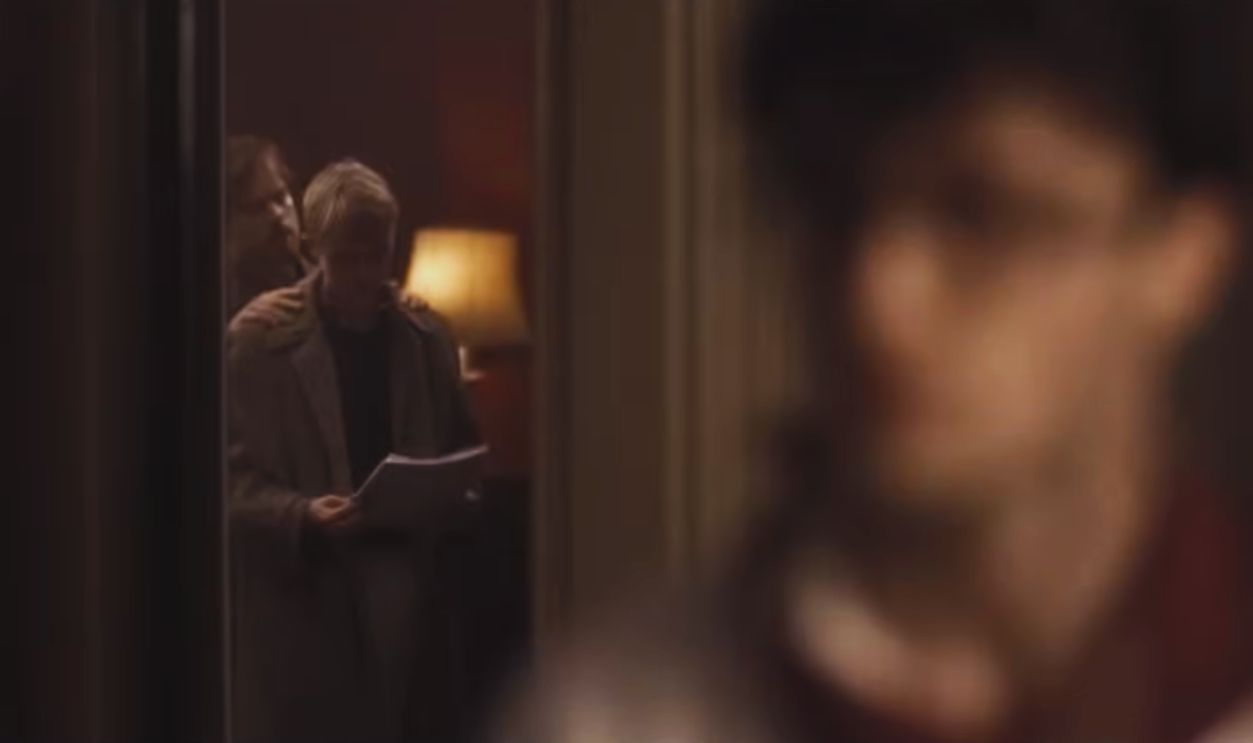 Screenshot from Kill Your Darlings, Sony Pictures Classics (2013)
15. He Became Uncomfortable With The Situation
In New York, Kerouac, Carr, Burroughs, and their friend Allen Ginsberg, spent their time galivanting around, getting into antics that only young men confident in their freedom and immortality can. Kammerer, supposedly, hovered on the outskirts of this group, making Kerouac and the others uncomfortable but, possibly, indulged by Carr on occasion. This may have carried on as-is if Kerouac and Carr hadn’t gotten an idea.
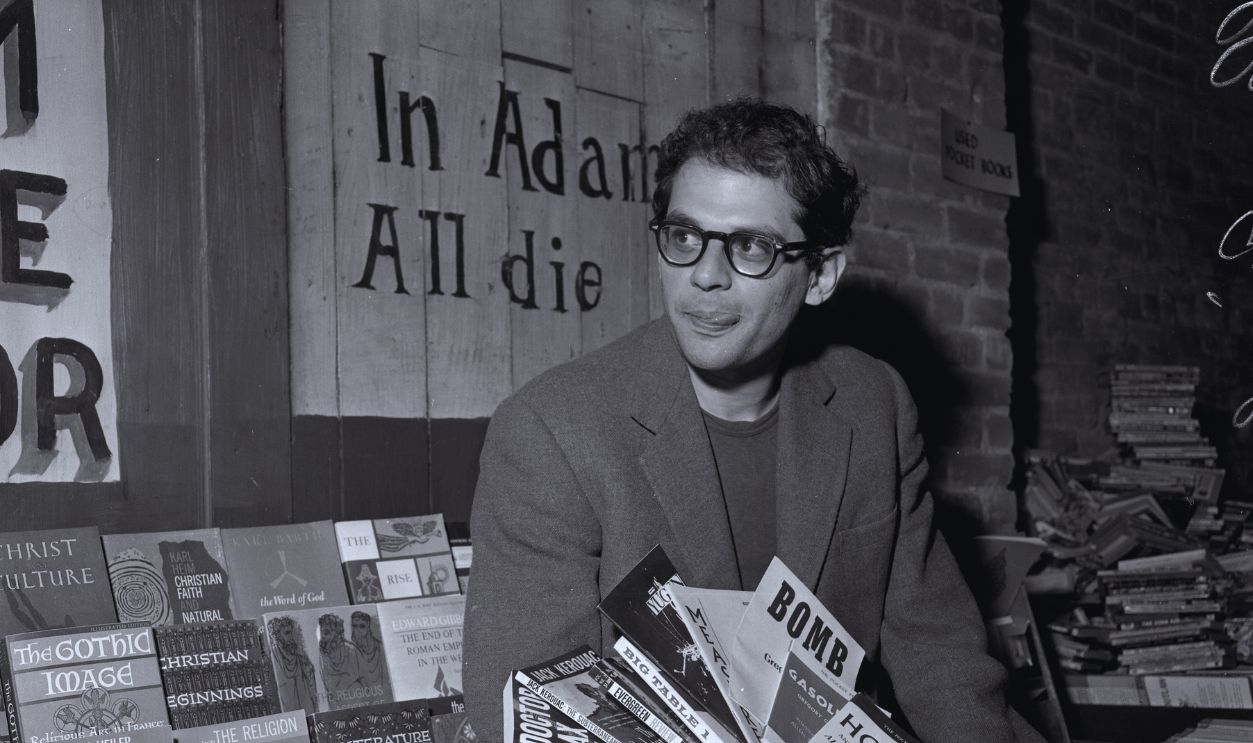 San Francisco Chronicle/Hearst Newspapers, Getty Images
History's most fascinating stories and darkest secrets, delivered to your inbox daily.
16. He Wanted To Escape
Kerouac and Carr decided that New York no longer provided them with entertainment. Instead, they sought to get passage on a merchant ship and sail to then-occupied Paris, pretending to be a Frenchman and his deaf-mute friend. They hoped to arrive in Paris soon enough to the Allies liberate the city. This, supposedly, sent Kammerer into anxiety over the thought of losing Carr to a location he could not follow. He could only hope this crazy scheme failed—then the boys found a boat.
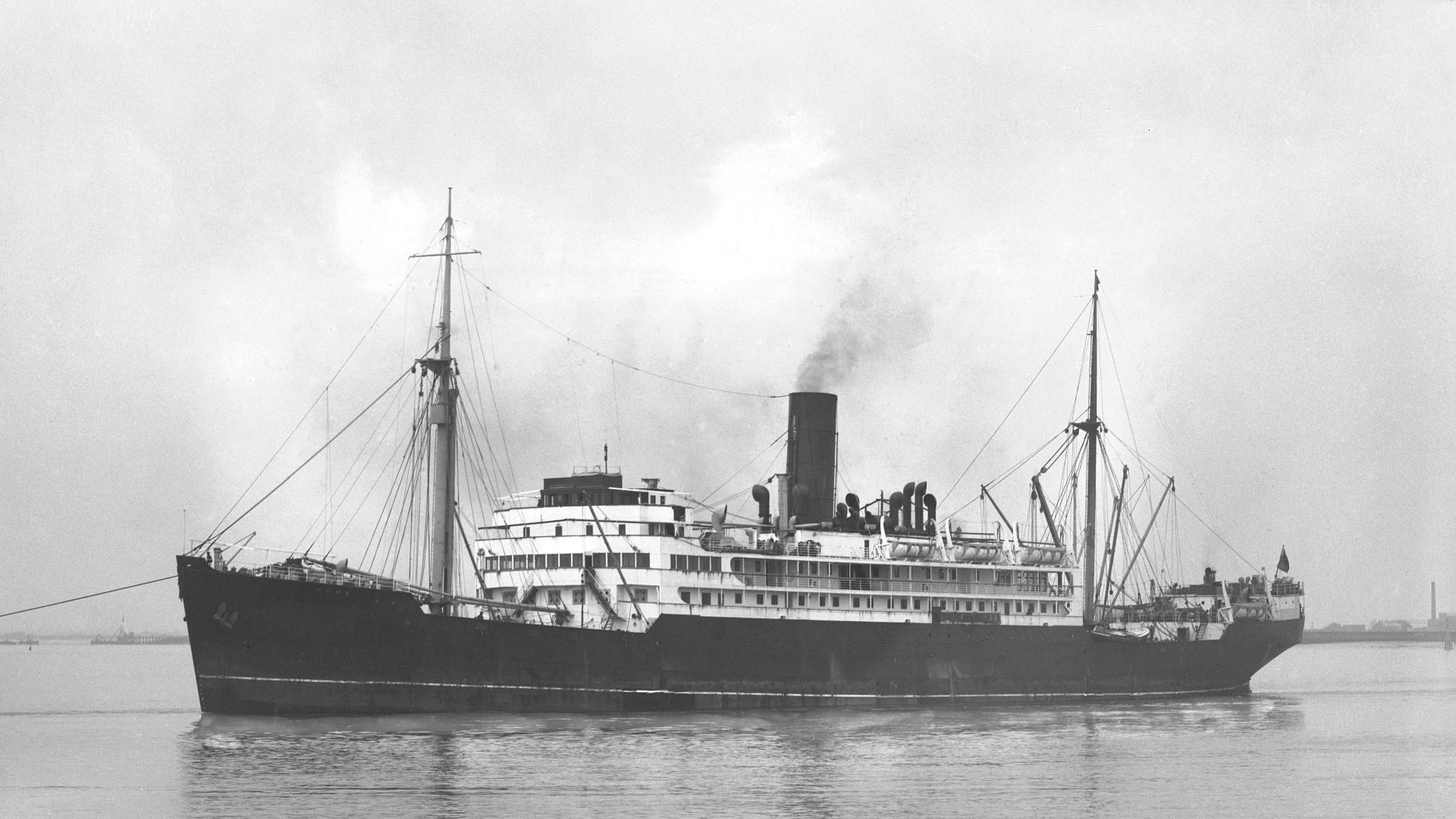 Louis Claes, Wikimedia Commons
17. He Almost Made It
On August 13, 1944, Jack Kerouac and Lucien Carr boarded a ship intent on fulfilling their ridiculous dream; it seemed within reach until the first mate threw them off the boat at the last minute. Suddenly, with a free night, Kerouac and Carr found themselves drinking at their favorite haunt; Kerouac left before Carr and bumped into David Kammerer on the way out. He never realized the destruction he put into motion when he told Kammerer where to find the now lonely Carr.
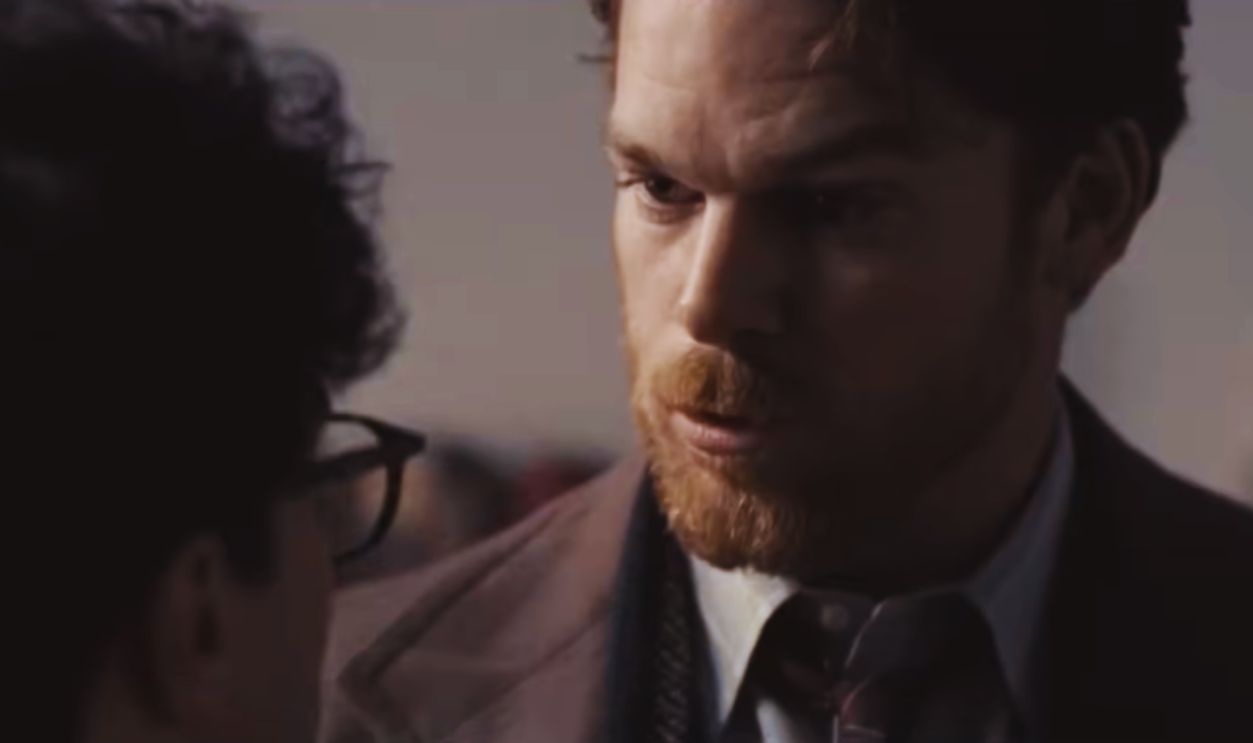 Screenshot from Kill Your Darlings, Sony Pictures Classics (2013)
18. He Never Knew What Happened
What happened next turned into an unusual case of “he said, he said”, except one half of the equation could no longer speak for himself. According to Carr (whose version of events prevailed), Kammerer made another unwanted advance; when Carr rejected him, Kammerer flew into a rage, pouncing on the younger, smaller man. Carr claims Kammerer overwhelmed him—until Carr remembered something.
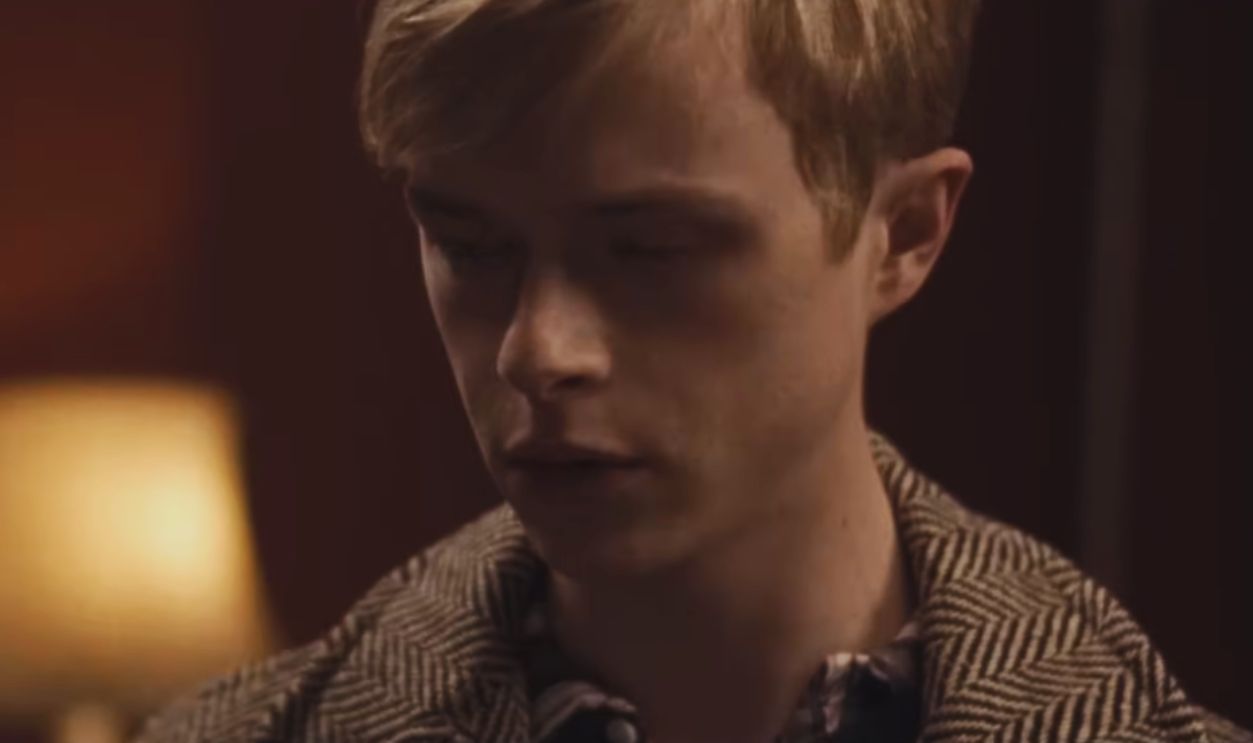 Screenshot from Kill Your Darlings, Sony Pictures Classics (2013)
19. He Was Felled By Irony
In a small twist of irony, given how their connection began, Carr stabbed Kammerer with a Boy Scout knife he’d kept on his person. It had, based on this story, been self-defense. However, Carr seemed to panic, weighing the body with rocks to dispose of it in the Hudson River. At this point, for Kerouac, the incident had nothing to do with him beyond his concern for his friend, but then Carr took things a step further.
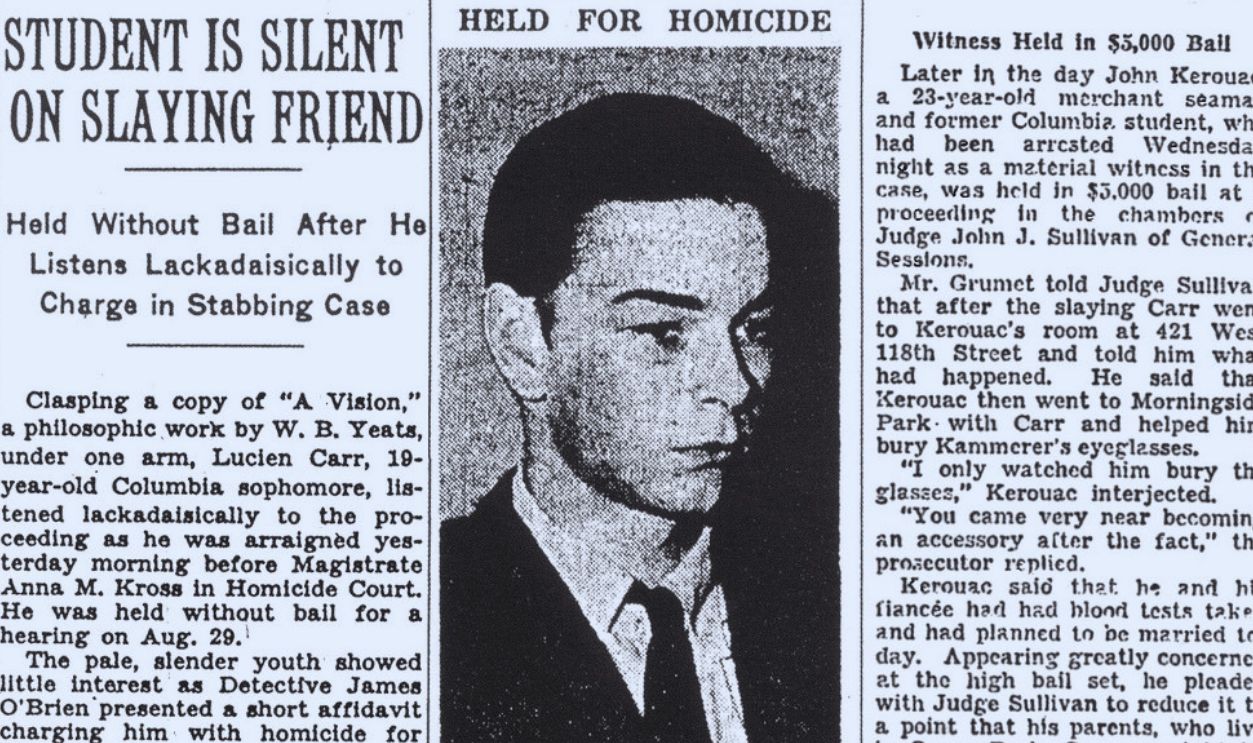 The New York Times, Wikimedia Commons
20. His Friend Dragged Him Down With Him
That night, Carr ran around the city, dragging one friend after another into the mess that he made. He first visited Burroughs, giving him Kammerer’s soiled smokes to dispose of. Although Burroughs reportedly encouraged Carr to get a lawyer and turn himself in, Carr ignored him. Instead, he made one more stop before turning himself in, ensuring that whatever happened, Kerouac would go down with him.
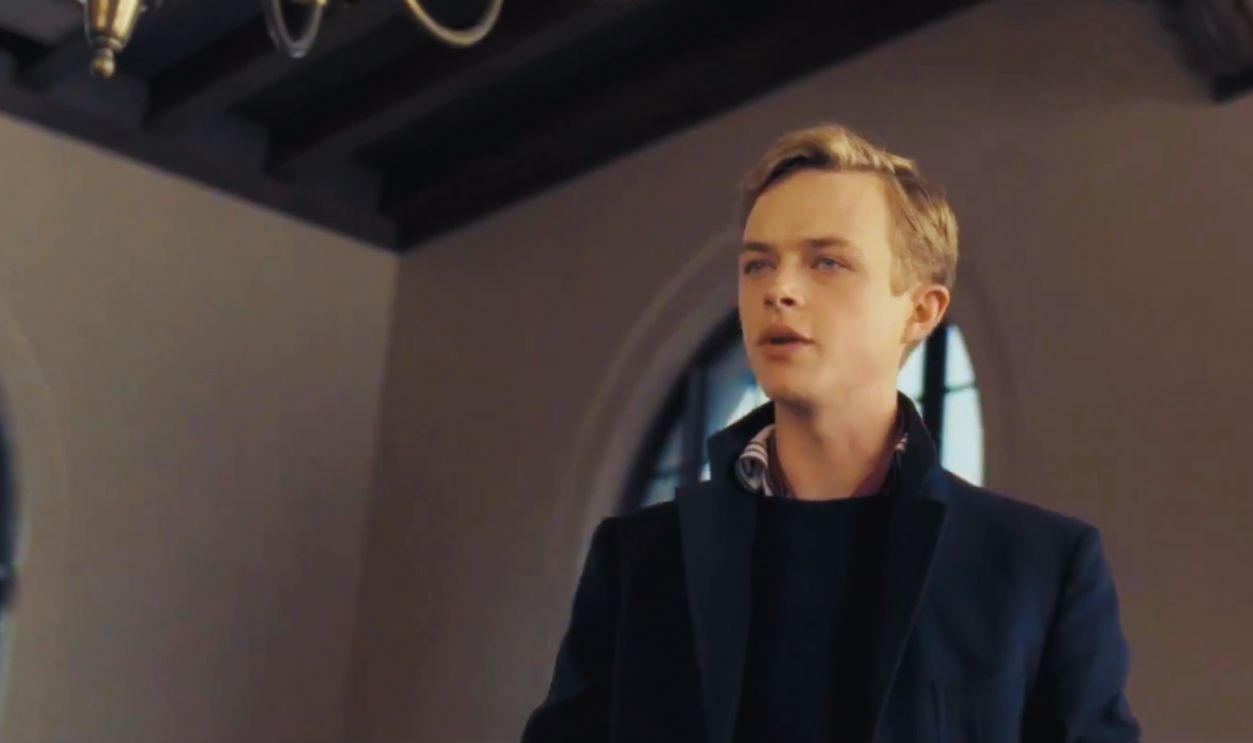 Screenshot from Kill Your Darlings, Sony Pictures Classics (2013)
21. He Couldn’t Tell Him No
Before turning himself in, Carr appeared on Kerouac’s doorstep, giving him the blade he’d injured Carr with, which Kerouac helped dispose of. He likely only thought of helping a friend and didn’t see the consequences that lay ahead for him. However, once Carr finally followed Burrough’s advice and turned himself in, Kerouac found himself answering another knock on the door, this one with more dire consequences.
 Screenshot from Kill Your Darlings, Sony Pictures Classics (2013)
History's most fascinating stories and darkest secrets, delivered to your inbox daily.
22. He Couldn’t Avoid The Consequences
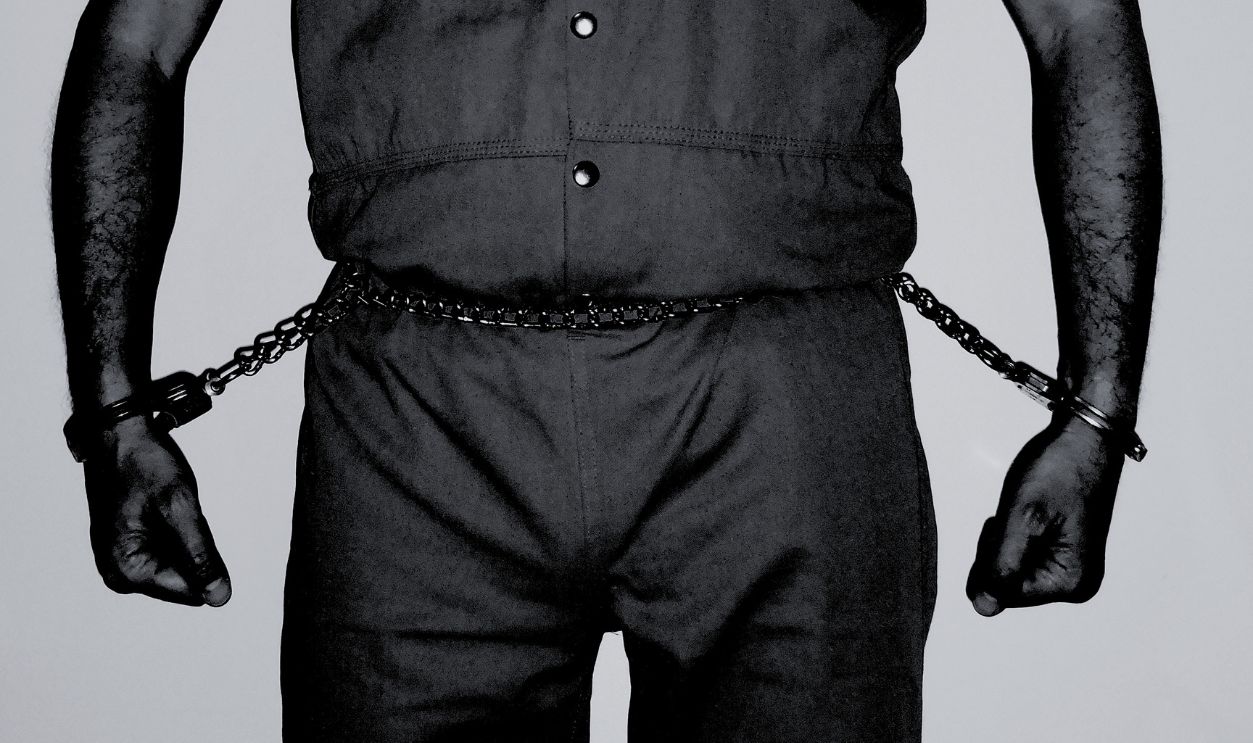
Following this incident, Jack Kerouac found himself under arrest as a material witness for Lucien Carr’s crime, as did Burroughs. While Burroughs managed to post bail easily enough, Kerouac had a problem. Without enough money, he turned to his parents to seek help in freeing himself from his current predicament. However, if he expected sympathy and support from them, Kerouac had another thing coming.
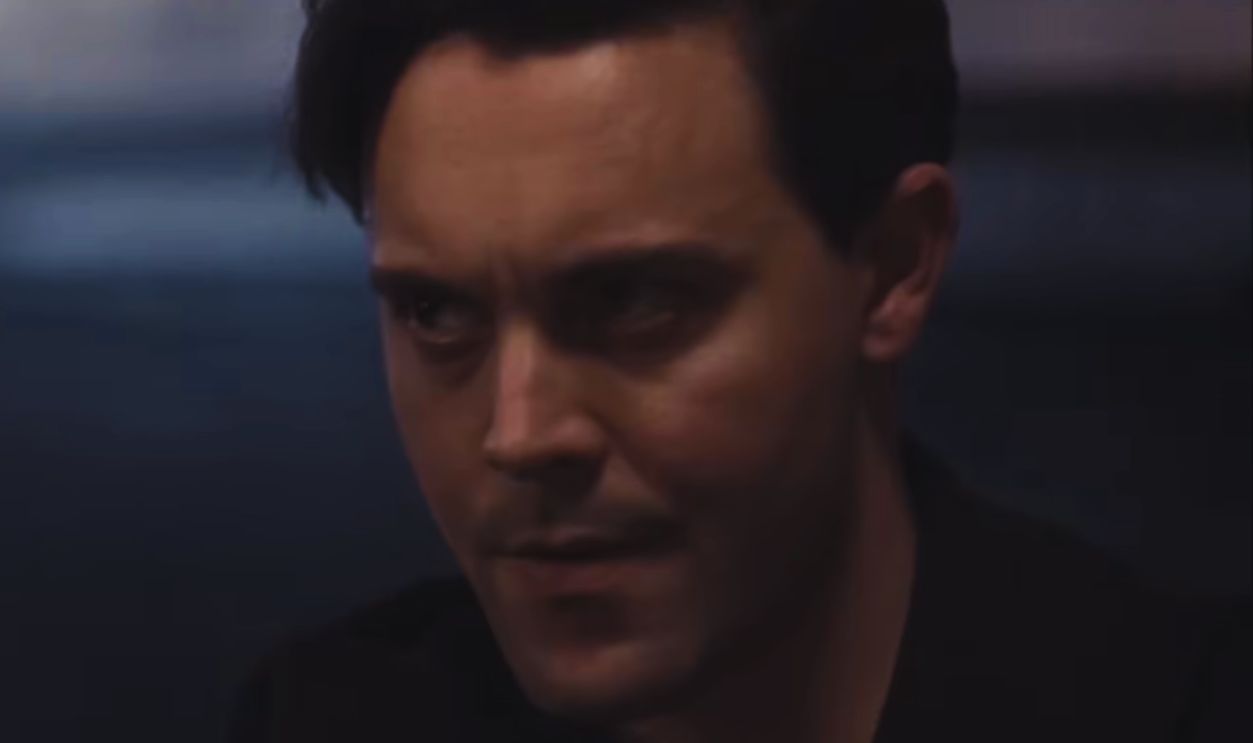 Screenshot from Kill Your Darlings, Sony Pictures Classics (2013)
23. His Father Abandoned Him
Kerouac’s father refused to post his bail. Without that money, Kerouac remained stuck. He probably hadn’t thought helping a friend could end in this mess. It seemed that Kerouac had nowhere left to turn and would remain locked up until the entire process ended—that is, until another person stepped up with a plan to free him. Edie Parker thought that she could help, but her assistance came with a steep condition.
 Rainerzufall1234, Wikimedia Commons
24. He Was Freed—On One Condition
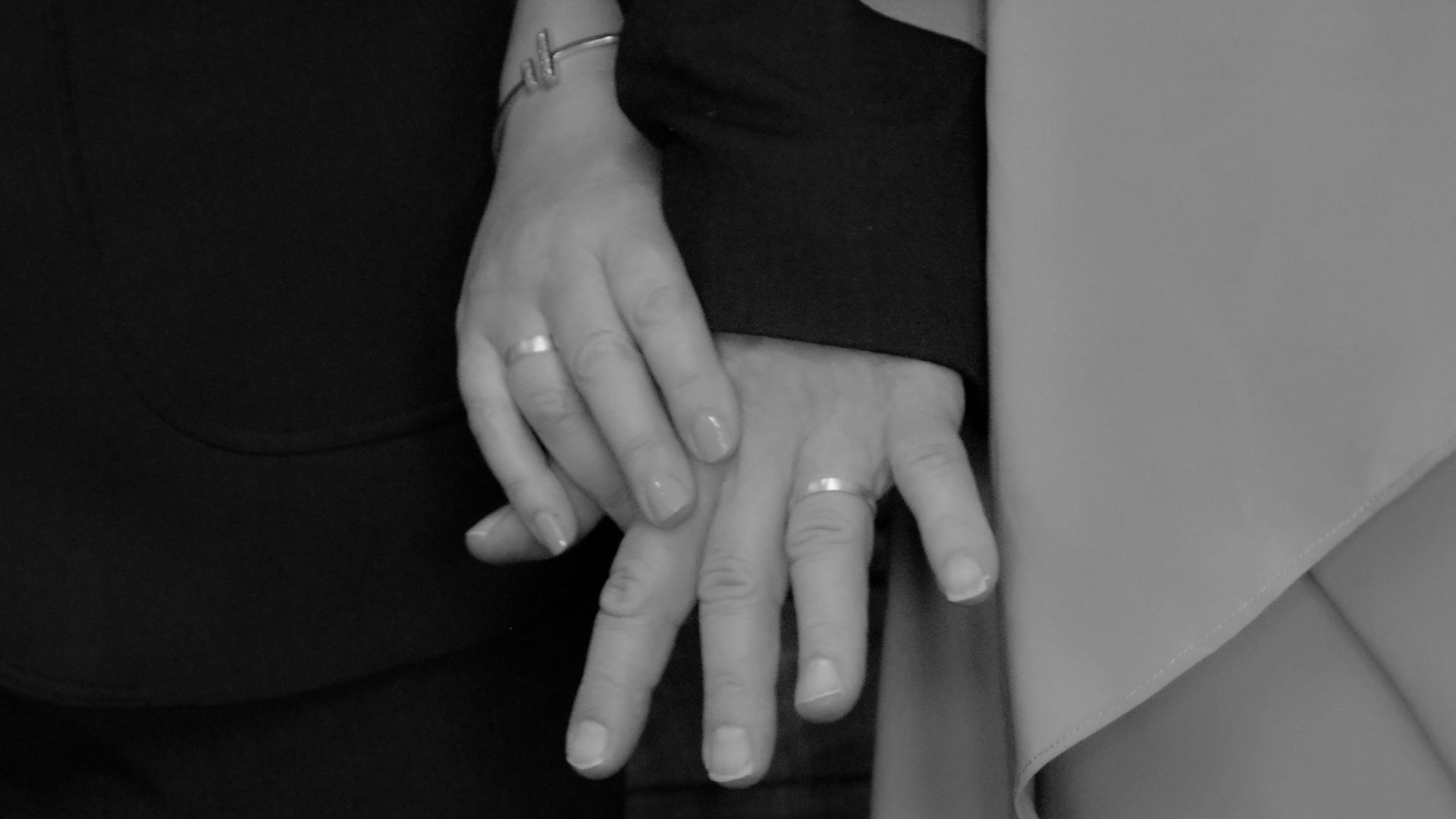
Through her parents, Parker could provide the money necessary to spring Kerouac from confinement. However, that money came with one condition: Kerouac and Parker needed to marry. On August 22, 1944 (a little over a week after the initial incident between Carr and Kammerer), Kerouac married Edie Parker in the presence of two detectives at the Municipal Building—and then the detectives locked Kerouac up once more.
25. He Spent His Wedding Night Detained
Kerouac spent their wedding night in the Bronx City Prison. However, once the marriage was official, his new in-laws posted his bail, and Kerouac returned with his new wife to Michigan, where he and Parker lived with her mother and her younger sister. While Kerouac and Parker seemed to believe their spontaneous marriage merely sped up what they always intended to do, married life failed to live up to expectations.
26. He Left The City With His Wife
Kerouac and Parker had a brief marriage. Within two months, Kerouac realized that domestic life in Grosse Pointe Park, Michigan, with his new wife and her family did not suit him. Kerouac returned to New York, leaving Parker behind with her family. Two years later, Parker successfully filed to annul their marriage. While Kerouac’s marriage proved to be fleeting, that fateful night in New York that brought them together lingered.
 Screenshot from Big Sur, Ketchup Entertainment (2013)
27. He Married In Haste And Paid The Consequences
Kerouac’s marriage didn’t last, but what Carr did to Kammerer seemed to follow everyone involved in the incident. Less than a year later, Kerouac and Boroughs came together to process what happened through the only way they knew how. They collaborated on the novel And the Hippos Were Boiled in Their Tanks, a novel of alternating POVs written by each author. However, the novel, perhaps, proved too much for the young writers.
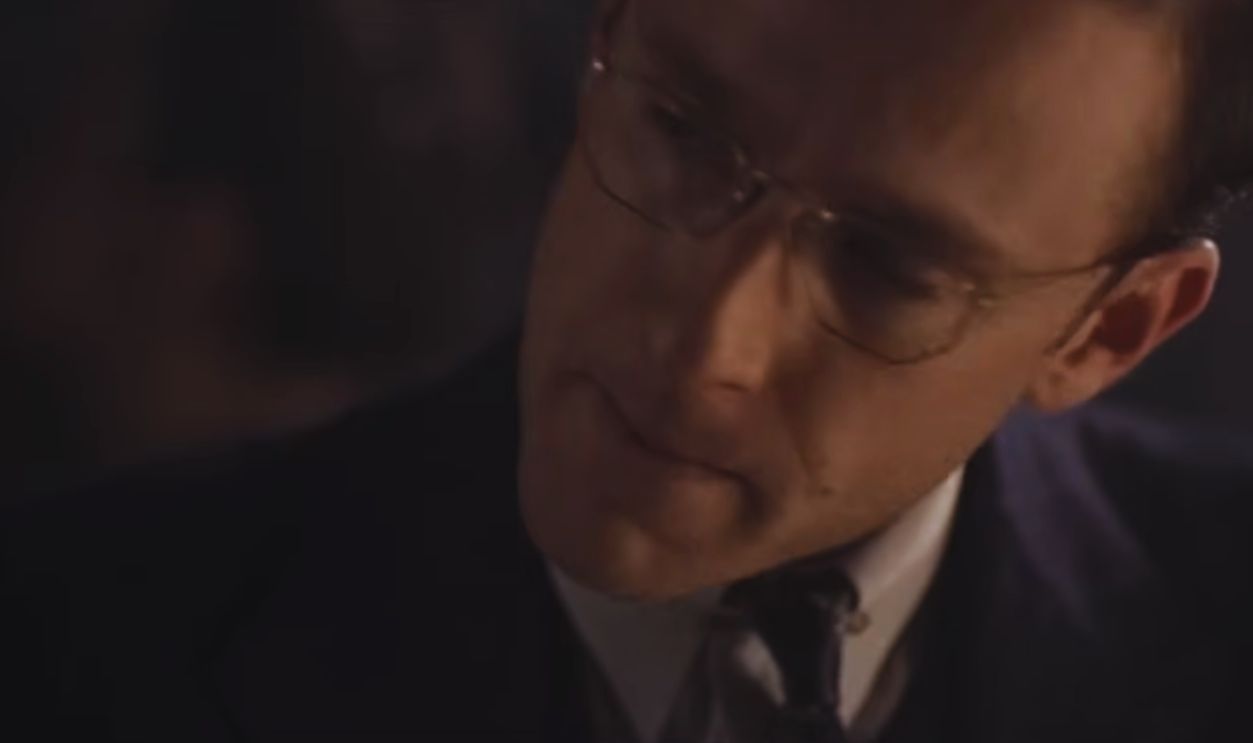 Screenshot from Kill Your Darlings, Sony Pictures Classics (2013)
History's most fascinating stories and darkest secrets, delivered to your inbox daily.
28. He Couldn’t Forget What Happened
Despite both Jack Kerouac and William Boroughs going on to become well-regarded authors, And the Hippos Were Boiled in Their Tanks remained hidden until long after both men’s passing. The incident with Carr, however, appeared in part in later novels by Kerouac. Yet, before Kerouac could show the world the thoughts in his head, he first needed to find his own path. Cut loose from both incarceration and Parker, Kerouac was untethered and looking for something new to anchor him.
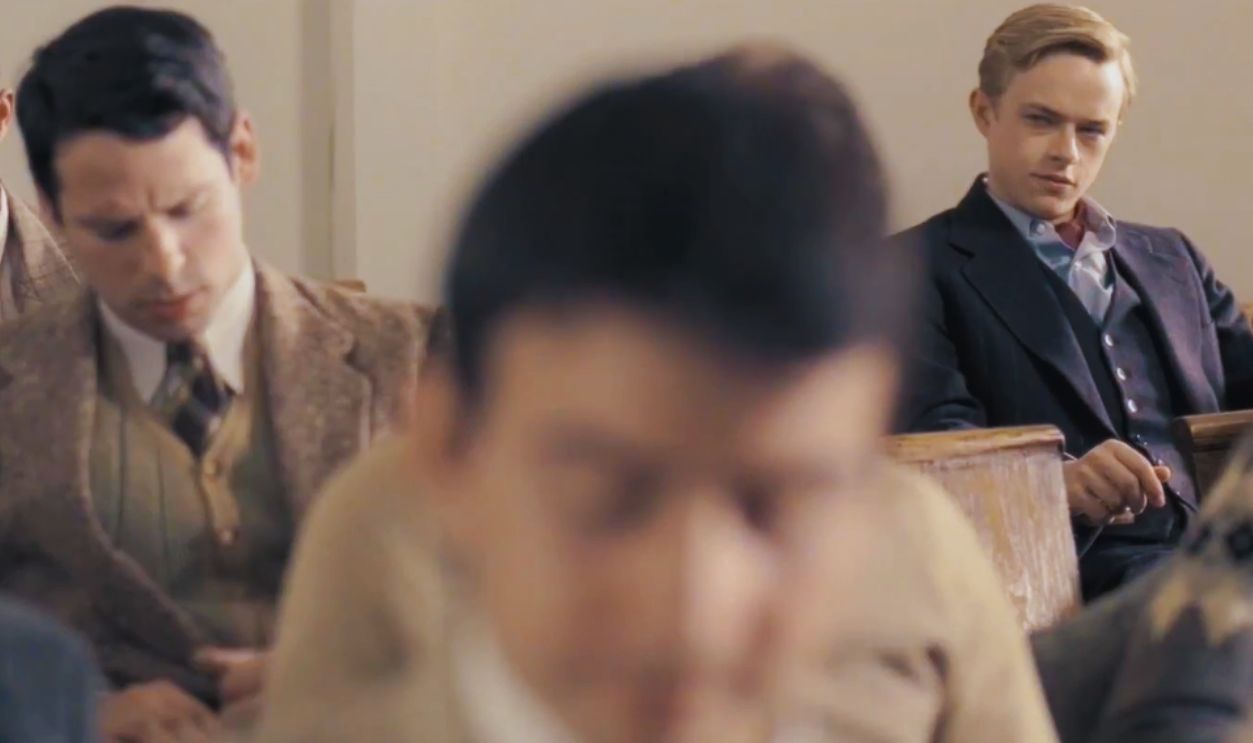 Screenshot from Kill Your Darlings, Sony Pictures Classics (2013)
29. He Was Set Adrift
Kerouac and his parents settled in Queens, where he began working on writing once more. He published his first novel, The Town and the City, in 1950, but he struggled to gain recognition for his work. A handful of promising reviews couldn’t promote the book enough to make sales. Around the same time, Kerouac had a chance encounter that changed the trajectory of his life forever.
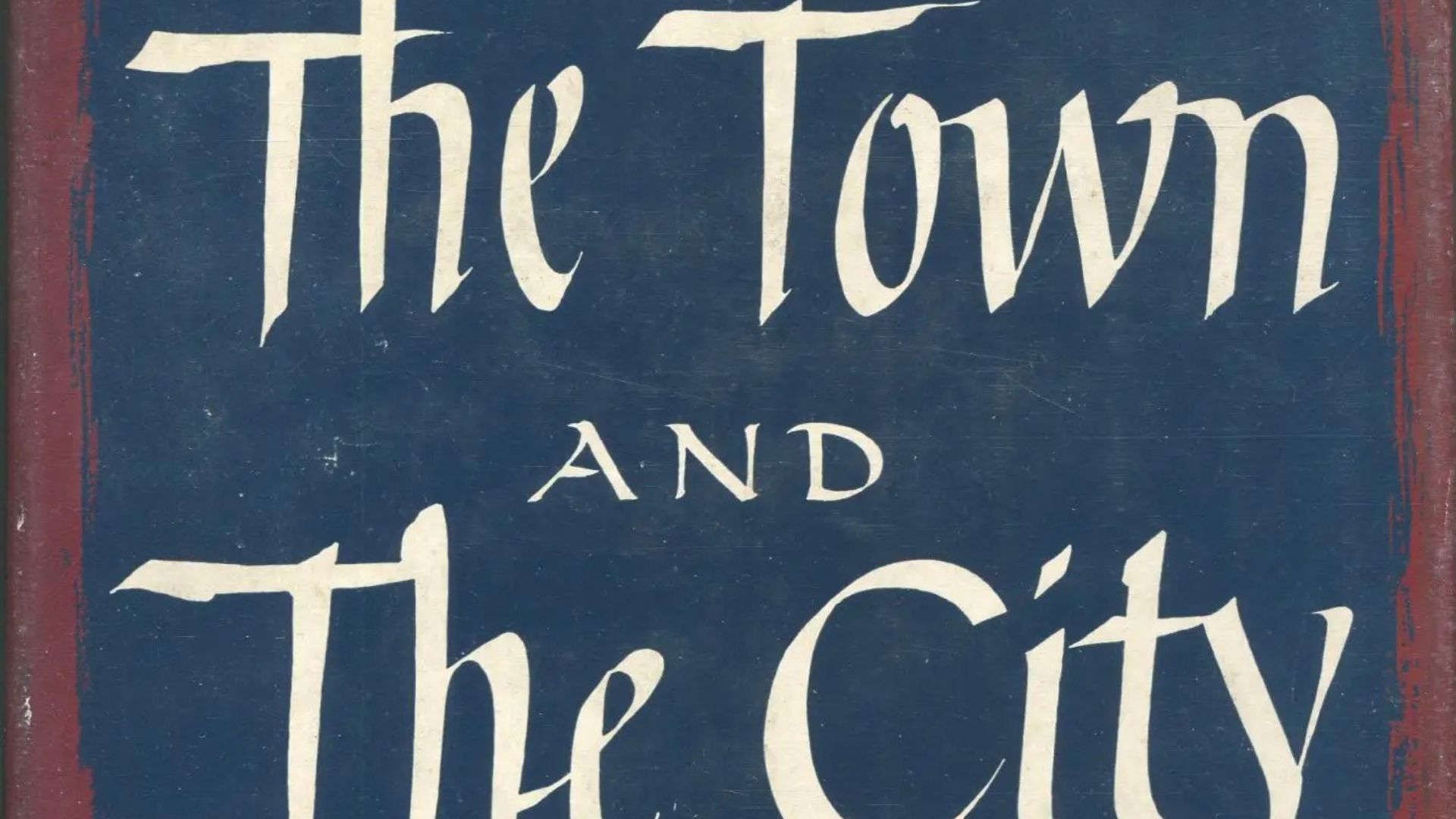 Jacket design by Leo Manso, Wikimedia Commons
30. He Made Another Connection
Jack Kerouac and Joan Haverty met in Manhattan and appeared to have an instant connection. Not long after the meeting, Kerouac invited Haverty to his home in Queens to meet the most important person in his life: his mother, Gabrielle Kerouac. It appears as if that must have been favourable, because no more than two weeks later, Kerouac found himself in another sudden marriage. Although his second marriage lasted longer than his first, one could hardly call it any more of a success. In some ways, it went worse.
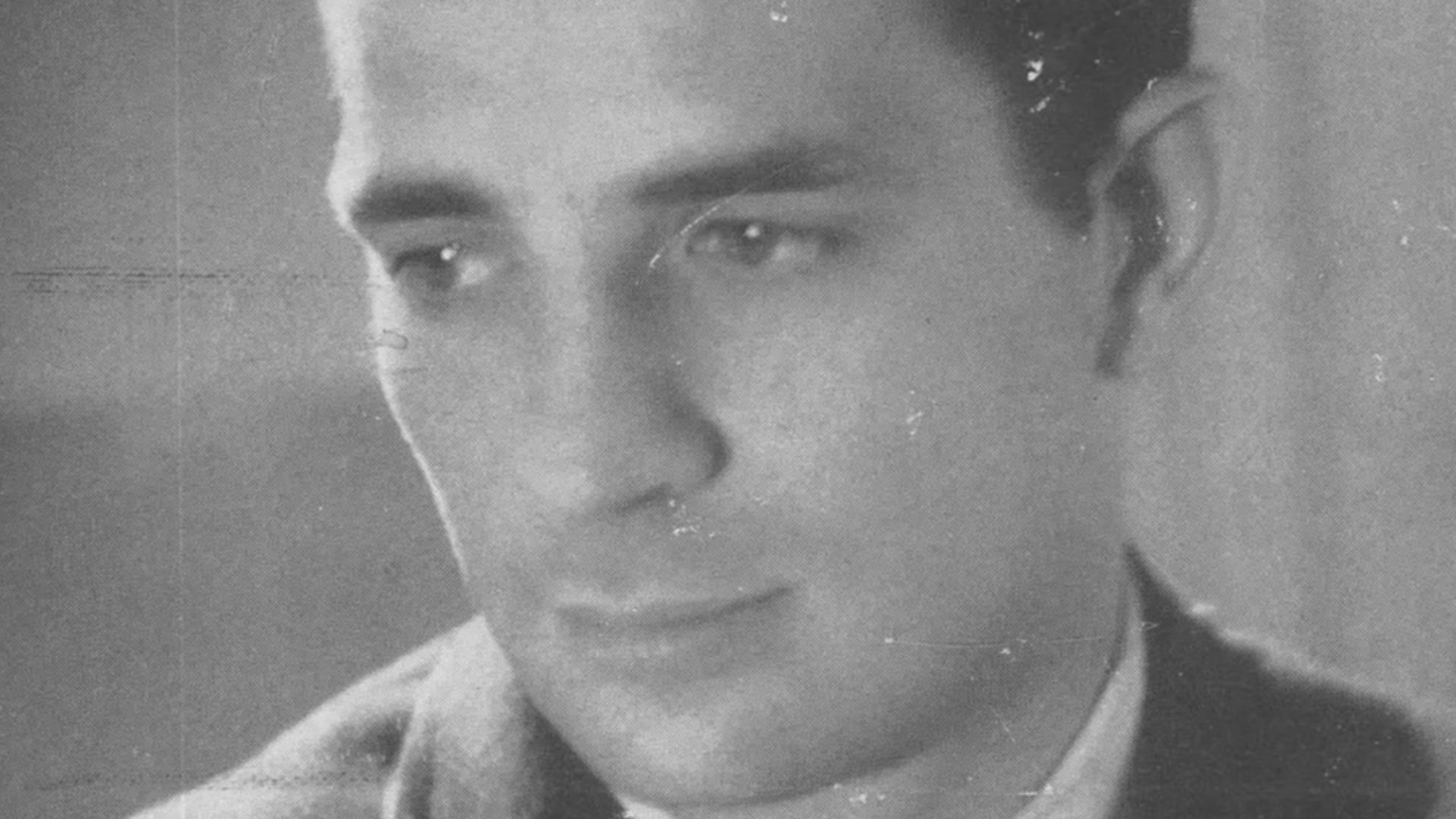 Photo credited to "Arni", Wikimedia Commons
31. He Rushed Into His Relationships
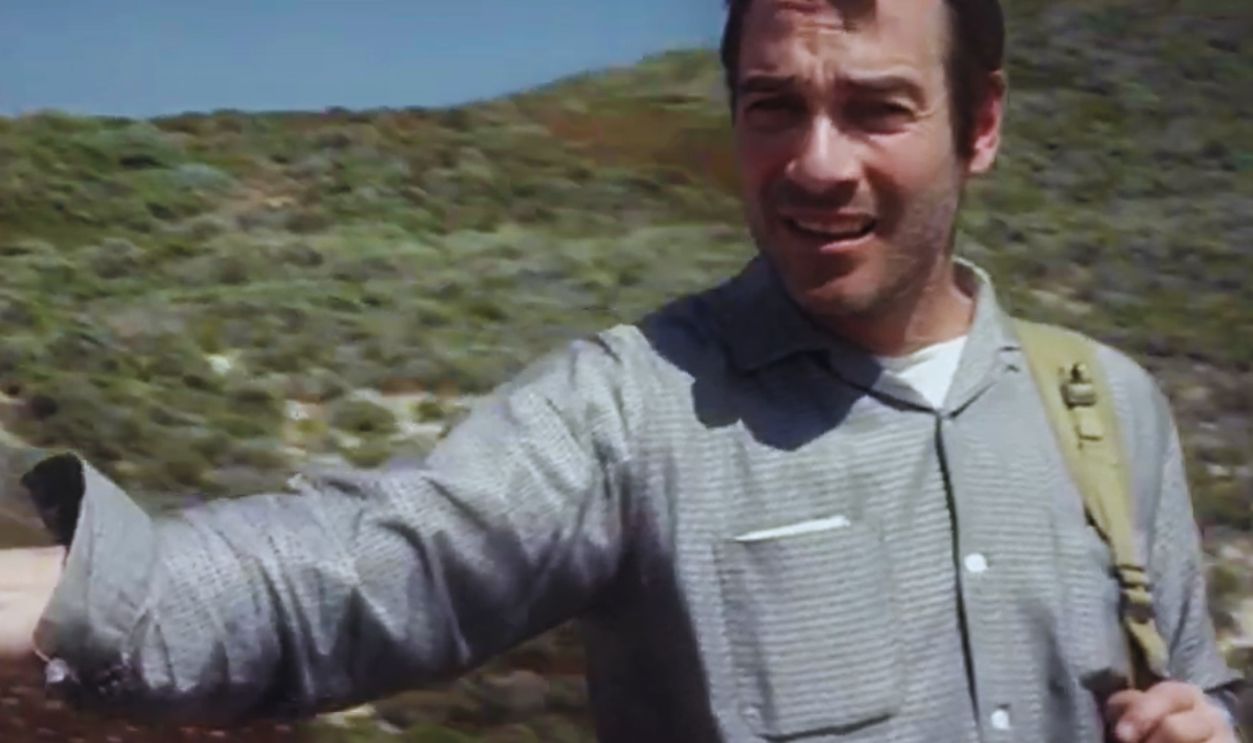
While Kerouac and Haverty’s marriage eventually ended in controversy, their early days together seemed to inspire him. It was during his marriage to Haverty that Kerouac completed the first draft of the novel that would go on to bring him more fame than he knew what to do with. Having cut tracing paper into strips and taped them together, Kerouac reportedly spent three weeks typing away until he came away with something no one had ever seen before.
 Screenshot from Big Sur, Ketchup Entertainment (2013)
32. He Worked In Fits Of Inspiration
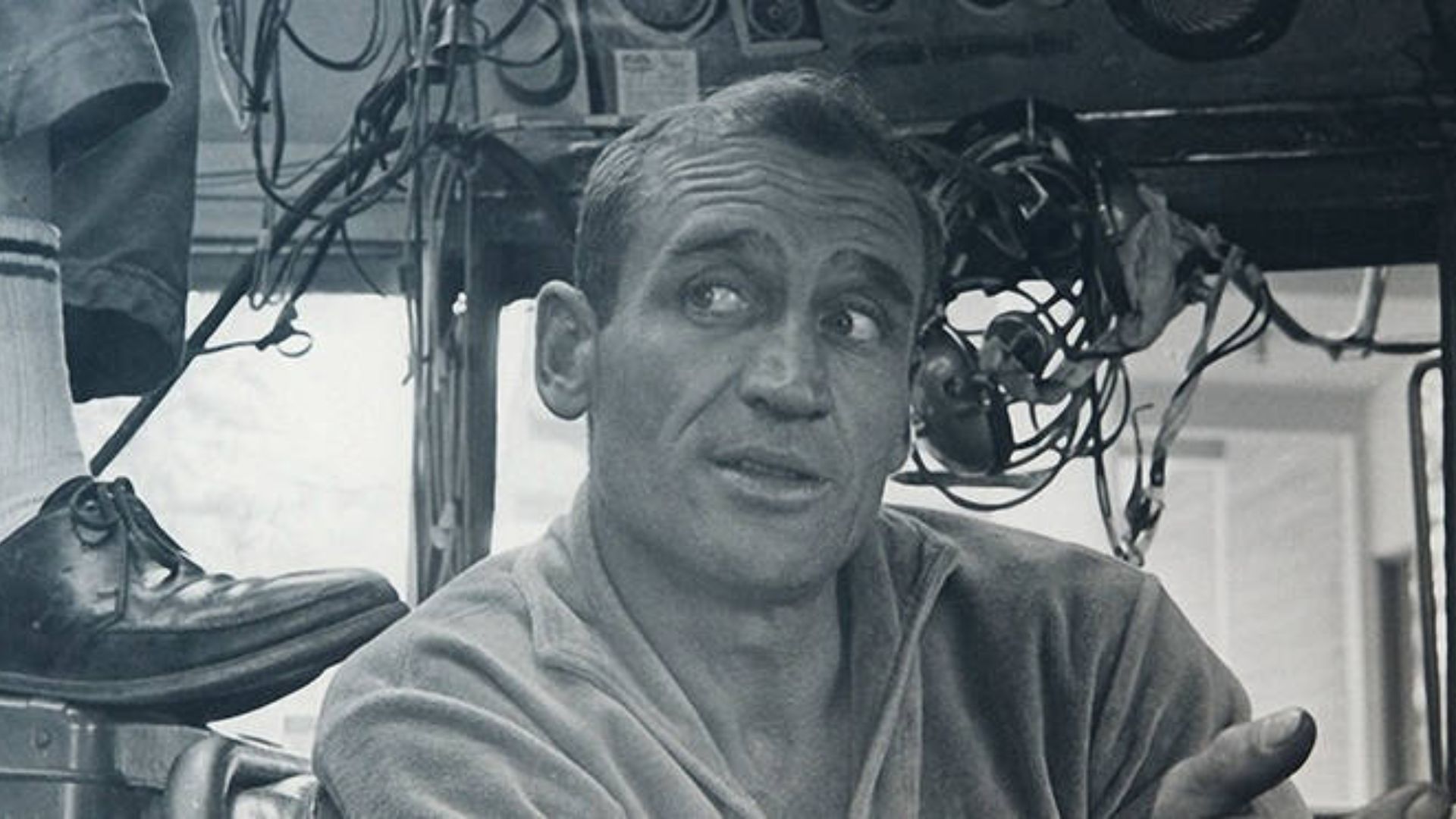
After roughly three weeks, Kerouac had a manuscript of a primarily autobiographical tale that followed two young men, Kerouac and Neal Cassady, travelling across America and Mexico. Although Kerouac wrote it in a fit of inspiration, he had a problem: the work was long and unwieldy. It possessed no chapters, and he had littered it with expressive language. No one wanted to publish that.
33. He Couldn’t Get His Work Seen
Unable to publish the novel that he’d written, Kerouac set it to the side and turned to other writing as well as a series of odd jobs to stay afloat. If this wasn’t a big enough problem, Kerouac’s personal life also began to fall apart. Yet again, he realized something about marriage only after he’d already gotten into it.
 Screenshot from Big Sur, Ketchup Entertainment (2013)
History's most fascinating stories and darkest secrets, delivered to your inbox daily.
34. He Faced Another Failure
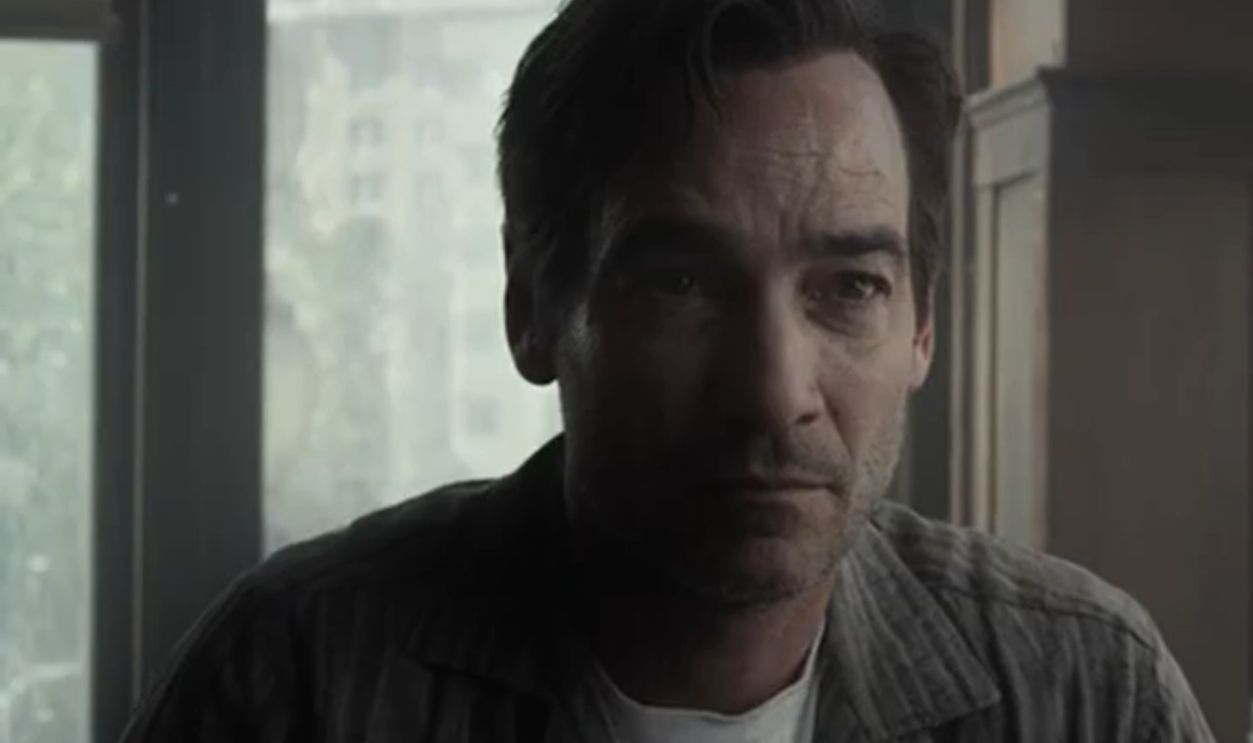
Although Kerouac originally found inspiration in his marriage to Haverty, even going as far as to write her into his massive manuscript, the bloom of fresh romance eventually began to wane. As with Parker before, Kerouac soon found that marital bliss did not suit him. Eight months after tying the knot, Kerouac’s second marriage ruptured, only this time he was the one left behind.
 Screenshot from Big Sur, Ketchup Entertainment (2013)
35. His Wife Had Enough
In the spring of 1951, around the time that Kerouac finished his masterpiece, Haverty decided that life with an eccentric artist didn’t hold all the glamor that she’d originally thought. She left, but she wasn’t alone. When Haverty left Kerouac, she carried his child. Several months later, she gave birth to a daughter whom she named Jan Kerouac; however, some people had doubts about her right to that name.
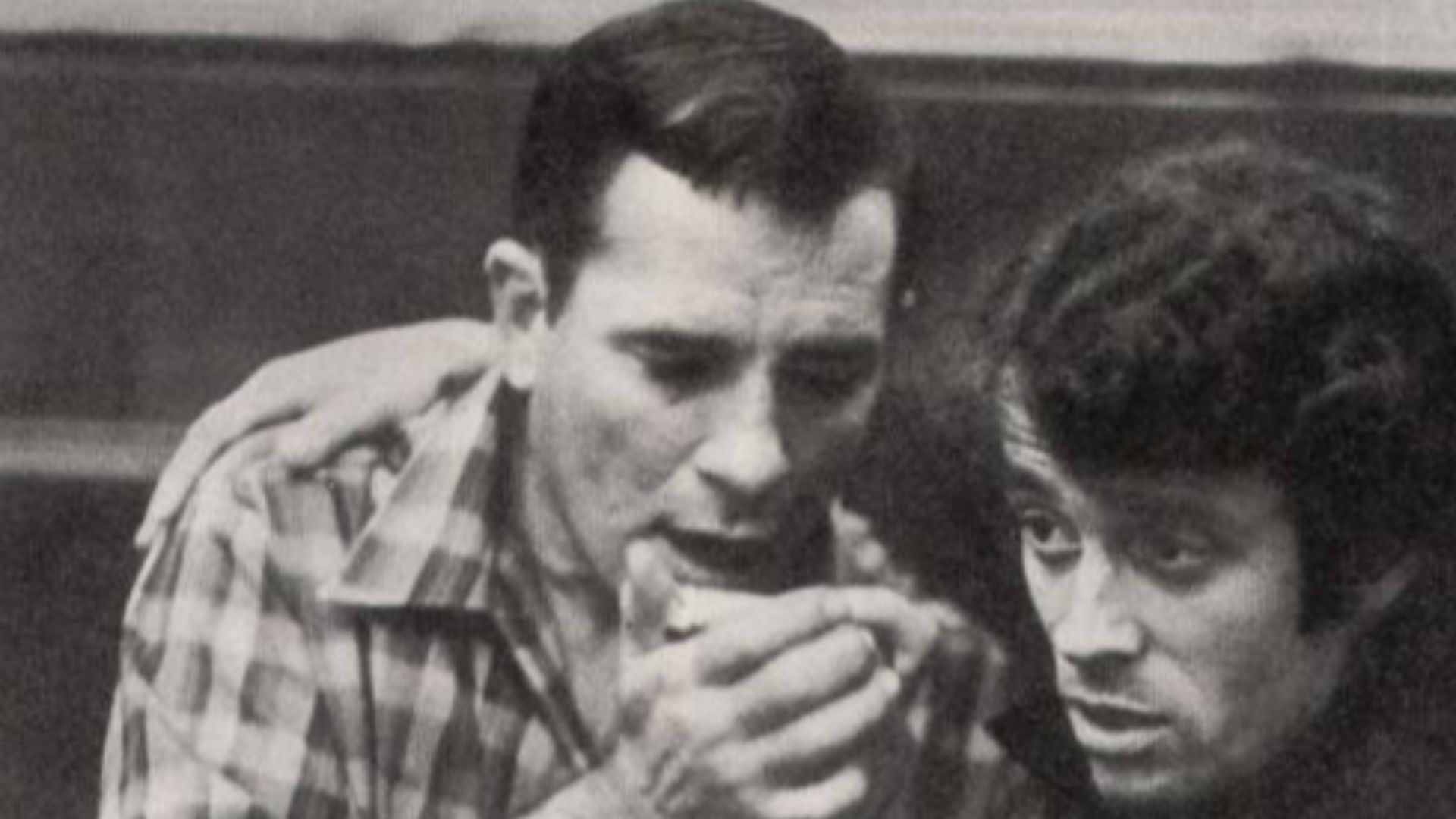 The original uploader was Bieco blu at Italian Wikipedia., Wikimedia Commons
36. He Refused To Accept Responsibility
Jack Kerouac refused to accept his daughter as his own. When Joan Haverty gave birth to their child and gave her his name, Kerouac questioned the validity of that statement. When Haverty sought child support, Kerouac took her to court, fighting the matter. The only way that he would be supporting the young girl that his ex-wife claimed to be his was if the courts proved that the child truly was his.
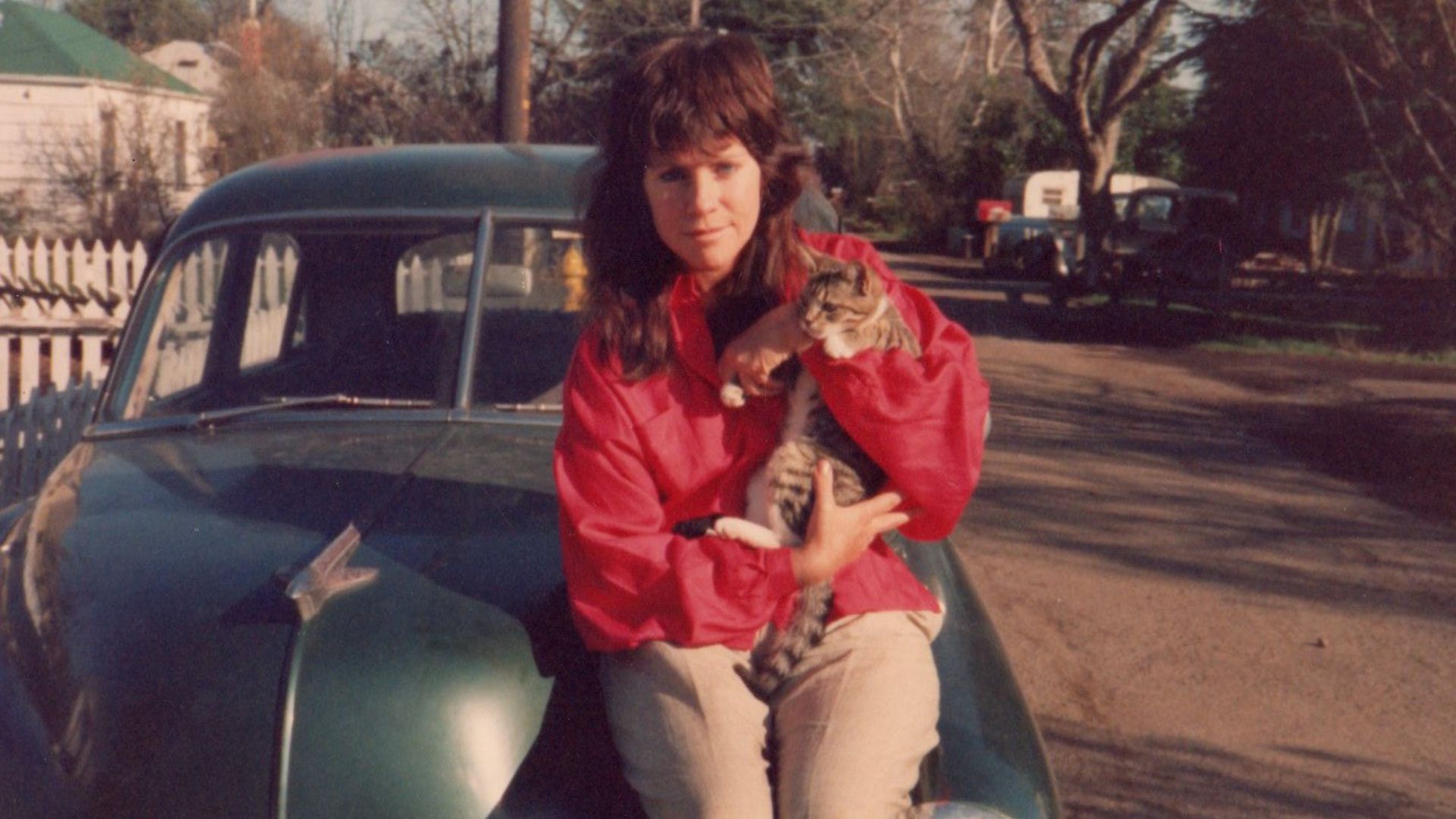 D. Alexander Stuart, Wikimedia Commons
37. He Was Forced To Face The Music
In the end, Kerouac proved to be in the wrong. About nine years after her birth, Kerouac finally received biological proof that Jan was his daughter. Throughout all that time, Kerouac had avoided his daughter. However, once he’d been shown irrefutable evidence about his parentage, he finally did the decent thing and met the girl. However, anyone who looked for a happy ending to this story would be disappointed.
 Screenshot from Big Sur, Ketchup Entertainment (2013)
38. He’d Done Too Much Damage Already
Jack Kerouac only met his daughter twice in his life. First, when the blood test proved her to truly be his child, and once more when she visited him in his home. By the time he settled the matter, it seemed the damage had already been done. No warm relationship bloomed between father and daughter. Kerouac, instead, had a different child to look after, one that seemed to be more important to him than his own flesh and blood.
 Screenshot from Big Sur, Ketchup Entertainment (2013)
39. He Had One True Passion
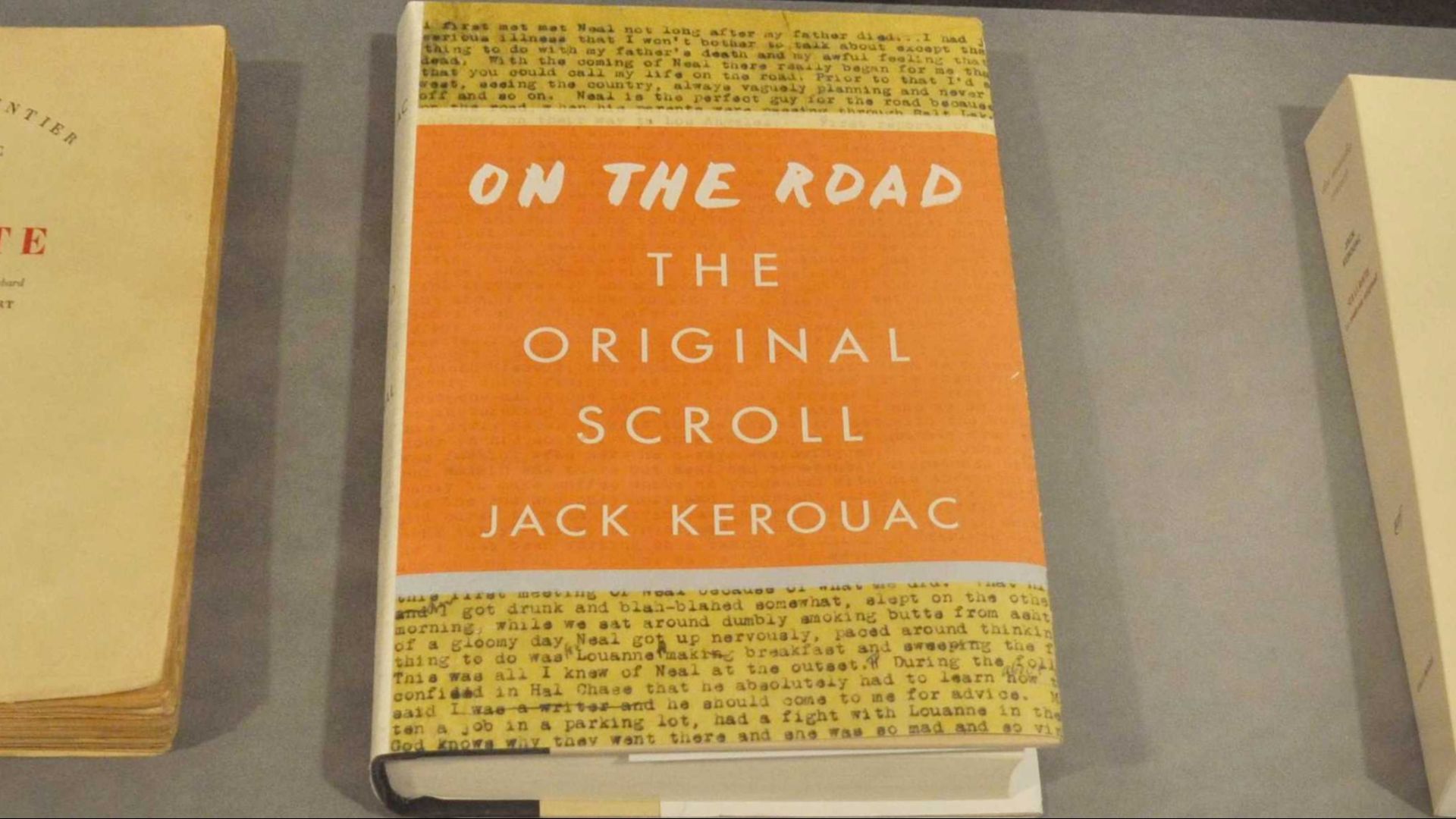
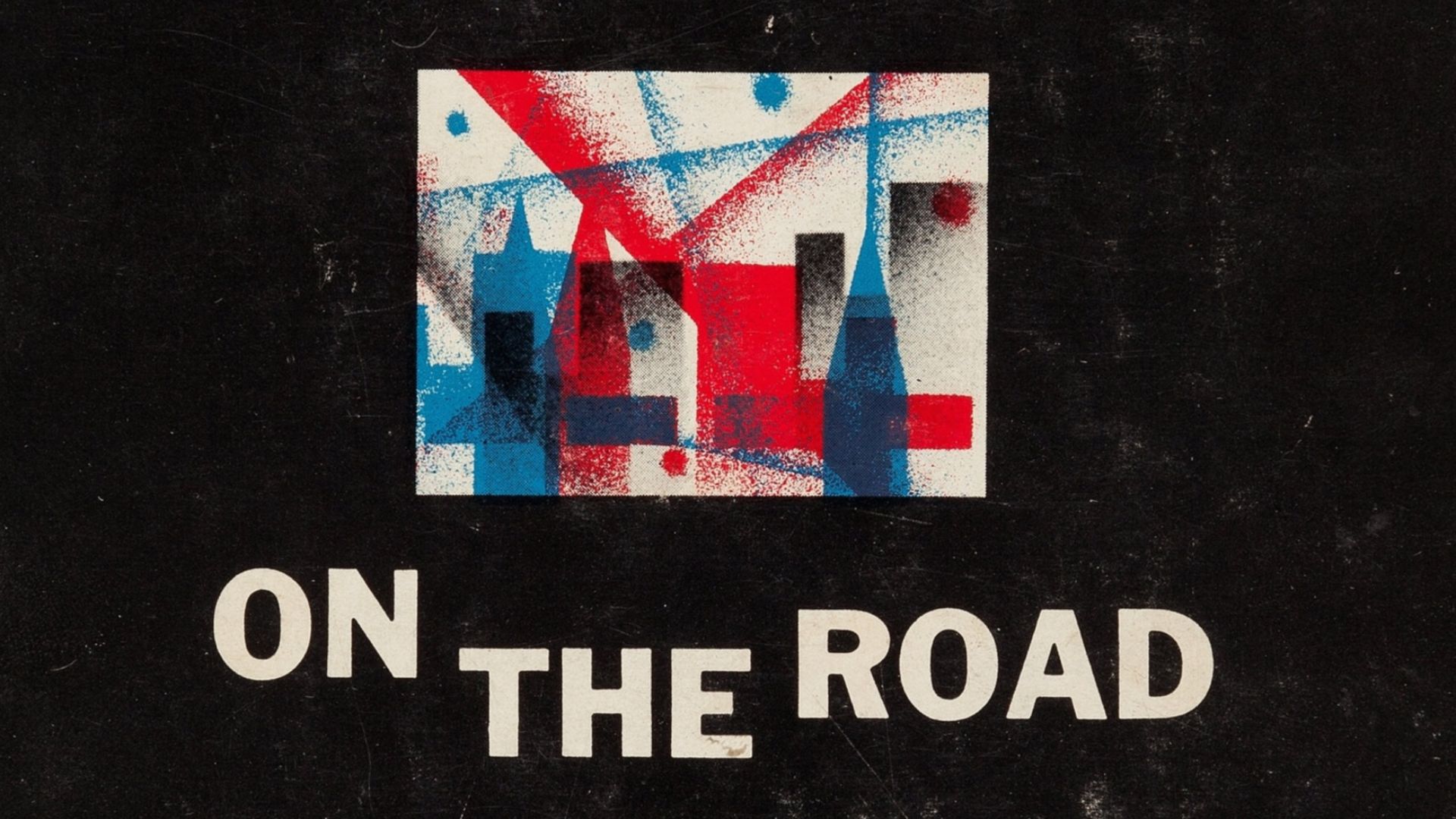
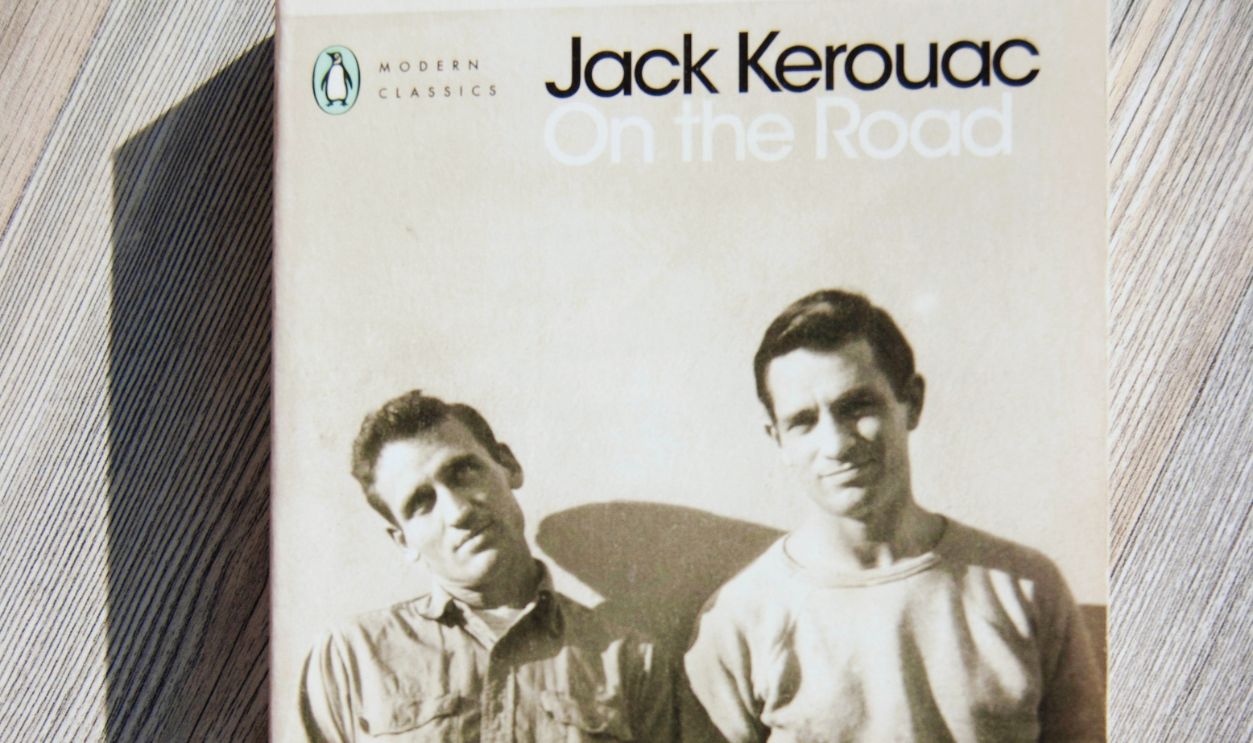
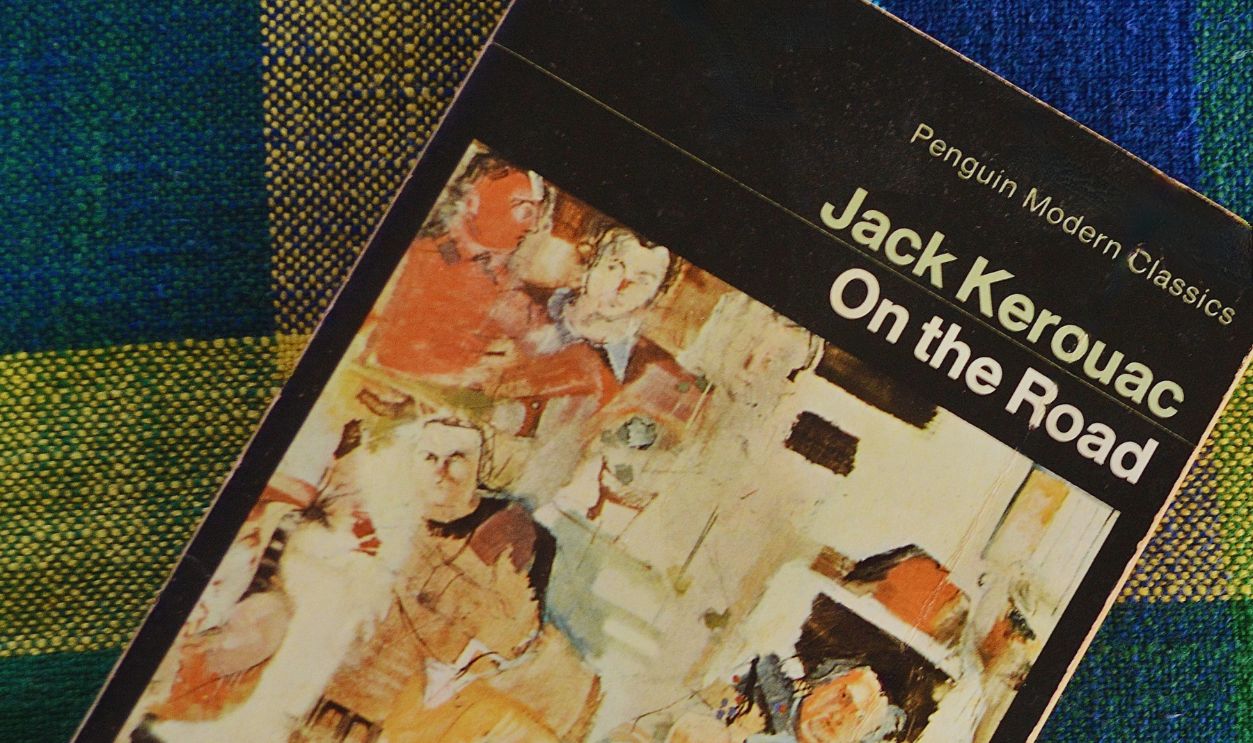
Kerouac’s true child was the manuscript that he finished all those years ago. It went by many different names, but when Viking Press finally published it in 1957 after many heavy revisions, it became known as On the Road. While Kerouac wrote several novels, poems, and short stories throughout his career, none of them affected not just his life, but the world as On the Road did.
History's most fascinating stories and darkest secrets, delivered to your inbox daily.
40. His Life Changed Forever
On the Road changed Kerouac’s life. He became an instant success, bringing not just himself into the spotlight but his entire group of “beatnik” friends. Since his early days in New York, Jack Kerouac surrounded himself with like-minded people, other writers like William Burroughs and the infamous Lucien Carr. While they all made a name for themselves, On the Road launched Kerouac into a sphere that the others could only hope to achieve—and he hated it.
 Jacket design by Bill English, Wikimedia Commons
41. He Hated The Attention
After On the Road, Kerouac became touted as the “King of the Beats”, a term that he took great offense to. While Kerouac spent much of his time with his fellow “beat” writers, he didn’t believe in the counterculture that quickly surrounded the beat movement. At heart, Kerouac remained fairly conservative and traditional in his values and beliefs. As he told one reporter, “I’m not a beatnik. I’m a Catholic”. However, quibbling over “what” or “who” he was became the least of Kerouac’s problems.
42. He Couldn’t Leave The House
Within nine months of publishing On the Road, Kerouac’s entire life had changed. He became afraid to come out in public, fearing for his safety, and with good reason. One night outside of one of his favorite haunts, the San Remo Café in New York, three men jumped him, leaving him badly beaten. To make matters worse, it wasn’t just his own life that On the Road seemed to upset.
43. He Took Others Down With Him
When Jack Kerouac finally published On the Road, he changed the names of the real-life people he’d based characters on (primarily to avoid lawsuits); however, it seemed most people knew exactly who many of the characters were meant to be. Neal Cassady became “Dean” and took up a lot of space in the novel. When they detained Cassady for selling weed, many believe that his notoriety from On the Road contributed to the incident. After so much work, Kerouac found not fortune but disarray.
44. His Attempts To Change Failed
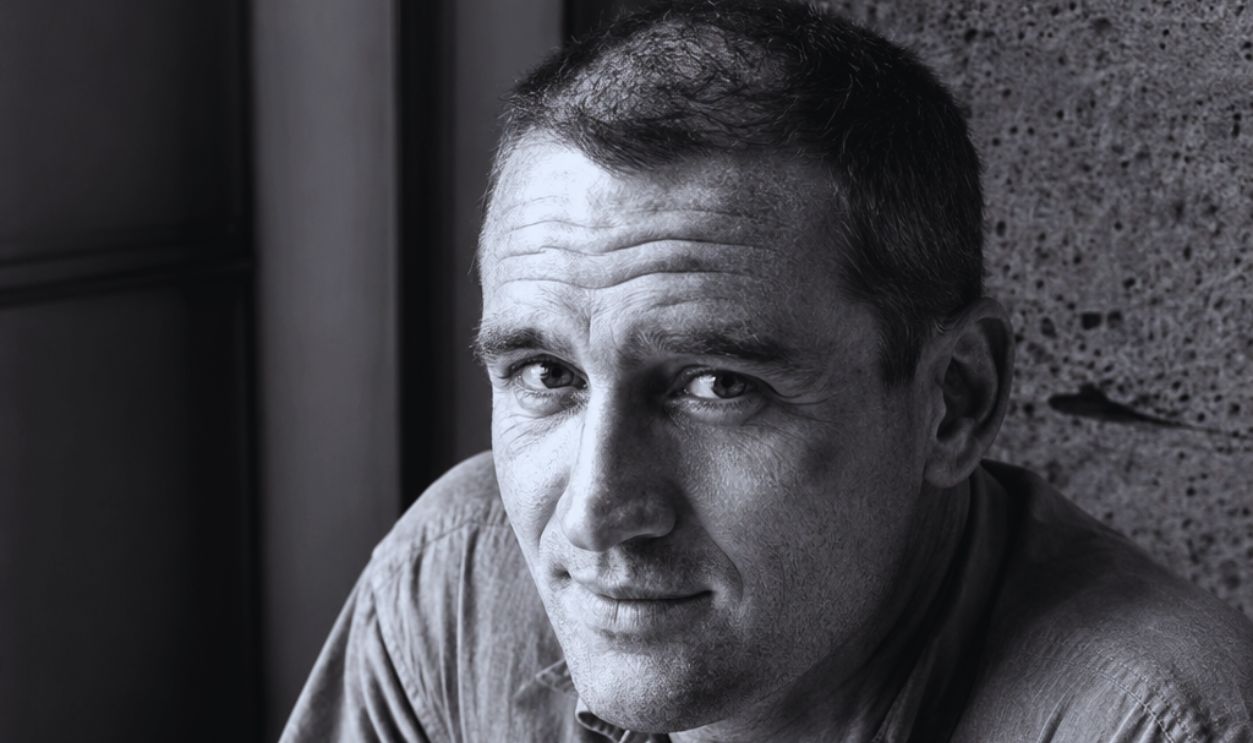
He tried to change tactics, focusing on his recent research and interest in Buddhism in his next novel. However, The Dharma Bums failed in comparison to On the Road, meeting many negative reviews, particularly by recognized practitioners of Buddhism, leading to extreme embarrassment and demoralization for Kerouac. He retreated to the safety of the home he shared with his mother, but even that came under fire.
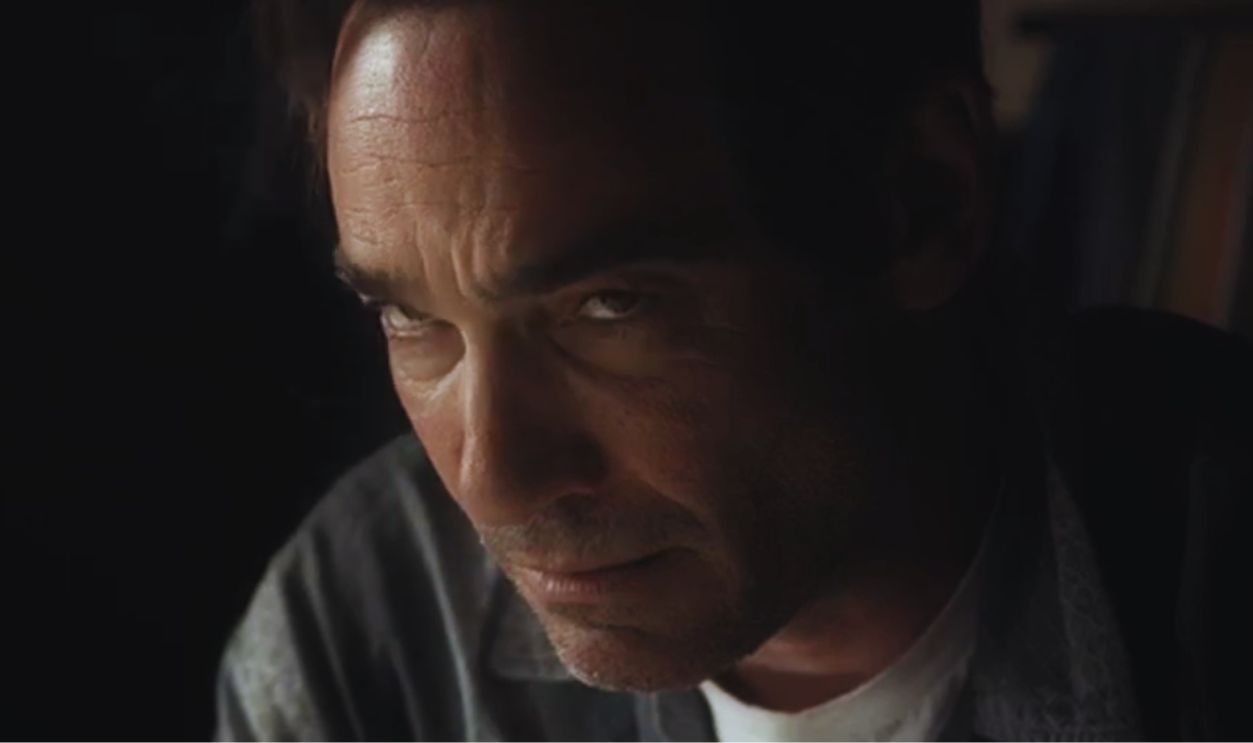 Screenshot from Big Sur, Ketchup Entertainment (2013)
45. His Life Began To Crumble
Kerouac continued to write and engage in things throughout the late 50s and early 60s. However, by the mid-60s, his life began to crumble. His sister passed suddenly in 1964, and then two years later, his beloved mother, Gabrielle, suffered a serious stroke, which left her with mobility issues. Around this time, he also married a childhood friend, and many critics question the timing of the engagement.
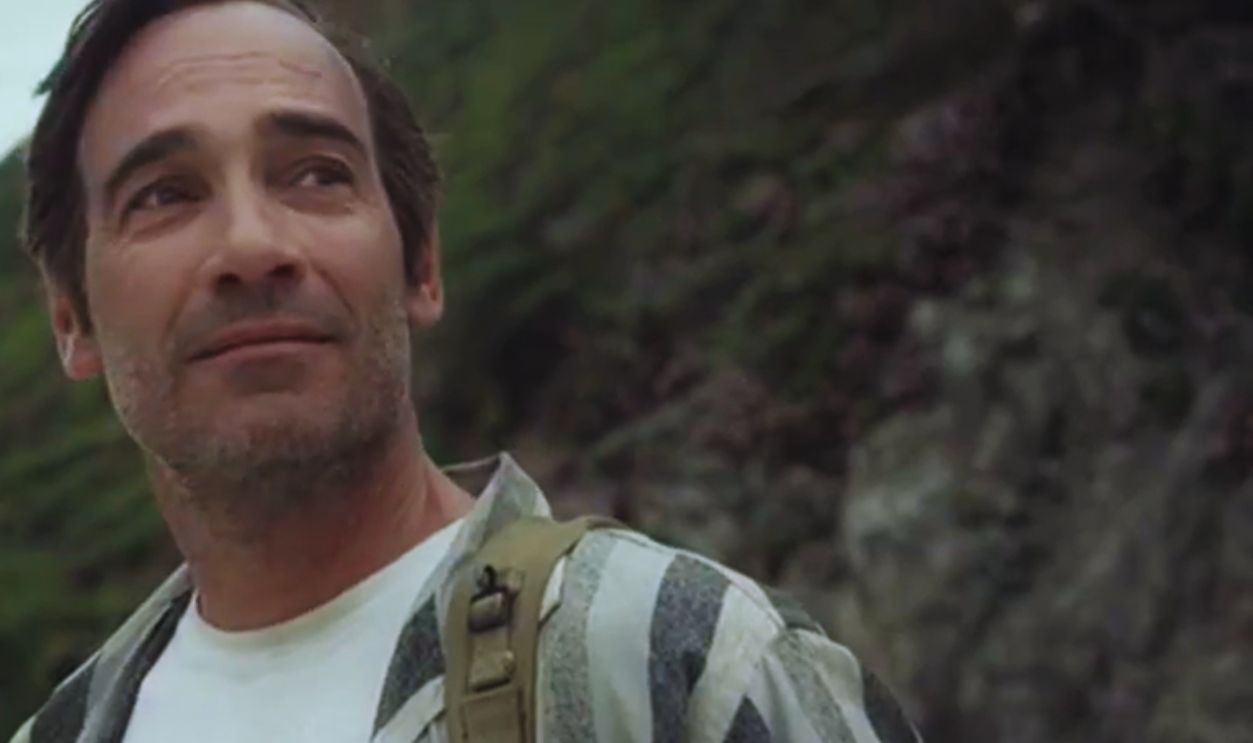 Screenshot from Big Sur, Ketchup Entertainment (2013)
History's most fascinating stories and darkest secrets, delivered to your inbox daily.
46. He Needed Someone To Help
Jack Kerouac had known Stella Sampas since he was a young boy. She was the sister of one of his childhood friends. Kerouac and Sampas married around the same time that Gabrielle suffered her stroke. Many historians look at the marriage as one of convenience: Kerouac required help in caring for his mother, and Sampas proved to be the perfect solution to that issue. However, whatever the reason, Sampas remained a constant figure in what little remained of Kerouac’s life.
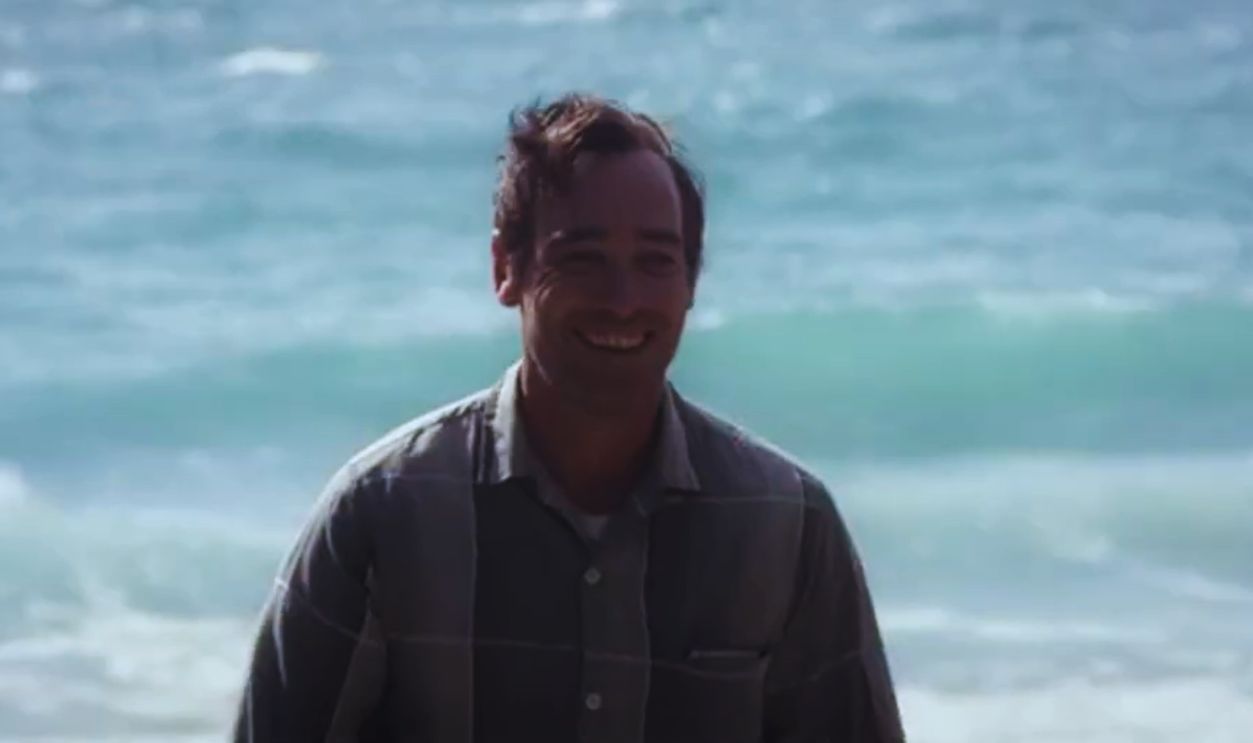 Screenshot from Big Sur, Ketchup Entertainment (2013)
47. He Faced The End
The hits continued to keep coming for Kerouac. Neal Cassady passed in 1969. Haunted by this dark spirit, perhaps Kerouac suspected that something was lurking over his shoulder in the later days of that year. It’s impossible to say what thoughts occupied his mind as nausea descended on him on the morning of October 20. However, panic surely must’ve begun to set in when he bent over the toilet and began to vomit blood. He was rushed to the hospital, but the damage had already been done.
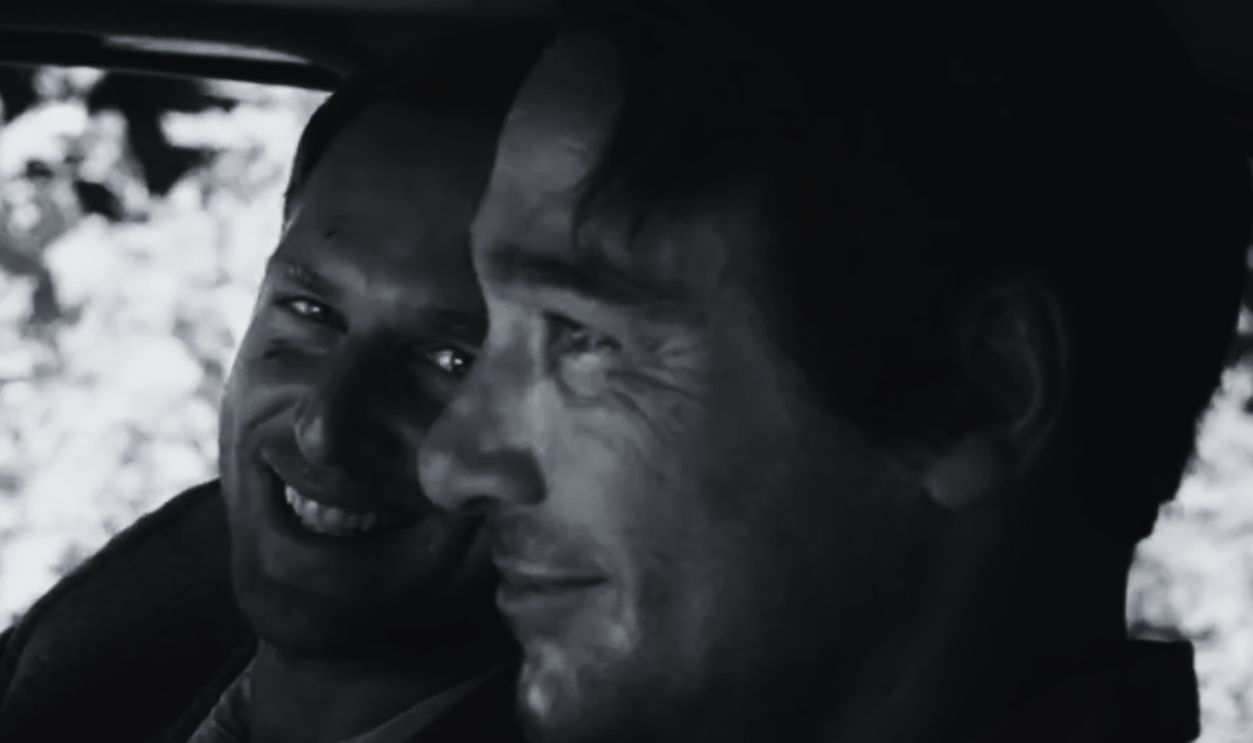 Screenshot from Big Sur, Ketchup Entertainment (2013)
48. He Carried His Father’s Burdens
Kerouac inherited his faith from his mother, but he took after his father with the drink. After years of heavy consumption, Kerouac’s body finally gave in. He’d suffered a hemorrhage in his esophagus and had damaged his liver too badly for his blood to clot. Despite undergoing surgery, he never regained consciousness and departed from the world the following morning. He left behind a lengthy legacy of writing, but now the question arose of what would become of it.
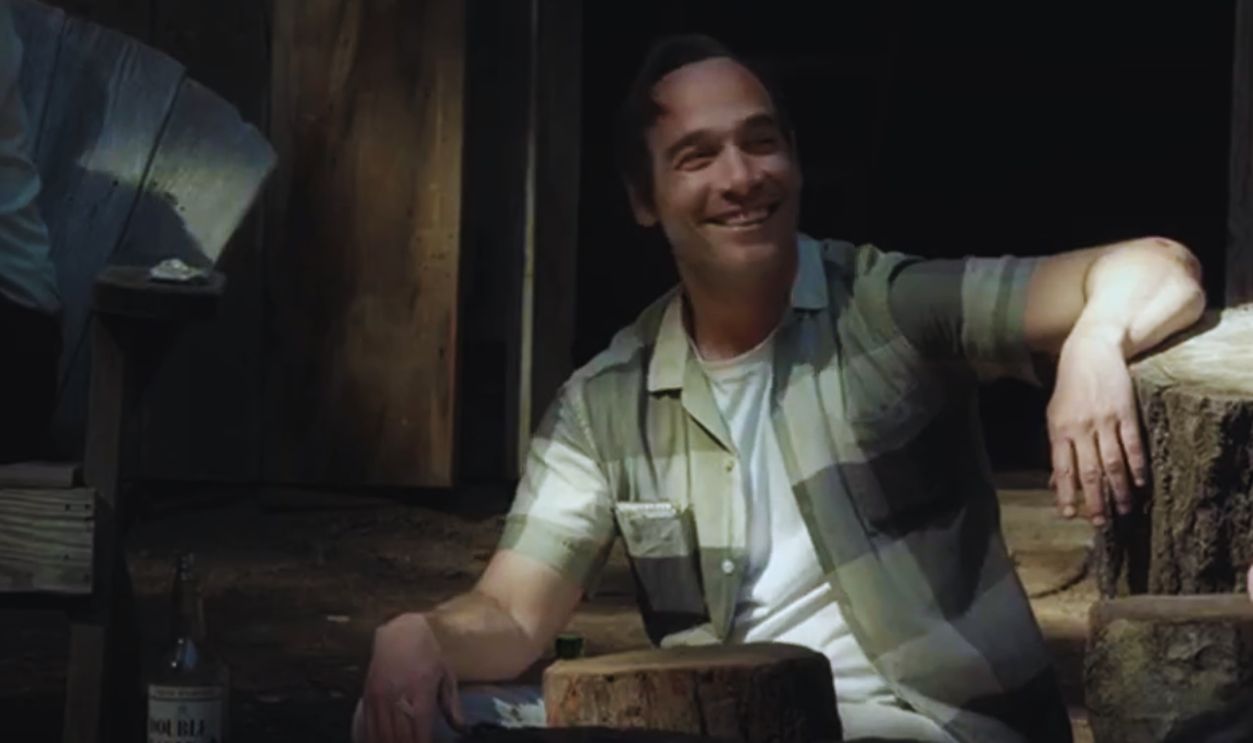 Screenshot from Big Sur, Ketchup Entertainment (2013)
49. His Legacy Came Under Fire
Jack Kerouac left nearly everything to his mother. However, Gabrielle’s health was hardly better than her son's. When she passed a few years later, she left everything to the woman who’d cared for her, Kerouac’s late wife, Stella Sampas—and that’s when Kerouac’s daughter suddenly came back into the picture.
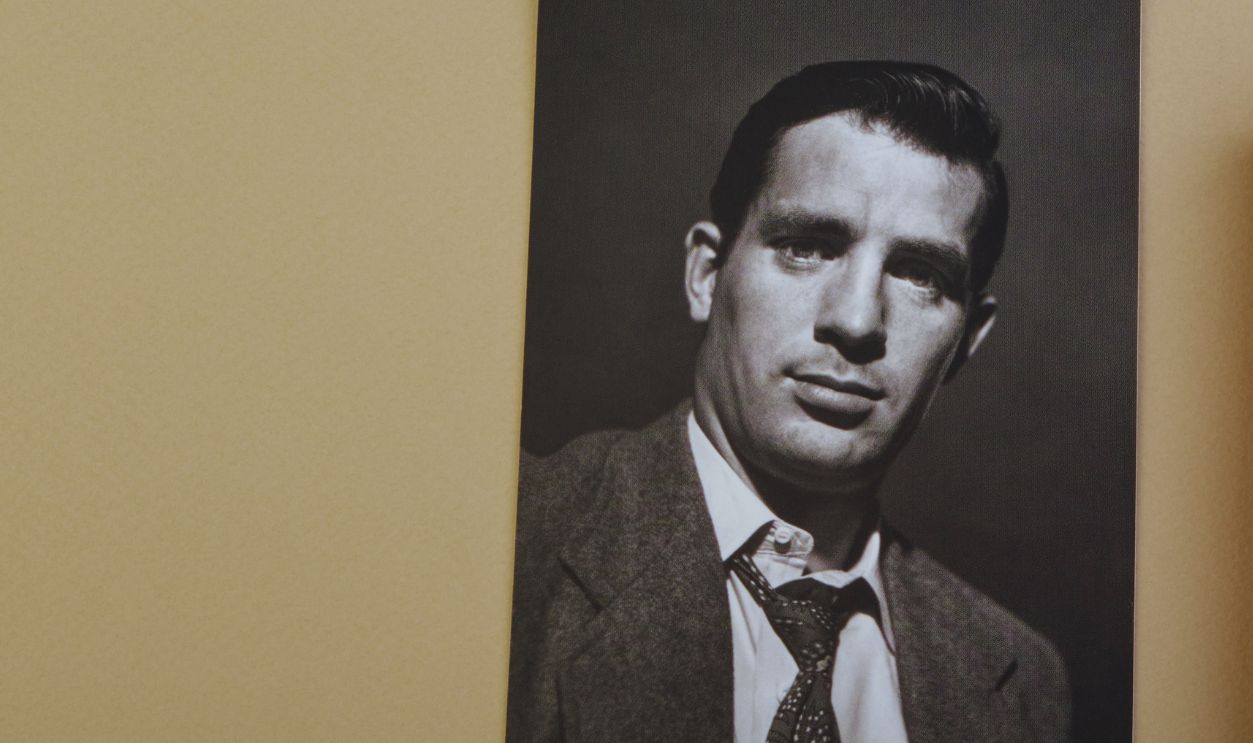
50. He Couldn’t Protect What He Made
Jan Kerouac claimed that someone forged her grandmother’s will and took the matter to court. She, unfortunately, passed before anything came of it, but Kerouac’s nephew took up the fight, claiming his uncle had told him he never wanted his wife or her “hundreds” of family to get a hold of his work. After decades of fighting, the courts ruled Gabrielle Kerouac’s will had likely been forged, but nothing else ever came of it. Much of Kerouac’s work had already been sold off by that point, and to this day, the Sampas family still controls the rights to it.
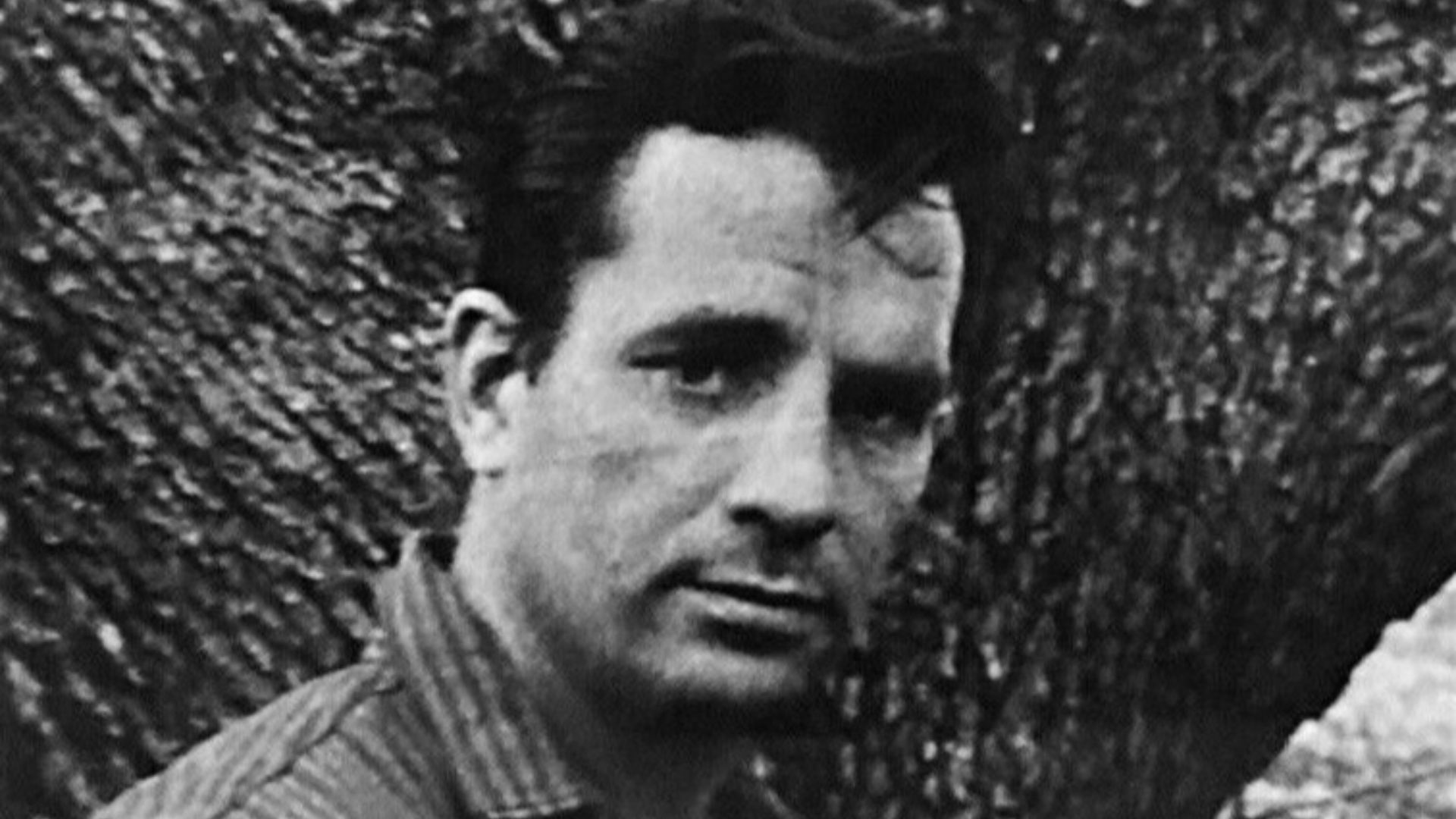 Jacket photo by Robert Frank, Wikimedia Commons
You May Also Like:
Brazen Facts About Truman Capote, America's Most Outrageous Writer
Scandalous Facts About Walt Whitman, The Indulgent Poet
Astonishing Facts About Fanny Burney, The Forgotten Mother Of Literature












