
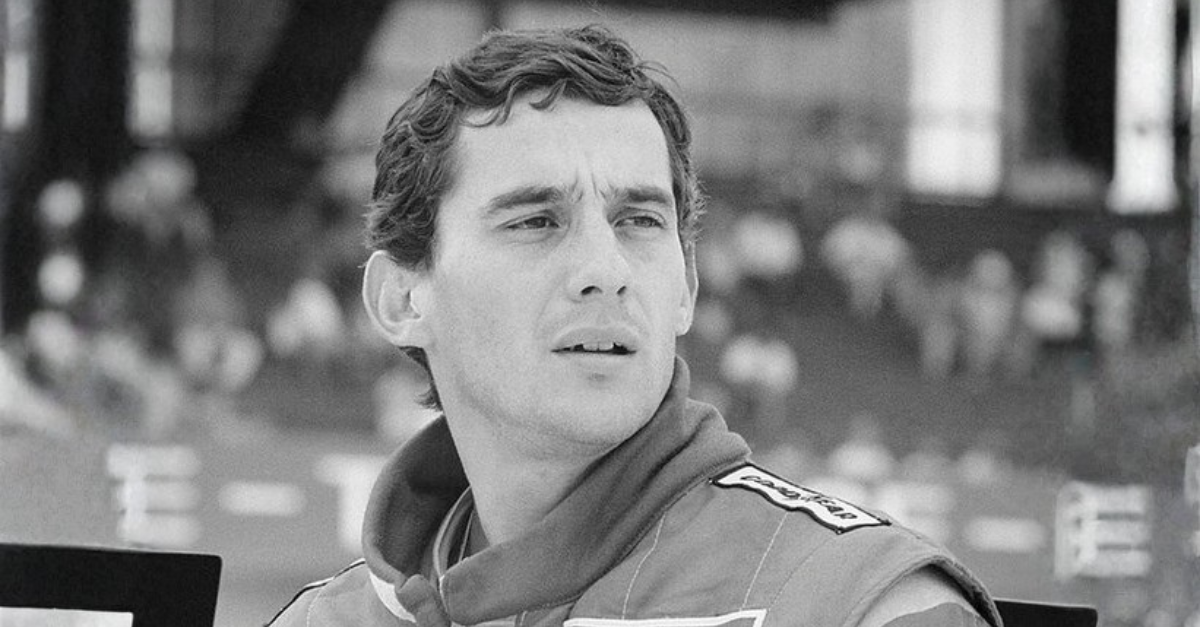
The Driver Who Raced Like It Was Destiny
In Formula One, plenty of drivers are fast. A few are legendary. And then there was Ayrton Senna—a driver whose talent, intensity, and sense of purpose made him feel almost mythical. The Brazilian superstar was famous for breathtaking drives in the rain, blistering qualifying laps, and a fierce will to win that sometimes bordered on obsession.
Decades later, his legacy still feels larger than life.
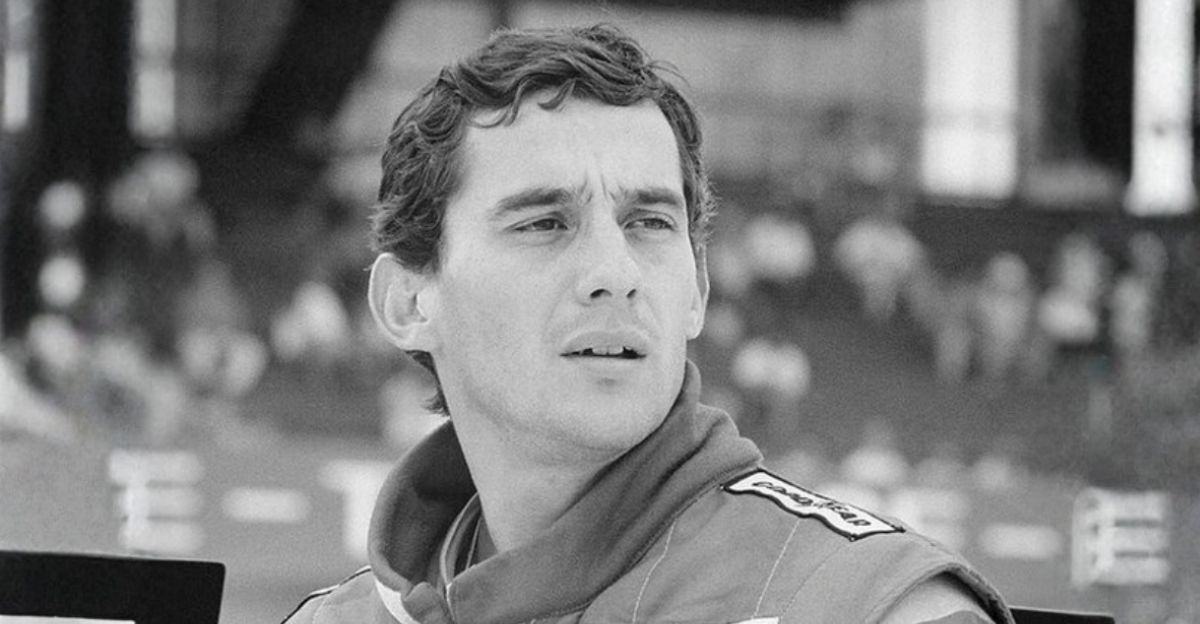 Instituto Ayrton Senna, Wikimedia Commons
A Kid Who Found Speed Early
Ayrton Senna da Silva was born on March 21, 1960, in São Paulo, Brazil. His family was comfortable, which meant young Ayrton had access to something that would shape his life—go-karts. His father built him a small kart when he was just four years old, and the kid immediately showed an unusual level of control and confidence behind the wheel.
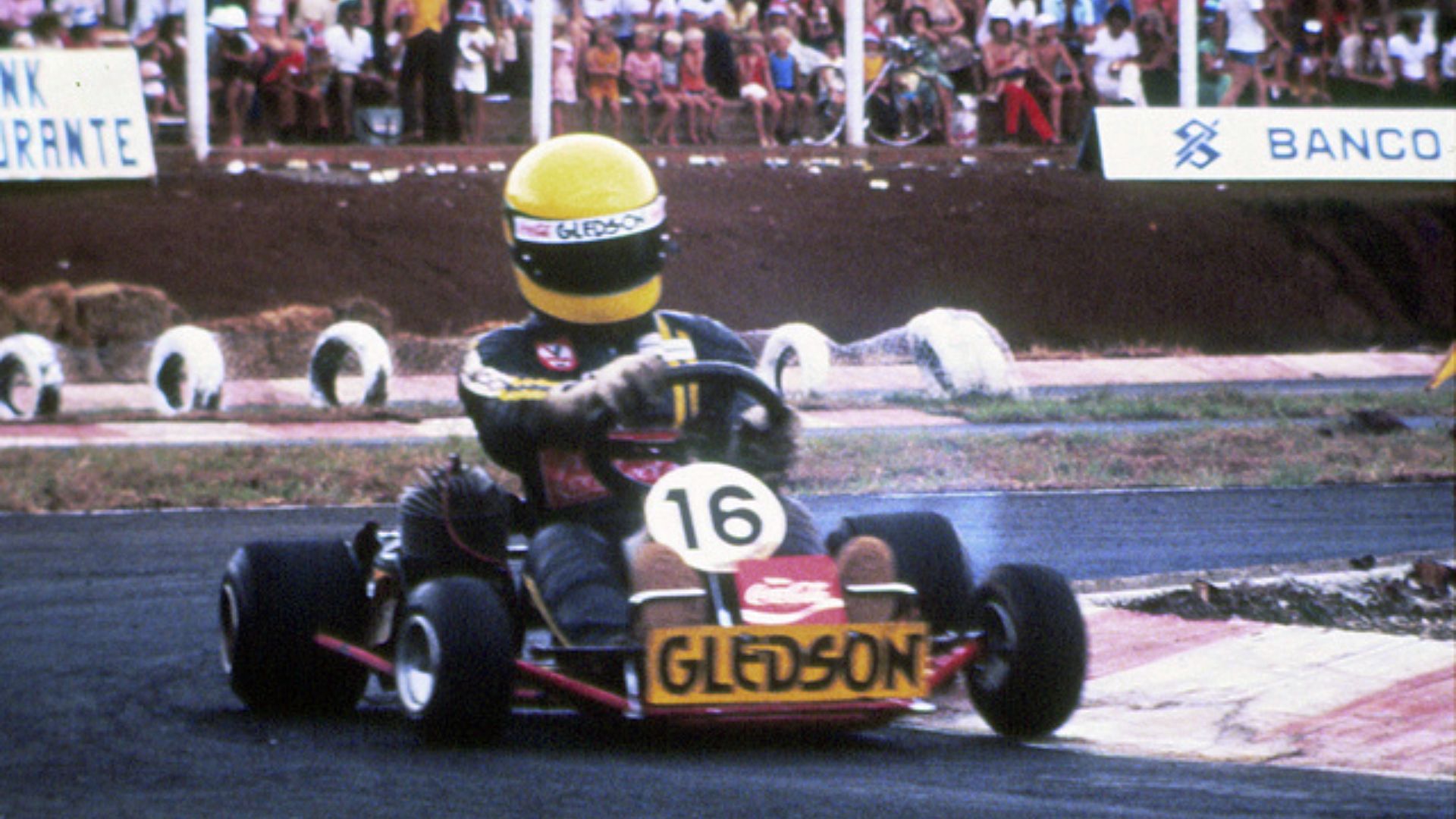 Instituto Ayrton Senna, Wikimedia Commons
Leaving Brazil For Racing’s Big Stage
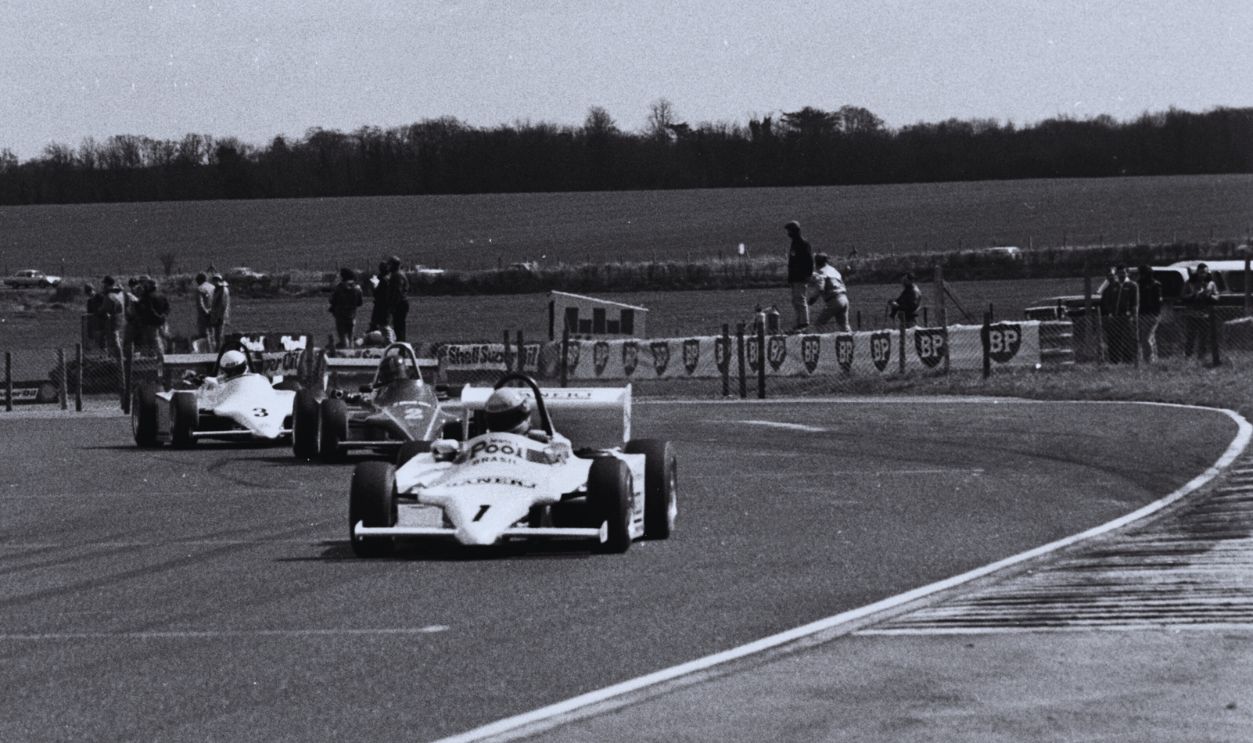
In the early 1980s, Senna moved to England to chase his dream of professional racing. It wasn’t glamorous at first—just a young driver trying to prove himself in the lower categories. But the results came quickly. In 1983, he won the British Formula 3 Championship after a dramatic battle for the title. That season made one thing clear to everyone watching: Formula One teams were going to come calling very soon.
Making A Splash In Formula One
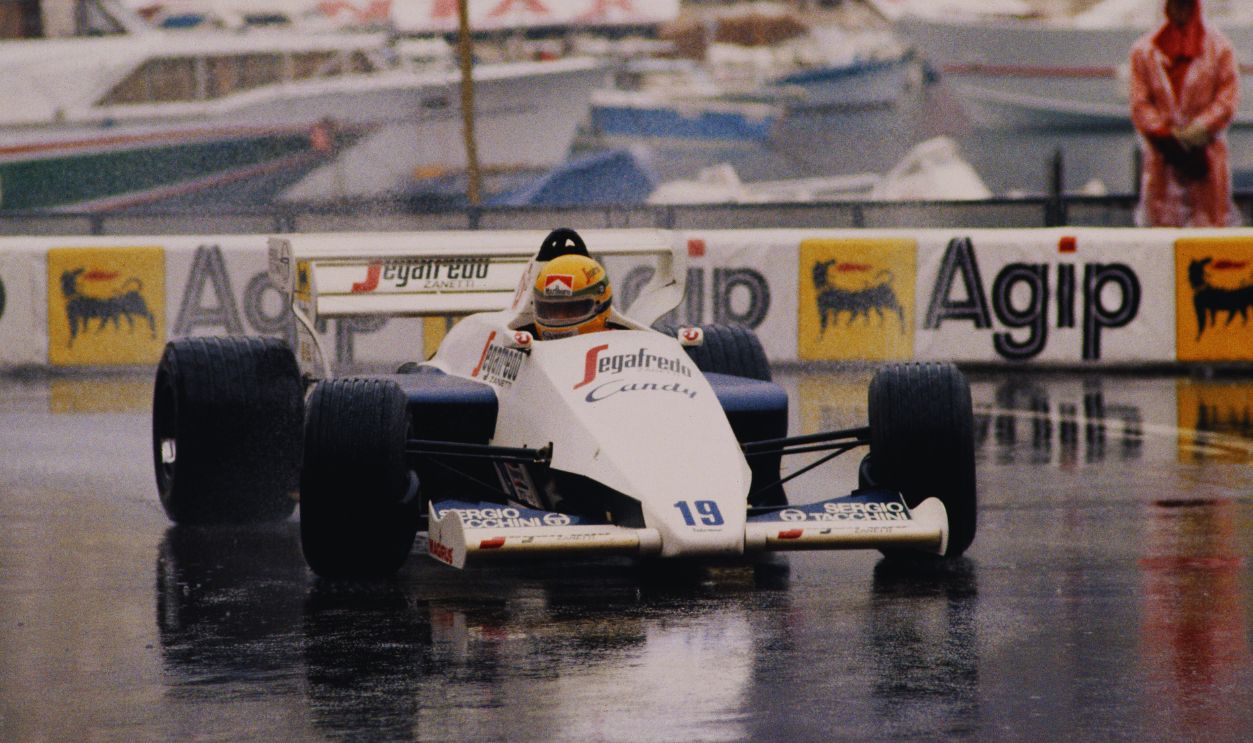
Senna finally arrived in Formula One in 1984 with a small team called Toleman. At the Monaco Grand Prix that year, the race was drenched in rain and chaos. Senna started far back in the field but began carving through the pack with unbelievable speed. He finished second when officials stopped the race early—but many believed he would have won if it had continued.
Becoming The King Of The Rain
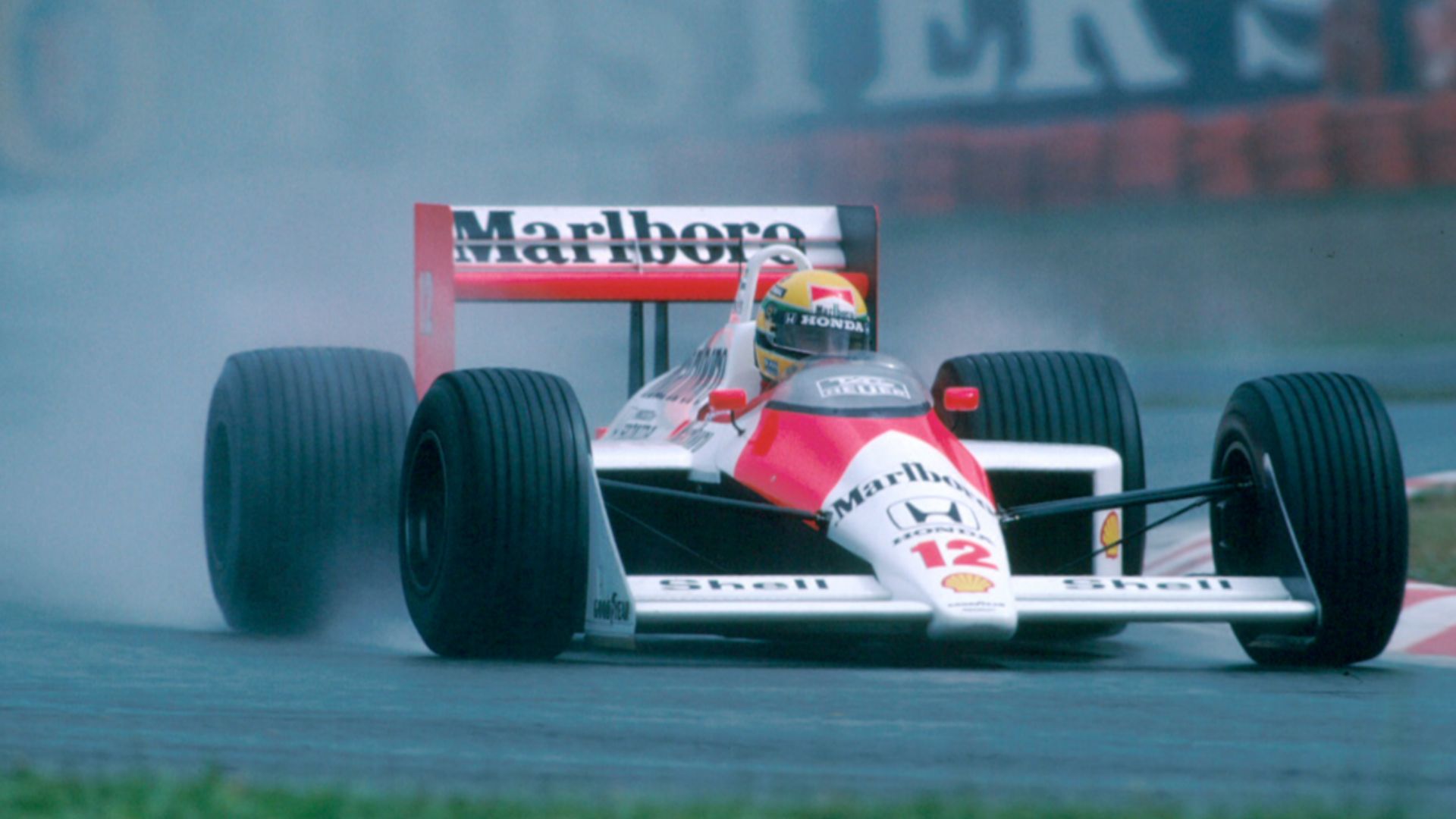
That Monaco race revealed something special about Senna: he was extraordinary in wet conditions. When rain soaked the track and visibility dropped, most drivers became cautious. Senna did the opposite. He seemed able to feel the grip beneath the tires better than anyone else. His ability in the rain became legendary and earned him a nickname that stuck forever—The Rain Master.
A First Win That Turned Heads
Senna’s first Formula One victory came at the 1985 Portuguese Grand Prix while driving for Lotus. Naturally, the race was held in pouring rain. While other drivers struggled just to stay on the track, Senna pulled away from the field. By the end of the race he had lapped almost everyone. It wasn’t just a win—it was a statement that a new superstar had arrived.
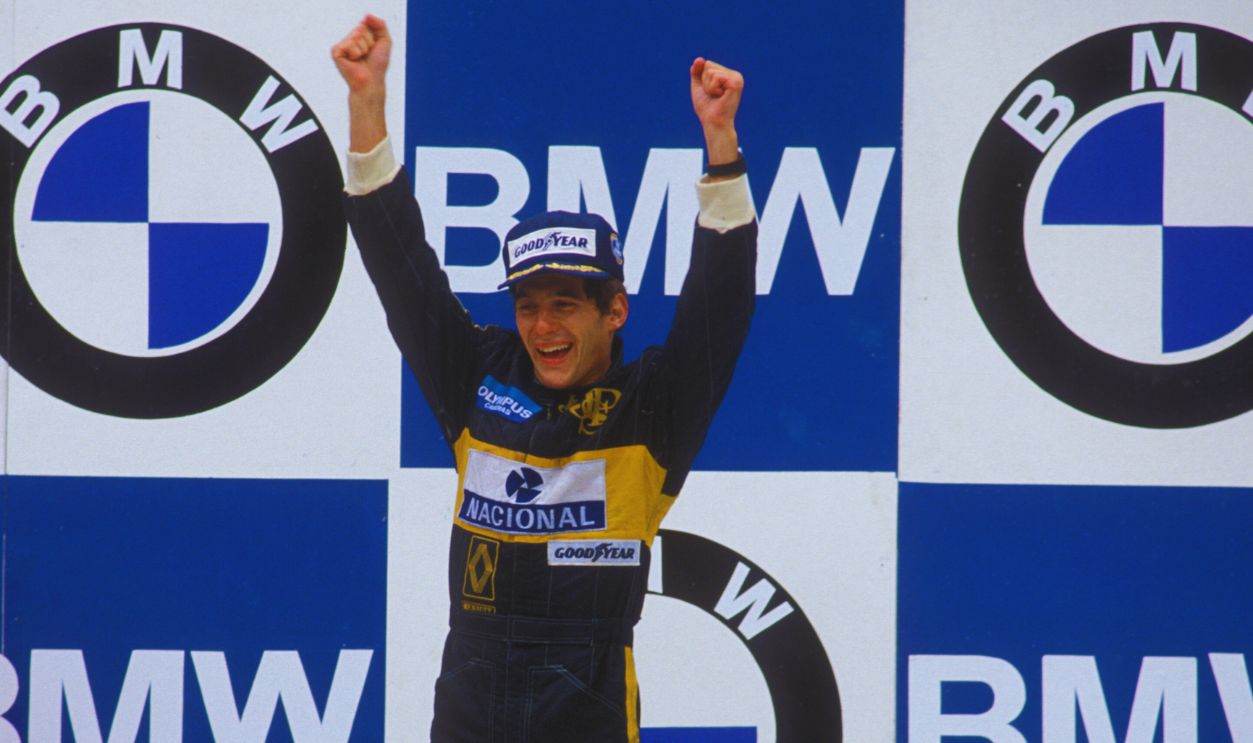 Grand Prix Photo, Getty Images
Joining The Dominant Team
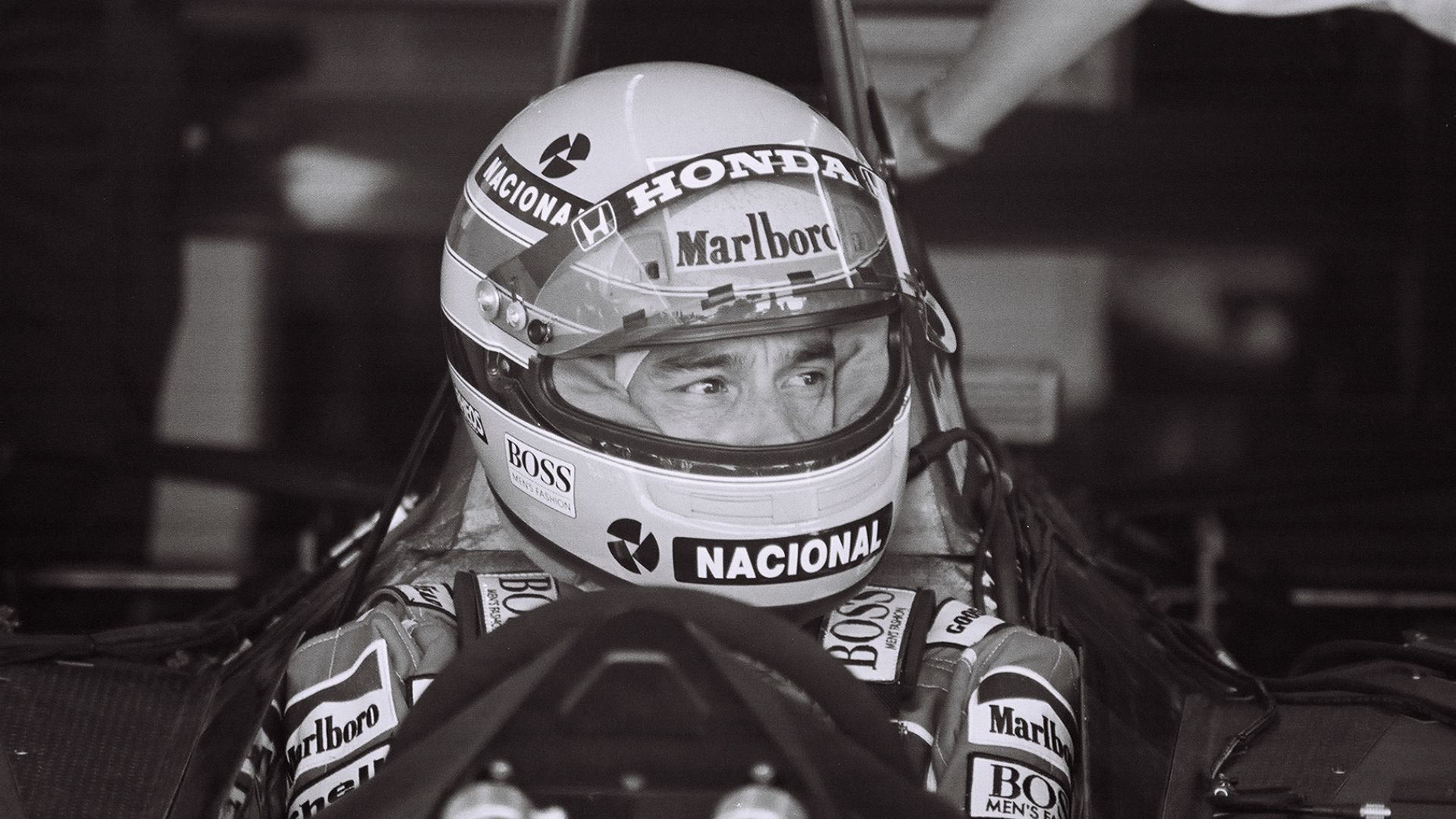
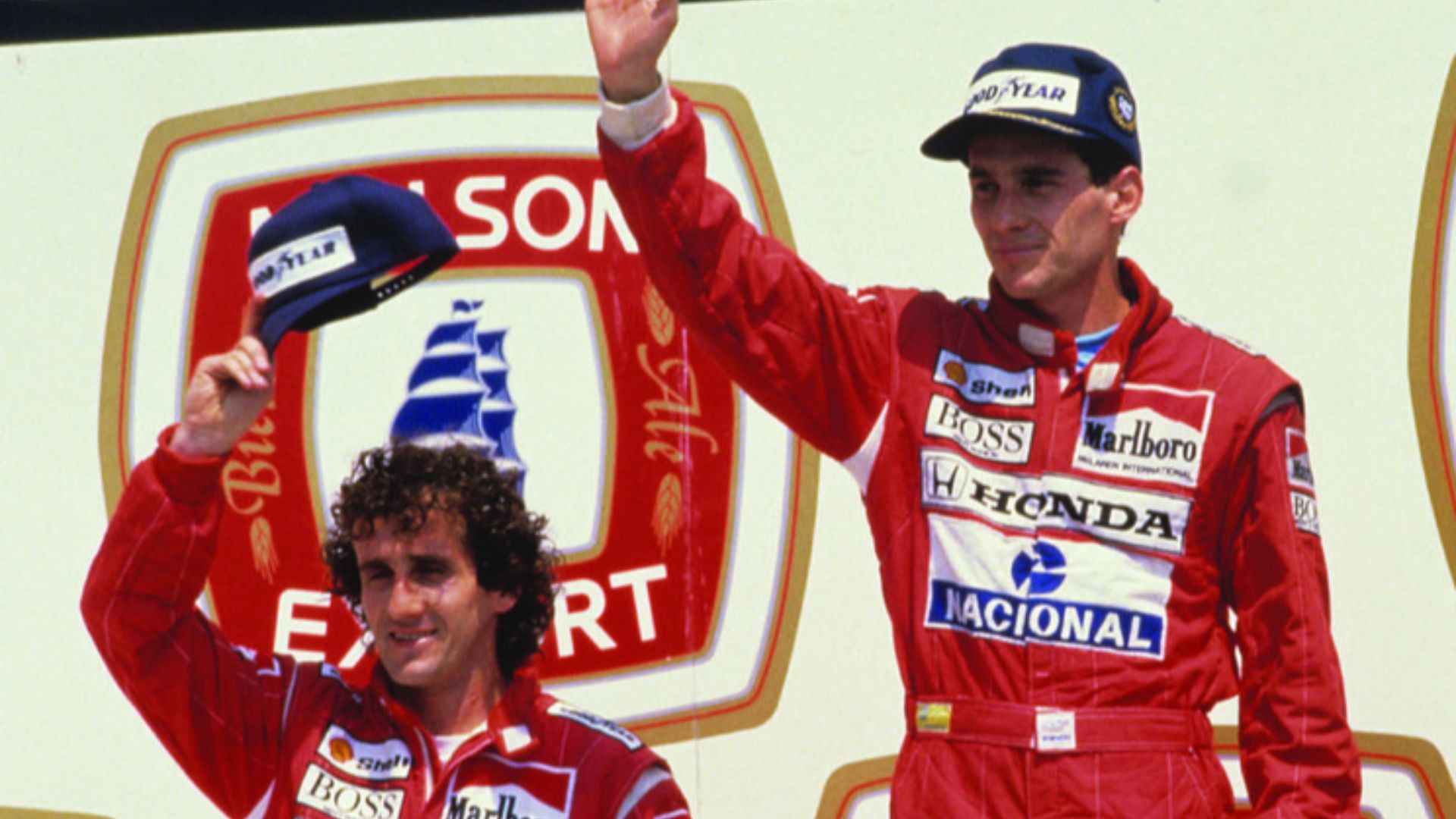
In 1988 Senna joined McLaren, which was one of the strongest teams in Formula One. It seemed like the perfect place for a driver of his talent. There was just one complication: his teammate was Alain Prost, the reigning world champion. Prost was brilliant, calculating, and determined not to give up his throne without a fight.
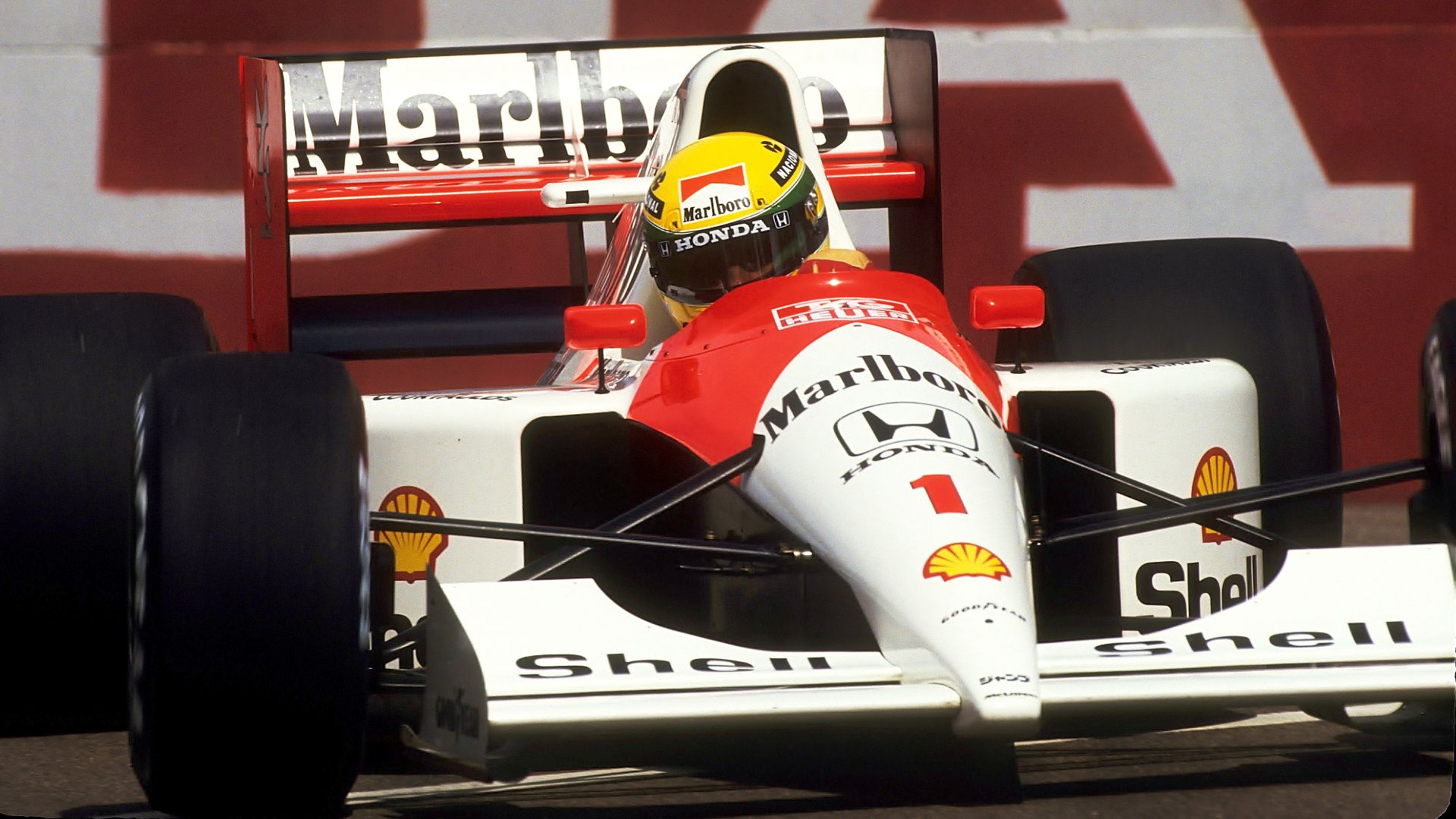 wileynorwichphoto, Wikimedia Commons
The Rivalry That Defined An Era
The partnership between Senna and Prost quickly turned into one of the most famous rivalries in sports. Both drivers were incredibly fast, incredibly stubborn, and completely unwilling to back down. Their championship battles produced dramatic races, controversial crashes, and endless debate among fans. For Formula One, it was must-watch competition.
 Angelo Orsi, Wikimedia Commons
A Championship Breakthrough
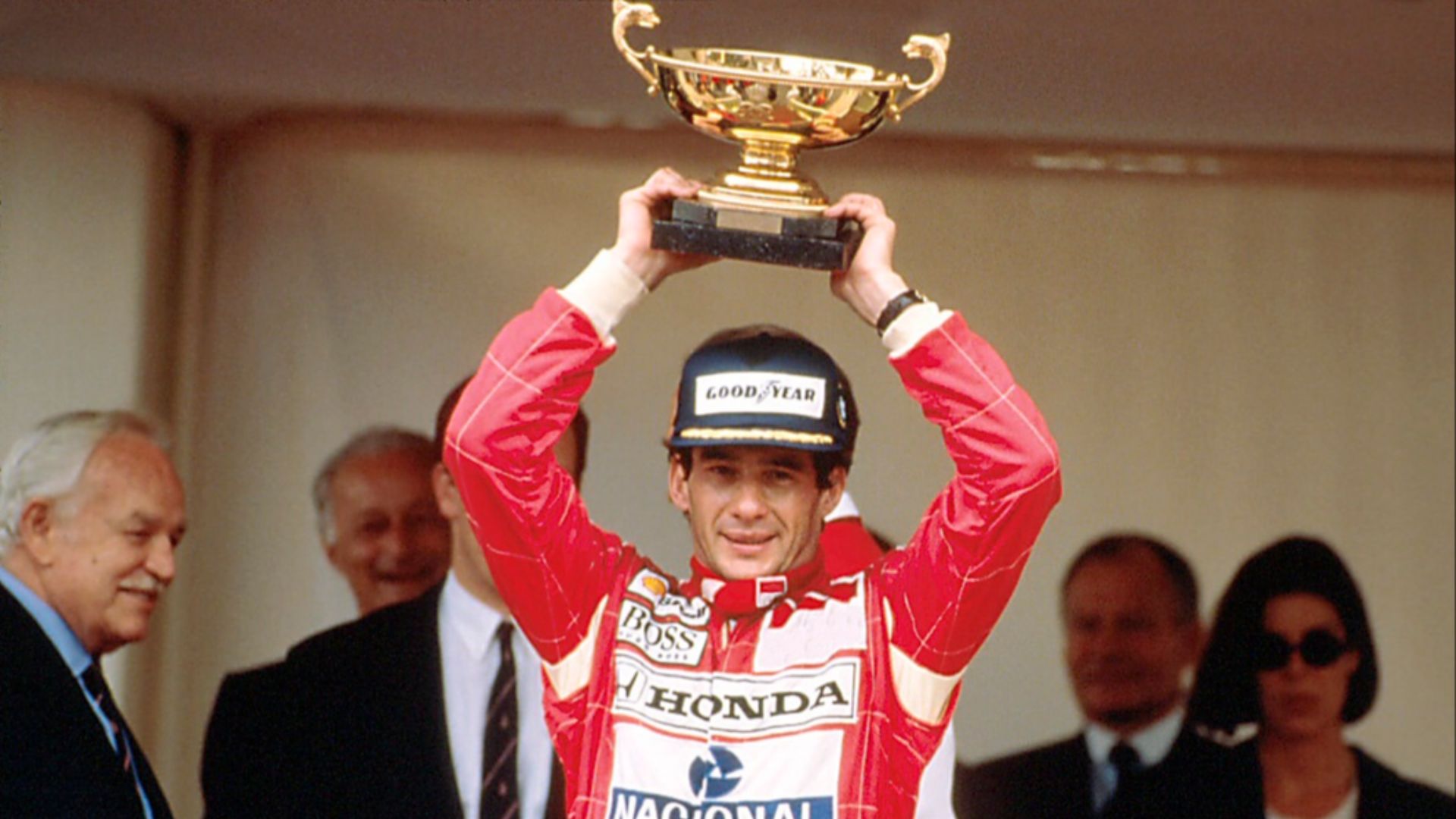
The 1988 season ended with Senna winning his first Formula One World Championship. He claimed eight race victories that year and regularly stunned fans with his incredible qualifying laps. Watching Senna chase pole position felt different from watching anyone else. He drove as if he was willing to risk everything for that perfect lap.
 Instituto Ayrton Senna
derivative work: Karpouzi, Wikimedia Commons
Instituto Ayrton Senna
derivative work: Karpouzi, Wikimedia Commons

History's most fascinating stories and darkest secrets, delivered to your inbox daily.
Three Titles And A Growing Legend
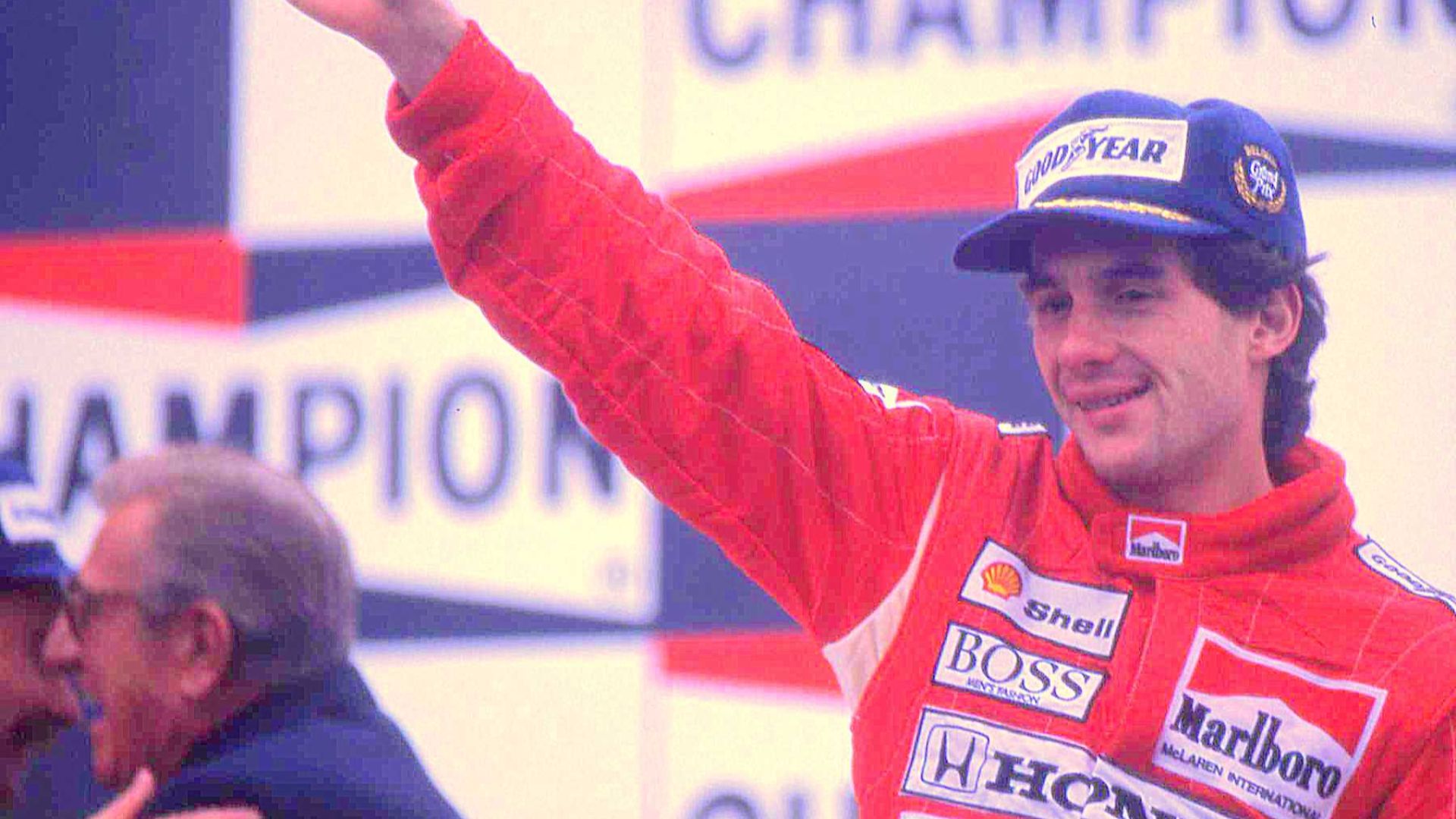
Senna would go on to win three world championships—in 1988, 1990, and 1991. By the early 1990s he had already cemented his reputation as one of the most talented drivers the sport had ever seen.
 madagascarica from Verneuil Grand, France, Wikimedia Commons
Racing With Faith And Intensity
One thing that made Senna different from many drivers was how openly he talked about faith. He believed racing pushed him toward a deeper understanding of life and spirituality. That mindset helped explain his intense focus behind the wheel. For Senna, racing wasn’t just competition—it was something closer to destiny.
 Instituto Ayrton Senna, Wikimedia Commons
Fierce On Track, Thoughtful Off It
Despite his aggressive racing style, people who knew Senna often described him as thoughtful and deeply caring. He understood better than most just how dangerous Formula One could be. Drivers in the 1980s and early 1990s were still risking their lives every time they got in the car. Senna never forgot that.
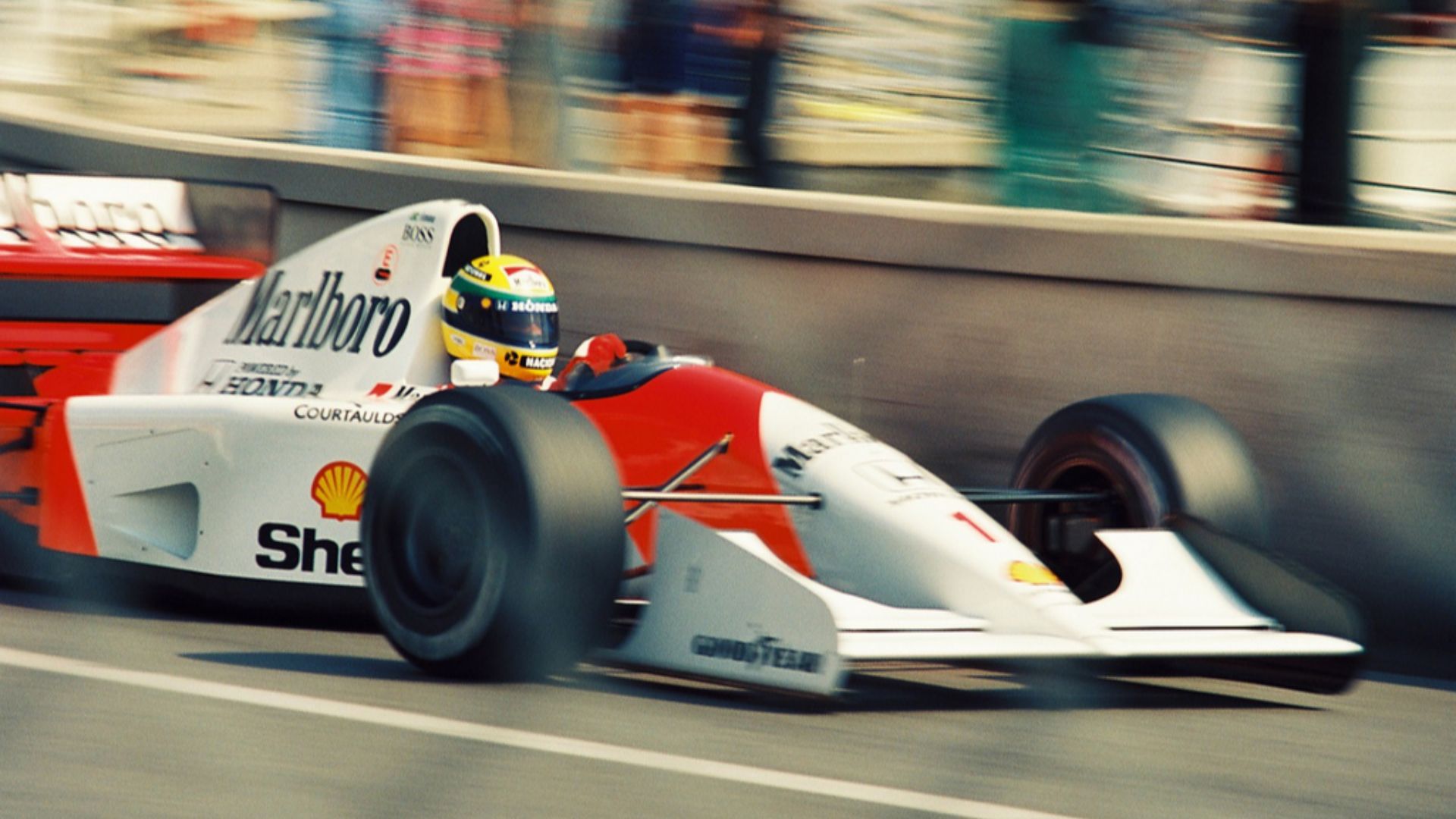 Iwao from Tokyo, Japan, Wikimedia Commons
The Day He Saved Another Driver
One of the most famous stories about Senna happened during qualifying for the 1992 Belgian Grand Prix at Spa. Driver Érik Comas crashed badly and was left unconscious in his car. Senna arrived at the scene, stopped his own car, and ran across the track toward the wreck. He turned off Comas’s engine and supported his head until medical crews arrived.
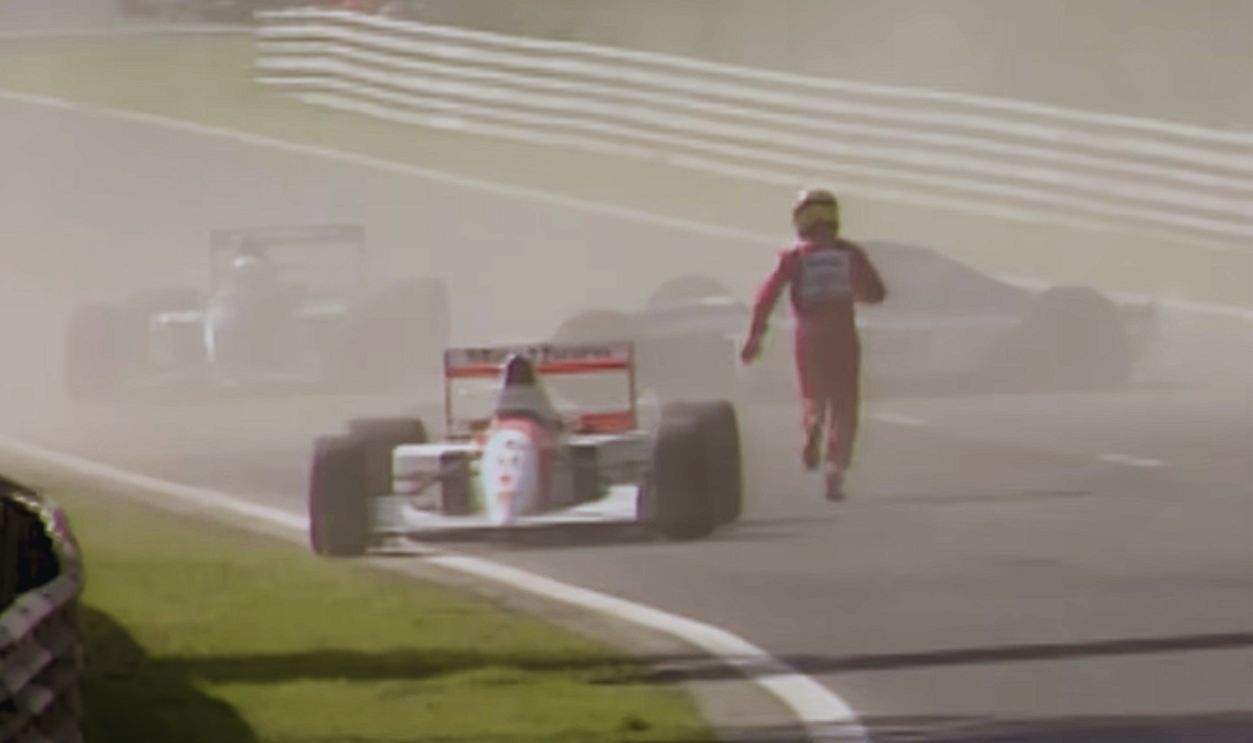 Screenshot from 1992 Belgian Grand Prix, Formula One World Championship Limited / FIA
A Dangerous Act Of Courage
What made that moment remarkable was how risky it was. Other cars were still racing toward the crash site at high speed. Senna ignored the danger and focused entirely on helping another driver, something Comas later said likely saved his life.
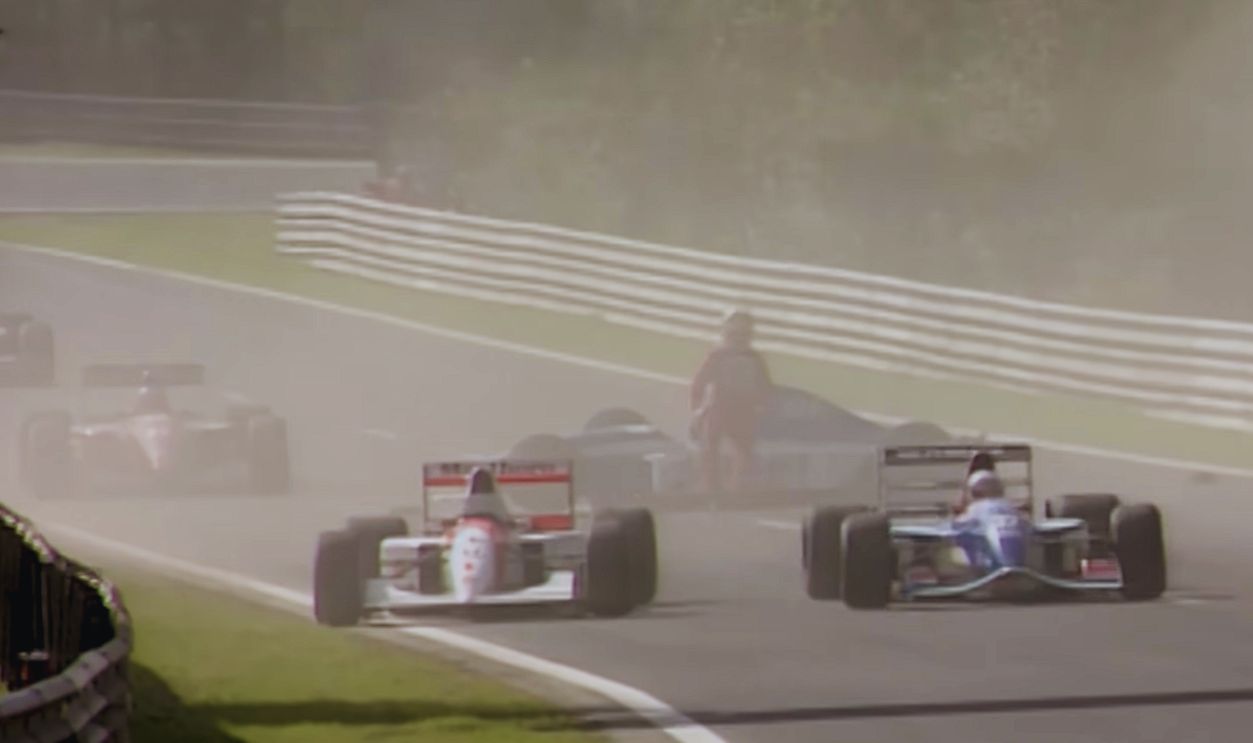 Screenshot from 1992 Belgian Grand Prix, Formula One World Championship Limited / FIA
Speaking Up About Safety
Experiences like that reinforced Senna’s concern about safety in Formula One. While the sport had improved over the years, it was still far from safe. Senna often spoke about the need for better protections for drivers, warning that tragedies could still happen.
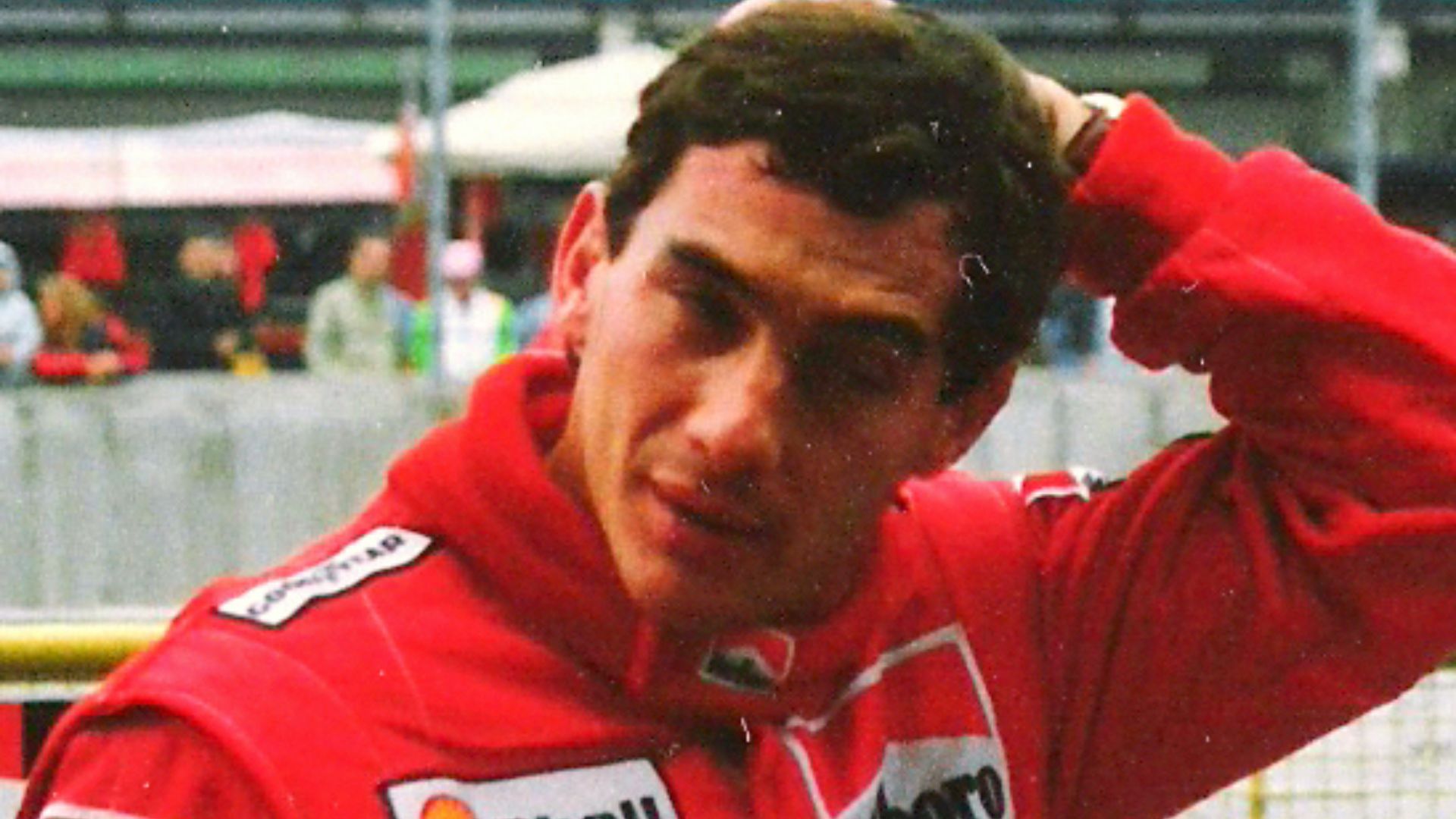
A New Chapter With Williams
In 1994 Senna moved to the Williams team, hoping to add another championship to his résumé. Williams had dominated the previous season and seemed like the perfect place to chase another title. But the new car proved tricky to drive, and the early races of the season didn’t go as planned.
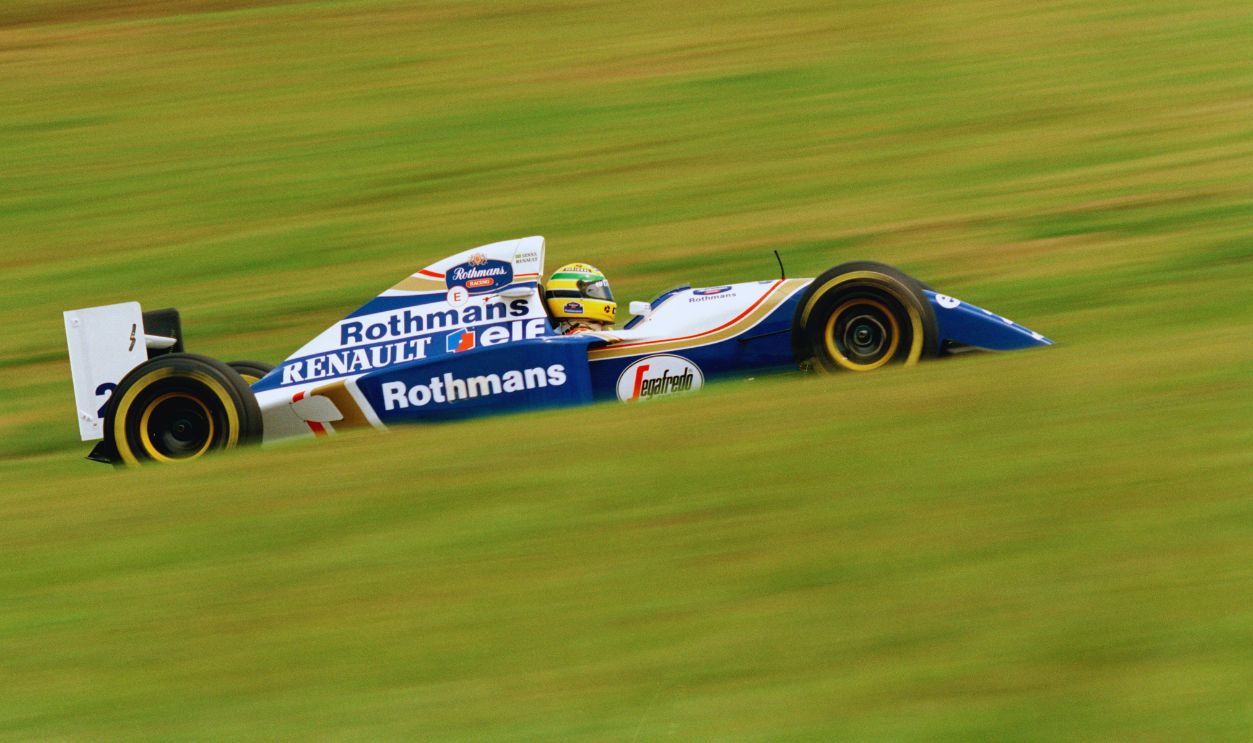
A Terrible Weekend Begins
The San Marino Grand Prix weekend in 1994 quickly turned into a nightmare. During qualifying, Austrian driver Roland Ratzenberger lost his life in a high-speed crash. It was the first loss during a Formula One race weekend in years, and it shook the entire paddock—including Senna.
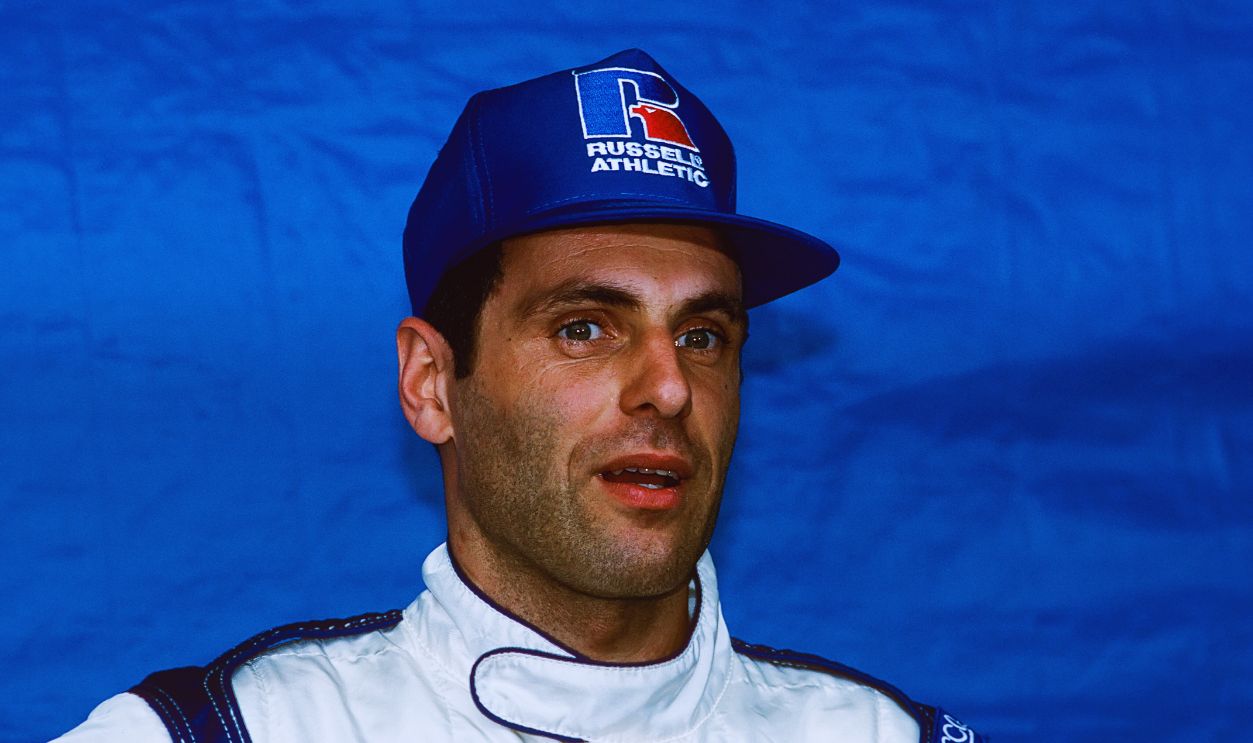 Paul-Henri Cahier, Getty Images
Another Close Call
Earlier in the same weekend, Brazilian driver Rubens Barrichello had suffered a frightening crash during practice. Senna rushed to the medical center to check on him. By race day, the atmosphere at the circuit felt heavy and uneasy.
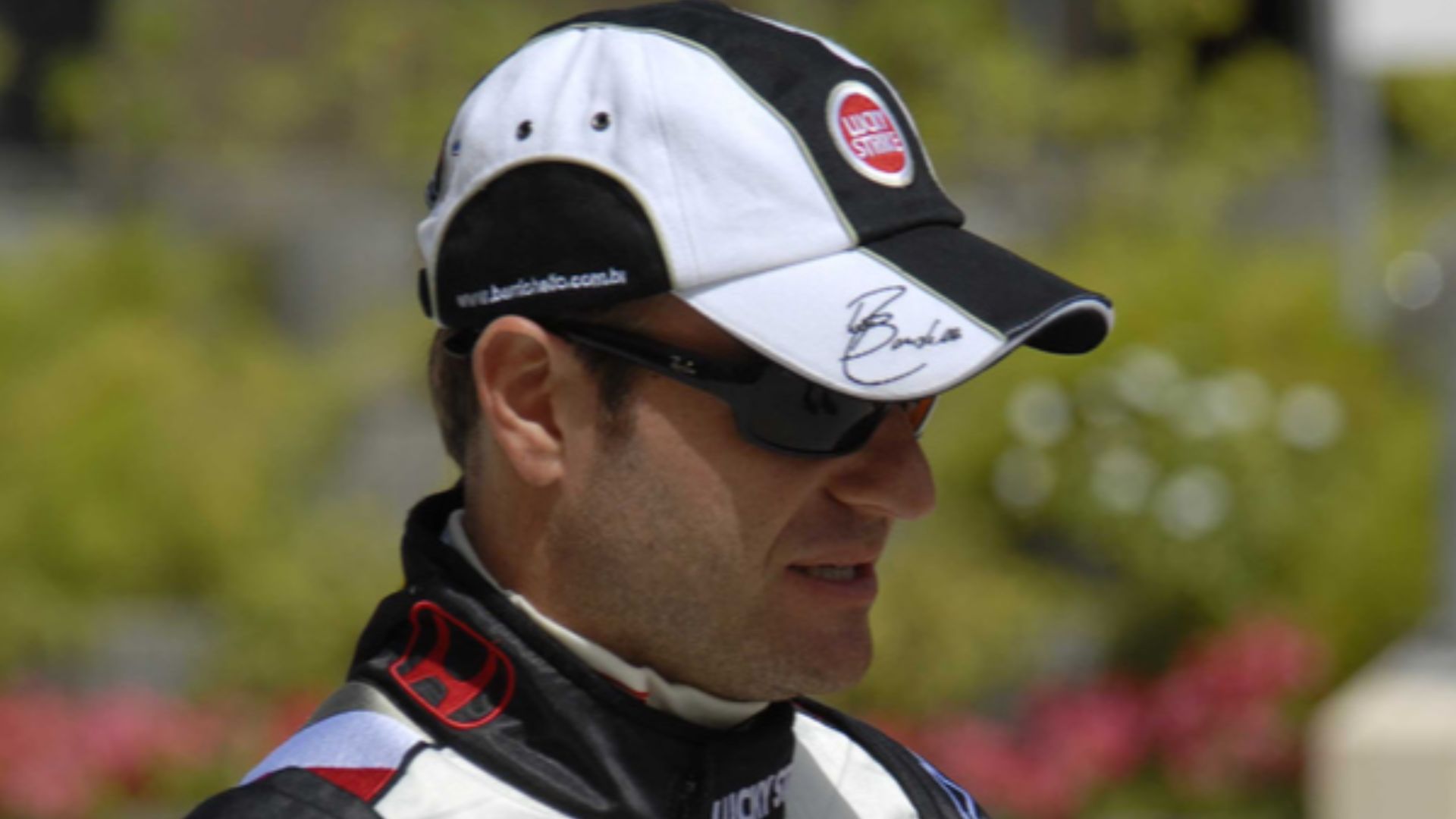 Phillip Asbury from UK, Wikimedia Commons
The Race That Changed Everything
On May 1, 1994, Senna started the San Marino Grand Prix from pole position. Despite the difficult weekend, he still looked determined to fight for victory. Fans watching the race had no idea they were about to witness one of the most tragic moments in the sport’s history.
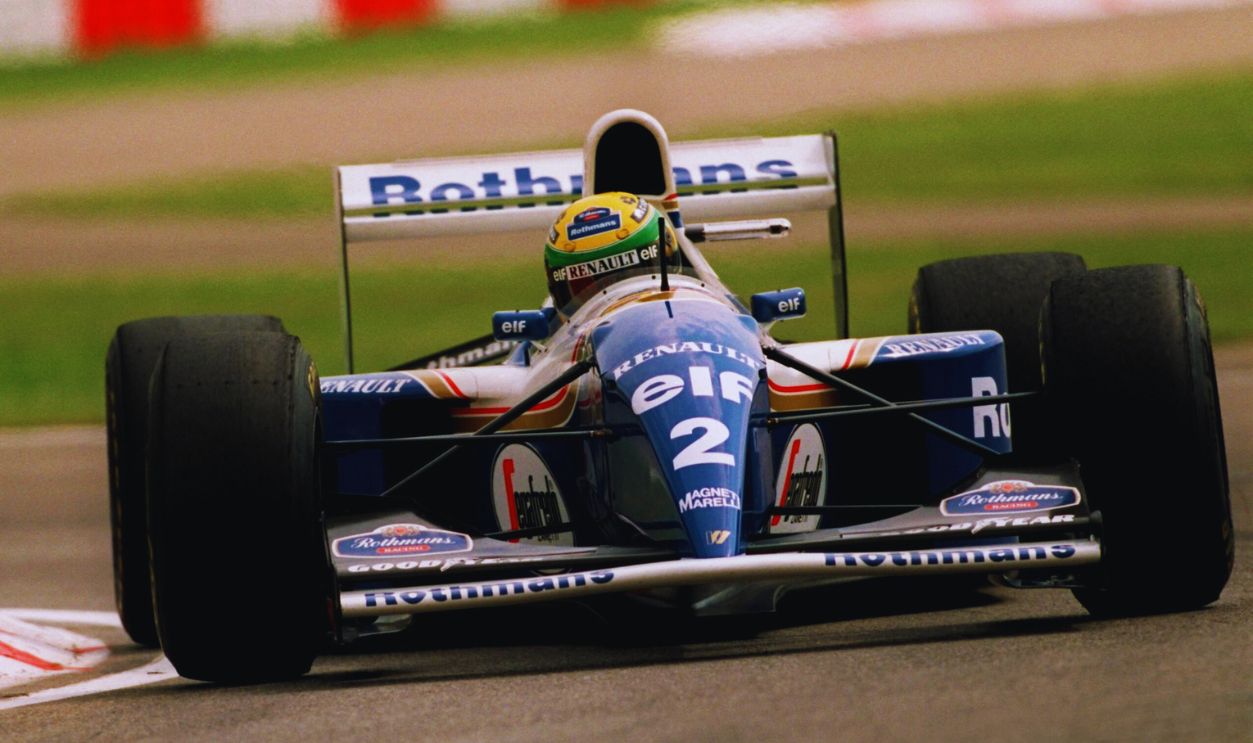 Steve Etherington - EMPICS, Getty Images
The Crash At Tamburello
On lap seven, Senna approached the fast Tamburello corner at the Imola circuit. His Williams car failed to make the turn and slammed into the concrete wall. The impact caused severe injuries, and despite immediate medical attention, Senna passed later that day. He was only 34 years old.
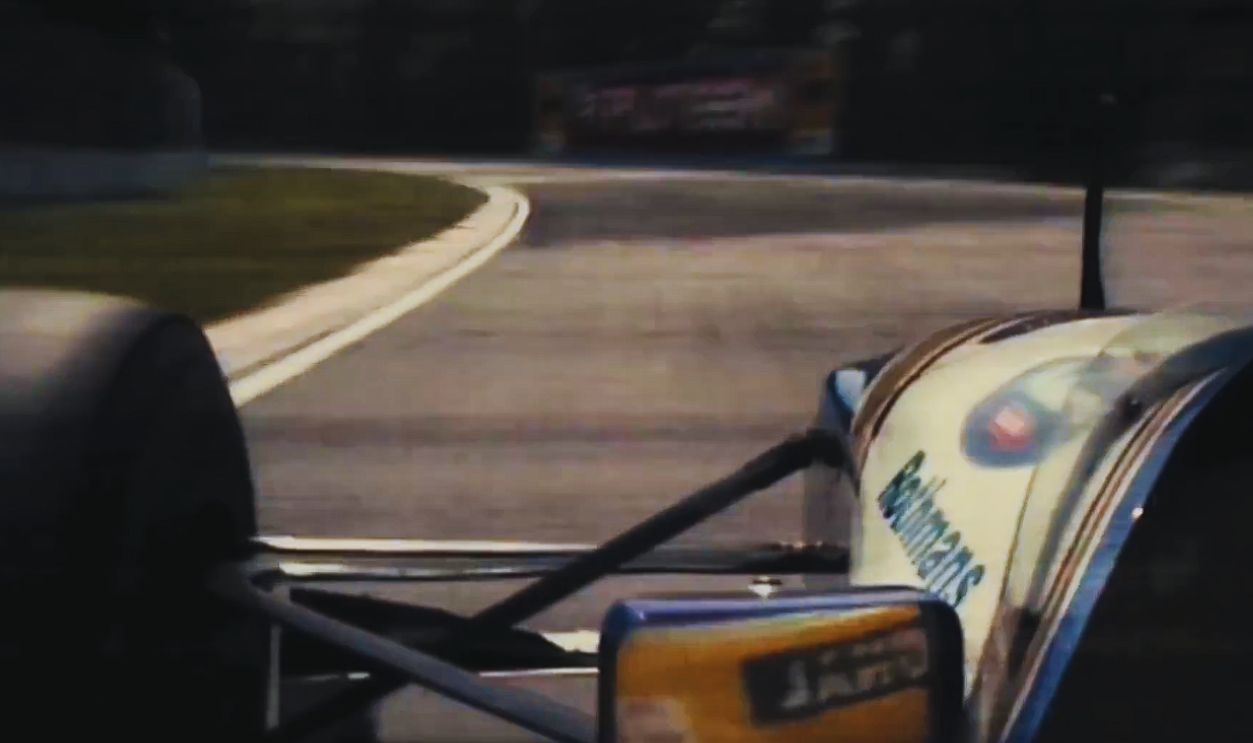 Screenshot from Senna, Universal Pictures (2010)
Brazil Says Goodbye
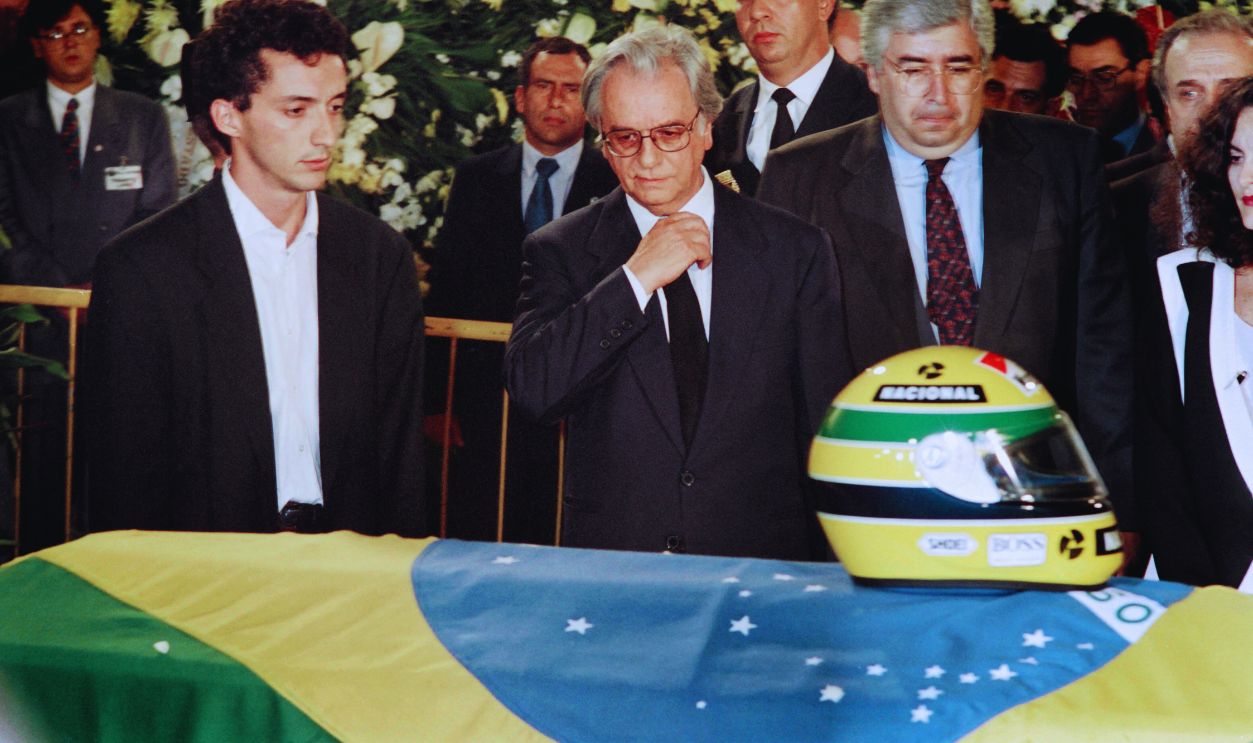
Senna’s passing stunned the world, but nowhere was the grief stronger than in Brazil. He wasn’t just a racing champion—he was a national hero. Millions of people followed his funeral procession in São Paulo as the country mourned one of its most beloved figures.
A Tragedy That Forced Change
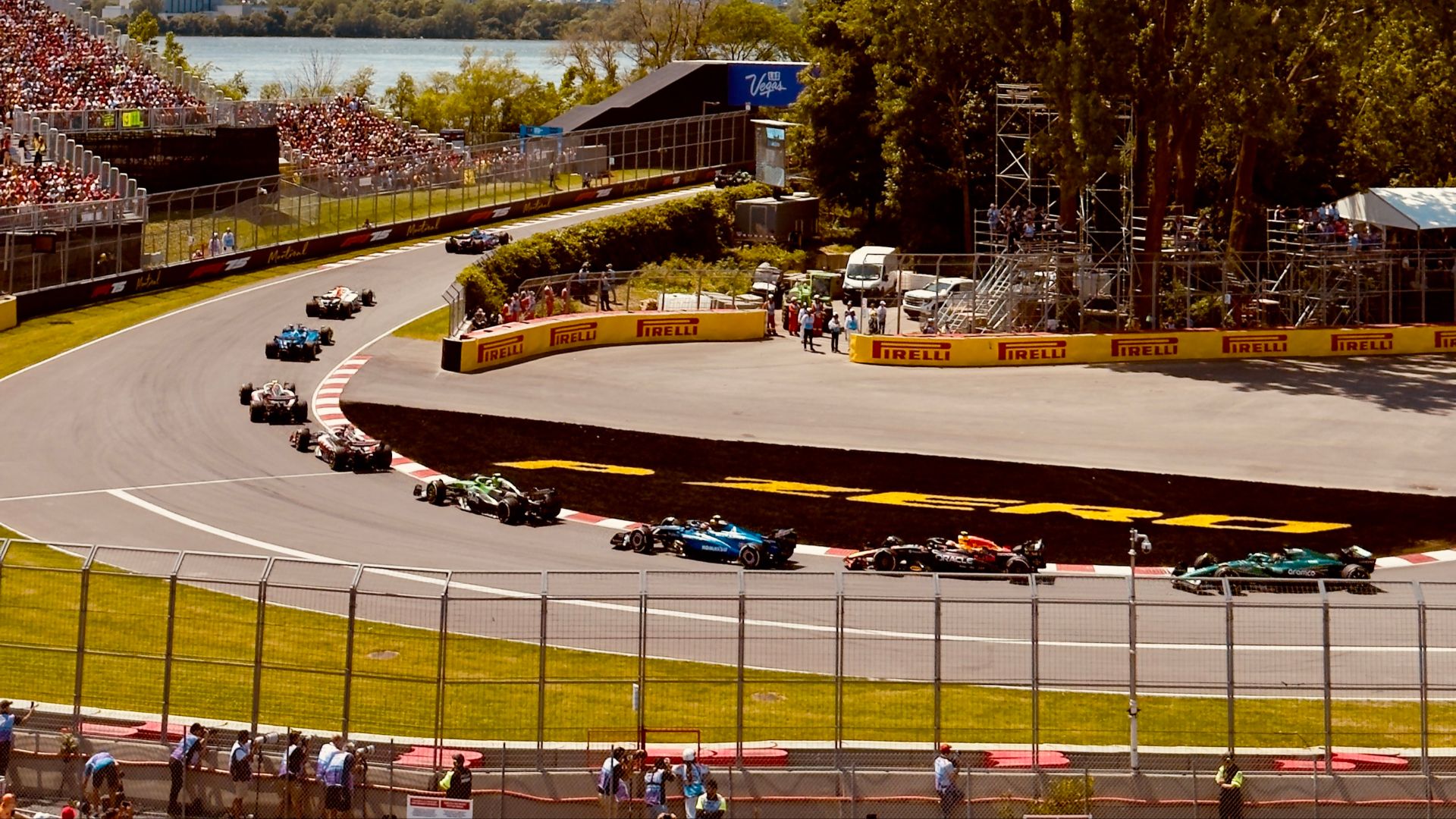
The events of that weekend forced Formula One to rethink safety. Major improvements were made to cars, tracks, and driver protection in the years that followed. Many drivers believe those changes saved countless lives, making his loss a turning point in the sport.
Why Senna Still Matters
More than thirty years later, Ayrton Senna is still remembered as one of the greatest drivers in Formula One history. His fearless performances in the rain, his intense pursuit of perfection, and his compassion for fellow drivers made him unforgettable.
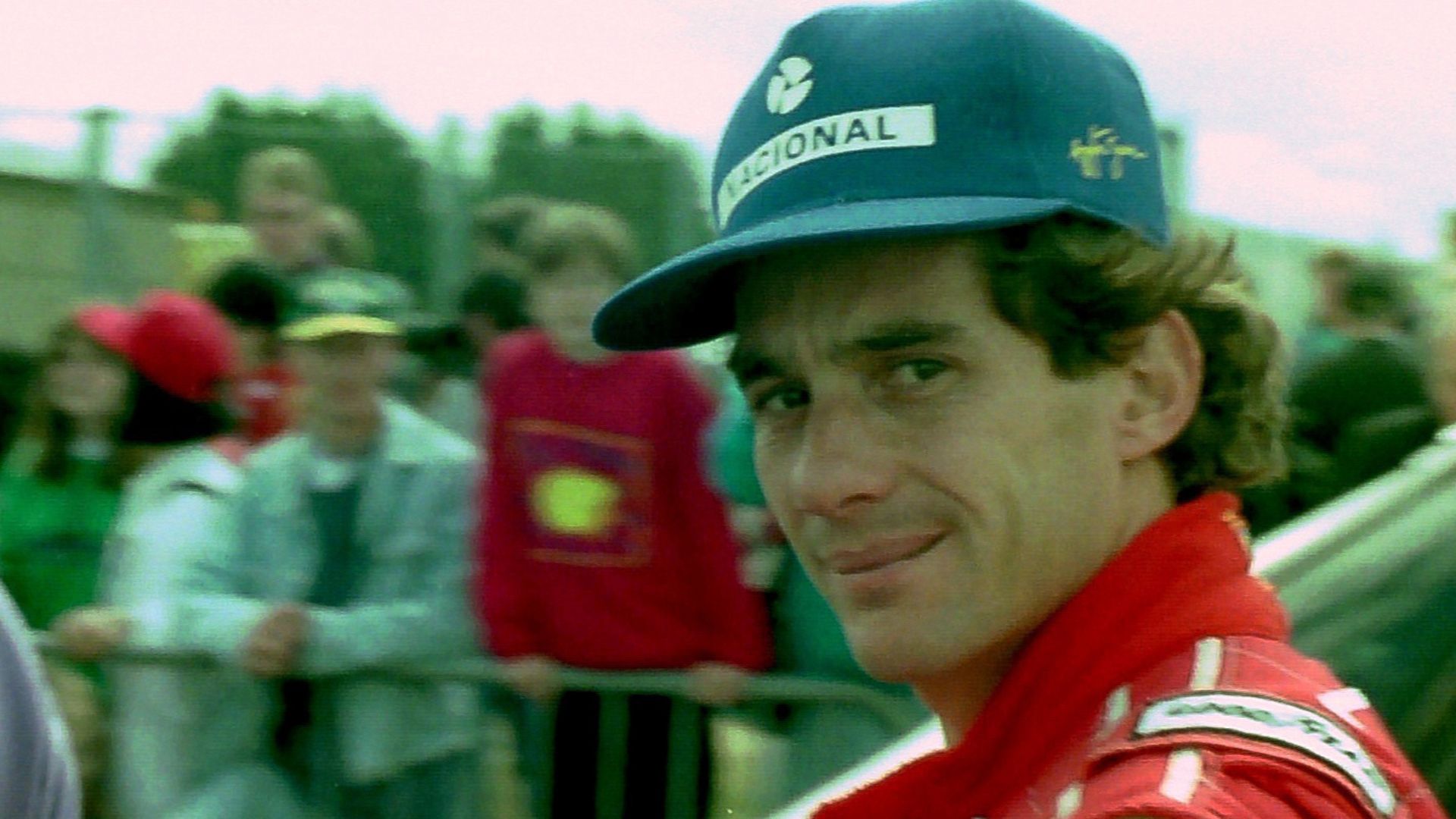 Martin Lee from London, UK, Wikimedia Commons
You May Also Like:
Tim Richmond, NASCAR’s Fallen Angel
NASCAR's Controversial Favorite










