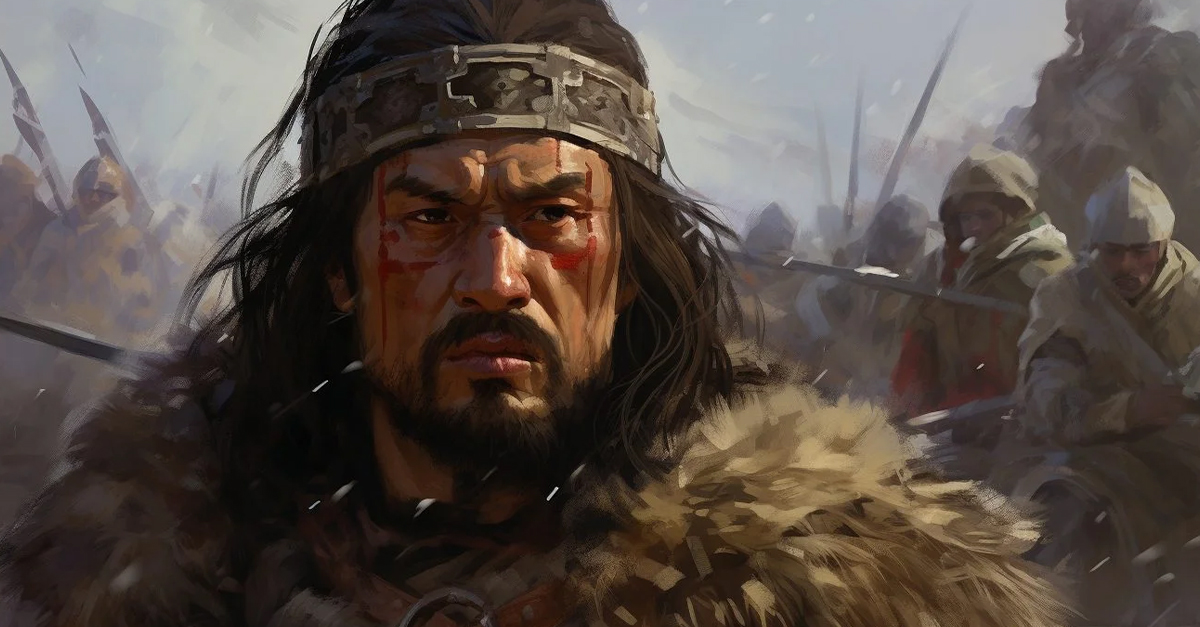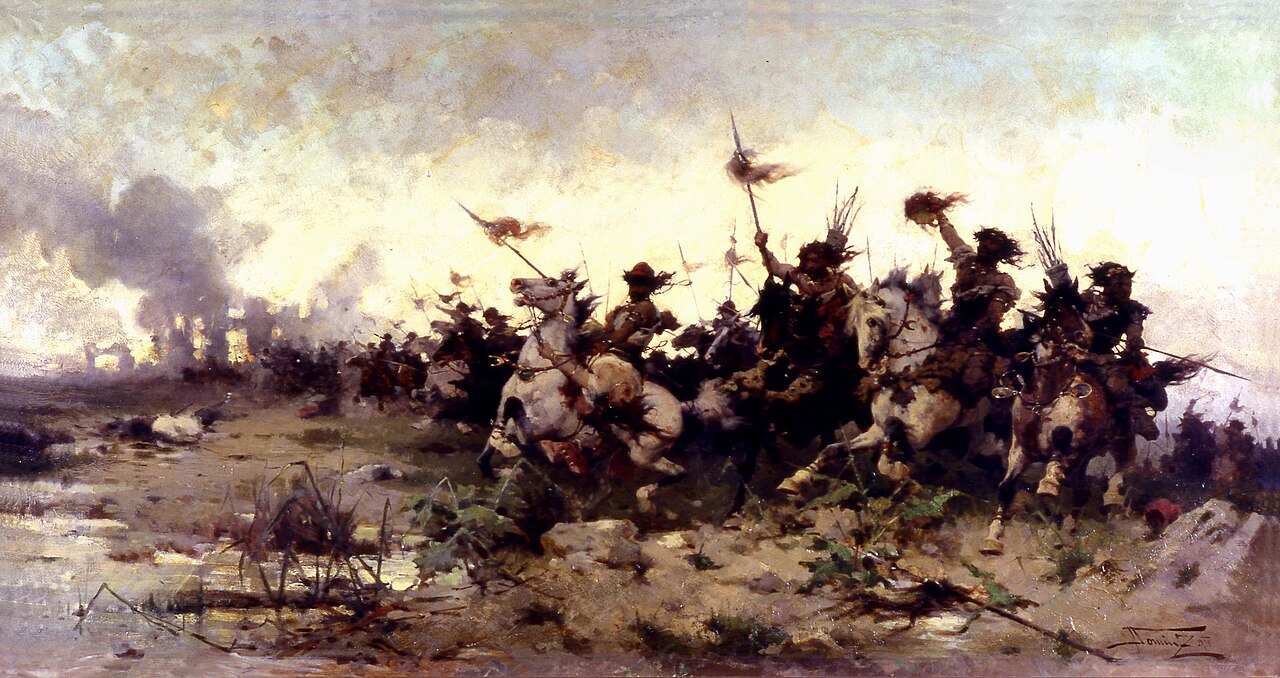
Recent DNA analysis from remains excavated at sites in Hungary's Carpathian Basin has cracked open the mystery of the origins of the Huns, linking them directly to the Xiongnu empire. The history-shattering study examined remains dated from the 2nd century BC–6th century AD. The study documents direct genetic links between elite Xiongnu individuals and the Huns who swept across Eurasian steppes into Europe in the days of the Roman Empire.
A Breathtaking Discovery
Diggings at sites in China found elite burials that held both Xiongnu‑style artifacts and the telltale signs of early Hunnic activities. DNA samples were extracted from remains spanning several centuries. Researchers sequenced genomes from 370 individuals: Xiongnu elites (Mongolia, 2nd century BC–1st century AD), Central Asian specimens (2nd–5th century AD), and Hun burials in the Carpathian Basin (5th–6th century AD).
 Peter Johann Nepomuk Geiger, Wikimedia Commons
Genetic Links To Mongol Forerunners
The DNA results show that some European Huns carried genes identical to those in Xiongnu elite individuals, this is real evidence of direct descent. It suggests that a subset of the European Hun elite were biological descendants of elite Xiongnu, keeping a continuous aristocratic lineage as they plundered their way westward across Eurasia.
Incredible Genetic Diversity
Despite this elite lineage, the majority of Hun‑period individuals in Europe show a wide range of ancestries. Many carried predominantly West Eurasian or Sarmatian genetic markers, with only a minority displaying East Asian ancestry. This makes sense, since the Hun armies and populations were diverse coalitions of steppe nomads, Iranian‑steppe groups, and local European peoples.
Clues In Spoken Words
In addition to the DNA study, linguistic research pinpointed links between Hunnic and Xiongnu languages. Scholars propose both spoke Old Arin, a Yeniseian language, challenging earlier theories that they were Turkic or Mongolic. Shared loanwords for natural objects and similar name structures all show language ties along with the shared genetics.
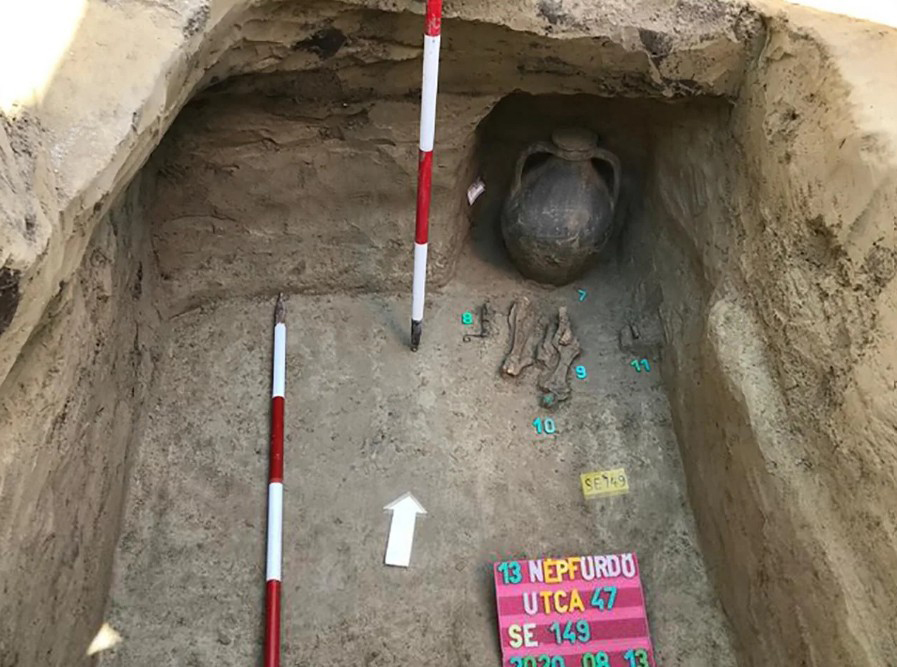
DNA Helps Trace The Twisting Path Of Migration
The data indicate westward migration: Xiongnu elites mixed with Iranian Saka groups in Central Asia, migrated through the Tian Shan region, and eventually made their way into Europe. As they traveled west like an inexorable tide, they absorbed local peoples. This fits with Iron‑Age genetic samples in Xinjiang that demonstrate a melting pot of Eastern and Western ancestry.
Turkic Origins Uprooted
Many older theories assumed that the Huns were descended from Turkic groups, but this new genetic and linguistic evidence overturns that hypothesis. Instead, the Huns seem to have been a complex, multi‑ethnic, multi‑linguistic background rooted in earlier Inner Asian steppe societies. It confirms historian Edward Gibbon’s original argument back in the 1700s that the Hun were directly related to the Xiongnu.
Separate Royal Bloodlines
Within the Xiongnu empire, high‑status people displayed more homogeneous East‑Asian‑derived ancestry. Lower‑status people were far more genetically diverse. The elite genetic profile seems to have carried into the Hun elite, generally supporting a ruling class continuity.
Cauldrons And Cranial Deformation
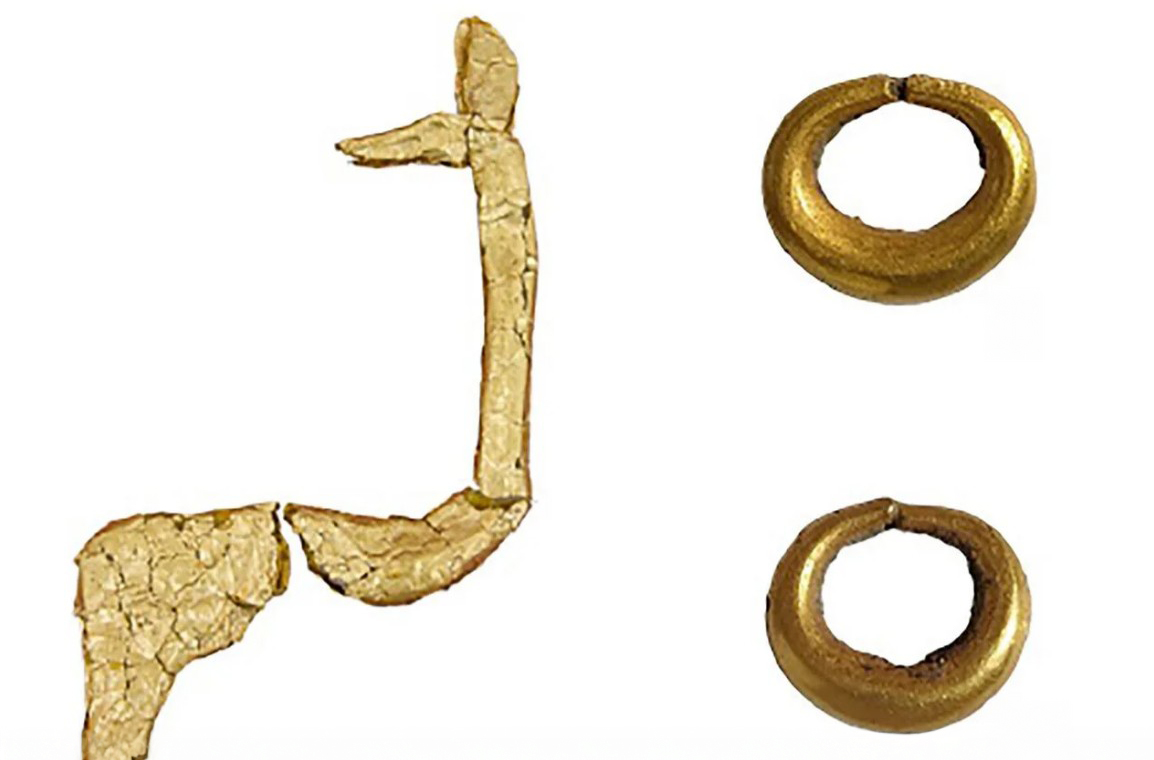
Archaeological evidence also highlights cultural continuities, such as similar bronze cauldrons and the bizarre practice of artificial cranial deformation found both among the Xiongnu and European Huns. Though it’s possible that cranial deformation spread separately, the material artifacts reinforce an absolutely unmistakable cultural bridge.
Early Medieval Eurasia: More Diverse Origins
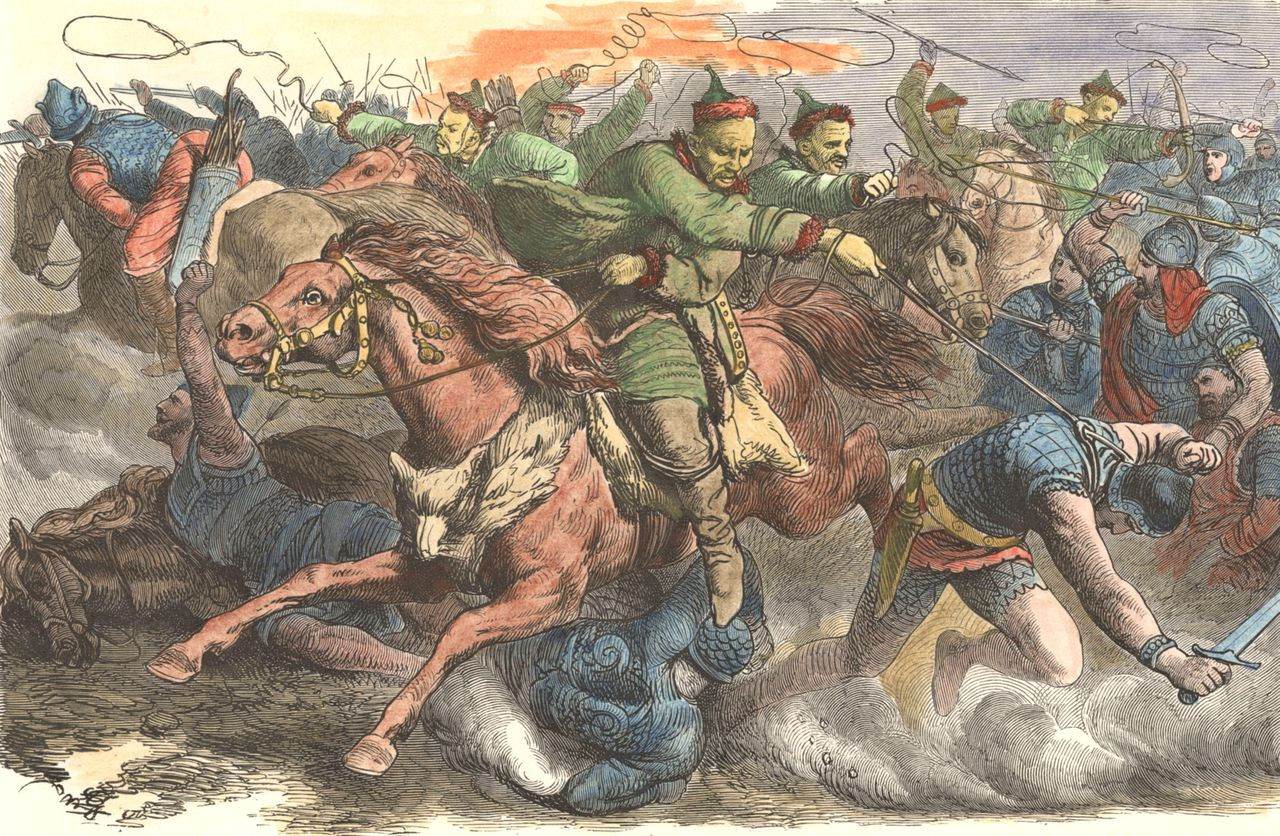
The DNA doesn’t lie. All of these findings make it crystal clear that the Huns weren’t a monolithic tribe as we previously thought. They were an ethnically diverse force with aristocratic roots stretching back to the Xiongnu. Their irresistible westward expansion is an example of how dynastic lineages shaped Eurasian history by cultural diffusion and military conquest.
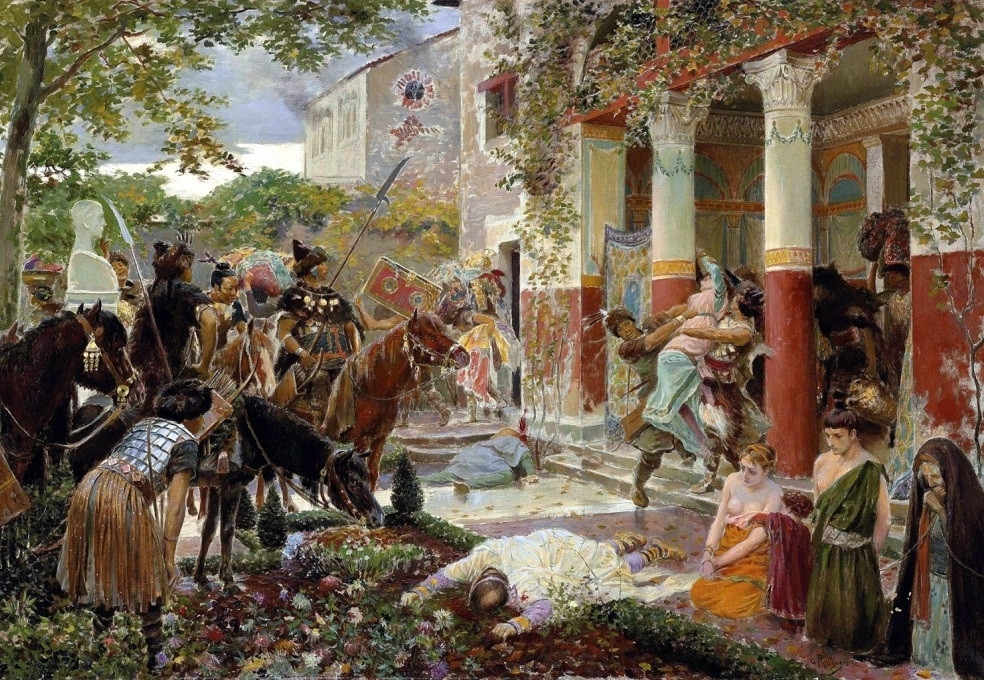 Georges Rochegrosse, Wikimedia Commons

History's most fascinating stories and darkest secrets, delivered to your inbox daily.
Research Shifting Into High Gear
Though the research on Hun genetics has come a long way, the drive to discover more is far from over. Archaeologists want to refine the temporal links between sites, regional genetic variation, and plunge deeper into comparative studies of material culture and language. Gathering together all this exciting information should tell us a lot more about the complex origins of the Huns who ravaged Europe all those centuries ago.
You May Also Like:
Explorers uncovered a 3,600-year-old Egyptian tomb belonging to a mysterious long-lost dynasty.
Historical "Truths" That We Got So Wrong