Heroism Can Follow You Home.
Some people survived disasters, confronted wrongdoing, or performed almost unbelievable acts of courage, only to discover that public attention could turn the best moment of their lives into something impossible to escape. Their stories reveal an uncomfortable truth about fame: society loves creating heroes, but it is not always interested in what happens to them afterward.
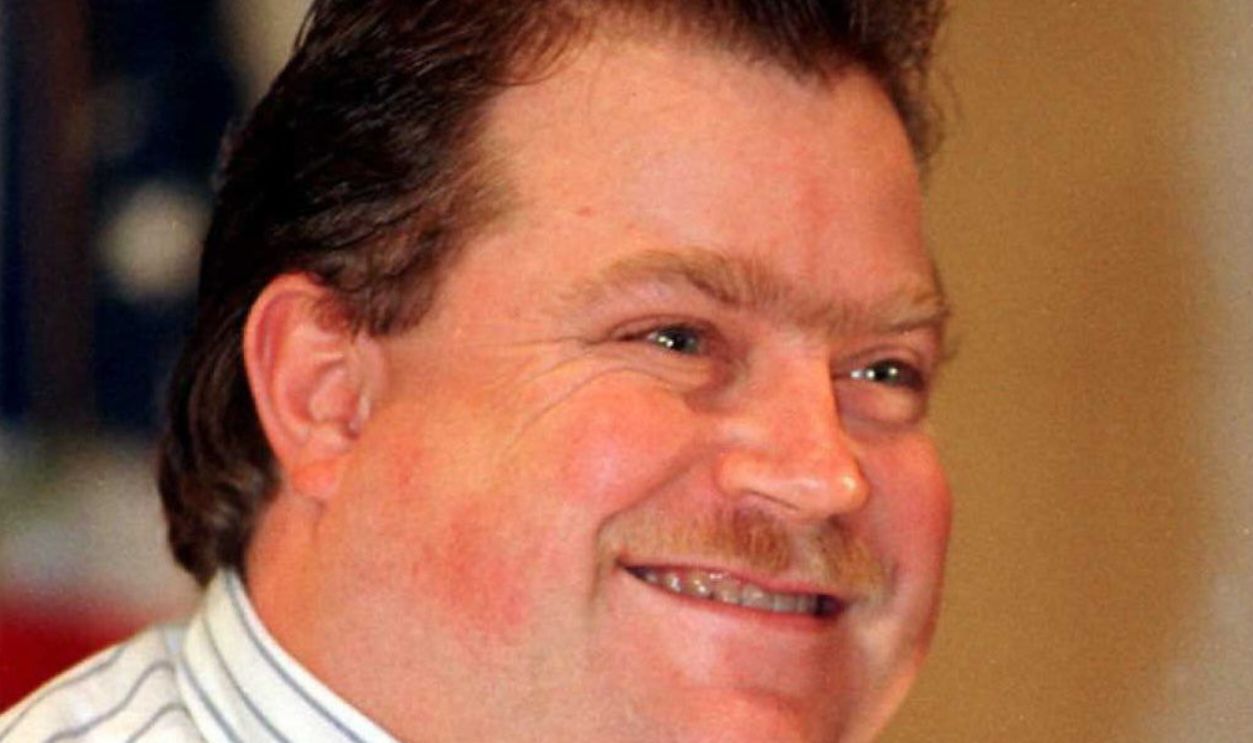
Richard Jewell Saw The Backpack
Richard Jewell was working security at Atlanta's Centennial Olympic Park during the 1996 Summer Games when he noticed an abandoned backpack beneath a bench. The pack contained a pipe bomb, and Jewell alerted police before helping move spectators away from the area. The device exploded before the evacuation was complete, but his actions helped save lives.
America Had A New Hero
News reports initially celebrated Jewell as the security guard whose vigilance had prevented an even greater disaster. The bombing killed one woman directly, injured more than 100 people, and also led to another death from a heart attack. Jewell suddenly went from an obscure security worker to one of the most recognizable people associated with the Atlanta Olympics.
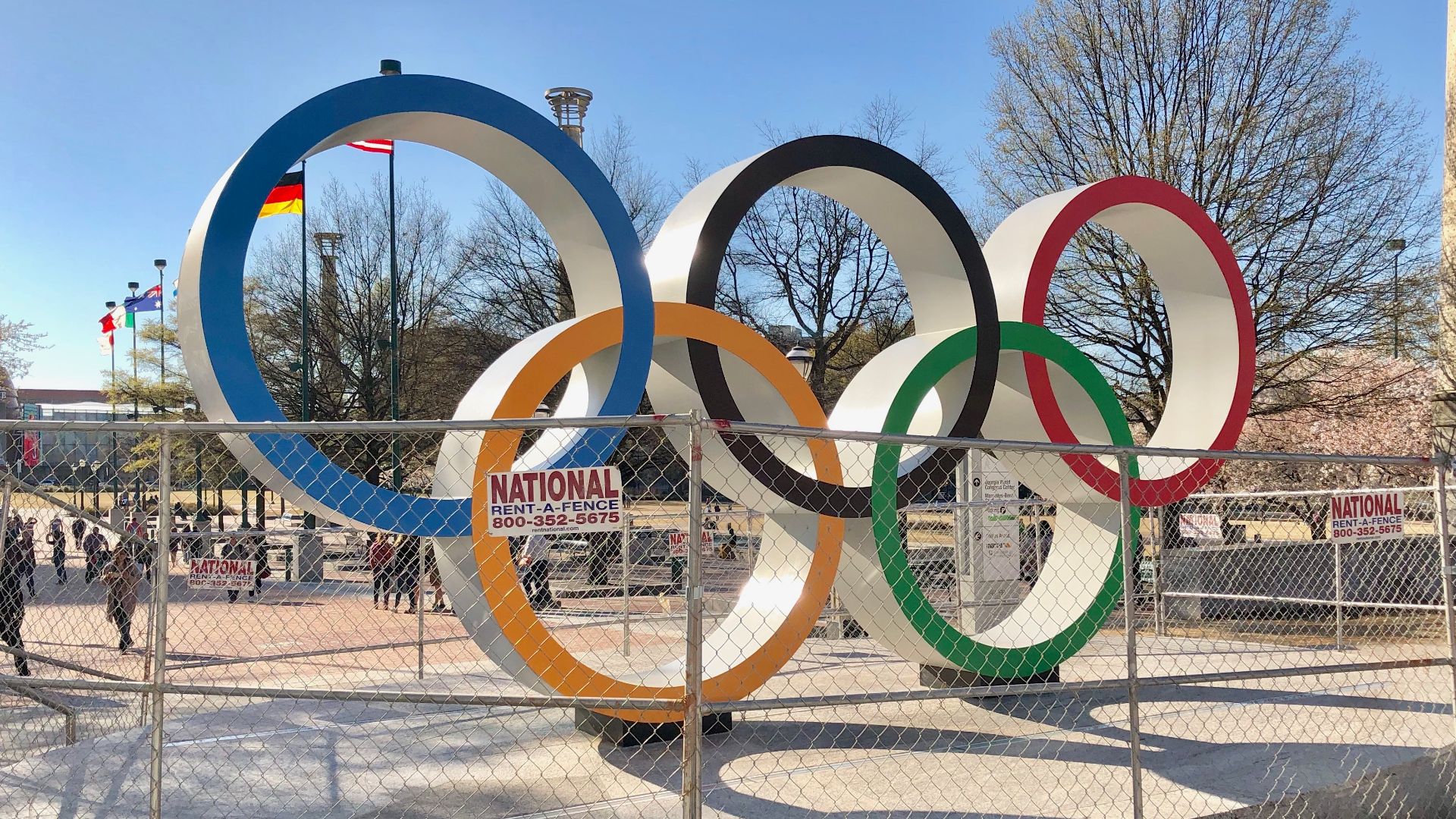 Warren LeMay from Cincinnati, OH, United States, Wikimedia Commons
Then The Hero Became The Suspect
Only days later, reporters revealed that the FBI was investigating Jewell as a possible suspect. Investigators explored a theory that he might have planted the bomb so he could discover it and appear heroic, although Jewell was never arrested or charged. For roughly three months, journalists and investigators scrutinized his background while cameras followed his movements.
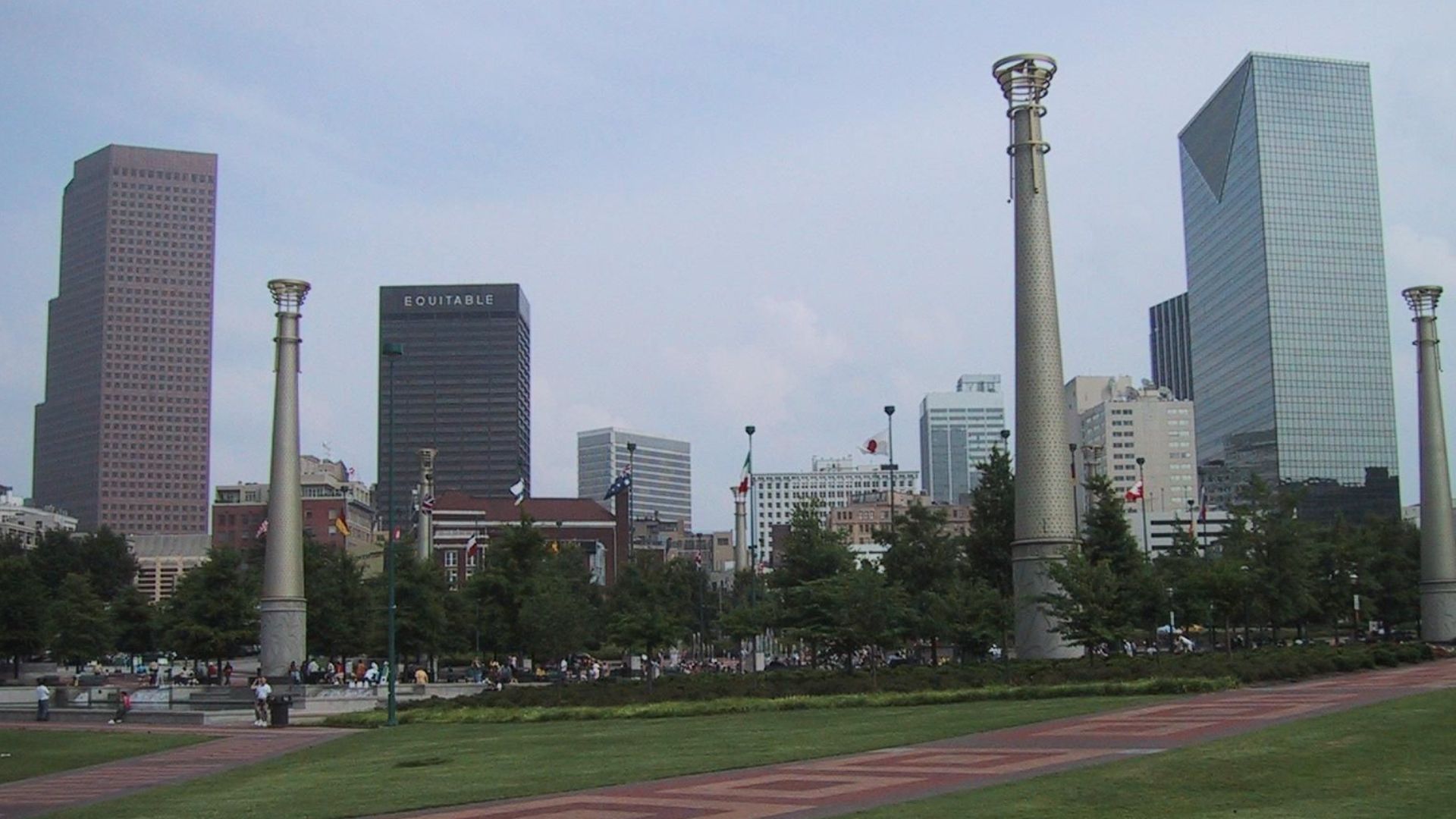 Unknown authorUnknown author, Wikimedia Commons

History's most fascinating stories and darkest secrets, delivered to your inbox daily.
Clearing His Name Did Not Erase The Story
The Justice Department formally cleared Jewell in October 1996, and the actual bomber, Eric Rudolph, was captured years later and pleaded guilty. Jewell pursued lawsuits against media organizations and eventually returned to law-enforcement work in Georgia. A decade after the bombing, Georgia Governor Sonny Perdue publicly honored him for saving lives, but the false suspicion had already become inseparable from his name.
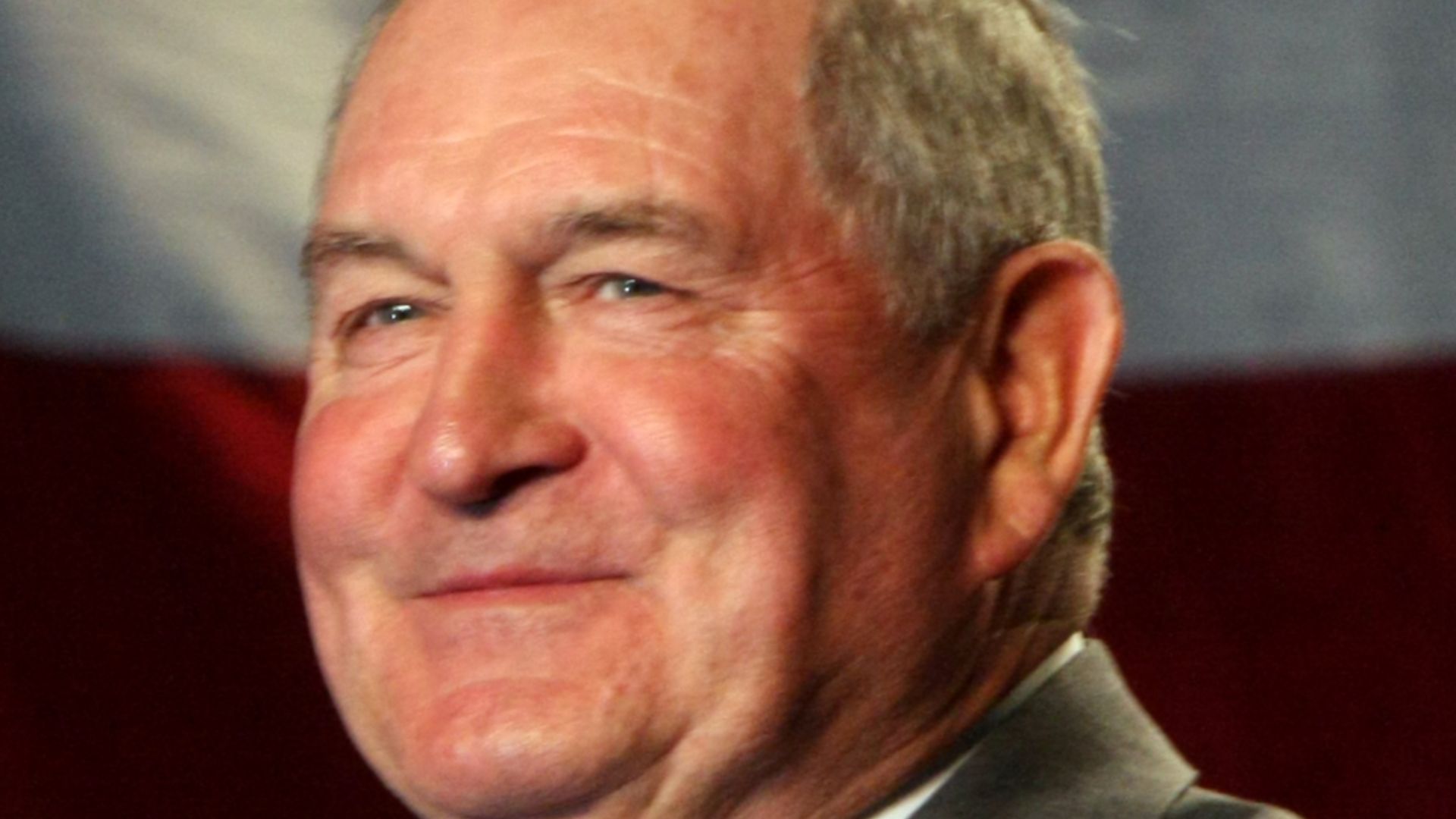 Bruce Tuten from Savannah, Georgia, United States, Wikimedia Commons
Grace Darling Rowed Into A Storm
On September 7, 1838, 22-year-old Grace Darling and her lighthouse-keeper father William saw survivors stranded after the steamship Forfarshire wrecked near England's Farne Islands. They rowed through dangerous seas in a small coble and helped rescue nine survivors. The Royal National Lifeboat Institution remembers Darling as one of Victorian Britain's greatest heroines.
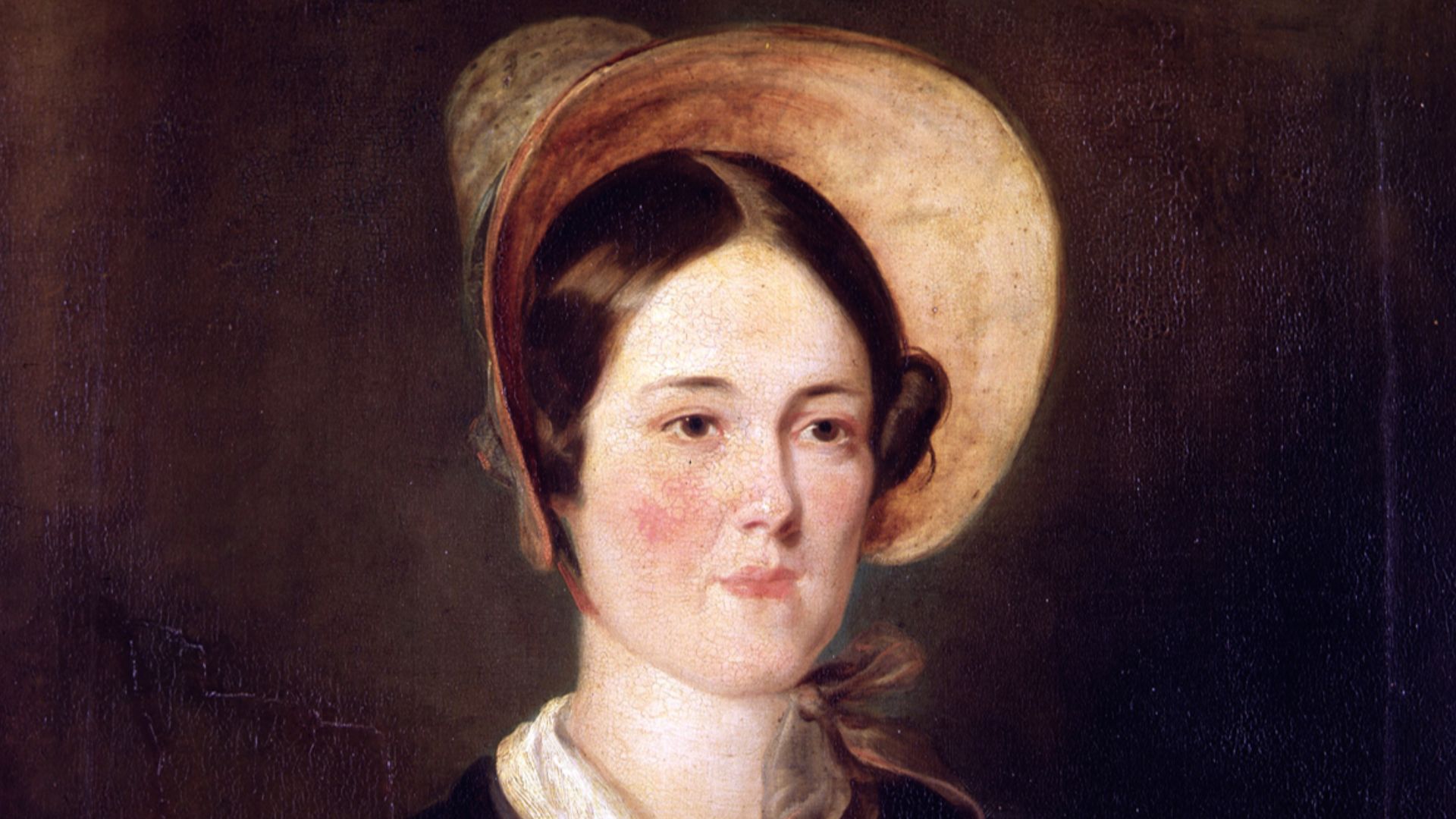 Thomas Musgrave Joy, Wikimedia Commons
Newspapers Turned Grace Into A Celebrity
News of the rescue traveled rapidly through the Victorian press. Darling received medals, gifts, money, letters, portrait requests, and attention from Queen Victoria, who sent her £50. The quiet lighthouse keeper's daughter had suddenly become what the RNLI calls a media celebrity of her day.
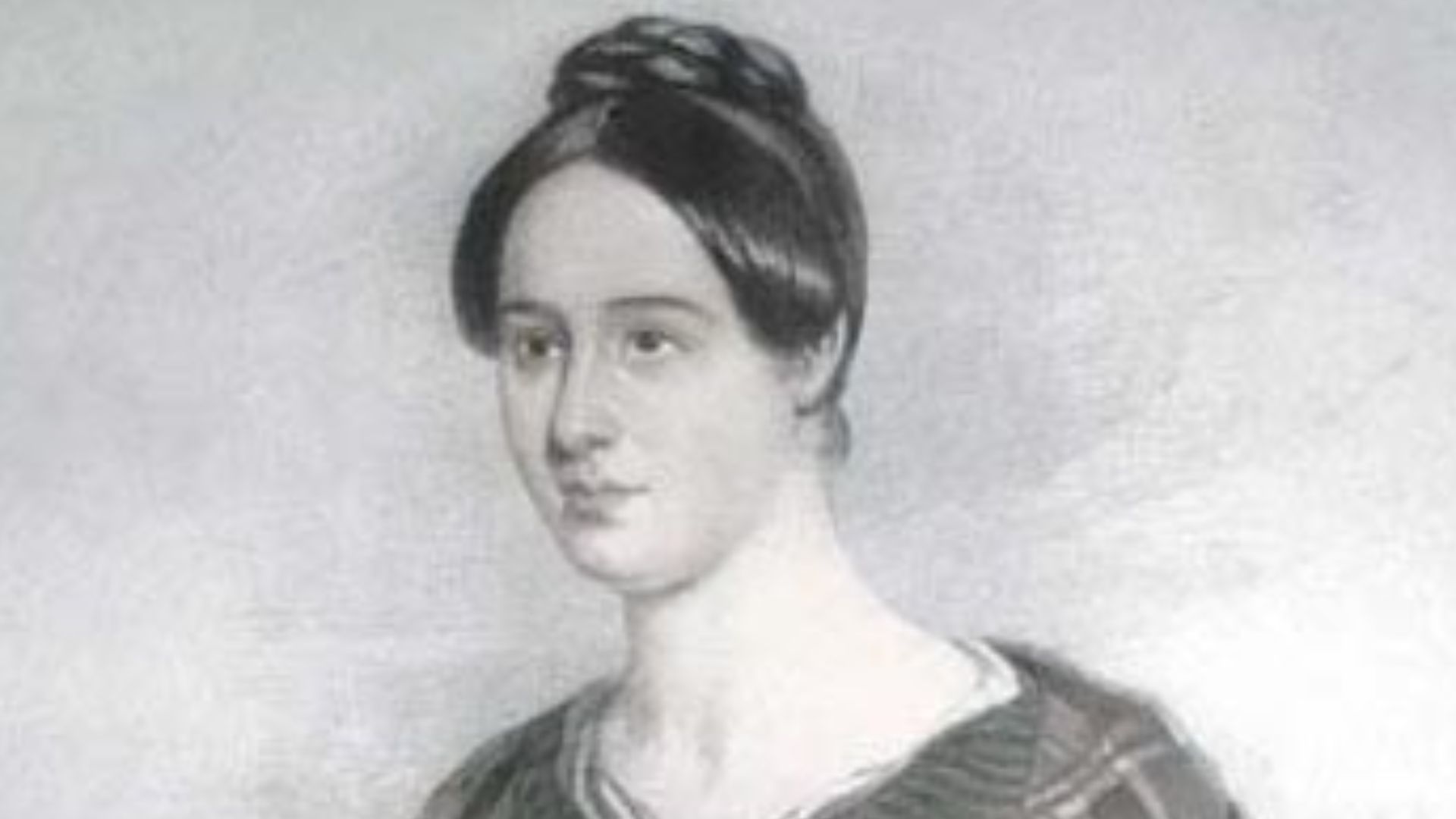 Restoredprints, Wikimedia Commons
Admirers Would Not Leave Her Alone
Artists and curious visitors traveled to see Darling, while an enormous flow of correspondence demanded her time. Accounts preserved around the Grace Darling Museum describe the burden of replying to letters and accommodating strangers who wanted access to the new heroine. Historian Richard Armstrong later described her story as an early example of the frightening power of sustained publicity.
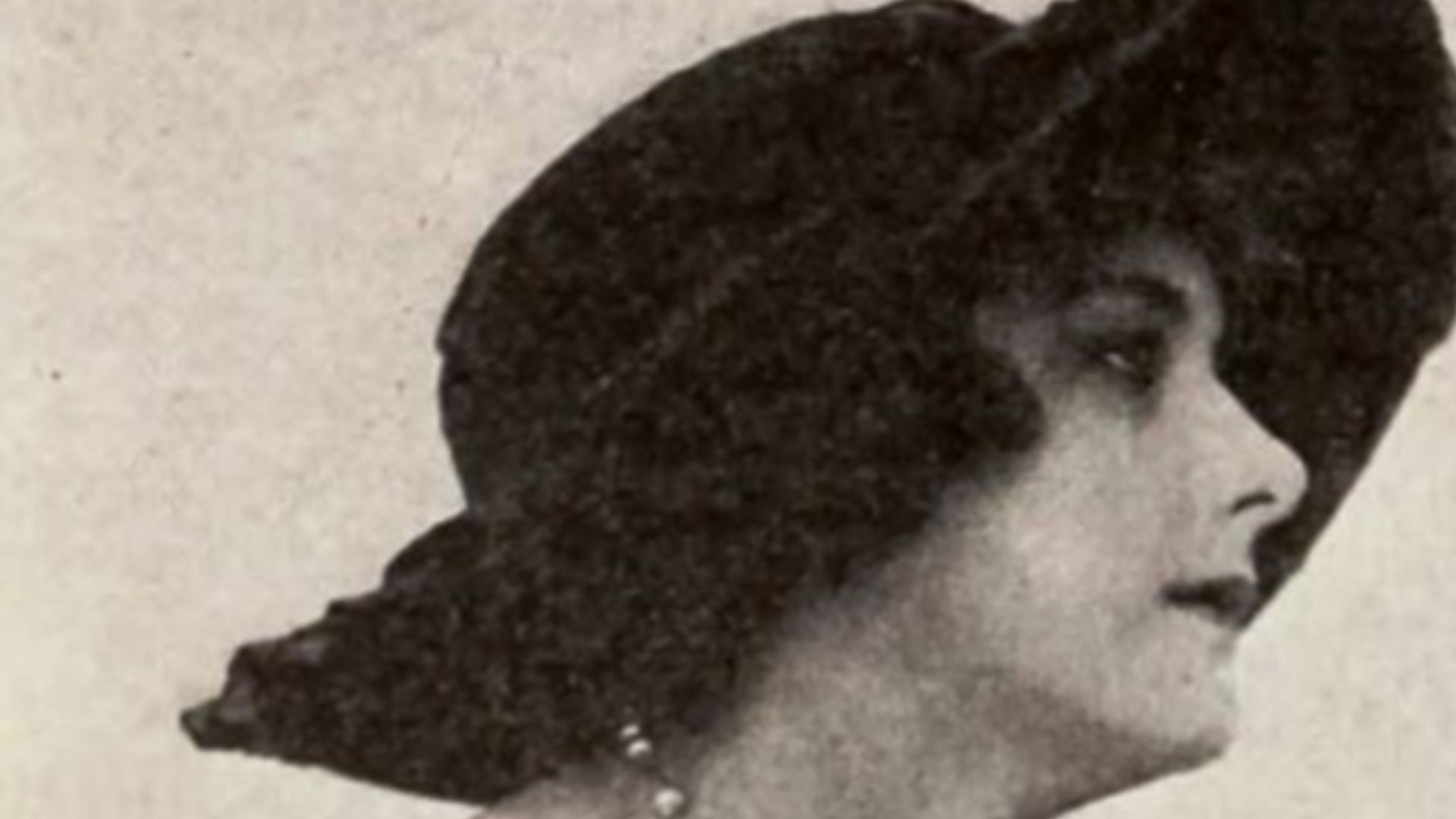 Unknown photographer, Wikimedia Commons
Grace Had Only Four Years Left
Darling did not die because she was famous, but she had little opportunity to return to her old life before becoming seriously ill. She developed tuberculosis and died in 1842 at just 26, four years after the rescue. Even her funeral drew crowds, completing the transformation of a private young woman into a public symbol she had never sought to become.
 Alexander P Kapp , Wikimedia Commons
Lindbergh Crossed An Ocean Alone
Charles Lindbergh became internationally famous in May 1927 after completing the first solo nonstop flight across the Atlantic. He spent about 33 and a half hours flying the Spirit of St. Louis from New York to Paris before landing before an enormous crowd. Smithsonian describes the flight as a turning point in the creation of the modern global celebrity.
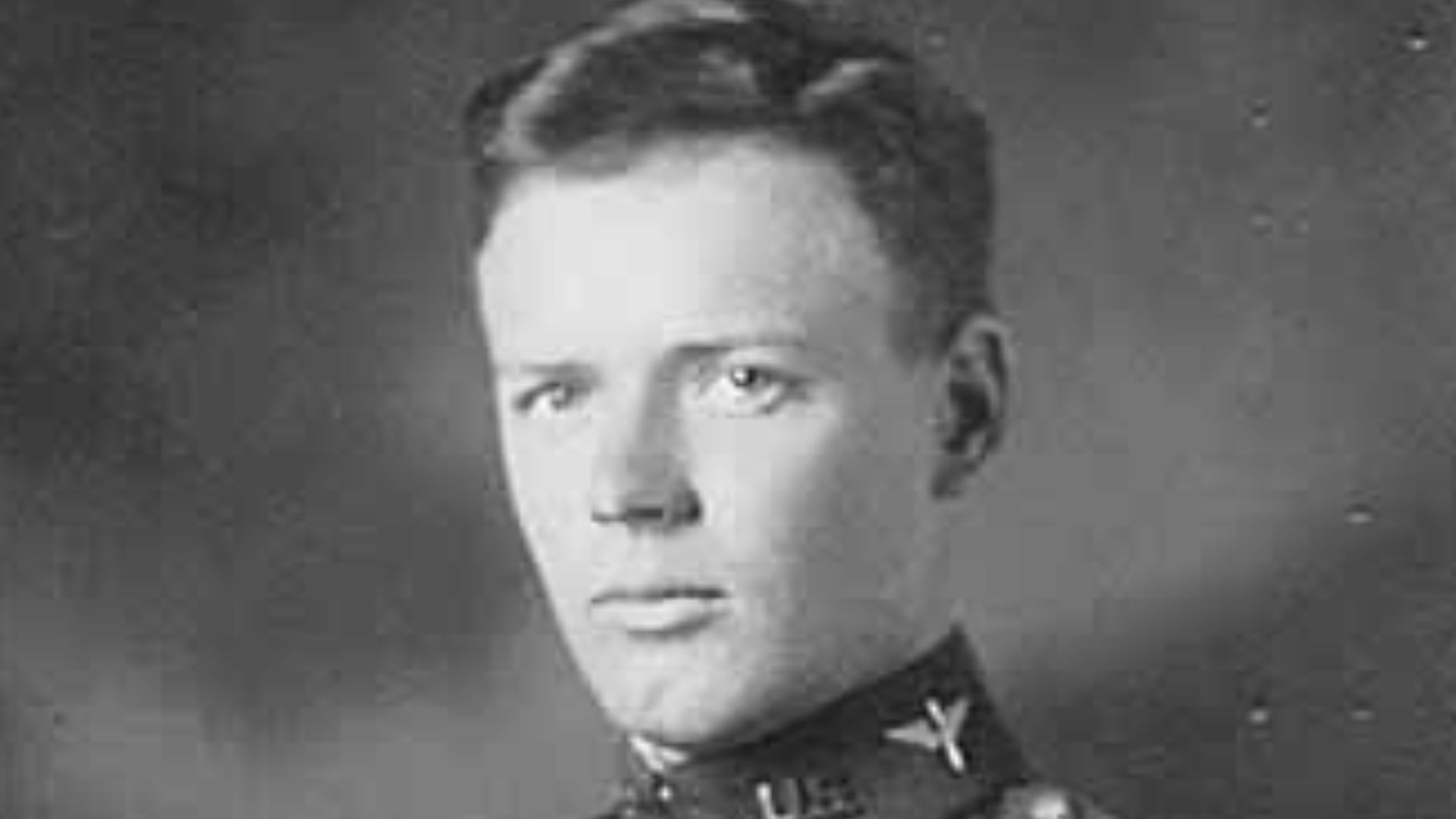
History's most fascinating stories and darkest secrets, delivered to your inbox daily.
The Crowd Never Really Went Away
Lindbergh returned to parades, honors, photographs, interviews, and an 82-city American tour. Roughly a quarter of the American population reportedly saw him during that tour, and his movements remained news for years. Lindbergh himself came to regard the relentless acclaim as a curse because ordinary privacy had become almost impossible.
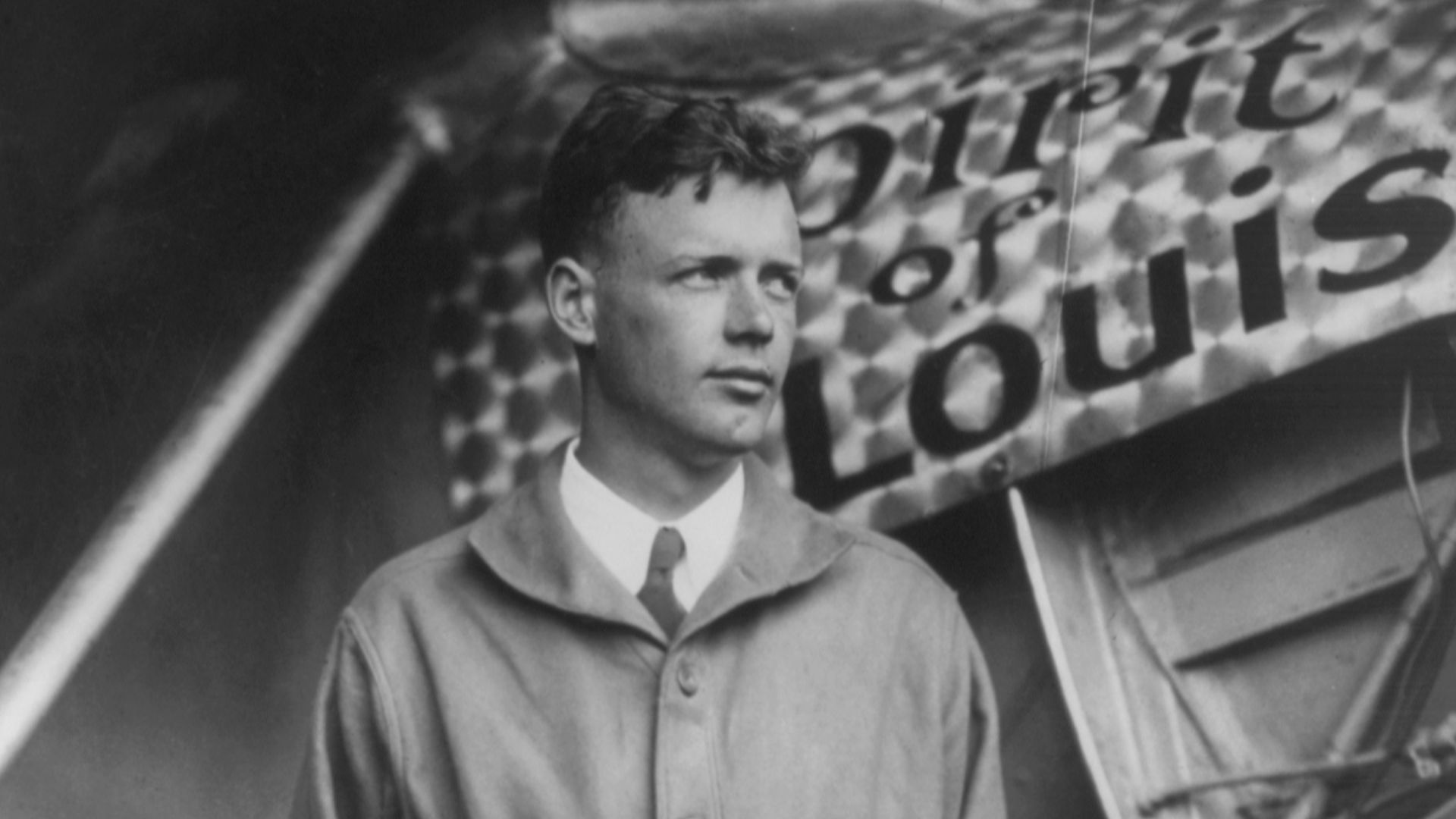 Unknown authorUnknown author, Wikimedia Commons
He Tried To Hide His Family
Lindbergh and his wife Anne eventually built a secluded home near Hopewell, New Jersey, partly to escape the media attention surrounding him. On March 1, 1932, someone kidnapped their 20-month-old son, Charles Jr., from his upstairs nursery and demanded a ransom. The fame Lindbergh had tried to escape ensured that the crime immediately became an international sensation.
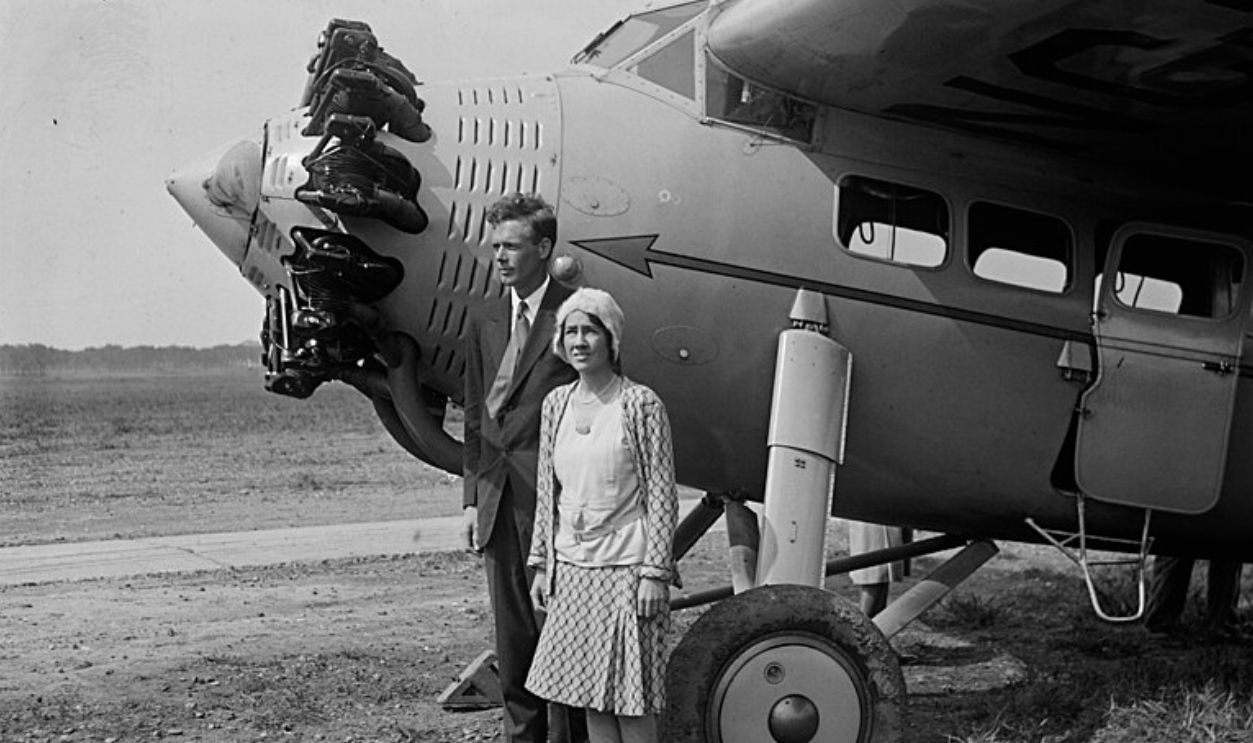 National Photo Company Collection, Wikimedia Commons
The Tragedy Became Public Property
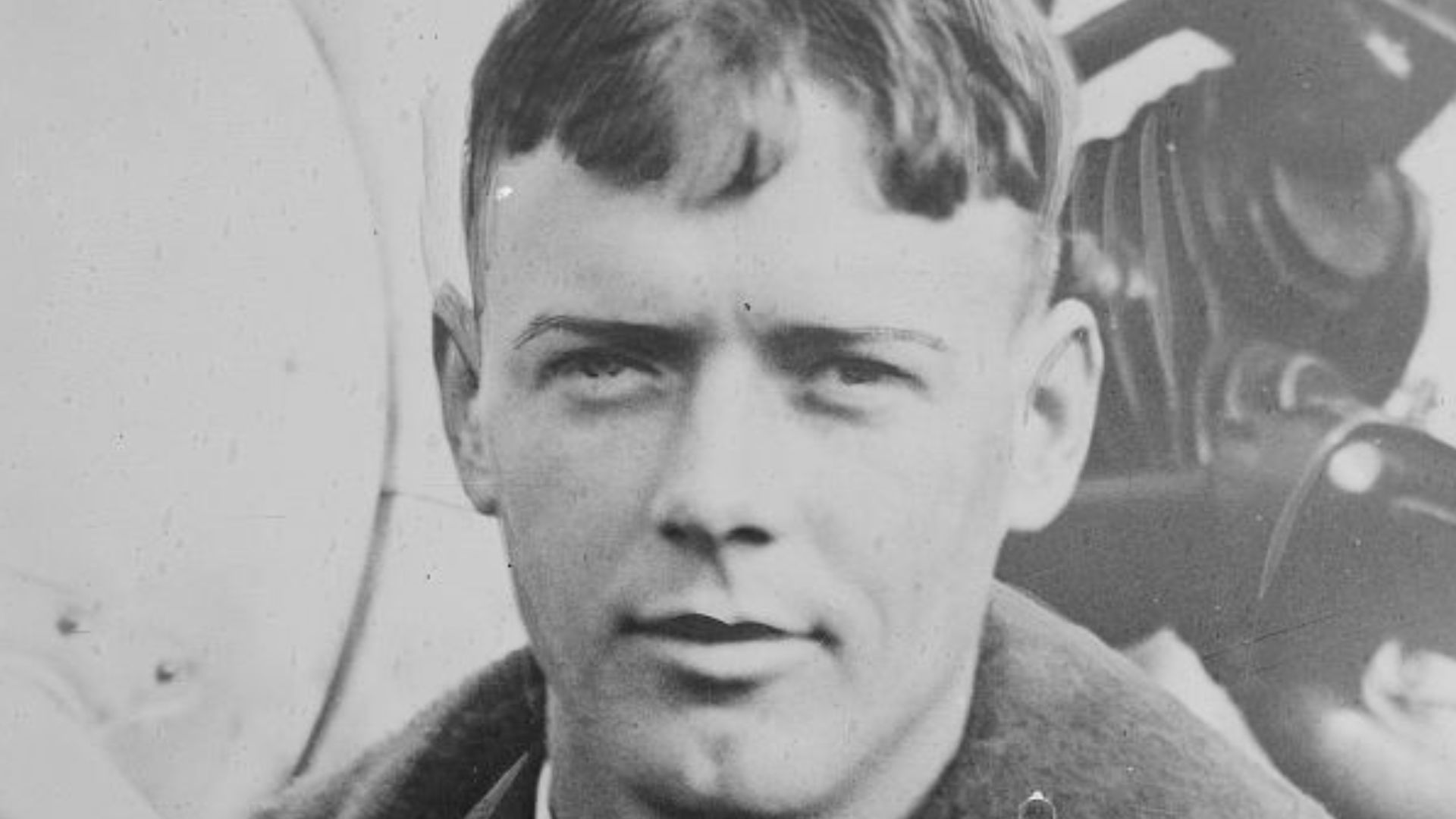
The child's body was found weeks later, and the later trial of Bruno Hauptmann drew another enormous wave of press attention. Lindbergh and Anne eventually left the United States for Europe as they tried to escape the continuing media circus around their family. Smithsonian's history of the Spirit of St. Louis explicitly links Lindbergh's fame with the devastating toll that followed his triumph.
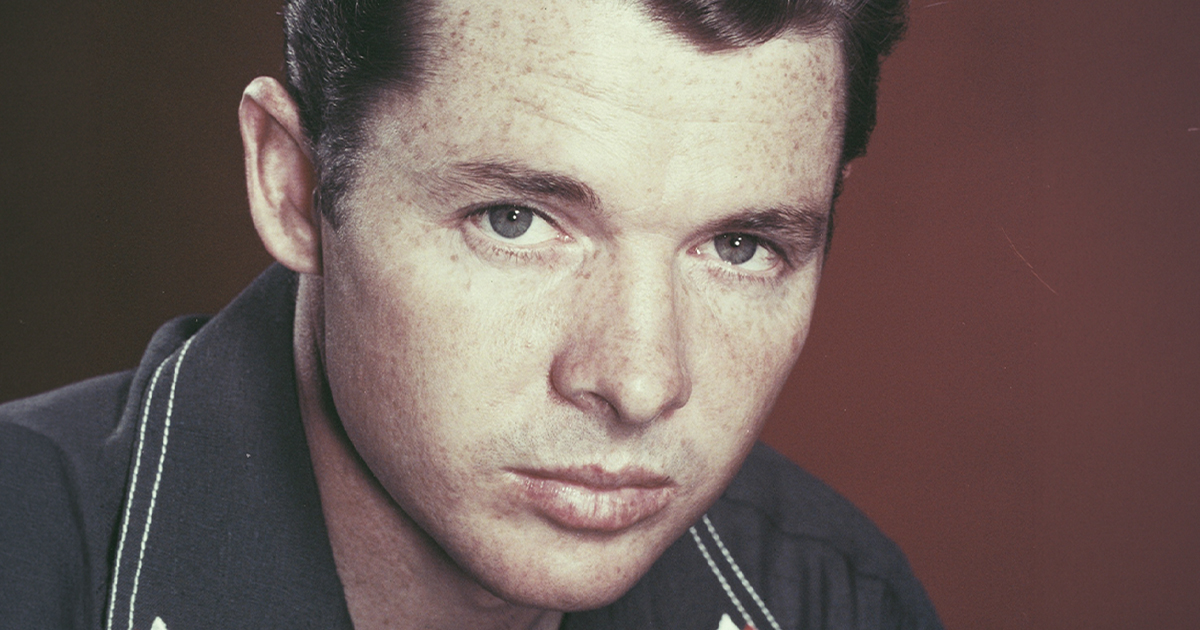
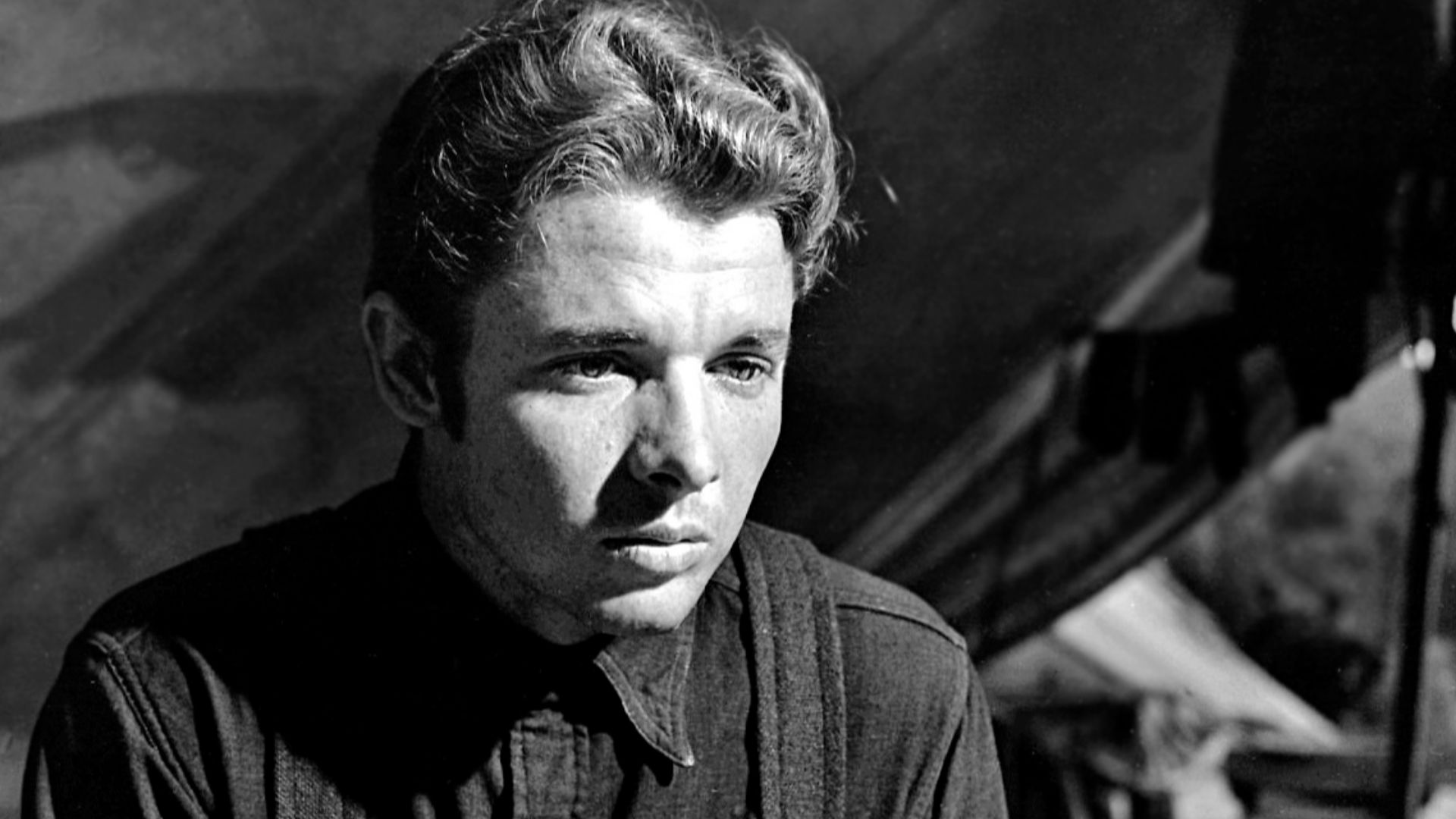
Audie Murphy Climbed Onto A Burning Vehicle
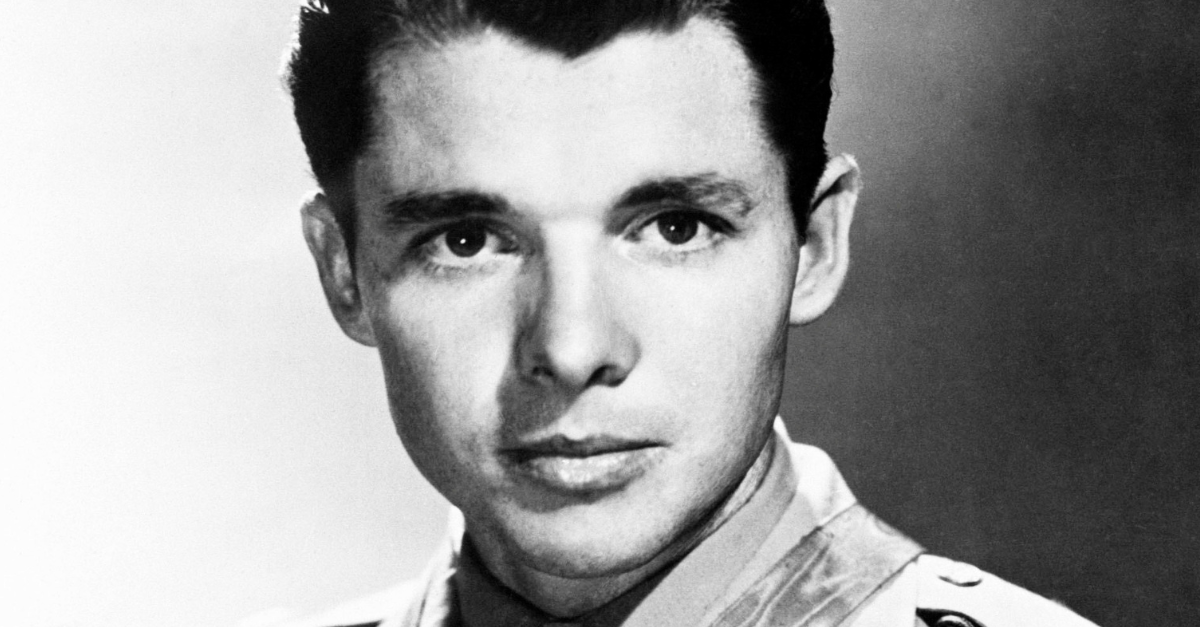
On January 26, 1945, 19-year-old Audie Murphy faced a German assault near Holtzwihr, France. Wounded and heavily outnumbered, he climbed onto a burning tank destroyer and used its machine gun while calling artillery onto the advancing enemy. His stand helped stop the attack and earned him the Medal of Honor.
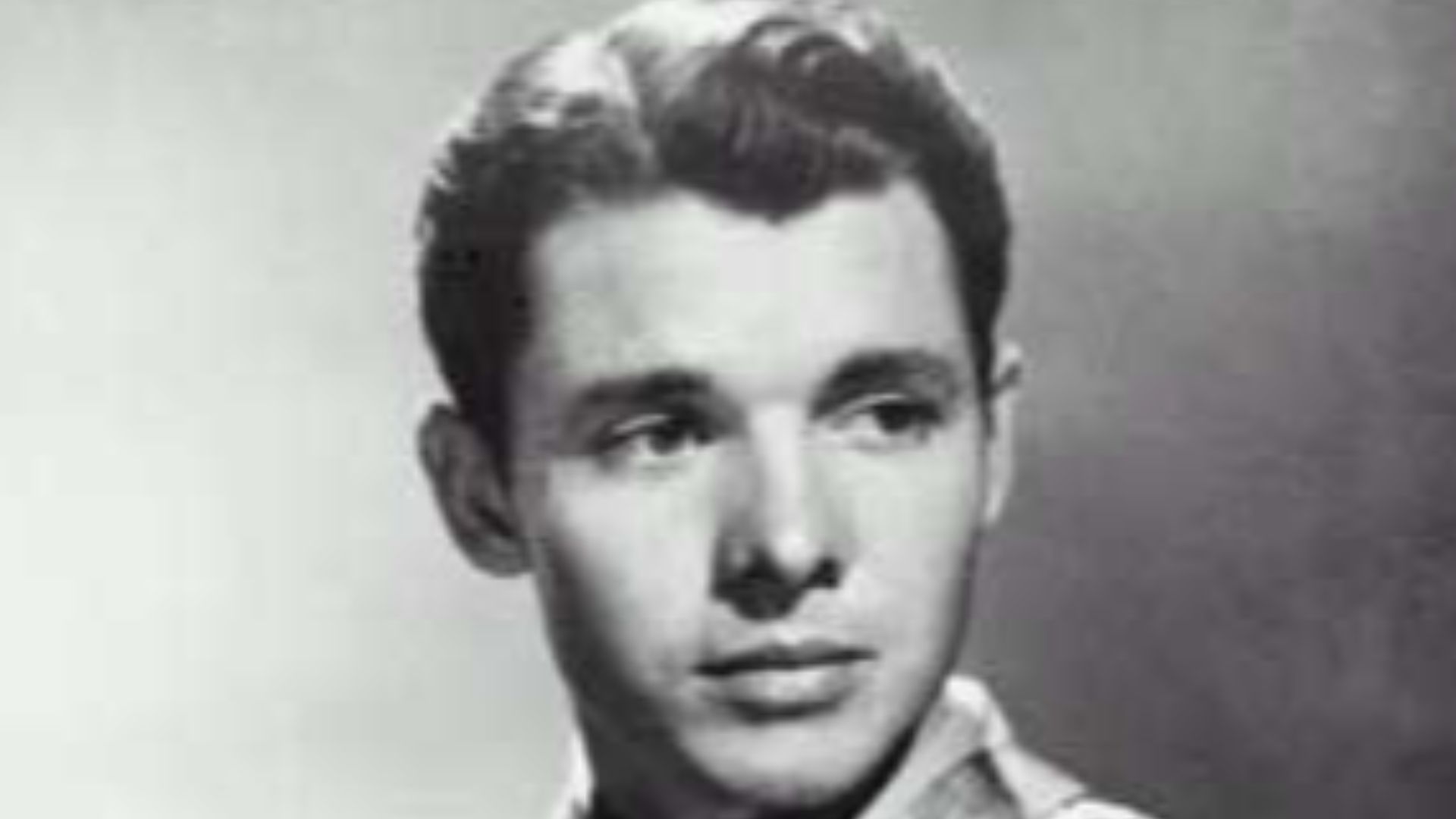 U.S. Army (http://www.detrick.army.mil/samc/index.cfm), Wikimedia Commons
America Made Murphy A Symbol
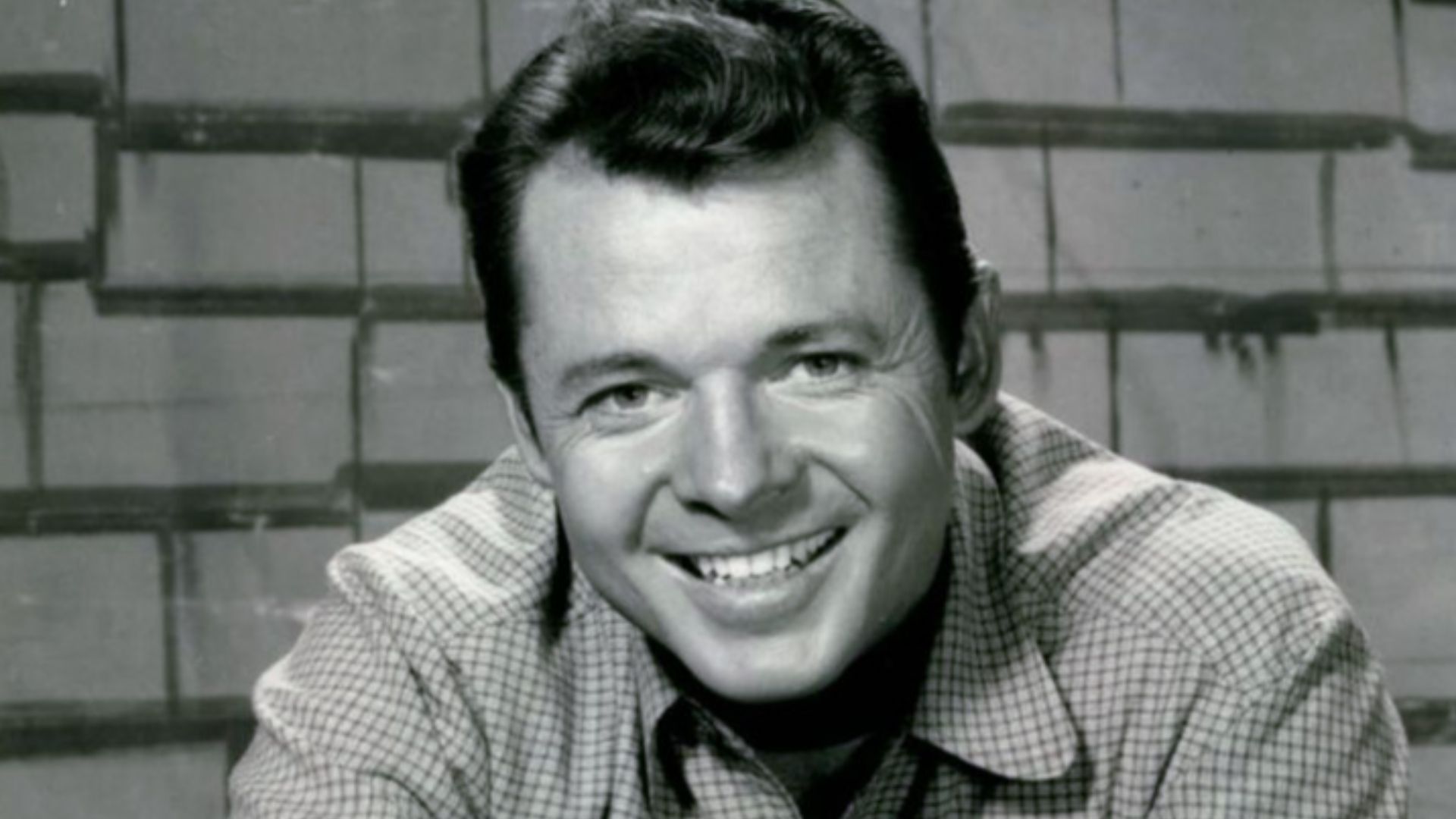
By the war's end, Murphy had become one of the most decorated American combat soldiers of World War II. An estimated 300,000 Texans attended his homecoming parade, and actor James Cagney helped bring him to Hollywood after seeing his photograph in Life. Murphy eventually played himself in the successful film adaptation of his memoir, To Hell and Back.
The Hero Could Not Leave The War
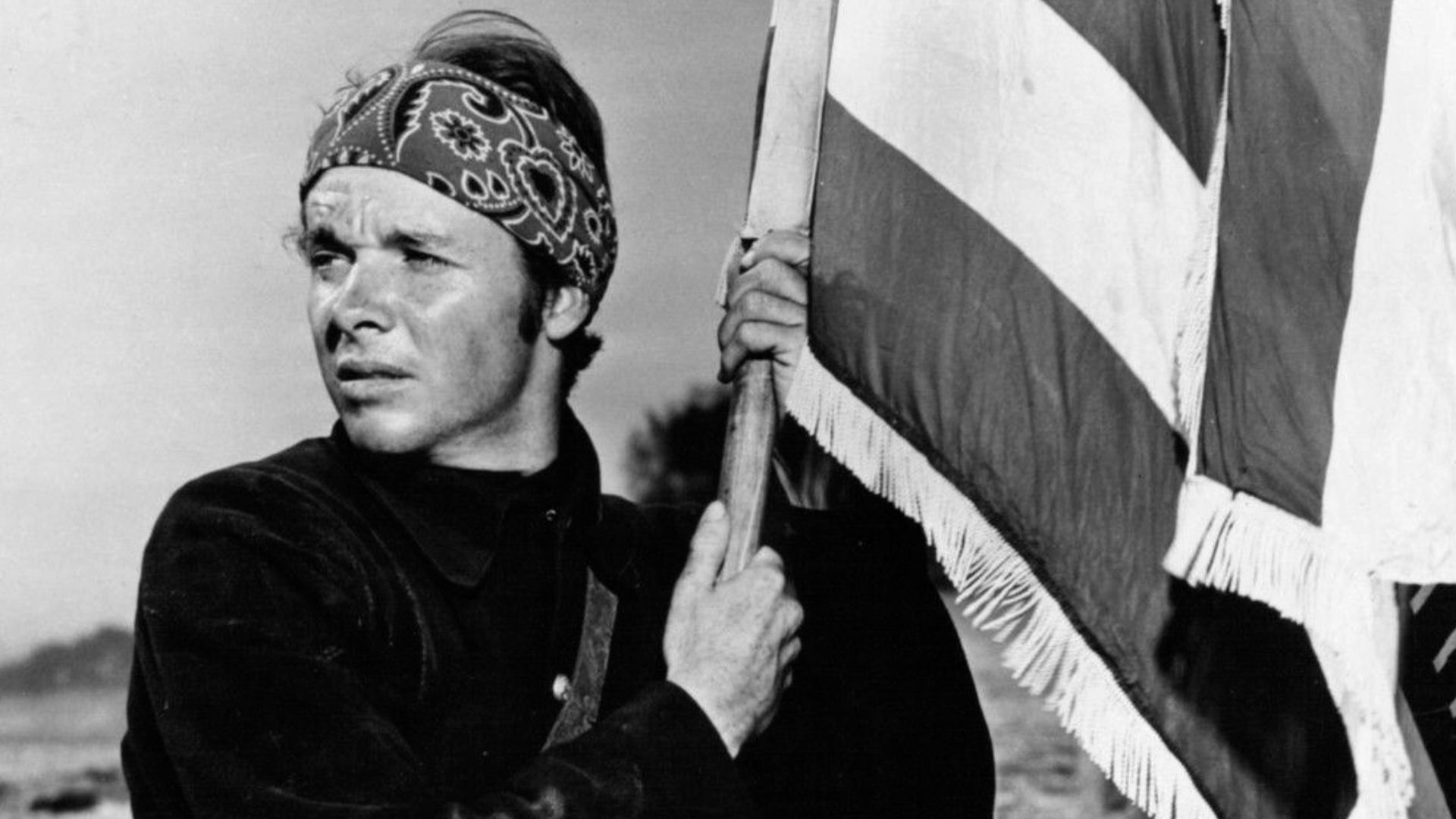
Public acclaim did not stop Murphy from experiencing severe psychological consequences from combat. The Army and Department of Veterans Affairs describe symptoms that would now be recognized as post-traumatic stress disorder, including depression, insomnia, and sleeping with a loaded gun nearby. He also became dependent on prescription sleeping medication before forcing himself to stop taking it.
History's most fascinating stories and darkest secrets, delivered to your inbox daily.
The Movie-Star Ending Never Arrived
Murphy spent years acting, writing songs, racing horses, and trying to build businesses, but financial problems increasingly followed him. Smithsonian notes that gambling losses and overspending compounded those difficulties even while the public continued seeing him as an almost mythic war hero. He died in a plane crash in 1971 at 45, after becoming one of America's earliest famous veterans to speak openly about the psychological cost of combat.
 NBC Television, Wikimedia Commons
Joe Louis Knocked Out More Than One Opponent
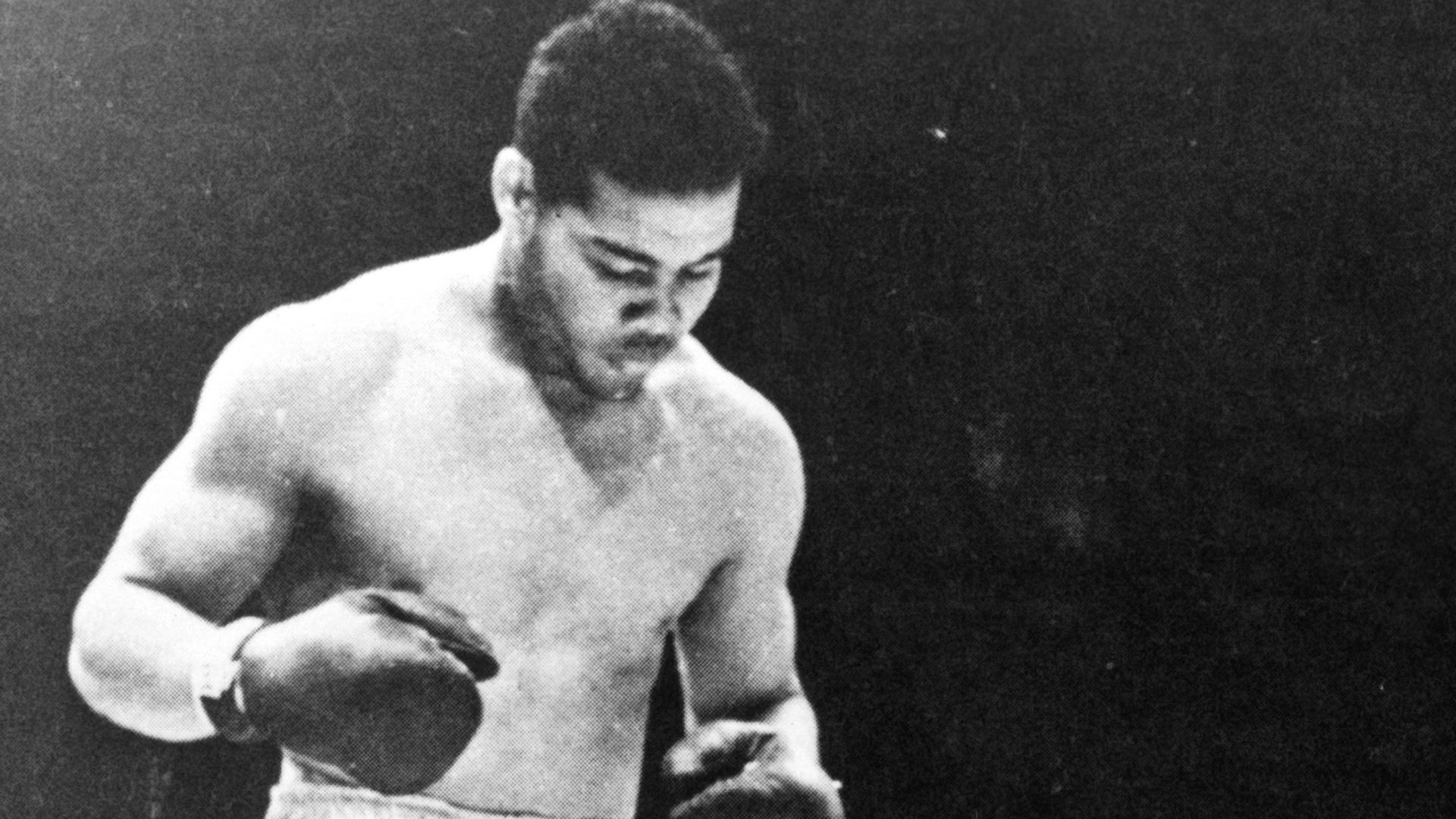
Joe Louis's 1938 rematch against German boxer Max Schmeling became far more than a sporting event. Nazi propaganda had celebrated Schmeling's earlier victory over Louis, and the rematch was widely presented as a symbolic contest between American democracy and Nazi racial ideology. Louis stopped Schmeling in the first round and emerged as a hero to millions of Americans.
 Associated Press, Wikimedia Commons
The Country Asked More From Its Champion
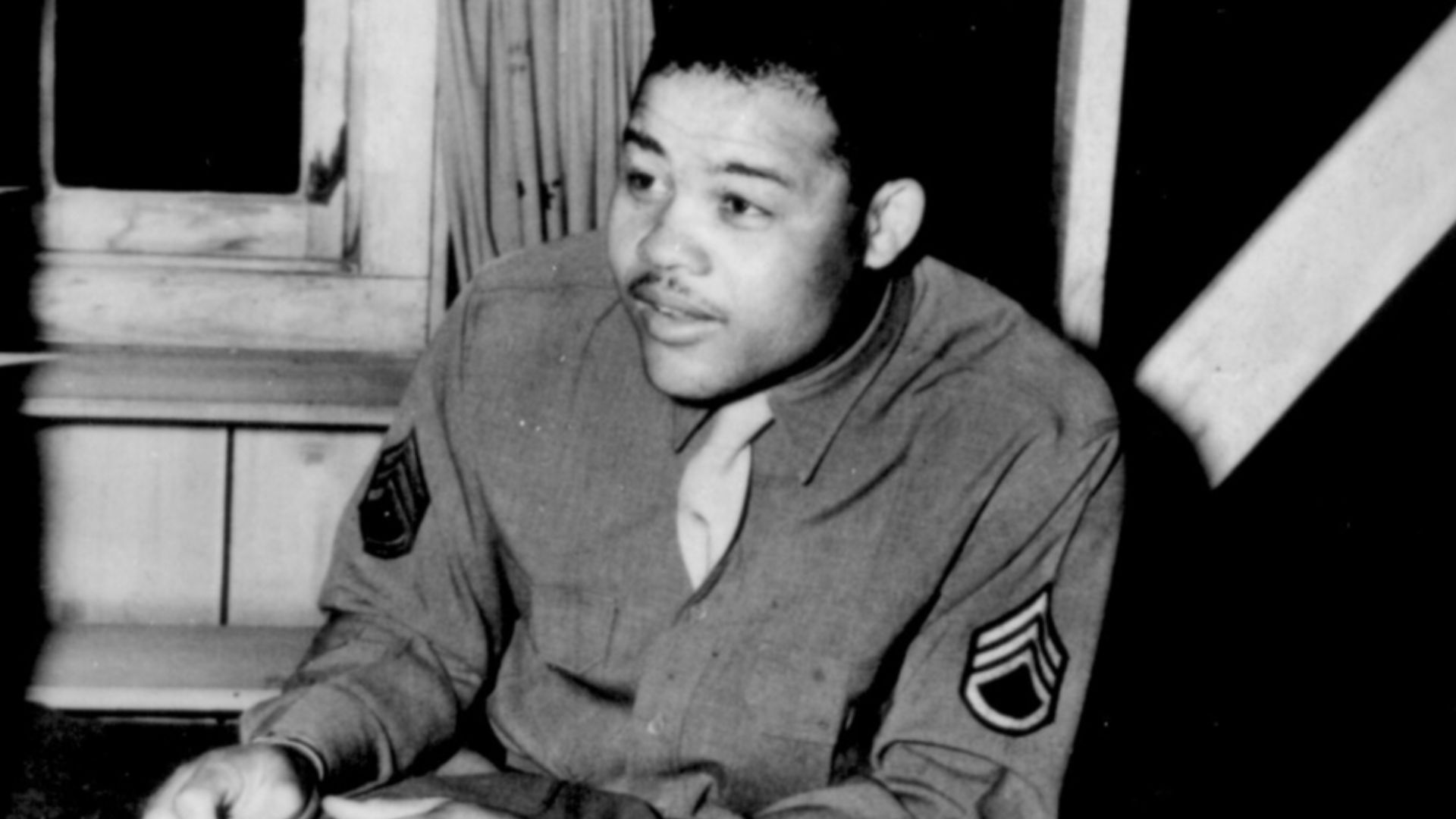
Louis remained heavyweight champion as the United States entered World War II. He donated the purses from two bouts, nearly $100,000, to Army and Navy relief organizations, then enlisted and traveled extensively performing exhibitions for American troops. More than two million service members saw him perform during his military service.
 U.S. Office of War Information, Wikimedia Commons
Patriotism Created A Tax Nightmare
The government still treated the donated fight purses as taxable income, while expenses and financial mismanagement added to Louis's problems. After retiring from boxing in 1949, he faced such severe federal tax debts that he returned to the ring despite being past his athletic prime. The national hero who had donated enormous sums to the war effort was fighting again partly because he desperately needed money.
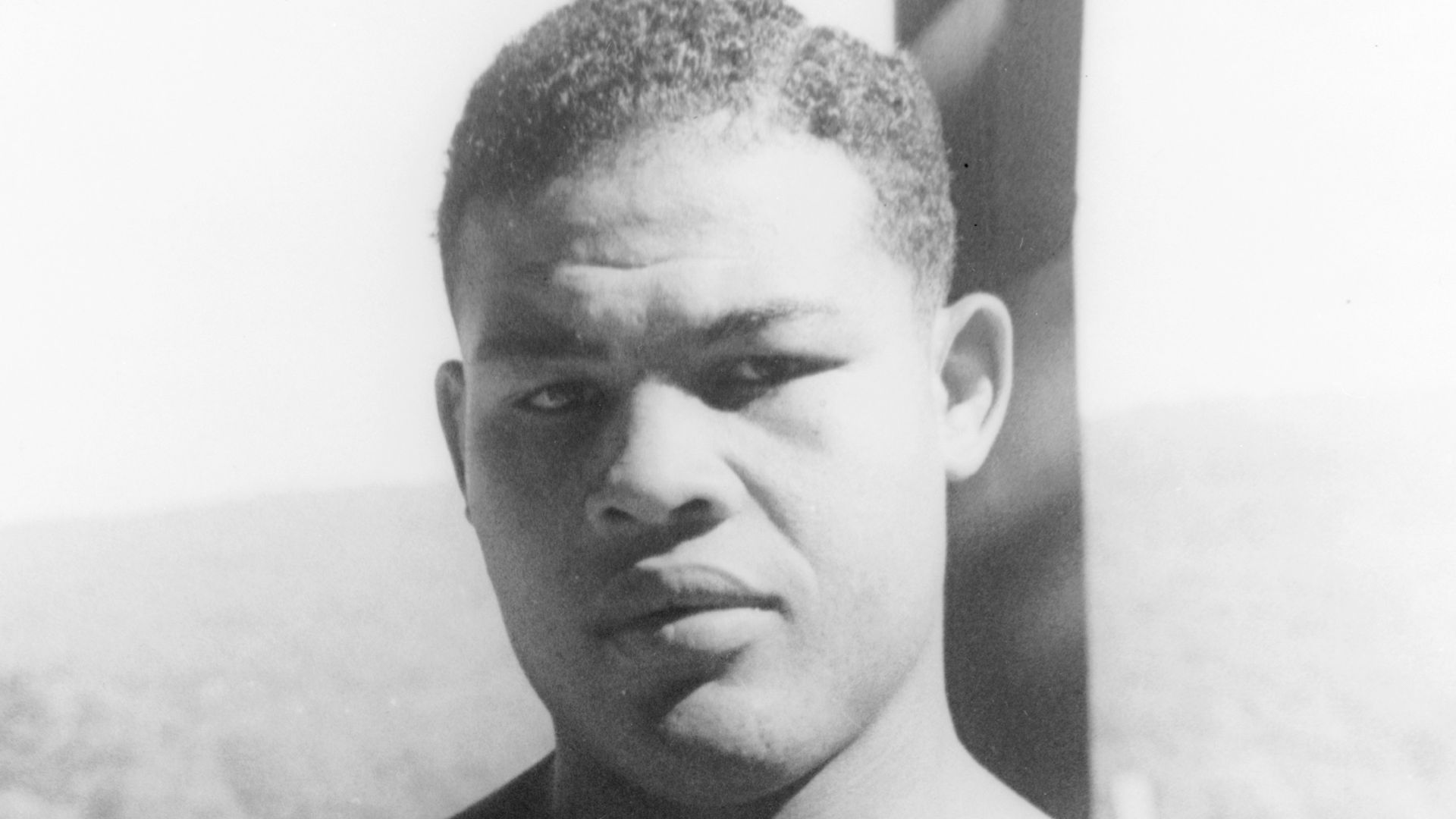 Carl Van Vechten, Wikimedia Commons
Joe Louis Could Not Retire From Being Joe Louis
Louis's comeback ended after Rocky Marciano knocked him out in 1951. Financial troubles continued through his later years, and he eventually worked greeting visitors at Caesars Palace in Las Vegas while struggling with serious health problems and addiction. The Library of Congress notes the bitter contrast that Louis died relatively poor despite once serving as one of America's most powerful symbols of national unity.
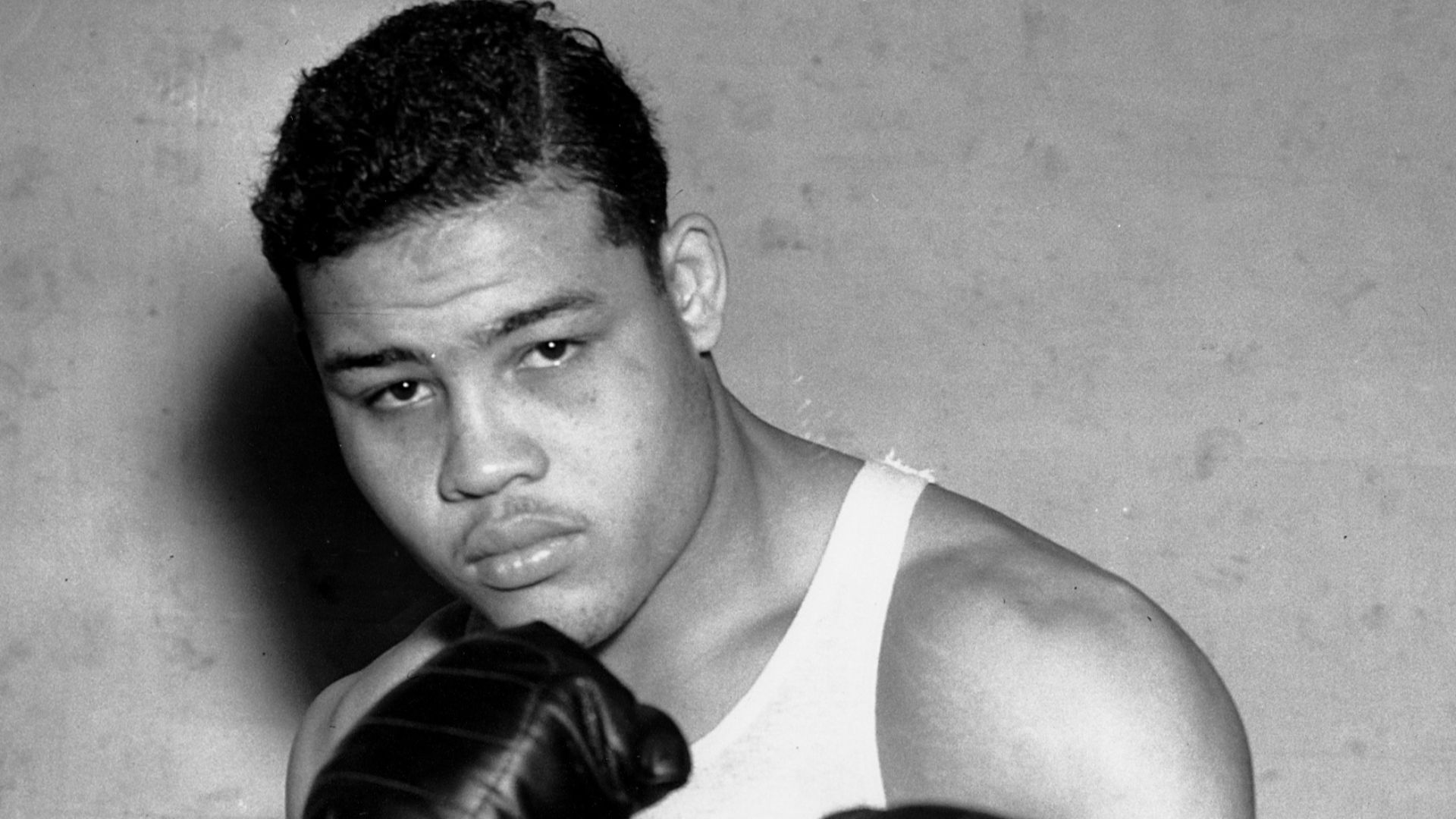 Associated Press, Wikimedia Commons
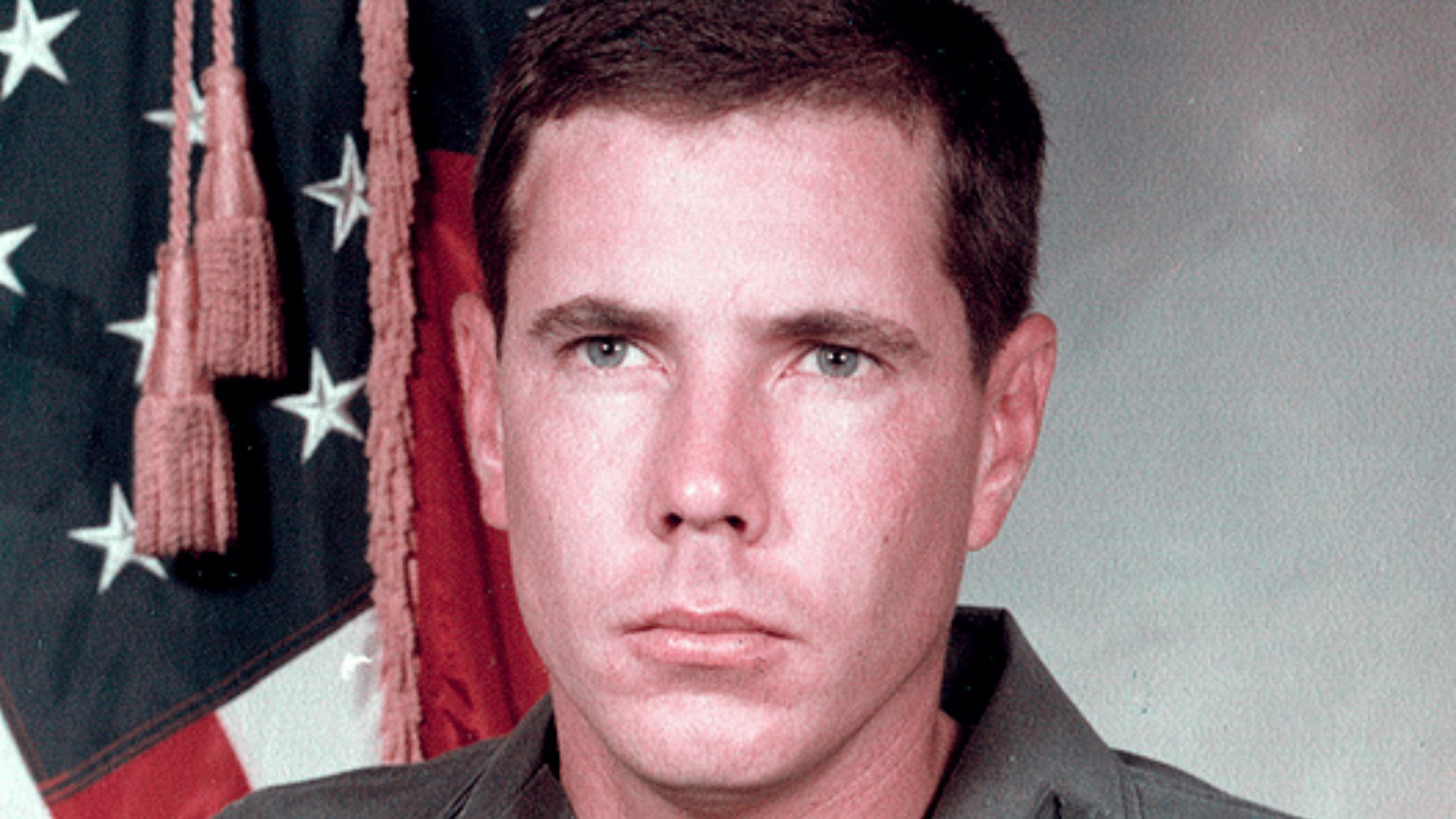
Hugh Thompson Landed In The Middle Of A Massacre
On March 16, 1968, Army helicopter pilot Hugh Thompson Jr. saw the bodies of unarmed Vietnamese civilians while flying over Son My during what became known as the My Lai Massacre. Thompson landed to investigate and realized American troops were killing civilians. He positioned his helicopter between soldiers and surviving villagers and instructed his crew to protect the civilians even if that meant confronting fellow Americans.
History's most fascinating stories and darkest secrets, delivered to your inbox daily.
Thompson Helped Stop The Killing
Thompson and his crew coordinated helicopter evacuations and helped save surviving villagers. The U.S. Army's own leadership case study credits their actions with helping stop the massacre and uses Thompson as an example of moral courage. He reported what he had witnessed rather than remaining silent about the conduct of American troops.
 Unknown photographer, Wikimedia Commons
Some Americans Treated The Hero Like A Traitor
When the massacre became public and Thompson testified about it, he encountered hostility rather than universal gratitude. HISTORY records that he received death threats after returning from Vietnam, while many Americans focused their anger on the men exposing the massacre rather than those responsible for it. Thompson spent decades carrying the consequences of an act that the Army would eventually celebrate.
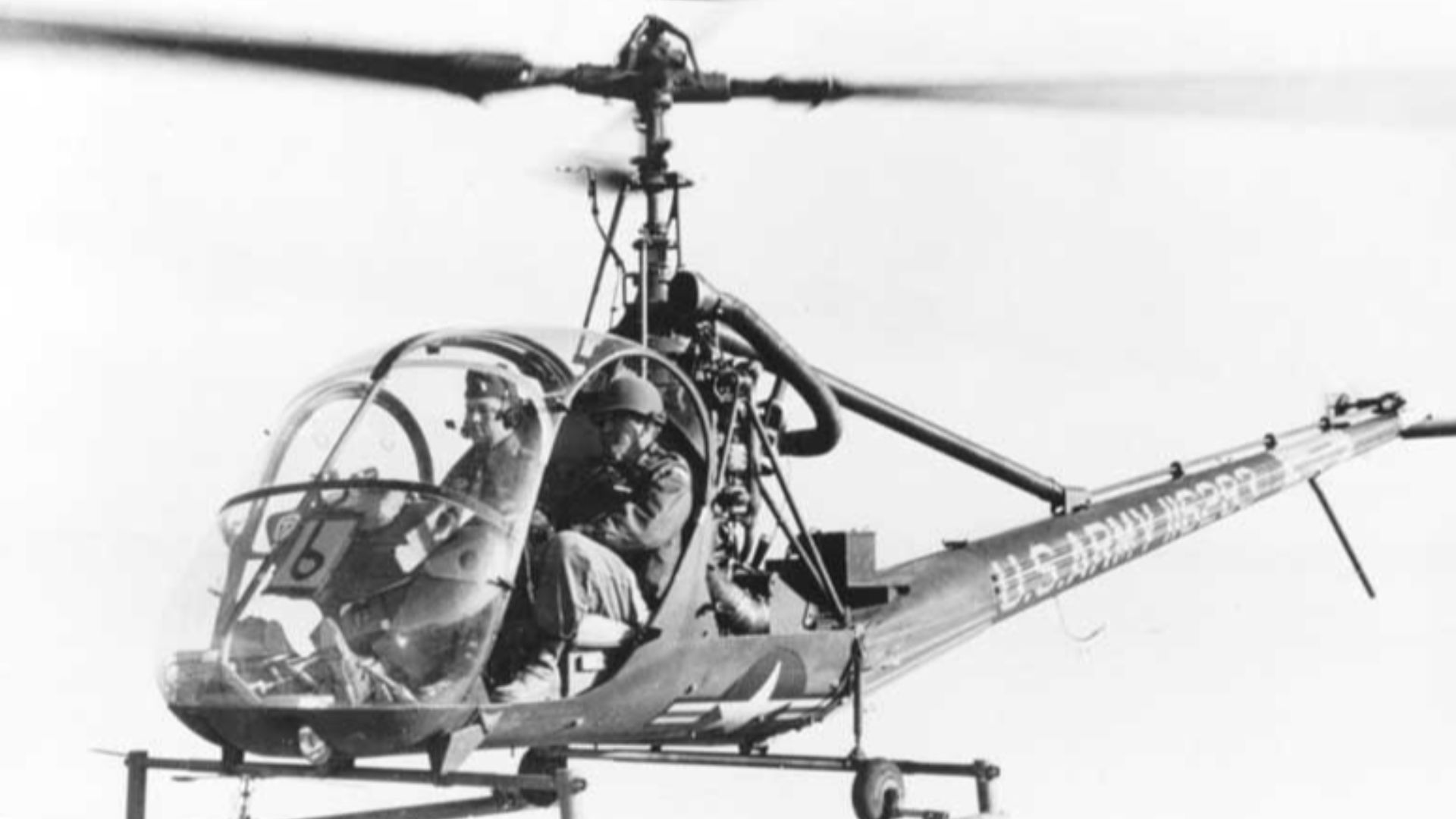
The Medal Arrived Thirty Years Late
In 1998, the Army awarded Thompson and fellow crewmen Glenn Andreotta and Lawrence Colburn the Soldier's Medal for their actions at My Lai. Thompson also returned to Vietnam for a memorial service on the massacre's 30th anniversary. The institutional recognition was powerful, but it arrived after three decades in which doing the right thing had repeatedly made him controversial.
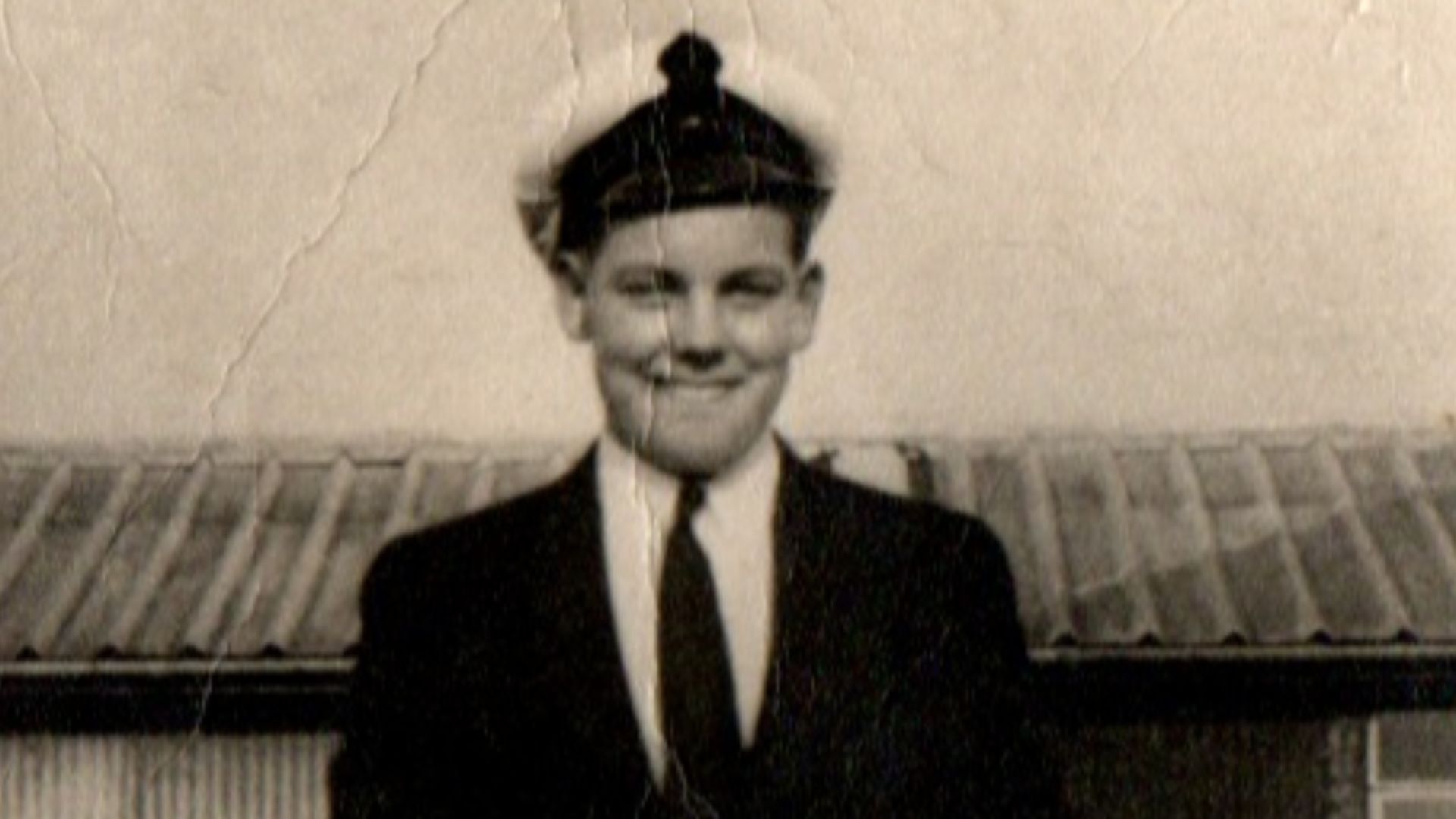 ArethusaF38, Wikimedia Commons
Jessica Lynch Woke Up Inside A Legend
Private First Class Jessica Lynch was seriously injured and captured after her Army convoy was ambushed near Nasiriyah, Iraq, in March 2003. American forces rescued her from an Iraqi hospital on April 1, and the operation immediately dominated news coverage. Reports soon portrayed the 19-year-old soldier as having fought fiercely until she was overwhelmed.
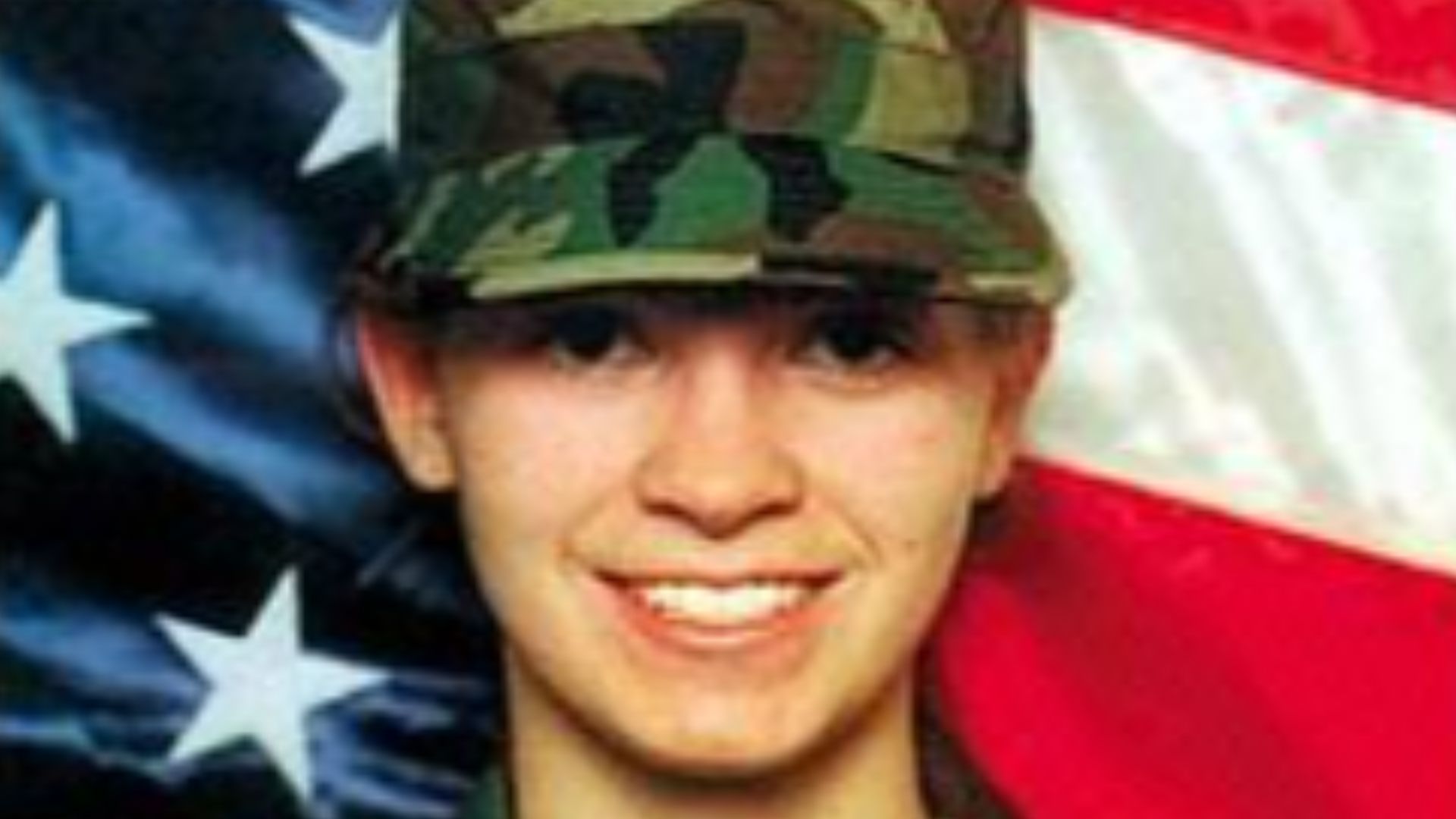
The Hero Story Was Not Her Story
Lynch later said that she had been knocked unconscious during the crash and had not fired her weapon because it jammed. A congressional investigation concluded that inaccurate reports depicting her as a battlefield fighter had spread widely and remained uncorrected for too long. Lynch herself testified that the bravery of soldiers who actually fought during the ambush had been overshadowed by a myth created around her.
 Mamie Mae Burke, Wikimedia Commons
Fame Made Lynch Defend Herself For Years
The false story created a strange punishment because some people later blamed Lynch personally when the heroic narrative collapsed. She wrote that she received hostile letters accusing her of seeking attention even though she repeatedly denied the stories attributed to her. Her ordeal showed that celebrity can become a trap even when the famous person never asked for the version of fame being sold.
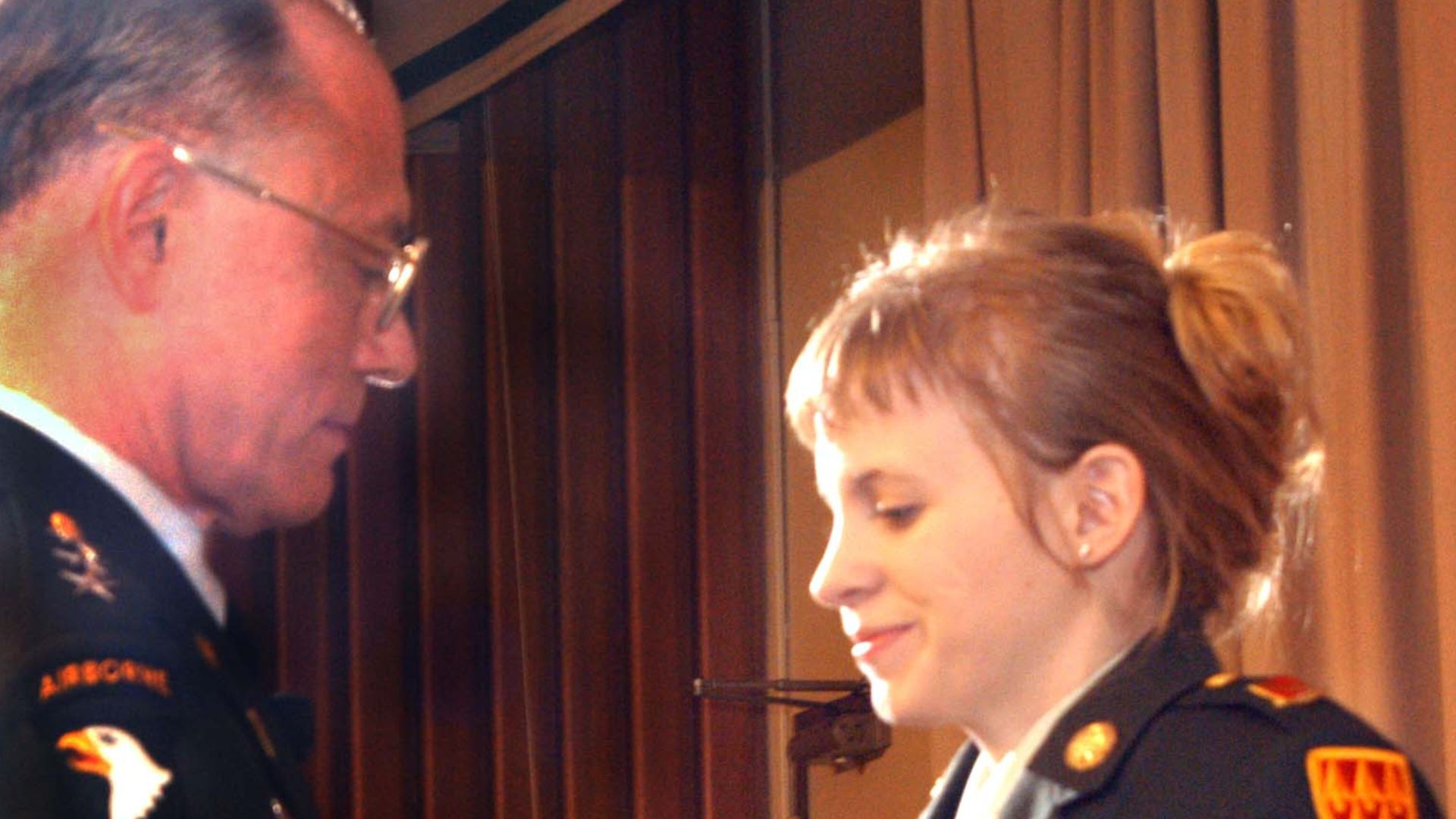 Brett McMillan, U.S. Army, Wikimedia Commons
History's most fascinating stories and darkest secrets, delivered to your inbox daily.
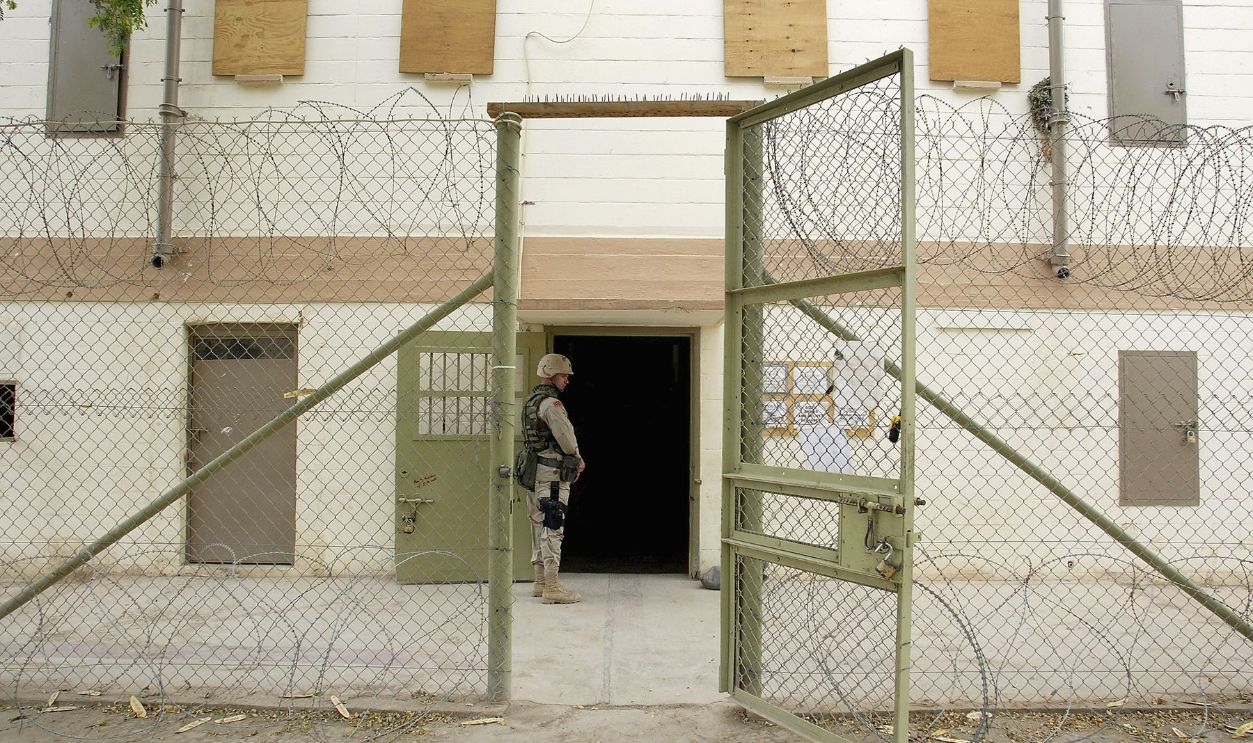
Joe Darby Found The Abu Ghraib Photographs
Army Reserve specialist Joseph Darby was serving in Iraq when fellow soldier Charles Graner gave him a CD containing photographs from Abu Ghraib prison. Darby saw images showing prisoner abuse and spent weeks deciding what to do before turning them over to investigators. He feared retaliation from fellow soldiers and initially believed his identity would remain confidential.

Doing The Right Thing Made Him Famous
Darby's disclosure helped expose one of the defining scandals of the Iraq War. His anonymity eventually disappeared, and the soldier who had quietly reported the photographs became publicly identified with the investigation. The Army now uses his decision as a case study about ethical courage, loyalty, and the duty to report wrongdoing.
 USDOJ Office of the Inspector General, Wikimedia Commons
His Family Paid The Price Back Home
According to the Army's account, Darby's wife had to flee after his identity became public, and the house where she sought refuge was vandalized. Some people in their hometown called Darby a traitor despite the fact that he had exposed criminal abuse. The family eventually moved to another community and rebuilt its life away from the place where Darby had grown up.
You May Also Like:
Little-Known Celebrity Scandals
History's Most Bone-Chilling Events
Historical Geniuses Who Were Complete Disasters Outside Their Field
Sources: 1, 2, 3, 4, 5, 6, 7, 8, 9, 10, 11, 12, 13, 14, 15, 16, 17, 18, 19, 20, 21, 22, 23, 24, 25, 26, 27, 28, 29, 30