

The Madness Of King Christian
While monarchs like Henry VIII or King George III get a lot of historical attention for their mental turmoil and personal scandals, people often forget about Christian VII of Denmark—and if they do remember him, it’s as a childish villain who destroyed everything he touched. But that’s only half the tragic truth.

1. He Had British Roots
On the surface, it looked like nothing could ever go wrong for Christian VII. Born on January 29, 1749 at the Danish royal residence in Copenhagen, he was the oldest surviving son of the reigning king of Denmark–Norway, Frederick V, and his queen Louise of Great Britain. But beneath the beautiful facade, his family had been messed up for a while.
 Alexander Roslin, Wikimedia Commons
2. His Father Was A Lush
Christian’s father Frederick more than enjoyed the high life—he was addicted to it. He drank and caroused from a young age, and these activities only ramped up as he grew older, continuing into his marriage with Christian’s mother. Frederick’s own father considered him so dissolute, he once considered taking him out of the succession.
But when Christian was two years old, his problems got worse than having a rake for a father.
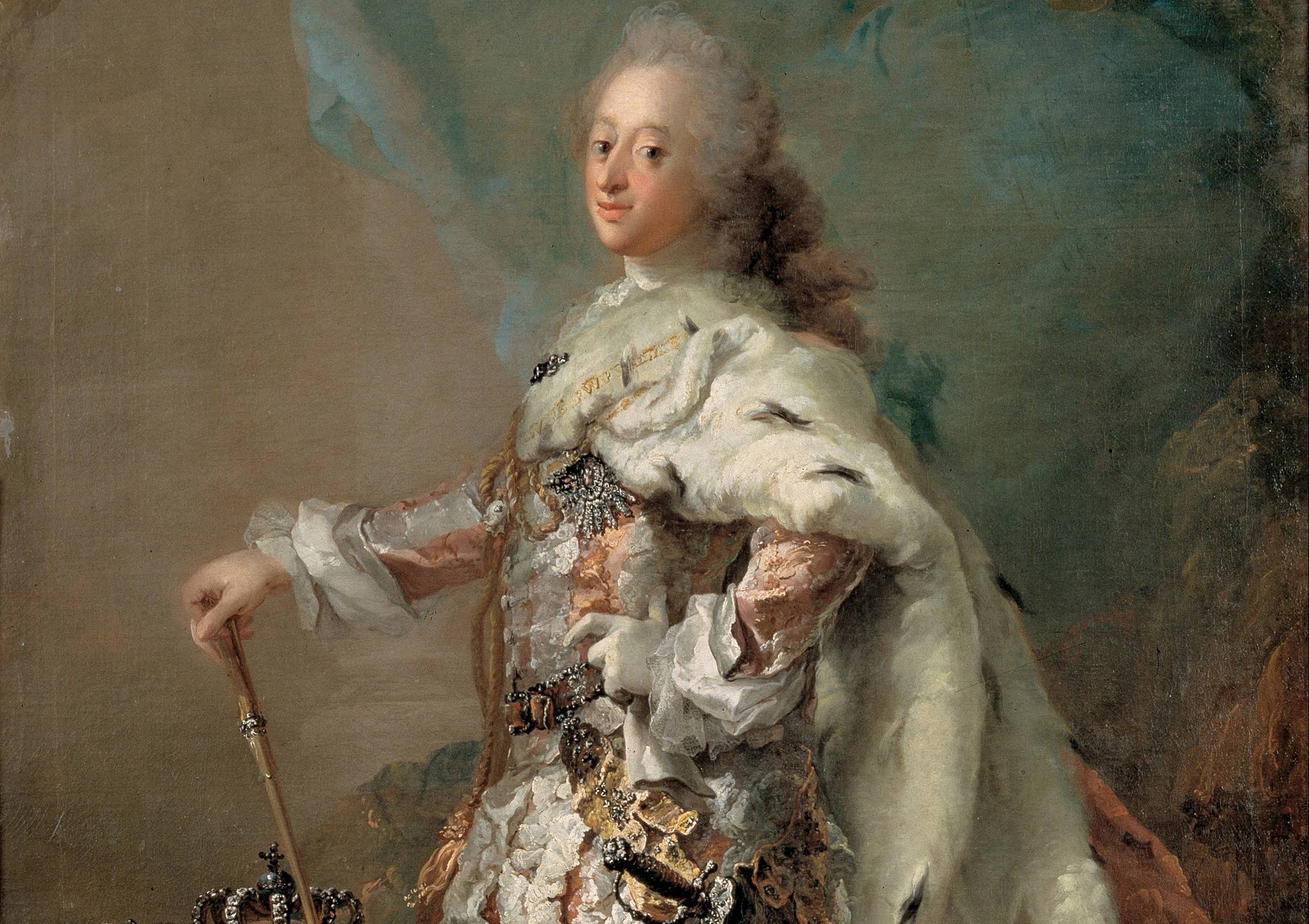 Carl Gustaf Pilo, Wikimedia Commons
3. His Mother Met A Bloody End
Christian’s mother Louise was a warm, shining light at the Danish court. So when she perished in December 1751, just a day after her 27th birthday and weeks before Christian turned 3, the court plunged into mourning. A life without a mother is painful for anyone—yet once more, Christian had it worse than most.
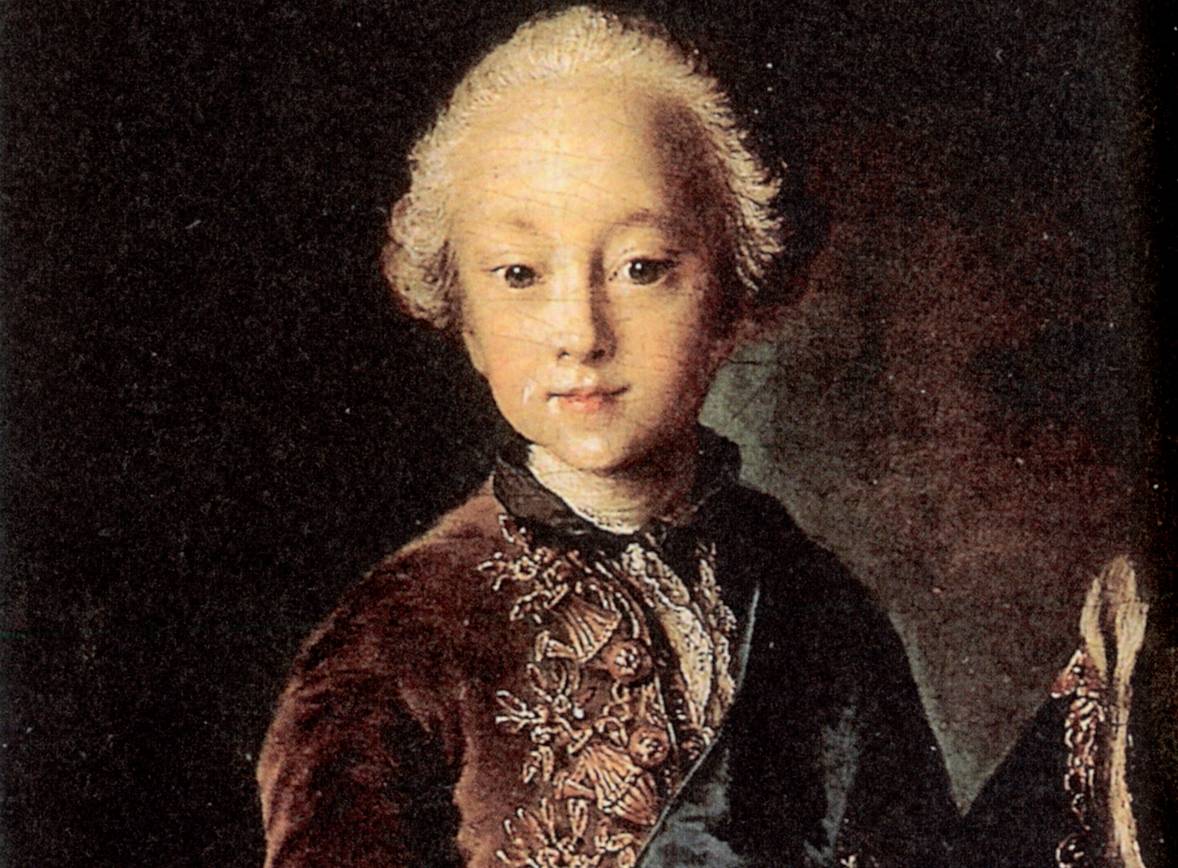 Louis Tocqué, Wikimedia Commons

History's most fascinating stories and darkest secrets, delivered to your inbox daily.
4. He Got A New Stepmother
After pressure from his ministers, Christian’s father re-married Juliana Maria of Brunswick-Wolfenbuttel and quickly had a child with her, Christian’s half-brother Hereditary Prince Frederick. It was a dizzying turn of events for the toddler, made only more upsetting when Juliana all but ignored her stepson in favor of her biological son.
Christian’s father wasn’t much better.
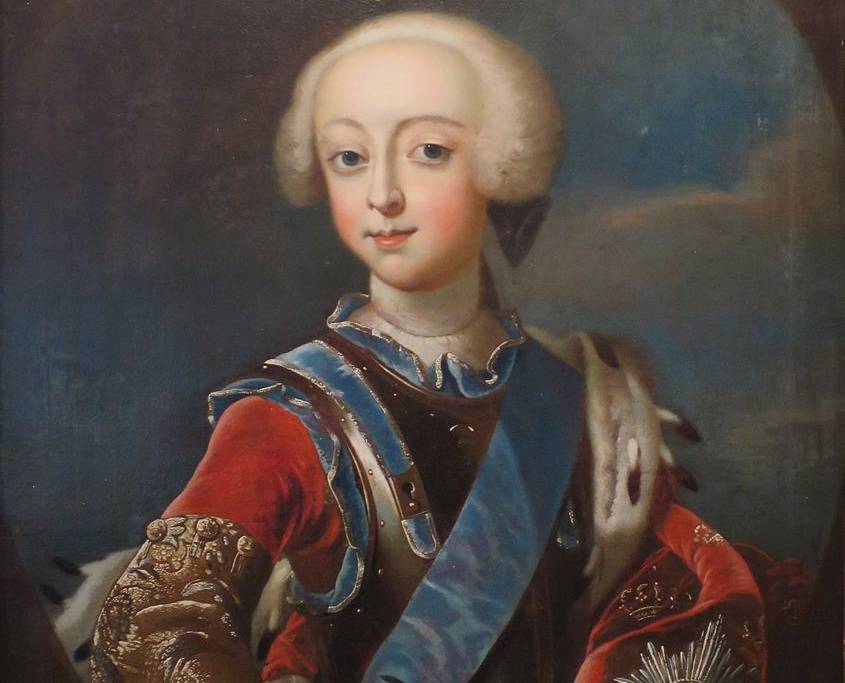 Attributed to Peder Als, Wikimedia Commons
5. His Father Declined
As Christian VII grew up, his father devolved more and more into alcoholism. Never a naturally healthy man, King Frederick fell into melancholy and neglected himself, his government—and his young children. Reportedly, Christian probably rarely saw his father sober, and the king broke his leg not once but twice while drinking during this time.
It was an isolated, lonely, and affectionless existence for Christian, who only saw his royal tutor Count Reventlow with any regularity. Yet this, too, was a terrifying prospect.
 Unknown Author, Wikimedia Commons
6. His Tutor Was Brutal
Count Reventlow was no romantic, inspiring tutor to Christian. Instead, the man taught the crown prince through fear and physicality, belittling him and likely even brutally flogging him if he got something wrong. This, from one of the only people Christian might have looked up to.
It’s no wonder, then, that things began to turn sour.
 Unidentified painter, Wikimedia Commons
7. It Took A Toll On Him
Despite all the terrors we know about his adult life, Christian VII was reportedly a sensitive, intelligent, and delightful child, at least at times. But after Reventlow’s systematic beatings, Christian began exhibiting nervous, frantic symptoms along with epileptic seizures. He even had a tendency to foam at the mouth after Reventlow’s beatings, perhaps a symptom of porphyria.
Before long, Christian was a changed man—and not in a good way.

8. He Was Violent
Count Reventlow had shown Christian that the only way to survive this world was to toughen up, and the crown prince—naturally short and slim—took it to heart. He became obsessed with physical strength, as well as with showing off that strength to others. Reportedly, early on he wandered the streets of Copenhagen with a spiked club, attacking innocent bystanders.
Yet perhaps the most disturbing aspect of Christian’s burgeoning mental illness was just how unpredictable it could be.
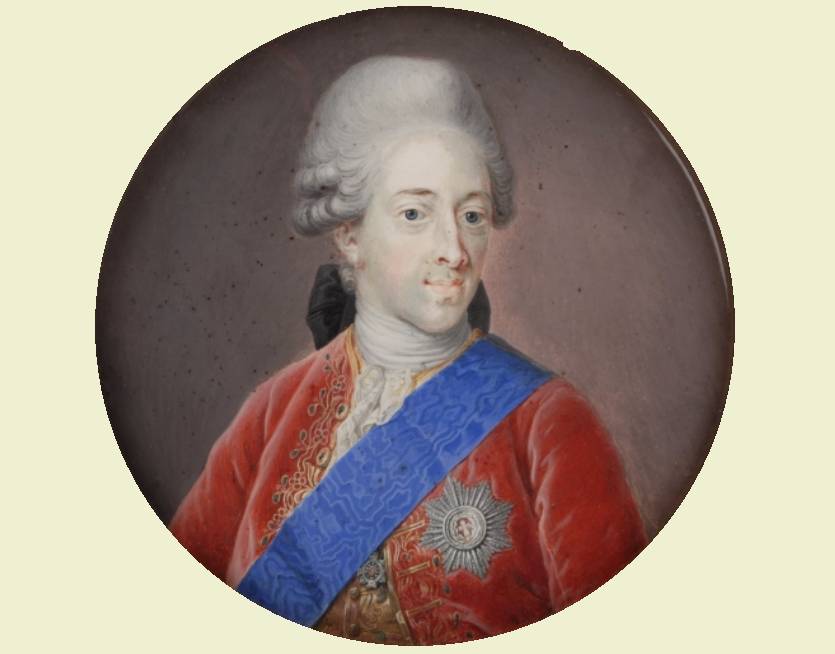 Cornelius Hoeyer, Wikimedia Commons
9. He Was Bizarrely Naive
One minute Christian VII was trying to maim people with a spiked club, but the next he could be almost innocent. Some of his contemporaries describe his almost childlike, naive, and playful behavior well into adulthood. He enjoyed “leapfrogging” foreign diplomats as they bowed to him, and liked to play practical “jokes” like making dinner guests wait for hours, only to leave the table abruptly.
But this childishness could also veer into violent petulance.
 Unknown Author, Wikimedia Commons
History's most fascinating stories and darkest secrets, delivered to your inbox daily.
10. He Threw Tantrums
Christian’s fits of pique became legendary around the palace: He once threw a bowl at his grandmother’s head, and at another time stuck pins in the seat of her throne. Likewise, when he wasn’t leapfrogging them, diplomats often complained that Christian would suddenly stop what he was saying to slap them in the face.
Other bad habits…weren’t so childish.
 Anne-Lise Reinsfelt, Wikimedia Commons
11. He Hurt Himself
Christian VII engaged in some disturbing acts of self-mutilation, as well as self-destructive behavior. He often returned from his nights out with black eyes and cuts, and although he enjoyed public executions, he also built himself his own rack and had Conrad Holcke flog him on it, sometimes—to emphasize his masculinity—rubbing salt into his wounds and burning his skin.
As time went on, he also got further and further detached from reality.
 Alexander Roslin, Wikimedia Commons
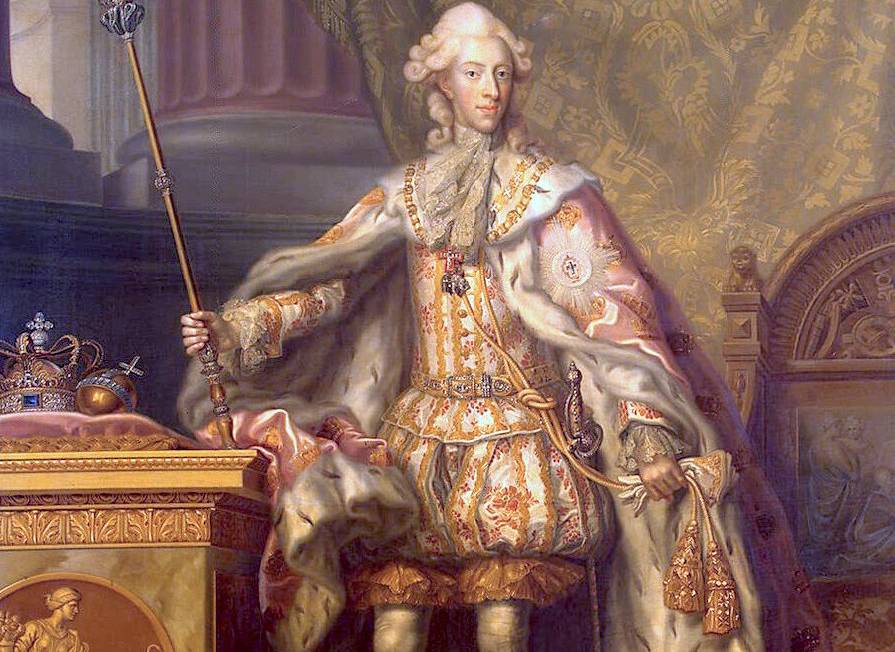
12. He Hallucinated
Christian also suffered from hallucinations and delusions: He would declare in the morning that he had slain several people the night before, announce he was a changeling or the son of Catherine the Great, and was often paranoid of assassins in the palace. To add to this, he suffered from slurred speech—he also complained of a “noise” in his head—inappropriate reactions like laughing wildly out of nowhere, and mood swings.
Today, many historians believe Christian suffered from schizophrenia, among other possible ailments. Back then, though, their solution was horrible.
 Soerfm, CC BY-SA 4.0, Wikimedia Commons
13. He Got A Fiancée
Throughout his life, people tried to throw distractions, particularly women, at Christian VII to alleviate or even cure his troublesome symptoms. So in 1765, when Christian was around 16 and beginning to be truly unbearable, his family betrothed him to his cousin Caroline Matilda of Great Britain, the sister of King George III.
It was supposed to snap Christian to reality. It only broke a kingdom.
 Catherine Read, Wikimedia Commons
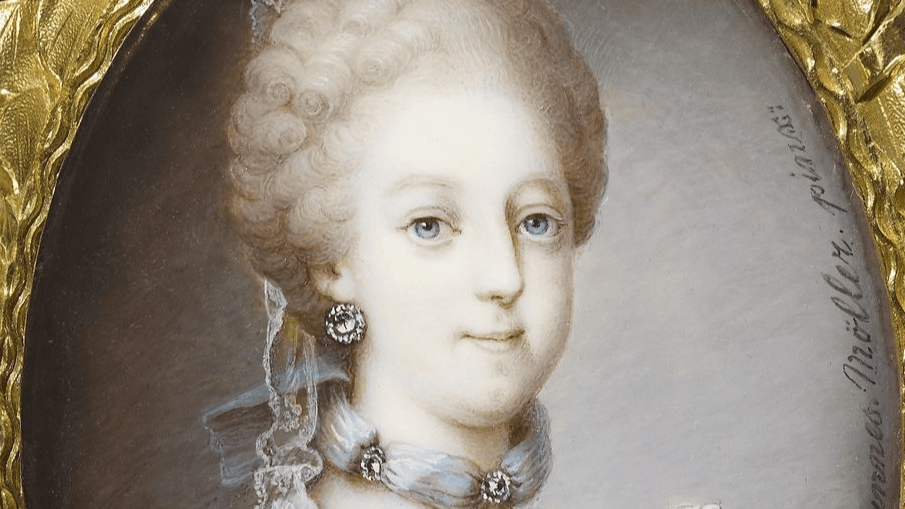
14. His Family Hid The Truth
King George III was somewhat dubious of sending his sister over to Denmark, but only because he thought she, two years younger even than Christian and heartbroken at leaving her home country, was still a child. The King of England knew nothing of Christian’s deteriorating mental health, and likewise neither did Caroline Matilda. She was about to find out.
 Johannes Møller, Wikimedia Commons
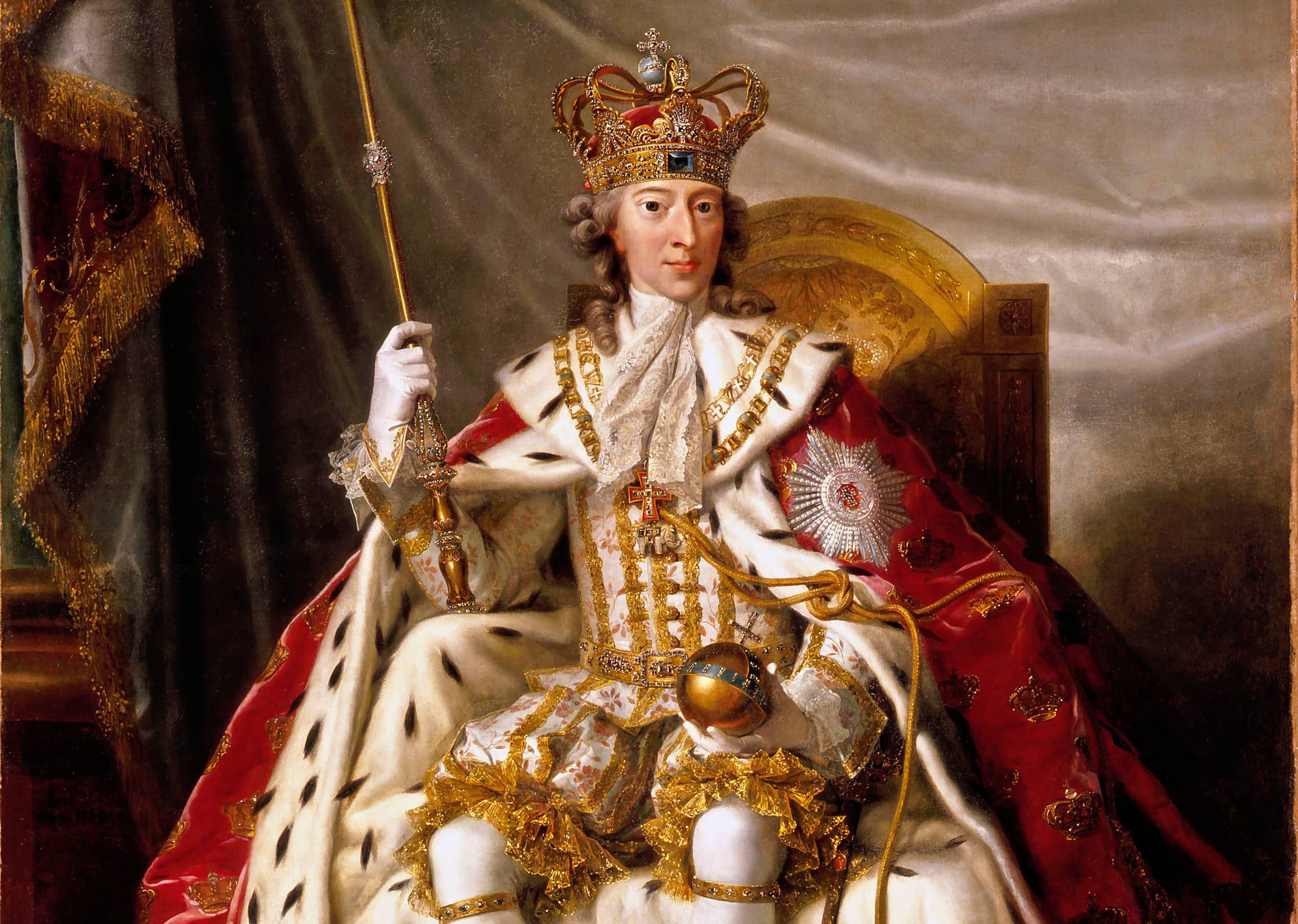
15. He Became A Teen King
In January of 1766, Christian’s father King Frederick V—still struggling with alcoholism—perished at the age of 42 and turned his son into King Christian VII of Denmark just shy of the boy’s 17th birthday. When the 15-year-old Caroline Matilda married him later that year, she became the Queen of Denmark. But it was a fundamental mismatch.
History's most fascinating stories and darkest secrets, delivered to your inbox daily.
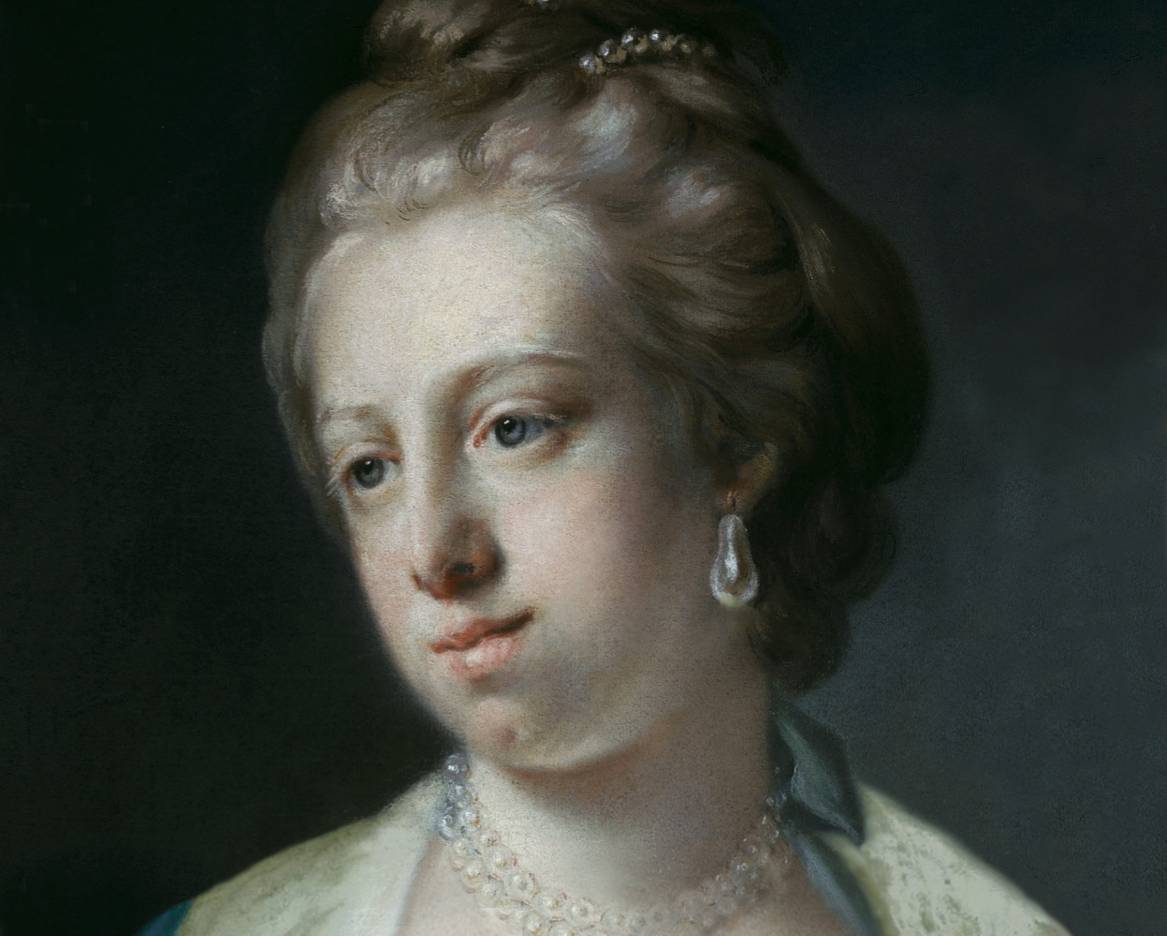
16. He Refused To Love Her
Caroline Matilda was pleasingly plump, temperamental, and vivacious, and many at court were instantly drawn to her. Her husband, however, was not. Christian VII treated her dismissively, and joked that it was “unfashionable to love one’s wife” anyway. One of his tutors even had to sign love letters in his name, just to give Caroline Matilda some hope.
But the newlyweds weren’t above freezing out other people, too.
 Francis Cotes, Wikimedia Commons
17. He Snubbed His Stepmother
If there was one way Caroline Matilda got close at all to Christian in these years, it was in snubbing his stepmother Juliana. Although Juliana’s summer residence was near to where Caroline Matilda and Christian lived, they never visited her there. They also invited her to sit at their royal table only when they absolutely had to…and once she was there, they kept on snubbing.
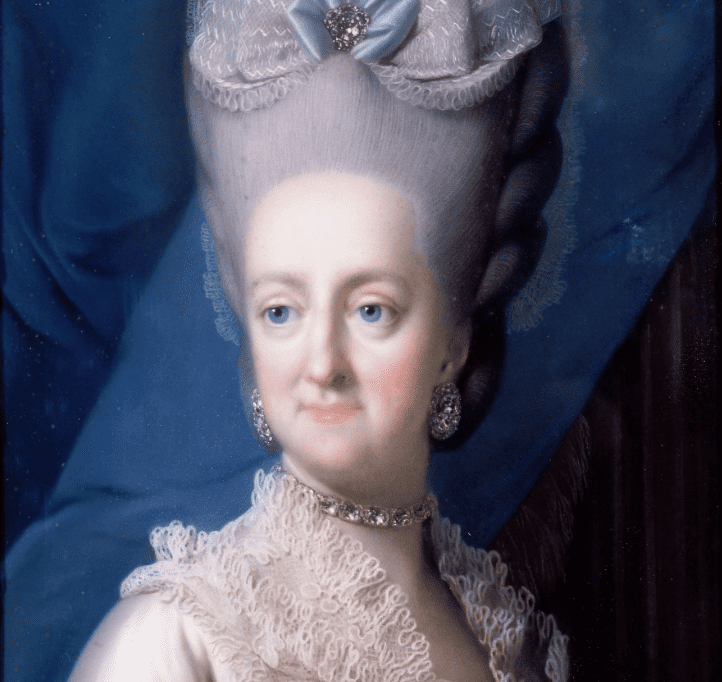 Vigilius Eriksen, Wikimedia Commons
18. They Cut Her Out
Juliana had been a cold stepmother, and Christian VII and Caroline Matilda gave that coldness right back. Whenever Juliana dined with them, they made sure to ignore her very obviously, thus indicating to everyone around them how low she was in their estimation. Accordingly, Juliana’s position at court plummeted.
Juliana would get her revenge, but for now Christian only got worse.
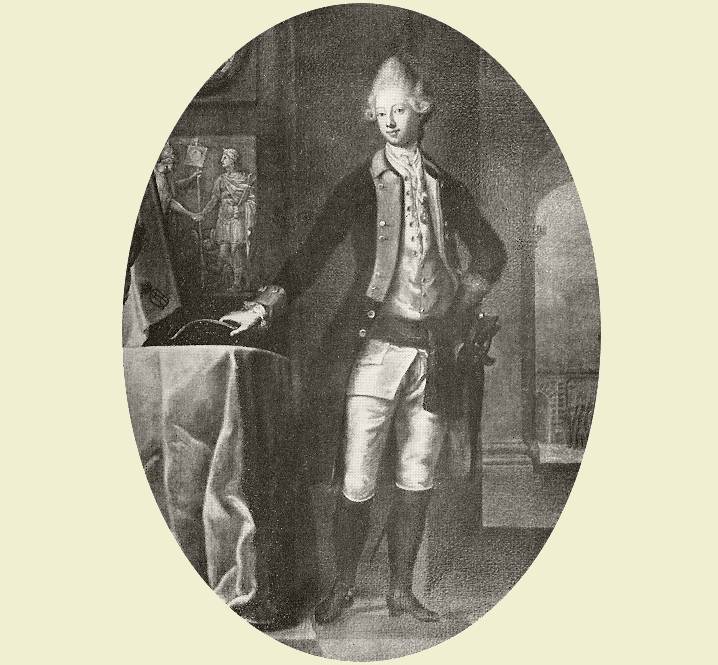
19. He Had A Favorite Mistress
Around this time, Christian became involved with the courtesan Stovlet-Cathrine (literally, “Boots-Cathrine,” as her mother made boots), and—much to Juliana’s dismay—paraded her around at court events and other parties. Sometimes, for an extra scandal Christian appeared to enjoy, she would dress as a man in naval uniform.
Christian appeared to be in love with Cathrine, nicknaming her the “Mistress of the Universe,” all while still staunchly ignoring his wife. Even so, a miracle happened.
 Unidentified painter, Wikimedia Commons
20. He Produced A Legitimate Son Against All Odds
Although Christian VII spent most of his time with mistresses, his advisors did eventually convince him he should pay at least some visits to his wife’s bedchamber, and on January 28, 1768, just a day before Christian’s 19th birthday, Caroline Matilda gave birth to a son and heir, Frederick. From here on, Christian and Caroline Matilda could have had a settled life mostly ignoring each other. Unfortunately, it all turned tragic.
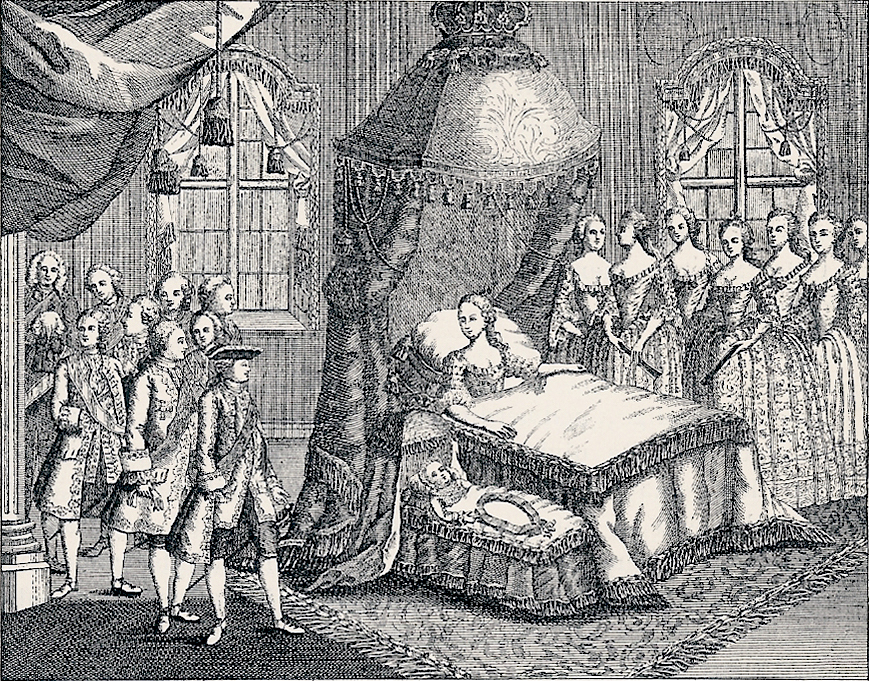 Unknown Author, Wikimedia Commons
21. The Rest Of Europe Disliked Him
A handful of months after his son was born, Christian took a tour of Europe—ostensibly to visit dignitaries, but also because his unpopularity had reached alarming levels in Denmark. It didn’t go too much better abroad: Although Christian surprisingly caused no international incidents, Horace Walpole described him as an “insipid boy” who “took notice of nothing” and “took pleasure in nothing”.
When Christian came back, the real disaster started.
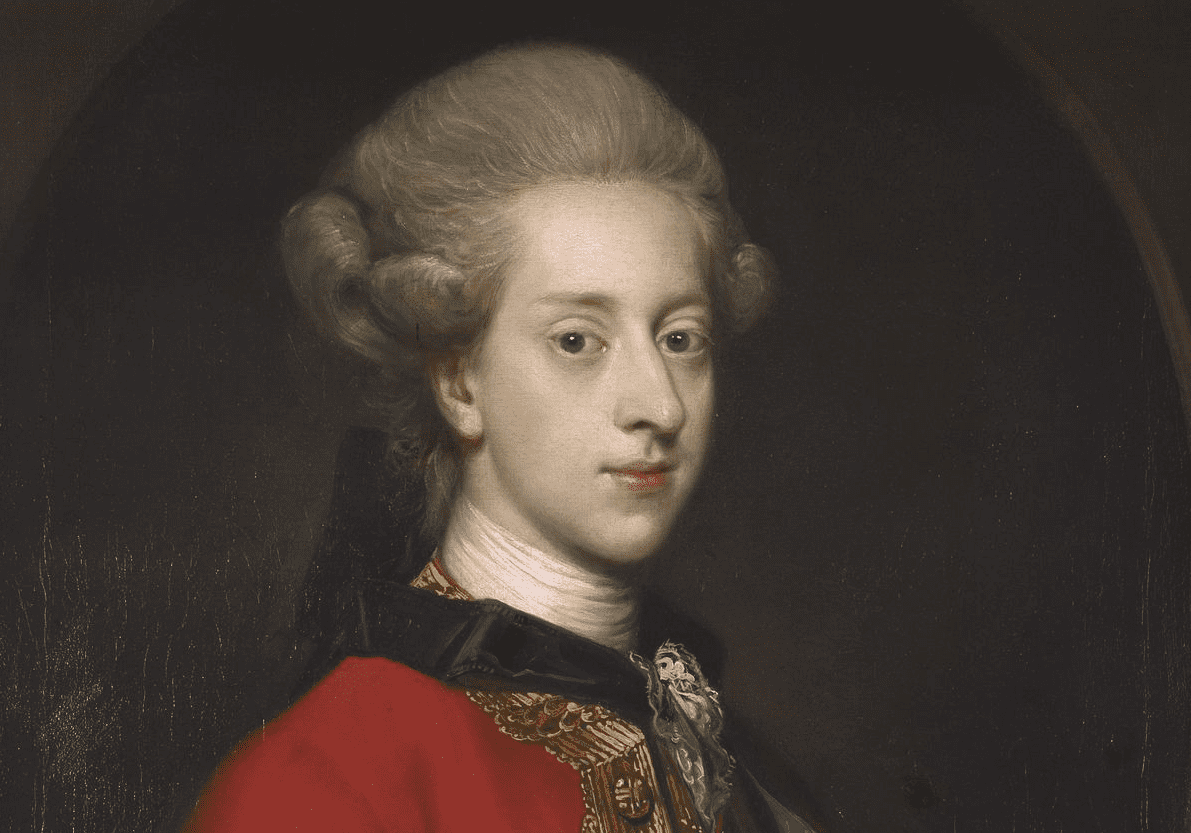 Nathaniel Dance-Holland, Wikimedia Commons
History's most fascinating stories and darkest secrets, delivered to your inbox daily.
22. He Found A Miracle Worker
While on tour, Christian VII came into contact with the progressive physician Johann Friedrich Struensee. Impressed with Struensee’s ability to treat some of his issues, Christian ended up bringing him back to Denmark and set him up as his own personal physician. Even Christian’s minders saw the change, and before long Struensee earned the honorary title State Councillor, which made him third in rank at court.
But not everyone was on board with Struensee.
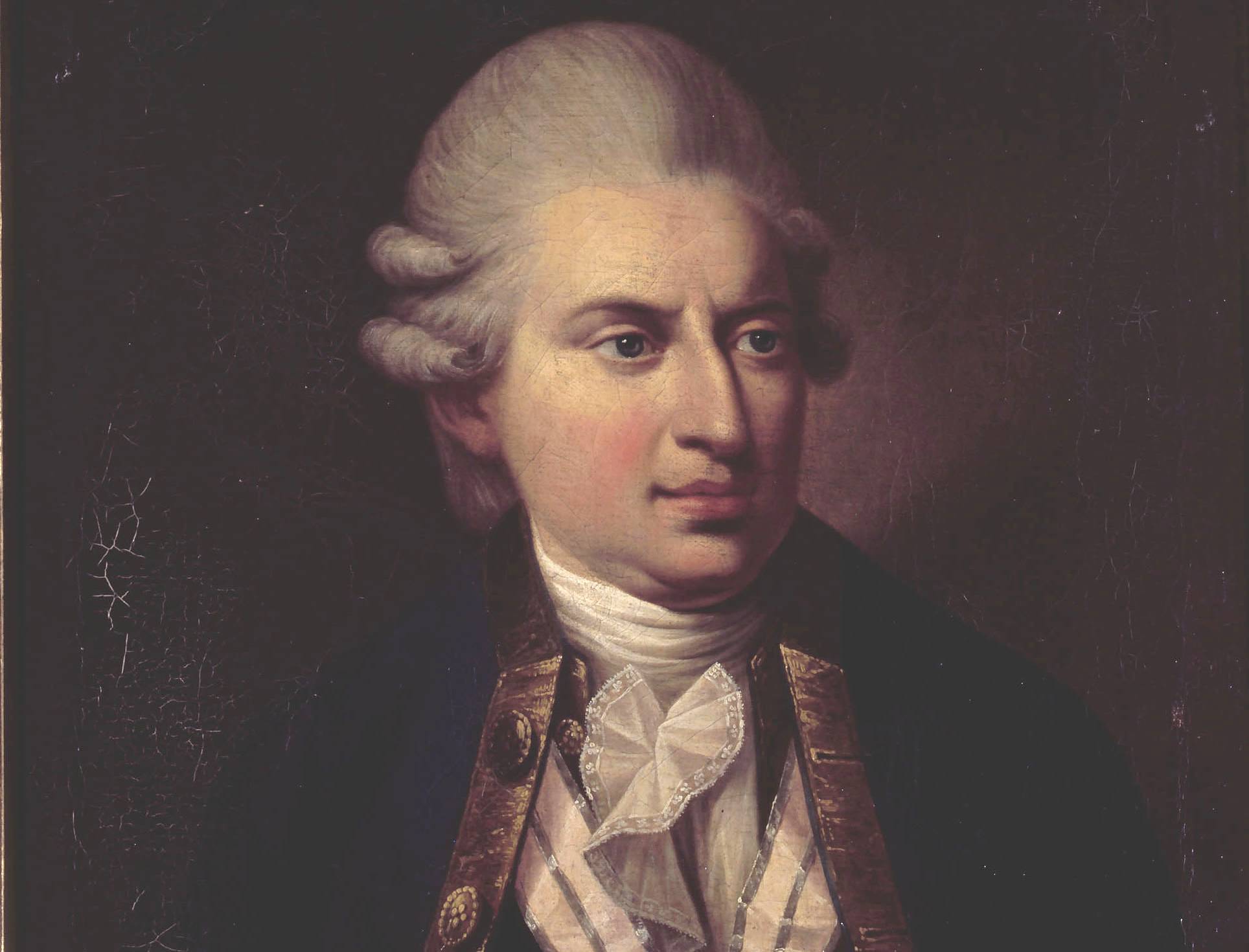
23. His Doctor Prescribed More Mistresses
Christian’s wife Caroline Matilda was initially deeply suspicious of her husband’s new doctor. For one, after Christian’s mistress Cathrine was exiled from court, Struensee worked to set him up with a new woman who might equally distract him and make him malleable.
Although it didn’t work—the courtier wanted nothing to do with Christian—Caroline Matilda was offended nonetheless, and determined to dislike him…except this didn’t last long.
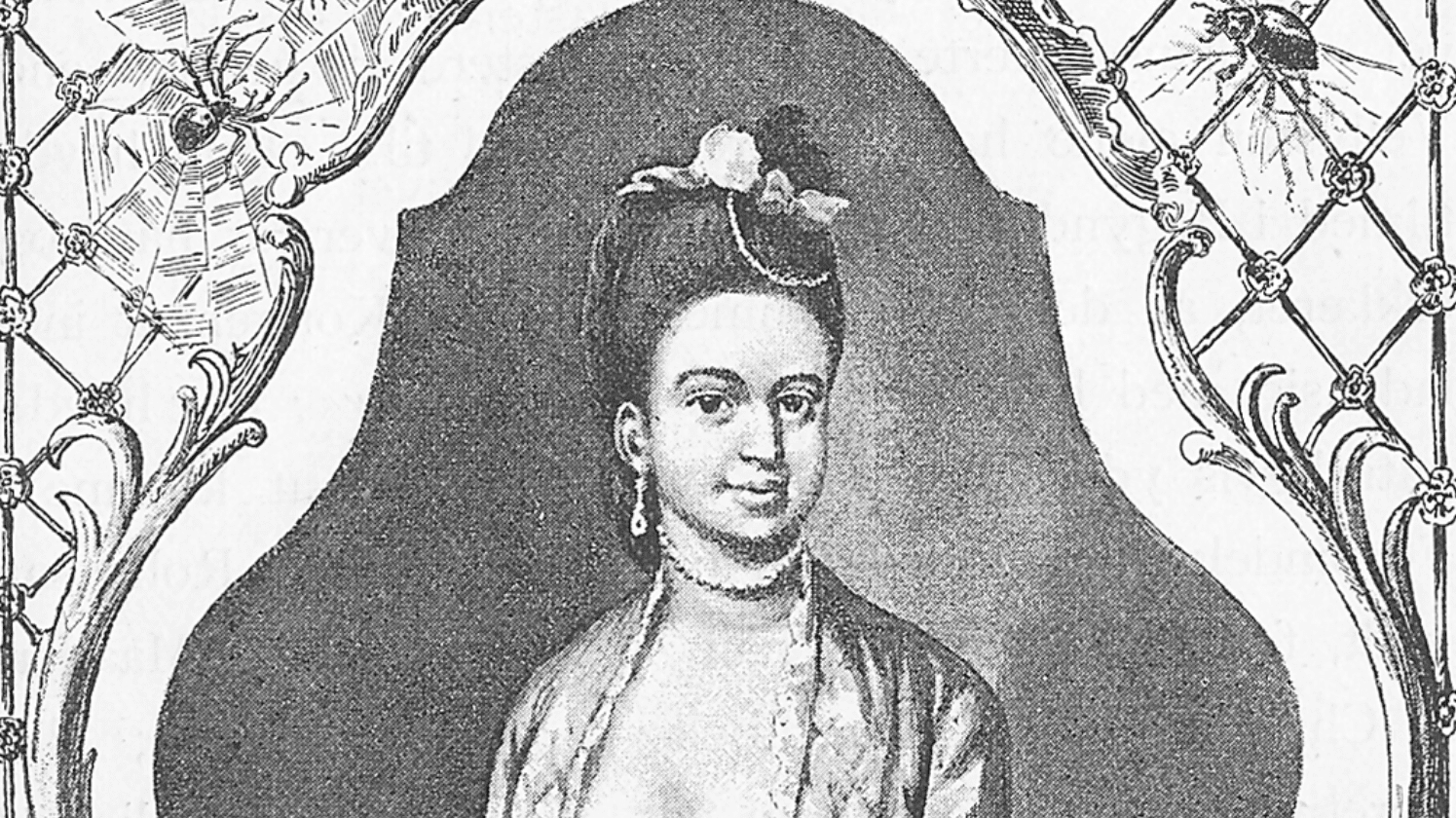
24. She Was Forced Into Affection
A mistress wasn’t Dr Struensee’s only prescription for Christian VII, and he also encouraged the king to pay more attention to his wife, even convincing him to throw her a three-day celebration for her birthday. Then, when the queen experienced an attack of dropsy, Struensee successfully treated her ailments, earning her trust.
Suddenly, Caroline Matilda quite liked Dr Struensee. It was a slippery slope from there.
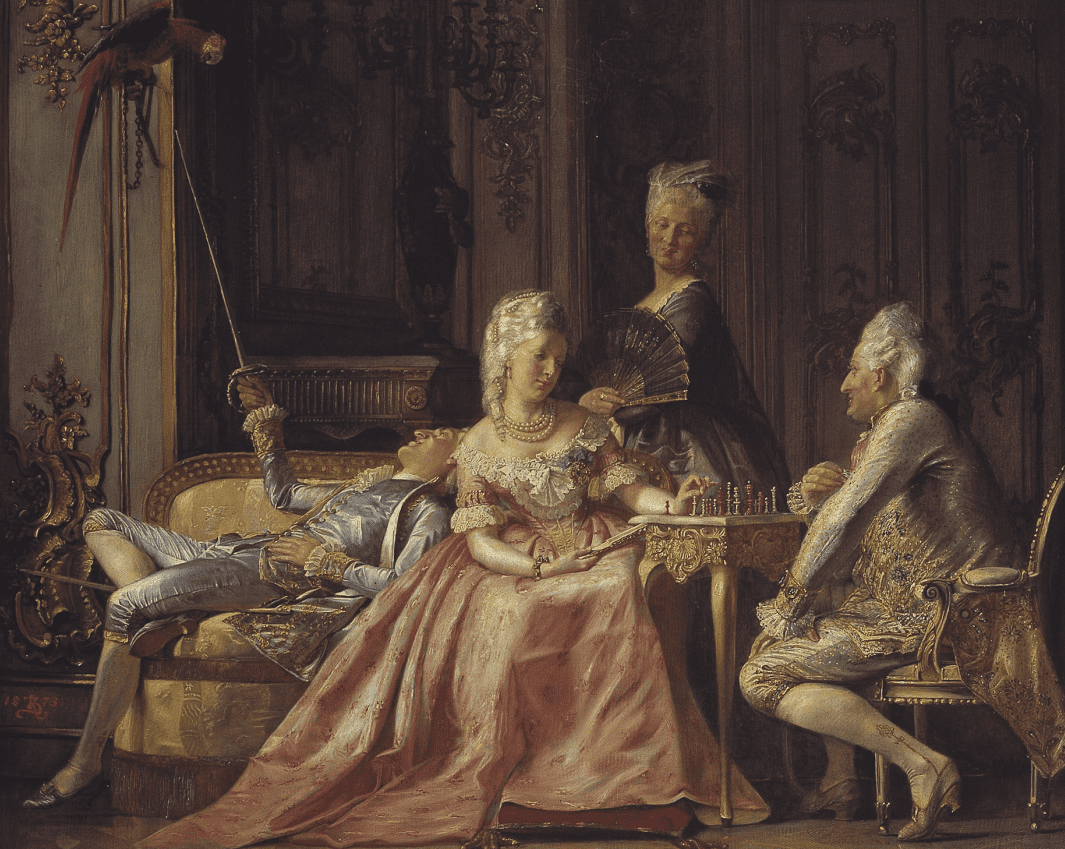 Kristian Zahrtmann, Wikimedia Commons
25. His Wife Was Unfaithful
All but ignored by her husband and still incredibly young, Caroline Matilda soon fell in love with Dr Struensee, and the pair began a passionate affair by the spring of 1770. Caroline Matilda wasn’t even sly about it, and would often preen to her chambermaids, showing them her rumpled clothing after Struensee came to visit.
Christian, meanwhile, had hit rock bottom.
 Bavaria Film, King in Shadow (1957)
26. He Sunk Into Himself
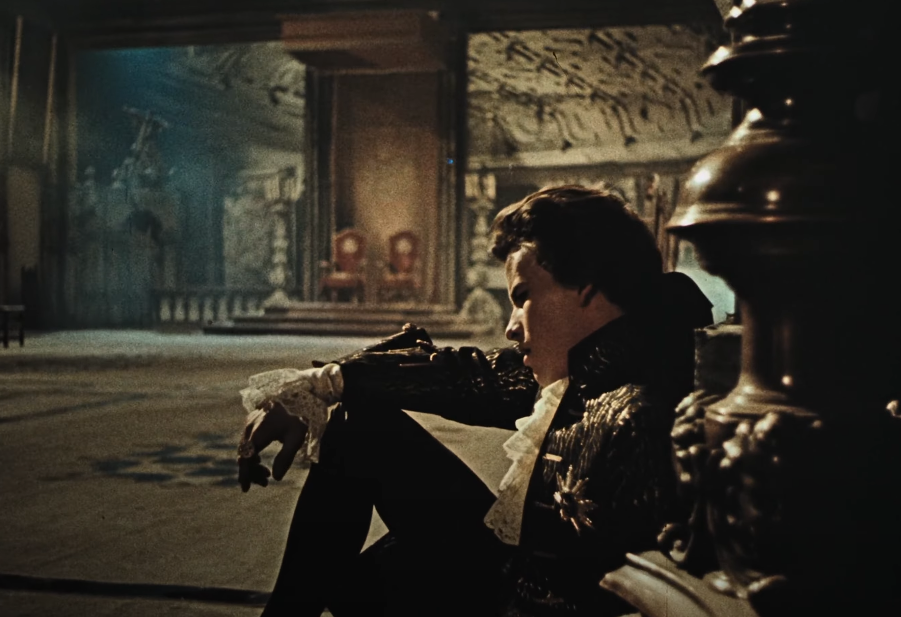
It doesn’t seem like Christian VII cared much about his wife’s affair, but then again it doesn’t seem like he cared much about anything during this time. As his mental health deteriorated, he became more and more passive, and more and more distant from the goings-on of the government. In a twist, though, it was Struensee and Caroline Matilda who stepped right into this power vacuum.
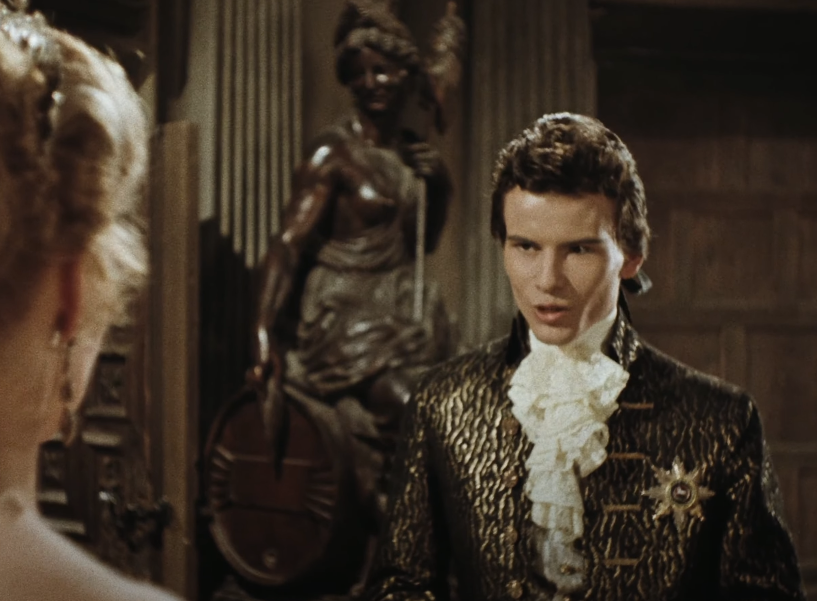 Bavaria Film, King in Shadow (1957)
27. His Doctor Took Over
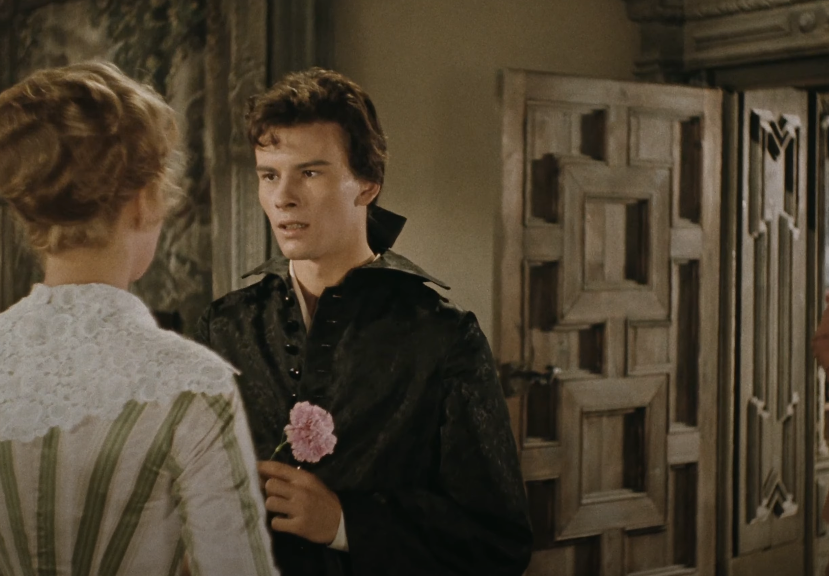
As King Christian fell into dissipation, Struensee rose to power, with his lover Caroline Matilda supporting him. By the end of 1770, he had earned enough influence over Christian to push through his own laws and just have the king sign them—and, as it turned out, Struensee had a mania for reform.
In the so-called “Time of Struensee,” the royal physician, along with his aide Enevold Brandt, issued more than three cabinet orders a day, many of them progressive changes like the abolition of torment and censorship, ousting many people from their positions in the process. But Christian didn’t always turn a blind eye to these changes.
 Bavaria Film, King in Shadow (1957)
History's most fascinating stories and darkest secrets, delivered to your inbox daily.
28. He Resented Them
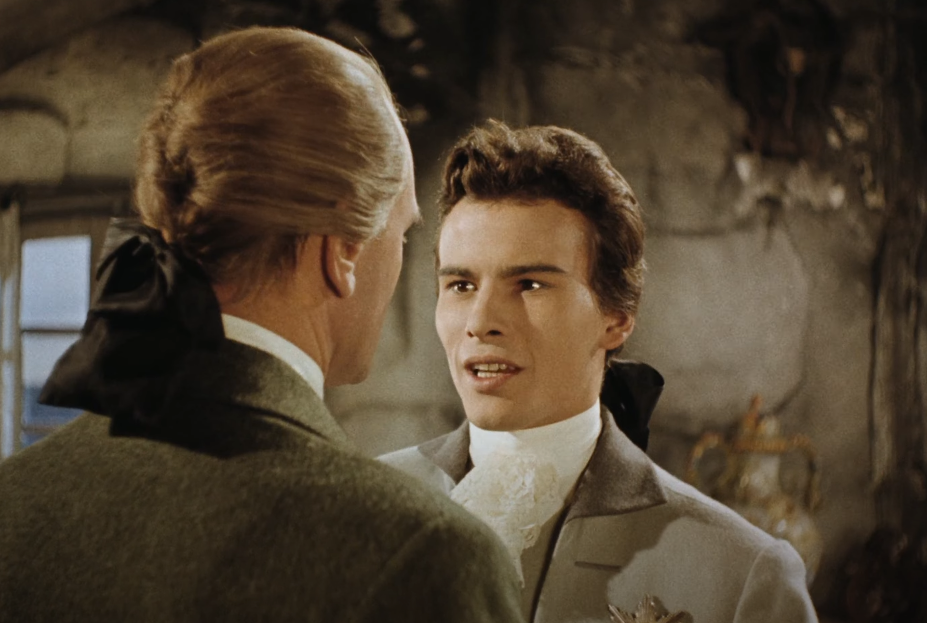
Christian VII was fundamentally erratic, but he wasn’t fundamentally stupid. When he got unhappy with Struensee’s control of the country, Christian would sometimes obstinately refuse to sign an order that Struensee or Brandt handed to him. Yet one day when the king protested, he received an unwanted taste of his own medicine.
 Bavaria Film, King in Shadow (1957)
29. One Of His Subjects Struck Him
One day, Christian became so furious with something Brandt wanted him to do that he began threatening the man with a flogging. But Brandt—who, after all, knew Struensee had both the King and Queen of Denmark in his hands—had enough of these kinds of threats, and scuffled with the king, even striking Christian in the face.
Unfortunately, Struensee and Brandt weren’t the only ones wrestling for control.
 Bavaria Film, King in Shadow (1957)
30. He Had A Rival
Christian’s wife Caroline Matilda flourished in her illicit affair, going from a naive girl to a woman in full bloom. Much to the amusement of the court—who knew Christian’s proclivity for women dressed in men’s clothes—Caroline Matilda began dressing up in breeches, even once receiving her horrified mother in a pair.
By then, people were whispering that between the king and queen, Caroline Matilda was “the better man of the two”. It’s just that she was playing a very dangerous game.
31. His Wife Had A Love Child
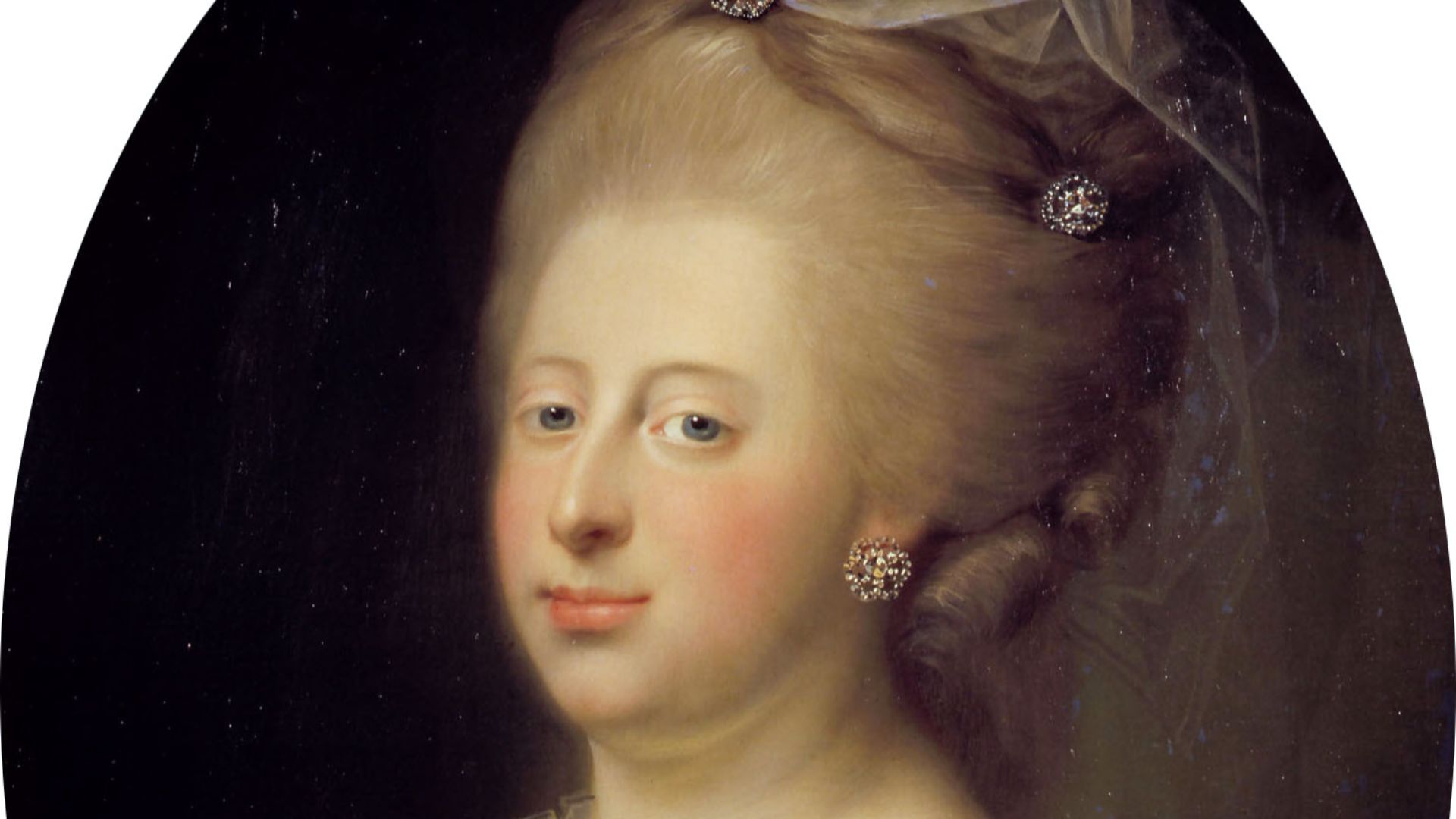
Throughout 1771, Caroline Matilda and Struensee carried on their affair—and that July, the queen gave birth to a second child, daughter Louise Augusta. Yet while Christian VII officially recognized the princess as his own, most people, including modern historians, believe she was really Struensee’s child. In fact, she shared such a resemblance to him that the court called her la petite Struensee.
It wasn’t the only way things were closing in on Christian’s wife and her lover.
 Kristian Zahrtmann, Wikimedia Commons
32. His Stepmother Was Incensed
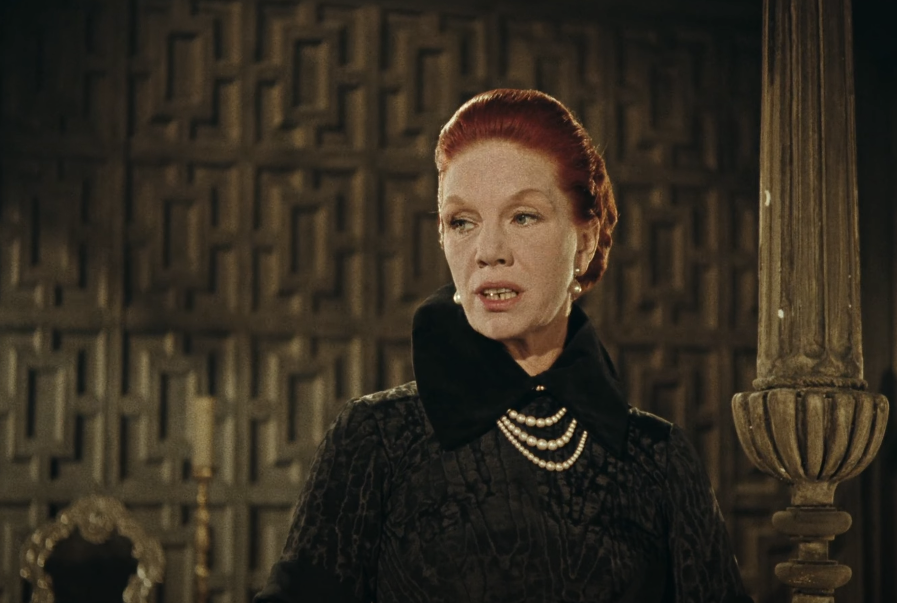
Struensee and Caroline Matilda’s rapid turnover of the government from conservative to progressive made them many enemies, and not all of them were as ineffectual as King Christian. In particular, Christian’s stepmother Juliana, who was a conservative figure in court, despised the changes Struensee was flying over Christian’s head.
Just after the birth of “Christian’s” child, Juliana and her allies took matters into their own hands.
 Bavaria Film, King in Shadow (1957)
33. They Staged A Coup
By 1772, one of Struensee’s former allies-turned-enemies, Count Rantzau, decided enough was enough. Using fake evidence to suggest that Caroline Matilda and her lover Dr Struensee were going to overthrow Christian, Rantzau convinced the king’s stepmother to act.
One night in mid-January, Struensee and his follower Brandt were arrested, while Caroline Matilda was held in a castle. Then, Christian would seal their fate.
 Unknown Author, Wikimedia Commons
History's most fascinating stories and darkest secrets, delivered to your inbox daily.
34. He Signed The Punishment
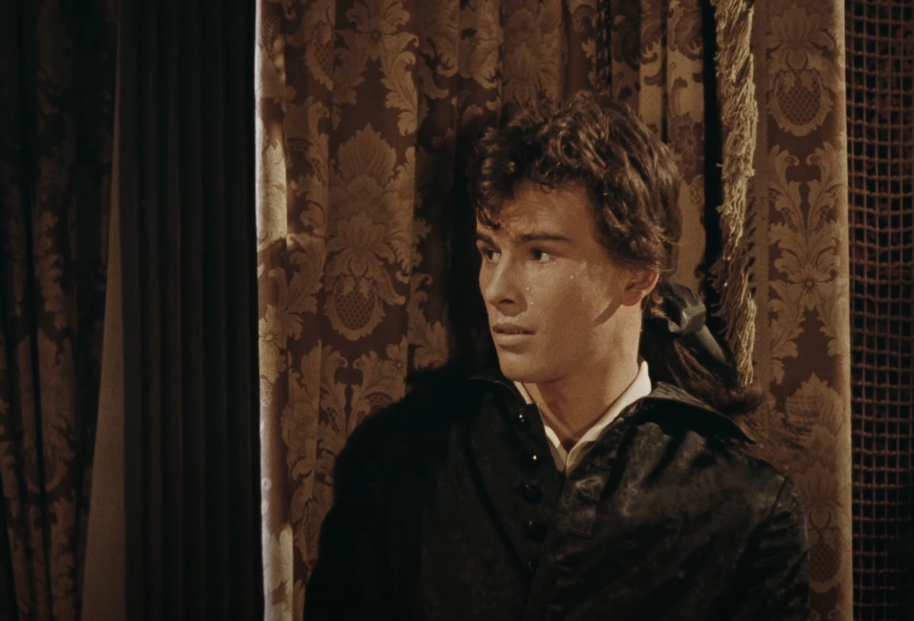
On January 17, after the arrests had already taken place, Juliana went into evil stepmother mode. Meeting with the unstable Christian, she used him as a puppet and convinced him to sign the arrest order—not telling him that it was all already done without his knowledge.
With the finished order, Juliana sealed the coup once and for all. Then it really unraveled.
 Bavaria Film, King in Shadow (1957)
35. His Favorite Was Executed
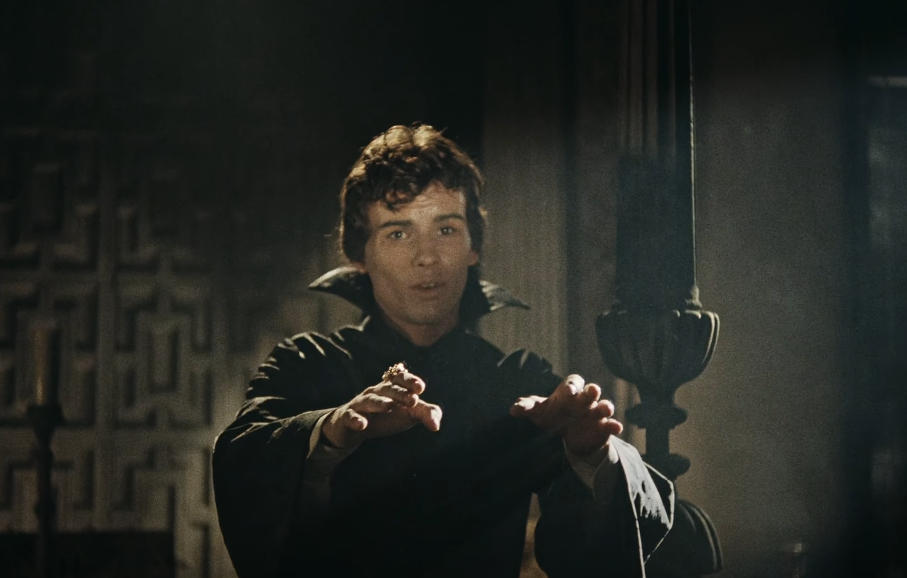
After lengthy interrogations that Christian had little to do with, his one-time favorite Dr Struensee was given the utmost punishment possible. That April, Struensee and his follower Brandt were executed by beheading, though not before they had their right hands chopped off. After, their bodies were drawn and quartered.
Still, Juliana had a few more acts to complete her revenge.
 Bavaria Film, King in Shadow (1957)
36. He Divorced His Wife
The moment Caroline Matilda’s brother King George III heard about the scandal, he went into overdrive trying to get his sister back to England. It may very well have saved her life, but it didn’t save her marriage: After pressure from Juliana, Christian officially divorced Caroline Matilda, and she was sent into exile in her homeland without her two children.
Though even that wasn’t enough for Christian’s stepmother.
 Bavaria Film, King in Shadow (1957)
37. He Wrote A Humiliating Letter
Juliana was now more certain than ever that her stepson needed her controlling hand to properly run his country. After all, left to his own devices he’d chosen a cuckolding commoner doctor as his proxy. Juliana was so convinced she was on the right side of history, she orchestrated Christian signing a letter that thanked her for having “saved” him.
Then she got what she’d been after all along.
 Carl Gustaf Pilo, Wikimedia Commons
38. His Stepmother Took Over
If 1772 was the fall of Struensee, it was the rise of Juliana and every hope she’d ever had when she married Christian’s father. Capitalizing on her momentum from the coup, Juliana turned her own son, Christian’s half-brother Hereditary Prince Frederick, into the regent. Of course, everyone knew that she was the power behind the throne, and that suited Juliana just fine.
Now, Juliana began rewriting history.
 Vigilius Eriksen, Wikimedia Commons
39. His Kingdom Went Backwards
Over the next years, Juliana fully took the tiller on King Christian’s reign, turning back many of the progressive reforms Struensee had brought in. All the while, Christian continued to experience great periods of agitation mixed in with catatonia, none of it making him a more able ruler. Not that Juliana noticed.
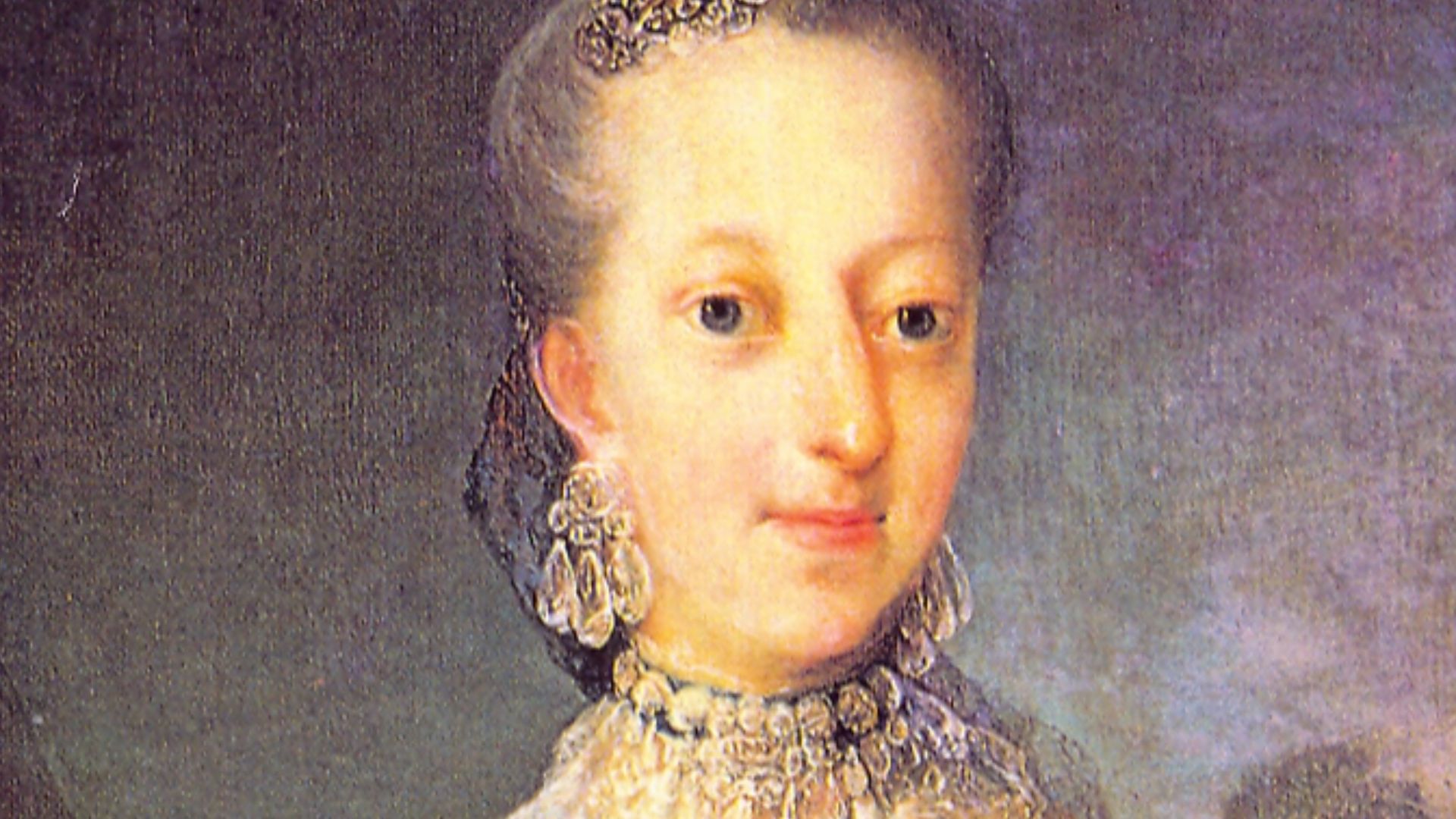 Carl Gustaf Pilo, Wikimedia Commons
History's most fascinating stories and darkest secrets, delivered to your inbox daily.
40. She Lied About Him
Juliana was incapable of admitting any wrongdoing or snags in her regency—or in her relationship with Christian. She boasted that in her government “everything is done as a good and well-tended clockwork,” and, tipping into full delusion, wrote that “The king, who from his earliest youth has favored me, continues to view me as his support, as he has done from his childhood and under all the misery which has befallen him since”.
Christian, as we know, barely knew his stepmother, much less liked her. Still, Juliana would find out how fragile a throne can be.
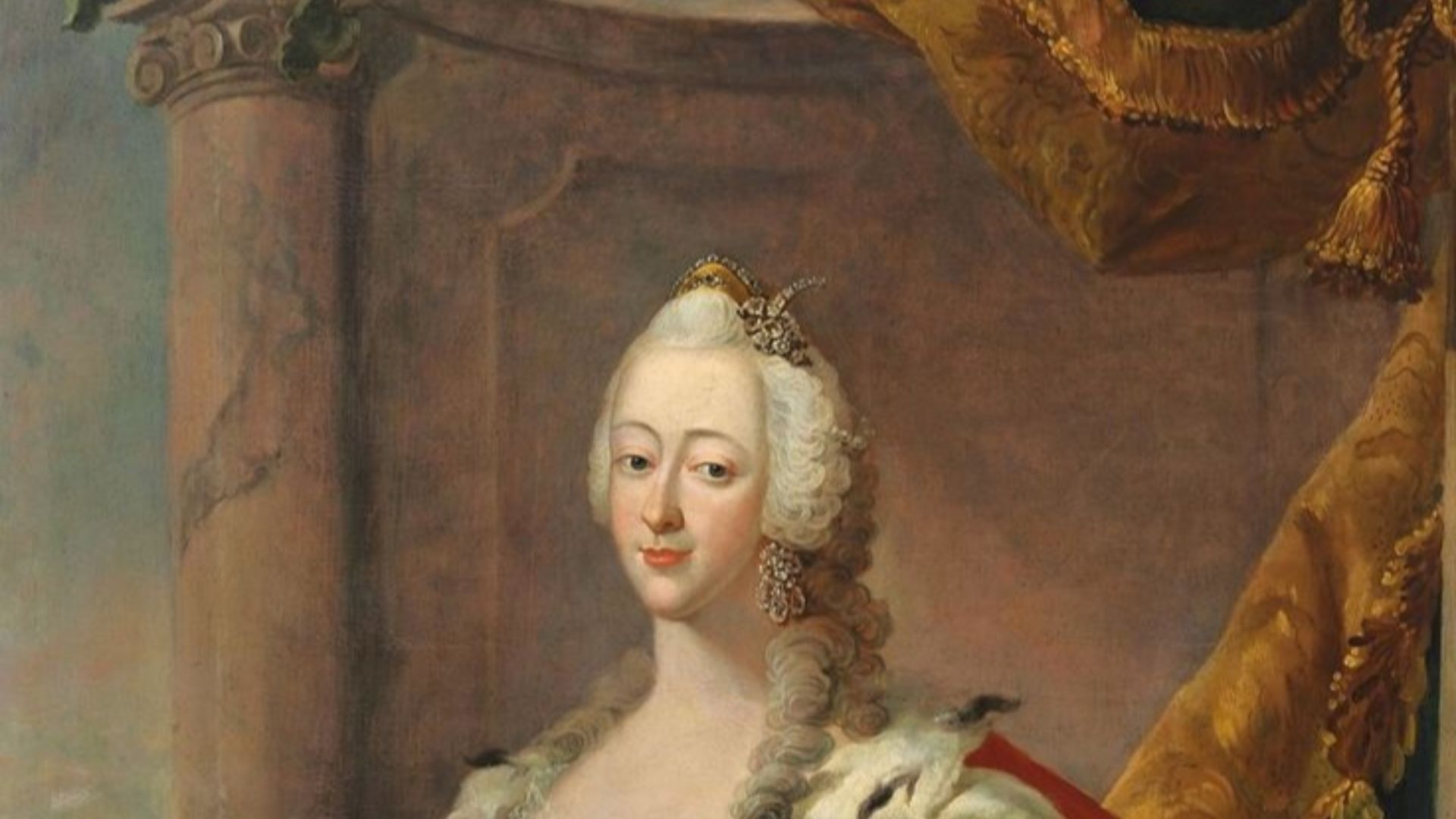 Peter Wichmann, Wikimedia Commons
41. His Wife Wouldn’t Let Go
Even though Juliana had ousted her, Christian’s ex-wife Caroline Matilda remained a significant influence on politics as the mother of the future king of Denmark–Norway. In fact, she once more became Juliana’s rival, as discontents from Juliana’s court began plotting for Caroline Matilda to become regent and the guardian of her son.
It came so close to happening.
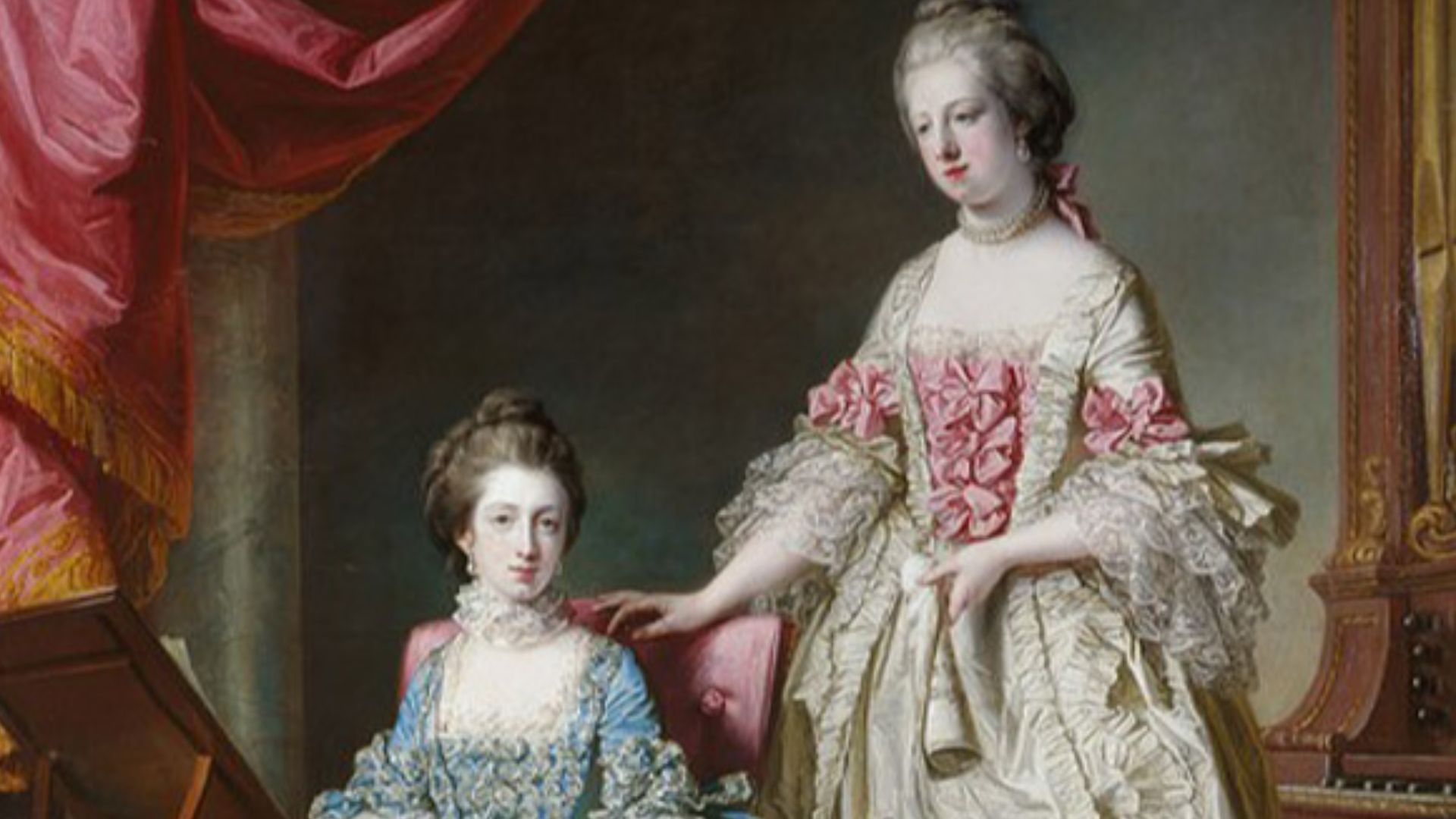 Francis Cotes, Wikimedia Commons
42. There Was Almost Another Coup
Caroline Matilda and her brother King George III corresponded about the potential revenge coup, which Caroline Matilda claimed was only a “scheme for my son’s happiness”. George even agreed to aid her as long as she shored up enough support in Denmark, and the ex-queen began making further plans for her reentry into Christian’s kingdom.
Only, before that could happen, tragedy struck.

43. His Ex Met A Tragic End
In a cruel twist of fate, Caroline Matilda never did get to attempt to reclaim her position. On May 10, 1775, she was struck by a violent bout of scarlet fever and perished swiftly and suddenly at the tender age of 23.
In the blink of an eye, Christian’s one-time queen was taken off the board completely…but his realm still had one last power struggle.
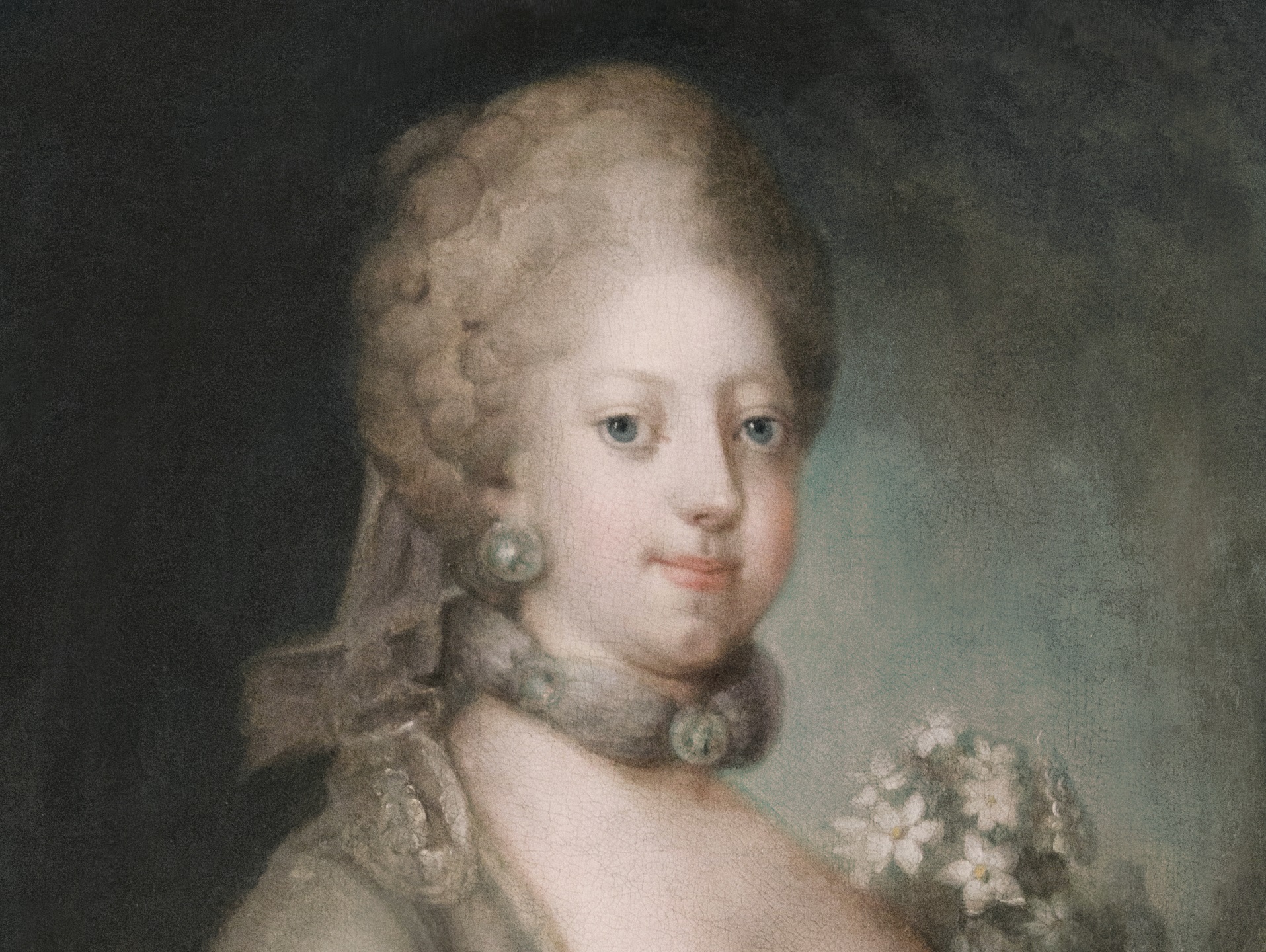
44. His Stepmother Raised His Son
As Juliana’s regency wore on and Christian remained incapacitated, his stepmother claimed she was doing everything she could to usher Christian’s son and heir Frederick into his own regency when he came of age. Essentially, she said, all she was doing was keeping the seat warm.
Except that when Frederick did come of age, Juliana postponed the confirmation rite bestowing him adult status. And still she kept meddling.

45. She Gave Him Instructions
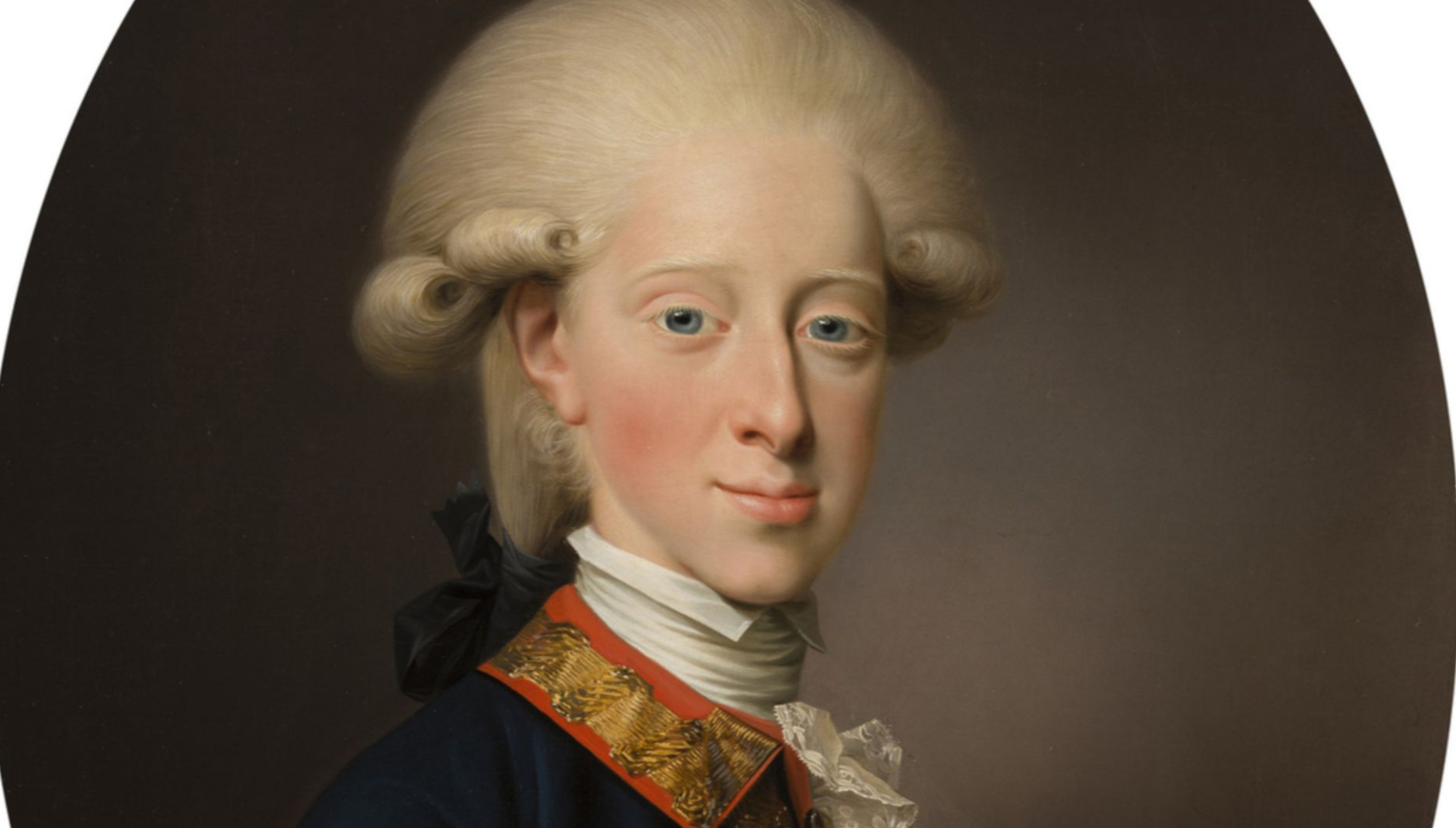
When Christian’s son turned 16, Juliana couldn’t delay any further in giving him the regency, but she still tried to keep the power to herself. When the crown prince finally had his confirmation, Juliana gave him a document instructing him on how to rule, which included the idea that not only King Christian, but also herself and her son, were all part of the same governing body. This went disastrously for her.
History's most fascinating stories and darkest secrets, delivered to your inbox daily.
46. He Was Involved In Another Coup
Christian’s son knew very well what his step-grandmother was doing, and, completely ignoring her "instructions," he wrested back power from the government into his own hands using his own ministers and influence. He even roped his father into it, convincing King Christian—yet again—to sign a document dismissing Juliana’s supporters.
It led to a final family feud.
 Friedrich Carl Groger, Wikimedia Commons
47. His Family Wouldn’t Stop Fighting
The crown prince’s coup reportedly took Juliana completely by surprise—perhaps she thought she was the only one with a sway over Christian—and some even claim that the crown prince and his step-uncle got into a physical altercation as the events unfolded. Juliana certainly “voiced her offense and bitterness” about the turn of events.
Christian’s government had transformed once more while he watched on…but he wasn’t as passive as you would think.
 Alexandre Roslin, Wikimedia Commons
48. He Made A Heartbreaking Confession
Christian was certainly wracked with mental illness, but he wasn’t completely numb to the goings-on of his realm—or his regrets. He never stopped believing Struensee was a great man, and in 1775, three years after the doctor was beheaded, Christian wrote in German on one of the drawings he’d made: Ich hätte gern beide gerettet, or “I would have liked to save them both,” referring to Struensee and his right-hand man Brandt.
Nathaniel Dance-Holland, Wikimedia Commons
49. He Had An Obsession
When it all comes down to it, all the drama in Christian VII’s life really happened in his early 20s, and he then spent the next 30+ years as a puppet king—so mentally ill, he couldn’t rule himself. So, when did his courtiers first get the notion they had a problem on their hands? Well, infamously, Christian engaged in “self-pleasure” with a commitment and regularity that alarmed his advisors.
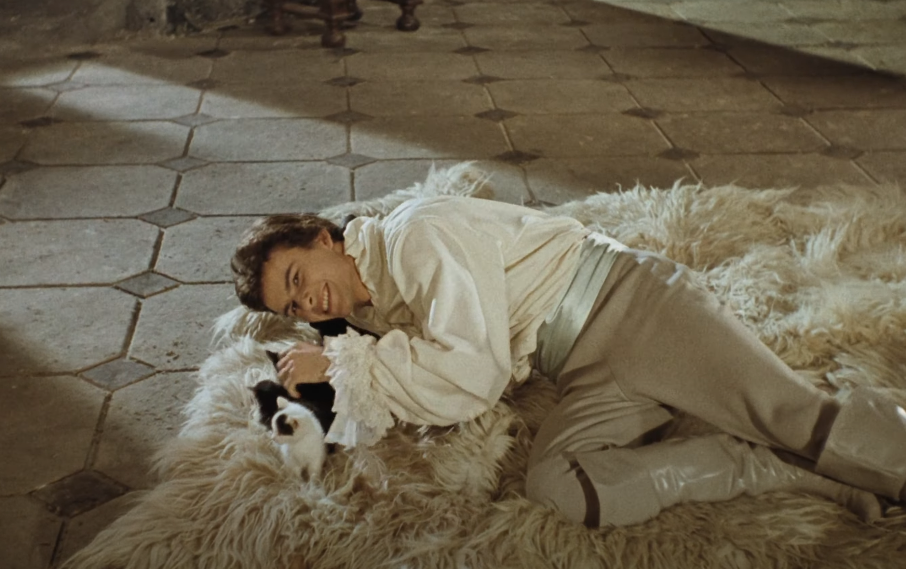
Apparently, his acts were so obsessive that they worried it was affecting his health. When he did seek out “companionship,” it wasn’t any better: he and his male favorite Conrad Holcke became notorious for visiting night-houses around town.
 Bavaria Film, King in Shadow (1957)
50. He Clung On
Despite the short lives of both his father and mother, Christian lingered for a long while. On March 13, 1808, the king perished from a stroke at the age of 59, finally turning his son into King Frederick VI at the age of 40. He had been both puppet master and puppet in his nearly six decades on Earth, both villain and victim.

You May Also Like
Disturbed Facts About Eric XIV Of Sweden, The Butcher King
Deranged Facts About Mad Monarchs











.jpg)

.jpg)


,_ca._1765.jpg)


.JPG)