
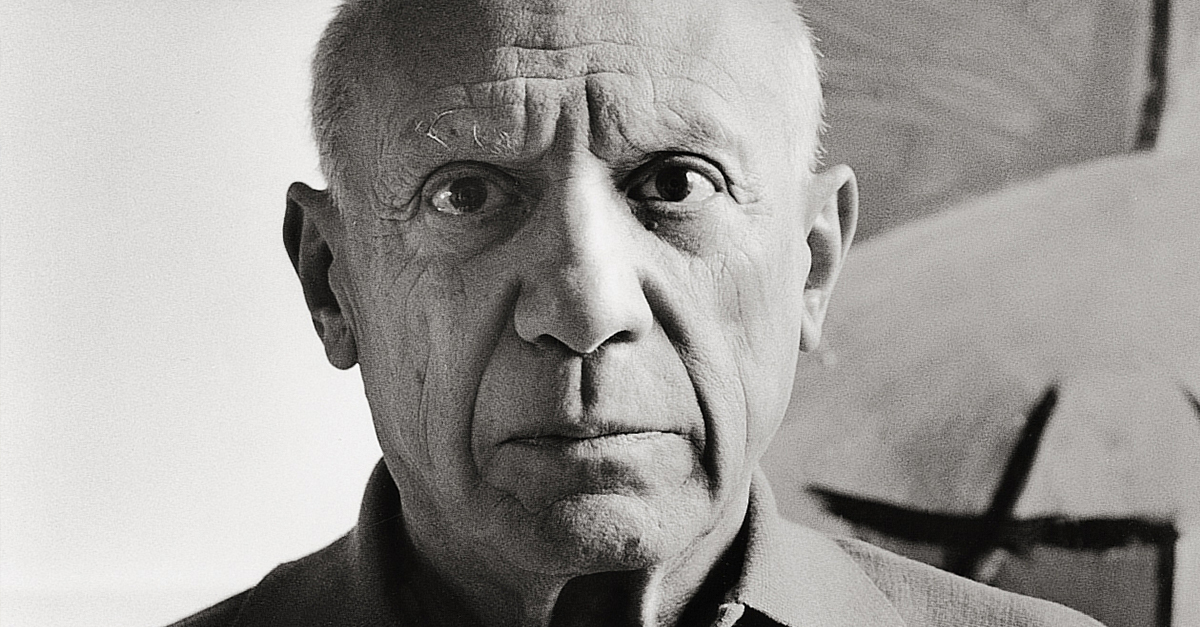
Pablo Picasso Was Tortured And Torturous
Among the most iconic artists to ever exist, Pablo Picasso was one of, if not the most impactful, of recent history, with his lifelong career revolutionizing the creative world forever. However, behind his genius and ingenuity lay a broken and cruel person whose actions both inspired and ruined the lives of many, and whose only truly constant companion was grief—even after he was gone.
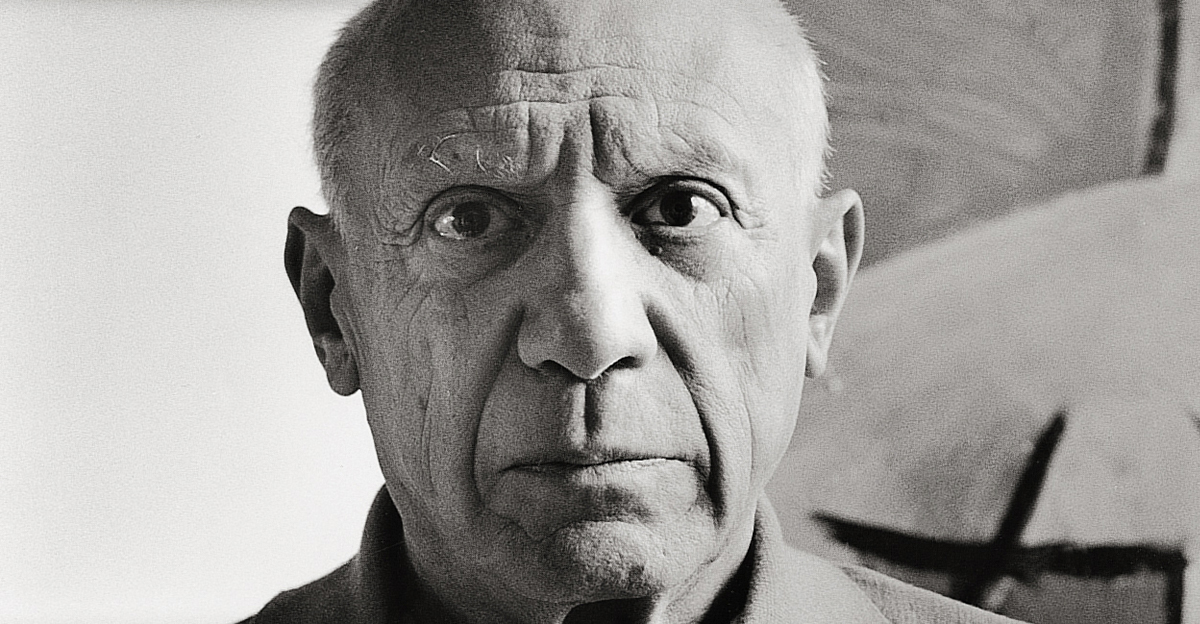 brandstaetter images, Getty Images
1. He Took After His Father
If Pablo Picasso proved anything by the time his life came to an end, it was that he truly was a one-of-a-kind artist, for better or for worse. However, the idea that he would pursue a more creative career wasn’t at all surprising to his parents, especially since one of them was likely hoping for it anyway.
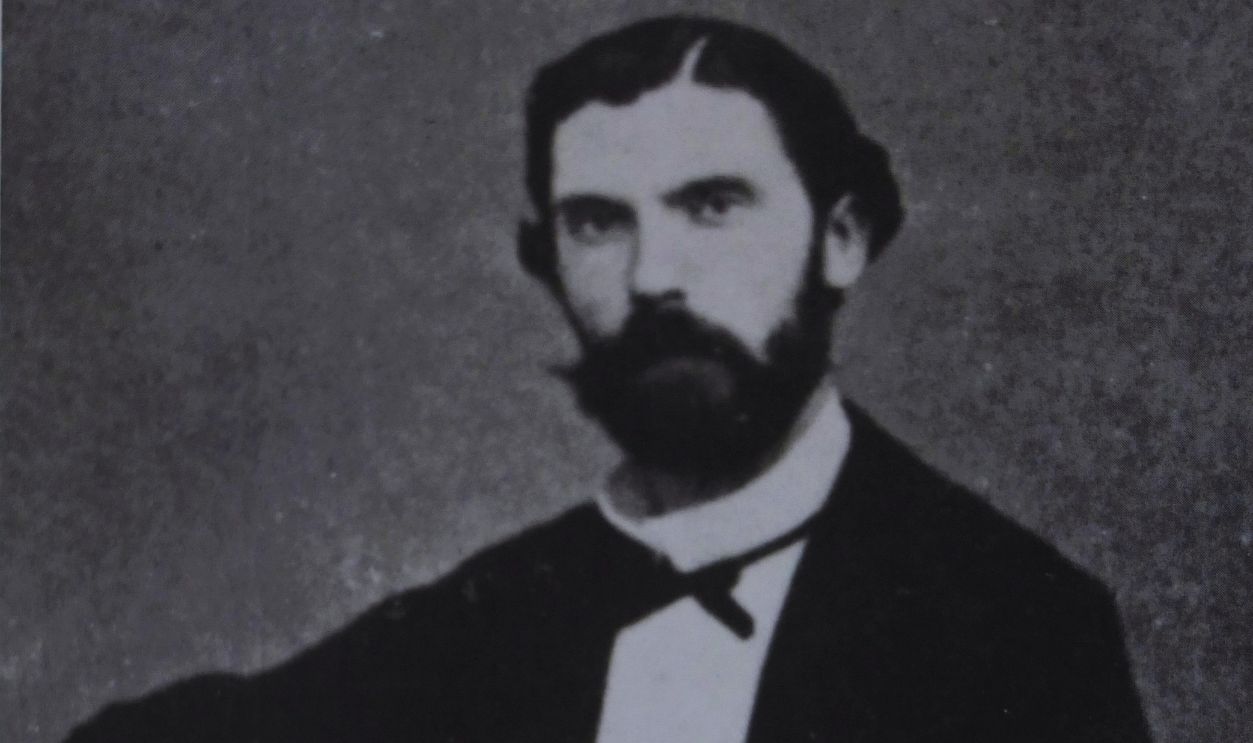
Picasso’s father, José Ruiz y Blasco, was a professional artist in his own right, usually focusing on birds as the subjects for his more naturalistic paintings. Still, while his father certainly nurtured this skill, it was clearly already in his blood.
 Unidentified photographer, Wikimedia Commons
2. He Was A Born Artist
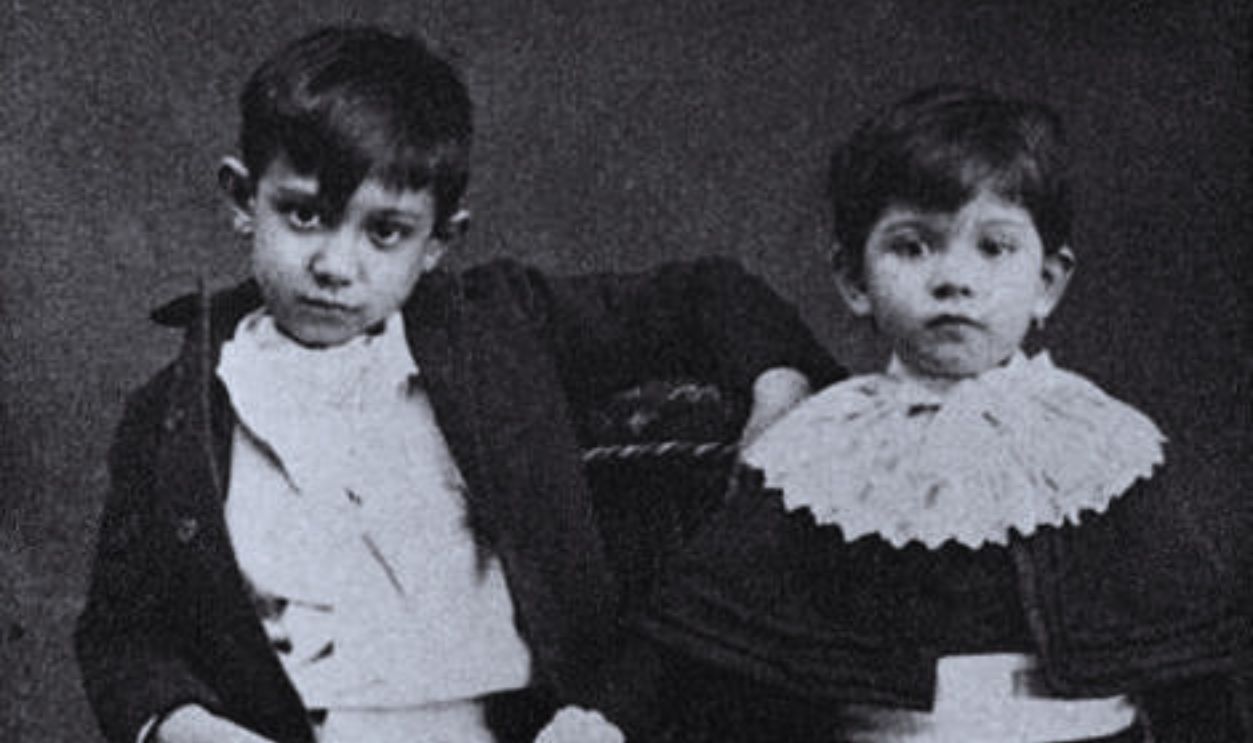
There was never any doubt that Pablo Picasso would end up pursuing art as a career, as he clearly lived and breathed it from the very beginning. Born in 1881 in Málaga, Spain, Picasso started drawing at an early age, but even before then, his first word was a shortened form of lápiz, meaning “pencil” in Spanish.
Picasso’s father saw great potential in him—and who better to learn from than the best?
 AnonymousUnknown author, Wikimedia Commons
3. He Started Training
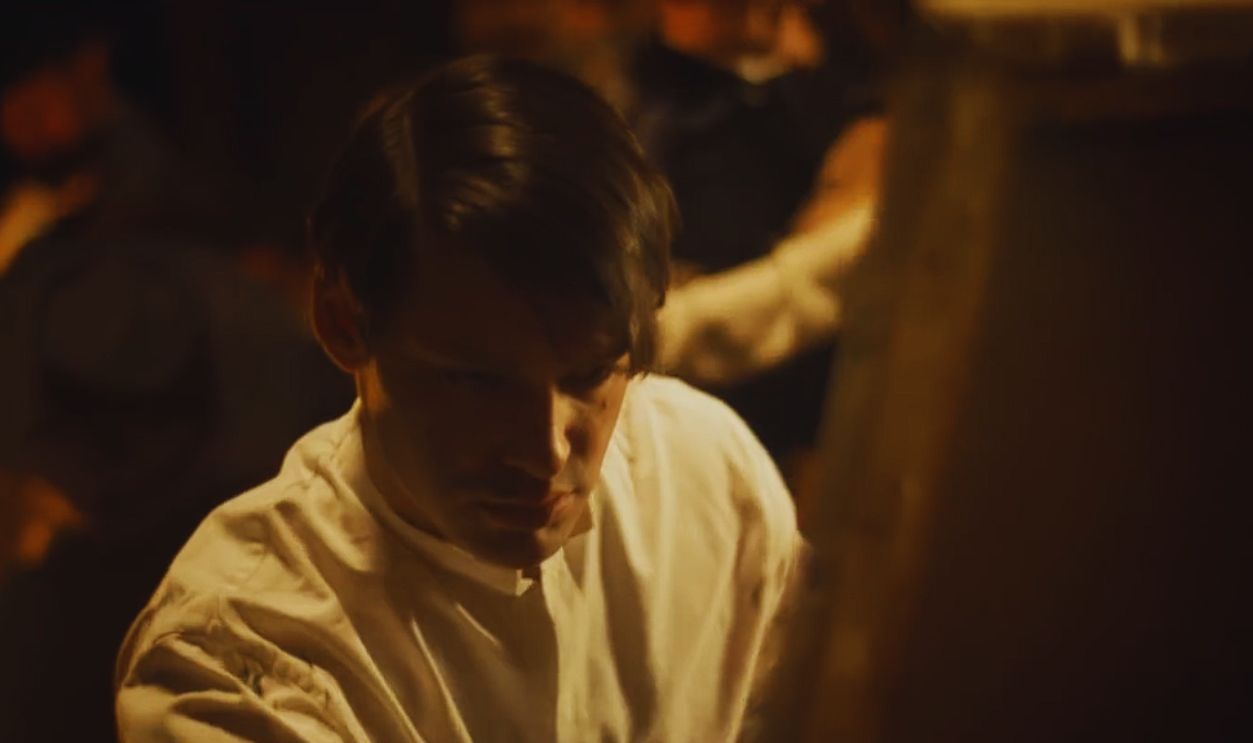
Beyond his work as a professional artist, José was a respected art professor, and, recognizing how talented his son was, he began Picasso’s formal training himself when he was about seven years old. Under his father’s strict and traditionalist teachings, Picasso absorbed his lessons like a sponge as he honed his craft.
Of course, it was only a matter of time before he surpassed his father—and sooner than expected.
 Screenshot from Genius: Picasso, National Geographic (2018)

History's most fascinating stories and darkest secrets, delivered to your inbox daily.
4. He Was Ahead Of His Time
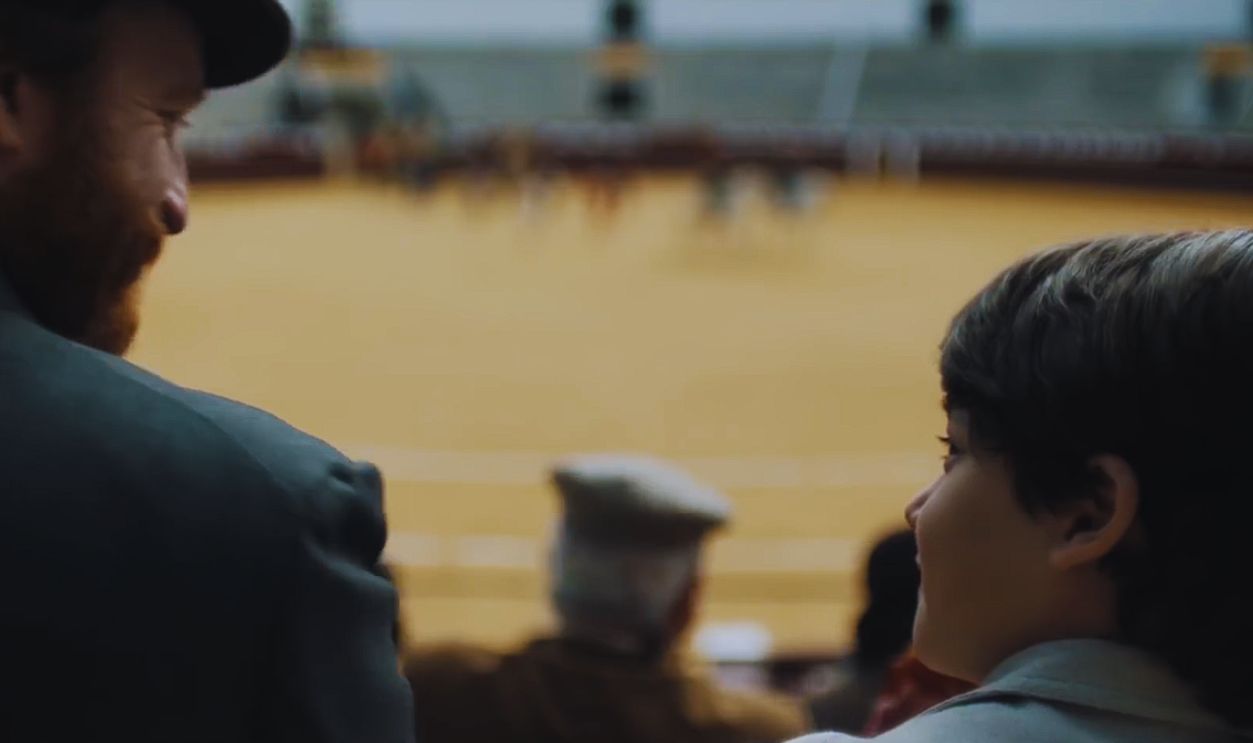
Picasso’s father was stern and persistent in his training, but he soon discovered just how quickly his son had outgrown him. One day, upon seeing a sketch of his in the hands of Picasso, who was painting over it, José could have been furious—if he wasn’t so impressed. In that one painting, he saw how his young son had grasped and created his own technique, and he knew there was nothing more he could teach him.
However, while Picasso had clearly surpassed his father, José still wouldn’t let him off the hook that easily.
 Screenshot from Genius: Picasso, National Geographic (2018)
5. They Tested Him
Taking a position at the School of Fine Arts in Barcelona, José saw a wonderful opportunity for his son to continue his training. Pulling some strings, he arranged for Pablo Picasso to take the entrance exam for an advanced arts program course at the school—despite him being just 13 years old. Undergoing the typically month-long exam process, Picasso miraculously finished it within a week, and the academy had little choice but to let him in.
He was surely excelling faster than expected, but this success came on the heels of real tragedy.
6. He Lost Someone Close To Him
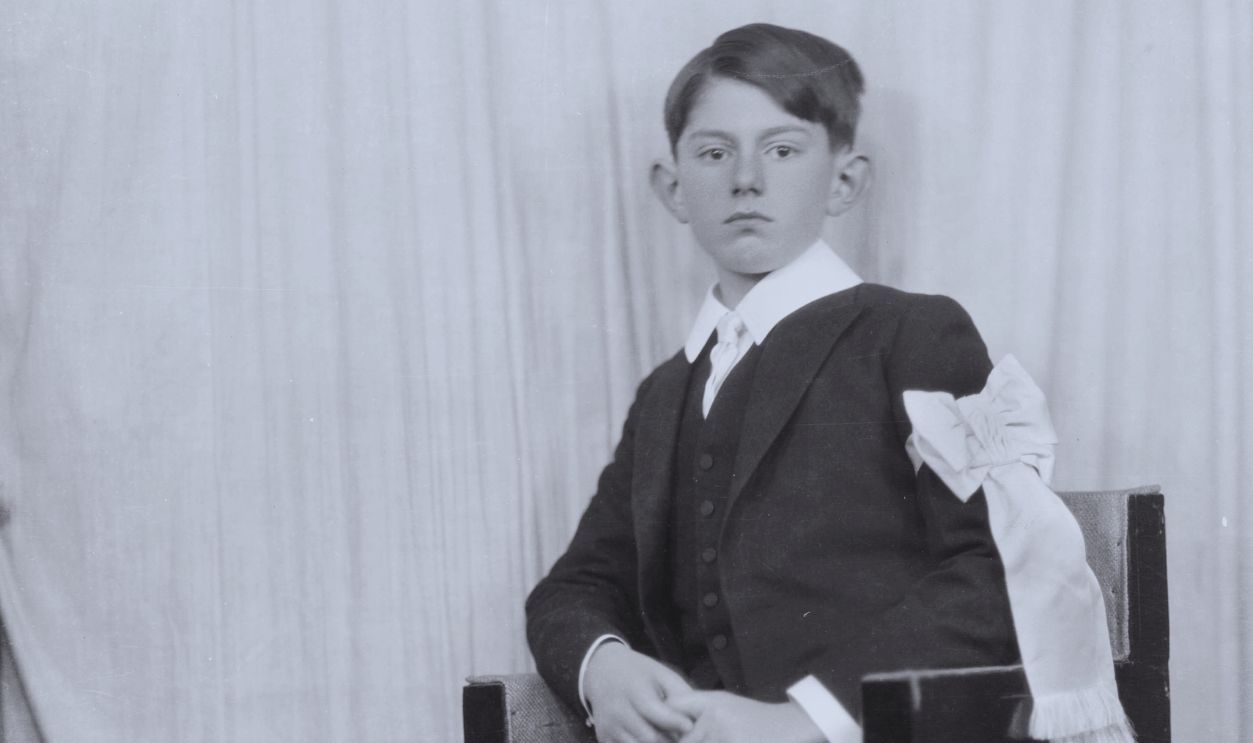
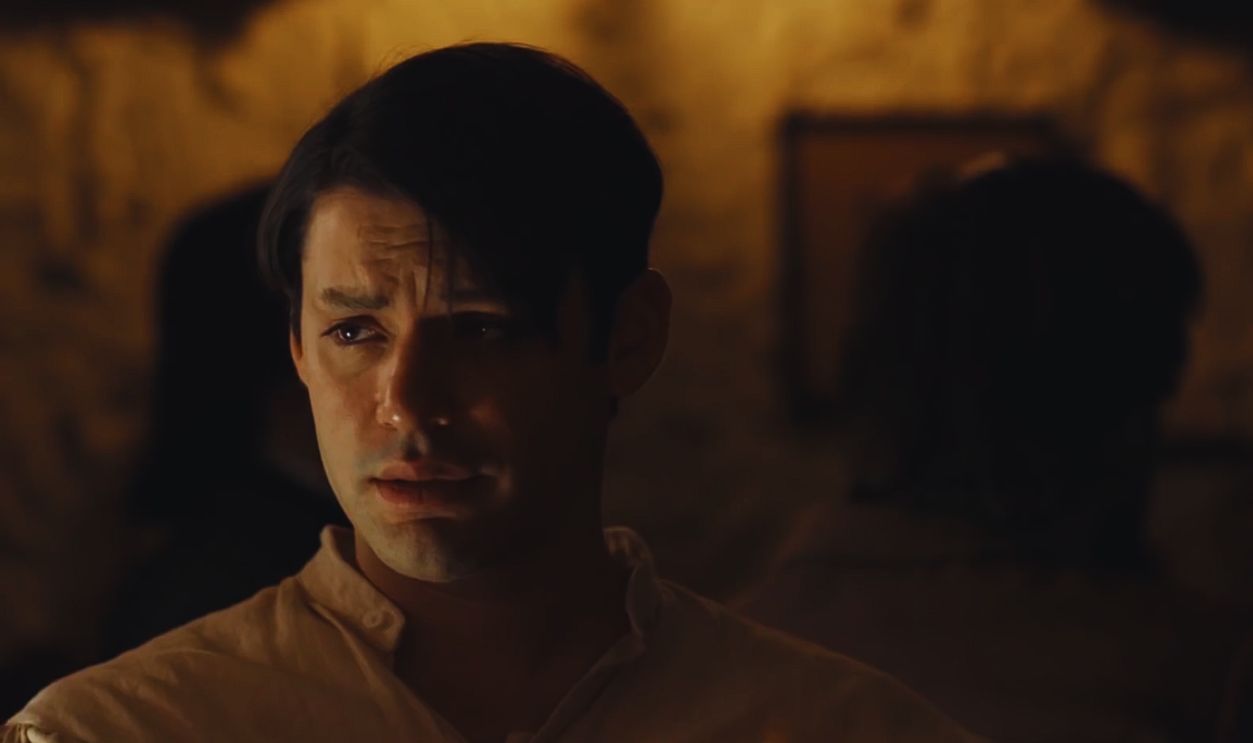
Picasso would cause no shortage of grief for the people around him throughout his life, but before any of that took place, he discovered just how cruel fate could be. Before the family moved to Barcelona, his younger sister, Conchita, met a terrible end. Suffering from diphtheria, she eventually passed in 1895, leaving Picasso utterly devastated.
Meanwhile, the rest of his family was still looking out for him—even when he didn’t want them to.
 Screenshot from Genius: Picasso, National Geographic (2018)
7. He Took A Different Path
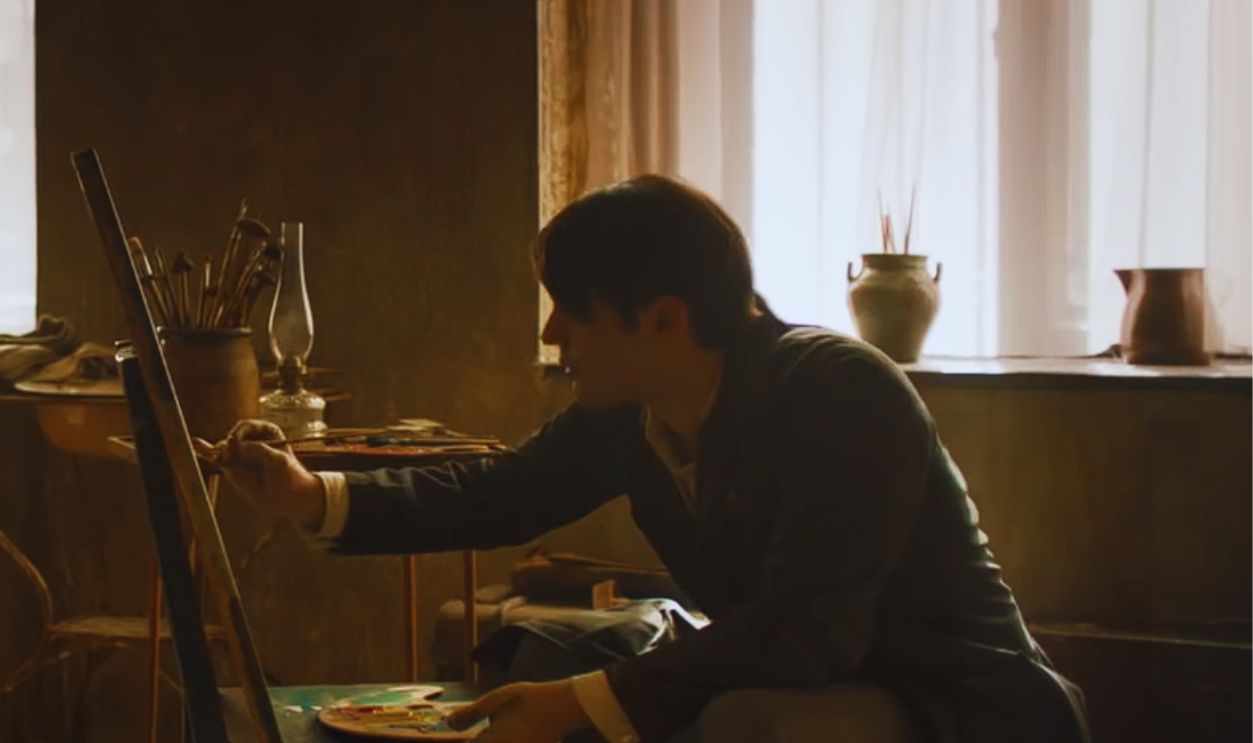
Within a few years, even Picasso’s advanced course in Barcelona proved too limited, and his father searched for further opportunities. Settling on Spain’s most prominent institution, the Real Academia de Bellas Artes de San Fernando in Madrid, José tried to send his son there—but Picasso had other plans. Believing he had no use for any more formal training, Picasso defied his father’s wishes and struck out on his own at 16.
Free to do what he wanted, he chose to broaden his horizons by finally going outside Spain, and there was only one place he had in mind.
 Screenshot from Genius: Picasso, National Geographic (2018)
8. He Traveled Abroad
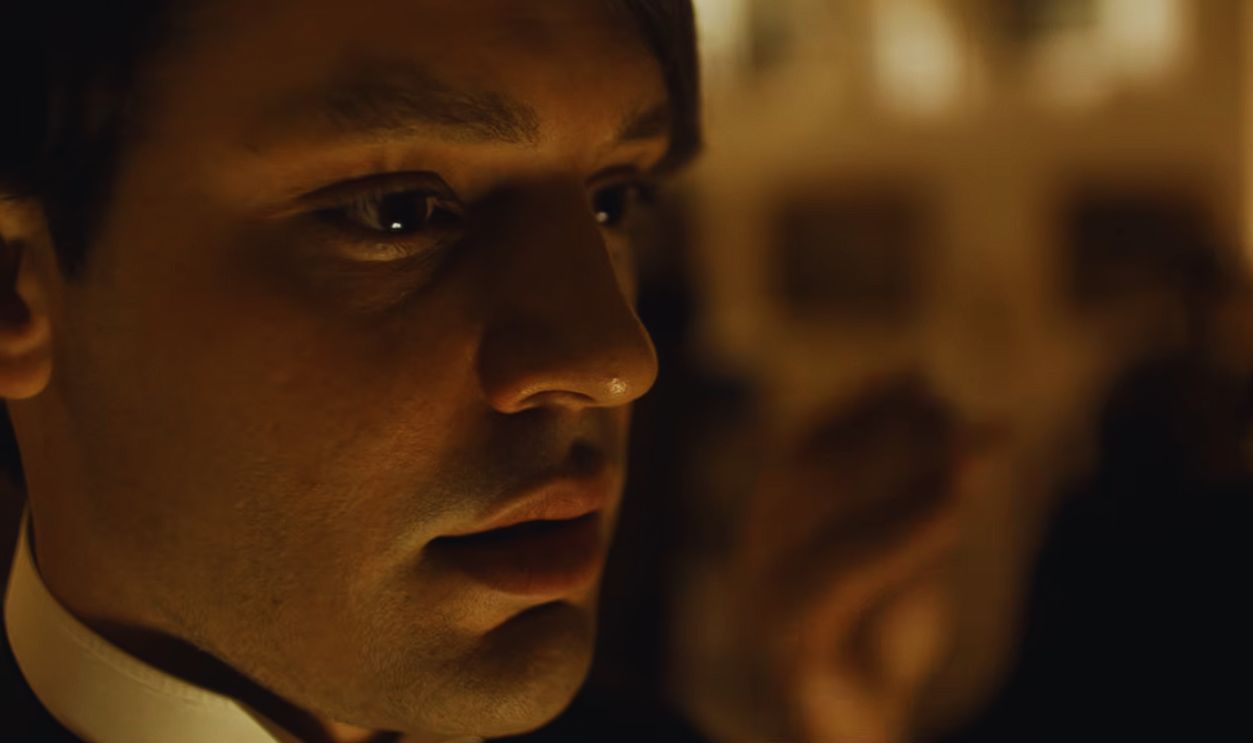
Spain had all the resources and tools Pablo Picasso needed to kickstart his career, but if he truly wanted to make it as an artist, there was only one destination in Europe—Paris. Now 19 years old, he traveled to the city of love without a clue of what to do once he got there, or even how to speak the language. Fortunately, he soon met a journalist named Max Jacob, who took pity on the young artist and helped him settle in Paris.
Without his father’s help, though, he wasn’t exactly living it up.
 Screenshot from Genius: Picasso, National Geographic (2018)
9. They Were Scraping By
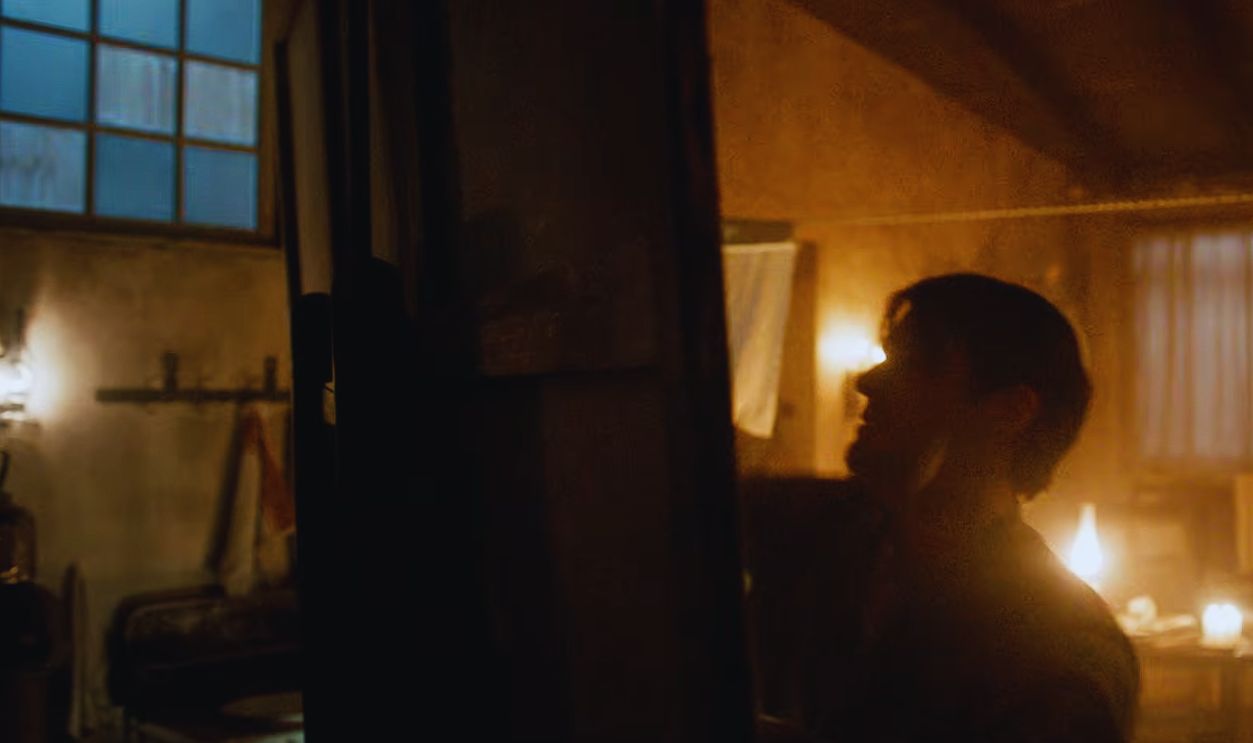
Becoming fast friends with Max Jacob, it was only natural for Picasso and him to move in together, but that didn’t make it much easier to afford an average Parisian livelihood. Picasso learned exactly what the meaning of independence was, and the two of them became so impoverished that they had to burn his own paintings just to stay warm.
Out of this misery, however, he would emerge with some of his most iconic works.
 Screenshot from Genius: Picasso, National Geographic (2018)
History's most fascinating stories and darkest secrets, delivered to your inbox daily.
10. He Found His Aesthetic
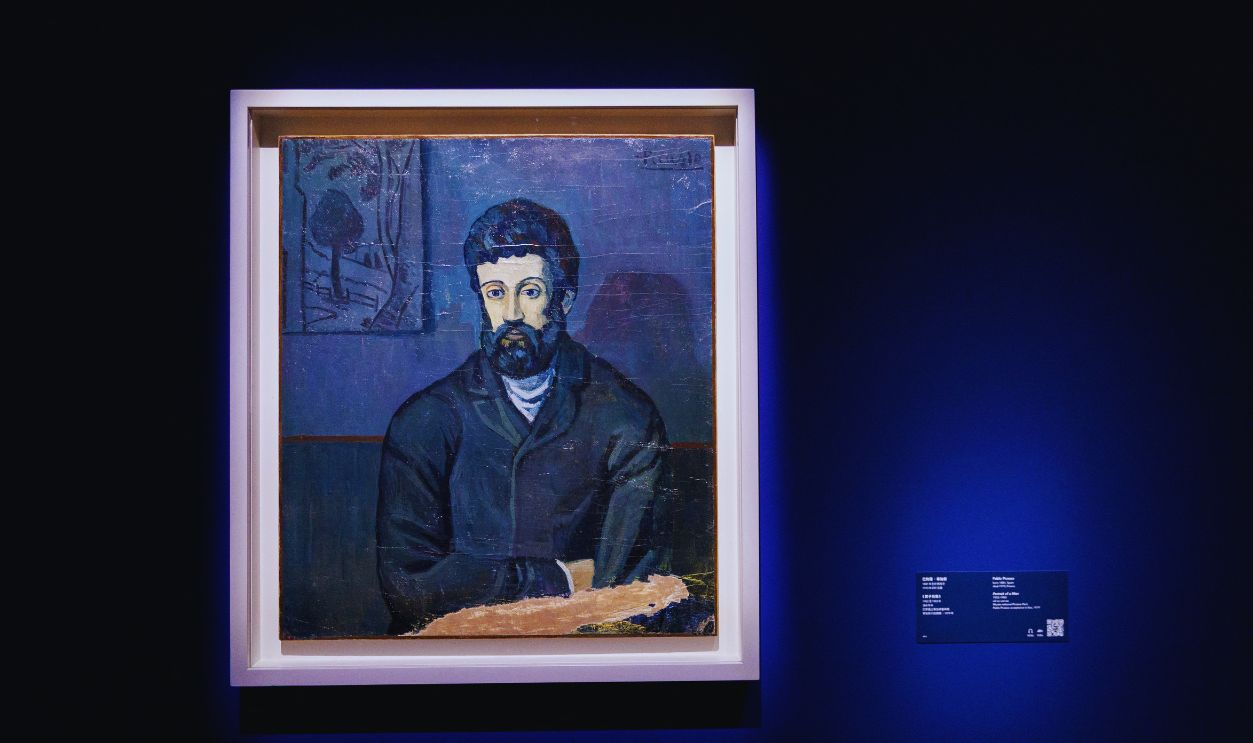
Tragedy would soon visit Pablo Picasso again in 1901, when a close friend of his, Carles Casagemas, sadly took his own life at the age of 20. Many credit this as a major inspiration for what is now considered Picasso’s Blue Period, so named for the blue and blue-green colors he tended to use most, and the bleaker tones of poverty and suffering his paintings then adopted.
While the aesthetic of this period was certainly gloomy, the sun would shine again soon.
11. He Changed Things Up
Despite being arguably his most iconic era, Picasso’s Blue Period was still quite early in his career, and it lasted only a few years before he finally moved on—and this time to something a bit lighter. Starting his Rose Period in 1904, Picasso switched to using brighter colors like orange and pink, and painting more fanciful subjects—usually a variety of circus folk.
This shift accompanied another major change in his personal life, and it was no coincidence.
12. He Met Someone
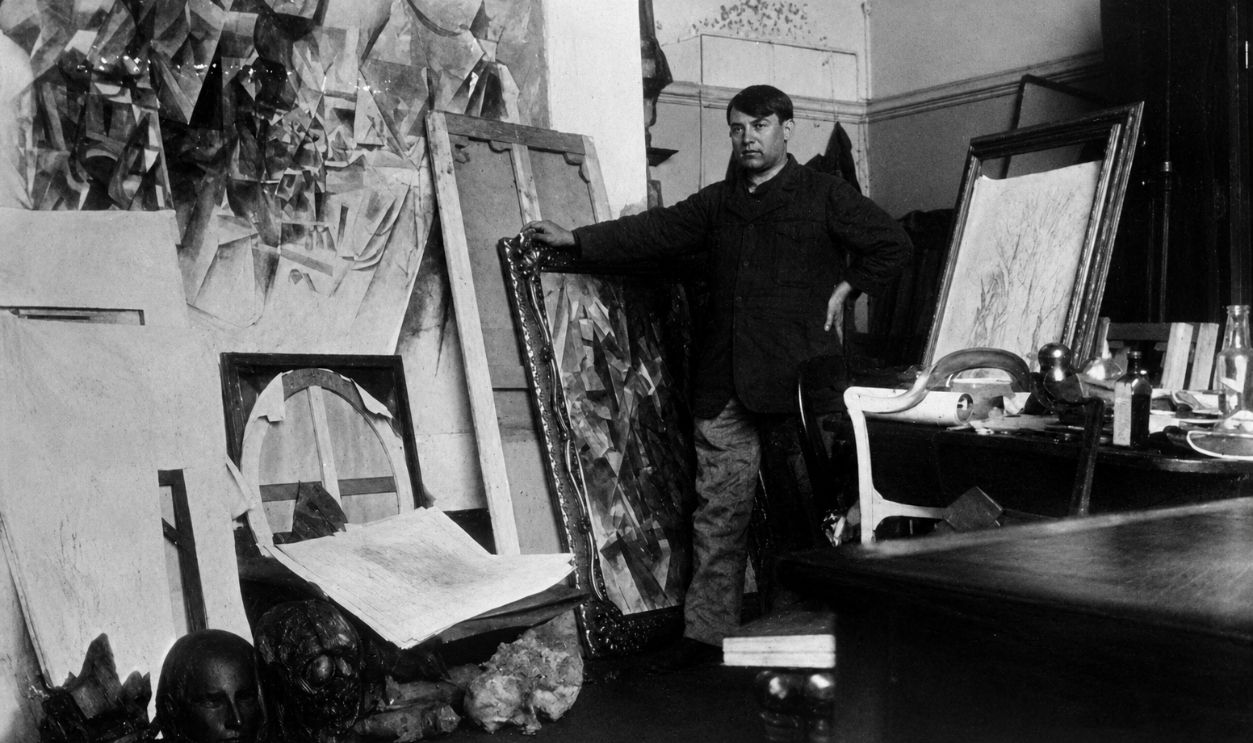
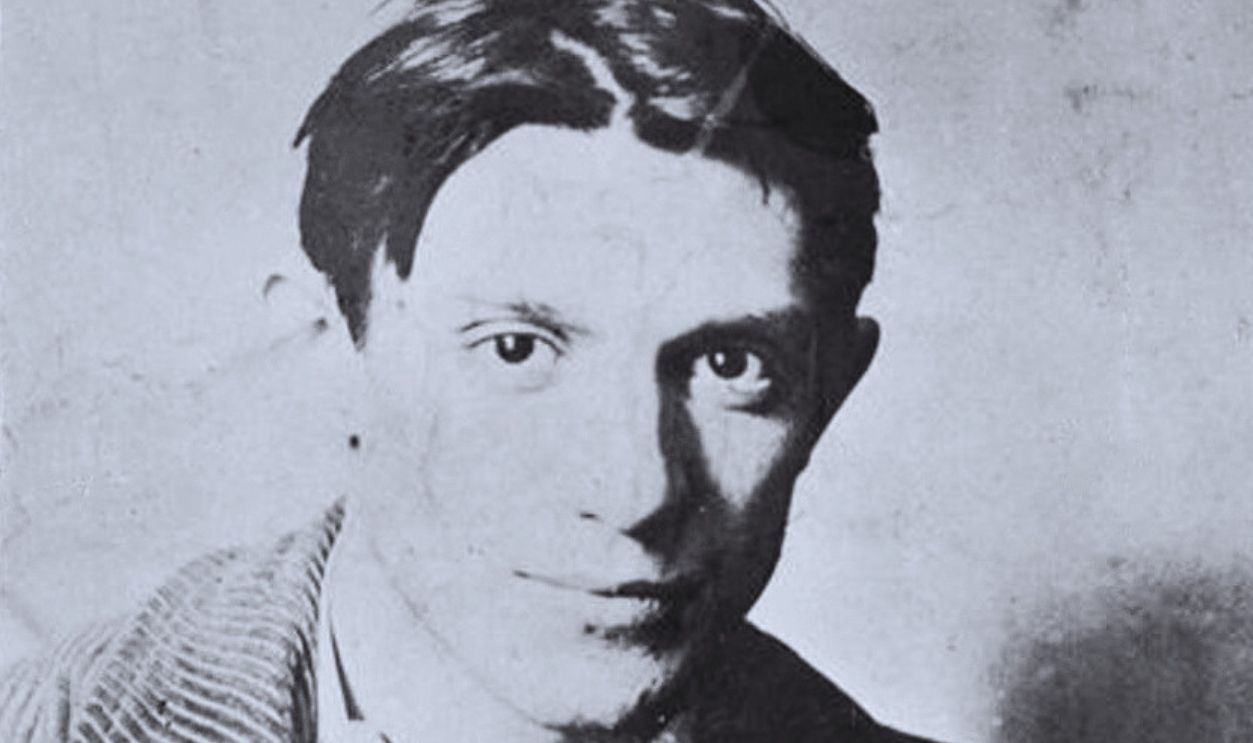
Pablo Picasso had overcome much of the misery he was living in during his first few years in France, but that wasn’t the only reason for his much more flowery style. Growing more familiar with the art scene in Paris and those who contributed to it, he met a bohemian artist named Fernande Olivier in 1904. The two instantly connected, and she became both his mistress and the inspiration for many of his works at the time.
Of course, this wasn’t the only meaningful connection he made during this period.
 Ricard Canals, Wikimedia Commons
13. They Were Fans Of Him
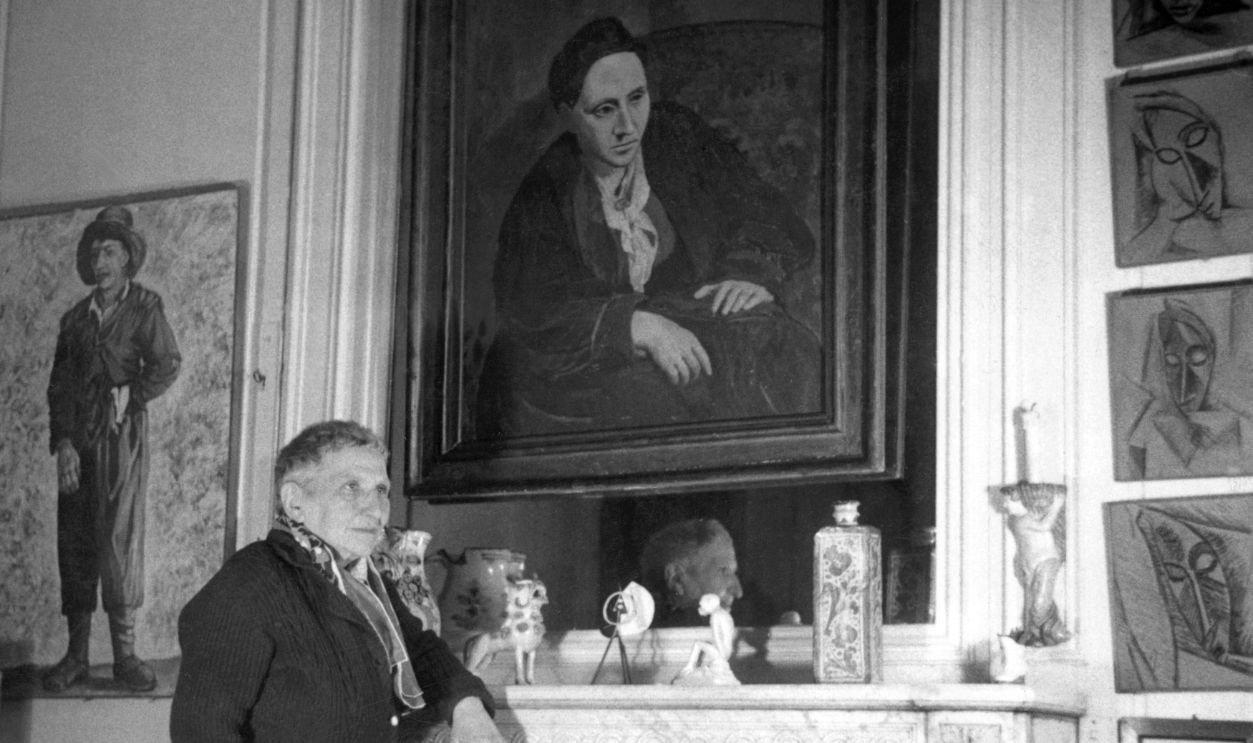
Although Picasso had hardly begun the second of his most major periods, his work had already taken the art world by storm, attracting the attention of several powerful people. In just a few years, famous American art collectors Gertrude and Leo Stein had fallen in love with Picasso’s paintings, especially after he painted a portrait of Gertrude for her.
Little did he know that this friendship would be more fruitful than he could ever hope for.
14. She Supported Him
Beyond the emotional turmoil Pablo Picasso had endured in his life, he had also managed to climb out of the pit of poverty he fell into upon arriving in Paris—and thanks to a new friend of his, he wouldn’t have to worry about that again. Gertrude Stein grew to become such a fan of his works that she bought several to display at her home in Paris and became his most dedicated patron.
One thing was for sure: Picasso knew how to network, but some friendships were more competitive than others.
15. They Had A Rivalry
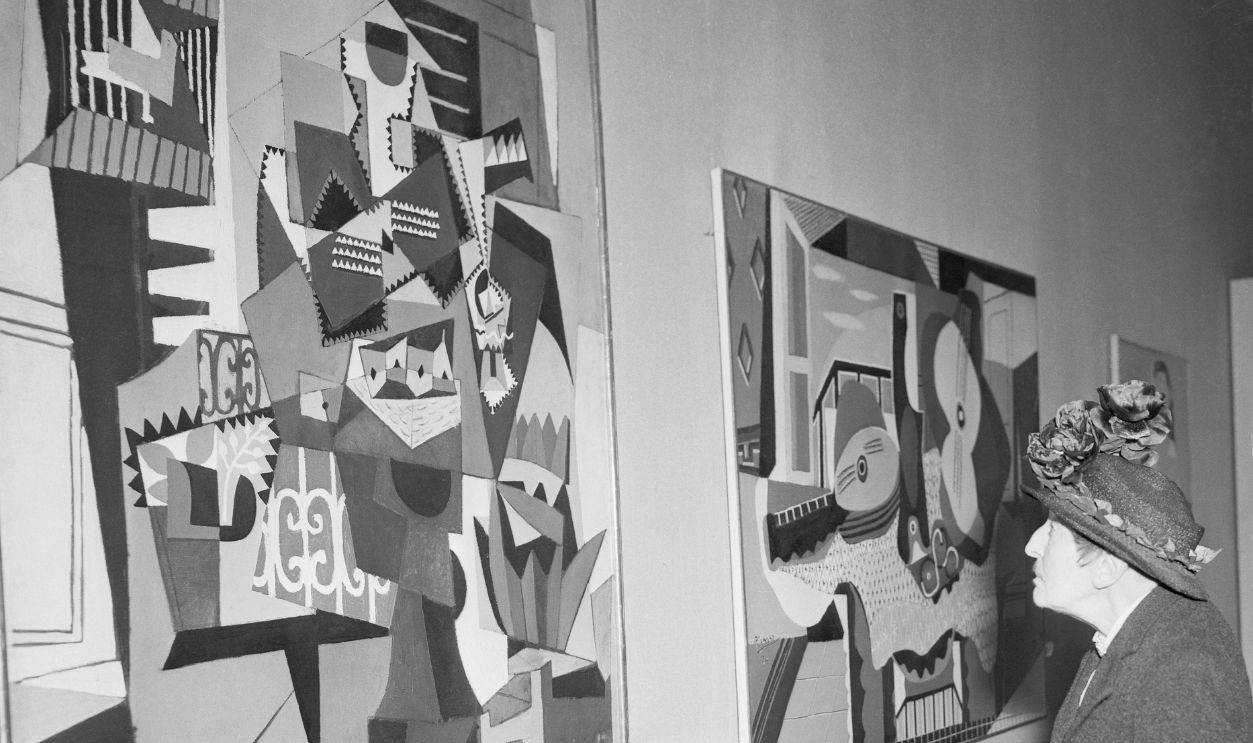
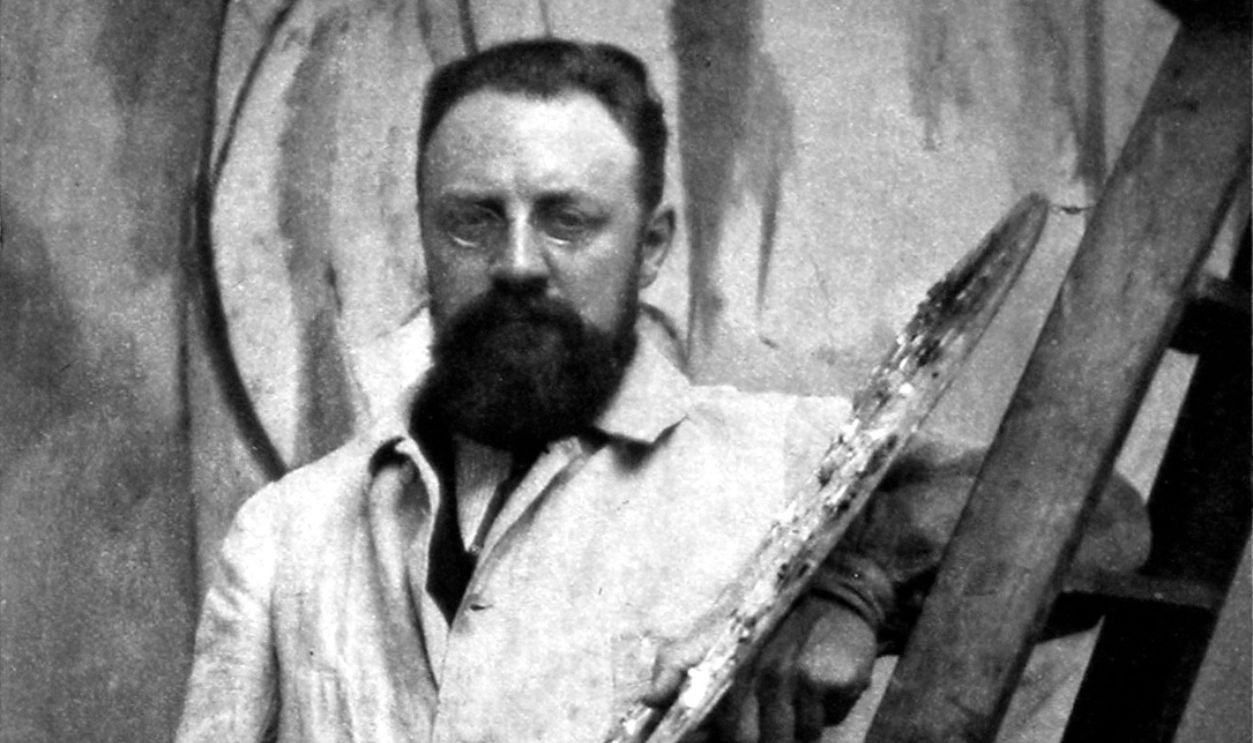
Although Picasso was already making himself well-known in Paris, his friendship with Gertrude Stein opened even more doors for him—though not all were strictly cordial. While he mingled with the other guests at one of his patron’s many parties in 1905, Picasso made the acquaintance of fellow painter Henri Matisse.
From then on, their relationship became complicated, with enough in common to be friends, but too much to avoid becoming rivals. Before long, he was ready to take the next step in his artistic journey—even if no one else was.
 Alvin Langdon Coburn, Wikimedia Commons
History's most fascinating stories and darkest secrets, delivered to your inbox daily.
16. They Didn’t Like It
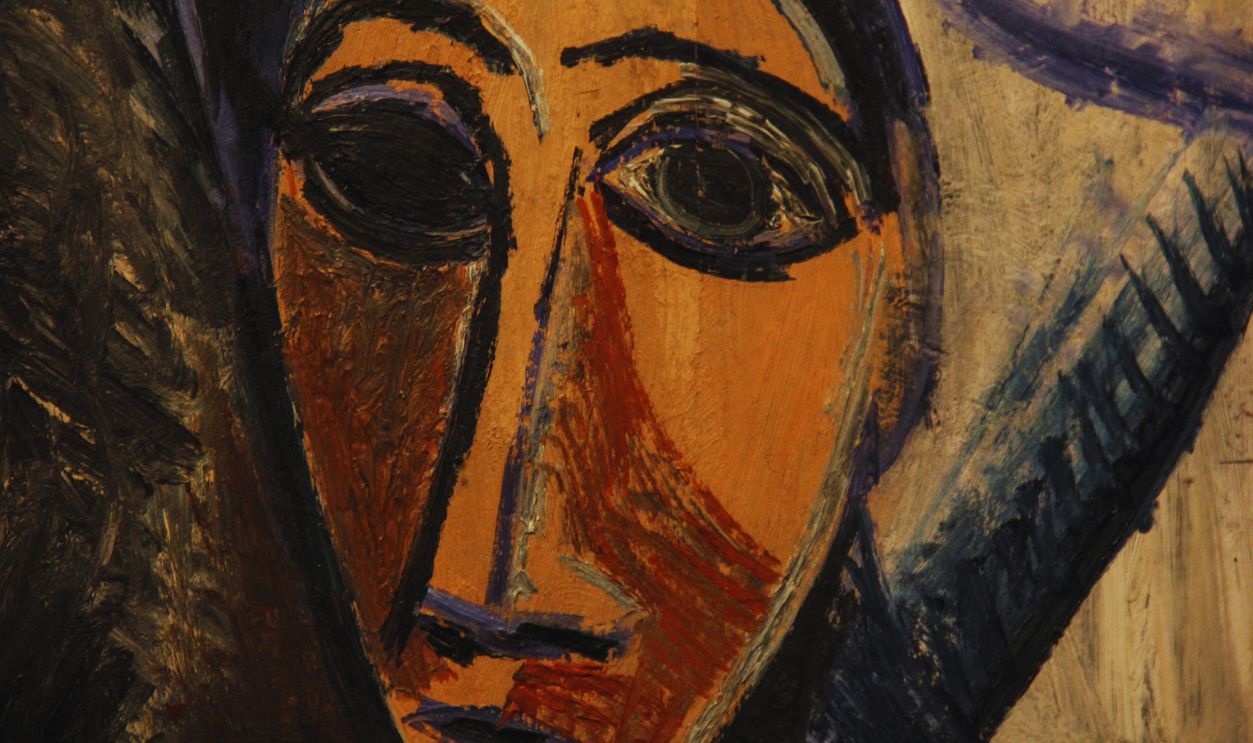
While Pablo Picasso was unafraid to push boundaries and express himself to the fullest, he wasn’t always appreciated for it. In 1907, he began what most refer to as his African-influenced Period, specifically with the creation of his painting, Les Demoiselles d'Avignon. However, the initial reception of this newest work wasn’t as positive as he had hoped, and in fact, those he showed it to early on were quite vocal about how offensive they found it.
Luckily, for his next period, he wouldn’t be relying solely on his own imagination.
17. They Worked Together
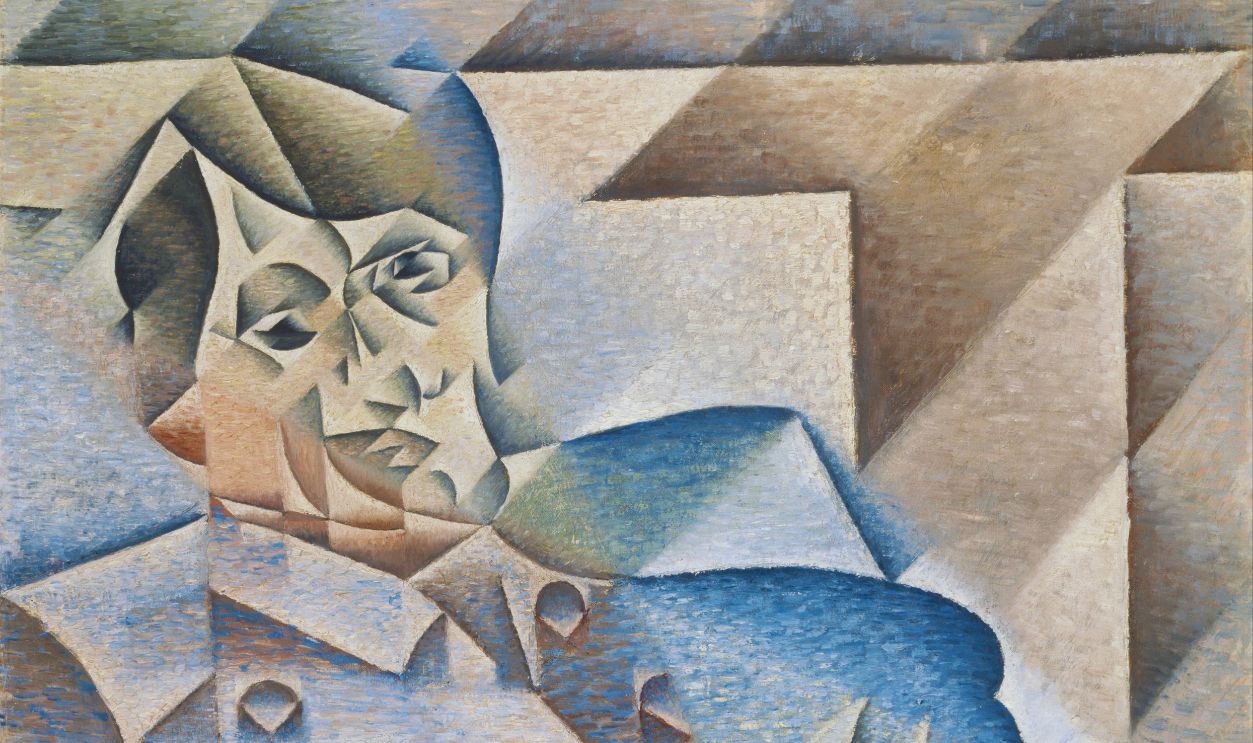
Until this point, Picasso had largely worked alone whenever establishing the bases for his periods, but that all changed when he created his newest style—Analytic Cubism. Partnering with painter Georges Braque in 1909, Picasso helped create the new style by disassembling a variety of objects and carefully observing what shapes they consisted of, choosing more neutral colors to represent them.
Unfortunately, these friendships wouldn’t always benefit him, especially when it came to jaw-dropping run-ins with the law.
18. They Interrogated Him
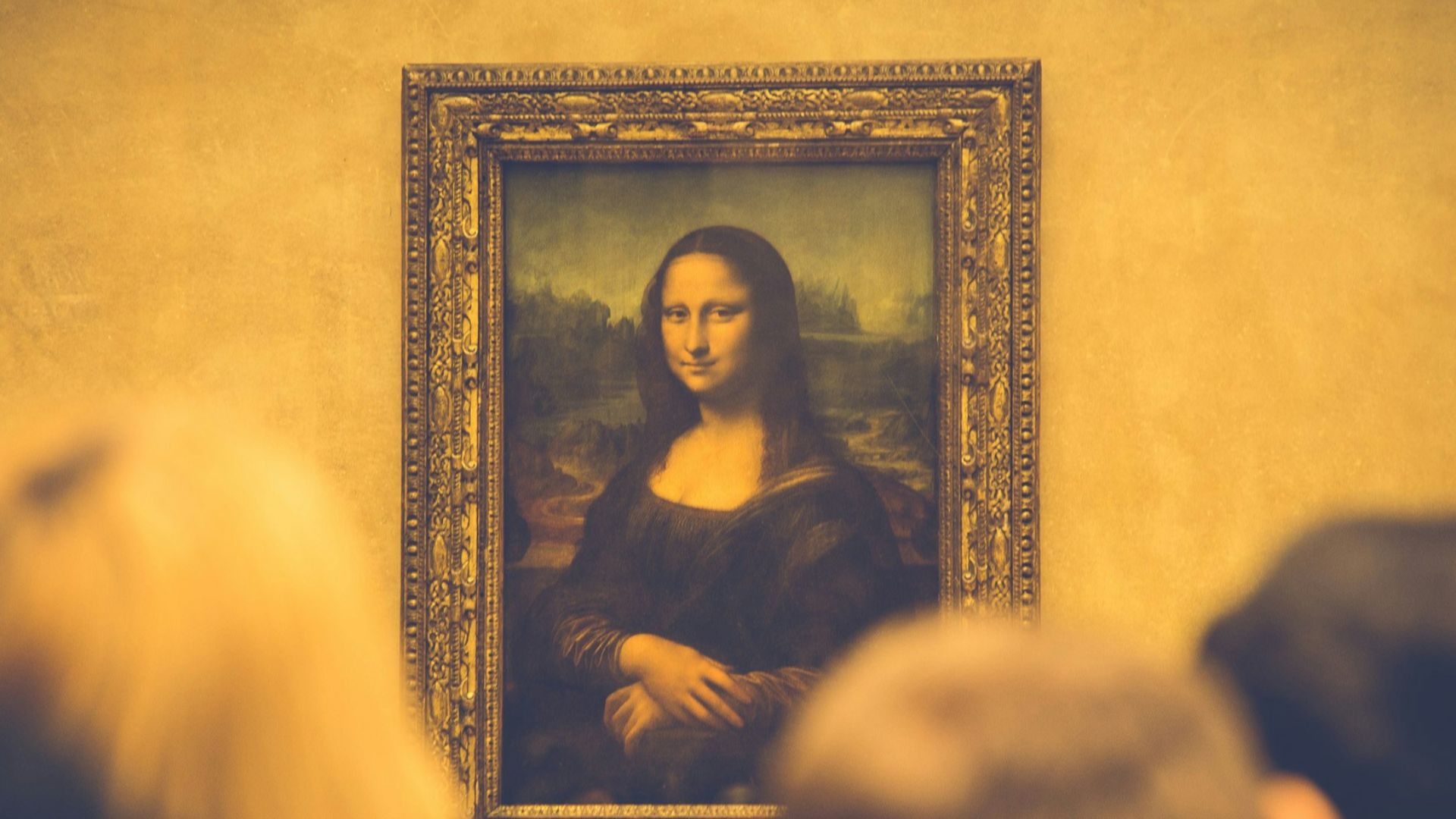
Pablo Picasso was likely just as shocked and appalled as everyone else when he heard that someone had stolen the famed Mona Lisa from the Louvre in 1911, but his reaction made no difference to the authorities. Taking him into custody, the officers interrogated him about the theft, since Picasso’s good friend, poet Guillaume Apollinaire, was also one of their suspects, and had passed the blame onto Picasso upon his own arrest.
Now that it had come down to it, though, Picasso was all too ready to throw friendship out the window.
19. He Denied Everything
For Picasso, the risk he ran with the authorities was even greater than that of Apollinaire’s, since there was always a chance of them deporting him back to Spain. Putting on his best poker face, Picasso claimed that he had no idea what Apollinaire was talking about and that he had never even met the man. Surprisingly, this worked, and the authorities eventually concluded that neither man had any involvement.
Meanwhile, he continued his work in cubism—and even pioneered a new art form.
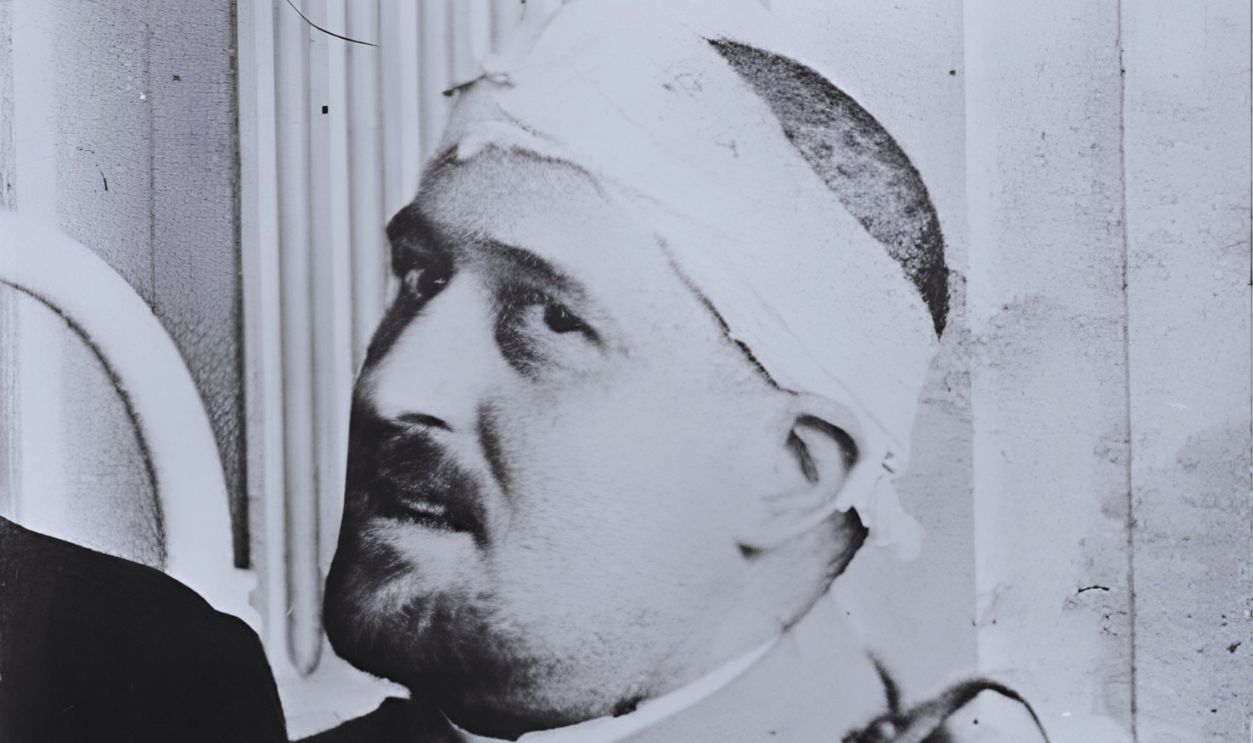
20. He Developed Something New
Although Pablo Picasso was constantly evolving his styles, he spent more time than usual exploring all the potential of cubism, leading him and Georges Braque to create Synthetic Cubism in 1912. Using shreds of paper, the two of them would piece together their creations, simultaneously creating the first of what many today know as the “collage”.
Clearly, he was always eager to move on from one period to the next, and his love life wasn’t any different.
 Angela Hu from United States, Wikimedia Commons
21. He Found Someone Else
Quickly growing in popularity and accumulating more and more profit from his work and wealthy patrons, Picasso’s worldview began to shift—especially as he fell in love with another woman. In ending things with Fernande Olivier, he felt little remorse as he immediately moved on to his next relationship with a woman named Eva Gouel.
Sadly, he would soon have much bigger things to worry about—along with everyone else.
 Screenshot from Genius: Picasso, National Geographic (2018)
History's most fascinating stories and darkest secrets, delivered to your inbox daily.
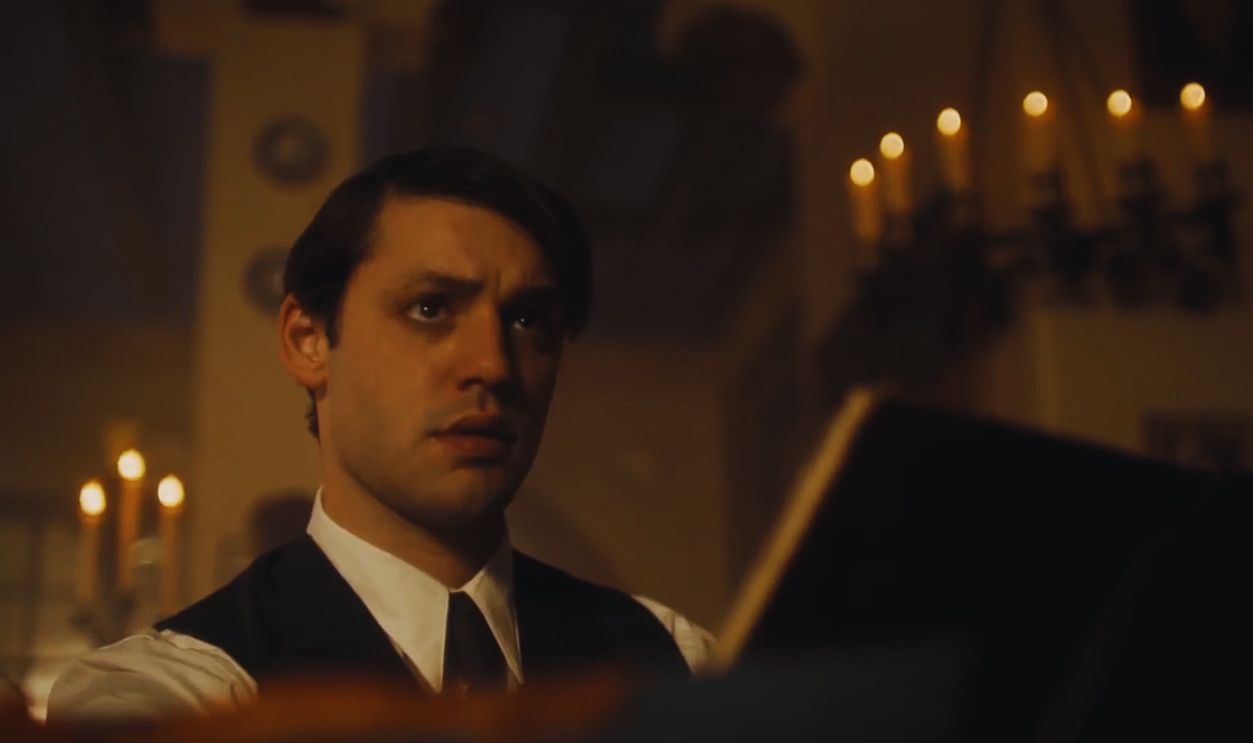
22. He Stayed Out Of It
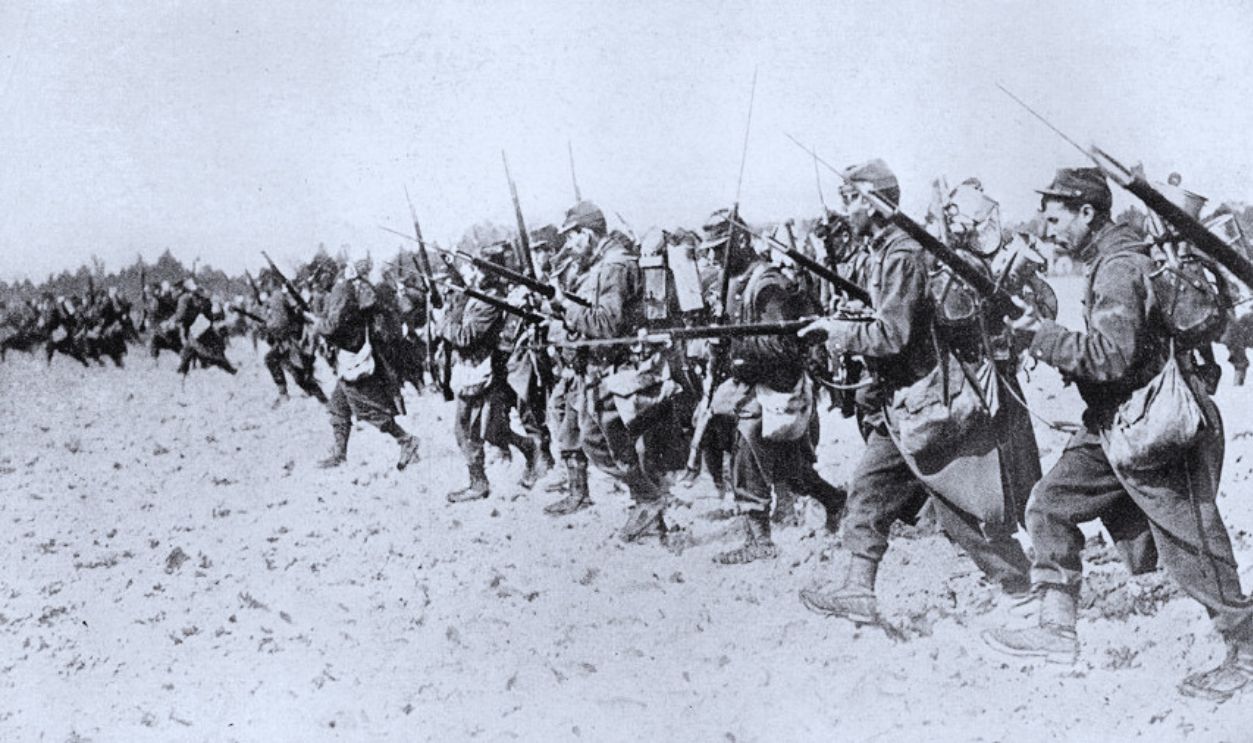
While Pablo Picasso was wrapped up in his own creative evolutions, the world was primed for a much larger shift leading up to the outbreak of WWI in 1914. Many of Picasso’s French friends had no choice but to join the fight, but since he was still a Spanish citizen, he was under no obligation and chose to stay put in Avignon.
Despite having the luxury of distancing himself from the conflict, he was in for a much more personal hardship all the same.
 Unknown Author, Wikimedia Commons
23. She Was Sick
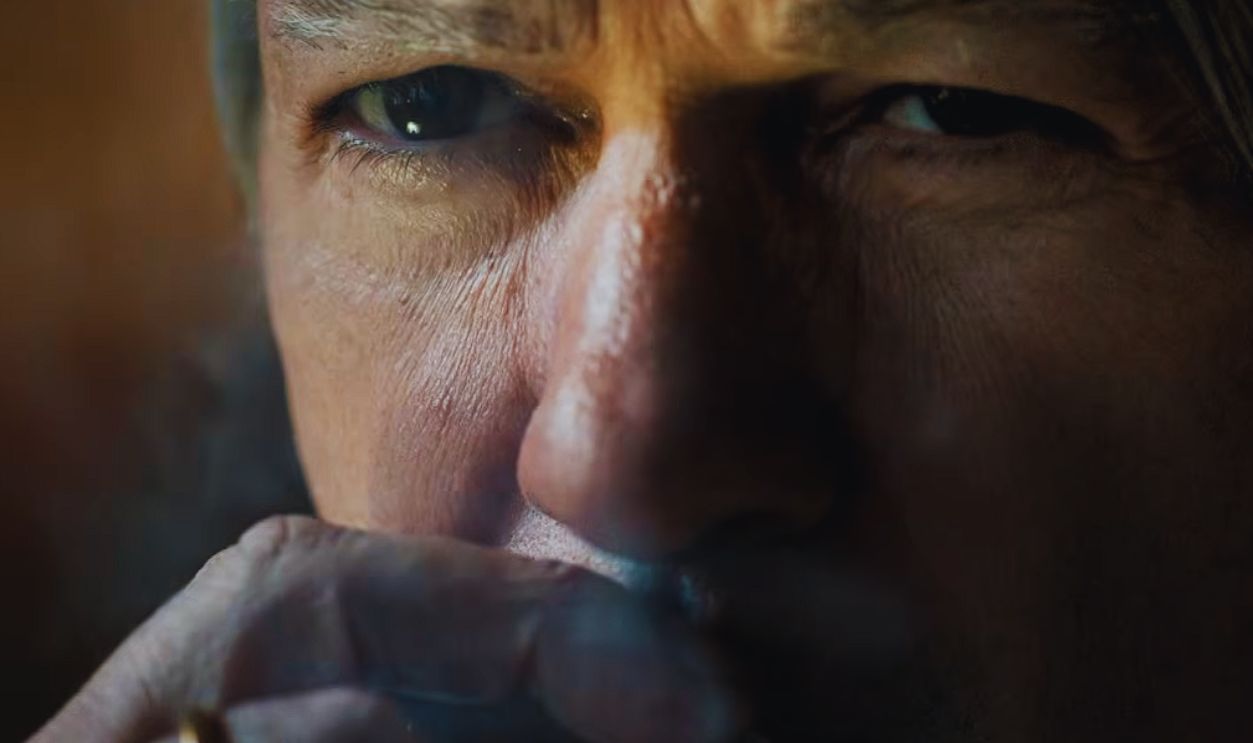
While he was happy in his newest relationship with Eva Gouel, it was only a short time before they faced their most harrowing challenge yet. As WWI waged on, Eva developed tuberculosis and ultimately passed in 1915, leaving Picasso with a hole in his heart he could never fill—but he still tried. Once again, wasting no time, he became involved with a fellow artist named Gaby Lespinasse.
Luckily, while life was taking so much away, it also gave him something back.
 Screenshot from Genius: Picasso, National Geographic (2018)
24. He Made It Back
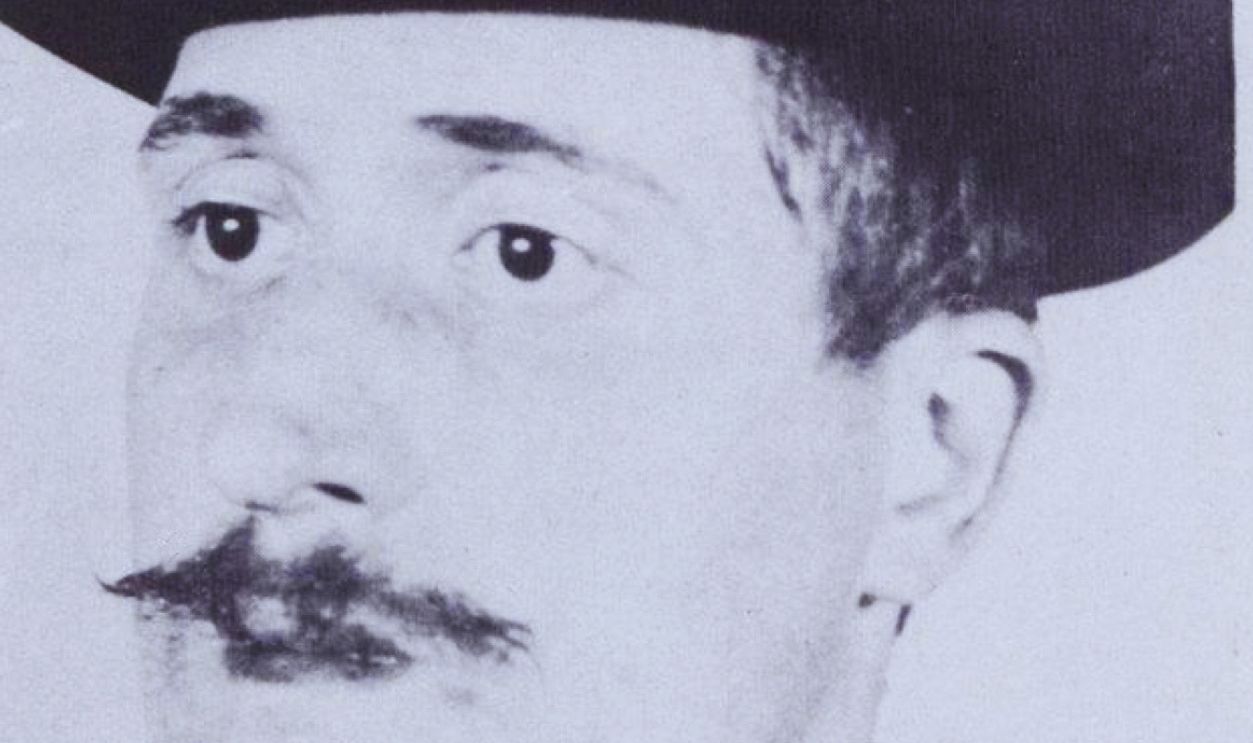
Pablo Picasso had had very little contact with Guillaume Apollinaire since the whole “stolen Mona Lisa” incident, but now that his friend was on the front lines, he was a bit more worried. Thankfully, while he was certainly worse for wear, Apollinaire returned from fighting in the conflict, and the two reconnected. However, Picasso had made so many new friends by this point that they took up most of his time.
Furthermore, it wasn’t long before one of these connections turned into something more.
 Unknown Author, Wikimedia Commons
25. They Tied The Knot
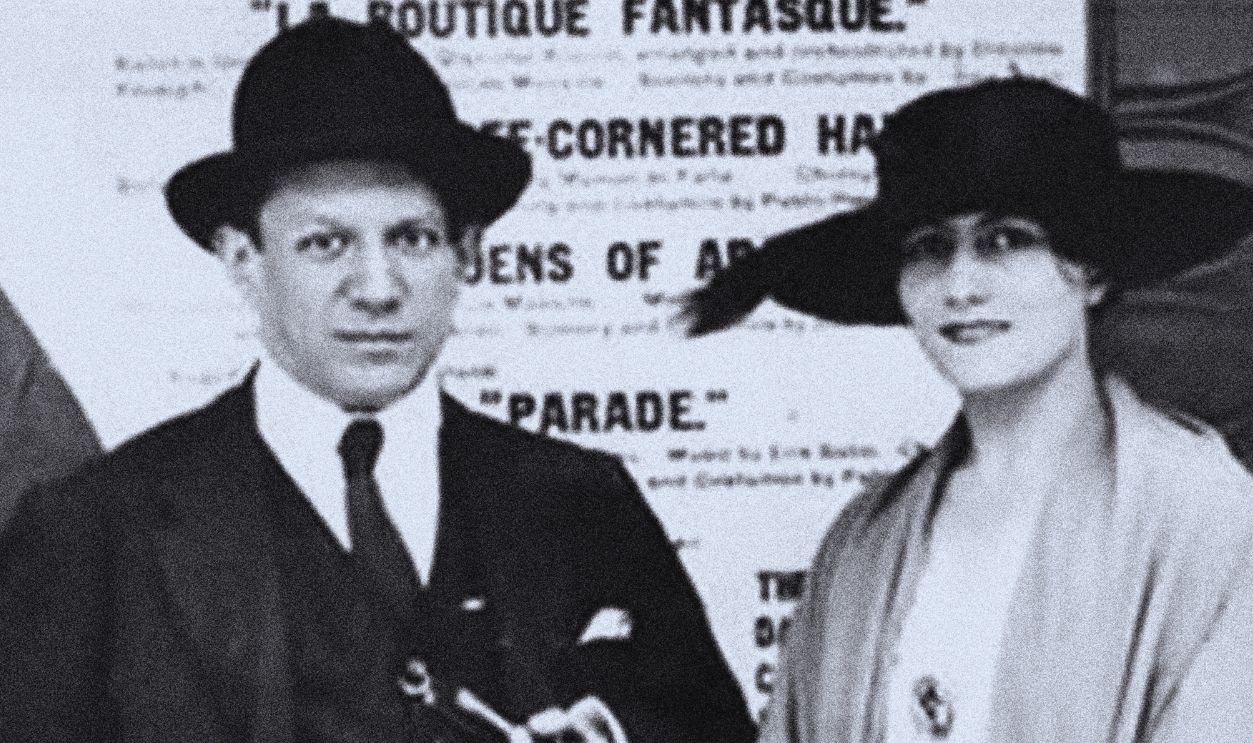
Never satisfied with staying put for too long, Picasso was always looking for his next source of inspiration—whether it was something or someone. Falling in with Serge Diaghilev's Ballets Russes, he became more and more acquainted with its members, especially as he took the job of designing a ballet for them.
As he grew closer to one of the ballerinas, Olga Khokhlova, the two of them fell in love and soon took the plunge, marrying in 1918. Picasso had already proven to be quite the womanizer, but at least one thing was different this time.
26. They Made A Family
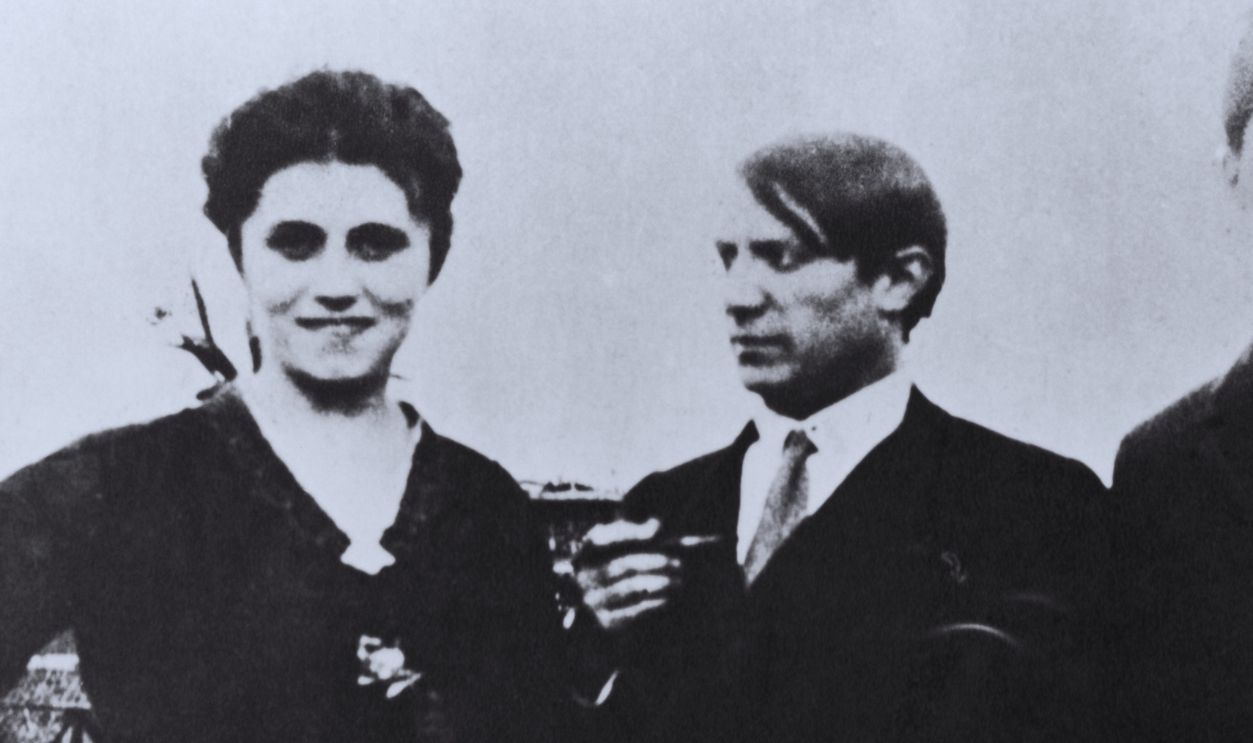
Although he was hardly the most faithful man, Pablo Picasso seemed to want to go the distance with his newest lover, Olga, and it showed even after they married. To all appearances, Picasso was ready to create a life with her, and the two welcomed their first and only child together in 1921, a boy named Paulo.
Unfortunately, they were still far from the perfect couple.
27. They Were Too Different
Picasso’s previous lovers had shared many of his more bohemian sensibilities, but Olga was different, and while he had some experience with high society—he now had to dive right in. Dragging him along to dinner parties and galas, she hoped he would adjust to the lifestyle of the elite, but he remained as stubborn as ever, leading to near-perpetual fighting between them.
Unsurprisingly, even his marriage did little to diminish his worst qualities.
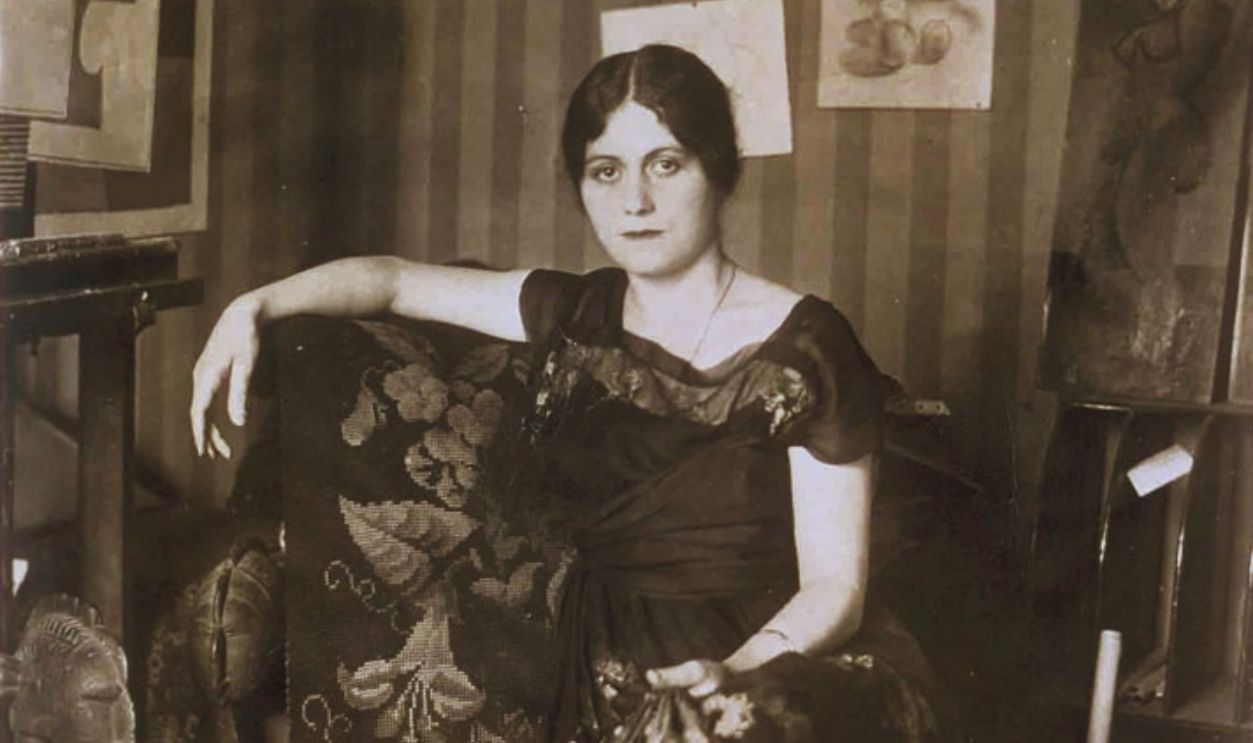 AnonymousUnknown author, Wikimedia Commons
History's most fascinating stories and darkest secrets, delivered to your inbox daily.
28. He Discovered His Muse
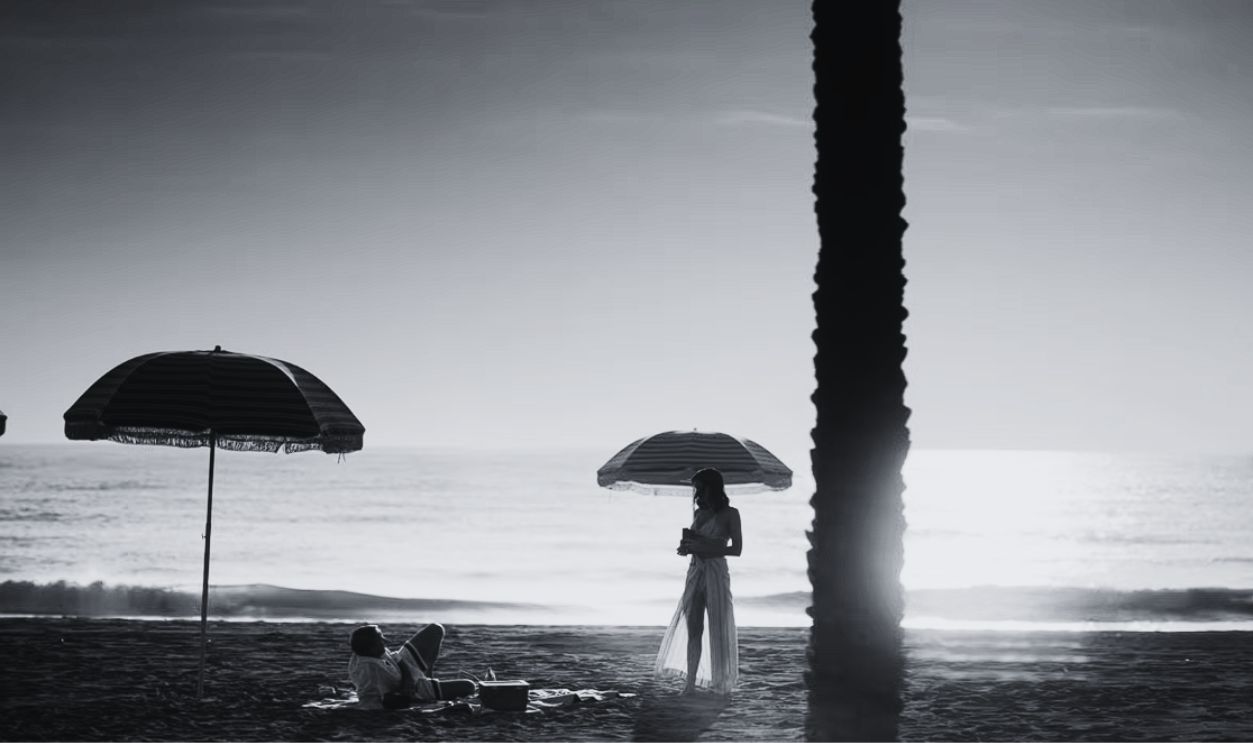
Before Pablo Picasso even got through his first decade of married life, he was already prepared to throw it all away, and dreadfully, with someone much younger this time. Targeting 17-year-old Marie-Thérèse Walter, he began seeing her regularly in 1927, going so far as to start referring to her as his “Golden muse”.
While he tried his best to keep this a secret from his wife—he wasn’t very good at it.
 Screenshot from Genius: Picasso, National Geographic (2018)
29. He Moved Them Closer
Picasso may have been shameless in many ways, but he still wanted to avoid his wife learning about the affair, and it soon became even more difficult. In 1934, Marie-Thérèse Walter became pregnant with his child, and he moved her into an apartment in shocking proximity to his own. It wasn't long before his ultimate betrayal reached Olga's ears.
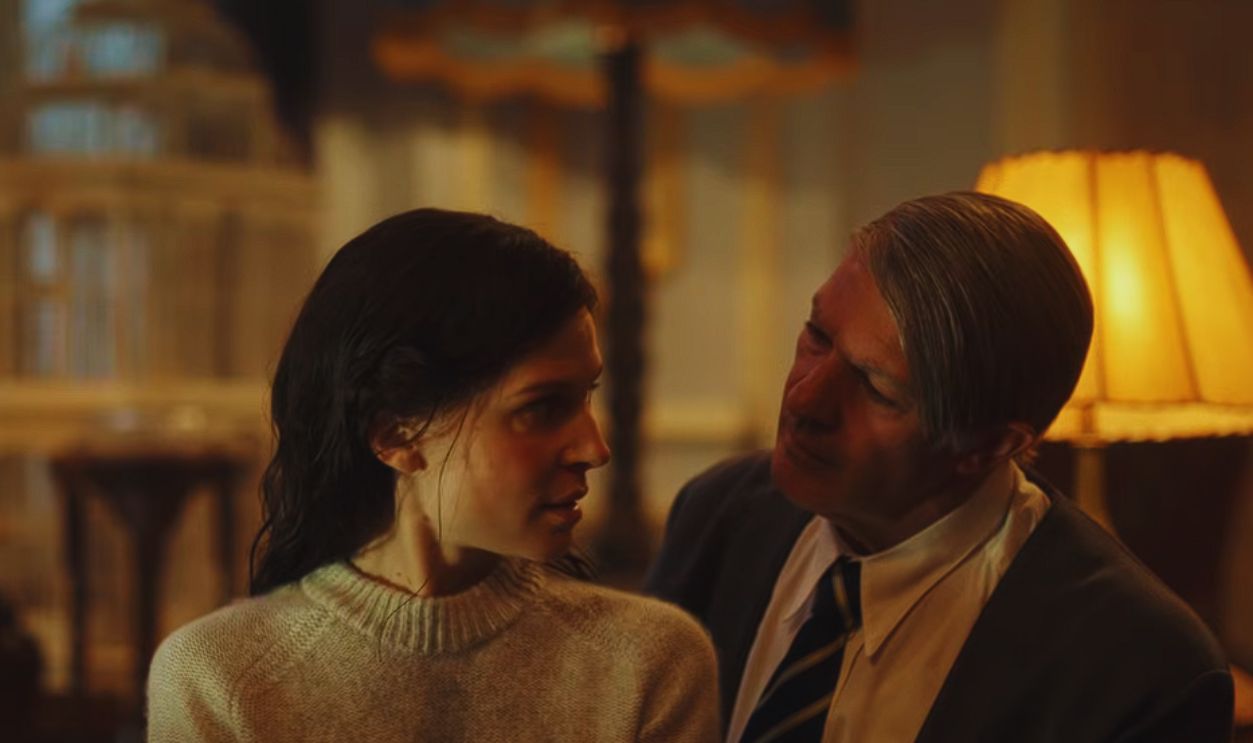 Screenshot from Genius: Picasso, National Geographic (2018)
30. His Wife Learned The Heartbreaking Truth
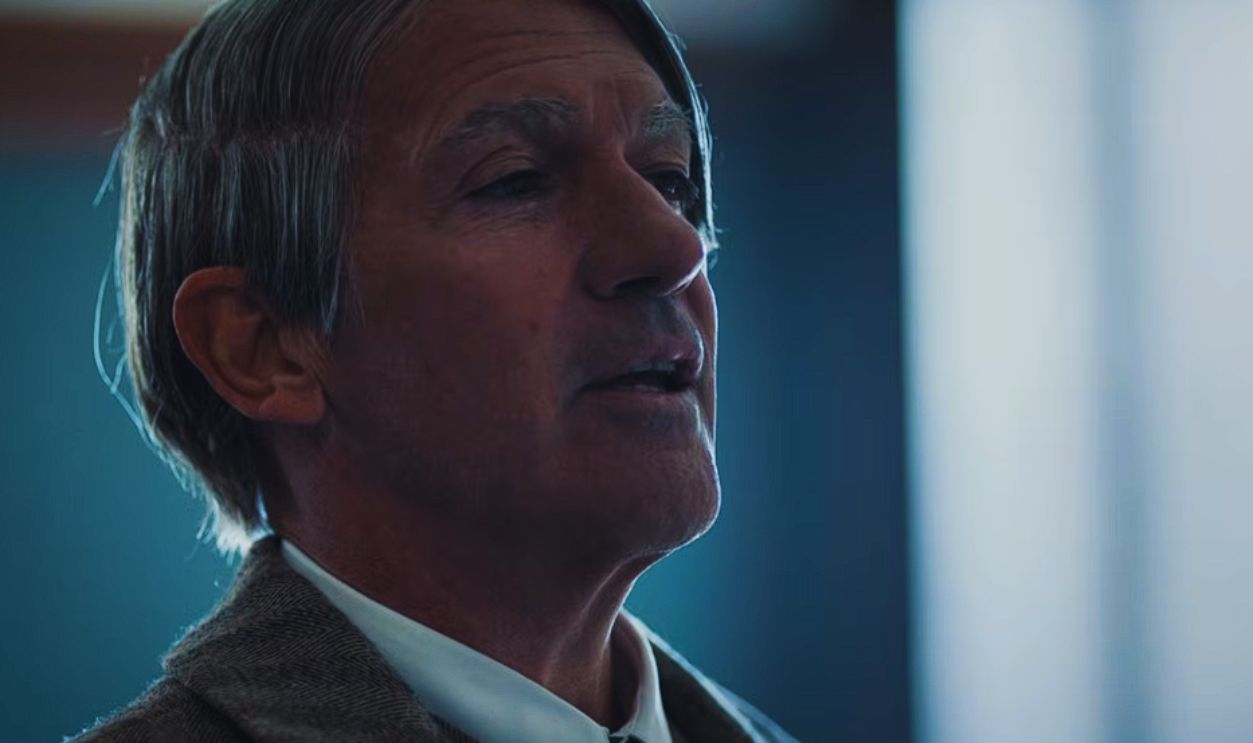
Picasso's house of cards fell apart after Olga learned about Marie-Thérèse's pregnancy through a friend, though some believe she likely suspected his infidelity before then. Her response was unforgettable. She packed up her life and took her son to the South of France. But that wasn't her only way of getting back at Picasso.
Though the artist wanted to secure a divorce, he was no match for Olga's stubbornness. She would not grant him a divorce and was "bitterly opposed to the whole thing". Meanwhile, he continued to evolve his artistic vision—even changing one of his longest-standing staples.
 Screenshot from Genius: Picasso, National Geographic (2018)
31. He Found A New Symbol
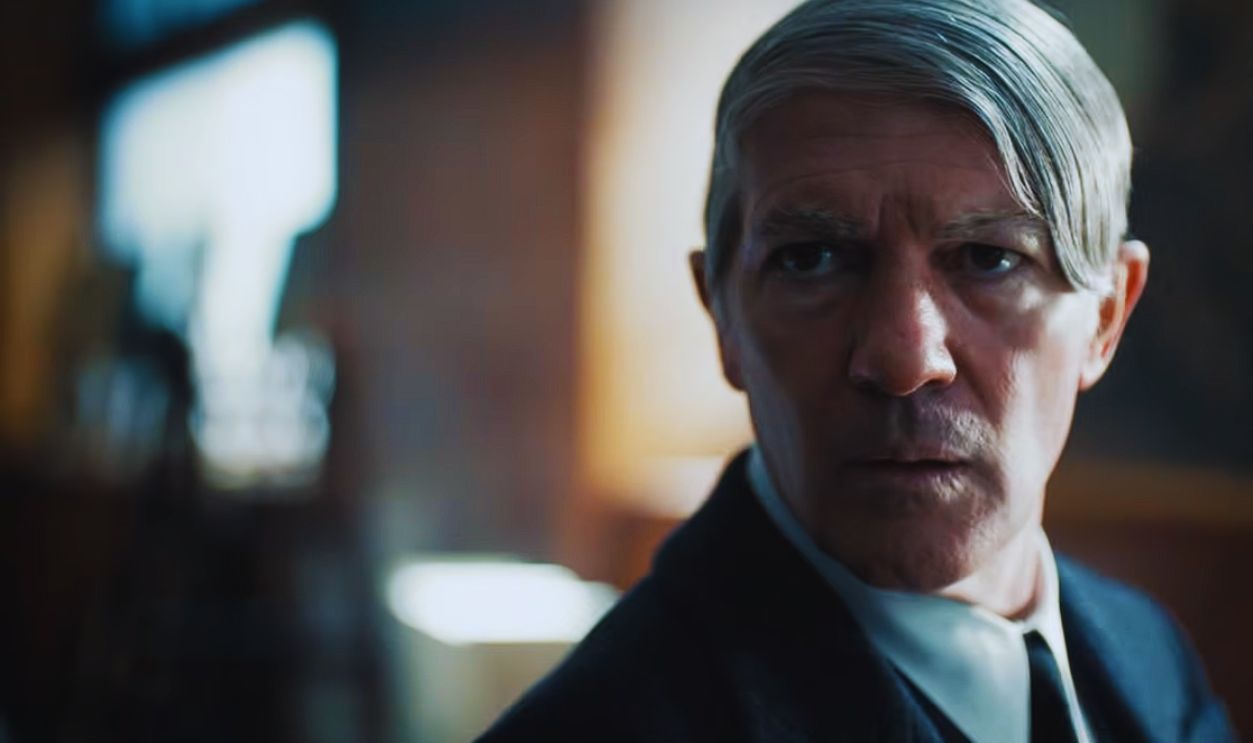
Stemming from the work he did during his Rose Period, Pablo Picasso had used the Harlequin as a major motif in his painting up until this point—but he was never an artist who stuck to one thing only. Among surrealists at the time, depictions of a minotaur were part of a popular trend, and after becoming friends with several of these artists in the 1930s, he adopted the creature to use in his own works.
As such, this new motif was present in arguably his most famous painting—and his most topical yet.
 Screenshot from Genius: Picasso, National Geographic (2018)
32. He Made A Statement
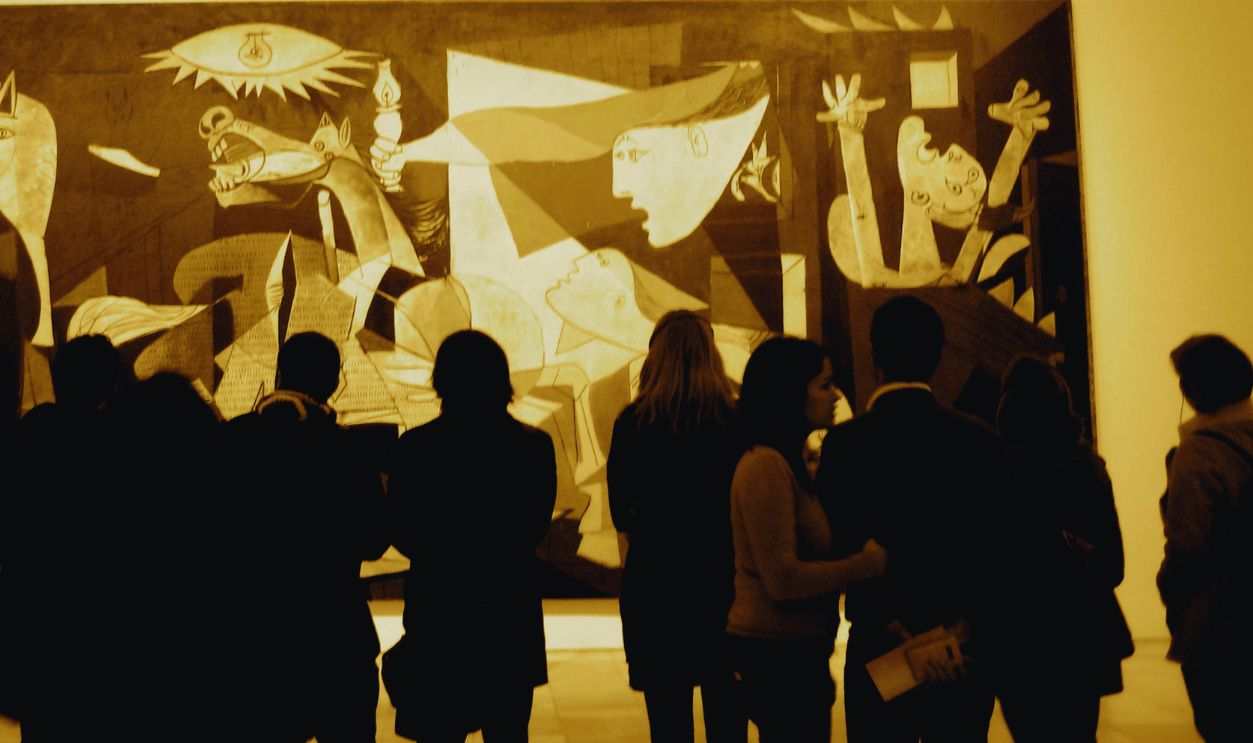
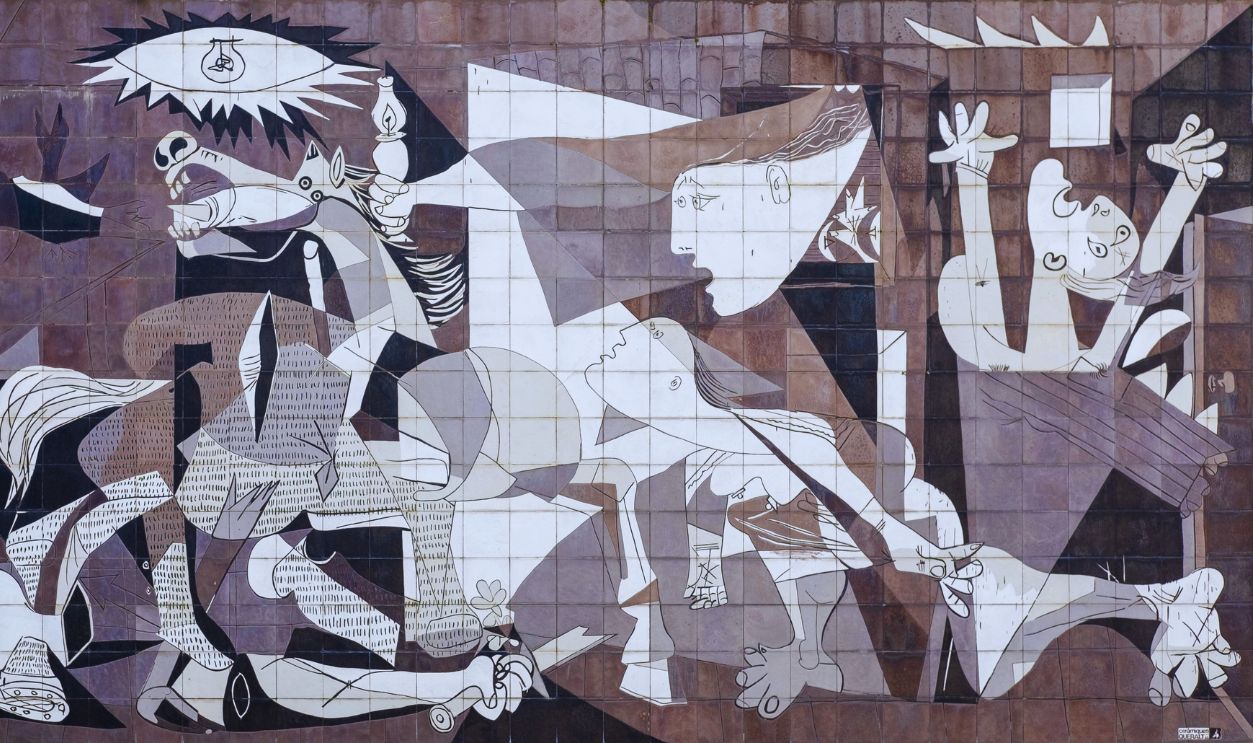
While Picasso was more than content to stay out of WWI, he quickly changed his stance when something similar hit closer to home. With the outbreak of Spain’s civil conflict in 1936, he saw and heard about the devastation spreading across his home country, and had only one way to express his sorrow. Using a recent air raid by German and Italian forces for inspiration, he depicted the event in all its horror in his now-famous painting, Guernica.
Fortunately, he was eager to back up his message with real action, even if he had to go outside of Europe.
 Jules Verne Times Two / www.julesvernex2.com, Wikimedia Commons
33. He Sent It Overseas
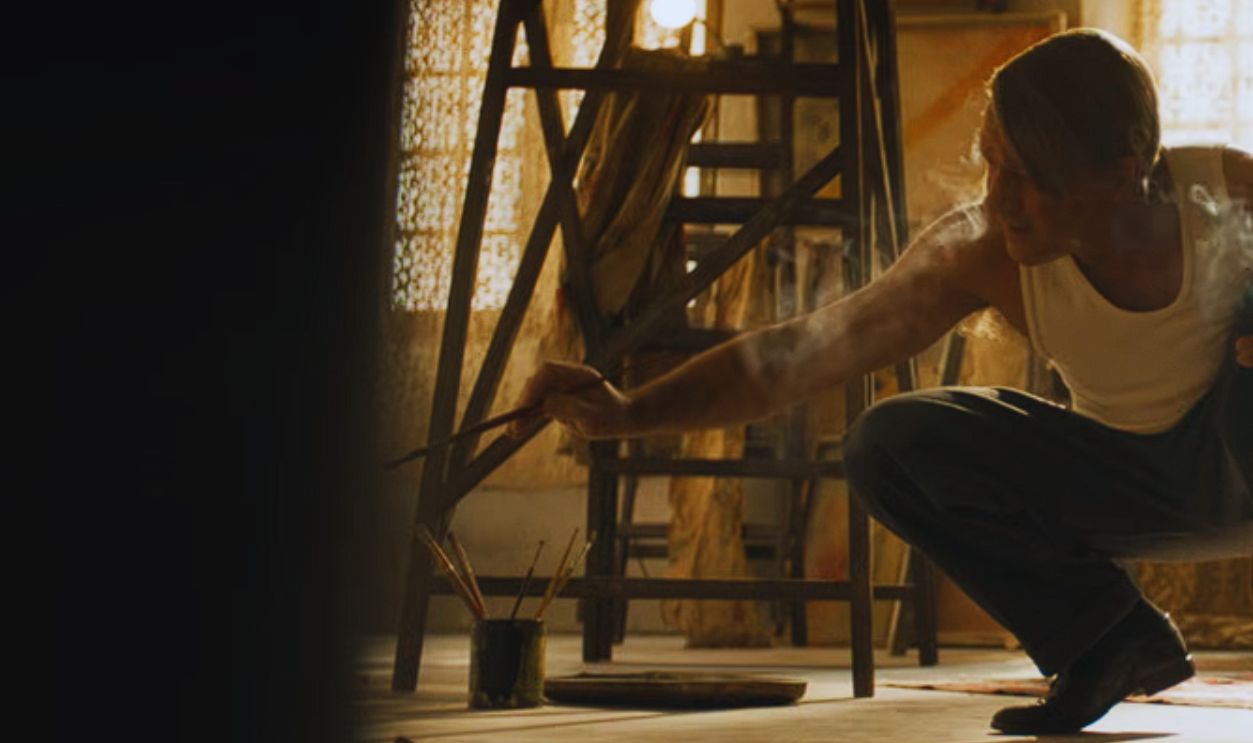
Picasso’s Guernica instantly became one of his most popular and powerful works, and after seeing the state of his home country, he decided to use this impact for good. As dictator Francisco Franco took control of Spain and many citizens fled the country, Picasso sent the painting to the Museum of Modern Art in New York, using its profits to help the refugees.
This would end up being its home for longer than expected—much to Picasso’s dismay.
 Screenshot from Genius: Picasso, National Geographic (2018)
History's most fascinating stories and darkest secrets, delivered to your inbox daily.
34. He Wanted Them To Keep It
For Pablo Picasso, keeping his painting in America was eventually about more than just supporting the Spanish refugees, as it soon became a matter of principle. Drawing a line in the sand, he stated that the painting would stay out of Spain until democracy and liberty returned to the country—something that didn’t happen until the 1980s.
This change in subject matter seemed to come out of nowhere for Picasso—except to those who truly knew him.
 AK Rockefeller, Wikimedia Commons
35. She Inspired Him
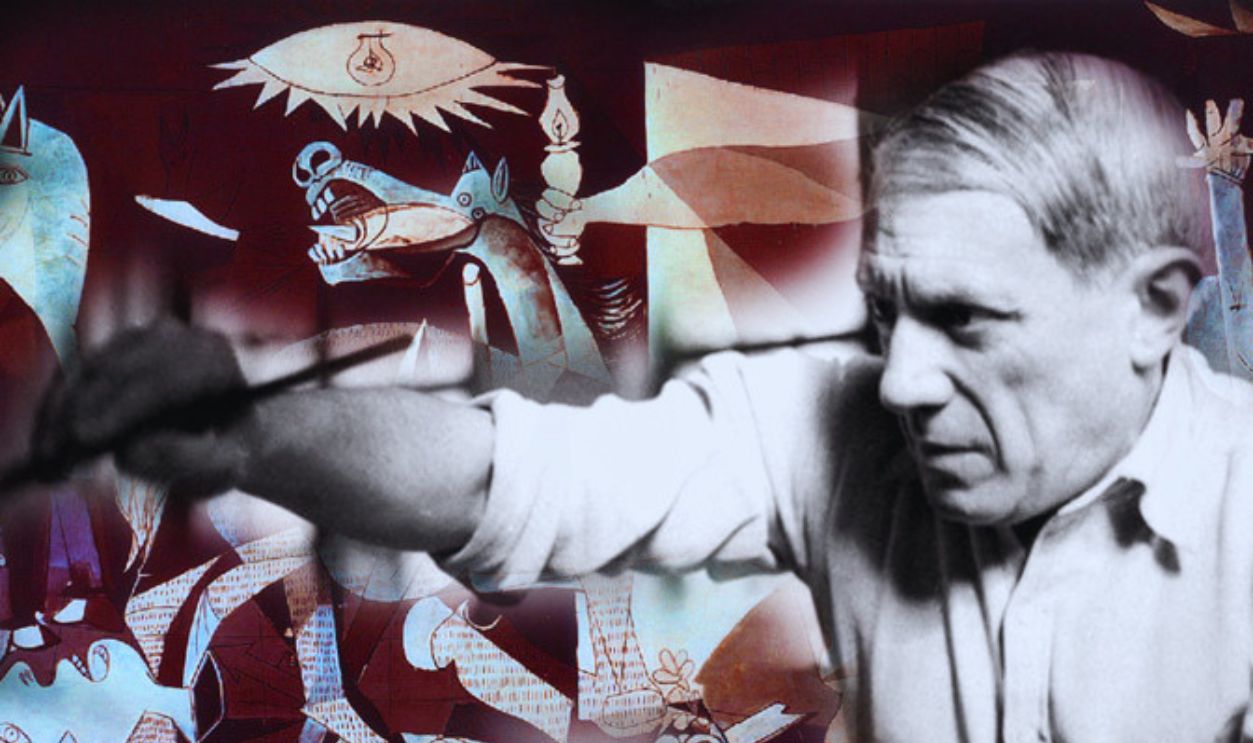
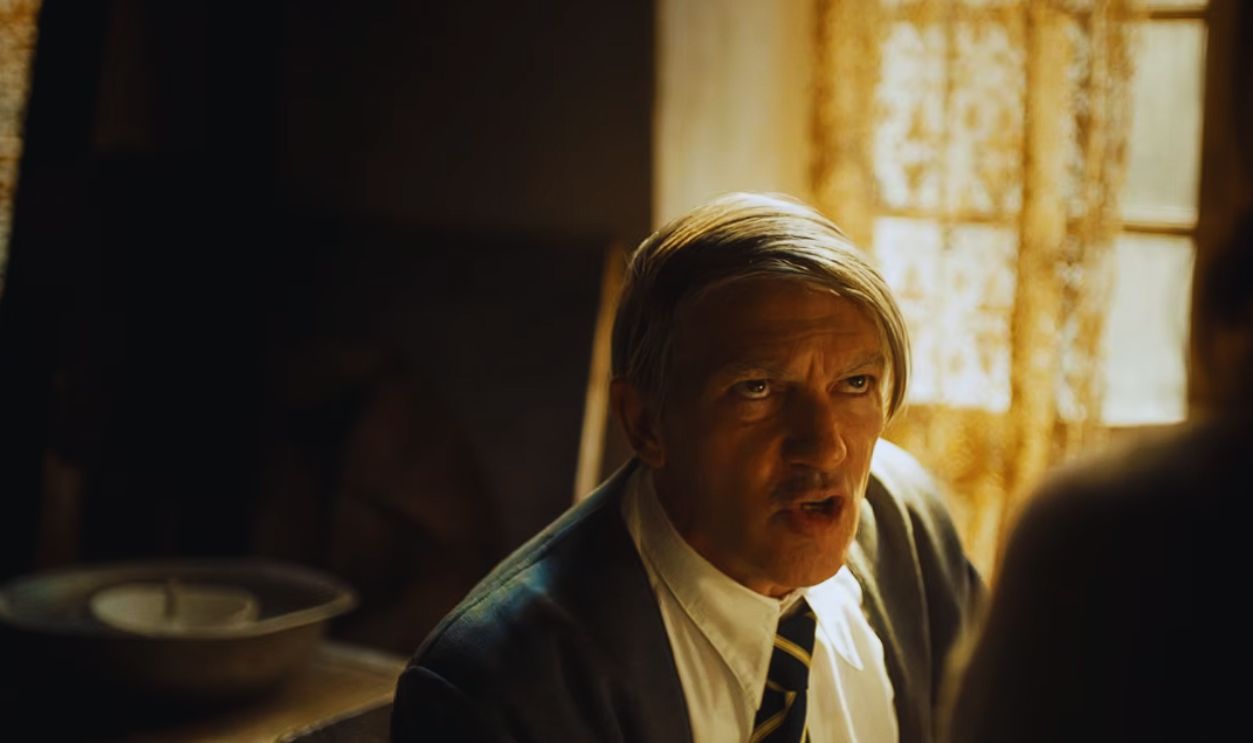
While Picasso had used more somber subjects like poverty in his previous works, he had never covered something so politically moving as Guernica before—but not all the credit belonged to him. Just as it was with his previous periods, much of his inspiration always came from the women he was seeing, specifically the photographer and activist he had recently begun an affair with, Dora Maar.
It would have been easy to assume that his wife Olga wanted nothing to do with him—but that wasn’t the case.
 Screenshot from Genius: Picasso, National Geographic (2018)
36. She Told Him No
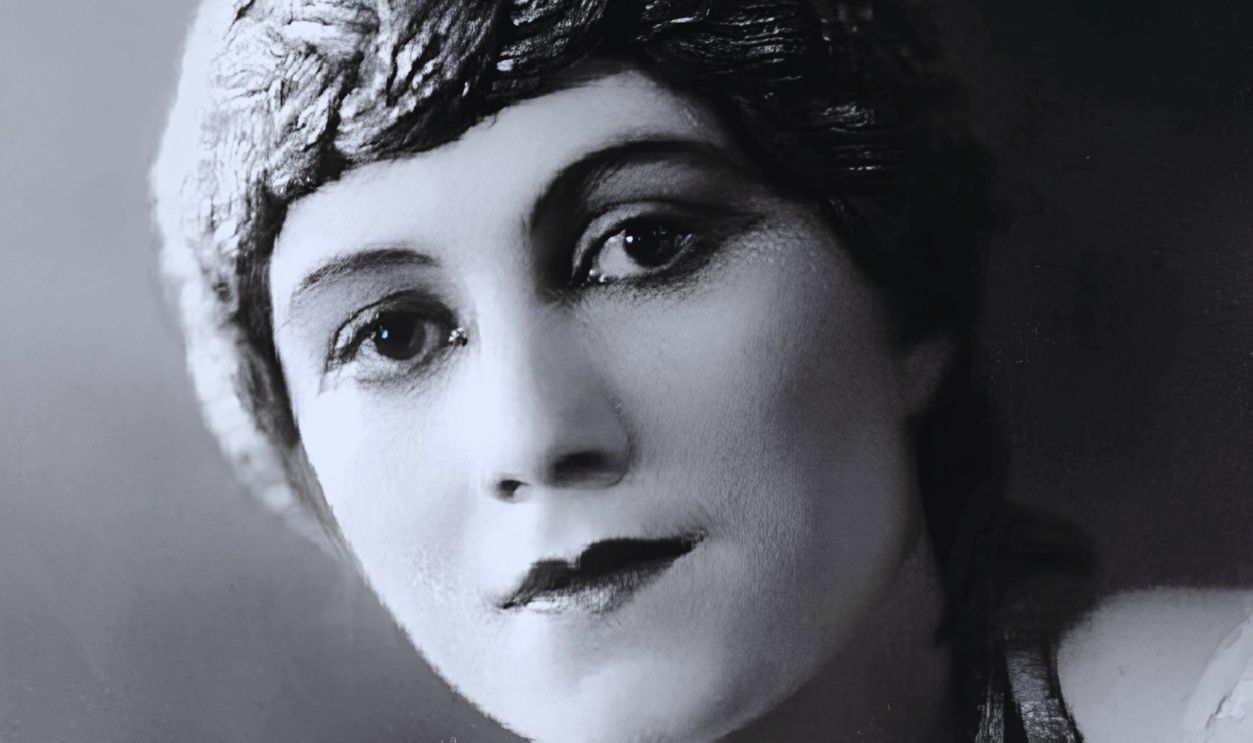
Olga wouldn't let Picasso go, and despite all of his efforts, he just couldn't get a divorce out of her. Of course, she had her reasons. Though she no longer wanted to be his wife, she didn't want to give up her half of his property, which included his work. They remained married on paper until her passing in 1955. At the very least, she'd managed to wrangle a generous allowance out of the dysfunctional situation.
However, if what happened next was any indication, there was certainly no love lost on his part.
 picassolive.ru, Wikimedia Commons
37. He Called Her Up
Following the passing of his wife, Picasso made his true feelings crystal clear when he called Marie-Thérèse Walter, thinking that nothing now stood in the way of their relationship. However, he was in for a rude awakening as she refused his marriage proposal, and from that point until she tragically took her own life in 1977, they never saw each other again.
On the professional side, though, he had already undergone a kind of renaissance—even if it was halfway across the world.
 Screenshot from Genius: Picasso, National Geographic (2018)
38. They Saw His Work
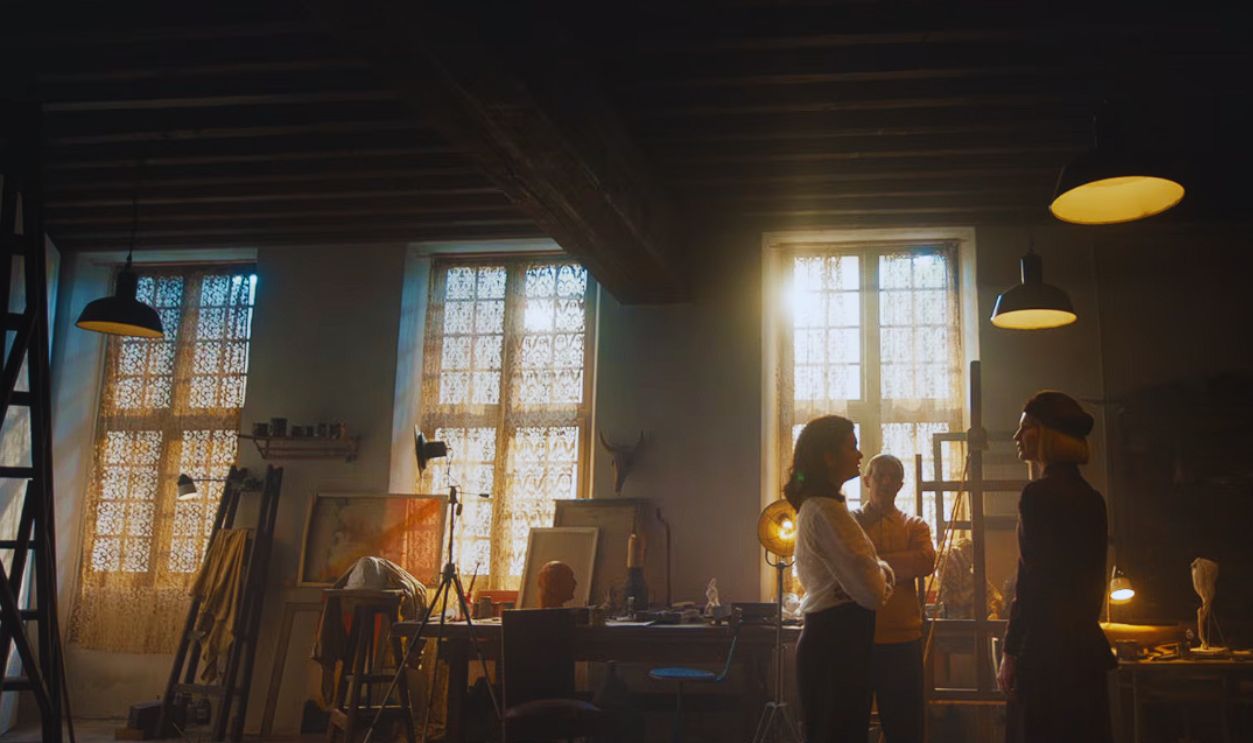
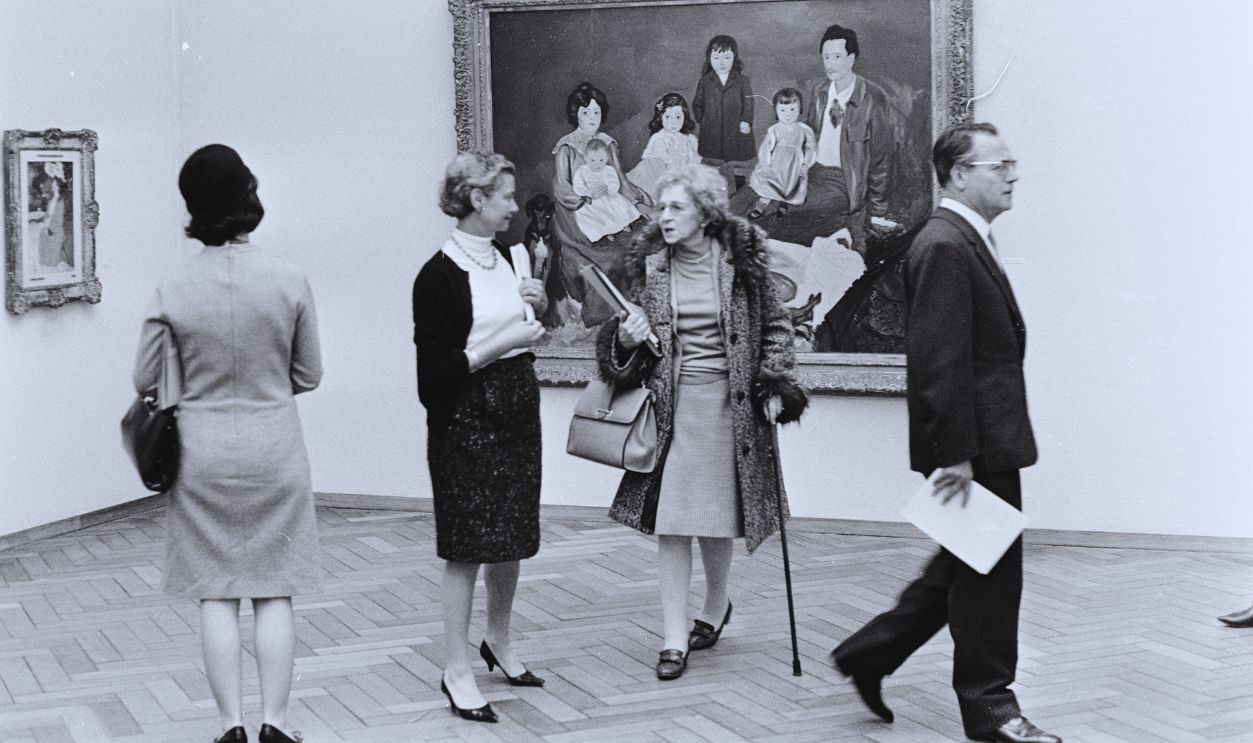
In possession of one of Picasso’s greatest works so far, New York’s Museum of Modern Art figured they might as well do a full exhibit on the artist—especially since it would be a first in America. Most people in the US hadn’t been familiar with his work until this exhibit in 1939, but afterward, the American art world fell completely head over heels for him.
However, America might have felt differently if they knew why he never became a French citizen.
 Ben Merk / Anefo, Wikimedia Commons
39. They Denied His Request
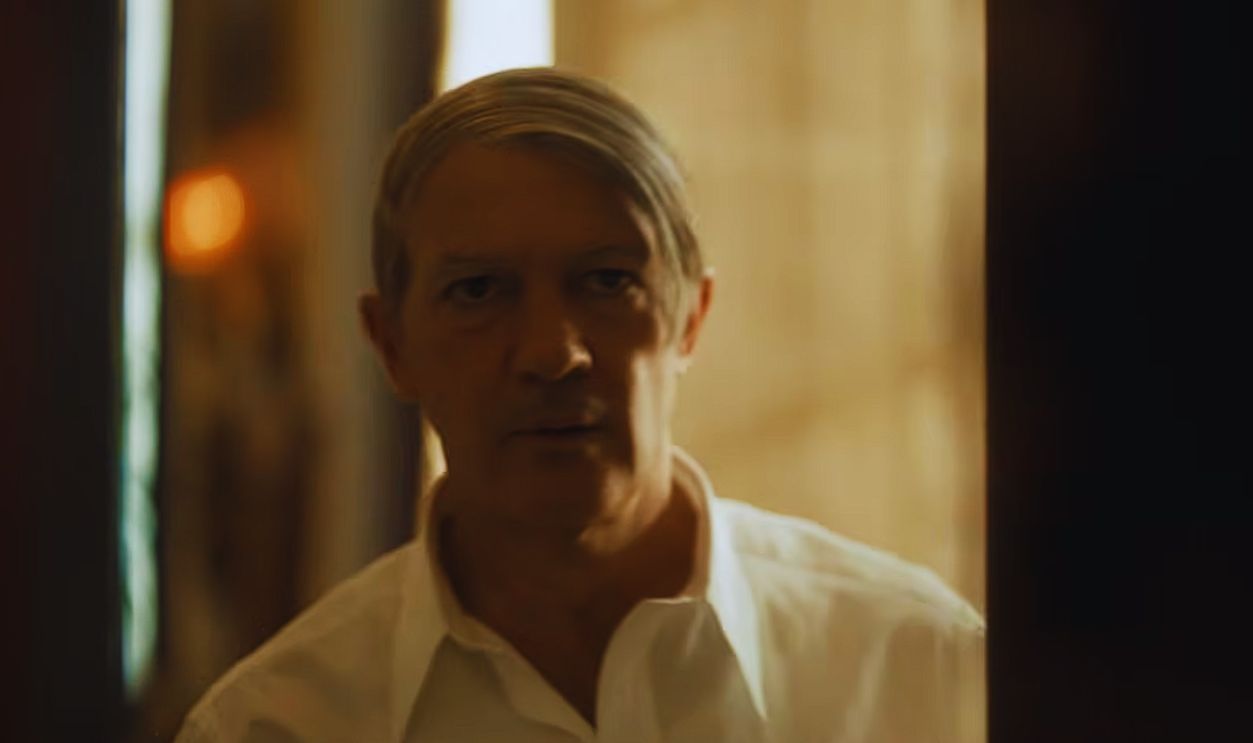
It seems Picasso wasn’t so open about all of his political ideals beyond Guernica, as many considered him a staunch communist, but that didn’t become public knowledge until the 2000s. Apparently, back in 1940, he was intent on making France his home for the rest of his life and applied for his French citizenship, only to have the door slammed in his face for his alleged “extremist ideas evolving towards communism”.
Nonetheless, he was adamant about remaining in France, even through the horrors to come.
 Screenshot from Genius: Picasso, National Geographic (2018)
History's most fascinating stories and darkest secrets, delivered to your inbox daily.
40. He Stuck Around
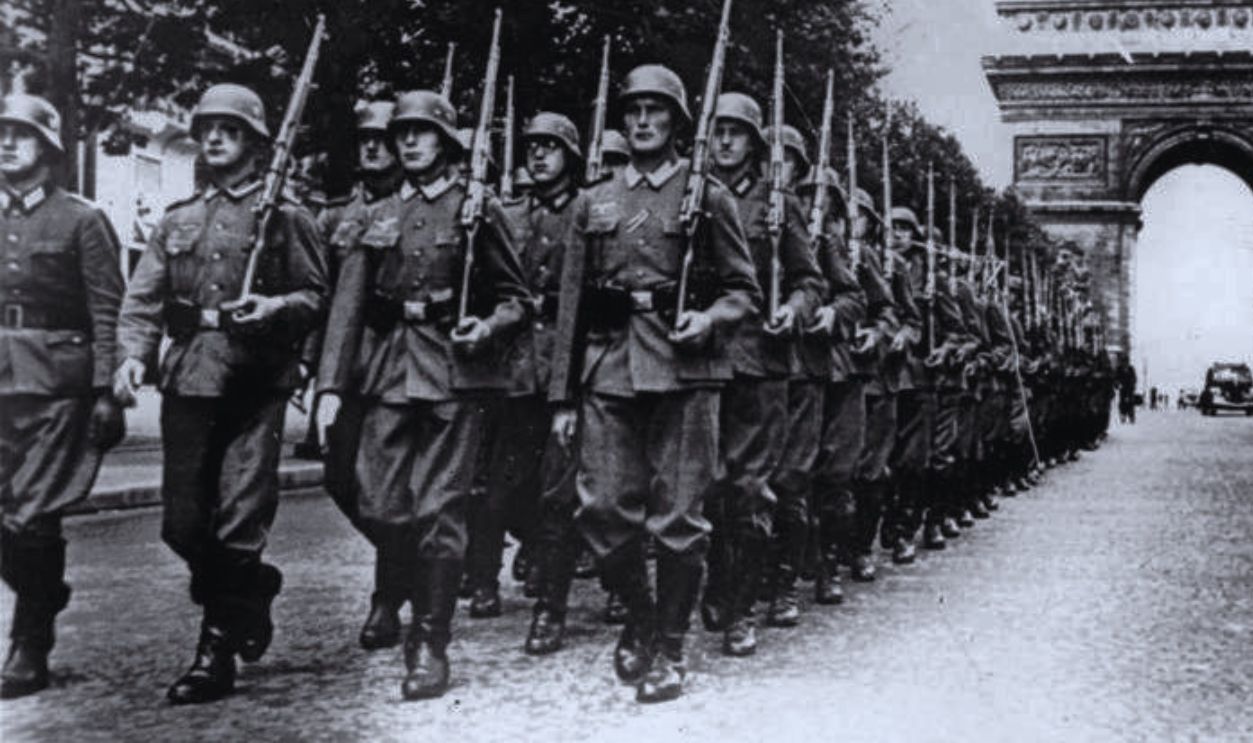
Picasso had already experienced a global conflict from the outside looking in, but it was about to become much more real for him with the outbreak of WWII, when Germany occupied Paris in 1940. While he decided to stay in the city during this period, he became much less active and refused to exhibit his work, especially since the Germans were definitely not fans of it.
Although he still wasn’t a fighter, he had his own ways of sticking it to the fascists.
 Bundesarchiv, Bild 146-1994-036-09A, Wikimedia Commons
41. He Tricked Them
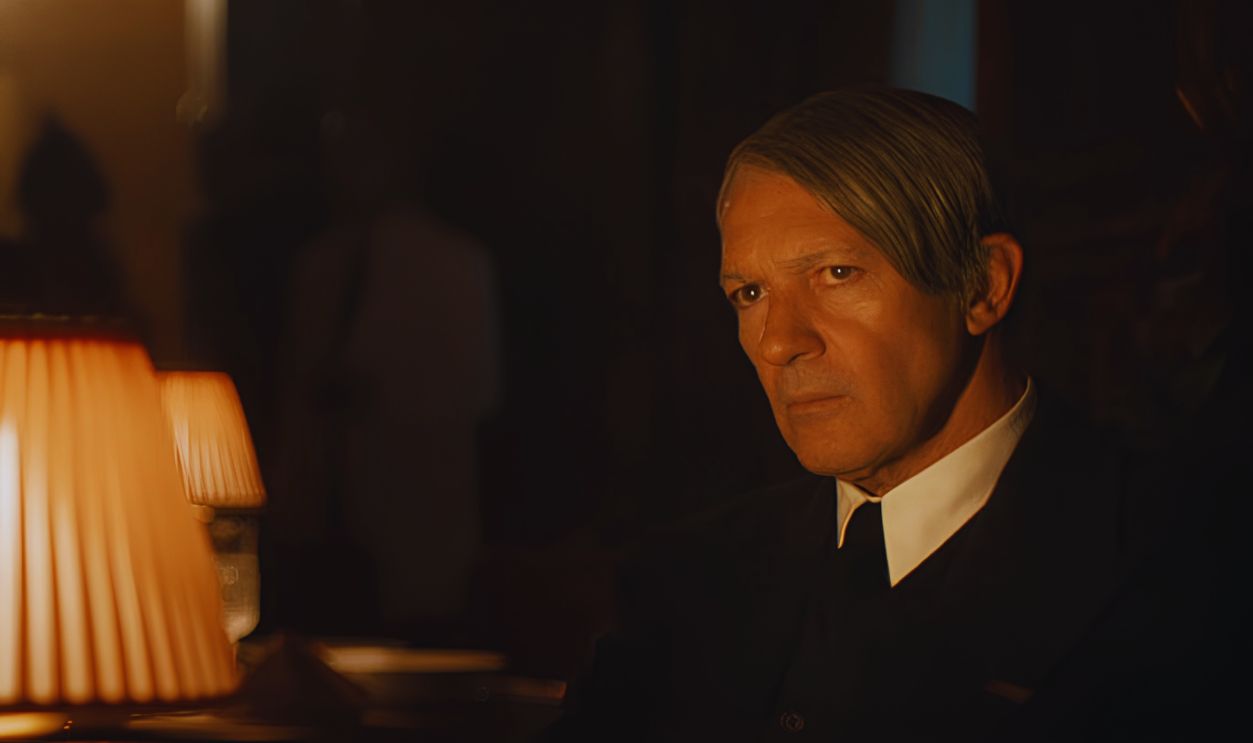
For their protection, the works of Picasso—along with those of his rival, Henri Matisse—were all placed within a bank vault, but the Germans were relentless. Intending to search the vault and take the pieces as part of their larger art purge, the Germans would have succeeded if Picasso hadn’t talked them out of it by claiming all the paintings were worthless.
Of course, even this terrible time would pass and leave him with a desire for a fresh start—though with a familiar pattern.
 Screenshot from Genius: Picasso, National Geographic (2018)
42. He Moved On
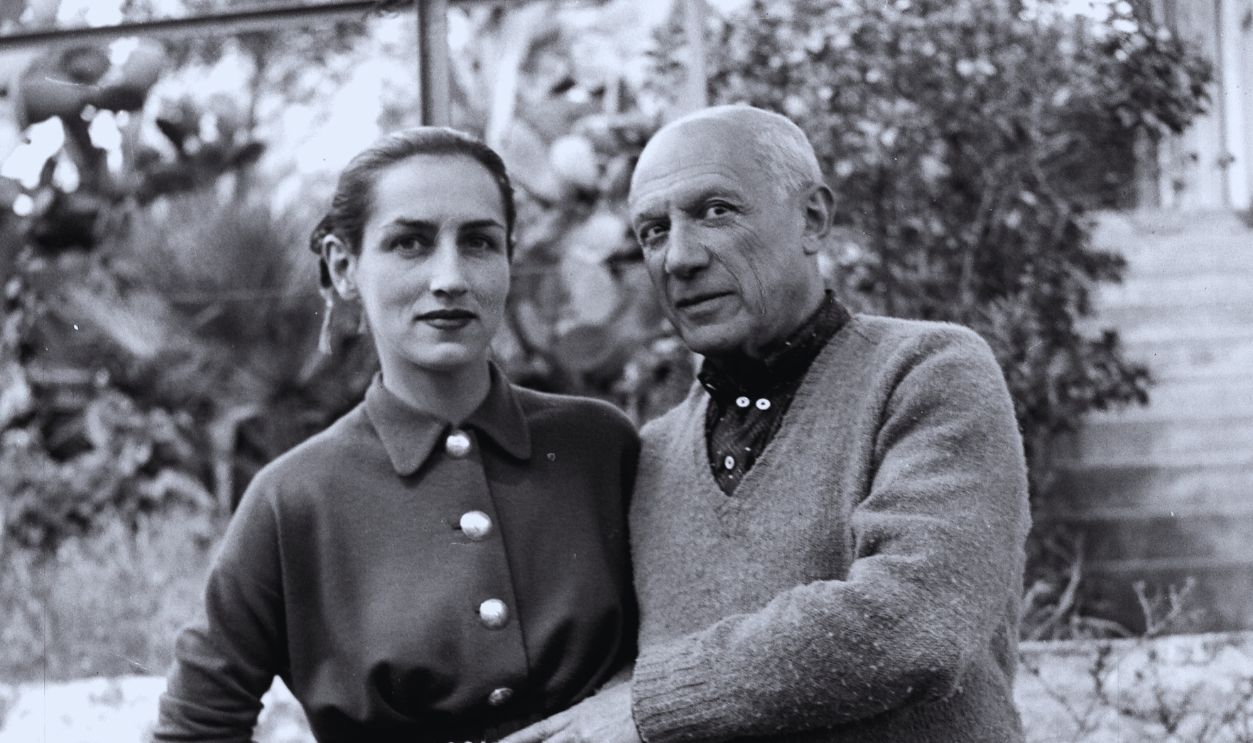
No matter how devoted Picasso claimed to be to any woman he was involved with, it always ended the same way, and this was no different with Dora Maar. Parting ways with her shortly after the liberation of Paris, he jumped right into his next relationship, this time with a 23-year-old art student named Françoise Gilot—despite their 40-year age gap.
Unfortunately, he once again seemed like he was ready to settle down.
43. They Lived Together
Just as he had before, Picasso convinced his newest lover of the beautiful life they might lead and the family they could create together, but only one of those predictions would come true. In their nine years together, Françoise would give birth to two more of Picasso’s children, Claude and Paloma, born two years apart.
However, for the second time in his life, he would be the one left in the dust.
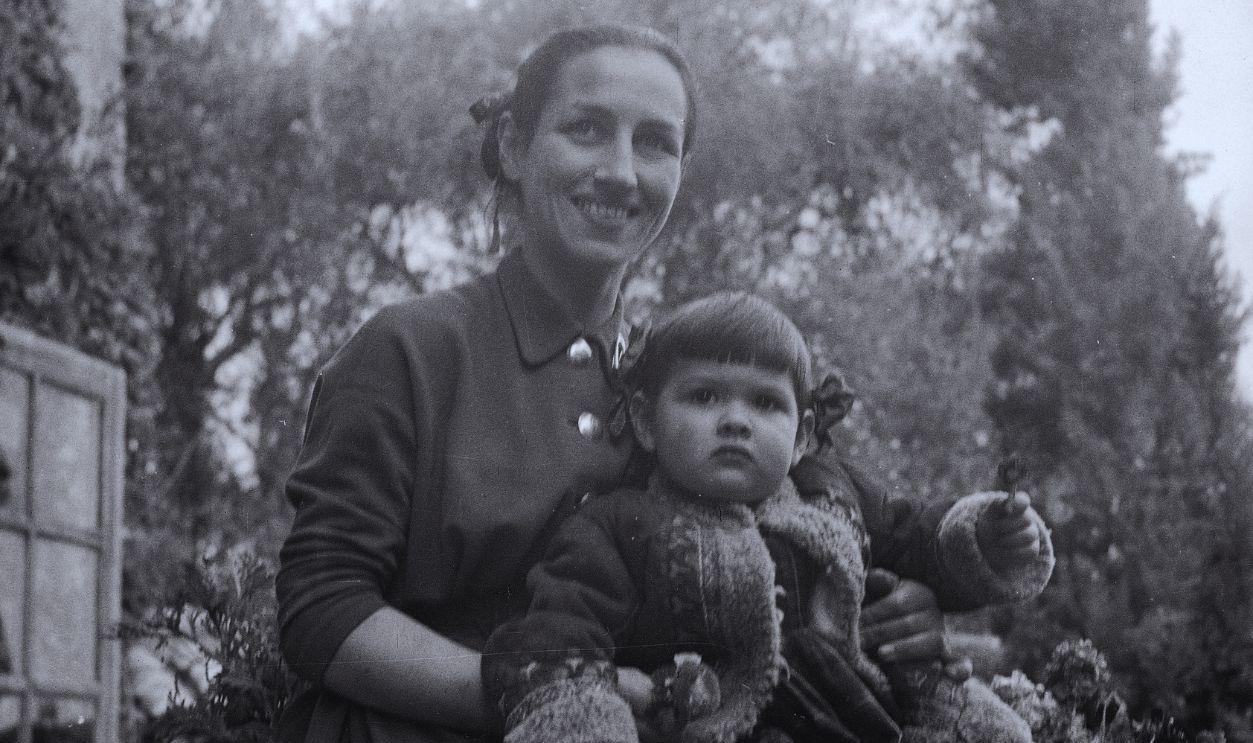
44. She Ran Away
While Picasso was a known womanizer by now, the full extent of how he treated his lovers wouldn’t come to light until later on, when Françoise Gilot published her book, Life with Picasso, in 1964. Throughout the account of her experiences with him, she detailed not only his frequent unfaithfulness but also the horrible mistreatment she suffered at his hands, all leading her to take their children and run away in 1953.
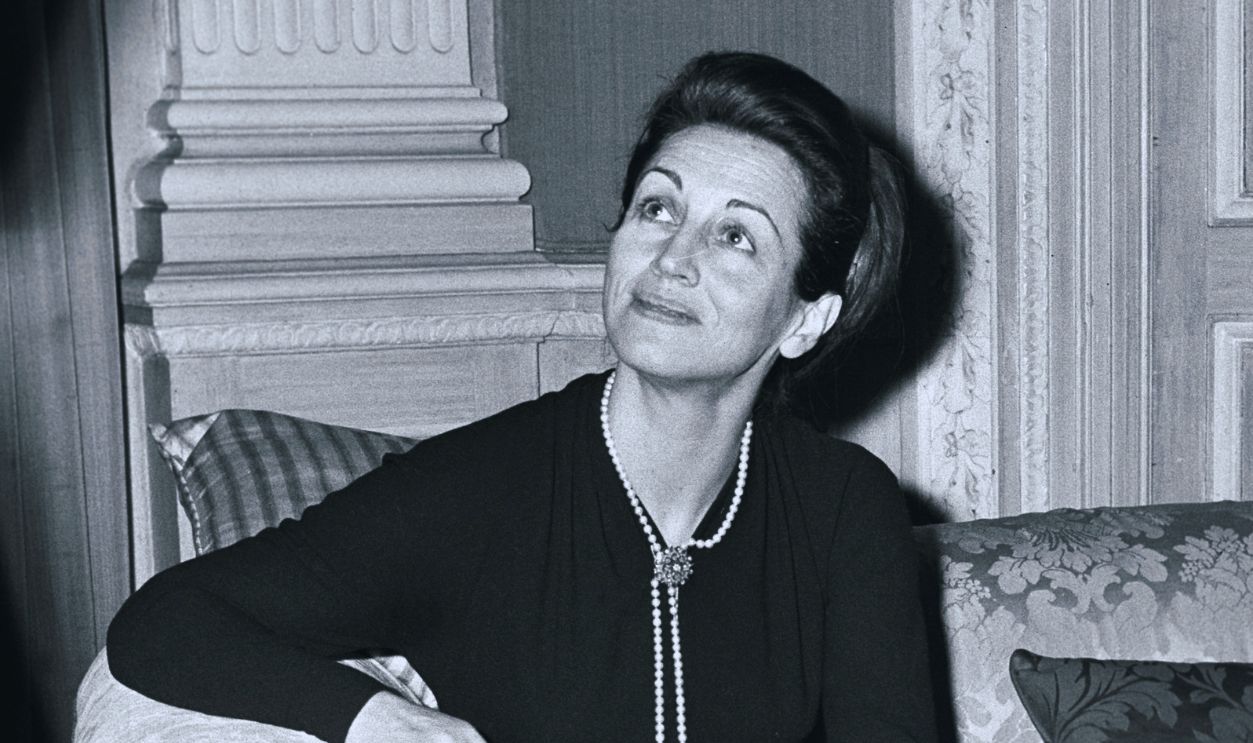
45. He Sabotaged Her Career
According to Françoise's biographer Sacha Llewelyn, Picasso was a "bully" throughout the relationship and
"destroyed her possessions, including artworks, books and her treasured letters from Matisse". But that wasn't all. To make matters even more horrifying, Picasso targeted Françoise's promising career, sabotaging her by turning art dealers against her.
But Françoise's 1964 memoir really struck a vengeful chord in Picasso—and the fallout was utterly devastating.
History's most fascinating stories and darkest secrets, delivered to your inbox daily.
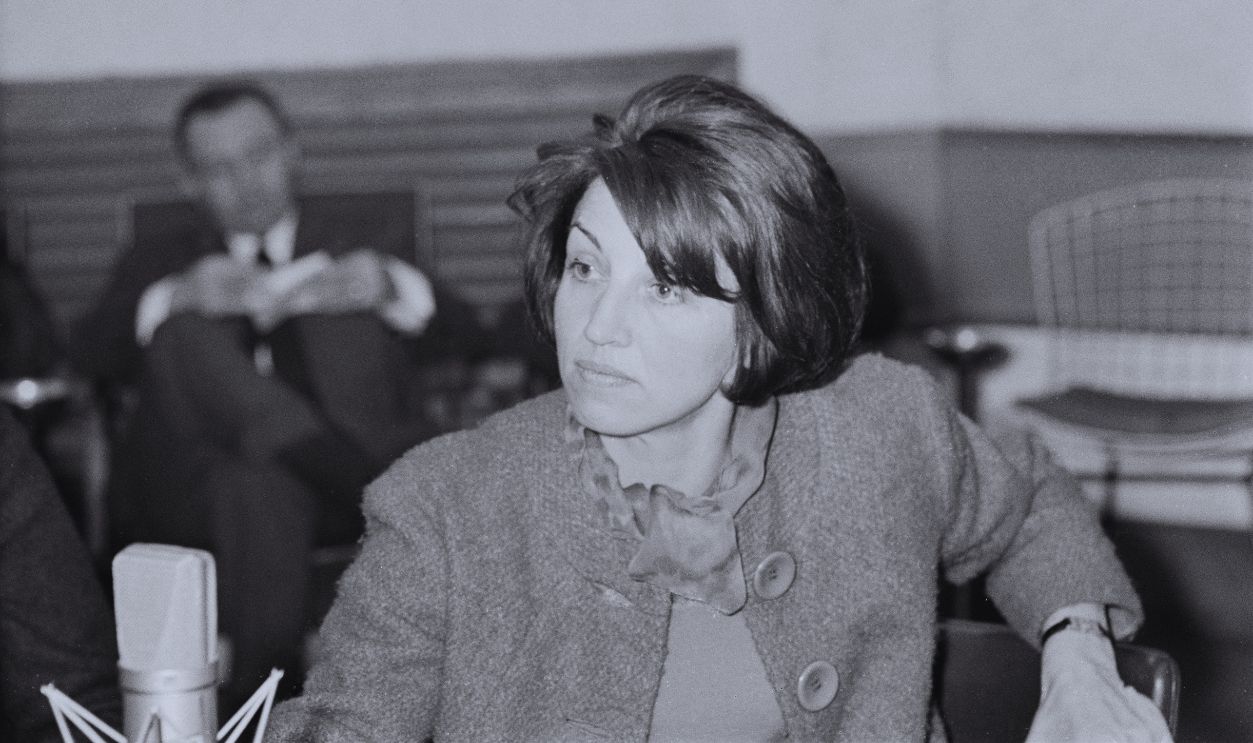
46. He Cut Them Off
Outraged by Françoise’s book finally revealing the worst parts of him to the public, Picasso pulled every string he could to stop Life with Picasso from ever seeing the light of day—but he failed. In place of any litigation, he chose vengeance, cutting all contact with her and his children, Claude and Paloma.
Still, it wasn’t long before he found the woman who would become his next lover—and his final one.
 Screenshot from Genius: Picasso, National Geographic (2018)
47. He Made Another Commitment
Although he was certainly seeing any number of romantic partners while still involved with Françoise, it was a whole year before she left that Picasso actually met the person who would become his second wife. Starting a relationship with a woman named Jacqueline Roque in 1952, he took the next step again and married her nearly a decade later.
Meanwhile, he was entering the tail-end of his career—and it would be his most chaotic period yet.
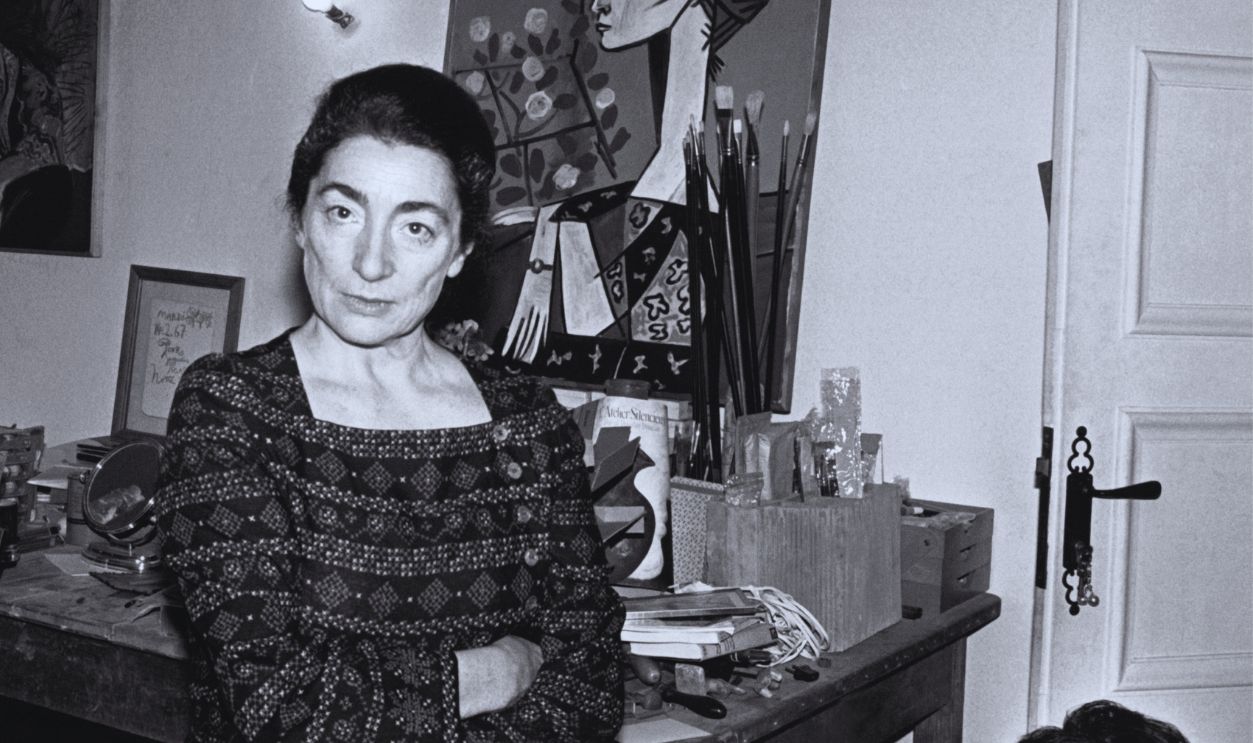
48. He Was All Over The Place
Even well into his 80s, Picasso remained as busy as ever, but his work had taken on a much more volatile nature as he knew he had little time left. Pumping out scores of paintings and copperplate etchings, he never stuck with one style for too long, often mixing several at a time as his creations became more vibrant and dynamic.
However, the end was growing ever closer—and would reach him when he least expected it.
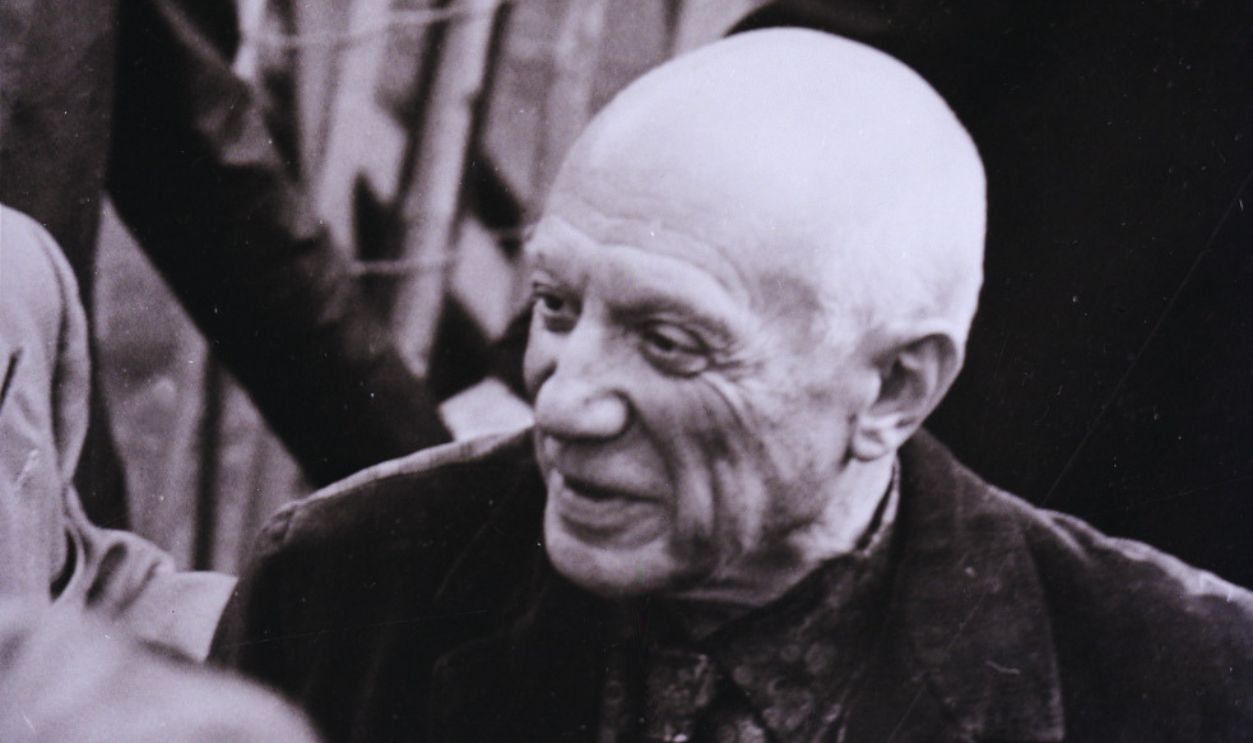 Paolo Monti, Wikimedia Commons
49. They Had Some Guests
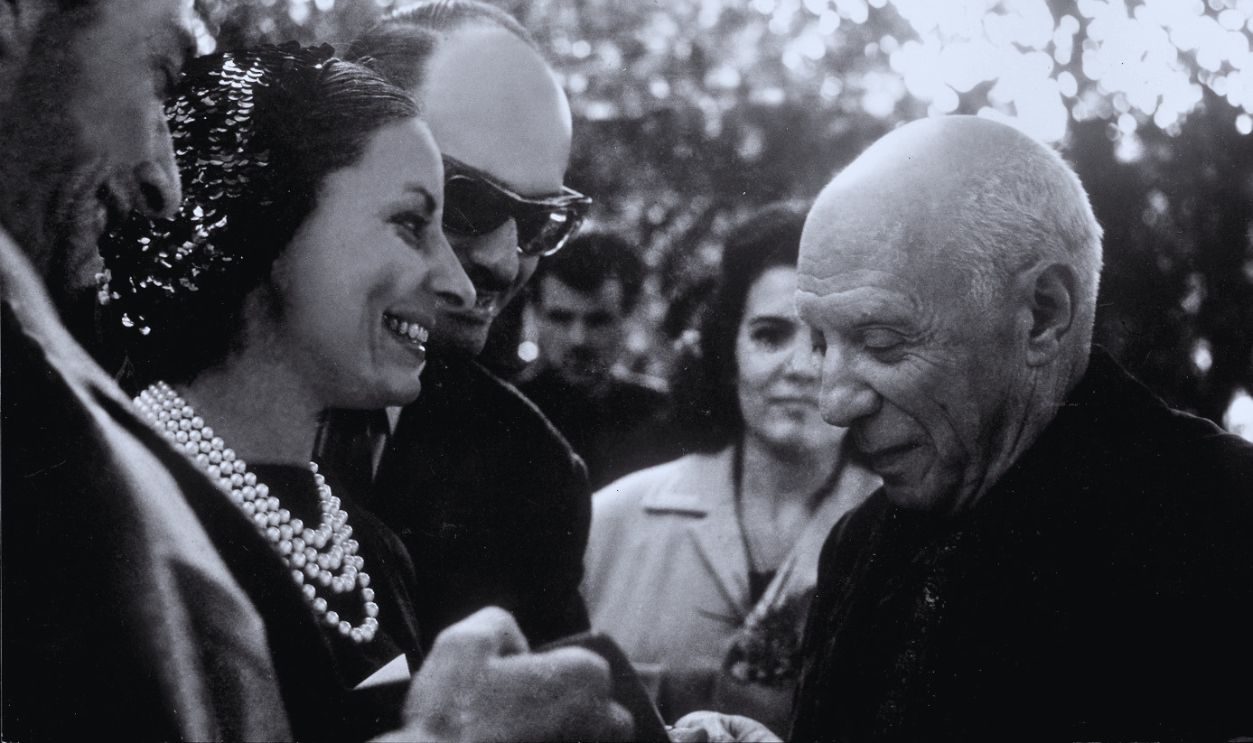
Picasso was intent on continuing his work until he took his final breath, and on the morning of April 8, 1973, he practically got his wish. The night before, he and his wife had enjoyed a dinner at their home with a few guests they had invited over, after which he retired to his studio to paint for several hours.
On the surface, this seemed no different from any other night—until his wife noticed something was wrong.
 PassionatoAssai, Wikimedia Commons
50. They Called Someone
Picasso worked on his paintings until the early hours of the morning, at which point he turned in for bed—but little did he know that he had put his brush down for the very last time. Waking up closer to noon, he and his wife grew panicked as he didn’t have the strength to get up. Jacqueline called for a doctor, but within minutes, he suffered from a heart attack and perished in bed.
Naturally, she wanted to give him a proper sendoff—but not for everyone to see.
51. She Kept Them Away
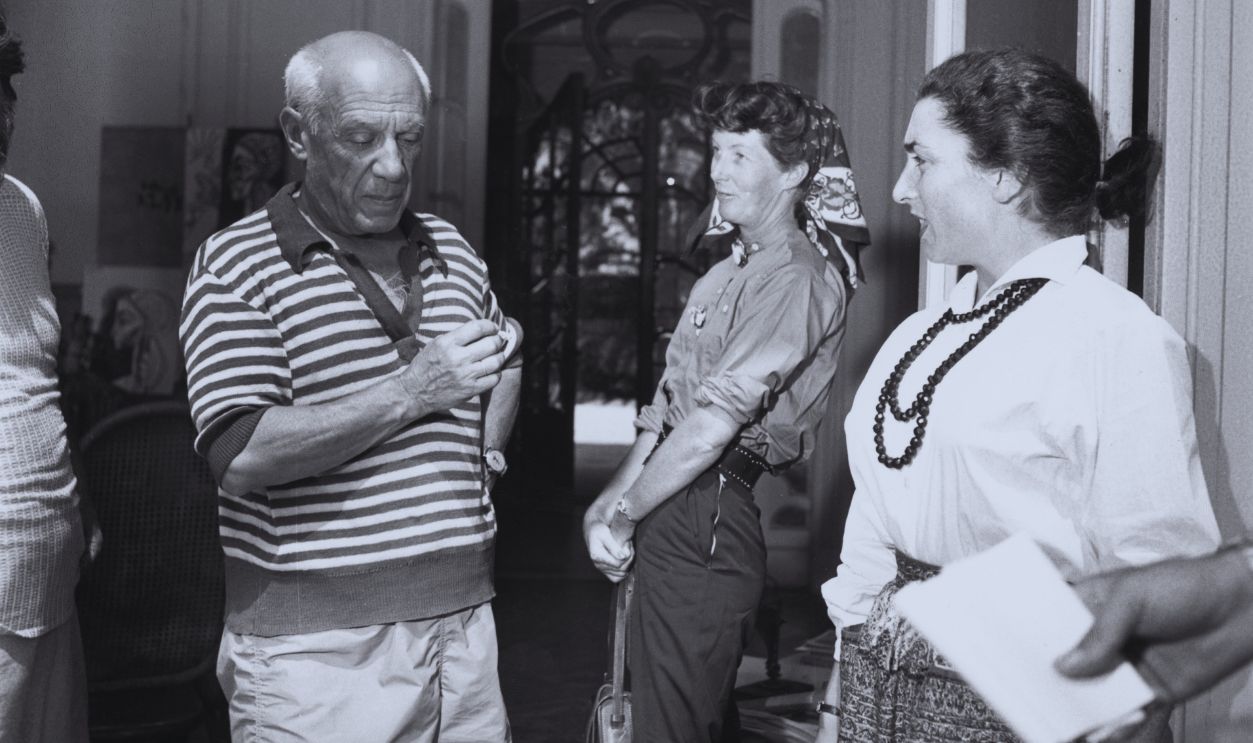
While Picasso had complicated relationships with virtually everyone in his family, his children still wanted to pay their respects to their father—but they hadn’t seen the last of his spitefulness. As Jacqueline made it painfully clear, none of them were welcome at his funeral, except for Picasso’s first and only legitimate child, Paulo.
Even when he was gone, the hardships they endured because of him weren’t over.
History's most fascinating stories and darkest secrets, delivered to your inbox daily.
52. They Were Devastated
Pablo Picasso may have been one of the most iconic artistic geniuses in recent history, but he was also a flawed man who poisoned nearly every relationship he had—and even his passing didn’t change that. In the following years, grief followed his family like a curse, with his grandson, Pablito, taking his own life by consuming bleach after the funeral debacle.
Even the one woman who stood by him until the end met a horrifying end.
53. She Wanted To Be With Him
Picasso's passing absolutely wrecked his widow, Jacqueline. One critic observed that "she would sit in a darkened room, sobbing, or address a photograph of her husband as though he were still alive". But by 1986, the pain had become too much to bear. She'd been known to visit Picasso's grave every month and had expressed that she wanted to be with him.
She tragically took her own life with her husband's piece. But she would live on forever in the hundreds of portraits he'd made of her.
You May Also Like:
This Occult Artist Had The Most Twisted Life
Arthur Miller’s Story Has It All: Triumph, Tragedy, And Scandal









.jpg%20)


_-_BEIC_6356204.jpg%20)
