A Friend To The Poor
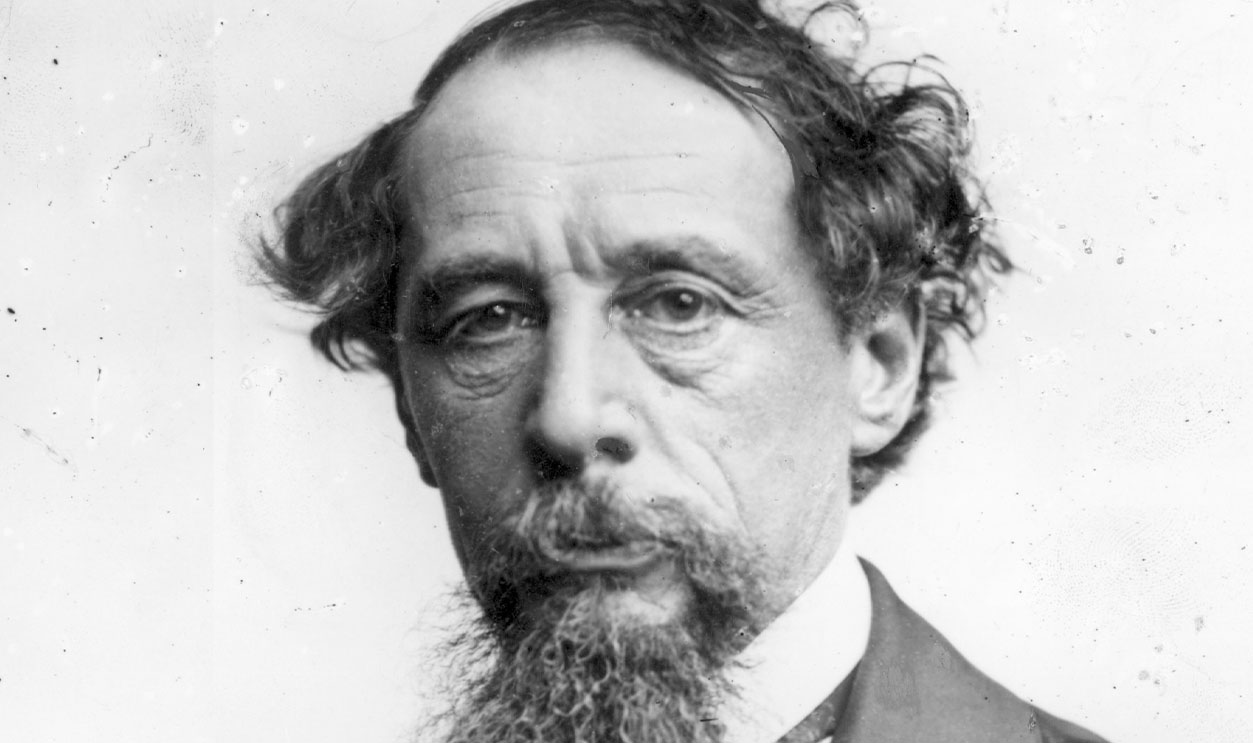
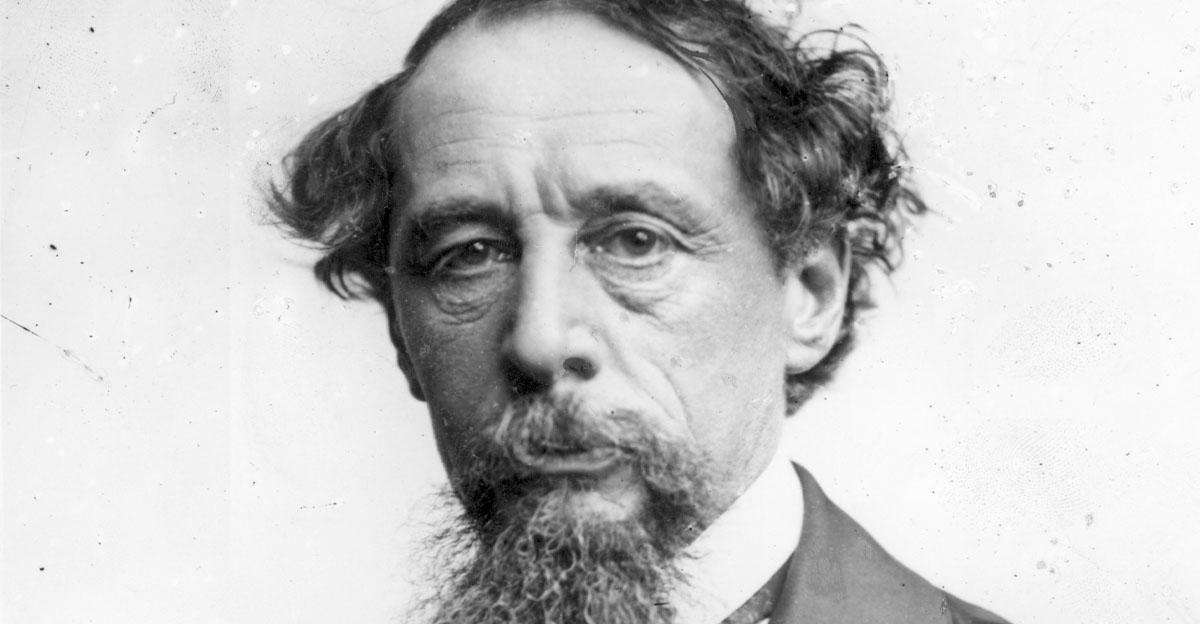
Drawing inspiration from the hardships he faced in his own life, Charles Dickens utilized his literary talents to address many of the issues plaguing English society at the time, particularly those affecting the least fortunate. Over the course of his career, he became one of the Victorian Era’s most prominent celebrities, revolutionizing the holiday season and changing the world for the better—although he was far from perfect himself.
1. He Had A Big Family
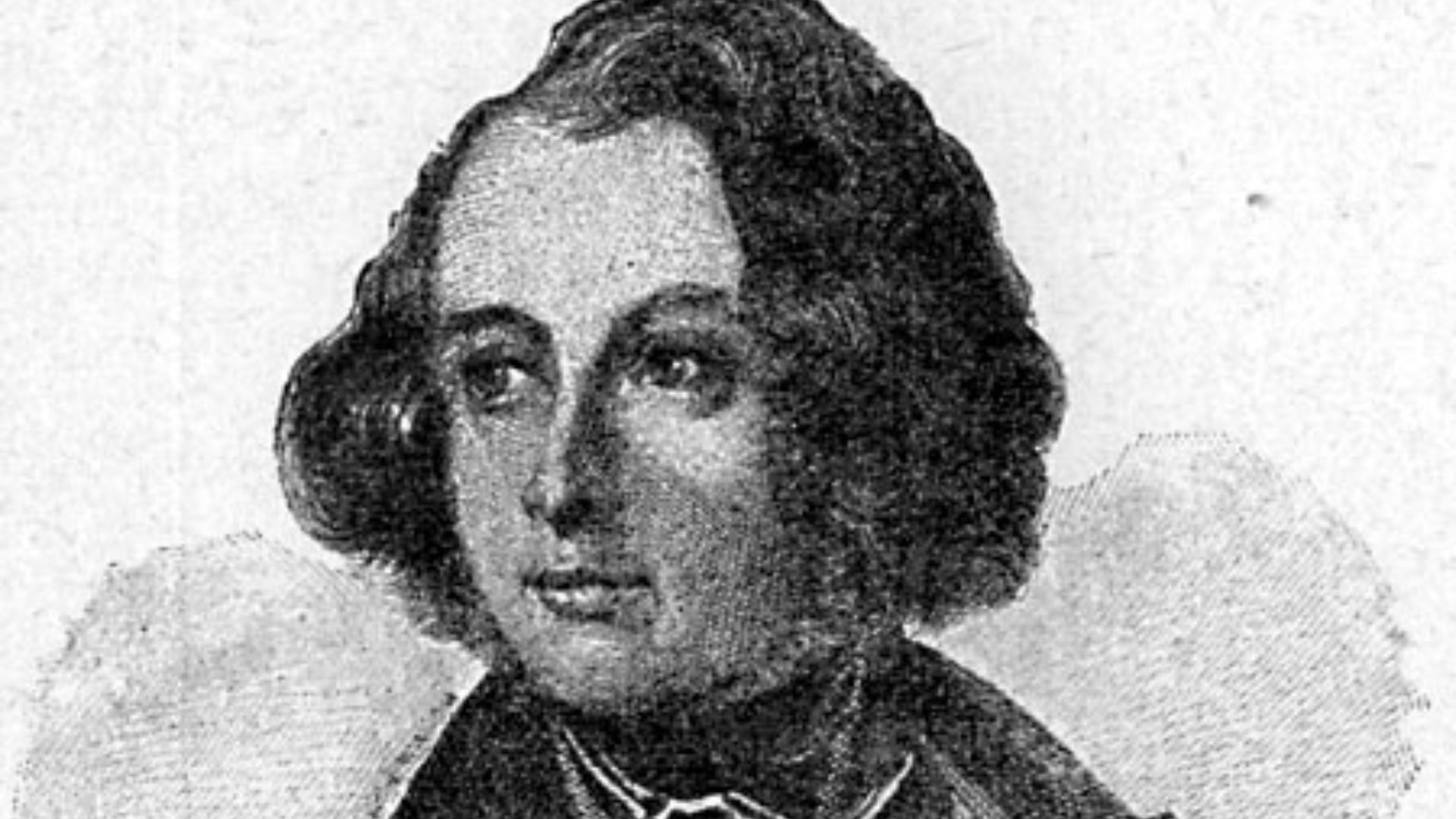
Although Charles Dickens would later become one of the most famous people in the world during the Victorian era, it would be hard to find someone who began in a more obscure position. Apart from the relative poverty he faced, he also found himself amid an ever-growing family as his parents, John and Elizabeth Dickens, would eventually welcome eight children in total.
With so many siblings, it was easy for him to feel overlooked.
 After Robert Seymour (d. 1836), Wikimedia Commons
2. He Wasn’t Well
Born on February 7, 1812, Dickens' first few years were spent moving around England, but he was able to have some stability as his family lived in the town of Sheerness until he turned 11. However, while he was by no means a miserable child during these years, sickness was a common hardship for him, and he would later recall never feeling like his family truly took care of him.
Thankfully, he was able to pursue some form of learning—at least for a little while.
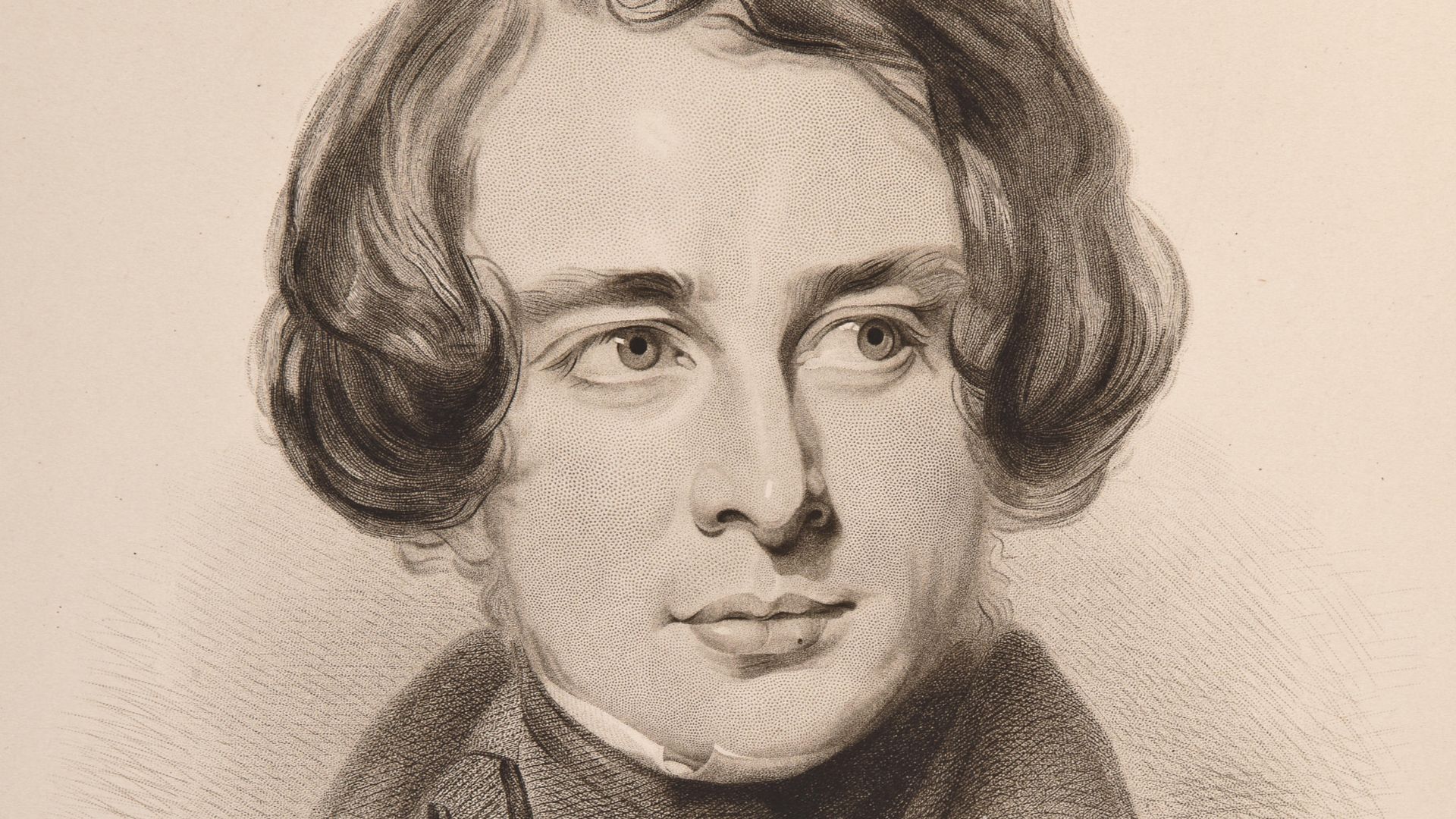 Unknown authorUnknown author, Wikimedia Commons
3. He Had An Education
Charles Dickens and his family were not wealthy by any means, but for a few years at least, his father managed to send him to school with the funds from his job as a Navy Pay Office clerk. Young Charles had already developed a love for reading, and he was lucky enough to receive some formal education at more than one school until the family moved again in 1822.
Unfortunately, his father’s mistakes were about to uproot their lives.
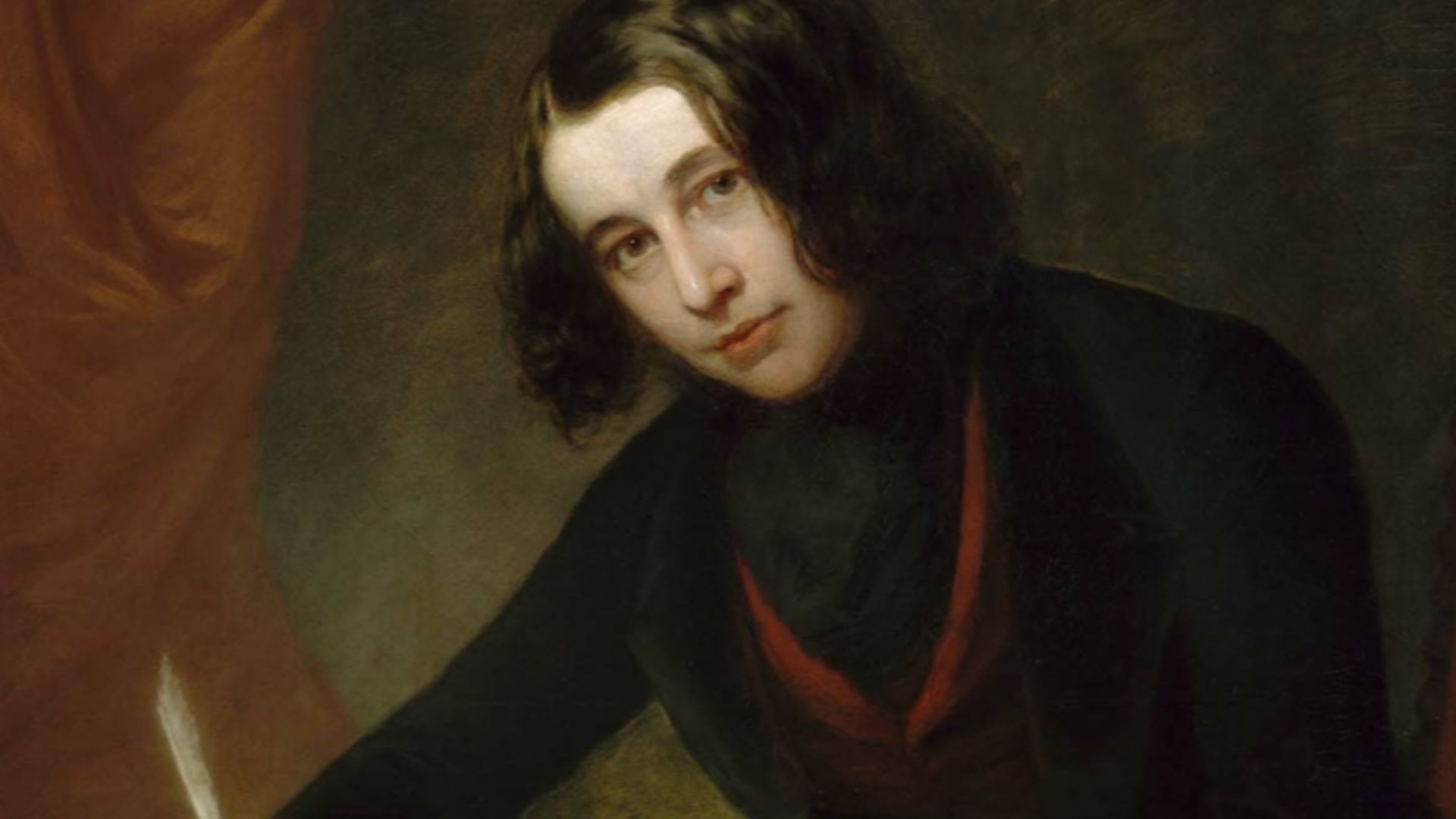 Francis Alexander, Wikimedia Commons

History's most fascinating stories and darkest secrets, delivered to your inbox daily.
4. He Was Locked Up
Although John Dickens chose to send Charles to school, most of his other investments weren’t as smart and were more than a little impulsive. In fact, despite their limited income, he had been throwing his money around for a while and saddled the family with a sizeable debt by 1824. Unable to pay what he owed, John and—as was common then—his wife and youngest children wound up imprisoned as debtors.
Suddenly, Charles had no choice but to take on much more responsibility.
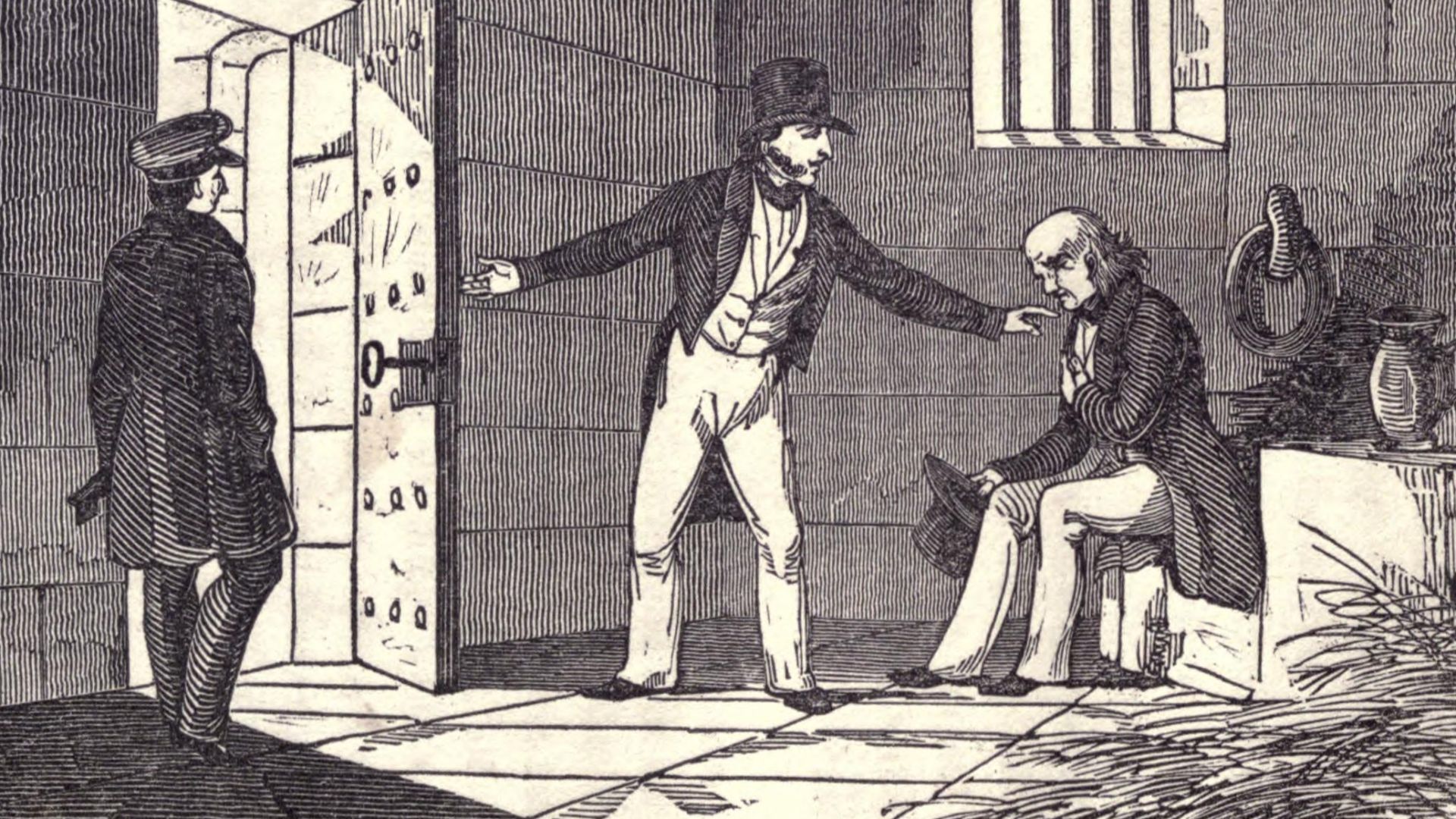 Unknown authorUnknown author, Wikimedia Commons
5. He Was The Breadwinner
Abandoning any hope of a happy childhood, the 12-year-old Charles Dickens had to find a way not only to help his family pay off their debt but also to provide himself with basic living expenses. Earning a mere six shillings per week, he found a job at Warren's Blacking Warehouse, where he spent 10 hours a day working his fingers to the bone.
Regrettably, these experiences would be some of his most memorable.
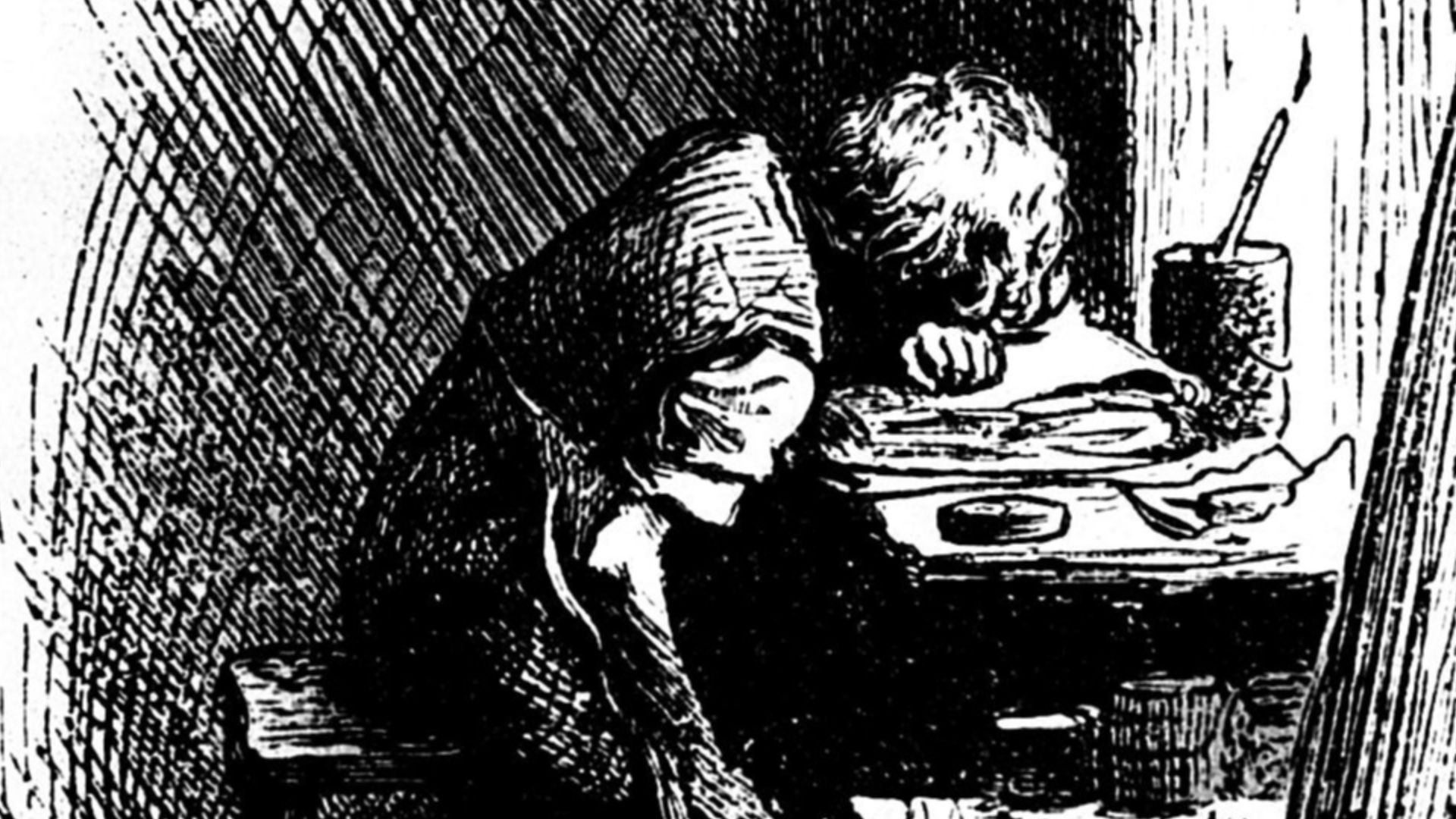 w:Fred Barnard, died 1896., Wikimedia Commons
6. He Found His Inspiration
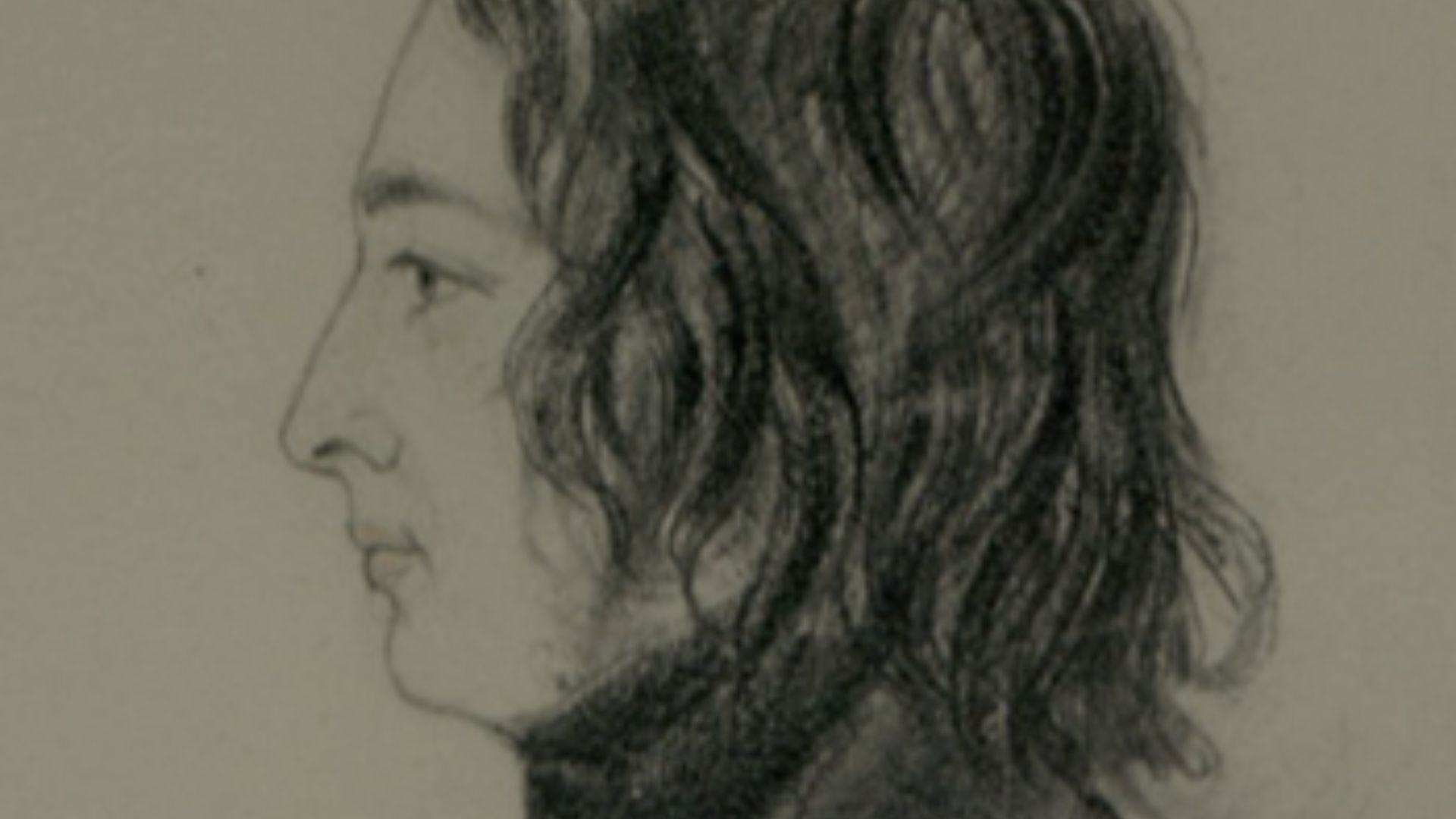
If Dickens didn’t fully understand the concept of class inequality before, his time at the boot-blacking factory was truly eye-opening, and he experienced the suffering of the poor firsthand. This instilled in him a strong calling to change the way Victorian society viewed the labor conditions of the poor and young, a theme that became prevalent throughout his written works.
The worst part was that when his family eventually gained their freedom, Dickens had nothing to do with it.
 Alfred d'Orsay, Wikimedia Commons
7. He Paid His Debts
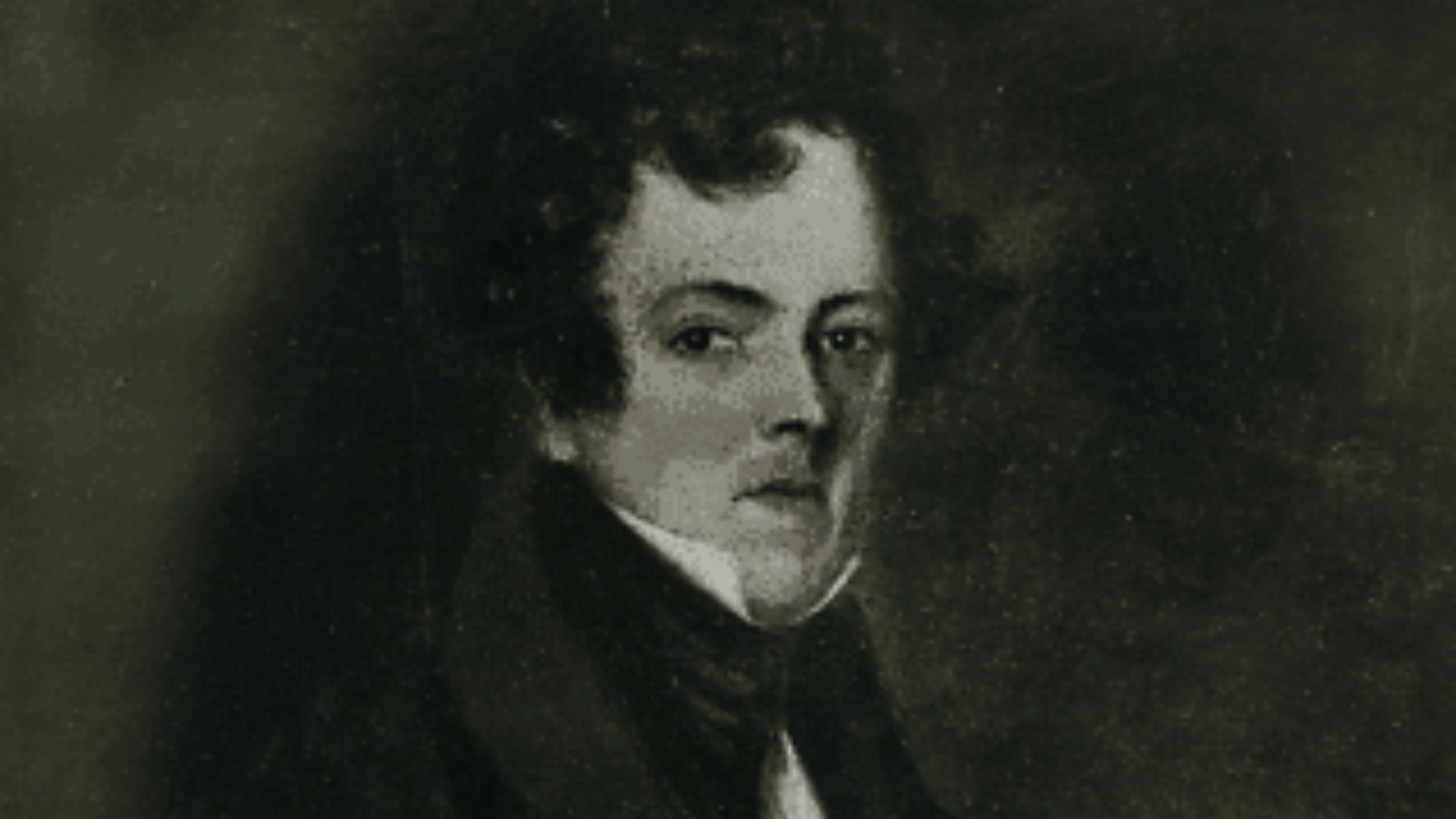
Ultimately, Dickens' family spent a few months locked up, all while he slaved away to free them—only to discover that his efforts were in vain. Charles’ grandmother soon passed, so when John Dickens inherited £450 from her, it allowed him to settle his debts and secure his and his family’s release.
Finally, Charles could focus on figuring out who he was.
 John W. Gilbert, Wikimedia Commons
8. He Developed A Talent
After returning to school for a couple of years, Charles Dickens set out to find another job, but one that was far less labor-intensive. Signing on as a clerk at the Ellis and Blackmore law office, he realized that an innate skill of his had finally caused him to stand out. All of a sudden, he became quite popular due to his uncanny ability to impersonate those around him, whether they were coworkers or clients.
Needless to say, he discovered a passion for performance.
9. He Loved The Stage
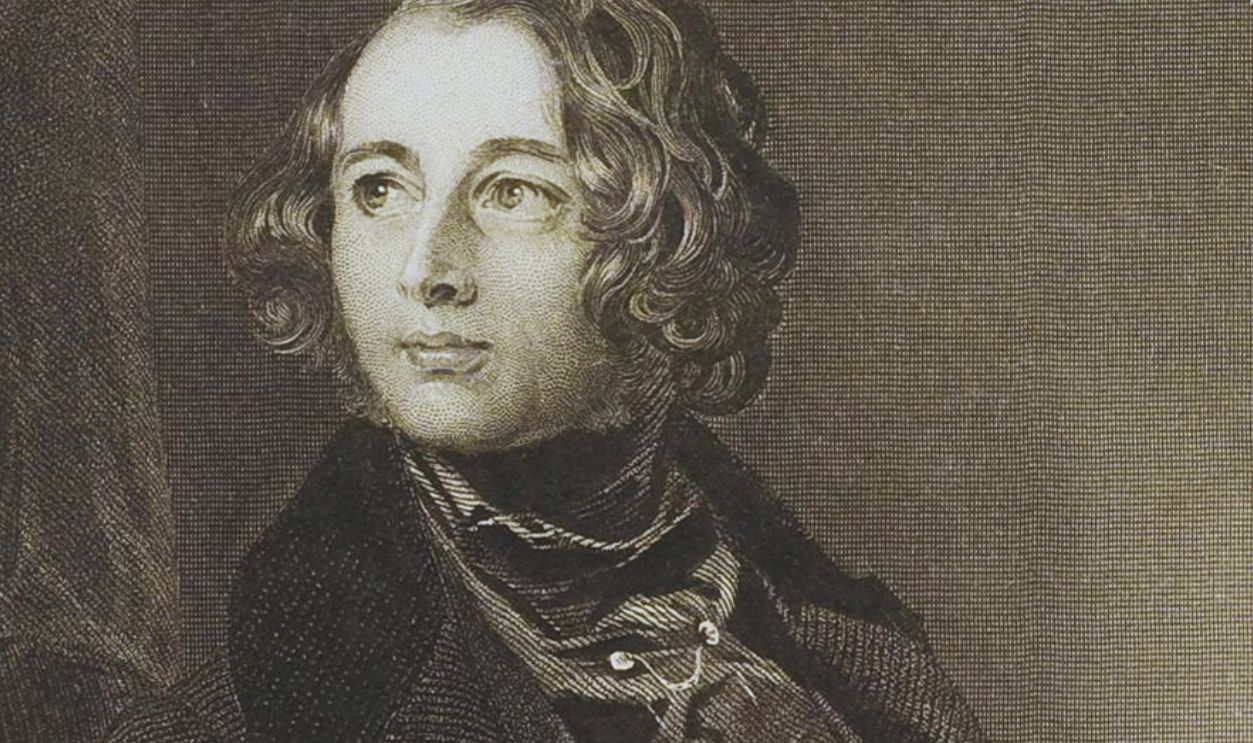
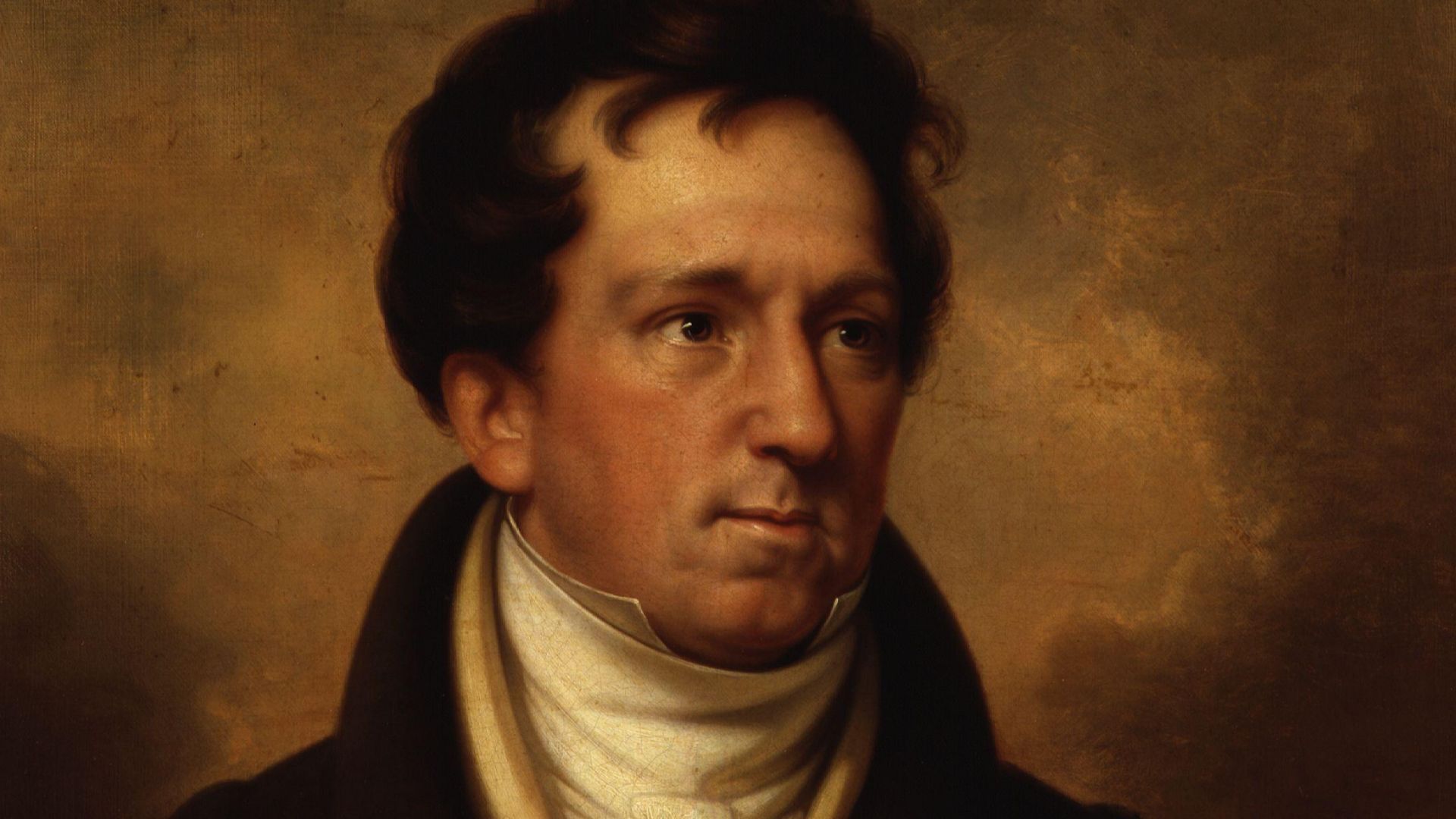
Although Dickens was already an avid reader, he soon branched out and fell in love with another realm of the arts—the theater. Becoming an especially obsessive fan of Charles Mathews, he often recited the actor’s work from memory, and he later claimed that he had visited the theater every day for about three years.
At the same time, he was able to find a more suitable job for his abilities.
 Rembrandt Peale, Wikimedia Commons
History's most fascinating stories and darkest secrets, delivered to your inbox daily.
10. He Got Another Gig
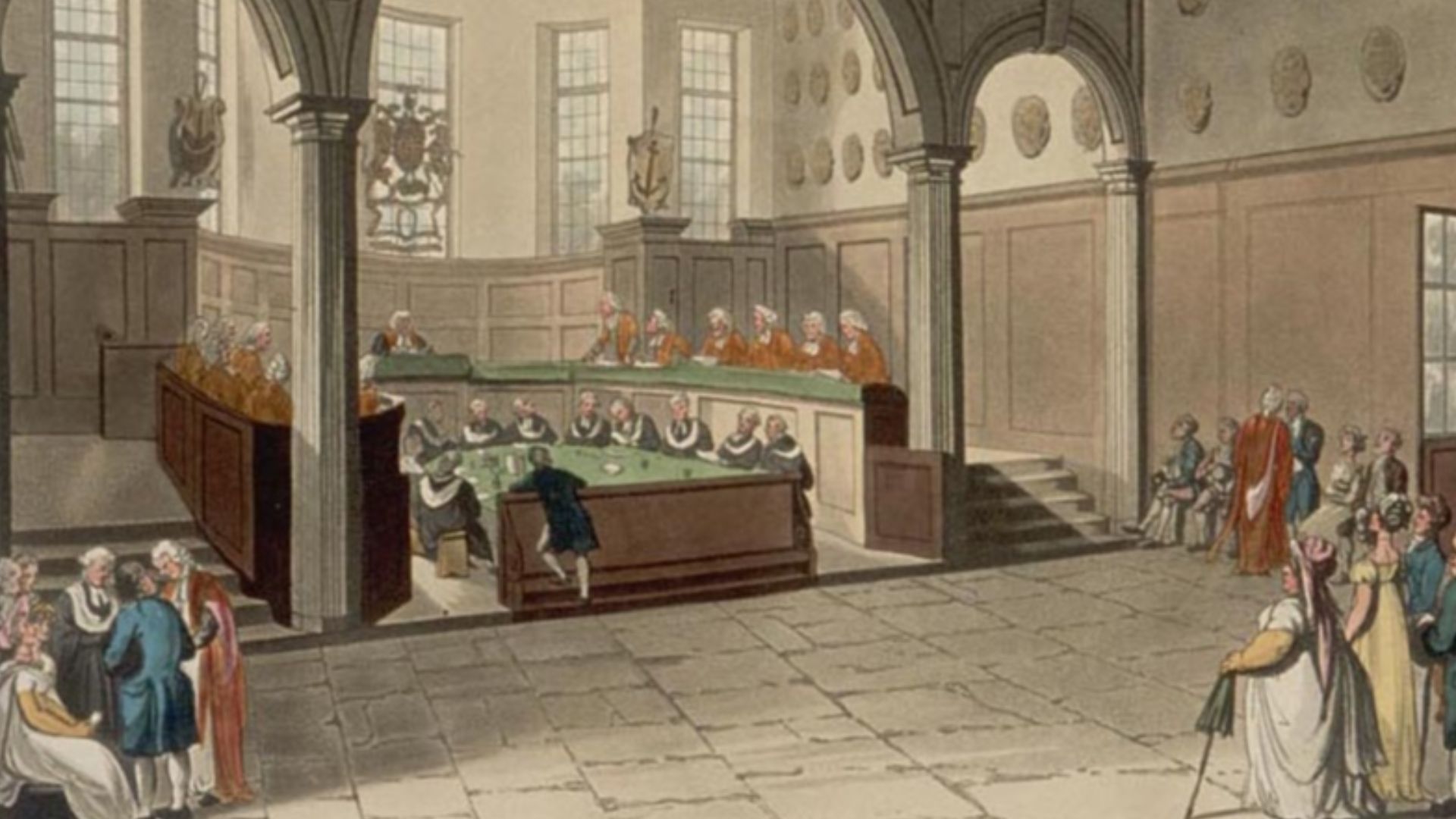
While Dickens' hobbies included the theater and reading the most popular novels at the time, his true skill lay in writing, so he was on the lookout for a fitting job. Luckily, he had family in the journalism world and was able to join his relative, Thomas Charlton, as a freelance reporter at the Doctors' Commons for several years.
Meanwhile, he still managed to find time for a love life.
11. They Didn’t Like Him
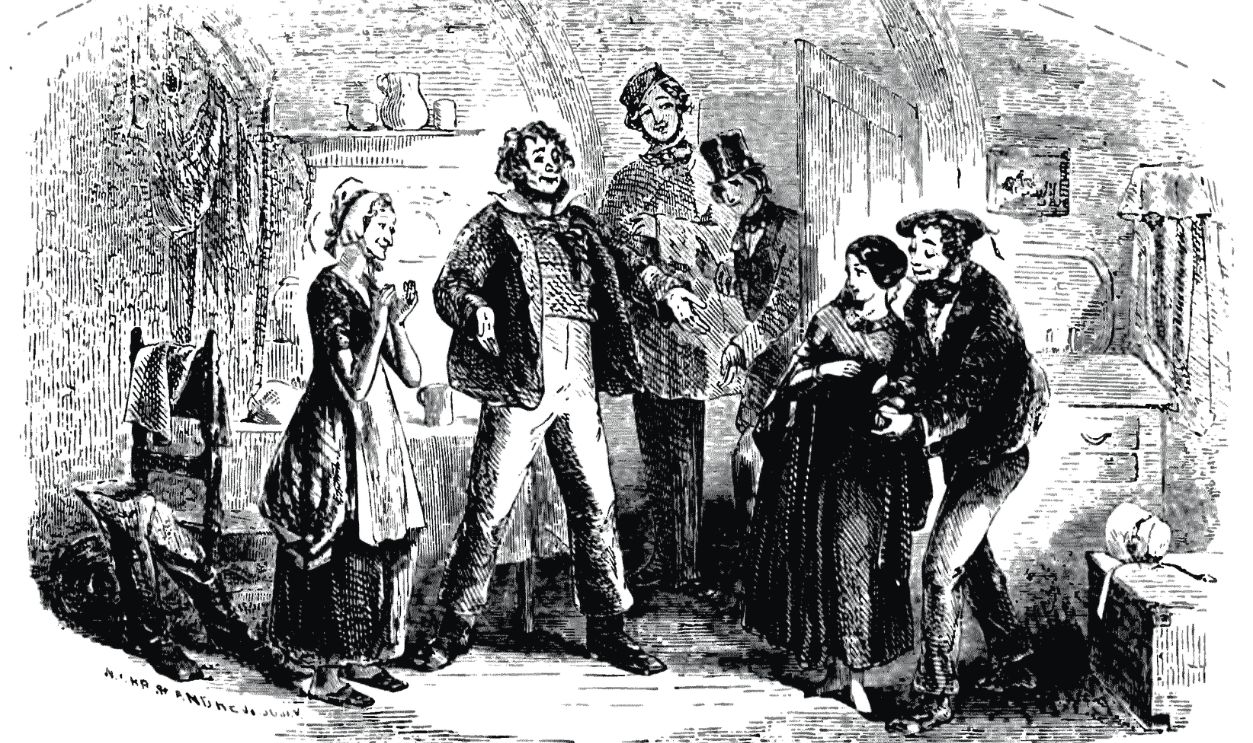
At 18 years old, Dickens felt his first instance of love’s keen sting when he fell for a woman named Maria Beadnell. He was so head over heels for her that, although they didn’t end up together, she inspired the character of Dora in his novel, David Copperfield. Unfortunately, her parents weren’t on board and wanted their daughter as far away from Dickens as possible, so they sent her off to Paris for schooling.
This poor luck in romance only added to the sense of aimlessness he was feeling.
 Charles Dickens, Wikimedia Commons
12. He Tried Something New
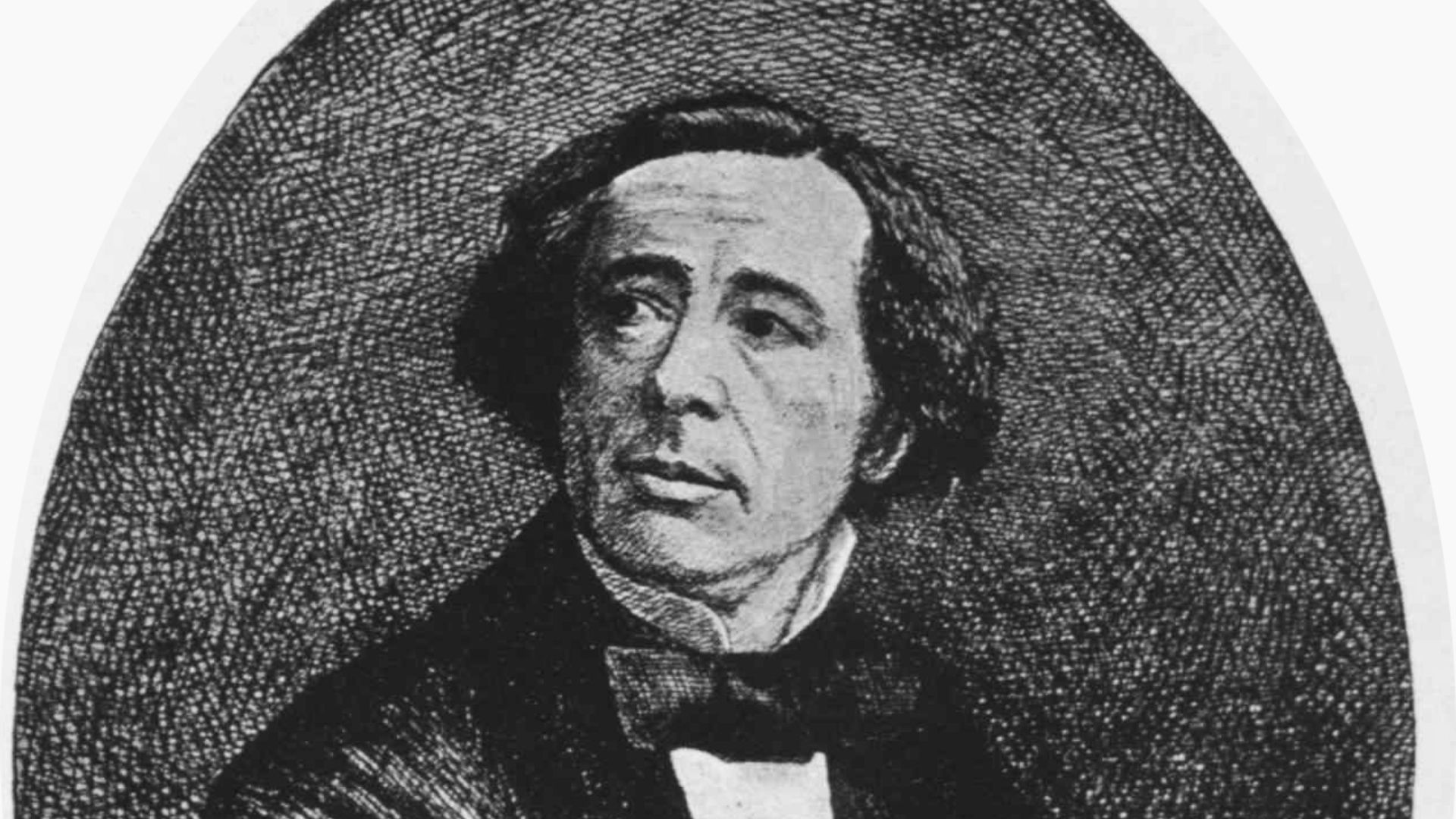
Although he had several interests, Dickens had spent so much time trying just to survive that he wasn’t sure what he actually wanted to do with his life. He had a few things in mind, however, such as a desire for fame and fortune, along with a love for theater. So, going out on a limb, he decided to audition for a part at Covent Garden.
Sadly, his dreams of being an actor weren’t meant to be.
 From a daguerreotype by Mayall, Wikimedia Commons
13. He Missed His Chance
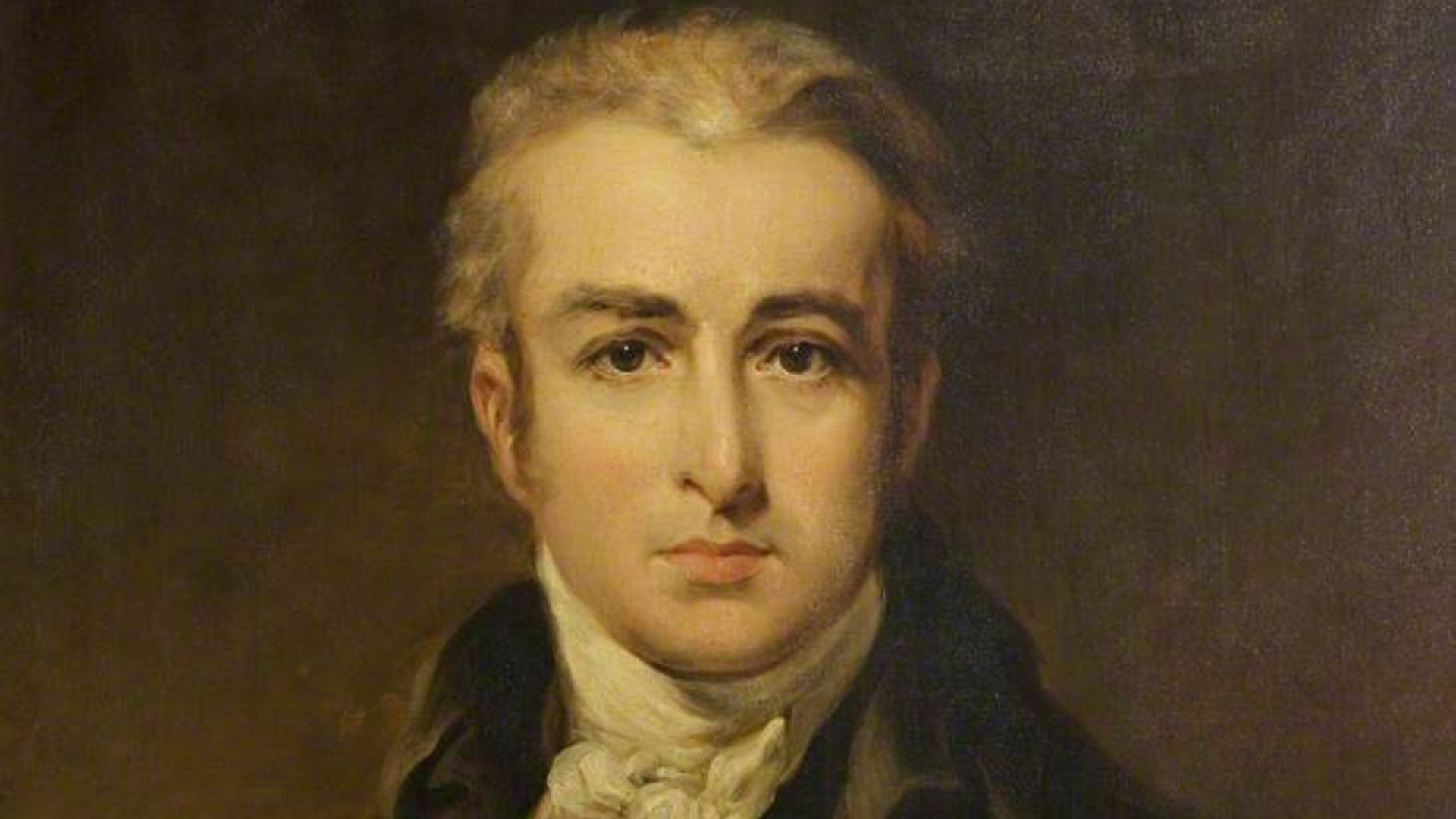
Dickens knew he was going to be auditioning for actor Charles Kemble and the theater’s manager, George Bartley, so he had to come up with something to knock their socks off. Relying on his skill of impersonation, he practiced an impression of his favorite actor, Charles Mathews, until it was perfect. Sadly, he caught a nasty cold shortly before the audition and was unable to make it.
Instead, he fell back on a career that quickly proved more promising.
 Henry Wyatt, Wikimedia Commons
14. He Sent In His Work
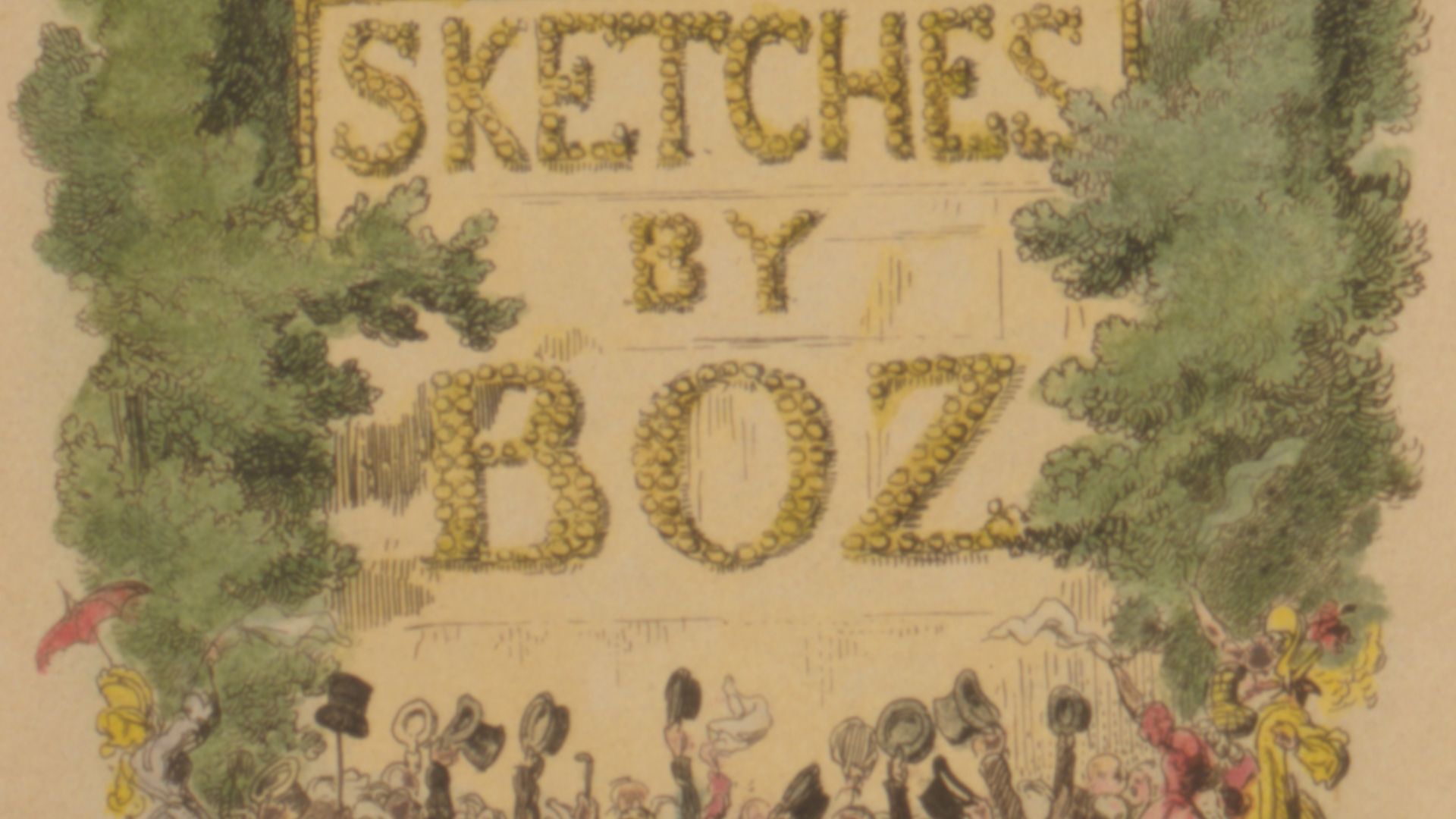
Feeling like had failed his career in theater before it even began, Dickens turned to another passion of his and devoted more time to his fiction writing. Creating his first story, A Dinner at Poplar Walk, he sent it to the Monthly Magazine and had it published in 1833. Following this, he began writing a series of short pieces for his journalism called Sketches by Boz.
Thankfully, he soon felt reassured that this was the right path for him.
 George Cruikshank, Wikimedia Commons
15. He Received An Offer
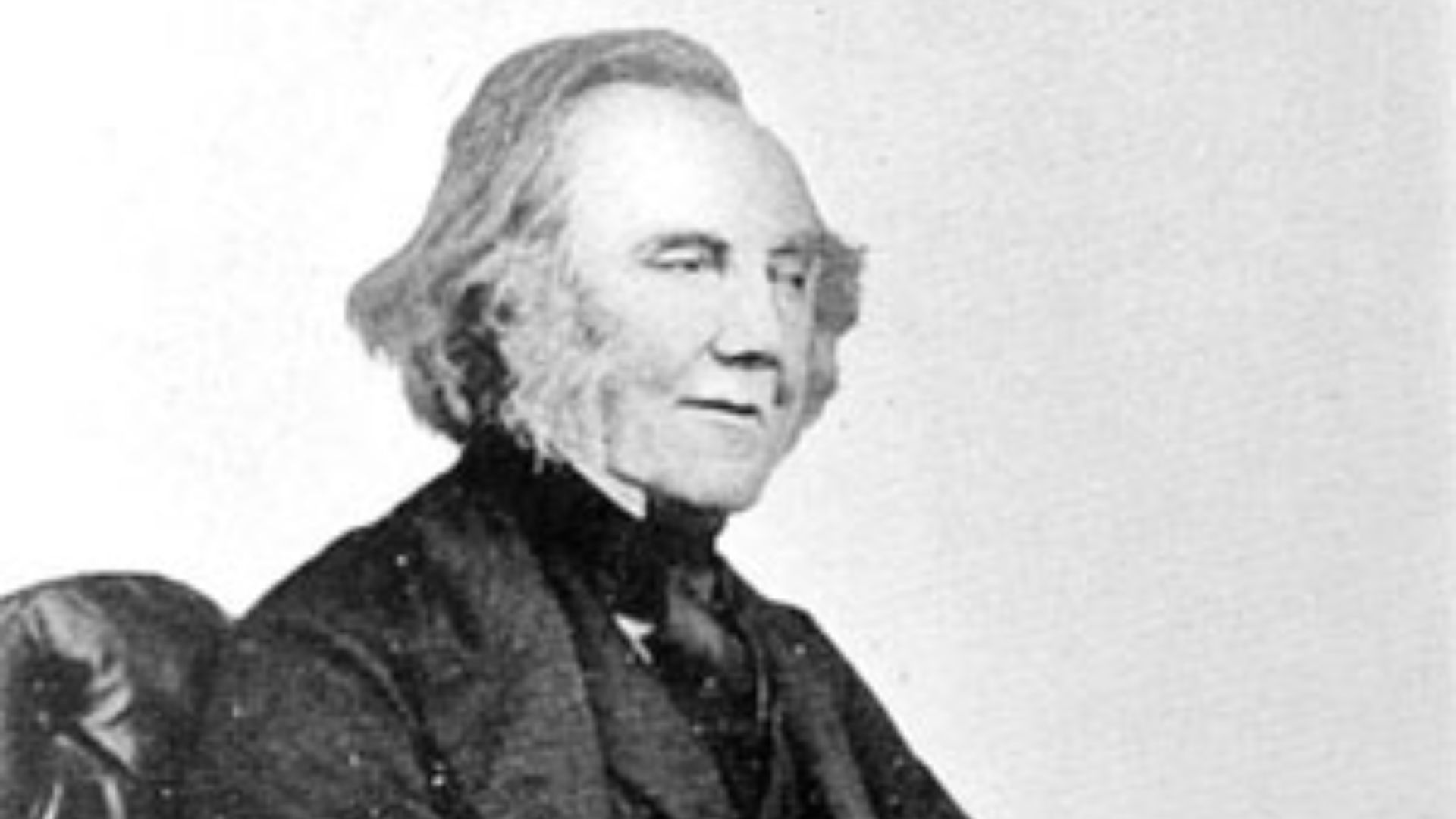
Before too long, another great opportunity landed in Dickens' lap, allowing him to get his writing out to more readers—and it was all thanks to his future father-in-law, George Hogarth. As editor of the Morning Chronicle’s new evening edition, Hogarth saw potential in Dickens and invited him to contribute his work to the publication.
This also opened a door to one of the most important people in his life.
 Unknown authorUnknown author, Wikimedia Commons
History's most fascinating stories and darkest secrets, delivered to your inbox daily.
16. He Made Some New Friends
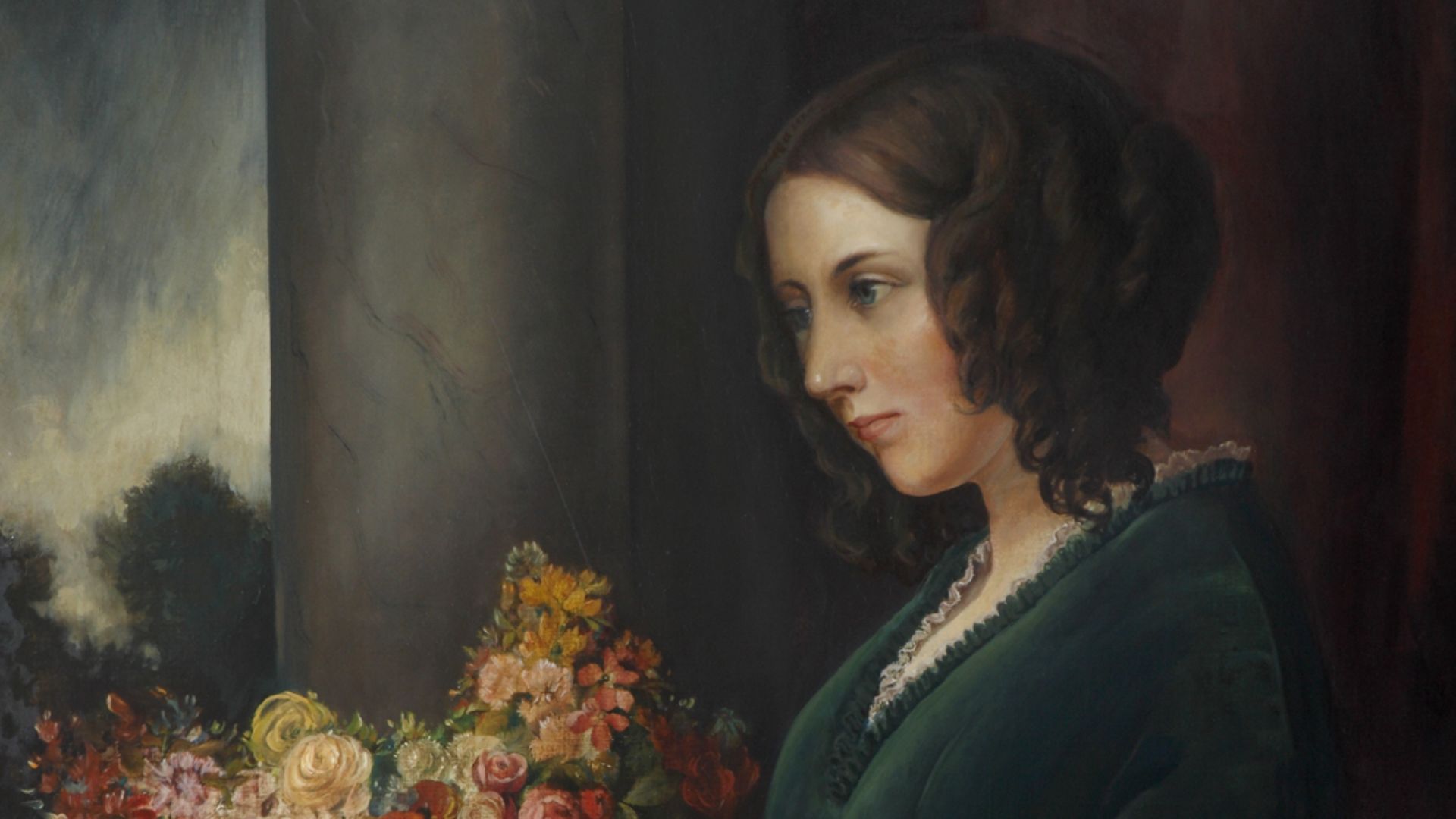
In working with the Morning Chronicle, Dickens developed a closer relationship with George Hogarth and often visited his family’s house, where he had an even more fateful encounter. Not only did he meet novelist Walter Scott—a personal hero of his—but Dickens also became good friends with Hogarth’s daughters, Georgina, Mary, and Catherine.
Not to mention, the job offers just continued to come his way.
![Catherine 'Kate' Thomson Dickens (née Hogarth) (19 May 1815 – 22 November 1879) [aged 64] was the wife of English novelist Charles Dickens, with whom he fathered 10 children. Stipple engraving by Edwin Roffe, after en:Daniel Maclise, and after en:John Jabez Edwin Mayall, published 1890](https://www.factinate.com/storage/app/media/factinate/2026/4/15/17762362242e714ec82f97bfeaf3765ca04ee67f62c2326363.png) Daniel Maclise, Wikimedia Commons
Daniel Maclise, Wikimedia Commons
17. They Gave Him A Job
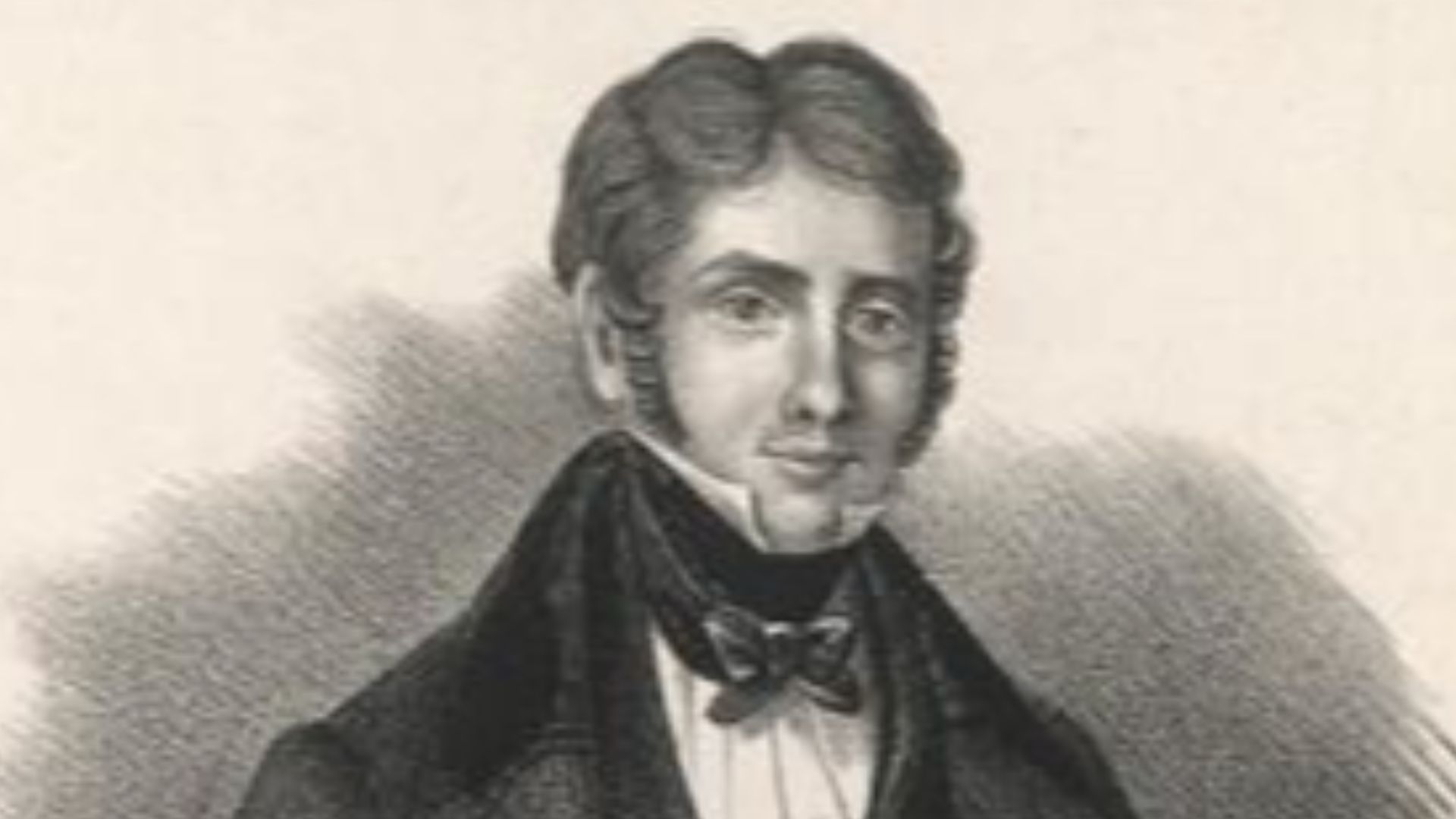
Through the success of his writings, Dickens was already networking within the literary world and earning even bigger and better opportunities, even if some were a bit rocky. Receiving an offer from the Chapman & Hall publishing house, Dickens agreed to provide a story to match the engraved illustrations of artist Robert Seymour. However, things took a turn for the worst when, after two installments, Seymour tragically took his own life.
Nonetheless, Dickens continued with the job—and gained exactly what he had always wanted.
 Robert Seymour, Wikimedia Commons
18. He Gained An Audience
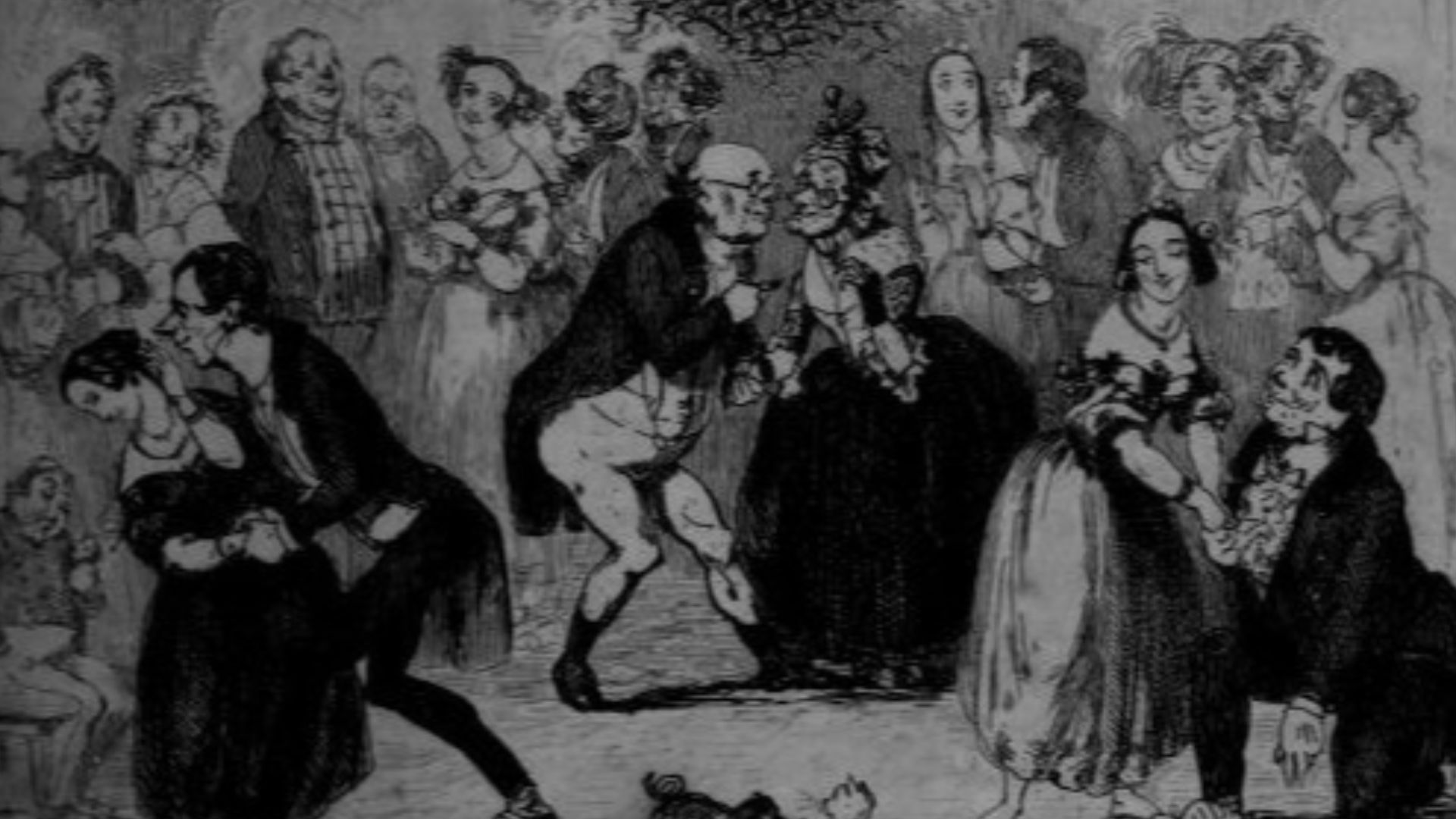
Bringing on the artist Phiz to pick up where Robert Seymour had left off, Dickens plotted out a collection of interconnected sketches, which would eventually become The Pickwick Papers. Dickens may have felt discouraged at the lackluster reception of the first couple of installments, but once Phiz joined him, his number of fans skyrocketed.
This ultimately became one of the most important works of his career.
 Hablot Knight Browne, Wikimedia Commons
19. He Created A Whole Universe
What began as a few engraved illustrations with matching texts soon grew into one of the most popular series of its time, with its last episode selling around 40,000 copies. The success of The Pickwick Papers didn’t end there, however, as it spawned several other connected stories and was even called the “most important single novel of the Victorian era”.
Still, Dickens' career wasn’t the only thing looking up for him.
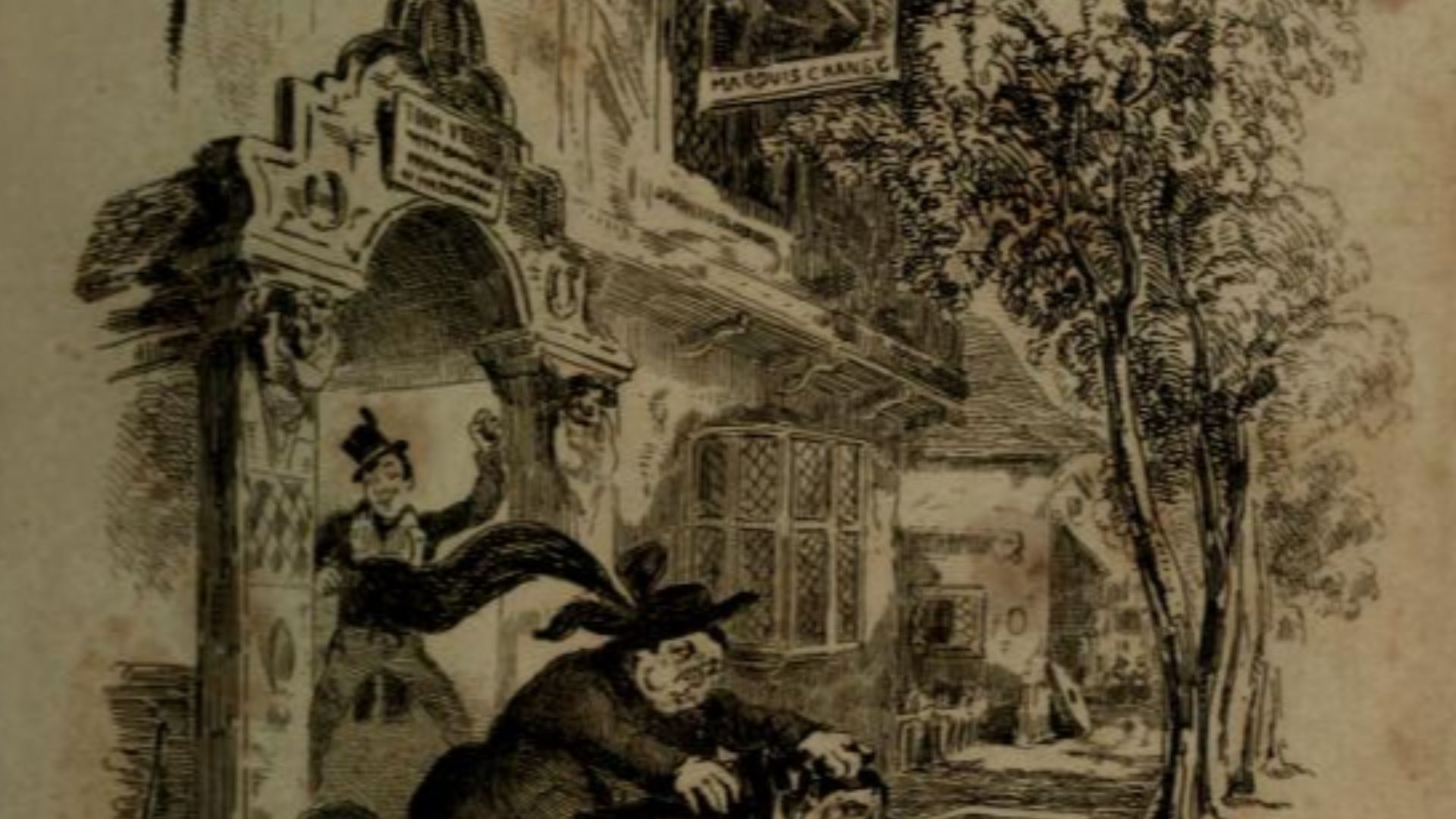 Charles Dickens, Wikimedia Commons
20. They Tied The Knot
In spending so much time around the Hogarth family, Dickens grew closer to one of George Hogarth’s daughters in particular, falling in love with 19-year-old Catherine Hogarth. Their relationship progressed quickly, as Dickens proposed within the same year of their first meeting, and the two joined in holy matrimony a year later in 1836.
Of course, this wasn’t about to slow down his writing by any means.
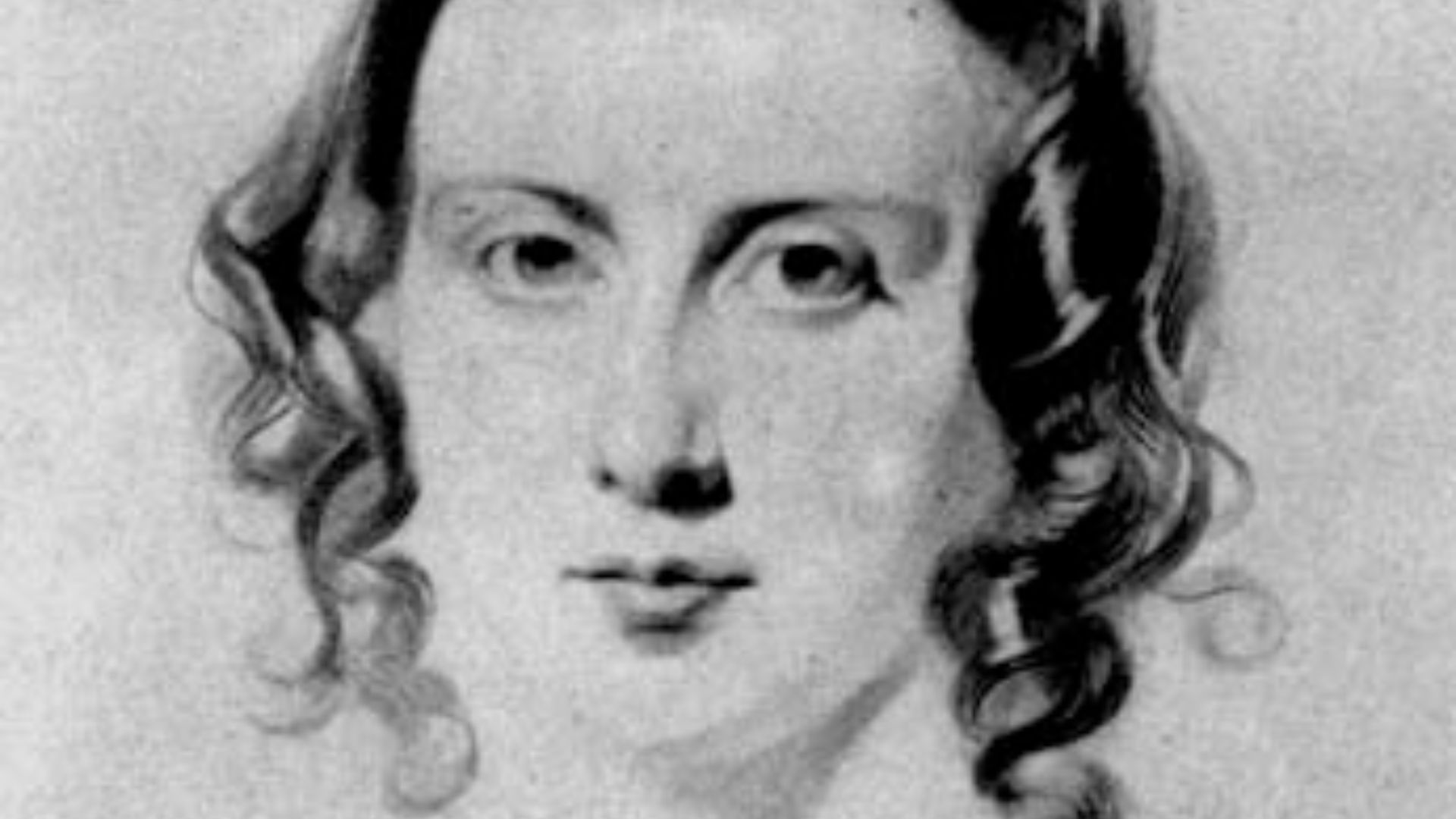 Samuel Laurence, Wikimedia Commons
21. He Started His Next Project
Almost immediately after he finished the final episode of The Pickwick Papers, Dickens began working on his next idea, which would eventually turn into the novel Oliver Twist. Following the life of the titular character, this was the first novel in the Victorian era to feature a child protagonist, and would become one of his most iconic works.
Sadly, the passion to write was about to slip away from him.
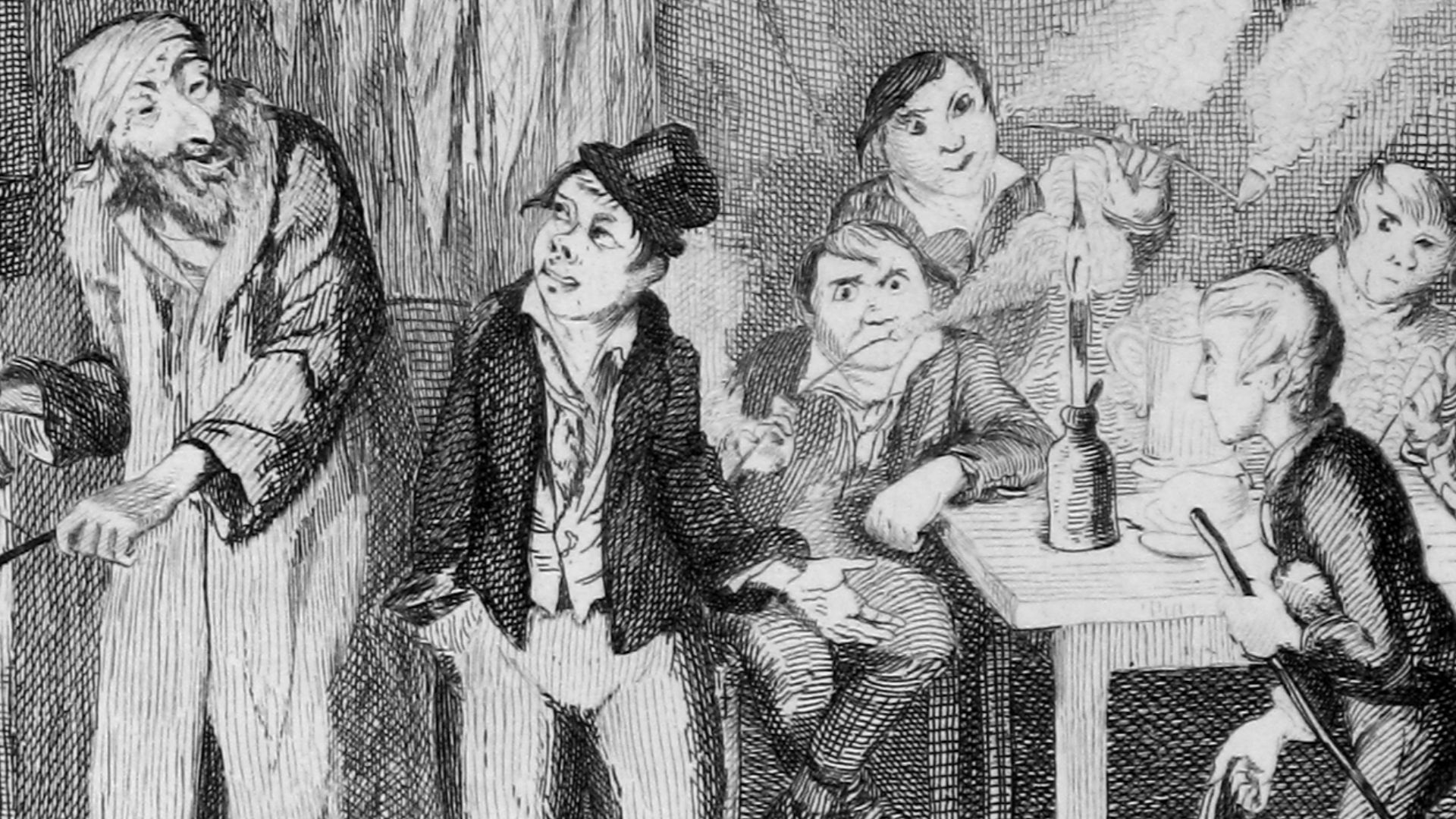 George Cruikshank, Wikimedia Commons
History's most fascinating stories and darkest secrets, delivered to your inbox daily.
22. They Had A Terrible Loss
While Dickens had fallen in love with Catherine, he remained close with her two other sisters, and particularly felt a bond with her younger sister Mary. As such, both he and Catherine were more than happy to oblige when Mary wanted to move into their house. However, her time with them would be shorter than anyone hoped, as she developed a severe illness before long and passed in 1837 while in Dickens' arms.
Suddenly, it was like everything came to a halt, and Dickens lost his spark.
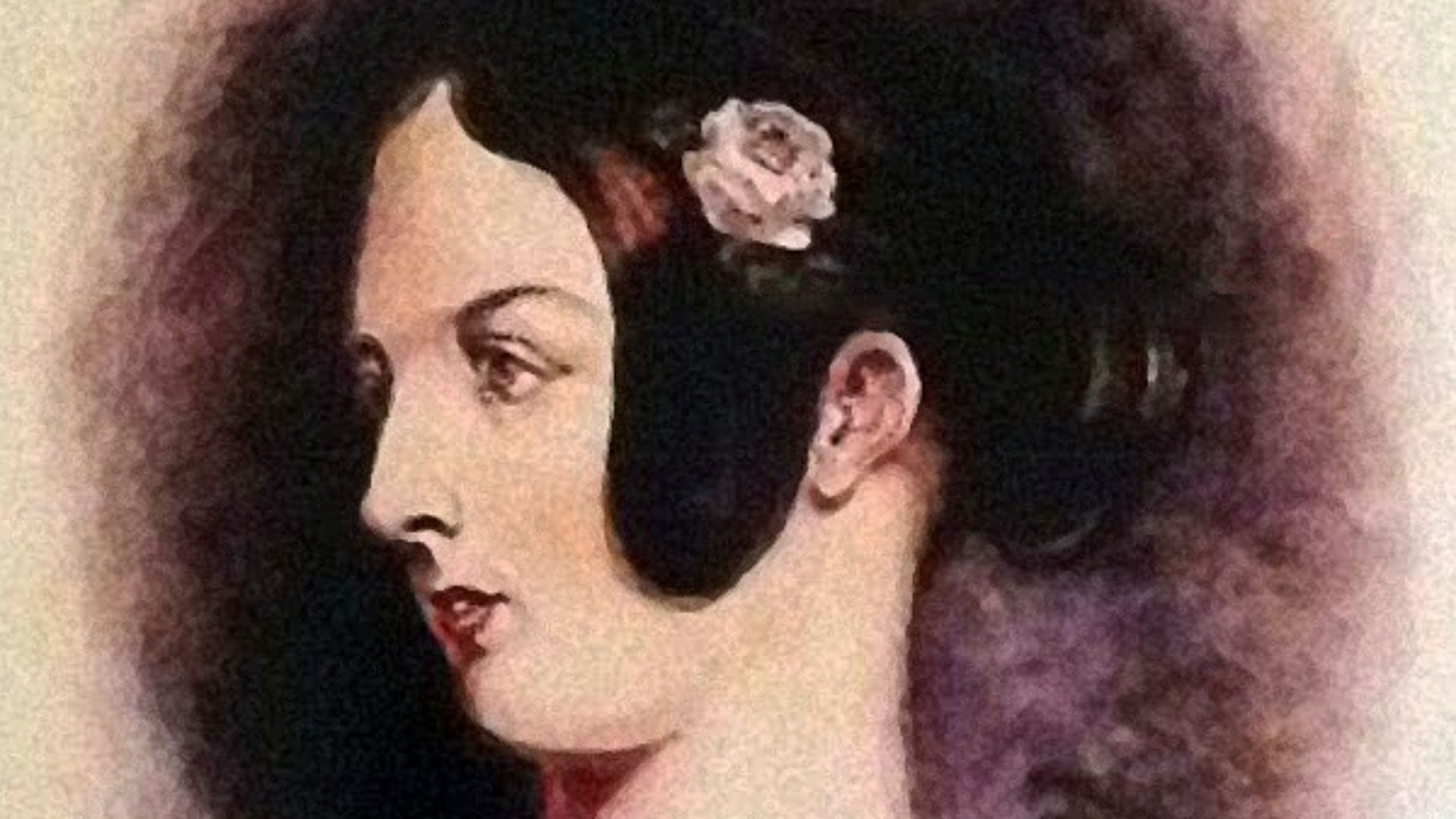 Unknown authorUnknown author, Wikimedia Commons
23. He Was Devastated
Following Mary’s passing, Charles and Catherine could hardly cope with the loss, and it became especially evident in Dickens' work. Oliver Twist had been coming out in installments as well, but as he was overcome with grief, Dickens couldn’t find the motivation to keep writing and had to cancel the upcoming episode.
Thankfully, he got back on the horse and was all the better for it.
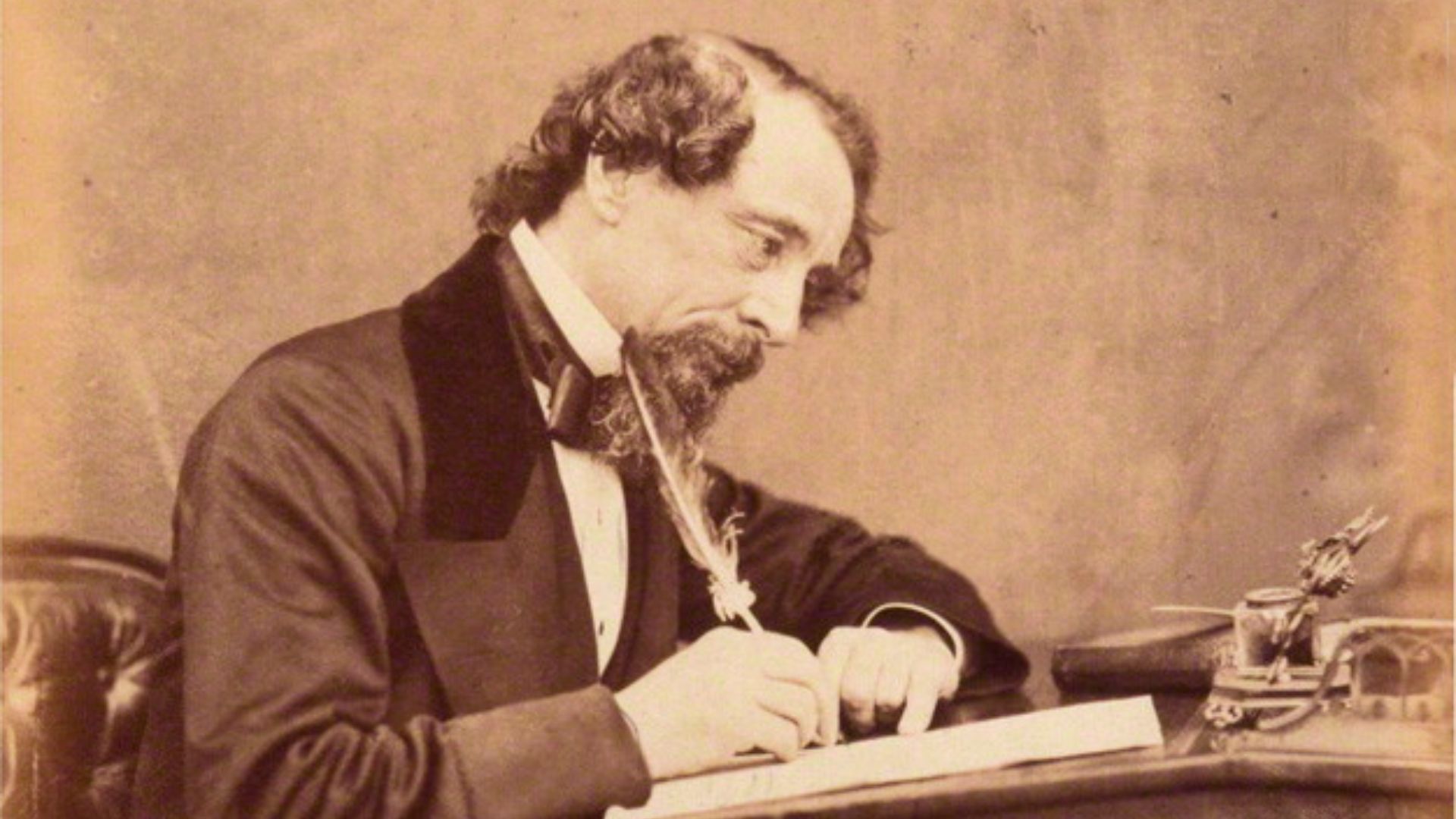 George Herbert Watkins, born 1828, Wikimedia Commons
24. He Reached The Highest In The Land
Working through his and Catherine’s despair, Dickens eventually managed to complete Oliver Twist and add it to his portfolio. Through his perseverance, he was able to grow his already thriving audience and even drew the attention of some big names. In fact, both The Pickwick Papers and Oliver Twist became favorites of Queen Victoria, who often found herself raving about the novels for hours on end.
At the same time, not all the gossip about him was in a positive light.
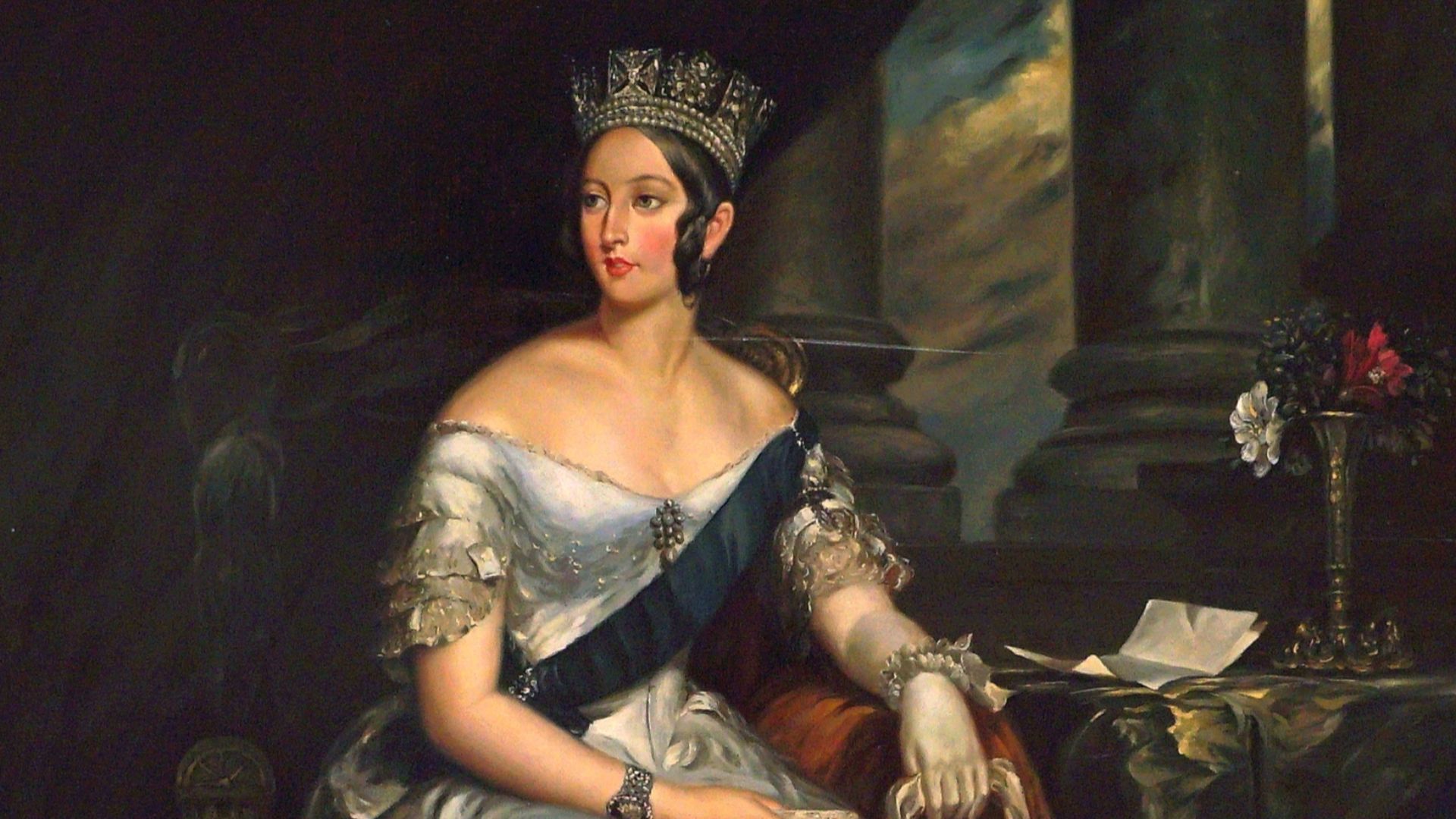
25. He Terrorized A Woman
Even with his success, Dickens didn’t seem happy, and one day had what seemed like a moment of madness while in the coastal town of Broadstairs. After meeting and flirting with a woman named Eleanor Picken, despite her being engaged, he suddenly grabbed her by the hand and brought her to the sea. Although she soon broke free and ran away, it wasn’t before he tried to convince her to descend into the “sad sea waves” with him and drown.
Clearly, it was time for him to get some much-needed space from London.
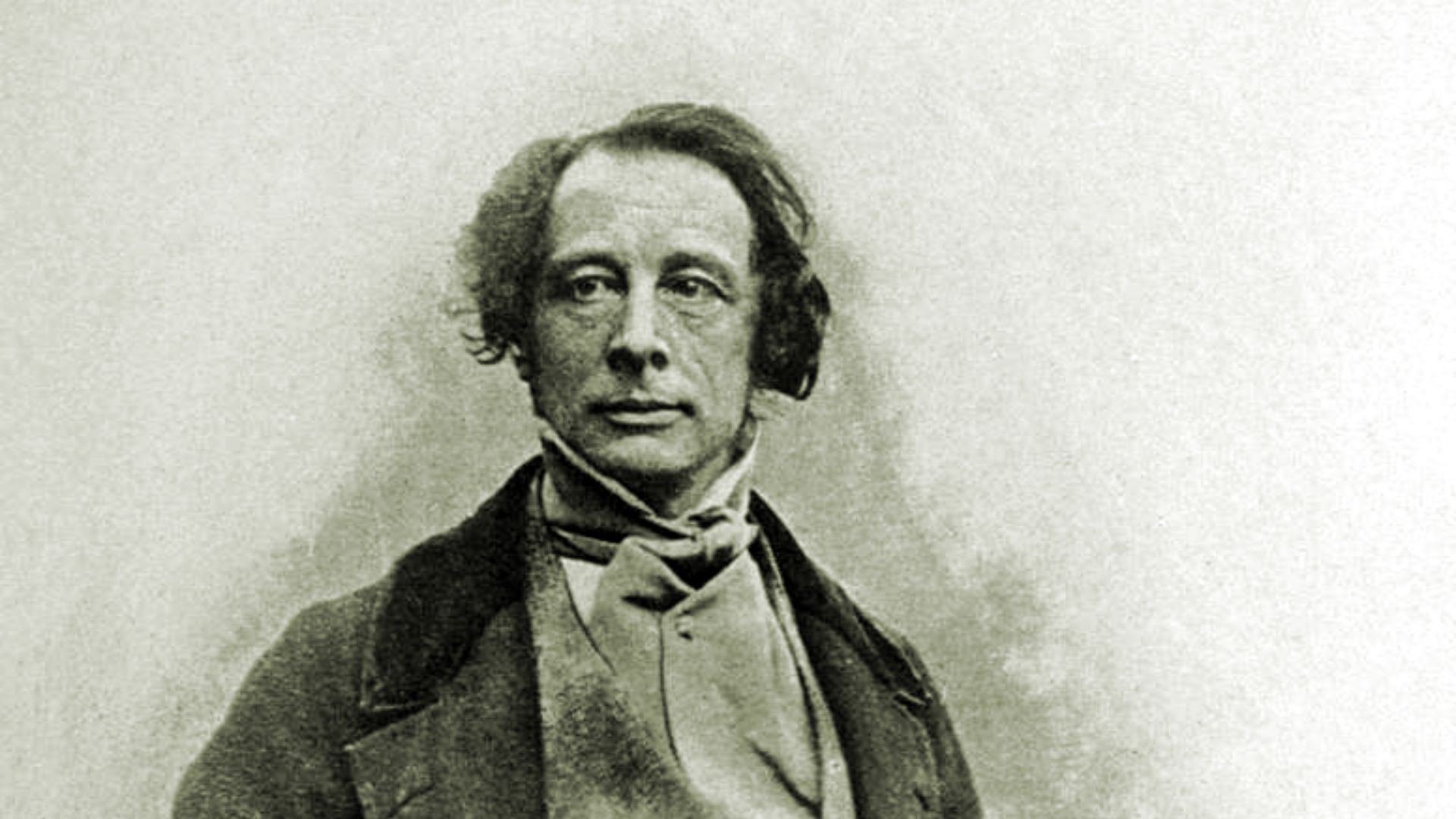 Antoine Francois Jean Claudet, Wikimedia Commons
26. He Embarked On A Journey
By the early 1840s, Dickens had a decent collection of stories to his name, and after completing a brief tour of Scotland, he realized how famous he had actually become. Wanting to reach his fans across the pond, he launched a much larger tour of the United States and Canada, taking Catherine with him and landing in Boston, Massachusetts, in January 1842.
Surprisingly, this trip left him with some stark revelations.
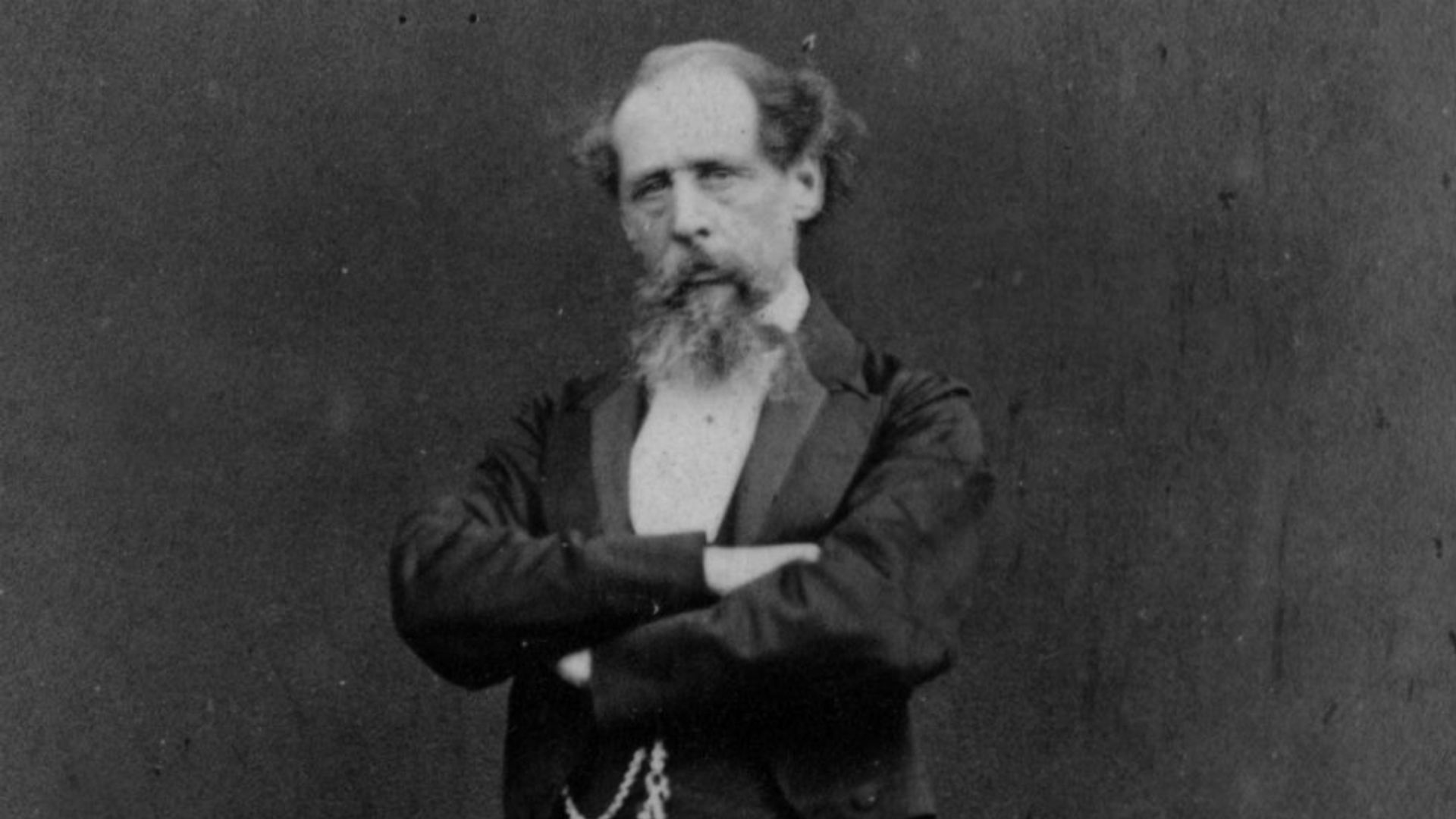 unattributed, Wikimedia Commons
27. He Documented His Trip
Spending about five months traveling throughout North America and lecturing before vast crowds of fans, Dickens kept a travelogue of his experiences in the US—the good and the bad. While on one hand, he described his time there as “the greatest welcome that probably any visitor to America has ever had,” his fight against inequality also came through as he strongly denounced the slavery he saw there.
Not long after his return, Dickens came up with his next classic—and this time with a festive twist.
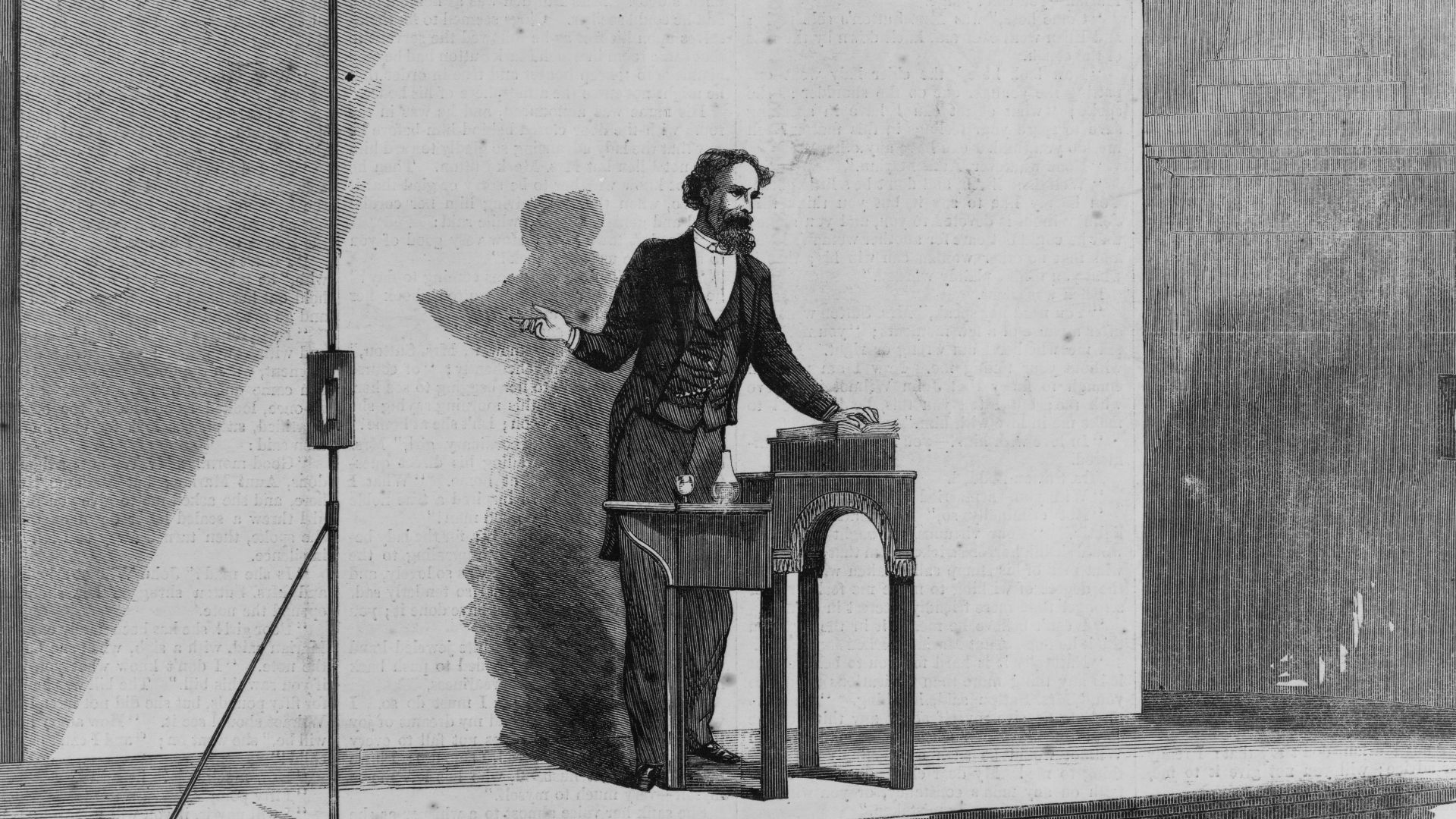 Barry, Charles A., 1830-1892, artist, Wikimedia Commons
History's most fascinating stories and darkest secrets, delivered to your inbox daily.
28. He Thought Of A Ghost Story
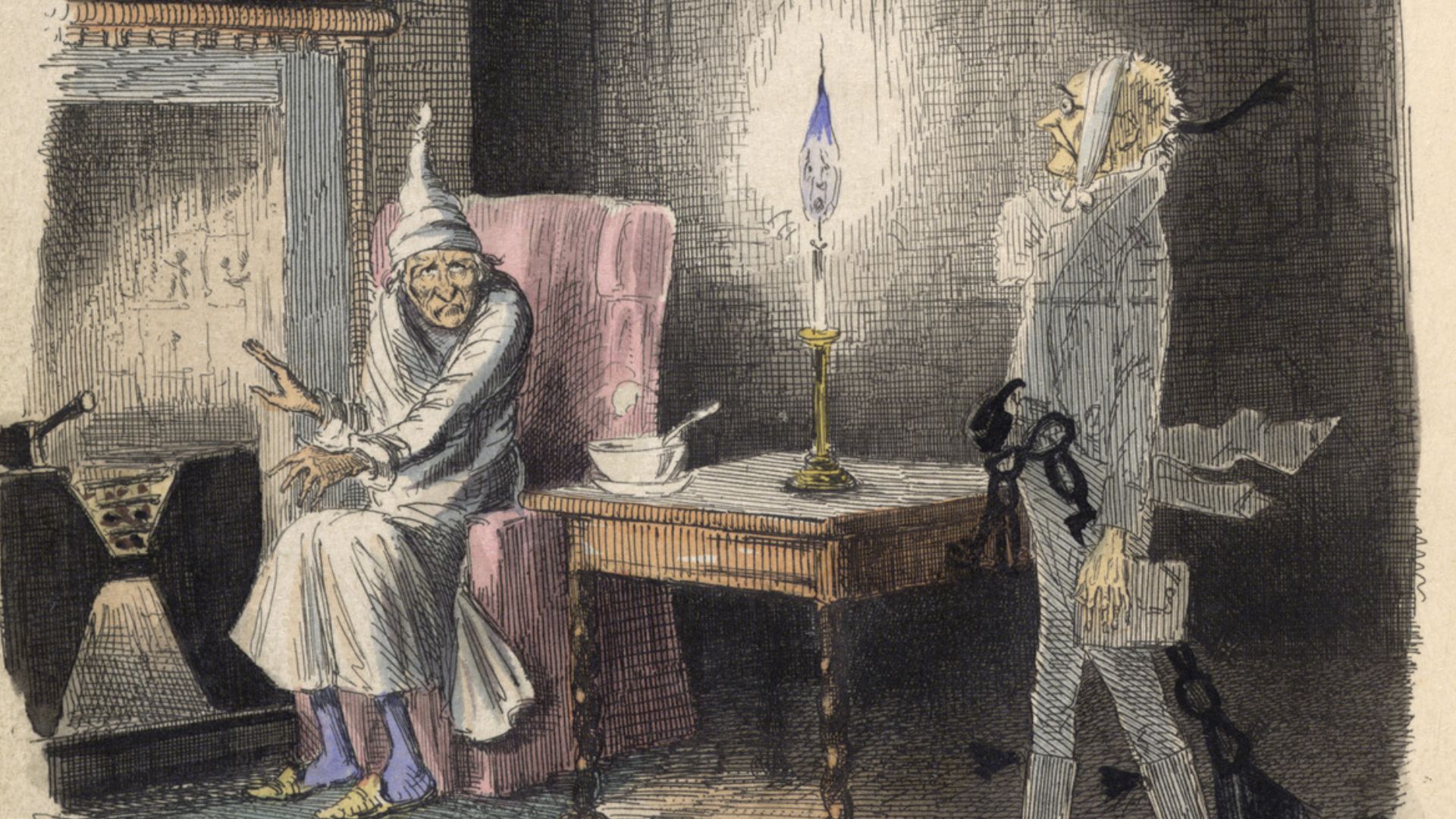
Many of Dickens' stories would become some of the most iconic works in history, but in 1843, he began writing something truly unique in its time: a novel about Christmas. Titled A Christmas Carol, the story of an old miser receiving a host of ghostly visitors was an instant hit, helping to reinvent the holiday in the Victorian era and bring back the Christmas spirit.
Of course, when it came to helping the poor, he wasn’t just all talk.
29. He Agreed To Help
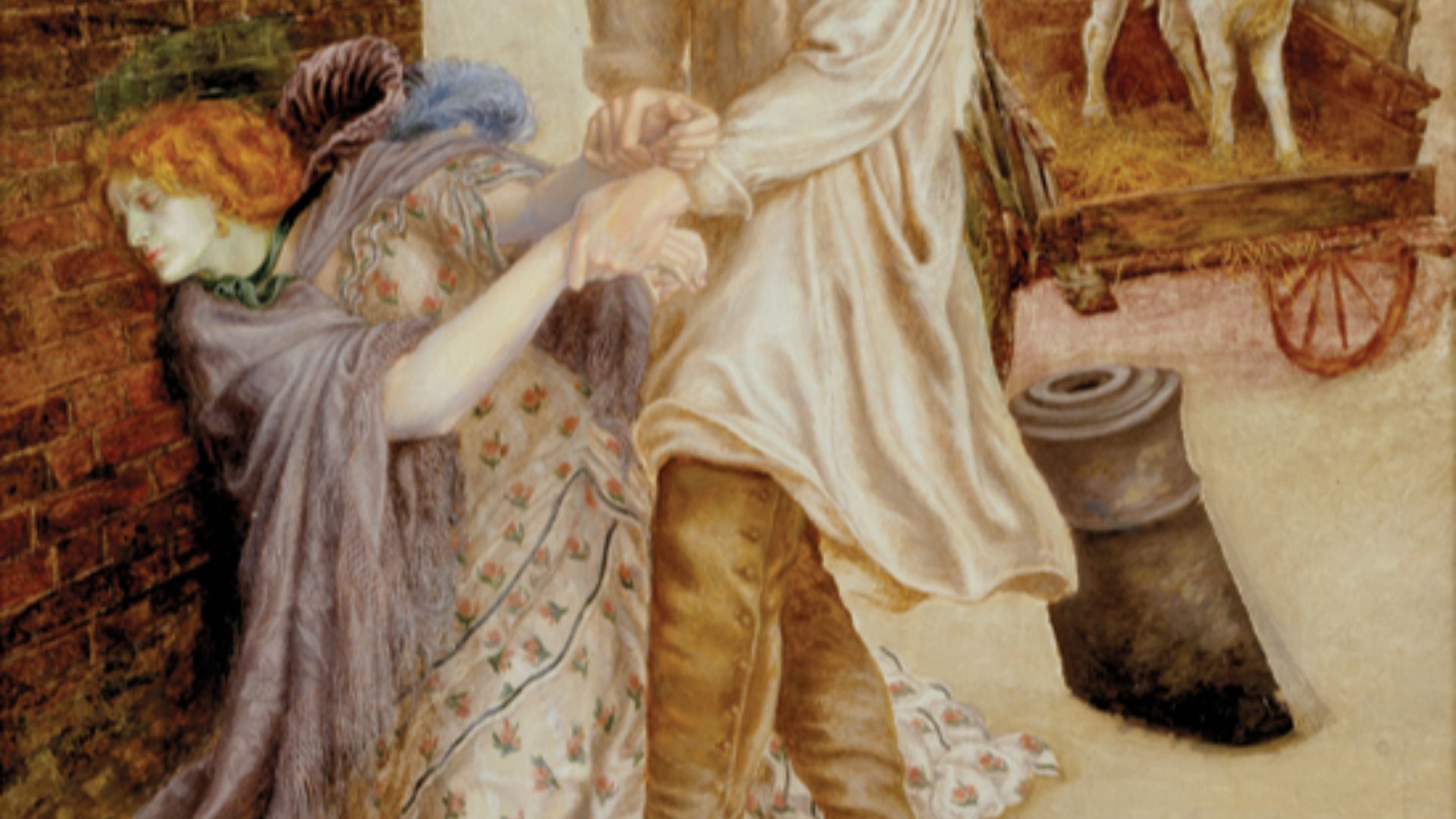
Dickens often wrote about poverty and the struggles that came with it—but more specifically—what those with money should do for those without. Fortunately, he was wealthy enough to back up his own ideals, such as when the heiress Angela Burdett Coutts asked him to help create a home to take care of “fallen women” of the working class. While hesitant at first, he soon agreed and even managed the house himself for around a decade.
When it came to his writing, however, Dickens was about to work on something truly special to him.
 Dante Gabriel Rossetti, Wikimedia Commons
30. He Wrote His Favorite Novel
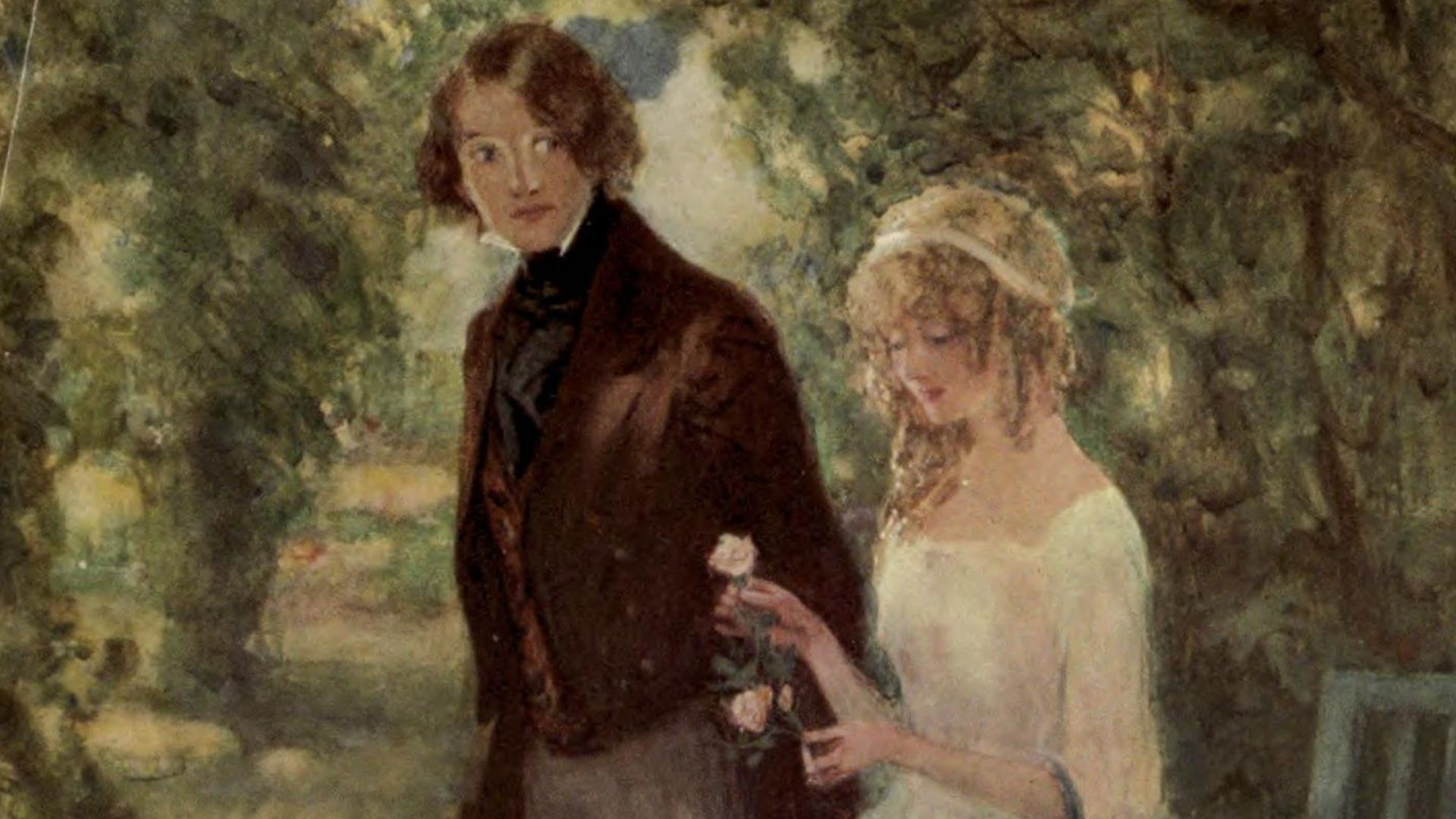
As the 1840s came to a close, Dickens began working on another of his best-known works, David Copperfield, but this novel had something that made it especially beloved to him. Many scholars have regarded the story as the one he poured most of himself into, and understandably, he would go on to say that it was his favorite of all his novels.
Unfortunately, not all of his views came from an altruistic worldview.
 Artwork by Frank Reynolds (1876-1953), Wikimedia Commons
31. He Showed Another Side Of Himself
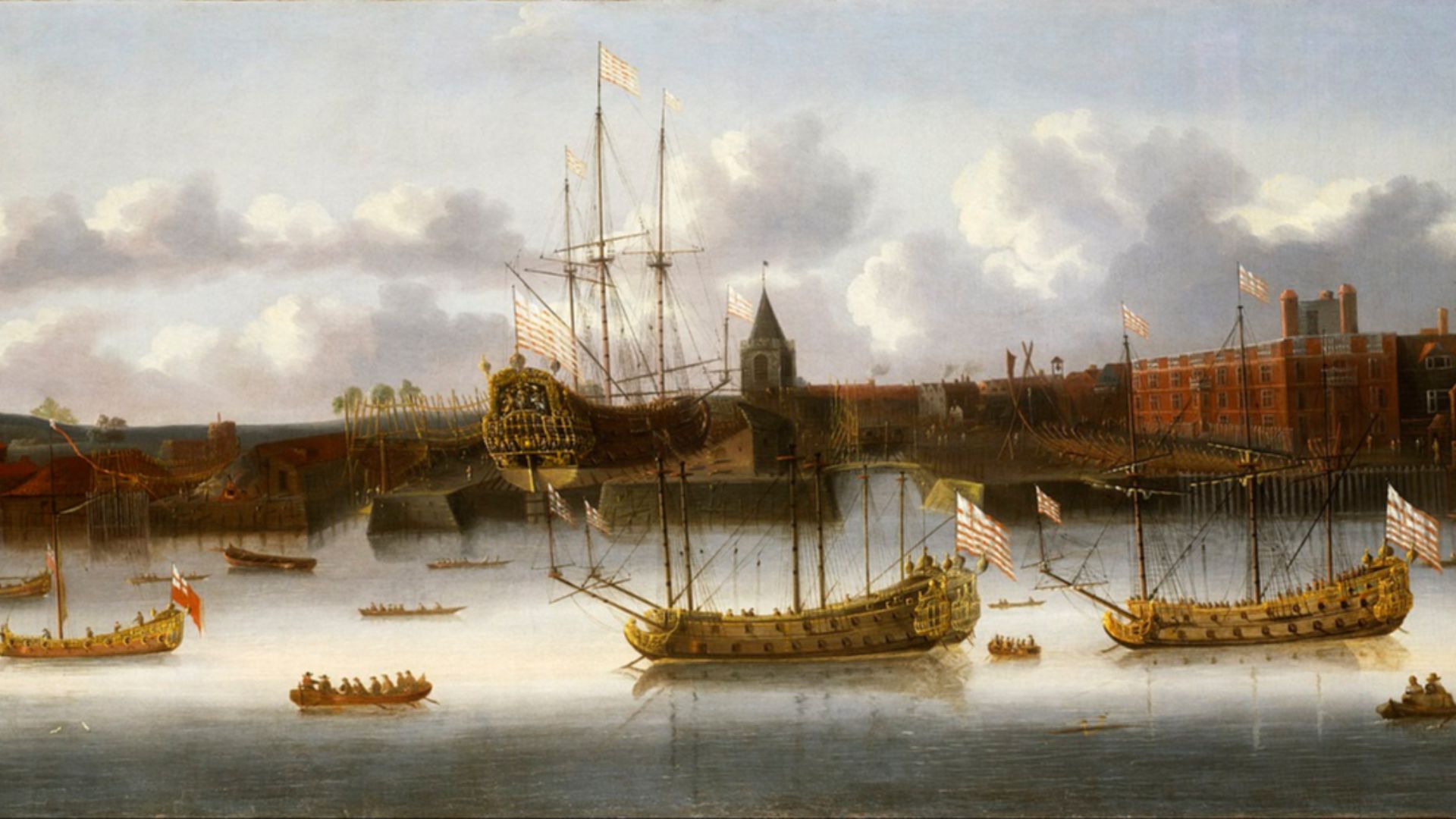
By this point, Dickens had developed a reputation for being outspoken and was often one of the loudest voices calling out injustice—but he wasn’t always so benevolent. In the wake of the 1857 Indian Rebellion, he initially criticized the inflammatory behavior of the East India Company. However, he was more outraged at the Indian rebels, going so far as to say he wanted to be in charge so he could “exterminate the Race”.
Unfortunately, he wasn’t much more pleasant behind closed doors.
 English School, 17th centurydate QS:P,+1650-00-00T00:00:00Z/7, Wikimedia Commons
32. He Distanced Himself
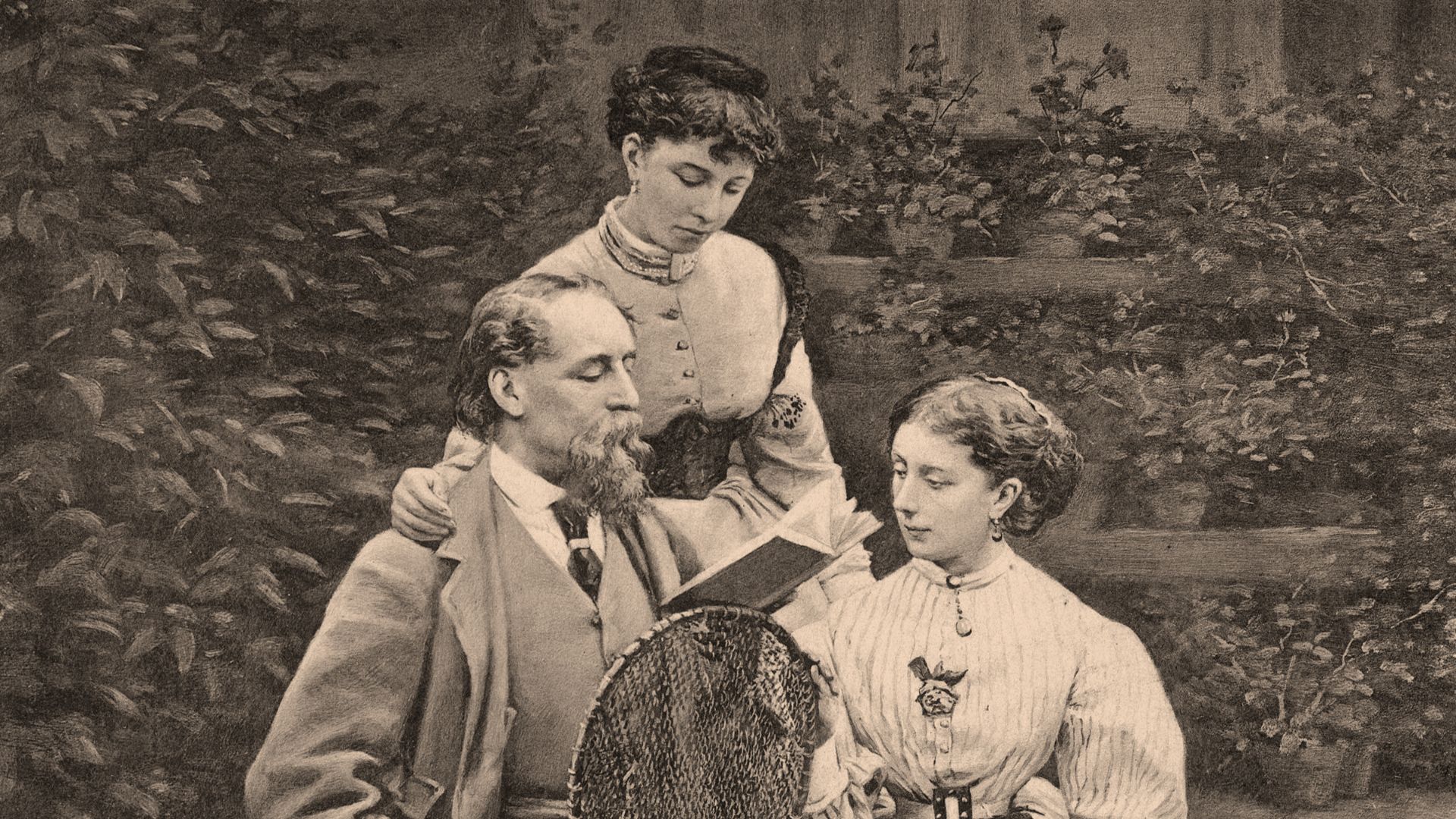
Charles Dickens had maintained a mostly devoted marriage, during which he and Catherine welcomed 10 children, but he was now far from the loving husband of their younger years. Their children caused him no shortage of financial anxiety, all of which he seemed to pin on Catherine. Blaming her for their multitude of children, he had their bed separated so they wouldn’t have any more, and even used a bookshelf as a wall between them.
As expected, this resentment could only lead to poor decisions.
 See filename/description, Wikimedia Commons
33. He Met Someone Else
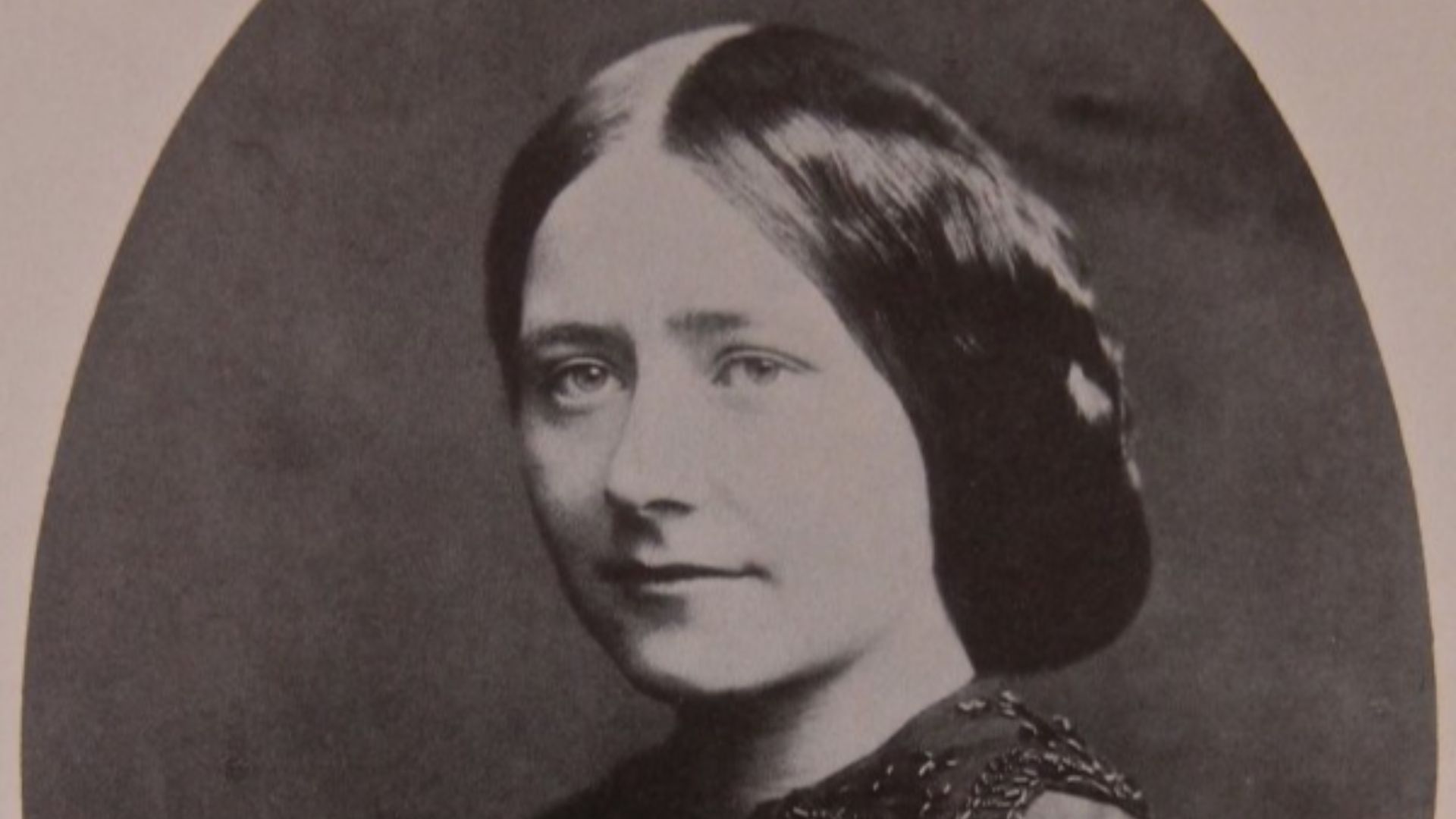
While their relationship slowly declined, Charles and Catherine still endured over 20 years of marriage, only for him to throw it all away in 1857. After co-writing the play The Frozen Deep, he underwent casting for the various parts and soon developed a romantic relationship with one of the actresses, Ellen Ternan.
It was at this point that Dickens truly began to spiral out of control.
 Unknown authorUnknown author, Wikimedia Commons
History's most fascinating stories and darkest secrets, delivered to your inbox daily.
34. He Tried To Lock Her Away
Dickens' affair with Ellen wasn’t just a one-time fling, but it would have been far too scandalous to divorce his wife—especially since he was 45 and Ellen was 18. Believing he could ruin Catherine’s reputation first, he publicly criticized her as a mother and tried to have her placed in an institution for an alleged “mental disorder”. It’s worth noting that many in his line of work, including poet Elizabeth Barrett Browning, voiced their revulsion at his actions.
Thankfully, Catherine had enough self-respect to realize what she needed to do.
 Daniel Maclise, Wikimedia Commons
35. She Took Everything And Ran
Fortunately, Dickens was never able to convince the proper people that Catherine needed to be in an institution, but obviously, the damage to their relationship had already been done. Packing her things, Catherine left Charles in 1858 and would remain separated from him for the rest of their days. Not only that, but she also took one of their children with her and left the rest of them in the care of her sister, Georgina.
Now with a failed marriage under his belt, Dickens had little else to do but throw himself into his work.
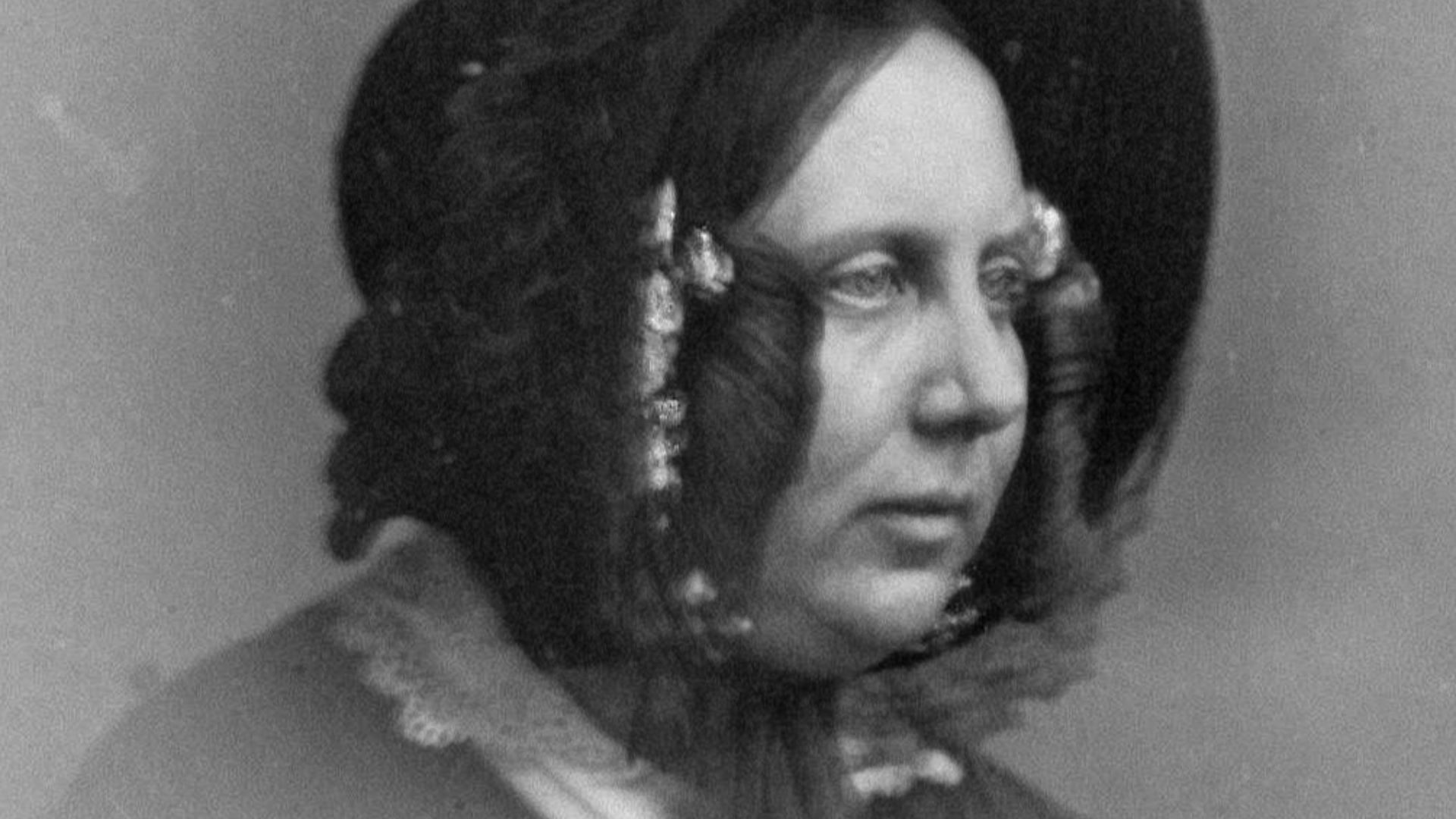 John Jabez Edwin Mayall, Wikimedia Commons
36. He Became Quite Busy
Over the next decade, Dickens devoted nearly all of his energy to his work, which mostly consisted of reading tours across England, Ireland, and Scotland. As such, he had little time for anything else, and even his own writing fell to the back burner, as he only ended up finishing a few more novels by the mid-1860s.
While these were all timeless, one became arguably his greatest novel ever.
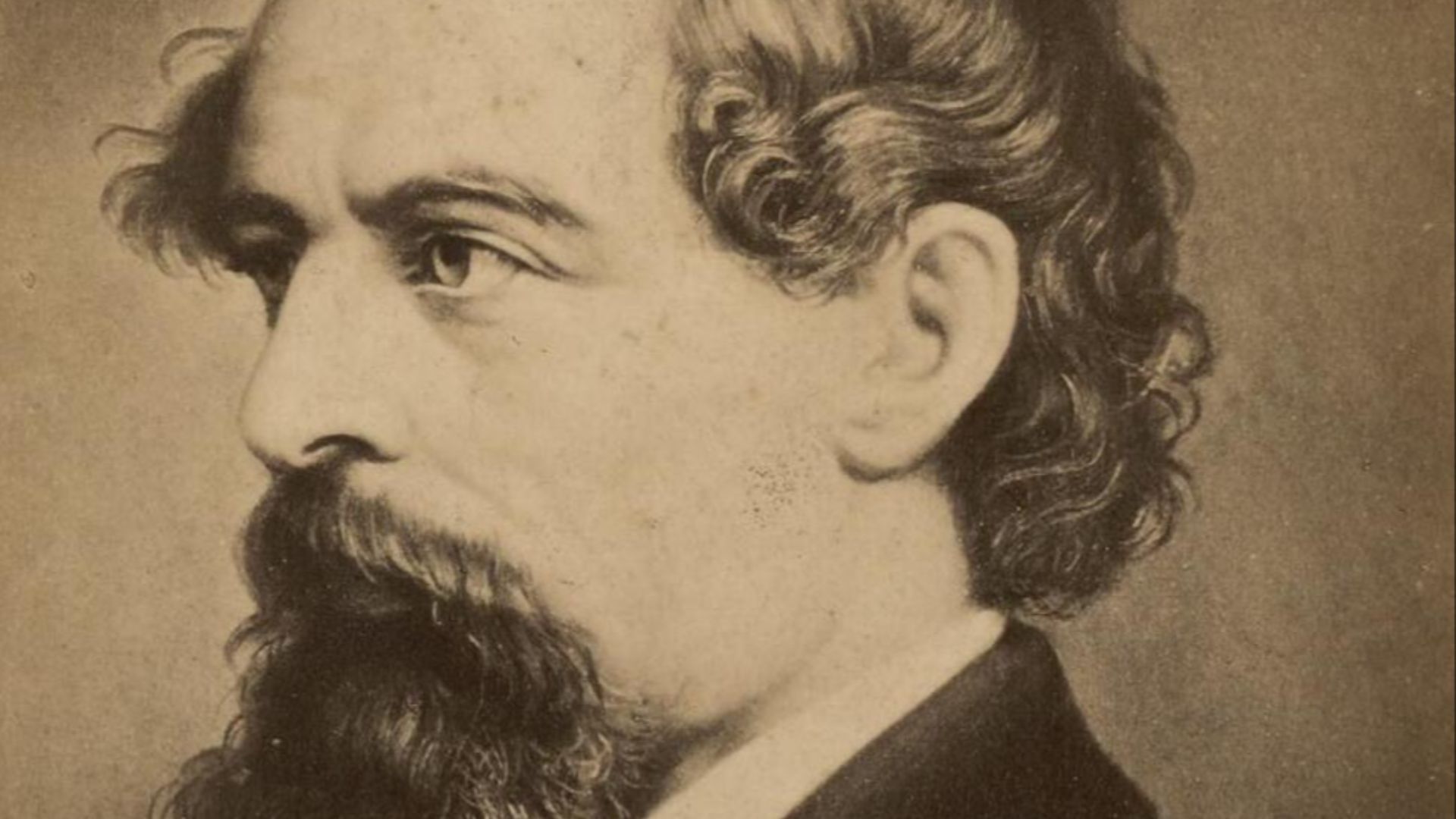 Unknown authorUnknown author, Wikimedia Commons
37. He Wrote Another Classic
Of Dickens' last few novels, two have managed to remain the most relevant in the years since their publication: Great Expectations and A Tale of Two Cities. However, the latter grew into an even bigger phenomenon, becoming more than just his most famous novel, as many call it one of the best-selling novels in history.
While Dickens spent much of his life in the public eye, there were a few parts he ensured would stay private.
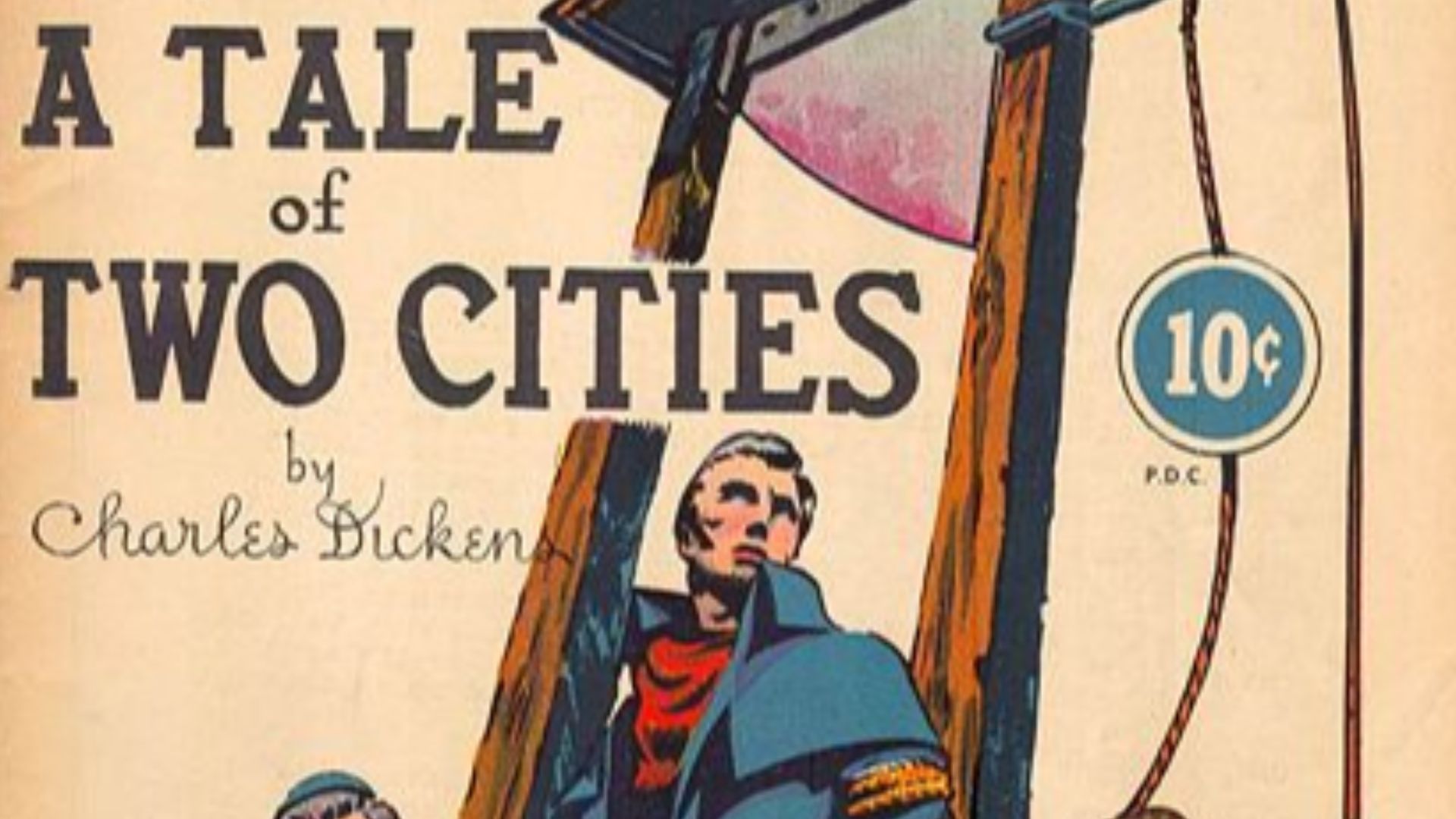 Stanley Maxwell Zuckerberg, Wikimedia Commons
38. He Destroyed Them All
As a celebrity, much of Dickens' personal life was the subject of speculation, but he reached a point when he decided not to let it get any further than idle gossip. One day in 1860, he went out to a field, built a large bonfire, and—with the exception of his business correspondence—threw nearly all of his letters into the fire.
However, he couldn’t keep his secrets hidden forever.
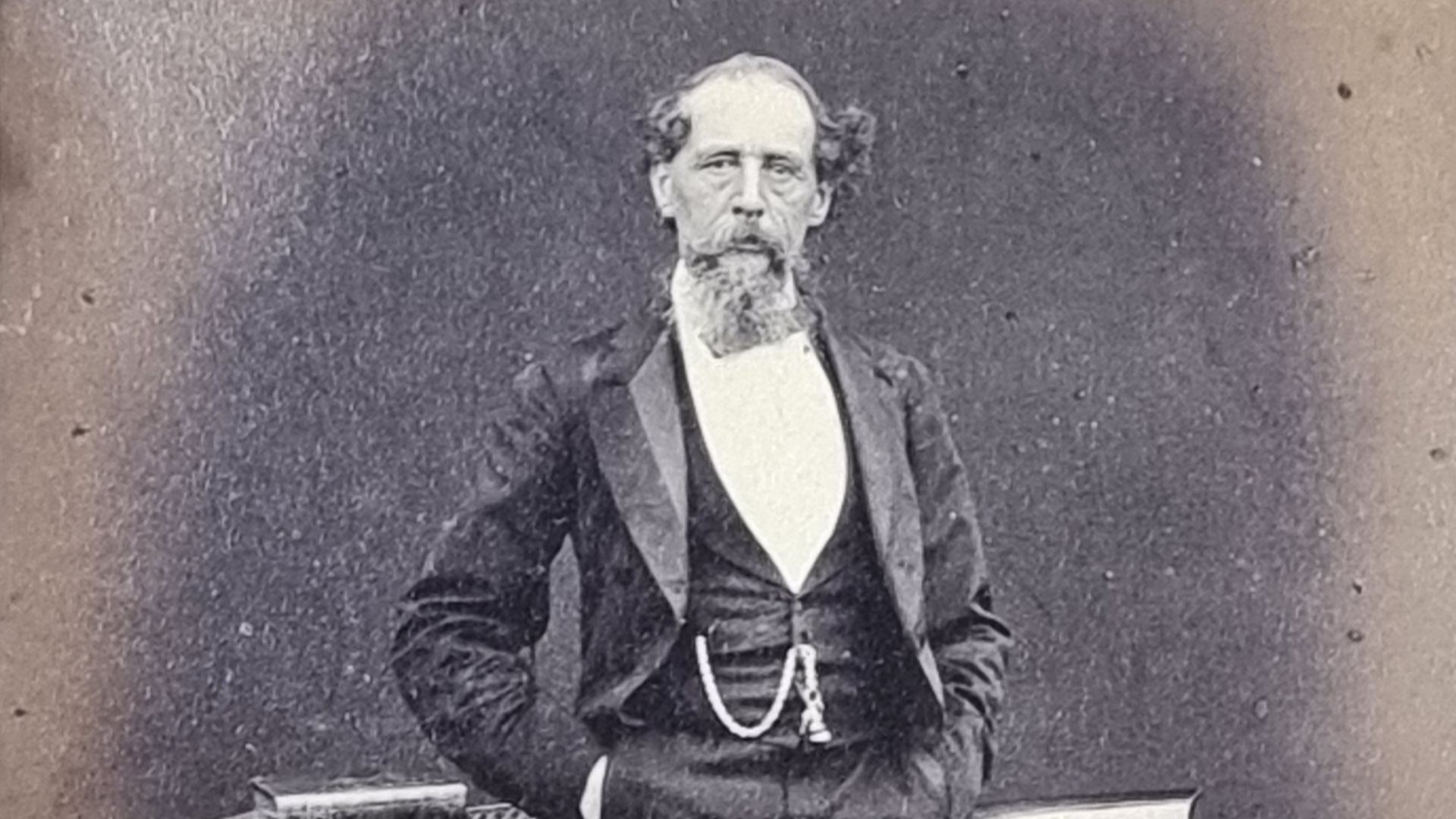 Ernest Edwards, Wikimedia Commons
39. She Revealed The Truth
Unsurprisingly, one of the more significant collections of letters destroyed by Charles Dickens was his correspondence with Ellen Ternan, but this didn’t erase the truth as much as he hoped it would. During an interview later in her life, Dickens' daughter, Kate, disclosed that Ellen had given birth to a son by Dickens, but that the boy had tragically passed in infancy.
Perhaps due to his many losses, Dickens began to look for answers in the great beyond.
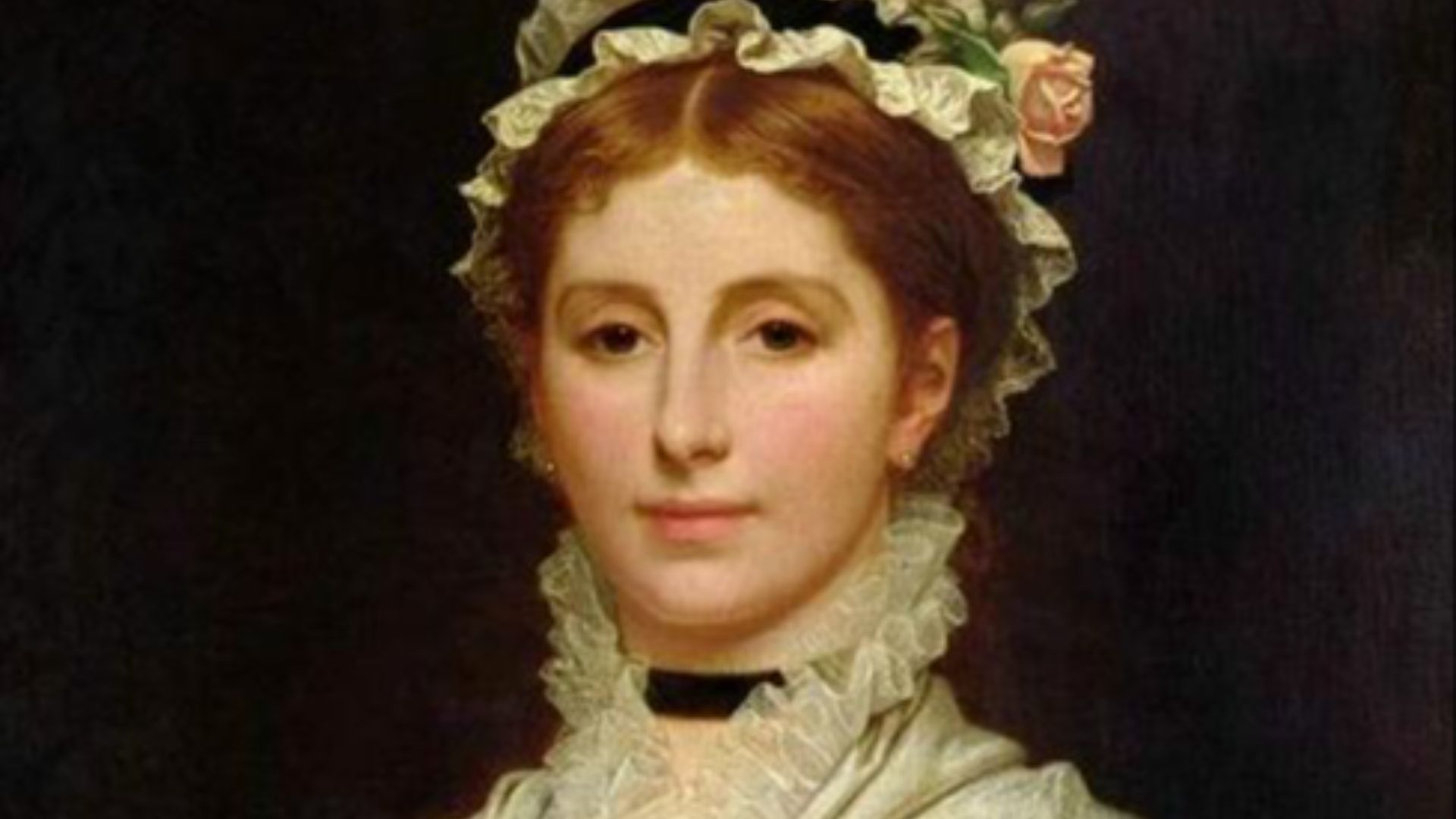 Charles Edward Perugini, Wikimedia Commons
History's most fascinating stories and darkest secrets, delivered to your inbox daily.
40. He Was A Believer
Charles Dickens had long incorporated spiritualism into his fiction, so it came as no surprise that, as he got older, he delved into that world more and more in the hopes of contacting those who had already passed on. He wasn’t alone in this, however, and he became one of the earliest members of The Ghost Club, a paranormal research organization based in London
Shockingly, he was about to get much closer to the veil than he was comfortable with.
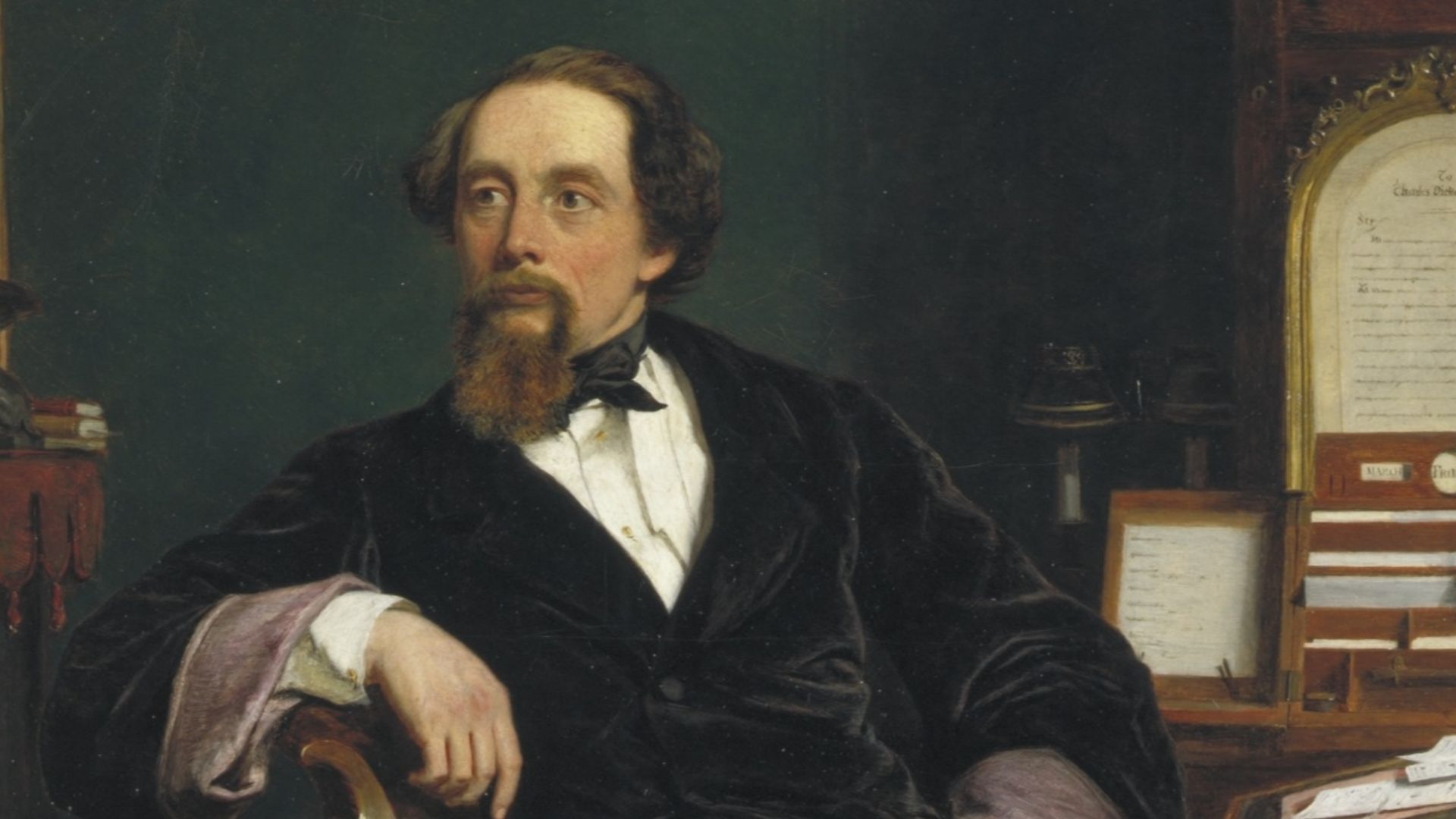 William Powell Frith, Wikimedia Commons
41. He Almost Met His End
Whether on reading tours or vacations, Dickens traveled a lot over the years, but one event in 1865 would shake him to his very core and make him think twice about ever setting foot on another train. Traveling with Ellen and her mother, Dickens' train was crossing a viaduct when it derailed, causing several carriages to fall. However, one first-class carriage remained teetering on the edge of the bridge—with Dickens still inside.
Even then, he never let go of his desire to aid his fellow man.
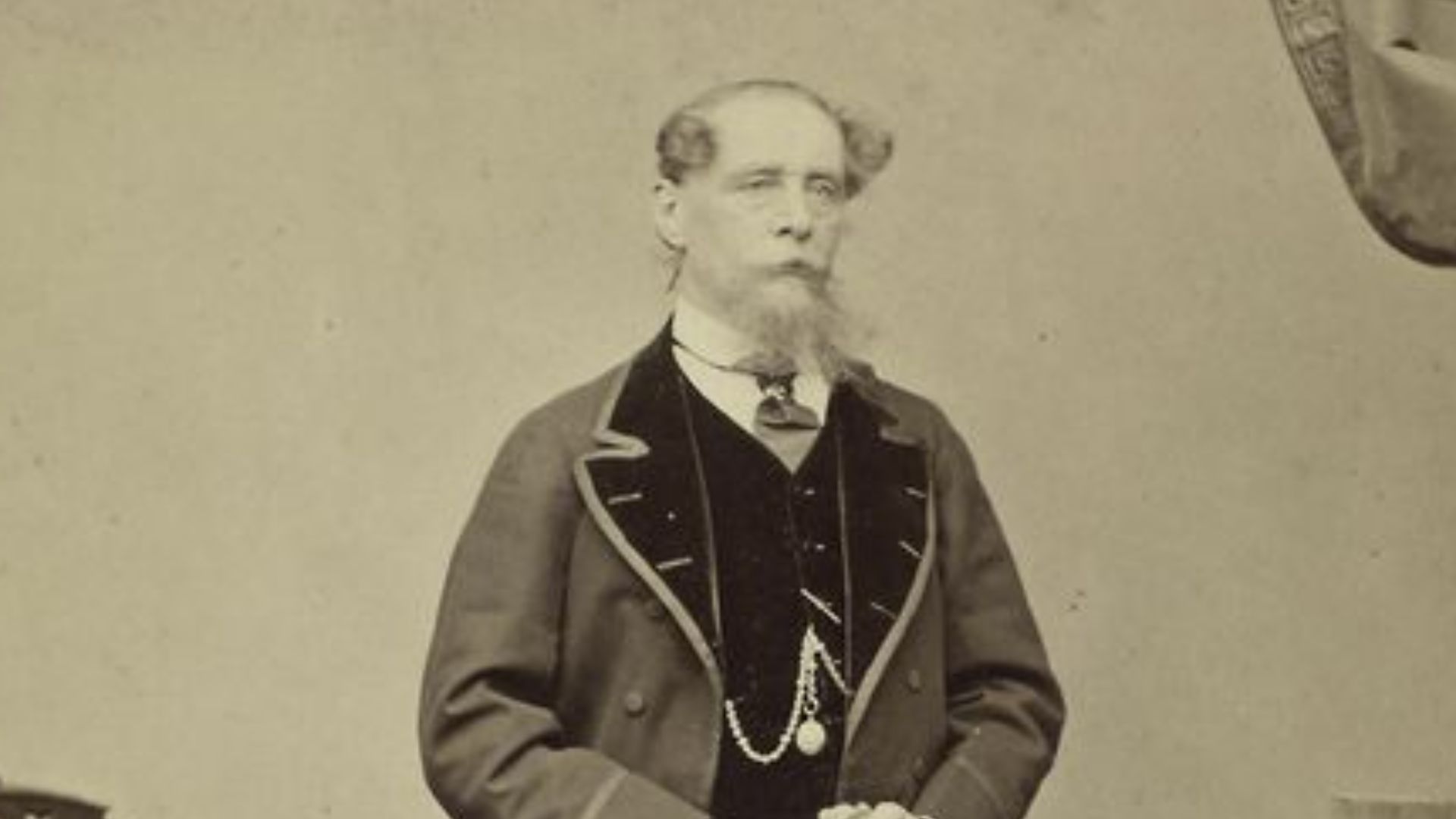 J. & C. Watkins, Wikimedia Commons
42. He Helped The Others
For three hours—though it likely seemed like an eternity—Dickens and his fellow passengers waited for rescue in their precarious position. Fortunately, he kept a calm head, offering comfort and his flask to anyone injured or frightened. Thankfully, help finally arrived and brought Dickens, Ellen, and her mother to safety, although 10 others sadly lost their lives.
Still, this experience didn’t stop him from continuing his adventures.
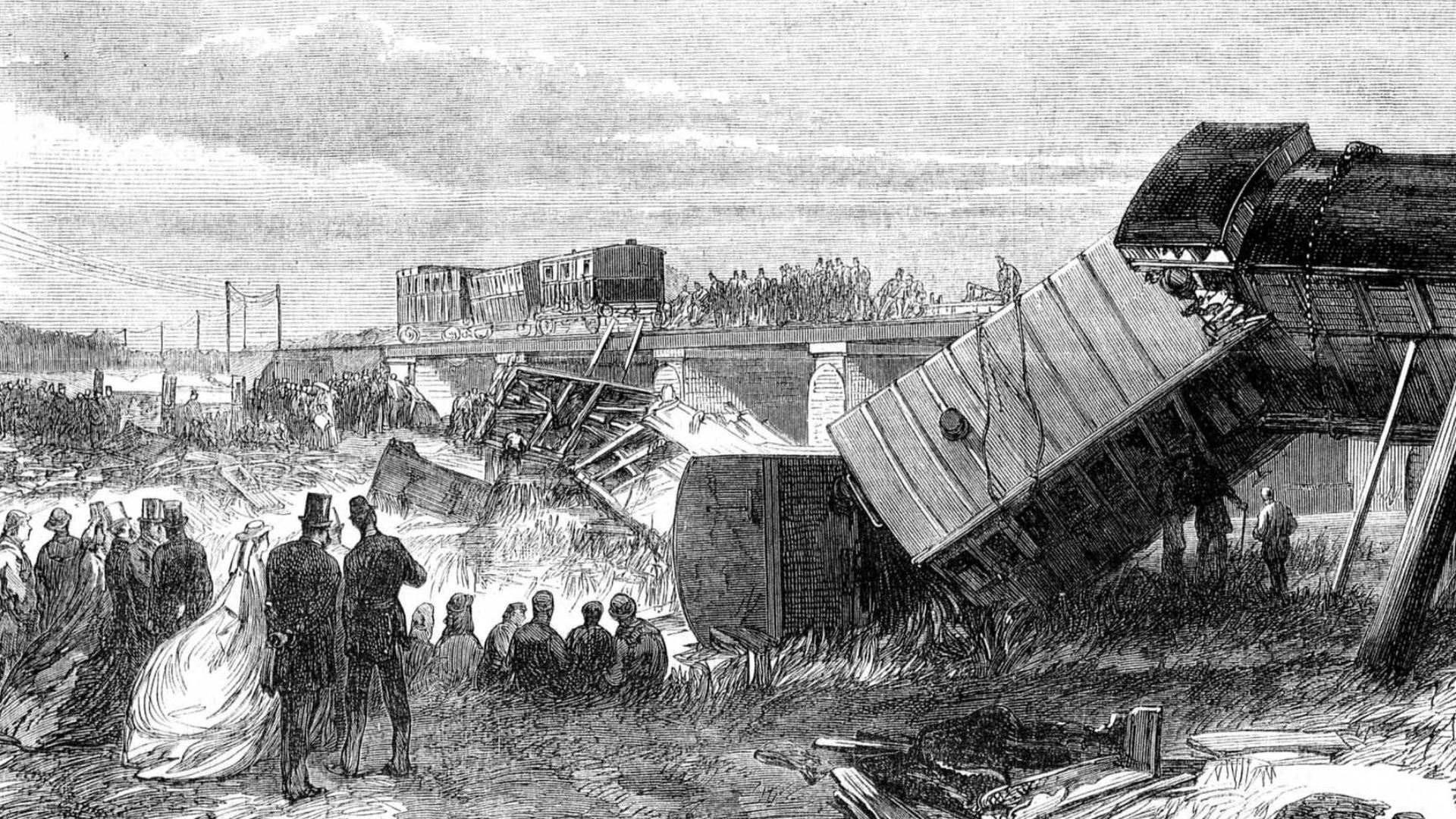 Illustrated London News, Wikimedia Commons
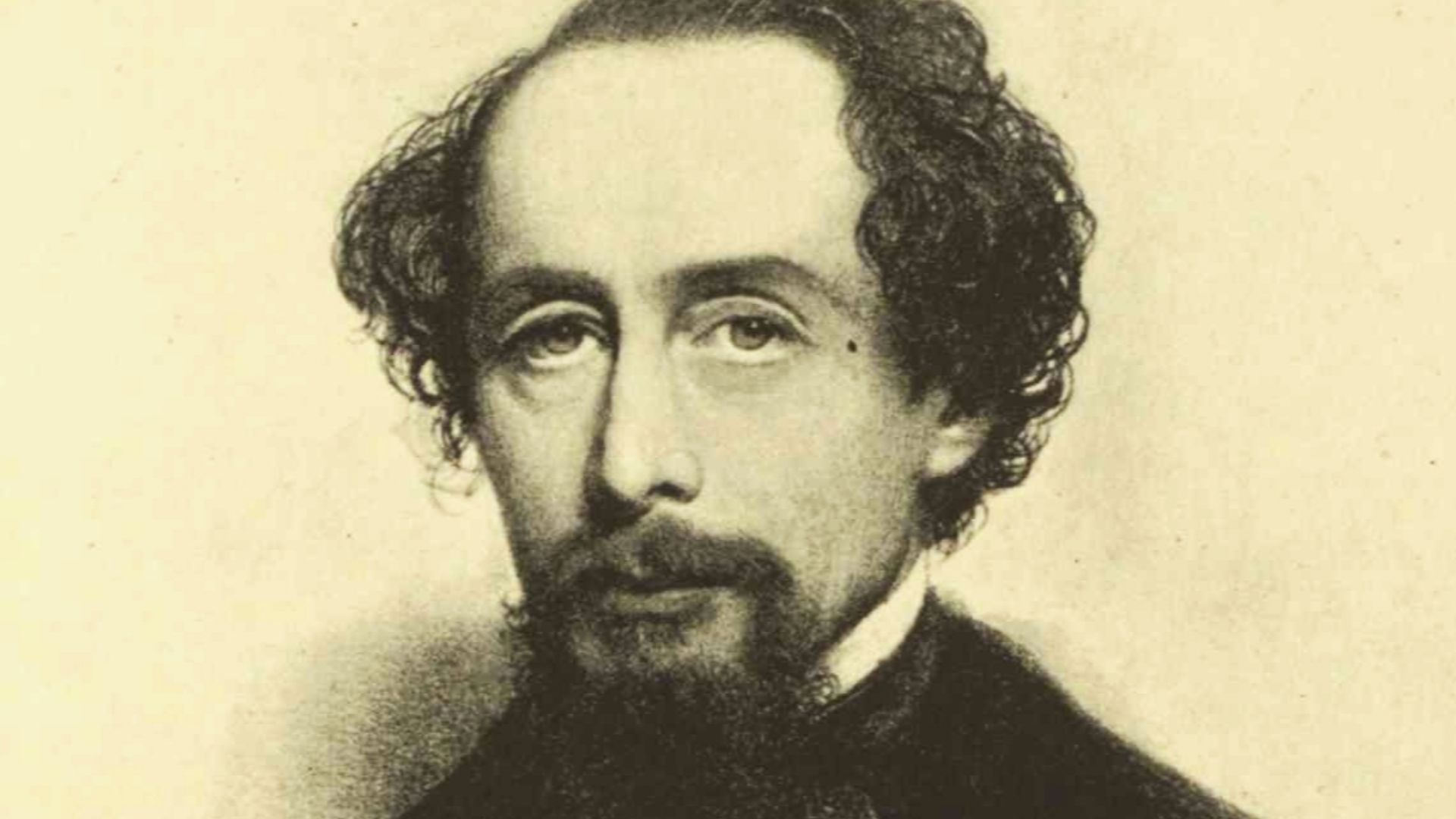
43. Secret Savior
While most people would have to be told to stop bragging about their part in the heroic rescue, Dickens couldn’t have worked harder to keep this incident quiet. Why? Because despite their devotion to each other, Ellen was still his mistress, and public knowledge of that would have taken the wind out of his reputation’s sails!
 Charles Baugniet, Wikimedia Commons
44. He Had To Postpone
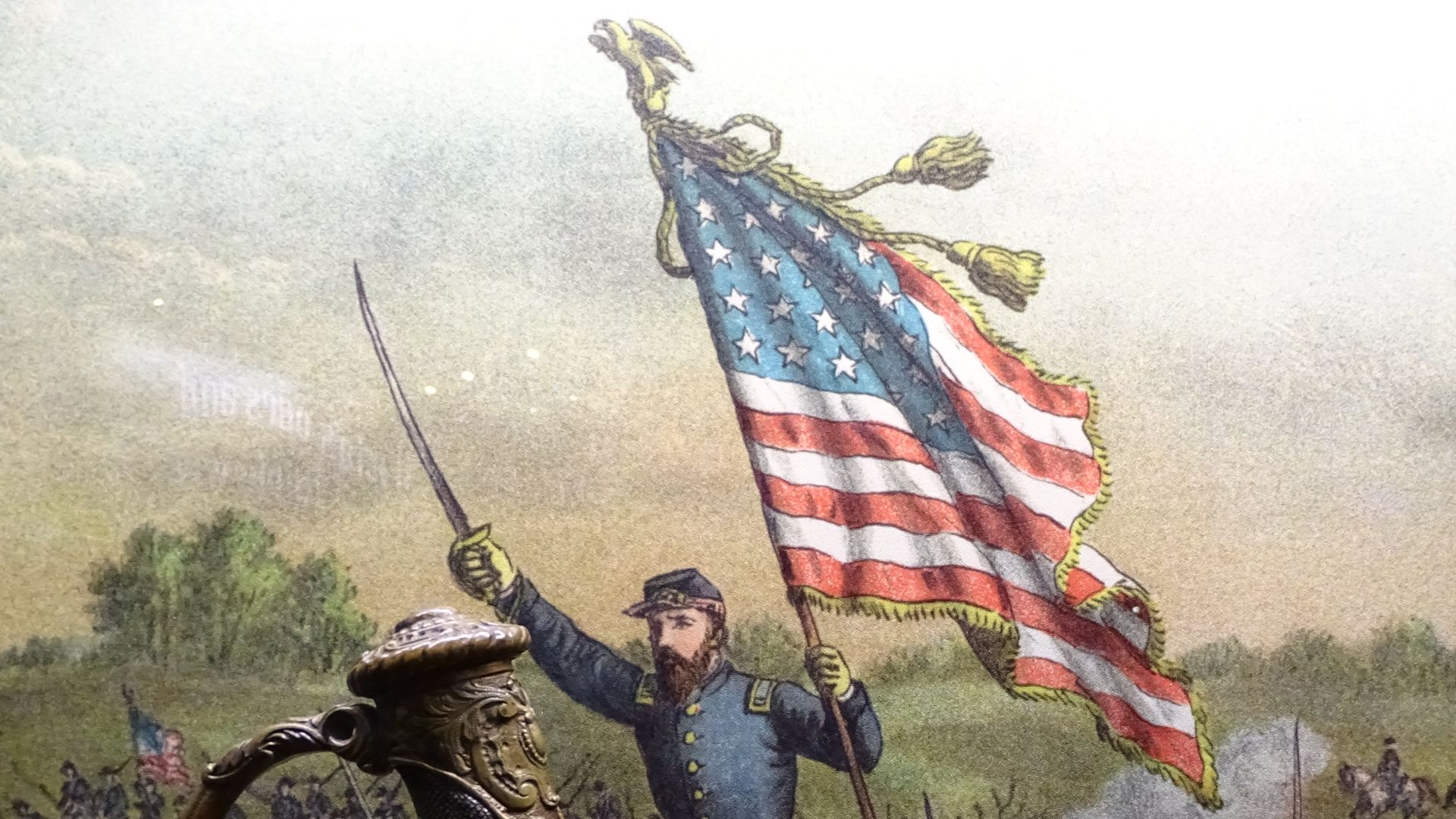
Even before the train crash, Charles Dickens had been thinking about going on another American tour, but something other than a fear of travel got in the way. He had intended to return to the US in the early 1860s, but as America’s civil conflict began, he thought it might not be the best time for a visit. He had no problem waiting, though, and two years after the hostilities ceased, he landed in Boston once again.
At the same time, he couldn’t deny that age was catching up to him.
 Adam Jones from Kelowna, BC, Canada, Wikimedia Commons
45. He Wasn’t Doing So Well
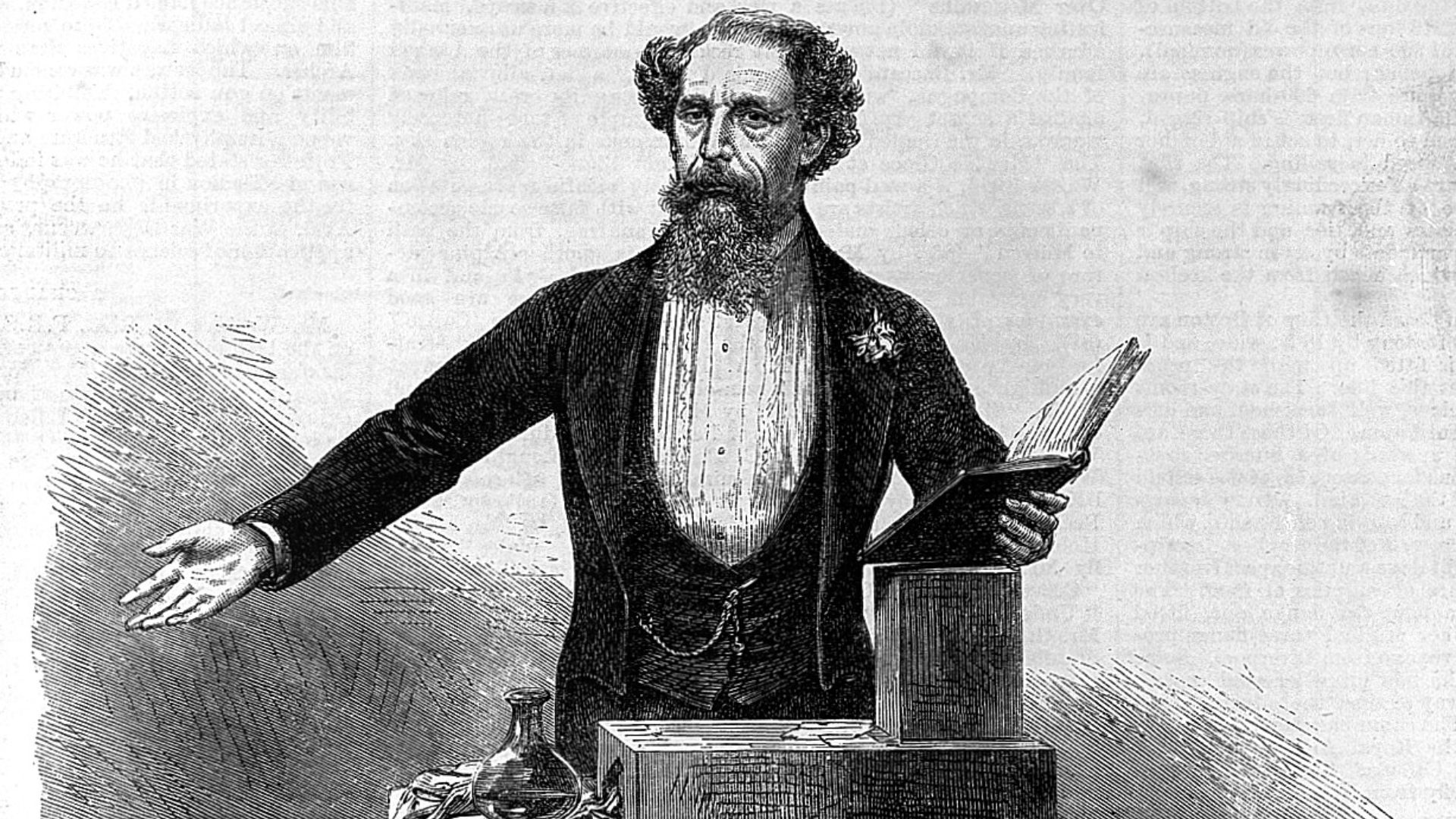
While this tour was around the same length as his first, Dickens devoted all his time to readings throughout the US, eventually performing 76 readings in just five months. However, the trip became a reminder that he didn’t have the energy to keep this up, and he soon developed a sickness that he referred to as the “true American catarrh”.
Unfortunately, his willpower could only carry him for so long.
 The Illustrated London News, Wikimedia Commons
History's most fascinating stories and darkest secrets, delivered to your inbox daily.
46. He Couldn’t Go On
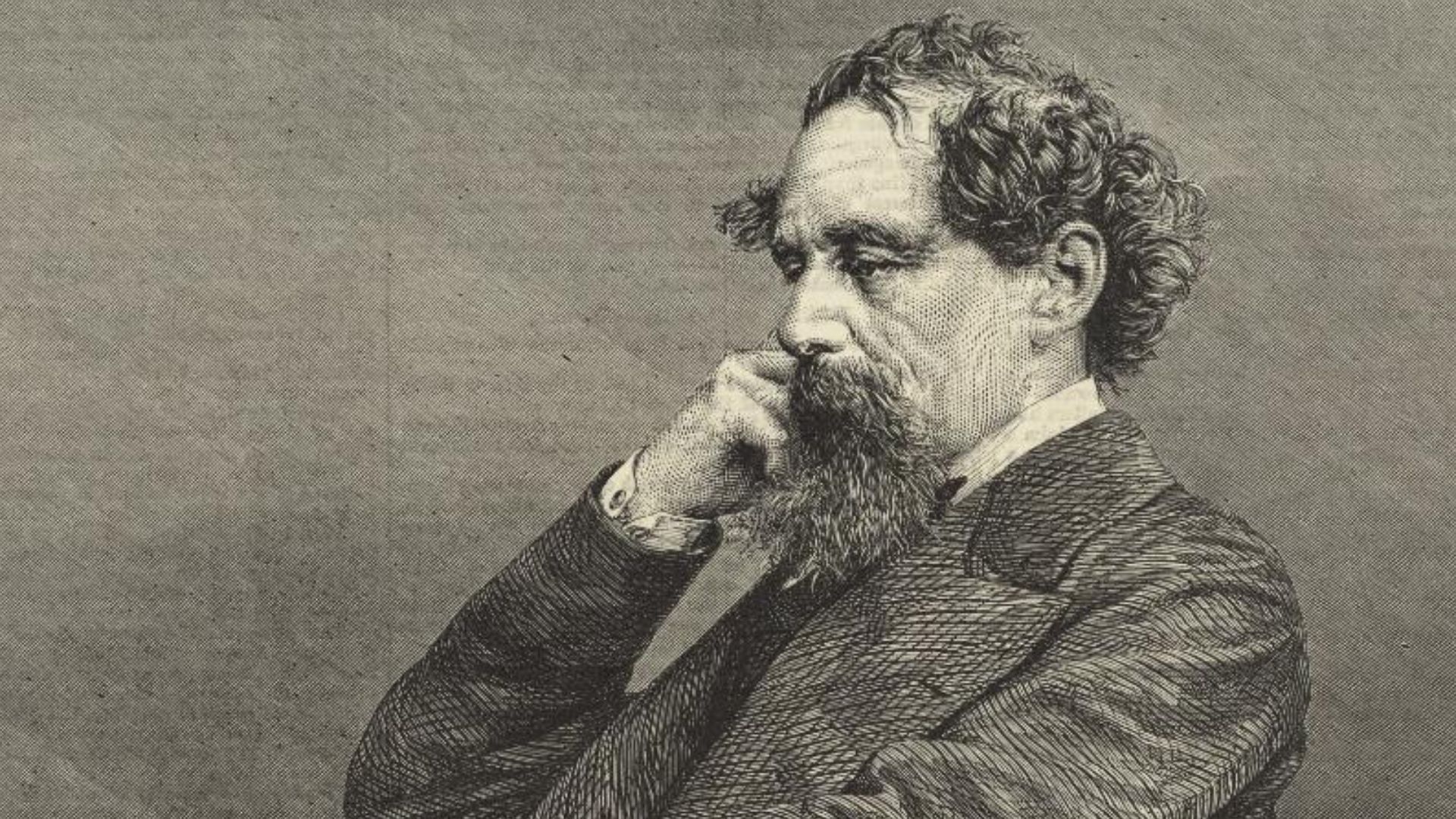
Towards the end of his second American tour, Dickens' condition was so bad that he could hardly digest any solid food, but he still saw it through to the end. Once he was back in Europe, however, he barely let himself rest as he began what he called a series of “farewell readings” over the following year. This only made things worse, and as Dickens started experiencing paralysis, giddiness, and even a stroke, his doctor urged him to stop touring.
Of course, he wasn’t about to give up without a fight.
 Unknown authorUnknown author, Wikimedia Commons
47. He Tried One More Time
Forced to give himself a break under his doctor’s orders, Dickens spent several months on the mend, during which he worked on a new novel, The Mystery of Edwin Drood. He never completed it, though, as when he felt well enough again, he switched gears to perform 12 more readings in 1870—even though his health was deteriorating again by the end.
Sadly, he wouldn’t be able to bounce back this time.
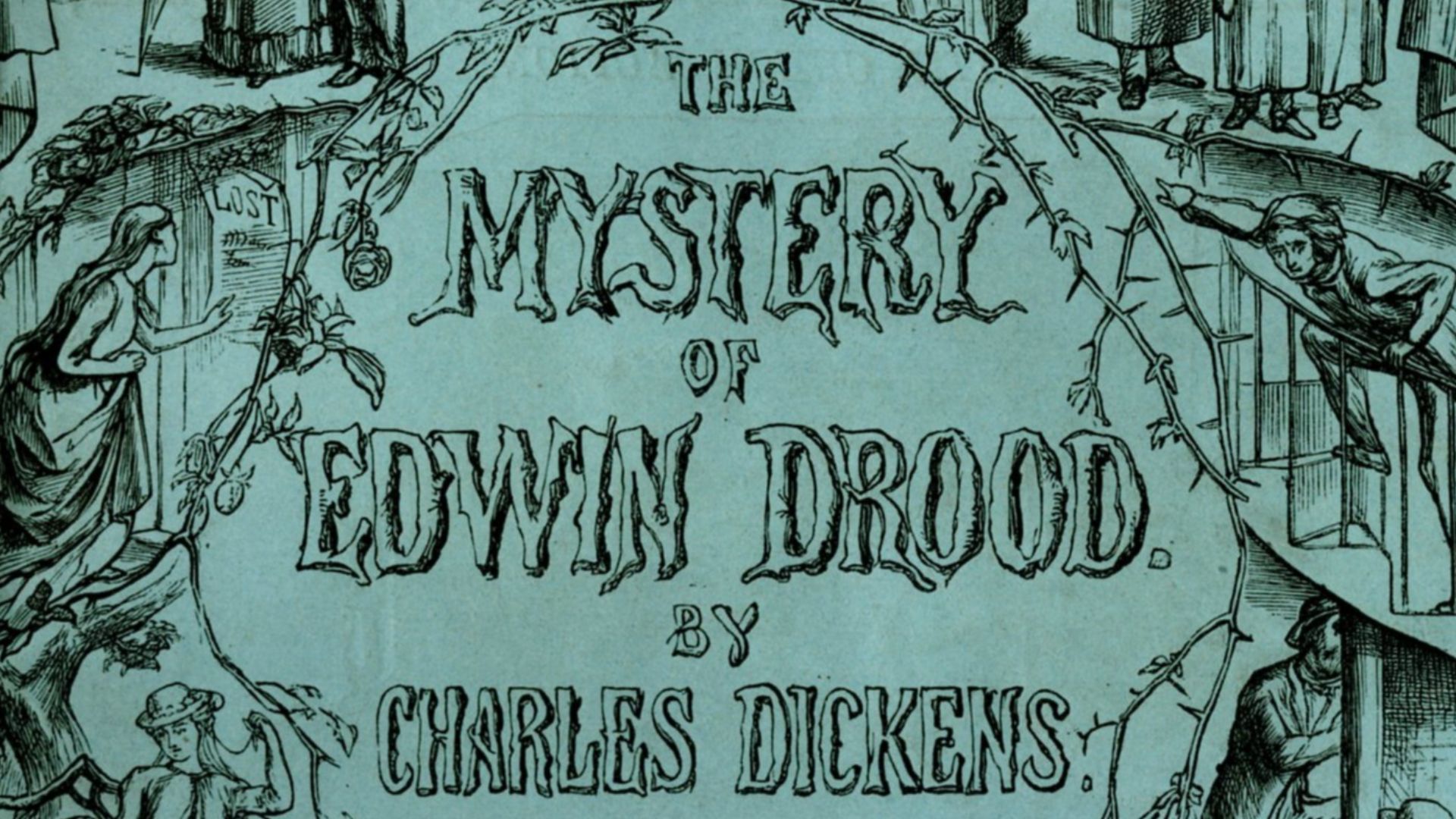 Chapman & Hall, Wikimedia Commons
48. He Never Woke Up
Following his final bout of readings, Dickens tried to return to work on his new novel, but fate had a different plan for him. His health hadn’t improved much since the end of his tour, and he suffered another stroke on June 8, 1870, only this time, he showed no signs of recovery. There was little anyone could do, and he ultimately passed the following day.
Fortunately, by the end of his life, he had accomplished what he set out to do.
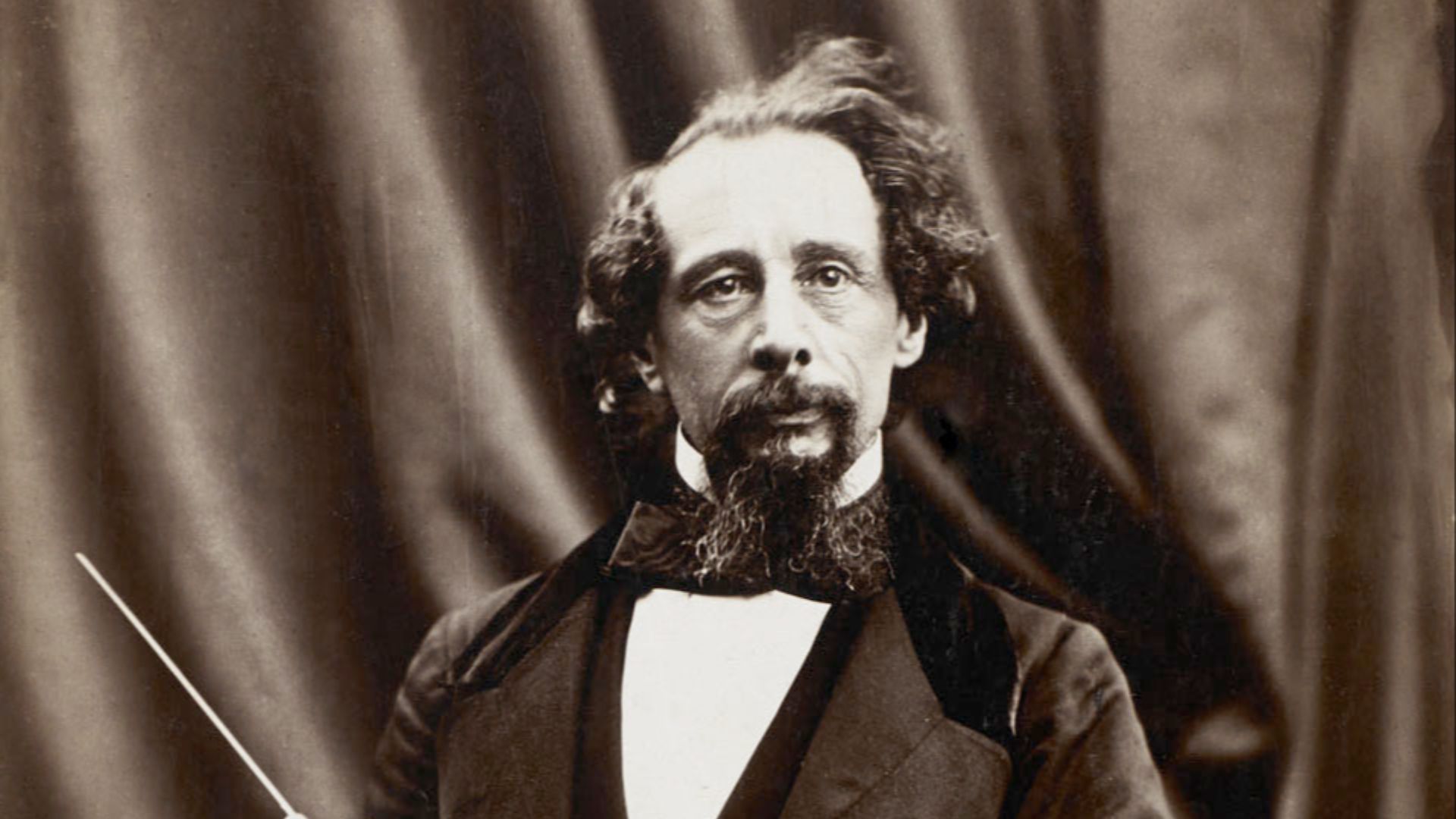 Herbert Watkins (1828–1916), Wikimedia Commons
49. He Was One Of The Greats
Charles Dickens knew from a young age that if he had only two goals in life, they were to fight the injustice towards the poor that he saw around him—and become a celebrity while doing it. To his credit, his books brought awareness to those struggling to survive and the severe hardships they faced. At the same time, he also became arguably the most famous Victorian novelist, with many going so far as to call him the greatest British author of that era.
Beyond any societal reform, Dickens also changed the entertainment game forever.
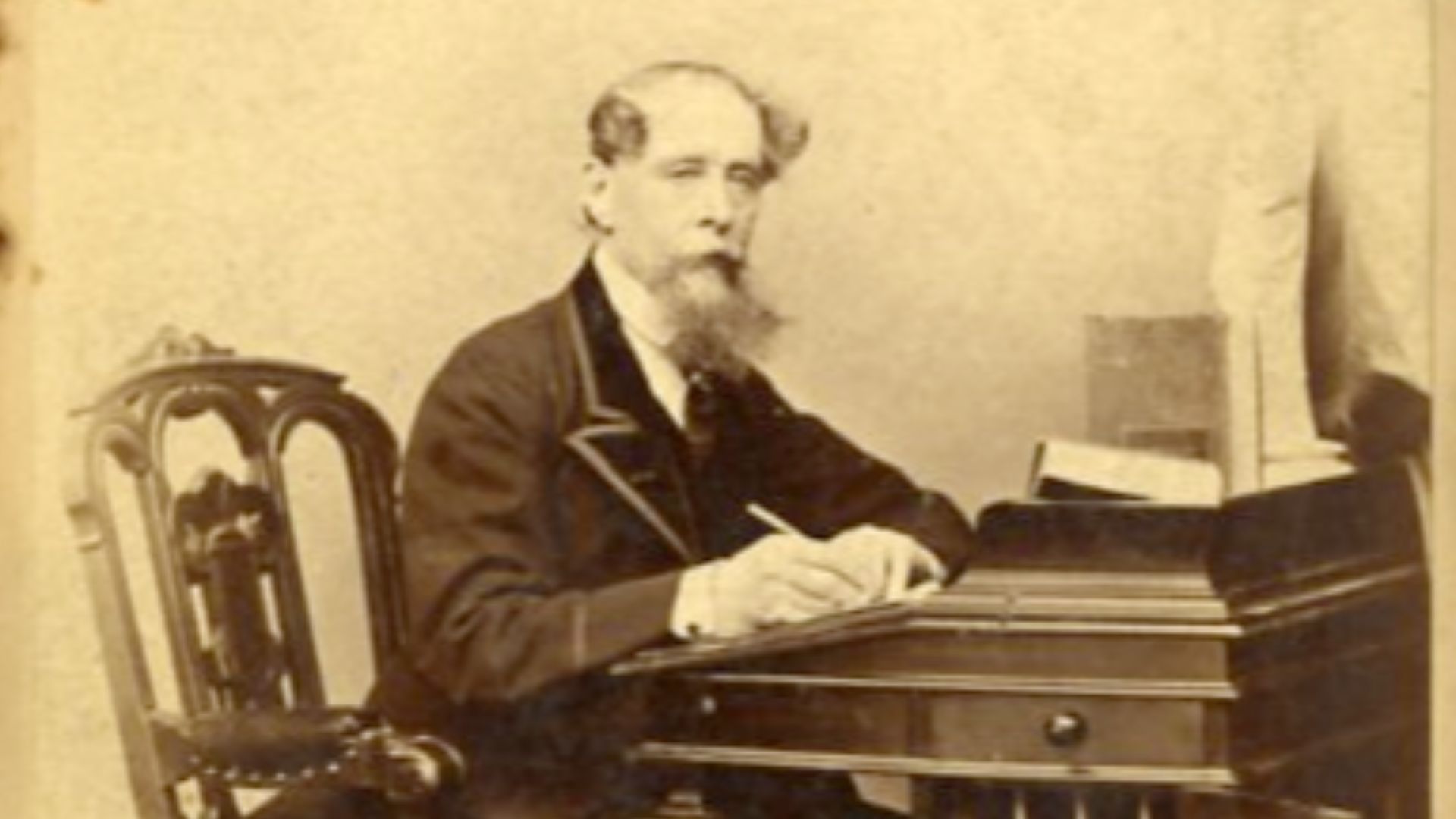 George G. Rockwood, Wikimedia Commons
50. He Set The Standard
Narrative fiction in Victorian England was far different than how it exists in modern times, but through his works, Dickens laid the groundwork for how audiences consume stories to this day. Most of his novels were split into either weekly or monthly episodes, and while uncommon at the time, his popularity turned this form of serial publication into the norm.
Not to mention, he reminded people what it meant to get into the festive spirit.
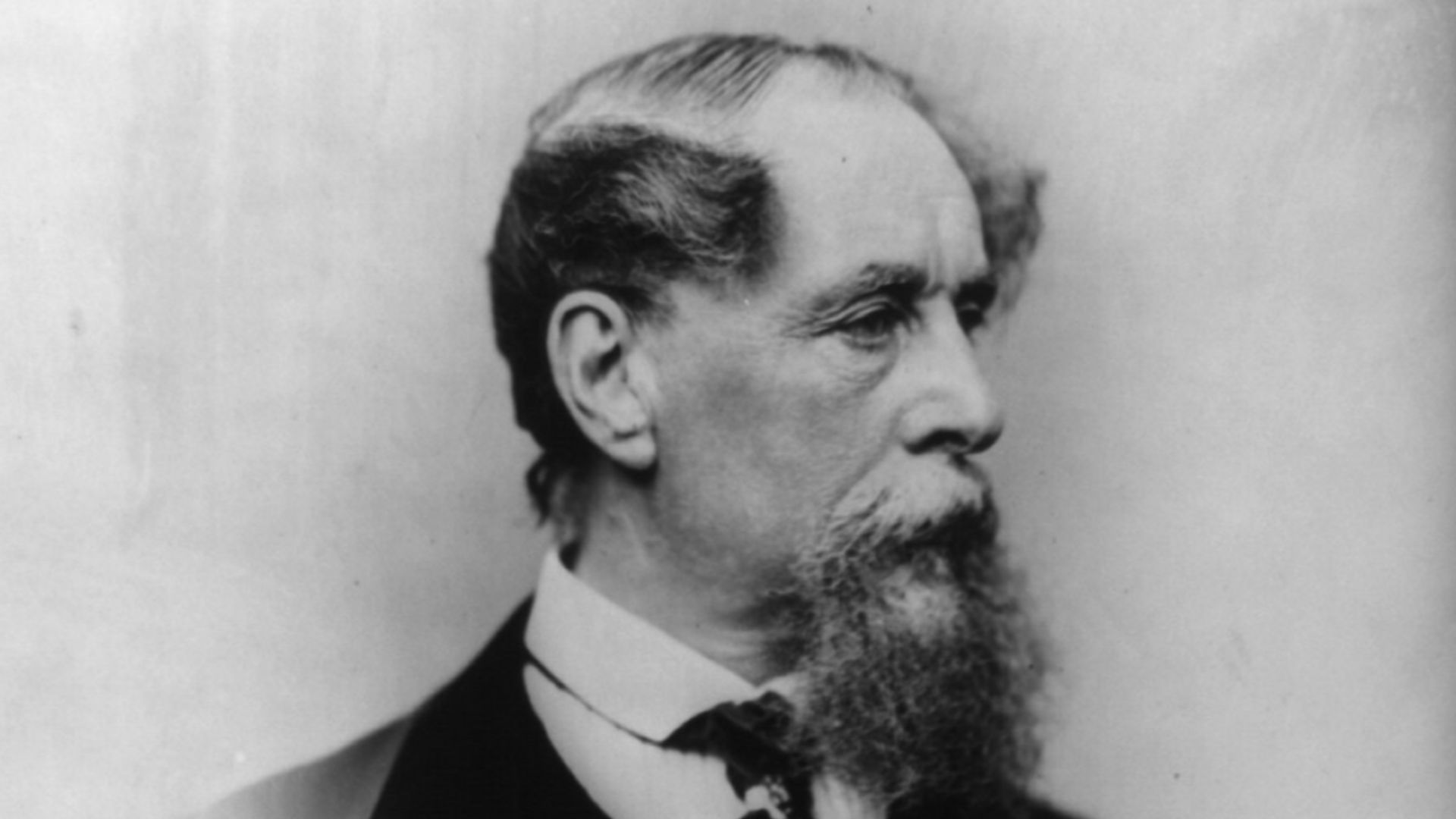 Miscellaneous Items in High Demand, PPOC, Library of Congress, Wikimedia Commons
51. He Brought Back The Christmas Spirit
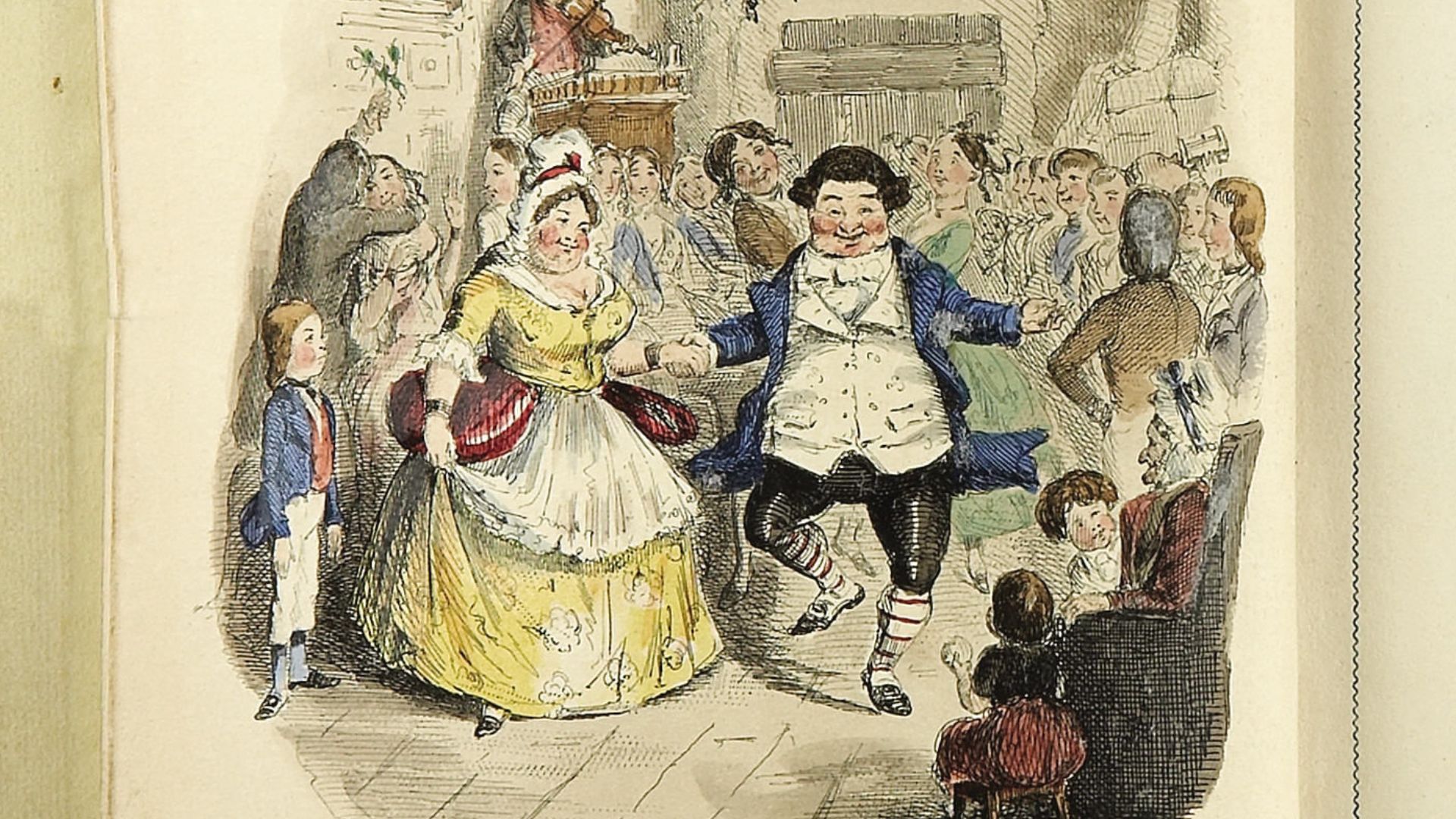
It goes without saying that Christmas existed long before Charles Dickens wrote about it, but without A Christmas Carol, the holiday would look much different than how most celebrate it today. The general attitude towards the festive season had diminished in his time; however, through the story of Ebenezer Scrooge, Dickens renewed the holiday’s importance in society—and was even responsible for making the phrase “Merry Christmas” commonplace.
You May Also Like:
Tumultuous Facts About Eva Perón, Argentina’s Iconic First Lady
Tragic Facts About Queen Jane Seymour, Henry VIII's Lost Love
Unwavering Facts About Theodore Roosevelt, America's Toughest President