
Rock And Roll Never Ends
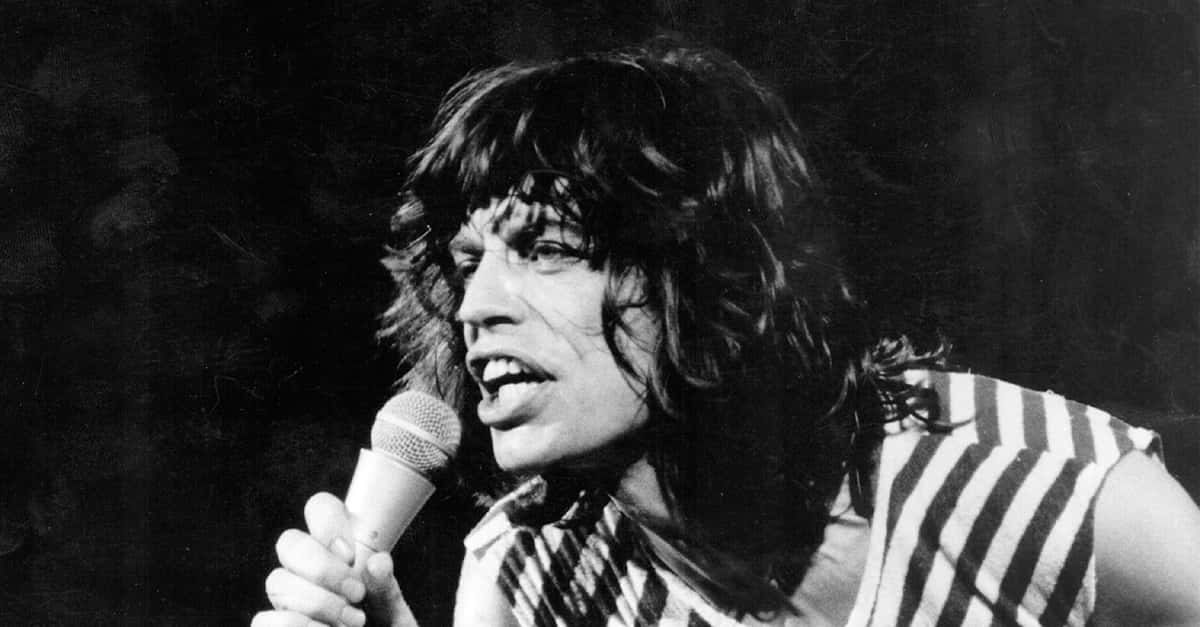
As one of the most enduring musical artists in history, Mick Jagger took the world by storm, both as the frontman of the legendary group The Rolling Stones, and on his own as an icon. Even after cementing himself as a fundamental part of the music world in the 1960s and 1970s, he continued working in music well into the modern day.
In doing so, he became a mainstay in pop culture and defined what it meant to be a rock star—for better and for worse.
1. He Knew What He Wanted To Do
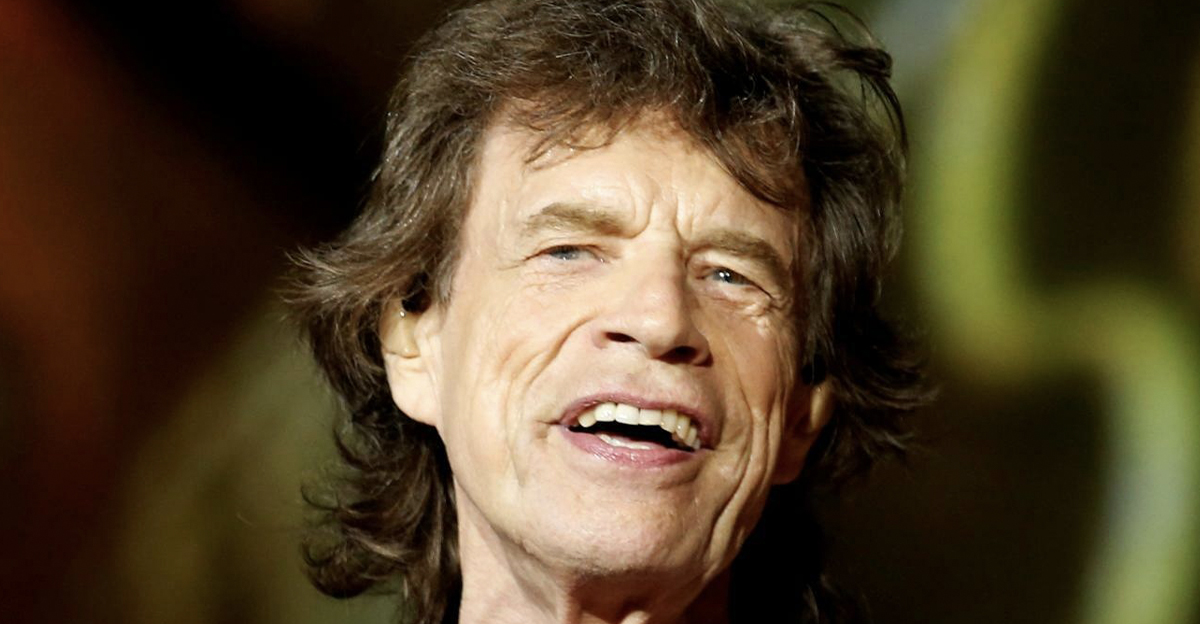
When it comes to the classic image of a rock star, few embody it as effortlessly or as earnestly as the legendary Mick Jagger. Being a musician was always what he was meant to do, and that purpose was obvious from the beginning. Born Michael Philip Jagger on July 26, 1943, he later recalled that he “always sang as a child,” and it was easy to see what path he was headed for—even if his parents wanted him to follow in his father’s footsteps.
However, he wasn’t on this journey alone.
 Marcel Antonisse / Anefo, Wikimedia Commons
2. He Met Someone
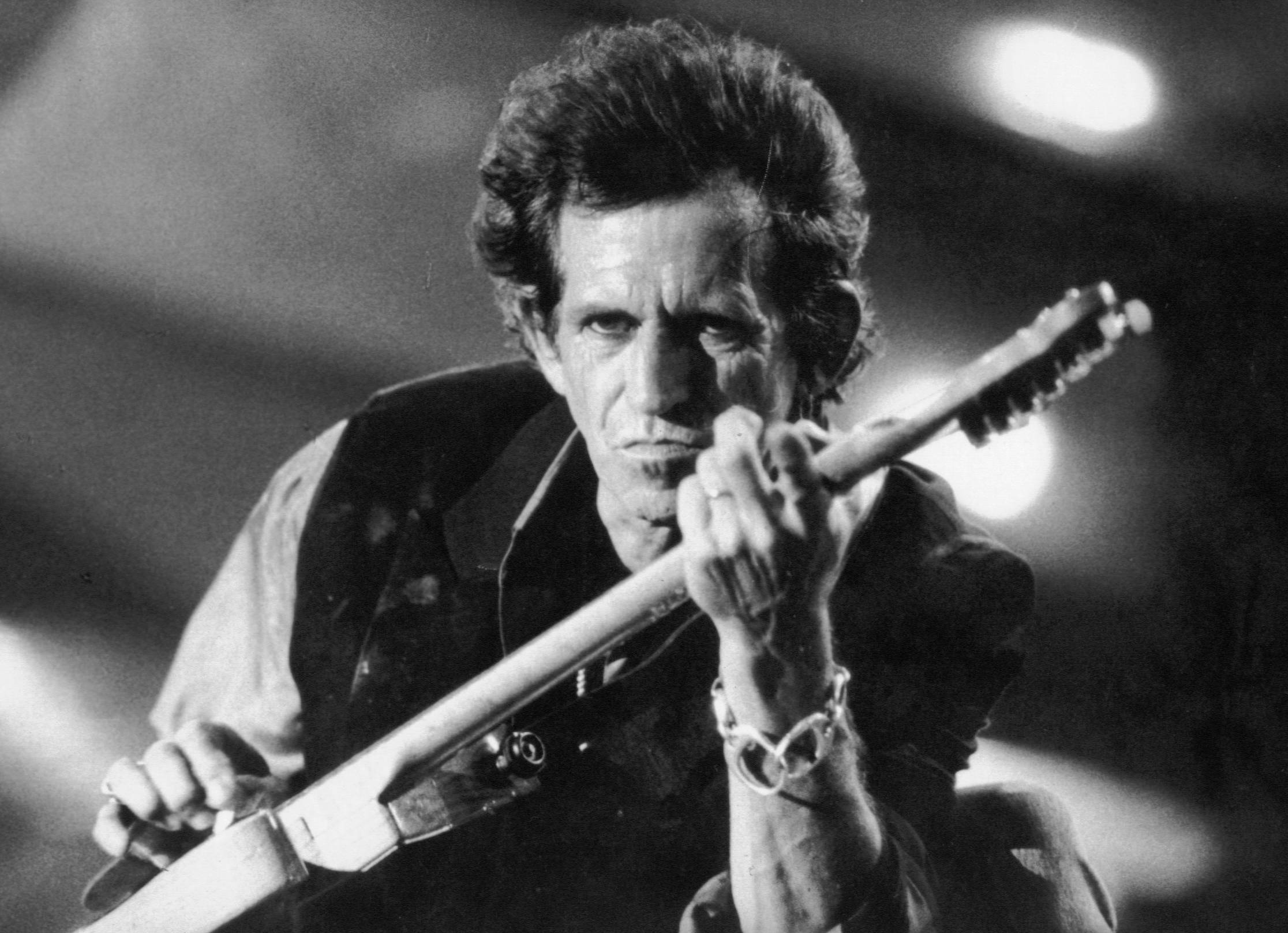
At just seven years old, Jagger had a chance encounter with someone at school, destined to have possibly the greatest impact on his life. One of his classmates at Wentworth Primary School was none other than future Rolling Stones guitarist Keith Richards, although Jagger’s family did move away shortly after.
They wouldn’t be apart forever, though.
 Machocarioca, Wikimedia Commons
3. They Ran Into Each Other
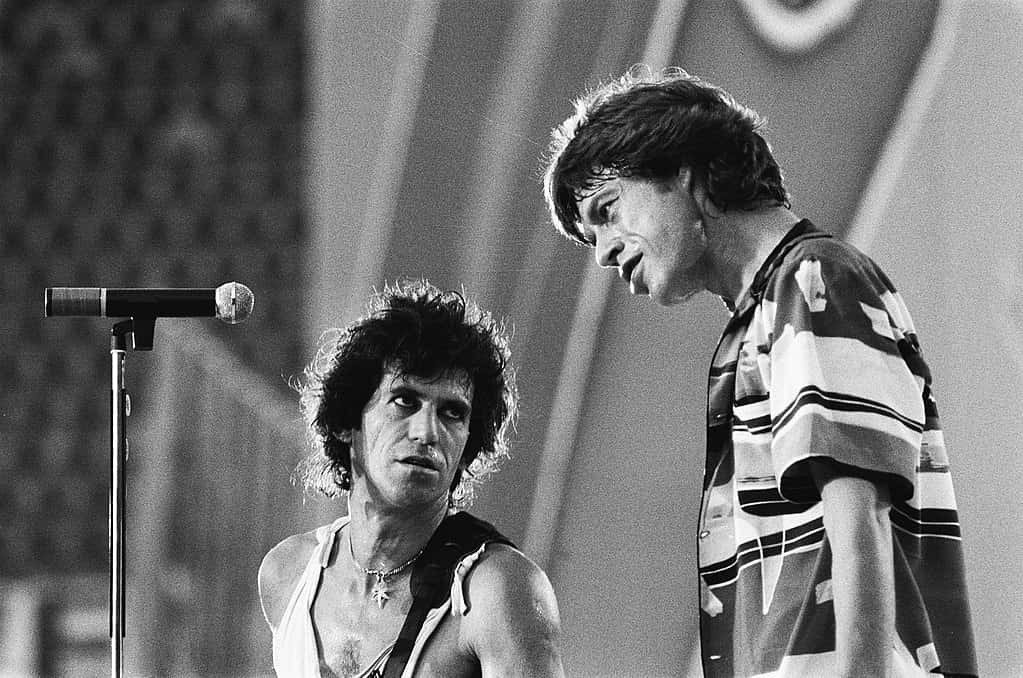
Jagger wanted to pursue music as part of a group, and in 1961, he found someone who would become one of the most well-known members of the Rolling Stones—again. While making his way through the Dartford railway station, Jagger ran into his old classmate, Keith Richards. Richards noticed the R&B albums Jagger was carrying, and the two became fast friends.
Luckily, they were both devoted to their goal.
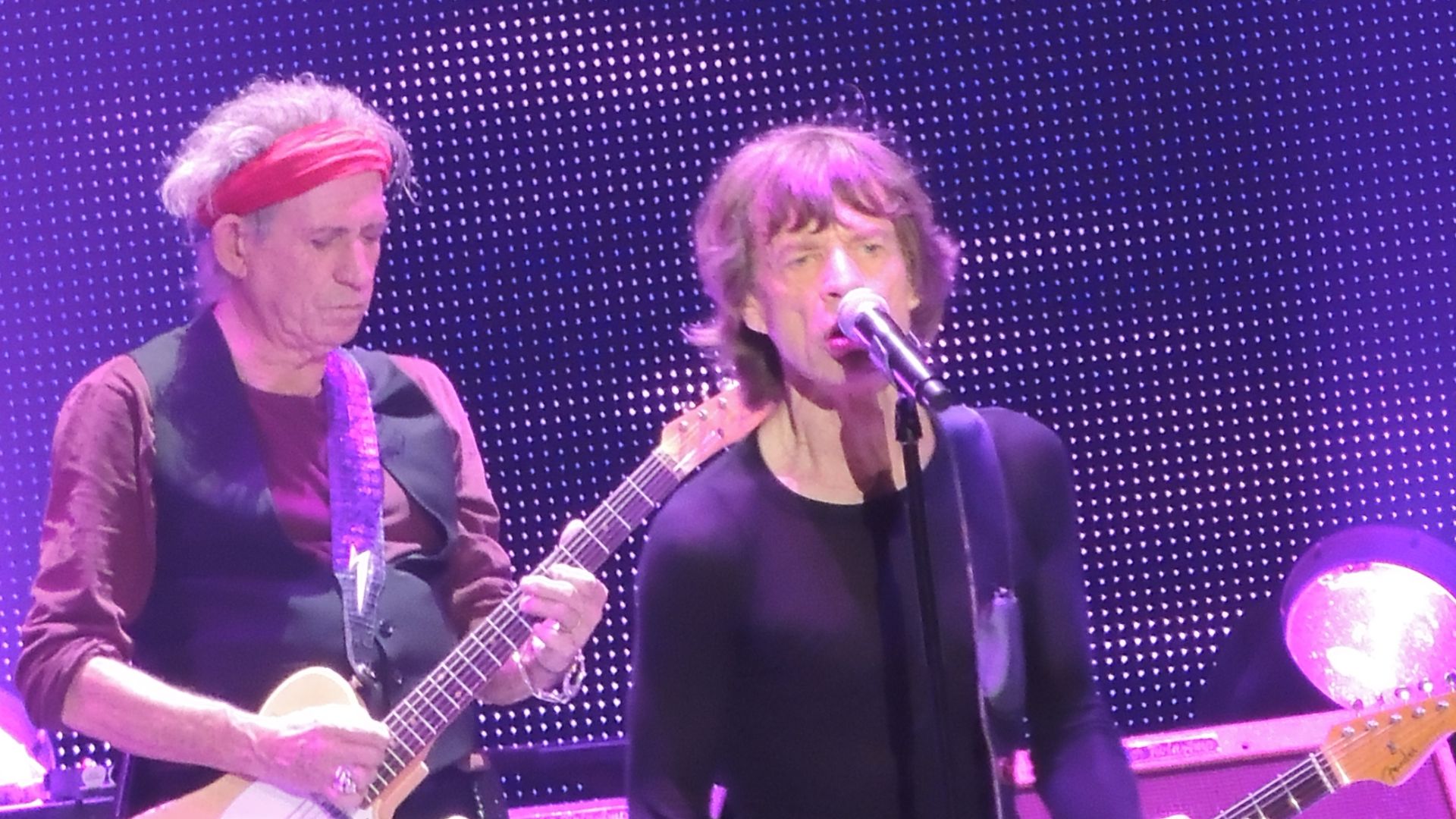
4. They Moved In
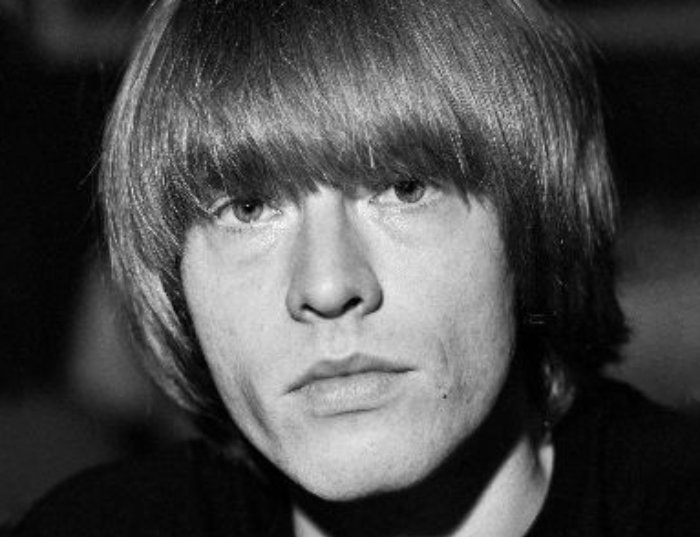
As budding musicians in the UK, Jagger and Richards seemed to gravitate to others who were chasing that same dream, which is exactly what they needed. In the early 1960s, the two of them moved with another guitarist, Brian Jones, into a place in Chelsea, London, since all three wanted to create their own R&B group.
Soon enough, they found their identity.
 Olavi Kaskisuo, Wikimedia Commons
5. They Found Their Name
Serious about forming a band, Mick Jagger, Keith Richards, and Brian Jones brought on a few more members like guitarist Richard Taylor, drummer Tony Chapman, and pianist Ian Stewart. Finally, the group had their first gig in 1962, appearing under the name “the Rollin’ Stones”. This came from a song by Muddy Waters, but they soon adjusted it to the more professional “Rolling Stones”.
Two of them especially started to find their groove.
6. They Worked Together
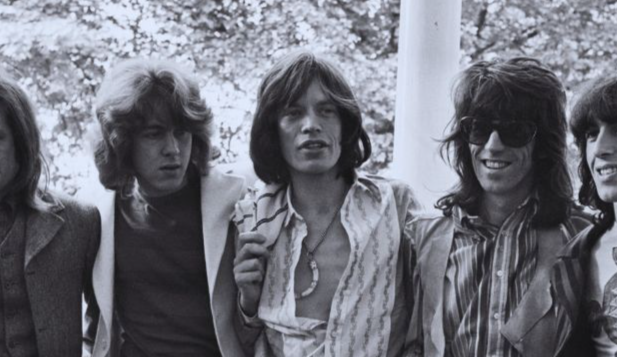
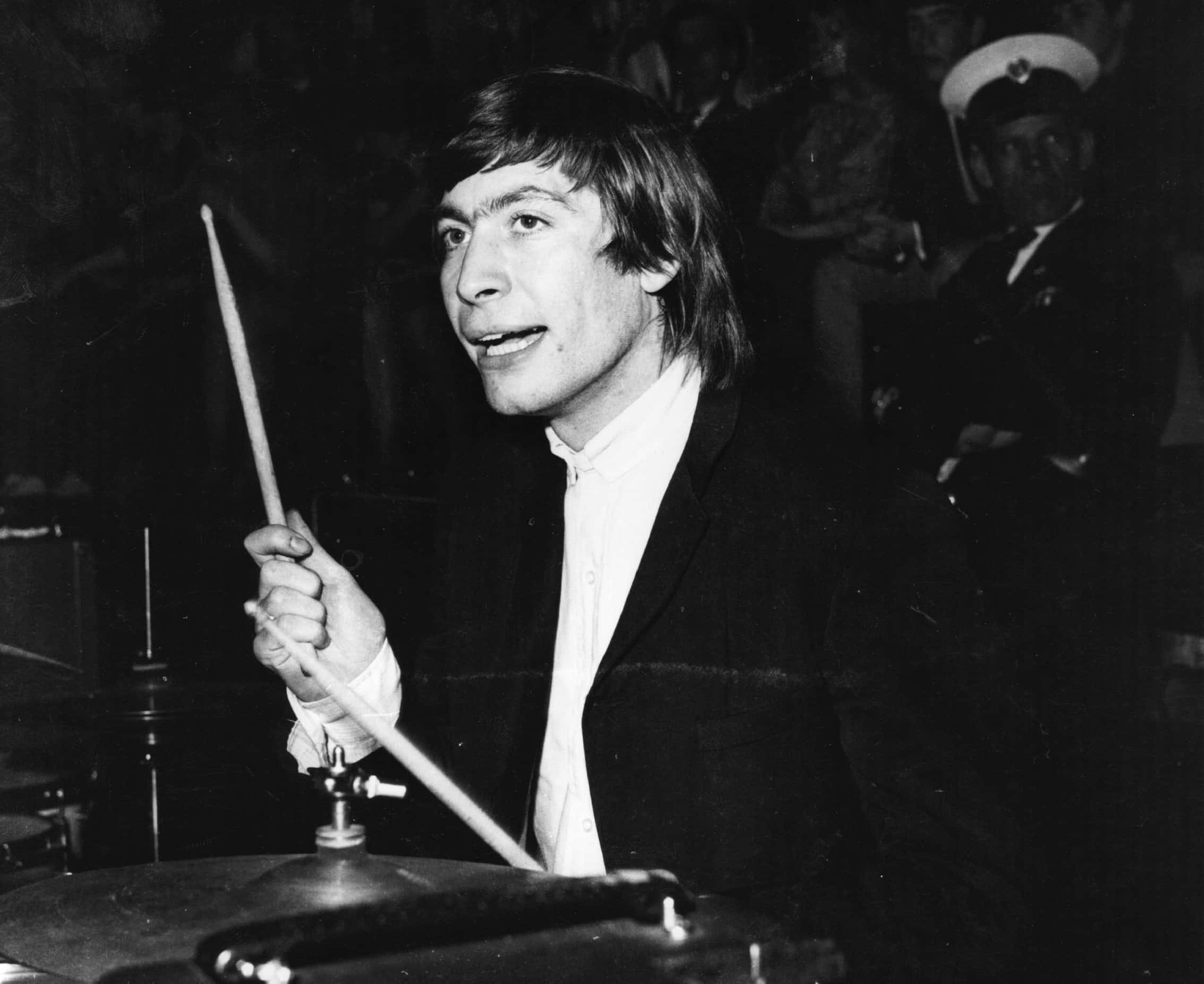
Within a year, the lineup of The Rolling Stones transformed, with Bill Wyman replacing Taylor as guitarist and Charlie Watts taking the position of drummer, but both Jagger and Richards remained. Not only that, but they hired a manager named Andrew Loog Oldham, who recognized Jagger and Richards’ potential and pushed them to start writing the band’s songs.
This turned out to be a wise choice.
7. They Were Different
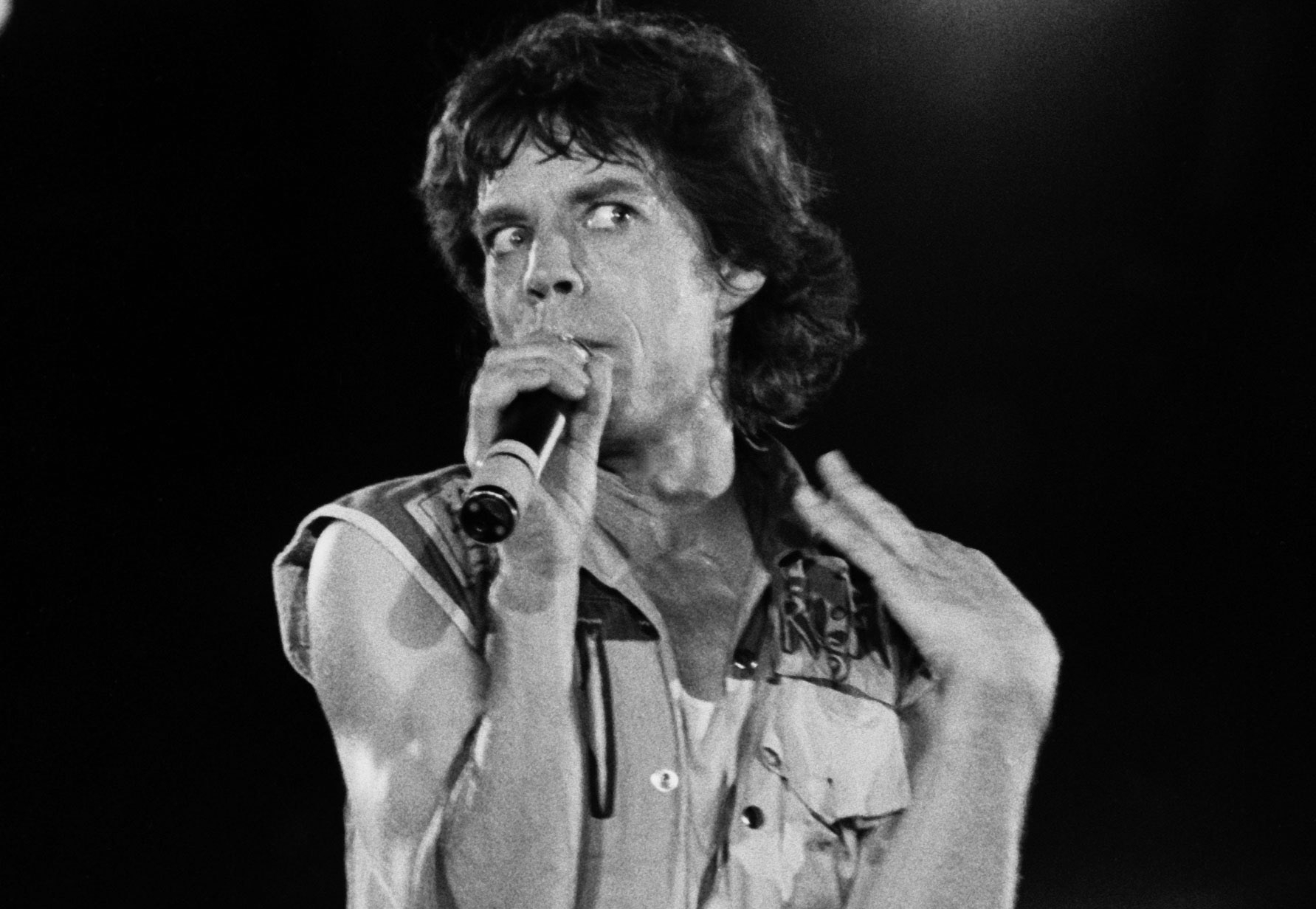
While only 19, Oldham had substantial experience managing The Beatles, but he wanted to take The Rolling Stones in the opposite direction. Plus, after a rocky start, Jagger and Richards had worked out their songwriting partnership and released the band’s first international hit, "(I Can't Get No) Satisfaction," which reinforced their image as delinquents.
With the band’s rising fame, Mick Jagger had no trouble finding a relationship.
 Gorup de Besanez, CC BY-SA 3.0 , Wikimedia Commons
8. They Started Dating
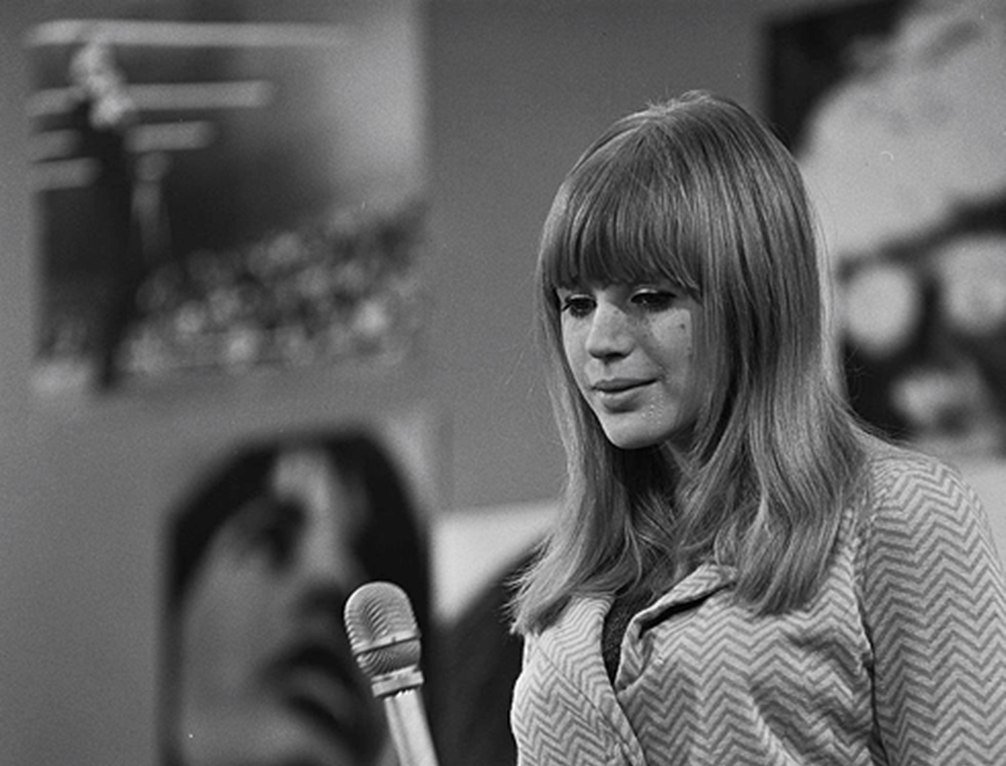
Jagger was charming and outgoing, and no stranger to dating around, but one of his first serious relationships was with another singer, Marianne Faithfull. Dating her in the late 1960s, Jagger was happy to work with her on one of the Stones’ albums, Sticky Fingers, for which she helped write the song “Sister Morphine”.
At the same time, he and his bandmates were in for some rough publicity.
 A. Vente, CC BY-SA 3.0, Wikimedia Commons

History's most fascinating stories and darkest secrets, delivered to your inbox daily.
9. They Were Exposed
Thanks to the success of their first few albums, Jagger and the other Rolling Stones had launched into the public eye, but not always for the best reasons. In 1967, a tabloid paper called News of the World released a three-part exposé about pop stars and their usage of illicit substances—naming The Rolling Stones specifically.
Not all of it was true, though.
 Wikipedia, Marcel Antonisse / Anefo
10. He Made A Mistake
According to the first-hand account of a News of the World reporter, a Stones member had been using and giving out illicit substances at a London club, which the reporter claimed to be Jagger. However, the truth came out that it was actually Brian Jones whom the reporter saw, prompting Jagger to accuse the tabloid of libel.
This wasn’t the end of their troubles with the law.
11. They Were Brought In
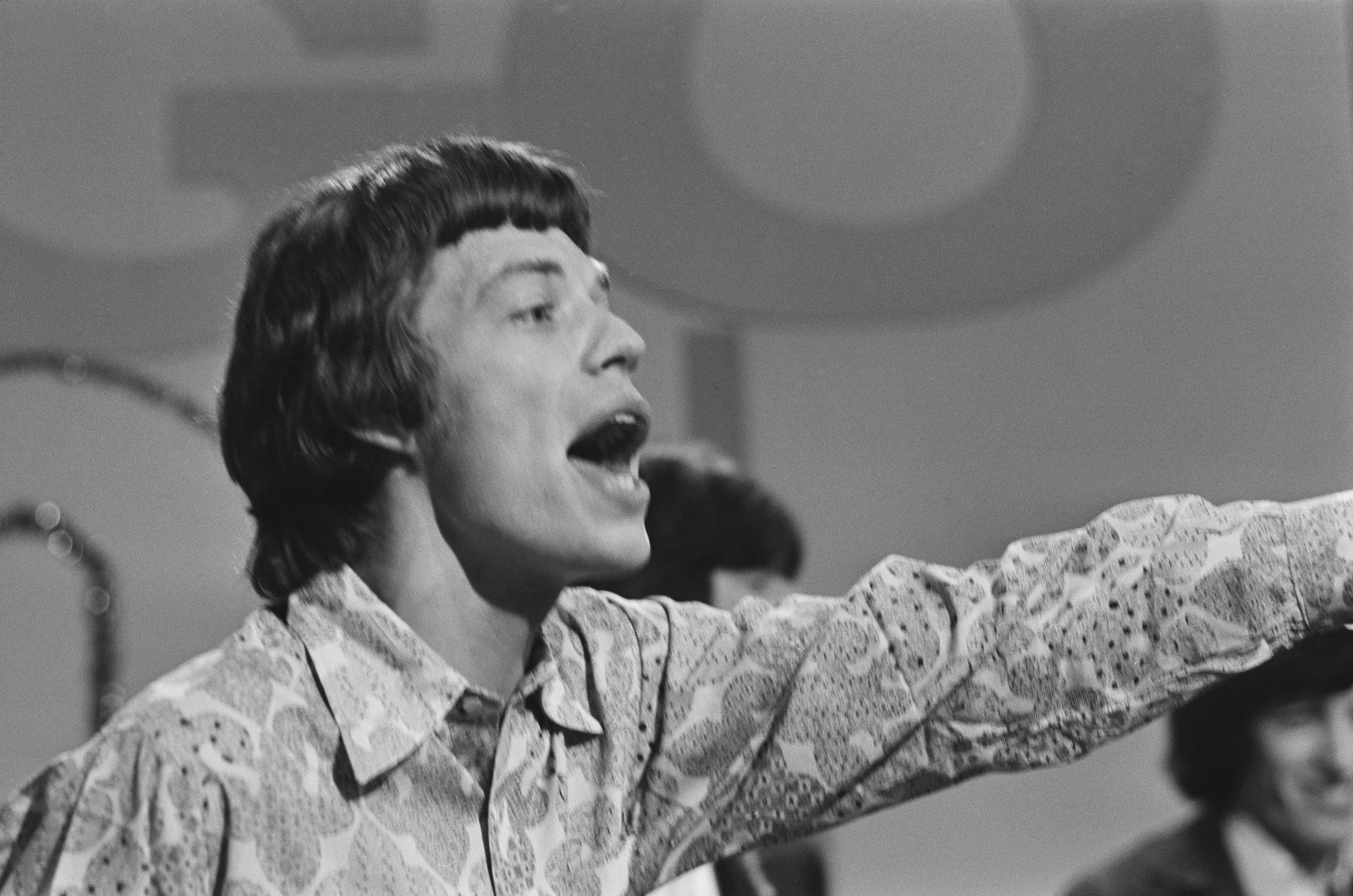
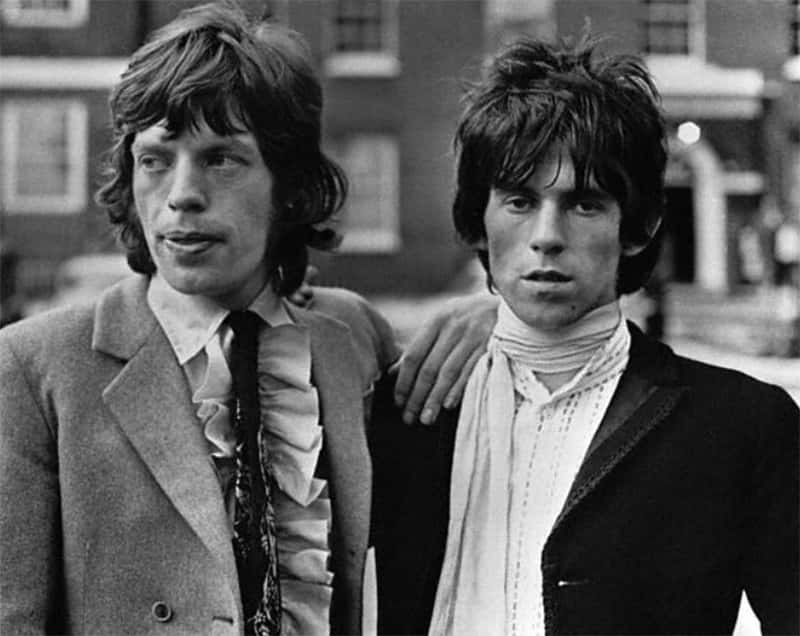
News of the World seemed intent on bringing down The Rolling Stones, as later in 1967, they tipped off the authorities to a party happening at Keith Richards’ home. A squad of officers showed up and raided the place, which resulted in both Richards and Jagger being taken into custody and charged with possession of illicit substances.
The situation wasn’t looking too good.
12. They Got Off Easier
The authorities charged Jagger for possession of pep-pills, which he bought over-the-counter in Italy, and Richards for allowing others to use cannabis on his property. However, the sentences were greatly imbalanced, with Jagger receiving three months of incarceration and Richards a year. Thankfully, these didn’t last, and the courts granted both conditional discharges.
Still, things within the band were far from perfect.
13. They Were Disappointed
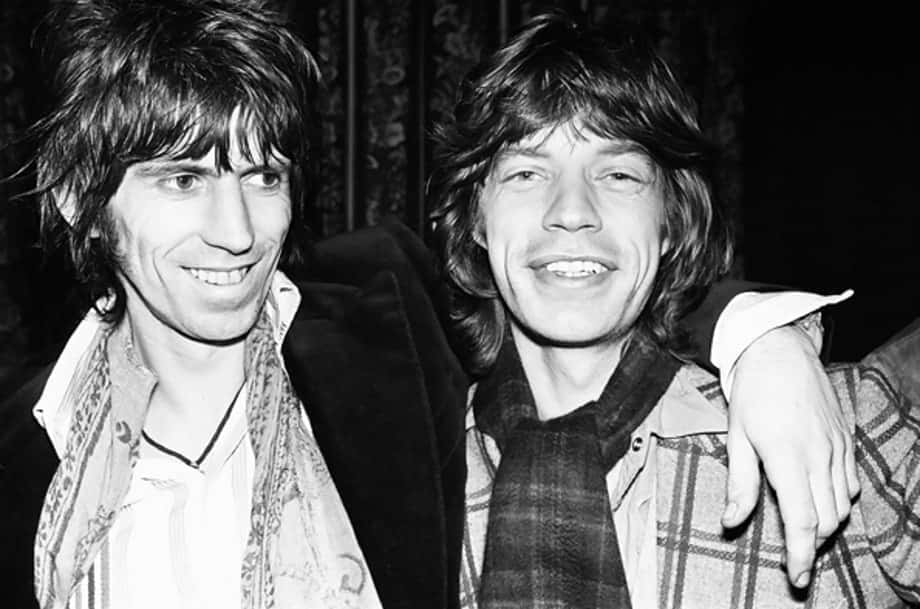
By 1968, The Rolling Stones had released seven albums, but with each one, the band became increasingly aware of the problem at hand. Brian Jones was slowly becoming more and more distant, contributing little to their music and growing dependent on illicit substances.
Soon enough, everyone realized what needed to happen.
 Steve Denenberg, CC BY-SA 2.0, Wikimedia Commons
14. He Made His Decision
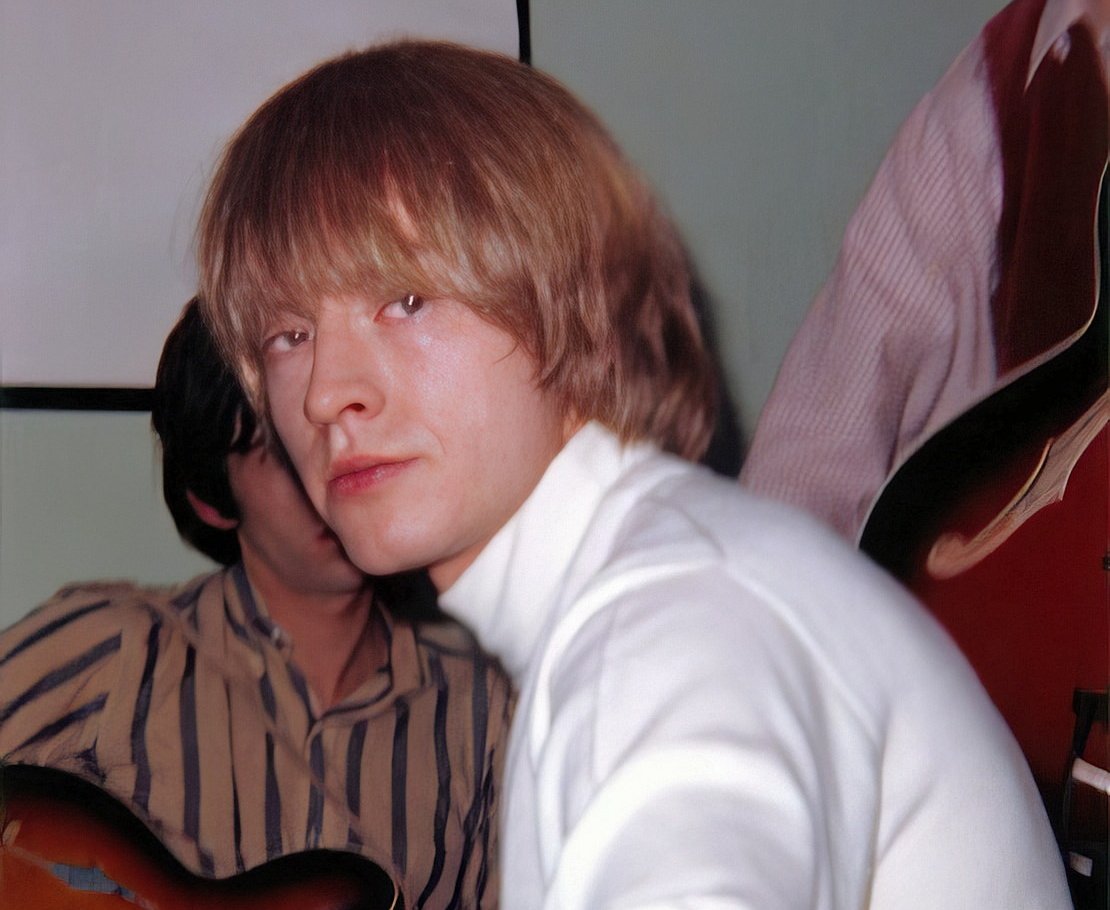
According to Mick Jagger, a rock star’s lifestyle simply didn’t fit Jones, and the guitarist seemed to know it. In June 1969, he had Jagger, Richards, and Charlie Watts over to his place and dropped the news that he wouldn’t be playing with The Rolling Stones anymore. Still, he maintained that if he wanted to, he could always return.
Sadly, something far worse was on the way.
15. They Lost Him
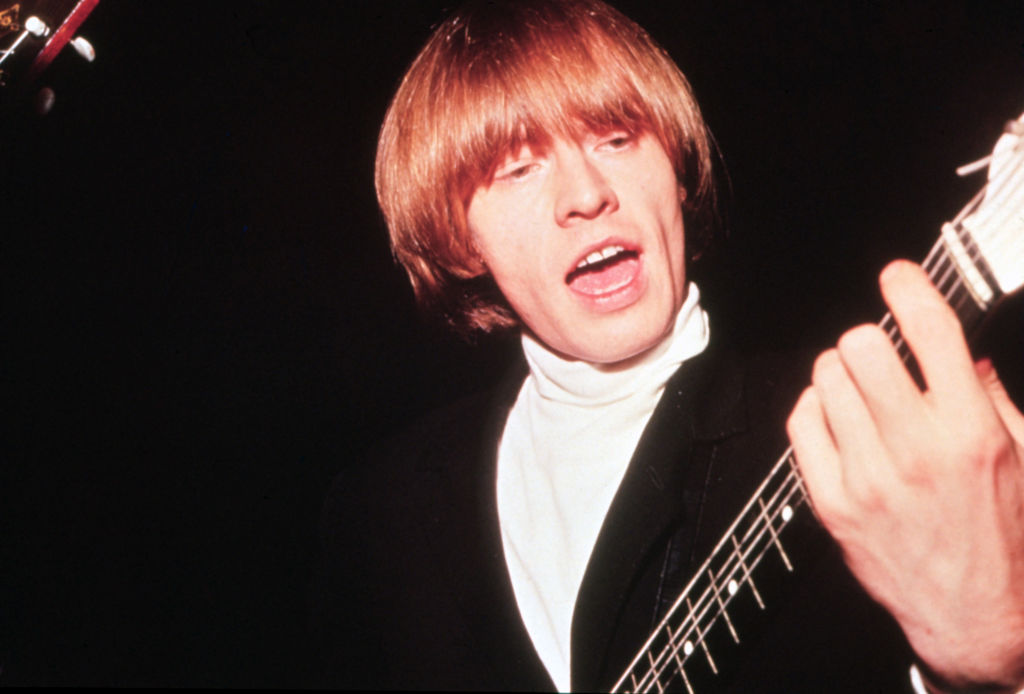
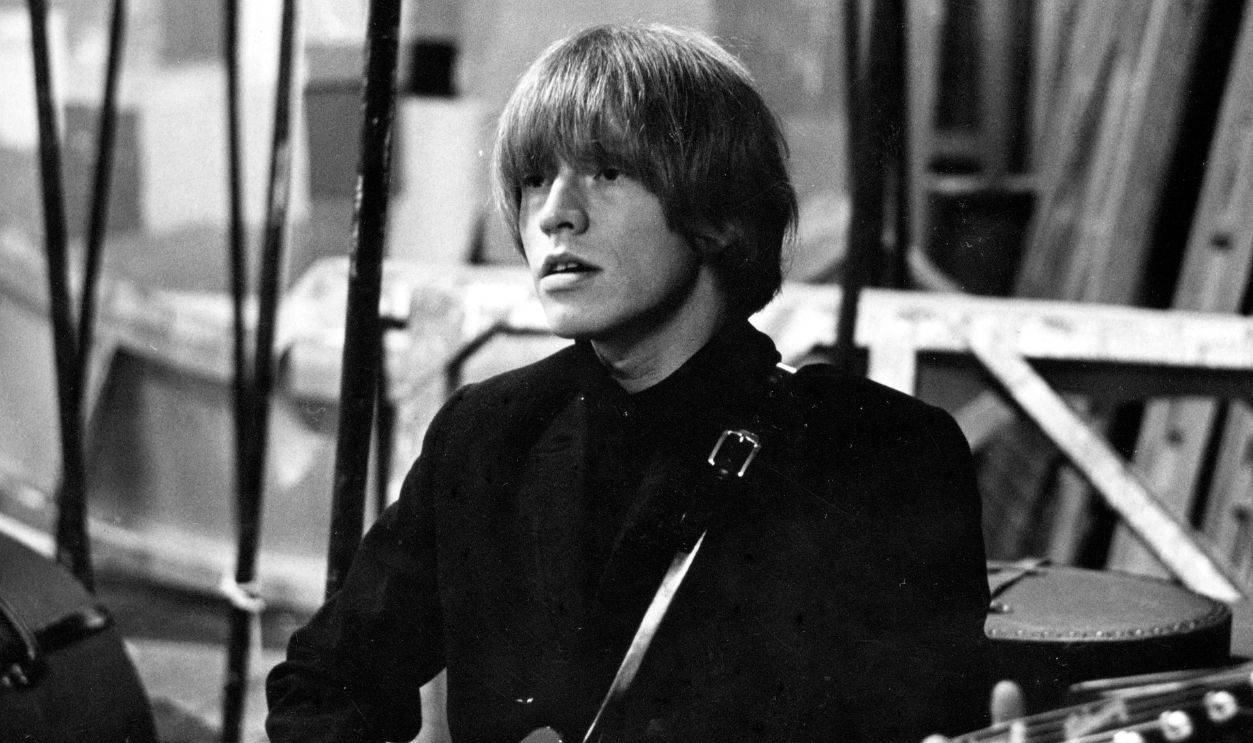
The rest of the Stones likely expected to see Brian Jones again as well, but tragically, his life was cut short as he drowned in his pool just under a month after he departed from the band. Scheduled to perform a concert only two days later, the band dedicated the whole show to him, having thousands of butterflies released and a poetry reading by Jagger in Jones’ honor.
This wasn’t the only misery that followed them.
 Michael Ochs Archives, Getty Images
16. They Had An Incident
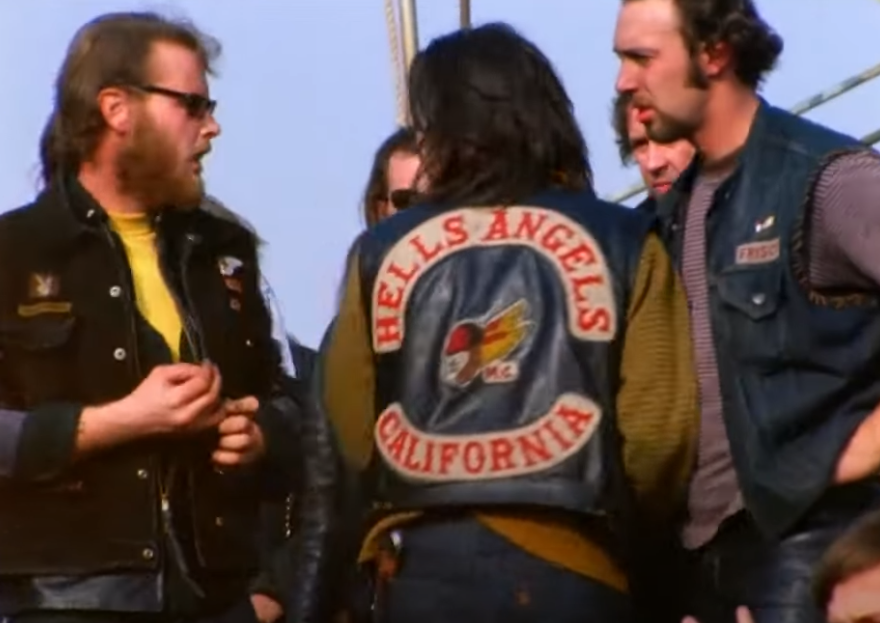
In 1969, the band’s performance at the Altamont Free Concert in California was a recipe for disaster, especially since the only event security were members of the Hells Angels biker gang. As the bikers grew more inebriated and the crowd more restless, fights started to break out until a man named Meredith Hunter pulled out a revolver.
This brought out a whole new fear going forward.
 Altamont - The Hells Angels vs The Degenerate Hippy Freaks, Wyvern The Terrible
17. He Was Worried
As Hunter drew his revolver, the Hells Angels immediately retaliated, beating and fatally stabbing him. The Stones didn’t learn of this until later, at which point the media had blamed both the bikers and the band for the incident. Jagger later recalled that he became terrified of the possibility that a disgruntled Hells Angel would come after them because of this.
Unfortunately, Jagger was also facing personal hardships.
 Bert Verhoeff, CC0, Wikimedia Commons
18. They Split Up
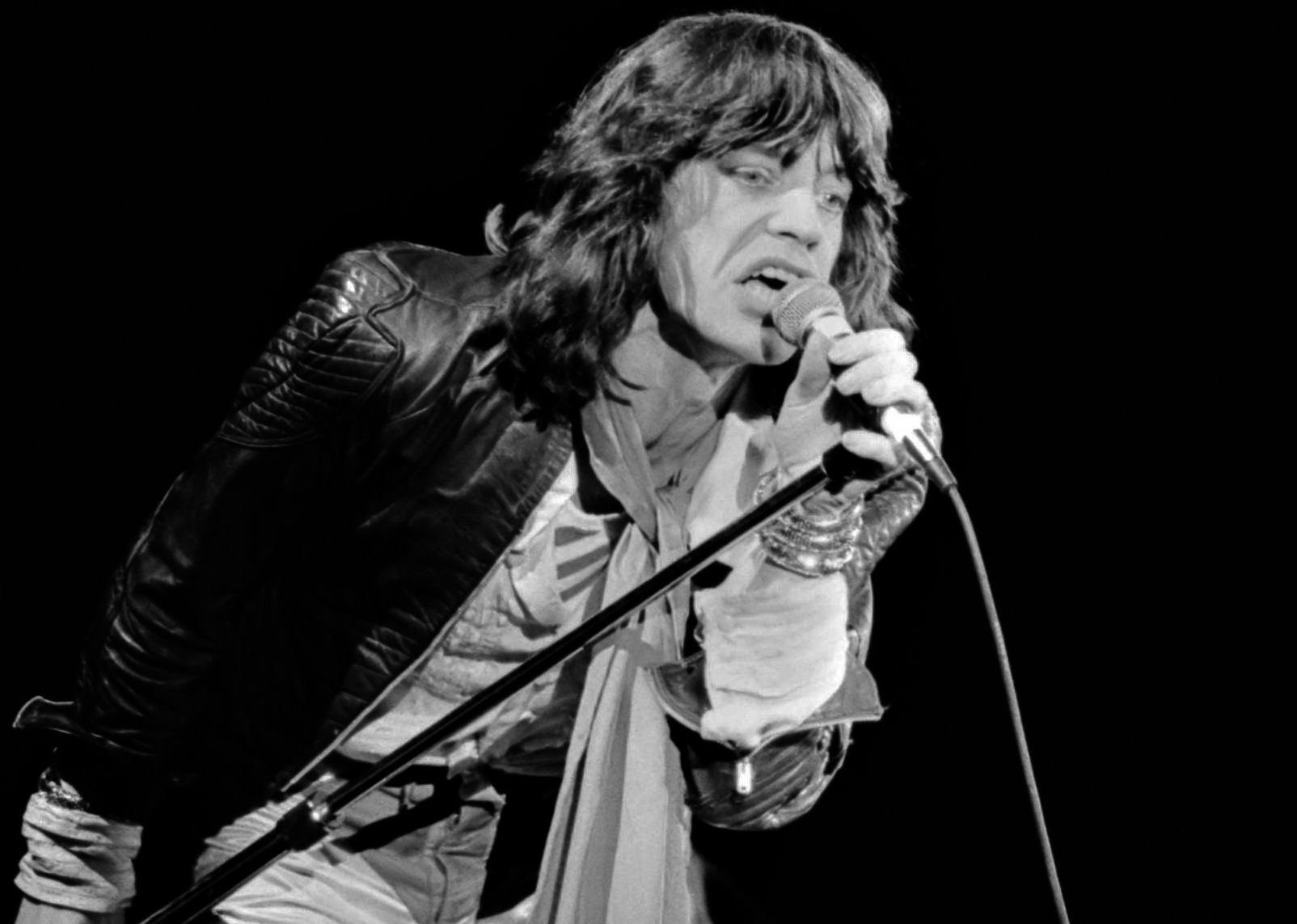
By 1970, Mick Jagger’s relationship with Marianne Faithfull was hanging by a thread, as she had also been involved in the raid on Keith Richards’ home, which imploded her public image. Things came to a head as the two were expecting the birth of their daughter, and Faithfull suffered a miscarriage. Jagger grieved through his music, and the two ended their relationship.
Of course, Marianne Faithfull hadn’t been the only one on his mind.
 Gorup de Besanez, CC BY-SA 3.0, Wikimedia Commons
19. He Found Someone Else
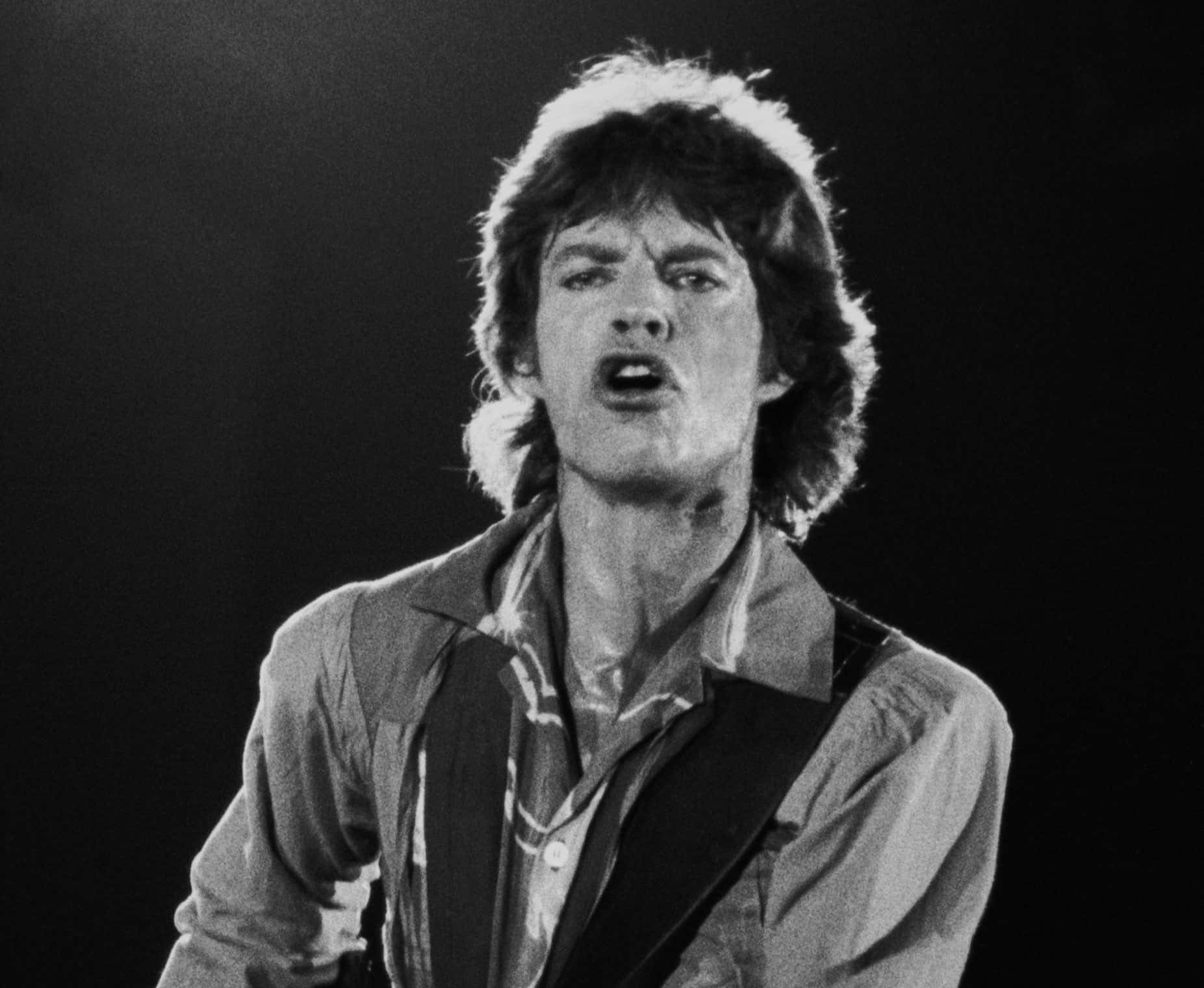
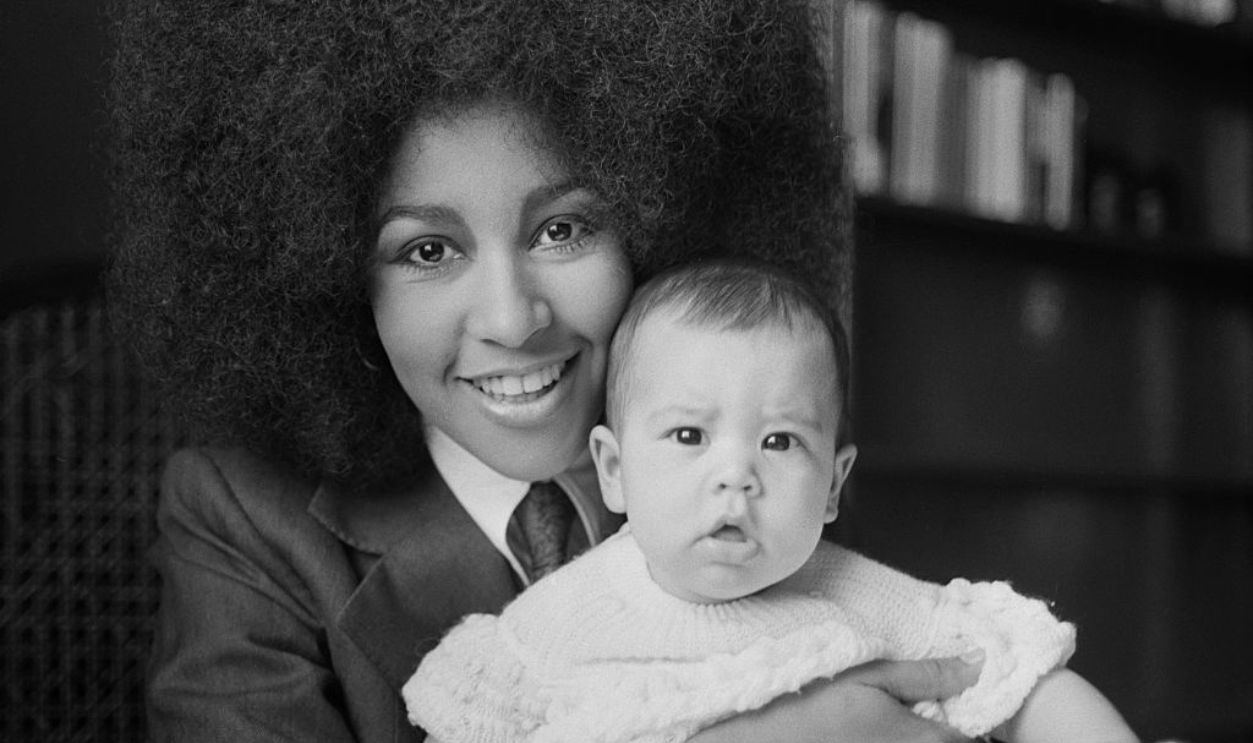
Although Marianne Faithfull had lived up to her name, Mick Jagger was all in on the rock star’s life, and was already dating a singer named Marsha Hunt a year before his and Faithfull’s split. Not only that, but Hunt was pregnant with their child and welcomed their daughter, Karis Hunt Jagger, in November 1970. However, she and Jagger had also broken up by then.
Suddenly, he was ready for a bigger commitment.
20. He Took The Leap
Jagger appeared to move on almost immediately since, that same year, he began a relationship with Bianca Pérez-Mora Macias. Over the course of the following year, something inside Jagger felt like he was finally ready to settle down, and the two married in France on May 12, 1971.
This wasn’t the only way he stepped up.
 Fernando Dominguez Serra, CC BY-SA 4.0, Wikimedia Commons
21. He Assumed Responsibility
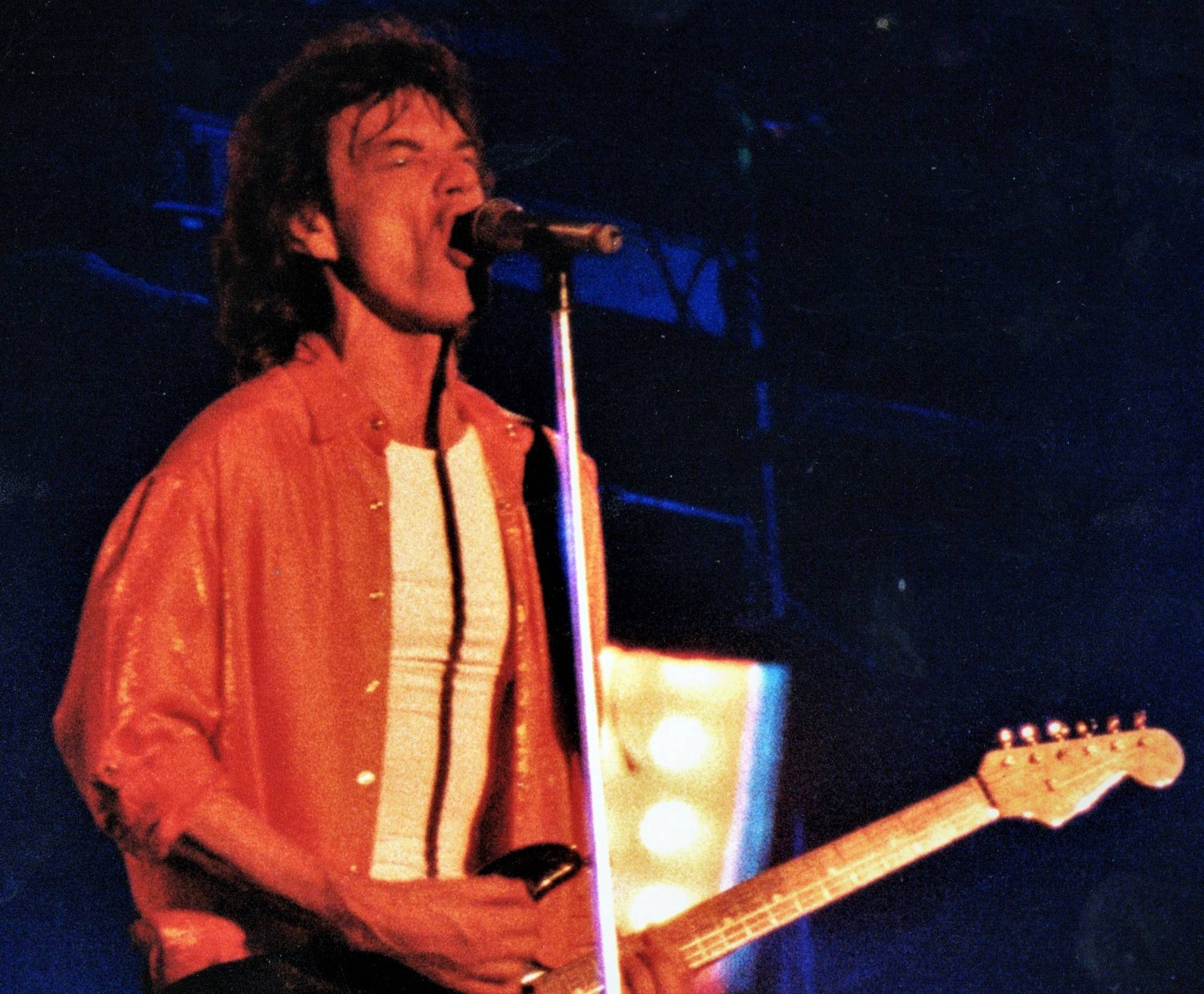
In the early 1970s, the band was in a perilous place, as they had just fired their manager, Allen Klein—not on good terms—and Keith Richards was battling a pretty severe addiction. Seeing few other options, Mick Jagger took the helm of the business side of things, and has done so to this day. Initially, though, this caused a rift between him and Richards.
Meanwhile, their problems with the authorities continued.
 ingen uppgift, Wikimedia Commons
22. They Went Back
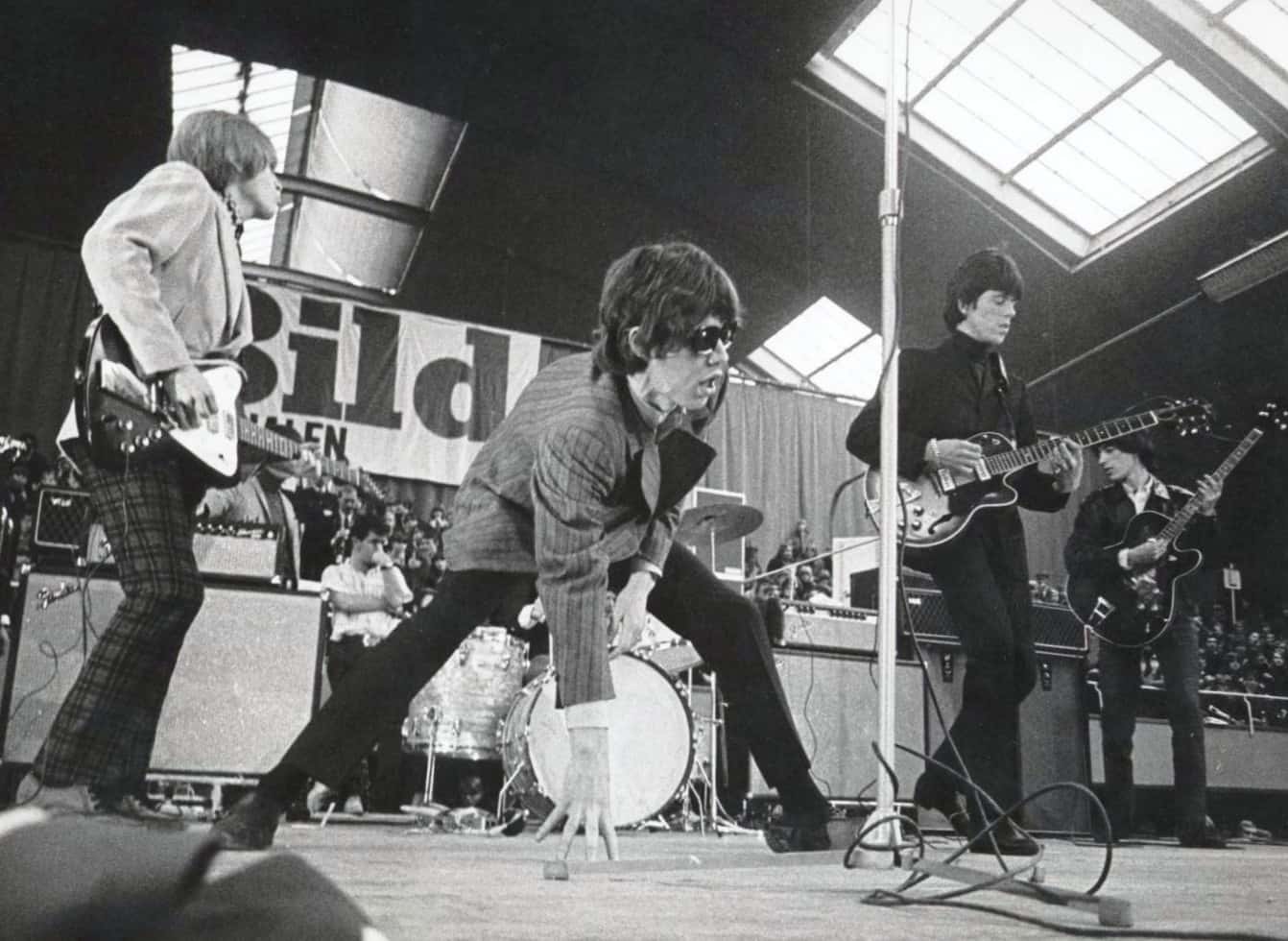
In 1972, the band was in the middle of creating their next album, Goats Head Soup, when the law reared its head again. The previous year, they had spent some time living in France to avoid taxes, during which Richards’ addiction got him into trouble. Now with a warrant out for him, the rest of the band members had no choice but to return to France for questioning.
This time, they faced larger consequences.
23. They Had Complications
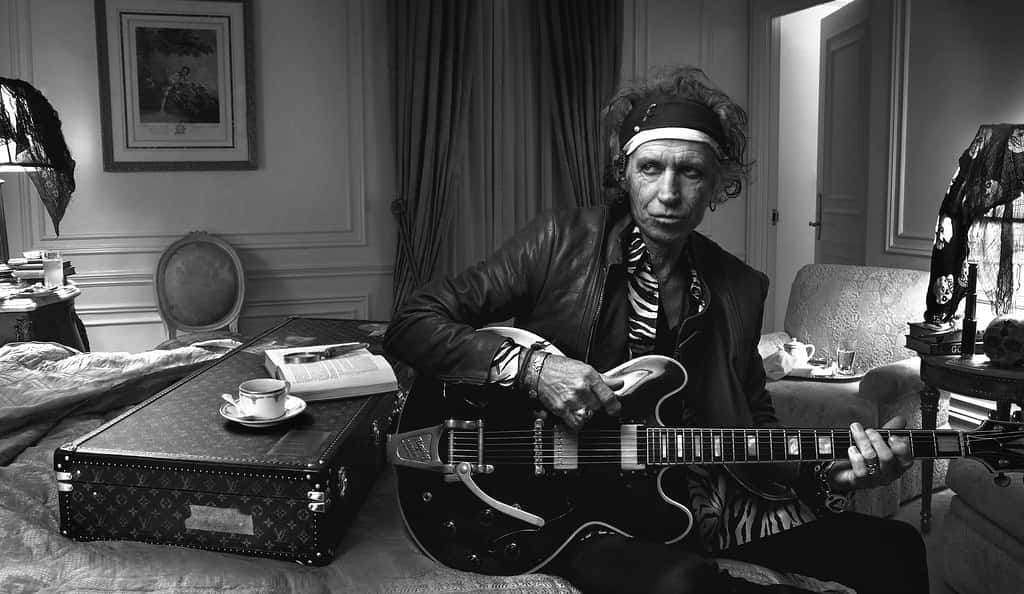
While Keith Richards and the other Rolling Stones emerged relatively unscathed from this case, they still faced some repercussions, especially regarding their performances. Paired with Mick Jagger’s own history with the law, the band’s upcoming Pacific tour was put in jeopardy, resulting in Japan outright banning them from the country, and Australia almost doing the same.
This wasn’t the only thing that didn’t work out.
24. She Was Fed Up
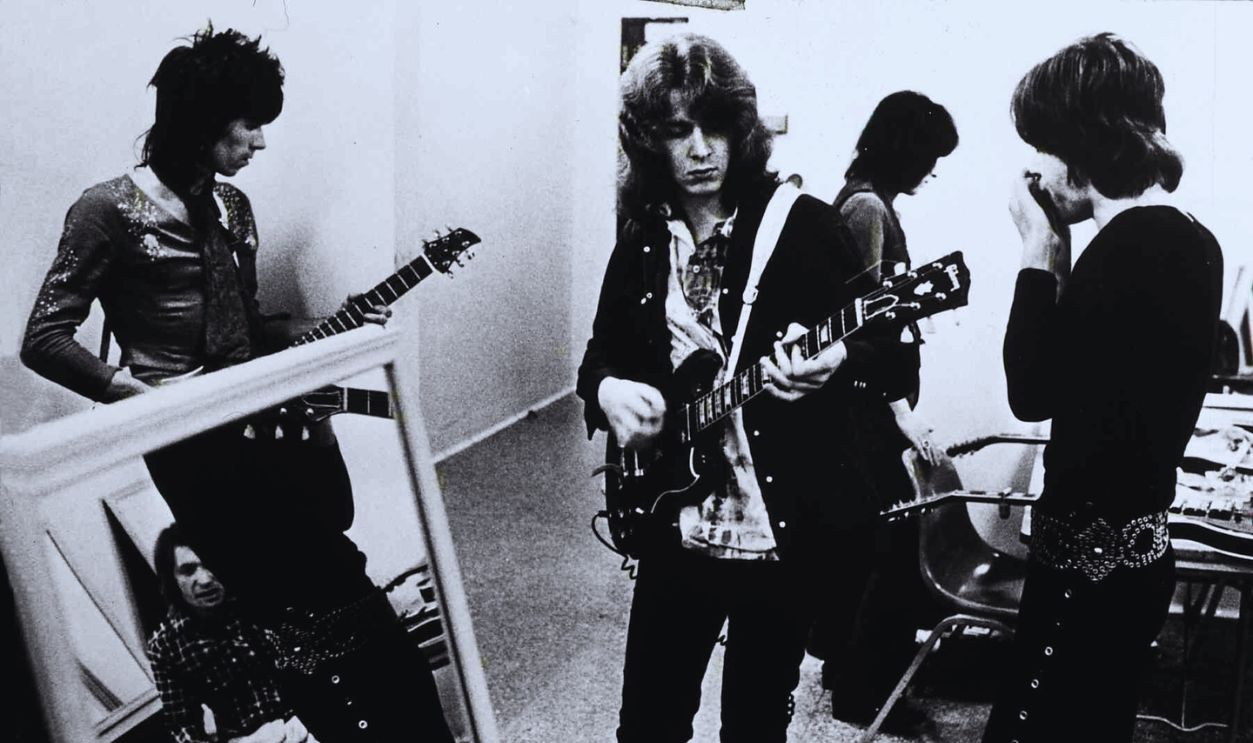
Mick Jagger and Bianca Macias’ relationship lasted for about seven years, during which they welcomed a daughter, Jade Sheena Jezebel Jagger, not long after their wedding. However, this wasn’t a happy union, and Macias escaped the relationship through several affairs over the years until she finally divorced Jagger in 1978, accusing him of adultery.
To be fair, she wasn’t wrong.
 Fairchild Archive, Getty Images
25. He Experimented
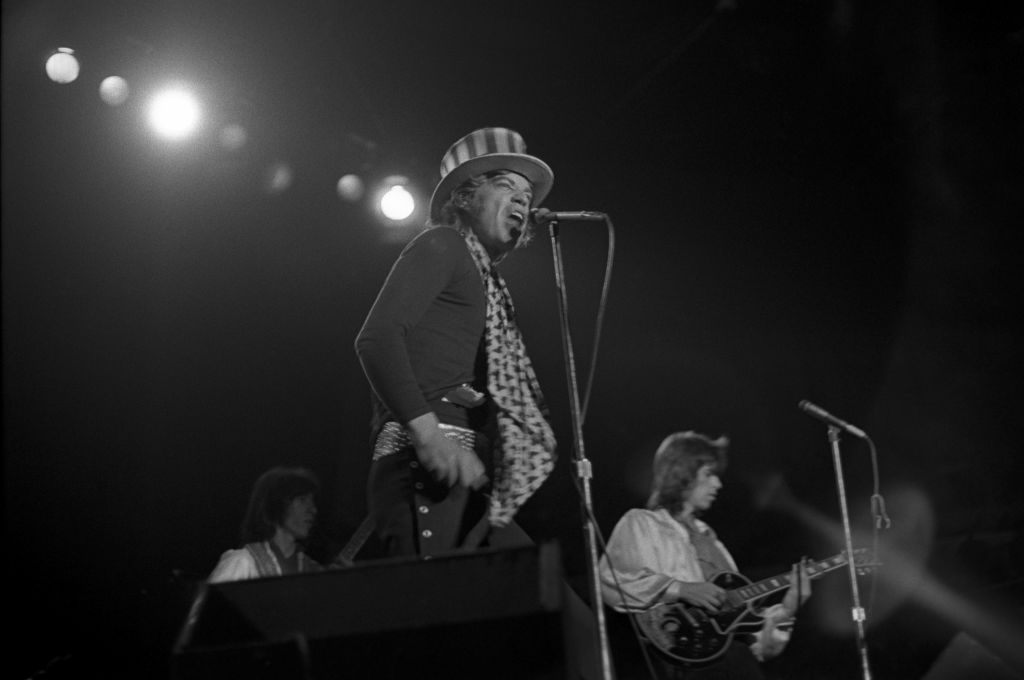
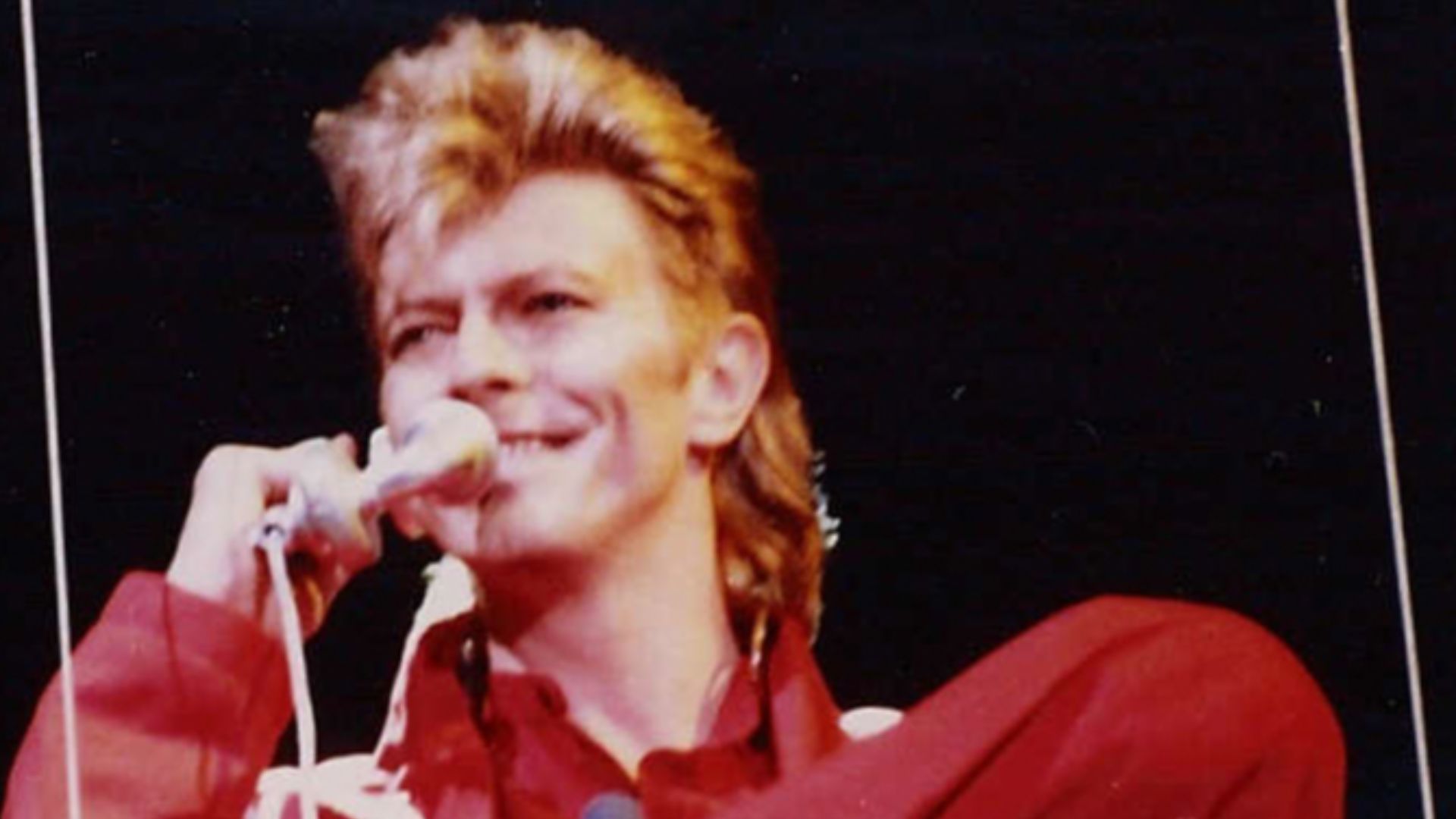
Alongside Mick Jagger, one of the other biggest rock stars in the world by the 1970s was, of course, David Bowie, but the two allegedly shared much more than the stage at one point. According to biographer Christopher Andersen, Bowie’s wife, Angie, once opened their bedroom door and found both rockers in bed together.
Surprisingly, this wasn’t much of a scandal.
 Elmar J. Lordemann (de:User:Jo Atmon), Wikimedia Commons
26. She Was Jealous
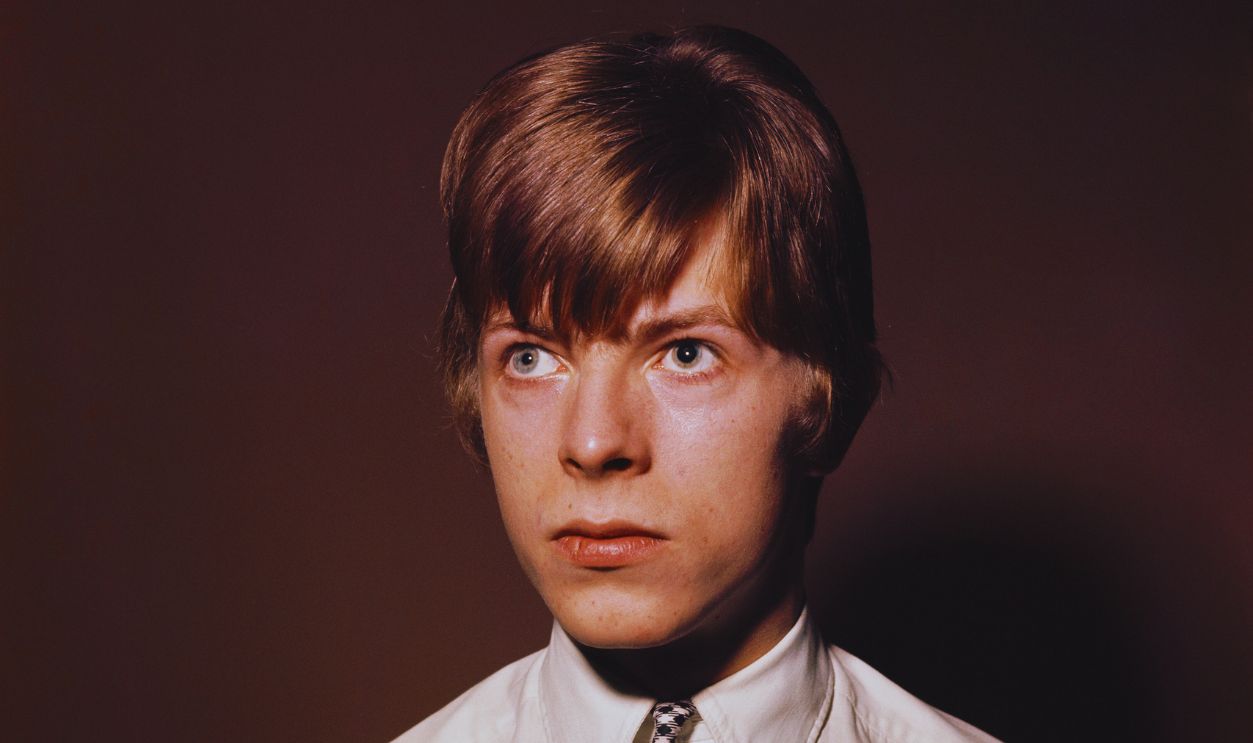
By the time they spent a night together, David Bowie was already open about his sexuality, the publicity of which was what attracted Mick Jagger to him in the first place. Fortunately, it didn’t cause much strife, since Angie and Bowie had an open relationship. In fact, any jealousy from Angie only came from the fact that she wished she had gotten to Jagger first.
Still, Jagger’s unfaithful reputation only became more infamous.
27. She Attended A Concert
In 1977, Mick Jagger’s lifestyle led him to be more involved in politics, but not in the way one might expect. During a Rolling Stones concert in March, the audience included one Margaret Trudeau, AKA the wife of Canadian Prime Minister at the time, Pierre Trudeau. The night didn’t stop there, though, as word spread that Margaret had stayed to party with Jagger.
However, he refused to entertain the gossip.
28. He Denied It
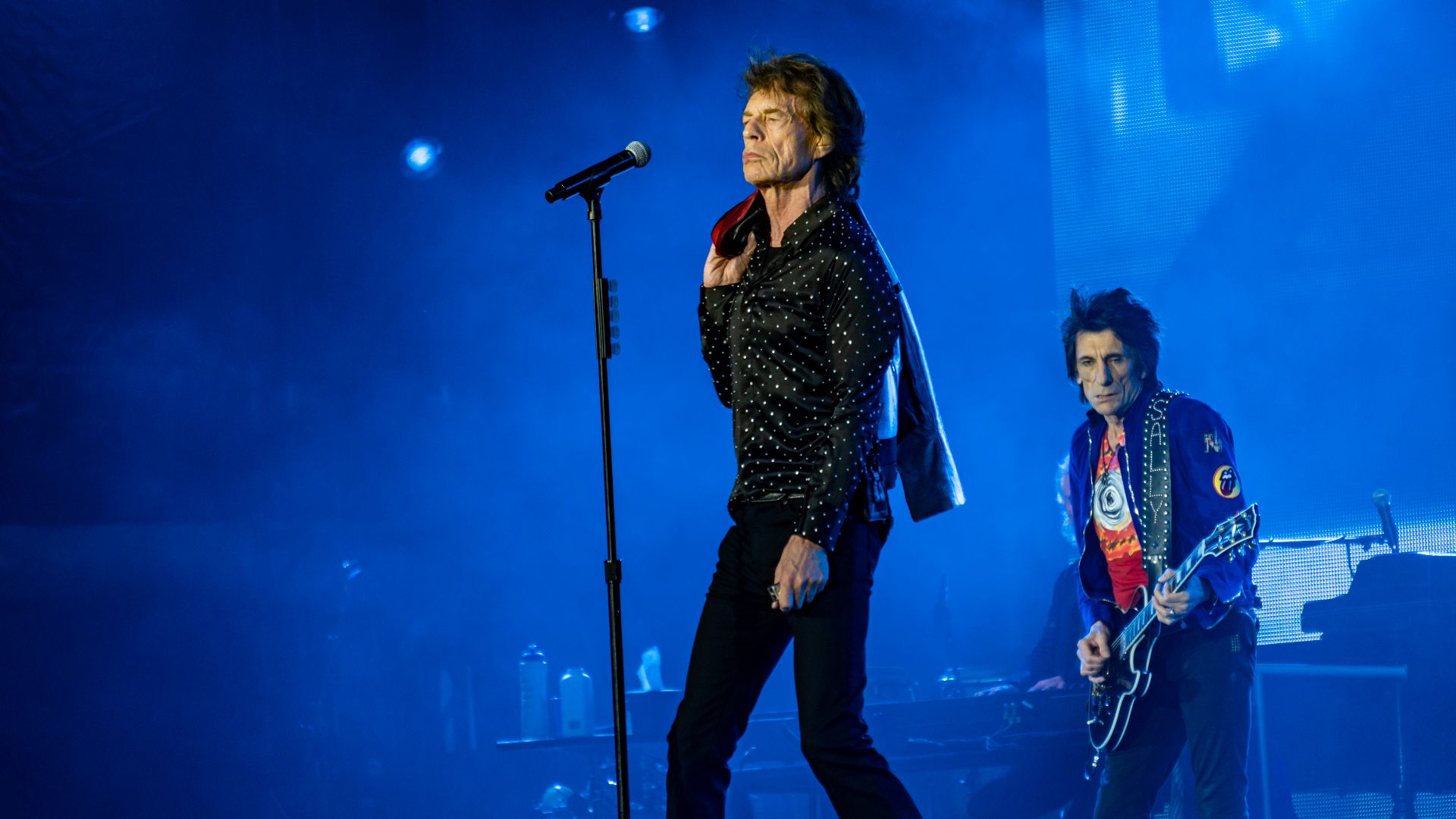
The rumors of Margaret Trudeau’s possible affair with Mick Jagger were only worsened by the detail that the night she attended the concert had also been her and Pierre’s wedding anniversary. Nonetheless, Jagger adamantly denied any infidelity to the press, stating that while “she just wanted to have a good time,” the two hadn’t been intimate.
Finally, he claimed to be willing to settle down again.
29. He Made Another Commitment
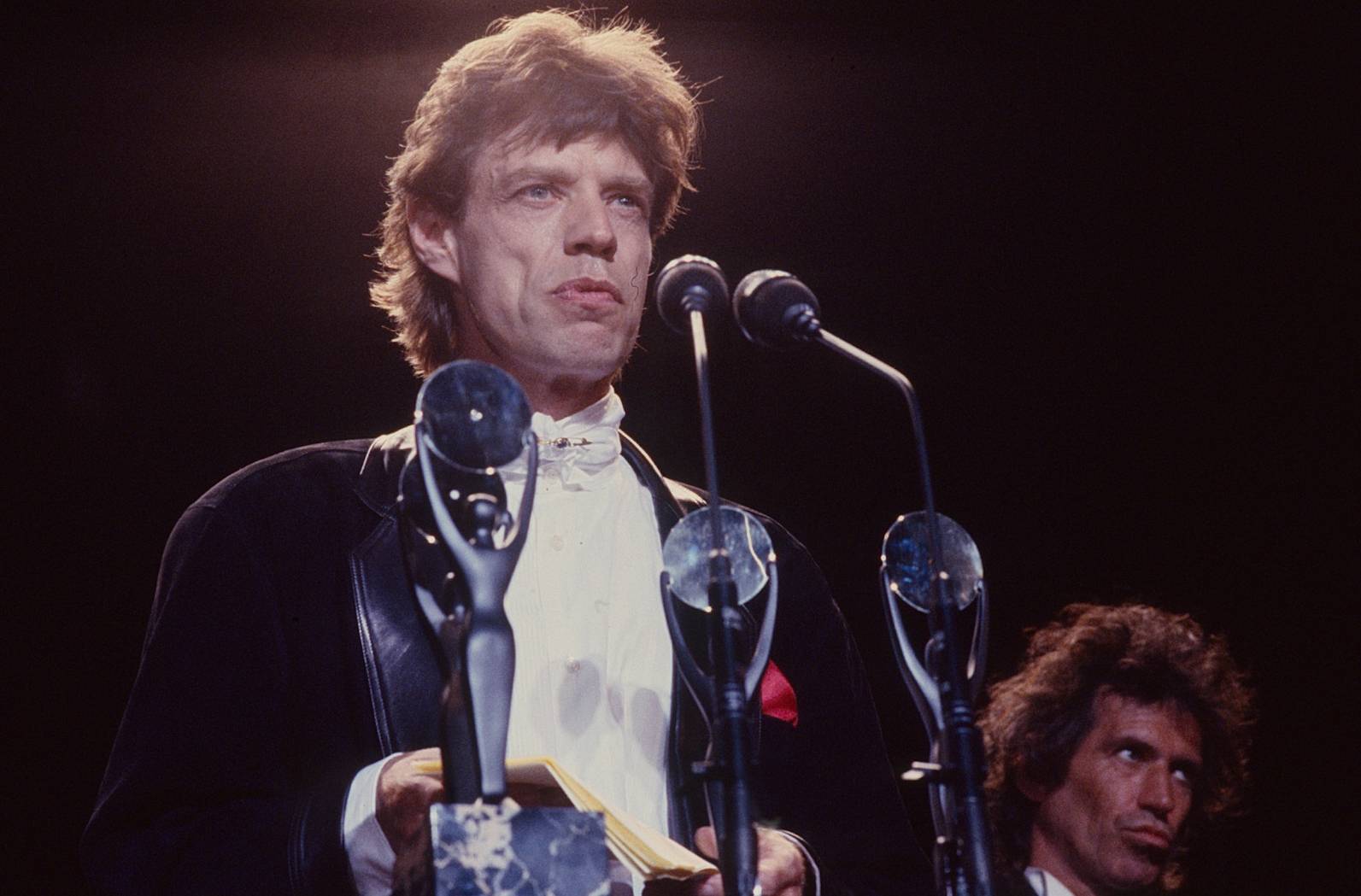
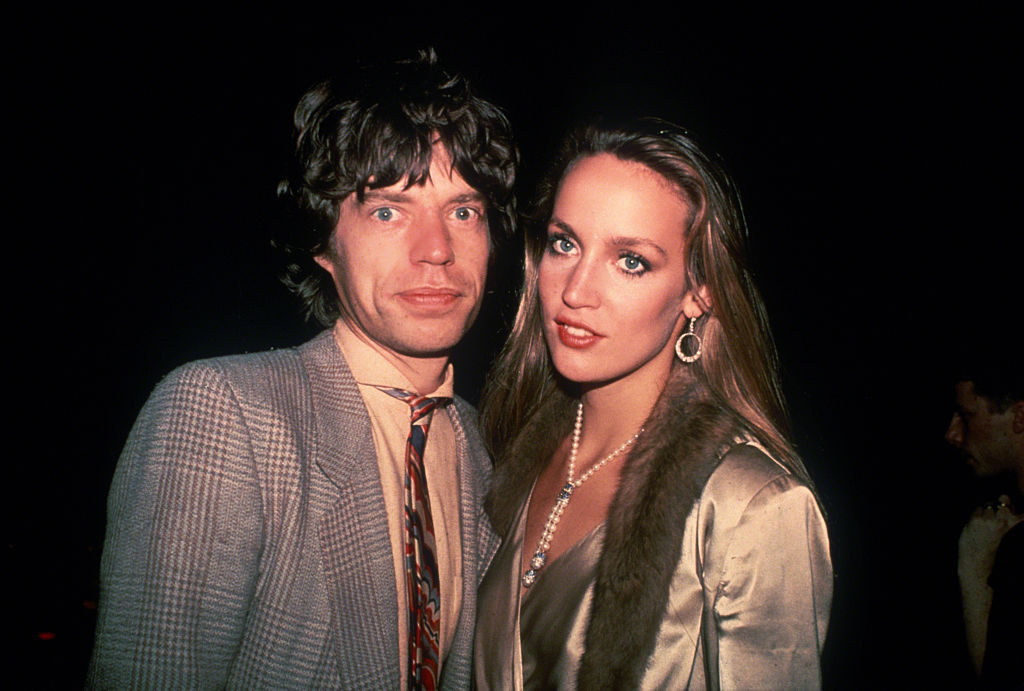
Bianca Pérez-Mora Macias may have been unfaithful to Mick Jagger, but he was evidently far from innocent, especially since a year before their divorce, he began dating a model named Jerry Hall. This became one of his longest relationships, as the two later held an unofficial marriage ceremony in 1990, while she also gave birth to four more of his children.
However, another of Jagger’s relationships was on the rocks.
30. They Disagreed
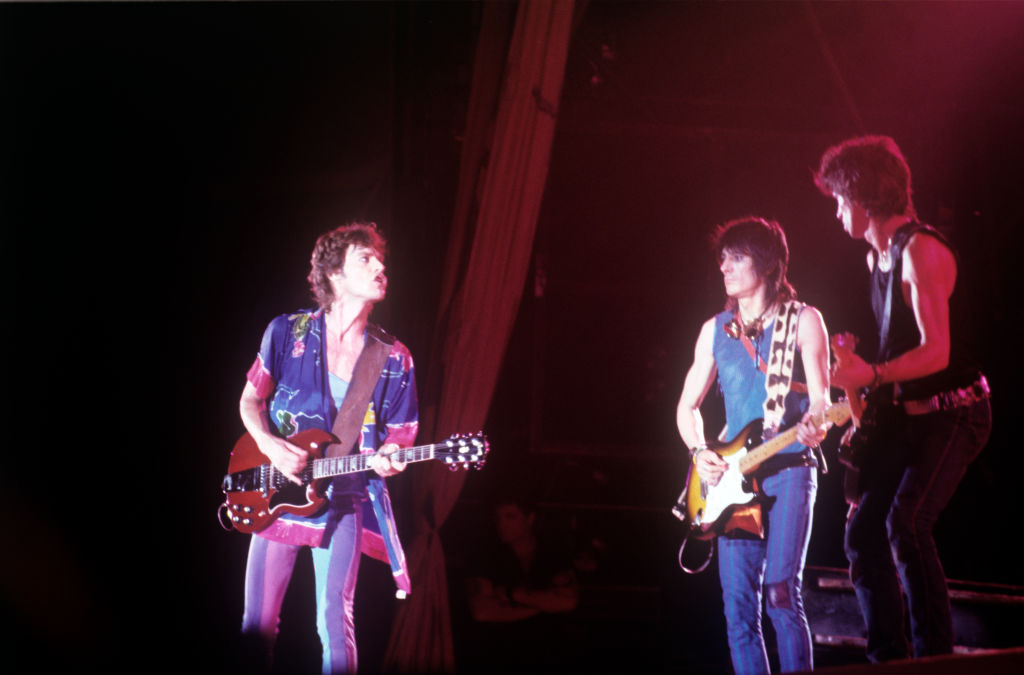
Kicking off the 1980s, The Rolling Stones released their 15th studio album, Emotional Rescue, but the making of it was no easy feat. Tensions between Mick Jagger and Keith Richards continued to surge, and it only became worse when Jagger shut down Richards’ suggestion that they tour that year to promote the album.
At this point, Jagger needed some space.
 Mondadori Portfolio, Getty Images
31. He Struck Out On His Own
Although Jagger wasn’t in a place where he wanted to quit The Rolling Stones, he longed for a major change-up and to recreate himself as an independent artist. As the 1980s progressed, he put more effort into writing and recording his own material, soon releasing his first solo album, She's the Boss, in 1985.
Even so, he remained fully committed to the Stones.
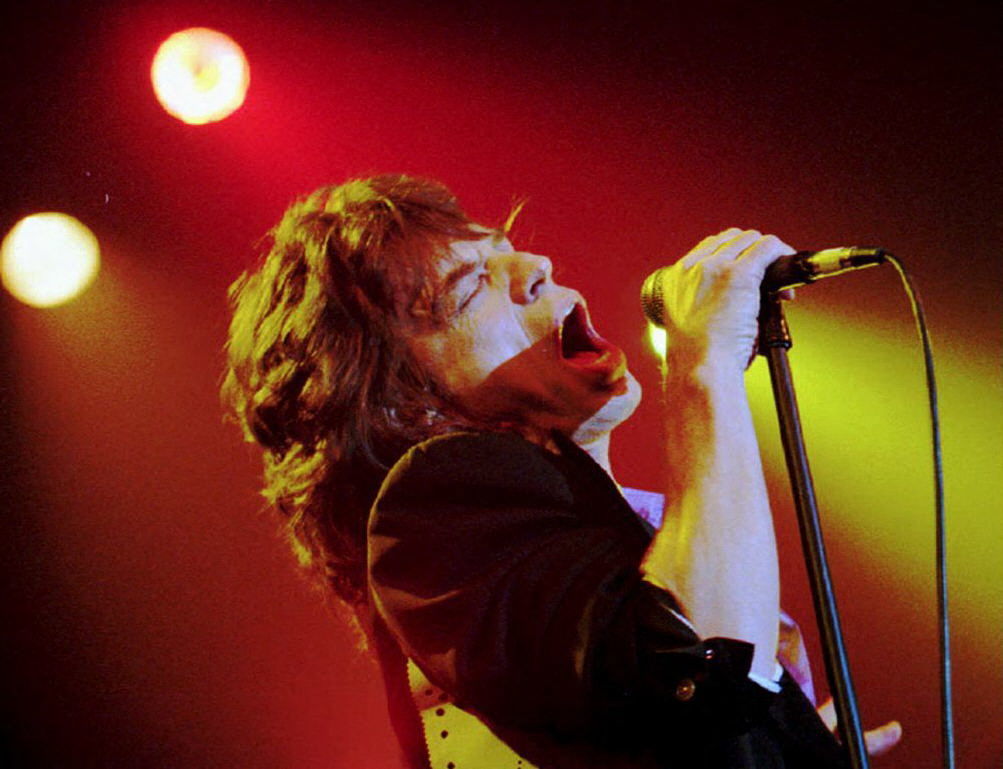
32. Tensions Rose Higher
Up till this point, Keith Richards’ dependence on illicit substances had been a major point of stress in the band, but in the mid-1980s, he finally overcame it. This didn’t fix everything, though, as Richards was now capable enough to contribute to the band’s leadership, which Jagger saw as a threat. Many have referred to the resulting conflict as “WWIII”.
It began affecting their careers more and more.
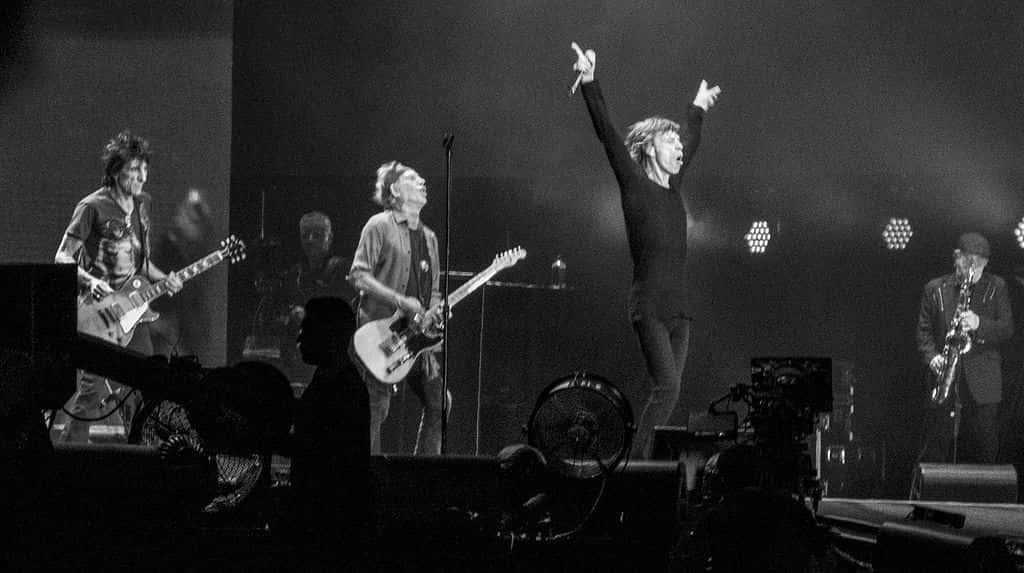
33. He Wouldn’t Participate
Even as all the drama between Mick Jagger and Keith Richards was going on behind the scenes, The Rolling Stones still released their 18th studio album, Dirty Work. Partly due to his interpersonal issues and partly his need for independence, Jagger put the final nail in the coffin by refusing to do a promotional tour for the album.
Instead, they focused on their own work.
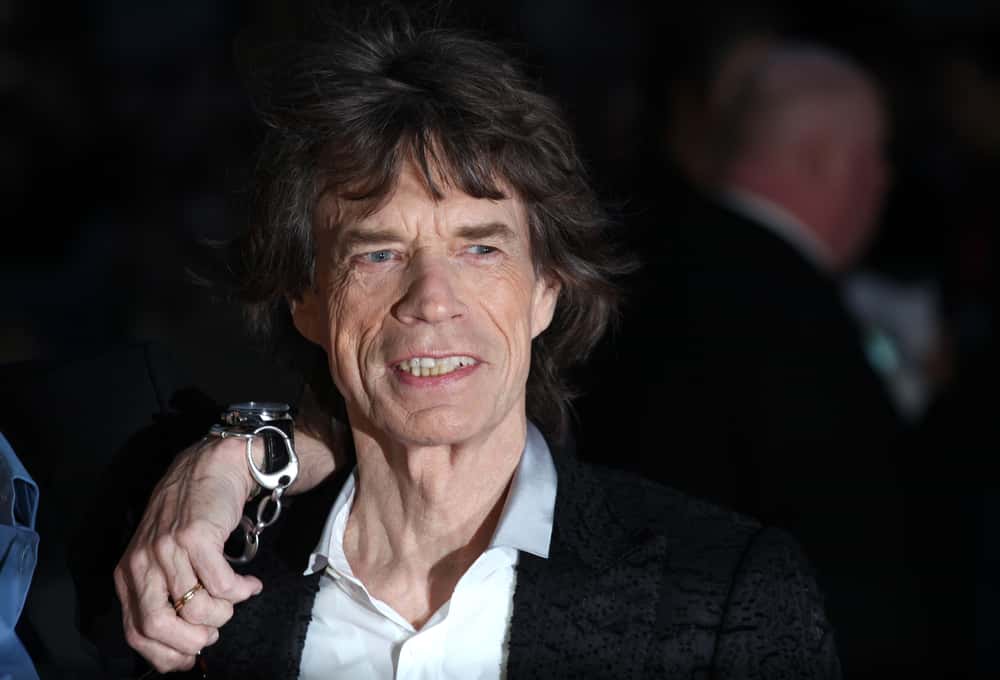
34. They Both Continued Alone
Despite their recent album releases, the situation between the two creative leads had made things so difficult that no one could really consider The Rolling Stones an active band. By 1988, Jagger had released his second solo album, Primitive Cool, while Richards followed up with his first independent venture, the album Talk Is Cheap.
Fortunately, this unpleasantness didn’t last forever.
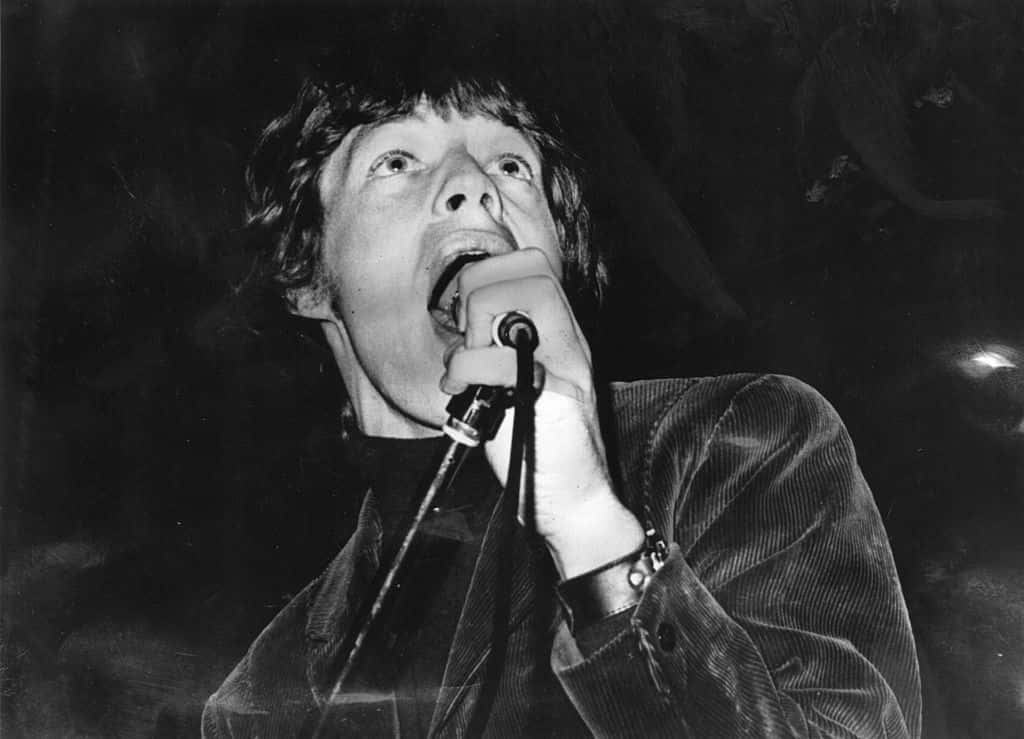
35. They Were Back
Although both Jagger and Richards’ solo careers were critically successful, for many fans, the sad possibility that The Rolling Stones would never reunite was sinking in. However, in 1989, the band finally came back together and embarked on their first global tour in seven years called the Steel Wheels Tour, promoting their newest album of the same name.
In terms of his personal life, Jagger hadn’t changed.
36. She Wasn’t That Interested
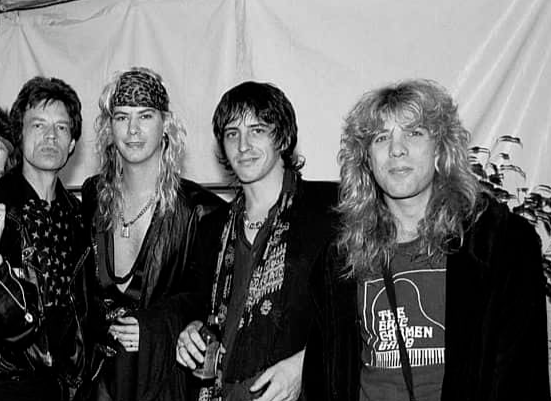
Even in the late 1990s, Mick Jagger was still accustomed to women throwing themselves at him, but with one romantic partner, his fame wasn’t enough. Meeting future A-lister Angelina Jolie when she appeared in a Stones music video, Jagger endlessly pursued her. While she eventually gave him a chance and dated him for a couple of years, she remained distant and eventually stopped seeing him altogether.
All the while, he was still a married man, even if he didn’t act like it.
37. He Was Unfaithful
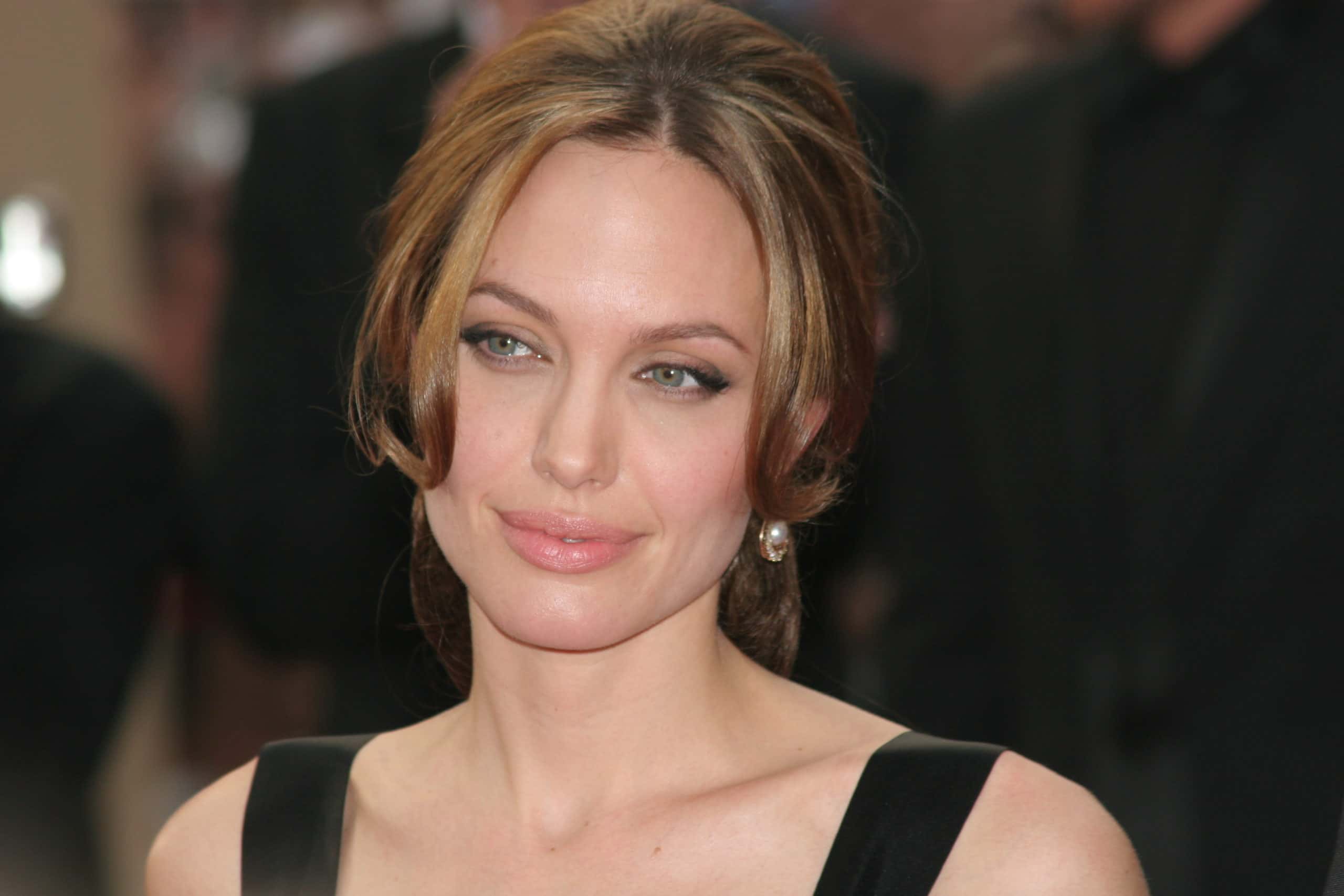
Despite his relationship with Jerry Hall being one of his more “committed” ones, Jagger clearly hadn’t outgrown his philandering lifestyle. While he dated several other women for varying lengths during his and Hall’s time together, it was his affair and newborn child with model Luciana Gimenez that finally drove Hall to sever ties with him in 1999.
Fortunately, this proved to be easier than expected.
38. They Said It Didn’t Count
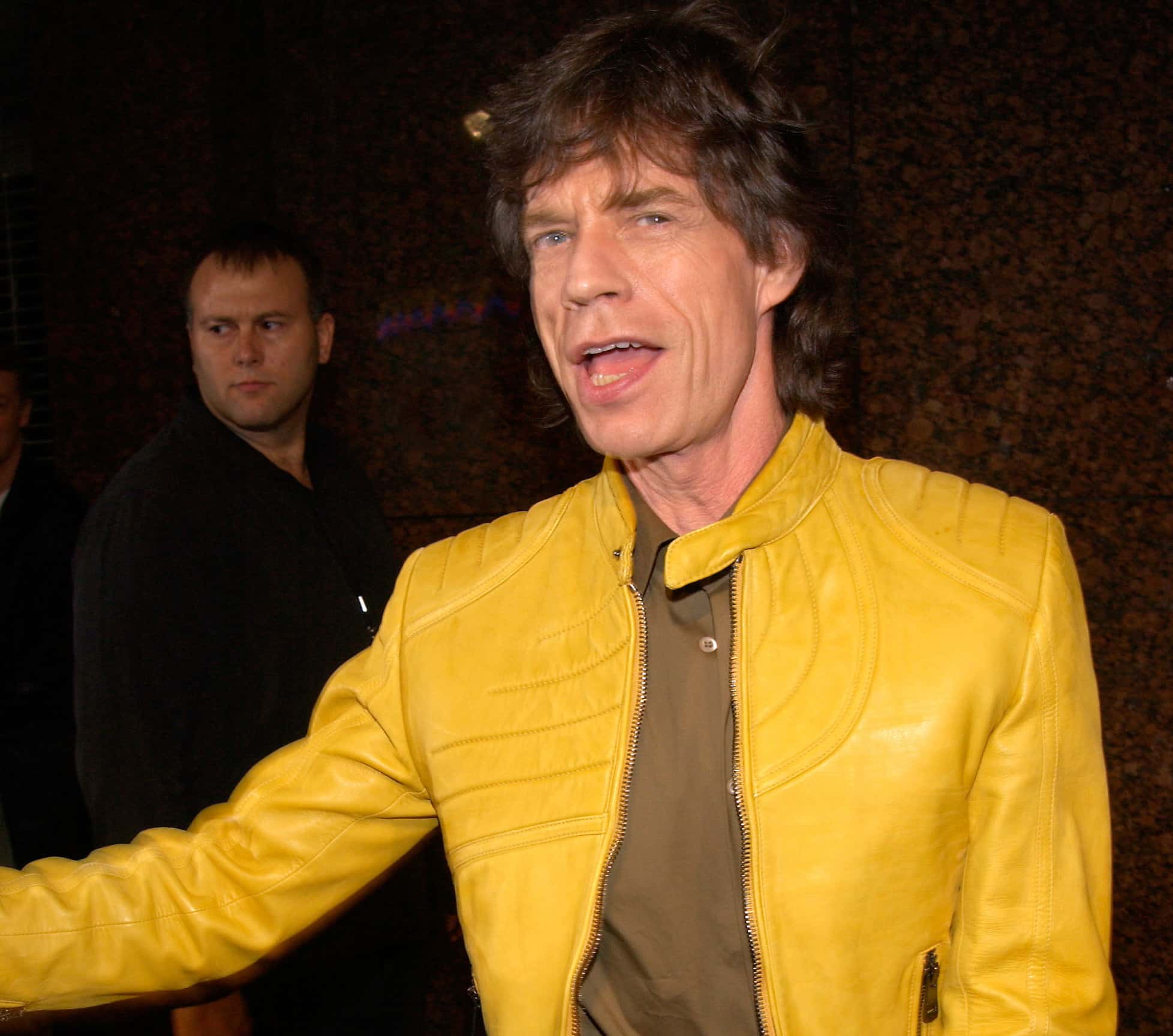
Although Mick Jagger and Jerry Hall had considered themselves married, the ceremony they had nearly a decade prior wasn’t official, which turned out to be a good thing. Rather than go through the long and painstaking process of a divorce, the High Court of England and Wales simply declared their union invalid in 1999, allowing them to separate.
On the flip side, he was able to repair a friendship.
39. They Worked Things Out
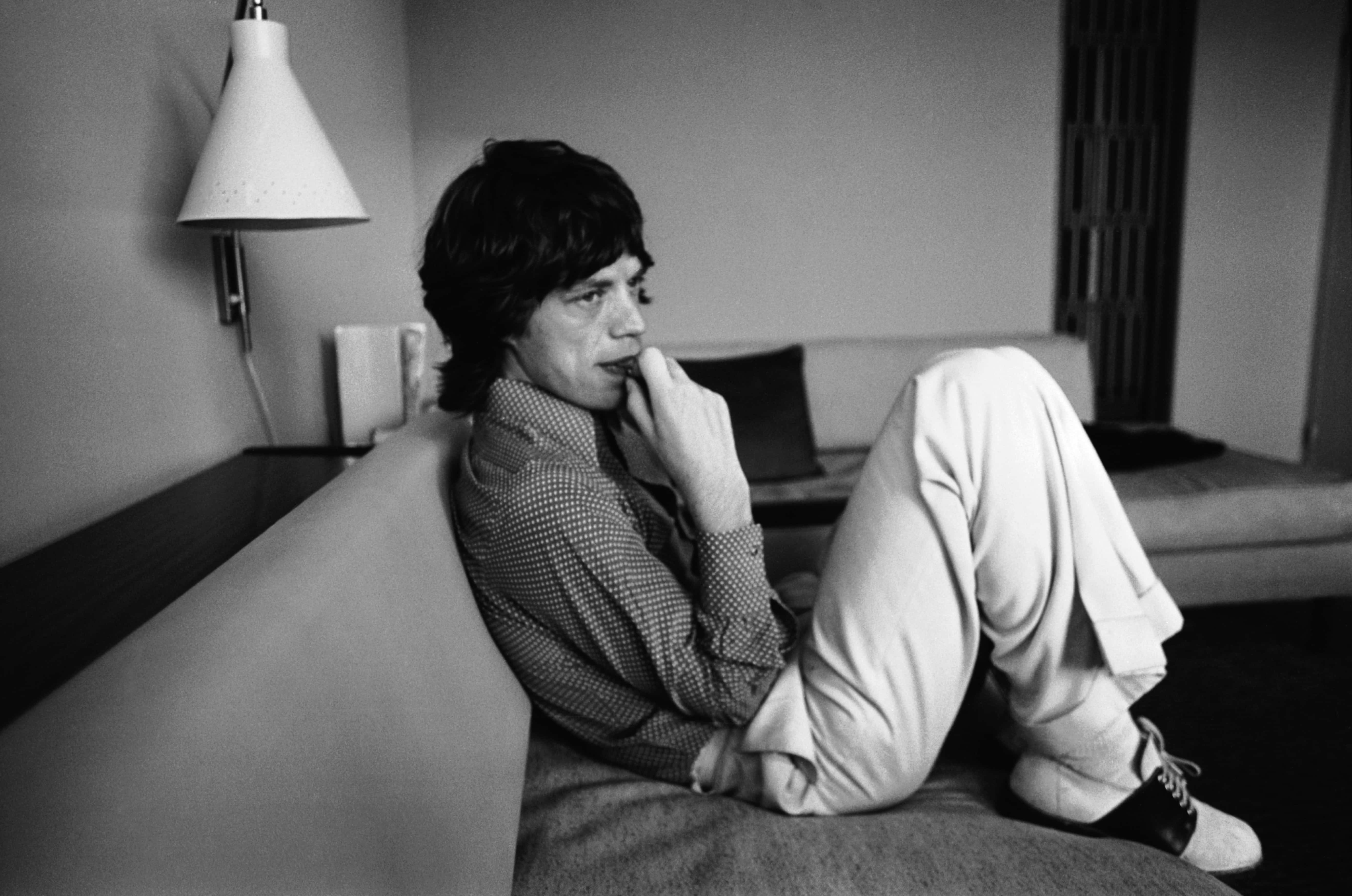
At the time of the Steel Wheels Tour, both Mick Jagger and Keith Richards had established themselves as independent artists, which perhaps gave them the space and perspective they needed. Reuniting the band, they resolved their previous issues and were happy to play together again. Of course, this didn’t mean Jagger had finished with his solo career.
With their feud behind them, when a worthy cause came up, they were happy to help.
40. He Helped Out
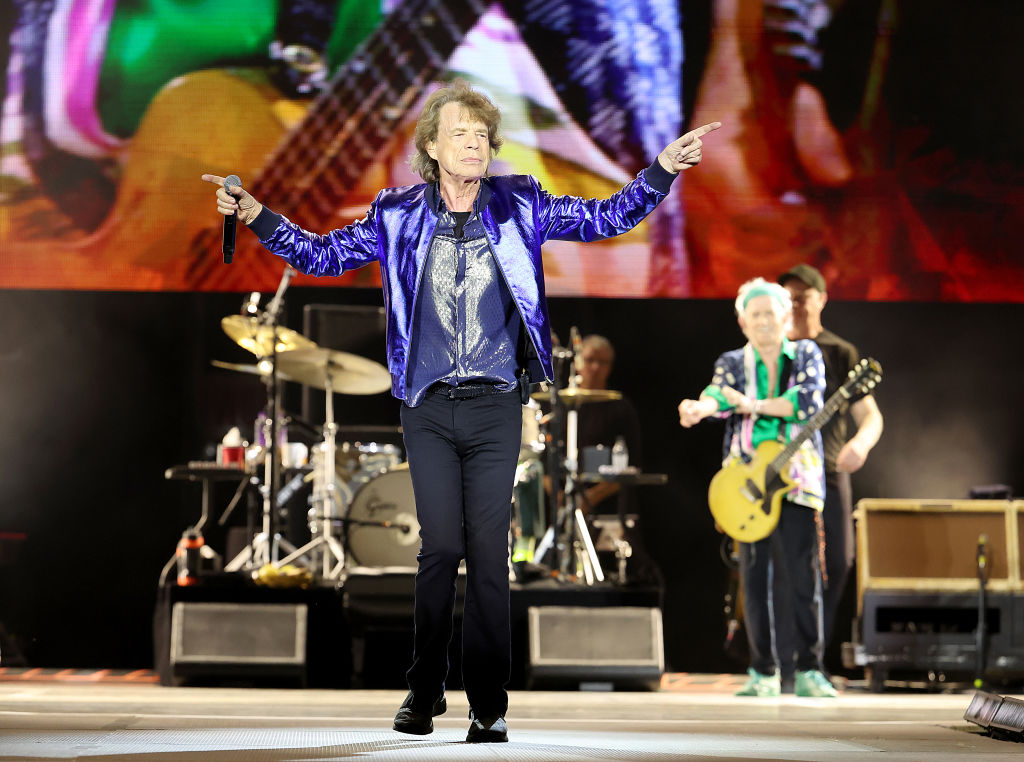
Working together again, Jagger and Richards used their talents to help out when disaster struck in 2001. In the aftermath of the September 11 attacks, musician Paul McCartney organized a benefit called the Concert for New York City. Among the other big names performing in honor of those lost were Mick Jagger and Keith Richards, who played a couple of Rolling Stones songs.
By this point, the Stones were quite the impressive veterans.
41. They Celebrated
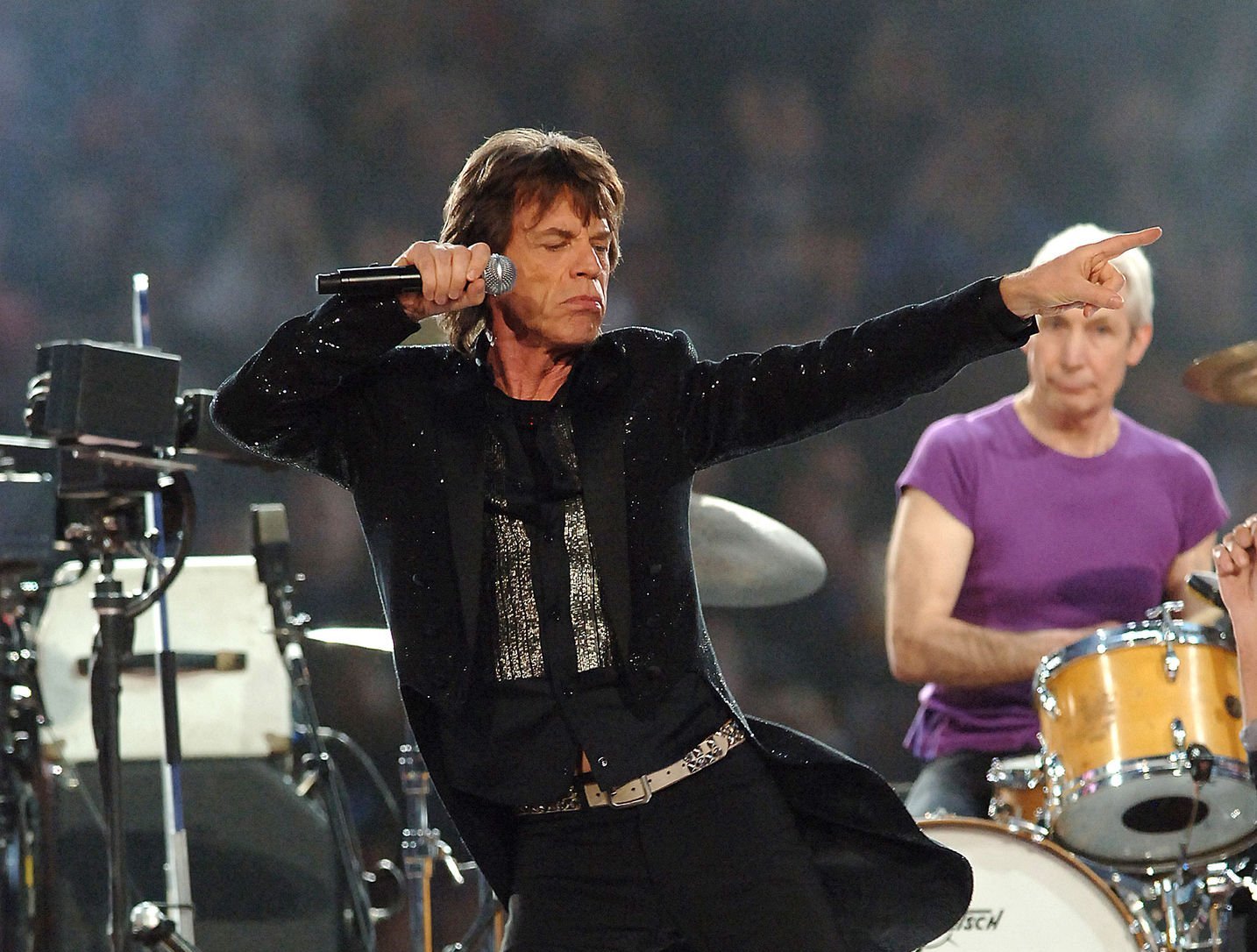
Since the formation of The Rolling Stones, the band has seen no small amount of turmoil, whether it was addictions, trouble with the law, or personal issues. However, even with some moments of disconnect, they were still standing, and Jagger joined the band on their Licks Tour in 2002 to commemorate their 40th anniversary.
Despite the band’s long life, this wasn’t a farewell tour.
 Raph_PH, CC BY 2.0, Wikimedia Commons
42. He Wanted To Keep Going
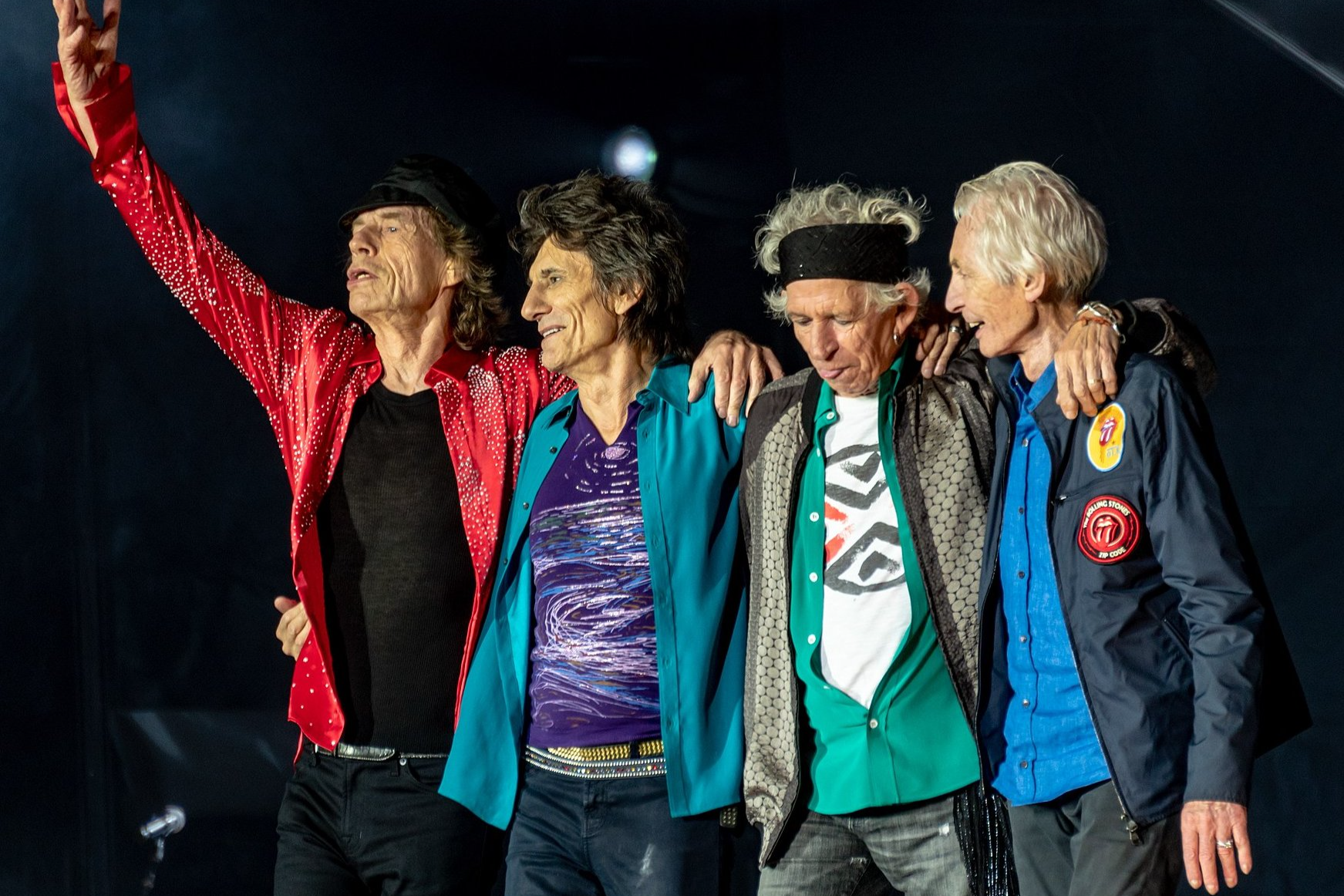
Fans were more than excited to see The Rolling Stones on tour again, but by the 2000s, all the members were getting a bit older, and other iconic groups had already called it quits. Naturally, many had questions about whether retirement was on the horizon, but Jagger responded to these doubts by stating they had “no plans to stop”.
However, he was in for some devastating news.
43. He Was Sick
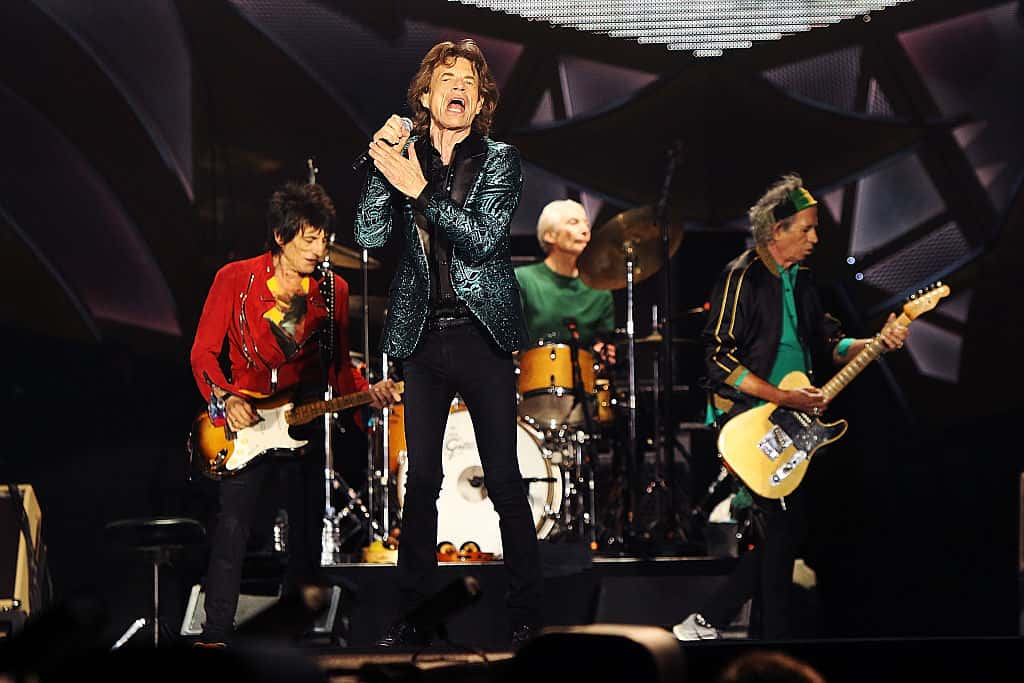
In November 2006, The Rolling Stones were in America on another promotional tour for their album, A Bigger Bang, when Jagger suddenly had to leave. Learning that his father, Basil Jagger, had fallen ill with a severe case of pneumonia, Mick flew back to Britain to see him. However, during the visit, he learned that Basil was actually getting better.
Therefore, Mick went back to the stage.
44. He Still Performed
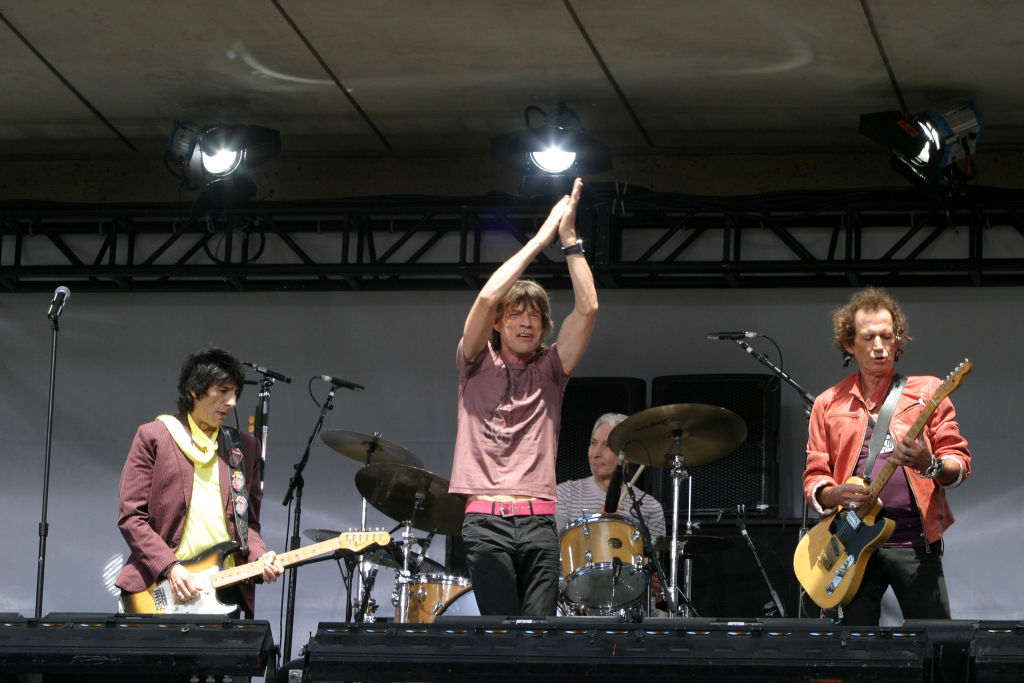
Believing that his father’s health was on the up and up, Mick Jagger returned to the US and rejoined The Rolling Stones in Las Vegas for their next performance. Sadly, though, he learned the afternoon before their concert that his father had taken a turn and passed after he left. Still, Jagger refused to postpone the concert and played through his grief.
Needless to say, he was a performer through and through.
45. He Sang With The President
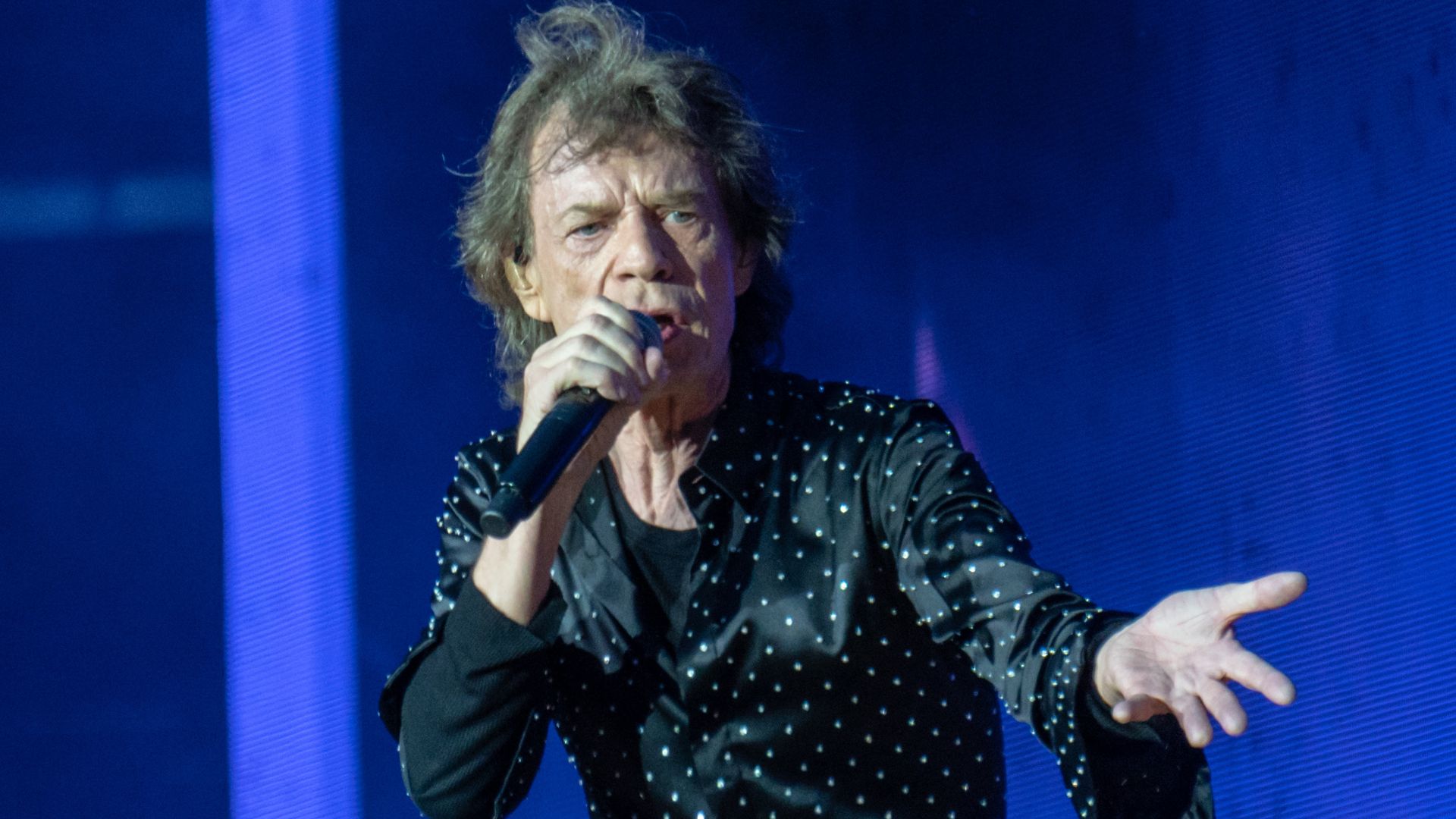
As a solo artist, Jagger received a great honor in 2012 when he was asked to perform at the White House concert series, alongside several of his heroes in blues music. As he sang a cover of “Sweet Home Chicago,” dedicated to then-President Obama’s hometown, Jagger held his microphone out to Obama, who sang the line, "Come on, baby, don't you want to go".
Behind the scenes, Jagger continued to date around.
 Raph_PH, CC BY 2.0, Wikimedia Commons
46. She Gave It All To Him
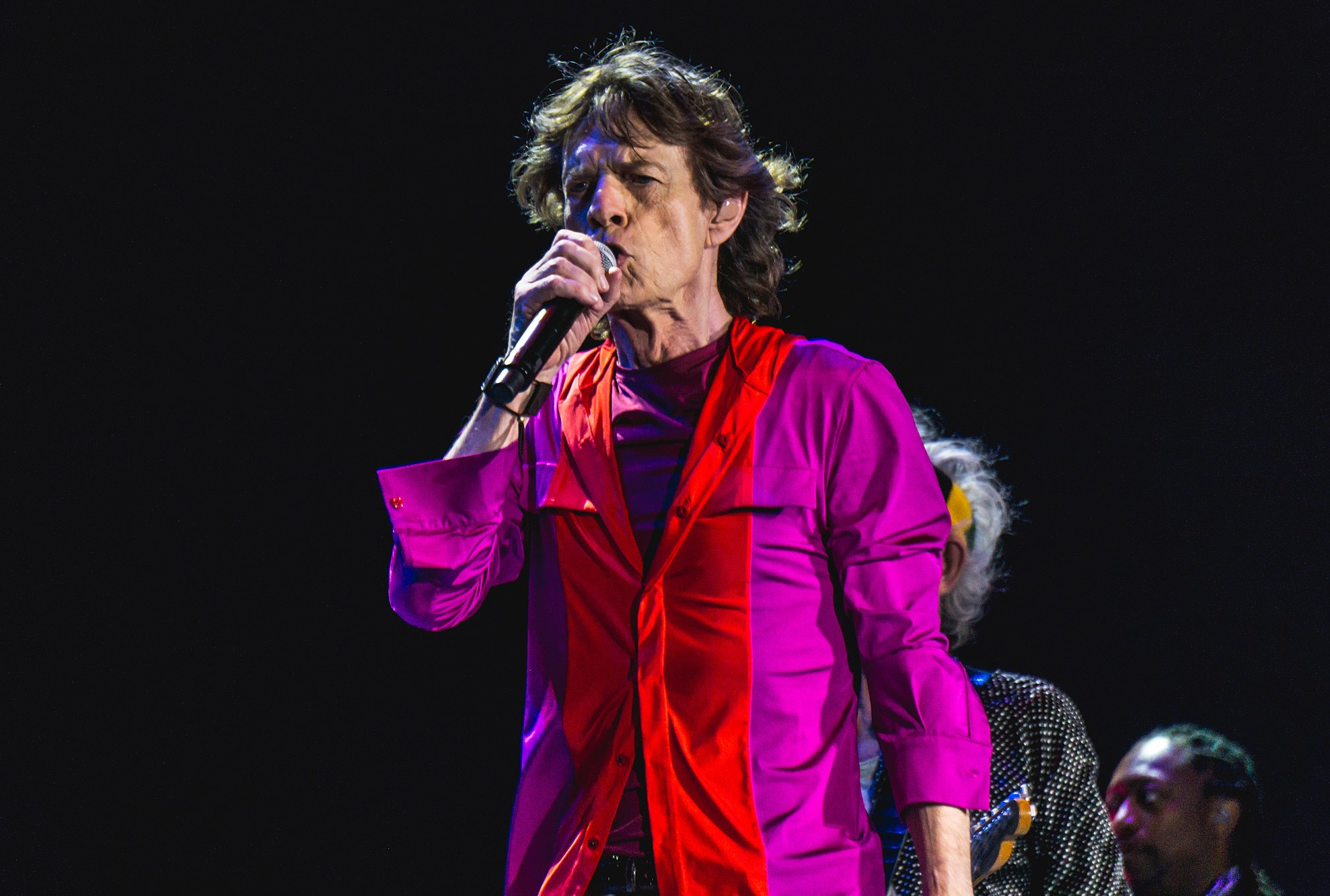
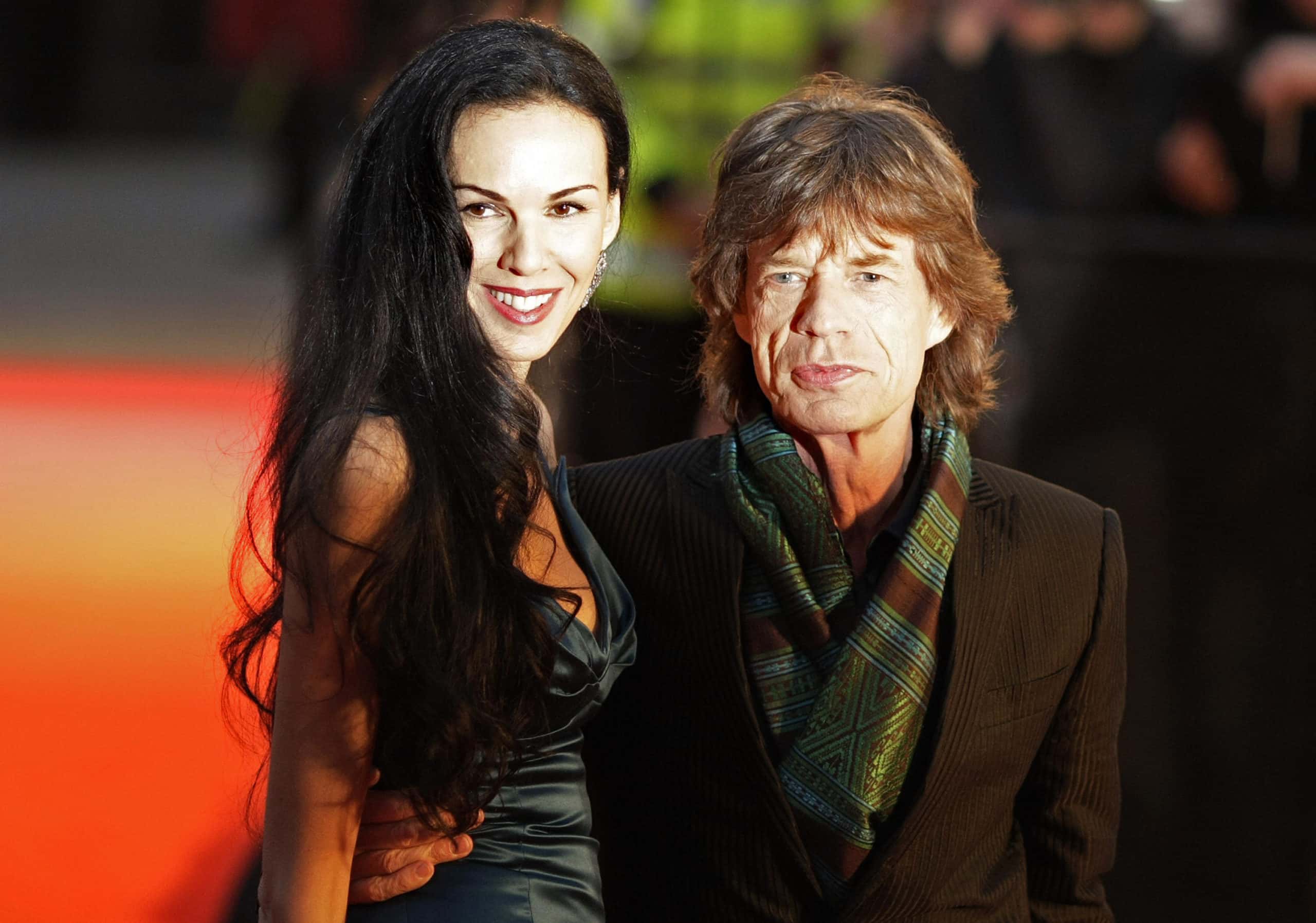
Kicking off the new millennium, Mick Jagger started seeing the fashion designer L'Wren Scott in 2001, and the two stayed together for an uncommonly lengthy period. Unfortunately, this relationship ended in a far more tragic way, as she took her own life in 2014. In her will, she left everything she had to Jagger—valued at around $9 million.
This wasn’t his last relationship, though.
47. His Family Kept Growing
As was common in Jagger’s love life, he didn’t take too long after Scott passed before entering his next relationship. That same year, he began dating ballet dancer Melanie Hamrick, who gave birth two years later to his eighth child, a son named Deveraux Octavian Basil Jagger. Possibly wanting to settle down for real this time, the two have remained together to this day.
Suddenly, Jagger’s health started to fail him.
48. He Had Issues
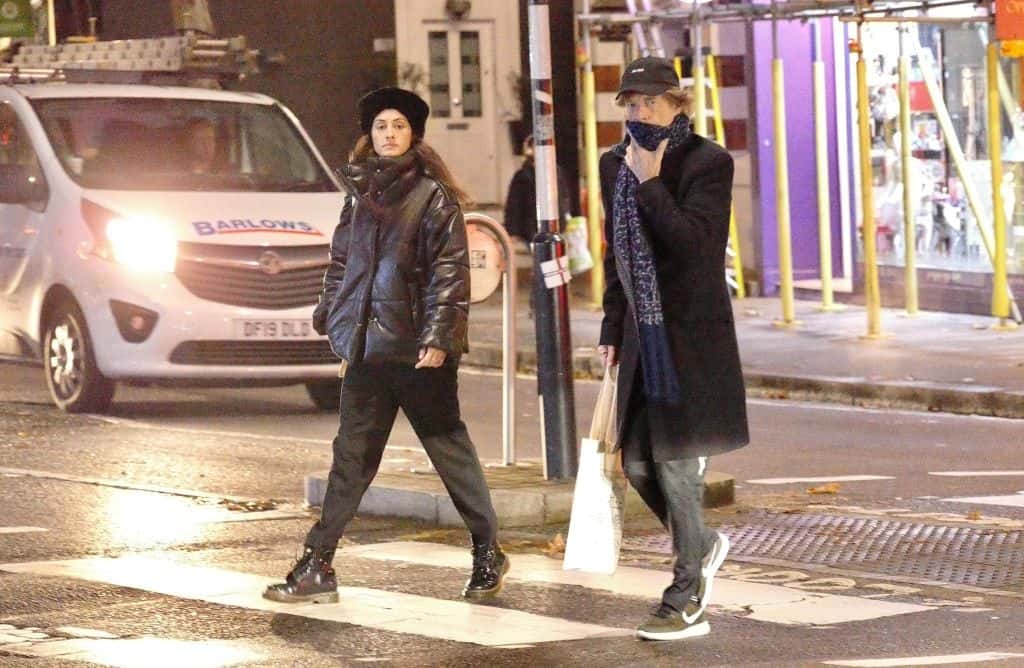
Over the years, several Rolling Stones projects had been interrupted for various reasons, such as family emergencies or litigation issues. However, in 2019, the band’s North American tour halted as Jagger underwent a procedure for a transcatheter aortic valve replacement. Thankfully, after six weeks of recovery, he was back in the swing of things.
At the same time, life hadn’t finished taking things away from him and his bandmates.
49. They Lost One Of Their Own
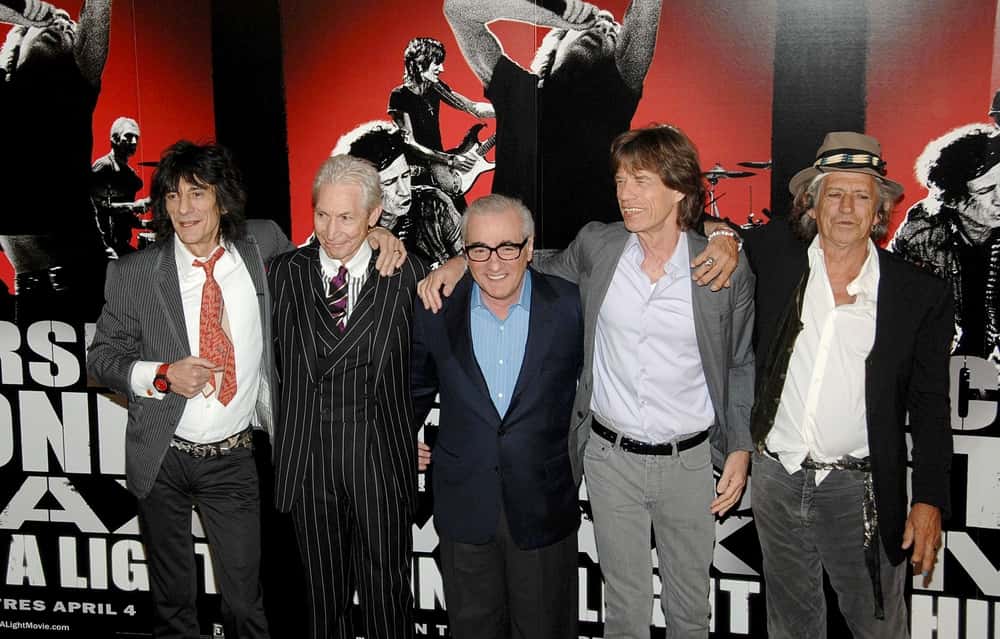
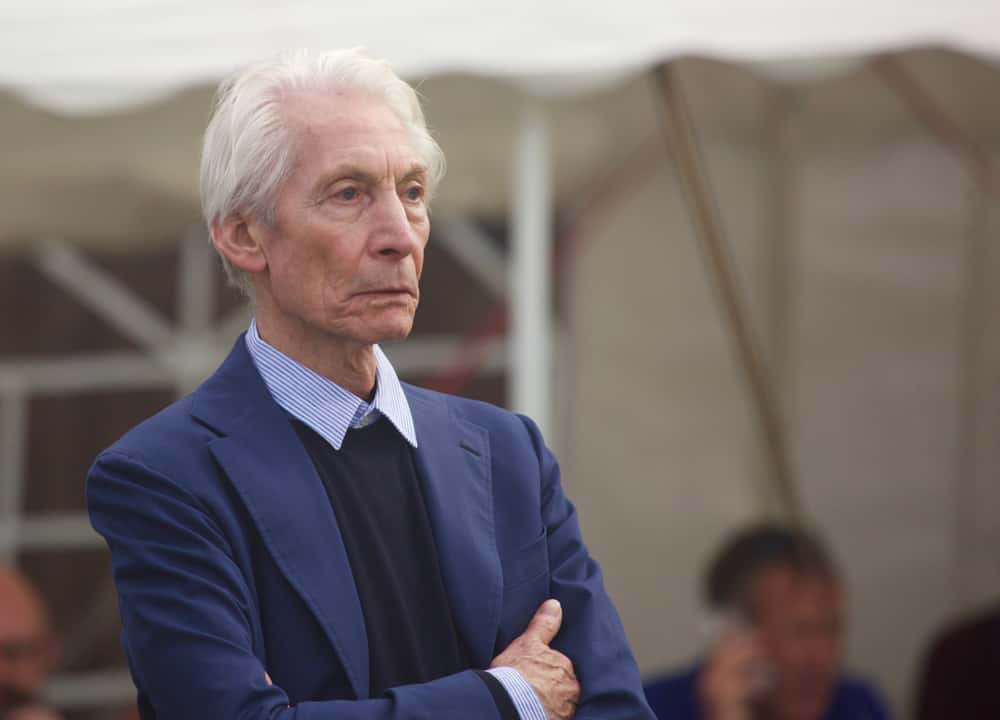
Despite The Rolling Stones showing no sign of stopping, the members are all still getting on in years, and the band received a profound reminder of that in 2021. Drummer Charlie Watts had to step away from the tour for his own medical procedure—which remains unknown—but something went wrong, and he perished at the hospital on August 24.
As they had before, the band did everything to honor him.
50. They Honored Him
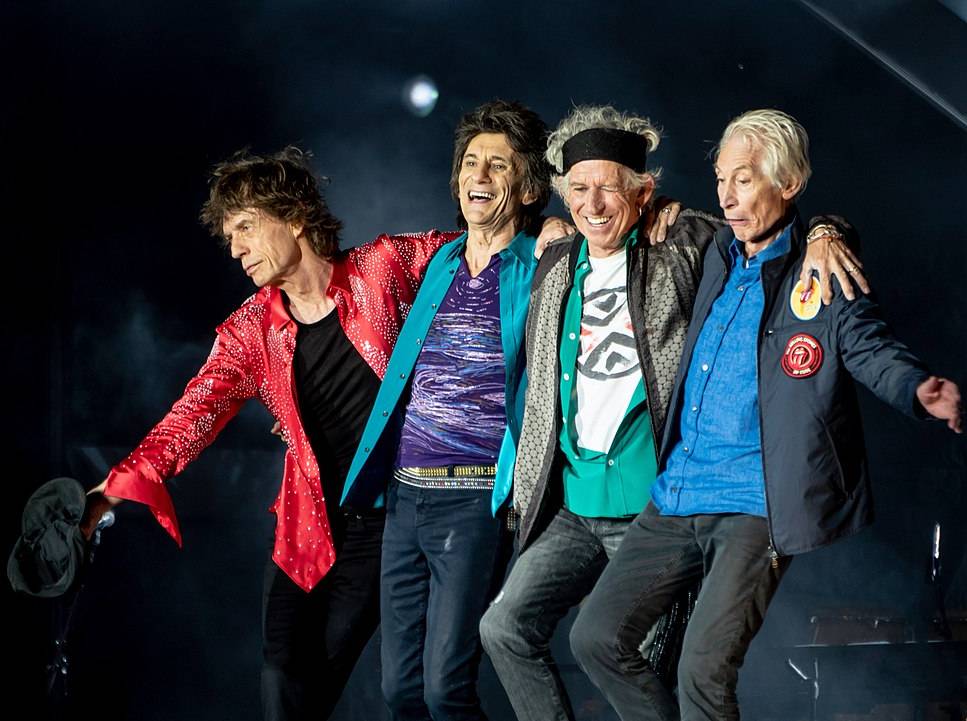
By now, Mick Jagger and the other Stones were used to hardships and, unfortunately, this wasn’t their first time losing a friend and bandmate. For the rest of the No Filter tour, they paid homage to Charlie Watts, starting each concert with a one-minute montage of pictures and videos of him. According to Jagger and his bandmates, they have every intention of continuing as The Rolling Stones in Watts’ memory.
 Raph_PH, CC BY 2.0, Wikimedia Commons
51. He Insulted Him
When Brian Jones passed, Charlie Watts and Bill Wyman were the only Rolling Stones members to attend his funeral. Keith Richards was nowhere to be found and Mick Jagger claimed that the contract for the movie he was working on prevented him from attending. Years later, Jagger was asked if he felt guilty about Jones’ passing. His answer was surprising.
Jagger said that: “"No, I don't really. I do feel that I behaved in a very childish way, but we were very young, and in some ways we picked on him. But, unfortunately, he made himself a target for it; he was very, very jealous, very difficult, very manipulative, and if you do that in this kind of a group of people you get back as good as you give, to be honest”.
52. He Made An Enemy For Life
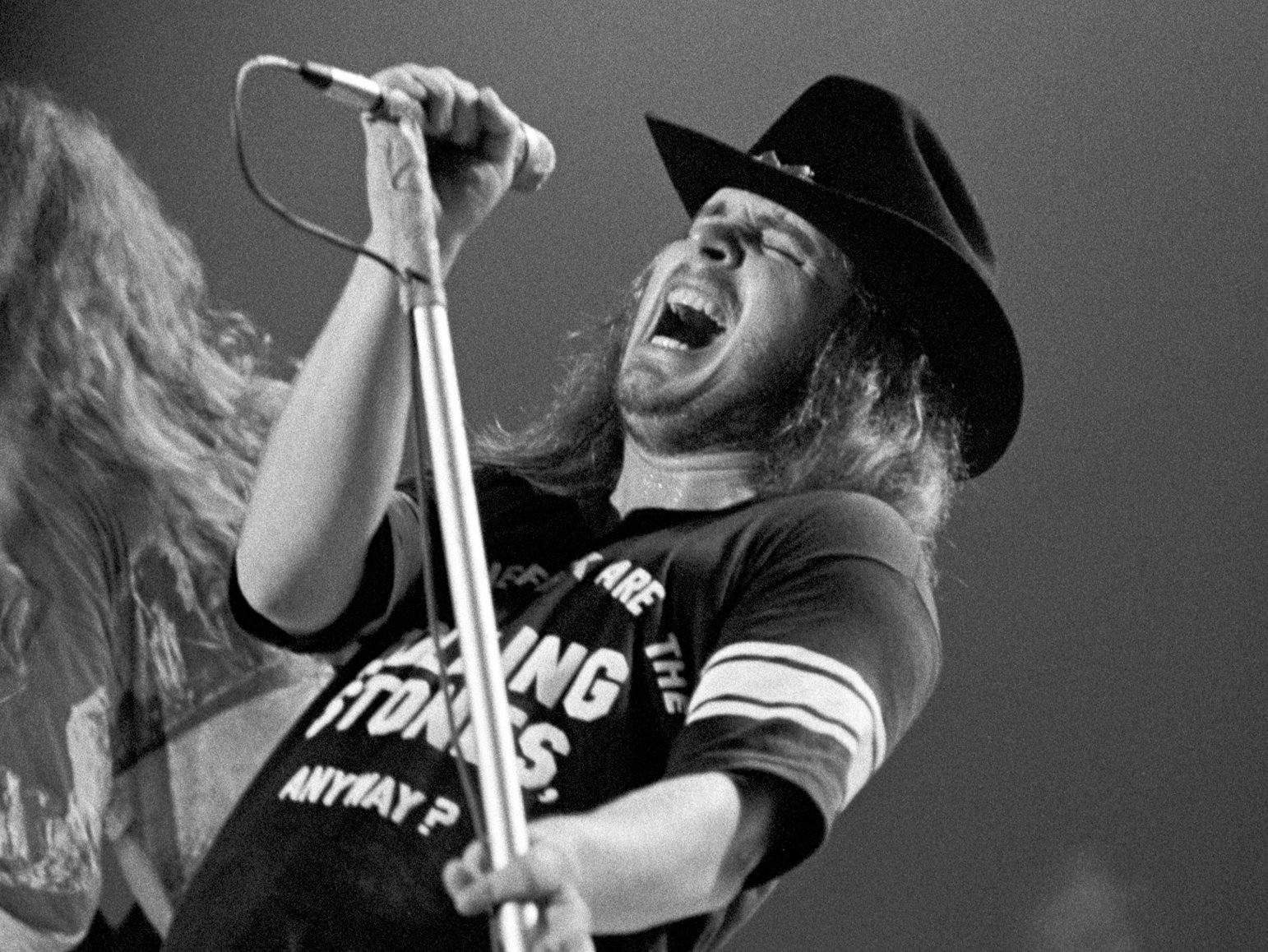
Lynyrd Skynyrd's Ronnie Van Zant sometimes performed wearing a shirt that said, "Who the **** are the Rolling Stones Anyway?" The beef goes back to when Lynyrd Skynyrd opened for the Rolling Stones. Beforehand, Mick Jagger told the band that the ONE thing they couldn't do was go out on the iconic Rolling Stones tongue.
Van Zant, not one to be told what to do, ushered his bandmates out onto the tongue for "Free Bird" in the middle of their set. They ended up going long, too. Needless to say, they never performed with Jagger or the Stones ever again.
You May Also Like:
Unraveling L’Wren Scott’s Darkest Secrets
Paul McCartney Is A Songwriting Genius










.jpg)


.jpg)
.jpg)


.jpg)
.jpg)
.jpg)