
A Patron, Though Not A Saint
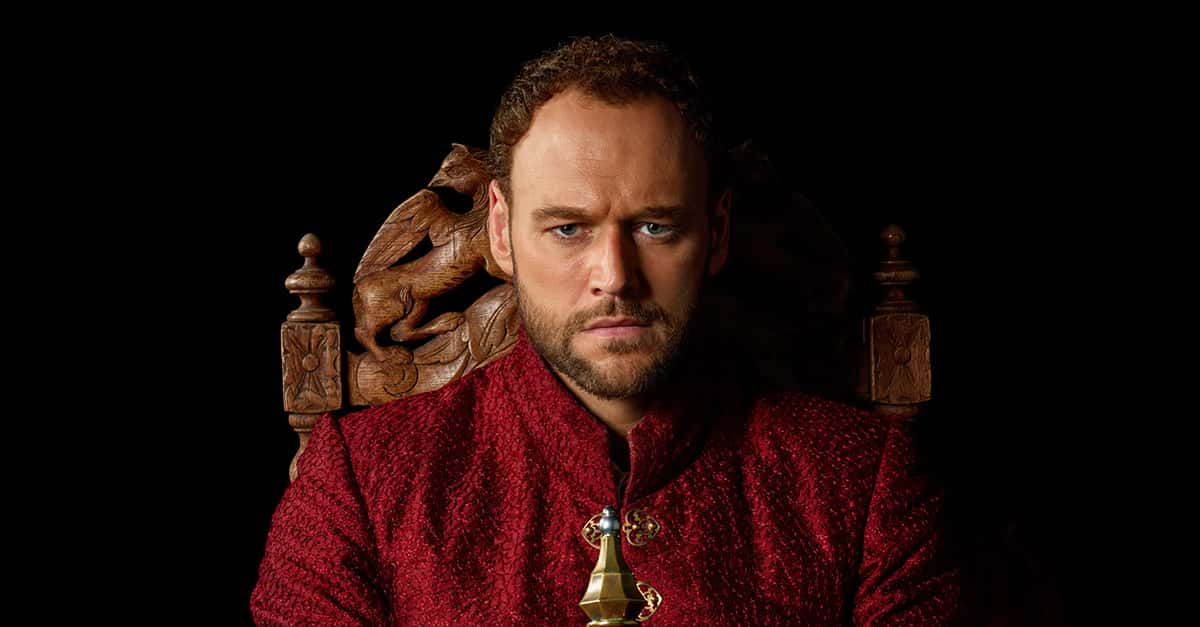
Lorenzo the Magnificent was a powerful statesman in Renaissance-era Florence. An enthusiastic patron of the arts, his money funded some of the best-known art of the era. But behind his generous and cultured façade lurked a cunning political and diplomatic mind…
1. He Had A Silver Spoon
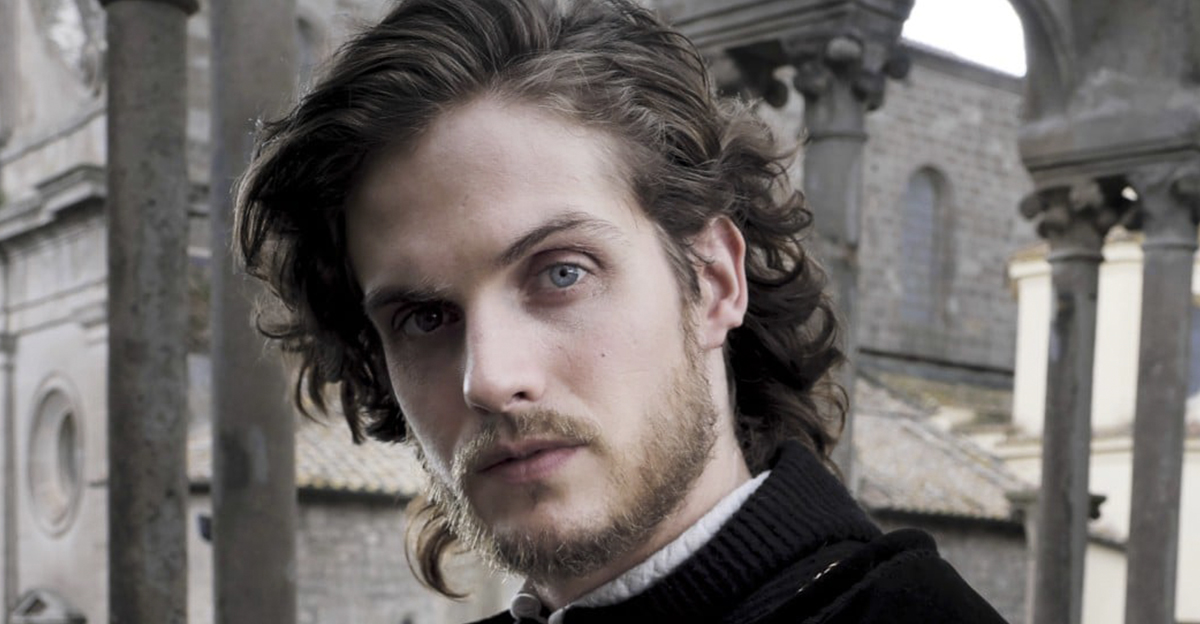
Lorenzo di Piero de' Medici was born on New Years Day, 1449, into the powerful Medici family of the Republic of Florence. Lorenzo was set up from birth: the Medicis were a Florentine dynasty, a politically influential family with vast sums of wealth accumulated from generations of banking. And it was Lorenzo who would keep an old family tradition alive.
2. His Lineage Inspired Him
Lorenzo’s adult life would greatly resemble that of his grandfather, Cosimo de’ Medici. Cosimo was a titanic figure, the first Medici to lead the Republic of Florence and his family’s bank at the same time, and one of the wealthiest men in all of Europe. He was a philanthropist too, spending great deals of his vast fortune on funding the arts and financing public works. He set the precedent for Medicis to come.
3. His Parents Were Culture Vultures
Lorenzo’s father, Piero, would continue the tradition set by his father and fund many artistic projects himself. An enthusiastic collector of art in his own right, Piero showed less interest than his father (or son) in running the family’s business affairs, instead leaving that to his brother, Giovanni.
Lorenzo’s mother, Lucrezia Tornabuoni, was a talented and intelligent woman who wrote sonnets and rubbed elbows with philosophers in the local Academy. Most of the family weren’t difficult to look at either.
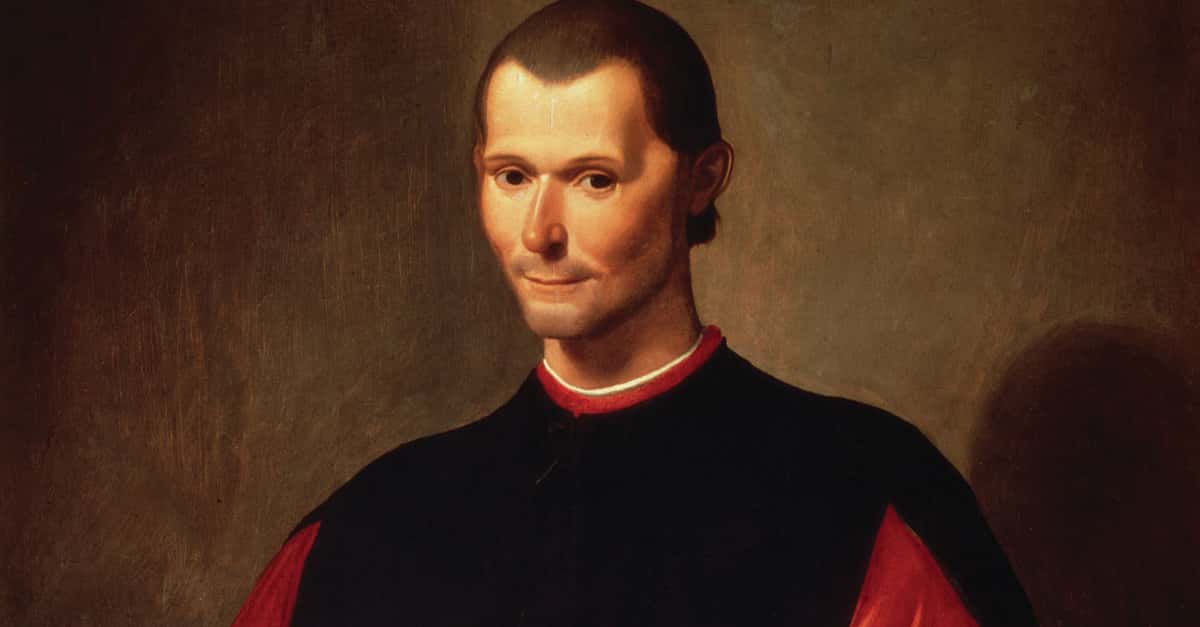
4. He Came From A Family Of Models
Of the many Renaissance artists under the Medicis’ patronage, one of the best known was Botticelli. But it was not just the family’s money that made some of these works of art possible.
Indeed, Botticelli found inspiration in the Medicis’ looks too, using them as models for many of his paintings. Lorenzo, along with other members of his family, posed for masterpieces like Madonna of the Magnificat and The Adoration of the Magi. But the young man appeared in fewer paintings than the rest of the family…
 Giorgio Vasari, Wikimedia Commons
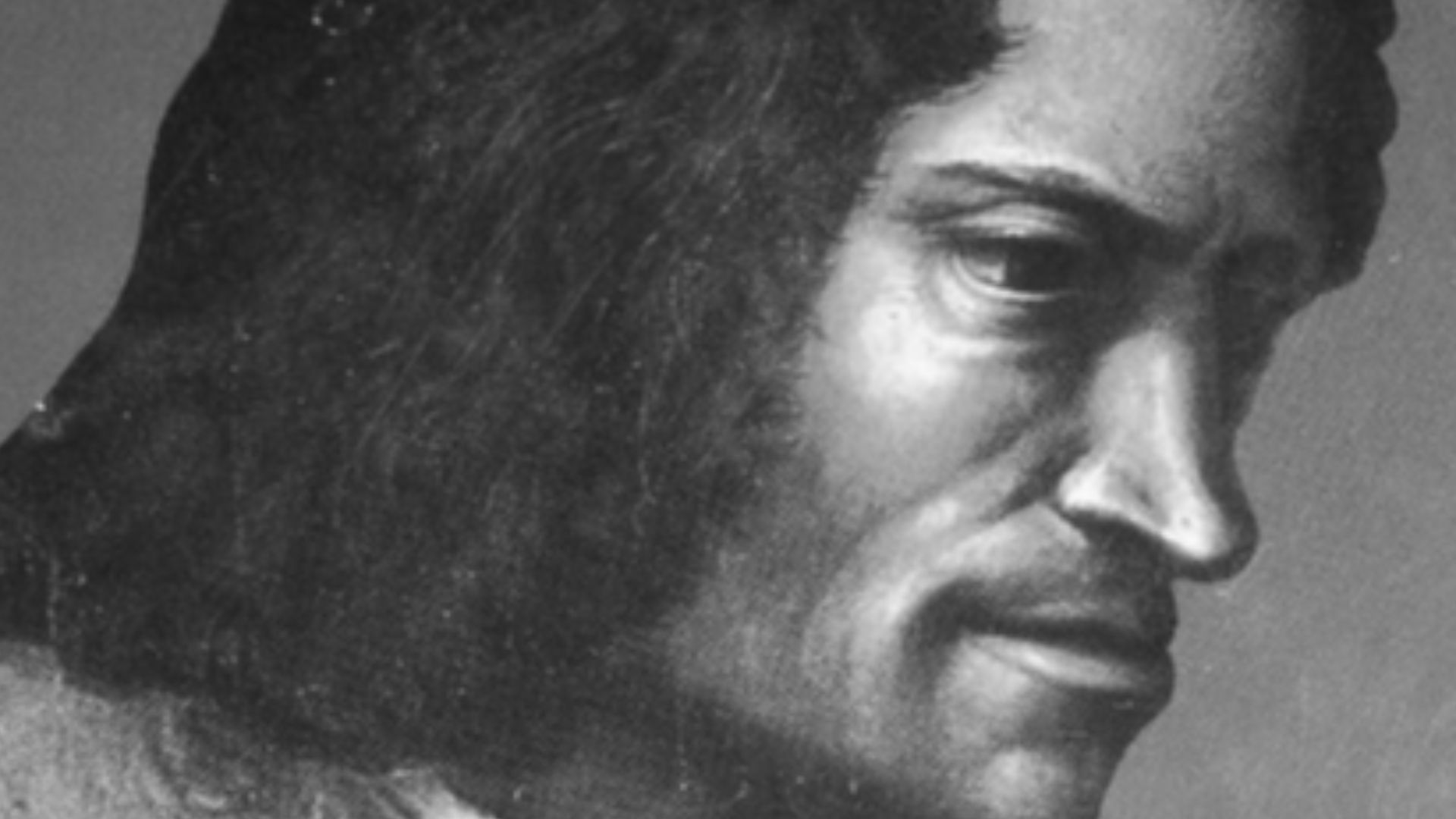
5. He Was A Bit Of An Uggo
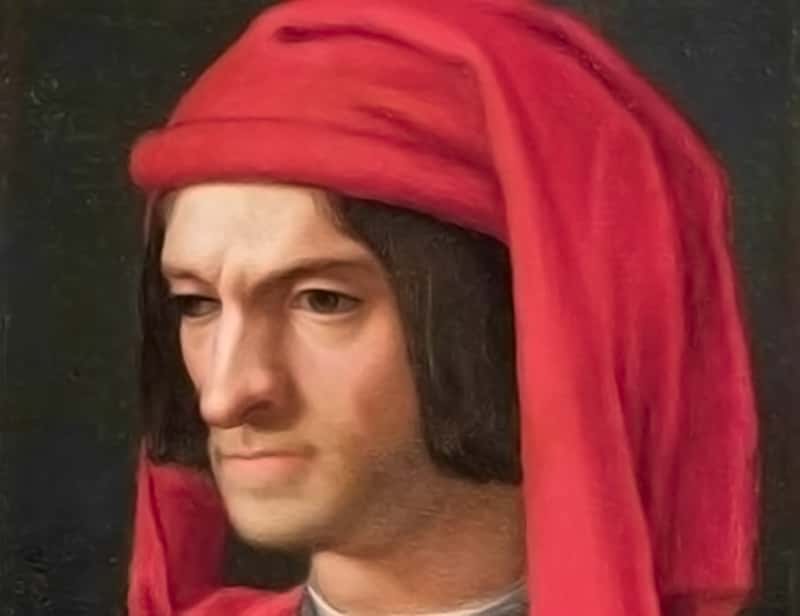
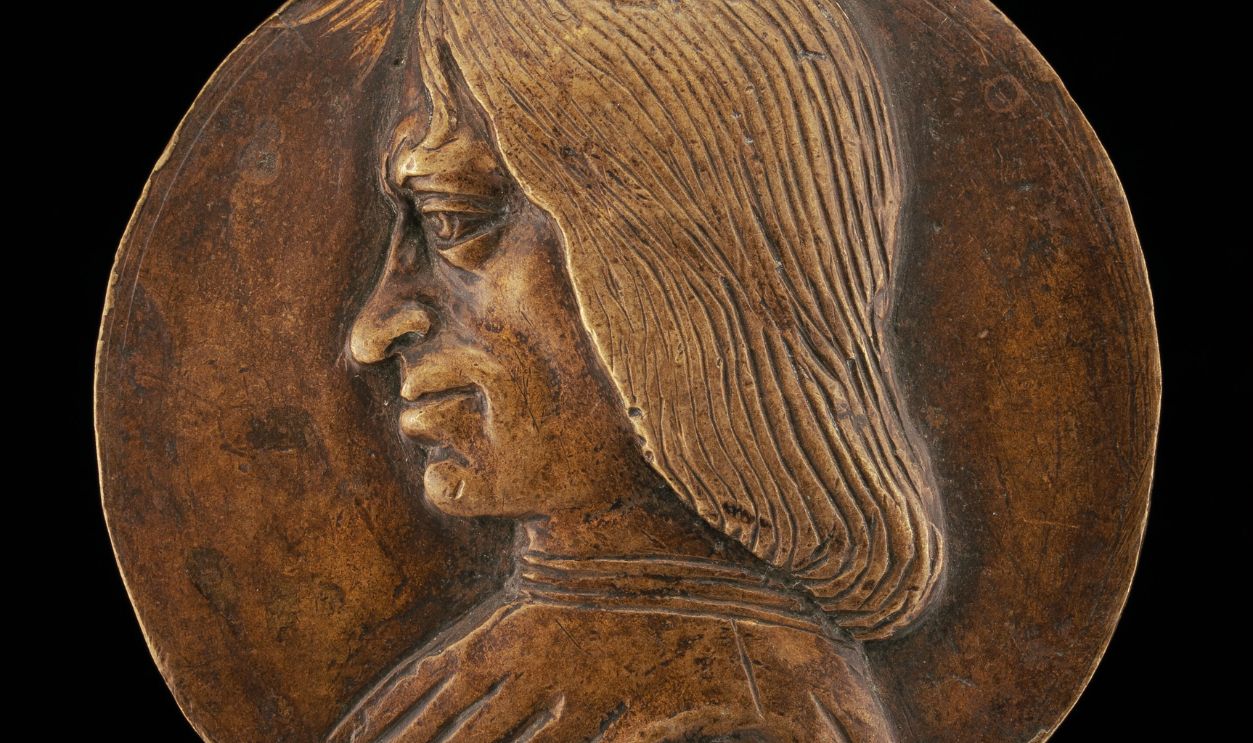
Unfortunately for Lorenzo, in comparison to the rest of his family, he was no looker. Described as “plain of appearance”, Lorenzo was homely with a squashed nose. He was of average height with a broad frame and short legs. He even sounded less than beautiful, with his voice described as harsh. And he may have looked worse next to his brother.
 Sebastiano del Piombo, Wikimedia Commons
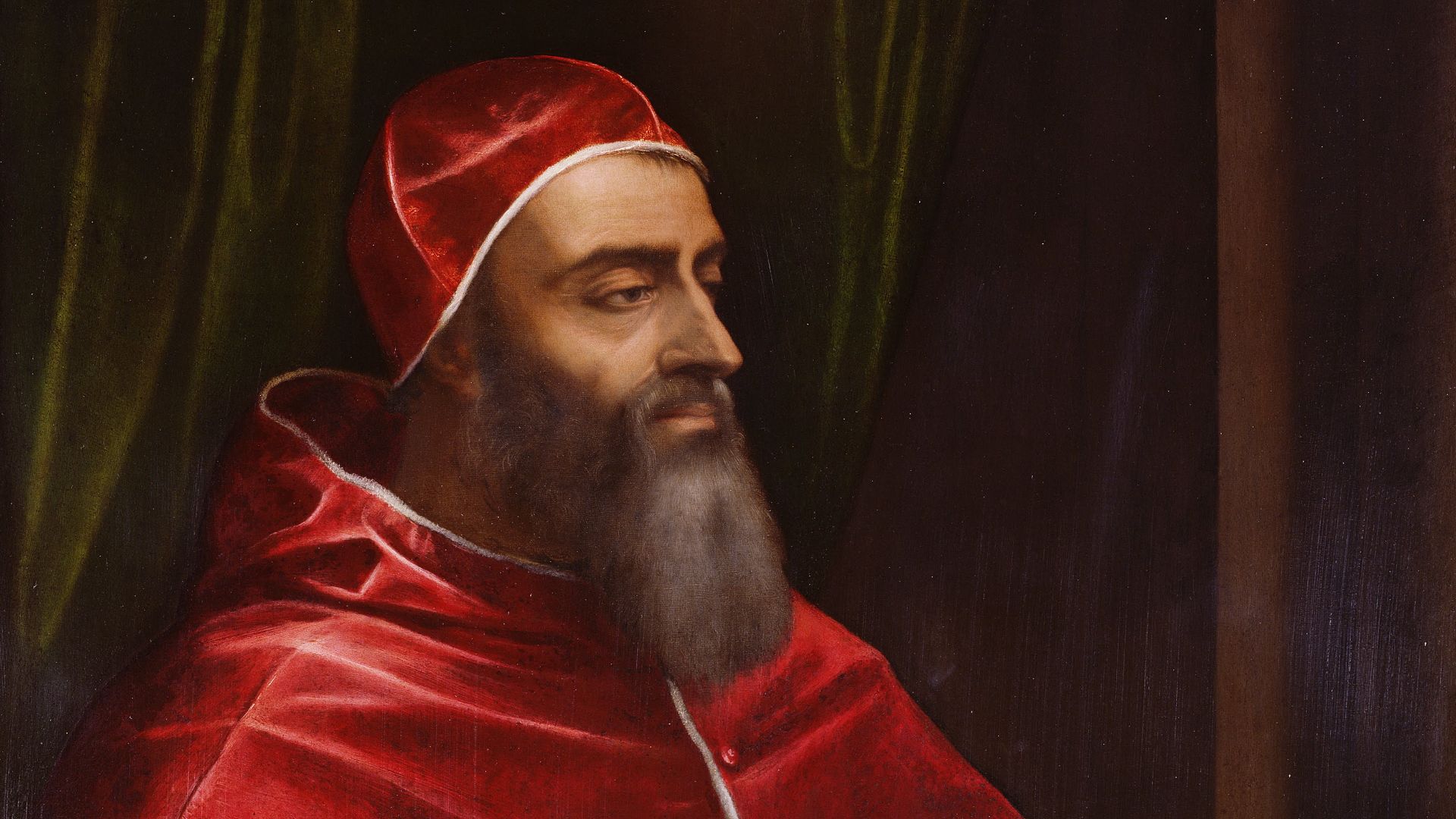
6. His Brother Was Better Looking
Lorenzo’s brother, Giuliano, lived on the other end of the looks spectrum. Dashingly handsome and regarded as the family’s “golden boy”, Giuliano modelled for Botticelli much more frequently than his brother, most notably as the smoking hot Mars in Botticelli’s painting Venus and Mars.
But Lorenzo had other qualities his brother lacked.
 Sebastiano del Piombo, Wikimedia Commons
7. He Had Smarts
Despite his plain appearance, Lorenzo had other talents, notably his great mind. When described by a close friend, in contrast to his homely looks, the friend noted that Mother Nature “acted as a loving mother in all things concocted with the mind.” And along with his smarts, people seemed to like the kid too.
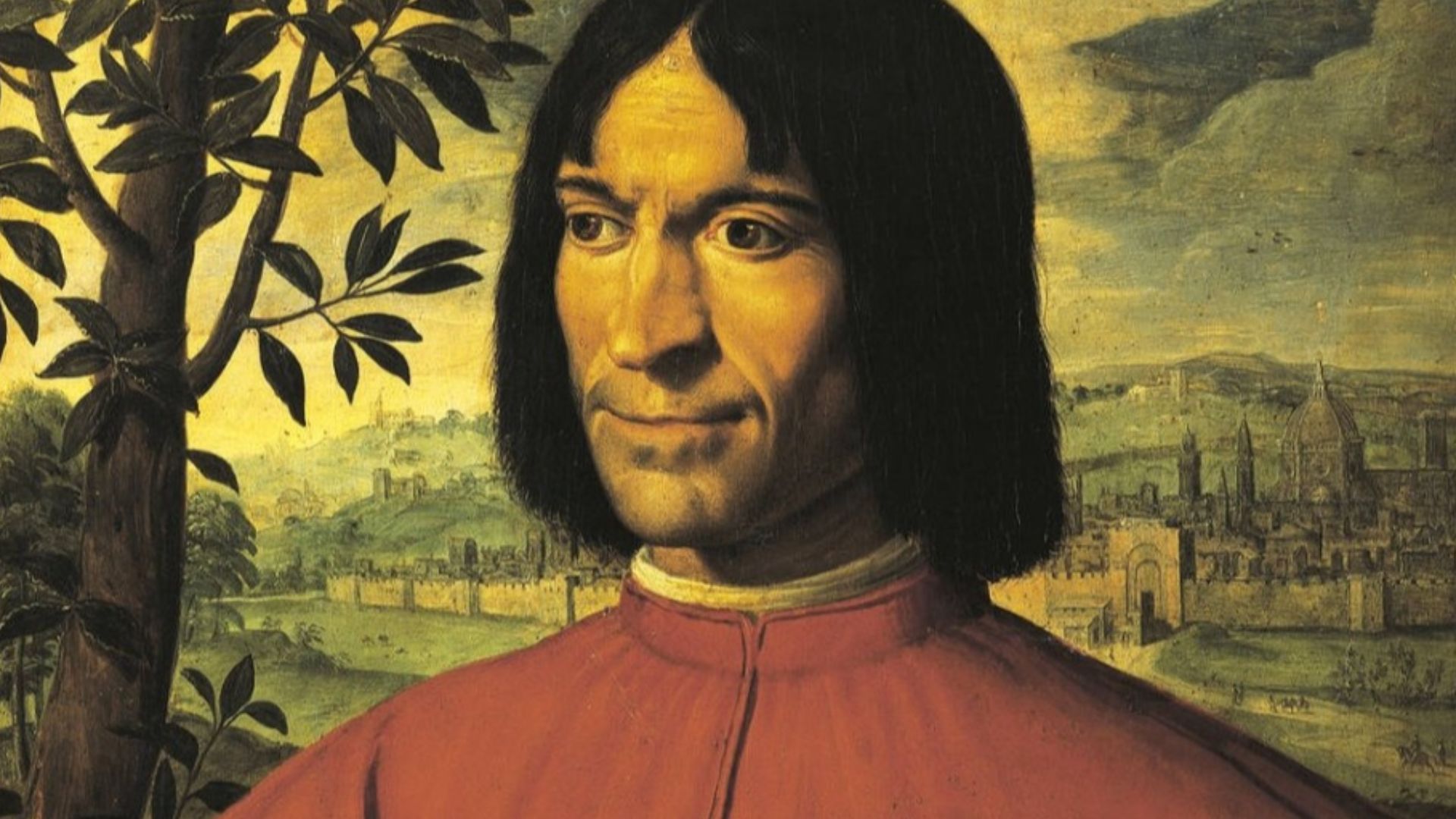 Girolamo Macchietti, Wikimedia Commons
8. He Had A Quiet Dignity
Lorenzo did not seem to lament his lack of good looks at all. Though he was not handsome, his face, dark of complexion, had a reputation for being “full of dignity”, and the young man compelled respect in whomever he conversed with. Perhaps this was why his parents had such faith in him.
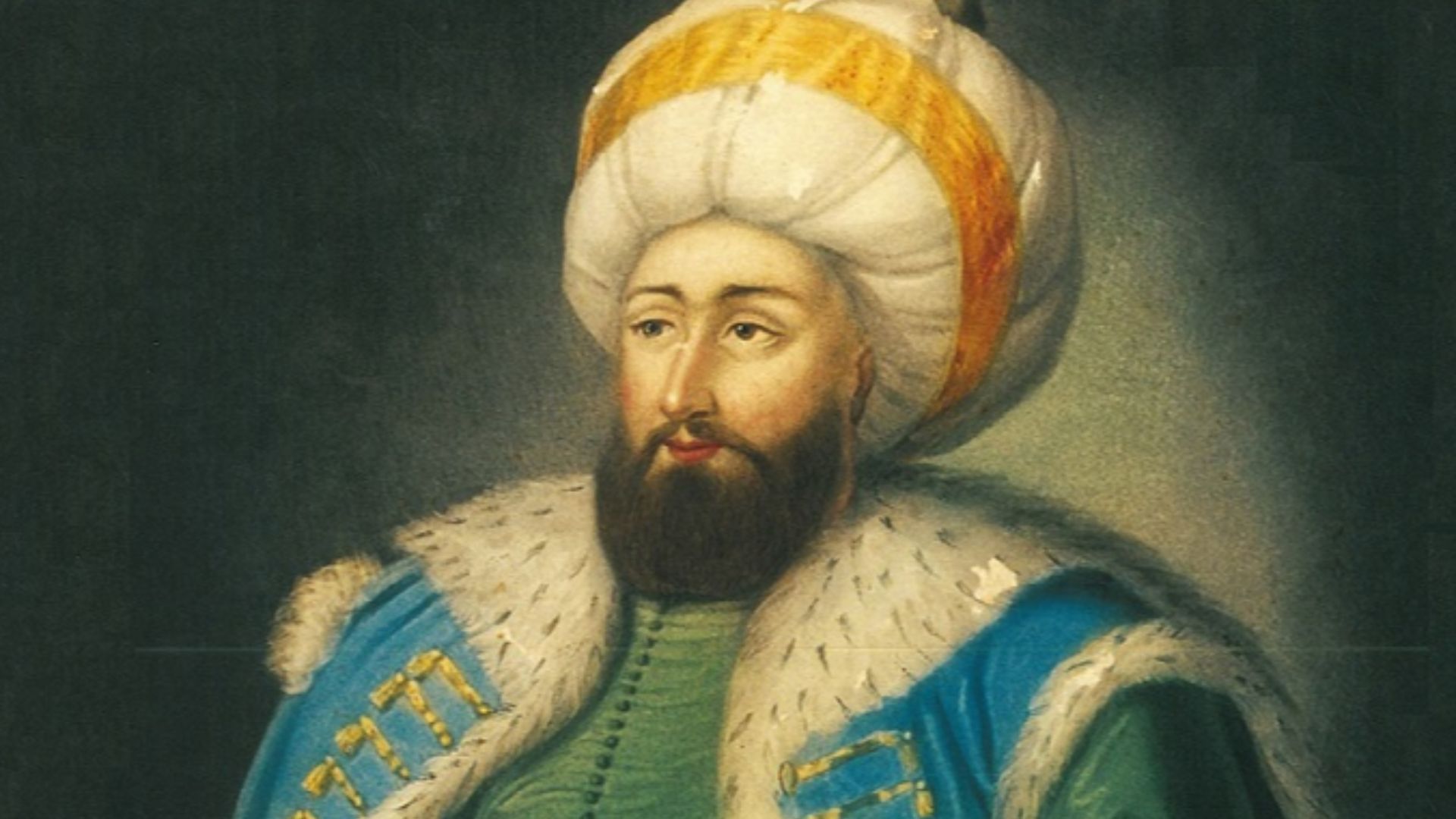 Konstantin Kapidagli, Wikimedia Commons

History's most fascinating stories and darkest secrets, delivered to your inbox daily.
9. He Was The Favorite
Though Lorenzo was one of five Medici children born to Piero and Lucrezia, he seemed to be the one the family had most faith in. Considered the most promising of the children to continue the family’s great legacy, his parents set to work nurturing his aptitudes and skills.
 Sandro Botticelli, Wikimedia Commons
10. He Had The Best Teachers
Lorenzo’s family knew that their son’s talents needed cultivation by the best of the best, and the boy had many notable tutors throughout his childhood. Chief among these were bishop Gentile de’ Becchi, a well-respected Florentine diplomat, and Marsilio Ficino, a pioneering humanist philosopher. The Medicis did not limit Lorenzo’s learning to his native tongue either.

11. He Could Read The Classics
During the Renaissance, there was an explosive revival of the classics of Greek and Roman art and literature, and the young Lorenzo had an enthusiastic interest. Such was his passion that he even trained in Greek with the influential Renaissance scholar, John Argyropoulos. But his talents didn’t stop there.
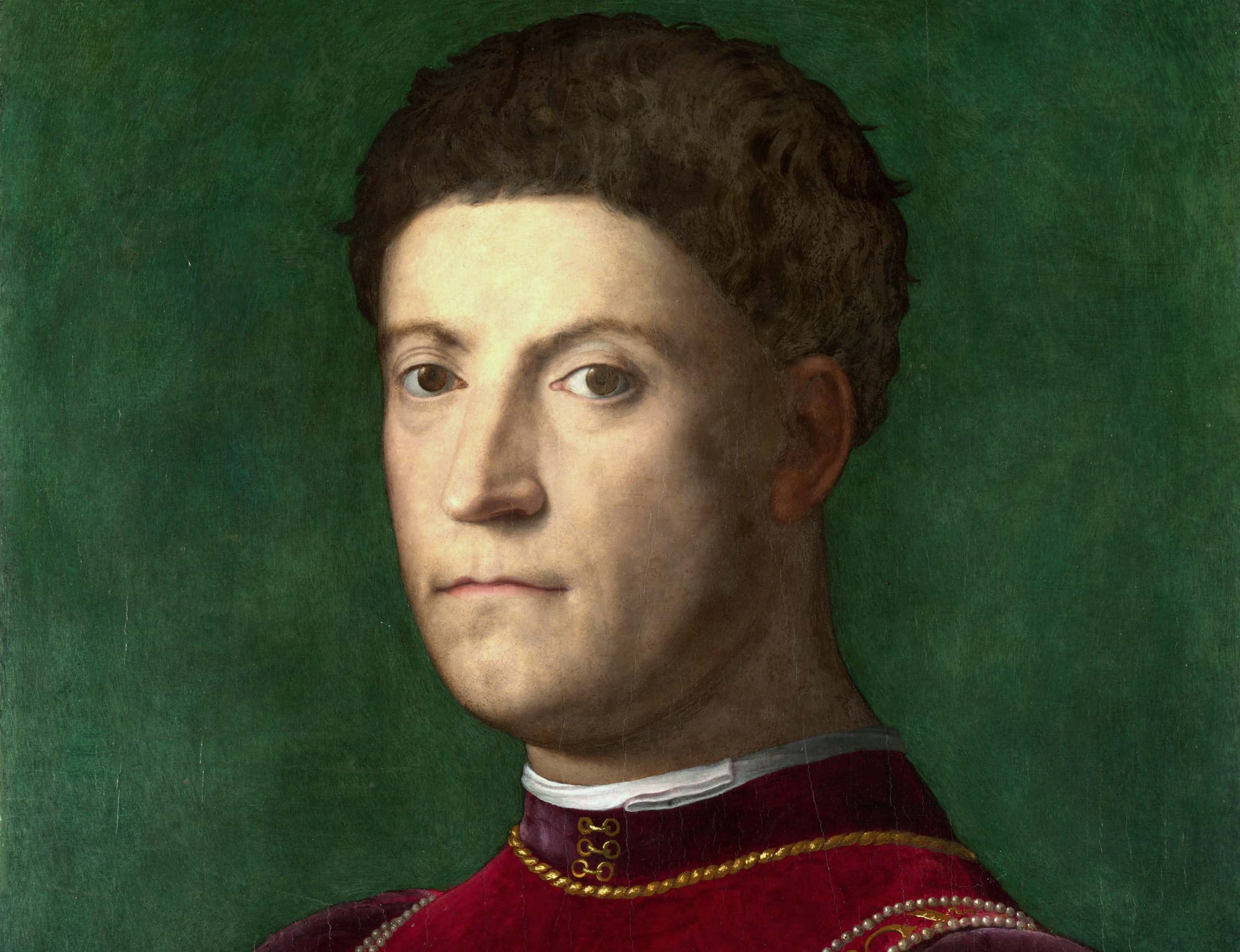
12. He Was A Busy Boy
But it was not all work, no play for young Lorenzo. The boy had a large variety of hobbies and interests in his youth, further proving that looks weren’t everything. Lorenzo tried his hand at hawking, hunting, horse breeding, and jousting. This last one, he had a particular affinity for.
 Peter Paul Rubens, Wikimedia Commons
13. He Was A Talented Jouster
Jousting was among Lorenzo’s most favored passions, and his talents reflected his dedication. In 1469, the Medici family sponsored a grand jousting tournament. Displaying his relentless ambition, Lorenzo entered the tournament and, aged just 20 years old, emerged the victor, finishing in first place among all participants. It was a great story, and it got the press it deserved.
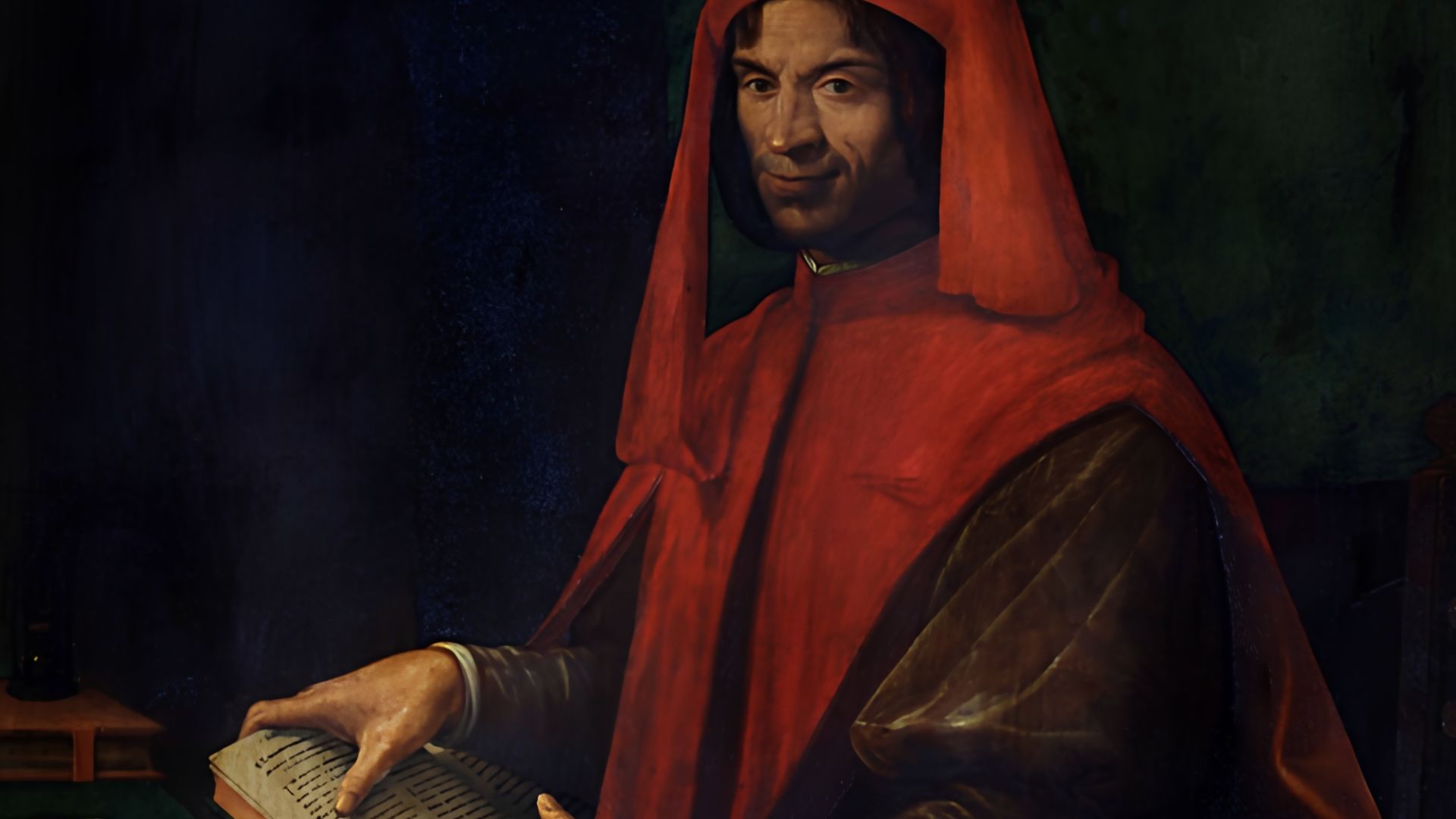 Macchietti Girolamo, Wikimedia Commons
14. They Immortalized Him In Prose
Lorenzo’s victory in the tournament at such a young age attracted much attention from storytellers of the era. His grand performance was the subject of a poem by notable Renaissance poet Luigi Pulci, and the occasion was even chronicled by Machiavelli himself.
Lorenzo’s family quickly seized on his relative fame.
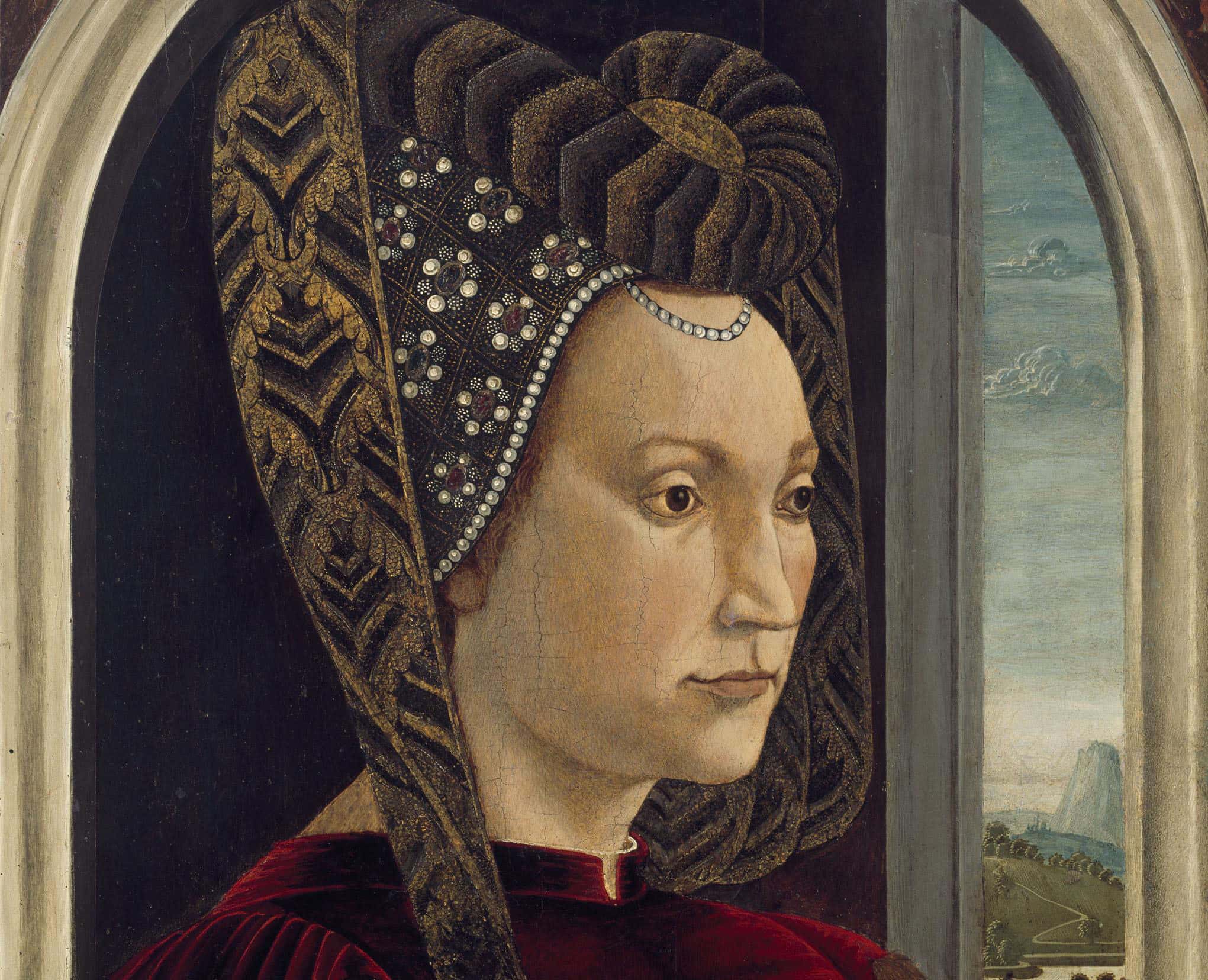
15. He Got To Work Early
As mentioned, Lorenzo’s parents saw their son’s potential early, and his father quickly put him to use representing the family’s interests. While still in his youth, Lorenzo embarked on a variety of important diplomatic missions, meeting many important religious and political figures of the era, including a trip to Rome to converse with the Pope. Destined for leadership, all he needed was a partner by his side.
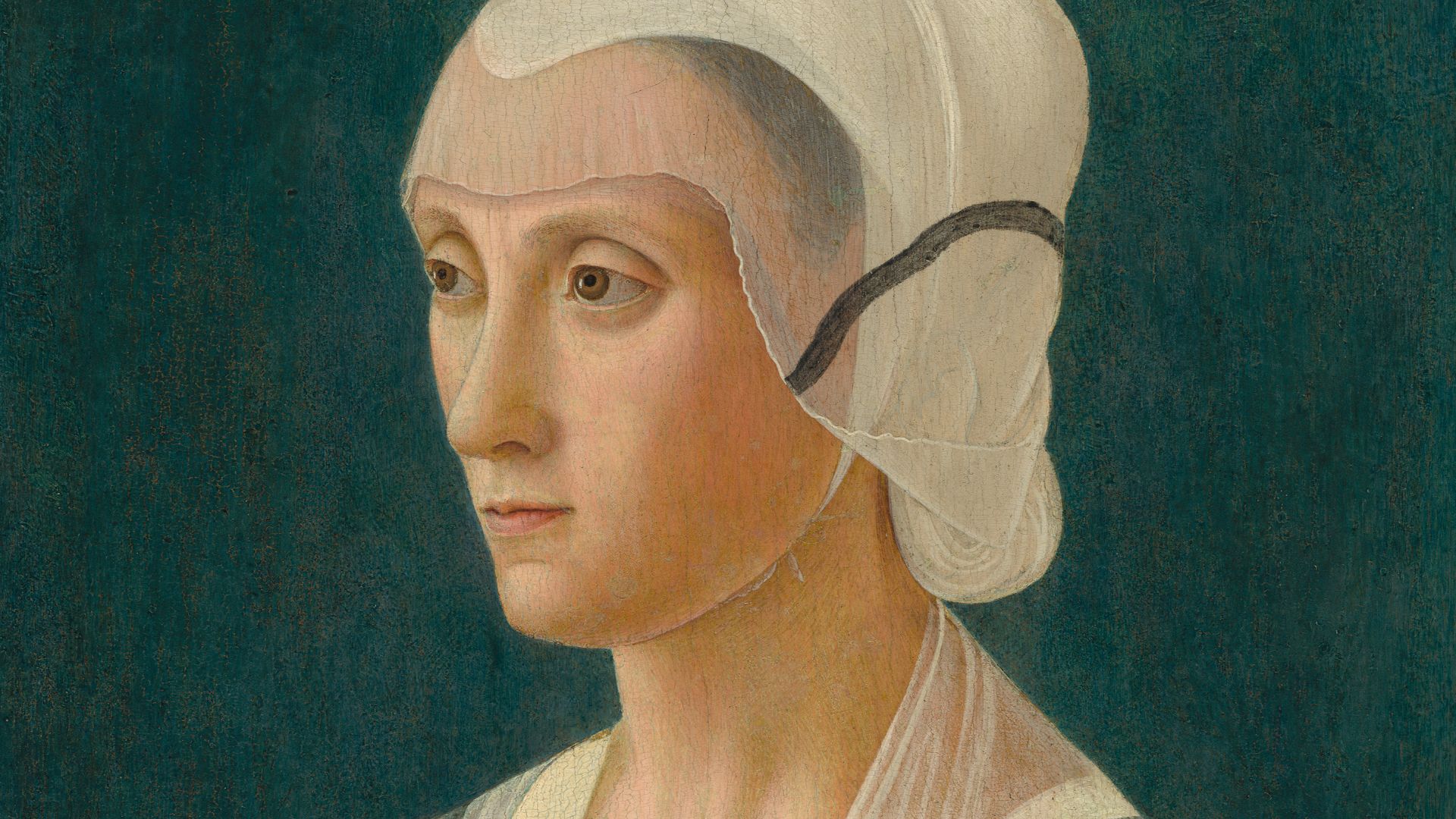 Attributed to Domenico Ghirlandaio, Wikimedia Commons
16. He Had A Big Family
On February 7, 1469, Lorenzo married Clarice Orsini. The Orsinis were a great Roman noble family, and the marriage was a diplomatic one. The couple would go on to have a whopping ten children, though, tragically, only six would survive to adulthood. The family would later gain one more member after further tragedy.
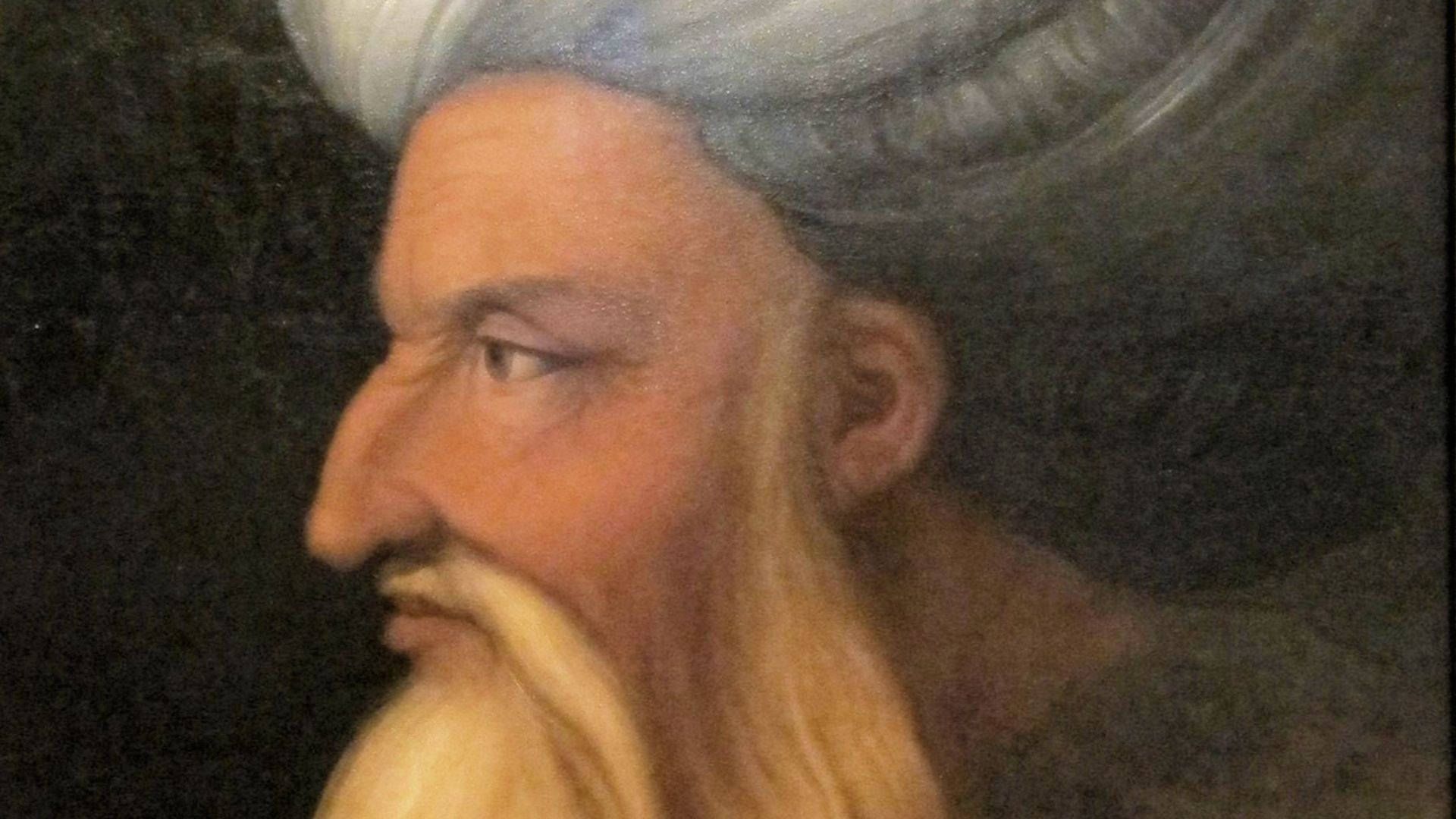 Florentine painter Cristofano dell'Altissimo, 16th century, Wikimedia Commons
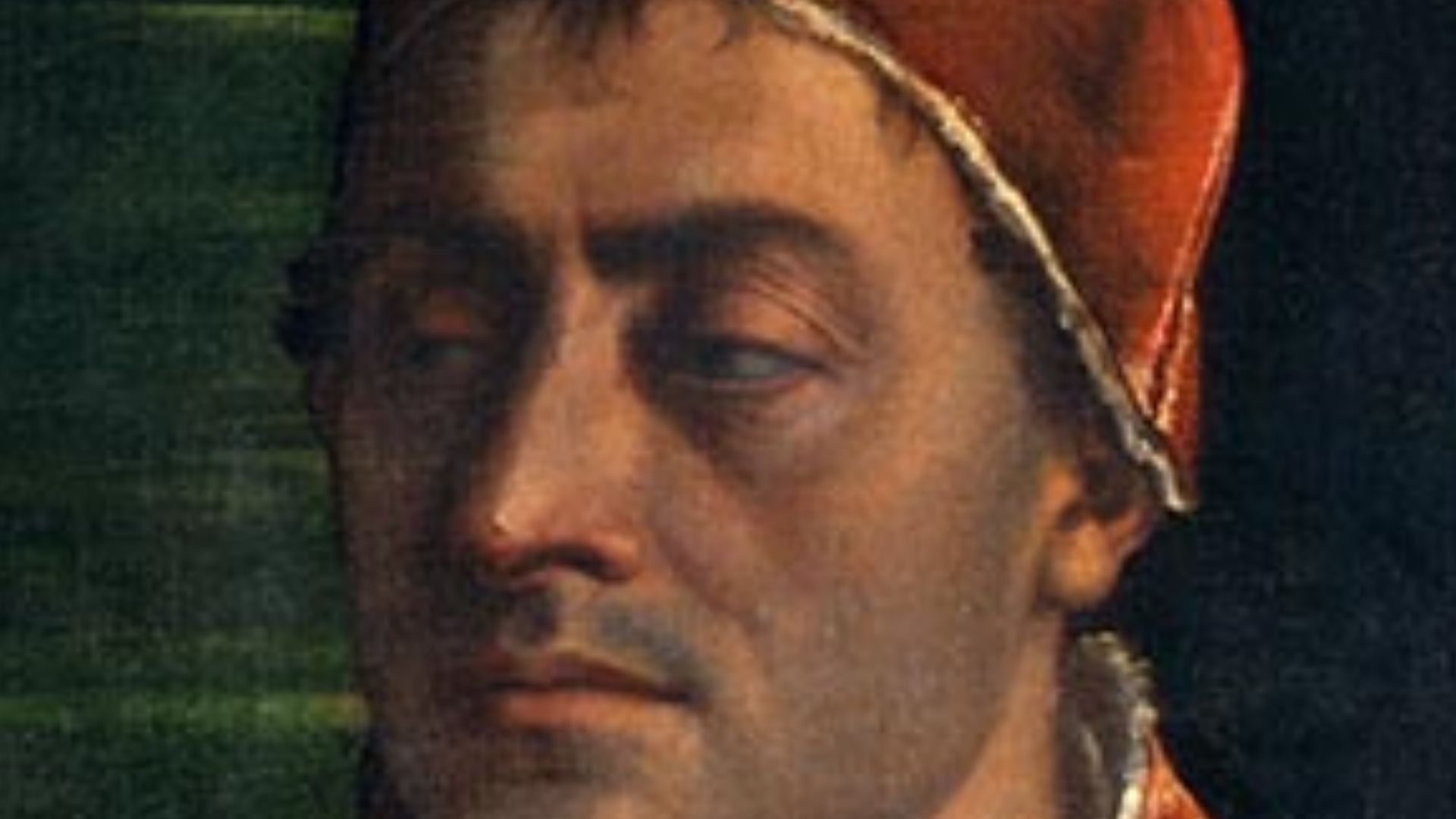
17. He Raised A Future Pope
Lorenzo and Clarice would later add one more to their household. After the untimely demise of Lorenzo’s brother Giuliano (more on that later), the couple would adopt his son, and Lorenzo’s nephew, Giulio. Notably, Giulio would later ascend to the papacy as Pope Clement VII in 1523. Perhaps he picked up some leadership tips from his stepfather.
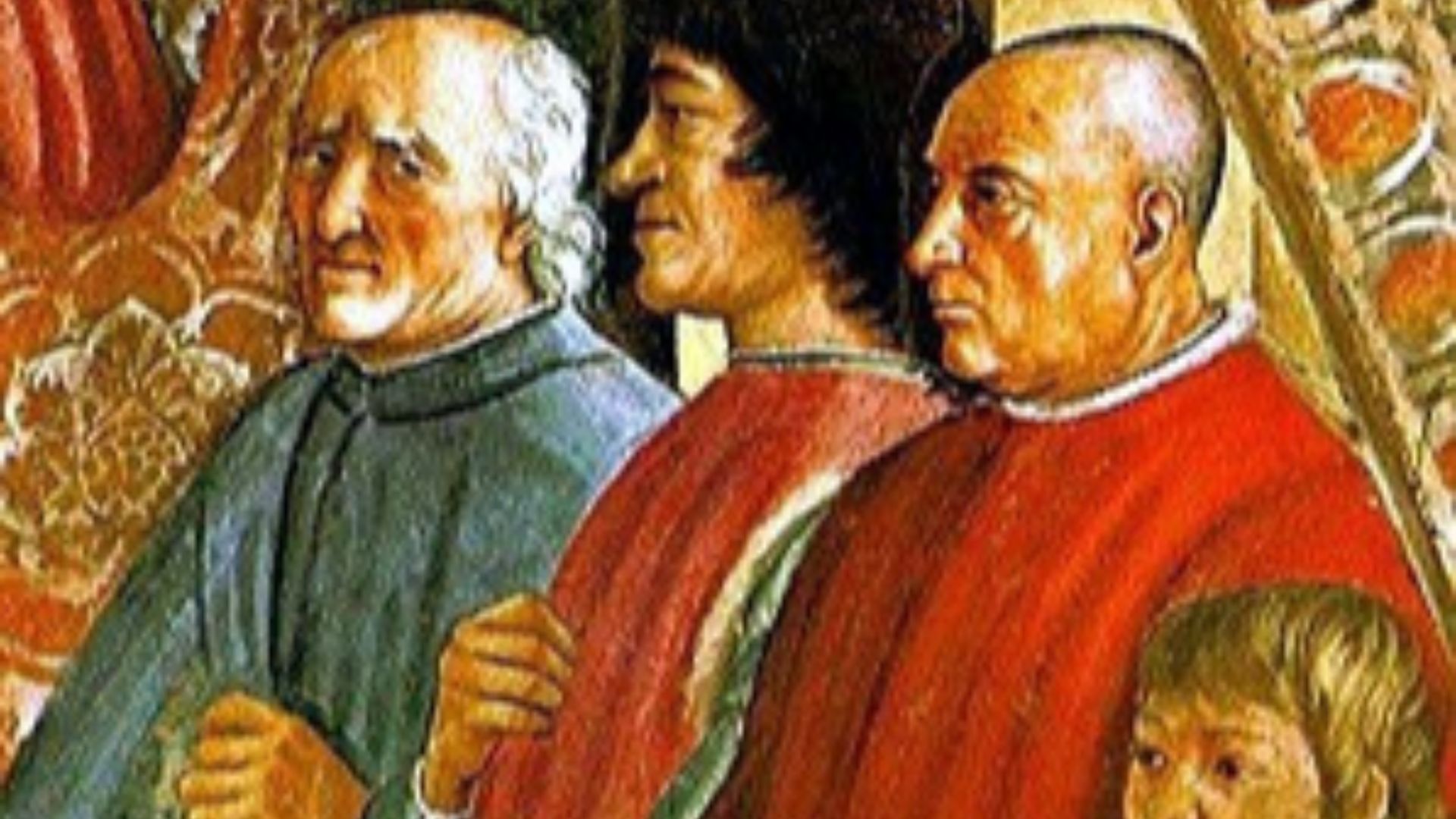 Domenico Ghirlandaio, Wikimedia Commons
18. He Took Power Young
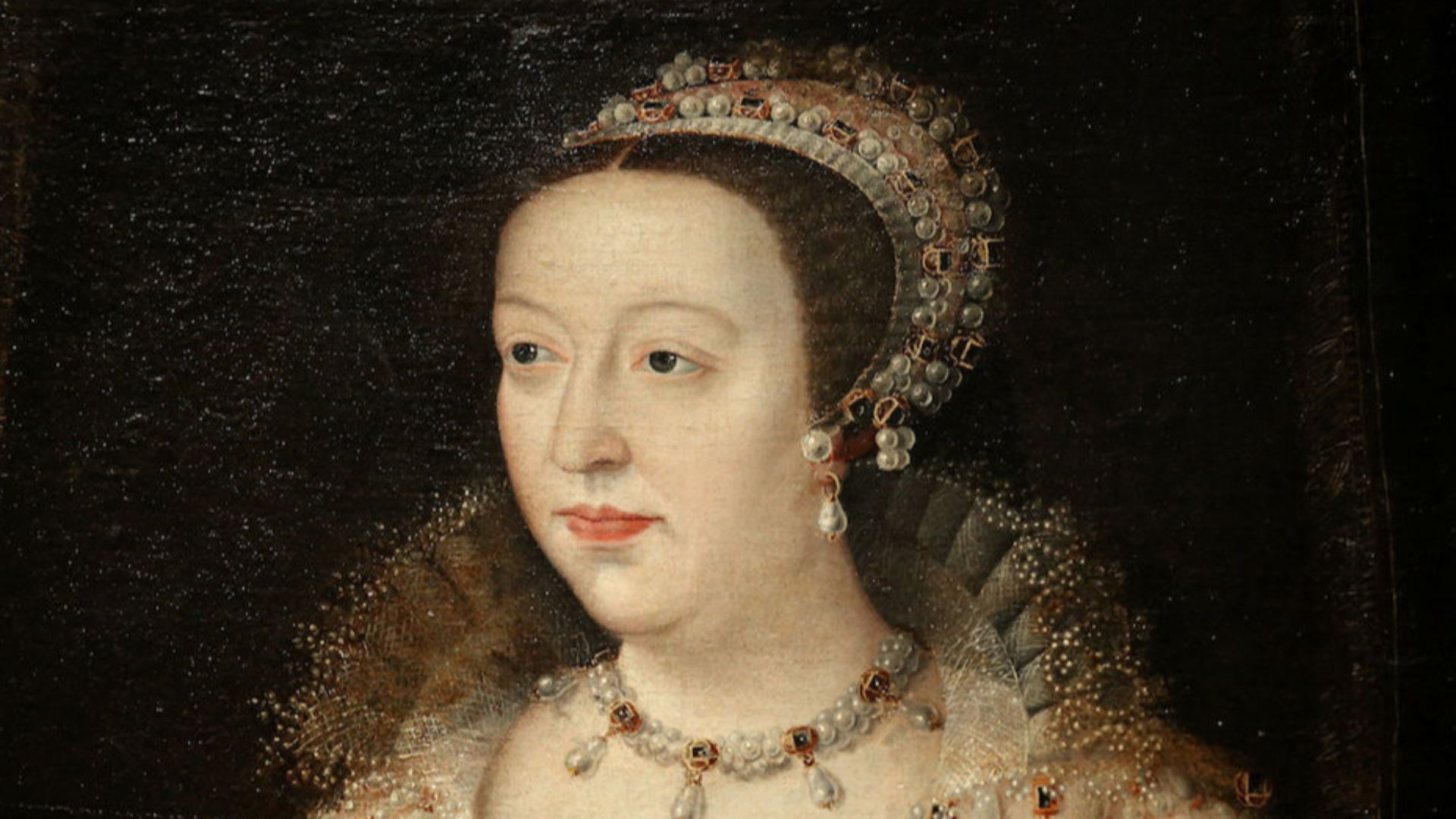
After a youth groomed for power, Lorenzo finally got his shot in 1469. Upon the demise of his uncle, and then his father, the young Lorenzo assumed a leading role in the Florentine state at just 20 years old. Having just won the jousting tournament, it was a big year for the young man, and he would need sound advisors.
 Attributed to Germain Le Mannier, Wikimedia Commons
19. He Took His Mother’s Counsel
With his father and uncle, the previous stewards of the Medici family bank, now gone, Lorenzo found himself without any Medici elders to advise his leadership. Perhaps showing his progressive attitude relative to the prevailing norms of the area, Lorenzo enlisted the help of his mother, Lucrezia, who became one of his closest counsels. The two proceeded to play the game of Florentine politics.
 Yair Haklai, Wikimedia Commons
20. He Pulled The Strings
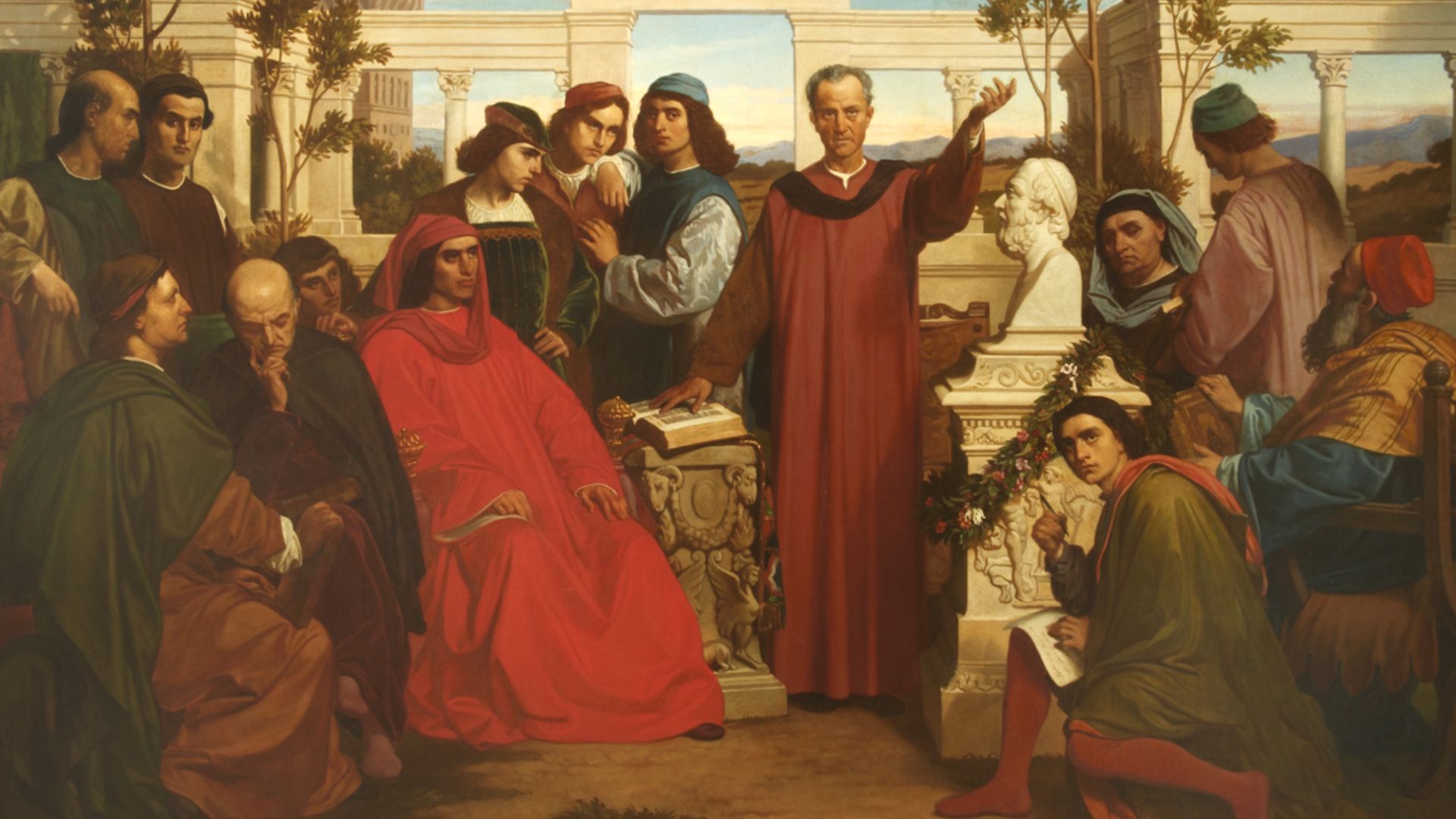
It should be noted that the Medici’s were not the official rulers of Florence, but their vast wealth put them in a powerful position to influence the city state’s politics, making them de facto rulers. Lorenzo, like his grandfather and father before him, ruled indirectly through payoffs to city counsellors, convincing them to be his surrogates, and arranging strategic marriages that would shore up his family’s position. But while his money did a lot of talking, it helped with something else too.
 Luigi Mussini, Wikimedia Commons
21. He Invested In His City
Lorenzo continued his family’s legacy of philanthropy, donating vast sums of money to charity, constantly paying his fair share of taxes, and investing in many Florentine buildings. In 1471, he estimated that his family had spent about 663,000 florins on public goods since 1434, the equivalent of about US$460 million in today’s money.
Lorenzo was more than happy to do this, writing “though many would consider it better to have a part of that sum in their purse, I consider it to have been a great honor to our state, and I think the money was well-expended and I am well-pleased.” But not everyone was as enthusiastic about his influence.
22. His Family Had Their Detractors
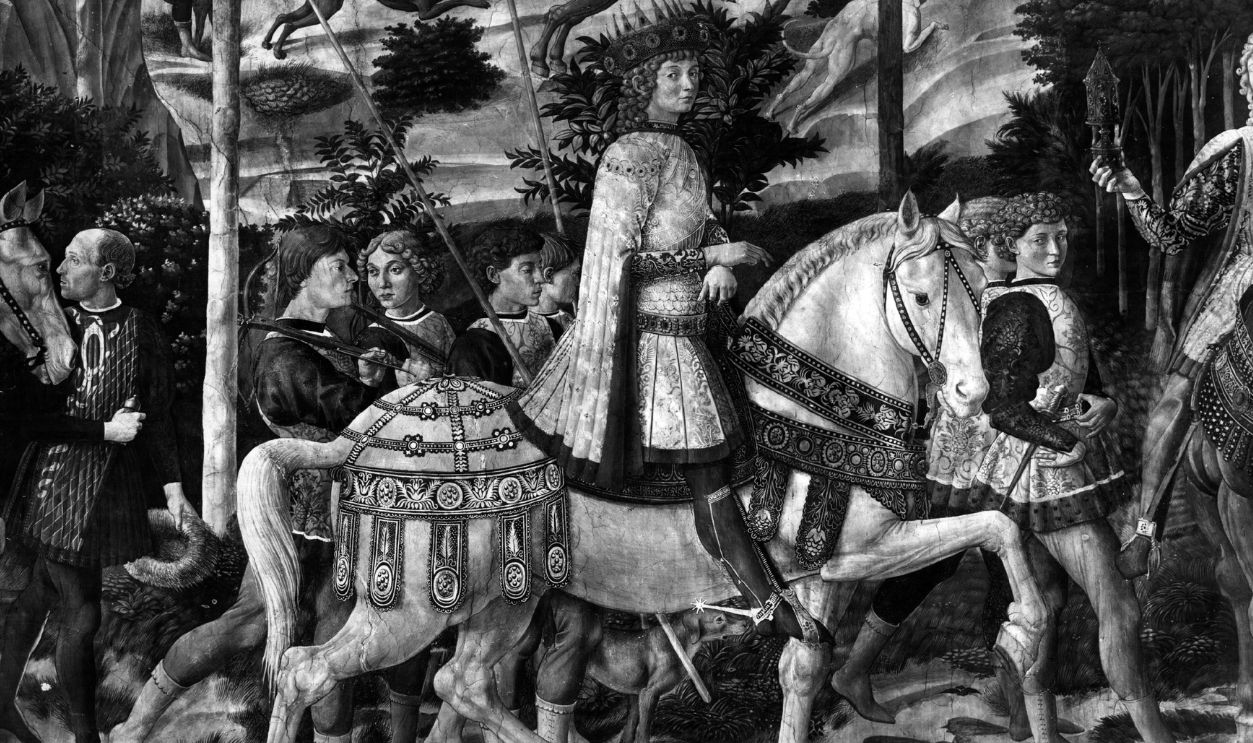
Because of the Medicis’ unmatched dominance over Florentine life and politics, many rival families grew resentful of them. Indeed, many of them posed great threats to Lorenzo’s rule throughout his life, with the Pazzi family being the greatest and most dangerous of these enemies. They began to plot, while Lorenzo continued to make a name for himself.
 Attributed to Daniele da Volterra, Wikimedia Commons
23. He Got An Immortal Nickname
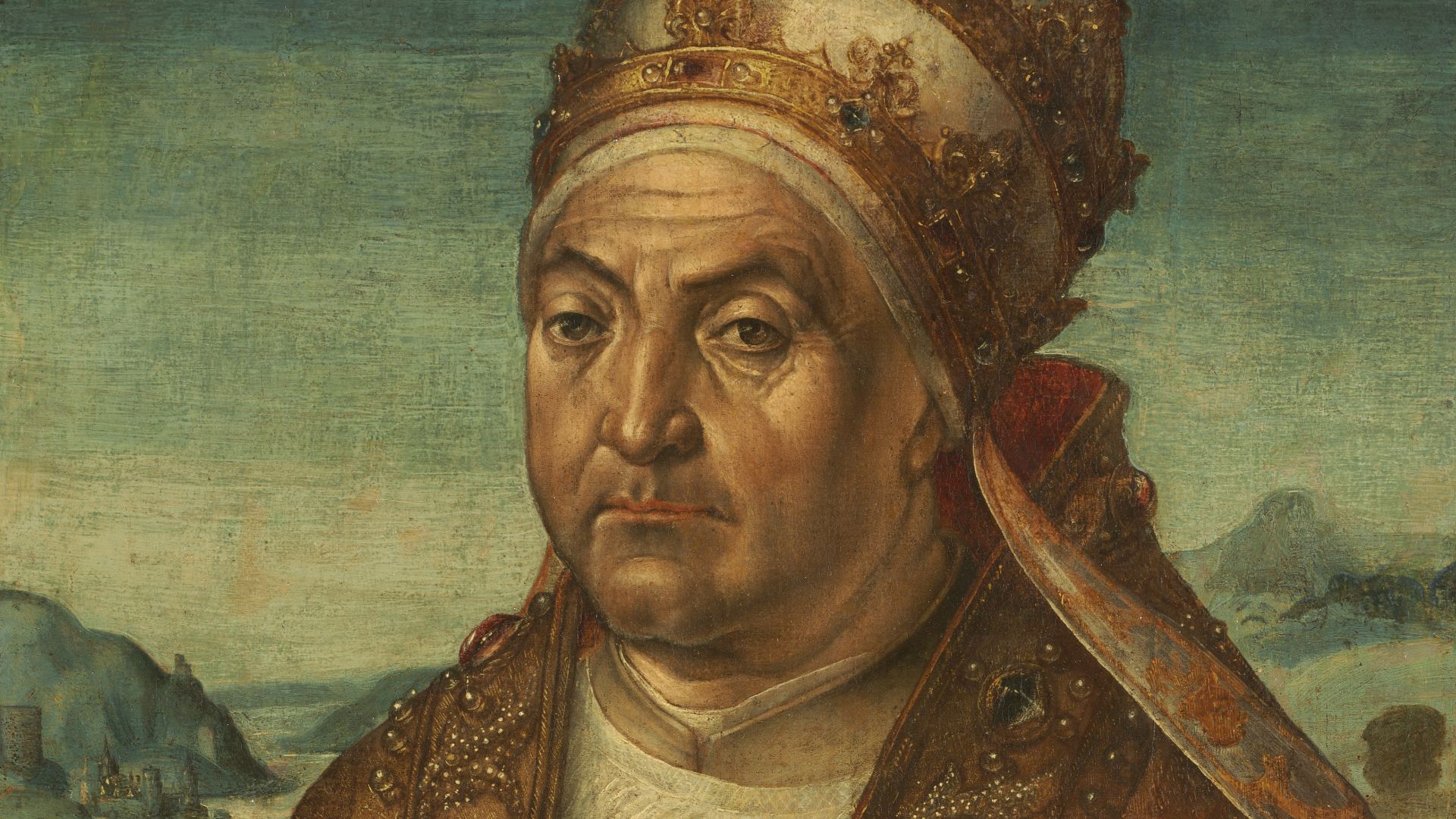
Lorenzo’s stature continued to rise among Florentine society. Few were unaware of the influence he had, and despite the jealousy of rival families, most held him in high regard. He received the nickname “Lorenzo the Magnificent”, cementing his place as a Florentine great. He made sure to lift others up too.
 Pedro Berruguete, Wikimedia Commons
24. He Funded The Renaissance
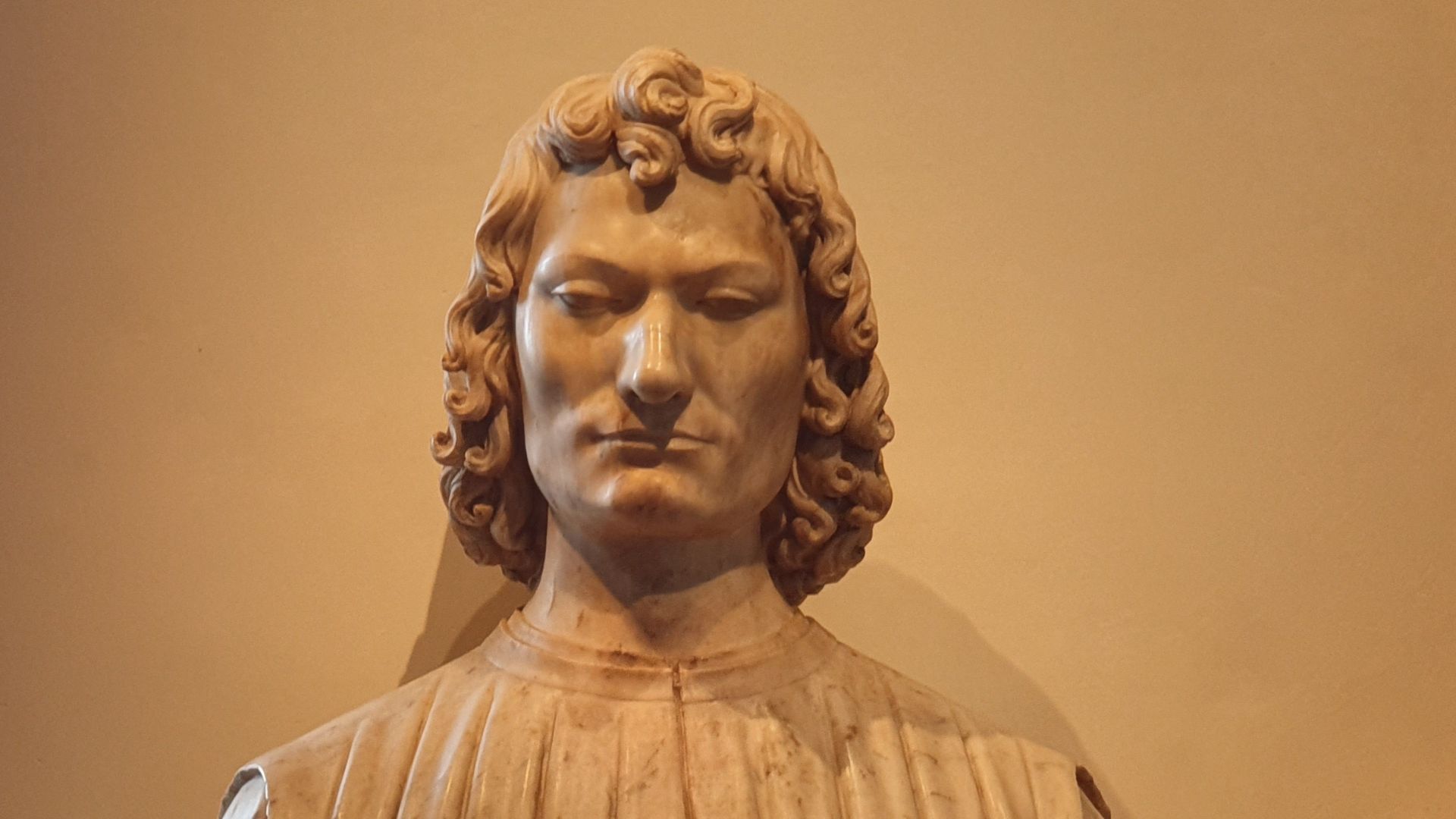
Contributing to his enduring legacy, Lorenzo became one of the foremost and most powerful patrons of the arts in all of Italy. The vast sums of money he put towards the arts would inspire many other wealthy Europeans to do the same, spurring on the Renaissance, particularly in Italy.
And his patronage list was as impressive as his wealth.
 Yair Haklai, Wikimedia Commons
25. He Funded The Greats
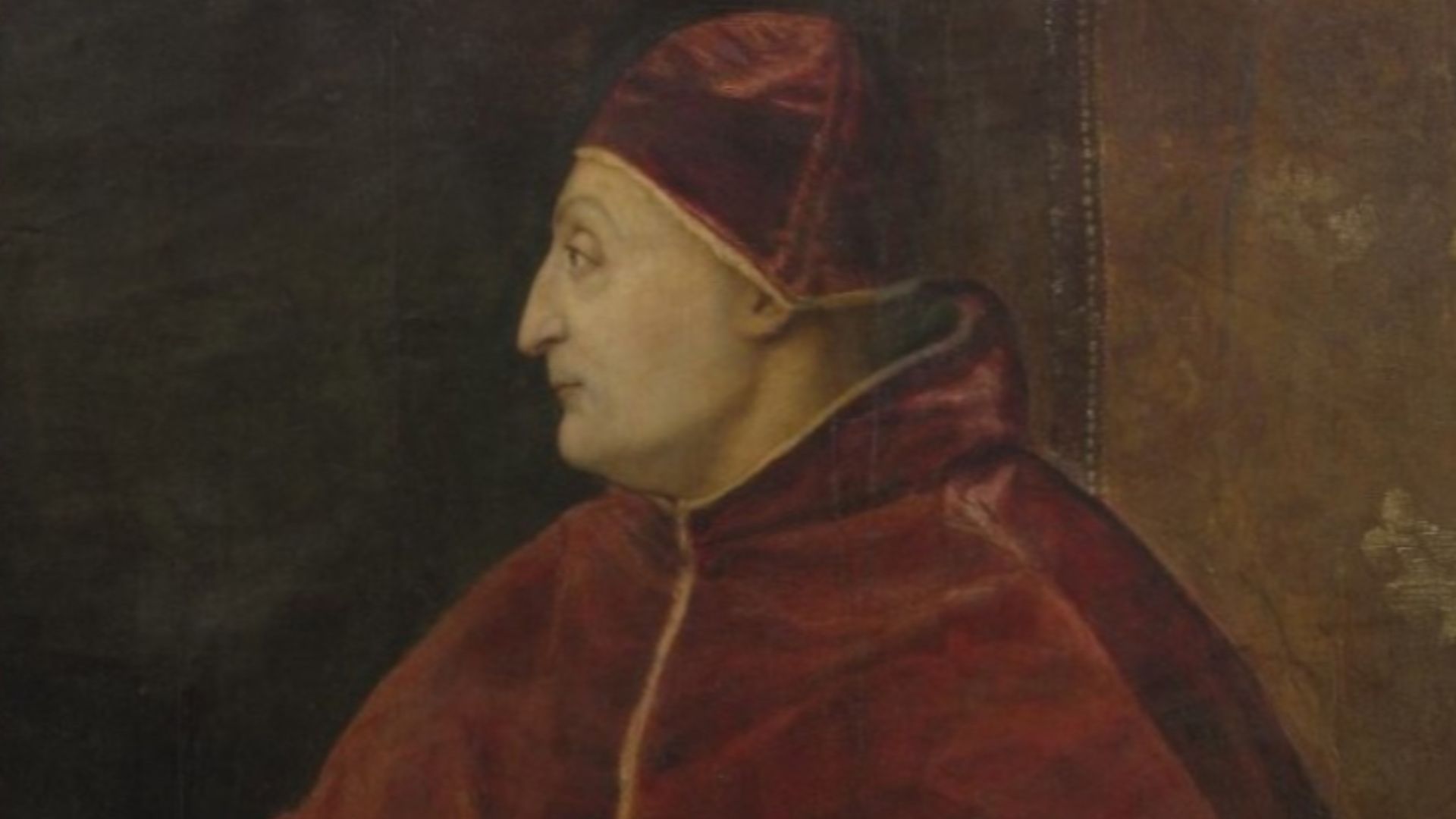
Lorenzo’s court of artists that he sponsored was a who’s who of Renaissance greats. Among them were painters like Piero, Antonio del Pollaiuolo, Andrea del Verrocchio, and Domenico Ghirlandaio. He even continued to sponsor Botticelli; there were clearly no hard feelings for using his brother as a model more often. But one of Lorenzo’s artists rose high above any of the others.
 Titian / After Melozzo da Forli, Wikimedia Commons
26. He Dined With A Big One
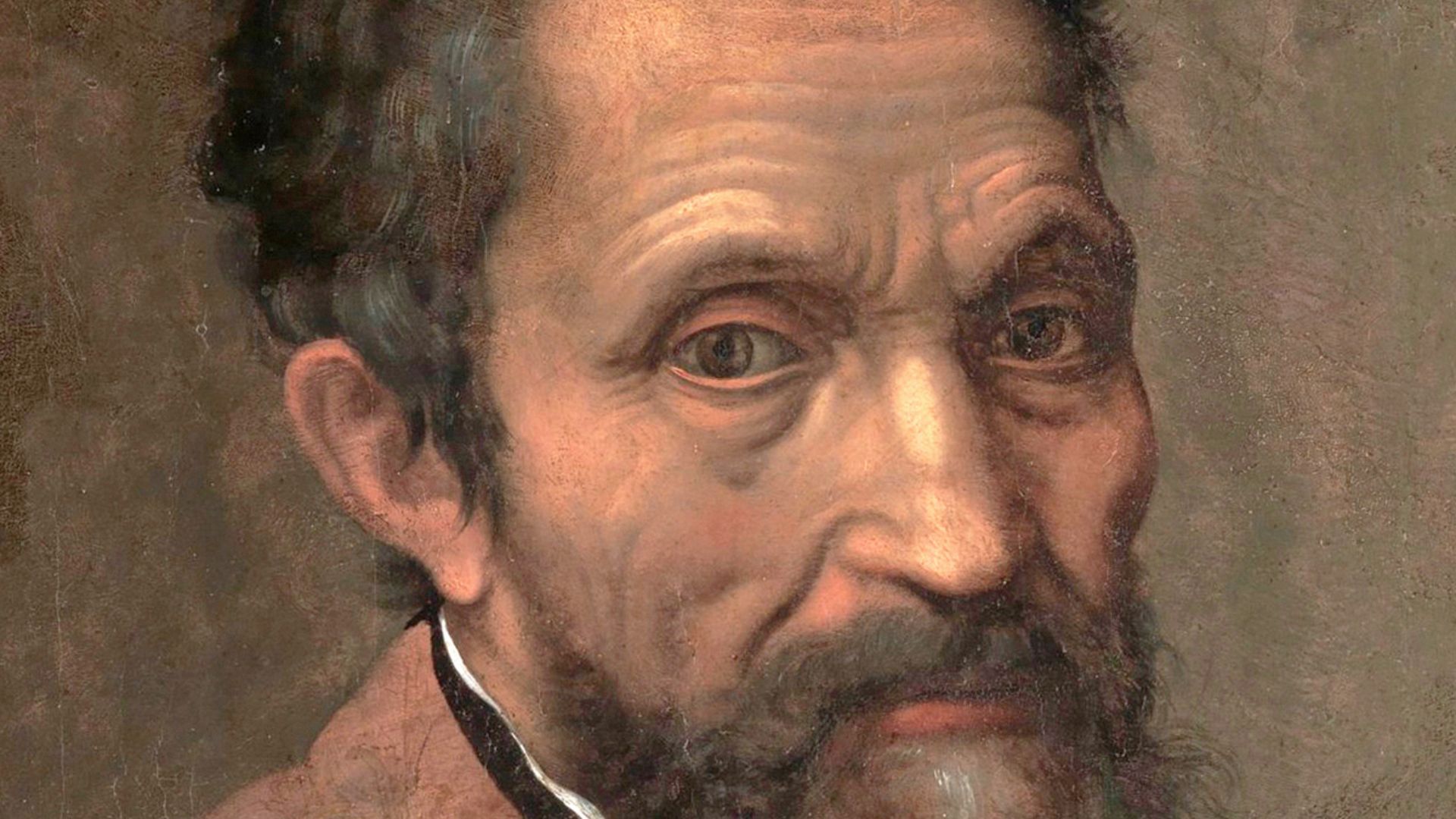
Arguably the biggest artist under Lorenzo’s patronage was none other than Michelangelo. But Lorenzo was not a mere funder of the great sculptor/painter’s work. Michelangelo had actually lived with the Medici family for three years, often dining with them and participating in philosophical discussions with Lorenzo and his tutor, Ficino. But there was another artist knocking about the Medici court who would make something of a name for himself too…
27. He Helped Another Upstart Along
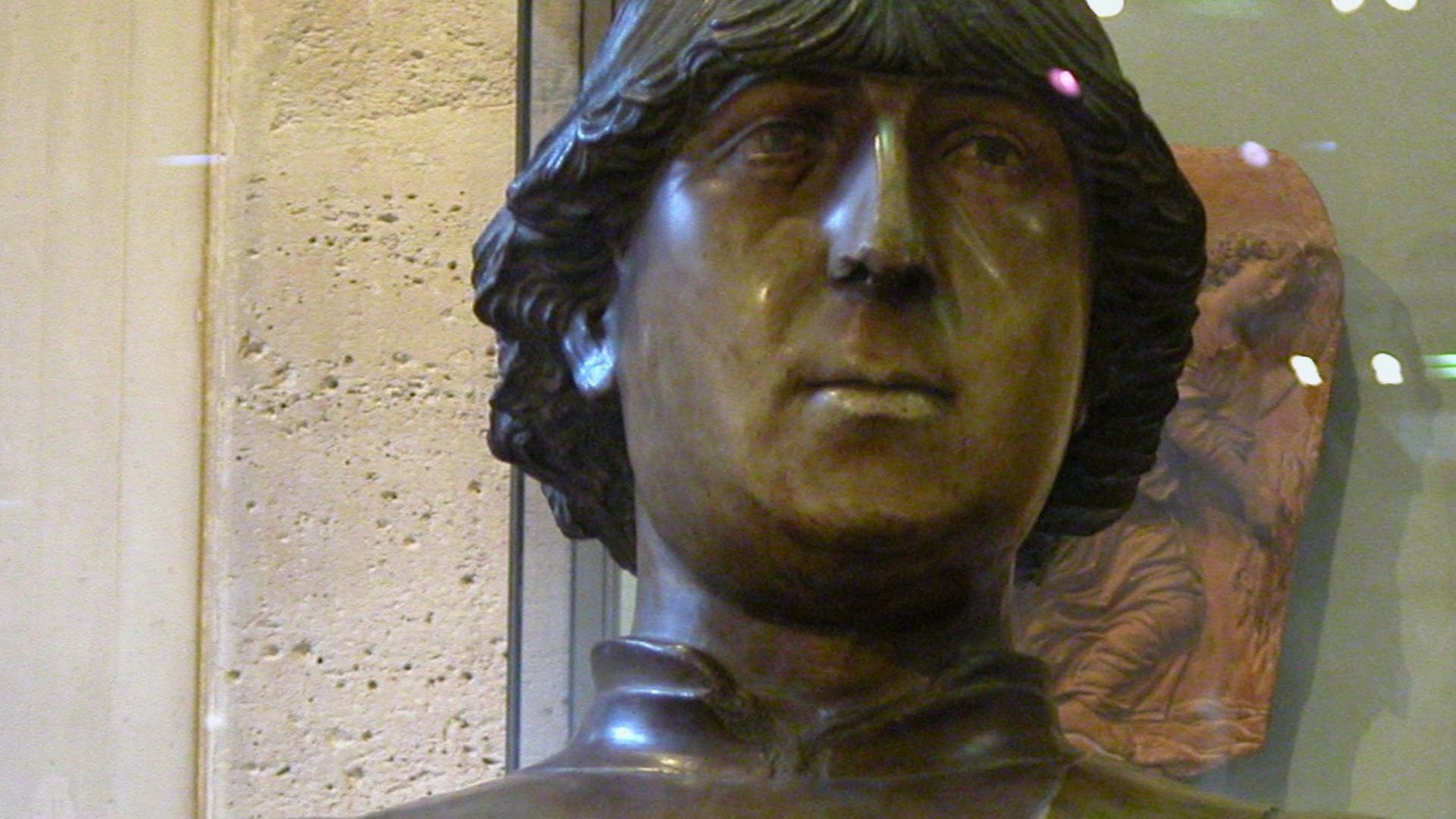
Lorenzo’s court was home to many young artists just getting their start as well. There was one young man whom Lorenzo did help get off the ground in the art world (though would not play much of a part in the most significant epoch of his career, later) and that was a man named Leonardo da Vinci. With all these greats around, it was inevitable that some of their talent would rub off on Lorenzo.
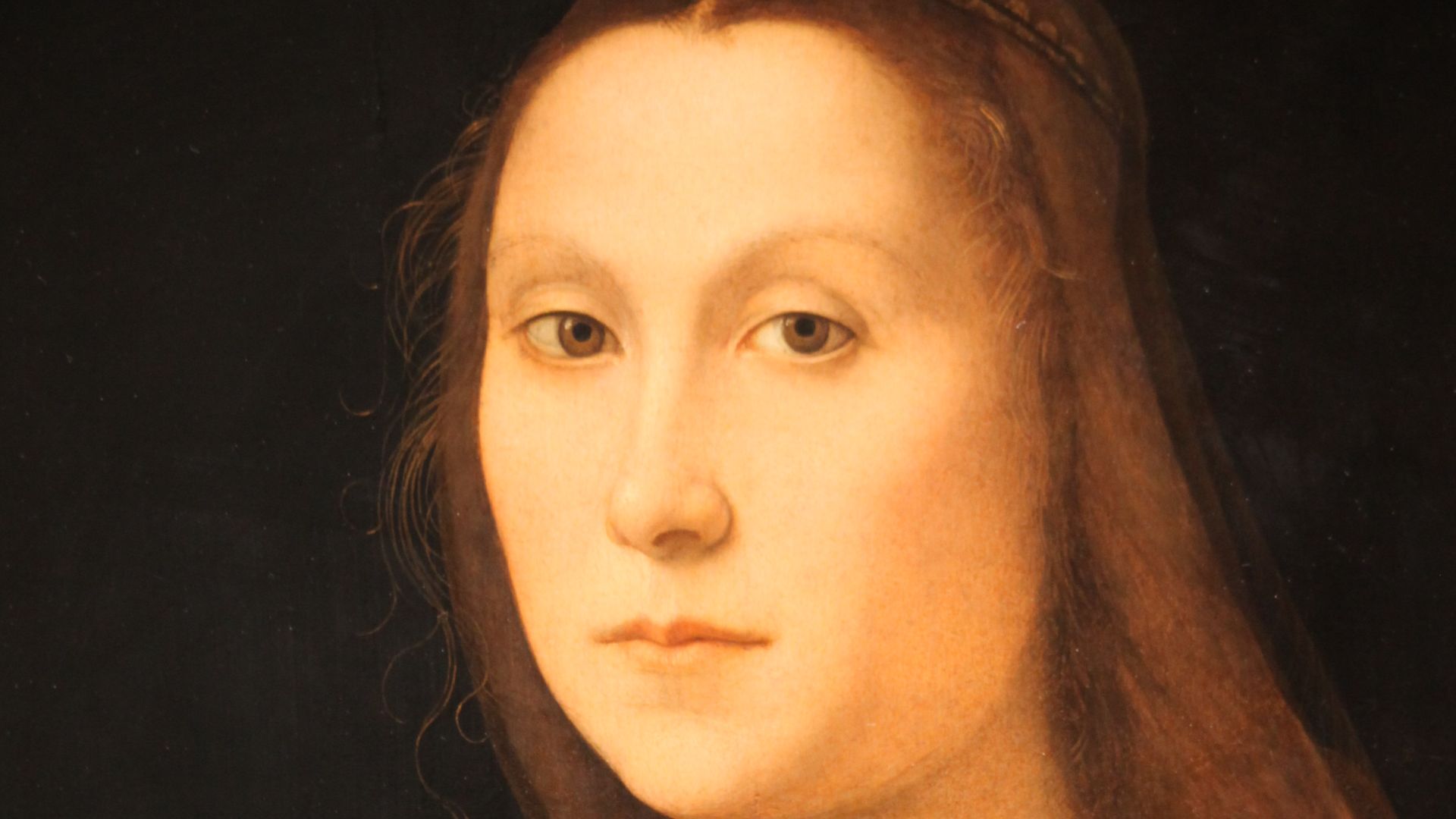
28. He Was A Creative In His Own Right
Lorenzo was not just a patron and banker; he was an artist in his own right, and his preferred medium was the written verse. He wrote many poems in his native Tuscan language, his verses celebrating life while acknowledging the melancholy of the human condition. He also wrote much about love and feasts. Lorenzo’s adoration of the written word influenced his philanthropy too.
 (LEGENDADO) Daniel Sharman em Medici The Magnicent: First Look - Making Of, Daniel Sharman News
29. He Grew His Collection
Lorenzo’s grandfather had been an enthusiastic collector of literature, and the books he accumulated became the Medici Library. Lorenzo greatly expanded this library during his reign, with his agents retrieving many classical works from the East. He also funded the copying and dissemination of many of his collected books throughout Europe. His desire to spread knowledge reflected his broader philosophical outlook.
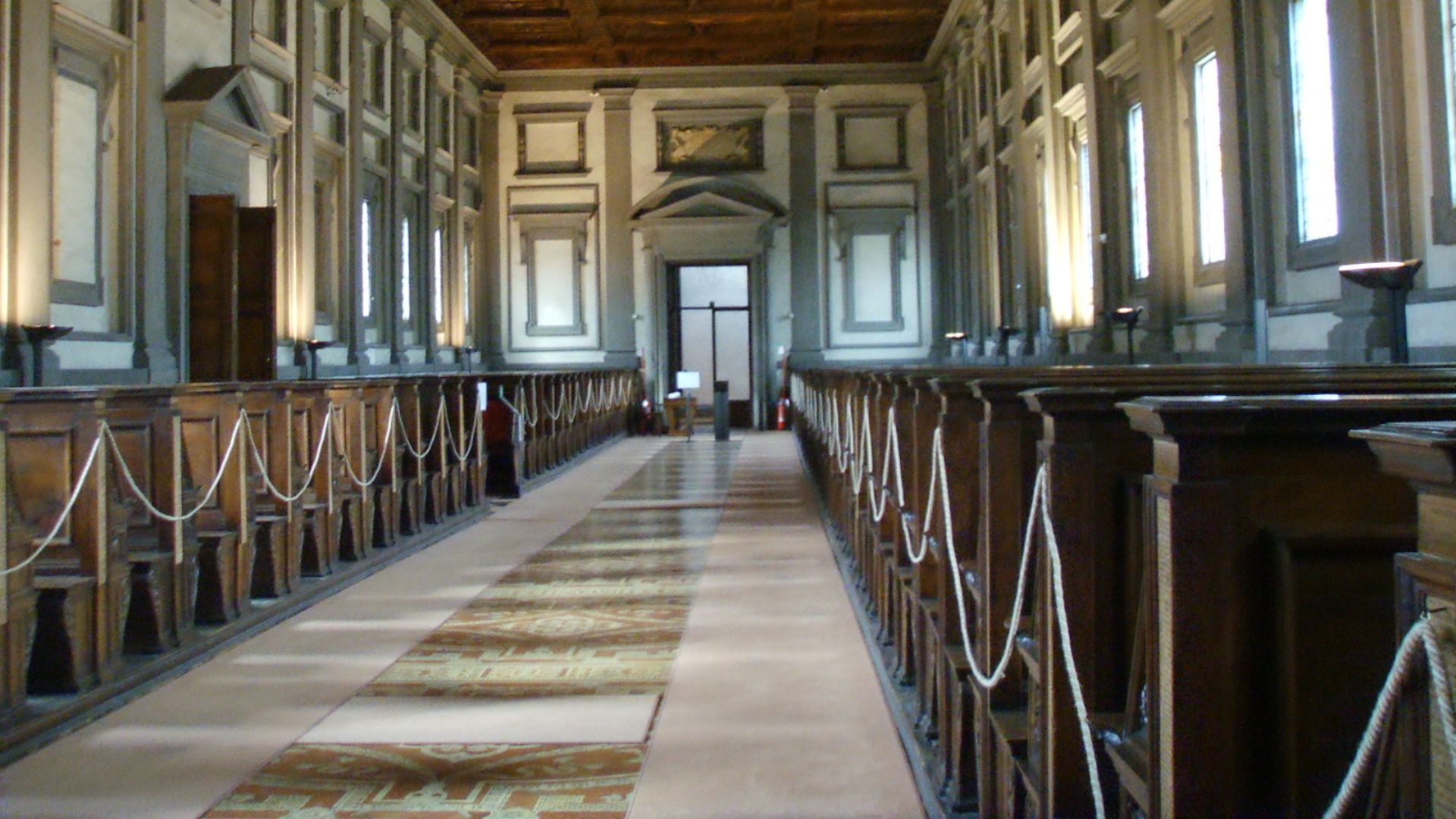
30. He Spread Humanism
Due to the influence of his tutor, Ficino, Lorenzo became a passionate proponent of the philosophy of humanism, a stance that emphasized individual and societal potential, and a precursor to the Enlightenment. Lorenzo supported his close circle of scholarly humanist philosophers and assisted them in attempting to merge the ideas of Plato with Christianity.
This ruffled the feathers of the Church’s most powerful.
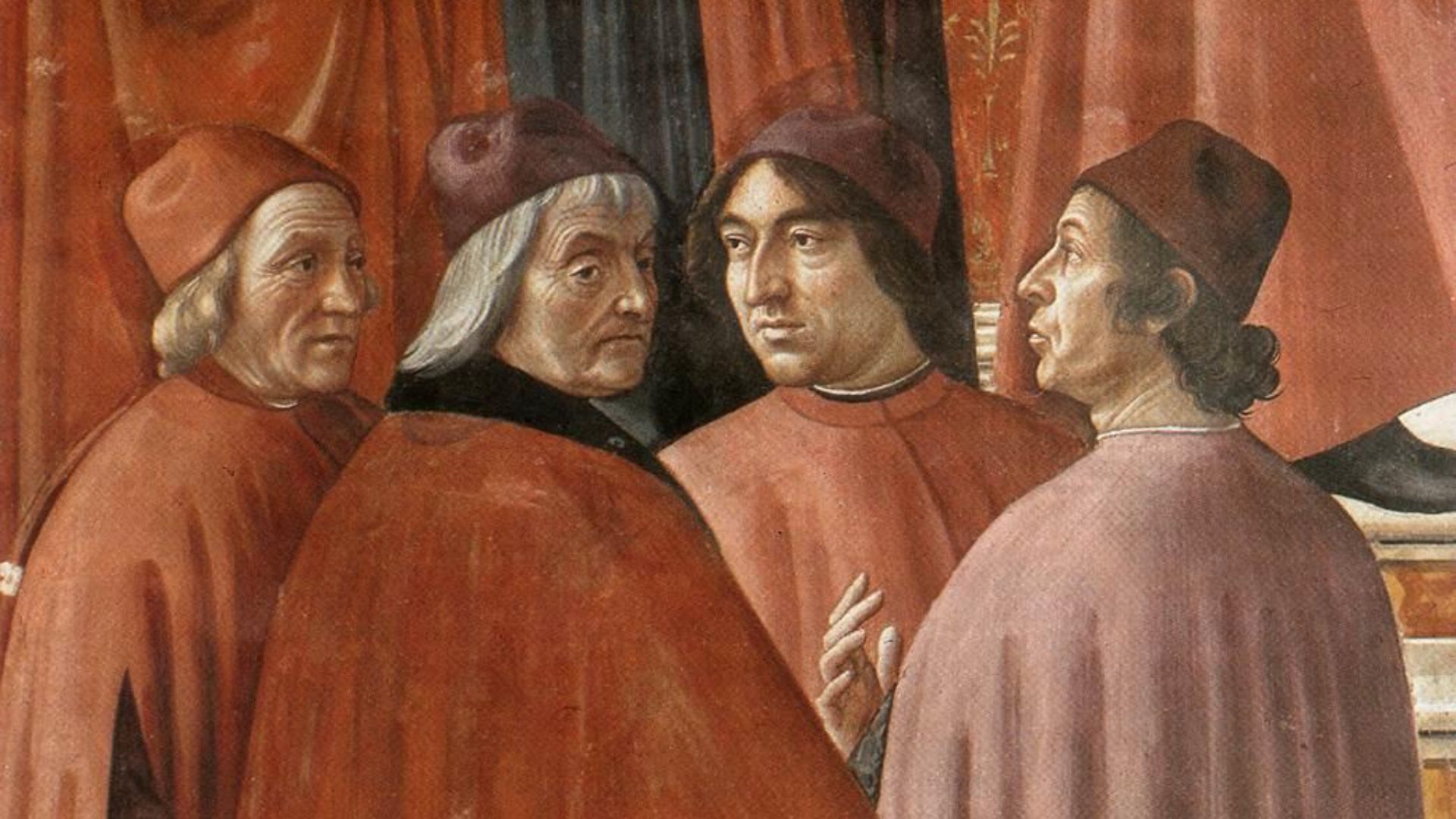 Domenico Ghirlandaio, Wikimedia Commons
31. He Clashed With The Pope
At the time of Lorenzo’s leadership, Italy was broken up into several city states as a result of a treaty known as the Italic League of 1454. However, Pope Sixtus IV, the leader of the Catholic Church, had greater territorial ambitions and plotted against the Medici family with the help of their rivals, the Pazzis. It would end in tragedy for Lorenzo and those closest to him.
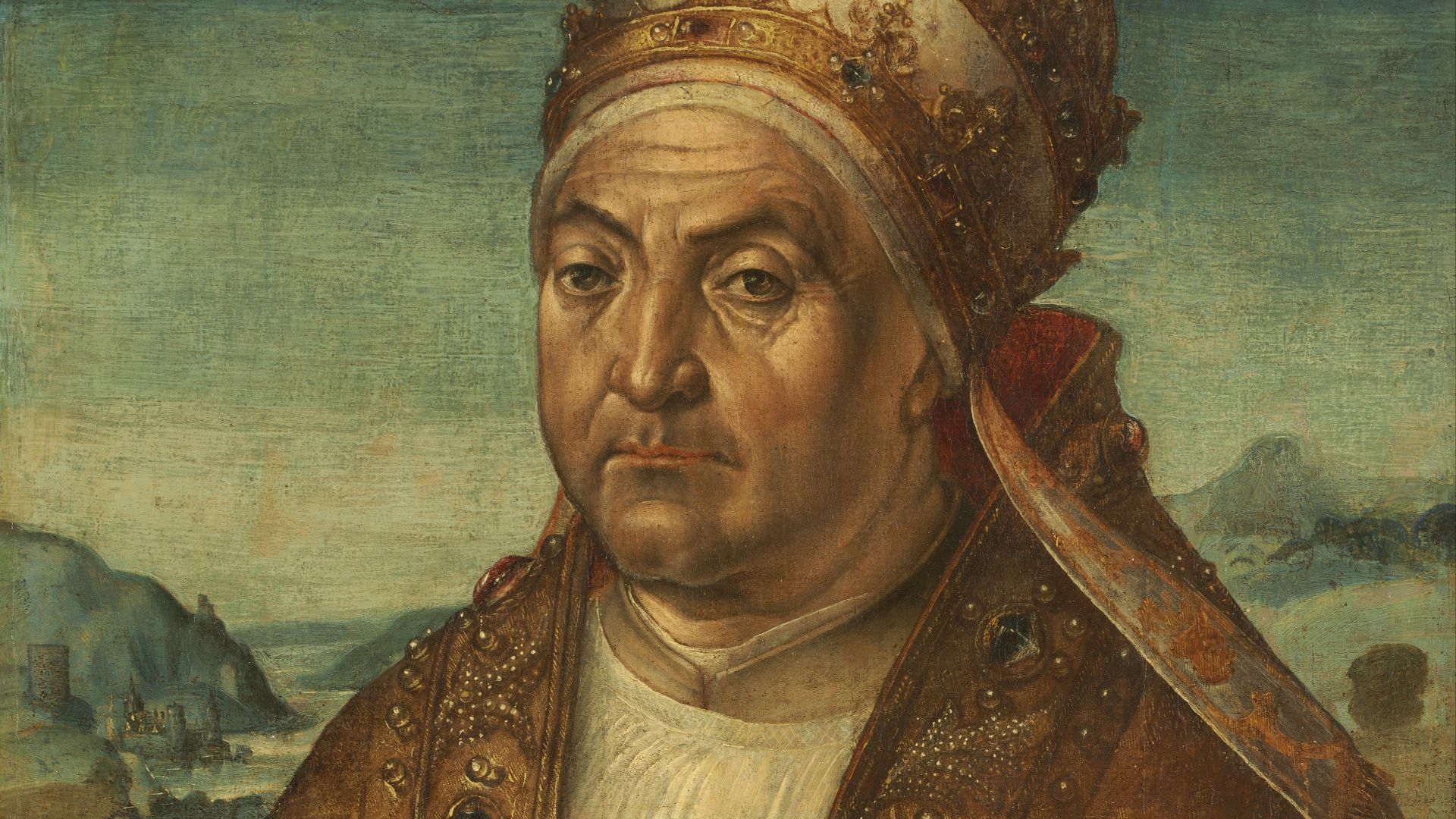 Pedro Berruguete, Wikimedia Commons
32. He Came Under Attack
On April 26, 1478, the Pazzi conspiracy, in collusion with the Pope, reached its climax. In the Cathedral of Santa Maria del Fiore, Lorenzo and his brother Giuliano, got attacked by a trio of men that included Francesco de' Pazzi and the archbishop of Pisa. The men got the better of Giuliano and he was brutally knifed to death. Lorenzo was a little luckier.
 (LEGENDADO) Daniel Sharman em Promo de Medici: The Magnificent - Part I, Daniel Sharman News
33. He Got Away
Present also at the attack were the poet, Poliziano, and another banker, Francesco Nori. The two men jumped valiantly to the defense of Lorenzo, allowing him time to escape with only a minor neck wound. Tragically, Nori would not survive the encounter.
Word of the incident spread quickly.
 MEDICI: THE MAGNIFICENT - COMING SOON - NETFLIX, Big Light Productions
34. The Masses Rallied
The Florentine populace, generally fond of the Medici family, fumed at news of the conspiracy. Independent of any instruction from the Medicis, the populace rallied to the family’s defense, lynching many members of the Pazzi family as well as the archbishop of Pisa. The Pope’s plan had failed, and he was furious.
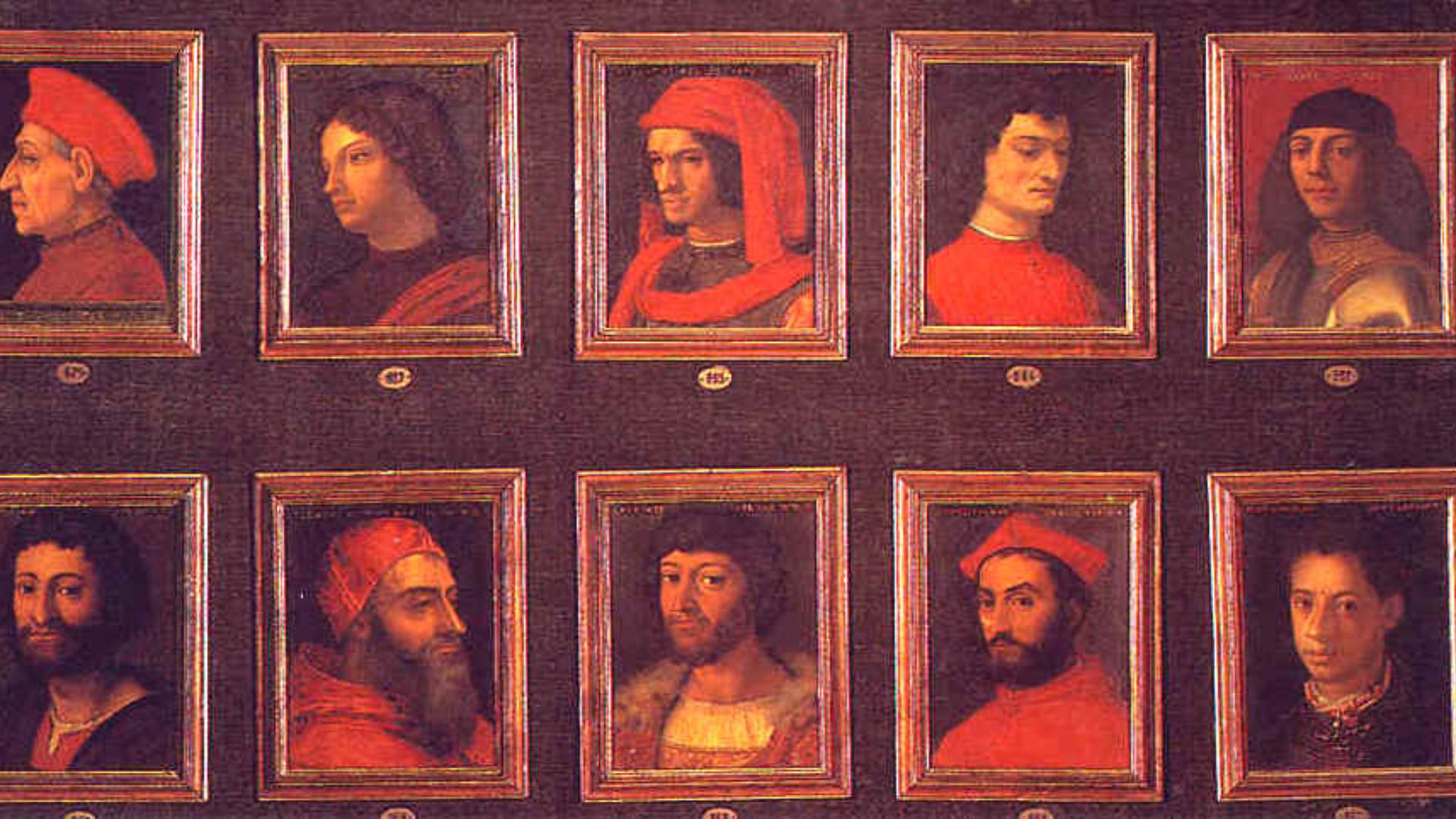 Workshop of Bronzino, Wikimedia Commons
35. He Got Excommunicated
Not only had Lorenzo survived, but the Medicis now found themselves in a stronger position. Pope Sixtus IV, livid at this turn of events, set the Church’s sights on the Florentine rulers. The Holy See seized all Medici assets it could locate, excommunicated Lorenzo and the government of Florence, and put the entire city-state under interdict, prohibiting them from partaking in Church rites.
Lorenzo, however, was unfazed by it all.
 MEDICI: THE MAGNIFICENT - COMING SOON - NETFLIX, Big Light Productions
36. He Faced Invasion
The Pope’s maneuvers had little effect on the standing of Lorenzo and the broadly popular Medici family, so Sixtus turned to Plan B. Forming a military alliance with King Ferdinand I of Naples, the pair launched an invasion of the Florentine Republic, led by the King’s son, Alfonso.
Lorenzo did not have much experience in warfare, so he had to shift the game to suit his own skills.

37. He Went Into The Belly Of The Beast
At first, Lorenzo attempted to rally the Florentine citizens against the invading forces. But the Medicis received little support from their allies in Bologna and Milan, and the war continued in a deadlock. Lorenzo needed to change tact.
A master of diplomacy, the Medici ruler travelled personally to the enemy’s stronghold in Naples where he willingly became a prisoner of the King. Over several months, however, Lorenzo convinced the King to end the invasion, ultimately resolving the crisis. He came out of the enemy prison stronger than he had entered it.
 MEDICI: THE MAGNIFICENT - COMING SOON - NETFLIX, Big Light Productions
38. He Came Out On Top
Speaking to his unmatched skill as a diplomat, this entire ordeal actually strengthened Lorenzo’s position in Florence. As a result of his success, Lorenzo was able to negotiate constitutional changes within the Florentine Republic government that served to enhance his own personal power. He did not take his secure position for granted.
 Alessandro Allori, Wikimedia Commons
39. He Kept The Peace
Following the invasion, Lorenzo grew determined to institute peace in his corner of Europe. He pursued policies that balanced the power between the northern Italian states while at the same time keeping other major European powers out of Italy. He maintained good relations with the Ottoman Empire too, a major source of trade for Florence and the Medicis.
But the good times would not last.
 MEDICI: THE MAGNIFICENT - COMING SOON - NETFLIX, Big Light Productions
40. His Luck Ran Out
When Lorenzo took power, his family’s assets had already been under strain from the many ambitious building projects undertaken by his grandfather. That wealth only dwindled further during Lorenzo’s tenure. Mismanagement, costly wars, political expenses, and a series of bad loans caused the Medici’s financial standing to collapse, forcing them to close several branches of the family bank. Desperate times called for desperate measures.
 (LEGENDADO) Daniel Sharman em Medici The Magnicent: First Look - Making Of, Daniel Sharman News
41. He Took The Last Resort
Lorenzo’s financial difficulties were too much for the struggling leader to bear, and he only had one place to turn. In an attempt to keep his head above water financially, Lorenzo misappropriated trust and state funds.
His efforts would prove largely unsuccessful and, as the Medicis’ influence finally dwindled in Florence, the influence of friar Girolamo Savonarola rose to take their place. Ironically, Lorenzo had played a role in bringing Savonarola to Florence in the first place.
And as his power waned, so too did his health.
 (LEGENDADO) Daniel Sharman em Promo de Medici: The Magnificent - Part I, Daniel Sharman News
42. He Departed Young
Lorenzo’s health deteriorated until finally, on April 8, 1492, he succumbed to his ailments at the devastatingly young age of 43. His rival, Savonarola, visited him on his deathbed, with rumors that the friar damned the ailing banker. Whether this happened or not, there were other strange happenings reported concurrent with his passing.
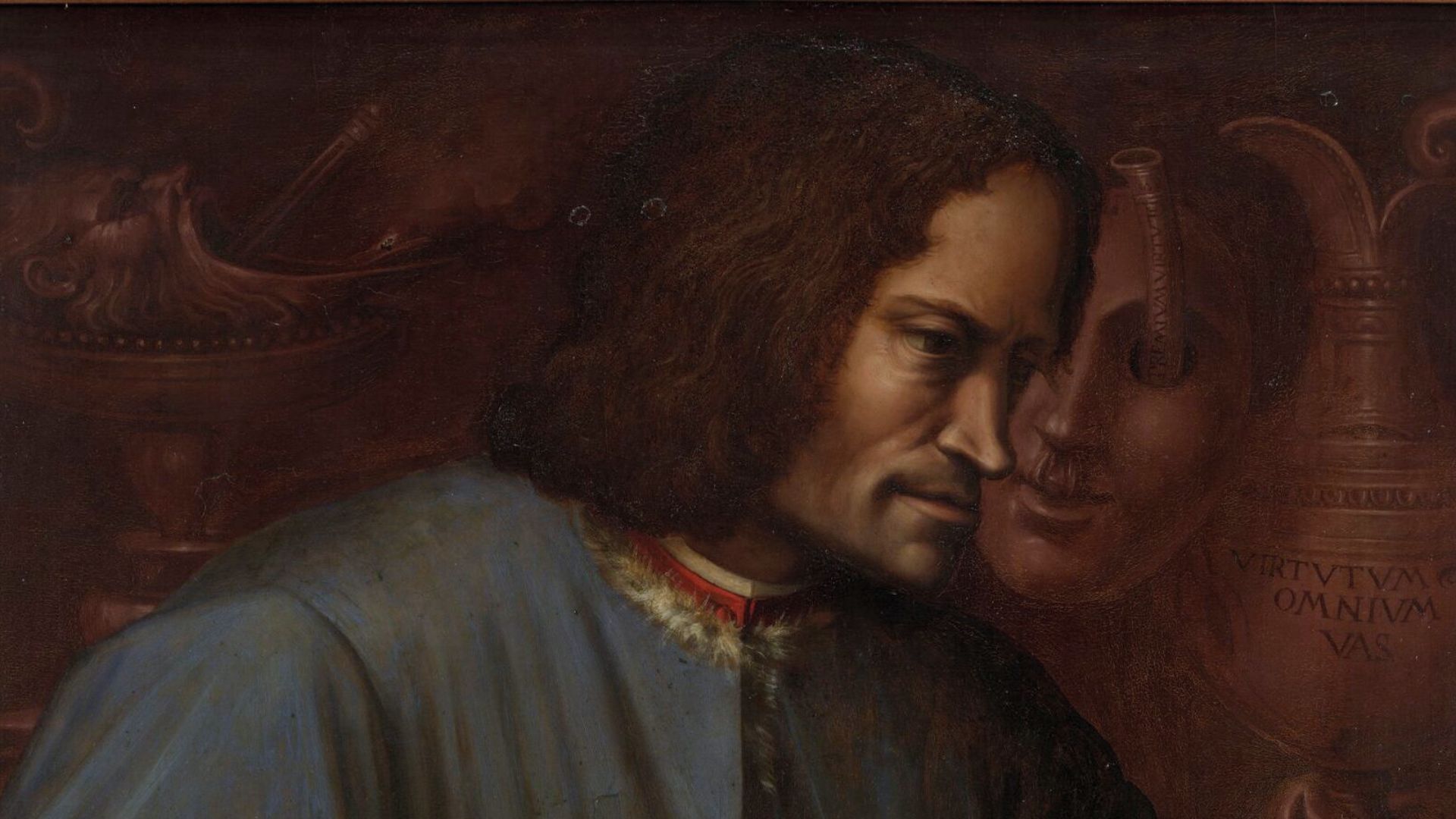 Giorgio Vasari, Wikimedia Commons
43. Nature Marked His Passing
There have been numerous reports of alleged signs and portents occurring at the moment of Lorenzo’s passing. One account claims that the dome of the Florence Cathedral was struck by lightning; another reports the appearance of ghosts; another still reports fighting amongst the lions kept at a nearby menagerie.
All of these were mysterious happenings, though none more mysterious to Lorenzo’s family than the circumstances of his passing.
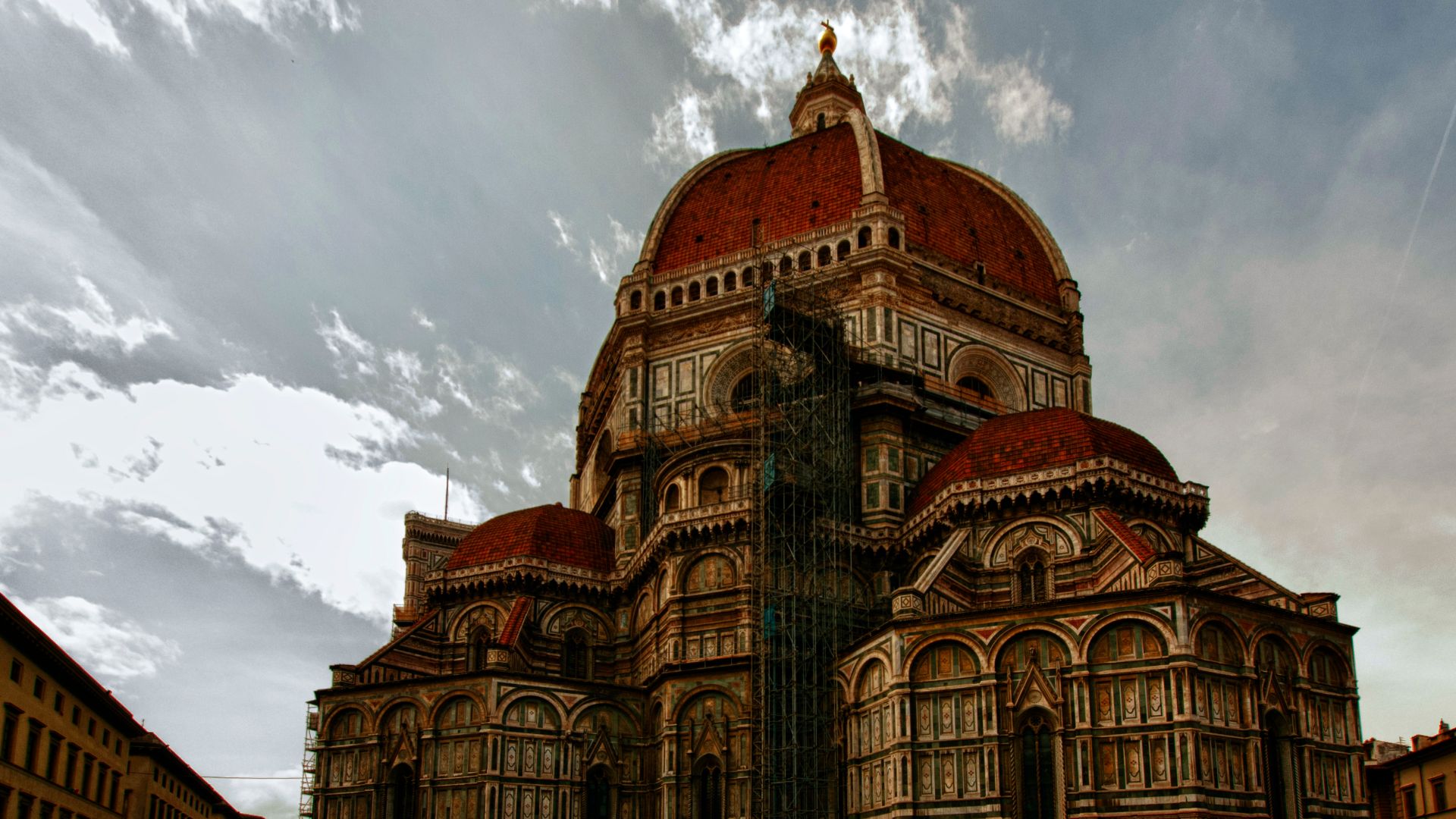
44. He Received A Contemporary Diagnosis
Medical practitioners of the time were baffled as to the cause of Lorenzo’s illness and demise, but modern medical researchers have a theory. His reported symptoms, as well as later analysis of Lorenzo’s skeleton, suggested the excessive excretion of a growth hormone, in line with a rare disorder known as acromegaly.
Lorenzo’s last days were likely very uncomfortable, so his family ensured his resting place would not be.
 (LEGENDADO) Daniel Sharman em Medici The Magnicent: First Look - Making Of, Daniel Sharman News
45. He Rests In The Family Plot
Lorenzo was buried with his brother, Giuliano, in the family tomb in the Basilica of San Lorenzo, which was later expanded with several structures that made up the Medici Chapels. After an accomplished life of politics and patronage, the later Medicis felt his place of rest was worthy of a marker of the Renaissance.
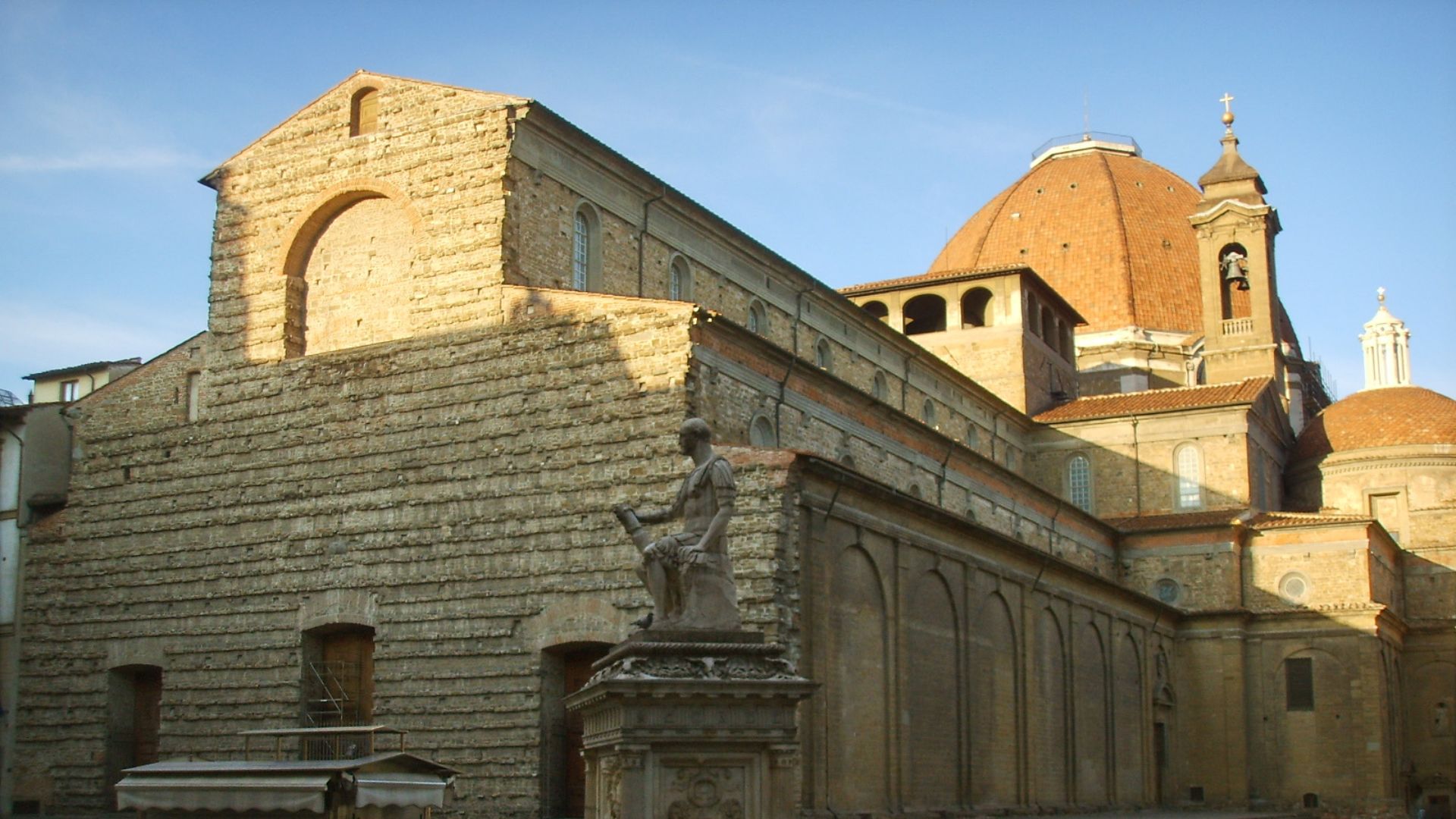
46. He Lies Under A Michelangelo
Several decades after his passing, Lorenzo’s descendants decided to move his and his brother’s bodies to a new tomb (within the same Basilica) a little more fitting of their lives of patronage. To this day, above the Florentine leader’s final resting place, stands Michelangelo's statue of the Madonna. But if Lorenzo found peace in the afterlife, he certainly did not leave it behind in this one.
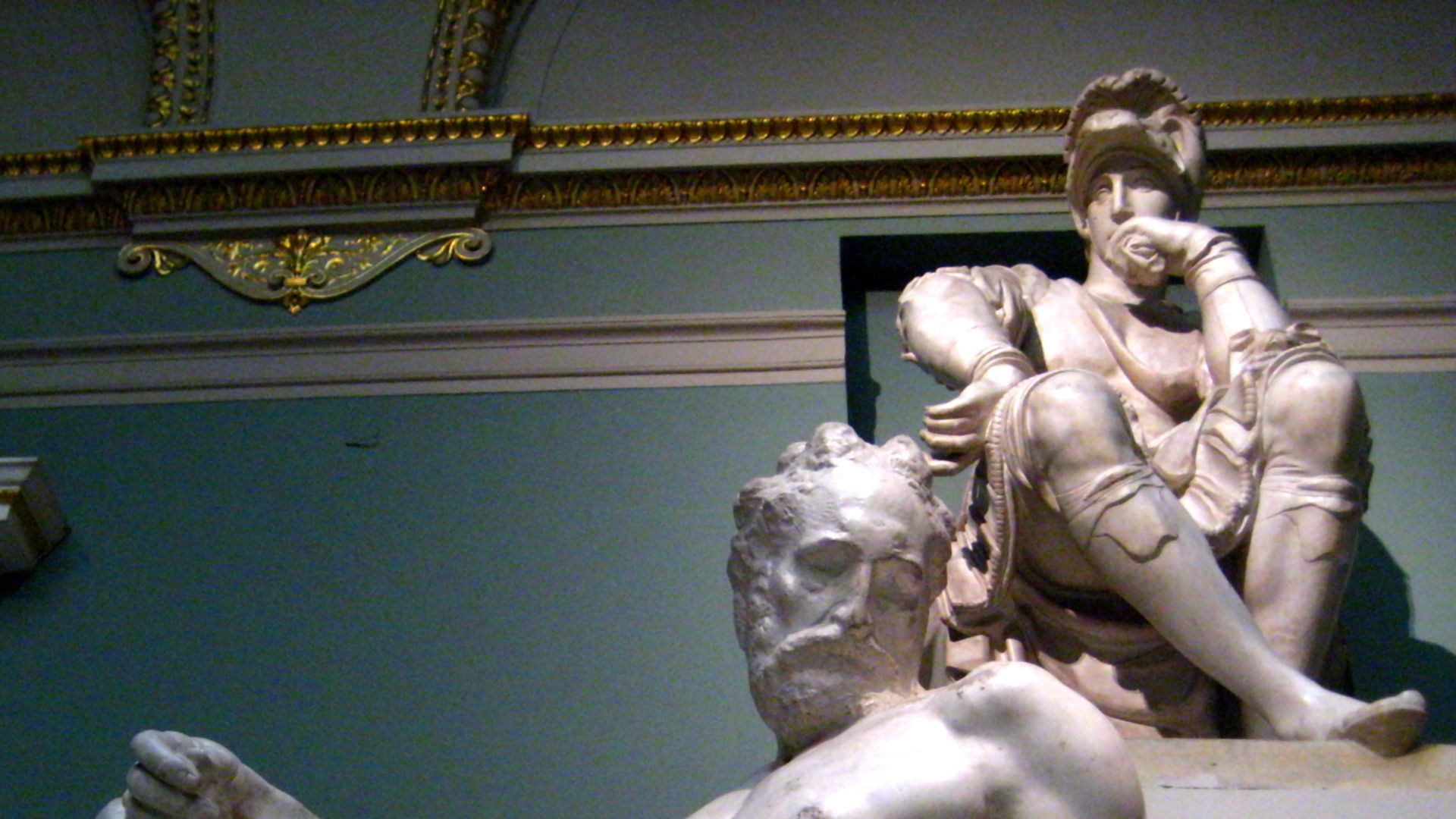
47. A Country Felt His Loss
Despite the tumultuous final years of his life from a financial perspective, Lorenzo had remained a steadfast diplomat to the very end. He had negotiated, supported, and held up the Peace of Lodi of 1454, a treaty which had maintained stability in Italy. But upon his passing, that peace quickly collapsed. Lorenzo’s steady hand was missed, and his reputation reflected as much.
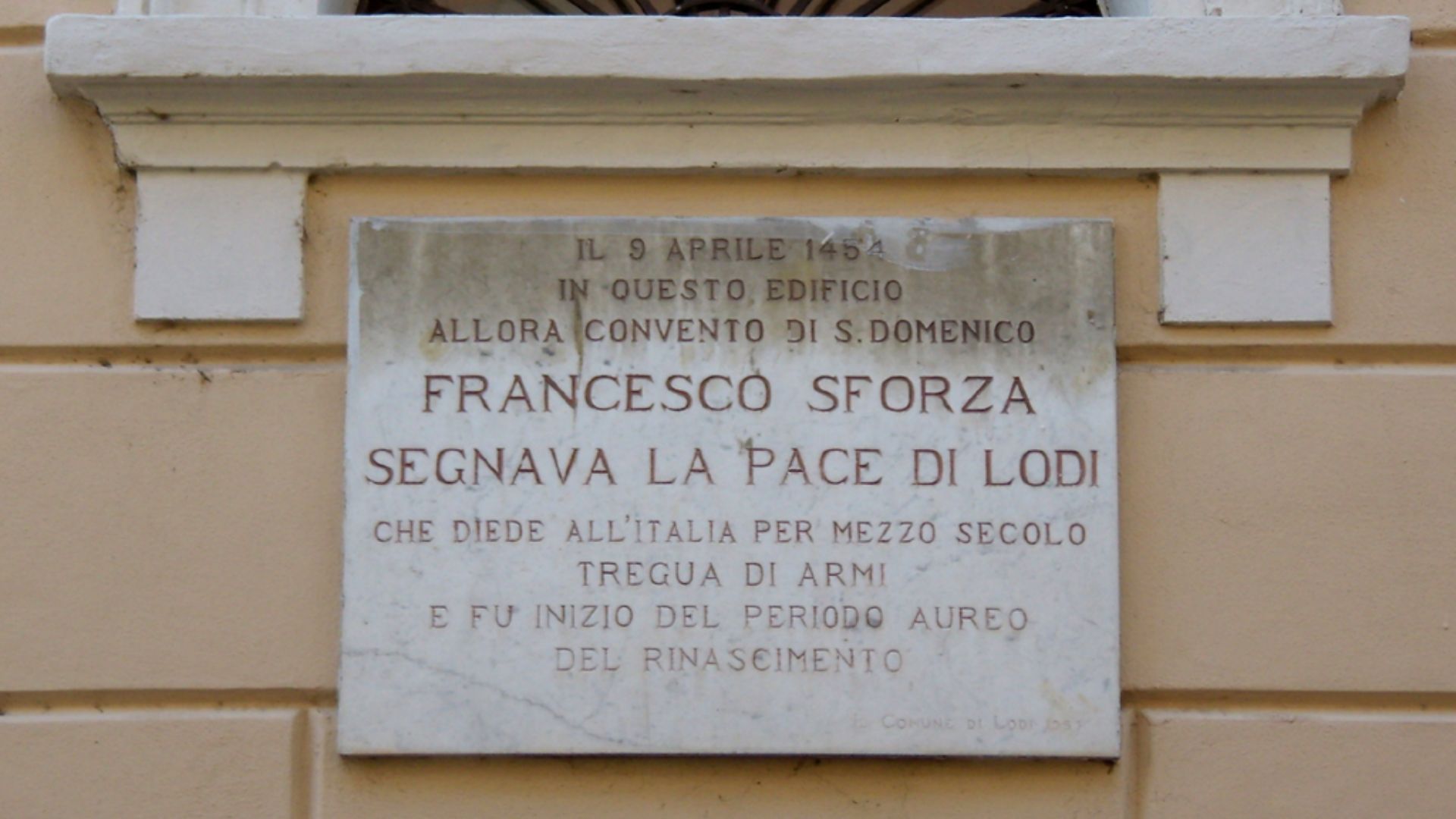
48. He Is Fondly Remembered
For all his troubles, Lorenzo’s reputation as a ruler has remained a positive one. He has been fictionalized in TV shows and even video games, and portrayals have been largely favorable. He may seem especially accomplished compared to his successor.
 Assassin's Creed II - Lorenzo de' Medici, Sevvina
49. His Son Was A Failure
Lorenzo was succeeded by his son Piero, whose name that he was later given tells you everything you need to know about his stint in power: Piero the Unfortunate. Far from his father’s “Magnificence”, Piero squandered all the money he inherited from Lorenzo and managed to bring down the Medici dynasty entirely in Florence. A monumental fumble, Lorenzo, had he been alive, would be grateful his other son was around to salvage some of his legacy.
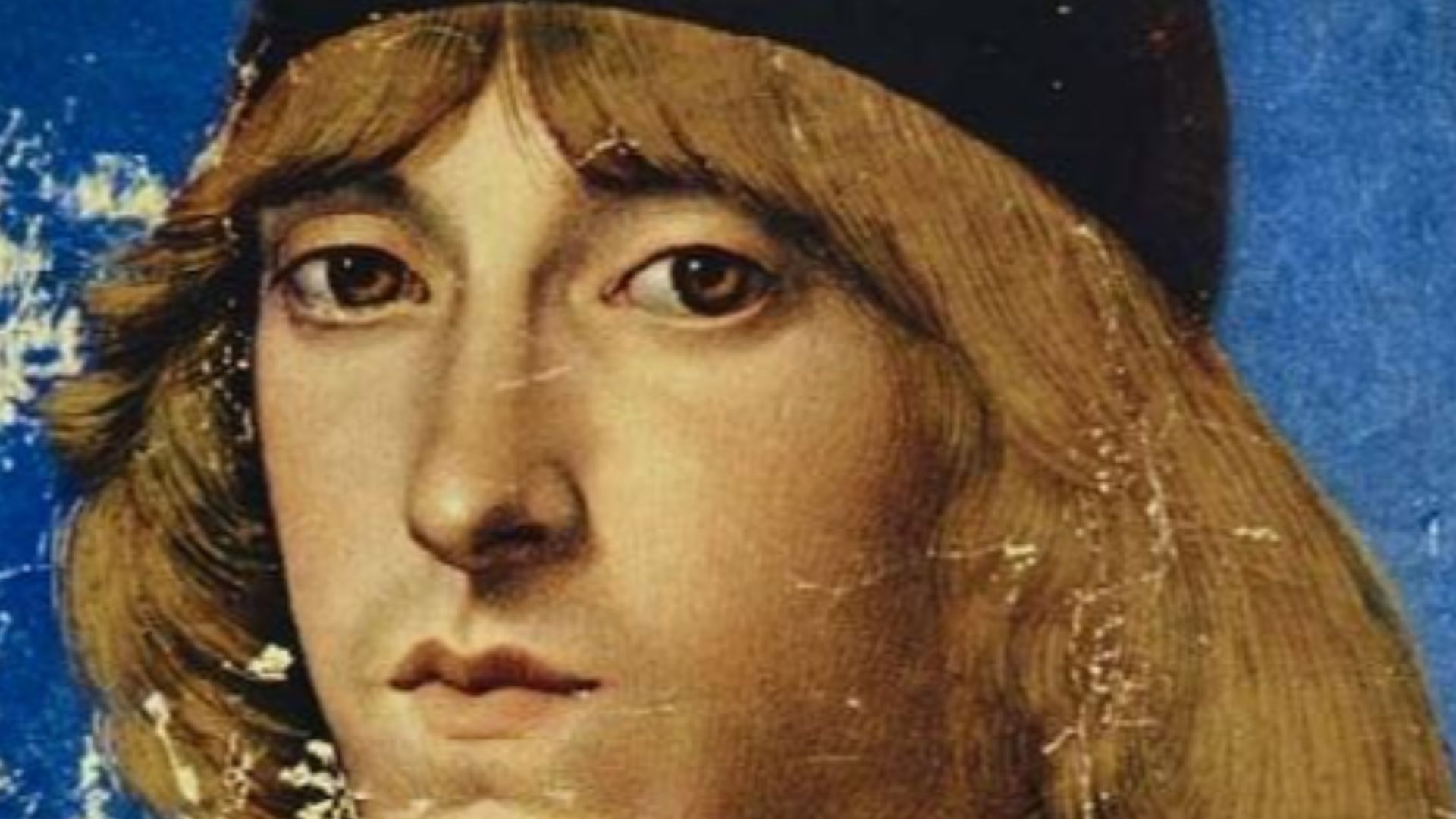 Gherardo di Giovanni del Fora, Wikimedia Commons
50. His Other Son Succeeded
Luckily for the Medicis, Lorenzo had a second son, Giovanni, who would succeed in retaking Florence in 1512 with the help of a Spanish army. However, it wasn’t quite for the side Lorenzo would have chosen: the following year, Giovanni would become Pope Leo X, securing Florence as territory for the Church. It looks like Lorenzo passed his genes to the wrong team.
 Francesco Bini, Wikimedia Commons
You May Also Like:
The Legendary Life Of Michelangelo
Enlightened Facts About The Renaissance
Caterina Sforza, The Tigress Of The Renaissance











