
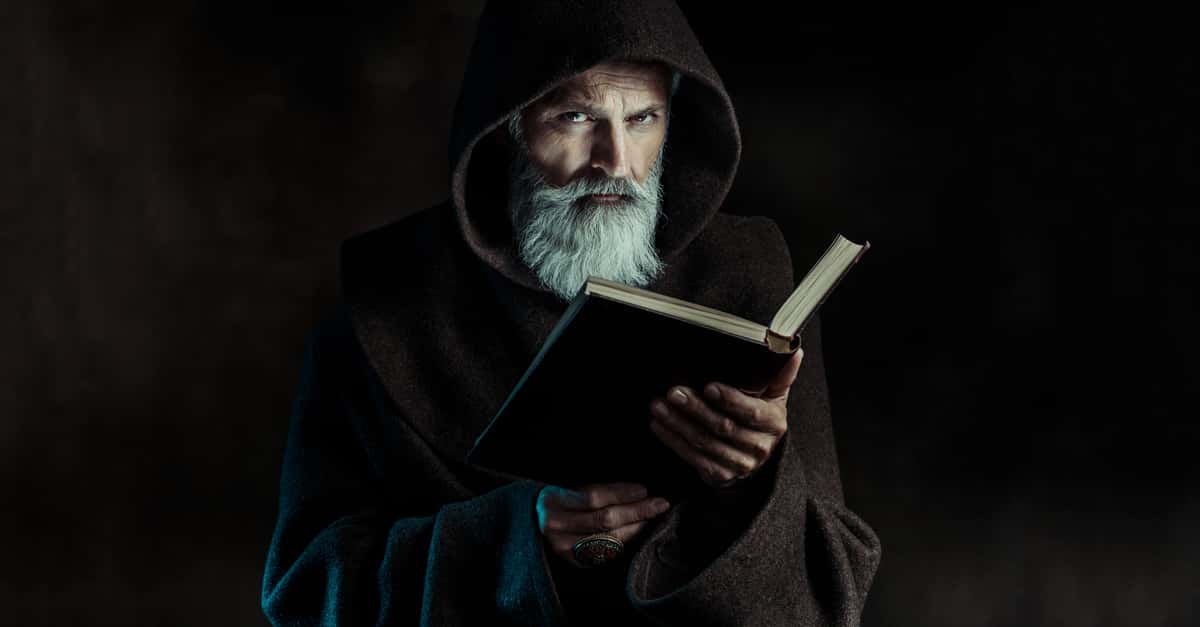
Future Seer Or Fraud?
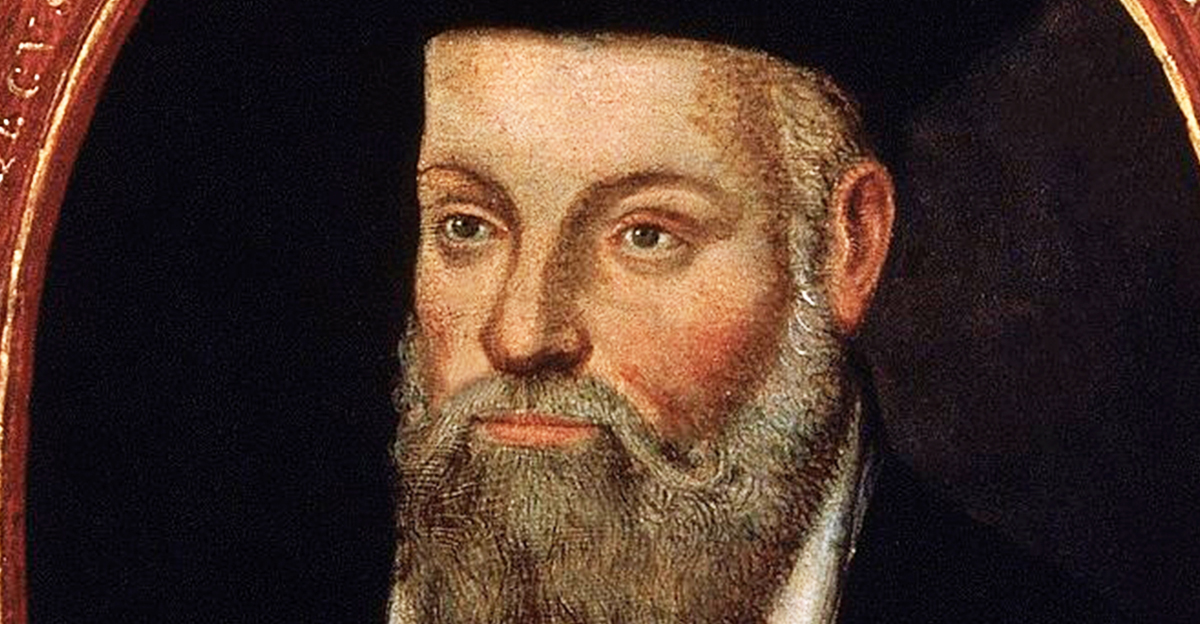
Nostradamus and his apparent predictions cemented an enduring legacy for the French “seer” that remains alive to this very day. Following a life dabbling in astrology, apothecary, and medicine, the enigmatic Nostradamus published a book of “prophecies” that are alleged to have predicted a variety of events from WWII to 9/11. But the veracity of these claims has been called into question, particularly given the less-than-honest practices of their supporters.
 César de Notre-Dame, Wikimedia Commons
1. He Had A Christian Name
Nostradamus was born in December 1503 in Saint-Rémy-de-Provence, Provence, France. He did not adopt this Latinized name until later in life, however. The reputed seer-to-be was baptized Michel de Nostredame, and tourists can still visit the alleged place of his birth today. And though the infamy of his name survives to this day, he was an unlikely standout in a large family.
2. He Had Lots Of Siblings
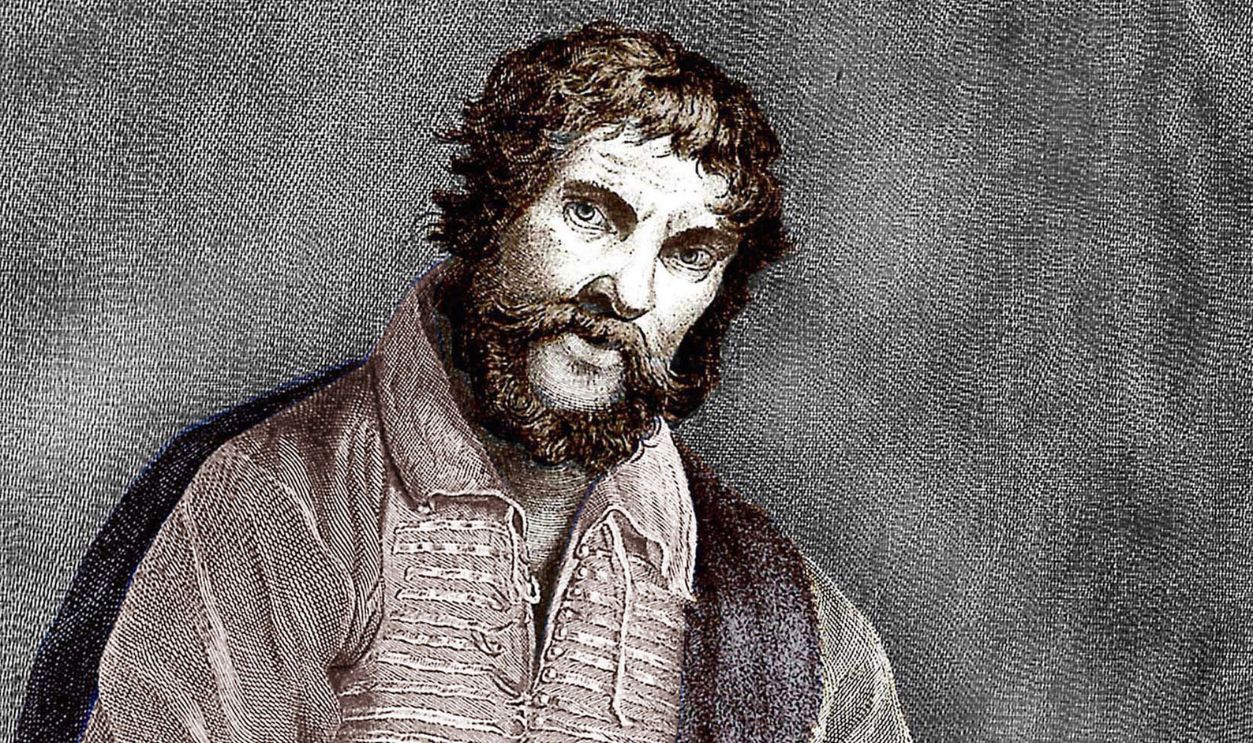
The home life of the de Nostredame family was likely frantic: Nostradamus was one of a whopping nine children. While only one of his siblings had anything close to a notable life—his brother, Jean, became a Provençal historian and author—Nostradamus’ parents had a more interesting story. His mother, Reynière, descended from a notable physician, and his father Jaume’s family went through some interesting changes.
3. He Came From Chosen People
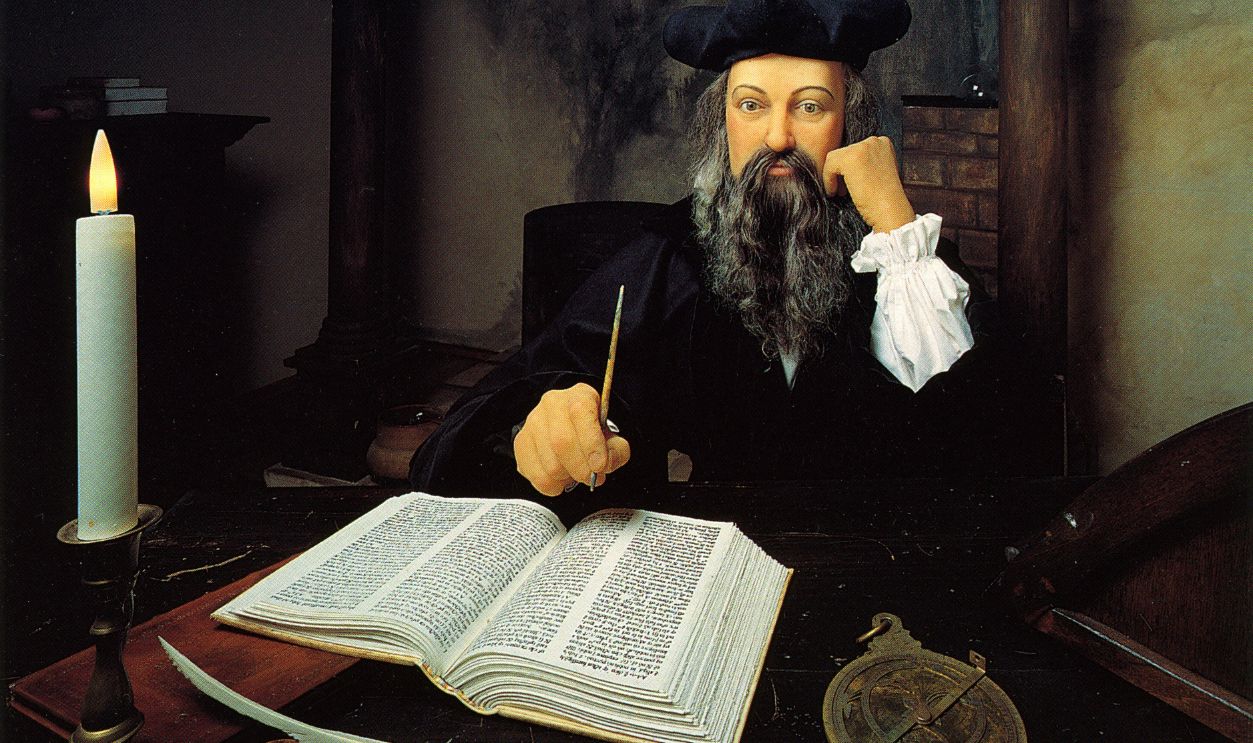
Nostradamus’ paternal family had originally been Jewish. However, his grandfather, originally named Cresquas and an Avignon-based grain and money dealer, had converted to Catholicism before his famous grandson was born. It was here where the family gained their notable name.
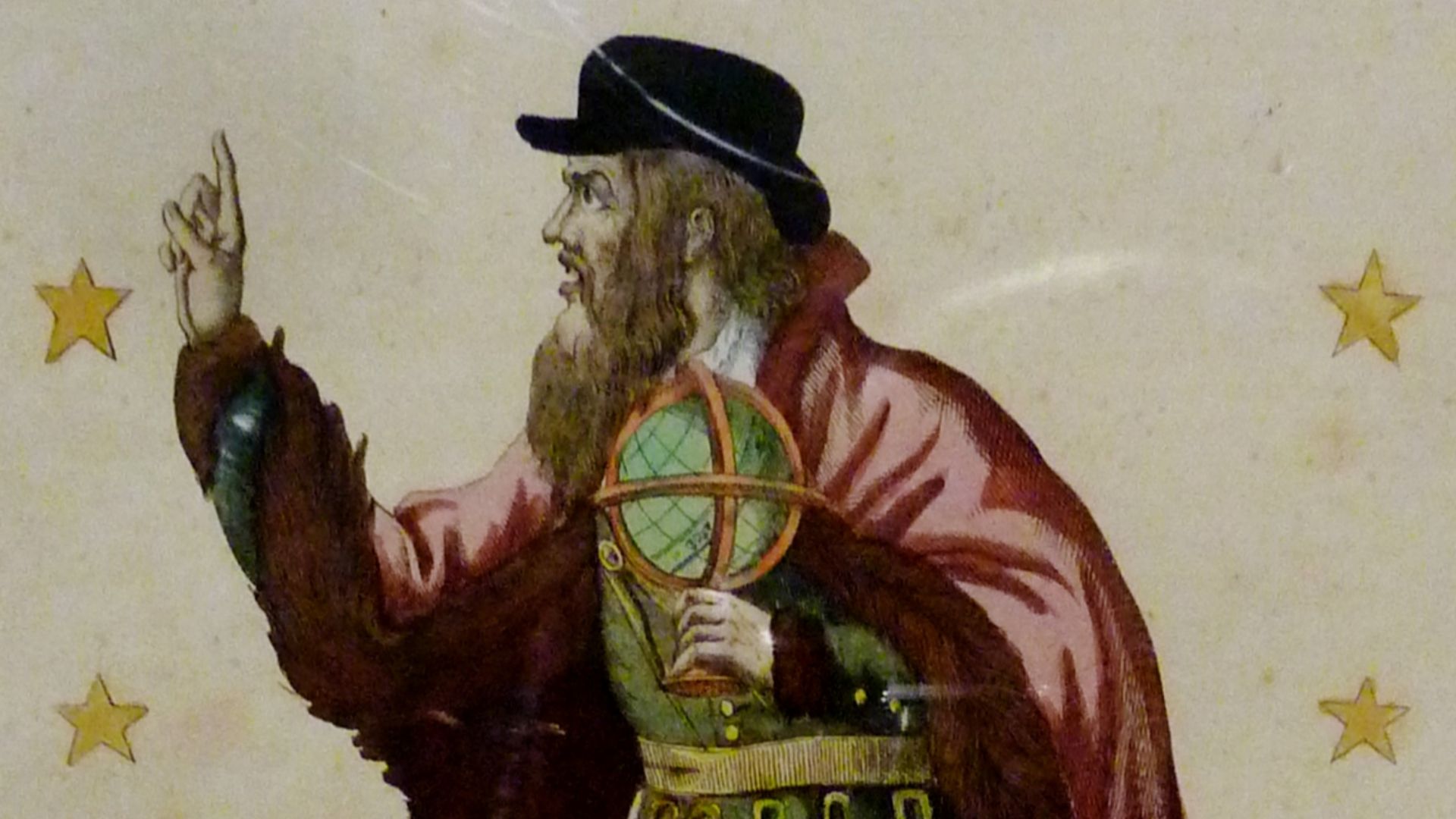 Jean, éditeur à Paris (avant 1837), Wikimedia Commons

History's most fascinating stories and darkest secrets, delivered to your inbox daily.
4. His Name Was Chosen
After converting to Catholicism, Cresquas needed a Christian name to go along with his new faith. He chose “Pierre”, and paired it with the surname “Nostredame”, which translated to “Our Lady”, in tribute to the saint on whose day the grain dealer solemnized his conversion. Thus, the seeds got planted for Nostradamus’ famous name. His occupation, on the other hand, came from his mother’s side.
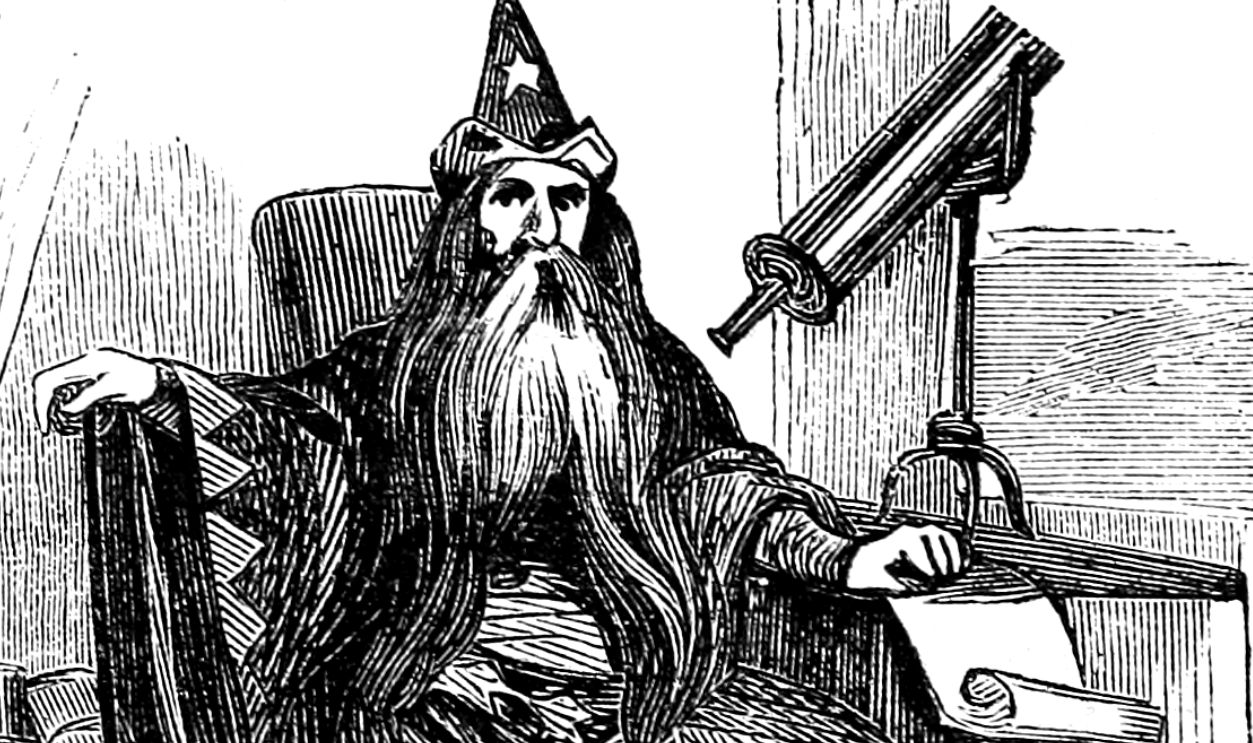 Louis Le Breton, Wikimedia Commons
5. He Followed In Their Footsteps
As previously mentioned, Nostradamus’ mother descended from a notable 15th century physician: she was the granddaughter of Pierre de Saint-Rémy, who worked in medicine in Saint-Rémy and made a name for himself as an early proponent of medical science. He may have had an influence on his great-grandson’s eventual career as a physician.
 Unknown authorUnknown author, Wikimedia Commons
6. He May Have Gotten Homeschooled…
There is very little remaining on the record about Nostradamus’ childhood. However, a persistent story reports his physician great-grandfather apparently educated him, instilling in him a passion for medicine. One huge problem undermines this claim, however.
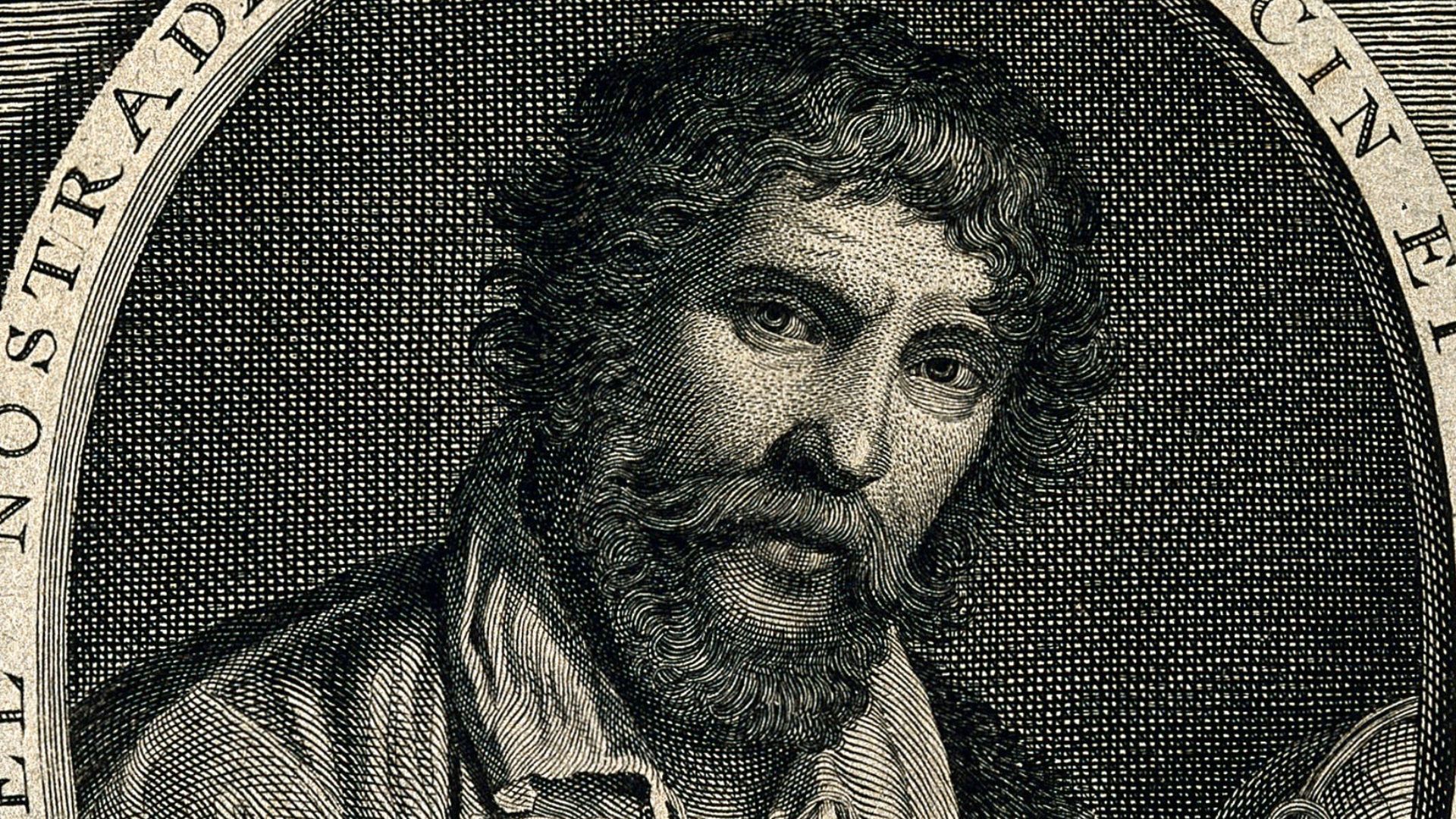
7. …Or He May Not Have Been
Casting doubt on the traditional claim that his great-grandfather educated Nostradamus is a glaring timeline issue: all records of Pierre de Saint-Rémy disappear after 1504, when Nostradamus would have been just a year old. It may be that the records simply got lost, or the story may be farcical. Either way, Nostradamus found his way to school eventually.
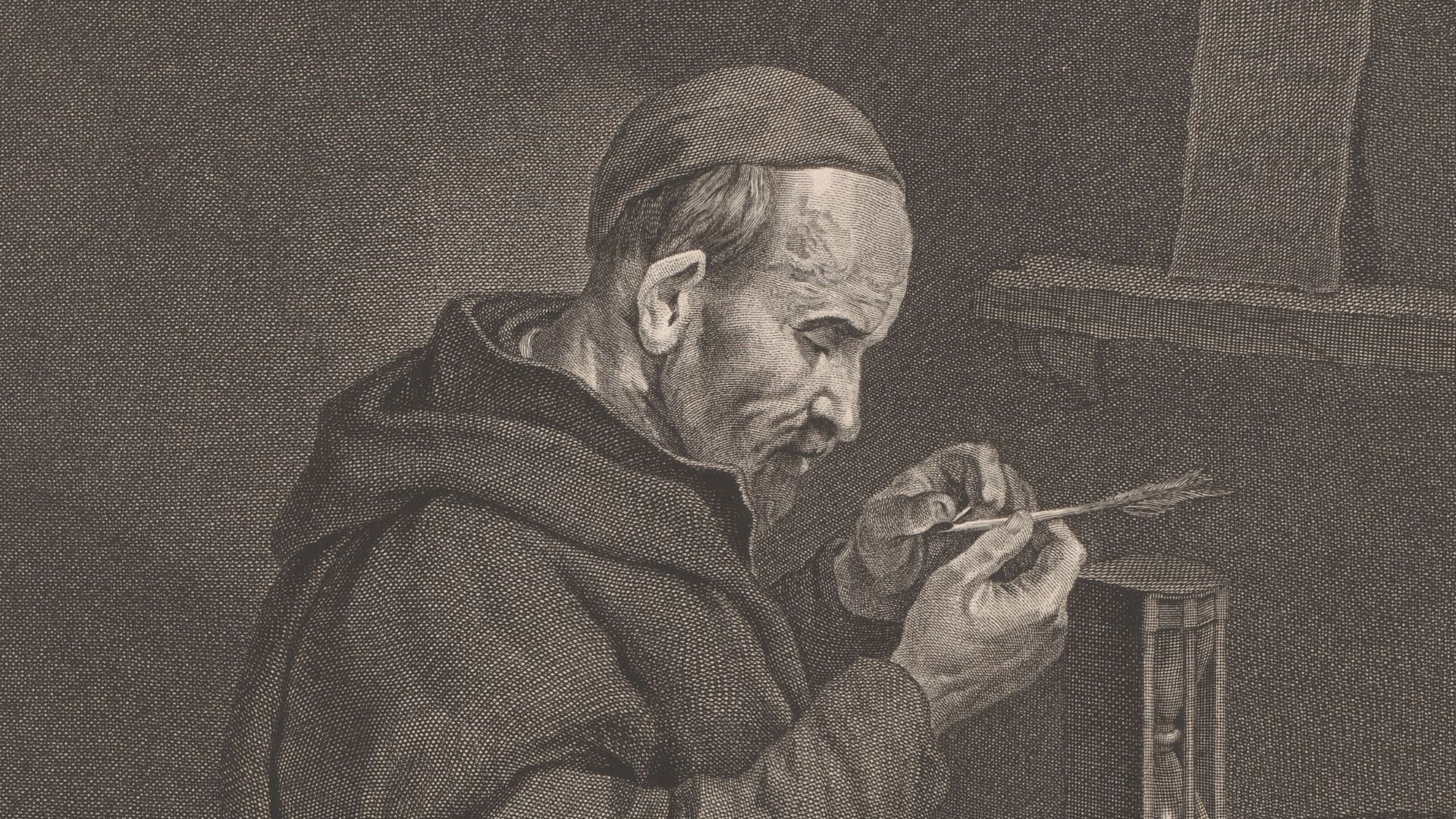 Rijksmuseum, Wikimedia Commons
8. He Was A Prodigy
Regardless of the identity of his tutor, Nostradamus clearly had a natural gift, an impressive intelligence, and a studious capability. Illustrating this, the young prodigy enrolled in the University of Avignon when he was just 14 years old to study for his baccalaureate. Events beyond his control would make his stint there a short one, however.
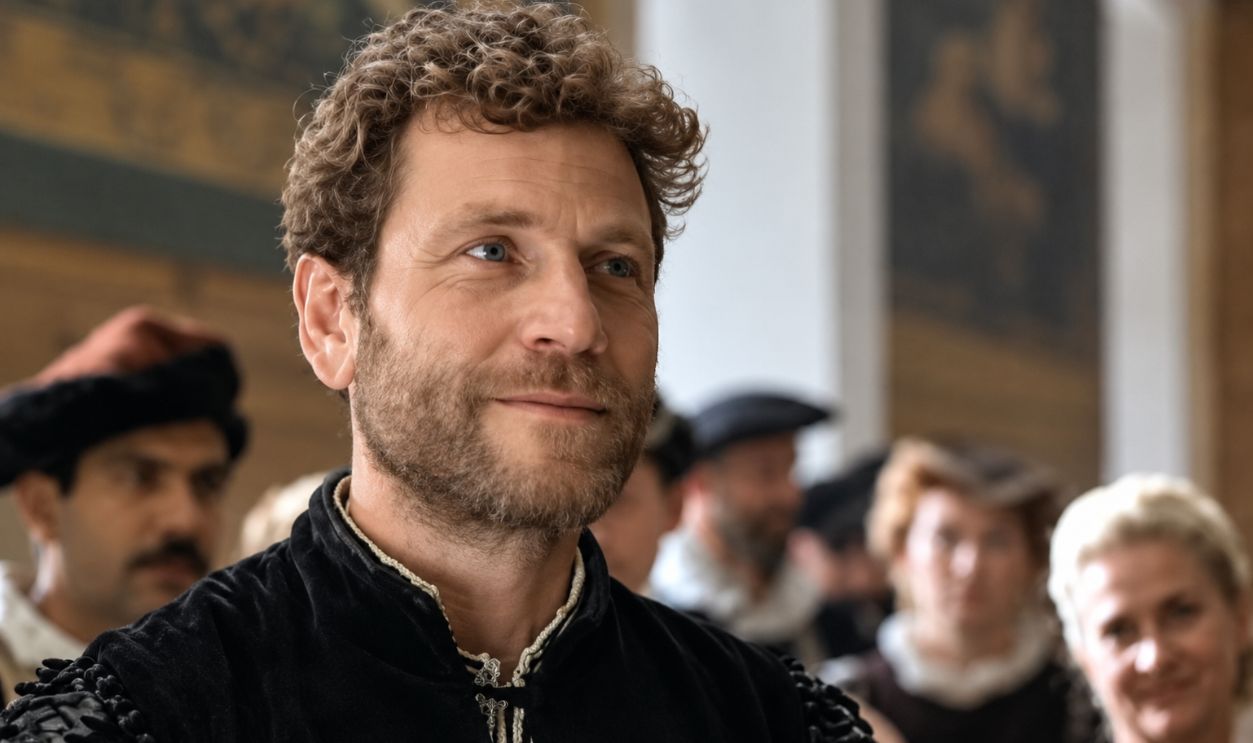 Screenshot from Nostradamus, Orion Classics (1994)
9. He Had To Leave
Nostradamus lasted just over a year in Avignon, where he likely studied grammar, logic, and rhetoric. Unfortunately, however, he got forced to leave school after a nasty outbreak of the plague caused the university to shut its doors and send its entire student body packing. It was poor timing for the ambitious Nostradamus, but he enthusiastically took his education into his own hands.
 Screenshot from Nostradamus, Orion Classics (1994)
History's most fascinating stories and darkest secrets, delivered to your inbox daily.
10. He Took A Long Field Trip
Following his ejection from the University of Avignon, Nostradamus’ own accounts of his life report that he spent the next eight years traveling the countryside, researching herbal remedies. His sojourn would last until 1521, after which he would identify with a controversial profession.
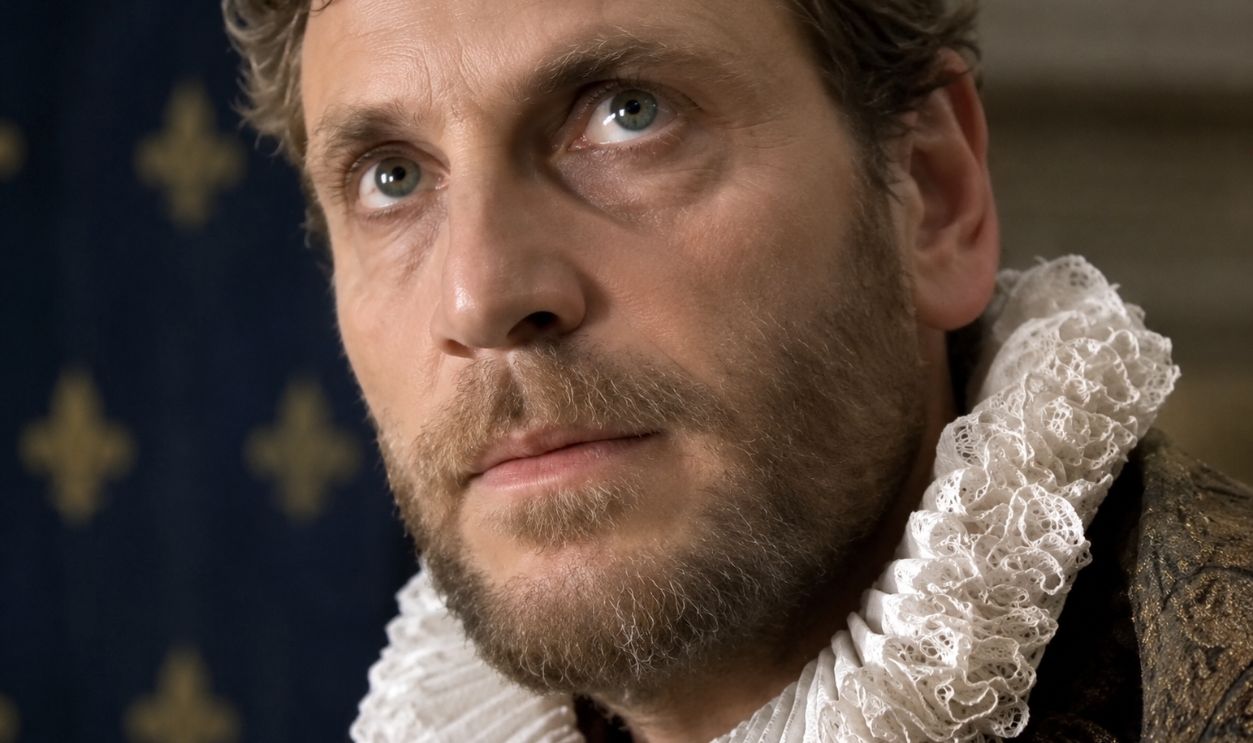 Screenshot from Nostradamus, Orion Classics (1994)
11. He Got A Trade
Over the course of his travels, Nostradamus gained enough knowledge of various remedies to call himself an apothecary, a professional title under which he operated for several years. He dispensed medicine to “patients”, and perhaps to the more trusting and experimental physicians, building his confidence in the trade all the while. Eventually, he would try once again to attain academic recognition.
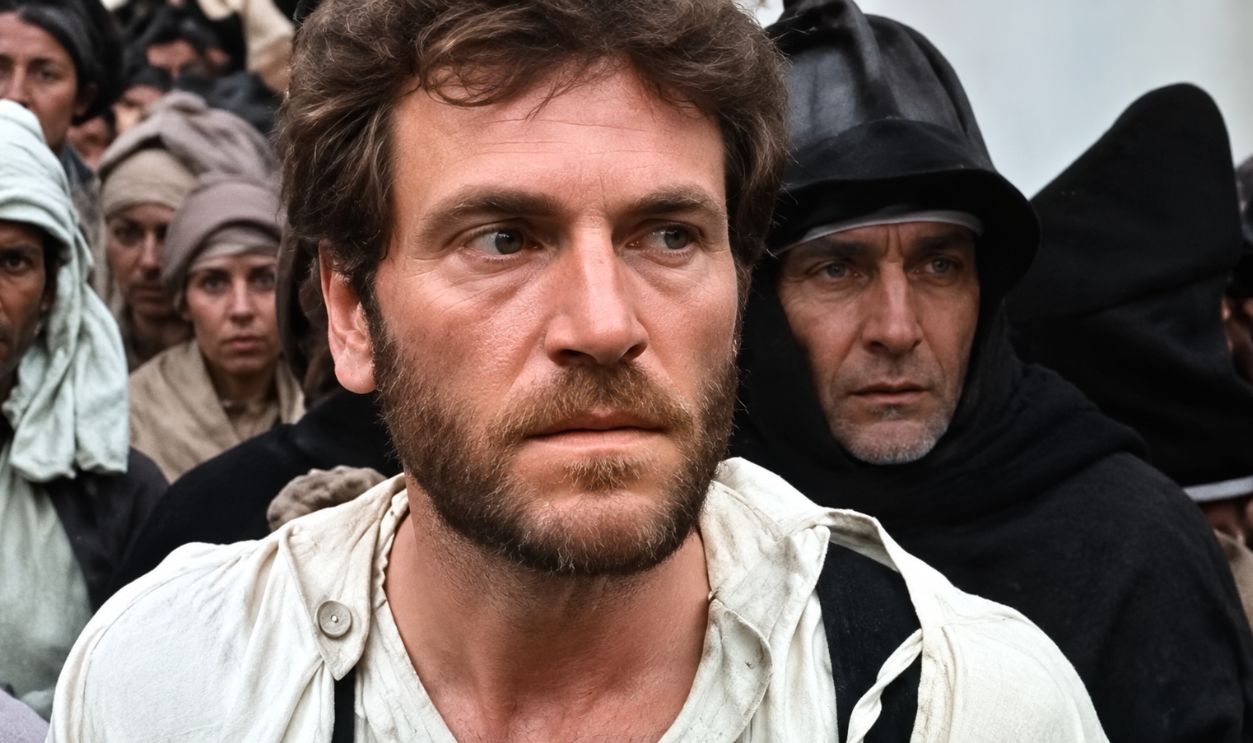 Screenshot from Nostradamus, Orion Classics (1994)
12. He Tried School Again
In 1529, Nostradamus once again returned to education, this time enrolling in the University of Montpellier, and hoping to earn a doctorate in medicine. He began his studies in earnest, weaving in the knowledge he had attained in his years as an apothecary. Unfortunately, this would come back to bite him pretty quickly.
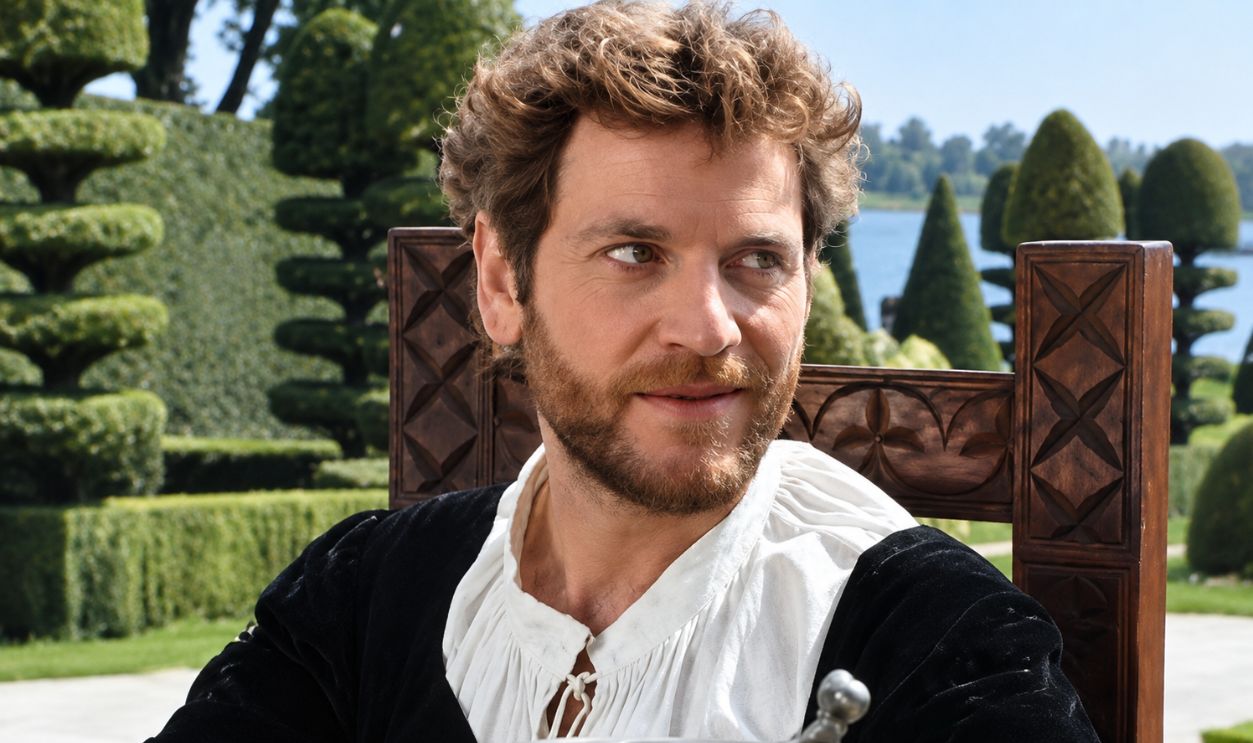 Screenshot from Nostradamus, Orion Classics (1994)
13. He Failed Again
Shortly after his enrollment, Nostradamus was promptly expelled from the University of Montpellier. The reason this time was, in fact, the very thing that led him back to school: upon discovering his work as an apothecary, the University booted the medicine man—university statutes expressly banned the “manual trade” of apothecary. And while the forbidden profession served as the main cause for his expulsion, there was another reason too.
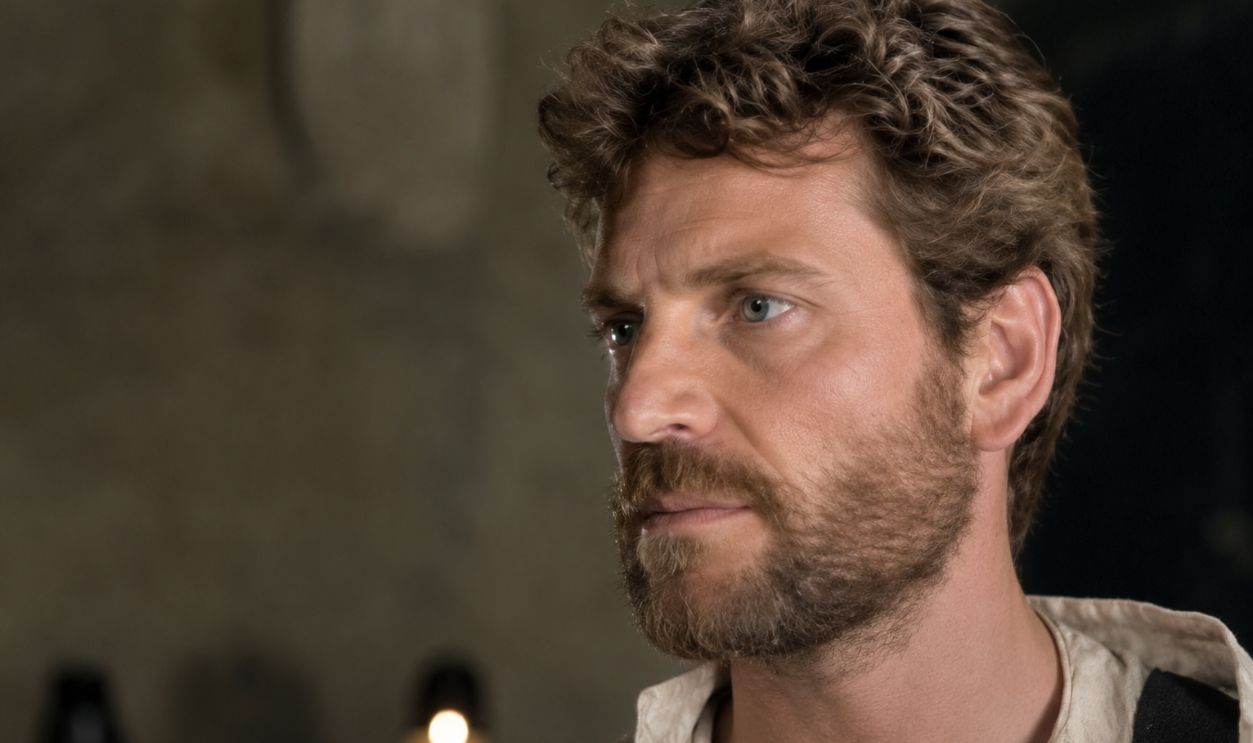 Screenshot from Nostradamus, Orion Classics (1994)
14. He Talked Smack
The student procurator who expelled Nostradamus was Guillaume Rondelet, a renowned professor of medicine. As grounds for the expulsion, Rondelet also cited another discovery he made: that, in his years as a traveling apothecary, Nostradamus had been arrogantly slandering doctors. But despite his smack-talking, the disgraced apothecary was happy to adopt the title when it suited him.
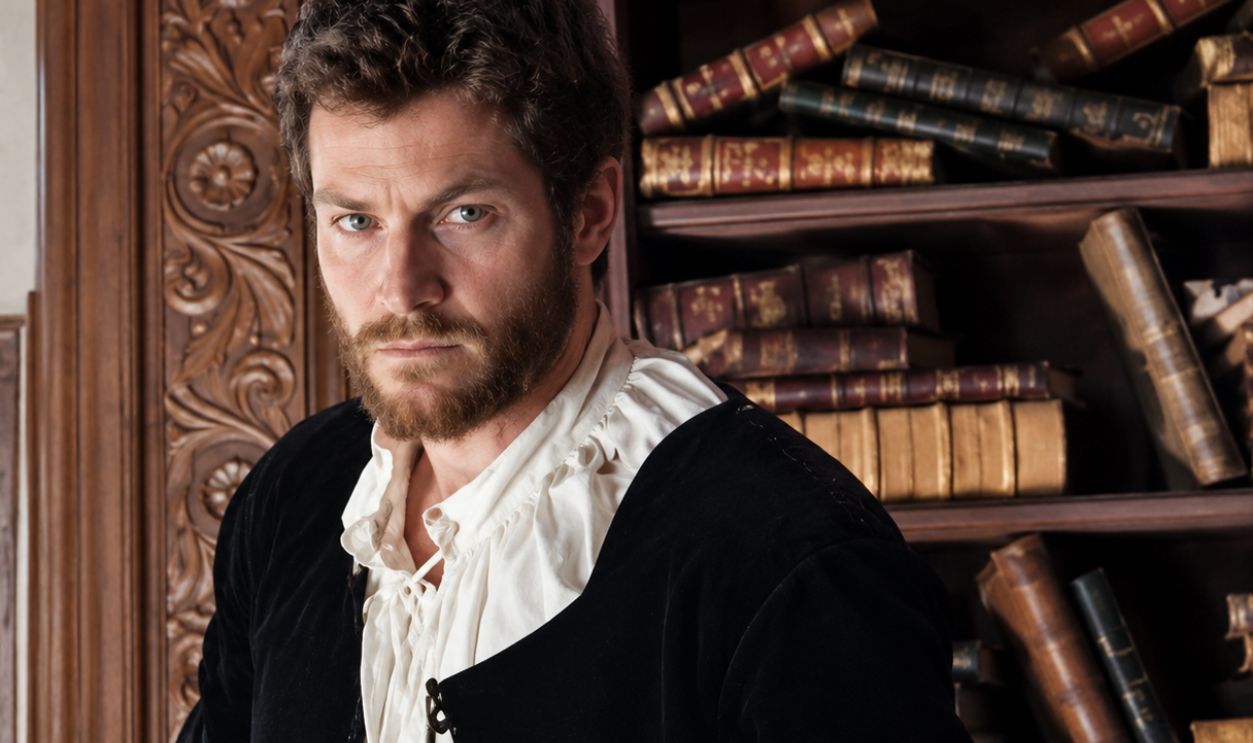 Screenshot from Nostradamus, Orion Classics (1994)
15. He Took The Title
Despite never attaining official academic recognition, many of Nostradamus’ later correspondents, and even his posthumous publishers, would refer to him as “Doctor”. The arrogant pseudo-physician would never push back on this, of course, enjoying the status it endowed him with. Now professionally adrift once again, Nostradamus returned to his independent practice.
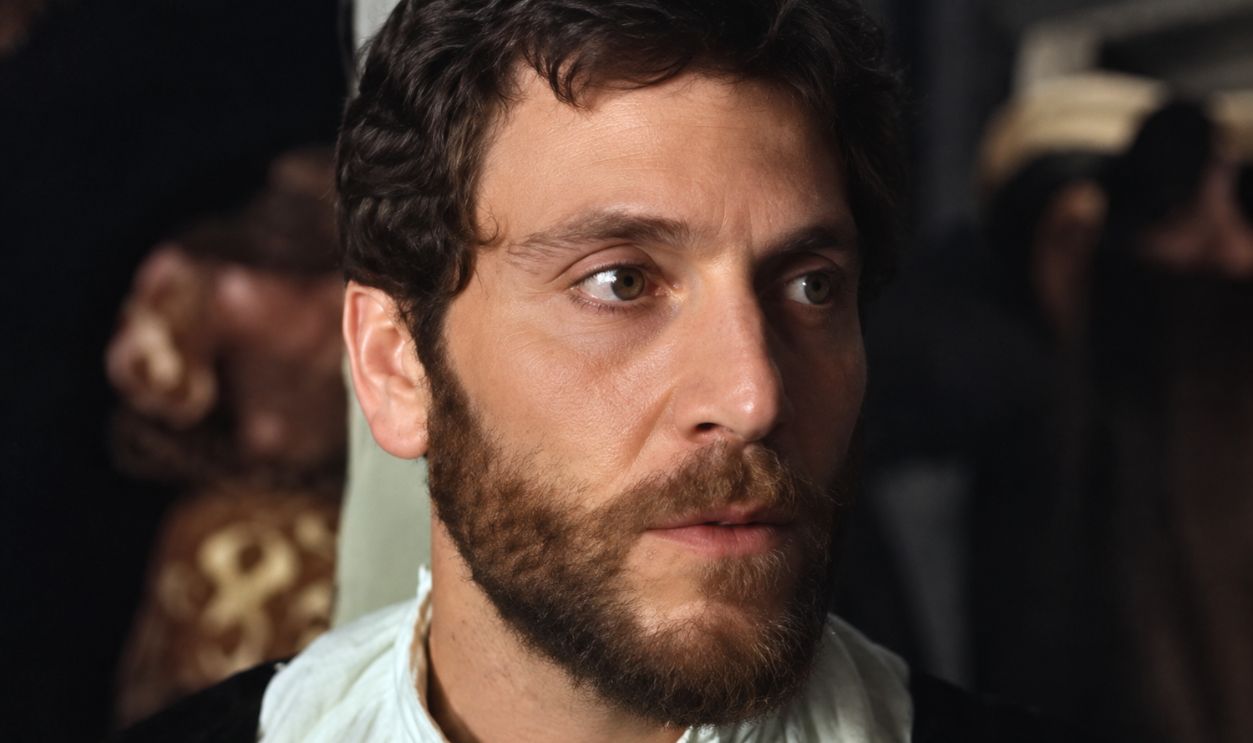 Screenshot from Nostradamus, Orion Classics (1994)
History's most fascinating stories and darkest secrets, delivered to your inbox daily.
16. He Gained A Name
Following his expulsion from Montpellier, Nostradamus picked up where he left off, continuing to work as an apothecary. It was during this time that the healer began making a name for himself, particularly for inventing a “rose pill”, a remedy of his own creation which Nostradamus himself claimed protected against the plague that was still rampant in Europe. His notoriety was enough to earn him an important summons.
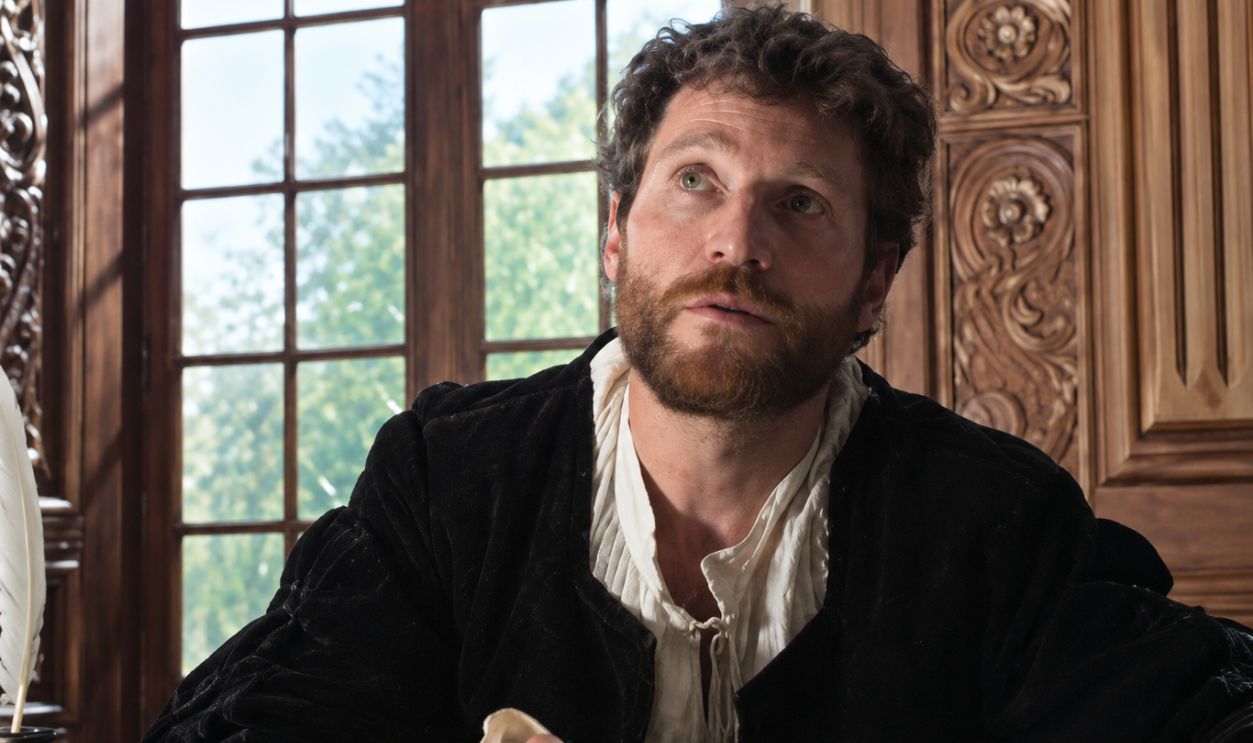 Screenshot from Nostradamus, Orion Classics (1994)
17. He Met His Match
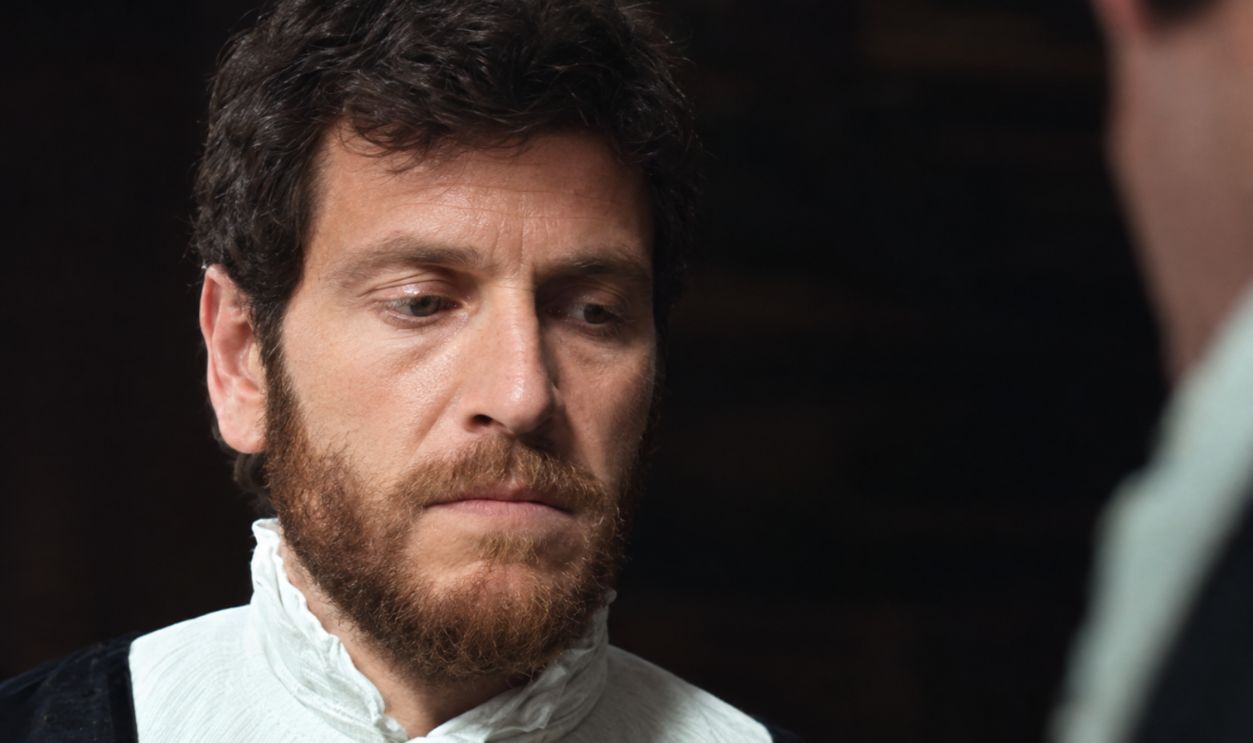
In 1531, on the back of his rose pill notoriety, Nostradamus received an invitation from leading Renaissance scholar Jules-César Scaliger to come to the city of Agen to further his work as a physician and apothecary. Upon arriving in Agen, the traveling healer met a woman whose name is uncertain, though some sources claim she was Henriette d'Encausse. Either way, this woman would become his wife.
 Screenshot from Nostradamus, Orion Classics (1994)
18. He Started A Family…
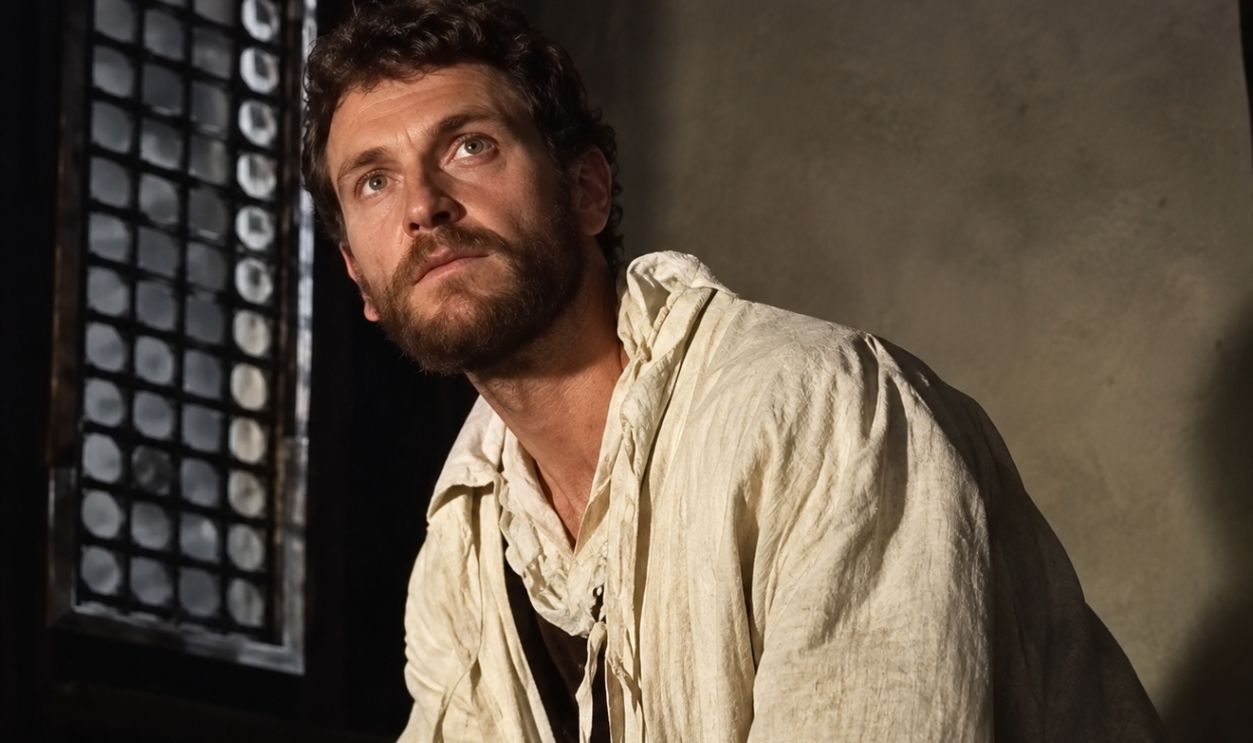
Whatever her name was, Nostradamus was immediately smitten with this woman he met in Agen, and the couple quickly got married. The apothecary would have two children with this mystery bride, but his family bliss would last only a brief time before its tragic demolition.
 Screenshot from Nostradamus, Orion Classics (1994)
19. …And Quickly Lost Them
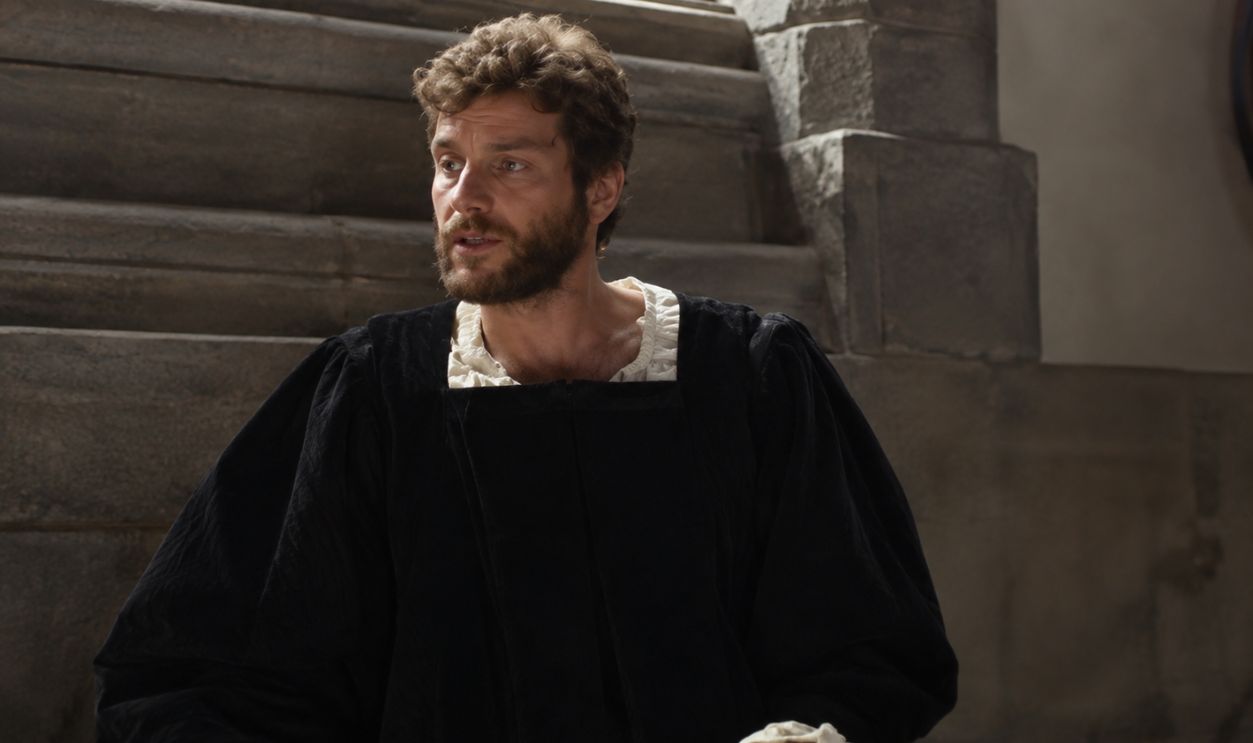
It wasn’t long before the most unimaginable tragedy befell the beleaguered Nostradamus. By 1534, the apothecary’s entire family, his wife and two children, were no more. The most likely cause of their demise was the ever-present plague, and perhaps this was why the grieving patriarch doubled down on his efforts to fight it.
 Screenshot from Nostradamus, Orion Classics (1994)
20. He Tackled A Big Problem
After a year-long sabbatical of grief, where he traveled through France and Italy, Nostradamus reemerged in 1545 and buckled down to assist Louis Serre and other local physicians in combatting a particularly severe outbreak of the plague in Marseille. He fought further outbreaks in Salon-de-Provence and Aix-en-Provence and even published a book on his attempted treatments of the disease. He grew attached to the local area in the process.
 Screenshot from Nostradamus, Orion Classics (1994)
21. He Settled Down
Nostradamus’ years of traveling finally came to an end in 1547 when he decided to settle down in Salon-de-Provence, having grown attached to the area during his work battling with the plague there. Tourists can still visit the house in which the healer settled today. Nostradamus did not delay in sowing roots and setting himself up.
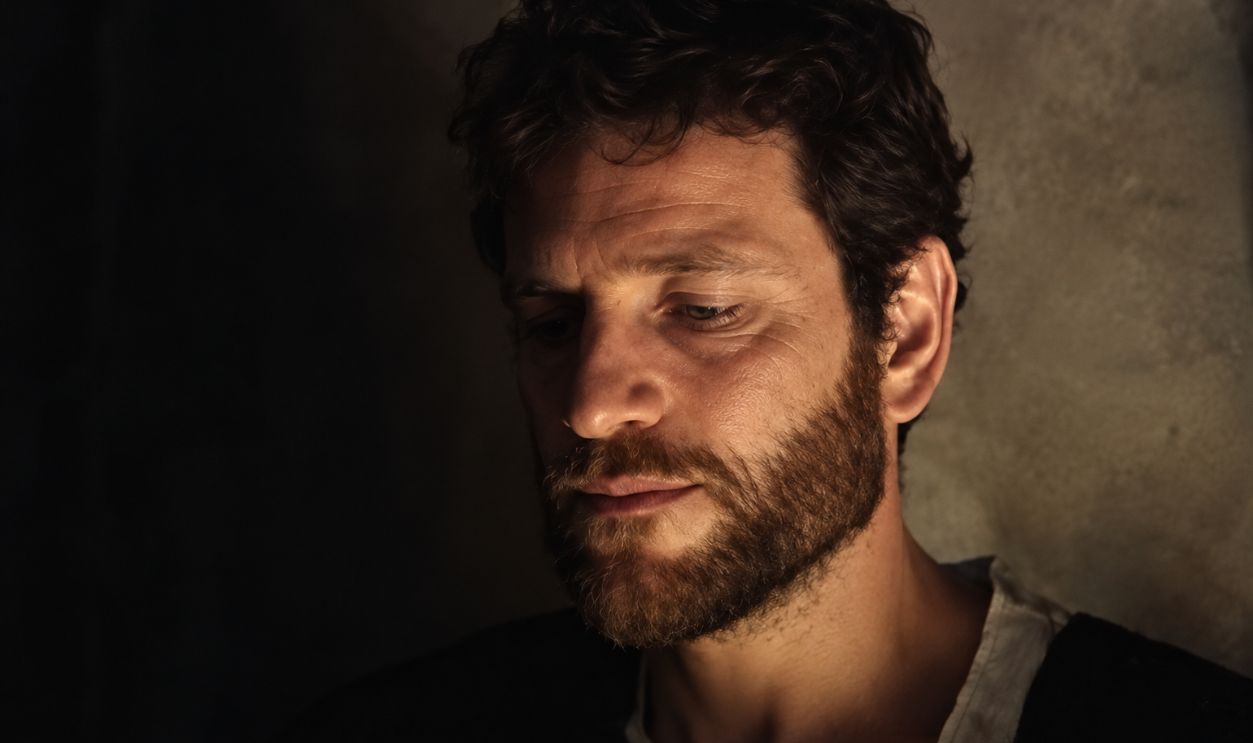 Screenshot from Nostradamus, Orion Classics (1994)
History's most fascinating stories and darkest secrets, delivered to your inbox daily.
22. He Married Money
After so much time on the road, Nostradamus had little wealth to show for it. To that end (and perhaps for love too), he decided to marry into money. After meeting wealthy widow Anne Ponsarde, the two promptly wed. They would eventually parent six children, three boys and three girls. Nostradamus set to work putting his wife’s money to good use.
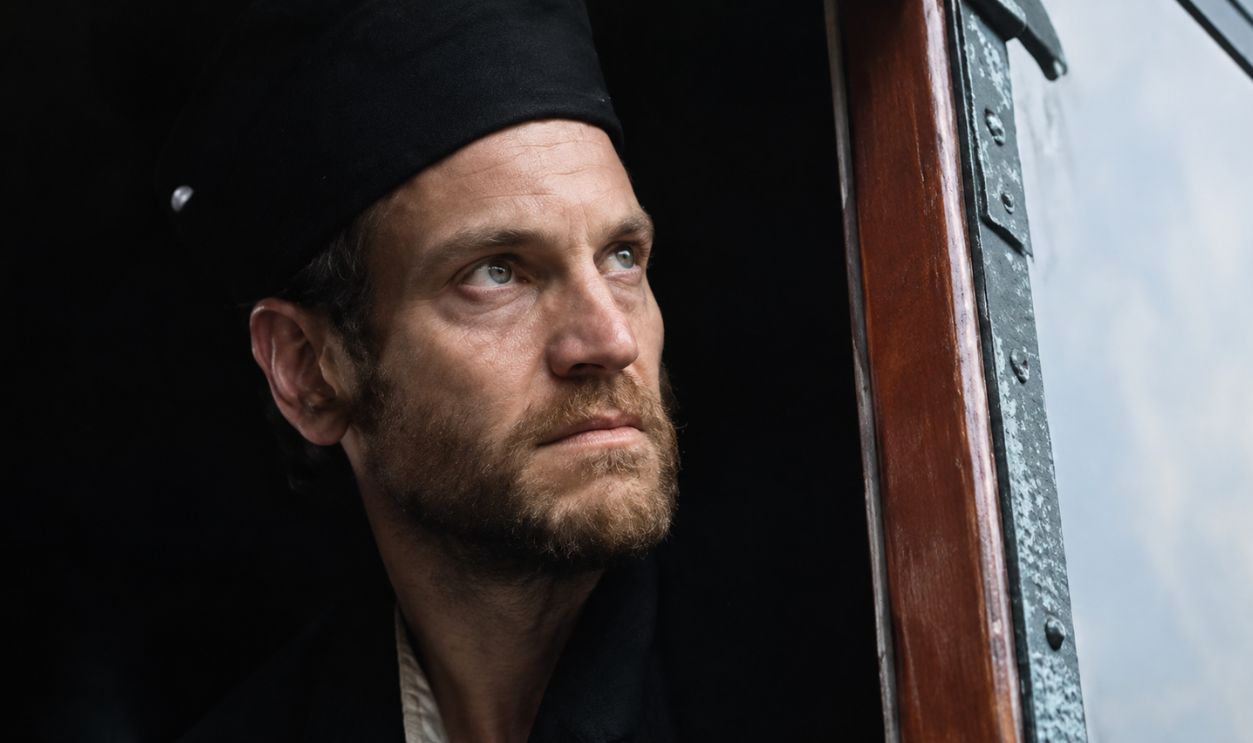 Screenshot from Nostradamus, Orion Classics (1994)
23. He Invested
Having married into a modest fortune, Nostradamus invested the money to grow his family’s fortune, as well as his local community. Sometime between 1556 and 1567, the couple acquired a small share in a massive regional canal project, one that resulted in the Canal de Craponne, which served to irrigate the largely barren Salon-de-Provence with water from the river Durance. His pivot to investment was far from Nostradamus’ biggest career shift, however.
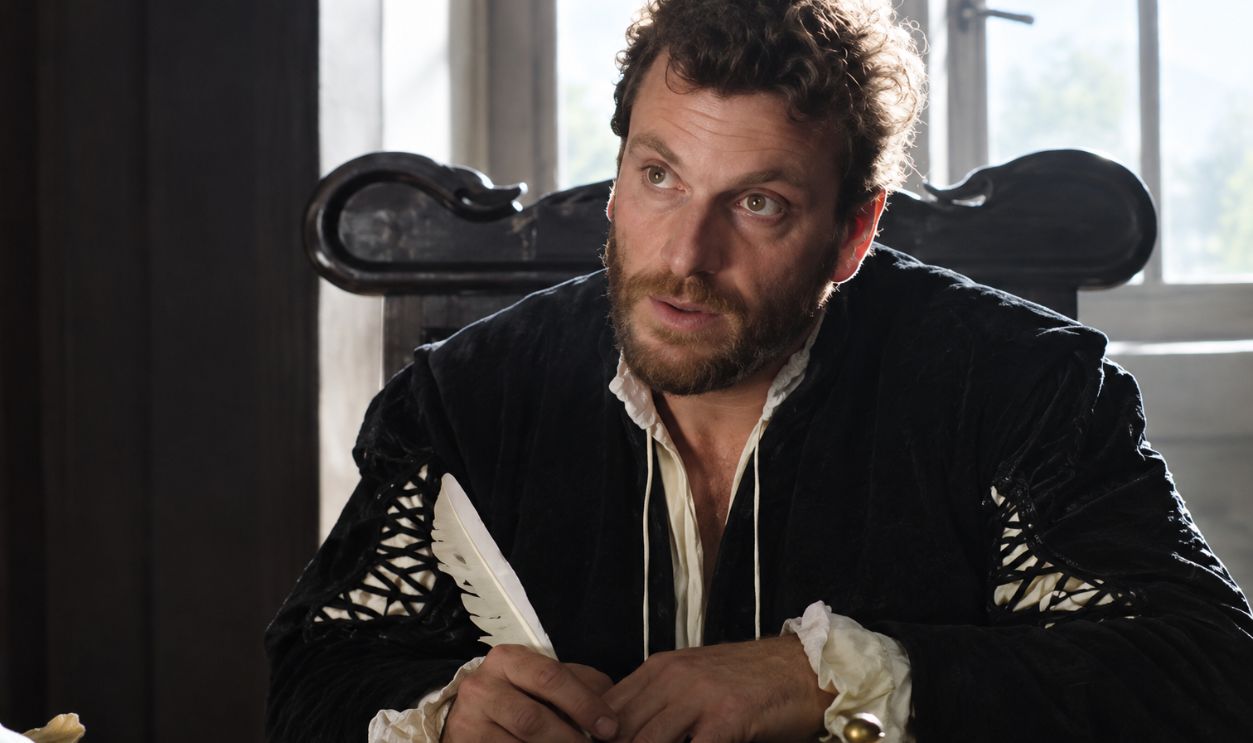 Screenshot from Nostradamus, Orion Classics (1994)
24. He Pivoted
In the late 1540s, Nostradamus took yet another trip to Italy, and while we don't know many details about the excursion, he apparently encountered something significant there. Upon his return to France, the apothecary began moving away from medicine toward a spooky new passion: the occult. With the publishing of another book, he cemented his historical identity.

25. He Found His Niche
Nostradamus’ next move was his most historically important to date: almanacs had exploded in popularity in France, and the occultist decided to publish one of his own in 1550. Significantly, the former medicine man Latinized his name to “Nostradamus” for the first time in print, etching it permanently into history. With the success of the publication, he had found a new groove.
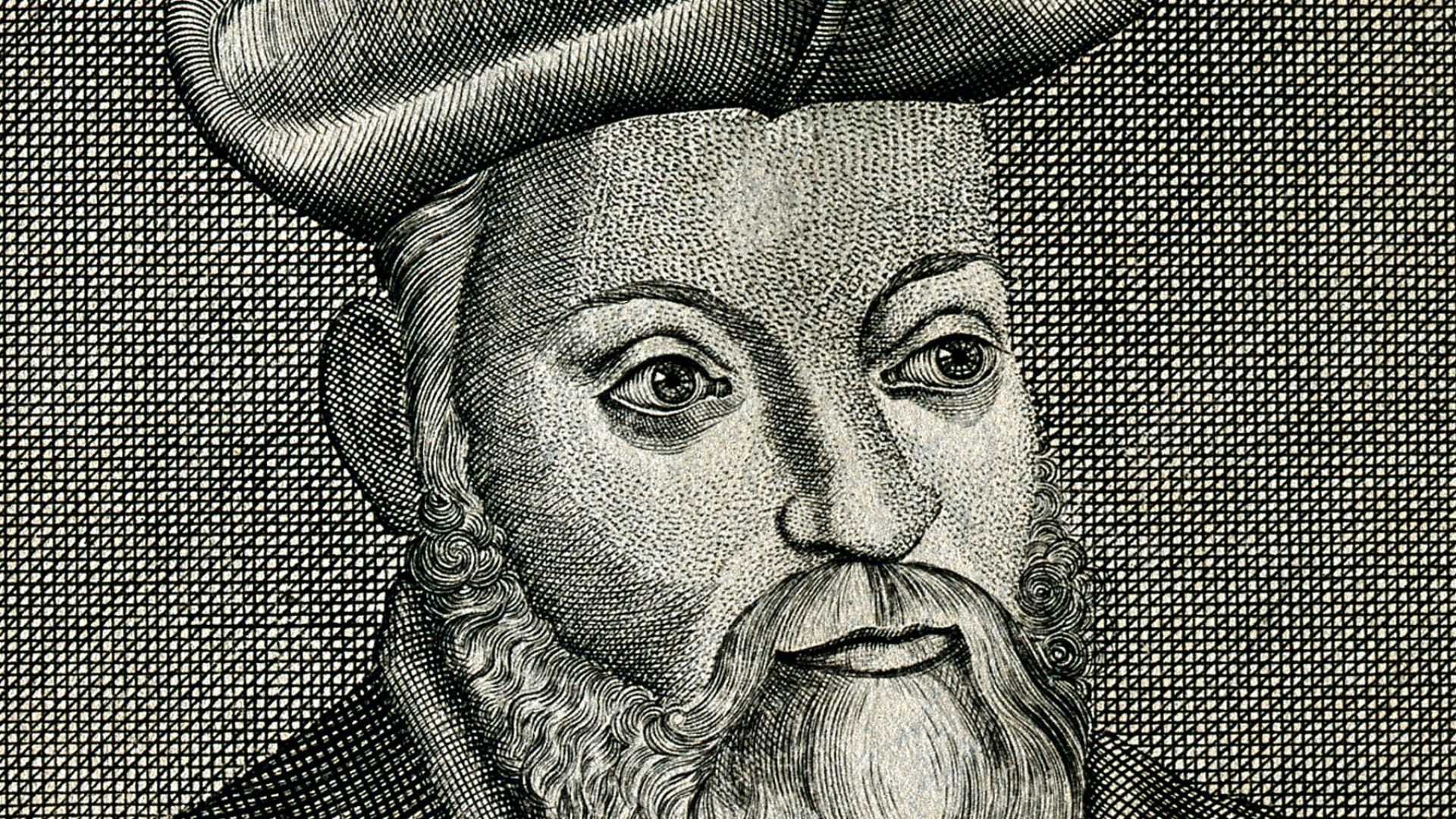
26. He Kept It Going
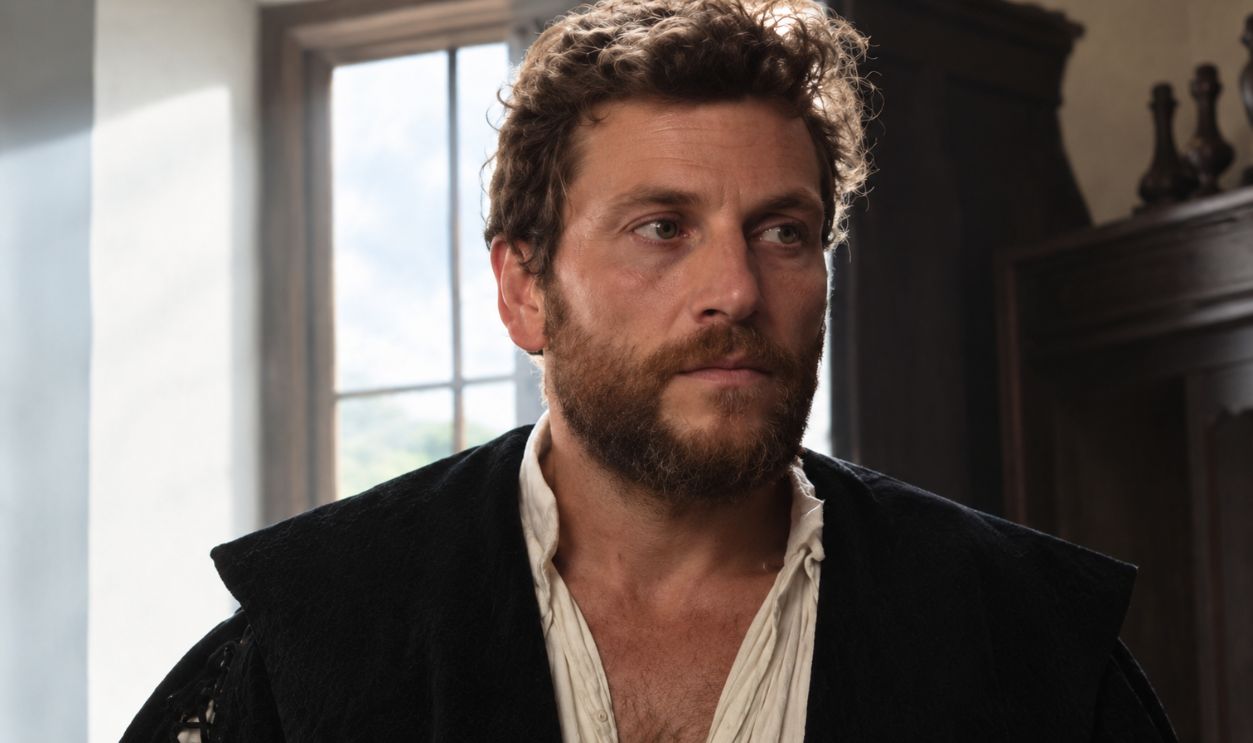
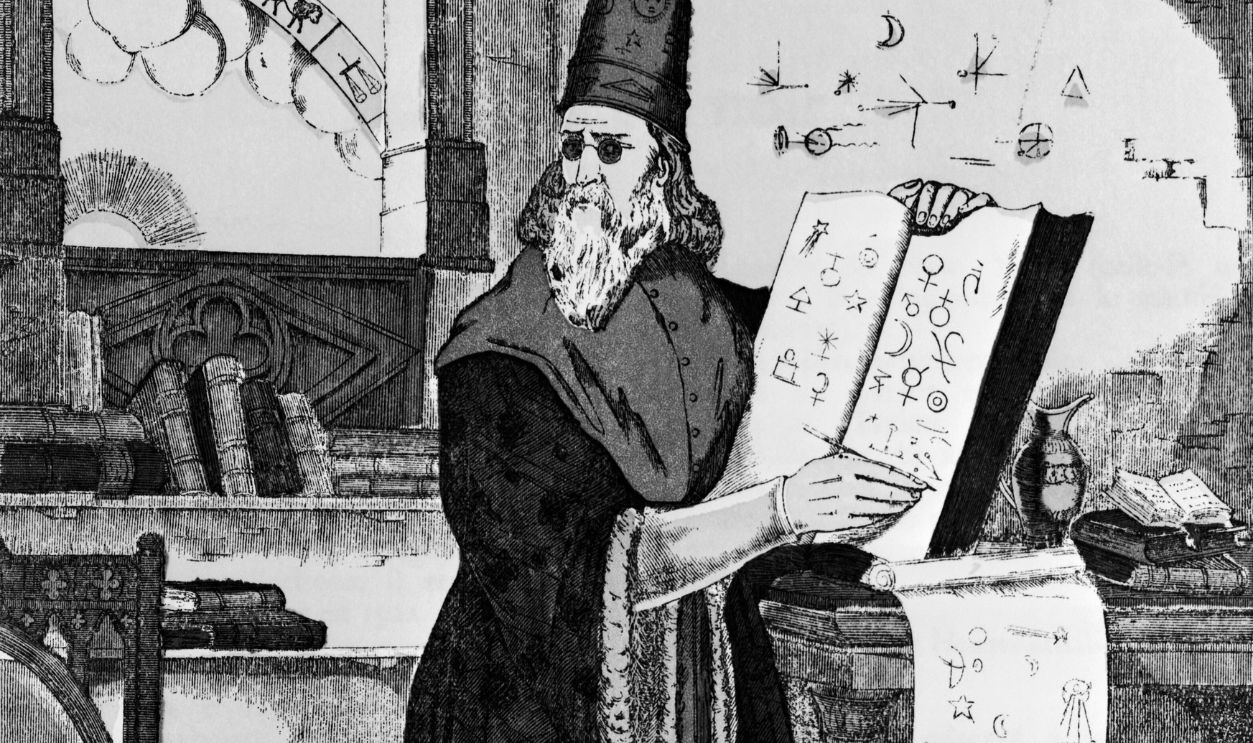
Nostradamus’ almanac proved to be an outsized hit, and its success greatly encouraged the occultist. He continued writing at least one almanac every year, often publishing several within the space of a few months. These publications sometimes contained annual calendars and, more significantly, featured at least 6,338 prophecies over their entire publication run. This only resulted in further work for Nostradamus.
 Screenshot from Nostradamus, Orion Classics (1994)
27. He Received Patrons
Nostradamus’ almanacs attracted the attention of many prominent nobles and other wealthy Europeans, and this resulted in a massive windfall for the budding occultist. His well-to-do readers began hiring the former healer as an astrologer, seeking “psychic” readings and advice. Hilariously, however, Nostradamus made them work for it.
History's most fascinating stories and darkest secrets, delivered to your inbox daily.
28. He Had A Skill Issue
Professional astrologers of the time were typically responsible for calculating their clients’ birth charts in order to perform personalized readings. Nostradamus was notoriously bad at this, however, making frequent errors when he attempted it, and he eventually insisted that clients provide the birth charts themselves. Despite this shortcoming, the astrologer received significant patronage, which allowed him to publish his life’s work.
 Screenshot from Nostradamus, Orion Classics (1994)
29. He Wrote His Magnum Opus
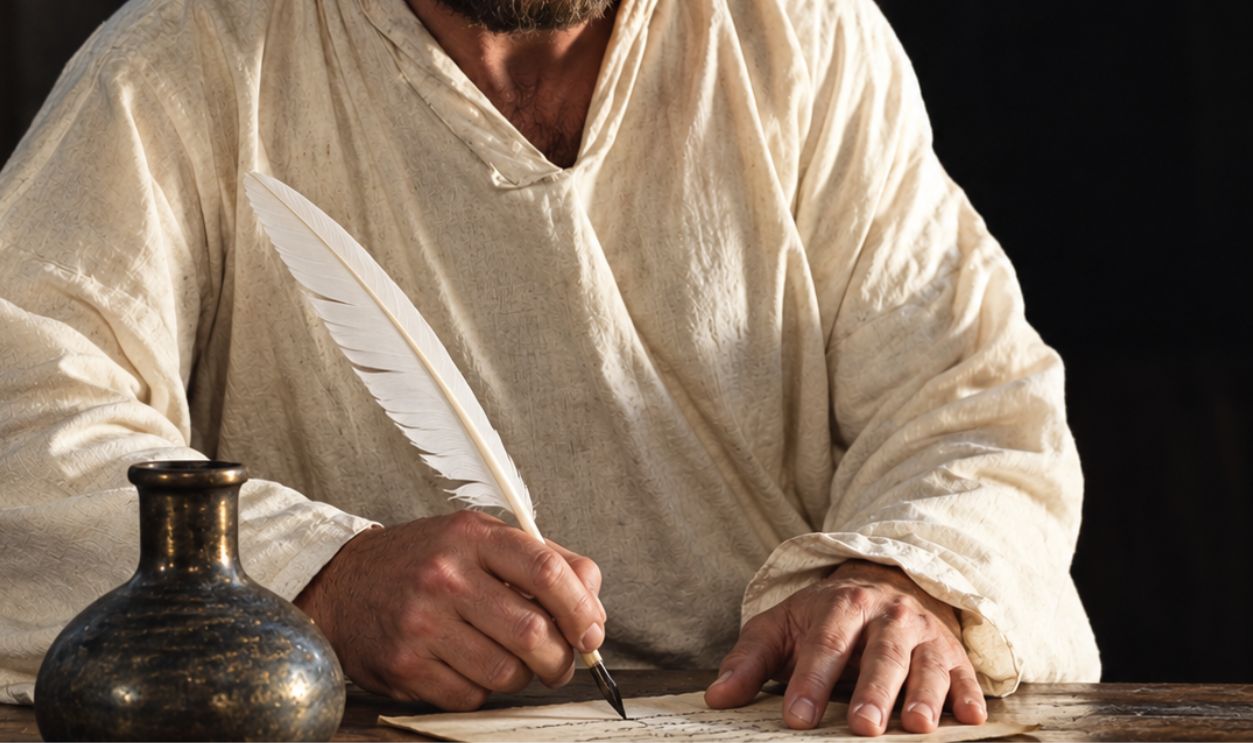
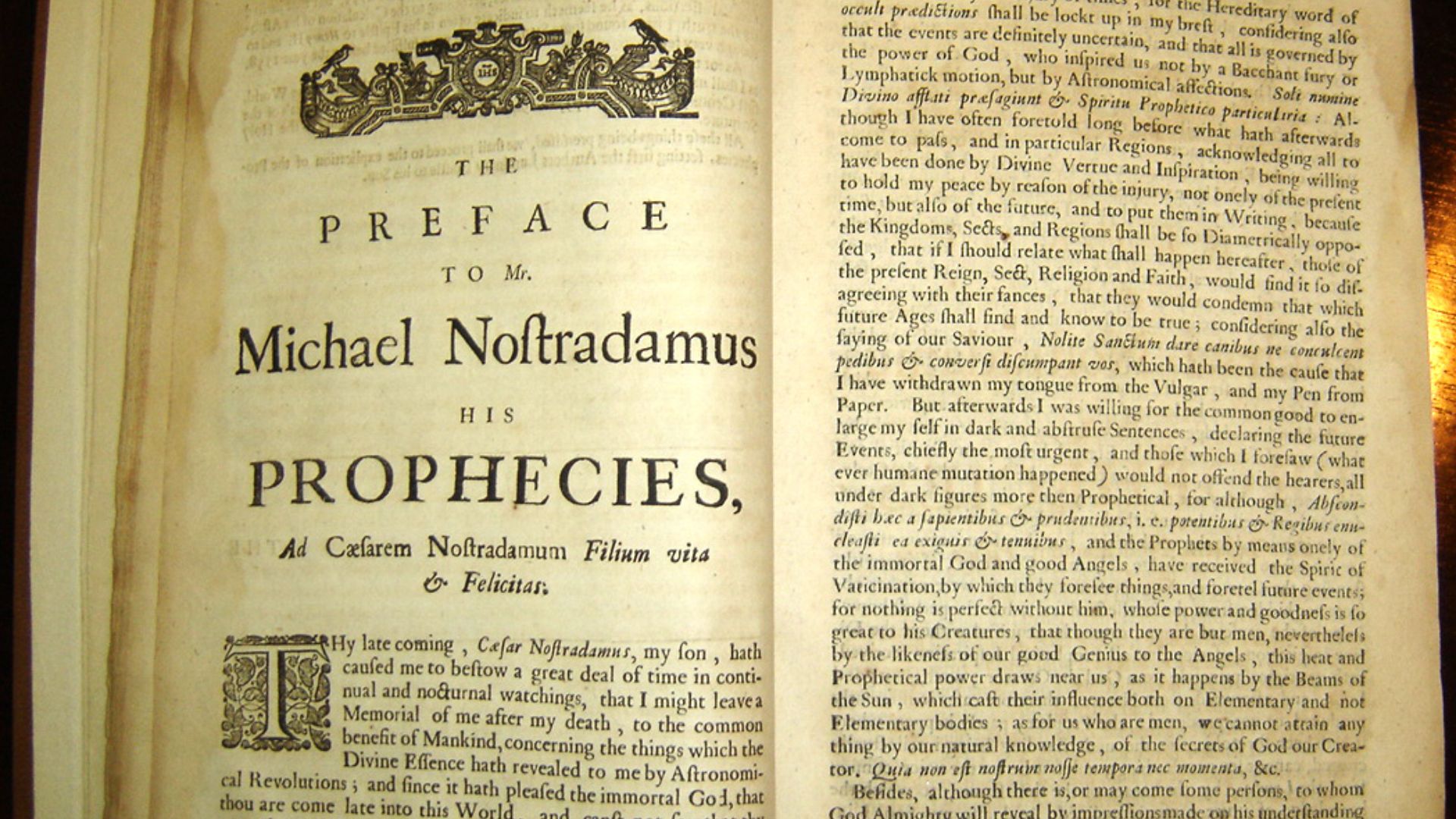
In 1555, Nostradamus published Les Prophéties (The Prophecies), a book of 1,000 French (for the most part) quatrains. It remains his most significant and well-known work to this day. The book comprised a collection of poems, many of which made prophetic predictions of future events, casting Nostradamus as a seer to contemporaries and historians alike. The powerful Church did not like this, of course.
 Original uploader was Zereshk at en.wikipedia, Wikimedia Commons
30. He Obscured
Fearing his heretical predictions would subject him to religious prosecution, Nostradamus devised a syntaxial method of obscuring the true meaning of his poems. He achieved this through the use of word games and language mixing—Les Prophéties contains elements of French, Greek, Italian, Latin, and Provençal. He initially released the book to a lukewarm reception.
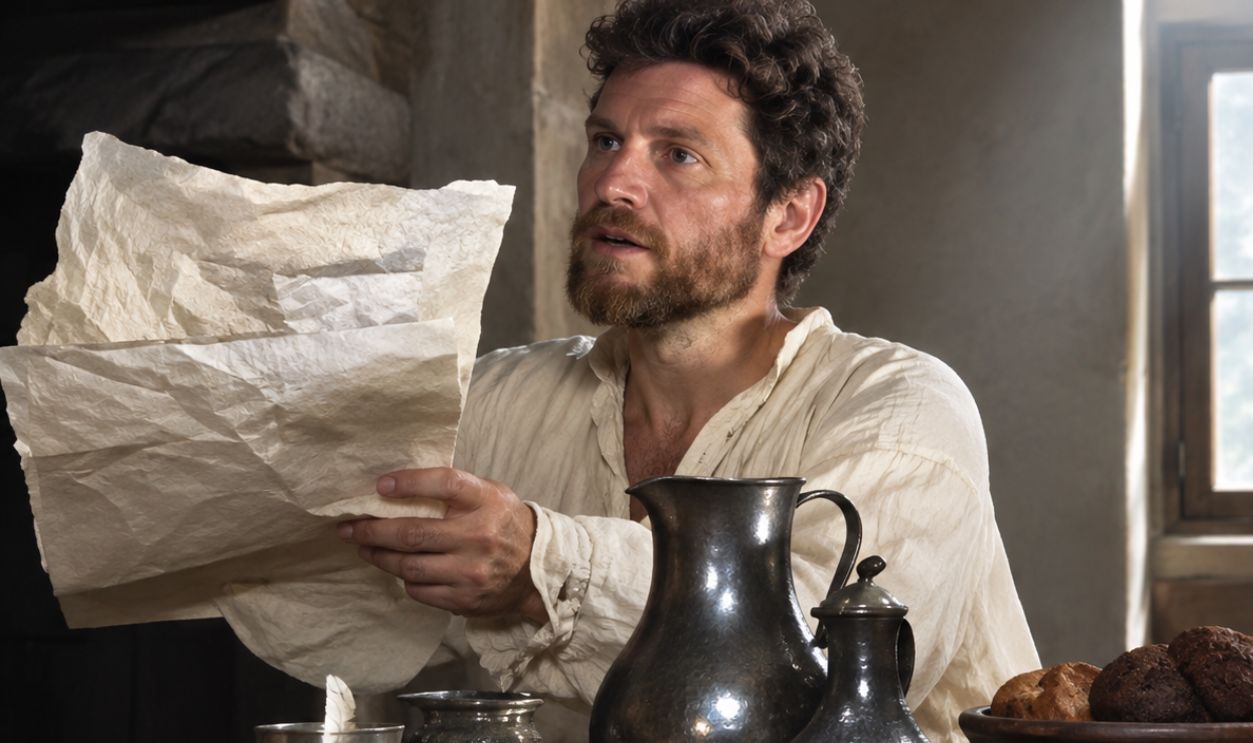 Screenshot from Nostradamus, Orion Classics (1994)
31. He Was A Hack
Many of his contemporaries were thoroughly unimpressed with Nostradamus’ Prophecies. The author relied heavily on historical and literary precedents, which some thought compromised the veracity of his claims, leading to an initially mixed reception to the publication. Others had a more negative view still.
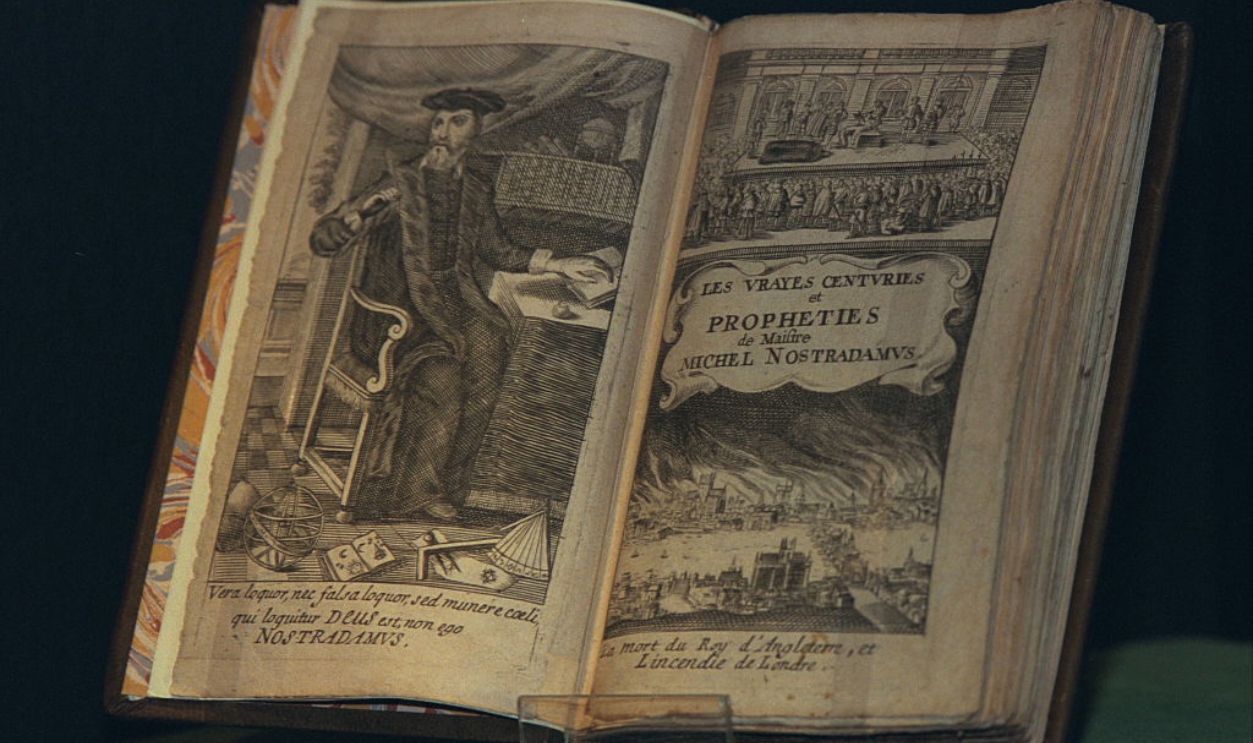
32. He Got Condemned
Toward the more negative end of the mixed reception were those who believed Nostradamus was doing active harm with his predictions. These reactions ranged from believing the seer was a servant of evil, to those who believed he was a fraud, to others still who believed the astrologer was simply insane. The haters mattered little to Nostradamus, however, compared to his well-to-do fans.
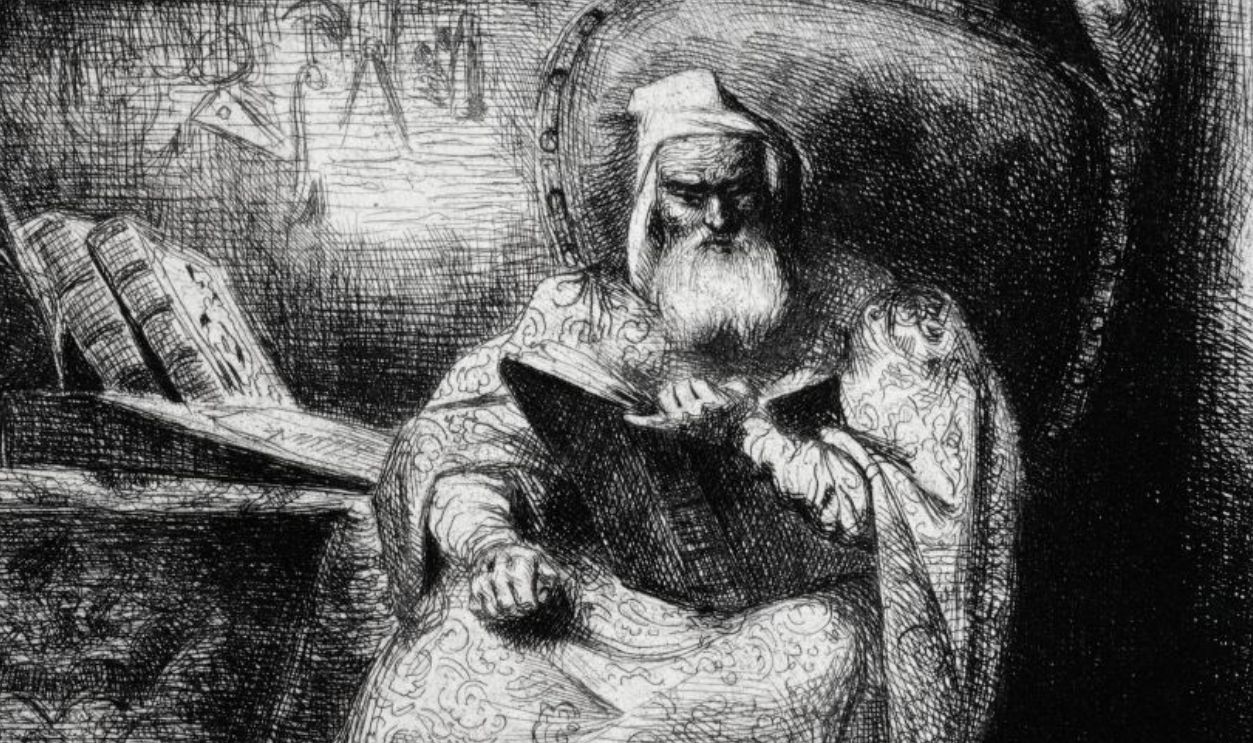 DE AGOSTINI PICTURE LIBRARY, Getty Images
33. He Had His Supporters
Despite his detractors, Nostradamus’ predictions received their fair share of enthusiastic fans too, and many of these fans came from elite members of the upper class. One of his greatest and most notable admirers was Catherine de’ Medici, a member of a powerful Florentine family and the wife of King Henry II of France. The Queen promptly gave Nostradamus a job.
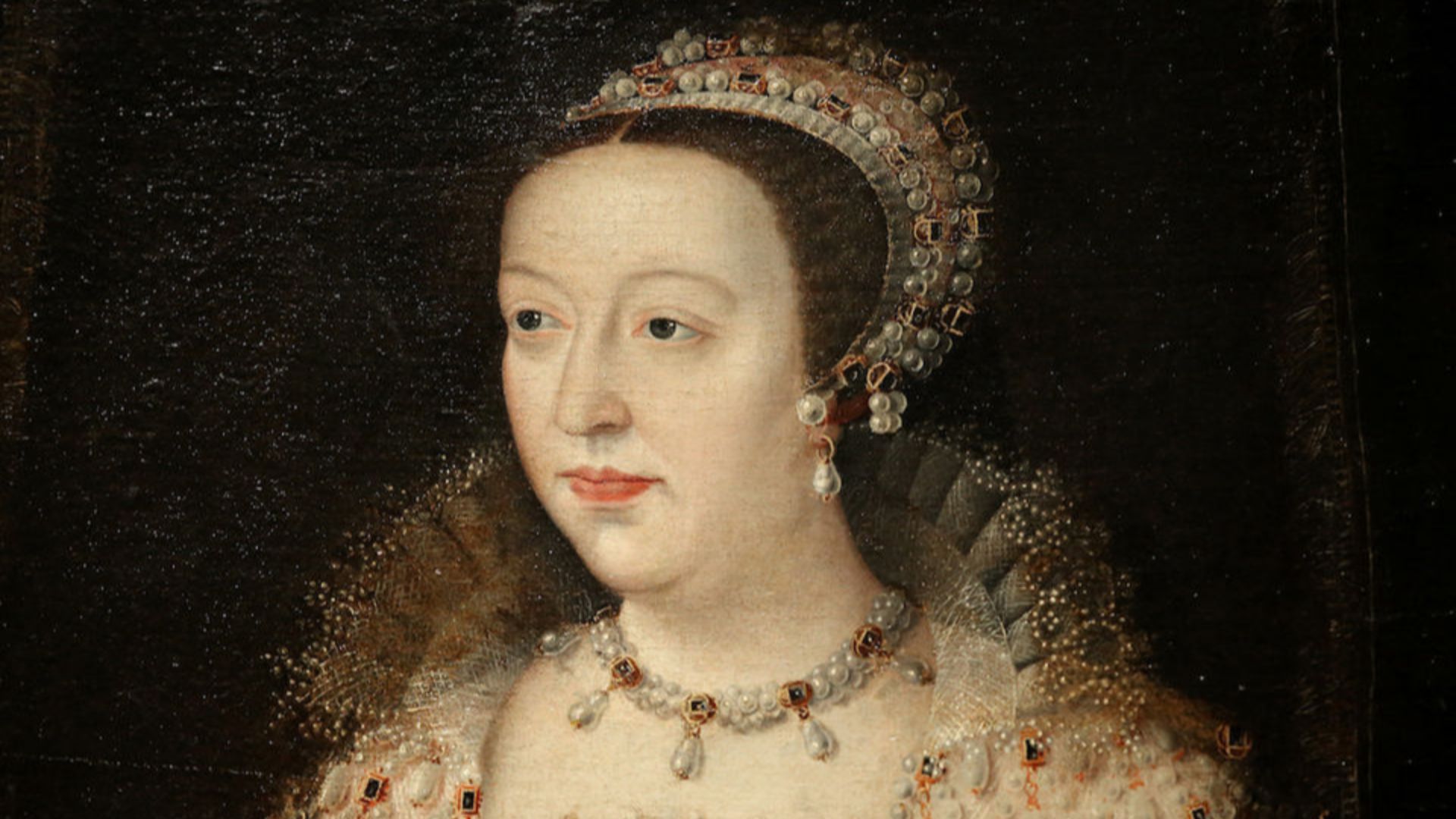 Attributed to Germain Le Mannier, Wikimedia Commons
History's most fascinating stories and darkest secrets, delivered to your inbox daily.
34. He Got Hired
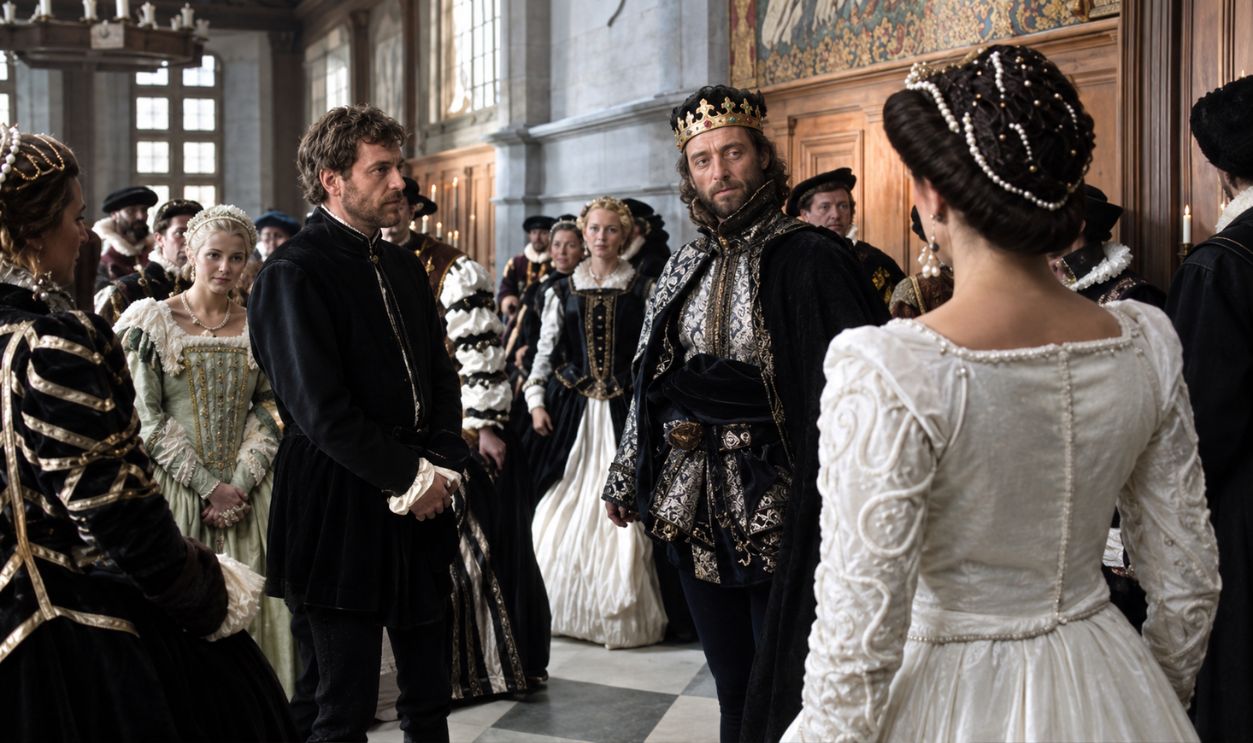
Upon reading Nostradamus’ almanacs, many of which featured predictions concerning unnamed threats to the royal family, Queen Catherine promptly summoned the seer to Paris to explain his prophecies. Nostradamus was terrified, fearing they would behead him on arrival. Clearly, however, he put his silver tongue to use because it wasn’t long before the Queen was asking the astrologer to draw up horoscopes for her children. His career prospects only improved from there.
 Screenshot from Nostradamus, Orion Classics (1994)
35. He Advised Royalty
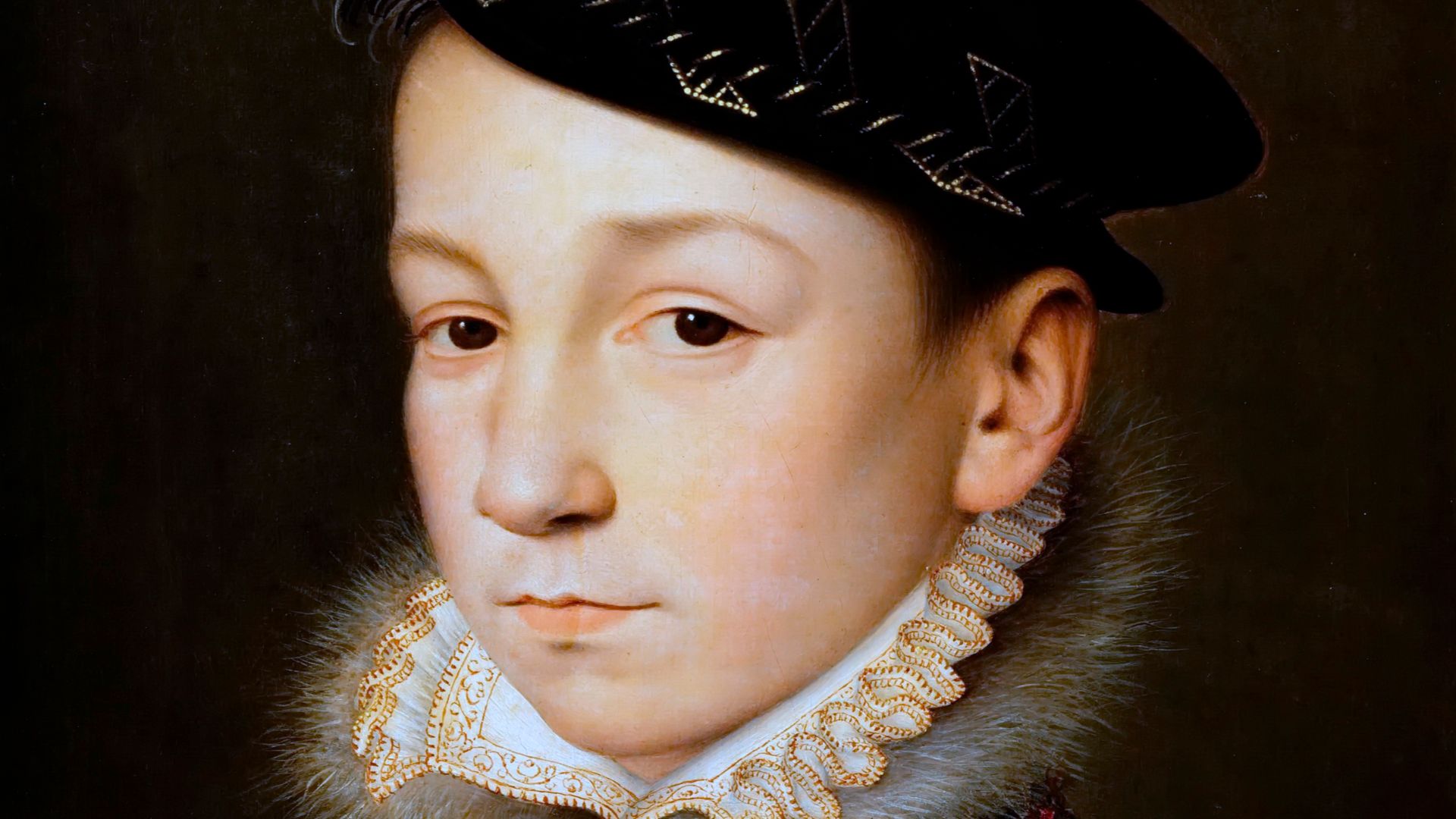
Over the next 10 years, Nostradamus firmly ingratiated himself with Catherine and the royal family, and she appointed him to some powerful and important positions. Chief among these was Counselor and Physician-in-Ordinary to the Queen’s young son, the future King Charles IX of France. But while he had his admirers in the halls of royal power, he rubbed other powerful institutions the wrong way.
 François Clouet, Wikimedia Commons
36. He Was Sacrilegious
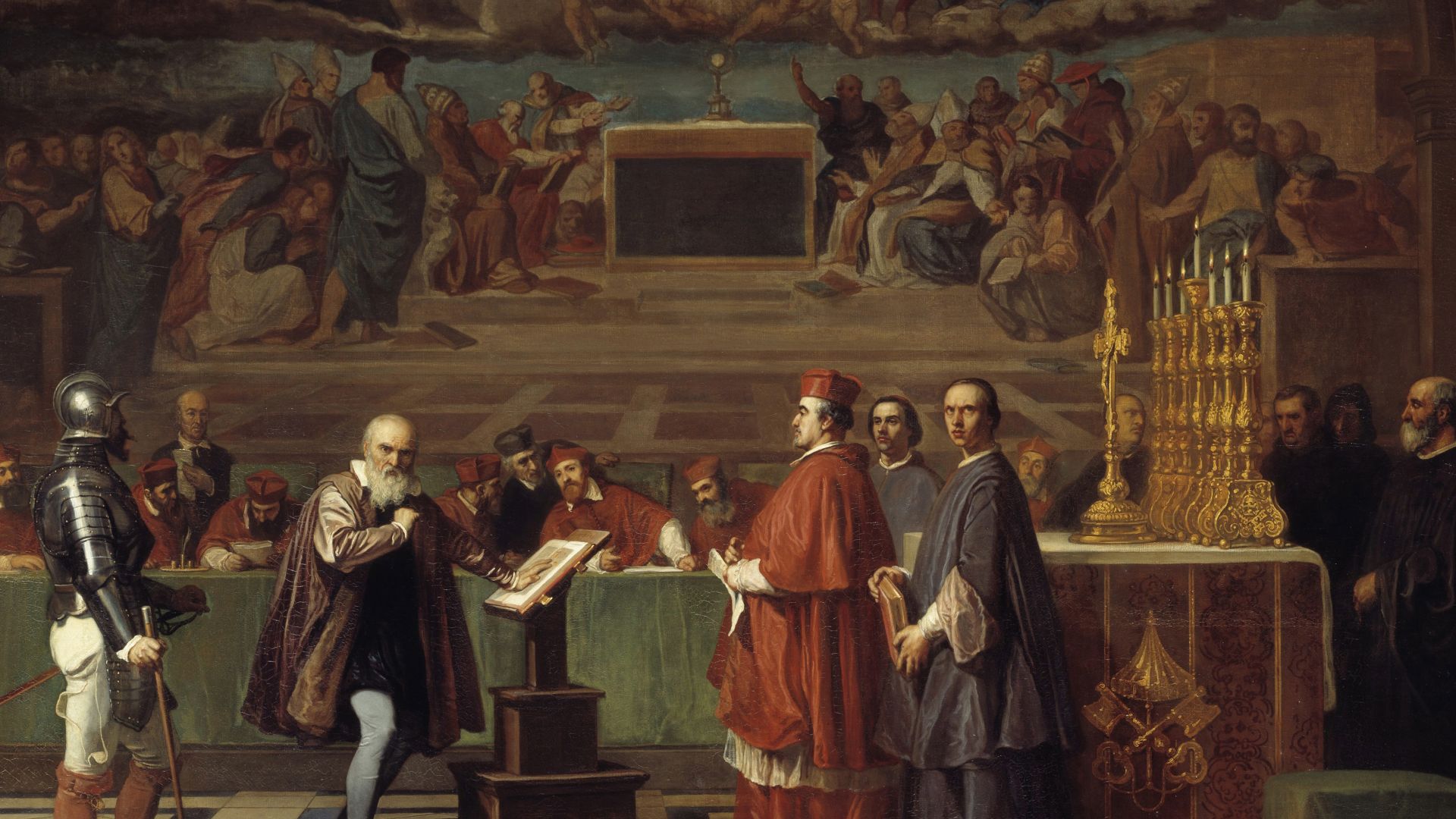
Unsurprisingly, over the years, Nostradamus’ work as an apothecary, astrologer, and purported seer brought him into frequent conflict with the powerful Catholic Church. In Agen in 1538, for example, a Church Inquisitor publicly condemned him after visiting the area in search of anti-Catholic views. His most consequential brush with the clergy came over 20 years later, however.
 Joseph-Nicolas Robert-Fleury, Wikimedia Commons
37. He Went To Jail
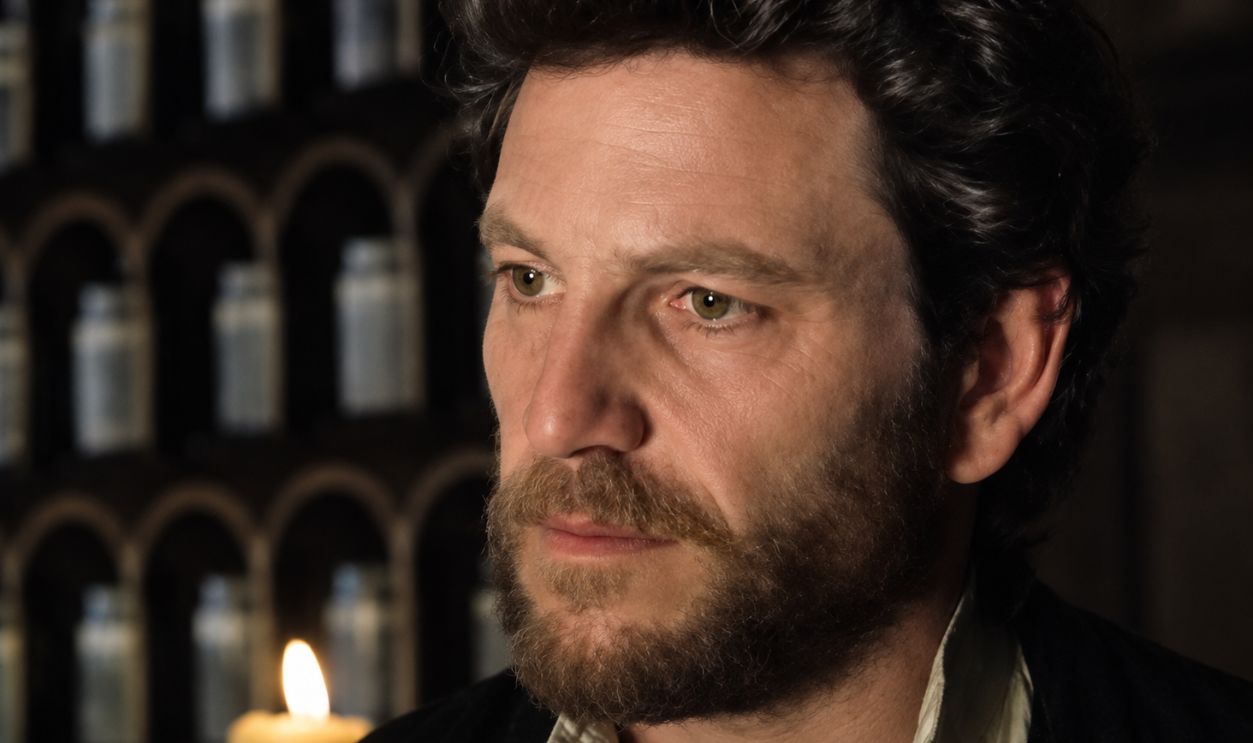
In 1561, a royal decree was issued, stating that any publication of the kind that Nostradamus regularly wrote would need the express permission of a bishop before its release to the public. The controversial seer blatantly flouted this decree, of course, releasing his 1562 almanac without permission from anyone. This bold move resulted in Nostradamus’ brief imprisonment in Marignane. But this was far from the worst experience of his later years.
 Screenshot from Nostradamus, Orion Classics (1994)
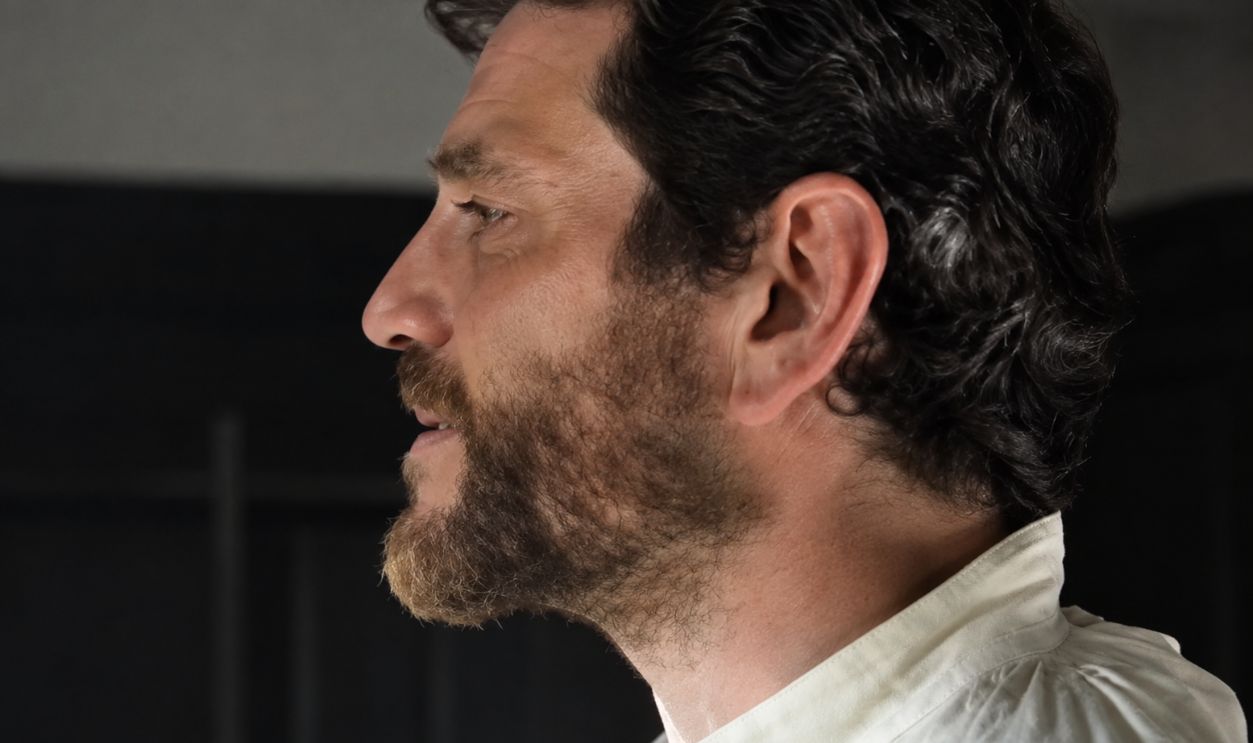
38. His Health Worsened
By the 1560s, Nostradamus began suffering from severe gout. The ailment plagued him with pain for many years and made movement increasingly difficult. By 1566, the gout had progressed into edema, and you didn’t need to be a psychic to figure out Nostradamus’ imminent future.
 Screenshot from Nostradamus, Orion Classics (1994)
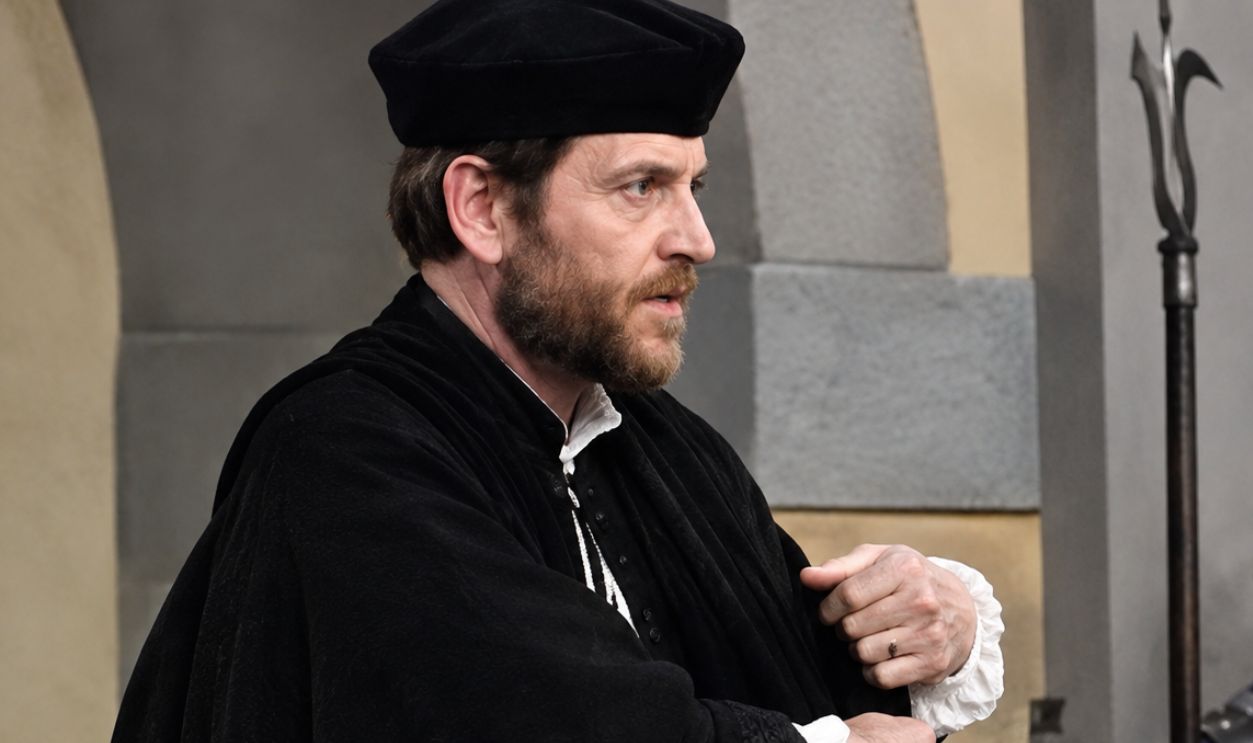
39. He Saw The Writing On The Wall
Employing his trademark foresight, Nostradamus summoned his lawyer in late June 1566. He instructed the attorney to draw up an extensive will that bequeathed a now-substantial fortune to the seer’s wife and children. With his house now in order, Nostradamus made his final prediction.
 Screenshot from Nostradamus, Orion Classics (1994)
History's most fascinating stories and darkest secrets, delivered to your inbox daily.
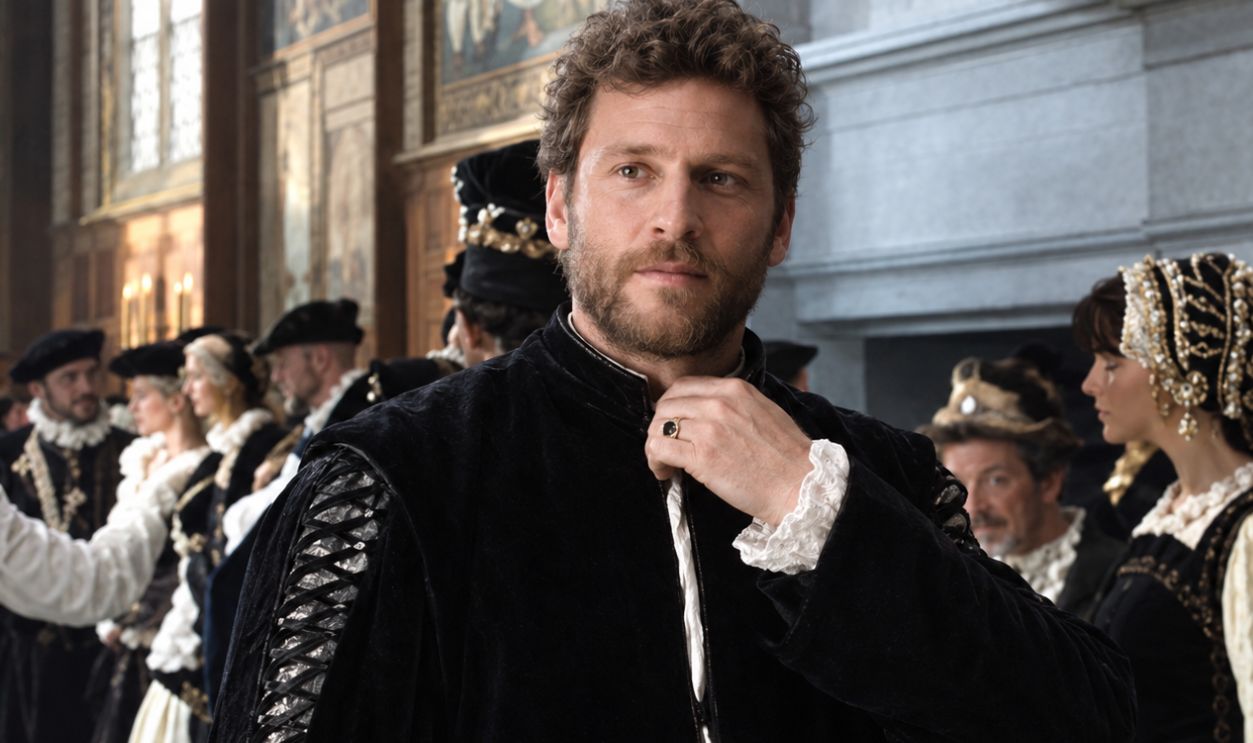
40. He Saw The End
On the evening of July 1, Nostradamus allegedly predicted to his secretary that they would “not find me alive at sunrise”. His prediction came true: the following morning, the controversial seer was discovered unresponsive on the floor next to his bed. He was 62 years old. The astrologer had pursued a curious life of unorthodox research and prediction, but his posthumous success dwarfs the impact he made while still alive.
 Screenshot from Nostradamus, Orion Classics (1994)
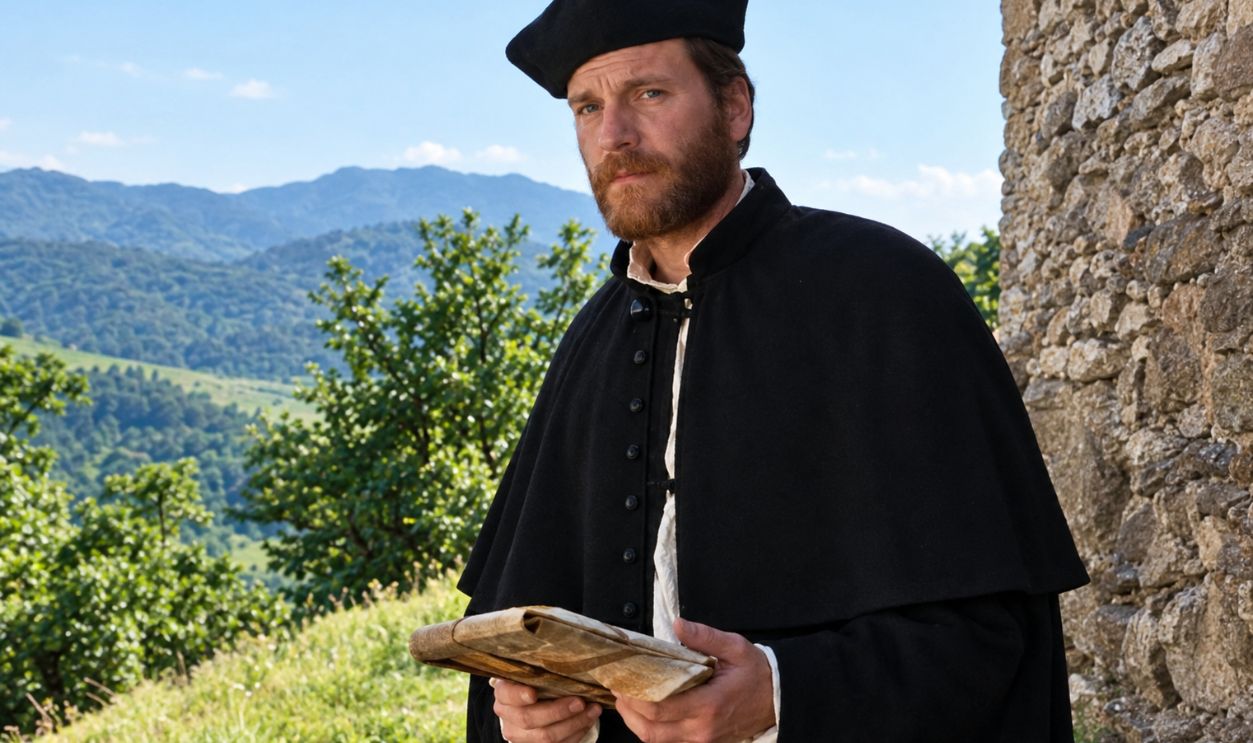
41. He Posthumously Hit
In the centuries following his passing, Nostradamus began attracting increasing numbers of supporters, particularly around his work in Les Prophéties. Many of these advocates, who have included members of the popular press, credit the seer with accurately predicting dozens of major world events. The list of alleged prophecies has some heavy hitters.
 Screenshot from Nostradamus, Orion Classics (1994)
42. He Foresaw The Big Ones
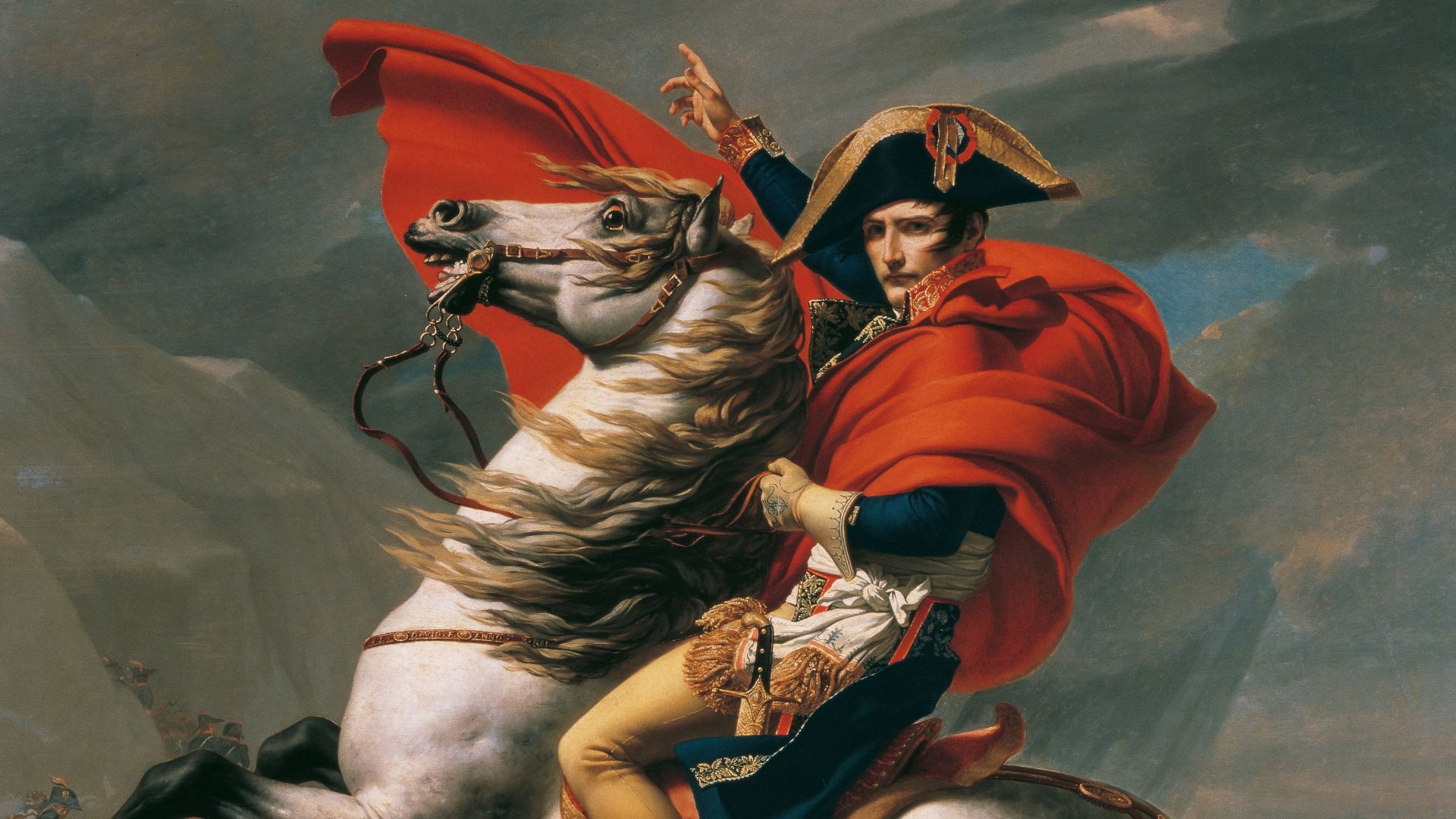
Among the interpretations of Nostradamus’ work, his most fervent believers insist he foretold great events in history. The most agreed-upon claims among his supporters are the Great Fire of London, the French Revolution, the rise of both Napoleon and the Führer, as well as WWI and WWII, and the latter’s conclusion with nukes dropped on Japan. Such was the support for these claims at one point, in fact, that cynical actors used them at a time of great strife.
 Jacques-Louis David, Wikimedia Commons
43. He Was Used
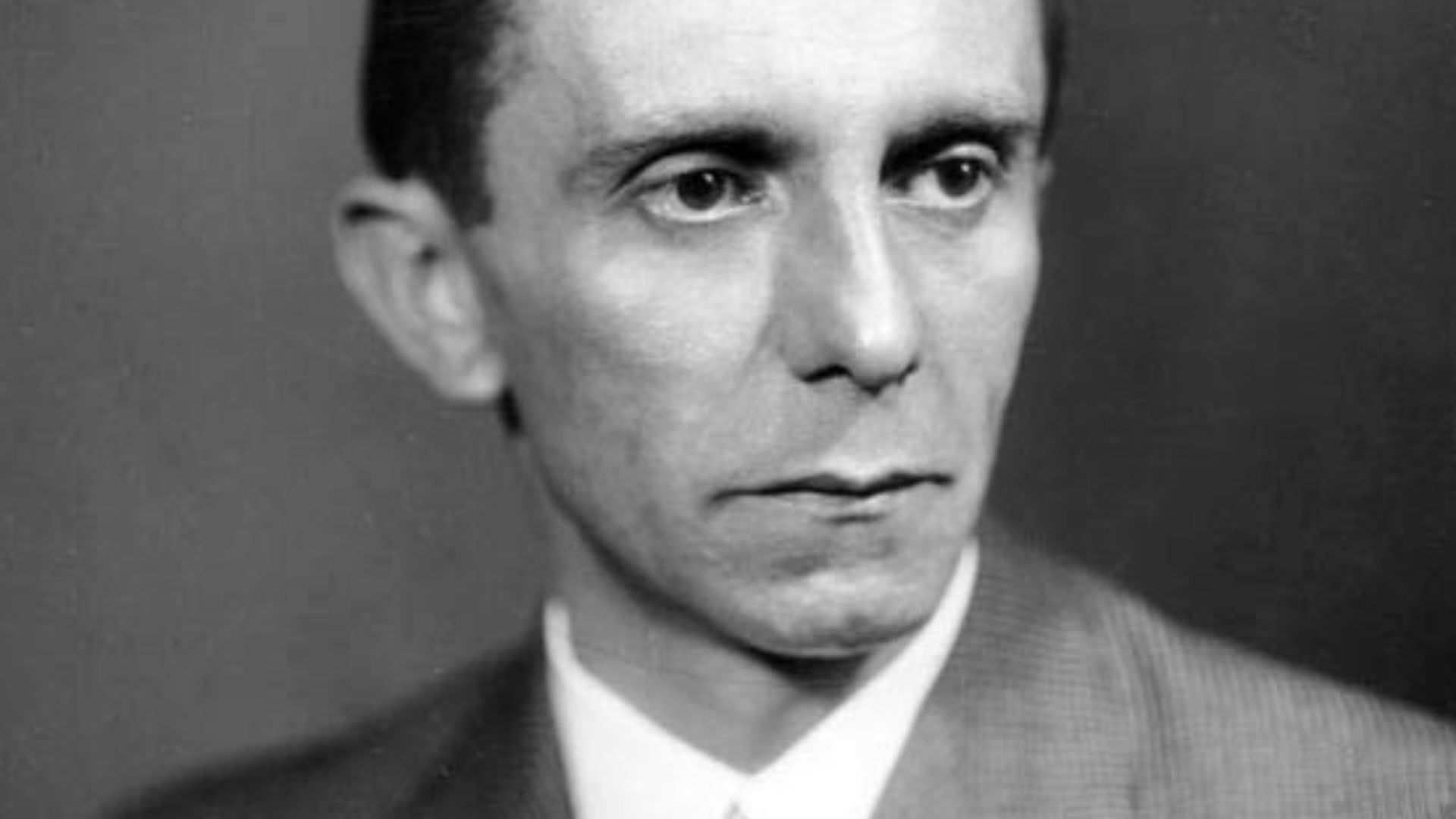
During WWII, both the Allied and Axis powers deployed some of Nostradamus’ alleged predictions as tools of propaganda. Upon learning of the prophecies, Josef Goebbels found them “not only intriguing but potentially useful” and employed astrologers to write propaganda based on them.
The Allies, in response, dropped their own Nostradamus pamphlets over occupied Europe, and film studio MGM even made four short Nostradamus films to boost American morale. The seer’s predictions far outlasted the conflict.
 Heinrich Hoffmann, Wikimedia Commons
44. He Kept Going
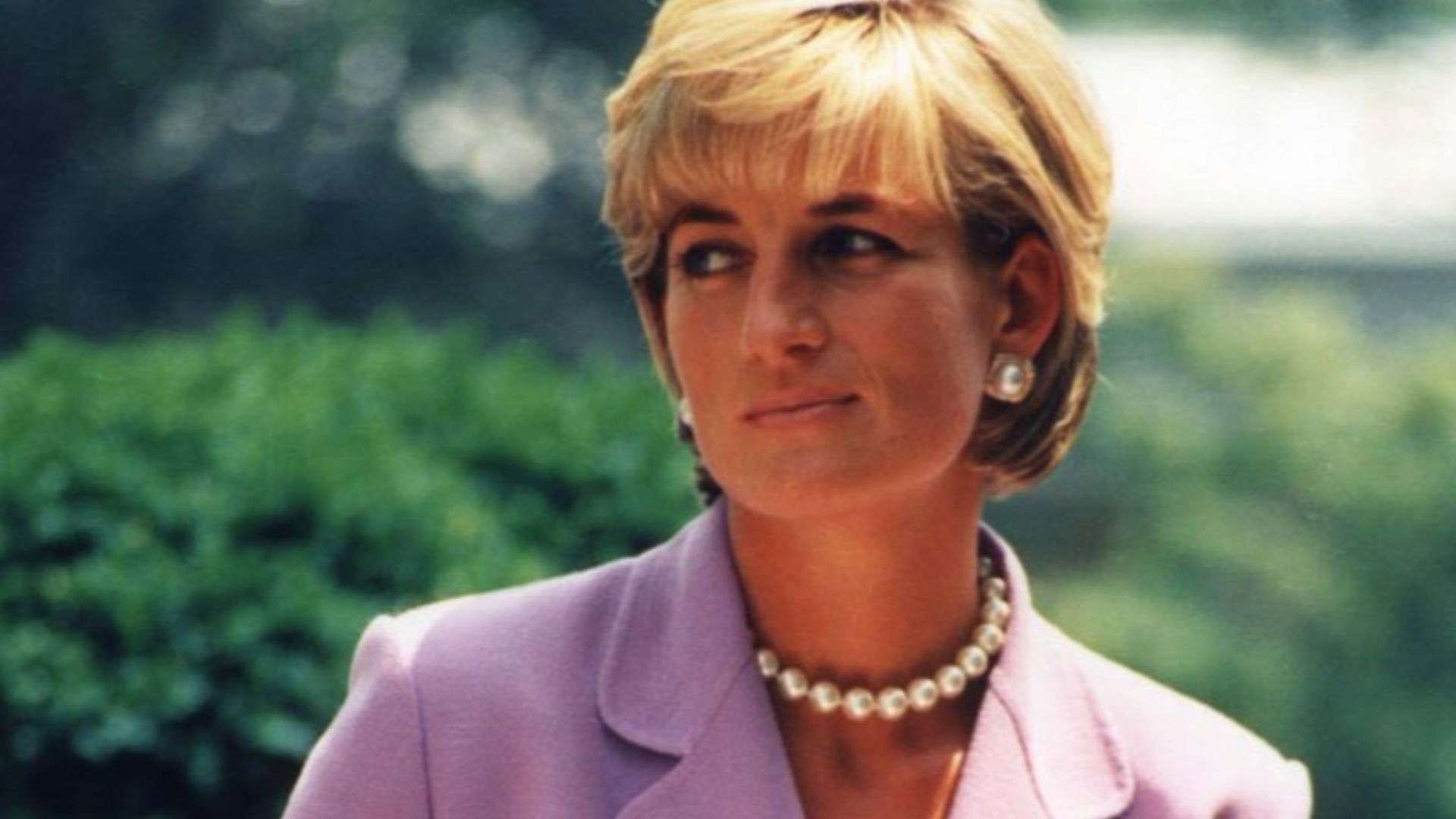
During the latter half of the 20th century, and into the early 21st century, Nostradamus’ apparent predictions continued to be applied to massive world events. He was further credited with predicting the Moon landing, the Challenger disaster, the untimely demise of Princess Diana, and the September 11 attacks on the World Trade Center. But while his supporters were quite vocal, his doubters spoke up too.
 John Mathew Smith & www.celebrity-photos.com from Laurel Maryland, USA, Wikimedia Commons
45. He Faced Skepticism
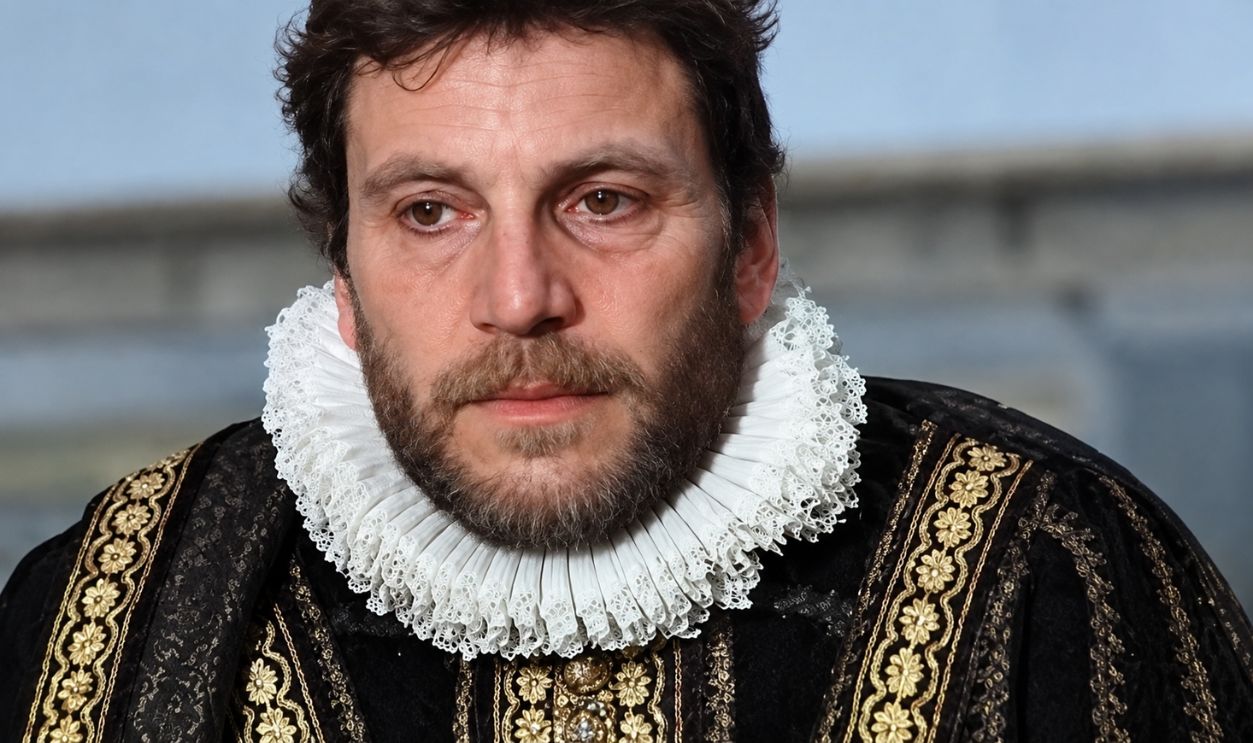
Many other sources, particularly academic ones, vehemently reject the idea that Nostradamus had any prophetic powers, supernatural or otherwise. These detractors insist that the associations the seer’s supporters make between world events and The Prophecies’ quatrains are simple misinterpretations (sometimes deliberately so) or mistranslations. That’s the intellectual argument, at least, but there’s also a more cynical take.
 Screenshot from Nostradamus, Orion Classics (1994)
History's most fascinating stories and darkest secrets, delivered to your inbox daily.
46. He Skimped On The Details
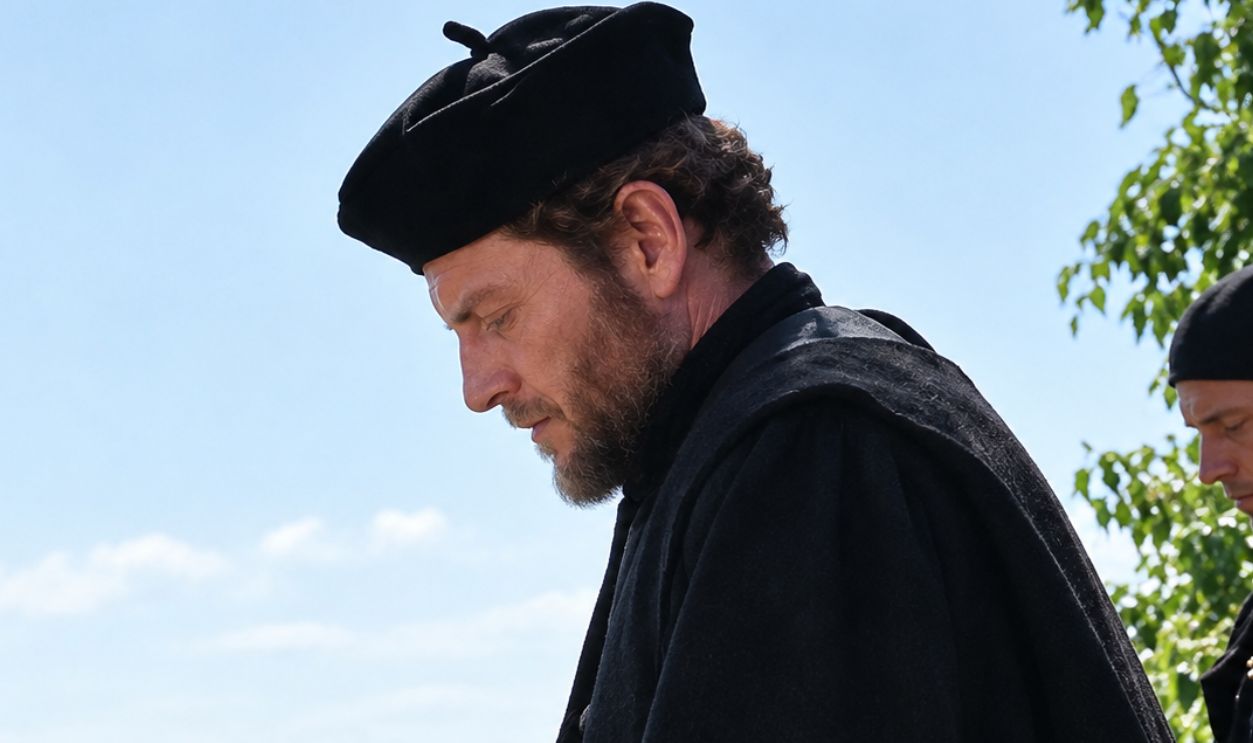
Nostradamus skeptics, academic or otherwise, also argue that the astrologer’s apparent predictions were incredibly vague, and could pretty much be applied to anything if one wanted to. This calls the author’s alleged prophetic powers into serious question—as well as the critical thinking skills of his supporters! Indeed, the timing of some of these retcons does seem suspicious.
 Screenshot from Nostradamus, Orion Classics (1994)
47. He Inspired Cynics
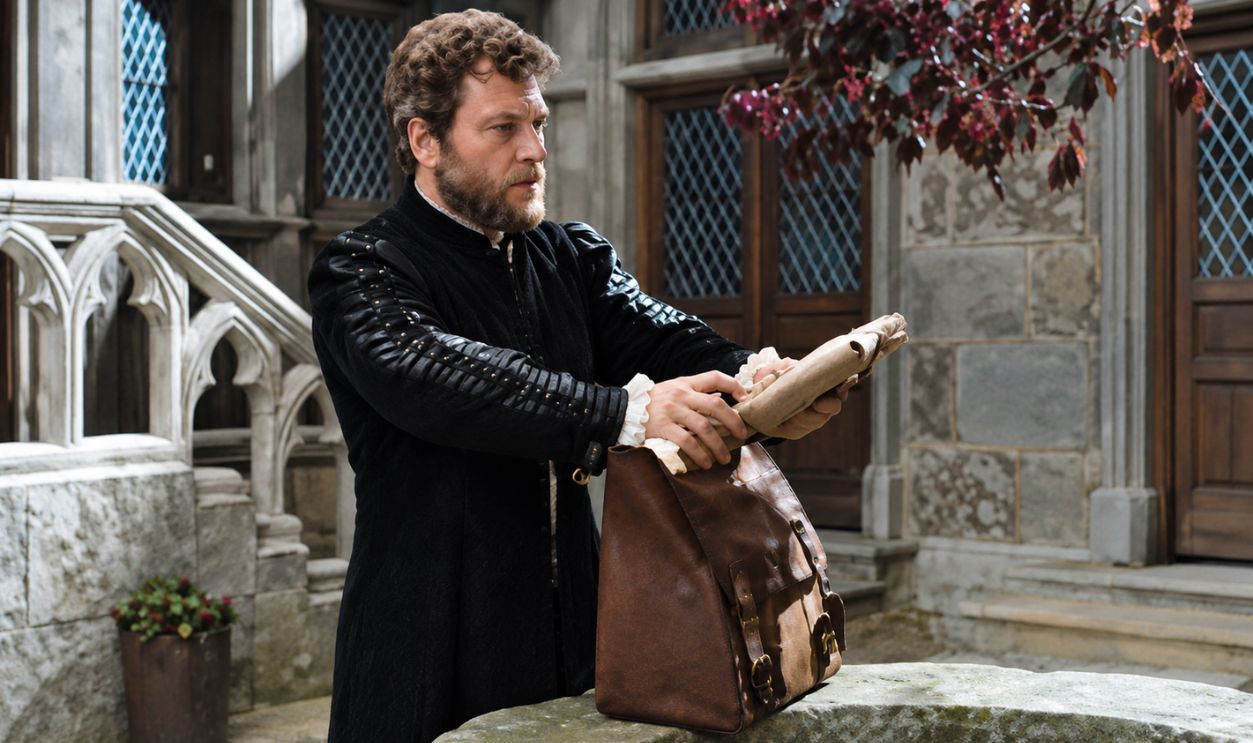
Many of Nostradamus’ supporters are those that publish books on the alleged accuracy of his predictions, but a look at the timeline suggests these authors may not be acting in good faith.
Their books frequently claim that the astrologer predicted whatever major event had just occurred right before these authors’ books get published, a phenomenon known as the “movable feast”, which appears to be nothing more than a cynical cash grab. In fact, one need only look at other aspects of their writing to see the shakiness of their arguments.
 Screenshot from Nostradamus, Orion Classics (1994)
48. He Has Fanfic
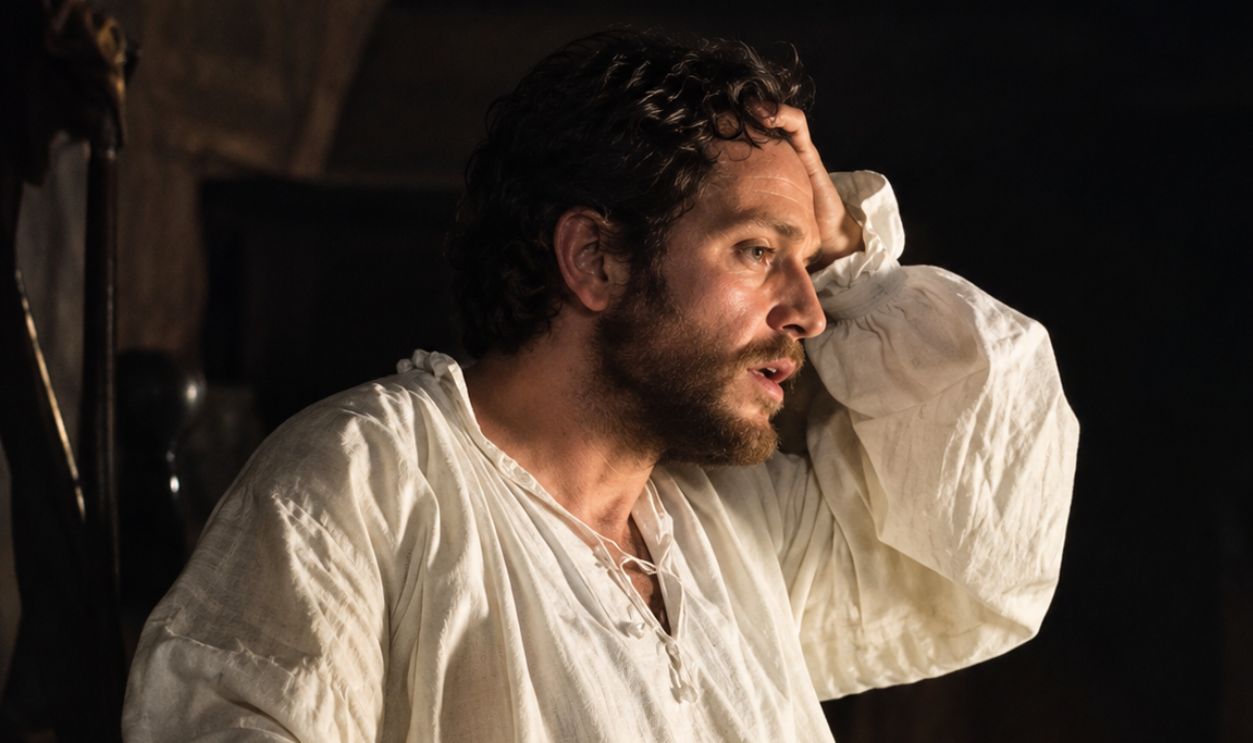
These authors, unanimous in their alleged belief in Nostradamus’ powers of prophecy, also consistently and blatantly invent aspects of the astrologer’s biography to bolster his mythical status.
Some notable lies told about the man include that he was a descendant of the Israelite tribe of Issachar, that he was educated by both of his grandfathers, who were physicians to the King of Provence, and that he was a medical lecturer at Montpellier until his ejection for his unpopular views. These are all false claims. In fact, the very claim that he made these predictions could be the biggest lie of them all.
 Screenshot from Nostradamus, Orion Classics (1994)
49. He May Have Gotten Forged
Perhaps the most skeptical view of all on Nostradamus’ predictions is that he didn’t author them at all. Academics like Jacques Halbronn have proposed that Les Prophecies was, in fact, an antedated forgery, made up of false stories and attributed to Nostradamus for political reasons. But despite this plethora of arguments against the alleged seer’s psychic abilities, he still retains believers to this day.
50. He’s Still Got It
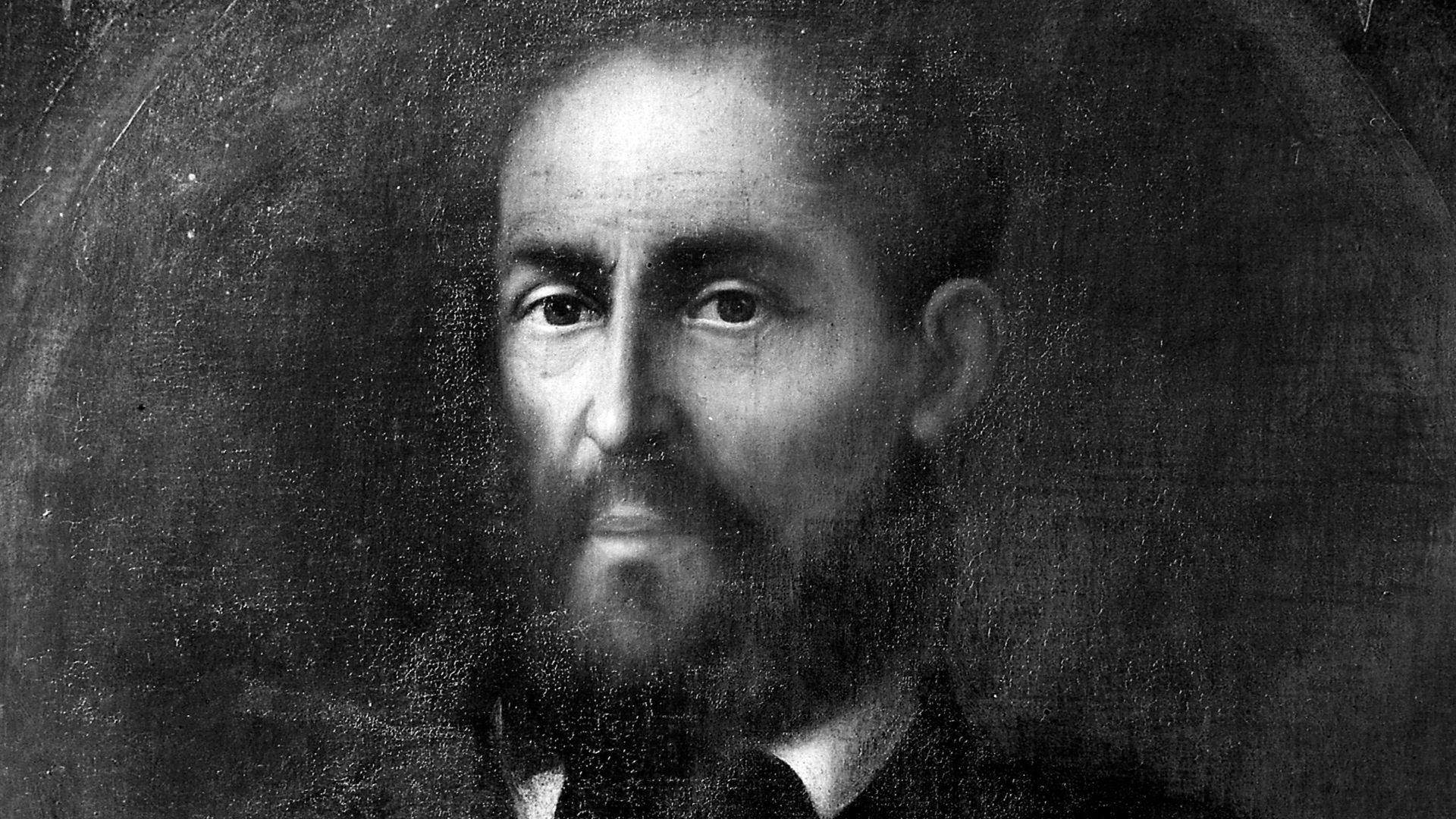
Though he is perhaps not as popular as he once was, Nostradamus’ prophecies still have their supporters to this day, with people continuing to attribute predictions to the seer online. Many claim that the astrologer predicted the Covid-19 pandemic, for example. Some even say that he predicted a "seven months great war" and that a celebrity would get struck by lightning in 2026!
Regardless of one’s feelings about his abilities, we cannot deny that Nostradamus had a curious mind, was perhaps ahead of his time, and remains a fascinating figure that inspires conversation long after his own lifetime.
You May Also Like:
Chilling Facts About Aleister Crowley, The World’s Wickedest Occultist
Mystical Facts About John Dee, The Queen's Dark Conjurer
Alchemic Facts About Alessandro Cagliostro, The Greatest (And Worst) Liar Of All Time









.png)
