Facts, Faith, and Friction
Mary’s story has been shaped by argument and affection across centuries. Details mattered, and so did interpretation. This article revisits how meaning formed, shifted, and stayed contested. Read closely. Then pause on a familiar image and ask why it exists at all.
What Mary’s Name Really Meant
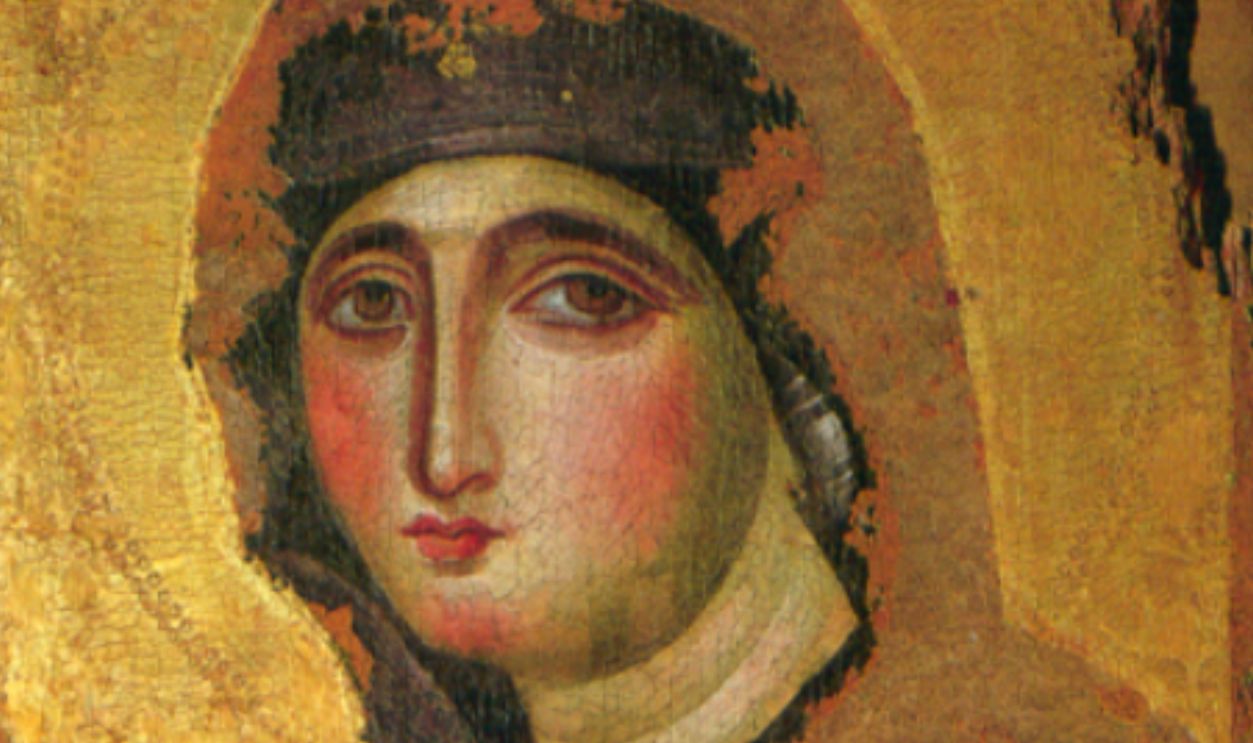
Mary’s name traces back to the Hebrew Miriam, a word with layered meanings across time. Biblical scholarship links it to bitterness or rebellion. However, Christian tradition emphasized the beloved. Later, Latin writers shaped Stella Maris, while Arabic Maryam preserved her identity across cultures.
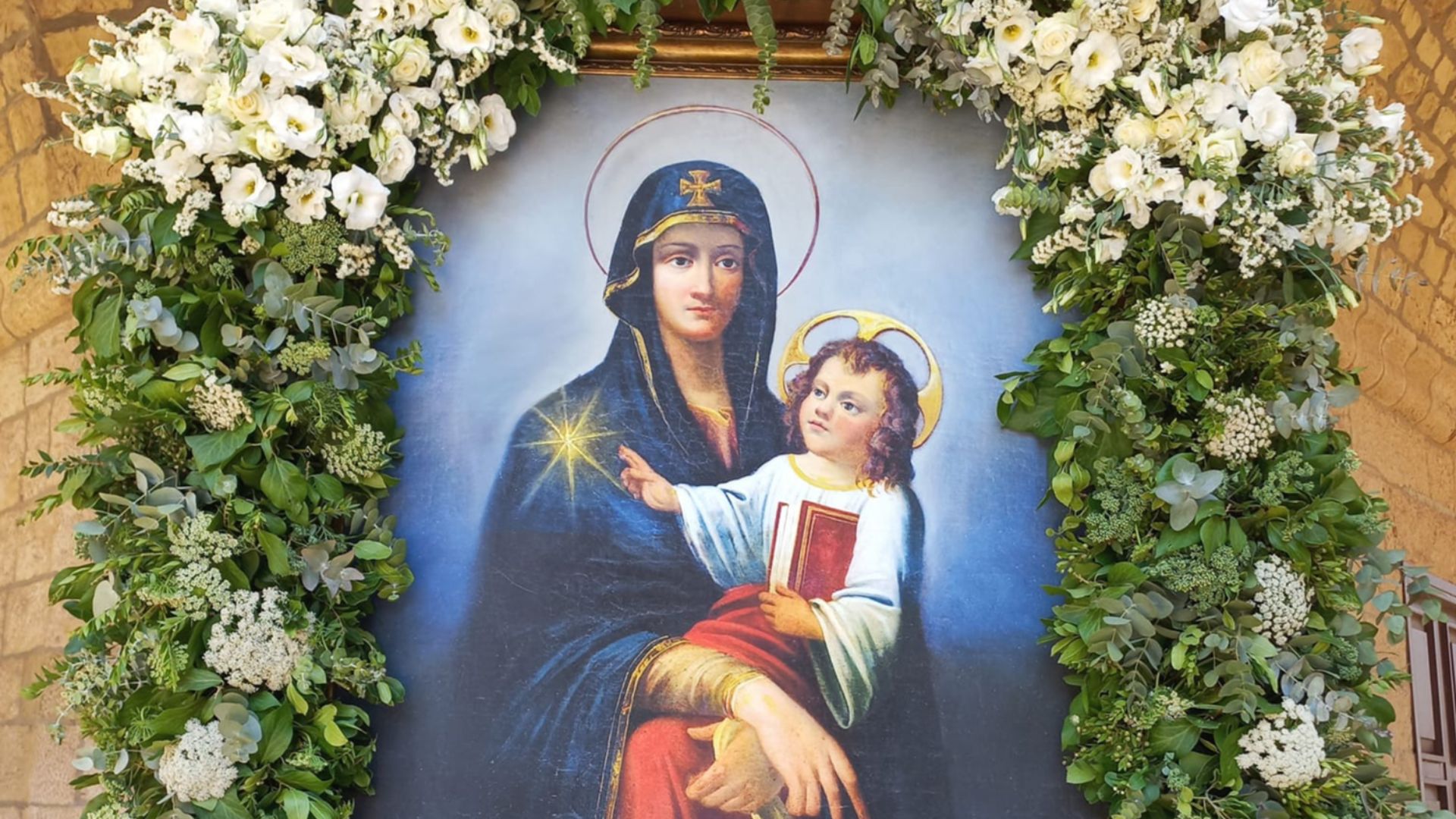 Drozi Yarka, Wikimedia Commons
How Young Mary Likely Was
Historical estimates place Mary’s birth around 18 BC, positioning her in her mid-teens at the Annunciation. Jewish betrothal customs commonly involved girls aged twelve to fourteen. Because pregnancy during betrothal risked punishment or disgrace, acceptance carried documented social danger.
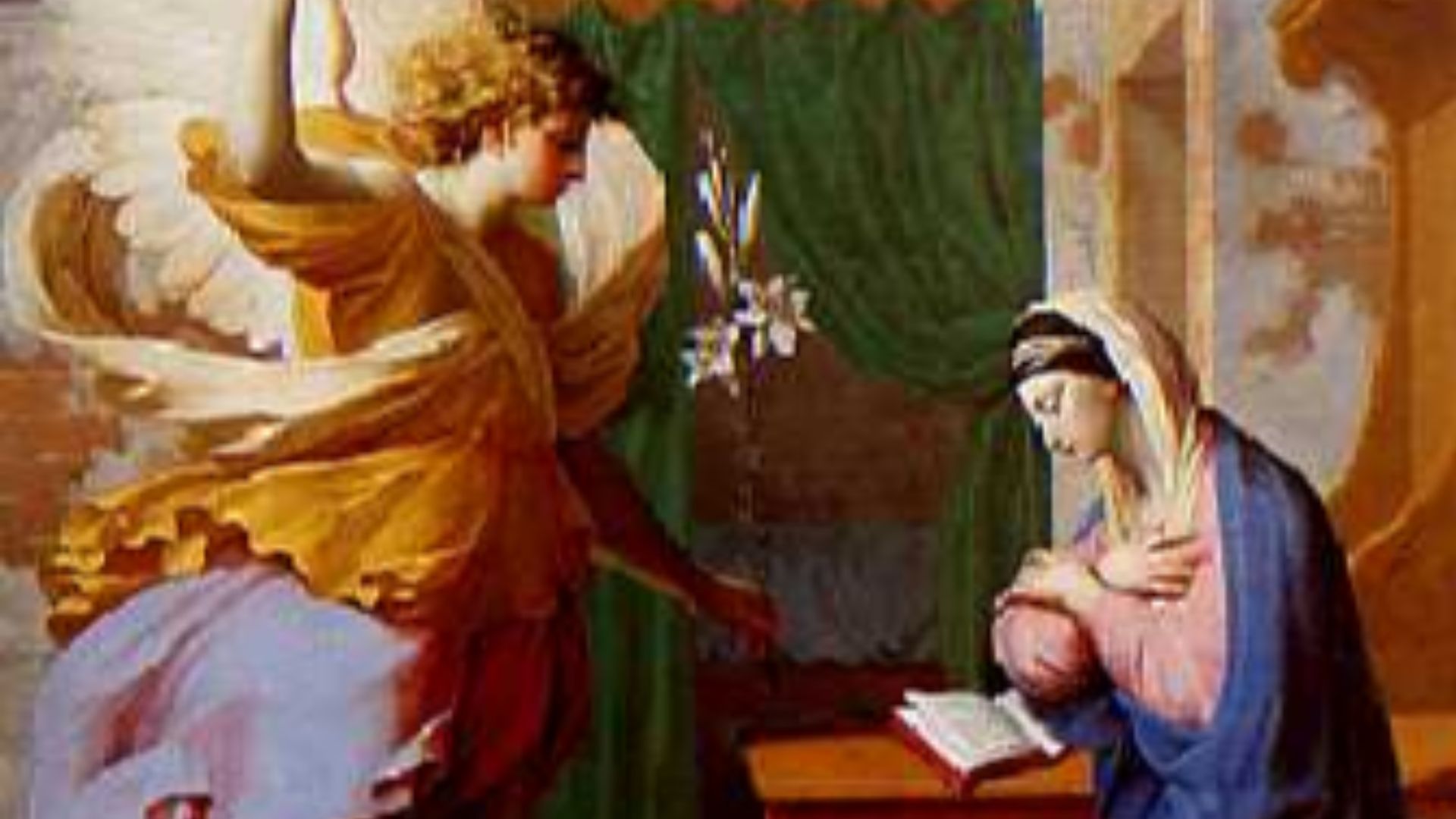 Eustache Le Sueur, Wikimedia Commons
Her Unmatched Biblical Presence
Across the New Testament, Mary appears about nineteen times, more than any other woman. References stretch from the Annunciation through Pentecost. Moreover, all four Gospels include her presence. John’s Gospel leaves her unnamed, yet places her at Cana and the Cross.
The Languages Mary Likely Spoke
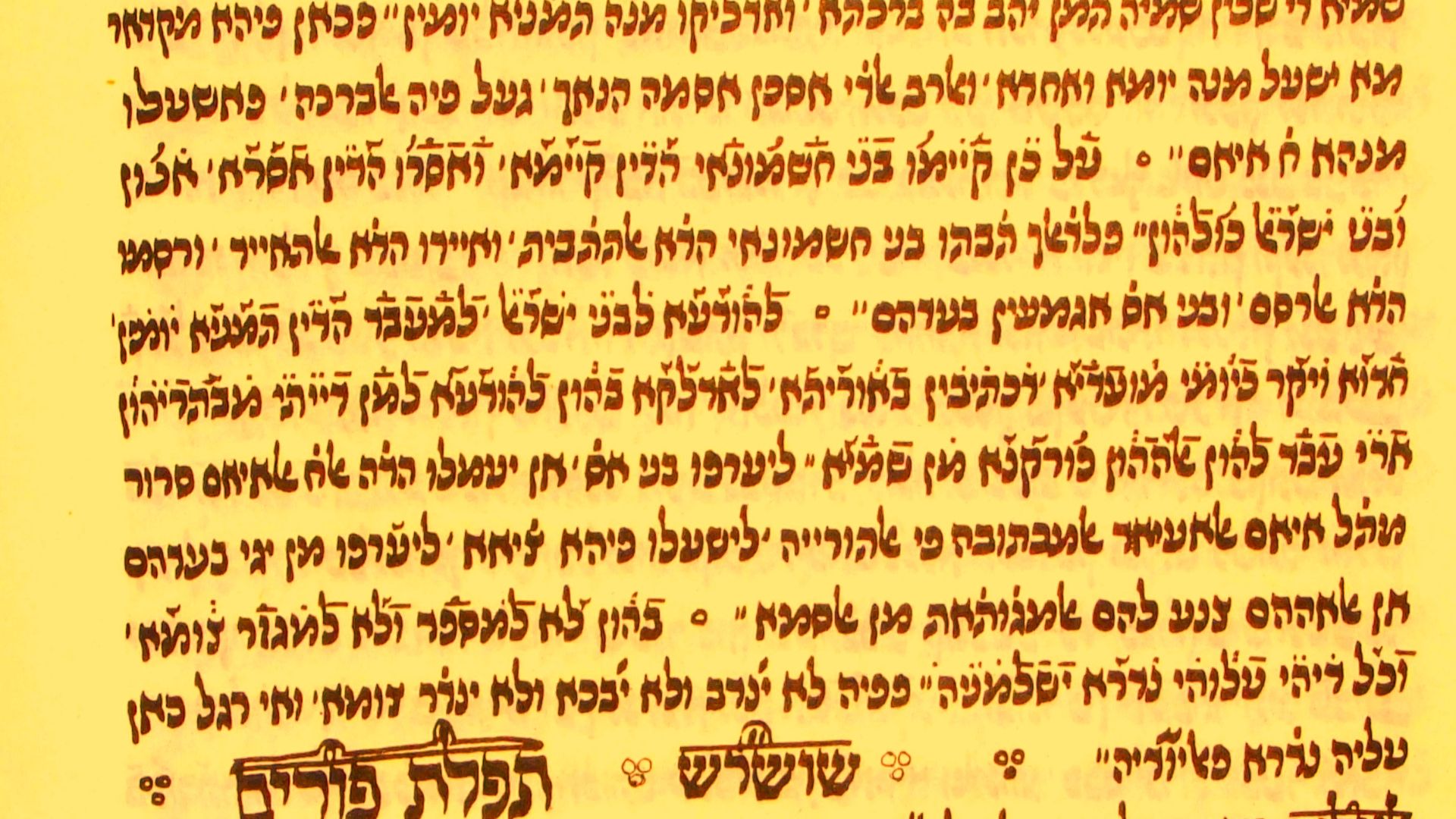
Daily life in Galilee sounded multilingual. Aramaic was used for home and marketplace speech. Meanwhile, Hebrew shaped prayer through synagogue readings. Greek influence also lingered through trade and Roman rule. Accents mattered too, since Galilean speech was recognizable and occasionally mocked in Gospel accounts.
The House That Allegedly Traveled
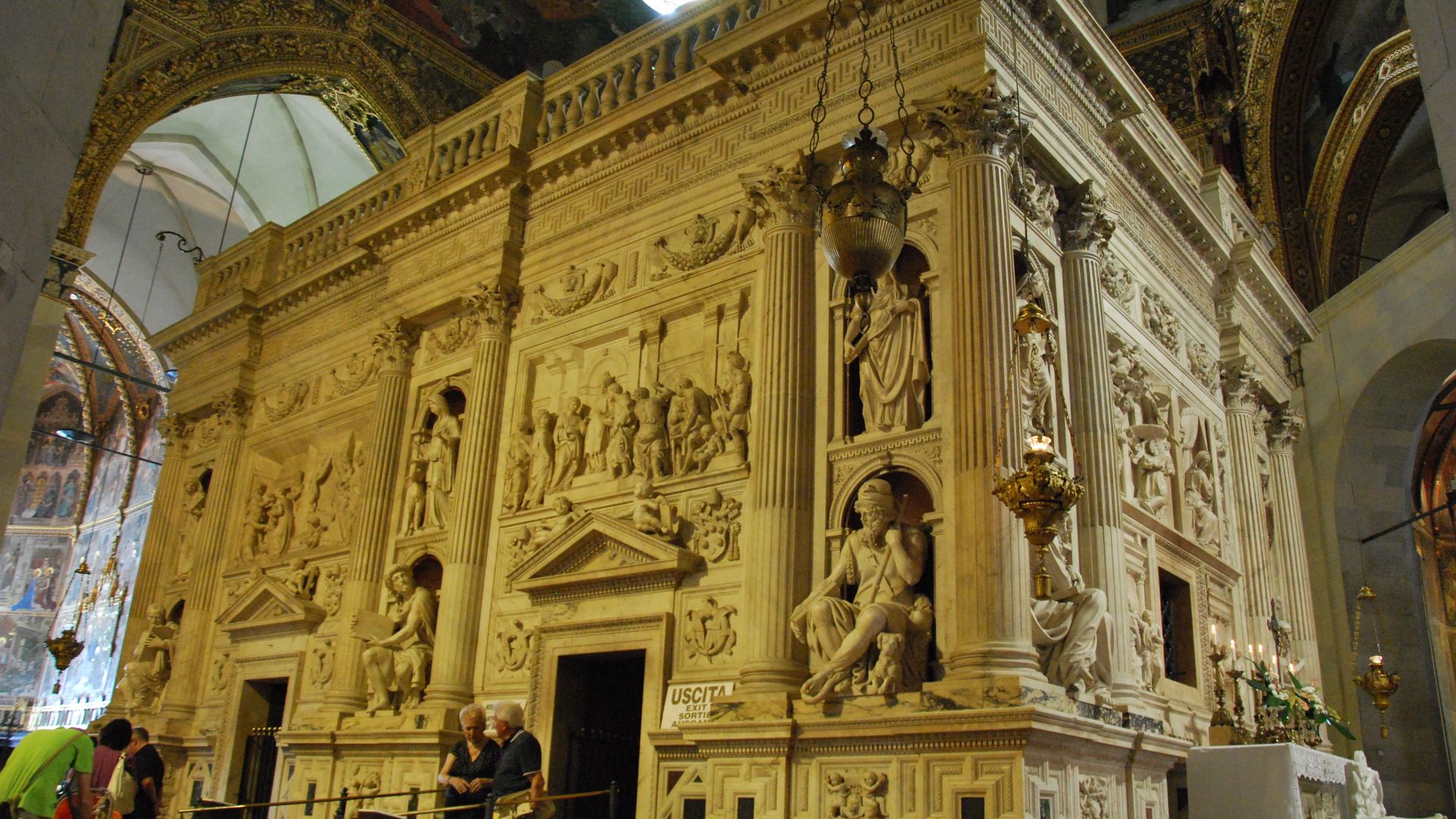
According to medieval tradition, Mary’s house in Nazareth did not stay put. In 1294, angels supposedly carried it to Loreto. Historians counter with Crusader relocation theories. Still, papal recognition since the fifteenth century turned the site into a major pilgrimage destination.
Maryam in the Quran
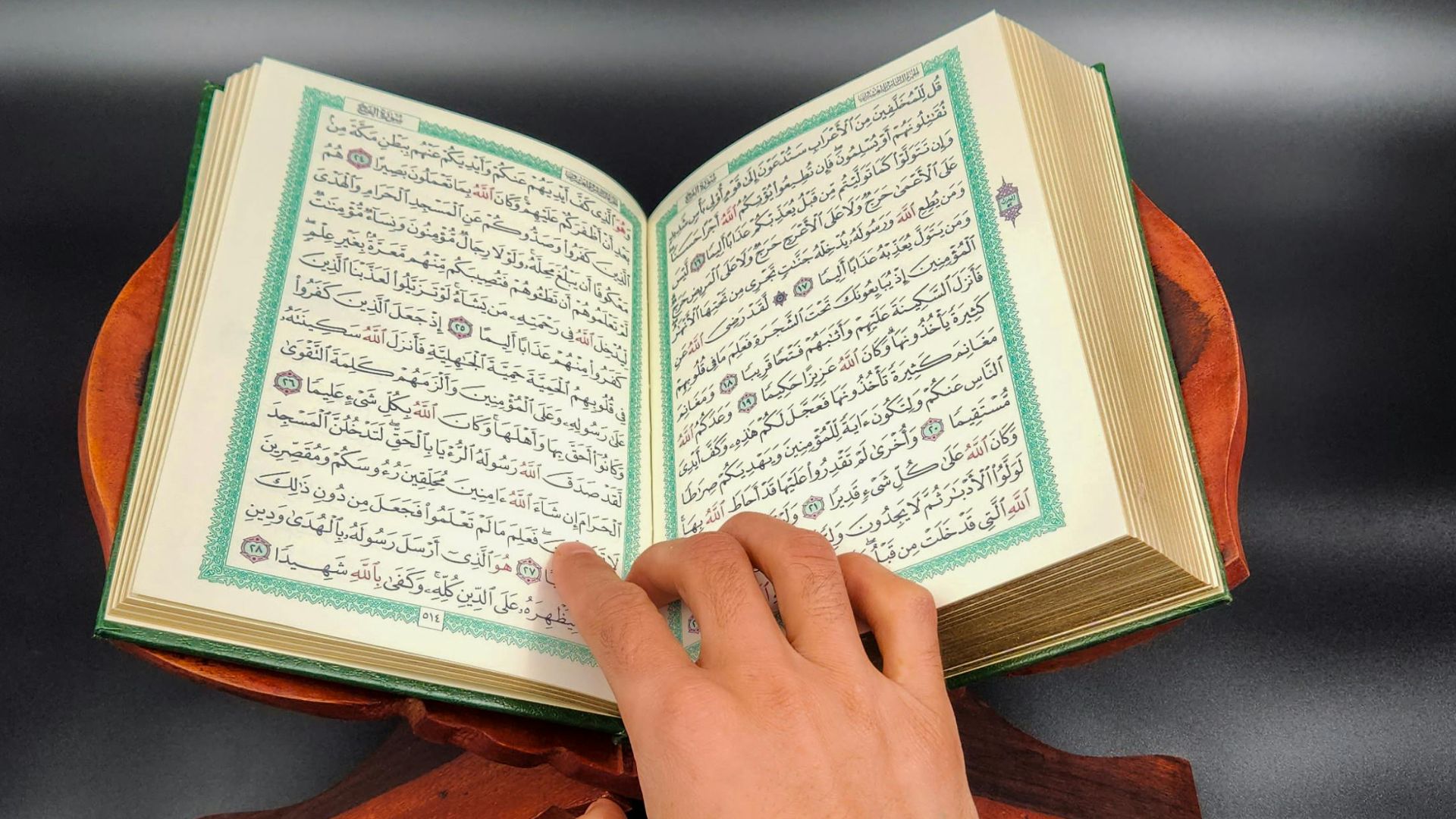
Across Islam, Mary might have appeared as Maryam, named directly and repeatedly. The Quran mentions her thirty-four times. Moreover, Surah nineteen centers on her life. Emphasis also stays on virginity and devotion. Honor remains high, yet divinity is clearly rejected.
The First Act of Discipleship
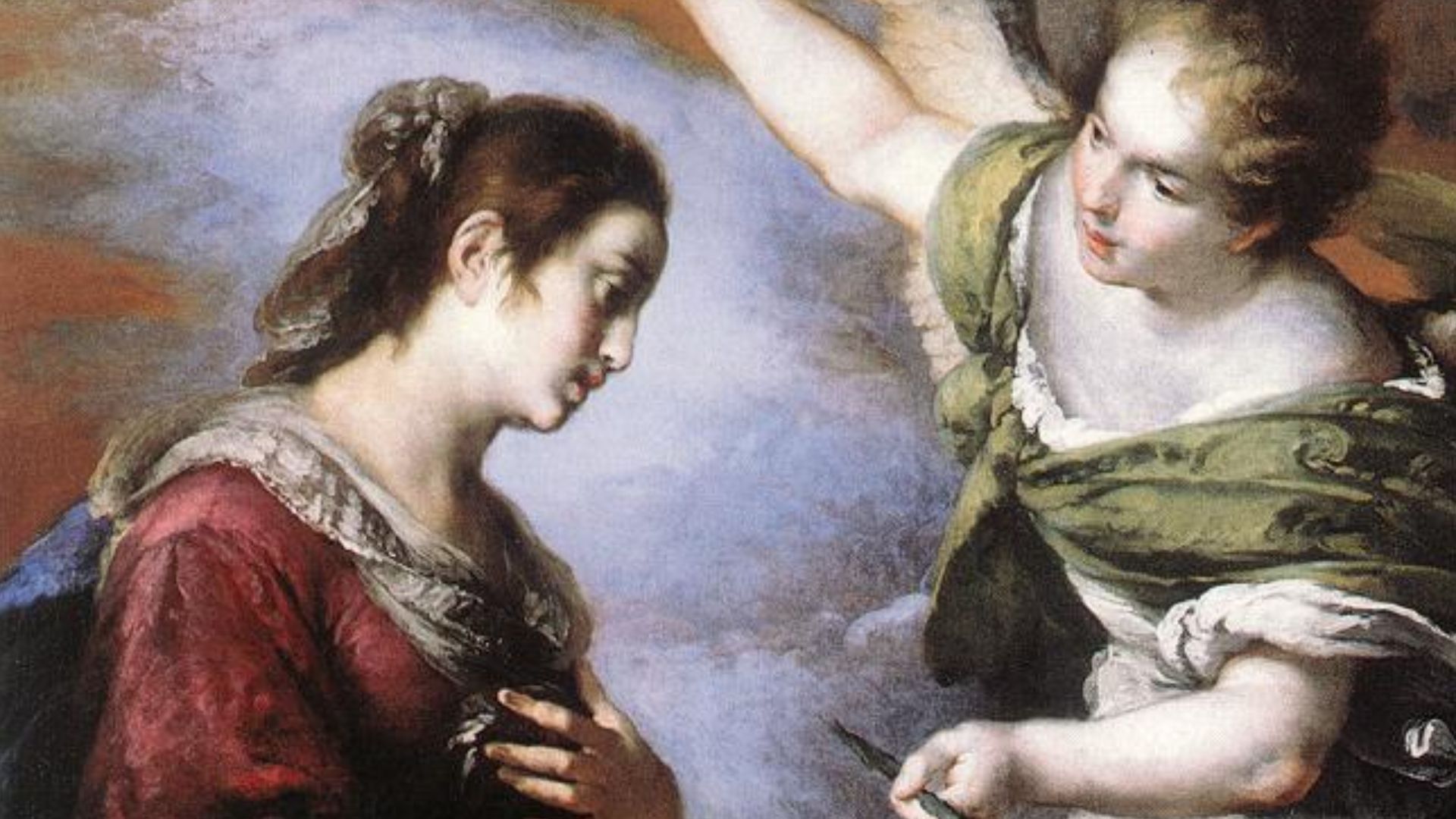
Mary’s assent at the Annunciation predates apostolic calling in Gospel chronology. Furthermore, her presence spans Jesus’ birth, ministry, and death. Patristic writers framed this obedience as reversing Eve’s failure. Scriptural evidence places her consistently at foundational moments of early Christian narrative.
 Bernardo Strozzi, Wikimedia Commons
Promises That Came Before Her
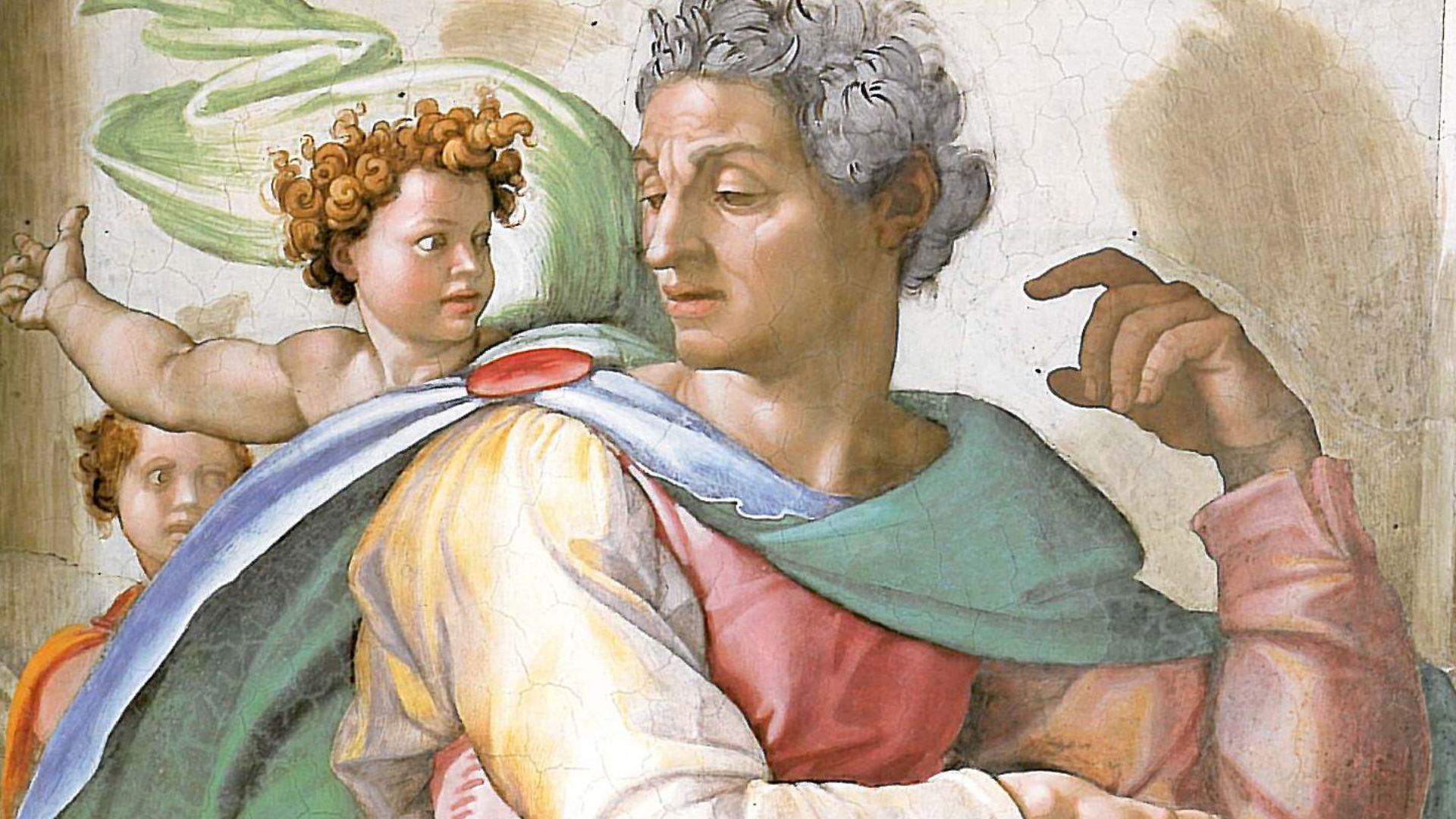
Centuries before Nazareth, expectation gathered force. Isaiah spoke of Emmanuel through a young woman. Meanwhile, Genesis imagery pointed toward conflict with evil. Later Christian reading linked both to Mary. Symbols endured, carrying weight across generations, shaped by hope and anticipation.
 Michelangelo, Wikimedia Commons

History's most fascinating stories and darkest secrets, delivered to your inbox daily.
Humility on Record
Luke records praise directed upward, never inward. Mary also calls herself a servant. Indeed, tradition lists humility first among her virtues. Artistic history followed that emphasis, where figures sit low, and power is absent. Submission shapes memory more strongly than prominence ever could.
Faith Under Pressure
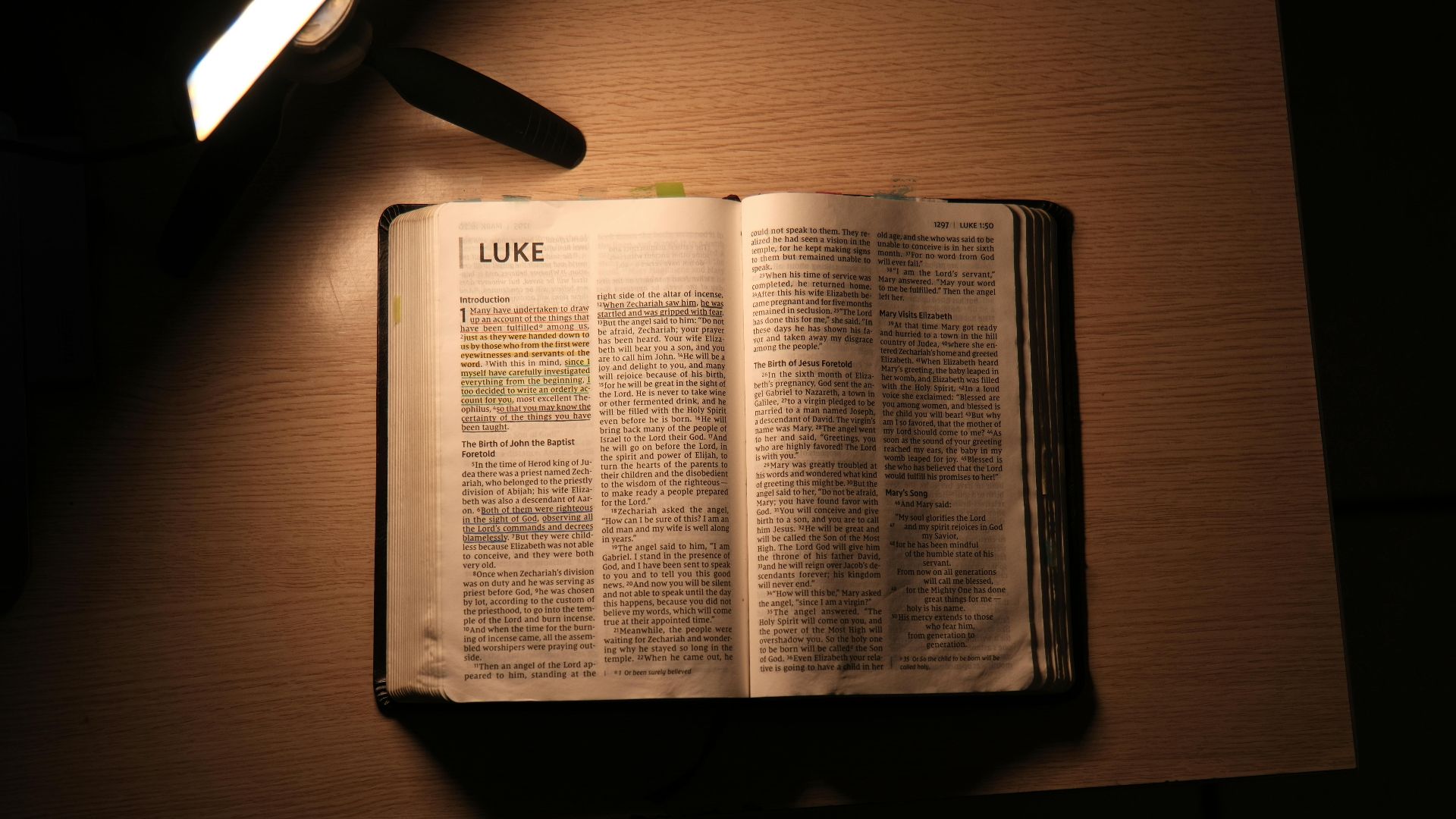
Belief arrived before clarity. Elizabeth publicly affirmed Mary’s trust. Furthermore, the Magnificat voiced confidence during visible danger. Early writers highlighted this contrast elsewhere in Luke with doubt. Faith appears active, not passive, operating under pressure rather than after reassurance.
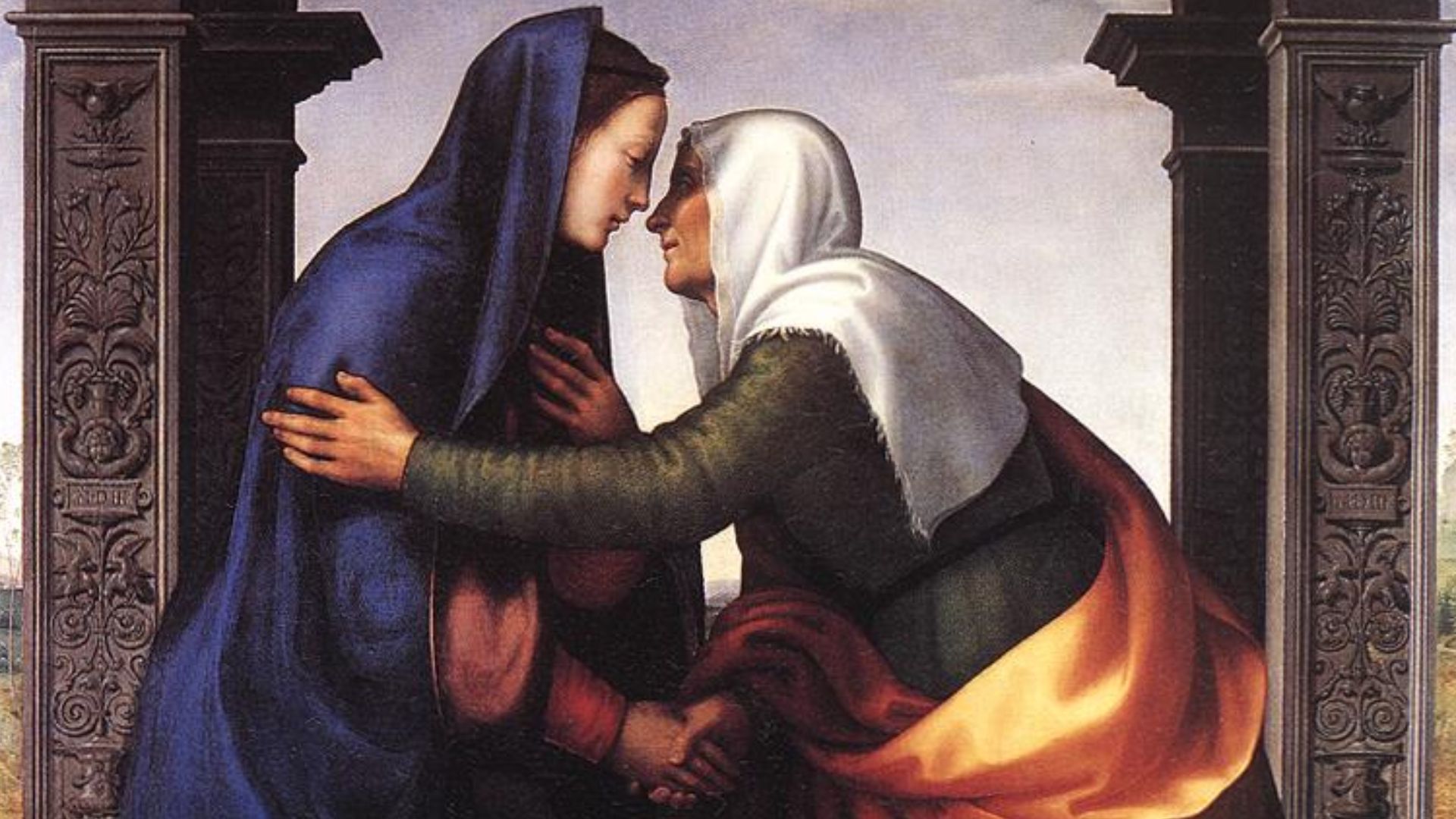 Mariotto Albertinelli, Wikimedia Commons
Wisdom That Noticed First
Cana hints at perceptive judgment before any public sign. Luke later notes that Mary stored events internally. Tradition eventually named her Seat of Wisdom. Discernment appears through timing, restraint, and prayer. Therefore, insight arrives quietly, surfaces briefly, then retreats into reflection rather than command.
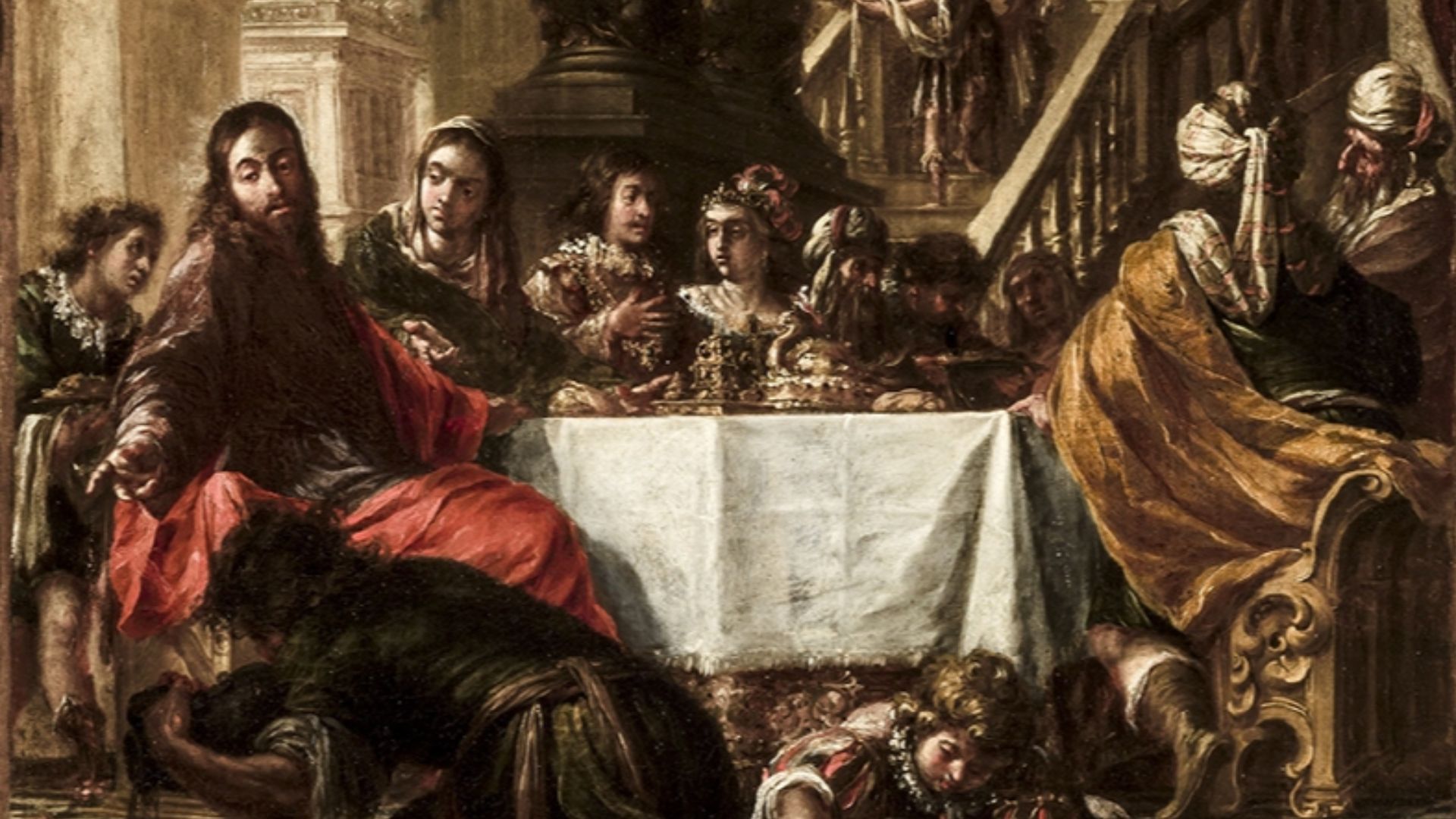 Juan de Valdes Leal, Wikimedia Commons
The Question of Perpetual Virginity
Early Christian councils addressed Mary’s virginity with formal clarity. In 553, Constantinople affirmed that belief. Jerome argued that Gospel brothers meant cousins. Catholic and Orthodox churches also accepted this view. However, many Protestant traditions read the texts literally and reject the conclusion.
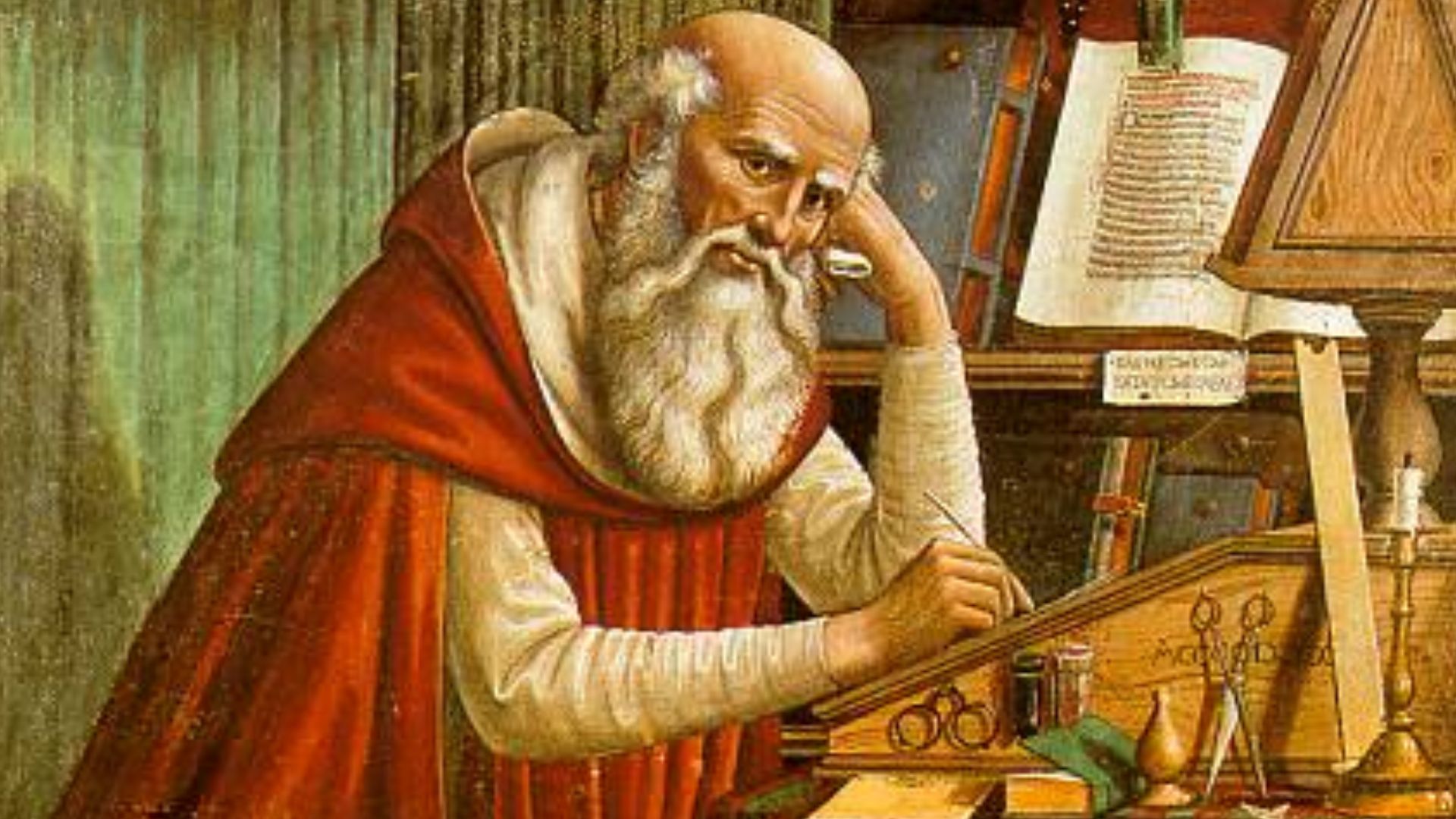 Domenico Ghirlandaio, Wikimedia Commons
A Nineteenth-Century Declaration
Orthodox theology affirms Mary’s purity without a formal definition. Centuries later, in 1854, Pope Pius IX declared the Immaculate Conception. Catholic teaching holds preservation from original sin. Protestant communities, however, rejected the claim and viewed scripture as insufficient support for the declaration.
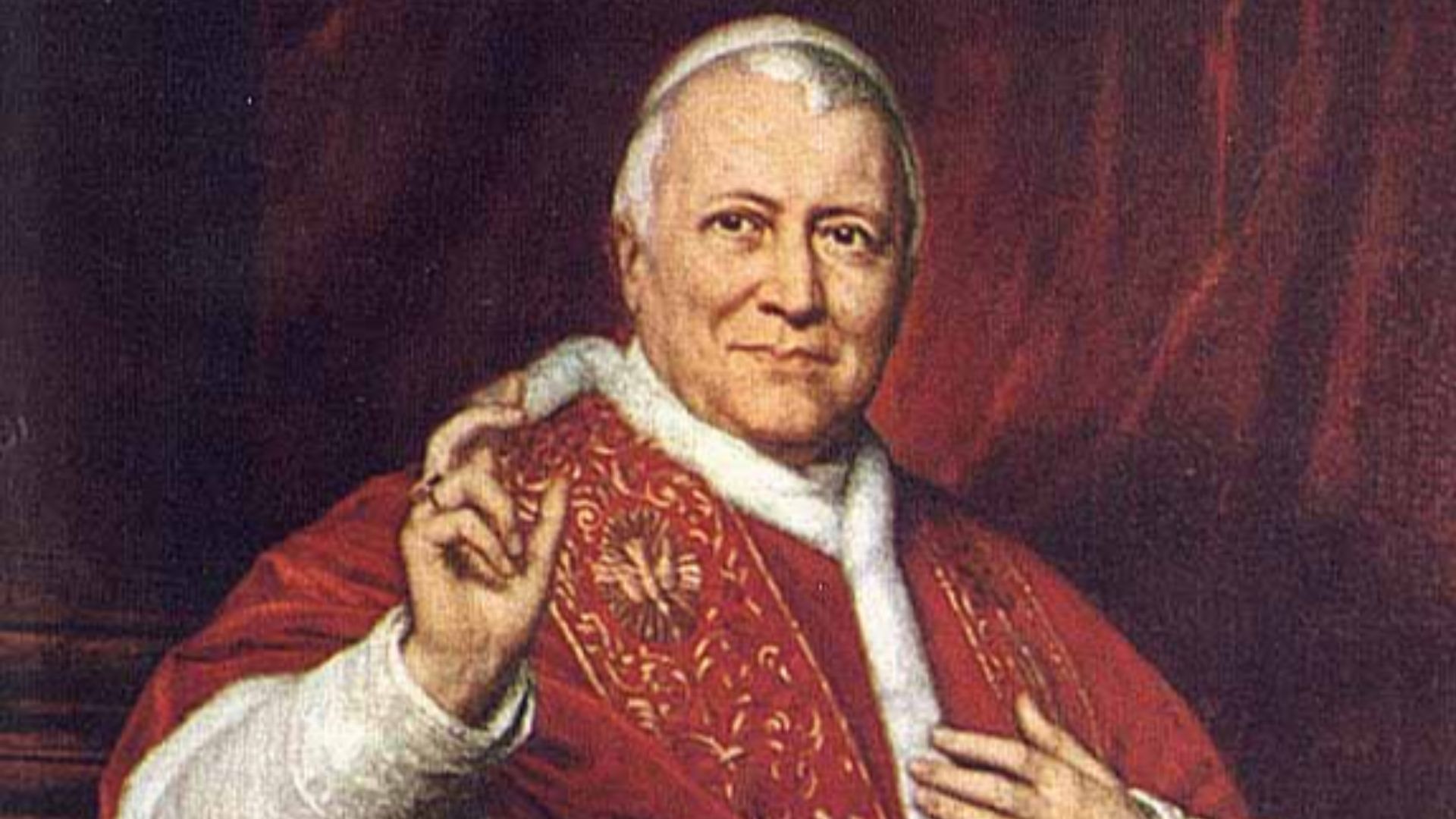 George Peter Alexander Healy, Wikimedia Commons
How Her Life Was Said to End
Tradition eventually turned upward. In 1950, Catholic teaching affirmed Mary’s bodily Assumption. Eastern Christianity speaks of the Dormitipaon, including death before rising. No burial site or relics exist. Protestant groups generally dismiss both accounts as lacking biblical grounding.
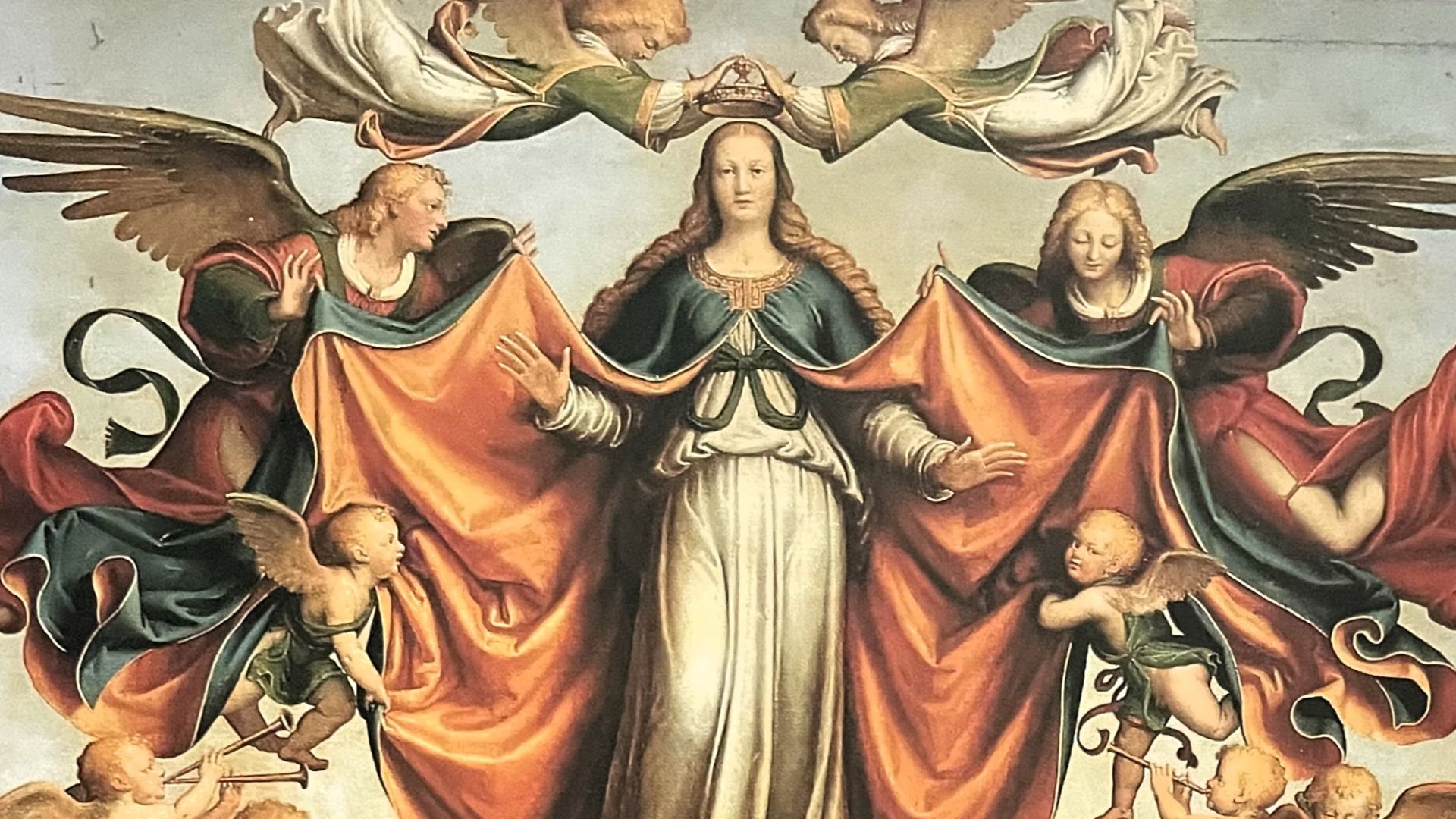
Crowns, Stars, and Controversy
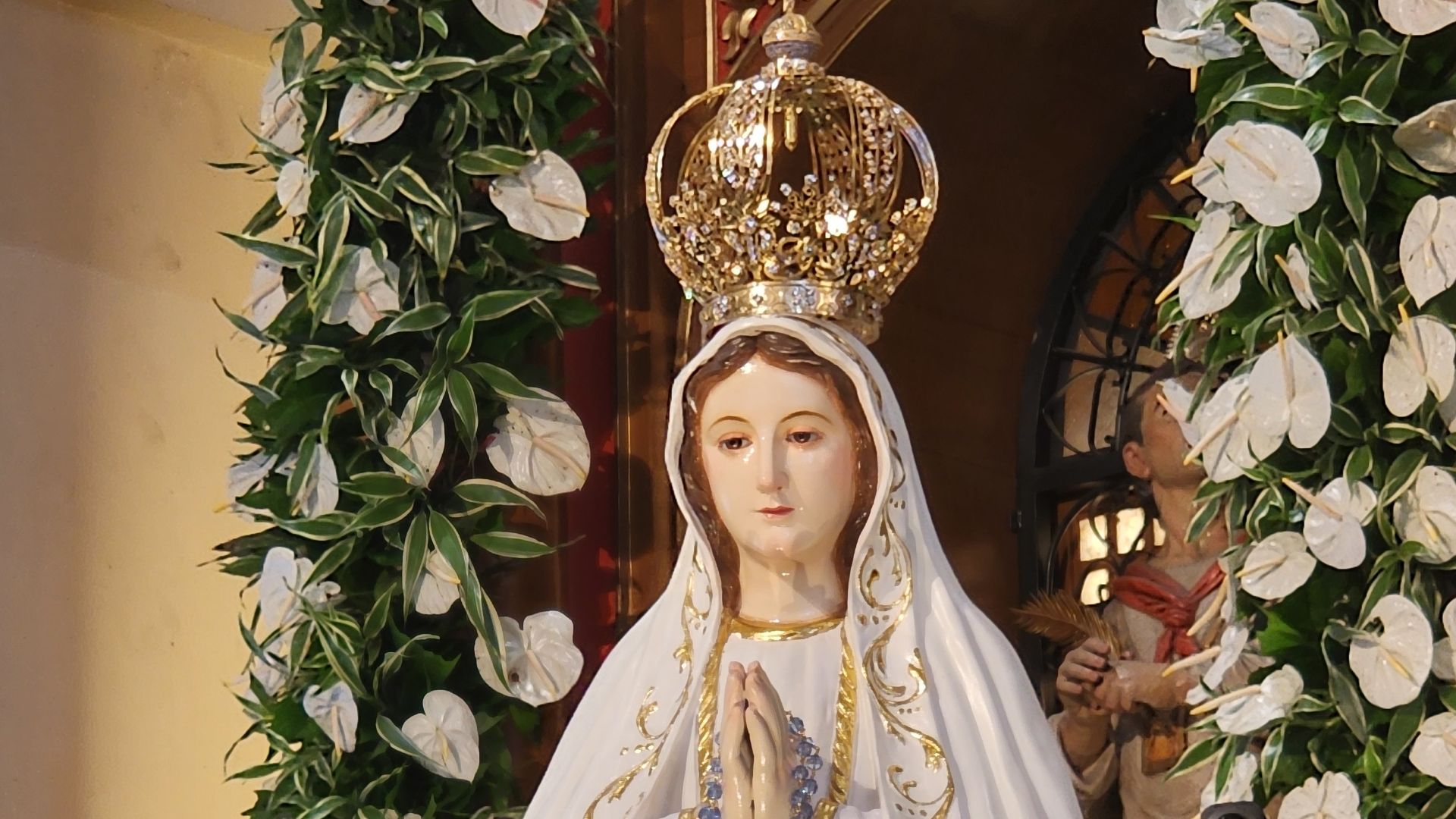
Protestant criticism grew around celestial symbolism. Revelation twelve inspired stars and lunar imagery. Catholic and Orthodox traditions embraced royal titles. Later apparitions, including Fatima, reinforced those visuals. Devotion expanded visually first, while theological agreement fractured afterward.
When the Law Offered No Mercy
Joseph first chose quiet separation rather than public exposure. Meanwhile, Deuteronomy allowed severe punishment for a betrothed pregnancy. Although social disgrace stood near, courage appeared before reassurance. Only afterward did a dream redirect events, shifting a moment already shaped by legal danger.
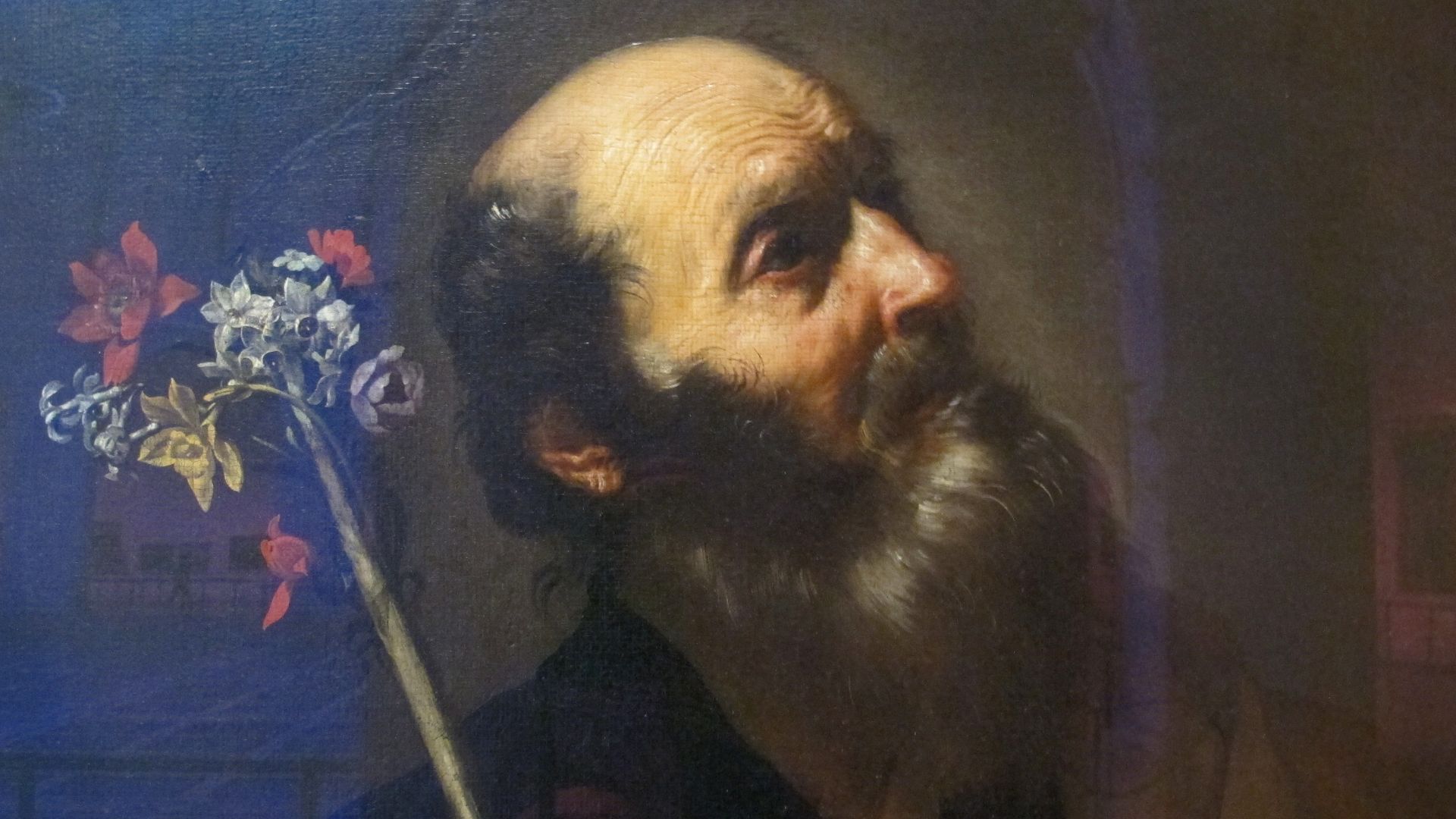
Why the Stable Image Falls Apart
Archaeology supports births within family homes. Luke uses the Greek word kataluma, meaning guest room. Animals often occupied lower levels. Space limitations explain the manger. Later tradition favored stables, yet the original language points firmly toward a domestic setting.
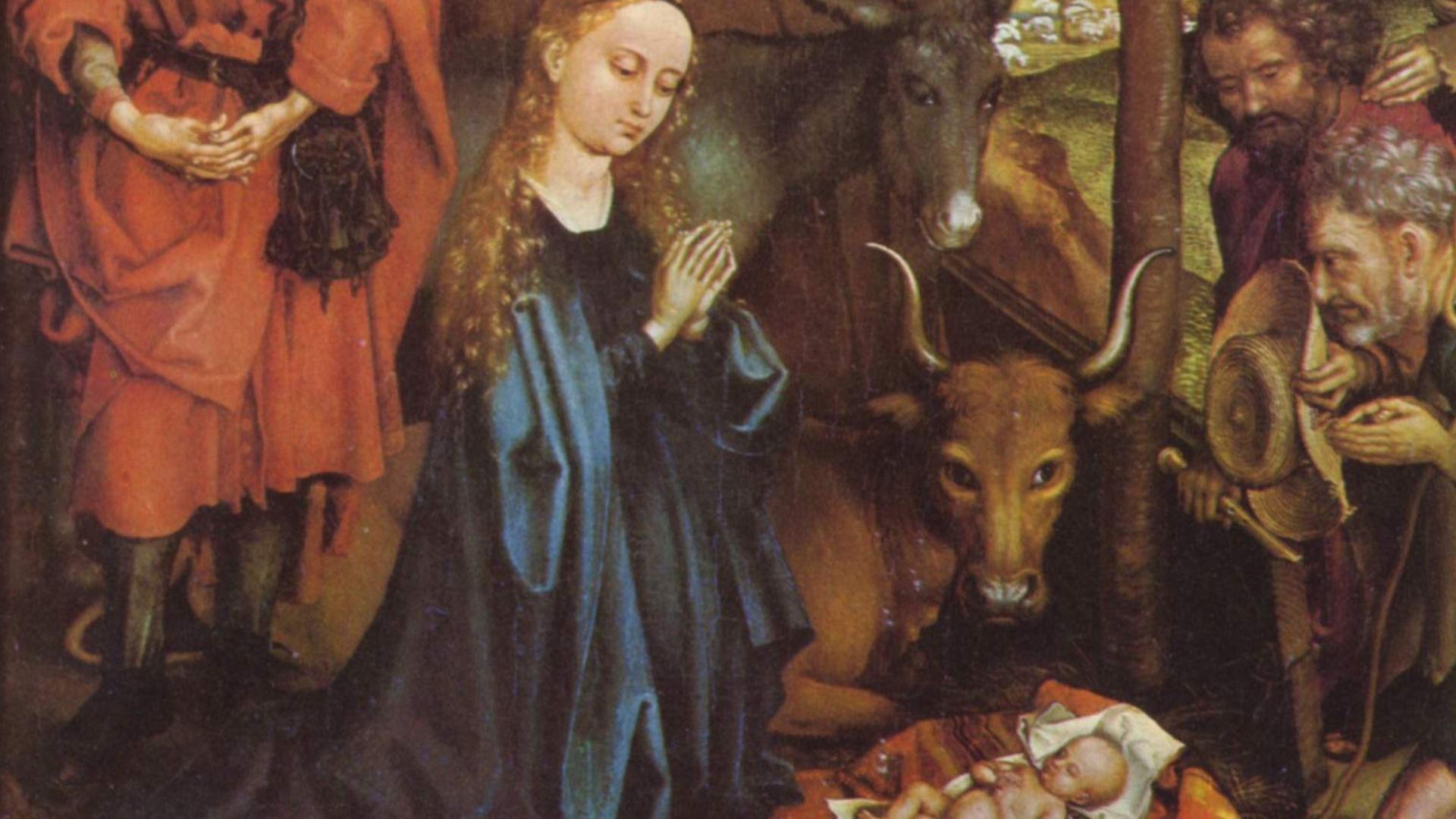 Martin Schongauer, Wikimedia Commons
Whose Memory Filled the Gaps
Personal details survive where names disappear. Luke records inward reflection during infancy scenes. Meanwhile, Joseph fades early from the narrative. Tradition later pointed to Mary as an oral source. Family memory shaped these accounts before formal writing fixed them into Gospel structure.
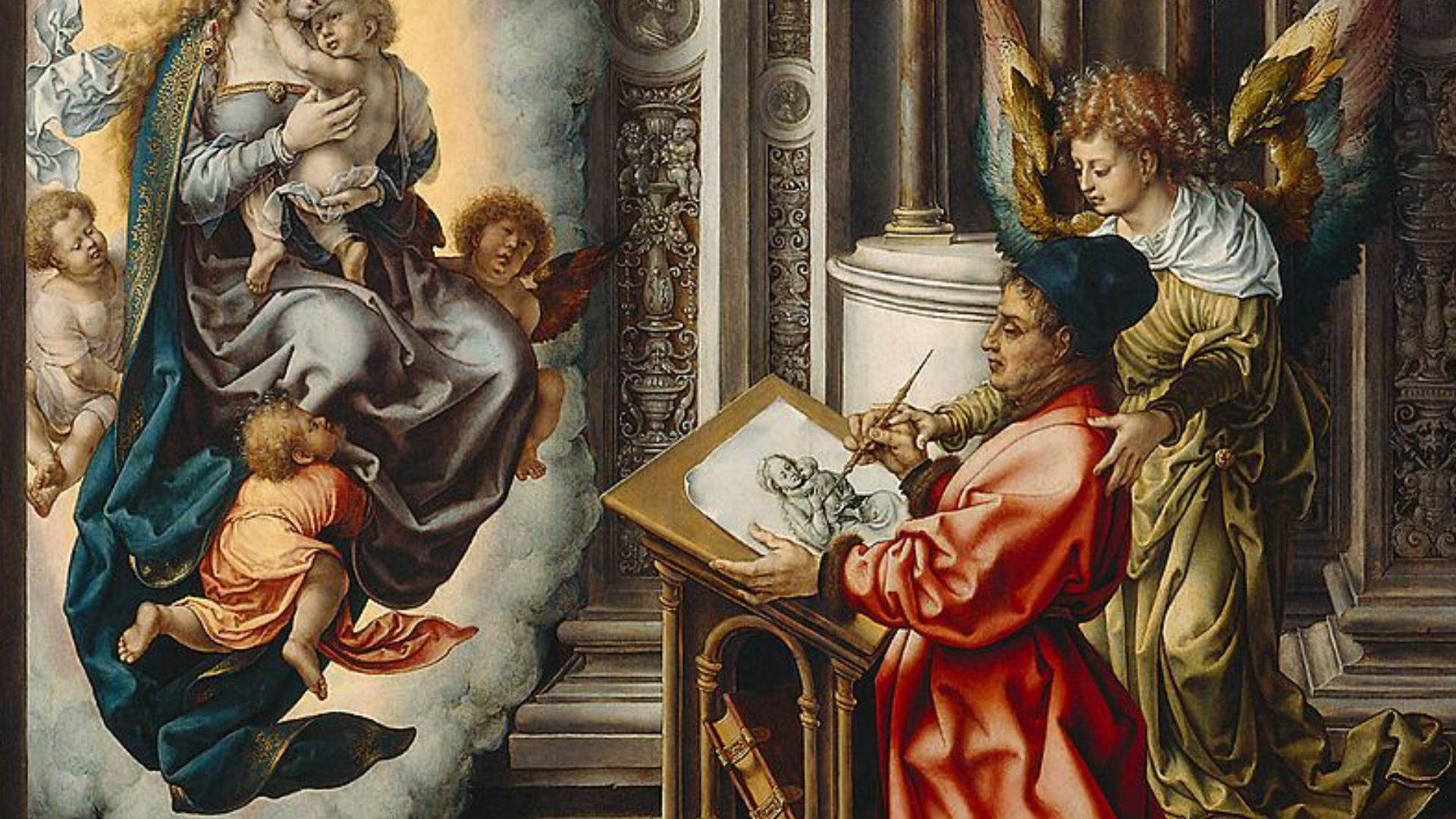
A Lost Child in a Crowded World
During Passover, extended families traveled together in large caravans. Assumed safety delayed alarm. Only afterward did searching begin. Three days passed before the reunion. The episode reflects communal responsibility within first-century Jewish life rather than neglect or carelessness by parents.
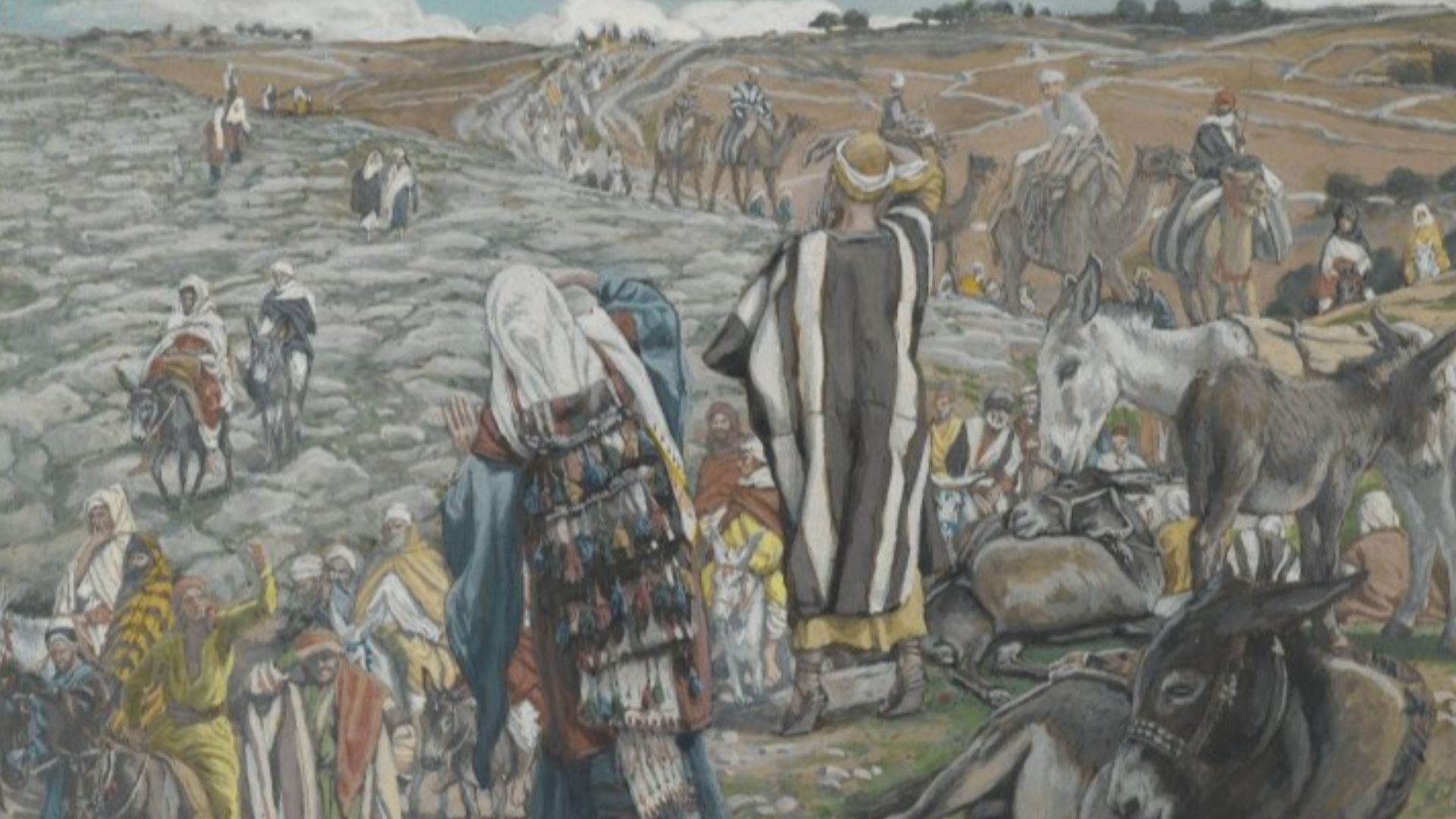 James Tissot, Wikimedia Commons
When Faith Faced Doubt at Home
Public attention intensified household strain. Mark records family concern during early ministry crowds. Unease arrived first. Yet Mary later stood at the Cross. Faith grew unevenly, shaped through confusion and fear, before settling into visible loyalty during the most dangerous moment.
 Gabriel Wuger, Wikimedia Commons
How Mary’s Story Was Said to End
Eastern Christianity speaks of Dormition, including death before ascent. In contrast, Catholic teaching defined bodily Assumption in 1950 under Pius XII. Scripture stays silent on her death. Protestants reject both views. August fifteenth celebrations persist, sometimes paired with fruit blessings.
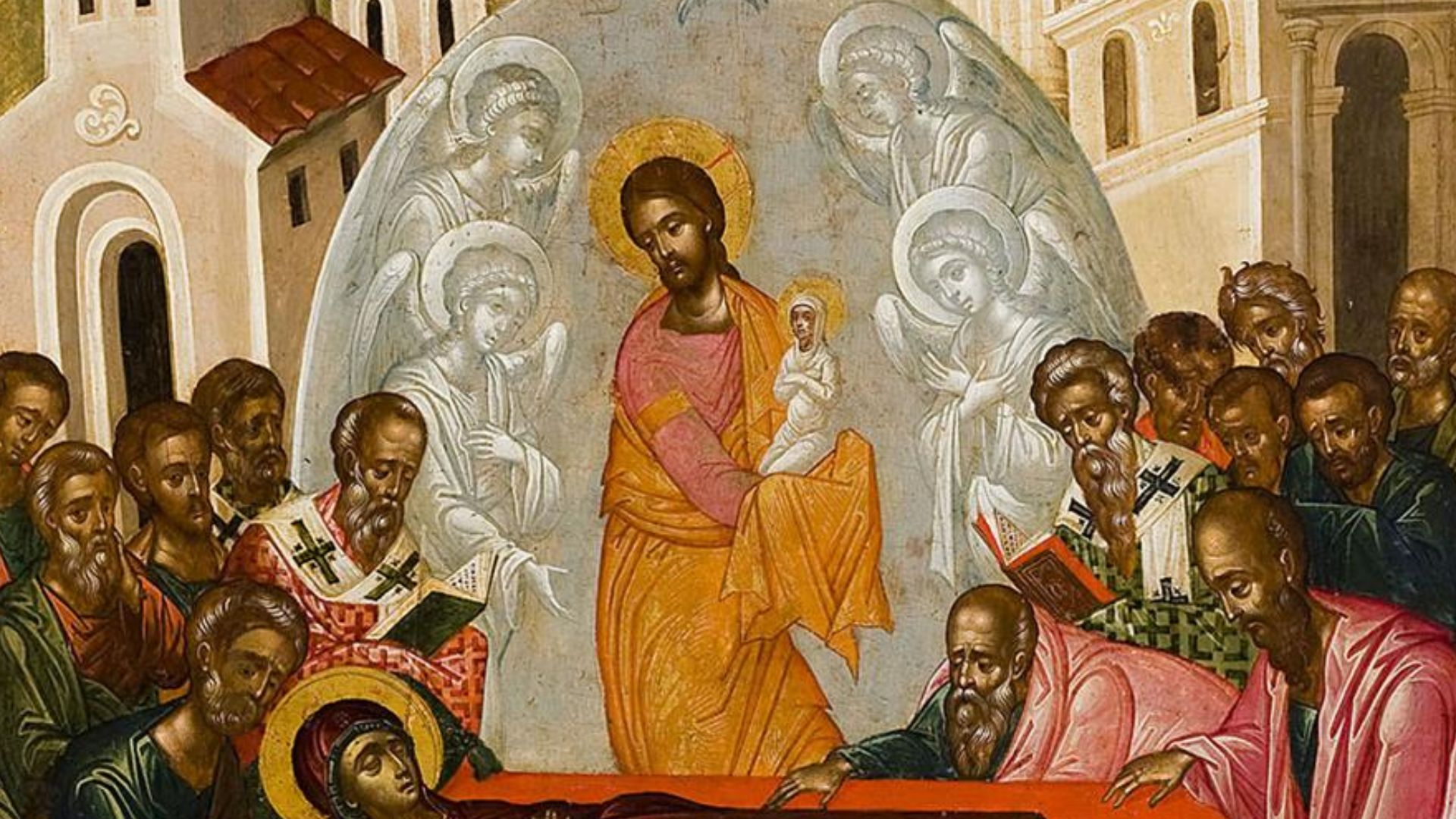 Elias Moskos, Wikimedia Commons
When Heaven Entered the Artwork
How did Mary gain a crown in art? Revelation twelve supplied the language. Centuries later, Fatima reinforced celestial themes. Catholic and Orthodox traditions embraced the imagery. Protestant critics pushed back. Theology still draws a firm line between reverence and divinity.
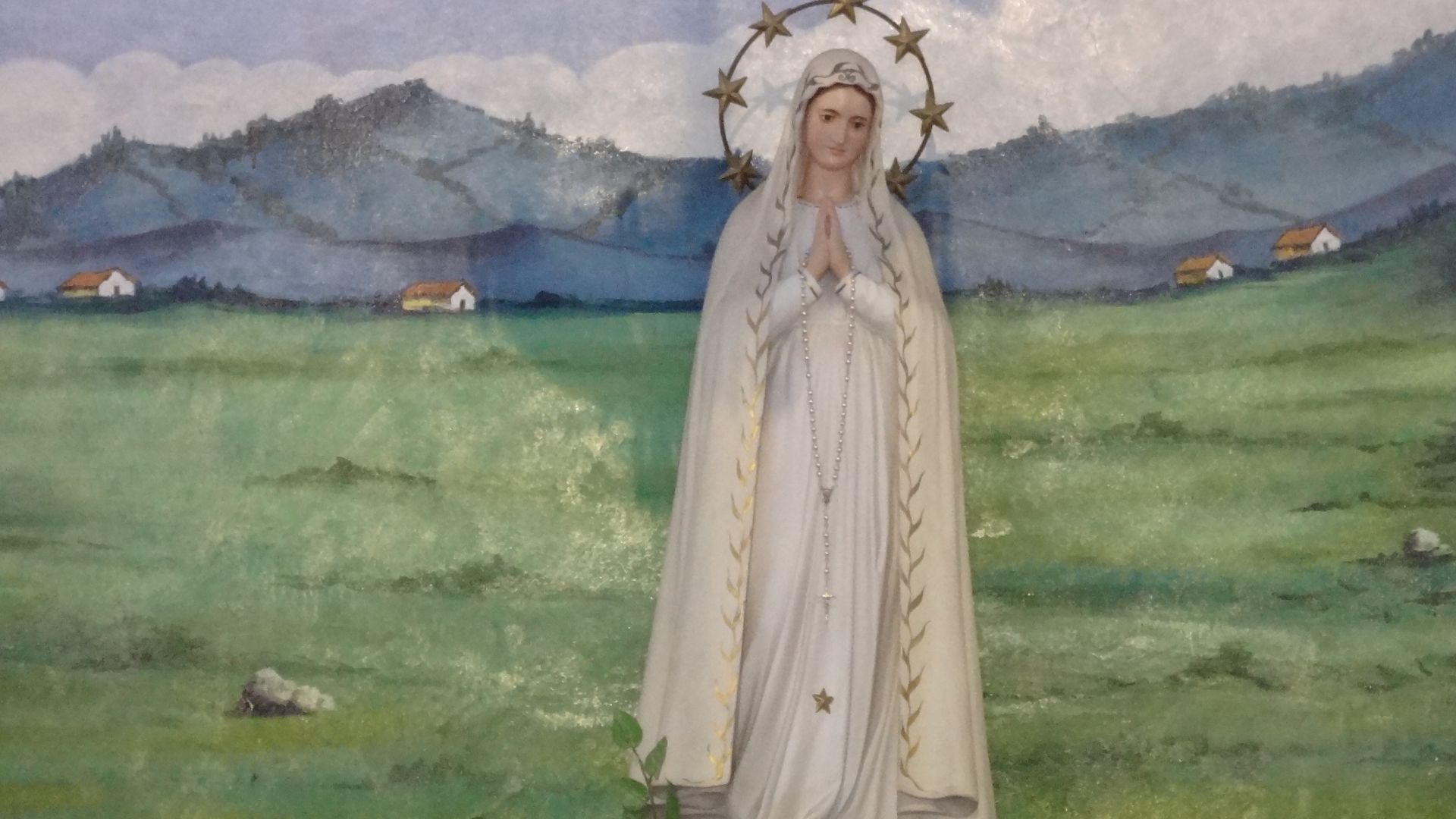
A Law That Left No Margin
Betrothal carried legal weight in first-century Judaism. Plus, Deuteronomy prescribed stoning for pregnancy during that period. Joseph initially planned a quiet separation. Only afterward did a dream intervene. Public shame or death loomed first, underscoring the social danger Mary faced before protection arrived.
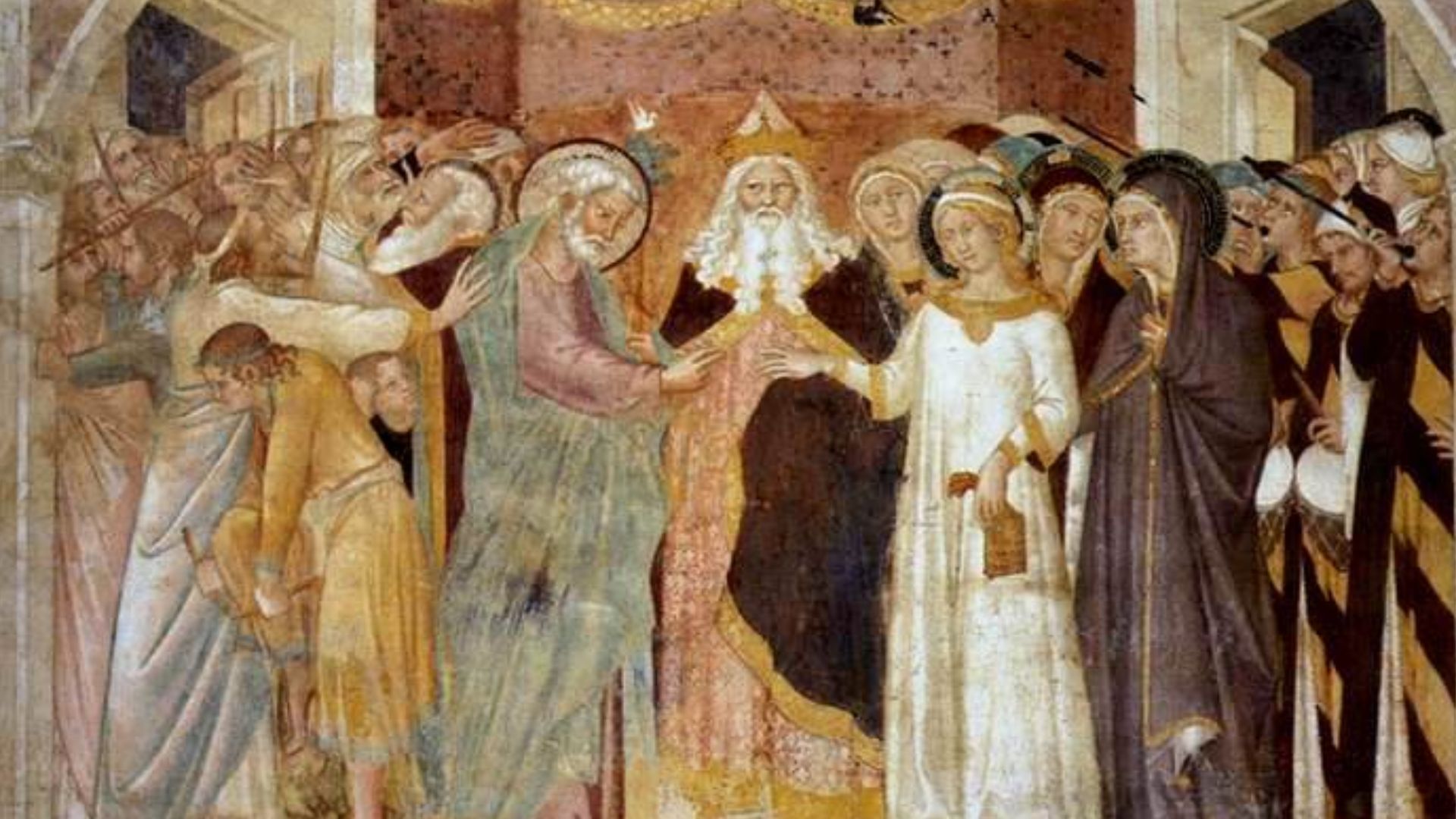 Lippo Vanni, Wikimedia Commons
Why the Stable Story Breaks Down
Luke uses the Greek word kataluma, which meant guest room. Household births matched Jewish custom and avoided impurity. Animals often occupied lower levels. Archaeology also supports domestic settings where mangers appeared from crowding. Later tradition favored stables, shaping nativity imagery more than textual evidence.
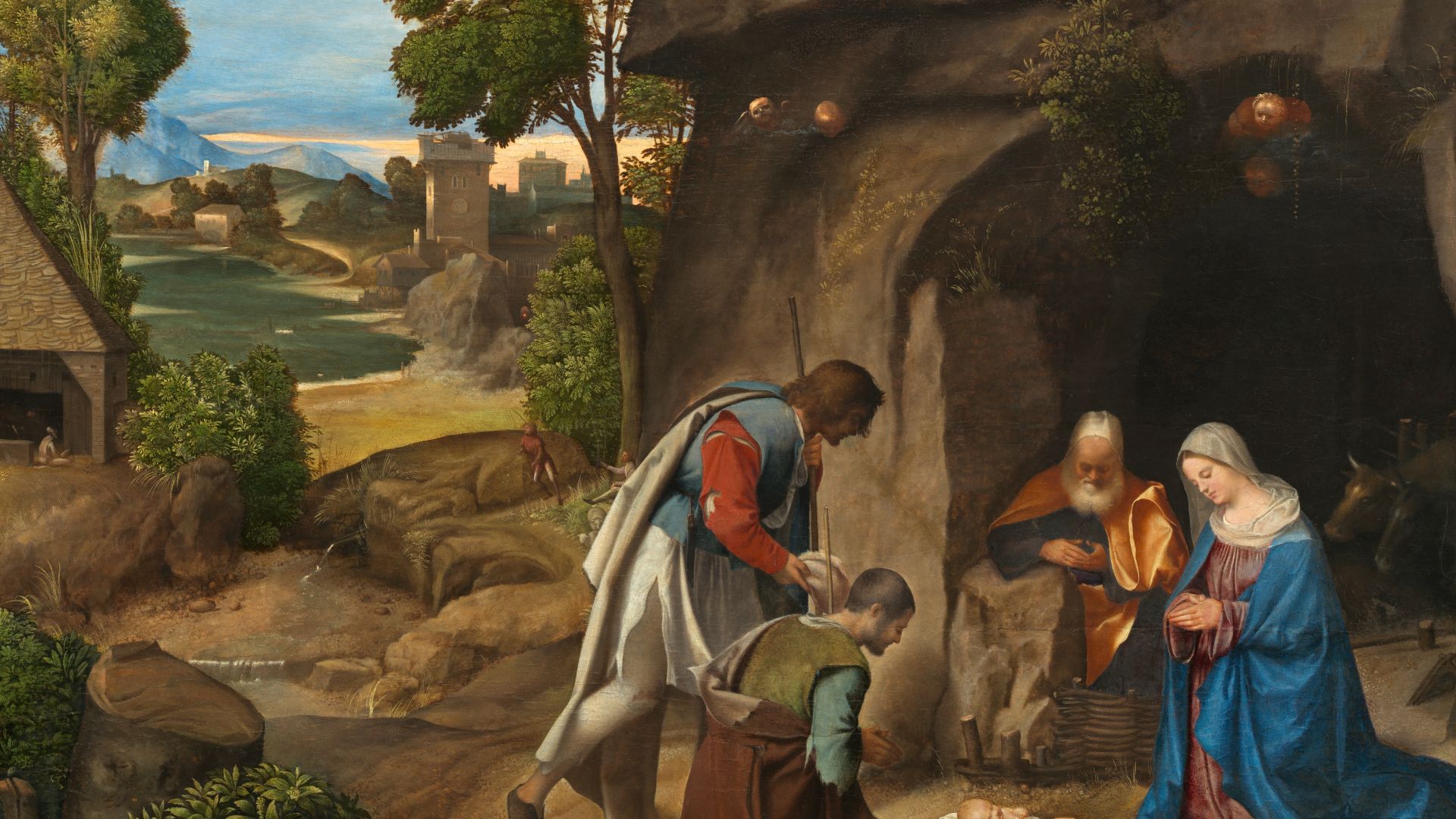
Whose Memory Preserved the Beginning
After childhood scenes end, Joseph quietly leaves the story. What remains feels intimate. Luke records reflection and personal memory. Stories were passed by voice first. Tradition later pointed to Mary, who carried those beginnings before evangelists wrote them down.