
Just Another Long Case
I grabbed the chart from the rack at 2:37 AM, my third shift in a row at Memorial ER. 'Linda Morrison, 62, Multiple Medical Problems' was written at the top—basically code for 'this is going to take a while.' I'd been an ER doctor for twelve years by then, so I knew what to expect: the complicated med list, the vague symptoms, the daughter who'd insist Mom wasn't usually like this. Standard stuff. But when I pushed open the curtain to exam room seven, something felt immediately off. The overhead lights were too bright, making the room feel harsh and clinical. Linda sat on the edge of the bed in a stained floral dress, her arms wrapped around herself protectively. Her daughter—mid-thirties, expensive handbag, exhausted eyes—stood beside her with one hand on her mother's shoulder. The air smelled like that particular mix of antiseptic and fear that you get used to in this job. Linda's arms were covered in angry red lesions, some fresh, some scabbed over. But it was her face that stopped me. Linda looked up at me with glassy eyes and whispered, 'They're everywhere—I can feel them moving.'
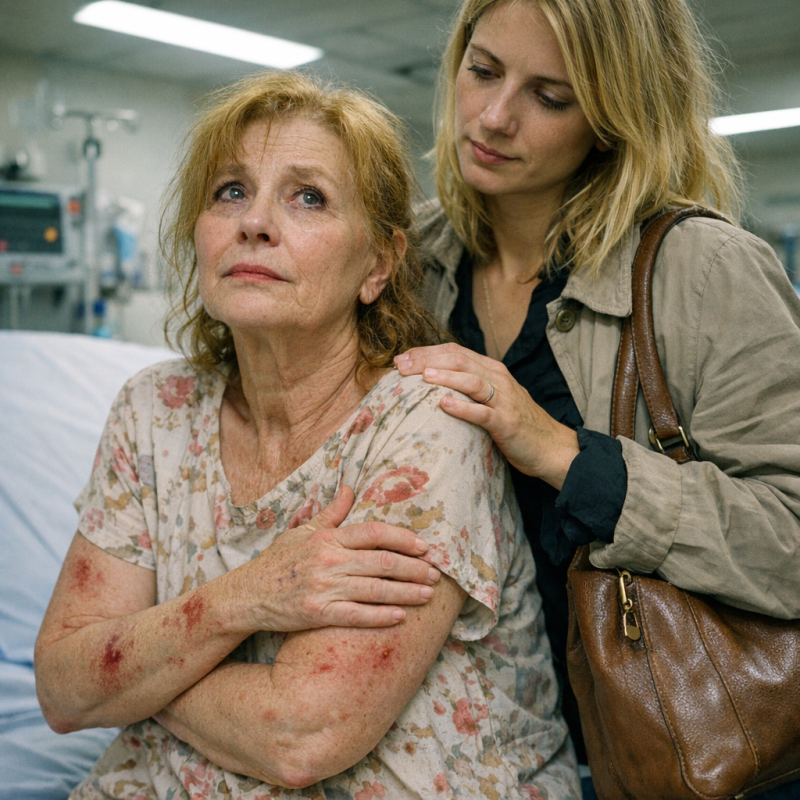 Image by FCT AI
The Pattern of Wounds
I pulled on fresh gloves and moved closer, switching into assessment mode like I'd done ten thousand times before. 'Can I take a look at your arms, Linda?' She nodded, extending them toward me with trembling hands. The lesions were scattered across both forearms in clusters—maybe twenty or thirty of them total. Some were pinpoint wounds, others larger excavations into the skin. But here's what caught my attention: they weren't random. I've seen plenty of self-inflicted scratching from anxiety or drug use, and it's usually chaotic, frantic. These wounds followed lines—almost geometric patterns across her skin. Her daughter leaned in. 'She's been doing this for three weeks now. We didn't know what else to do.' Marcus, my charge nurse that night, stepped in with the vitals cart, taking one look at Linda's arms and raising his eyebrows at me. I was about to ask Linda about her medical history when she suddenly reached down and pinched at one of the larger wounds. Before I could stop her, Linda pinched the edge of a wound and pulled—something dark and thread-like emerged from her skin.
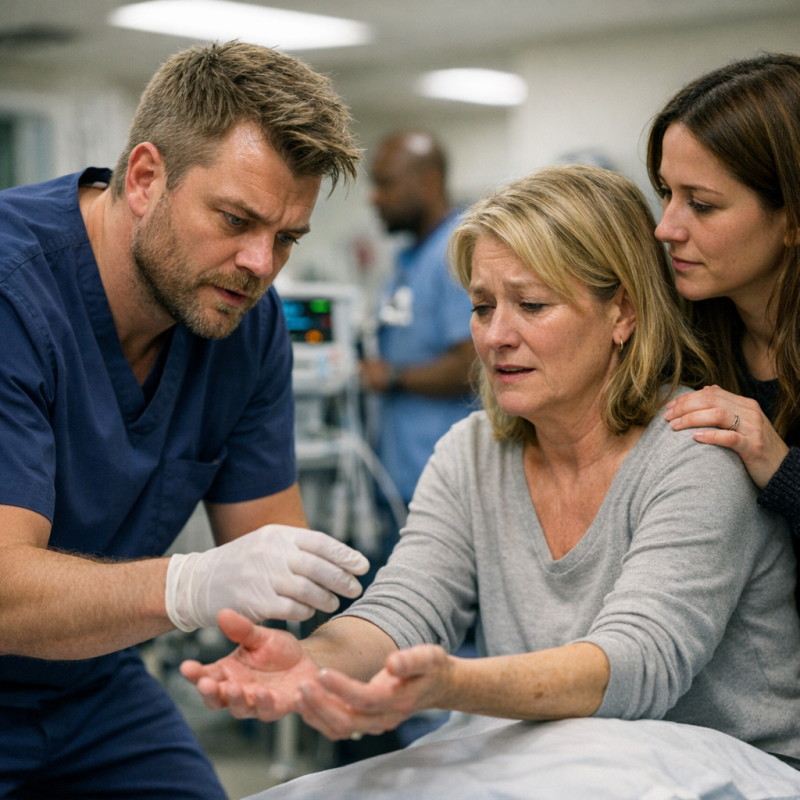 Image by FCT AI
The Fiber
I stared at the thing dangling from Linda's fingertips. It looked like a fiber—maybe half an inch long, dark blue or black, catching the light like it had texture. My training kicked in: document everything, don't make assumptions. 'Linda, how long have you been finding these?' I asked, reaching for a sterile specimen container from the supply drawer. She started crying, these quiet tears that just rolled down her cheeks. 'Weeks. I've pulled dozens of them out. They're everywhere—my arms, my legs, even my scalp.' Her voice was hoarse, like she'd been explaining this over and over to people who didn't believe her. I carefully took the fiber from her and sealed it in the container, labeling it with her patient information. The daughter—I'd learned her name was Jessica—moved closer to me. She smelled like expensive perfume and coffee. 'Doctor, we've been trying to get help,' she said. 'Mom's barely sleeping. She's in constant pain.' I nodded, making notes in the chart. The daughter's voice cracked as she said, 'We've been to two urgent care centers—they all said she was imagining it.'
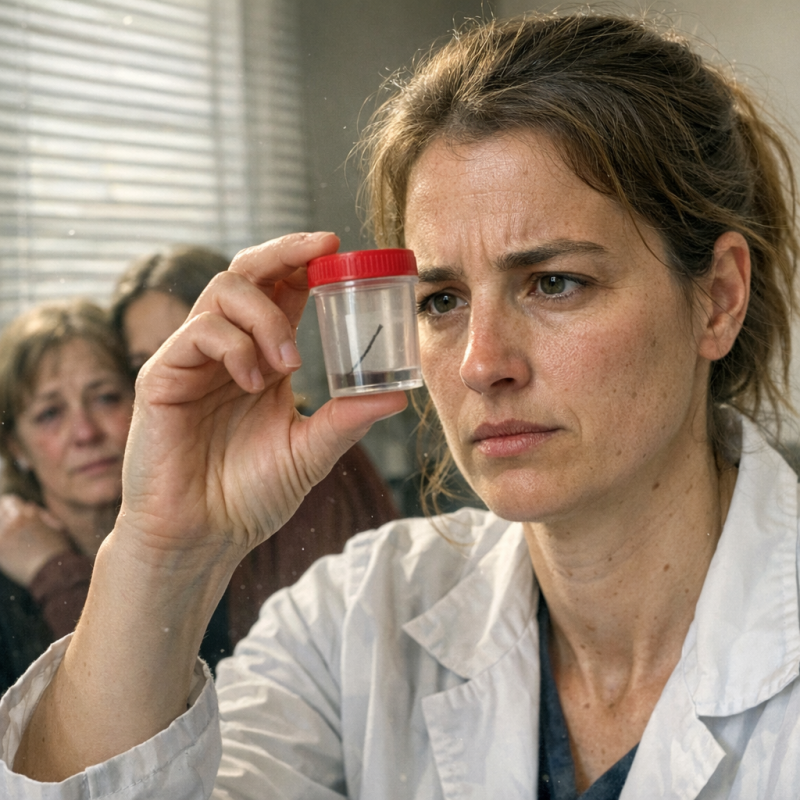 Image by FCT AI
Formication or Something Else
I called down to dermatology around 4 AM, catching Dr. Khalil before his morning clinic started. He was one of the good ones—actually showed up for ER consults instead of just phoning in recommendations. When he arrived, he spent a solid twenty minutes examining Linda's arms with his magnifying lens, asking her gentle questions about when the sensations started, whether anything made them better or worse. I stood back and watched him work, appreciating the thoroughness. After the exam, he walked me out to the hallway, pulling the curtain closed behind us. 'Have you heard of Morgellons disease?' he asked quietly. I had, vaguely—one of those controversial conditions that hovered in the gray area between psychiatry and dermatology. 'I've read about it,' I said. 'Isn't it pretty rare?' He nodded slowly, choosing his words carefully. 'It's controversial. Patients report fibers emerging from their skin, crawling sensations, lesions. The CDC did a study years ago, couldn't really pin down a cause.' He glanced back toward Linda's room. Dr. Khalil pulled me aside and whispered, 'Some think it's delusional—but the fibers are real, and we don't really know what causes it.'
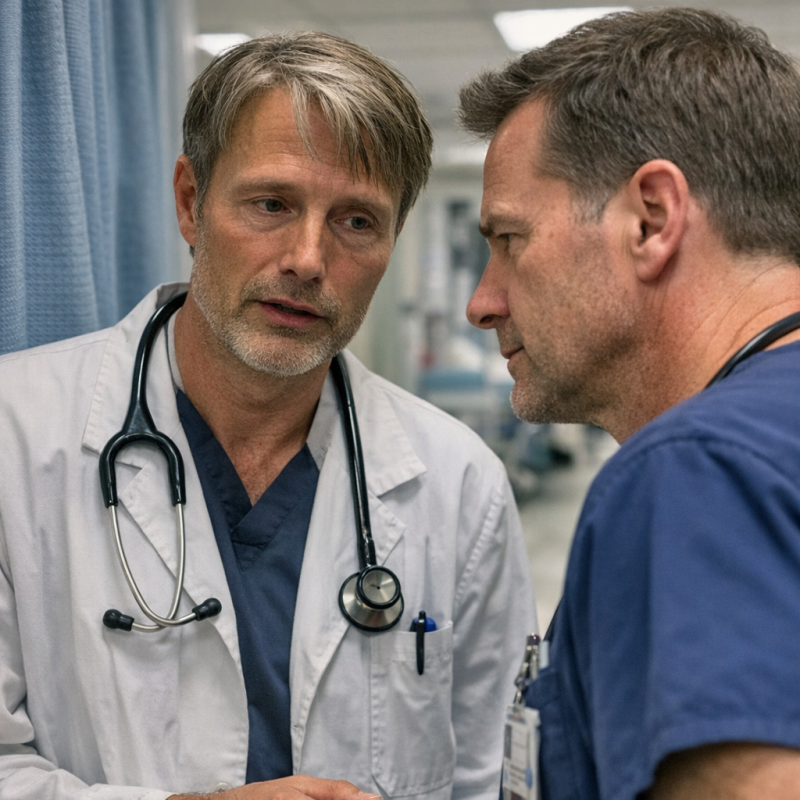 Image by FCT AI
The Sleepless Nights
I went back into Linda's room to get more history, pulling up a stool so I could sit at eye level with her. That's something they don't teach you in med school but matters—sitting down makes patients feel like you're actually listening. 'Linda, tell me about your sleep,' I said. She laughed, but it was bitter. 'What sleep? I haven't slept more than an hour at a time in three days.' Her hands were shaking as she talked. 'The crawling feeling never stops. It's worst at night—I can feel them moving under my skin, coming to the surface.' She pulled up her sleeves again, showing me fresh marks I hadn't noticed before. Jessica sat down heavily in the chair by the window. 'I've been staying with her,' she said. 'She wakes up screaming sometimes. Last night she was in the bathroom for two hours, trying to pull them out.' I documented everything—the sleep deprivation, the tactile hallucinations or sensations or whatever they were, the obvious distress. Linda was coherent, oriented, not psychotic. Just desperate. Jessica put her hand on her mother's shoulder and said quietly, 'I'm afraid she's going to hurt herself if we can't make this stop.'
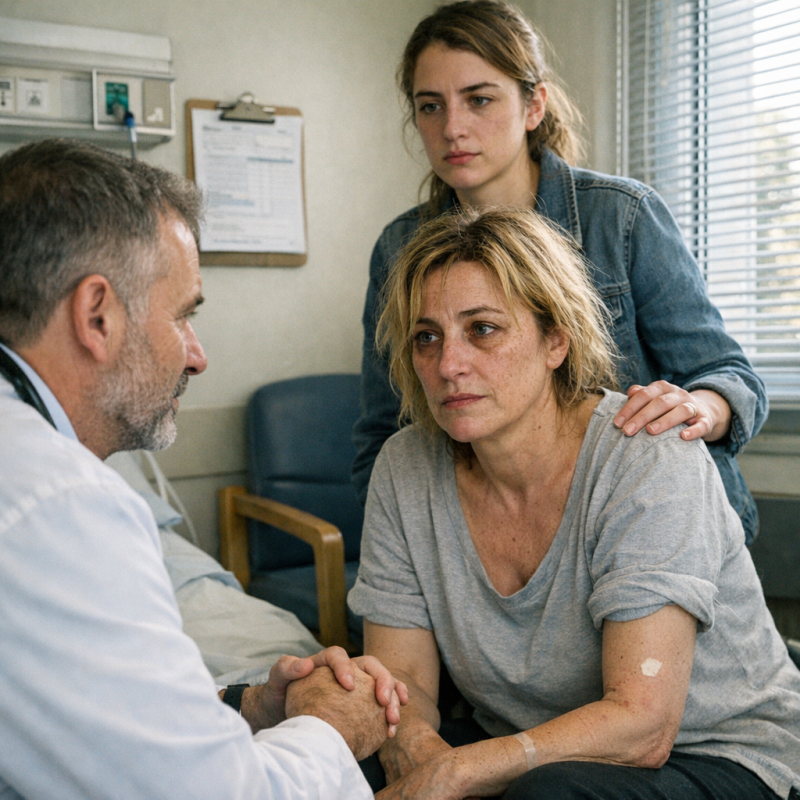 Image by FCT AI
Under the Microscope
I took the specimen container down to the lab myself around 6 AM. Ray was on duty—young guy, maybe twenty-nine, one of those lab techs who actually got excited about weird cases instead of annoyed. 'What am I looking at?' he asked, holding up the container to the light. 'That's what I need you to tell me,' I said. 'Patient's pulling these from her skin. I need to know what they are.' He set up the microscope while I stood there drinking terrible vending machine coffee, watching the morning shift start to filter in through the ER bay doors. Ray spent maybe ten minutes examining the fiber under different magnifications, making small adjustments, occasionally making notes. I tried to read his expression but couldn't. Finally, he leaned back and gestured for me to take a look. Under magnification, the fiber had structure—it wasn't just a thread or piece of fabric. 'It's biological,' Ray said. 'Looks like keratin and collagen to me. Consistent with human tissue, actually.' I felt this weird mix of validation and confusion. Ray looked up from the microscope and frowned: 'It's like her body is producing these—but in a way I've never seen before.'
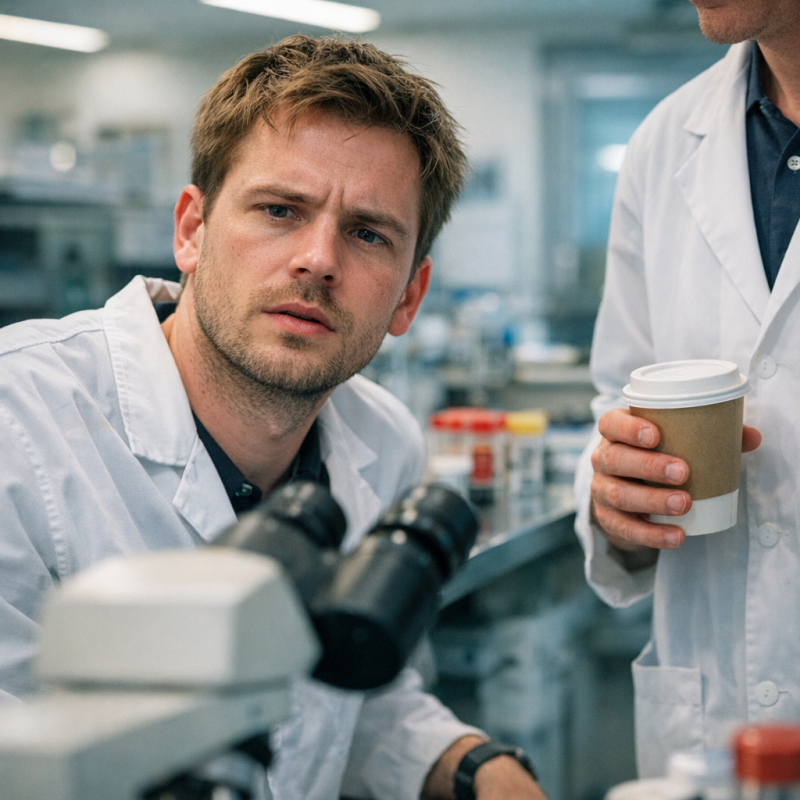 Image by FCT AI
Consult With Morrison
Dr. Morrison came on at 7 AM, taking over as the attending for day shift. I caught him during handoff and walked him through Linda's case—the fibers, the lesions, the lab findings, everything. He listened without interrupting, which was his style. Morrison had been doing emergency medicine for twenty-five years and had seen pretty much everything. 'So we've got documented physical evidence of something unusual, significant distress, sleep deprivation, and lesions that could get infected if they're not already,' he summarized. 'What's your gut telling you?' I admitted I wasn't sure. 'The fiber is real—Ray confirmed it's biological. But I don't know if we're looking at a dermatological condition, something infectious, or what.' Morrison nodded, flipping through the chart again. 'Here's what we're going to do,' he said. 'Comprehensive workup. I want CBC, CMP, inflammatory markers, cultures from those wounds, maybe even a skin biopsy if derm thinks it's warranted.' I felt relieved—it meant he was taking this seriously, that I wasn't crazy for spending this much time on it. Dr. Morrison closed the chart and said, 'Run everything—something's triggering this, and I want to know what.'
 Image by FCT AI
Blood Work Anomalies
The blood work came back around noon while I was finishing my shift notes. I pulled up the results on the computer, scanning through the numbers. Linda's white blood cell count was elevated—not sky-high, but definitely abnormal. Her inflammatory markers were up too. C-reactive protein was three times normal. But the key finding was in her metabolic panel: signs consistent with an untreated bacterial infection, probably systemic. I felt this rush of relief mixed with frustration. Relief because we'd found something concrete, something we could actually treat. Frustration because it meant Linda had been suffering with a real medical condition while being dismissed by other doctors. I could start her on broad-spectrum antibiotics immediately, get her admitted for monitoring. But as I sat there staring at the screen, the relief started to fade. Yes, the infection explained some symptoms—the fatigue, the elevated inflammatory response, maybe even some of the skin issues. But infections don't produce fibers. They don't create that structured pattern of lesions. I stared at the results—Linda had a significant infection that had been missed, but that still didn't explain the fibers.
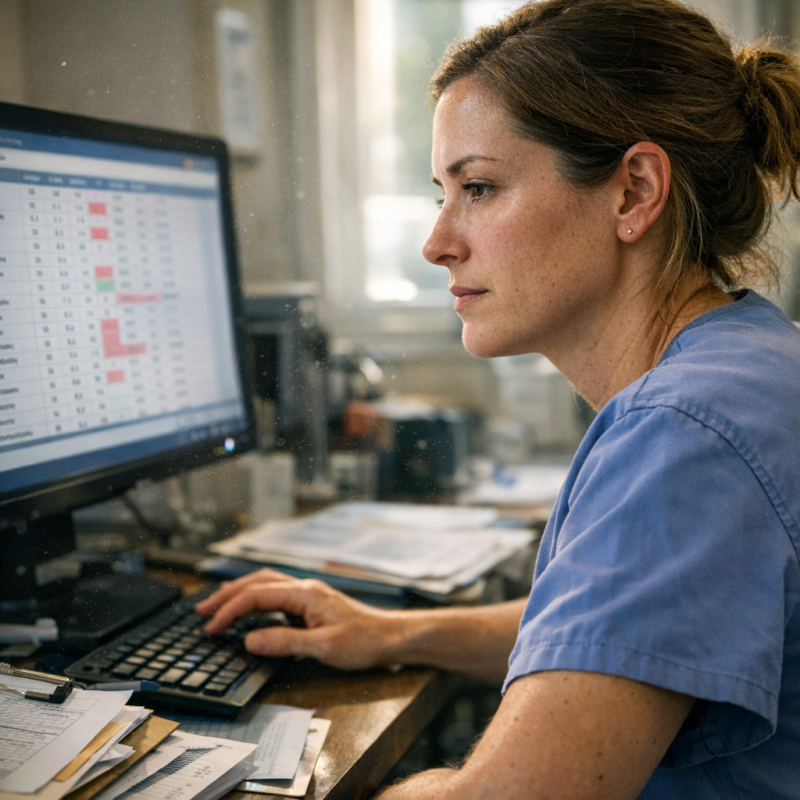 Image by FCT AI
The Psychiatric Angle
Dr. Chen from psychiatry came by around two in the afternoon. I'd worked with her before—she was thorough, not someone who rushed to diagnose. I watched through the glass as she talked with Linda for nearly forty minutes. Linda was animated, gesturing at her arms, but not frantic. When Dr. Chen emerged, I followed her to the hallway, eager to hear her assessment. 'She's got severe anxiety,' Dr. Chen said, flipping through her notes. 'Significant sleep deprivation, elevated stress response. But she's oriented to person, place, and time. Her thought processes are linear. She's not experiencing delusions or hallucinations.' I felt this weird mix of validation and confusion. 'So it's not all in her head?' I asked. Dr. Chen gave me this look—kind but complicated. 'The anxiety is real. The stress is real. They're absolutely making her physical symptoms worse. But...' She paused, choosing her words carefully. Dr. Chen told me privately, 'She's not psychotic—but the stress and sleep deprivation are making everything worse.'
 Image by FCT AI

History's most fascinating stories and darkest secrets, delivered to your inbox daily.
The Treatment Plan
I sat down with Linda and Jessica that afternoon to go over the treatment plan. We'd start broad-spectrum antibiotics for the infection—Zosyn through the IV, twice daily. Anti-inflammatory medication to bring down those elevated markers. A sleep aid because without rest, her body couldn't heal. I explained each medication, what we hoped it would address, trying to be as clear as possible. Linda nodded along, taking it all in. Jessica squeezed her mother's hand. 'And the fibers?' Linda asked quietly. 'Will this stop the fibers?' I took a breath. This was the honest part, the part doctors hate but have to say. 'The antibiotics should help with the underlying infection,' I told her. 'The anti-inflammatory might reduce some of the skin irritation. But I have to be straight with you—I don't know if it will stop the fiber formation completely.' Linda's face fell slightly. 'We're treating what we can identify,' I continued. 'And we'll monitor closely.' Linda gripped my hand and asked desperately, 'But will this make them stop?'
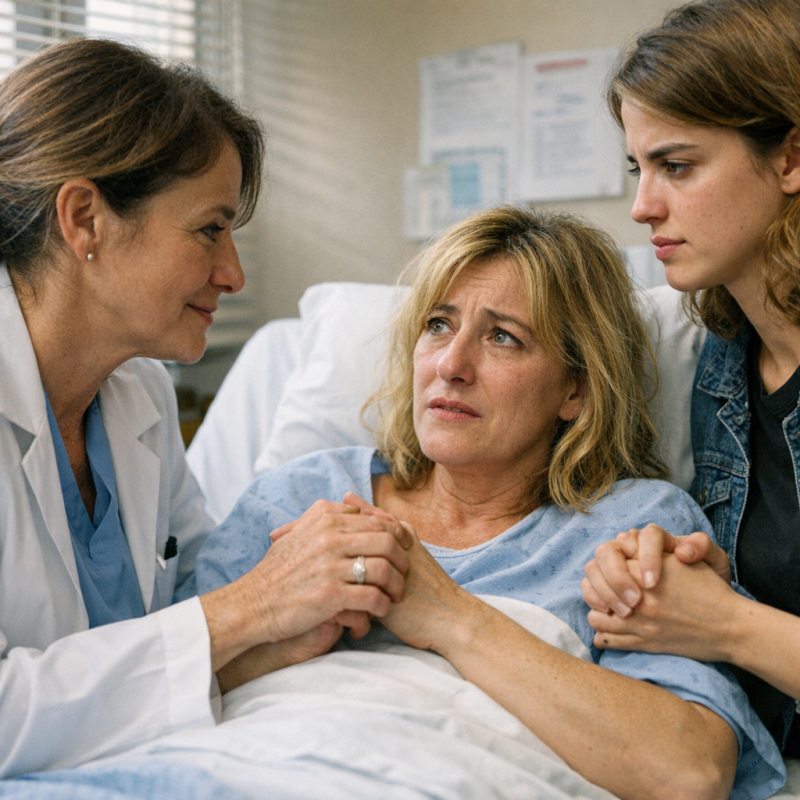 Image by FCT AI
Night Shift Observation
The next morning, I caught up with Marcus at the nurses' station. He'd been on the overnight shift, and I always trusted his observations—the guy noticed things. 'How was Linda overnight?' I asked, pouring terrible hospital coffee into a styrofoam cup. Marcus pulled up her chart on the computer. 'Better, actually. The sleep med worked—she got about five hours, which is huge for her. Vitals stayed stable.' That was good news. Real progress. 'Any issues?' I asked. Marcus hesitated, that particular pause that means something caught his attention but he's not sure what to make of it. 'She was calmer overall,' he said slowly. 'But I did see her picking at her arms a few times when I did my rounds. Not intensely, just... methodically.' I nodded. That wasn't surprising given her history. 'When was this?' I asked. Marcus checked his notes, then looked up with this thoughtful expression. Marcus added quietly, 'The weird thing is—she only does it when her daughter's visiting.'
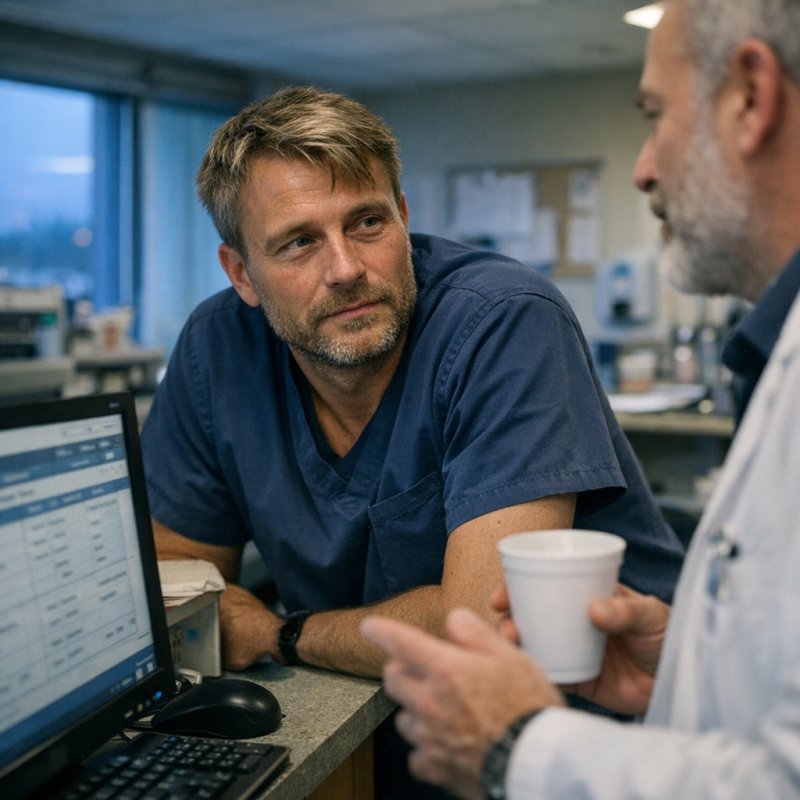 Image by FCT AI
Day Two: Slight Improvement
Day two of treatment, Linda looked noticeably better. The dark circles under her eyes had faded a bit. She'd managed to eat breakfast—not much, but something. I did my morning exam, checking the lesions on her arms. Some of the inflammation had decreased. 'How are you feeling?' I asked. Linda actually smiled, which I hadn't seen before. 'The crawling feeling—it's still there, but it's not as intense. I slept for four hours straight last night.' That was significant improvement. The antibiotics were working on the infection, the anti-inflammatory was reducing the irritation. Everything was trending in the right direction. Jessica sat in the corner, beaming with relief. I documented everything carefully—vital signs, patient report, physical findings. This should have felt like a win. A patient responding to treatment is exactly what we hope for. But as I wrote my notes, something gnawed at me. Maybe it was the speed of the improvement—bacterial infections usually take longer to respond. As I documented her progress, I couldn't shake a feeling I couldn't name—something about how quickly she responded felt... off.
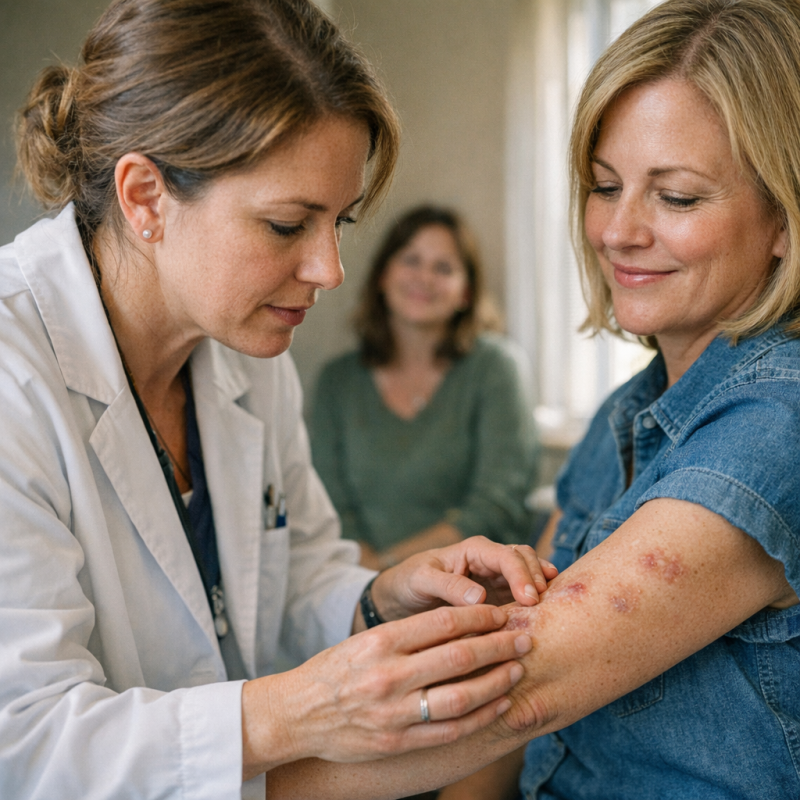 Image by FCT AI
The Daughter's Story
Jessica asked if she could talk to me privately later that afternoon. We stepped into the family consultation room—one of those spaces that's supposed to feel comforting but just feels institutional. She looked exhausted, like she'd been carrying something heavy for too long. 'I wanted to tell you how this all started,' Jessica began. 'Mom went on this hiking trip with her church group about three months ago. Up in the mountains, camping for a weekend.' I nodded, listening. 'When she came back, she said she felt like something had bitten her. Just one spot at first, on her forearm. Then it spread. And the fibers started appearing maybe two weeks later.' Jessica's voice cracked slightly. 'I've taken her to four different doctors. Everyone says it's psychological. They prescribe antipsychotics and send us home.' She wiped her eyes with the back of her hand. 'I've been doing everything—driving her to appointments, helping with bills, staying overnight sometimes.' Jessica's eyes filled with tears as she said, 'I've been taking care of her alone—her insurance barely covers anything.'
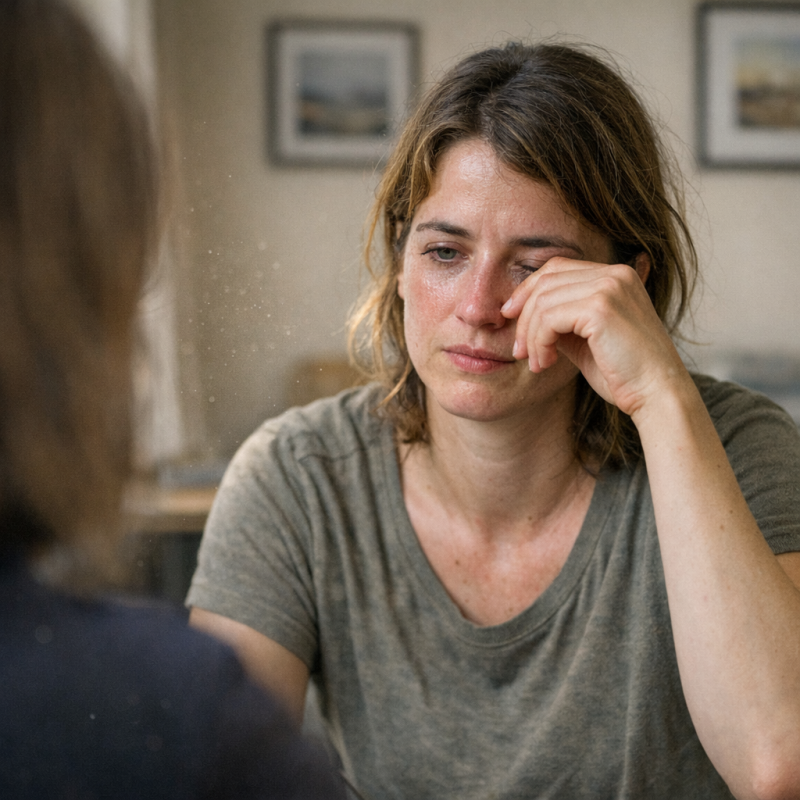 Image by FCT AI
Social Work Involvement
Angela from social work stopped by on day three. I'd requested her involvement because Linda clearly needed support beyond what we could provide medically. Angela was great—warm, efficient, the kind of person who actually got things done. She sat with Linda and Jessica, going through resources, support groups, home health options. I stayed for part of the meeting, leaning against the wall. 'We should talk about ongoing care,' Angela said gently. 'You'll need follow-up appointments, maybe physical therapy for the skin healing. There are also community resources that might help with costs.' Jessica leaned forward. 'Her insurance is pretty minimal. Medicare with no supplemental plan.' Angela nodded, making notes. 'We can look into financial assistance programs. Also...' She glanced at Linda. 'Given the severity and duration of your symptoms, you might qualify for disability assistance. It's a process, but I can help you start the application.' I watched Jessica's face transform. Relief, pure and simple, washed over her features. Angela mentioned casually that she'd help them apply for disability assistance, and Jessica's face lit up with relief.
 Image by FCT AI
Internet Research
That night after my shift, I couldn't let it go. I sat at my kitchen table with my laptop and searched 'Morgellons disease.' The results were overwhelming. Medical journals dismissing it as delusional parasitosis. Patient advocacy websites insisting it was real. Message boards full of people describing symptoms identical to Linda's. I clicked through forums, reading stories that could have been Linda's own words. People describing the crawling sensations, the fibers, the dismissal by doctors. Some posts were clearly desperate—people who'd been suffering for years. Others were more organized, sharing treatment protocols, laboratory findings, research papers. There were hundreds of these people, maybe thousands. All experiencing the same thing. All being told they were crazy. I read testimonials from patients who'd lost jobs, relationships, years of their lives. The medical establishment largely rejected it as psychiatric, but these patient communities were convinced otherwise. They supported each other, validated each other's experiences. One forum post stopped me cold: 'Doctors don't believe us, but we know the truth—we're not crazy.'
 Image by FCT AI
The Second Fiber Extraction
On day four, Linda told me she could feel another fiber ready to emerge. I called Dr. Khalil—I wanted another set of medical eyes on this. We gathered in Linda's room, Jessica standing protectively near her mother. Linda indicated a small raised area on her left forearm, different from the previous sites. 'It's right here,' she said. 'I can feel it under the skin.' Dr. Khalil put on gloves, pulled out his phone to document. I watched as Linda used sterile tweezers this time—we'd provided them—and gently pressed around the lesion. The skin was inflamed, slightly raised. She worked carefully, methodically. Then slowly, she extracted a thin fiber, maybe half an inch long. Blue-gray in color. Dr. Khalil immediately photographed it from multiple angles, then placed it in a sterile container. His face showed the same fascination I'd felt during the first extraction. 'The fiber is definitely emerging from beneath the epidermis,' he noted quietly. 'Not surface contamination.' Jessica squeezed her mother's shoulder. Dr. Khalil photographed the extraction and murmured, 'I've read about this, but I never thought I'd actually see it.'
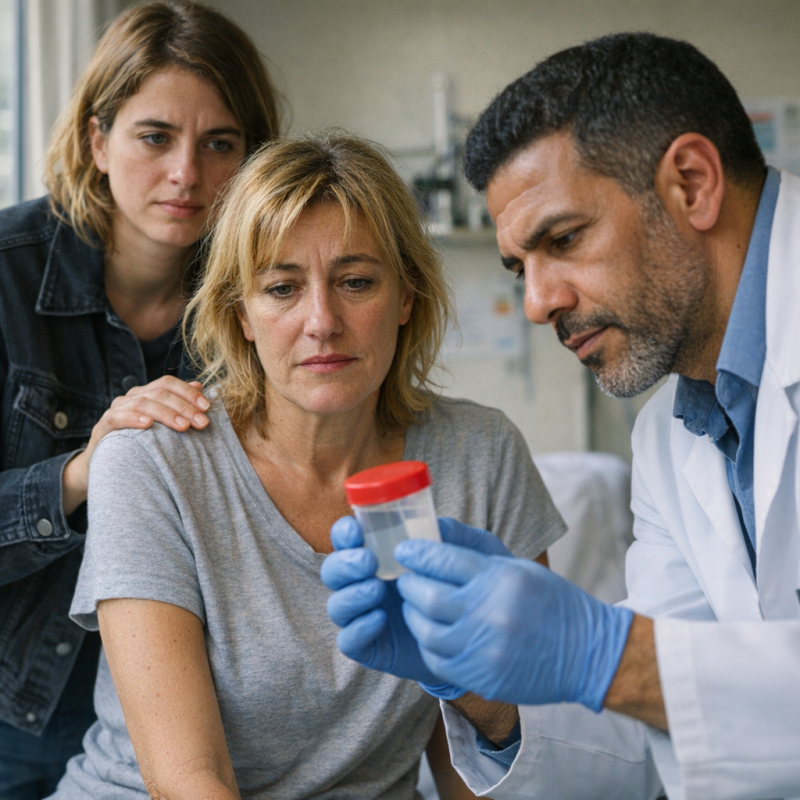 Image by FCT AI
Day Three: Continued Progress
On day three, I documented what looked like real progress. Linda's lesions were less inflamed, the edges showing early granulation tissue—actual healing. Her vital signs had stabilized completely. She reported sleeping through the entire night without waking once, which was huge after those first two nights of constant distress. The fiber extractions had stopped; she said she didn't feel any more 'ready to emerge.' I photographed the healing sites, measured them, noted everything in her chart. This was what good medicine looked like—identify the problem, provide supportive care, watch improvement. Jessica seemed calmer too, less hovering, more confident in our treatment plan. Linda even ate a full breakfast, something she hadn't done since admission. As I reviewed her chart that afternoon, I felt that particular satisfaction that comes from helping someone who's been dismissed by the system. But somewhere in the back of my mind, a small voice whispered that something wasn't quite right.
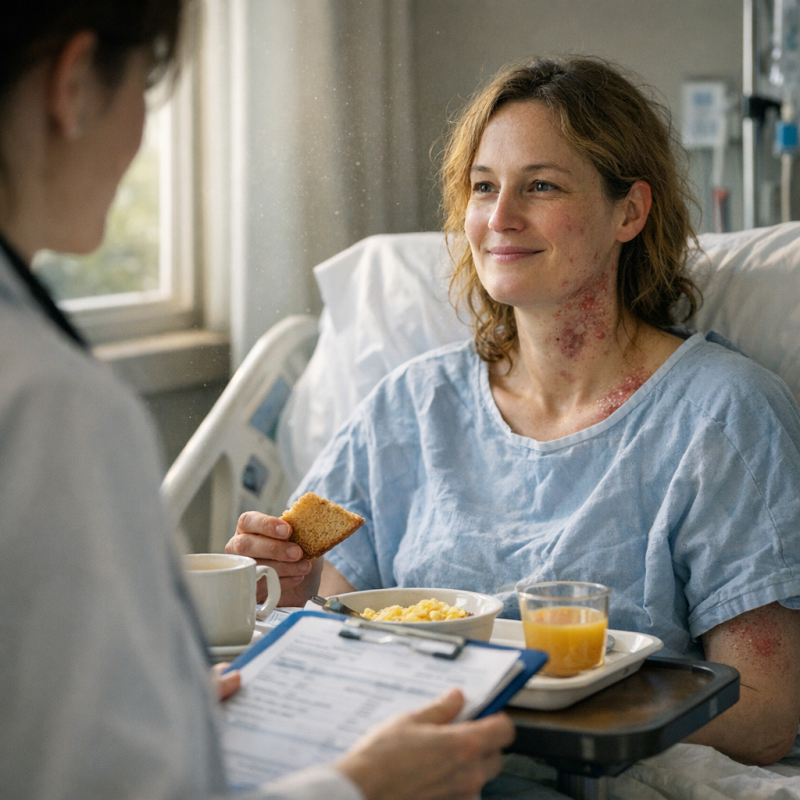 Image by FCT AI
The Prescription Request
Jessica caught me near the nurses' station later that day. She wanted to talk about discharge planning—specifically, prescriptions. 'What medications will Mom need when she goes home?' she asked, pulling out a small notebook. I explained we'd likely continue the gabapentin for nerve pain, maybe a topical antibiotic ointment, and she should follow up with a primary care doctor for long-term management. Jessica nodded, writing everything down carefully. 'And these prescriptions—you can write them for, say, a three-month supply?' I explained our ER policy was usually thirty days max, that her regular doctor would handle refills. 'Of course, of course,' Jessica said quickly. 'I just want to make sure Mom has everything she needs. We've been through so much, you know? Just want to avoid any gaps in coverage.' Her concern seemed perfectly reasonable. Natural, even. When I mentioned she'd need follow-up with a primary care doctor within a week, Jessica's smile tightened just slightly—barely noticeable.
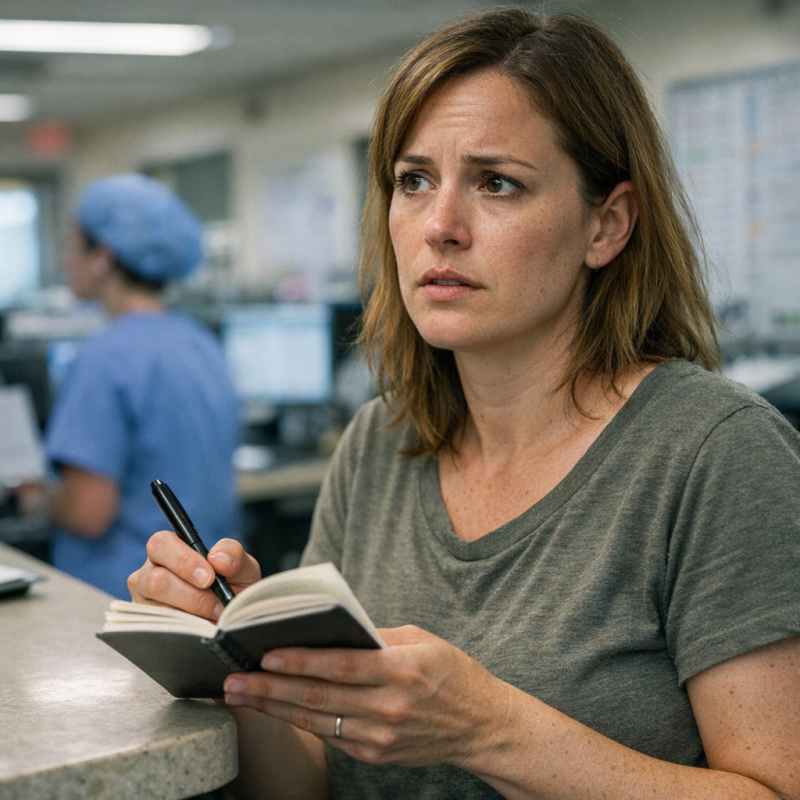 Image by FCT AI
Case Presentation
That morning, I presented Linda's case during rounds. Our team gathered around the conference table with coffee and tablets, and I walked them through everything—the fiber extractions, Dr. Khalil's observations, the documented improvement. Dr. Khalil nodded along, still fascinated. Dr. Morrison, who'd been on vacation and just returned, listened with his arms crossed. When I mentioned Morgellons, I saw a few exchanged glances. 'The fibers were clearly beneath the epidermis,' I emphasized. 'Multiple physicians witnessed the extractions. This isn't delusional parasitosis.' Dr. Morrison leaned back in his chair. 'How's her psychiatric evaluation?' I explained we'd consulted psych, found her cognitively intact, no signs of primary psychosis. A senior attending from internal medicine cleared her throat. 'Just a thought—have you ruled out factitious disorder?' I felt defensive immediately. You all saw the photos, I wanted to say. Dr. Morrison said flatly, 'Be careful—I've seen people game the system with stranger stories than this.'
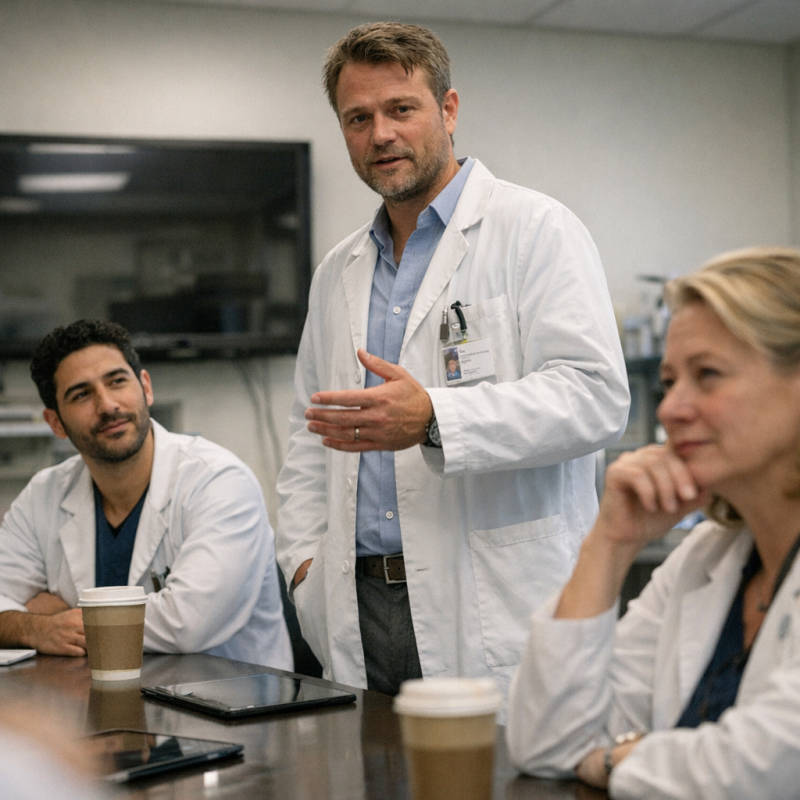 Image by FCT AI
The Emotional Moment
Later that afternoon, I stopped by Linda's room for a routine check. She was sitting up in bed, looking more like a person than a patient for the first time. When she saw me, her eyes filled with tears. 'Dr. Patel, I just need to say thank you,' she said, her voice breaking. 'You have no idea what it means that you believed me. Every other doctor looked at me like I was crazy. They'd barely examine me before suggesting antipsychotics.' She reached for my hand. 'You actually listened. You documented everything. You treated me like a person.' I felt that tightness in my throat that comes when a patient's gratitude hits you exactly right. This is why we do this work, you know? For moments like this. Jessica stood near the window, wiping her own eyes. 'You gave us hope when we had none left,' Linda continued. As Linda hugged me, I felt her trembling—and I pushed aside my doubts, certain this woman was genuinely suffering.
 Image by FCT AI
Discharge Planning Begins
The next morning, we held a formal discharge planning meeting. Angela, our social worker, joined me in Linda's room with a folder full of paperwork. We discussed outpatient follow-up, continued medications, and the psychiatric support I'd recommended even though I didn't think Linda had a primary psychiatric condition. 'Just to cover all bases,' I explained. Linda nodded eagerly, agreeable to everything. Angela reviewed transportation options, prescription assistance programs, and home care resources. Then she mentioned the disability application. 'I've already started the paperwork,' Angela said. 'Given your documented condition and the hospital records, you have a strong case. It should help with ongoing medical costs.' Jessica's whole face changed—brightened in a way I hadn't seen before. 'Oh, that's wonderful,' she said, leaning forward. 'Mom hasn't been able to work, and the bills have been piling up.' It was a perfectly normal reaction to good news. But something about the way Jessica practically glowed made my stomach turn slightly.
 Image by FCT AI
The Parking Lot Incident
I ran into Mike, one of our security guards, near the cafeteria that afternoon. He'd been working the main entrance all week. 'Hey, Doc, that patient in 14—the fiber thing?' he said. 'Interesting case.' I nodded, expecting the usual curiosity. 'Yeah, her daughter's pretty devoted,' Mike continued. 'I see her out in the parking lot during her breaks. Phone conversations, you know.' I was only half-listening. 'Yesterday I happened to be walking past her car,' Mike said. 'She was on the phone, laughing—I mean, really laughing. Completely different person than the stressed-out daughter at the bedside.' I stopped walking. 'People cope differently,' I said automatically. 'Yeah, maybe,' Mike shrugged. 'Just struck me as odd. The second she walks back through those doors, she looks like she's carrying the weight of the world again.' He took a sip of his coffee. Mike said casually, 'Weird how stressed people can change the second they think no one's watching.'
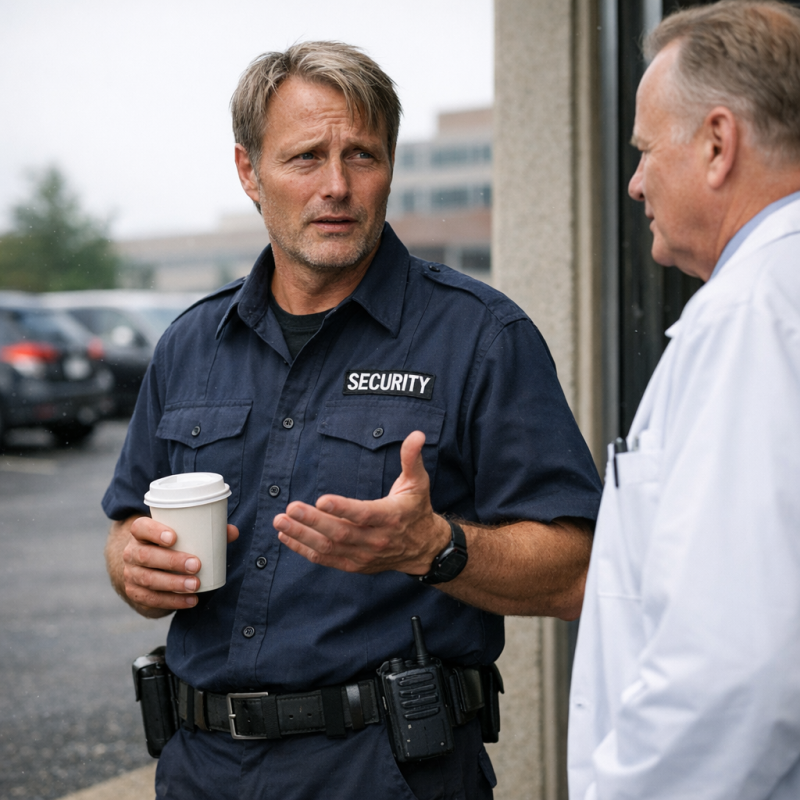 Image by FCT AI
Day Four: Too Good to Be True
Day four brought remarkable improvement. I'm talking textbook recovery trajectory. Linda's lesions had healed faster than I'd expected for wounds that had looked so angry just days before. Her pain scores dropped from seven to two overnight. She ambulated without assistance, vital signs perfect, appetite fully returned. The crawling sensations? Gone. The burning? Resolved. I documented everything with photographs, measurements, detailed notes. This was exactly what we wanted to see, right? Patient improving, ready for discharge, follow-up arranged. But as I sat at the nurses' station that evening, reviewing her entire chart from admission to present, something nagged at me. The timeline was almost unnaturally perfect. Day one: acute distress. Day two: fiber extractions. Day three: improvement begins. Day four: dramatic recovery. It followed a pattern—not a medical pattern exactly, but a pattern nonetheless. As I reviewed her chart, I realized her recovery timeline was almost textbook-perfect—maybe too perfect.
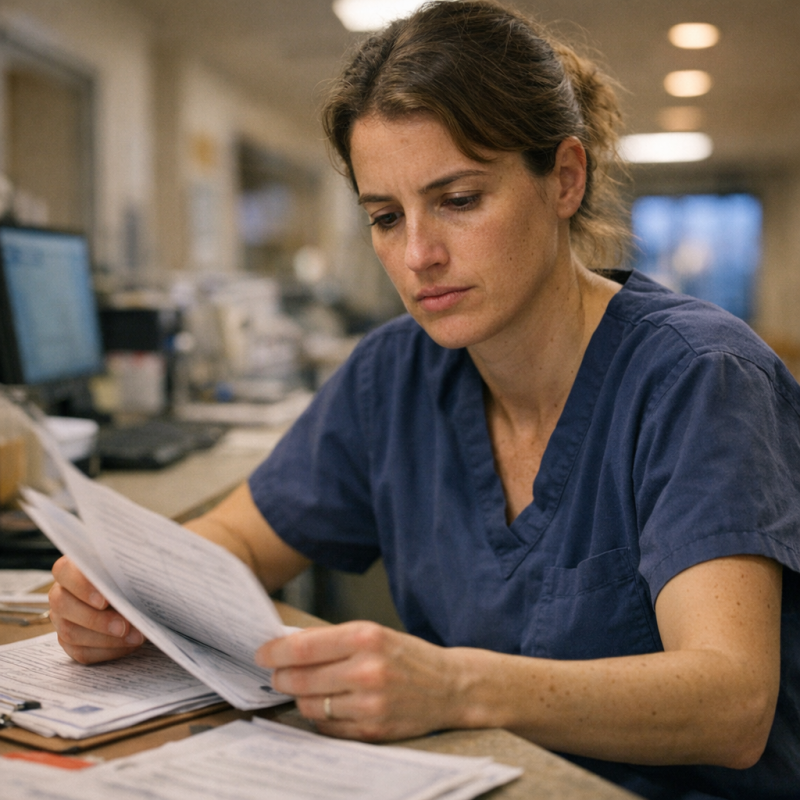 Image by FCT AI
The Fellow Patient
Marcus pulled me aside the next morning before rounds. 'You got a minute?' He looked uncomfortable. 'One of my other patients mentioned something about your Morgellons case.' I waited. 'Mr. Chen, the guy with the kidney stones in the next bay—he said he overheard something yesterday.' Apparently, during Linda's bathroom break, Jessica had walked with her past Mr. Chen's curtain. His English wasn't perfect, Marcus explained, but he understood enough. 'He said it sounded like the daughter was coaching the mom. Telling her what symptoms to mention to which nurses.' I felt my stomach drop. 'He's sure?' Marcus shrugged. 'I mean, he's a seventy-year-old man on pain meds. But he seemed pretty certain about what he heard. Something about "remember to tell the night nurse about the burning sensation."' The patient said, 'I probably shouldn't have been listening, but it sounded like they were rehearsing lines.'
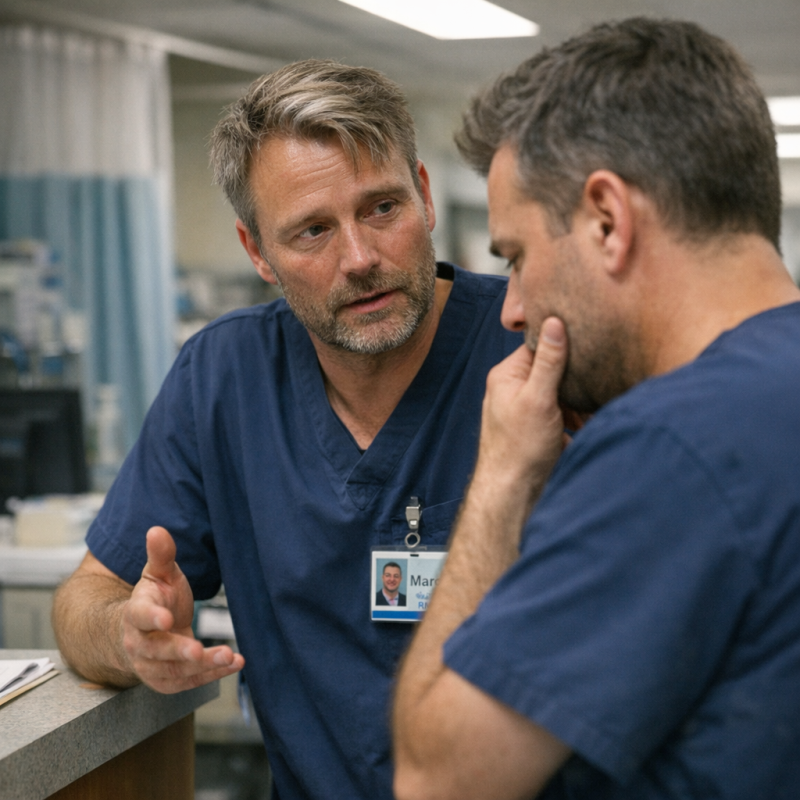 Image by FCT AI
Reviewing the Timeline
I spent my lunch break in the conference room with Linda's entire chart spread across the table like evidence at a crime scene. I'd been staring at these notes for days, but now I was looking for patterns instead of diagnoses. The first fiber report came two hours after we started the anti-parasitic. The burning sensation she mentioned? First appeared thirty minutes after Dr. Chen suggested nerve involvement. The crawling under her skin? That one cropped up right after I mentioned we might need to consider alternative causes. I grabbed a highlighter and started marking each symptom report against our treatment timeline. Yellow for new symptoms. Pink for medication changes. Within minutes, the chart looked like a roadmap I didn't want to follow. Every single time we adjusted her treatment plan, her symptoms shifted just enough to justify keeping her here. Not dramatically—that would've been obvious. But subtly, precisely, like someone who understood exactly how to keep us engaged without raising immediate red flags. I felt my skin crawl, and this time it had nothing to do with parasites. I stared at the notes—every time we adjusted her meds, her symptoms shifted just enough to justify the change.
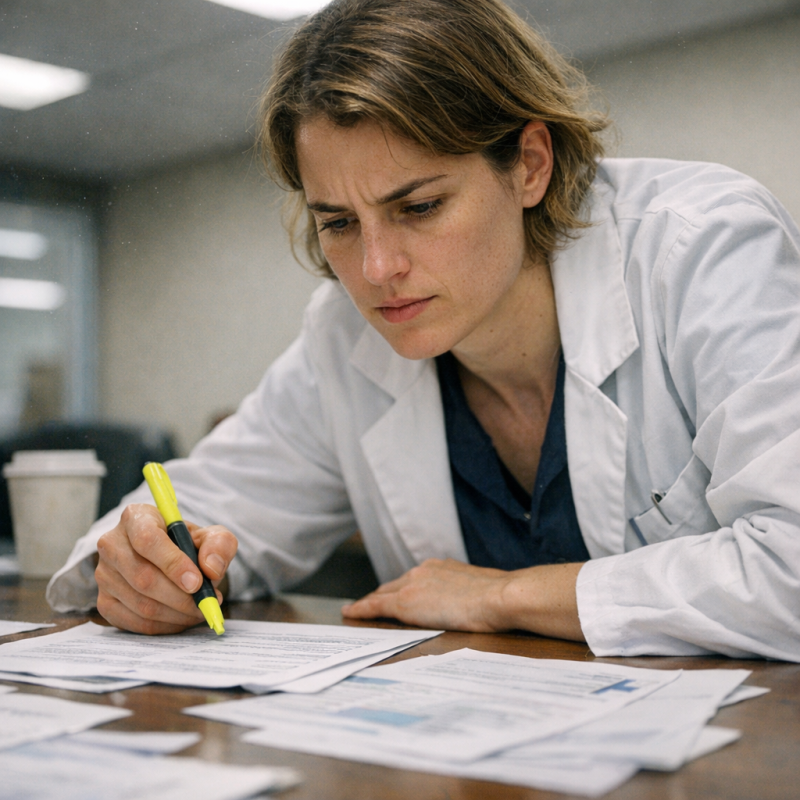 Image by FCT AI
The Medication List
The next morning, Linda handed me a list she'd written on hospital notepaper. 'My regular doctor usually prescribes these,' she said, her voice tired but steady. 'I'm worried about managing the pain when I go home.' I looked at the list. Oxycodone for breakthrough pain. Gabapentin for nerve symptoms. Hydroxyzine for the itching. Tramadol as a backup. All reasonable medications for her reported symptoms. All controlled substances or high-value prescriptions. I sat down on the edge of her bed, keeping my expression neutral. 'Tell me about your pain right now. Scale of one to ten.' She didn't hesitate. 'It's a seven at baseline, sharp and burning, but it spikes to a nine when the fibers move. There's also this deep ache in my joints, probably from the inflammation, and the itching is worst at night—I'd say it's an eight then.' The description was textbook perfect. Too perfect. Like she'd memorized it from a pain management handbook. I nodded slowly, making notes I didn't really need. When I asked Linda about her pain levels to justify the narcotics, she described them with an eerily practiced precision.
 Image by FCT AI
Consultation With Dr. Chen
I found Dr. Chen in the physician's lounge, halfway through a sad-looking salad. 'Can we talk about my Morgellons patient?' He set down his fork immediately. I walked him through everything—the timeline correlation, the medication requests, Mr. Chen's overheard conversation, the rehearsed symptom descriptions. He listened without interrupting, his expression growing more serious with each detail. 'It could be malingering,' he said finally. 'Or factitious disorder. But here's the problem—proving it is incredibly difficult, and accusing a patient without solid evidence can destroy your career.' He leaned forward, lowering his voice even though we were alone. 'If she files a complaint, if she lawyers up, if there's even a chance we're wrong—the hospital will not protect you. They'll throw you under the bus to avoid liability.' I felt the weight of that settle over me. 'So what do I do?' 'Document everything,' he said. 'Be meticulous. And don't move forward until you have proof that would hold up in court.' Dr. Chen said carefully, 'If you're right, confronting her could backfire—we need to be absolutely certain.'
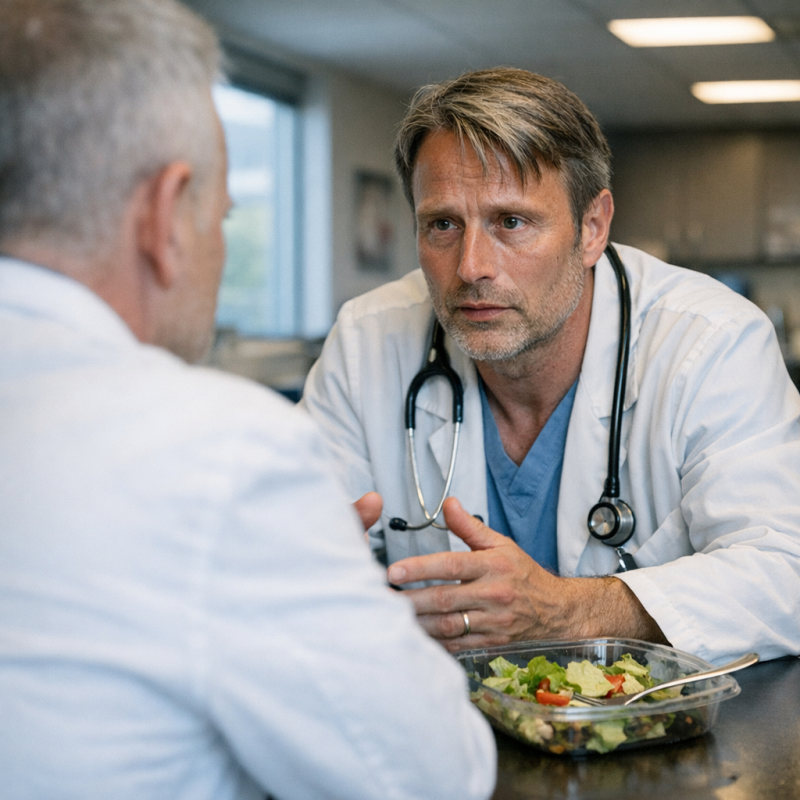 Image by FCT AI
The Fiber Re-examination
Ray looked up from his microscope when I walked into the lab. 'Dr. Patel. Twice in one week—I'm honored.' I didn't smile. 'The fiber samples from Linda Morrison. I need you to run more comprehensive testing.' He pulled up her file on his computer. 'We already identified them as synthetic. What else are you looking for?' I chose my words carefully. 'I need to know if they could have been deliberately placed. Can you test for adhesive residue, environmental contaminants, anything that might indicate they weren't naturally shed from her body?' Ray's eyebrows went up. 'You think she's planting them?' 'I think I need to rule it out,' I said. 'Can you do it?' He nodded slowly, pulling the sample tray from storage. 'I can run spectroscopy, check for foreign substances, compare the fibers' condition to what we'd expect from tissue integration. It'll take some time though—this is forensic-level analysis.' I watched him set up the first test, feeling both relieved and terrified. Ray called me later and said, 'Give me twenty-four hours—if these are planted, I'll find the evidence.'
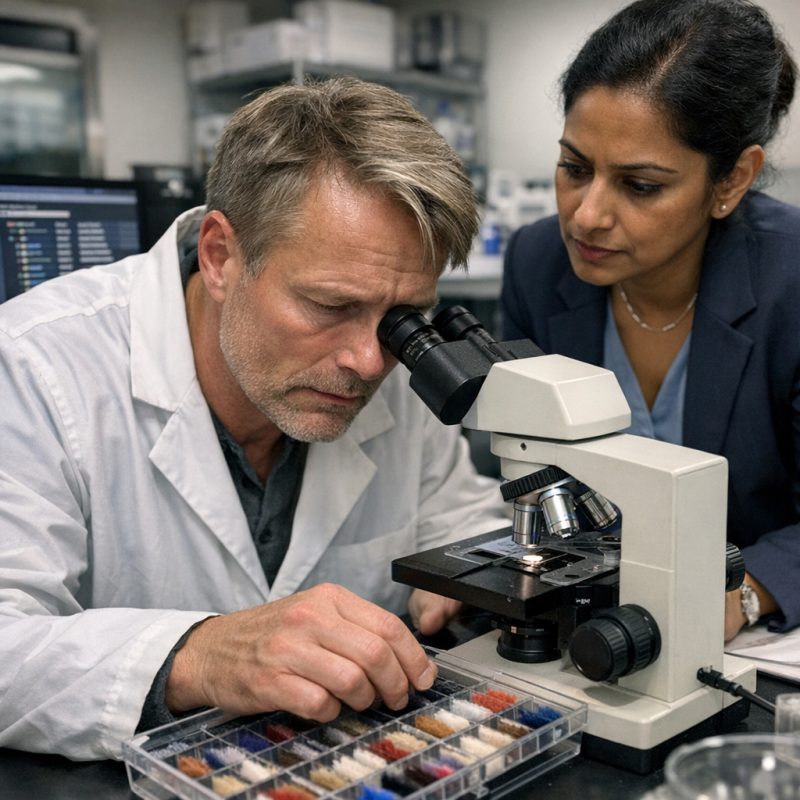 Image by FCT AI
Night Shift Surveillance
I caught Marcus at the nurses' station during shift change. 'I need a favor, and I need you to be discreet about it.' He followed me to an empty exam room, arms crossed. I kept my voice low. 'I need eyes on Linda Morrison during visiting hours and overnight. Particularly when her daughter's there. Just observe—note any unusual behavior, any changes in her presentation, timing of symptom complaints.' Marcus studied my face. 'You think something's off.' 'I think we need to be thorough,' I said carefully. 'Can you pass this to the night shift too? Without making it obvious we're watching her specifically?' He was quiet for a moment, then nodded. 'I can do that. Chart everything?' 'Everything,' I confirmed. 'Even things that seem insignificant.' Marcus grabbed his clipboard, then paused. 'For what it's worth, I've noticed some things too. The way she acts differently depending on who's in the room. How her pain level changes based on who asks.' He met my eyes. Marcus agreed immediately and said, 'I've been wondering about some things myself—I'll watch carefully.'
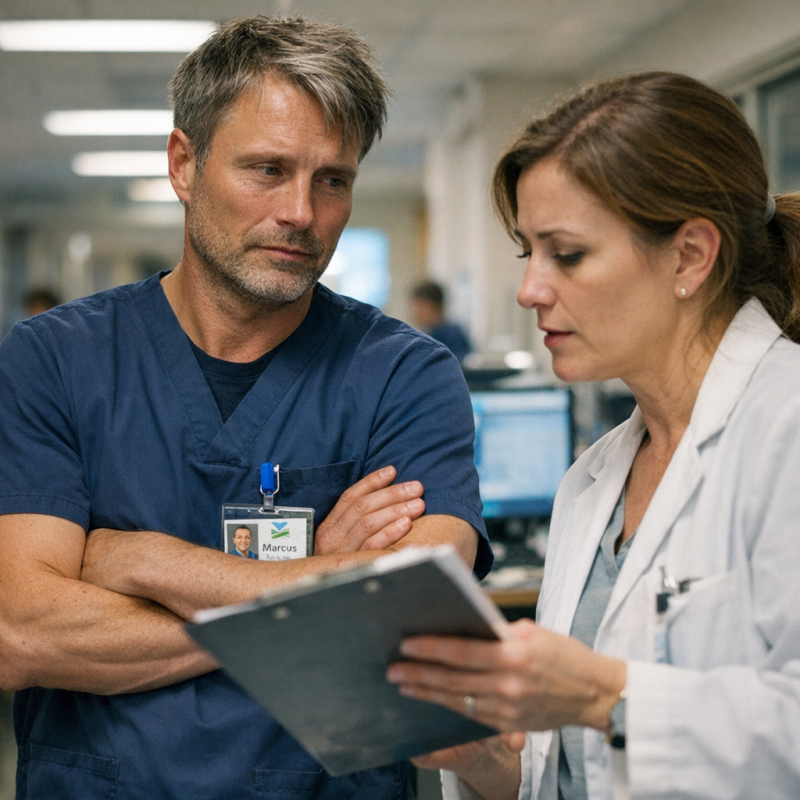 Image by FCT AI
The Observation Report
Marcus found me two days later with his phone in his hand. 'You need to see this.' We stepped into the medication room where no one could overhear. He pulled up a series of photos, timestamped from the previous night. 'This was at 9 PM, right after her daughter arrived,' he said, showing me a clear image of Linda's arm. The lesions looked clean, healing well. He swiped to the next photo. 'This was at 10:30 PM, after the daughter left.' The same lesions were now inflamed, bleeding slightly at the edges. Fresh damage. 'I watched through the door window,' Marcus said quietly. 'When the daughter was there, Linda kept picking at the healing areas. Not frantically—very deliberately. She'd wait until her daughter looked away, then scratch or pull at the scabs.' He showed me three more photos from different nights, all telling the same story. 'It's always when Jessica visits. And it's always precise—she knows exactly which wounds to worsen to make them look active.' I felt sick. Marcus showed me photos he'd taken on his phone—clear evidence of self-inflicted damage, timed perfectly with family visits.
Medical Records Request
The medical records department was understaffed, as always. I filled out the release forms for Linda's previous treatment sites—both urgent care centers Jessica had mentioned, plus I added requests for any other facilities in the county just to be thorough. The clerk, an older woman named Denise I'd worked with for years, processed the forms without comment. Then she paused, looking at Linda's name. 'Morrison, Linda,' she said slowly. 'We've had several requests for her records lately. Different doctors, different departments.' My stomach tightened. 'How many requests?' She clicked through her system. 'Four in the past month. Two from specialists, one from a different hospital's ER, and now yours.' That wasn't normal for a patient with a supposedly rare, undiagnosed condition. 'How long does this usually take?' I asked. 'For local facilities, maybe three to five business days. Sometimes faster if they're electronic.' She looked up at me, curious now. 'Is this for a legal case or something?' I forced a casual shrug. 'Just standard follow-up.' The medical records clerk said it would take a few days, but added, 'We've had a lot of requests for her lately—is something going on?'
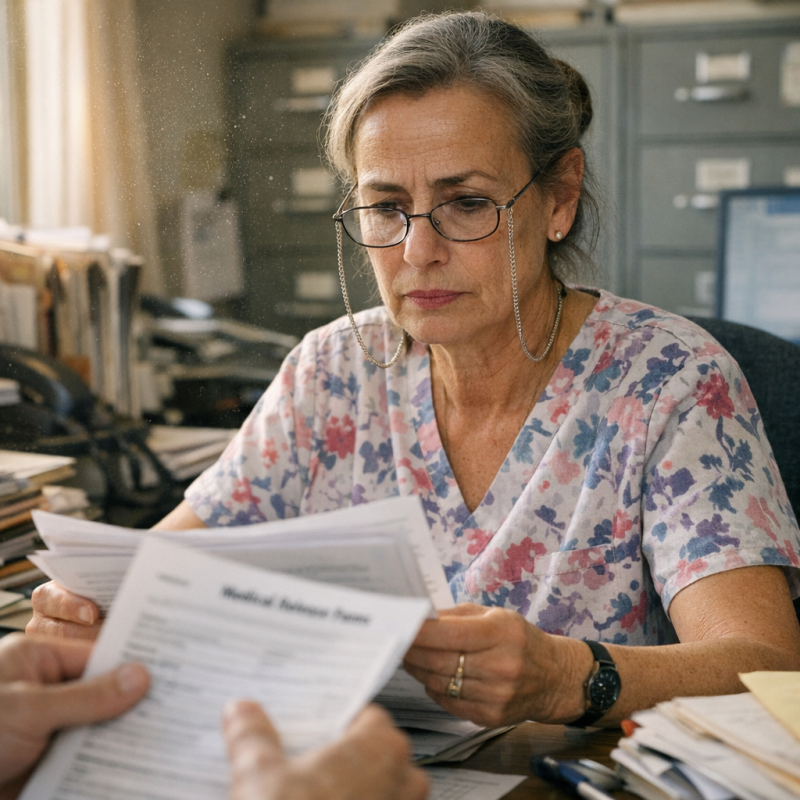 Image by FCT AI
The Discharge Delay
I found Linda and Jessica in her room, the daughter scrolling through her phone while Linda picked at her breakfast. 'I need to talk to you about discharge,' I said, pulling up a chair. I watched relief flood Linda's face. 'Unfortunately, we're not there yet. I'm ordering additional bloodwork—some inflammatory markers I want to track, and we need to monitor your response to the current treatment protocol for at least another seventy-two hours.' The relief vanished instantly. 'But you said I was improving,' Linda protested. Jessica looked up from her phone, eyes sharp. 'Is this really necessary? My mom's been here almost a week.' I kept my voice professional, sympathetic even. 'I understand your frustration. But with a condition this unusual, I'd rather be cautious than discharge you prematurely and risk a serious complication.' I watched Linda's face carefully. She glanced at Jessica, then back to me. For just a moment—maybe half a second—I saw something flicker across her features. Not disappointment. Not fear about her health. Something else entirely, like she was doing calculations in her head. Linda's face fell when I told her about the delay, and for just a second, I saw something flash in her eyes—not fear, but calculation.
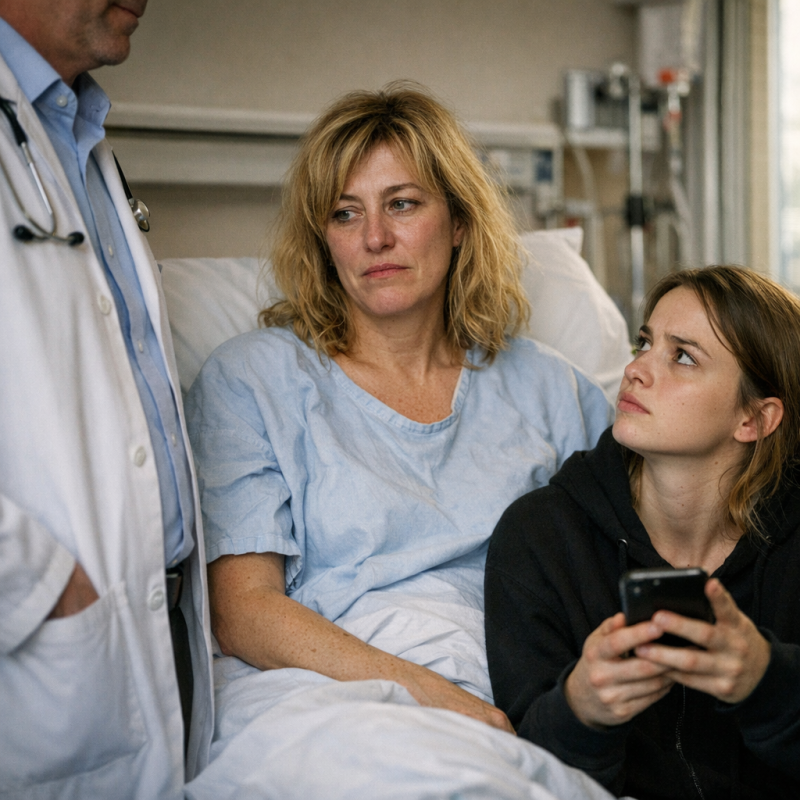 Image by FCT AI
The Call From Dr. Barnes
My phone rang during lunch—a number I didn't recognize with an area code from two states over. 'This is Dr. Barnes returning your call,' the voice said. 'You left a message about a patient named Linda.' I grabbed my notepad, pulse quickening. 'Yes, thank you for calling back. She's presenting with unusual dermatological symptoms and—' 'Let me guess,' he interrupted. 'Fibers under the skin? Visible through wounds? Patient's extremely distressed, daughter's very involved in the care?' I stopped breathing for a second. 'Exactly that.' Dr. Barnes sighed heavily. 'She came through our ER about six months ago. Same presentation, down to the fiber samples in plastic bags. We ran every test imaginable—all came back negative for parasites, infectious disease, everything. But something felt off about the whole situation.' I was scribbling notes furiously now. 'What happened?' 'The daughter was very particular about which medications we prescribed. Pushed hard for long-term opioids and benzodiazepines. When we started questioning inconsistencies in Linda's story, they both became hostile.' He paused, and I could hear him flipping through what sounded like old charts. Dr. Barnes said grimly, 'We suspected fraud but couldn't prove it—she got a three-month prescription and disappeared.'
 Image by FCT AI
The Second Hospital
The records from the second urgent care center arrived in my inbox that afternoon. I opened them expecting confirmation, but actually seeing it in black and white made my stomach drop. Four months ago—right between Dr. Barnes's ER visit and mine—Linda had presented with identical symptoms at an urgent care facility about a hundred miles from here. The attending physician's notes were meticulous and increasingly suspicious. Initial presentation matched: fibers visible in wounds, extreme distress, daughter present and 'very engaged in treatment planning.' They'd collected fiber samples. Run tests. Found nothing definitive. But then the doctor had started asking questions about previous medical history, about other facilities Linda had visited. That's when things had apparently fallen apart. The notes documented Linda becoming 'increasingly agitated and defensive' when asked about treatment at other hospitals. Jessica had accused the staff of 'discrimination' and 'medical neglect.' They'd demanded immediate discharge. The doctor's notes ended with: 'Patient became hostile when questioned about inconsistencies and left AMA.'
 Image by FCT AI
Lab Results: Part One
Ray called me directly instead of just sending results through the system. That alone told me he'd found something significant. 'Dr. Patel, I need to walk you through these findings,' he said, voice tight with barely contained excitement. 'The fiber analysis came back and it's... well, it's not what we typically see.' I closed my office door and sat down. 'Go ahead.' 'The samples contain synthetic polymer signatures—specifically polyester and nylon blends. The composition is consistent with commercial textile fibers, not anything biological. There's no evidence of these being produced by human tissue or any organic process.' I felt my pulse pounding in my temples. 'You're certain?' 'Absolutely certain. I ran the analysis twice and had a colleague verify. These fibers show manufacturing characteristics—dye patterns, polymer chain structures that only occur in industrial textile production. Some even have remnants of fabric softener chemicals.' He paused, and I could hear him clicking through data on his computer. 'Dr. Patel, I've analyzed biological samples for seven years. These aren't being produced by her body—they're manufactured.'
 Image by FCT AI
Building the Case
I spent the next two hours in my office organizing everything into a timeline. On one side of my desk: medical records from three different facilities spanning six months. In the middle: behavioral observations I'd documented—the daughter's controlling presence, Linda's glances seeking approval, the calculated emotional responses. On the other side: Ray's lab results proving the fibers were synthetic textiles, not biological material. The pattern was undeniable now. Each hospital visit followed the same script: dramatic presentation, fiber samples, demands for specific medications, hostility when questioned. The intervals between visits were suspiciously consistent—just long enough that providers might not compare notes, just short enough to maintain a steady supply of prescriptions. I'd documented how Linda's symptoms seemed to worsen whenever discharge was mentioned, how Jessica consistently redirected conversations toward medication management. The lab evidence was ironclad—these fibers were being deliberately placed, not produced. But proving they knew they were fabricating symptoms? That required catching them in the act or finding direct evidence of intent. I had everything I needed except one thing—proof that Linda and Jessica knew exactly what they were doing.
 Image by FCT AI
The Meeting With Morrison
Dr. Morrison's office felt smaller than usual as I spread the evidence across his desk. 'I need you to look at this with fresh eyes,' I said, walking him through the timeline. 'Three facilities, identical presentations, synthetic fibers confirmed by our lab.' He listened without interrupting, his expression growing grimmer with each piece of evidence I presented. When I finished, he leaned back in his chair and studied the lab results. 'This is substantial,' he said finally. 'If you're right about this being deliberate fraud, we're talking about criminal behavior, not just a psychiatric condition.' I nodded. 'That's why I think we need to confront them—but with hospital administration and possibly legal counsel present.' Morrison pulled out his phone, already scrolling through contacts. 'We need to document this meeting meticulously. If they admit to anything, we need witnesses. If they don't, we still need to terminate their care relationship and flag this in the medical database.' He looked up at me, and I saw genuine concern in his eyes. 'You understand they'll probably deny everything? People running schemes like this don't usually confess.' Dr. Morrison closed the folder and said, 'We need to be prepared—if you're right, this could get ugly fast.'
 Image by FCT AI
The Daughter's Background Check
Mike from hospital security stopped me in the hallway the next morning, holding a manila folder. 'You asked me to run a background check on Jessica?' I'd made the request yesterday, half expecting nothing to come back. 'Find something?' He glanced around to make sure we were alone, then opened the folder. 'Jessica Martinez—that's her legal name—has a criminal record. Convicted eight years ago on charges of insurance fraud and prescription forgery.' My chest tightened. 'Tell me more.' 'She was part of a scheme involving fake workplace injuries and forged medical documents. They'd stage accidents, get prescriptions for pain medications, then sell them. She got caught when a pharmacy flagged suspicious patterns.' He pointed to a section of the report. 'Served eighteen months in a minimum-security facility, released on parole six years ago. Stayed clean as far as official records show, but...' He trailed off meaningfully. I understood what he wasn't saying—no new convictions didn't mean no new crimes, just that she hadn't been caught. This wasn't some desperate act by an amateur. This was someone who knew exactly how to work the system. Mike handed me the printout and said quietly, 'She served eighteen months—looks like she learned some new tricks.'
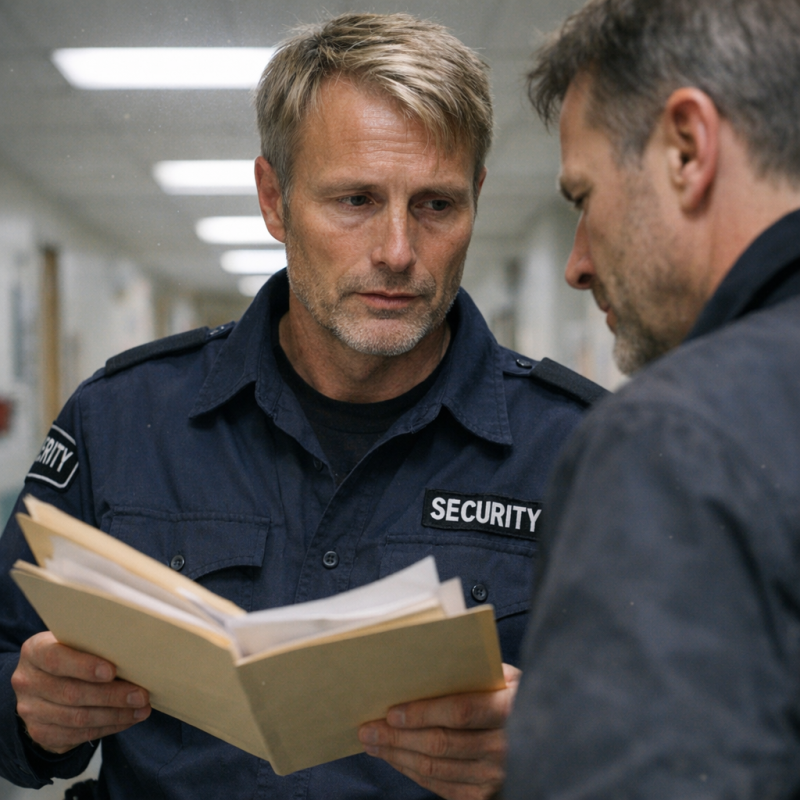 Image by FCT AI
The Online Community Discovery
That night, I couldn't sleep, so I did what any obsessive doctor does—I started searching online. I typed in variations of 'Morgellons symptoms' and 'disability claims' and fell into a rabbit hole that made me physically ill. There were forums. Actual communities of people sharing techniques for faking medical conditions to obtain benefits and prescriptions. One thread was titled 'Morgellons Strategy Guide' and had hundreds of replies. People shared detailed instructions: which fibers to use ('craft store polyester works best'), how to create convincing wounds ('shallow but visible'), how to behave during medical appointments ('emotional but not hysterical'). They discussed which doctors were 'easy marks' and which hospitals had caught on. They warned each other about 'suspicious providers' and shared scripts for deflecting questions. My hands were shaking as I scrolled through posts that read like instruction manuals for medical fraud. Then I found it—a post from eight months ago describing the exact presentation Linda had used. The proper emotional escalation, the timing of symptom reports, even the detail about keeping fibers in a plastic bag. One post detailed exactly how to embed synthetic fibers in self-inflicted wounds—and it matched Linda's presentation perfectly.
 Image by FCT AI
The Coaching Call
Marcus found me in the break room the next morning, looking agitated. 'You need to hear this,' he said, pulling me into the hallway. 'I was doing rounds on the fourth floor and overheard Jessica on her phone in the stairwell.' My attention sharpened instantly. 'What did she say?' 'She didn't see me—I was one flight up. She was coaching someone, walking them through how to present symptoms.' Marcus pulled out his phone where he'd typed notes immediately after. 'She said things like, 'You need to seem scared but not crazy,' and 'Bring your own fiber samples, don't let them collect them.' She was literally teaching someone how to fake Morgellons.' I felt cold spread through my chest. This wasn't just Linda and Jessica working a single hospital. This was an operation. 'Did she mention anything else?' Marcus nodded grimly. 'She told whoever it was not to worry about being questioned, that doctors usually feel too guilty to push back hard. She said medical professionals are trained to believe patients.' The nurse reported Jessica saying, 'Just stick to the script—the key is making them feel guilty for not believing you.'
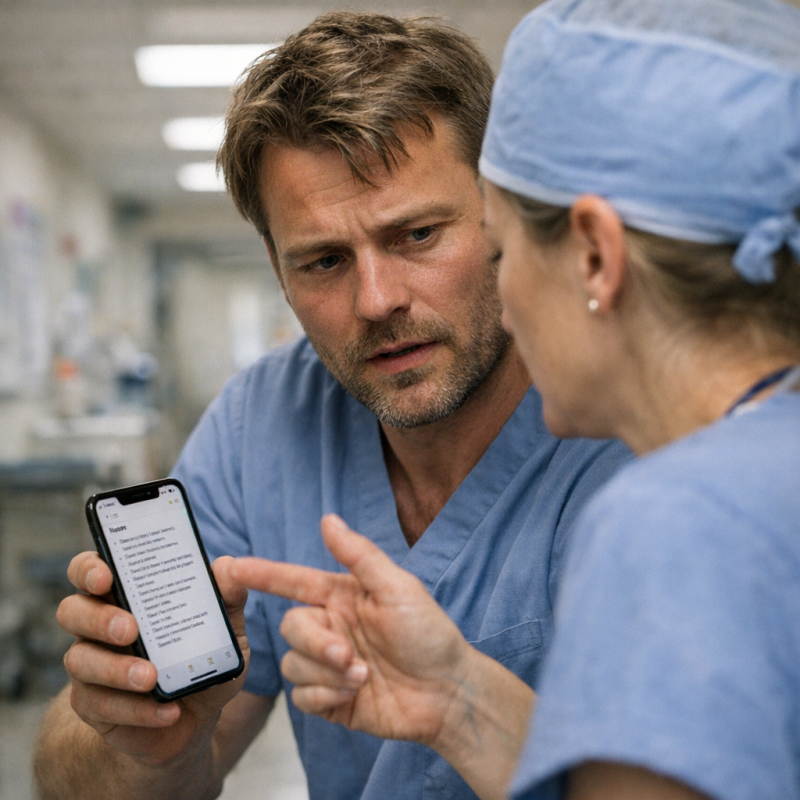 Image by FCT AI
The Night Before Confrontation
I sat in my apartment that night with every piece of evidence spread across my kitchen table like some detective in a crime drama—except this was real, and these women had manipulated me. The lab reports showing synthetic fibers. The discharge summaries from other hospitals. Marcus's notes about the phone conversation. Ray's analysis documenting commercial polymer composition. I kept thinking about how Linda had looked at me with those desperate eyes, how I'd actually felt guilty for questioning her. God, I'd been such an idiot. But what really got to me—what made my hands shake as I reviewed the timeline—was thinking about every other patient who'd suffered because of them. The teenager with appendicitis who waited an extra hour while I ordered yet another test for Linda. The elderly man with chest pain I'd rushed through because Linda needed more of my time. The woman having a miscarriage who'd heard me on the phone arguing with insurance about Linda's case. They'd stolen resources from people who actually needed help. They'd weaponized my empathy, turned it into a tool for fraud. I thought about every patient I'd turned away or rushed through because Linda was taking up resources—and my blood boiled.
 Image by FCT AI
The Setup
Dr. Morrison arranged everything with clinical precision. We'd call it a discharge planning meeting—routine, nothing threatening. Linda and Jessica wouldn't suspect anything unusual about gathering the care team before sending a complex patient home. Hospital security positioned Mike outside but within earshot. Ray agreed to be available with the lab documentation. Marcus would bring his notes about the phone conversation. Morrison and I met in his office an hour before, reviewing our approach. 'Let them talk first,' he advised. 'Give them rope.' My heart hammered as I waited in the conference room, watching through the window as Morrison personally escorted them down the hallway. Linda looked tired but cooperative, leaning slightly on Jessica's arm. Jessica carried her usual oversized purse, wearing that concerned-daughter expression I'd seen so many times. When Morrison opened the door, they stepped inside and Linda smiled at me—that same grateful, trusting smile that had worked so well before. Then Jessica's eyes swept the room, taking in Morrison's formal posture, Mike visible through the doorway, the closed laptop that clearly contained prepared materials. As Linda and Jessica walked into the conference room, I saw Jessica's eyes scan the assembled group—and her smile faltered.
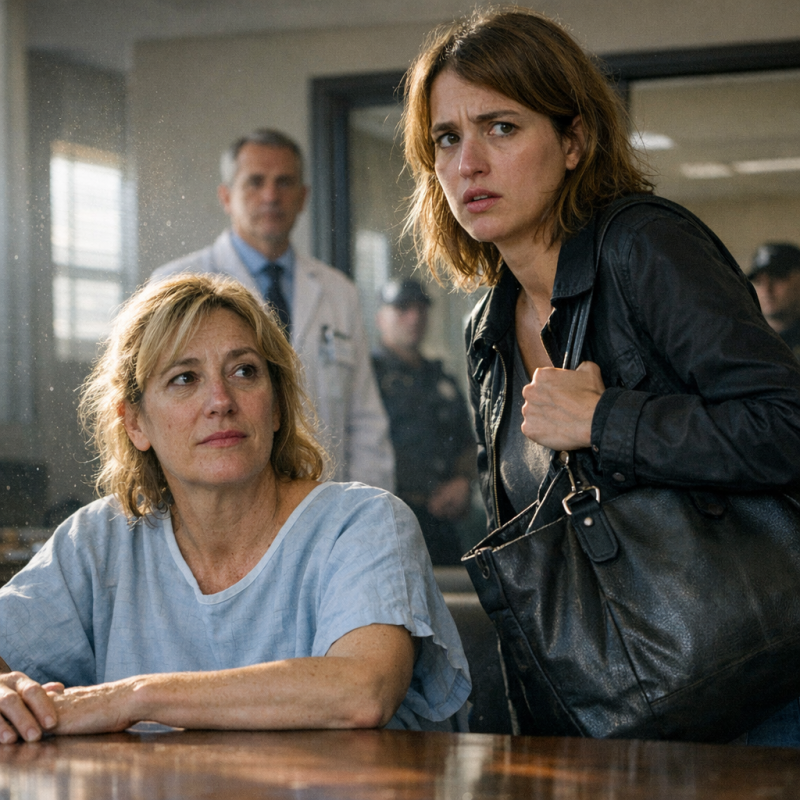 Image by FCT AI
The Initial Questions
I kept my voice calm and professional, like this was just routine documentation. 'Linda, I'd like to review your symptom timeline one more time before discharge—just to make sure we haven't missed anything.' She nodded eagerly, launching into the familiar story about fibers emerging from her skin, the crawling sensations, the desperate isolation. But this time I had the records from Mercy General in front of me. 'That's interesting,' I said quietly, 'because at Mercy you told them the symptoms started six months ago, but here you said three months.' Linda blinked, confused. 'I—I must have been confused about the dates.' 'And at St. Catherine's, you presented with fibers from your arms and chest, but here it's been your legs and back.' Jessica shifted in her seat. I pulled out another file. 'Also, your description of the fiber colors has changed at each facility.' Morrison leaned forward. 'We've contacted three other hospitals where you were treated in the past year.' Linda's face went pale, her eyes darting to Jessica. When I mentioned the other hospitals, Jessica's hand shot out to grip Linda's arm—a clear warning signal.
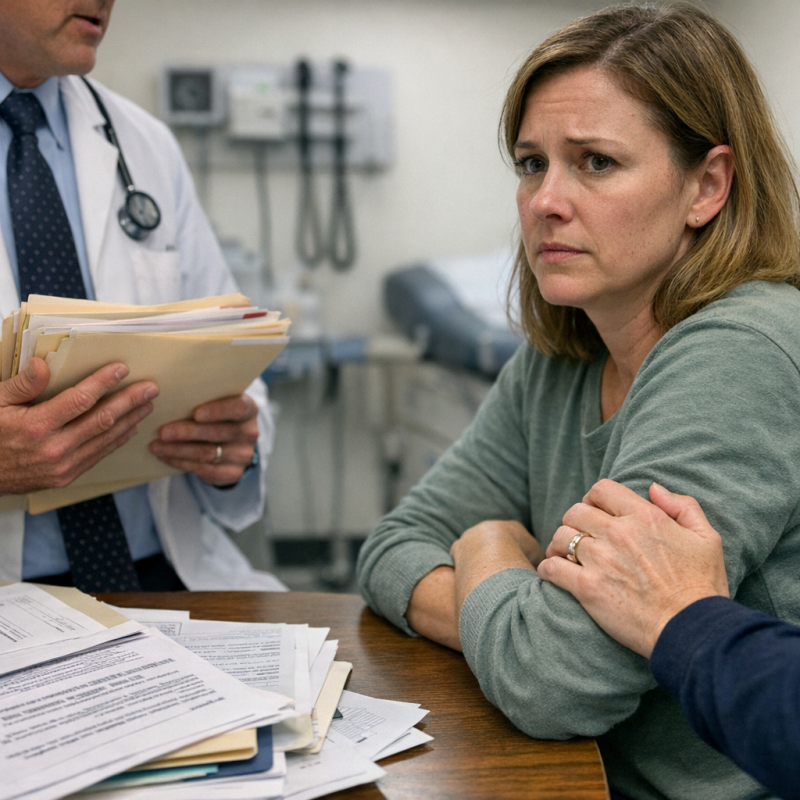 Image by FCT AI
The Lab Evidence
Ray entered carrying a folder with the laboratory analysis, and I saw Linda's breathing quicken. I opened it carefully, turning it so they could see the technical documentation. 'The fibers you provided weren't biological material at all,' I said. 'They're synthetic polymers—specifically, polyester and nylon textile fragments consistent with commercial clothing or craft materials.' Ray stepped forward, his voice clinical and precise. 'We ran mass spectrometry and found dye compounds used in commercial textile manufacturing. There's no biological signature whatsoever—no cellular material, no proteins, no DNA.' I watched Linda's hands start to tremble. 'These fibers didn't come from your body,' I continued. 'They came from an external source and were presented as medical symptoms.' Jessica had been silent, but now she leaned forward with that smooth, concerned expression I'd seen her use so effectively with nurses. 'That doesn't prove anything—she could have been contaminated,' she said, her voice reasonable and caring. 'Maybe the fibers got onto her skin from her clothing or environment, and that's why she thought they were coming from inside.' Linda's face went pale, but Jessica leaned forward and said smoothly, 'That doesn't prove anything—she could have been contaminated.'
 Image by FCT AI
The Multi-Hospital Pattern
Dr. Morrison pulled out a spreadsheet, and I saw Jessica's jaw tighten. 'We've documented a pattern,' Morrison said, his voice measured. 'St. Catherine's Hospital in March—presented with Morgellons, received Klonopin and Ativan, filed disability claim. Mercy General in June—identical presentation, received gabapentin and additional benzodiazepines, extended disability documentation. County Medical in August—same symptoms, requested specific medications by name.' He slid the document across the table. 'At each facility, the presentations were remarkably similar. Each time, you received controlled substance prescriptions. Each time, disability paperwork was completed. Each time, you moved on before follow-up appointments.' Linda had started crying quietly, but Jessica's face had gone hard. 'This is ridiculous,' she snapped. 'My mother has been desperately seeking help, and you're making her sound like a criminal.' Morrison continued calmly. 'The prescriptions total over nine hundred pills across four hospitals in less than a year.' Jessica stood abruptly, grabbing her purse. 'We're leaving—you can't keep us here,' she said, moving toward the door. But Mike stepped into the doorway, his large frame blocking the exit. Jessica stood abruptly and said, 'We're leaving—you can't keep us here,' but security blocked the door.
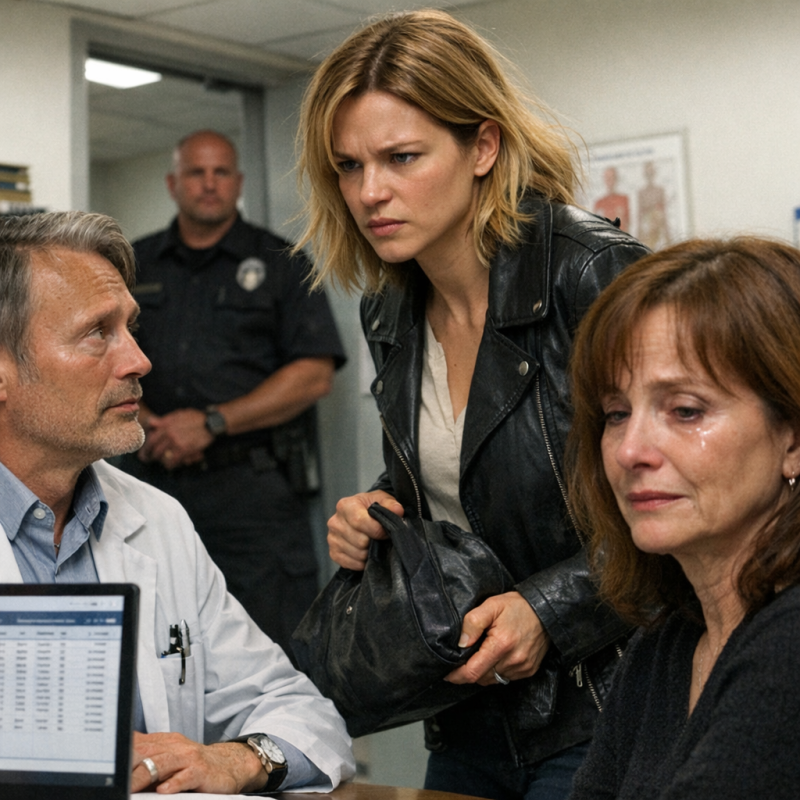 Image by FCT AI
Jessica's Criminal History
Mike pulled out a folder I hadn't seen before, his expression professionally neutral. 'Ms. Brennan,' he said, addressing Jessica directly, 'we've received some additional information from law enforcement.' He opened the file. 'In 2019, you were convicted of insurance fraud in Oregon—falsifying medical claims for payment. In 2021, you served probation for prescription forgery in Washington state.' Jessica's face flushed red, but she said nothing. Mike continued, 'You have documented experience with medical fraud, knowledge of how healthcare systems work, and established patterns of manipulating medical documentation for financial gain.' Morrison added, 'Which gives you both motive and capability for orchestrating exactly what we're describing.' Linda was crying harder now, her hands covering her face. Jessica's smooth facade had cracked, and I could see real anger breaking through. 'This is harassment,' she spat, her voice rising. 'My mother is sick, and you're persecuting us because you can't figure out what's wrong with her!' She pointed at me. 'You're just covering up your own incompetence by making us into villains!' Jessica's smooth facade finally cracked: 'This is harassment—my mother is sick, and you're persecuting us!'
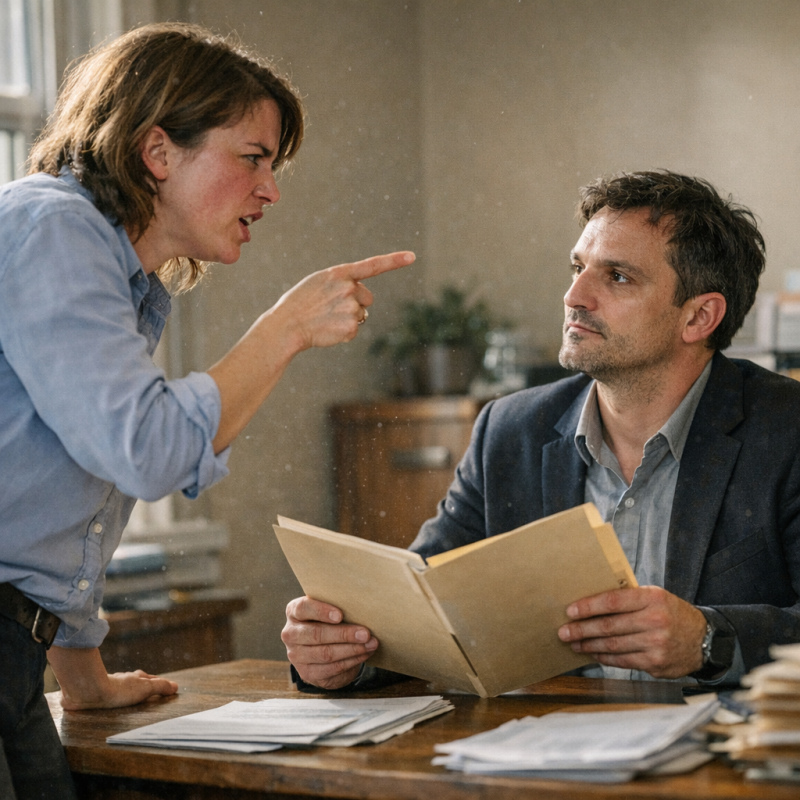 Image by FCT AI
The Coaching Recording
Marcus entered the room carrying his phone, and Jessica's eyes followed him with visible alarm. 'Two days ago, I overheard a phone conversation,' Marcus said quietly, placing his phone on the table. 'I recorded it because I thought it was relevant to patient care.' Morrison nodded, and Marcus pressed play. Jessica's voice came through clearly, coaching someone on the other end. 'You need to seem scared but not crazy,' the recording said in Jessica's distinctive tone. 'Bring your own fiber samples, don't let them collect them—that's really important.' There was a pause, then her voice continued, 'Doctors feel guilty about not believing patients. Use that. Make them feel like they're failing you.' Linda's head snapped up, staring at Jessica with something like horror. The recording kept playing. 'Stick to the script. If they push back, cry. If they order tests, delay as long as possible. The key is getting the prescriptions before they figure anything out.' Marcus stopped the playback, and the silence in the room was suffocating. Linda was shaking her head slowly, tears streaming down her face. As Jessica's voice played from the speaker—cold, calculated, instructing someone to 'make them feel guilty'—Linda started to cry.
 Image by FCT AI
The Full Truth
Jessica stared at the phone for a long moment, then something shifted in her expression. The concerned daughter act dissolved completely, replaced by cold calculation. 'Fine,' she said flatly. 'You want the truth? We learned the technique from online communities—people who figured out that Morgellons is the perfect diagnosis because there's no test to disprove it.' She leaned back in her chair. 'We'd present at different hospitals, get the prescriptions, file disability claims. Mom would sell the extras. We made decent money.' Linda was sobbing now, but Jessica ignored her. 'We've been doing this for over two years, across multiple states. It works because doctors like you are so desperate to be compassionate, so afraid of missing something rare.' Morrison started to speak, but Jessica cut him off. 'We're not the only ones doing this. There are whole forums teaching people how to work the system.' She looked directly at me, and there was nothing but contempt in her eyes. 'The system's broken—insurance companies deny real claims, disability barely covers rent, prescription costs are insane. We were just taking what we could get.' Jessica looked at me with pure contempt and said, 'You think you're so smart—but the system's broken, and we were just working it like everyone else.'
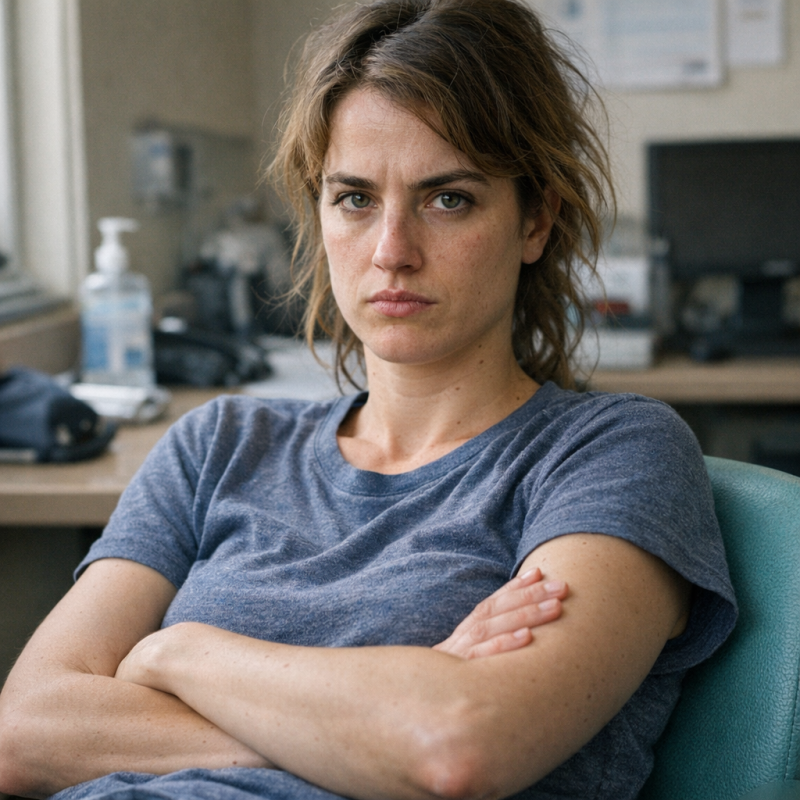 Image by FCT AI
Linda's Confession
Linda's whole body was shaking as she spoke through her tears. 'I didn't want to do it at first,' she whispered, her voice barely audible. 'Jessica said it was just... borrowing from a system that wastes millions anyway. She showed me these forums, these people who were doing it successfully. I lost my job two years ago, couldn't find anything that paid enough. My savings were gone.' She looked up at me, mascara streaking down her face. 'She made it sound so reasonable. We weren't robbing anyone directly. Just getting prescriptions, filing some paperwork. Nobody would get hurt, she said. The hospitals have insurance for this stuff.' Morrison stood perfectly still, his expression unreadable. Jessica remained silent, arms crossed, looking at her mother with something like disgust. 'I knew it was wrong,' Linda continued, her voice cracking. 'But I was desperate, and Jessica made it seem so easy.'
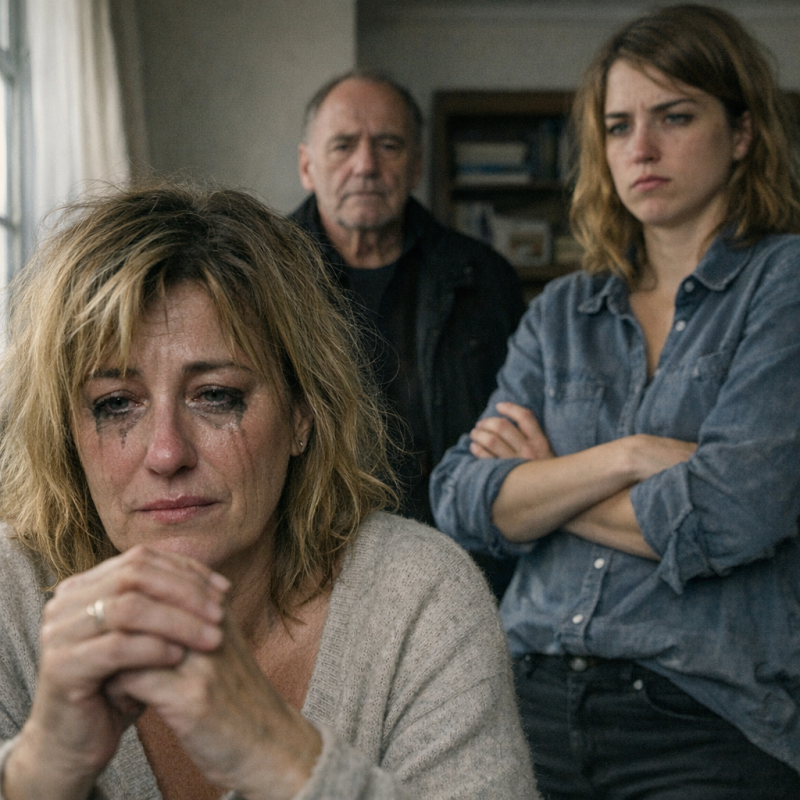 Image by FCT AI
The Scope of the Operation
Over the next hour, Mike pulled up records while Morrison made calls. The scope became clear in devastating detail. Seven hospitals across three states—Oregon, Washington, California. Each visit carefully spaced, never the same facility twice in six months. They'd obtained prescriptions for antibiotics, antiparasitics, antipsychotics—medications worth thousands on the street. Disability claims filed in Oregon and Washington, both still pending but representing potential payouts of over forty thousand annually. 'They networked with others doing the same thing,' Mike said, showing us forum screenshots he'd found on Jessica's phone. 'Trading tips on which doctors to target, which symptoms got the best results, how to avoid red flags.' Morrison's jaw was tight as he reviewed the documentation. The total fraud estimate was approaching six figures. Insurance companies had paid out, hospitals had absorbed costs, and somewhere in the system, premiums went up for everyone else. Dr. Morrison said grimly, 'This isn't just fraud—this is organized crime on a scale we've never seen in medical settings.'
 Image by FCT AI
The Confrontation Peak
I turned to face Linda directly, and something inside me that had been holding back just snapped. 'Do you understand what you stole from me?' My voice was steady, but I could feel my hands shaking. 'Not money. Time. My time, my attention, my compassion. I stayed late going over your case. I consulted specialists. I researched for hours because I genuinely believed you were suffering.' Linda's eyes were red, pleading, but I wasn't done. 'While I was focused on you, real patients were waiting. People with actual emergencies. People who were genuinely scared and sick and needed help.' Jessica rolled her eyes, but Linda just kept crying. 'There are people out there with real, unexplained medical conditions who will now face even more skepticism because of what you did. Doctors who will second-guess themselves, who will be more cautious, more suspicious.' I stepped closer. 'Every minute I spent on you was stolen from someone who was actually dying—and you knew it.'
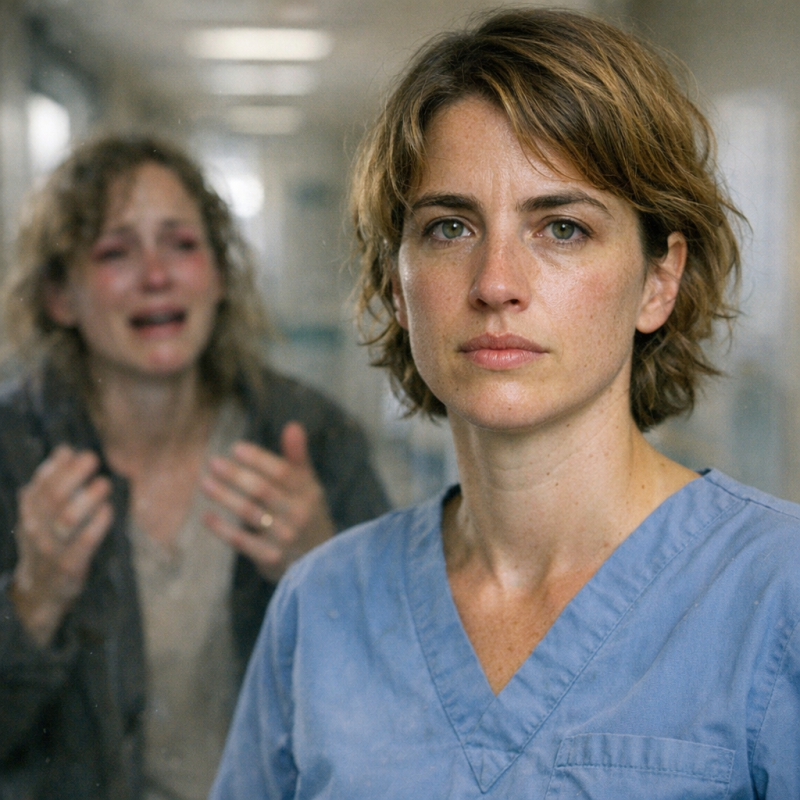 Image by FCT AI
Jessica's Justification
Jessica finally exploded. 'Oh, spare me the moral outrage!' She stood up, face flushed. 'You want to talk about theft? Let's talk about insurance companies that deny coverage for cancer treatments. Let's talk about people dying because they can't afford insulin. Let's talk about hospital bills that bankrupt families.' Her voice was getting louder. 'The system is rigged, and everyone knows it. Pharmaceutical companies charge whatever they want. Doctors get kickbacks. Insurance executives make millions while people suffer.' Morrison tried to interrupt, but she kept going. 'We didn't create this nightmare. We just learned to survive in it. You think we're bad? We're amateurs compared to the real criminals running healthcare in this country.' She pointed at me. 'You want someone to blame? Blame the system that made this necessary. Blame the politicians who let it happen.' Jessica spat, 'You want to talk about fraud? Talk to the insurance companies denying people care—we're not the villains here.'
 Image by FCT AI
The False Victimhood
I felt cold rage settle over me. 'You're right about one thing—the system is broken,' I said quietly. 'But you didn't fight it. You didn't advocate for change or help anyone but yourselves.' Jessica started to speak, but I cut her off. 'You know who the real victims are here? People who actually suffer from Morgellons or similar unexplained conditions. People who already struggle to be believed, who face skepticism from doctors, who are dismissed as delusional.' I saw Linda flinch. 'Because of people like you, those patients will now face even more doubt. Every doctor who sees this case will be more suspicious. Every genuine sufferer will carry the burden of your lies.' Jessica's defiant expression faltered slightly. 'You didn't expose corruption or challenge injustice. You exploited compassion and made everything worse. You made it harder for real patients to get care, harder for doctors to trust, harder for everyone.' I said coldly, 'You didn't fight the system—you made it worse for everyone who actually suffers.'
 Image by FCT AI
Linda's Breakdown
Linda completely collapsed then. She doubled over in the chair, sobbing so hard her whole body convulsed. 'I'm sorry,' she gasped between sobs. 'I'm so sorry. I didn't realize... Jessica said it wouldn't hurt anyone. I didn't think about the other patients. I didn't think—' Her words dissolved into incoherent crying. She looked up at me, mascara everywhere, snot running from her nose, completely broken. 'Please. Please forgive me. I'll pay it back. I'll do anything. I never meant for it to go this far.' Part of me recognized that this might be genuine remorse. Maybe Linda really had been manipulated by her daughter, maybe she really was just desperate and weak. But I felt nothing. No sympathy, no forgiveness, not even anger anymore. The manipulation had been too complete, too calculated, too perfect. She'd looked me in the eyes and lied, over and over, exploiting every ounce of compassion I'd offered. Linda sobbed uncontrollably, but I felt nothing—the manipulation had been too perfect, too complete.
 Image by FCT AI
The Legal Consequences
Morrison's phone rang, and he stepped away briefly before returning with two hospital administrators I recognized from legal and compliance. 'Linda Martinez and Jessica Chen,' the senior administrator said formally, reading from a tablet. 'The hospital is pressing charges for fraud, theft by deception, and obtaining controlled substances under false pretenses. We're also notifying the Oregon Medical Board, the FBI's Healthcare Fraud Unit, and law enforcement in Washington and California where similar offenses occurred.' He looked up. 'Given the interstate nature and dollar amounts involved, federal prosecutors will likely pursue charges under the Federal Healthcare Fraud statute, which carries penalties of up to ten years per count.' Jessica's face, which had been flushed with defiant anger, went completely white. 'Federal charges?' she whispered. Linda just kept crying. 'You're also being reported to the Social Security Administration for disability fraud,' the administrator continued. 'That's an additional federal offense.' Mike moved closer to the door, blocking any potential exit. Jessica's face went white when they mentioned federal charges—this wasn't just losing the con, it was prison time.
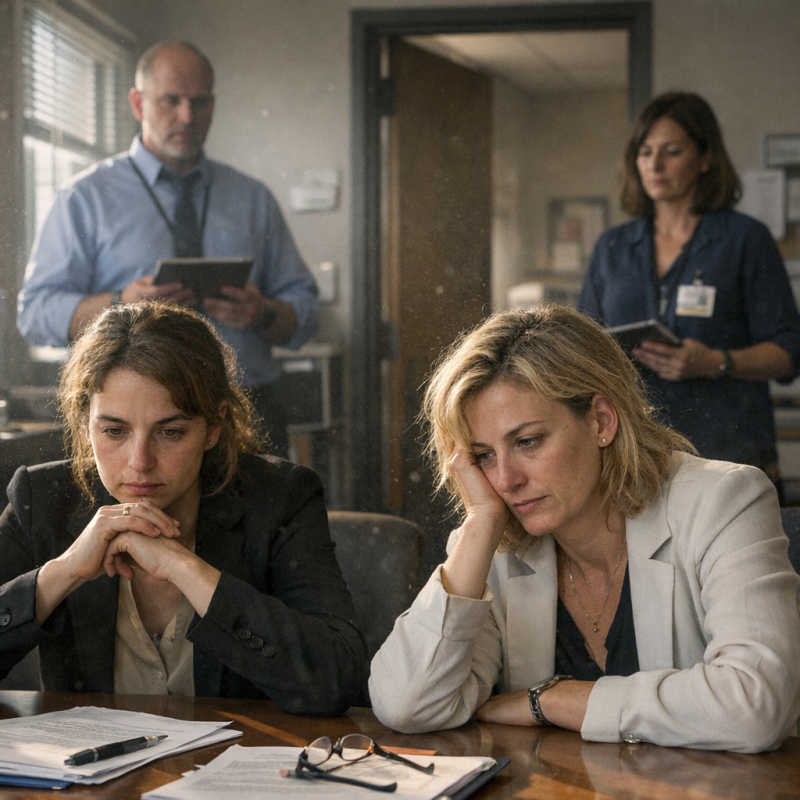 Image by FCT AI
The Arrest
Two uniformed police officers arrived within fifteen minutes. I watched as they read both women their rights—words I'd heard a hundred times on TV but never in my actual workplace. Linda was still crying, completely limp, as they handcuffed her. Jessica remained rigid, her face a mask again, but I could see her hands trembling. 'Linda Martinez, Jessica Chen, you're under arrest for multiple counts of healthcare fraud, theft, conspiracy to commit fraud, and obtaining controlled substances through false statements.' The officer's voice was mechanical, professional. They gathered their belongings, logged everything as evidence. Mike coordinated with them, handing over the documentation we'd compiled. As they led them toward the door, Jessica turned back one last time. Her eyes locked on mine, and despite the handcuffs, despite everything, she managed to look defiant. 'You'll forget about us in a week,' she said quietly. 'But we'll remember you forever.' Then they were gone, and I was standing in an empty conference room, feeling absolutely nothing.
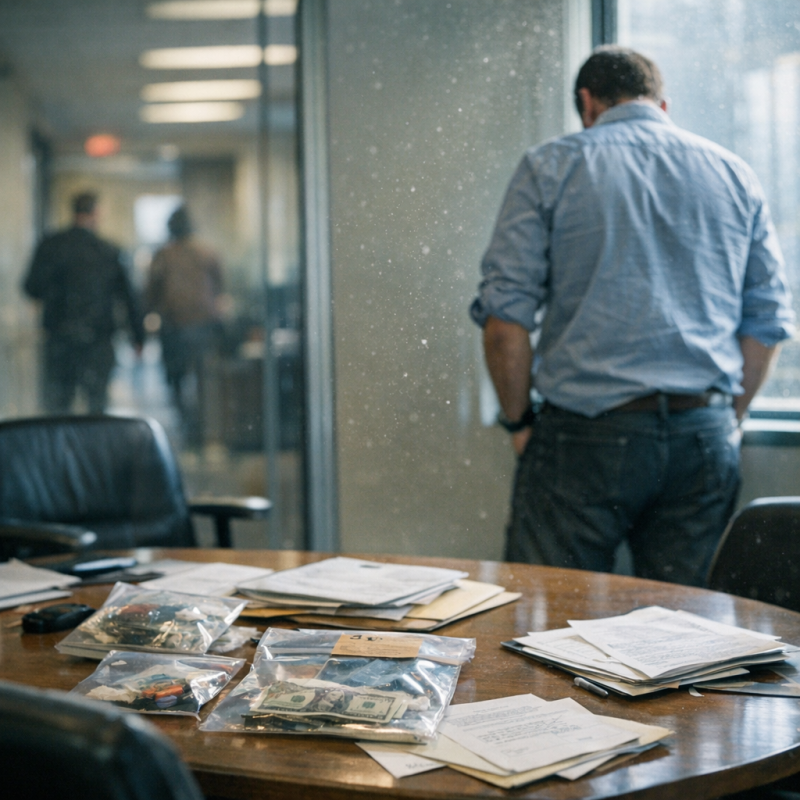 Image by FCT AI
The Aftermath in the ER
I walked back onto the ER floor maybe twenty minutes after the police left, and everything looked exactly the same. Same fluorescent lights. Same beeping monitors. Same chaos. But I felt different, like someone had replaced my usual operating system with a glitchier version. Marcus was at the nurses' station and looked up when I approached. 'You okay?' he asked quietly. I nodded, grabbed the next chart without really looking at it. A middle-aged woman complaining of abdominal pain, asking specifically for IV Dilaudid. My stomach clenched. I made myself read her history—three ER visits in two months, all at different hospitals. Could be legitimate. Could be doctor shopping. Could be another Linda. I stood there frozen, chart in hand, trying to remember who I was before today. Before I learned that trust could be weaponized. That my empathy was just another tool someone could use. Marcus touched my arm gently. 'Take a minute if you need it.' But I didn't have a minute. I had patients. I had a job. So I moved forward. As I picked up the next chart, I hesitated—and I hated that they'd made me doubt.
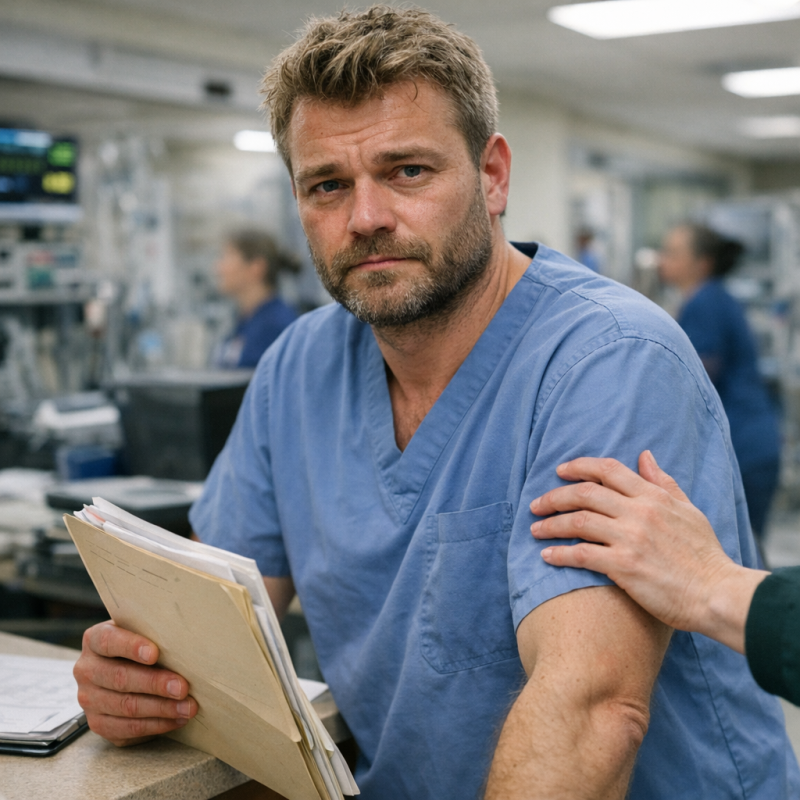 Image by FCT AI
The Investigation Expands
Two weeks later, Dr. Morrison called me into his office with a man in a dark suit waiting there. FBI, it turned out. Special Agent Richardson specialized in healthcare fraud, and he had questions about Linda and Jessica. Apparently, when the local police searched Jessica's apartment, they found a laptop full of detailed medical research. Forums. Strategy documents. Scripts for what to say, what symptoms to report, which doctors were 'easy marks.' It wasn't just them—they were part of something bigger. A whole network of people sharing techniques for faking rare diseases, coaching each other on which conditions got the best drugs with the least scrutiny. Morgellons was popular because it was controversial enough that doctors felt guilty dismissing patients. 'Your documentation was extraordinary,' Richardson said, spreading photos across Morrison's desk. Screenshots of forum posts, usernames I'd never seen. 'The detail you captured, the timeline you built—it connected patterns we'd been tracking across six states.' Morrison looked at me with something like pride, but I just felt tired. The FBI agent told me there were dozens of others using the same playbook—and my case helped crack it wide open.
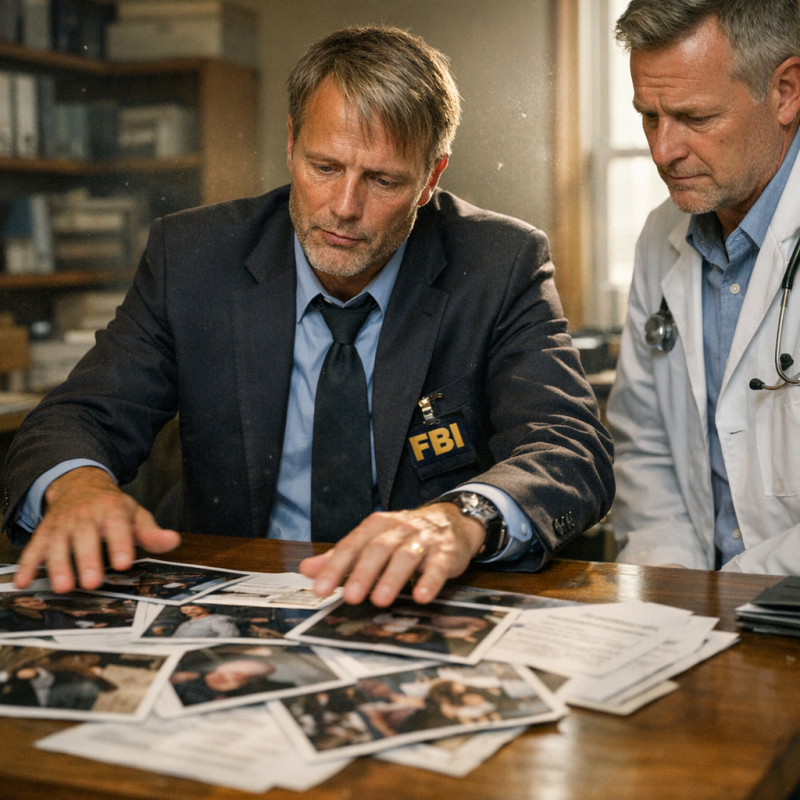 Image by FCT AI
The New Protocols
The hospital formed a task force six weeks after Linda's arrest. Dr. Morrison led it, but he asked me and Dr. Chen to join, along with pharmacy, social work, and administration. We spent three months developing new protocols—not for catching criminals exactly, but for identifying patterns that deserved a closer look. Multiple ER visits for the same complaint across different facilities. Requests for specific controlled substances. Rare, controversial diagnoses that arrived fully formed. We created a flagging system that required peer review for certain presentations, not to deny care but to ensure thorough evaluation. We brought in psychiatric liaison for complex cases. We trained staff to document meticulously without letting suspicion override compassion. It was exhausting, threading that needle between trust and verification. Dr. Chen was incredible, approaching it all with this practical precision that kept us from spiraling into paranoia. We couldn't make the ER fortress-like, couldn't interrogate every patient. We had to stay open, stay human, but smarter. More intentional. At our final task force meeting, Dr. Morrison leaned back in his chair and said, 'We can't let this make us cynical—but we also can't be naive anymore.'
 Image by FCT AI
The Patient I'll Never Forget
Here's what nobody tells you about being deceived—it changes your baseline forever. I'm a better doctor now, I think. More thorough. I ask follow-up questions I might have skipped before. I look at the whole picture instead of accepting the narrative presented. But I've also lost something. That immediate warmth I used to feel when patients shared their stories, that instant belief—it's muted now, filtered through a layer of professional caution. Not cynicism exactly, but awareness. I learned that empathy alone isn't enough. That believing everyone makes you not compassionate but vulnerable. Some of my colleagues think I'm harder now, less approachable. Maybe they're right. But I also catch things I would have missed before, subtle inconsistencies that matter. I trust differently now—not less, but more deliberately. The ER still runs on human connection, on the contract between patient and provider. Linda and Jessica taught me that contract requires both parties to be honest. I still think about Linda sometimes—not with anger anymore, but as a reminder that empathy without discernment is just another vulnerability waiting to be exploited.
 Image by FCT AI