The Call That Changed Everything
Mother called on a Tuesday afternoon while I was at work, which should have been my first warning. She never called during business hours. 'I need you to pack up the house,' she said without preamble, without even asking how I was. Just straight to it, like she was reading from a script. I pulled my phone away from my ear and stared at it, trying to make sense of what I was hearing. She was moving to a retirement community upstate. The house needed to be emptied within three weeks. Could I handle it? I opened my mouth to ask why me, why not Claire, but something in her tone stopped me. My older sister lived closer, had more time, was better at this sort of thing. Everyone knew that. 'Of course,' I heard myself say instead. 'I can do that.' There was a pause, and I could hear her breathing on the other end. Then she said something about sorting everything, donating most of it, being thorough. Normal things. Practical things. But when she mentioned the basement in passing—just one word, casual, like it meant nothing—my hands went cold.
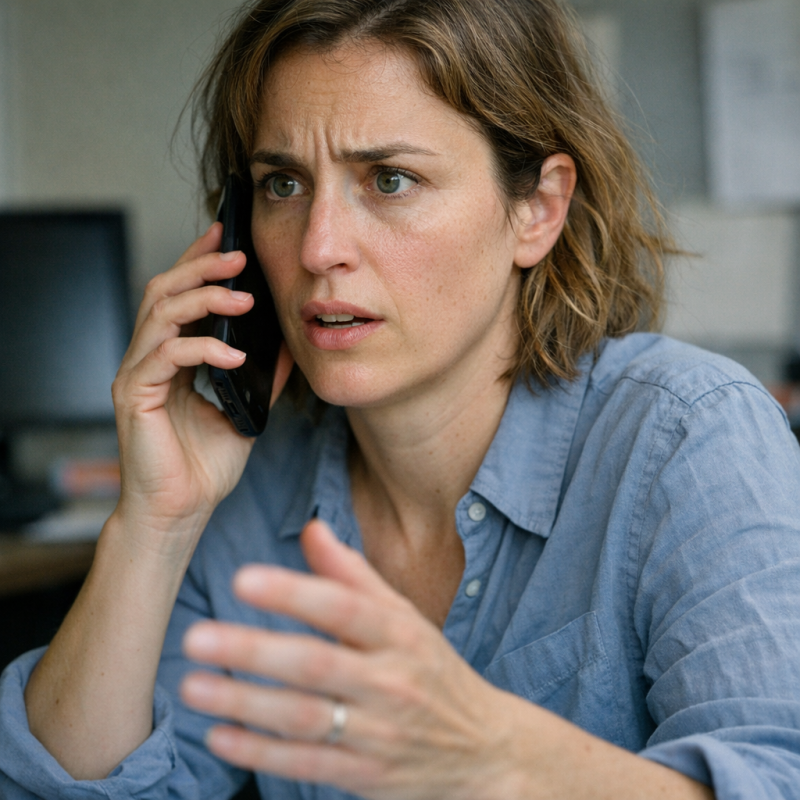 Image by FCT AI
Claire's Explanation
I called Claire that night, needing to understand. Her face appeared on my laptop screen looking tired, her hair pulled back in that messy bun she always wore when working from home. 'Mom chose you because you're better with her,' she said, and I actually laughed out loud at that. Better with her? I had barely spoken to our mother in three years. Claire was the dutiful one, the one who visited every month, who remembered birthdays without calendar reminders. 'I'm serious,' Claire continued, tucking a strand of hair behind her ear. 'She specifically said she needed someone with distance. Someone who could be objective about what to keep.' The explanation sounded reasonable, almost rehearsed, like she had practiced saying it. I wanted to believe her. I really did. Claire had never lied to me about anything important. But something felt off about the whole situation, and I hated myself for being suspicious of my own sister. When I asked why she could not do it herself, she looked away from the camera and said mother specifically requested me.
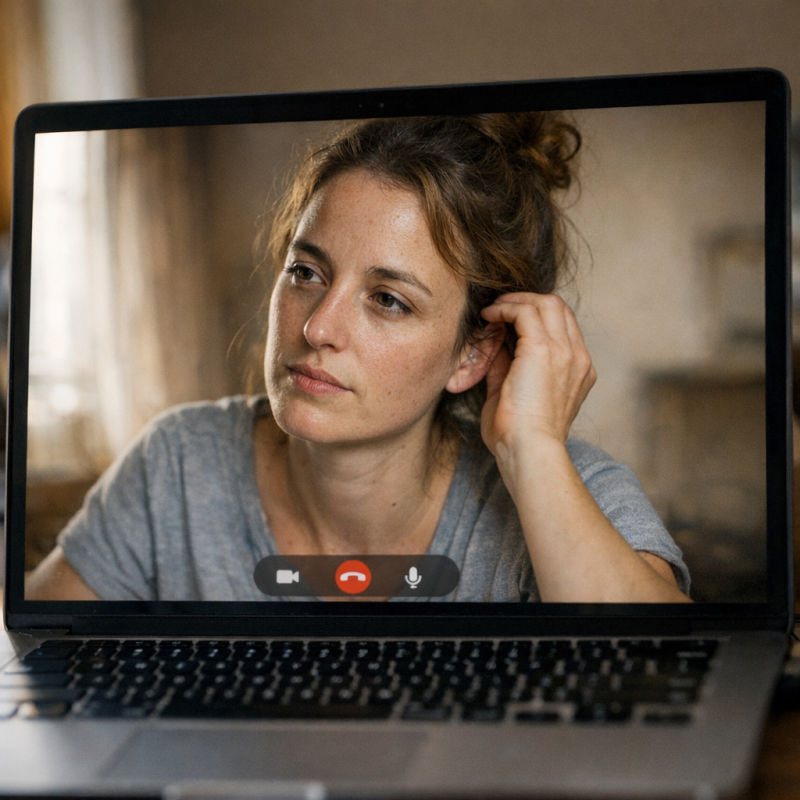 Image by FCT AI
The House of Ghosts
The key was under the third flowerpot from the left, exactly where it had always been. I let myself in on a Saturday morning, the house settling around me with familiar creaks and sighs. Everything looked frozen, like someone had stopped time the moment I moved out for college fourteen years ago. The same floral wallpaper. The same cream-colored curtains. The same wooden furniture that always smelled faintly of lemon polish. But as I walked from room to room, carrying boxes I had bought from the hardware store, I started noticing what was missing. Father's reading chair—gone. His bookshelf with the medical journals—empty space against the wall. The photographs that used to line the hallway, the ones of him in his white coat at the hospital, him holding Claire as a baby, him teaching me to ride a bike—all replaced with generic landscape prints from department stores. I checked every room twice, my heart beating faster with each discovery. Every photograph, every belonging, every trace of him was gone—as if mother had spent years systematically removing proof he ever existed.
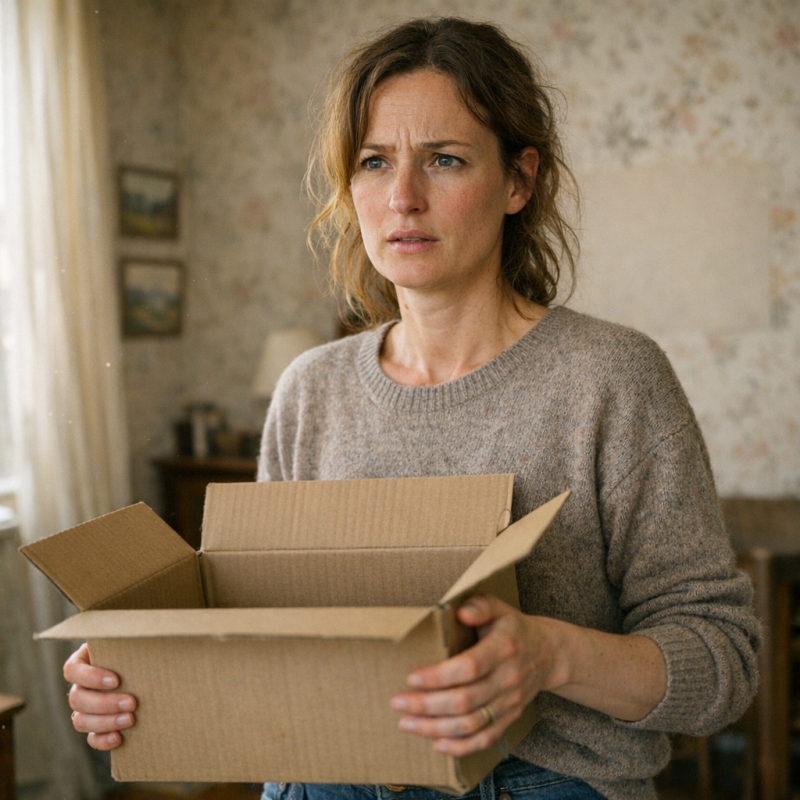 Image by FCT AI
The Forbidden Door
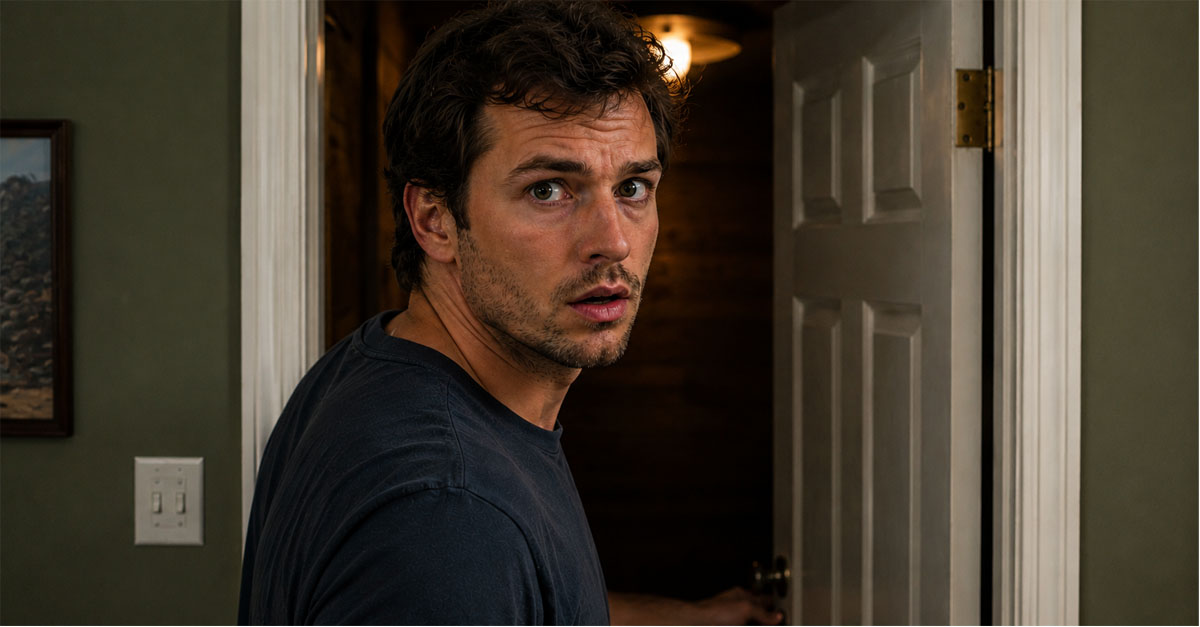
The basement door sat at the end of the hallway exactly as I remembered it, radiating the same childhood terror. It was painted white, same as all the other doors, but somehow it looked different. Wrong. When I was seven, I had reached for the handle once, just curious, and mother had appeared behind me so fast I thought she had materialized from thin air. She never yelled, never raised her voice. She just said, very quietly, 'We do not go in there. Ever.' And I never tried again. None of my friends had forbidden rooms in their houses. None of them had doors that made their mothers' faces go pale and tight. I had asked Claire about it once when we were teenagers, and she just shrugged and said mother kept old tax documents down there. Boring adult stuff. But the way mother's whole body had tensed that day when I was seven—that was not about tax documents. I found myself standing in front of it now, my arms full of empty boxes, just staring. I stood staring at it for ten full minutes, and I swear I heard something shift on the other side.
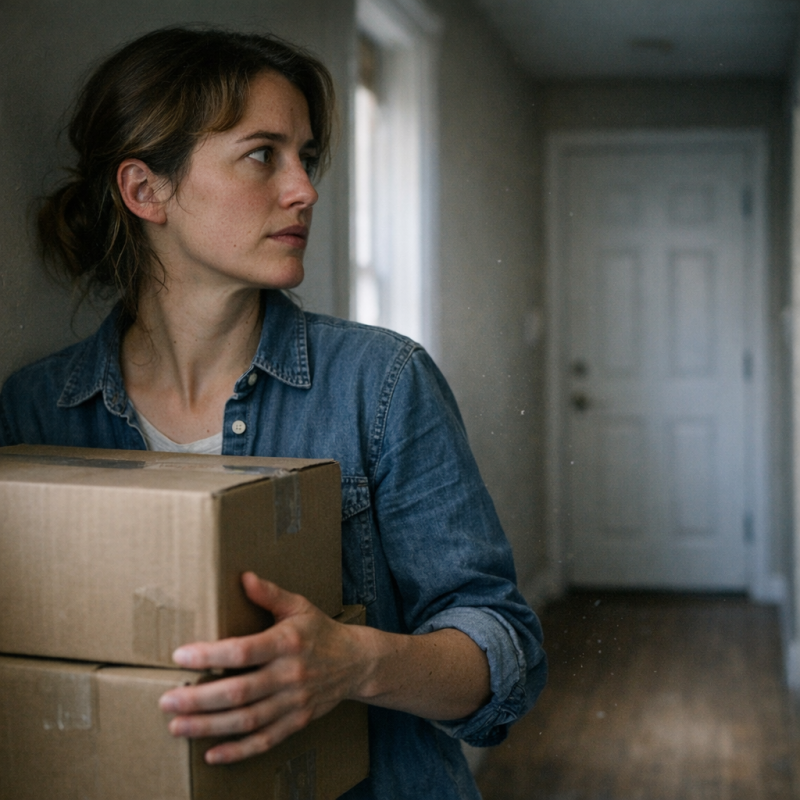 Image by FCT AI
Mother's Rules
Mother's filing cabinet was a nightmare of organizational obsession. Color-coded folders. Tabs labeled in her precise handwriting. Bills arranged by date and vendor. But tucked in the back of the bottom drawer, I found loose papers covered in lists. Not grocery lists or to-do lists, but rules. Pages and pages of rules she had written to herself over the years. 'Do not speak about M in front of the girls.' 'Keep conversation topics neutral—weather, school, meals.' 'Maintain normal routine no matter what.' The handwriting was identical across all of them, that same rigid perfectionism, but the paper quality changed, suggesting she had been writing these for years. Some were dated, some were not. I flipped through them with growing unease, trying to understand what I was reading. What kind of person needed written rules to remember how to act normal around their own children? My hands were shaking by the time I reached the last page. At the bottom of one list, underlined three times, was a rule that made my stomach turn: 'Never let her see the basement until I am gone.'
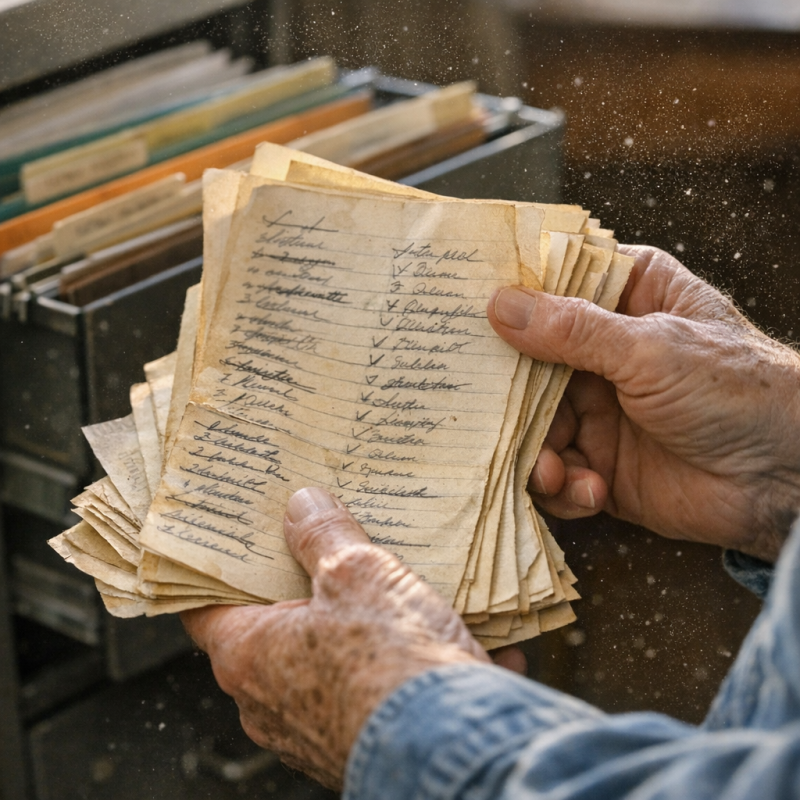 Image by FCT AI
The Missing Years
I found the calendar records in a shoebox marked '2003-2004' in mother's closet. She had always been meticulous about documentation, keeping day planners even after everything went digital. I was not sure what I was looking for, honestly. Maybe some explanation for why she had erased father so completely. Maybe some record of when he had died, because I realized with a sick jolt that I could not remember anyone ever telling me an exact date. I just knew he was gone. The calendars were filled with her neat handwriting. Doctor appointments. School events. Garden club meetings. But then I noticed the gaps—entire weeks marked only with a single letter M. Just M, over and over. No context. No explanation. The first appeared in late October. The last in early January. I pulled out my phone and googled the death certificate I had never actually seen, finding it in public records. Father had passed September 28th, according to the official documents. When I cross-referenced the dates, they all fell within a three-month period right after father's alleged death.
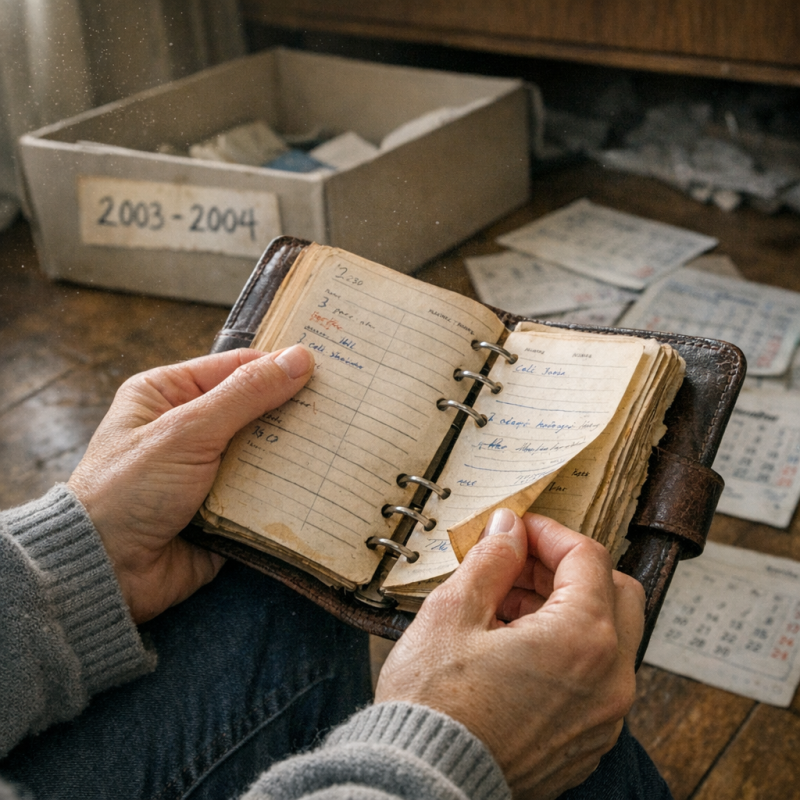 Image by FCT AI
The Sewing Tin
The sewing tin was not somewhere obvious. I found it at the back of mother's nightstand drawer, underneath a stack of old greeting cards I probably should not have been reading. The tin itself was ancient, decorated with faded roses, the kind that had probably held Danish butter cookies before being repurposed. Inside were the expected things—buttons in various sizes, wooden thread spools, a few needles stuck in a pincushion. Mother had never been much for sewing. I almost put it back without really looking, but something made me dump the contents onto the bed. That is when I saw it, nestled between a blue button and a spool of black thread. A single rusted key, small and old-fashioned, the kind that belonged to interior doors from houses built in the seventies. I had tried every key on mother's keyring over the past few days, looking for ways to open locked drawers and closets. None of them had worked on anything important. This key did not match any lock I had tried. Except I had not tried the basement door yet.
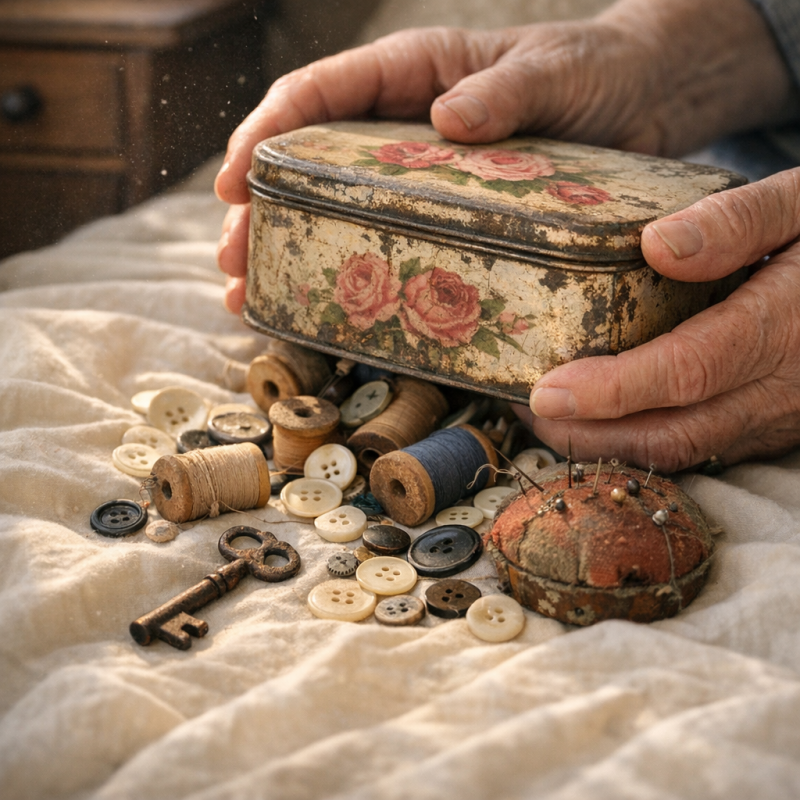 Image by FCT AI
Midnight Hesitation
I could not sleep. At midnight I found myself standing before the basement door with the key in my hand, debating whether I had the right to open it. Mother had been clear in her rules, even if she had never said them directly to my face. This was forbidden territory. But she was the one who asked me to pack up the house, to go through everything. Did that not include the basement? Or was this some kind of test I was about to fail? The key felt heavy, warm from being clutched in my palm for the past hour. I kept thinking about that rule—'until I am gone.' She was not gone. She was very much alive, just moving into a retirement community. Opening this door felt like a betrayal, like breaking trust with someone who had kept this secret my entire life for reasons I could not begin to understand. Maybe some things were meant to stay locked. Maybe I should just ask her directly what was down there. I decided to wait until morning, but as I turned away, I heard what sounded like papers shifting inside.
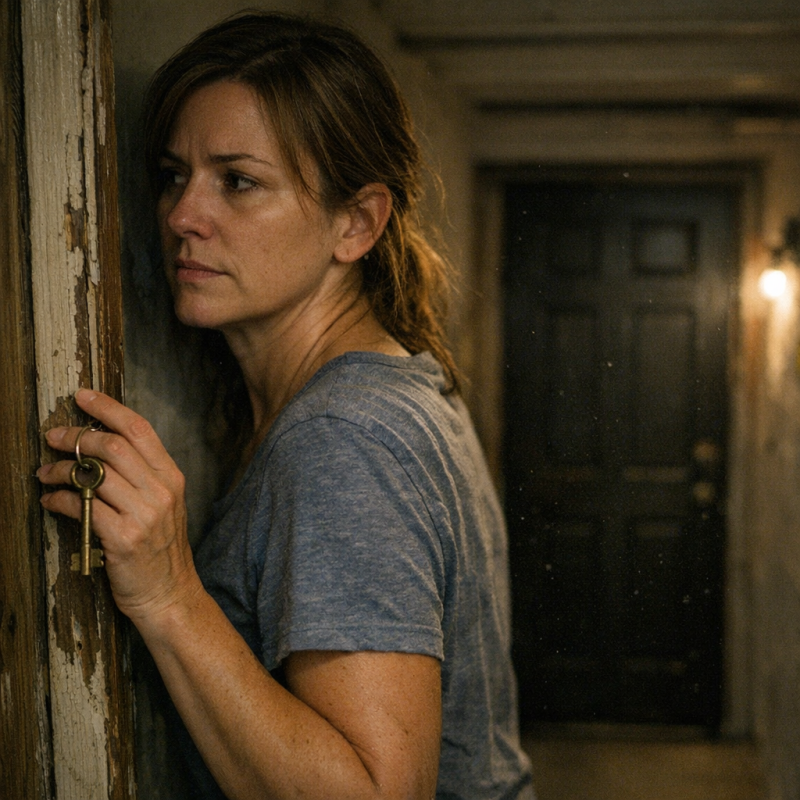 Image by FCT AI
Opening the Door
I turned the key at three in the morning because I could not stand waiting anymore. The lock clicked open easily, like it had been used recently, which sent a chill through me. I pulled the handle and the door moved maybe six inches before hitting something solid. I could not see what was blocking it—just darkness and a smell like old paper and dust. My heart was pounding so hard I could hear it. I shoved harder, putting my shoulder into it, and whatever was behind the door scraped across the floor with a sound that made my teeth hurt. The gap was barely wide enough but I squeezed through sideways, my shirt catching on the doorframe. When I fumbled for the light switch and the fluorescent bulbs flickered on, I actually gasped out loud. The entire basement had been transformed into something that looked like a detective's office crossed with a memorial shrine. Filing cabinets lined one wall. Cork boards covered another, connected by red string like you see in crime movies. Papers were stacked everywhere in precise piles. This was not storage. This was not normal. When I shoved harder and squeezed through the gap, I saw that the entire space had been transformed into something between an investigation office and a shrine.
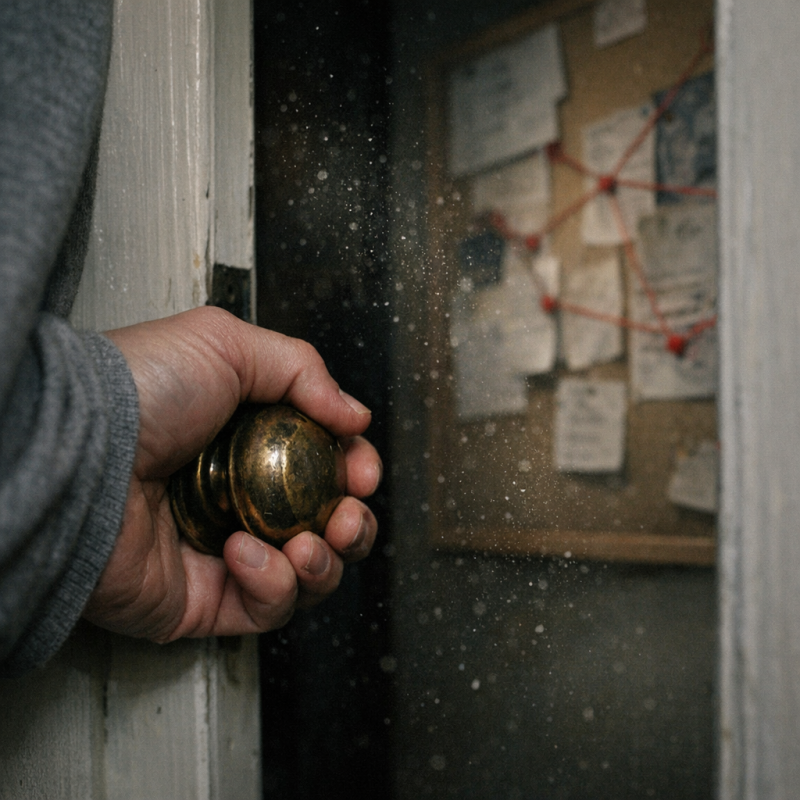 Image by FCT AI

History's most fascinating stories and darkest secrets, delivered to your inbox daily.
The Wall of Faces
The first thing I really focused on was the wall directly across from the stairs. It was completely covered with photographs of my father. Not just a few family photos—hundreds of them, pinned up in neat rows like evidence markers. There were pictures I recognized from our albums, but most of them I had never seen before. Candid shots of him walking down streets I did not recognize. Getting into cars. Sitting in restaurants. Standing outside buildings. Someone had been following him, documenting his movements like surveillance footage. My hands started shaking as I moved closer. The photos were organized chronologically, with dates written in mother's handwriting on white labels beneath each one. I followed the timeline from left to right, watching my father age across the wall. Then I reached the end of the row and my stomach dropped. The dates kept going. They went past the year he died. There were photographs labeled months after his funeral, then years. Some of the photos were dated after his death.
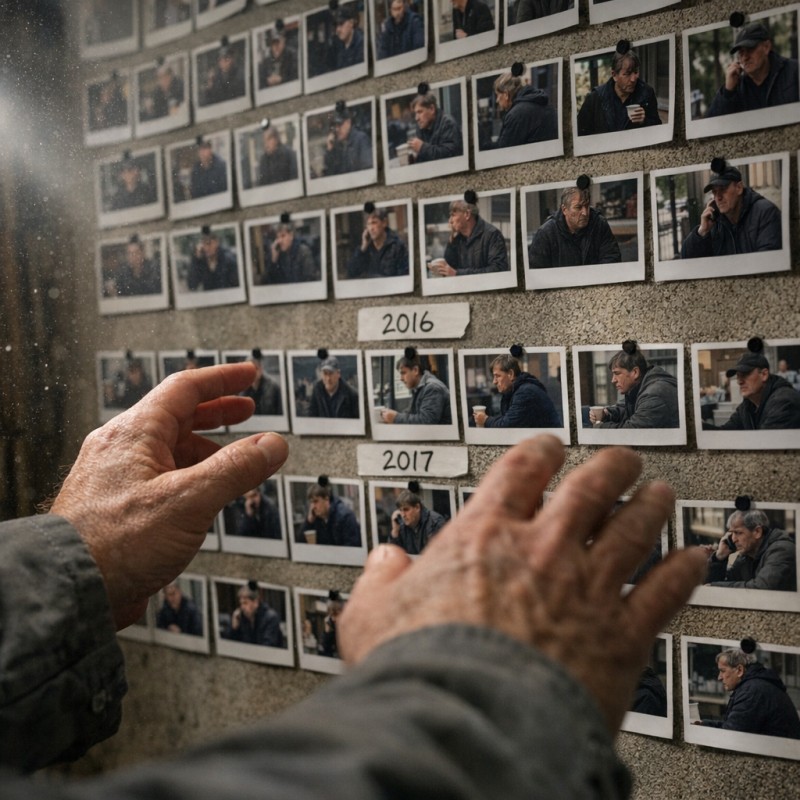 Image by FCT AI
The Filing System
I had to sit down on the basement stairs because my legs just gave out. Once I could breathe normally again, I started looking at the filing cabinets. There were six of them, old metal ones that looked like they came from an office liquidation sale. Every drawer had a typed label. Financial Records. Sightings. Associates. The Other Family. That last one hit me like a punch. My hands were trembling as I pulled open that drawer. It was packed tight with folders, easily the fullest drawer in the whole system. I grabbed the first folder and opened it on top of the cabinet. Inside were more photographs, but these were different. A woman with blonde hair and a bright smile, standing in a garden I did not recognize. The same woman holding a little girl, maybe five years old. More photos of them together—birthday parties, holidays, casual moments. They looked happy. They looked like a family. I had never seen either of them before in my life. The Other Family folder was thickest, and when I opened it, I saw a woman and a child I had never seen before.
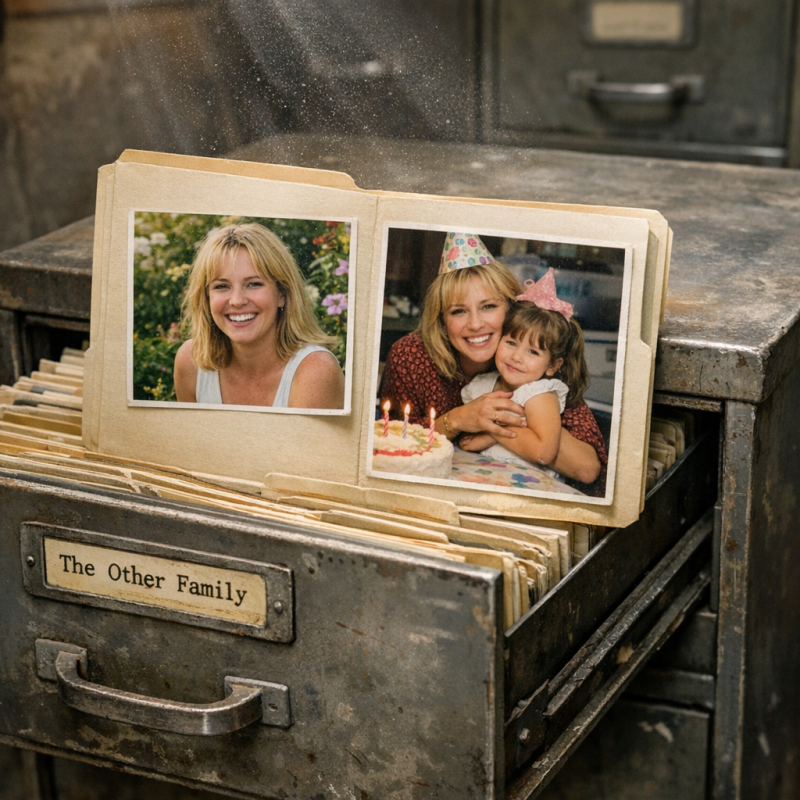 Image by FCT AI
Marcus Arrives
I do not even remember what I texted Marcus, just that it was probably incoherent and sent around four in the morning. He showed up at seven with coffee and this concerned look on his face that almost made me cry. Marcus and I had been friends since college—he did not know my mother well, had maybe met her twice at most. When I brought him down to the basement, he just stood there at the bottom of the stairs with his mouth open. 'Jesus Christ,' he said, which was exactly the validation I needed. Someone else seeing this, confirming I was not losing my mind. He walked slowly around the space, looking at everything with these wide eyes. 'How long has she been doing this?' he asked. That question stopped me cold. I had been so focused on what was here that I had not really thought about when it all started. There were files going back decades. Equipment that looked old. She could have been building this my entire childhood while I was upstairs doing homework. When he asked how long mother had been doing this, I realized I had no idea—it could have been my entire life.
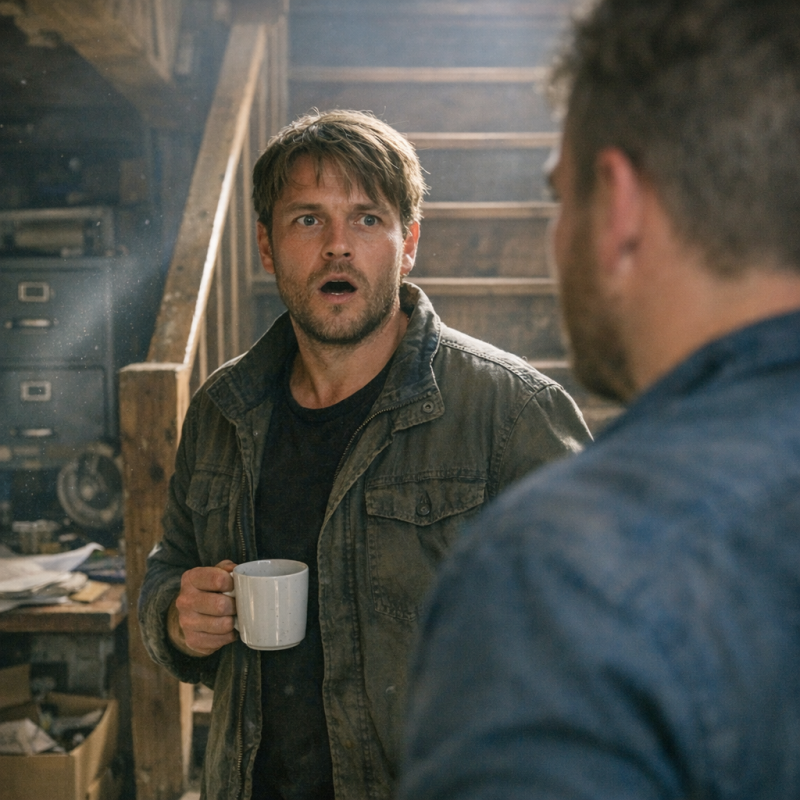 Image by FCT AI
The Timeline of Betrayal
Marcus is a paralegal, so he has this systematic way of approaching information that I definitely did not have in that moment. He suggested we build a timeline, figure out exactly what mother had documented and when. We spent hours going through files, laying them out on the basement floor in chronological order. What we found made me feel sick. Father had maintained his double life for at least seven years before he disappeared. Seven years of lying to all of us. Seven years of splitting his time between two families, two homes, two completely separate lives. Mother had documented all of it with this obsessive precision—addresses, bank statements, phone records she must have gotten somehow. 'Look at this,' Marcus said, holding up a folder from right before father vanished. Inside was a single piece of paper, a note in mother's distinctive handwriting. Just four words, but they changed everything. He knows I know. The last entry before his disappearance was a note in mother's handwriting: 'He knows I know.'
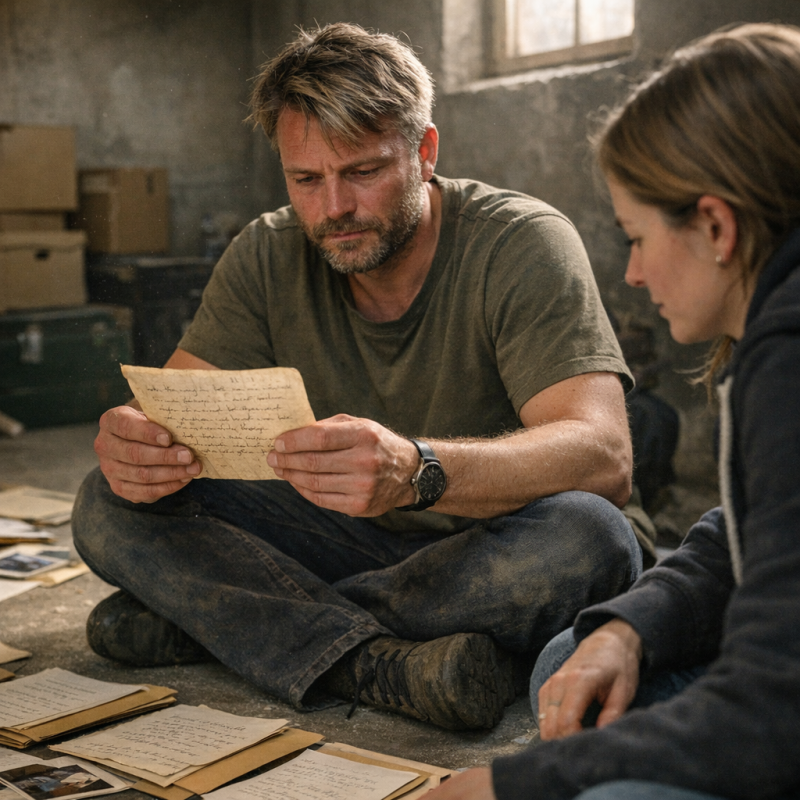 Image by FCT AI
The Debts
The financial records were their own special nightmare. Marcus pulled out folder after folder showing accounts I had never heard of, credit cards in names that were slightly different variations of my father's. The man had racked up gambling debts that made my head spin. Casino markers. Loans from people with addresses in Atlantic City and Las Vegas. Personal loans that had to be from loan sharks based on the interest rates. He had used both families' information—social security numbers, addresses, everything. I felt this burning anger rising in my chest as I read through it all. How could he do this to us? Then Marcus found the payment records. Mother had paid them off. Every single debt, slowly and methodically over the course of fifteen years. I did the math in my head and felt tears starting. She had sacrificed everything—the nice house we could have had, the vacations we never took, probably her entire retirement savings. All to clean up his mess. Mother had paid off every single one of them over the course of fifteen years, sacrificing everything.
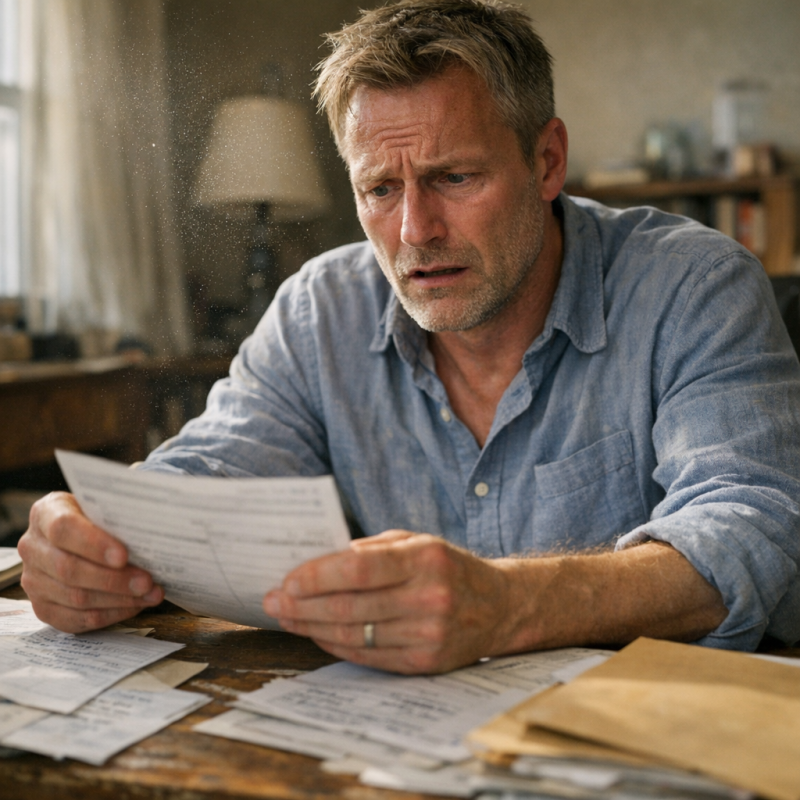 Image by FCT AI
Calling Claire
I called Claire from the basement at noon, still sitting on the floor surrounded by evidence of our father's betrayal. She answered on the second ring with her usual cheerful 'Hey!' but I could not match her energy. 'I opened the basement,' I said. Silence. Not just a pause—complete silence. No breathing sounds, no background noise, nothing. For a second I actually pulled the phone away from my ear to check if the call had dropped. 'Claire?' I said. More silence. My heart started racing. 'Claire, are you there? Did you know about any of this?' I could hear her breathing now, shallow and quick. Marcus was watching me with this concerned expression. The silence stretched so long I was about to hang up and call back. Then finally, finally, she spoke. Her voice sounded different—flat and tired in a way I had never heard from my sister before. When she finally spoke, she said: 'I hoped you would never have to know.'
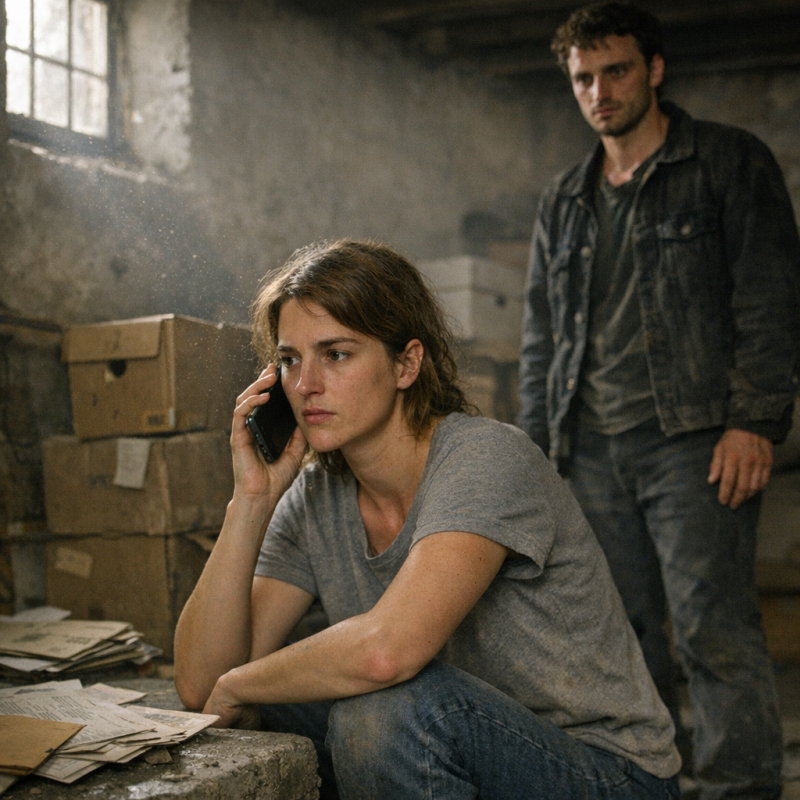 Image by FCT AI
What Claire Knew
I switched the call to speaker so Marcus could hear. My hands were shaking too hard to hold the phone steady anyway. 'What do you mean you hoped I would never know?' I asked. Claire let out this long breath that sounded like she had been holding it for years. 'I found out about the affair when I was seventeen,' she said. Just like that, casual as telling me she had known about a surprise party. 'I saw dad with that woman and the little girl at a restaurant across town. I followed him.' My vision actually blurred for a second. 'And you never told me?' My voice came out louder than I meant it to. 'Mom found out I knew,' Claire continued, talking faster now. 'She made me promise never to tell you. She said she wanted to protect you, that you were too young, that it would destroy you.' There was something in the way she said it though, this uncertainty. Like she was repeating words she had stopped believing. She said mother wanted to protect me, but I could hear doubt in her voice.
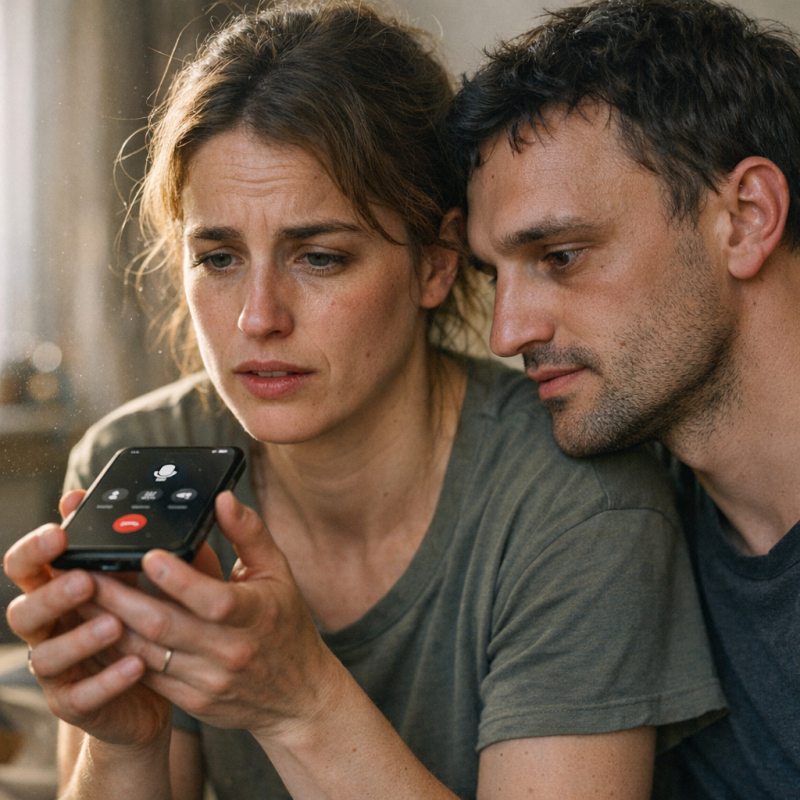 Image by FCT AI
The Sightings Log
I found the log in a black binder with the label 'Confirmed Sightings' written in mother's neat handwriting. Every page was dated and organized by state. There were entries from Pennsylvania, Ohio, Maryland. Gas stations, grocery stores, restaurants. Witnesses listed by initials. Some entries included descriptions: 'blue sedan, license plate partially visible,' or 'wearing glasses now, hair thinner.' The obsession was right there in the precision of it, in the way she had color-coded the tabs by year. I ran my finger down the most recent pages, my throat getting tighter with each entry. The dates grew closer to present day. The locations gradually shifted eastward. Then I reached the last entry and my hand actually froze on the page. The date was eight months ago. The location made my stomach drop. Millbrook Shopping Plaza—the one I passed three times a week going to work. Less than ten miles from our house, maybe fifteen minutes in traffic.
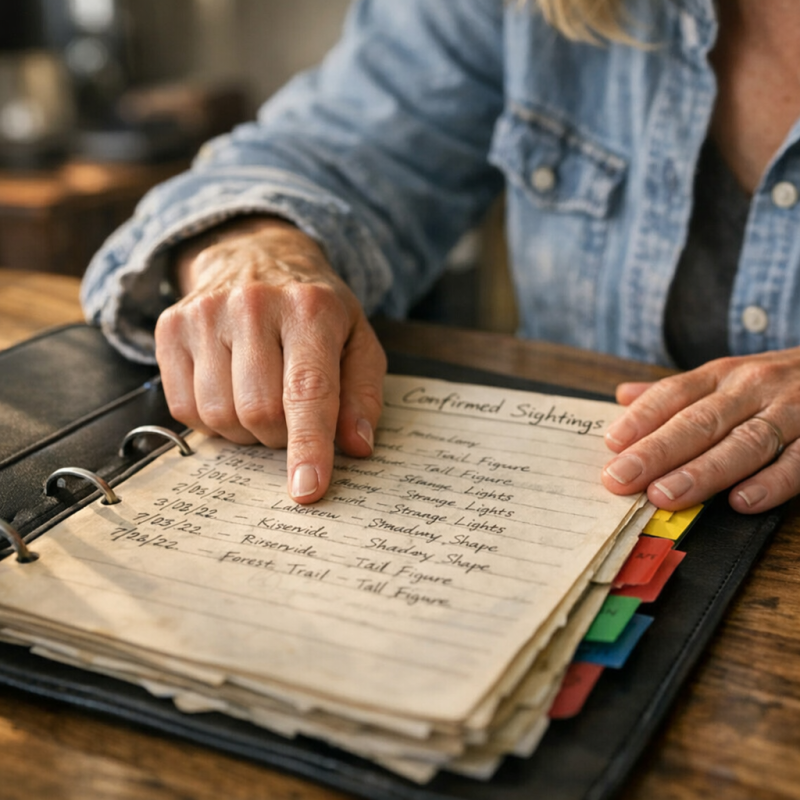 Image by FCT AI
The Photograph
Tucked into the back of the binder was a manila envelope marked with that same recent date. Inside was a photograph, and I had to sit down on the concrete floor when I saw it. The man in the photo was older, gray-haired, with the kind of weathered look that comes from hard years. But I recognized something in the set of his shoulders, the angle of his jaw. He was entering a brick building downtown, keys in hand, looking over his shoulder like he was checking to see if anyone was watching. The image quality was good—professional surveillance, not a random snapshot. My hands were shaking when I turned the photo over. Mother's handwriting again, those six words that made the basement feel like it was closing in around me. 'He lives less than ten miles away.' I sat there staring at those words until they stopped making sense, just shapes on paper. He had been that close this whole time.
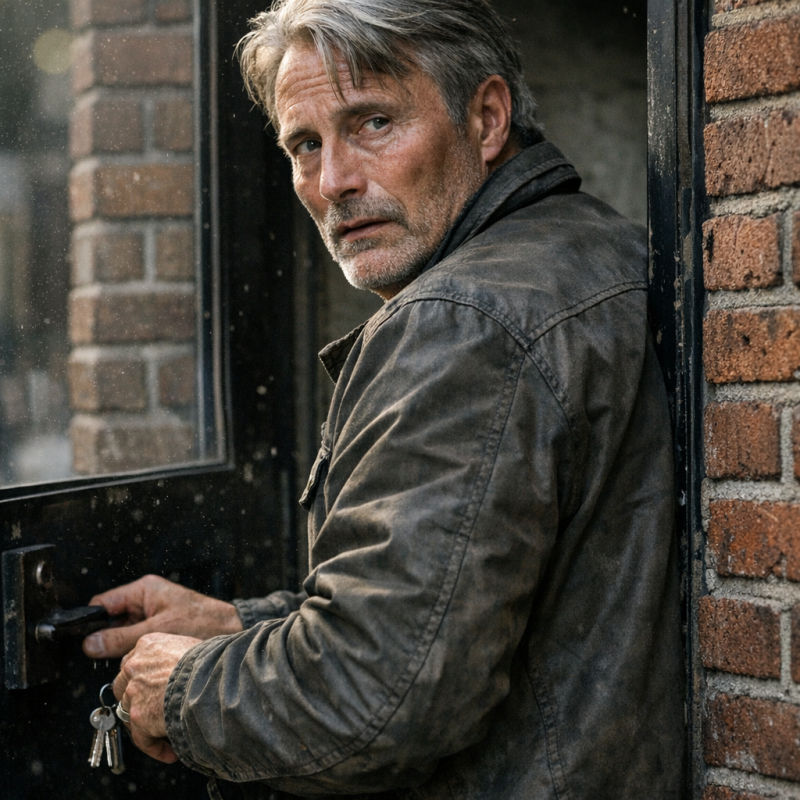 Image by FCT AI
Diane the Investigator
The business cards were scattered through multiple files, always with dates written on the back in mother's hand. 'Diane Mercier, Private Investigator.' I counted them as I gathered them up—seven cards spanning fifteen years. The earliest was from when I was still in high school. The most recent was from two months before mother went into the hospital. I pulled out my phone and dialed the number, not even sure what I would say. It rang twice. 'Mercier Investigations,' a woman answered, her voice professional but warm. I opened my mouth and nothing came out for a second. 'Hello?' she said. 'I found your cards,' I finally managed. 'In my mother's basement. She hired you to—' 'I know who you are,' the woman interrupted gently. There was this pause, and I could hear her breathing on the other end. Then she said something that made my skin prickle. 'I wondered when you would find the basement.'
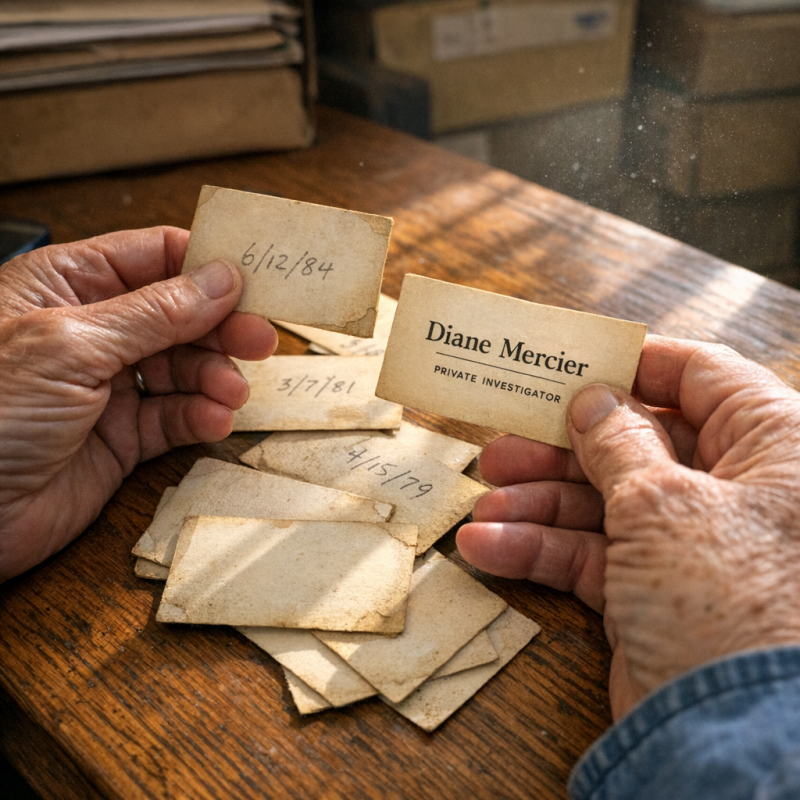 Image by FCT AI
Meeting Diane
Diane looked younger than I expected, maybe early forties, with short dark hair and this direct way of making eye contact that made me feel like she could read everything I was thinking. We sat in a corner booth at a coffee shop near the downtown office building from the photo. She ordered tea and did not touch it. 'Your mother hired me in 2008,' she said. 'Standard surveillance, tracking your father's movements, documenting his new life.' She laid it out matter-of-factly, like she was describing a routine insurance case. The tracking had been intermittent at first, whenever mother could afford it. Then more regular. Then constant. 'About five years ago, she tried to pay me for a job and I refused,' Diane said. She folded her hands around the tea cup. 'I asked her why,' I said. Diane met my eyes. 'She told me she was not doing it for herself anymore. She said she was doing it for someone else now.' I felt that familiar confusion settle over me like fog.
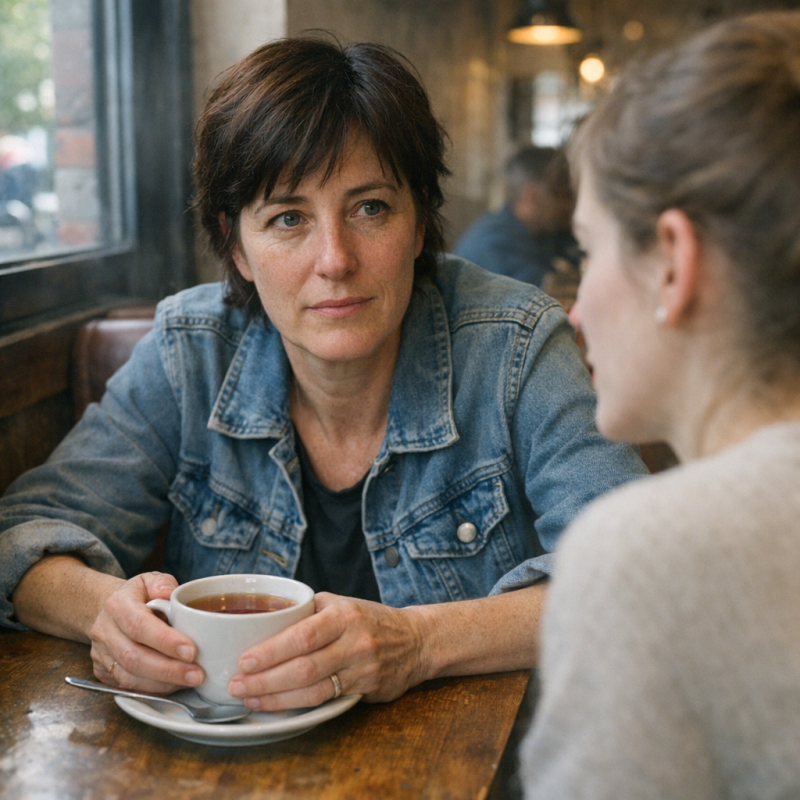 Image by FCT AI
The Ethics Question
Diane explained how father had changed his name at least twice that she knew of, maybe more. He moved every few years, always just ahead of when mother would close in on a location. 'He knew someone was tracking him,' Diane said. 'Or at least suspected. He was careful.' She described his patterns—the way he avoided social media, paid in cash when possible, kept irregular hours. Professional evasion, she called it. The kind of behavior that spoke to guilt or fear or both. Then she leaned back and studied me for a long moment. 'What are you planning to do with all this information?' she asked. The question hung there between us like smoke. I opened my mouth to answer and realized I had absolutely nothing to say. Confront him? Report him to someone for something I did not fully understand? Give it all to mother and walk away? The weight of that choice pressed down on my chest and I could not breathe right.
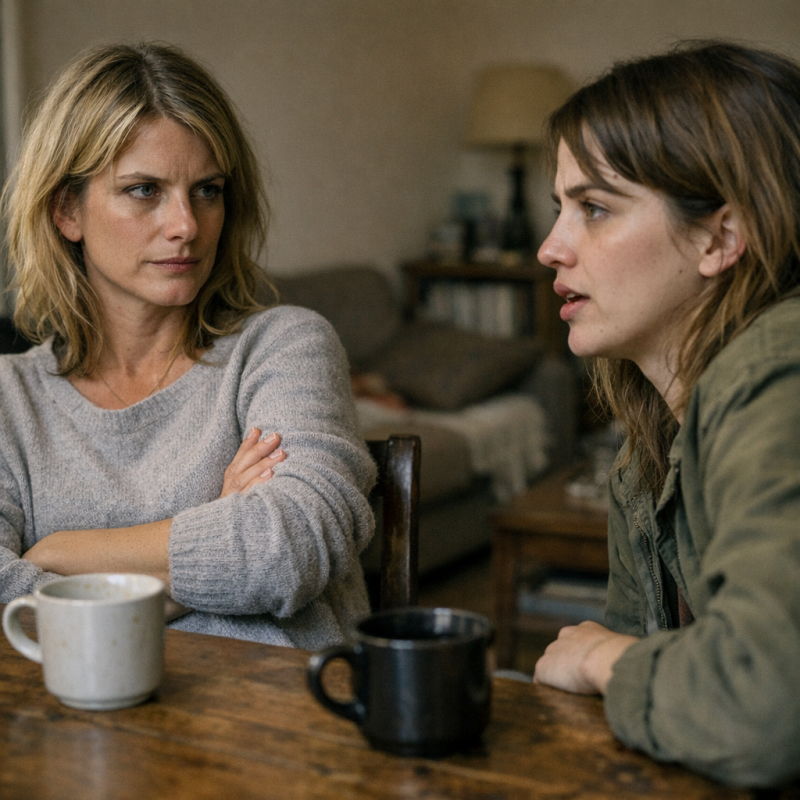 Image by FCT AI
The Other Child
Back in the basement that night, I spread out the photos of father's other child across mother's desk. The boy—because I kept thinking of him as a boy even though he had to be in his mid-twenties now—appeared in dozens of images spanning years. School photos, candid surveillance shots, even what looked like screenshots from social media accounts. I watched him grow up in reverse as I sorted through them. Teenager with braces. Child missing front teeth. Baby in someone's arms. Then I found the most recent photo and everything in me went cold. He was standing outside what looked like a college campus, backpack slung over one shoulder, looking at his phone. The angle of his face, the set of his eyes, even the way he stood with his weight on one hip—it was like looking in a mirror. The resemblance was not subtle. It was undeniable, unsettling, like seeing yourself in a stranger's body.
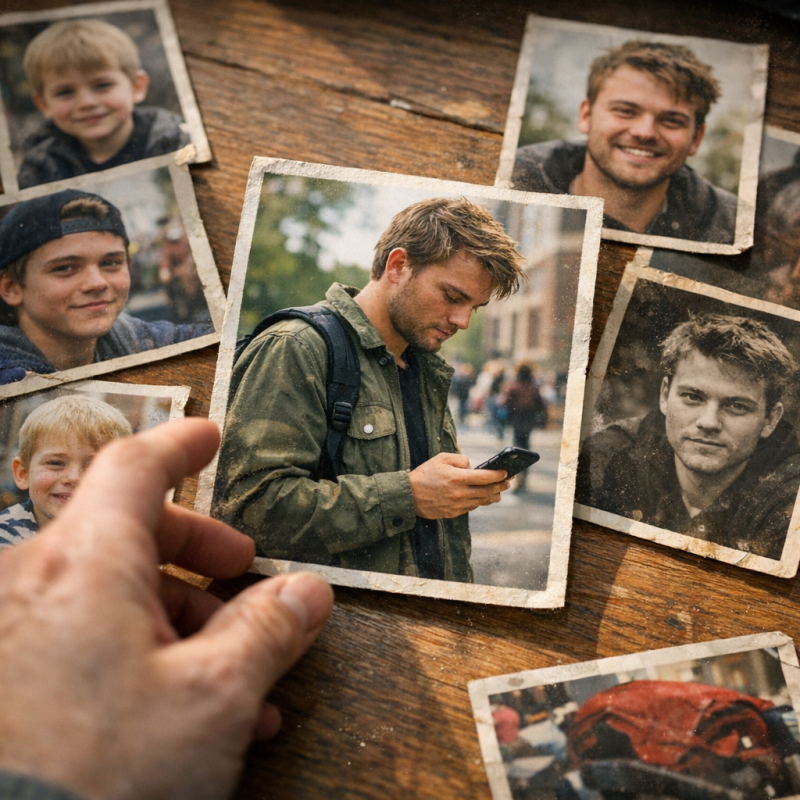 Image by FCT AI
Mother's Journals
The journals were in a locked drawer I had to force open with a screwdriver. Five notebooks, leather-bound, filled with mother's distinctive slanted handwriting. The earliest entries were exactly what you would expect—raw grief, anger, betrayal. 'How could he just leave us like we never existed?' one entry read. Pages and pages of that pain, dated and timed like she was documenting evidence. But somewhere around the third notebook, the tone shifted. The entries became less about what had been done to her and more about what she planned to do. The word 'reckoning' started appearing, first in quotes like she was trying it out, then without them. 'The reckoning is coming,' she wrote over and over. 'He will answer for what he has done.' By the last notebook, there was barely any emotion at all, just cold planning and lists of steps. It was not grief anymore. It was something else entirely, something that made my hands shake as I turned the pages.
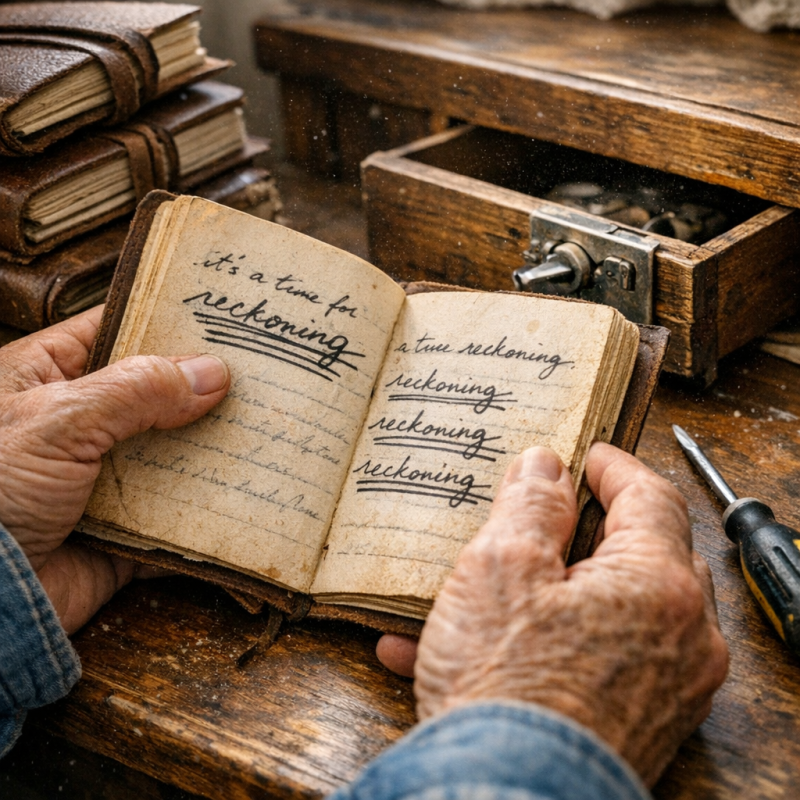 Image by FCT AI
Marcus's Warning
Marcus came over and found me in the basement at two in the morning, surrounded by files I had reorganized three times. 'You need to stop this,' he said, not unkindly. 'Just send your mother the files she asked for and be done with it.' He crouched down next to me, tried to take my hand. I pulled away without meaning to. 'You do not understand,' I said. 'There is something here I need to figure out.' He ran his hand through his hair, frustrated. 'Do I understand? I see you disappearing into this exactly like she did. Spending every free moment down here, building connections that might not even be there.' His voice got quieter. 'You are becoming obsessed with it just like she was.' I looked at him and tried to form the words to argue. To say he was wrong, that this was different, that I was in control. But nothing came out because I could not answer him.
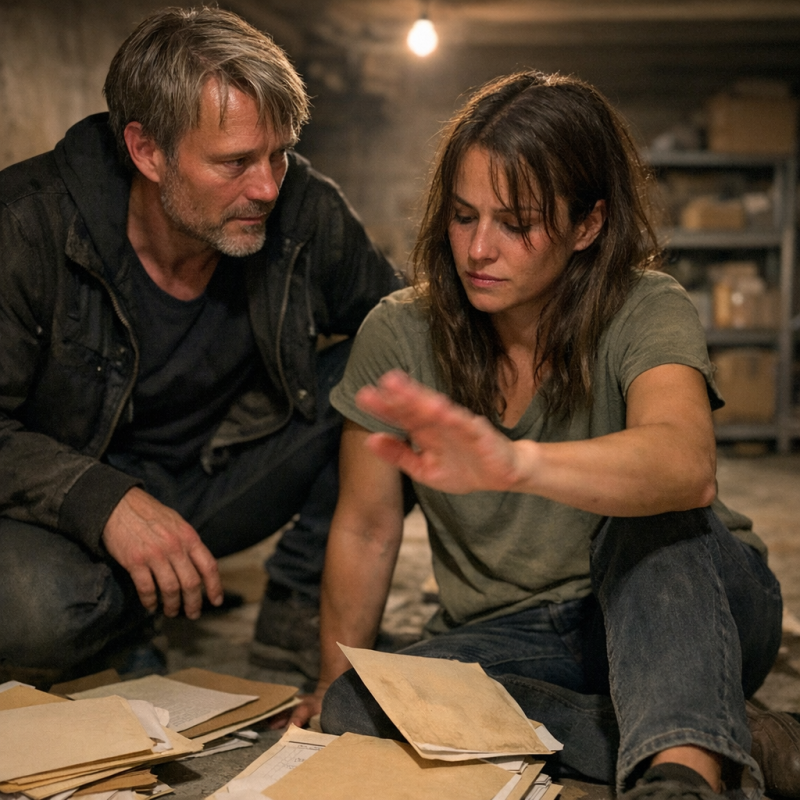 Image by FCT AI
The Address
It was tucked into the most recent file, the one dated three months ago. A slip of paper, torn from a notepad, with an address written in my mother's tight handwriting. Not the city where I grew up. Somewhere two hours away, a neighborhood I had never heard of. I turned it over, looking for context, for an explanation, but there was nothing else. Just the address and a date—the same date as the last photo she had taken. The one of him leaving the building with his briefcase. My hands were shaking as I typed it into my phone. Google Maps pulled up a street view: a modern apartment complex with clean lines and balconies overlooking a small park. It looked expensive. It looked like the kind of place you chose because you wanted to start fresh. I sat there on the basement floor, the slip of paper in one hand, my phone in the other. Marcus's words echoed in my head about obsession, about becoming like her. But I could not unhear them any more than I could unsee the address. I stared at my phone screen for an hour, the pin dropped on that building, knowing exactly what I was going to do.
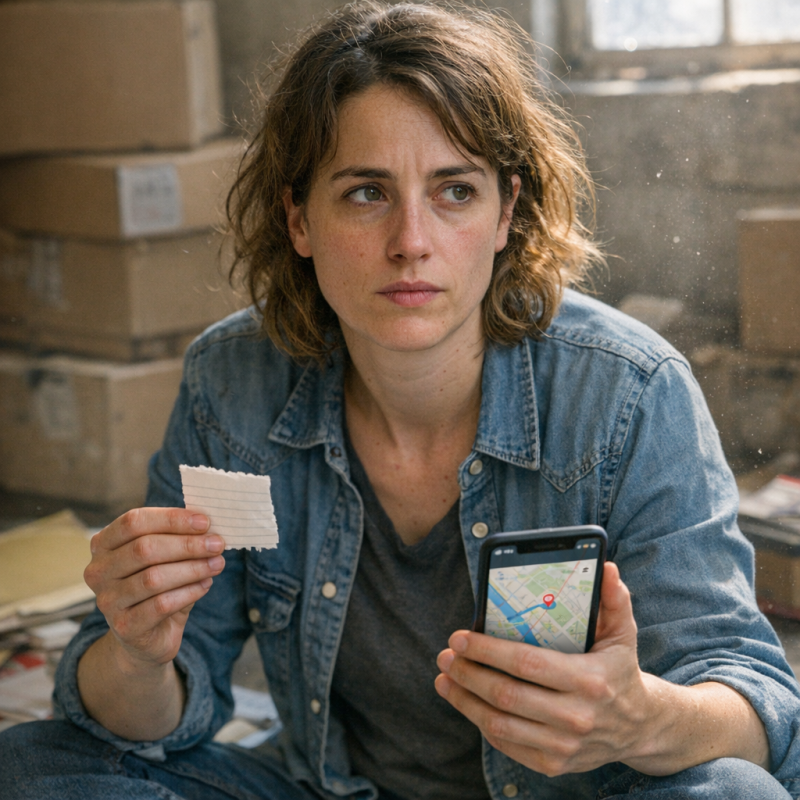 Image by FCT AI
The Drive
The drive was two hours and twelve minutes according to the GPS, but I do not remember most of it. My hands were locked on the steering wheel, knuckles white, and my phone kept lighting up with calls from Marcus that I let go to voicemail. I could not explain this to him in a way that would make sense. Hell, I could not explain it to myself. Every few miles I thought about turning around, about sending the address to my mother and letting her handle whatever came next. But my foot stayed on the gas. The apartment complex looked exactly like the street view, except somehow cleaner, newer. I parked across the street, my heart hammering so hard I felt it in my throat. I did not have a plan. I had not thought past this moment. I just sat there, engine running, staring at the main entrance like something would reveal itself if I waited long enough. And then the door opened. A man walked out carrying a leather messenger bag, his posture straight, confident. He looked exactly like the photograph my mother had tucked into that file. When I pulled up to the building, I saw a man who looked exactly like the photograph leaving through the front door.
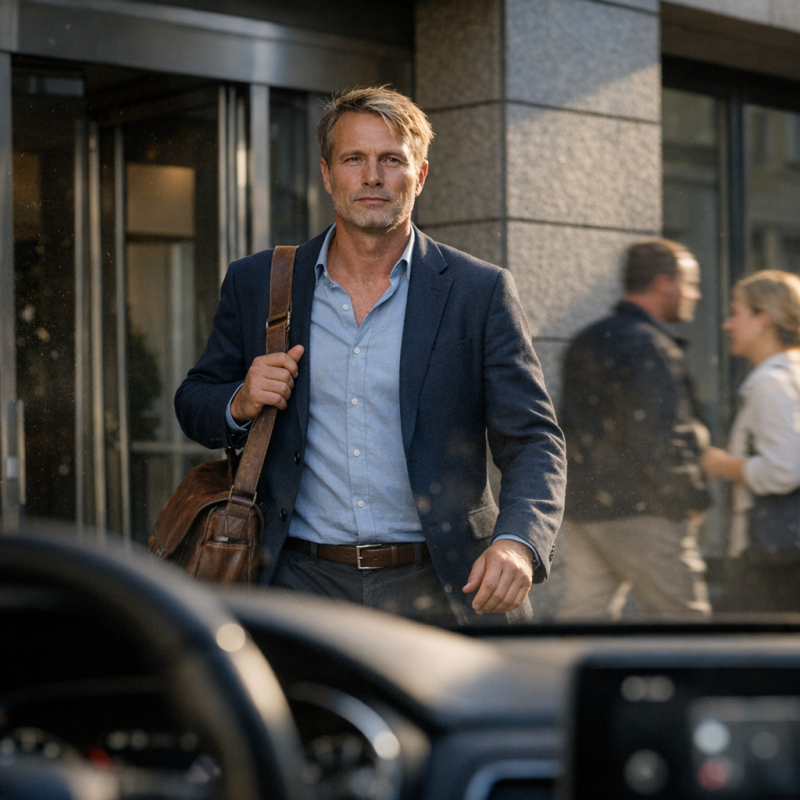 Image by FCT AI
Following Him
I do not know what made me get out of the car. Some autopilot survival instinct took over and suddenly I was on the sidewalk, keeping half a block between us. He walked with purpose, not looking back, taking familiar turns through downtown streets like he had done this route a thousand times before. I tried to look casual, like I was just another pedestrian, but my whole body felt rigid. At one point he stopped to check his phone and I ducked into a storefront, pressing myself against the window display. This was insane. This was stalking. But I kept going. Three blocks later he turned into a small cafe with outdoor seating, the kind with string lights and chalkboard menus. That is when I saw her. The woman from my mother's photos, the one getting into cars with him, the one whose face I had memorized from a dozen surveillance shots. She stood when she saw him, and they embraced like people do when they are comfortable with each other, when they belong together. He smiled at her, this broad genuine smile that transformed his entire face. I had never seen him smile like that in my childhood. Not once.
 Image by FCT AI
The Confrontation
I did not plan to walk up to their table. I was supposed to observe, to gather information, to report back to my mother like some kind of spy. But my legs moved on their own, carrying me across the patio until I was standing right there, close enough to hear their laughter fade into confused silence. He looked up first. For a second, nothing registered. Then his eyes went wide and all the blood drained from his face, leaving him pale and frozen. He opened his mouth but nothing came out. The woman—Rachel, I would learn later—looked between us, her smile uncertain. 'Can we help you?' she asked, polite but wary. I could not speak either. We just stared at each other, father and daughter, strangers who shared DNA and nothing else. The silence stretched so long it became painful. A server walked past and broke the spell. My father swallowed hard, his hand gripping the edge of the table. He whispered my name, and Rachel turned to me with an expression of pure confusion.
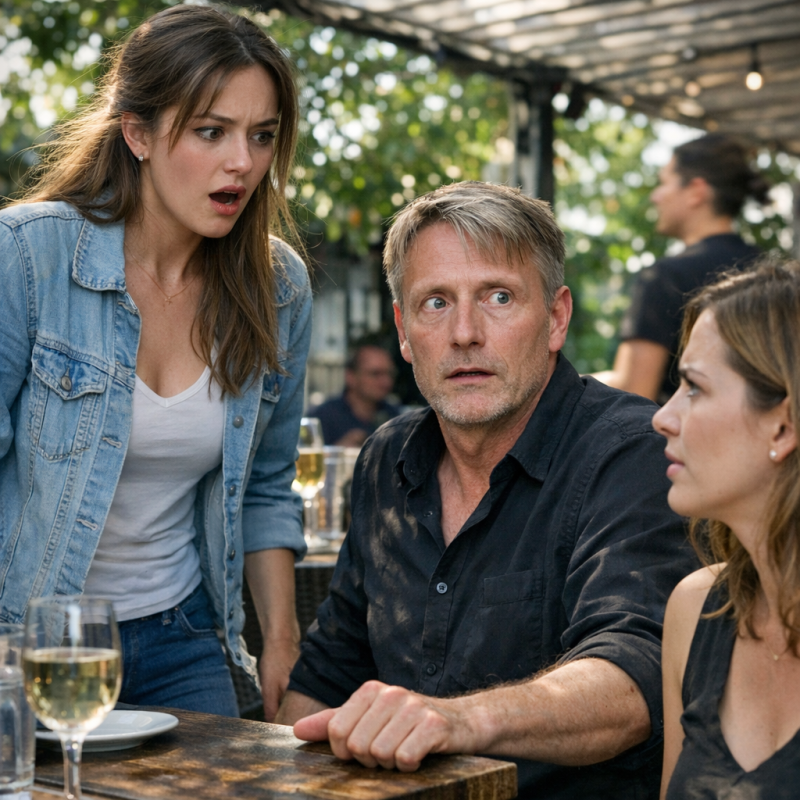 Image by FCT AI
His Excuses
He tried to explain. God, he tried. The words tumbled out in this desperate rush about being sick, about making mistakes when I was young, about thinking he was doing the right thing by leaving. 'It was better for everyone,' he kept saying, like a mantra he had convinced himself of years ago. Rachel sat frozen, her eyes moving between us, trying to piece together what was happening. I let him talk for maybe thirty seconds before I cut him off. 'What about the debts?' My voice was steady, cold. 'What about the money you stole? The people you scammed?' His face changed then, that mask of regret cracking just enough to show panic underneath. He glanced at Rachel, who was staring at him now with this dawning horror. 'I do not know what your mother told you,' he started, but I pulled out my phone, pulled up one of the photos—him leaving that office building with boxes, security escort behind him. He stood abruptly, his chair scraping against the concrete. 'I have to go,' he said to Rachel, not to me. 'We will talk later.' He looked at Rachel and said he had to go, immediately.
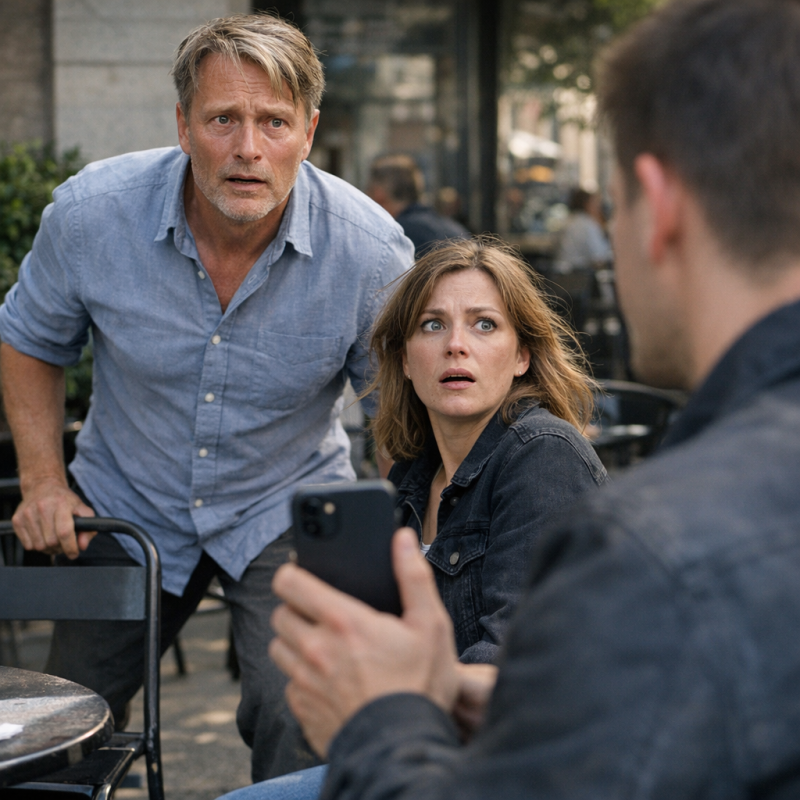 Image by FCT AI
Rachel's Questions
Rachel grabbed his wrist before he could take a step. 'Wait.' Her voice was quiet but it cut through everything. 'Who is this?' She was looking at me now, really looking, and I saw her cataloging the resemblance. The same eyes. The same shape of face. My father tried to pull away but she held firm. 'Thomas, who is she?' Her voice rose with each word, loud enough that people at other tables were starting to turn. He would not answer. He just stood there, trapped between his old life and his new one, looking for an escape route. So I answered for him. 'I am his daughter.' The words felt surreal coming out of my mouth. Rachel's grip loosened, her hand falling away. She looked at him, waiting for him to deny it, to explain. 'No,' she said slowly. 'No, that is—' She turned back to me, her face pale. 'That is impossible.' She was shaking her head, standing now too. 'He told me he had no children.'
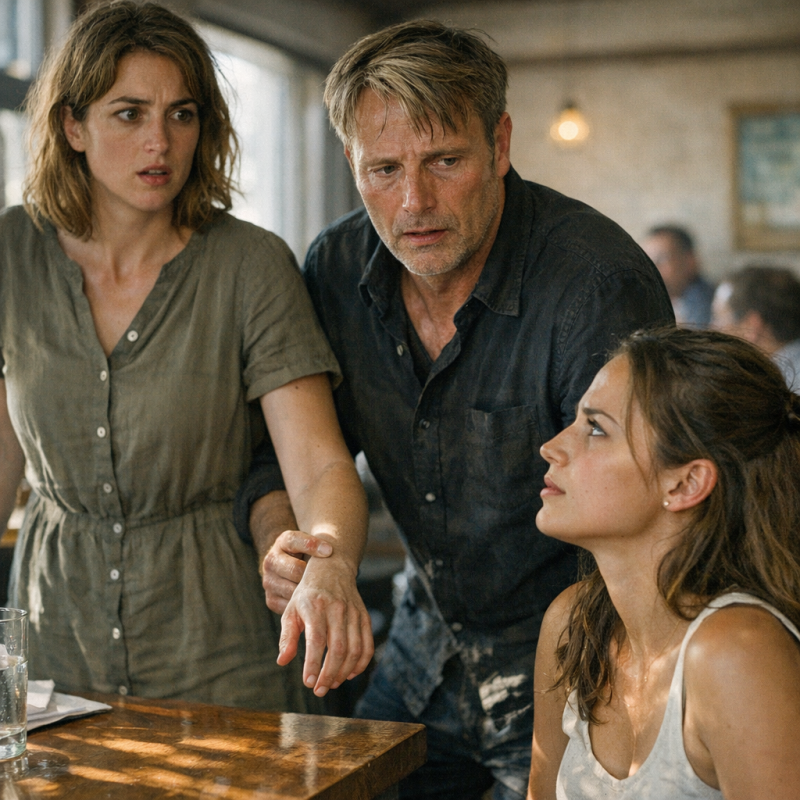 Image by FCT AI
The Scene
Everything escalated after that. Rachel's voice kept getting louder, demanding answers, and my father kept trying to leave, and I kept blocking his path because I needed him to answer for something, anything. Other customers were definitely staring now. A server approached nervously and backed away. Finally the manager came out, this tired-looking guy in his fifties, and asked us very politely to take this somewhere else. My father did not need to be asked twice. He pushed past me, moving fast toward the street, and I started to follow but Rachel was faster. She was not chasing him though. She turned to me, her face streaked with tears and fury, and grabbed my arm hard enough to hurt. 'Please,' she said, her voice breaking. 'Please tell me what is happening.' I looked down the street where my father had disappeared around a corner, probably running to his car, probably already planning his next escape. Then I looked at Rachel, this woman who was as much a victim as anyone. Before I could follow him, Rachel grabbed my arm and begged me to tell her everything.
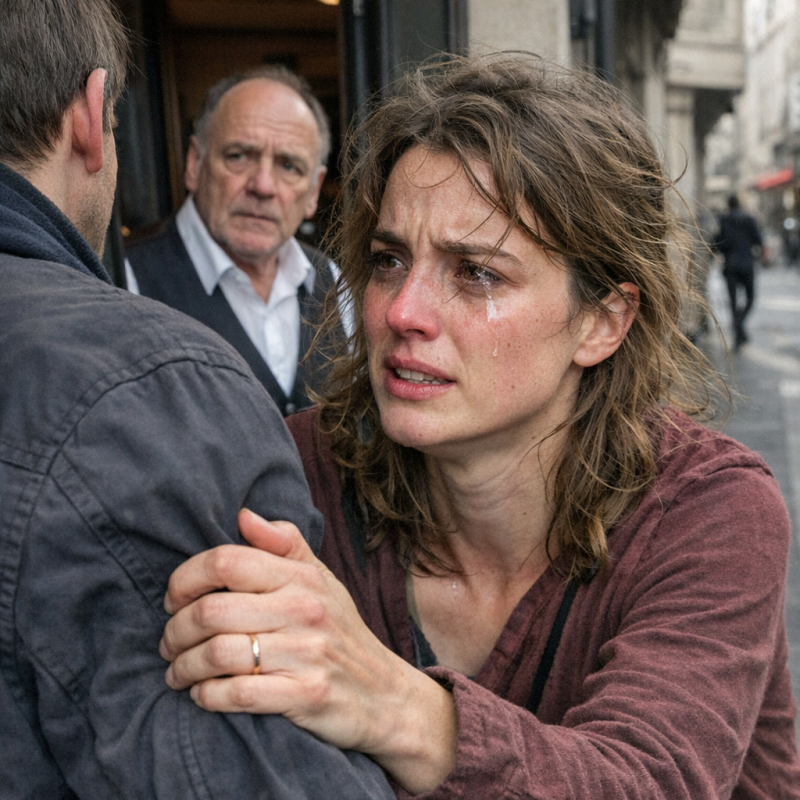 Image by FCT AI
Rachel's Story
We sat in my car because neither of us could stand to be in that cafe anymore. Rachel was shaking, her hands clasped so tight her knuckles were white. She told me they had been together for five years. That he worked as an accountant. That his wife had died of cancer before they met, that he had no family, that he was building a new life and she was part of it. 'We were going to get married next spring,' she whispered. Everything he told her was a lie. Every story, every explanation for his past. I asked if she had ever questioned it, if anything seemed off. She said no. He was stable, reliable, kind. 'He was perfect,' she said, and her voice cracked on that last word. I pulled out my phone and showed her the photos my mother had collected. The surveillance shots, the building exits, the meetings. Rachel stared at them, her breathing getting faster. 'This one,' she said, pointing to a photo of him outside some office building. 'We went there together. He said it was—' She stopped. When I showed her photos from the basement, she started crying and said she recognized some of the locations from trips they had taken together.
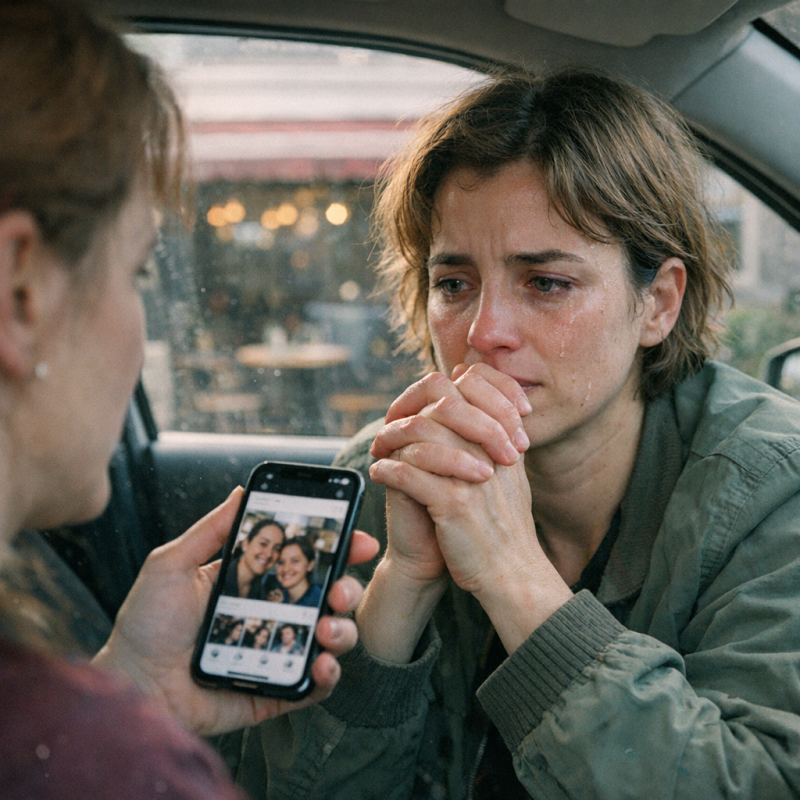 Image by FCT AI
The Other Other Family
Rachel wiped her eyes and looked at me with this hollow expression. 'He did mention an ex-wife once,' she said quietly. 'Just once, early on.' I asked what he had said about her. She took a shaky breath. 'He said she died in a car accident. Before we met. He said it was too painful to talk about, so I never pushed.' My hands went numb. I stared at her, trying to process what she was saying. 'He told you she was dead?' She nodded. 'He said he had moved across the country to start over, to escape the memories.' The rage that hit me was physical. It started in my chest and radiated outward until I could barely see straight. My mother was not dead. She was in the UK, obsessively tracking him, living in that house surrounded by evidence of his betrayal. And he had killed her off in conversation like she was nothing. Like she had never existed. Like twenty years of marriage and a child and a basement full of surveillance photos could just be erased with a single lie. I realized my father had told Rachel that my mother was dead.
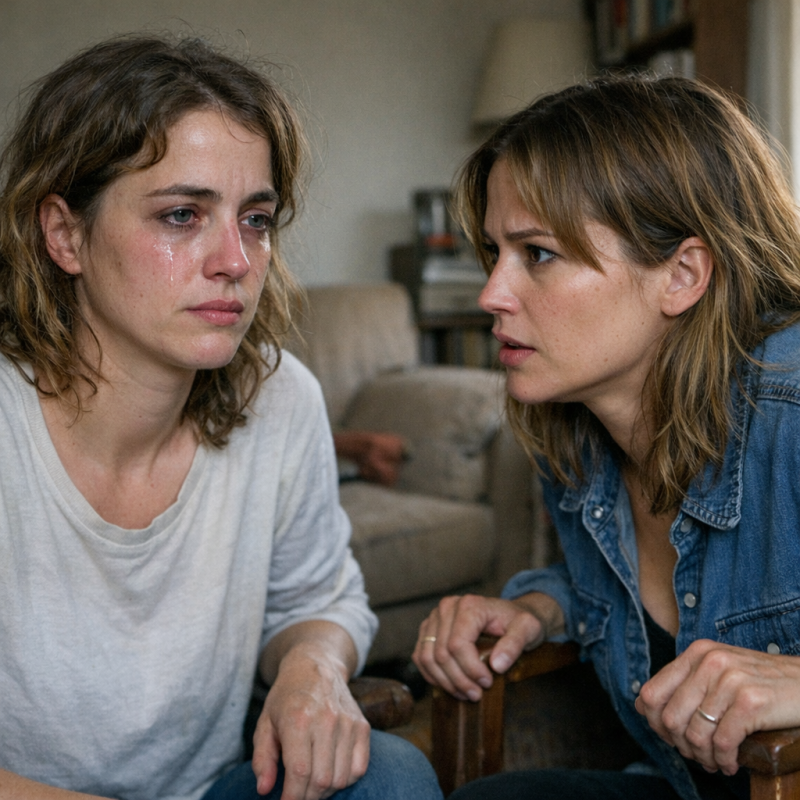 Image by FCT AI
Telling Mother
I called my mother as soon as I got home. It was late in the UK, but she answered on the second ring. I told her everything in a rush—that I had confronted him, that Rachel existed, that he had told her my mother was dead. I expected shock. I expected anger, questions, maybe even tears. Instead, there was just this long silence. Then she said, very calmly: 'Did you give him my message?' I froze. 'What message?' I asked. She sighed like I had forgotten something obvious. 'I told you to tell him I knew where he was. That I was watching.' I felt my stomach drop. 'You never told me to say that.' Another silence. 'Well,' she said, her voice measured and cool, 'it does not matter now.' I was gripping the phone so hard my hand hurt. 'What do you mean it does not matter?' She did not answer right away. I could hear her breathing on the other end, deliberate and steady. When she finally spoke again, her tone was almost pleasant. Instead, she asked calmly: 'Did you give him my message?'
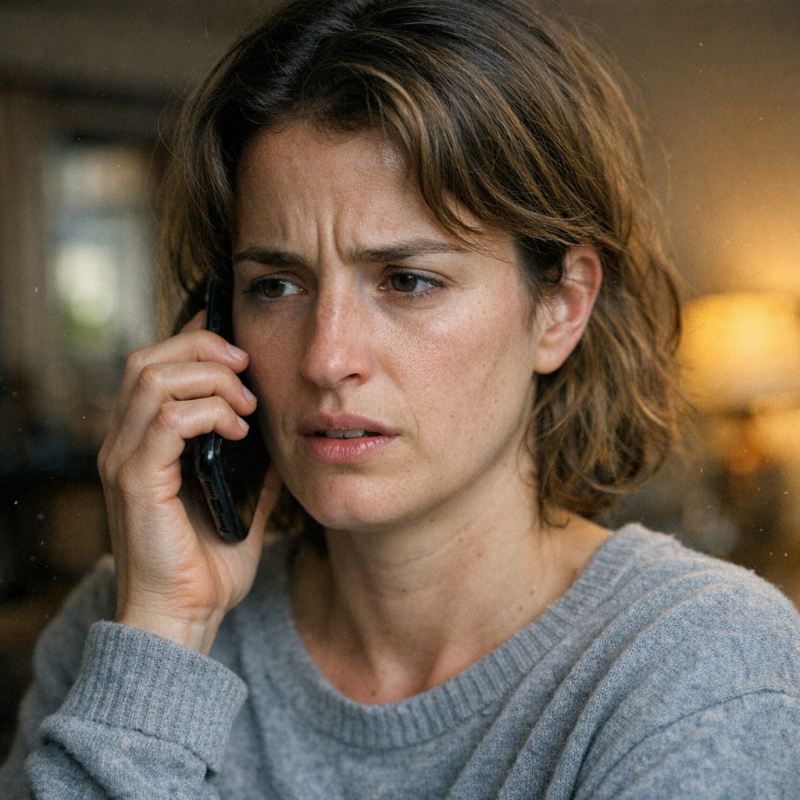 Image by FCT AI
The Message
I repeated the question. 'What do you mean it does not matter?' My mother exhaled slowly. 'I wanted you to tell him I knew where he was,' she said. 'That I was coming.' The way she said it made my skin crawl. 'Coming where?' I asked. 'Home,' she said simply. 'I am coming home.' My pulse spiked. 'What? When?' She paused, and I heard papers rustling in the background. 'I have already booked the flight. I arrive in two days.' I stood up, pacing my living room. 'You cannot just—why are you coming back? What are you planning to do?' She did not answer directly. 'I have been away long enough,' she said. 'It is time to finish this.' My mind was racing. Finish what? Confront him? Destroy him? Turn herself in? I did not know, and that terrified me. 'You need to tell me what you are planning,' I said, my voice rising. She made a soft sound, almost like a laugh. 'You will see soon enough.' When I asked what she meant, she said she had already booked a flight back and would arrive in two days.
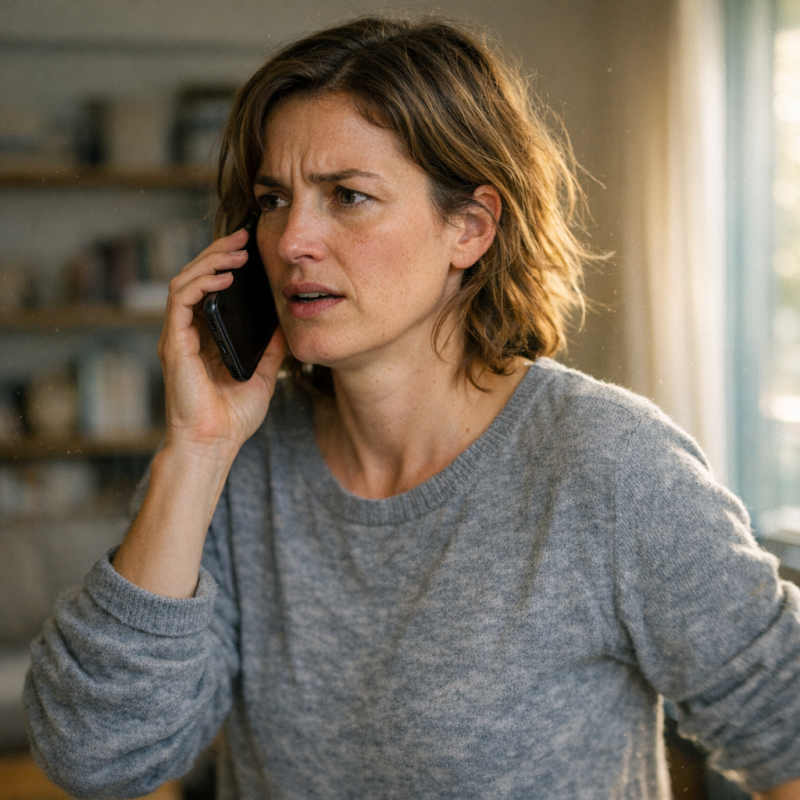 Image by FCT AI
Claire's Panic
Claire called me the next morning, her voice high and panicked. 'She is gone,' she said without preamble. 'Your mother. She left the house yesterday and she is not answering her phone.' I rubbed my eyes, still groggy. 'I know. She called me. She is coming back here.' The line went silent. Then Claire whispered, 'Oh God.' I sat up. 'What? What is it?' She was breathing hard, like she had been running. 'She actually left? She is really coming back?' I told her yes, that she would be here in two days. Claire made this strangled noise. 'You do not understand,' she said. 'She has been talking about this for months, but I thought—I hoped she would not actually do it.' My chest tightened. 'Do what, Claire? What is she planning?' Claire did not answer right away. I could hear her moving around, a door closing. When she spoke again, her voice was barely audible. 'I cannot explain over the phone. But you need to stop her.' I told her my mother was coming back, and Claire whispered: 'Oh no, she is really going to do it.'
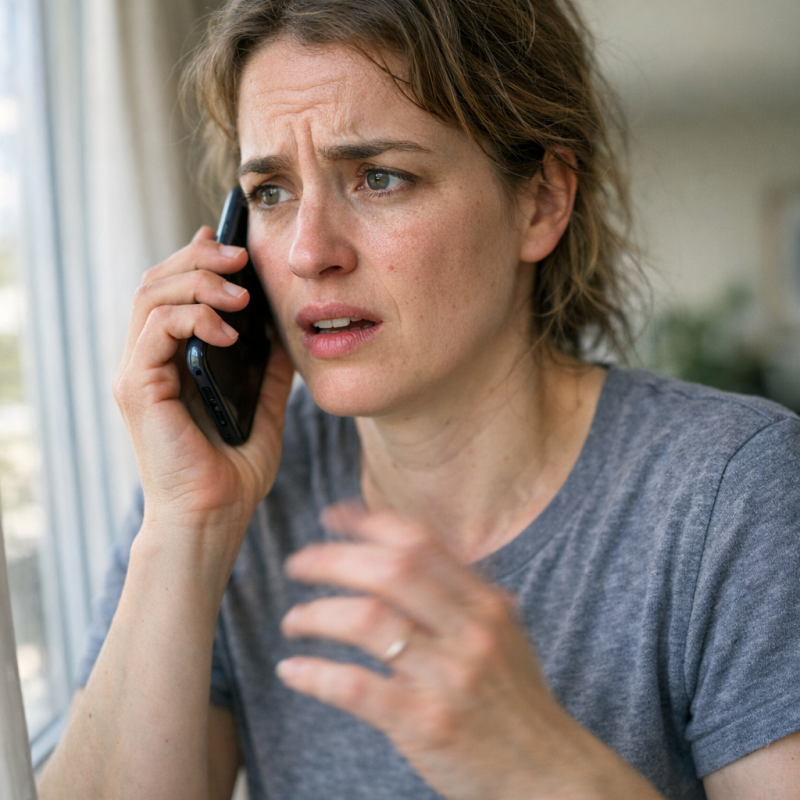 Image by FCT AI
The Lawyer's Letter
I went back to the basement that afternoon because I could not sit still. I needed to understand what my mother had been planning. I started going through the filing cabinets more carefully, pulling out folders I had only skimmed before. That is when I found it. An unsealed envelope addressed to a law firm I did not recognize. Inside was a stack of documents—photocopies of marriage certificates, bank statements, photographs, timelines. Everything organized with tabs and annotations in my mother's handwriting. It was a complete dossier. Evidence of fraud, bigamy, financial deception. The kind of thing you would hand to a prosecutor. My hands were shaking as I flipped through it. Every piece of paper was dated, cross-referenced, meticulously prepared. And then I saw the cover letter, clipped to the front. It was addressed to a lawyer named Daniel Fournier. The letter outlined the case, requested a consultation, and proposed next steps. At the bottom, in my mother's neat script, was a date. The letter was dated for delivery one week from today.
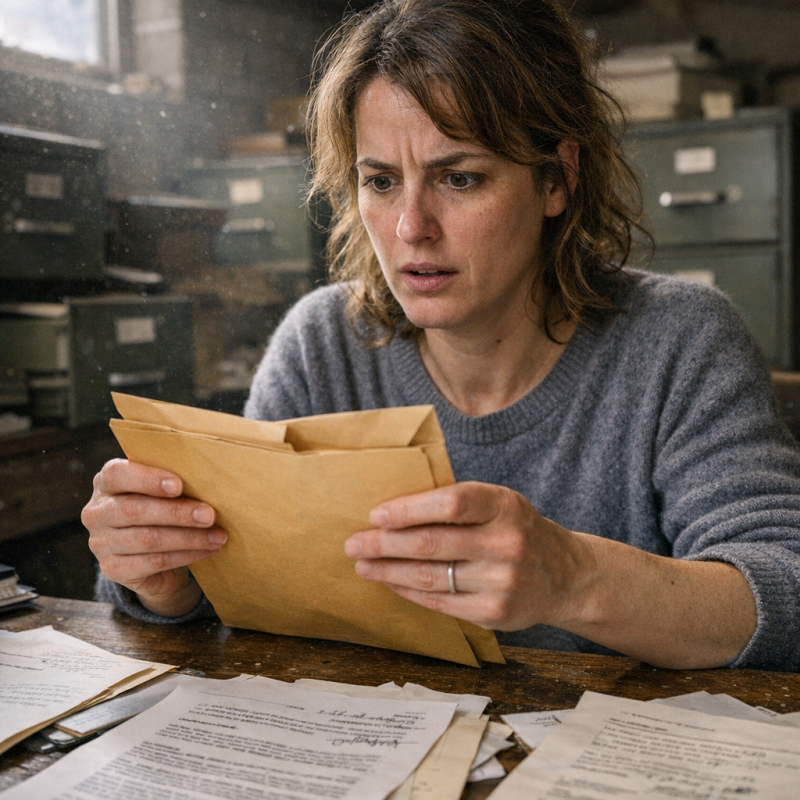 Image by FCT AI
Daniel the Lawyer
I found the lawyer's number on the letterhead and called him from the basement. A man answered, his voice crisp and professional. I told him my name, that I was the daughter of his client. He paused. 'Ah,' he said. 'Your mother mentioned you might call.' That stopped me cold. 'She did?' He confirmed it. 'She hired me four months ago. We have been building a case.' I sank into the chair by the desk. 'A case for what?' He hesitated, then said, 'A comprehensive legal action. Fraud, bigamy, financial crimes. She has provided extensive documentation.' My throat was dry. 'Is she planning to press charges?' Another pause. 'Miss, your mother has been very clear about her intentions. This is not about reconciliation or closure.' I could barely get the words out. 'Then what is it about?' His tone shifted, became almost cautious. 'She wants to ensure he loses everything. His reputation, his finances, his freedom.' I felt the room tilt. When I asked if she planned to press charges, he said: 'She plans to destroy him completely.'
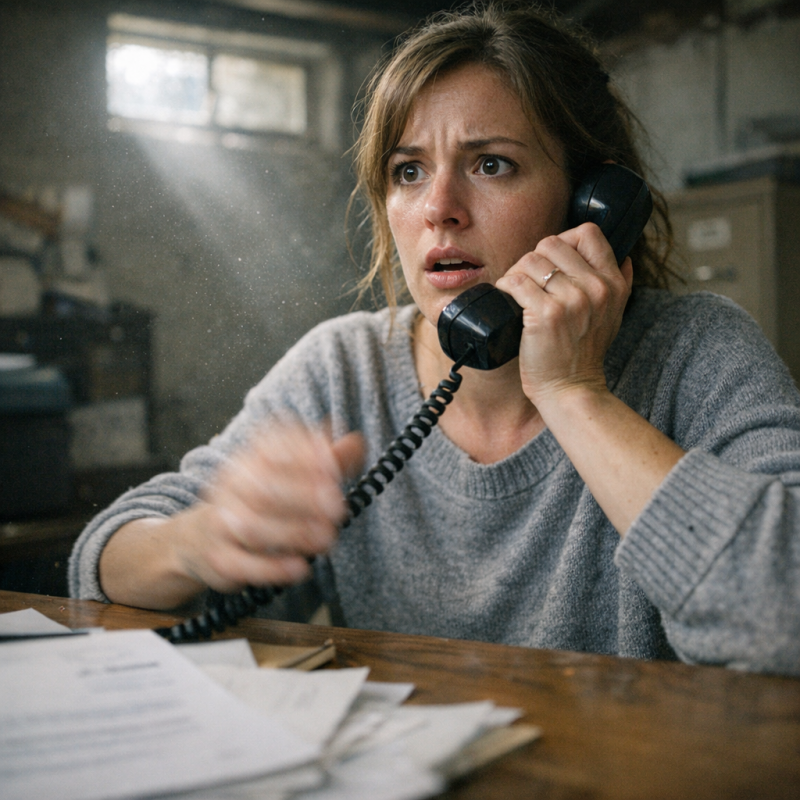 Image by FCT AI
Father's Phone Call
Two hours later, my phone rang. Unknown number. I almost did not answer, but something made me pick up. It was my father. His voice was shaking. 'Please,' he said. 'Please, you have to tell me what she is planning.' I had never heard him sound like that. Desperate. Afraid. 'I do not know what you are talking about,' I said, even though that was not entirely true anymore. 'Your mother,' he said. 'She contacted Rachel. She sent her copies of—God, I do not even know what all she has.' He was breathing hard. 'You have seen her. You know what she is capable of. You have to tell me what she is going to do.' I felt this strange surge of power. For the first time, I had something he wanted. Information. Control. 'Why would I help you?' I asked. He made this broken sound. 'Because I am your father.' I almost laughed. 'You told Rachel that Mom was dead.' Silence. Then, quietly: 'Please.' I told him I did not know, but I was starting to think my mother had been planning this for twenty years.
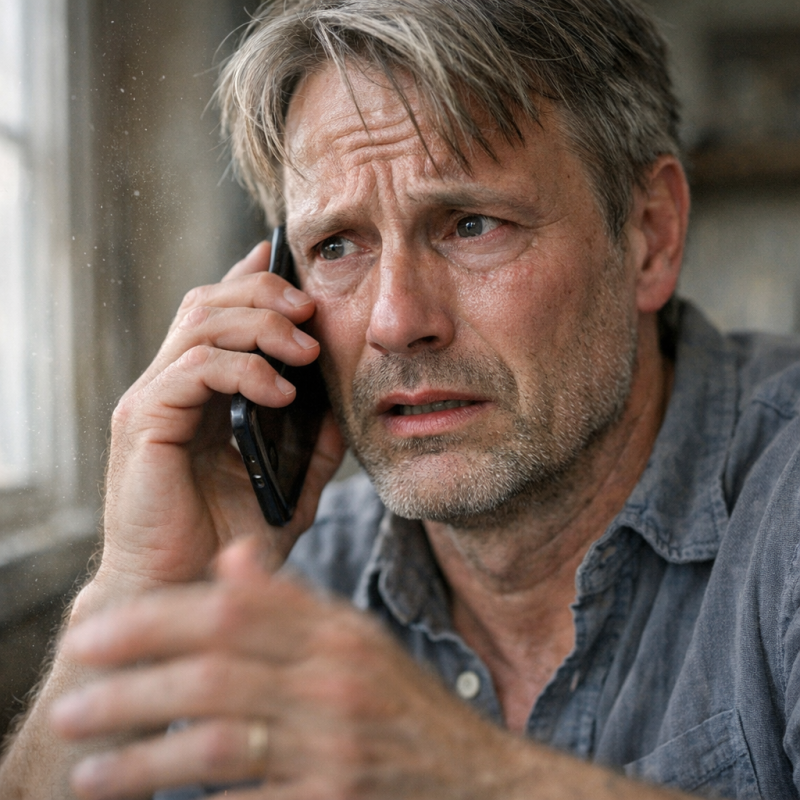 Image by FCT AI
The Basement's True Purpose
After I hung up, I went back down to the basement and looked at it with new eyes. I had thought this place was about obsession. About a woman who could not let go, who had spent two decades searching for answers, tracking movements, trying to understand why her husband had left. But I had been wrong. Every document was not just collected—it was organized. Filed. Cross-referenced. Every photograph was labeled with dates, locations, context. The timelines were not just records of his life. They were evidence. Admissible, prosecutable evidence. The filing system was not the work of someone drowning in grief. It was the work of someone building an airtight case. My mother had not been searching for closure. She had not been trying to understand or heal or move on. She had been preparing. For twenty years, in this basement, she had been constructing the weapon that would destroy him. Every piece of paper, every photo, every note—it was all part of a plan. Mother had not been searching for closure; she had been building a case to annihilate him.
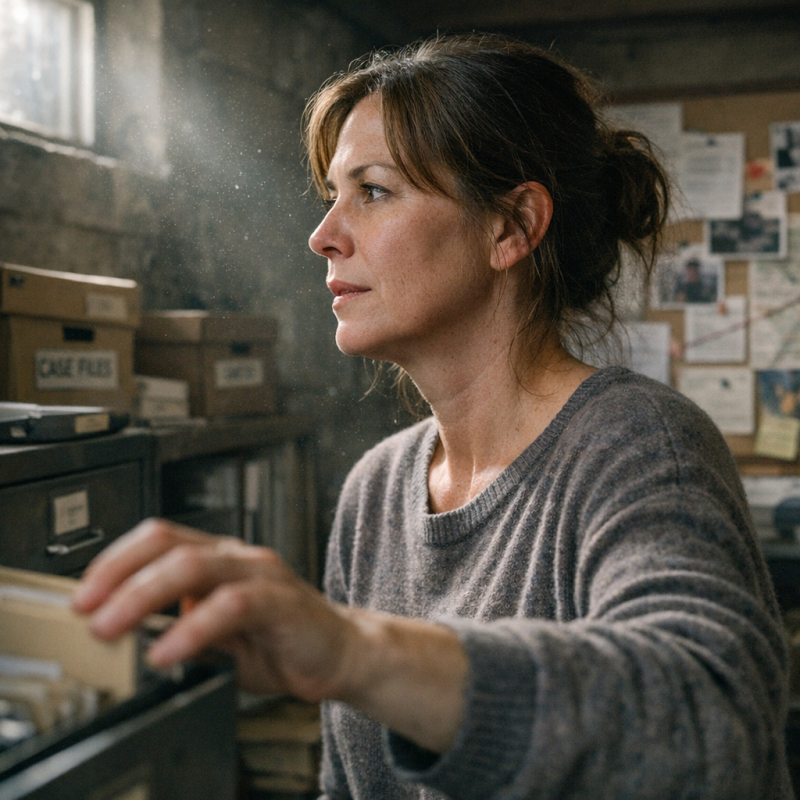 Image by FCT AI
Mother Arrives
I saw the taxi pull up through the living room window. Mother stepped out slowly, like she was moving through water, and I barely recognized her. She looked smaller than I remembered. Thinner. The kind of thin that makes you wonder how someone holds themselves upright. She was carrying one small suitcase, which seemed wrong somehow. I had expected more. More luggage, more explanation, more warning. She paid the driver and walked up the path without looking at the house, just straight ahead, like she had done this walk a thousand times in her mind. I opened the door before she could knock. We stood there for a moment, neither of us speaking. Then she stepped past me into the hallway. No greeting. No explanation. I followed her, my heart hammering, and managed to ask what she was doing here. She did not turn around. She walked straight to the basement door and placed her hand on the handle. When she finally spoke, her voice was calm and certain: 'I came to finish what I started.'
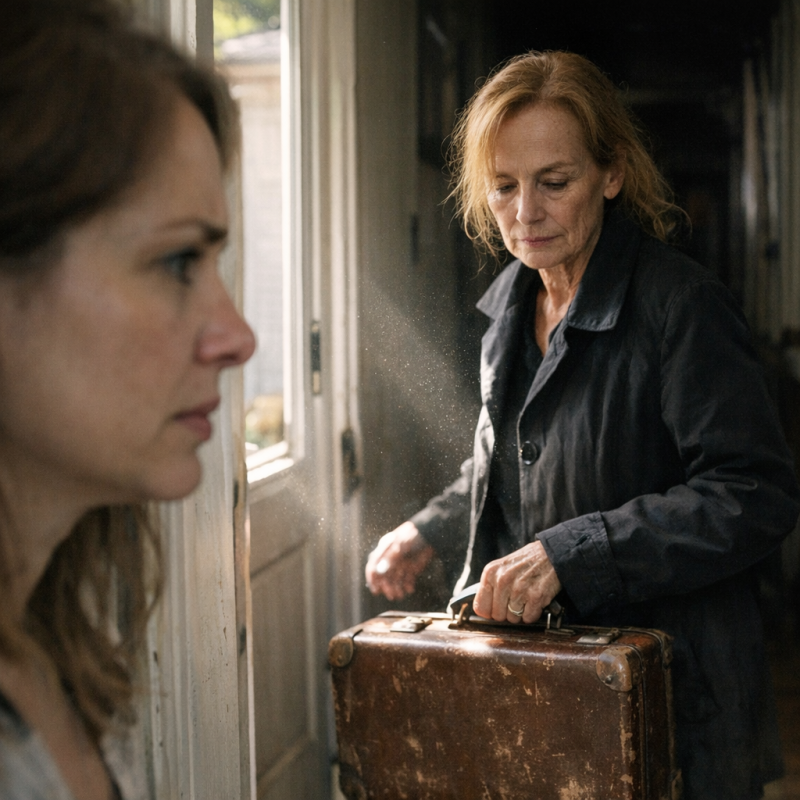 Image by FCT AI
The Accusation
I followed her down into the basement, the fluorescent lights buzzing overhead like they were mocking me. She moved through the space like she owned it, running her fingers along the filing cabinets, glancing at the timelines on the walls. I could not stand it anymore. I demanded to know if she had manipulated me into finding all of this. If she had planned the entire thing. If I had been her puppet from the moment I moved into this house. She turned to face me slowly, and her expression was completely unreadable. Not guilty. Not defensive. Just blank. Like she was looking at something far beyond me. I felt my anger rising, mixing with something that felt like fear. She tilted her head slightly, considering me. The silence stretched between us, heavy and suffocating. Then she spoke, and her voice was flat, almost clinical: 'Does it matter now?' I stood there staring at her, realizing she was not going to deny it. She was not going to explain. She was just going to keep moving forward.
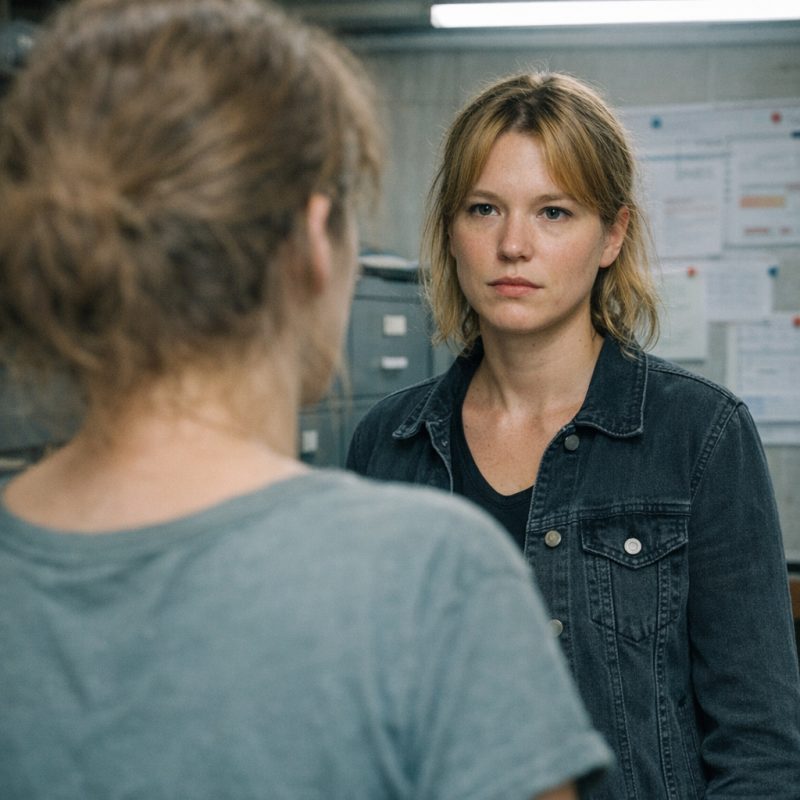 Image by FCT AI
Mother's Explanation
Mother sat down at the desk, the one I had been using to sort through her documents, and finally started talking. She told me about finding the first piece of evidence twenty years ago. A hotel receipt hidden in father's jacket. She described the slow unraveling, the way each new discovery had led to another, how she had realized the scope of his betrayal was far bigger than one affair or one lie. She spoke methodically, like she was reading from a script she had memorized. Her voice never wavered. She explained how she had built this archive piece by piece, how she had tracked him across countries, how she had documented everything with the kind of precision that would hold up in any court. I listened, feeling validated and sickened at the same time. But when I asked why she needed me to find the basement, why she could not have just told me about it from the beginning, she stopped mid-sentence. Her expression shifted, just barely. Then she changed the subject abruptly, asking if I had reviewed the property documents.
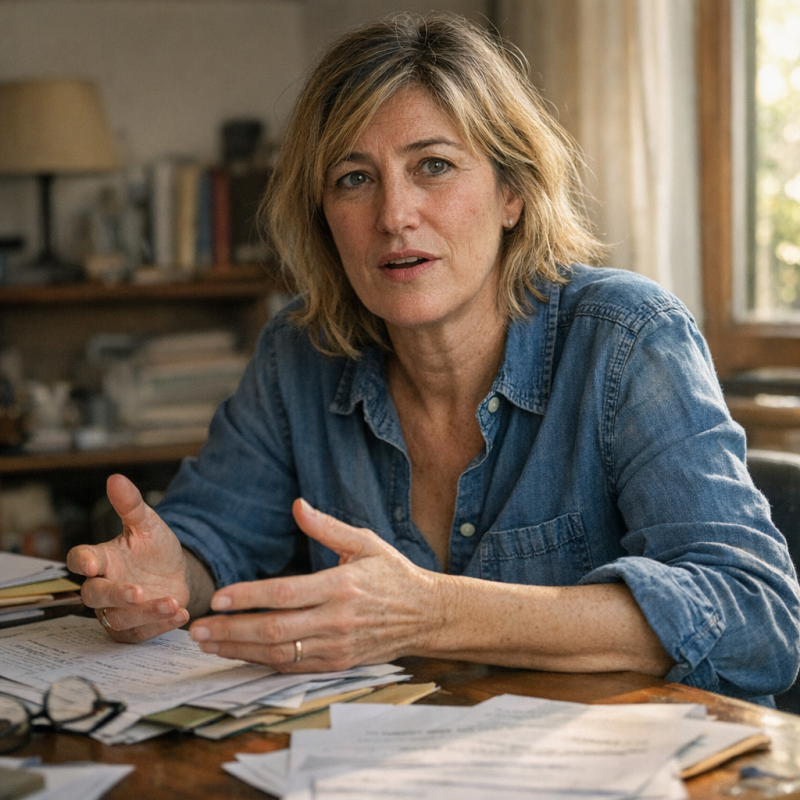 Image by FCT AI
The Meeting
Mother made the call two days later, right in front of me. She told father to meet her at a café downtown, a public place with lots of witnesses. She insisted I come along. 'You need to be there,' she said, like it was non-negotiable. I did not understand why my presence was necessary, but I also knew there was no point in arguing. We arrived early and took a table near the window. Mother ordered tea she did not drink. I watched people pass by on the sidewalk, ordinary people doing ordinary things, completely unaware that something irrevocable was about to happen. Then I saw him approaching. My father. Older now, grayer, but still recognizable. He walked through the door and scanned the room. When his eyes landed on mother, his entire body went rigid. The color drained from his face like someone had opened a valve. He stood frozen in the doorway, staring at her like she had risen from the dead.
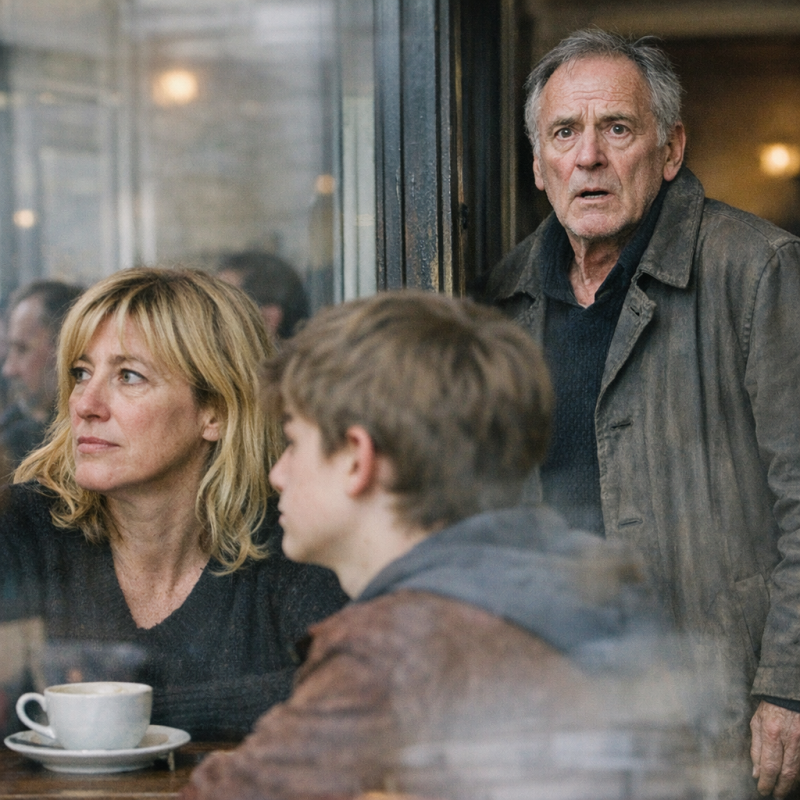 Image by FCT AI
Mother's Ultimatum
Mother did not waste time with pleasantries. She slid a folder across the table, and father opened it with shaking hands. I watched him flip through the pages, his face growing paler with each document. Bank records. Property deeds. Photographs with dates and locations. Communications with his other family. Everything. Mother leaned back in her chair and spoke in a voice that carried no emotion whatsoever. She gave him two options: confess everything publicly, admit to the fraud and the bigamy and the financial crimes, or she would take all of this evidence to the authorities and let them destroy him. She said she had already consulted with lawyers. She said the case was airtight. Father's hands were trembling so badly the papers rustled. Then he looked up at me, his eyes desperate and pleading, like I was his last lifeline. His voice cracked when he spoke: 'Do you know what she has really done?' I stared back at him, confused and thrown off balance.
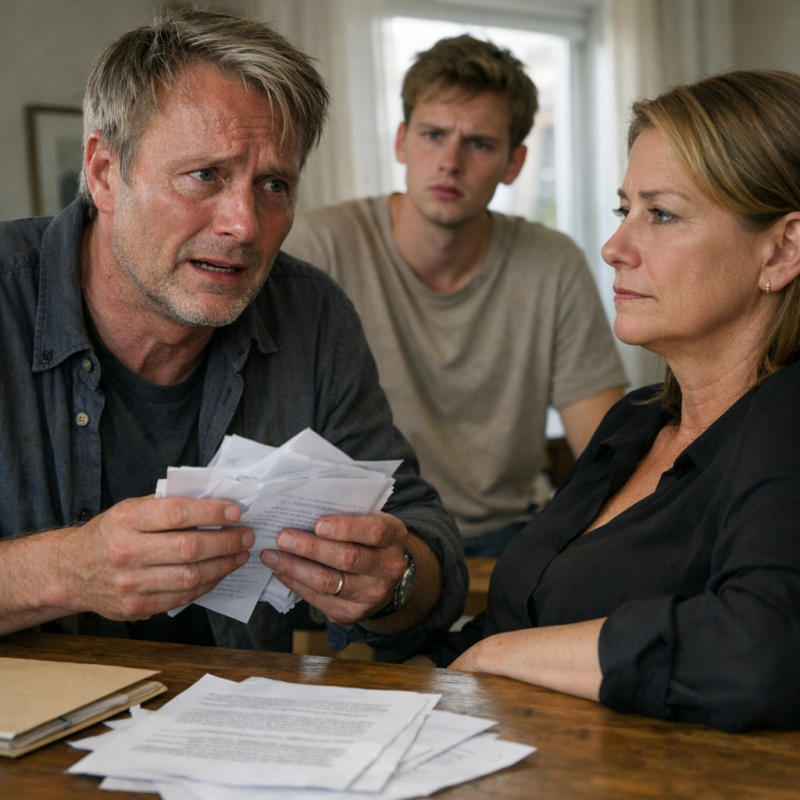 Image by FCT AI
Father's Accusation
Father pushed the folder aside and leaned toward me, ignoring mother completely. He said she had known where he was for years. He said she could have exposed him at any point, could have taken this evidence to the police five years ago, ten years ago. But she had not. She had waited. Deliberately. Strategically. He said she had been watching me, tracking my life, waiting for the right moment. I felt my stomach drop. I looked at mother, but she just sat there, silent and expressionless. Father kept talking, his words coming faster now, more urgent. He said everything about the move, the house, the timing—none of it was coincidence. He said mother had orchestrated every detail because she needed something from me. He said she had spent years preparing, not just the evidence, but me. His voice dropped to almost a whisper, and the words hit me like a physical blow: 'She waited until she could use you as her weapon.'
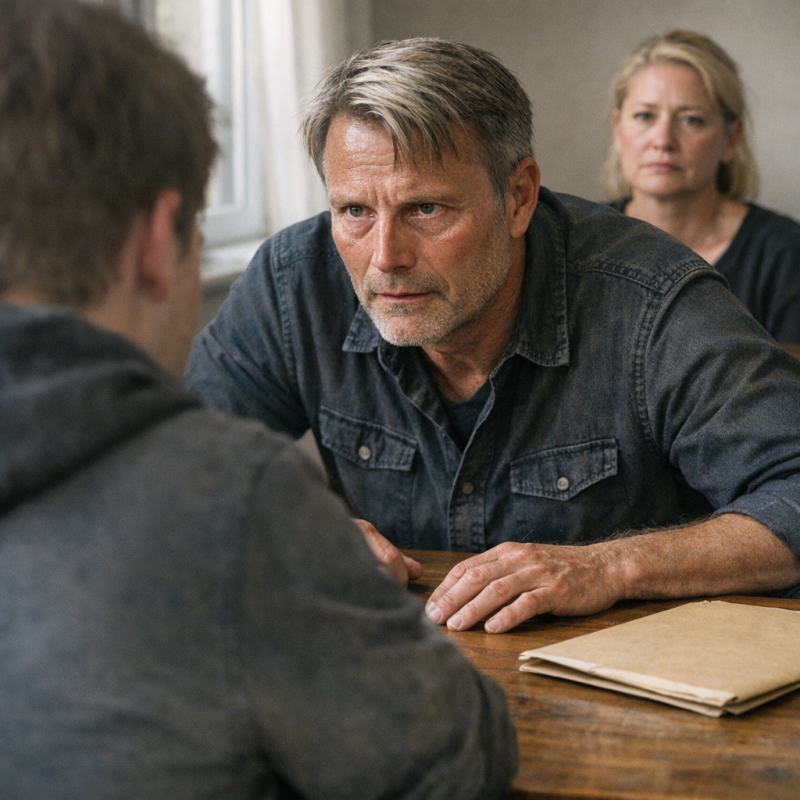 Image by FCT AI
The Medical Report
Father reached into his coat pocket and pulled out a folded document. His hands were still shaking as he pushed it across the table toward me. I unfolded it slowly, not understanding what I was looking at first. Then the letterhead came into focus. A hospital. An oncology department. The date was six months ago. I scanned down to the diagnosis section and felt the floor drop out from under me. Stage four. Terminal. Estimated six to twelve months. I looked up at mother, and she met my gaze without flinching. She had never mentioned being sick. Not once. Not when I moved into the house, not when I found the basement, not during any of our phone calls. Father spoke quietly: 'She knew she was dying when she gave you this house.' I looked back down at the medical report, my mind racing, connecting pieces I did not want to connect. The timing of the move. The convenient discovery of the key. The way she had disappeared and let me unravel everything alone. Suddenly everything made terrible, devastating sense.
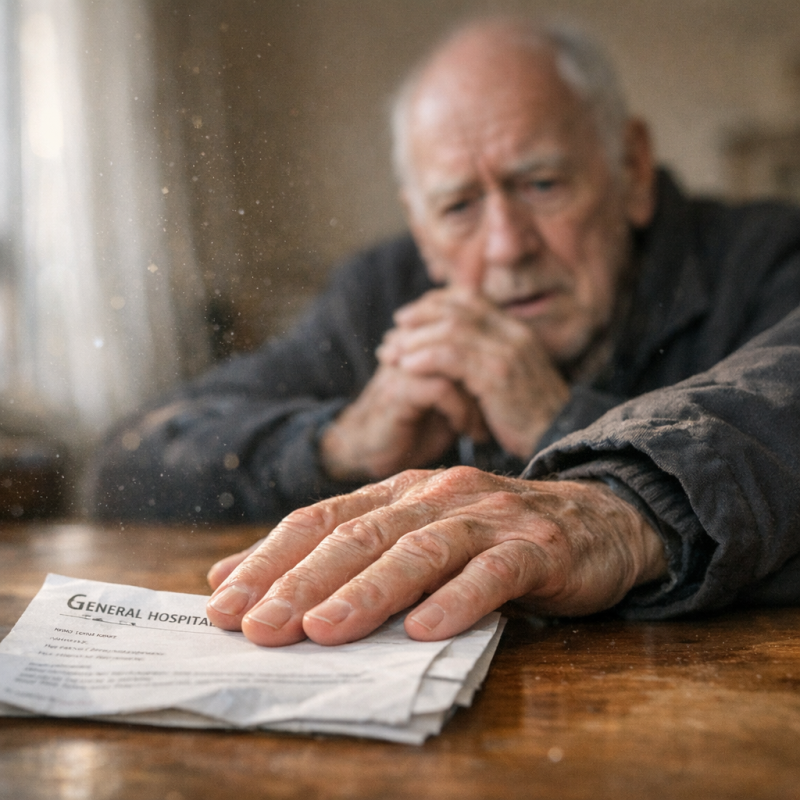 Image by FCT AI
The True Manipulation
I drove mother back to the house in complete silence. When we got inside, I turned on her. I asked if it was true. All of it. She stood in the hallway for a long moment, then nodded once. She admitted she had planted the key in the drawer. She had timed the move to coincide with her diagnosis. She had ensured I would be alone in the house, bored and curious, exactly when I needed to find the basement. Everything had been orchestrated down to the smallest detail. I felt sick. Used. She had turned my entire life into a chess move. When I asked why, her voice finally cracked, just slightly. She said she had run out of time. She said she needed me to understand what he had done, needed me to see the evidence with my own eyes, to feel the betrayal myself. She needed me invested. Because she could not finish this. But I could. Her eyes locked onto mine, desperate and determined: 'I needed you to understand what he did so you would finish what I cannot.'
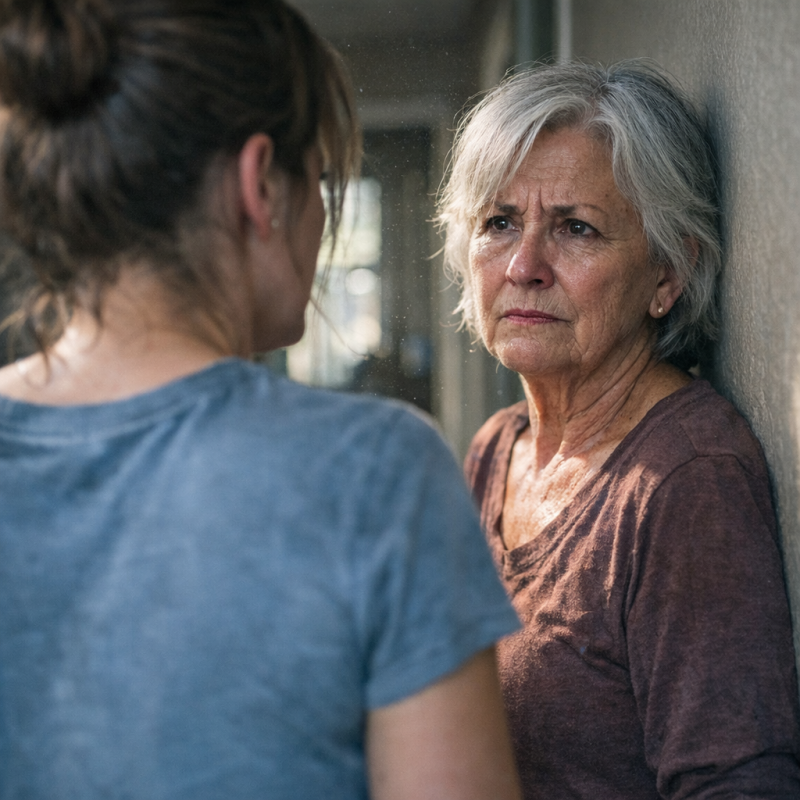 Image by FCT AI
The Inheritance of Obsession
She sat down heavily on the couch, her hands folded in her lap like she was about to deliver a rehearsed speech. Which, I realized, she probably was. 'I cannot die knowing he lives peacefully,' she said, her voice steady. 'I cannot leave this earth with him still free, still unpunished, still believing he won.' I just stared at her. She continued, explaining that she had six months, maybe a year. She needed me to finish what she had started. To take the evidence to the authorities. To make sure he faced consequences. To carry her vendetta forward after she was gone. Like it was the most natural thing in the world to ask your daughter. I felt something snap inside me. I told her no. Absolutely not. I would not do it. I would not become her instrument of revenge. I would not let her turn me into a weapon she could wield from beyond the grave. She looked at me for a long moment, then smiled—actually smiled. 'I have already made sure you have no choice,' she said.
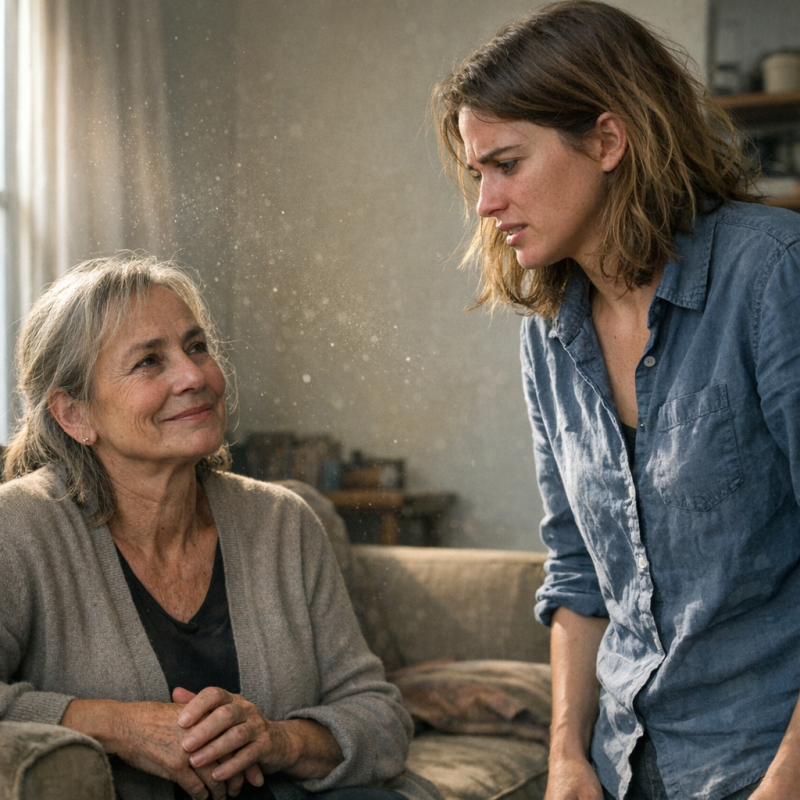 Image by FCT AI
The Final Document
She pulled out a manila envelope from the drawer beside the couch. Legal papers. She handed them to me, and I scanned them with shaking hands. I was named executor of her estate. Every asset she had—the house, her savings, everything—would go to me. But there were stipulations. Pages of them. I had to deliver all basement evidence to the authorities within thirty days of her death or forfeit the entire inheritance. There were specific instructions, specific agencies, specific protocols I had to follow. If I failed to comply, everything would go to a charity she had designated. She had bound me legally to her revenge. I looked up at her, feeling the walls close in. 'When did you do this?' I asked. She told me three years ago. Three years. She had been planning this manipulation since before the diagnosis, before the key, before any of it. I realized then that I had never stood a chance.
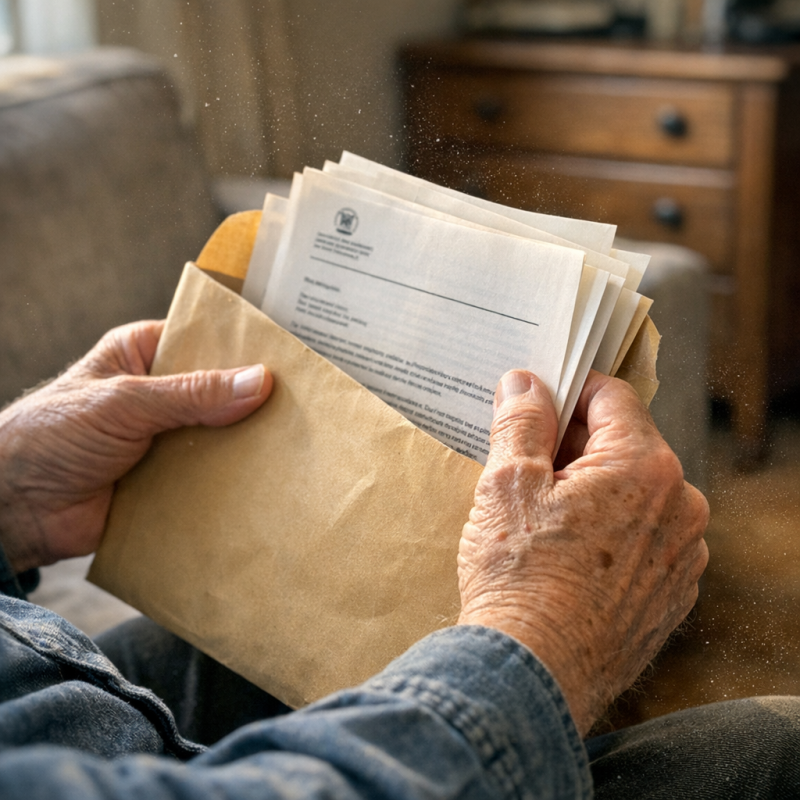 Image by FCT AI
Breaking Point
Something in me broke completely. I started screaming. I told her she had destroyed my life just as thoroughly as father had destroyed hers. That she had turned me into a thing, a tool, a puppet dancing on strings she had been pulling my entire existence. That she was no better than him—she just used different methods. That I hated her for what she had done to me. The words poured out, raw and vicious, and I did not try to stop them. I wanted her to hurt the way I was hurting. And for the first time since I had known her, I saw tears in her eyes. Actual tears. They slid down her cheeks silently while I raged. When I finally stopped, breathless and shaking, she whispered, 'I am sorry.' Her voice cracked. 'But I cannot stop now. Not after twenty years. I cannot.'
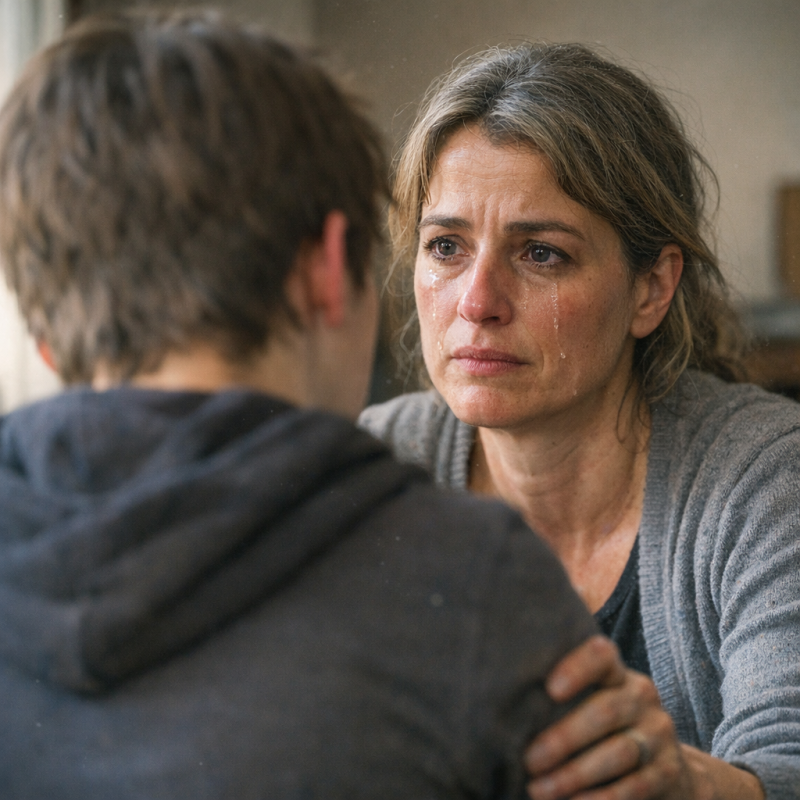 Image by FCT AI
Father's Offer
Father found me the next morning in the garden behind the house. I had not slept. He sat down on the bench beside me, keeping a careful distance. 'She told you,' he said. It was not a question. I did not answer. He was quiet for a moment, then made his offer. He would disappear again. Completely. I would never hear from him, never see him. He would go back to whatever life he had built and stay there. All I had to do was destroy mother's evidence. Burn it. Shred it. Make it disappear. Then I could be free of both of them. He turned to look at me directly. 'She is using you as a pawn,' he said. 'Just like she used everything else in her life. You deserve to be free of both of us. You deserve your own life.' I felt the temptation wash over me like a wave.
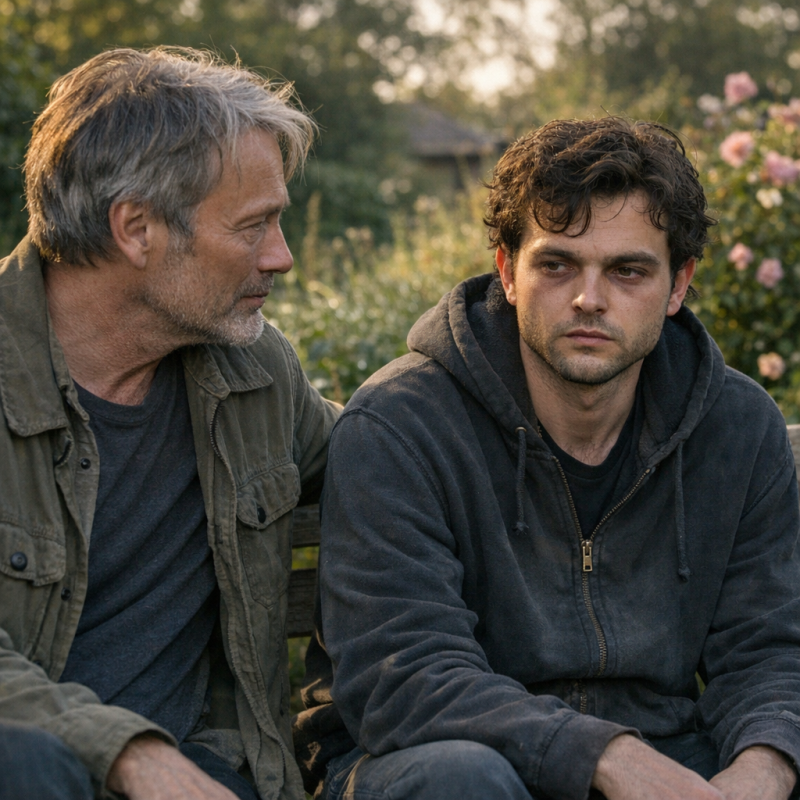 Image by FCT AI
Claire's Intervention
Claire showed up at the house two days later. I had not called her. She just appeared, let herself in with the key mother had given her years ago. We sat in the kitchen, and she told me something I had not known. Mother had tried to recruit her first. Years ago, when Claire was in her late twenties. She had shown Claire the basement, explained the mission, asked her to carry it forward. Claire had refused. She had told mother she would not be part of this obsession, would not sacrifice her life to someone else's revenge. And mother had been furious. They had not spoken for two years after that. Claire looked at me with something like pity. 'She told me then,' Claire said quietly, 'if you will not carry this, then I will make sure the younger one does.' I felt sick. I had never been the chosen one. I had been the backup plan.
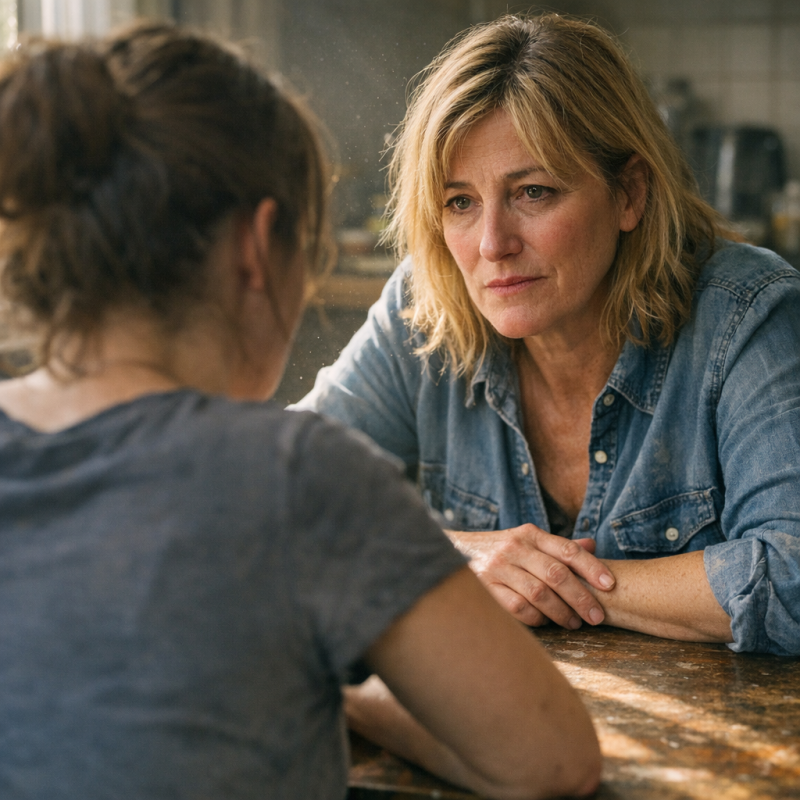 Image by FCT AI
The Decision
I went down to the basement alone that night. I stood there surrounded by twenty years of obsession—the files, the photographs, the meticulous documentation of father's crimes and lies. The evidence of mother's consuming need for revenge that had eaten her alive from the inside. I thought about the legal trap she had built. The inheritance stipulations. The way she had engineered my entire discovery. I thought about father's offer. His promise to disappear. Claire's revelation that I had only ever been second choice, backup daughter, the one you use when the first one refuses. I thought about what my life could be if I just walked away from all of it. And I thought about what my life would be if I did what mother demanded. I had brought a lighter with me. I pulled it from my pocket. I held it over the nearest file box. And I made my choice.
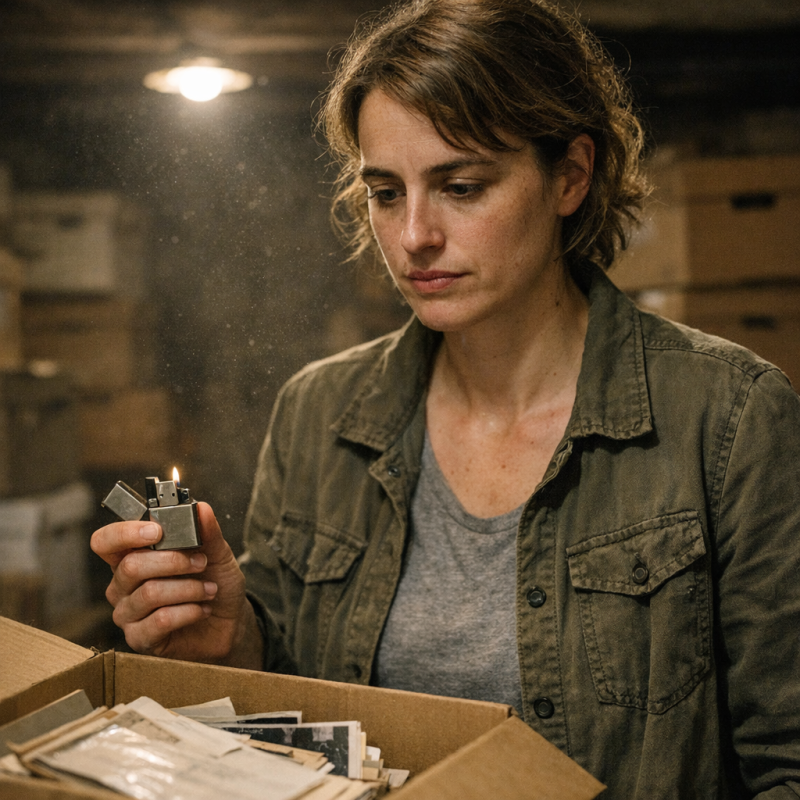 Image by FCT AI
The Fire
I burned everything. Every file, every photograph, every page of documentation. I fed it all into the metal trash can I had dragged down the stairs, watching as twenty years of obsession curled and blackened and turned to ash. The smoke filled the basement, acrid and thick. I did not cry. I felt strangely calm, like I was performing surgery, cutting out something diseased. It took hours. When the last page had burned, I heard footsteps on the stairs. Mother appeared in the doorway, saw the smoking trash can, the empty boxes, the ash floating in the air. She looked at me, then at the destruction, then back at me. Her face went completely white. She dropped to her knees on the concrete floor, a sound coming from her throat that I had never heard before. 'You killed me,' she whispered. 'You killed me.'
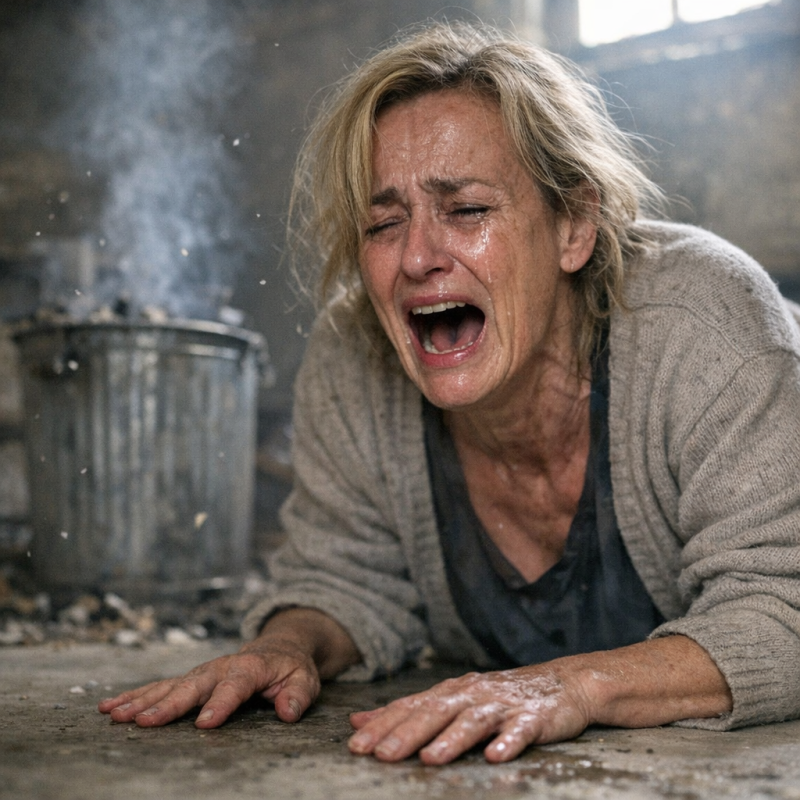 Image by FCT AI
Mother's Breakdown
She stayed on the floor, rocking slightly, staring at the ashes. 'My entire life,' she said, her voice barely audible. 'My entire life has been about this moment. About making him pay. About finishing this.' She looked up at me with devastated eyes. 'Without this, I have nothing. Do you understand? Nothing left to live for.' I knelt down beside her. I felt the guilt pressing on my chest, but I also felt something else—a terrible, necessary certainty. 'I know,' I said quietly. 'That is exactly why I did it.' She stared at me, not understanding. 'So you could finally be free,' I told her. 'So this obsession could not eat you alive for whatever time you have left. So you could die as something other than a vessel of revenge.' She shook her head slowly, tears streaming down her face. She did not agree. She would never agree.
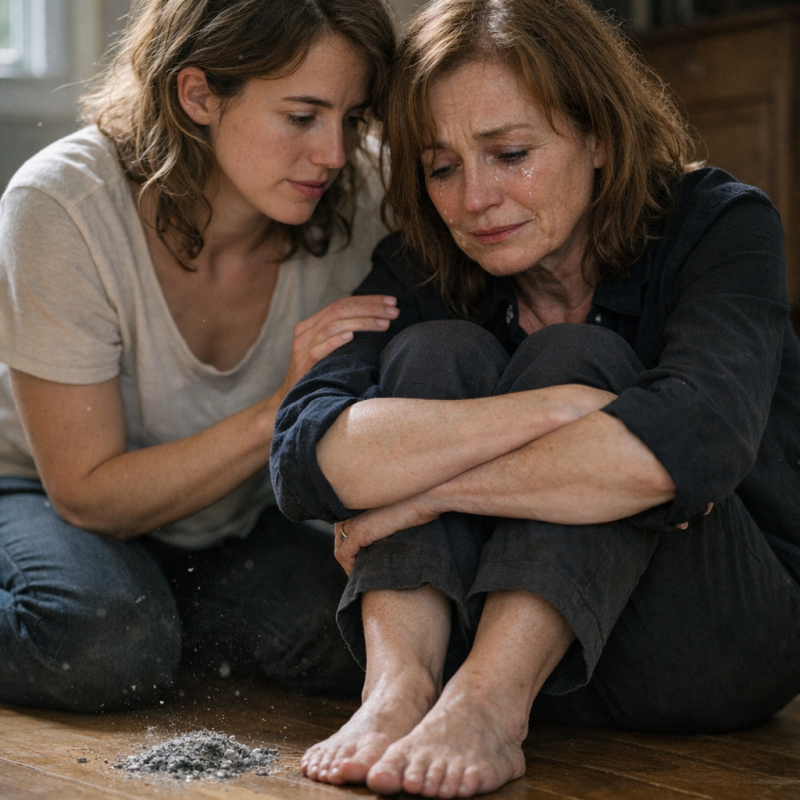 Image by FCT AI
Father Disappears Again
He was gone within twenty-four hours. My father—if that's even what I should call him—vanished like smoke the moment he realized the evidence had been destroyed. Rachel called me, her voice hollow. 'He left this morning,' she said. 'Took nothing. Just walked out.' I asked if she was okay, which was a stupid question. She hung up without answering. I sat in my apartment that night trying to convince myself I had done the right thing. That freeing my mother from her obsession justified what I had done. But the truth kept circling back, relentless and ugly. I had destroyed evidence of a crime. I had let a guilty man escape justice—again. And this time, it was my choice. My action. The weight of that settled into my bones in a way I knew would never leave. My mother had spent forty years trying to hold him accountable, and in one impulsive moment, I had undone everything. I realized I had freed a guilty man, and that burden would stay with me forever.
 Image by FCT AI
Mother's Final Days
She moved back into the house three weeks later. The hospice people set up a hospital bed in the living room, and suddenly the space where I had eaten breakfast as a child became a waiting room for death. We existed in uncomfortable silence most days. She was too weak for anger now, and I was too tired for apologies. Sometimes I would sit beside her bed and read. Sometimes she would just stare at the ceiling. Neither of us knew how to bridge the canyon I had created between us. I brought her water. Changed her blankets. Held the basin when she was sick. We performed the rituals of care like strangers going through motions, trying to find something that resembled forgiveness but never quite reaching it. The nurses came and went. They probably thought we were just another sad family dealing with cancer in our own quiet way. They had no idea about the basement. About the ashes. About the man who had escaped. Three days before she died, she asked if I thought she had been a bad mother.
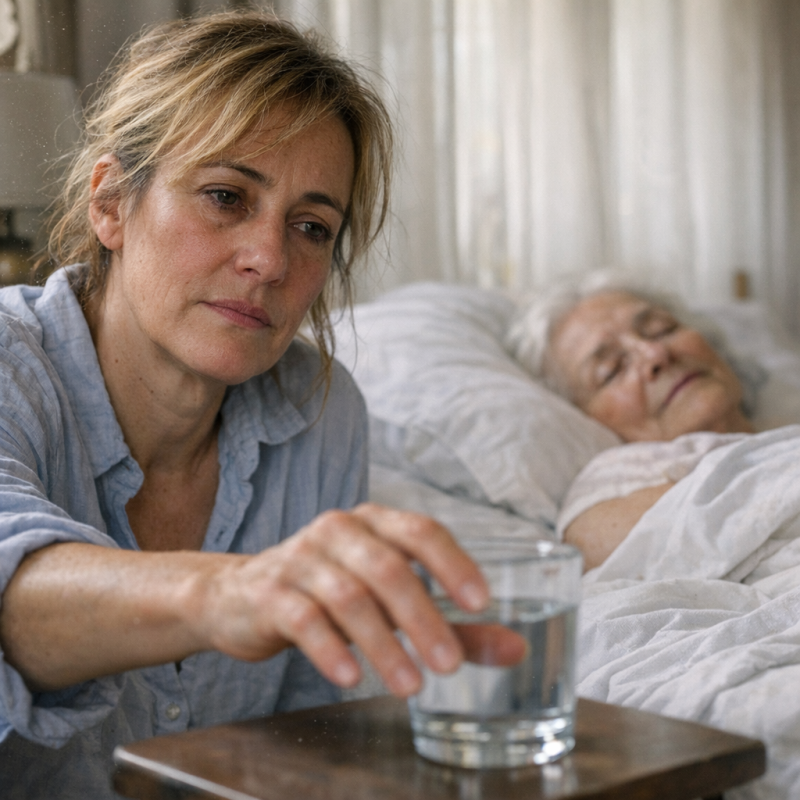 Image by FCT AI
The Honest Answer
I could have lied. Part of me wanted to give her that comfort as she lay dying. But we had spent too long drowning in secrets and half-truths. So I told her the real answer. 'You were the strongest person I have ever known,' I said slowly. 'And also the most damaging. You survived something unimaginable, but you let it consume everything—including me. You chose revenge over being present. You chose obsession over giving me a normal childhood.' Her eyes filled with tears. I kept going. 'I do not know if I can forgive you. I honestly do not. You were a victim, and you were also my mother, and those two things got so tangled up that I spent my whole life trying to understand where one ended and the other began.' She did not argue. Did not defend herself. She just listened, really listened, maybe for the first time. When I finished, she smiled weakly and said that was the most honest thing anyone had ever said to her.
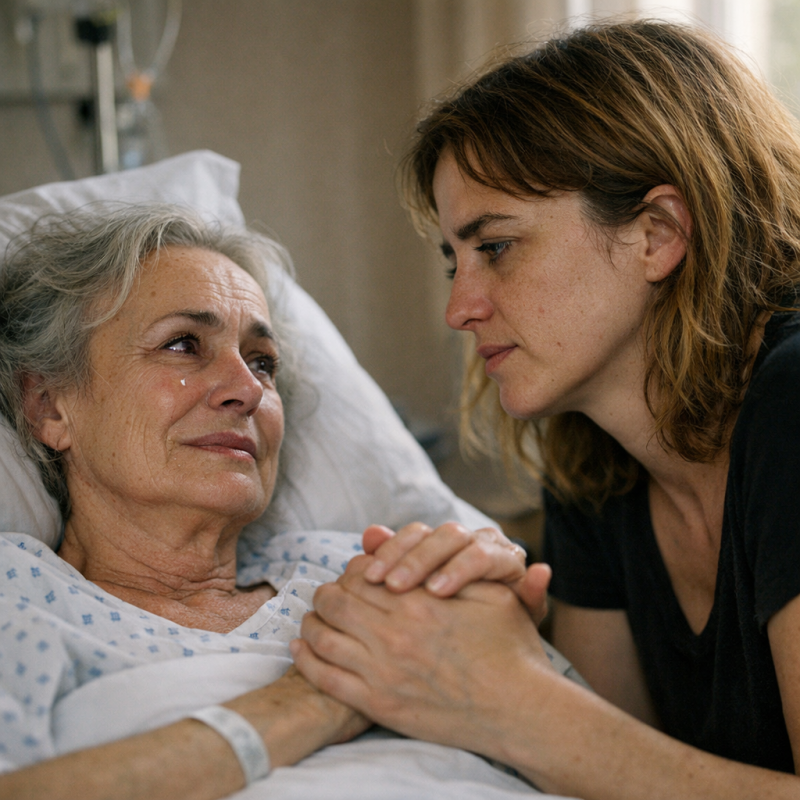 Image by FCT AI
The Empty Basement
After the funeral, I stood in the basement one final time. It was completely empty now. No evidence boxes. No photographs. No maps with red circles. Just bare concrete and the faint smell of mildew. The space that had defined my entire childhood was nothing but an ordinary basement after all. I had inherited the house. The lawyer handed me the keys like they were just keys, like they did not carry the weight of forty years of obsession. But standing there in that empty space, I made a choice my mother never could. I refused to inherit her mission. I refused to let my father's crimes become the organizing principle of my existence. What he did was unforgivable. What she became was tragic. And what I chose—destroying that evidence—was complicated in ways I would spend the rest of my life unpacking. But I would not become another prisoner in this basement. I locked the door for the last time, knowing some mysteries are better left buried.
 Image by FCT AI