The Silence After
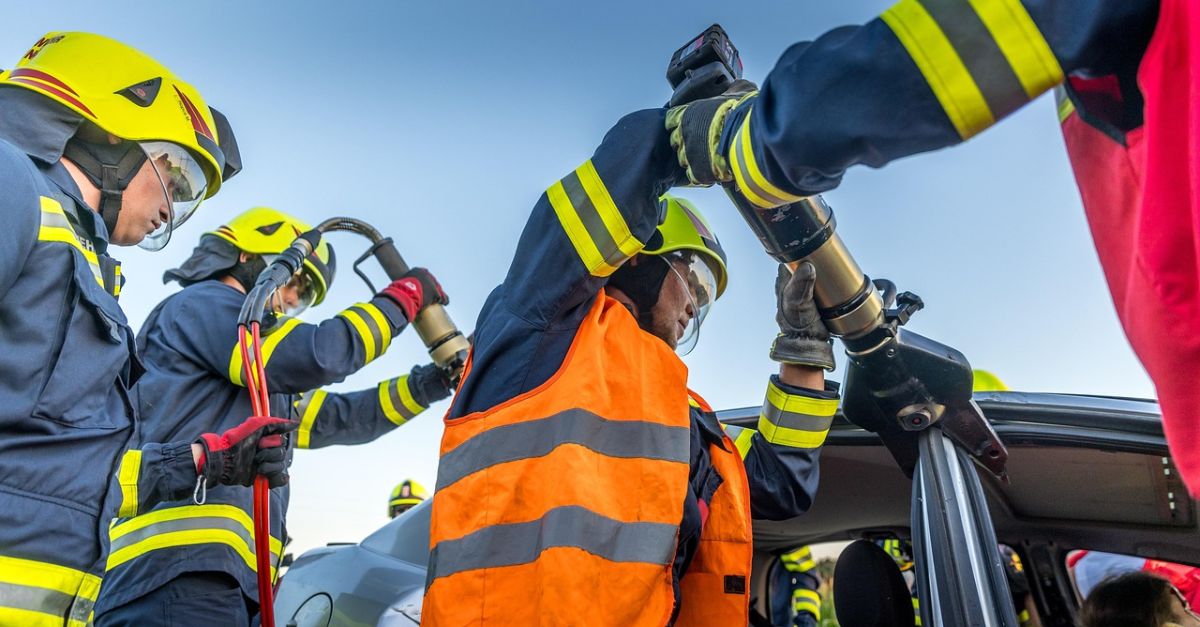
The airbag dust was still settling when I realized I was completely fine. Not a scratch. Not even a bruise forming. My hands were steady on the deflated airbag, my breath coming easy, and for maybe three seconds I felt this overwhelming relief that I'd walked away from what should have ended me. The front of my Honda was accordion-folded around a concrete barrier on Route 44, metal screaming and hissing steam into the November night. I remember thinking I needed to call Emily, tell her I was okay, that she shouldn't worry. That's when I heard it—or didn't hear it, actually. The silence from the passenger seat. You know that feeling when you suddenly realize someone's in the room with you? It was like that, but backwards. Cold recognition crawling up my spine. I turned my head slowly, and that's when I saw her. A woman slumped against the window, dark hair covering most of her face, seatbelt fastened across her chest. I had been alone in that car. I know I had been alone. When I finally looked at the passenger's face, half-hidden by dark hair, I saw something that made my blood run cold—I recognized her.
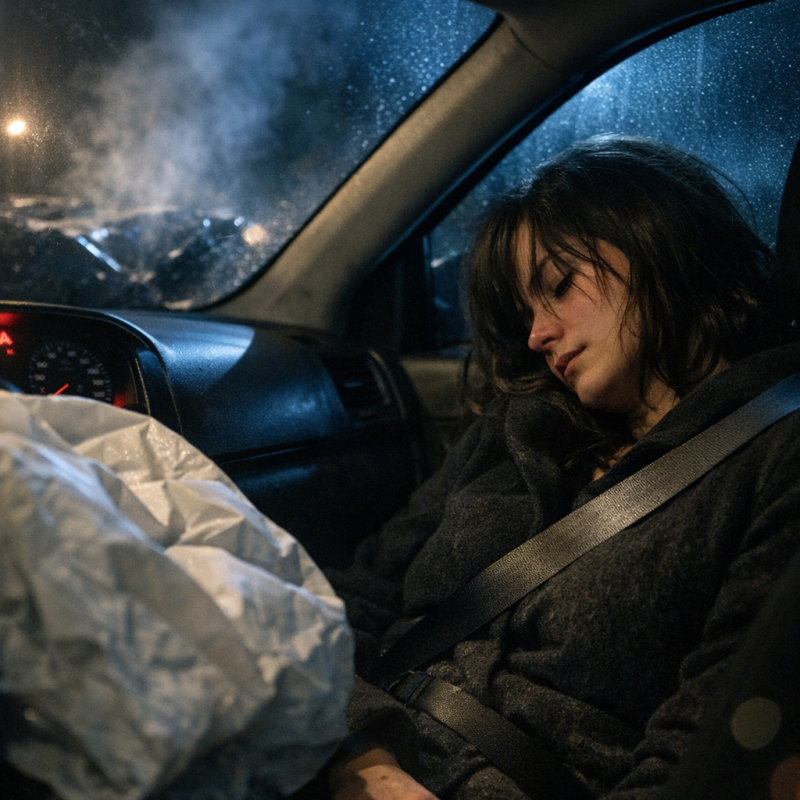 Image by FCT AI
Familiar Stranger
Claire Henning from Accounting. We'd maybe spoken a dozen times in the two years she'd worked at Morrison & Webb. She always wore those chunky cardigans and brought her lunch in a yellow lunchbox. That's the extent of what I knew about her. And now she was lifeless in my passenger seat, head tilted at an angle that made my stomach turn. I couldn't process it. Couldn't make the pieces fit. I'd left the office at 10:30, alone, same as every Tuesday. I'd stopped for gas, paid at the pump, got back in my car. Alone. The whole drive down Route 44, I'd been listening to a podcast about the Roman Empire, singing badly to myself during the ads. There had been no one in that seat. I would have noticed. I would have known. When the ambulance arrived, I tried explaining this to the first responder, then to the paramedic, then to the officer who showed up after them. Officer Martinez. Thick mustache, tired eyes that had seen too much. He wrote everything down in a little notebook, nodding occasionally, his face completely neutral. As paramedics arrived and I tried to explain, Officer Martinez looked at me with an expression I would come to know well—like he did not believe a single word I was saying.
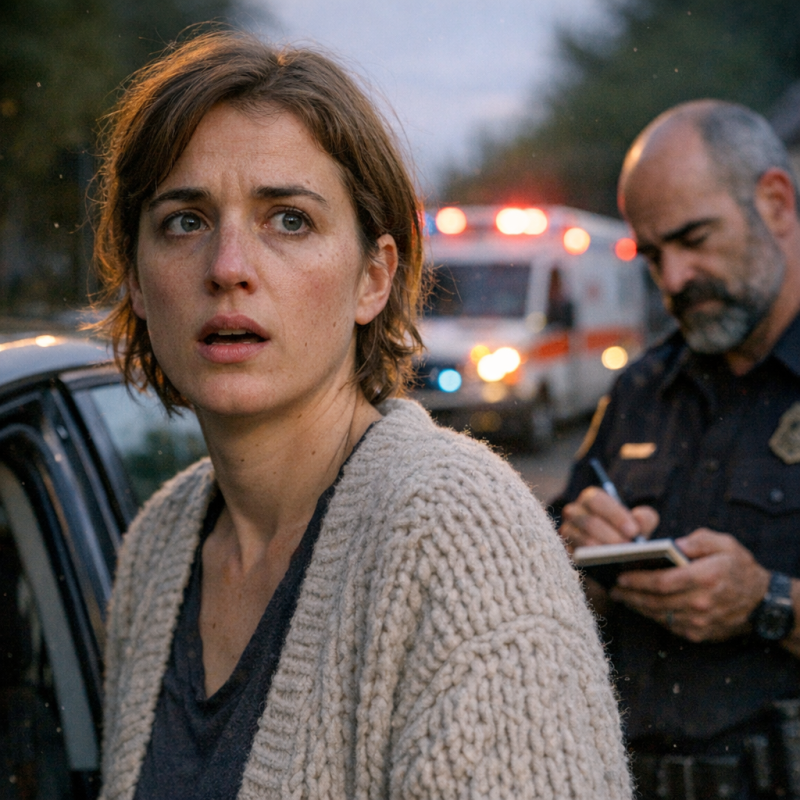 Image by FCT AI
Coming Home Empty
Emily was waiting on the porch when the Uber dropped me off at 3:47 AM. She'd thrown one of my sweatshirts over her pajamas, arms wrapped around herself against the cold. The porch light made her look small and worried, and I felt this crushing weight seeing her face. She didn't ask if I was okay—she could see I wasn't hurt. Instead, she asked what happened, and I opened my mouth and nothing came out. How do you explain something that doesn't make sense? How do you tell your wife that a coworker she's never met somehow appeared lifeless in your car while you were driving alone? I tried. God, I tried. But every sentence sounded more insane than the last. Emily listened without interrupting, standing there in the cold, and I could see her trying to make it make sense, trying to find the logical explanation. She asked if maybe Claire had been hiding in the backseat, if maybe I'd just missed her somehow. She asked if I was sure I'd been alone. Really sure. The questions were gentle, but they stung. Emily's eyes searched mine, and for the first time in five years of marriage, I saw something I had never seen before—doubt.
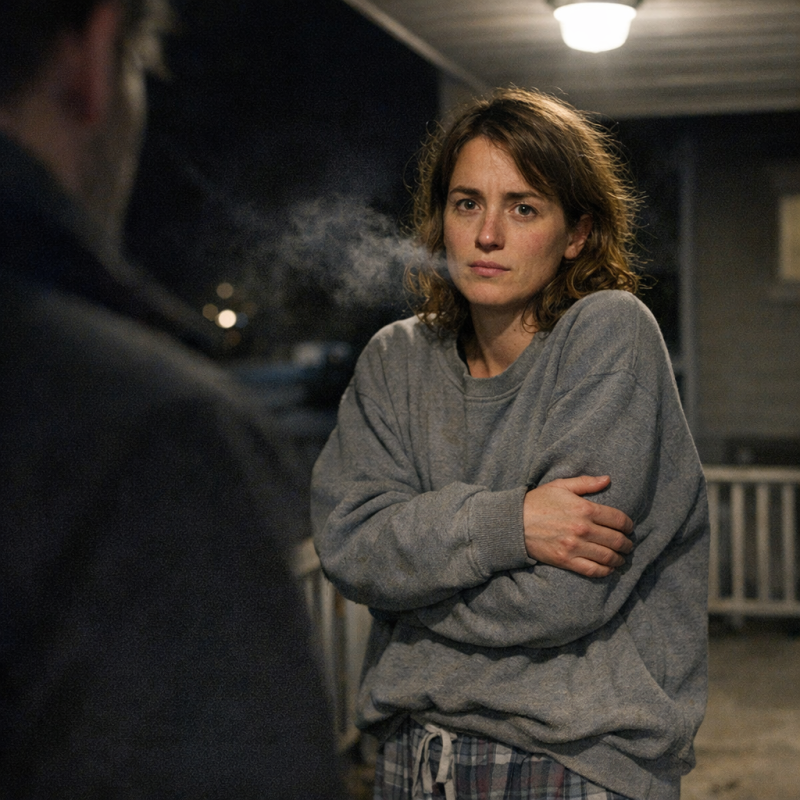 Image by FCT AI
The Other Car
I couldn't sleep that night, so I just lay there staring at the ceiling, running through every second of the drive. That's when I remembered the headlights. They'd come out of nowhere on that empty stretch of Route 44, high-beams blazing, so bright I'd thrown up my hand to shield my eyes. The other car had been in my lane, coming straight at me, and I'd swerved hard right. That's what sent me into the barrier. But here's the thing that kept nagging at me—when the authorities arrived, when the ambulance came, when they were photographing the scene and taking measurements, no one mentioned another vehicle. No debris, no skid marks except mine, no reports of anyone fleeing the scene. I sat up in bed, careful not to wake Emily, and tried to picture it again. Those headlights. The way they'd come at me so fast, so direct. No hesitation, no swerving. I'd assumed the other driver was drunk or distracted, but now, lying there in the dark, a different thought crept in. I replayed the moment over and over, and the more I thought about it, the more certain I became—the other car had not been trying to avoid me at all.
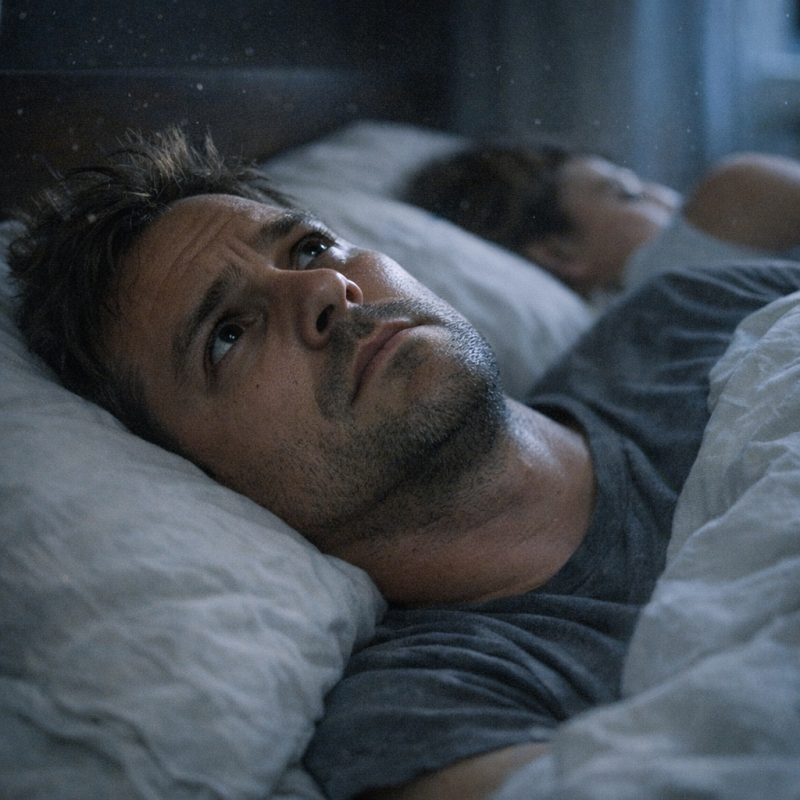 Image by FCT AI
Mandatory Evaluation
Dr. Patel's office smelled like lavender and leather. Court-mandated evaluation, they'd called it. Standard procedure when someone expires in your vehicle under 'unusual circumstances.' She was younger than I expected, maybe late thirties, with kind eyes that I immediately distrusted because I knew what she was really there to do—decide if I was crazy. She asked me to walk through the crash again, which I did. Then she asked me to describe my relationship with Claire, my stress levels at work, whether I'd been sleeping well. Every question felt like a trap. I kept my answers short and factual. Yes, I knew Claire from work. No, we weren't close. Yes, I'm sure I was alone in the car. No, I haven't been sleeping well—because I keep seeing her body slumped against that window. Dr. Patel made notes on her tablet, nodding occasionally, and I wanted to scream at her that I wasn't making this up, that I wasn't confused or traumatized or blocking out some memory of picking Claire up. But I kept my voice level. Professional. Sane. As I left her office, Dr. Patel said something that stuck with me: 'Sometimes our minds protect us from things we are not ready to process.'
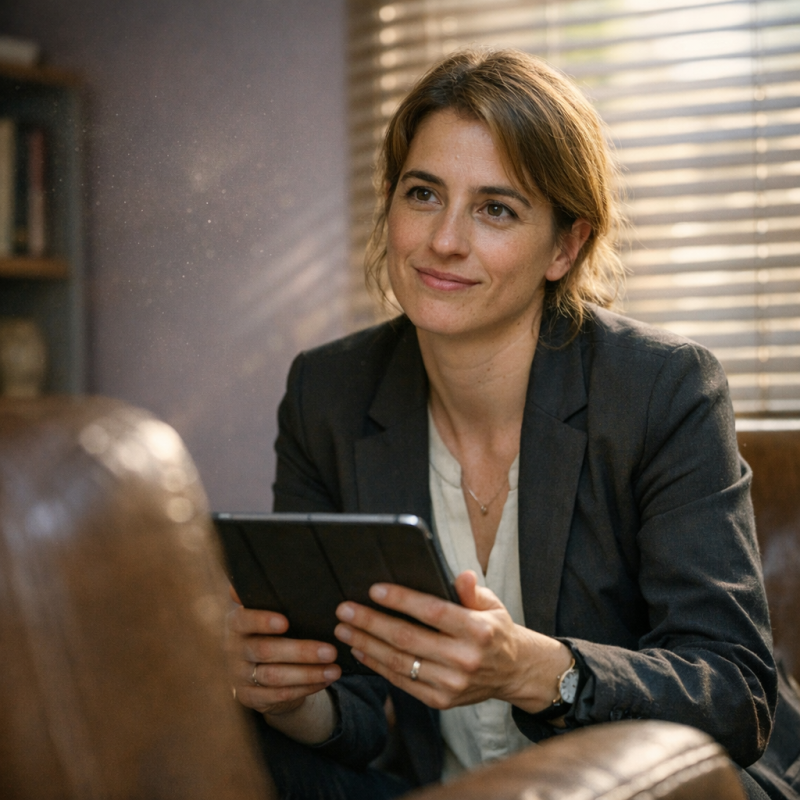 Image by FCT AI
Claire's Desk
Morrison & Webb sent an email saying I should take the week off, but by Friday I couldn't stand being home anymore with Emily's careful questions and the way she watched me like I might break. So I went in. The office was quieter than usual. People looked at me and then quickly looked away. Claire's desk was in the corner by the window, exactly as she'd left it. There was a coffee mug with dried residue at the bottom, a sweater draped over her chair, a small succulent that was starting to wilt. Someone should have packed her things by now, I thought. Someone should have called her family. But everything sat untouched, like she'd just stepped away for lunch. I don't know what I was looking for when I started opening her drawers. Evidence, maybe. Some explanation for how she'd ended up in my car. Her top drawer had the usual stuff—pens, sticky notes, hand sanitizer. But in the middle drawer, tucked inside her daily planner between pages marked with little tabs, I found it. Tucked inside her planner was a business card for a motel on the edge of town—the same route I had been driving the night of the crash.
 Image by FCT AI
What Emily Knows
Emily was doing dishes when I got home, her back rigid with tension. I could tell she'd been working up to something all day. She dried her hands on a towel, turned around, and said, 'Claire called here.' Just like that. No preamble. I must have looked confused because she continued. 'Twice. Three weeks ago and then again about ten days before the crash. Both times on the landline.' We barely used our home phone anymore—it was mostly for Emily's parents and the occasional telemarketer. I had no memory of Claire calling. Why would Claire call our house? I didn't even know she had our number. Emily's face was tight, controlled, like she was trying very hard to stay calm. She said she'd answered the first time, and a woman's voice had asked for me, but when Emily offered to take a message, the caller had just hung up. The second time, it had gone to voicemail, but there was no message left. 'I checked the caller ID both times,' Emily said. 'I looked her up after the crash. After I heard her name.' Emily's voice was quiet, almost too calm: 'Why would she be calling our house, Daniel?'
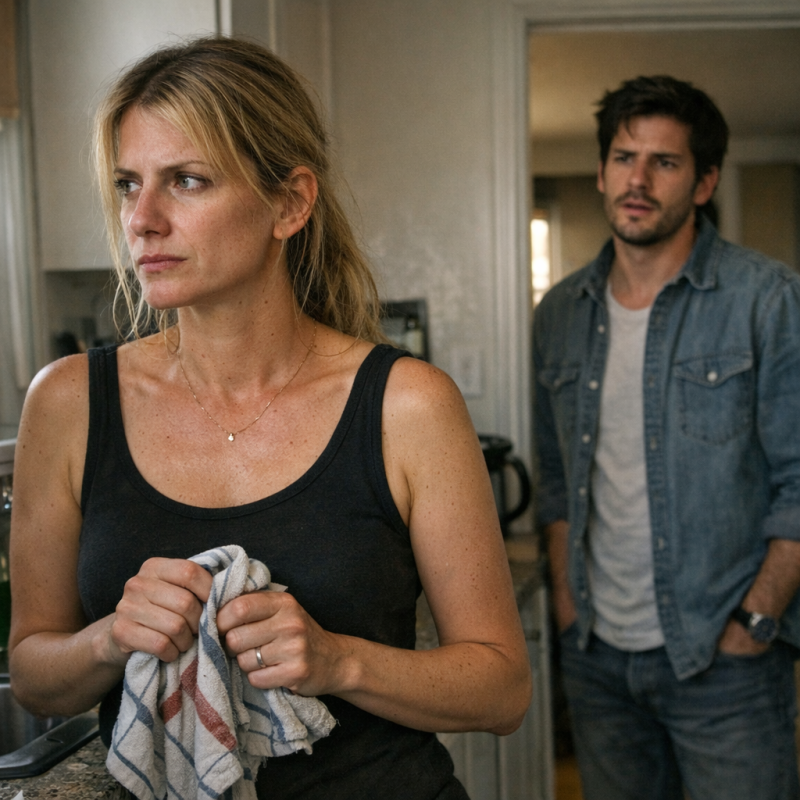 Image by FCT AI
The Missed Messages
I logged into my phone account that night after Emily went to bed. My hands were shaking as I scrolled through the call history, looking for Claire's number. And there it was. Not on the landline—on my cell. Three calls, all from the day before the crash. All going to voicemail. All voicemails deleted. I stared at the screen, my heart hammering. I had no memory of these calls. No memory of deleting the messages. I tried recovering them through my carrier, sat on hold for twenty minutes, got transferred twice. The customer service rep told me that deleted voicemails are permanently erased after thirty days. These were gone. But the call log didn't lie. Three attempts. The first at 2:17 PM. The second at 6:43 PM. And the last one—I had to read it twice to make sure I wasn't seeing things. The timestamp on the last voicemail showed she had called at 11:47 PM—less than an hour before she ended up lifeless in my passenger seat.
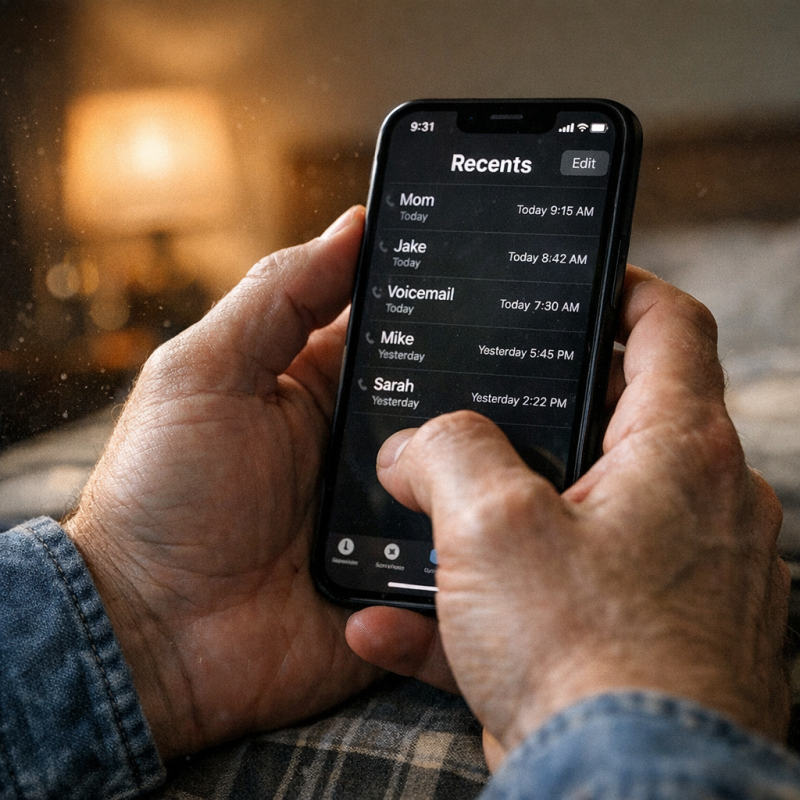 Image by FCT AI
Blood Work
The toxicology report arrived in a bland manila envelope three days later. I opened it standing in the kitchen, still in my pajamas at two in the afternoon. Emily was at work. The house was silent except for the hum of the refrigerator. I scanned past all the normal results—no signs of intoxicants, no marijuana, no opiates—until I hit the highlighted section at the bottom. Lorazepam. Present in my bloodstream at the time of the crash. Enough to cause drowsiness, impaired judgment, short-term memory loss. I read the word five times, trying to make sense of it. I had never taken lorazepam in my life. I did not even know what it was until I googled it right there on my phone. An anti-anxiety medication. A benzodiazepine. Something prescribed for panic attacks and insomnia. I called my doctor immediately, asked if he had ever written me a prescription. He checked my file. Nothing. No record. I hung up and stared at the report again, my hands trembling. The drug in my system was not something you accidentally ingest—it was something someone gives you.
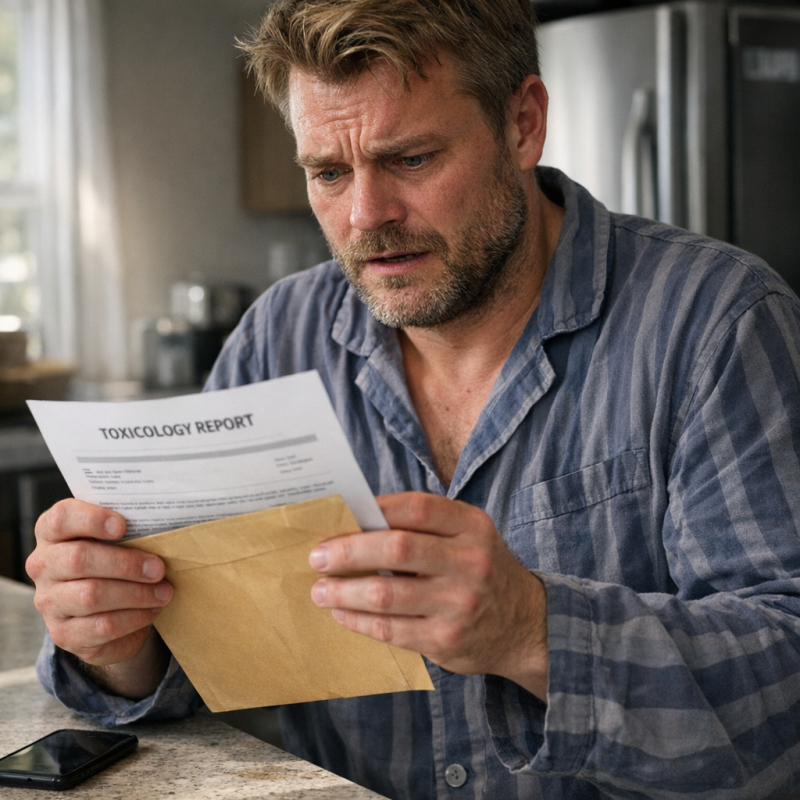 Image by FCT AI

History's most fascinating stories and darkest secrets, delivered to your inbox daily.
The Motel Room
The Pines Motel sat just off Route 9, about four miles from where I crashed. It was the kind of place you drove past without noticing—peeling paint, flickering neon sign, parking lot full of potholes. I walked into the office holding Claire's business card, trying to look casual. The clerk was maybe sixty, bald, reading a paperback behind plexiglass. I showed him the card and asked if he recognized the room number scribbled on the back. He squinted at it, then at me. 'Room twelve,' he said slowly. 'Yeah, that was hers. Checked in the previous Monday. Paid through the week.' My stomach dropped. 'She stayed here for a week?' He nodded. 'Quiet lady. Kept to herself. Came and went at odd hours.' I asked if she had been with anyone. He shook his head. 'Always alone. Least, when I saw her.' I thanked him and turned to leave, my mind racing. Then he called after me. The clerk's eyes narrowed as he looked at me: 'You are the second person asking about that room—the detective was here yesterday.'
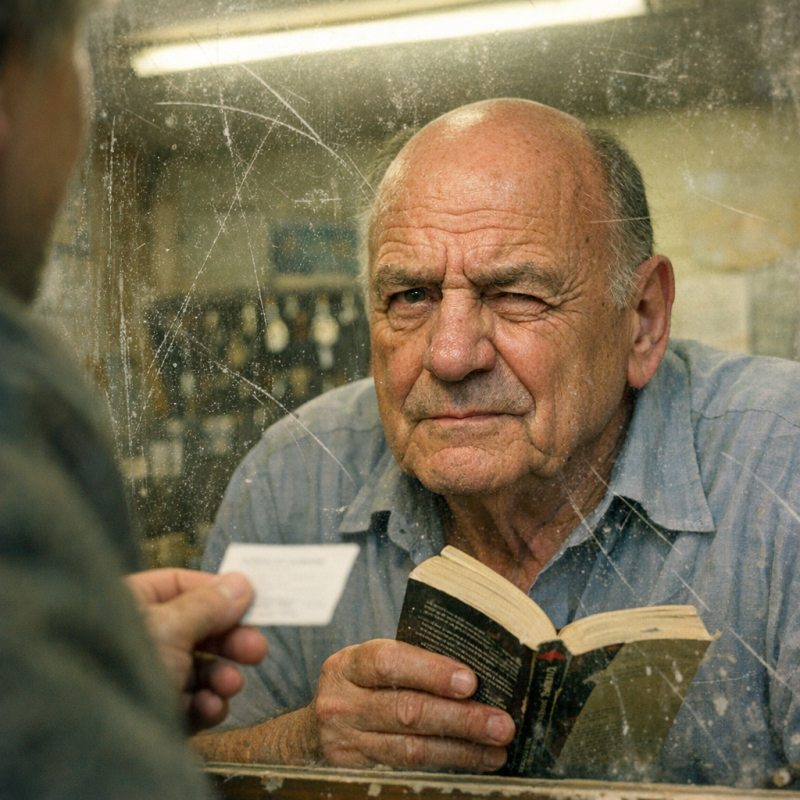 Image by FCT AI
Fragments
It hit me while I was sitting at a red light two blocks from the motel. One moment I was staring at the traffic signal, the next I was somewhere else entirely. A parking lot. Nighttime. Streetlights casting orange pools on wet asphalt. I was in my car—my real car, the one I crashed—and Claire was in the passenger seat. She was crying. Not sobbing, just silent tears running down her face, catching the light. I reached over and took her hand. Her fingers were cold. She looked at me with this expression I could not decode—hurt, maybe, or disappointment. I opened my mouth to say something, but I could not remember what. The memory felt absolutely real, solid as anything I had ever experienced. Then the honking started. I blinked. I was back at the intersection, cars behind me laying on their horns, the light green. I drove through on autopilot, pulled into a gas station, shut off the engine. My heart was hammering. In the memory, Claire was crying, and I was holding her hand—but I could not remember what either of us had said.
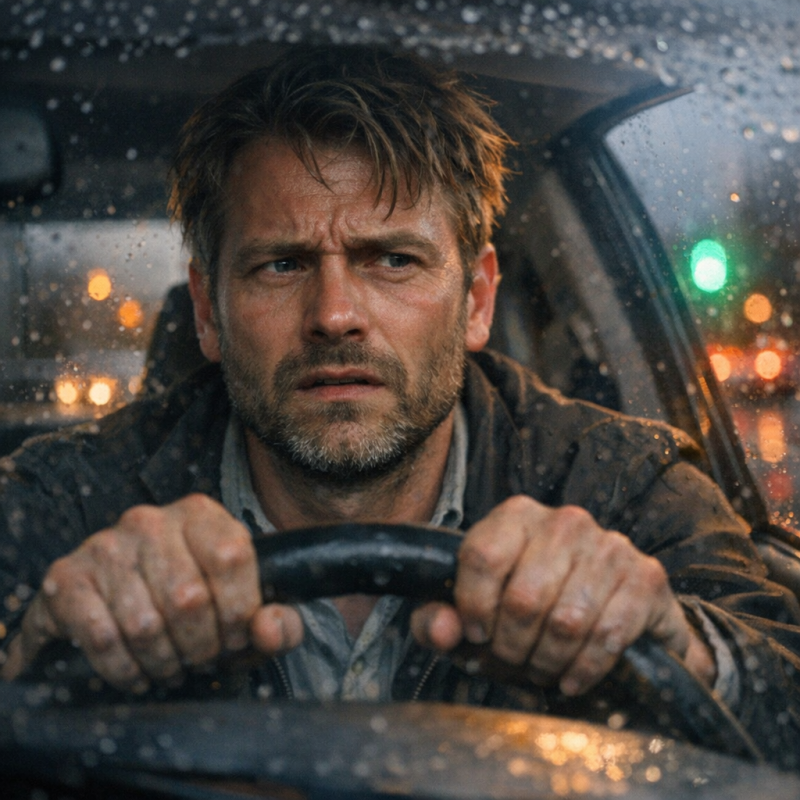 Image by FCT AI
Marcus Weighs In
Marcus showed up unannounced on Saturday morning. Emily's older brother, tall and broad-shouldered, a high school football coach with a permanent scowl. I opened the door in sweatpants and a t-shirt, unshowered. He did not wait for an invitation. Just pushed past me into the living room. 'We need to talk,' he said. I closed the door. He turned to face me, arms crossed. 'Emily will not ask you directly, so I will. Were you sleeping with that woman?' I started to answer, but he cut me off. 'Do not lie to me, Daniel. Three calls the day before she passes? Ends up in your car in the middle of the night? You think I am stupid?' I tried to explain that I did not remember the calls, did not remember picking her up. He laughed, bitter and sharp. 'Convenient. Real convenient.' I felt my face flush. 'Marcus, I am telling you the truth.' He stepped closer. Marcus leaned close, his voice sharp: 'Emily will not say it, but I will—you are lying, and we all know it.'
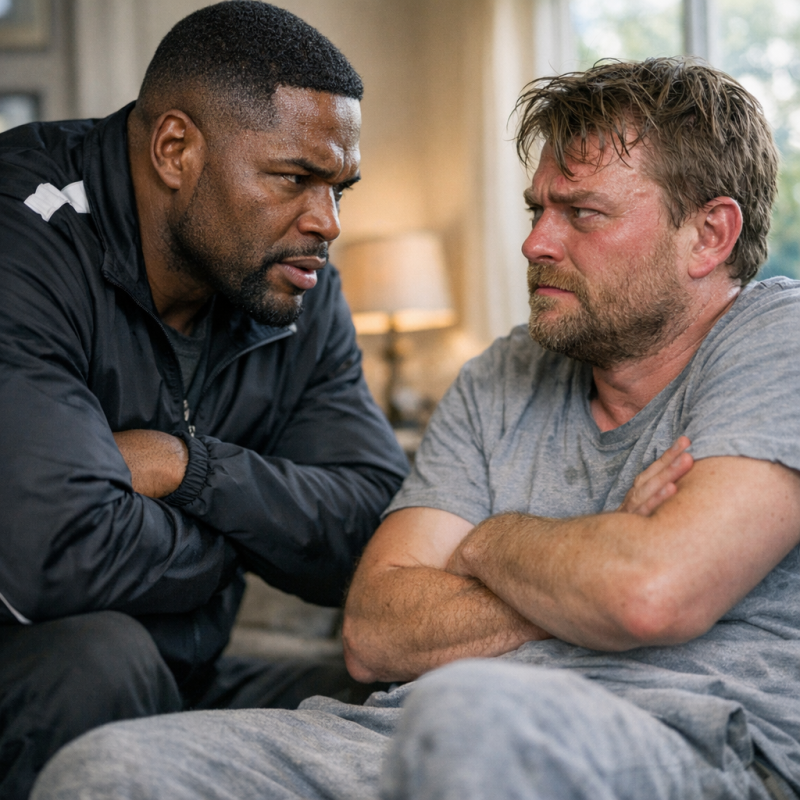 Image by FCT AI
Claire's Apartment
I found Claire's address through an online search. A garden apartment in a converted Victorian about twenty minutes away. I parked down the street and waited until dark, then walked up like I belonged there. The front door to the building was unlocked. Her unit was 2B. I knocked first—no answer. Then I tried the knob. Locked. I used a credit card on the latch, felt ridiculous, but it actually worked. Inside, the apartment was small and neat. Ikea furniture, framed prints on the walls, a faint smell of lavender. I moved quickly, checking drawers, closets. Found the journal in her nightstand. Blue cloth cover, pages dense with handwriting. I sat on her bed and started reading. My name appeared in the first entry I opened. Then again. And again. She wrote about conversations we supposedly had—coffee shops I did not remember visiting, late-night phone calls I did not recall making. Details no one could fabricate. I flipped to the end, my hands shaking. The final entry, dated the morning of the crash, read: 'Tonight, I will tell him everything—even if it destroys us both.'
 Image by FCT AI
The Photograph
I almost missed the photograph. It was tucked into the back of the journal, a four-by-six print on glossy paper. I pulled it out and my breath caught. There we were. Claire and me, sitting across from each other at a restaurant booth. Dim lighting, wine glasses on the table between us. She was mid-laugh, her hand reaching toward the camera like she was trying to stop whoever was taking the picture. And I was looking at her with this expression—warm, intimate, completely unguarded. I studied my own face in the photo, searching for any sense of recognition. Nothing. I did not know that restaurant. I did not remember that night. I did not remember ever looking at anyone except Emily that way. I flipped the photo over. On the back, written in pen: 'October 14th.' Two months ago. A Thursday. I grabbed my phone and checked my calendar for that date. Blank. No appointments, no notes. Just a regular workday that I could not specifically recall. In the photo, I was smiling at her the way I only smiled at Emily—and I had absolutely no memory of it being taken.
 Image by FCT AI
Formal Questioning
Detective Brennan called me in on Tuesday. Not a request—a summons. I met him at the station, was led to a small interrogation room with cinder block walls and fluorescent lights. He sat across from me with a folder, his expression unreadable. 'This is a formal interview,' he said. 'You are not under arrest, but I need you to understand the seriousness of the situation.' I nodded. He opened the folder. 'Tell me about your relationship with Claire Madsen.' I said we barely knew each other. Worked in adjacent buildings, maybe exchanged pleasantries in the coffee shop a few times. He listened without expression. Then he pulled out a sheet of paper covered in highlighted rows. Phone records. 'These are calls from your cell phone to hers. Seventeen in total over the past month. Some lasting twenty, thirty minutes.' I stared at the page. My number. Her number. Times and dates I could not account for. 'I did not make those calls,' I said. Brennan slid a phone record across the table: 'You called her seventeen times in the month before she passed—care to explain that?'
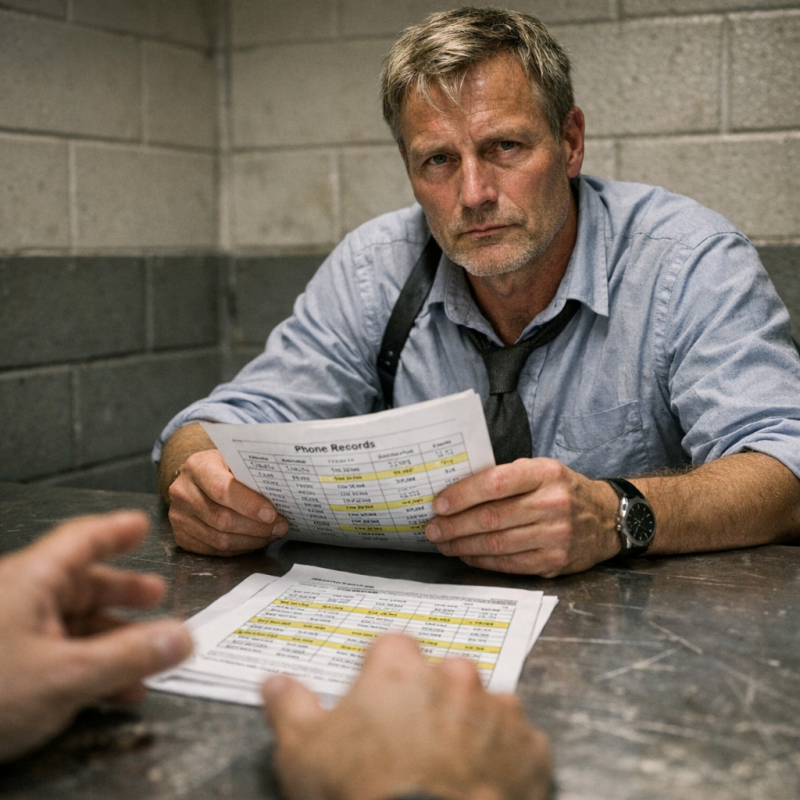 Image by FCT AI
Emily Moves Out
I came home that evening to find Emily packing a duffel bag in our bedroom. Not frantically—methodically, folding shirts, rolling socks. I stood in the doorway. 'What are you doing?' She did not look at me. 'I am staying with Marcus and Lisa for a while.' I stepped into the room. 'Emily, please. We can talk about this.' She zipped the bag, finally met my eyes. Her face was calm, which somehow made it worse. 'I have been talking, Daniel. I have been asking questions. You have been giving me nothing.' I tried to explain about the memory gaps, the toxicology report, the evidence that did not make sense. She just shook her head. 'I want to believe you. I really do. But I cannot ignore what is right in front of me.' She picked up her bag, walked past me toward the stairs. I followed. 'I love you,' I said. She stopped at the front door, her hand on the knob. As she walked out the door, she turned back once: 'I do not know who you are anymore, Daniel—and I do not think you do either.'
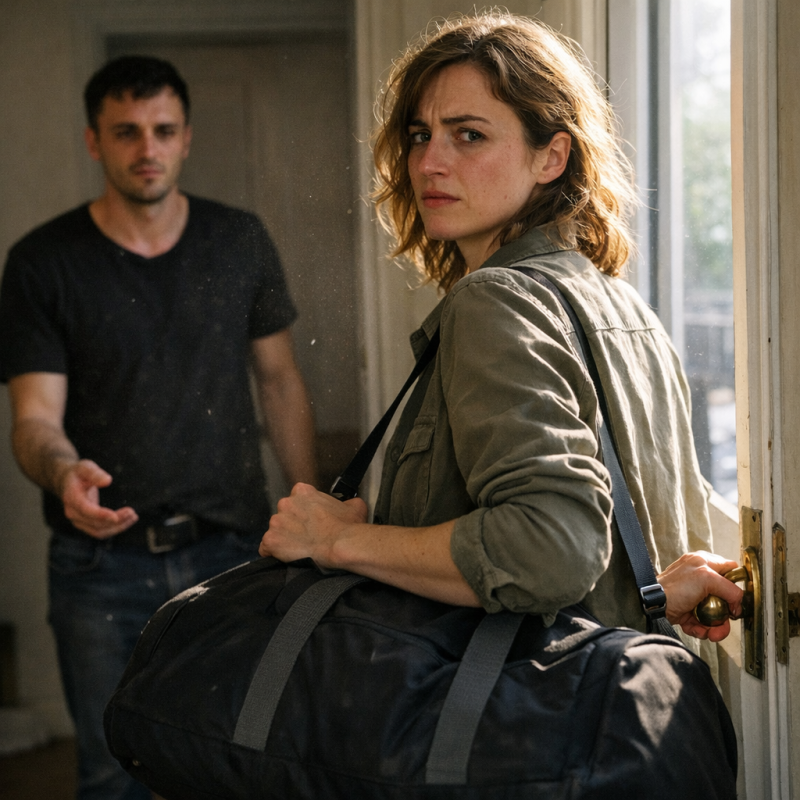 Image by FCT AI
The Night Shift
Claire's best friend from the hospital—a nurse named Jenna—agreed to meet me at a coffee shop near the medical center. She looked uncomfortable from the moment she sat down, her fingers drumming on the table. 'I shouldn't be talking to you,' she said. 'The authorities already asked me everything.' I leaned forward. 'Please. I need to understand who Claire was.' Jenna sighed, glanced around the nearly empty café. 'She was seeing someone. Had been for months. She wouldn't tell me his name, but she talked about him constantly—how complicated it was, how much she loved him.' My chest tightened. 'Did she say anything else about him?' Jenna bit her lip. 'Just that he was married. That he had a family. She knew it was wrong, but she couldn't help herself.' The words hung between us. I tried to process what this meant, how it connected to me, to the crash. Jenna looked at me with something that resembled pity, and that's when I realized what she was thinking. Claire's friend looked at me with pity: 'She said he was married and that it was complicated—I assumed you knew.'
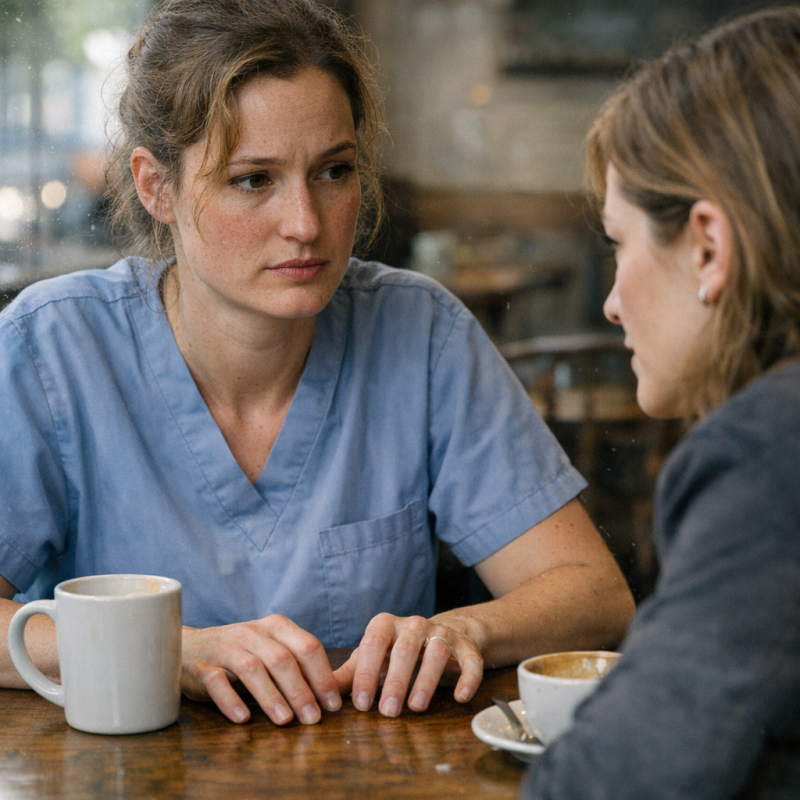 Image by FCT AI
Dr. Patel's Concern
Dr. Patel's office felt smaller than I remembered. She sat across from me, her expression carefully neutral as I recounted everything—the motel key rumors, Claire's friend's implications, the missing pieces. 'Daniel,' she said gently, 'have you ever heard of dissociative fugue states?' I shook my head. 'It's a rare condition where a person experiences periods of amnesia. During these episodes, they can travel, engage in complex behaviors, even form relationships—all without later remembering any of it.' I felt my jaw clench. 'You think I'm just forgetting an entire affair?' She held up a hand. 'I'm suggesting it's possible that traumatic stress or internal conflict could create these gaps. Your brain might be protecting you from memories too painful to process.' I stood up, paced to the window. 'That's insane. I would know if I was living a double life.' Dr. Patel's voice remained calm. 'Would you? You've already acknowledged significant memory gaps.' The room felt like it was closing in. She asked me the question I had been avoiding: 'Daniel, is it possible you have been living a life you cannot remember?'
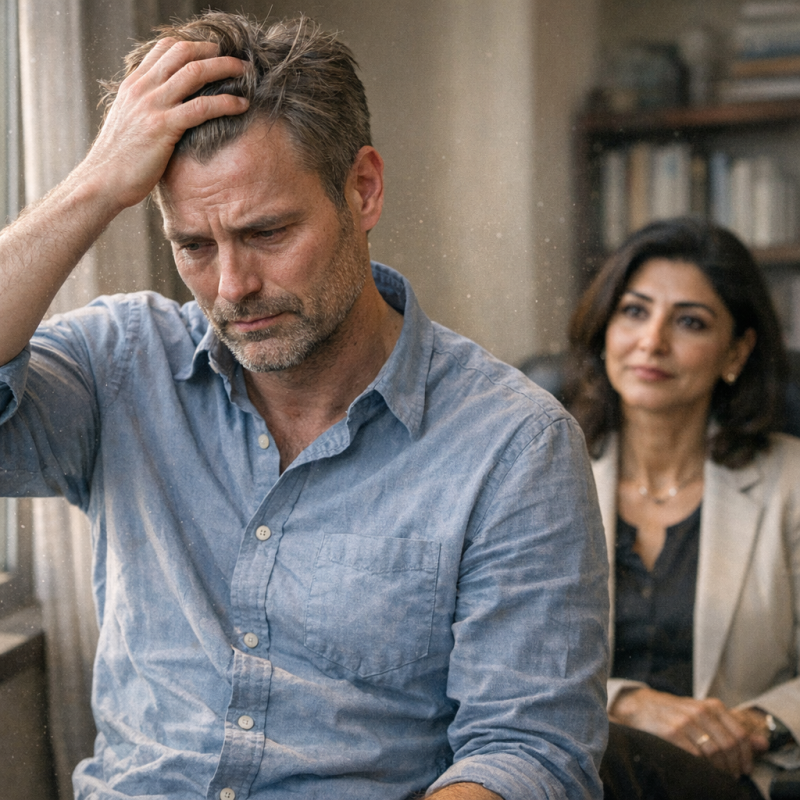 Image by FCT AI
Surveillance Footage
Detective Brennan called me down to the station. 'I want to show you something,' he said, leading me to a small room with a monitor. He pressed play. The footage was grainy, black and white, timestamped 9:47 PM the night of the crash. My car pulled into a gas station. I watched myself get out, pump gas, go inside to pay. My stomach dropped when I saw who was in the passenger seat—Claire, visible through the windshield, checking her phone. I had no memory of this. None. 'There's more,' Brennan said. The footage continued. I came back to the car, slid into the driver's seat. Then I leaned over toward her. In the footage, I leaned over and kissed her before pulling back onto the road, and I felt my entire reality shatter.
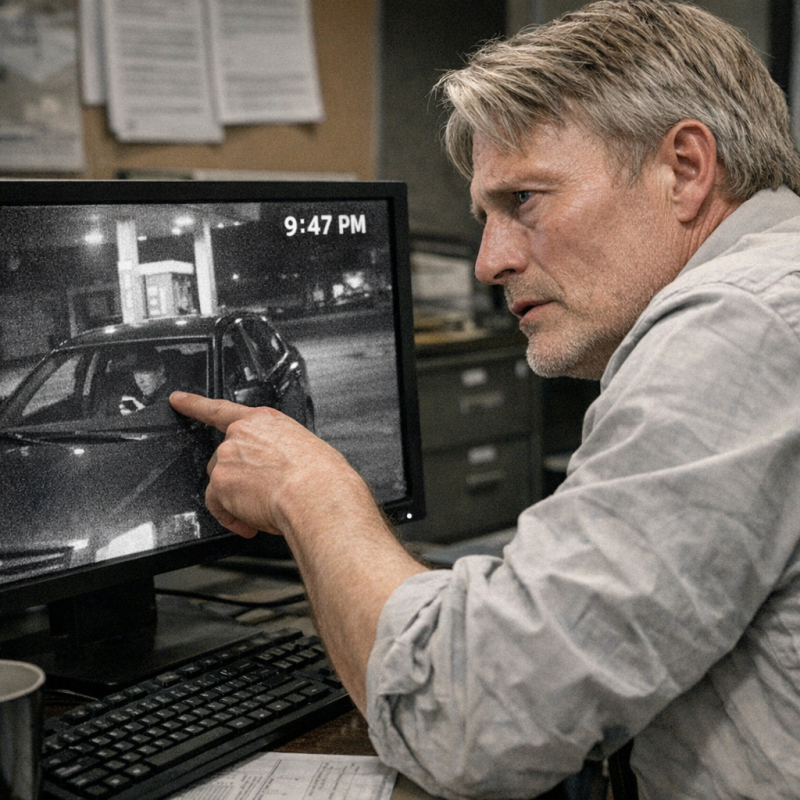 Image by FCT AI
The Lost Hours
Back home, I spread out everything I could find from that night—work emails, my calendar, security badge logs from the office building. I left work at 6:15 PM. The crash happened at 10:03 PM. The gas station footage showed me at 9:47 PM. I calculated the drive time—my office to the crash site was maybe forty-five minutes in traffic. Even allowing for the gas station stop, I was missing nearly three hours. Three entire hours I couldn't account for. I checked my phone records. No calls during that window. No texts. Just a blank space where my evening should have been. Emily had texted me at 7:30 asking when I'd be home. I'd replied: 'Soon.' But I hadn't gotten home at all. My hands were shaking as I stared at the timeline. The gas station was nowhere near my usual route. I had driven somewhere else first, been somewhere else, done something else. If I had not been driving for those three hours, then where had I been—and what had I done?
 Image by FCT AI
The Motel Room Key
I was hanging up my jacket—the same one I'd worn the night of the crash, finally released from evidence—when something fell out of the pocket. A plastic keycard, the cheap kind motels use. My breath caught. The logo was faded but readable: Riverside Motor Inn. The same motel where Claire had supposedly been staying. I turned the card over in my hands. Room 12. I googled the motel's number, called. 'Hi, I'm trying to confirm a reservation,' I said, giving them the room number and dates around the crash. The clerk put me on hold, came back. 'Yes sir, Room 12 was checked out under the name Daniel Reese on the evening of the accident. You had the room for three weeks prior.' My vision tunneled. Three weeks. The phone nearly slipped from my hand. 'Are you sure?' The clerk sounded confused. 'Yes, sir. It's right here in our system.' I ended the call, stared at the keycard. The key was for Room 12, and according to the motel records, it had been checked out in my name.
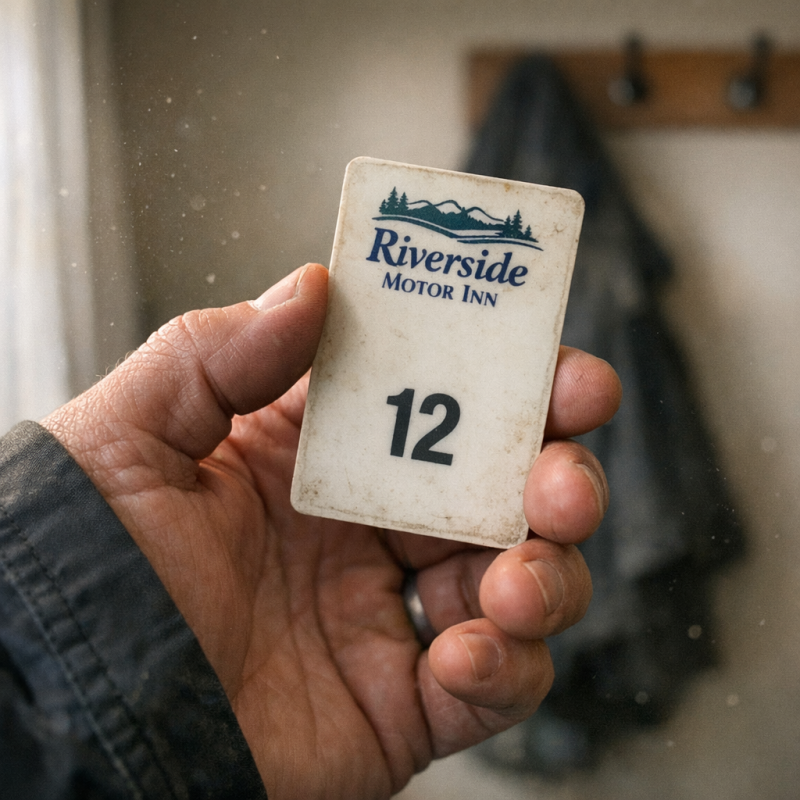 Image by FCT AI
Inside Room 12
I drove to the Riverside Motor Inn like I was watching myself from outside my body. The place was exactly as depressing as I'd imagined—peeling paint, flickering neon, cars that looked like they'd been there for years. Room 12 was on the ground floor. The keycard still worked. The door swung open. The smell hit me first—stale air, cheap air freshener, something familiar I couldn't place. Then I saw it all. Women's clothing in the closet, mixed with men's shirts I recognized as mine. Photographs on the dresser—me and Claire, smiling, intimate, clearly taken here in this room. I didn't remember any of them. Handwritten notes in handwriting I barely recognized as my own: 'Can't wait to see you tonight.' A half-empty bottle of wine. Two glasses. The bed was unmade, like someone had just left. On the nightstand was a receipt from the night of the crash, timestamped two hours before the accident—we had been here together.
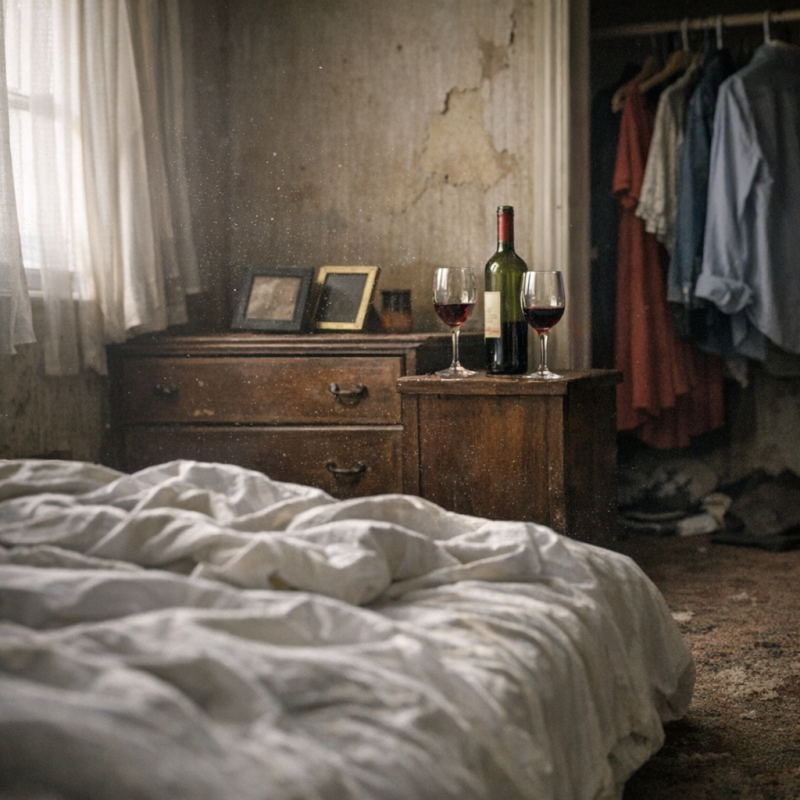 Image by FCT AI
Sarah Chen's Call
The call came from an unknown number. I almost didn't answer. 'Daniel Reese?' A woman's voice, crisp and professional. 'My name is Sarah Chen. I'm a journalist, and I've been following your case.' I started to hang up. 'Wait,' she said quickly. 'I know you don't know me, but I've been investigating something for two years now. Cases like yours. Car crashes with passengers the drivers claim they don't know.' That got my attention. 'What are you talking about?' She took a breath. 'I've documented three other cases with almost identical circumstances—drivers who crashed with passengers they insisted were strangers, despite overwhelming evidence of relationships. Memory gaps. Missing time. Accusations of affairs they don't remember.' My heart was pounding. 'Why are you calling me?' Sarah's tone shifted, became more urgent. 'Because in every previous case, the driver either took a plea deal or was convicted. No one believed them. But there's a pattern here, Daniel. Something bigger than just you.' Sarah's voice was urgent: 'You are not the first person this has happened to, Daniel—but you might be the first one who survives to figure it out.'
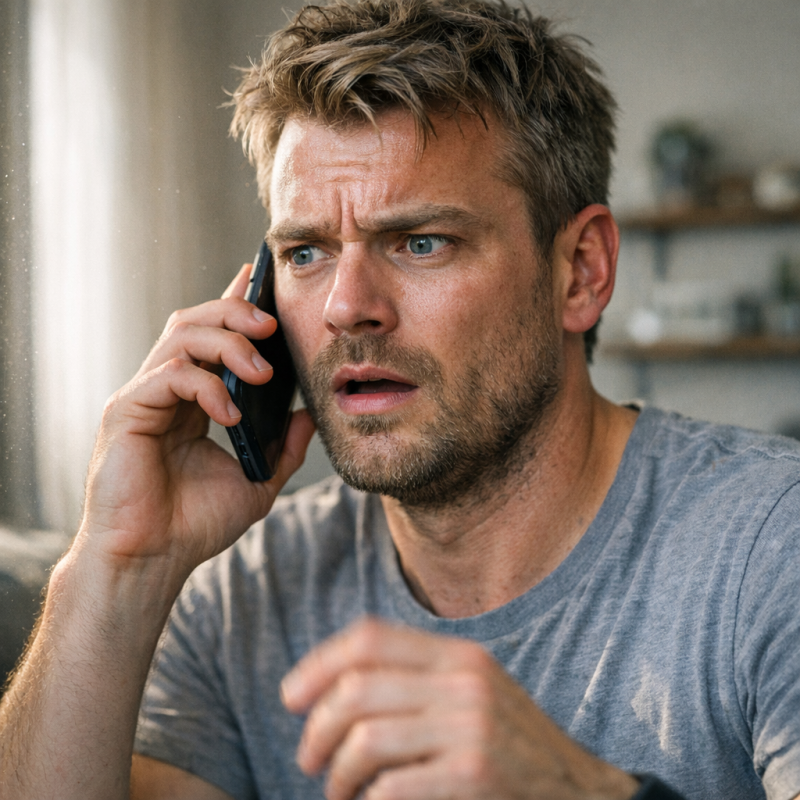 Image by FCT AI
The Other Victims
We met at a diner two towns over. Sarah Chen was younger than I'd expected, maybe thirty, with sharp eyes and a laptop bag bulging with files. She spread three folders across the table. 'Michael Torres, 2019. Crashed with a woman named Rebecca in his passenger seat. He claimed no memory of her. Evidence showed they'd been meeting for months.' She opened the second folder. 'Amanda Wu, 2020. Crashed with a man she swore she'd never met. Her phone records proved otherwise.' The third folder. 'James McAllister, 2021. Same story—passenger he didn't recognize, affair he didn't remember.' I stared at the case files, the similarities making my skin crawl. 'What happened to them?' Sarah's expression darkened. 'Torres is in prison. Wu took a plea deal. McAllister took his own life before trial.' She pulled out a comparison chart, everything highlighted. The missing time. The denied relationships. The forensic evidence that seemed irrefutable. Sarah pointed to the common thread: 'In every case, the driver had missing time and denied the relationship—just like you.'
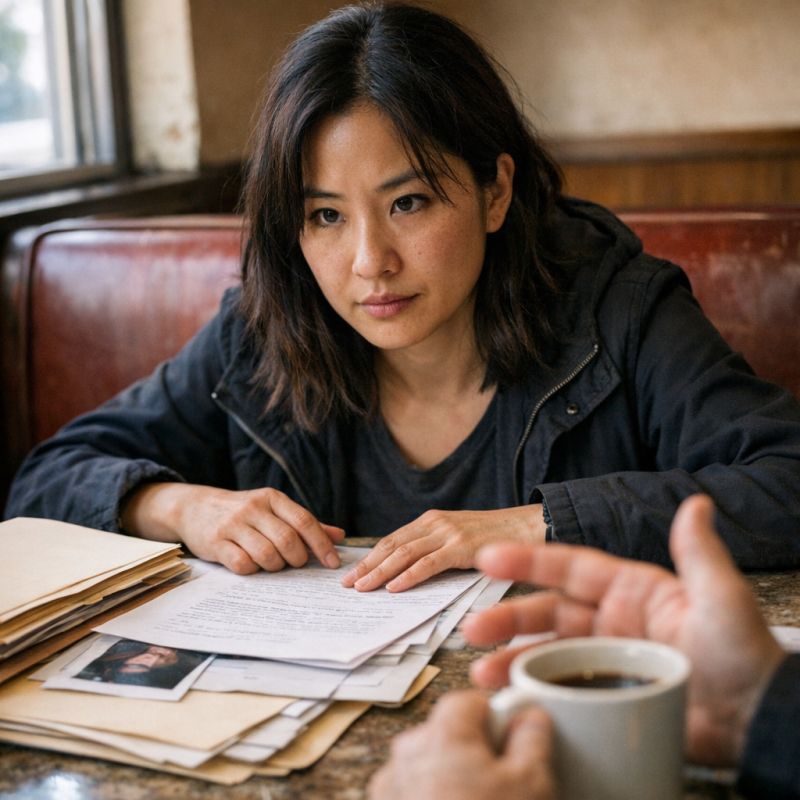 Image by FCT AI
The Drug Connection
Sarah's laptop screen glowed between us in that cramped diner booth. She pulled up the lab reports side by side—Torres, Wu, and mine. 'Look at this,' she said, tapping the screen. All three toxicology reports showed the same sedative. The same exact compound. The same approximate dosage. 'That's not coincidence,' Sarah said quietly. 'Someone gave this to all three of you.' My hands started shaking. I'd been so focused on proving the affair didn't happen, I hadn't considered what that sedative actually meant. Not just memory loss. Deliberate drugging. Someone had planned this. 'Torres said he didn't remember taking anything,' Sarah continued. 'Wu said the same. Both swore they'd never touched sedatives in their lives.' I thought about waking up in that hospital, the gaps in my memory feeling wrong, feeling violated. 'How?' I asked. 'Food? Drinks?' Sarah nodded. 'Most likely. Someone who had access to you, who could slip it in without you noticing.' She closed her laptop and looked at me with this intensity that made my chest tight. 'Daniel, what if someone wanted to make you think you had an affair you never actually had?'
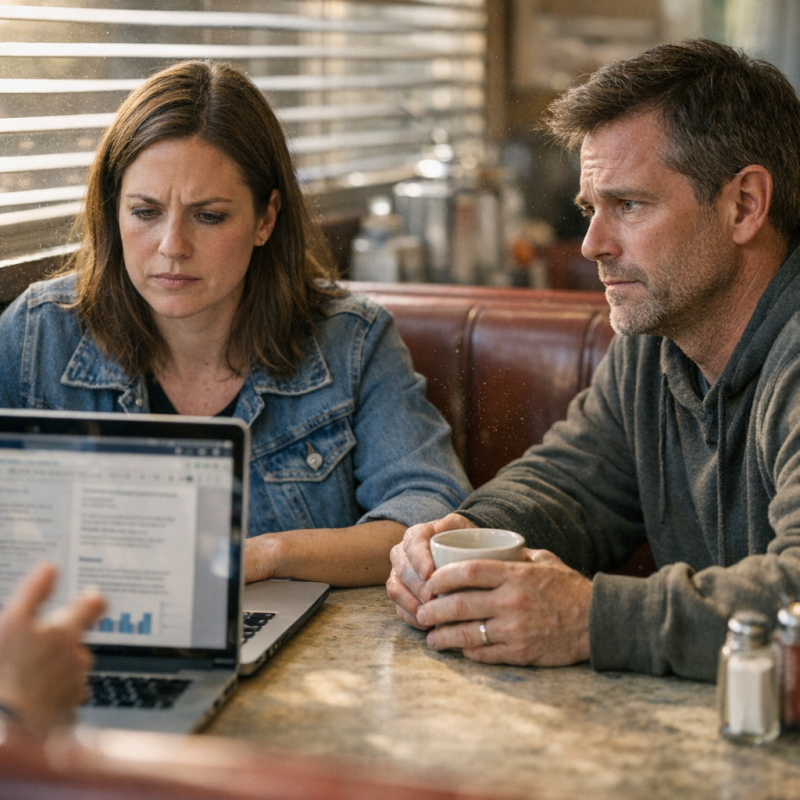 Image by FCT AI
Who Benefits?
We spent the next two hours trying to map it out. Who had motive? Who had access? Who benefited from destroying my marriage? Every angle led back to the same problem—Claire was gone. She couldn't answer questions. She couldn't be prosecuted. She couldn't explain anything. 'What about her family?' I asked. 'Friends? Someone she was working with?' Sarah shook her head. 'Claire was estranged from her family. Lived alone. Her coworkers barely knew her.' It was the end of the road. The person at the center of everything was beyond reach. I felt that frustration building again, the same wall I kept hitting. Sarah stared at her notes, chewing her bottom lip. Then she looked up at me with this expression I couldn't read. Calculating. Almost frightened. 'What if we're looking at this backwards?' she said slowly. 'We keep asking who wanted to hurt you. But what if that's not the right question?' I didn't understand. Sarah leaned across the table, her voice dropping low. 'What if Claire was not the victim—what if she was the weapon?'
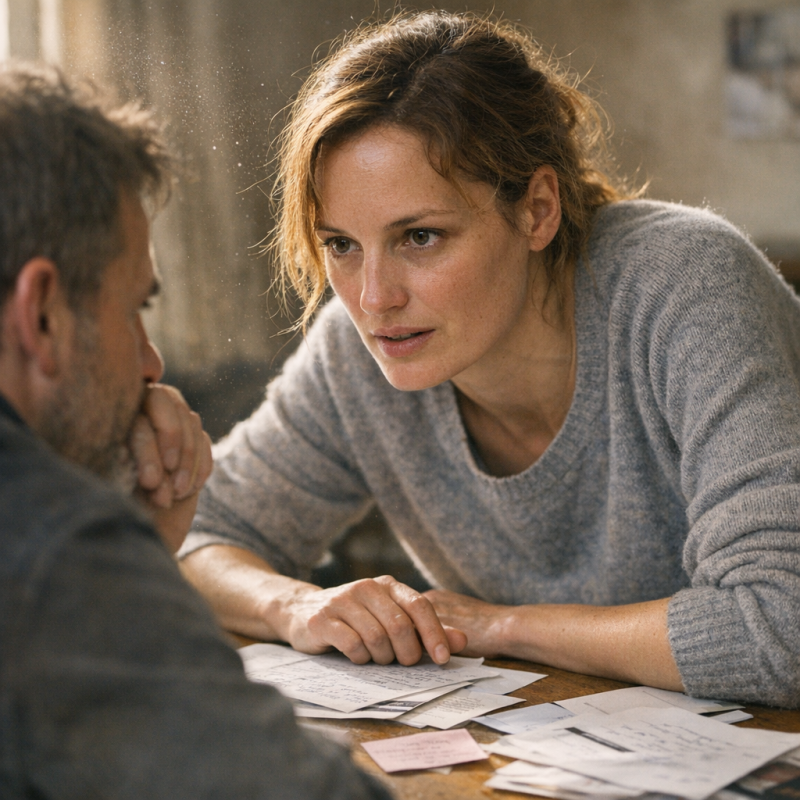 Image by FCT AI
Claire's Background
Sarah made some calls. I don't know who she talked to or how she got the information so fast, but two days later we met at a coffee shop and she had a new folder. 'Claire's employment history,' she said, sliding it across the table. I opened it. Three previous jobs at different marketing firms. Three harassment complaints filed. All against married men. All settled quietly out of court. The pattern was identical each time—Claire would start working closely with a married executive, then file a complaint claiming inappropriate advances, unwanted contact, sexual harassment. The companies always settled. Always paid. I felt sick reading the details. One man lost his marriage. Another was fired even though the investigation was inconclusive. The third paid Claire directly to make it go away. 'She was running a scam,' Sarah said flatly. 'Target married men in positions of authority, create evidence of an affair or harassment, then leverage it for money.' My anger was this white-hot thing burning in my chest. I'd been her mark. Her next victim. The pattern was clear—three men, three ruined marriages, three settlements paid quietly—and I was supposed to be number four.
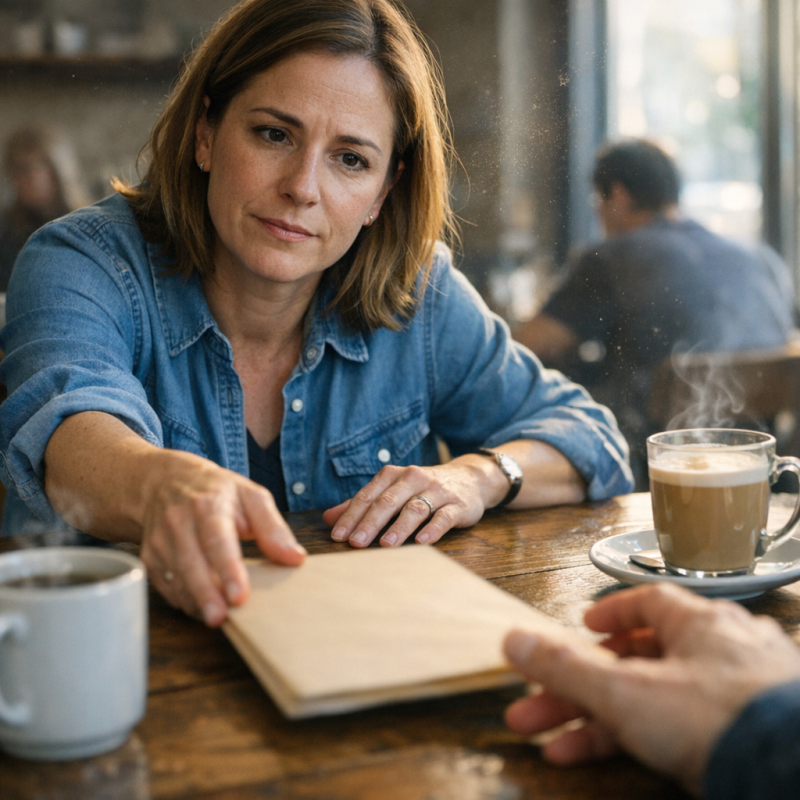 Image by FCT AI
The Fabricated Affair
It all clicked into place with this horrible clarity. Claire had orchestrated everything. The late work sessions that Emily mentioned seeing on the security footage. The text messages on my phone that I didn't remember sending. The hotel key card. The sedative in my system. She'd drugged me, created false evidence, staged an entire affair I never actually had. 'She must have had access to your phone,' Sarah said. 'Sent messages to herself. Deleted the replies so you wouldn't notice.' The missing time made sense now—I was drugged, controlled, manipulated. Claire had been building her case, creating proof of an affair that would destroy my marriage so she could swoop in with a lawsuit or settlement demand. Emily would divorce me. I'd be desperate to keep it quiet. I'd pay anything. It was perfect. Diabolical. And it had almost worked. I felt this rush of vindication mixed with rage. I wasn't crazy. I wasn't having an affair. I was the victim of a elaborate scam. But then the obvious question hit me like a punch to the gut. It all made horrible sense—except for one thing: if this was Claire's plan, why did she end up dead?
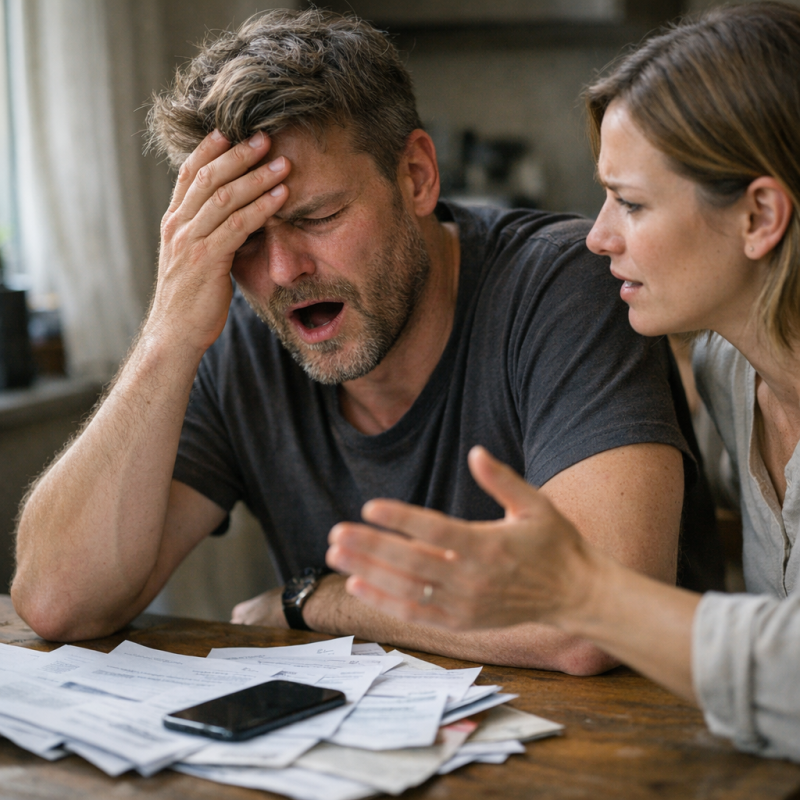 Image by FCT AI
Confronting Emily
I tried to explain it to Emily at her sister's house. She let me in, but barely, standing in the doorway like I was a stranger. I told her about Sarah's research. About the other victims. About Claire's pattern of targeting married men. About the sedative in my system. I talked fast, desperate, needing her to understand. Emily just stood there with her arms crossed, her face getting harder with every word. 'Listen to yourself,' she finally said. 'You sound insane.' That stopped me cold. 'I have proof,' I insisted. 'Documents. Lab reports. Claire did this to other men—' 'Or maybe you're so desperate to avoid responsibility that you've created this whole paranoid fantasy,' Emily interrupted. Her voice was shaking. 'Daniel, you're talking about conspiracies and drugging and some master plan. Do you hear how you sound?' I felt panic rising. She didn't believe me. After everything, she still thought I'd cheated. 'I would never hurt you,' I said. 'I know,' Emily whispered. Her eyes filled with tears. 'You would rather believe in some elaborate plot than admit what you did—that is what scares me most.'
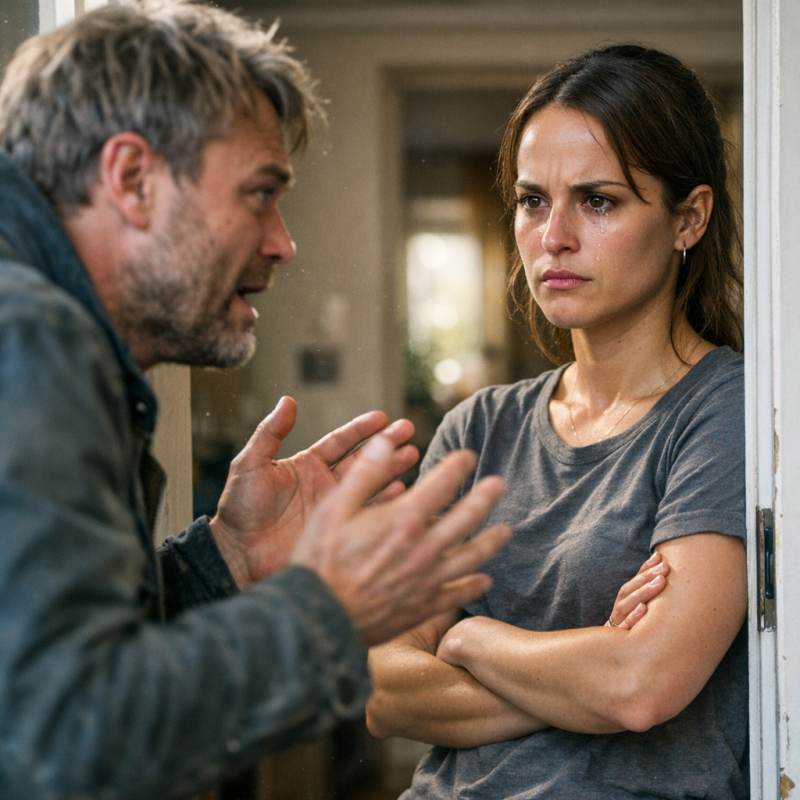 Image by FCT AI
The Partner
Sarah called me the next morning. 'I've been thinking about the crash,' she said. 'About who caused it.' I'd been thinking about it too. The other driver never stopped. Never came forward. The officer said it was probably a hit-and-run, someone who panicked. But Sarah had a different theory. 'Claire couldn't execute this alone,' she explained. 'She needed someone who knew the plan. Someone who could ensure the evidence was discovered.' I didn't follow. 'The crash was supposed to be your drunk driving accident with your mistress in the car,' Sarah continued. 'Maximum damage to your reputation. But Claire couldn't control when you'd crash. She needed help.' The implication was chilling. 'You think someone ran us off the road deliberately?' 'Think about it,' Sarah pressed. 'The other driver hits you hard enough to total your car but you survive uninjured. The crash happens in a location where you'd be found quickly. All the evidence perfectly preserved.' My hands went numb. Sarah's theory was chilling: 'Whoever drove the other car knew exactly what they were doing—they were not trying to end you, they were trying to frame you.'
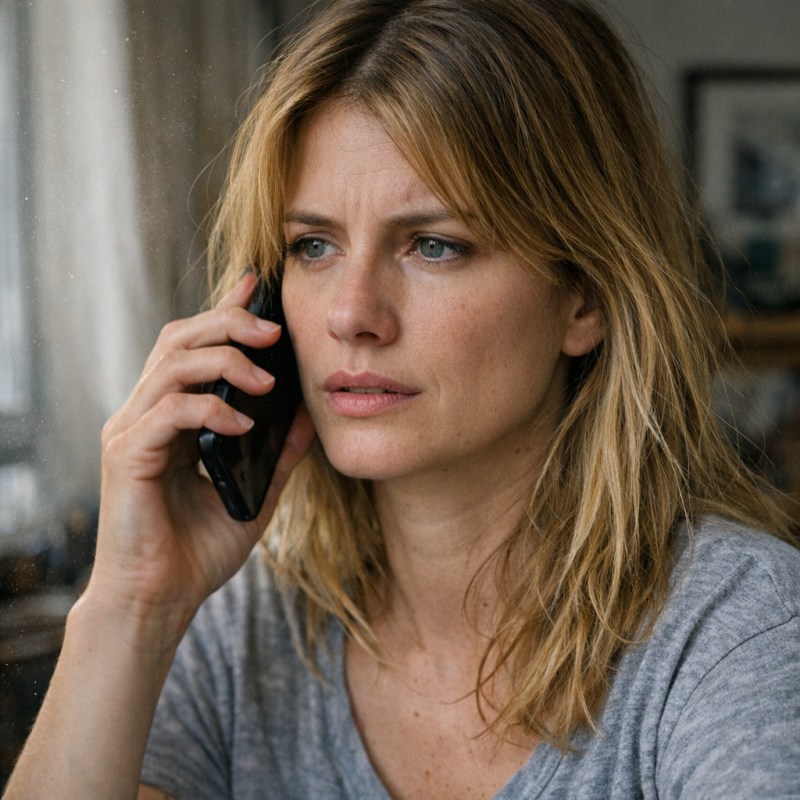 Image by FCT AI
Following the Money
Sarah got access to Claire's bank records. Don't ask me how—I learned not to question her methods. She showed me the printouts at the same diner where this all started. 'Look at these deposits,' she said, highlighting them in yellow. Three deposits over six weeks, all cash, all from different ATMs around the city. Ten thousand. Fifteen thousand. Another fifteen thousand. Forty thousand dollars total. No source identified. No tax records. Just cash appearing in Claire's account like magic. 'Someone was paying her,' I said. Sarah nodded. 'Payment for services rendered. Or services to be rendered.' I did the math in my head. Emily and I had about eighty thousand in savings. Our house had equity. In a divorce, we'd split everything roughly fifty-fifty. Emily might've gotten more because of infidelity. The number was right there, staring at me. Someone had paid Claire in advance, probably promised more after the job was done. After my marriage ended. After I was desperate enough to settle. The deposits totaled forty thousand dollars—exactly the amount she would have received if Daniel's marriage had ended in divorce.
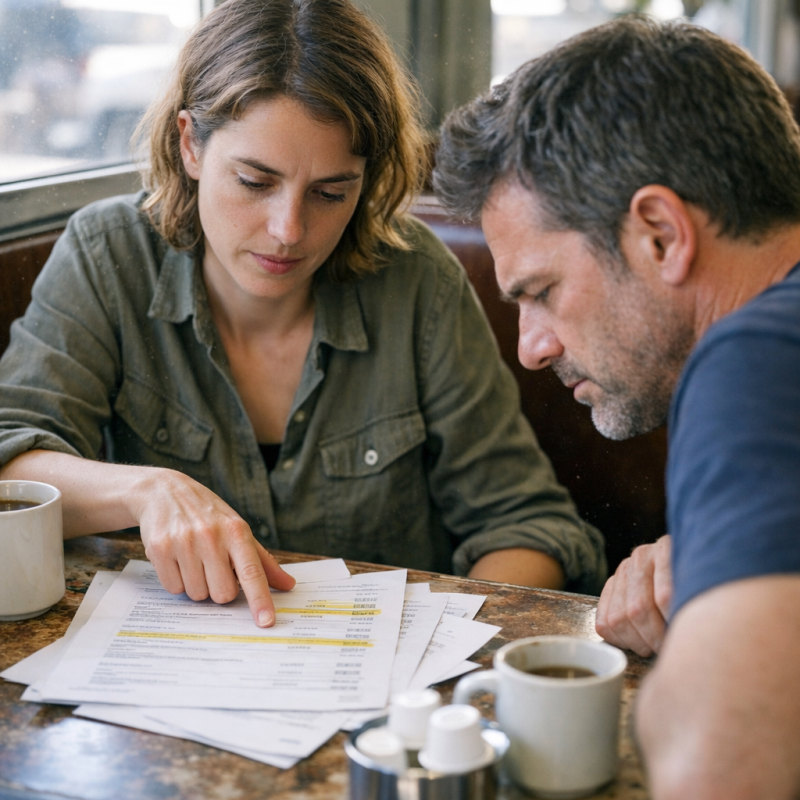 Image by FCT AI
Dr. Patel's Warning
Dr. Patel listened to everything without interrupting. I told her about Sarah's research, the other victims, Claire's history, the bank deposits, the partner theory. All of it. When I finished, she was quiet for a long moment. 'Daniel,' she finally said, 'I need you to consider something difficult.' Here it comes, I thought. The validation. The confirmation that I was right. 'What you're describing is a very elaborate conspiracy,' Dr. Patel continued carefully. 'Multiple people, complex planning, orchestrated over months. It's possible. But I want you to consider an alternative explanation.' My chest tightened. 'Trauma can make us create narratives,' she said gently. 'Stories that make sense of senseless events. It's called confabulation—the brain filling in gaps with logical explanations that may not be true.' I shook my head. 'I have evidence.' 'You have pieces of information that can be interpreted multiple ways,' she corrected. 'Your friend Sarah is feeding into a theory that absolves you of responsibility. That's very appealing when you're in pain.' She leaned forward with genuine concern. 'Daniel, I think you are creating a story because the truth is too painful to accept.'
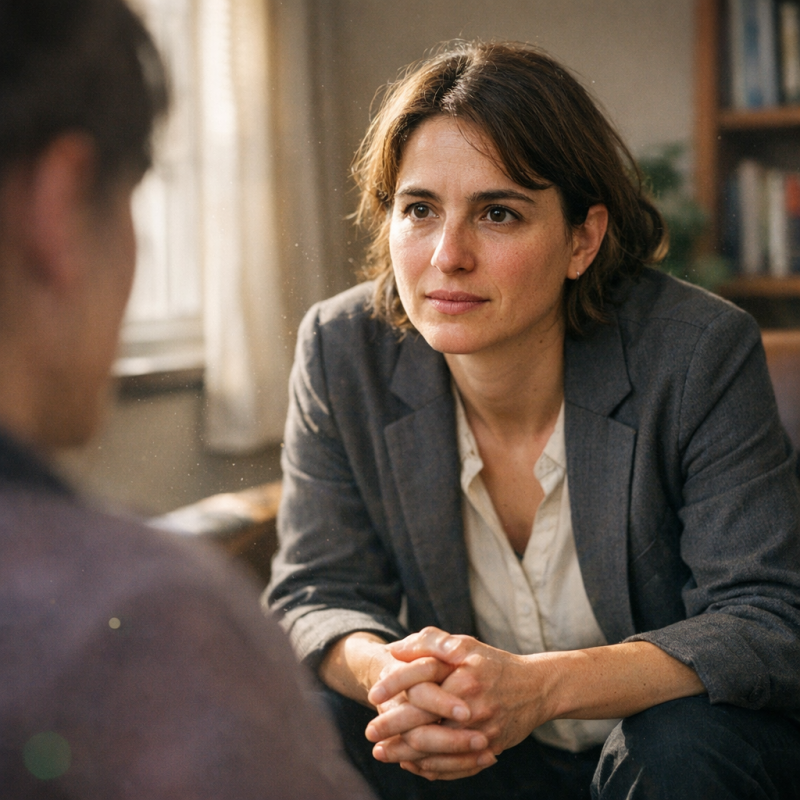 Image by FCT AI
The Traffic Camera
Sarah called me three days later, and I could hear the excitement in her voice before she even spoke. 'I got the traffic camera footage,' she said. I met her at a coffee shop downtown, and she pulled out her laptop with shaking hands. The footage was grainy, but clear enough. There was the intersection. There was my car approaching. And there was the other vehicle running the red light, slamming into me. Sarah had already done her homework—the car was a rental, registered to a name that turned out to be completely fake. No such person existed. 'Look at this,' she said, clicking forward frame by frame as the other car drove away from the scene. The driver's face had been obscured during the impact, turned away from the camera. But as they left, there was one brief moment where the angle changed. Sarah froze the frame. My heart stopped. The build, the hair, the way they held their shoulders. 'Daniel,' Sarah said quietly, 'I think that might be Emily.'
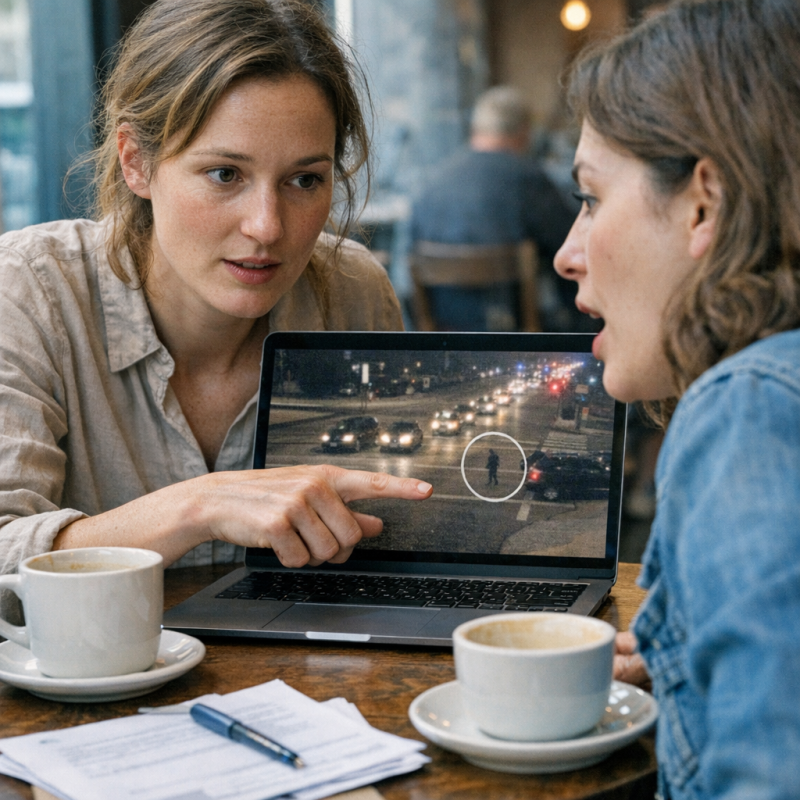 Image by FCT AI
The Impossible Conclusion
I spent the next two days alone in my apartment, staring at that frozen frame on my laptop screen. The image was too blurry to be certain, but once Sarah planted the idea, I could not unsee it. What if Emily had orchestrated everything? What if she had hired Claire, arranged for me to 'meet' her, maybe even drugged me to ensure I would not remember the affair clearly? What if the crash was meant to look like an accident, a way to destroy me completely while she walked away with clean hands and moral high ground? It fit. God help me, it fit. The bank deposits, the fake identity, the convenient timing. Emily could leave our marriage as the wronged party, take everything, and I would be the villain who deserved it. The conspiracy I had been chasing was not some elaborate victim-targeting scheme—it was personal. It was about me. About us. But then I kept circling back to the same question that made none of it make sense. But if Emily wanted to leave me that badly, why not just ask for a divorce?
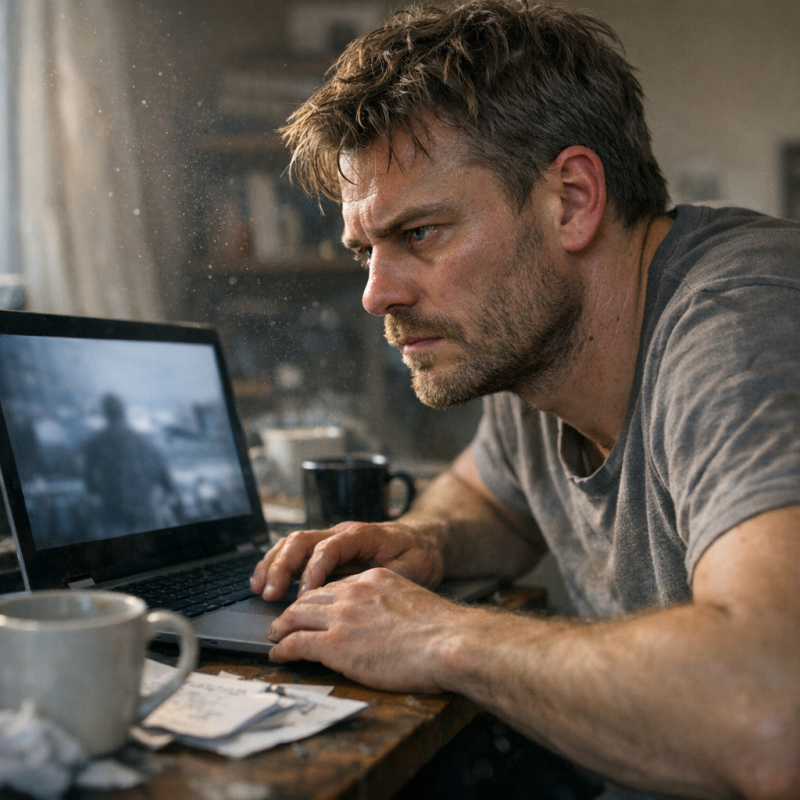 Image by FCT AI
Marcus Knew
I showed up at Marcus's office unannounced and demanded answers. He looked tired when he saw me, like he had been expecting this. 'Did Emily know something before the crash?' I asked. 'Did she suspect me of cheating?' Marcus sighed and closed his office door. 'She called me about six weeks before it happened,' he admitted. 'She was worried. Said you were distant, working late, hiding your phone. She asked me to keep an eye on you.' My stomach dropped. 'Keep an eye on me? You mean follow me?' 'A few times, yeah,' Marcus said. 'I did not see anything concrete, but Daniel, you were meeting with a woman. Multiple times. Coffee shops, parking garages. It looked bad.' I shook my head violently. 'That was not—those were not what you think.' Marcus crossed his arms. 'Emily did not need to hire anyone to frame you, Daniel. She did not need some elaborate conspiracy.' He looked at me with something like pity. 'She did not need to hire anyone, Daniel—you were already having the affair.'
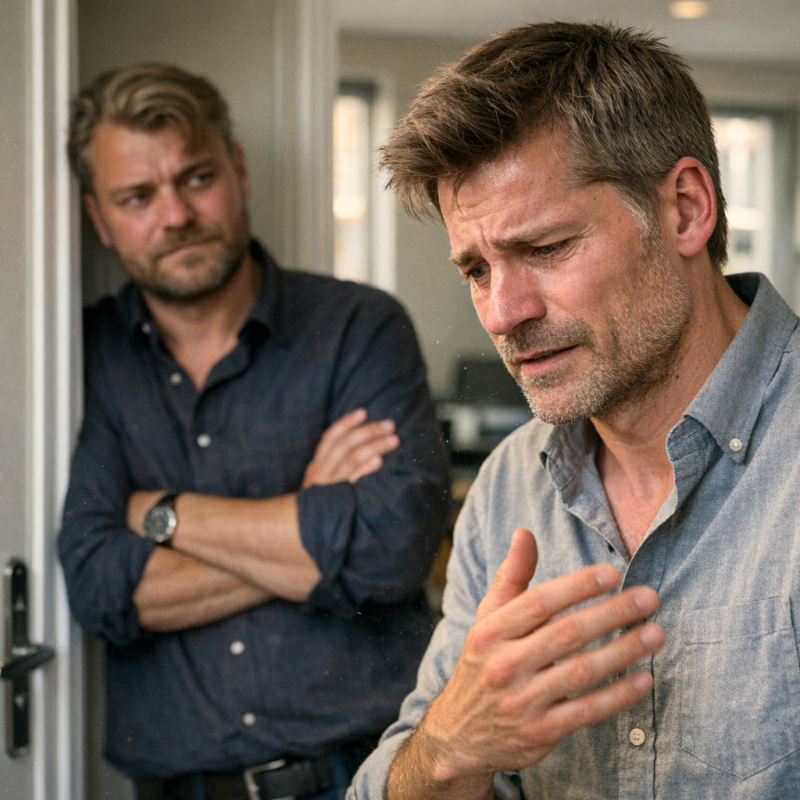 Image by FCT AI
Sarah's True Identity
That night, I did what I should have done from the beginning—I researched Sarah Chen. Really researched her. The articles she claimed to have written? I could not find them in any publication archives. The newspaper she said she worked for? They had no record of her employment. Her LinkedIn profile looked professional, but when I started checking references, none of them went anywhere. Phone numbers that did not work. Companies that had never heard of her. I felt sick. I had trusted her completely, given her everything I knew, let her guide my investigation. She had fed me the conspiracy theory, validated my paranoia, pointed me toward Claire and the bank deposits and the partner. And I had eaten it up because it was exactly what I wanted to hear. Who was she really? Why had she targeted me? I thought about all our conversations, how she had always steered me in specific directions, how she had been the one to suggest Emily might be involved. If Sarah was not who she claimed to be, then everything she had told me might be a lie—which meant I had been played from the beginning.
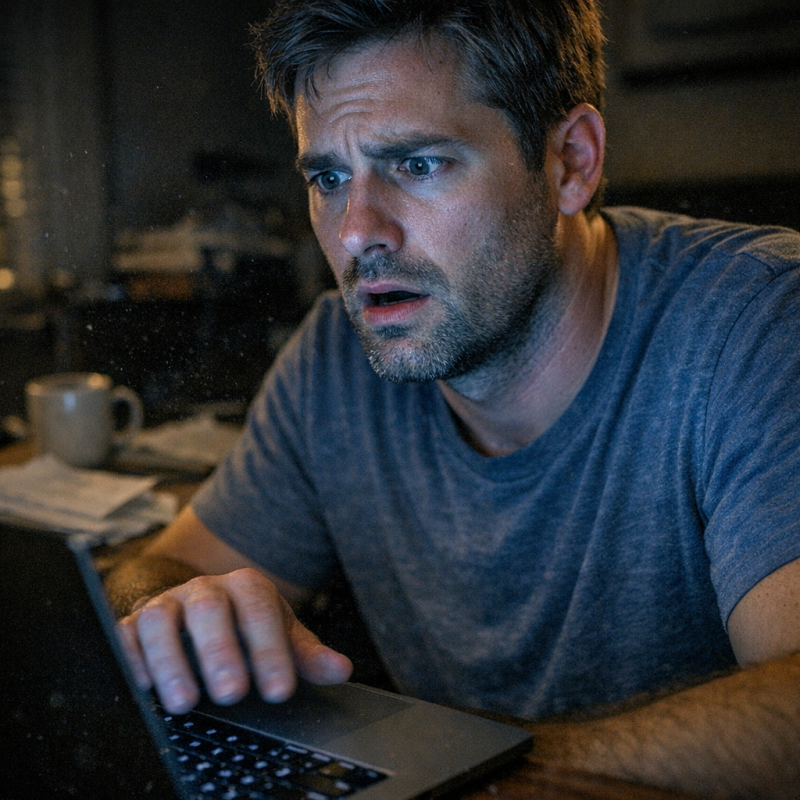 Image by FCT AI
Alone Again
The walls were closing in. Emily would not speak to me. Marcus thought I was delusional. Sarah was a fraud. Dr. Patel believed I was confabulating. Even my own memories felt like they belonged to someone else, scenes I had watched rather than lived. I tried to lay out the evidence one more time, find the thread that would make it all make sense, but every piece I picked up dissolved in my hands. Maybe the bank deposits were legitimate work payments. Maybe Claire was exactly who she appeared to be. Maybe the crash was just an accident. Maybe I had been wrong about everything. I sat in my empty apartment—Emily had taken most of her things while I was out—and felt the loneliness like a physical weight. No allies. No proof. No one who believed me. Just a growing, terrible fear that everyone else could see something I could not. That night, I stood in front of the bathroom mirror and asked myself the question I had been avoiding: What if I really did have the affair and simply cannot remember it?
 Image by FCT AI
The Medical Records
I requested my complete medical records, thinking maybe they would show I had been fine before the crash, that my mental state had only deteriorated after the trauma. What I found instead destroyed me. Starting fourteen months ago, I had been seeing a psychiatrist named Dr. Raymond Klein for treatment of dissociative episodes. There were session notes. Prescription records. Detailed accounts of conversations I had absolutely no memory of having. According to the files, I had been experiencing blackouts, lost time, anxiety attacks. Dr. Klein had diagnosed me with dissociative disorder and put me on medication I did not remember taking. I read through the notes with trembling hands, searching for some explanation, some proof this was fake. Then I found the entry from six months ago. The session where Dr. Klein wrote that I had finally opened up about my feelings for a colleague. Where I had admitted, in my own words apparently, that I was having an emotional affair. According to the psychiatrist's notes, I had confessed to the affair six months ago during a session I did not remember attending.
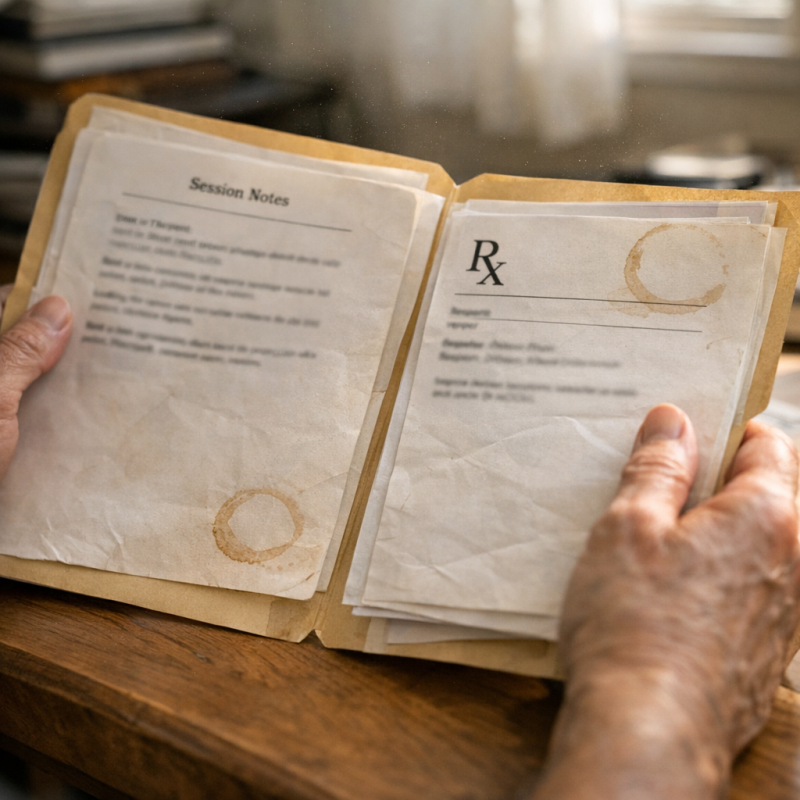 Image by FCT AI
Voluntary Commitment
Dr. Patel laid out the recommendation gently, but firmly. 'Daniel, I think you need more intensive treatment than our weekly sessions can provide. A psychiatric facility where you can be monitored, where we can adjust medications, where you will be safe.' Safe from what, I wanted to ask. From the conspiracy? From myself? But I was so tired. Tired of fighting, tired of doubting, tired of being alone with thoughts that were eating me alive. 'It would be voluntary,' Dr. Patel continued. 'You can leave whenever you want. But I really think this is what you need right now.' I thought about my empty apartment, the medical records that documented a year I could not remember, the wife who would not speak to me, the friend who was not real. What did I have to go back to? What was I even fighting for anymore? So I nodded. I agreed. Dr. Patel made the arrangements while I sat there feeling nothing. As I signed the admission forms, I wondered if this was what accepting reality felt like—or if I was just giving up.
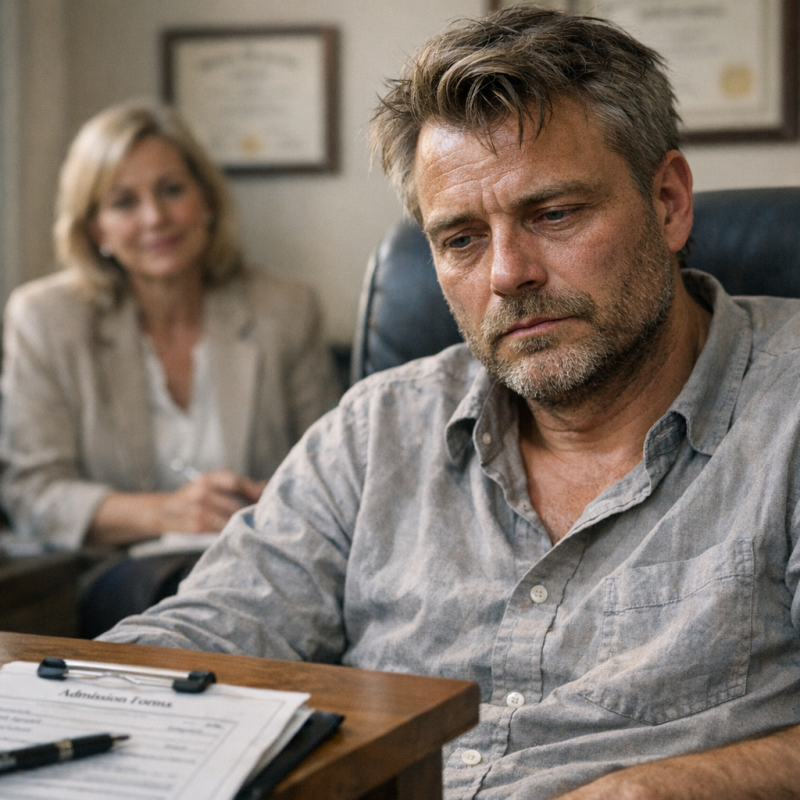 Image by FCT AI
Inside
The facility was nicer than I expected. Private rooms, art therapy, a courtyard with walking paths. Voluntary patients like me had more freedom than the locked ward, but there were still rules, schedules, medication times. I met other patients—a woman who had tried to hurt herself, a man who had stopped sleeping for three weeks, a kid who heard voices. We ate meals together, attended group therapy, pretended we were all going to be okay. My individual sessions started on day three. Dr. Vernon was younger than I expected, sharp-eyed and direct in a way that felt almost aggressive. He had read all my files, he said. Talked to Dr. Patel. Reviewed the medical records from Dr. Klein. 'I want us to work together, Daniel,' he told me in that first session. 'But we cannot make progress if you keep running from the truth.' I waited for whatever insight he thought he had. My new psychiatrist, Dr. Vernon, began our first session with a statement that chilled me: 'Daniel, you have been lying to yourself for a very long time.'
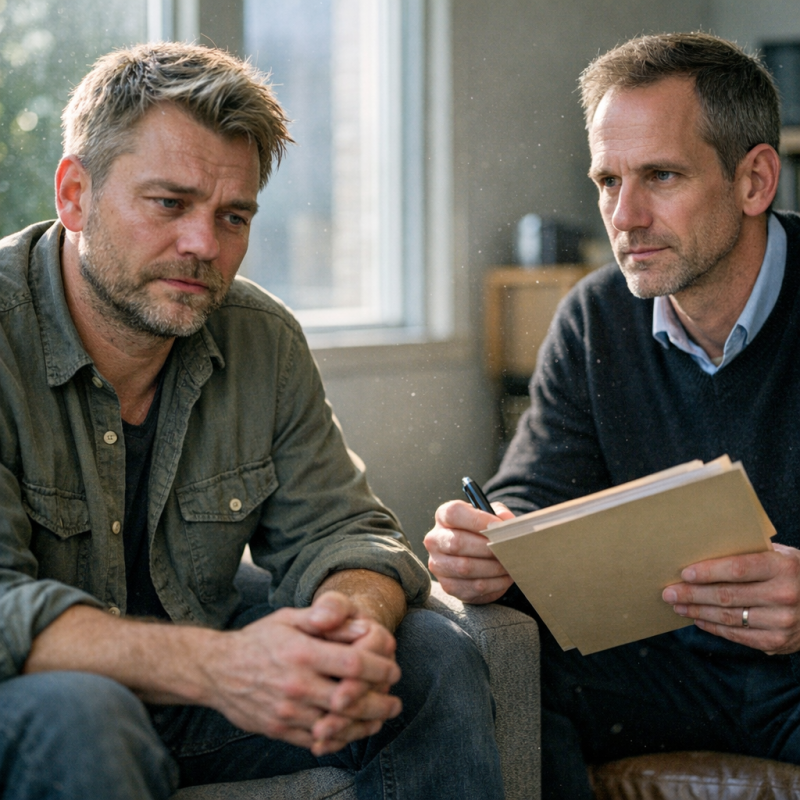 Image by FCT AI
Recovered Memory
Dr. Vernon dimmed the lights and asked me to focus on a point on the ceiling. His voice became rhythmic, measured, pulling me down into something soft and warm. I could feel myself sinking into the chair, my body getting heavy. He guided me back to the motel, asking me to see it clearly. And suddenly, I was there. I could smell the cheap air freshener, feel the scratchy bedspread under my palms. Claire was beside me, her hand on my chest, her voice soft and urgent. We talked about leaving, about starting over somewhere new. She kissed me, and I kissed her back. It felt real—more real than any memory I had. I could feel her breath, taste the wine on her lips, hear the traffic outside the window. This was not imagination. This was memory, rising from wherever I had buried it. The guilt crashed over me in waves, but so did relief. Finally, I was remembering the truth. When I came out of the trance, Dr. Vernon smiled: 'There—now you are beginning to remember the truth.'
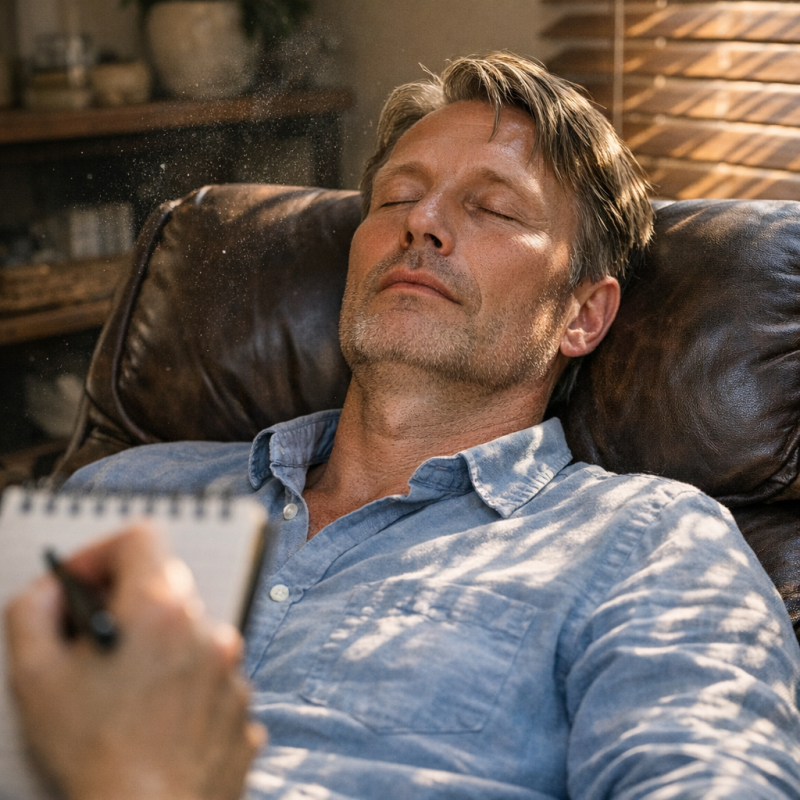 Image by FCT AI
Something Wrong
Back in my room, I replayed the memory over and over, trying to hold onto every detail. But something nagged at me. The curtains in the memory—they had been blue, a faded robin's-egg blue with a water stain near the rod. I could see them clearly. But when I had gone to the motel with Sarah, when I had stood in that room, the curtains had been beige. Thin, greasy beige polyester. I was sure of it. I sat on my bed, pressing my palms against my eyes. Maybe I was misremembering the visit with Sarah. Maybe the motel had changed the curtains since then. But the doubt crept in anyway, cold and insistent. The bedspread in the memory had been green floral. The one I saw had been burgundy paisley. Small details, sure. Easy to confuse. But they did not match. The memory showed curtains that were blue, but I had seen the room—the curtains were beige, and I wondered if my mind was creating memories to fit a narrative someone else wanted me to believe.
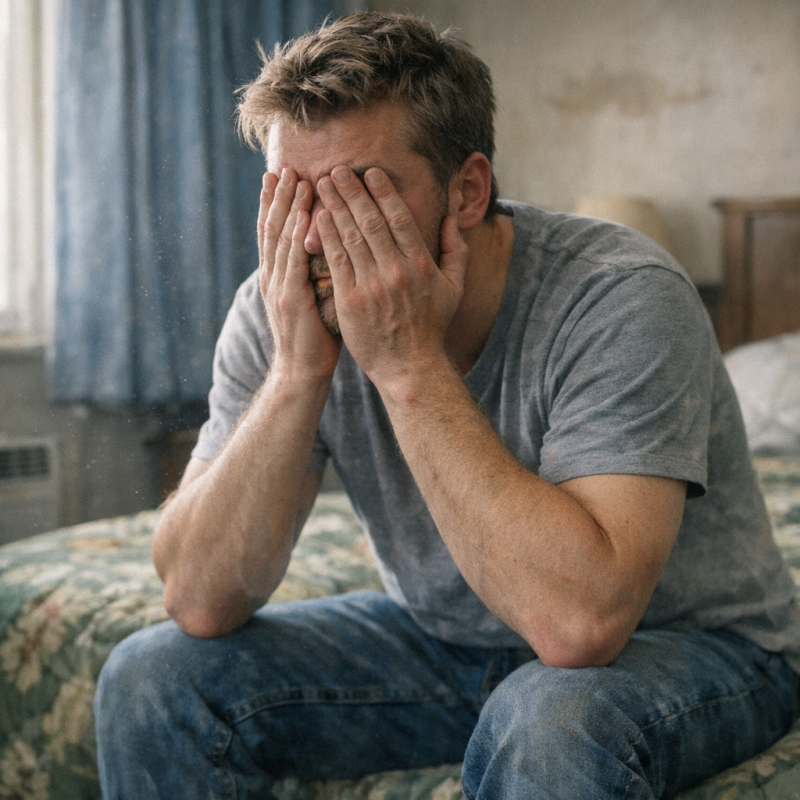 Image by FCT AI
The Patient Next Door
The patient in the next room was named Marcus. We met in the courtyard, and he had this look in his eyes—alert, cautious, like someone who had learned not to trust too easily. We talked about nothing at first. The weather, the food, how the group therapy sessions felt like bad improv classes. Then he asked who my doctor was. When I said Dr. Vernon, his expression changed. He leaned closer and asked if we had done hypnotherapy yet. I nodded. He told me he had been a patient here for six months, that Dr. Vernon specialized in something called 'memory reconsolidation therapy.' It sounded clinical, therapeutic. But Marcus explained it differently. Vernon implanted suggestions during trance states, guiding patients to construct memories that resolved their psychological conflicts. False memories that felt real. Memories that made you compliant, manageable, ready to accept the diagnosis and move on. That night, I heard Marcus tapping on the wall between our rooms. The patient whispered through the wall: 'He makes you remember what he wants you to remember—and once you believe it, you will never get out.'
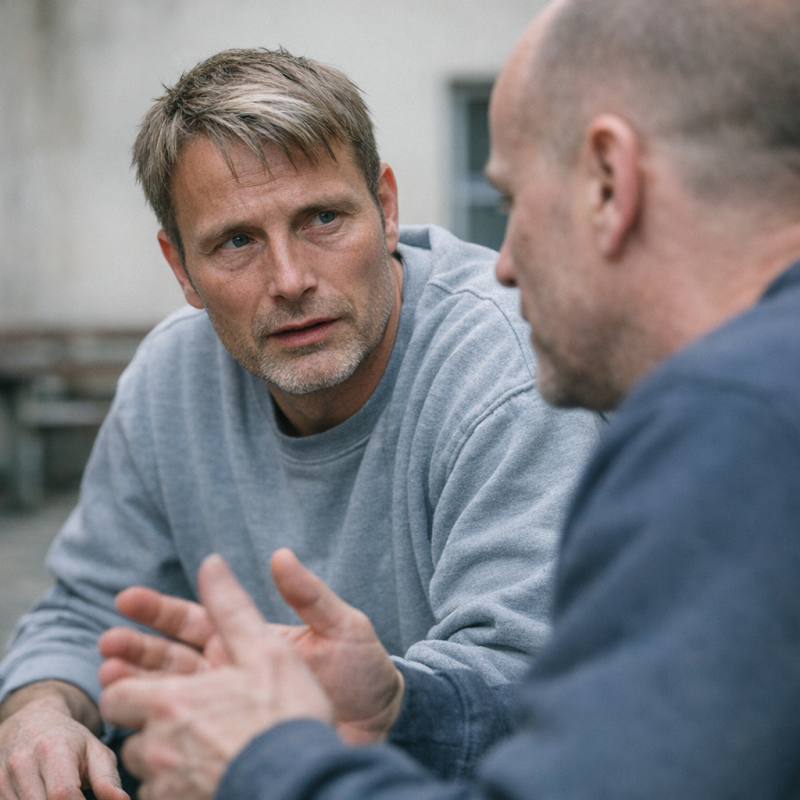 Image by FCT AI
The Real Claire
I managed to use the facility phone during free period. It took two calls to track down Claire's sister, Amy. She lived upstate, and when I explained who I was, there was a long silence. Then she asked what I wanted. I told her I needed to know about Claire, about who she really was. Amy sighed, and I could hear the years of exhaustion in that sound. She told me Claire had struggled with borderline personality disorder since her twenties. Intense relationships, impulsive behavior, self-harm. Two serious attempts on her own life, one requiring hospitalization. Claire could be magnetic, charming, but also volatile and destructive. People got pulled into her orbit and ended up wrecked. Amy had loved her sister, but she had also learned to keep distance. When I asked if Claire might have hurt herself, Amy went quiet for a long moment. Claire's sister's voice broke: 'She was not well, and whoever got close to her always ended up hurt—I am sorry you had to find out this way.'
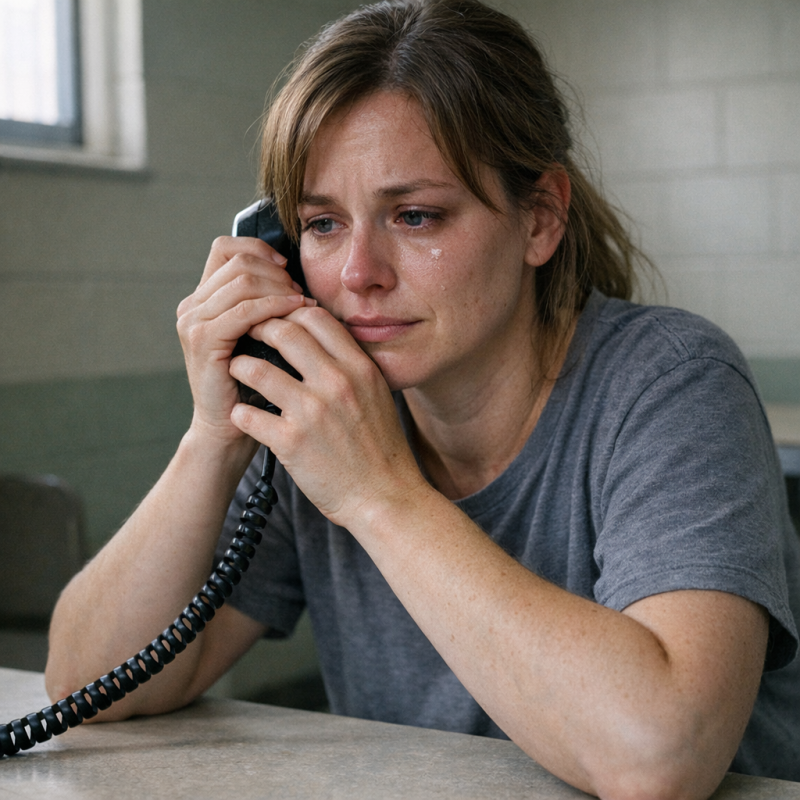 Image by FCT AI
The Crash Report
I requested my medical files and legal documentation as a voluntary patient, which included copies of the official reports. It took three days, but they finally handed over a thick folder. The full accident reconstruction report was in there—ninety-three pages of technical analysis, diagrams, and forensic findings. I read it in my room, page by page, my hands shaking. Most of it was standard: skid marks, vehicle damage, trajectory analysis. But on page twenty-seven, buried in a subsection on victim examination, I found it. The forensic analyst noted that rigor mortis was more advanced than expected for the time of demise, and there was a conspicuous absence of hemorrhaging consistent with high-impact trauma. The blood pooling patterns suggested she had been gone for at least two to four hours before the collision. Someone had put her in my car after she was already gone. The forensic analyst's conclusion was buried on page twenty-seven: 'Victim showed no signs of life prior to vehicular collision based on rigor mortis progression and lack of impact-related hemorrhaging.'
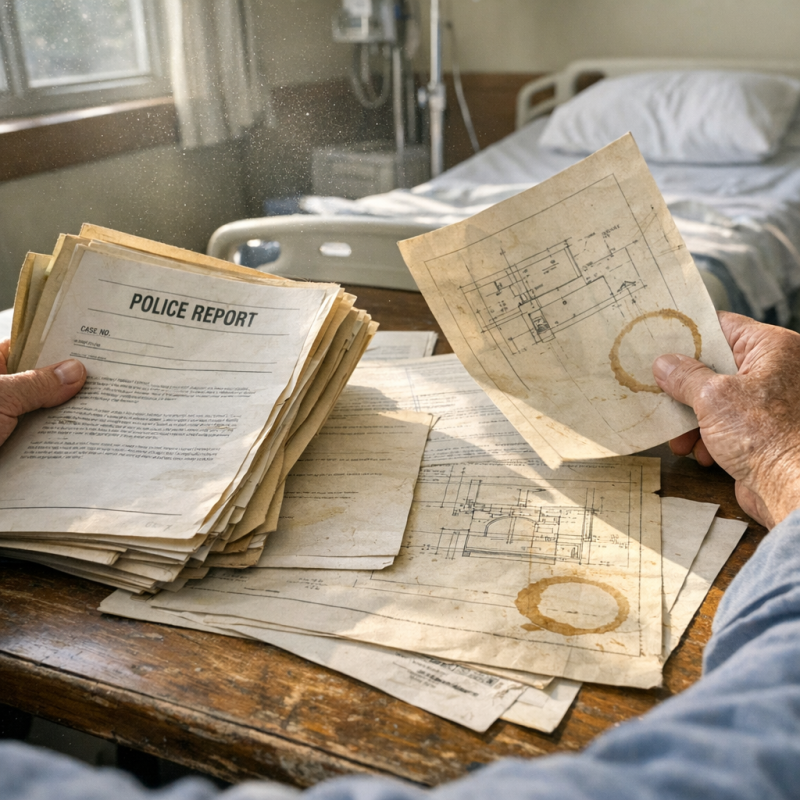 Image by FCT AI
Leaving the Facility
I marched into Dr. Vernon's office the next morning without an appointment. I dropped the report on his desk and told him I was leaving. He glanced at the pages, then back at me with that same calm, clinical expression. I explained what I had found, that Claire was already dead, that someone had staged the entire thing. The hypnotherapy, the recovered memories—it was manipulation, not treatment. I was voluntary, and I was done. Dr. Vernon folded his hands and suggested we discuss this rationally. I told him there was nothing to discuss. If he tried to keep me or continue the memory treatments, I would pursue legal action for malpractice. His smile never faded, but something shifted in his eyes. He stood slowly, walked to the window, looked out at the courtyard. Then he turned back to me, and his voice was quieter, almost gentle. Dr. Vernon's smile never wavered: 'Daniel, leaving now would be a terrible mistake—you are not ready to face what is out there.'
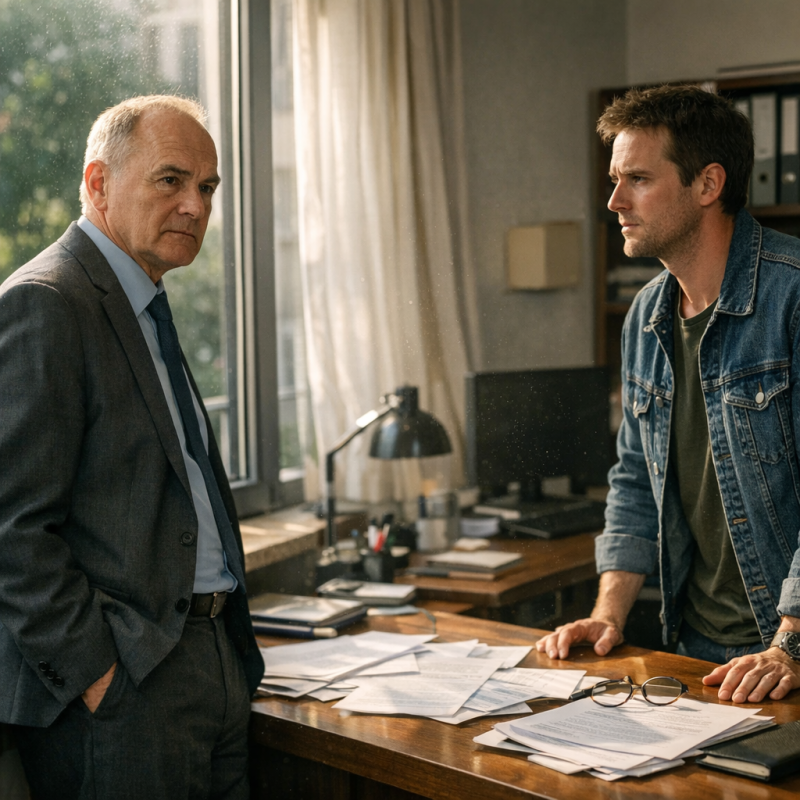 Image by FCT AI
Claire's Final Hours
I left the facility that afternoon and went straight to Claire's apartment building. The landlord was reluctant, but I convinced him I was family, settling her affairs. He let me into her unit. The place was untouched, still waiting for someone to clean it out. I found her pills in the bathroom—antidepressants, anti-anxiety meds, some prescriptions I did not recognize. The bedroom had empty wine bottles, a journal filled with frantic, looping handwriting. The last entry was dated the day before the crash. She wrote about feeling hopeless, about wanting the pain to stop. The coroner had ruled accidental overdose, but reading her words, I was not so sure. She passed here, in this apartment, hours before her body ended up in my passenger seat. Someone had taken her, moved her, placed her beside me to create a narrative that would destroy my life. Someone had taken her body, staged an entire affair, and used me as the vehicle for their plan—but I still did not know who, or why.
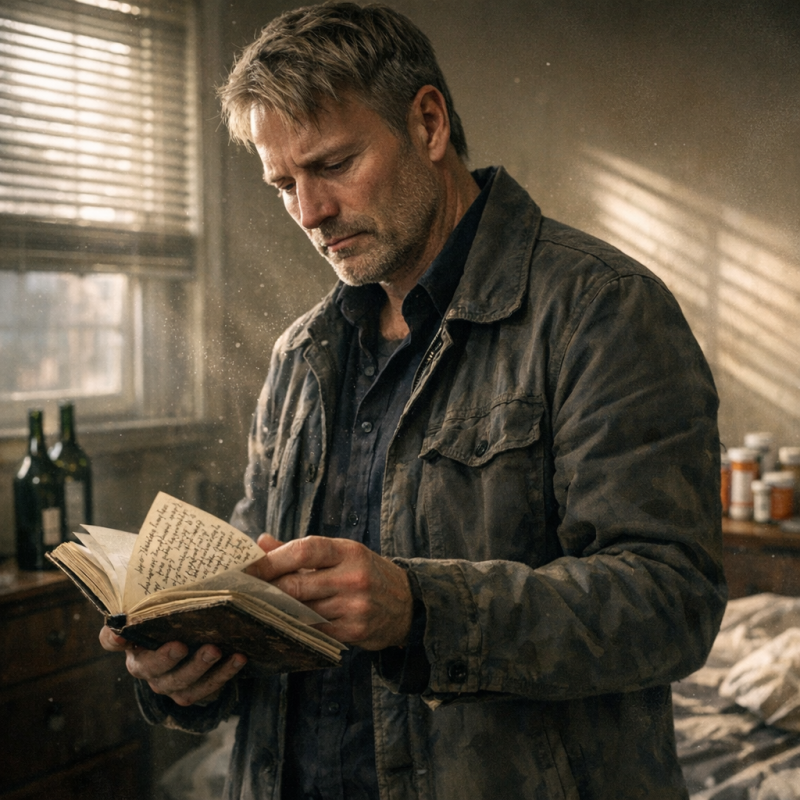 Image by FCT AI
The Truth
I came home to an empty house. Emily had moved out while I was in the facility—her things were gone, the closets bare. But on the kitchen table, there was a folder. My name was written on the front in her handwriting. Inside were psychiatric evaluations, hospital intake forms, and a letter from Dr. Patel addressed to Emily. The evaluation detailed dissociative episodes, fugue states, evidence of self-directed psychological trauma. There had been no affair. Claire had passed before anything physical happened. But I had wanted it. I had been planning to leave Emily for her, and when Claire passed suddenly, my mind could not process the guilt. So it created a narrative where the affair had happened, where I was being punished, where Claire haunted me as proof of my betrayal. The crash was real. But the passenger was not. I had been alone the entire time. Emily's note was brief: 'There was no affair because Claire passed before it could happen—but you wanted it, Daniel, and your mind could not forgive you for that wanting, so it created all of this to punish you instead.'
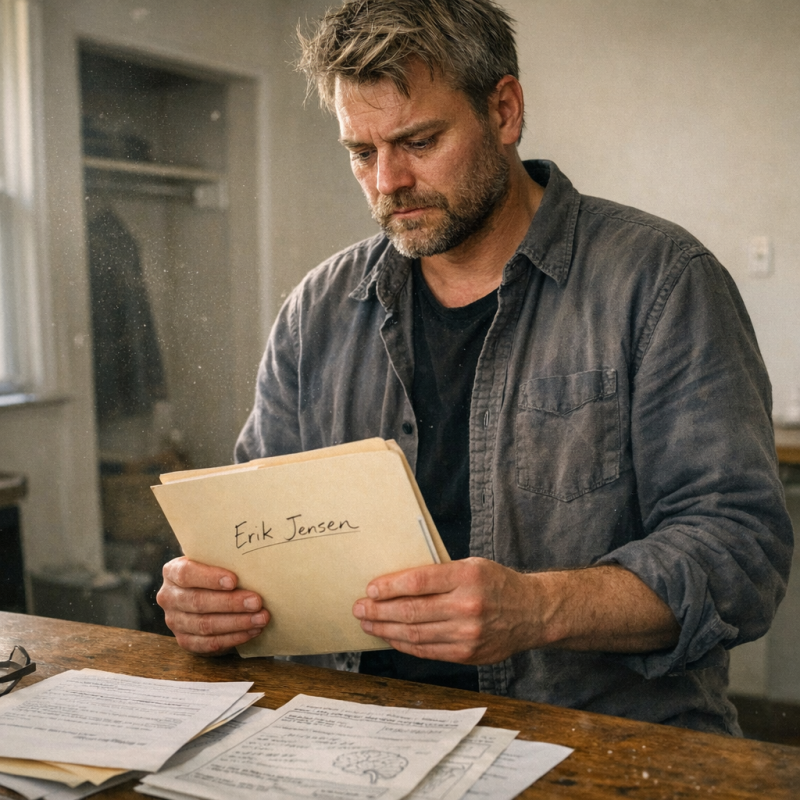 Image by FCT AI
What Emily Knew
I called Emily the next morning, my hands shaking so badly I could barely hold the phone. She picked up on the third ring, and her voice was careful, distant. 'I know about the folder,' I said. There was a long pause. Then she told me everything. She'd known for months that I was deteriorating, that I'd become obsessed with Claire after her passing, that I couldn't separate my guilt from reality. She'd watched me spiral, seen the signs of dissociation, noticed when I couldn't account for hours of my day. She'd loved me enough to let me work through it, thinking I'd find my way back. But I hadn't. Instead, I'd built an entire delusion to punish myself, and she'd been powerless to stop it. 'I thought if I just stayed steady, if I didn't push, you'd come back to me,' she said, her voice breaking. 'But you just went deeper.' I pressed my forehead against the wall, the phone slippery in my palm. 'Why didn't you tell me?' I whispered. Emily's voice was tired, sad: 'I loved you enough to let you figure it out yourself, Daniel—I just did not think it would destroy us in the process.'
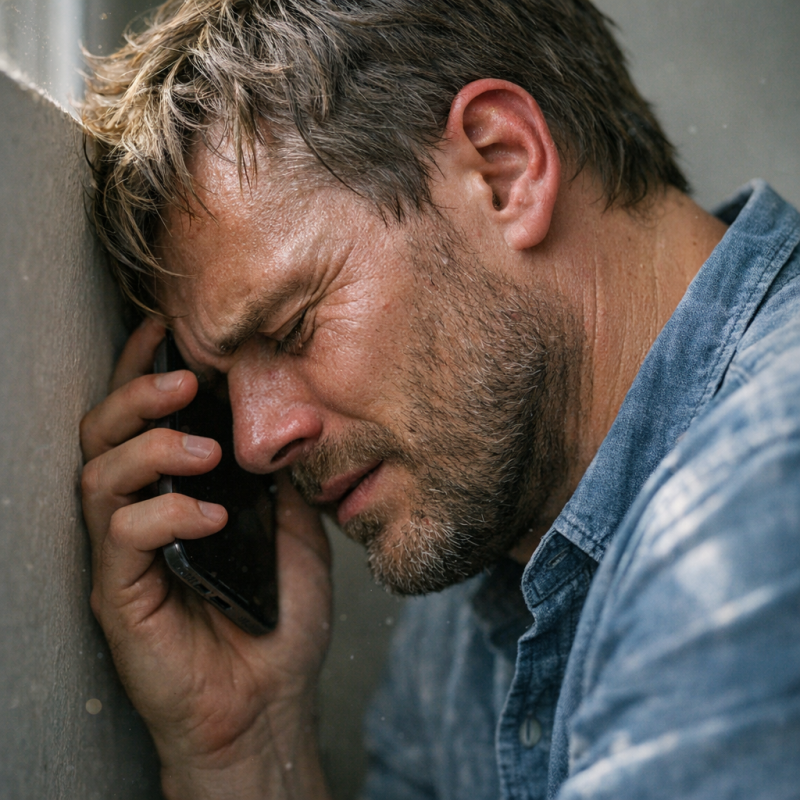 Image by FCT AI
The Real Crash
I spent the next two days reconstructing the crash from what I could remember and what the official report actually said. Single-vehicle accident. No passengers. I'd swerved to avoid something—a deer, maybe, or my own exhaustion—and hit the guardrail at forty miles per hour. The airbag deployed. I walked away with minor bruising. But in my traumatized, guilt-soaked state, my brain had done something I still don't fully understand. It had placed Claire beside me. Not as a hallucination I could dismiss, but as a memory I believed was real. Her body, her blood, the way her head lolled against the shattered window—all of it conjured by a mind that needed to make my guilt tangible. I had rejected her when she needed someone. I had chosen my marriage, my stability, over her loneliness. And when she passed, I couldn't live with that choice. So my mind created a version of events where I'd been with her, where I'd betrayed Emily fully, where my punishment was visible and undeniable. The passenger seat had been empty—but my guilt was so crushing that I populated it with the person I had failed to save by choosing my marriage over pursuing her when she needed someone most.
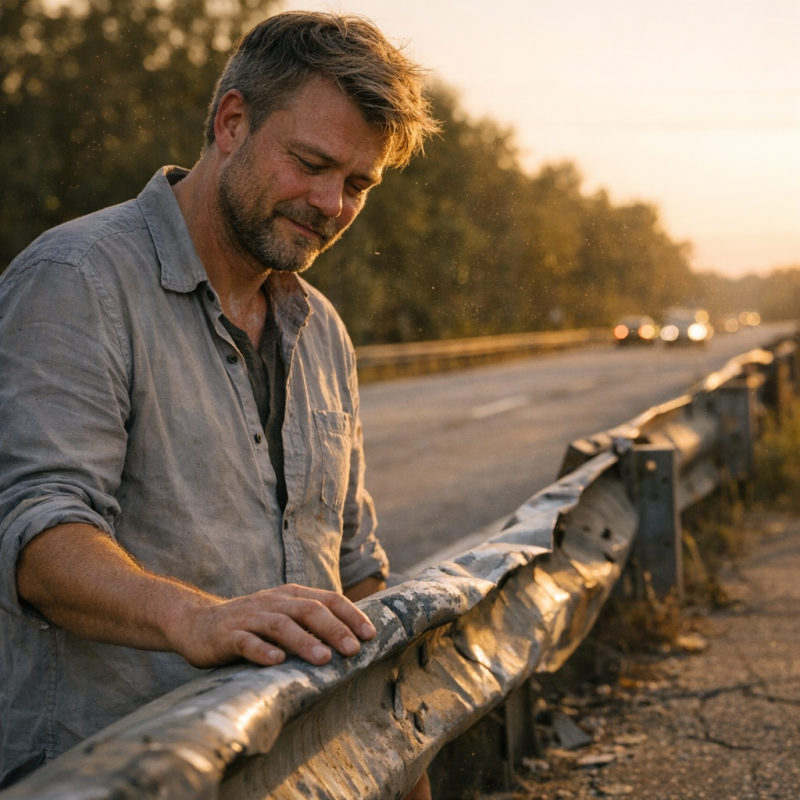 Image by FCT AI
The Evidence Was Real
Then I went back through the evidence I'd collected—the motel receipts, the photos, the journal entries in Claire's handwriting. I stared at them for hours, and slowly, horribly, I started to see the truth. The handwriting in the journal wasn't quite right. It was close, but not perfect. The photos were all taken from angles that suggested I'd been alone when I staged them. And the motel receipts? I checked my bank statements. The charges were there, yes, but the dates didn't match my memories. They were from periods Emily said I'd been 'working late' or 'running errands'—times I couldn't fully account for. I'd created it all during dissociative episodes. I'd gone to that motel, set up those photos, written those journal entries, all while in a fugue state I couldn't remember. Some fractured part of my mind had decided I needed proof of my guilt, and so it had manufactured it, piece by piece, until I had a conspiracy I could chase instead of a truth I had to face. I had fabricated an entire affair during blackout periods, creating proof of something that never happened because some part of me believed I deserved to be punished.
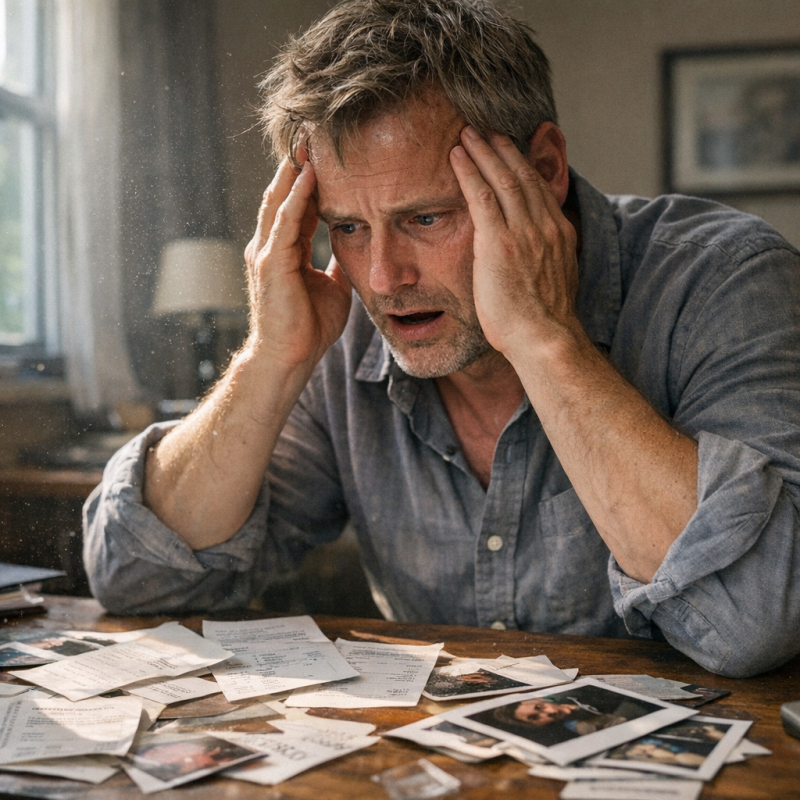 Image by FCT AI
Sarah Was Real
Sarah Chen. I'd trusted her. I'd told her everything, shared every paranoid theory, every piece of manufactured evidence. And then I found the invoice in Emily's files. Professional observation services. Background investigations. Karen Morris, licensed private investigator. The photo on her company website showed Sarah's face. Emily had hired her months ago, not to help me, but to document my deterioration. Every conversation we'd had, every time I'd spun out some new theory about corporate conspiracies or hidden affairs, Sarah—Karen—had been taking notes. Not to validate me. To build a case for guardianship, for involuntary treatment if it came to that. She'd encouraged my delusions, let me talk, made me feel heard and believed. And all of it had gone straight to Emily's lawyer. I felt sick. Betrayed. But also—and this was the worst part—I understood. Emily had been terrified. She'd watched me disintegrate and had done the only thing she could think of to protect me from myself. Sarah's real name was Karen Morris, and her job had been to observe me, not believe me—every theory I had shared with her had gone straight to Emily's lawyer.
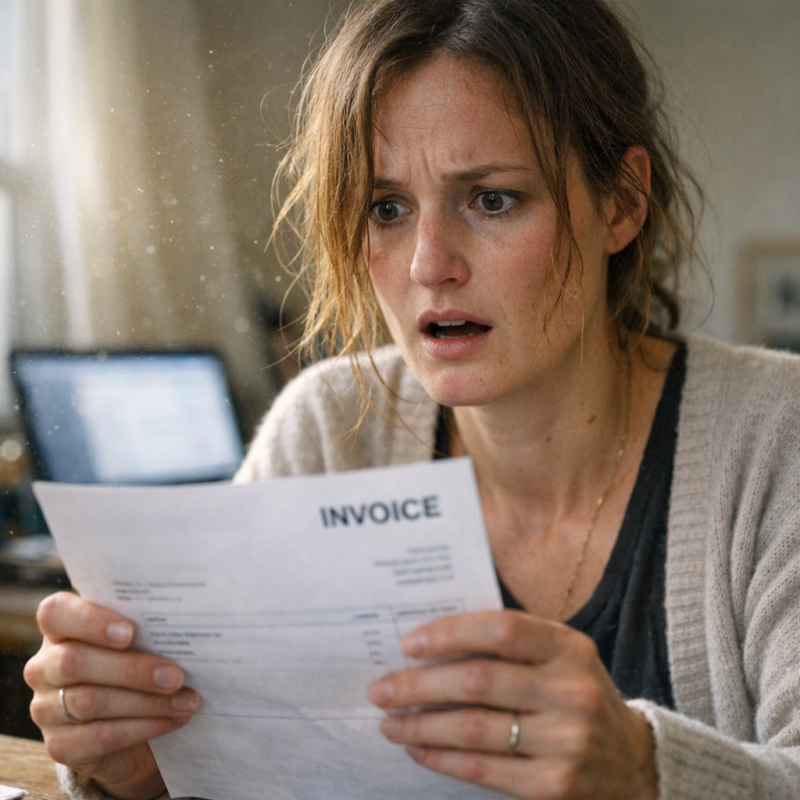 Image by FCT AI
Claire's Real Passing
I finally forced myself to look up Claire's actual passing. The obituary was brief. 'Passed unexpectedly at home.' But I knew people, and I made calls until someone told me the truth. She'd been found in her apartment three weeks before my crash. And there was a note. Emily had kept it from me, hidden it along with the official report and the toxicology results. I found it in the folder, in a sealed envelope I'd missed the first time. Claire's handwriting—the real handwriting, not my imitation. It was short. She wrote about loneliness, about feeling unseen, about 'the married man who was kind to me until I wanted more.' She didn't name me, but she didn't have to. I'd rejected her advances at a company event, gently but firmly. I'd told her I cared about her but that I loved my wife. And two weeks later, she was dead. I hadn't had an affair. But I had hurt her. I had been the final disappointment in a life full of them. Claire's final note had mentioned 'the married man who was kind to me until I wanted more'—and Emily had kept it from me to protect my fragile mind.
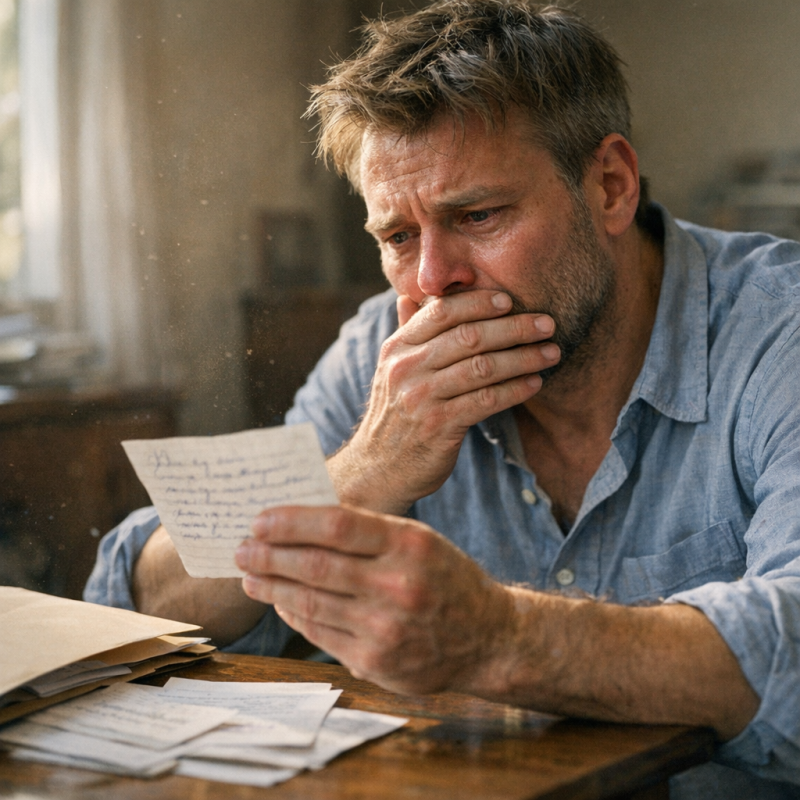 Image by FCT AI
The Pharmacy
The sedative found in my system after the crash—I'd assumed someone had drugged me, that it was part of the conspiracy. But when I dug through my medical records, there it was. A prescription for lorazepam, written by my GP four months before Claire passed. I'd been having panic attacks at work, trouble sleeping. The doctor had given me a small dose for anxiety. But I'd been taking it wrong. During my dissociative episodes, I'd been doubling up, sometimes tripling the dose, with no memory of doing so. The medication had interacted with my psychological state, deepening the fugue periods, making the blackouts longer and more complete. I'd been sedating myself into oblivion and then waking up with no idea what I'd done. The pharmacy records showed refills I didn't remember requesting. Bottles I didn't remember emptying. I'd been self-medicating my guilt and fear until my mind just... fractured. There was no conspiracy. No one had poisoned me. I'd done it to myself, one forgotten pill at a time. The prescription was for anxiety, written months before Claire passed—I had been self-medicating my guilt until it fractured me completely.
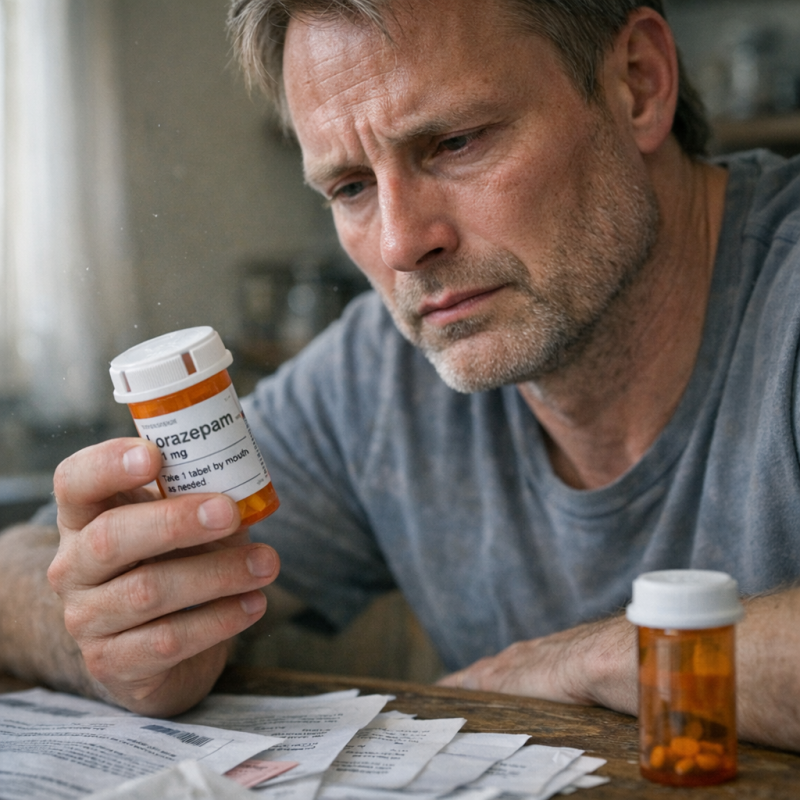 Image by FCT AI
Confronting Dr. Patel
I went back to Dr. Patel's office without an appointment. She saw me anyway, maybe because her receptionist saw the look on my face. I sat down across from her and said, 'You knew. The whole time, you knew.' She didn't deny it. She just nodded, her expression calm and sad. 'I knew what had happened to you, yes,' she said. 'But you were not ready to hear it. You needed to arrive at the truth yourself, or you would have rejected it as another conspiracy.' I felt a flash of anger, then it faded. She was right. If she'd told me in that first session that I'd hallucinated Claire in the car, that I'd created the affair in my own mind, I would have walked out and never come back. I would have found another therapist who believed me, or I would have stopped trying altogether. 'What now?' I asked. Dr. Patel leaned forward, her hands folded gently on her desk. 'Now we do the real work,' she said. 'Now you grieve. You accept. You forgive yourself.' She paused, her eyes steady on mine. Dr. Patel nodded gently: 'Recovery is not about discovering what happened, Daniel—it is about accepting what you did, and what you did not do.'
 Image by FCT AI
Marcus Apologizes
Marcus showed up at my apartment a week later. I almost didn't let him in, but he stood in the hallway looking lost and sorry, and I couldn't turn him away. He sat on my couch and told me everything. Emily had asked him to push me, to accuse me, to make me angry enough that I'd seek help. She'd thought that if someone confronted me directly, I might snap out of it, might see how irrational I'd become. But it hadn't worked that way. It had just made me more paranoid, more convinced that everyone was against me. 'I thought I was protecting her from your affair,' Marcus said, his voice rough and broken. 'I thought you'd cheated and she was too loyal to leave. I didn't understand you were sick. I didn't see it.' He looked at me, his eyes red. 'I'm sorry, man. I should have seen it.' I didn't know what to say. I was still angry. But I also understood. Everyone had been trying to help in their own broken way, and I'd been too far gone to see it. Marcus's voice was rough: 'I thought I was protecting Emily from your affair—I did not realize I was just another person denying you were sick.'
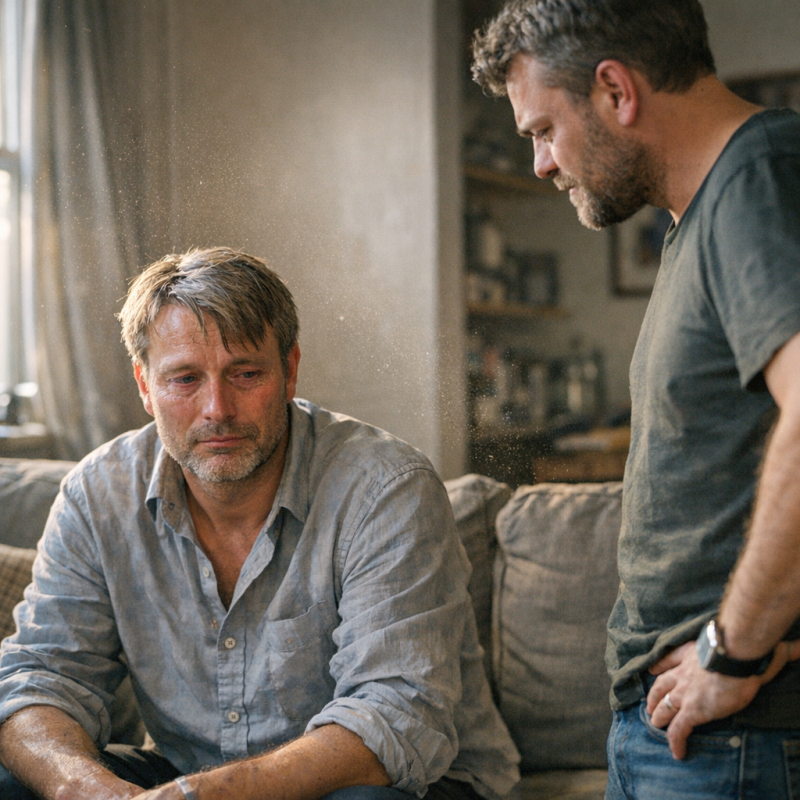 Image by FCT AI
Goodbye to Claire
I went to Claire's grave on a Thursday morning when the cemetery was empty. The headstone was simple, just her name and dates, and I stood there for a long time before I could speak. I'd never let myself grieve her properly—not as she deserved, not as the real person she'd been. I'd turned her passing into a story about myself, about my guilt, about punishment and haunting. But standing there, I finally saw it clearly. Claire had been struggling, and I hadn't seen it. I'd been her supervisor, her mentor, and I'd missed every sign. That was my real failure—not some imagined affair, not some cosmic debt. Just human blindness, the kind we're all capable of. 'I'm sorry I couldn't save you,' I whispered, my voice cracking. 'I'm sorry I didn't see.' The wind moved through the trees, and I felt something shift inside me—not forgiveness exactly, but release. I couldn't change what had happened. I couldn't bring her back. But I could stop letting her passing consume me. As I stood at her grave, I whispered the only truth that mattered: 'I am sorry I could not save you—but I cannot let your loss destroy me too.'
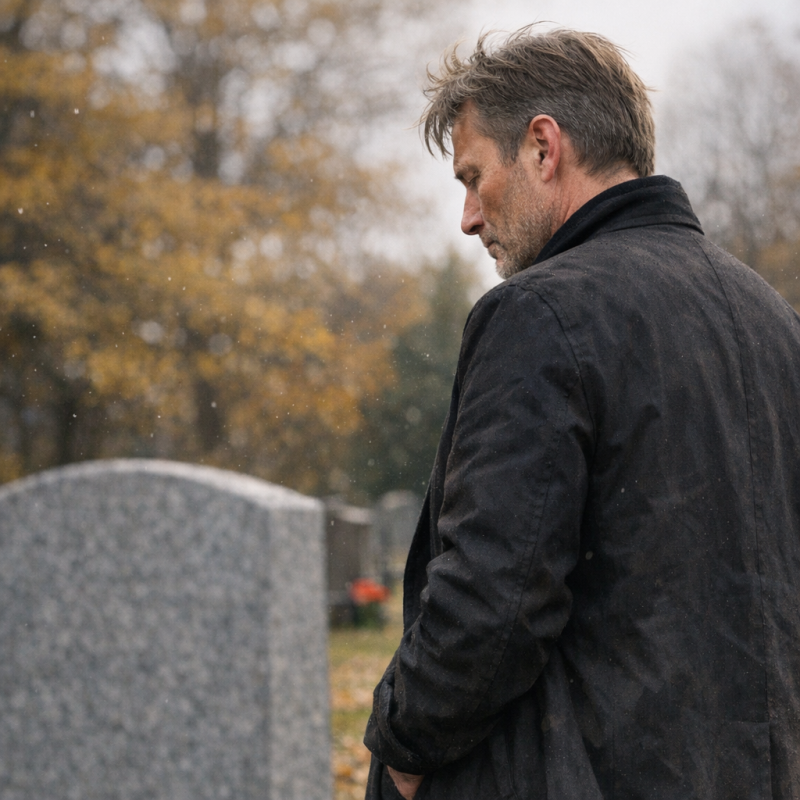 Image by FCT AI
Rebuilding
Dr. Patel became a regular part of my life. Three times a week, I sat in her office and worked through the mechanics of my broken mind. She explained dissociation in ways that made sense—how trauma creates gaps, how the brain protects itself by constructing narratives, how I'd built Claire's ghost from grief and guilt and unprocessed pain. It wasn't dramatic. There was no sudden breakthrough, no moment where everything clicked into place. Instead, it was slow and exhausting work. I learned to recognize when my thoughts were spiraling, when memory felt unreliable, when I needed to ground myself in the present. I started keeping a journal, writing down what happened each day so I could trust my own timeline. Some days were good. Some days I still doubted everything. But gradually, week by week, the fog began to lift. I stopped seeing patterns that weren't there. I stopped looking for Claire in empty rooms. I started sleeping without nightmares. It was painful, peeling back all the layers I'd built, facing the reality I'd hidden from. But it was also necessary. The healing was slow and painful, but for the first time since the crash, I woke up and knew that what I remembered was real.
 Image by FCT AI
Emily's Choice
Emily met me at a coffee shop six weeks into treatment. She looked tired but steady, and when she sat down across from me, I saw both love and caution in her eyes. 'You look better,' she said, and I knew she meant it. We talked for an hour—really talked, without accusations or fear. I told her about therapy, about the work I was doing, about how hard it was to rebuild trust in my own mind. She listened, and when I finished, she reached across the table and took my hand. 'I still love you, Daniel,' she said quietly. 'I need you to know that. This isn't about not loving you.' I nodded, throat tight. 'But I can't come home yet,' she continued. 'You're doing the work, and I'm so proud of you. But you need to do this for yourself, not for me. And I need to know you're stable—really stable—before we try again.' It hurt, but I understood. She wasn't abandoning me. She was protecting both of us, giving me space to heal without the pressure of fixing our marriage at the same time. Emily held my hand across the table: 'I am not leaving you, Daniel—but I am not coming back yet either, and I need you to understand that is okay.'
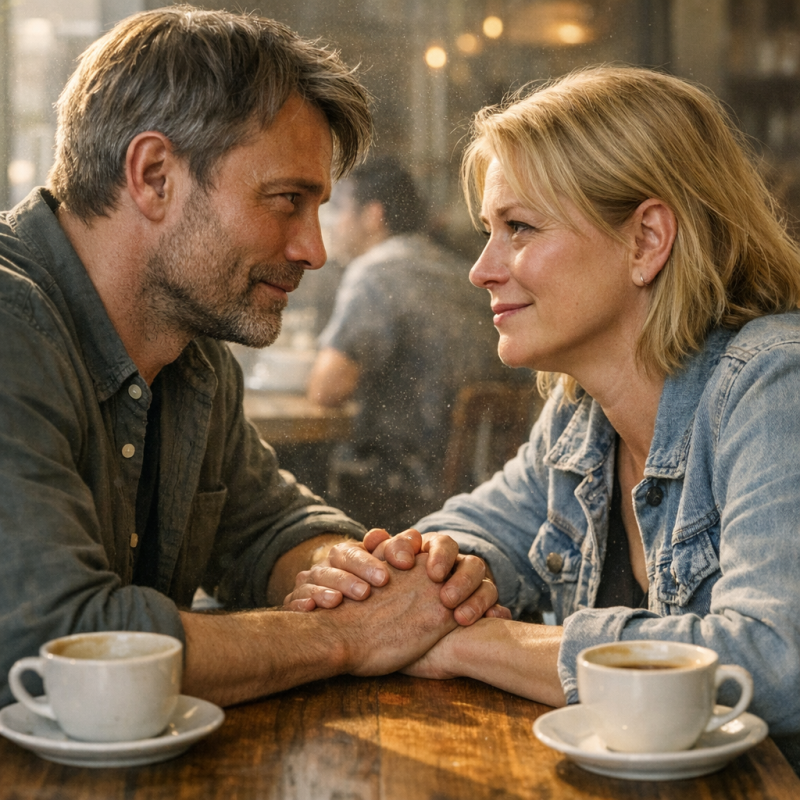 Image by FCT AI
The Passenger Seat
Six months after the crash, I got behind the wheel again. Dr. Patel had suggested it as a milestone—not rushing it, but not avoiding it forever either. I chose a Sunday morning when traffic was light. My hands shook as I started the engine, and for a moment, I thought I couldn't do it. But then I took a breath, adjusted the mirrors, and pulled out of the parking space. The passenger seat was empty. Just leather and sunlight, nothing more. No shadow, no whisper, no Claire staring at me with sad eyes. I drove slowly at first, then merged onto the highway, and it felt like any other drive—normal, mundane, real. I thought about how far I'd come, how much work was still ahead. Emily and I were talking again, carefully rebuilding something that might become a marriage again someday. I was still in therapy. I still had bad days. But I was living, actually living, in the world as it was. As I merged onto the highway, I glanced at the empty passenger seat and felt nothing but quiet gratitude—it was empty because it should be empty, and that was enough.
 Image by FCT AI