The Face Only They Could See
So I've worked at the animal shelter for six years now, and I thought I'd seen everything. People crying over kittens, kids throwing tantrums when they can't take home every puppy, the usual chaos. Last Tuesday, though, something happened that I still can't quite wrap my head around. This family came in—mom, dad, two kids maybe eight and ten years old—all smiles and excited chatter about adopting a cat. I took them to the cat room where Jasper was lounging in his kennel. He's this gorgeous orange tabby with unusual facial markings, kind of like a second face if you catch it at the right angle. The moment the mom saw him, she gasped. Then the daughter screamed. Not like a startled yelp, but a full-throated, horror-movie scream. The dad grabbed both kids and they practically ran for the exit while I stood there, completely bewildered, asking if everyone was okay. Jasper just blinked slowly, totally unbothered. As they fled, the dad looked back and said something that made my blood run cold: 'That thing shouldn't be here.'
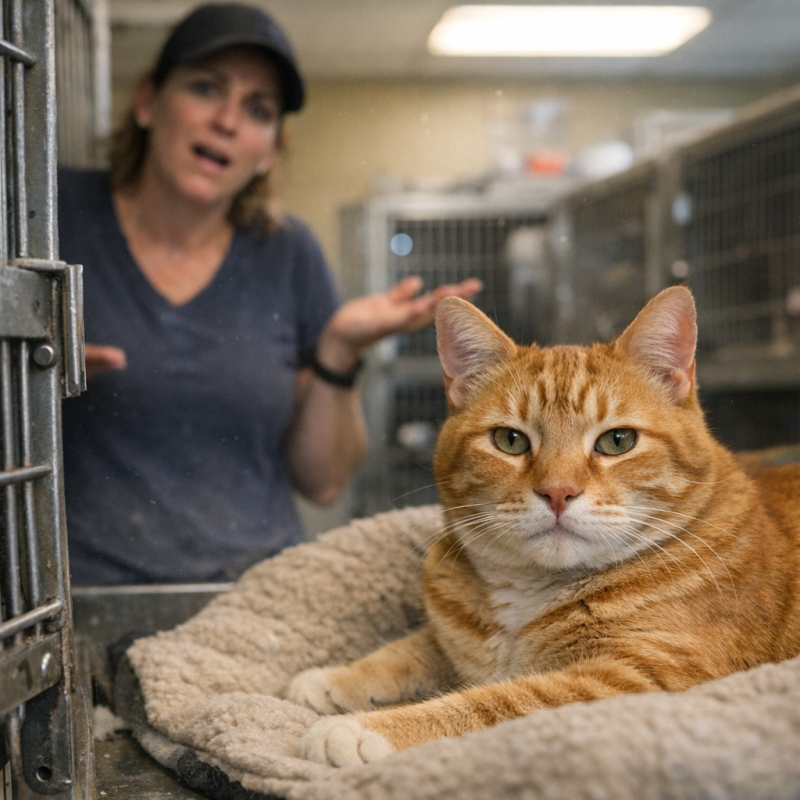 Image by FCT AI
What the Others Saw
I immediately went to find Carol, my supervisor, because honestly I was shaken. She's been doing this for twenty-plus years, so if anyone could explain what just happened, it'd be her. I found her in the supply room and basically word-vomited the whole story. Carol listened, nodding slowly, then came back to look at Jasper herself. She stood there studying him for a long moment, tilting her head. 'Yeah, the markings are unusual,' she said finally. 'Some people see pareidolia more strongly than others—you know, seeing faces in random patterns.' I asked if that explained the screaming, and she just shrugged, said some people overreact, especially when they're making decisions with their kids. It made sense, sort of, but I still felt uneasy. We walked back toward the front desk together, and I thought the conversation was over. Then Carol paused at the door and said, 'You know, this isn't the first time someone's had a... strong reaction to him.'
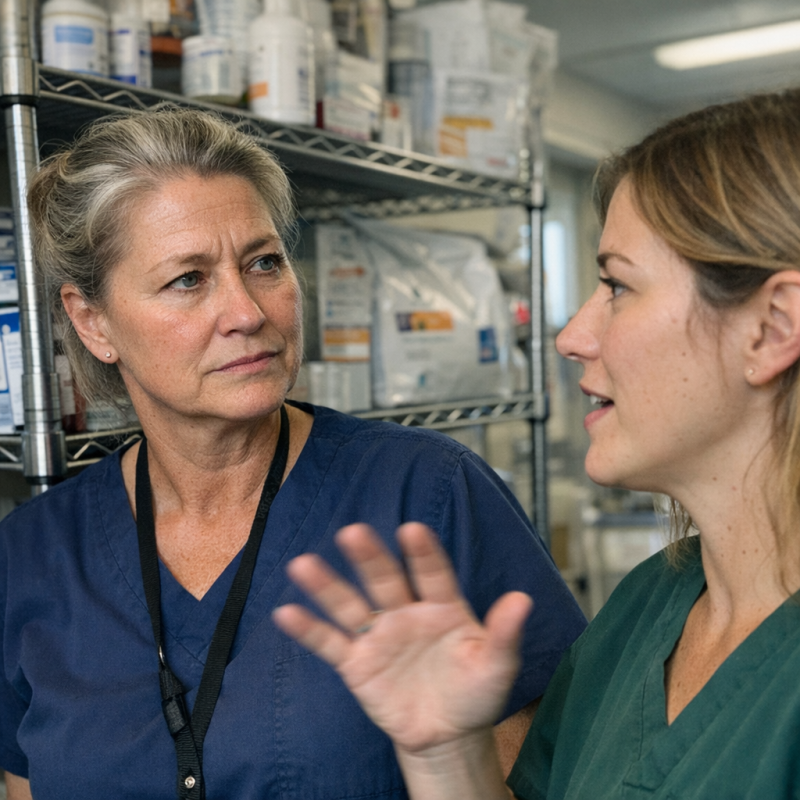 Image by FCT AI
The Intake File
That comment from Carol stuck with me, so during my lunch break I pulled Jasper's intake file. I was expecting something, anything, that would explain the weirdness surrounding this cat. But the paperwork was frustratingly sparse. He'd been brought in three months ago by someone who found him wandering a residential neighborhood. No microchip, no collar, no missing pet reports that matched. The finder's information section was blank—completely blank, which was weird because we always try to get contact info. I went looking for Derek, our intake coordinator, and asked him about it. He barely remembered the case, just said the person who brought Jasper in seemed really eager to leave, didn't want to fill out the full form. 'Some people are just in a hurry,' Derek said with a shrug, already turning back to his computer. I was about to close the file when I noticed something at the very bottom. At the bottom of the form, someone had scribbled in pencil: 'Finder refused to give name—said they couldn't keep looking at it.'
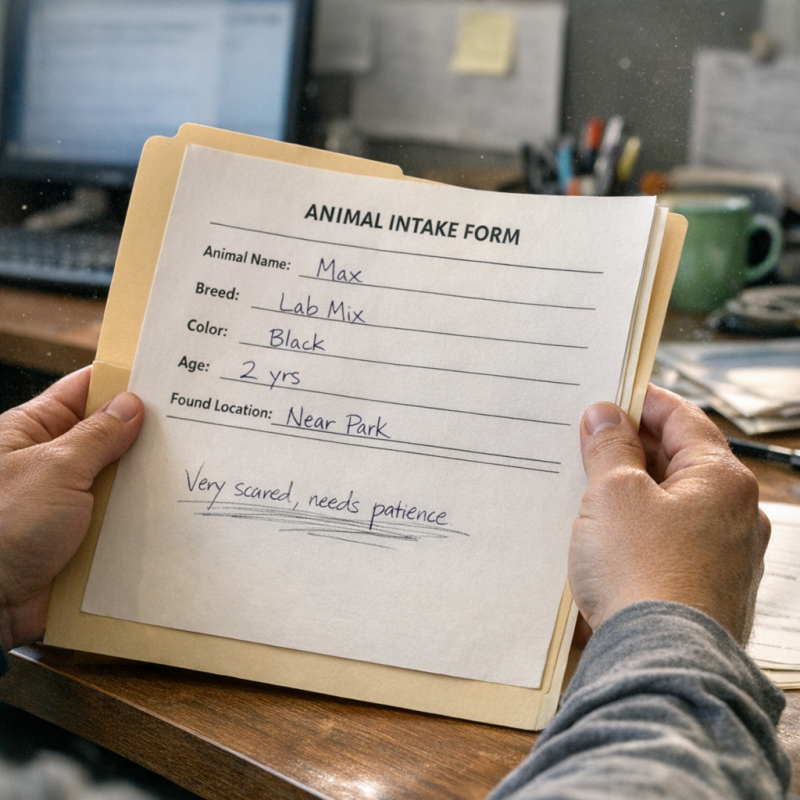 Image by FCT AI
The Photograph
Okay, so at this point I'm admittedly a little obsessed with figuring out what people are seeing. I'm not proud of it, but I spent my afternoon break just sitting with Jasper, staring at his face like some kind of weirdo. The markings are symmetrical, running from his nose up between his eyes—darker orange stripes that, yeah, could look like eye sockets and a mouth if you squint. But it didn't seem scream-worthy to me. I decided to take a photo to show my roommate later, maybe get an outside perspective. Jasper cooperated like the absolute angel he is, posing perfectly while I snapped a few shots. The rest of my shift was normal—cleaning kennels, processing adoptions for other animals, the usual routine. I didn't think about the photo again until I got home that night and was scrolling through my phone. I pulled up the image and my stomach dropped. When I looked at the photo later that night, I finally saw it—the second face was clearer in the image than in real life.
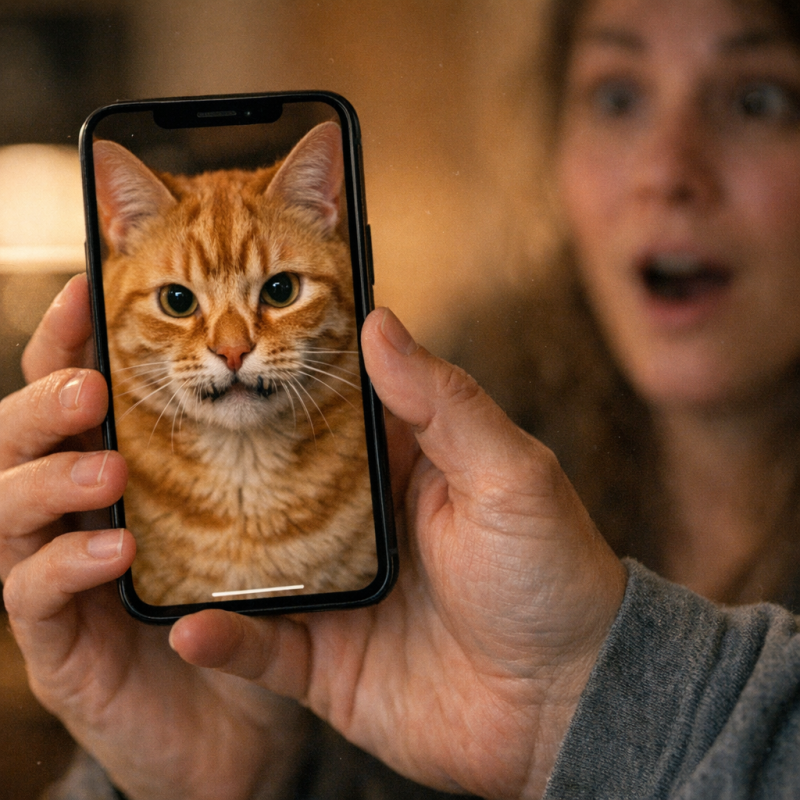 Image by FCT AI
Other Reactions
After seeing that photo, I became hyperaware of how people reacted to Jasper. Over the next few days, I watched carefully whenever someone approached his kennel. It was fascinating, honestly, how different the responses were. Some people walked right past without a second glance. Others would stop, do this little double-take, maybe laugh and point it out to whoever they were with—'Oh wow, look at his markings!' A couple of visitors seemed briefly unsettled but kept looking anyway, curiosity winning out. But nobody screamed. Nobody fled. Most people thought the facial illusion was kind of cool, actually, in a quirky way. Meanwhile, other cats in the room were getting adopted left and right. Jasper would press against his kennel bars whenever someone approached, this sweet rumbling purr starting up, but people would move on to the next cat. By Thursday afternoon, I was feeling genuinely bad for him. Then this older gentleman came in looking for a companion cat, and as I walked him through the room, he asked a question that hit me hard. It wasn't until Thursday that someone asked the question I'd been avoiding: 'Has anyone actually tried to adopt him?'
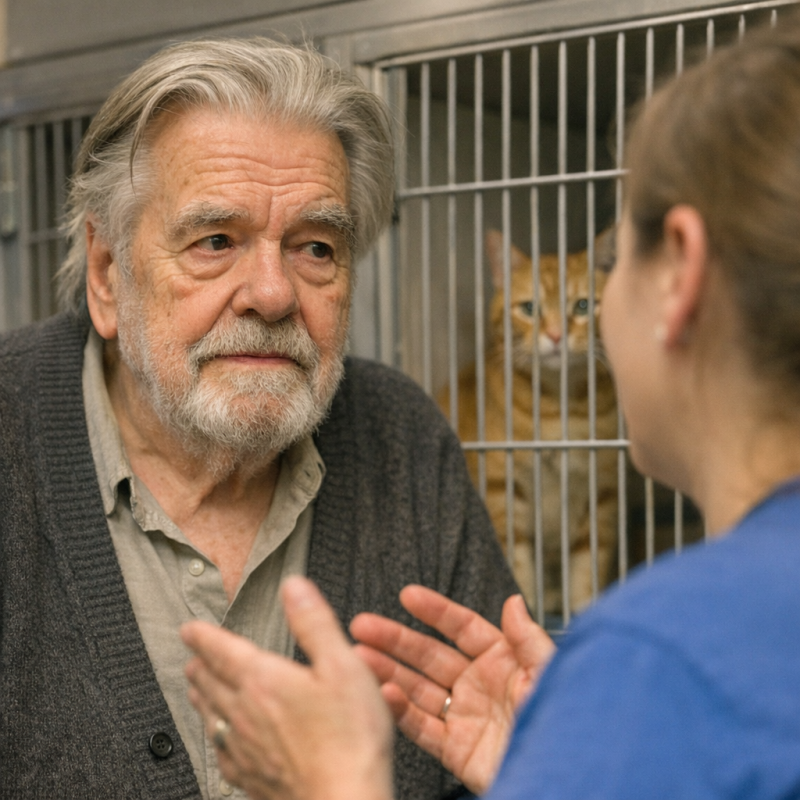 Image by FCT AI
The Volunteers' Opinions
I didn't mean to eavesdrop, but the volunteer break room shares a wall with the cat room storage closet where I was restocking litter. I heard three of our regular volunteers talking, and Jasper's name caught my attention. They were debating whether his online photo should be edited, maybe lightened or cropped differently to make the facial markings less prominent. One volunteer argued it was dishonest, that adopters should know what they're getting. Another said we have a responsibility to give every animal their best chance, and if the photo was hurting his chances, why not adjust it? The conversation got more heated, voices dropping to whispers I had to strain to hear. I felt this surge of defensiveness—Jasper didn't need to be hidden or altered, he just needed the right person. I was about to march in there and say exactly that when I heard the third volunteer speak up. She's usually so cheerful, but her voice was serious, almost worried. One volunteer whispered, 'Maybe we shouldn't be trying to place him at all—what if something happens?'
 Image by FCT AI
A Quiet Week
After that conversation, I started checking on Jasper more than I probably should have. It wasn't part of my official duties—we had other staff handling cat care—but I found myself drawn to his kennel throughout the day. Week after week, other cats got adopted. The tiny calico went to a college student. The bonded pair of tabbies went to a retired couple. Even the three-legged senior cat found a home. Jasper remained. He didn't seem depressed exactly, but I noticed he'd become less enthusiastic about approaching strangers. With me, though, he was different. I'd talk to him while cleaning his space, and he'd chirp back, rubbing against my hands. I started bringing him treats, spending my breaks just sitting in his kennel area. The other staff noticed but didn't comment. By the third week, something had shifted between us. He started waiting by the door when he heard my voice, and I realized I was getting attached—which in this job, was dangerous.
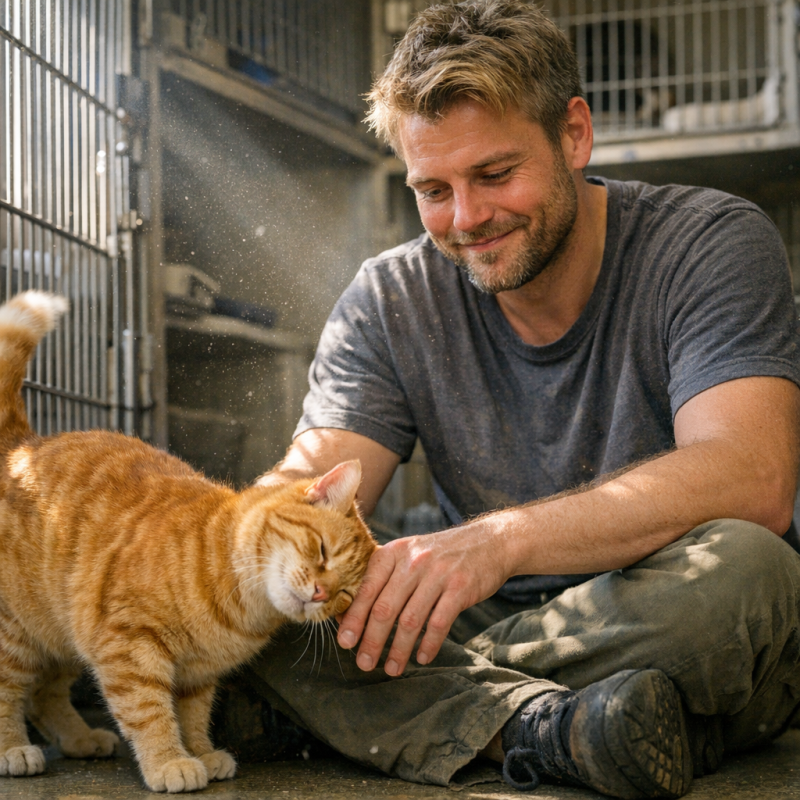 Image by FCT AI
Linda's Visit
Friday morning started like any other until this woman walked in—had to be in her late sixties, maybe early seventies, with this warm, calm energy about her. Her name was Linda. She said she wasn't interested in kittens or the cats featured on our website. She specifically wanted to meet the animals that had been overlooked, the ones having trouble finding homes. My heart literally jumped. I mean, this was exactly what Jasper needed. I tried to play it cool as I led her to the cat room, mentally preparing myself for another rejection, another person who'd see those markings and make an excuse to look elsewhere. We walked past the other kennels, and I opened Jasper's door. He looked up at us with those big amber eyes, the distinctive markings clearly visible in the overhead light. I held my breath. Linda leaned down, studied him for a moment, and then smiled—genuinely smiled. When I showed her Jasper's room, she laughed and said, 'Oh, he's wearing a little mask—how charming.'
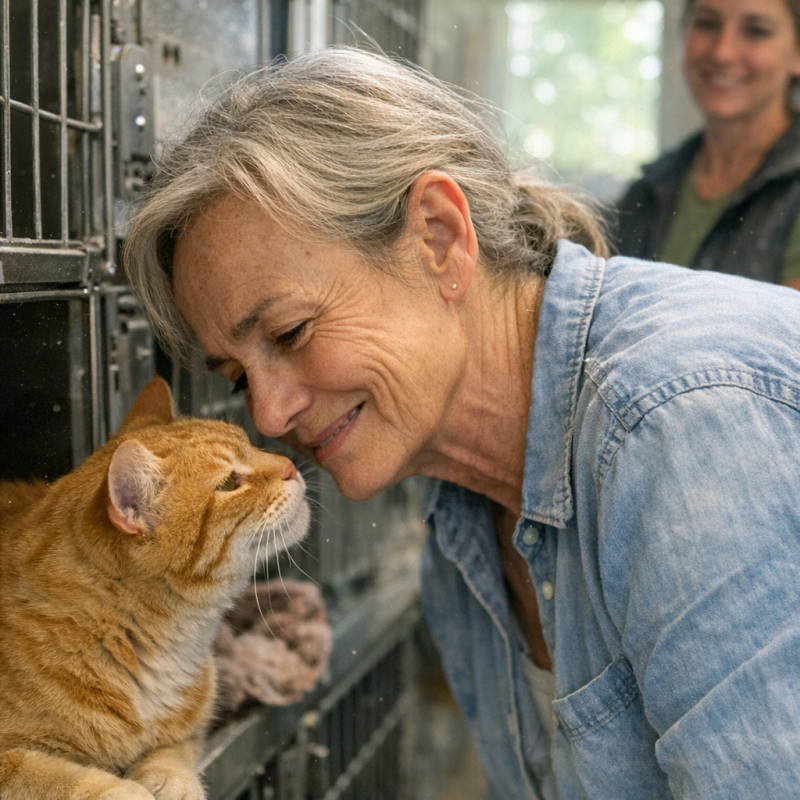 Image by FCT AI
The Application
Linda spent nearly forty minutes filling out the adoption application at the front desk, taking her time with each question. She had references ready, knew her veterinarian's contact information by heart, and talked about how she'd always adopted older pets because they needed homes too. It was everything I could've hoped for. I watched her hand the paperwork to Carol—who'd returned from her day off—and felt this rush of relief wash over me. Jasper was finally going to have a home. Carol took the application with her usual efficiency, scanning through the pages while Linda waited with that gentle smile. Then Carol's expression shifted, just slightly. She looked up at me, then back at the application, her fingers tapping the edge of the desk. 'This looks complete,' she said carefully. 'We'll process it and be in touch.' Linda thanked us and left, and I turned to Carol expecting to schedule a home visit. But when Carol reviewed the file, she hesitated and said, 'Let's give this one a few extra days.'
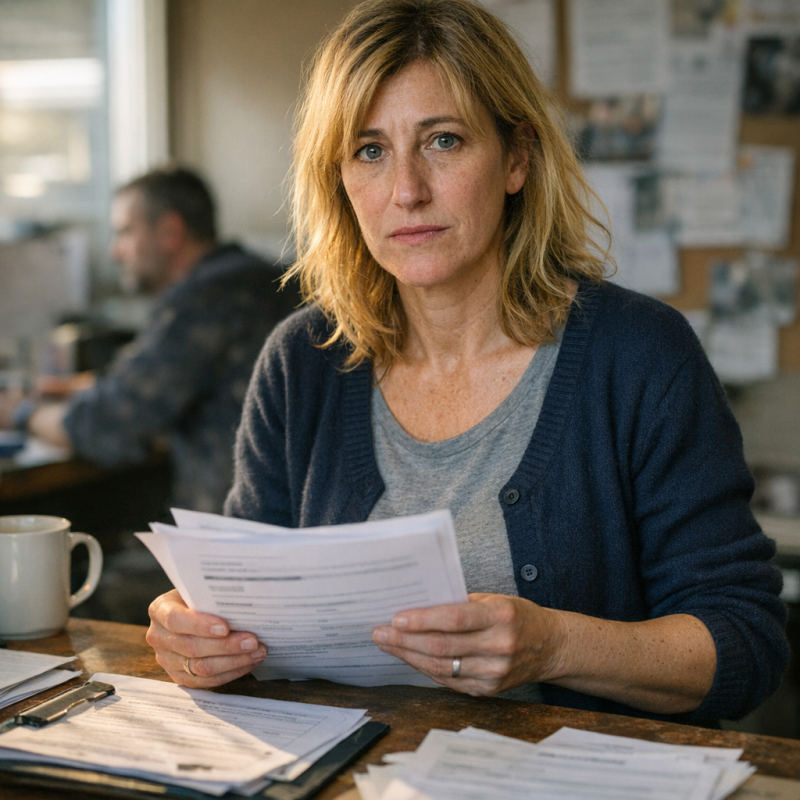 Image by FCT AI

History's most fascinating stories and darkest secrets, delivered to your inbox daily.
The Wait
Three days. That's how long Linda's application sat on Carol's desk while I tried not to lose my mind. I checked in twice daily, asking about the status, and each time Carol gave me some vague answer about wanting to be thorough or needing to verify references. But Linda's references were solid—I'd seen them myself. The waiting felt wrong, especially when I'd see Jasper sitting in his kennel, calm as ever, unaware that his chance at a home was being delayed for reasons nobody would explain to me. I started second-guessing everything. Maybe there was something in Linda's history I'd missed? Some red flag Carol had spotted that I was too eager to overlook? By the third morning, I was checking the phone constantly, jumping every time it rang. I'd brought Jasper extra treats, talking to him more than usual, promising him this would work out. On the third day, Linda called—and when I heard her voice, I knew something had changed.
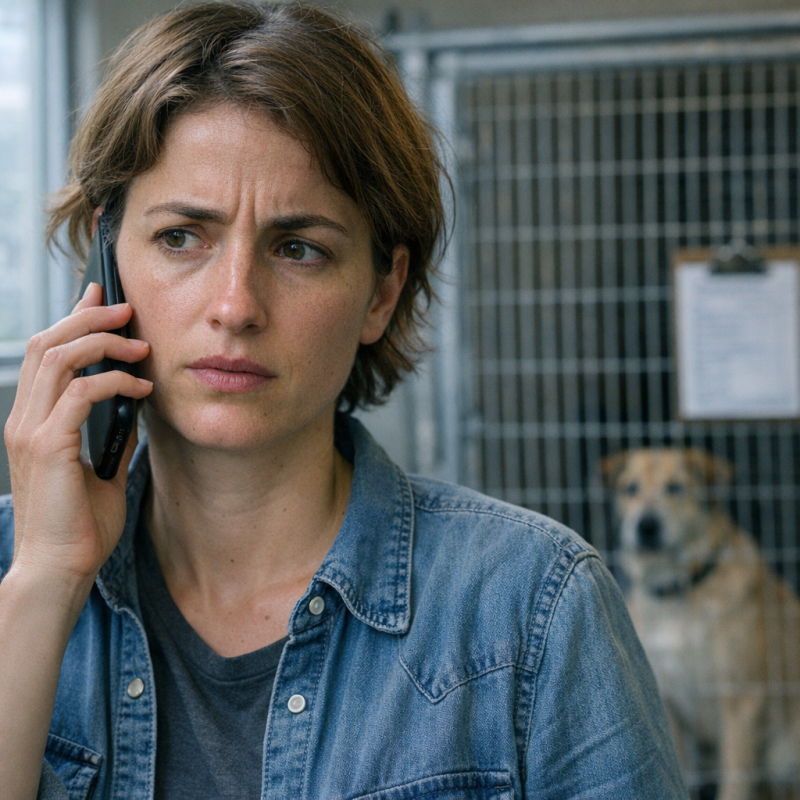 Image by FCT AI
The Withdrawal
She was polite about it, apologetic even. Said she'd shown Jasper's photo to her daughter, just wanting to share the good news about her upcoming adoption. But her daughter had seen the markings—really looked at them—and had what Linda described as a 'visceral reaction.' The daughter couldn't stop seeing the second face, couldn't shake the feeling that something was staring at her from the photo. Linda had tried to explain it was just unusual coloring, nothing more, but her daughter had become increasingly upset. She'd used words like 'disturbing' and 'wrong.' Linda's voice got quieter as she continued, saying how much she'd wanted to help Jasper, how she felt terrible about this. But her daughter visited often, and she couldn't adopt a cat that would make her that uncomfortable in her own mother's home. I understood—I did—but it felt like being punched in the stomach all over again. Before hanging up, she said, 'I'm sorry—I wanted to help him, but I can't bring something like that into my home.'
 Image by FCT AI
Marcus's Theory
Marcus came by later that week for one of his regular veterinary check-ins at the shelter. We'd worked together long enough that I felt comfortable venting to him about Jasper's situation—the family that screamed, Linda's withdrawn application, the repeated reactions to those markings. I probably sounded half-crazy, going on about how a sweet cat couldn't find a home because of what people saw in his fur. Marcus listened without judgment, the way he always did, then asked to see Jasper himself. I brought him to the cat room and opened the kennel. Jasper padded over, friendly and trusting, while Marcus crouched down to examine him. He studied those facial markings for a long moment, his head tilted slightly. 'Interesting,' he murmured. 'The symmetry is remarkable.' I waited, hoping for some kind of explanation that would make this all make sense. Marcus looked at Jasper for a long moment and said, 'You know, there's a thing called pareidolia—humans are wired to see faces everywhere.'
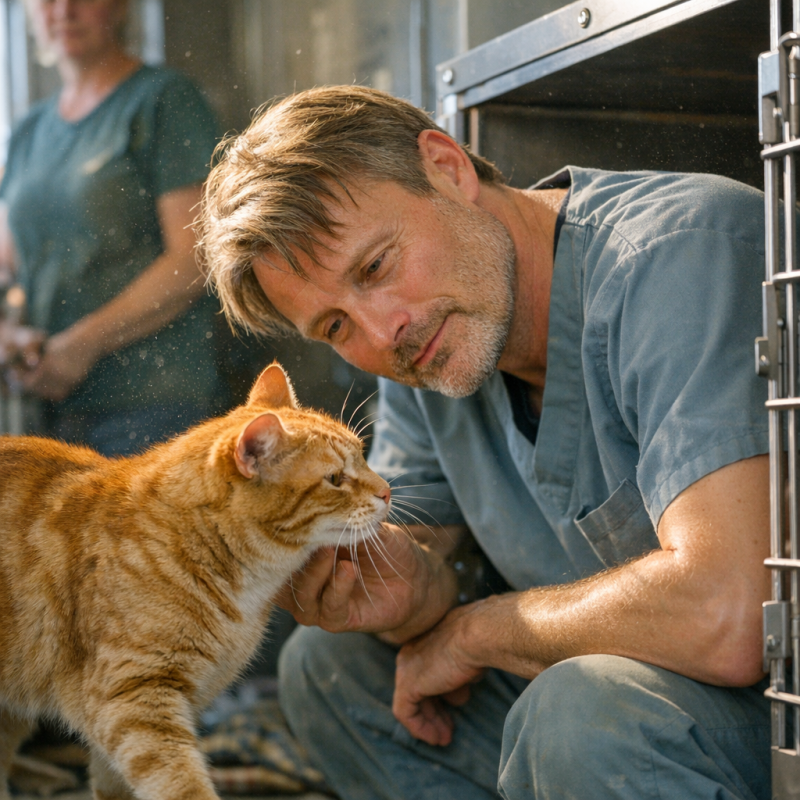 Image by FCT AI
The Article
That night I went down a research rabbit hole about pareidolia. Turns out Marcus was right—it's this psychological phenomenon where our brains are so tuned to recognize faces that we see them in random patterns. Toast, clouds, tree bark, you name it. There were entire websites dedicated to animals with unusual markings that looked like other animals or objects. I found cats with Hitler mustaches, dogs with eyebrows, birds with skull patterns. It was fascinating, honestly, and it made me feel better about the whole situation. This wasn't about Jasper being cursed or wrong—it was just human psychology doing what human psychology does. But here's the thing: none of the examples I found were quite like Jasper. His markings weren't just vaguely face-like. They were precise, symmetrical, detailed in a way that made them impossible to unsee once you noticed them. I kept scrolling through forums and comment sections, looking for similar cases. One comment on a forum stopped me cold: 'We had a cat like that once—had to rehome it because the kids couldn't sleep.'
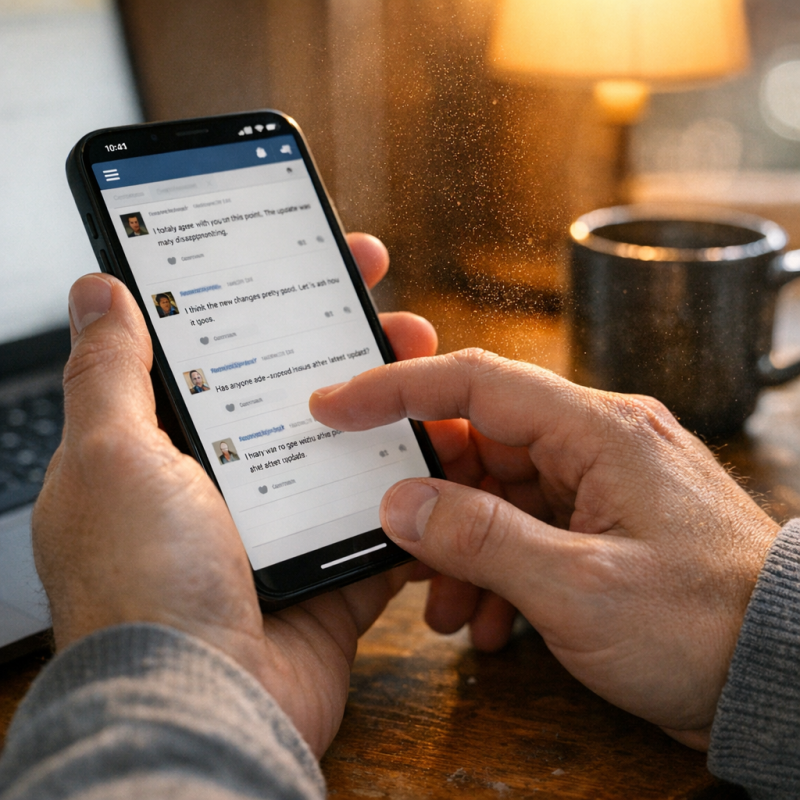 Image by FCT AI
Trying Again
I decided to take matters into my own hands with Jasper's photos. Maybe the issue was the angles, the lighting, the way the camera caught his markings. If I could just capture him differently—showcase his personality, his sweet temperament, minimize that optical illusion—maybe someone would look past it. I spent an entire morning in the cat room with my phone, trying every angle imaginable. Profile shots, looking up, looking down, soft lighting from the window, no flash, with flash. Jasper was incredibly patient with me, sitting still or playing with toys on command like he somehow understood I was trying to help him. I took probably fifty photos, checking each one carefully before trying again. And every single time, no matter what I did, those markings arranged themselves into that second face. Sometimes it was more subtle, sometimes it was stark and obvious, but it was always there. Some photos made it look like the face was sleeping; others made it appear alert, watchful. But no matter the angle or lighting, the second face was always there—watching from inside the photograph.
Sarah's Suggestion
Sarah was new to volunteering, enthusiastic and full of ideas that sometimes worked and sometimes absolutely didn't. She'd seen me struggling with Jasper's photos and suggested we try a different approach entirely. 'What if we lean into it?' she said. 'Post his story on social media, talk about his unique markings, find someone who appreciates unusual pets instead of trying to hide what makes him special.' It actually made sense. There were whole communities online dedicated to odd-looking animals, people who loved the weird and wonderful. Sarah helped me write a post explaining Jasper's situation—how sweet he was, how he'd been overlooked, how his distinctive markings made him one-of-a-kind. We included photos, his personality traits, everything. I felt hopeful for the first time in weeks as I hit 'share' on the shelter's Facebook page. Sarah shared it to a few pet adoption groups, and I posted it on Instagram too. Within hours, the post had hundreds of shares—but the comments were split between 'beautiful' and 'nightmare fuel.'
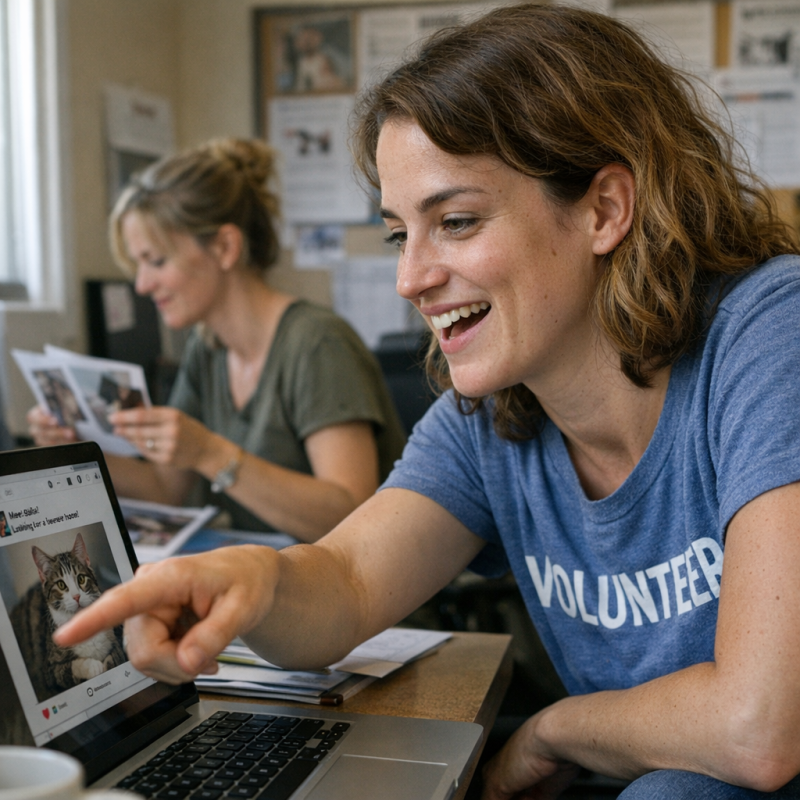 Image by FCT AI
The Flood
My inbox exploded. Seriously, I'd never seen anything like it. Dozens of messages, comments, shares—Jasper had gone viral in the weird pet corner of the internet. At first I was thrilled, scrolling through inquiries about adoption applications and people asking questions about his personality. But as I read more carefully, my excitement faded. Most of the messages weren't from genuine adopters. They were from people who wanted to 'see the creepy cat in person' or 'take a selfie with the demon kitty.' Some were clearly trolls. Others were weirdly intense, asking if he had 'powers' or if 'strange things' happened around him. Carol helped me screen them, her expression growing more concerned with each message we read. Sarah kept trying to stay optimistic, pointing out the few sincere-sounding inquiries mixed in with the rest. I was forwarding a promising message to Carol when another notification popped up, a private message with no profile picture and a blank name. I almost deleted it as spam, but something made me click. One message simply read: 'Please don't let anyone take that cat—it's not safe.'
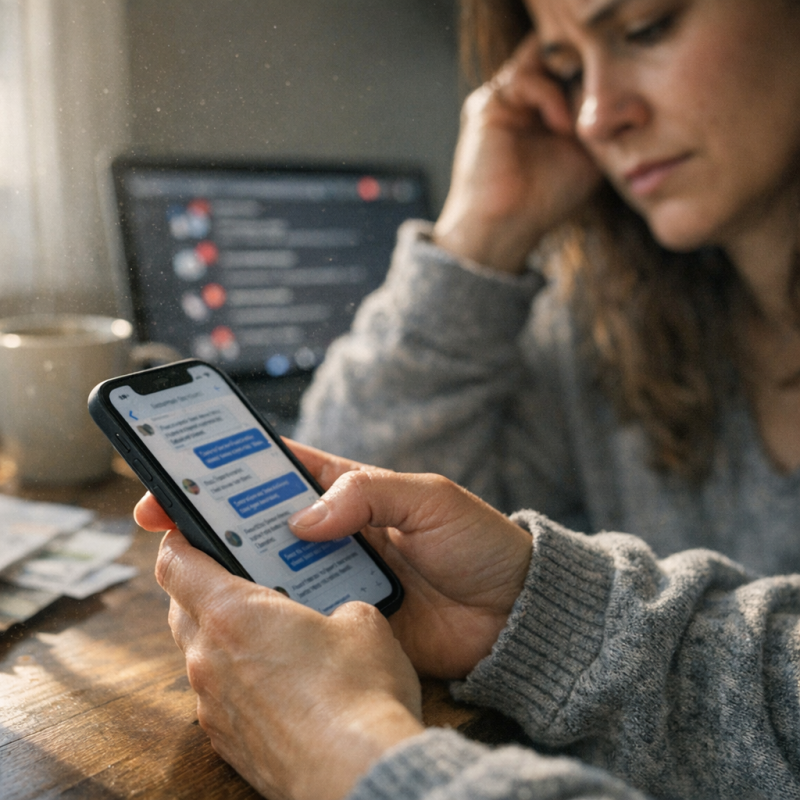 Image by FCT AI
The Showings
The next few days were exhausting. I must have shown Jasper to thirty different people, maybe more. Most didn't even pretend to be serious adopters. They'd walk in with their phones already out, angling for the perfect shot while I gave my rehearsed spiel about his personality and needs. Jasper, to his credit, was incredibly patient through all of it. He'd sit there calmly while strangers pointed and whispered, while camera flashes went off in his face. One guy actually asked if he could hold Jasper up like Simba for a photo. I said no. Another woman brought her entire book club 'just to see him.' They stood outside his room giggling and taking videos for twenty minutes. By the third day, I was running on fumes and caffeine, forcing smiles while people treated this sweet cat like a circus attraction. Not one person filled out an application. Not one asked about his medical history or what kind of home he'd need. A teenager filming for TikTok said it perfectly: 'He's cool to look at, but I couldn't live with that staring at me every day.'
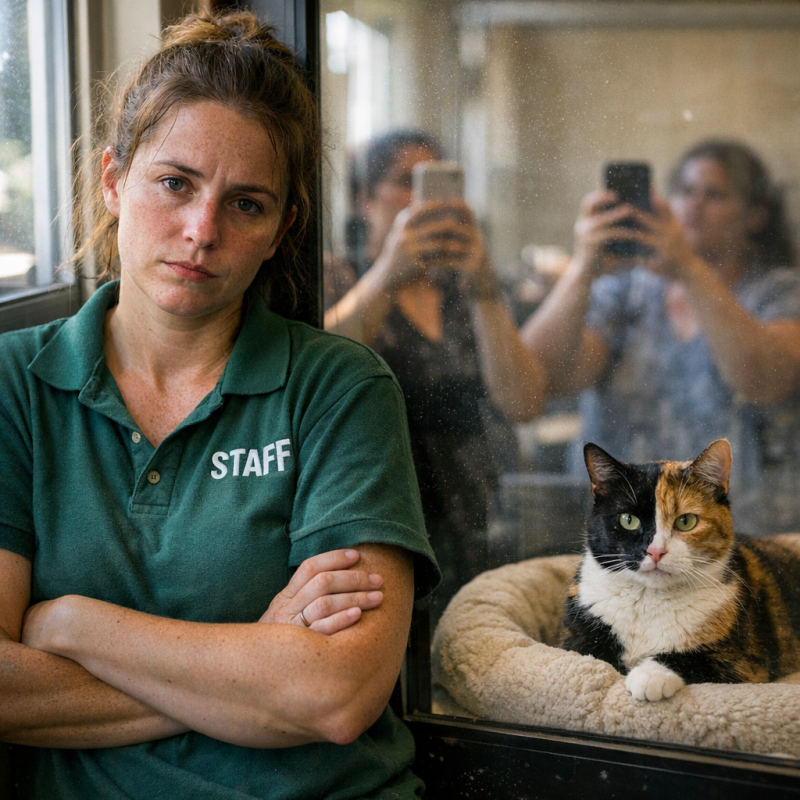 Image by FCT AI
Removing the Post
Carol called me into her office on Friday afternoon. She looked tired, older somehow, and I knew what was coming before she said it. 'We're taking the post down,' she told me, already pulling up the shelter's Facebook page on her computer. 'This isn't helping him. It's just turning him into a spectacle.' I wanted to argue, to say maybe one good person would still see it, but I couldn't. She was right. Sarah stood in the doorway looking miserable, apologizing even though none of this was her fault. We'd tried to help, and instead we'd made everything worse. Carol hit delete, and the post vanished. For about ten seconds, I felt relieved. Then Sarah checked Reddit on her phone and went pale. 'Morgan,' she said quietly, showing me the screen. But the damage was done—Jasper's photo was already circulating on Reddit and Facebook with captions like 'The Demon Cat.'
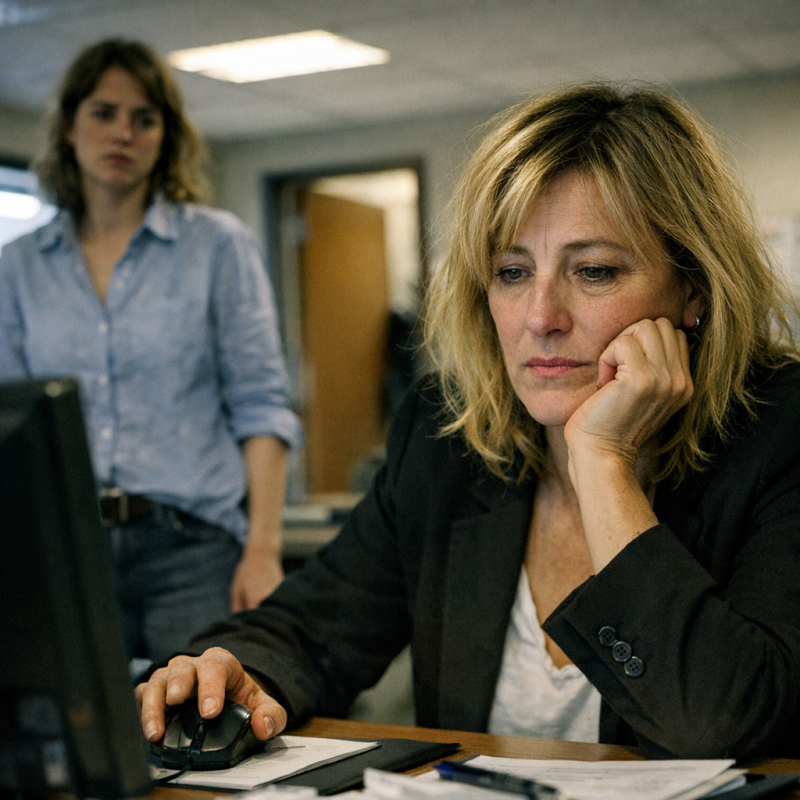 Image by FCT AI
A Quiet Return
The hallway outside Jasper's room became quiet again. Too quiet, honestly. The parade of gawkers stopped, but so did the regular foot traffic. People walked past his door now without even glancing in. It was like he'd become invisible, or worse—something to avoid. I started spending my lunch breaks in there with him, just sitting on the floor with my sandwich while he lounged on his cat tree. We didn't do much, just existed together in that small room while the shelter buzzed with activity around us. He'd watch me eat, occasionally blinking slowly in that way cats do when they're content. Some days I'd read him posts from the adoption forums, trying to figure out a new angle, a better approach. He seemed to like the sound of my voice, or at least he tolerated it. One afternoon, he climbed down from his perch, walked over to where I sat, and settled into my lap for the first time. His weight was warm and solid, real in a way that made my throat tight. I whispered, 'I'm not giving up on you.'
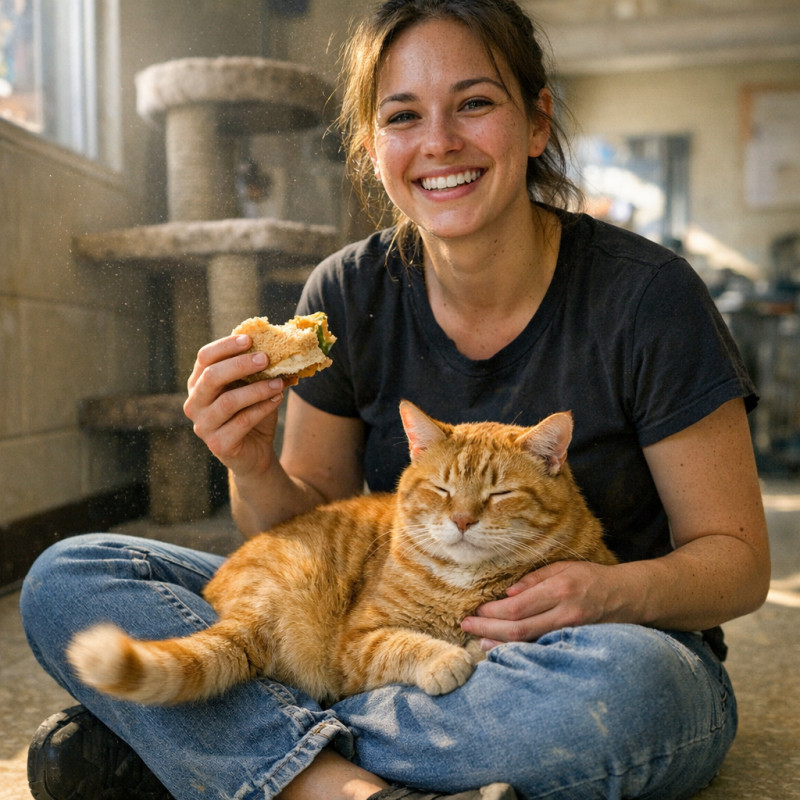 Image by FCT AI
The Question
The staff meeting that Tuesday felt tense from the start. Budget discussions always did, but this one was different. Derek, who'd been mostly quiet about Jasper since the initial exam, cleared his throat during the facilities report. 'We need to talk about long-term residents,' he said, not looking at me. 'Specifically, whether some animals are realistically adoptable at all.' My stomach dropped. I knew exactly where this was going. Someone from the admin side jumped in, talking about space constraints and resources, using careful language that danced around what they actually meant. Sarah grabbed my hand under the table. The words 'quality of life' and 'kindest option' floated through the room. I couldn't breathe. Carol's voice cut through the discussion like a knife. 'We're not having that conversation about Jasper,' she said firmly, her tone leaving no room for debate. The room went silent. Carol shut down the conversation immediately, but not before I heard someone mutter, 'We can't keep him forever.'
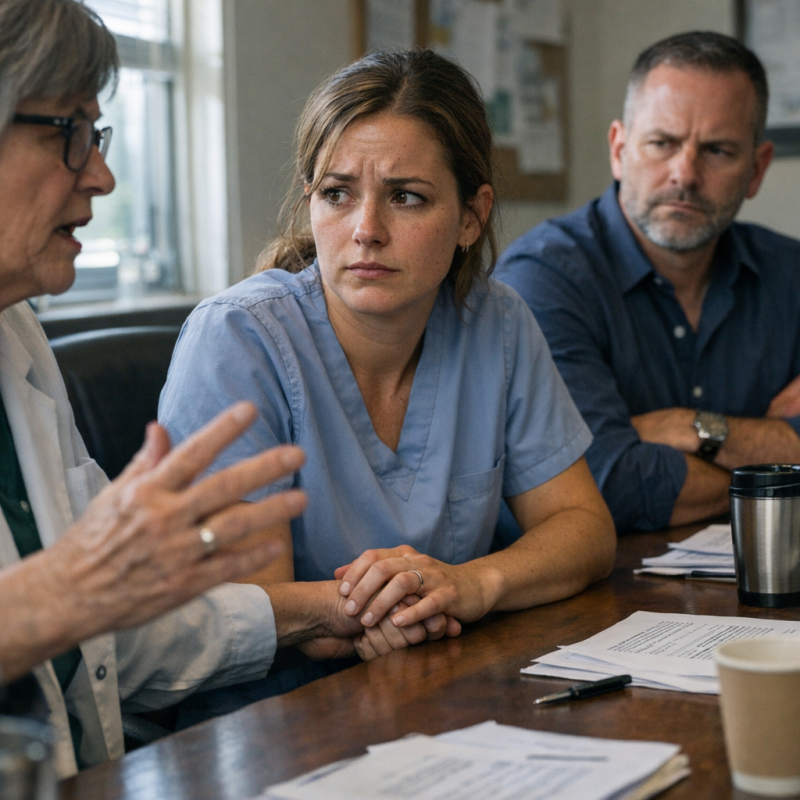 Image by FCT AI
A Personal Ad
I stayed up until two in the morning writing and rewriting Jasper's new adoption post. This time, I didn't include any photos. Just words—careful, honest words about who he actually was. I talked about how he loved sitting in sunny spots, how he purred when you scratched behind his ears, how he'd gently pat your hand when he wanted attention. I mentioned his medical condition factually, without drama, emphasizing that it caused him no pain or discomfort. I described his patience, his sweetness, the way he'd greet me every morning with a quiet chirp. 'This cat deserves a person who will see past appearances to the incredible companion underneath,' I wrote. 'If you're looking for Instagram fame or a conversation piece, please keep scrolling. But if you want a loyal, gentle friend who will love you unconditionally, Jasper might be your guy.' I posted it to three different adoption forums and two Facebook groups, then tried to sleep. The first response came within an hour: 'I saw his face online—I'd like to meet him.'
 Image by FCT AI
The Johnsons
The Johnsons arrived on Saturday morning—mom, dad, and two kids around eight and ten. They seemed normal enough at first, friendly and polite, asking appropriate questions about Jasper's care requirements. The kids were gentle with him, which I appreciated, and Jasper seemed calm in their presence. Mrs. Johnson talked about their previous cat, how much the kids missed having a pet, how they'd been searching for the right fit. 'We love that he's unique,' Mr. Johnson said, watching Jasper groom himself. 'That's not something that bothers us at all.' They spent forty minutes with him, longer than most visitors, and filled out an application on the spot. Everything looked fine on paper—owned their home, good references, stable jobs. Then Mr. Johnson asked casually, 'So what's the process timeline? Could we potentially take him home today?' Mrs. Johnson nodded eagerly. 'We're ready. We have everything set up already.' But when they asked if they could take him home that same day, something about their eagerness felt off.
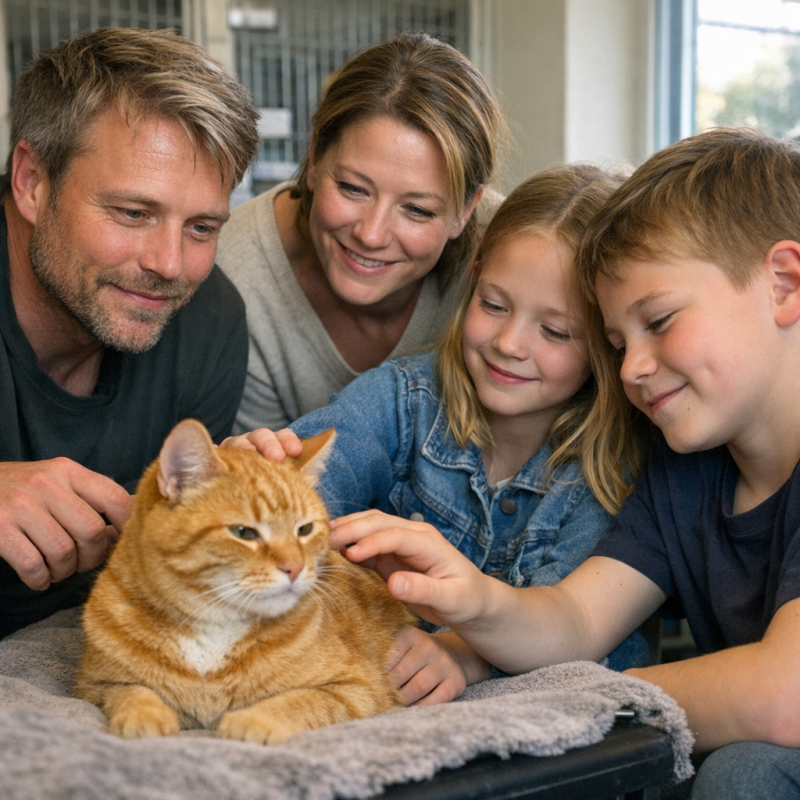 Image by FCT AI
Background Check
I smiled politely and explained our standard procedures—background check, reference calls, home visit. Mr. Johnson's jaw tightened slightly, but he agreed. Mrs. Johnson seemed less enthusiastic suddenly, exchanging a look with her husband that I couldn't quite read. They left me their information, and I promised to be in touch within a few days. The background check came back clean—no red flags there. But when I started calling their references, things got weird. The first two were glowing, almost scripted in how they praised the family. The third reference, a neighbor listed on their application, answered hesitantly. I gave my standard introduction, explained we were considering the Johnsons for a cat adoption. There was a pause, longer than comfortable. 'Another cat?' she finally said. Her tone made my skin prickle. I kept my voice neutral. 'Yes, is there a concern I should know about?' Another pause. When I called their references, one person paused and said, 'They want another cat? What happened to the last one?'
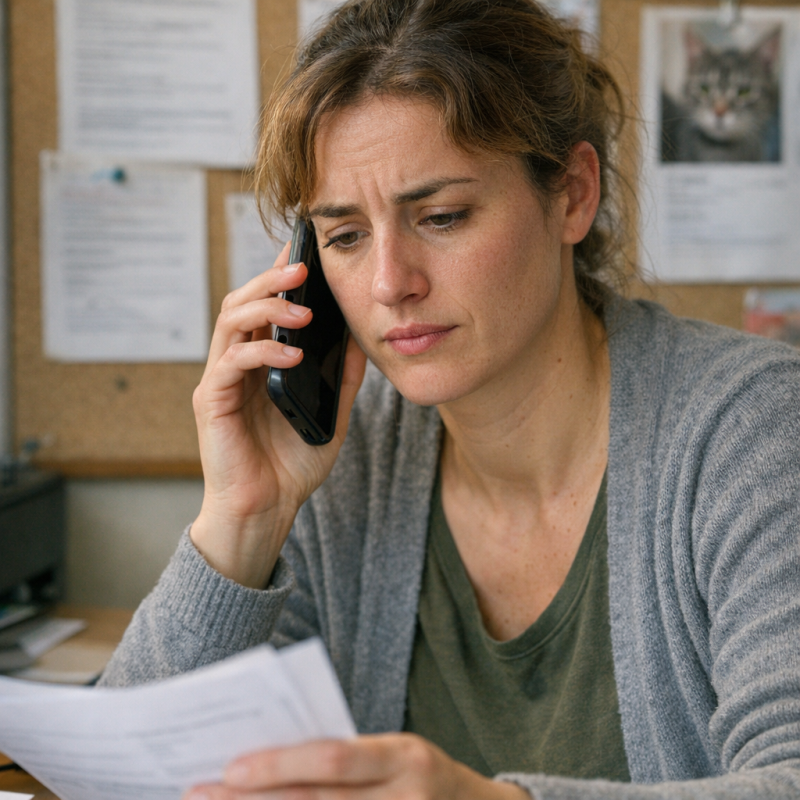 Image by FCT AI
Denial
I spent the next two hours tracking down more information. The neighbor wouldn't say much, just that the previous cat 'disappeared' after a few months and the family never seemed upset about it. No one could confirm neglect or abuse, but no one could confirm proper care either. It was all vague, uncomfortable, the kind of gut feeling you can't put in an official report but can't ignore either. I called the Johnsons and explained as diplomatically as possible that we needed more information about their previous pet. Mr. Johnson got defensive immediately, his voice rising. 'That's none of your business,' he snapped. 'We filled out your application. We have references. What more do you want?' I held firm, saying we couldn't proceed without clarity on their pet history. He hung up on me. Twenty minutes later, they showed up at the shelter, both of them angry, demanding to speak with management. Carol backed me up completely. As they drove away, the husband shouted back, 'You can't keep that thing locked up forever—someone will take him eventually.'
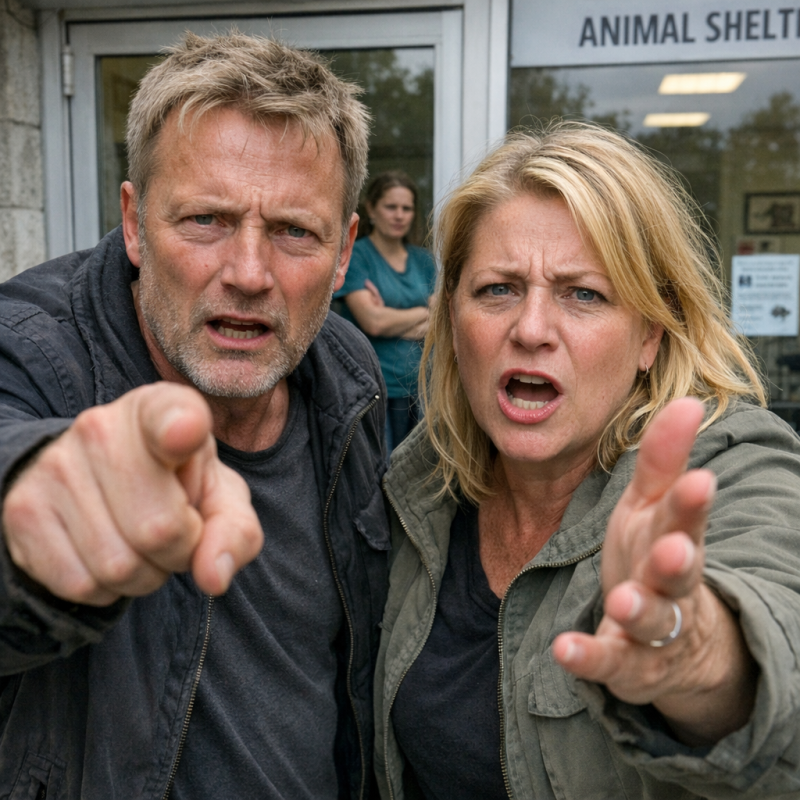 Image by FCT AI
Angela's Concern
Angela cornered me in the break room about a week after the Johnson incident. She's our shelter vet—practical, no-nonsense, someone who's seen every kind of animal behavior you can imagine. 'Morgan, Jasper's been here how long now?' she asked, stirring her coffee. I told her nearly three months. She nodded slowly. 'That's way past average. Let me do a full behavioral assessment—maybe there's something we're missing that's putting people off.' I agreed immediately, hoping she'd find something we could work on. She spent two days with him. Temperament tests, socialization exercises, response to stimuli. I watched through the window as she handled him, played with him, even introduced him to unfamiliar objects and sounds. He was perfect. Friendly, calm, playful when appropriate, gentle with handling. When she called me into her office to discuss the results, I was hoping for answers. She looked at her notes, then at me. 'There's nothing wrong with this cat—the problem is everyone looking at him.'
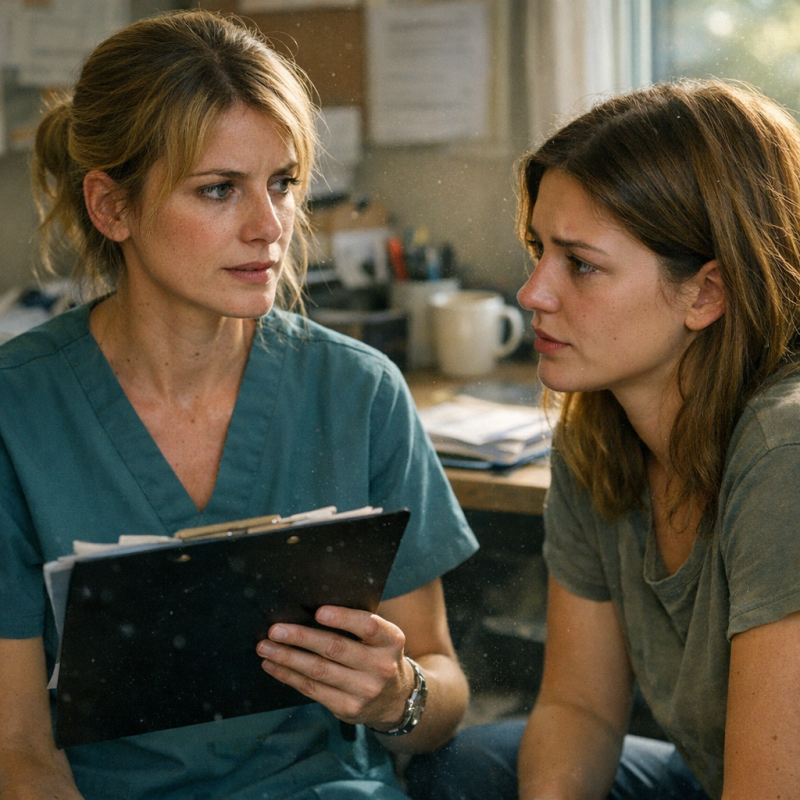 Image by FCT AI
Three Months
The three-month mark hit me harder than I expected. I'd done the math—our average adoption time was eleven days. Eleven. Jasper had been here for ninety-three. I started staying late, sitting with him in his room after everyone else had left. He'd curl up in my lap, purring, completely unaware that he was somehow different in everyone else's eyes. I started seriously considering fostering him myself. I had the space, sort of. I had the time, barely. I could manage one more, couldn't I? I brought it up casually to Carol one afternoon, testing the waters. She gave me that look—the one that says she knows exactly what you're thinking before you finish the sentence. 'Morgan,' she said gently. Then she pulled me aside, away from the front desk, lowering her voice. 'You know you can't—you're already at your limit.'
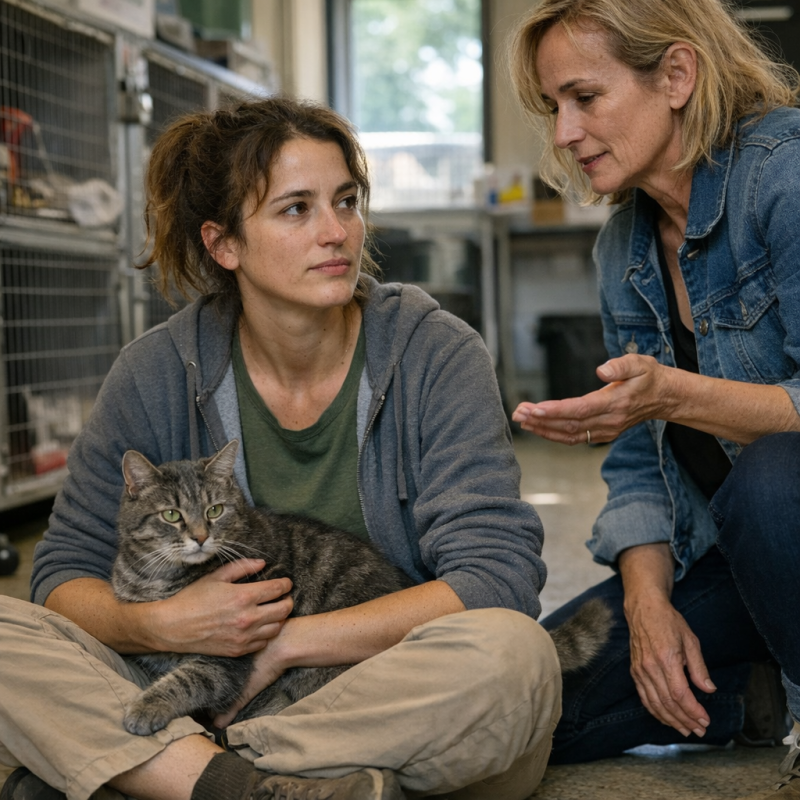 Image by FCT AI
The Letter
The letter arrived on a Tuesday, mixed in with our usual mail. Standard white envelope, no return address, my name written in blocky capitals across the front. I opened it at my desk, expecting a donation request or complaint. Instead, I found a single sheet of paper with a message printed in the same impersonal block letters: 'SOME ANIMALS CARRY MORE THAN JUST THEIR OWN HISTORY. BE CAREFUL WHAT YOU'RE REALLY PROTECTING.' That was it. No signature, no explanation, no context. My first thought was that it was some kind of prank—we'd had our share of weird messages over the years. But something about the deliberate anonymity felt different. Calculated. I turned the page over, looking for anything else, and that's when I saw it at the bottom. Someone had drawn a crude sketch of a cat's face—with two sets of eyes.
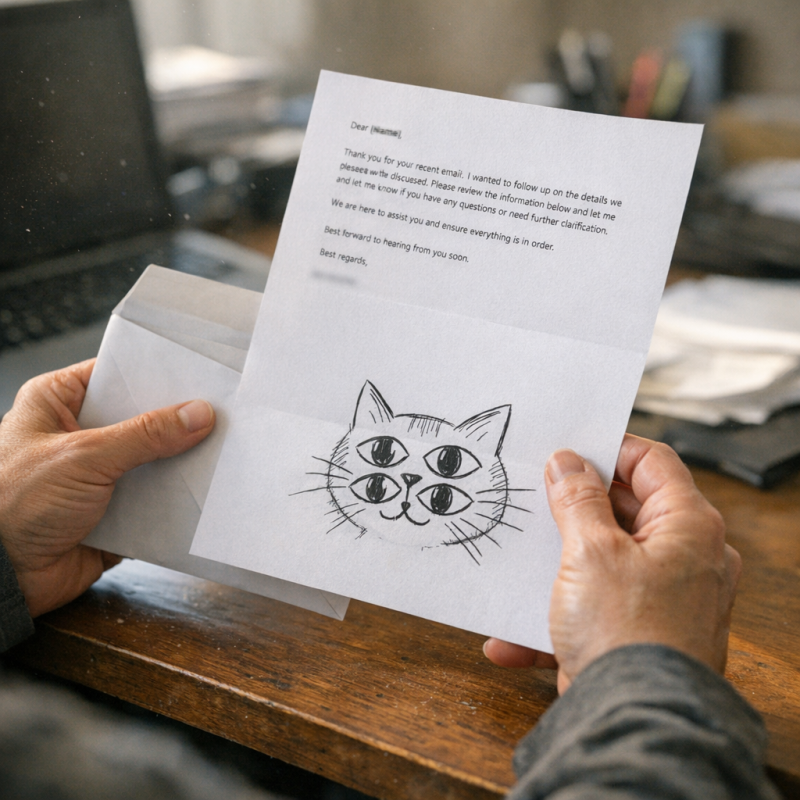 Image by FCT AI
Showing the Letter
I showed the letter to Carol within the hour. She read it twice, her expression never changing, then handed it back to me with a dismissive wave. 'Someone saw those viral photos,' she said flatly. 'Probably thinks they're being clever or mysterious. File it and forget it.' Her tone was so matter-of-fact that I felt almost silly for being unsettled. She was right—it was probably just some internet troll who'd seen Jasper's face online and wanted to mess with us. I tucked the letter into my desk drawer and tried to put it out of my mind. But later that afternoon, I needed to grab something from the cat room and found Carol standing in Jasper's space. She wasn't doing anything, just standing there perfectly still, watching him sleep. Her arms were crossed, her face completely unreadable. When I asked if she needed something, she startled slightly, then just shook her head and walked past me without a word. I stood in the doorway, watching her leave, trying to understand what I'd just seen.
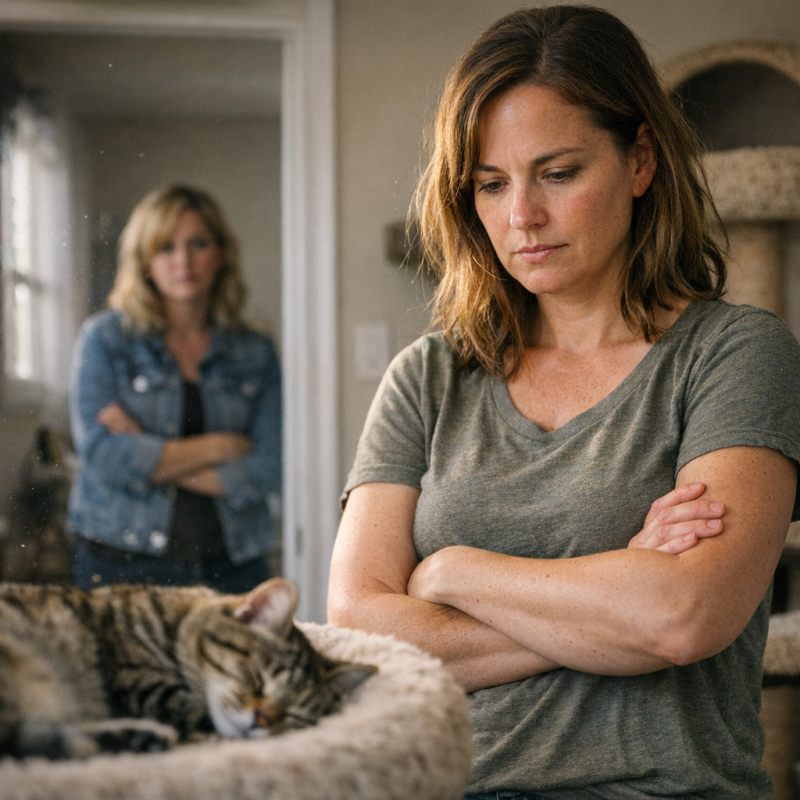 Image by FCT AI
The Dream
I don't usually remember my dreams, but that night I woke up at three in the morning with my heart pounding. I'd been dreaming about Jasper—vivid, unsettling, the kind of dream that feels more real than it should. In it, I was sitting in his room like always, and he was in my lap. But his face kept shifting somehow, the markings moving like shadows, and then he was speaking. Not meowing—speaking. Words I could almost understand but not quite grasp. The second face, the darker one, seemed to move independently from the first. I remember feeling frozen, unable to look away. And then, clear as anything, the second face whispered directly to me: 'They see what they need to see.' I woke up gasping, disoriented, my sheets tangled around my legs. It was just a dream. Just my brain processing stress and weird letters and too many late nights at the shelter. But I couldn't shake the feeling it meant something.
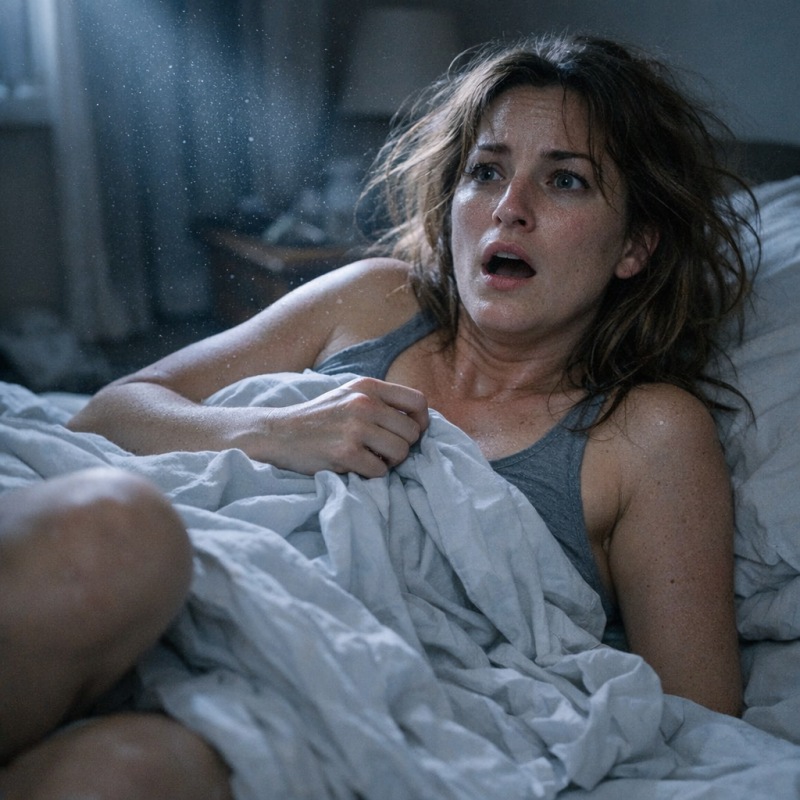 Image by FCT AI
Rebecca Returns
Rebecca walked into the shelter on a Thursday afternoon, alone this time. No husband, no kids, no visible tension in her shoulders. I recognized her immediately—you don't forget someone who screamed like that. She approached the front desk calmly, almost apologetically. 'I know this might seem strange,' she said, her voice steady, 'but I wanted to come back and apologize. For my family's reaction. It was completely inappropriate.' I didn't know what to say. People don't usually return to apologize for being startled by a cat. I managed something about understanding that it was unexpected. She smiled—warm, genuine, nothing like the terrified woman from months ago. 'I think I overreacted,' she continued, glancing toward the cat rooms. 'I've been thinking about it, and I feel terrible about how we behaved. Would it be possible—' She paused, meeting my eyes directly. 'May I see him again?'
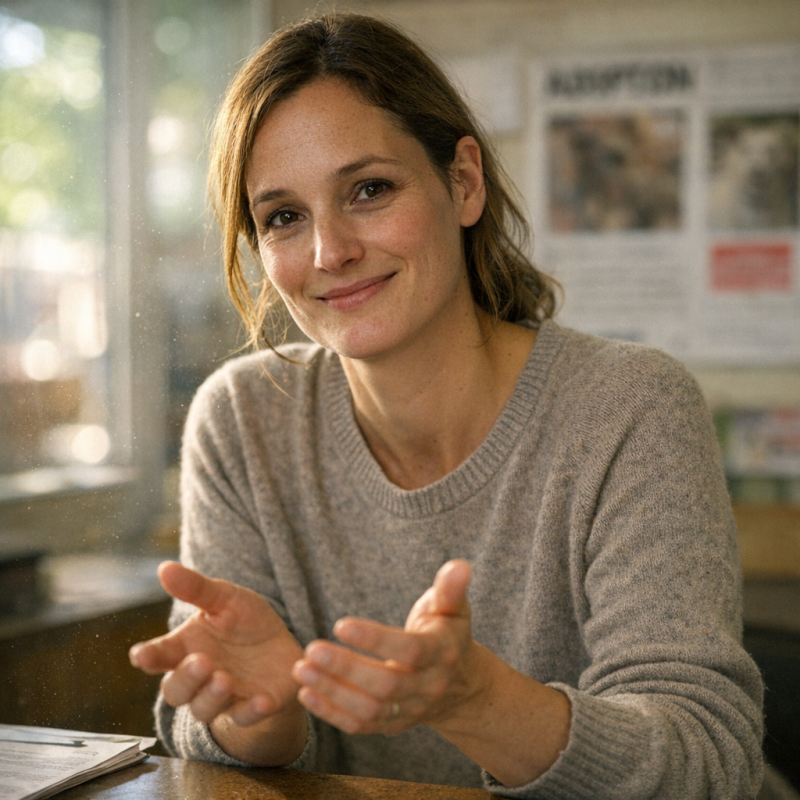 Image by FCT AI
The Second Visit
I led Rebecca back to Jasper's room, watching her carefully for any sign of the previous panic. Nothing. She was calm, interested, asking questions about his routine, his diet, his health. She spent nearly twenty minutes with him, letting him sniff her hand, stroking his fur, acting like any normal potential adopter. Then the questions shifted. 'What's your adoption process like?' she asked. 'Do you keep records of all visits and interactions?' I explained our standard procedures—applications, reference checks, home visits for certain animals. She nodded along, genuinely engaged. 'And if there's an incident, like what happened with us—do you document that?' I confirmed we did, for liability and training purposes. She seemed satisfied with that, taking mental notes of everything I said. When she finally stood to leave, she picked up one of our business cards from the desk, tucking it carefully into her purse. 'I'll be in touch soon,' she said.
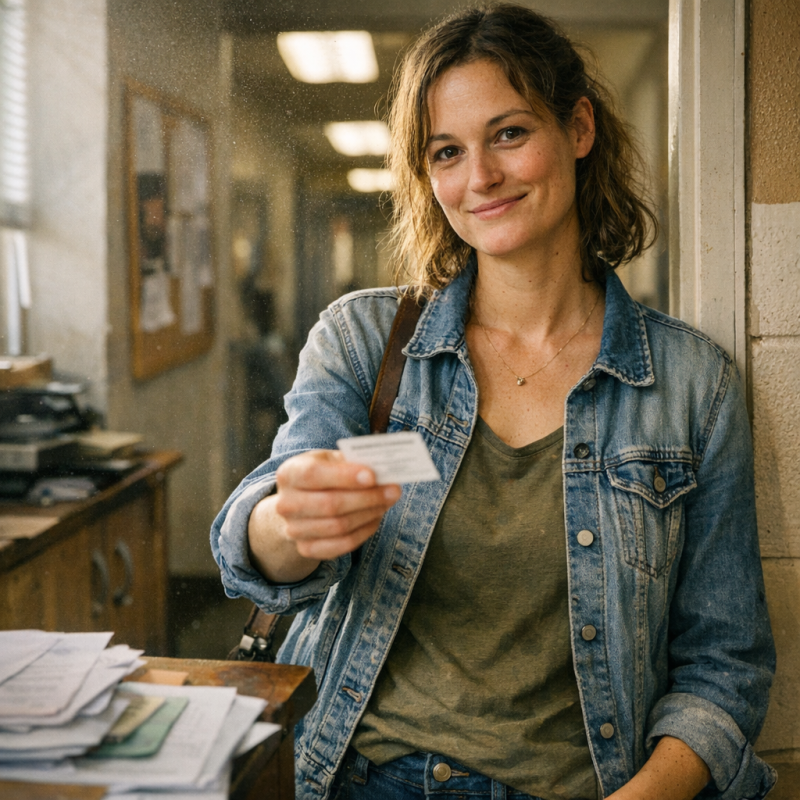 Image by FCT AI
Checking the Records
Something about Rebecca's visit nagged at me through the weekend. Monday morning, I pulled up our records from that original incident—the day the whole family screamed. We keep detailed logs of everything, and I wanted to see if I'd missed something. The incident report was there, exactly as I remembered. But then I noticed the visitor feedback form Rebecca had filled out before leaving that day. I'd forgotten we'd given her one. She'd rated her experience as 'traumatic,' which seemed fair given the circumstances. She'd written a brief description of what happened, very factual, very measured. But it was the bottom section that made me pause. There was a checkbox for requesting copies of incident documentation—something we offered for transparency and liability purposes. She'd checked it. And according to our automated system, we'd provided everything she'd requested within forty-eight hours. At the bottom, in small print, she'd requested copies of all incident documentation—which we'd automatically provided.
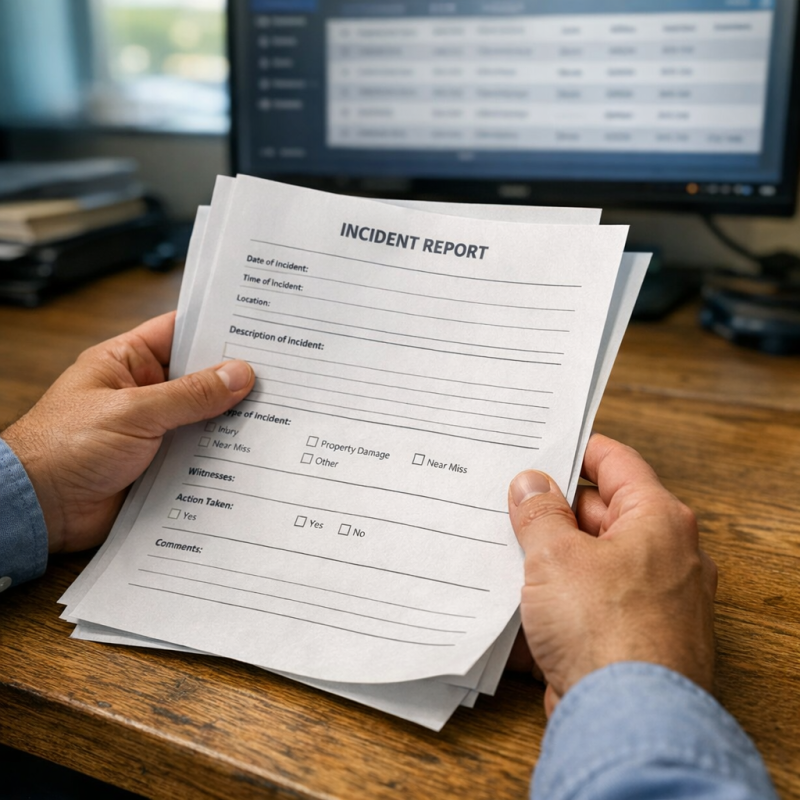 Image by FCT AI
Sarah's Observation
Sarah caught me in the break room Tuesday morning, and the casual way she mentioned it almost made me drop my coffee. 'Oh, by the way,' she said, stirring sugar into her tea, 'I meant to tell you—that woman, Rebecca? She was taking photos during her second visit.' I set my mug down carefully. 'Photos of what?' Sarah shrugged, like it was nothing. 'The entrance, the signage out front, Jasper's room. She had her phone out for a while. I figured she was just documenting her visit, you know? Like people do.' My stomach tightened. People took photos at shelters sometimes—of the animals they were considering, cute moments, that sort of thing. But the entrance? Our signage? The specific room layout? That felt different. I asked why she hadn't mentioned it sooner, why she hadn't stopped her. Sarah looked genuinely confused by my concern. 'Lots of people take photos, Morgan. I thought she just wanted memories of the place. It seemed innocent enough at the time.'
Searching Online
That night, I did something I'm not particularly proud of—I searched for Rebecca online. Her last name had been on the visitor log, and within minutes I'd found her Facebook and Instagram profiles. Everything looked completely normal. Family photos, vacation snapshots, posts about school events and weekend activities. She and David looked like any other suburban couple. The kids appeared happy, well-adjusted. There were pictures of birthday parties, soccer games, visits to relatives. Nothing alarming, nothing that screamed 'fraud' or whatever I was worried about. I scrolled back months, then years, looking for anything off. Rebecca posted regularly, shared recipes, commented on friends' updates. It was all so ordinary it almost made me feel silly for being suspicious. But then I noticed something odd—something that didn't quite fit. In all those posts, all those carefully documented family moments and everyday activities, there wasn't a single mention of pets. Not past pets, not friends' pets, not even a comment about animals in general. For someone supposedly considering adoption, that absence felt strange.
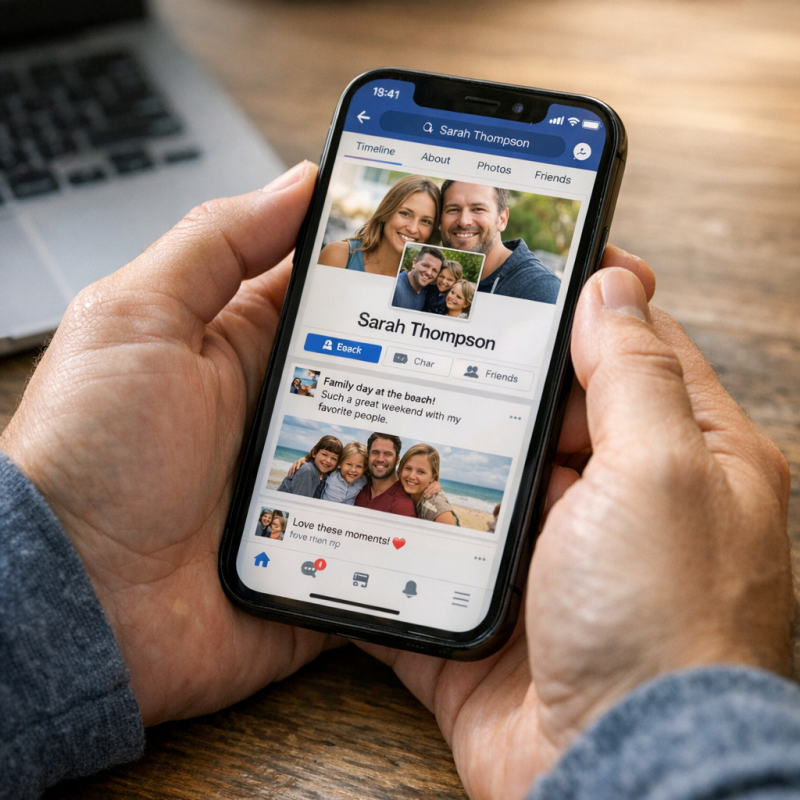 Image by FCT AI
Carol's Warning
I needed to talk to someone, so Wednesday morning I knocked on Carol's office door and told her everything—the photos, the online research, the lack of pet history. I expected her to validate my concerns, but instead she leaned back in her chair and gave me a measured look. 'Morgan, we can't make assumptions about people's motives based on their social media habits,' she said carefully. 'Plenty of people don't post about pets. Plenty of people take photos at shelters. We have to be careful not to project our anxieties onto normal visitor behavior.' She was right, technically. I knew that. But it didn't change what my gut was telling me. I nodded, feeling a bit foolish for bringing it up at all. Carol started sorting through papers on her desk, and I took it as my cue to leave. I was almost at the door when her voice stopped me. 'Though if she comes back again,' Carol said quietly, not looking up from her paperwork, 'let me know immediately.'
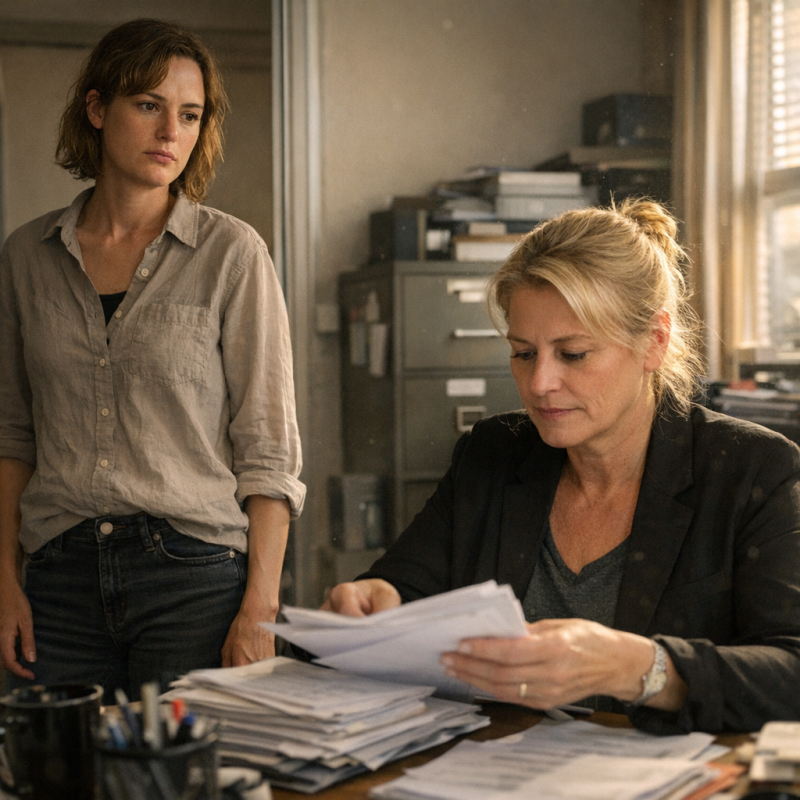 Image by FCT AI
The Third Visit
Rebecca returned Friday afternoon, and this time she'd brought the whole family. 'We've worked through our fears,' she announced with a bright smile. 'We talked about it, the kids did some research on special needs cats, and we're ready. We'd like to adopt Jasper.' I stared at her, then at David, then at the children. Emma and Lucas stood beside their parents, hands at their sides, faces neutral. Carol came out to greet them, and we all walked back to Jasper's room together. I watched those kids the entire time, waiting for the screaming to start, for the terror that had been so visceral last time. But nothing happened. They looked at Jasper through the glass. They asked polite questions about his care requirements. They nodded when Carol explained his medication schedule. The whole interaction felt rehearsed, like watching a school play where everyone had memorized their lines perfectly. When Rebecca asked for an adoption application, Carol handed one over without hesitation. The kids stood perfectly still the entire time, no screaming, no crying—and that felt more wrong than anything.
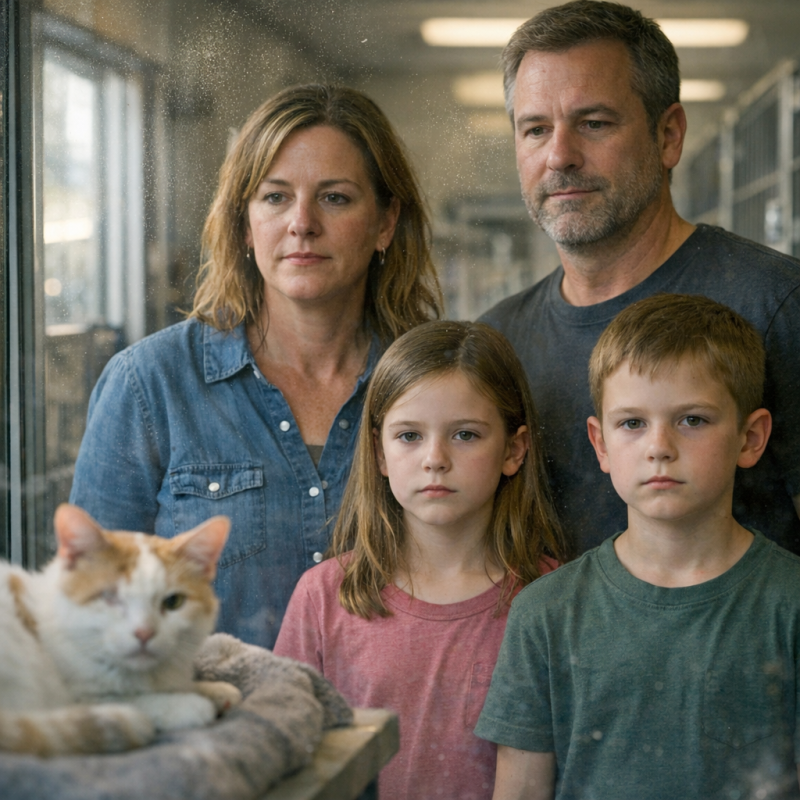 Image by FCT AI
The Application Process
I spent the weekend reviewing our adoption policies, looking for anything I could use to slow this down. Monday morning, when Rebecca came in to submit her completed application, I had a list ready. 'Everything looks good,' I told her, which was technically true. 'But for special needs adoptions, we do require additional references—at least three who can speak to your experience with animal care. And we'll need to schedule a home visit to ensure your space is properly prepared for Jasper's needs.' Rebecca's expression didn't change. That same pleasant smile remained fixed in place. 'Of course,' she said smoothly. 'Whatever you need. How long does this process typically take?' I explained it could be a few weeks, depending on scheduling. I was making some of it up as I went, stretching standard procedures as far as I legally could. She nodded, still smiling, but something shifted in her voice when she responded. 'We're very eager, Morgan. I hope there won't be unnecessary delays.'
 Image by FCT AI
The Home Visit
The home visit was scheduled for the following Thursday. Carol came with me, which was unusual but not unheard of for special needs cases. Rebecca and David's house was in a nice subdivision, well-maintained, exactly what you'd expect from their online presence. Inside was even more impressive. They'd set up an entire room for Jasper—cat tree, multiple litter boxes, toys, scratching posts, everything perfectly arranged. Rebecca walked us through their preparation, showing us the quiet spaces they'd created, the childproof gates to manage the kids' access, the medication schedule already printed and posted. David explained their veterinary plan, showed us the carrier they'd purchased, discussed their backup care arrangements. Carol asked questions from our standard checklist, and they had answers for everything. The references they'd provided had checked out perfectly. Their vet had confirmed they were approved clients, even though they hadn't had a pet yet. I kept looking for something off, some detail that didn't fit. But everything looked perfect—too perfect—like a showroom staged for exactly this inspection.
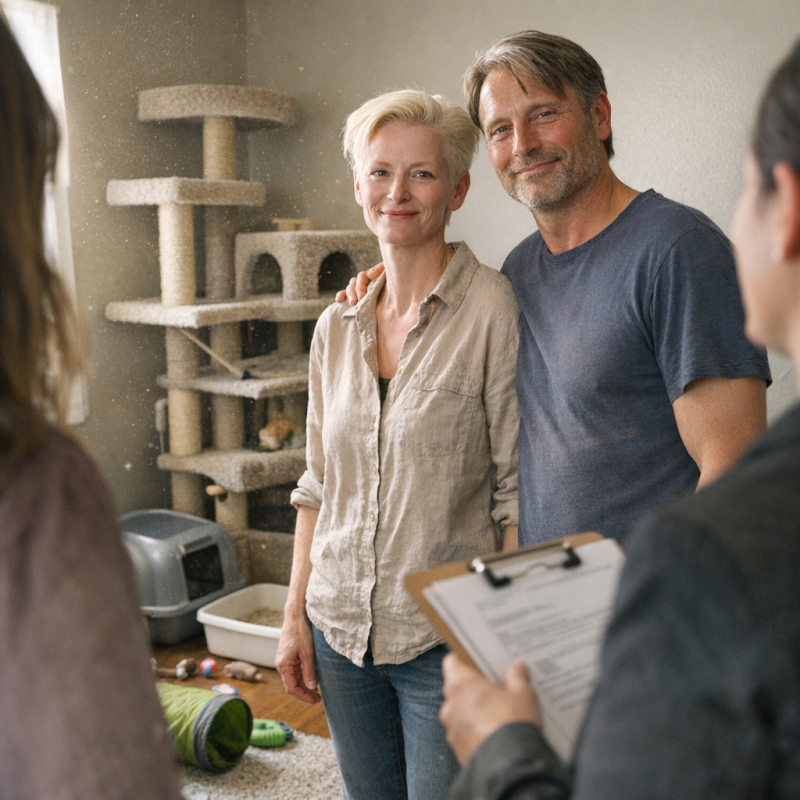 Image by FCT AI
Carol's Decision
Back at the shelter, I made one last attempt to stop it. I went to Carol's office and laid out every concern, every instinct that was screaming something was wrong. She listened patiently, then pulled out Rebecca's file. 'Morgan, look at this objectively,' she said. 'Perfect home check. Excellent references. Financial stability. They've met every single requirement we have. What legal grounds do we have to deny this application?' I didn't have an answer. Everything I felt was based on intuition, on tiny details that individually meant nothing. Carol was right—we had no legitimate reason to refuse them. She picked up her pen and signed the approval form, her signature quick and decisive. I felt something sink in my chest, a sense of inevitability I couldn't shake. But then Carol looked up at me, and her expression was harder than I'd ever seen it. 'Document everything,' she said quietly. 'I mean everything—from this point forward.'
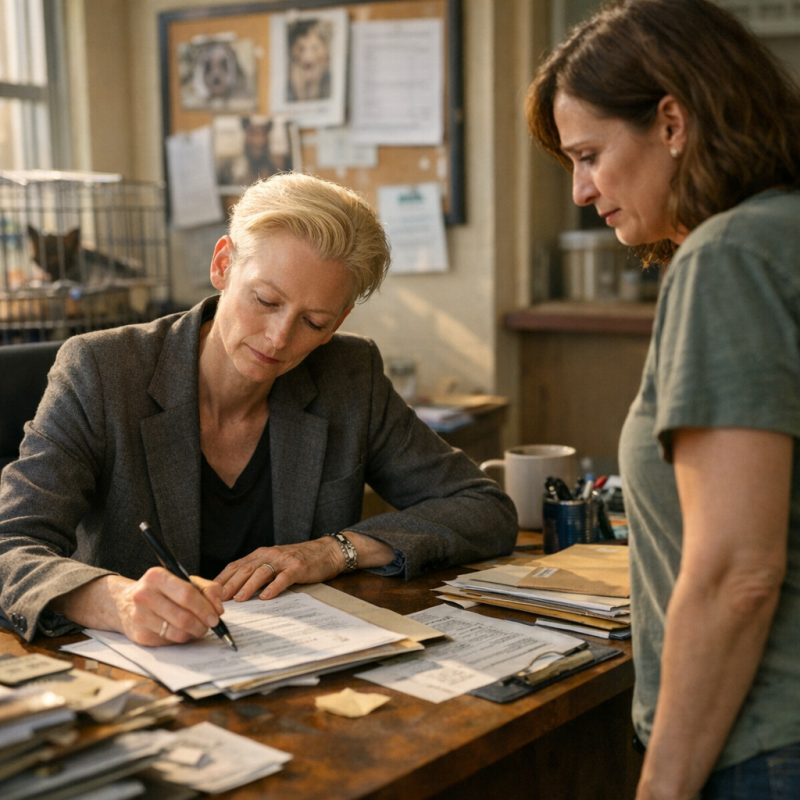 Image by FCT AI
The Adoption Day
Adoption day was the following Tuesday. Rebecca arrived with David and the kids, all of them wearing expressions of appropriate excitement. I went through the paperwork mechanically, explaining Jasper's care routine one more time, watching Rebecca nod at everything I said. David signed the forms. Carol witnessed the signatures. We walked back to get Jasper, and he went into the carrier without fuss—he'd always been remarkably calm during transitions. The whole family gathered around as David secured the carrier door. They thanked us profusely, promised to send updates, said all the right things. I forced myself to smile, to wish them well, to act like this was just another successful adoption. As they turned to leave, I crouched down to adjust something on the carrier, buying myself one more moment. Emma was standing right beside me, and I heard her take a breath like she wanted to say something. I looked up at her. She glanced at her mother's back, then leaned toward me and whispered, 'We practiced not screaming this time.'
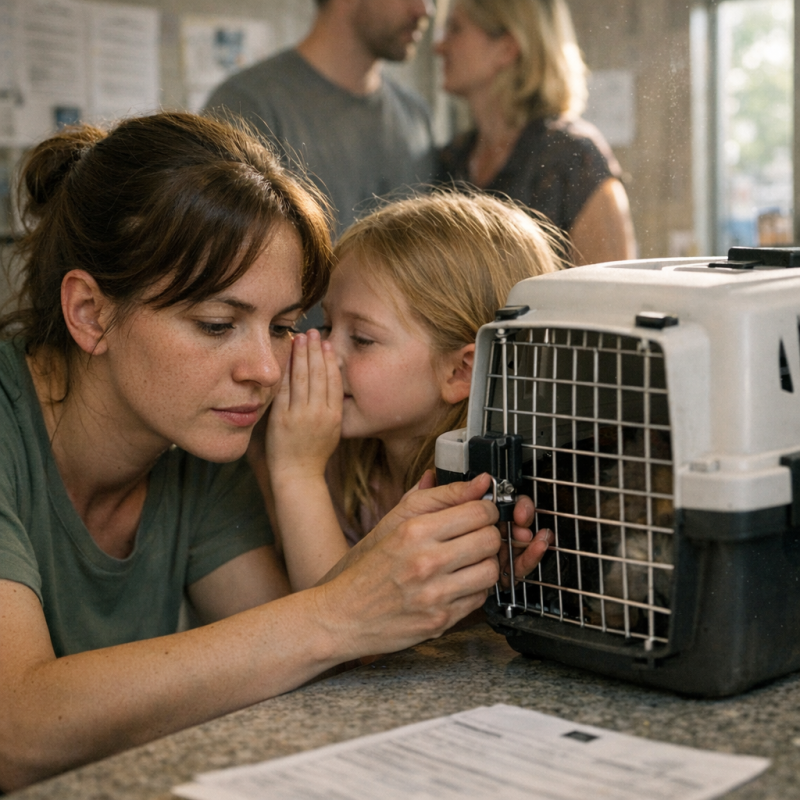 Image by FCT AI
The Quiet After
The shelter felt different without Jasper. I kept catching myself glancing toward the quarantine room, expecting to see him in his usual corner. His absence was this heavy, tangible thing I couldn't shake off. Carol noticed me hovering near the phone on Monday, then again on Tuesday morning. She didn't say anything, just gave me one of those knowing looks that made me feel transparent. I tried to focus on the other animals, went through my routines mechanically, but my stomach was in knots. Something felt wrong—not the usual post-adoption sadness, but something sharper, more urgent. I kept replaying Emma's whispered words in my head. 'We practiced not screaming this time.' What did that mean? Why would they need to practice? By Wednesday, I was jumpy every time the phone rang. I'd pick up expecting bad news, then feel ridiculous when it was just a routine call about spay appointments or volunteer schedules. Carol caught me staring at the phone again around three o'clock. 'Morgan,' she said gently, 'whatever happens, we'll handle it.' Three days later, Rebecca called the shelter—and her voice was shaking with barely controlled fury.
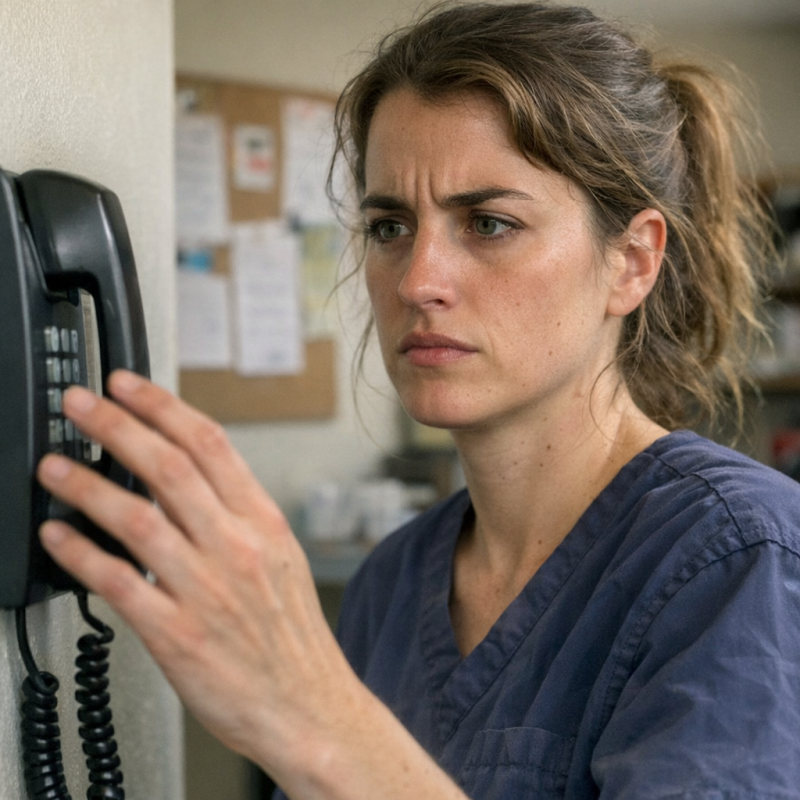 Image by FCT AI
The Complaint
She didn't ask to speak to me specifically. She demanded Carol, said this was a 'formal complaint' that needed to go to whoever was in charge. Carol put her on speaker so I could hear. Rebecca's voice was tight, controlled, almost rehearsed. Jasper had 'viciously attacked' Emma the very first night, she said. Scratched her face, traumatized her so severely that Emma was having nightmares, refusing to sleep alone. She used phrases like 'severe emotional distress' and 'psychological harm' and 'ongoing therapeutic intervention.' Carol stayed calm, asked basic questions—when exactly did this happen, what were the injuries, had they taken Emma to a doctor? Rebecca's answers were smooth, almost too smooth. Yes, they'd documented everything. Yes, Emma was seeing a therapist. Yes, they had medical records. She was filing a formal complaint about our negligence in adopting out a dangerous animal. Carol asked if she could send photos of the injuries, copies of any medical reports. There was a pause, and then Rebecca said she'd already spoken to her lawyer and would be forwarding medical documentation.
 Image by FCT AI
The Return
Rebecca showed up the next morning with Jasper in his carrier, David trailing behind her looking uncomfortable. She wouldn't make eye contact with me. Just set the carrier down and launched into this speech about how they couldn't possibly keep an animal that had traumatized their daughter, how they'd tried to make it work but Emma was terrified. Carol asked to see the scratches. Rebecca said they'd mostly healed. Carol asked about the attack itself—what time, what room, what exactly happened? Rebecca's answers got vaguer. Emma had been petting him, he'd just 'lashed out,' it was unprovoked. I opened the carrier right there, examined Jasper under the fluorescent lights. He blinked up at me, calm as ever. I checked his paws, his mouth, looked for any signs of stress or aggression. Nothing. I tried to hold him differently, touched his face, his belly—places that would trigger a defensive reaction in a traumatized cat. He just purred and head-bumped my hand. I looked at Rebecca, then at David. Jasper was completely calm when she brought him back—there wasn't a scratch on him, and he showed no signs of aggression.
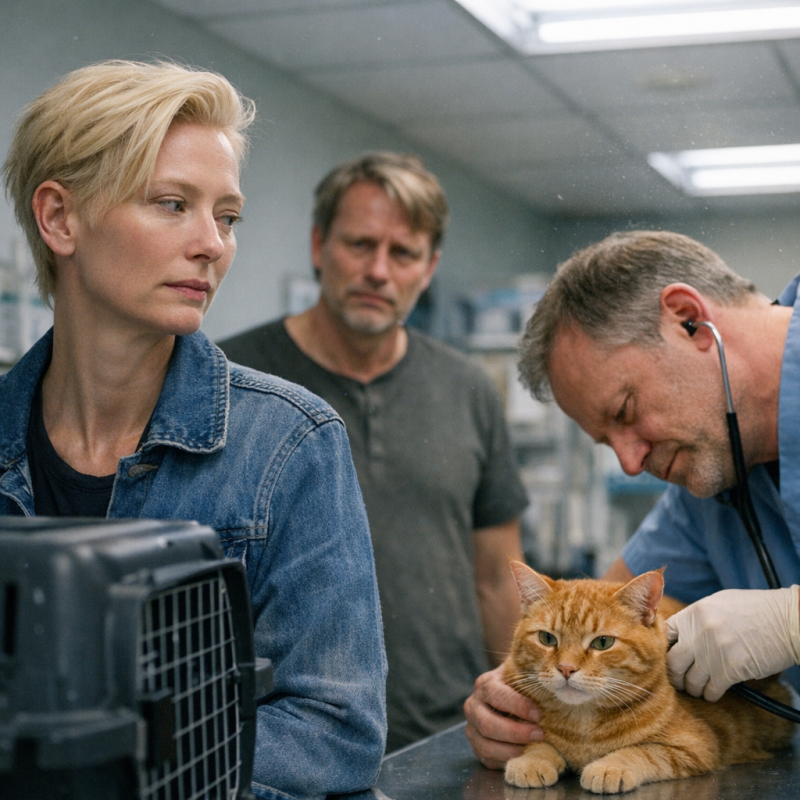 Image by FCT AI
The Medical Records
The medical documentation arrived two days later via certified mail. Carol opened it at her desk while I stood behind her, reading over her shoulder. It was a letter from a licensed therapist on official letterhead. Emma was experiencing anxiety and sleep disturbances related to 'a traumatic incident involving a pet adoption,' the letter said. It recommended ongoing therapy and suggested the family had 'acted in good faith' but encountered 'unforeseen psychological harm.' The language was formal but weirdly vague—no specific details about what actually happened, no mention of scratches or attacks. Just 'trauma' and 'distress' in general terms. Carol read it twice, then started going through the envelope again. She pulled out the envelope itself, examined the postmark, then looked at the letter's date. 'Morgan,' she said quietly, 'look at this.' She pointed to the date printed at the top of the therapist's letter. I leaned closer, read it, then read it again because it didn't make sense. The letter was dated the day after the first shelter visit—three months before the adoption even happened.
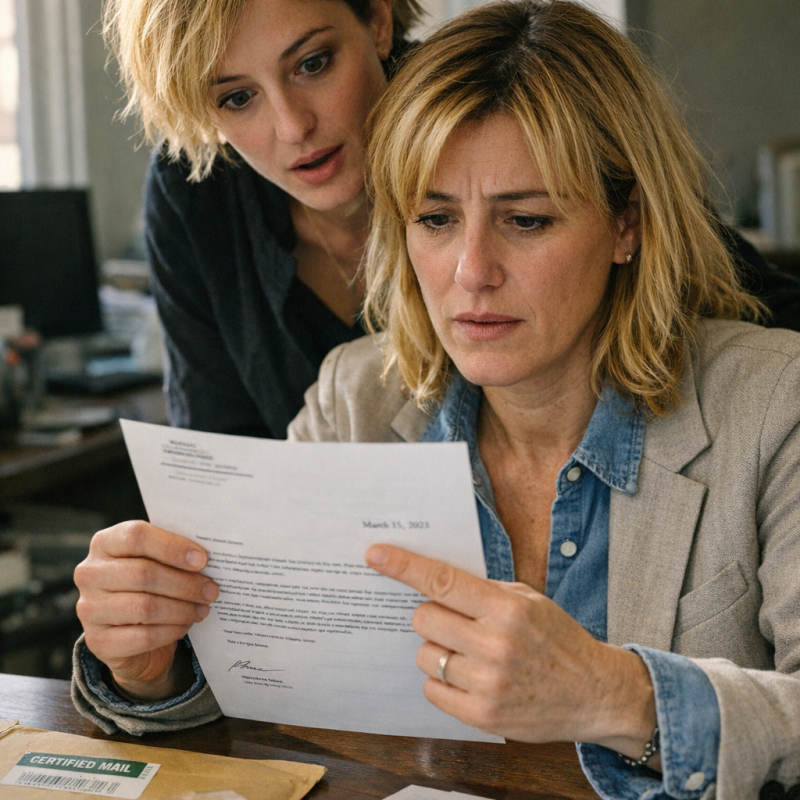 Image by FCT AI
Researching Rebecca
I couldn't stop thinking about that date. It sat in my brain like a splinter, painful and impossible to ignore. Why would a therapist write a letter about trauma from an adoption that hadn't happened yet? I started searching online that night, sitting at my kitchen table with my laptop and a cold cup of tea. I tried Rebecca's full name with 'animal shelter' in different combinations. Nothing at first. Then I added the county names surrounding ours—Riverside, Lakewood, Pemberton. Still nothing. I was about to give up when I tried her maiden name from the adoption paperwork. Rebecca Holloway. And there it was. A Facebook post from Riverside County Animal Services from eighteen months ago, apologizing to their community for 'an unfortunate incident with a family' and explaining their updated adoption protocols. The comments mentioned a settlement. I kept digging. Pemberton Animal Welfare had a similar post from two years before that. Same vague language, same apologetic tone. Both shelters had posted about incidents with 'traumatized families'—and both mentioned settlements paid to avoid litigation.
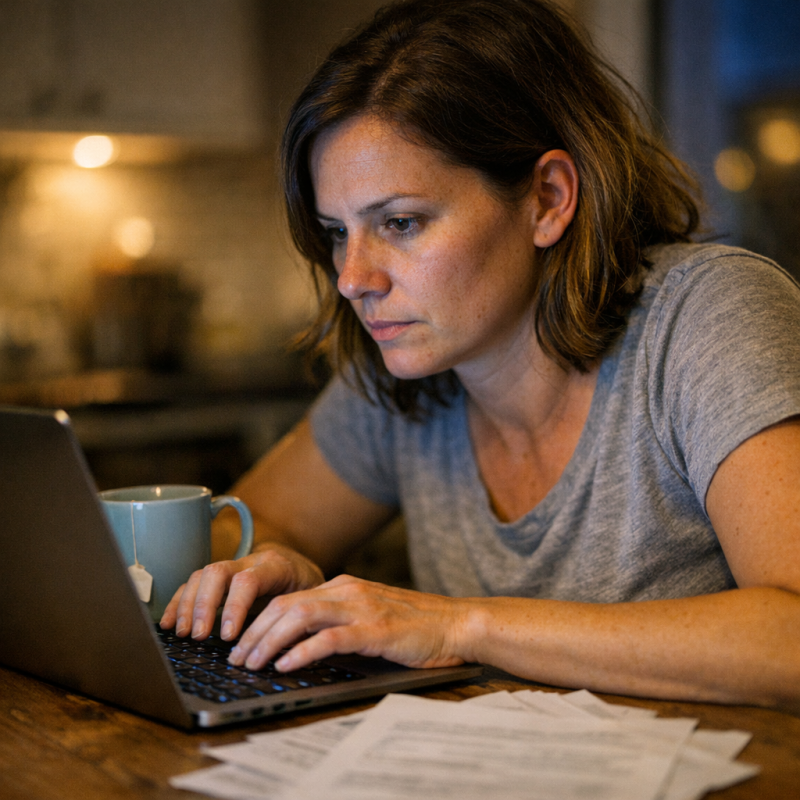 Image by FCT AI
Calling the Other Shelters
I called Riverside first thing the next morning. The director, a woman named Linda, sounded tired even before I explained why I was calling. When I mentioned Rebecca Holloway's name, there was a long pause. 'Oh god,' Linda said. 'Her.' She told me about a family that adopted a three-legged dog, brought it back three days later claiming their son was traumatized by its appearance. They had a lawyer, medical documentation, threatened to go to the media about the shelter's negligence. 'They were so prepared,' Linda said. 'Every answer was rehearsed. The kid looked terrified, but not of the dog—of saying the wrong thing.' The Pemberton director told me basically the same story. Different family members, different animal—a rabbit with a crooked ear—same script. Same lawyer. Same threats about publicity and litigation. Same vague medical letters. I asked if they'd fought it. Both directors said no. It wasn't worth the risk, the legal fees, the damage to their reputations. One director said, 'We paid twelve thousand dollars to make them go away—it was cheaper than fighting in court.'
 Image by FCT AI
The Demand Letter
The demand letter arrived via courier on Monday morning, thick envelope with a law firm's return address embossed in navy blue. Carol called me into her office before she opened it. We sat across from each other at her desk, and she used a letter opener like she was defusing a bomb. The letter was three pages long, dense with legalese, but the key paragraph was highlighted in yellow. Twenty-five thousand dollars for Emma's 'ongoing psychological treatment necessitated by the shelter's negligent adoption practices.' They had medical documentation, witness statements, expert testimony ready to go. But—and this was positioned as generous—they were willing to settle now, avoid the costs and publicity of litigation, let everyone move on quietly. Carol read it aloud, her voice flat. The shelter's insurance would likely pay rather than risk a trial, the letter suggested. This was a reasonable resolution to an unfortunate situation. Then came the closing paragraph. The letter concluded: 'This matter can be resolved quickly and quietly, or we can proceed with litigation—the choice is yours.'
 Image by FCT AI
The Pattern Revealed
Our insurance agent, a sharp-eyed woman named Patricia, arrived the next morning with a laptop and a grim expression. Carol and I sat in the break room while Patricia pulled up files, clicked through screens, her mouth set in a thin line. 'Rebecca Holloway,' Patricia said. 'Also known as Rebecca Chen, Rebecca Holloway-Chen, and Becca Chen-Holloway, depending on which county she's working.' She turned the laptop toward us. The screen showed a spreadsheet with dates, shelter names, settlement amounts. 'She's been doing this for at least five years. Targets small shelters with limited legal resources. Always adopts animals with distinctive features—missing limbs, unusual coloring, facial deformities. Always brings the animal back within a week claiming psychological trauma to one of the children. Always has medical documentation ready immediately.' Patricia scrolled down. More shelters. More settlements. 'The kids are trained,' she continued. 'They know how to look scared on command, how to cry when lawyers are present.' She pulled up another file. The agent pulled up a file and said, 'She's done this at least eight times—always targets animals with distinctive features, always brings medical documentation dated before the adoption, always settles out of court.'
 Image by FCT AI
Bringing in the Law
Carol called the police that afternoon. I sat beside her in the office while she explained everything to Detective Harris—a methodical man in his fifties who actually listened instead of dismissing it as a civil matter. He took notes, asked questions, requested copies of all our documentation. When Carol showed him Patricia's spreadsheet with the other shelters, the settlements, the pattern, something shifted in his expression. 'This is fraud,' he said flatly. 'Wire fraud, potentially. She's crossing state lines, using multiple identities.' He flipped through Jasper's adoption file, then pulled out Maya's from two years earlier. Set them side by side. Studied the signatures, the dates, the medical documentation that appeared too quickly. I felt this surge of relief watching him work—someone with actual authority who understood what Rebecca had done. Carol mentioned how strange it was that Rebecca had come back to our shelter. Harris looked up from the files, his eyes sharp. 'This is the first time she's targeted the same shelter twice—that was her mistake.'
 Image by FCT AI
Building the Case
Harris asked me to help contact the other shelters on Patricia's list. We spent two days making calls, explaining the investigation, requesting their cooperation. Most were eager to help—they'd known something felt wrong but hadn't had the resources to fight back. A director in Ohio sent over her entire file, including intake forms and settlement documents. Another in Pennsylvania forwarded email exchanges showing Rebecca's lawyer using identical language across cases. Each piece built the pattern stronger. Then a shelter in Michigan sent something different—security footage from their lobby. The director's email was brief: 'Thought you should see this.' I watched it with Harris in our break room. The timestamp showed Rebecca's family arriving for their 'traumatized' return visit. But before they entered the building, the camera caught something. Emma and Lucas were in the parking lot, playing fetch with the three-legged dog they'd supposedly been terrified of, both kids laughing, completely relaxed. One shelter director had kept security footage showing Rebecca's children laughing and playing with the 'traumatizing' dog minutes before their staged freakout.
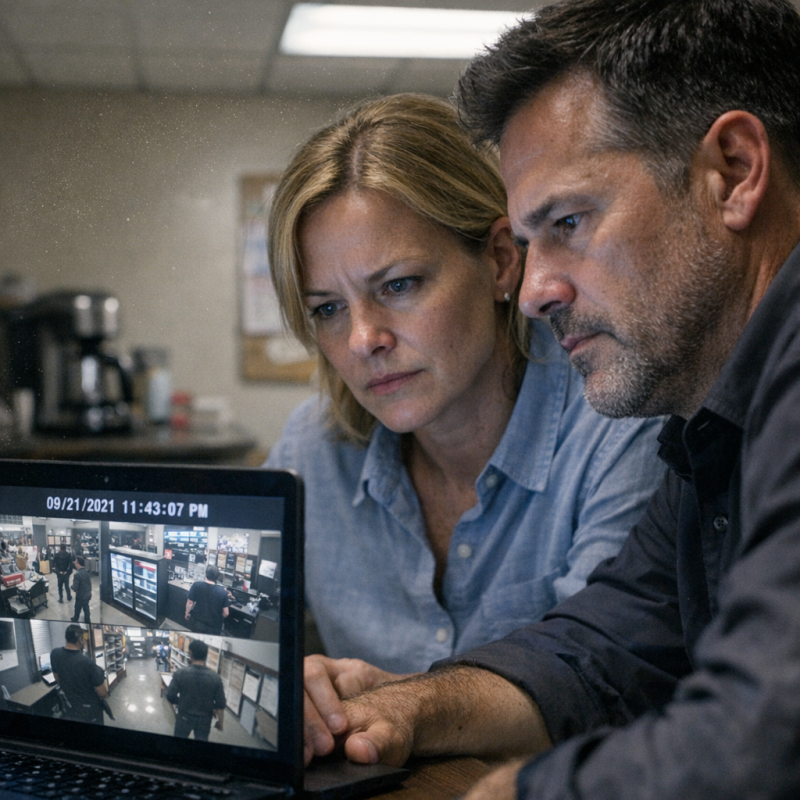 Image by FCT AI
The Confrontation
Harris called Rebecca in for questioning. I wasn't there—he said it was better that way, keep it official. But he told me about it later, sitting in our office with his notebook open. Rebecca had arrived with her lawyer, all indignation and wounded innocence. She denied everything. Claimed she was a concerned mother protecting her children, that we were harassing her family, that this was retaliation for a legitimate legal claim. Her lawyer backed her up, throwing around words like 'defamation' and 'malicious prosecution.' Harris let her talk. Let her build her defense, stack her denials higher and higher. Then he opened his laptop. Played the Michigan footage—Emma and Lucas laughing, playing, completely comfortable with the dog. Showed her the spreadsheet with eight different shelters, eight different names, eight settlements. Laid out copies of medical documents with dates that predated the adoptions. Rebecca's face went still. Her lawyer started to speak, but Rebecca held up one hand. But when he showed her the video footage, her expression shifted from outrage to calculation in seconds.
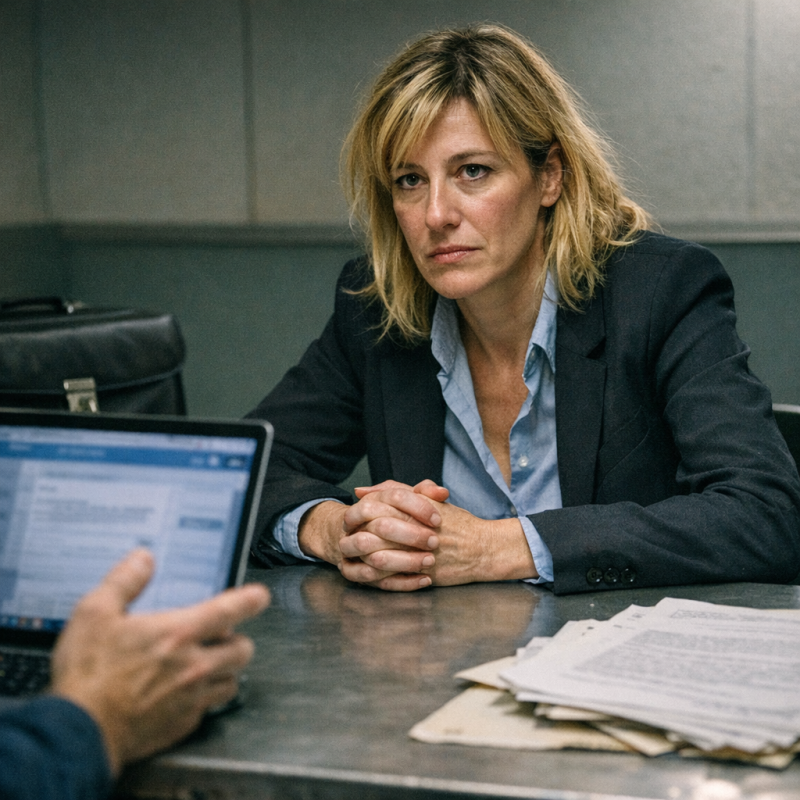 Image by FCT AI
The Lawyer's Response
Rebecca's lawyer called Harris the next morning and withdrew from the case. Just like that. Saw the evidence and wanted nothing to do with her. Carol was in the office when Harris phoned to tell us—she actually smiled, this grim, satisfied expression I'd never seen on her before. No lawyer meant Rebecca was exposed, vulnerable, facing criminal charges across multiple jurisdictions without representation. The power had completely reversed. We thought it would take days for her to find new counsel, to regroup. It took hours. My cell phone rang that afternoon—unknown number. I almost didn't answer. 'This is Rebecca Holloway,' the voice said, and it sounded nothing like the composed, articulate woman who'd sat in our office with her lawyer. No performance. No script. Just exhaustion and something close to panic. Carol gestured for me to put it on speaker. We both listened as Rebecca took a shaky breath. Within hours, Rebecca called the shelter directly, her voice stripped of all pretense: 'What do you want?'
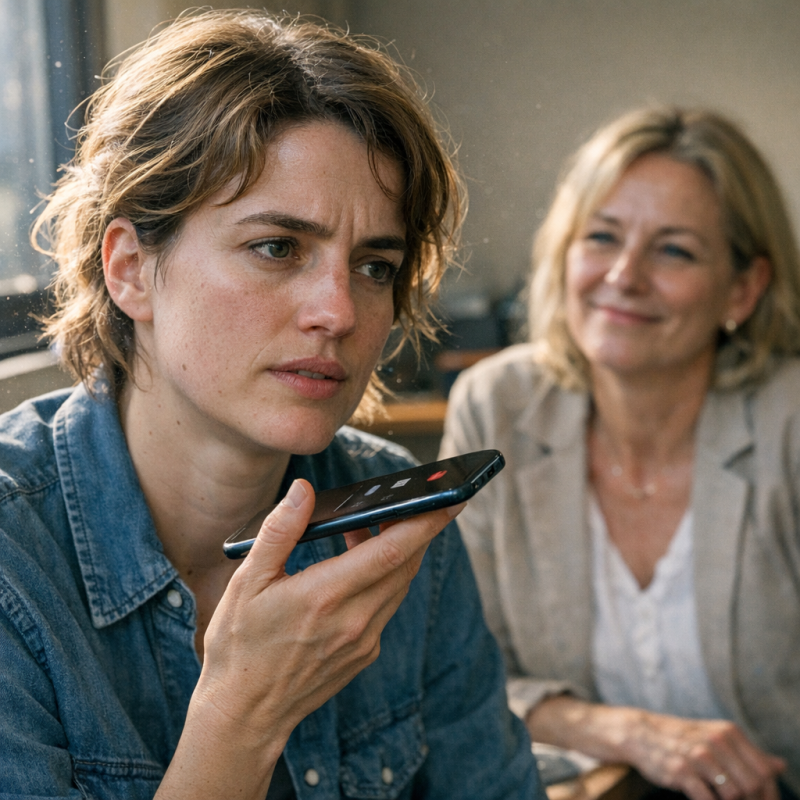 Image by FCT AI
The Settlement
Carol handled the negotiation. I watched her transform into someone I barely recognized—calm, precise, unmovable. Rebecca tried to bargain, to minimize, to explain that she'd just been trying to provide for her kids. Carol cut through it all. The terms were non-negotiable: drop all claims against our shelter immediately, return every settlement she'd received from the other shelters Patricia had identified, sign an agreement never to contact another animal rescue or shelter for any reason, and submit to a full financial audit to ensure compliance. Rebecca agreed to everything. Her voice got smaller with each concession. I almost felt sorry for her—almost. Then Carol added one more condition, and I understood why she'd saved it for last. Mandatory counseling for Emma and Lucas, supervised and reported through child protective services. Rebecca started to protest, but Carol's voice went cold. 'Your children have been exploited. That ends now.' There was a long silence on the line. The agreement included one more condition: mandatory counseling for Emma and Lucas, supervised by child protective services.
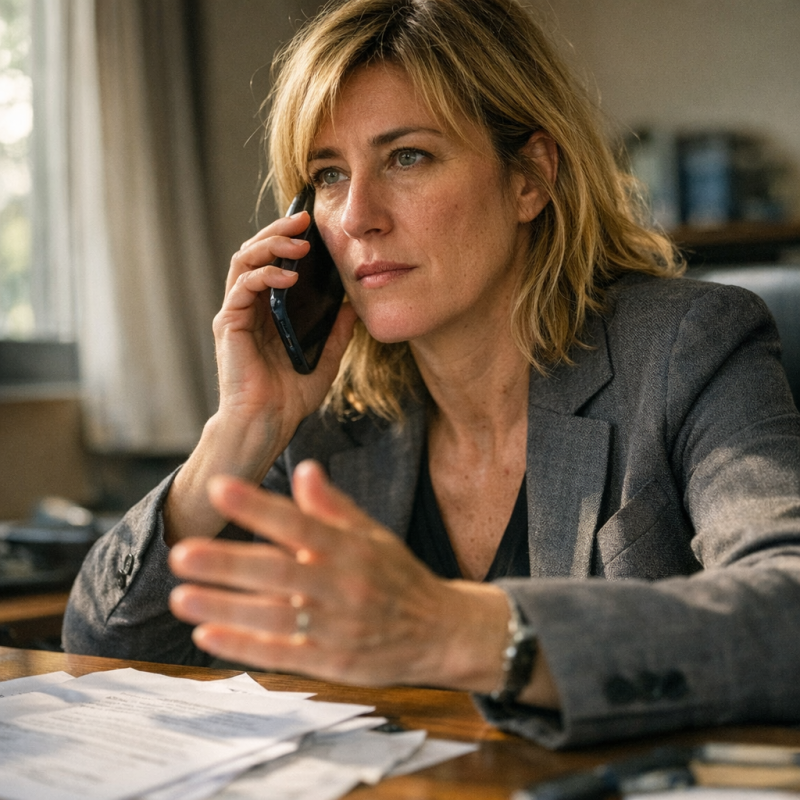 Image by FCT AI
The Children's Fate
Two weeks later, Harris stopped by the shelter with an update. CPS had placed Emma and Lucas in counseling—separate sessions with a trauma specialist who worked with children of exploitation. I made coffee while he filled us in, his voice careful, measured. The kids were struggling, he said. Years of being trained to perform fear, to fake trauma on command, had messed with their ability to trust their own feelings. But they were talking. Starting to process what their mother had done to them. The counselor had asked them, in separate sessions, what they really thought about the animals they'd adopted. Harris pulled out his notebook, flipped to a page with careful handwriting. He read the counselor's notes aloud: both children, independently, had said the same thing. They'd liked the animals. Maya, Jasper, all of them. The counselor reported that when asked what they really thought about the animals, both kids said they'd actually wanted to keep them.
 Image by FCT AI
Spreading the Word
Carol and I spent the next week working with Harris to create a warning system. We drafted an alert with Rebecca's photo—pulled from her social media before she scrubbed it—and listed all her known aliases: Rebecca Holloway, Rebecca Chen, Rebecca Holloway-Chen, Becca Chen-Holloway. Described her method in detail: targets animals with distinctive features, produces pre-dated medical documentation, trains children to perform trauma responses, pushes for quick settlements. Harris helped us compile a contact list of animal shelters and rescues across three states. We sent the alert to everyone—small county shelters, large nonprofit rescues, breed-specific organizations. The response was immediate. Directors thanked us, shared the alert further, added Rebecca's information to their internal databases. A few admitted they'd had similar experiences but hadn't connected the dots. One director in Illinois said she'd turned away a woman matching Rebecca's description just days earlier. The network we'd built felt protective, powerful. The alert included Rebecca's photo, her aliases, and a description of her methods—ensuring she could never do this again.
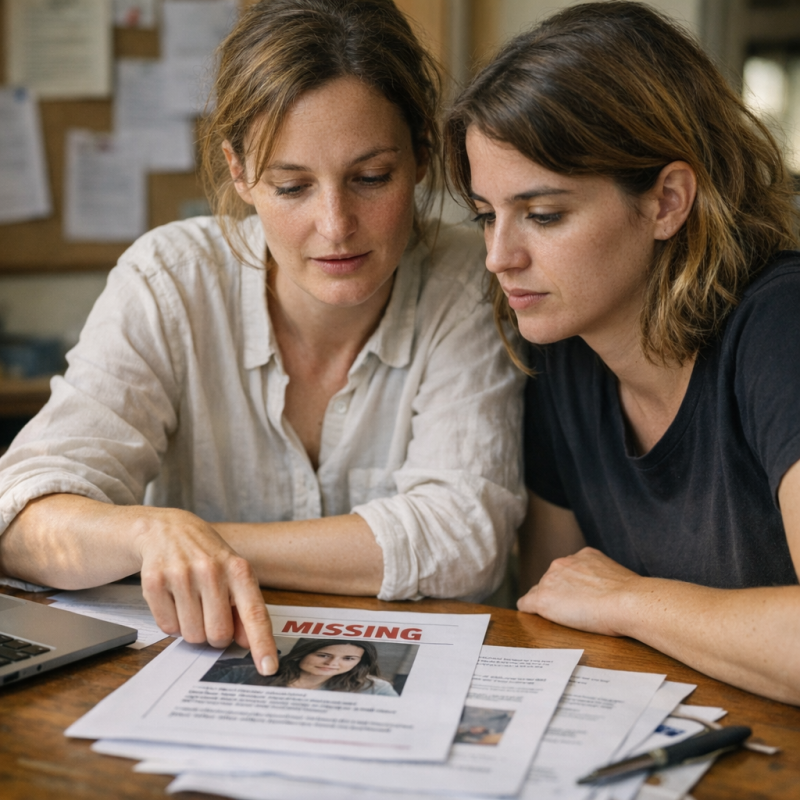 Image by FCT AI
Rebecca's Consequences
The criminal charges took longer. Harris kept us updated as the case moved through the system—fraud charges in four counties, wire fraud at the federal level, child endangerment pending review. Rebecca tried to fight it initially, hired a new lawyer who filed motions and demanded trials. But the evidence was overwhelming. Eight shelters willing to testify, security footage, financial records, the children's counselor willing to speak about exploitation. Her new lawyer must have explained the reality: she'd lose, badly, and face serious prison time. Three months after that initial confrontation, Harris called with news. Rebecca had accepted a plea deal. Five years probation, full restitution to every shelter she'd defrauded, mandatory counseling, and a permanent flag in the national animal adoption database. No shelter anywhere in the country could legally allow her to adopt. Her children would continue therapy, monitored by CPS. Harris sounded satisfied, tired. Justice, he said, doesn't always look like prison. Detective Harris called to say she'd accepted a plea deal that included probation, restitution, and a permanent ban from adopting animals.
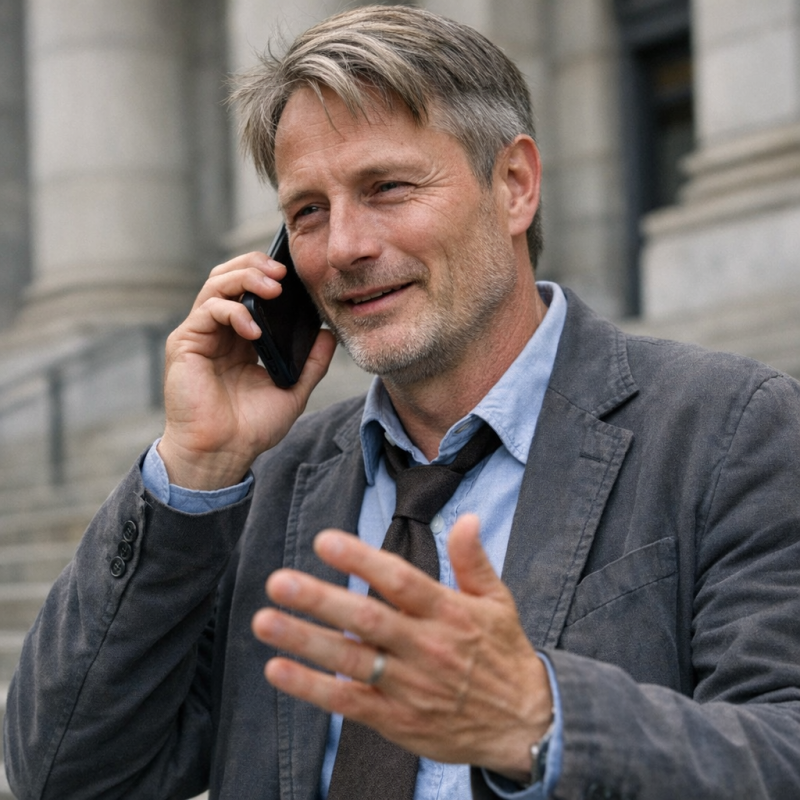 Image by FCT AI
Jasper's Second Chance
With Rebecca's fraud officially documented and her claim withdrawn, Jasper was back in our system as available. I updated his profile that same afternoon, feeling this strange mixture of relief and anticipation. Within two days, we had three serious inquiries—not families looking for viral content, but actual adopters who'd read his story in the news coverage and wanted to help. One was a retired teacher. Another was a couple who'd lost their senior cat recently. But one email stood out immediately. It came from a family named Garcia who'd been fostering special-needs cats for seven years—blind cats, three-legged cats, FIV-positive cats that other people passed over. They'd seen Jasper's photo in an article about Rebecca's arrest. Their note was simple and direct: 'We're specifically looking for a cat everyone else overlooked. We think different is beautiful. Is he still available?' I must have read that email four times, just to make sure it was real. After everything Jasper had been through—the stares, the rejections, being used as a prop in someone's twisted scheme—here was a family who wanted him specifically because he was different. One email stood out—it was from a family who'd fostered special-needs cats for years and specifically wanted a cat 'everyone else overlooked.'
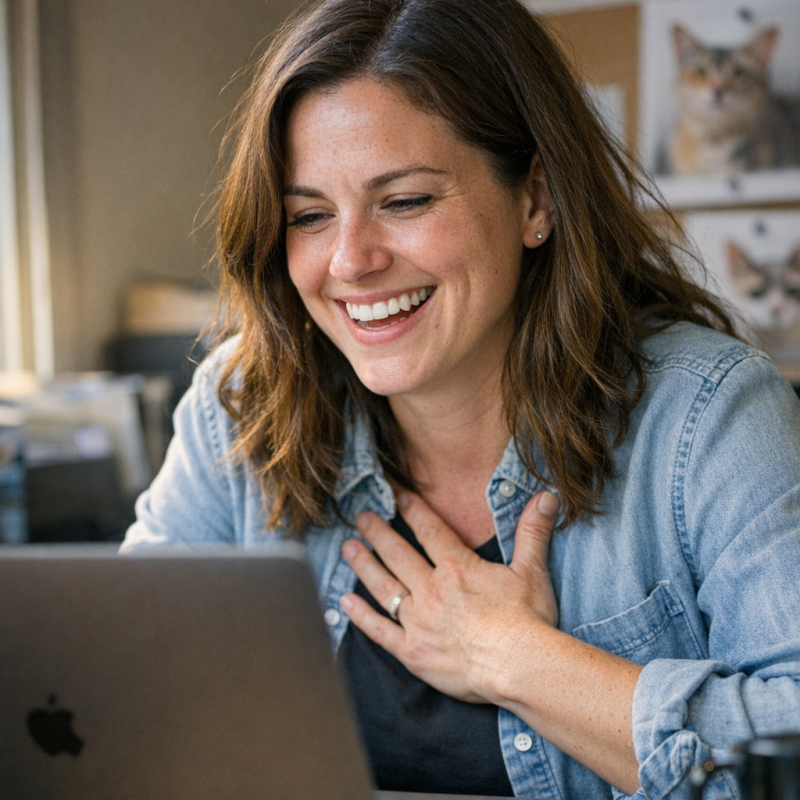 Image by FCT AI
Meeting the Garcias
The Garcias came in on a Saturday morning—parents in their forties, two kids, and a calm, prepared energy I recognized from experienced animal people. I brought them back to meet Jasper, watching their faces carefully for that telltale flinch. It never came. The mom crouched down to his level immediately. 'Oh, look at you,' she said softly. 'You're stunning.' The dad asked thoughtful questions about his health, his behavior, whether he got along with other cats. But it was their teenage daughter, Sofia, who sealed it for me. She knelt beside the kennel, studying Jasper's face with genuine curiosity and wonder. No fear. No discomfort. Just this open, accepting interest. Jasper pressed against the bars toward her, that rumbling purr starting up. She reached through to scratch his chin, smiling wide. 'He looks like he's wearing a superhero mask,' she said, glancing back at her parents with pure delight. 'That's amazing.' I had to turn away for a second, pretending to check paperwork, because my eyes were suddenly burning.
Going Home
The adoption process took three days—home visit, reference checks, all the standard procedures we never skip. The Garcias passed everything easily. They had a dedicated cat room, veterinary records for every animal they'd fostered, and patience I rarely encountered. When they came back to finalize everything, I carried Jasper out in his carrier one last time. He seemed calm, almost like he understood this was different. Sofia held the carrier on her lap in the backseat, talking to him gently through the bars. Her mom thanked me, shook my hand, promised to send updates. I watched their car pull out of the parking lot, Jasper's distinctive face visible through the carrier door, and felt this complicated rush of emotions. Relief, yes. Sadness at saying goodbye. But more than anything, this profound sense of gratitude that twisted through everything else. Because Jasper hadn't just found a home. His unique appearance had been the key to unraveling Rebecca's entire operation, protecting other shelters, helping two exploited kids. As they drove away, I realized I wasn't just relieved he'd found a home—I was grateful he'd helped expose something much bigger.
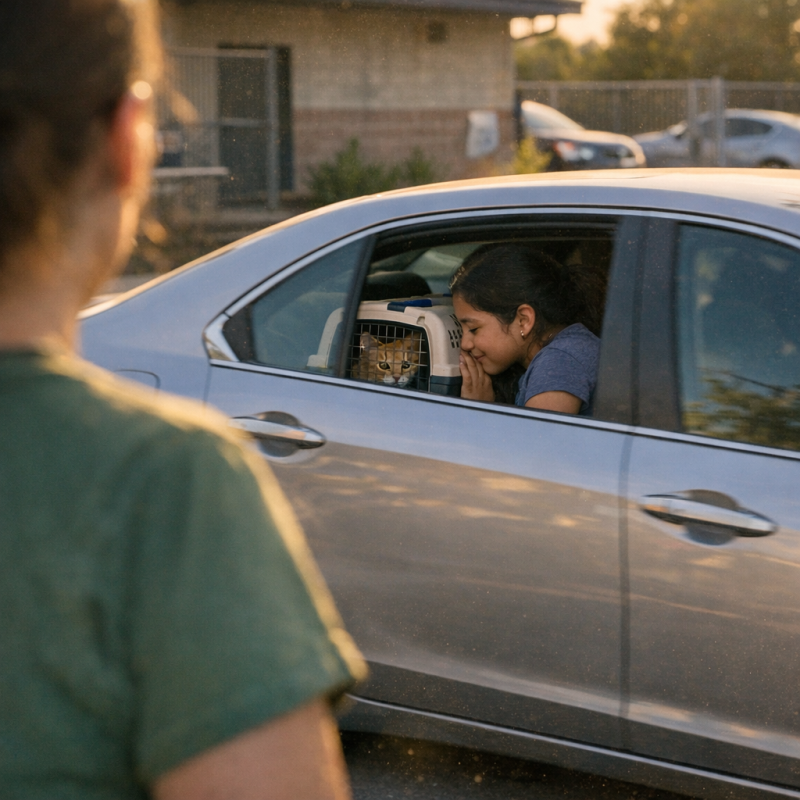 Image by FCT AI
What We See
It's been six months now. The Garcias send photos every few weeks—Jasper curled up with their senior dog, sprawled across Sofia's homework, perched in a sunny window. He looks healthy, relaxed, loved. The other shelters Rebecca targeted have tightened their screening processes. Harris told me the kids are doing better in therapy, living with relatives who actually care about their wellbeing. Sometimes I think about how close we came to missing it all—if Rebecca had chosen a different cat, something less distinctive, she might have gotten away with it for years. But Jasper's face, the thing that made people uncomfortable and defensive, was exactly what made her fraud impossible to hide. His second face became the evidence we couldn't ignore. I've learned something from this whole experience: sometimes what makes us different, what makes others look away or stare too long, is exactly what the world needs to see. The truth lives in the details we'd rather overlook. The Garcias still send photos, and in every one, Jasper's second face seems to smile—like he knew all along that being seen clearly was the only way to reveal the truth.
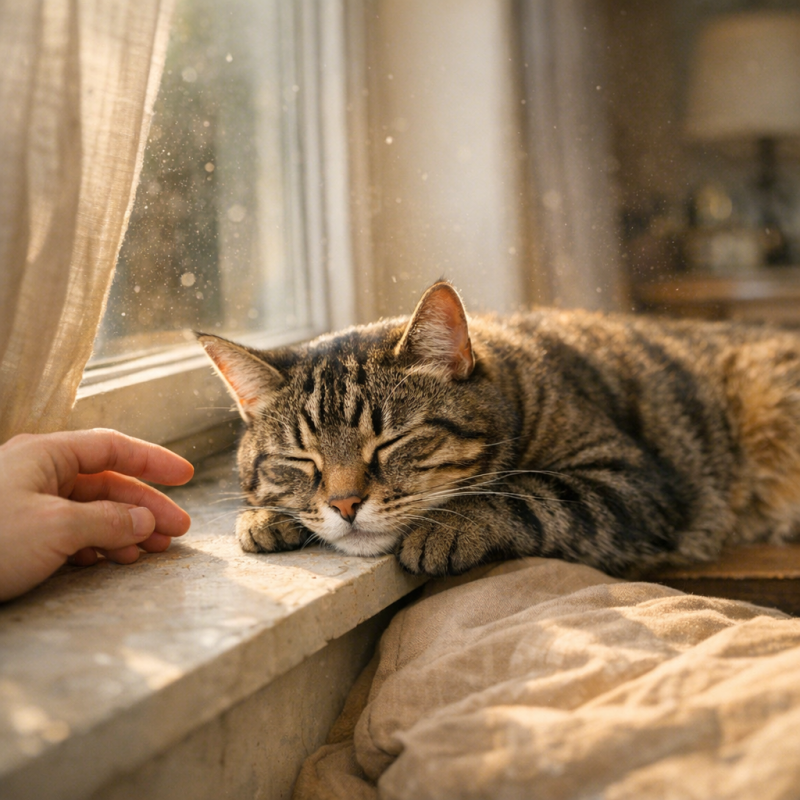 Image by FCT AI