The Stop
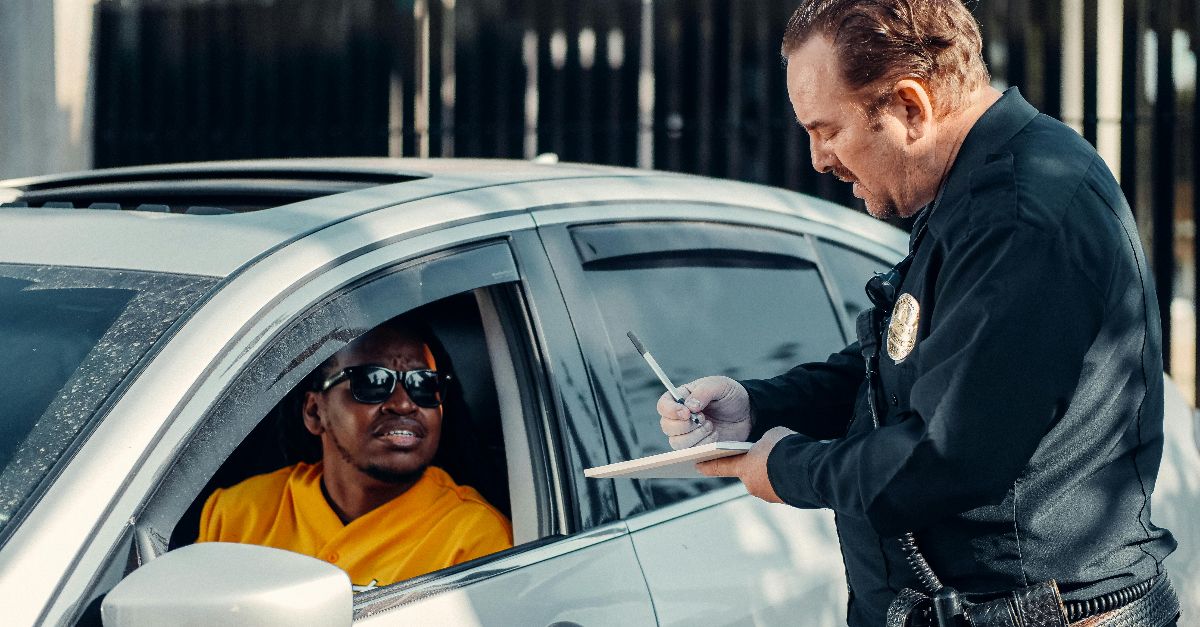
I wasn't even thinking about speed when the lights flashed behind me. It was one of those quiet Tuesday afternoons, the kind where you're running errands on autopilot, and I'd been coasting down Maple Grove for maybe thirty seconds before the cruiser appeared. I pulled over, hands at ten and two, waiting. The officer—her badge said Brennan—approached with this perfectly neutral expression, the kind they must practice in training. 'Do you know why I pulled you over?' she asked. I genuinely didn't. I told her as much. She tilted her head slightly. 'You were doing fifty in a thirty zone.' I actually laughed, which I immediately regretted. Fifty? On this street? I'd been going thirty, maybe thirty-two at most. The road was lined with parked cars and speed bumps. You couldn't hit fifty if you tried. But she wasn't interested in my reasoning. She handed me the ticket with the same neutral expression, thanked me for my cooperation, and walked back to her car. As the officer walked away, I sat there staring at the ticket, feeling like I'd just been handed a bill for someone else's meal.
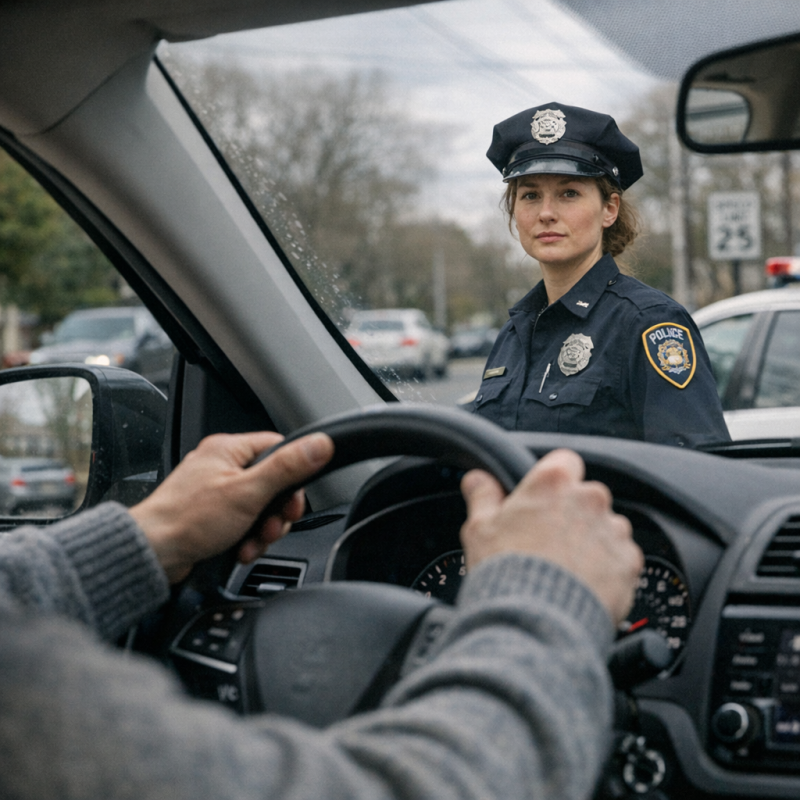 Image by FCT AI
The Number That Didn't Add Up
That night, I kept replaying the drive in my head, rewinding it like some mental DVR. I'd taken that exact route a hundred times. There was literally no stretch where you could comfortably hit fifty—not with the stop signs, not with the narrow lanes. I pulled up Google Maps on my laptop and traced the route with my finger. Nothing. No construction zones with weird temporary limits, no school zones that might've confused things. The speed limit was thirty. I'd been going thirty. Claire asked what I was doing, and I told her I was trying to figure out where Brennan's radar could've possibly picked up fifty. 'Maybe it glitched?' she offered. Maybe. But that felt too convenient, too easy. I closed my laptop, frustrated, ready to chalk it up to some inexplicable error I'd never understand. And then, as I was about to give up and accept the confusion, I remembered the small black box mounted on my windshield.
 Image by FCT AI
The Footage
I'd installed the dashcam six months earlier after a fender bender that came down to he-said-she-said. Forty bucks on Amazon, records everything, and I'd honestly forgotten it was there. I pulled the SD card, popped it into my laptop, and scrubbed through until I found Tuesday afternoon. There it was: Maple Grove, the parked cars, the stop signs. And right there in the corner of the frame, the GPS overlay showed my speed. Thirty kilometers per hour. Twenty-nine. Thirty-one. Never once breaking thirty-two. I watched it three times, just to be sure. Claire leaned over my shoulder during the third replay, her eyes narrowing at the numbers. 'That's not fifty,' she said. 'Not even close.' I shook my head. It wasn't. The evidence was right there, timestamped and geo-tagged. I felt this surge of vindication mixed with anger—I'd been right, and Brennan had been completely wrong. Claire leaned over my shoulder, watched the replay, and said the words I was thinking: 'So what are you going to do about it?'
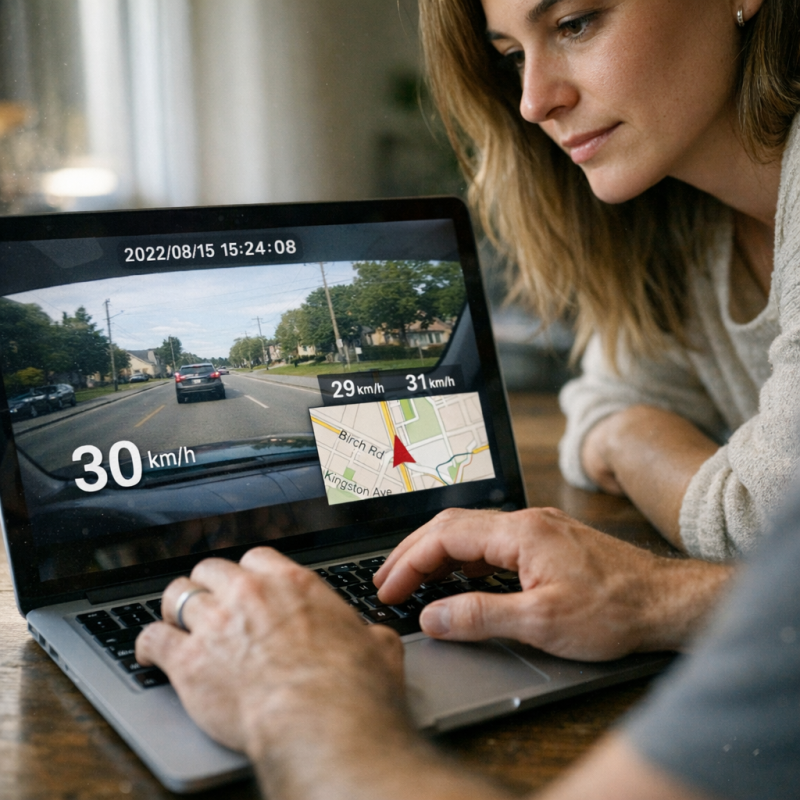 Image by FCT AI
The Doubters
I mentioned it at work the next day, mostly to vent. Marcus was at the coffee machine when I told him about the ticket, the dashcam, the whole thing. I expected him to be outraged on my behalf. Instead, he just shrugged. 'Dude, just pay it,' he said. 'Fighting tickets is a waste of time. They never side with you.' I tried to explain that I had video proof, that this wasn't some gray area, but he wasn't listening. A couple other coworkers chimed in with their own stories—tickets they'd paid even though they disagreed, court dates that went nowhere. 'The system's rigged,' someone said. 'You'll spend more on time off work than the fine costs.' I got it. I understood the logic. But it felt wrong to just roll over when I had evidence. When I knew I was right. Marcus shrugged and said, 'Your funeral,' but I could see he thought I was being stubborn for no reason—he had no idea what I'd found.
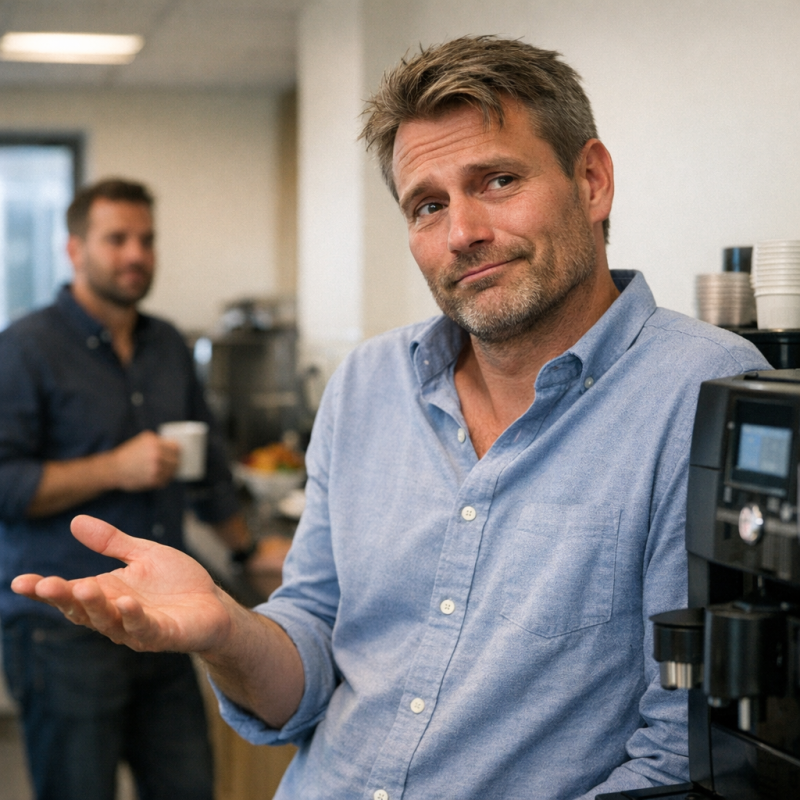 Image by FCT AI
Filing the Contest
The courthouse was one of those old municipal buildings with fluorescent lights and linoleum floors that squeaked when you walked. I stood in line for twenty minutes clutching my ticket and a printed instruction sheet I'd found online. When I finally reached the counter, the clerk barely looked up. 'Contesting?' she asked. I nodded. She slid a form across the counter, and I filled it out right there—name, ticket number, reason for contest. I kept it simple: 'Dashcam evidence shows speed was within legal limit.' The clerk didn't ask to see the footage. She didn't ask anything, really. Just stamped the form, made a copy, and handed me a yellow slip. 'You'll be notified of your court date,' she said in this practiced monotone. 'Four to six weeks.' I thanked her and walked out, clutching my copy like it was some kind of shield. The clerk stamped my form, handed me a copy, and told me I'd receive a court date in four to six weeks—plenty of time to second-guess everything.
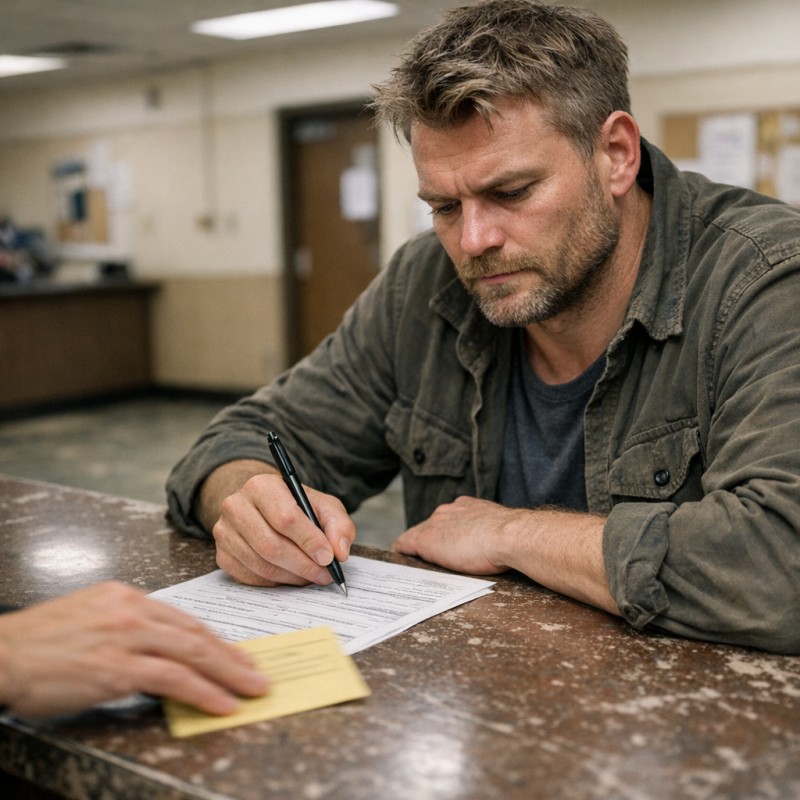 Image by FCT AI
The Wait Begins
The waiting was worse than I expected. At first, I felt confident. I had the footage. I had the facts. It seemed straightforward. But as the days crawled by, doubt started creeping in around the edges. What if the judge didn't care about the dashcam? What if there was some technicality I didn't know about? I started reading horror stories online—people who'd gone to court with evidence and still lost, judges who sided with officers by default, procedural traps that invalidated otherwise solid cases. One night I lay awake staring at the ceiling, running through worst-case scenarios. Claire asked if I was okay, and I told her I was fine, but I wasn't sure I believed it myself. The footage was clear. The numbers didn't lie. But I'd been around long enough to know that 'right' and 'winning' weren't always the same thing. I told myself the video was ironclad, but a small voice kept asking: what if they just don't care?
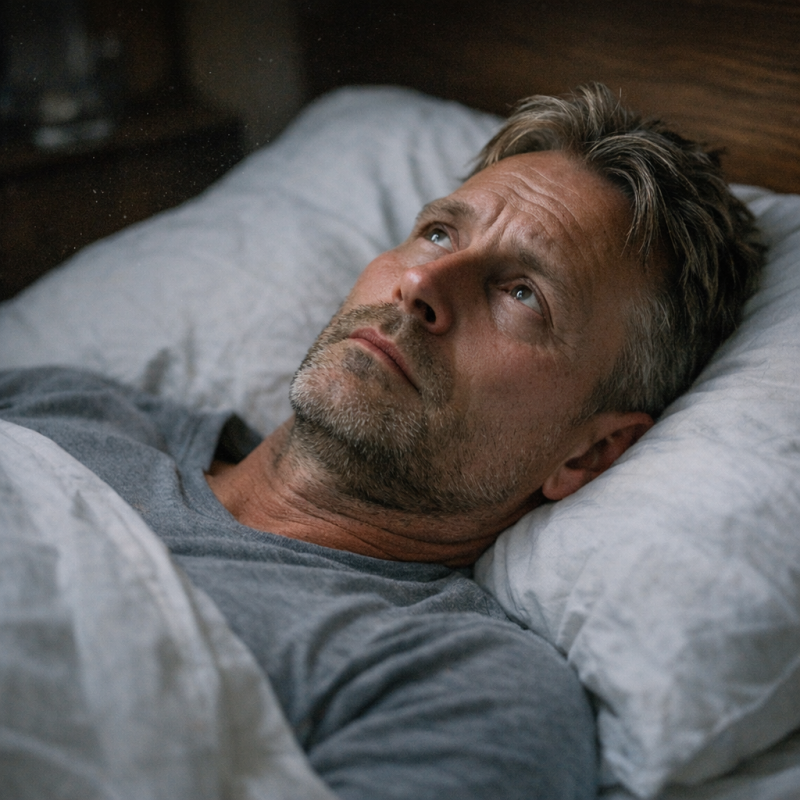 Image by FCT AI
Rachel's Advice
I ran into Rachel in the hallway a week later, arms full of groceries. We'd been neighbors for two years, and I knew she'd worked as a paralegal before retiring early. I mentioned the ticket casually, just making conversation, but she perked up immediately. 'You're contesting it?' she asked. I nodded. 'Got dashcam footage and everything.' She invited me over that evening, and I brought my laptop. Rachel watched the video twice, taking notes on a yellow legal pad like she was back in the office. She asked about the ticket details, the filing process, whether I'd received my court date yet. 'This is solid,' she said finally, tapping the screen where the speed display was clearest. 'Really solid.' I felt a flicker of relief. But then her expression shifted slightly. 'Just be ready,' she added. 'If they realize you've got them dead to rights, they might try procedural tricks. Late notices, rescheduling, technicalities.' Rachel paused the video, squinted at the screen, and said, 'This is solid—but you need to be ready for them to fight dirty.'
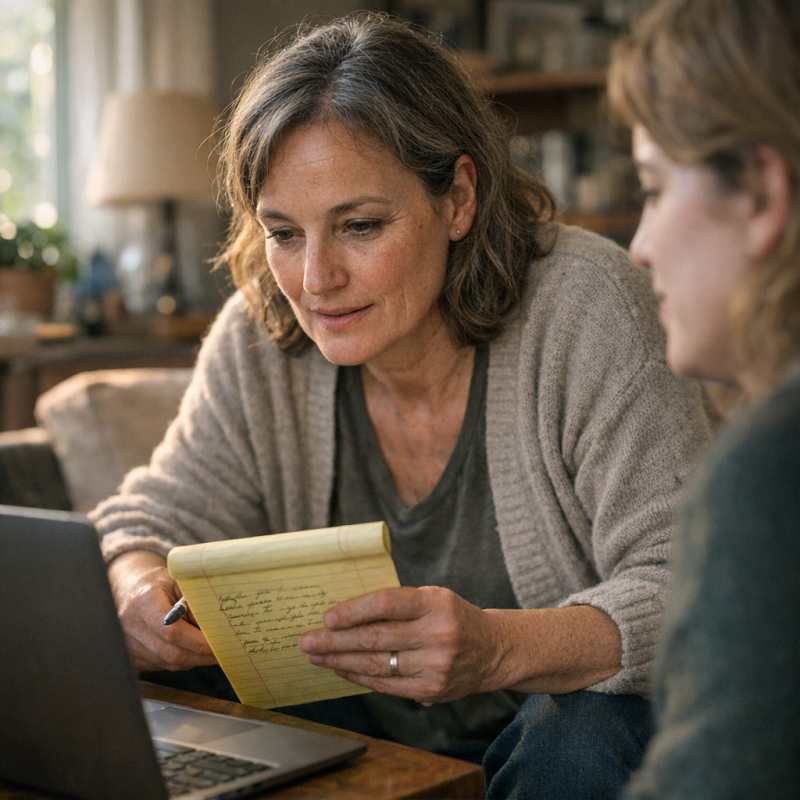 Image by FCT AI
Researching the Officer
I couldn't help myself. That night, I googled Officer Brennan. I wasn't looking for dirt, exactly—just context, maybe some pattern that would explain the bogus ticket. Her name pulled up a few official department pages, a couple community event photos where she was handing out bike helmets or standing beside a cruiser at a school fair. No news articles. No complaints that I could find. No commendations either, really. Just this perfectly unremarkable record of someone who showed up, did the job, and went home. It should've been reassuring. A clean record meant no history of misconduct, no reason to think this was personal. But somehow it made me feel worse. If there was nothing unusual about her, then why the bad ticket? Was it just sloppiness? Incompetence? Or something I couldn't see yet? I closed the browser and sat in the blue glow of the screen. There was nothing unusual, nothing controversial—just a quiet, unremarkable career, which somehow made me more uneasy.
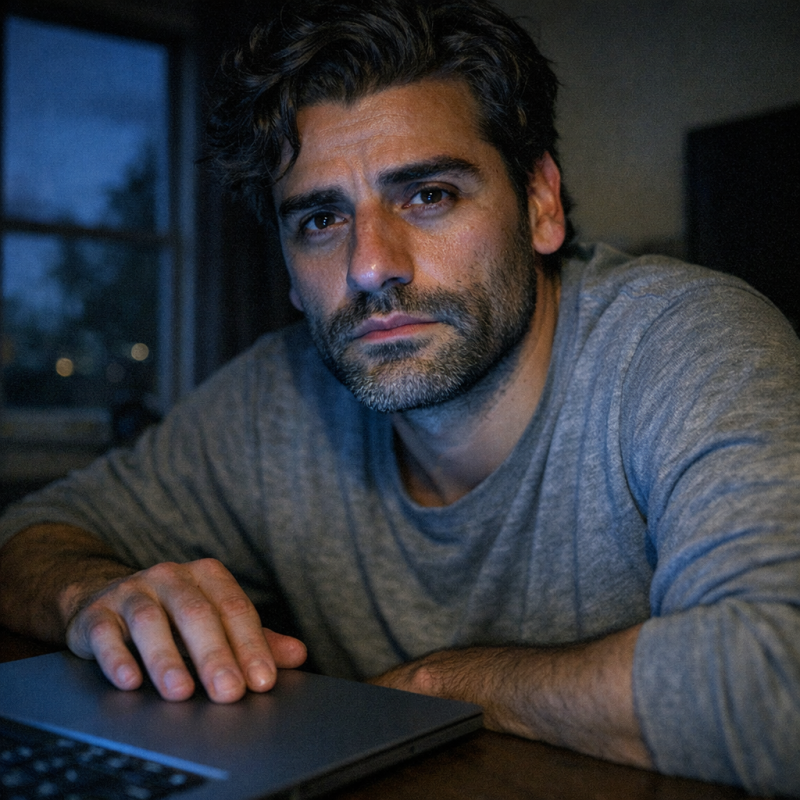 Image by FCT AI
Claire's Question
Claire listened to the whole thing over dinner. I'd told her about the ticket, the dashcam footage, the googling—all of it. She set down her fork and gave me that look she gets when she's trying to be gentle but thinks I'm overthinking something. 'Have you considered,' she said, 'that maybe it was just an honest mistake?' I stopped mid-bite. She shrugged. 'I mean, cops aren't infallible. She could've clocked the wrong car. She could've misread her radar. People make mistakes all the time.' It was the most reasonable explanation. The charitable interpretation. The kind of thing that would let me stop obsessing and just pay the fine and move on. Claire wasn't wrong—Occam's razor and all that. But something about it didn't sit right with me. I kept thinking about the way Brennan had looked at me during the stop, so certain, so unmoved, like there wasn't even a possibility she'd gotten it wrong. I wanted to believe that, but the way Brennan had looked at me—so certain, so unmoved—didn't feel like a mistake.
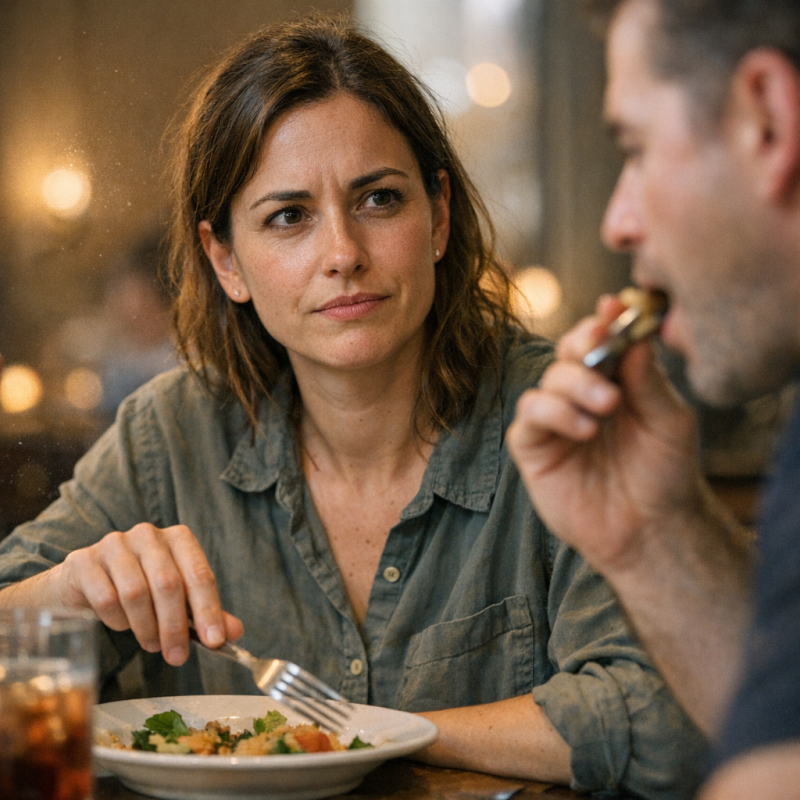 Image by FCT AI

History's most fascinating stories and darkest secrets, delivered to your inbox daily.
The Court Date Arrives
The court notice arrived in a plain white envelope two days later. Traffic Division, County Courthouse, Courtroom 3B. Three weeks out, which gave me just enough time to get my act together. I pulled the dashcam footage onto my laptop and watched it again, frame by frame, making sure the speed display was visible the whole time. It was. Clear as day. Thirty miles per hour, steady, the whole stretch of road. I took screenshots at five-second intervals, timestamped, showing the speed indicator and the street signs in the background. Then I exported the full video file and burned it to a USB drive, labeled and dated. I even printed a cover sheet summarizing the evidence, like I was filing a brief or something. It felt excessive, maybe, but I wanted to be ready. This wasn't about being right anymore—it was about proving it. I put everything in a folder and set it by the door so I wouldn't forget it on the day. I printed the screenshots, burned the video to a USB drive, and tried to ignore the knot forming in my stomach.
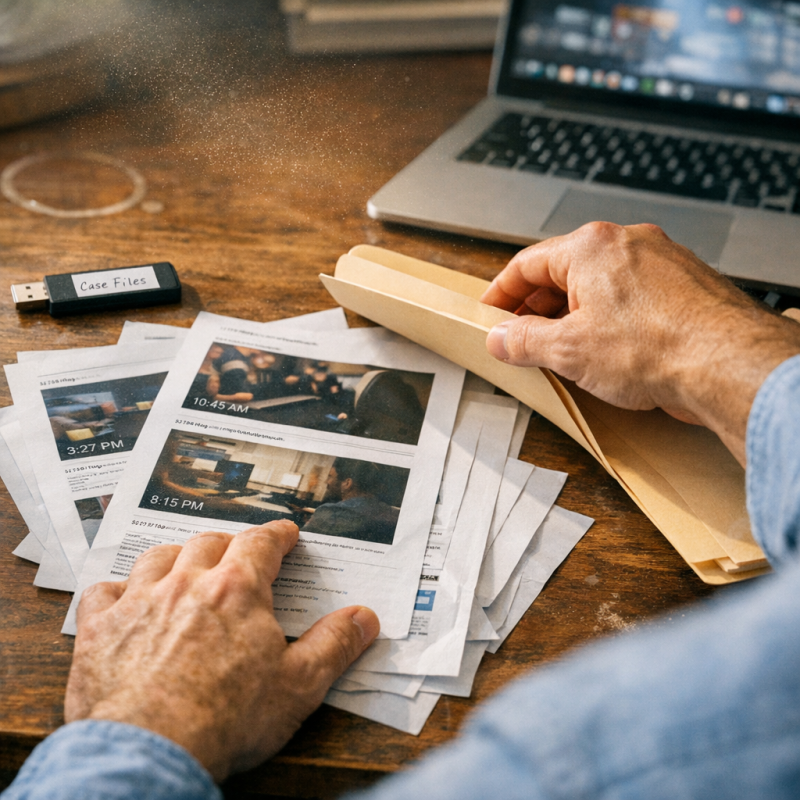 Image by FCT AI
The Morning Of
I got to the courthouse forty-five minutes early. The waiting area outside Courtroom 3B was packed—mostly people in work clothes, looking tired and resigned, clutching crumpled tickets and phone screenshots. One by one, names were called. People shuffled in, shuffled out. Most cases lasted maybe three minutes. I watched a guy in a flannel shirt try to argue about a red light. The judge cut him off, affirmed the citation, next case. A woman with a parking ticket got the same treatment. It was like watching an assembly line. Efficient. Impersonal. Nobody was winning today. I sat there with my folder on my lap, feeling the air conditioning and the fluorescent hum and the low murmur of bureaucratic inevitability. I started to wonder if I was wasting my time. If the dashcam footage even mattered. If anyone in that courtroom would care. When I heard my name called, I stood up, and for the first time, I saw Officer Brennan across the room—and she was already watching me.
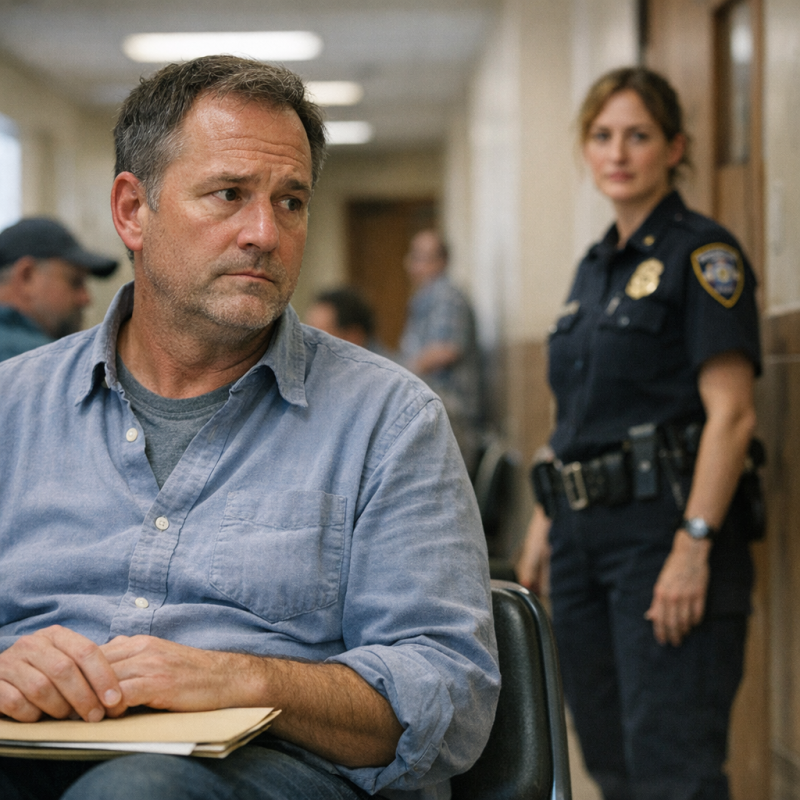 Image by FCT AI
The Opening
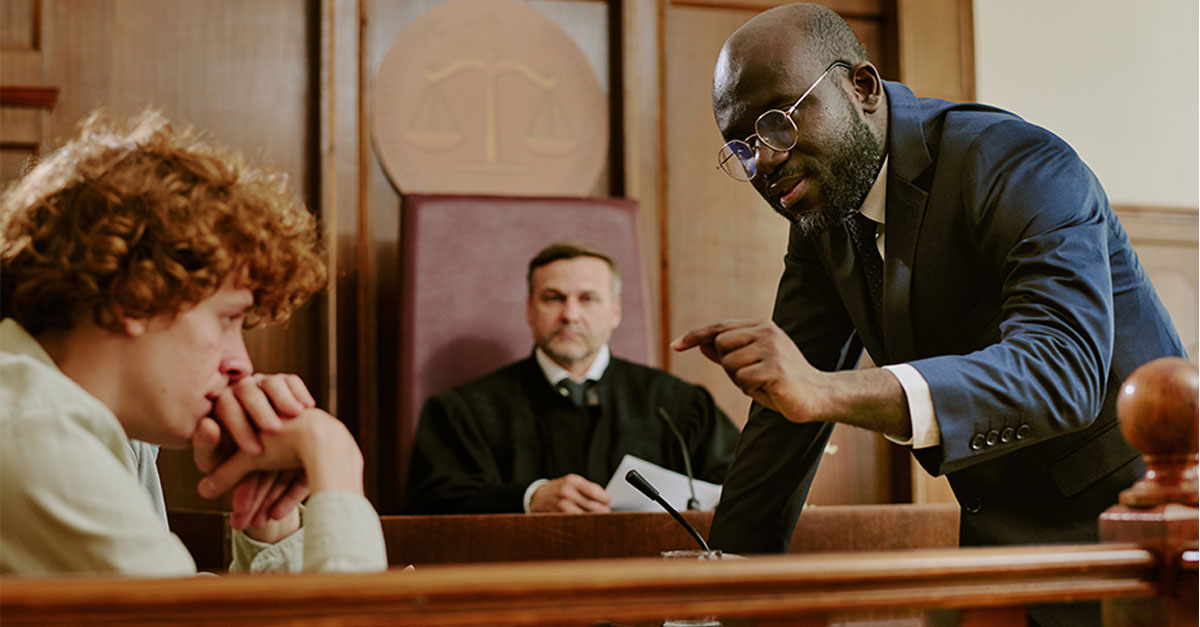
Judge Harmon was older, gray-haired, with reading glasses perched on his nose and the kind of neutral expression that comes from seeing the same cases a thousand times. He called the docket number and glanced at the paperwork. 'State versus Alex Brennan,' he said flatly, then corrected himself without emotion. 'Pardon, citation issued to Alex Brennan by Officer Brennan. Prosecutor Chen, proceed.' David Chen stood up, a trim guy in a gray suit, holding a single sheet of paper. He didn't even look at me. 'Your Honor, this is a straightforward speeding violation. Officer Brennan clocked the defendant at forty-one miles per hour in a posted thirty zone. The citation was issued in accordance with standard procedure. The state recommends the fine as written.' He sat back down. That was it. Ten seconds, maybe. No drama, no argument. Just the facts, delivered like he'd said them a hundred times before. Chen's voice was flat, bureaucratic, like he'd said the same words a hundred times—and expected this to end the same way every other case did.
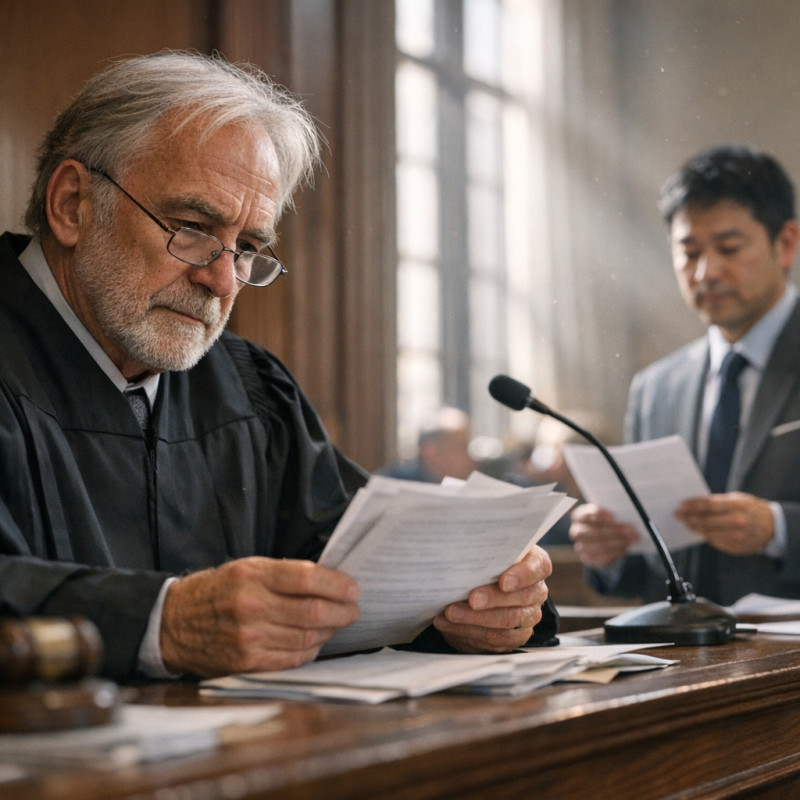 Image by FCT AI
Brennan's Testimony
Officer Brennan took the stand. She wore her uniform, crisp and pressed, and she sat with her hands folded, calm and composed. Chen asked her to describe the stop. She nodded. 'I was positioned on Maple Avenue, conducting speed enforcement. At approximately two-fifteen p.m., I observed the defendant's vehicle traveling northbound. I used a handheld radar device to measure the speed at forty-one miles per hour. The posted limit is thirty. I initiated a traffic stop and issued a citation.' Her voice was even, practiced. She didn't stumble, didn't hesitate, didn't look at me once. Chen asked if she was certain of the speed. 'Yes,' she said. 'The radar was calibrated that morning, and I've conducted thousands of traffic stops. I'm confident in the reading.' Judge Harmon nodded, making a note. I sat there, gripping the edge of my folder, watching her. She didn't hesitate, didn't fumble a single detail—it was as if she'd told this exact story before, word for word.
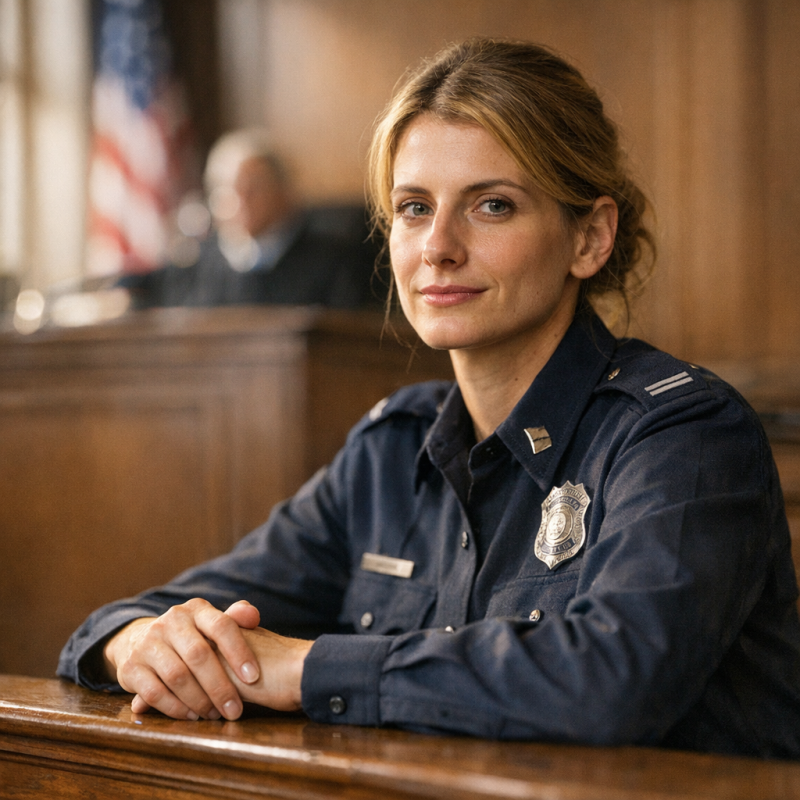 Image by FCT AI
The Evidence Objection
When it was my turn, I stood and said I had video evidence showing I was traveling at thirty miles per hour. I held up the USB drive. Judge Harmon looked mildly interested, but before I could say anything else, Chen stood up. 'Objection, Your Honor. The defendant is attempting to introduce evidence from an uncalibrated device. Unless he can demonstrate that the dashcam's speed indicator has been certified for accuracy, the footage is unreliable and inadmissible.' I froze. I hadn't even thought about that. Judge Harmon looked at me, eyebrows raised. 'Mr. Brennan—pardon, the defendant—do you have documentation that this device was properly calibrated?' I opened my mouth. Closed it. I didn't have paperwork. It was a dashcam I bought online. It pulled GPS data from satellites. I didn't know if there even was a calibration process for something like that. Judge Harmon looked at me over his glasses and asked, 'Do you have documentation that this device was properly calibrated?'—and my stomach dropped.
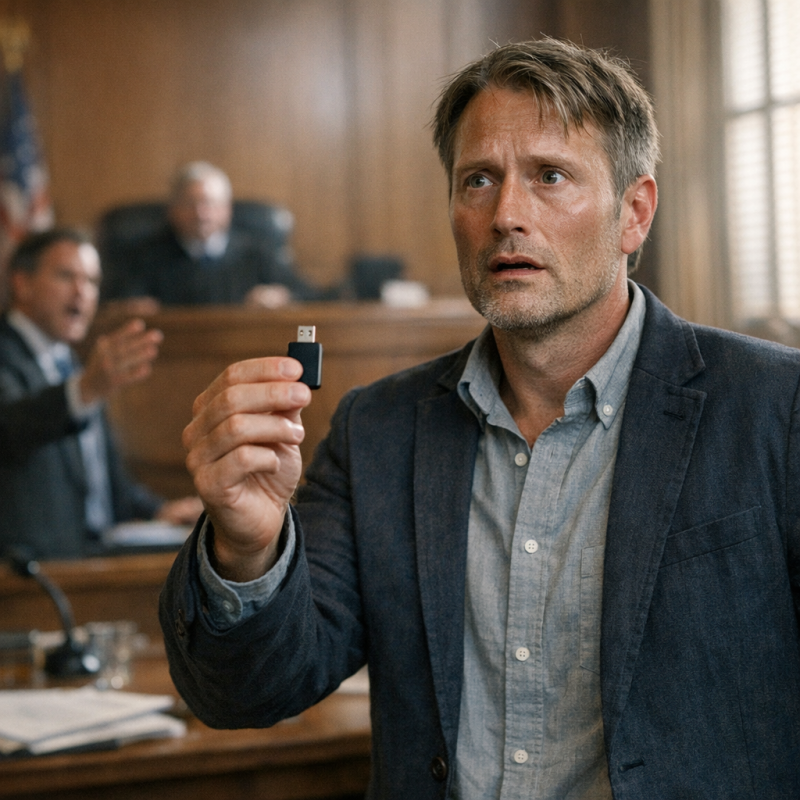 Image by FCT AI
The Argument
I took a breath. 'Your Honor, the dashcam is a consumer GPS device. It doesn't measure speed—it receives speed data from satellites. It's not a radar gun or a speedometer that needs calibration. It's displaying information that's already accurate by design. It's the same technology as a phone's GPS or a mapping app.' I could hear my own voice, a little too fast, a little too defensive. Judge Harmon tilted his head, considering. Chen started to object again, but Harmon held up a hand. 'I understand the prosecutor's concern,' the judge said slowly, 'but I'm inclined to allow the evidence provisionally. The court can weigh its reliability after viewing it. If the defendant is misrepresenting the device's function, that will become apparent.' He looked at me. 'You may proceed.' I exhaled. My hands were shaking a little as I handed the USB to the bailiff. I could see Judge Harmon considering it, weighing my words—and then he nodded and said, 'I'll allow it, provisionally.'
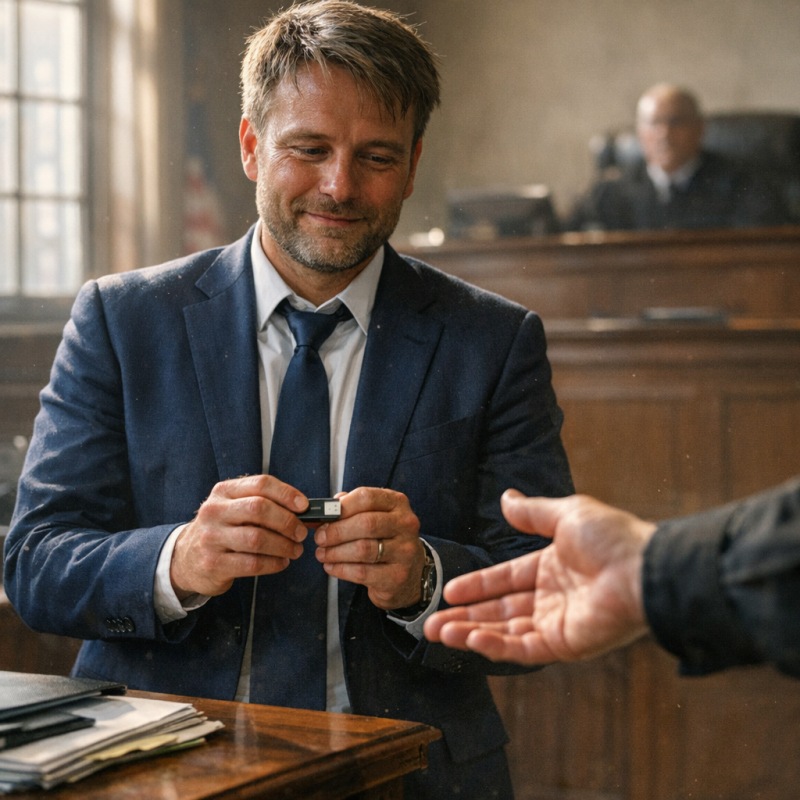 Image by FCT AI
The Video Plays
The bailiff plugged the USB into a laptop connected to a small monitor facing the judge. I stood to the side, watching the screen. The video started. There I was, driving down Maple Avenue. The dashcam's speed indicator sat in the bottom corner: thirty miles per hour. Steady. No fluctuation. The street signs were visible, the trees, the parked cars. Everything was clear. I could hear the hum of my engine, the faint sound of the radio. Then, in the distance, the flash of Officer Brennan's lights. The speed stayed at thirty the whole time. No sudden braking, no panic, just steady driving. The video ran for maybe ninety seconds. Judge Harmon watched without expression. Chen leaned back in his chair, arms folded. Officer Brennan sat still, her face unreadable. When the video ended, no one spoke. The silence stretched out, uncomfortable and thick. I stood there, waiting, my pulse loud in my ears. When the video ended, the room stayed quiet for a long moment—and I realized no one knew what to say.
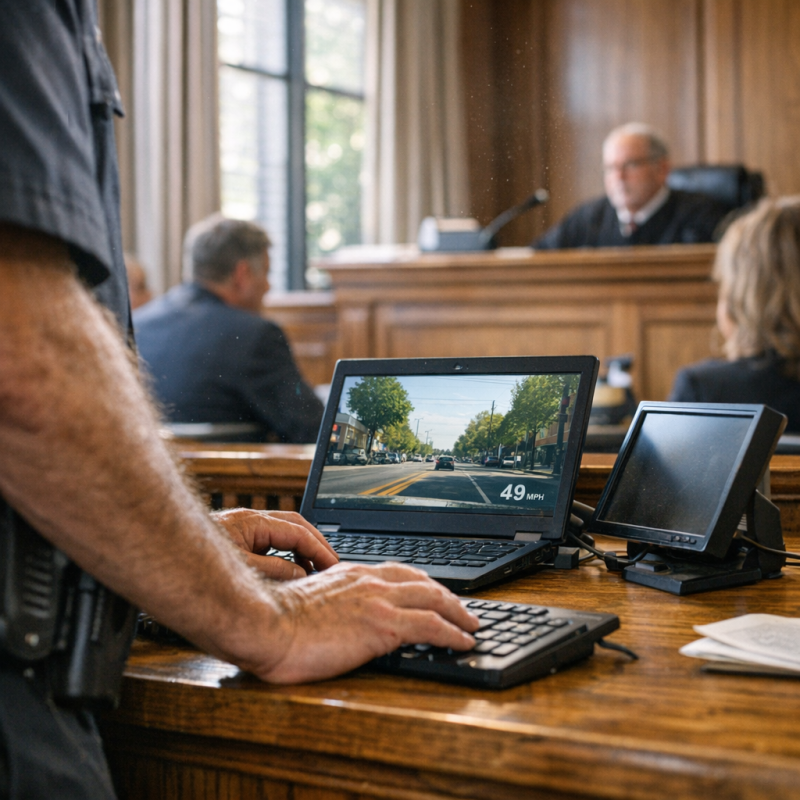 Image by FCT AI
Brennan's Question
Judge Harmon was still looking at the screen when Officer Brennan raised her hand slightly. 'Your Honor, may I ask a question?' The judge nodded. She turned to me, her expression calm and professional. 'Mr. Alex, how can we be certain your device is more reliable than calibrated police equipment? My radar gun is tested and certified quarterly. It's designed specifically for speed measurement. Your dashcam is a consumer-grade device—meant for recording video, not precise speed tracking.' She paused, letting the question hang in the air. Chen nodded slightly, like he appreciated the point. I stood there, USB still in my hand, and I felt this weird surge of clarity wash over me. Because she'd just asked exactly the wrong question. Or maybe exactly the right one, depending on how you looked at it. I could see the logic she was using, the assumption built into her words. And I could see exactly how to take it apart. She smiled slightly, like she'd just made a clever point—but I could see exactly where her logic was flawed.
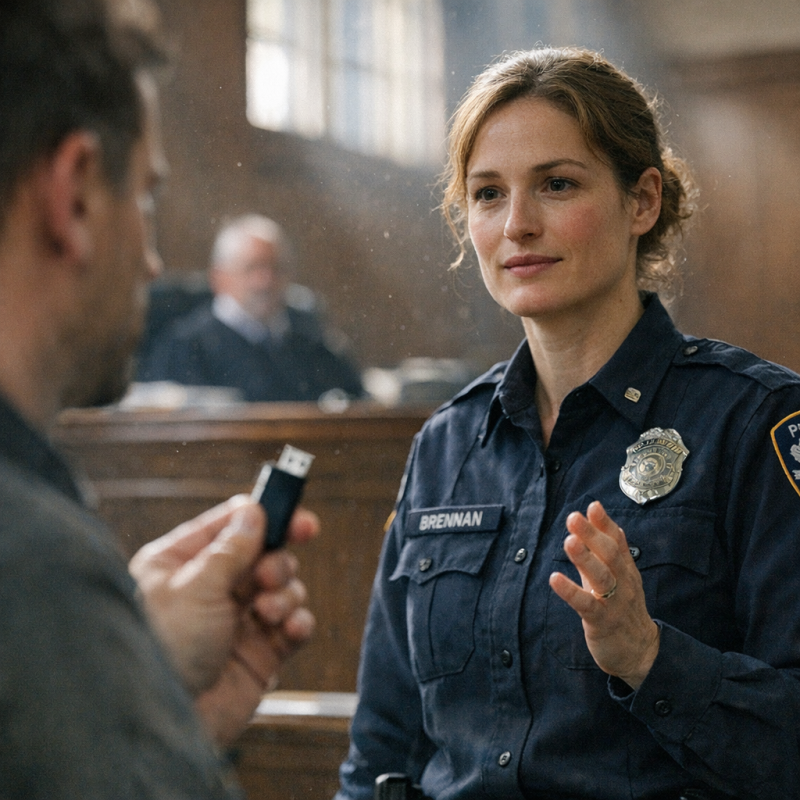 Image by FCT AI
The Rebuttal
I took a breath and kept my voice even. 'Officer Brennan, you're absolutely right that one of these devices could be wrong. But that's exactly my point. We have two readings. Yours says forty-two. Mine says thirty. They can't both be correct. So one of them has to be inaccurate.' I paused, looking at her, then at the judge. 'But your entire case depends on assuming yours is the accurate one. You're asking me to prove mine is reliable—but you haven't proven yours is, either. You've just asserted it. If calibration alone guaranteed accuracy, there'd be no such thing as equipment failure. And if my dashcam is unreliable, why does it show a steady thirty for the entire duration of the video? No fluctuation. No error messages. Just consistent data that contradicts your claim.' The courtroom went quiet. Chen uncrossed his arms. Judge Harmon leaned forward slightly, his eyes moving between me and Brennan. For the first time since the trial started, Officer Brennan didn't have an immediate response—and I could see Judge Harmon leaning back, reassessing everything.
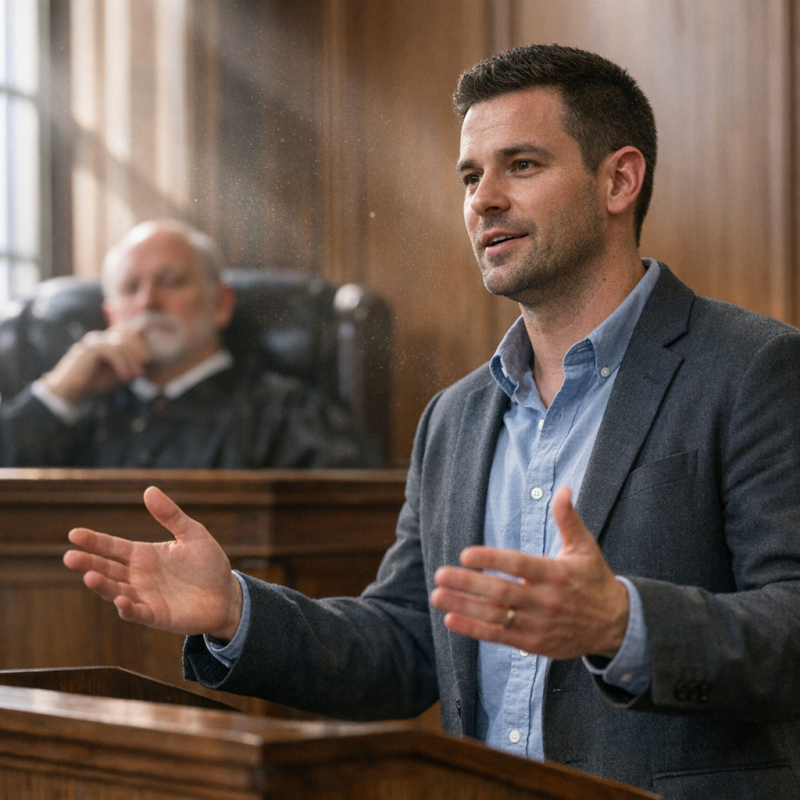 Image by FCT AI
The Dismissed Charge
Judge Harmon asked the bailiff to replay the footage. We all watched it again—the steady thirty, the clear street signs, the moment the lights came on. When it ended, he sat back and tapped his pen against the desk a few times. Then he looked at Chen. 'Counsel, do you have any additional evidence to support the officer's testimony?' Chen shook his head. 'No, Your Honor.' Judge Harmon nodded slowly. 'Given the video evidence and the lack of corroboration, I'm dismissing the charge. Insufficient evidence to meet the burden of proof. The defendant is free to go.' Just like that. It was over. I felt this rush of relief, this lightness in my chest, like I could finally breathe again. I thanked the judge, packed up the USB, and turned toward the door. But as I did, I glanced back at Officer Brennan. She was gathering her things, calm as ever. And she looked up, met my eyes, and gave me this small, unreadable smile. I should have felt nothing but relief, but as I gathered my things, I caught Brennan watching me again—and she didn't look upset at all.
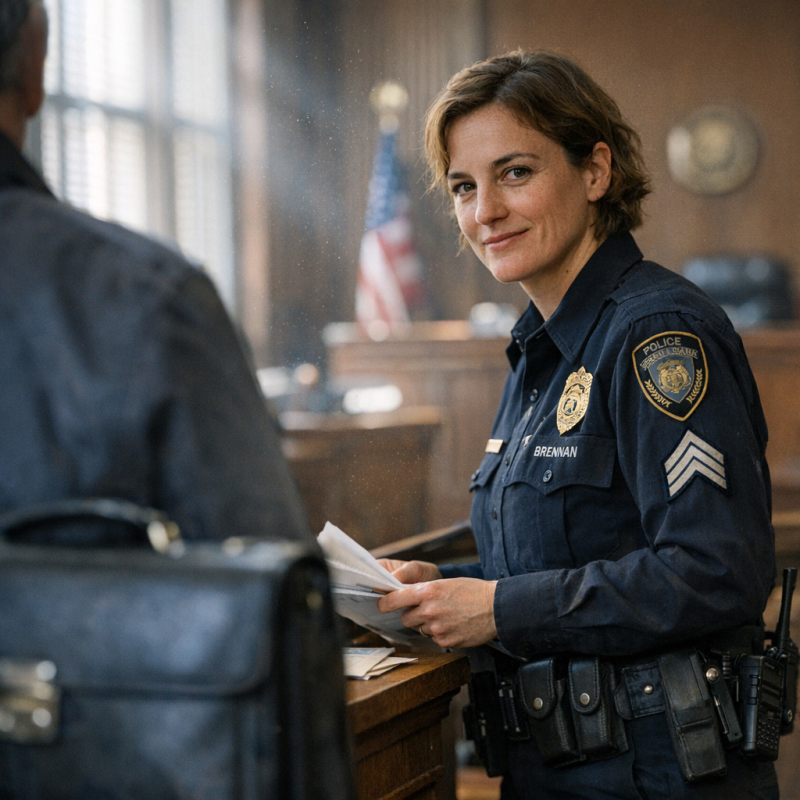 Image by FCT AI
The Hallway Encounter
I made it halfway down the courthouse hallway before I heard footsteps behind me. I turned, and there she was—Officer Brennan, walking toward me with that same calm expression. 'Mr. Alex,' she said, stopping a few feet away. 'I wanted to congratulate you. You argued your case well.' I didn't know what to say. I just nodded. 'Thank you.' She tilted her head slightly, like she was studying me. 'It's not often someone brings video evidence. Most people don't think to install dashcams. But you did. Smart.' There was something in her tone I couldn't place. Not hostility, not quite friendliness either. Just... observation. 'I guess I got lucky,' I said. She smiled faintly. 'Luck's a funny thing. Sometimes it runs out.' Then she extended her hand for a handshake, and when I took it, she said quietly, 'I hope your dashcam serves you well'—and then walked away before I could respond.
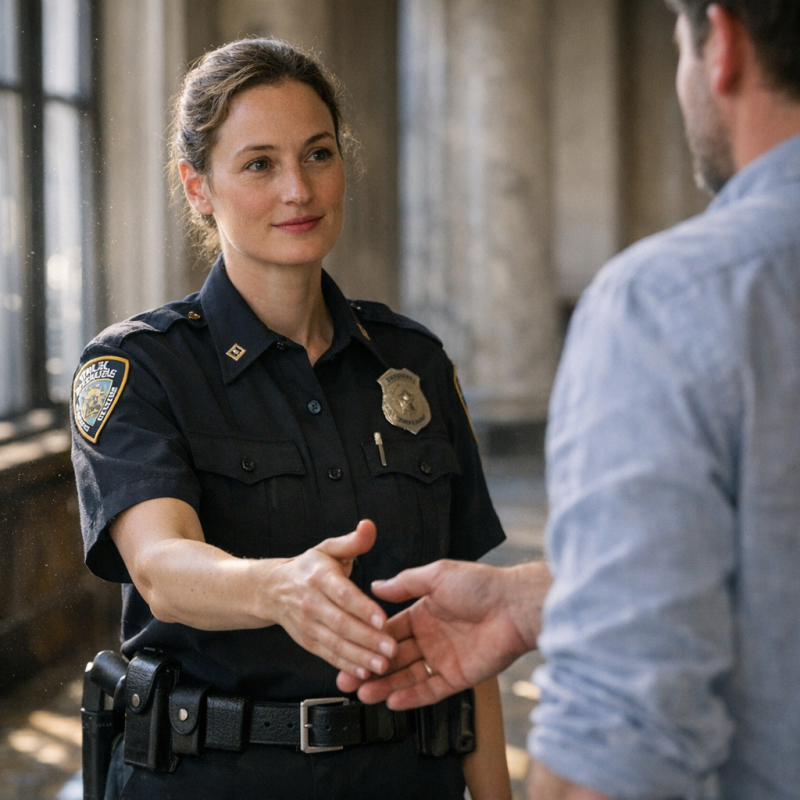 Image by FCT AI
Victory Celebration
Claire insisted on taking me out to dinner that night. She'd been texting me all afternoon, asking how it went, and when I told her the charge was dismissed, she said we had to celebrate. So we ended up at this Italian place downtown, the kind with red-checkered tablecloths and candles in wine bottles. She ordered a bottle of prosecco and raised her glass the moment it arrived. 'To justice,' she said, grinning. 'And to my brilliant partner who beat the system.' I clinked my glass against hers, but I couldn't quite match her energy. I kept thinking about Brennan in the hallway, the way she'd looked at me, the way she'd said 'I hope your dashcam serves you well' like it meant something more. Claire noticed. Of course she did. She put her glass down and leaned forward, her smile fading. 'What's wrong? You won. This is the good part.' I tried to shake it off. 'I know. I just... I don't know. Something felt off.' Claire raised her glass and said, 'You won—so why do you look like you just lost something?'
 Image by FCT AI
The Reddit Post
That night, after Claire went to bed, I sat on the couch with my laptop and opened Reddit. I don't know why I felt the need to write it all out—maybe just to process it, maybe to see if anyone else had been through something similar. I posted the story in a legal advice subreddit: the ticket, the court hearing, the dashcam footage, Brennan's question, my rebuttal. I kept it straightforward, no embellishments. I hit 'post' and closed the laptop, figuring maybe a few people would read it, maybe someone would leave a comment about calibration standards or equipment errors. I didn't expect much. But when I checked my phone an hour later, the notification count had exploded. The post had two hundred upvotes. There were dozens of comments, and I started scrolling through them, expecting the usual mix of legal opinions and armchair analysis. But then I saw one comment near the top, posted by a username I didn't recognize. It read: 'This exact thing happened to me last year.' Within an hour, the post had two hundred upvotes and a comment that read: 'This exact thing happened to me last year.'
 Image by FCT AI
The Flood of Replies
I clicked on the comment thread and started reading. The user described being pulled over on a residential street, accused of speeding when they knew they weren't. Same officer—they didn't name her, but they described her: mid-thirties, precise in her testimony, confident in court. Same accusation: twelve miles over the limit. Same insistence that the radar was accurate. They'd fought it, lost, paid the fine. And then there was another comment. And another. Different usernames, different dates, but the stories were too similar. One person mentioned Maple Avenue. Another described a court hearing where the officer had questioned the reliability of their dashcam. Someone else said they'd been pulled over twice in six months, both times by the same cop, both times accused of speeding they didn't commit. The details were different, but the structure was identical. I kept scrolling, my chest tightening with each new reply. This wasn't just bad luck or an overzealous cop. I scrolled through the replies, and a cold feeling settled in my chest—there were too many coincidences.
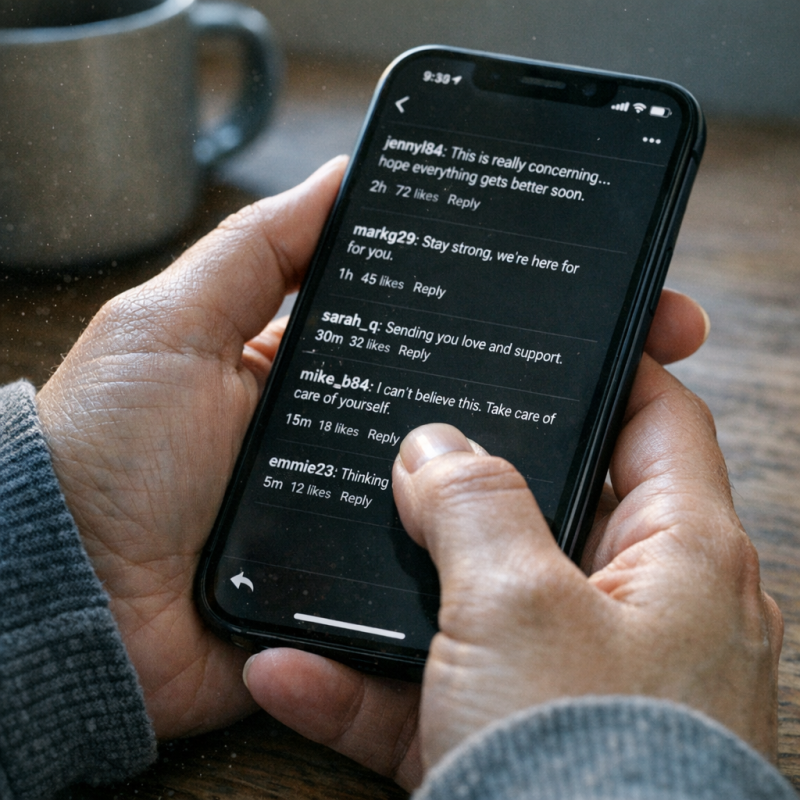 Image by FCT AI
Marcus Weighs In
The next morning, I showed Marcus the Reddit thread over coffee in the breakroom. He scrolled through it, frowning, occasionally shaking his head. When he handed my phone back, he shrugged. 'I mean, it's weird, sure. But cops have quotas, man. Everyone knows that. She's probably just trying to hit her numbers.' I leaned back against the counter. 'Yeah, but this many people? All with the same story?' Marcus took a sip of his coffee. 'You'd be surprised. If she works a busy district, she's probably pulling over a lot of people. Some of them are going to end up online complaining about it. Doesn't mean there's some grand conspiracy.' He smiled, trying to lighten the mood. 'I'm not saying she's a great cop. I'm just saying she's probably a cop with a quota. That's not exactly breaking news.' I wanted to believe him. I wanted it to be that simple. But the more I thought about it, the less sense it made. Marcus laughed and said, 'Quotas aren't a conspiracy, man—they're just capitalism,' but I wasn't laughing anymore.
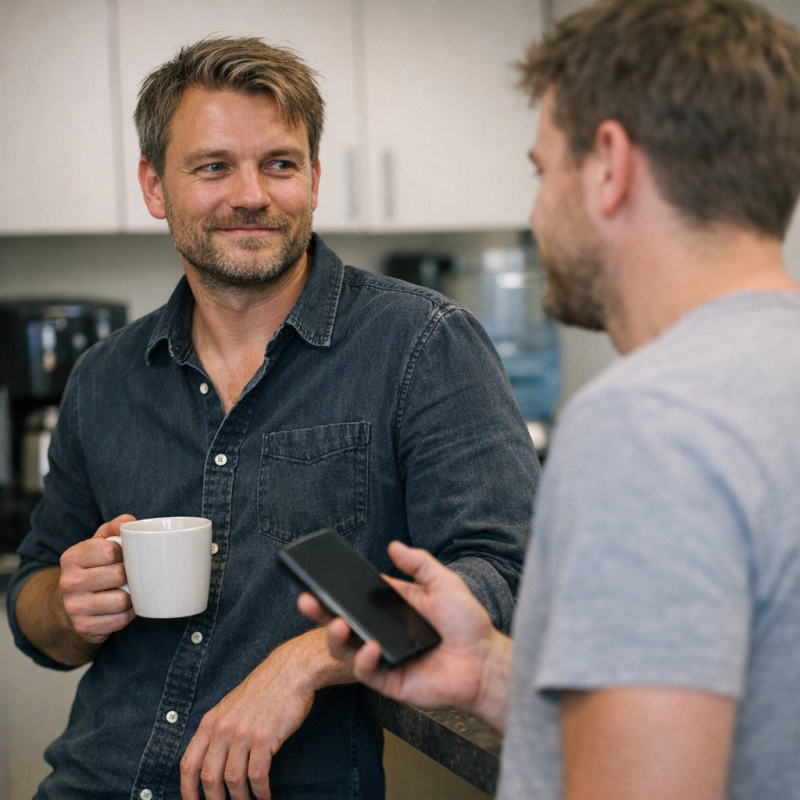 Image by FCT AI
Rachel's Warning
I knocked on Rachel's door that evening with my laptop tucked under my arm. She opened it, smiled, and waved me inside without asking what I needed—she could probably tell from my face. I sat at her kitchen table and showed her everything: the Reddit thread, the comments, the stories that all sounded exactly like mine. She read through it carefully, scrolling slowly, her expression neutral. When she finished, she leaned back and crossed her arms. 'Alex, I'll be honest with you. This looks suspicious. But suspicious isn't the same as evidence.' I nodded, though I felt a flicker of frustration. 'I know. But doesn't it seem like—' 'It seems like a pattern,' she interrupted gently. 'And patterns matter. But if you want to actually do something about this, you need documentation. Court records. Citation numbers. Dates. You can't walk into a station or a lawyer's office with Reddit comments.' She wasn't dismissing me—she was warning me. I appreciated that. She opened her laptop and started typing, pulling up the county court database. 'Start here. Search for her name as the issuing officer. See what comes up.' Then Rachel closed her laptop and said, 'If you're right about this, you need to be very, very careful.'
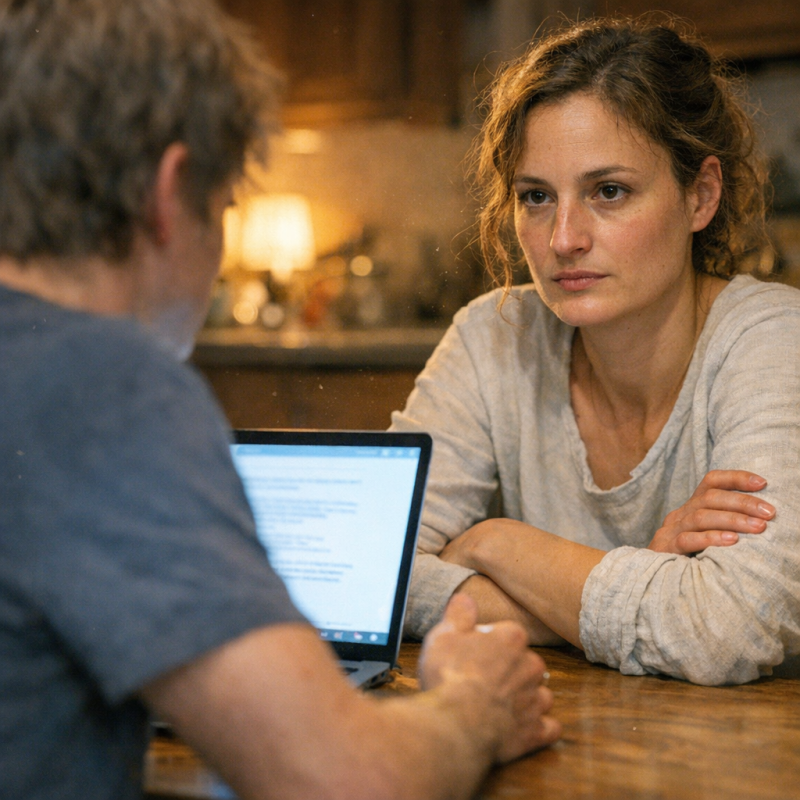 Image by FCT AI
Digging Deeper
I spent the next three nights digging through the county court records. It was tedious work—each case had its own file number, court date, and disposition code. But I started building a spreadsheet. Officer Brennan's name appeared more often than I expected. Some cases ended in guilty pleas, some in payment plans. But a surprising number had been dismissed. I clicked into the first dismissal. The notes were sparse: 'Dashcam footage contradicts officer testimony. Case dismissed.' I opened another. Same language. Another. Same result. My pulse quickened. I kept going, checking case after case. There were twelve dismissed citations in the last eighteen months, all issued by Officer Brennan. Every single one involved a driver who brought dashcam evidence to court. No other dismissals. No technicalities. No procedural errors. Just dashcam footage and dismissals. I leaned back from my laptop and rubbed my eyes. It wasn't just me. It wasn't even just the people on Reddit. This was documented, official, in black and white. Every single case followed the same arc: confident testimony, dashcam rebuttal, dismissal—it was like reading the same script over and over.
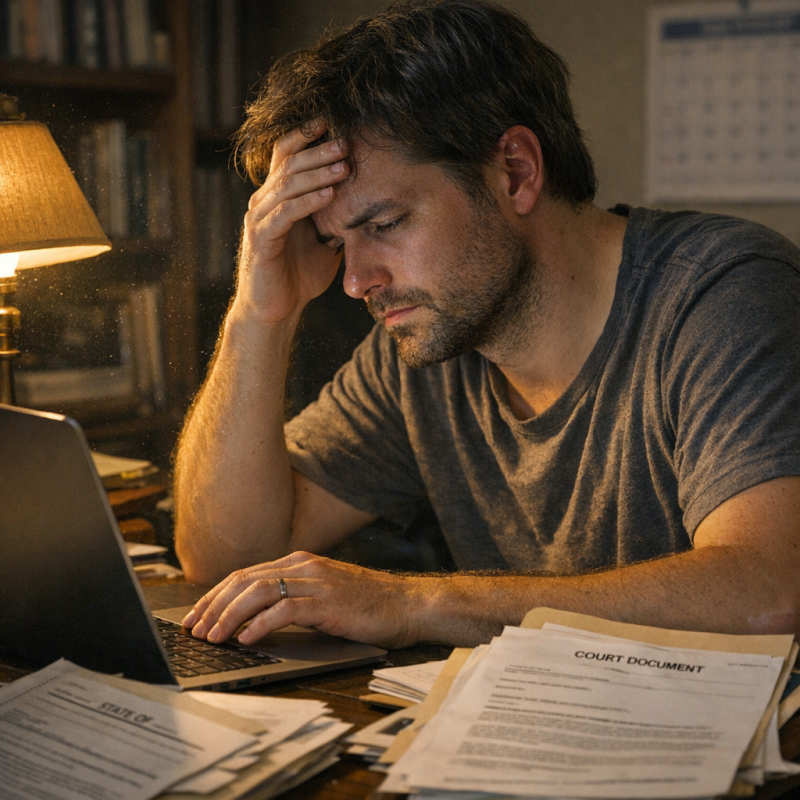 Image by FCT AI
The Commonality
I printed out the list of dismissed cases and spread them across my desk. Twelve drivers. Twelve dashcams. Twelve dismissals. But something else caught my attention. I went back through the case notes, this time looking for details about the footage itself. In a few cases, the description was more specific: 'Dashcam with speed overlay.' 'GPS-enabled camera footage.' 'Device recorded speed and location data.' I opened my own dashcam footage again and stared at the timestamp and speed display in the corner of the screen. That was the commonality. Not just any dashcam—dashcams with built-in GPS, the kind that displayed your speed on the video itself. I checked the Reddit thread again, scrolling through the comments. Sure enough, everyone who mentioned their footage also mentioned the speed display. One person even linked to the exact model they used. It wasn't random. It wasn't just bad luck. Officer Brennan was targeting drivers with a specific type of recording device. But why? What difference did it make if the dashcam showed speed or not? I stared at the list of cases, and a question formed in my mind that I couldn't shake: why only dashcams?
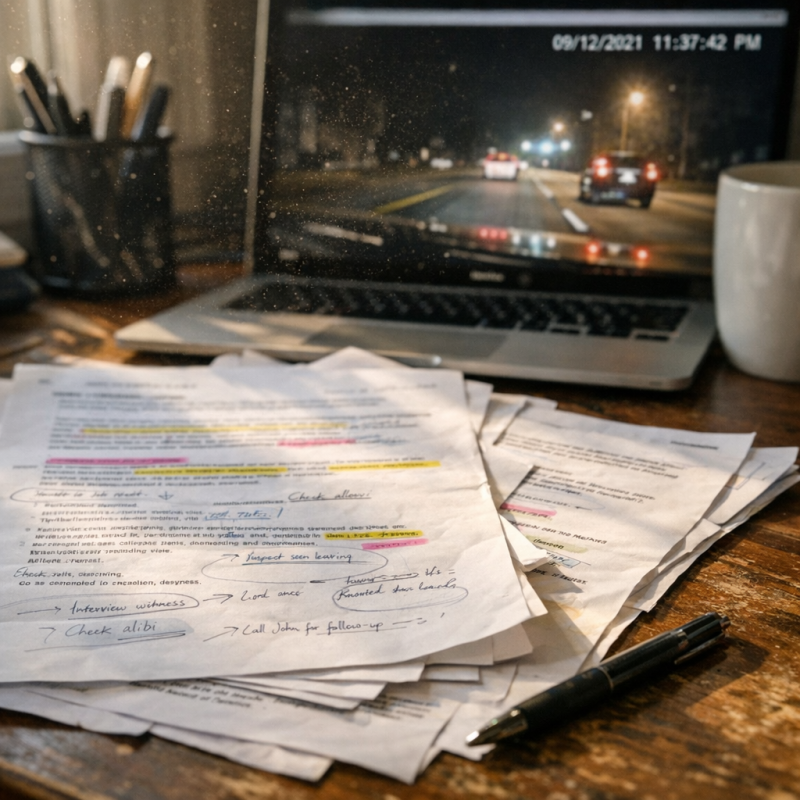 Image by FCT AI
Emma Reyes Reaches Out
The Reddit message came two days later. It was from a user I didn't recognize: u/ReyesInvestigates. The subject line read: 'Re: Your Officer Brennan post.' I opened it expecting another story, maybe another dismissal. Instead, I got something else entirely. 'Hi Alex, my name is Emma Reyes. I'm a freelance investigative journalist working on a piece about traffic enforcement practices in suburban jurisdictions. I came across your post and the responses, and I'd like to talk to you. I've been tracking similar patterns in multiple counties, and I think what happened to you is part of a larger issue. If you're willing to share your experience on the record, I'd appreciate it. If not, I understand—but I think you should know you're not alone in this. And I think you stumbled onto something bigger than you realize.' She left a phone number and an email address. I stared at the message for a long time. Part of me felt vindicated—someone with actual investigative experience thought this mattered. But another part of me felt uneasy. Bigger than I realized? What did that mean? Emma's message ended with: 'I think you stumbled onto something bigger than a bad cop—call me.'
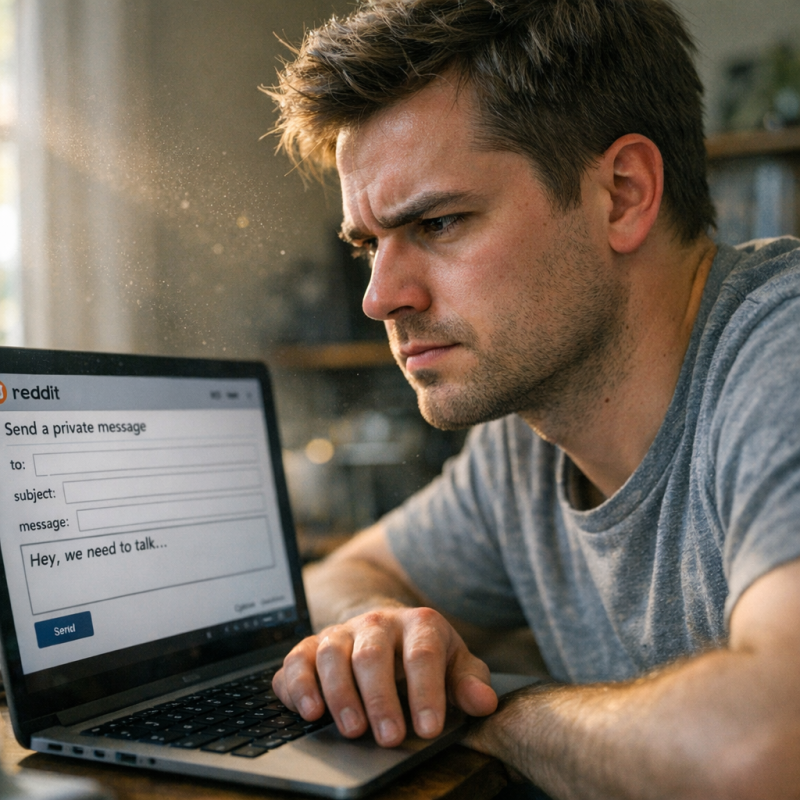 Image by FCT AI
The Coffee Shop Meeting
I met Emma at a coffee shop near the courthouse three days later. She was younger than I expected, sharp-eyed, dressed like someone who spent a lot of time in public records offices. She shook my hand and ordered an espresso before sitting down across from me. 'Thanks for meeting me,' she said. 'I know this probably feels weird.' I nodded. 'A little, yeah.' She smiled. 'I get it. But I've been working on this story for about six months now, and your post confirmed something I suspected.' She opened her laptop and turned it toward me. On the screen was a map with red dots scattered across four counties. 'Each of these is a dismissed traffic citation involving dashcam evidence. I've tracked over sixty cases so far. Different officers, different towns, but the same pattern.' I leaned forward, scanning the map. Some clusters were denser than others. 'And Officer Brennan?' 'She's one of several,' Emma said. 'But she's notable because she has the highest frequency in a single jurisdiction.' She met my eyes. 'This isn't just one cop having a bad day. This is systematic.' Emma slid a folder across the table and said, 'Officer Brennan isn't the only one doing this—but she's the most prolific.'
 Image by FCT AI
The Dashboard Data
Emma opened the folder and pulled out a printed chart. It was titled 'Dashcam Models in Dismissed Cases.' On the left was a list of camera brands and model numbers. On the right, a count of how many times each appeared in the case files she'd compiled. 'This is what caught my attention,' she said, tapping the page. 'Certain dashcam models show up way more often than you'd expect based on market share.' I scanned the list. The top model had sixteen cases. The second had twelve. The third had nine. My stomach dropped. 'That one,' I said, pointing. 'That's mine.' Emma nodded slowly. 'I thought it might be. It's a popular model, sure—but not that popular. Statistically, this distribution doesn't make sense unless there's some kind of selection bias.' She pulled up another document, this one showing dashcam sales data compared to the case frequency. The correlation was obvious even to me. 'Someone is specifically targeting drivers with these cameras,' she said. 'Or at least, drivers with GPS-enabled dashcams that display speed.' I stared at the numbers, my mind racing. I looked at the chart, and the models were ranked—and mine was number three on the list.
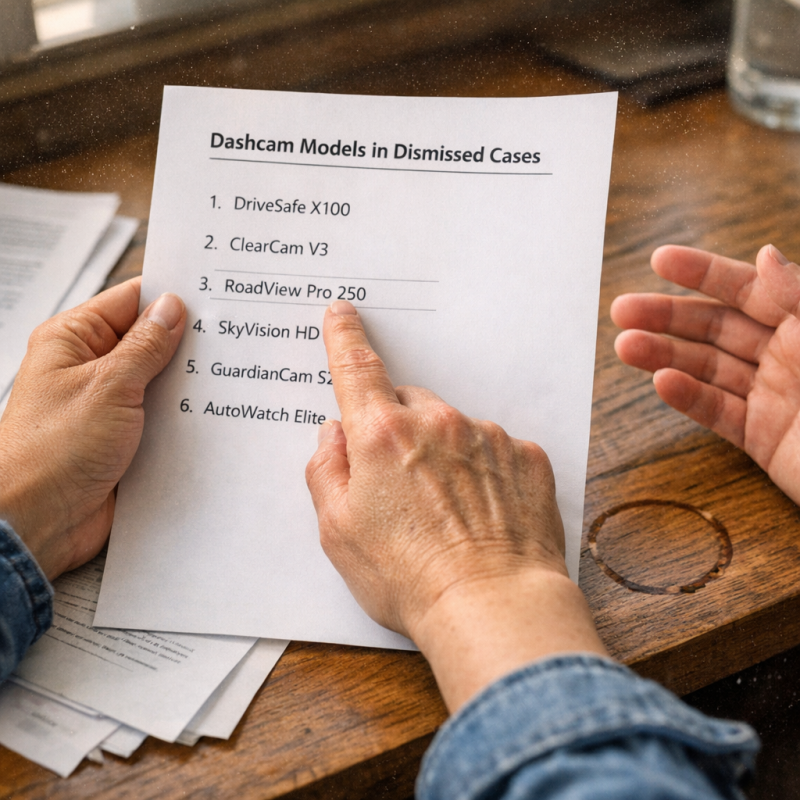 Image by FCT AI
The Missing Motive
We sat there in silence for a moment, both of us staring at the chart. Finally, I said what we were both thinking. 'But why? If they're targeting dashcam users and the cases keep getting dismissed, what's the point? It's not like they're making money off this.' Emma nodded. 'That's the part I can't figure out. Usually, bad enforcement is about revenue—ticket quotas, court costs, whatever. But these cases don't go anywhere. They get dismissed before anyone pays a fine.' She flipped through her notes. 'I thought maybe it was about intimidation, you know? Like, scare people out of using dashcams. But that doesn't track either. The dismissals are public record. If anything, it proves the dashcams work.' I leaned back, frustrated. 'So what, they're just wasting everyone's time for no reason?' 'I don't think it's for no reason,' Emma said quietly. 'I just don't know what the reason is yet.' She looked at me, and I could see the same confusion I felt mirrored in her expression. None of it made sense. Emma tapped her pen against the table and said, 'If it's not about money, then what are they getting out of this?'
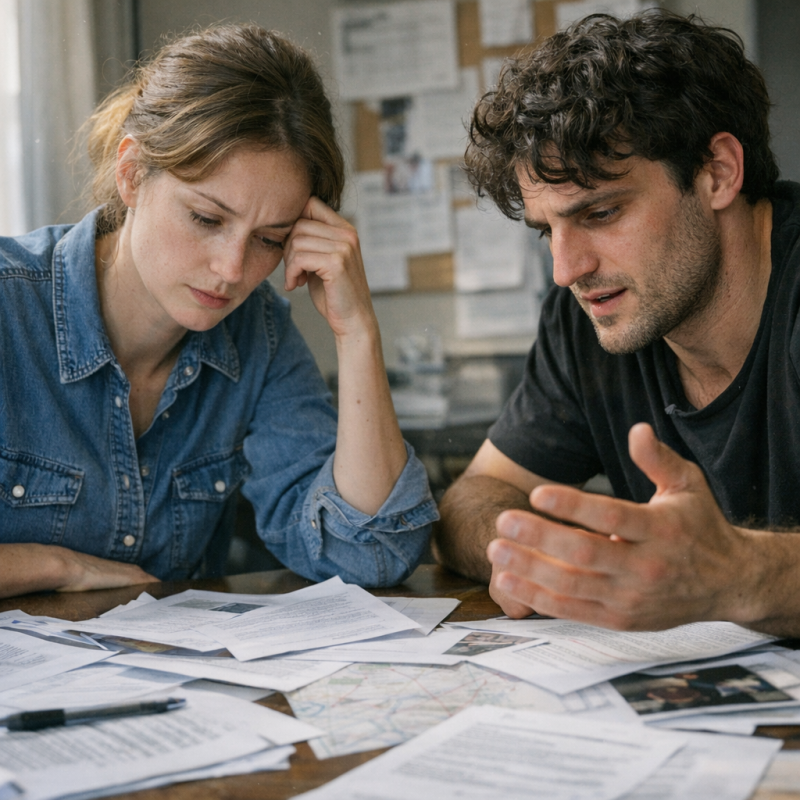 Image by FCT AI
Claire's Concern
That night, Claire found me at the kitchen table again, surrounded by printouts and case files. She didn't say anything at first, just stood in the doorway watching me. When I finally looked up, she sighed. 'You've been at this for two weeks now.' 'I know,' I said. 'But Claire, this is real. It's not just me. It's dozens of people.' She sat down across from me. 'I believe you. I do. But I'm worried about you. You're not sleeping. You're barely eating. You're obsessed with this.' I wanted to argue, but I couldn't. She was right. 'I just—' 'I know,' she said, cutting me off gently. 'You want answers. You want justice. And I get that. But what happens when you find those answers? What if it's bigger than you think? What if it's dangerous?' I hadn't thought about that. Or maybe I had, and I just didn't want to admit it. 'I can't just drop it,' I said. 'Not now.' She reached across the table and took my hand. 'I'm not asking you to. I'm just asking you to be careful.' She touched my hand and said, 'I'm proud of you for fighting back—but I'm scared of what happens if you keep digging.'
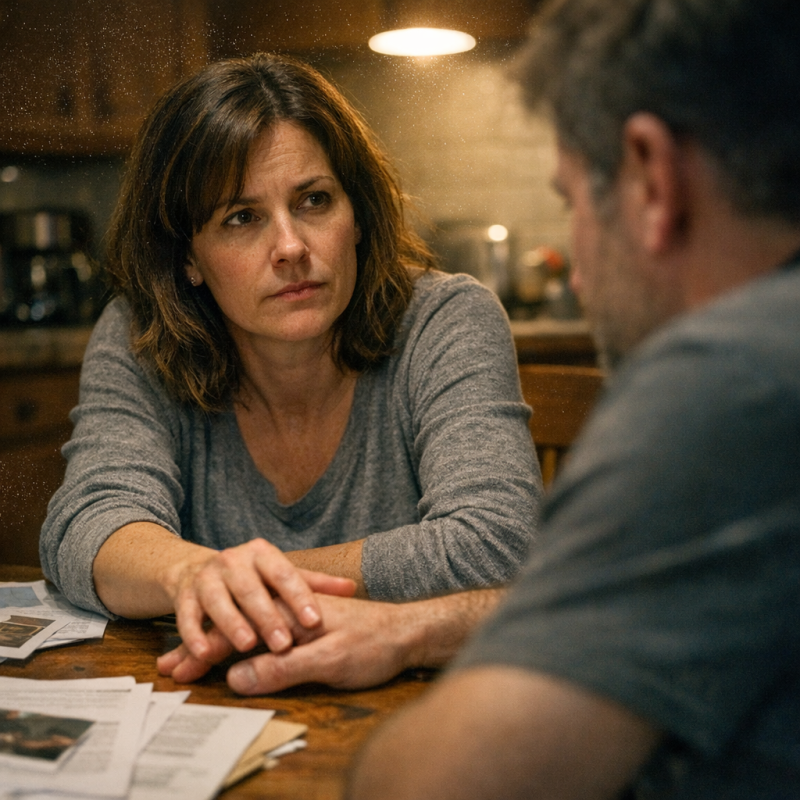 Image by FCT AI
The Forum Post
I'd been searching through old Reddit threads and traffic forums for hours when I found it—a post from two years ago, buried on page seven of a Google search. The title was something like 'Are cops testing dashcam vulnerabilities?' and the original poster laid out this whole theory about how certain officers might be issuing false citations specifically to drivers with visible cameras. They'd noticed patterns in their city, similar to what I was seeing. The post had a dozen replies, mostly people calling them paranoid or telling them to take off the tinfoil hat. But a few commenters said they'd noticed the same thing. The thread went on for maybe thirty posts, getting more detailed, more specific. Then it just stopped. I scrolled to the bottom and saw the moderator tag: 'Thread locked. Further discussion violates community guidelines.' The original poster's username showed as '[deleted]' and their entire post history was gone. But the theory was still there, preserved in quotes from other users who'd replied to them. Someone had tried to connect these dots before, and someone else had shut them down. The post had been locked by moderators, and the original poster's account had been deleted—but the theory was still there, buried and unfinished.
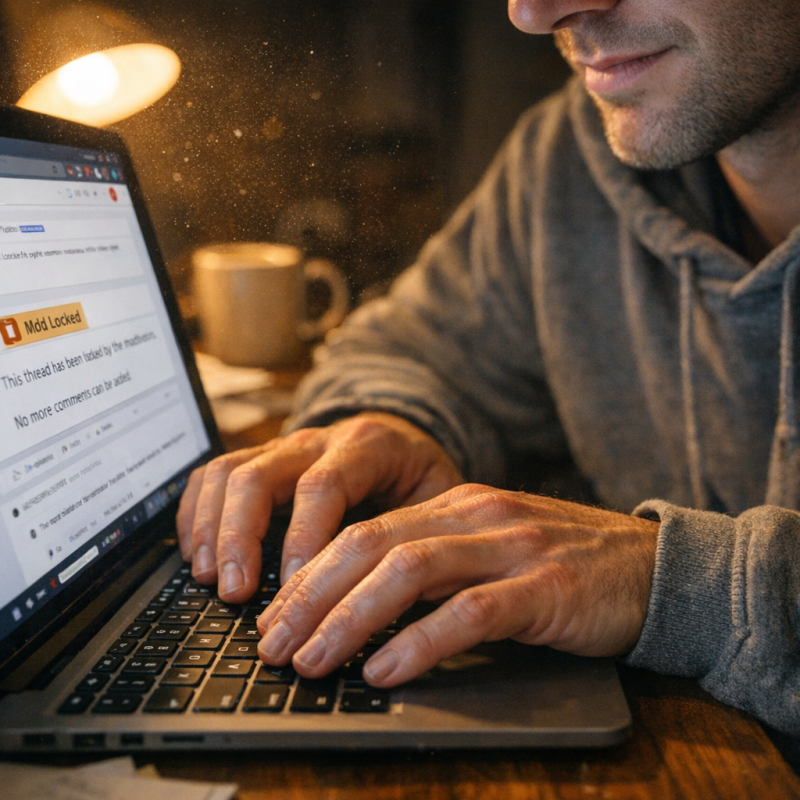 Image by FCT AI
Emma's Source
Emma called me three days after I sent her the forum post. 'I've been looking into this,' she said, 'and I think I found something.' We met at the same coffee shop, and she seemed different this time—more cautious, looking around before she pulled out her laptop. 'I have a source,' she said quietly. 'Inside the department. Someone who's been watching what's happening and doesn't like it.' My heart started pounding. 'They'll talk to us?' 'Off the record,' she said. 'Anonymous only. They won't meet in person, won't confirm their identity, but they said they'd answer questions.' I nodded, trying to process what this meant. Real confirmation. Real evidence. Emma's fingers hovered over her keyboard. 'Before I set this up, you need to understand something. Once we do this, it becomes real. Official. They'll know someone leaked, and they'll start looking for who.' She held my gaze. 'There's no going back from this point.' Emma hesitated before saying, 'But if we do this, there's no going back—they'll know someone leaked.'
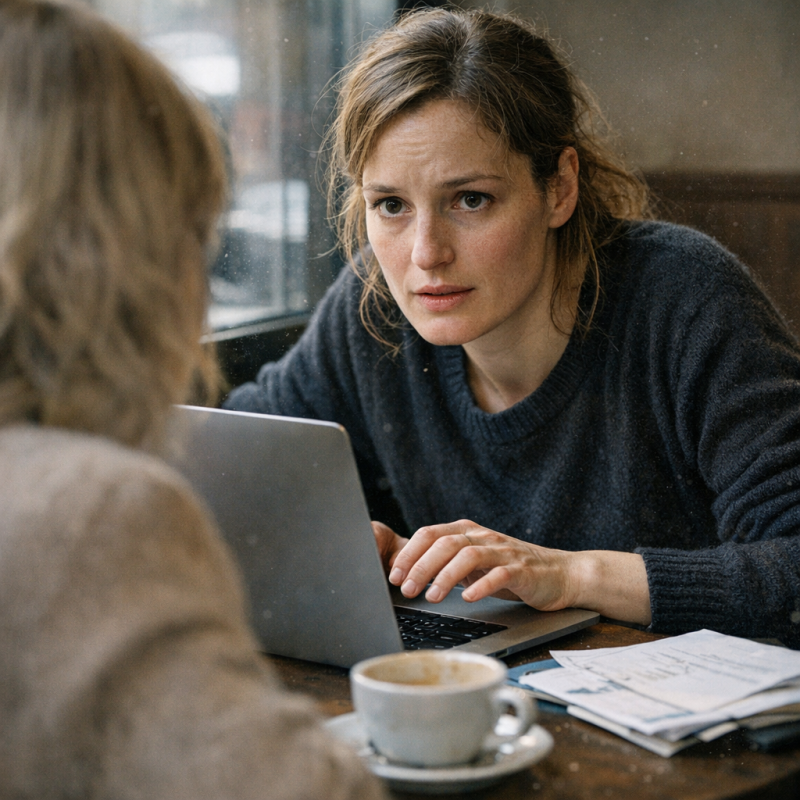 Image by FCT AI
The Anonymous Call
The call came through on a burner app Emma had me download. No video, just audio, and the voice was obviously being disguised—run through some kind of filter that made it sound robotic and flat. 'You're Alex?' the voice asked. 'Yeah,' I said, my hands shaking as I held my phone. 'You had the ticket with Officer Brennan.' 'That's right.' There was a pause, then: 'She's part of a task force. They've been running it for eighteen months now. The goal is to study civilian recording technology—how it works, what models people use, how accurate they are, what kind of evidence they capture.' I felt cold all over. 'Why?' 'That's not something I can get into,' the voice said. 'But I can tell you they're compiling data. Every false citation that gets challenged with dashcam footage goes into a database. Make, model, timestamp accuracy, video quality, GPS precision. You gave them everything they needed when you fought back.' My stomach dropped. The voice on the phone said, 'They're building a list—and you helped them,' then hung up before I could ask what list.
 Image by FCT AI
Rachel's Legal Opinion
I showed up at Rachel's apartment that evening without calling first. She took one look at my face and let me in. I told her everything—the forum post, Emma's source, the anonymous call, the task force, the database. She listened without interrupting, her expression growing more serious with each detail. When I finished, I asked the question that had been eating at me: 'Is what they're doing illegal?' Rachel was quiet for a long moment. 'Technically? No. Not under current law.' I stared at her. 'They're issuing false citations on purpose.' 'I know,' she said. 'And that's legally questionable, sure. But studying civilian recording devices? Compiling data on technology? There's no statute against that. It's information gathering. It's research.' 'It's targeting,' I said. Rachel nodded slowly. 'Ethically, yes. Legally, it exists in a gray area. The law hasn't addressed this scenario yet because it's new. Technology moved faster than legislation.' She looked tired. Rachel sighed and said, 'The law hasn't caught up to this yet—which means they can keep doing it until someone stops them.'
 Image by FCT AI
The Second Victim
I'd saved the username of one of the Reddit commenters who'd described an almost identical experience to mine. Their story had been the most detailed—dashcam visible, false speeding ticket, officer's odd questions about the device, case dismissed when they showed footage. I sent them a private message explaining what I'd learned and asking if they'd be willing to compare notes. They responded within an hour. We moved to a private chat, and I laid out the timeline of my case and what I'd discovered about the task force. They confirmed every detail matched their experience, down to the specific questions the officer had asked about their camera's features. 'That's exactly what happened to me,' they wrote. 'Same weird questions, same dismissal in court.' Then they added something that made my blood run cold. 'But here's the thing—after my case got dismissed, things got worse.' I asked what they meant. The commenter typed back: 'After my case got dismissed, I got three more tickets in six months—all from different officers, all false.'
 Image by FCT AI
The Parking Lot Encounter
I saw her completely by accident. I was at the grocery store near my apartment, loading bags into my car, when I noticed a police cruiser parked a few spots down. Officer Brennan was standing by the entrance, not in uniform—just jeans and a sweater—talking to the door greeter like they were old friends. She was smiling, animated, gesturing with her hands while she told some story. The greeter laughed, and Brennan laughed too, this genuine, warm sound. I watched her walk into the store, saw her wave at a couple of other shoppers, saw her stop to help an elderly man reach something on a high shelf. She was just a person. A normal person doing normal Saturday errands. And that somehow made everything worse. Because I'd been able to think of her as some kind of villain, some calculating antagonist. But watching her interact with strangers, watching her be kind and personable and human, I couldn't hold onto that simple narrative anymore. She laughed at something the cashier said, so casual and human, and I felt a sick twist in my stomach—because it made everything worse, knowing she was just a person doing this on purpose.
 Image by FCT AI
Emma's Draft Article
Emma sent me a draft of her article a week later with a message: 'I want you to read this before I submit it.' I opened the document and started reading. She'd done incredible work—interviews with multiple victims, analysis of citation patterns, quotes from legal experts about the gray areas Rachel had mentioned, even some background on task forces and data collection practices. The writing was sharp, clear, damning. Everything was sourced and verified. She'd built a case that was impossible to ignore. The evidence was all there—the pattern was undeniable. But as I reached the end, I realized something was missing. She'd proven the what and the how, but not the why. Why go to all this trouble? Why build this database? What was the endgame? I read the headline—'Police Departments Weaponize False Citations to Identify Recording Devices'—and asked Emma when she planned to publish it. She said, 'As soon as I can prove why.'
 Image by FCT AI
The Legislation Rumor
Rachel called me two days after I read Emma's draft. 'Have you been following state legislation?' she asked. I hadn't. 'There's something you should know about,' she said. 'I've been hearing rumors through some legal circles—the police union has been lobbying for new restrictions on civilian dashcams.' My chest tightened. 'What kind of restrictions?' 'Admissibility standards, mostly,' Rachel said. 'They're pushing for stricter requirements on what kind of video evidence can be used in court. Calibration standards, certification requirements, things like that. The stated goal is accuracy and reliability.' She paused. 'But the practical effect would be to disqualify most consumer dashcams.' I felt pieces clicking together in my mind, still not quite forming a complete picture. 'When did this start?' I asked. 'About eighteen months ago,' Rachel said. The same timeline as the task force. She invited me over and I drove straight there. Rachel pulled up the proposed bill on her laptop and said, 'If this passes, dashcams with speed displays would be inadmissible in court.'
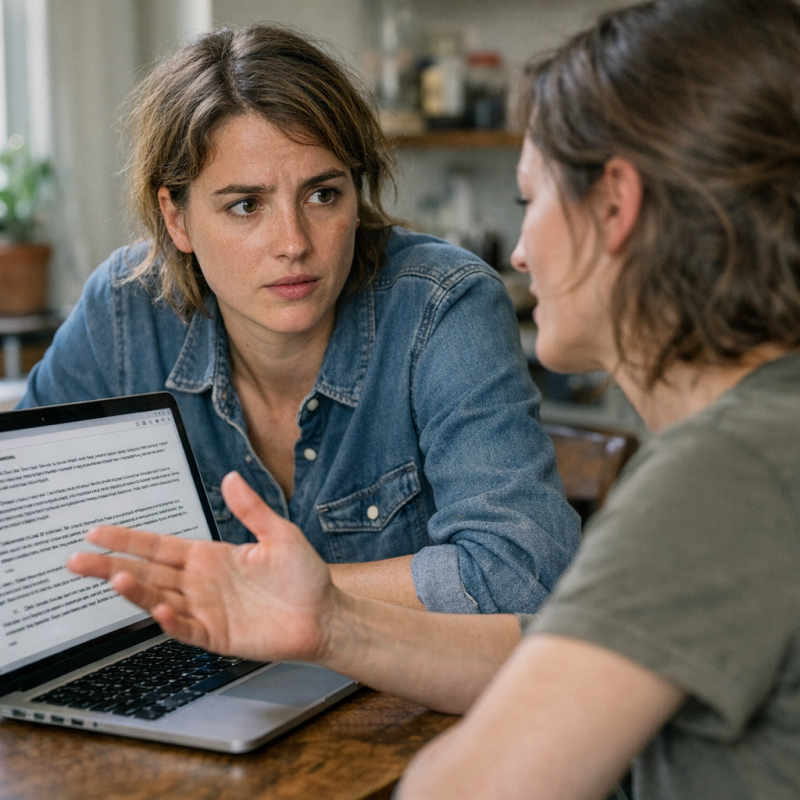 Image by FCT AI
Connecting the Dots
I couldn't sleep that night. Rachel's words kept looping in my head—'eighteen months ago,' the same timeline as the task force. I got up around two in the morning and spread everything across my kitchen table: the memo about the task force, the proposed dashcam legislation, Emma's research on the false citations, my own case file. I stared at it all, and something clicked. What if the false tickets weren't just quota-padding or incompetence? What if they were intentional—a way to figure out who had dashcams with speed displays? Issue a bogus speeding ticket, wait to see who shows up with video evidence, catalog the devices. Build a database of exactly which consumer cameras were being used to challenge police testimony. Then lobby for legislation that would conveniently disqualify those specific models from court. It was elegant, in a twisted way. It explained everything: why Brennan seemed so unbothered when I mentioned my dashcam, why the task force timeline matched the legislation, why there were so many similar cases. But here's the thing—I couldn't prove it. I sat there staring at the evidence spread across my table, and the pieces finally started to come together—but I still couldn't prove it.
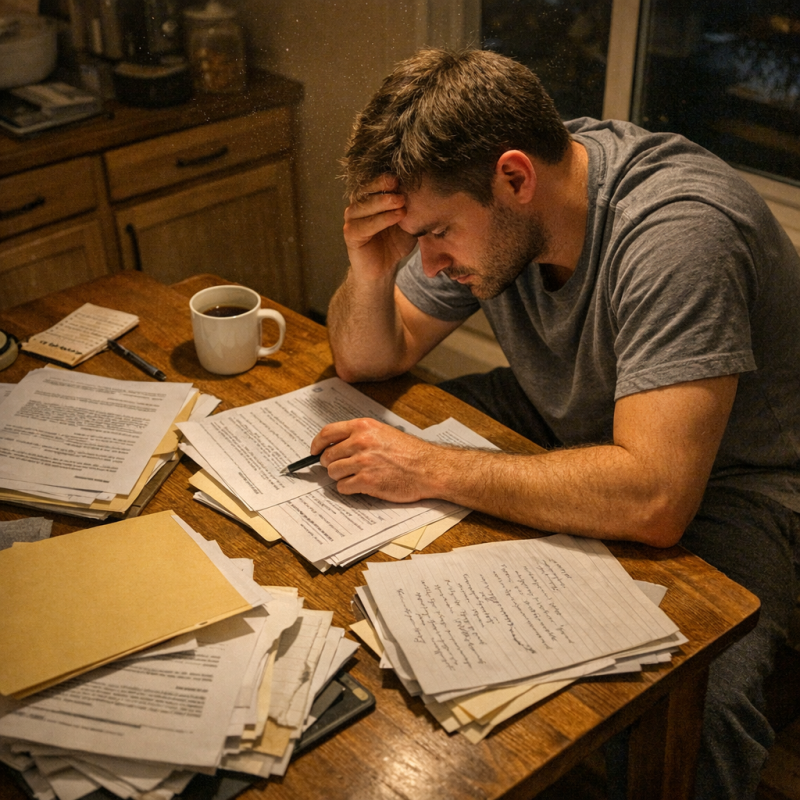 Image by FCT AI
Emma's Breakthrough
Emma called me the next morning, and I could hear the tension in her voice before she even said hello. 'Alex, my source came through,' she said. 'I have something.' I felt my pulse quicken. 'What is it?' 'An internal memo,' she said. 'From the task force. It outlines their objectives—all of them.' I gripped my phone tighter. 'Can you send it to me?' 'I'm looking at it right now,' Emma said, and I heard papers rustling. 'Alex, this is it. This proves everything. The data collection, the legislative push, the coordination between departments—it's all here in black and white.' My hands were shaking. 'How detailed is it?' 'Detailed enough,' she said. 'It's bureaucratic language, but once you know what you're looking for, it's unmistakable. They're documenting which dashcam models are being used against them in court. They're building a profile.' She paused. 'I'm forwarding it to you now, but Alex—we need to be careful with this. If it gets out that we have it before we're ready, they'll find a way to discredit it.' Emma's hands were shaking as she forwarded the memo to me, and her text read: 'This is it. This is the proof.'
 Image by FCT AI
The Memo
I opened Emma's email on my laptop, heart pounding. The memo was dated fourteen months ago, from someone named Deputy Chief Harlan to the Traffic Enforcement Task Force leads. The subject line read: 'Re: Civilian Recording Device Documentation Protocol.' I started reading. It was dry, bureaucratic language—the kind of thing that could put you to sleep if you didn't know what you were looking at. The first two paragraphs discussed 'evidentiary challenges posed by uncalibrated civilian recording equipment' and 'the need for standardized documentation procedures.' Standard cop-speak justification. But then I got to the third paragraph, and my chest tightened. 'Task force members are instructed to document make, model, and technical specifications of any civilian recording devices presented as evidence in contested citations. This data will inform potential legislative countermeasures to ensure evidentiary reliability standards.' There it was. Legislative countermeasures. They weren't just documenting dashcams—they were building a target list for legislation designed to disqualify them. The memo was clinical, bureaucratic, almost boring—but buried in the third paragraph was a phrase that made my blood run cold: 'legislative countermeasures.'
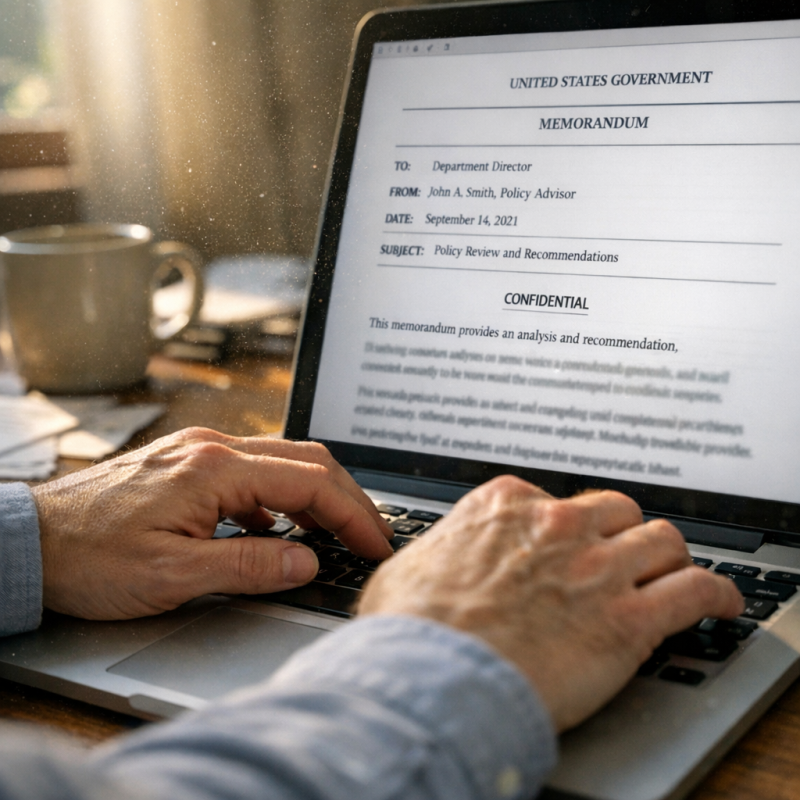 Image by FCT AI
Marcus Finally Believes
I called Marcus that afternoon and asked him to meet me at a coffee shop near his office. When he arrived, I slid my laptop across the table without saying anything. 'What's this?' he asked. 'Just read it,' I said. I watched his face as his eyes moved down the screen. At first, he looked skeptical, the same expression he'd worn every other time I'd tried to explain this to him. But then his expression changed. His eyebrows drew together. He scrolled back up, re-read a section, then kept going. When he finished, he looked up at me with something I'd never seen from him before—belief. 'This is real,' he said quietly. 'This is actually real.' I nodded. 'I told you.' Marcus rubbed his face with both hands. 'Man, I thought you were being paranoid. I thought you were reading too much into it, connecting dots that weren't there.' He looked genuinely upset with himself. 'I'm sorry I didn't believe you. I should've taken this seriously from the start.' I felt a weird mix of vindication and dread. Marcus set down his coffee and said quietly, 'Man, I thought you were being paranoid—I'm sorry I didn't believe you.'
 Image by FCT AI
Claire's Fear
I showed Claire the memo that evening. She read it twice, standing in our kitchen, her face getting paler with each paragraph. When she finished, she set my laptop down carefully, like it might explode. 'Alex,' she said, 'this is bigger than a traffic ticket.' 'I know,' I said. She shook her head. 'No, I don't think you do. This isn't just about proving you were right. This is about taking on an entire system—police departments, unions, legislators. People with power and resources.' 'Emma's going to publish it,' I said. 'She's a journalist. This is what she does.' Claire's eyes filled with tears. 'And what are you? You're a guy with a dashcam who got a speeding ticket. You've already won your case. You don't have to do this.' 'But they're still doing it to other people,' I said. 'I can't just—' 'Yes, you can,' Claire interrupted. 'You can let Emma handle it. You can step back. You can protect yourself.' She moved closer, holding my face in both hands. She held my face in her hands and said, 'I love you, but I can't watch you destroy yourself over this—please, just let Emma handle it.'
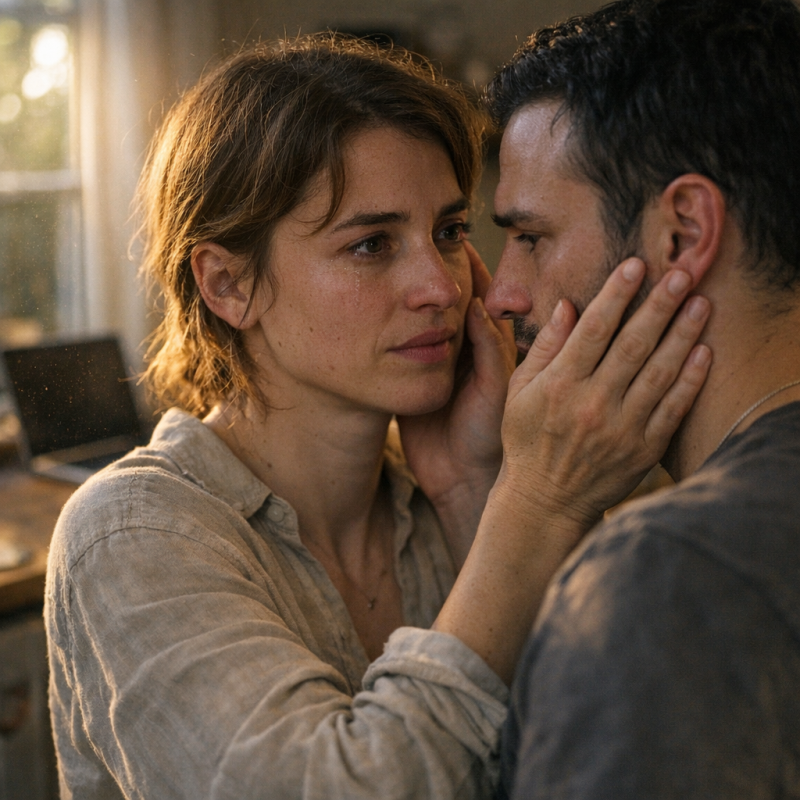 Image by FCT AI
Emma's Plan
Emma came over two days later with a detailed plan. We sat at my kitchen table—the same table where I'd first connected the dots—and she laid it out. 'We publish the article and file a formal complaint with internal affairs at the same time,' she said. 'The article creates public pressure and makes it harder for them to bury the complaint. The complaint creates an official record that the article can reference.' I nodded slowly. 'What about your source? Can they be traced?' 'I've taken precautions,' Emma said. 'But there's always risk. For both of us.' She looked at me directly. 'Once this goes live, you're going to be named. People are going to know you're involved. There could be retaliation—professional, legal, personal. Are you ready for that?' I thought about Claire's plea, about Marcus's apology, about Rachel's warnings. I thought about Brennan's smug face in court and all the other people getting tickets they didn't deserve. 'Yeah,' I said. 'I'm ready.' Emma nodded grimly. Emma said, 'If we do this right, we can force them into the open—but if we mess it up, they'll bury us.'
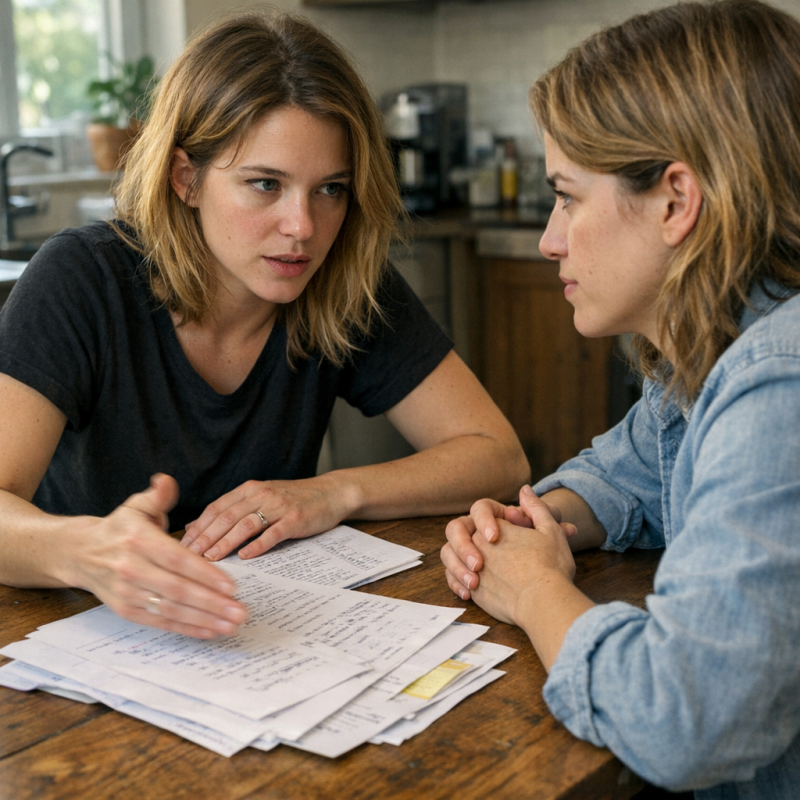 Image by FCT AI
The Night Before
The night before the article was set to publish, I couldn't sleep. I lay in bed next to Claire, staring at the ceiling, replaying everything in my head. The traffic stop. Brennan's casual confidence when she handed me the ticket. The courtroom, her confused face when I asked about calibration. Rachel's warnings about the legislation. Emma's investigation. The memo. Every single moment that had led me here. What if I was wrong? What if the memo didn't mean what I thought it meant? What if there was some reasonable explanation I hadn't considered? Emma had seemed certain, but what if we were both seeing patterns that weren't really there? I thought about Claire sleeping next to me, about the fear in her eyes when she'd begged me to walk away. I thought about my job, my reputation, my life. At three in the morning, I got up and reread the memo one more time on my phone, standing in the bathroom with the lights off. The words were the same. 'Legislative countermeasures.' I lay awake wondering if I'd gotten it all right—or if I was about to make the biggest mistake of my life.
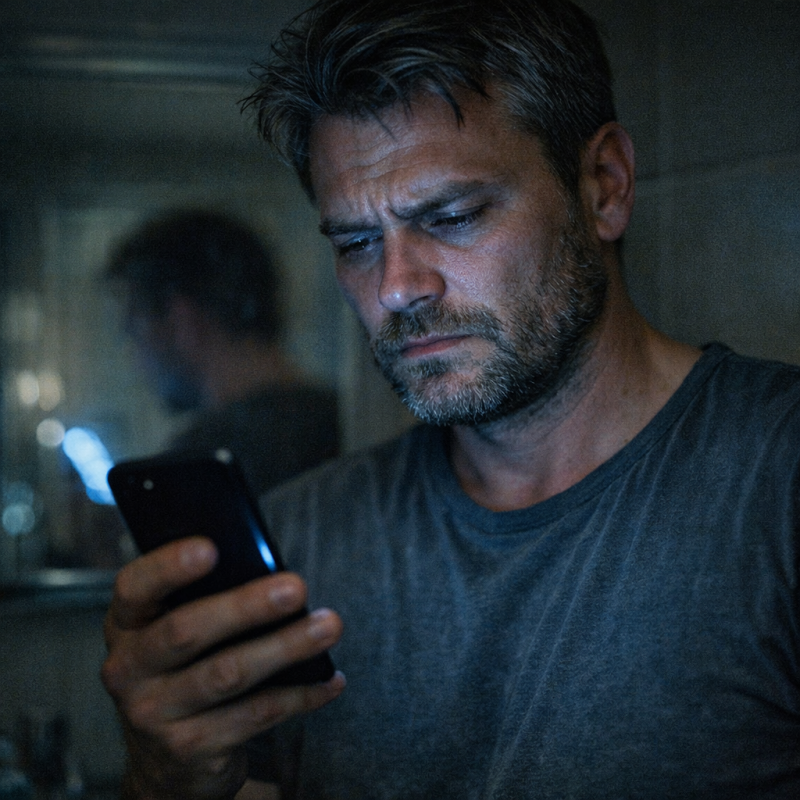 Image by FCT AI
The Truth Revealed
Emma's article went live at six in the morning. The headline read: 'Traffic Stops as Surveillance: How Police Built a Database to Target Dashcam Users.' I read it on my phone before I even got out of bed. Emma had laid it all out methodically—the task force, the false citations, the memo, the proposed legislation. The core revelation was right there in the third paragraph: Officer Brennan and others had been systematically issuing false speeding tickets to drivers, specifically to identify who had dashcams with speed displays. When drivers contested the tickets with video evidence, their camera models were documented and cataloged. That database was then used to lobby for legislation that would conveniently disqualify those exact devices from being admissible in court. It was a scheme to neutralize civilian oversight, dressed up as a concern for evidentiary standards. By noon, Officer Brennan had been placed on administrative leave pending investigation. By two, the police union had issued a statement calling the article 'reckless speculation.' By four, Emma called to tell me her editor was fielding calls from three other jurisdictions where similar programs had been identified. The article went live at 6 a.m., and by noon, Officer Brennan had been placed on administrative leave—but the program she'd helped build was still running in twelve other jurisdictions.
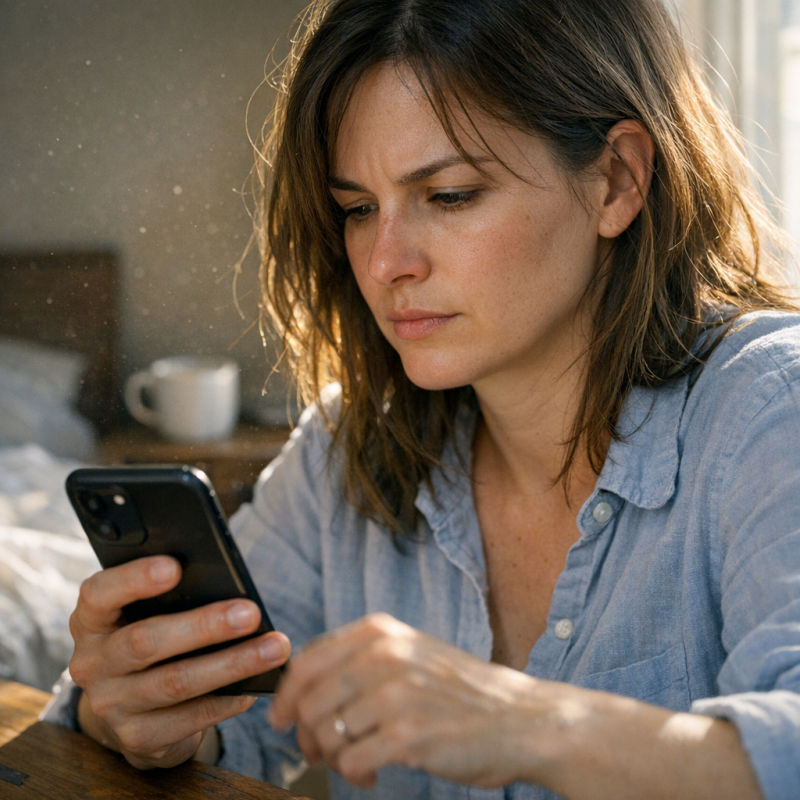 Image by FCT AI
Internal Affairs Calls
Officer Kim called me three days after Emma's article dropped. Her voice was professional, measured—the kind of tone you use when you're following a script. She introduced herself as the lead investigator for the internal affairs division and said she wanted to meet with me to discuss my 'experience with the traffic enforcement task force.' I agreed to meet at a coffee shop downtown, neutral territory. When she arrived, she looked exactly like what I expected: crisp uniform, notepad, the kind of steady gaze that made you feel like everything you said was being filed away. She asked methodical questions—dates, times, Officer Brennan's exact words. I walked her through everything, from the initial stop to the court hearing to the memo. She took notes the entire time, nodding occasionally. When I finished, she closed her notebook and said, 'We take allegations like this seriously.' I wanted to believe her. I really did. But there was something in the way she said it—something flat, procedural—that made me think 'seriously' was just another word on a form she'd fill out later. Officer Kim said, 'We take allegations like this seriously,' but her tone made me wonder if 'seriously' meant the same thing to her as it did to me.
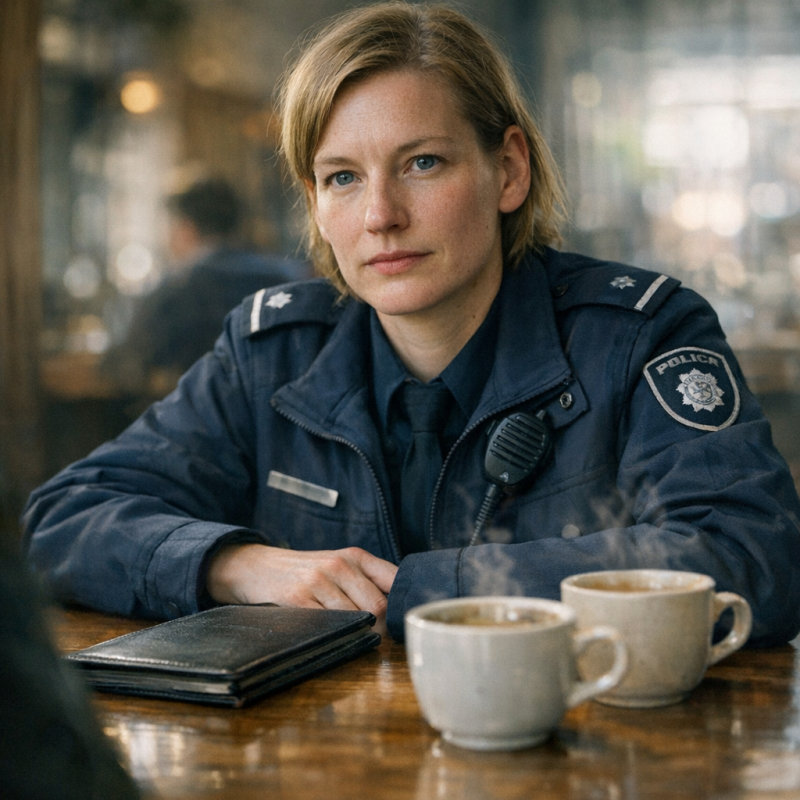 Image by FCT AI
The Media Storm
By the end of the week, Emma's article had been picked up by national outlets. I saw it on CNN during my lunch break, then on NPR during my commute home. The story had morphed into something bigger than my speeding ticket—it was about police overreach, civilian surveillance, the erosion of accountability. Pundits debated it on cable news. Legal analysts dissected the memo on talk shows. Someone even turned it into a Twitter thread that went viral. My phone buzzed constantly with messages from people I hadn't talked to in years, all wanting to know if it was really me in the article. Claire asked if I was okay with all the attention. I told her I was fine, but honestly, I wasn't sure. The whole thing felt surreal—like I was watching someone else's story unfold on screen, not my own. I'd gone from being a guy who got a speeding ticket to being a case study in systemic abuse. It was disorienting, like stepping outside yourself and realizing you're not the protagonist anymore—you're just a data point. I watched the news coverage from my couch, and it felt surreal—like I was watching someone else's story, not my own.
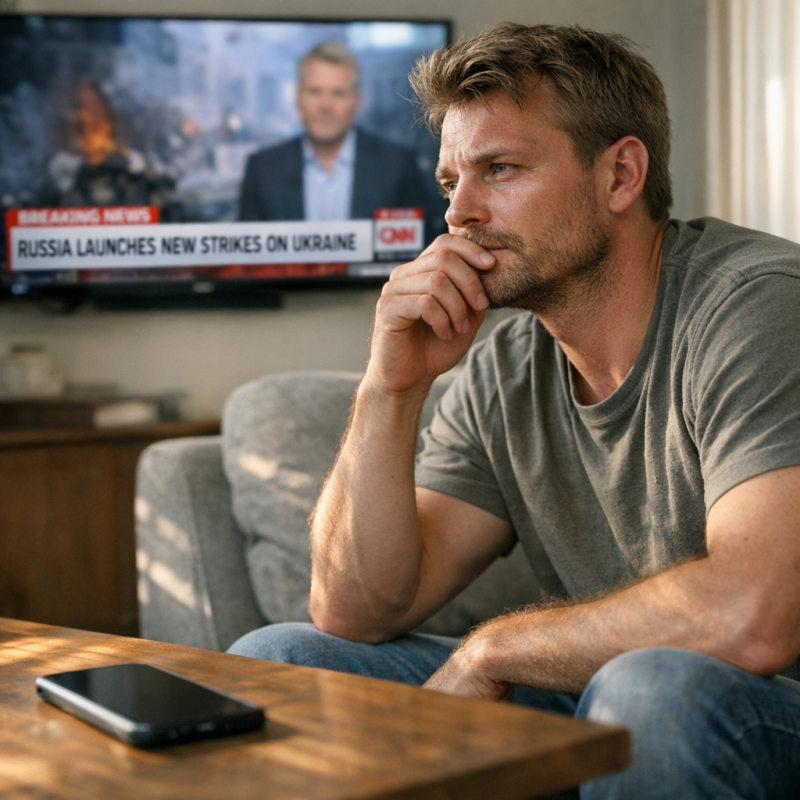 Image by FCT AI
The Hearing Announcement
Two weeks later, a state legislative committee announced hearings on civilian dashcam regulations and police accountability. The announcement came through a press release that Emma forwarded to me with the subject line: 'This is what we wanted.' The committee chair—a representative I'd never heard of—issued a statement saying they would 'examine the allegations raised in recent reporting and consider reforms to protect the rights of citizens while maintaining evidentiary standards.' It was the kind of vague political language that could mean anything or nothing. Then Emma sent me another email, this one with just a question mark in the subject line. The body contained a forwarded invitation from the committee's clerk, requesting my presence as a witness. They wanted me to testify. They wanted me to stand in front of a panel of legislators and cameras and recount the entire ordeal. I stared at the email for a long time, my stomach twisting. This wasn't just about me anymore—it was about setting a precedent, about making noise loud enough that they couldn't ignore it. But it also meant putting myself out there in a way I'd never done before. The committee chair invited 'affected parties' to testify—and Emma forwarded me the invitation with a question mark.
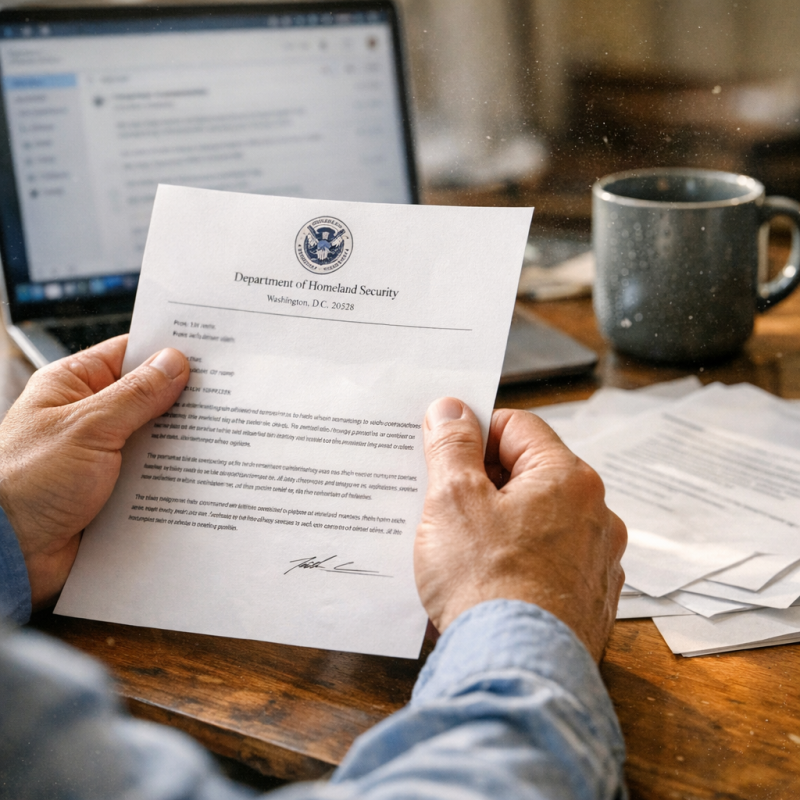 Image by FCT AI
Claire's Ultimatum
That night, I told Claire about the invitation. We were sitting on the couch, the TV on mute in the background. She listened quietly while I explained what the committee wanted, what testifying would mean. When I finished, she didn't say anything for a long time. Then she set down her wine glass and turned to face me. 'Alex,' she said, 'I need you to really think about this.' Her voice was calm, but there was an edge to it I hadn't heard before. 'This has already taken over our lives. The calls, the reporters, the stress. If you testify, it's going to get worse. You'll be the face of this thing. You'll be in the news cycle for months.' I nodded. I knew she was right. 'I love you,' she said, 'but I don't know if I can do this with you. I don't know if we can survive it.' She didn't say she'd leave. She didn't give me an ultimatum, not exactly. But the way she looked at me—tired, scared, already halfway out the door—told me everything I needed to know. She didn't say she'd leave—but the silence after her words felt like a door closing.
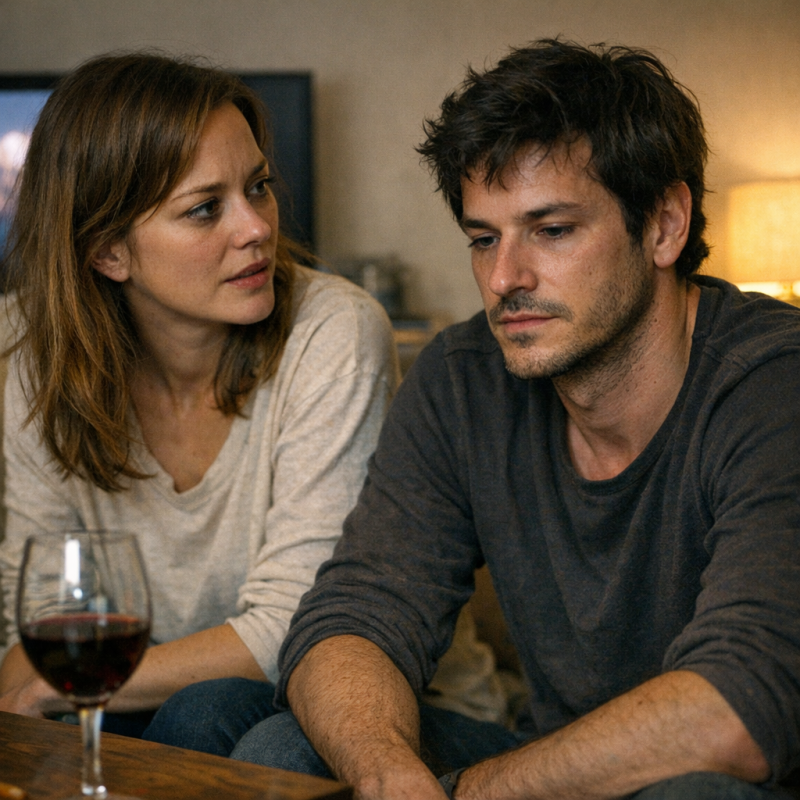 Image by FCT AI
Rachel's Encouragement
I went to Rachel's house the next morning, needing someone who'd tell me what to do. She made coffee and listened while I laid it all out—the invitation, Claire's reaction, the choice I was facing. When I finished, Rachel leaned back in her chair and sighed. 'You want me to tell you not to do it,' she said. 'You want me to give you permission to walk away.' I didn't answer, because she was right. 'I can't do that,' she continued. 'You know what the right thing is here. You've known since the moment you got that ticket. This isn't about the law anymore—it's about whether you're willing to stand up when it costs you something.' I felt my chest tighten. 'But Claire—' 'I know,' Rachel said gently. 'And I'm not going to tell you she's wrong for feeling how she feels. This is hard on her, too. But Alex, some fights are worth losing everything for. The question is whether this is one of them.' She stood and squeezed my shoulder. 'Only you can decide that.' Rachel squeezed my shoulder and said, 'Some fights are worth losing everything for—but only you can decide if this is one of them.'
 Image by FCT AI
The Decision to Testify
I sat in my apartment that night, staring at the confirmation email on my laptop screen. Claire was at her sister's place—she'd said she needed space to think, and I didn't blame her. The cursor blinked in the reply box, waiting for me to type something. I thought about what Rachel had said, about fights worth losing everything for. I thought about the memo, about Officer Brennan's smug certainty that she'd get away with it, about all the other people who'd been targeted and didn't have the resources or the stubbornness to fight back. I thought about Claire, about the life we'd built together, about the possibility that choosing this would mean losing her. It wasn't fair. None of it was fair. But fairness had stopped being the point a long time ago. I typed the confirmation—three sentences, polite and professional—and hit send before I could change my mind. The email whooshed away, and the screen went dark. I sat there in the silence, alone in my apartment, and let the weight of it settle over me. I sent the confirmation email, then sat alone in the dark, wondering if doing the right thing was supposed to feel this much like losing.
 Image by FCT AI
The Testimony
The hearing room was smaller than I expected, but the cameras made it feel enormous. I sat at a table facing the committee—five legislators arranged in a semicircle, their nameplates gleaming under the lights. The chair thanked me for coming and asked me to recount my experience. So I did. I started with the traffic stop, the ticket for a speed I hadn't been going, the confusion and frustration. I talked about the court hearing, Officer Brennan's question about my dashcam, the way she'd dismissed my evidence. Then I talked about the memo, the task force, the systematic targeting of drivers with recording devices. I kept my voice steady, my tone factual. I didn't editorialize. I didn't need to—the facts spoke for themselves. When I finished, the room was quiet. The committee chair leaned forward and said, 'Thank you for your courage in coming forward today.' I nodded, but the word felt wrong. Courage implied some kind of triumph, some sense of righteousness. I didn't feel any of that. I just felt tired, hollowed out, like I'd spent everything I had and wasn't sure what was left. When I finished, the committee chair thanked me for my 'courage'—but I didn't feel courageous; I felt exhausted.
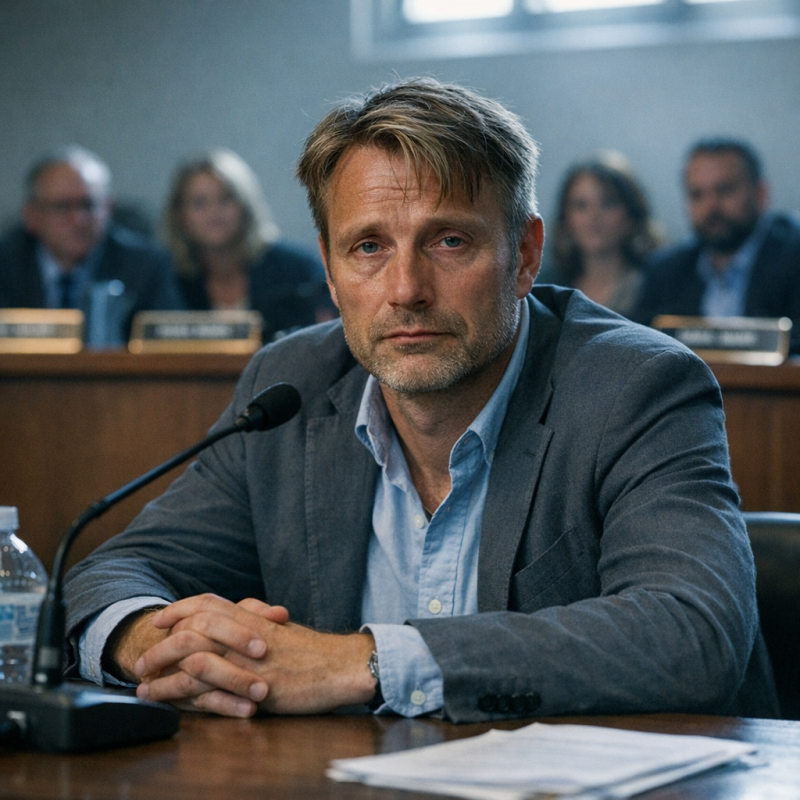 Image by FCT AI
Brennan's Response
Officer Brennan's statement came out the next day. It was released through the police union's PR firm—three paragraphs of carefully crafted denial. She claimed she'd been following departmental protocols, that the task force was a legitimate effort to improve evidentiary standards, that any suggestion of wrongdoing was 'unfounded and politically motivated.' She didn't address the memo directly. She didn't explain why drivers had been targeted or why their camera information had been cataloged. She just denied, deflected, and wrapped herself in the language of procedure and policy. The statement was polished, lawyered, and completely unrepentant. I read it on my phone while sitting in my car outside the hearing building. Part of me had expected something different—an apology, maybe, or at least an acknowledgment of what had actually happened. But I knew better by now. This was how the system worked. People like Officer Brennan didn't admit fault; they circled the wagons and waited for the news cycle to move on. And somehow, that didn't surprise me anymore. It should have made me angry, but instead, I just felt a weary kind of acceptance. Her statement was polished, lawyered, and completely unrepentant—and somehow, that didn't surprise me anymore.
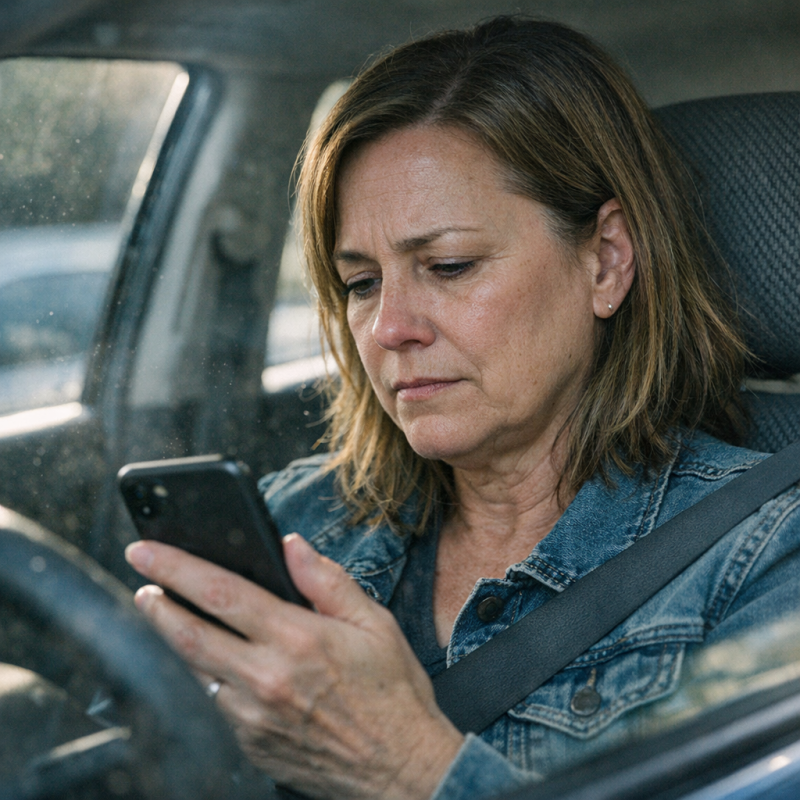 Image by FCT AI
The Committee's Recommendation
The legislative committee released their recommendations two weeks after the hearings wrapped up. I sat in Emma's rental car outside the statehouse, both of us reading the PDF on her laptop. They'd proposed new transparency requirements—mandatory disclosure of enforcement tactics, public reporting of citation quotas, oversight panels for specialized units. On paper, it looked impressive. But nowhere in those twelve pages did they actually shut down Officer Brennan's program. Nowhere did they ban the practice that had started all of this. They just added rules around it, conditions, reporting requirements. Emma scrolled through the document slowly, her expression carefully neutral. 'It's a start,' she said finally. 'Better than nothing.' I stared at the screen, trying to feel something like victory. But all I could think about was how many drivers would still get targeted, still get cataloged, still have their footage analyzed and their routes studied—just with better paperwork this time. The reforms would help, sure. But they didn't undo what had been done or prevent it from happening again under a different name. Emma called it a 'partial victory,' but it felt more like a compromise with something that should never have existed in the first place.
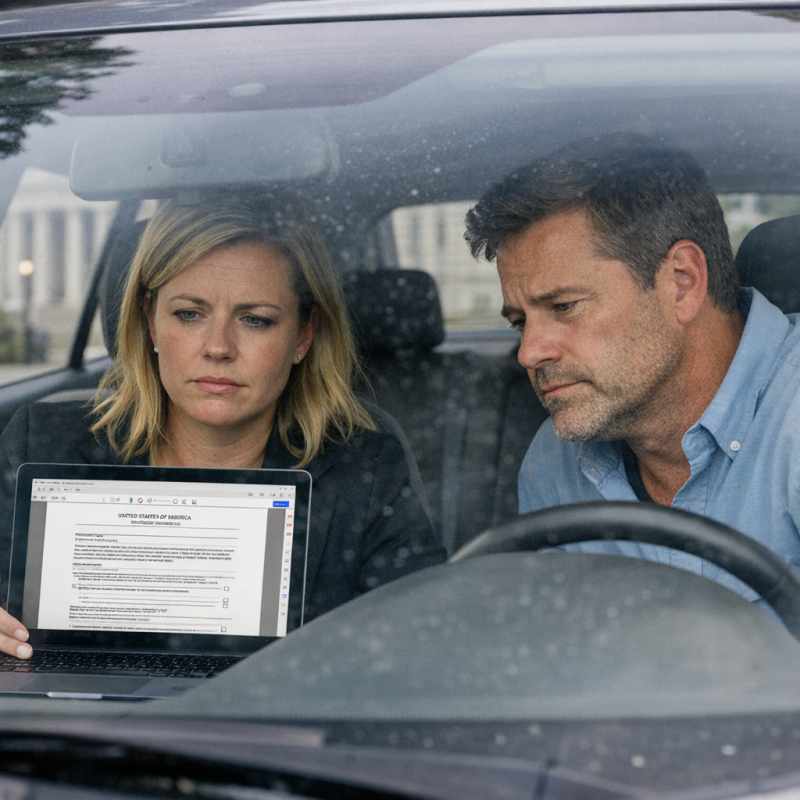 Image by FCT AI
Returning Home
I got home late that evening, exhausted in a way that had nothing to do with the drive. The apartment was quiet when I walked in. Too quiet. I called Claire's name, but I already knew she wasn't there—you can feel that kind of absence the moment you step through the door. Her weekend bag was gone from the closet. Her toothbrush was missing from the bathroom. On the kitchen counter, held down by the salt shaker, was a folded piece of notebook paper with my name written on the front in her handwriting. I sat down before I opened it. The note was short. She said she needed some space to think, that she'd gone to stay with her sister for a while. She didn't say when she'd be back. She didn't say if she'd be back. She wrote that she loved me, that she was proud of what I'd done, but that she couldn't keep living in the middle of it anymore—the stress, the uncertainty, the constant looking over our shoulders. She needed to figure out what she wanted. I read it three times, then folded it back up and set it down exactly where I'd found it. The note said she needed time to think—and I couldn't blame her, because I didn't know if I'd made the right choice either.
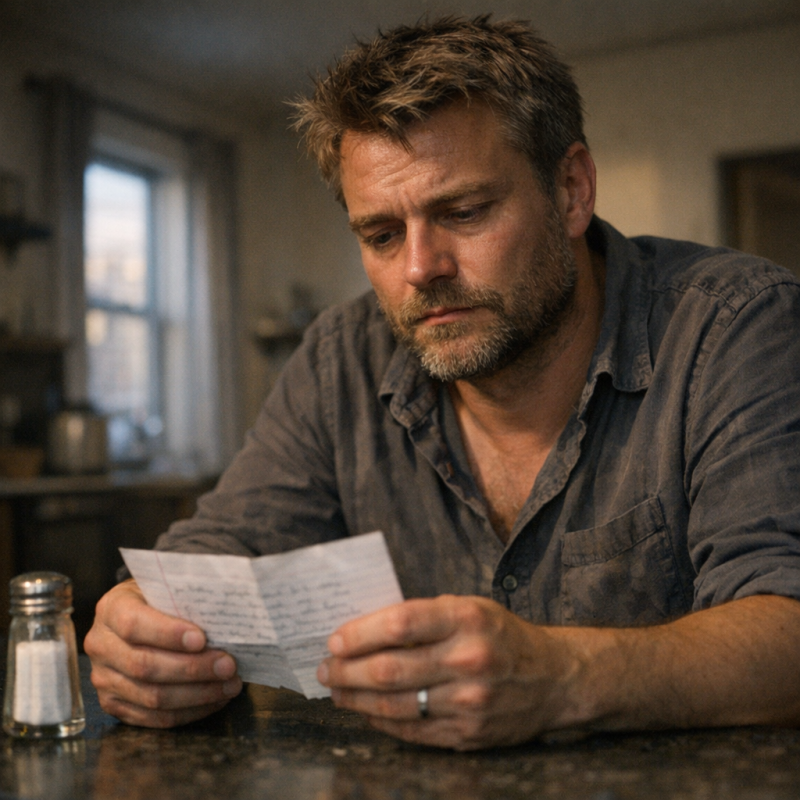 Image by FCT AI
The Aftermath
The messages started coming about three weeks later. At first, it was just a handful—emails forwarded through Emma, comments on the news articles, a few direct messages on social media from people I'd never met. They all said basically the same thing: thank you. Thank you for not backing down. Thank you for exposing what was happening. One guy told me he'd been fighting a similar ticket for months and finally got it dismissed after his lawyer referenced my case. A woman wrote that she'd installed a dashcam in her car after reading about the task force. Another driver said he'd filed a complaint about being pulled over twice in the same week on the same road, and now the department was actually investigating it. I didn't know what to do with any of it. I'd never set out to be some kind of advocate or whistleblower—I just wanted my ticket thrown out. But apparently, it had mattered to people. It had changed things, even if just a little. One message stood out, though. It came from a dad in the suburbs. 'My daughter just got her license, and because of you, I know what to watch for now. Thank you.'
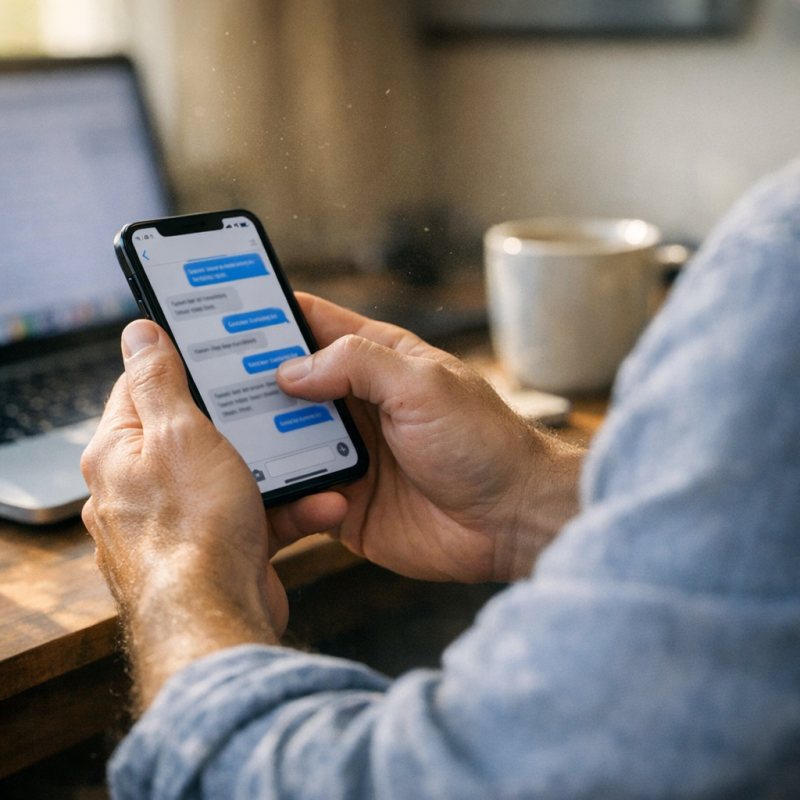 Image by FCT AI
A New Normal
Life didn't go back to normal—it settled into something new instead. Claire came back after five weeks, and we talked for hours, the kind of raw, difficult conversation you can't avoid forever. We're still figuring it out, but we're trying. I still drive the same route to work every day, still check my speed obsessively even though the limit signs are clear now. The dashcam is still running, always. I got a small promotion at work, nothing major, but it felt like a sign that maybe things were leveling out. Emma's articles won some kind of journalism award, and she sent me a photo of the plaque with a message: 'This one's yours too.' I framed it, even though I'm not sure why. Sometimes I'll see a cop car in my rearview mirror and my stomach still drops for a second—but then I remember the memo, the hearing, the committee's recommendations. I remember that I didn't back down when it mattered. I still check my speed obsessively, and I still have the dashcam running—but now, when I see those flashing lights in my rearview mirror, I'm not afraid anymore. I'm ready.
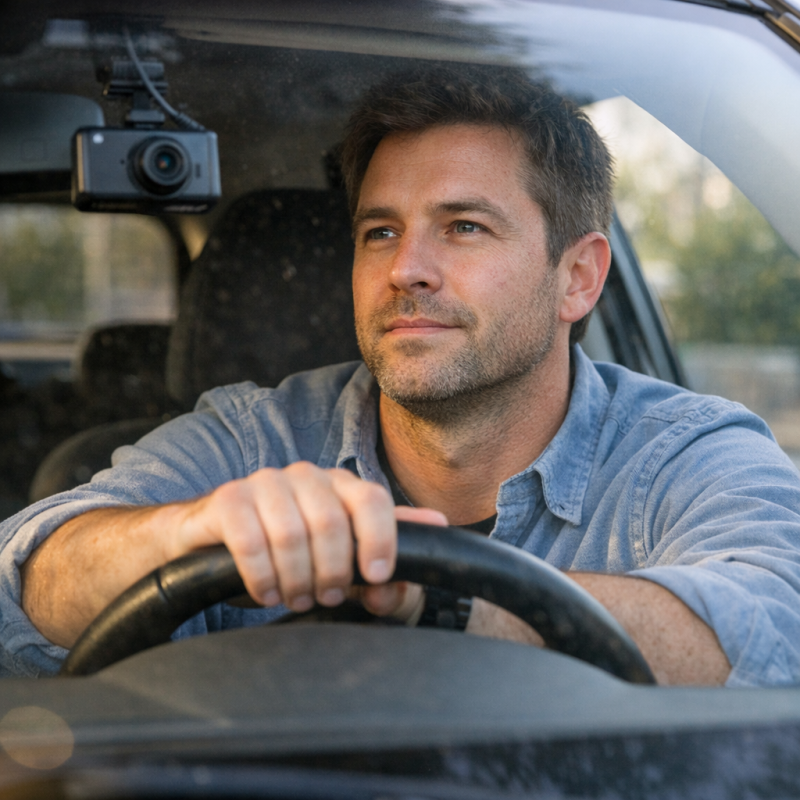 Image by FCT AI