
Running your hand over freshly shaved skin can feel like a surprise. A day or two later, those short stubbly points feel rougher and sharper, and the regrowth looks darker at first glance. It’s easy to assume the razor somehow “woke up” stronger hair. But the biology behind that sensation tells a very different story—one that helps you understand your skin and hair far better than old bathroom myths ever did.
Why Stubble Plays Tricks On Your Eyes And Fingers
Shaving slices each hair straight across, leaving a flat, blunt tip. When that tip grows out, it feels coarse because you’re touching a cut surface instead of a naturally tapered point. That edge catches light differently, too, which makes the regrowth appear thicker even though the diameter never changed at all.
Skin adds to the illusion. As those blunt tips push through the surface, they feel prickly. That prickliness disappears once the strands lengthen and regain their normal flexibility. In clinics, dermatologists see this pattern every day: the texture of early growth creates the illusion of increased thickness, but the hair itself is identical from root to tip.
Once you understand how the cut changes the way hair feels, the next question becomes more interesting—does any grooming method actually influence growth?
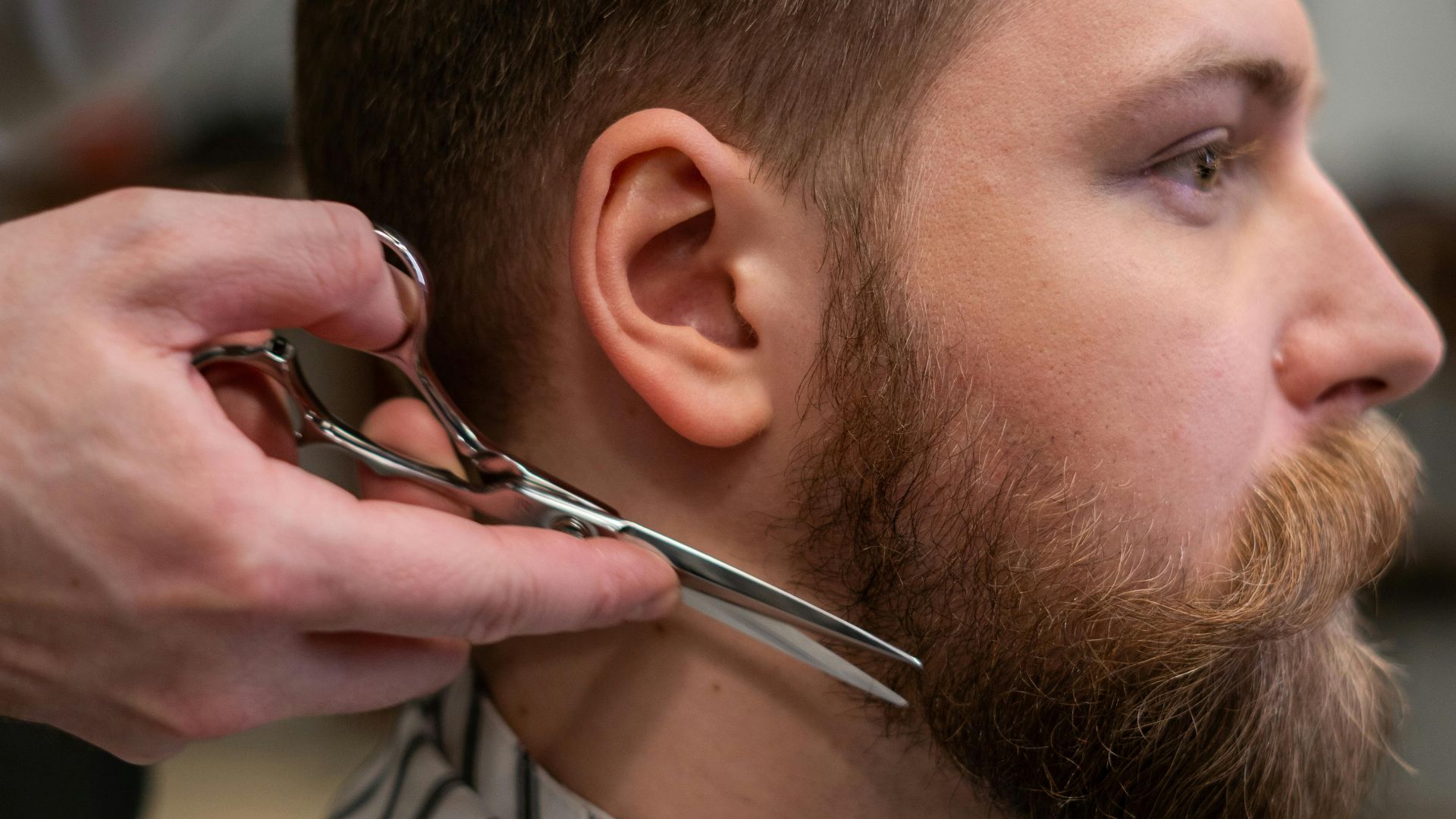
What Actually Controls Hair Thickness And Growth Rate
Hair thickness is influenced by genetics, hormones, and follicle shape. Shaving doesn’t touch any of those systems. The follicle sits under the skin, producing new cells at the same rate whether the surface hair is long or freshly shaved. No razor can reach that growth zone. The follicle simply continues its rhythm by sending out new fibers with the same diameter they always had.
Growth rate stays stable, too. Most body hair grows about a quarter-inch per month. Scalp hair grows roughly half an inch per month. Those numbers don’t spike after shaving. And they don’t slow down, either. They stay steady because the follicle’s cycle—anagen, catagen, telogen—runs on its own internal schedule.
These facts matter because people often blame shaving when the real cause behind thicker-looking growth is a hormonal shift or age. Understanding what’s normal helps you spot changes that deserve attention, especially if the pattern alters suddenly.
Why The Myth Survived For So Long
Shaving creates a dramatic sensory contrast. Before shaving, hair feels soft because each strand narrows at the tip. After shaving, every strand feels like a tiny cut stick. The difference is sudden and easy to mistake for “thicker hair”. Then the darker appearance of early stubble reinforces the belief. When light hits a newly cut edge, the shadow appears denser.
Even early scientists played into the confusion. Studies from the 1920s examined shaved hair under magnification and misinterpreted the blunt shape as increased thickness. Later research corrected those early mistakes and proved that the diameter remains constant. Yet the old idea stuck around in casual conversation.

How To Manage Regrowth Without Falling For Old Advice
If stubble bothers you, timing and technique help. Moisturizing softens the blunt tips. Using a sharp razor prevents tugging that makes hair feel rougher. Spacing out shaving sessions gives the new growth time to taper naturally, and it also reduces the sandpapery feel when hair first returns.
For people who prefer smoother results, long-term options exist. Laser hair removal targets pigment inside the follicle and decreases growth over multiple sessions. Waxing removes the hair from the root, so regrowth arrives with a natural taper instead of a blunt edge. Both approaches avoid the illusion that shaving creates.
Once you stop expecting shaving to change your growth pattern, you get far more control over how your skin feels day to day.
Your Skin Doesn’t Lie—Your Perception Does
You’re not imagining the prickliness. You’re feeling a cut edge. That’s all it is. Hair doesn’t grow back thicker, darker, or faster because you shaved it. It only looks that way until the strands regrow their natural taper. Once you understand the trick your senses play, the old myth loses its power—and you gain a clearer sense of how your body actually works.