Milestone Moment
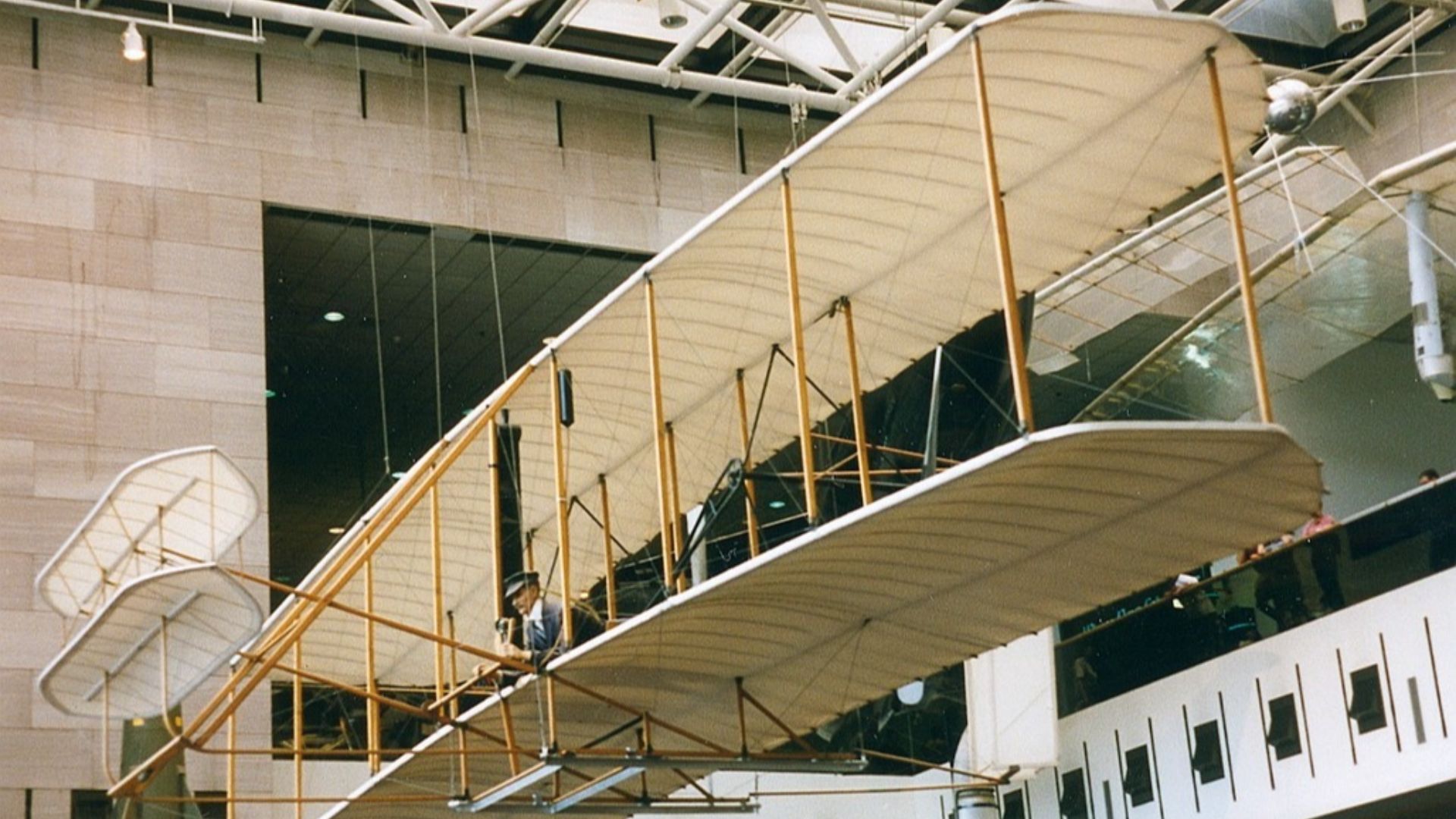
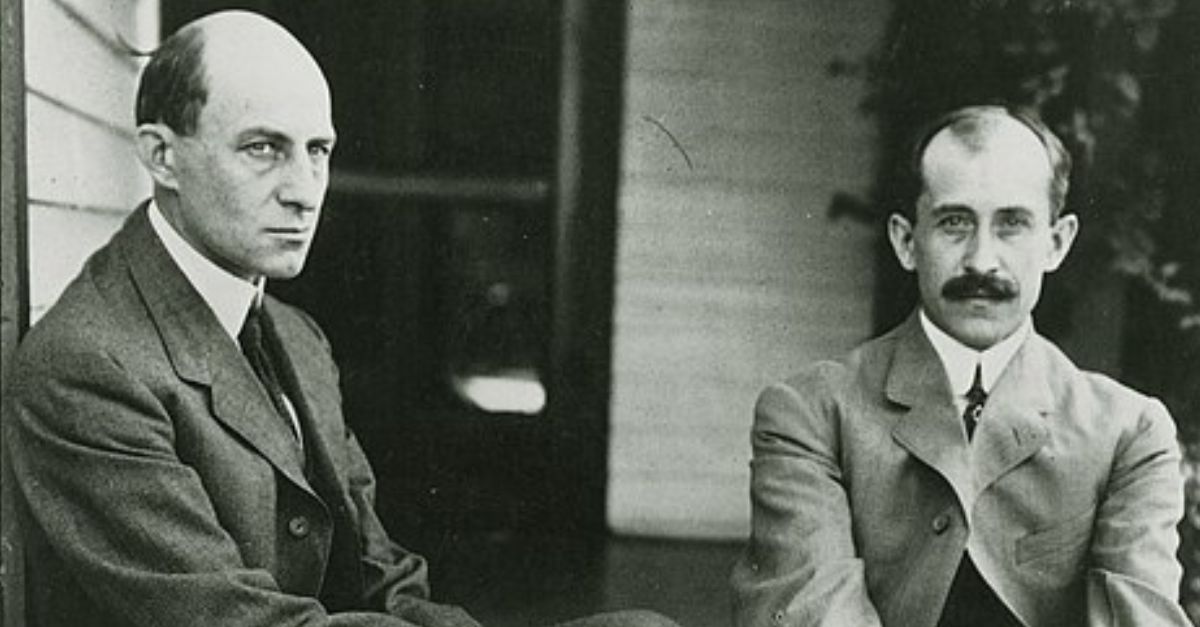
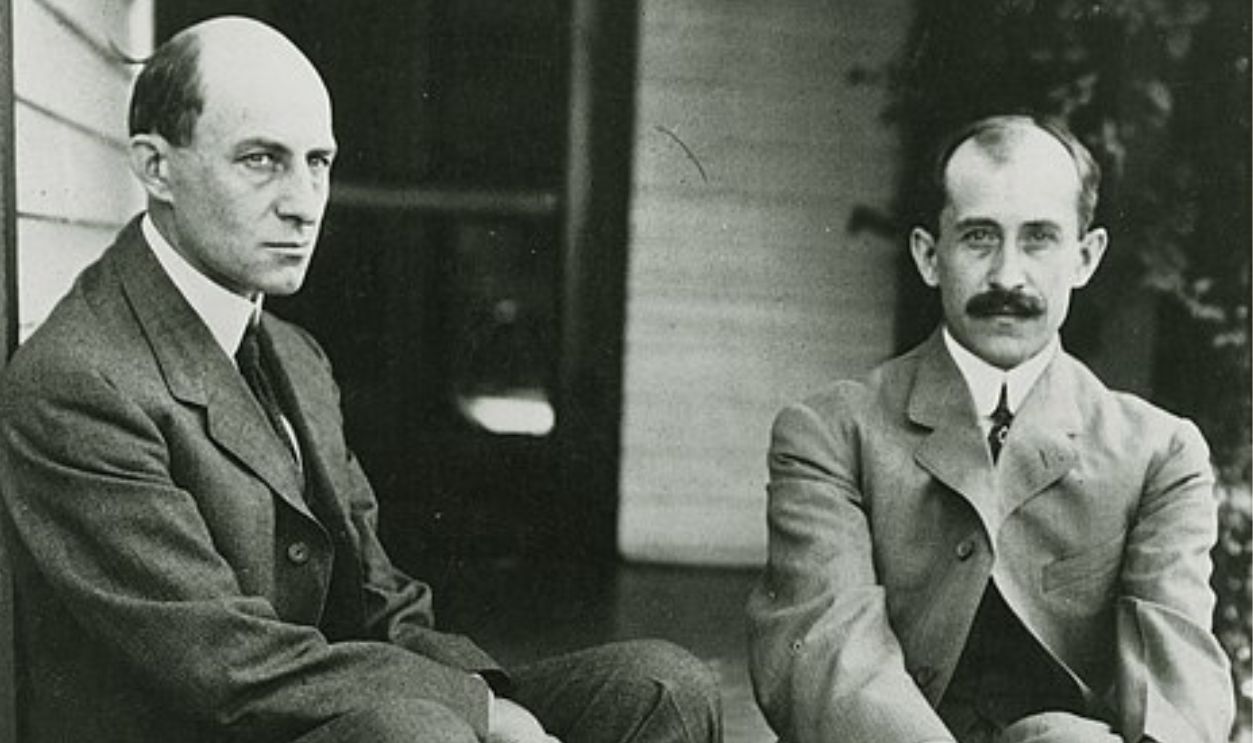
When Wilbur and Orville Wright’s 'Flyer' took off the ground on 17 December 1903, it was a milestone moment in human flight. It didn’t get very high or very far (and it only survived one day), but it was an aircraft – considered the first of its kind – that was powered and fully controlled by a pilot. Here's everything you need to know about the first flight in history and the brothers behind it.
 unattributed, Wikimedia Commons
Where Did The First Flight Happen?
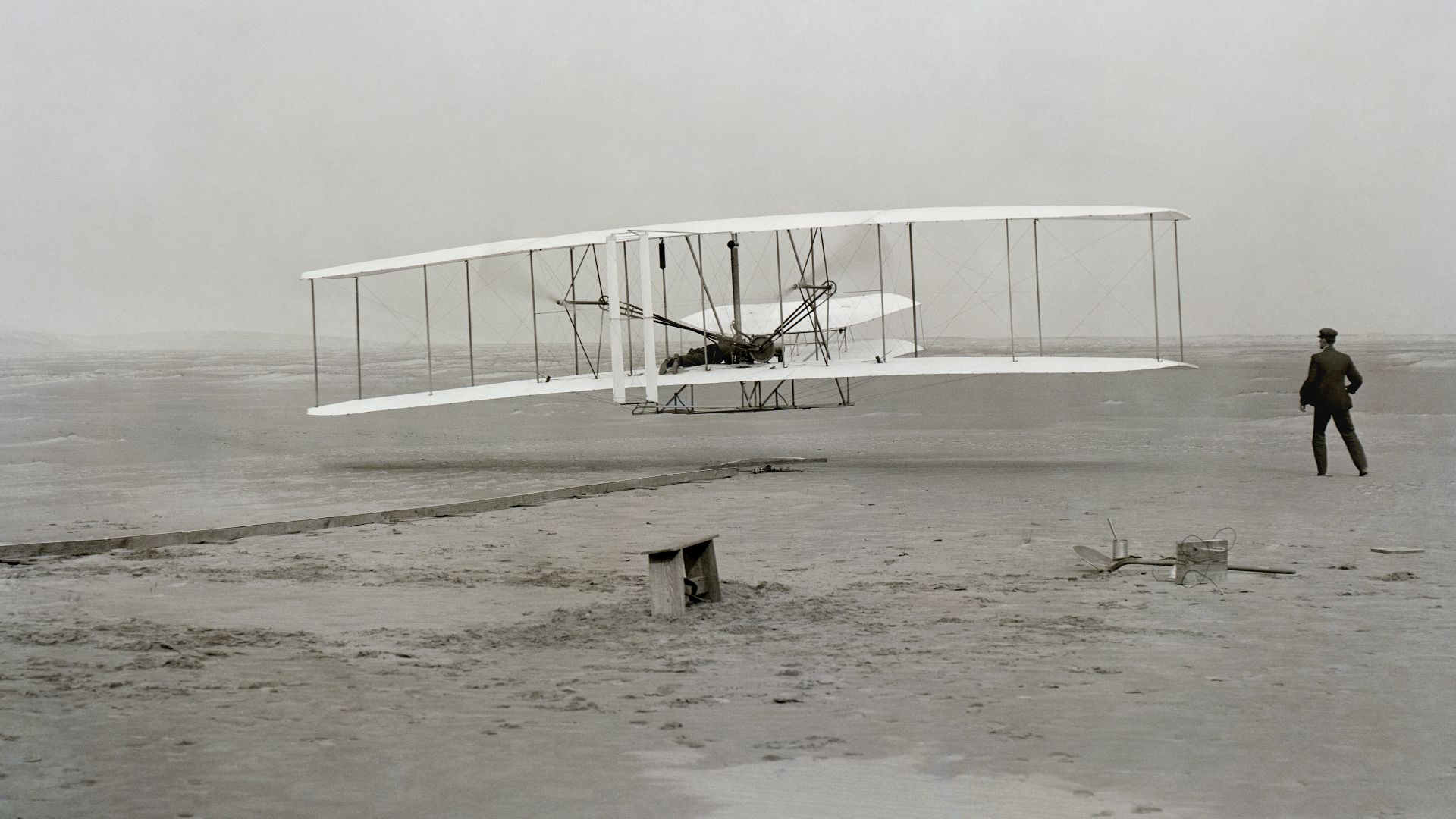
The biting wind, at 27mph, may have been gusting harder than was ideal, but Wilbur and Orville Wright were determined to complete a test of their latest invention: a powered biplane. After all, they chose the Kill Devil Hills, a barren patch of land in North Carolina, as the site for their Flyer’s inaugural flight specifically for its strong winds. So they set up the launch rail on the flat rather than an incline, and Orville climbed into position aboard the lower wing and took the controls.
 John T. Daniels, Wikimedia Commons
Taking To The Sky
At about 10.35am on that chilly morning of 17 December 1903, the Flyer lurched into life... for about 12 seconds. It came down with a bump some 36 metres away, which may not sound overly impressive, but it was enough to prove that the Wright Brothers had built an aircraft – considered the first of its kind – that was powered and fully controlled by a pilot.
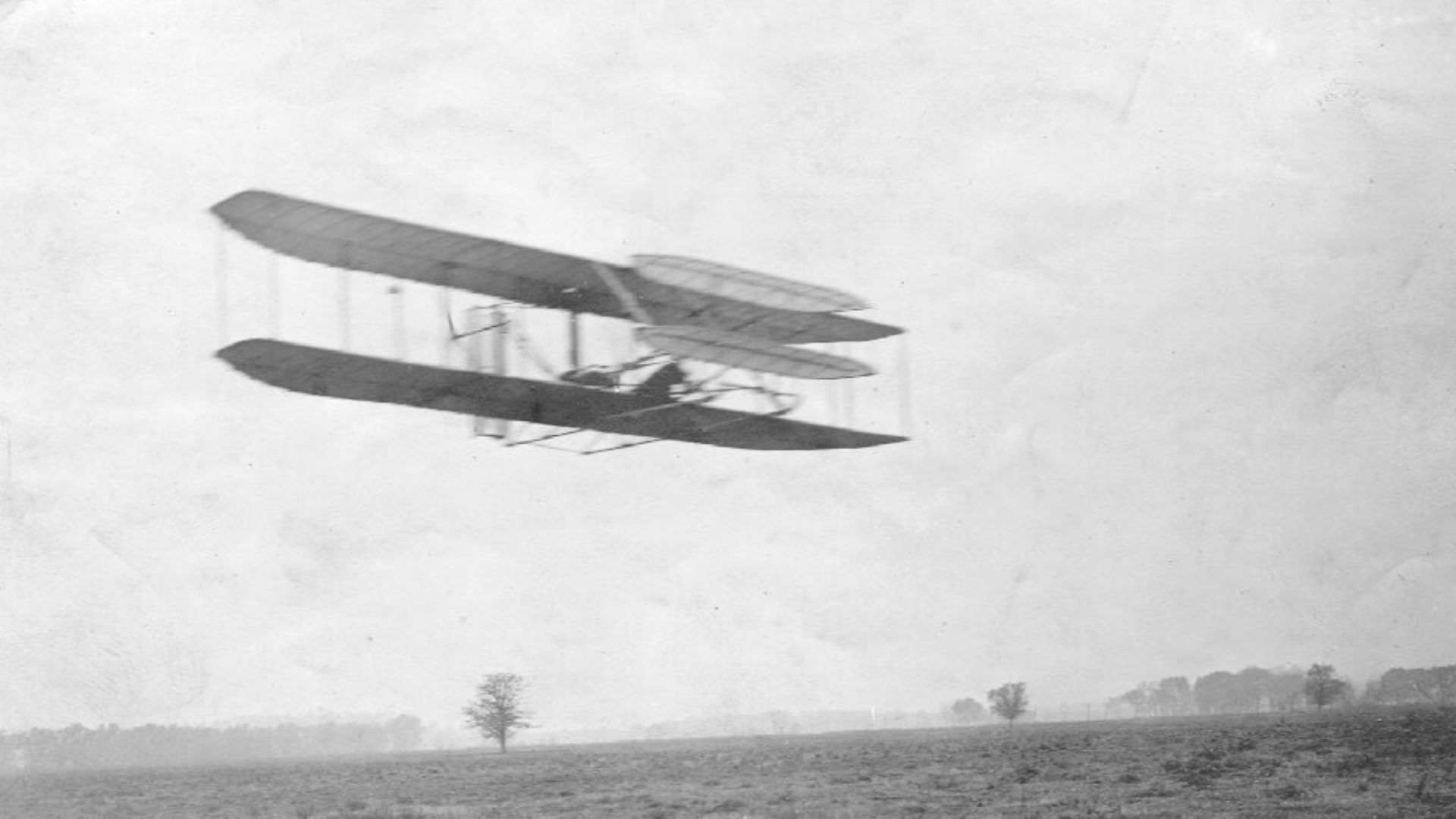 Wright brothers, Wikimedia Commons
Three More Flights
The American brothers, taking it turns at the controls, made three further flights that day reaching 53, 61 and, saving the best for last, 260 metres. They would have kept going, but while the brothers were celebrating the massive distance achieved by Wilbur, a gust of wind flipped the Flyer and caused severe damage. It was never flown again, yet in its short life, the first Wright Flyer ensured its place as one of history’s most famous planes.
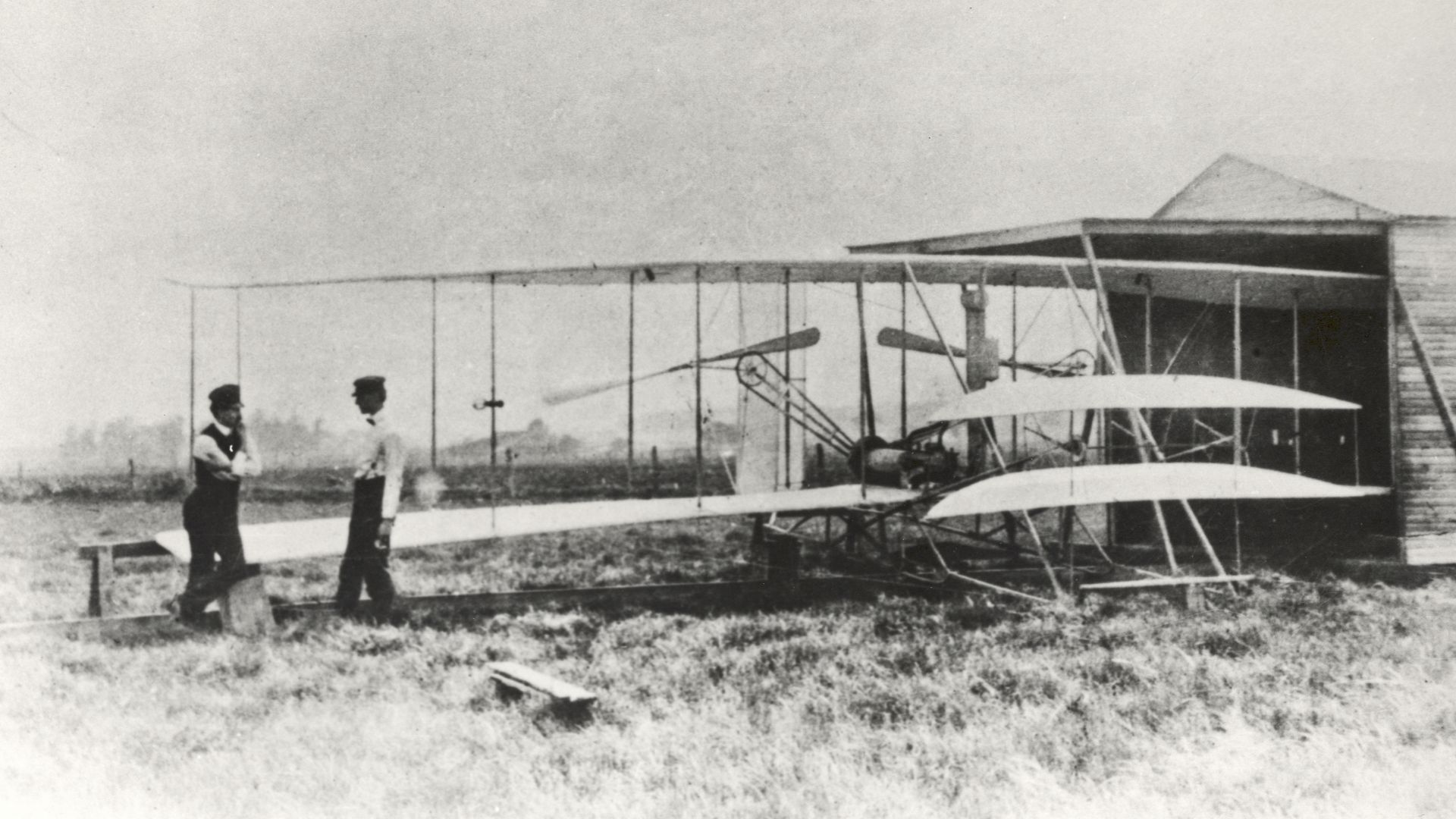 Unknown authorUnknown author, Wikimedia Commons
Why Was The Wright Brothers' Aircraft So Innovative?
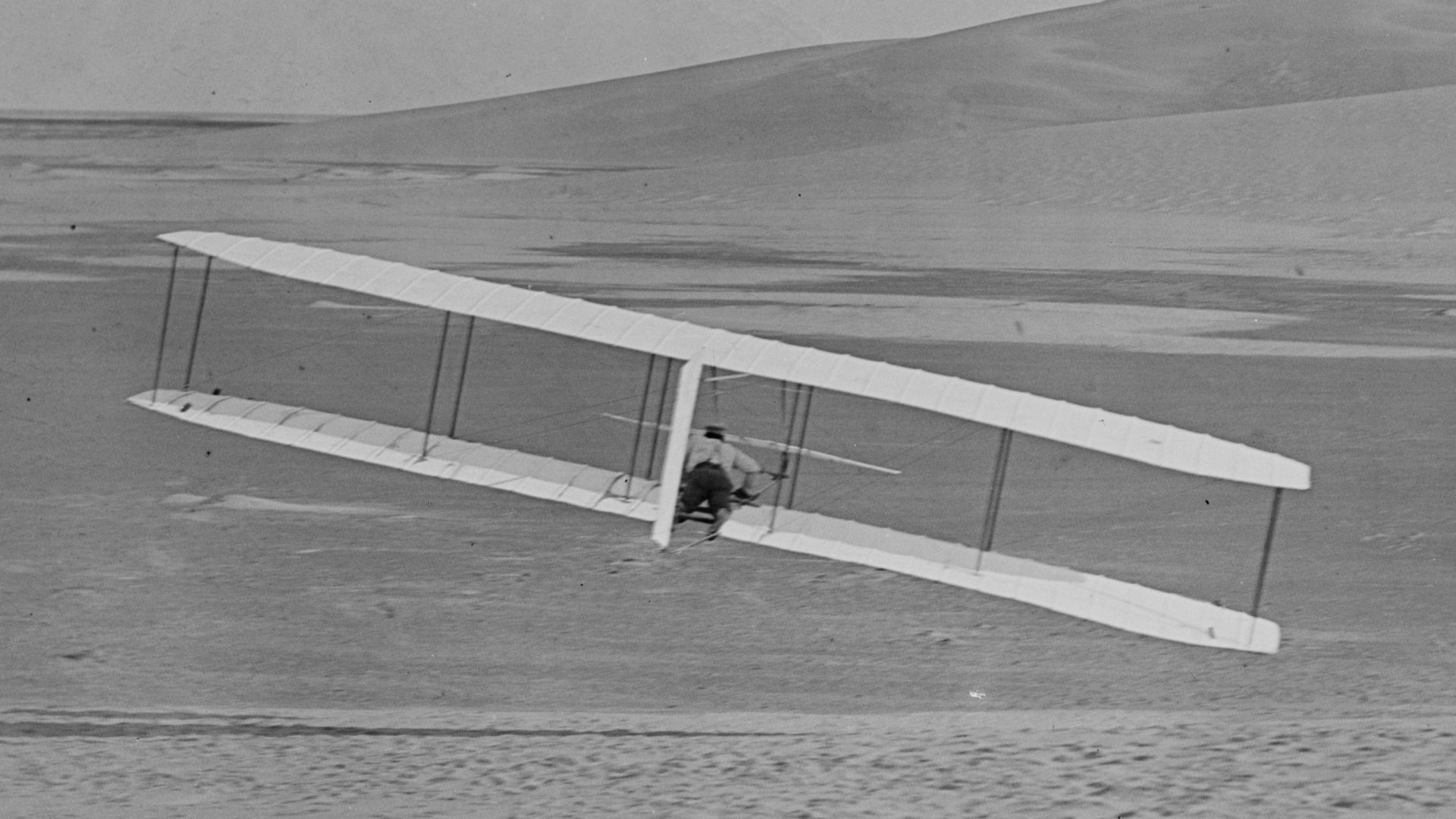
What made this creation so innovative? There were other, more-qualified engineers developing their own craft at the same time (it is even argued that one, Gustave Whitehead, made a flight before the Wrights), but the Flyer’s vital advance was that it could be controlled on all three axes needed for a successful airplane: pitch, roll and yaw. This was achieved by the pilot, while sat in a wooden cradle, bending the material of the 12-metre wings in a process called ‘wing warping’, which – with the rudder and a hand lever – made all the difference when steering.
Building On The Original Design
Over the next few years, the Wrights continued to refine their design, resulting, on 5 October 1905, with Wilbur making a 39-minute flight in their third Flyer. However, they didn’t find commercial success until they travelled to France, where, by 1908, they were giving public demonstrations to wildly excited crowds. Aviation was taking off and the Wright Brothers were in the pilot’s seat.
This content was produced in partnership with HistoryExtra.