Small Beads, Big Purpose
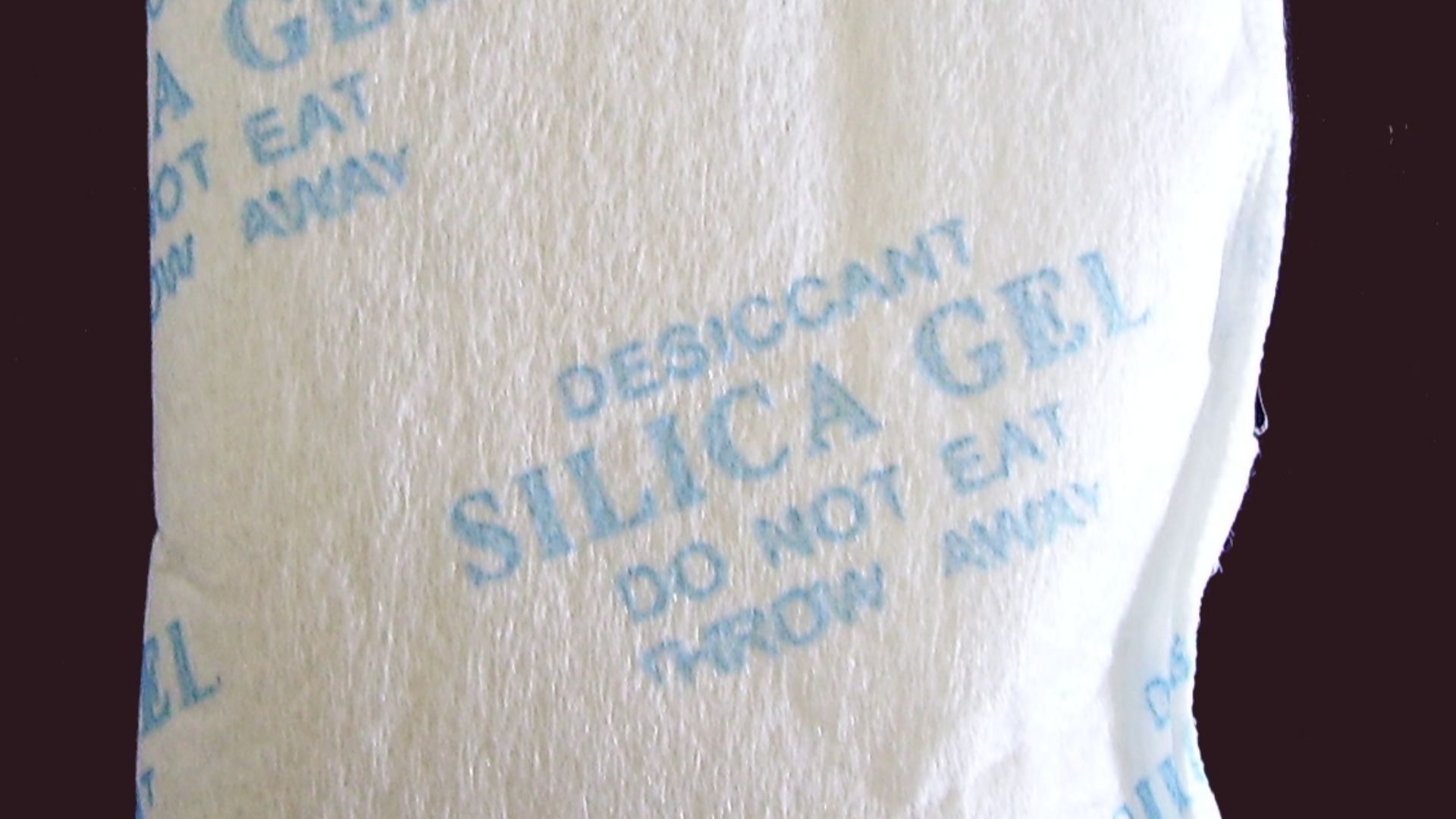
Tiny packets with loud warning labels slip into shoes, medicine bottles, and electronics without explanation. Most people toss them without thought. One woman didn’t. Her habit pulled back the curtain on a material that quietly protects everything around it. Pause before the trash can next time. Those beads have a story worth knowing.
The Viral Moment That Sparked Curiosity
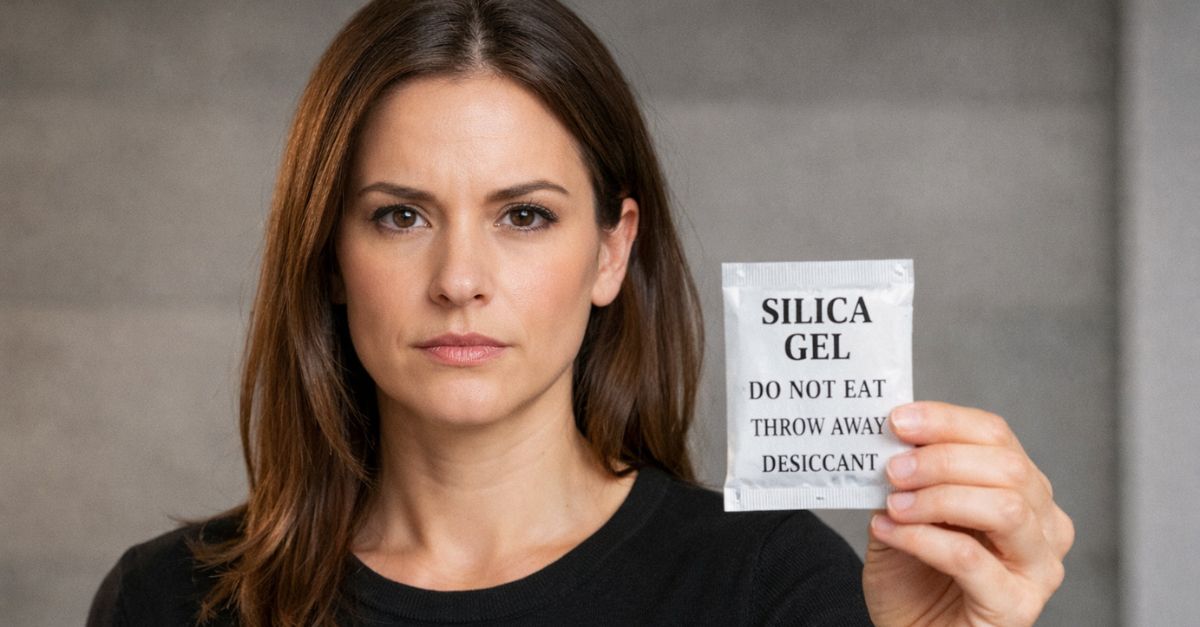
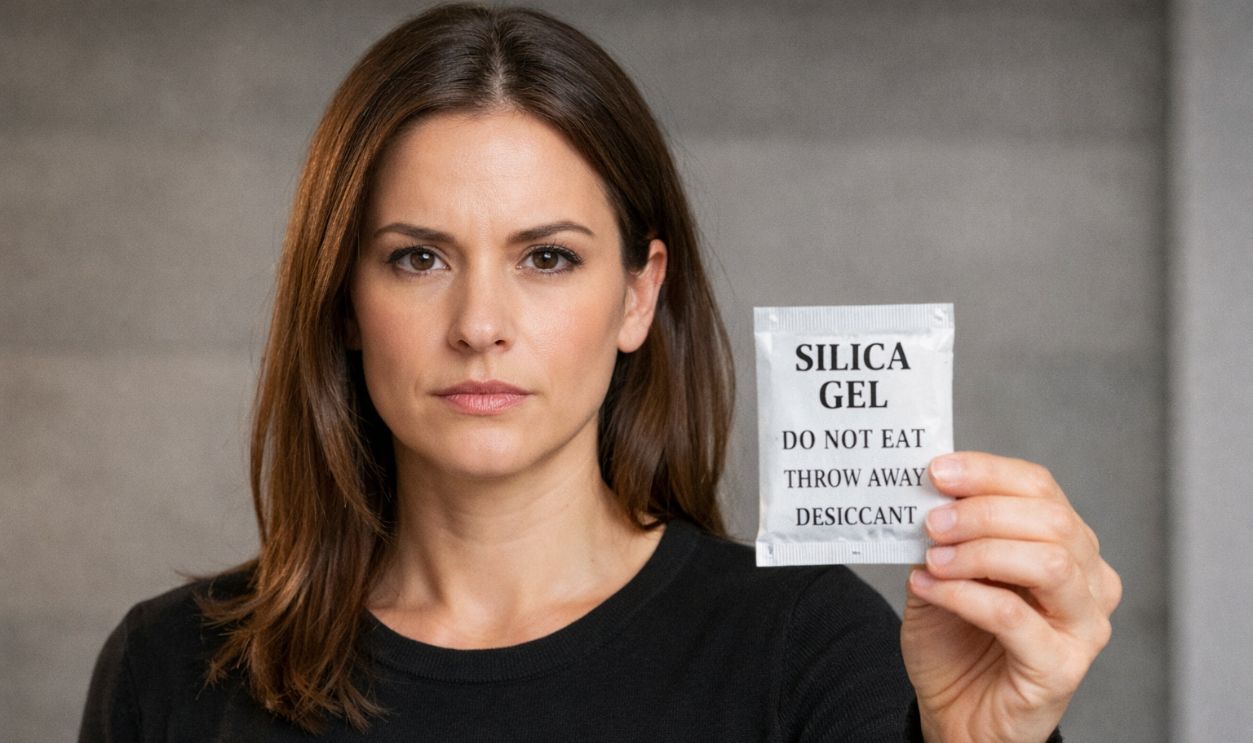
The story began with a short video and an offhand confession. A woman casually mentioned that she never throws away silica gel packets. What followed was disbelief. Comment sections filled with questions, jokes, and confusion. Millions realized they had handled these packets for years without ever asking why they existed or whether tossing them made sense.
 Hanoprovietnam, Wikimedia Commons
The Woman’s Original Reason for Saving Them
Her habit started quietly and practically. Silica gel packets accumulated from shoe boxes and electronics packaging, then found their way into drawers and storage bins. She used them to manage damp spaces around the house, never treating the packets as special or valuable. Only later did she realize most people saw the habit as strange rather than sensible.
 Karolina Grabowska www.kaboompics.com, Pexels
What Silica Gel Actually Is
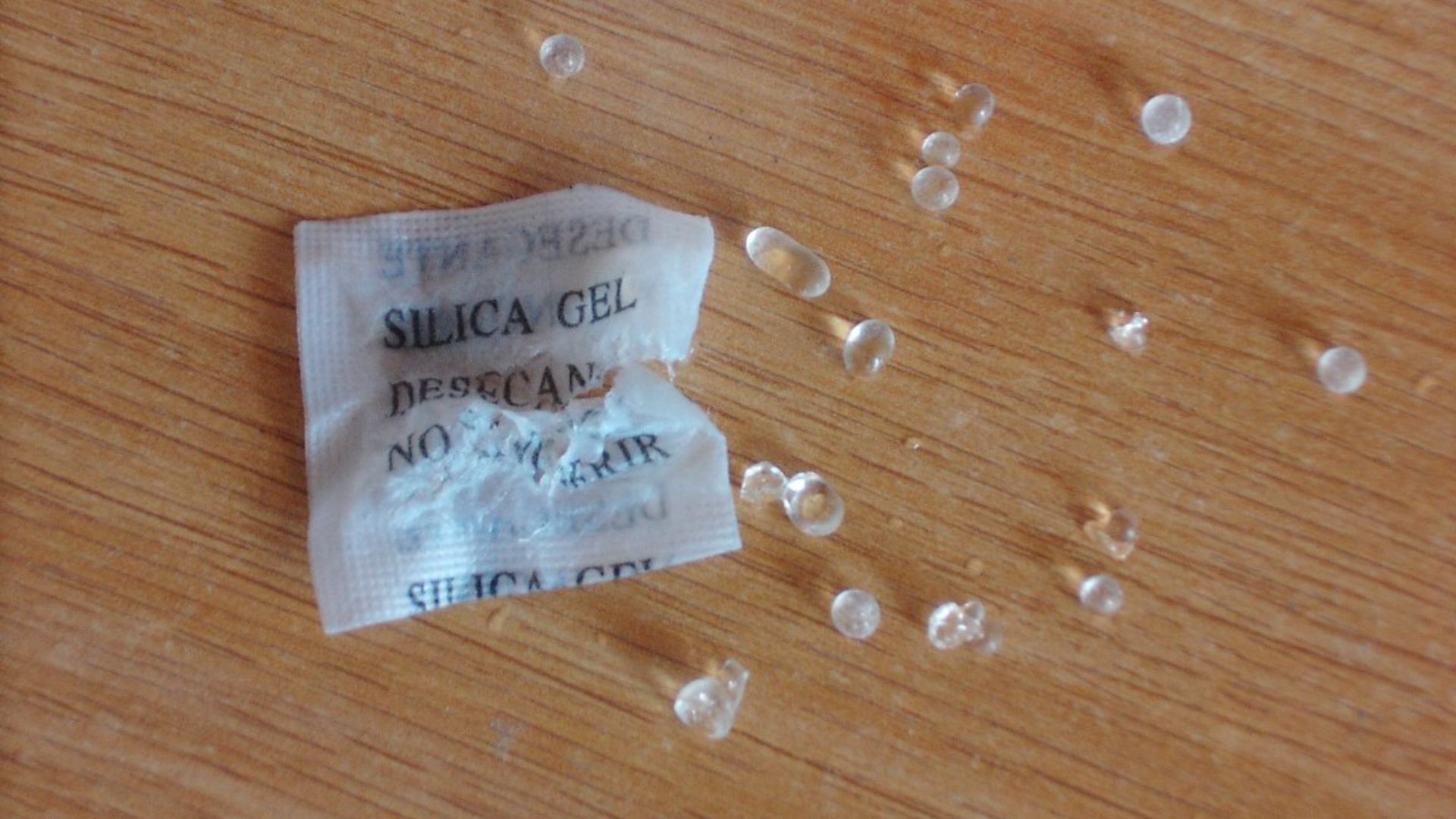
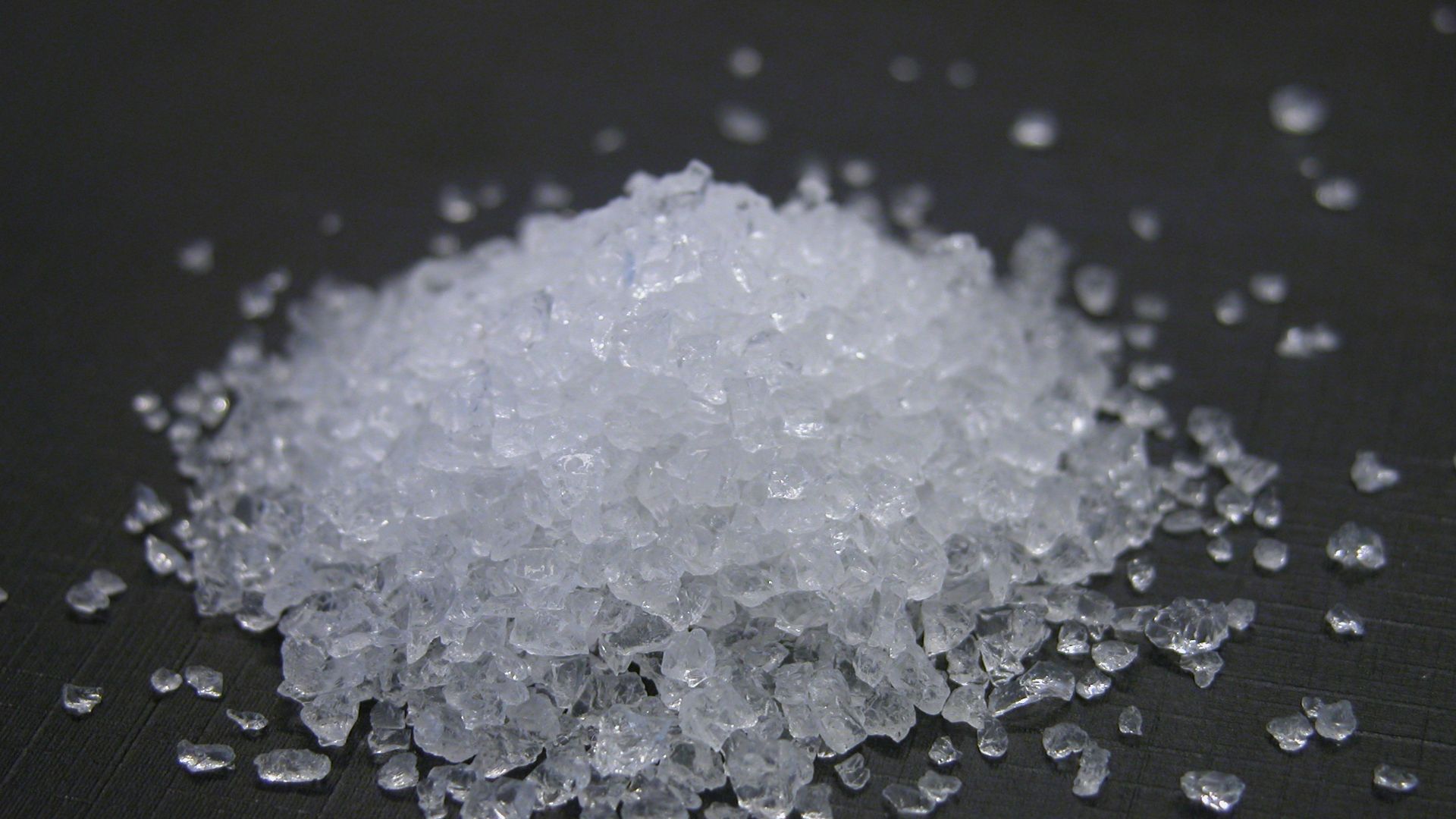
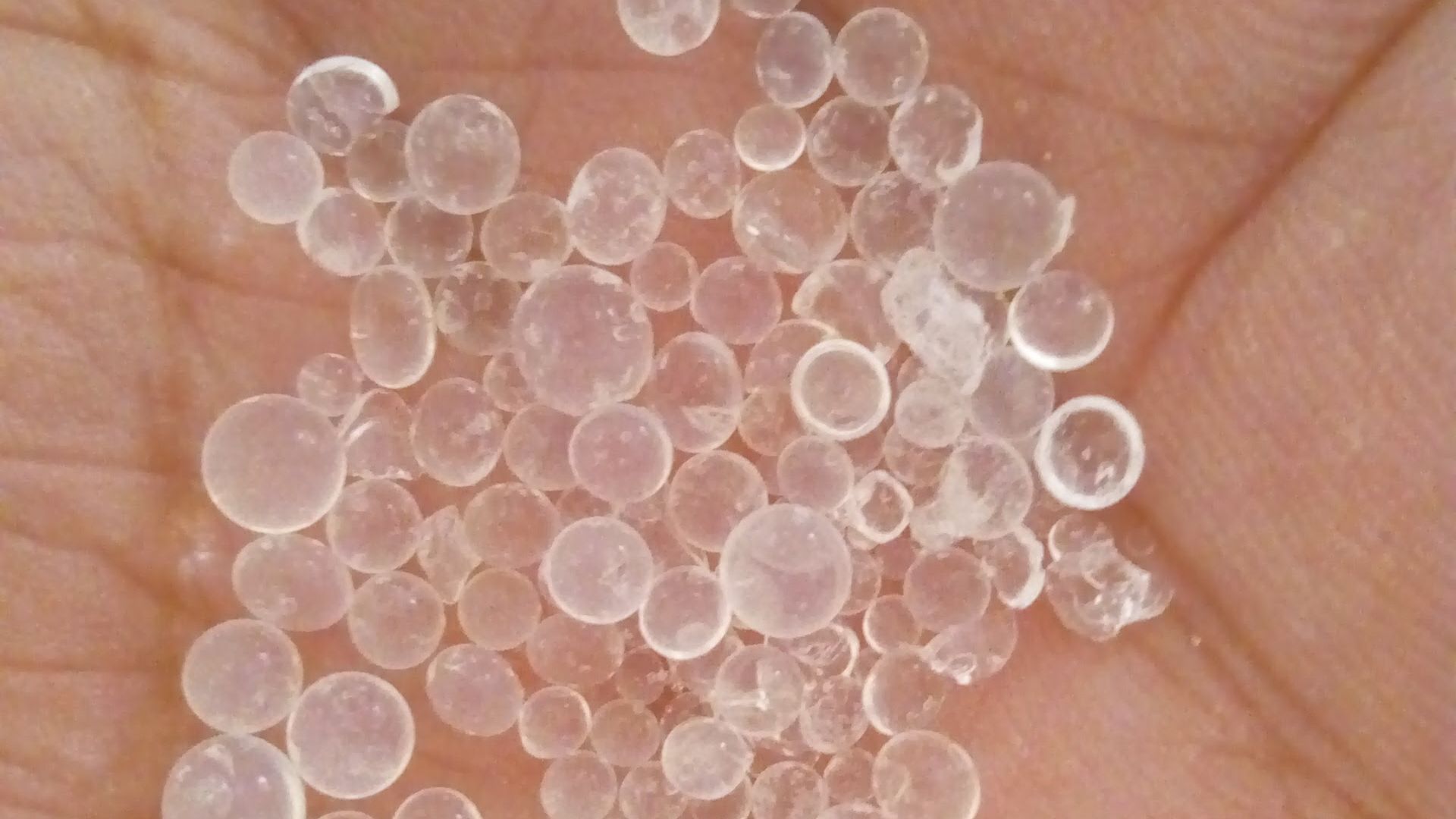
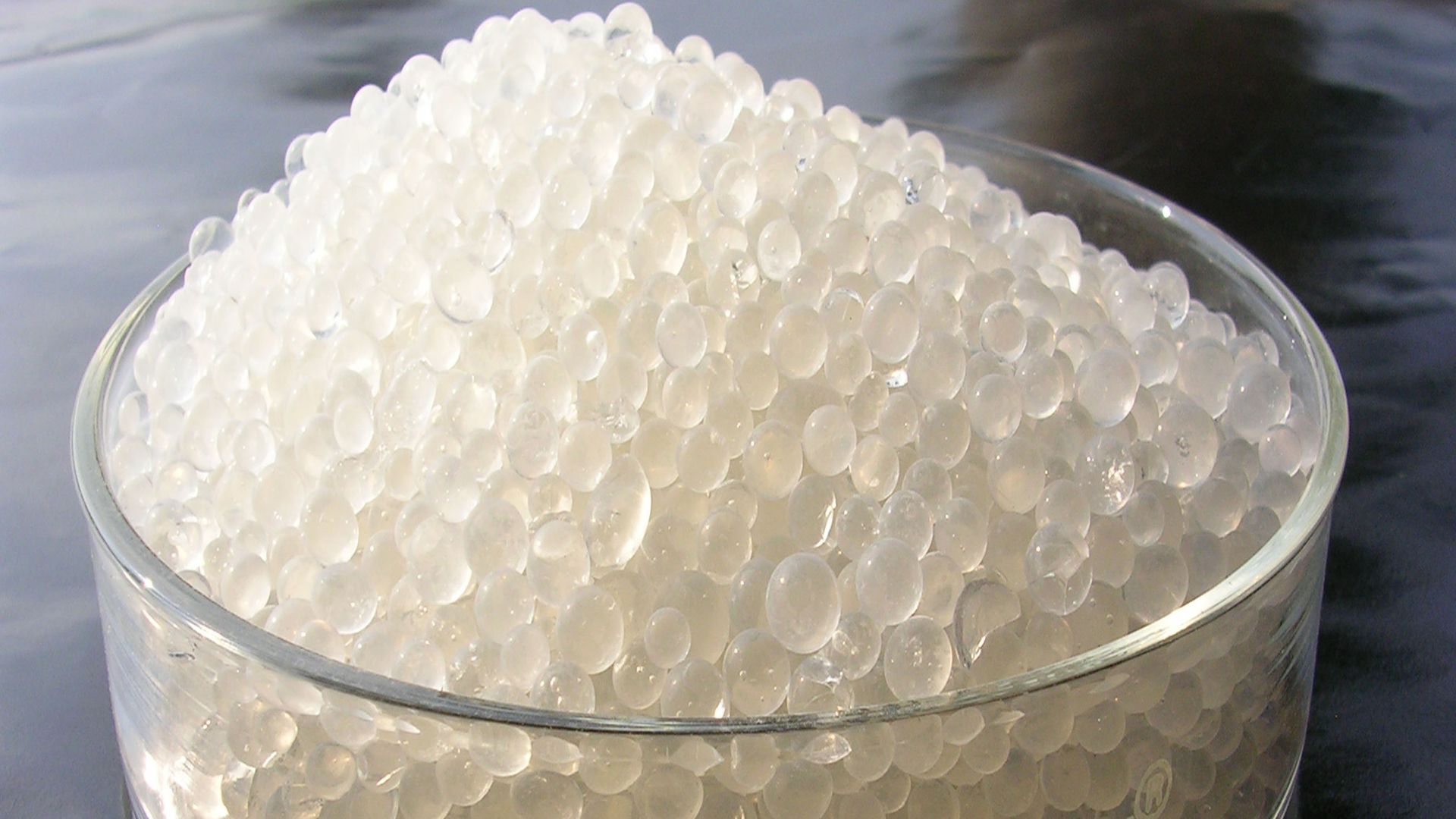
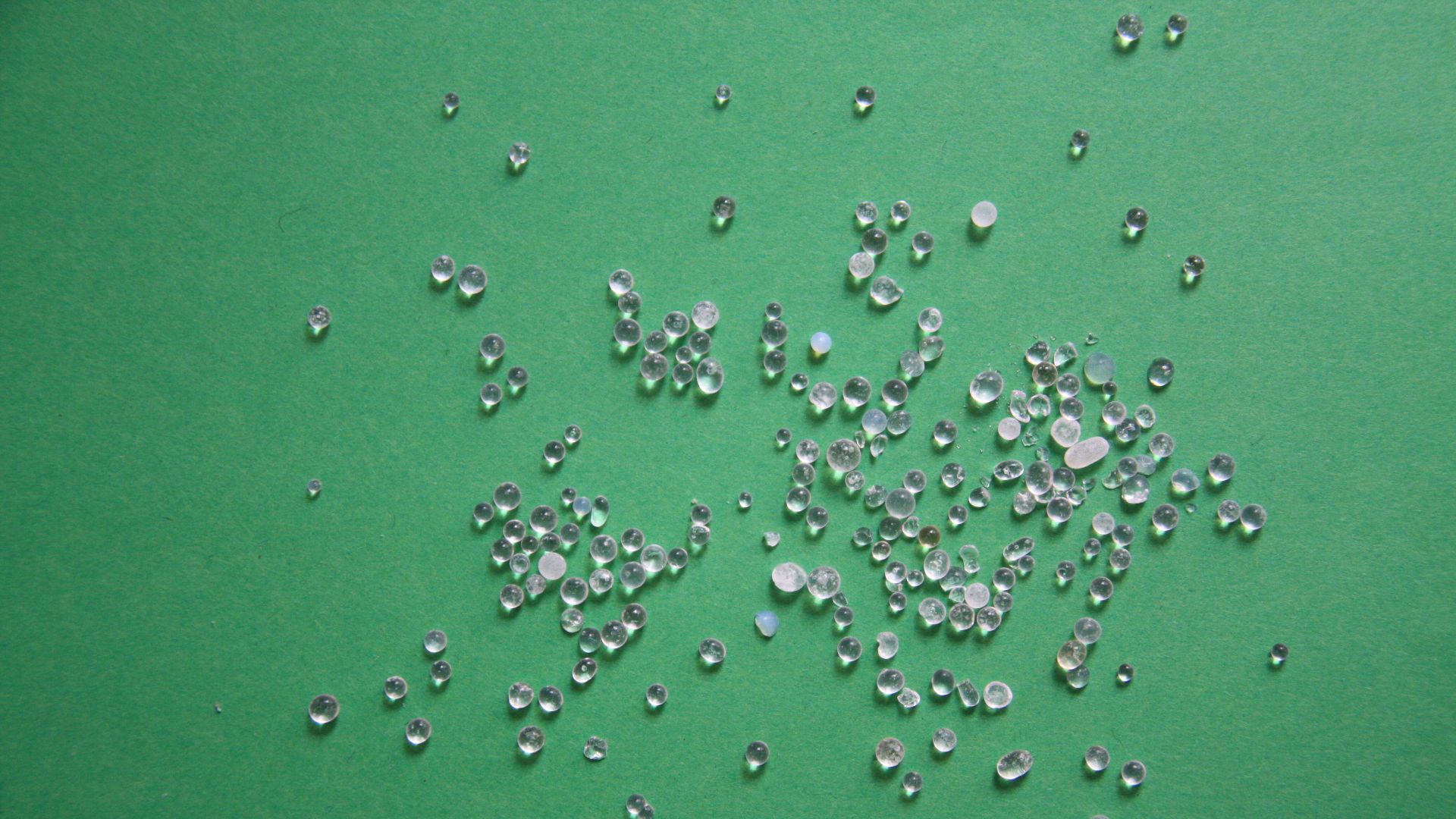
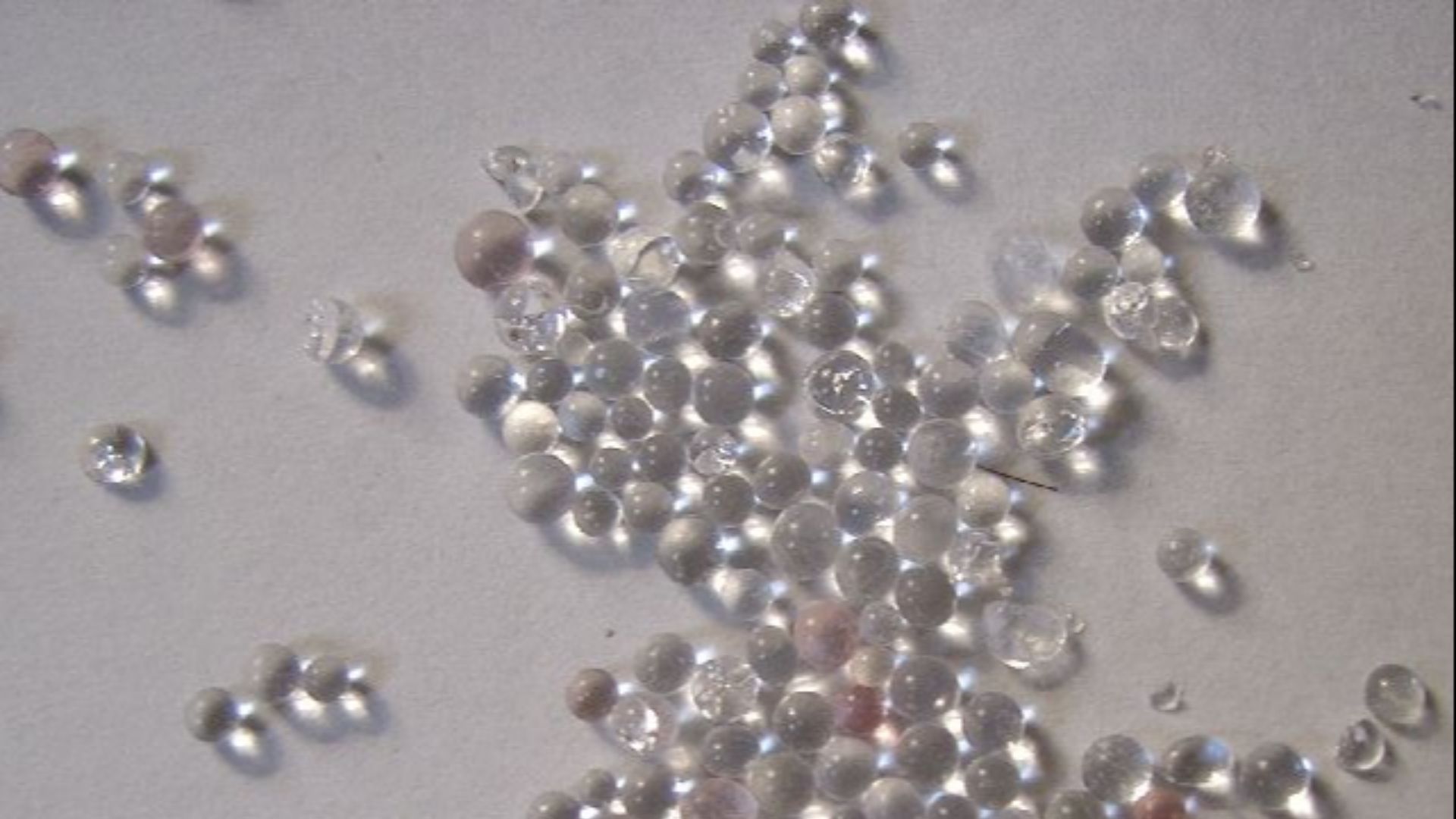
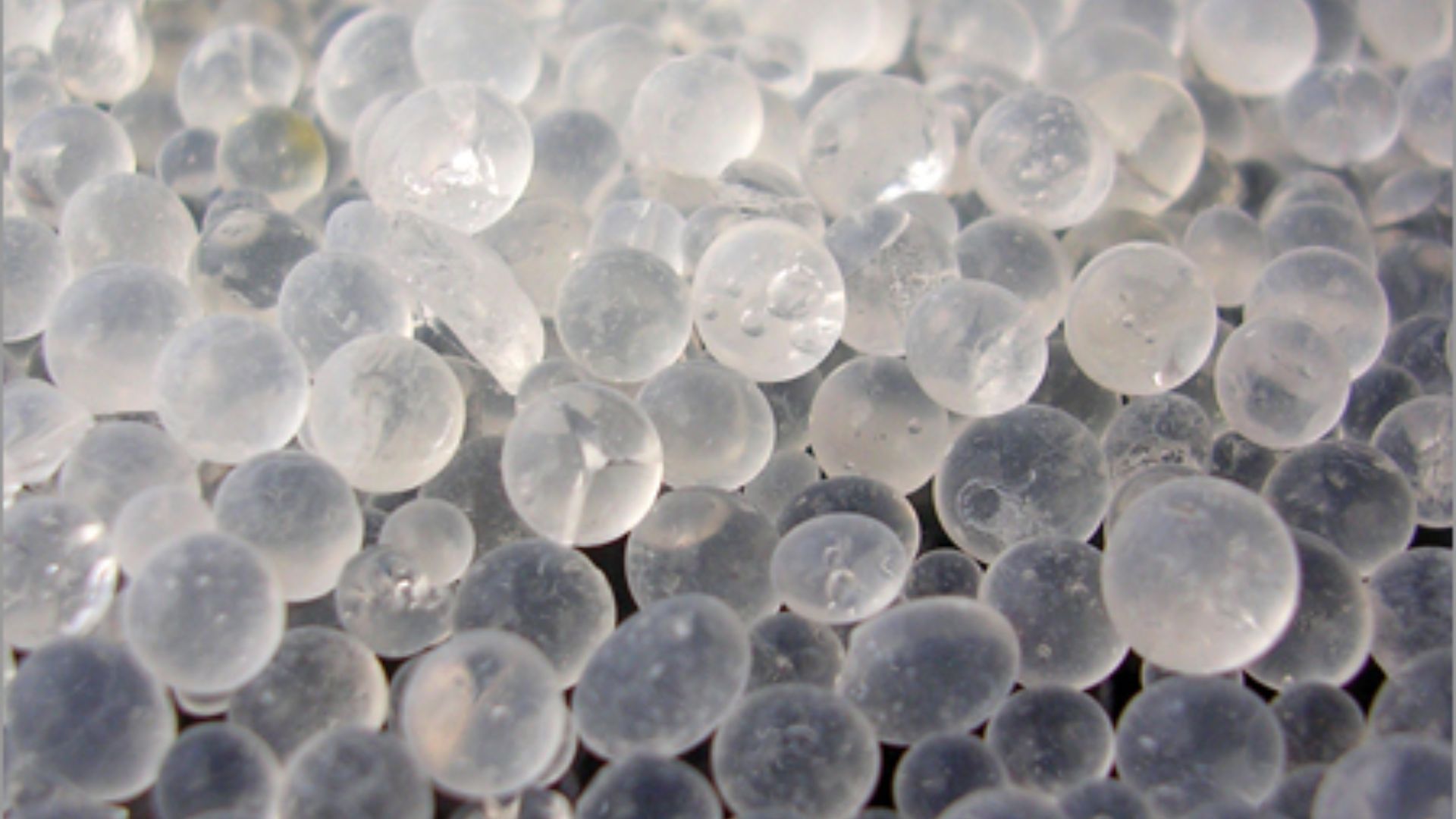
Silica gel sounds soft, yet it exists as a hard, porous solid made from silicon dioxide, the same compound found in sand. During manufacturing, it forms a network of microscopic pores. Those tiny spaces give the material an enormous internal surface, which explains its ability to manage moisture quietly and efficiently.
Why It’s Called “Gel” Despite Being Solid
The name traces back to how silica gel is created, not how it feels. During production, the material begins as a wet gel before drying into rigid beads. The structure also freezes in place during that transition. What remains is a solid that still behaves like a sponge at the microscopic level.
How Silica Gel Controls Moisture
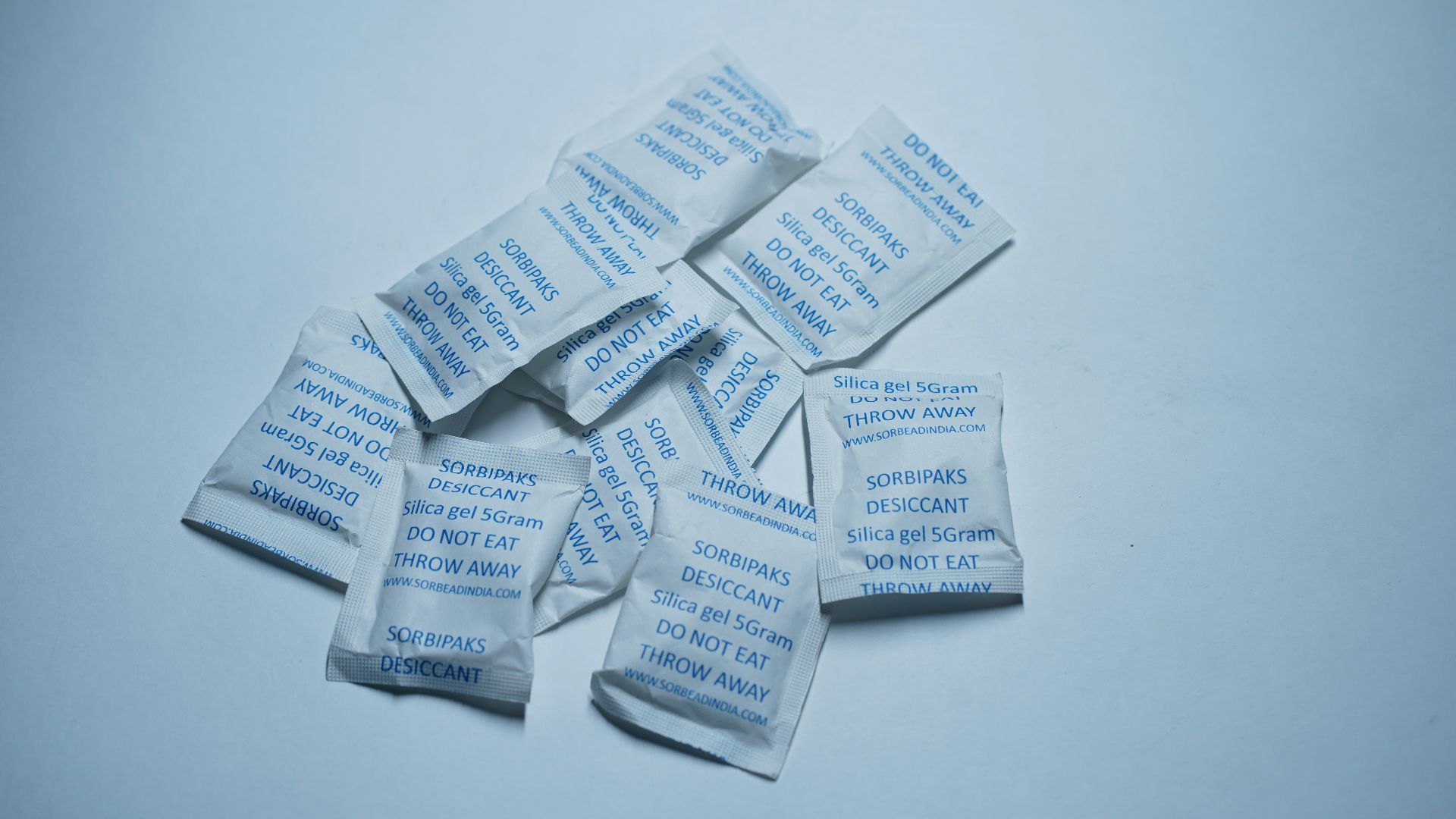
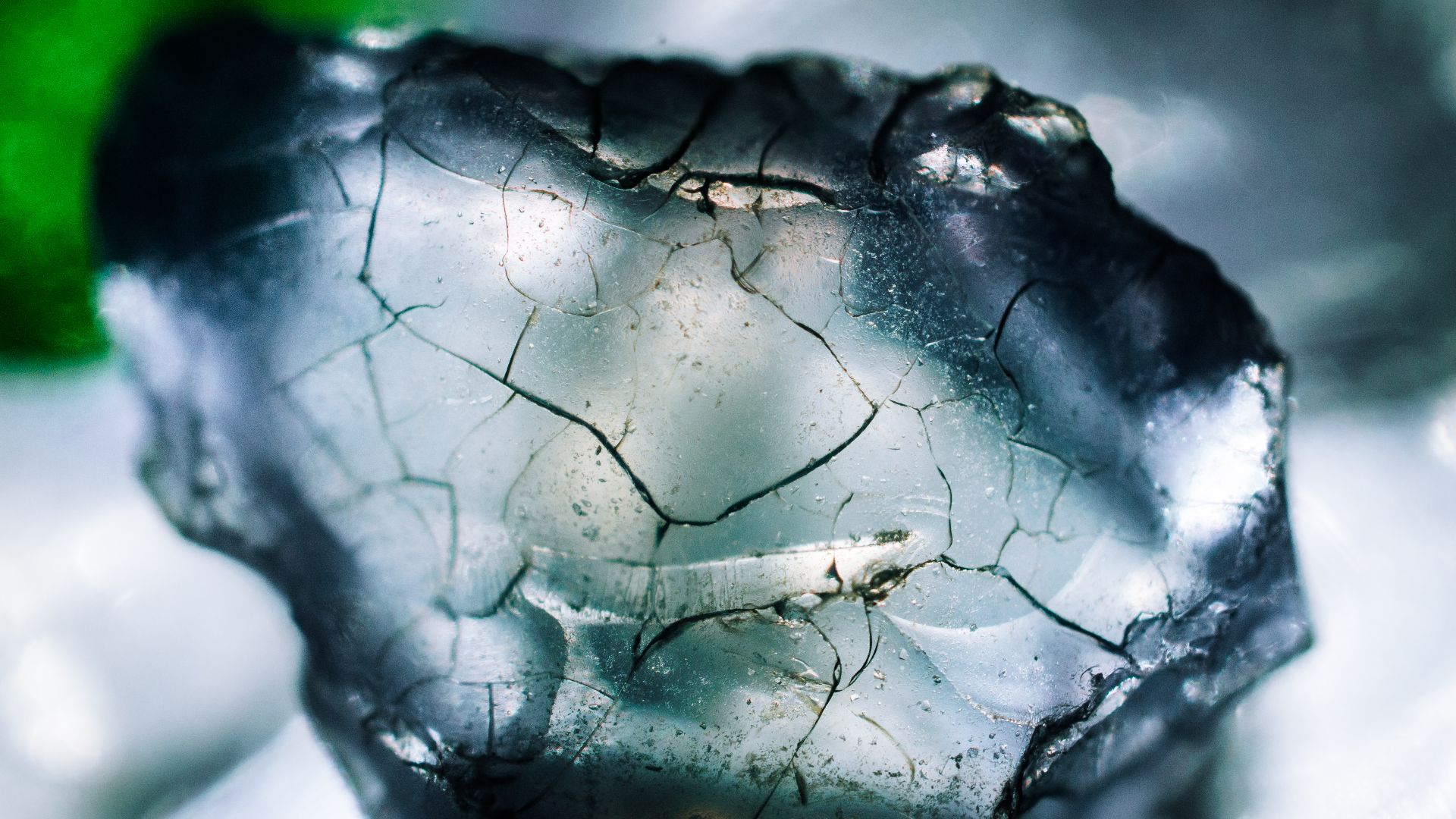
Silica gel works through adsorption, a surface process where water molecules cling to the bead’s internal pores. No chemical reaction takes place. Moisture simply settles onto the surface and stays there until capacity is reached. That passive process makes silica gel stable, predictable, and widely useful across storage environments.
 Пекарь Константин, Wikimedia Commons
Why It Became Essential in Packaging
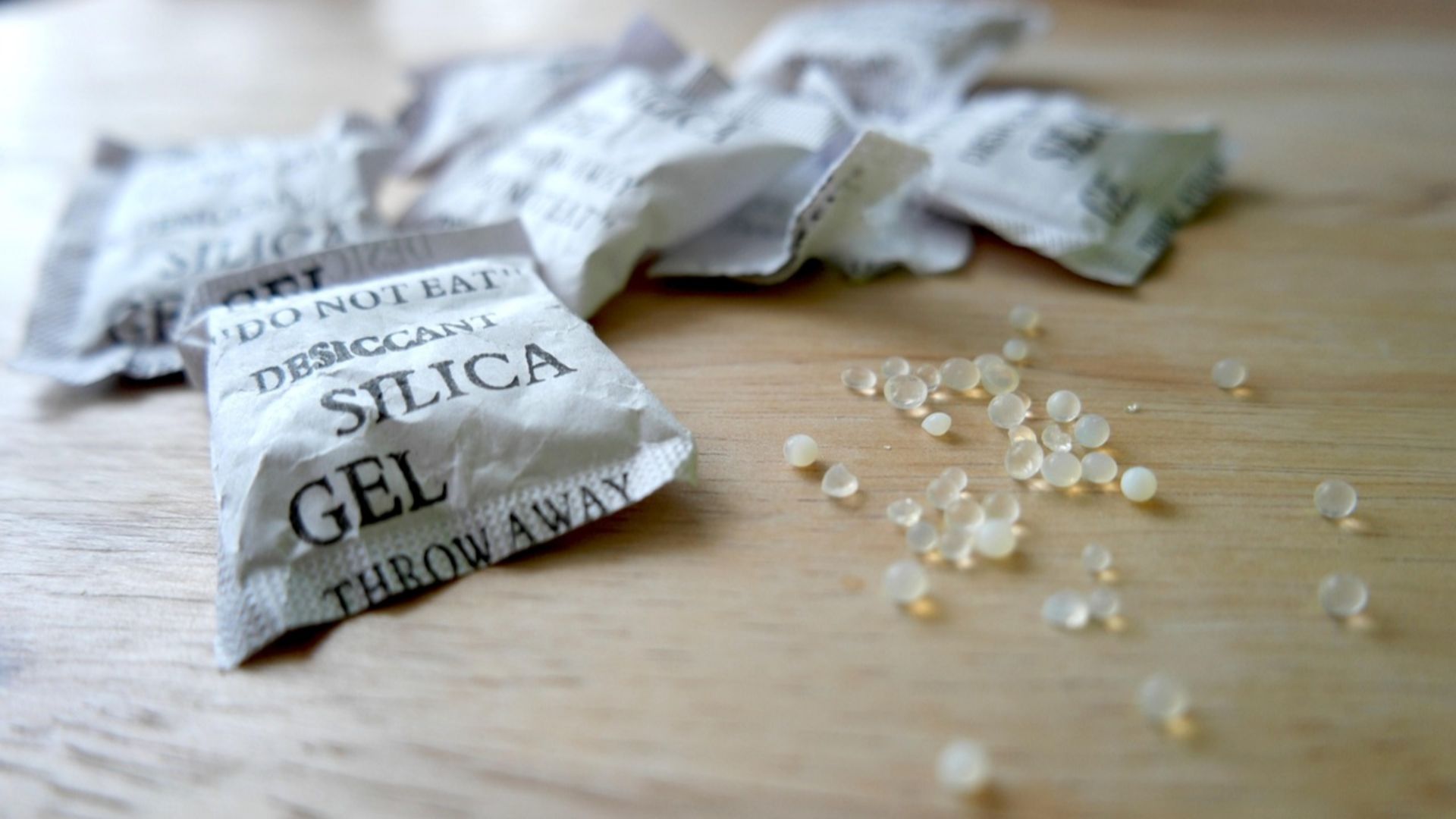
Moisture damages products long before anyone notices. Electronics corrode, leather stiffens, pills degrade, and paper warps. Silica gel addresses that problem without altering the item itself. By stabilizing humidity within sealed packaging, it protects goods during storage and shipping, where temperatures and climates can change without warning.
The WWII Moment That Changed Everything
Silica gel existed before World War II, but wartime logistics pushed it into large-scale use. Medical kits, instruments, and precision equipment needed protection across long transport routes. The military’s demand accelerated production and standardization. After the war, the same material quietly found its way into everyday consumer goods packaging.
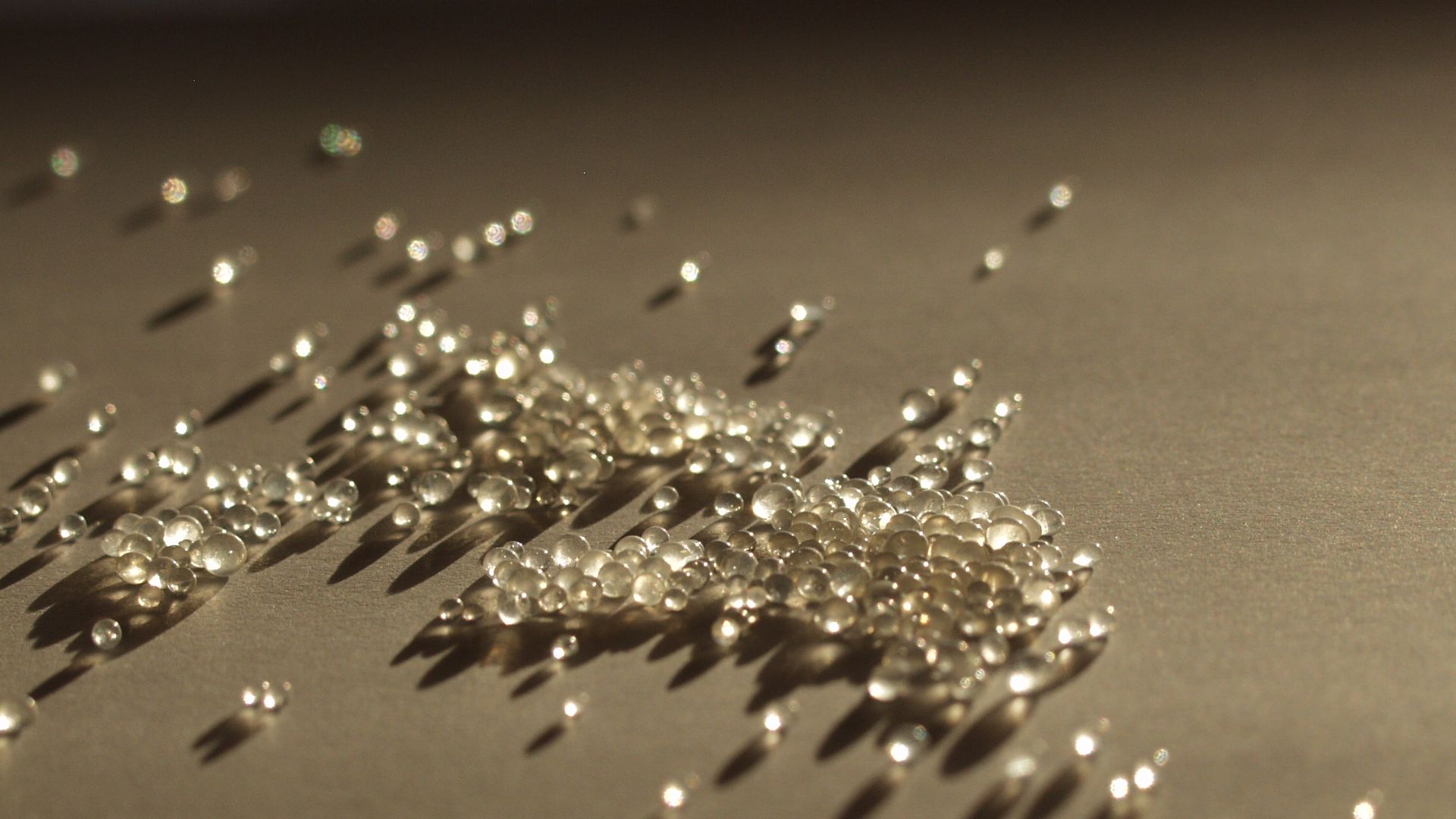
How Silica Gel Controls Humidity, Not Wetness
Silica gel does not absorb liquid water. Instead, it adsorbs water vapor from the air. That distinction matters. Moisture binds to the particle surfaces rather than soaking in. This makes silica gel especially useful in sealed environments where humidity, not spills, causes damage.

History's most fascinating stories and darkest secrets, delivered to your inbox daily.
The Warning Labels Are About Choking, Not Toxicity
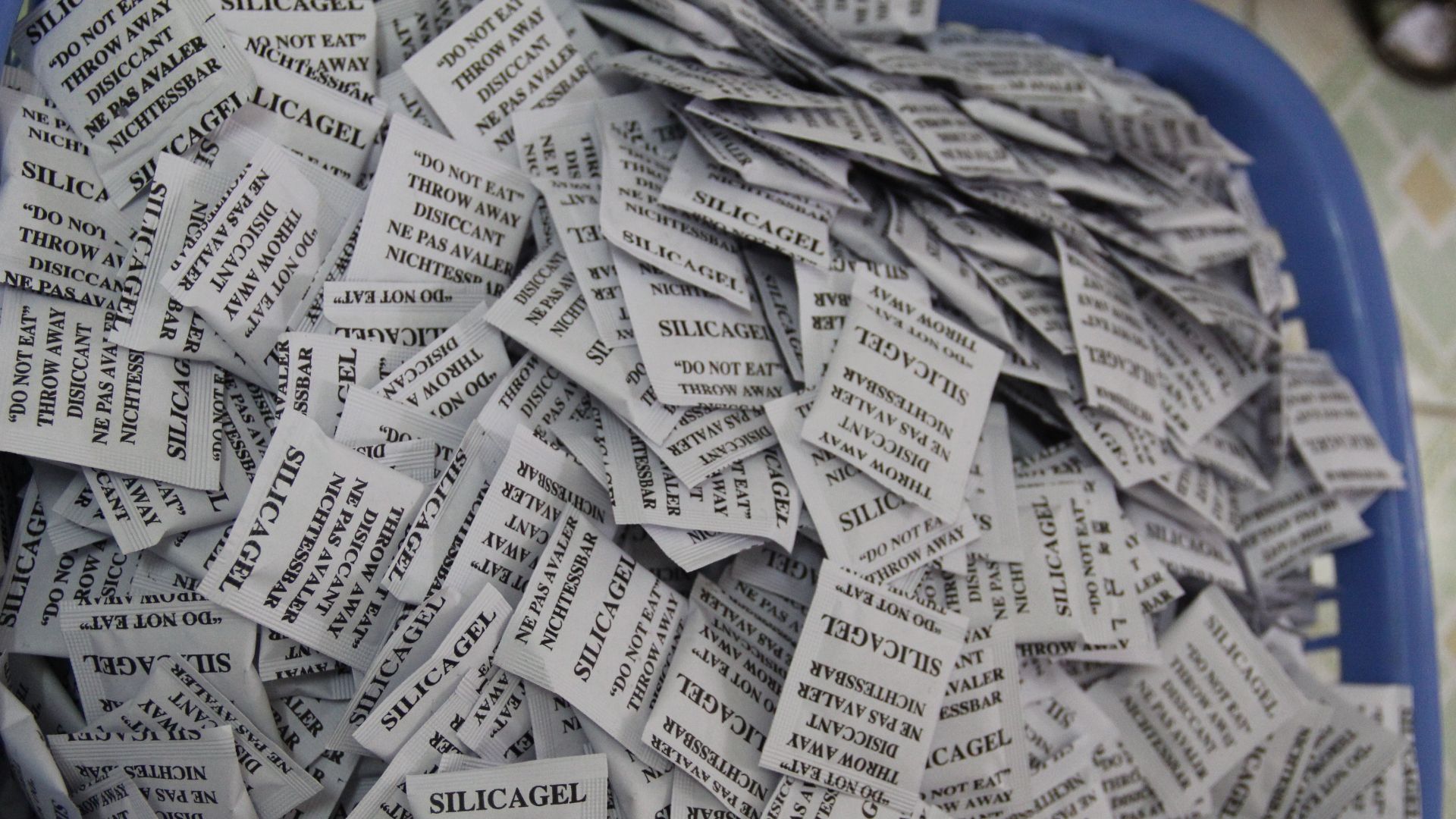
Silica gel is chemically inert and non-toxic in its standard form. The “Do Not Eat” warning exists mainly because the packets pose a choking hazard, especially for children and pets. It was earlier generations who associated the warning with poison, which helped cement a long-lasting misconception.
Why Some Silica Gel Changes Color
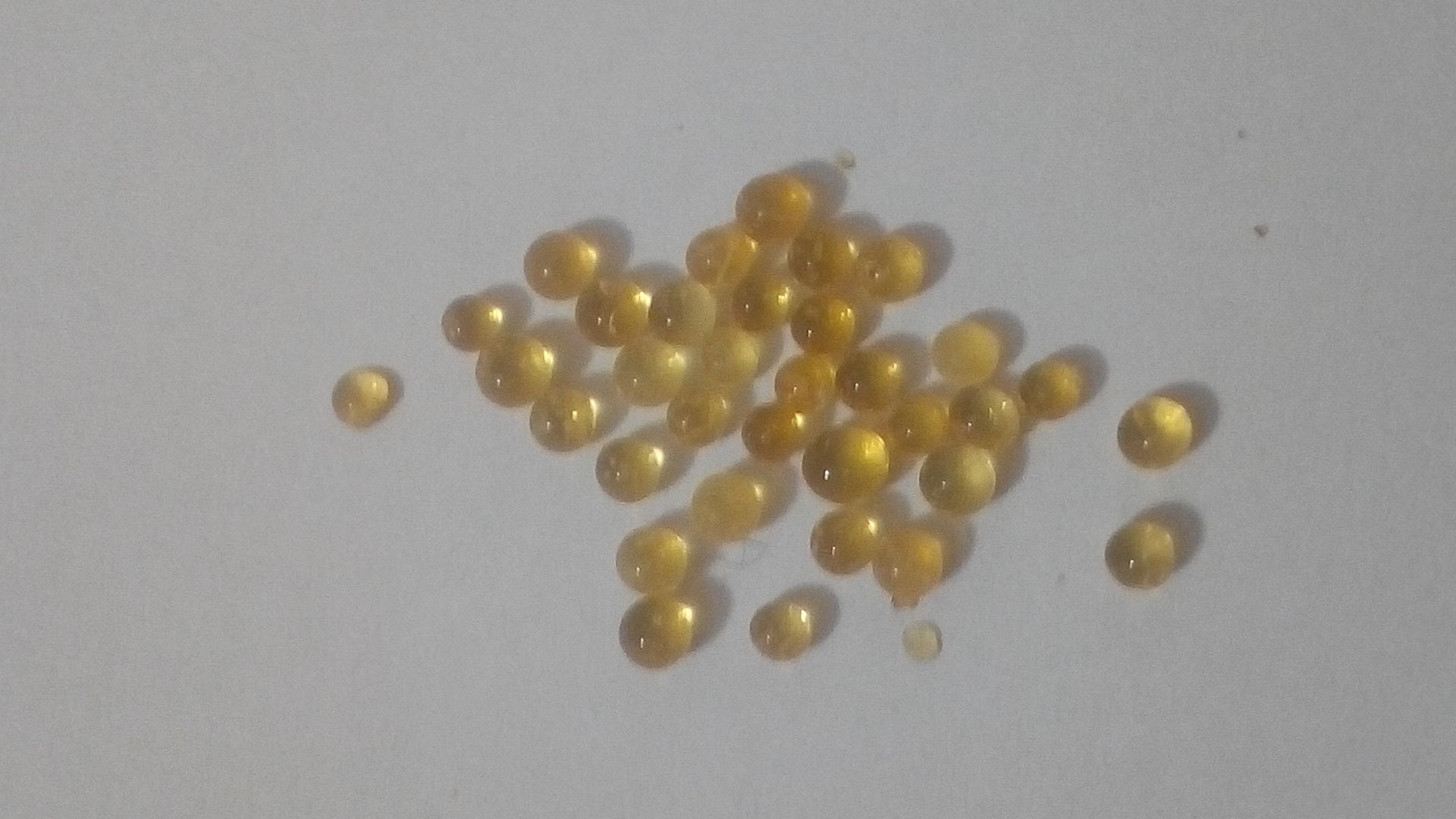
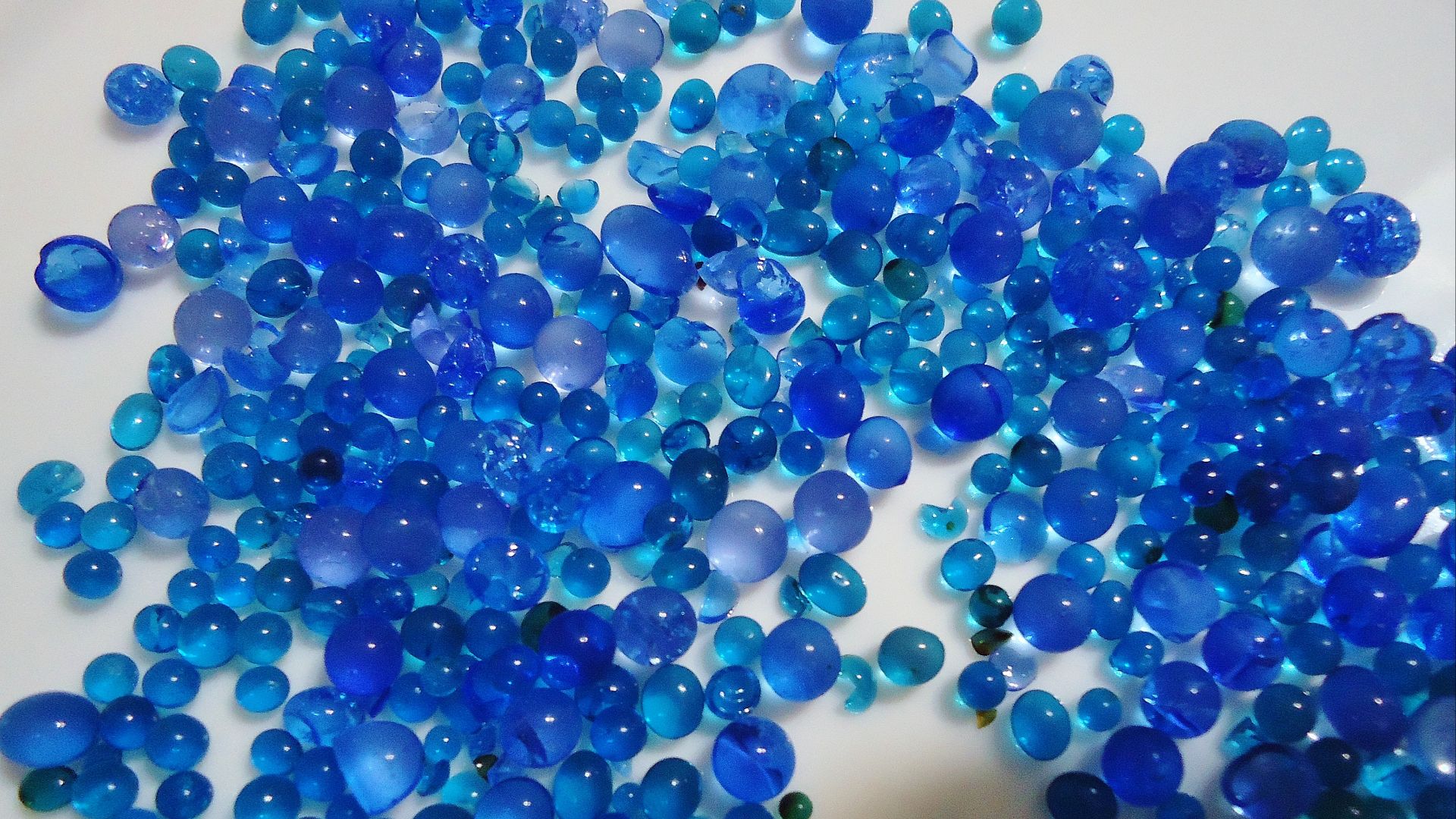
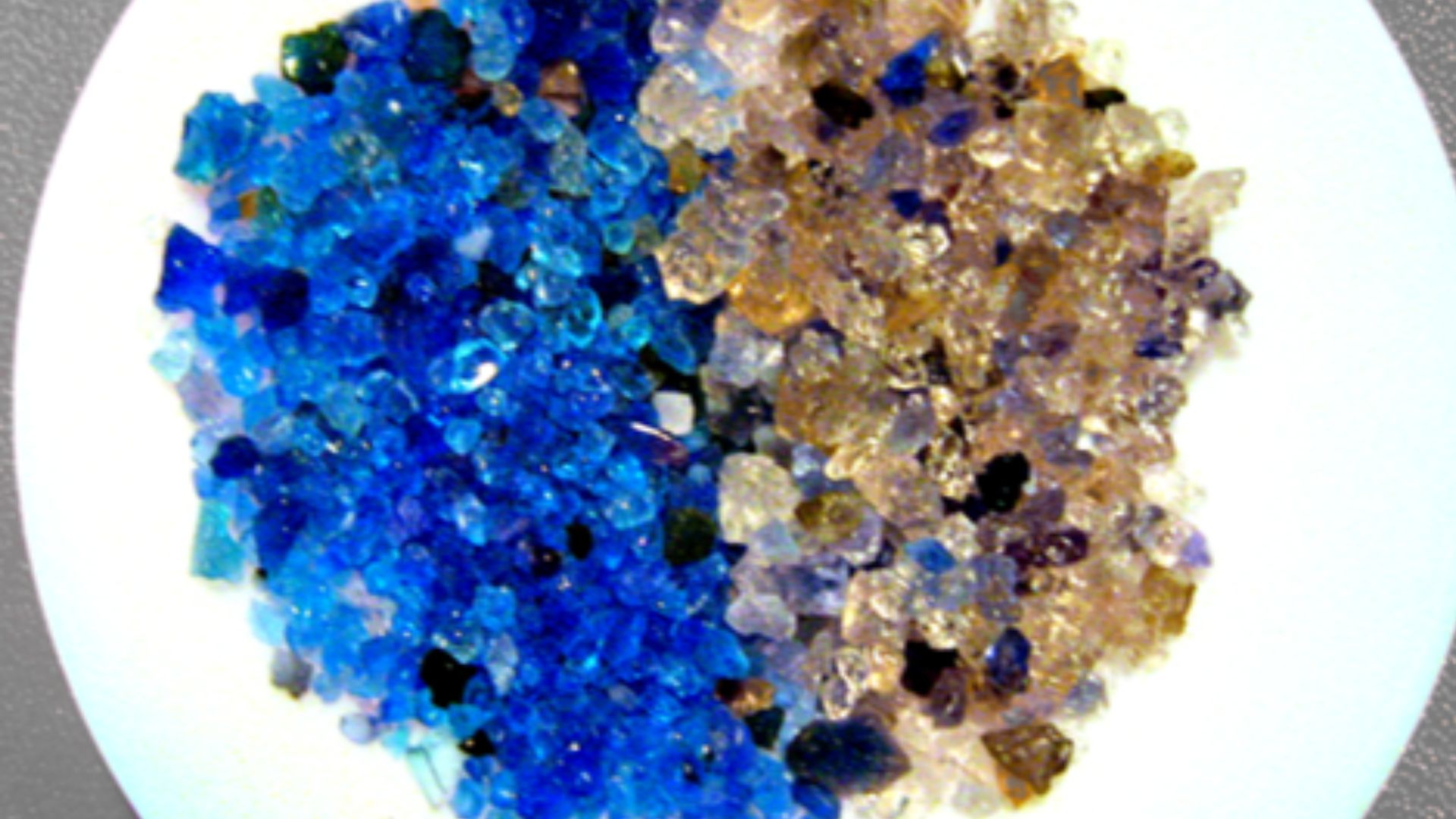
Certain silica gel packets include moisture indicators that shift color as saturation increases. Cobalt chloride was once common for this purpose, turning from blue to pink. Due to health concerns, many manufacturers now use safer alternatives. The color change signals the timing of replacement or reactivation rather than danger.
 Mauro Cateb, Wikimedia Commons
How Silica Gel Is Made From Ordinary Materials
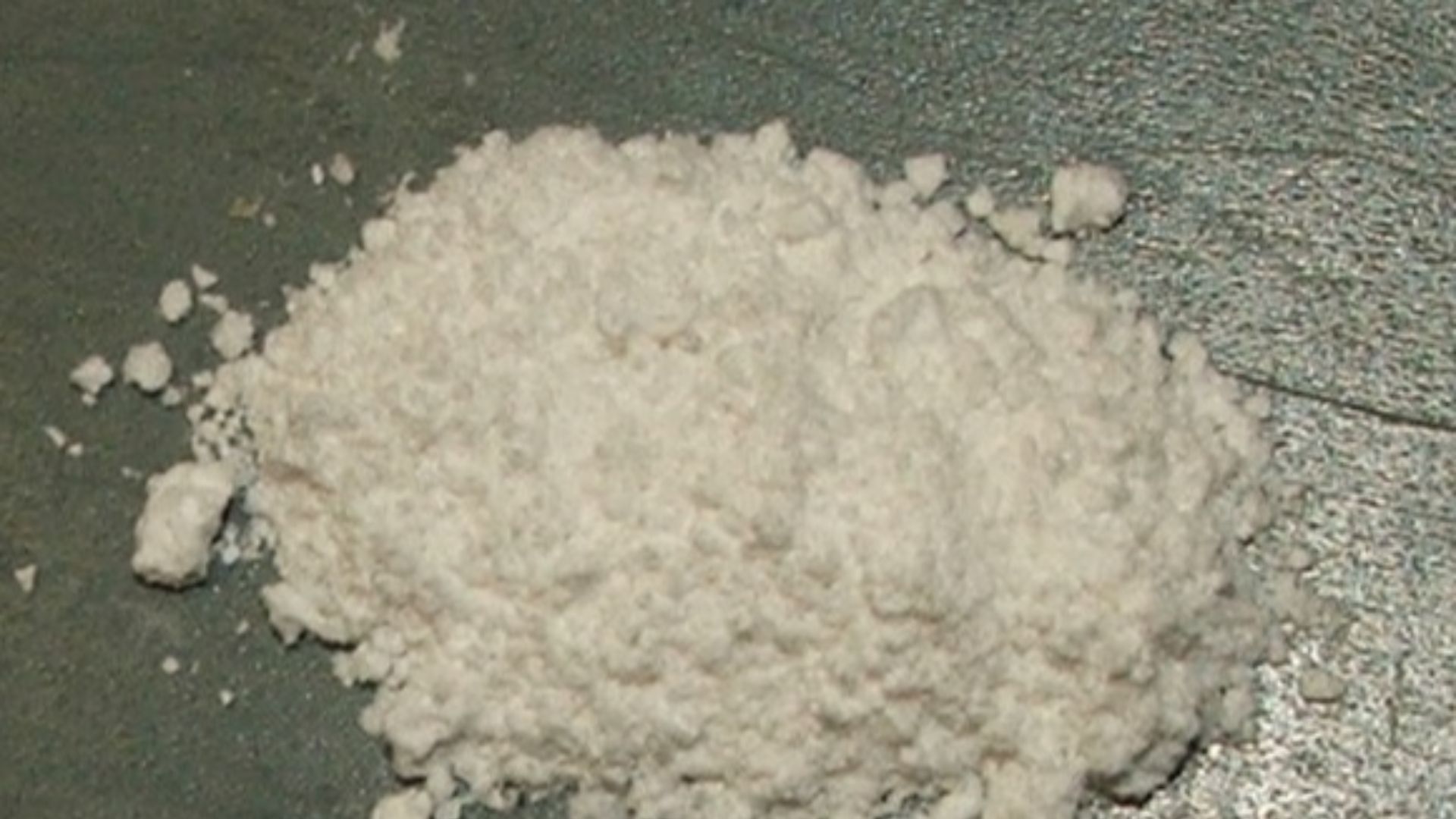
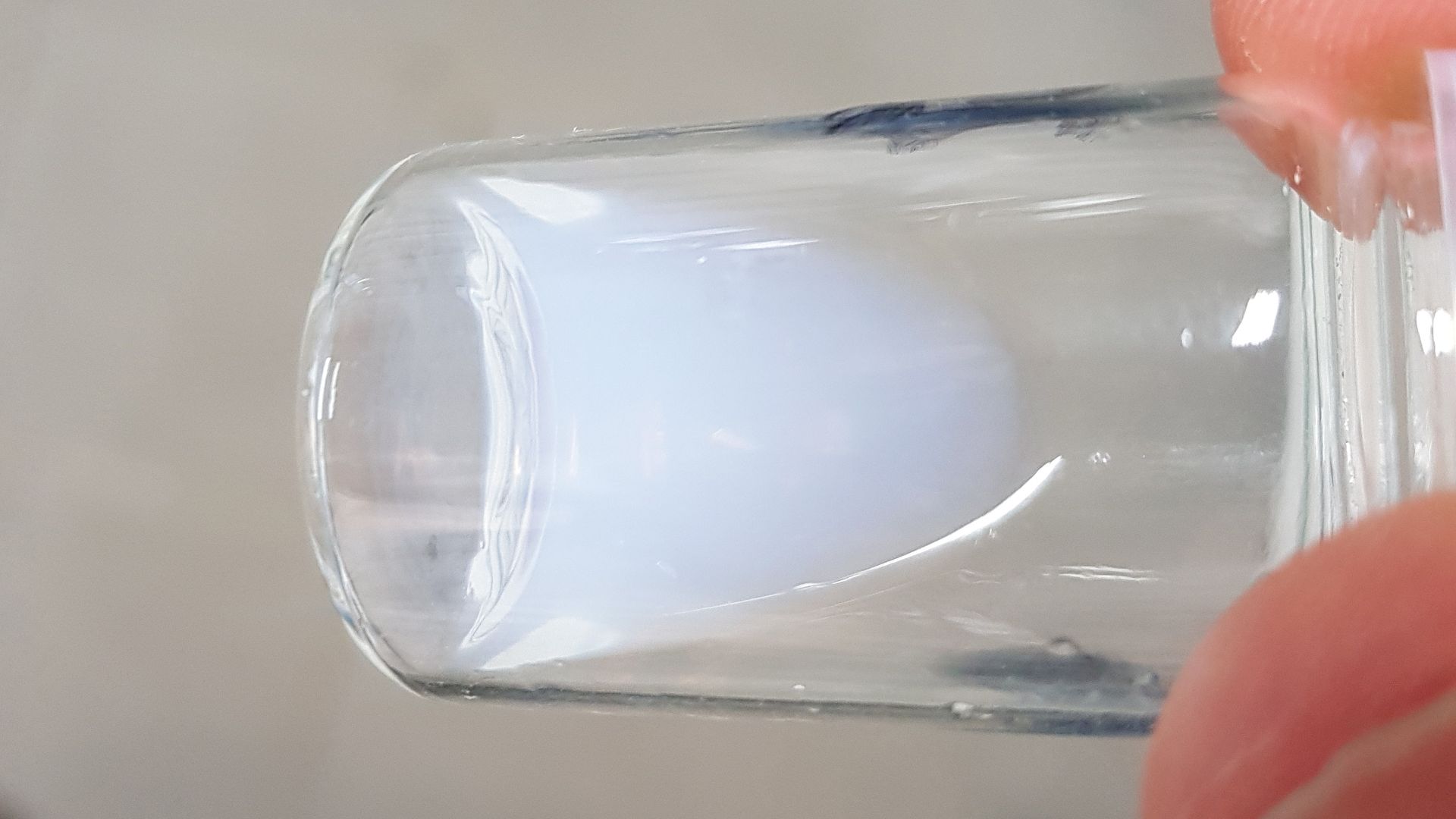
Silica gel starts as sodium silicate, a compound derived from sand. Through controlled chemical reactions, it forms a rigid structure filled with microscopic pores. Drying further locks that structure in place. The result behaves nothing like loose sand, despite sharing the same core ingredient.
 Chemicalinterest, Wikimedia Commons
Why Silica Gel Can Be Reused Instead of Replaced
Once saturated, silica gel does not stop working permanently. Gentle heating drives trapped moisture back out of the pores. Many packets can be refreshed in an oven or in sunlight. This reversibility explains why some people deliberately keep them rather than treating them as disposable.
Why Museums and Archives Rely on It
Preserving paper, textiles, and artifacts requires stable humidity. Silica gel offers passive control without electricity or airflow. Museums often use larger, regulated versions inside display cases. Its predictability and chemical stability make it suitable for environments where fluctuations cause irreversible damage.

How Silica Gel Protects Electronics Long Term
Moisture inside sealed electronics promotes corrosion on circuit boards. Silica gel limits such internal humidity before that process begins. This protection matters most during shipping or storage, when temperature changes cause condensation. Once corrosion starts, removal becomes impossible without physical repair.
Why Throwing Silica Gel Away Became Habitual
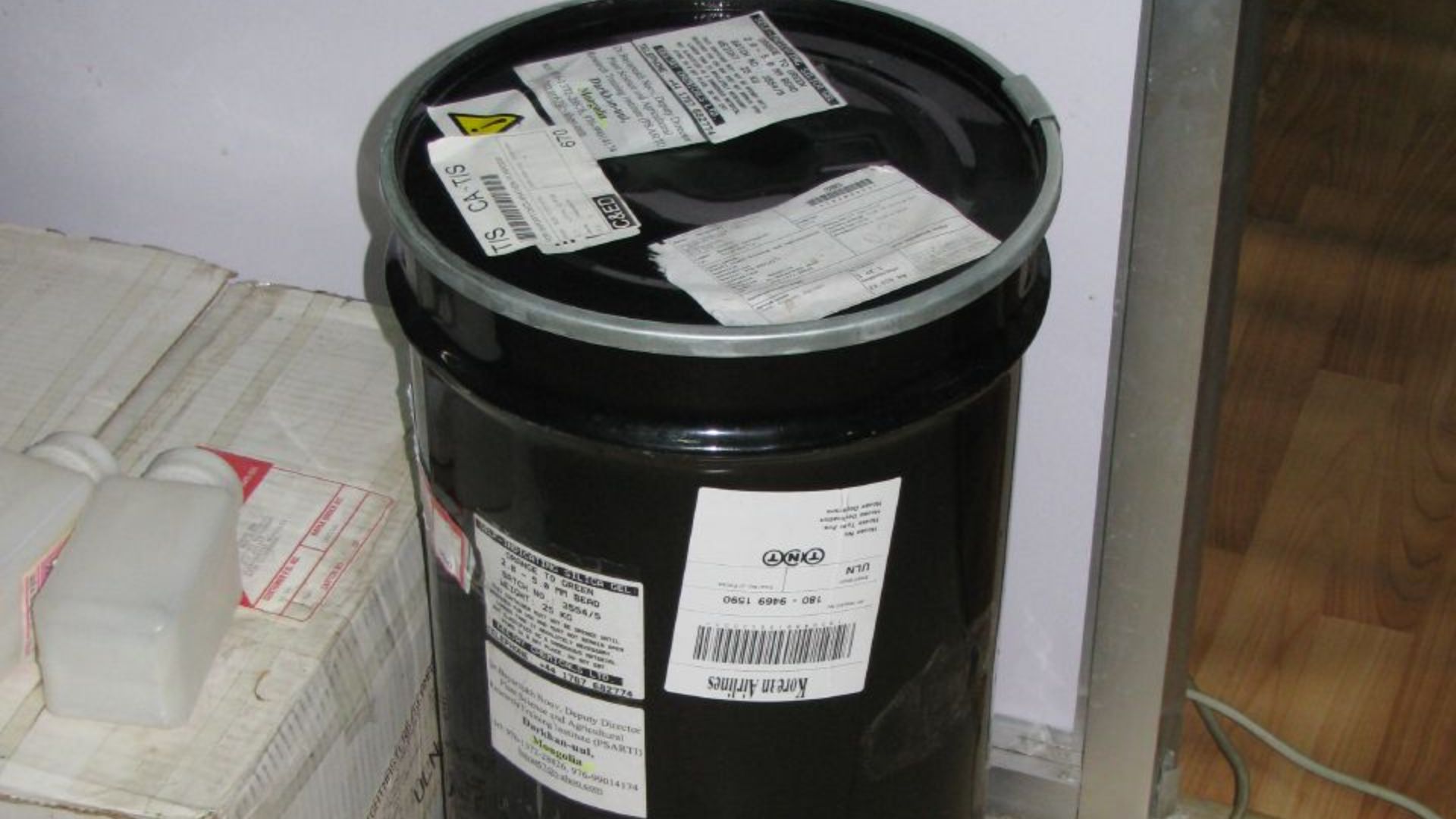
Early packaging treated silica gel as single-use protection. Consumers rarely received guidance on reuse or purpose. Warning labels encouraged disposal rather than curiosity. Over time, tossing the packet became automatic behavior, even though the material itself remains stable and functional well beyond first use.
 Luigi Guarino from Rome, Italy, Wikimedia Commons
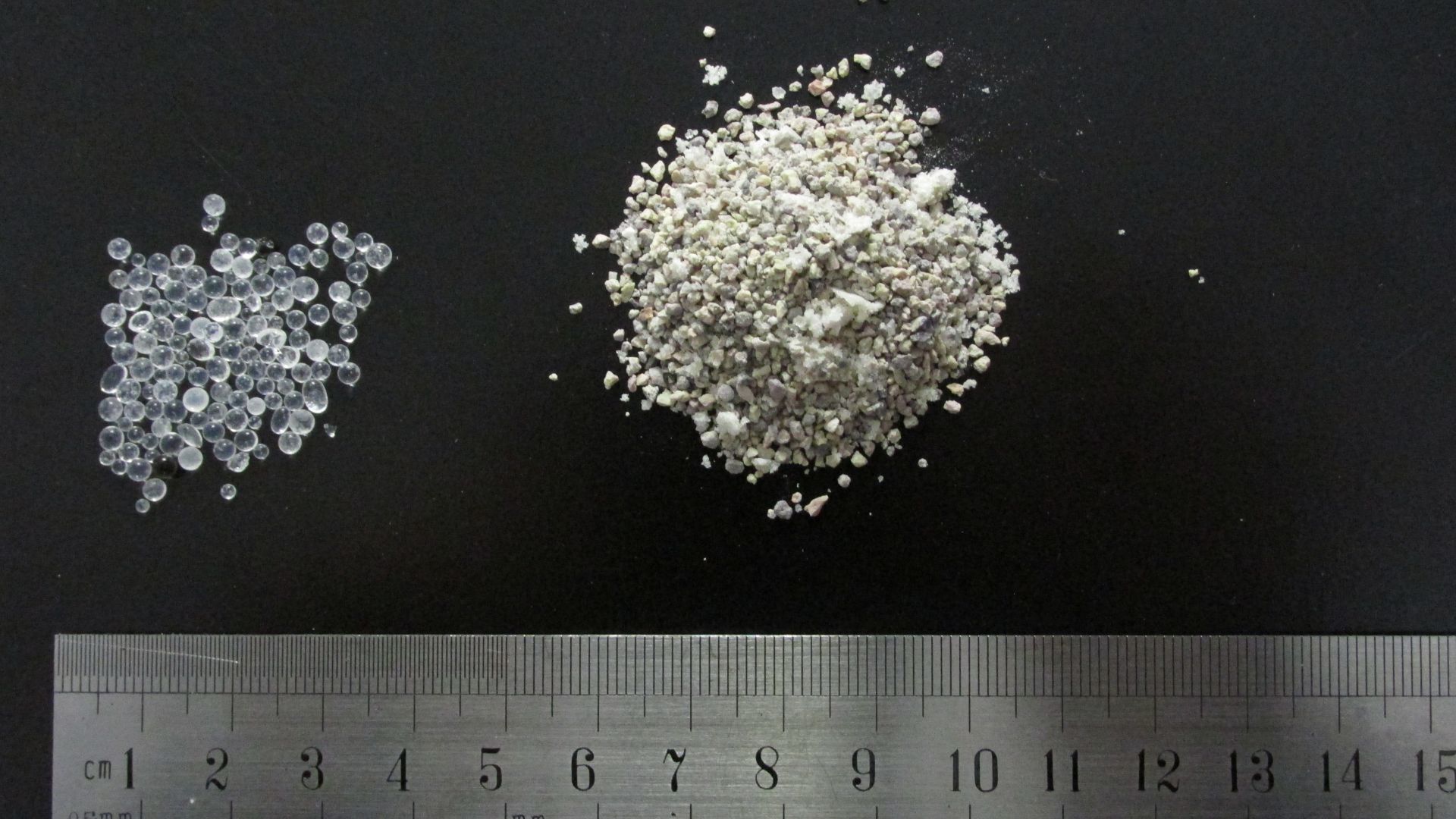
The Difference Between Silica Gel and Clay Desiccants
Not all drying packets work the same way. Some use clay, which absorbs moisture through swelling. Silica gel relies on surface attraction instead. Clay loses effectiveness faster and cannot be easily reused. Silica gel maintains its structure, which explains its wider use in sensitive packaging.
Why Silica Gel Does Not Degrade Over Time
Unlike organic materials, silica gel does not rot, dissolve, or break down under normal conditions. Its chemical stability allows it to function for years if kept intact. This longevity explains why old packets stored in drawers often remain effective long after their original purchase.
 Silver Spoon, Wikimedia Commons
Preventing Rust in Toolboxes and Hardware
Garages and basements create ideal conditions for corrosion. Temperature swings cause condensation, which settles on metal surfaces. Silica gel placed inside toolboxes reduces internal humidity, slowing oxidation on wrenches, screws, and spare parts. This does not permanently stop rust, but it delays damage enough to preserve tools that would otherwise degrade quietly over time.

Saving Important Documents and Photos
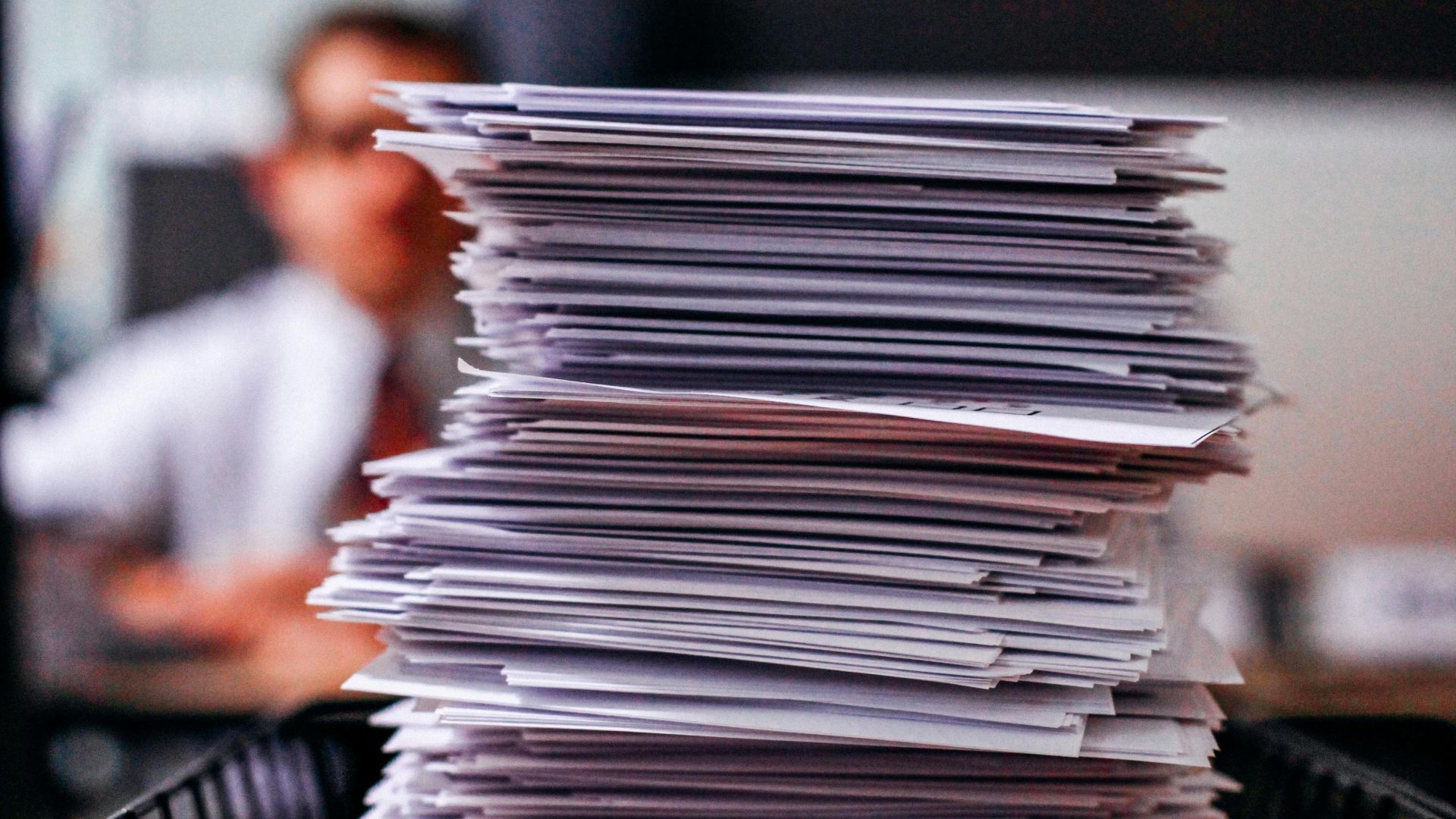
Paper reacts poorly to excess humidity. Pages warp and ink spreads over time. Photographs face a similar risk inside closed storage. Silica gel packets placed in safes or file boxes help keep internal moisture levels lower and slow long-term damage without contact.
Silica Gel vs. Other Moisture Absorbers
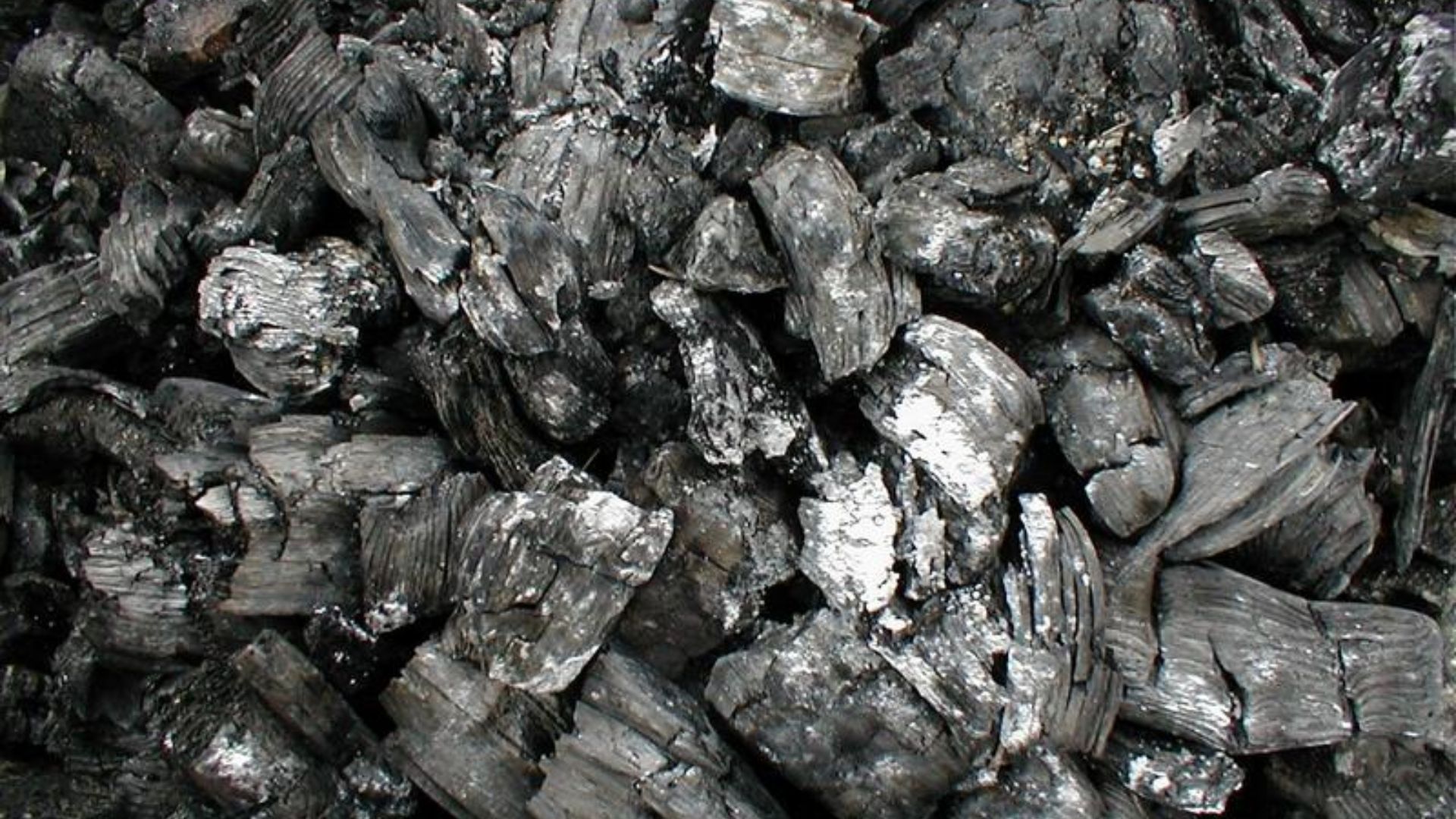
Not all moisture absorbers behave the same way. Charcoal reduces odors more than humidity. Baking soda works best in open air and loses effectiveness quickly. Calcium chloride pulls moisture aggressively but can leak liquid brine. Silica gel stays dry and predictable, which explains why it appears in sealed packaging rather than open household spaces.
What Silica Gel Cannot Do
Silica gel controls humidity, not damage already in motion. It cannot dry soaked items or reverse corrosion after it starts. Mold growth also requires separate intervention. The packets work as prevention inside enclosed spaces, where moisture builds quietly over time rather than through sudden exposure.
Environmental Impact and Waste Perception
Most people treat silica gel as disposable because packaging encourages it. Chemically, the material stays stable for years. Reuse changes its footprint significantly. Fewer packets enter landfills when consumers understand function, which reframes the packet as a tool rather than trash.
Why Minimalists and Preppers Love It
Storage-focused communities value predictability. Silica gel works without power, noise, or maintenance beyond occasional drying. That reliability fits long-term planning. Minimalists also appreciate reduced waste. Preppers rely on passive control inside sealed containers where moisture damage appears slowly and expensively.
How Much Moisture Silica Gel Can Actually Hold
Silica gel has a finite capacity. At room temperature, it typically adsorbs up to forty percent of its weight in water vapor before becoming saturated. Once full, effectiveness drops sharply. This limit explains why packet size matters and why sealed volume determines real-world performance, not visibility or bead count.
When Reuse Stops Making Sense
Packets torn open, contaminated with oils, or exposed to liquid water lose reliability. Some indicator gels contain dyes unsuitable for reuse around food or documents. At that point, replacement becomes practical. Knowing when to discard prevents false confidence in compromised protection.