

The Secret To Human Evolution Might Be In Our Legs
For generations, scientists have studied how our ancestors developed larger brains and sophisticated tools. But another theory suggests that a remarkable physical ability helped shape the human body. According to the endurance running hypothesis, our ancestors evolved to run extraordinary distances, and this, not our brains, is what first separated our ancestors from the other apes.

Humans Are Surprisingly Bad At Running Fast
Put a human beside a horse, antelope, or cheetah, and the outcome of a short race is obvious. Most four-legged mammals can easily outrun us. Yet scientists discovered that humans possess an unusual combination of adaptations for sustained running, especially in hot conditions.

Two Scientists Proposed A Radical Explanation
In 2004, biologists Dennis Bramble and Daniel Lieberman published a groundbreaking paper in the journal Nature. They argued that endurance running emerged within the genus Homo approximately two million years ago. Their hypothesis challenged conventional explanations for the evolution of the human body.

But Humans Were Already Walking Upright
The distinction between walking and running is crucial. Our ancestors began developing upright locomotion millions of years before the anatomical changes associated with efficient endurance running. Humans are also members of the ape family, so running did not literally separate humans from all apes.
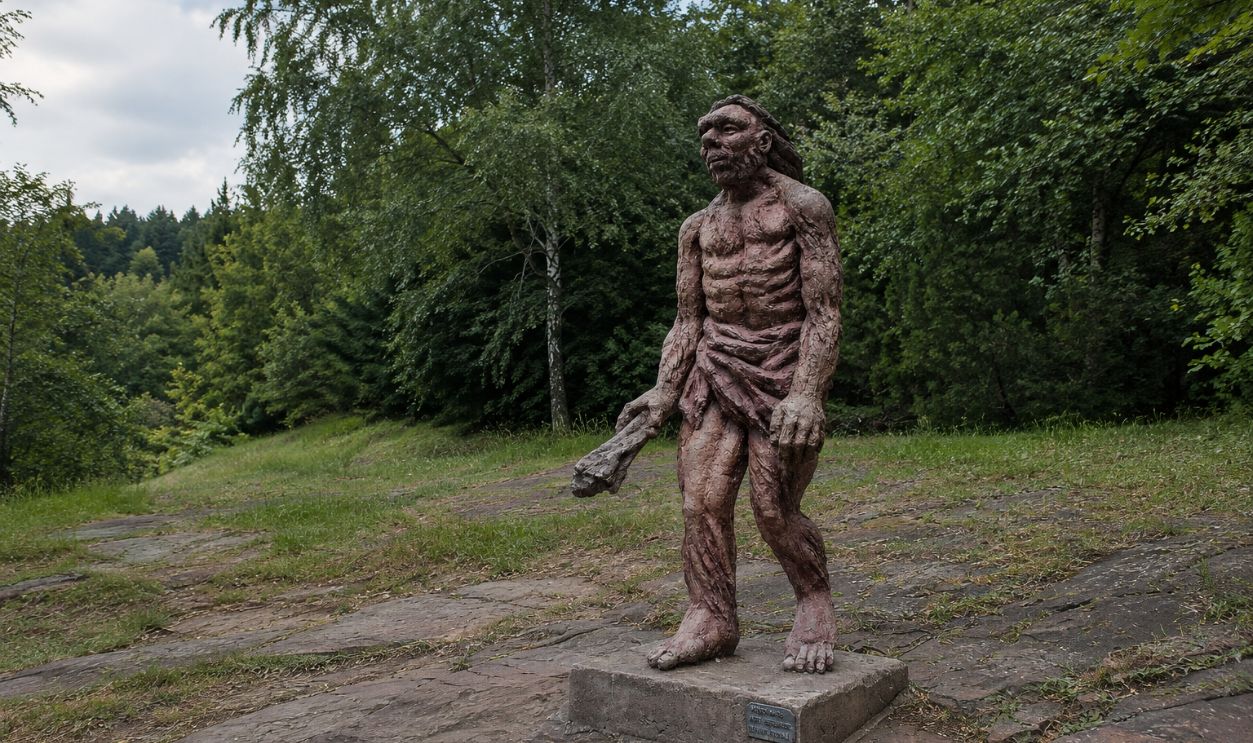
Our Ancestors Started On Two Feet
By approximately four million years ago, several early human ancestors had developed adaptations for regular upright walking. Species such as Australopithecus afarensis could move on two legs while retaining climbing abilities. Their bodies were considerably different from those of modern human runners.
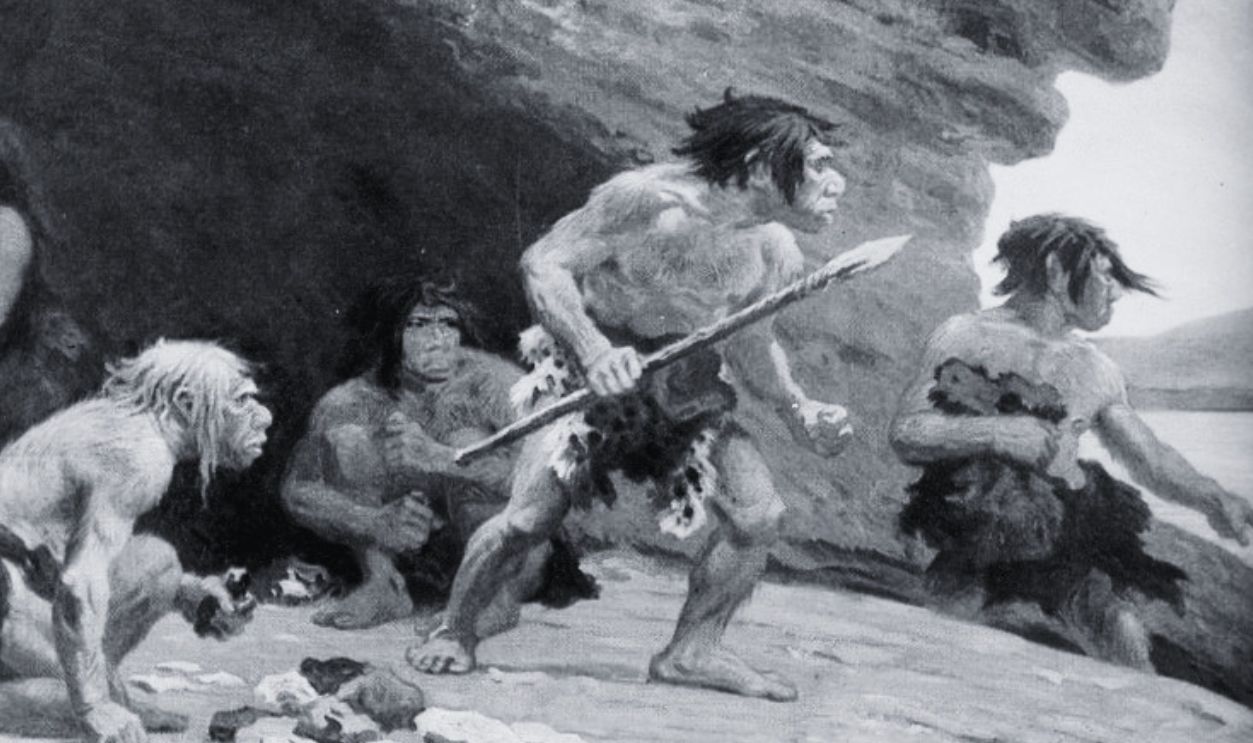 Charles Robert Knight, Wikimedia Commons
Then Homo Erectus Changed Everything
Around 1.9 million years ago, Homo erectus appeared in the fossil record with remarkably humanlike body proportions. Compared with earlier ancestors, these humans possessed longer legs and relatively shorter arms. Their anatomy was increasingly suited to traveling substantial distances across the ground.

The Fossils Revealed An Unexpected Athlete
One especially important fossil is Turkana Boy, a young Homo erectus individual who lived approximately 1.6 million years ago. His skeleton provides evidence of a relatively tall, slender body. These proportions were well suited to movement and temperature regulation in hot environments.
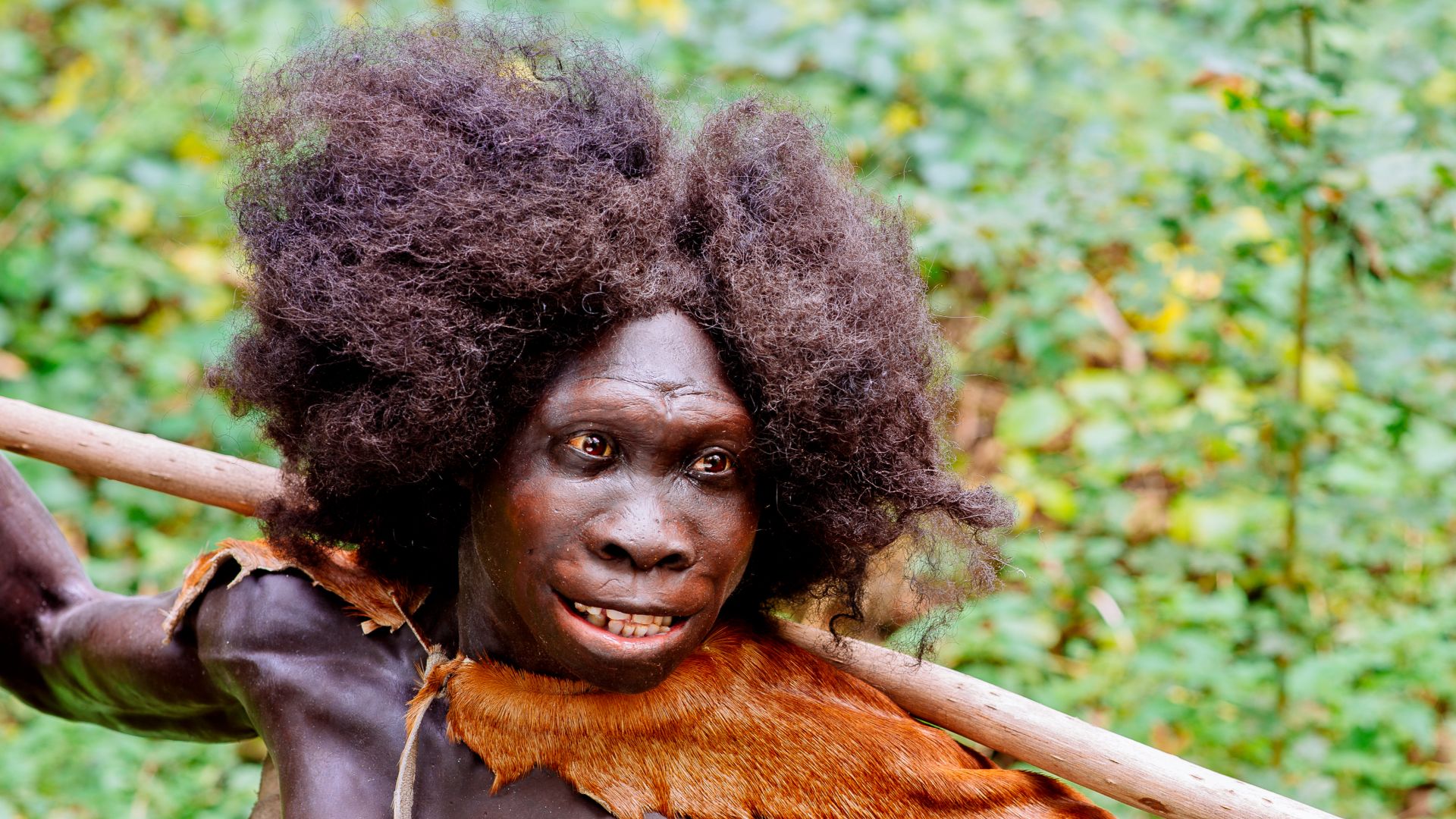 Neanderthal Museum, Wikimedia Commons
Longer Legs Made A Difference
Longer legs allowed early humans to cover more ground with each stride. Their taller, narrower bodies also helped dissipate heat in warm climates. Researchers believe these characteristics supported longer-distance travel, although whether running specifically drove their evolution remains a subject of debate.
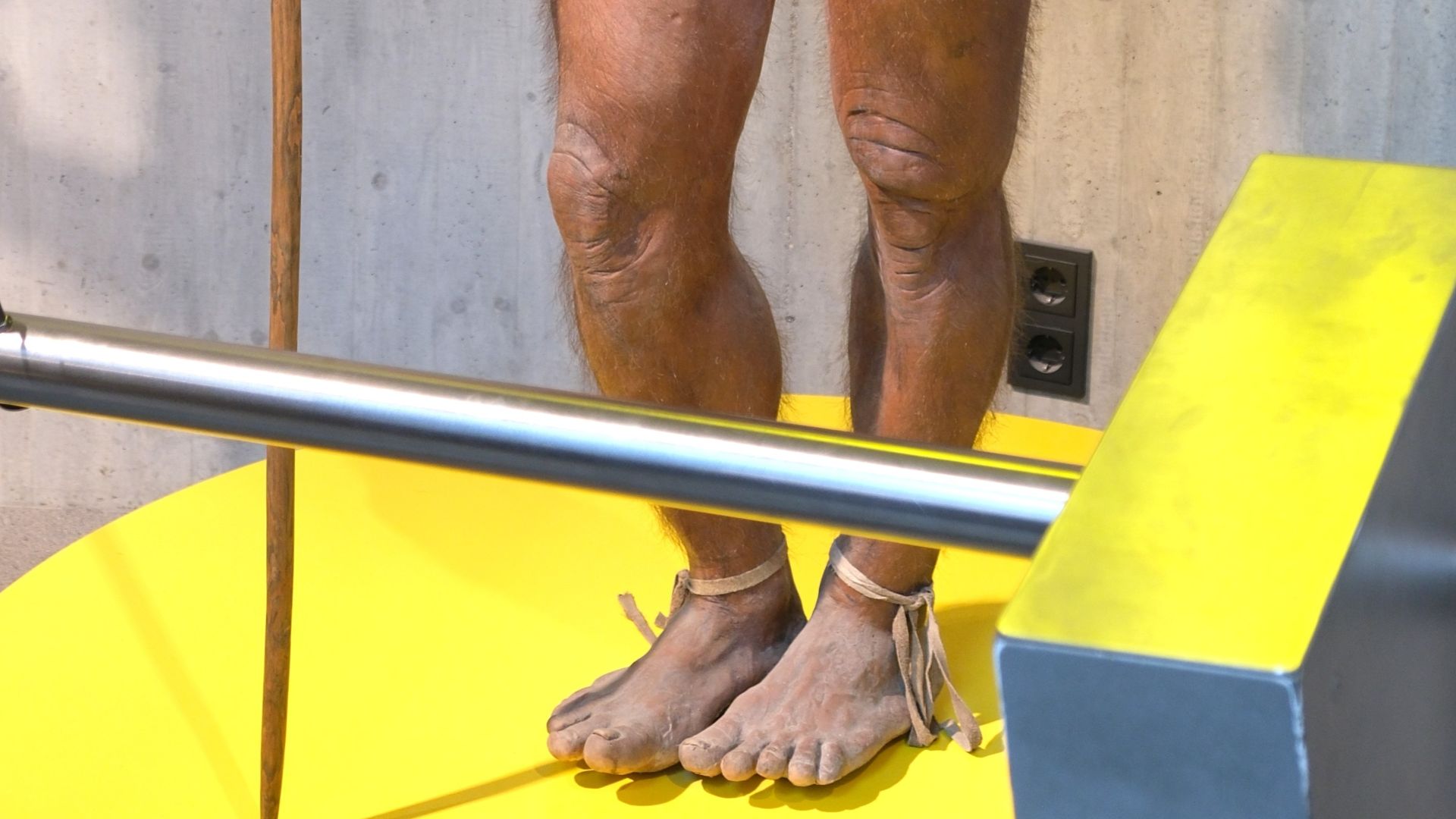 Ziko van Dijk, Wikimedia Commons
Even Our Shoulders Tell A Story
Human shoulders differ significantly from those of chimpanzees and other climbing apes. Their positioning permits the upper body to move more independently from the head. Bramble and Lieberman proposed that this separation helped stabilize the body during running, rather than simply improving walking.
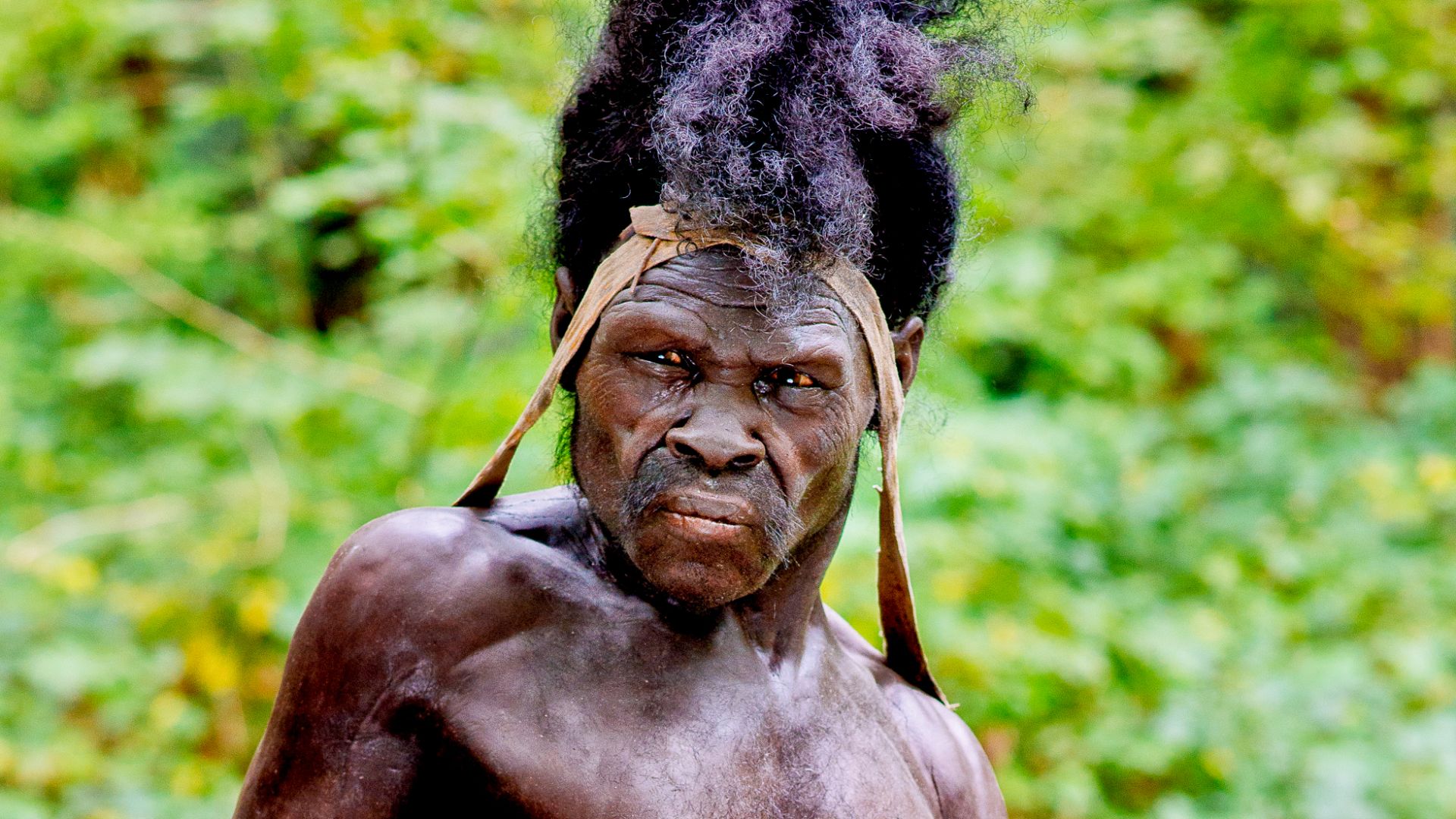 Neanderthal-Museum, Mettmann, Wikimedia Commons
The Strange Ligament That Keeps Your Head Steady
Running creates repeated movements that can make the head difficult to stabilize. Humans possess a nuchal ligament that helps control these movements. Bramble and Lieberman identified evidence associated with this structure in later human ancestors, including Homo erectus, but not earlier australopithecines.
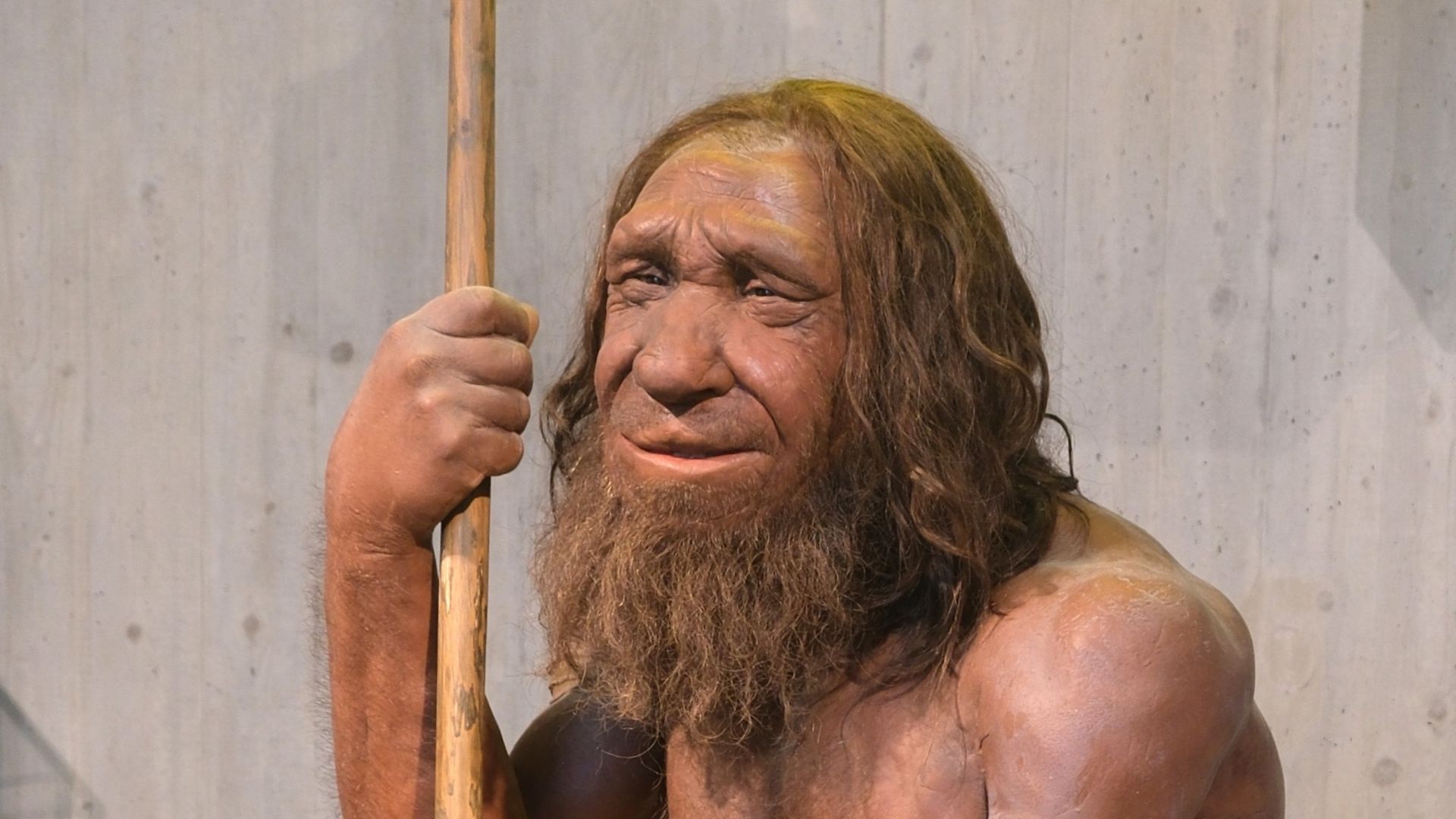 Ziko van Dijk, Wikimedia Commons
Your Biggest Muscle Has An Evolutionary Secret
The gluteus maximus, the large muscle forming much of the buttocks, is particularly important during running. Researchers found that it becomes substantially more active when people run rather than walk. Its functions include controlling trunk movement and helping manage the swinging leg.

Scientists Actually Tested This Muscle
In a 2006 study, Lieberman and his colleagues measured muscle activity during walking and running. They discovered that the gluteus maximus was relatively inactive during ordinary walking but became considerably more engaged during running. These results supported its proposed role in human running evolution.
 AncestryFoundation, Wikimedia Commons, Enhanced
Our Legs Also Contain Natural Springs
The Achilles tendon stores and releases elastic energy during running. As the foot strikes the ground and pushes away, this mechanism helps reduce the muscular work required for movement. Researchers consider elastic tendons an important component of the human body's endurance-running capabilities.
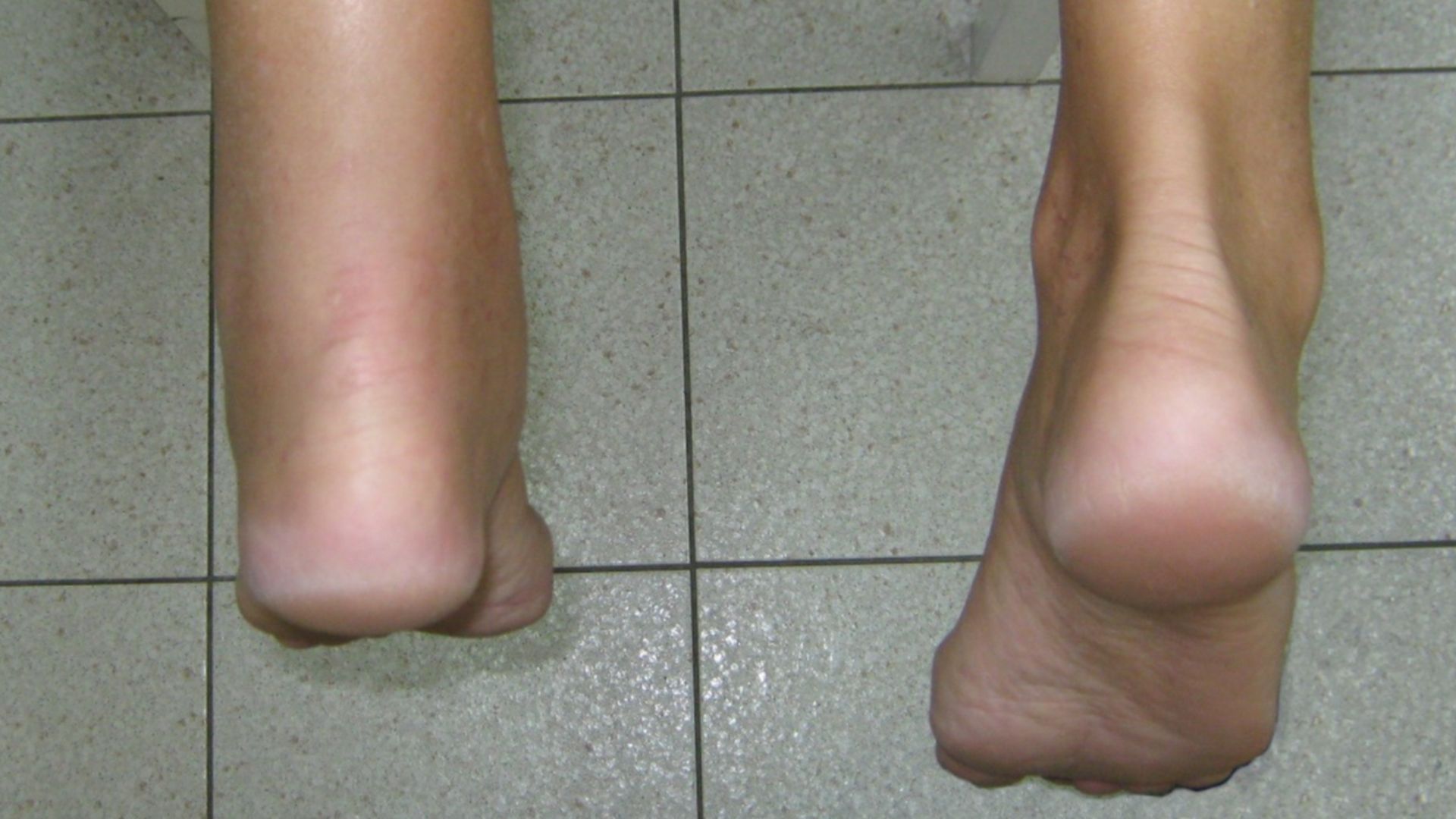 Grook Da Oger, Wikimedia Commons
Even The Human Foot Was Different
Our feet combine relatively short toes with structural adaptations that support upright locomotion. The endurance running hypothesis proposes that some of these characteristics improved running performance. However, several foot adaptations also benefit walking, making their original evolutionary functions difficult to establish conclusively.
 Ziko van Dijk, Wikimedia Commons
Scientists Discovered Something Fascinating About Toes
A 2009 study investigated how toe length affects the mechanics of walking and running. Researchers found that longer toes substantially increased mechanical demands during running, without producing comparable increases during walking. The findings suggested that shorter human toes may have evolved partly through selection for running efficiency.

Running Came With An Expensive Problem
Sustained running requires considerable energy. Every stride places demands on muscles while producing metabolic heat that must be dissipated. Scientists investigating the endurance running hypothesis therefore had to explain why natural selection might favor such an expensive activity over more economical walking.
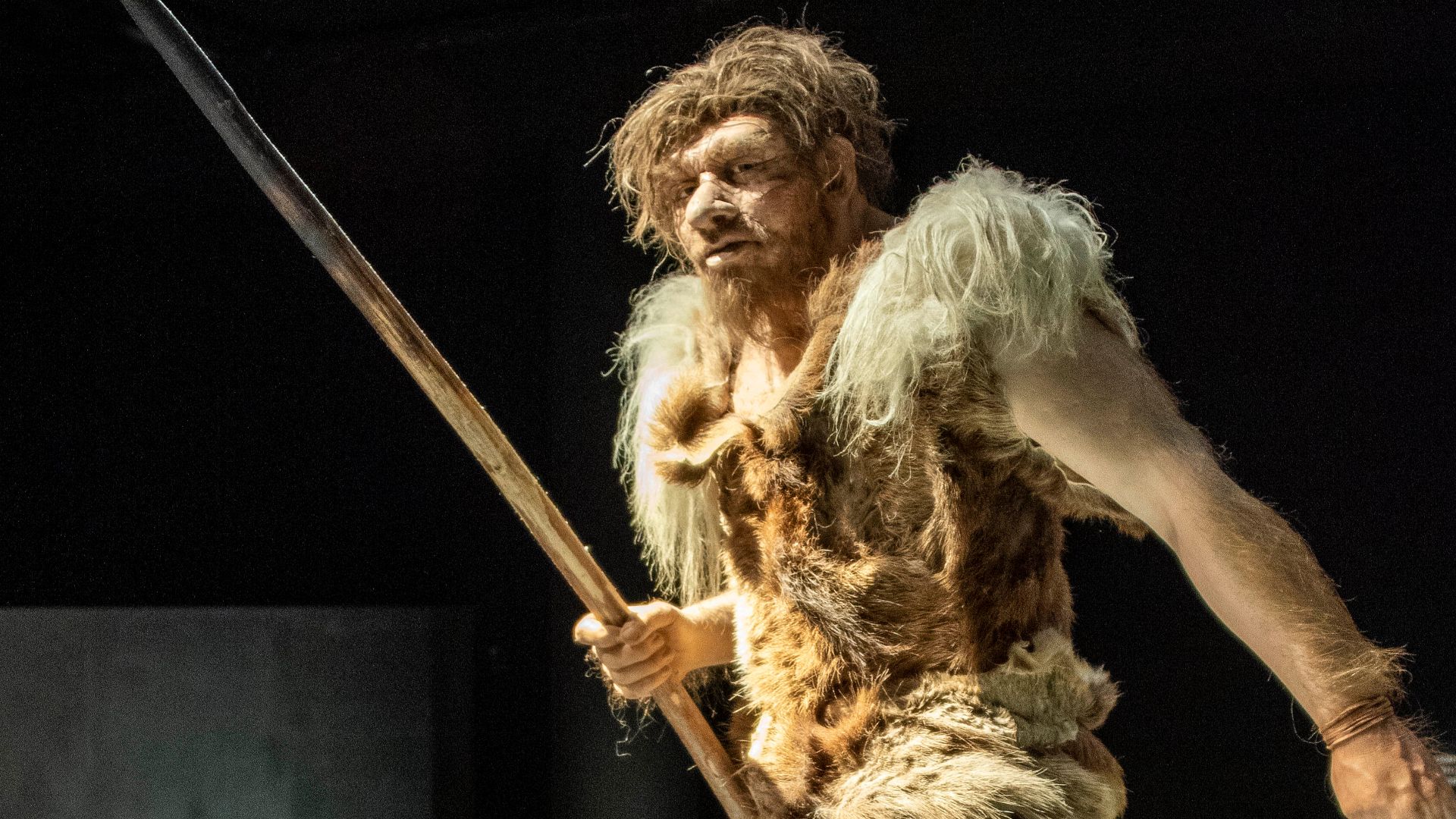 Paul Hermans, Wikimedia Commons
The Answer Might Be Written In Our Sweat
Humans possess an effective cooling system based on sweating. As perspiration evaporates, it removes heat generated by prolonged muscular activity. This ability is particularly valuable during sustained exertion in hot environments and forms a central part of the endurance running hypothesis.

Scientists Even Compared Humans Against Horses
Researchers examined competitions in which humans and horses covered long distances. Their analysis found that rising temperatures had a smaller negative effect on human running speeds than on horse speeds. First published in 2020, the findings supported human adaptations for running in heat without establishing their evolutionary origin.
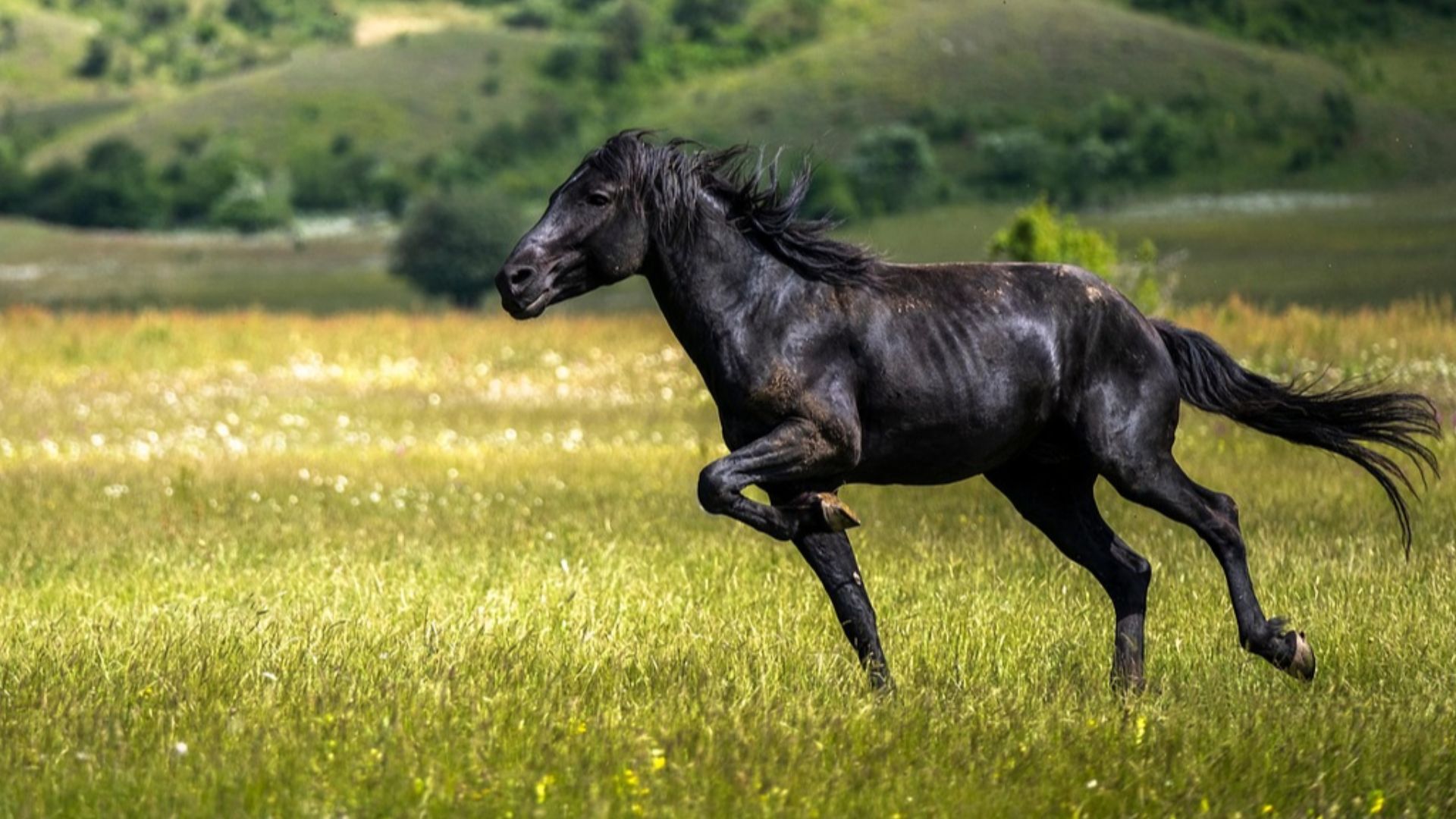
Our Ancestors May Have Hunted By Refusing To Stop
These adaptations inspired a remarkable explanation for early human hunting. Rather than outrunning prey in a short chase, hunters could repeatedly pursue an animal over extended distances. This technique, known as persistence hunting, aimed to exhaust prey through sustained pursuit.
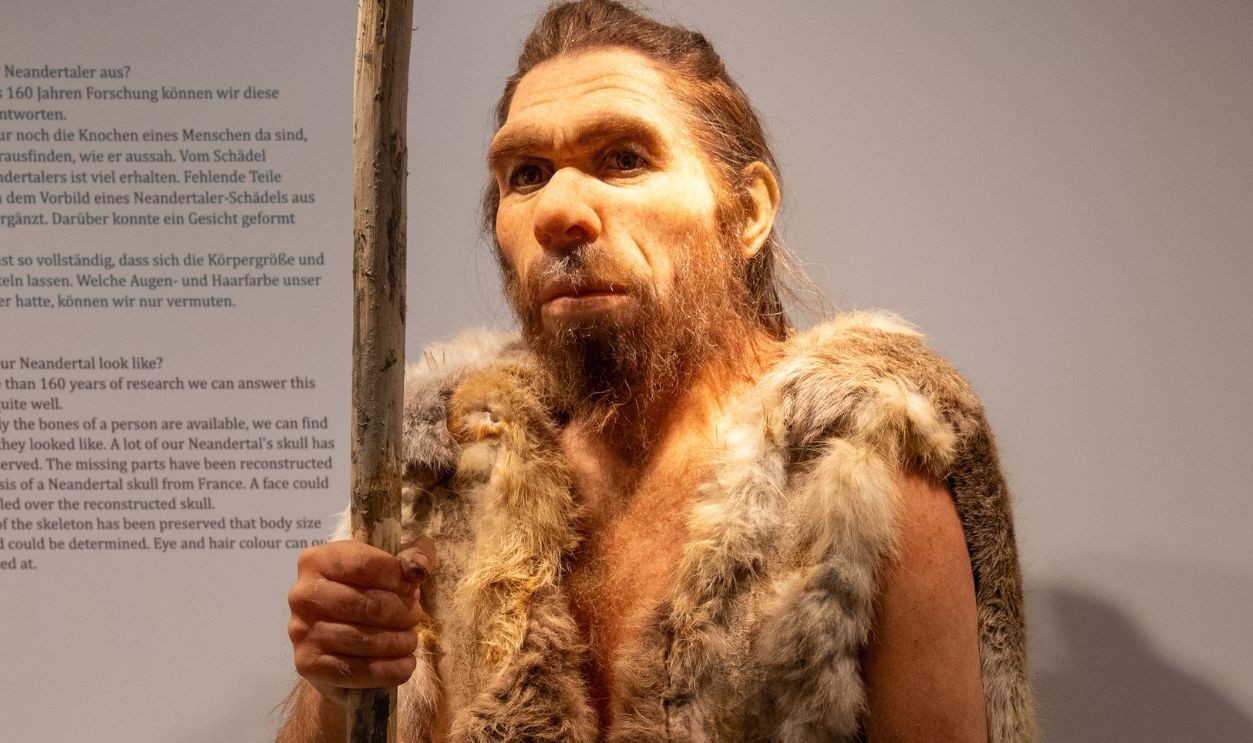
The Chase Required More Than Running
Persistence hunting was not simply a matter of following an animal until it collapsed. Hunters needed to recognize tracks, anticipate movements, and locate prey after losing sight of it. Anthropologist Louis Liebenberg emphasized that tracking abilities were essential to the technique's effectiveness.
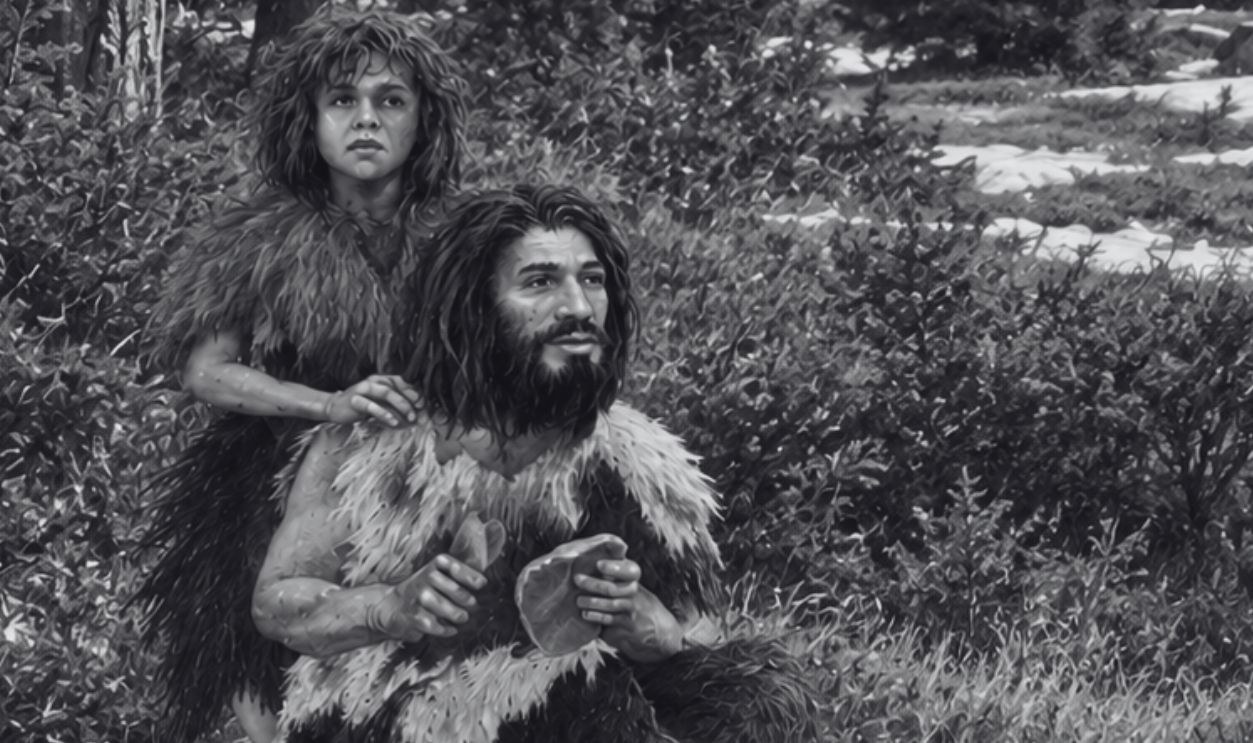 athree23, Wikimedia Commons, Enhanced
Heat Could Turn The Tables On Faster Animals
Many mammals must slow down or stop to manage their body temperature during strenuous activity. Humans can continue dissipating heat through sweating while moving. Researchers believe this difference could help persistence hunters exhaust certain prey animals, particularly during prolonged pursuits in hot conditions.
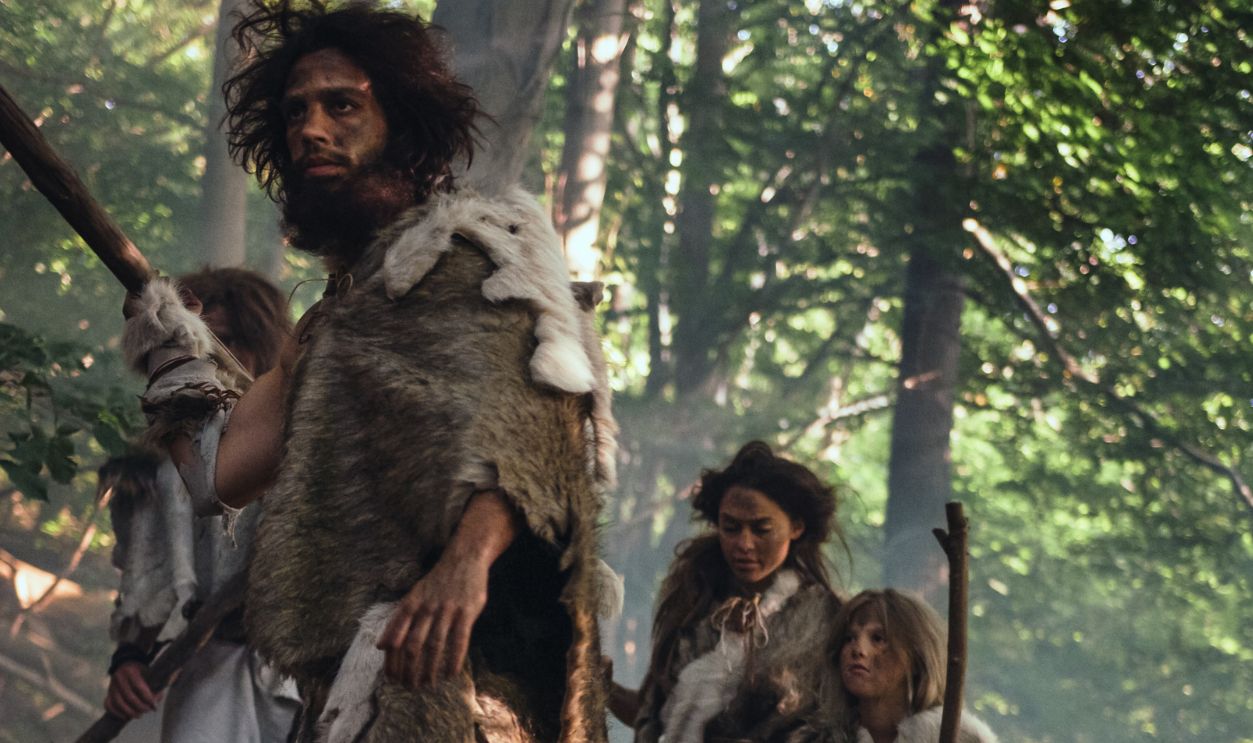
Modern Hunters Provided An Important Clue
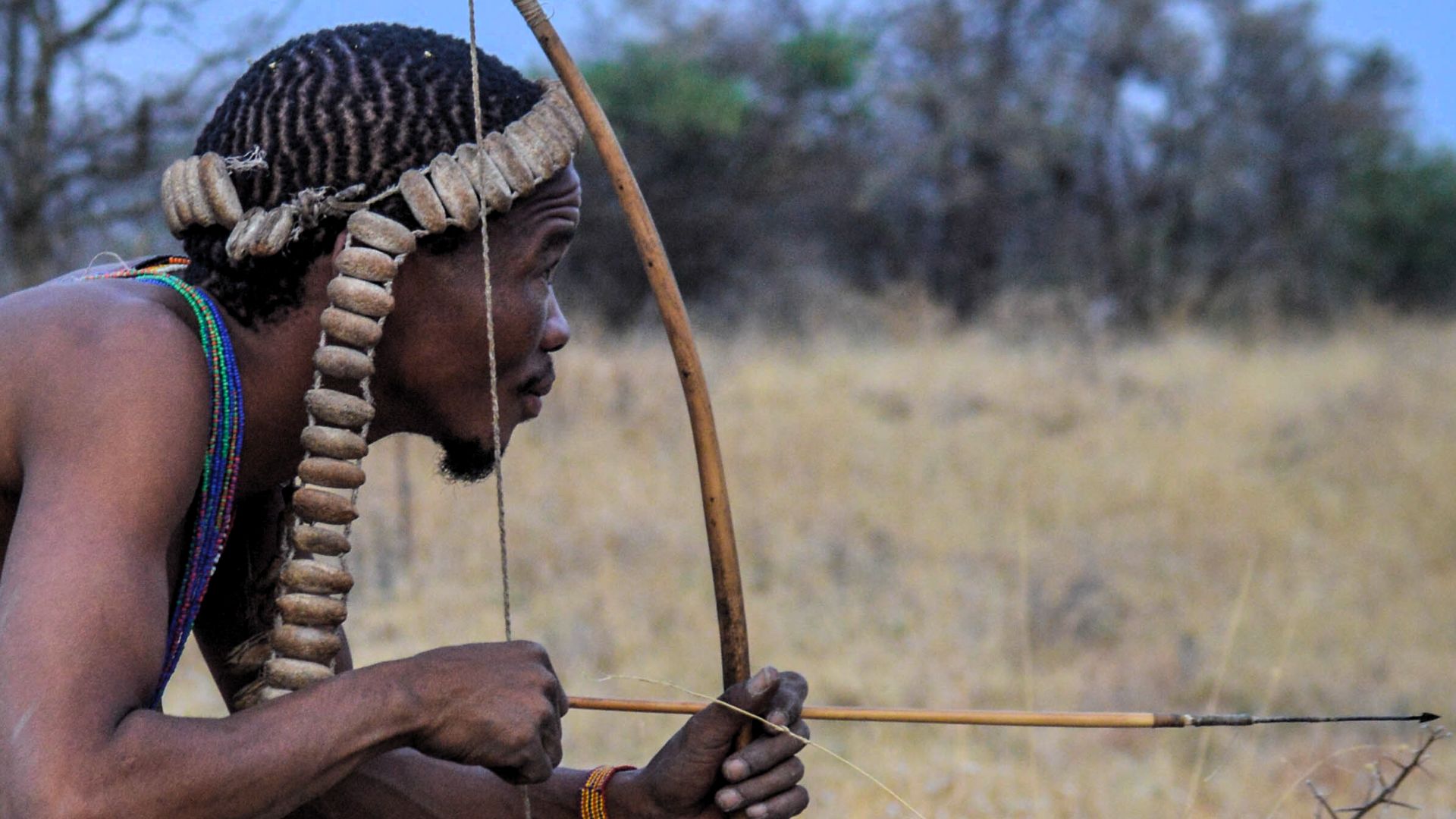
Liebenberg's 2006 research examined persistence hunting among modern hunter-gatherers, including hunters in southern Africa. His work documented how tracking and repeated pursuit could be combined to exhaust animals. These observations offered scientists evidence that endurance hunting was a practical technique, rather than merely a theoretical possibility.
Researchers Found Hundreds Of Forgotten Hunts
A 2024 study challenged the suggestion that persistence hunting was historically too rare to be important. Researchers Eugène Morin and Bruce Winterhalder examined nearly 400 documented endurance pursuits from 272 locations worldwide. Their analysis found that the technique could produce competitive hunting returns under particular conditions.
 Frame Stock Footage, Shutterstock Images
Even More Evidence Emerged In 2026
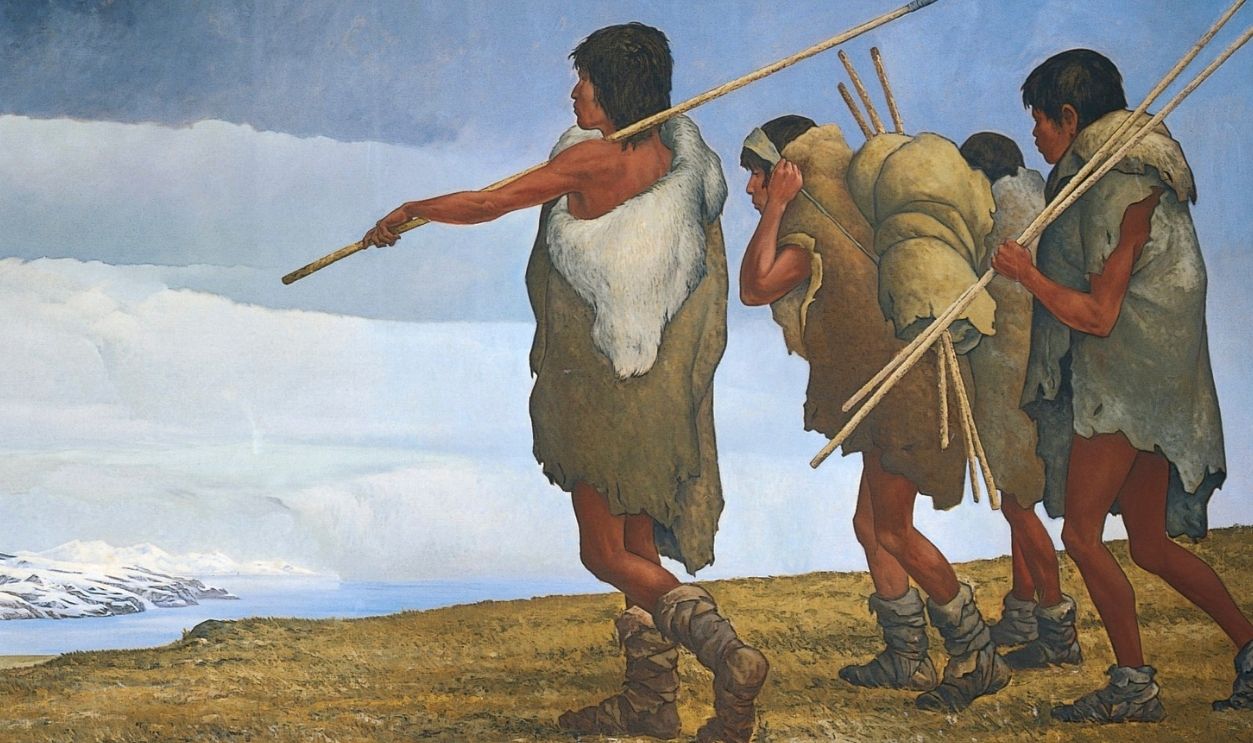
A subsequent study published in 2026 analyzed 425 documented endurance pursuits. Researchers found that hunters frequently alternated running with walking and tracking, carefully managing their pace. High temperatures and crusted snow sometimes favored successful hunts, demonstrating that persistence hunting was not restricted to hot climates.
 DEA PICTURE LIBRARY, Getty Images
But Running Wasn't Always The Best Strategy
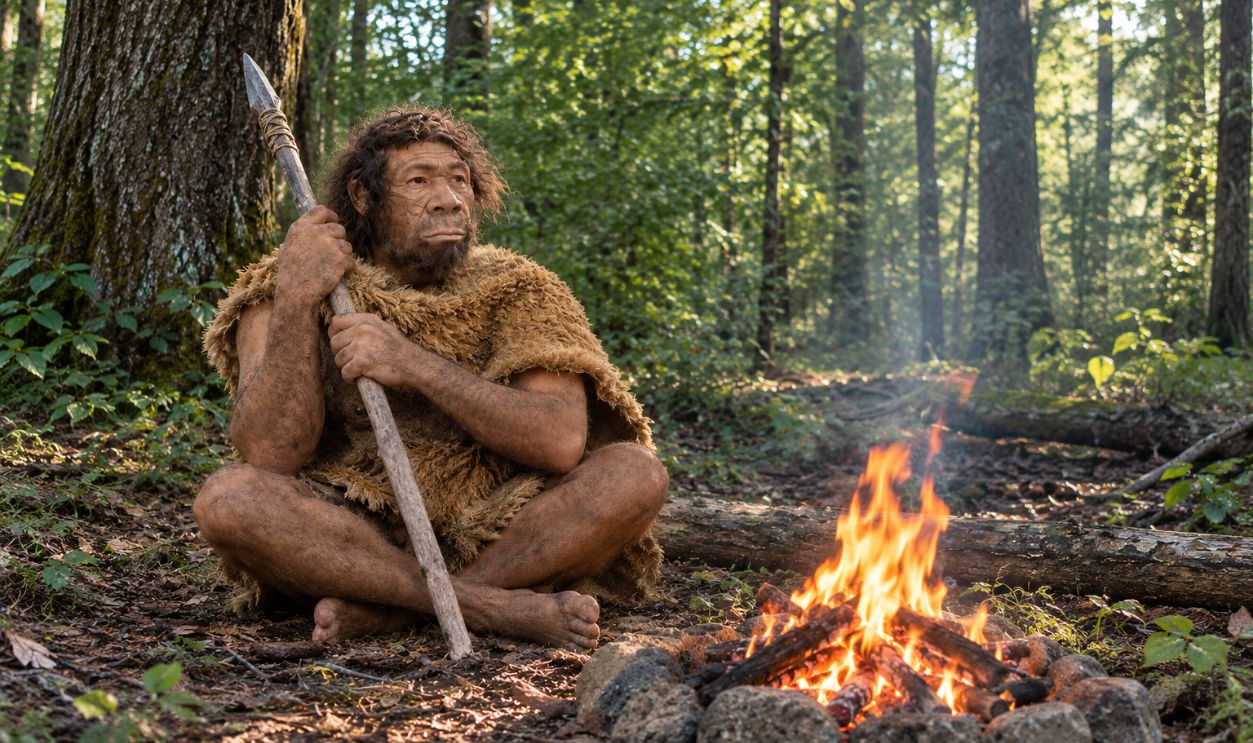
The endurance hunting hypothesis has faced criticism because running demands substantial energy. Its effectiveness depends on conditions, prey behavior, and hunting experience. The 2024 research argued that persistence hunting could nevertheless be competitive with other traditional hunting methods in certain circumstances.
 Maria12345678, Wikimedia Commons, Modified
Scavenging Offered Another Possible Advantage
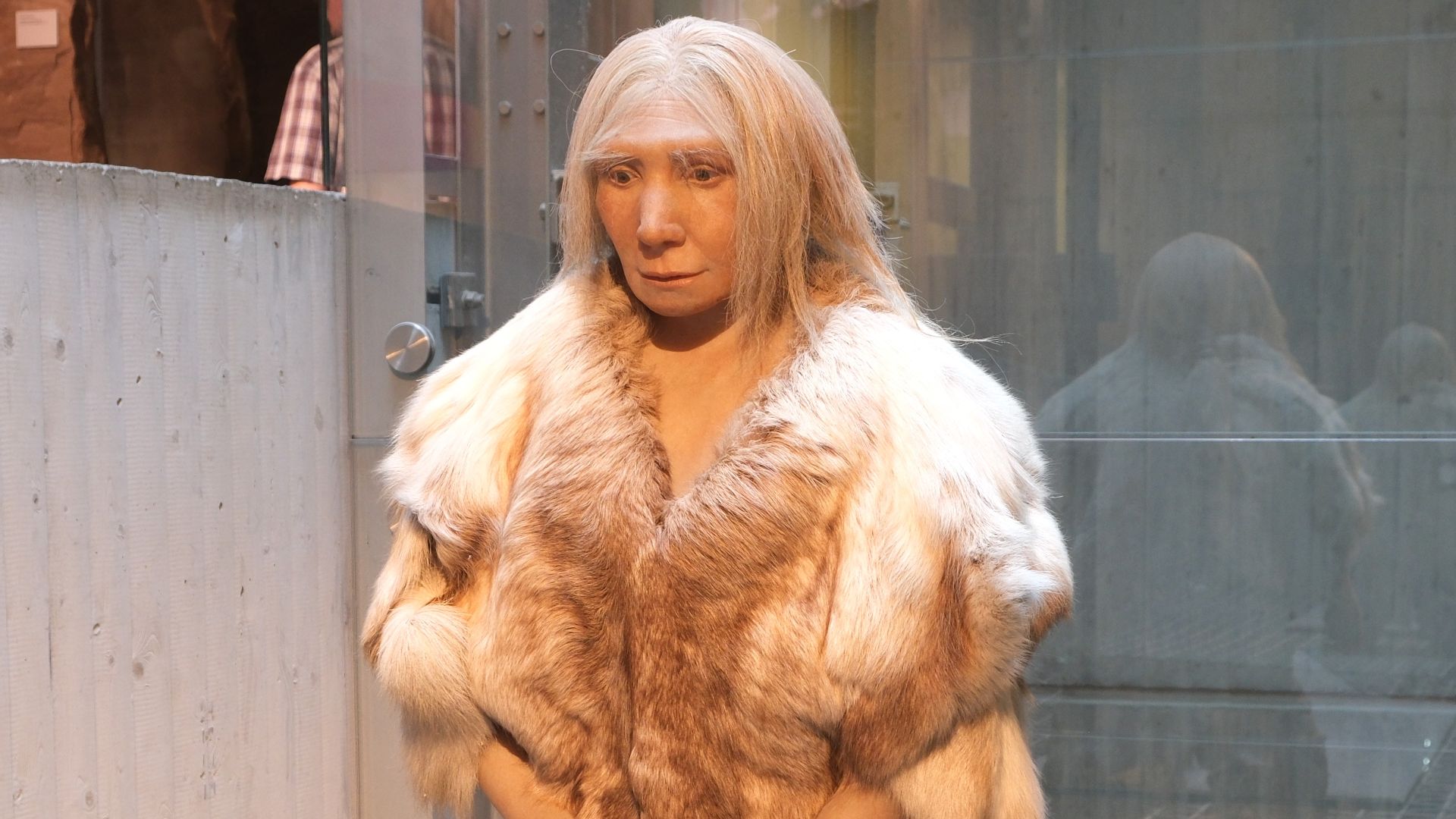
Bramble and Lieberman also suggested that endurance running might have helped early humans reach animal carcasses before competitors. However, researchers Travis Pickering and Henry Bunn questioned whether long-distance running would actually provide such an advantage. The benefits of running for scavenging remain disputed.
 Ziko van Dijk, Wikimedia Commons
Some Scientists Question The Anatomical Evidence
Not every distinctive human anatomical feature necessarily evolved because of running. In 2014, researchers found that the gluteus maximus was much more active during sprinting than during sustained running. They concluded that its large size probably reflects several physical functions, rather than endurance running alone.

The Brain Was Still Part Of The Story
Supporters of the hypothesis have suggested that better access to meat may have helped fuel the evolution of larger brains. The fossil record shows substantial brain expansion after approximately two million years ago. However, that chronology does not demonstrate that running caused brain enlargement.
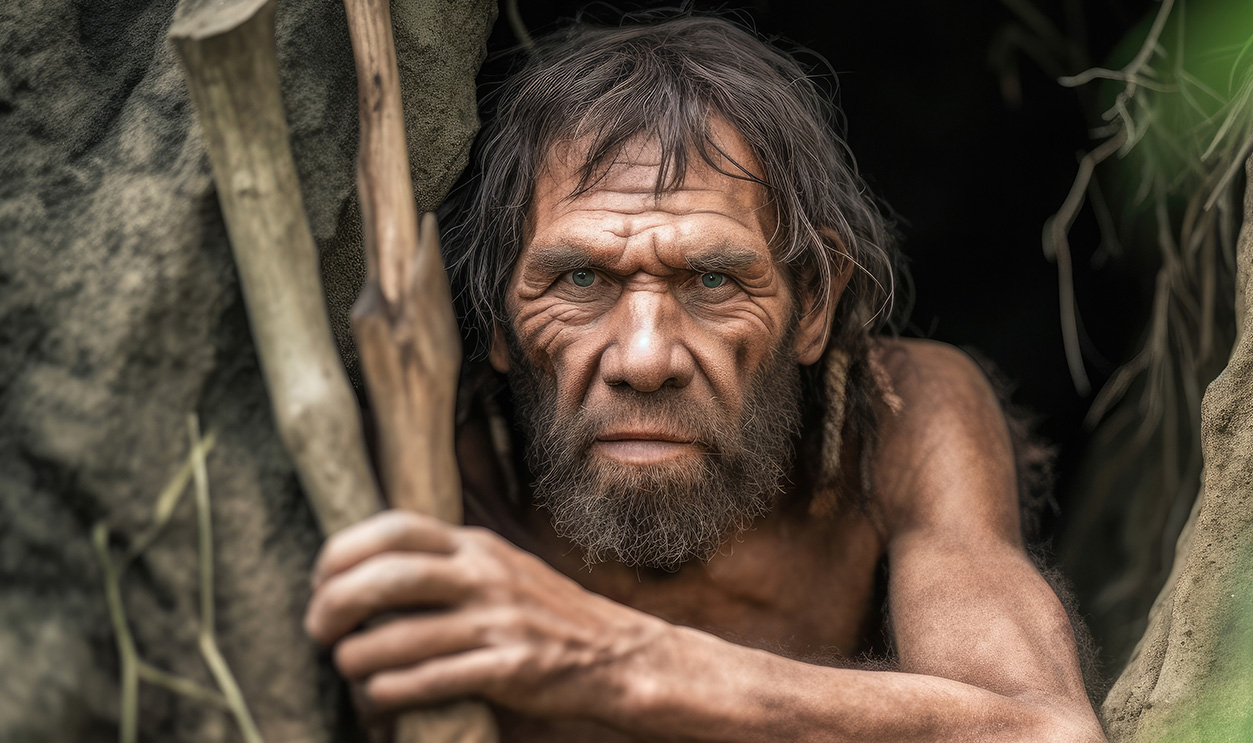
Evolution Was More Complicated Than One Breakthrough
The endurance running hypothesis does not establish that running preceded intelligence or single-handedly made humans different. Upright walking, changing diets, expanding brains, and increasingly specialized bodies evolved over millions of years. Scientists continue investigating how these developments influenced one another.
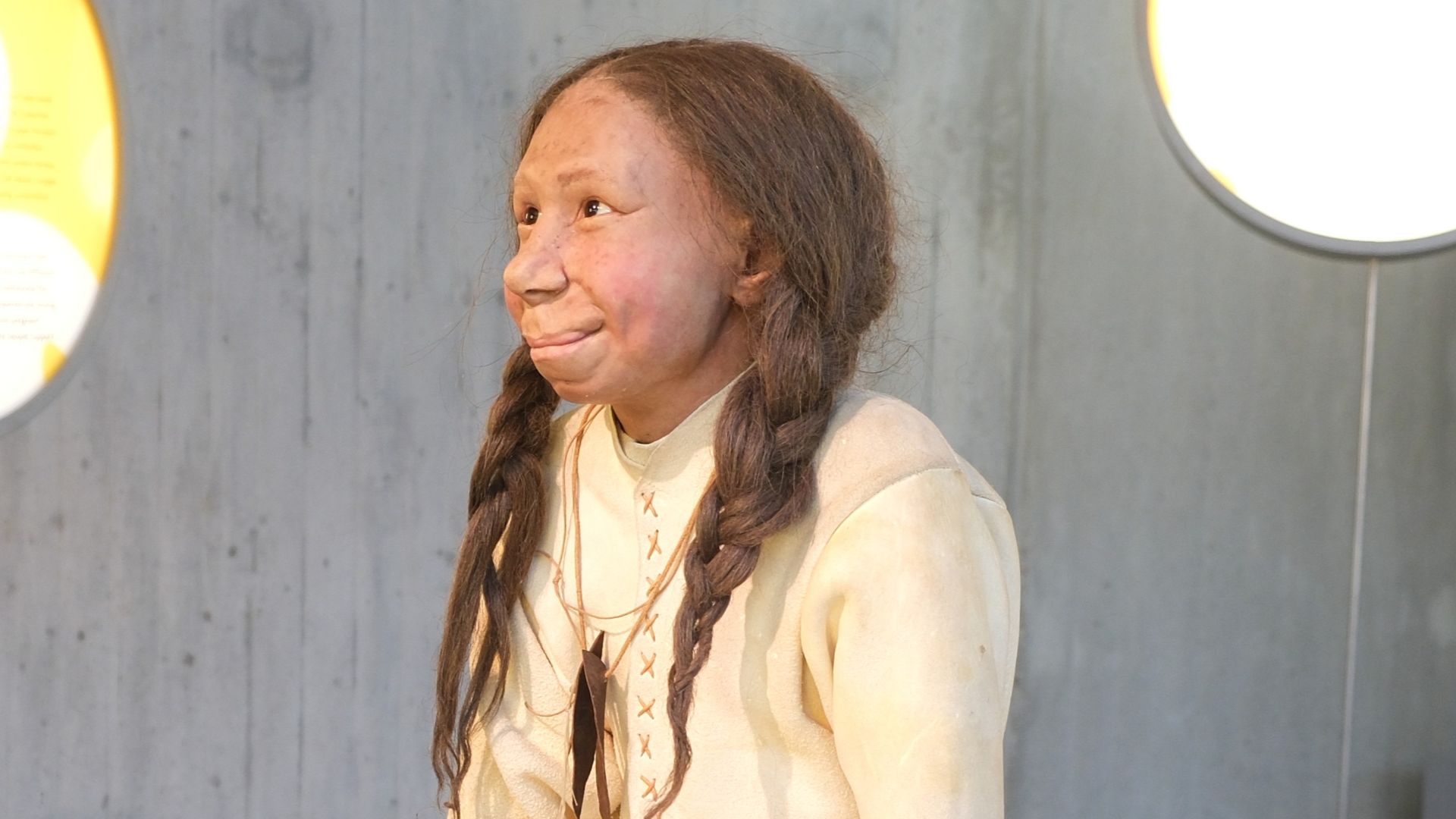 Ziko van Dijk, Wikimedia Commons
The Greatest Human Advantage May Have Been Endurance
The idea that our ancestors survived partly through their running abilities remains compelling, although its evolutionary explanation is still debated. Our long legs, specialized muscles, and cooling systems provide evidence of unusual endurance capabilities. The human body preserves clues to a history that stretches back millions of years.
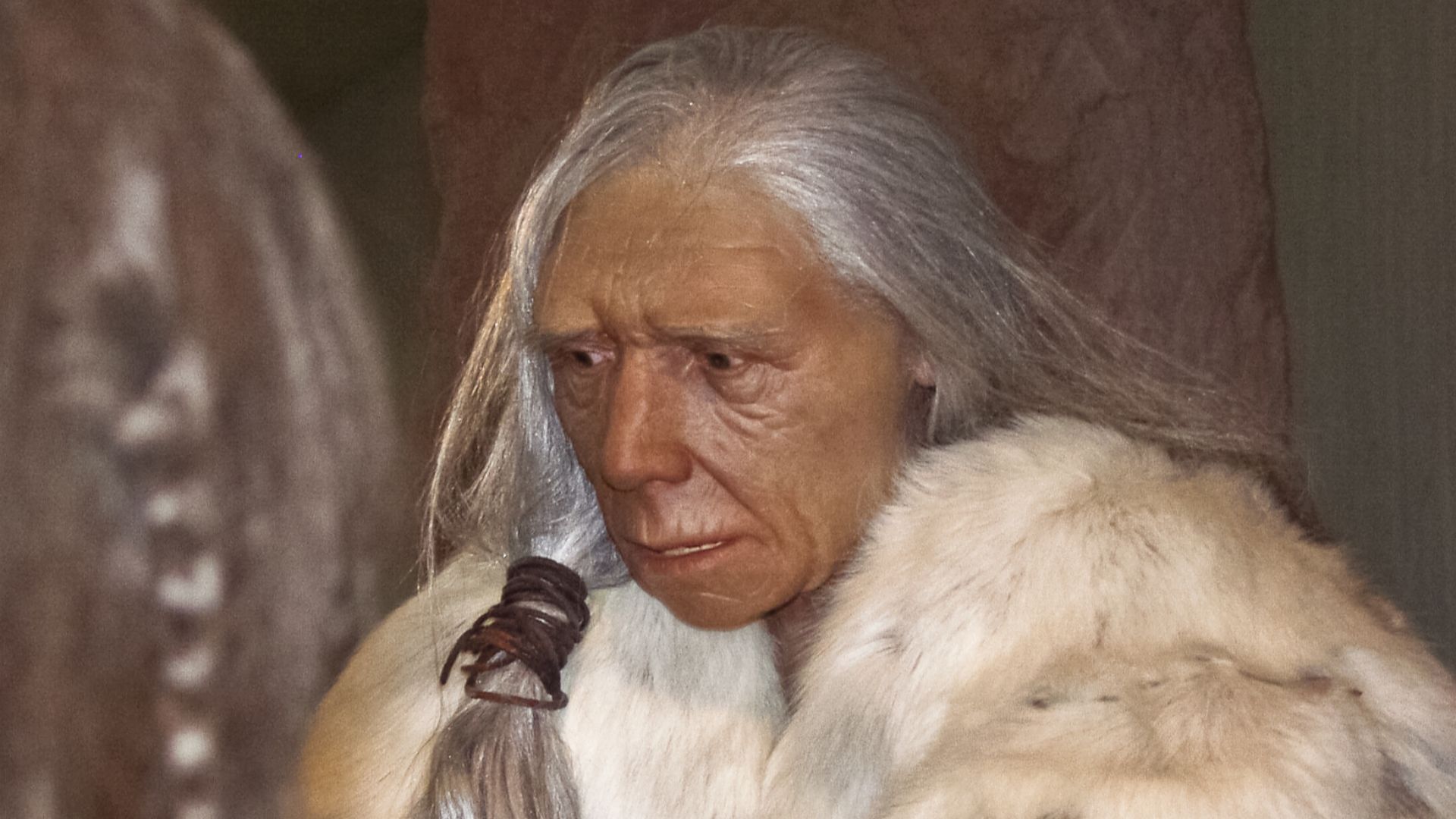 Fährtenleser, Wikimedia Commons
Sources: 1, 2, 3, 4, 5, 6, 7, 8, 9, 10, 11, 12, 13, 14, 15, 16