
No-Frills Powerhouse
Muscle cars often shout for attention, but this Pontiac model chose a different path. It brought a solid mix of power and practicality that quietly—but surely—turned heads on the streets. But unfortunately, no matter how good this classic was, it couldn't survive the changing times.

Road Runner's Challenge
Plymouth drops the Road Runner bombshell in 1968, offering 14-second quarter-mile thrills for under $2,900, and suddenly every muscle car manufacturer is scrambling to respond. Pontiac, which had been ruling the performance car scene with their GTO, found itself in an awkward position.
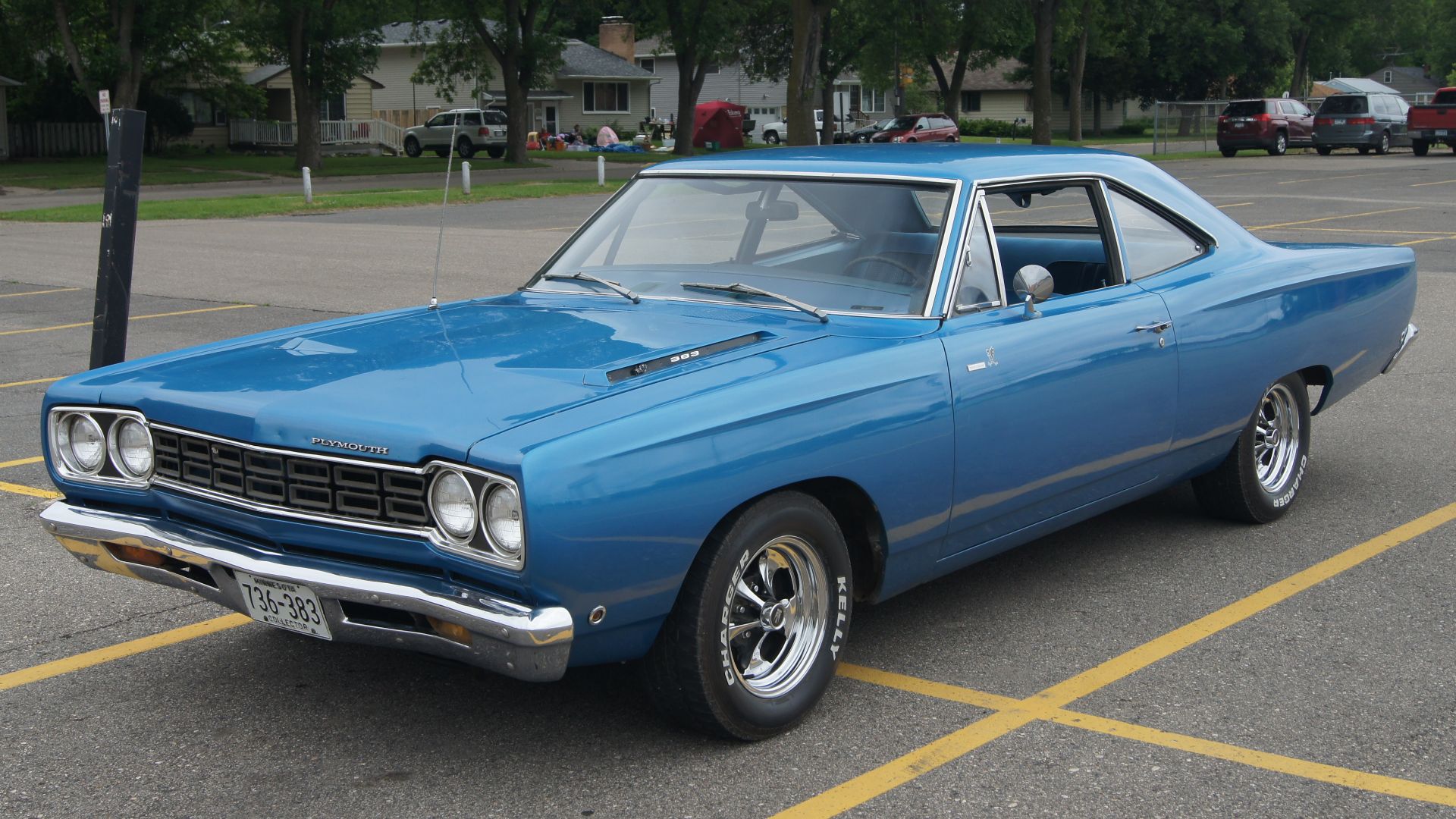 Greg Gjerdingen from Willmar, USA, Wikimedia Commons
Insurance-Beating Strategy
Insurance companies were becoming the muscle car industry's worst nightmare by 1970, and Pontiac knew it. To combat rising insurance rates and capture a growing demand for low-buck performance cars like Plymouth's Road Runner, Pontiac launched the GT-37. The market was genius, but would it be enough?
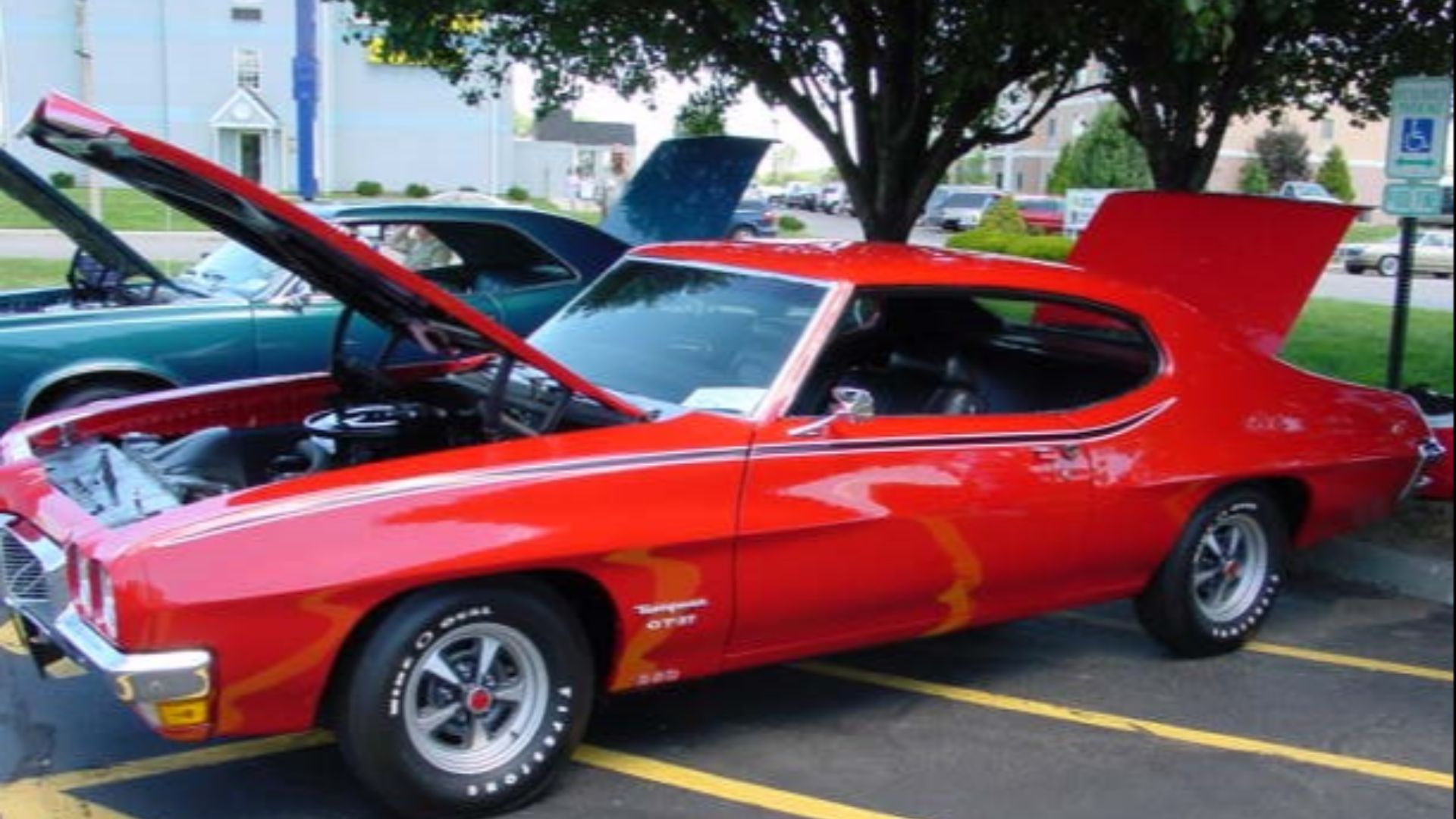
GTO Alternative
Pontiac used the phrase "There's a little GTO in every GT-37, and you don't have to be over 30 to afford it", directly targeting younger buyers who were being priced out of traditional muscle cars. The same was advertised as a “GTO for kids under 30”.
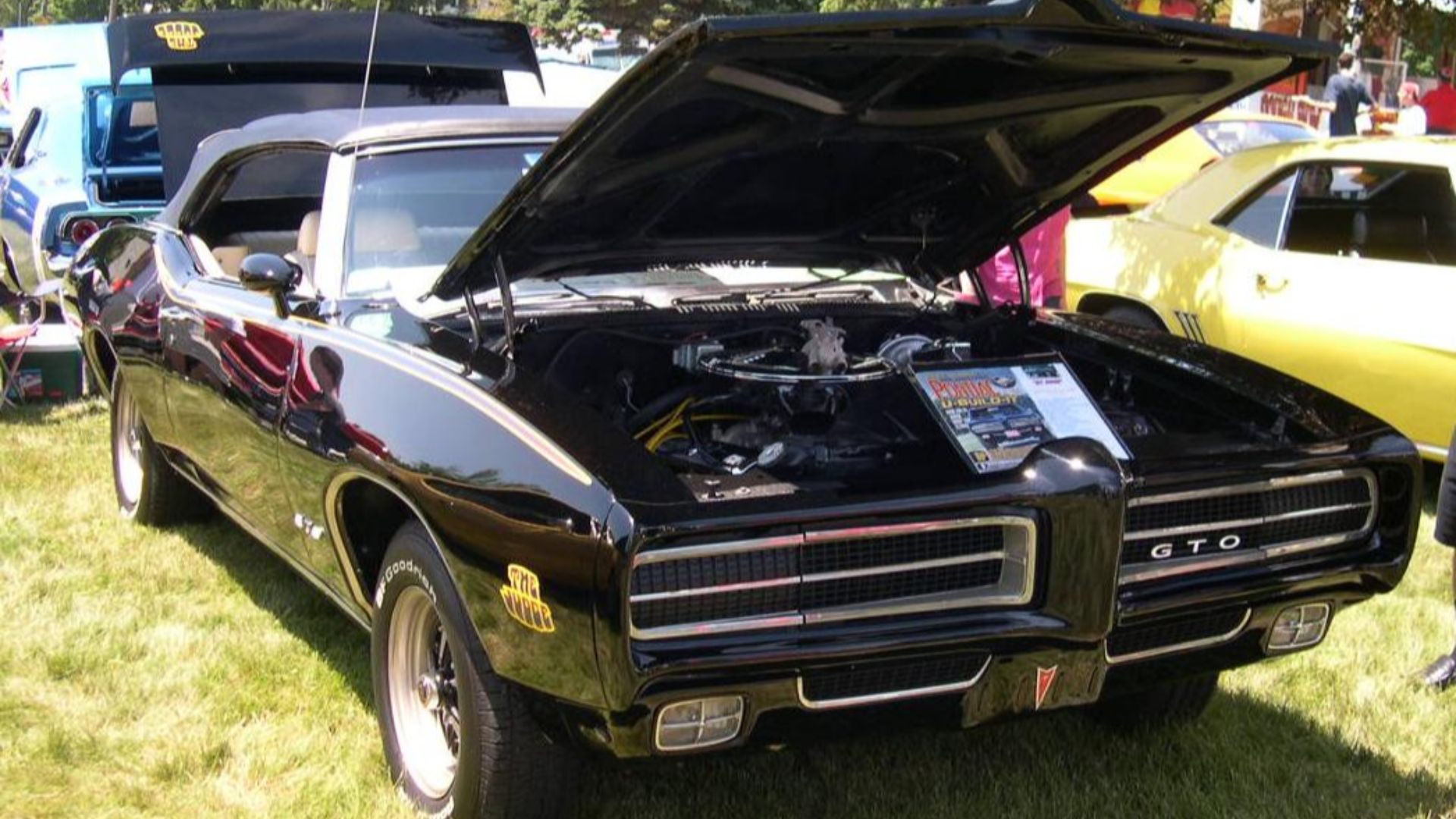
Production Timeline
All told, 1,419 GT-37s were built in the abbreviated model year of 1970, making it one of the rarest Pontiac performance packages ever produced. Production increased the following years, but the timing couldn't have been worse. By mid-1970, the muscle car market was already showing signs of the coming decline.
The GT-37 was a great idea, but it was rearranging deck chairs on the Titanic.

Production Timeline (Cont.)
Pontiac produced the GT-37 package for the 1970 and 1971 model years on the Tempest T-37 line, which means that this legendary car was offered for barely two years. That's more like a Delorean than a Mustang—probably not what Pontiac was hoping for.
 Bernard Gotfryd, Wikimedia Commons
T-37 Platform Foundation
The GT-37's story actually begins with practicality, not performance. The T-37 was General Motors' lowest-priced midsize hardtop, the latest version of their longtime Tempest model, suitable for fleet duty and budget-conscious drivers.
To determine if you have a true T-37, the VIN must have 233 as the first three digits, a detail that has helped collectors verify authenticity.
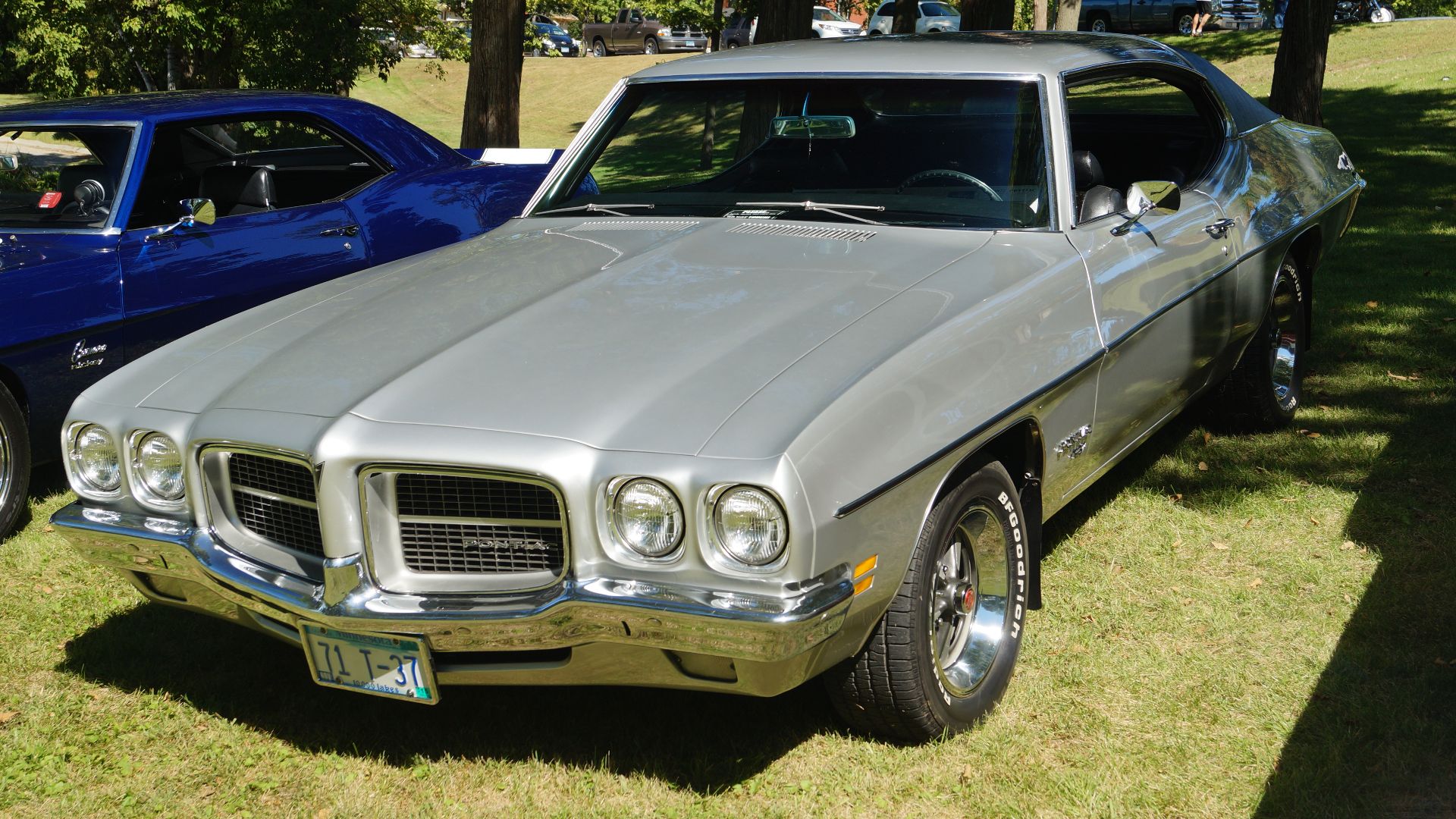 Greg Gjerdingen from Willmar, USA, Wikimedia Commons
Performance Dreams
What's remarkable is how Pontiac changed this humble platform. The Tempest T-37 came standard with a 250 six-cylinder engine, contrasting with the GT-37's V8 power. It was the lowest Pontiac A-body trim, essentially a stripper Tempest model, yet it provided the perfect canvas for creating an affordable performance machine.
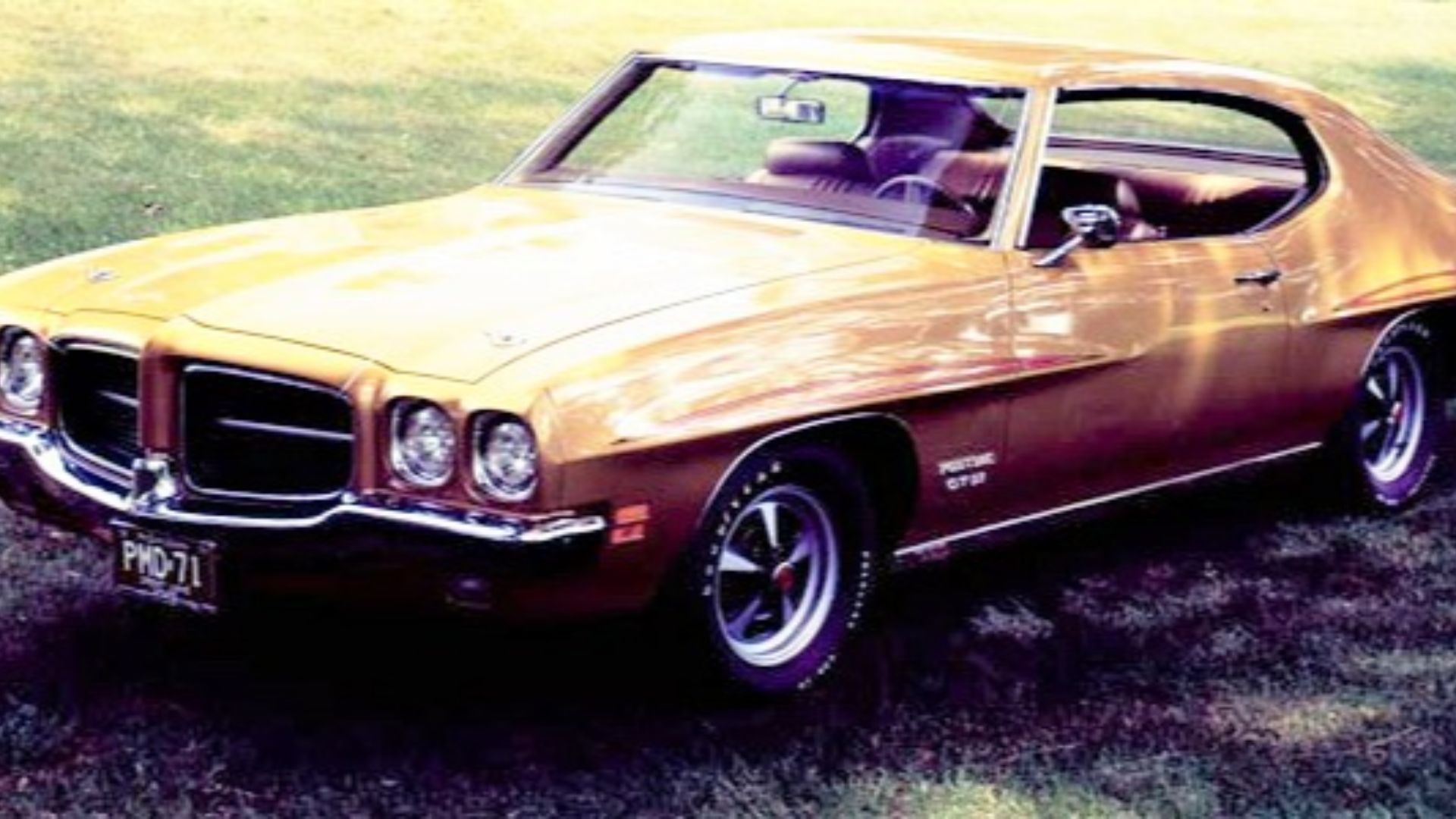
Standard GT Package Components
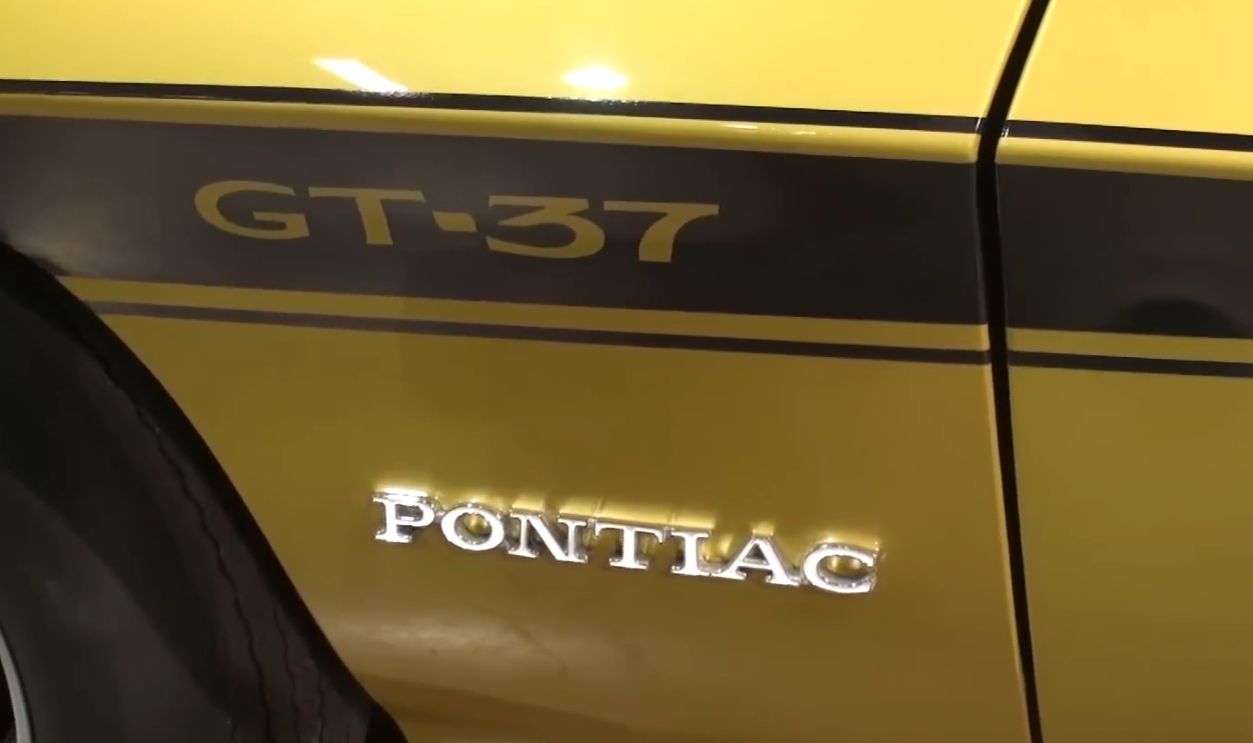
The package included a three-speed floor-shift transmission, dechromed Rally II wheels, G70-14 white lettered tires, hold-down hood pins, dual exhausts with chrome extensions, vinyl body stripes, and special GT-37 identification. Every component was carefully chosen to maximize visual impact while maintaining affordability.

History's most fascinating stories and darkest secrets, delivered to your inbox daily.
Function Over Flash Philosophy
The dechromed Rally II wheels, for instance, gave the car a serious performance look without the cost of premium wheel finishes. GTO exhaust system, with low-restriction split duals running through a steel rear valence panel, provided the signature Pontiac rumble that announced the car's presence.
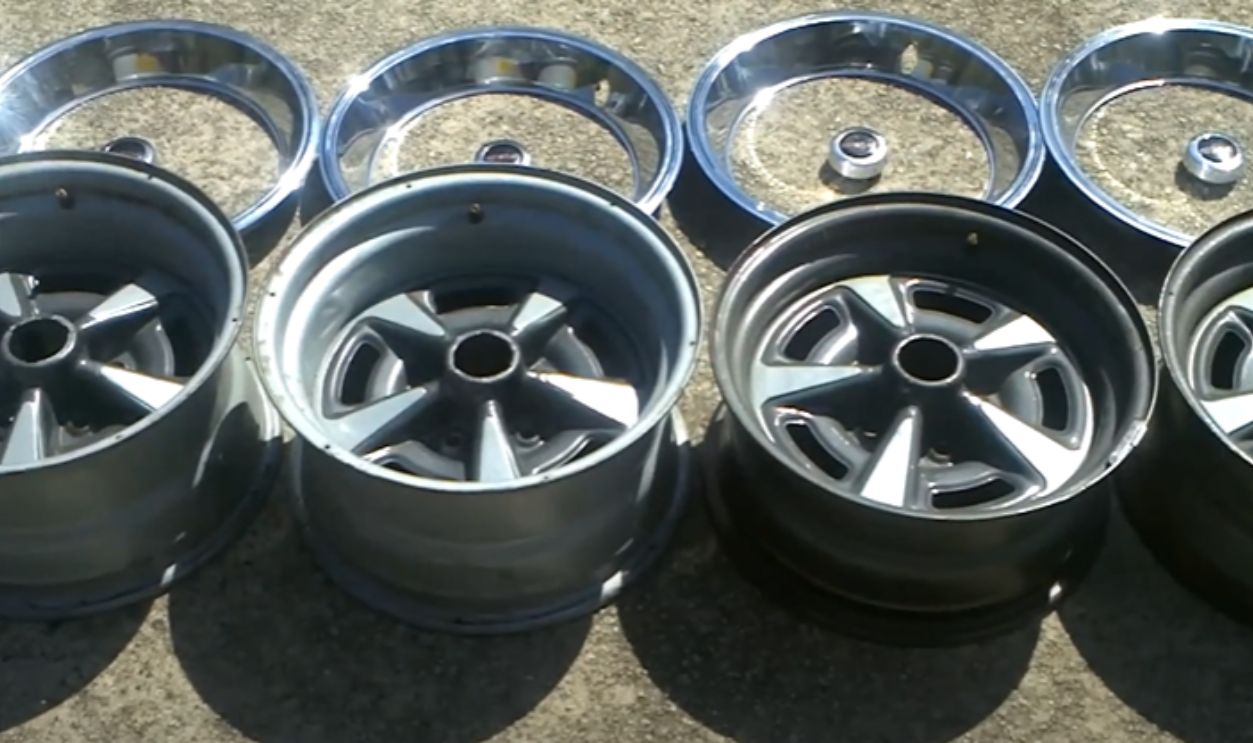 Pontiac Rally II Wheels 15x7 and 15x8 by woodsandbarclay
Complete Sport Package
In 1970, Pontiac began offering V8 Tempest coupes and hardtop coupes with the Tempest GT-37 Sport Package, which included hood pins, body stripes, special Rally II wheels, fender and decklid badging, a performance dual exhaust system with tips that exited through the lower rear valance.
 1970 Pontiac Tempest 2-Door Hardtop by Garage Kept Motors LLC
Base L30 350 Engine
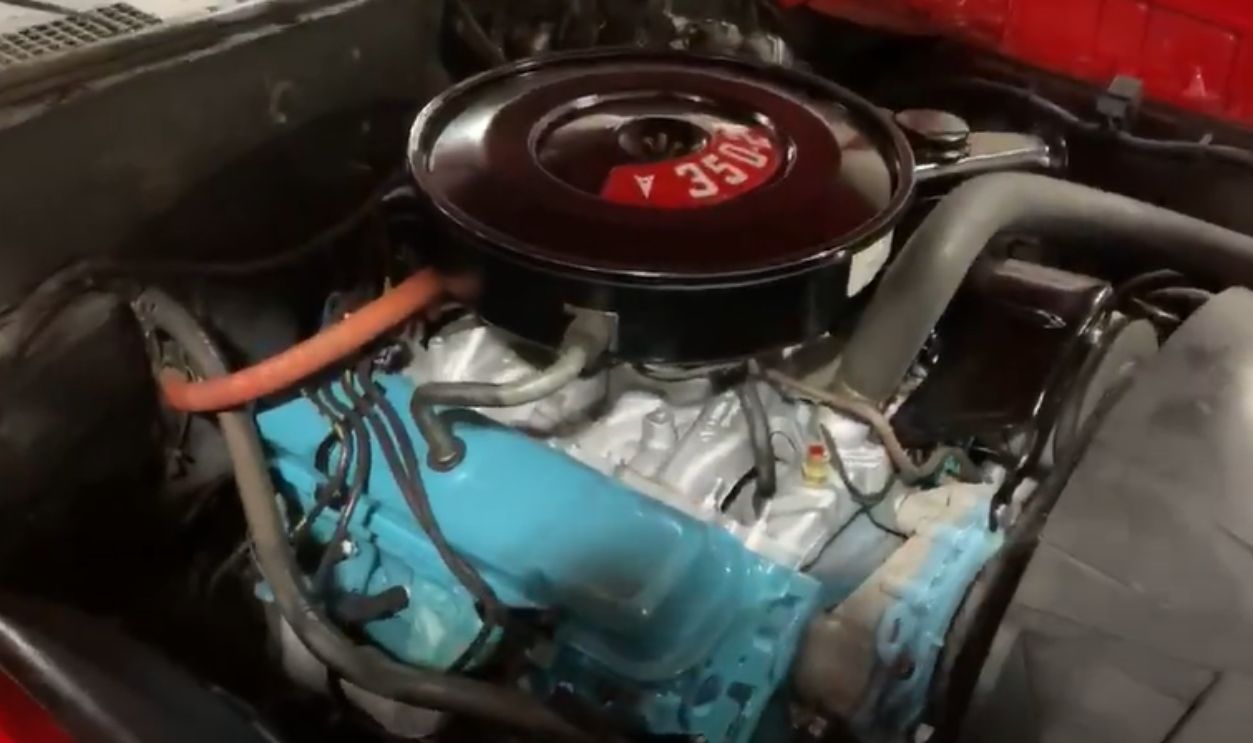
When you popped the hood on a standard GT-37, you'd find Pontiac's workhorse L30 350 cubic inch V8 staring back at you, equipped with a conservative two-barrel carburetor and casting number 11 heads. It produces 255 horsepower and 355 lb-ft of torque.
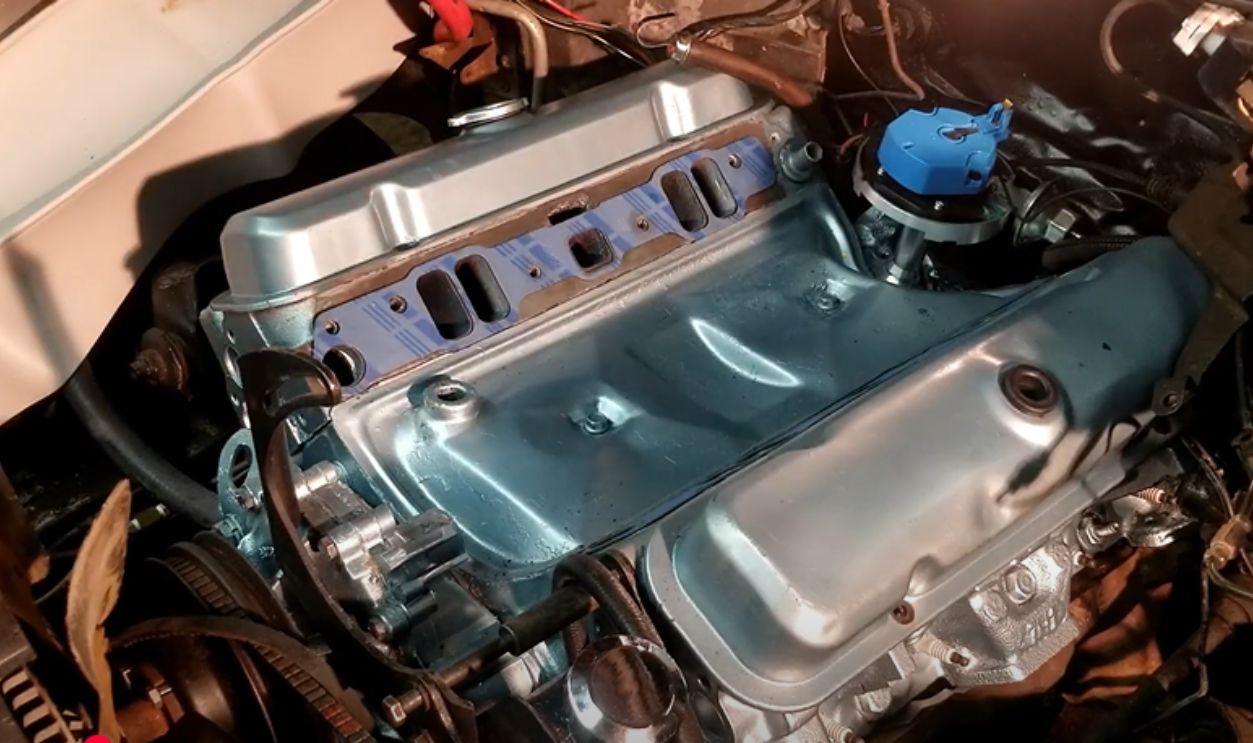 Installing Edelbrock Performer Intake on a Pontiac 350 V8 by Russ's Rad Reviews
Smart Insurance Strategy
But in a smart move for Pontiac, they specified the standard motor to be a 350 with a two-barrel carburetor kicking out 255 horsepower—hardly muscle. Still, it allowed the GT-37 to capture the emerging market for a car with sporting pretensions while still being insurance-friendly.

Optional L65 400 Engine
Step up to the L65 option, and suddenly your beast gained some serious muscle with 400 cubic inches of displacement. Meanwhile, there's an optional 400 cubic inch (6.5 liters) L65 V8 with number 11 heads, a two-barrel carburetor, and up to 265 horsepower.
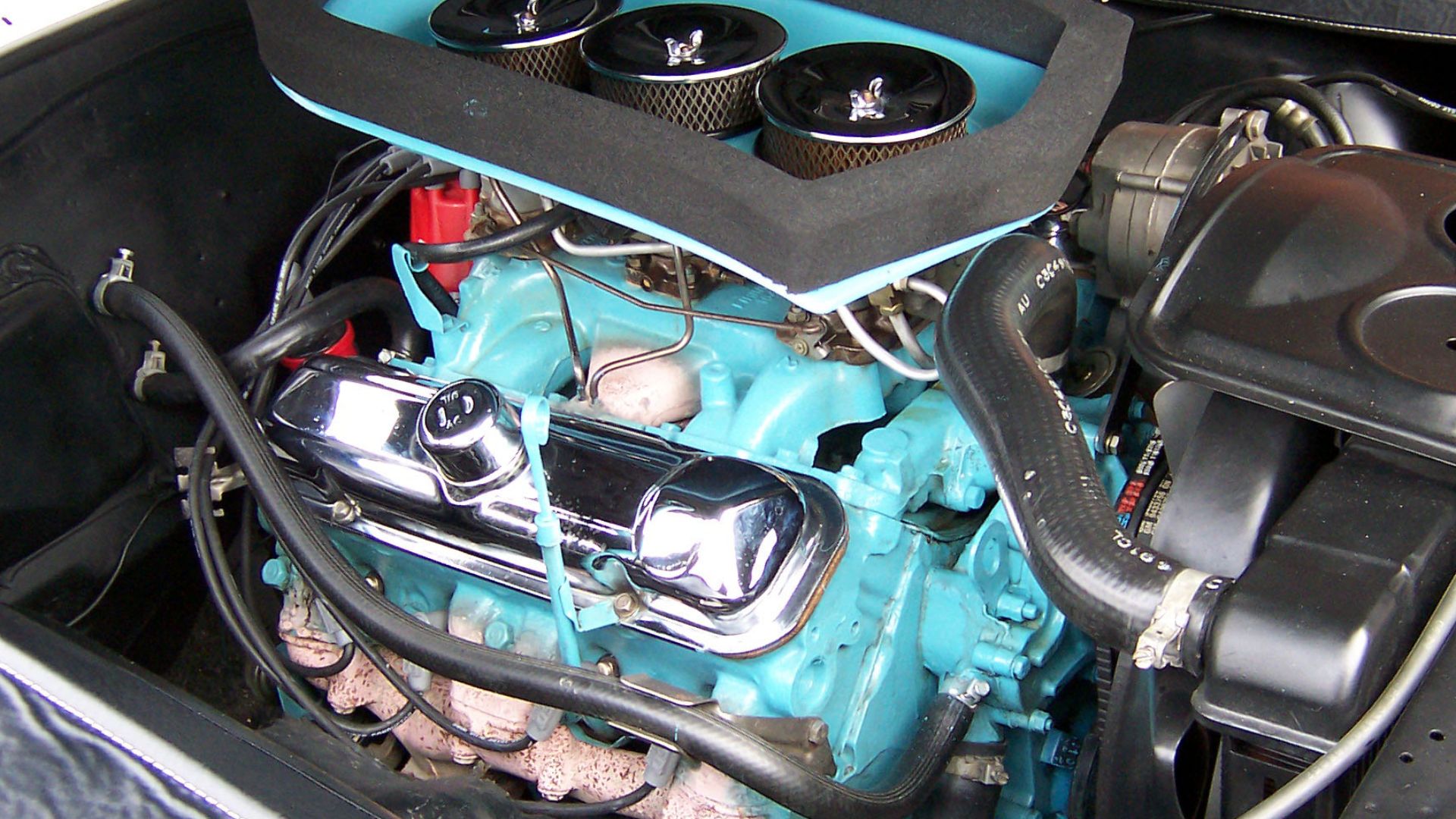 Morven (talk) (Uploads), Wikimedia Commons
Torque Makes The Difference
The torque increased from 355 to 397 lb-ft, resulting in significantly better low-end grunt for street driving and stoplight encounters. For 1971, Pontiac made improvements to this powerplant: The L65 received number 99 heads to produce 400 lb-ft of torque, representing a notable bump in pulling power.
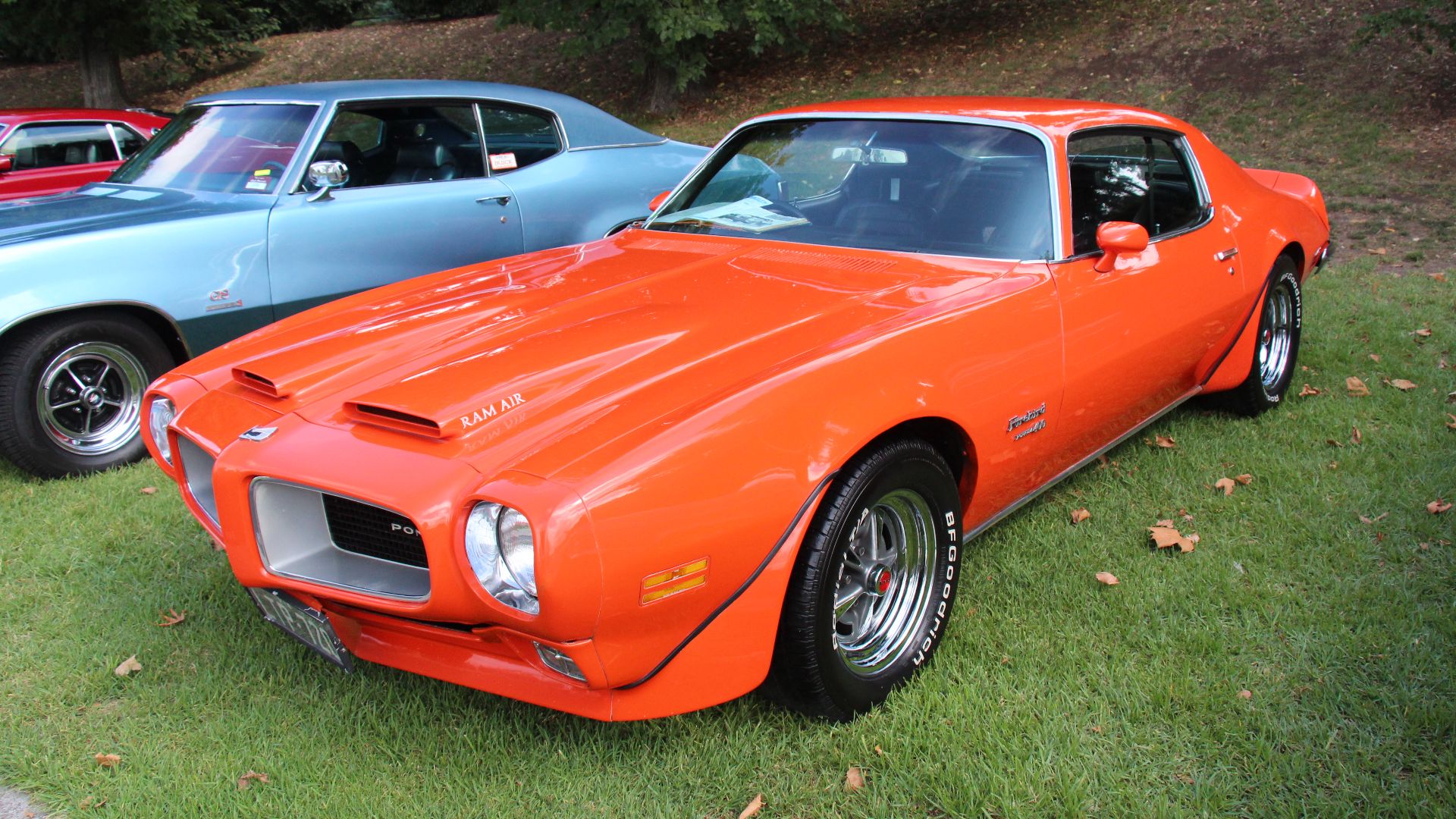
High-Performance L78 400 Engine
Also available is the L78, which uses the same 400 cubic inch head. It features an updated four-barrel carburetor with casting number 16 heads and up to 330 horsepower. This engine was offered with either an automatic gearbox or a Muncie 4-speed manual, the latter topping out at 430 lb-ft of torque.
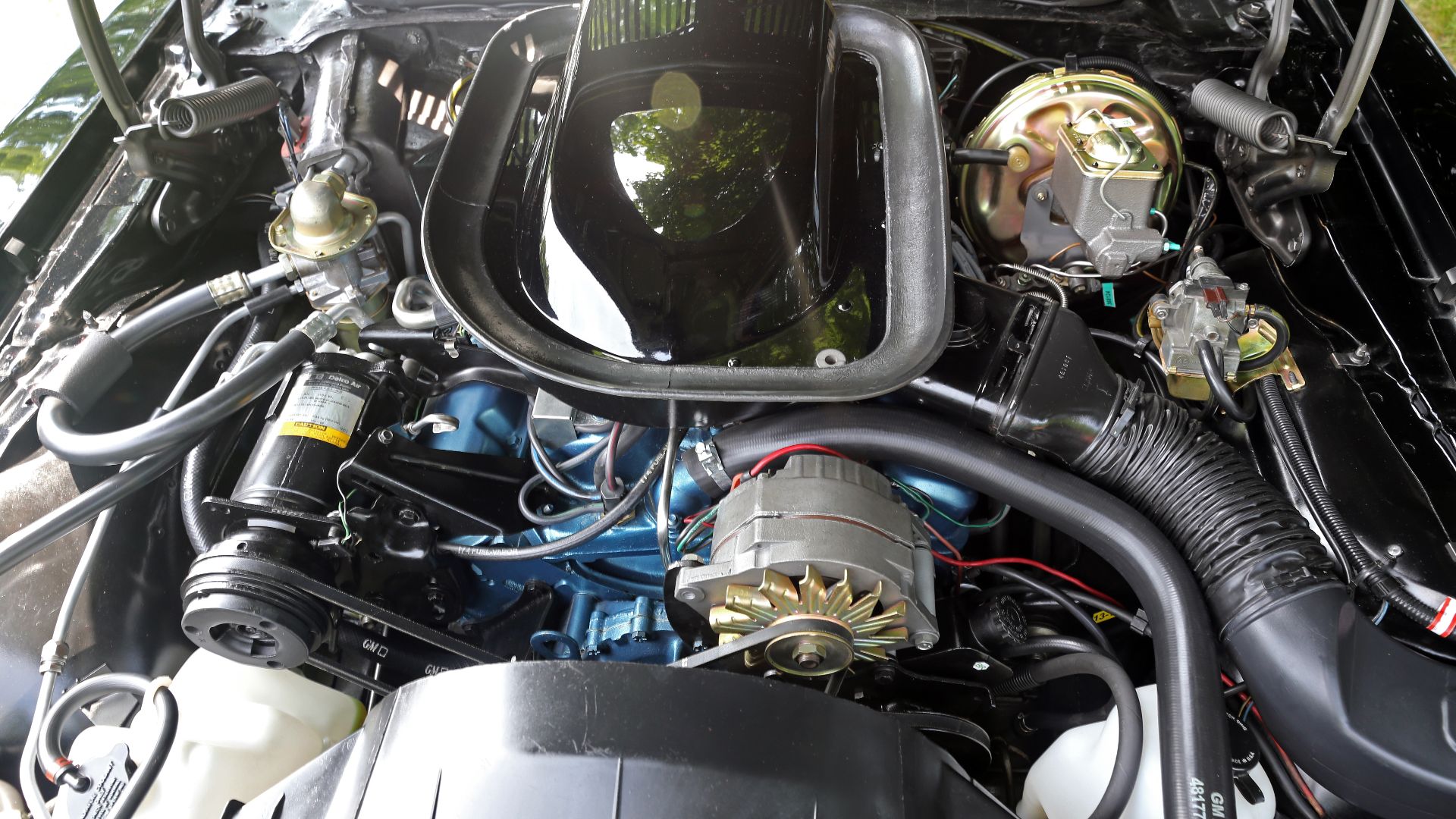 Mr.choppers, Wikimedia Commons
Ultimate L75 455 Engine
The ultimate expression of GT-37 performance came in the form of the massive L75 455 cubic inch V8, an engine that pushed the boundaries of what the platform could handle. New for 1971 is the L75 V8 engine with 455 cubic inch number 66 heads.
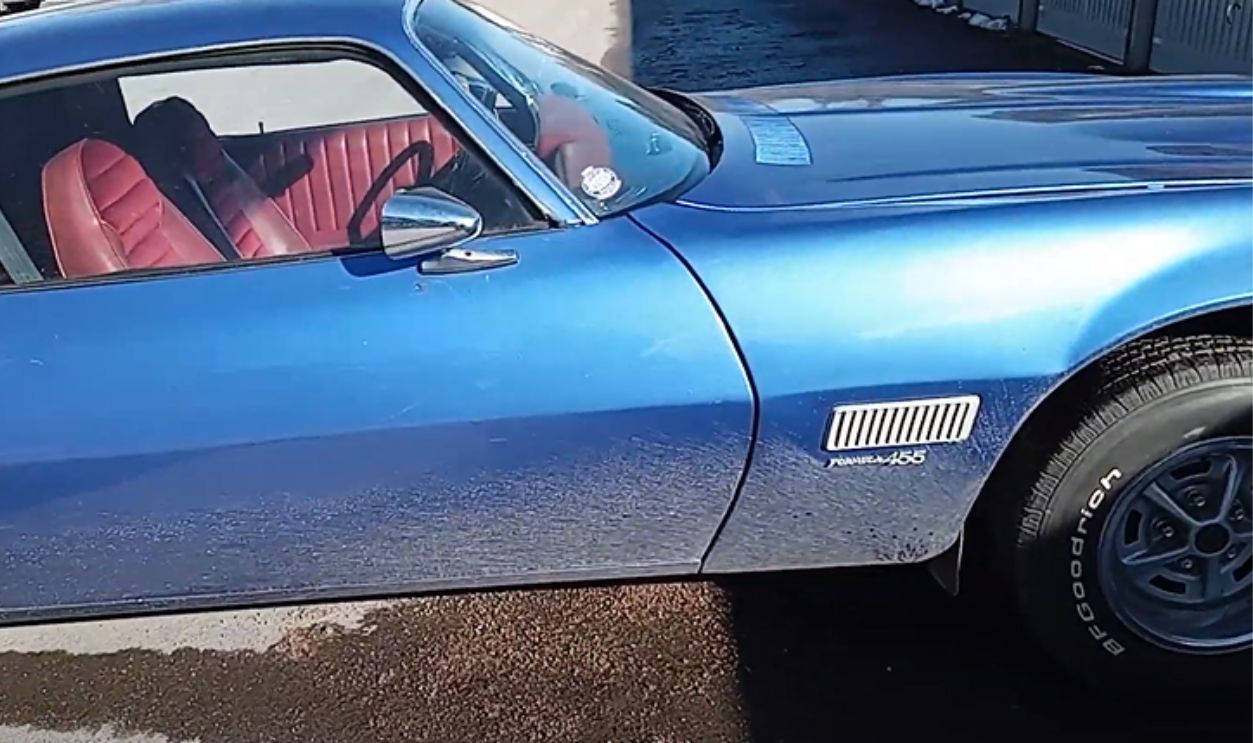 1971 Pontiac Formula L75 455 by Micke Samuelsson
End Of An Era
In 1971, the GTO lost its standalone status and became just another option on the LeMans, but buyers could still opt for a 455 CID V8 with 335 HP under the hood. It arrived just as the muscle car era was entering its twilight, making 455-equipped GT-37s among the last of the truly powerful factory muscle cars.
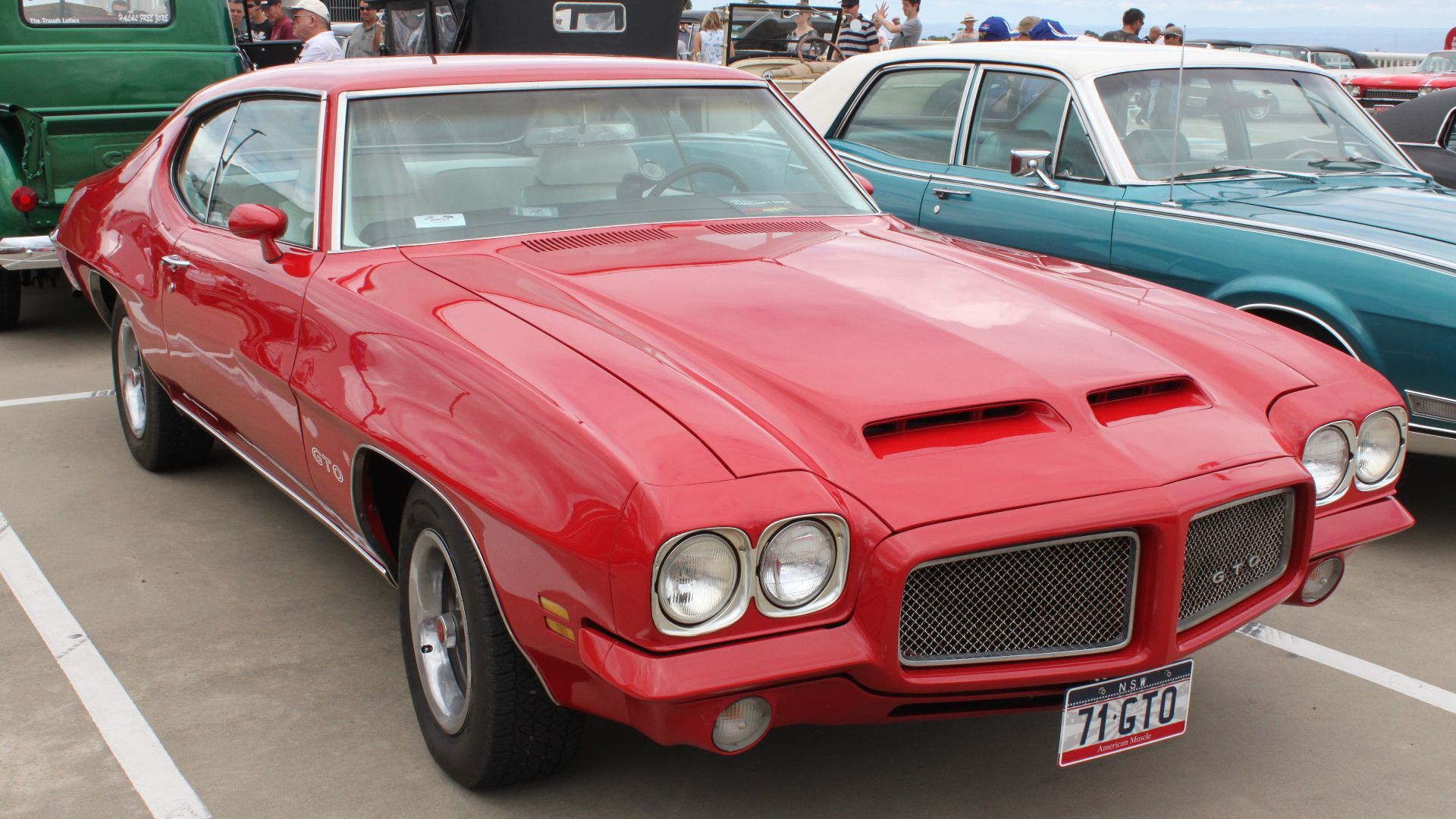 Jeremy from Sydney, Australia, Wikimedia Commons
Peak Performance: 455 HO
At the absolute pinnacle of GT-37 performance sat the legendary 455 HO (High Output), an engine that represented the final flowering of Pontiac's muscle car engineering. Lastly, the 1971 Pontiac GT-37 was available with a high-output 455 cubic inch V8 with number 197 heads.
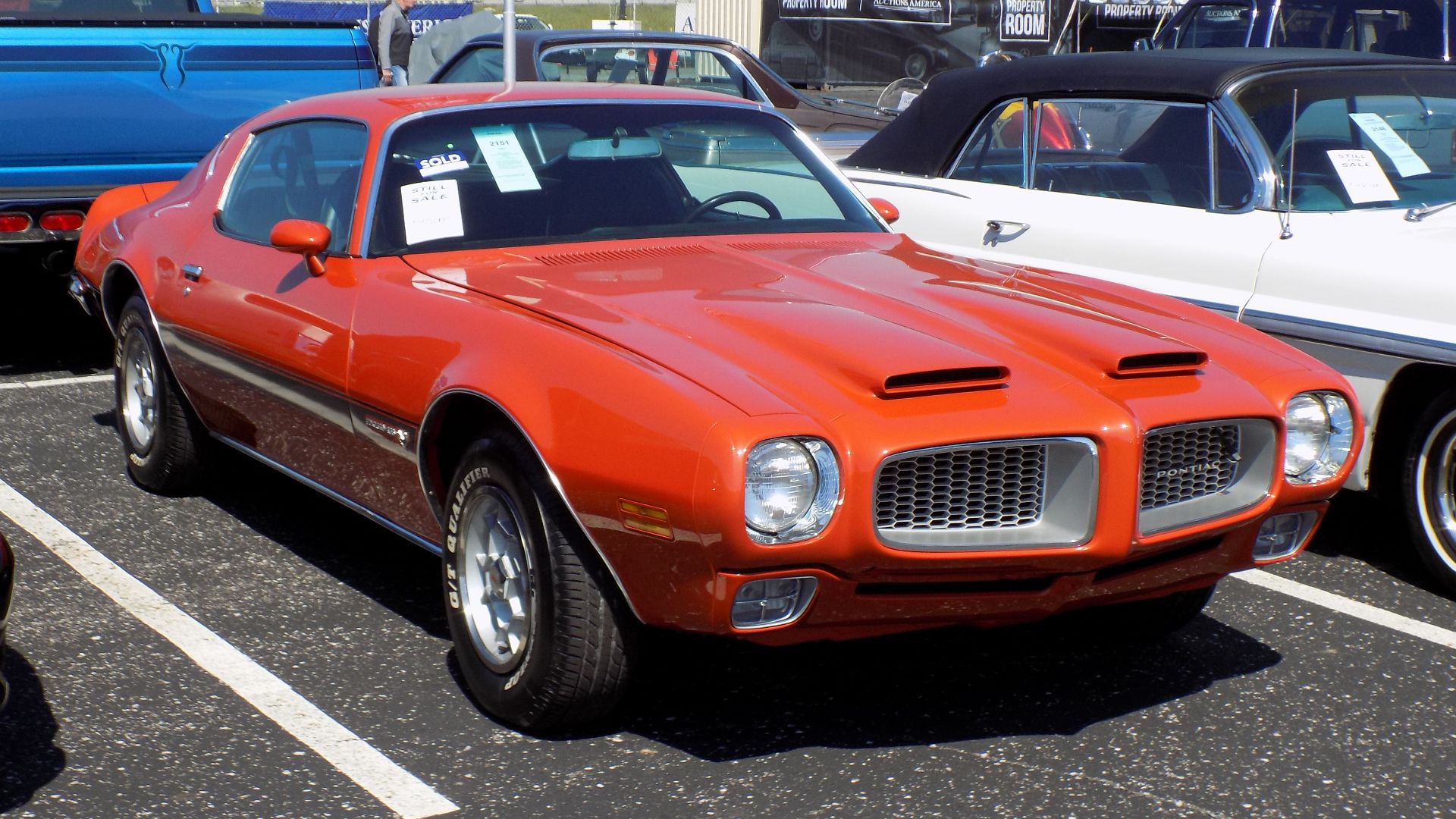 Greg Gjerdingen from Willmar, USA, Wikimedia Commons
Torque Monster
It cranked out 335 horsepower and 480 lb-ft of torque. Those torque numbers were staggering, as 480 lb-ft represented more pulling power than many modern performance cars can muster today. However, Pontiac debuted the 455 HO, an evolution of the 1969–70 Ram Air IV 400.
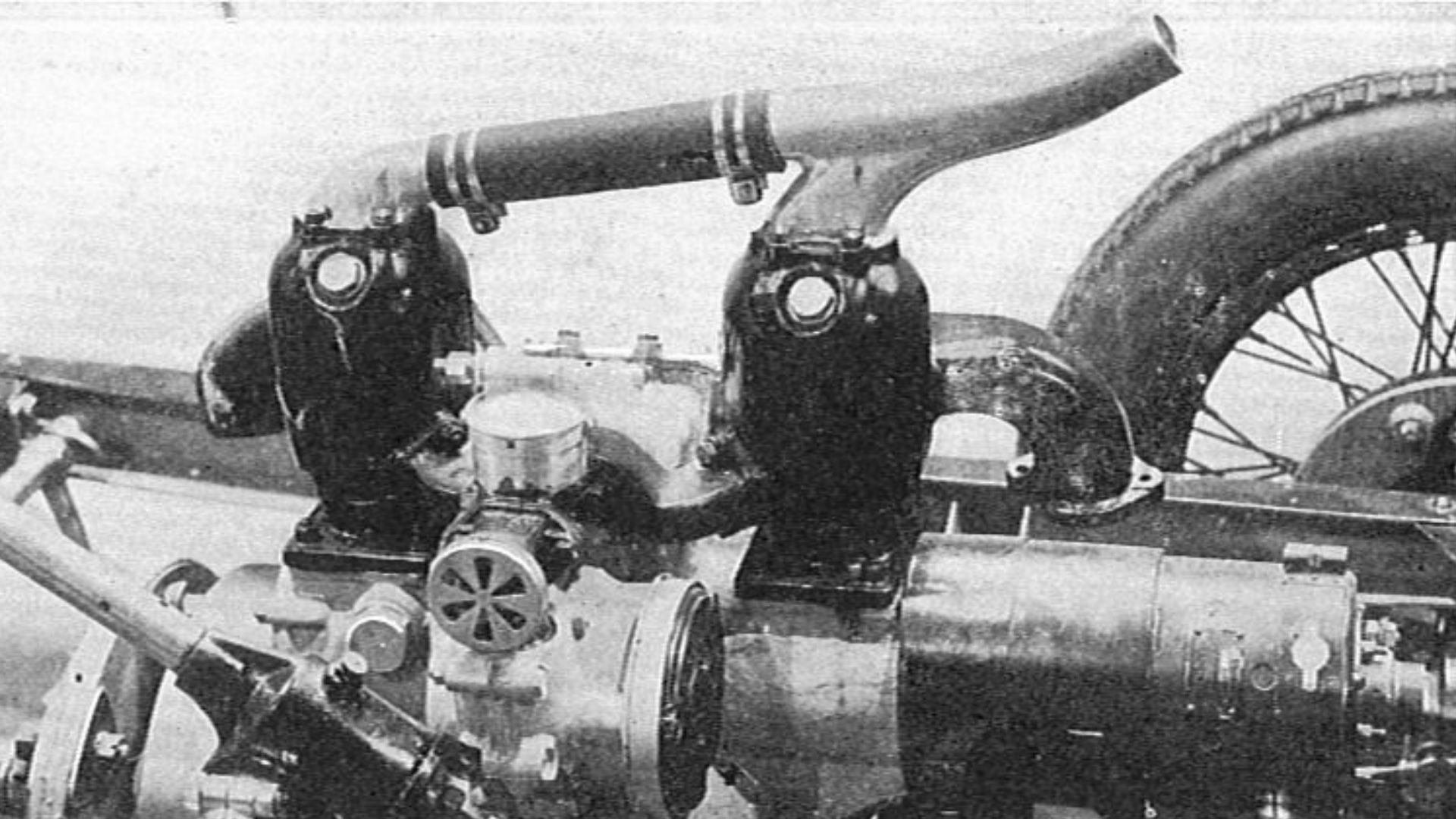 Various, uncredited except where statedAndy Dingley (scanner), Wikimedia Commons
Transmission Options And Ratios
Behind every great muscle car lies the transmission that harnesses all that power. Heavy-duty Muncie three-speed transmission with Hurst floor-mounted shifter came standard, but buyers seeking maximum performance could upgrade to the four-speed manual. A wide-ratio (2.52:1 low gear) transmission may have been even better.
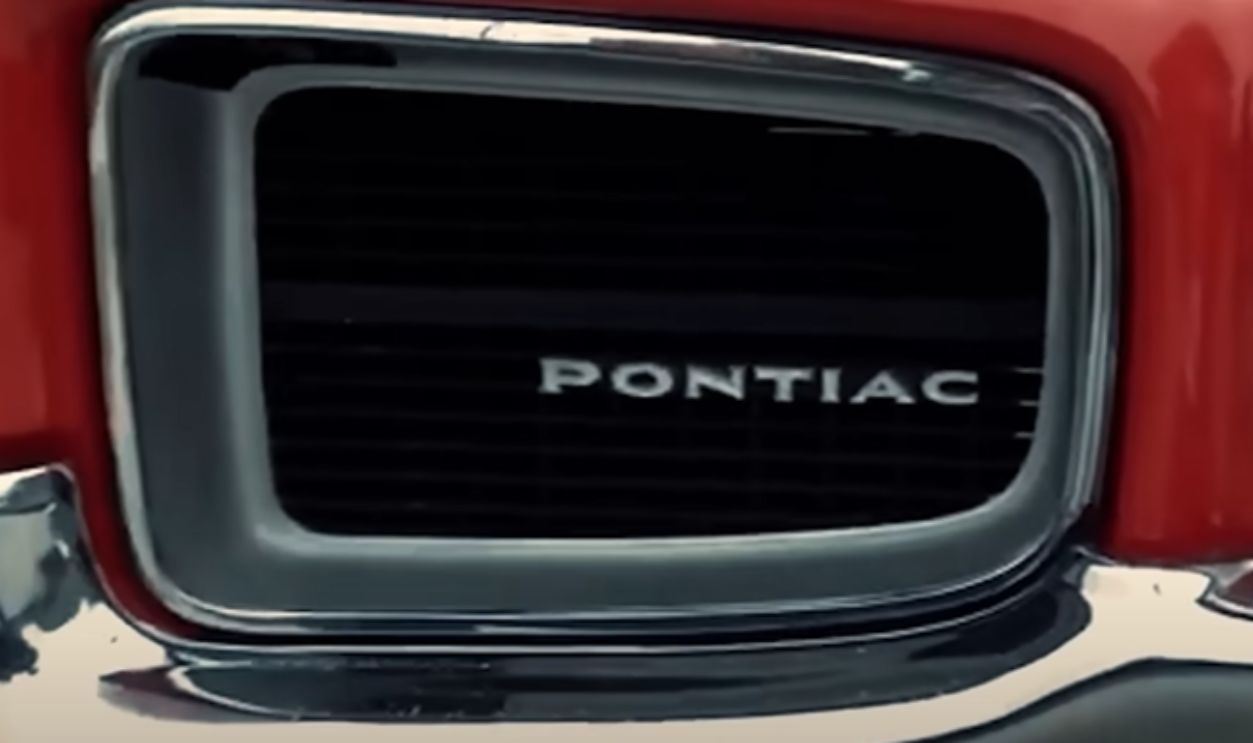 The Poor Man’s GTO That Nobody Bought- The Pontiac GT-37 455 HO by Rare Cars
Rally II Wheels Specifications
Nothing said "serious performance" quite like Rally II wheels. Special Rally II wheels (dechromed, like The Judge's) gave the GT-37 its distinctive appearance, deliberately stripped of chrome trim rings to emphasize function over flash. G70-14 white lettered tires completed the package.
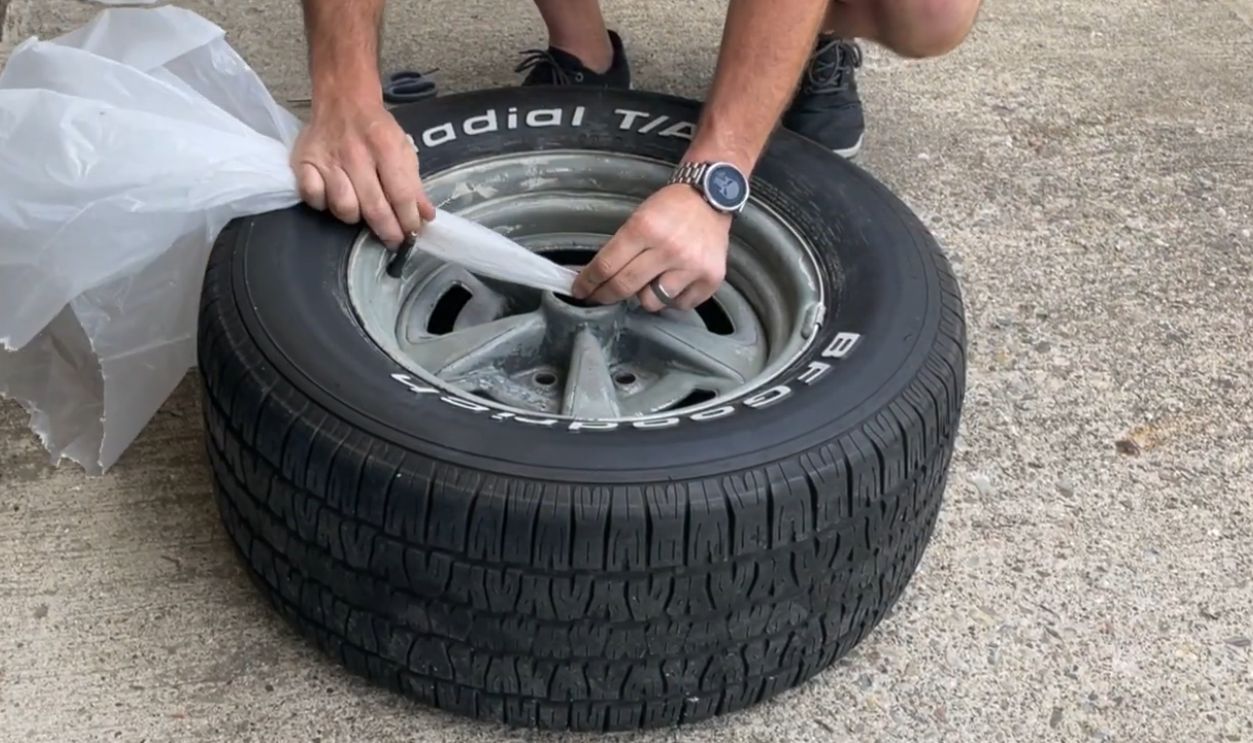 Restoring Pontiac Rally II wheels by Smitten in the Mitten
Dual Exhaust System Design
Sound was everything in the muscle car era. You had to hear the power before you felt it. GTO exhaust system, with low-restriction split duals running through a steel rear valence panel, provided that signature Pontiac rumble that could wake the dead.
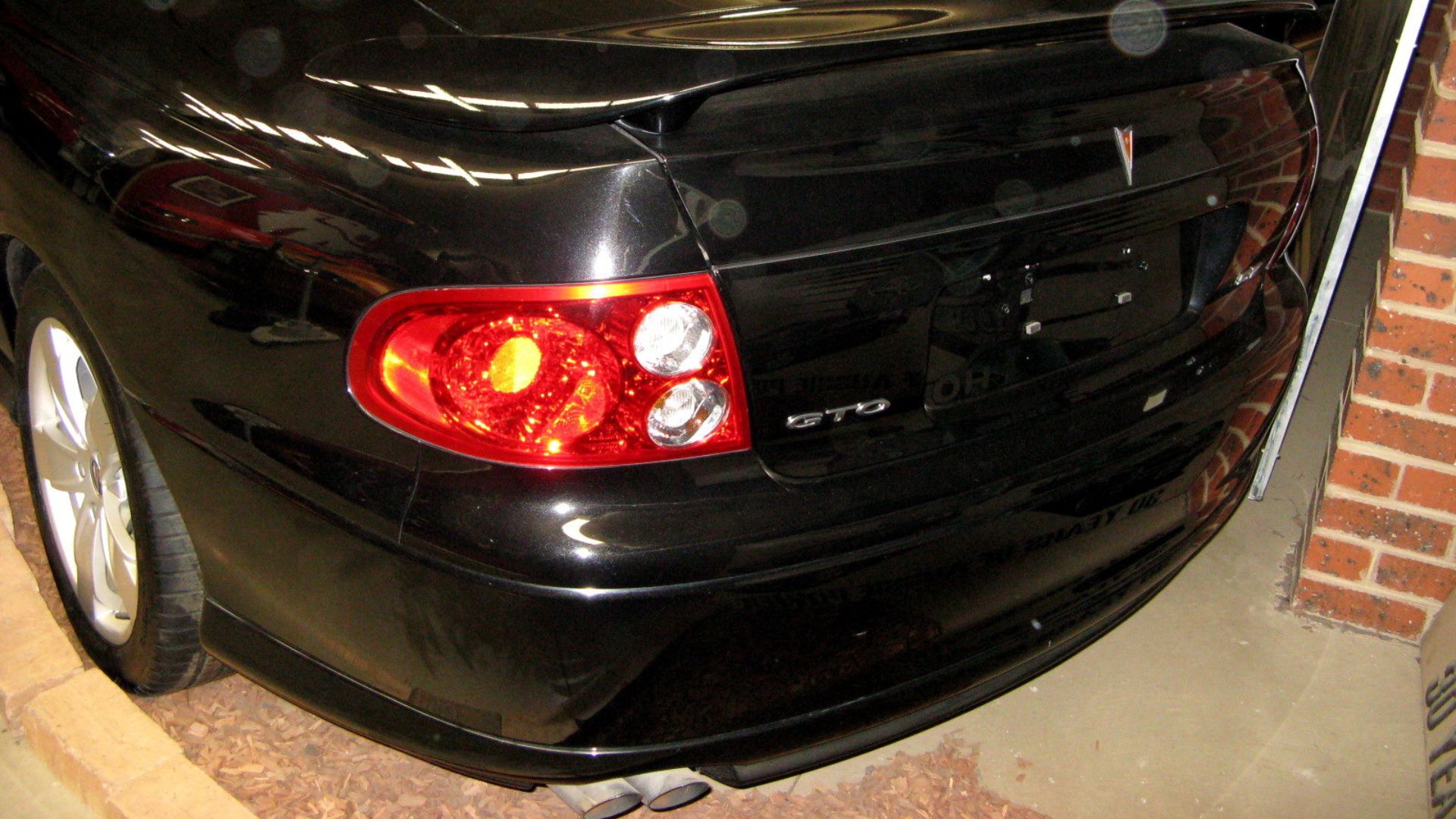 Museumsfotografierer, Wikimedia Commons
Hood Pins And Stripes
With the GT-37's hood treatment, it was as functional as it was good-looking. Hold-down hood pins actually secured the hood while creating that race-ready appearance. Early 1971 models featured two-tone eyebrow stripes (available in black/red or white/red), but Pontiac later switched to full-width sword stripes.
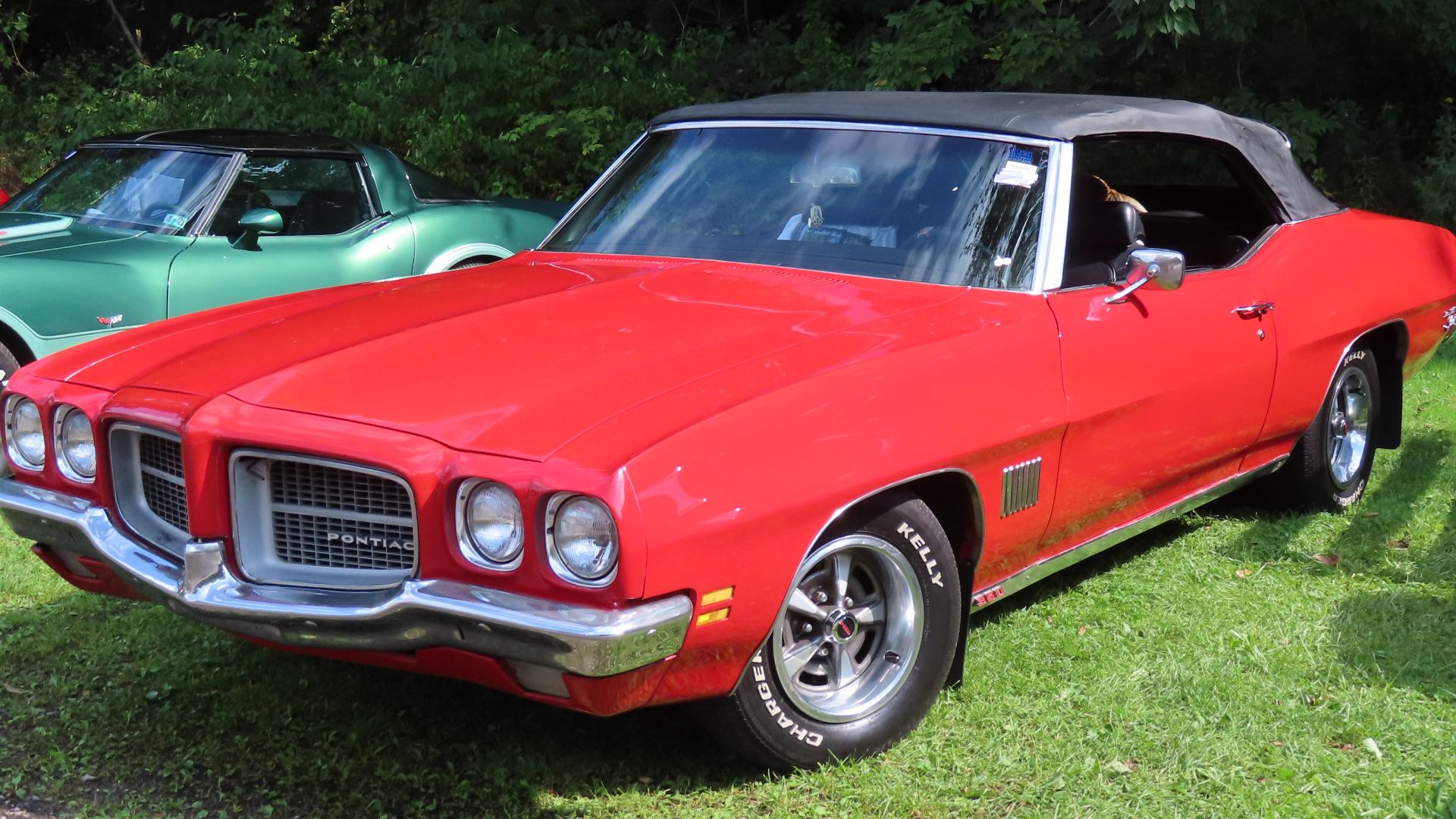 MercurySable99, Wikimedia Commons
1971 Model Year Updates
Change was coming whether Detroit wanted it or not. But the big news for 1971 was that GM lowered the compression on all its engines. This reduced horsepower but also allowed the motors to run on low-lead or unleaded gas. Body style availability also narrowed.
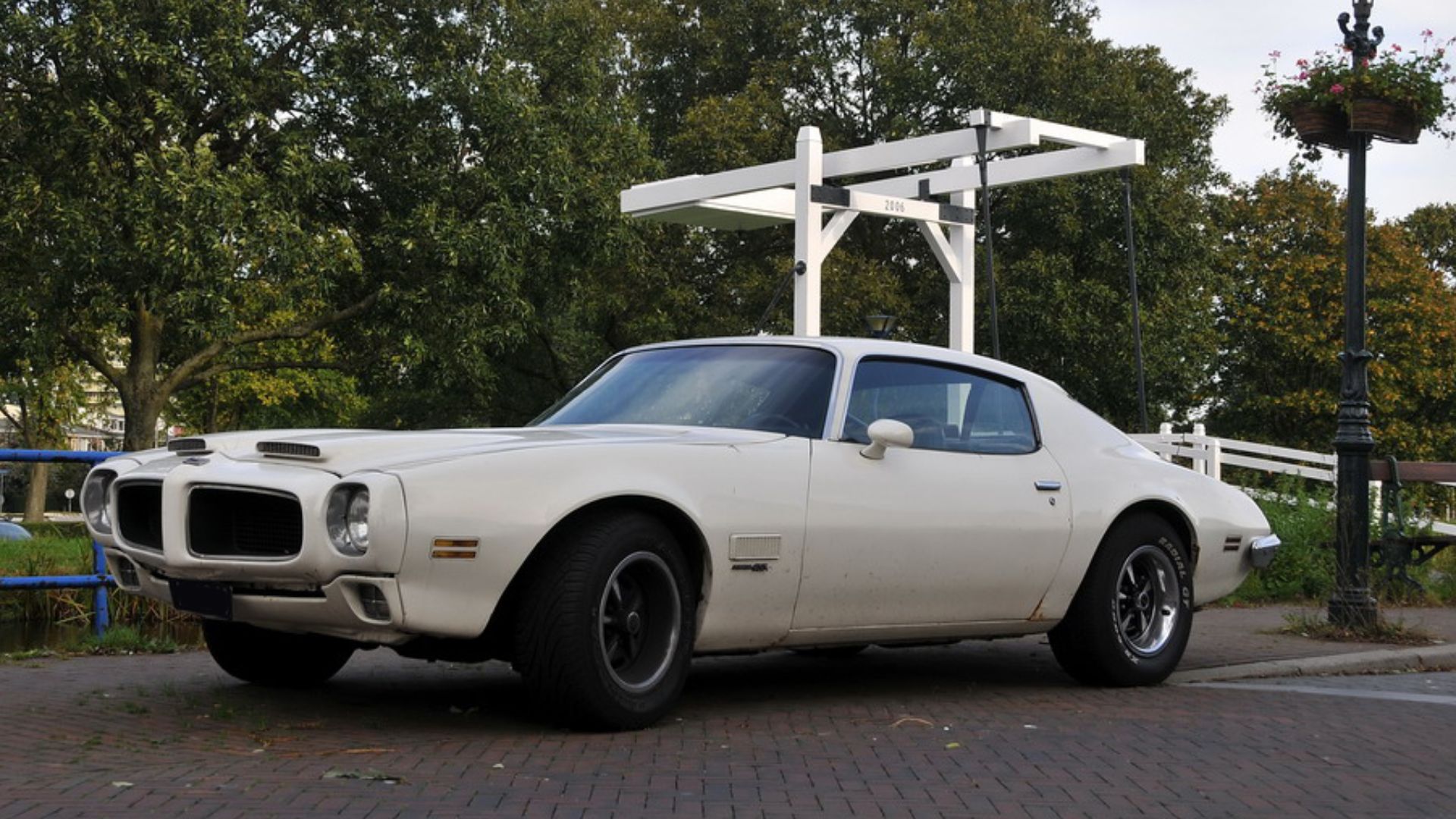 FaceMePLS from The Hague, The Netherlands, Wikimedia Commons
Performance Testing And Results
Drag strips across America became proving grounds where the GT-37's true capabilities were revealed. After making sure everything was "in spec" on the GT-37, it was taken to Orange County International Raceway for a day of tripping the light beams. This netted a speed of 96.8 mph.
 ORANGE COUNTY INTERNATIONAL RACEWAY MEMORIES - BILLY MEYER by CompetitionPlusTV