One Of History's Greatest Workplace Horror Stories
At first, the work seemed almost magical. Young women painted glowing numbers onto watch dials, using radium-laced paint that made the instruments shine in the dark. The job paid well, looked glamorous, and seemed harmless because their employers said it was safe. Then teeth began falling out, bones began breaking, and the women realized the glow had been poisoning them from the inside.
 Underwood Archives, Getty Images
Radium Once Looked Like A Miracle
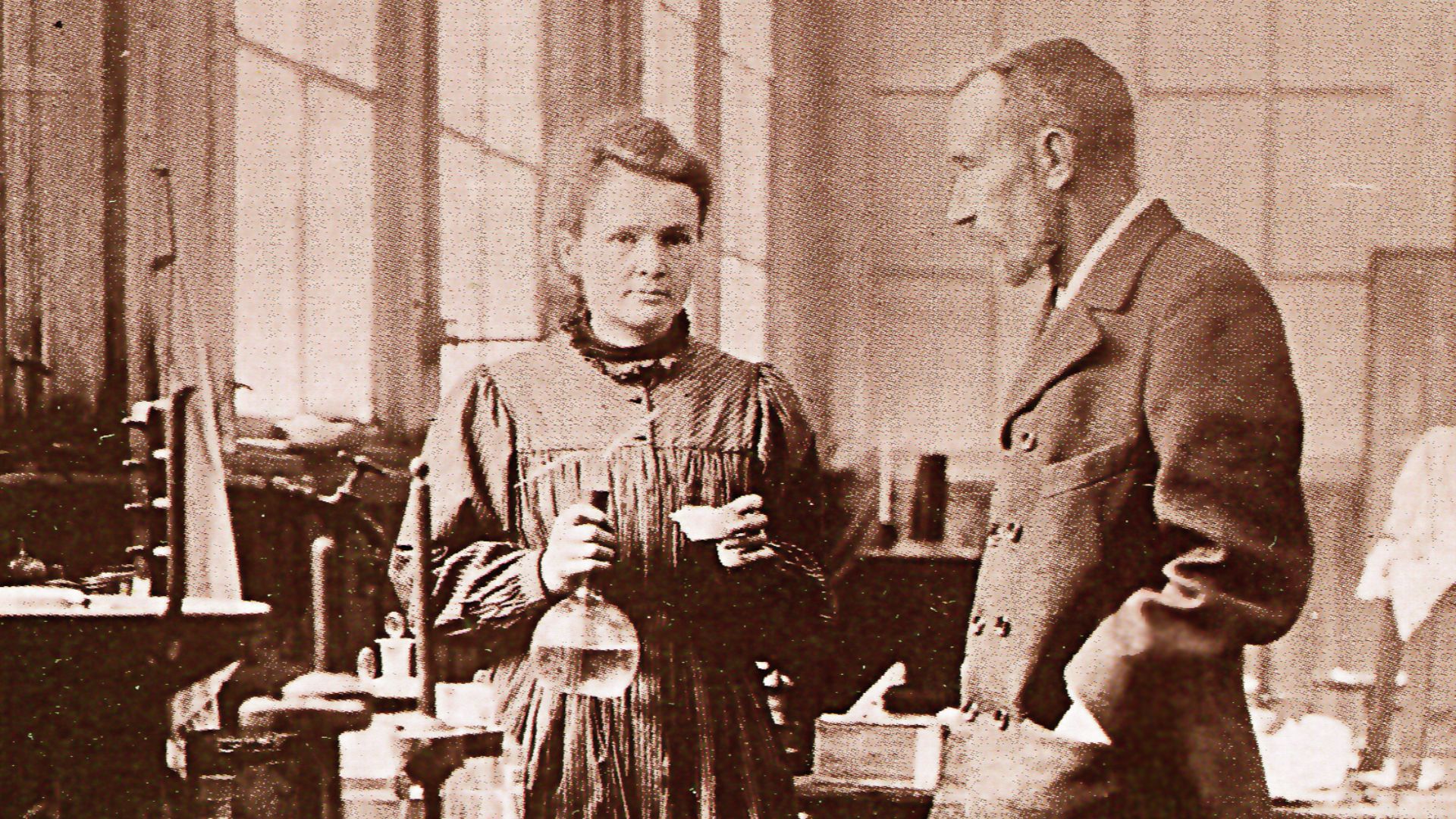
After Marie and Pierre Curie’s discoveries, radium became one of the early twentieth century’s most exciting scientific wonders. Doctors explored its medical uses, companies marketed it as modern and healthy, and the public associated its mysterious glow with progress. That reputation helped hide how dangerous it could be when mishandled.
 Unknown authorUnknown author, Wikimedia Commons
The Dial Painters Were Mostly Young Women
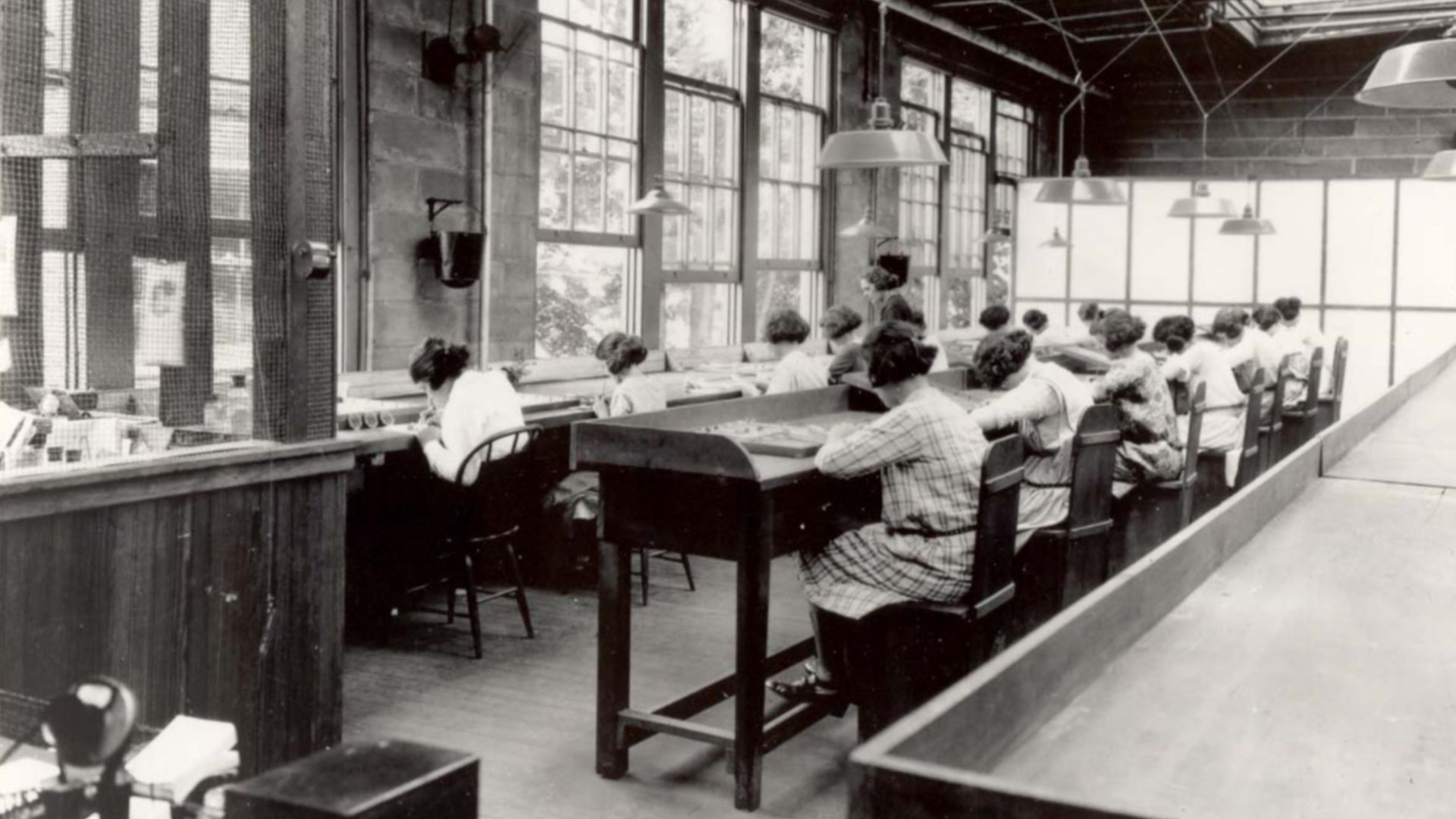
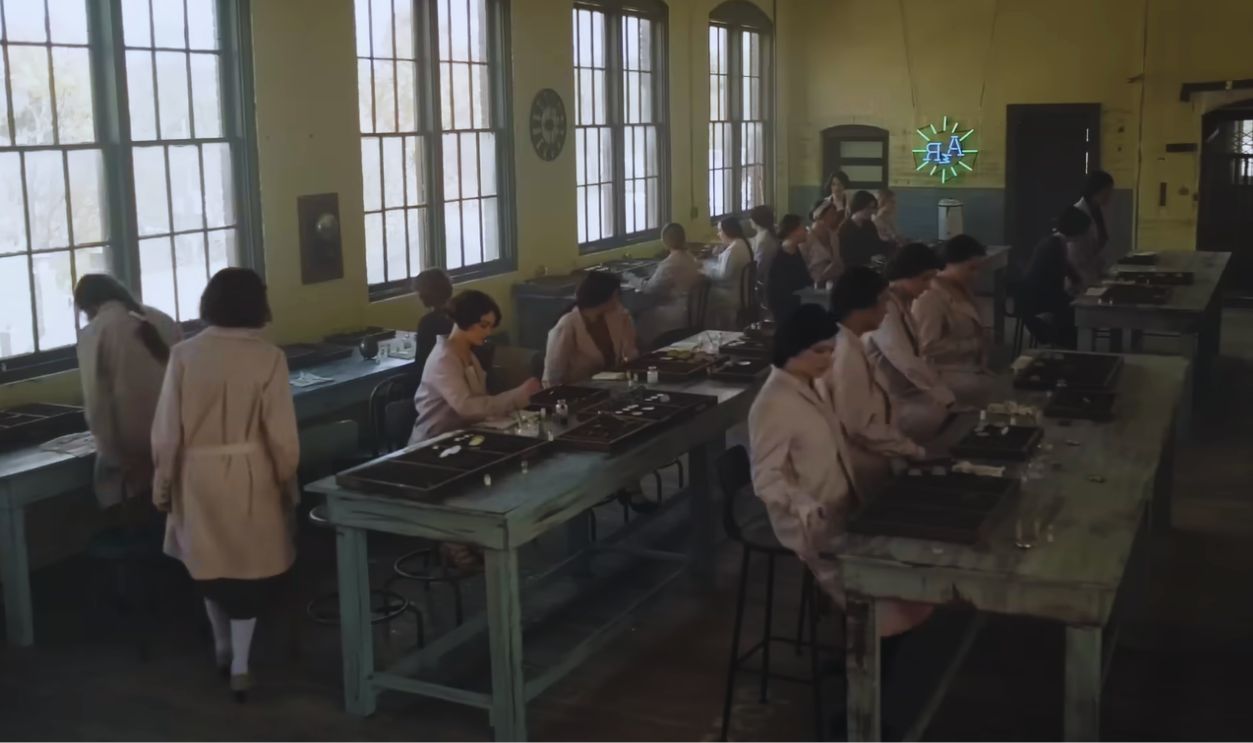
During and after WWI, companies hired young women to paint watch faces, clocks, and military instrument dials with luminous paint. The work required careful hands and good eyesight, and it was often presented as clean, skilled, respectable factory work. Many workers were teenagers or young women grateful for steady wages.
 Unknown authorUnknown author, Wikimedia Commons
The Paint Was Called Undark
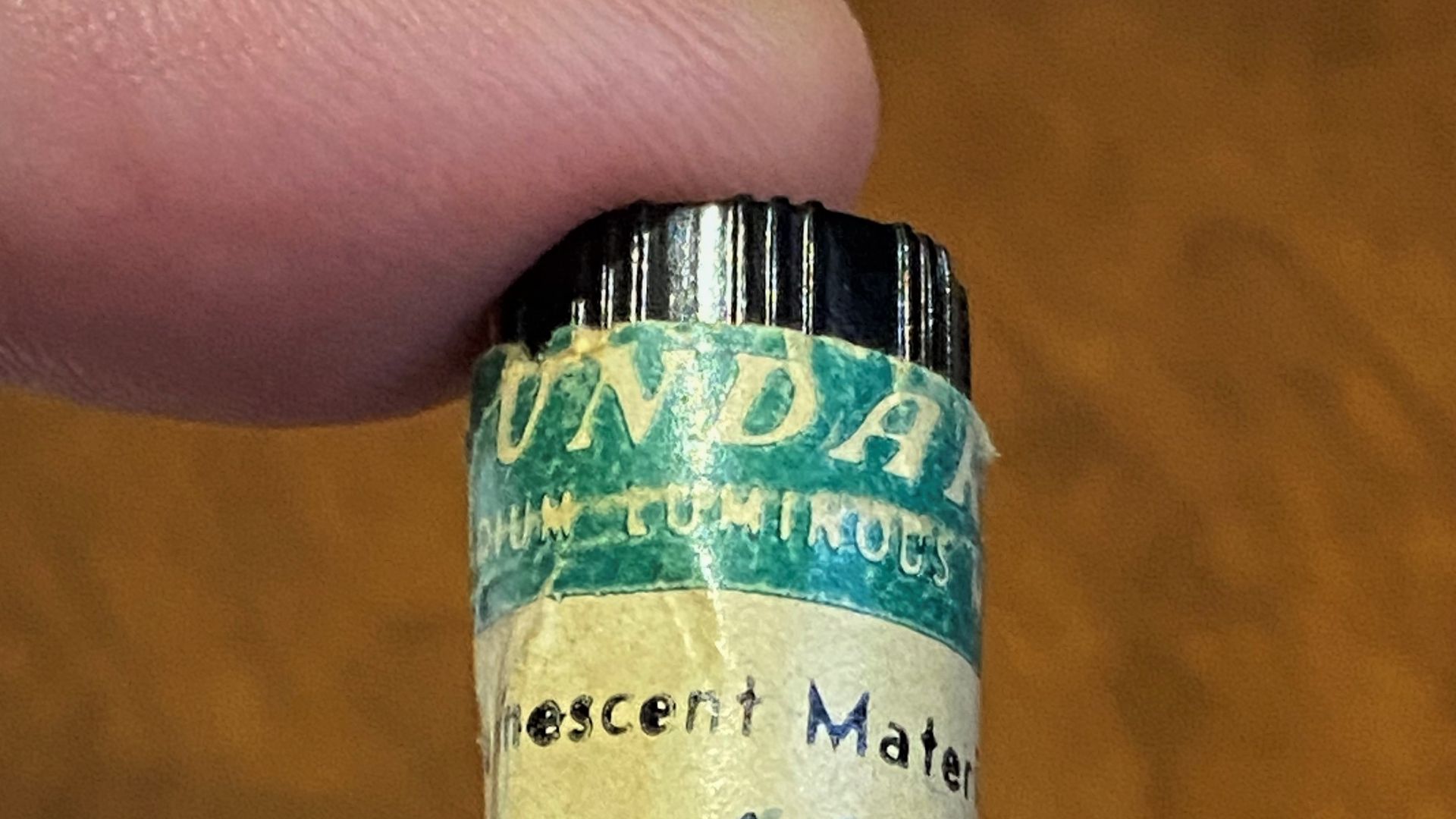
The United States Radium Corporation sold luminous paint under the name Undark, a word that sounded futuristic and almost poetic. Workers used it to make dials glow so soldiers, pilots, and civilians could read instruments at night. The product’s name promised light, but the women applying it were never honestly warned about its hidden cost.
 TheBeSphereOfCourse, Wikimedia Commons
Lip-Pointing Made The Work Deadly
Supervisors taught workers to shape their brushes with their lips to create fine points for tiny numbers. Each time they dipped, painted, and pointed, the women swallowed small amounts of radium. That technique, sometimes called “lip, dip, paint,” turned an already dangerous job into a devastating source of internal radiation exposure.
 Screenshot from Radium Girls, Juno Films (2020)
The Women Were Told It Was Safe
The most heartbreaking part is that many workers asked whether the paint could harm them. Company representatives assured them the work was safe, even as evidence of danger grew. Some women even painted their nails, teeth, or clothing with the glowing material because they had been led to believe it was harmless.
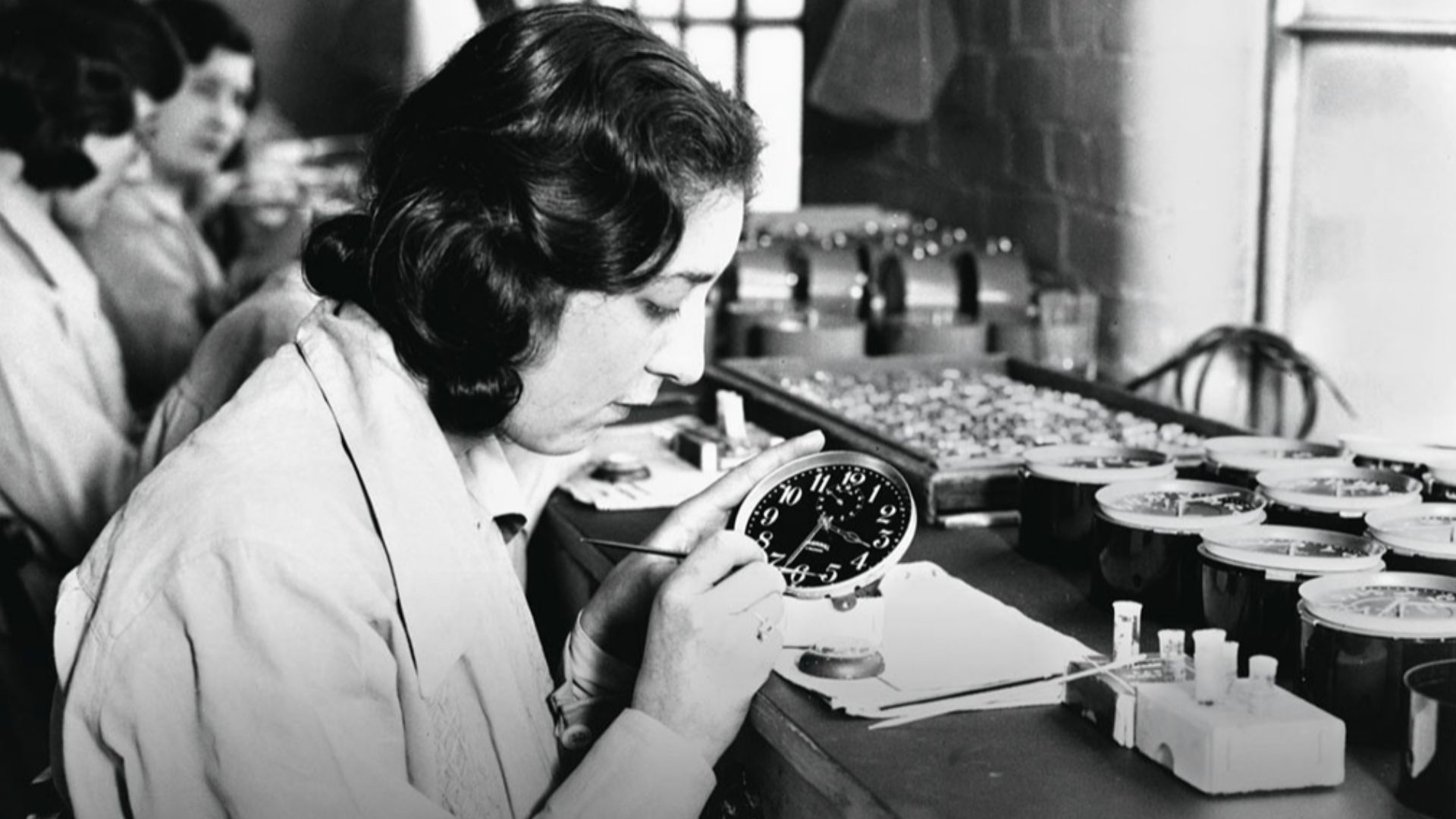
The Glow Followed Them Home
Dial painters sometimes left work literally shining. Contemporary accounts described their hair, faces, hands, arms, clothing, and even undergarments glowing from radium dust. What looked enchanting after a long shift was actually contamination. The same substance that made them sparkle in the dark was entering their bodies every day.
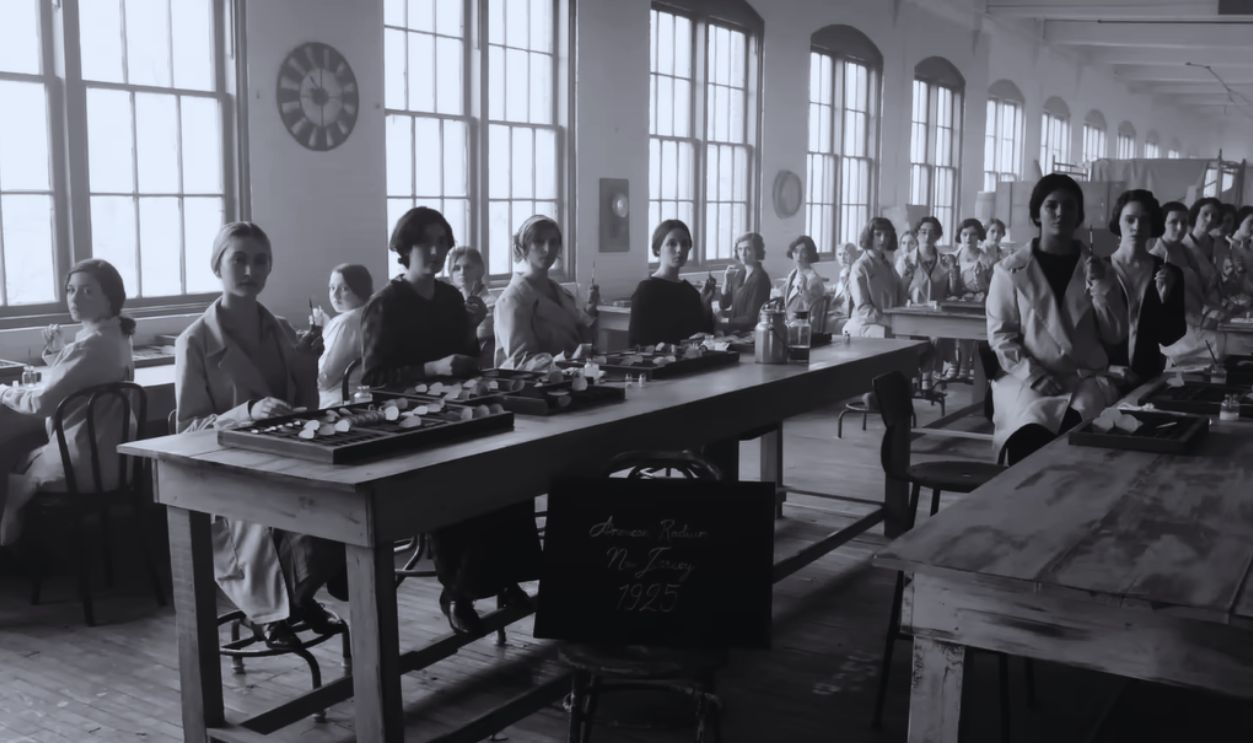 Screenshot from Radium Girls, Juno Films (2020)
Early Symptoms Seemed Ordinary
The first signs did not always look dramatic. Some women complained of toothaches, sore feet, aching backs, or fatigue. Those symptoms were easy to dismiss as ordinary illness or hard work. But the pain grew worse, and doctors began seeing injuries that made no sense for young women who should have been healthy.
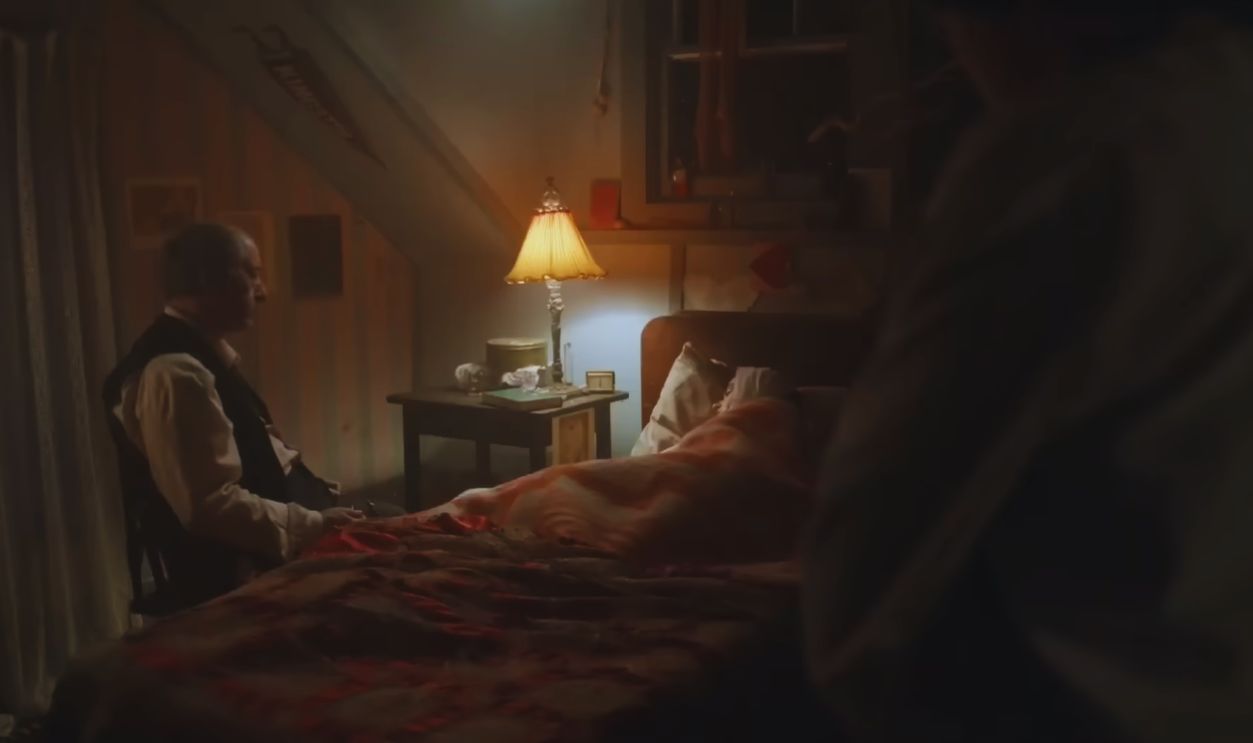 Screenshot from Radium Girls, Juno Films (2020)
Their Jaws Began To Deteriorate
One of the most horrifying effects became known as “radium jaw". Teeth loosened or fell out, gums would not heal, and jawbones deteriorated. Some women suffered necrosis so severe that pieces of bone could be removed. The damage was not cosmetic or temporary. It was evidence that radium had settled inside their bones.
 Screenshot from Radium Girls, Juno Films (2020)

History's most fascinating stories and darkest secrets, delivered to your inbox daily.
Radium Imitated Calcium Inside The Body
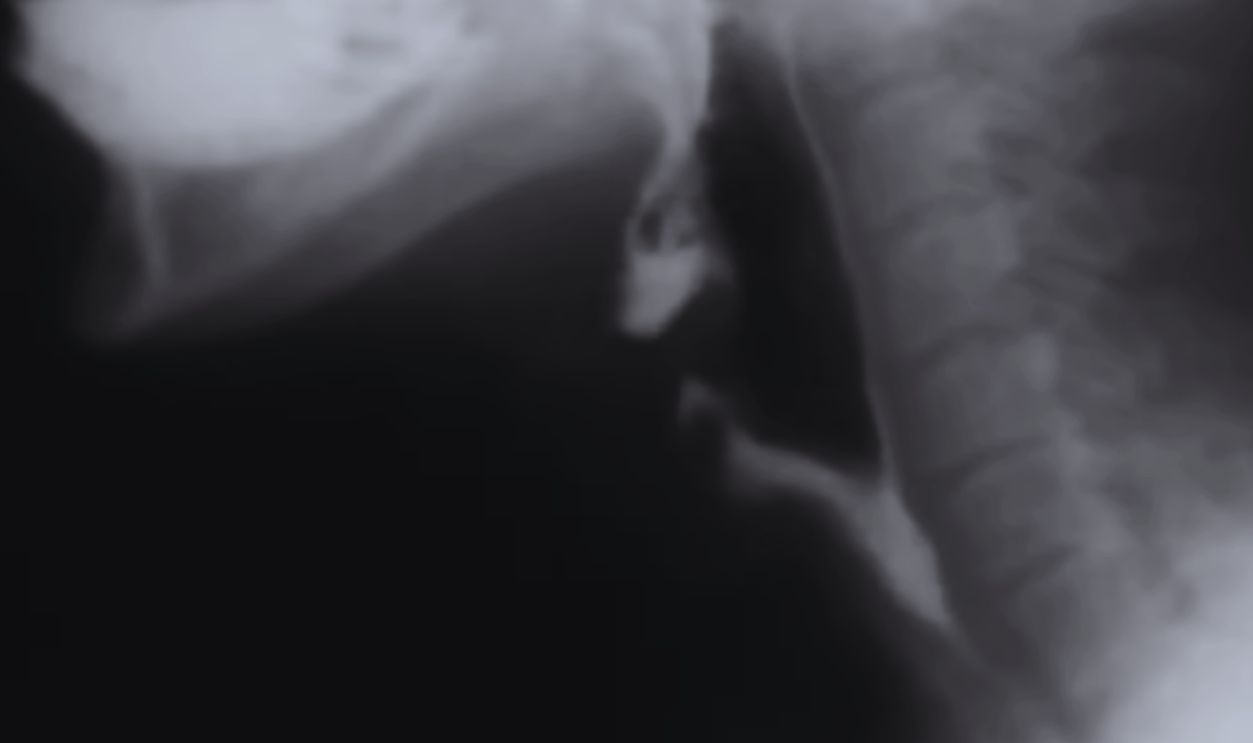
Radium was especially dangerous because the body treated it somewhat like calcium. Once swallowed, it could lodge in bones and continue irradiating tissue from within. The women were not just exposed at work; they carried the poison inside themselves. That internal exposure helped explain the fractures, cancers, anemia, and jaw destruction that followed.
 Screenshot from Radium Girls, Juno Films (2020)
Doctors Struggled To Understand The Pattern
At first, many doctors did not connect the illnesses to factory work. The symptoms seemed strange and varied, and radium still had a public reputation as beneficial or medically useful. Some workers were misdiagnosed, while others were blamed for their own suffering. That confusion delayed accountability when time mattered most.
 Screenshot from Radium Girls, Juno Films (2020)
Employers Tried To Deflect Blame
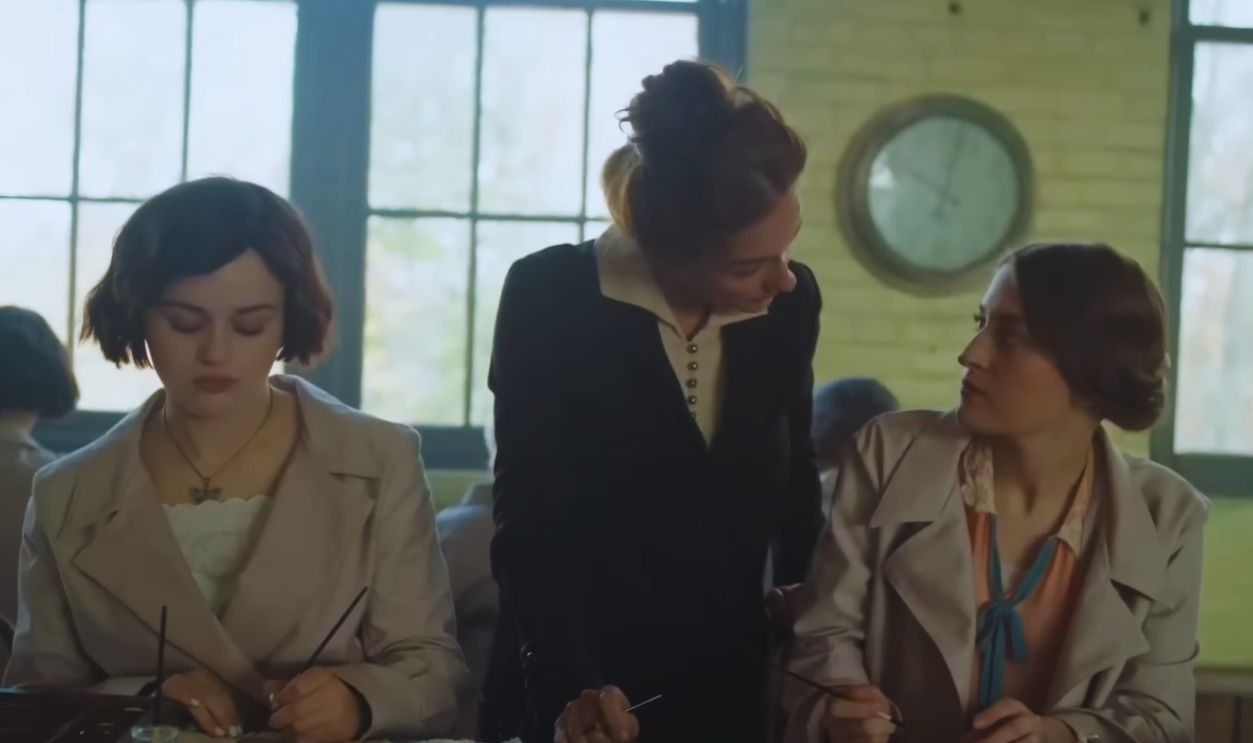
As more women became sick, companies resisted admitting responsibility. The United States Radium Corporation fought compensation efforts and had powerful legal defenses. Workers faced not only a mysterious illness but also employers determined to protect profits and reputation instead of fully acknowledging what had happened.
 Screenshot from Radium Girls, Juno Films (2020)
Scientific Evidence Became Harder To Ignore
Pathologist Harrison Martland played a crucial role in proving that the dial painters were suffering from radium poisoning. Studies showed radioactivity in living and deceased workers, helping connect their illnesses to the material they had handled. His findings helped shift the story from suspicion to scientific evidence.
 Screenshot from Radium Girls, Juno Films (2020)
Grace Fryer Refused To Stay Silent
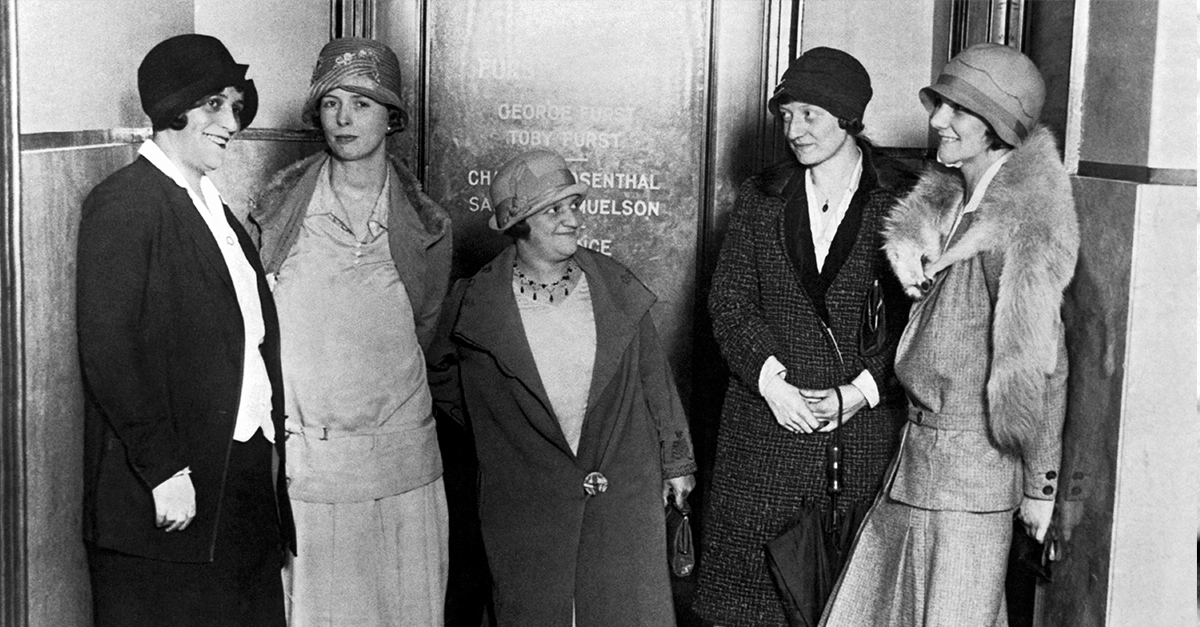
Grace Fryer, a former dial painter, became one of the central figures in the fight for justice. Even as her health declined, she searched for a lawyer willing to take on U.S. Radium. Her persistence helped bring five women together in a lawsuit that forced the public to confront what the company had allowed.
 Unknown authorUnknown author, Wikimedia Commons
The Lawsuit Became A National Sensation
In 1927, Grace Fryer and four other women sued U.S. Radium for damages. The case drew national attention because the women were visibly ill and running out of time. Their struggle exposed how difficult it was for workers to challenge a powerful employer, especially when industrial safety laws were weak.
 Screenshot from Radium Girls, Juno Films (2020)
The Women Were Dying While Fighting
The legal battle was painfully urgent. Several of the women were already so sick that lengthy court delays threatened to outlast them. Their deteriorating bodies became living evidence of the danger, but that also meant justice had to move faster than the disease. Public sympathy grew as newspapers followed their fight.
 Screenshot from Radium Girls, Juno Films (2020)
The Case Ended In A Settlement
The New Jersey case ultimately settled in 1928. The women received compensation, annual payments, and medical expense coverage. It was not a full victory in the emotional sense, because no amount of money could undo their suffering. But it marked an important moment in the recognition of workplace poisoning.
 Screenshot from Radium Girls, Juno Films (2020)
Illinois Workers Faced The Same Nightmare
The story did not end in New Jersey. In Ottawa, Illinois, women who worked for the Radium Dial Company also became sick after painting luminous dials. They faced similar denial, illness, and legal obstacles. Catherine Donohue became a key figure in their fight, continuing the battle even as her own health collapsed.
 Screenshot from Radium Girls, Juno Films (2020)
Catherine Donohue Took The Fight Further
Catherine Donohue and other Illinois workers pursued compensation in the 1930s. Their case eventually helped strengthen legal recognition of occupational disease. Donohue was terribly ill during proceedings, but her determination made the case impossible to ignore. Her courage helped extend the Radium Girls’ legacy beyond the first lawsuit.
 Screenshot from Radium Girls, Juno Films (2020)
The Companies Knew More Than Workers Did
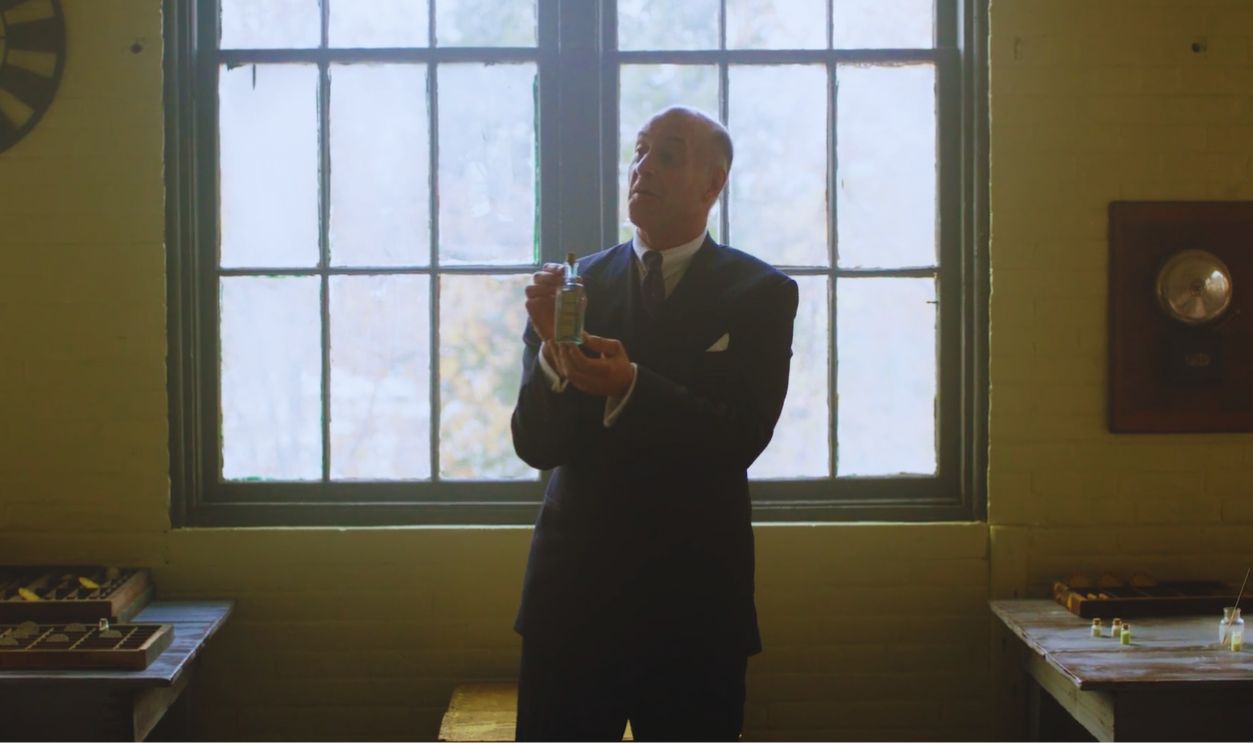
One of the most disturbing aspects of the story is the gap between what experts understood and what workers were told. Scientists and company officials had reason to treat radium carefully, yet the dial painters were encouraged to put brushes in their mouths. That betrayal is why the story still feels so infuriating.
 Screenshot from Radium Girls, Juno Films (2020)
The Public Finally Saw The Cost Of Radium
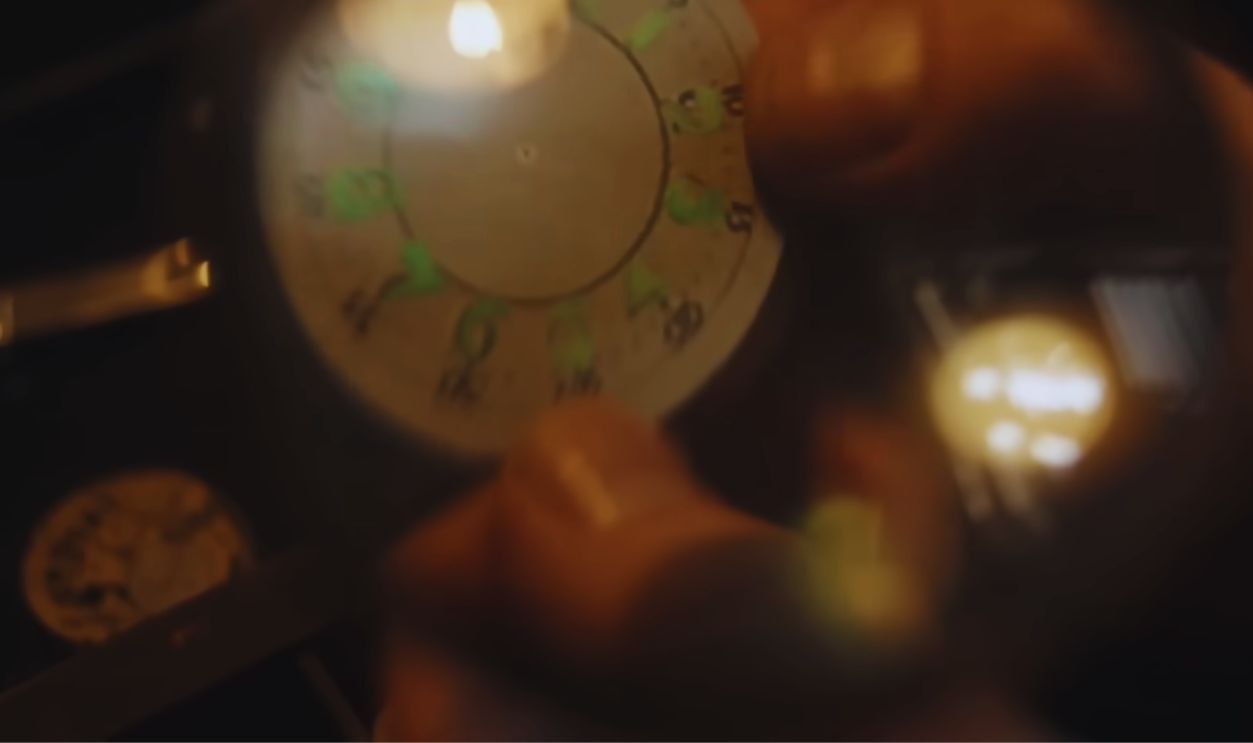
The Radium Girls helped change public understanding of radiation. What had been marketed as glamorous, modern, and even healthy became visibly associated with suffering and death. Their bodies revealed the danger of internal exposure and forced Americans to reconsider blind faith in miracle substances.
 Screenshot from Radium Girls, Juno Films (2020)
Their Cases Changed Workplace Safety
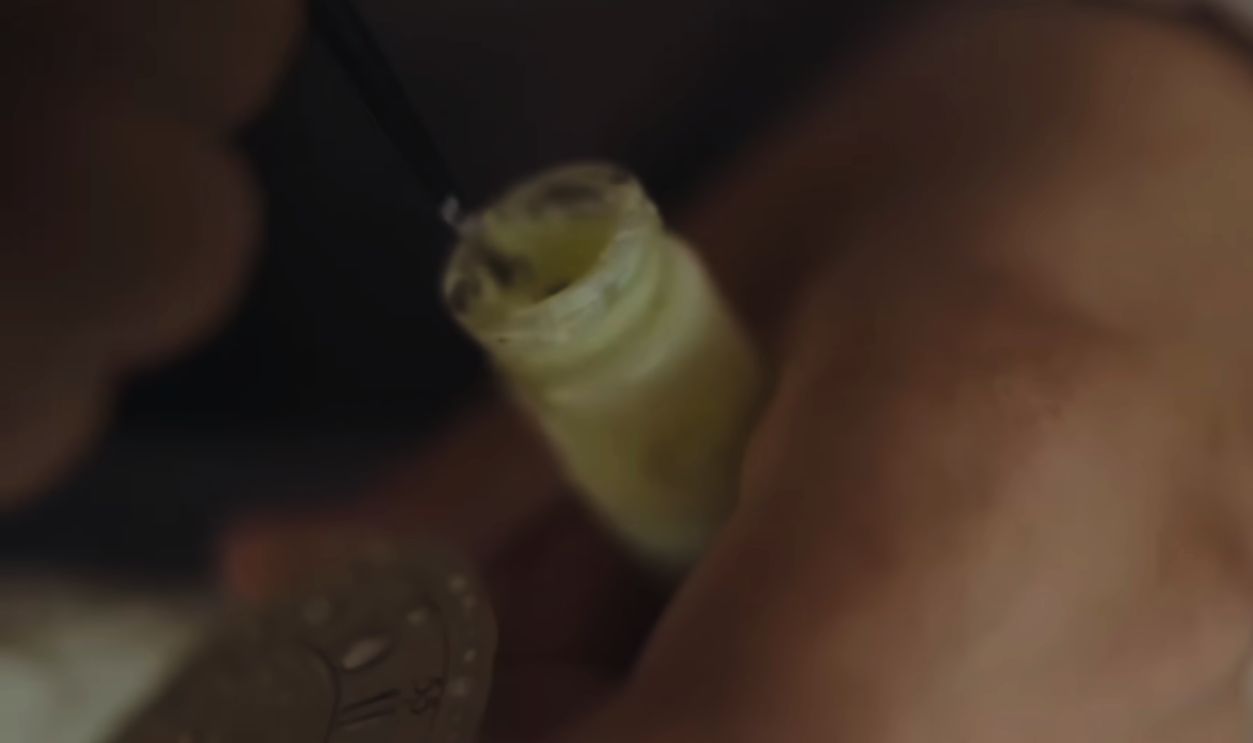
The Radium Girls’ lawsuits helped pave the way for stronger worker protections and compensation rules for occupational poisoning. Their story influenced later safety standards in industries dealing with radiation and toxic substances. They did not live to see every reform, but their fight helped protect workers who came after them.
 Screenshot from Radium Girls, Juno Films (2020)
Radium Dial Painting Eventually Disappeared
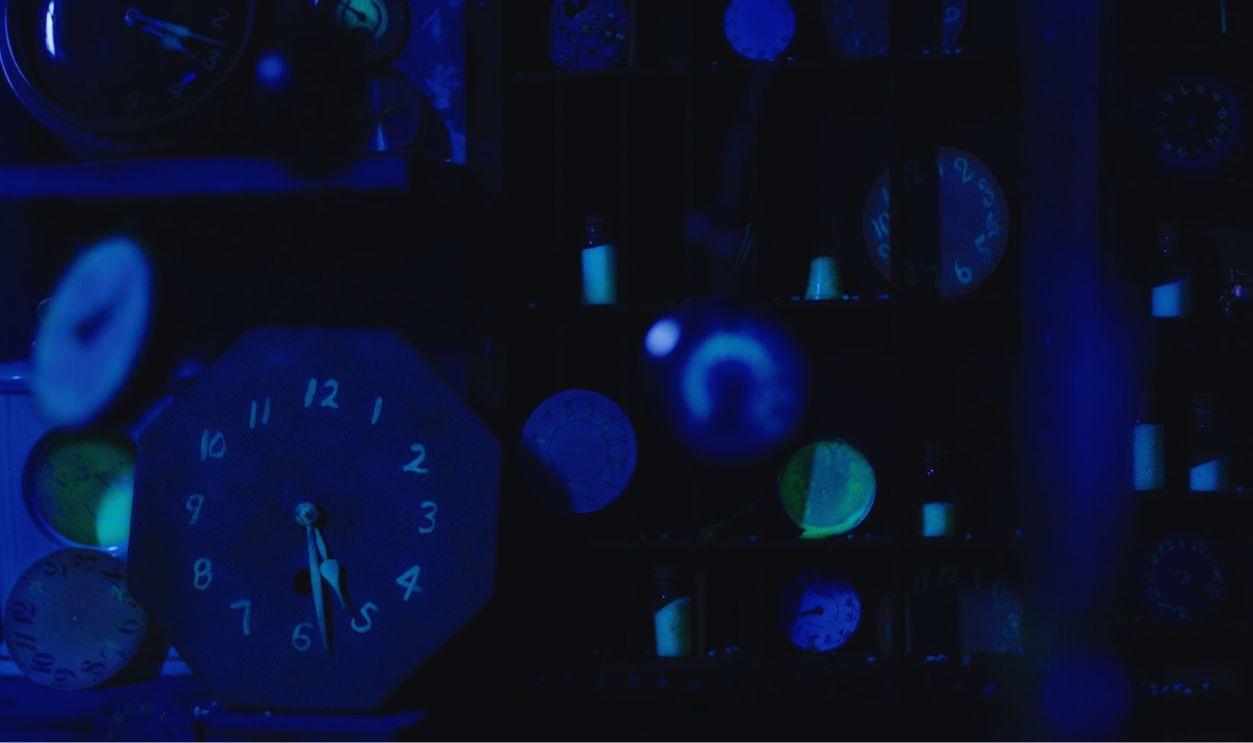
Luminous radium paint remained in use for decades, but safety standards improved and radium-based paint was eventually phased out. By the 1960s, radium was no longer used in the same way for watch dials. The change came far too late for the women already poisoned, but it showed that their warnings were finally taken seriously.
 Screenshot from Radium Girls, Juno Films (2020)
The Women Became Evidence Against Their Will
The bodies of sick and deceased dial painters helped scientists define limits for radium exposure. That knowledge saved others, but it came through suffering the women never consented to endure. Their tragedy became data, and that uncomfortable truth remains part of why the story is so haunting.
 Screenshot from Radium Girls, Juno Films (2020)
Their Employers Were Wrong, But The Women Were Not
The Radium Girls were told they were safe, mistaken, or exaggerating. In reality, they understood something was terribly wrong before their employers were willing to admit it. Their persistence exposed a deadly industry practice and showed how workers’ lived experience can reveal dangers that companies prefer to deny.
 Screenshot from Radium Girls, Juno Films (2020)
The Glow Became A Warning
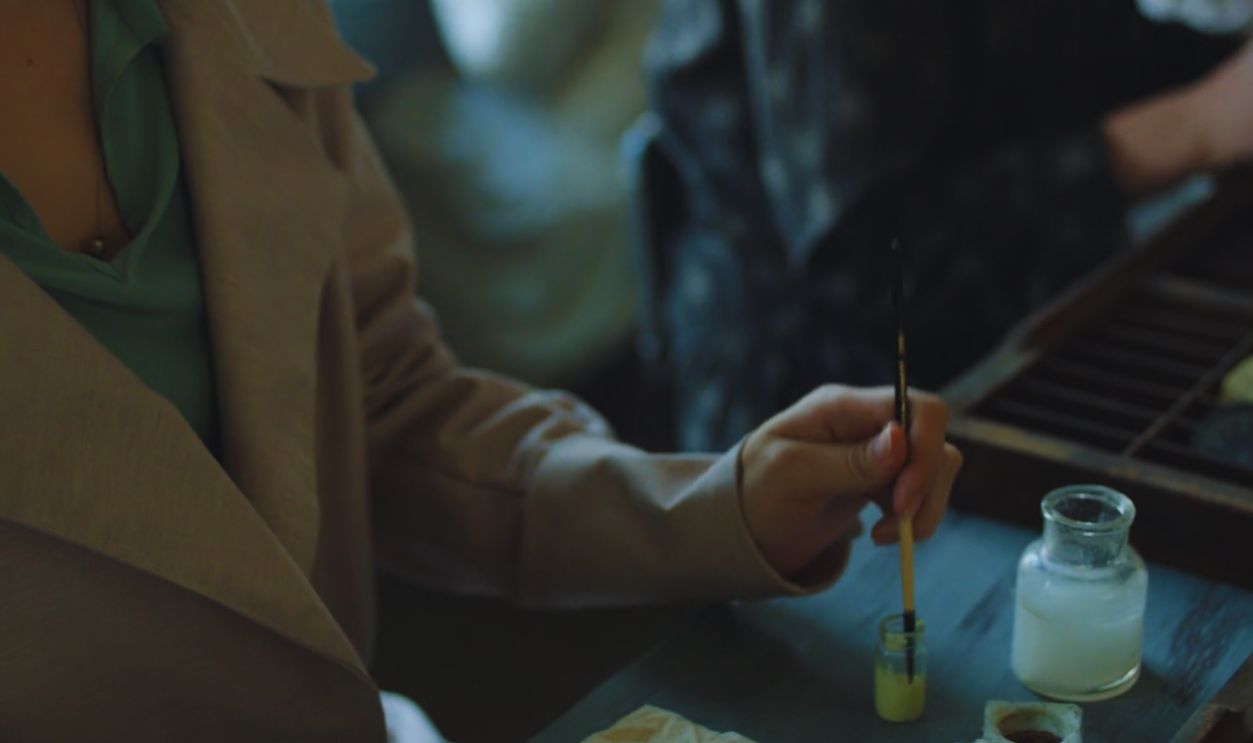
The Radium Girls’ story endures because it combines beauty and horror in a way that is hard to forget. The glowing paint looked magical, but it carried a hidden threat. When the women began getting sick, their employers insisted nothing was wrong. History remembers the opposite: the women were right, and their fight changed the workplace forever.
 Screenshot from Radium Girls, Juno Films (2020)
You May Also Like:
Ordinary Jobs From The 20th Century That Vanished Faster Than Anyone Expected
Everyday Words That Came From People Whose Names Most Of Us Have Forgotten
Horrific Facts About Bedlam, History's Most Notorious Mental Institution