Who Was Going To Stop Them?
What would a pope have to do before somebody decided he needed to answer for it? Over the centuries, kings, emperors, and Church officials came up with some very different answers. But bringing charges was one thing. Getting the accused to cooperate could be an entirely different problem.
First, Find Someone Who Can Judge Him
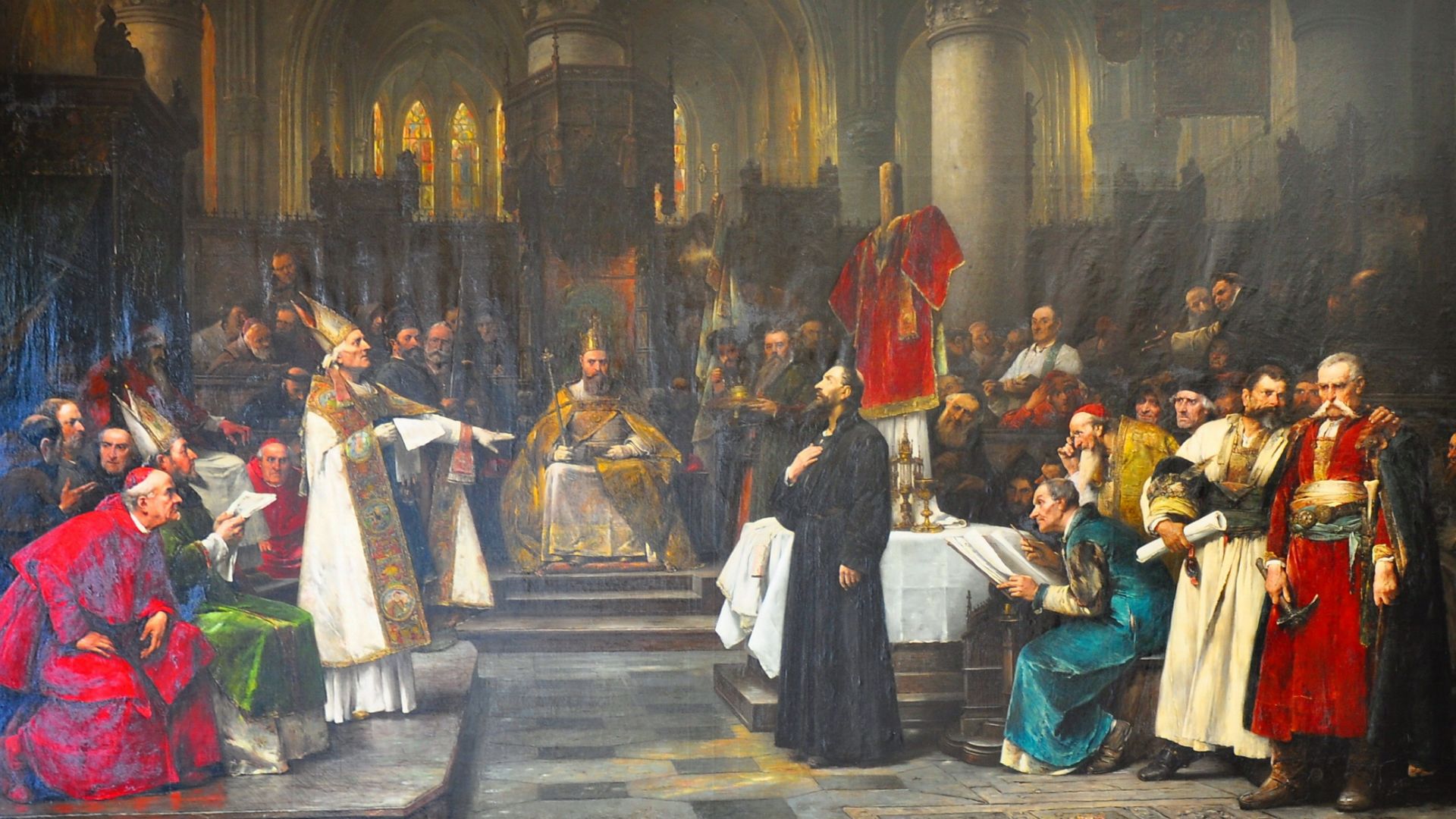
These weren’t all courtroom trials as we’d recognize them today. Some were Church councils, others were imperial prosecutions, and a few never reached a verdict. There was also an awkward question to settle before examining the accusations: Who actually had the authority to judge the pope?
 Václav Brožík, Wikimedia Commons
Pope Formosus: Accused Of Taking A Position He Couldn’t Hold
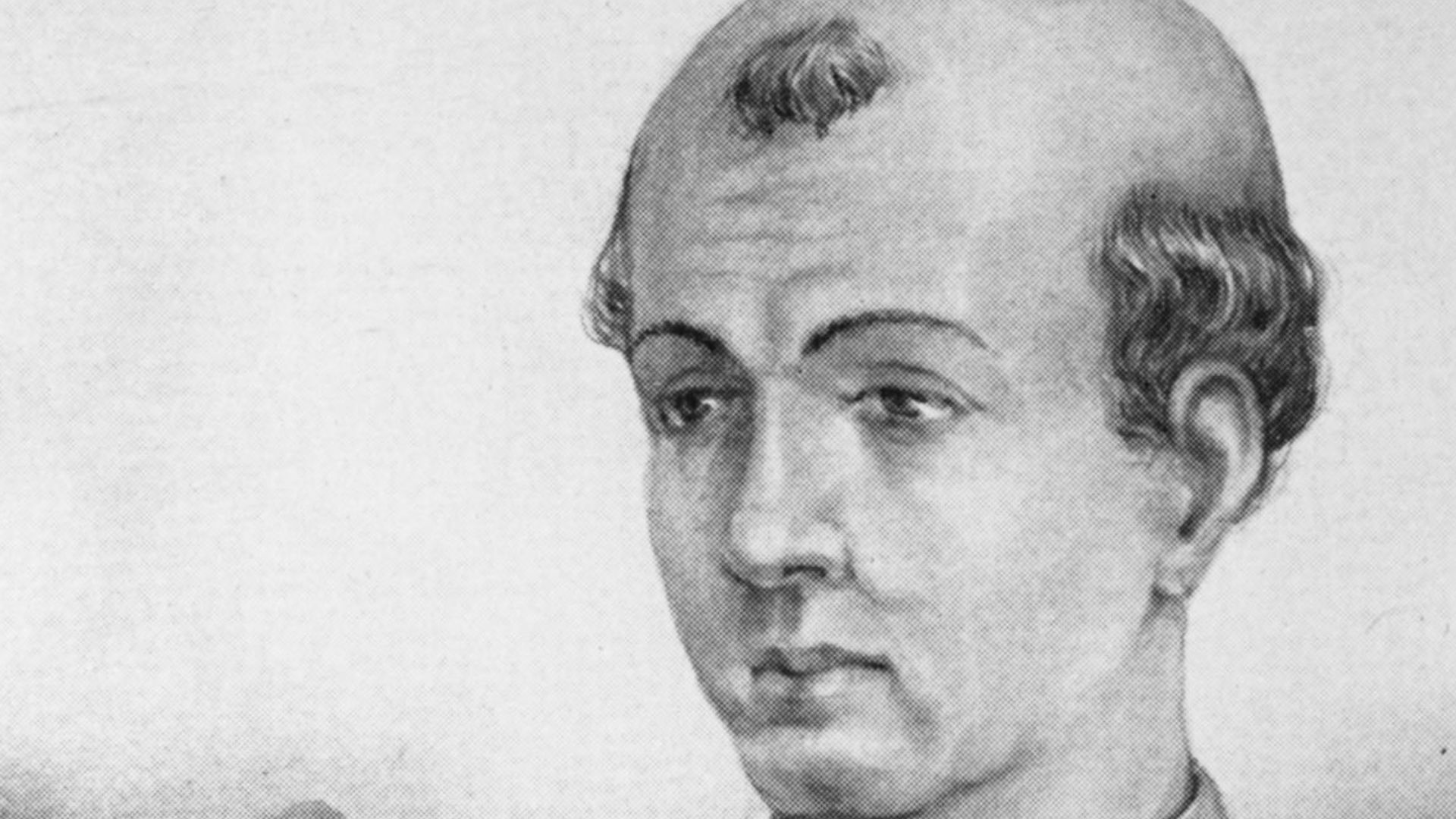
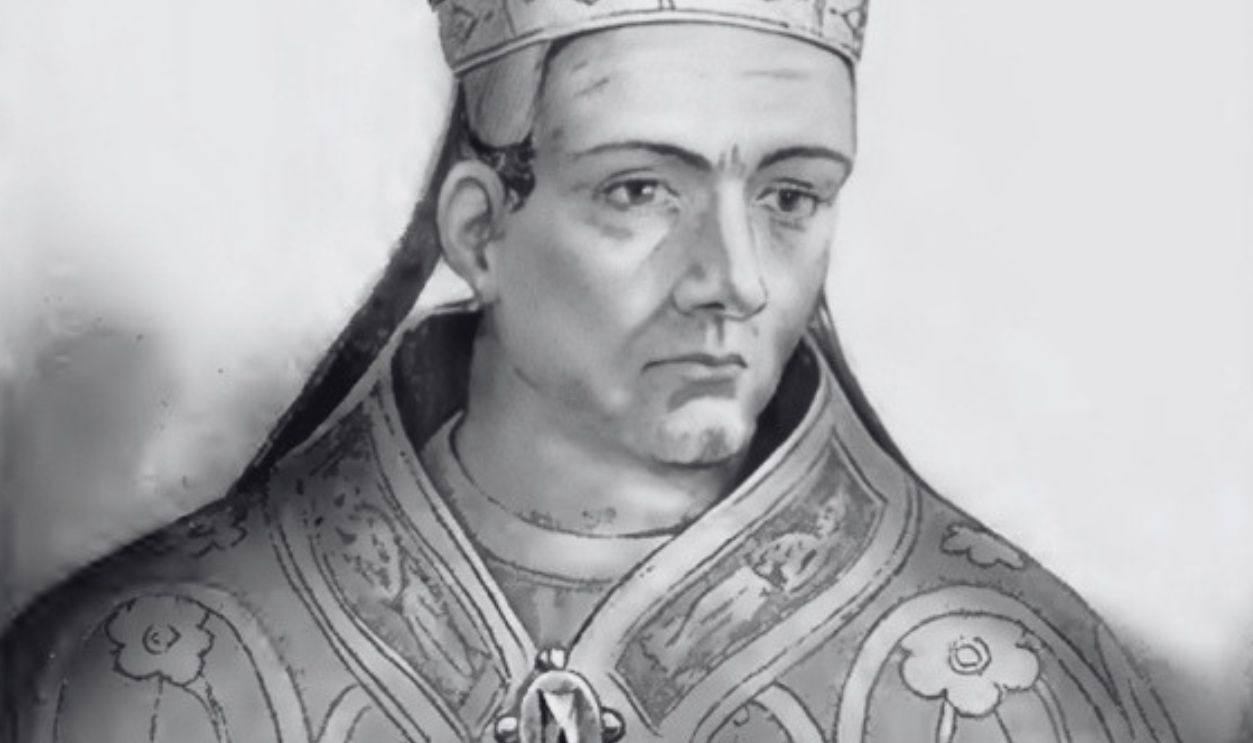
In 897, Pope Stephen VI brought proceedings against Formosus for alleged perjury and improperly becoming pope while already bishop of Porto. His enemies argued that his move to Rome violated Church rules. There was one unusual complication: Formosus had been buried for around nine months.
 Artaud de Montor (1772–1849), Wikimedia Commons
They Brought Him To The Hearing Anyway
Stephen had Formosus’s remains exhumed, dressed in papal robes, and propped up on a throne, with a deacon answering for him. The trial unfolded amid struggles over Rome and the imperial crown, although historians disagree over exactly who drove it and why.
 Artaud de Montor (1772–1849), Wikimedia Commons, Enhanced
A Guilty Verdict Was Only The Beginning
The gathering, remembered as the Cadaver Synod, condemned Formosus and declared his ordinations invalid. His remains were stripped of their robes and eventually thrown into the Tiber. Stephen was later overthrown and imprisoned, where his life ended violently. Subsequent popes overturned the judgment.
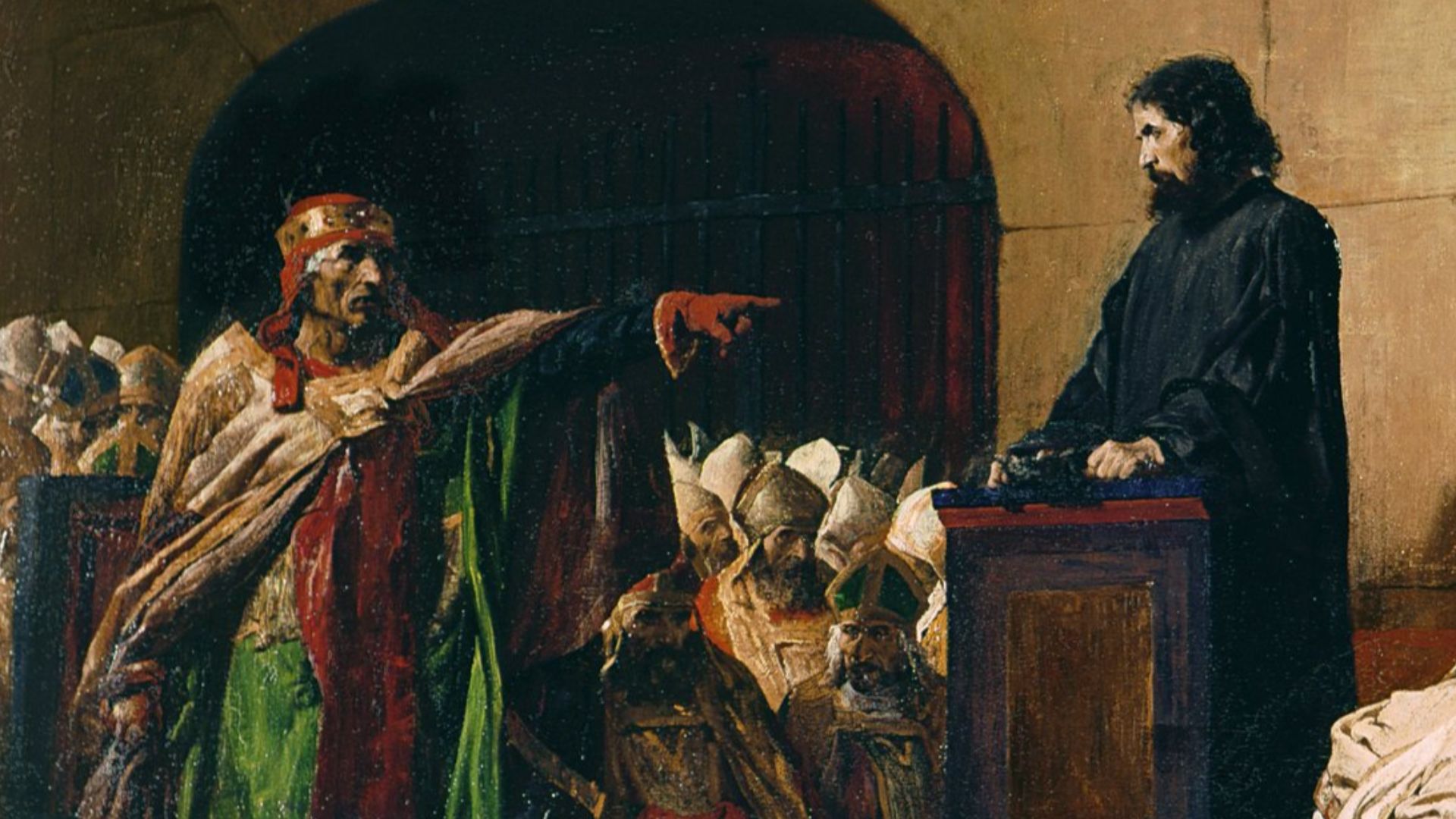 Jean-Paul Laurens, Wikimedia Commons
Pope Symmachus: Misused Money And The Wrong Easter
Symmachus’s opponents accused him of squandering Church property and having improper relationships with women. They also challenged his celebration of Easter on the wrong date according to their calendar. These accusations emerged after a disputed election, with supporters of rival claimant Laurentius seeking his removal.
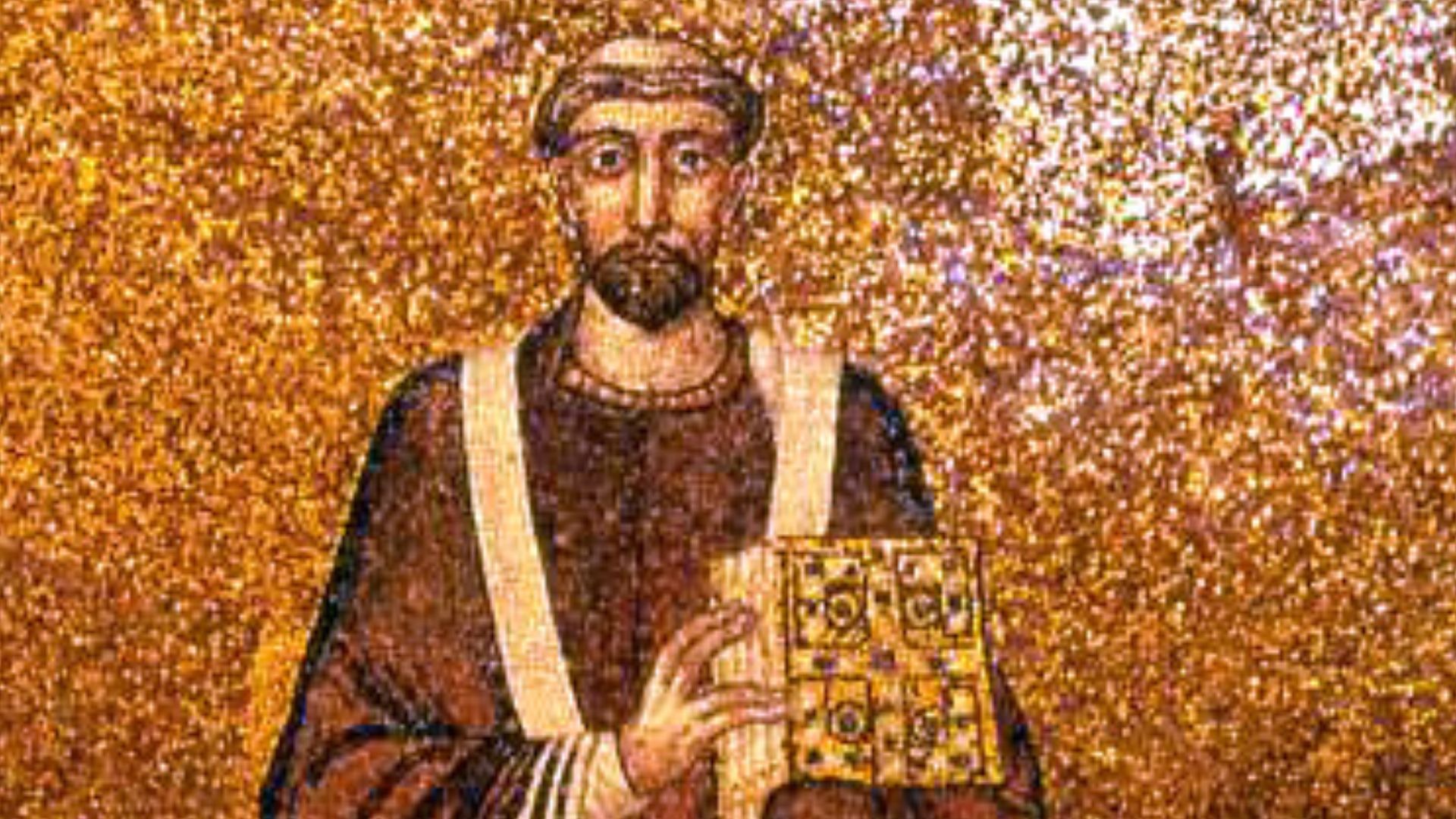 Parrocchia di Santa Agnese fuori le Mura, Wikimedia Commons
His Judges Left The Decision To God
During the proceedings of 502, opponents attacked Symmachus’s party as he traveled to a hearing. He escaped and later refused further appearances. The bishops ultimately declined to judge him, leaving the matter to God and restoring his authority. His rivals, however, continued resisting for years.
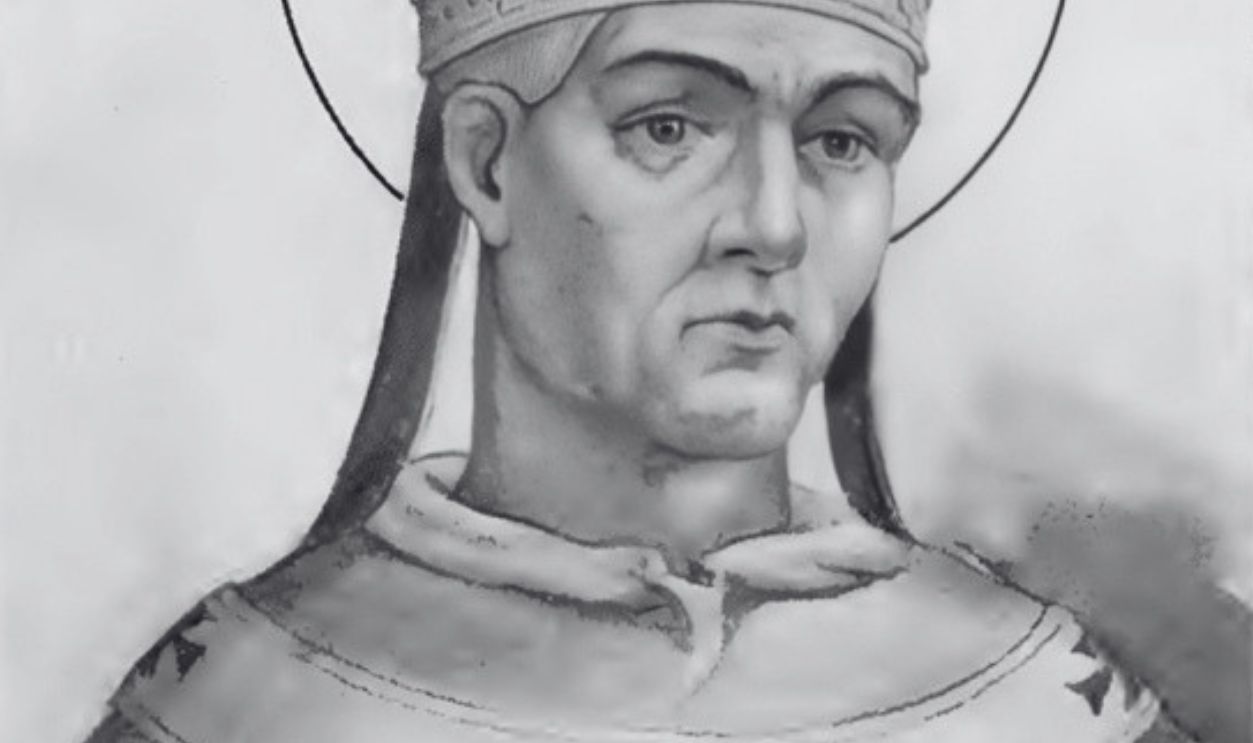 Artaud de Montor (1772–1849), Wikimedia Commons, Enhanced
Pope Martin I: Accused Of Helping The Emperor’s Enemies
Martin I had openly rejected Emperor Constans II’s religious policy. But after his arrest in 653, the prosecution focused on treason. He was accused of supporting Olympius, an imperial official who had rebelled, and of providing assistance to Muslim forces attacking Sicily. Martin disputed the allegations.
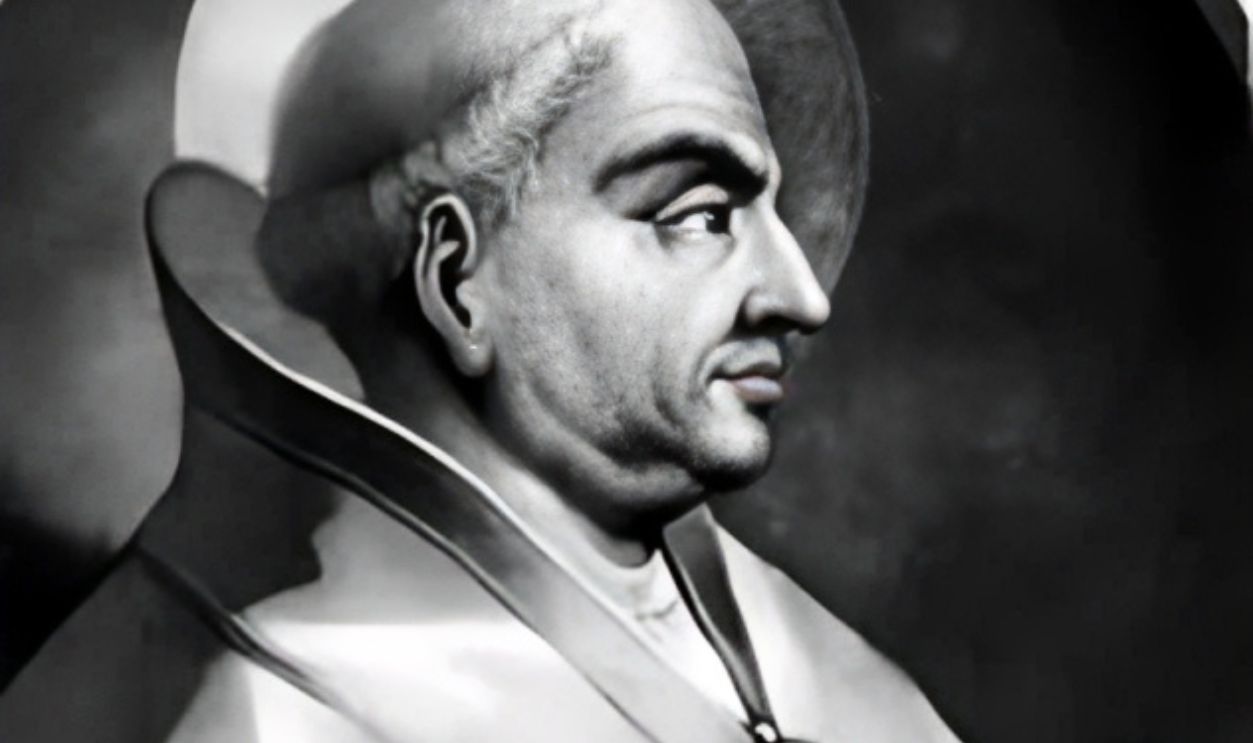 See page for author, Wikimedia Commons, Enhanced
The Court Didn’t Want To Discuss Religion
When Martin tried to raise the religious dispute behind his arrest, the court refused to entertain it. He was convicted, stripped of his insignia, and eventually exiled to Crimea after his original sentence was commuted. His life ended there in 655. The Church later honored him as a martyr.
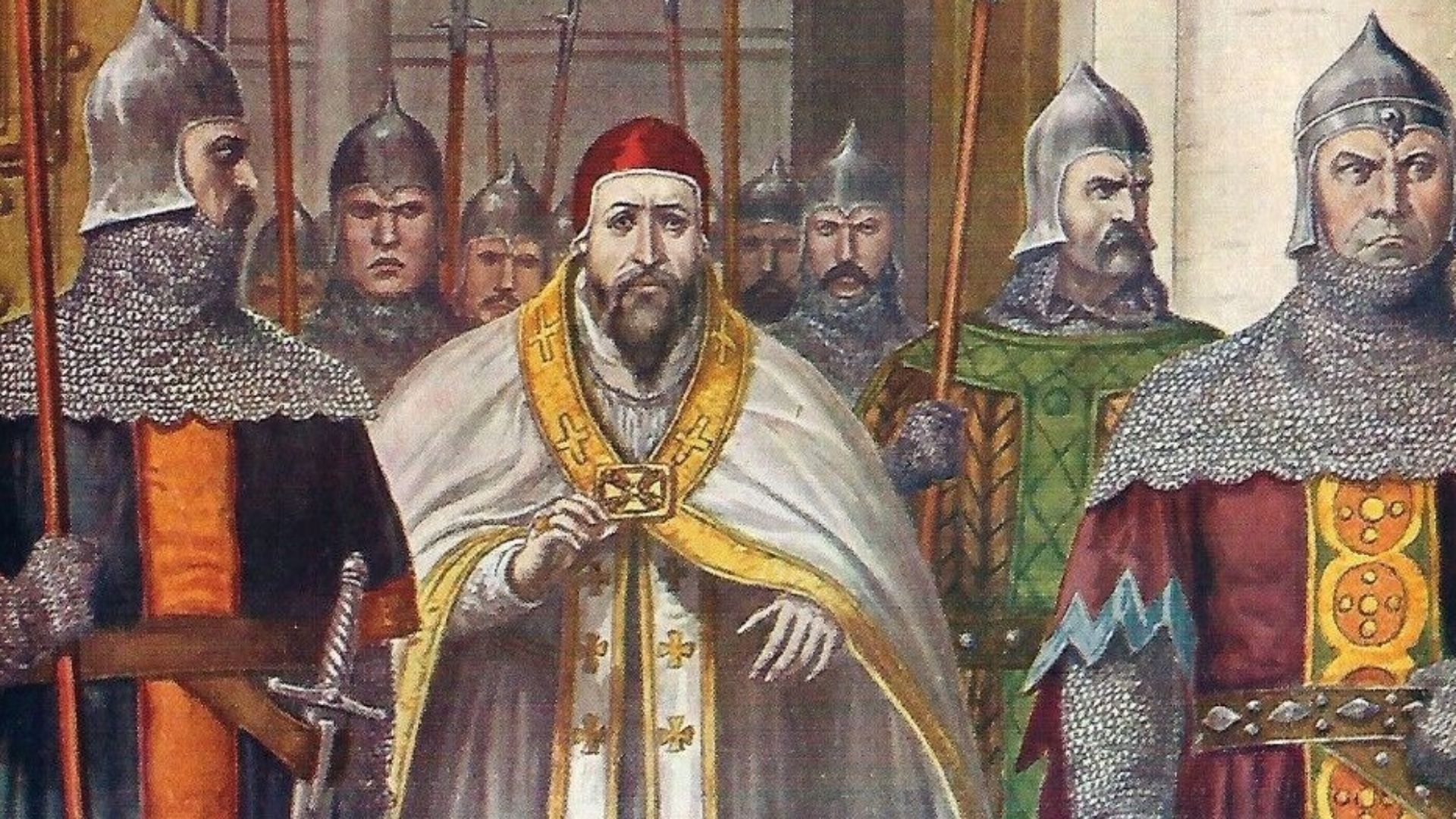 Astromentum, Wikimedia Commons
Pope Leo III: Affairs And Broken Oaths
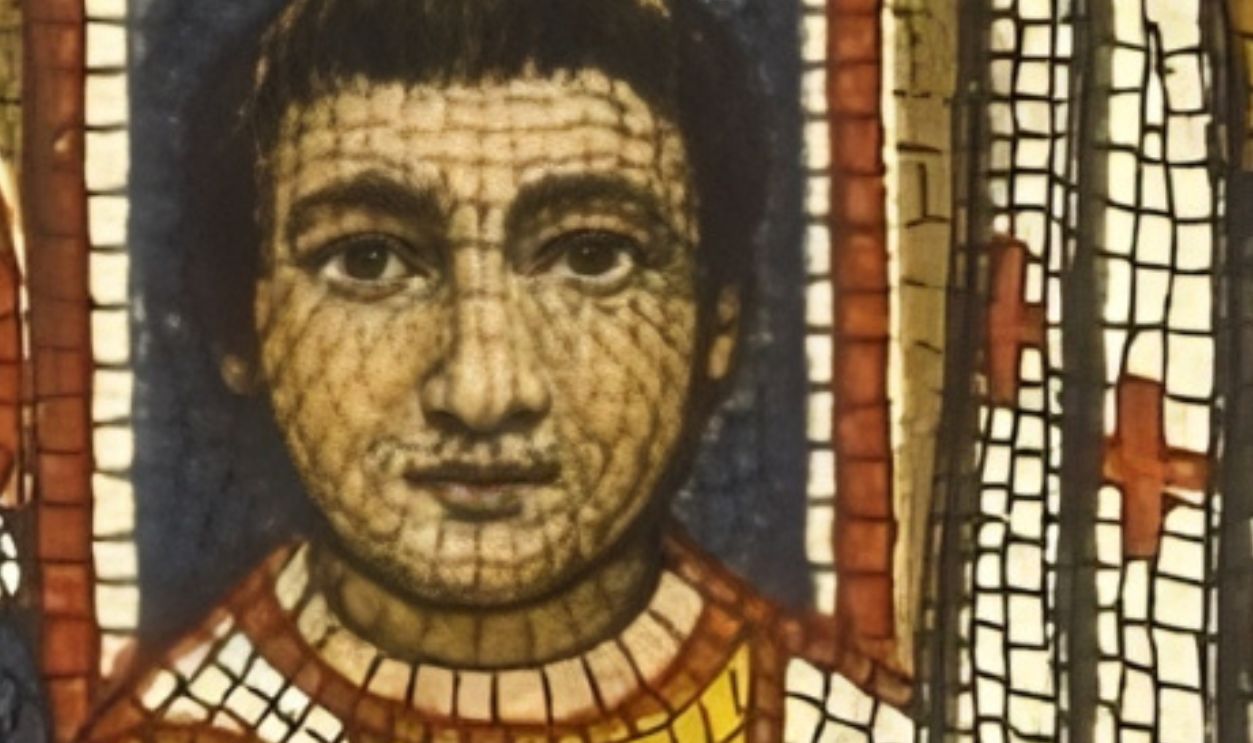
Leo III’s enemies accused him of adultery and perjury—relationships with married women and lying under oath. The accusations accompanied a violent campaign against him, including an attack during a procession in 799. After escaping, Leo sought protection from Charlemagne, who became involved in investigating the dispute.
He Publicly Swore He Was Innocent
At an assembly in Rome in 800, the bishops declared that they lacked authority to judge Leo. He instead swore a public oath denying the charges. This ended without a conventional guilty-or-innocent verdict. Two days later, Leo crowned Charlemagne emperor. His accusers ultimately went into exile.
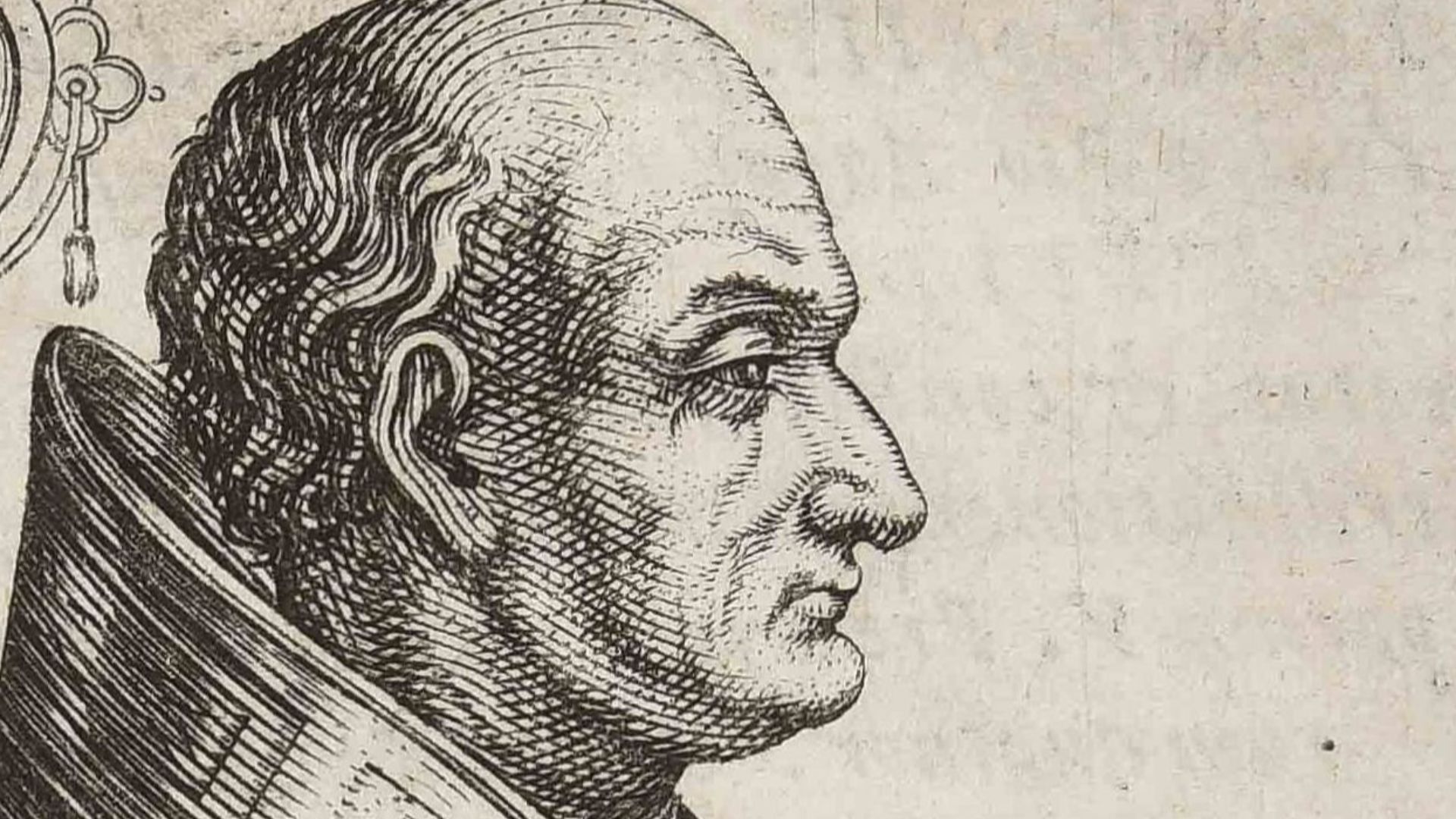 Giovanni Battista de'Cavalieri, Wikimedia Commons
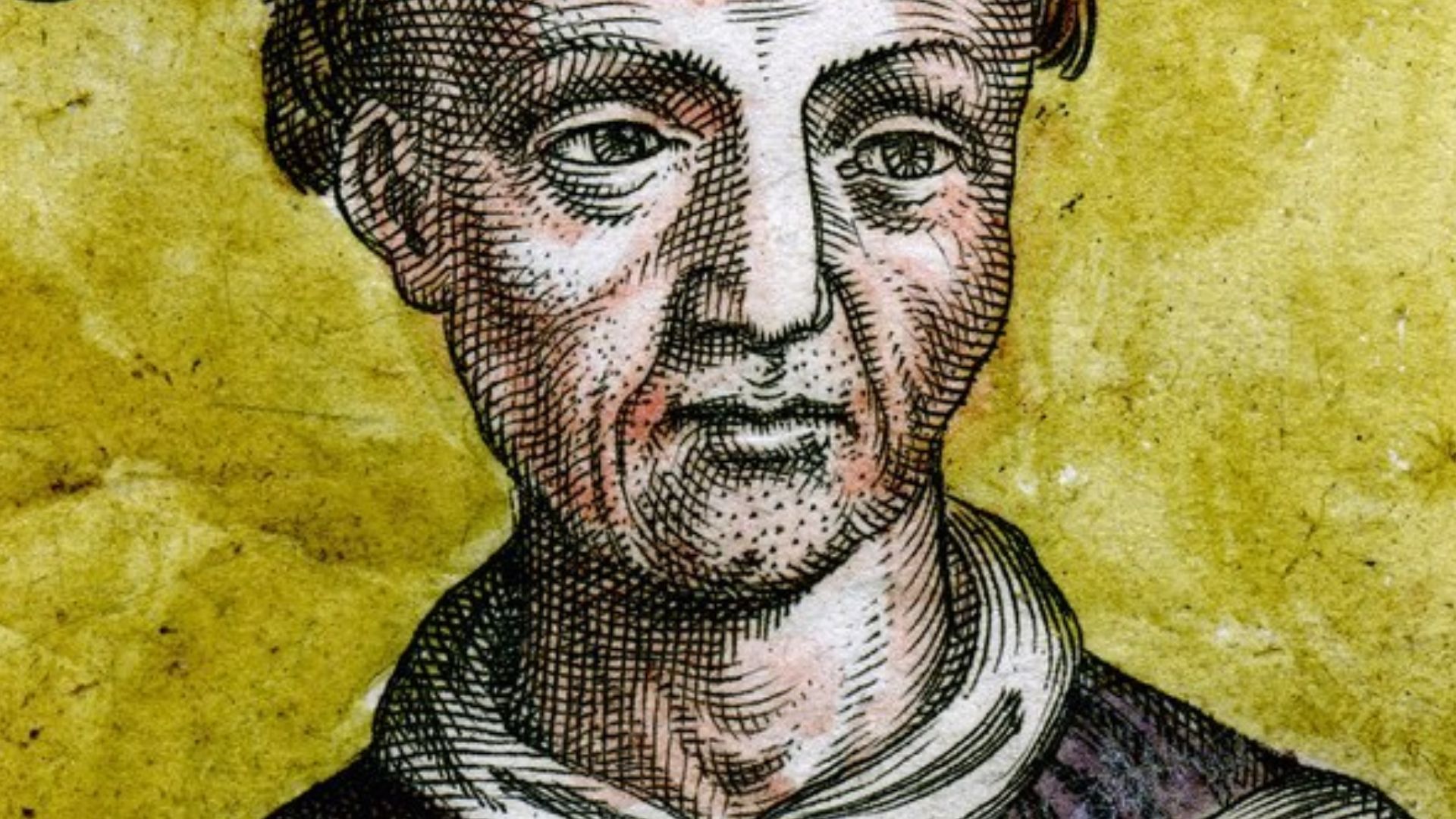
Pope John XII: A Ten-Year-Old Bishop And Much More
At the Roman synod of 963, John XII faced accusations of selling appointments, making a ten-year-old boy a bishop, conducting an ordination in a stable, and having affairs with married women. His accusers also alleged that he had ordered people blinded or otherwise permanently injured.
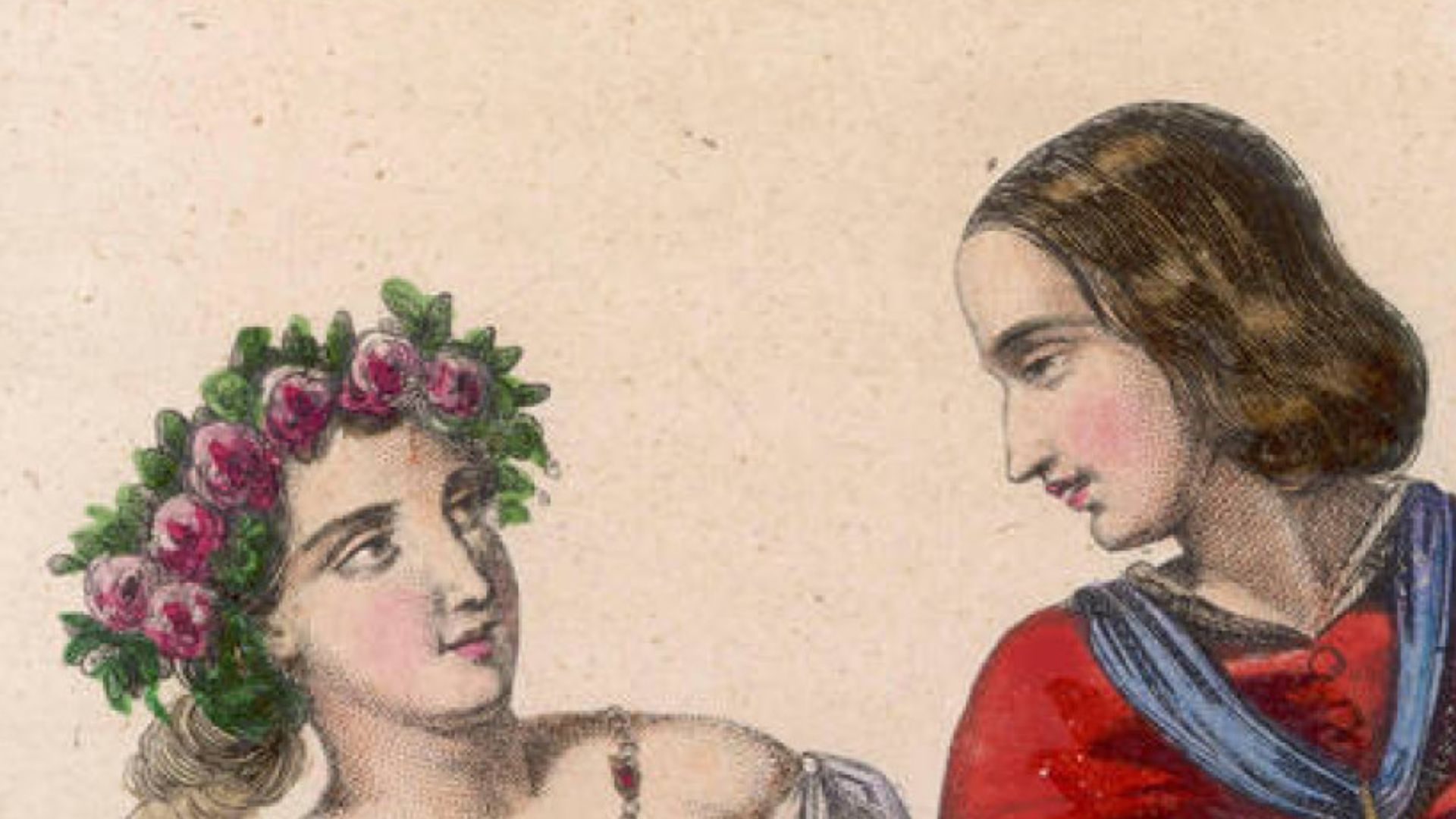 Maurice Lachatre, Wikimedia Commons
Even His Dice Games Became Evidence
The allegations extended to invoking pagan gods while gambling and drinking a toast to the devil. But the detailed account came from Liutprand of Cremona, an ally of John’s enemy, Emperor Otto I. Historians cannot confidently separate every real offense from the campaign to discredit him.
 Unknown authorUnknown author, Wikimedia Commons
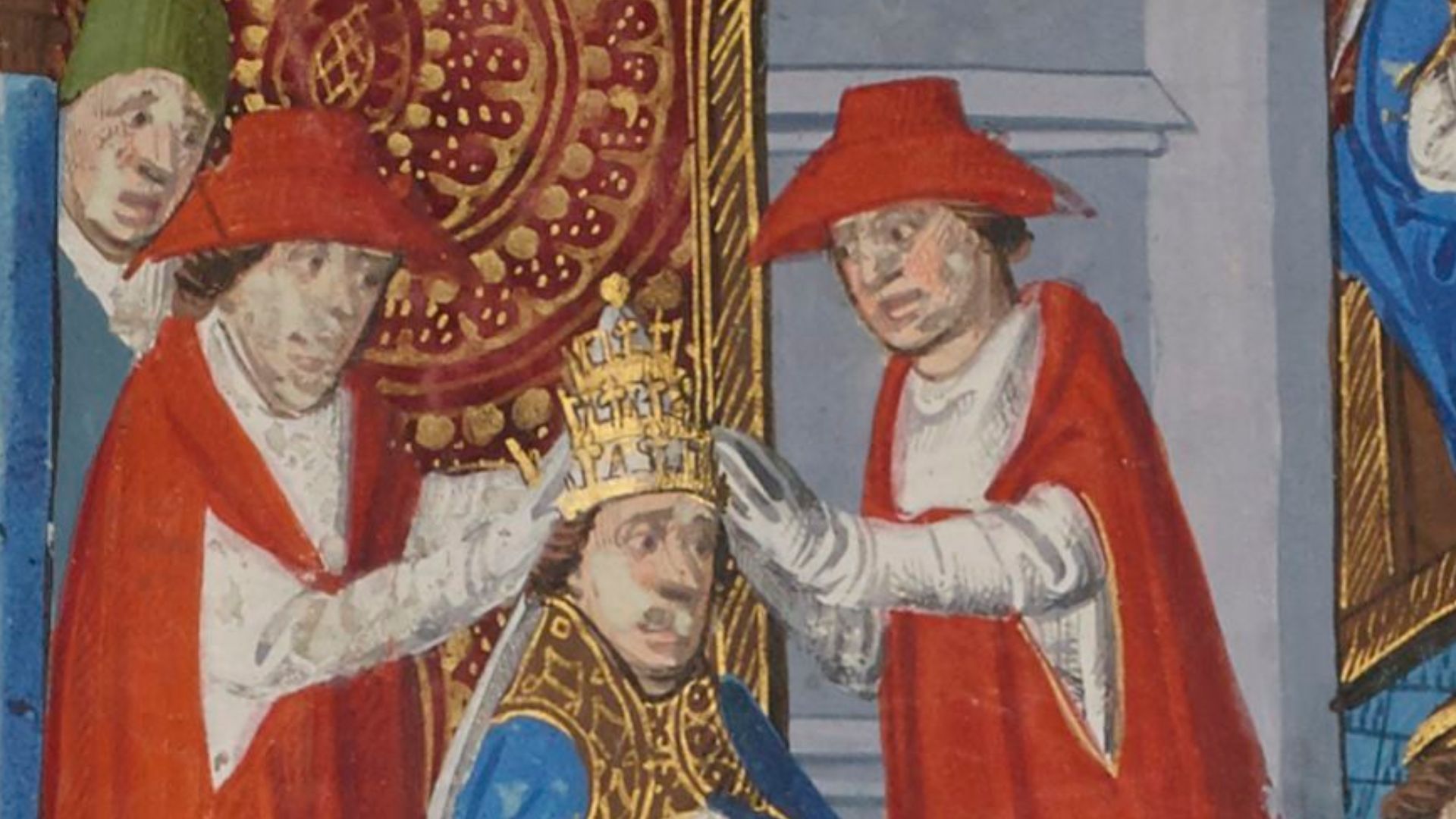
He Returned And Overturned His Own Removal
John refused to recognize the assembly, which deposed him and installed Leo VIII in December 963. After Otto departed, John returned to Rome, punished opponents, and convened another council overturning the earlier proceedings. Being formally removed hadn’t persuaded him to hand over the position.
 Unknown authorUnknown author, Wikimedia Commons
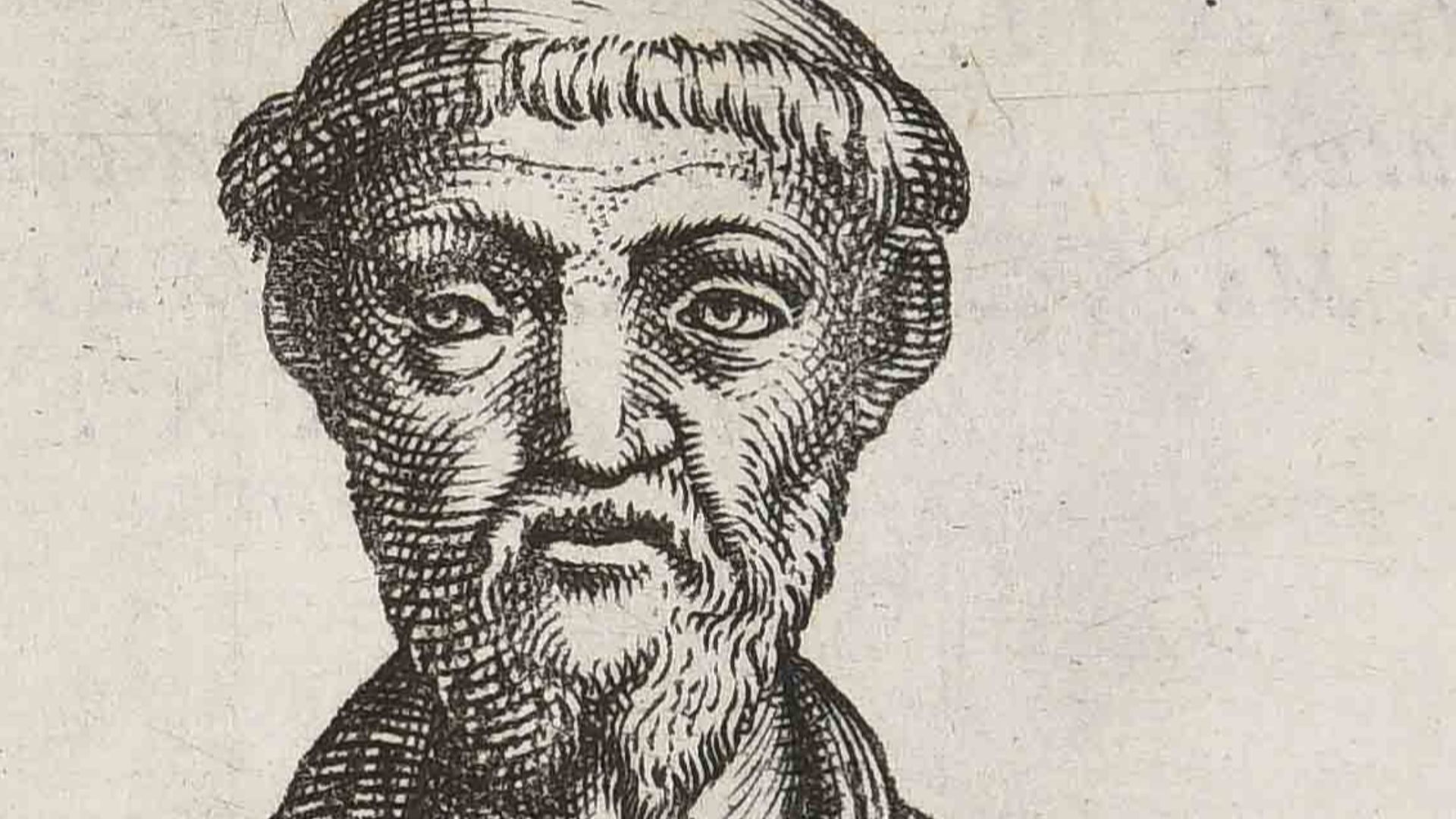
Pope Benedict V: Accused Of Becoming Pope Illegally
After John XII’s passing in 964, the Romans elected Benedict V. Emperor Otto still backed Leo VIII. Before an assembly, Benedict was accused of taking the papal position while Leo remained alive and of breaking an oath against electing a pope without the emperor’s consent.
 Giovanni Battista de'Cavalieri, Wikimedia Commons
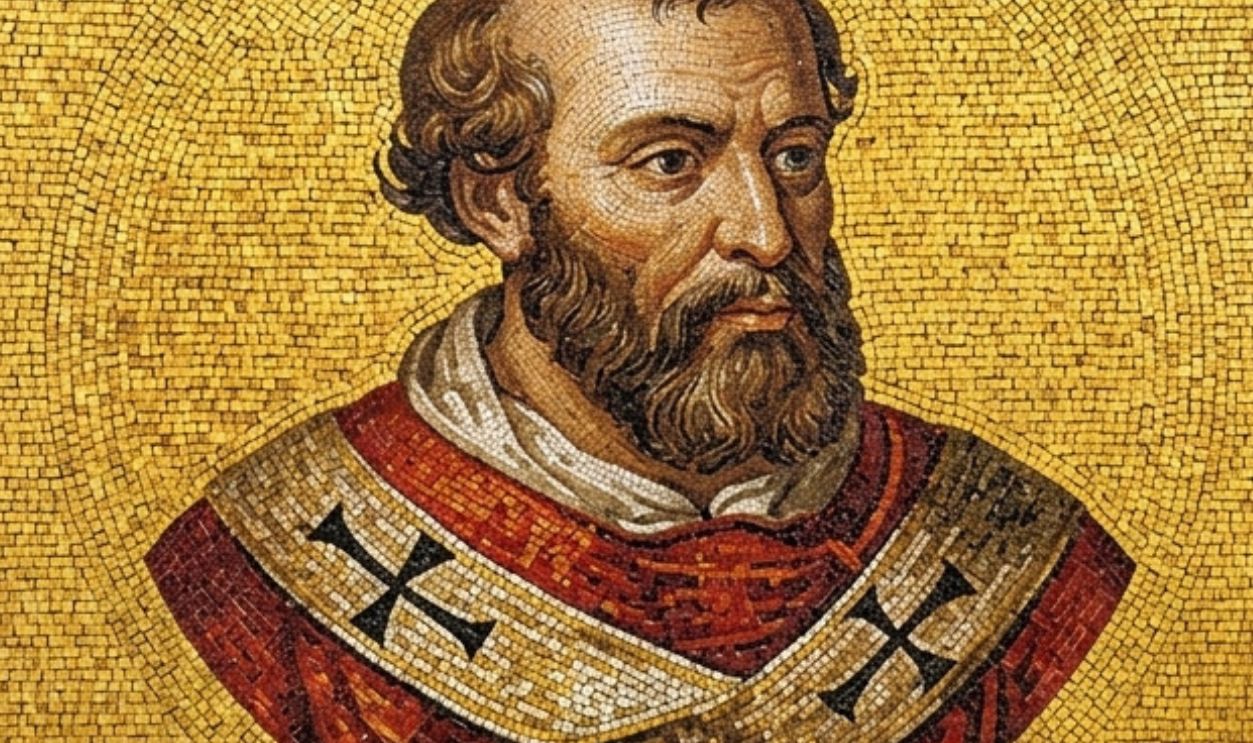
They Broke His Staff And Sent Him Away
Benedict’s papal insignia were removed, his staff was broken, and he was reduced to the rank of deacon. Otto took him to Germany, where he lived under the care of Hamburg’s archbishop. Accounts differ over his submission, but the emperor’s military intervention had decided the outcome.
 See page for author, Wikimedia Commons, Enhanced
Pope Gregory VI: Money Changed Hands For The Papacy
Gregory VI’s problem wasn’t simply an enemy’s accusation. In 1045, he had paid Benedict IX to relinquish the papacy and then taken the position himself. His defense was that he wanted to remove an unsuitable pope and repair the Church. Unfortunately, the payment remained difficult to explain away.
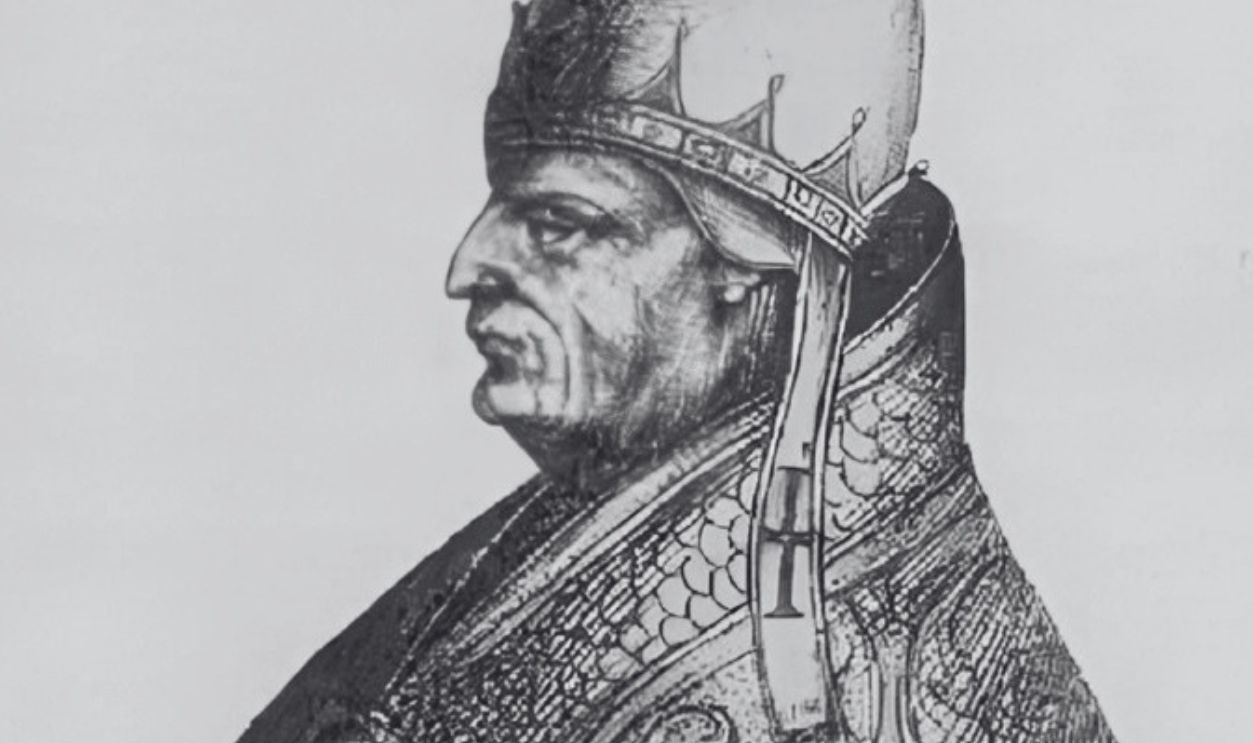 Unknown sourceUnknown source, Wikimedia Commons, Enhanced
His Explanation Didn’t Save His Position
At the Council of Sutri in December 1046, Gregory acknowledged the transaction. The issue was simony: buying or selling Church offices or spiritual privileges. Whatever his intentions, the arrangement compromised his claim. He relinquished the papacy during proceedings backed by King Henry III and later went to Germany.
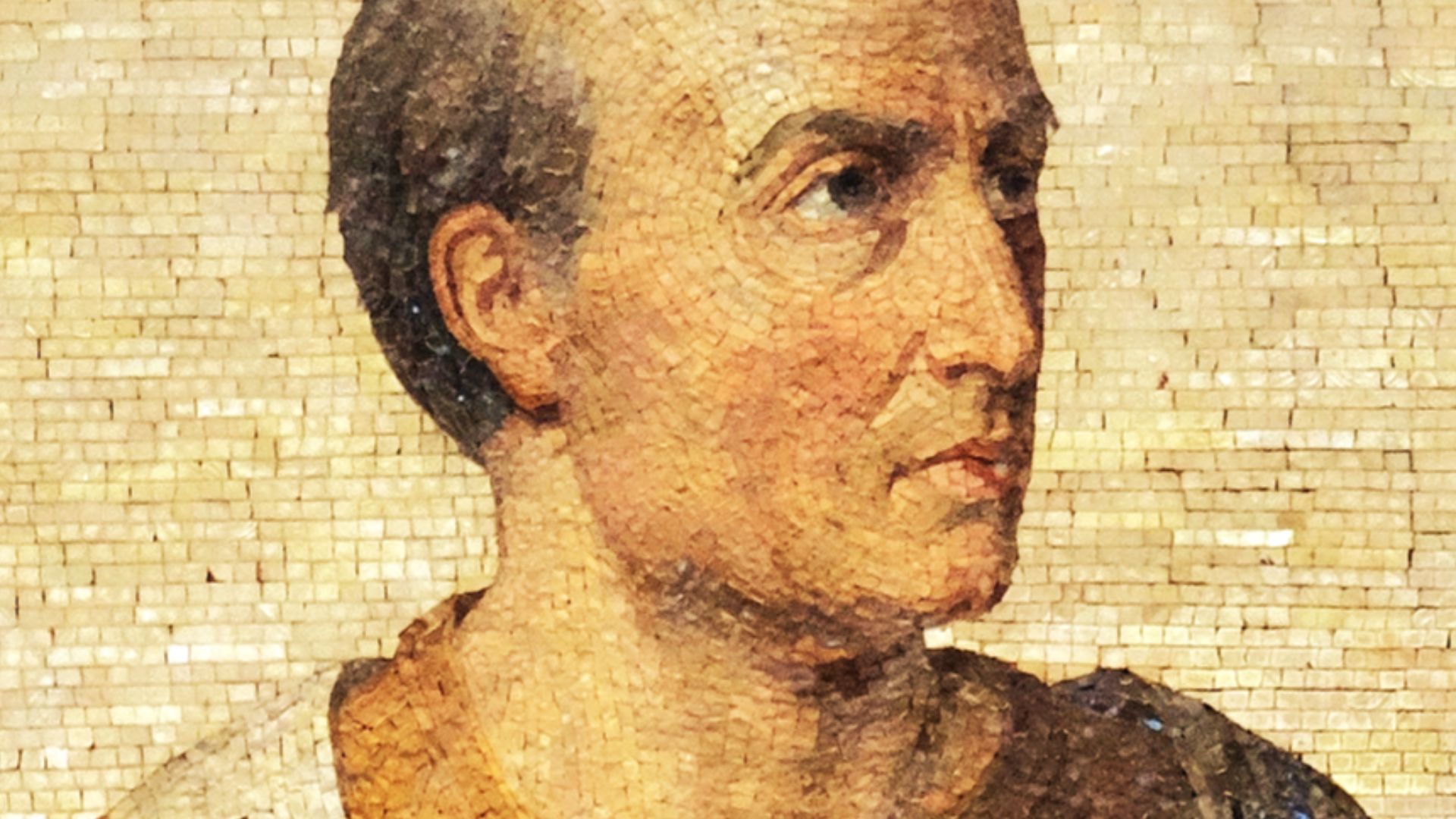 Unknown authorUnknown author, Wikimedia Commons
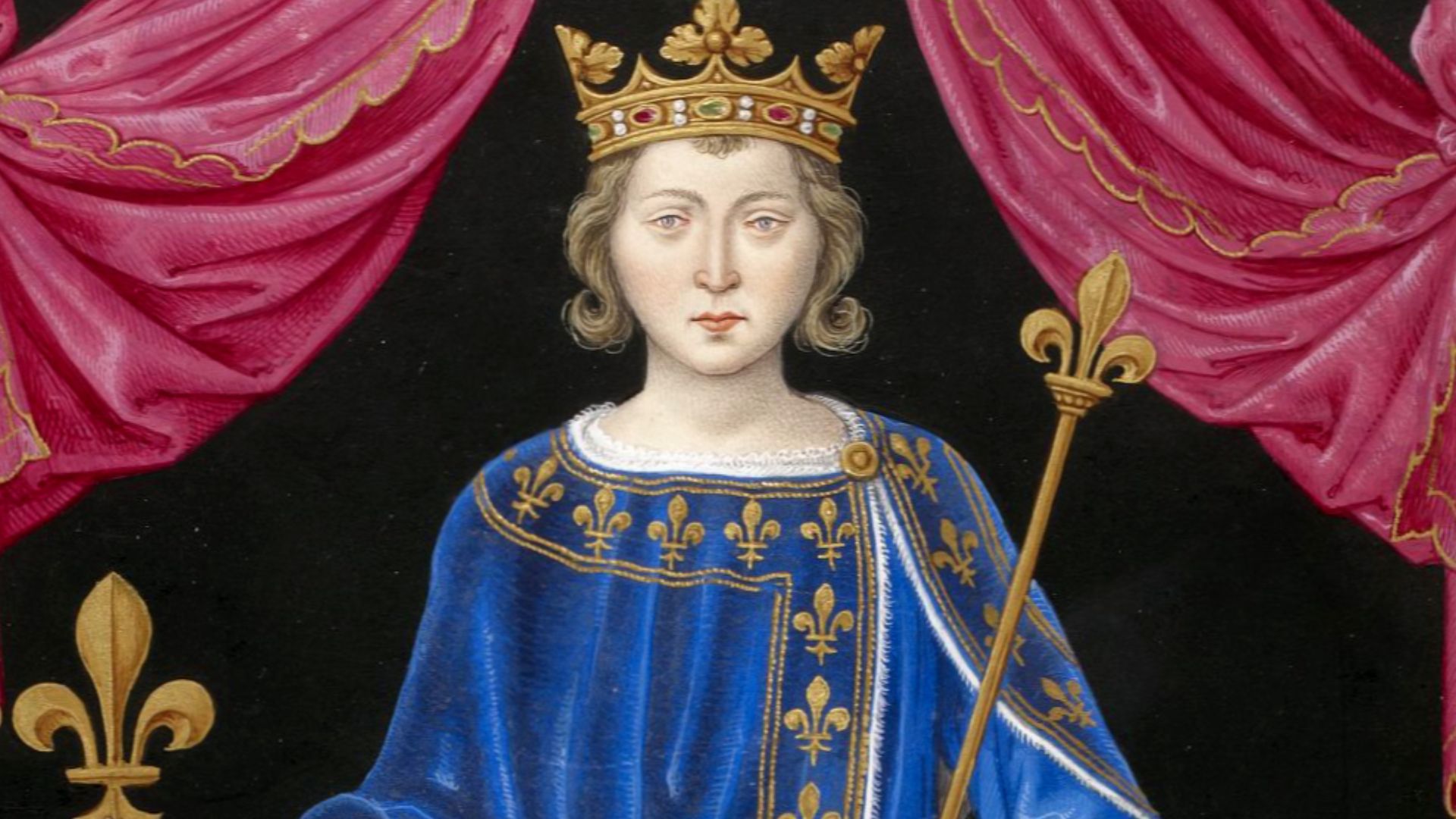
Pope Boniface VIII: Accused Of Not Believing His Own Religion
In 1303, agents of France’s Philip IV accused Boniface VIII of denying the soul’s immortality, the afterlife, and central teachings about Communion. They also alleged dealings with demonic powers and the sale of Church offices. These were unproven accusations in a bitter struggle over royal and papal authority.
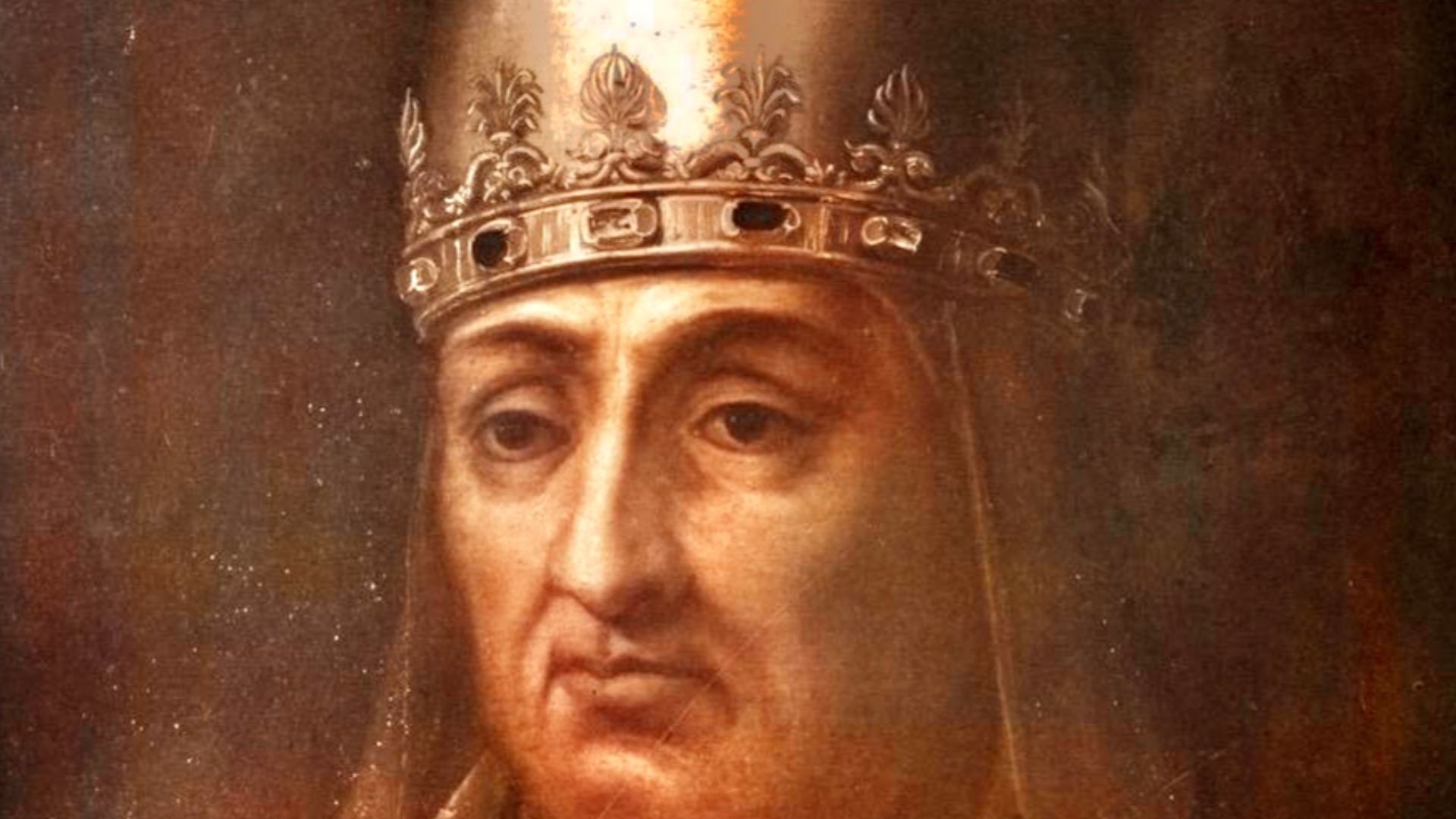 Cristofano dell'Altissimo, Wikimedia Commons
His Enemies Kept Going After His Passing
Boniface’s life ended in October 1303, but the campaign continued against his memory. Witness testimony was collected under Clement V as Philip pressed for condemnation. This case needs a qualification: the effort never produced a completed trial and conviction. It was abandoned following a political agreement in 1311.
John XXIII: Selling Offices And Misusing Church Property
Baldassare Cossa faced accusations of corrupt dealings in Church offices and mishandling Church property. The Council of Constance’s judgment called him a “notorious simoniac.” Now classified as an antipope, he was one of three rival papal claimants. This John XXIII was a different man from the twentieth-century pope.
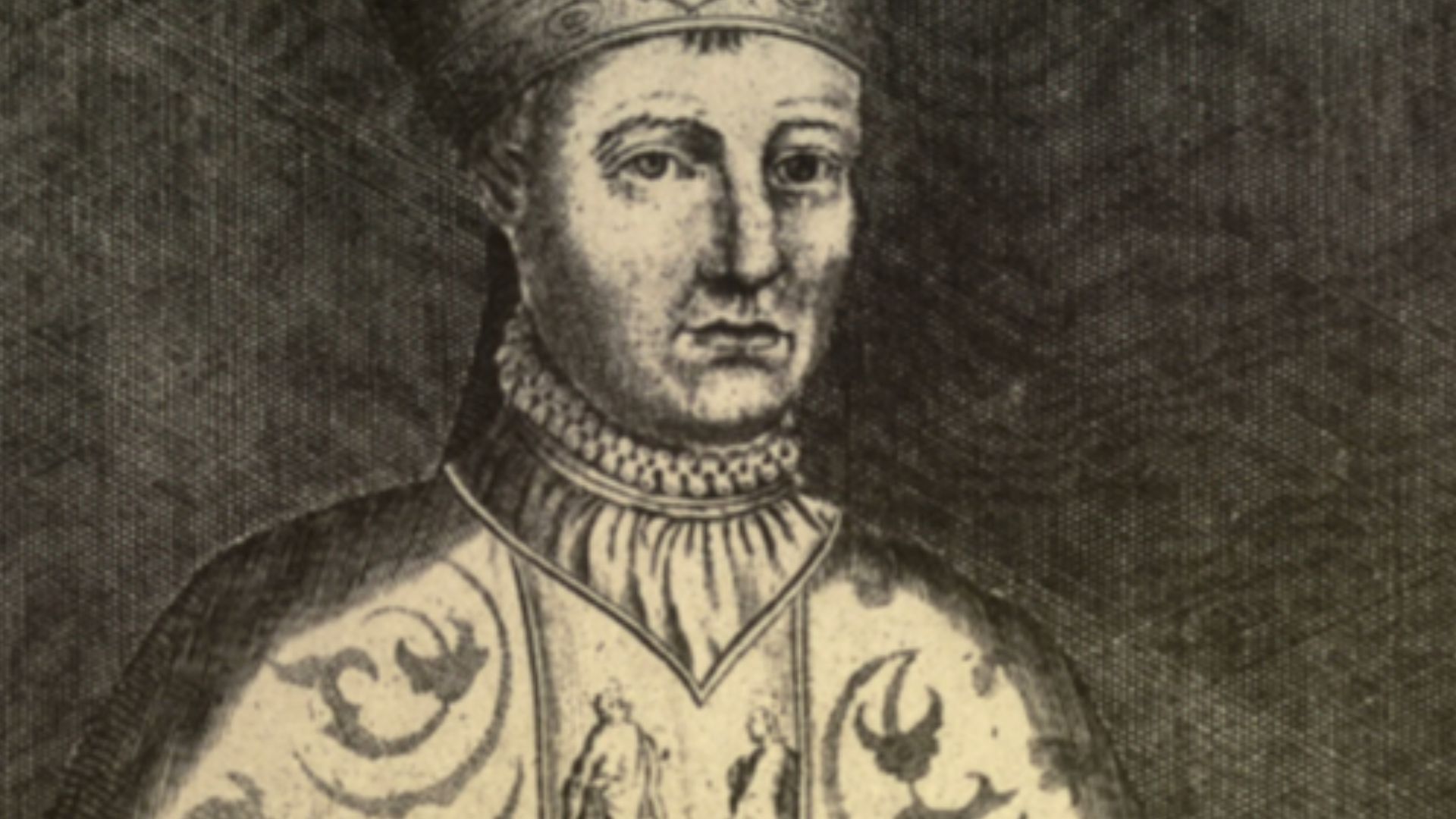 Hermanni von der Hardt, Wikimedia Commons
Fleeing The Council Made Everything Worse
After promising to resign under agreed conditions, Cossa secretly fled Constance in March 1415. The council condemned his departure as a breach of his commitments and deposed him that May. Following confinement and eventual release, he submitted to Martin V, who later made him a cardinal. Quite a comeback.
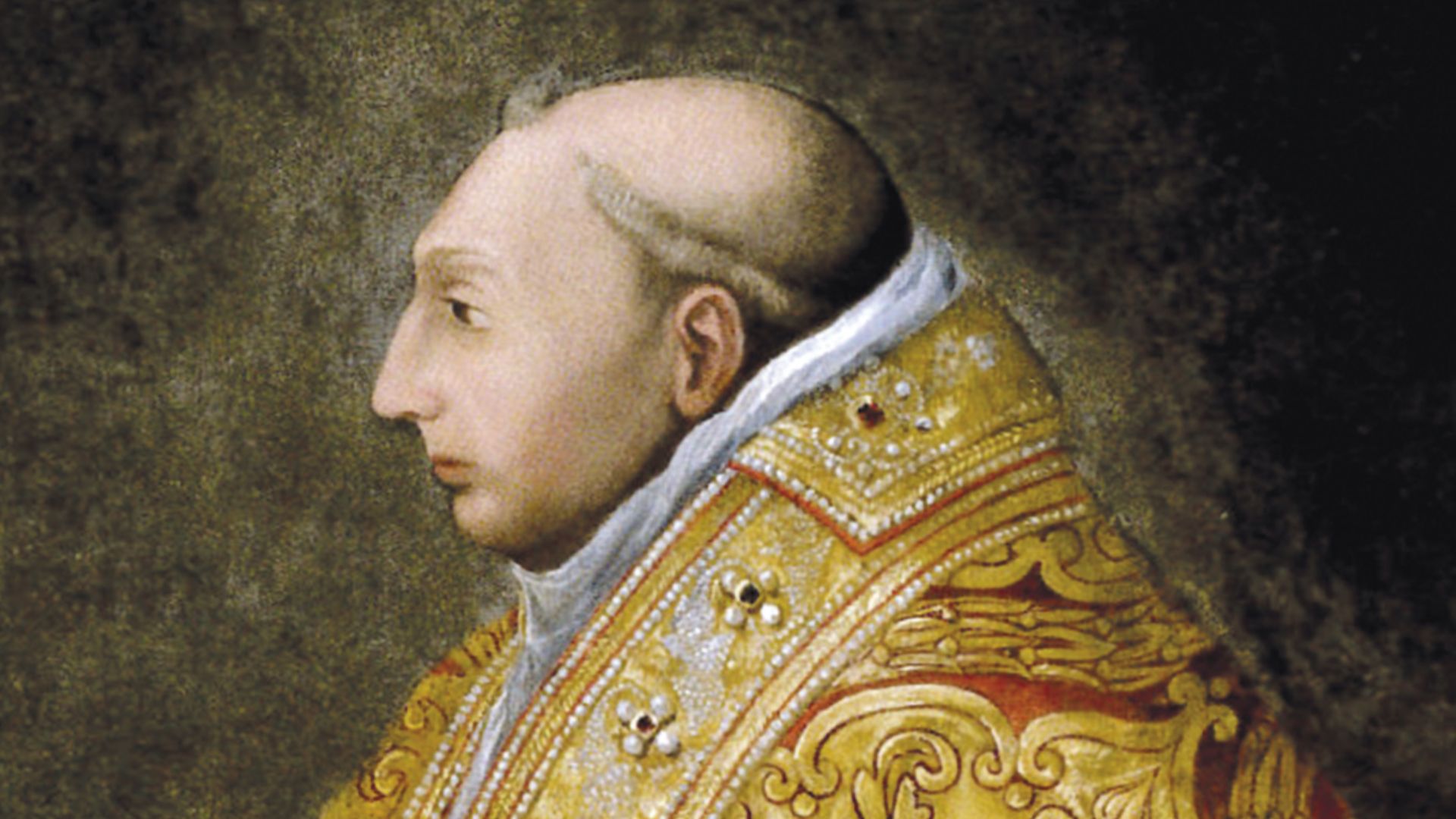 Venetian school / After Pisanello, Wikimedia Commons
You Might Also Like:
Ambitious Facts About Anne Seymour, The Fearless Duchess of Somerset
Historical Figures Who Became Famous For Something They Never Actually Did